New York is rarely quiet. Sirens, traffic, construction, millions of people moving at once.
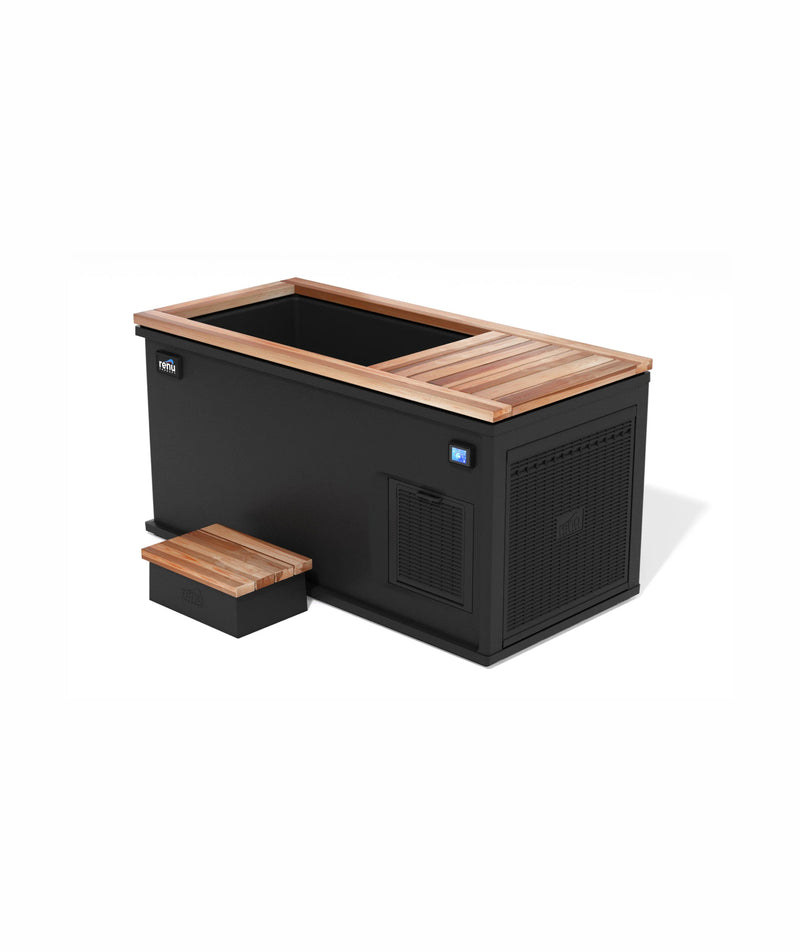
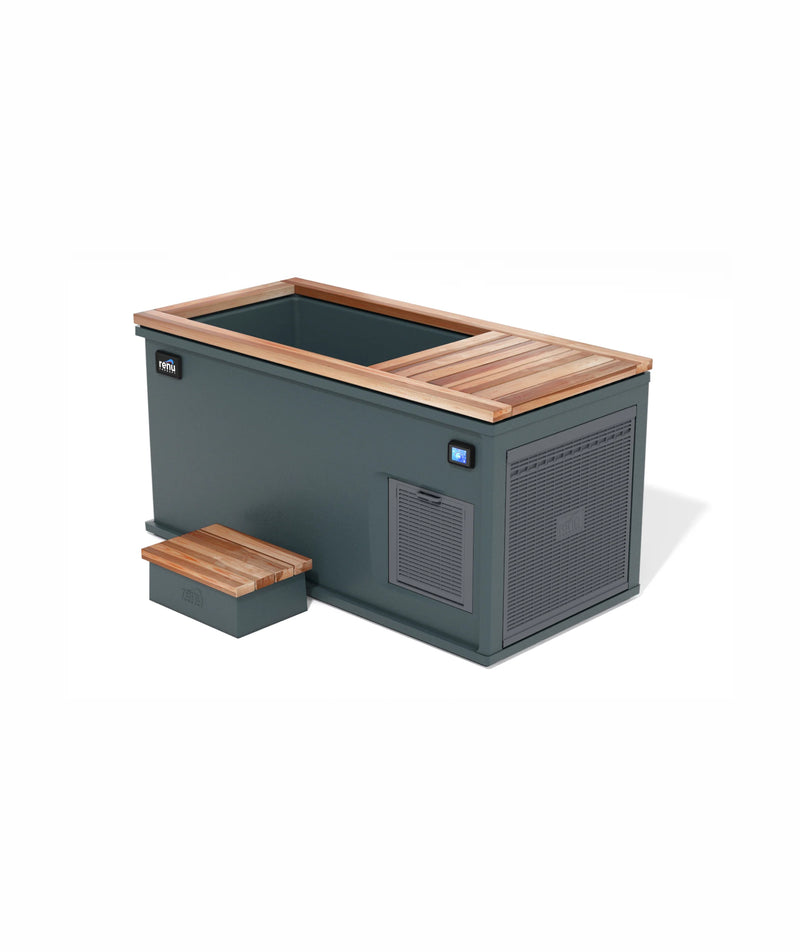
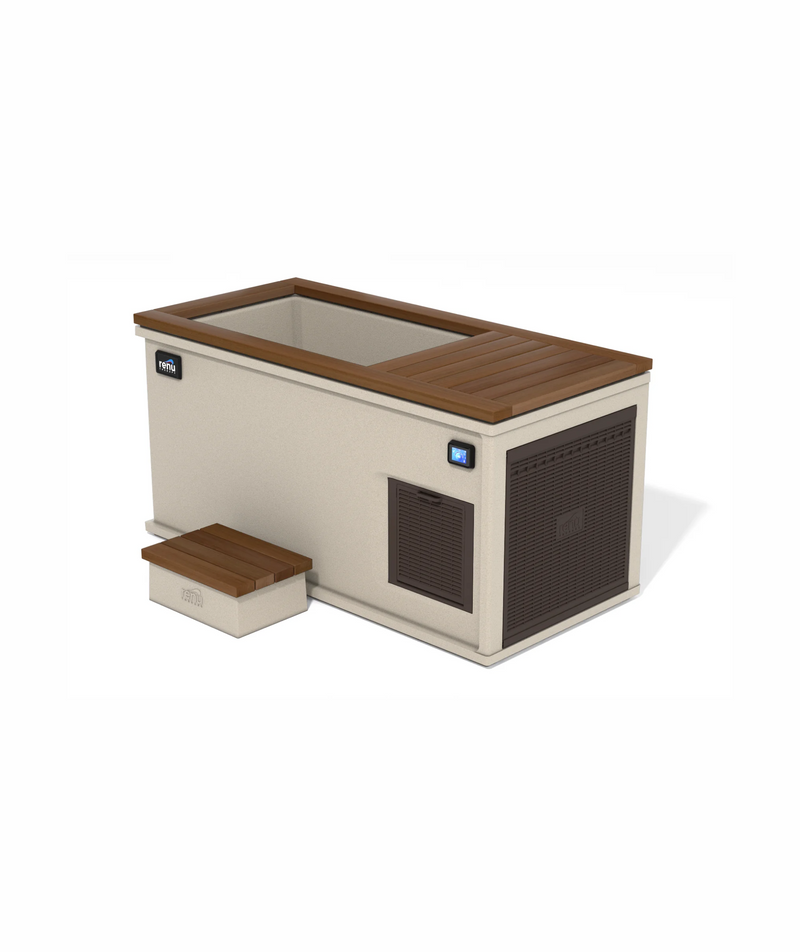
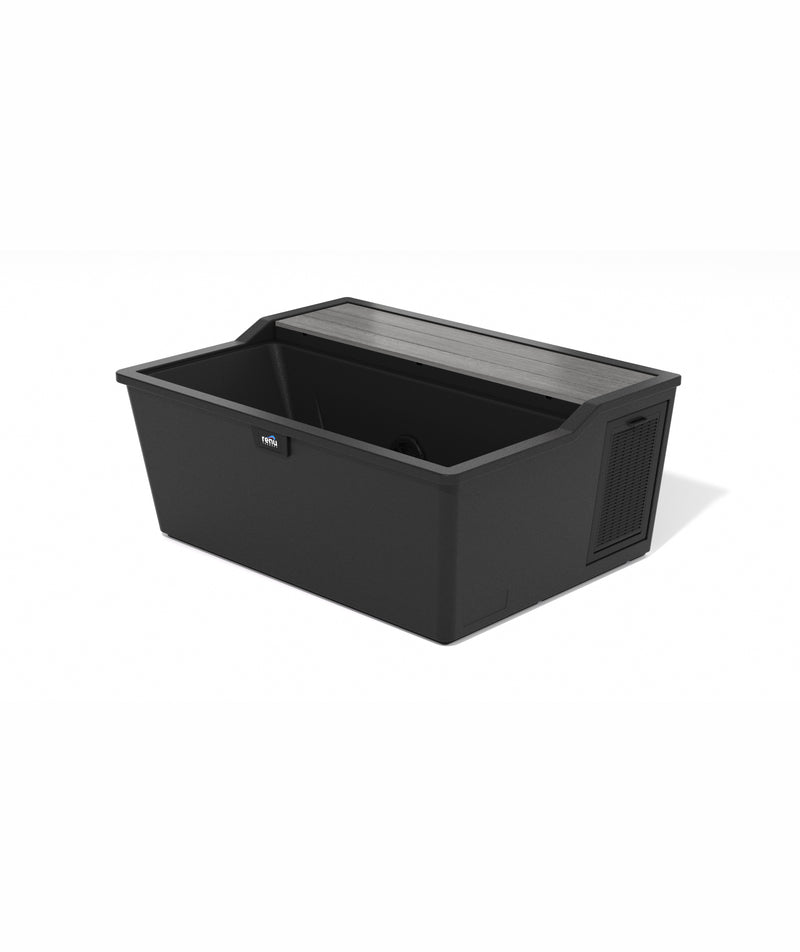
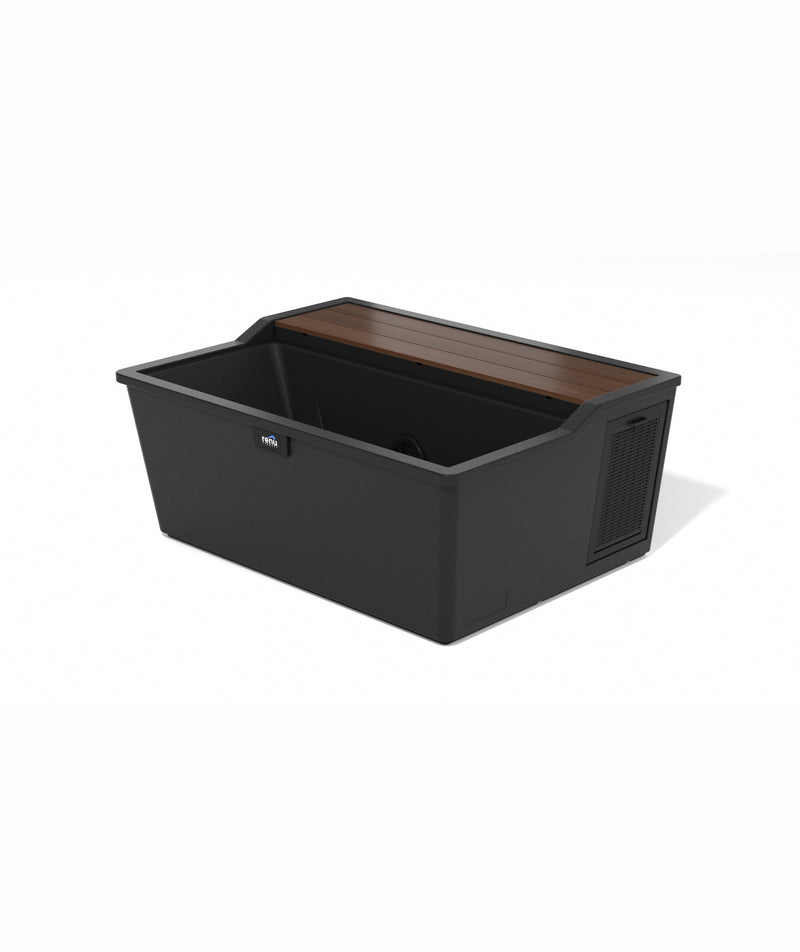
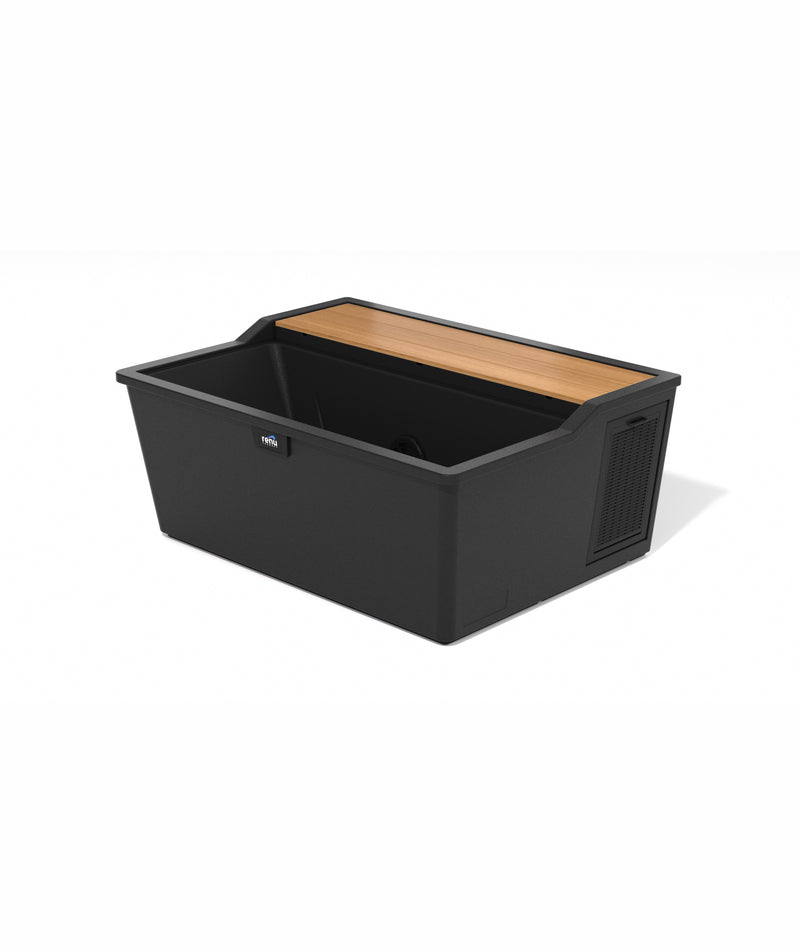
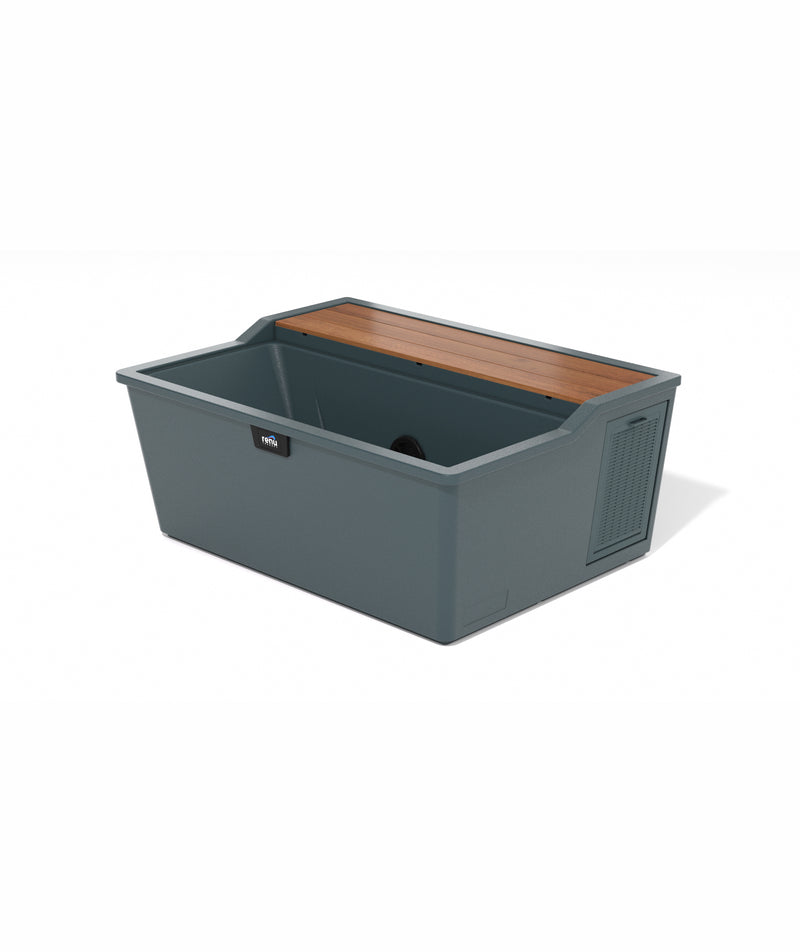
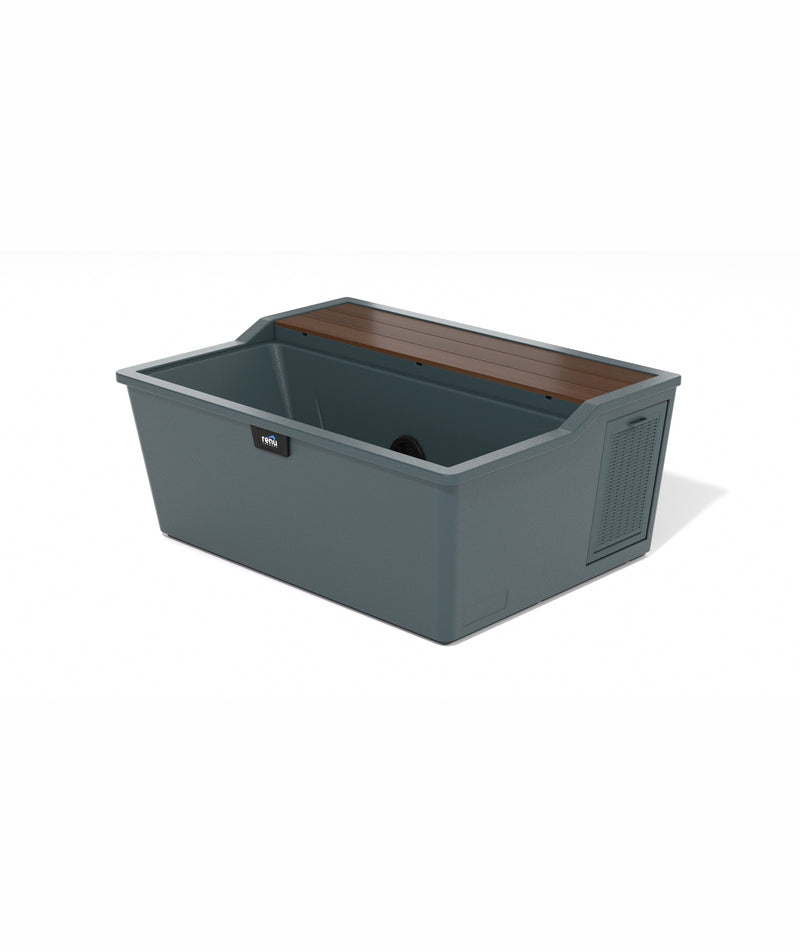
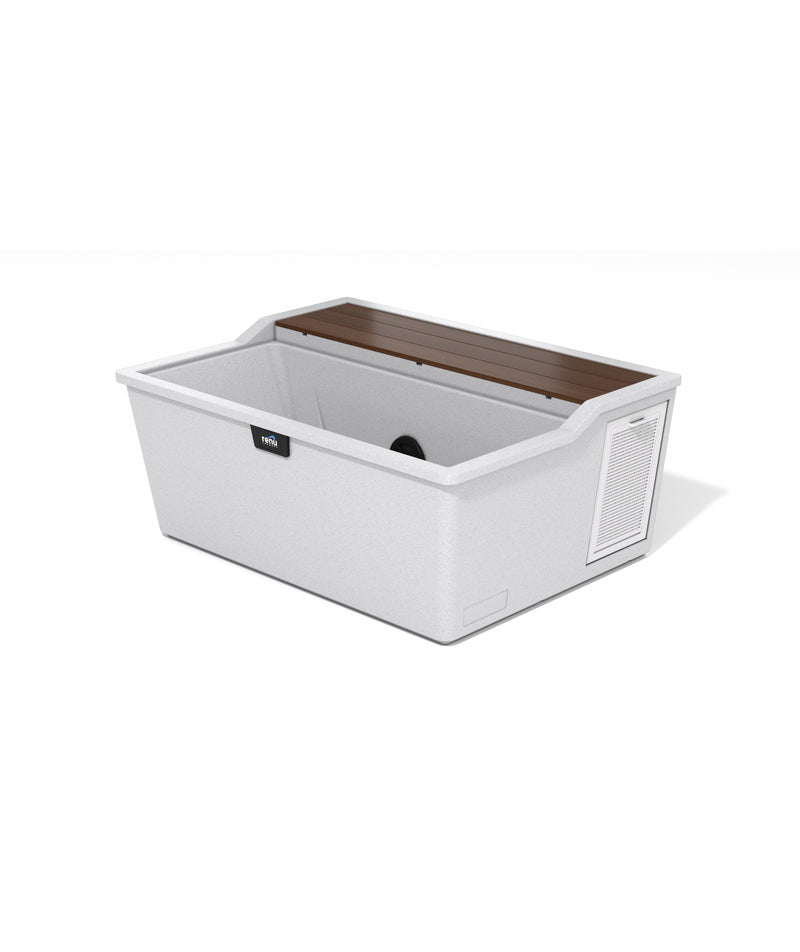
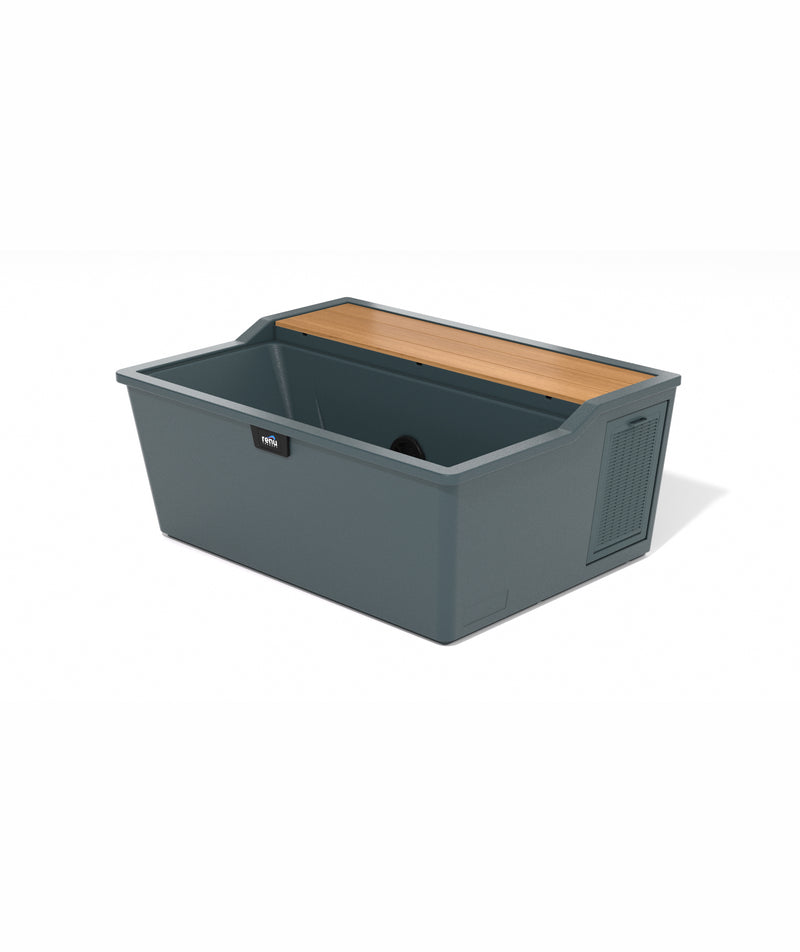
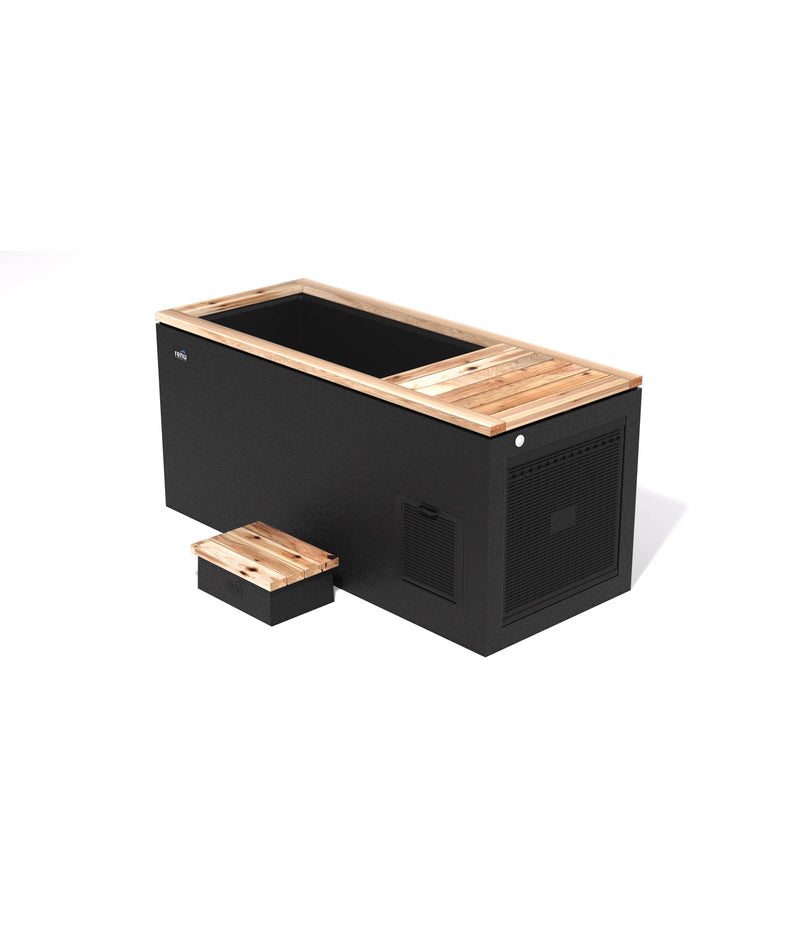
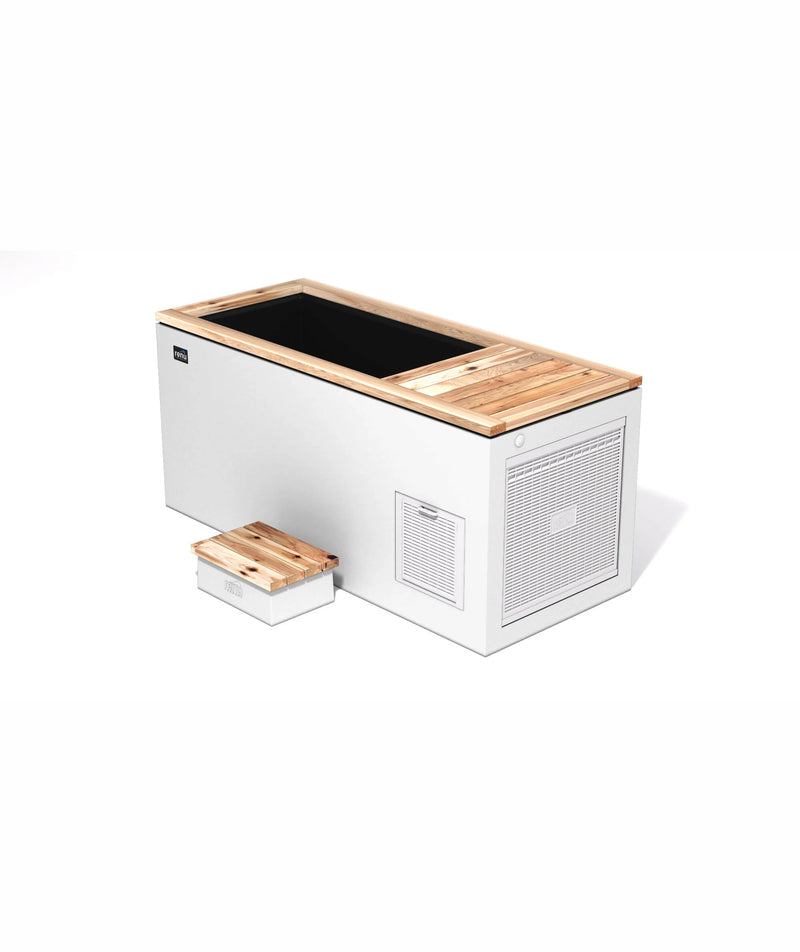
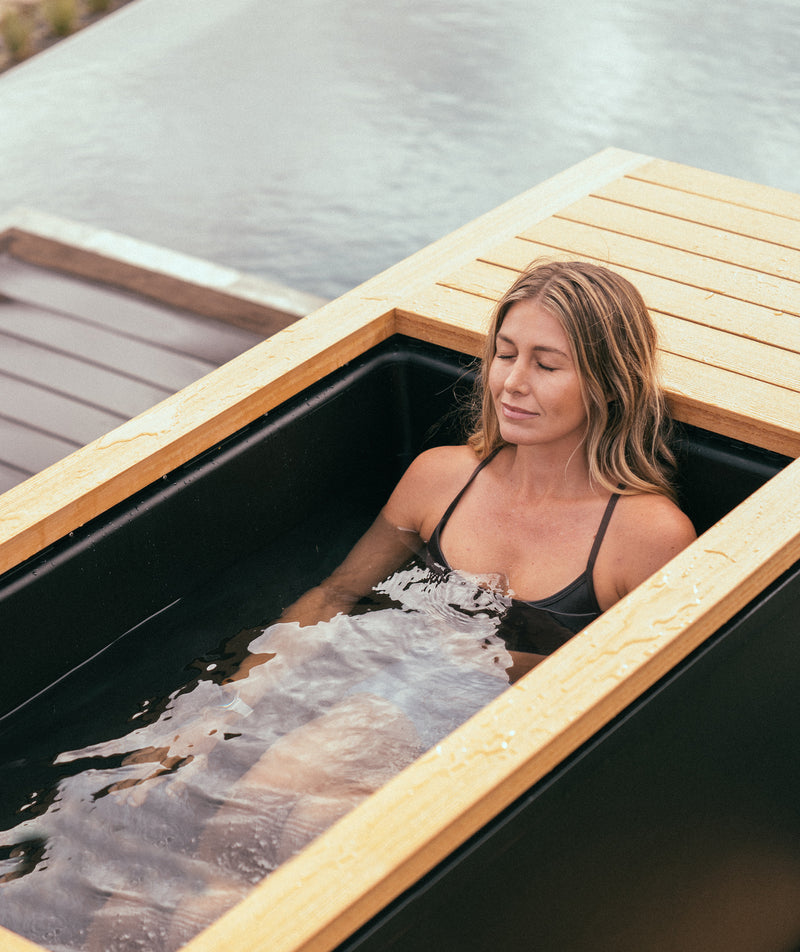
A few stories up on Liev Schreiber's rooftop, the city drops away. There's the skyline, the open air, and a Renu Therapy Cold Stoic 3.0.
Liev invited our team up to show us his setup and talk about why it's there. We expected a conversation about training. What we got was simpler, and more useful.
Who Liev Schreiber is, beyond the screen
Most people know Liev from his work. A Tony Award for Glengarry Glen Ross. Seven seasons leading Ray Donovan. Decades of film, stage, and narration.
That kind of career makes real demands on the body. He told us his training changes with the job, depending on what a particular character or role needs.
So you might assume his recovery routine exists to serve the work. It doesn't.
It's about how he feels
"Right now, it's not even about athleticism or physique. At my age, it starts to become about how you feel."
It's a shift we hear often. Somewhere along the way, the goal moves from how you look to how you feel on an ordinary Tuesday. Liev was specific about what he notices.
"I feel like it reduces stress. I feel like it reduces anxiety. It reduces inflammation. Those are all things that, as you get older, get more important to try to cut down."
The research is still catching up to what many people feel. As we covered in Chronic Inflammation, Healthspan, and the Daily Reset, cold exposure is best understood as a clean, repeatable reset, not a cure for inflammation.
The stress side has a clearer story. Human performance coach Nolan Kim explains in The Ice Bath Isn't Just Recovery, It's Nervous System Training how regular cold exposure teaches your nervous system to stay steady under pressure.
Cold, heat, and the contrast between them
Liev doesn't stop at the plunge.
"The cold plunging and the sauna and the contrast therapy, that's really for me. It has nothing to do with work."
Contrast therapy alternates sauna heat with cold water in one session. Heat opens blood vessels and lifts heart rate. Cold narrows them and triggers a sharp stress response. Our sauna and cold plunge contrast therapy guide walks through what the evidence supports: faster short-term recovery is well backed, and the long-term claims are promising but still early.
If you're setting up your own contrast therapy practice, it's helpful to know these numbers. A traditional sauna runs 160–195°F and an infrared sauna 120–140°F (Learn more about How Hot Should a Sauna Be). For the plunge, 50–59°F works for most people, with beginners starting nearer 57–60°F (Learn more about Ice Bath Temperature).
A routine, not a challenge
"When I'm in a routine, I feel better. My body feels better and my mind feels better."
The word that matters there is routine. Not a record. Not a stunt.
The research agrees. Studies covered in Why the Cold Stops Fighting You point to roughly eleven minutes of cold a week, split into short two to three minute plunges. Small doses, repeated, are what the body adapts to.
Nolan Kim makes the same case from the habit side in Consistency Beats Intensity for Long-Term Recovery: removing friction matters more than willpower. A plunge a few steps from your door is about as low-friction as it gets.
A recovery space on a New York rooftop
One of the most common questions we hear from city buyers is whether a cold plunge will work in their space.
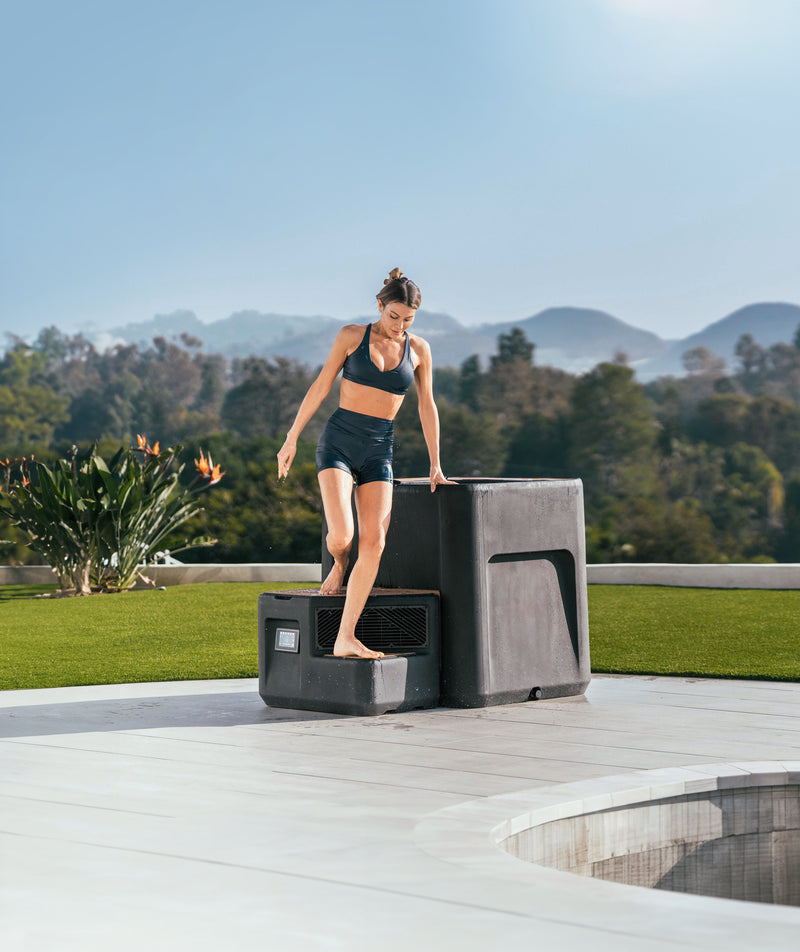
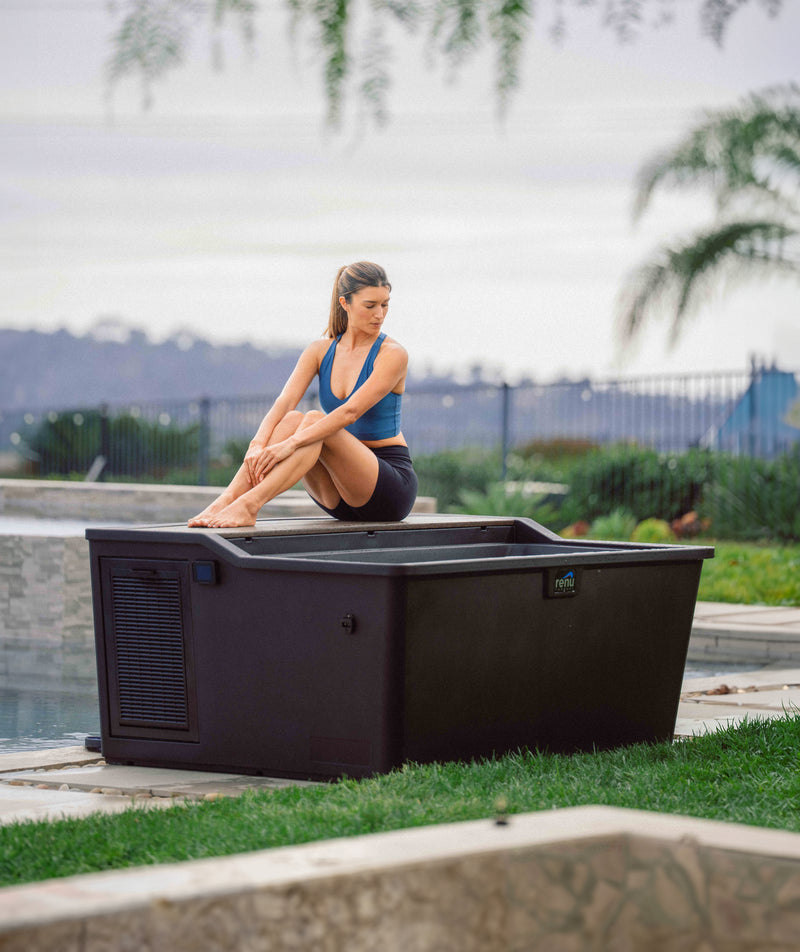
Liev's setup is a good answer. No backyard, no basement, no dedicated wellness room. Just a rooftop, a view, and a tank built to look right in the spaces people care about.

If you're working with a small footprint, see how one designer fit a full contrast setup into a ten-foot side yard, or how founder Bill toured a plunge and sauna on the penthouse terrace at the JW Marriott Essex House. Plunging outdoors through a New York winter is covered in Everything People Ask Before Buying a Cold Plunge as well.
Why the Cold Stoic 3.0
Liev didn't say much about the tank itself. He didn't need to.
For us, the highest compliment a product can get isn't that it impresses on day one. It's that it's still part of someone's life long after the novelty wears off.
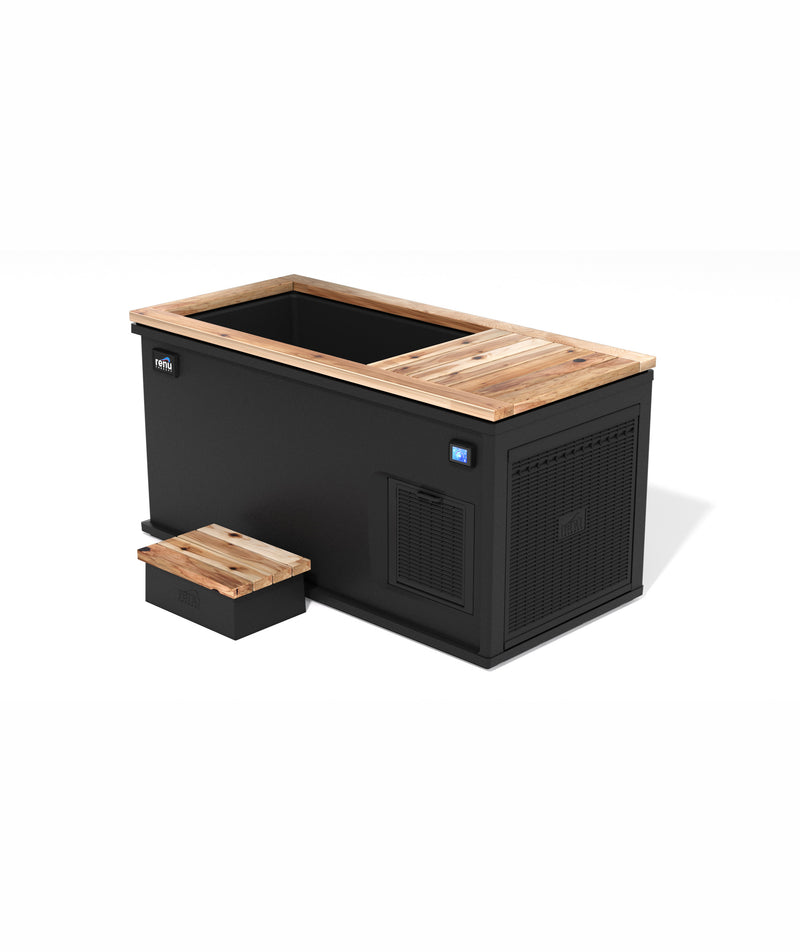
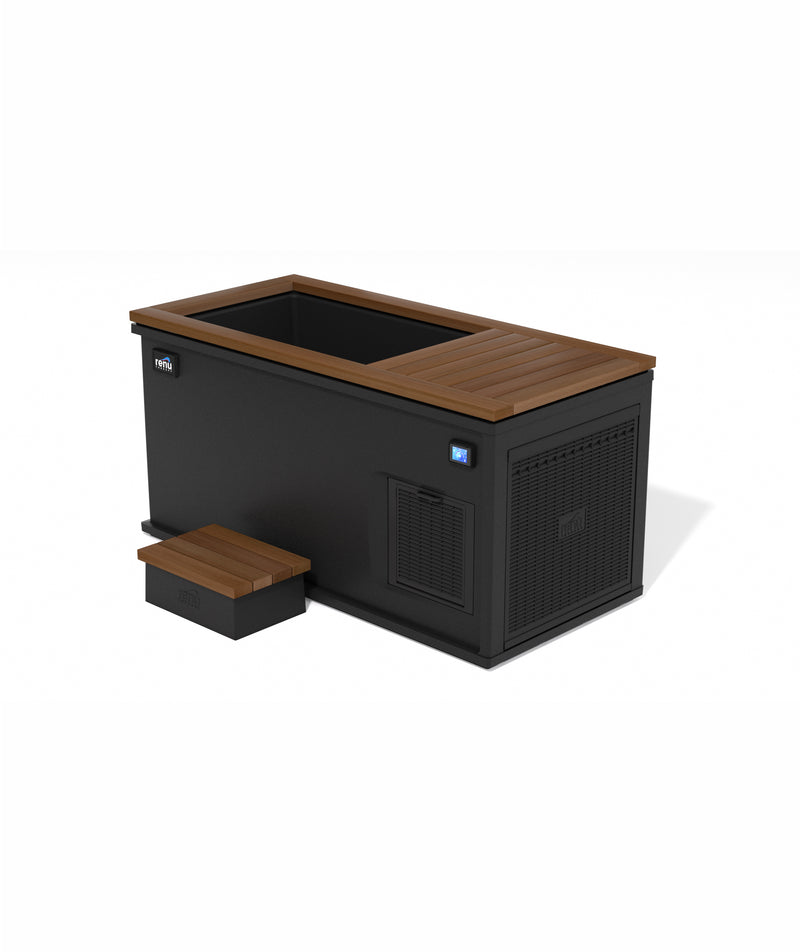
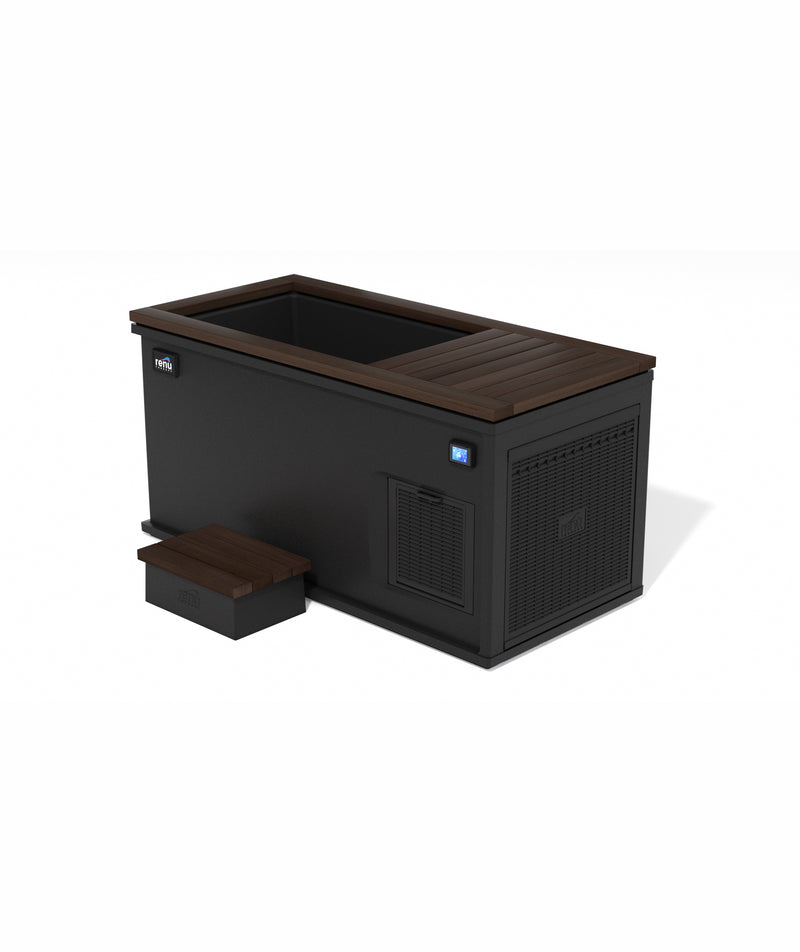
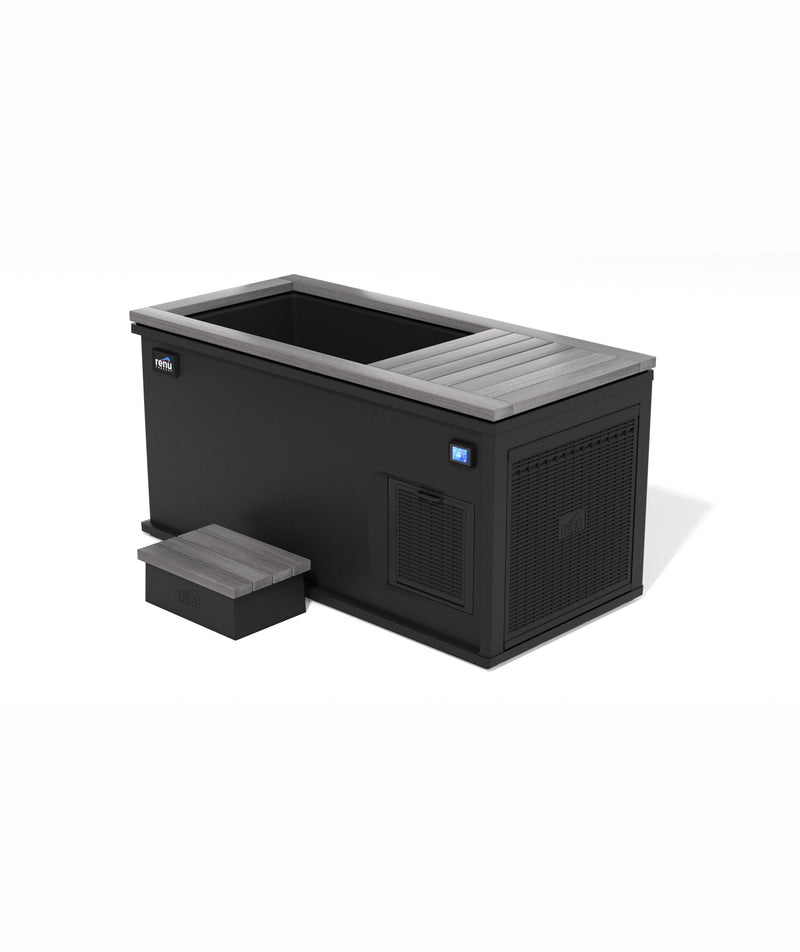
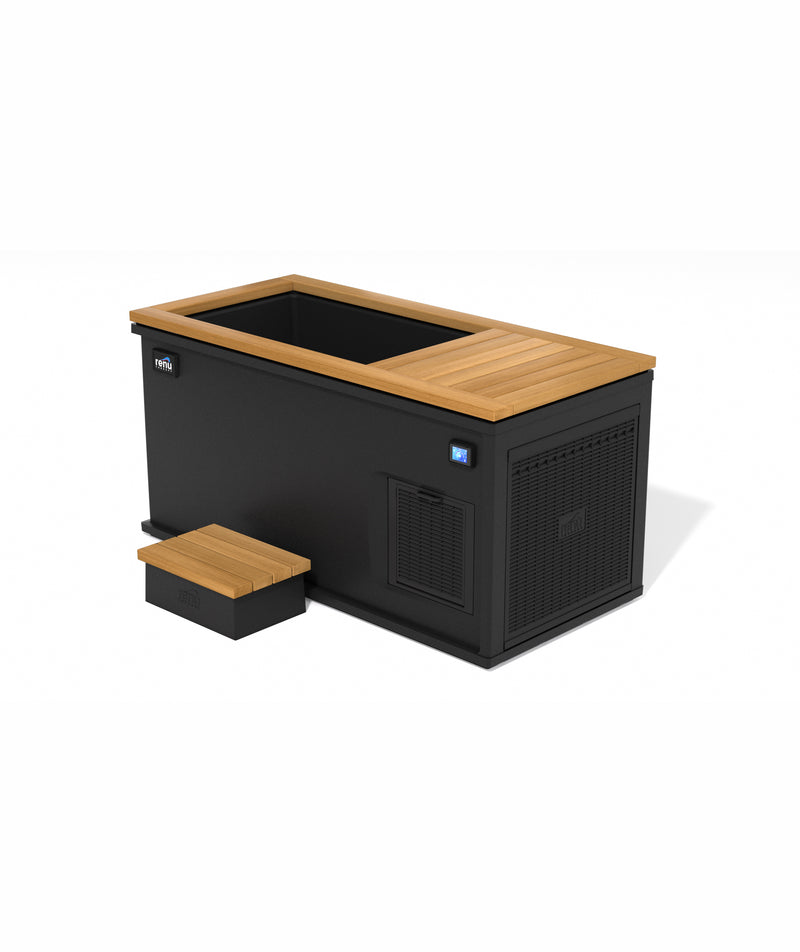
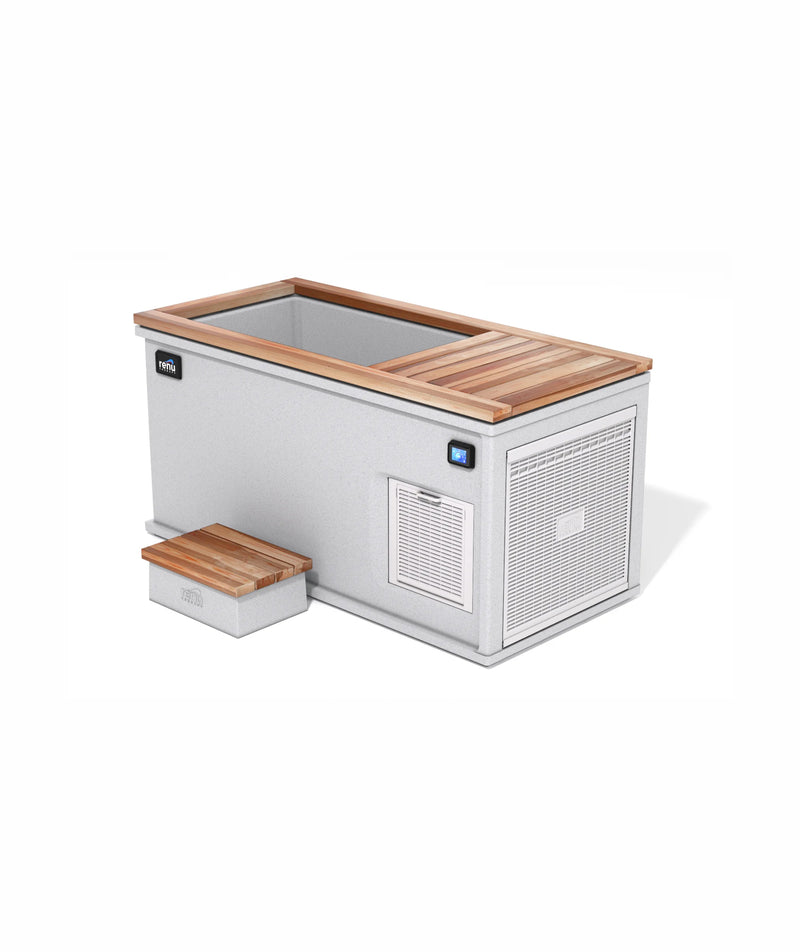
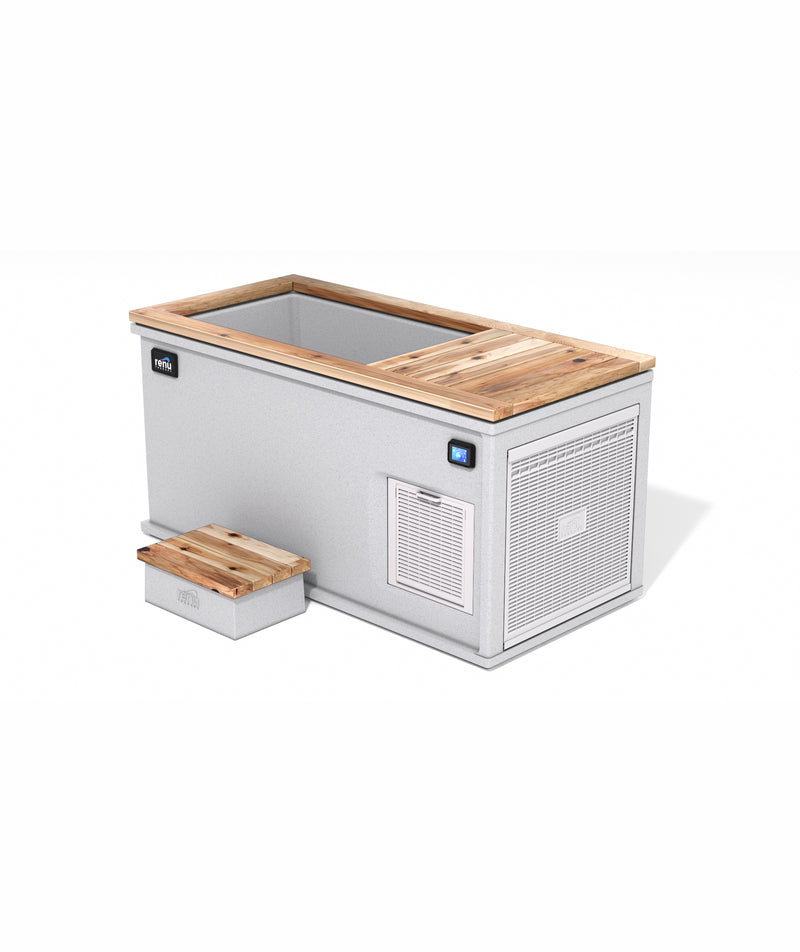
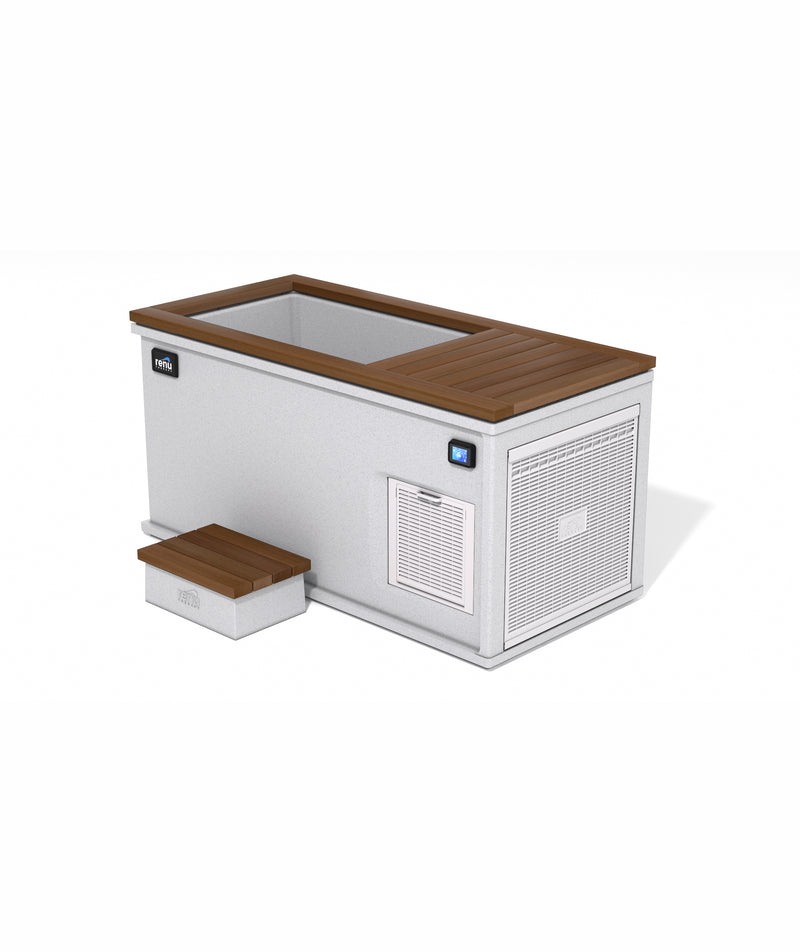
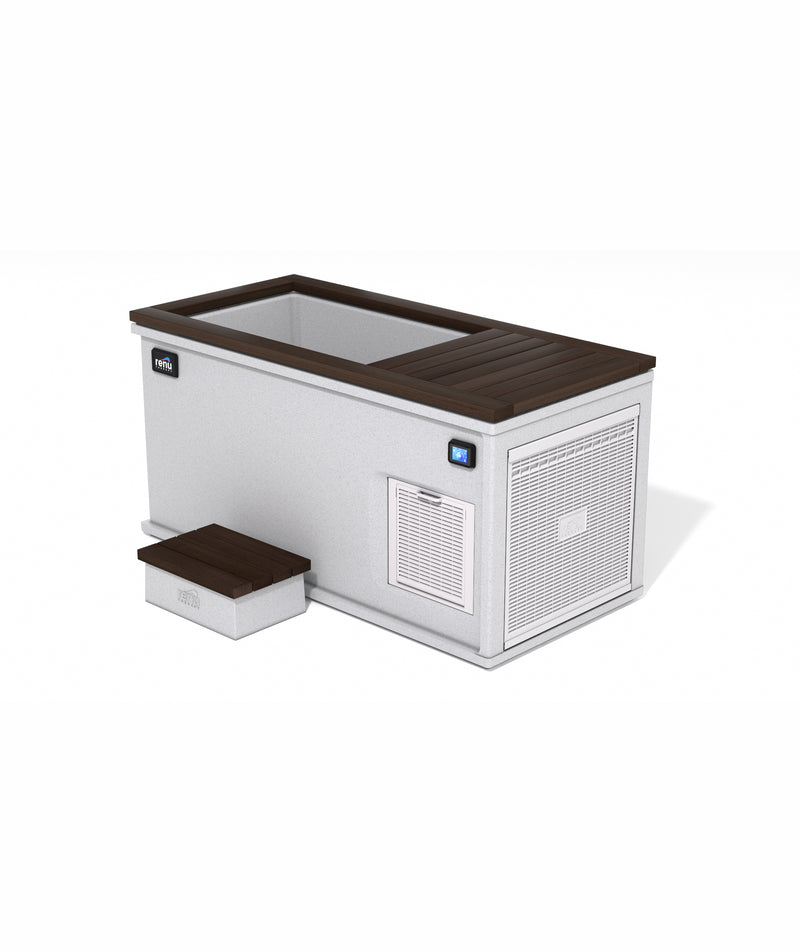
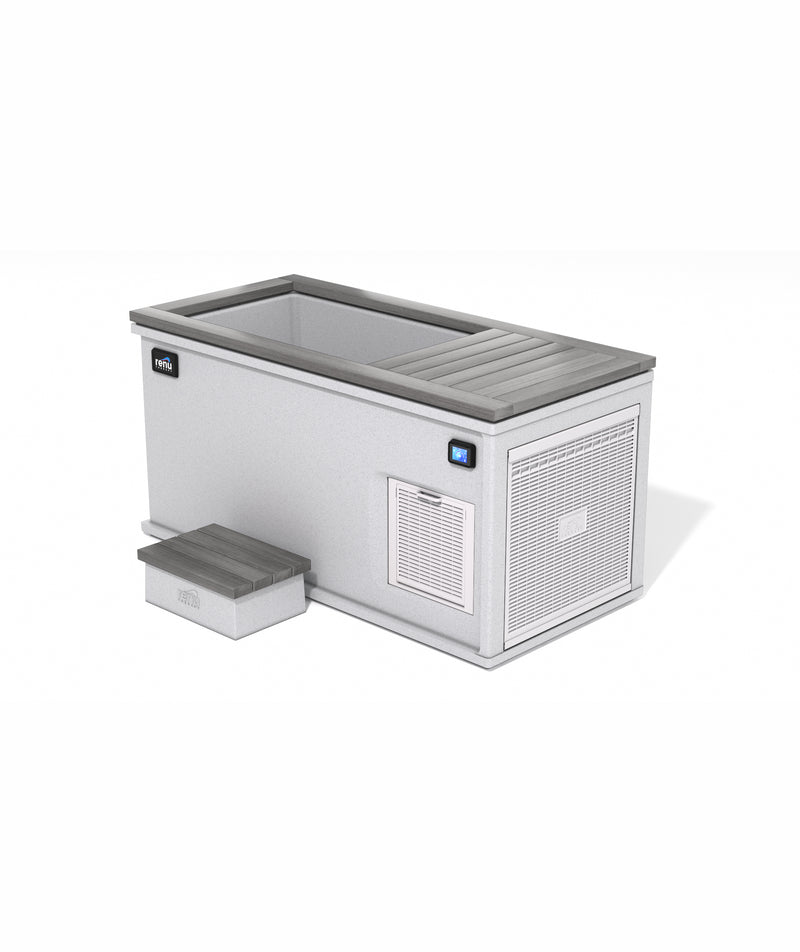
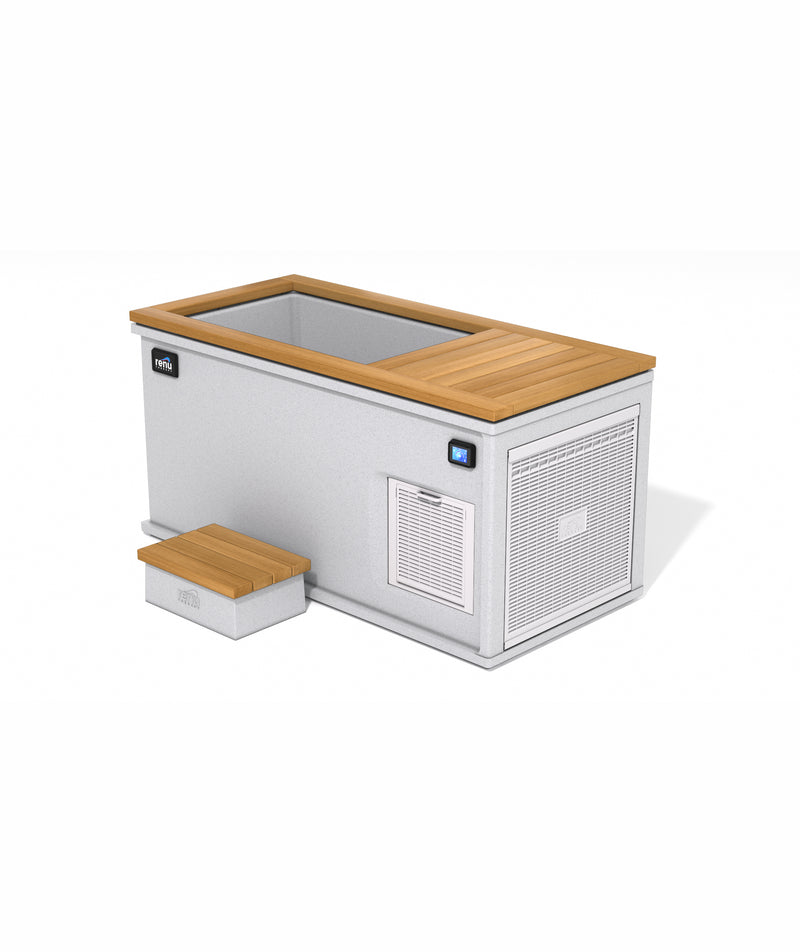
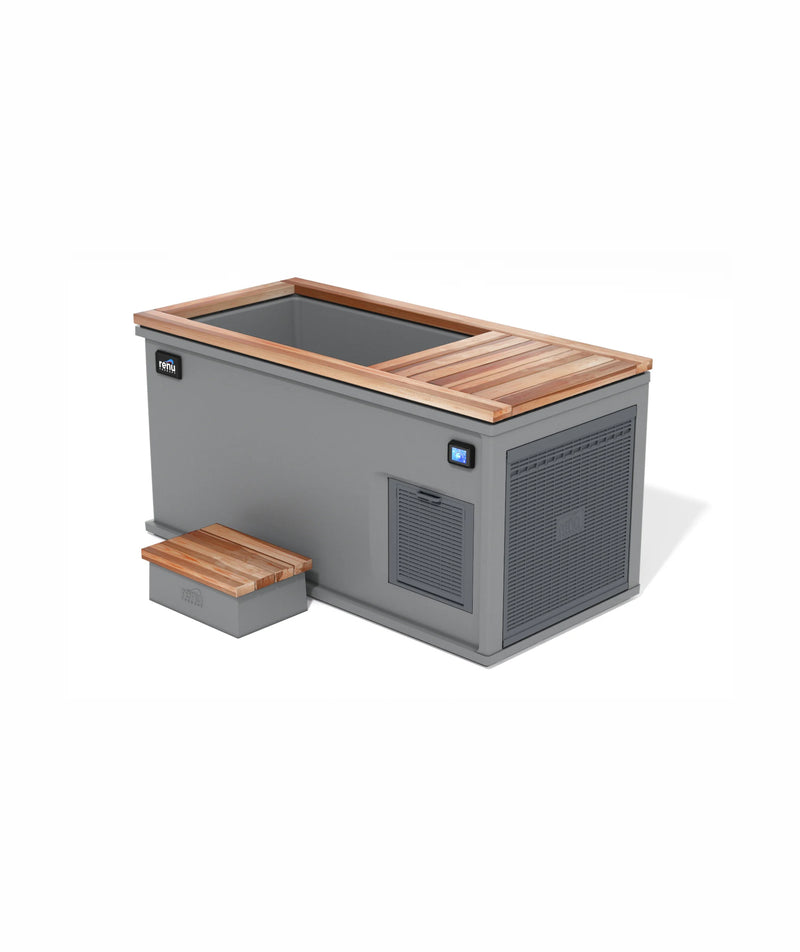
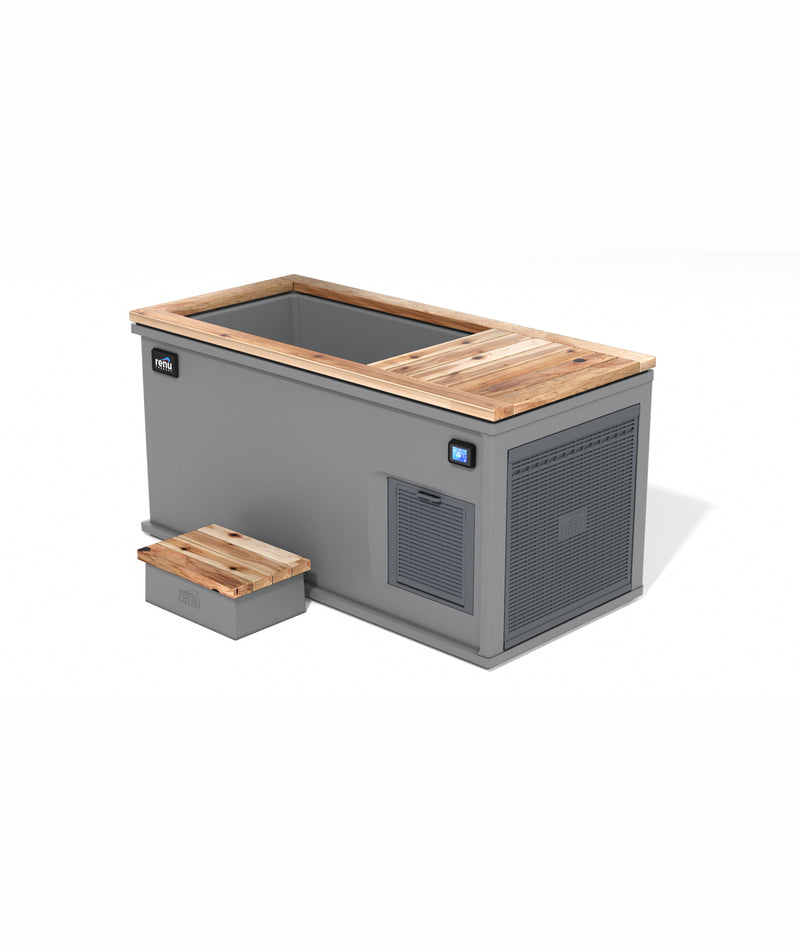
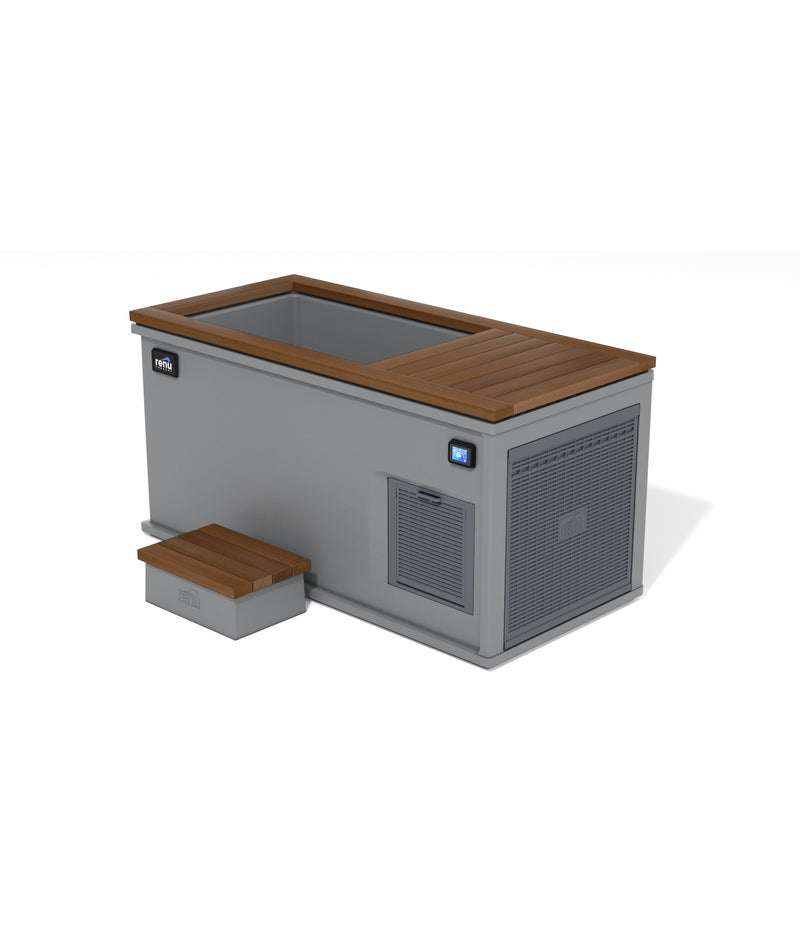
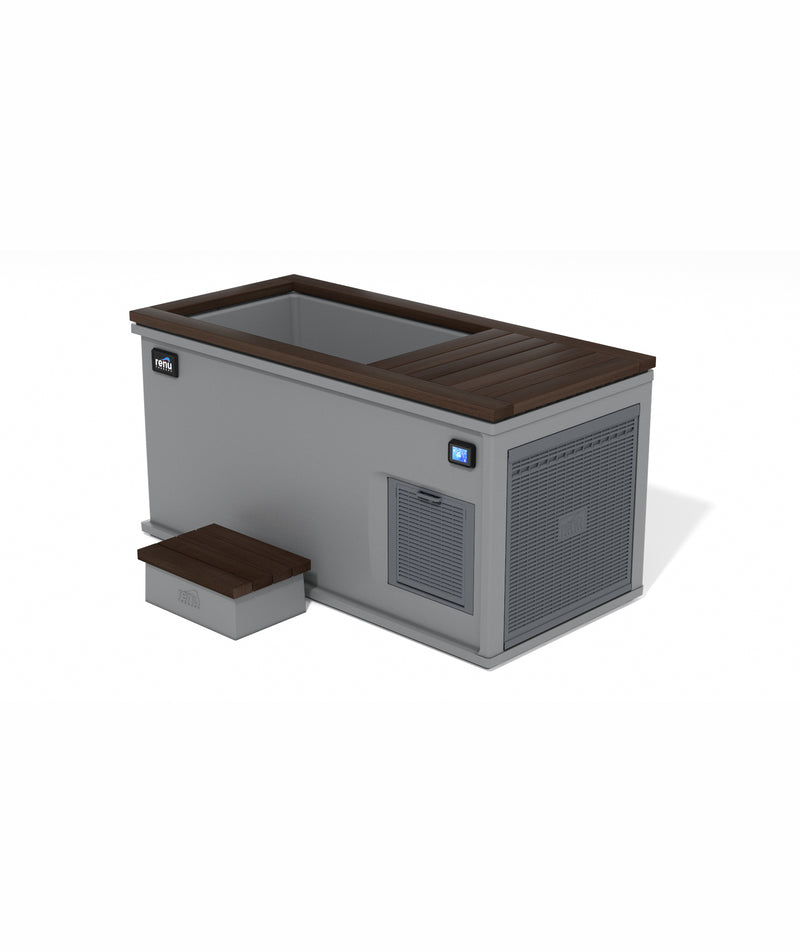
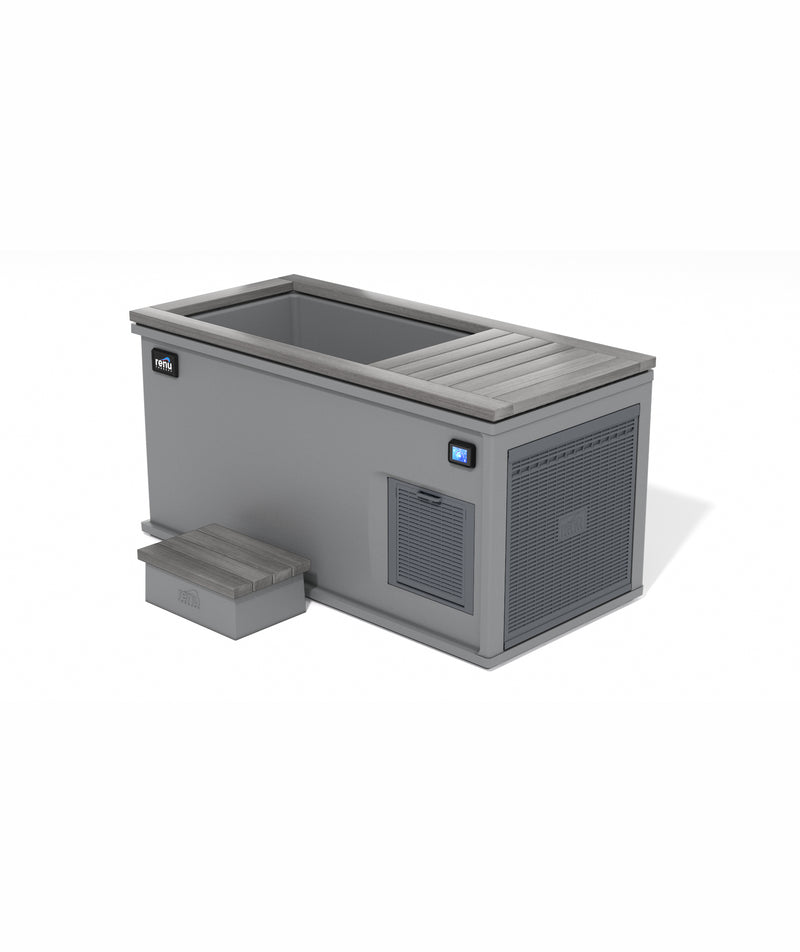
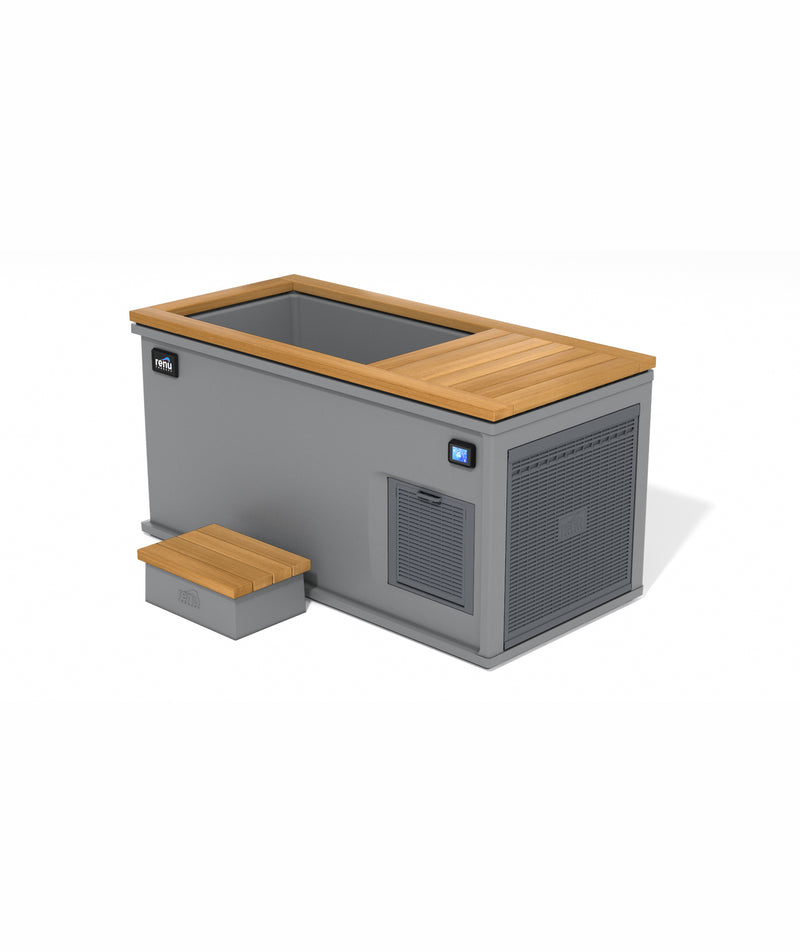
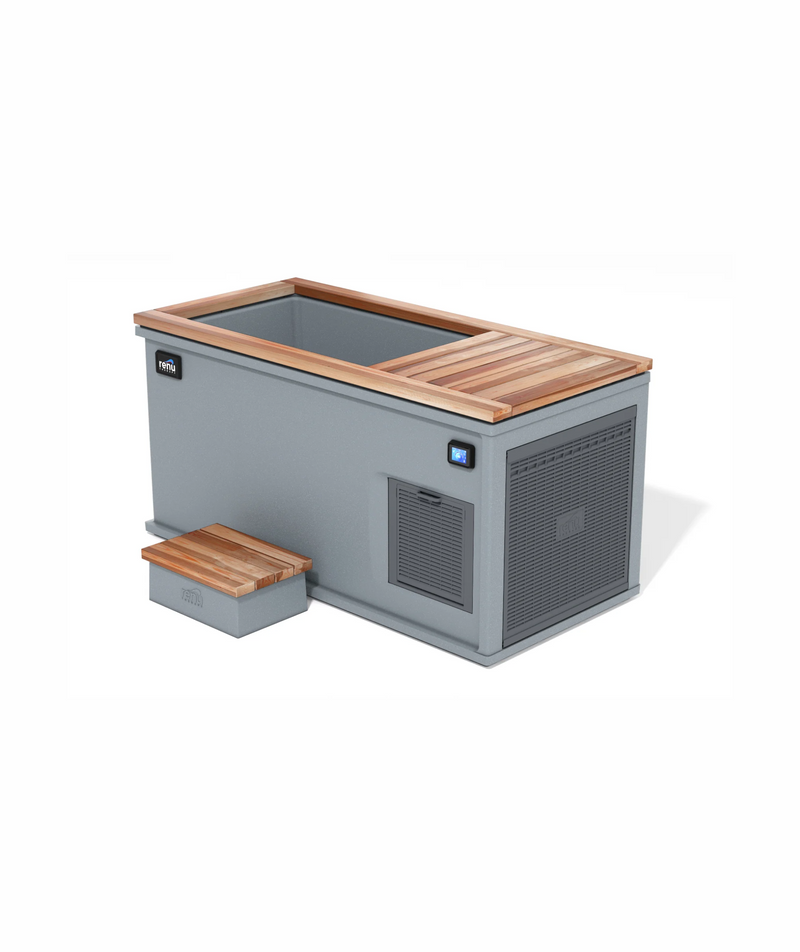
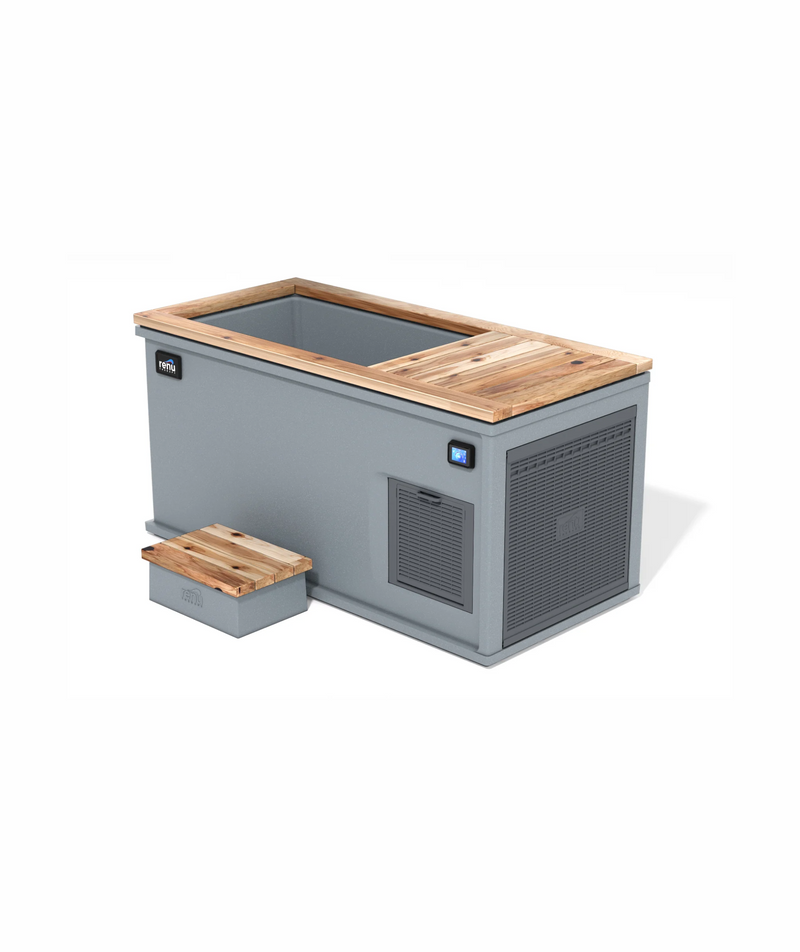
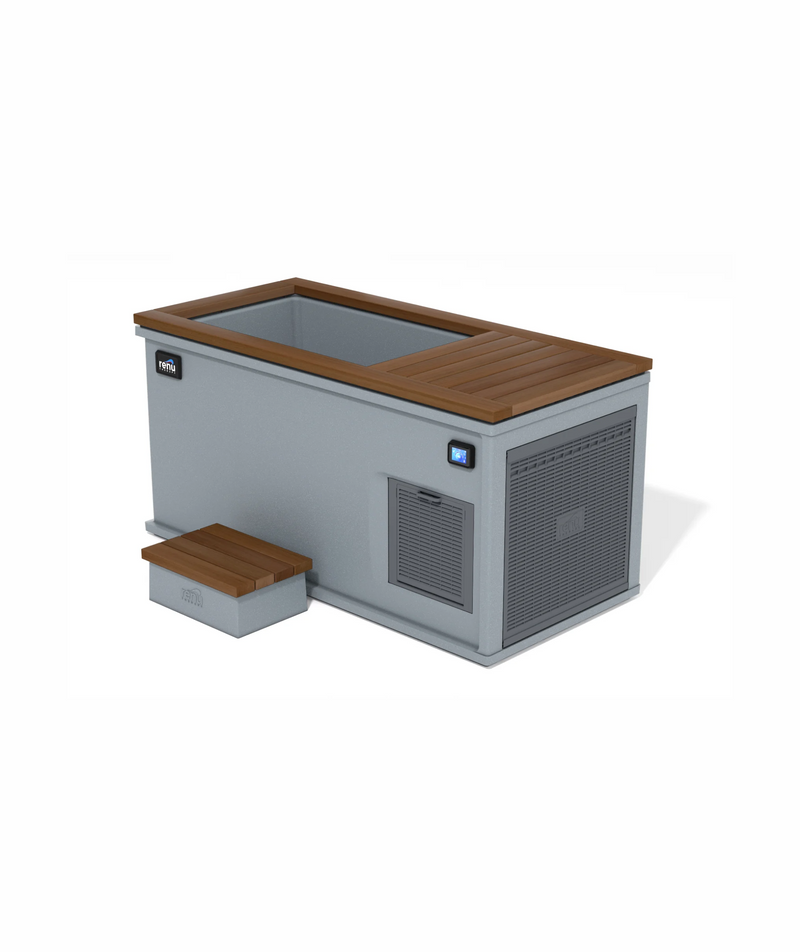
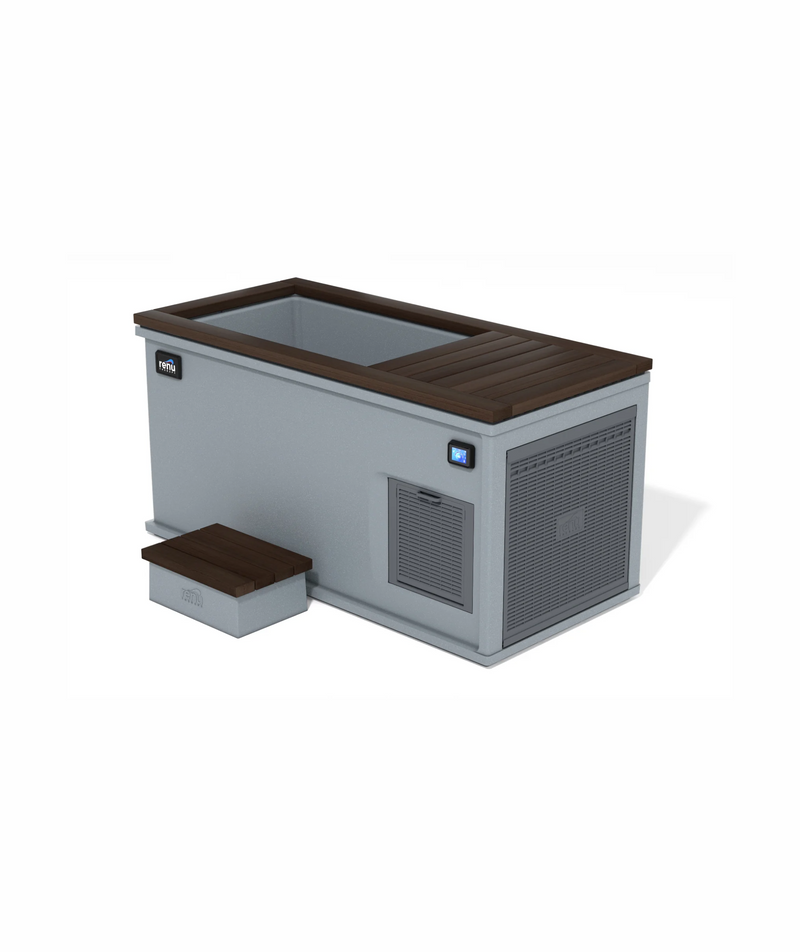
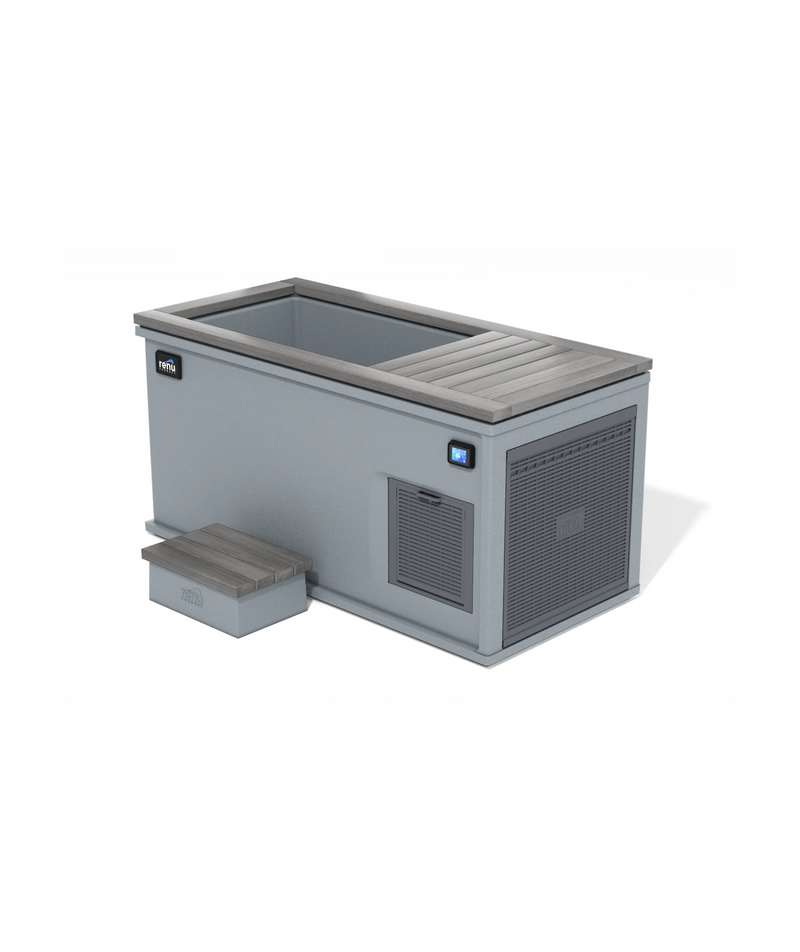
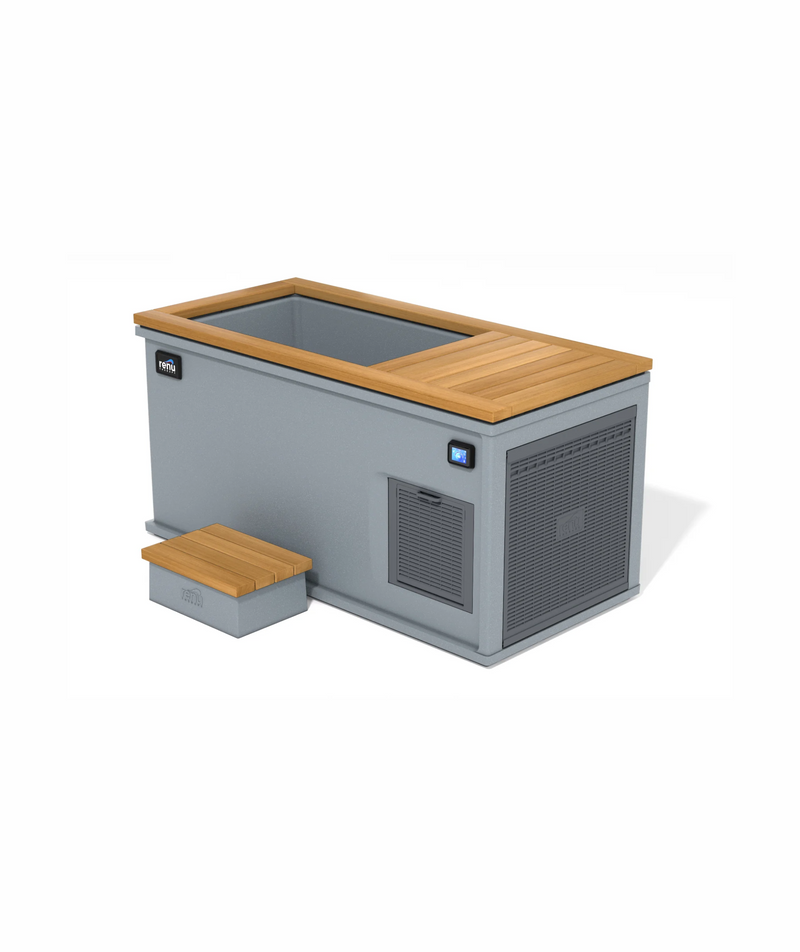
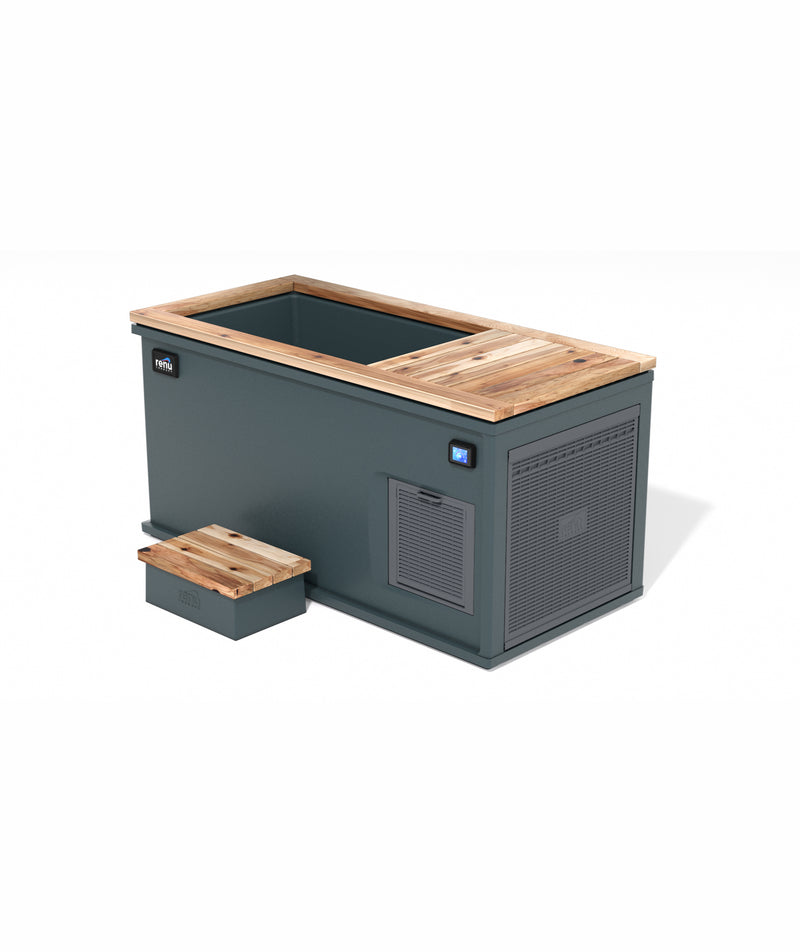
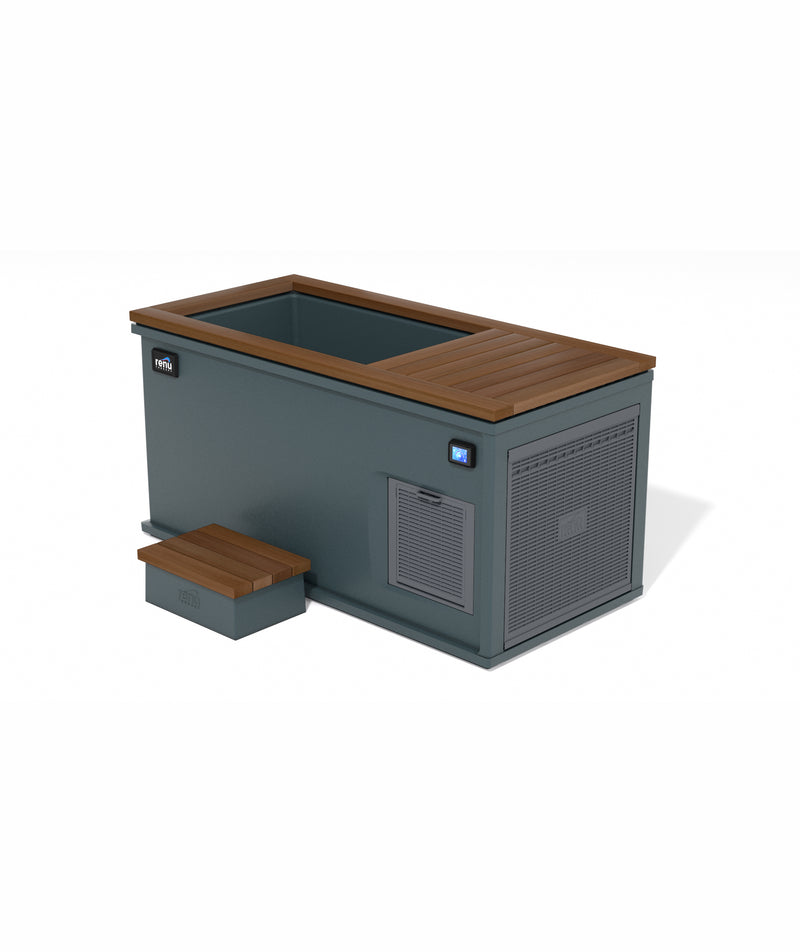
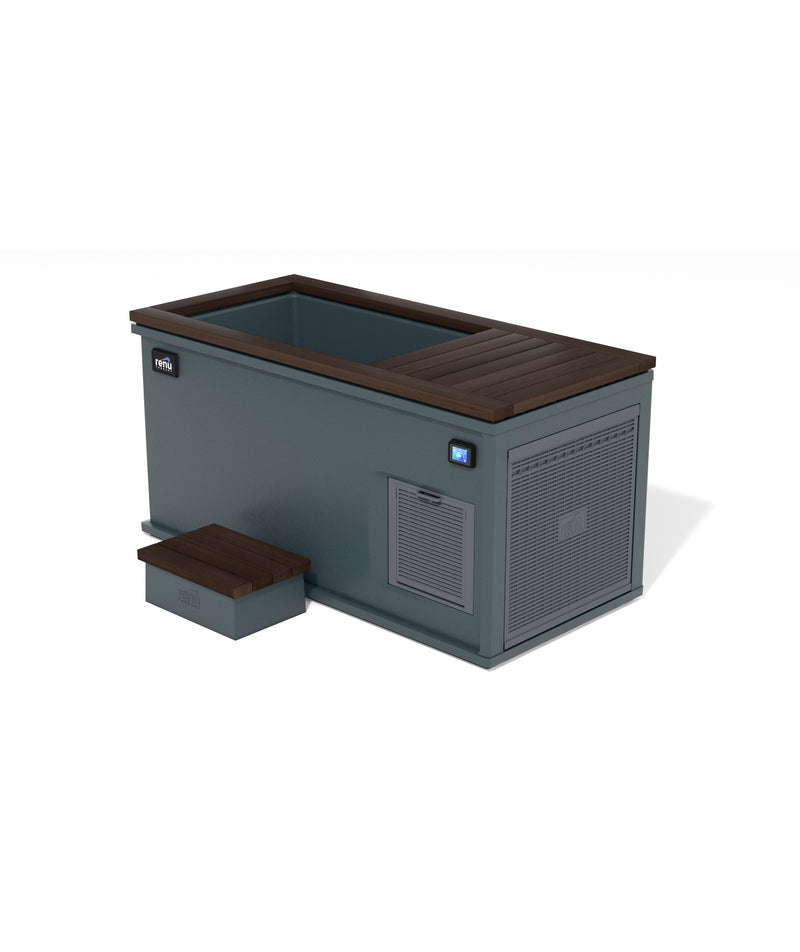
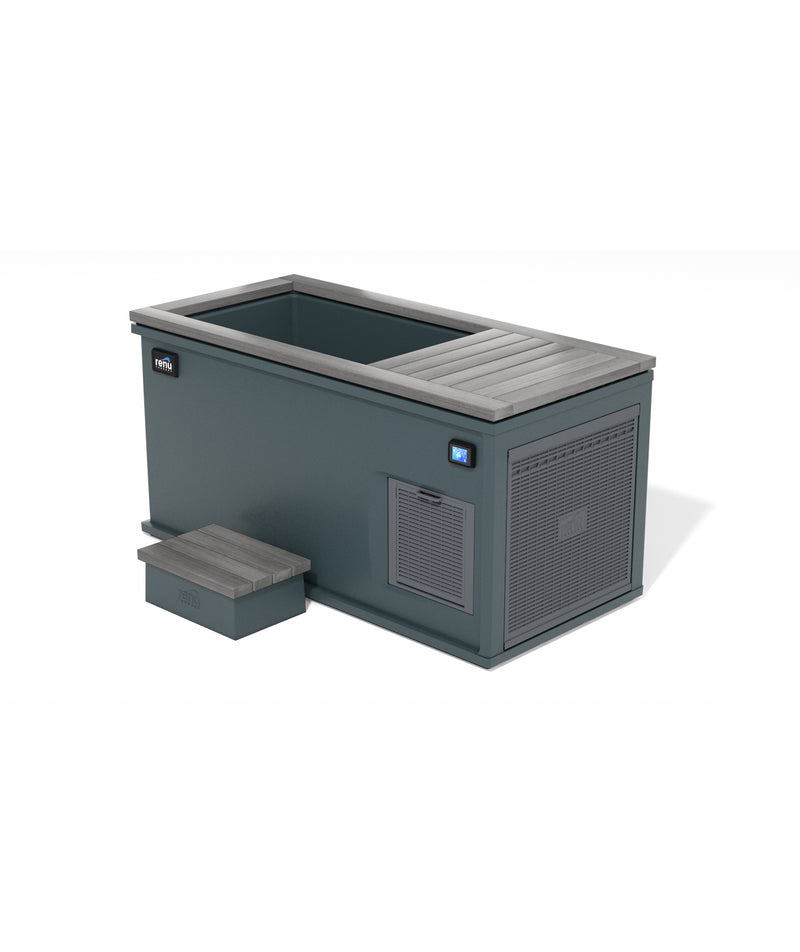
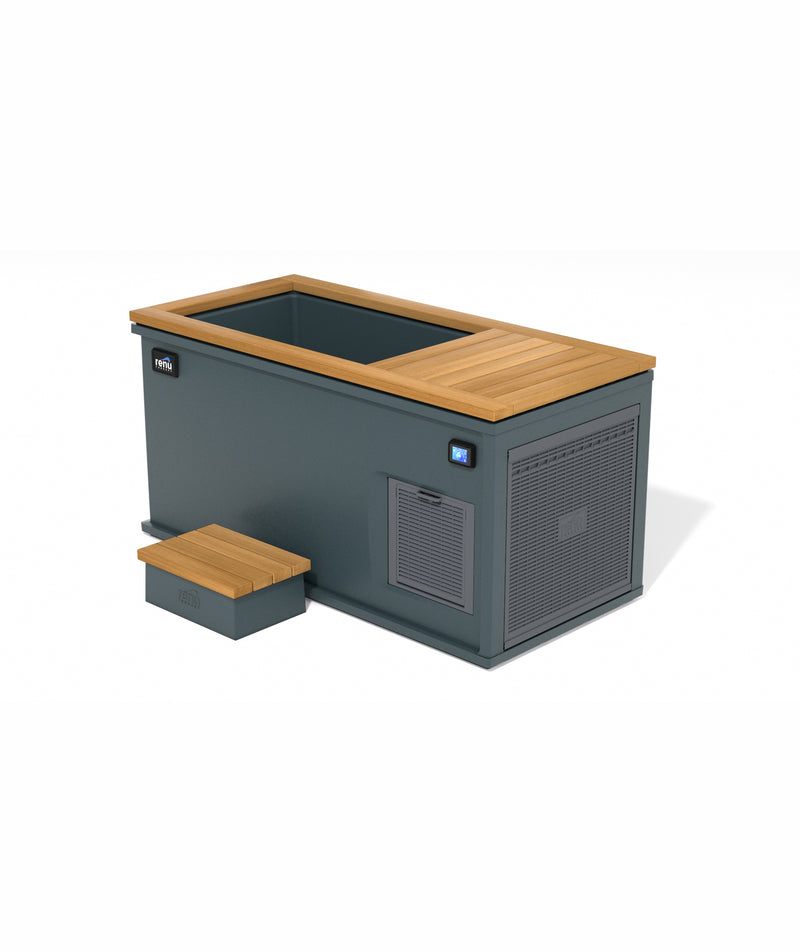
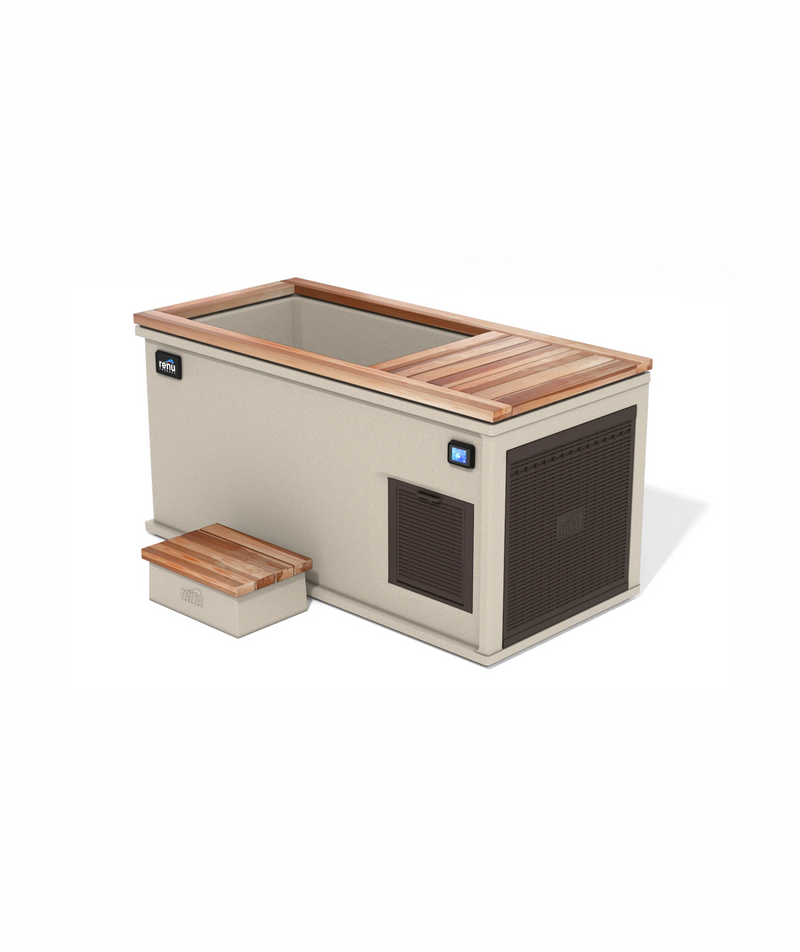
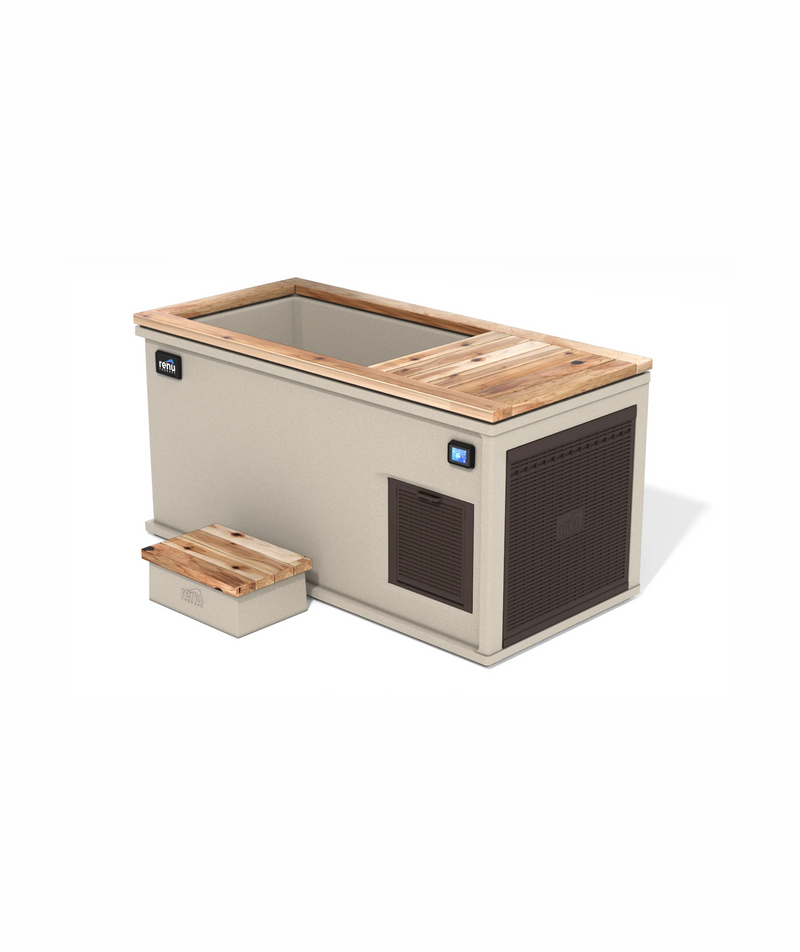
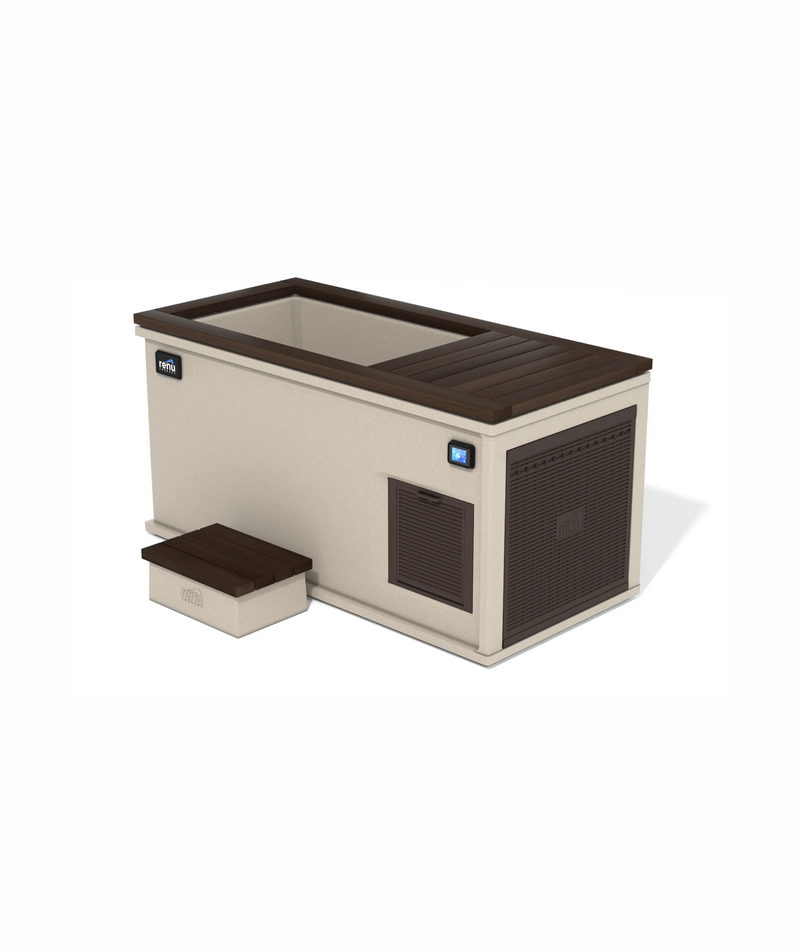
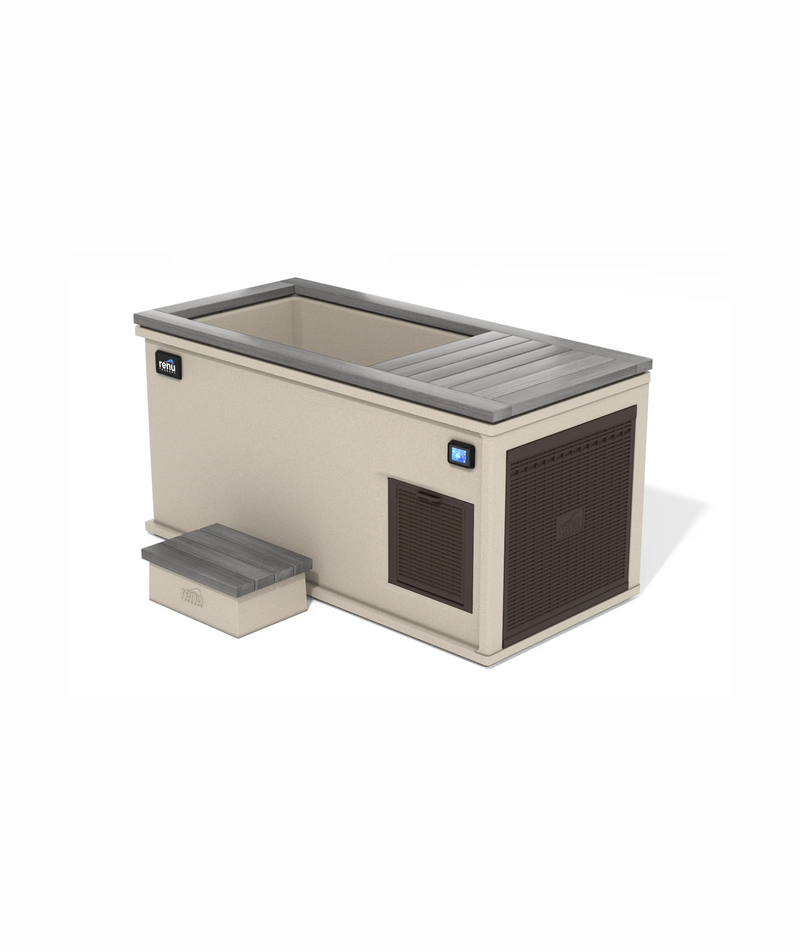
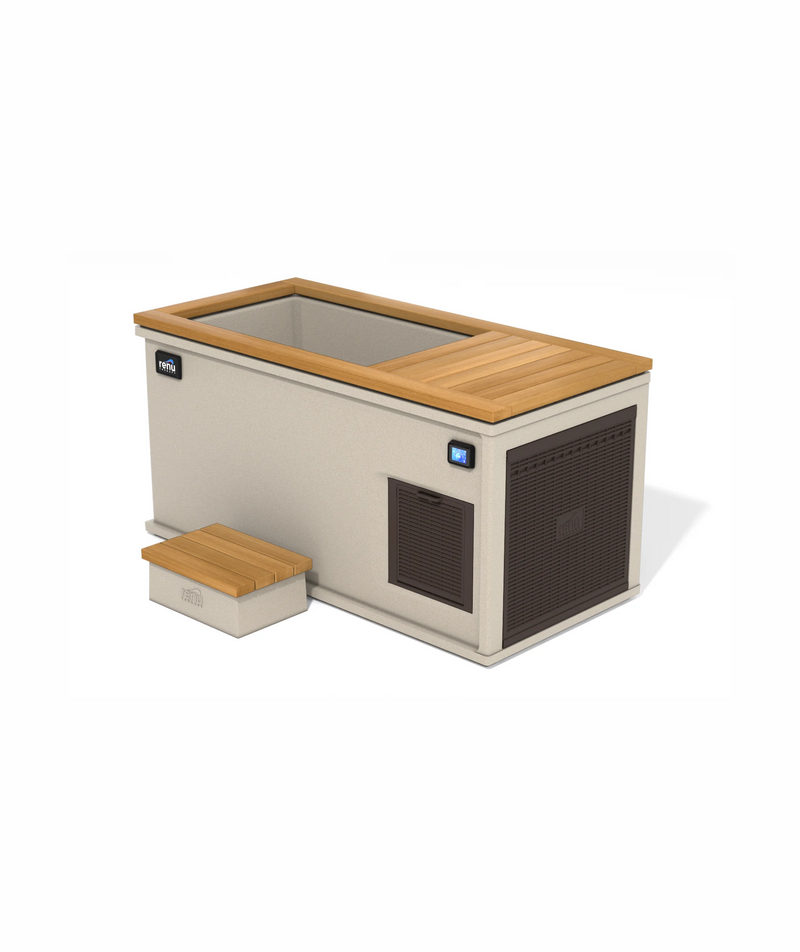
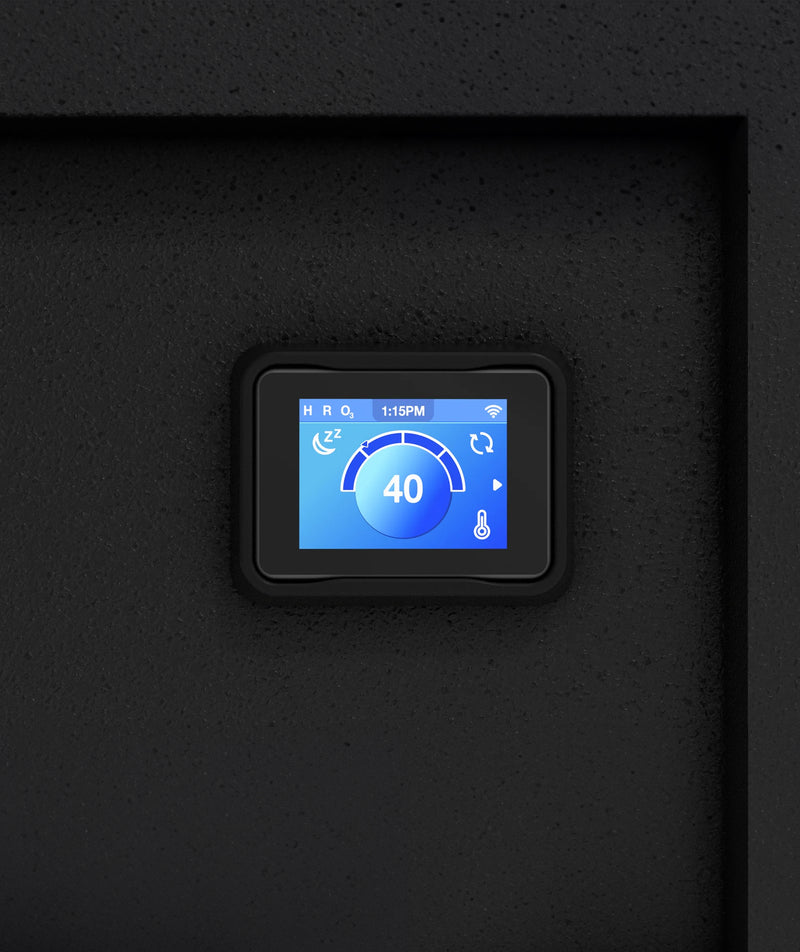
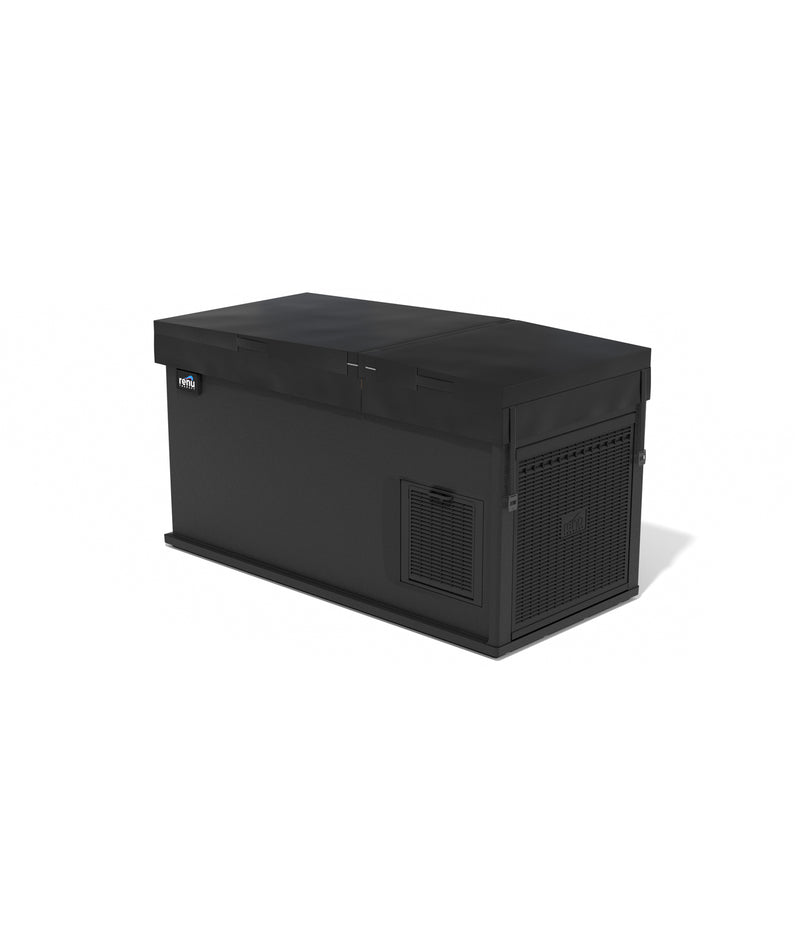
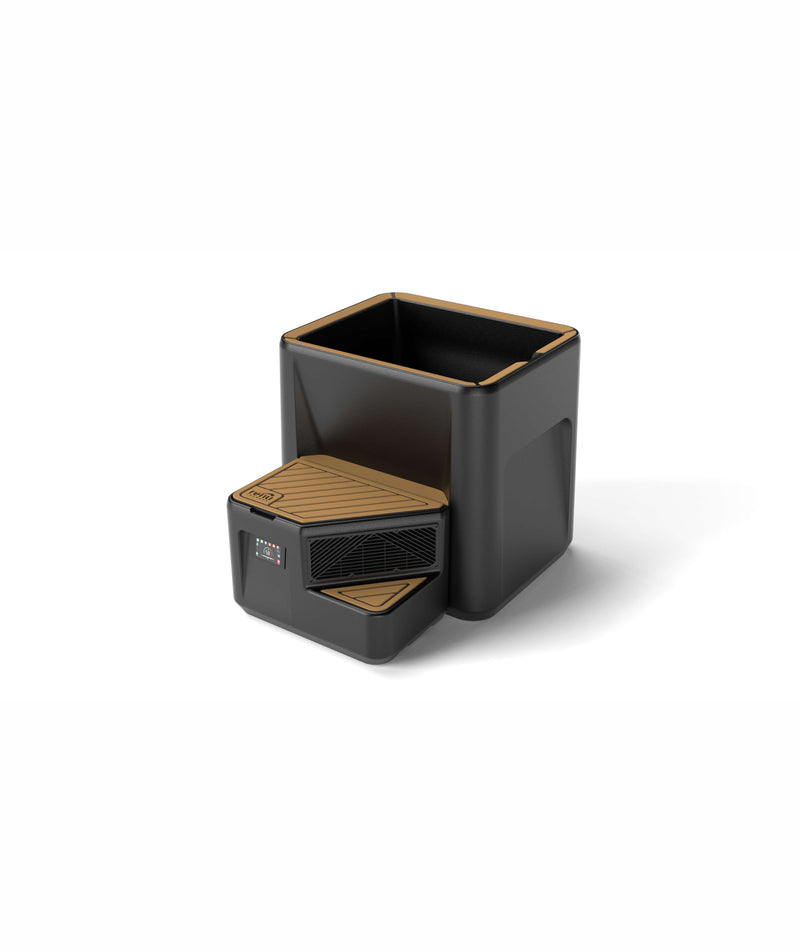
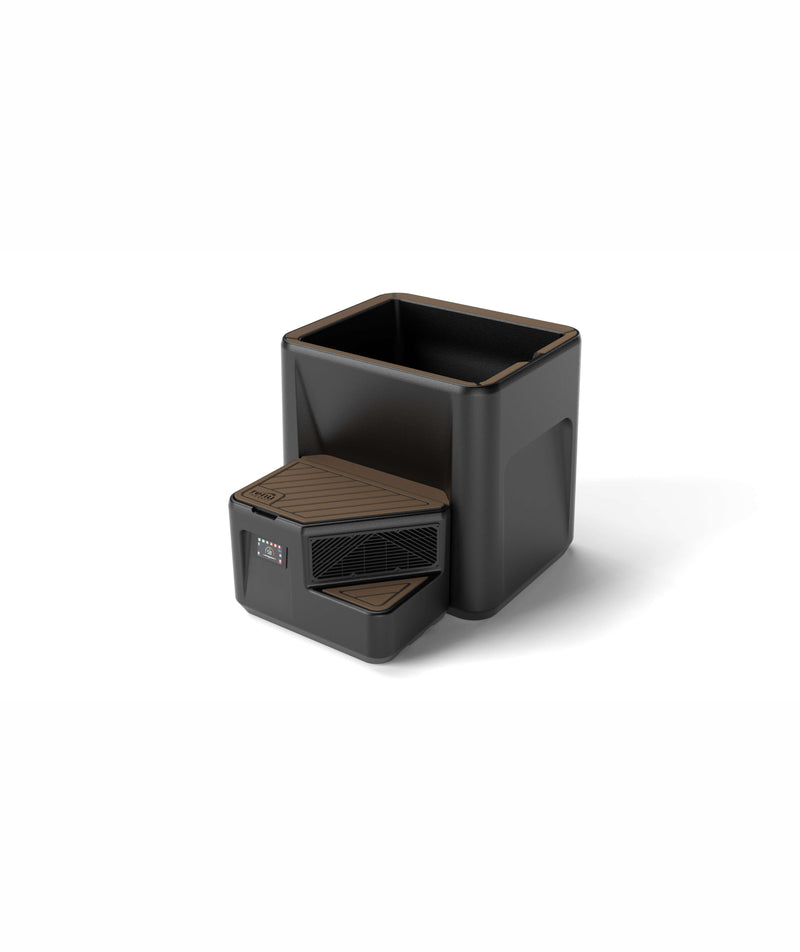
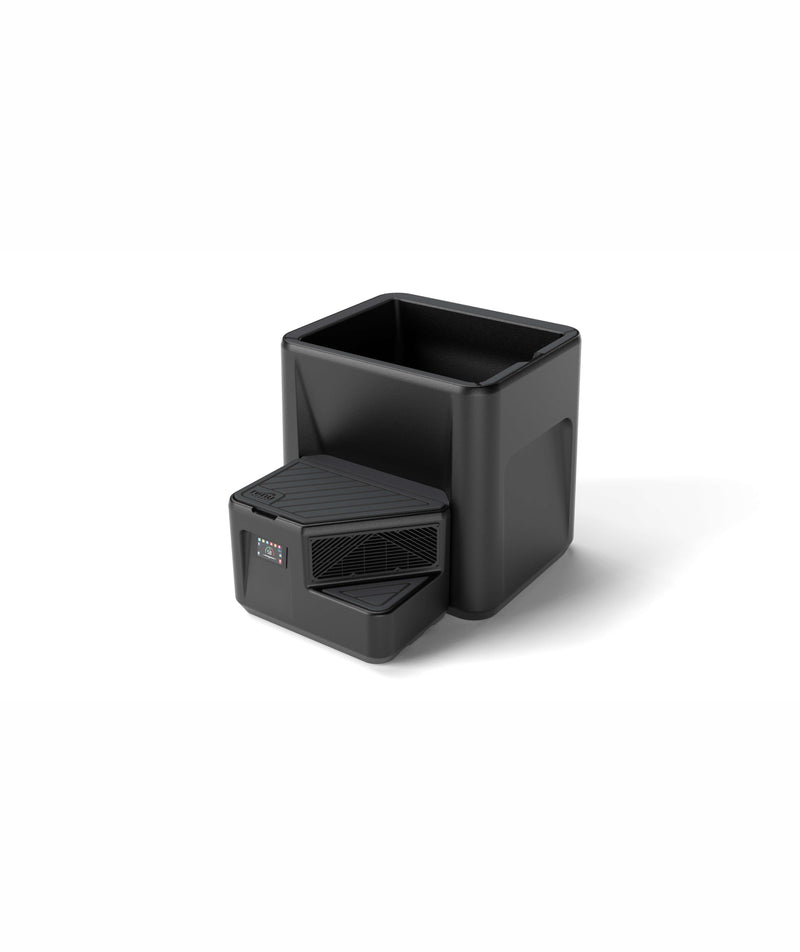
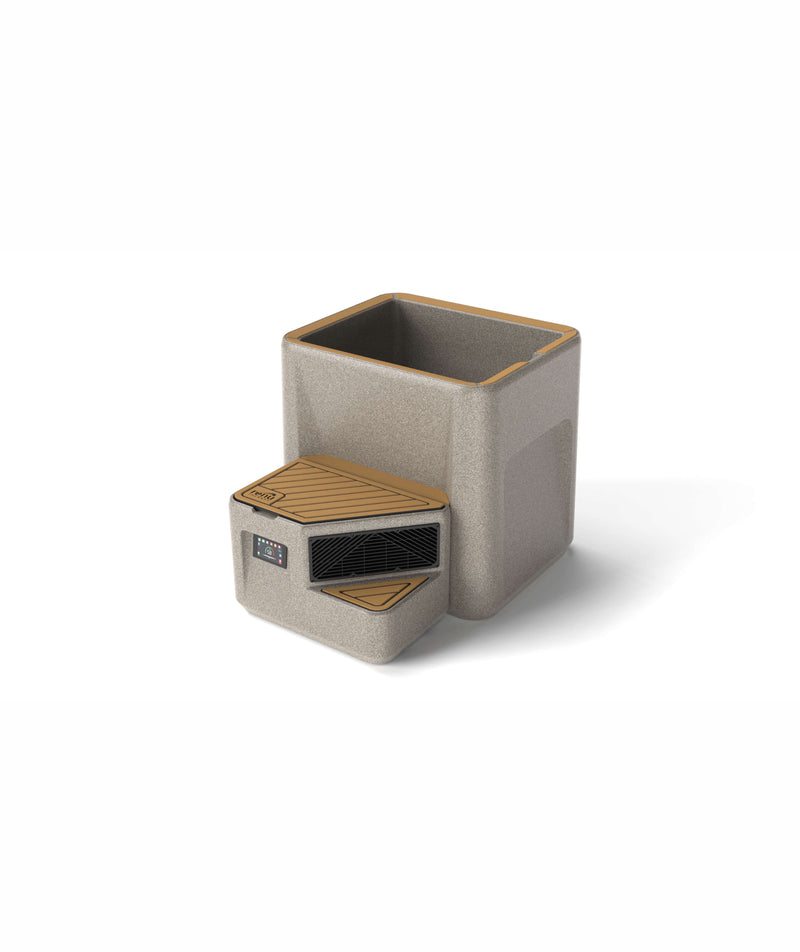
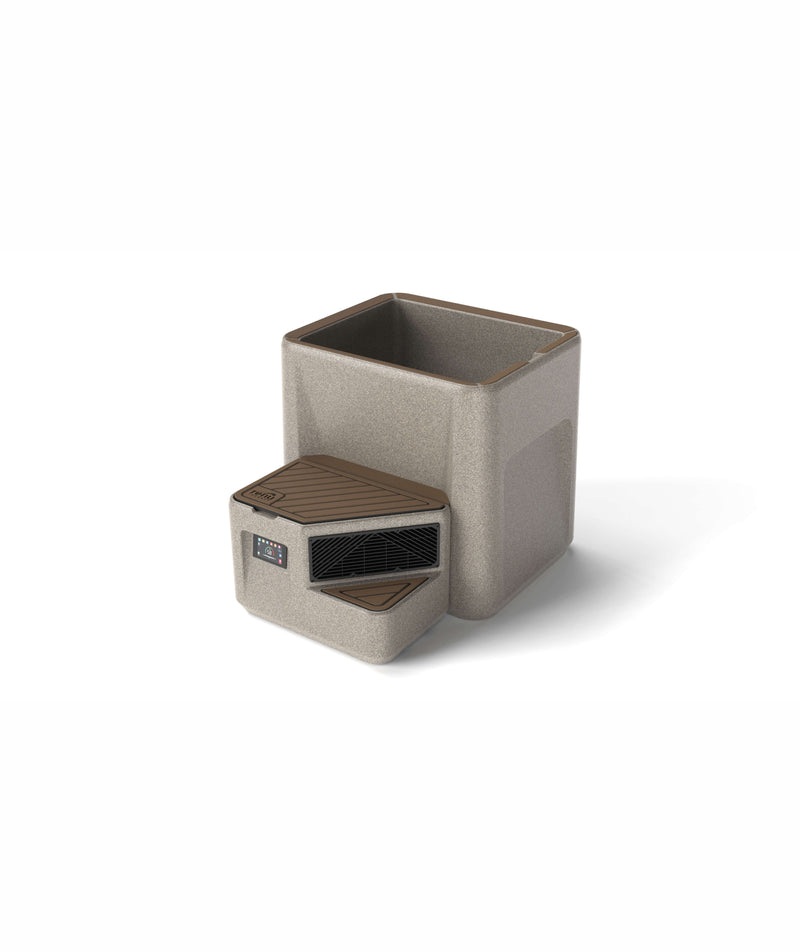
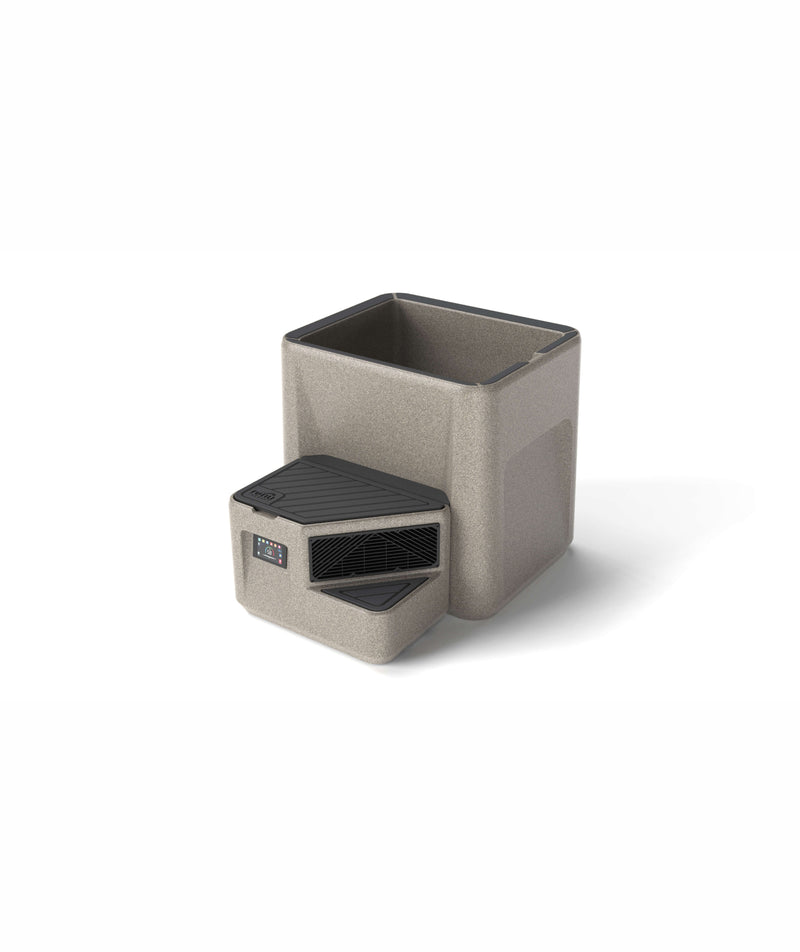
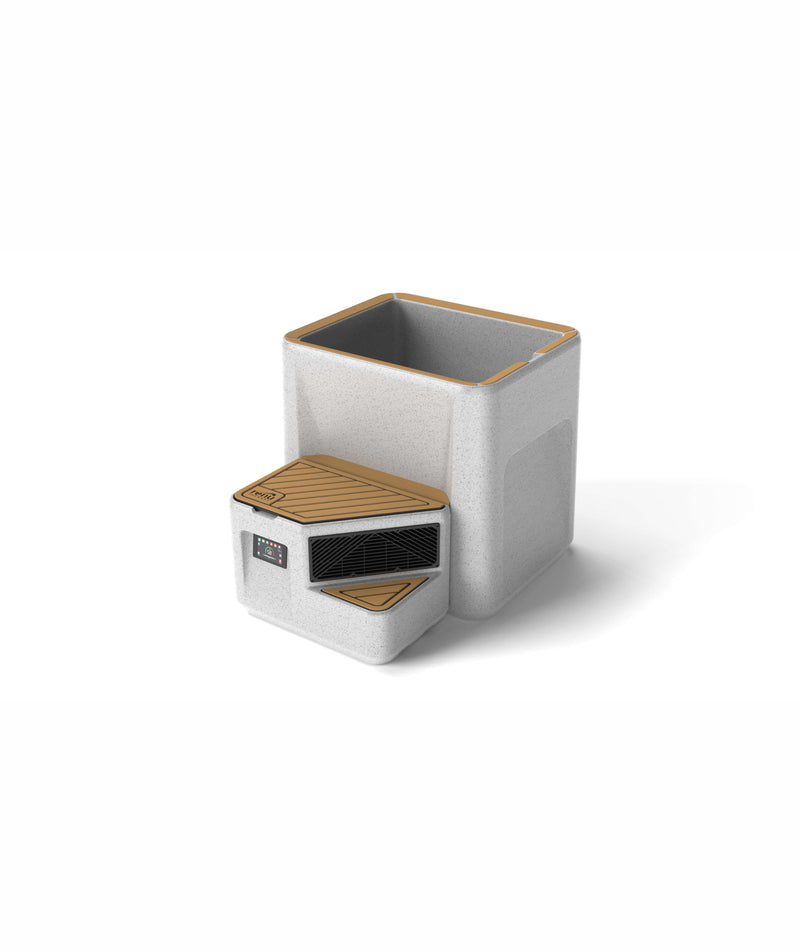
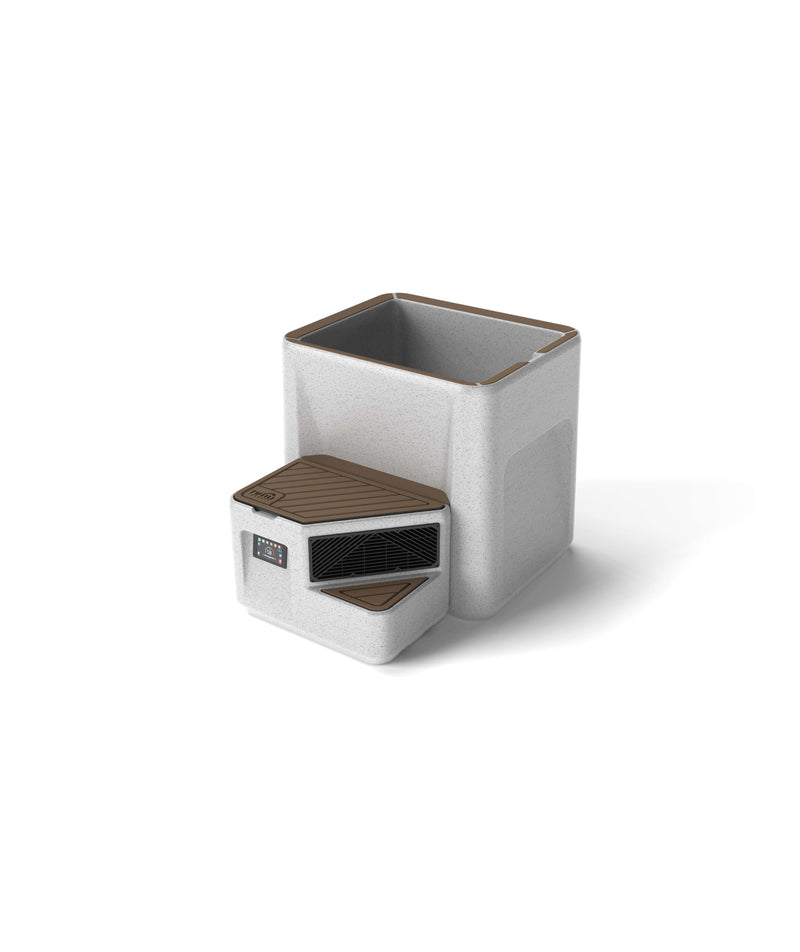
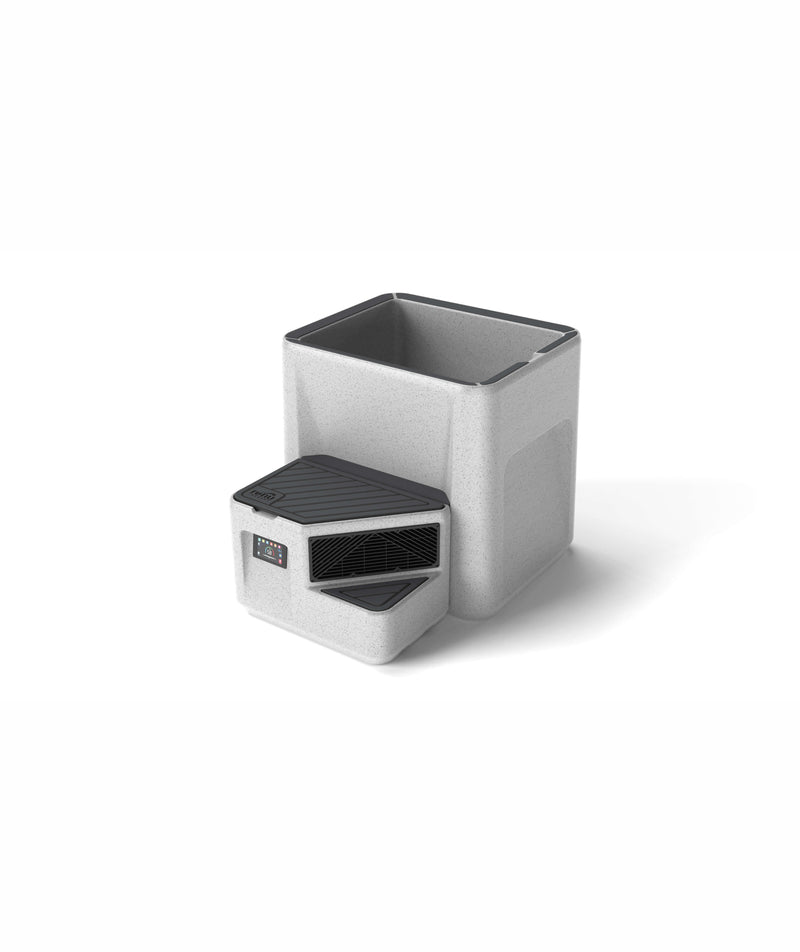
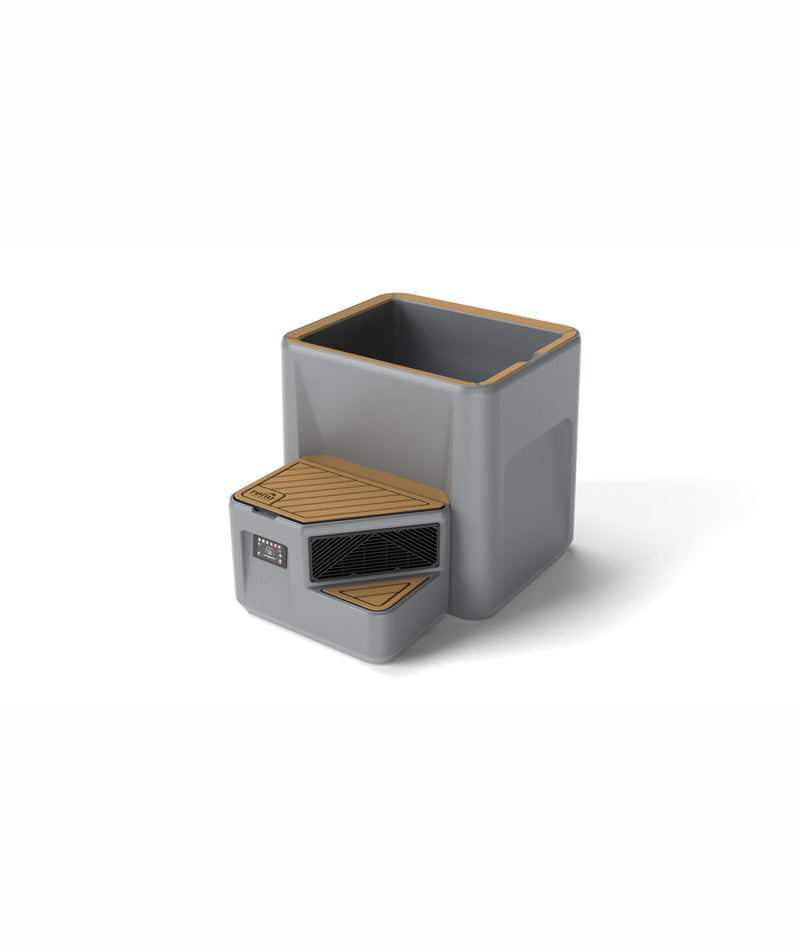
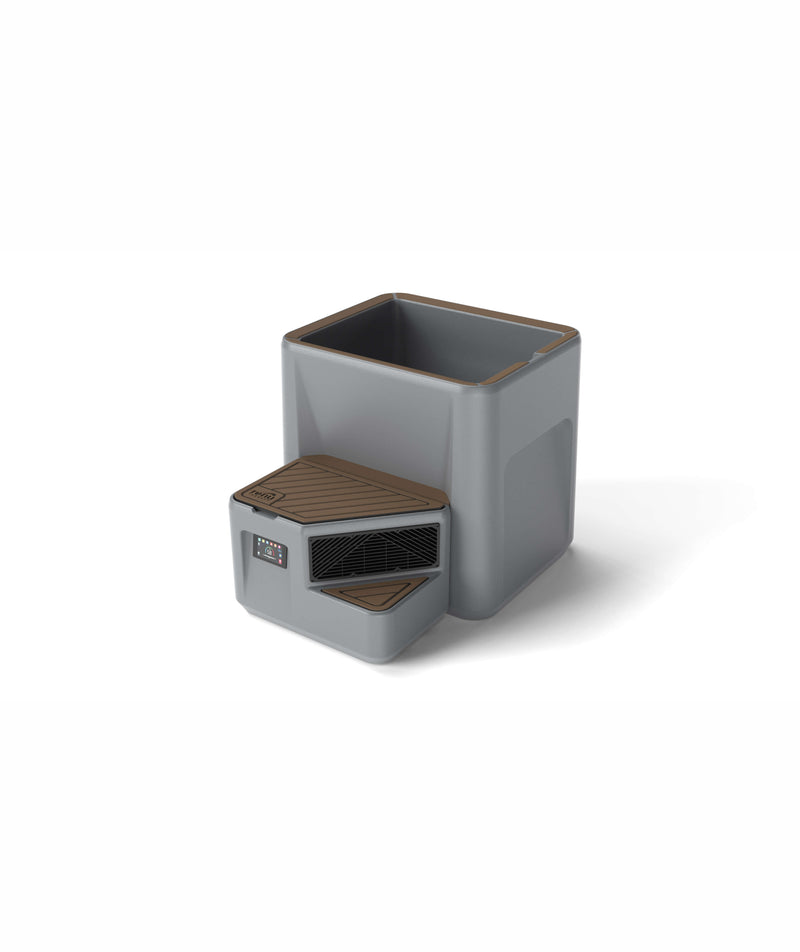
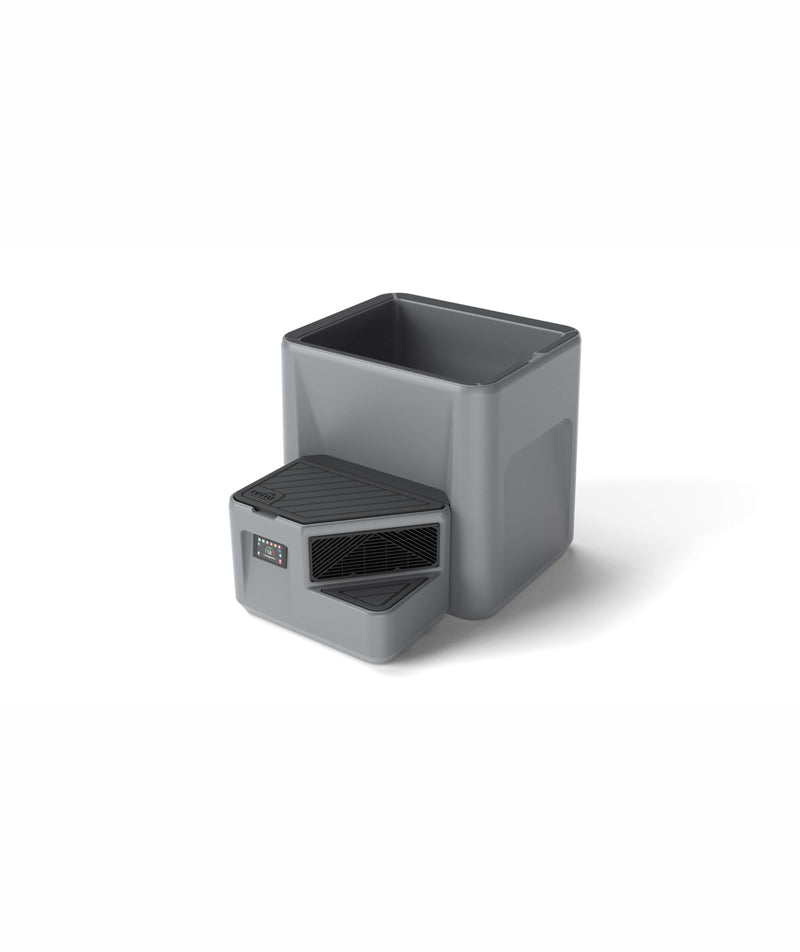
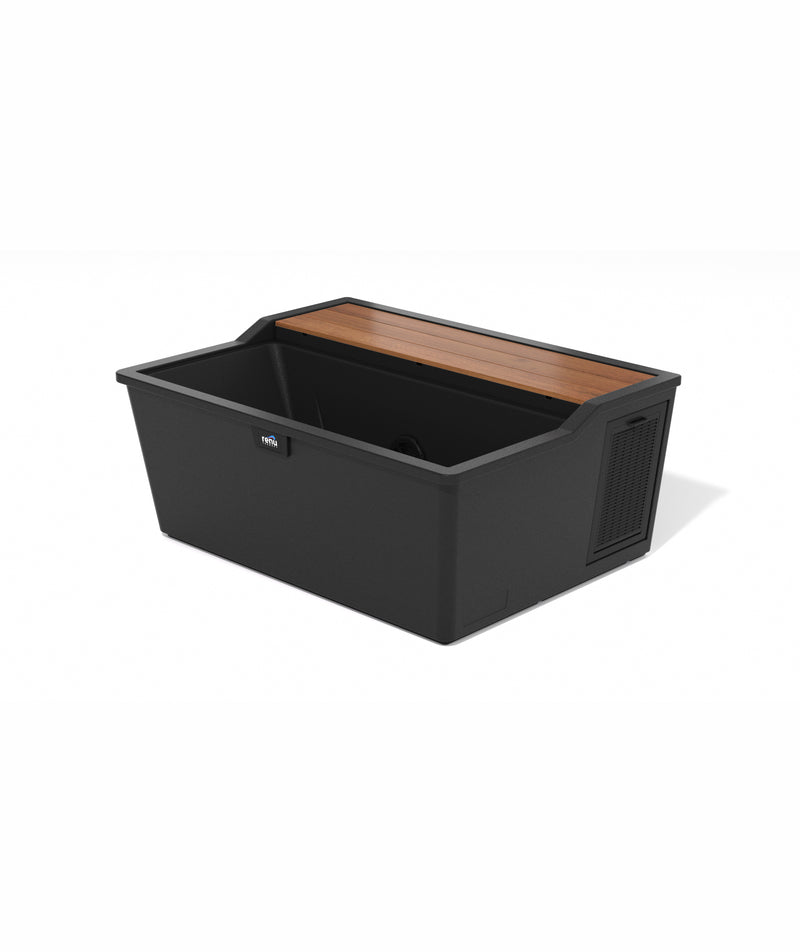
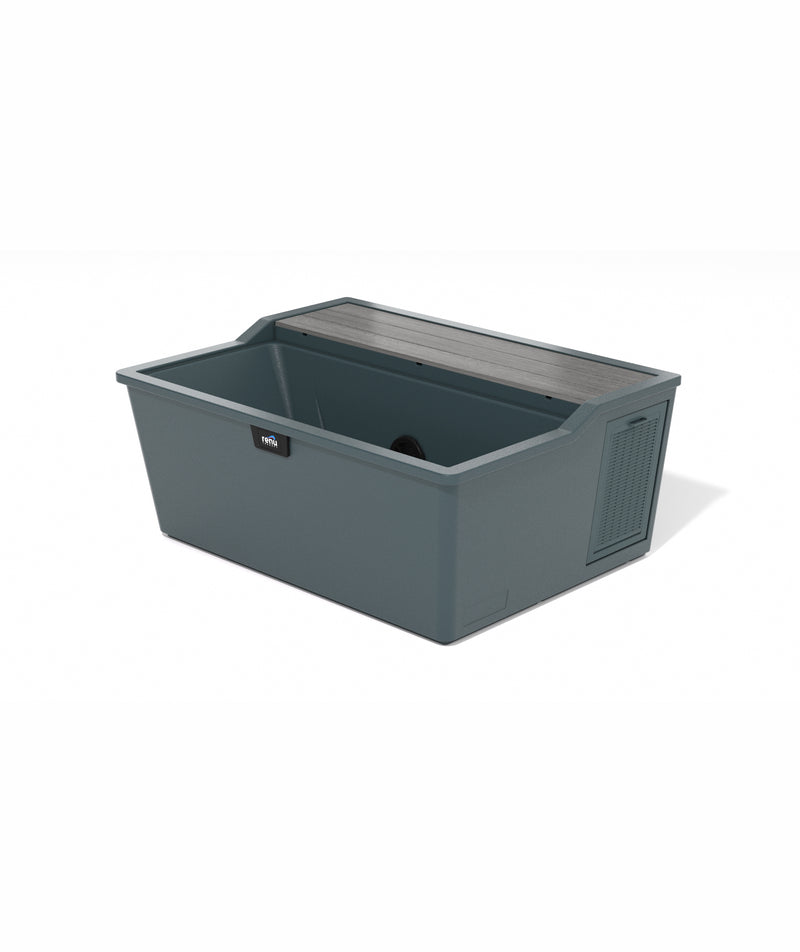
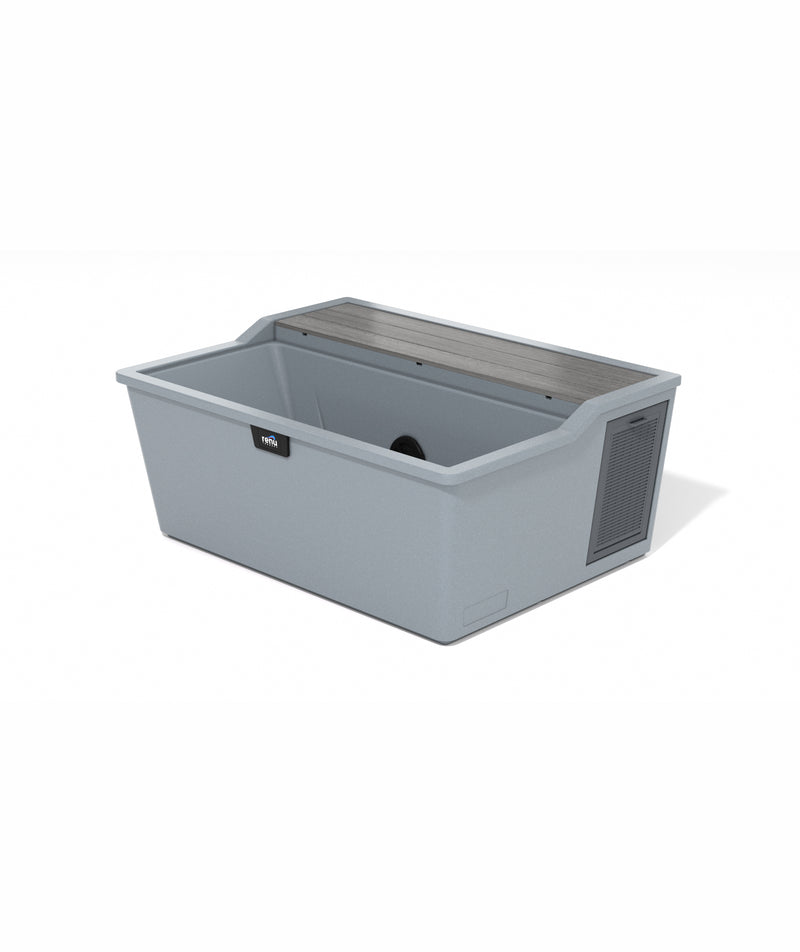
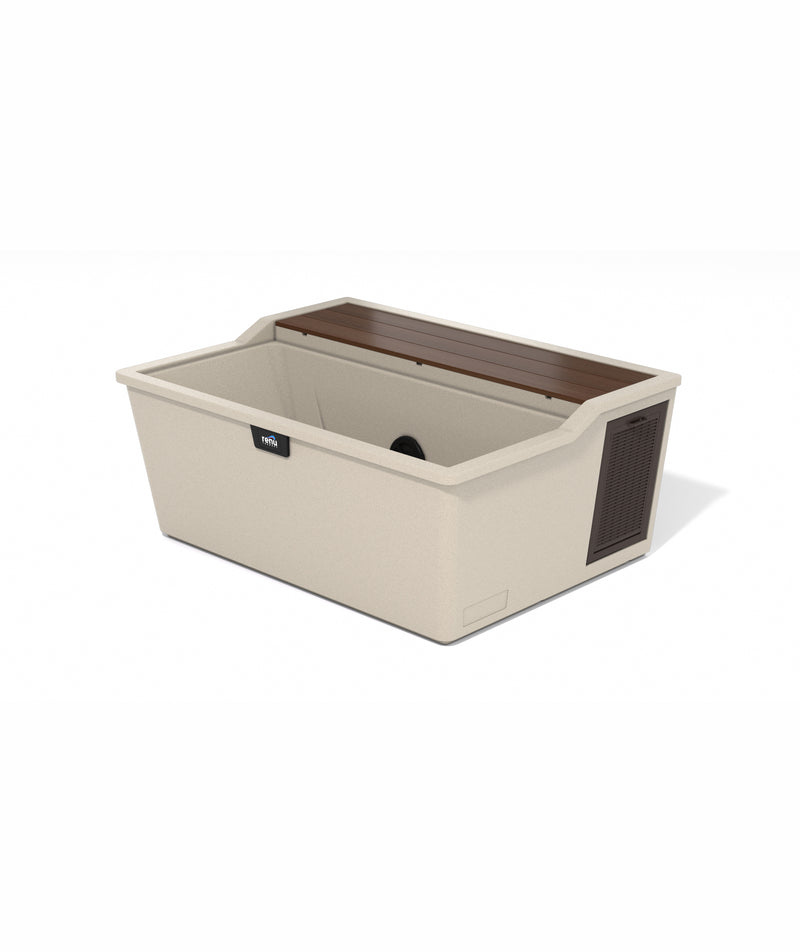
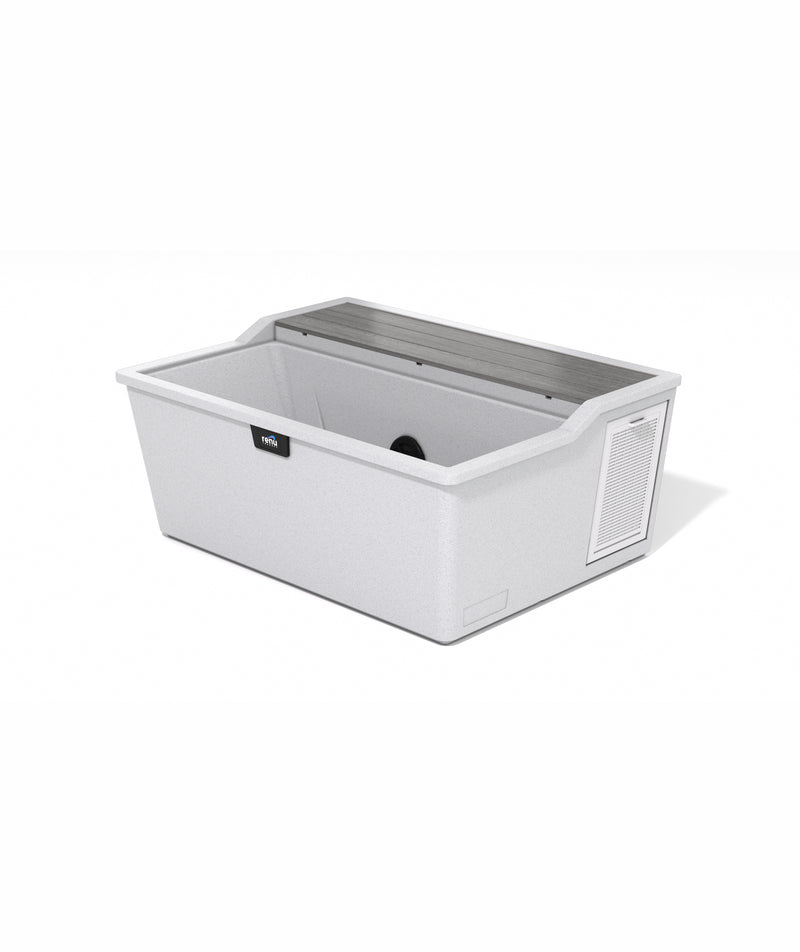
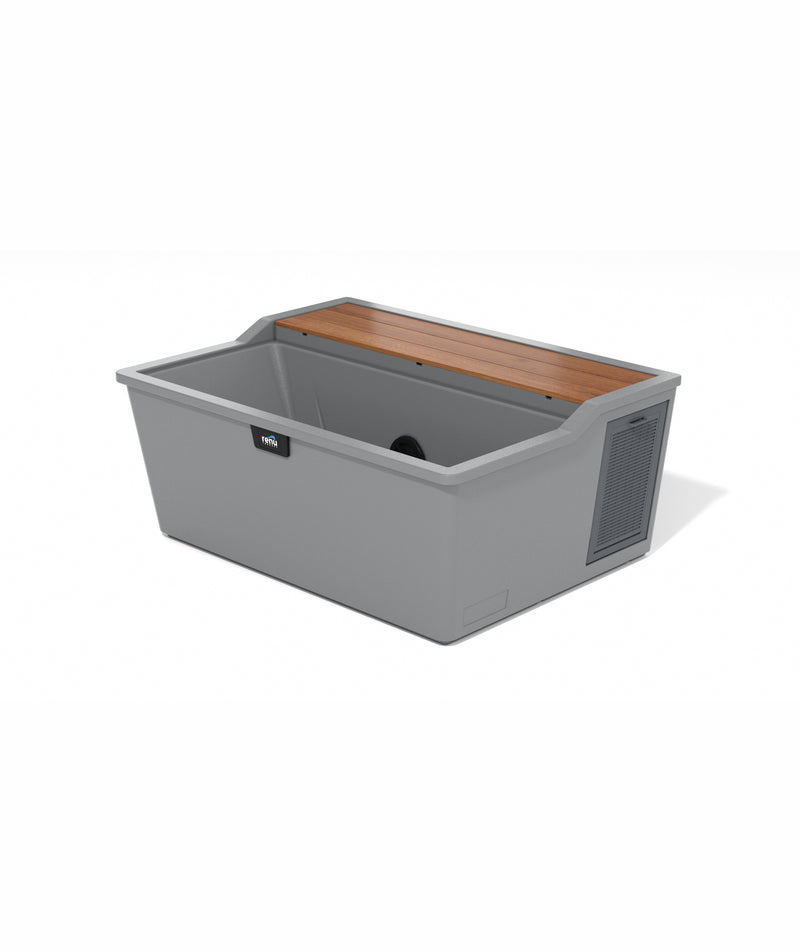
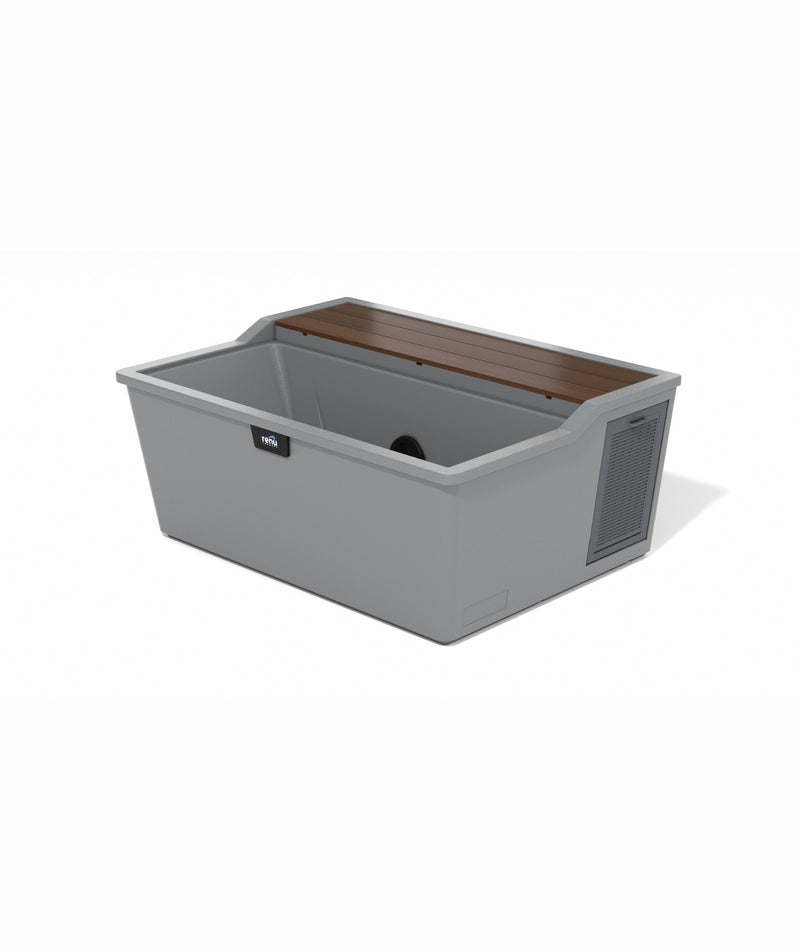
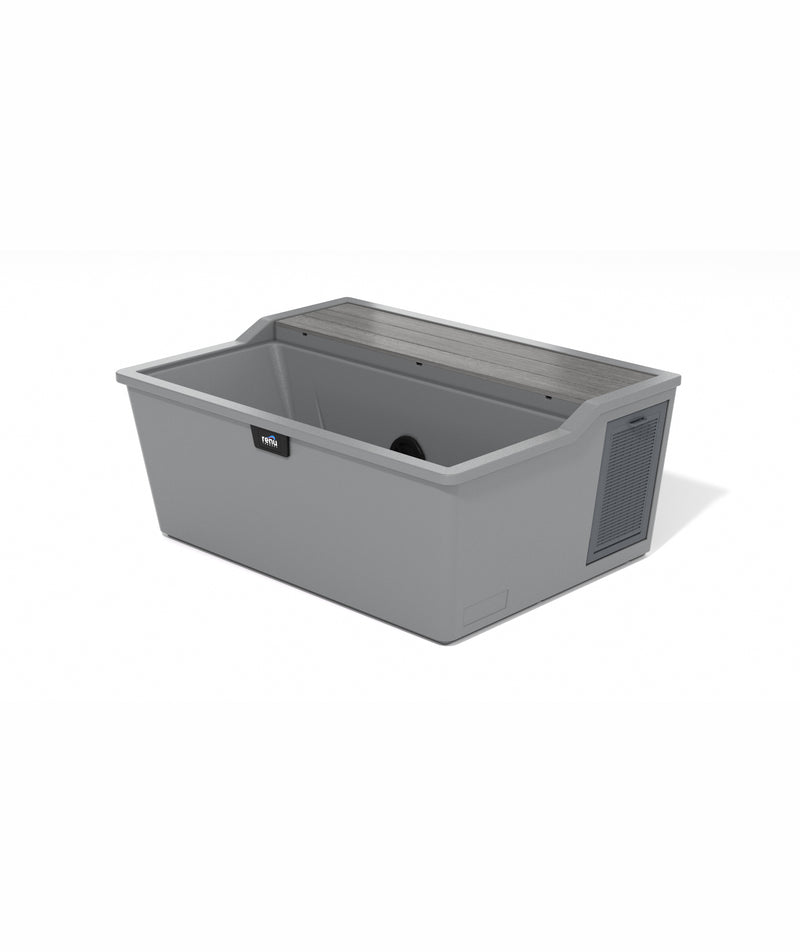
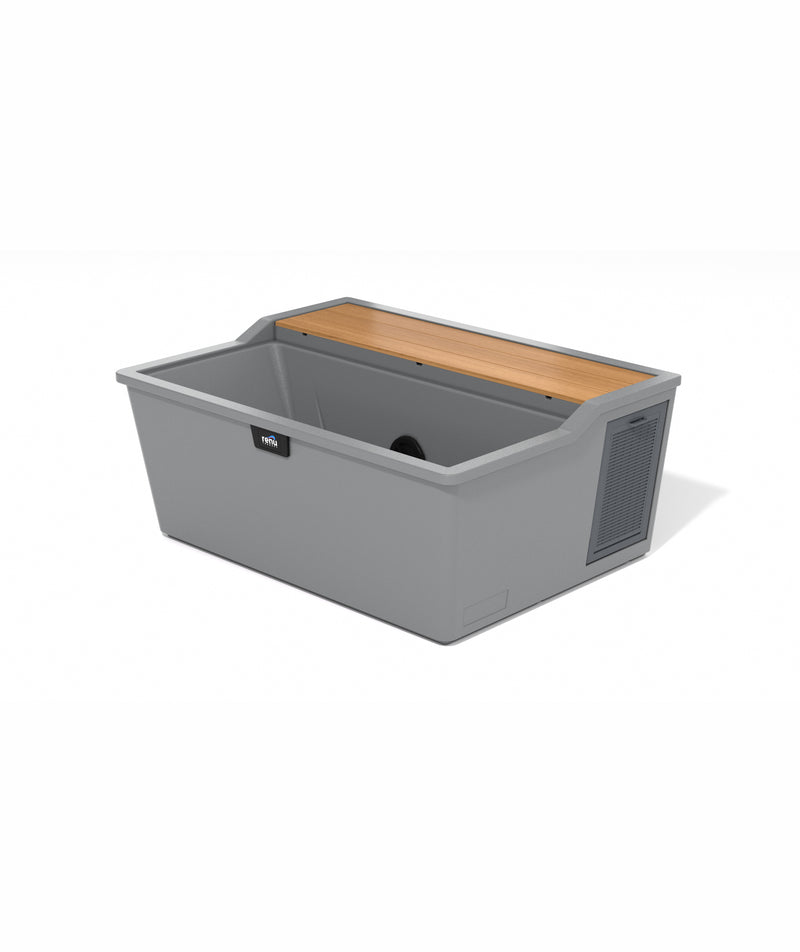
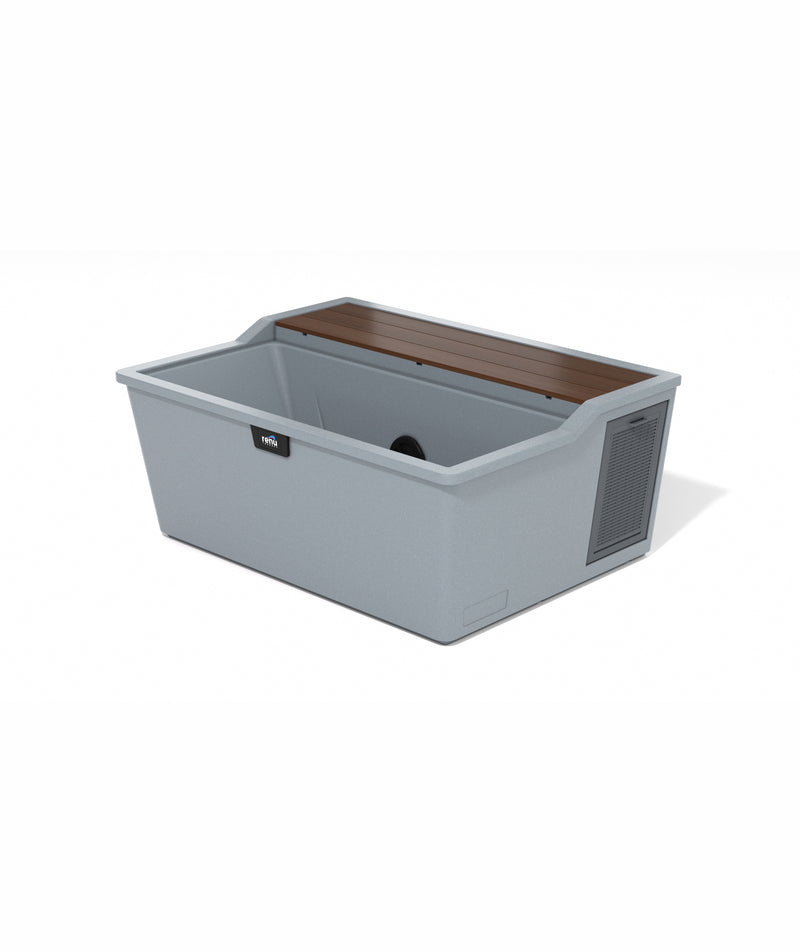
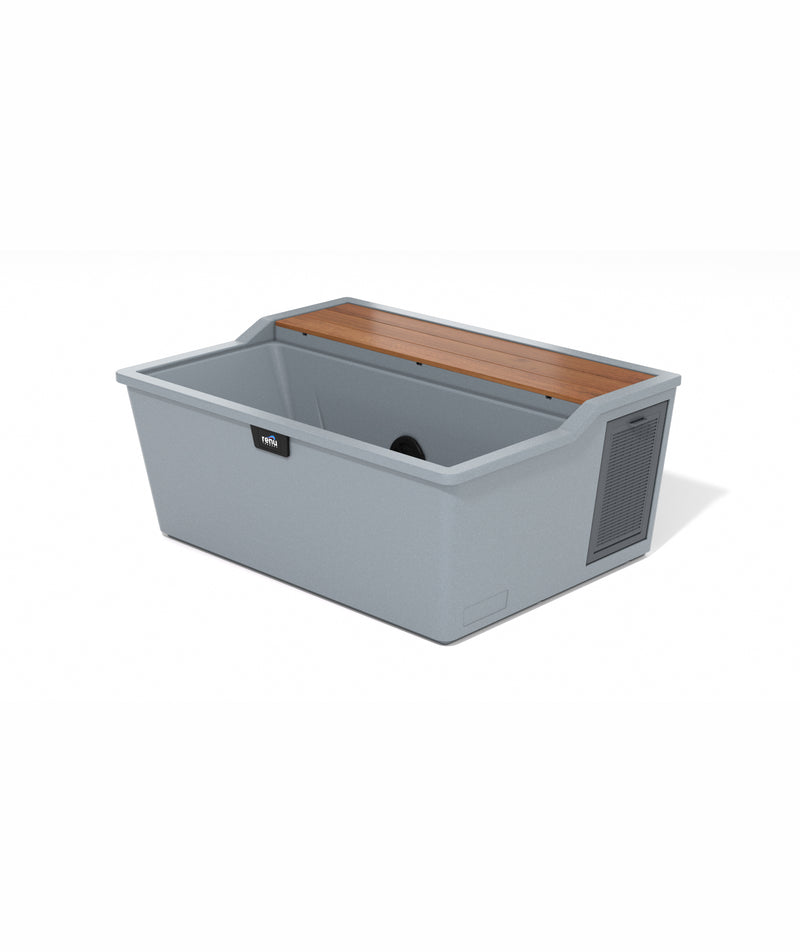
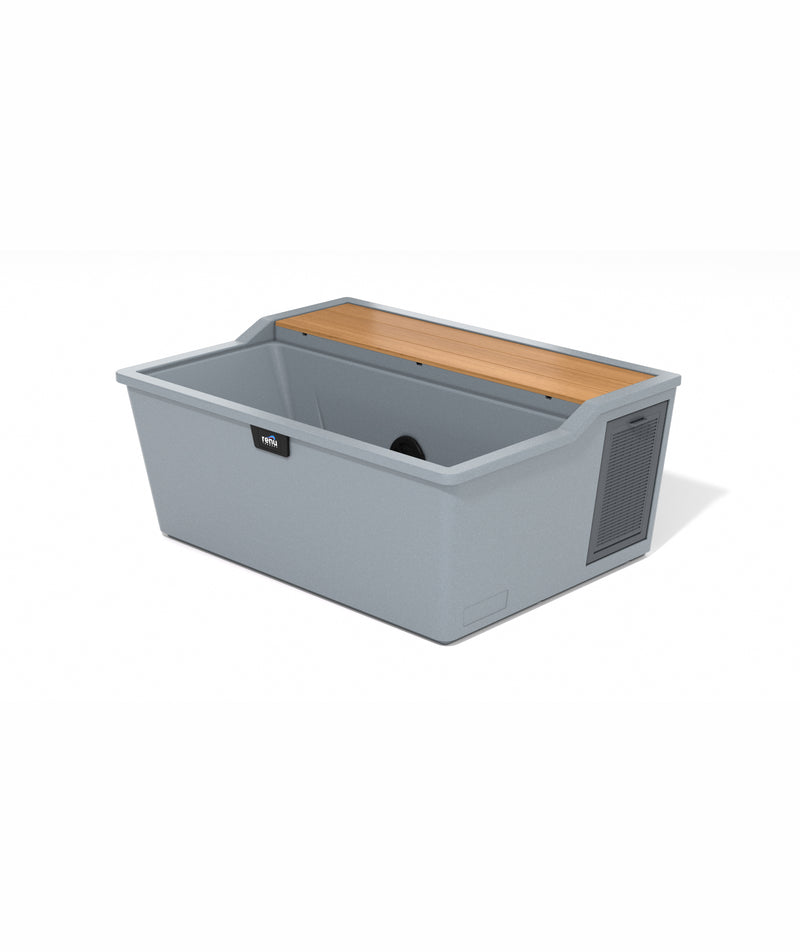
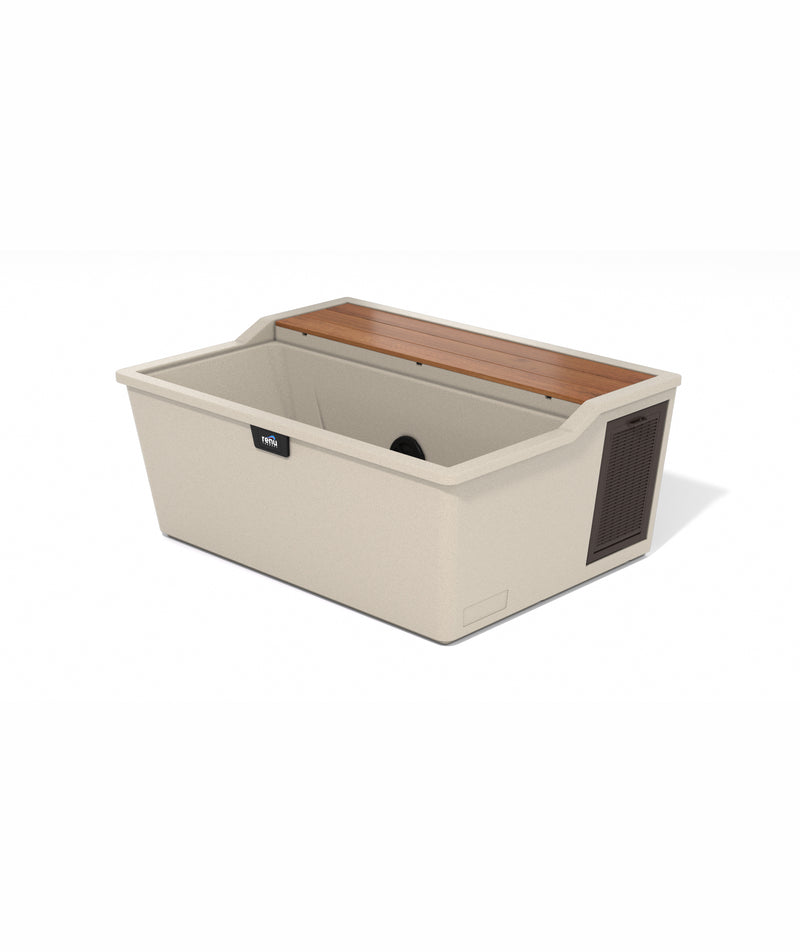
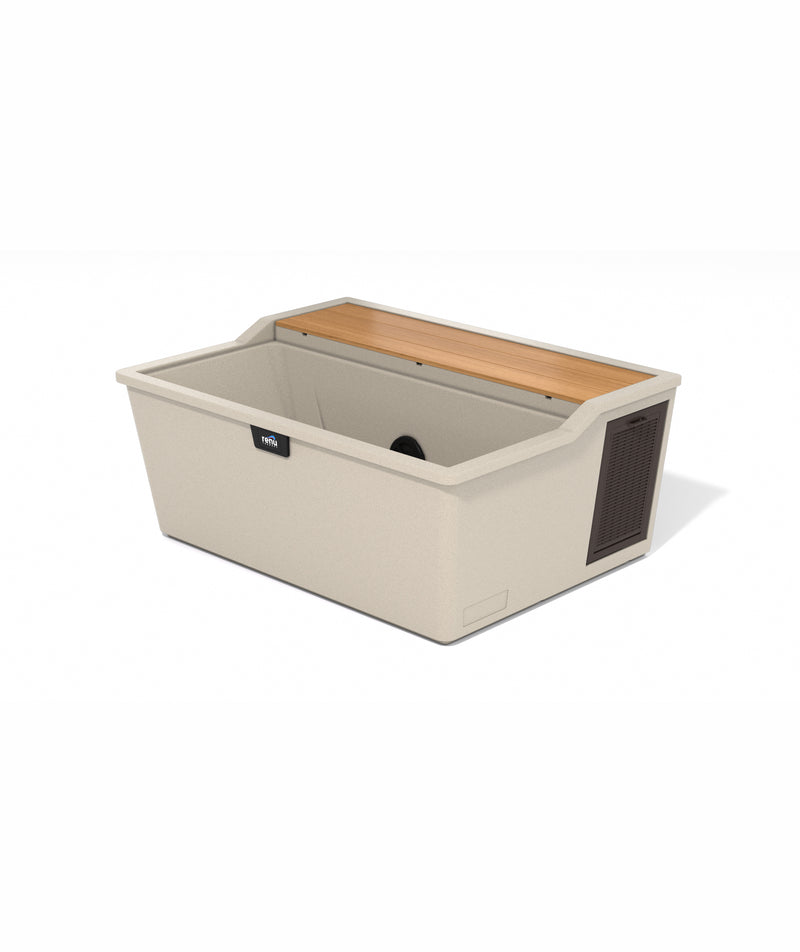
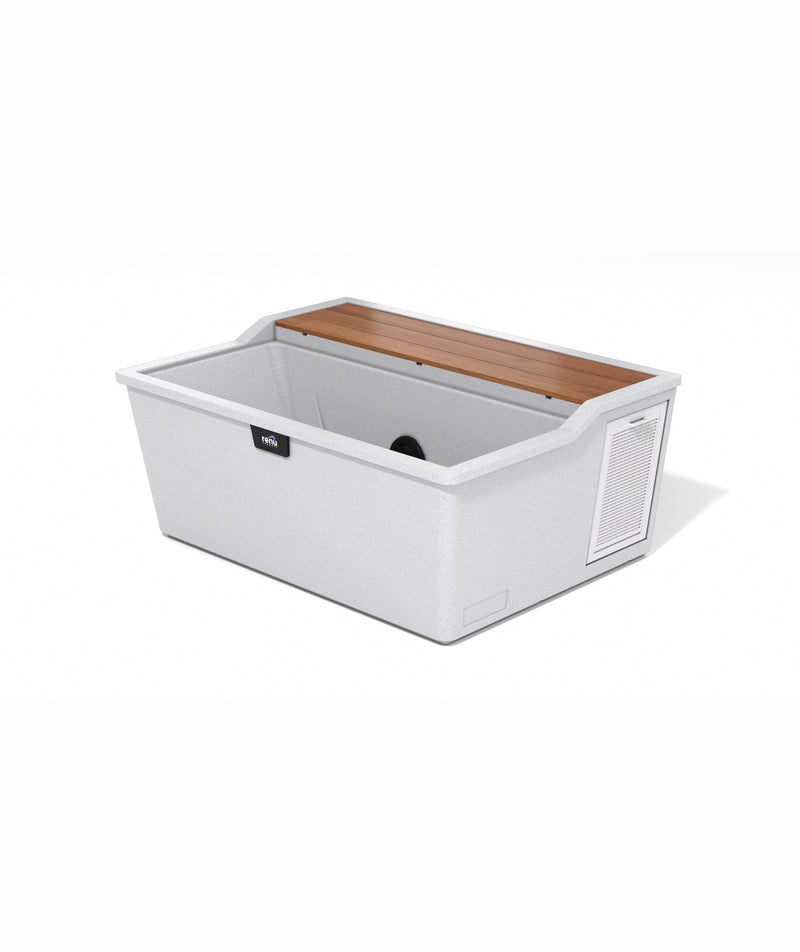
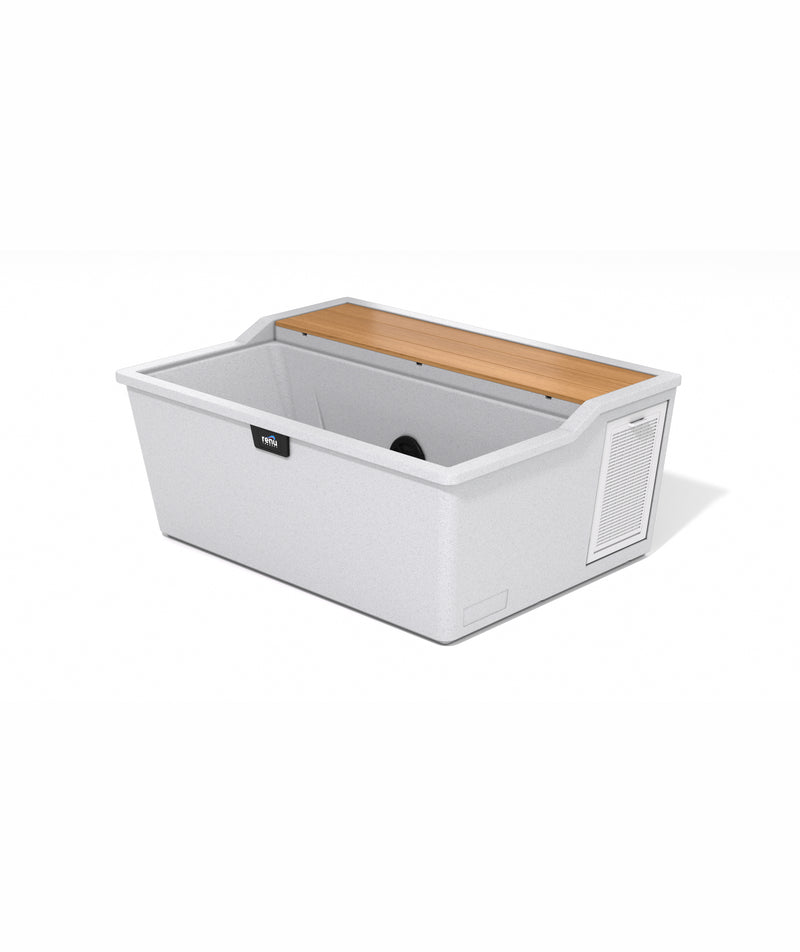
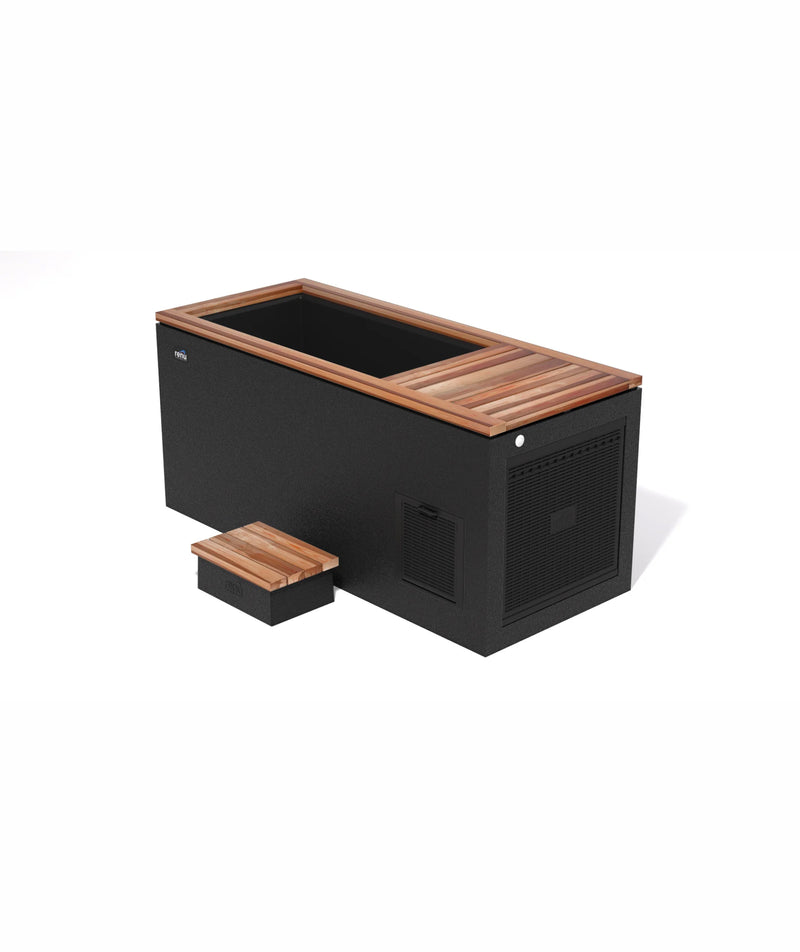
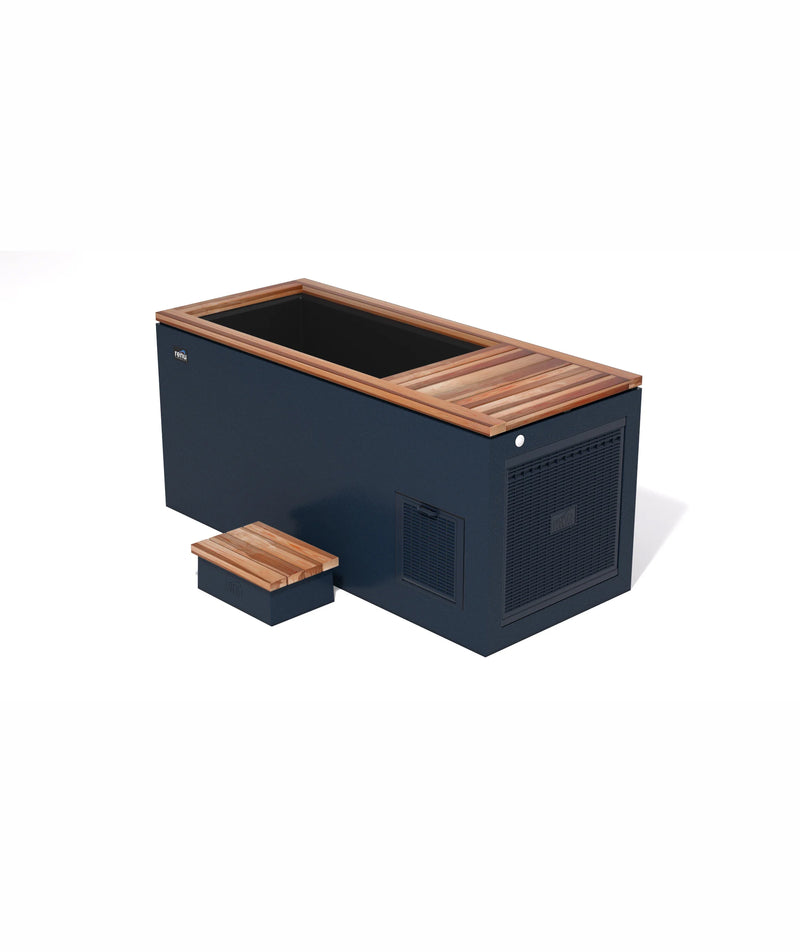
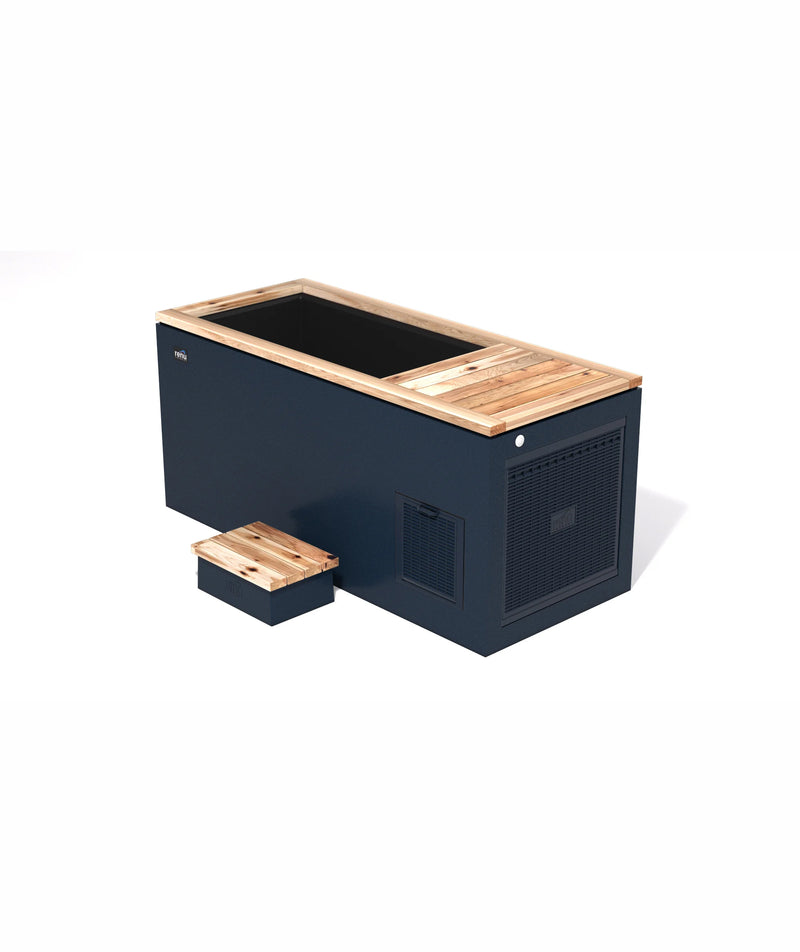
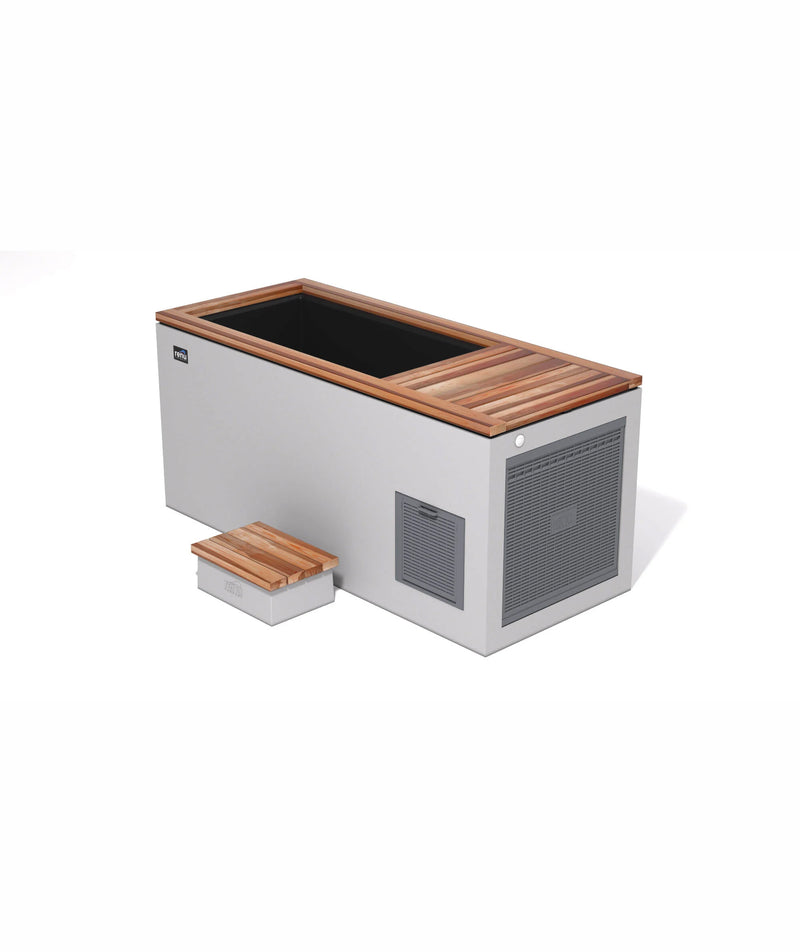
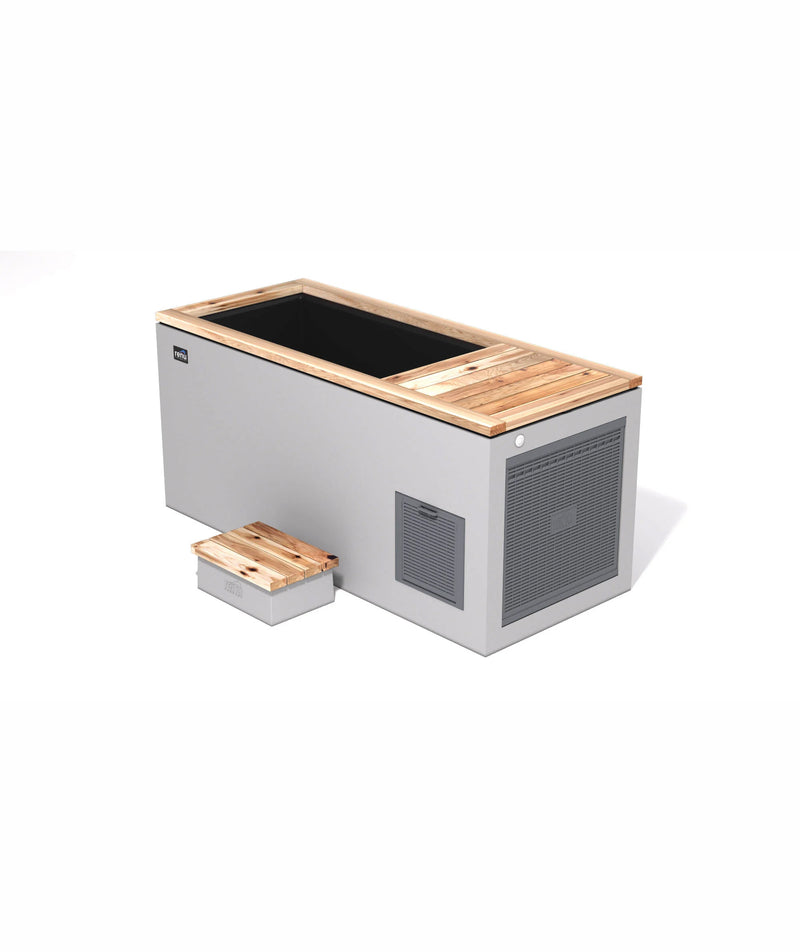
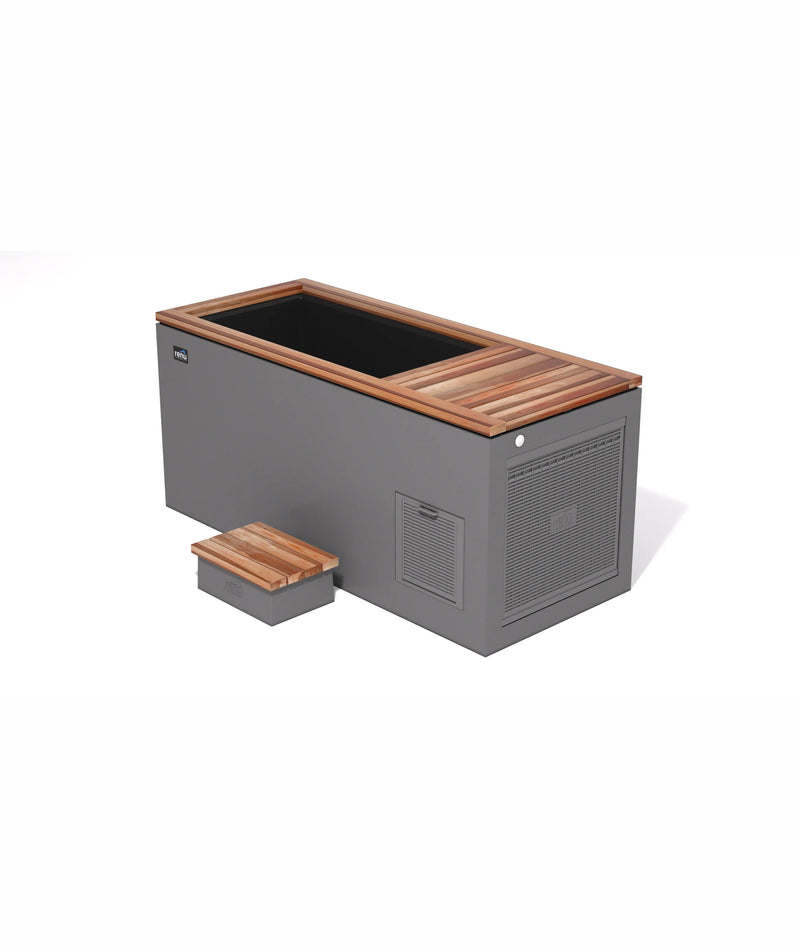
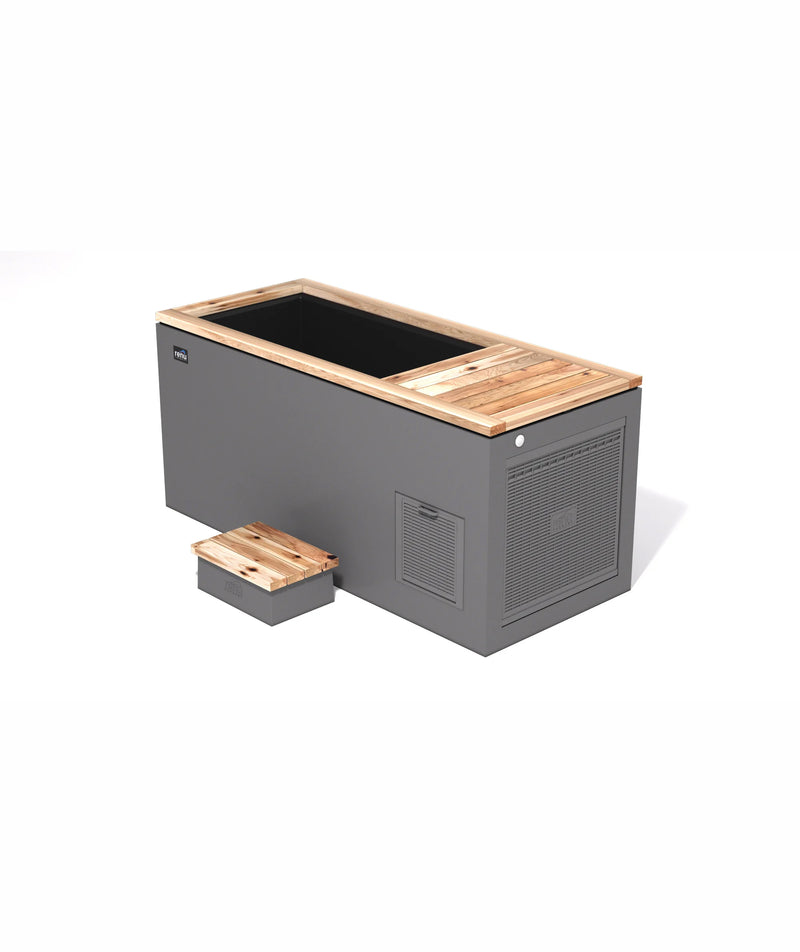
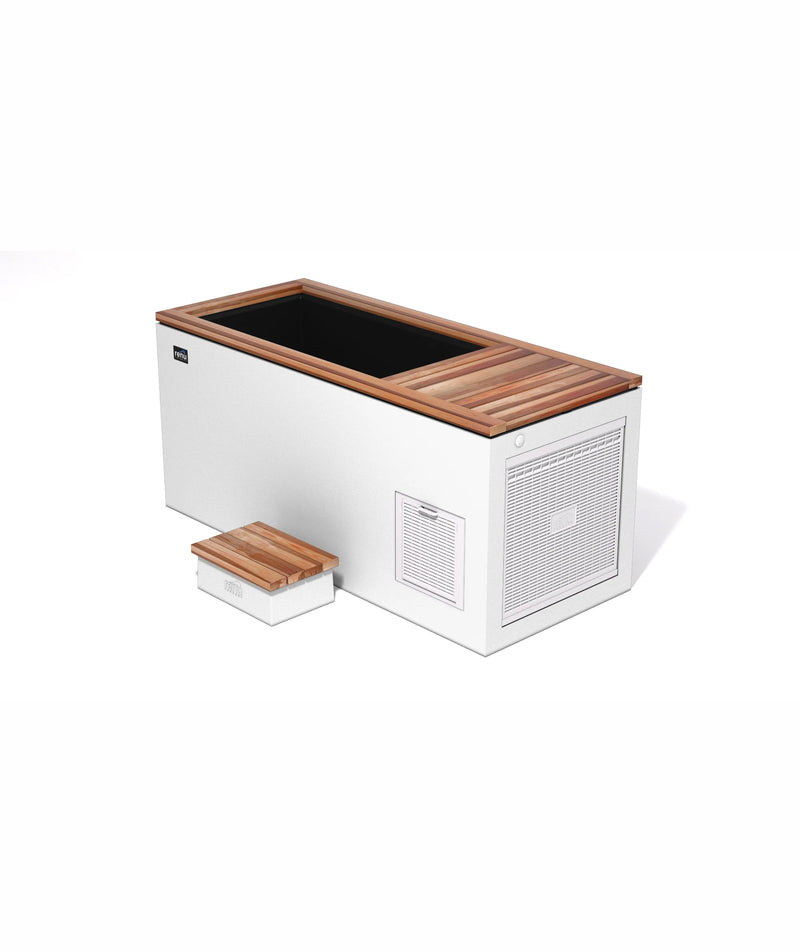
The Cold Stoic 3.0 is handcrafted in California and built for daily use: four inches of high-density insulation, a precision chiller, dual-stage filtration, and integrated ozone, backed by a five-year limited warranty. You can read about every one of those choices in The Parts You Never See. It runs from 37°F up to 104°F, with Wi-Fi app control.

What his routine can teach anyone starting out
You don't need a rooftop in Manhattan to take something from Liev's approach.
Make it about how you feel. Performance goals come and go with the season. Feeling steadier in your body and mind is a reason that lasts.
Start small and repeat. One to two minutes is plenty at first. Most people settle at two to five. Check out our How Long Should You Stay in an Ice Bath article to learn more.
Pick a time that fits your day. Mornings support alertness and mood. Evenings work best 60 to 90 minutes before bed. After strength training, wait at least four hours. Check out our When Is the Best Time to Take an Ice Bath article to learn more.
Add heat when you're ready. Contrast therapy turns two habits into one ritual, and the sauna is often the part people look forward to most.
Watch the full story
The rooftop visit was one of our favorite days as a team. Not because of who we were visiting, but because of how ordinary he made it all feel.
That's what we hope every Renu owner feels. Not something extreme. Just part of how they take care of themselves.
Explore cold plunges → · Explore saunas → · Not sure which setup fits your space? Talk with our team →
More stories: At Home with Sergio Garcia · Inside House of Plunge