Ask 10 people about ice bath temperature and you'll get 10 different numbers, often delivered with great confidence and very little context. That guy in the sauna swears by 38°F. Your neighbor tells you 55°F is perfect, but you've seen plenty of people on the internet plunging through an icy hole in a frozen lake. And somewhere in the middle, there's you, standing next to a tub of cold water wondering whether the thermometer reading actually matters. It does. But not in the way most people think.
Temperature is the single most important variable in cold water immersion; it determines how hard your body has to work, how long you can safely stay in, and whether you'll be back tomorrow. Let's dive into the details to reduce the confusion and get it right.
The Ideal Ice Bath Temperature: 50–59°F
For most people, the sweet spot is between 50 to 59°F (10–15°C). This isn't an arbitrary range. It's where the research lives, and where the studies show that you'll get the most benefits from cold water immersion. These benefits include the norepinephrine release that drives mood and focus, the vasoconstriction that supports recovery, and the metabolic activation that boosts calorie burn. Dr. Susanna Søberg's widely cited research on cold exposure thresholds, including the 11-minute-per-week protocol, sits in this range too. When the water is in this 50–59°F (10–15°C) range, it is cold enough to trigger the full physiological response. You don't need to go colder to get the benefits (because that can make it harder to get in—and keep coming back).
Ice Bath Temperature for Beginners: Start at 57–60°F
If you're new to cold water, start at the top of the range—57 to 60°F—and remain there for your first couple of weeks. This is cold: your breath will catch, your skin will protest, and the first 45 seconds will likely feel tougher than anticipated. That's the response you're after. Remember: there's no badge for starting at 40°F, and there's a real cost to it: beginners who go too cold too fast tend to have one miserable session and never come back.
Drop the temperature gradually (a degree or two each week is ideal) as your cold tolerance builds. Your body typically adapts faster than you'd expect. Within a month or two, water that once felt impossible will start to feel like your friend.
Experienced Cold Plungers: 39–50°F
Regular ice bathers often settle somewhere between the range of 39 and 50°F. With adaptation, the body becomes more efficient at handling cold stress, and a lower temperature restores the stimulus.
But there are two important things worth knowing before you chase lower numbers:
- Colder means shorter: Duration and temperature work together. At 55°F, a 5-minute session is reasonable. At 45°F, 2–3 minutes delivers an equivalent—arguably stronger—dose. If you drop the temperature, drop the time.
- Colder isn't a progression you owe anyone: Plenty of experienced cold plunge fans stay at 50–55°F indefinitely because it's the temperature they'll actually show up to four or five times a week. Consistency beats intensity every time.

Can an Ice Bath Be Too Cold?
Yes. Below about 39°F, the margin for error narrows quickly. Cold shock becomes more pronounced, safe exposure times shrink to a couple of minutes, and the risk of cold injury rises, particularly for hands and feet. For women, the lower end of the temperature range warrants extra caution. Some research suggests women may experience greater cardiovascular demand during cold exposure than men, and their bodies trigger the cold-defence response sooner than men's. Research points to the 50–59°F range as particularly well-suited for women: it's cold enough to activate norepinephrine release, mild thermogenesis, and brown adipose tissue, while maintaining a more balanced stress response. If you're female, be conservative about going below 50°F, keep sessions short if you do, and pay close attention to how your body responds.
A few non-negotiables at any temperature:
- Never plunge alone at very cold temperatures
- Get out if you experience numbness (not to be confused with the normal cold sting), dizziness, or uncontrolled shivering in the water
- If you have a cardiovascular condition, Raynaud's, or cold sensitivity, talk to your physician before starting, and start warmer than the standard guidance
Cold water is a stressor—that's the entire point—but a stressor only works when the dose is right.
Related → Read our latest article on inflammation and the role cold water immersion can play
Why Stable Temperature Matters More Than Cold Temperature
Here's what the temperature conversation usually misses: the number on day one matters far less than the number on day 40.
An ice-and-water setup might hit 50°F when you fill it and drift to 64°F by the time you actually get in. The water temperature of outdoor tubs can swing with the weather. And a plunge that's a different temperature every session makes it impossible to build a consistent practice, because you never really know what you're walking into.
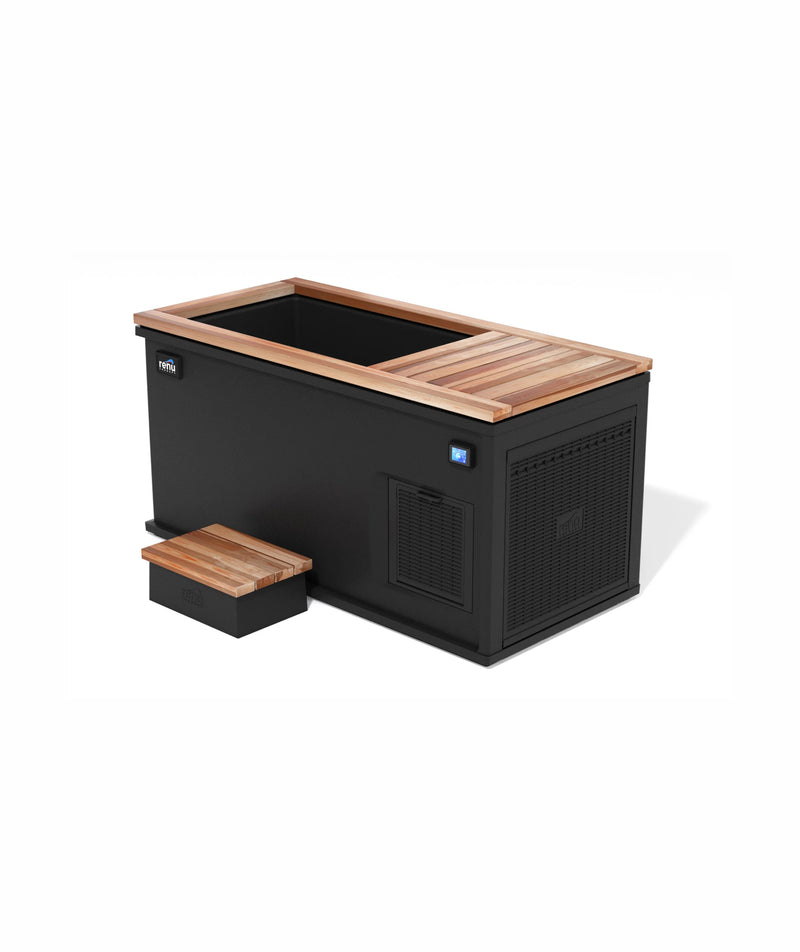
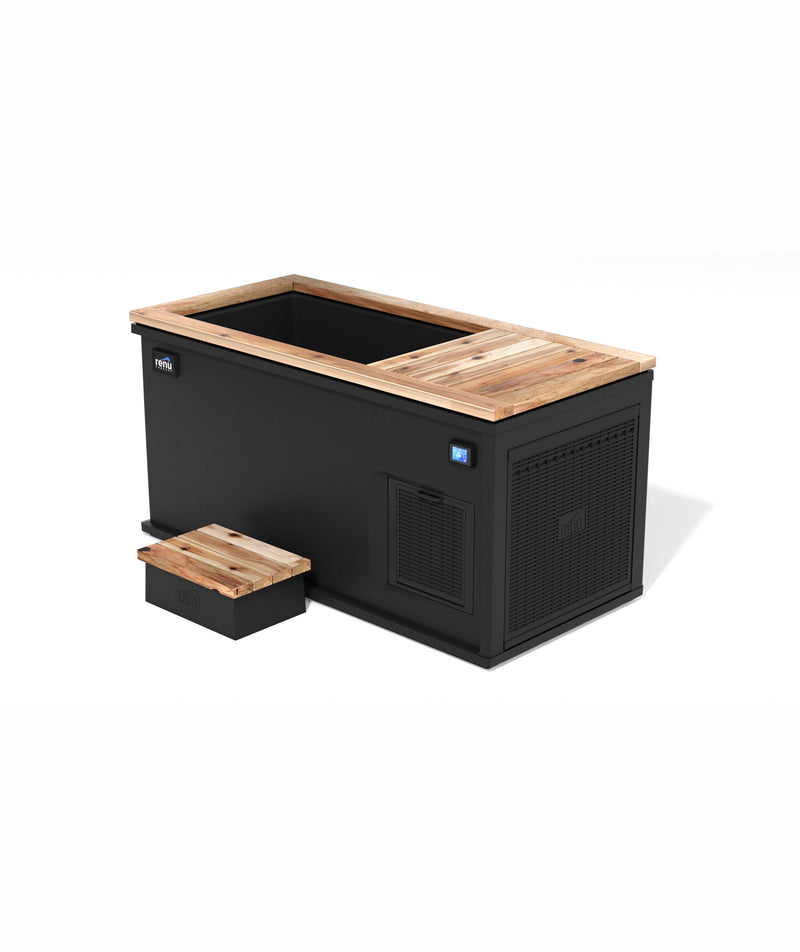
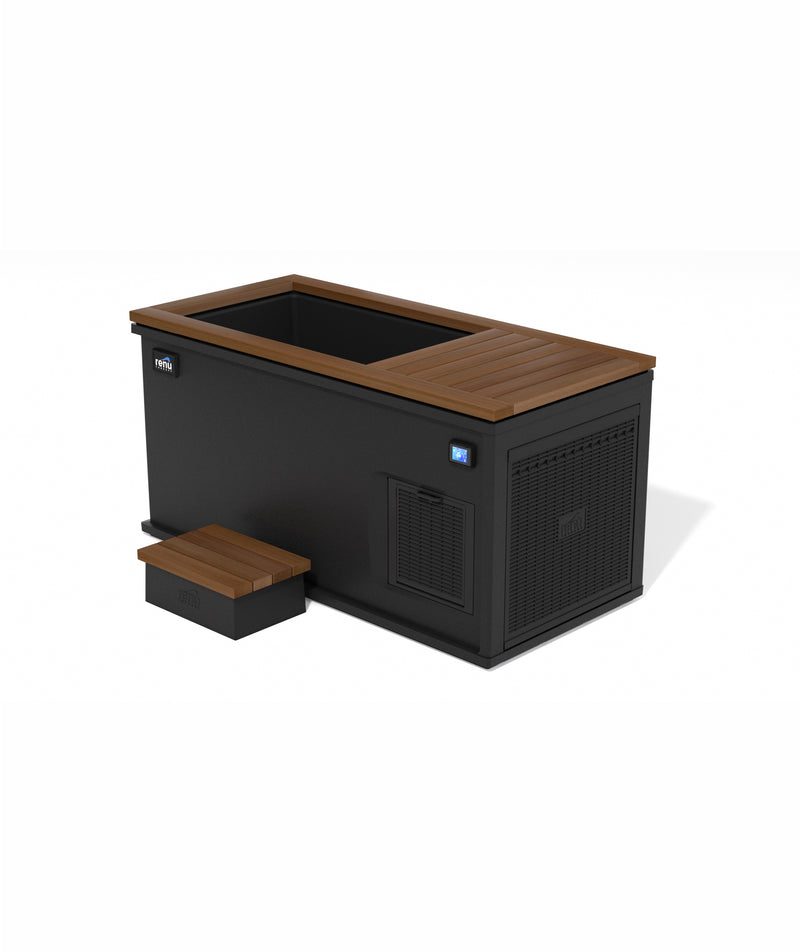
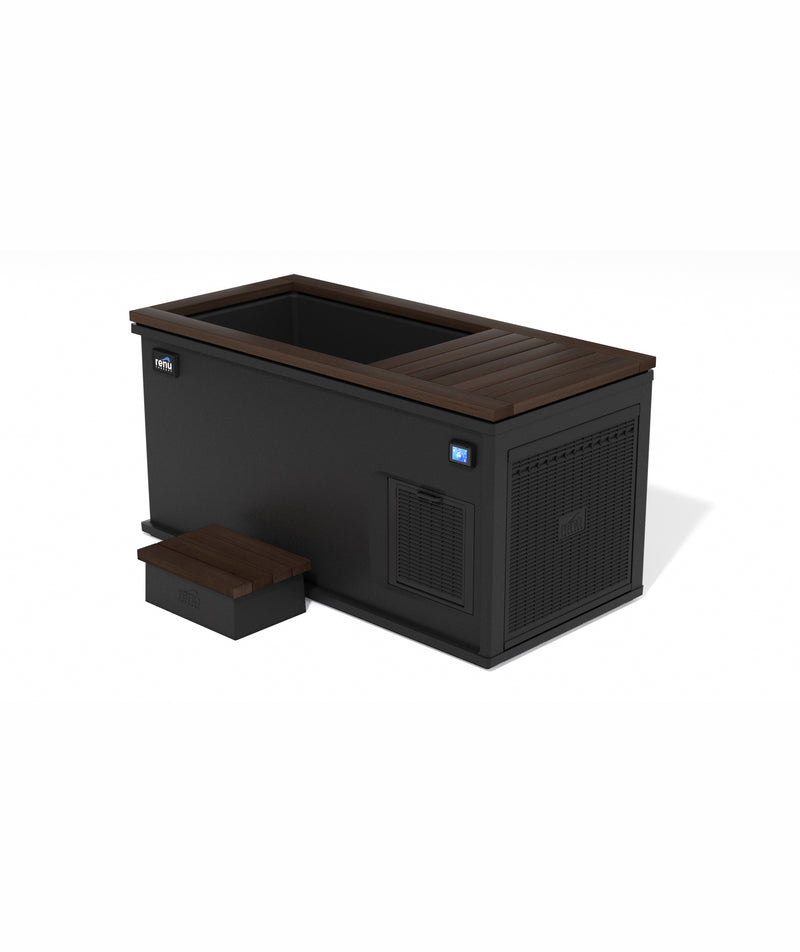
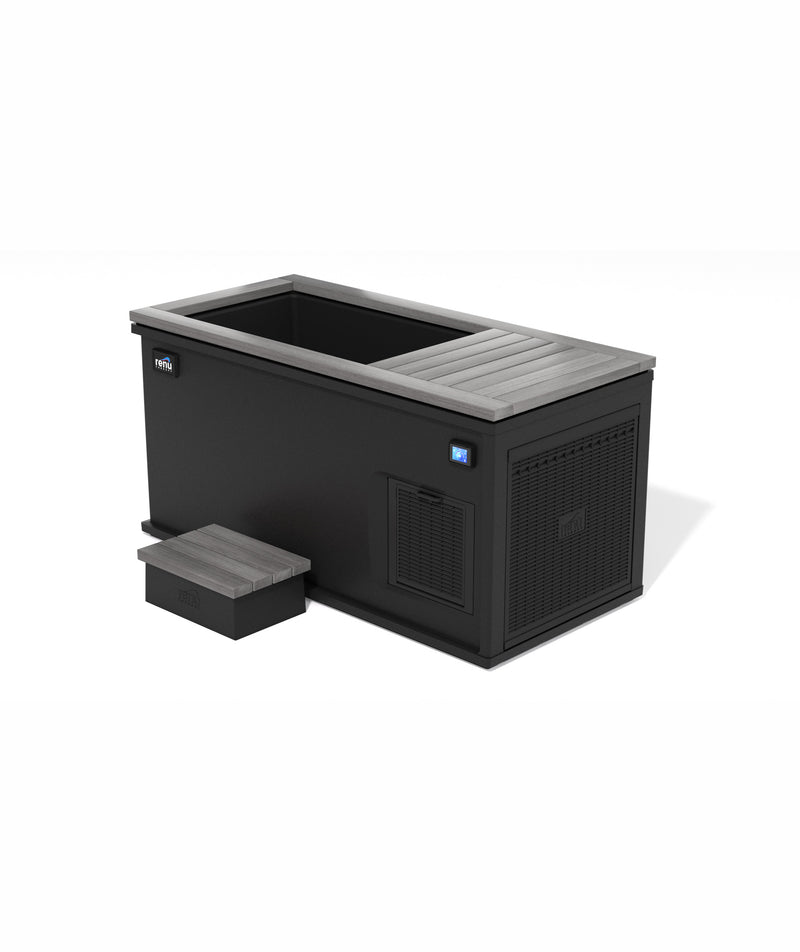
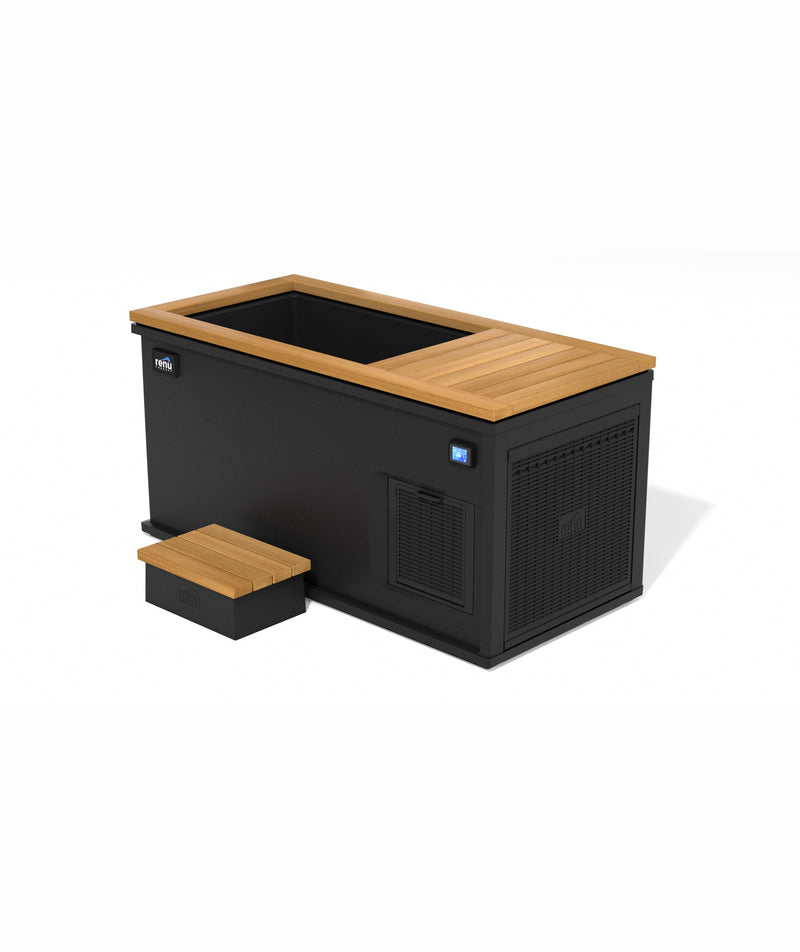
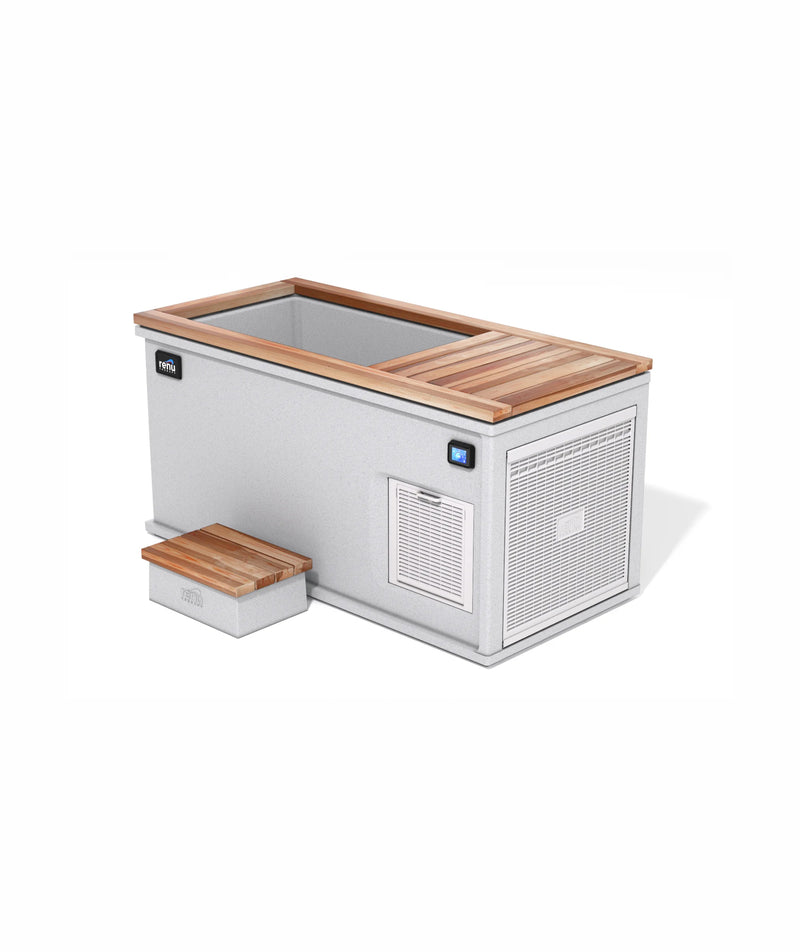
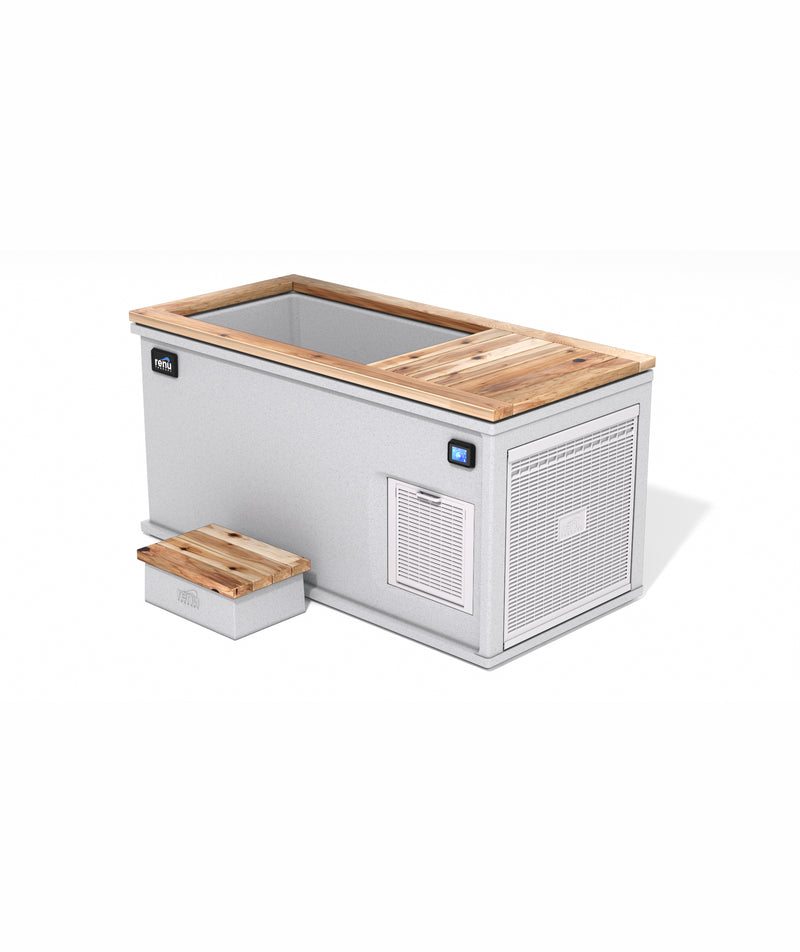
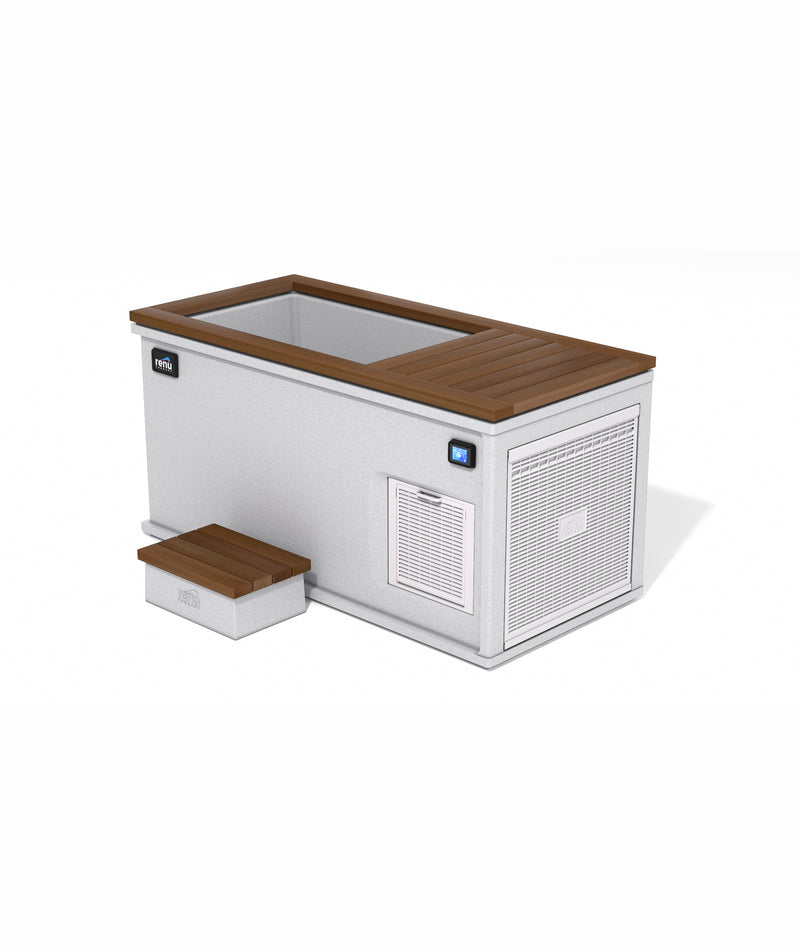
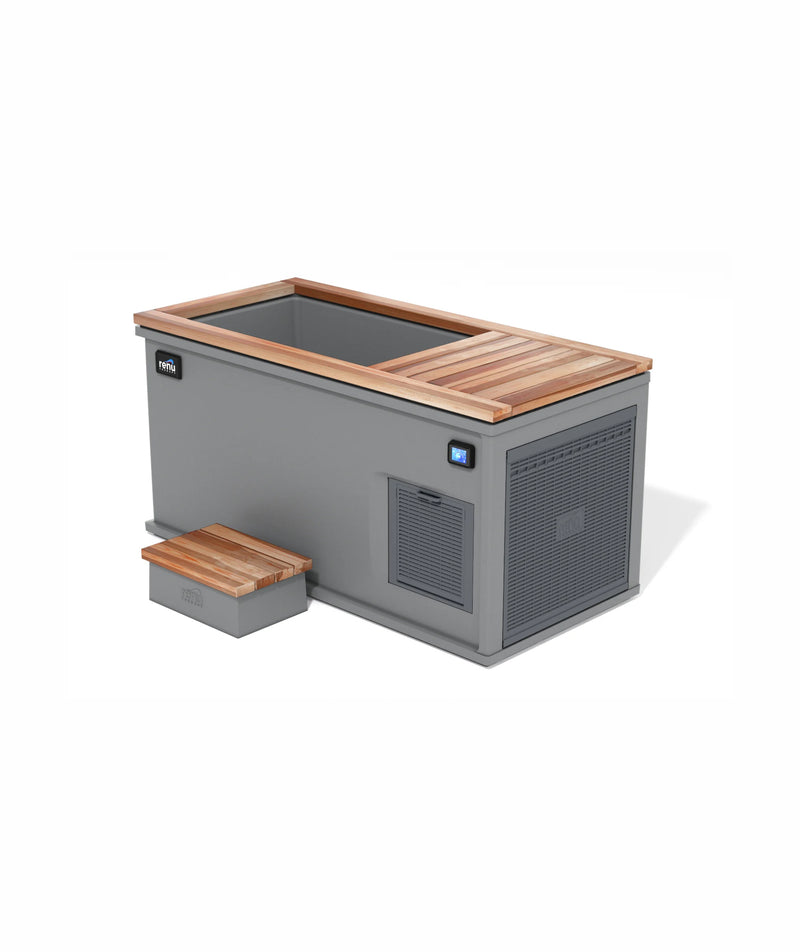
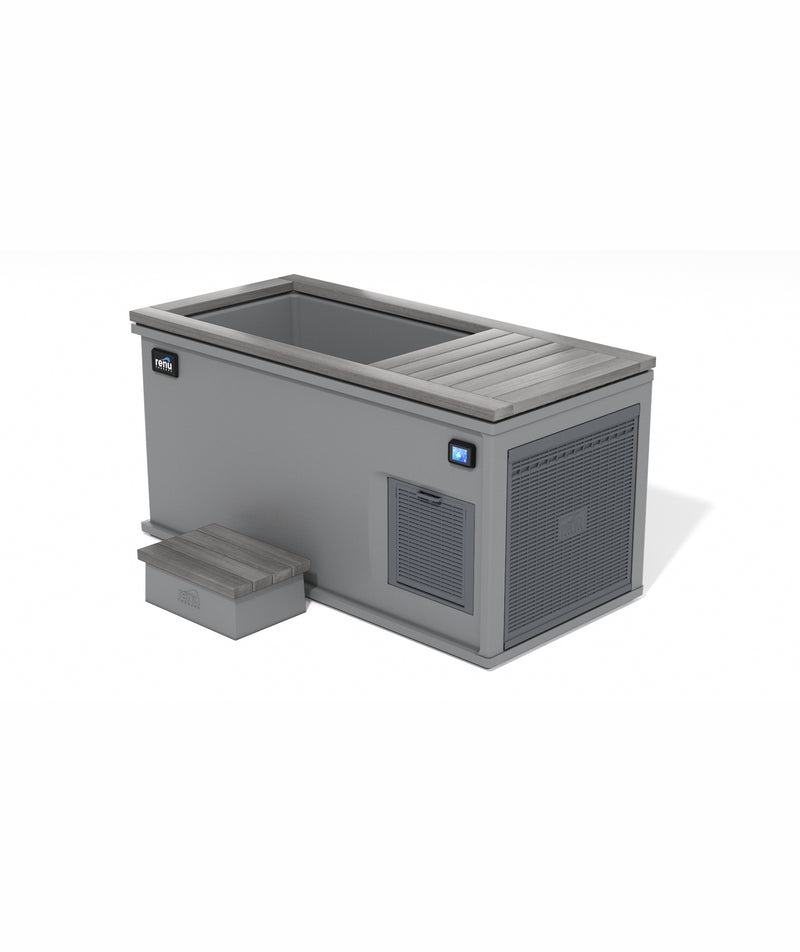
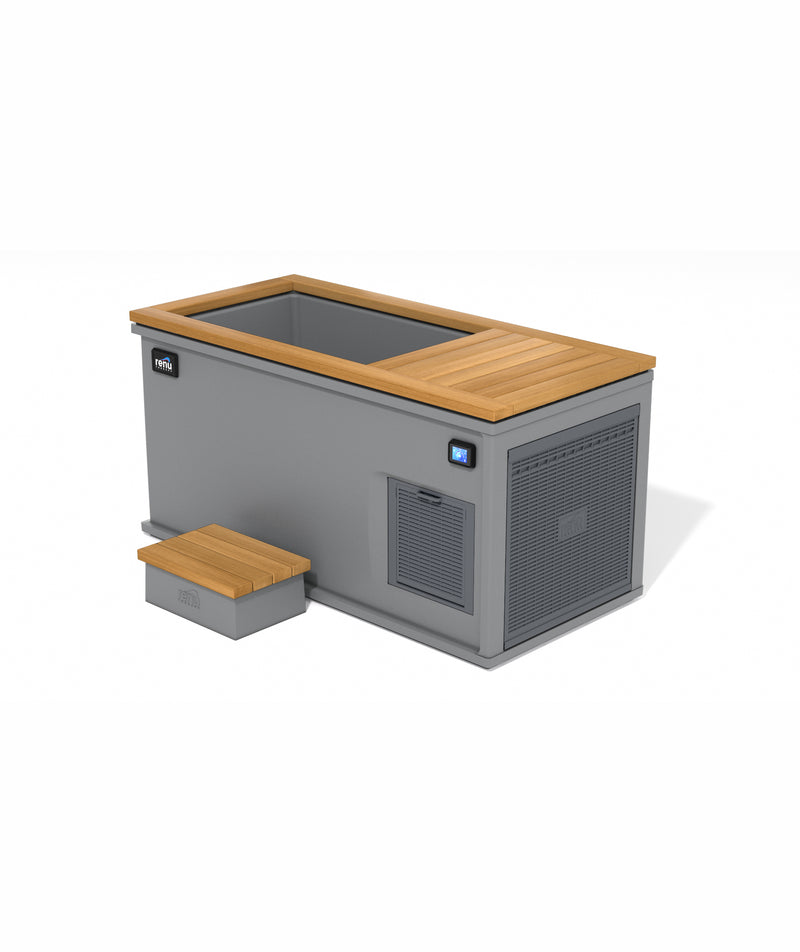
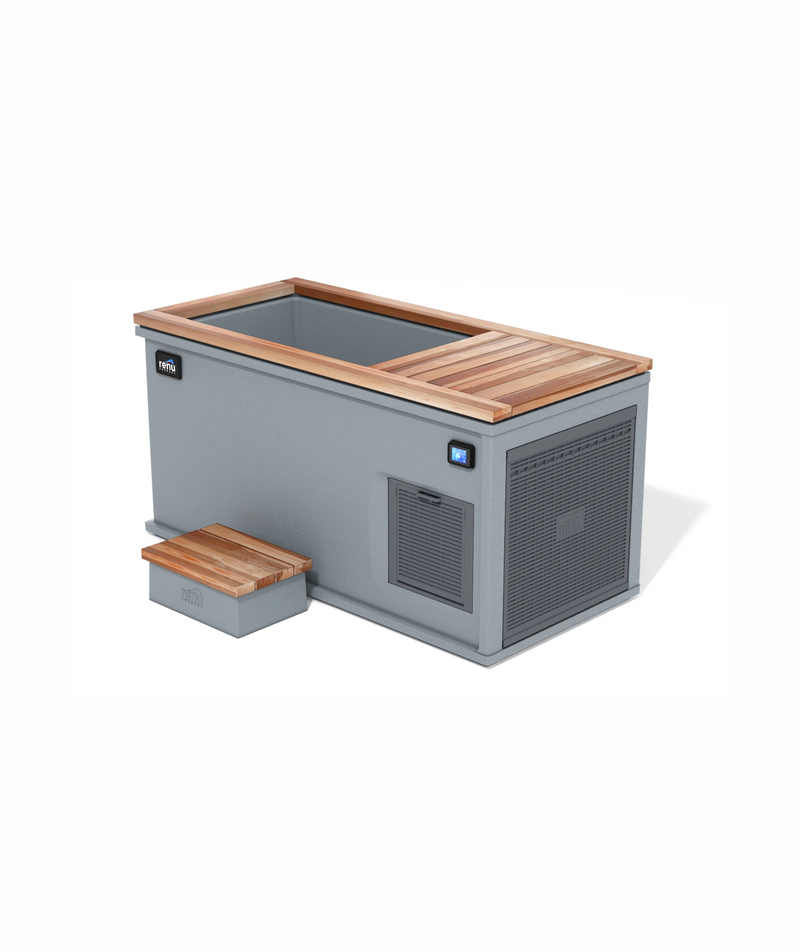
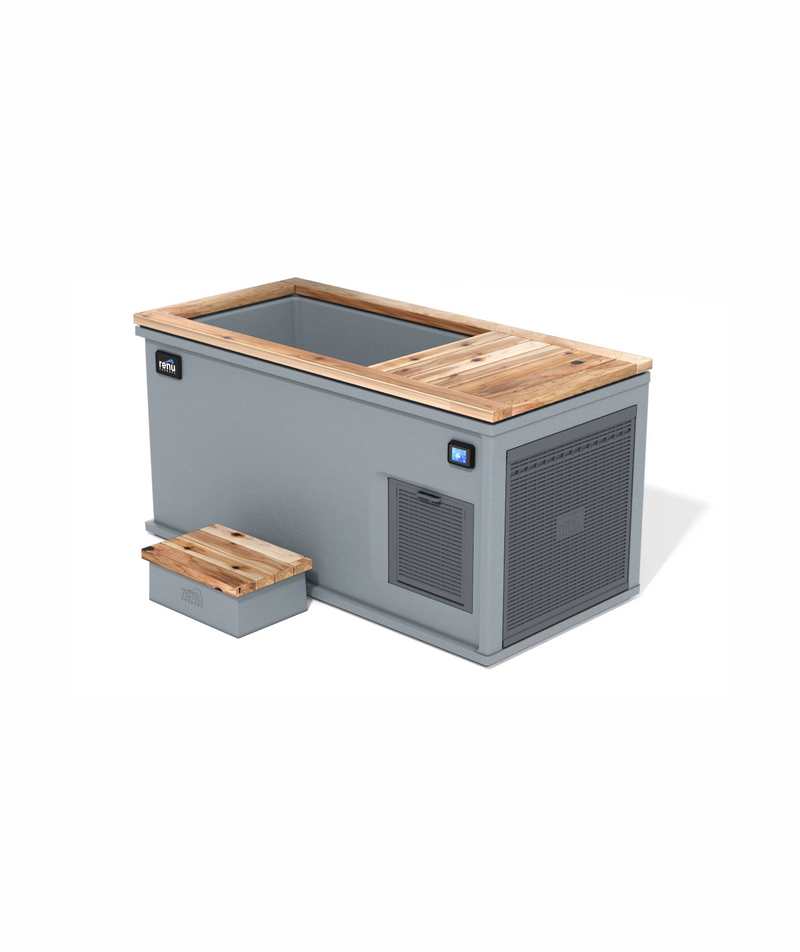
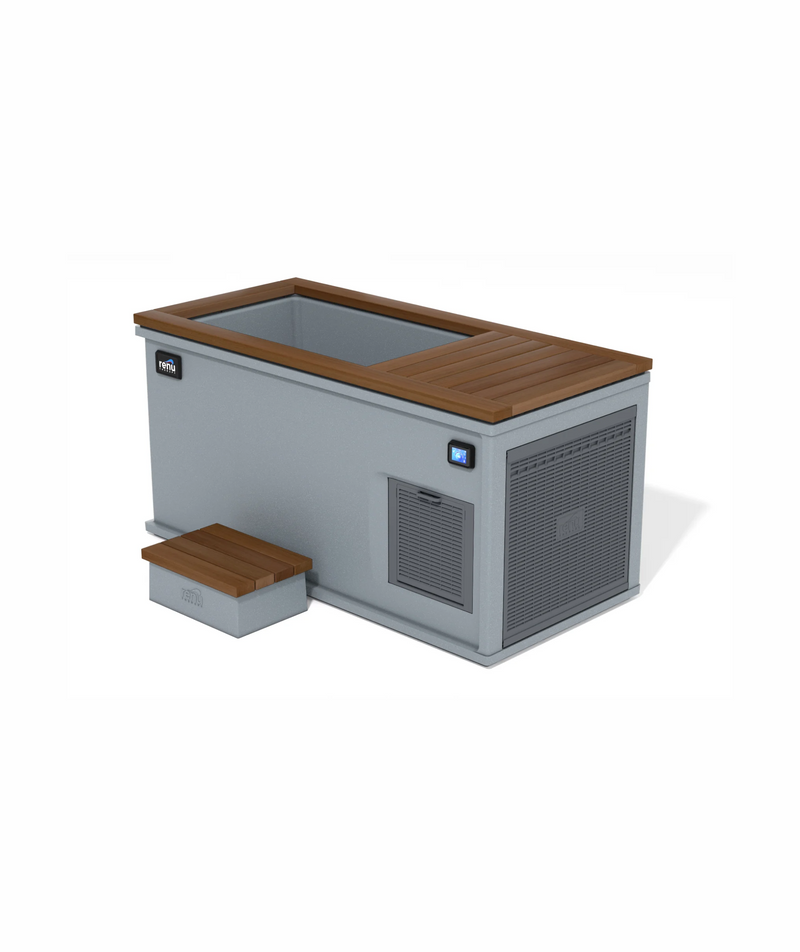
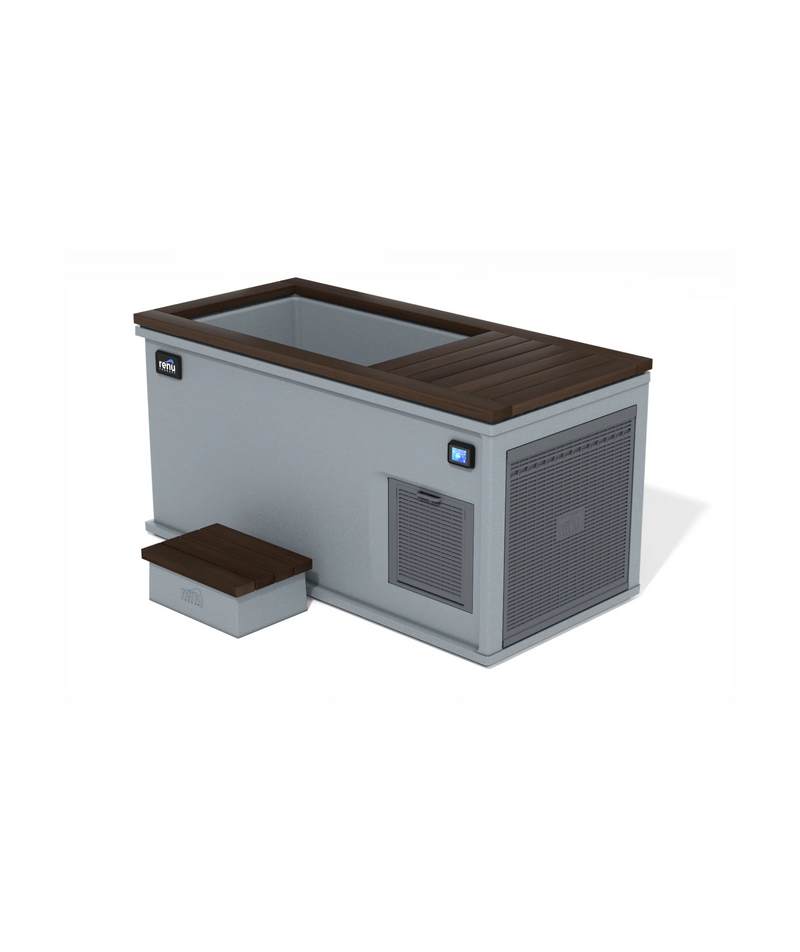
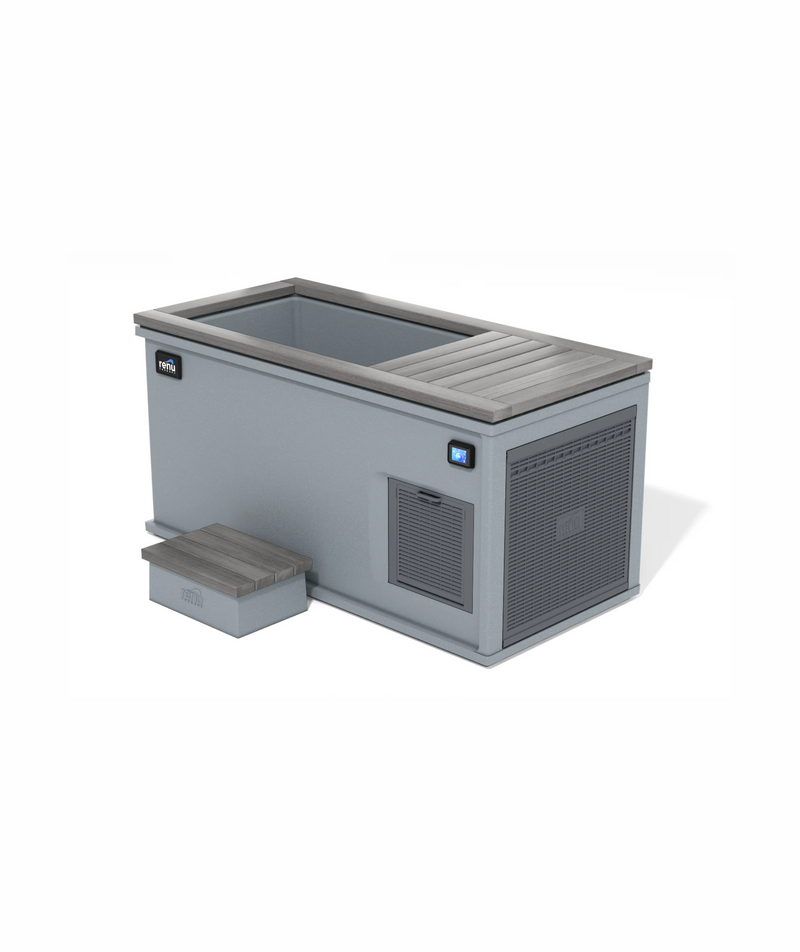
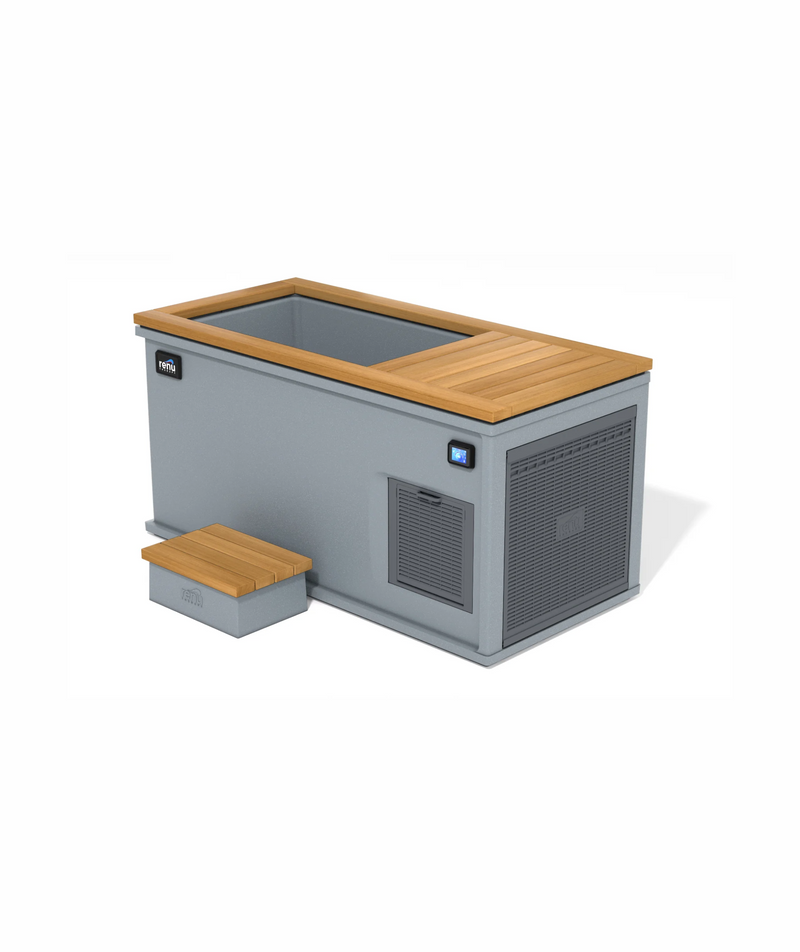
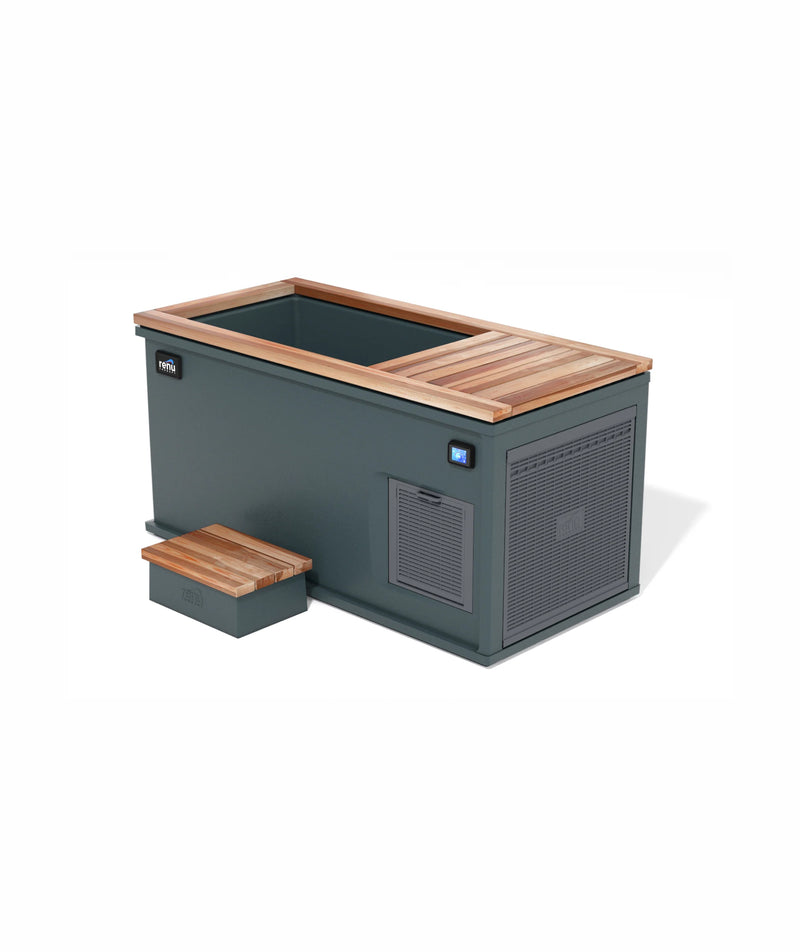
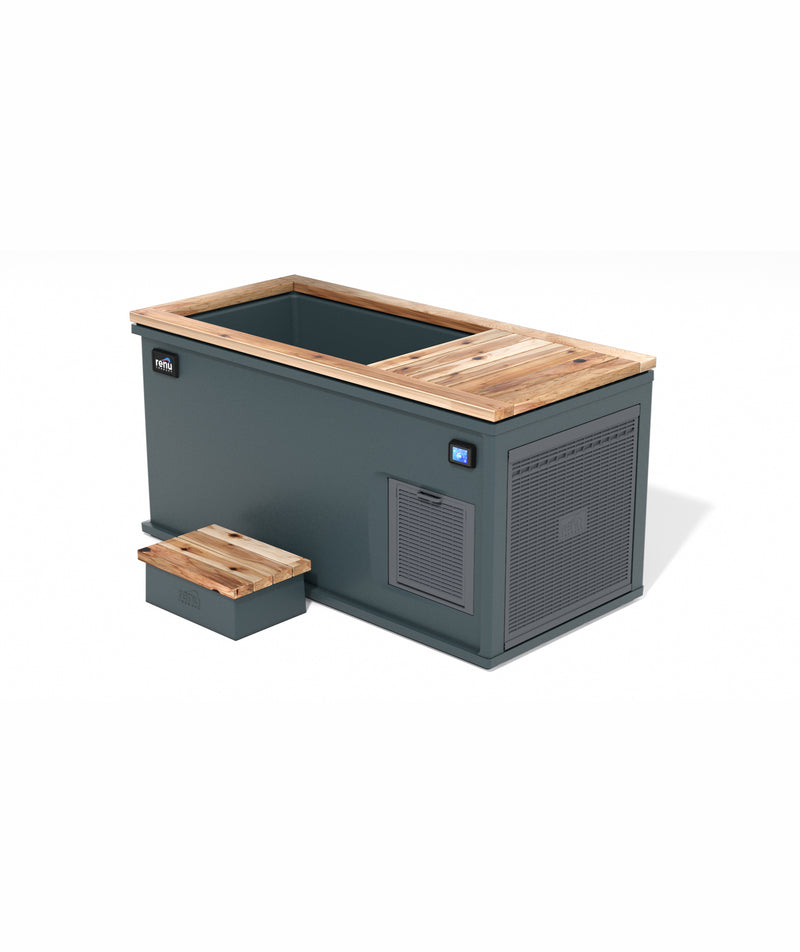
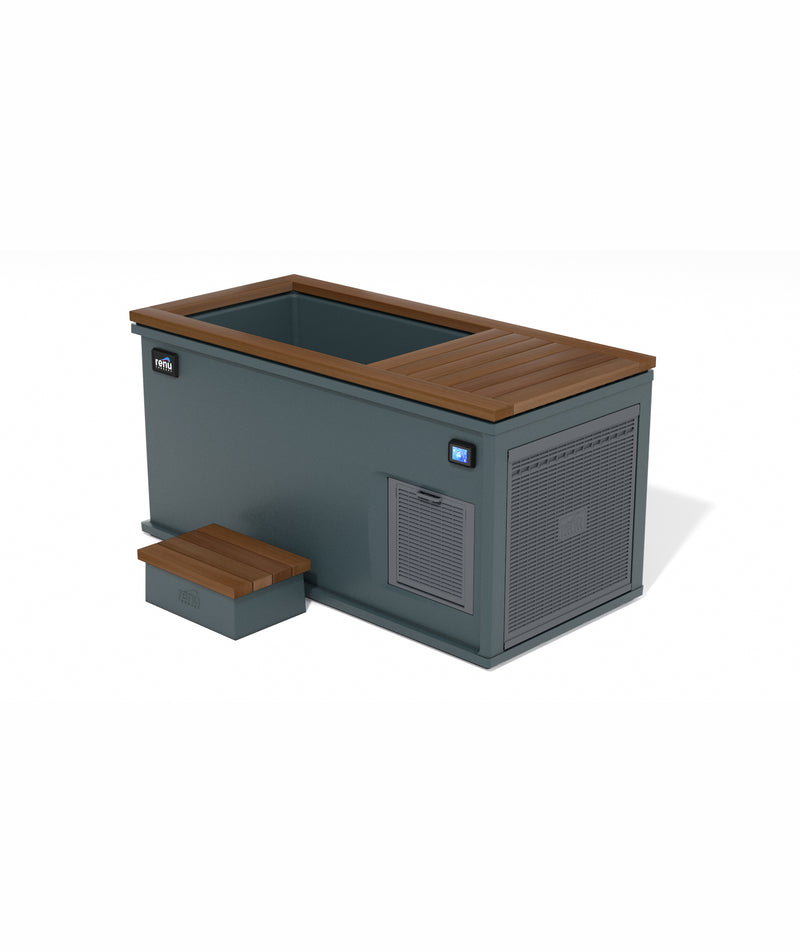
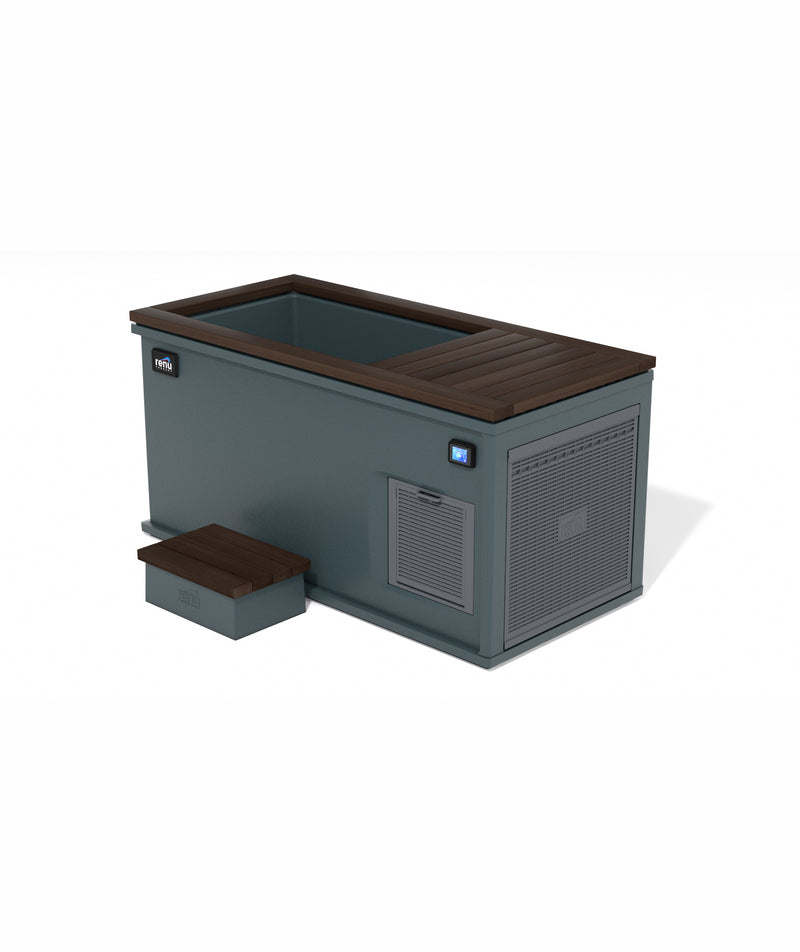
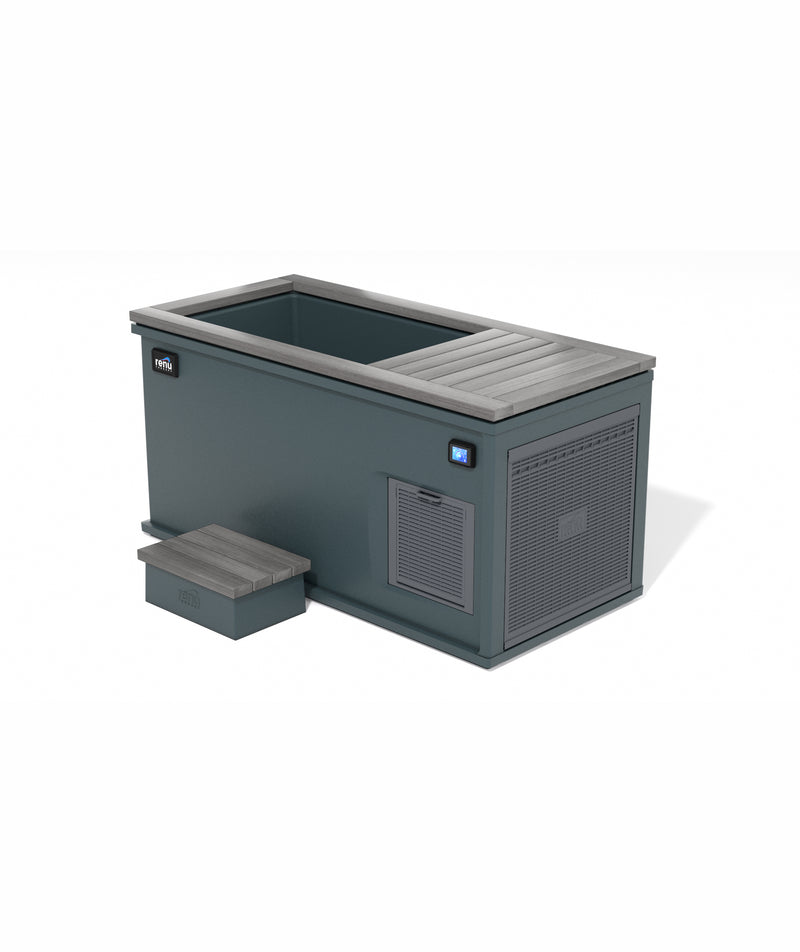
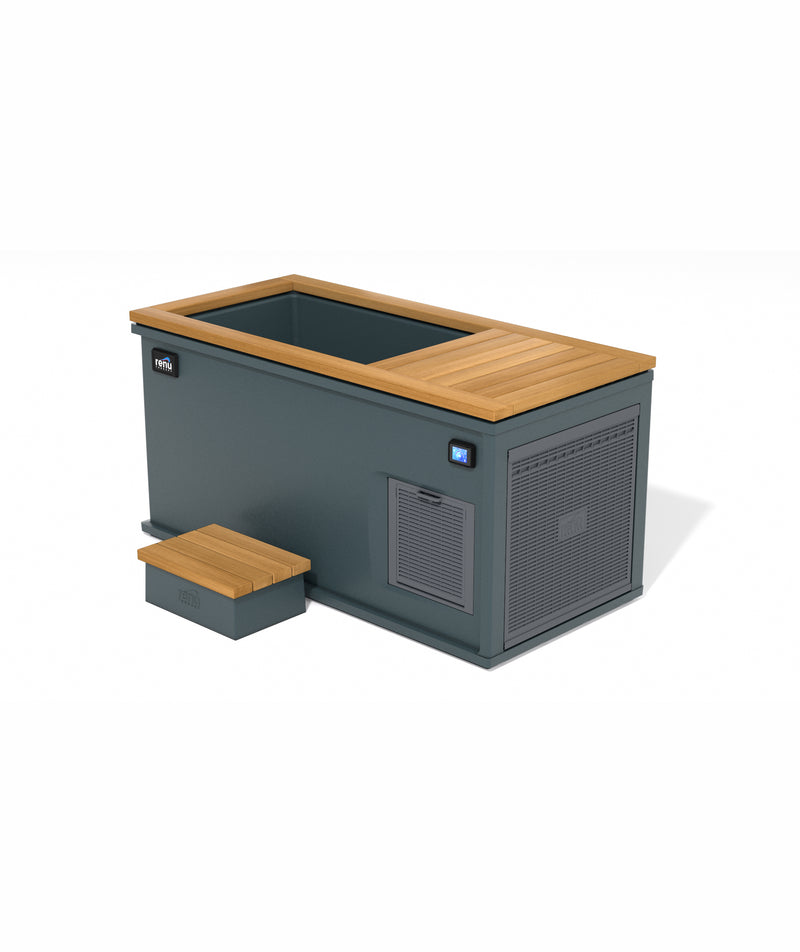
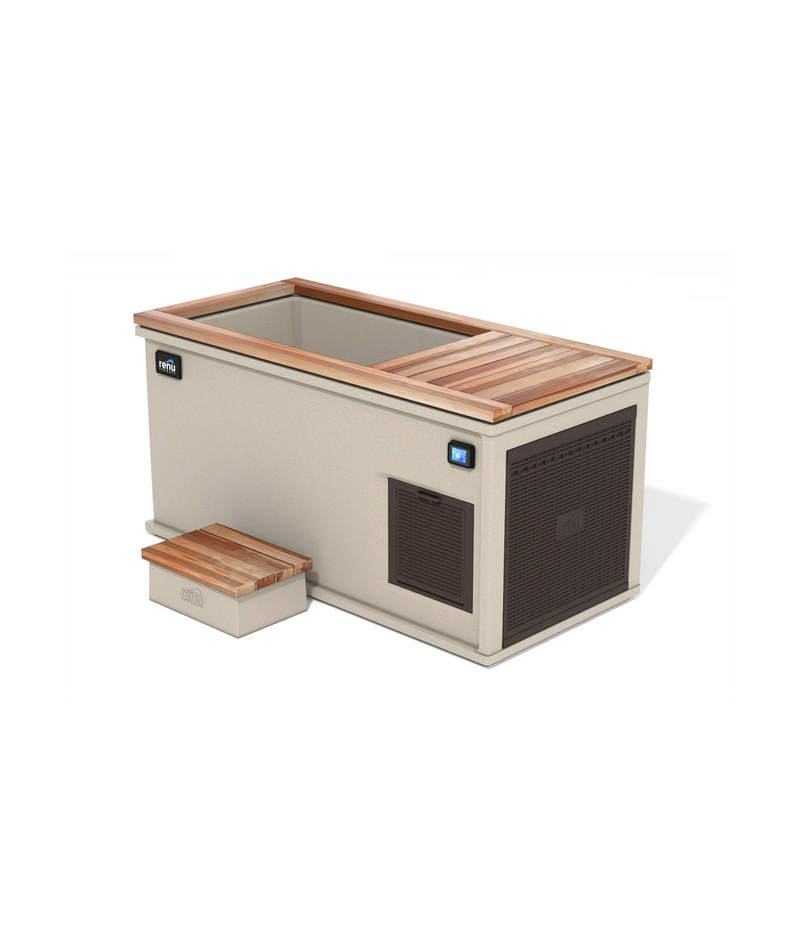
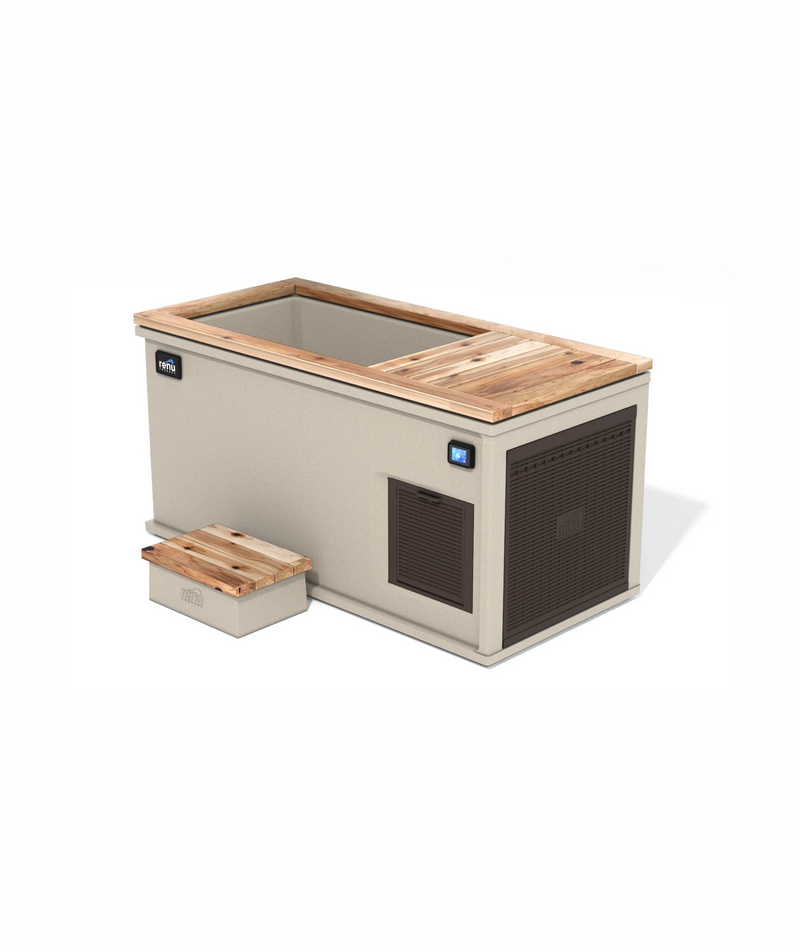
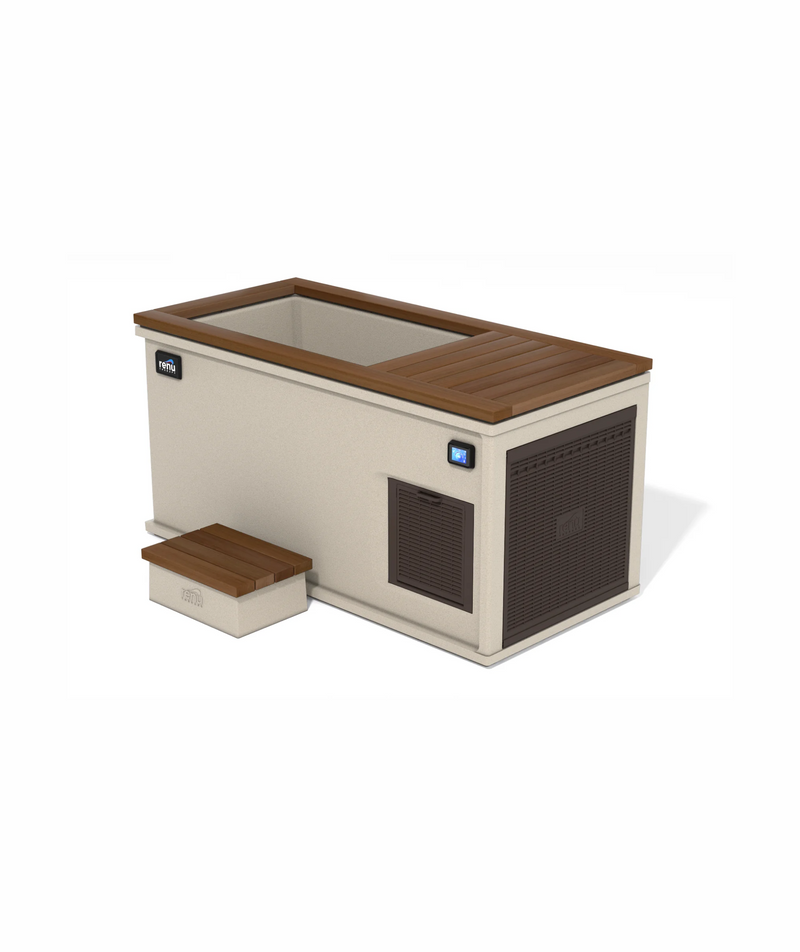
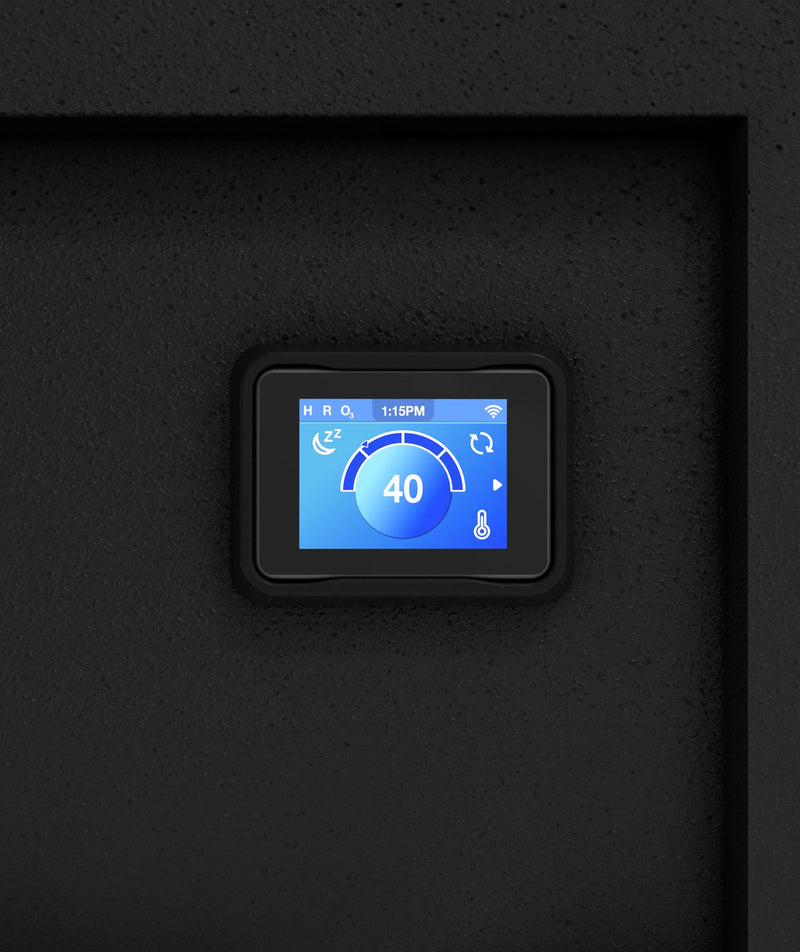
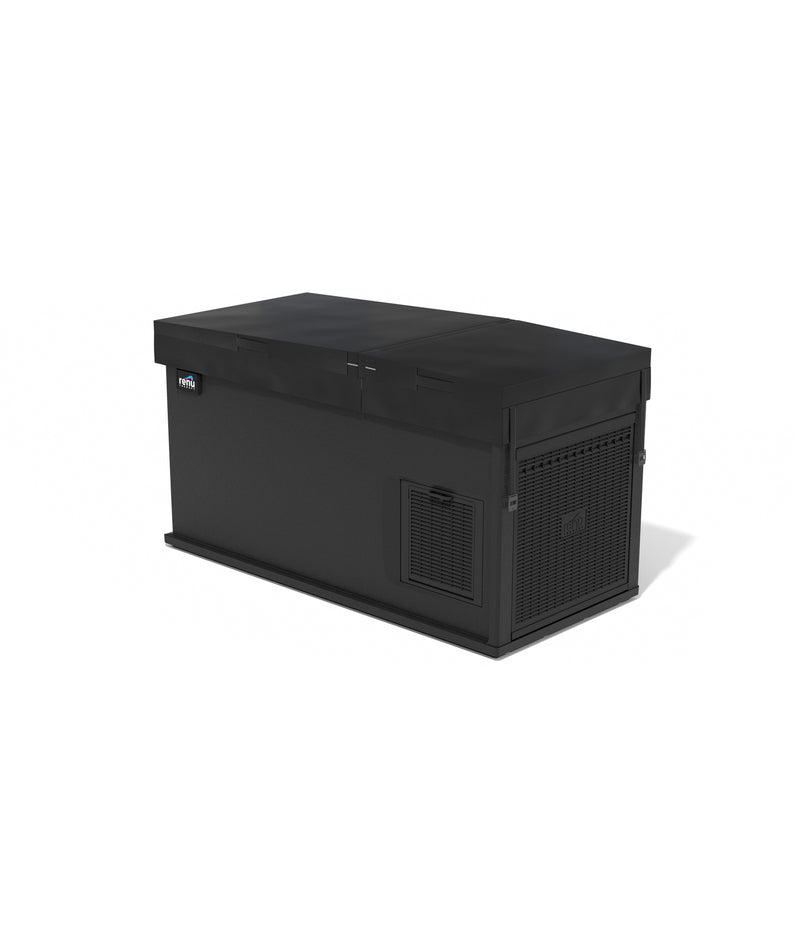
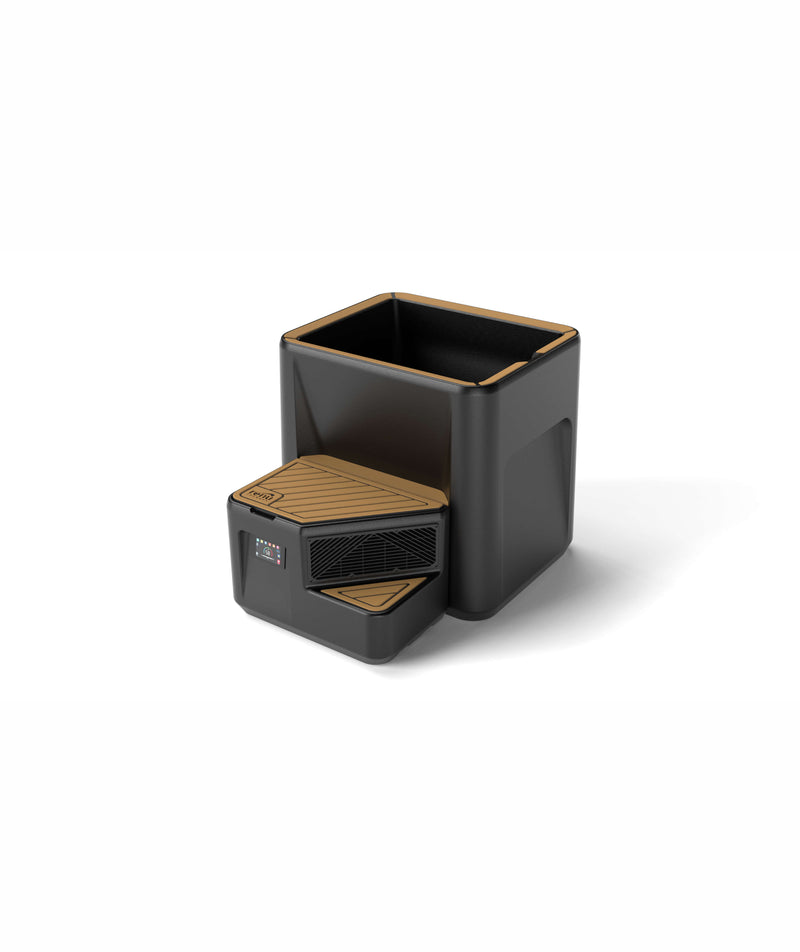
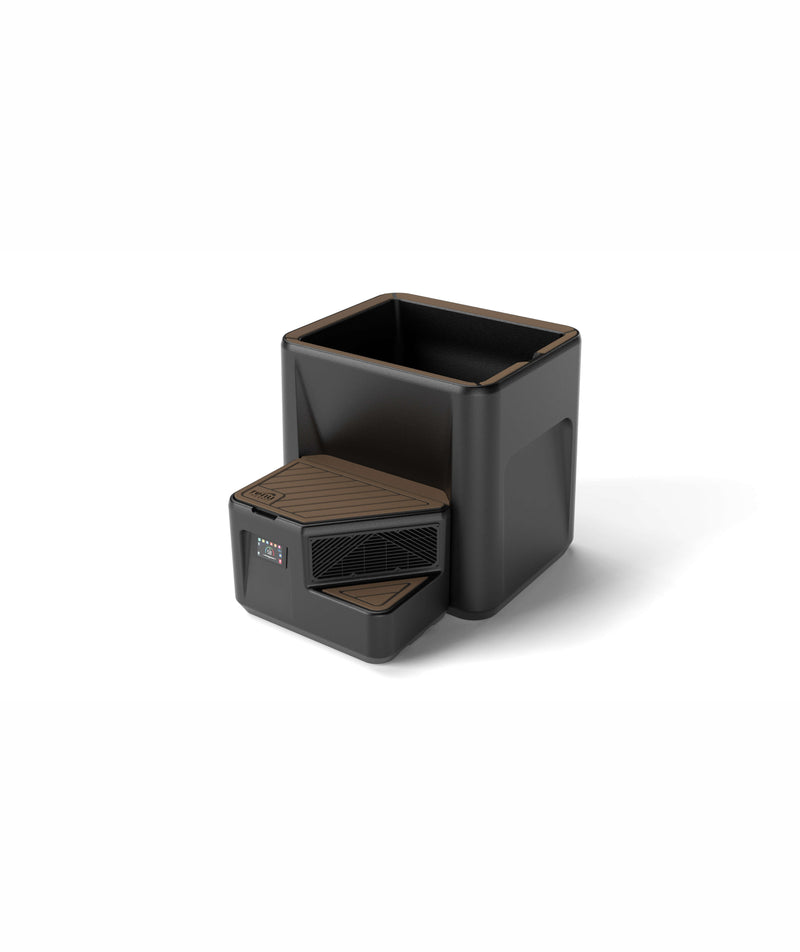
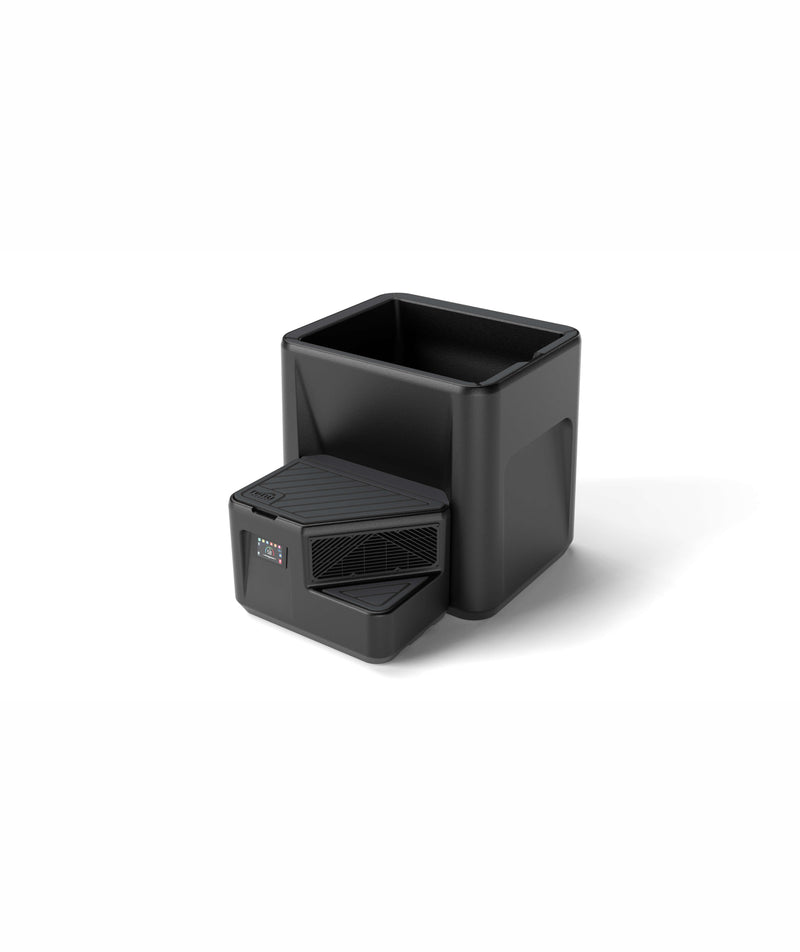
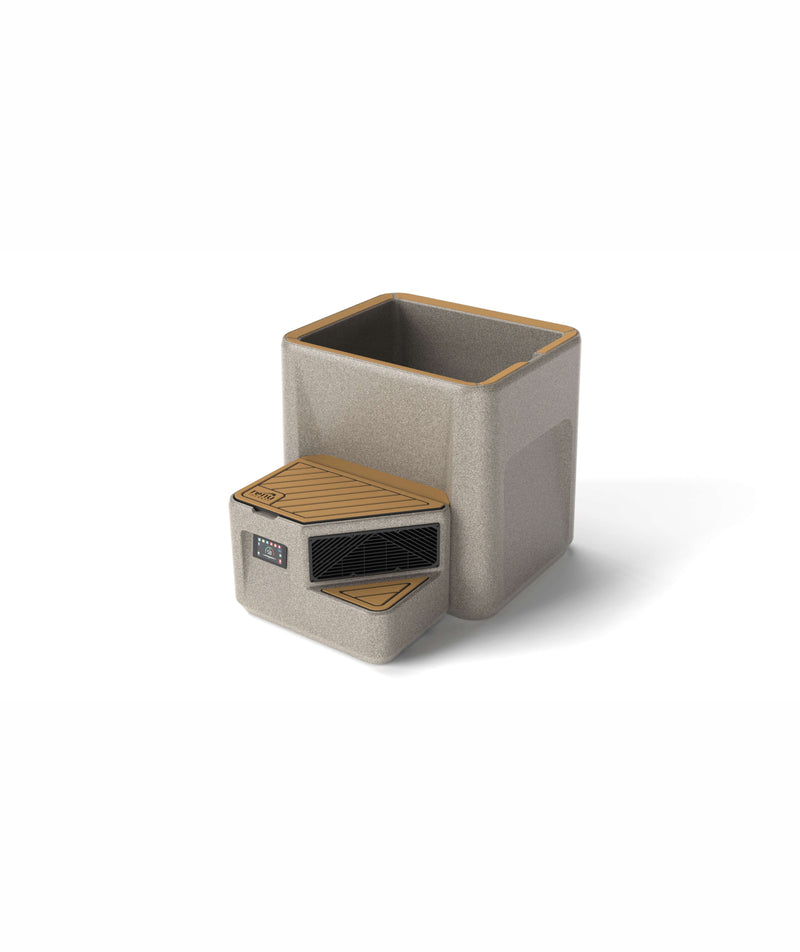
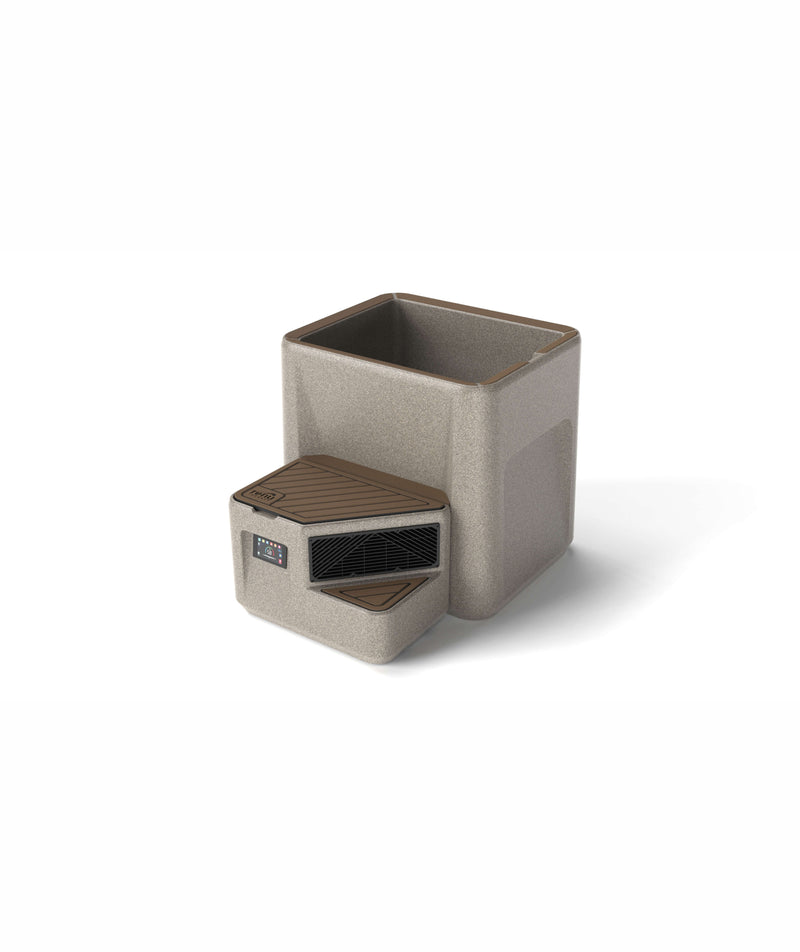
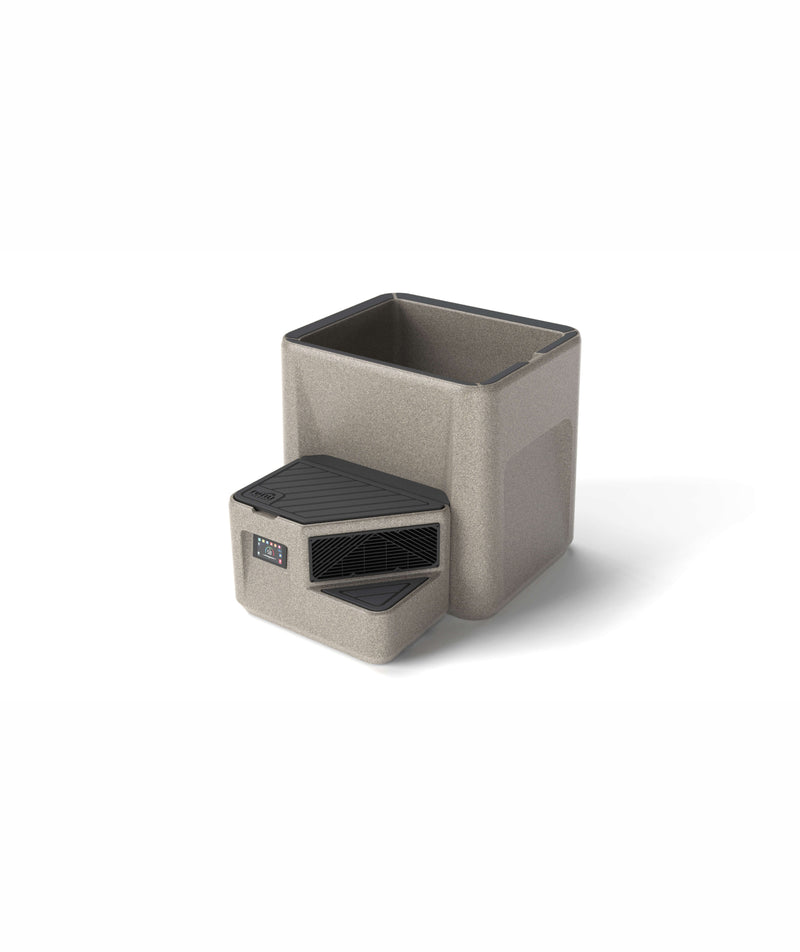
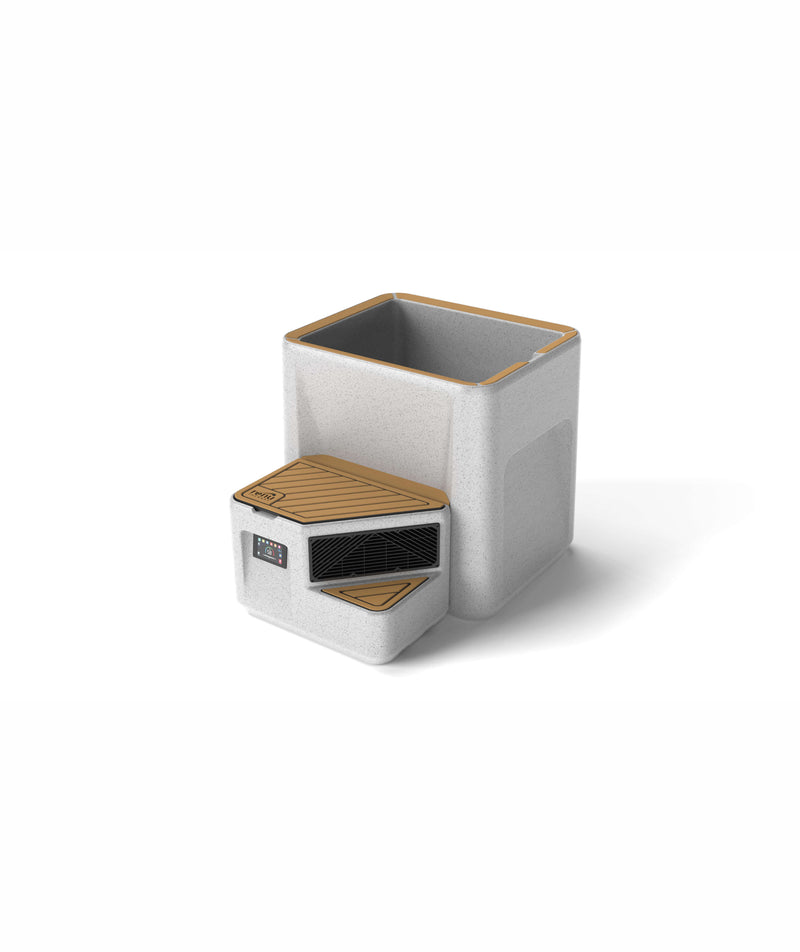
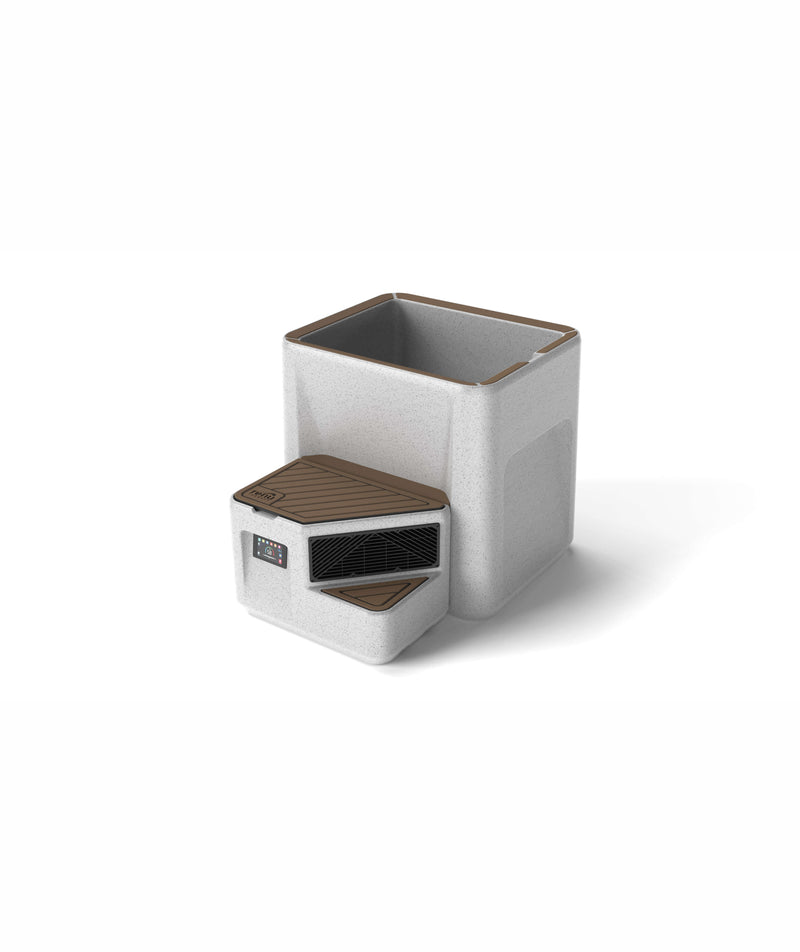
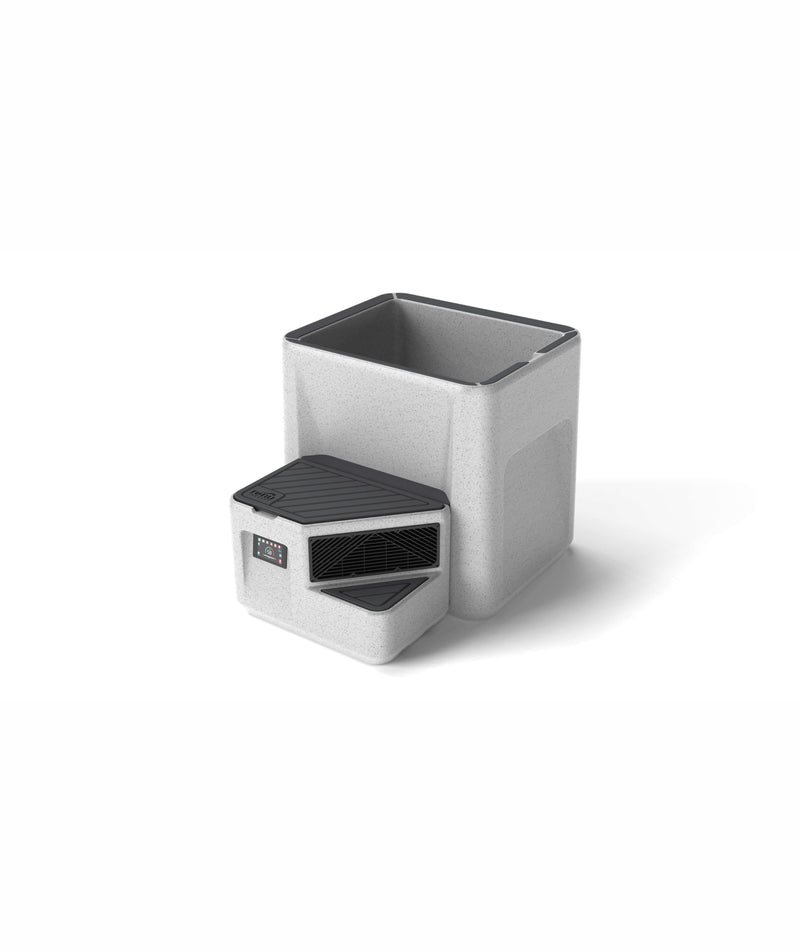
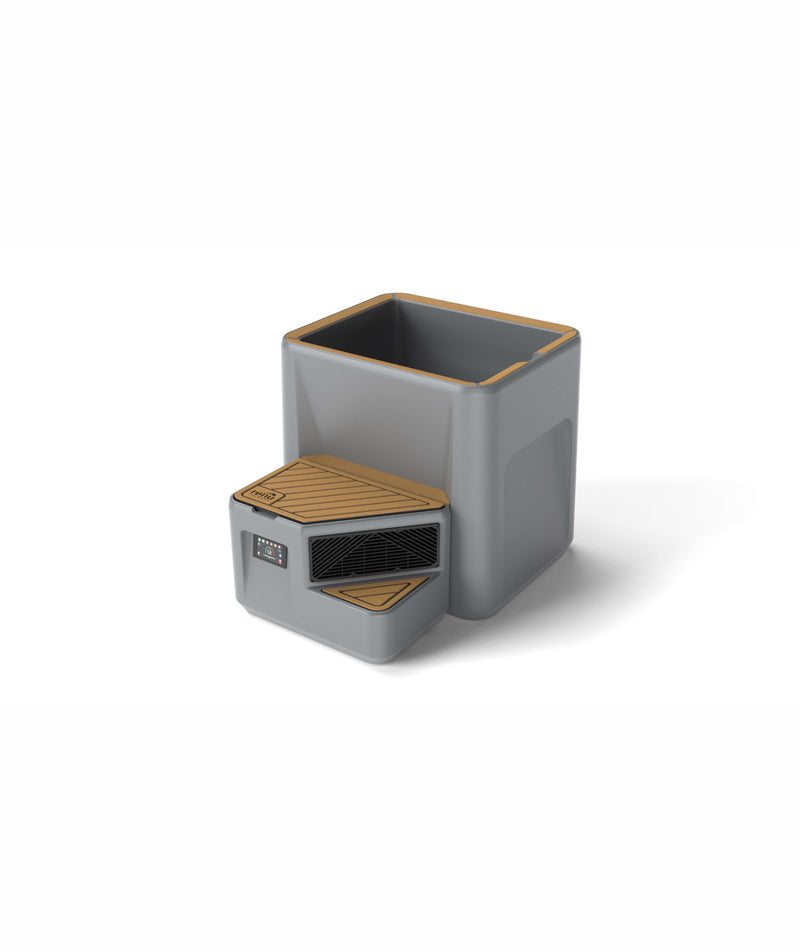
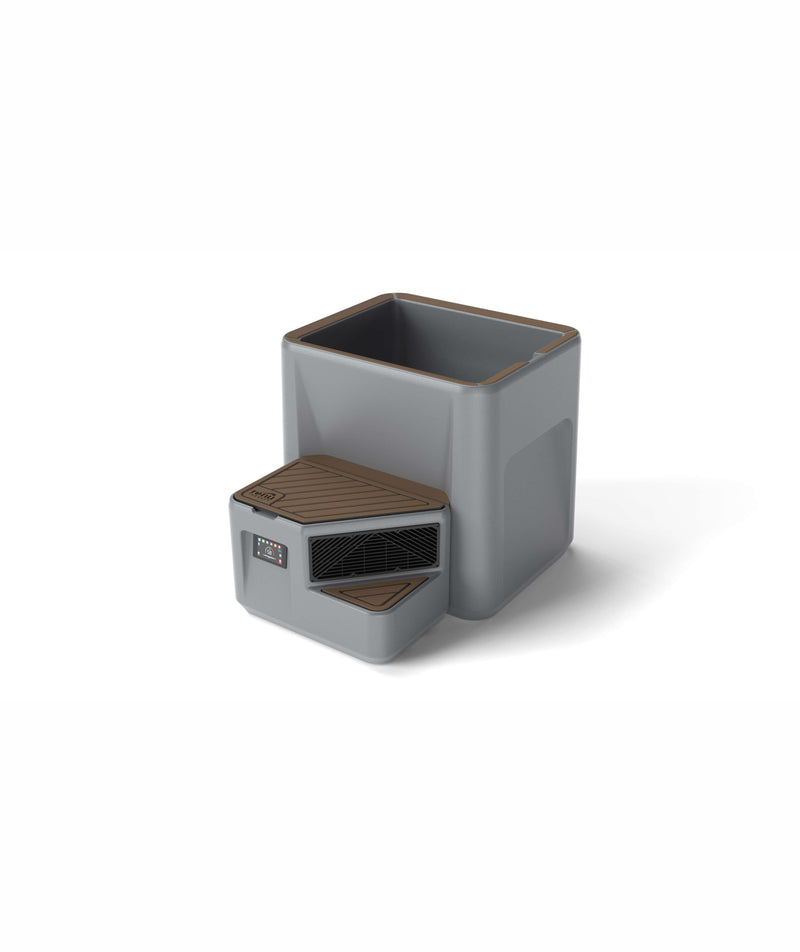
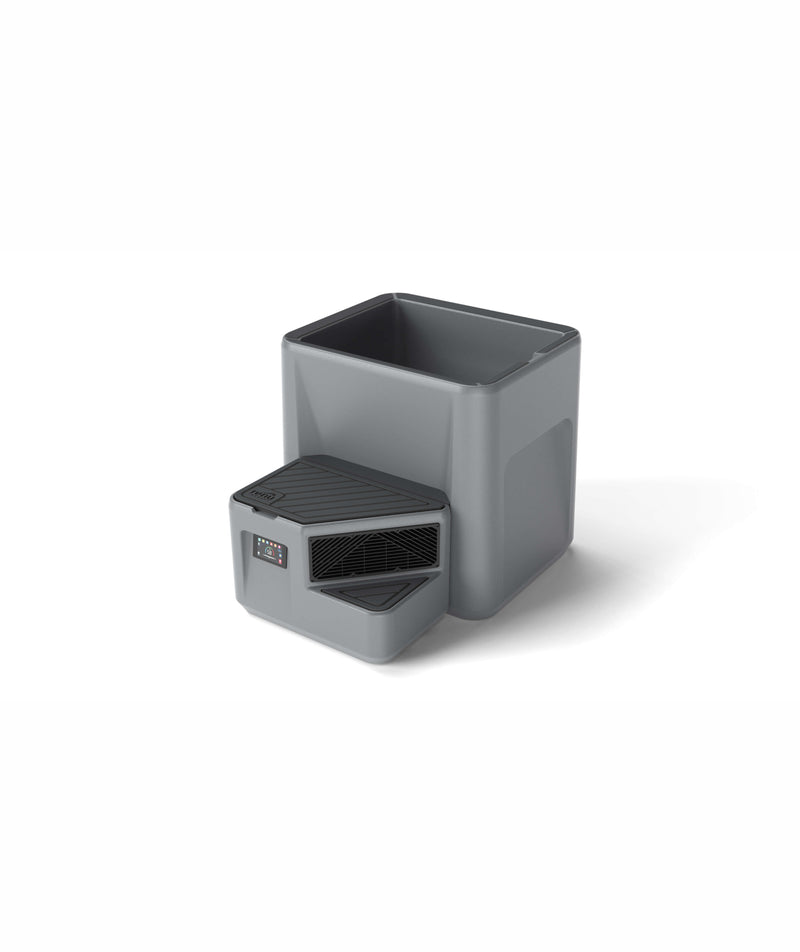
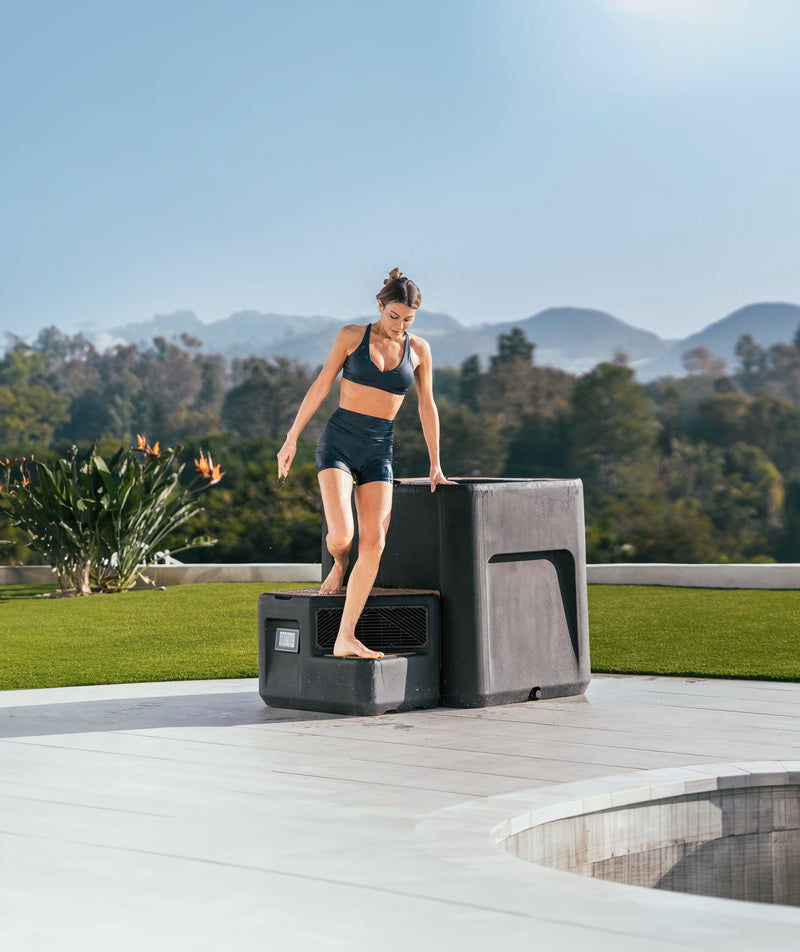
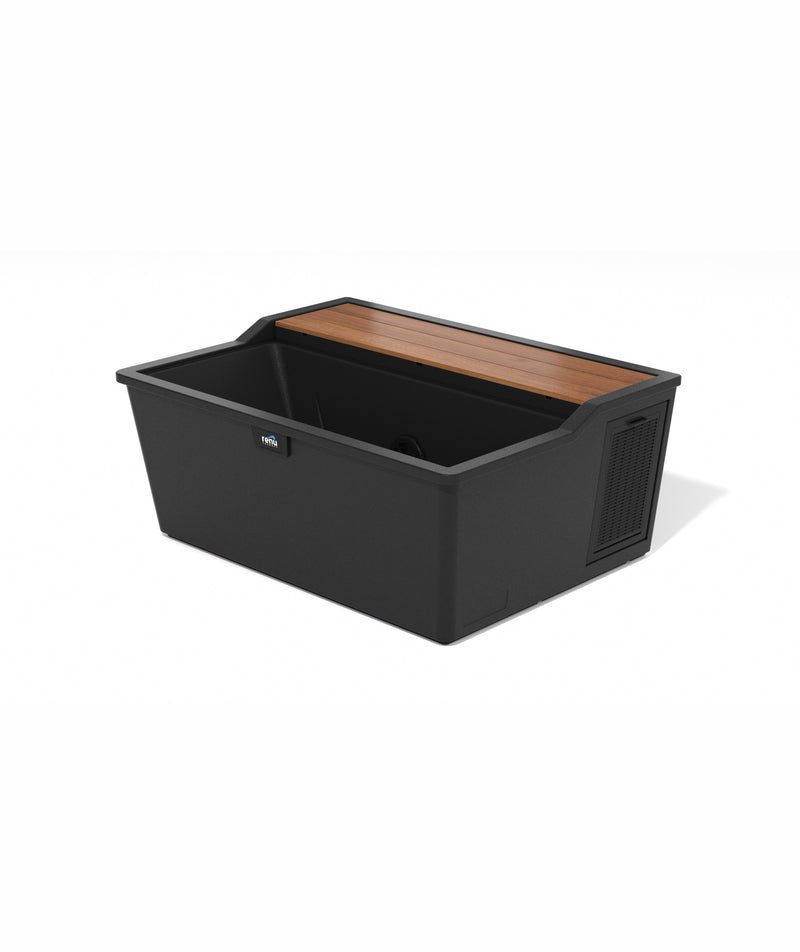
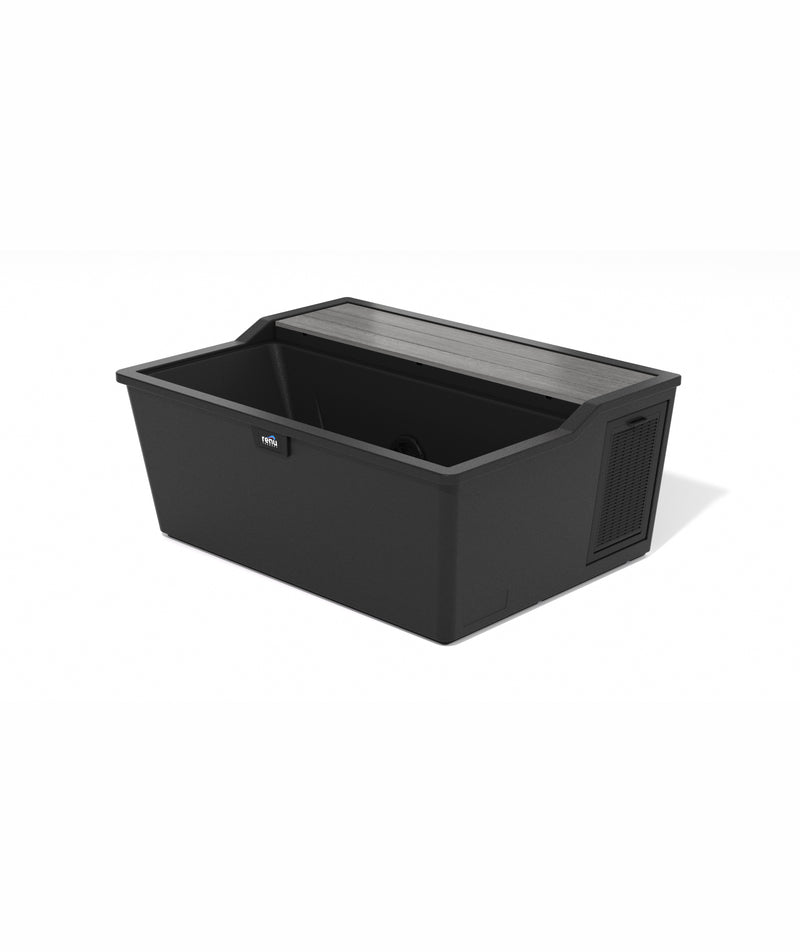
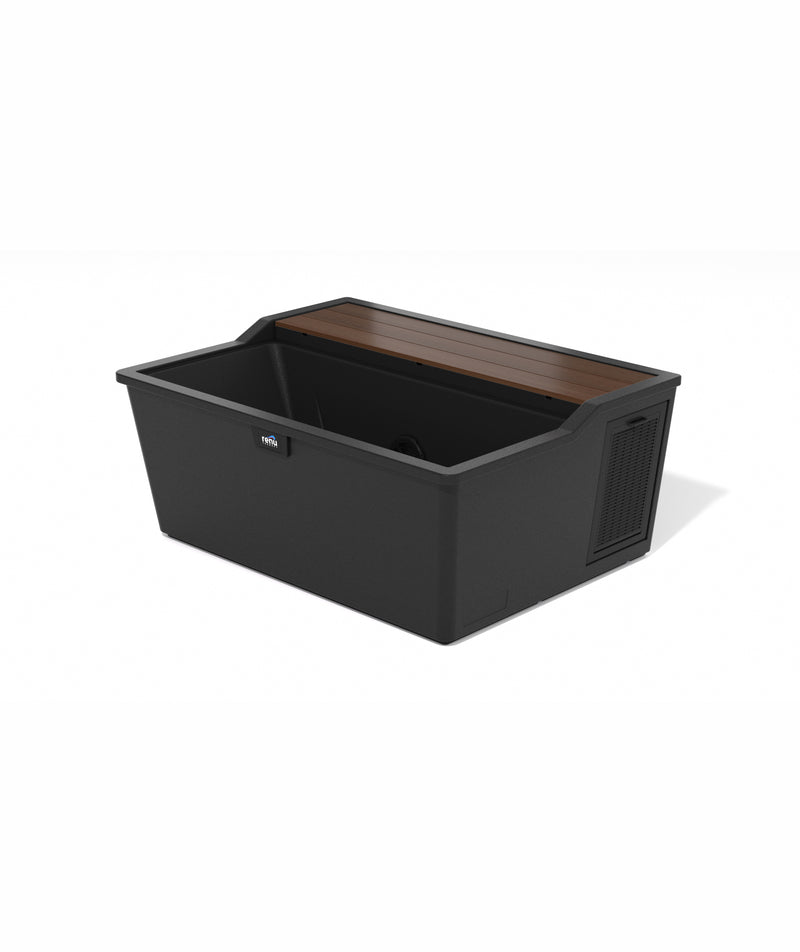
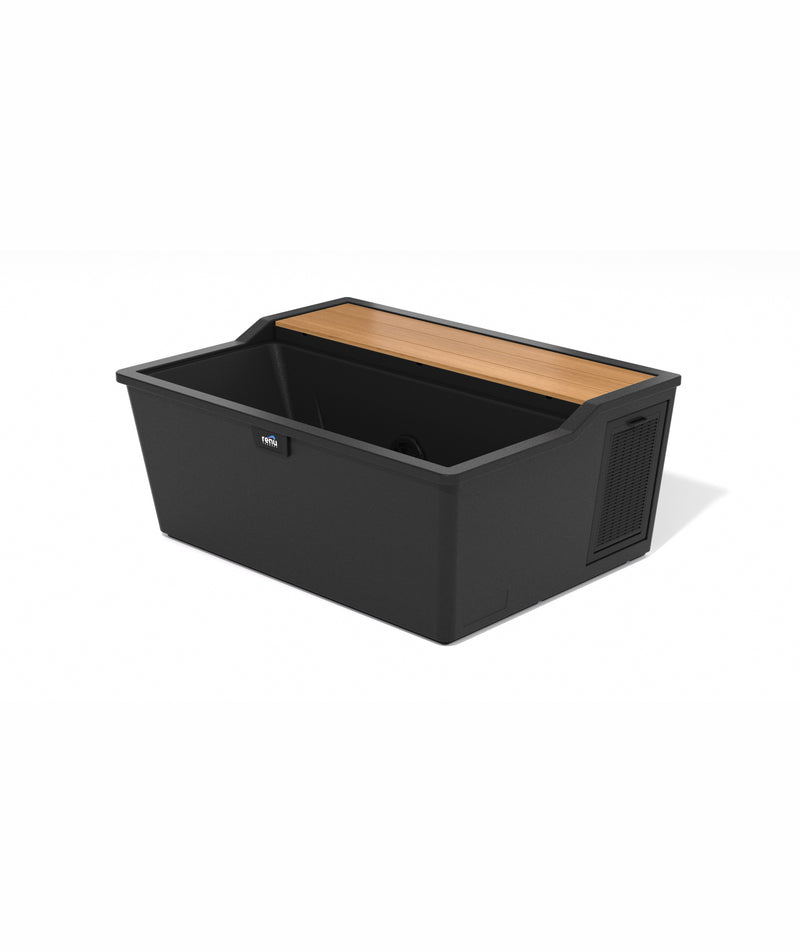
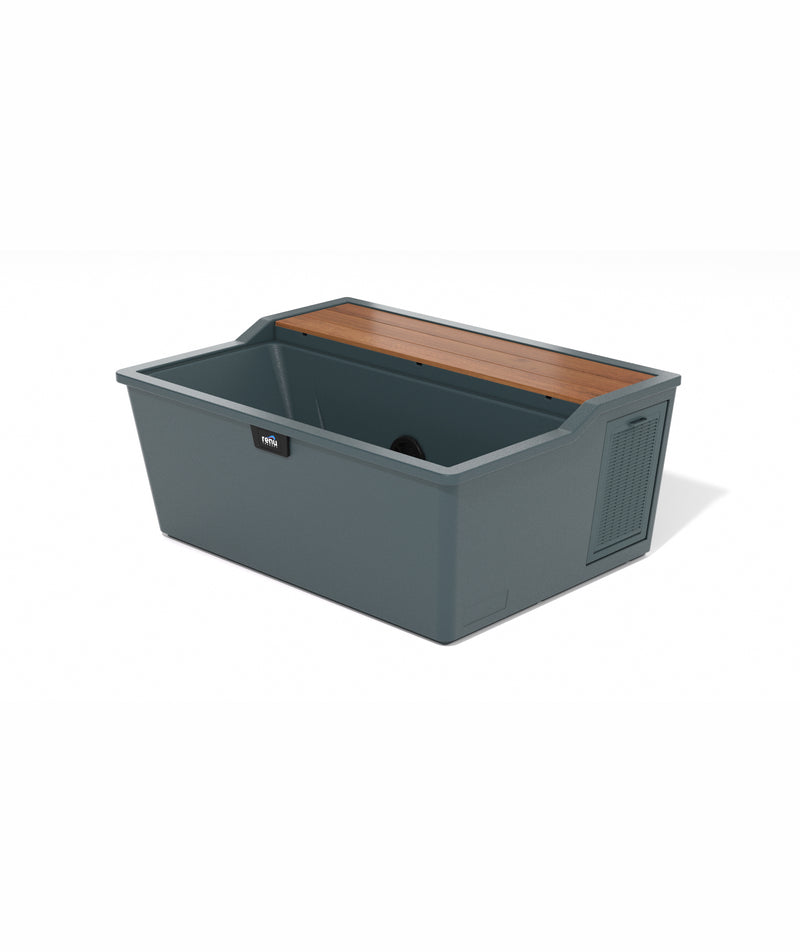
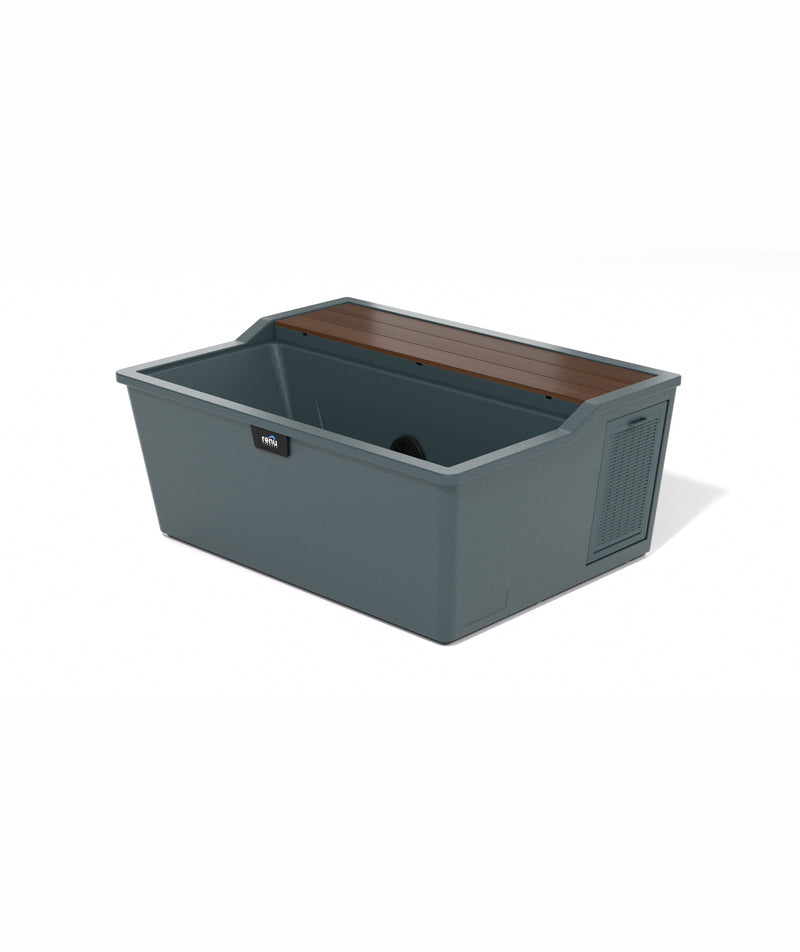
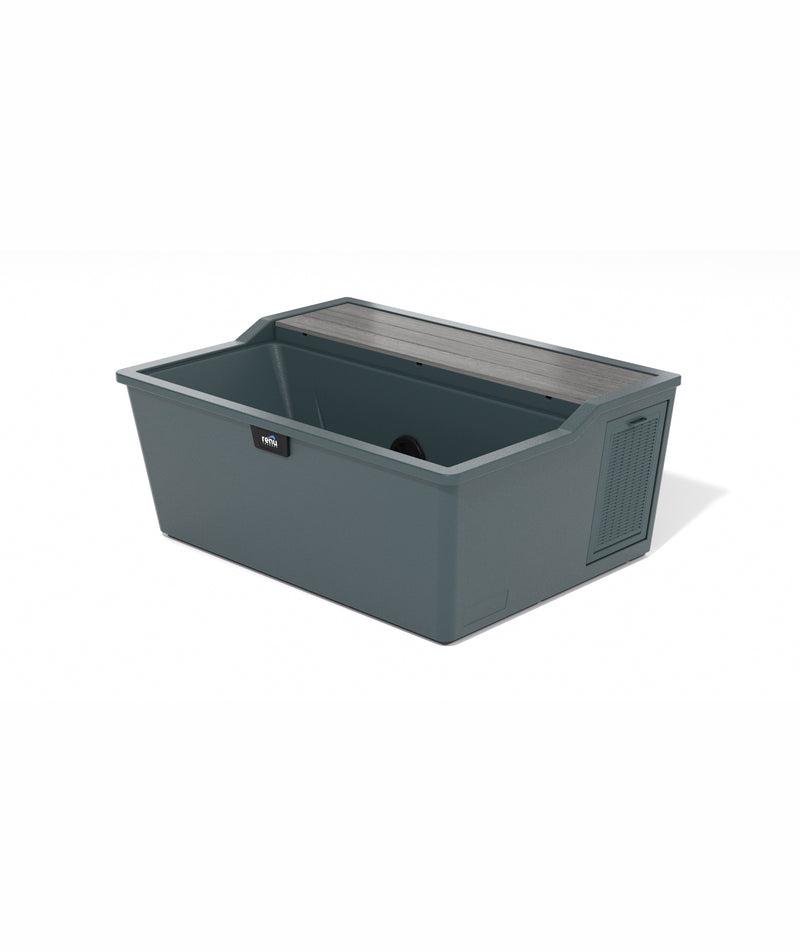
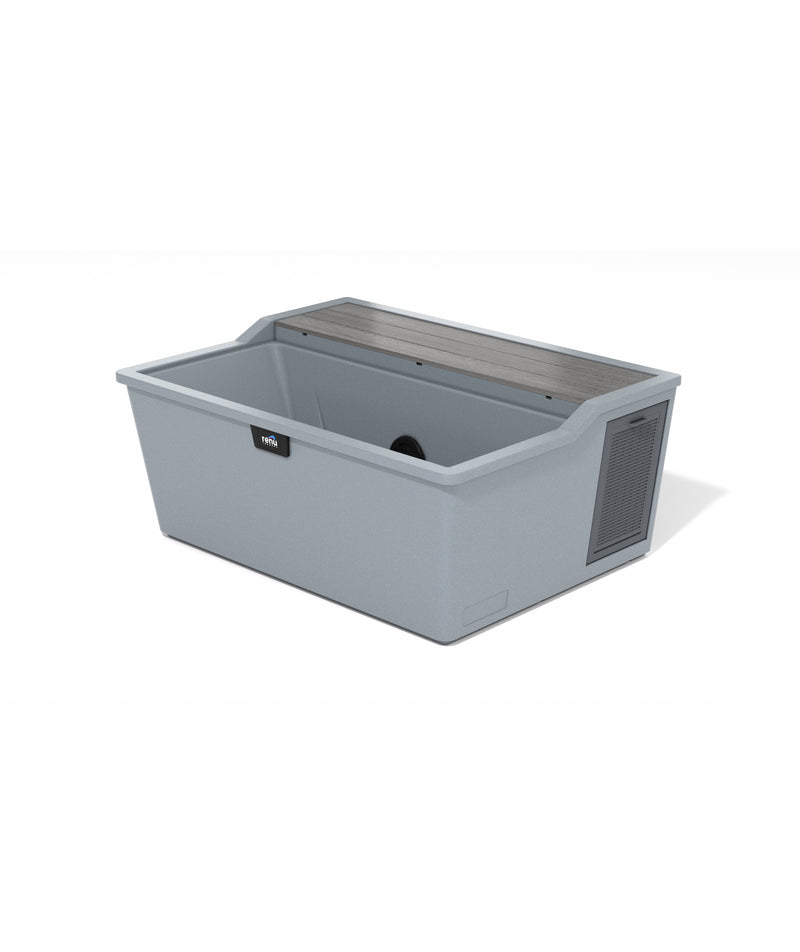
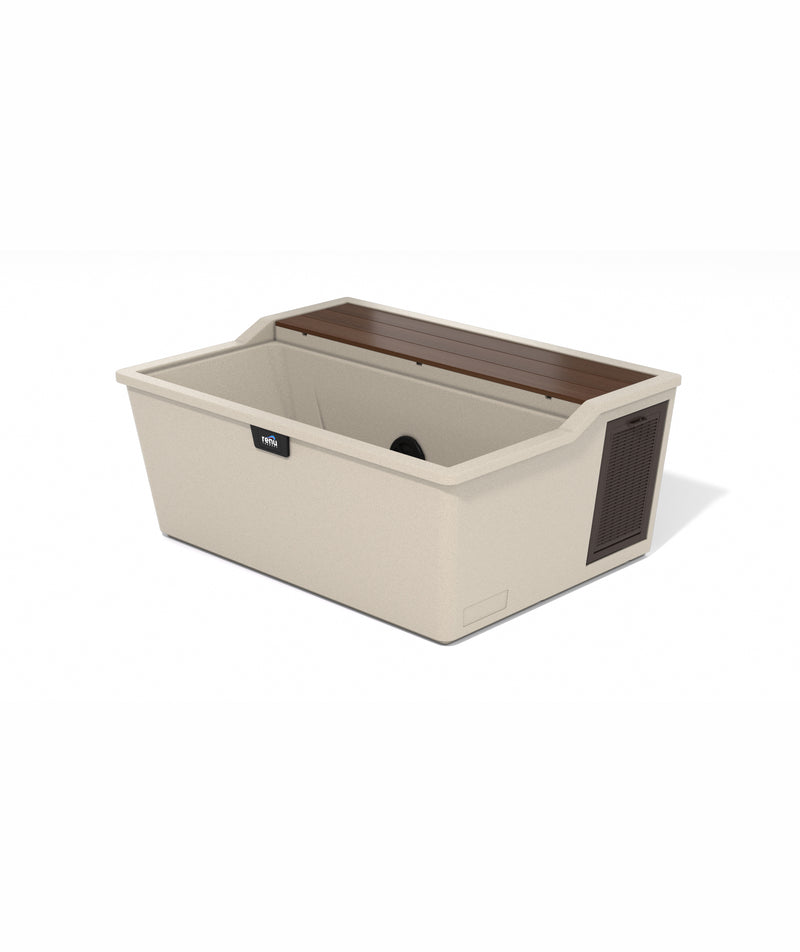
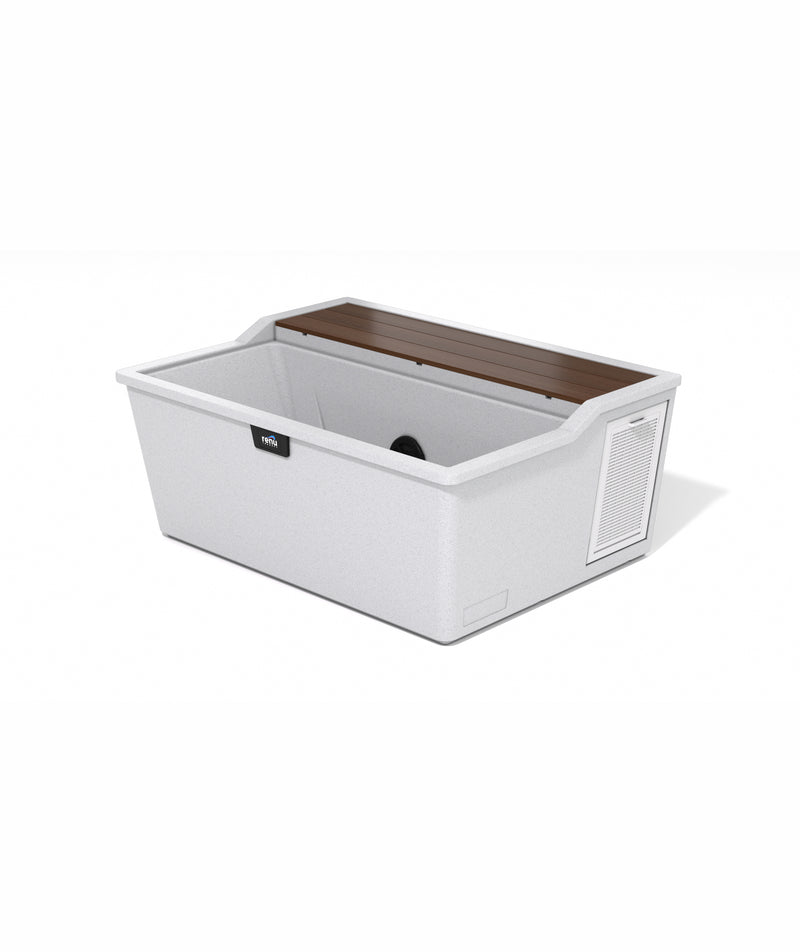
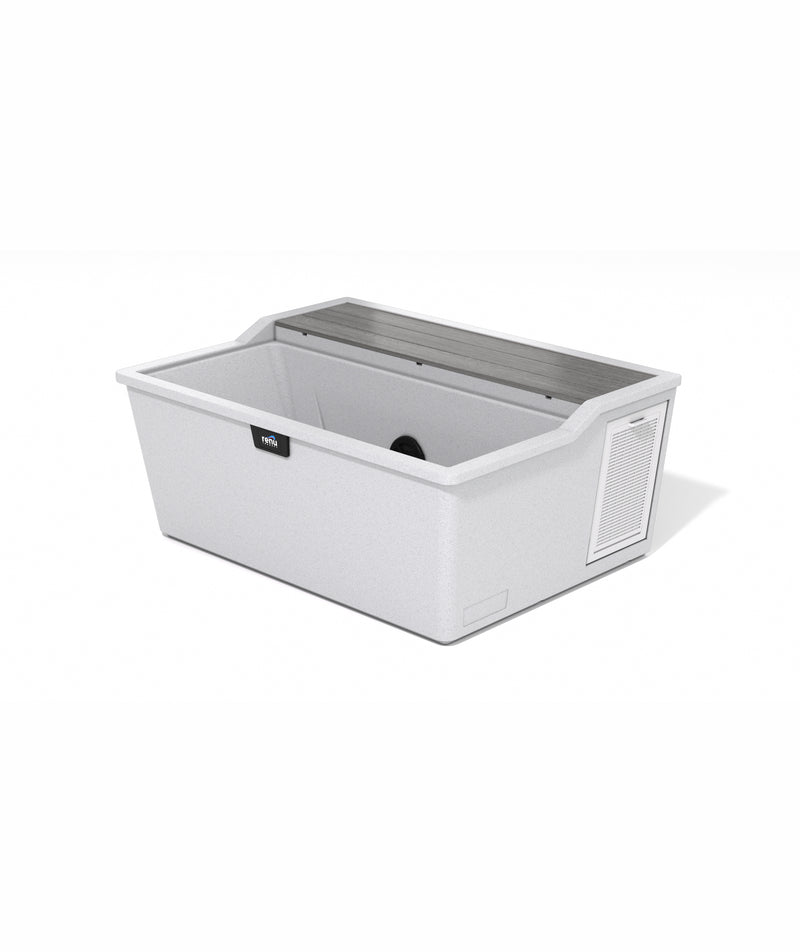
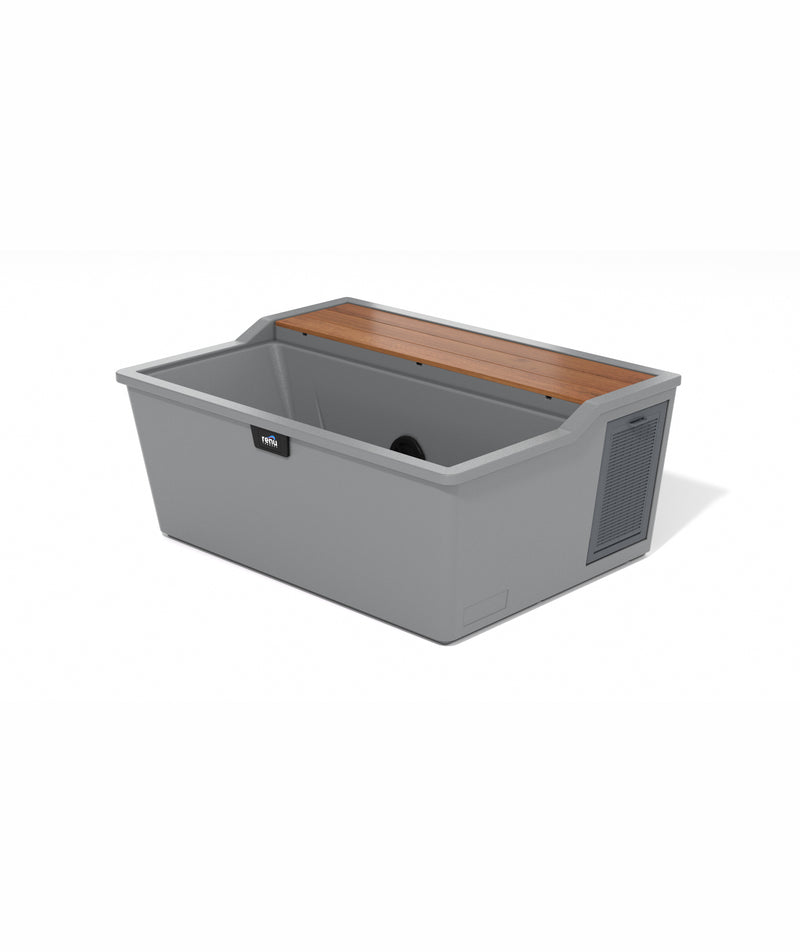
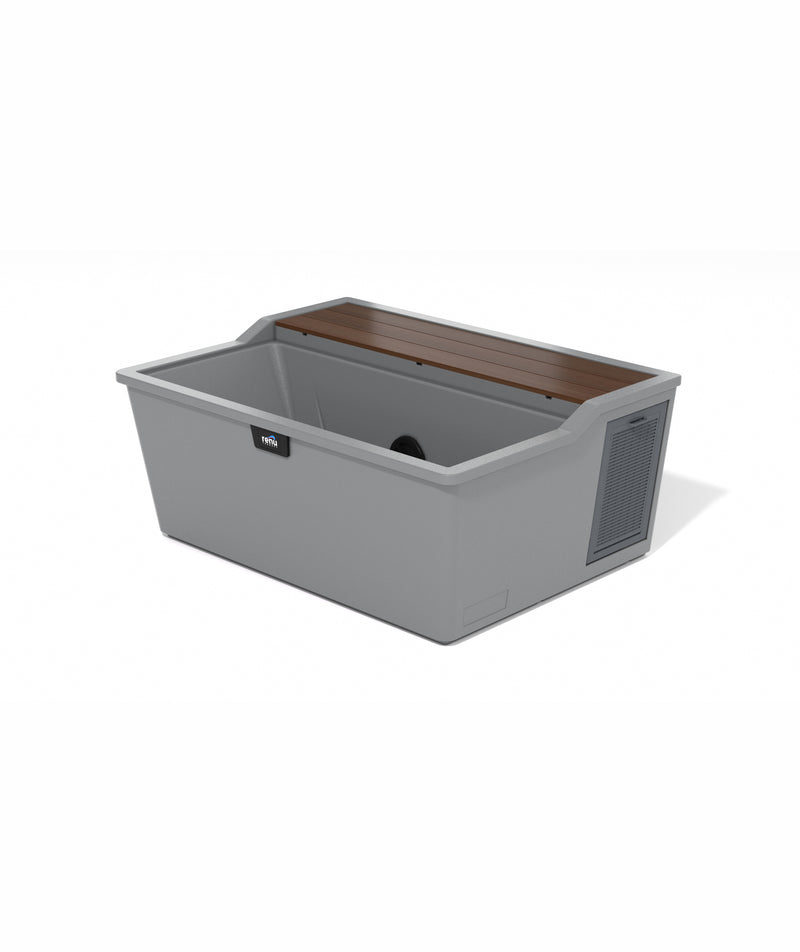
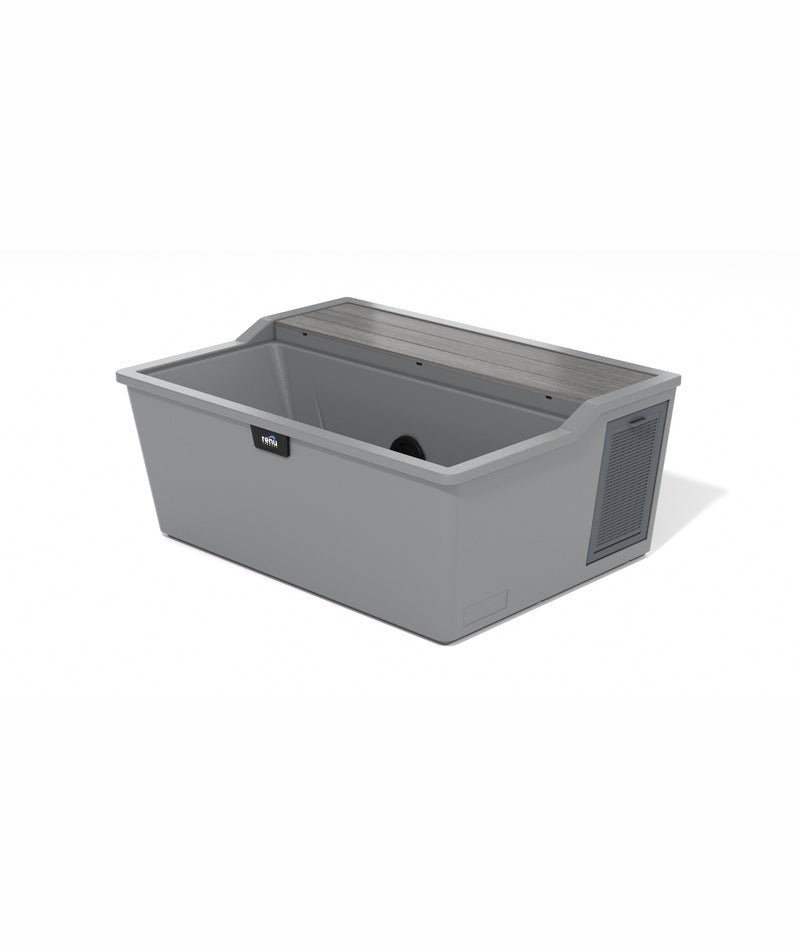
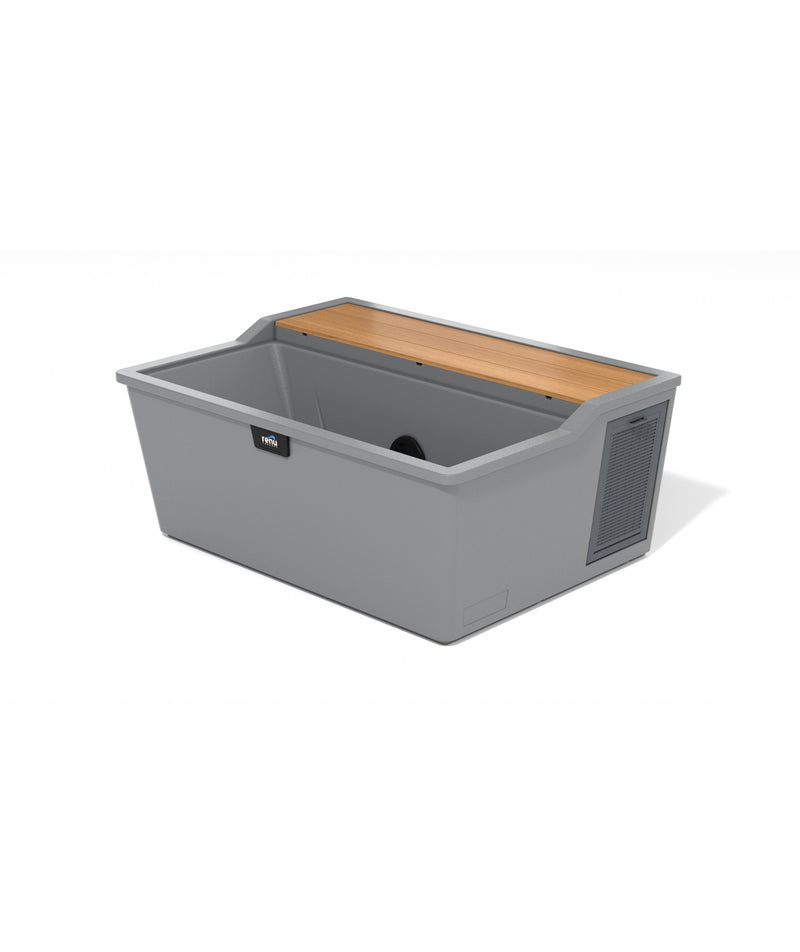
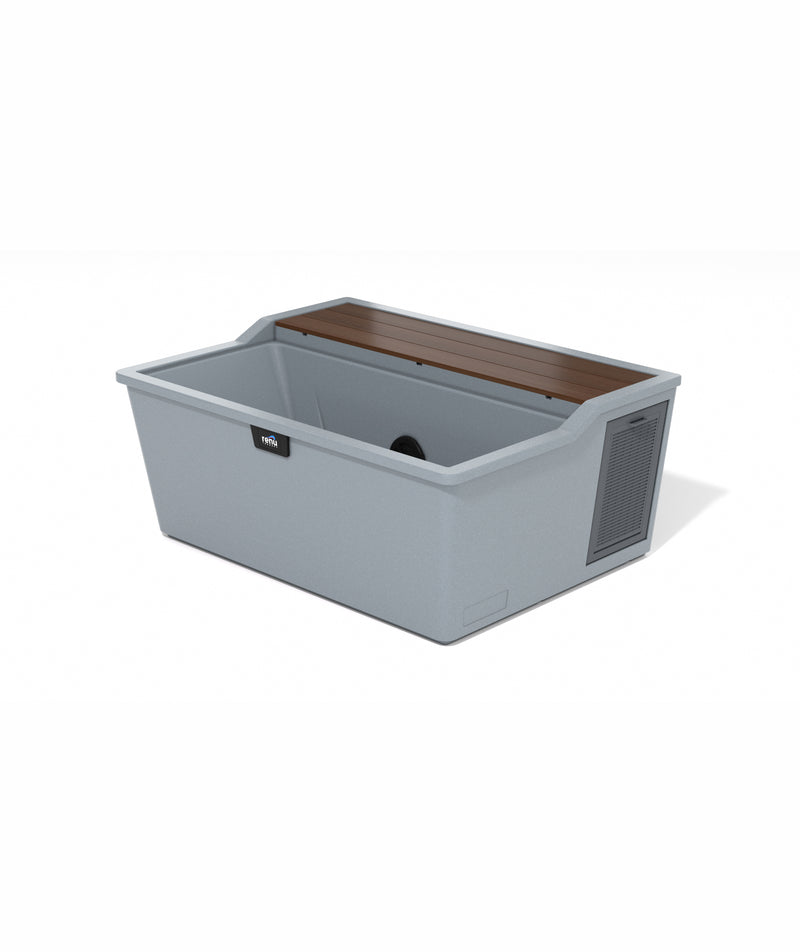
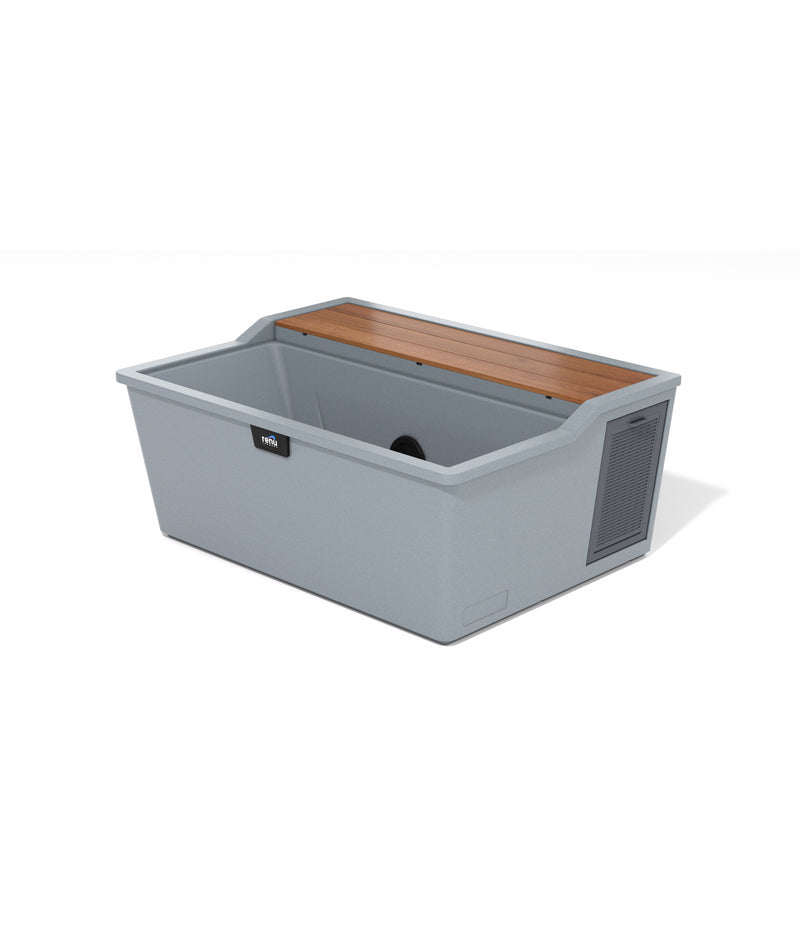
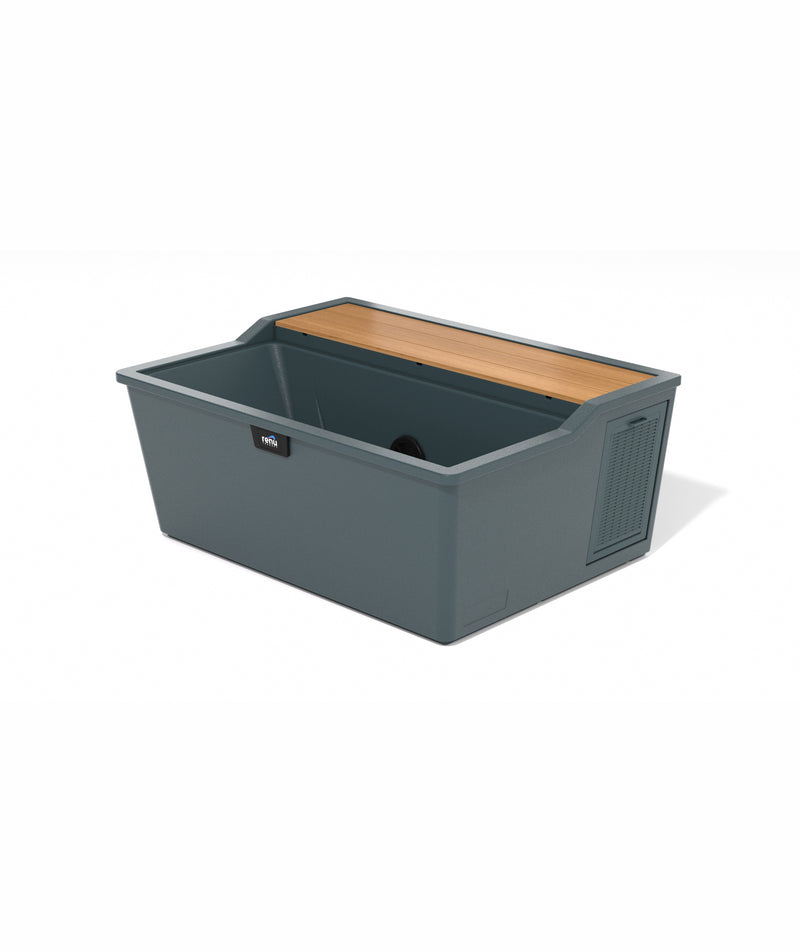
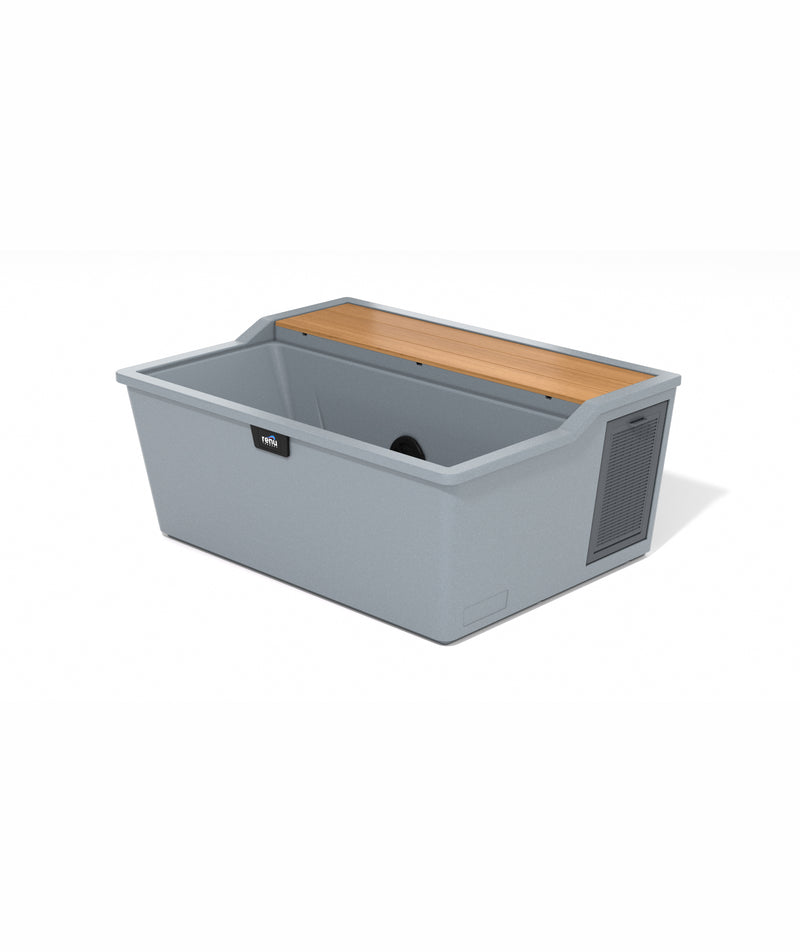
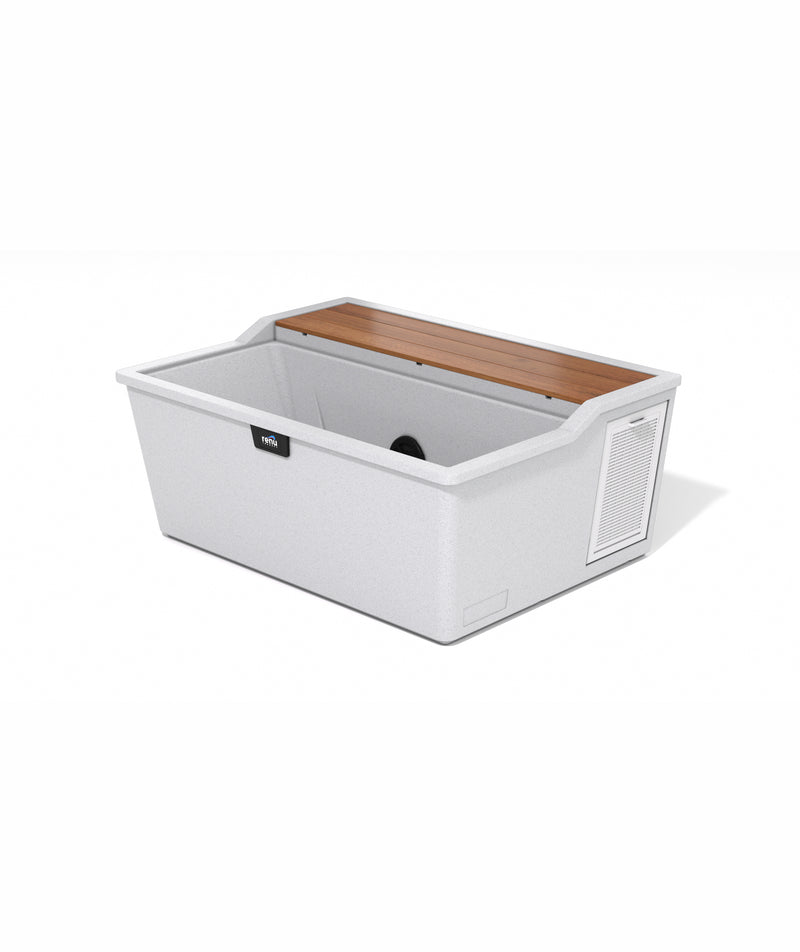
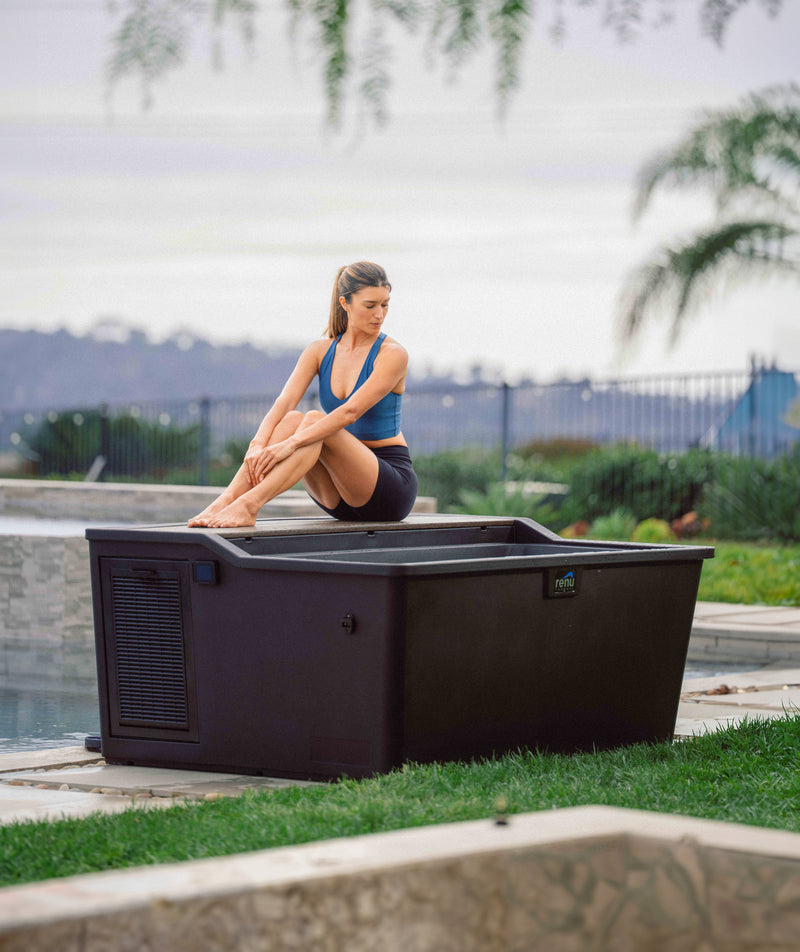
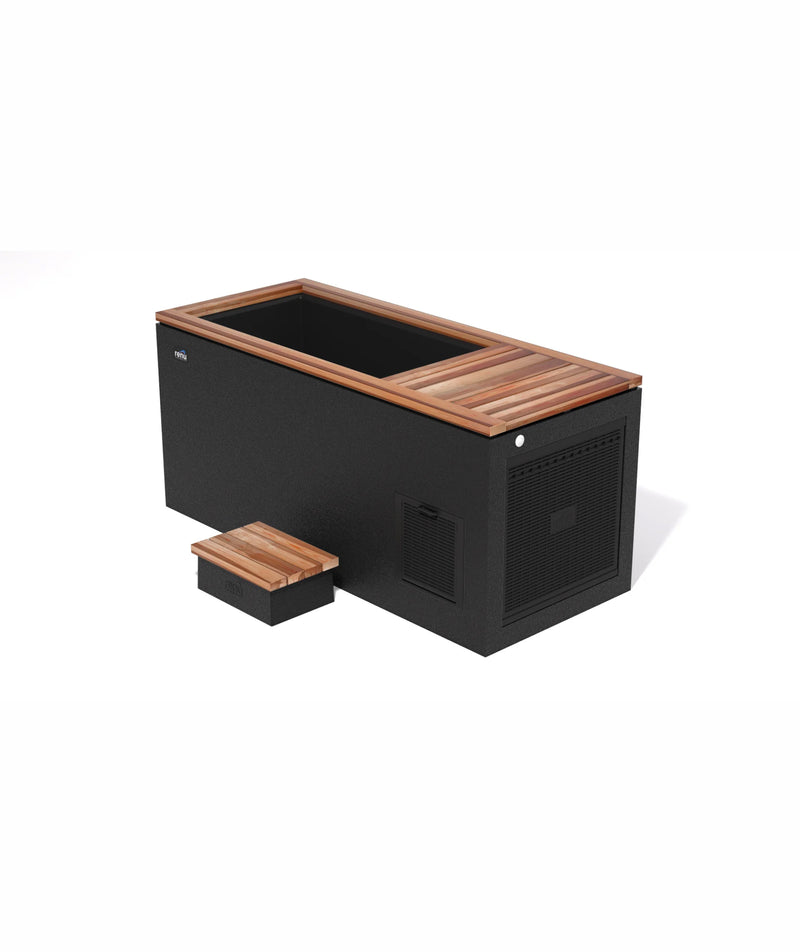
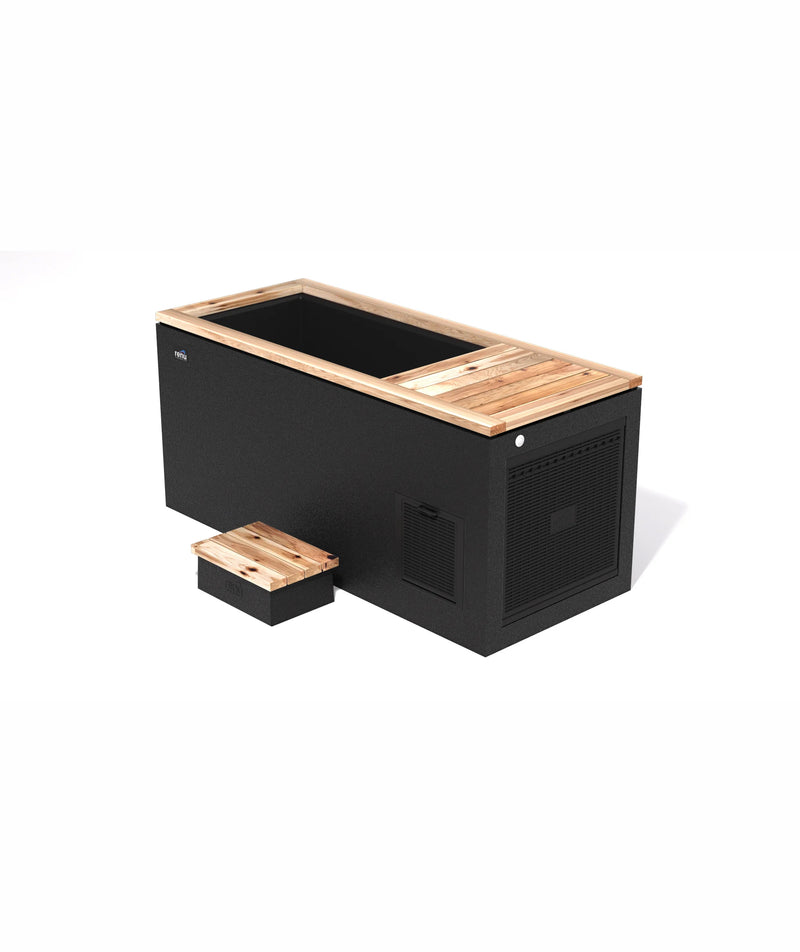
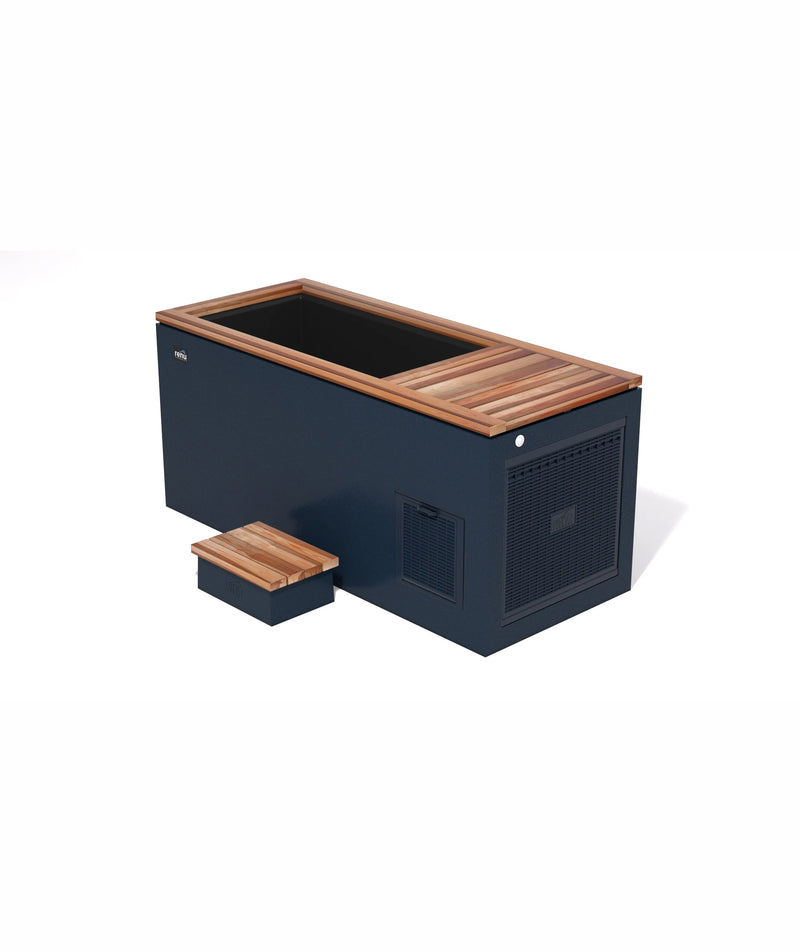
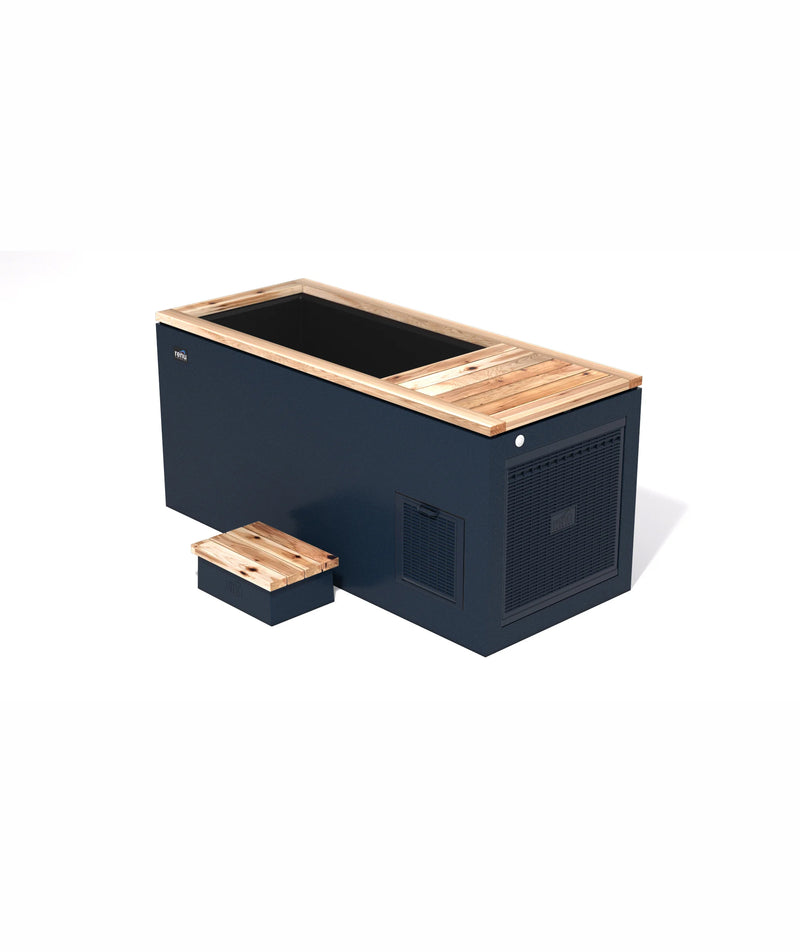
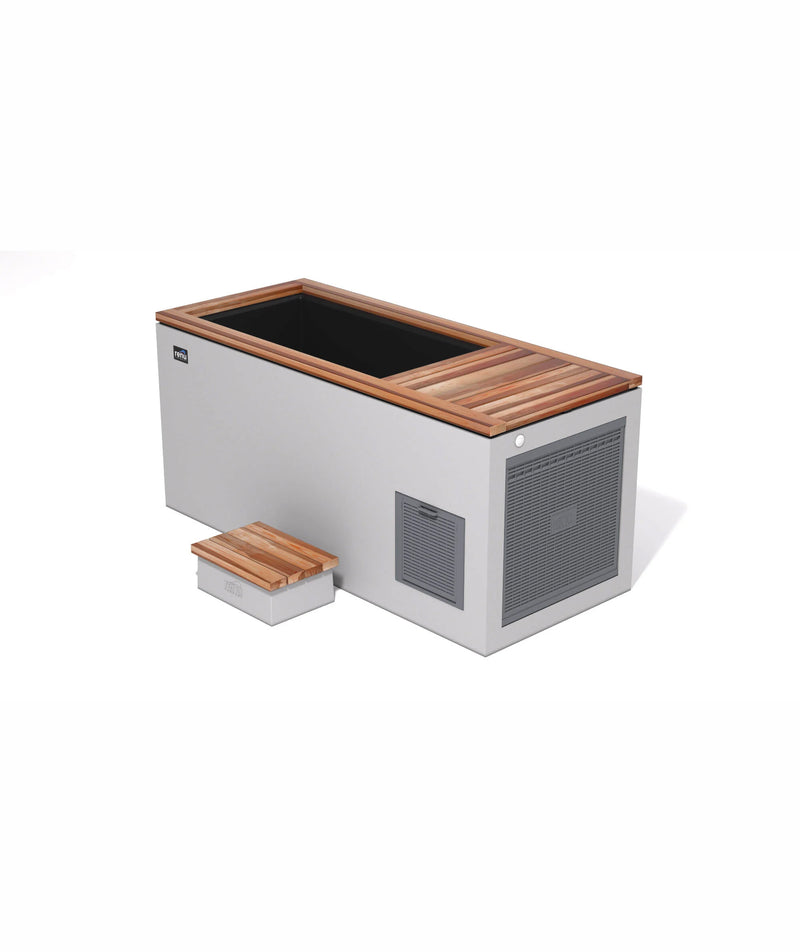
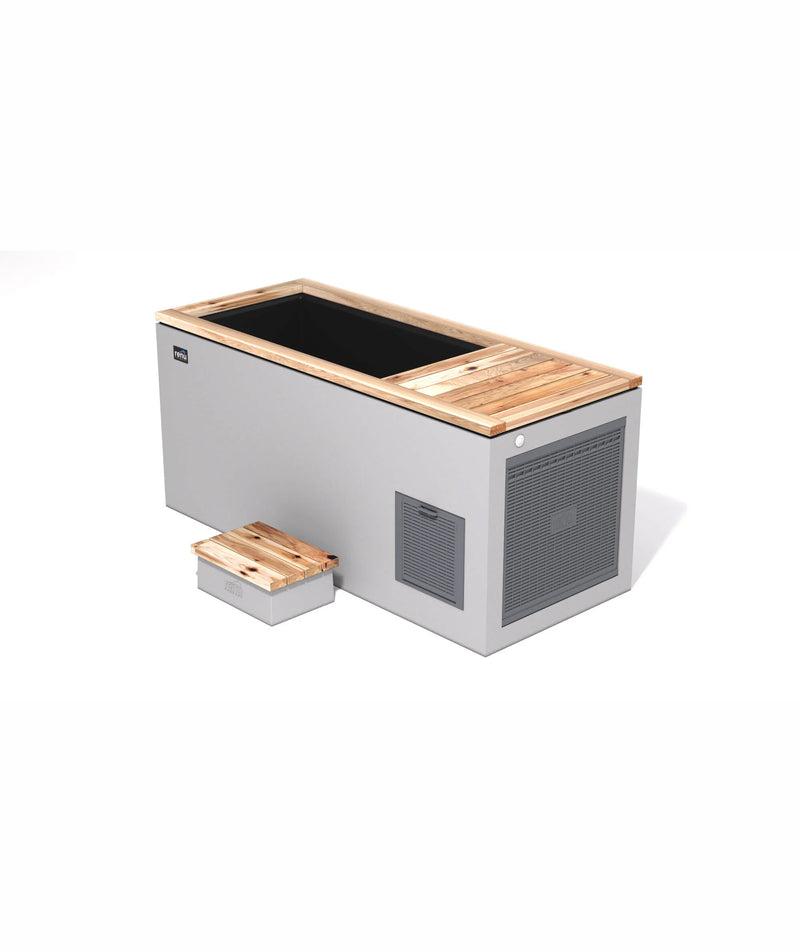
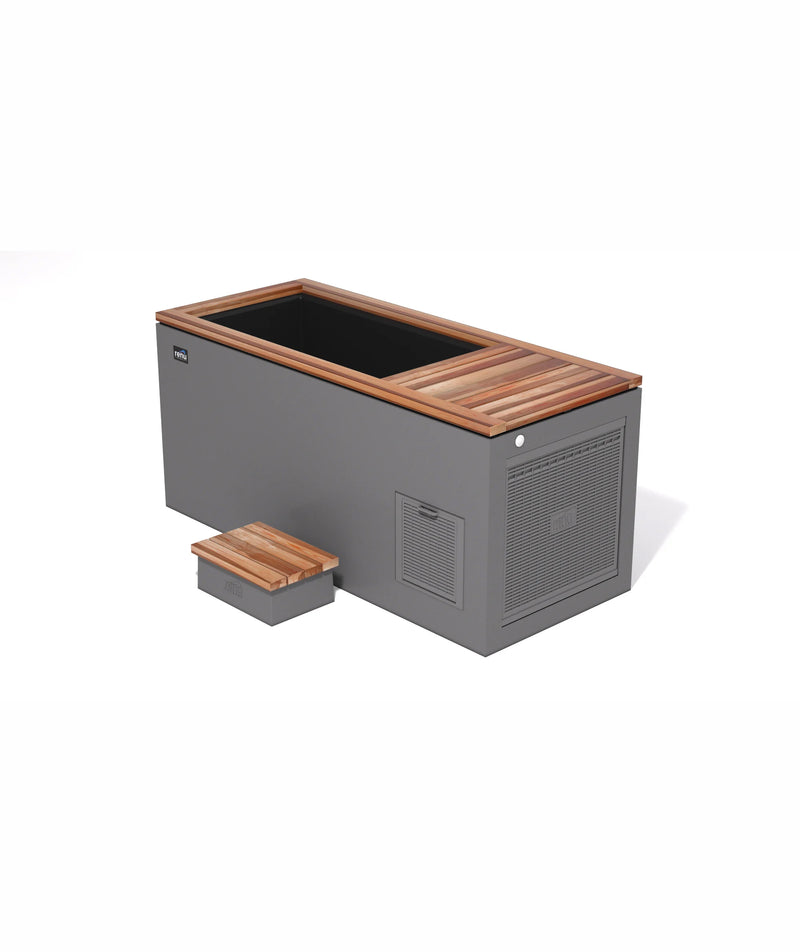
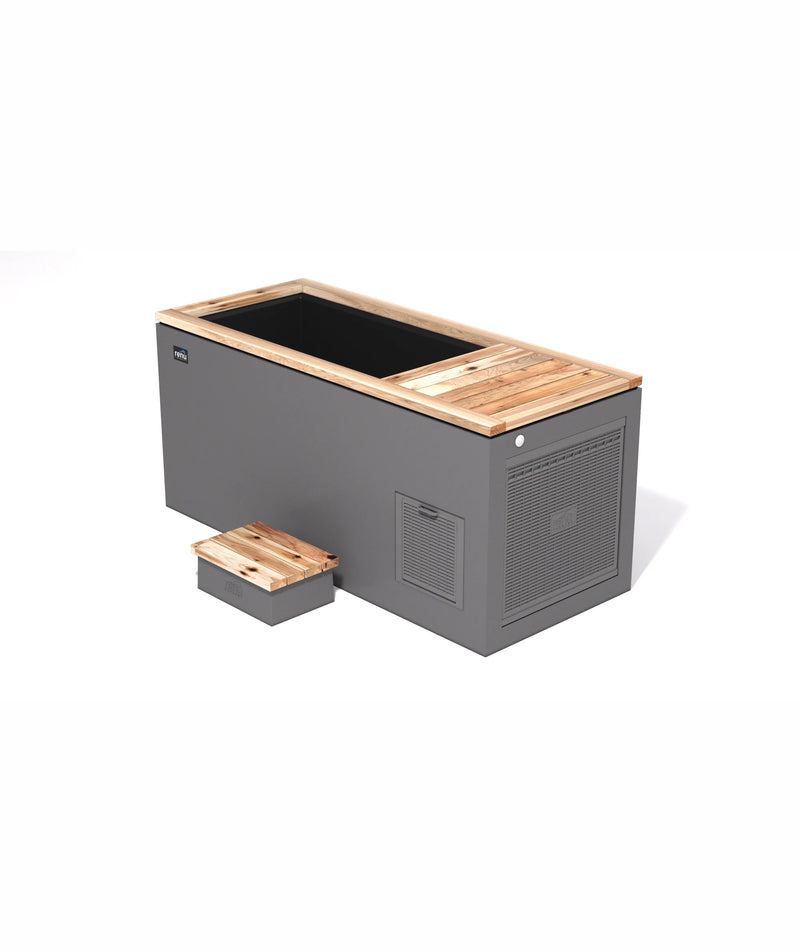
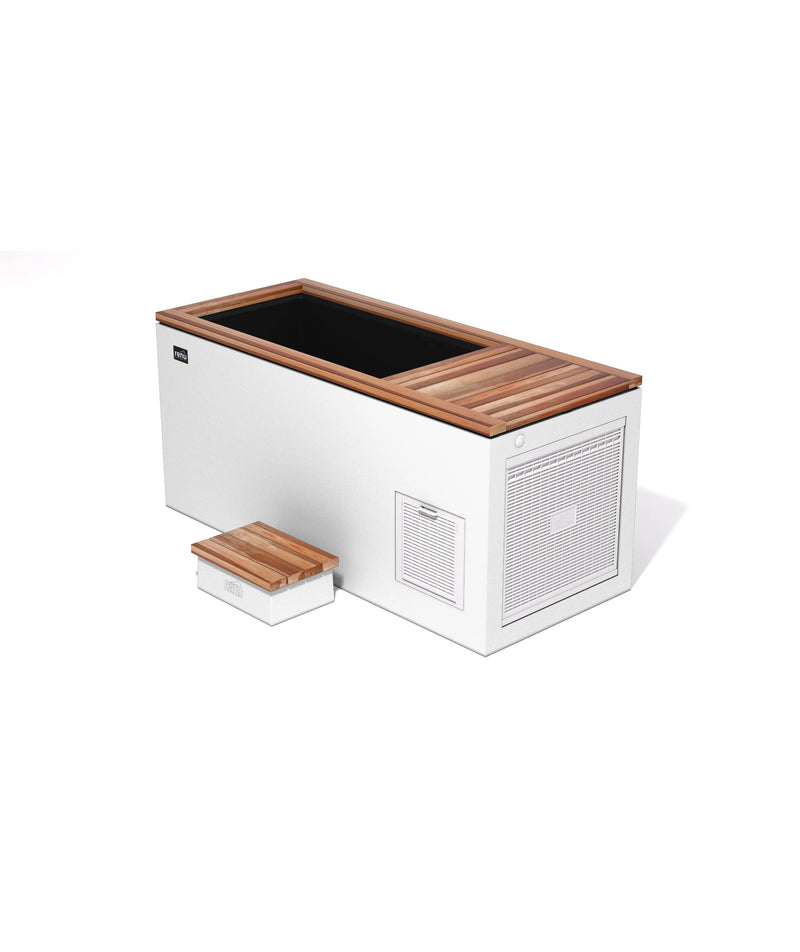
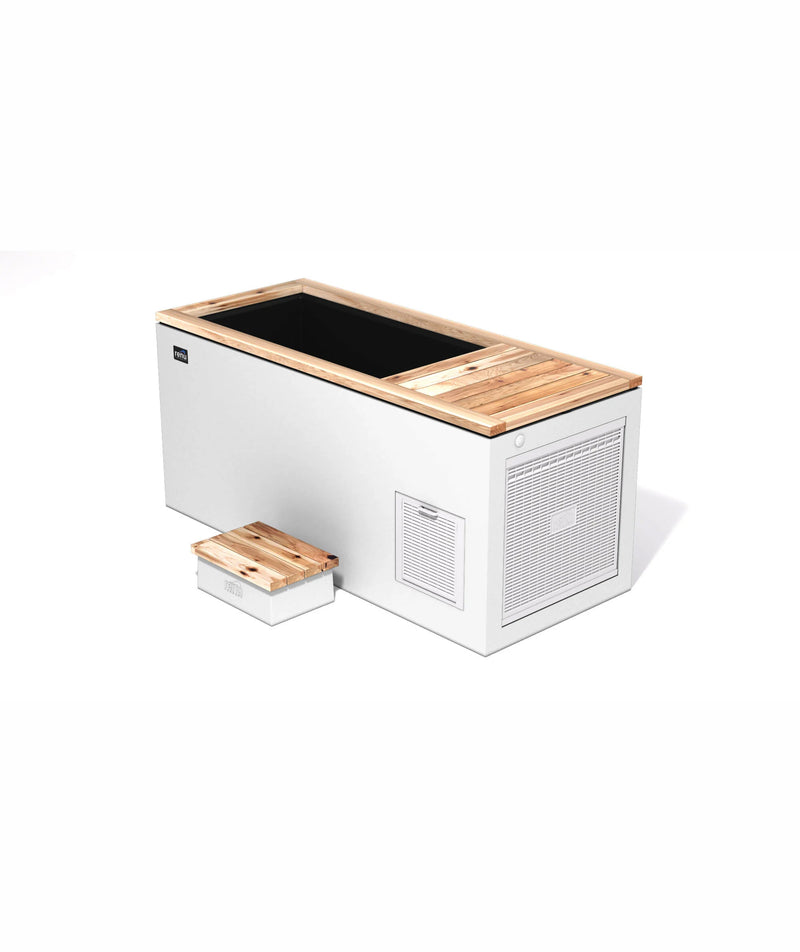
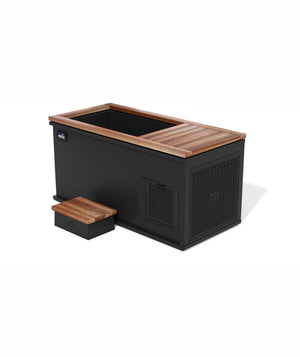
This is the real argument for temperature control. Your cold water practice becomes repeatable and consistent. The Renu Therapy Cold Stoic 3.0 holds water at your set temperature down to 37°F, so the plunge you take on a 90°F July afternoon is the same plunge you take in January. Integrated ozone purification keeps the water clean without constant draining and refilling. You set the temperature once, and the system holds it—no ice runs, no guesswork, no temperature drift.
How to Find Your Ice Bath Temperature
Here's a simple protocol for dialing in your ice bath temperature:
- Start at 57–60°F. Stay in for 1–2 minutes. Do this for two weeks.
- Drop 1–2 degrees per week as sessions start feeling more manageable.
- Stop lowering it when you find the temperature you can repeat. This means you can stay in for 2–5 minutes, breathe steadily, and come back two days later without dreading it (maybe even looking forward to it).
- Hold there. That's your temperature. It may be 52°F. It may be 45°F. Both are correct answers, because the goal was never to win any cold plunge temperature challenge. The goal is to create a meaningful practice that delivers all the benefits for you—week after week, season after season.

Ice Bath Temperature Takeaways
Ice bath temperature isn't a competition, and it isn't complicated. Get the water between 50 and 59°F, start at the warm end if you're new, go lower only if and when it serves you, and keep the dose consistent.
Inconsistent temperature, water you don't trust, and a setup that takes more effort than the plunge itself are all things that quietly kill a cold practice before it takes hold. The best ice bath temperature is the one you'll actually show up to, and it's a lot easier to show up when the water is the same every time.
Renu Therapy systems hold precise temperature down to 37°F, keep the water clean without the upkeep, and are built to be part of a daily practice, not an occasional event. Set it once. Get in. Keep coming back.
FAQs: Ice Bath Temperature
What is the best temperature for an ice bath?
Between 50°F and 59°F (10–15°C) for most people. This range is cold enough to trigger the full physiological benefits of cold water immersion while remaining safe for sessions of 2–5 minutes.
How cold should an ice bath be for beginners?
Start at 57–60°F for the first two weeks, then lower the temperature gradually, about 1–2 degrees per week, as your cold tolerance builds.
Is 60 degrees cold enough for an ice bath?
Yes, 60°F sits right at the therapeutic threshold and is an effective starting point, particularly for beginners. The cold response is triggered well before water reaches the extreme temperatures often shown on social media.
Is 40 degrees too cold for an ice bath?
Not for adapted, experienced cold plungers, but sessions should be kept short (2–3 minutes), and beginners should not start there. Below 39°F, risks increase meaningfully and exposure times need to be very short.
What's the best ice bath temperature for women?
Women generally do well in the same 50–59°F (10–15°C) range recommended for most people, but with extra caution at the lower end. Some research indicates women may experience greater cardiovascular demand than men during cold water immersion, which means the margin for error can narrow more quickly as temperature drops. The 50–59°F range appears to be a particularly effective sweet spot for women, activating the key benefits of cold exposure without pushing the body's stress response too hard. Start at the warmer end, be conservative about going lower, and consult a physician if you have any cardiovascular concerns.
Does a colder ice bath give more benefits?
No. Colder increases intensity, not benefit. The physiological response is triggered below 60°F; going colder mainly shortens how long you can safely stay in. Consistency at a repeatable temperature outperforms occasional extreme sessions.
How long should you stay in an ice bath?
Between 2 to 5 minutes for most people, depending on temperature. Stay in for a shorter duration at colder temperatures. Beginners should start with 1–2 minutes. Learn more about how long to stay in an ice bath →
What temperature is a cold plunge versus an ice bath?
They are functionally the same thing. "Cold plunge" typically refers to purpose-built tubs with temperature control; "ice bath" traditionally meant a tub filled with ice and water. The effective temperature range—50–59°F for most people—applies to both.
Medical disclaimer: Cold water immersion is not suitable for everyone. Consult your physician before beginning a cold plunge practice if you are pregnant, have high blood pressure, heart disease, a history of cardiac arrhythmia, Raynaud's disease, peripheral neuropathy, or any other condition affecting circulation or nerve function. Cold exposure can place stress on the cardiovascular system and should be approached with caution if you have any underlying health conditions. This article is intended for informational purposes only and does not constitute medical advice.