Most people think of the ice bath as a biohacking trend, something for inflammation, recovery, maybe a dopamine hit. Those benefits are real. They're just not why nervous system coach Nolan Kim puts Olympic athletes and executives in cold water.
"I do it to train the nervous system like a muscle." - Nolan Kim
For most high achievers, identity and self-worth get quietly held hostage by how well they perform on any given day. A good outing, they feel like themselves. A bad one, and something in them contracts. That's an exhausting way to live, and ironically, a poor way to actually perform well.
The work I do is about breaking that link, training the body's stress response directly, so identity doesn't have to ride on outcome. Performance improves as a side effect, not the goal.
Why the Cold Works
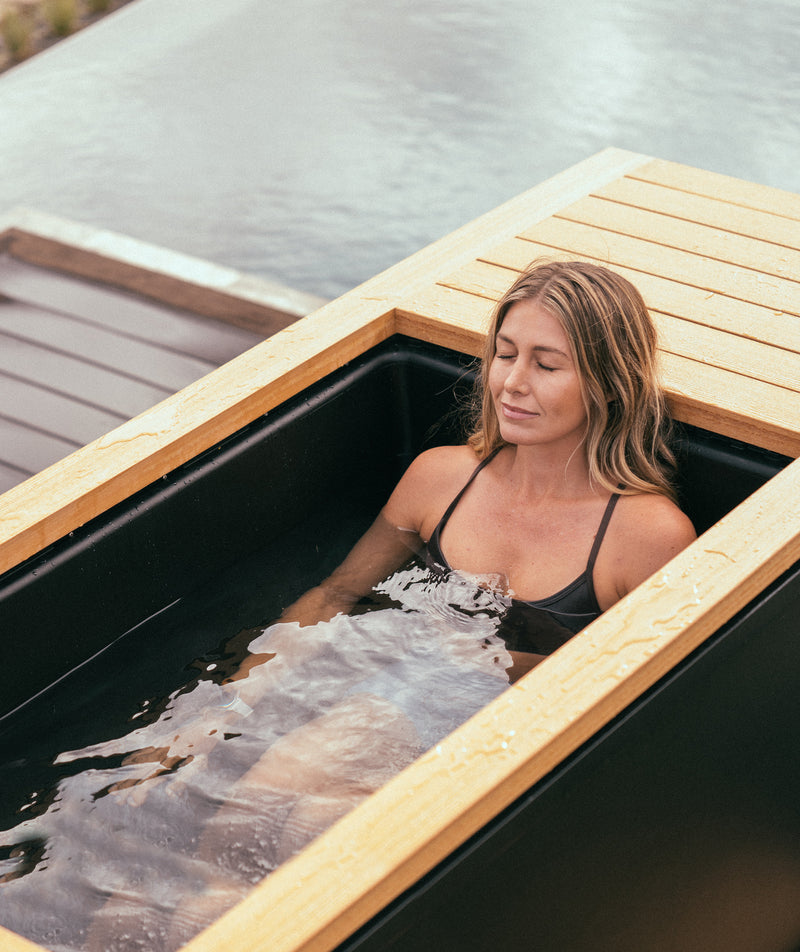
Cold is a physical stressor. The ice bath is a controlled, safe dose of it.
When you get in, your muscles tense. Your breath goes shallow and fast. That's a normal stress response to a real stressor, nothing alarming, nothing your brain interprets as broken. The opportunity isn't avoiding that response. It's what happens next.
The real nervous system benefit comes from learning to have a destressed response inside a physical stressor, expanding your capacity to stay regulated while something genuinely difficult is happening to your body. That's the skill. Not toughness. Regulation under real load.
This is the work I do with athletes: expand their capacity for stress, build awareness of it the moment it arrives, and from that awareness, give them an actual choice to shift intentionally instead of getting swept by it. You can't change what you're not aware of. Awareness comes first, control comes after.
Think of every cold plunge as a single rep for your nervous system. And because you're in a heightened, focused state, it's also a powerful moment to wire in new thoughts and beliefs, something as simple as I am enough, the flip side of I am not how I perform on any given day.
One athlete told me that after just a couple of sessions using this approach, she noticed a marked improvement in her presence and anxiety on the slopes. That's the transfer. What you train in the cold plunge shows up in the moment that actually matters, the metaphorical ice bath of life.

How to Control Your Breath to Control the Cold
Before you step in, run this breathing sequence on the breath deck:
- Five deep mouth breaths, breathing into your core. This should make the challenge slightly easier before you even get in the water.
- Deep inhale through the nose, with a longer, slow exhale out of the mouth, like blowing through a straw. Repeat three times. Relax your muscles and let yourself sink into the breath deck with each exhale.
- Step in with intent. Take one more deep breath in, then lower yourself down on the exhale. Going down on the exhale, not the inhale, should make the entry noticeably easier.

If it's still a real challenge, add two clearing breaths first: a deep, powerful exhale, then slow everything down with a deep inhale, hold for a couple seconds, then a long, slow exhale like blowing through a straw. Keep making that exhale longer and slower each time, relaxing your muscles as you go.
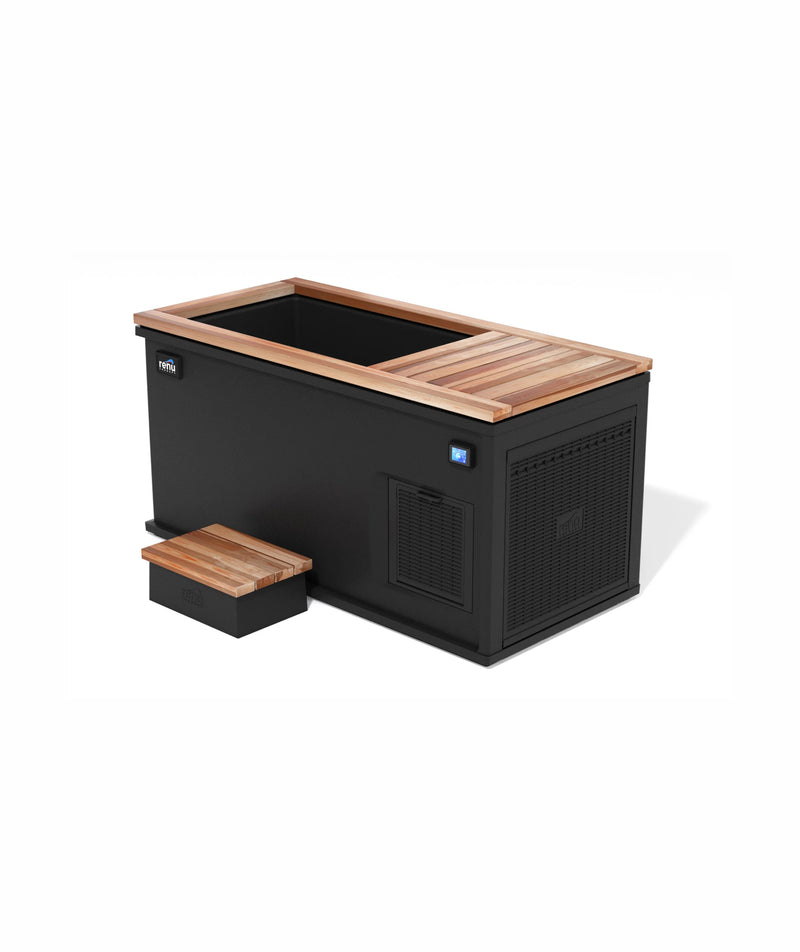
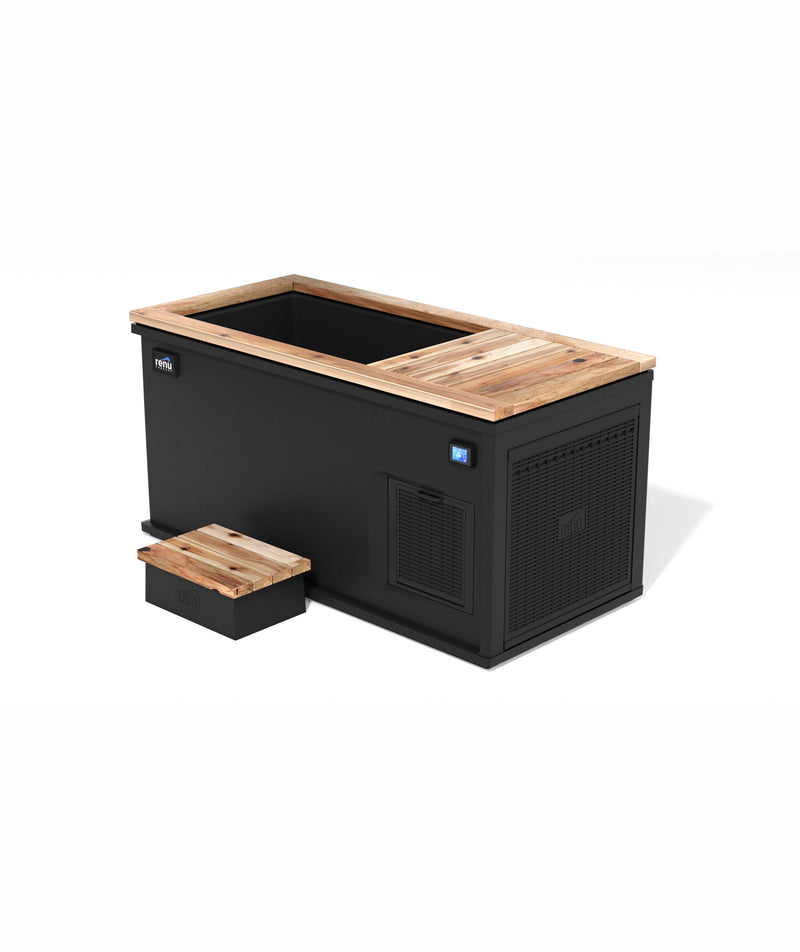
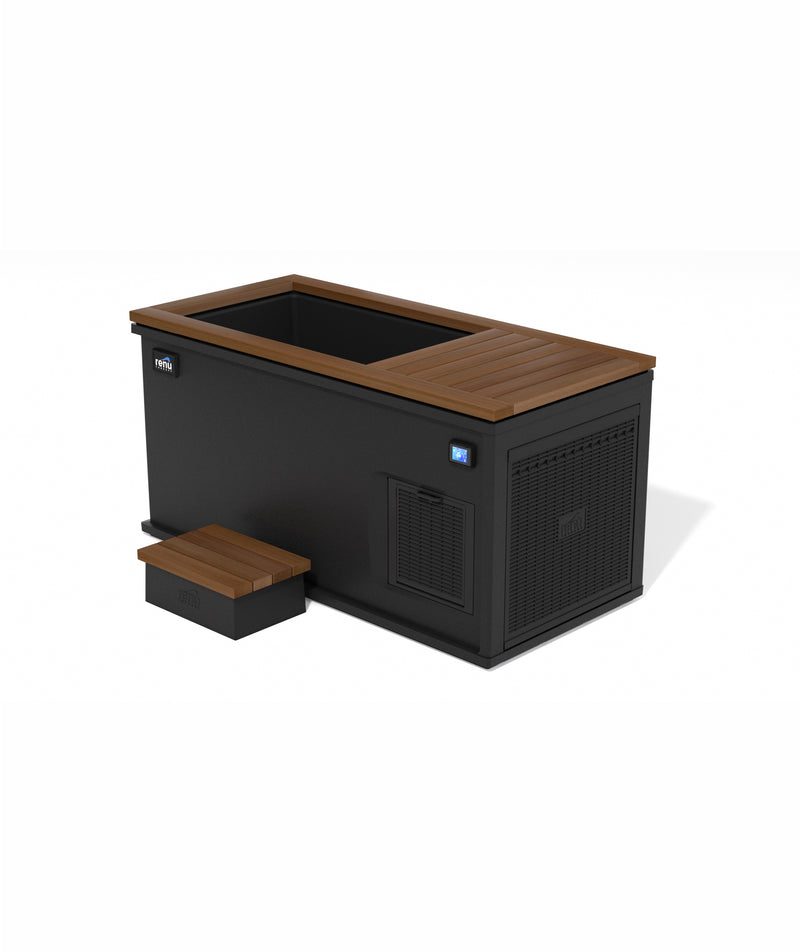
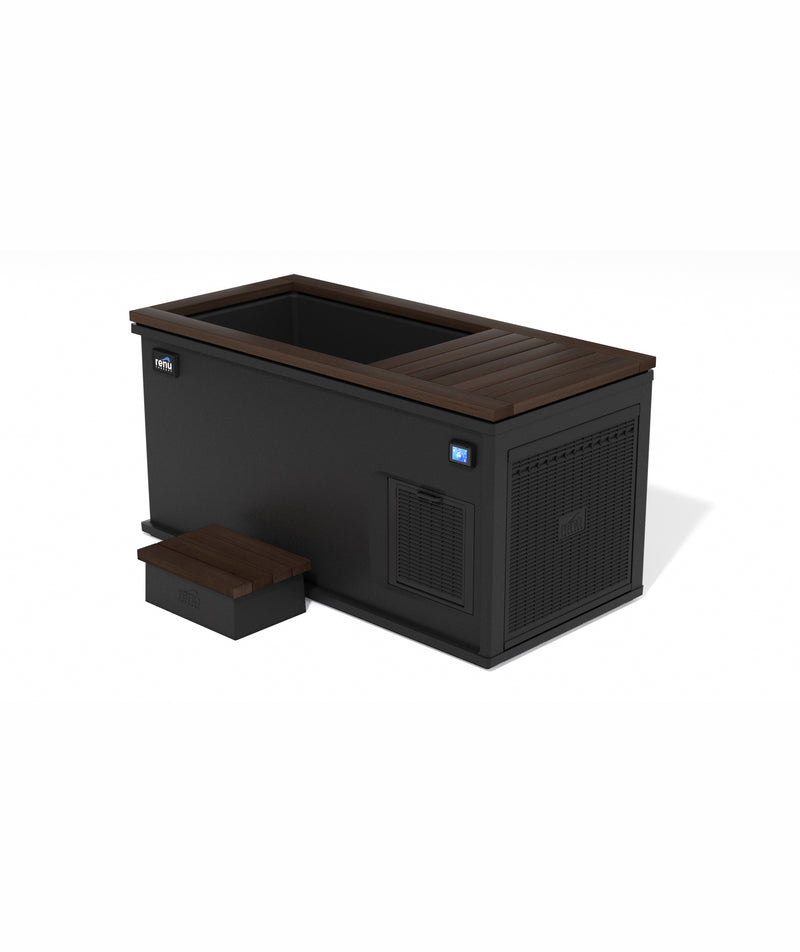
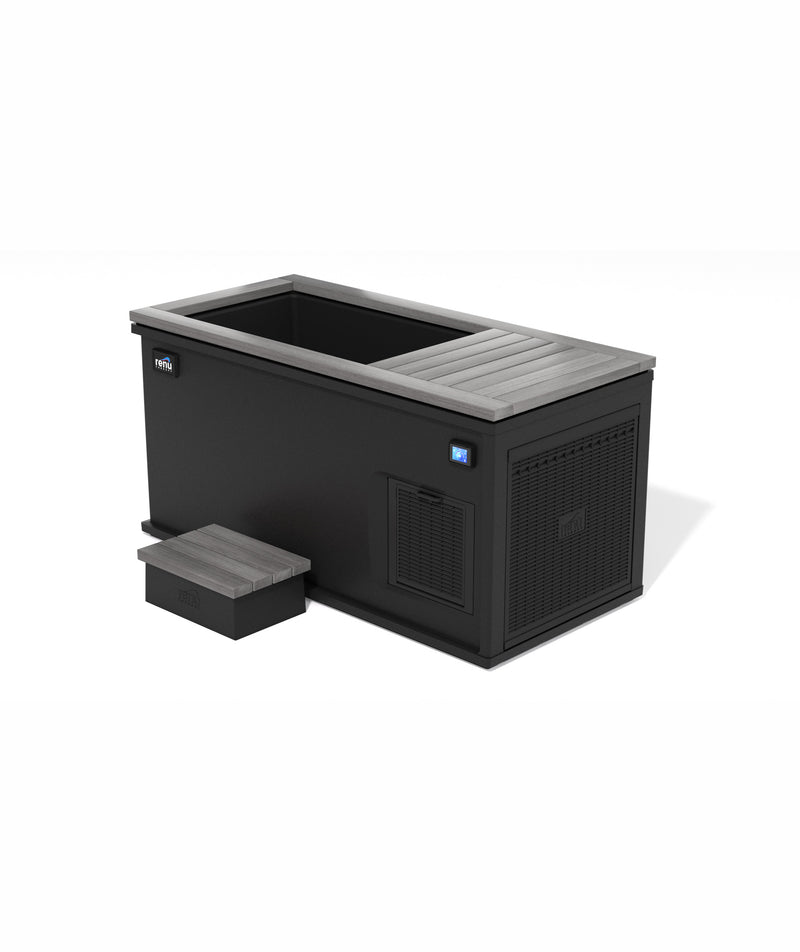
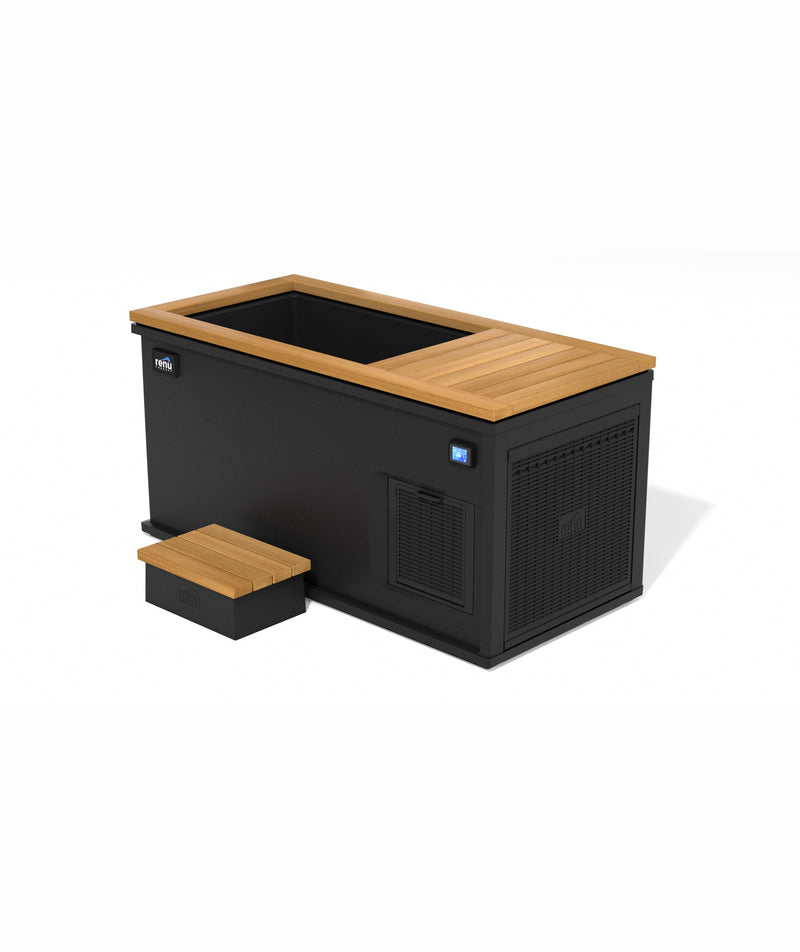
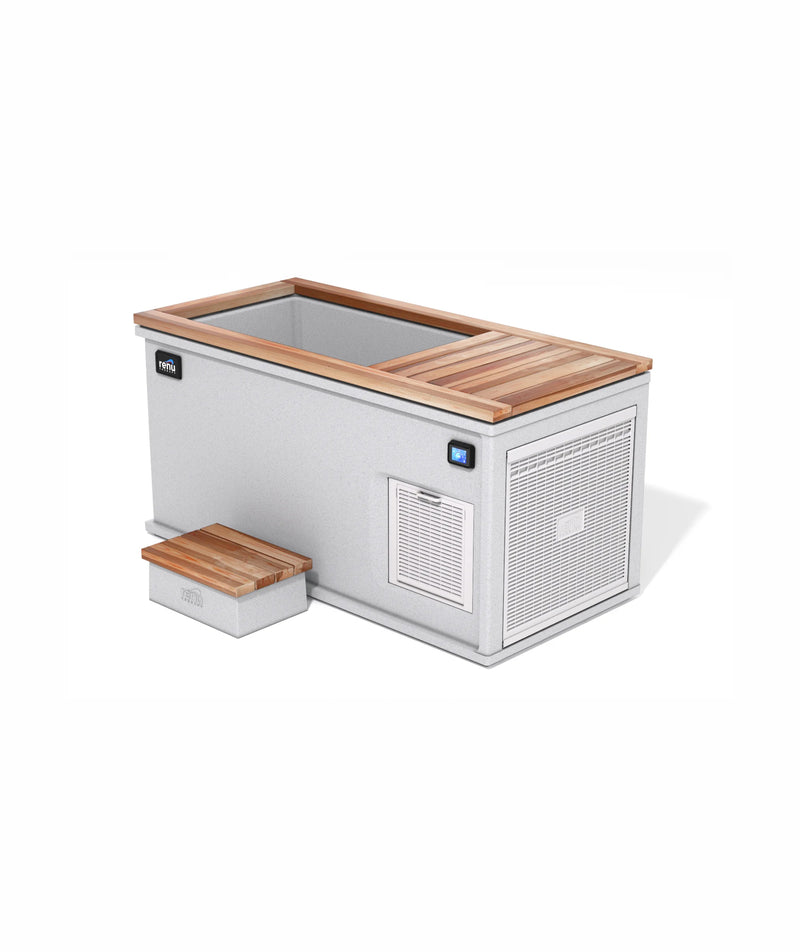
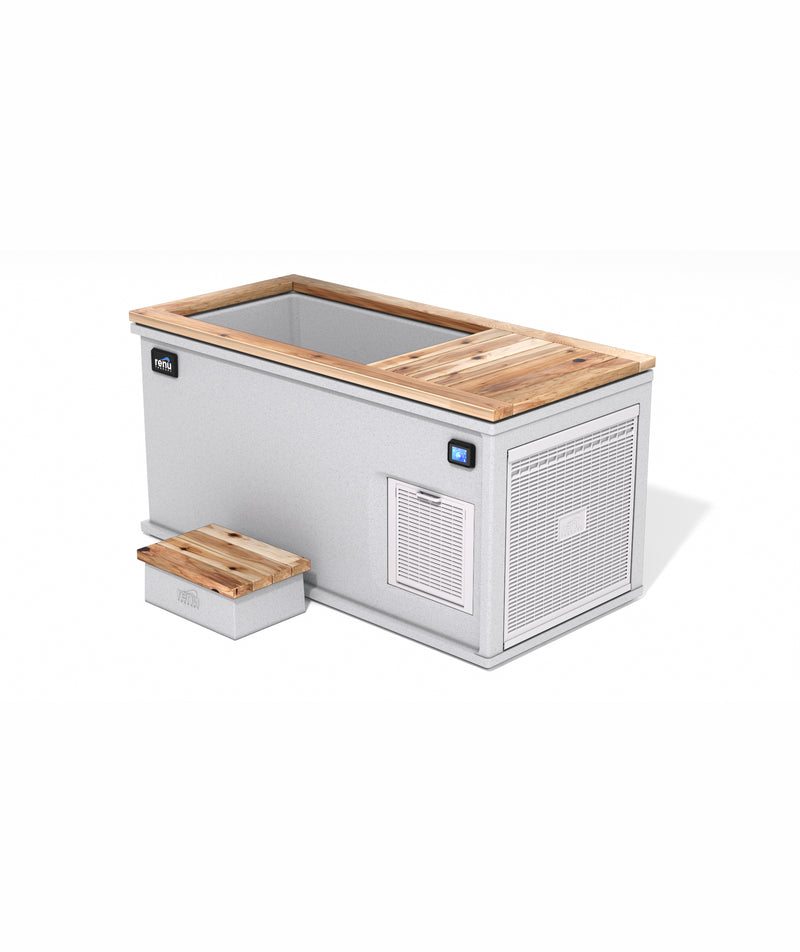
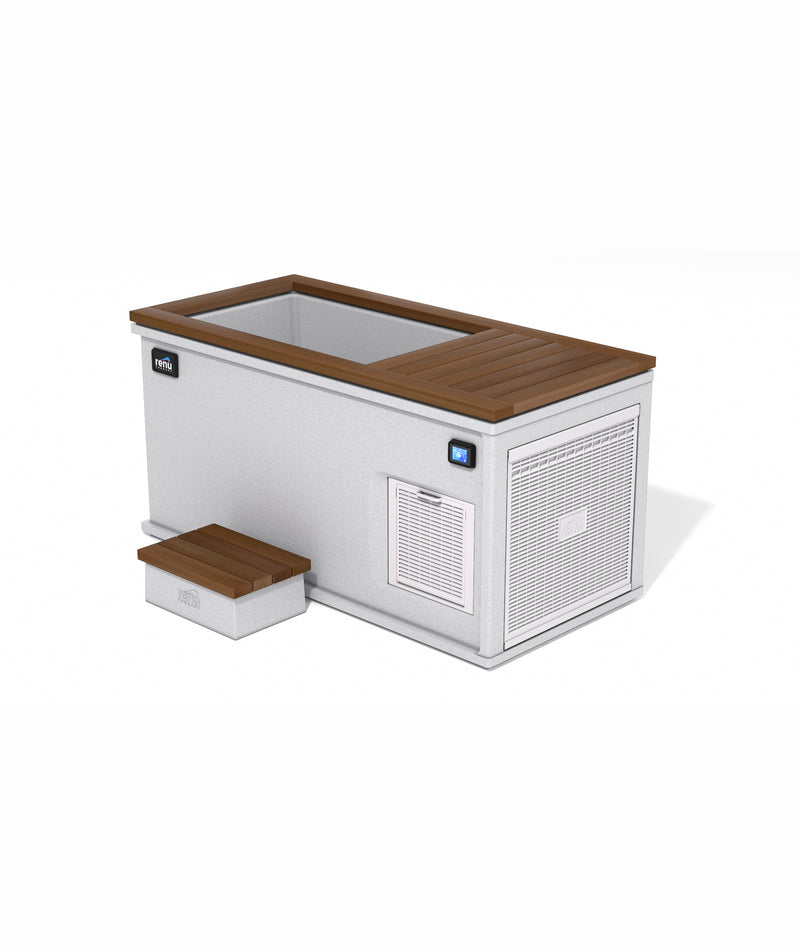
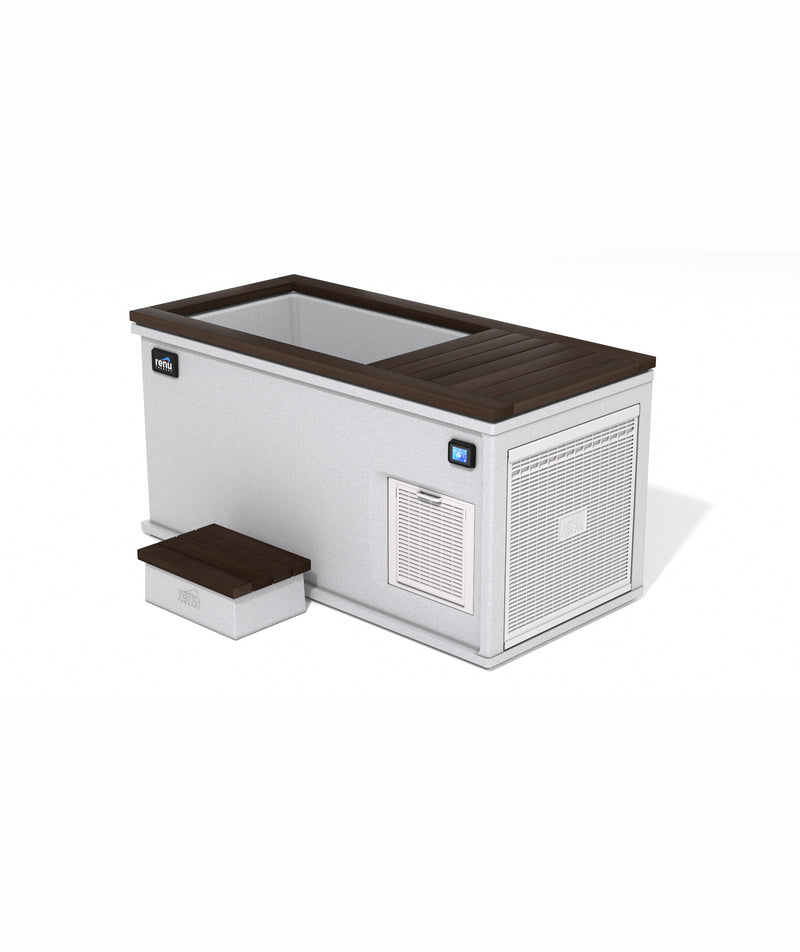
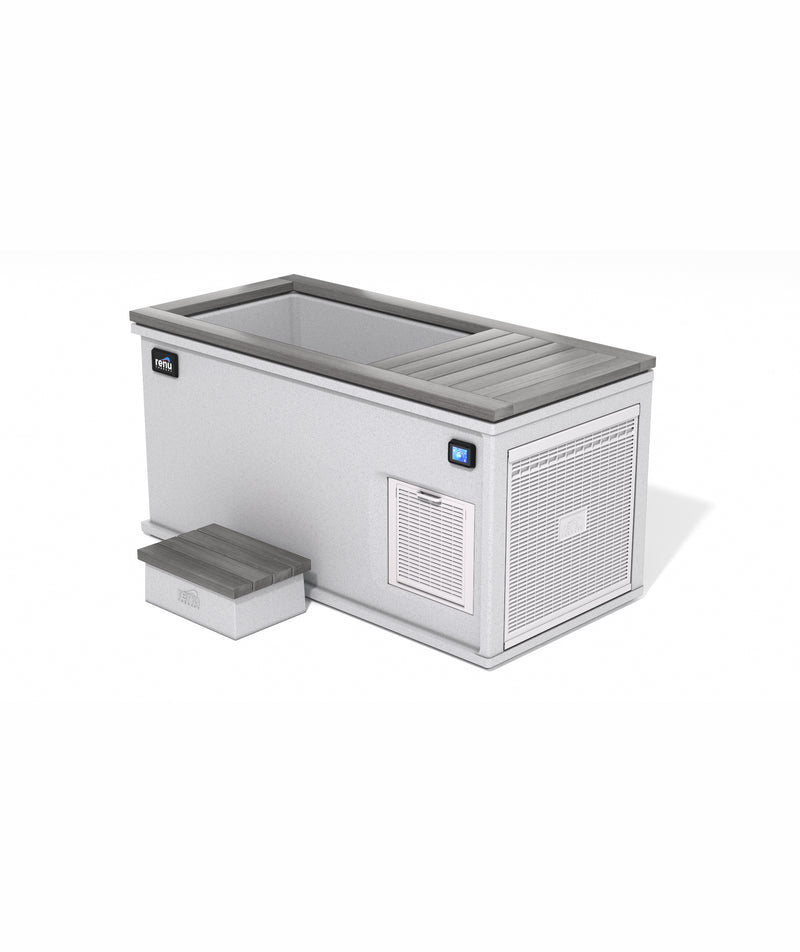
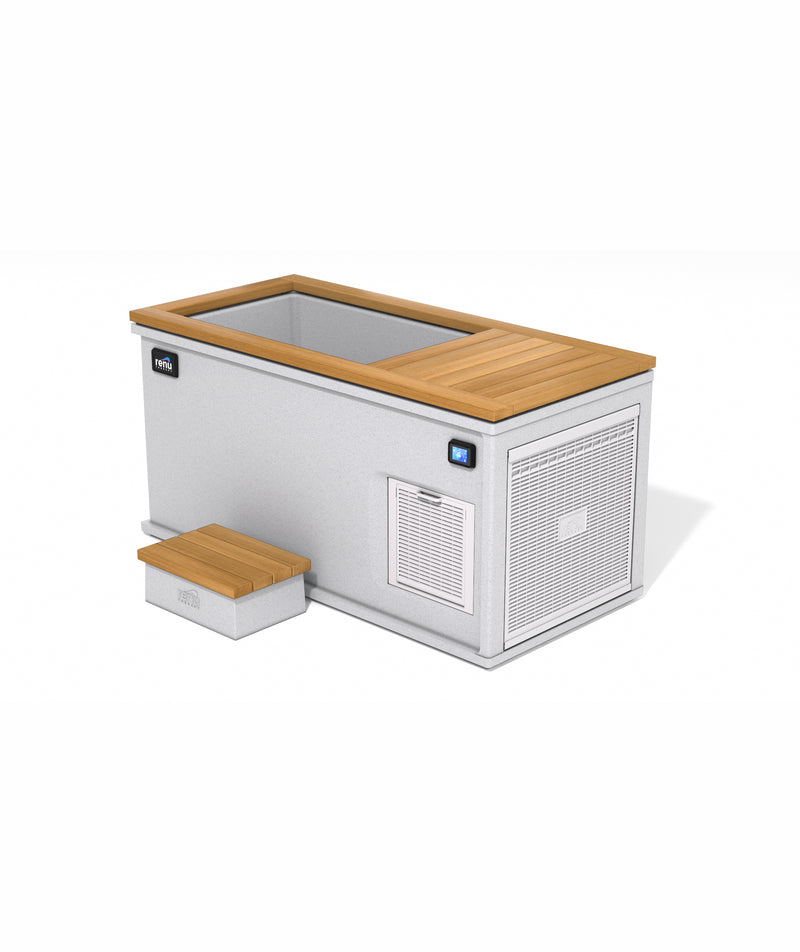
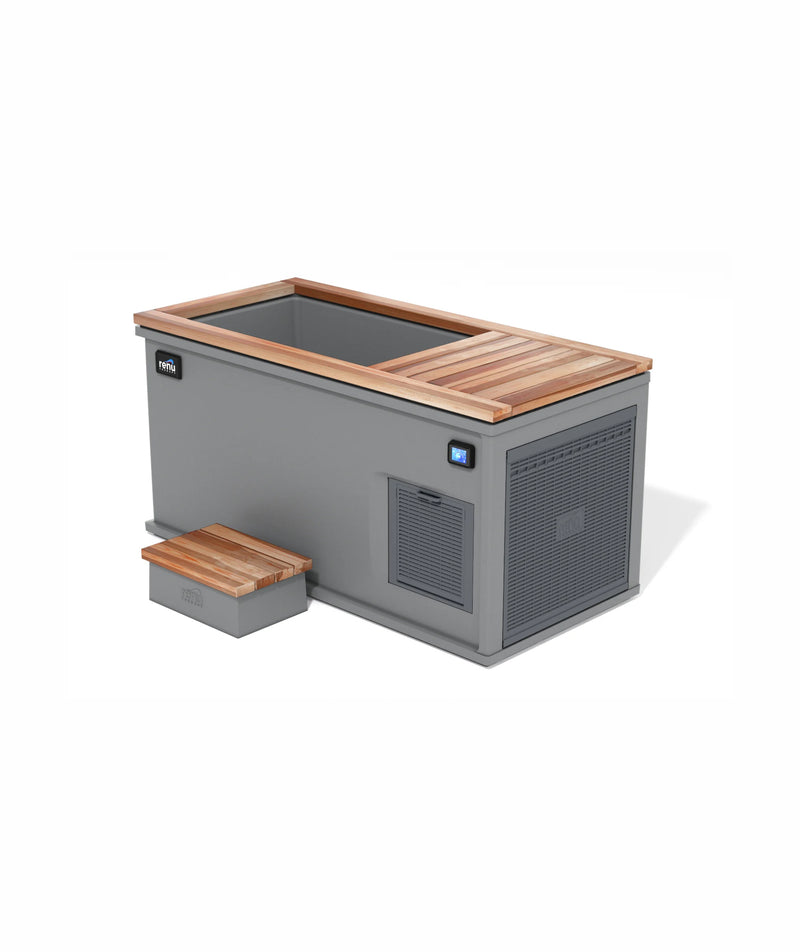
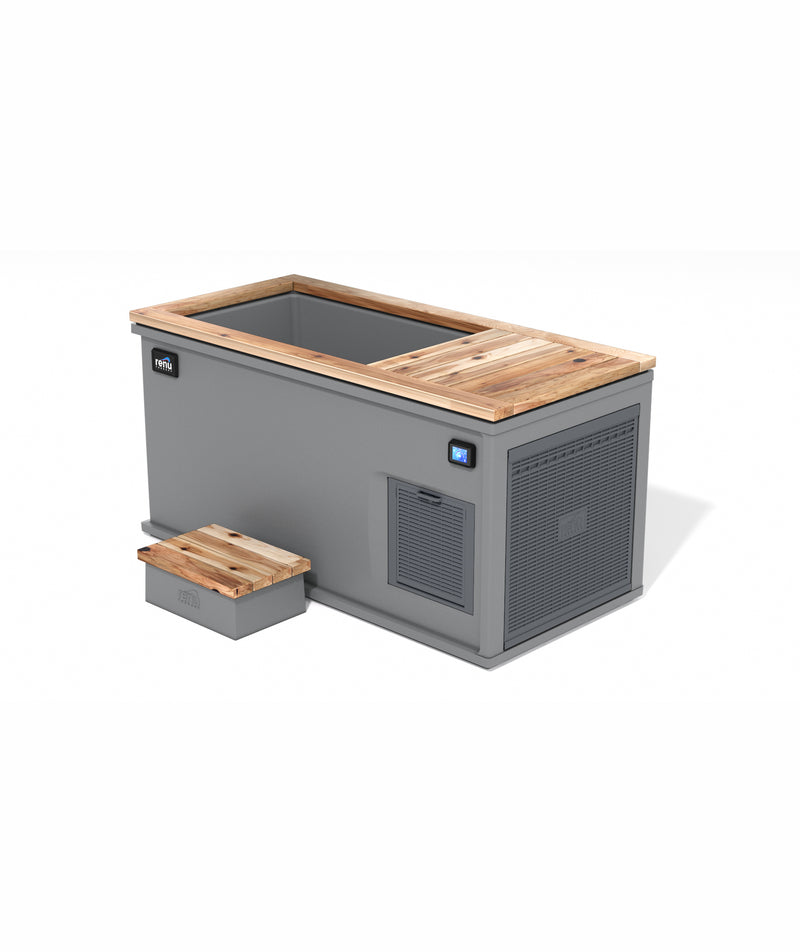
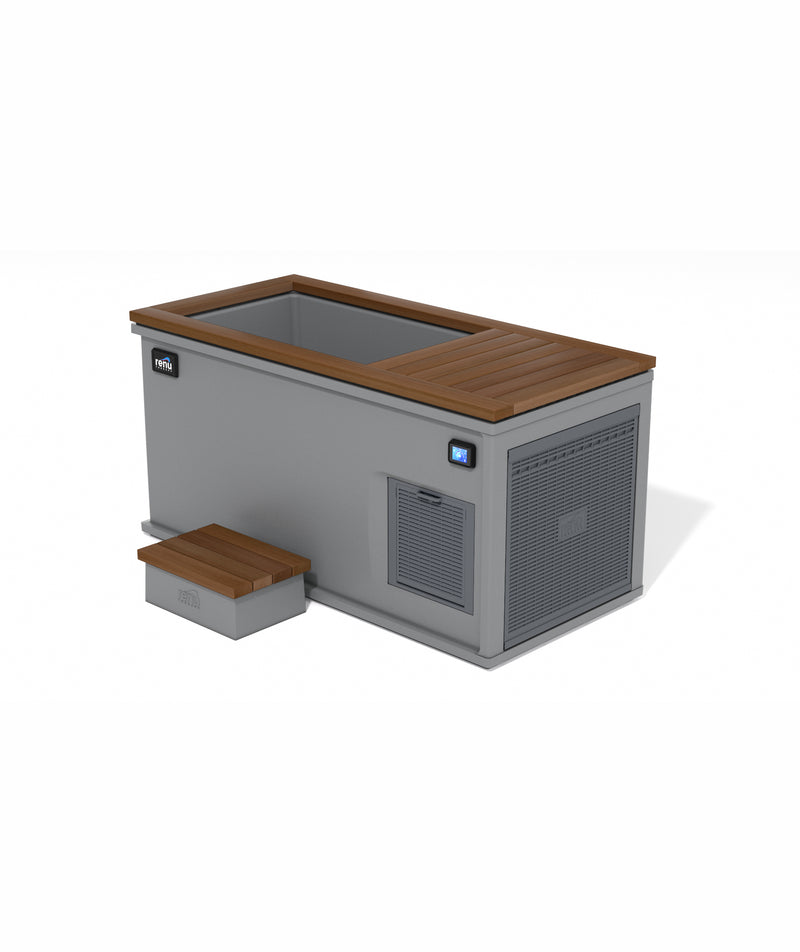
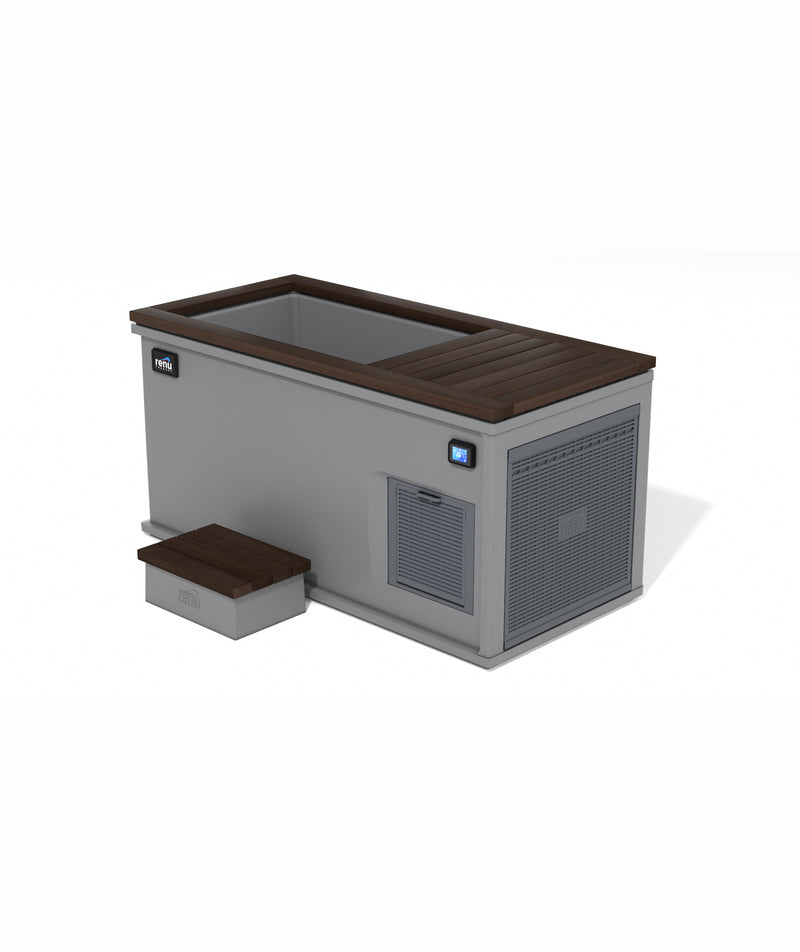
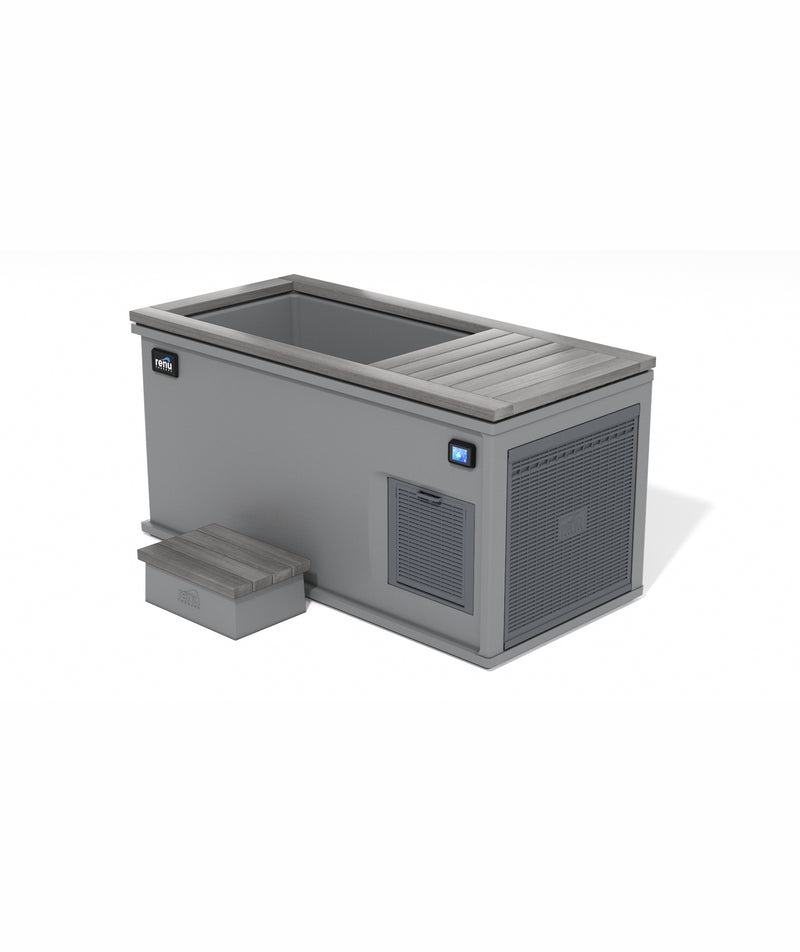
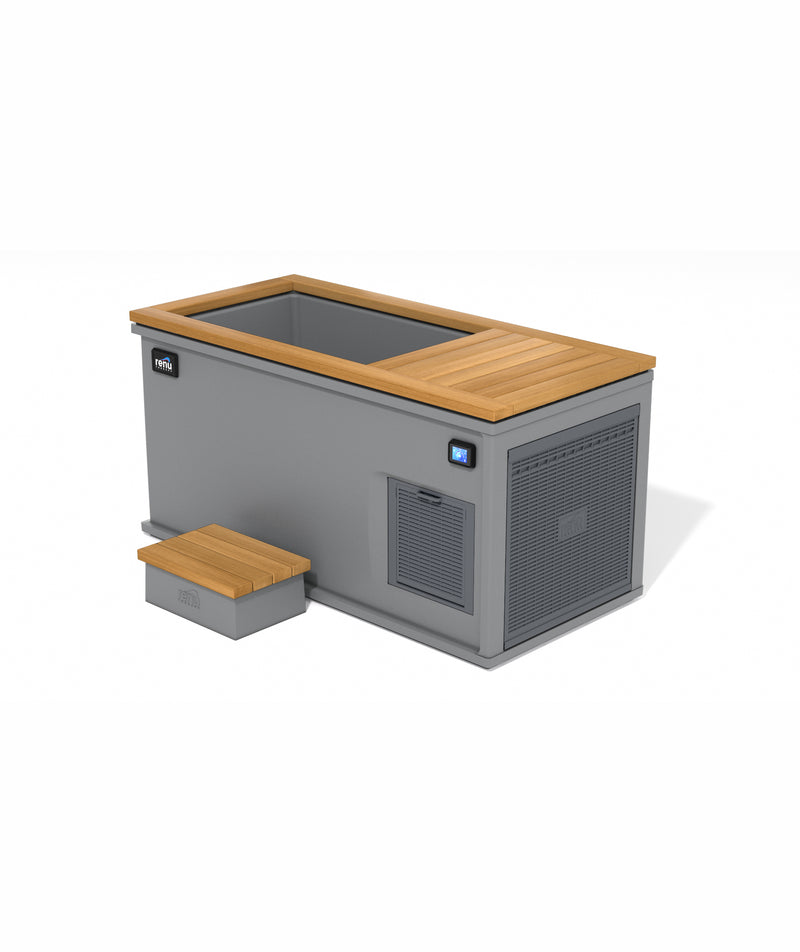
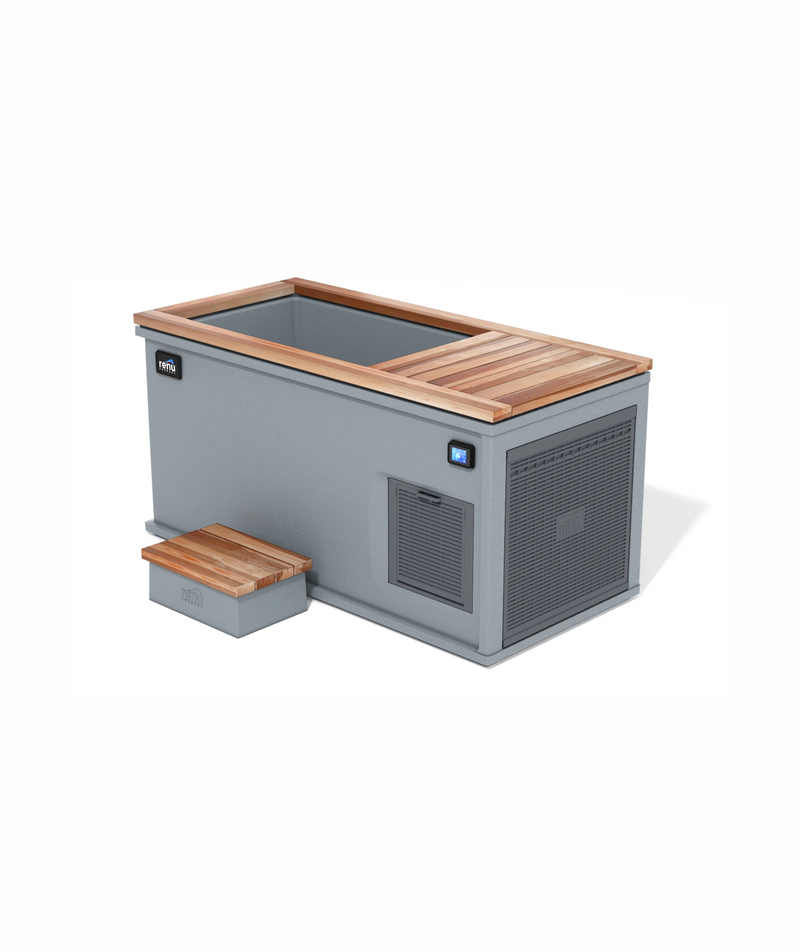
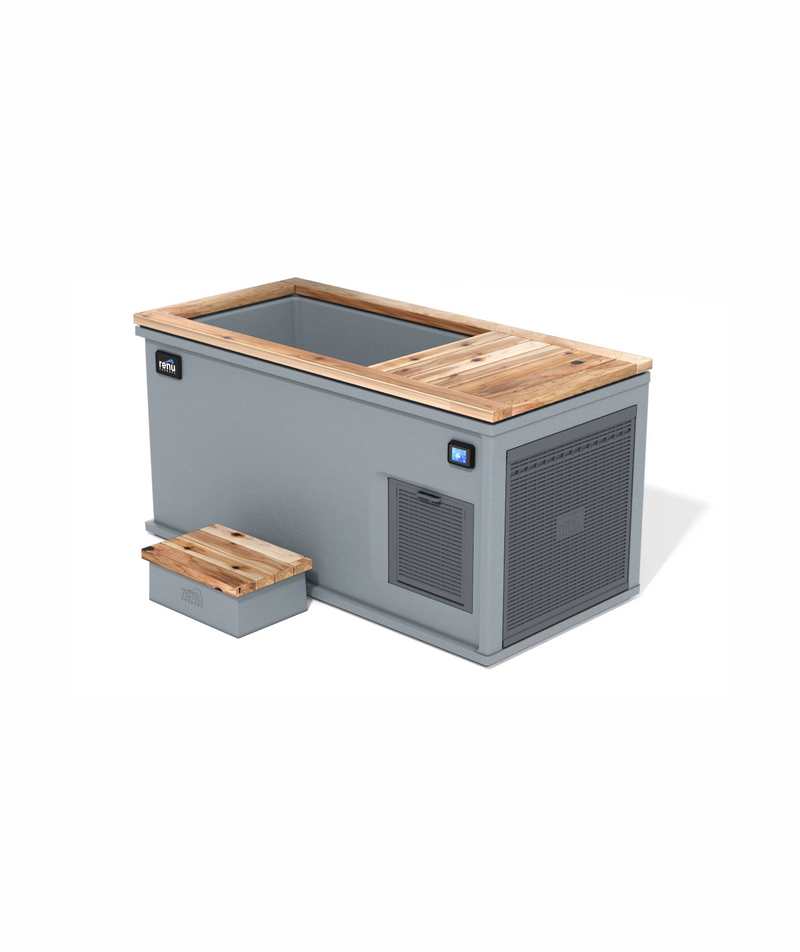
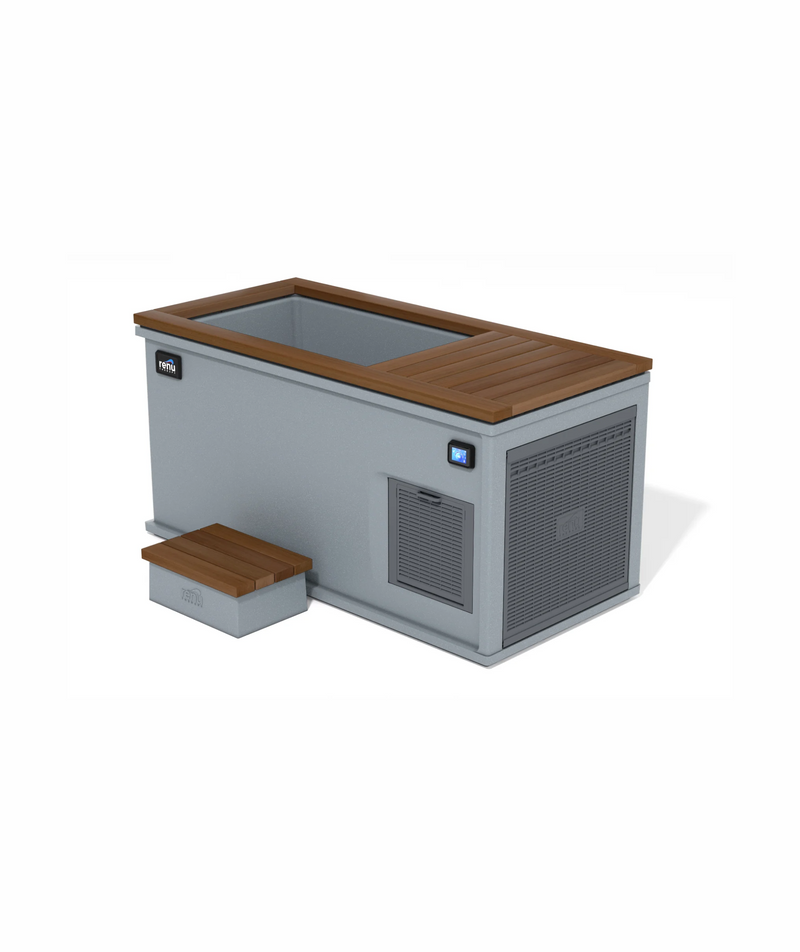
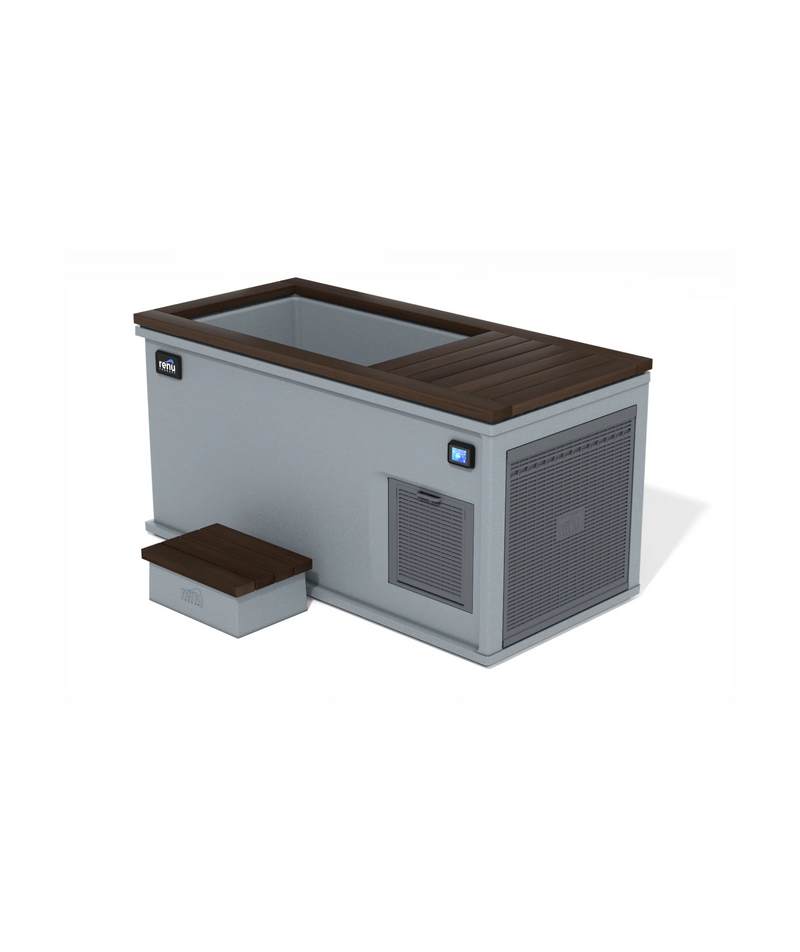
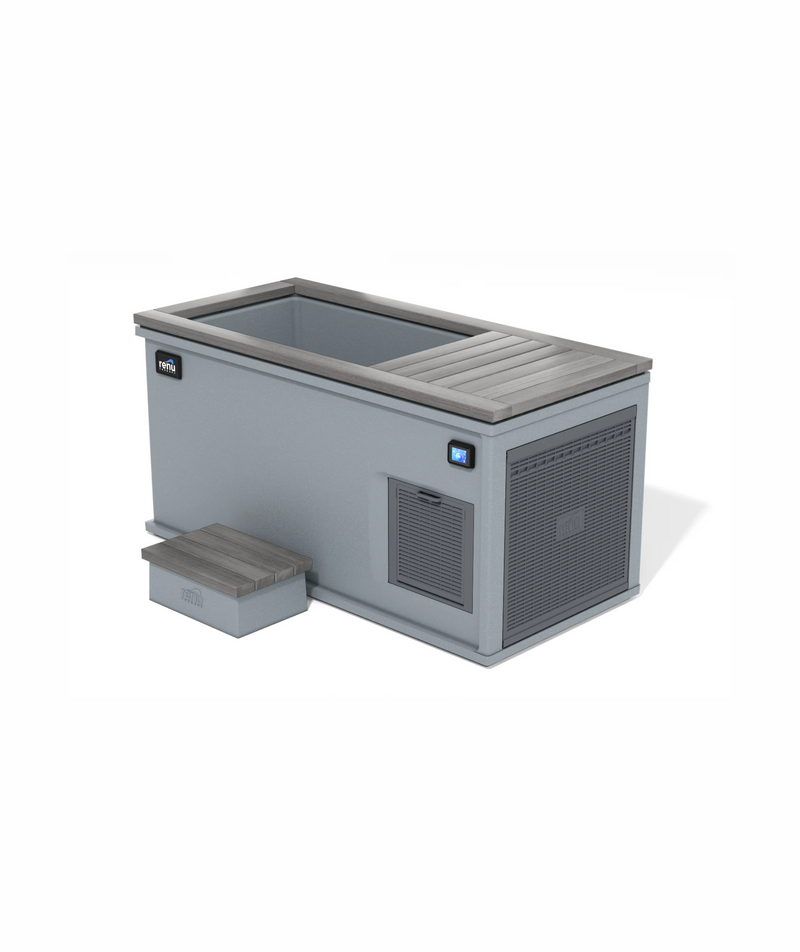
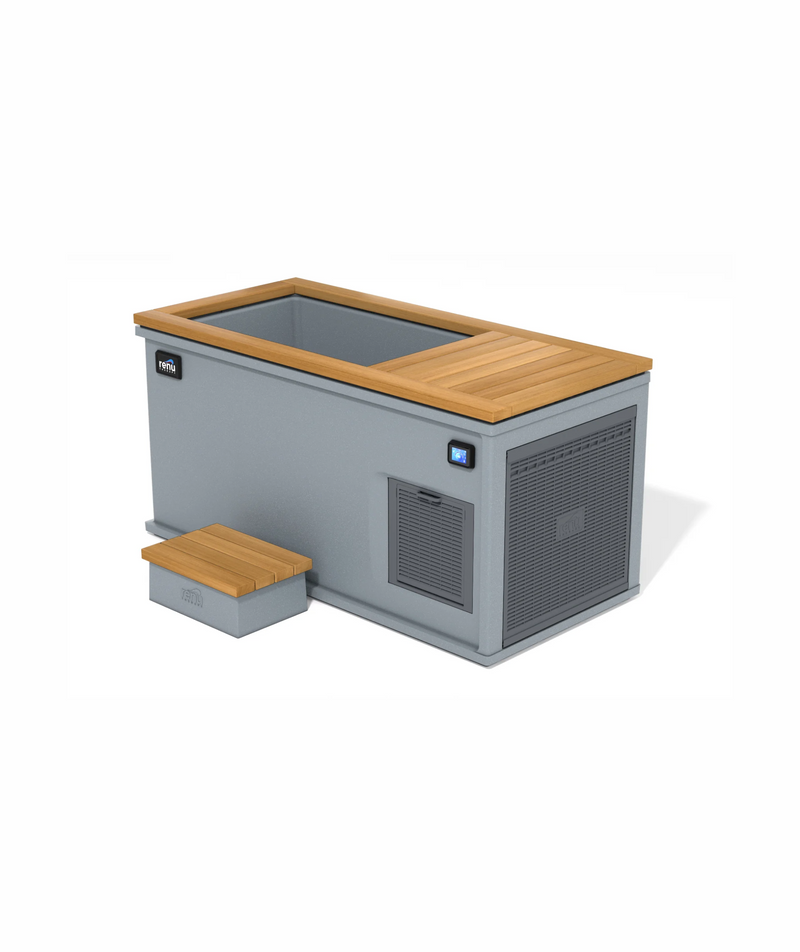
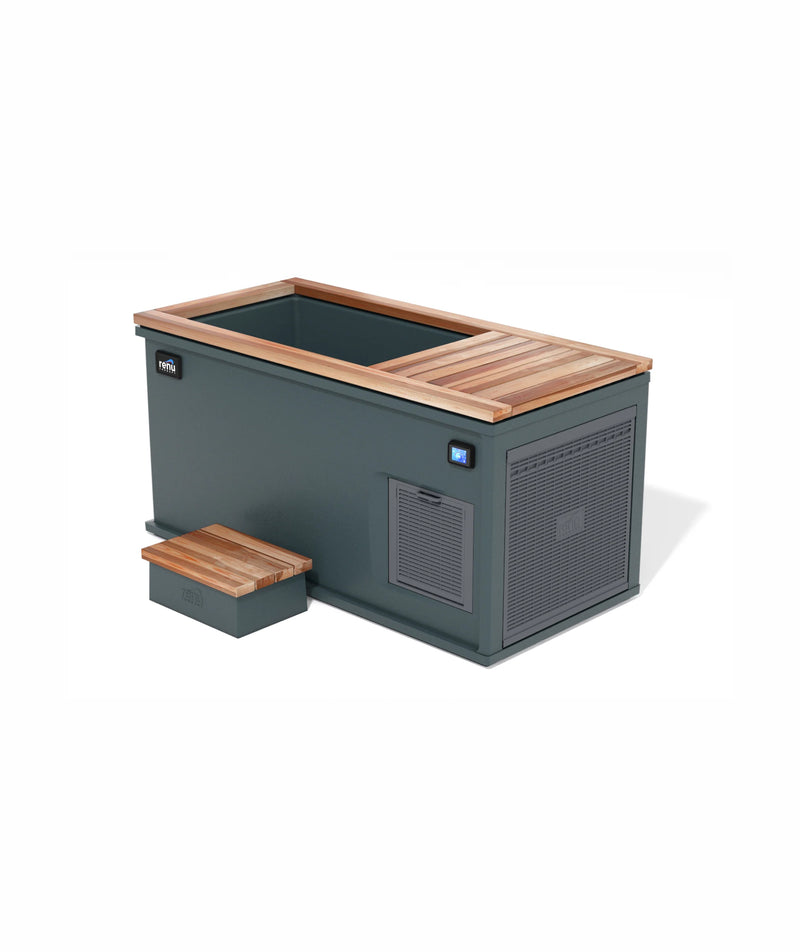
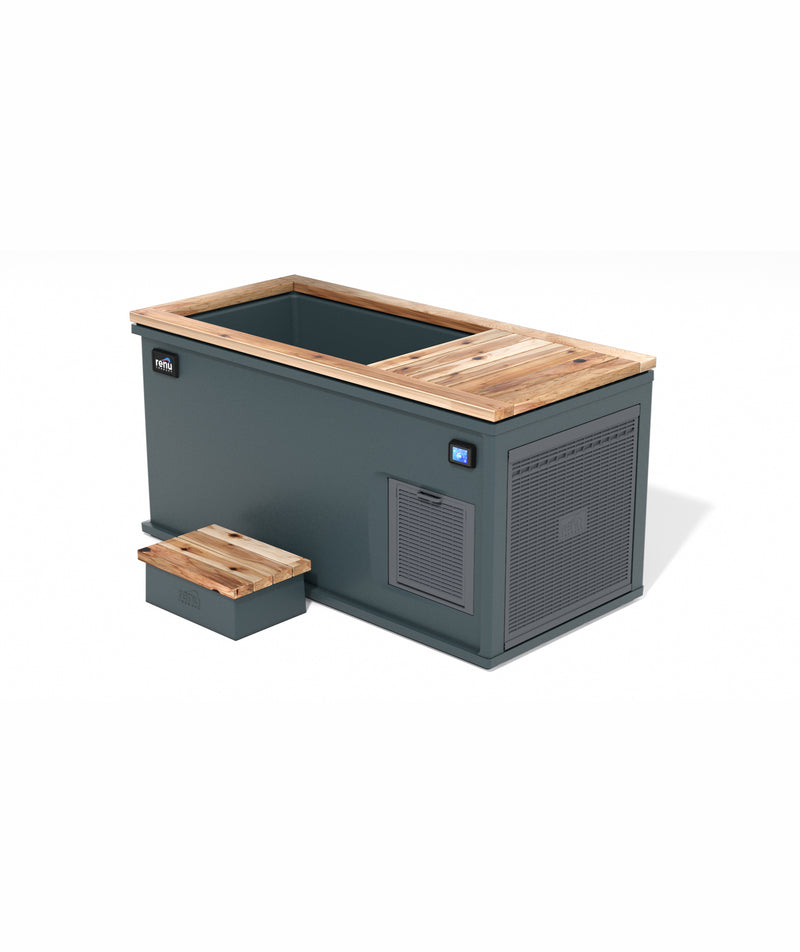
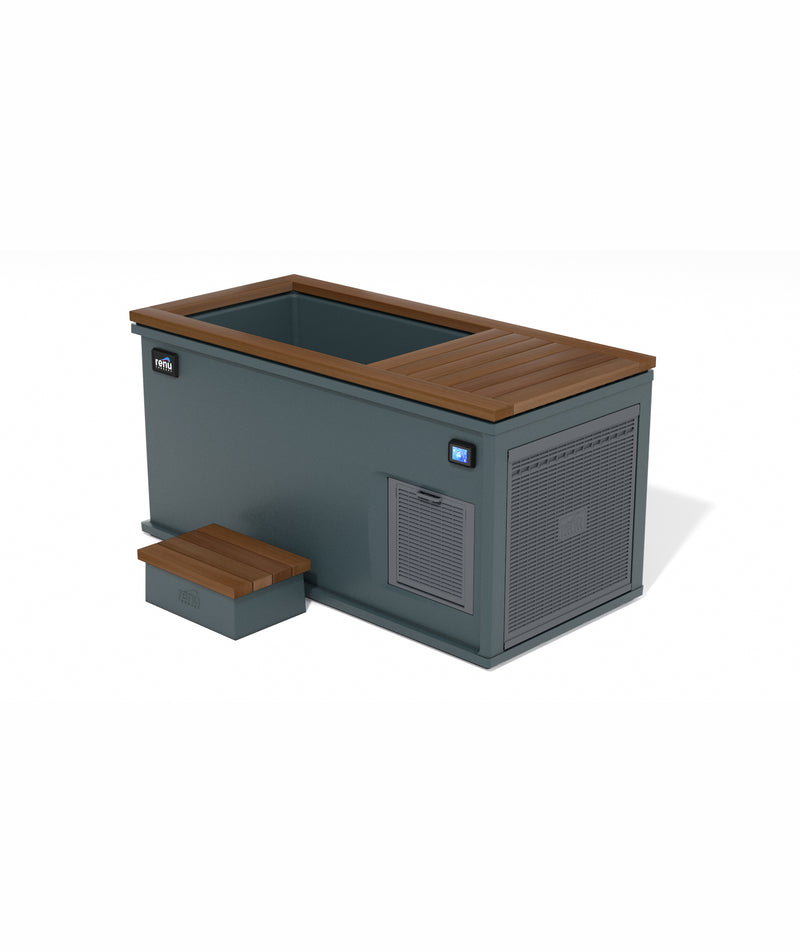
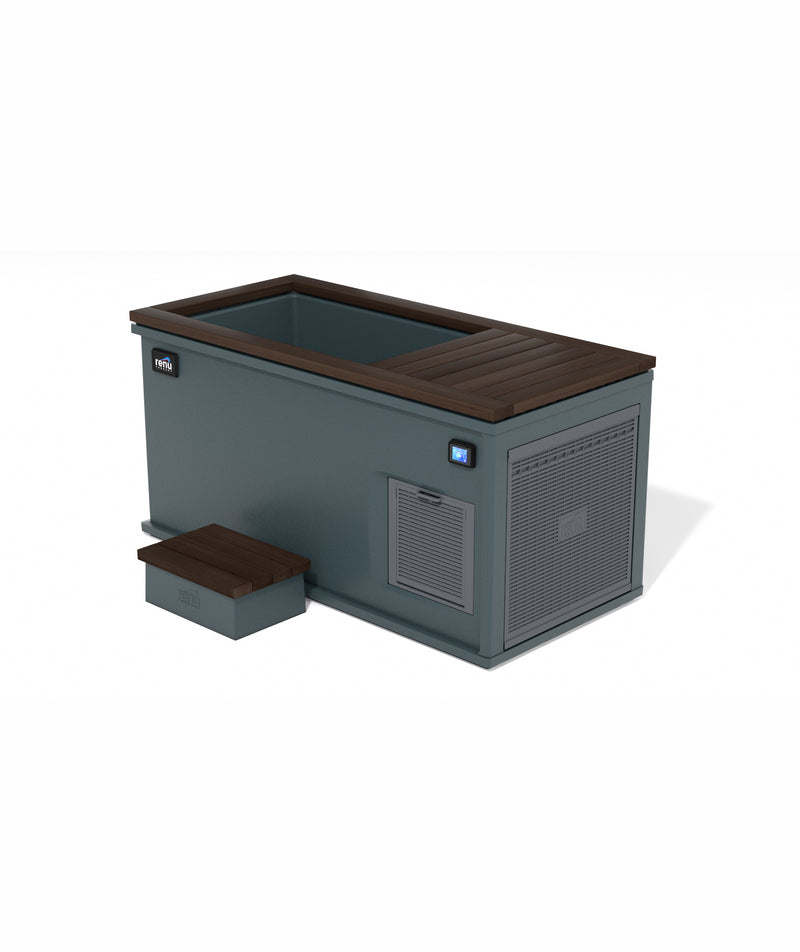
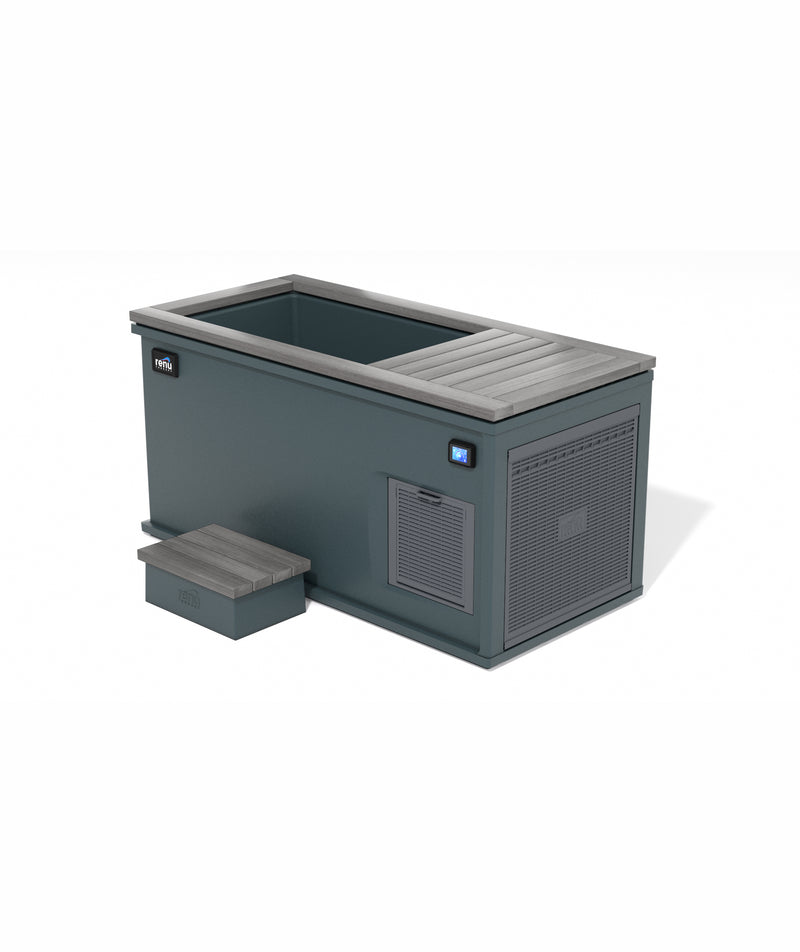
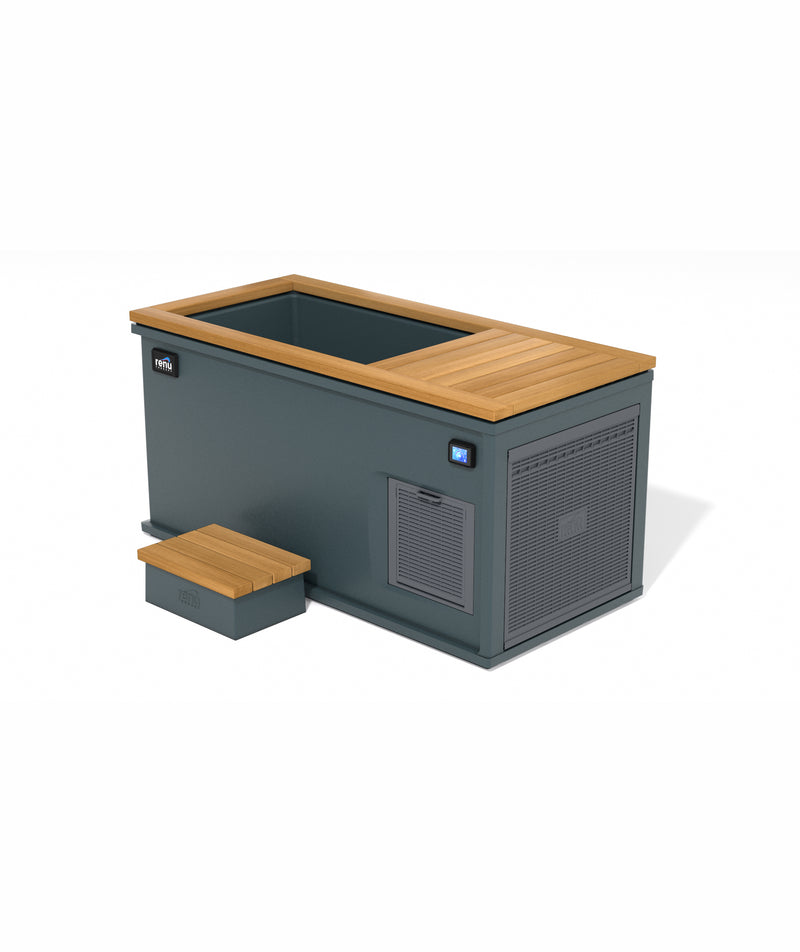
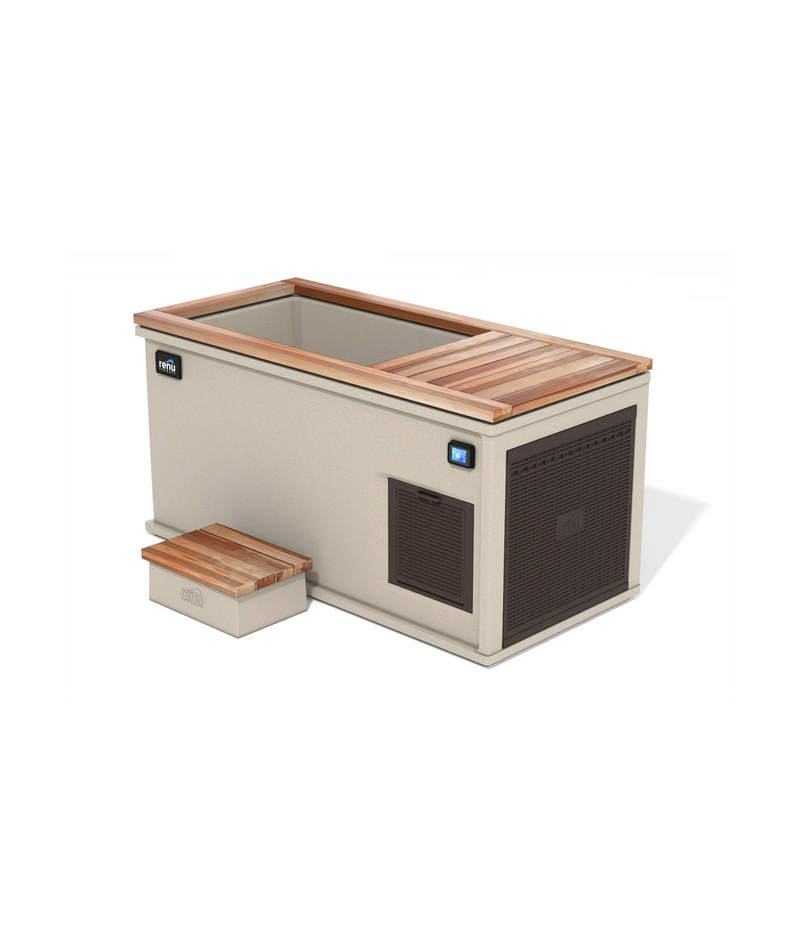
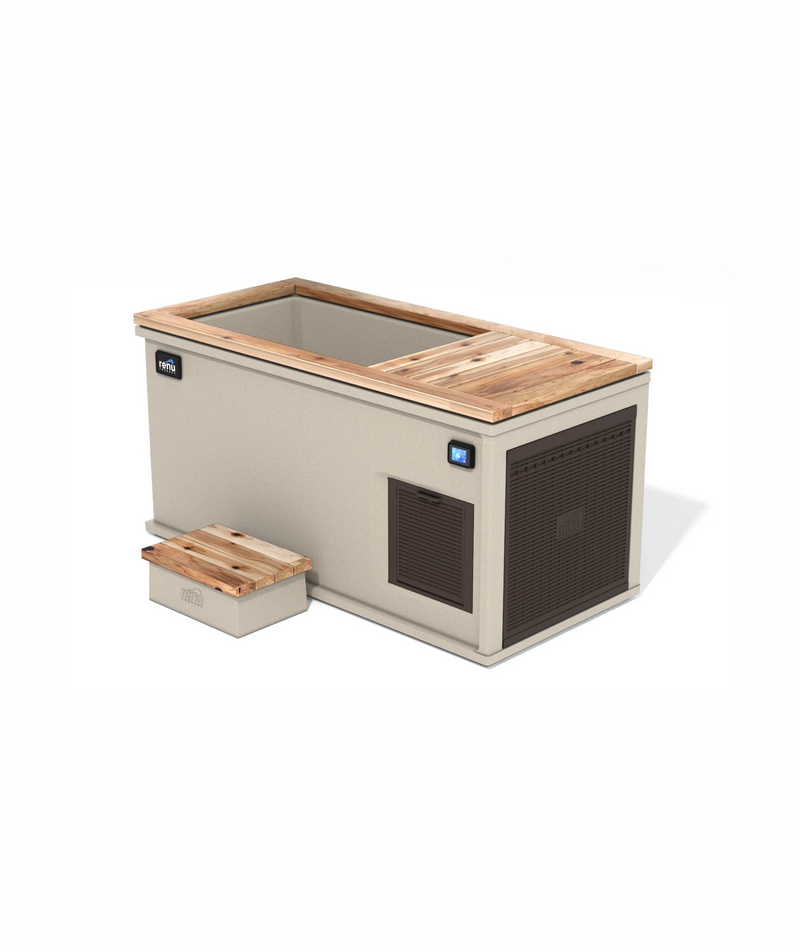
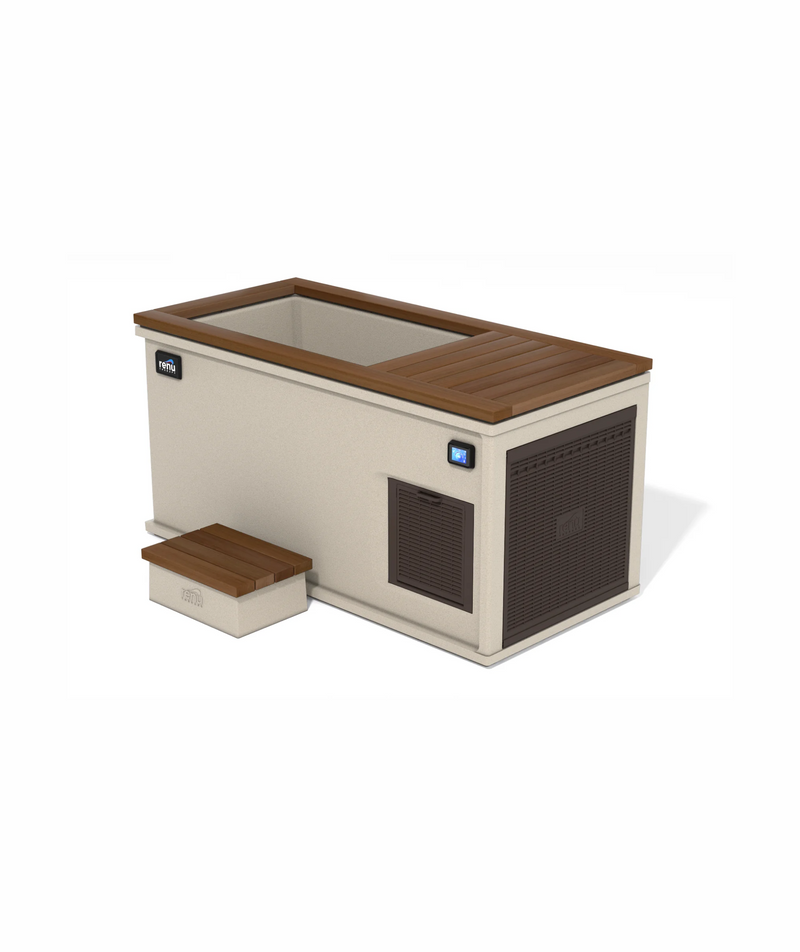
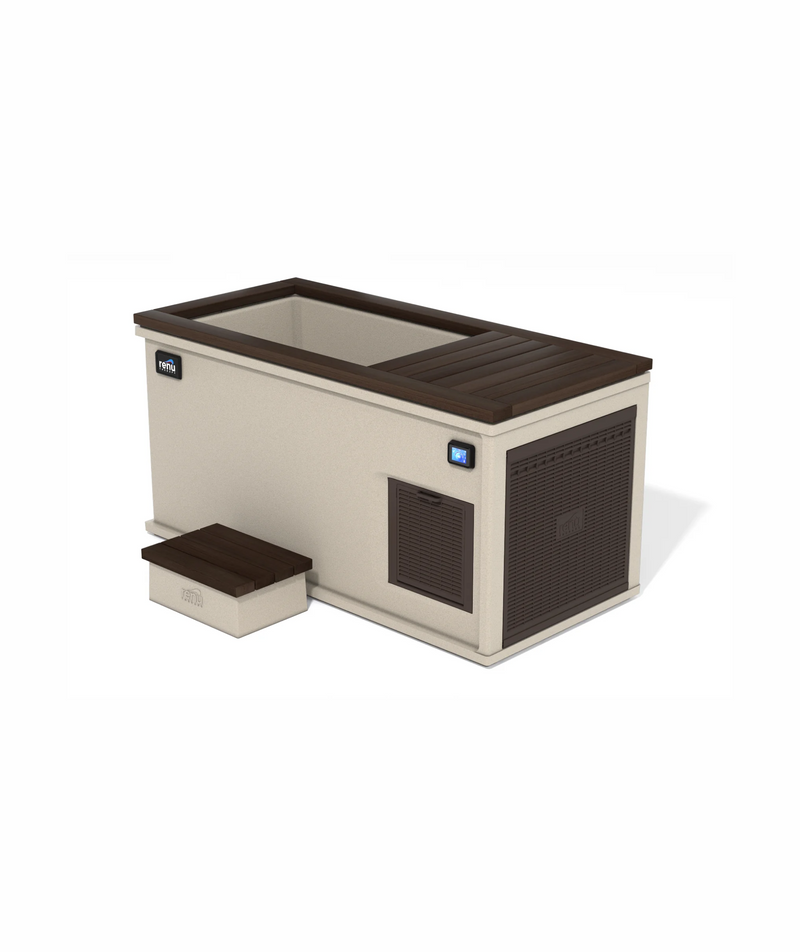
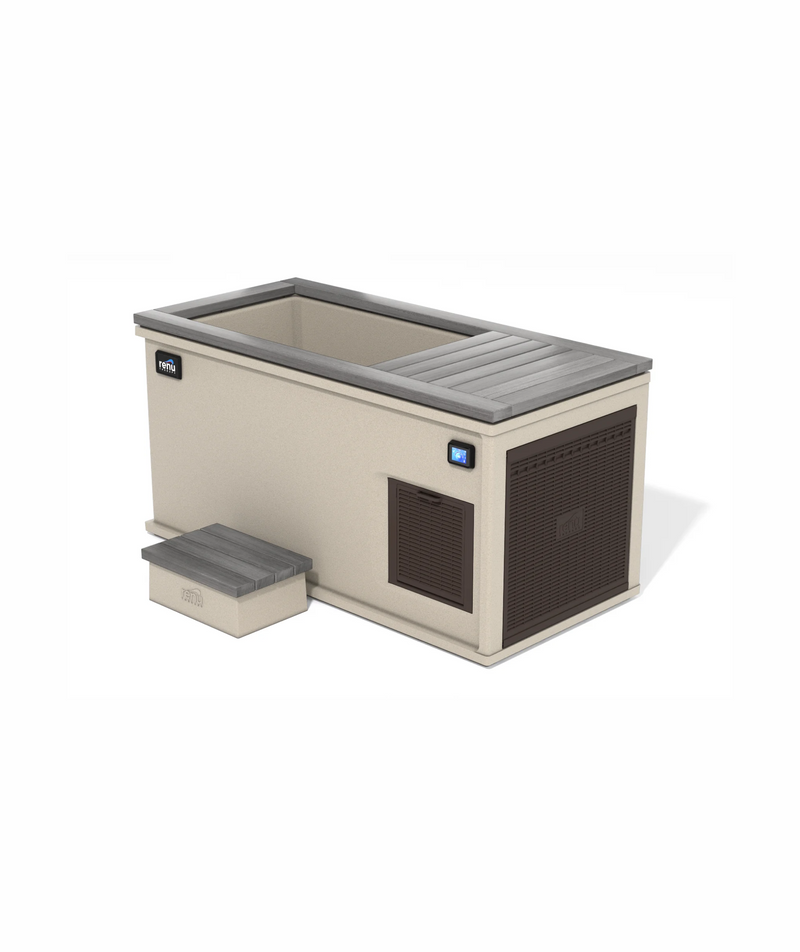
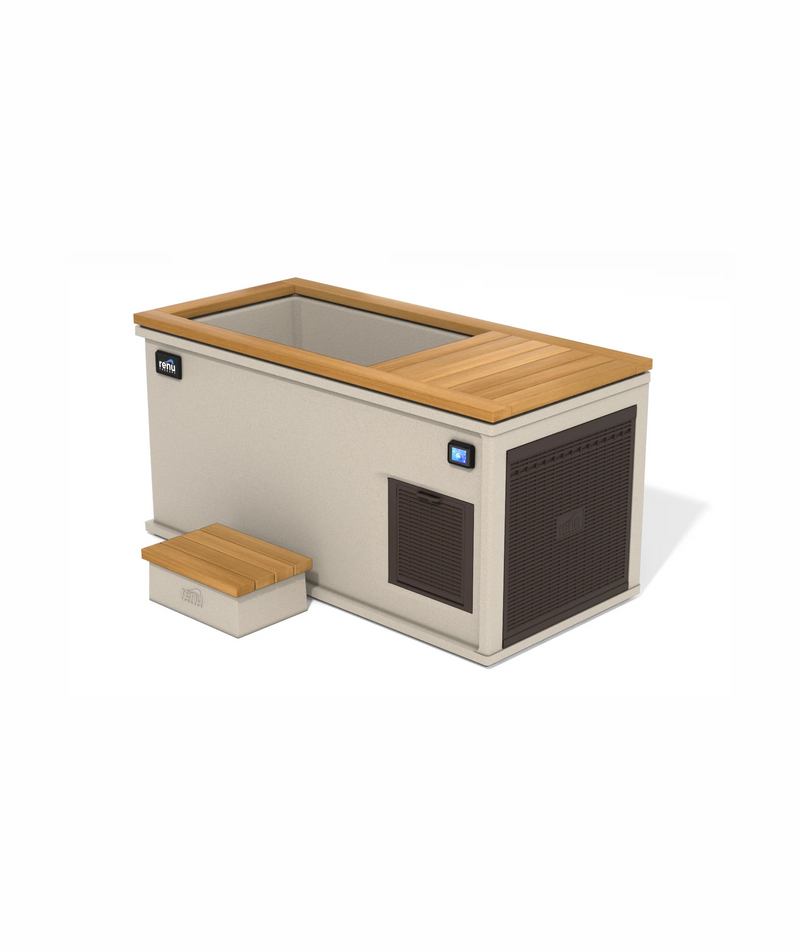
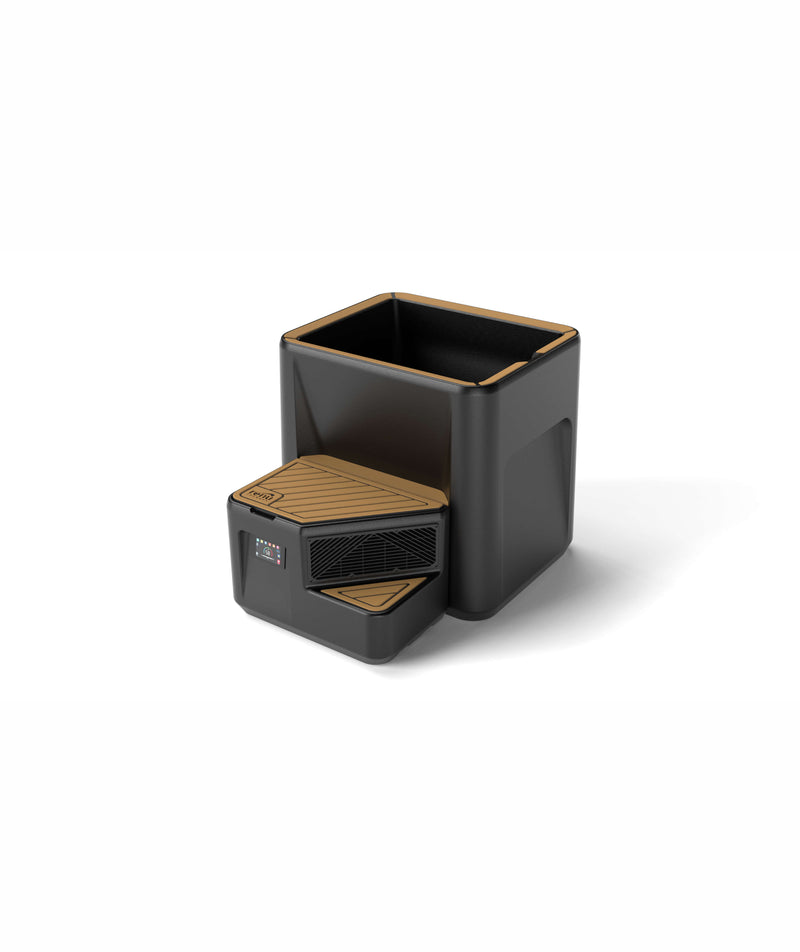
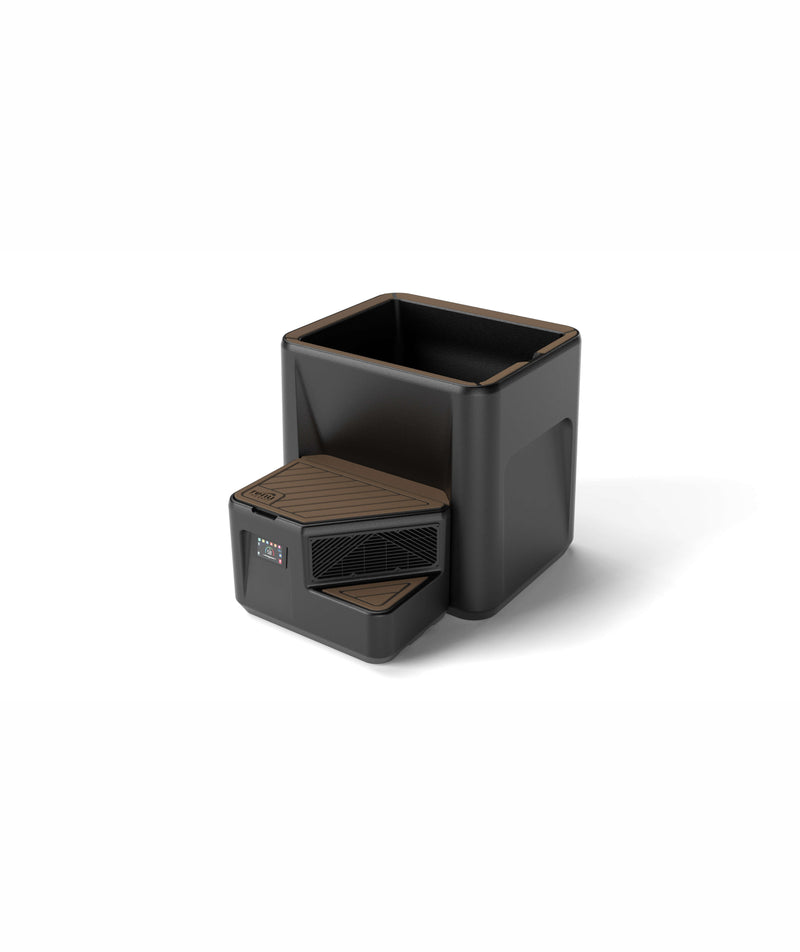
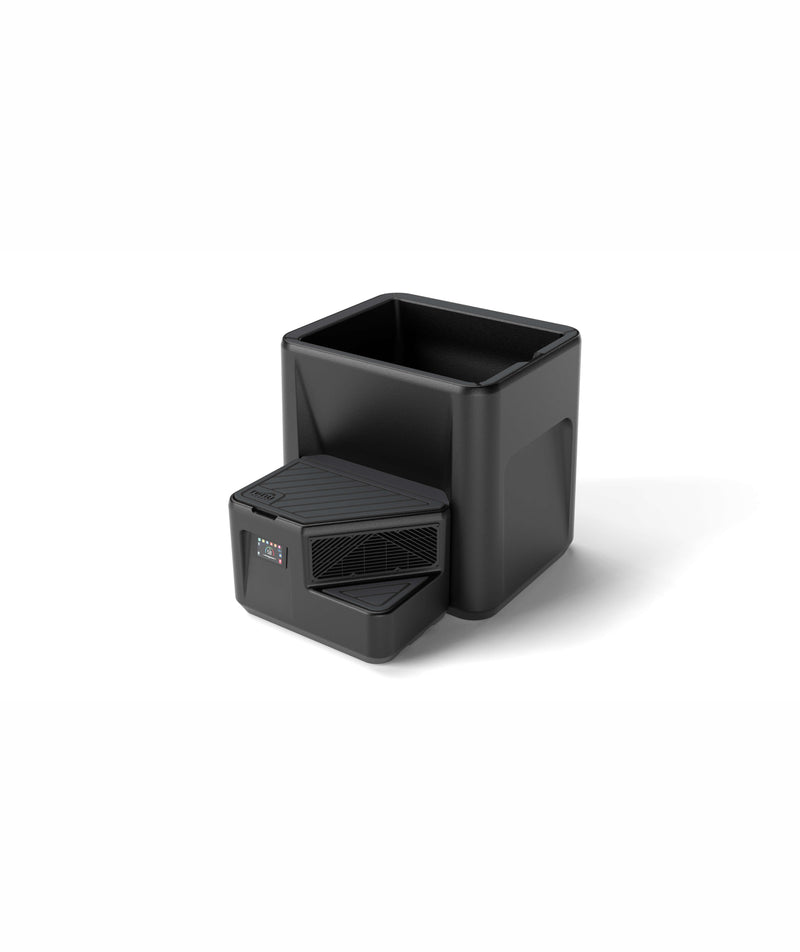
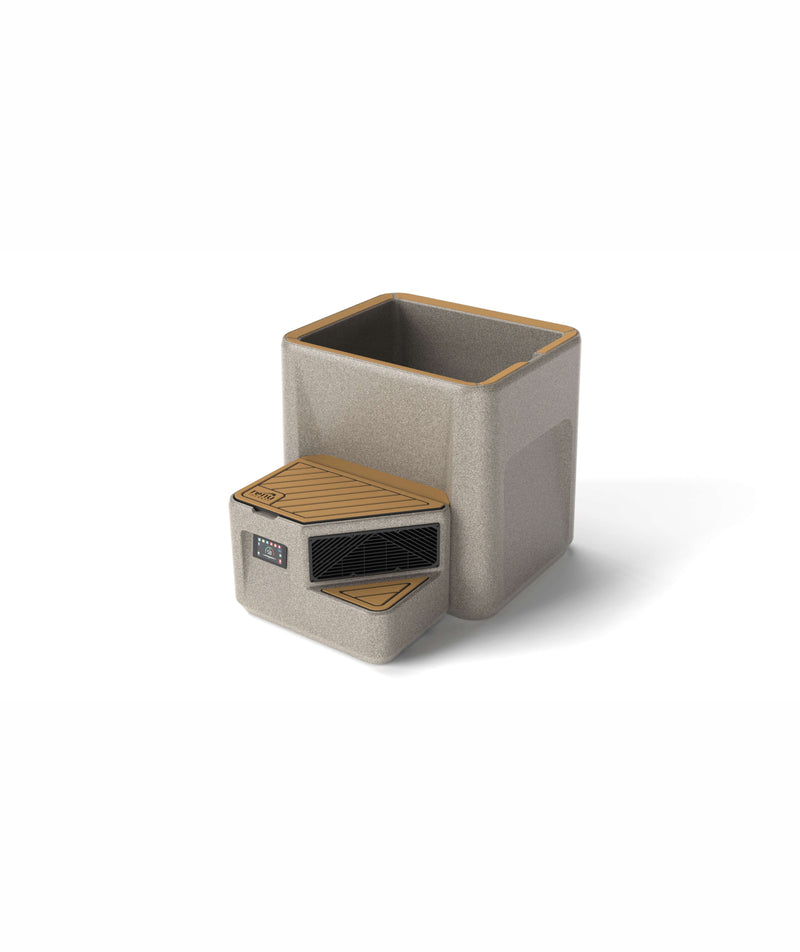
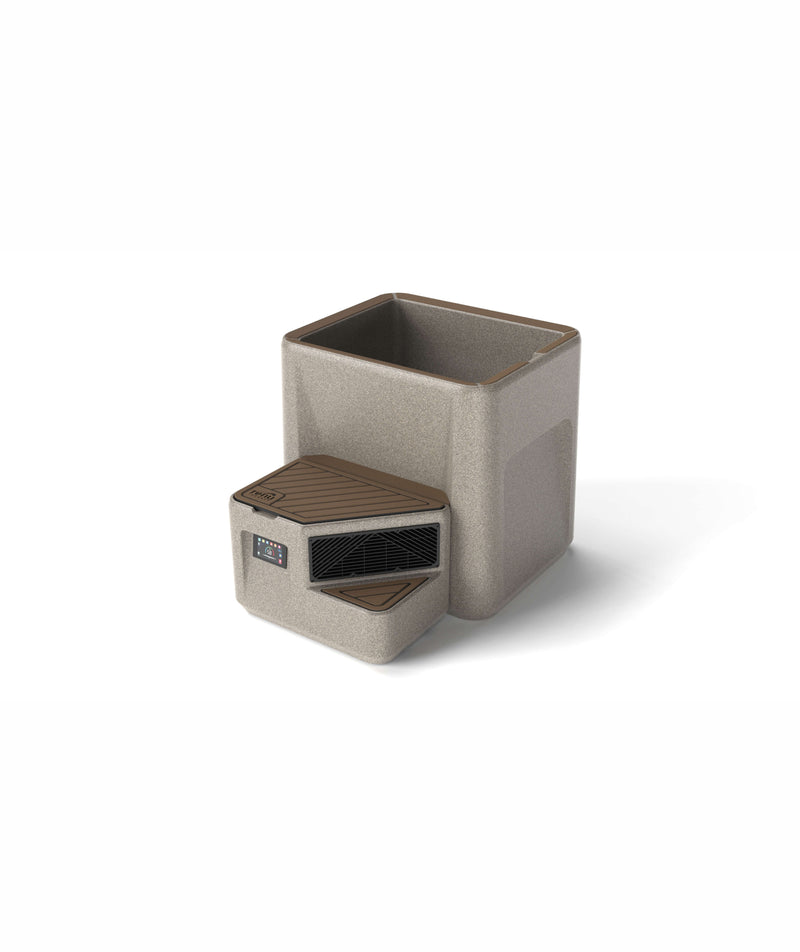
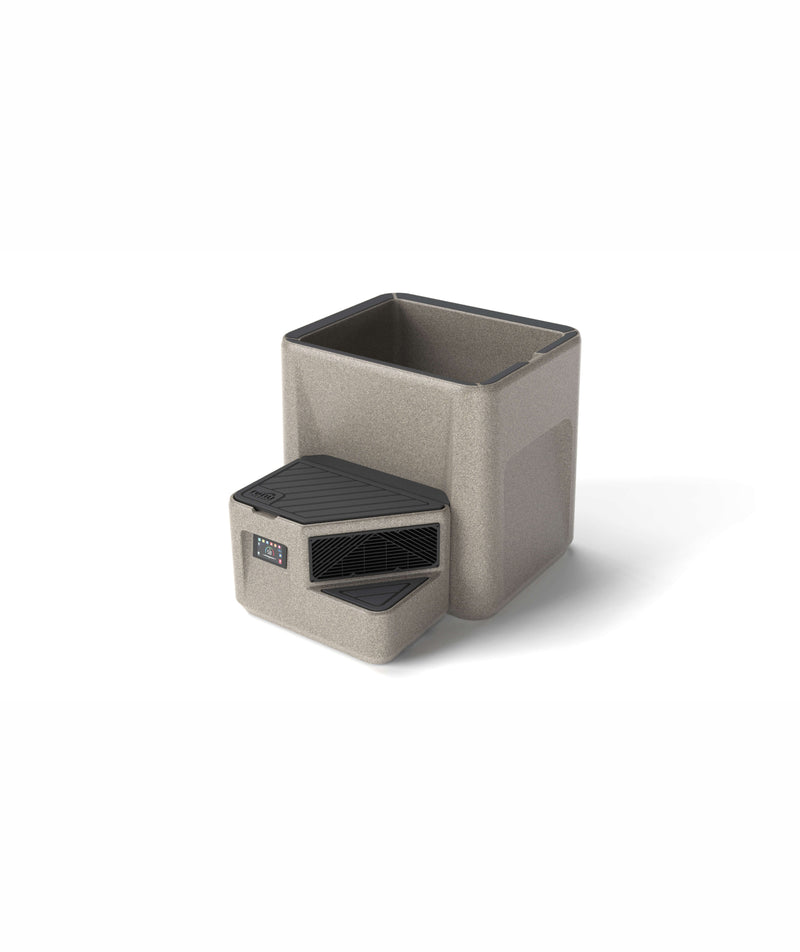
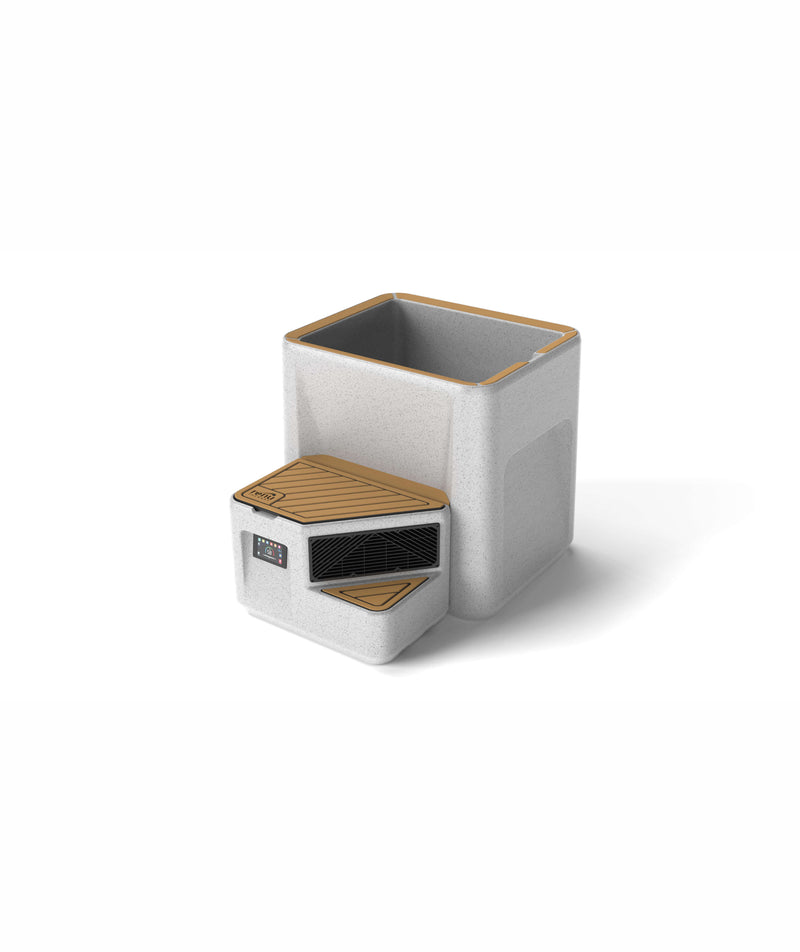
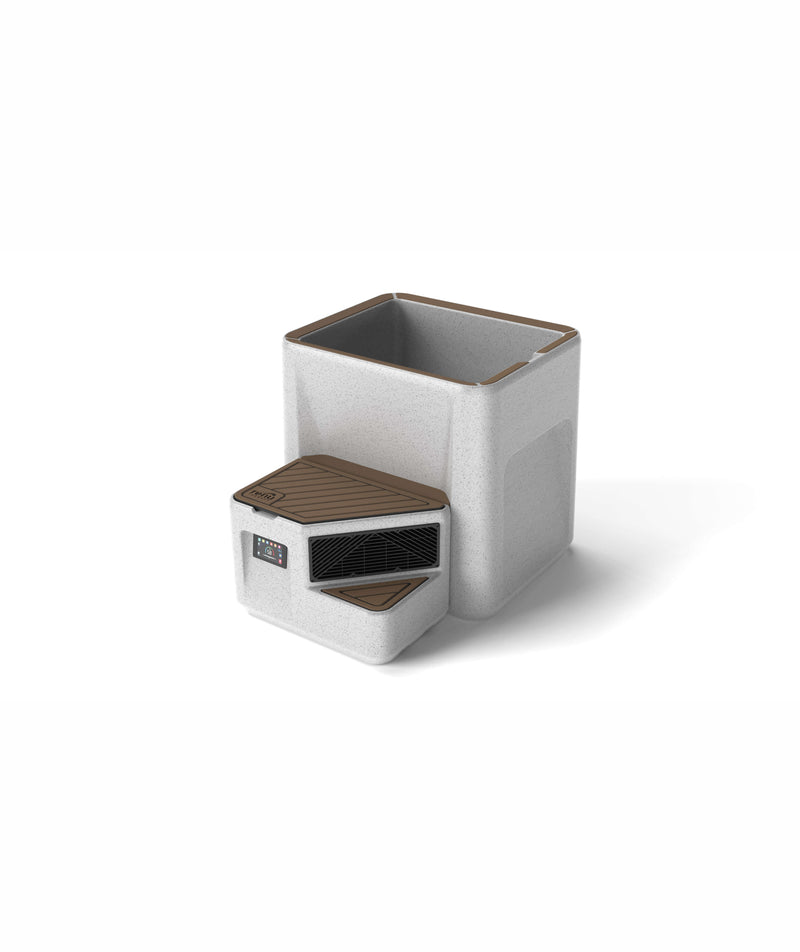
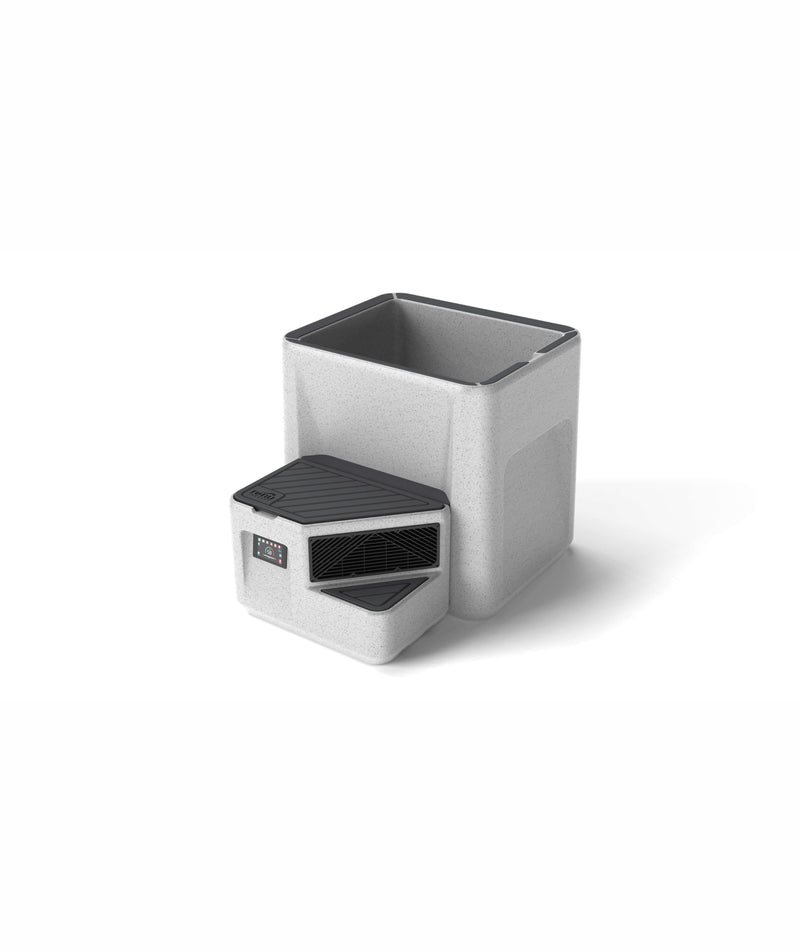
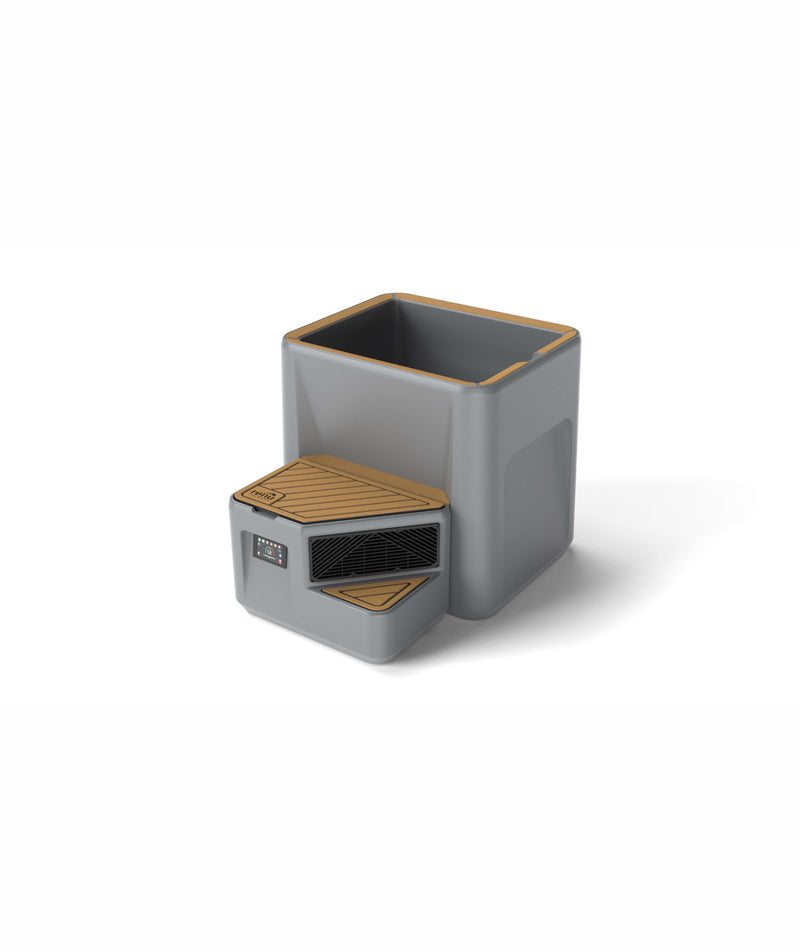
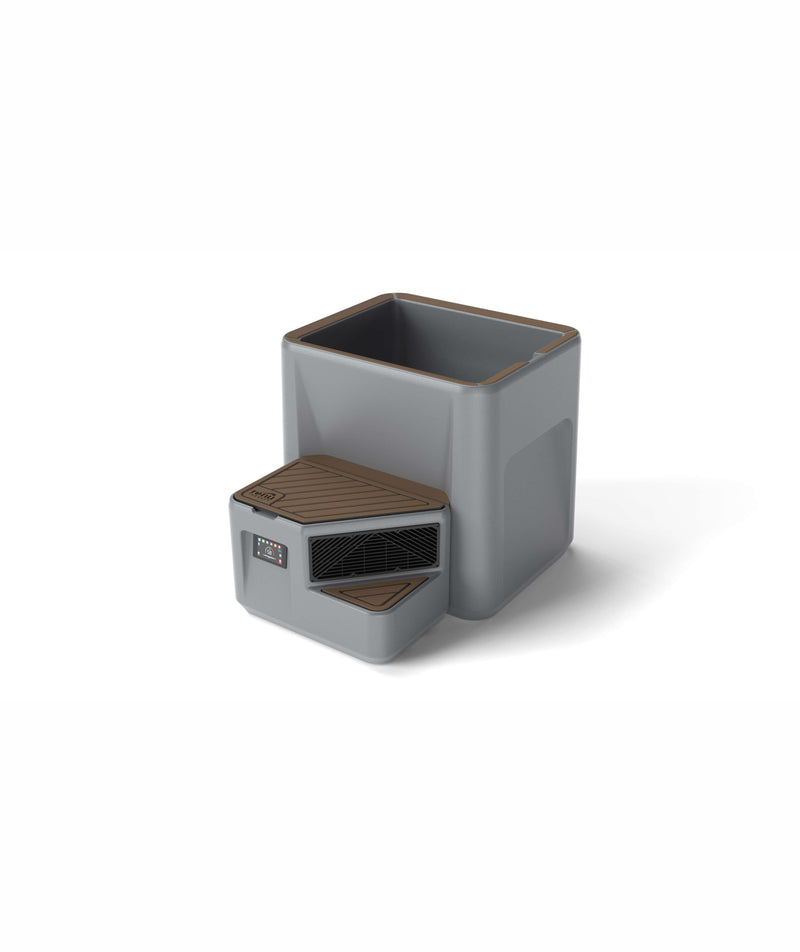
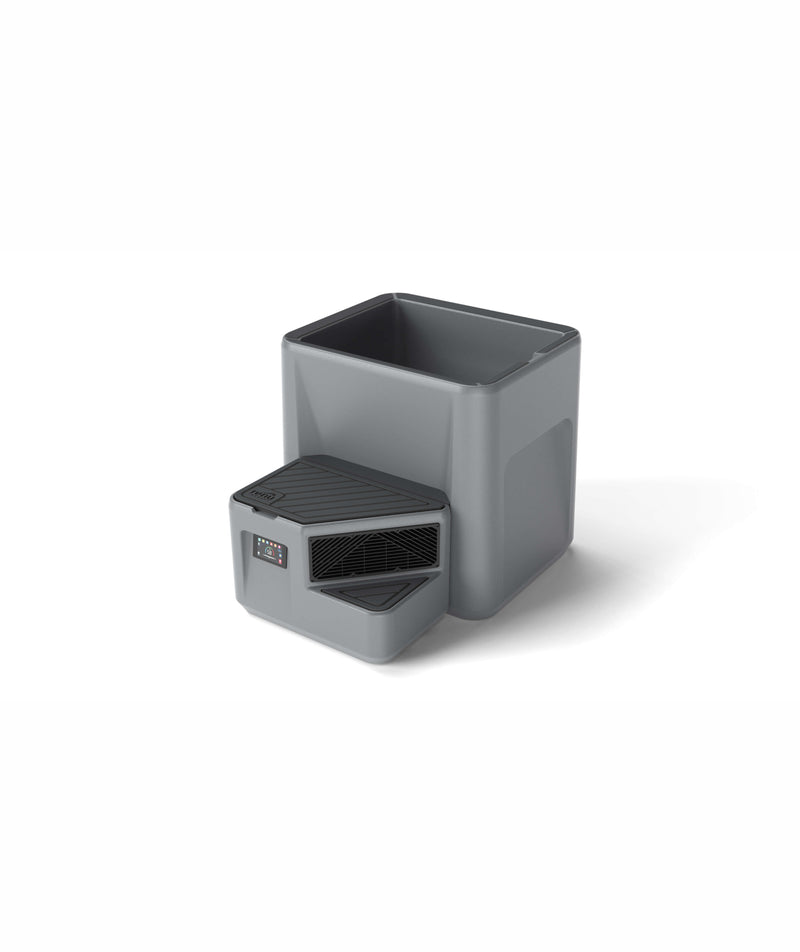
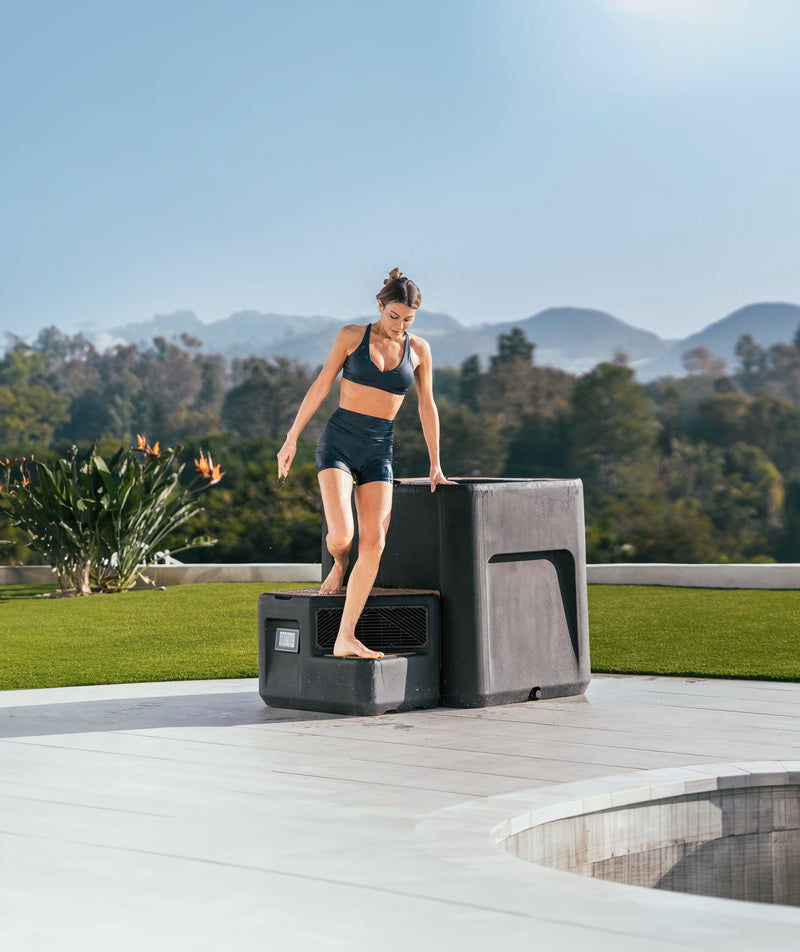
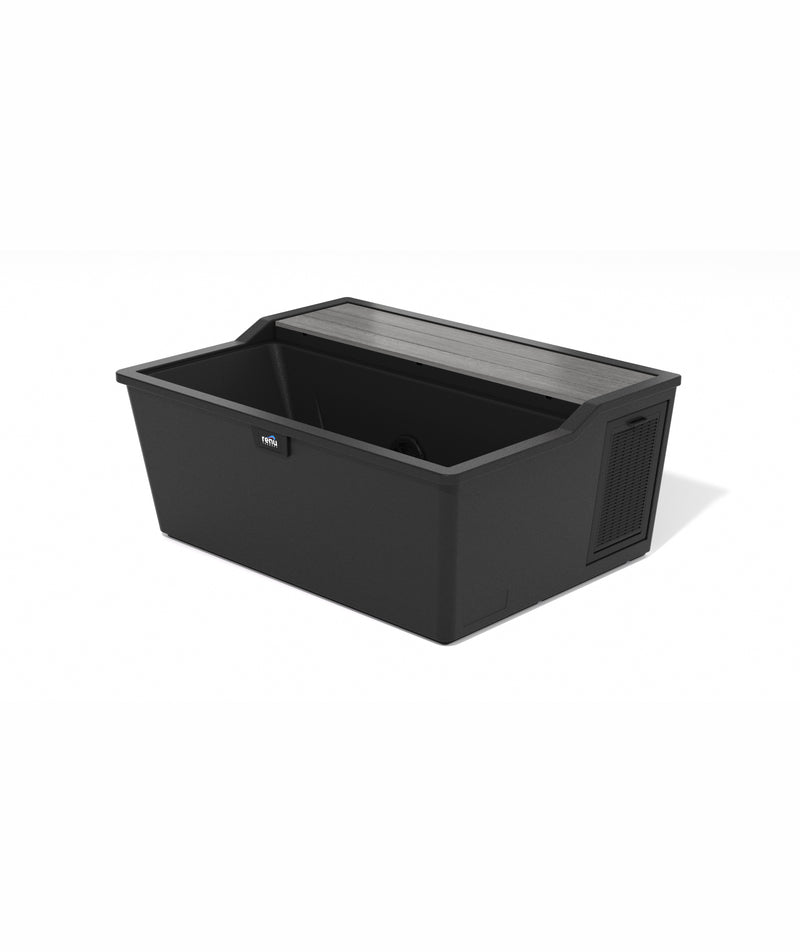
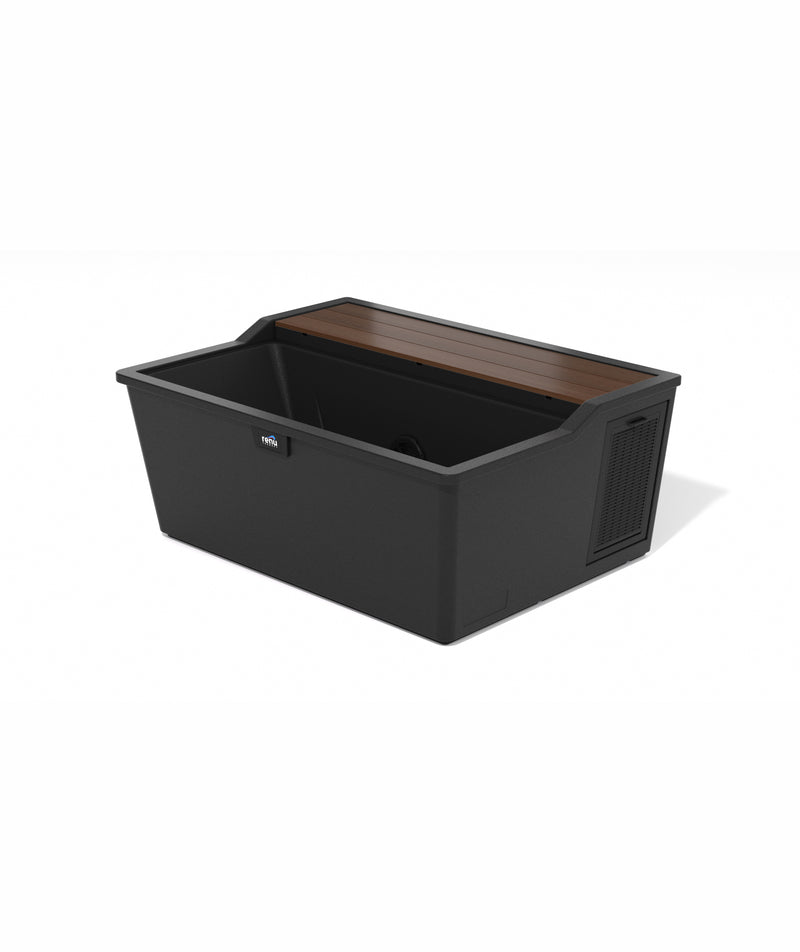
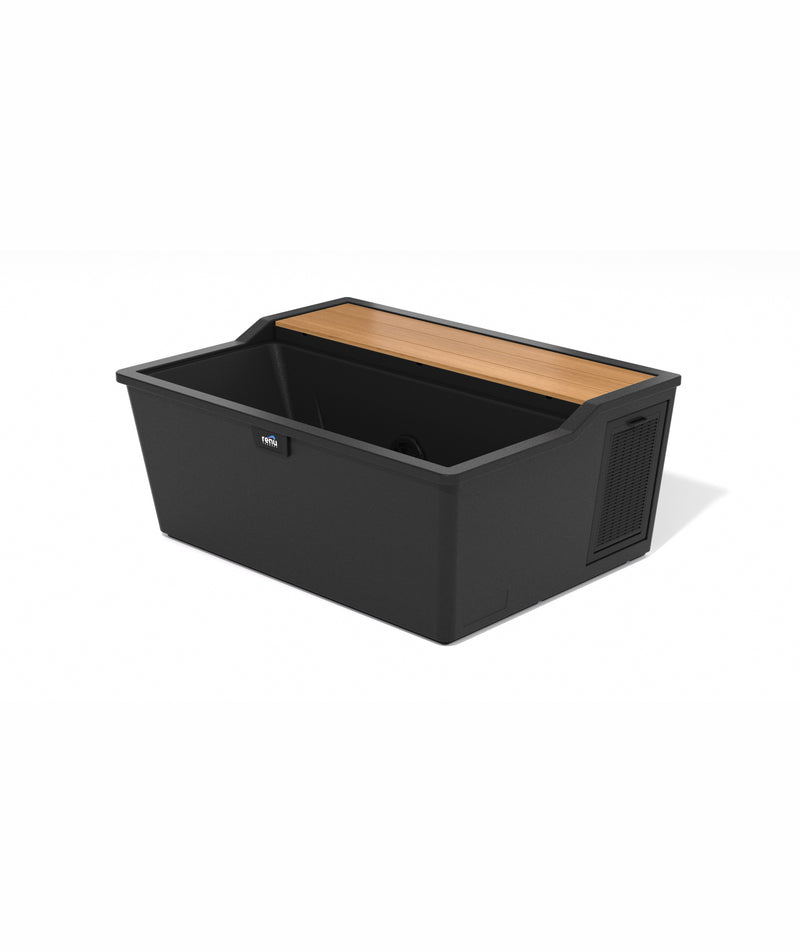
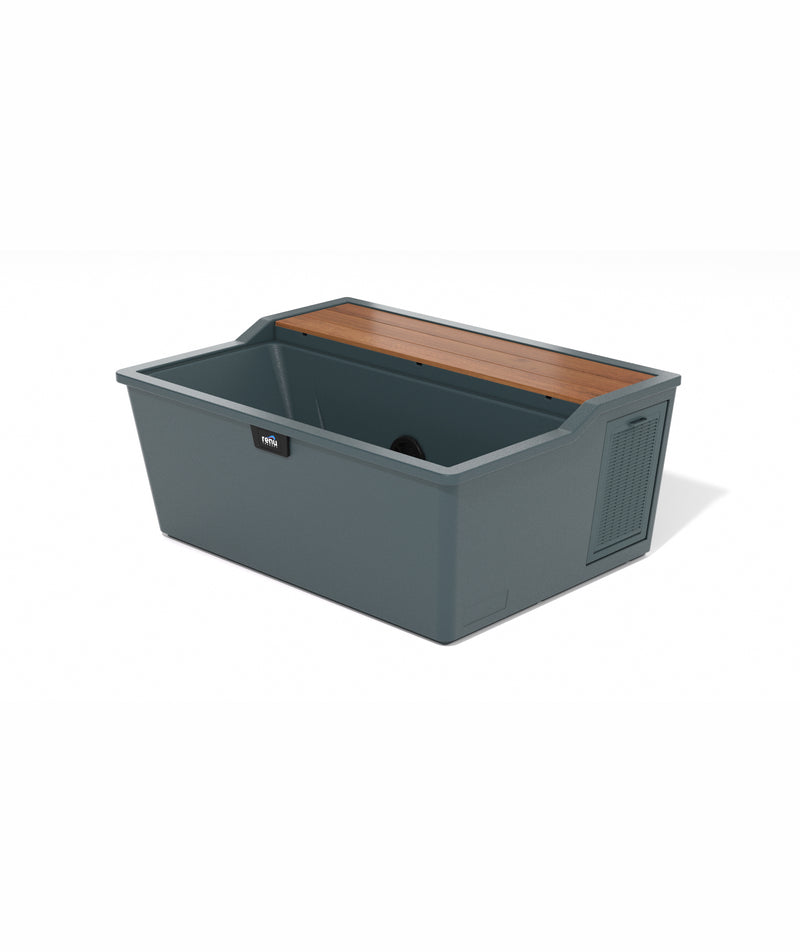
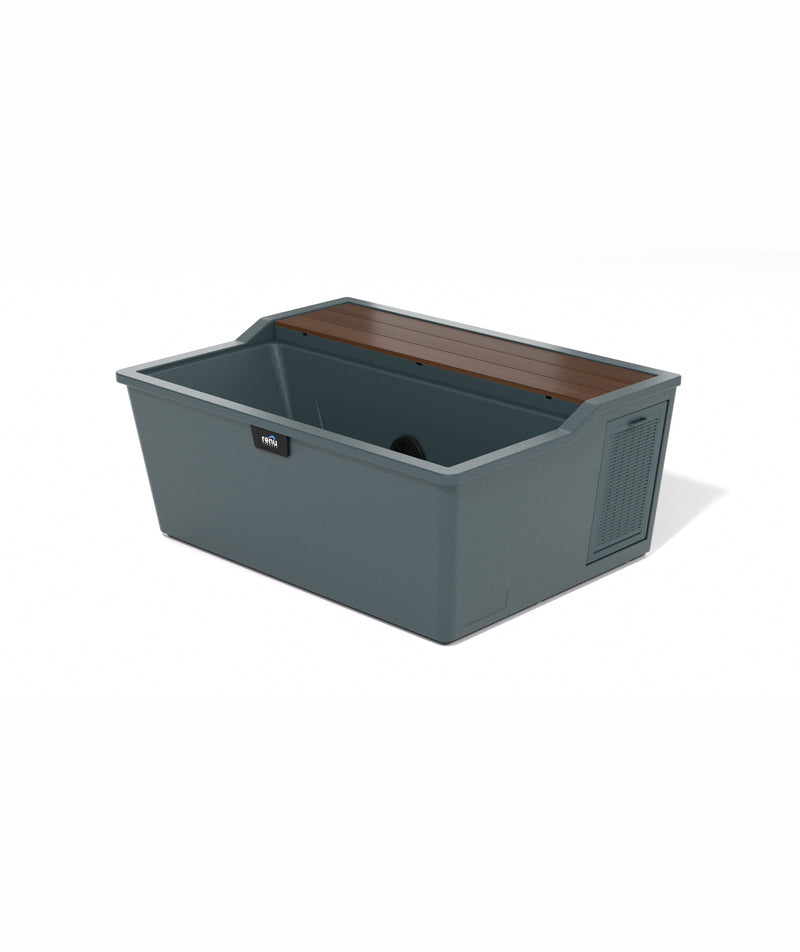
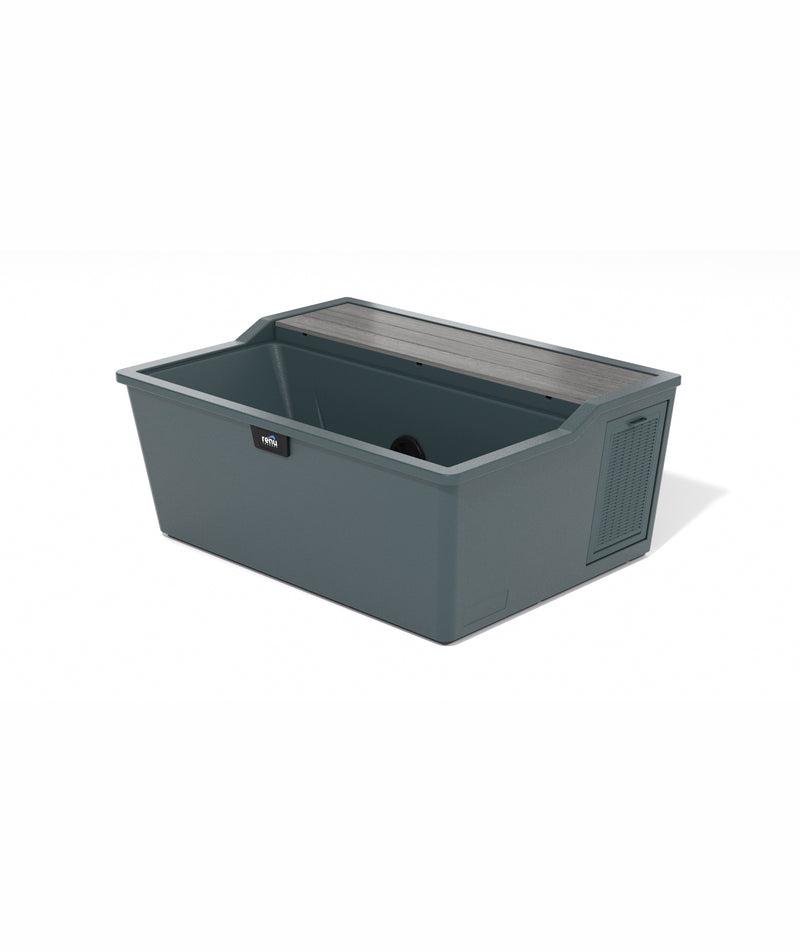
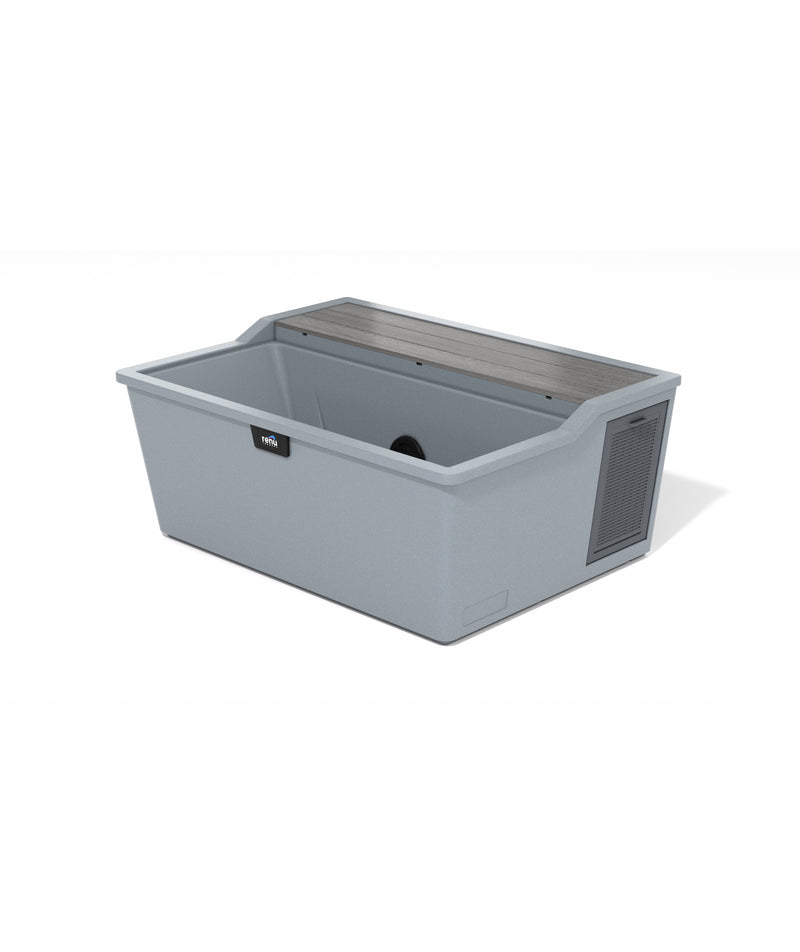
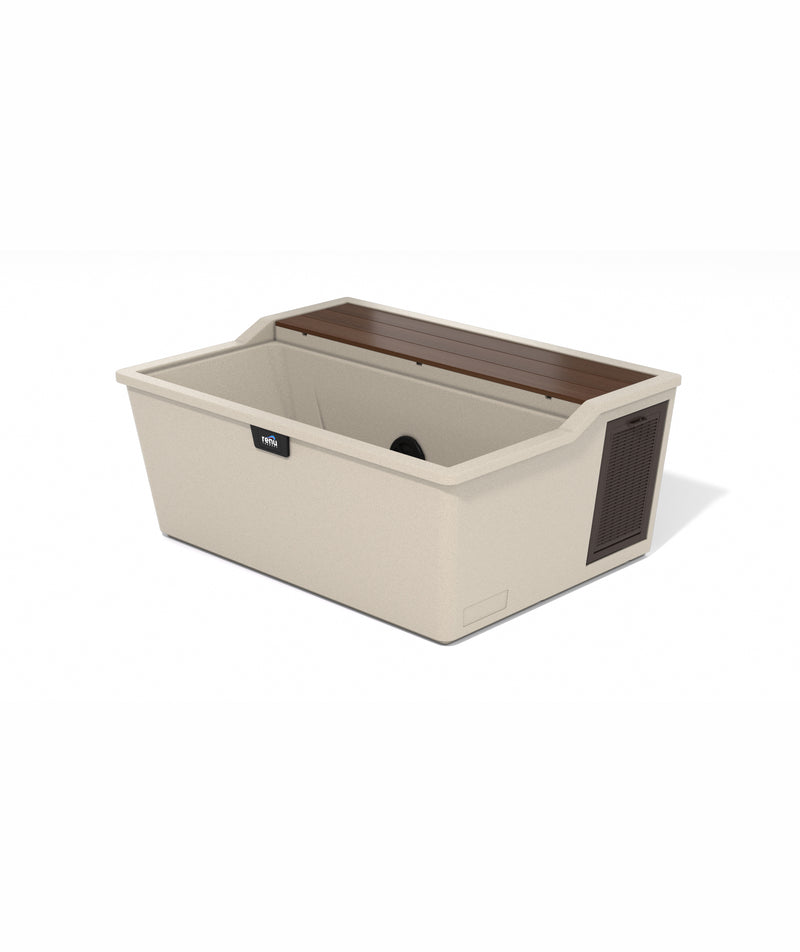
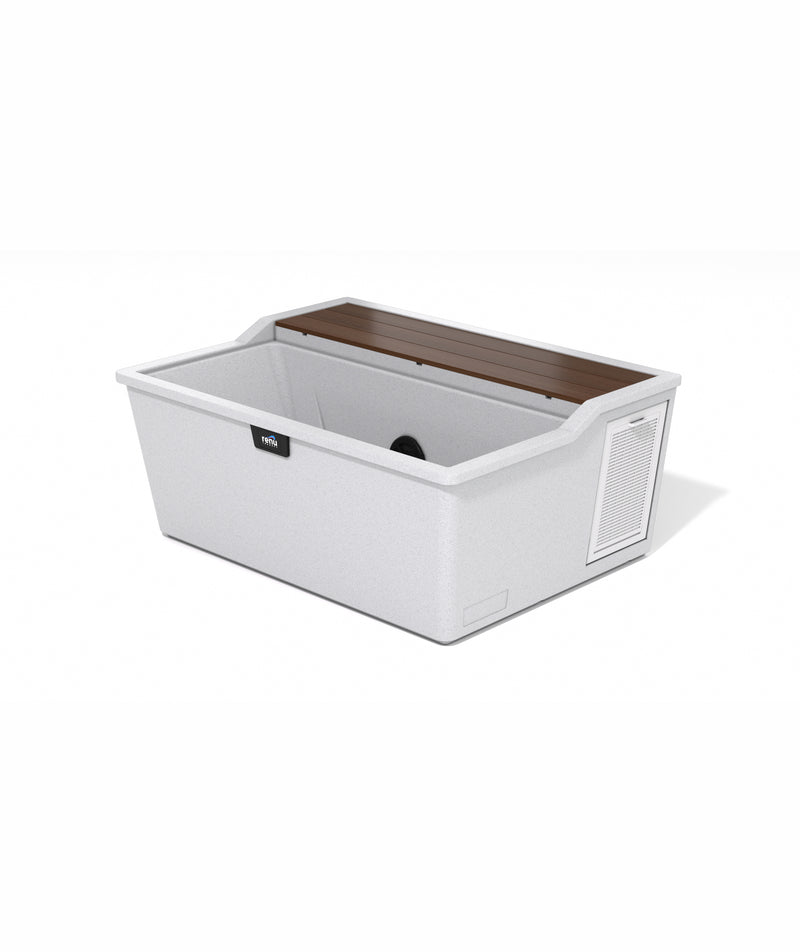
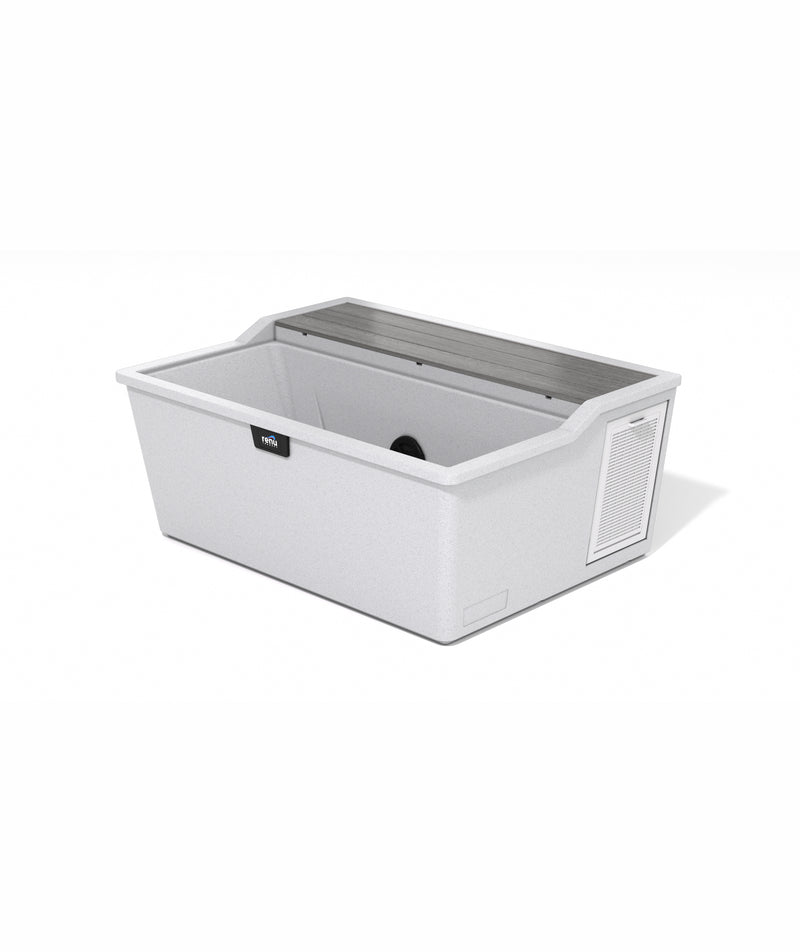
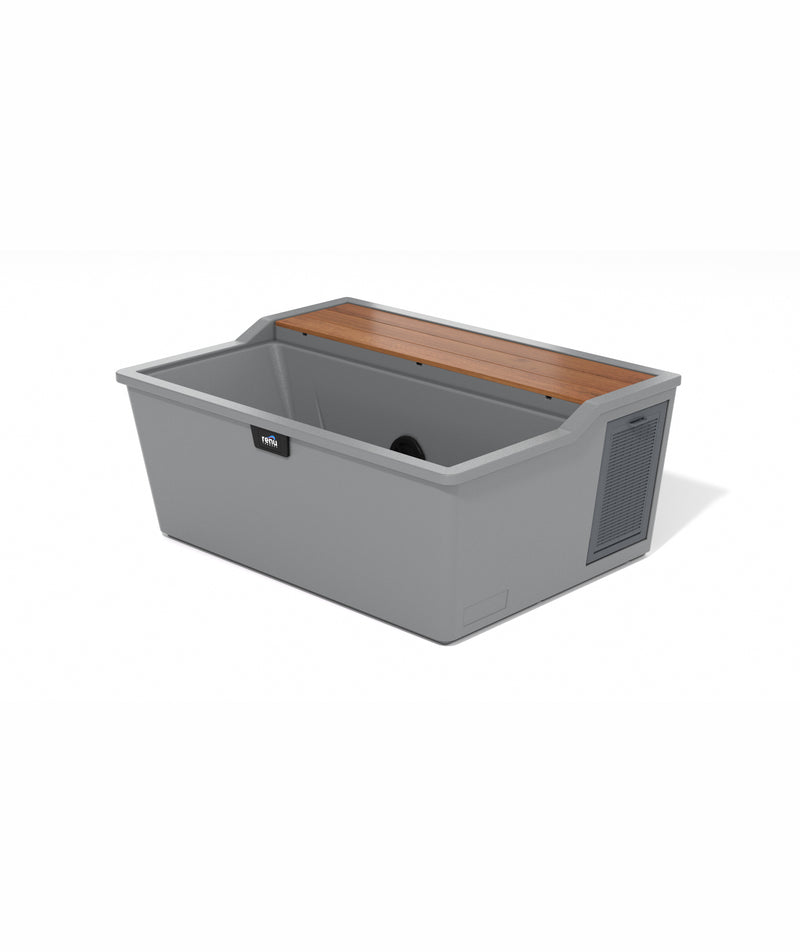
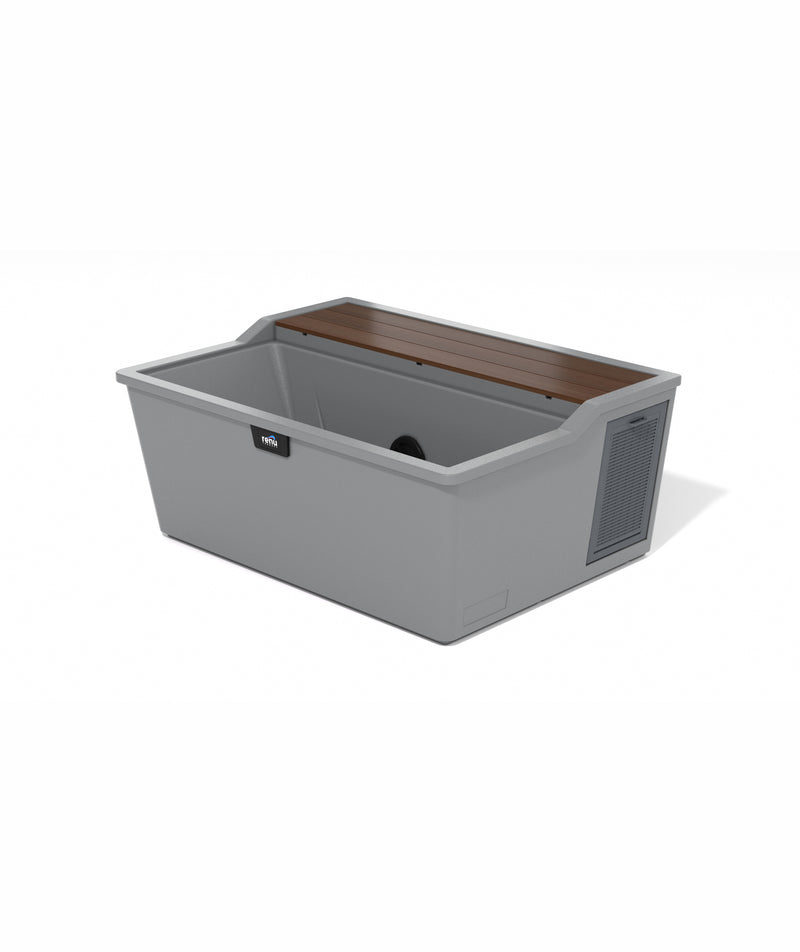
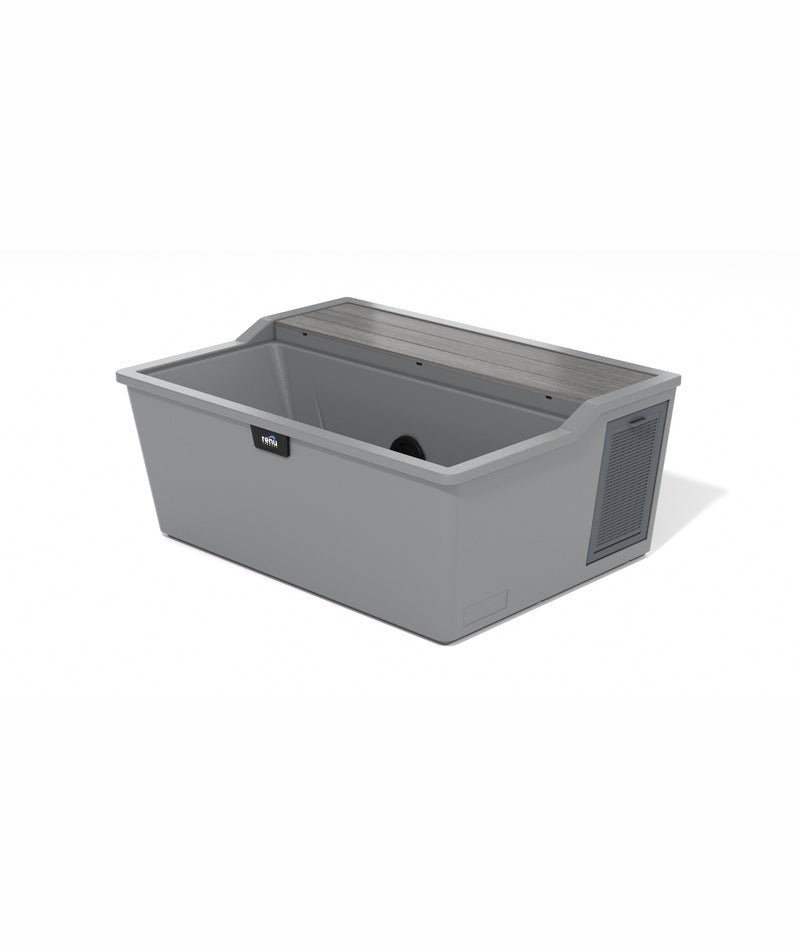
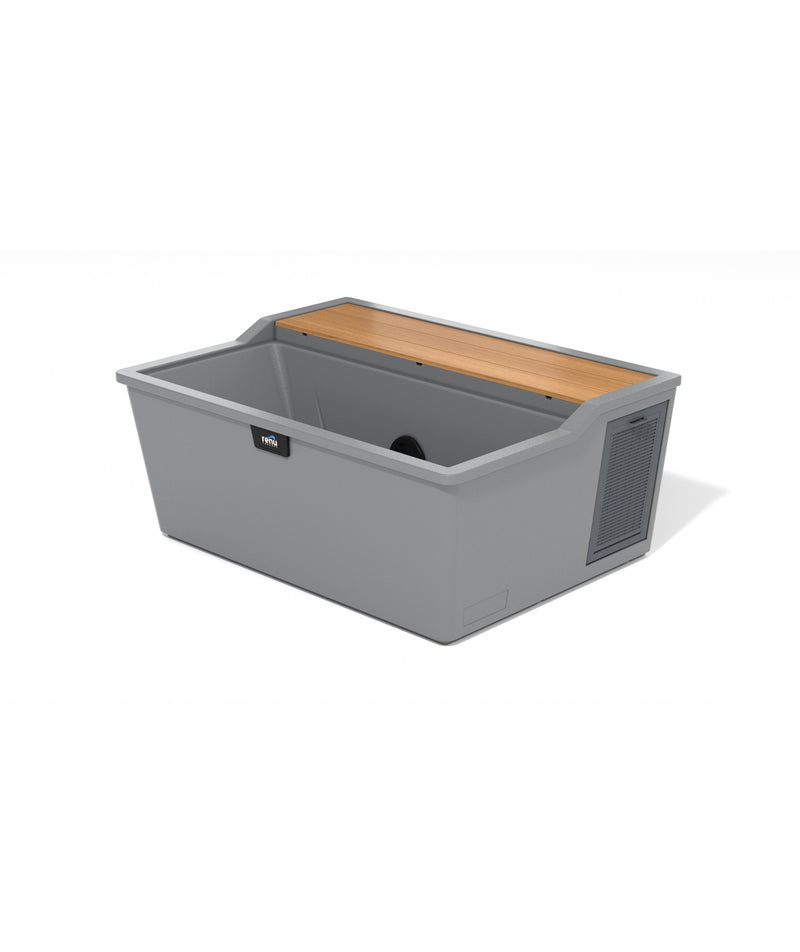
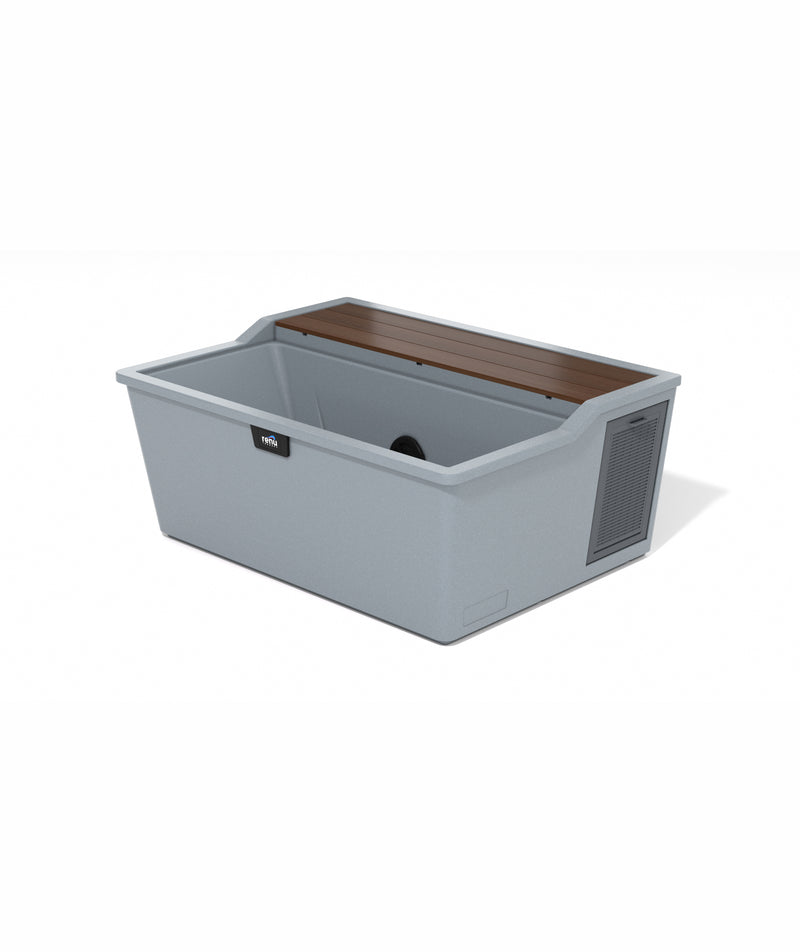
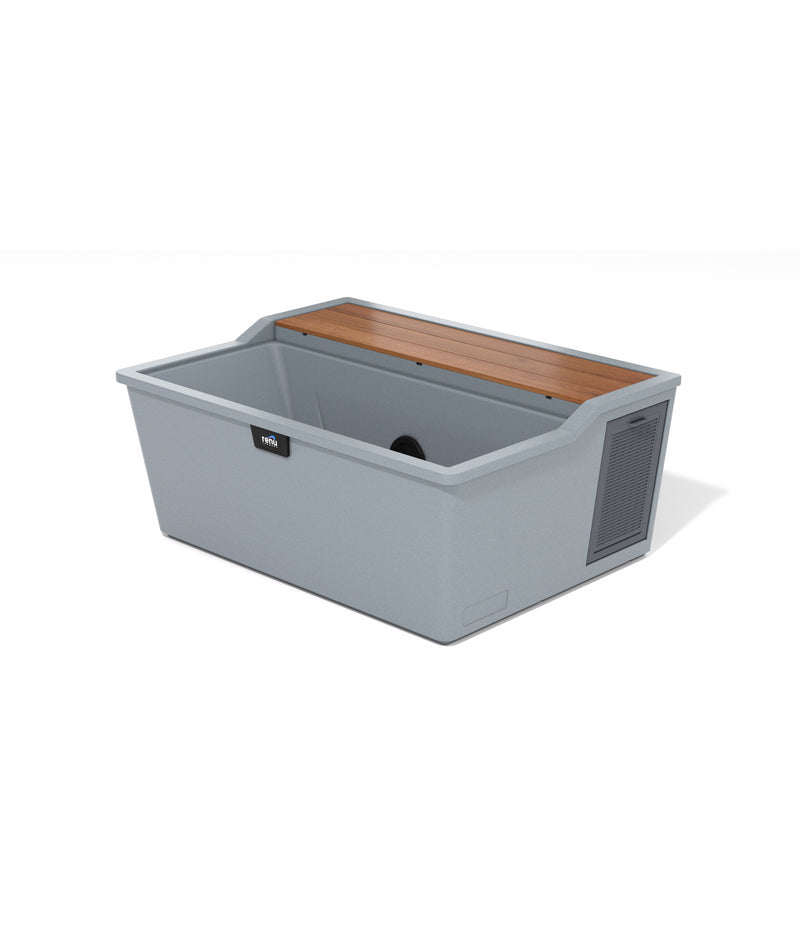
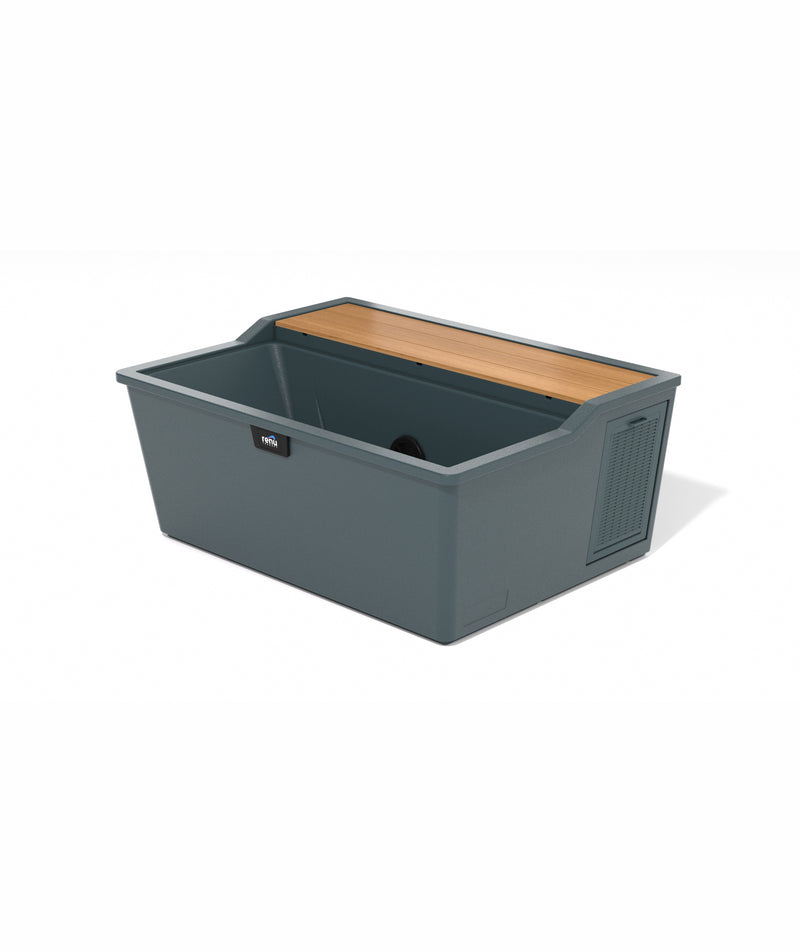
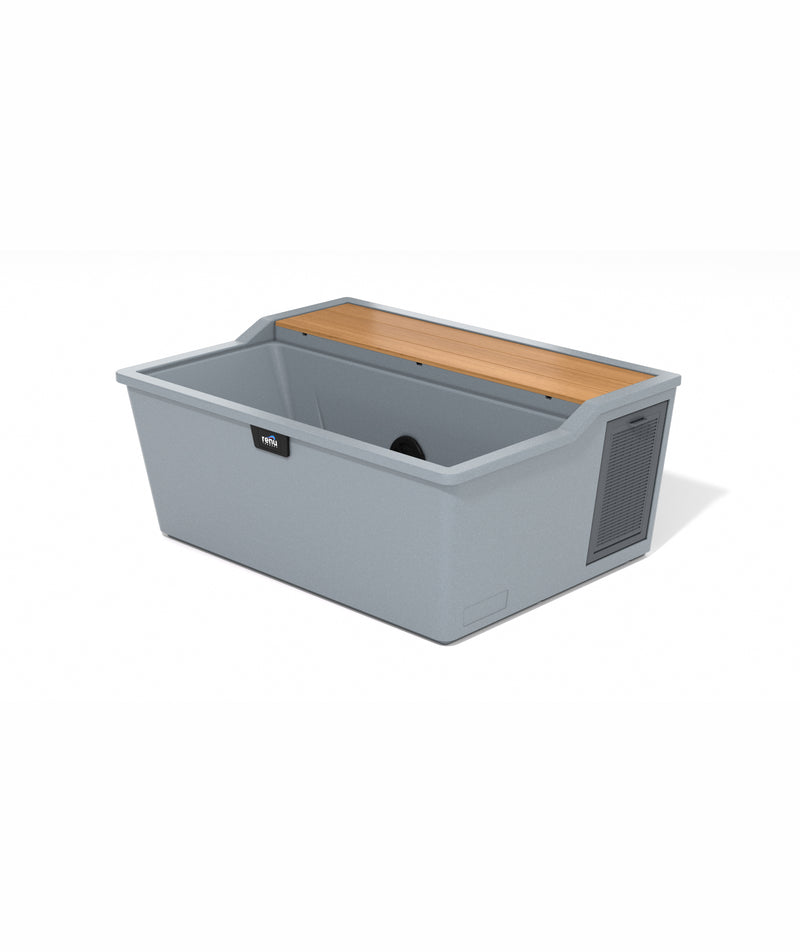
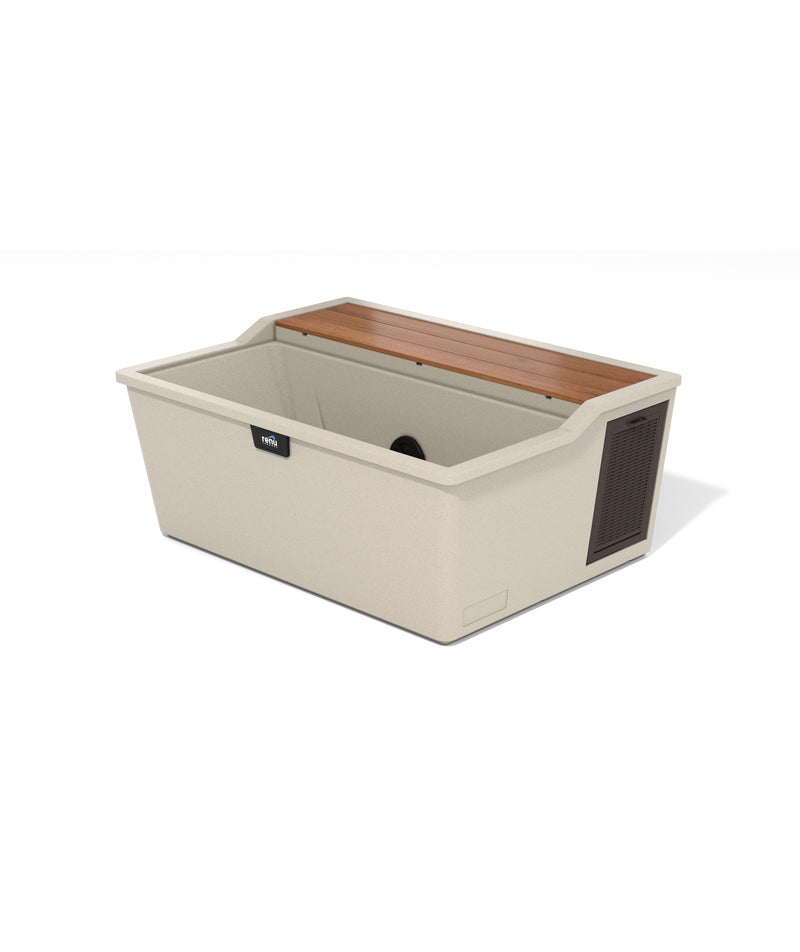
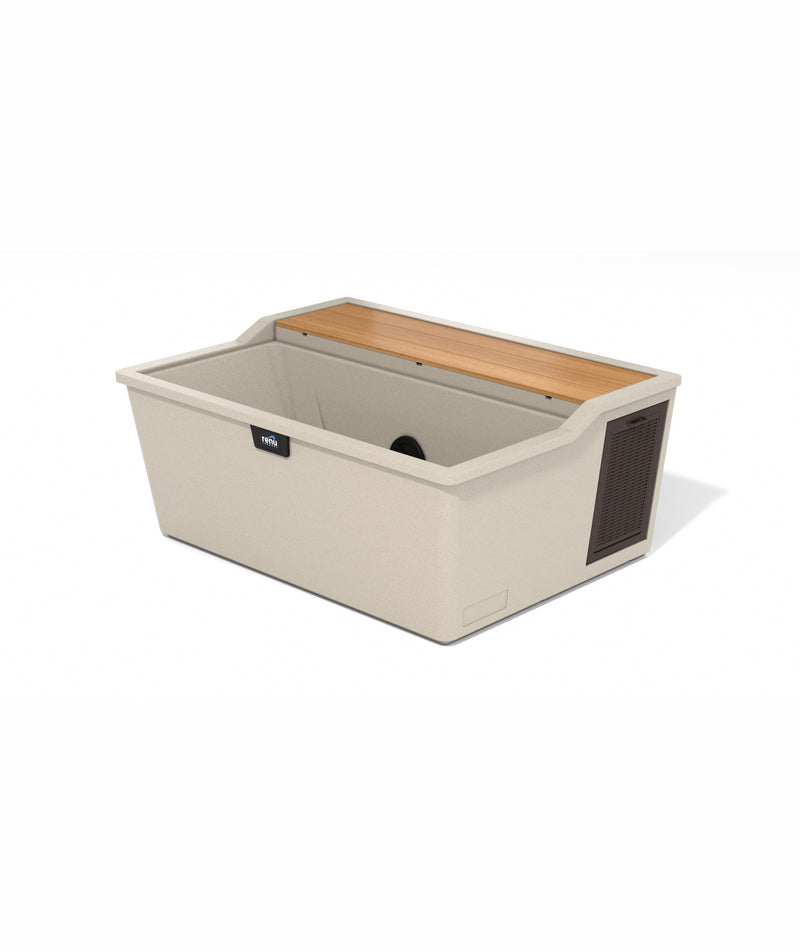
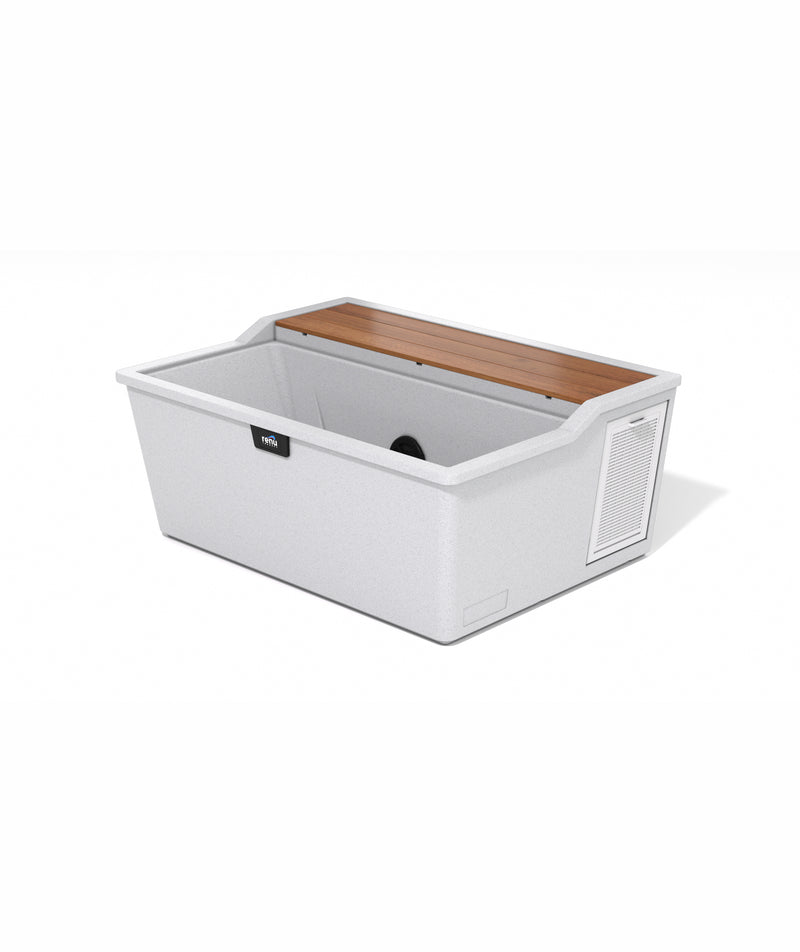
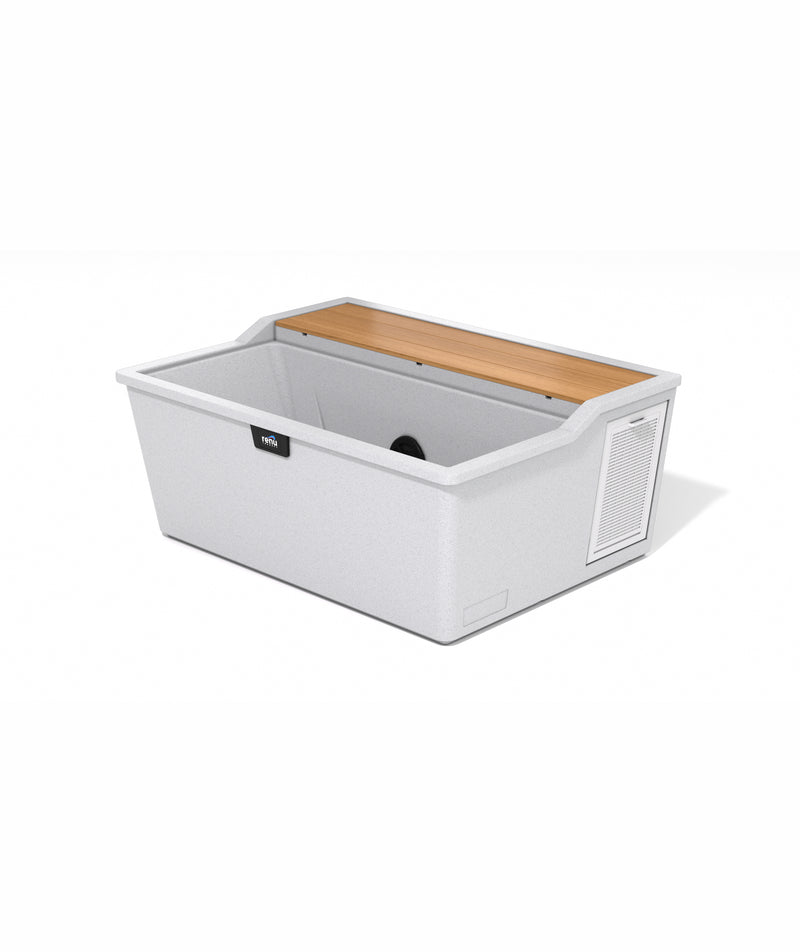
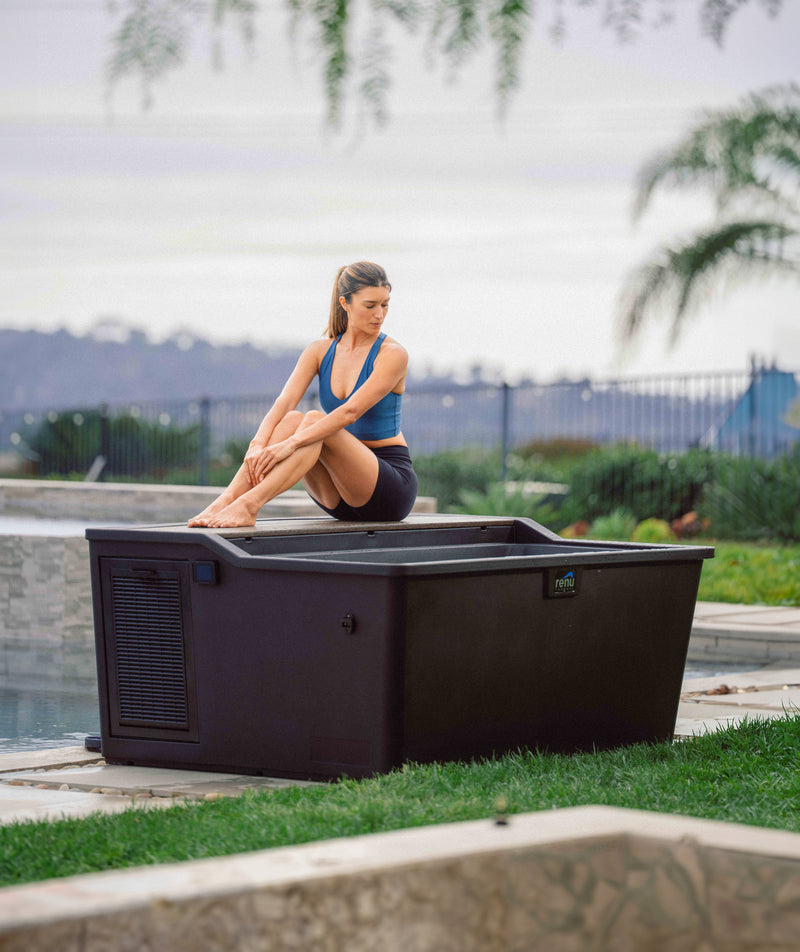
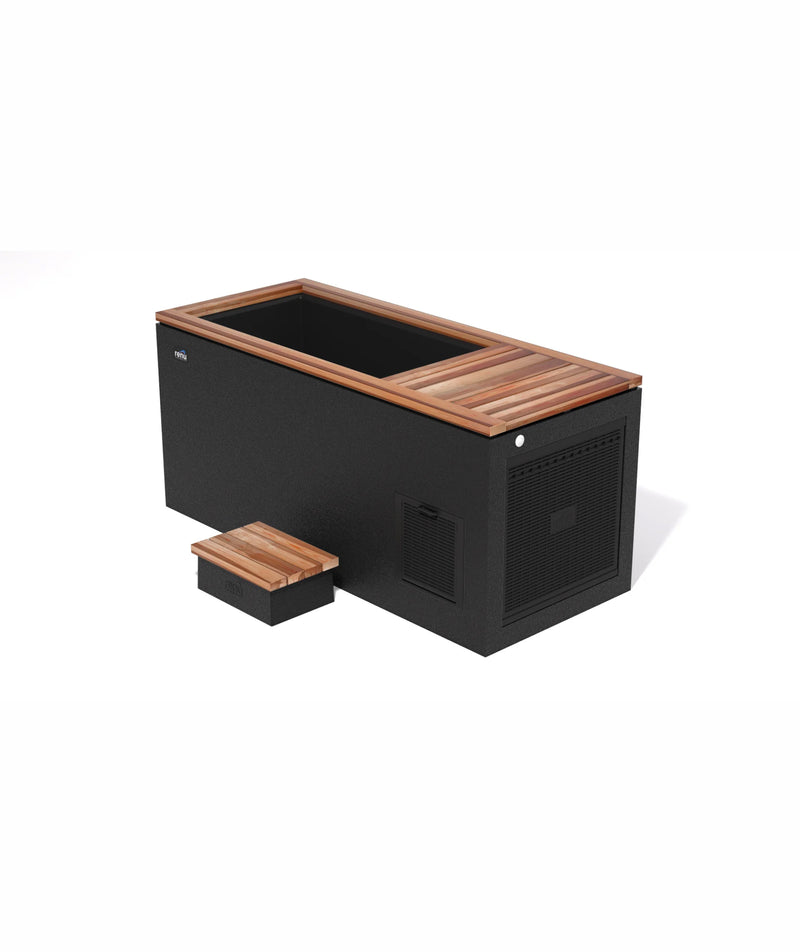
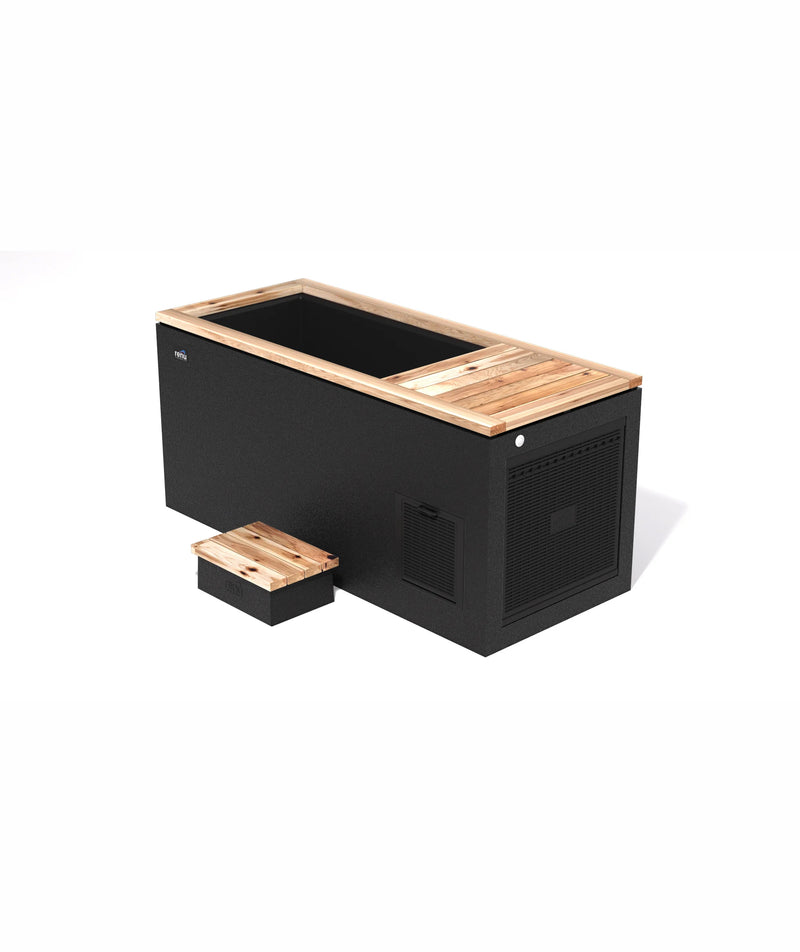
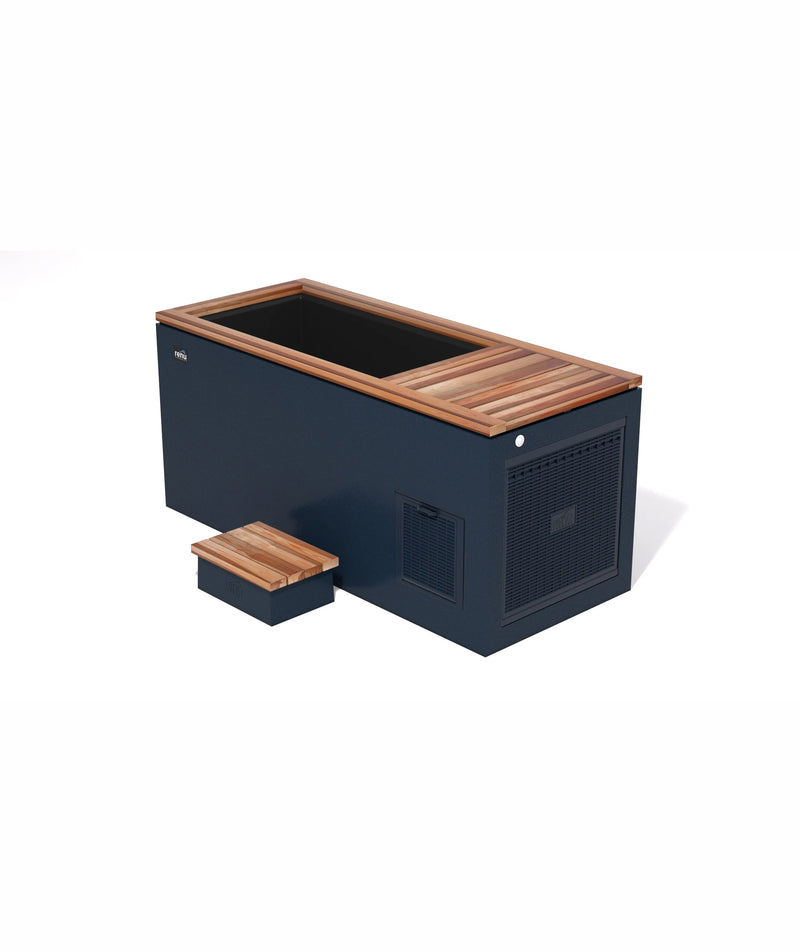
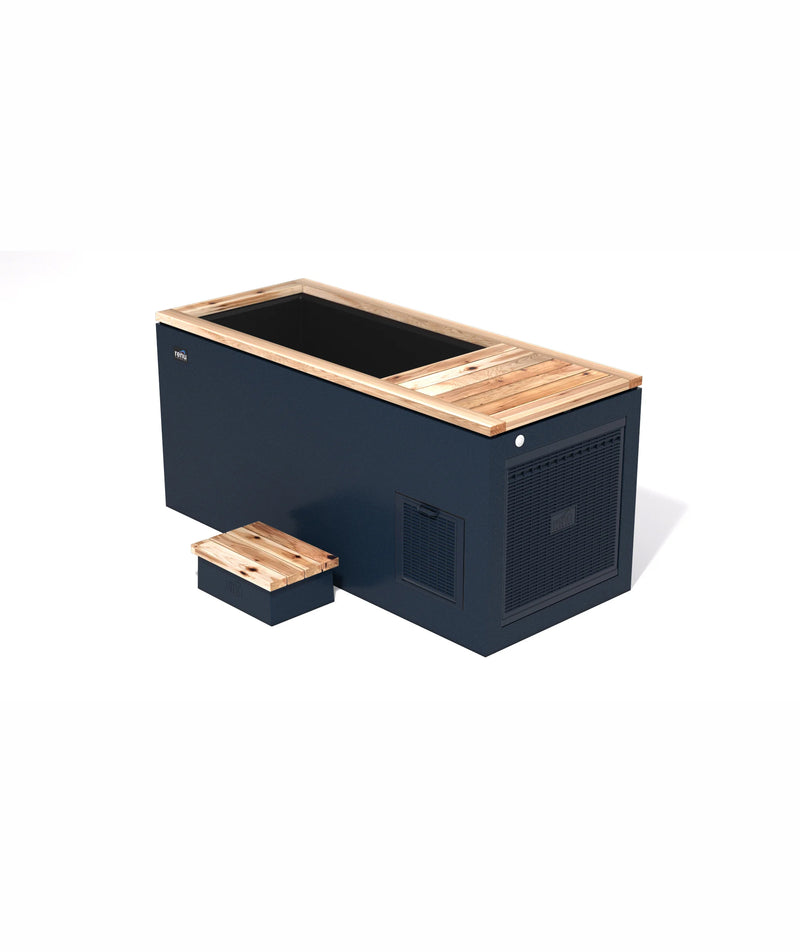
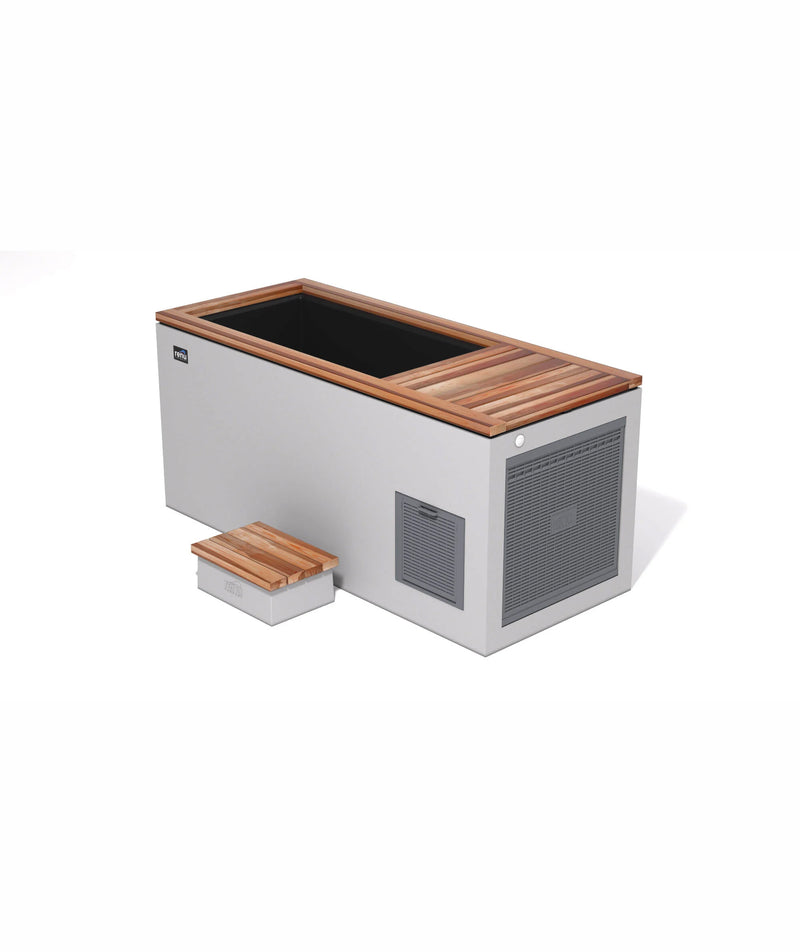
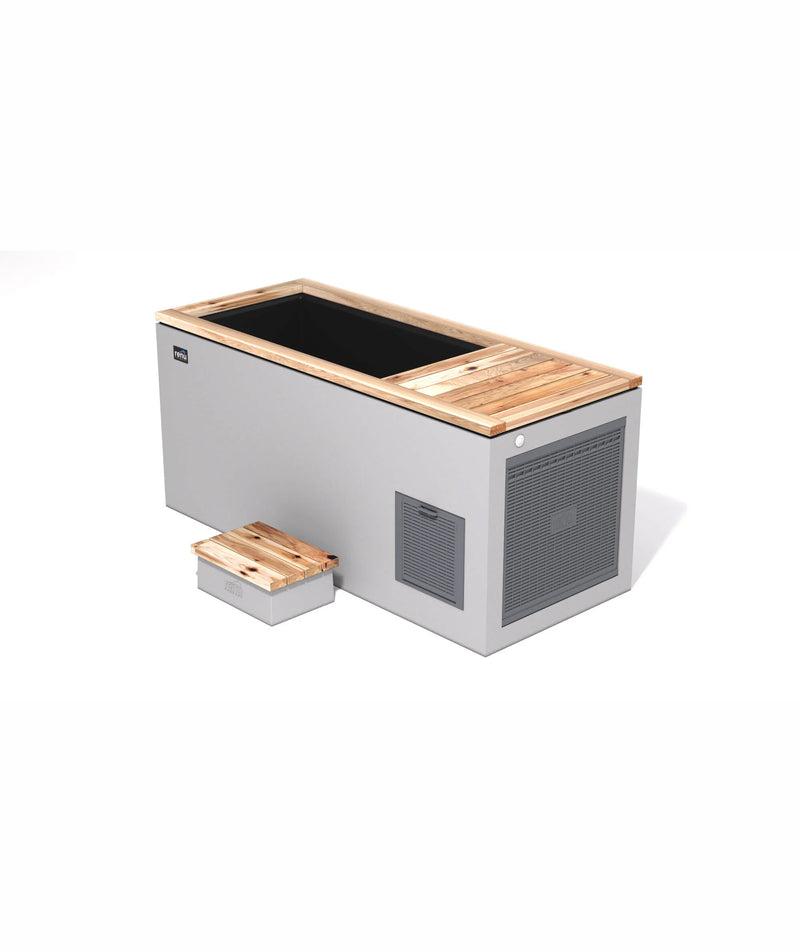
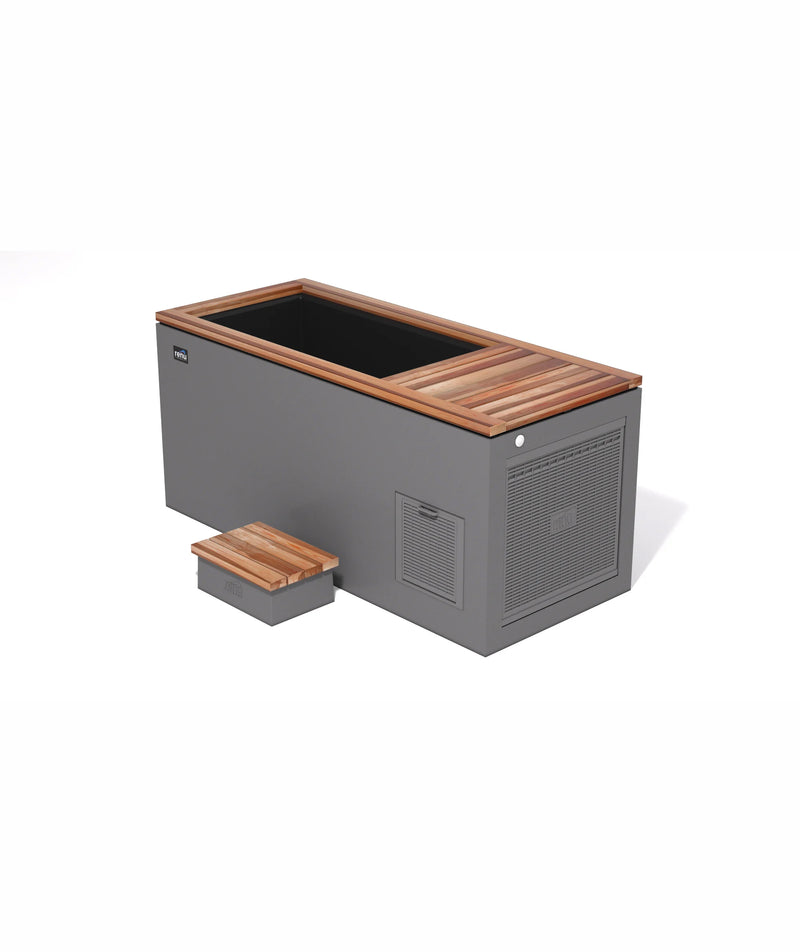
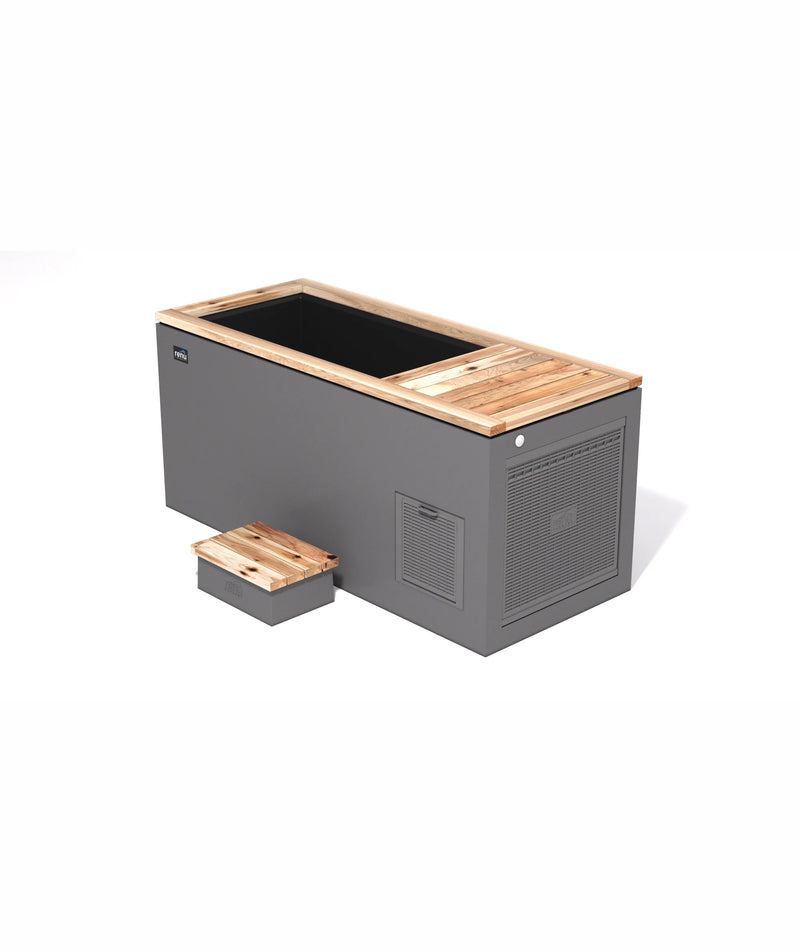
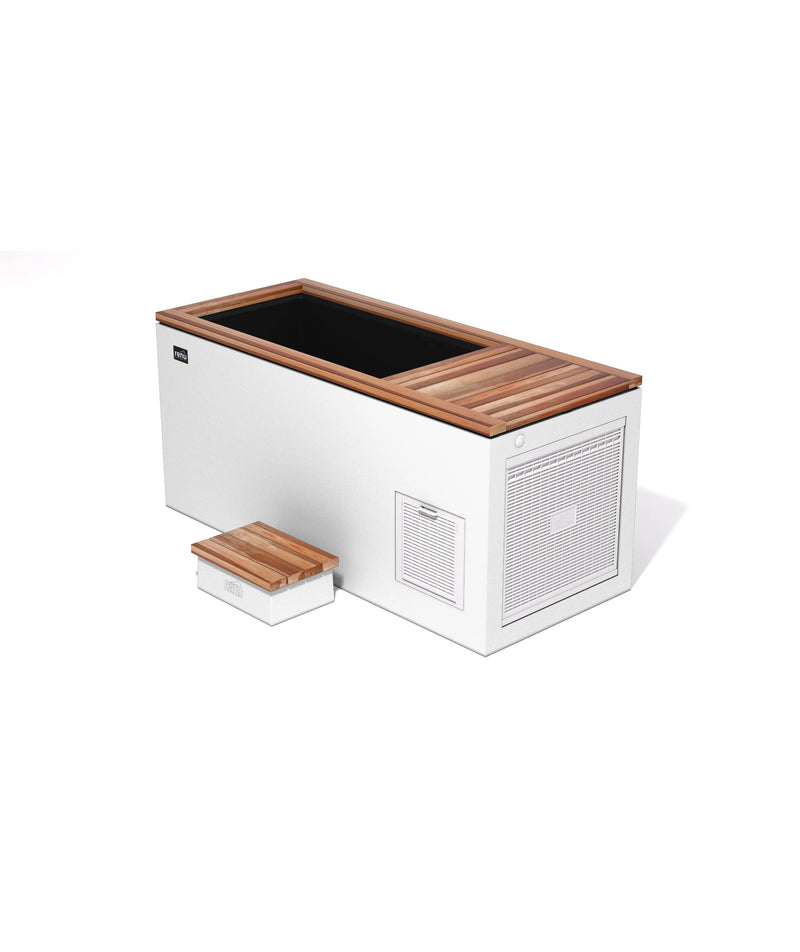
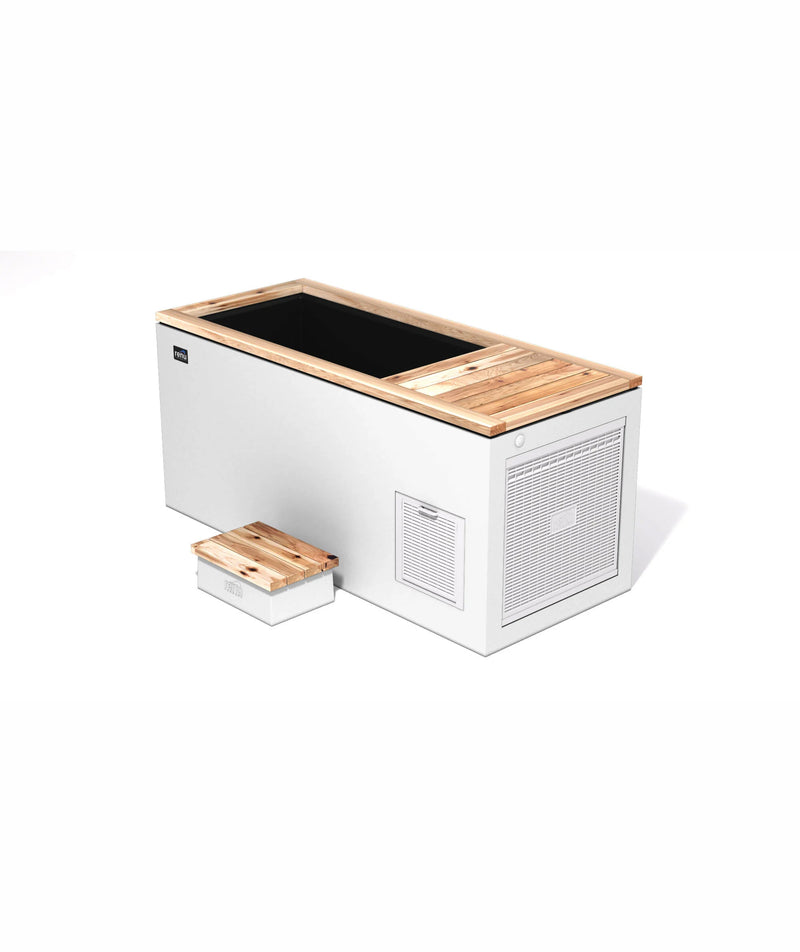
A breath deck that's actually comfortable to sit on matters here. The Cold Stoic 3.0's composite wood breath deck gives you a stable, consistent surface to run this exact sequence on before every plunge, no slippery step, no wobble, just a place to settle in and breathe on purpose.
Related → Understand more about how long to stay in an ice bath
What Happens in the First Thirty Seconds
The first thirty seconds in the water are the toughest part, and understanding why makes it far easier to get through.
The moment you drop in, your blood shunts, pulling away from your extremities and pooling into your core to protect your vital organs. That's why your hands, arms, legs, and feet hurt the most. It's not damaged. It's your body making a decision to prioritize your core, and it's the same decision that tips you toward fight or flight.
Some reactions here are unconscious and automatic: muscles tense, breathing goes rapid and shallow. That's not a failure on your part. That's just what a nervous system does when it senses a real stressor.
This is exactly the moment where the practice matters most.
Become aware. Choose. Control.
Notice what's happening in your body, choose your response instead of being swept by it, and use your breath to take control back.
Extended exhalation is how you do that. Every long, slow exhale is a direct signal to your nervous system that you are safe, even while your body is telling you otherwise. Make it past those first thirty seconds, and it becomes a lot easier. Your body gets the message. The panic response settles. What's left is just you, the cold, and a breath you're choosing on purpose.
Building the Rep Into a Repeatable Practice
A rep only counts if you can repeat it. That's true in the gym, and it's true here: the nervous system work depends on getting in consistently, at a temperature you trust, so the only variable left to manage is your breath, not the equipment.
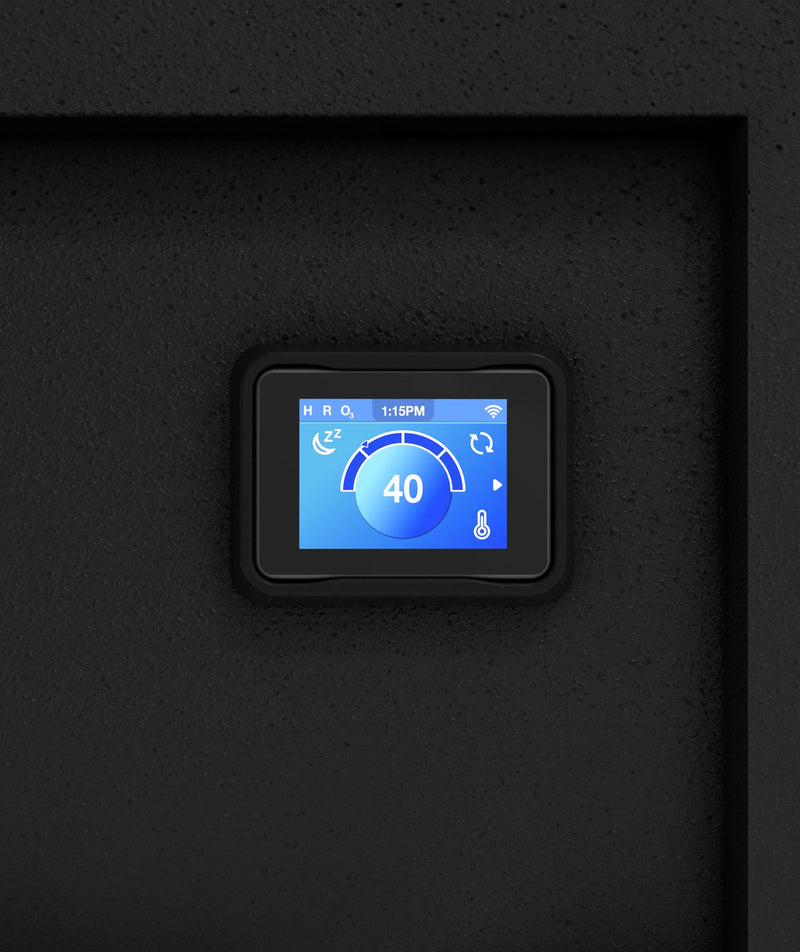
That's where the setup matters. A cold plunge that holds its temperature to the degree means every session starts from the same place, so the practice, awareness, choice, control, actually compounds instead of resetting each time.
About Nolan Kim

Nolan Kim is a high-performance and nervous system optimization coach, co-founder of the Inner Power Institute, and a keynote speaker. He teaches executives, elite athletes, and high performers to train their nervous system like a muscle, so identity and self-worth stop riding on how they perform on any given day. His client work spans the U.S. Olympic Alpine Ski and Snowboard Teams, the San Francisco 49ers, NFL players through the Wasserman Agency, and institutional clients including the Las Vegas Sheriff's Department. He is also developing the Nervous System Agility Assessment, a proprietary tool for measuring stress regulation under pressure.
A master breath coach with multiple advanced certifications, Nolan co-leads Inner Power Institute alongside his wife, Dr. Amanda Kim, PsyD, a licensed clinical psychologist, blending somatic training with clinical psychology. Learn more at theinnerpowerinstitute.com.
FAQs
Is an ice bath actually about the nervous system, not just recovery?
Both are real, but the mechanism Nolan Kim coaches toward is nervous system regulation: learning to stay calm while your body experiences a genuine physical stressor. Recovery benefits are a byproduct of that training, not the main event.
Why do the first 30 seconds in cold water feel the worst?
Blood shunts away from your extremities toward your core to protect vital organs, which is why hands and feet sting the most. It's a normal, protective response, not a sign of harm, and it passes.
How does cold exposure train the nervous system?
Each plunge is a controlled dose of stress. Practicing a destressed response inside that stress, through breath and awareness, builds your capacity to stay regulated in other high-pressure moments, from competition to hard conversations.
Does consistent water temperature matter for this kind of practice?
Yes. A repeatable practice needs a stable baseline. When temperature stays consistent session to session, the only thing you're training is your response, not adapting to a different plunge every time.
Medical disclaimer: Cold water immersion is not suitable for everyone. Consult your physician before beginning a cold plunge practice if you are pregnant, have high blood pressure, heart disease, a history of cardiac arrhythmia, Raynaud's disease, peripheral neuropathy, or any other condition affecting circulation or nerve function. Cold exposure can place stress on the cardiovascular system and should be approached with caution if you have any underlying health conditions. This article is intended for informational purposes only and does not constitute medical advice.