Every sauna has a thermometer and it can often be the focal point, but it shouldn’t be.
A traditional sauna works best between 160°F and 195°F while an infrared sauna runs cooler, typically 120-140°F. Within those ranges, the right temperature is the one you can hold for 15-20 minutes and enjoy returning to three or four times a week. This article examines why the ranges differ, what the research says, and how to find the right number for you.
Why the Thermometer Isn’t the Target
A sauna doesn’t produce benefits; your body’s response to heat does.
As soon as you step into a sauna your skin temperature climbs fast. Blood vessels near the surface of your skin dilate to shed heat. Your heart rate rises, reaching levels comparable to moderate exercise, and very soon you start sweating. Over the next few minutes, your core temperature climbs—and it’s that rise that is the stimulus. The cardiovascular load, the heat shock protein response, and the shift toward parasympathetic recovery afterwards are all a response to your core temperature going up and your body working to bring it back down.
But remember that air temperature is only one input. How quickly heat reaches you depends on the type of heat, the humidity in the room, where you sit inside the sauna, and how long you stay there. It’s entirely possible for two sessions at the same thermometer reading to land very differently.
Traditional Sauna Temperature
A traditional Finnish-style sauna heats the air, and the air heats you. Most run between 160°F and 195°F, with many regular saunagoers reporting 170-185°F as the range they consistently settle into. While some might push past 200°F, there is little reason to (it’s not dissimilar to cold plunging at icy cold temperatures—the risks rise and the benefits don’t).
Dry air at these temperatures is tolerable because sweat evaporates quickly and cools your skin. That evaporation is the body’s main defense in the heat, and it’s why a traditional sauna feels manageable at temperatures that would scald in water.
Infrared Sauna Temperature
Infrared saunas work differently: Instead of heating the air, infrared panels emit radiant energy that warms your body directly. The room itself stays cooler (typically 120-140°F).
Lower air temperature doesn’t mean a lack of stimulus—far from it. Your core temperature still rises, just more gradually, which is why infrared sessions often run longer. There's less research on infrared saunas, but that doesn't mean the benefits aren't there. The long-term cardiovascular data comes almost entirely from traditional sauna use. Infrared may deliver some of the same effects, it just hasn’t been shown at the same scale (yet).

Humidity Changes the Math
If you’ve ever been in a communal sauna and someone throws water on the stones, you know just how intense that can feel—everyone feels hotter instantly. Yet if you look at the thermometer at that moment, it barely moves. What’s changing is the humidity.
Humid air transfers heat to the skin more efficiently and slows sweat evaporation, so the body loses its main cooling route. The Finns call that burst of steam löyly, and it’s the reason a 170°F sauna with steam can feel harder than a dry one at 190°F.
Bench height matters too. Heat rises, and the upper bench can run noticeably hotter than the lower one. If a session feels too intense, moving down a level is often a better adjustment than turning the heater down or stepping out.
What the Research Actually Used
The most cited sauna data comes from eastern Finland, where researchers followed more than 2,300 middle-aged men for roughly two decades. Men who used the sauna four to seven times a week had markedly lower rates of fatal cardiovascular disease and all-cause mortality than those who went once. Sessions longer than about 19 minutes were associated with lower risk than shorter ones.
The average sauna in that study ran at about 174°F and the most frequent users actually sat in slightly cooler rooms than the once-a-week group.
That detail is worth holding onto: The data rewards frequency and duration, not extreme heat. The findings are observational, and regular sauna users may differ from everyone else in ways the study couldn’t fully account for, but nothing in the research suggests hotter is better.
Finding Your Number
If you’re new to heat, start at the lower end: around 160°F in a traditional sauna or 120°F in infrared. Keep the first sessions to 5-10 minutes. Sit on the lower bench and leave when you feel done, not when the timer says so.
Build duration before temperature. Adding minutes moves you toward the session lengths used in the research. Adding degrees mostly makes the session harder to repeat. Once 15-20 minutes feels controlled, nudge the heat up in 5-10°F increments if you want more intensity.
Experienced sauna users typically land between 175°F and 190°F. Most don’t need more. Response to heat varies with body size, fitness, age, and acclimation, so treat these as starting points rather than targets.

When Hotter Isn’t Better
Above 200°F, the margin narrows quickly. Sessions get shorter, fluid loss comes faster, and cardiovascular load climbs without a clear additional return.
Leave the heat immediately if you feel dizzy, nauseous, or confused, or if your heartbeat feels irregular. Don’t use the sauna if you’ve consumed alcohol, which impairs blood pressure regulation, and always hydrate well before and after, especially if you’ve trained that day.
Where Cold Fits
Heat and cold are more useful together than apart: Heat dilates and cold constricts. Alternating the two moves blood through tissue and trains thermoregulation in both directions.
Dr. Susanna Søberg's frequently cited 11 minutes per week of cold exposure came from a small cohort of Danish winter swimmers who also used the sauna regularly, averaging roughly 57 minutes of heat a week. The two were studied together, not apart. For the cold side of the equation, see our ice bath temperature guide. For the full sequence, see our contrast therapy guide.

Making It Repeatable
Most people fail at heat for the same reason they fail at cold: logistics. A sauna that takes a long time to reach temperature and a thermometer nobody trusts doesn’t lend itself to a consistent practice. Habits are made and routines built when everything lines up with simplicity.
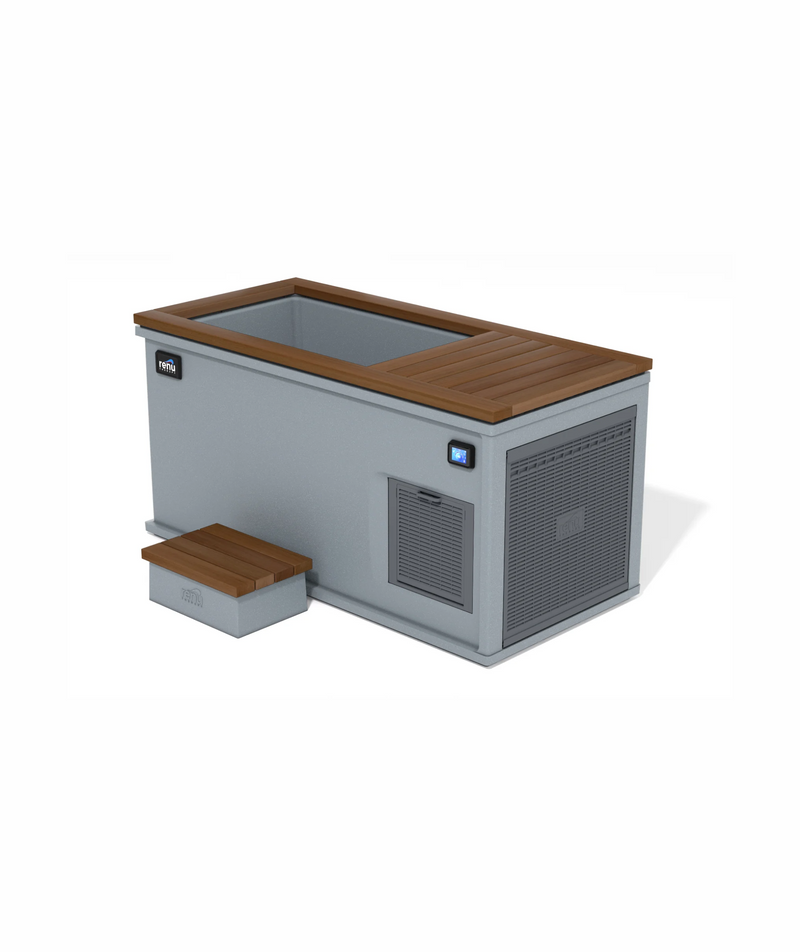
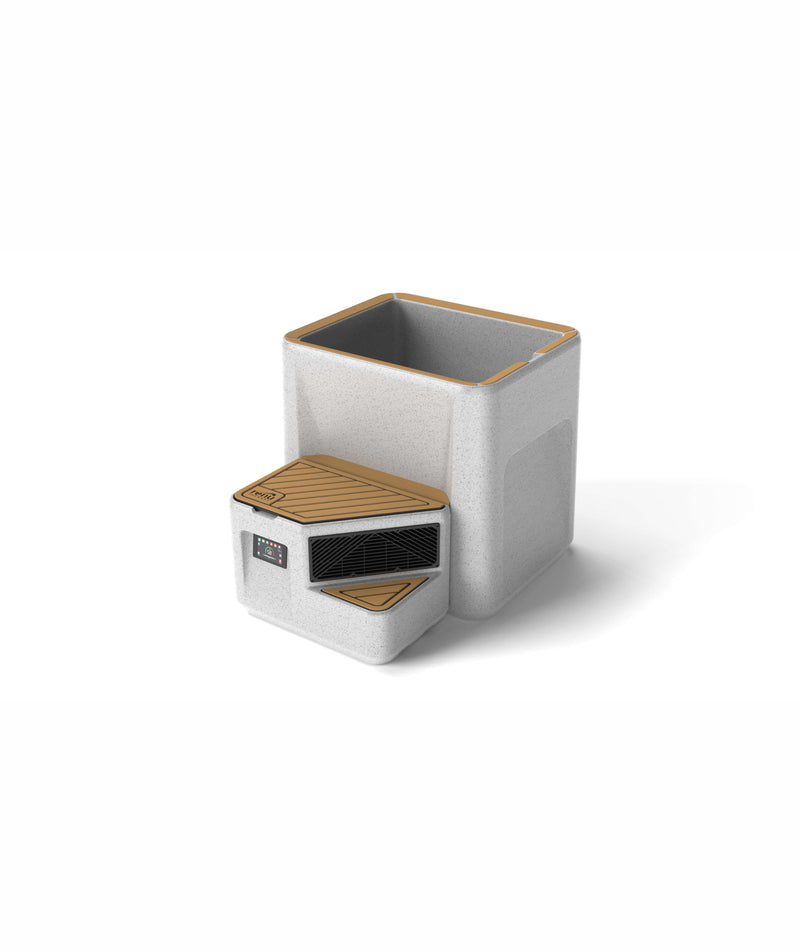
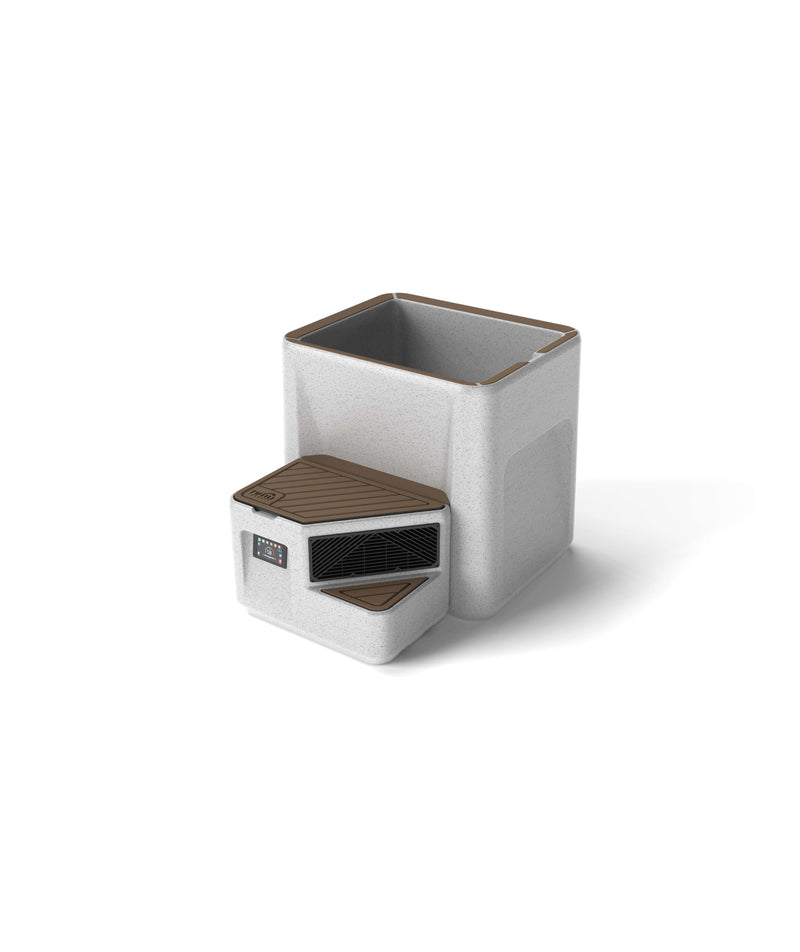
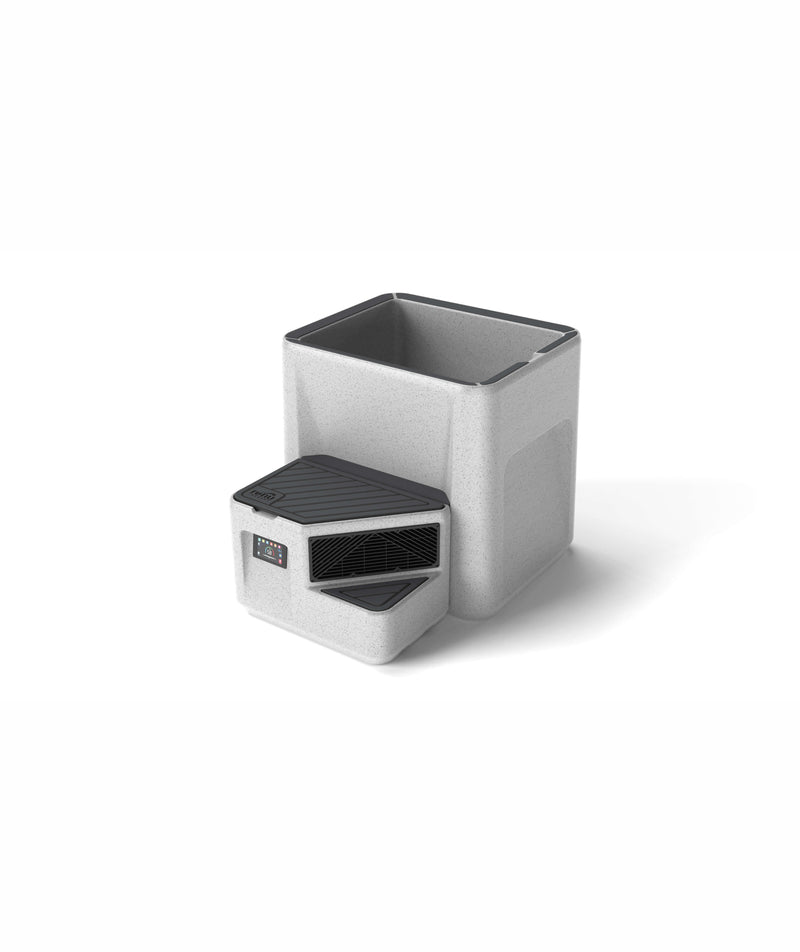
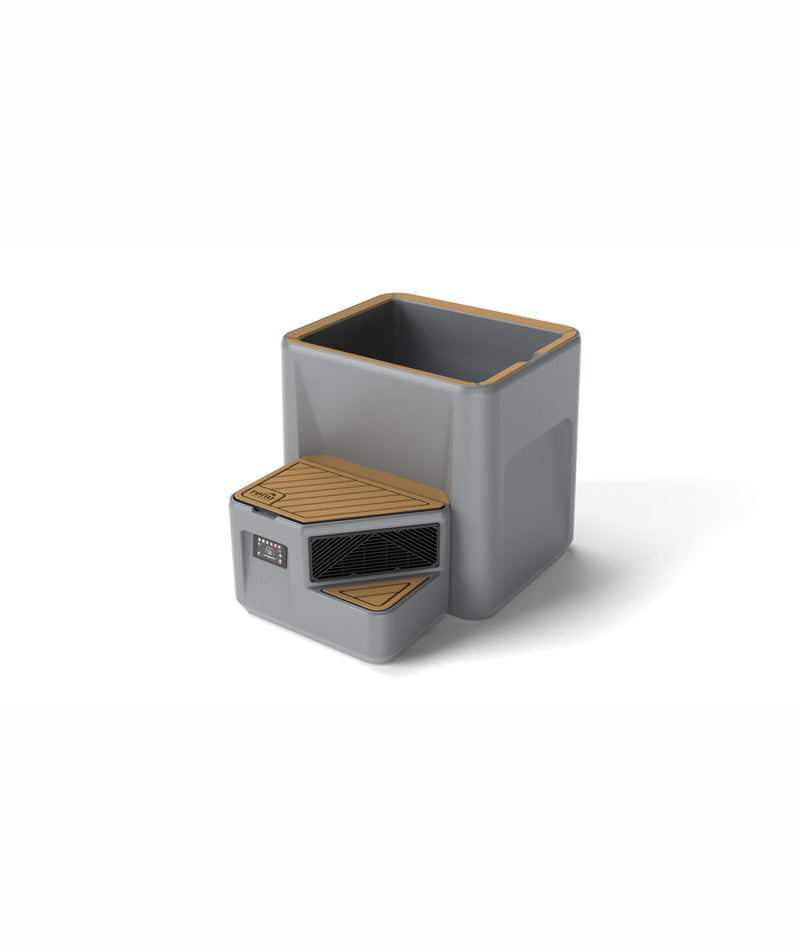
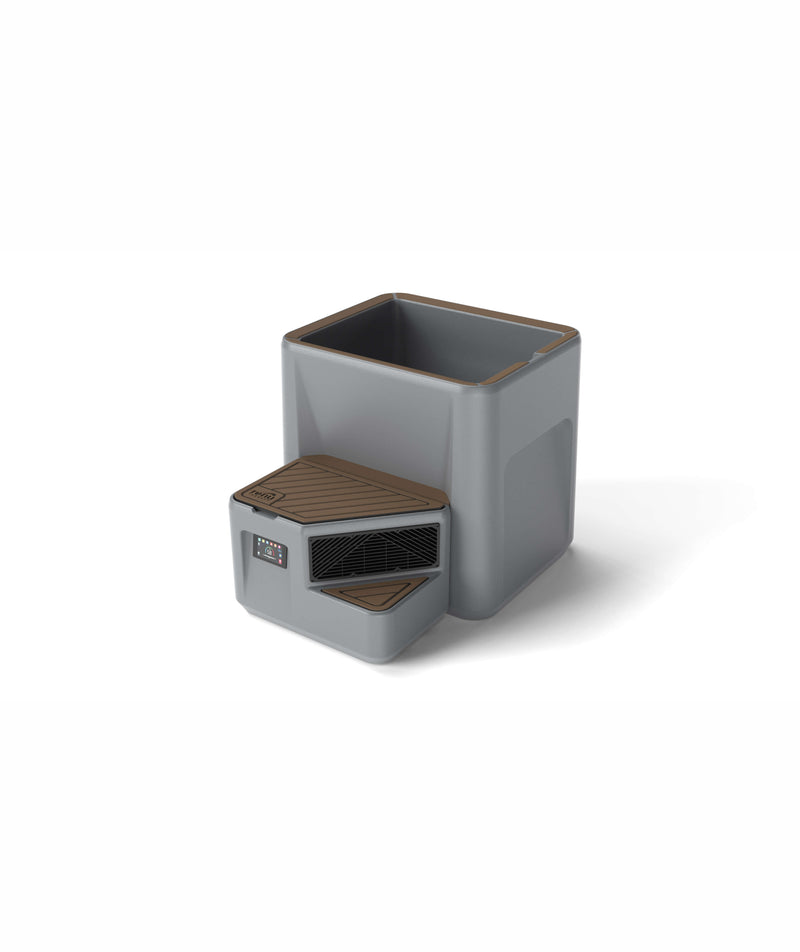
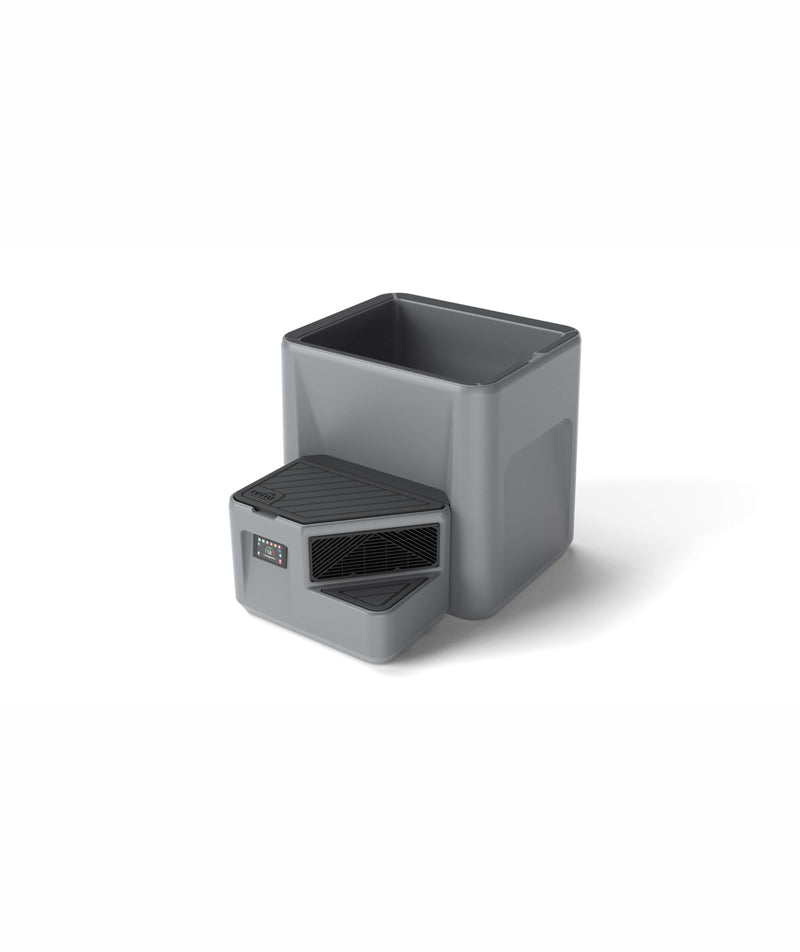
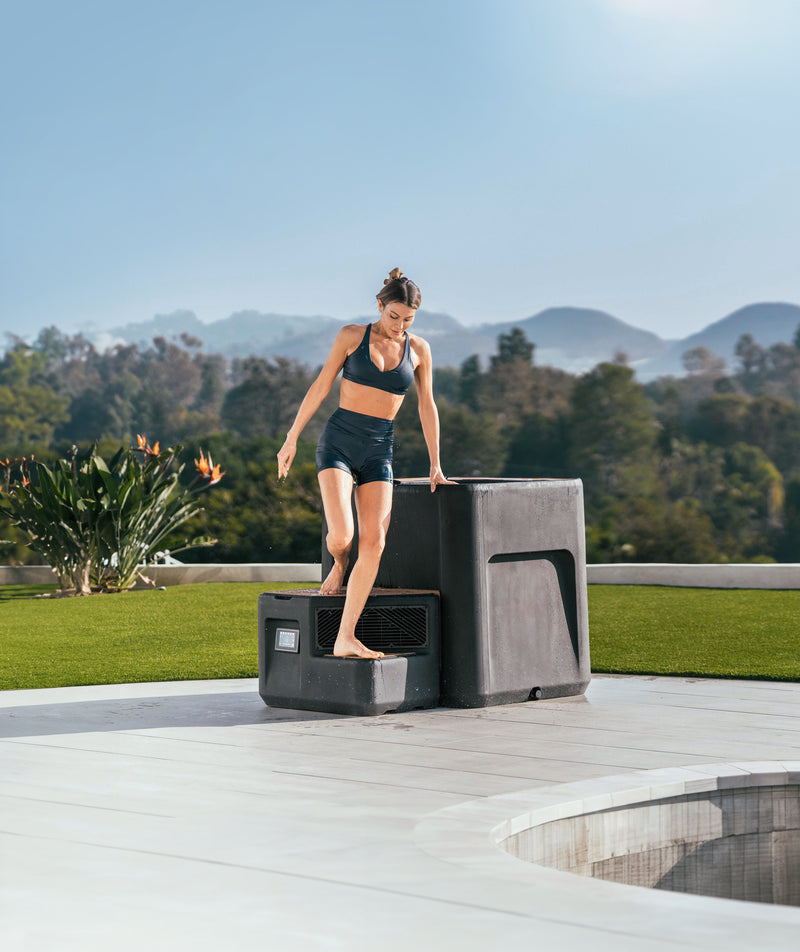
The research doesn’t reward one single perfect session. It rewards showing up three or four times a week at a temperature you can sustain. Renu’s saunas are built for exactly that. Paired with the Cold Stoic 3.0, which can hold the temperature you set down to 37°F, both halves of the protocol run at a number you want rather than a number you guess.
The right temperature is the one you’ll return to. Build the practice around a system that lets you.
Handcrafted in California. Engineered to last.

Frequently Asked Questions
What is the ideal sauna temperature?
For a traditional sauna, it’s typically 160-195°F, with most regular users settling between 170°F and 185°F. For an infrared sauna, it’s 120-140°F. The best setting within those ranges is the one you can sustain for 15-20 minutes, several times a week.
What temperature should a sauna be for beginners?
Start around 160°F in a traditional sauna or 120°F in infrared, for 5-10 minutes. Sit on the lower bench and build session length first, then raise the temperature gradually once 15-20 minutes feels comfortable.
How hot should an infrared sauna be?
Typically 120-140°F. Infrared panels heat the body directly rather than the air, so the room stays cooler while core temperature still rises. Sessions usually run a little longer than in a traditional sauna.
Is 200°F too hot for a sauna?
For most people, yes. Healthy, acclimated users may tolerate it briefly, but it shortens the time you can stay in and increases fluid loss without adding a clear benefit. The best-known long-term research used saunas averaging about 174°F.
What sauna temperature is best for health benefits?
The strongest evidence comes from traditional saunas averaging around 174°F, used four or more times a week for roughly 20 minutes. Frequency and duration appear to matter more than pushing the temperature higher.
Why does a traditional sauna feel hotter when you add water to the stones?
Steam raises humidity, which transfers heat to the skin more efficiently and slows sweat evaporation. The thermometer barely changes, but your body loses its main way of cooling. If you like steam, run the sauna slightly cooler.
MEDICAL DISCLAIMER
Cold water immersion and sauna use are not suitable for everyone. Consult your physician before beginning a cold plunge or sauna practice if you are pregnant, have high or low blood pressure, heart disease, a history of cardiac arrhythmia or stroke, Raynaud’s disease, peripheral neuropathy, or any other condition affecting circulation, nerve function, or your body’s ability to regulate temperature. Both cold and heat exposure place stress on the cardiovascular system and should be approached with caution if you have any underlying health condition, are taking medication that affects heart rate, blood pressure, or sweating, or have consumed alcohol. This article is intended for informational purposes only and does not constitute medical advice.