Two thousand years of the wrong kind of fire
Around the first century AD, a Roman named Aulus Cornelius Celsus described inflammation in four words: redness, heat, swelling, and pain. A cut, a sprain, a fever. For most of human history, that was the whole story. Inflammation was something you could see, and it healed.
We were missing the more dangerous kind. The fire that never fully goes out. No redness. No swelling. Nothing to point to. Just a low burn running quietly in the background for years.
That slow burn has a modern name, systemic chronic inflammation, and a growing body of research suggests it sits underneath the way most of us age.
What chronic inflammation actually is
There are two kinds of fire, and they behave very differently.
Acute inflammation protects you. When you cut your hand, your immune system rushes in, does its work, and leaves. It is designed to switch on, then off. That's how you heal.
Chronic inflammation never leaves. It is low, slow, and silent. It doesn't spike. It simmers. And because nothing hurts, most people never know it's running.
In a widely cited 2019 paper in Nature Medicine, Dr. David Furman and colleagues laid out how this state of persistent, low-grade inflammation threads through the major diseases of aging, from cardiovascular and metabolic disease to neurodegeneration. The takeaway isn't fear. It's that a single underlying process shows up again and again, and that process is shaped by everyday life.
Why the fire stays lit
In 1882, a scientist named Élie Metchnikoff pushed a rose thorn into a translucent starfish larva and watched under his microscope as mobile cells swarmed to attack it. He had discovered the immune system's first responders, work that later won a Nobel Prize. What he couldn't have known is the catch we live with today: the same response that saves you in an emergency quietly harms you when it never switches off.
Acute inflammation is supposed to be brief. Threat, response, resolution. Modern life rarely gives the off switch a chance:
-
Chronic stress
-
Too little sleep
-
Too little movement
-
Highly processed food
-
And age itself
None of these feel dramatic on their own. Stacked together, they keep the system switched on.
Inflammaging: when "on" becomes your baseline
As we age, background inflammation tends to creep upward. Researchers call it inflammaging. Furman's team went a step further and built an inflammatory clock (iAge), published in Nature Aging in 2021, that measures this internal burn. It tracks with frailty, immune decline, and cardiovascular aging, which means the fire isn't just real, it's quantifiable.
The proof it's a driver, not a bystander
For years, the open question was whether inflammation causes disease or merely travels alongside it. Dr. Paul Ridker, a cardiologist at Harvard, ran the trial that addressed it head-on. In the CANTOS trial of more than 10,000 patients, an anti-inflammatory therapy reduced major cardiac events, with no change in cholesterol. Inflammation went down. Outcomes improved. That result reframed inflammation from a passive marker into something worth targeting directly.
The practical lesson for the rest of us isn't a drug. It's that the baseline is movable, and the most reliable ways to move it are the ordinary ones.
Healthspan: the half of longevity we can build
Ask most people what they want, and they'll say a long life. Ask them to picture it, and they describe a good one. Sharp, mobile, independent, still doing the things they love. Those are two different goals.
The gap between them is your healthspan, the share of your life you spend in full health rather than just alive. Dr. Luigi Ferrucci, scientific director of the National Institute on Aging, has spent decades studying what narrows that gap, and chronic, low-grade inflammation sits near the center of it. The encouraging part: healthspan is largely built, day by day.
The lever people miss: movement
Here's the part that surprises people. Your muscles aren't just for moving. They're an organ that talks to the rest of your body. Dr. Bente Klarlund Pedersen, at the University of Copenhagen, discovered that contracting muscle releases signaling molecules called myokines. With each bout of exercise, they create an anti-inflammatory effect at the source.
Movement doesn't just burn energy. It sends a signal that calms the fire. And the dose that works is the one you'll come back to. Consistency beats intensity.

Four ways to reset your baseline
You don't fight chronic inflammation once. You outlive it with how you live. Four simple, repeatable levers do most of the work.

1. Move every day
A brisk 30-minute walk where you can talk but not sing is a real dose, not a token one. If you want a target the research keeps pointing to, aim for a few easy aerobic sessions plus a couple of strength sessions each week. Put them in the calendar like meetings.
2. Protect your sleep
Even a couple of short nights measurably raise inflammatory markers. Guard your seven hours the way you'd guard anything else that compounds.
3. Cut the constant inputs
Stress and always-on stimulation keep the system switched on. You don't have to overhaul your life. Pick one input: late caffeine, the midnight scroll, the 9 pm work email, and cut it for a week. Notice what the off switch feels like.
4. Build a reset you'll repeat
This is where cold exposure earns its place, and where honesty matters most.
Cold therapy, told straight
It would be easy to claim a cold plunge "reduces inflammation." We won't, because the evidence doesn't support it cleanly. In fact, the largest review to date (Cain and colleagues, PLOS One, 2025, pooling data across thousands of participants) found that cold-water immersion can cause a short-term rise in inflammatory markers right after exposure, with stress reduction and wellbeing benefits showing up in the hours that follow.
So what is cold genuinely good for? Resetting your state. A classic 2000 study by Šrámek and colleagues found that cold-water immersion drove roughly a 530% increase in noradrenaline and a 250% increase in dopamine, the neurochemistry behind sharper focus, better mood, and a more alert, resilient state. Used deliberately, cold is one of the cleanest pattern interrupts available: a short, controlled stress that leaves you steadier on the other side.

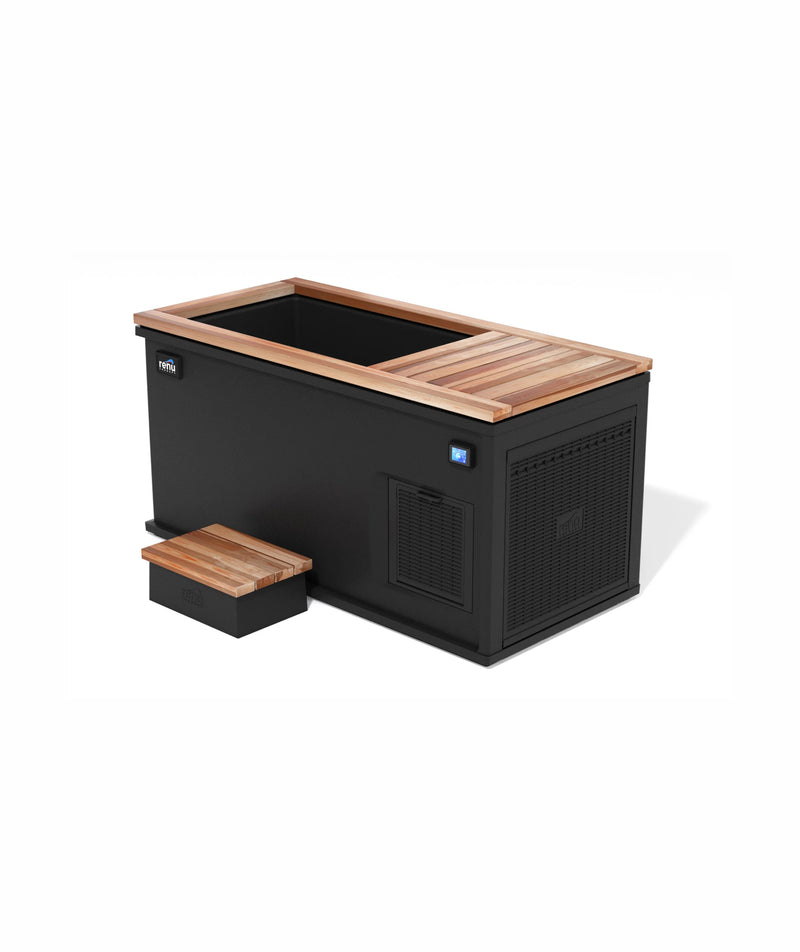
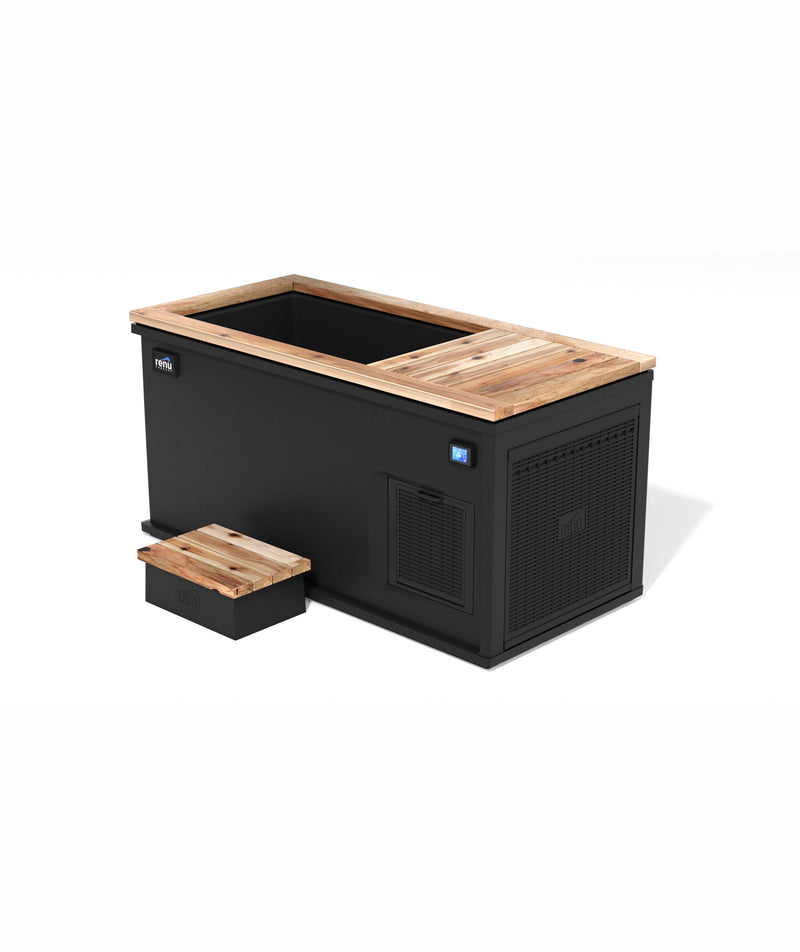
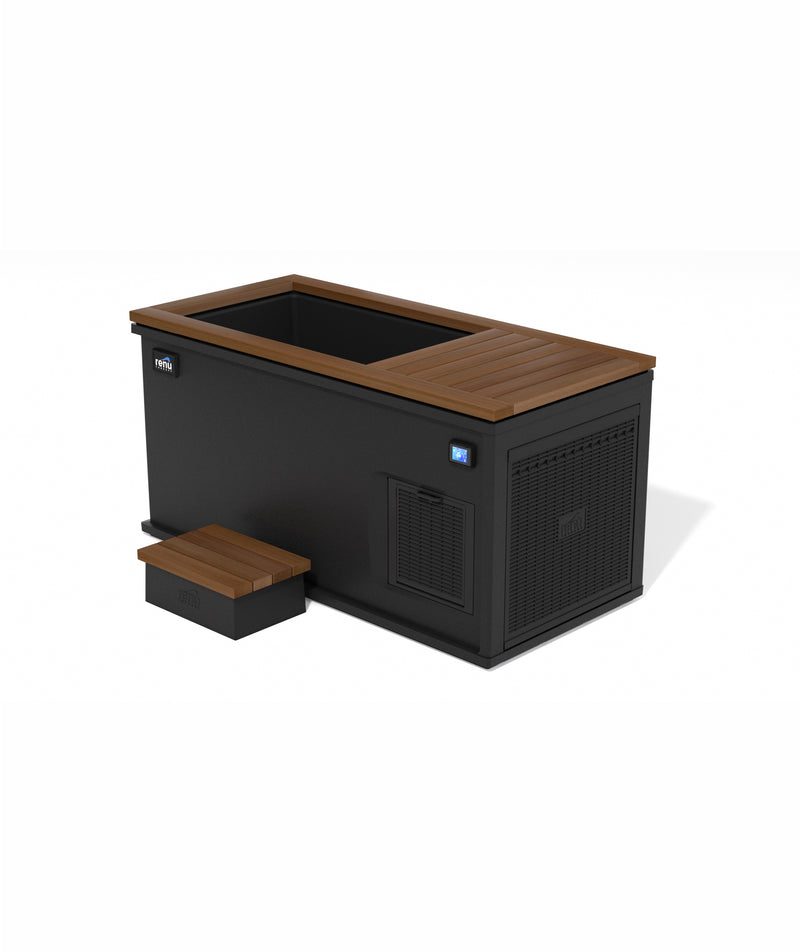
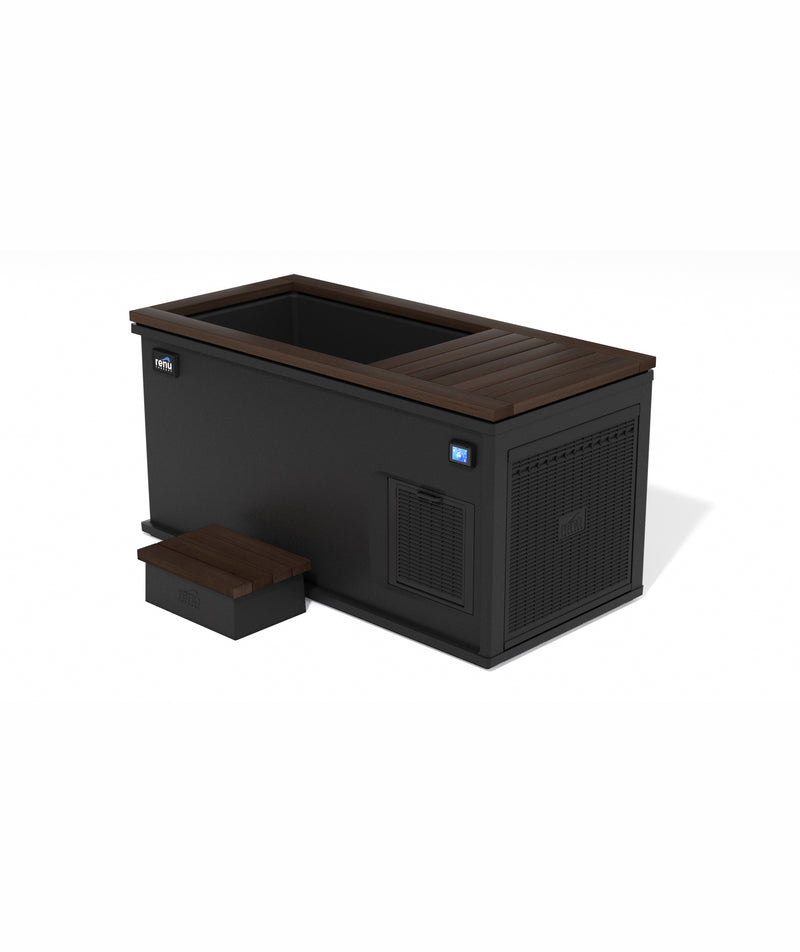
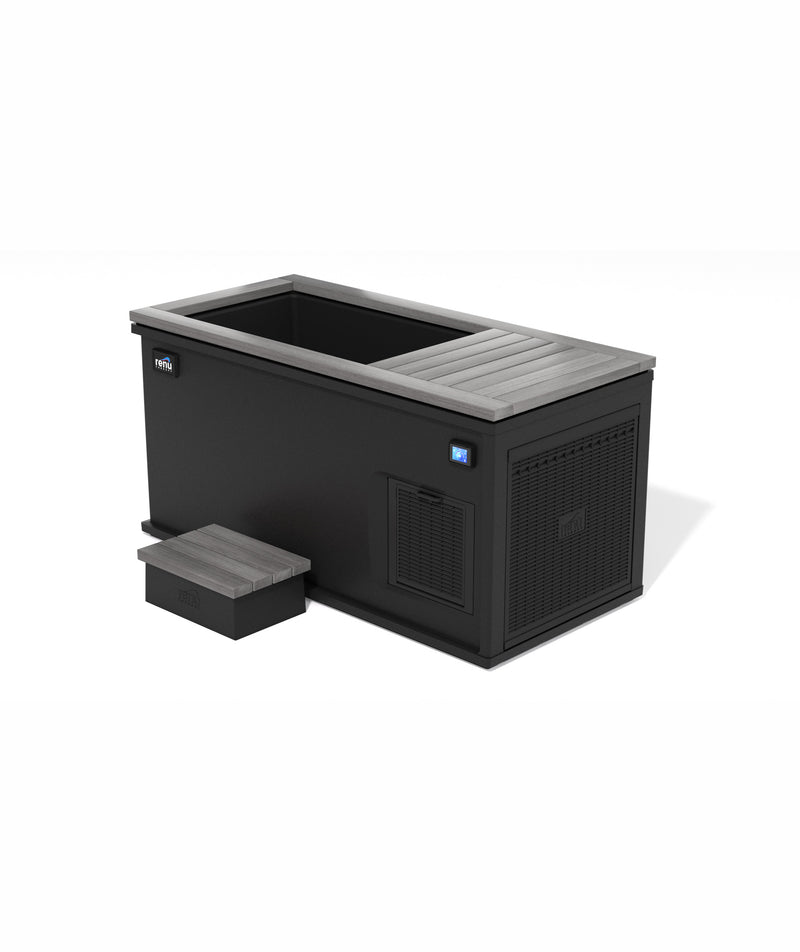
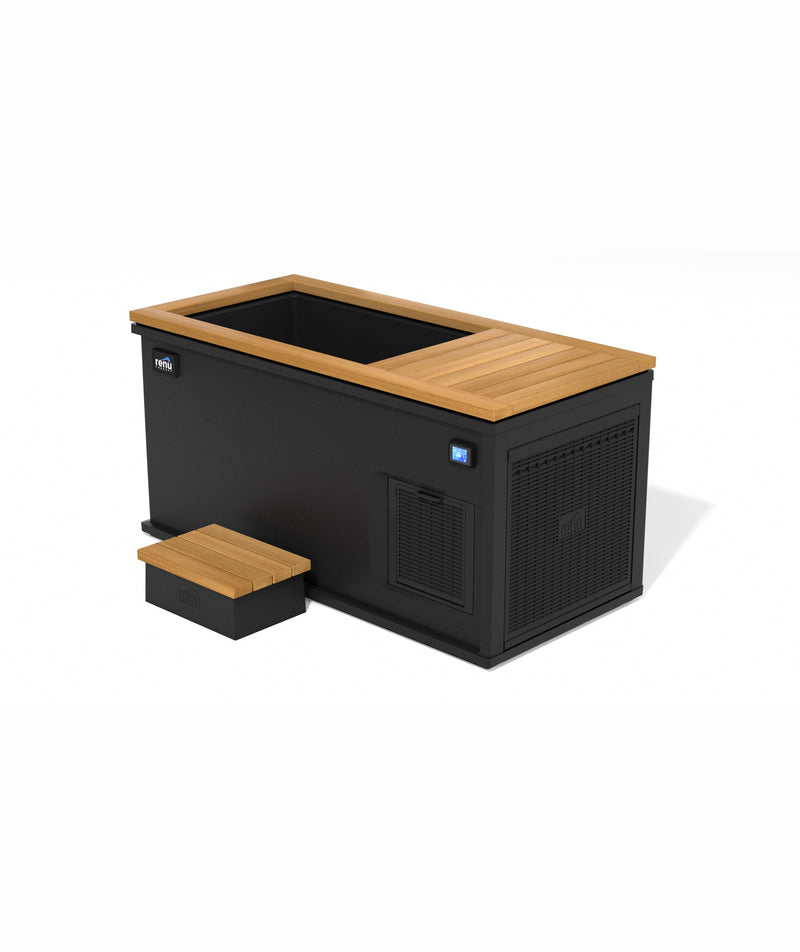
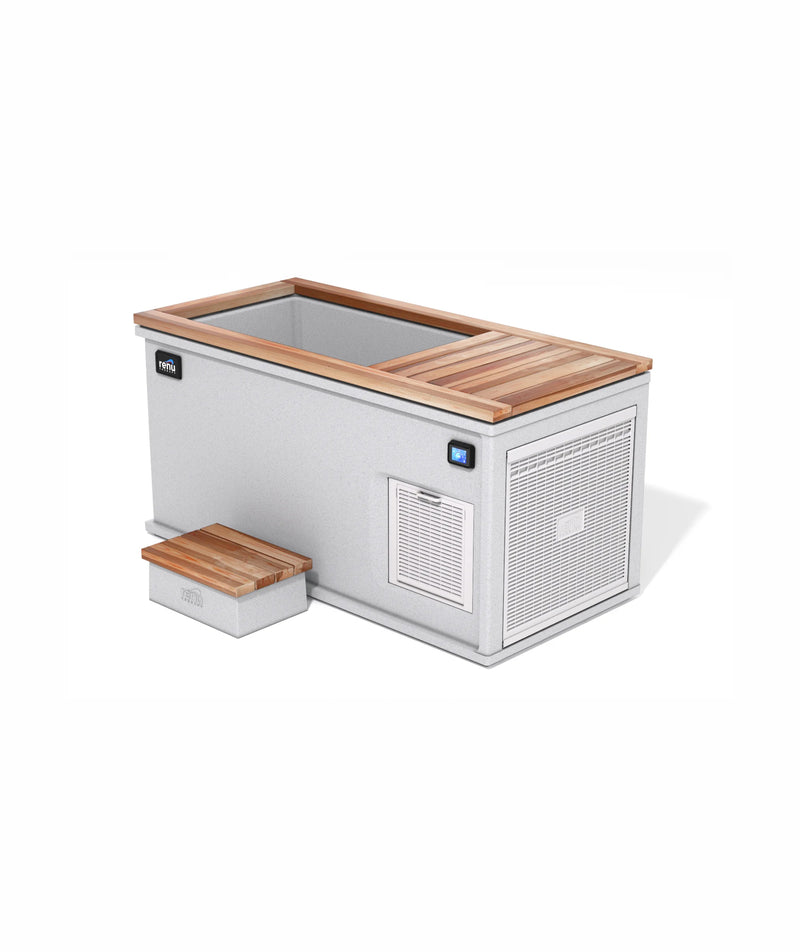
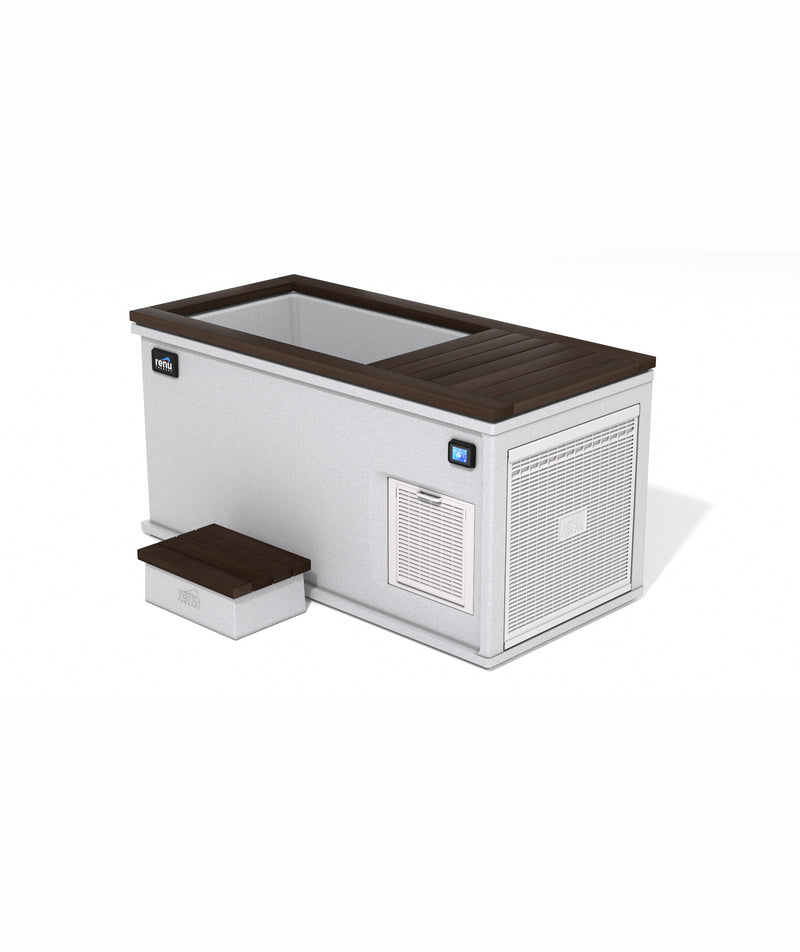
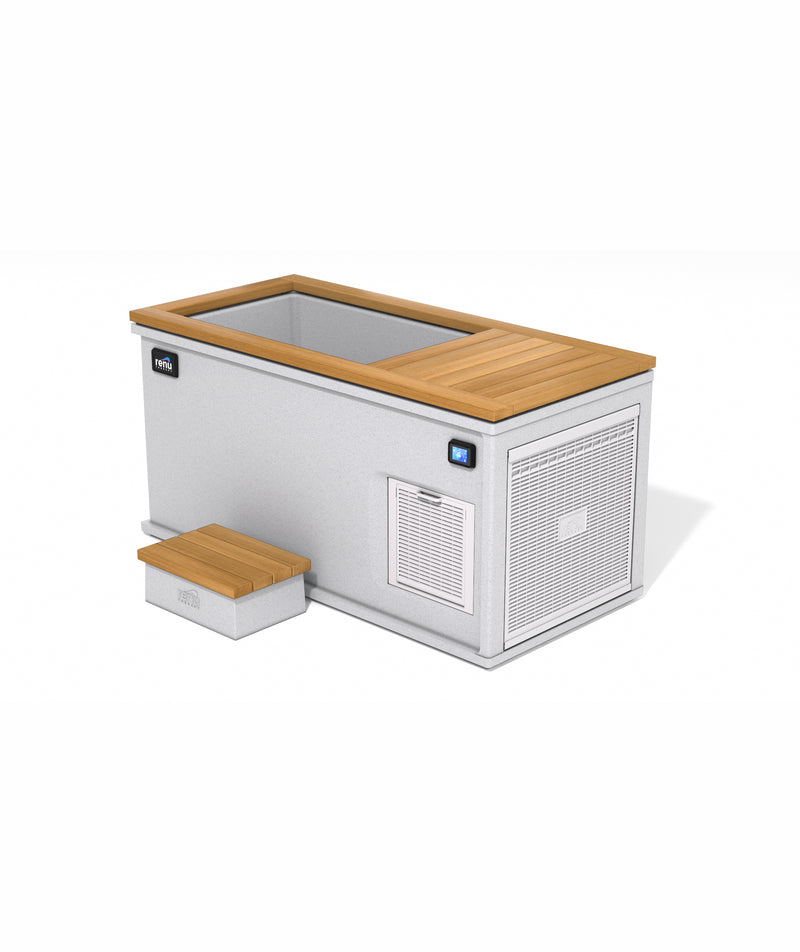
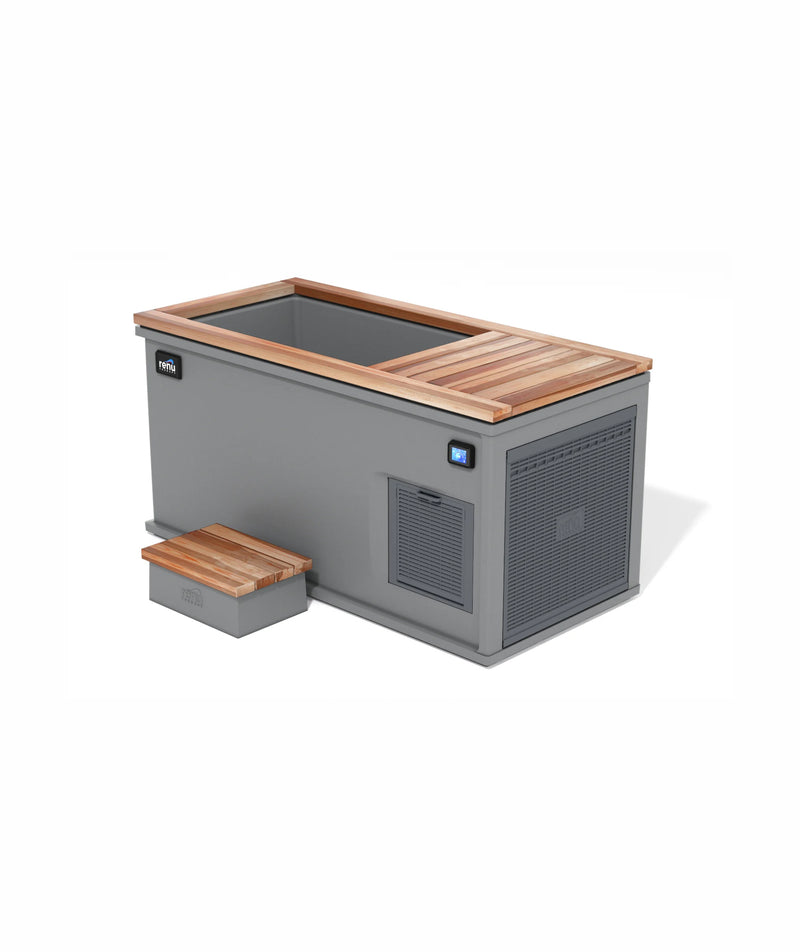
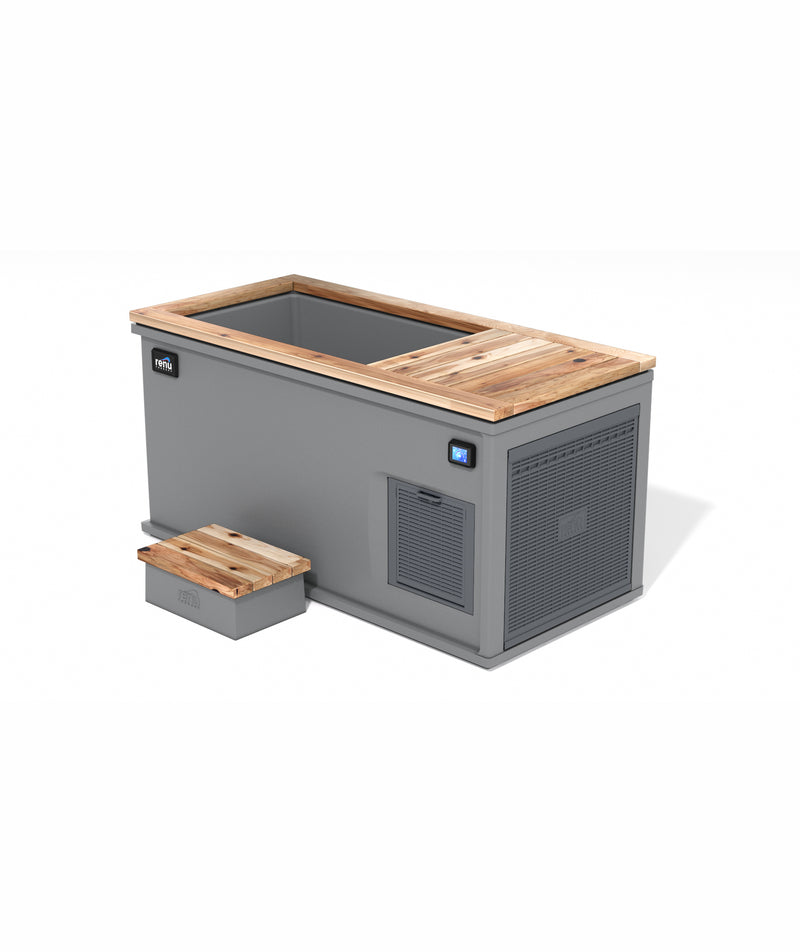
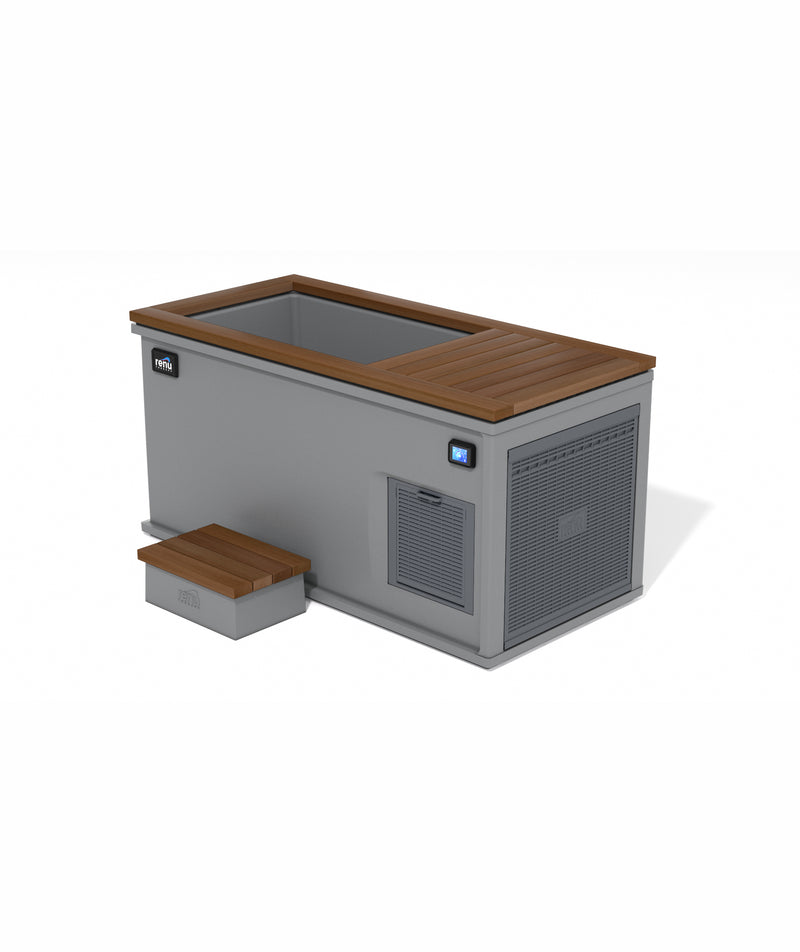
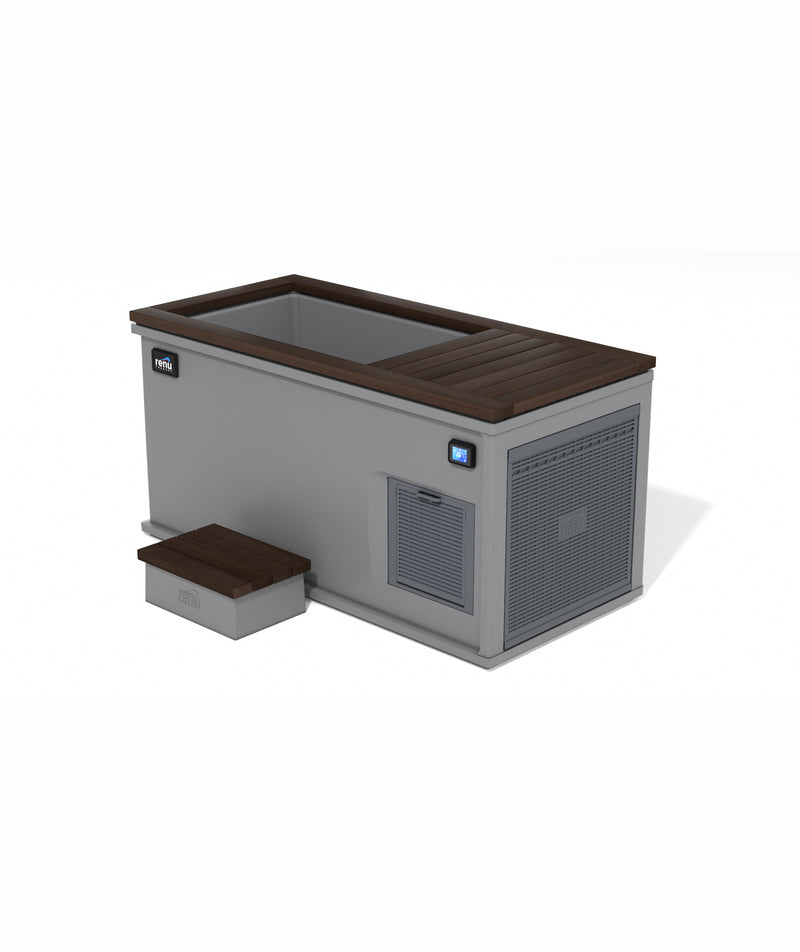
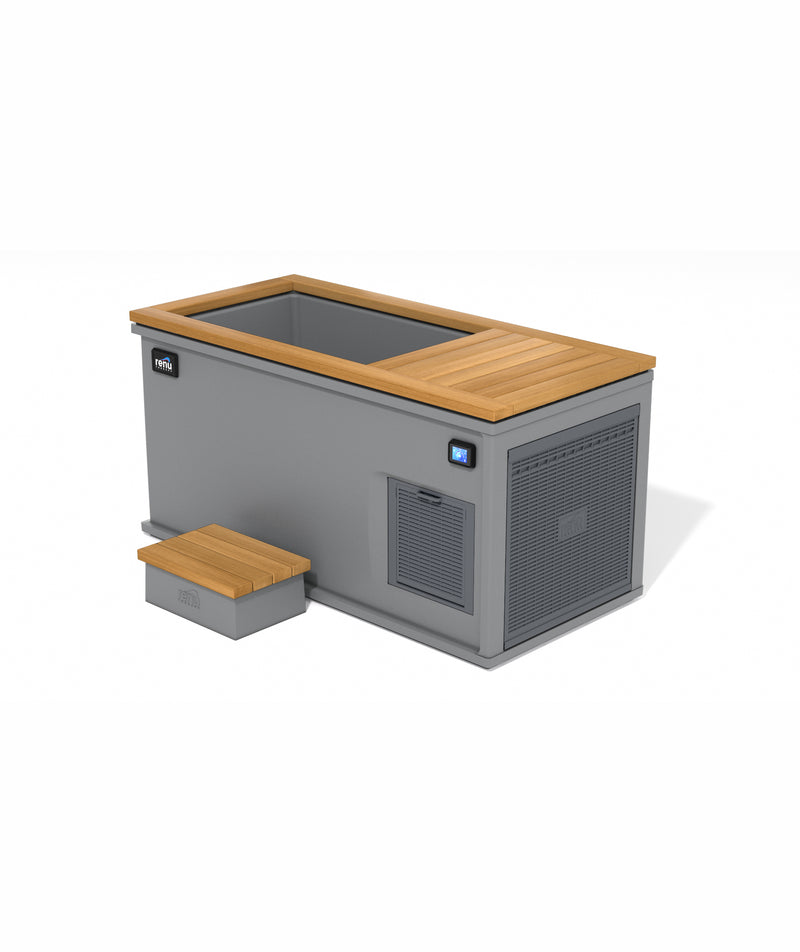
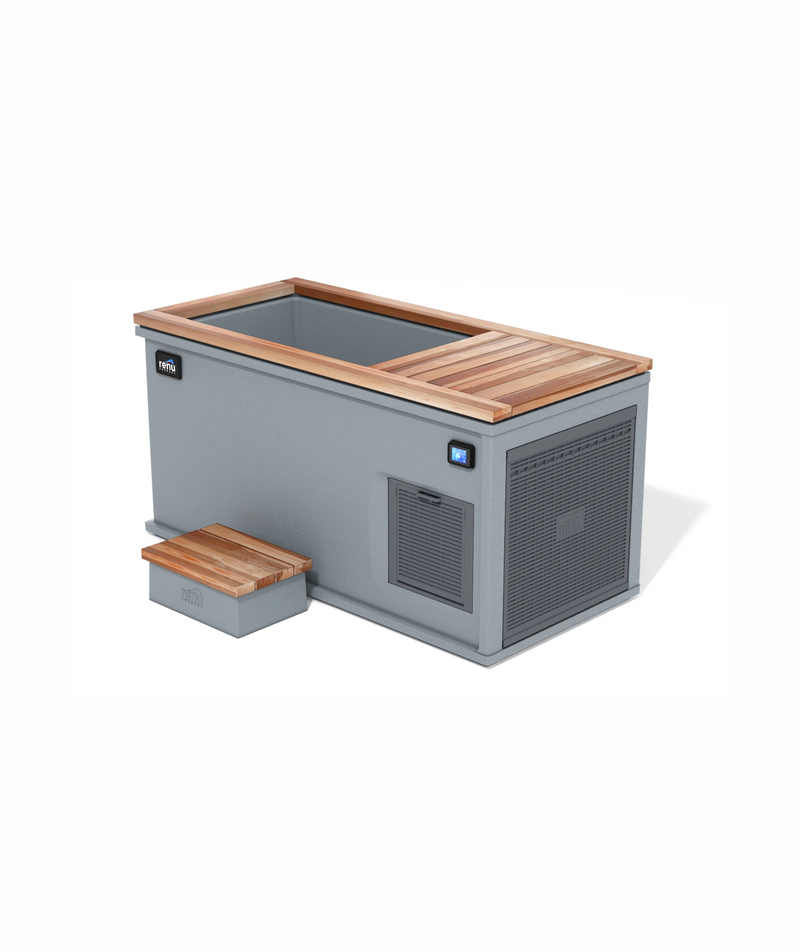
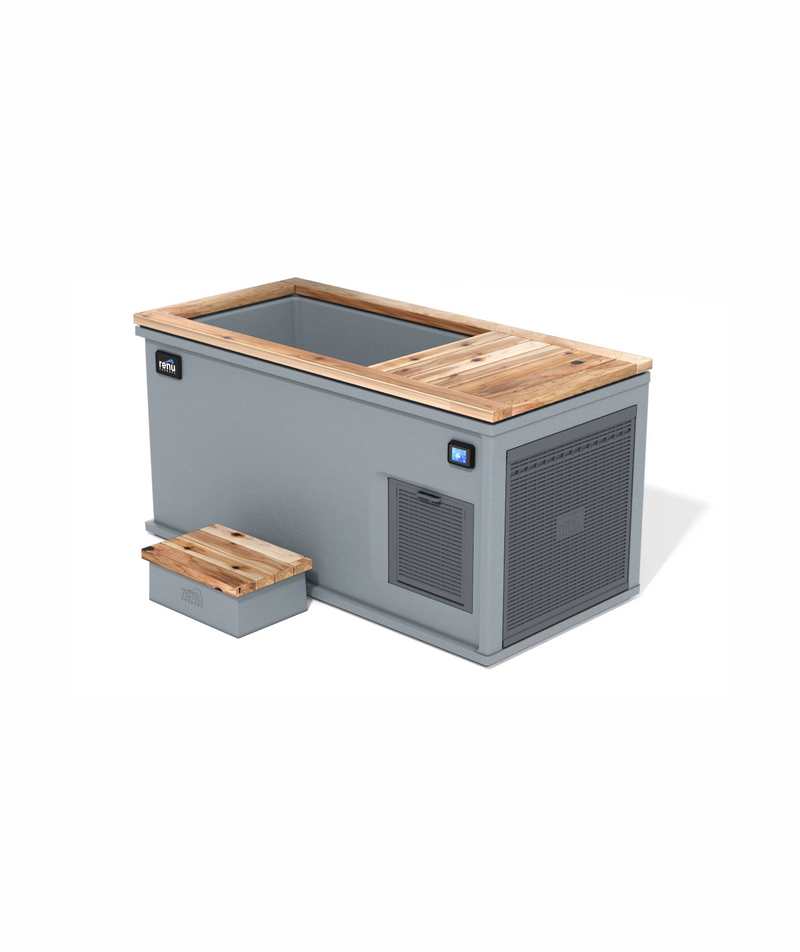
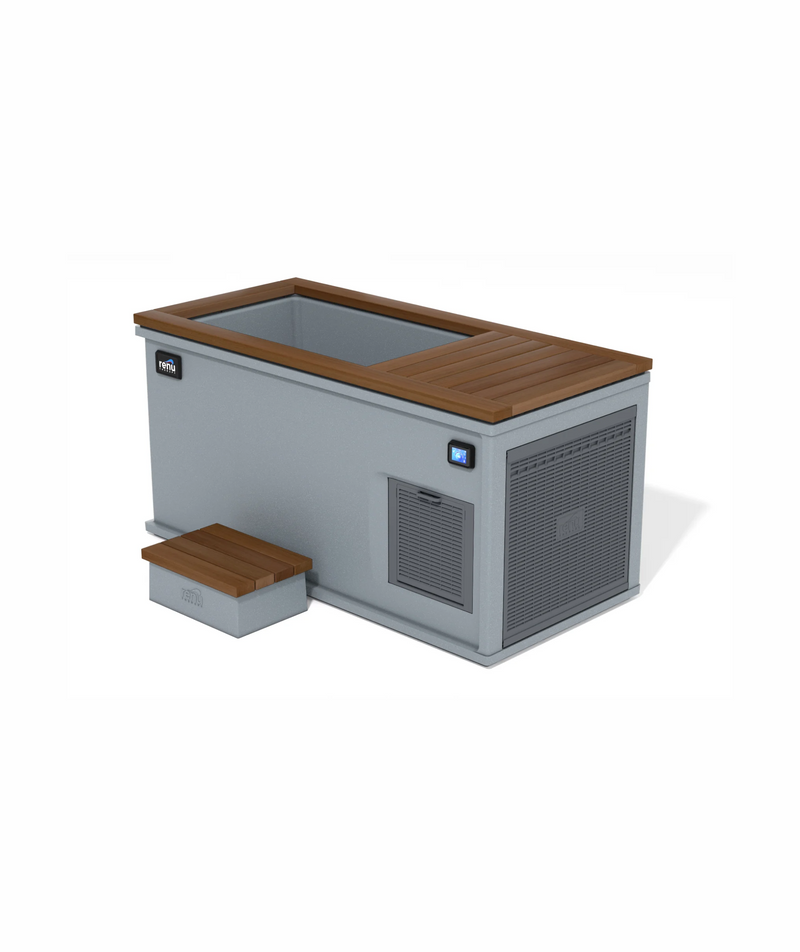
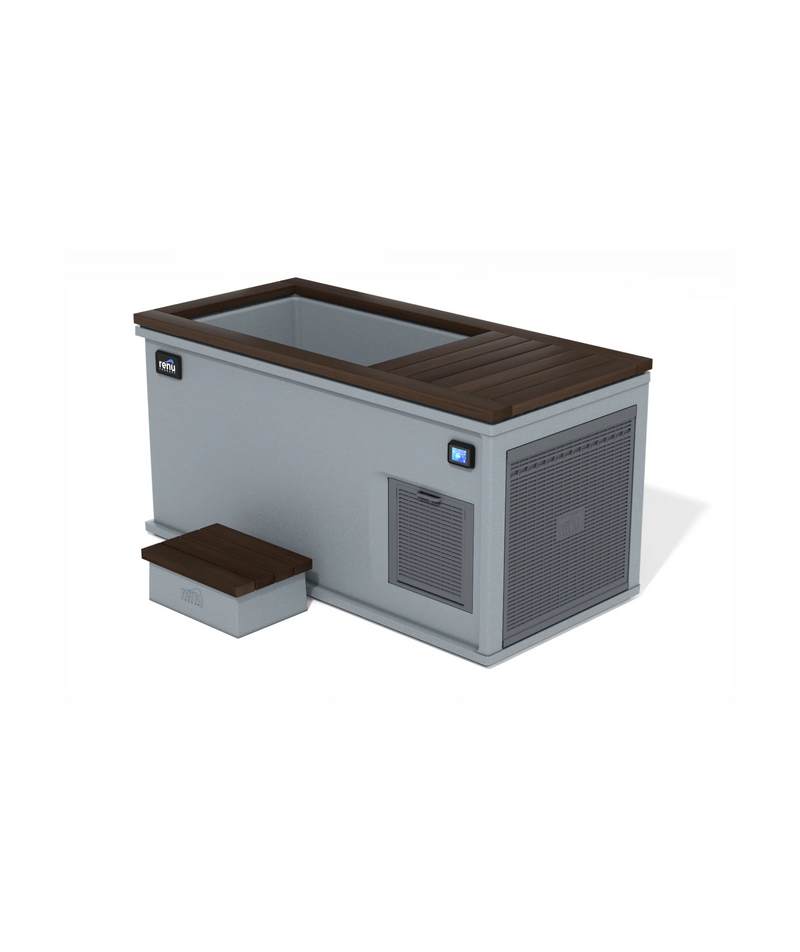
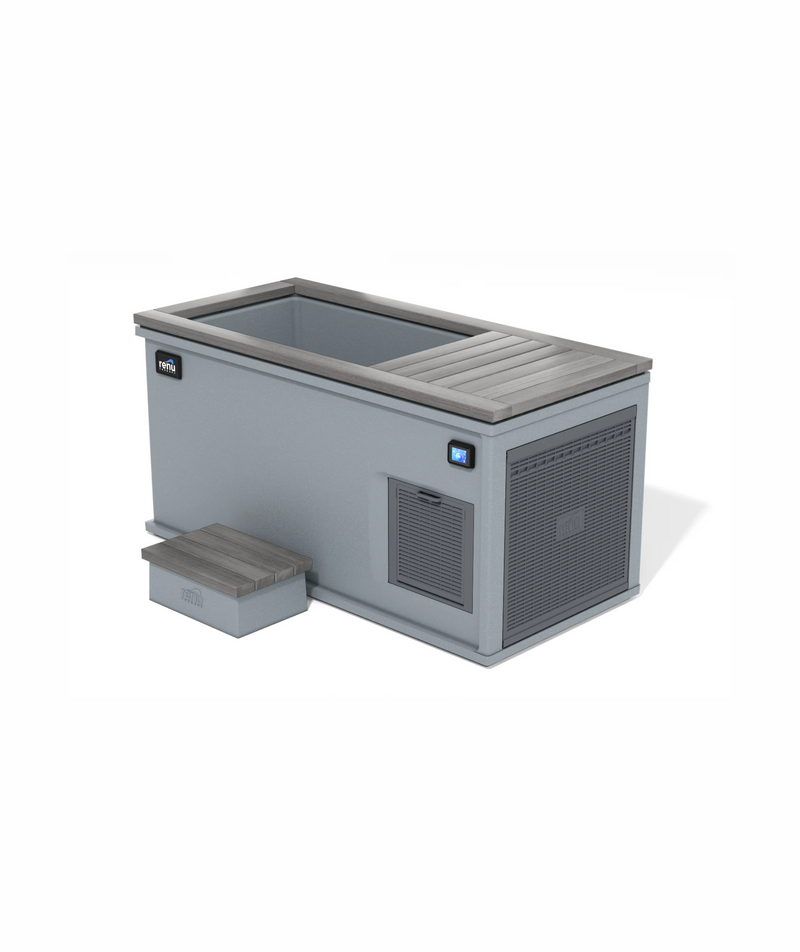
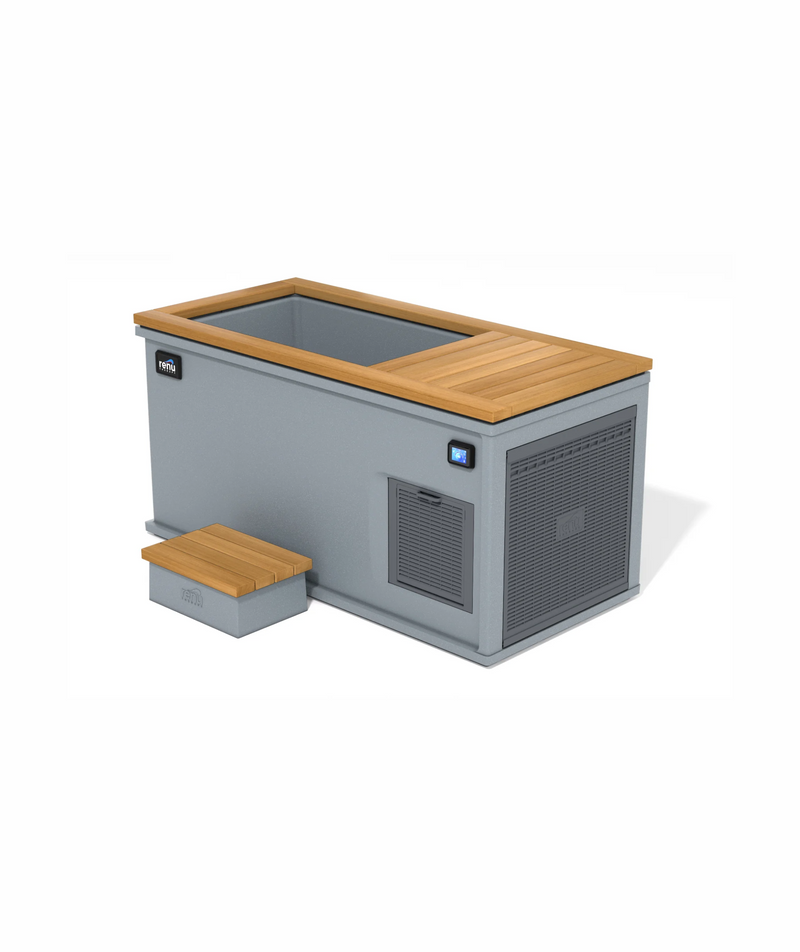
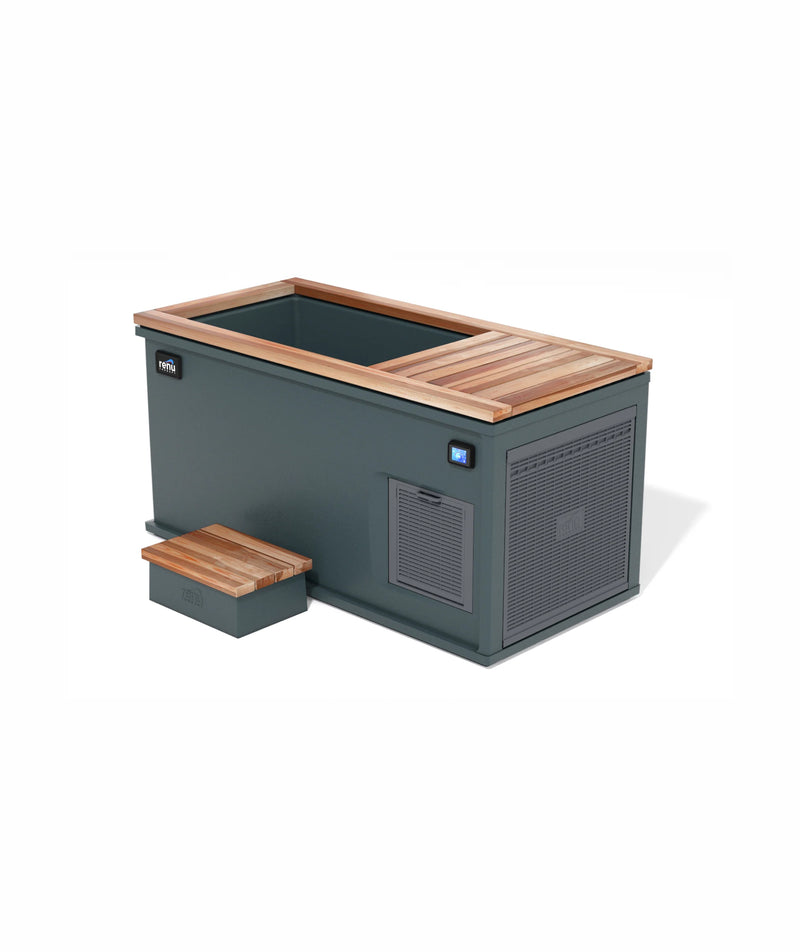
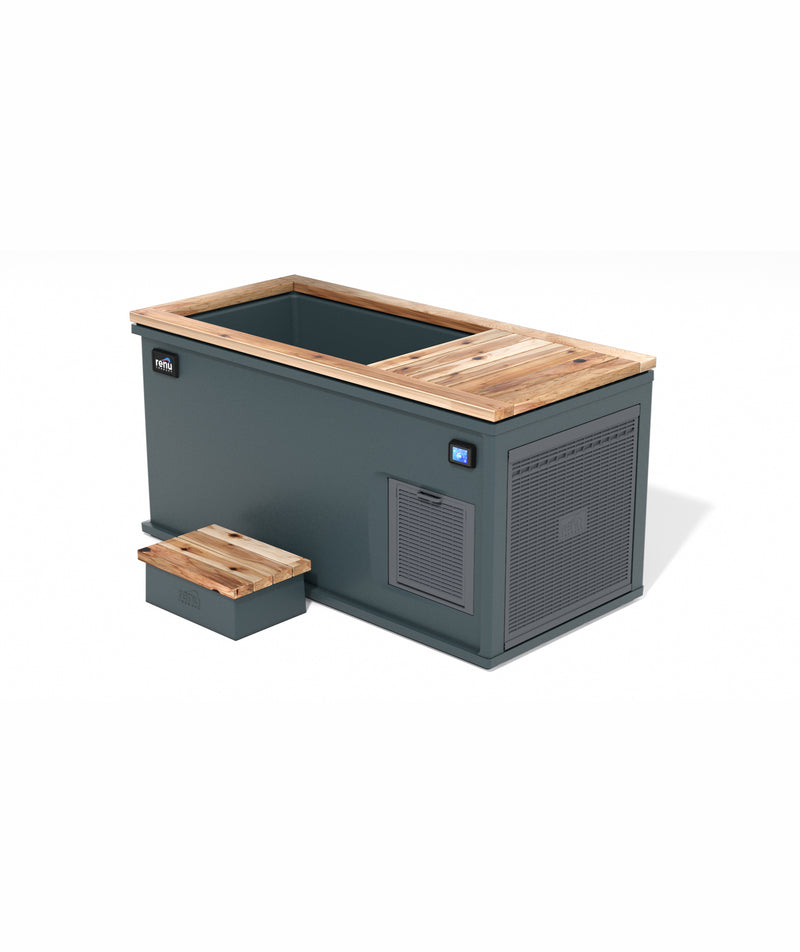
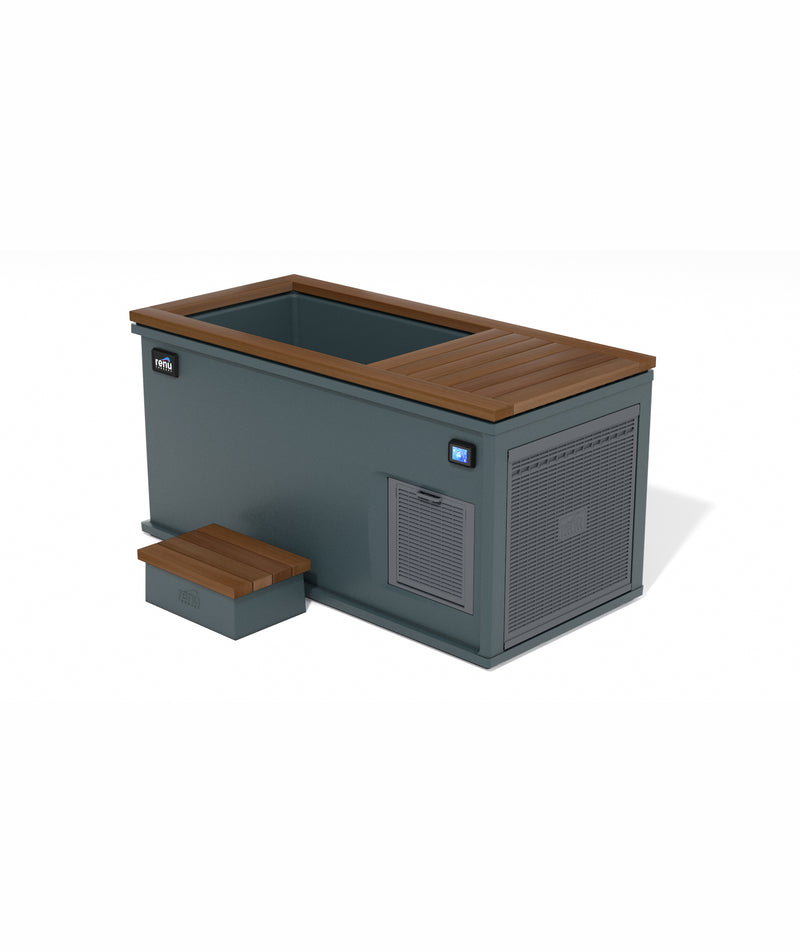
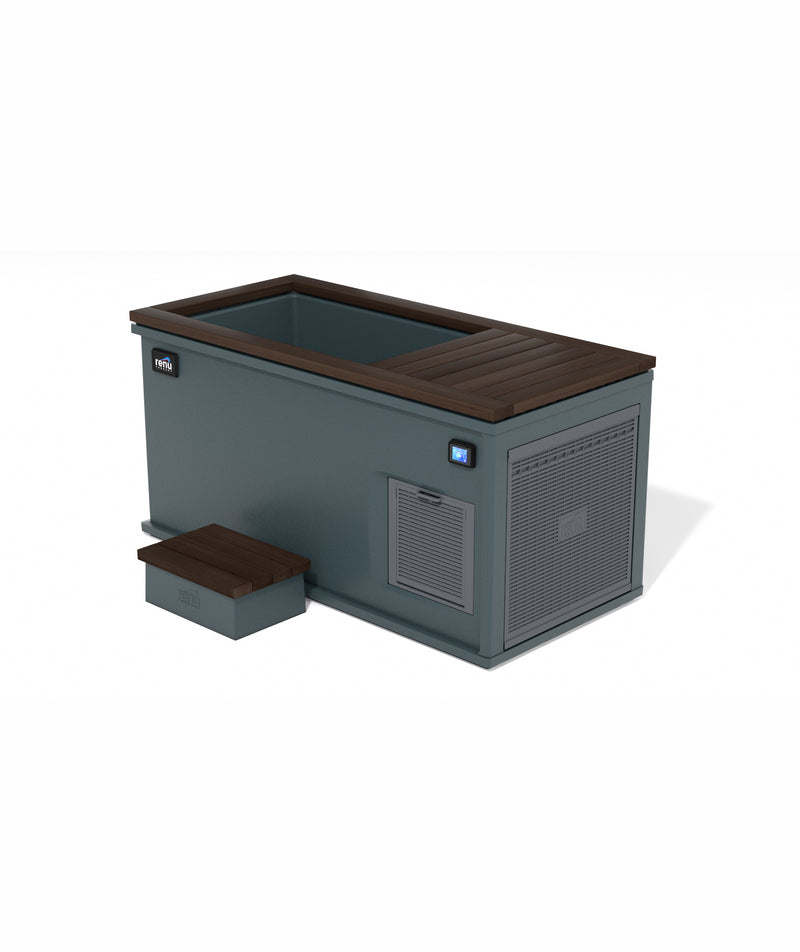
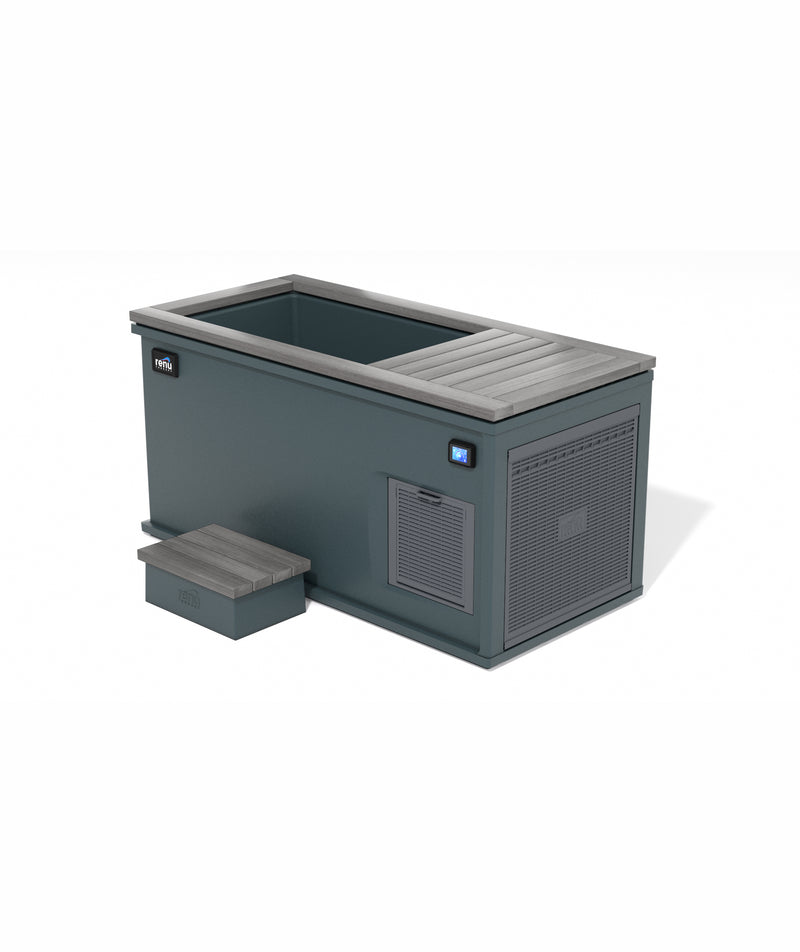
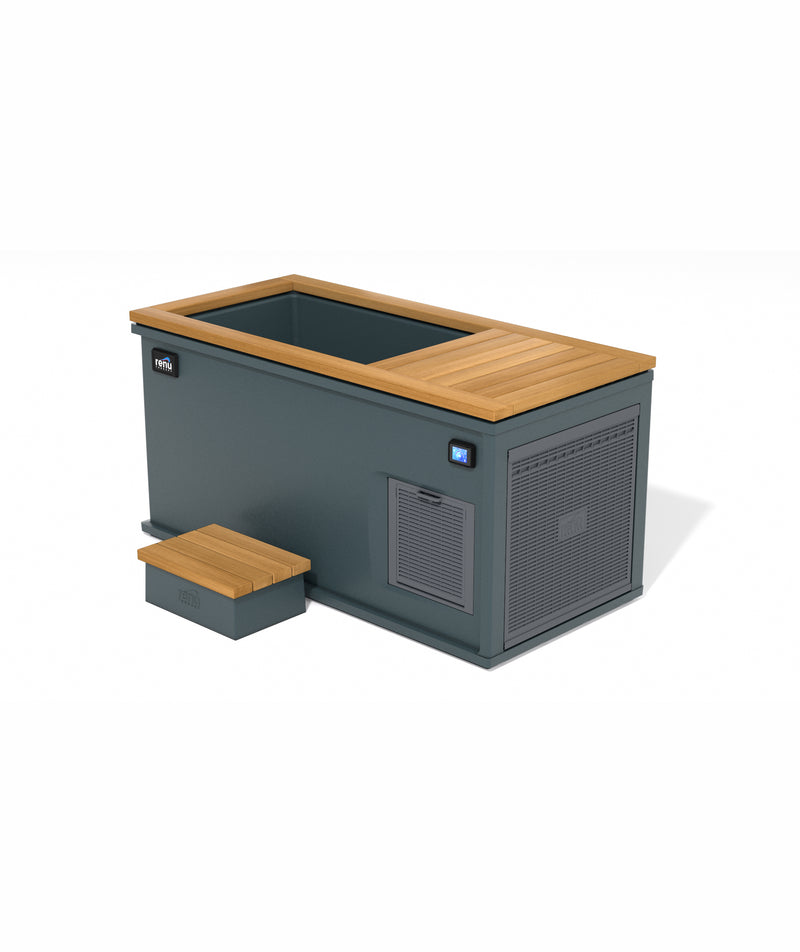
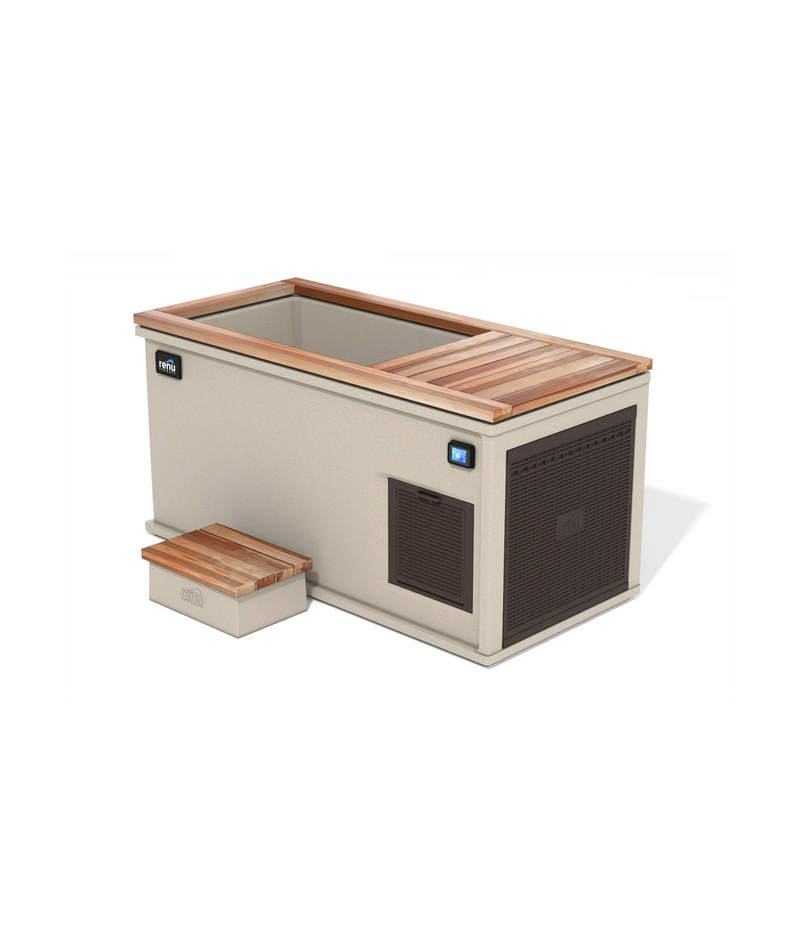
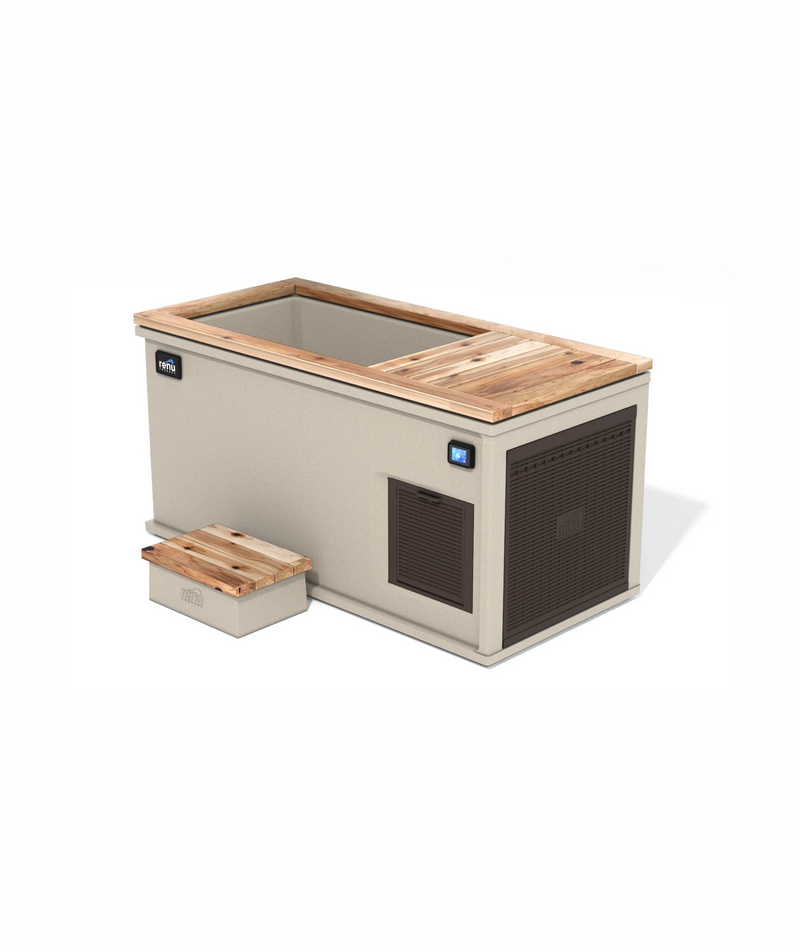
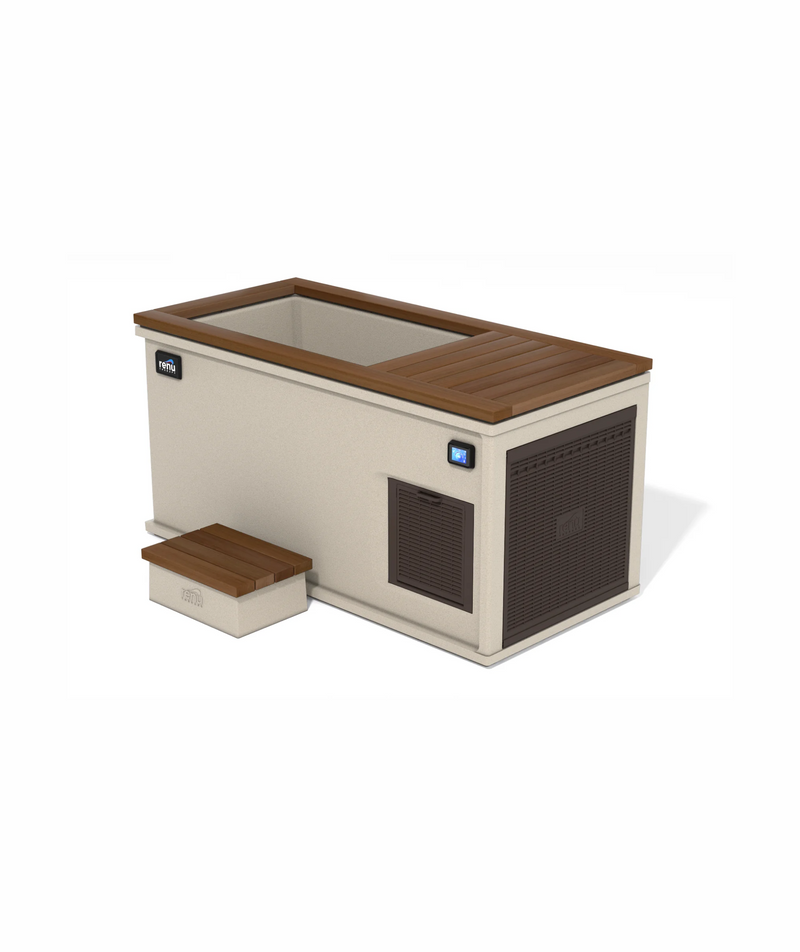
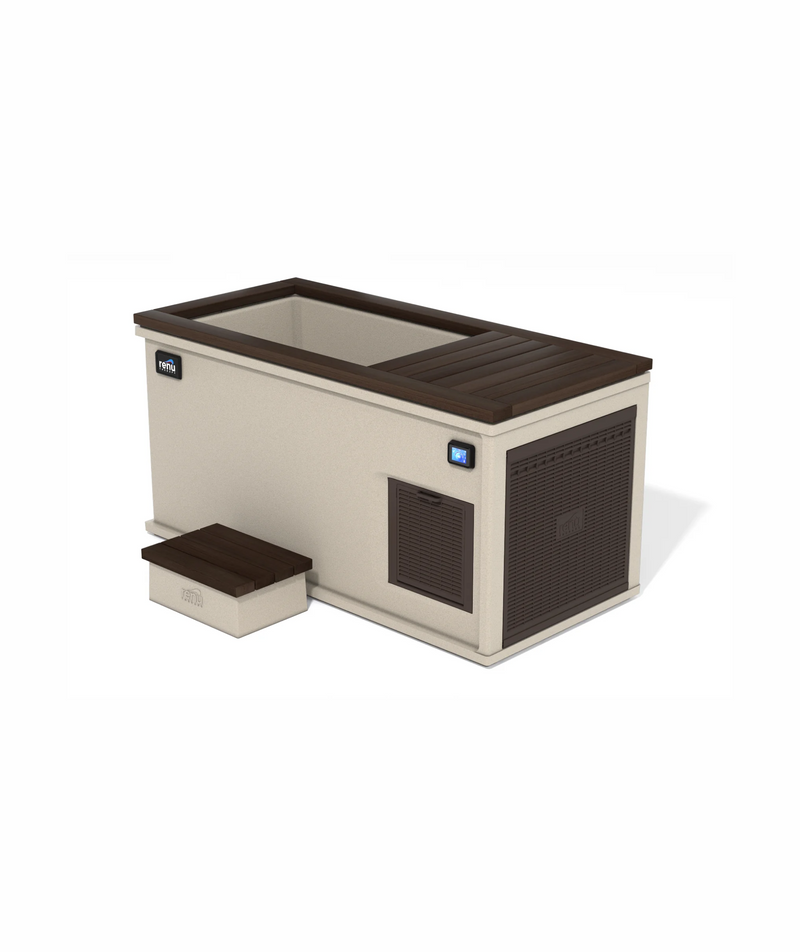
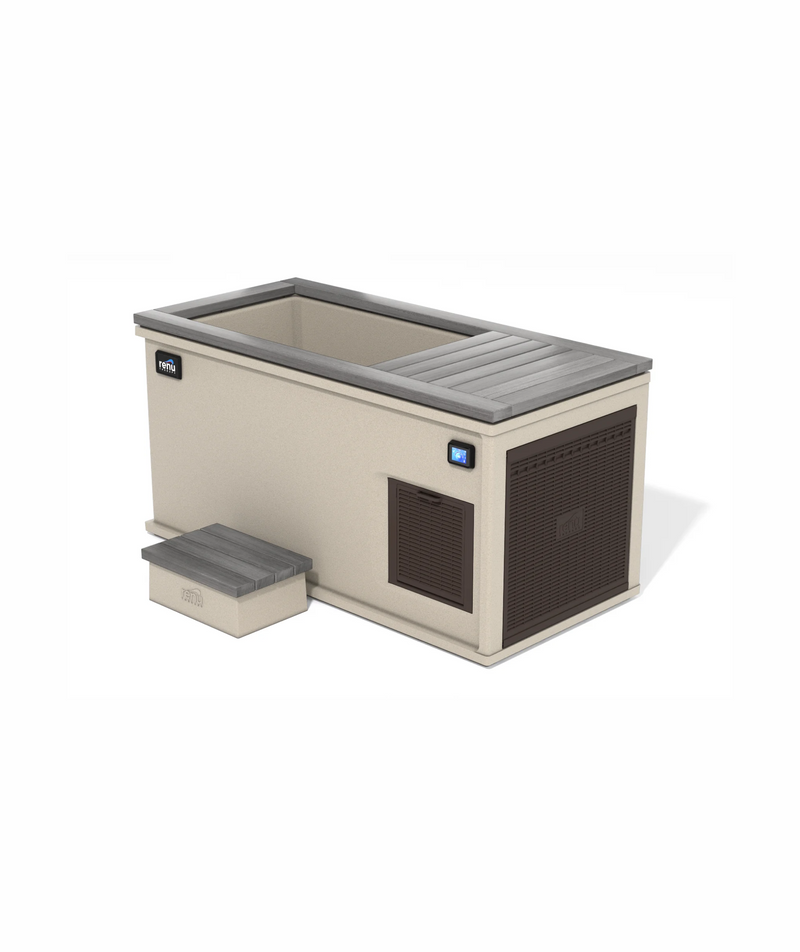
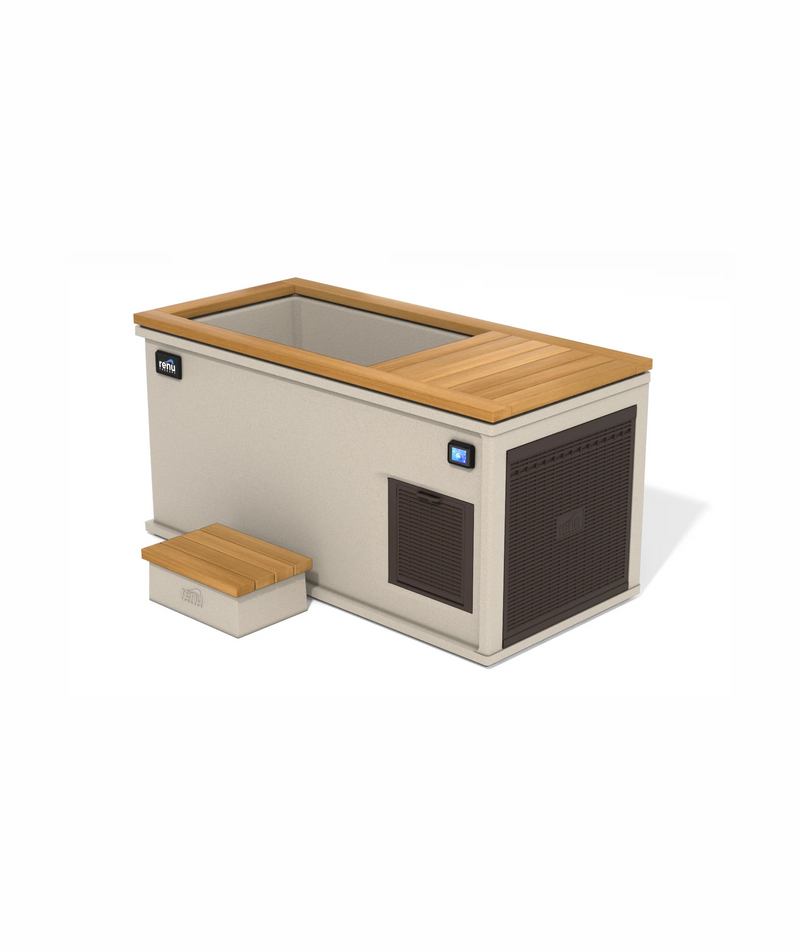
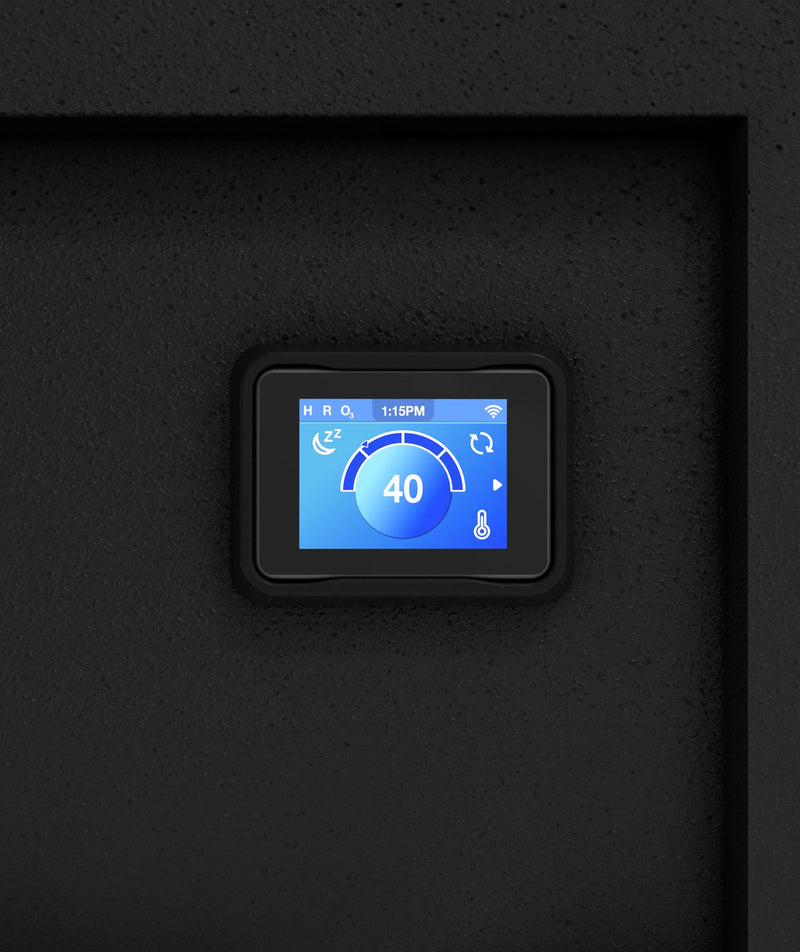
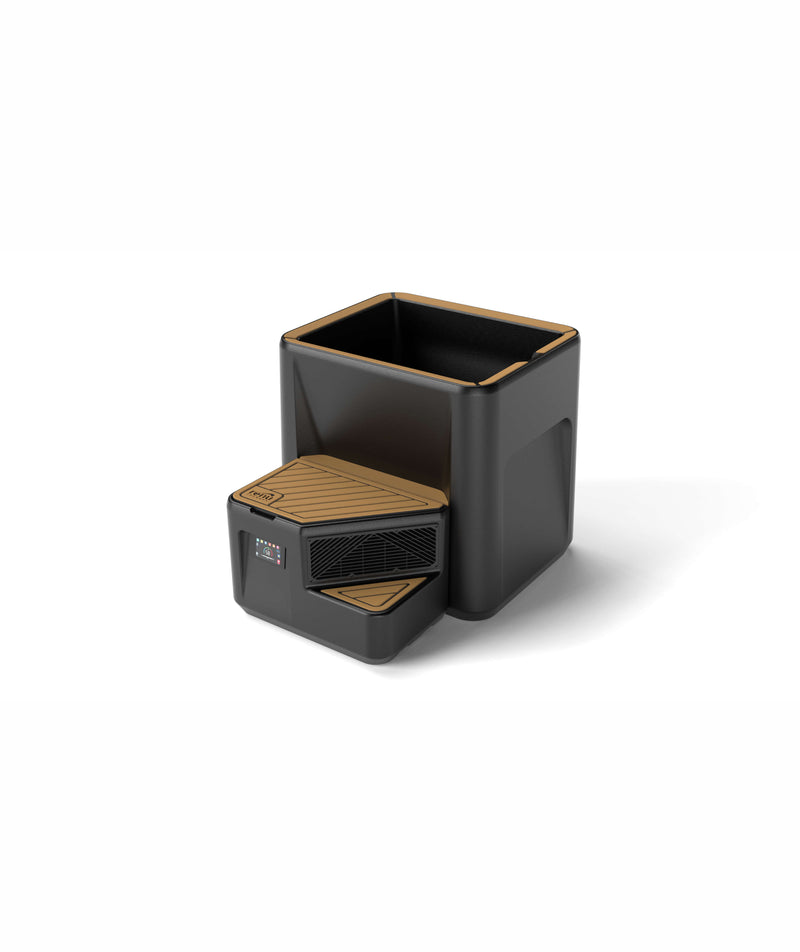
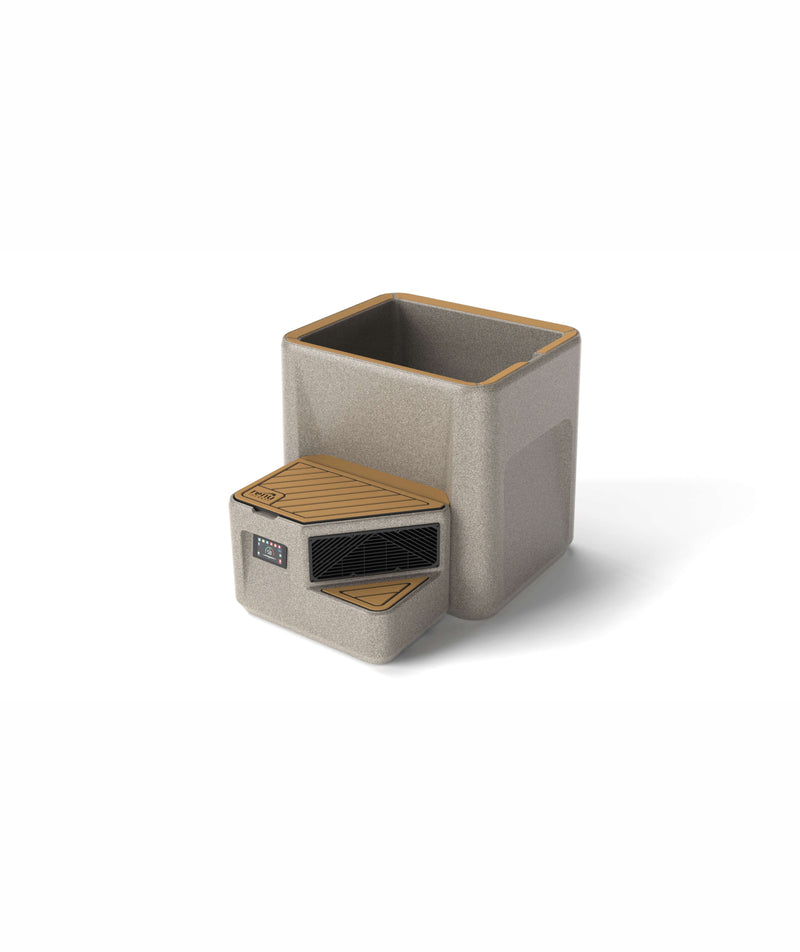
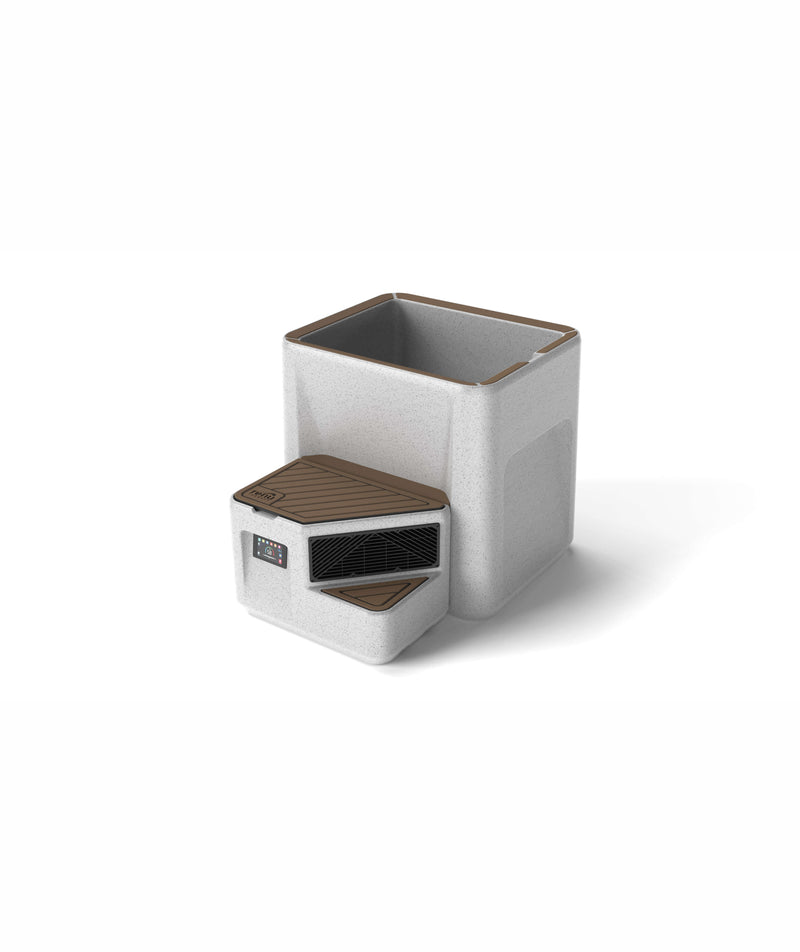
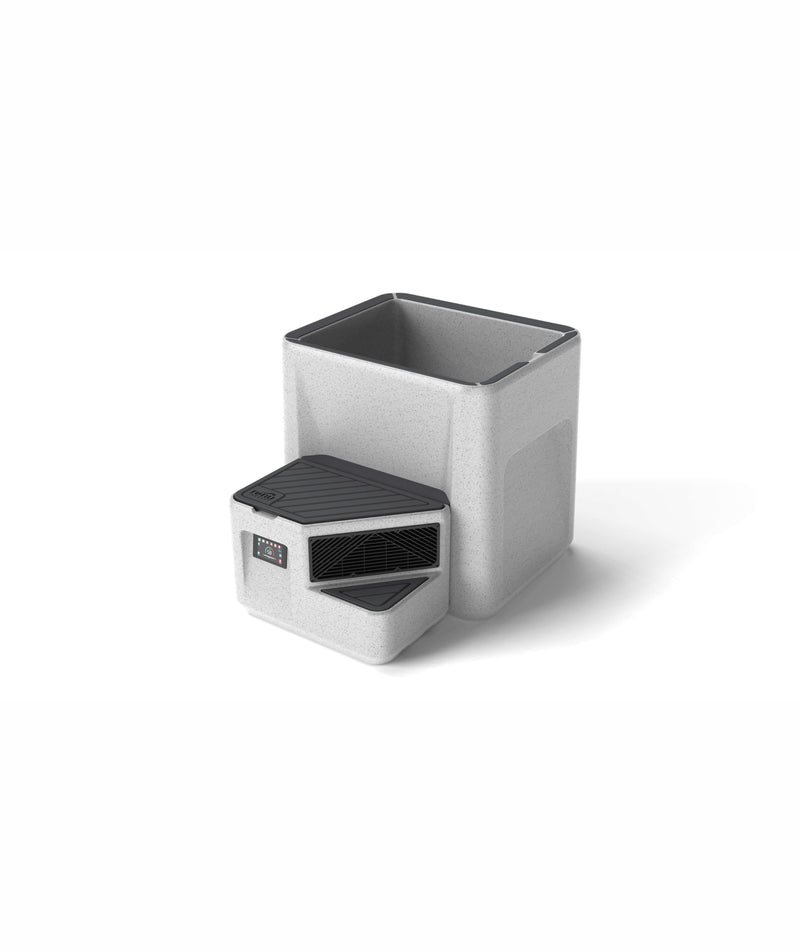
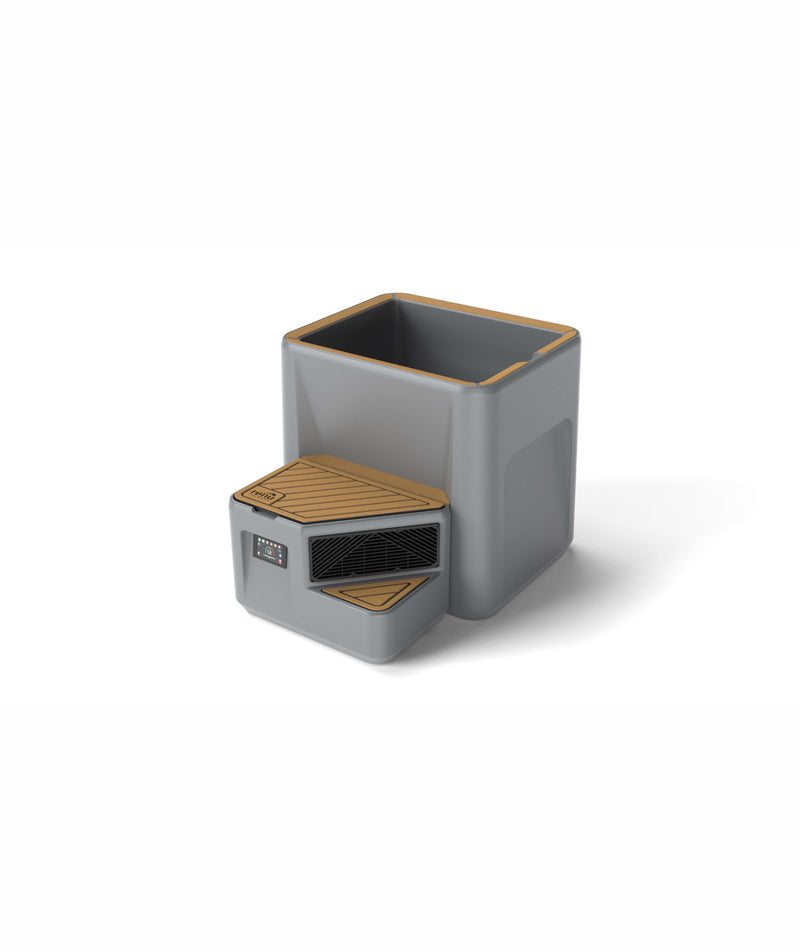
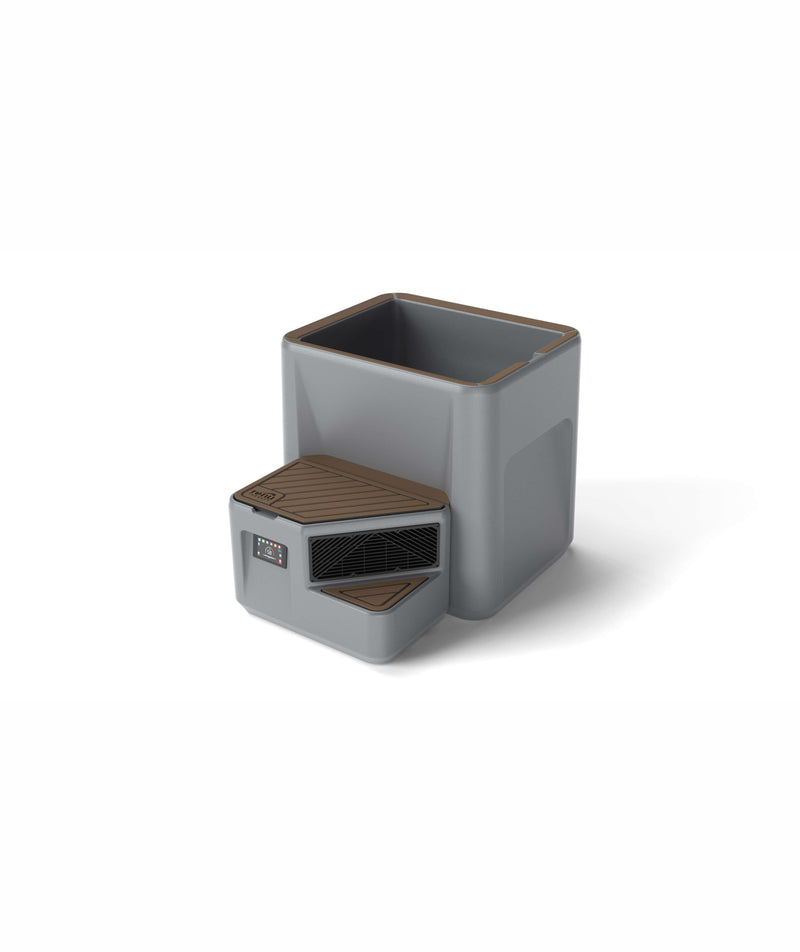
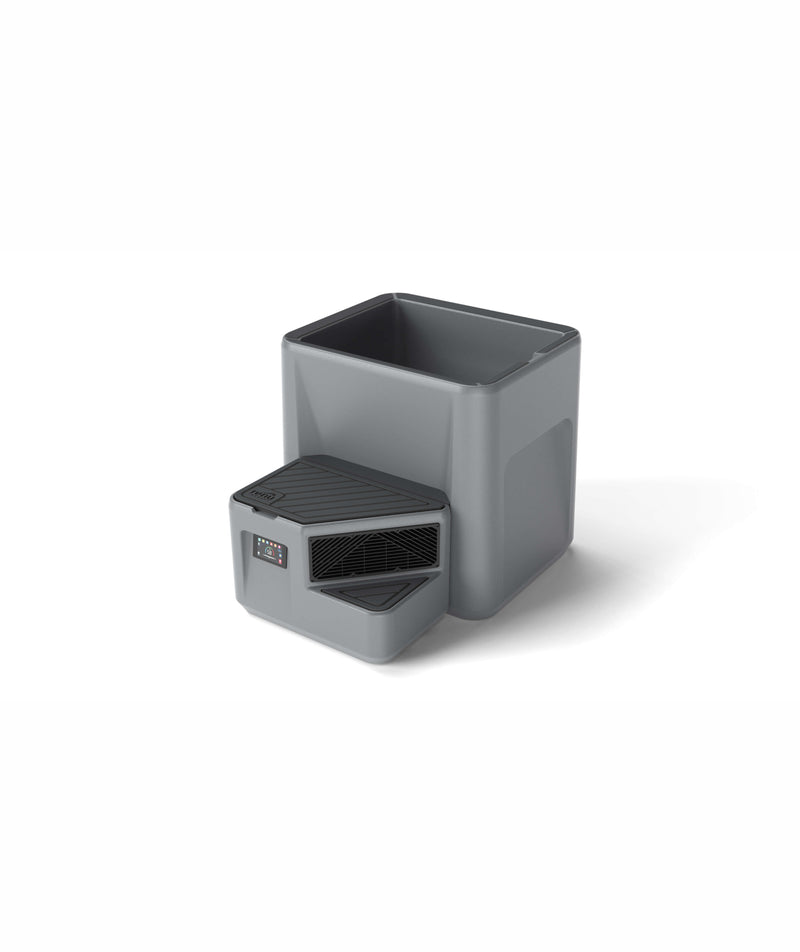
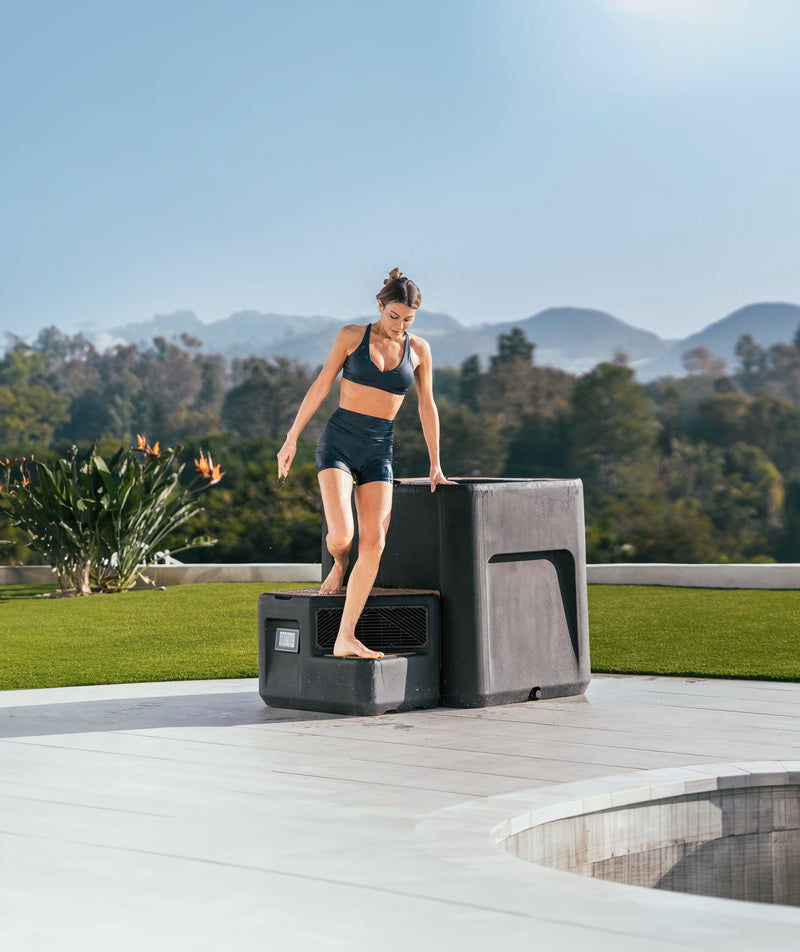
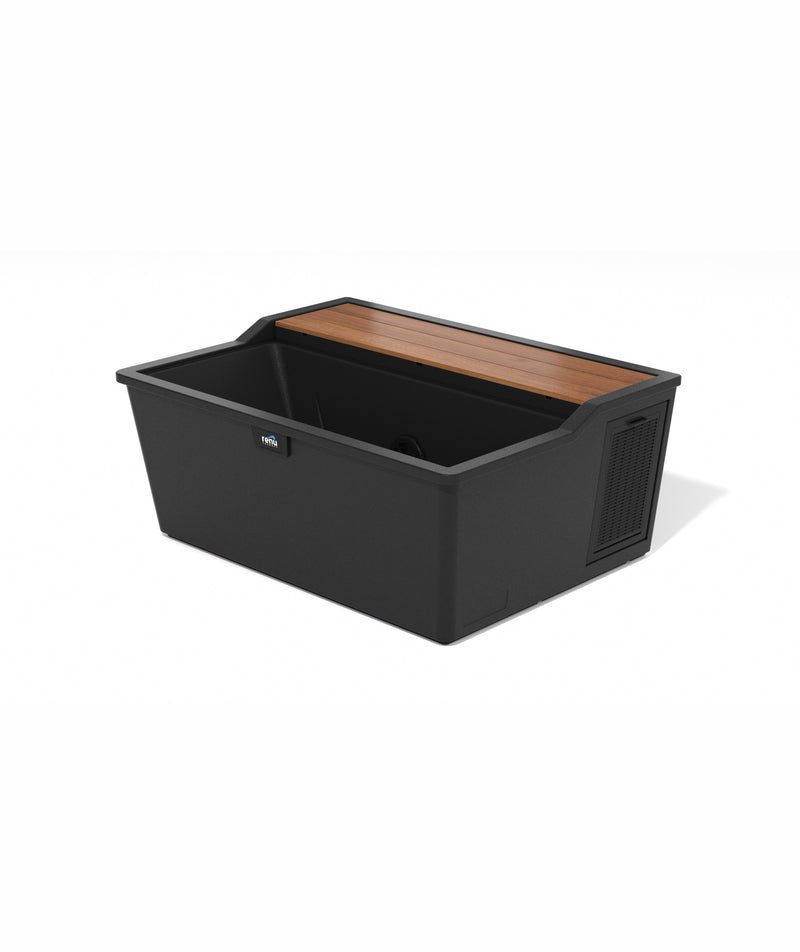
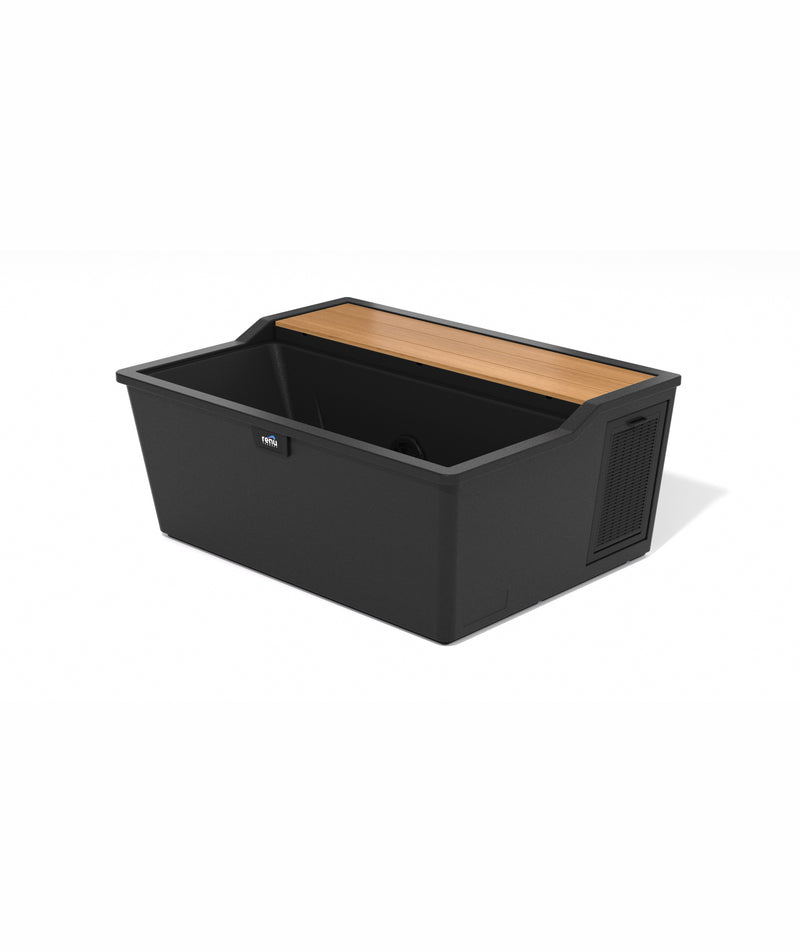
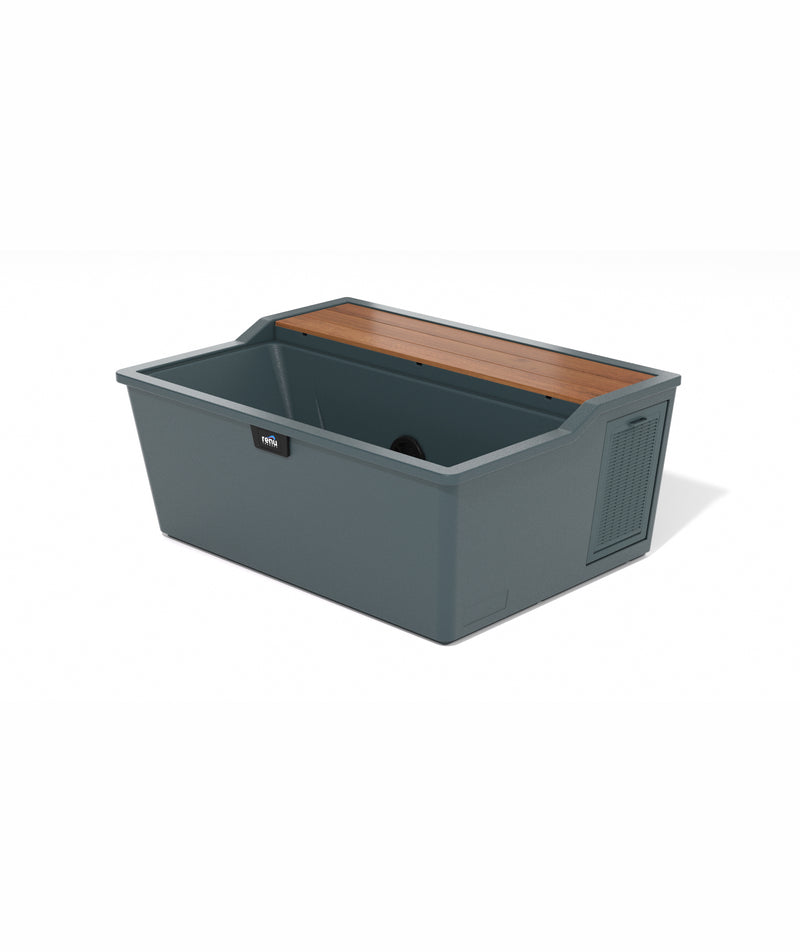
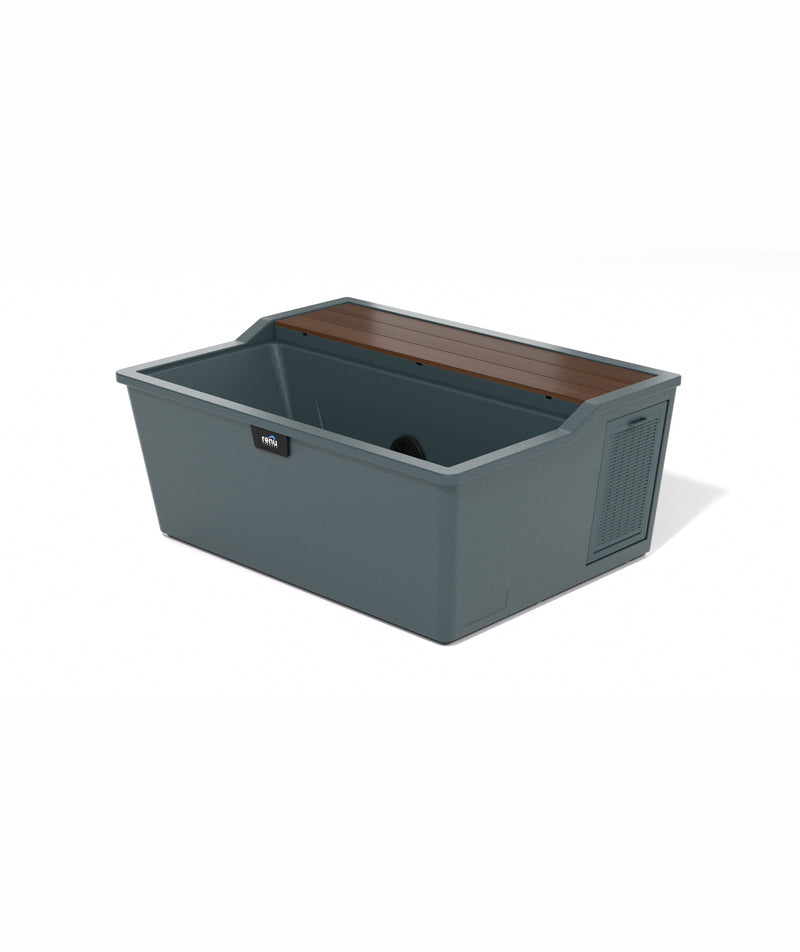
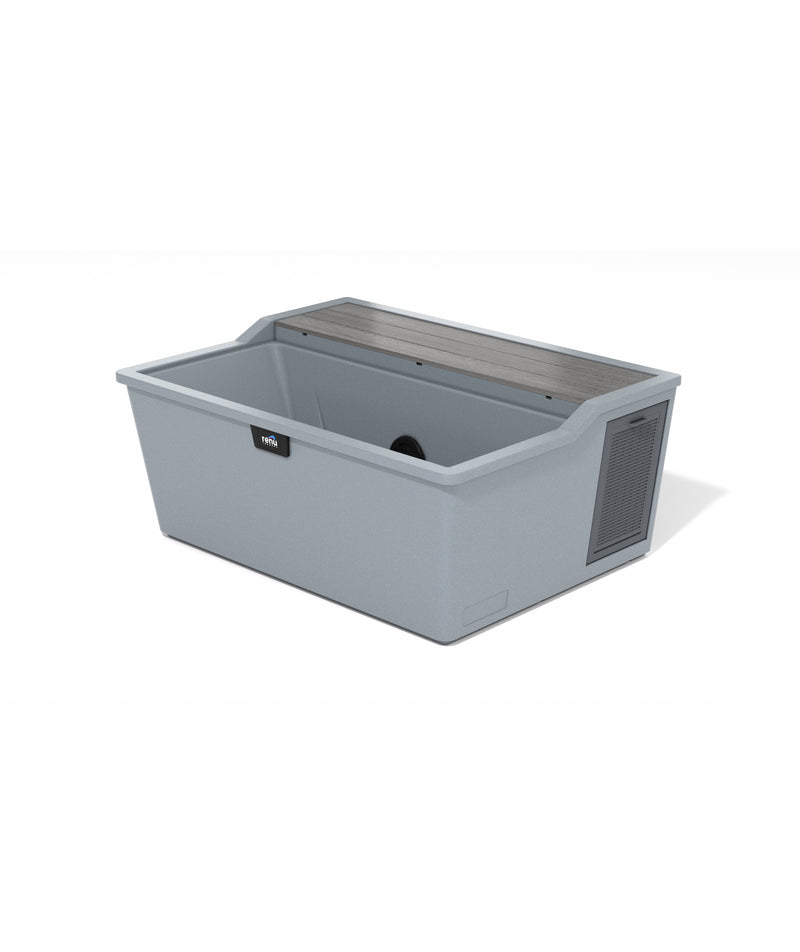
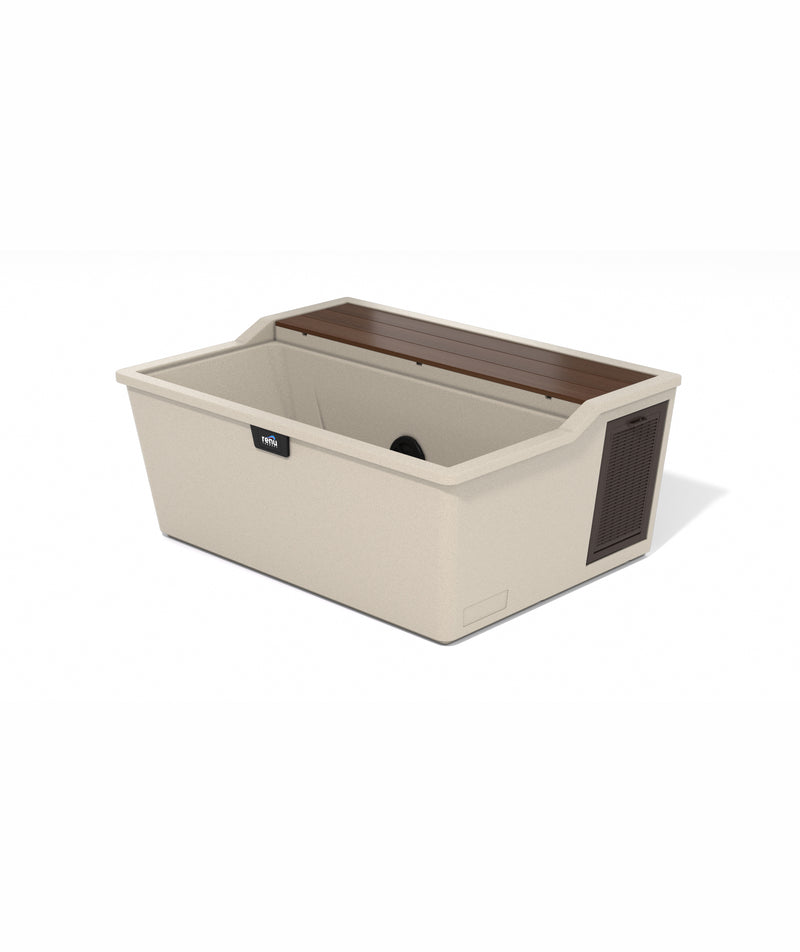
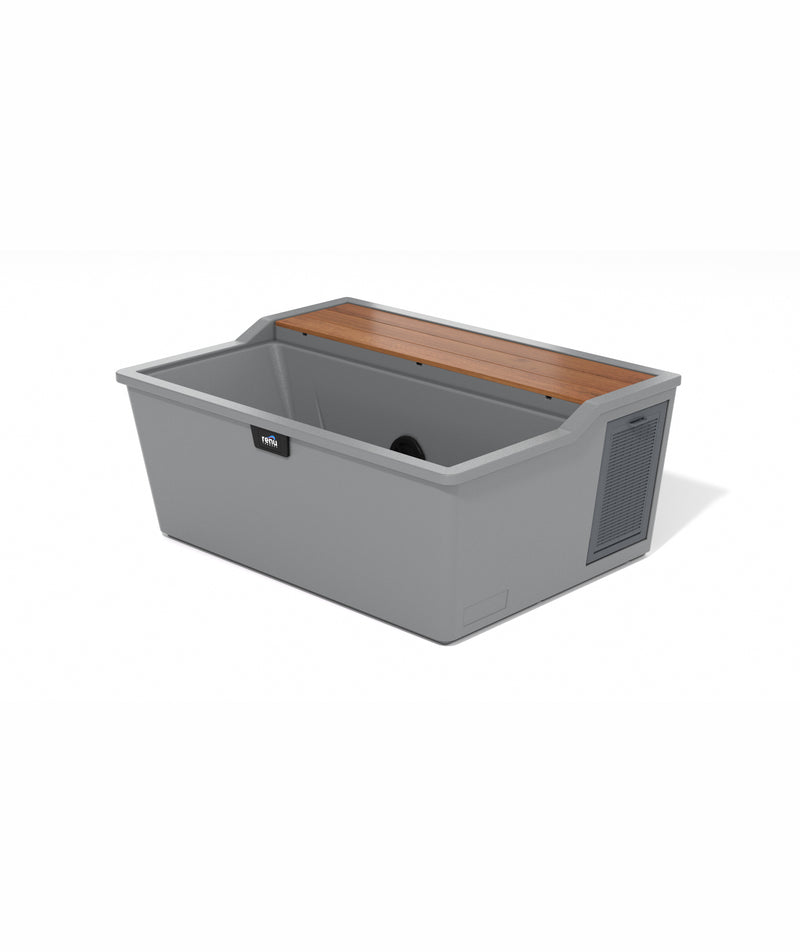
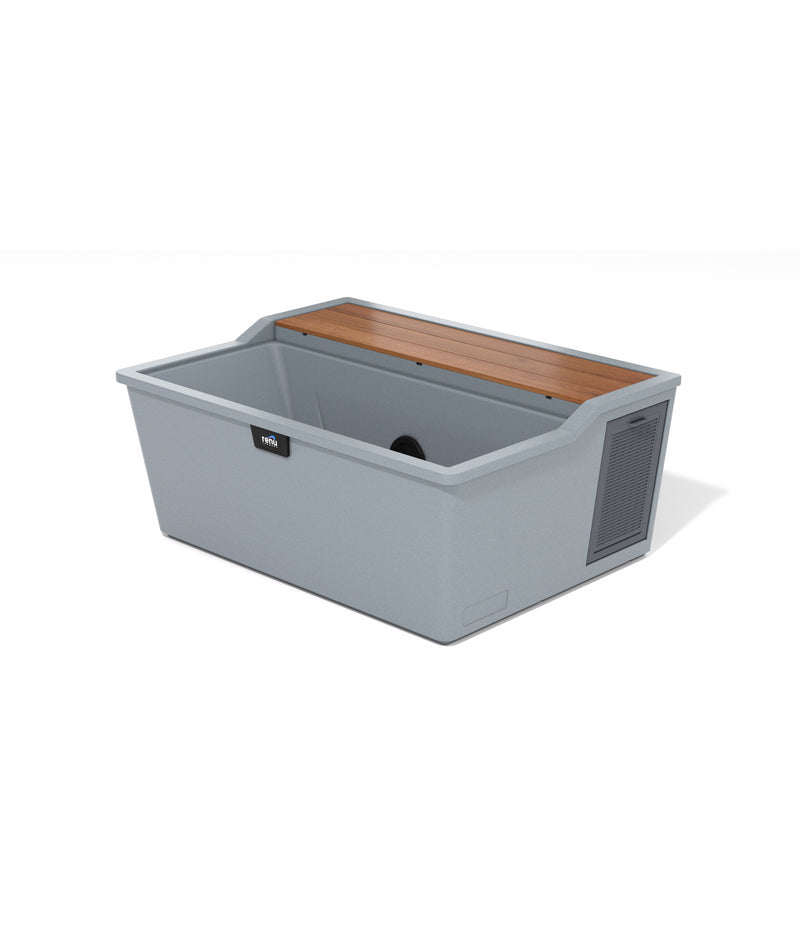
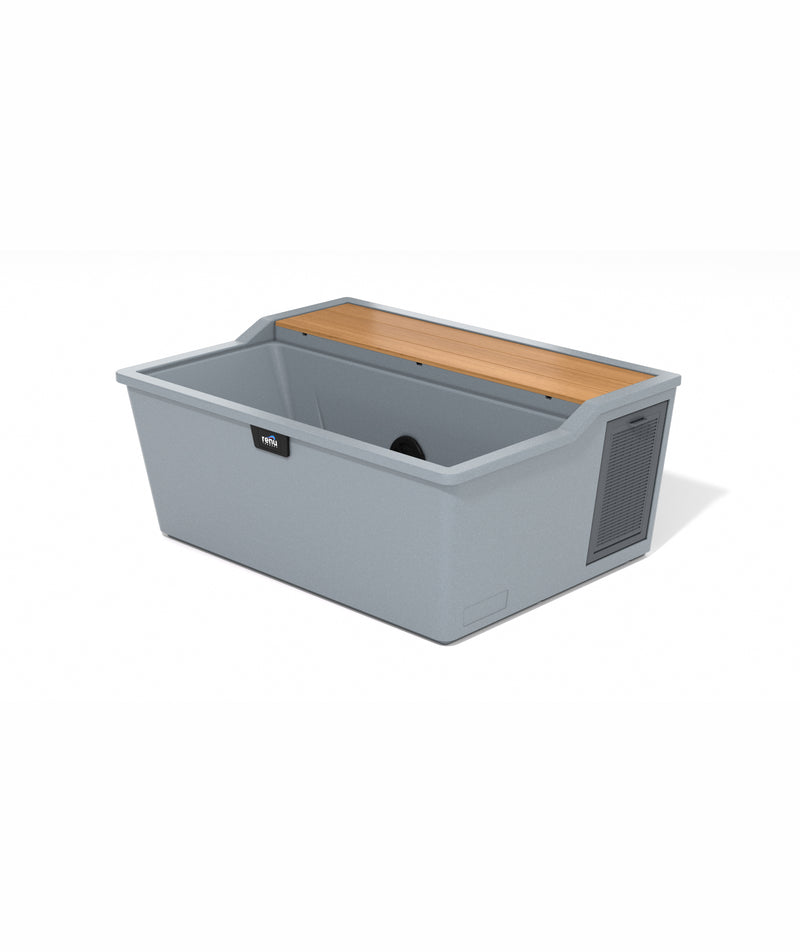
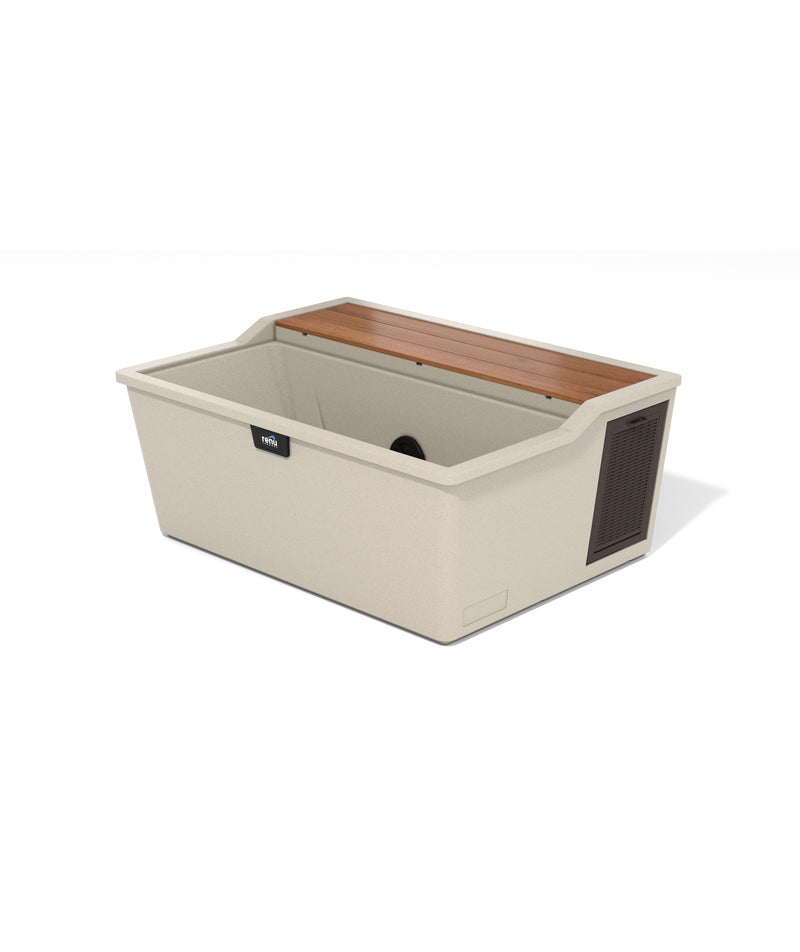
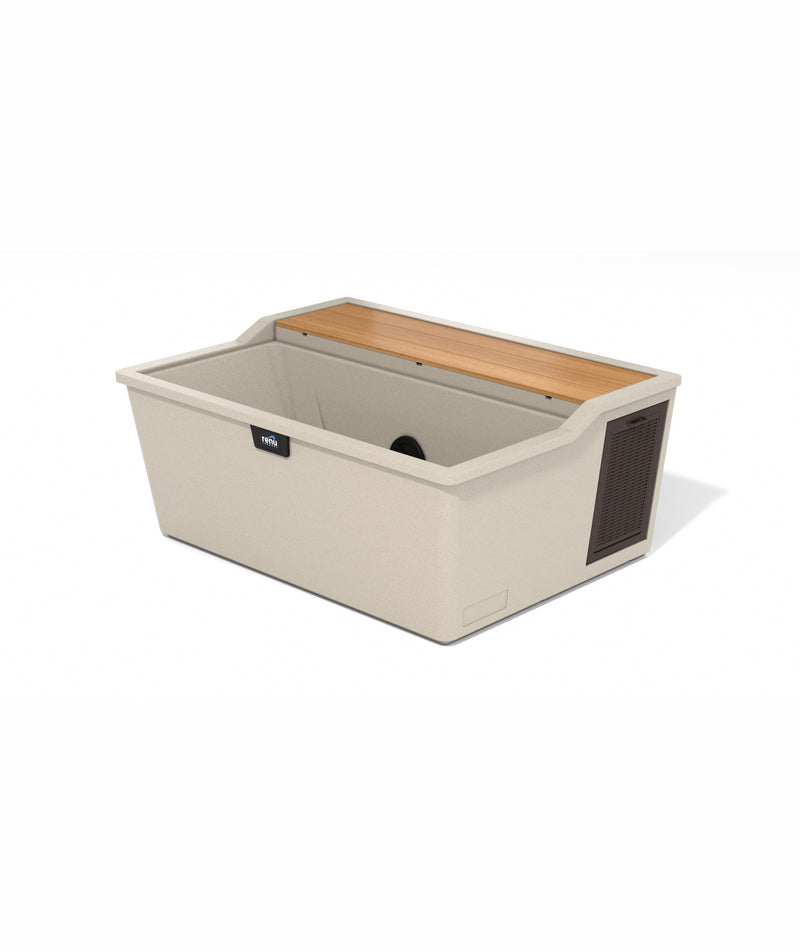
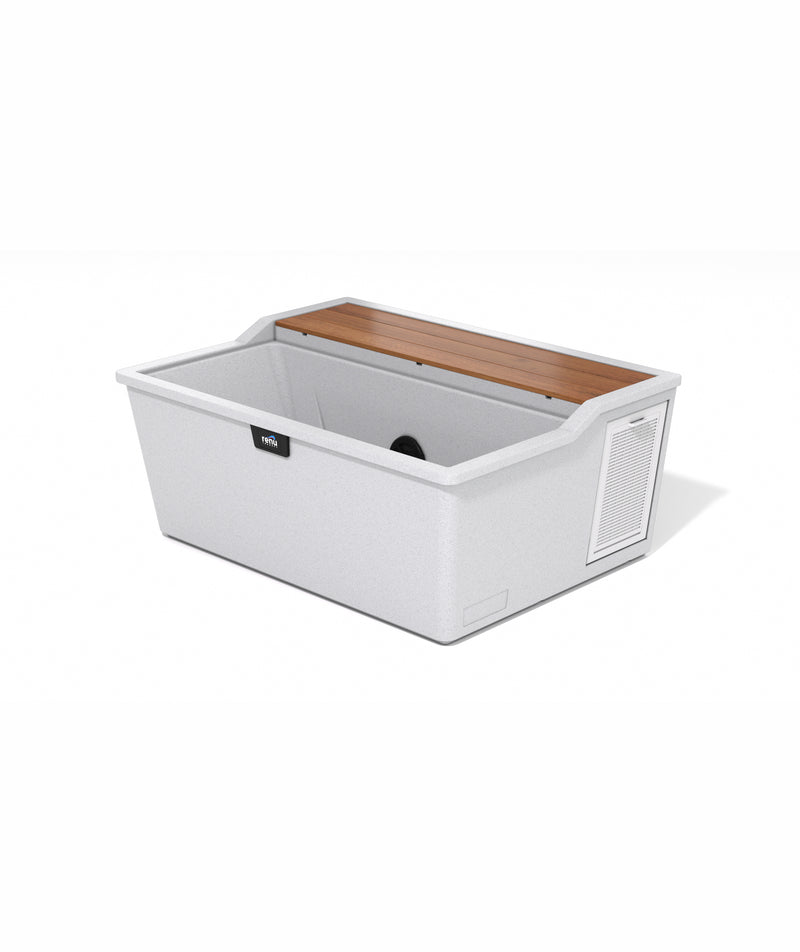
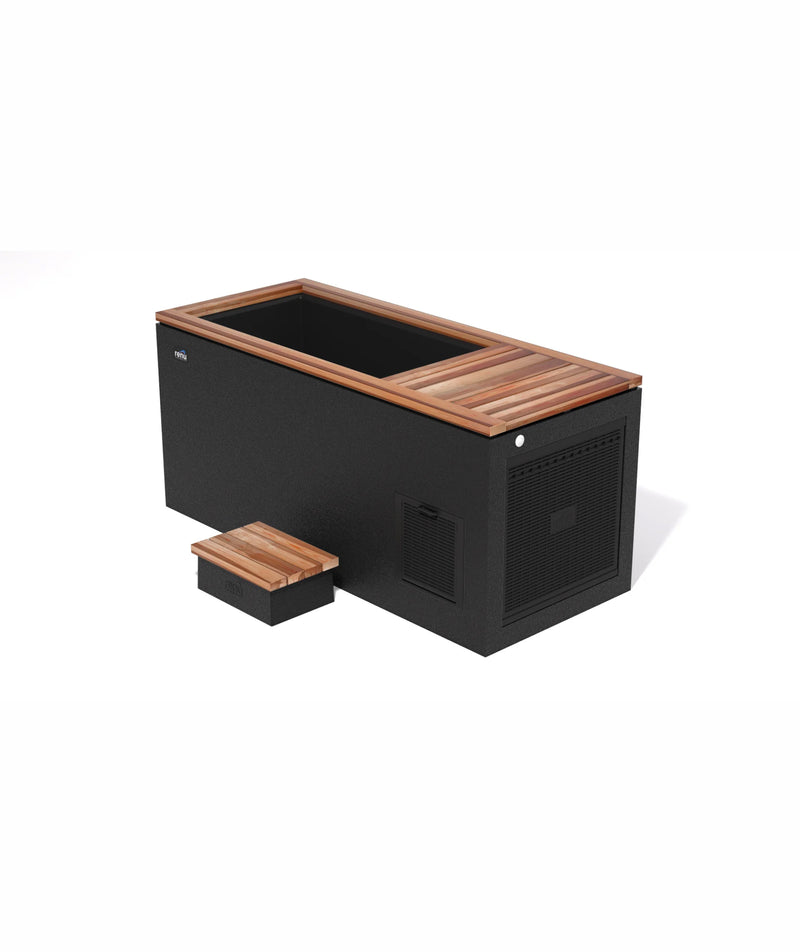
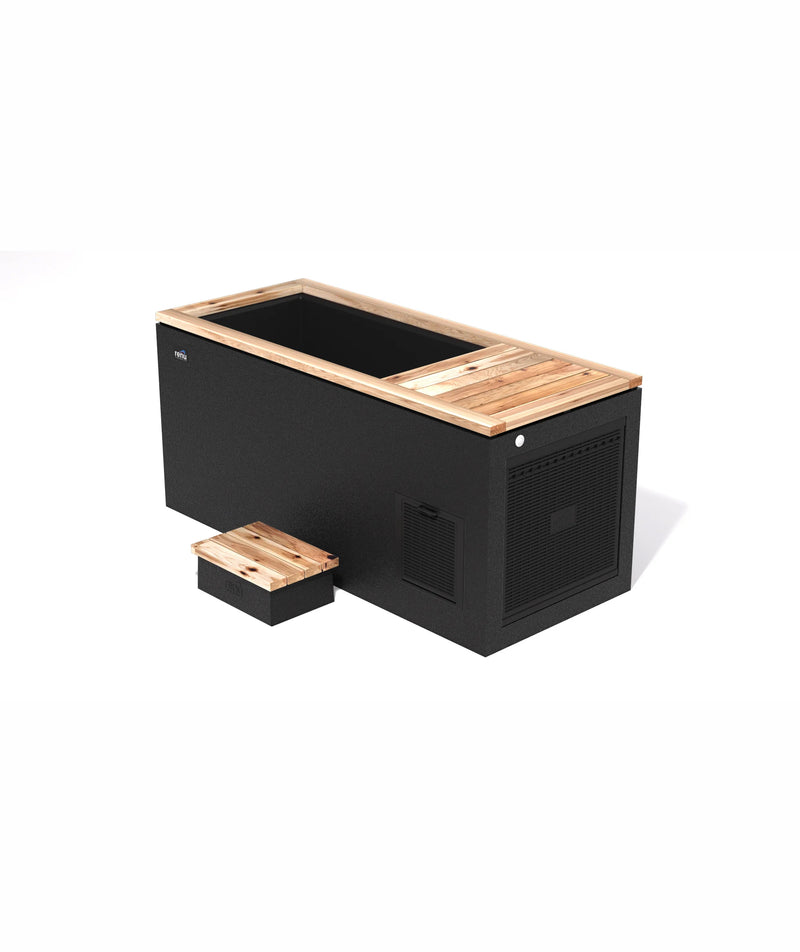
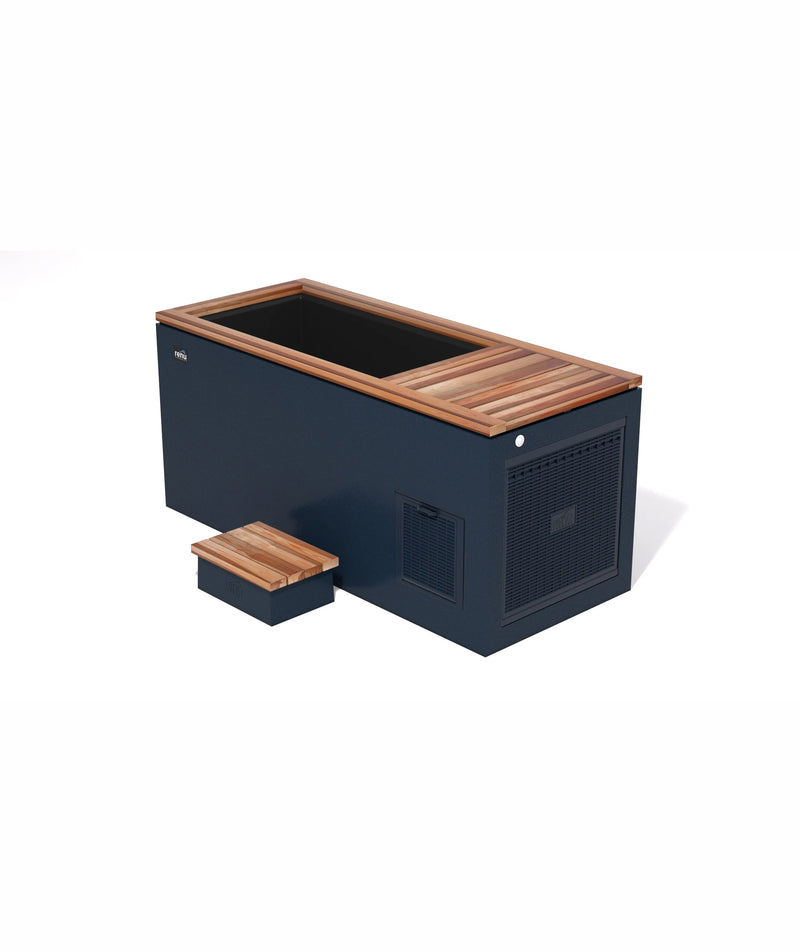
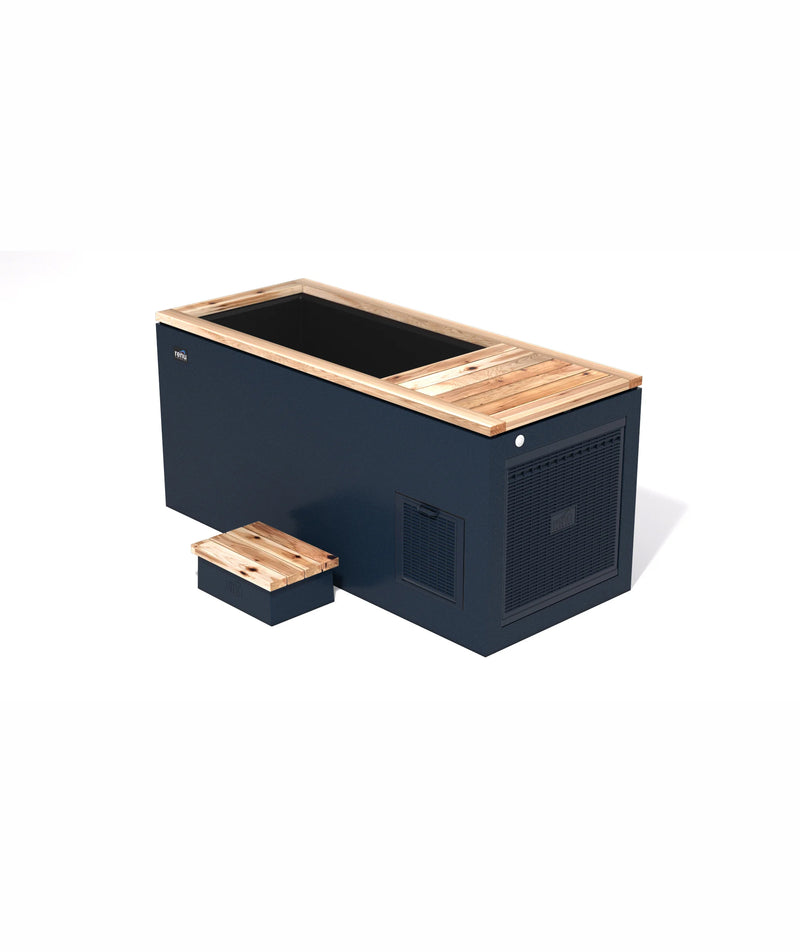
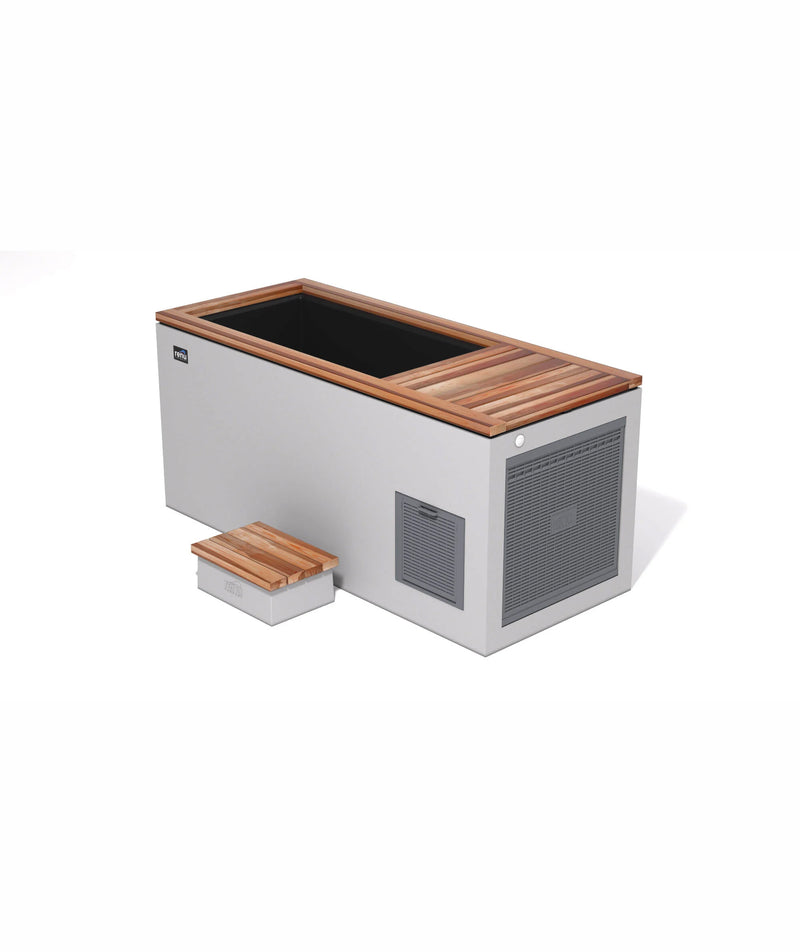
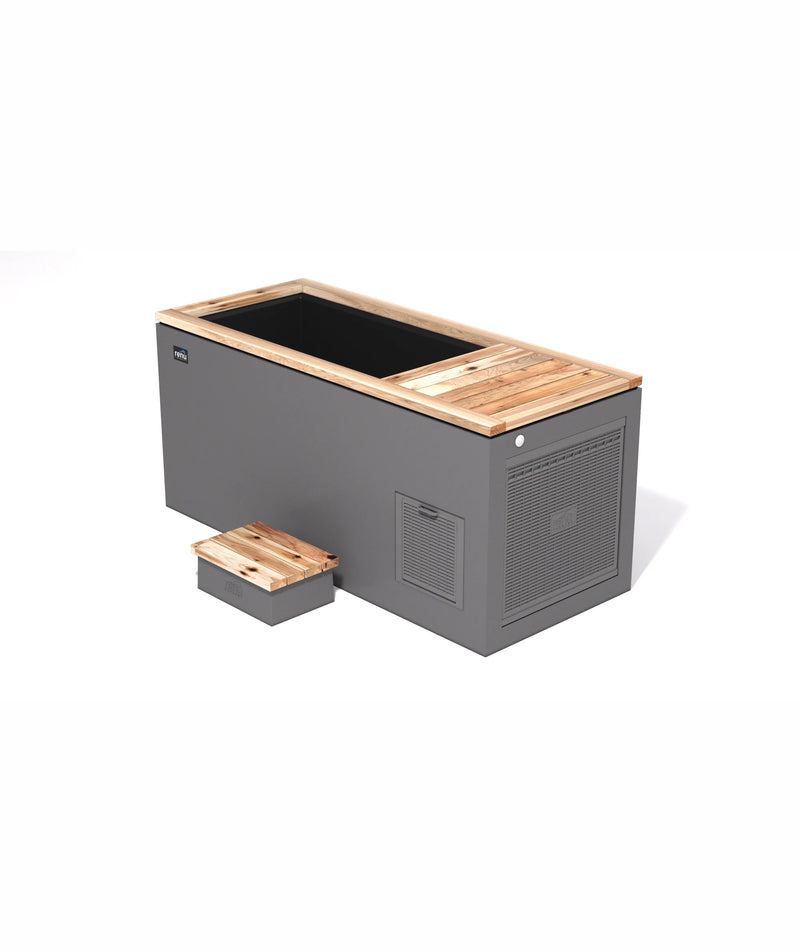
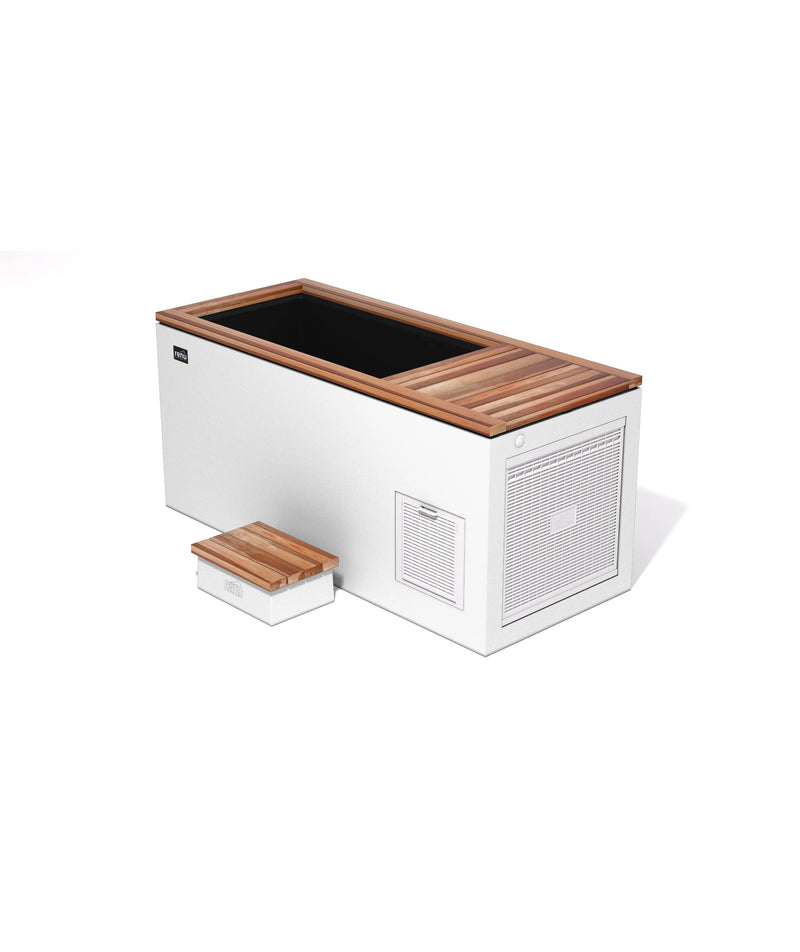
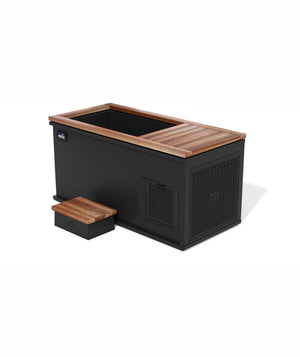
That's the right way to think about it. The lifestyle levers above are the long game. Cold is the daily reset that makes the long game easier to return to. For a lot of people, having a plunge at home is what turns it from a someday idea into a daily habit, because the friction disappears and the reset is simply there.
Try it tomorrow: before you reach for your phone, end your shower with 30 to 60 seconds of cold. You'll feel the urge to quit. Breathe through it. That's the rep.
Frequently asked questions
Is chronic inflammation the same as the inflammation from an injury?
No. Injury triggers acute inflammation, which is protective and resolves. Chronic inflammation is low-grade, persistent, and silent, and it's the kind linked to long-term health.
Can you feel chronic inflammation?
Usually not directly. People more often notice its downstream effects, slower recovery, lower energy, and a vague sense of feeling "off."
Does cold plunging reduce inflammation?
The honest answer is that current evidence does not show cold therapy lowering chronic inflammation, and it may briefly raise inflammatory markers right after a session. Cold's well-supported benefits are around acute state reset, focus, mood, and stress resilience.
What actually lowers chronic inflammation?
The consistent, evidence-backed levers are lifestyle: regular movement, adequate sleep, managing chronic stress, and a nutrient-dense diet. Tools like cold exposure support the habits that keep you consistent.
How long until lifestyle changes matter?
Some markers, like those tied to sleep, respond within days. The larger shift in your baseline is built over weeks and months of consistency.
If you want the daily reset, explore the cold plunge built for it »

Sources: Furman et al., "Chronic inflammation in the etiology of disease across the life span," Nature Medicine (2019); Furman et al., "An inflammatory aging clock (iAge)," Nature Aging (2021); Ridker et al., CANTOS, New England Journal of Medicine (2017); Pedersen, myokine and muscle-organ crosstalk research, University of Copenhagen; Šrámek et al., European Journal of Applied Physiology (2000); Cain et al., PLOS One (2025); Ferrucci, inflammaging and healthspan research, National Institute on Aging.
Medical disclaimer. This article is for general educational and informational purposes only and is not medical advice. It is not intended to diagnose, treat, cure, or prevent any disease, and it is not a substitute for professional medical advice, diagnosis, or treatment. Always consult your physician or another qualified health provider before changing your diet, exercise, sleep, or recovery routine, and before beginning cold exposure or cold-water immersion, which is not appropriate for everyone, including people who are pregnant or who have cardiovascular or other health conditions. Never disregard or delay seeking professional medical advice because of something you have read here. Individual results vary, and reading this article does not create a doctor-patient relationship.