Most people arrive at cold water with a schedule already in mind. They plunge when it fits: before work, after the gym, whenever there’s a gap in their day. That’s a reasonable way to build a habit, but it’s not always the best way to get a result.
Cold water does different things at different times, and it does different things depending on what you’ve been doing before you get in. Your physiology doesn’t care about your calendar. Understanding what cold exposure actually triggers—and when those triggers will help or hinder you—is the difference between a practice that compounds and one that simply happens.
Here’s what the timing actually changes.
The Short Answer
- For alertness, mood, and mental clarity: Morning, ideally within the first hour or two after waking.
- For sleep: Early evening, roughly 60 to 90 minutes before bed, not immediately before.
- After strength training: Wait at least four hours, or cold plunge on a different day entirely.
- After endurance training: Cold water is more defensible here, particularly when you have another session coming inside 24 hours.
- Before training: Generally not useful, and potentially counterproductive for power output.

Related → How Long Should You Stay in an Ice Bath?
Why Timing Changes the Result
Cold water immersion doesn’t create a single effect; it’s more a cascade of effects, all of which run on different timelines.
The moment you enter cold water, peripheral blood vessels constrict and blood is shunted toward your core. Your heart rate and breathing spike. Your sympathetic nervous system fires, and catecholamines follow—a family of stress and alertness chemicals that your body dumps into the bloodstream. Chief among them is norepinephrine, a principal driver of the alertness and upbeat mood many people describe afterwards.
Then you get out, and the second half of the story begins: Your blood vessels dilate, warm blood returns to your periphery, and the body starts to shed heat. Your core temperature drops below where it started before returning to baseline.
Those two phases pull in opposite directions. The first is stimulating. The second is, in thermoregulatory terms, sleep-permissive. Time your session well and you catch the phase you want. Time it poorly and you don’t.
Morning: Cold as a Starting Signal
Morning is the default time for most experienced cold plunge practitioners, and there’s good reason for that.
Cortisol naturally peaks in the 30-45 minutes after waking. This rise is not a problem to be managed; it is the mechanism that gets you upright and functional. Cold exposure during this window works well with the existing rhythm rather than against it.
What a cold plunge in the morning can deliver:
- Sustained alertness without the crash profile of caffeine
- Mood elevation that tends to remain well beyond the session itself
- The satisfaction of a completed “hard thing” before the day has really begun
The last one is not a physiological benefit, but it is the one that many experienced cold plunge practitioners cite when asked why they keep going.
Morning immersion also solves the compliance problem: cold water is much easier to avoid as the day goes on. A plunge scheduled at 6 a.m. has fewer competitors than one scheduled at 6 p.m.

Evening: Cold and Sleep
This is where some people can get it wrong, so it’s worth understanding the physiology of a cold plunge before bed.
The mechanism that makes cold plausible for sleep is the rebound effect that happens after you get out. Sleep onset depends on a falling core temperature and the body initiates that drop naturally in the evening. Cold immersion followed by rewarming produces peripheral vasodilation and heat loss, which can accelerate the same descent.
The catch is the first phase. Immersion is acutely stimulating, and that stimulation does not resolve instantly. Plunge 15 minutes before bed and you are still carrying the sympathetic response into bedtime.
Practical window: The best time to take a cold plunge before bed is 60 to 90 minutes before your intended sleep time. That’s long enough for the arousal to settle yet close enough to ride the thermal rebound.
Be aware that the evidence base here is stronger on mechanism than on outcome. Cold immersion for sleep is physiologically coherent and reported anecdotally by a great many people. Controlled trials measuring sleep architecture after evening cold plunging are still limited, so it’s always worth testing it yourself to discover what timing truly works best for you.
Around Training—The One That Matters Most
Athletes have taken ice baths after training for decades; the research has since complicated that.
After Strength Training
Cold water immersion immediately after resistance training can blunt the adaptation you just trained for—and this isn’t a fringe finding. Multiple controlled trials have shown attenuated hypertrophy and strength gains when cold immersion follows resistance sessions over a training block, alongside reduced anabolic signaling in muscle tissue. The mechanism is straightforward once stated: the inflammatory and metabolic disturbance created by hard lifting is not damage to be suppressed. It is the signal that instructs the muscle to adapt. Cold water dampens that signal.
You will find plenty of content recommending a plunge right after your workout, or within two hours. Know that when it comes to strength work, that advice is dated.
What to do instead:
- Separate cold immersion from strength training by at least four hours, and preferably longer
- Plunge on rest days and non-lifting days
- Plunge in the morning and lift in the afternoon
The exception is competition or in-season play, where recovering for tomorrow legitimately outranks adapting for next month. If you need to perform again in 24 hours, recovery should be the focus.
After Endurance Training
The picture is more favorable here. Cold immersion after long or repeated endurance efforts has better support for reducing perceived soreness and restoring readiness between sessions, and the adaptation concern is less pronounced than with resistance work.
Cold plunging can be most useful after an endurance workout when:
- You have a second session inside 24 hours
- You are in a heavy training block and accumulating fatigue
- You are training or racing in the heat
Before Training
It is rarely worthwhile to cold plunge before a workout. Pre-cooling has narrow applications in extreme heat, but for general training, entering a session with cold, vasoconstricted muscle tissue tends to reduce power output and raise injury risk. It is far more important to warm up properly instead.

Related → Ice Bath vs Cold Shower: What Actually Separates Them?
Timing Considerations for Women
Cold exposure research has historically been conducted on men, and the guidance that filtered down reflects that. There are a few distinctions worth noting.
Core body temperature shifts across the menstrual cycle: it runs higher in the luteal phase, and thermoregulatory responses shift with it. The practical consequence is that the same water temperature can feel meaningfully different depending on where you are in your cycle, and tolerance may vary week to week. That is a normal response, not a failure of adaptation.
Through perimenopause and beyond, thermoregulation becomes less predictable. Some women find cold exposure helpful for managing vasomotor symptoms. Others find it more taxing than it was previously.
Women may experience greater cardiovascular demand during cold exposure than men, and their bodies trigger the cold-defense response sooner than men's. Research points to the 50–59°F range as a sensible starting point for women: it's cold enough to activate norepinephrine release, mild thermogenesis, and brown adipose tissue, while maintaining a more balanced stress response. For women, it’s best to be conservative about going below 50°F, keep sessions short if you do, and pay close attention to how your body responds. You can learn more in this article on ice bath temperature.
How Often, Not Just When
Frequency is the other half of the timing question. The most useful benchmark comes from Dr. Susanna Søberg's work on habitual winter swimmers, which points to roughly 11 minutes of cold exposure per week, distributed across several sessions rather than accumulated in one. One detail usually gets lost in the retelling: those swimmers were also using the sauna regularly. The 11 minutes describes the cold portion of a contrast practice, not cold in isolation. That doesn't invalidate the number as a starting point, but it does mean it was never meant as a precise dose. Treat it as a weekly ceiling, not a per-session target. Two to four minutes, three or four times a week, gets you there.
Remember that more is not better. Cold immersion is a stressor, and stressors require recovery to produce adaptation. Daily long-duration cold plunging in someone already carrying training load, poor sleep, and life stress is addition where subtraction is needed. Consistency at a moderate dose outperforms intensity in bursts.
Building a Practice You Can Actually Keep
Most people fail at cold water immersion for logistical reasons rather than physiological ones: water that has drifted to the wrong temperature, a cold plunge that needs draining and refilling, or a setup that turns a three-minute practice into a 30-minute chore.
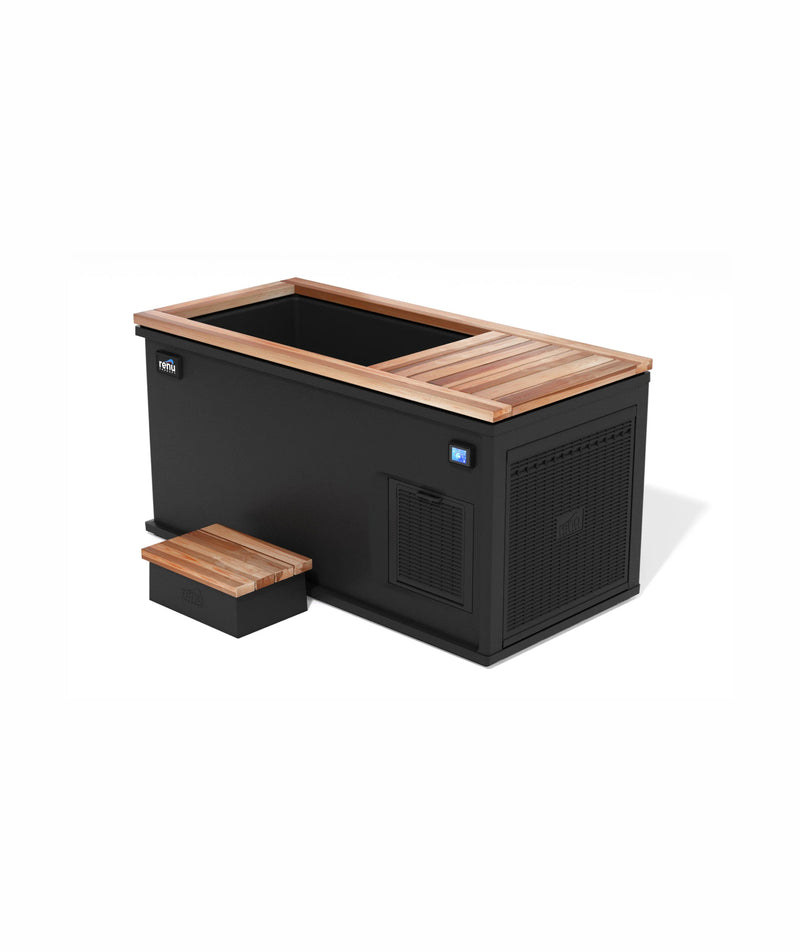
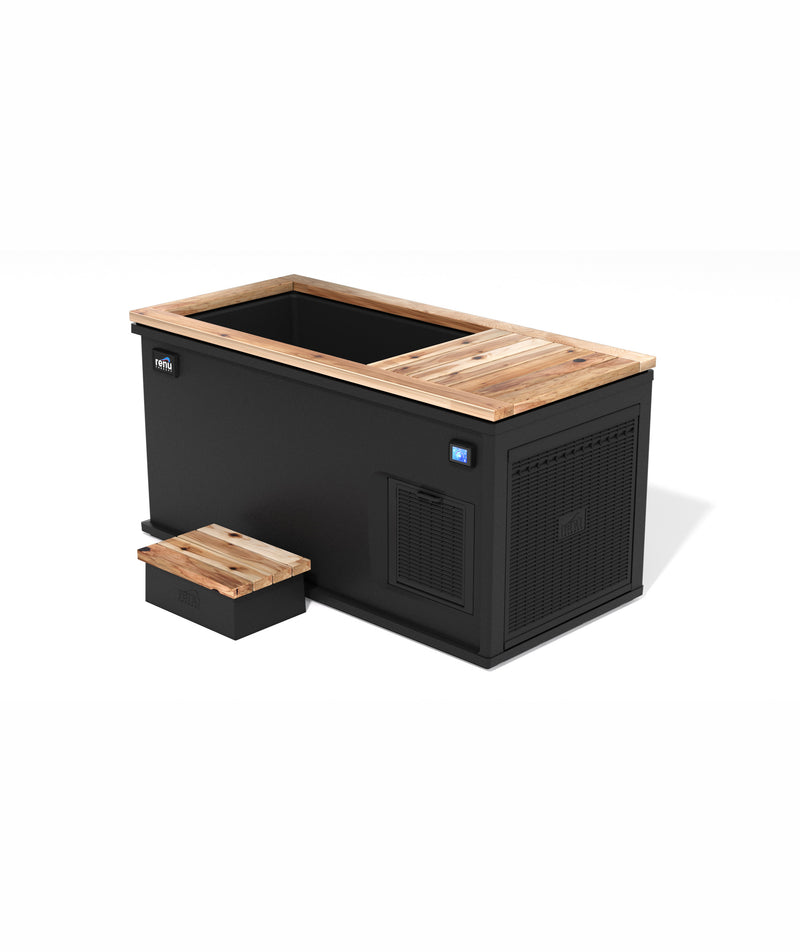
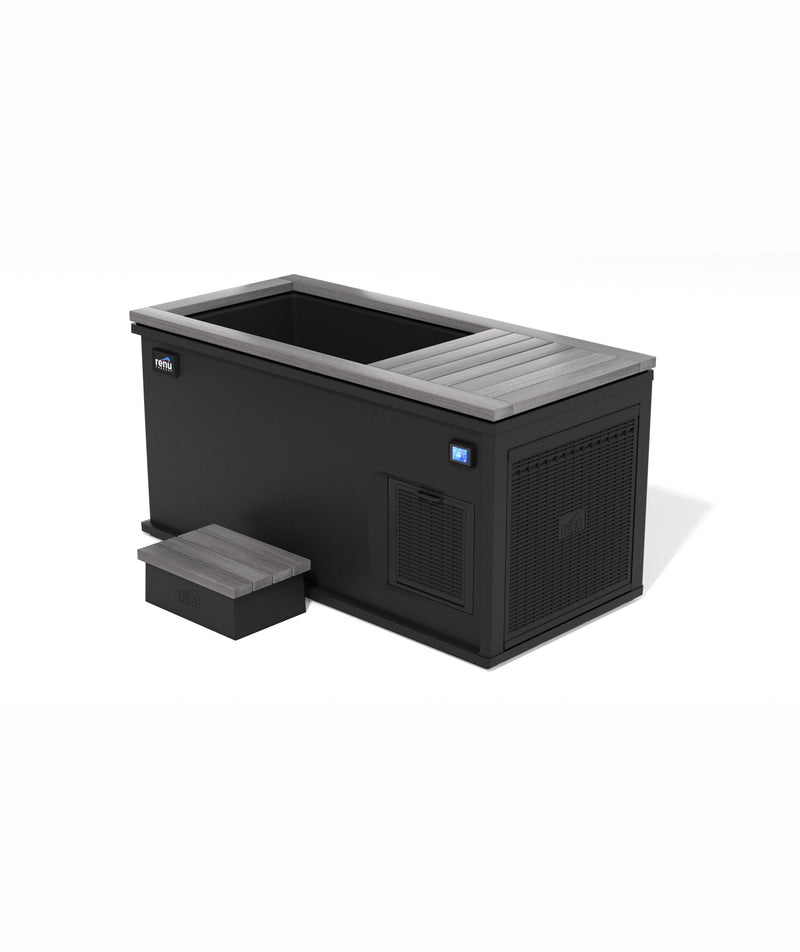
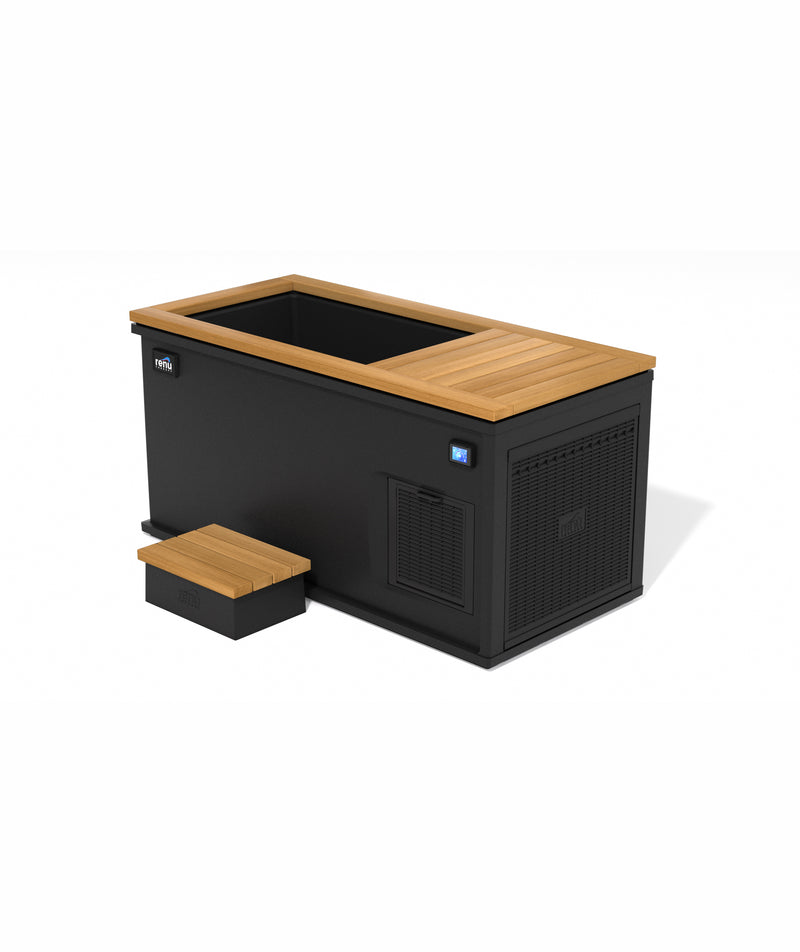
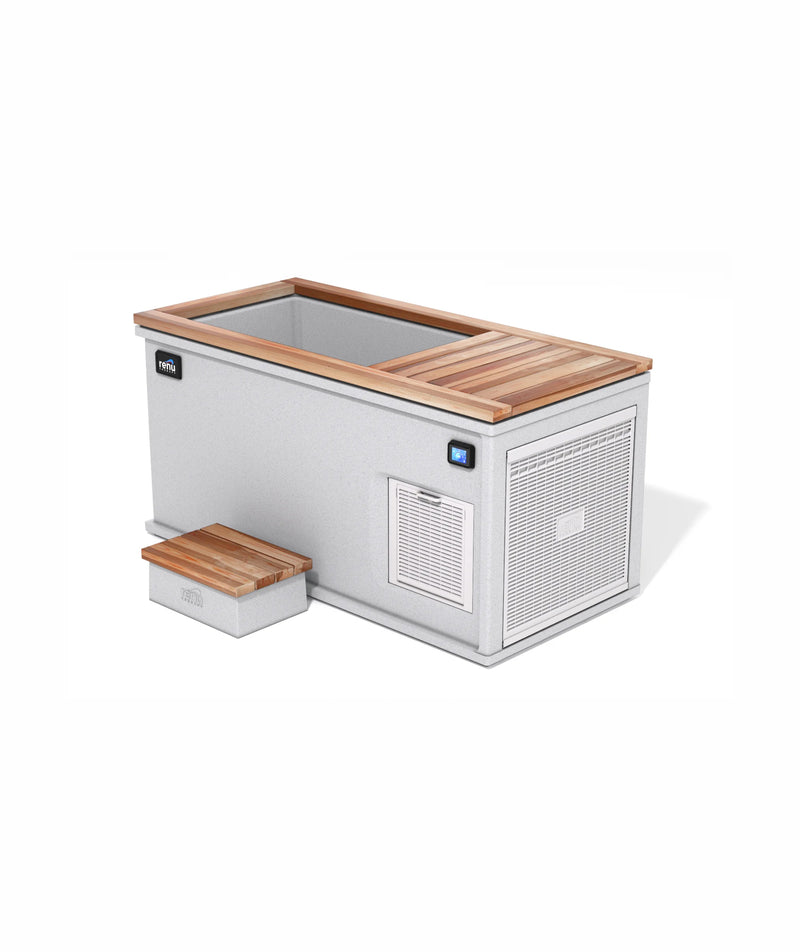
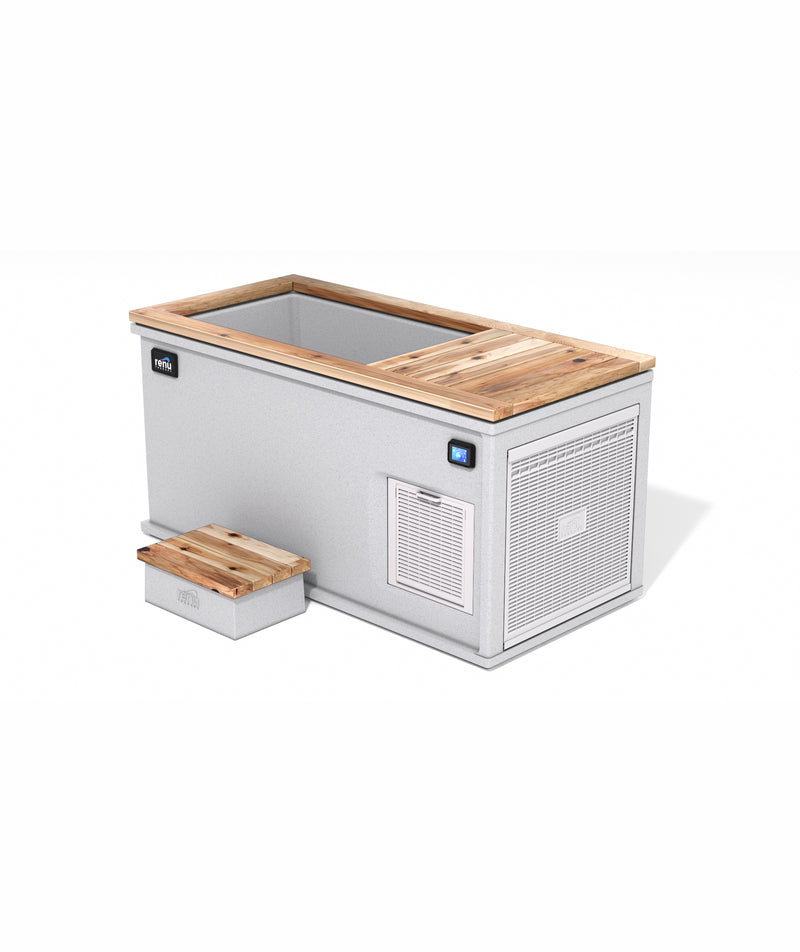
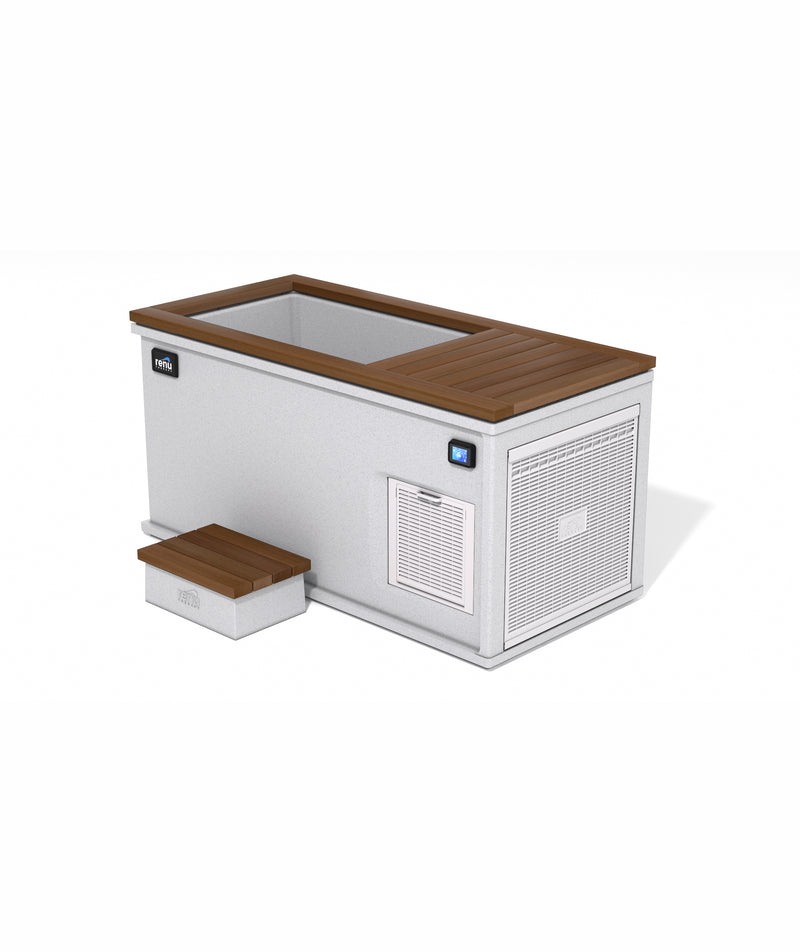
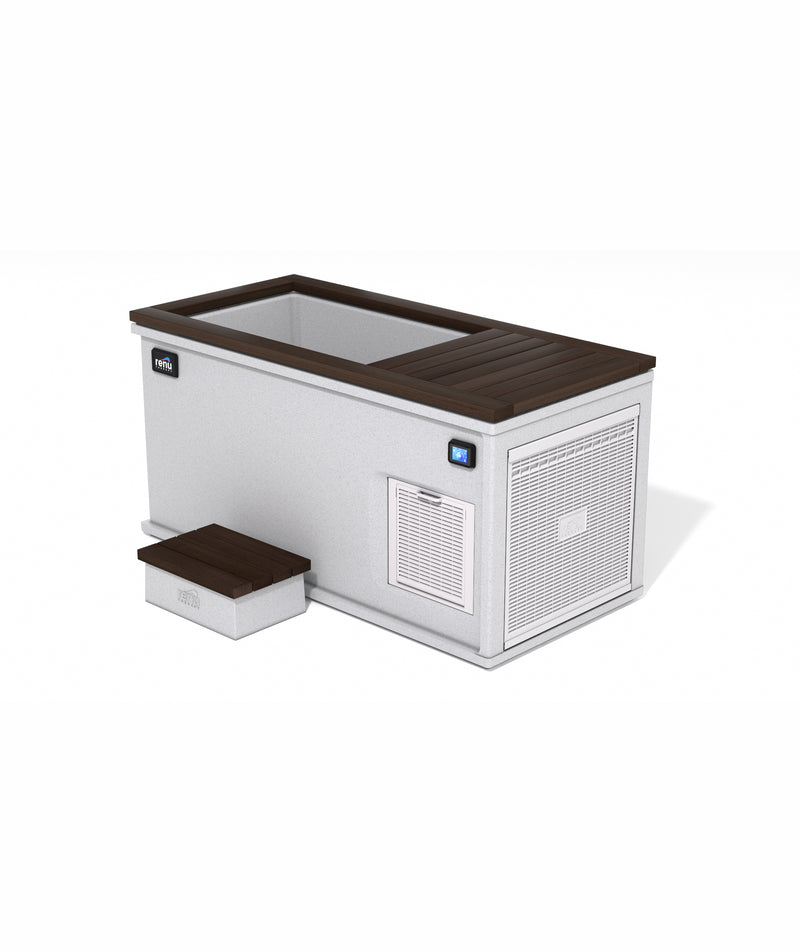
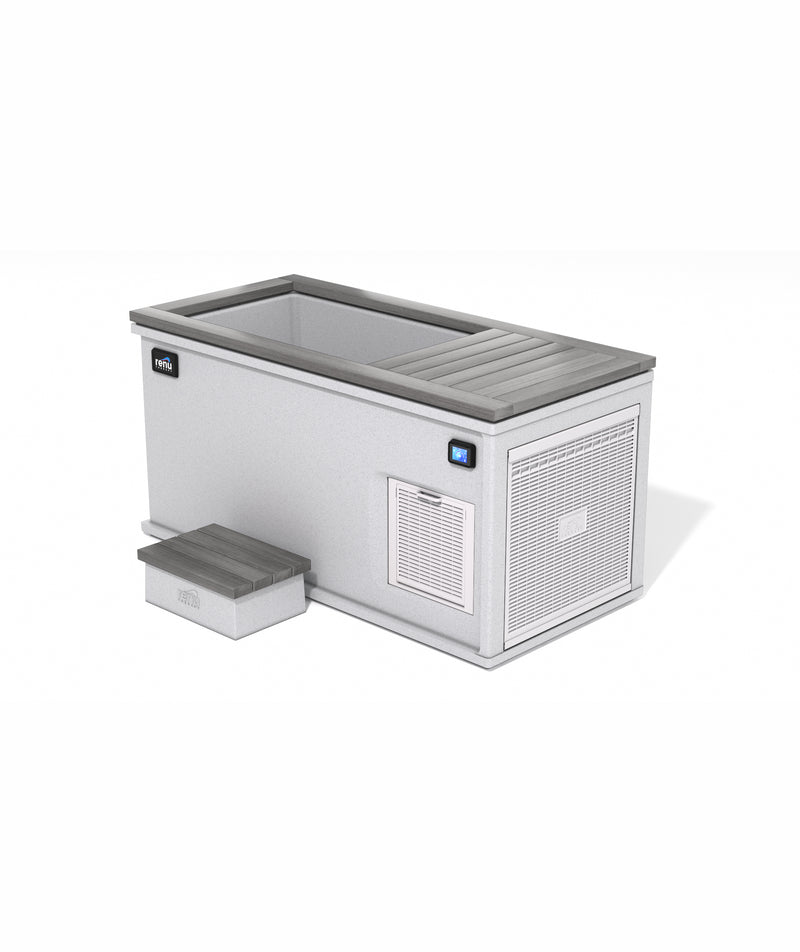
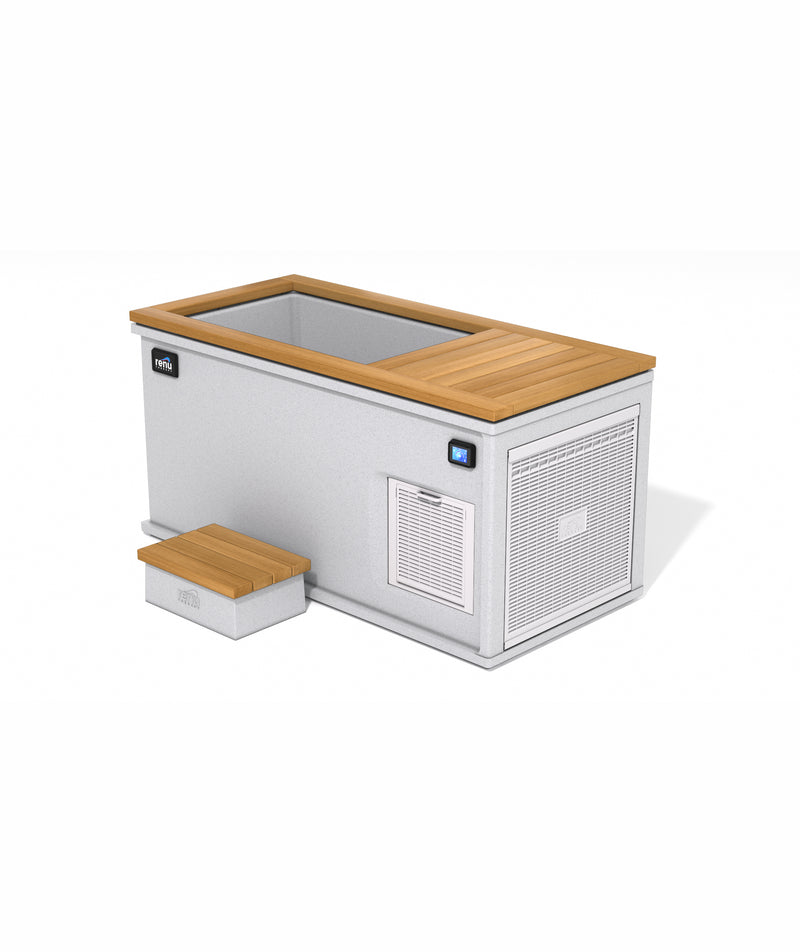
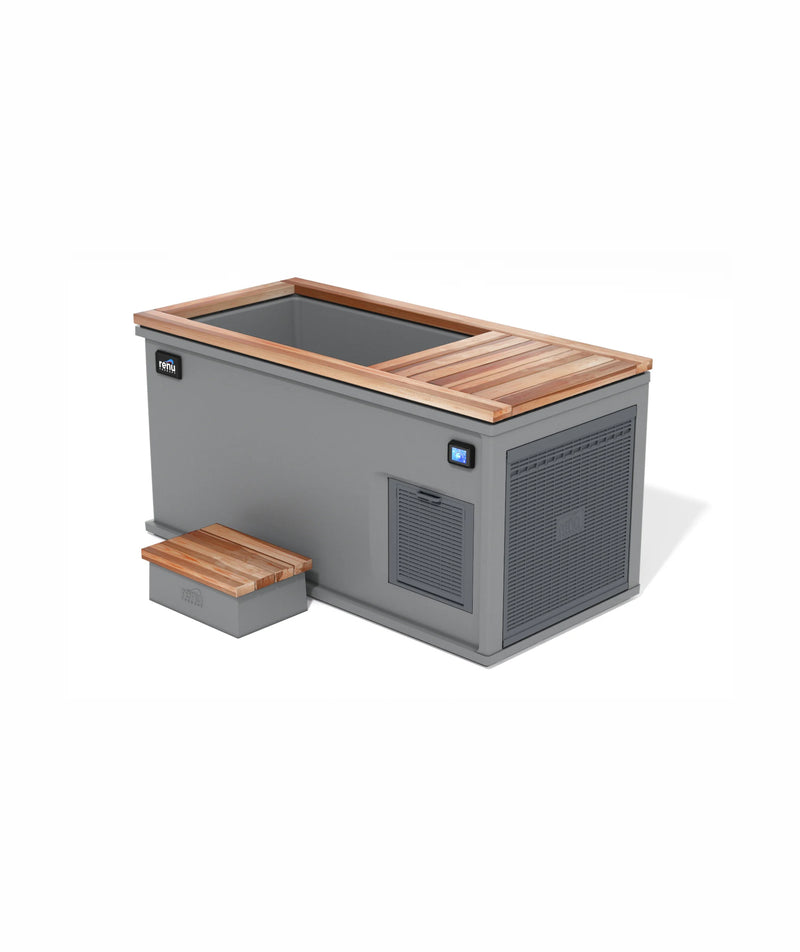
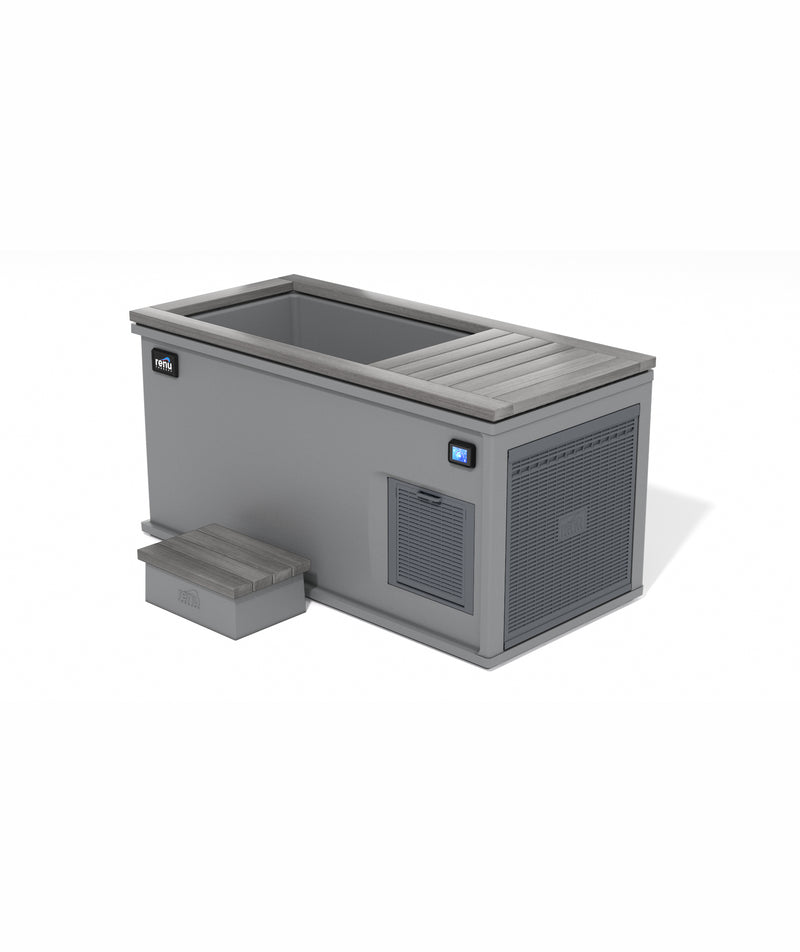
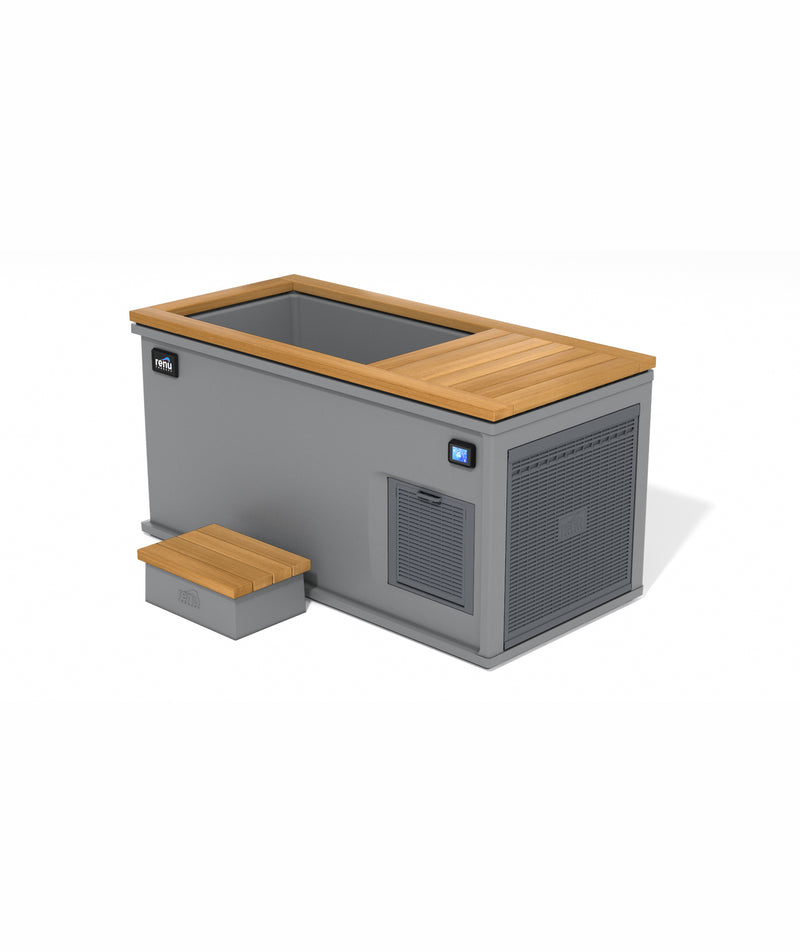
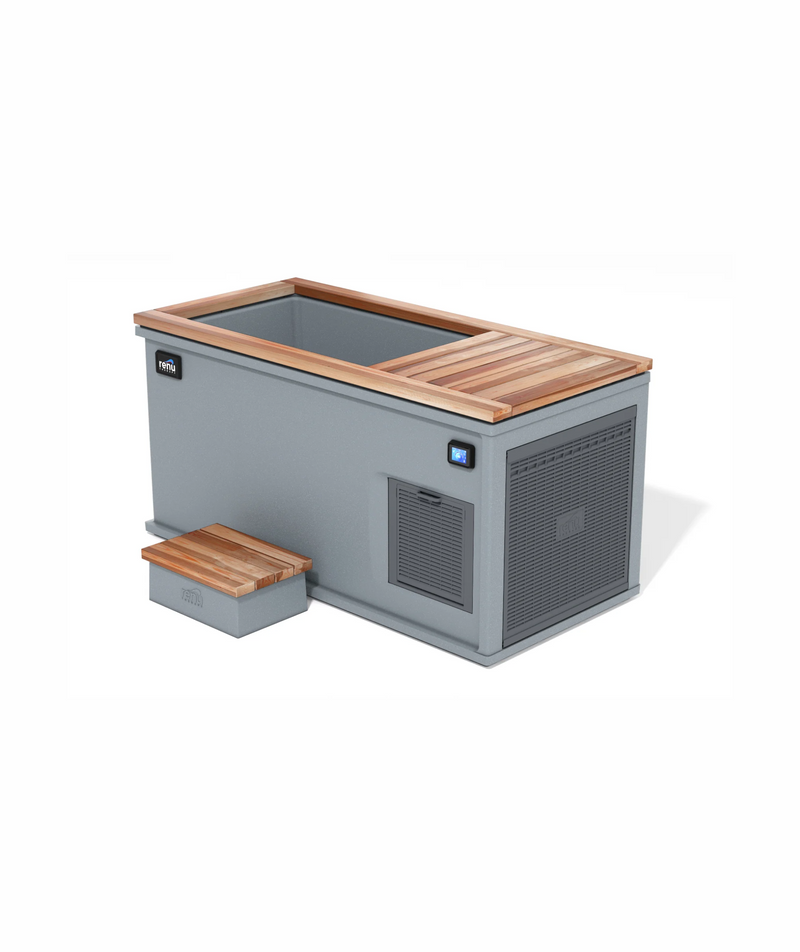
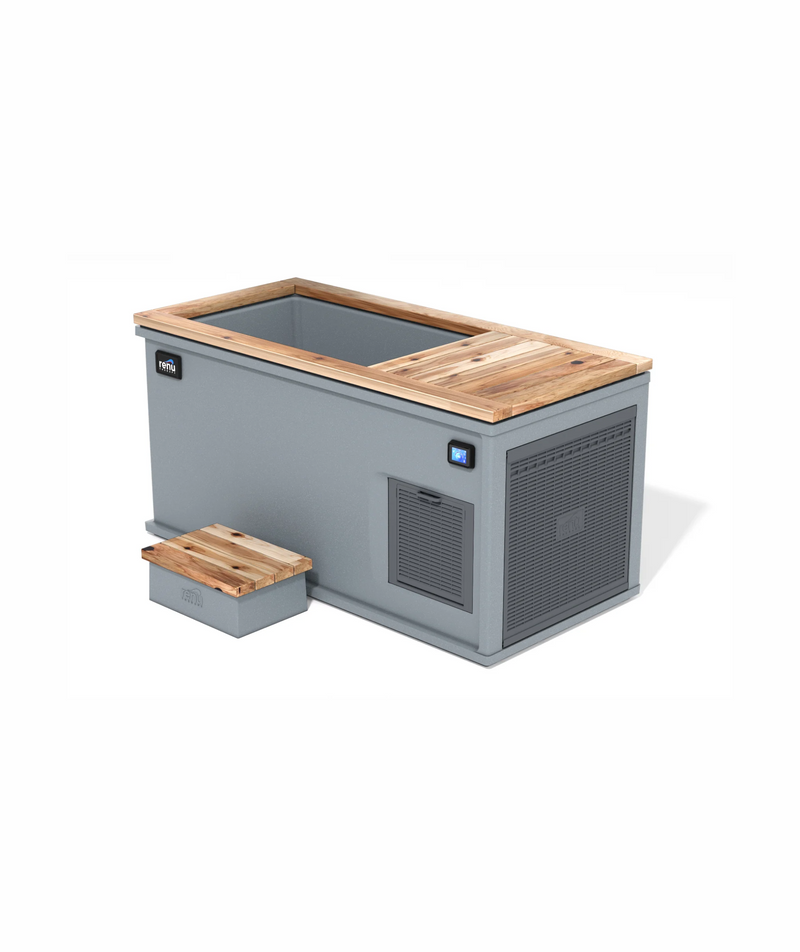
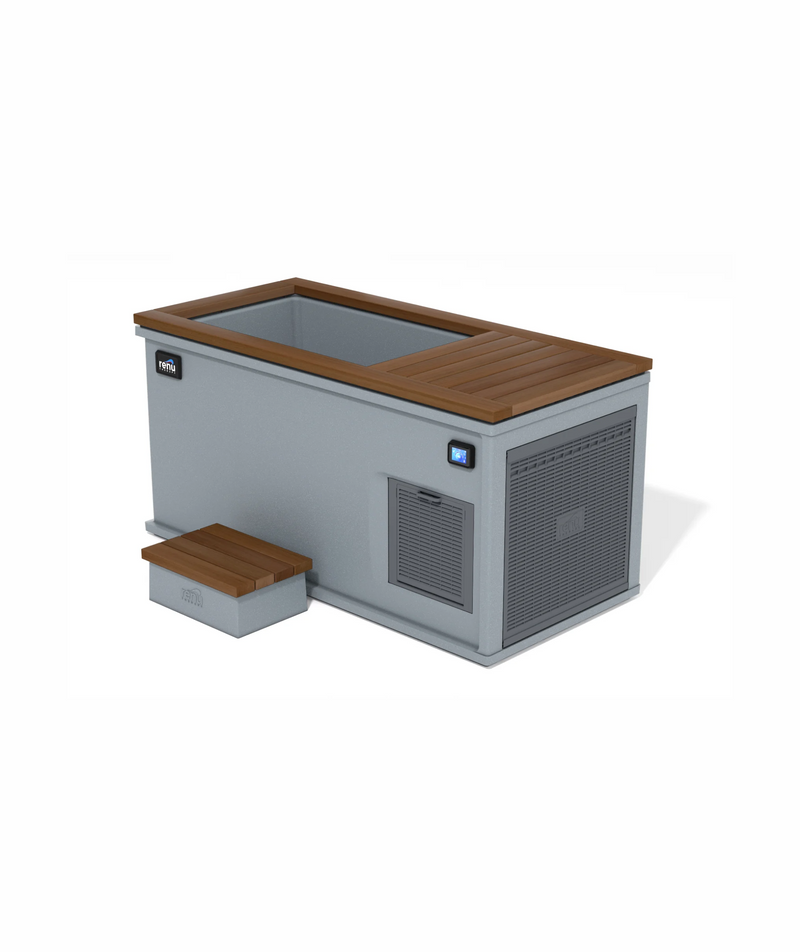
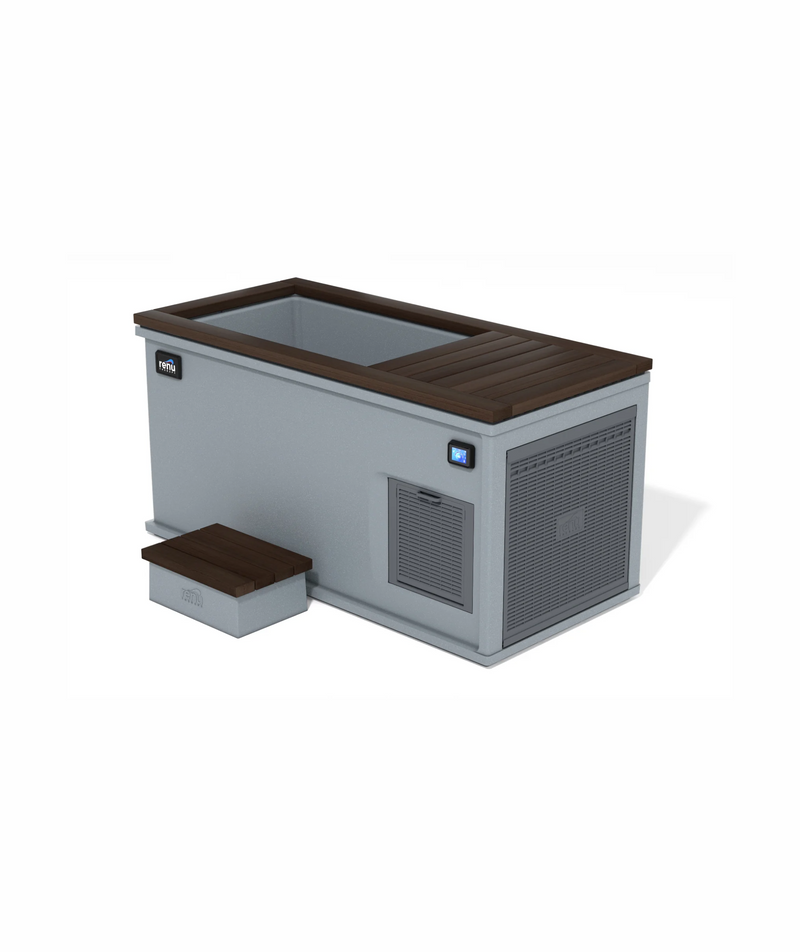
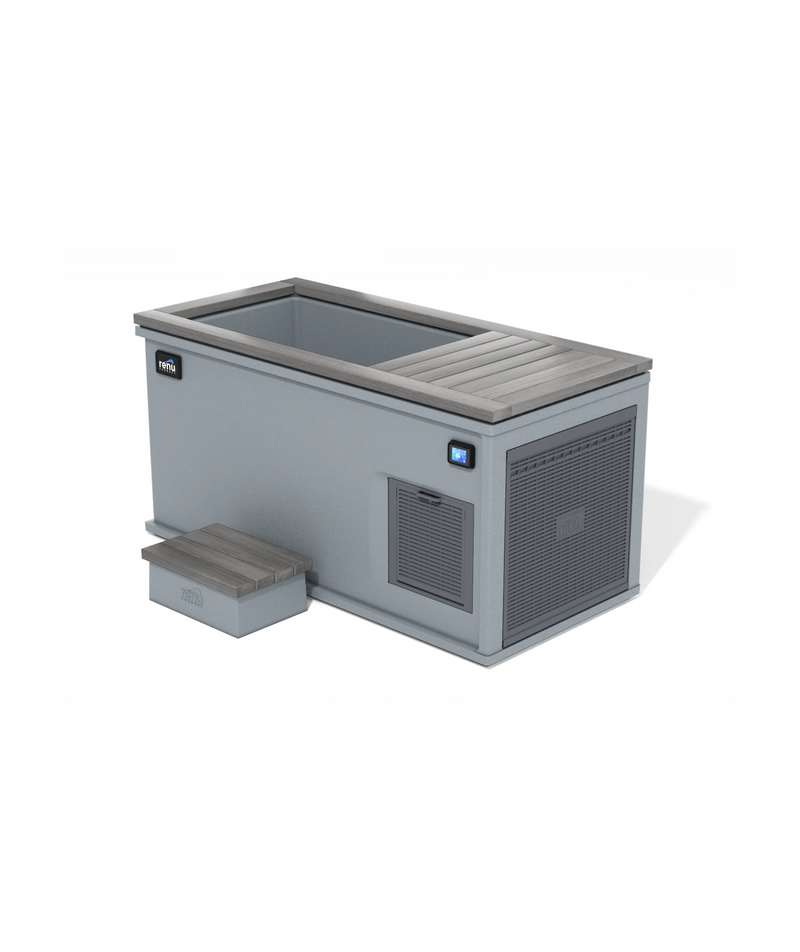
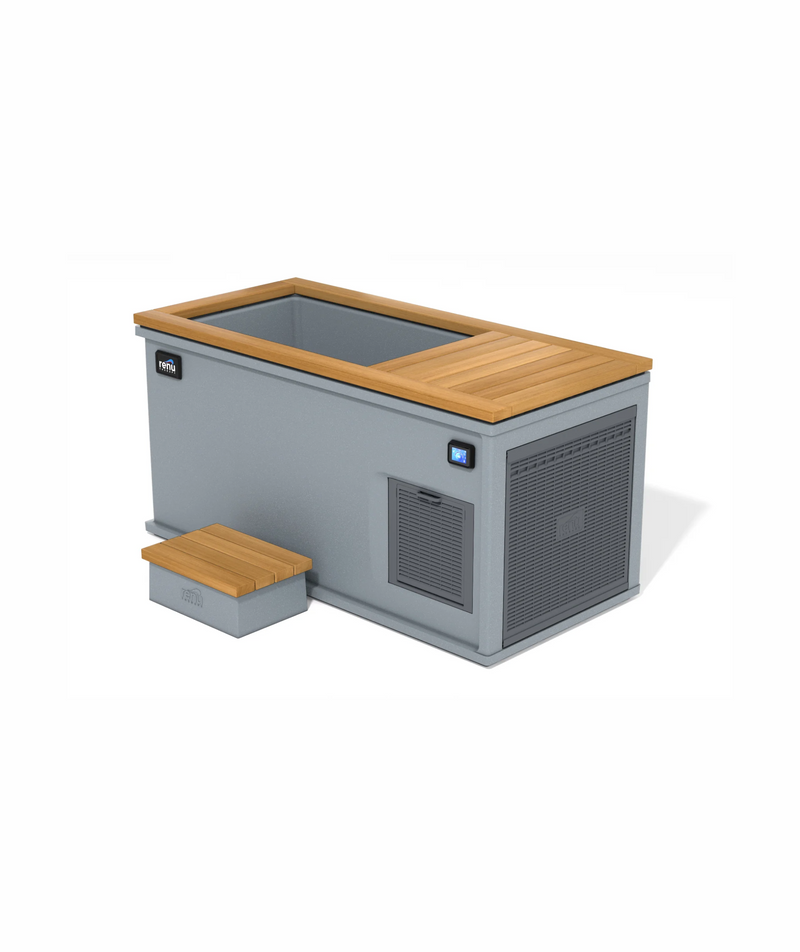
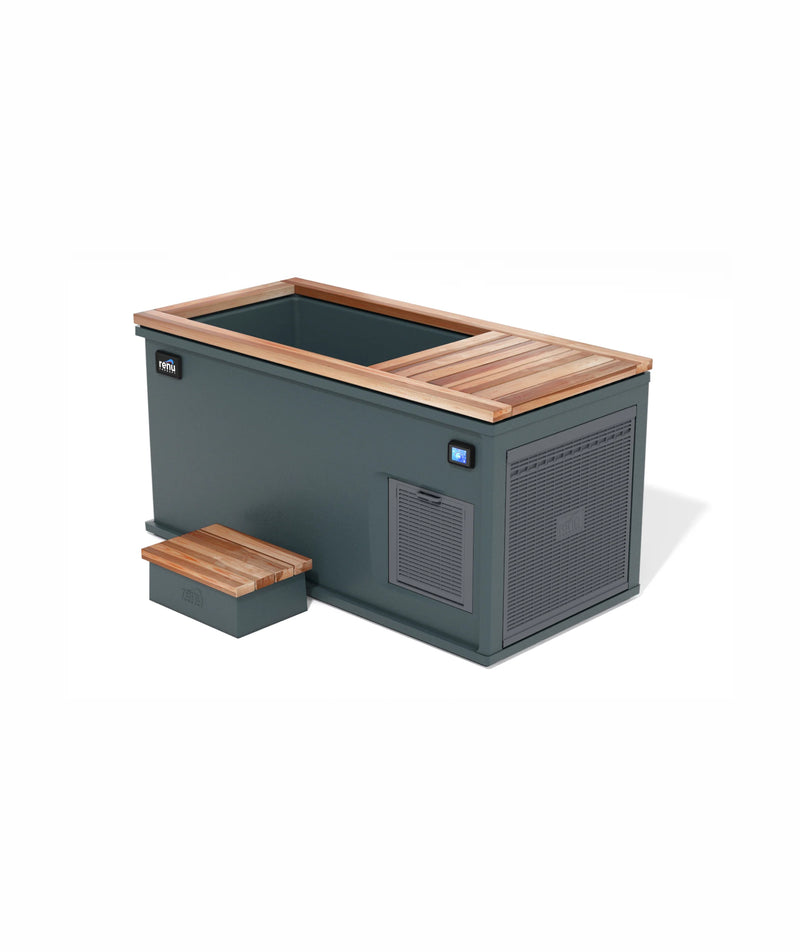
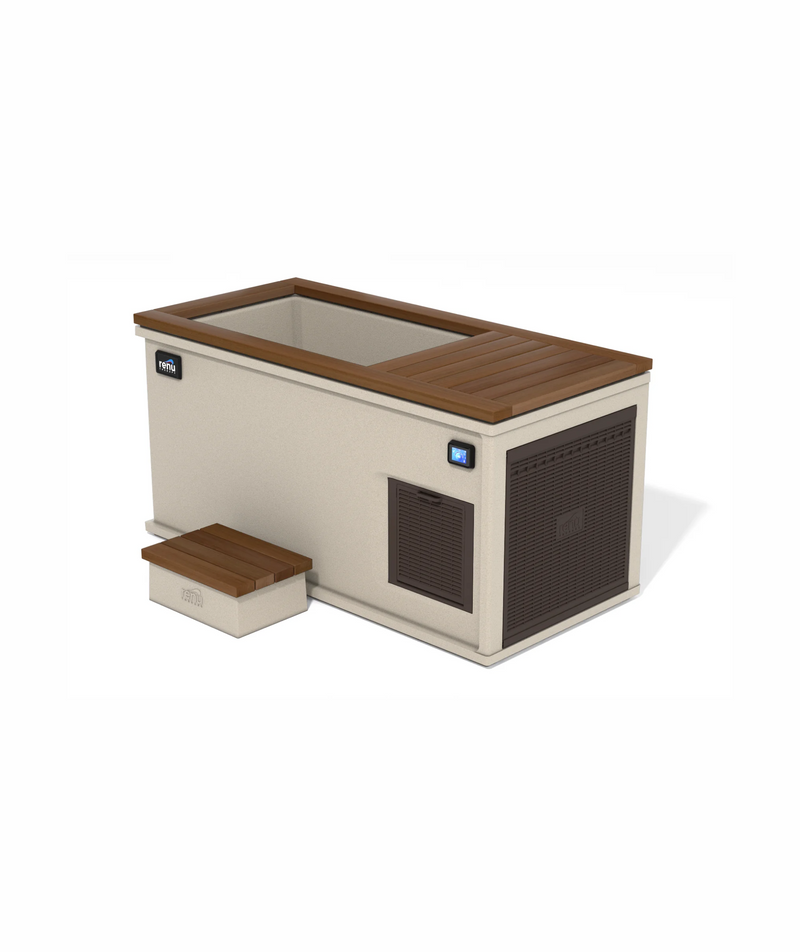
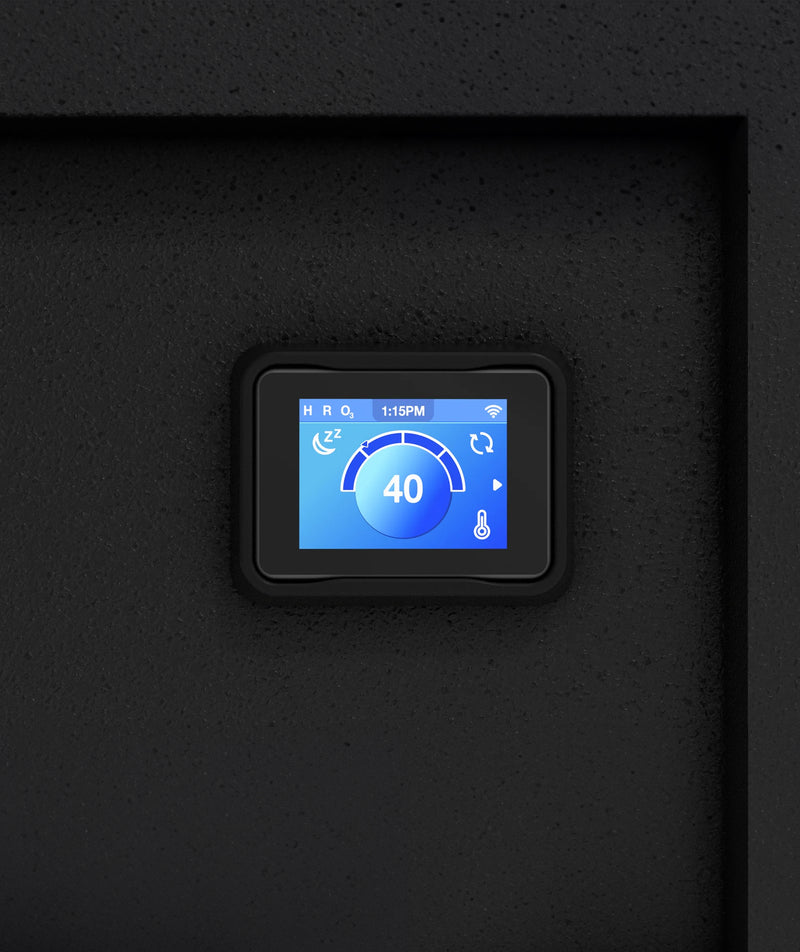
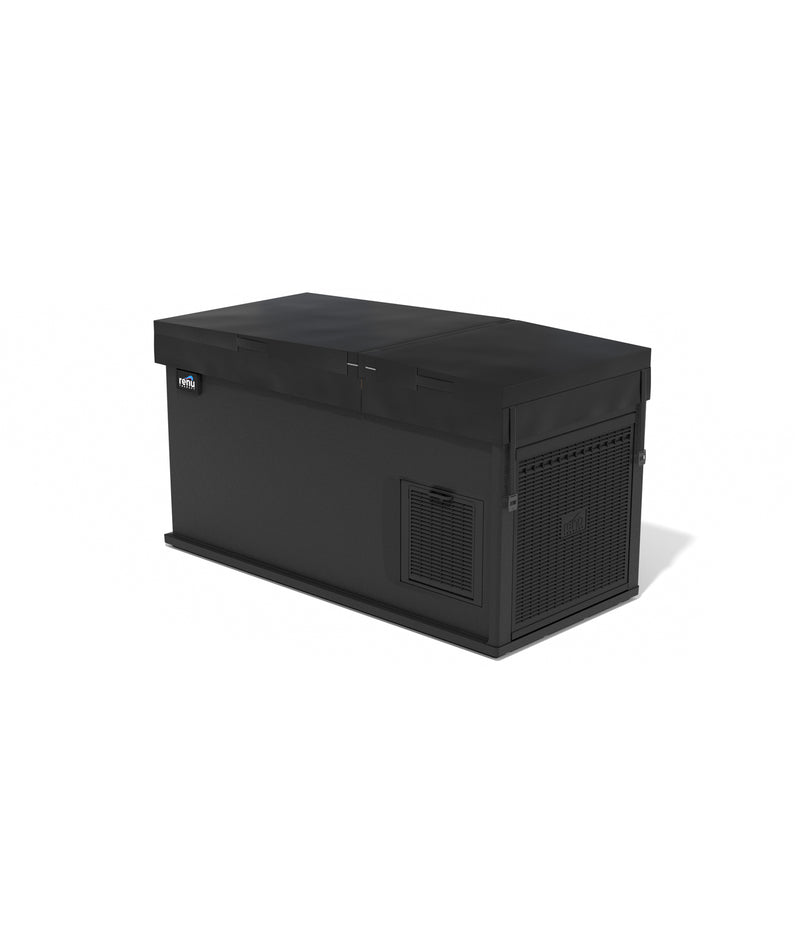
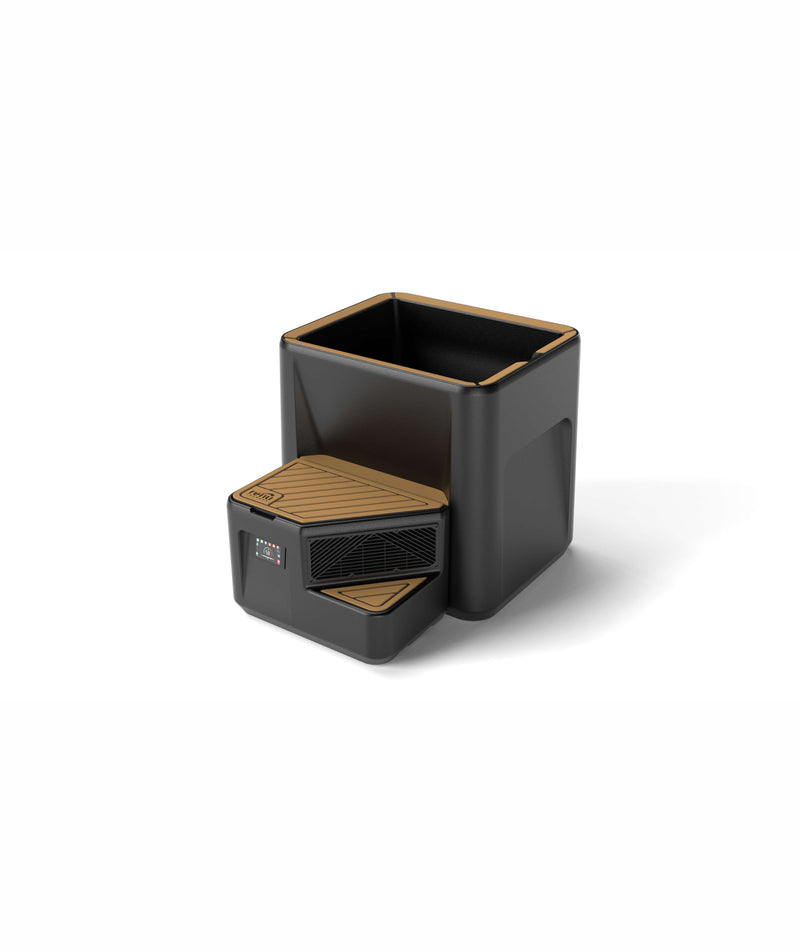
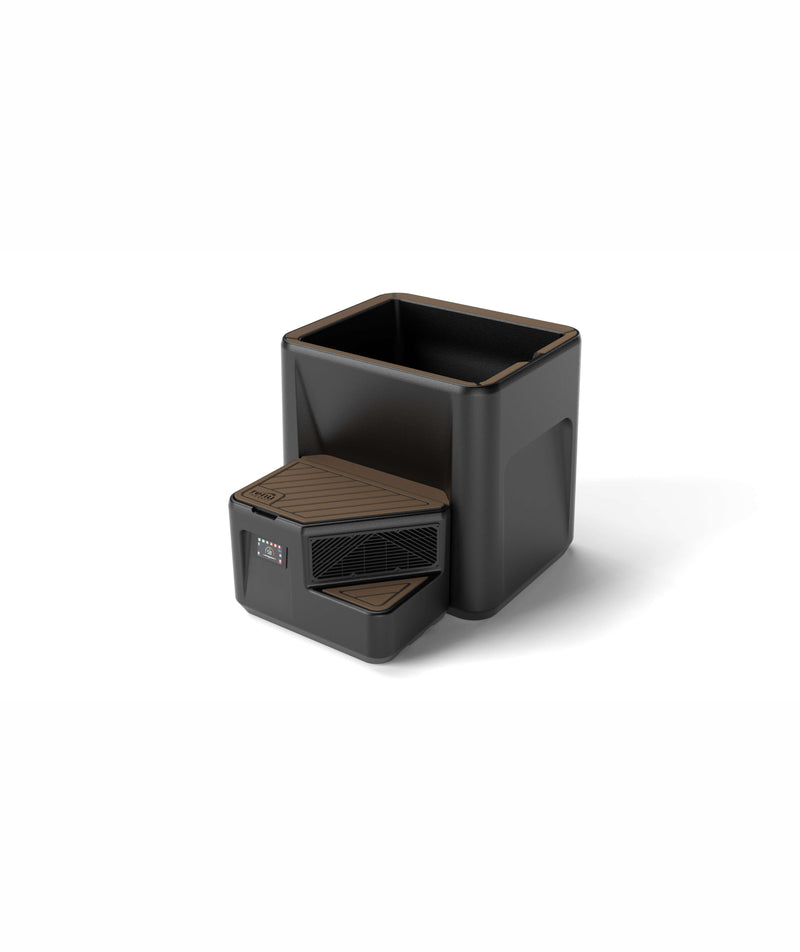
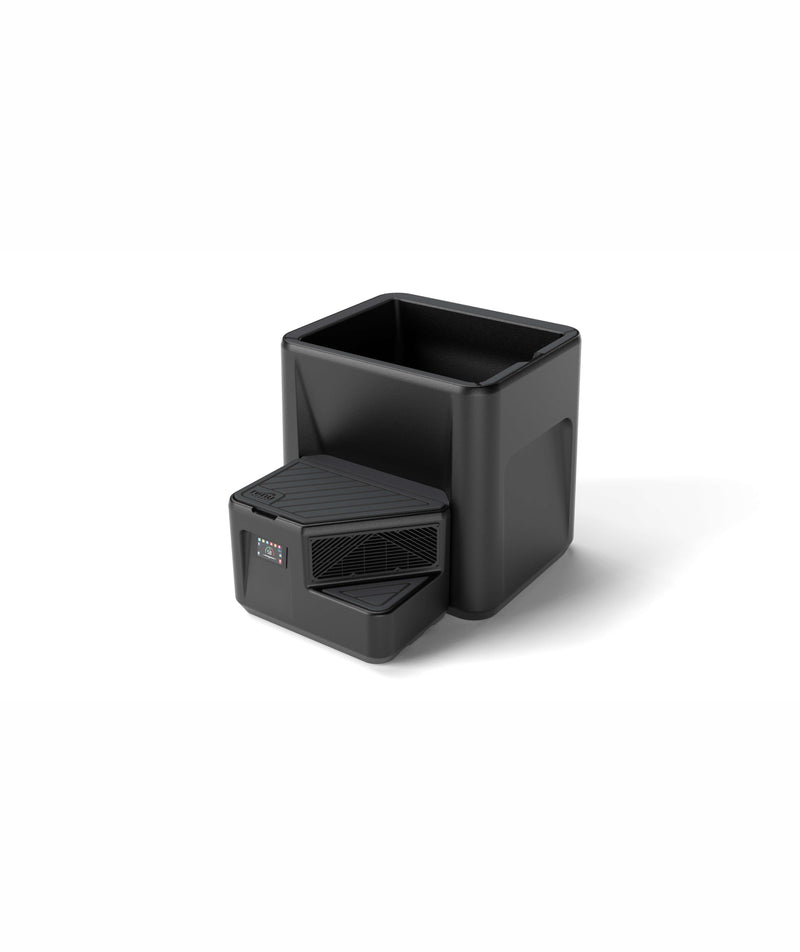
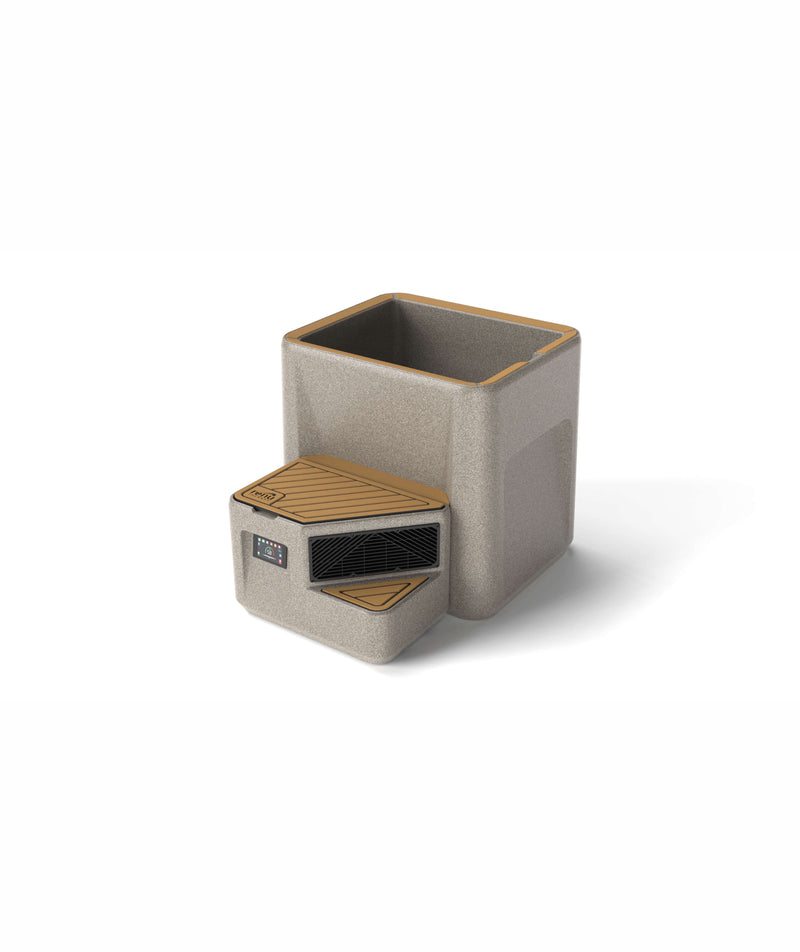
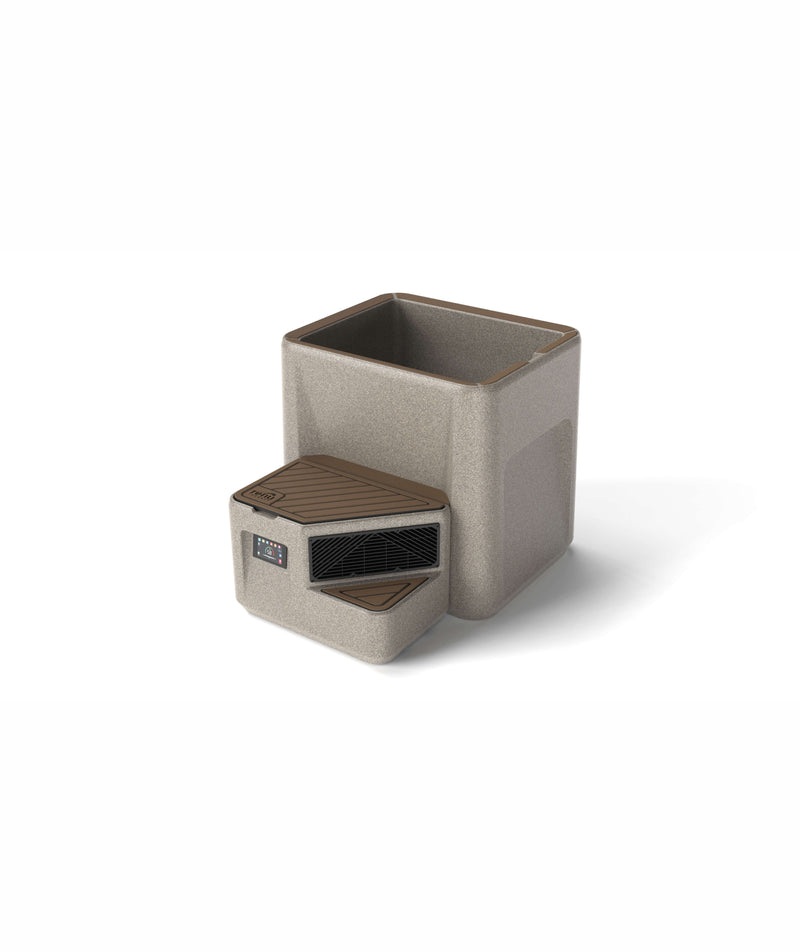
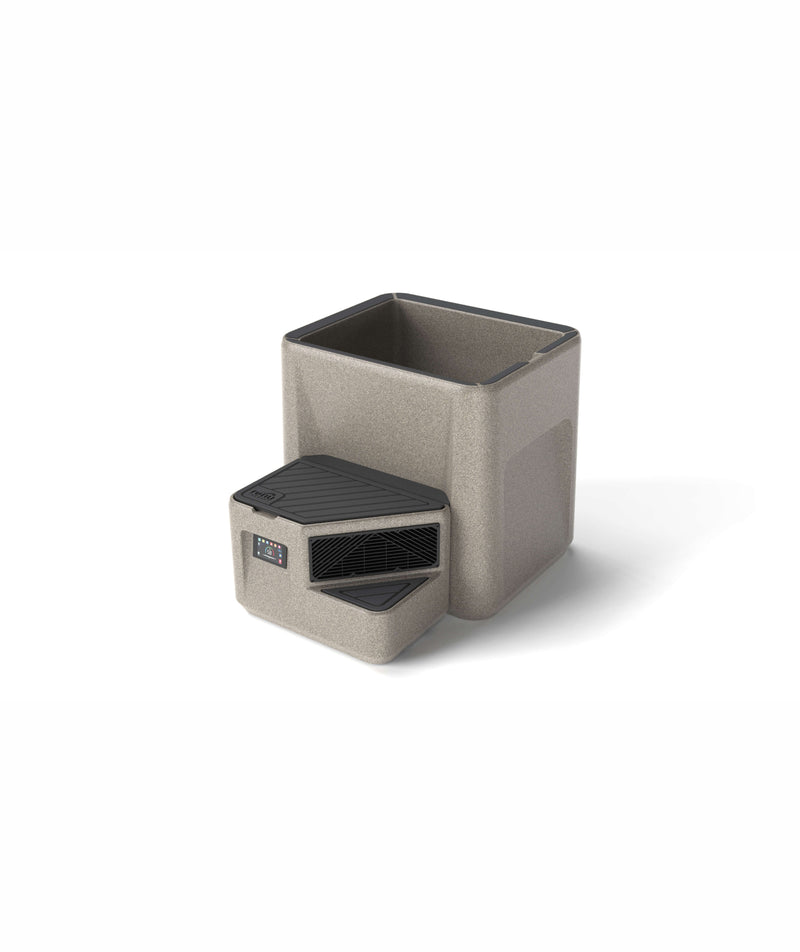
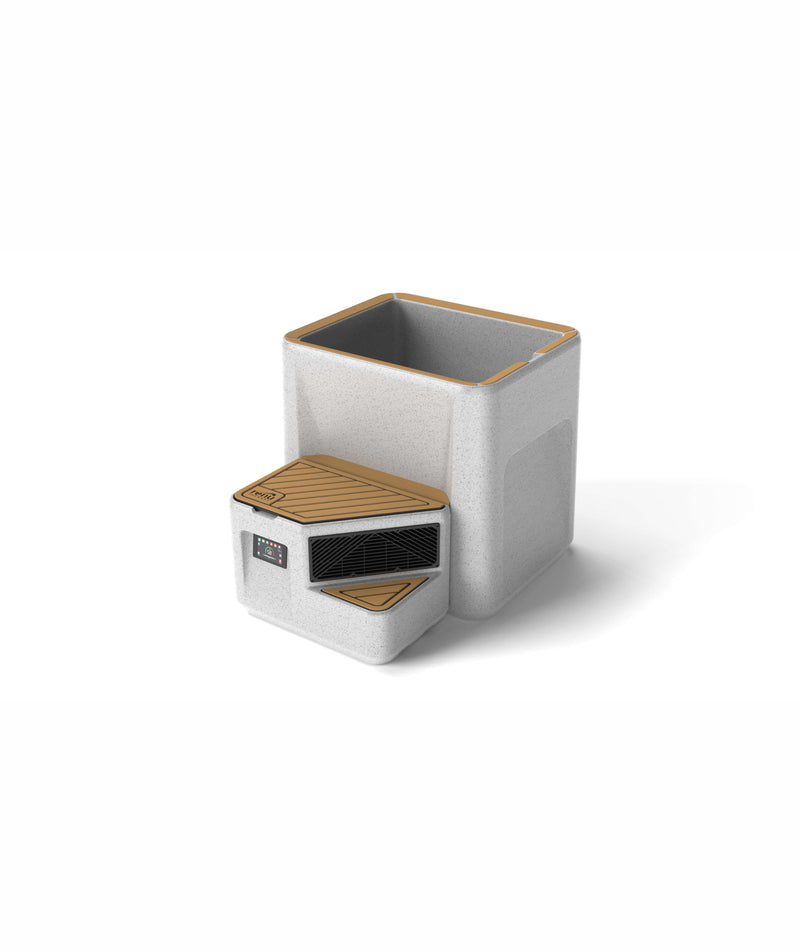
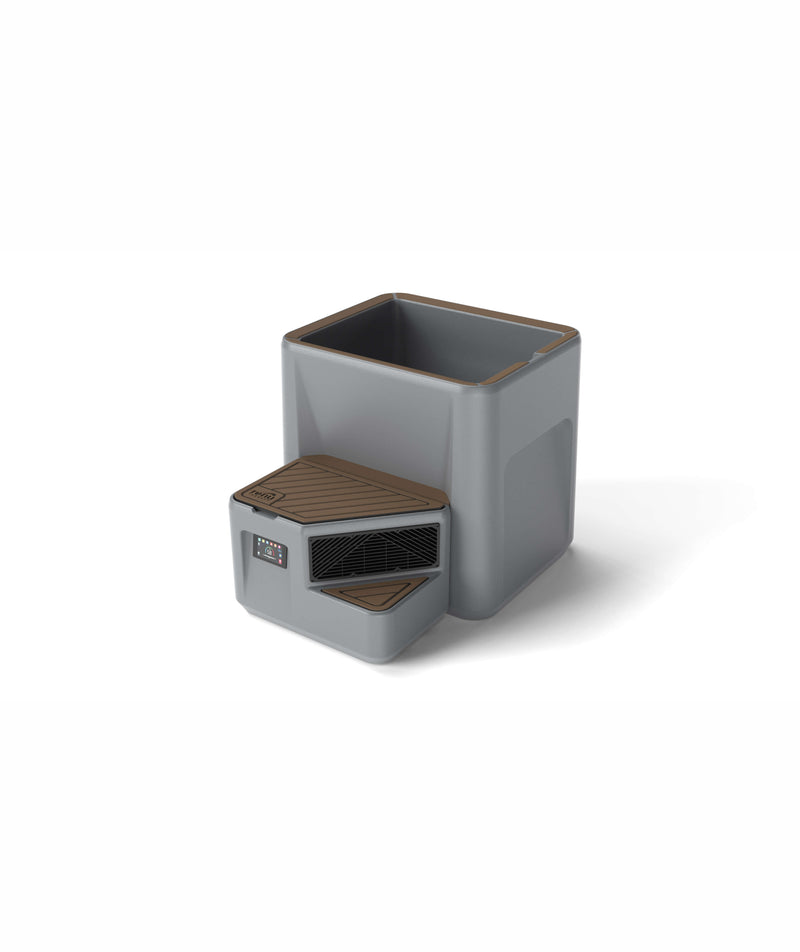
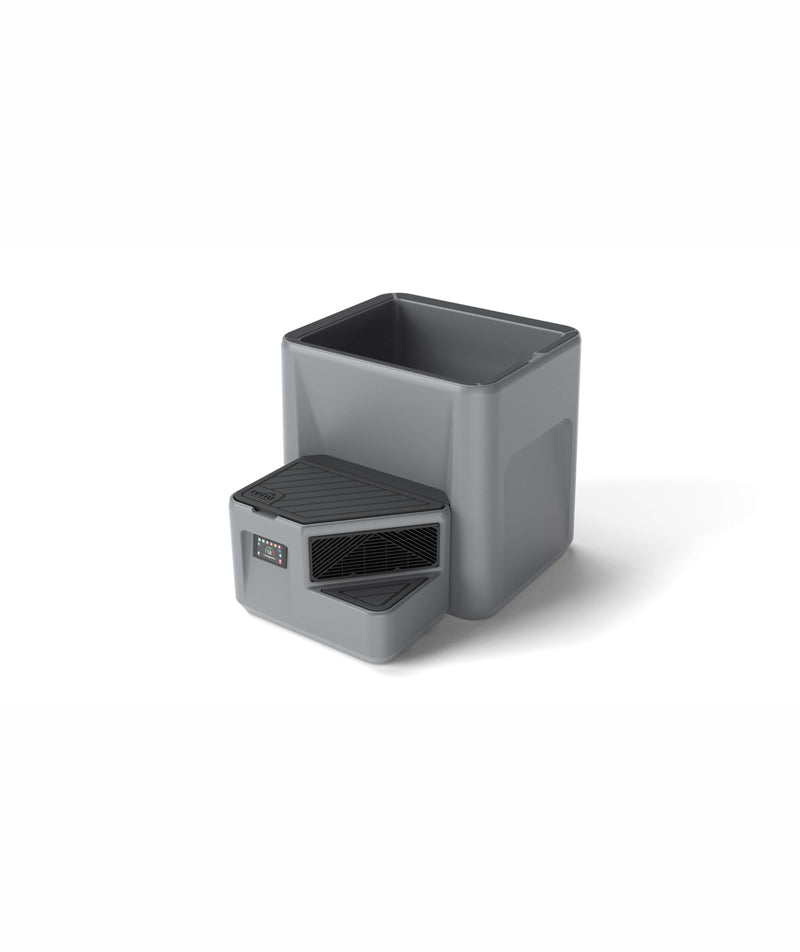
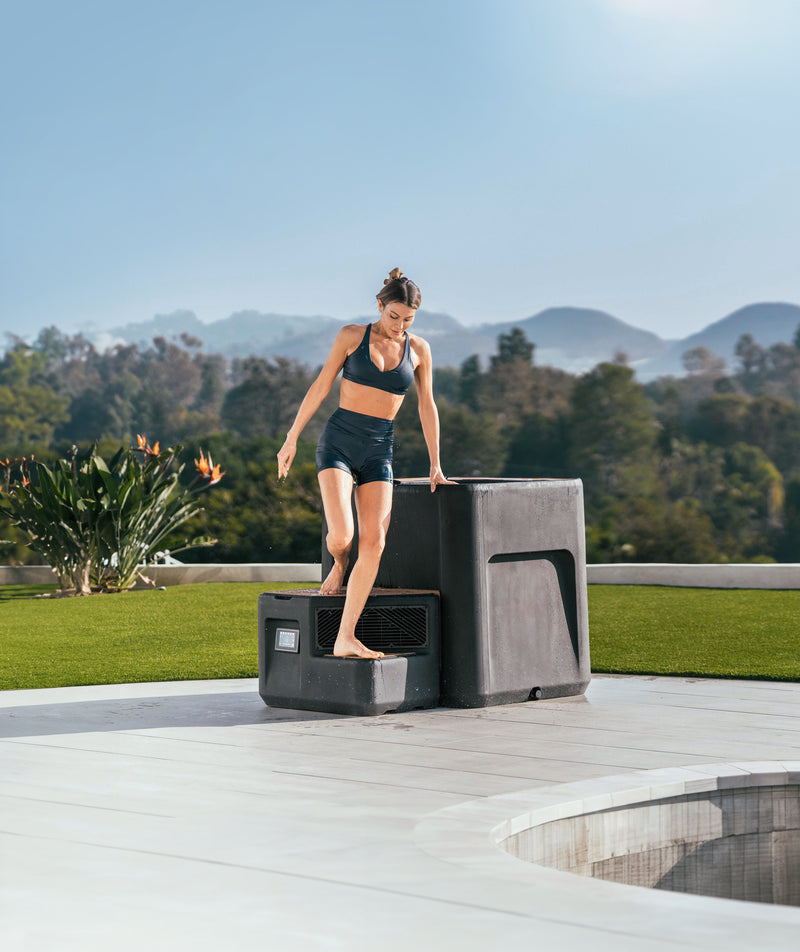
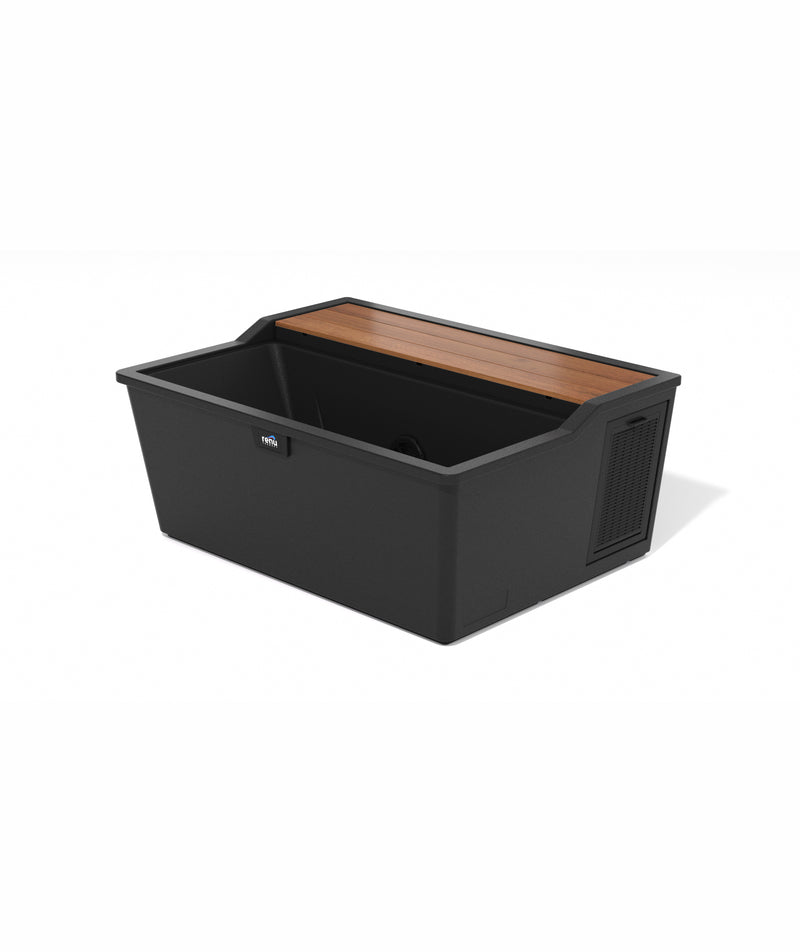
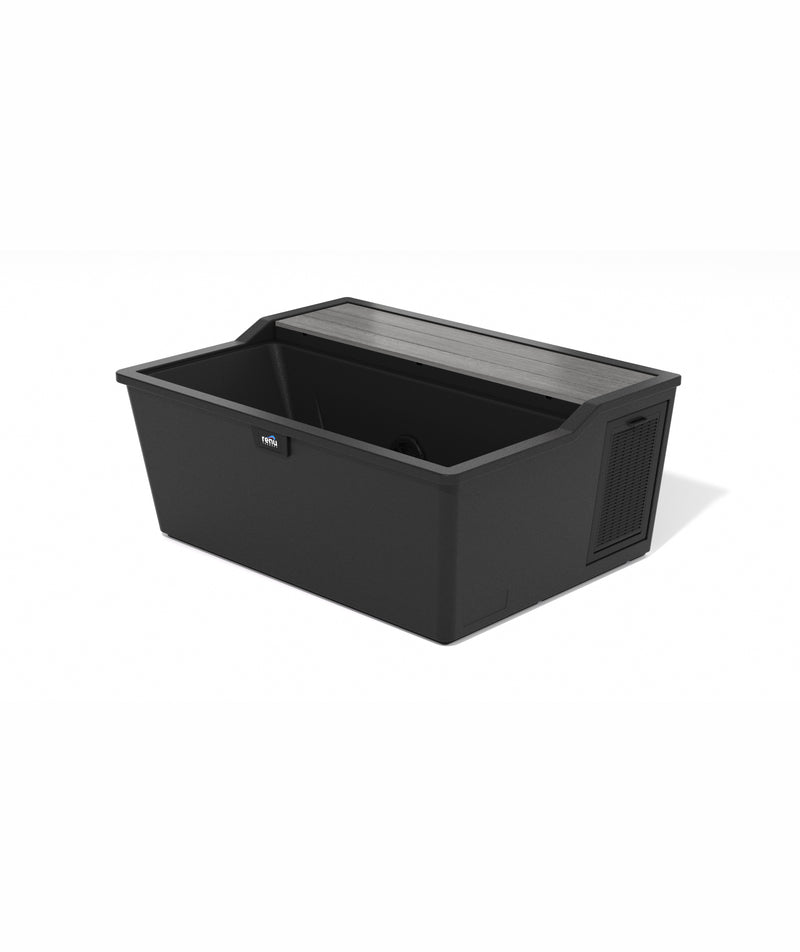
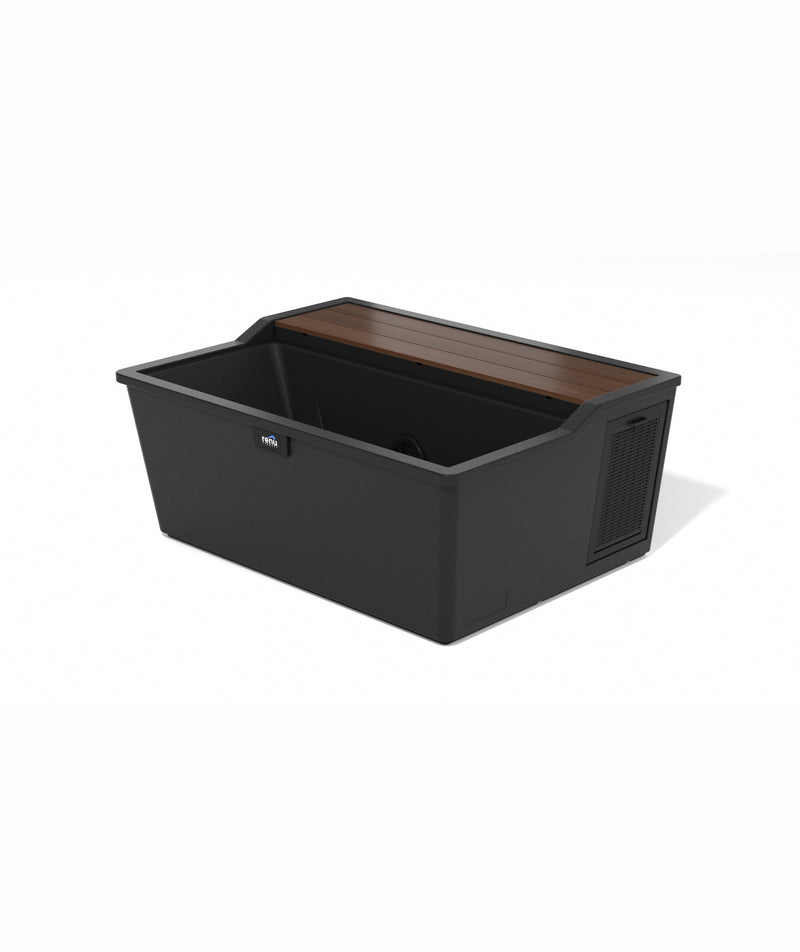
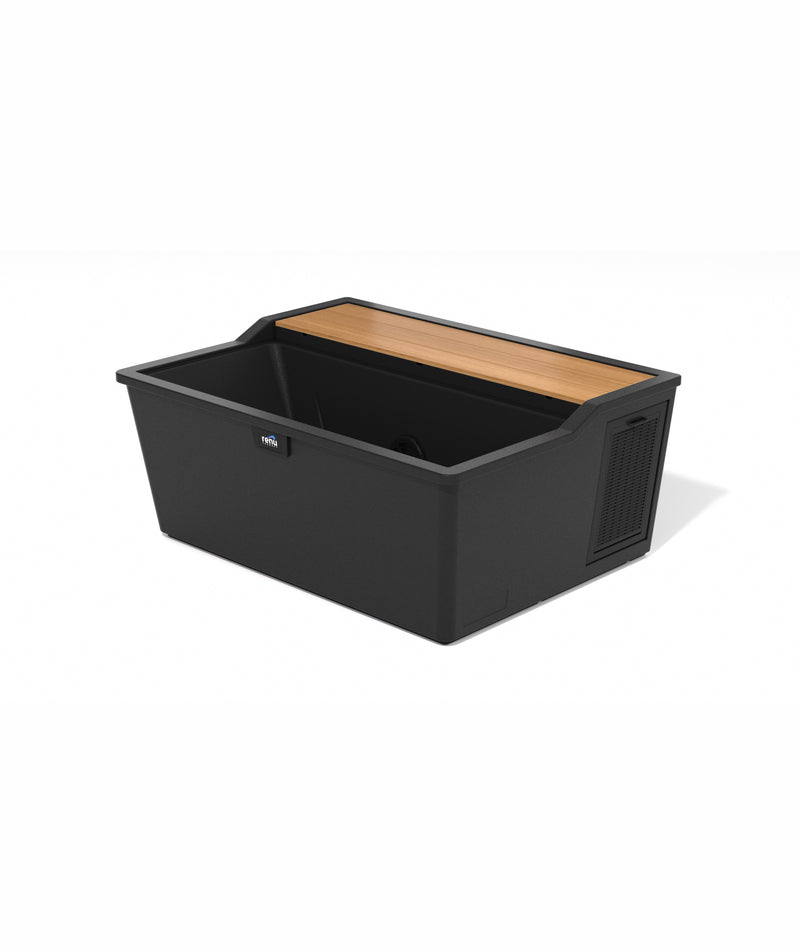
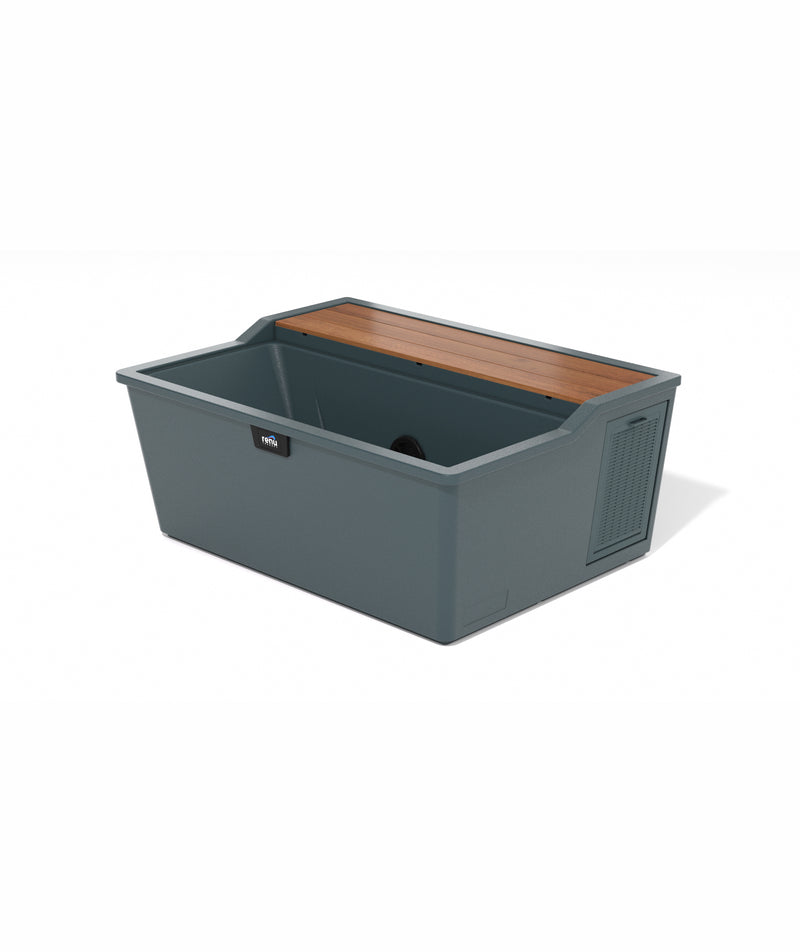
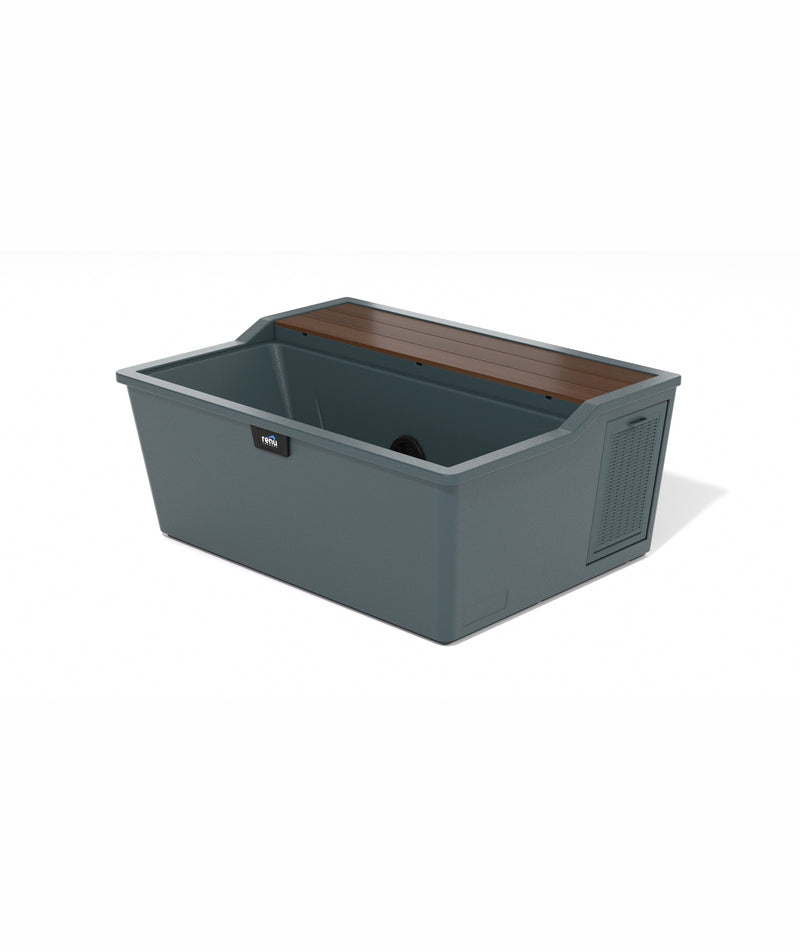
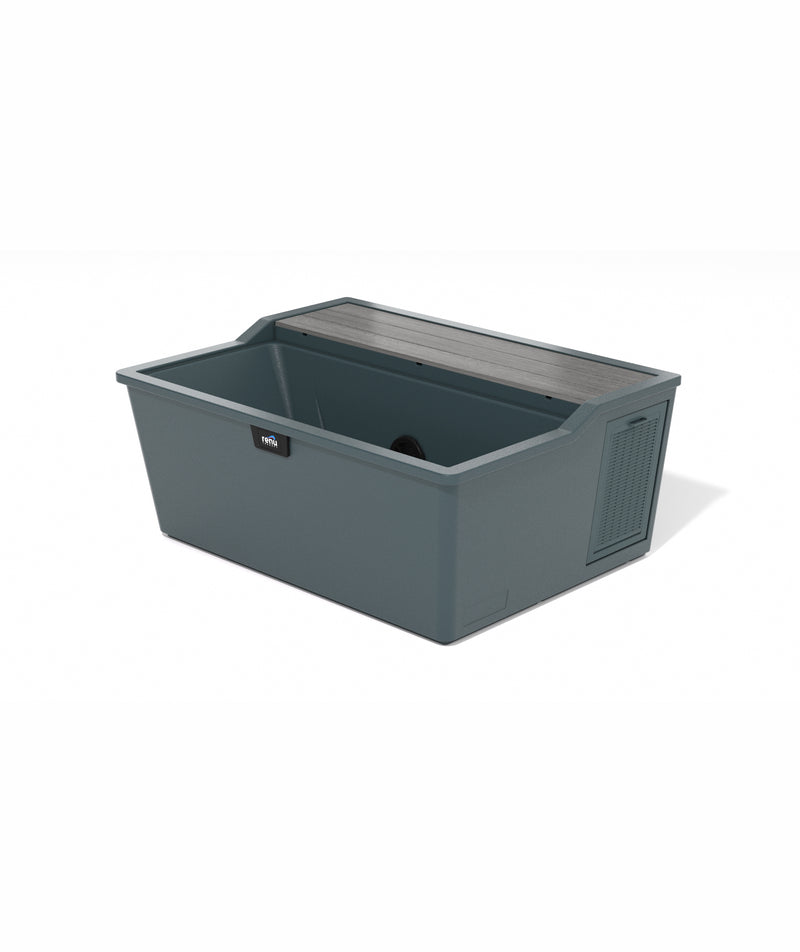
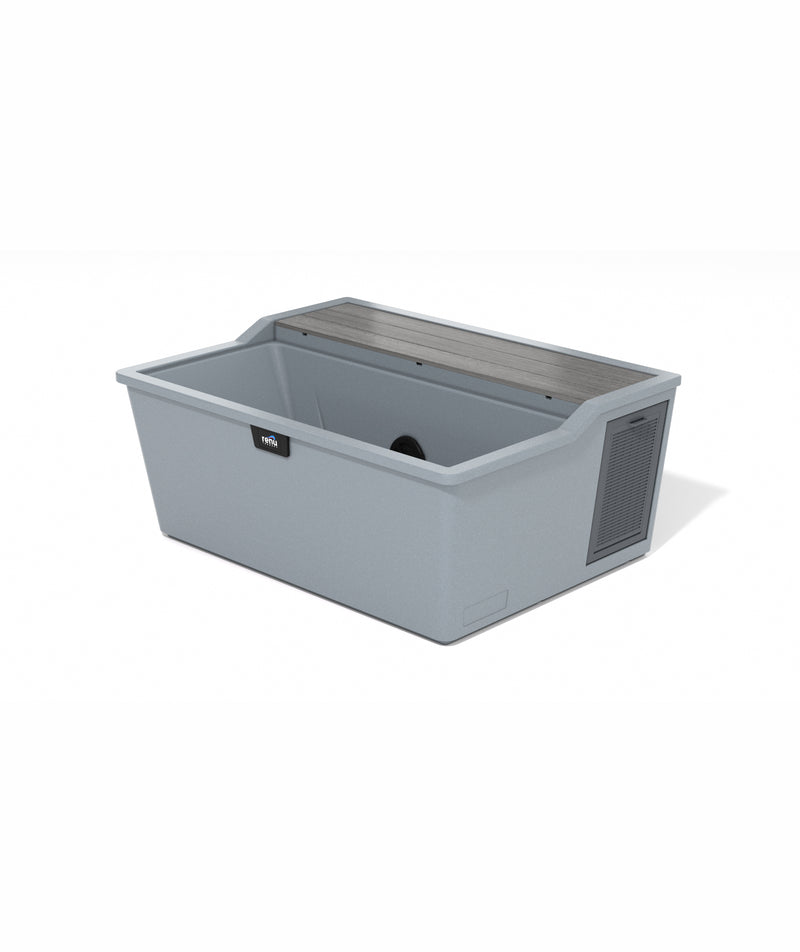
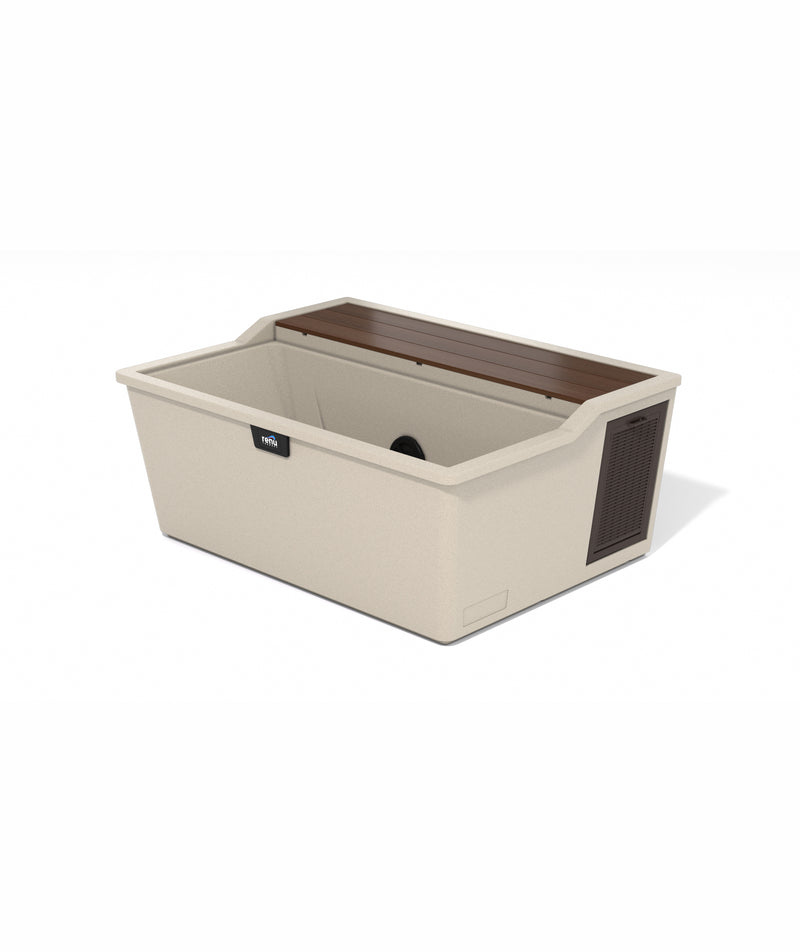
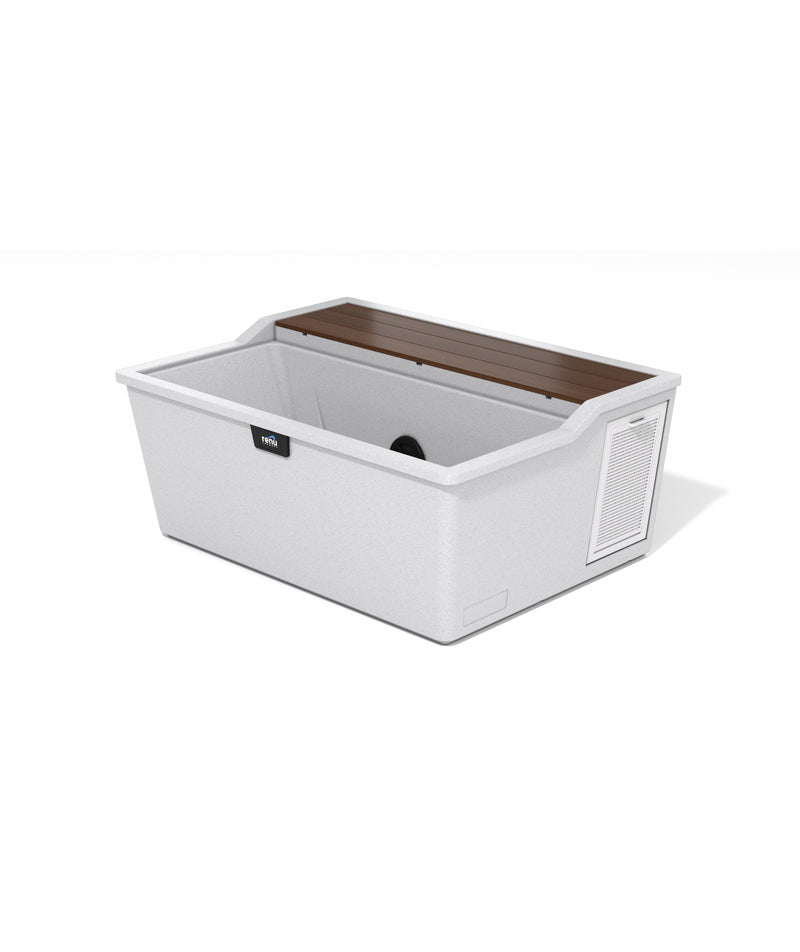
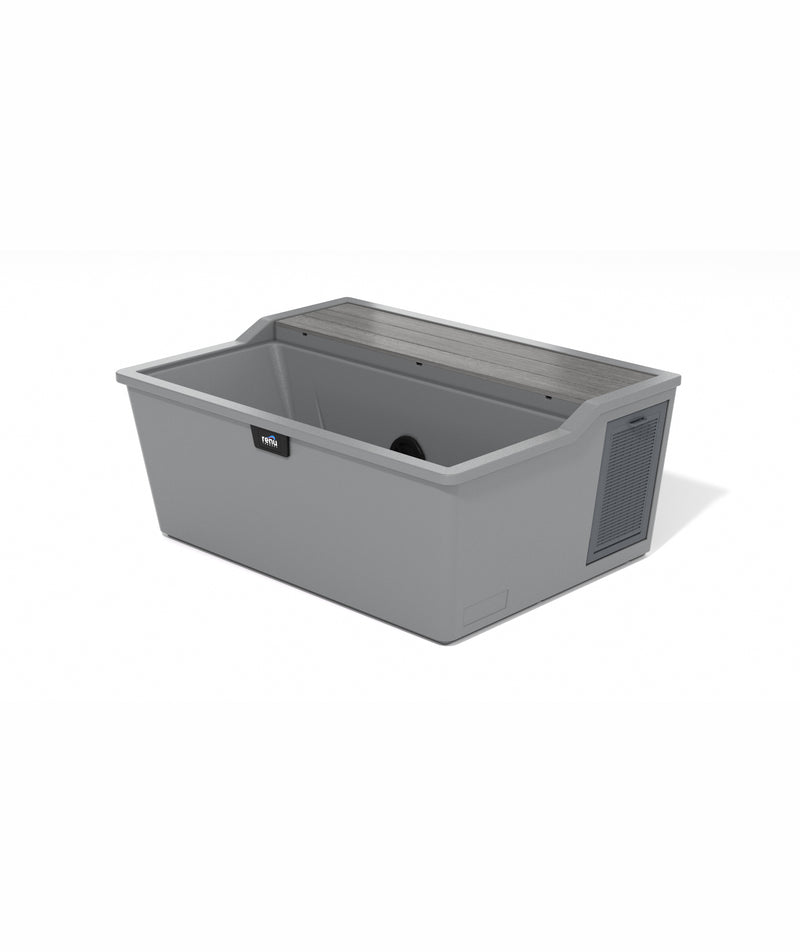
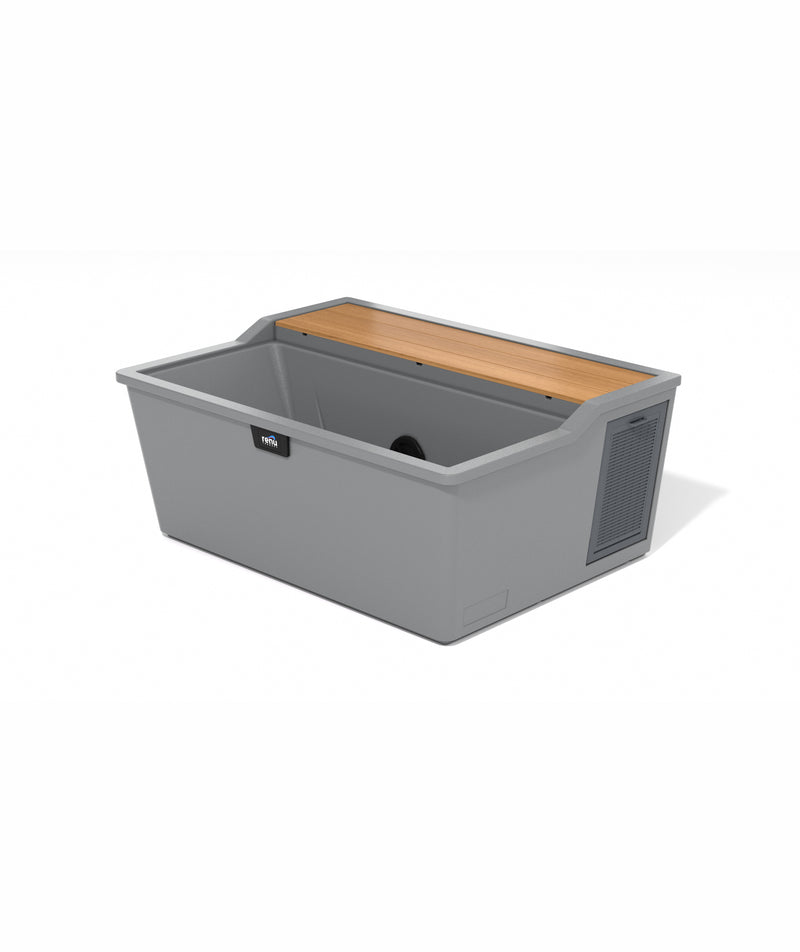
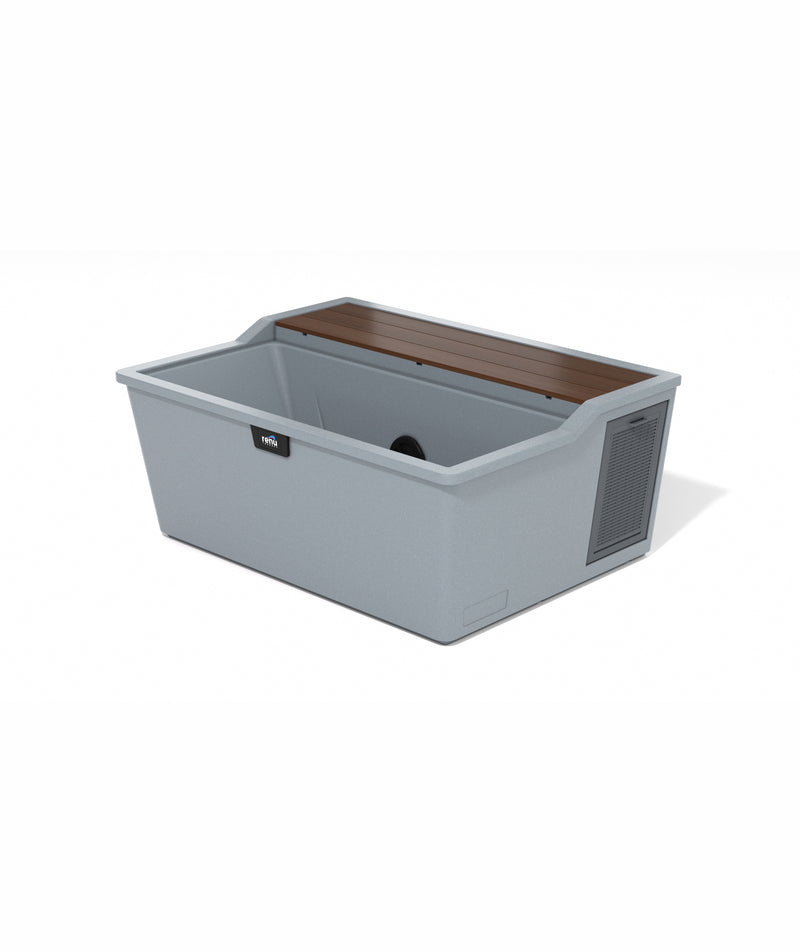
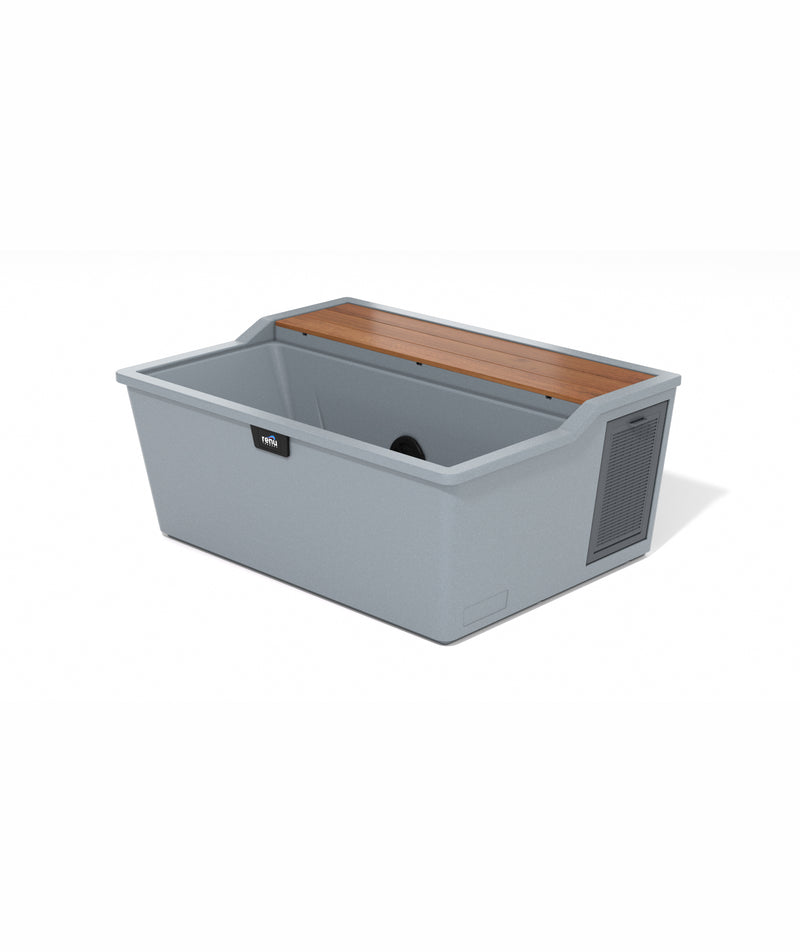
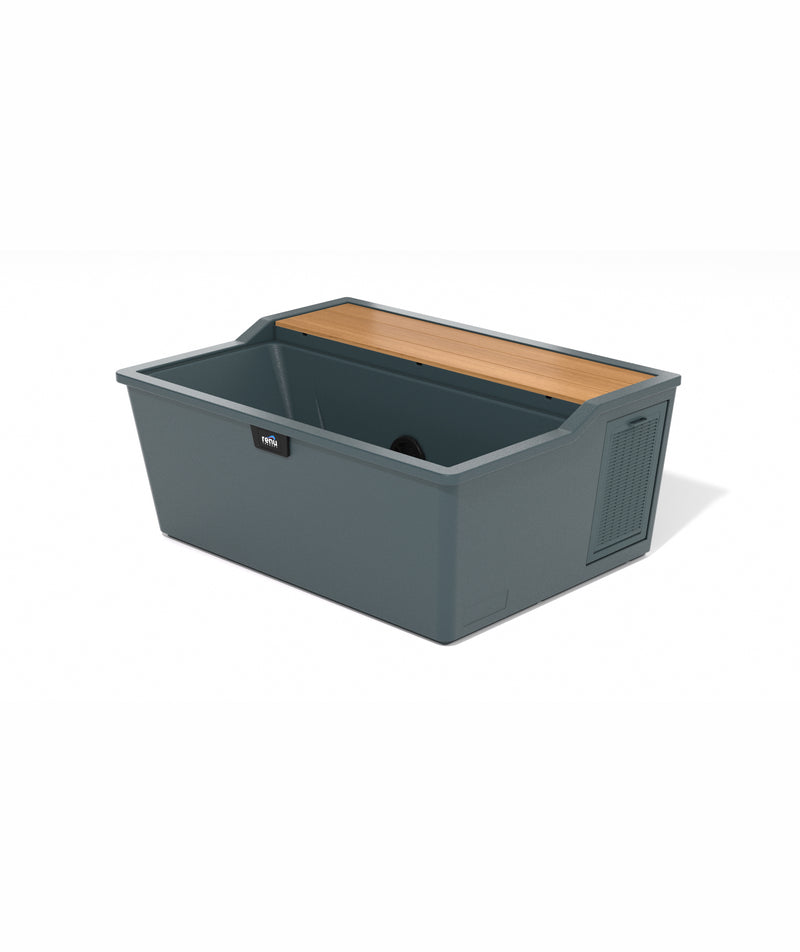
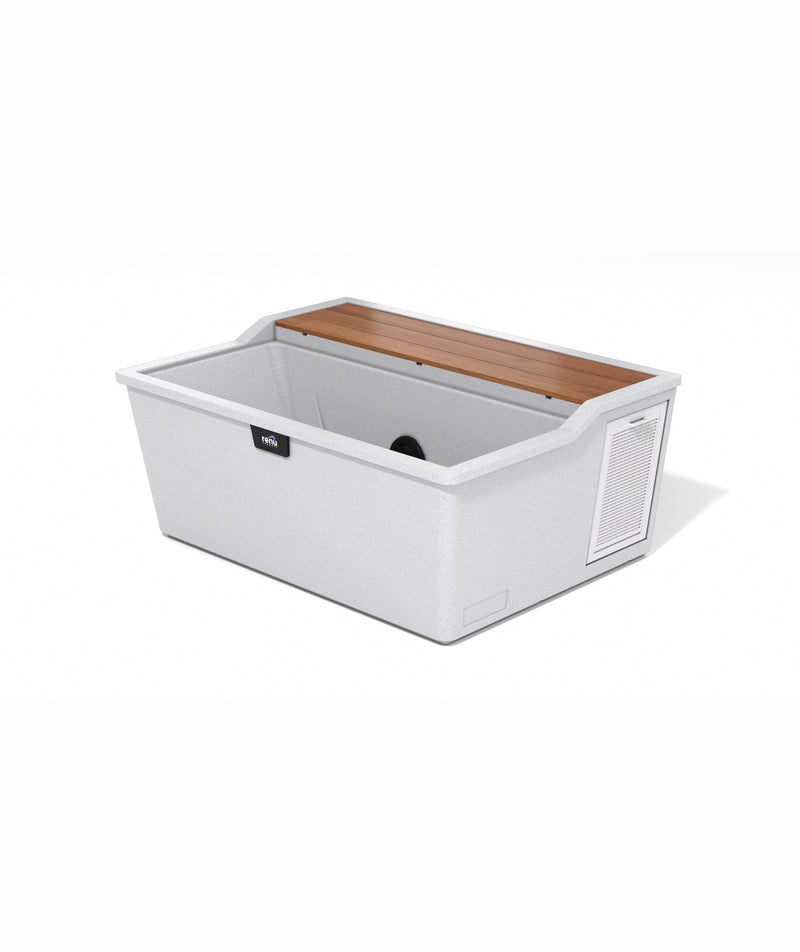
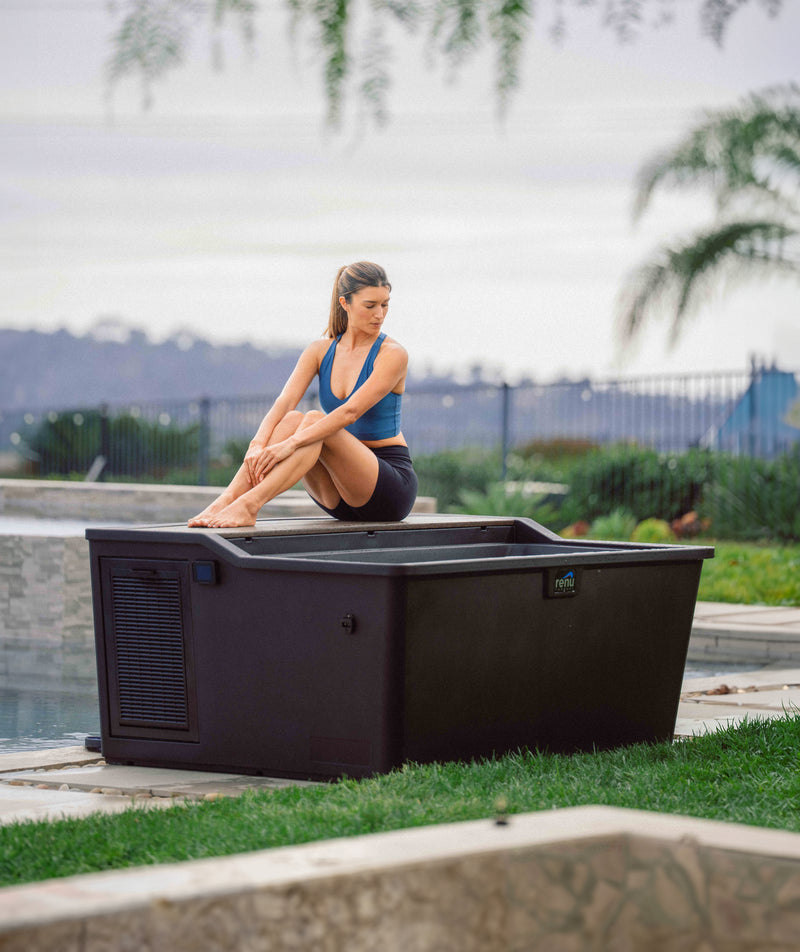
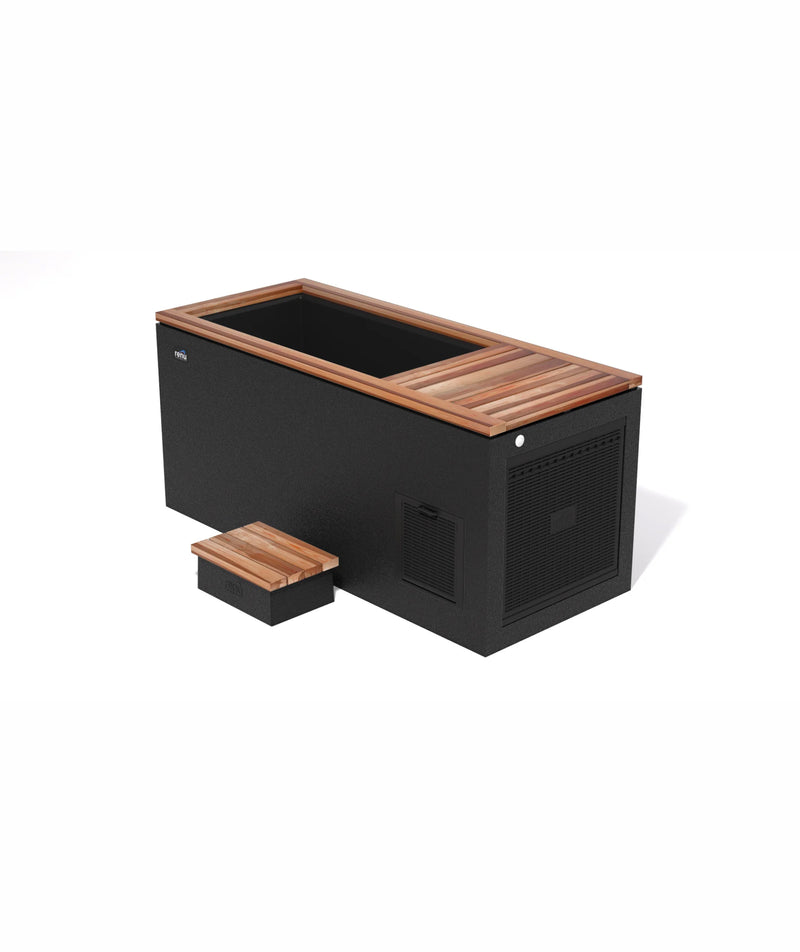
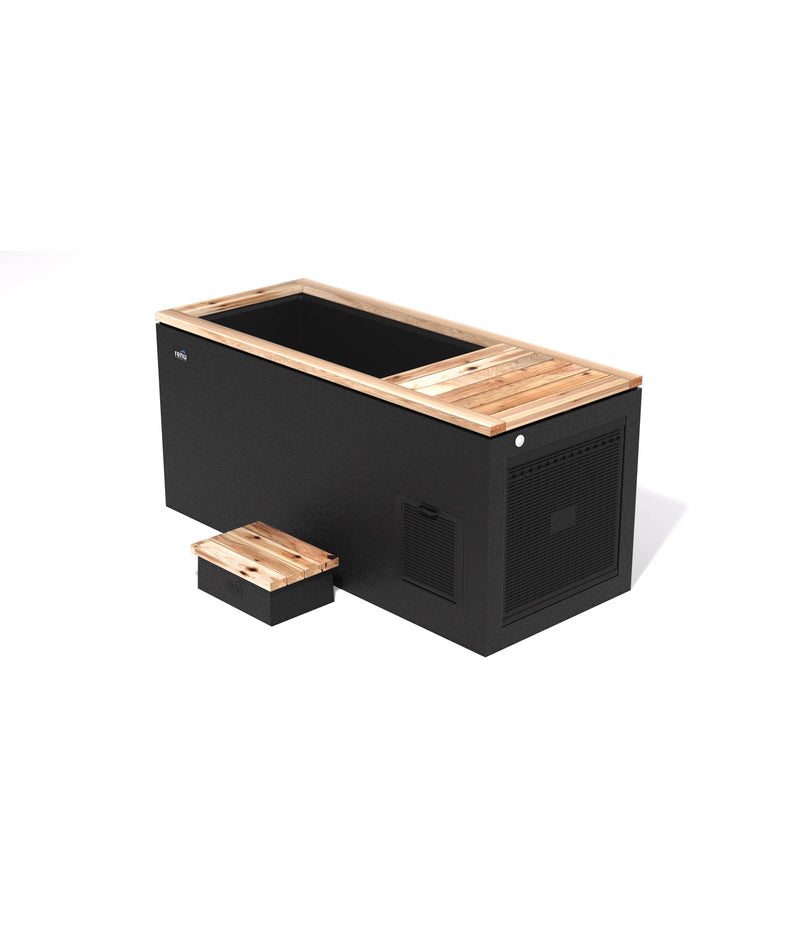
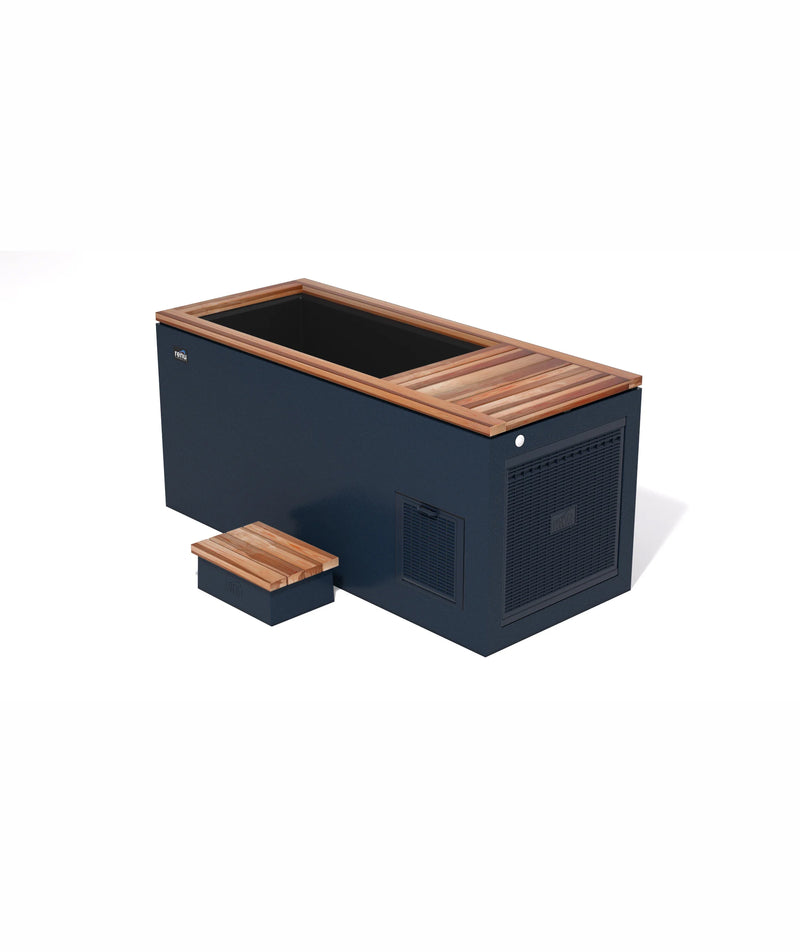
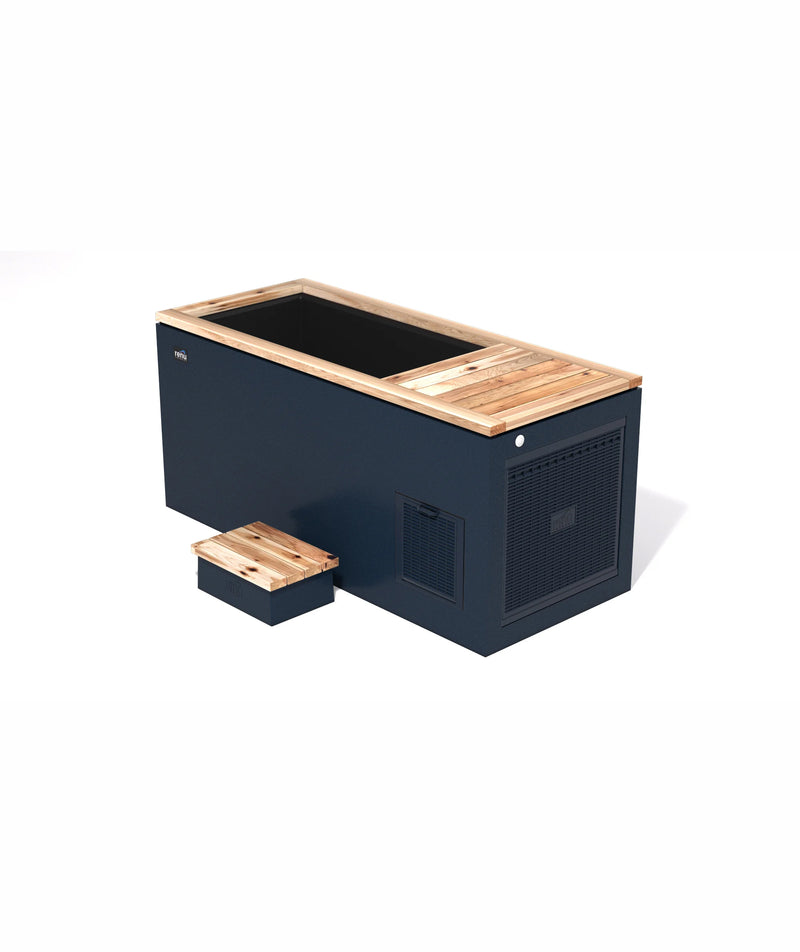
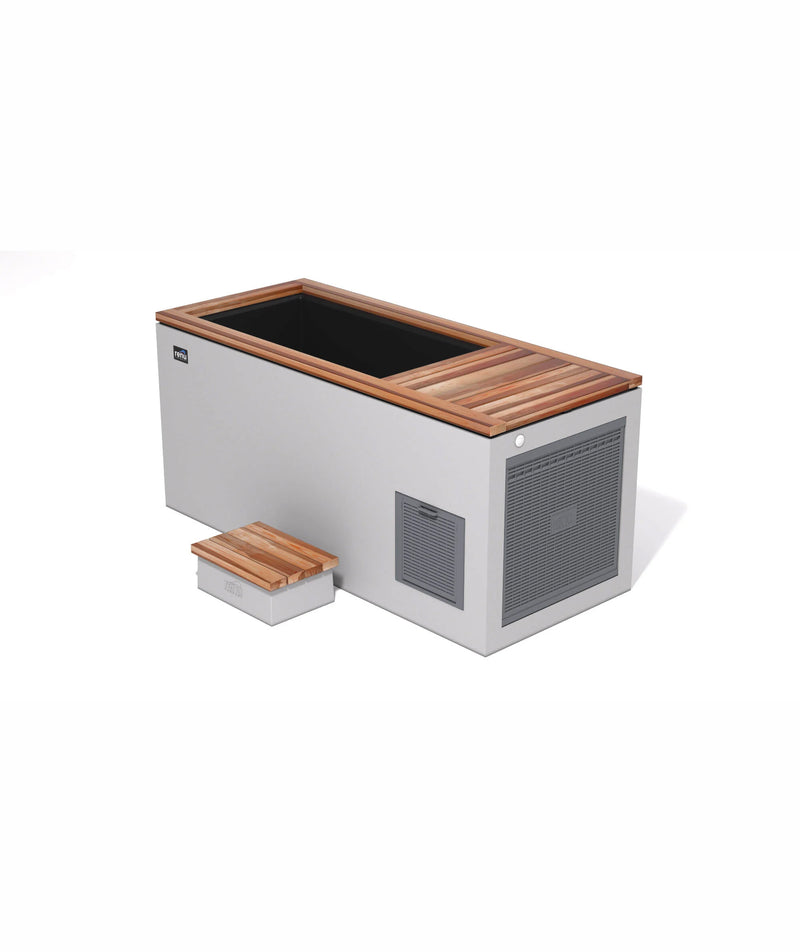
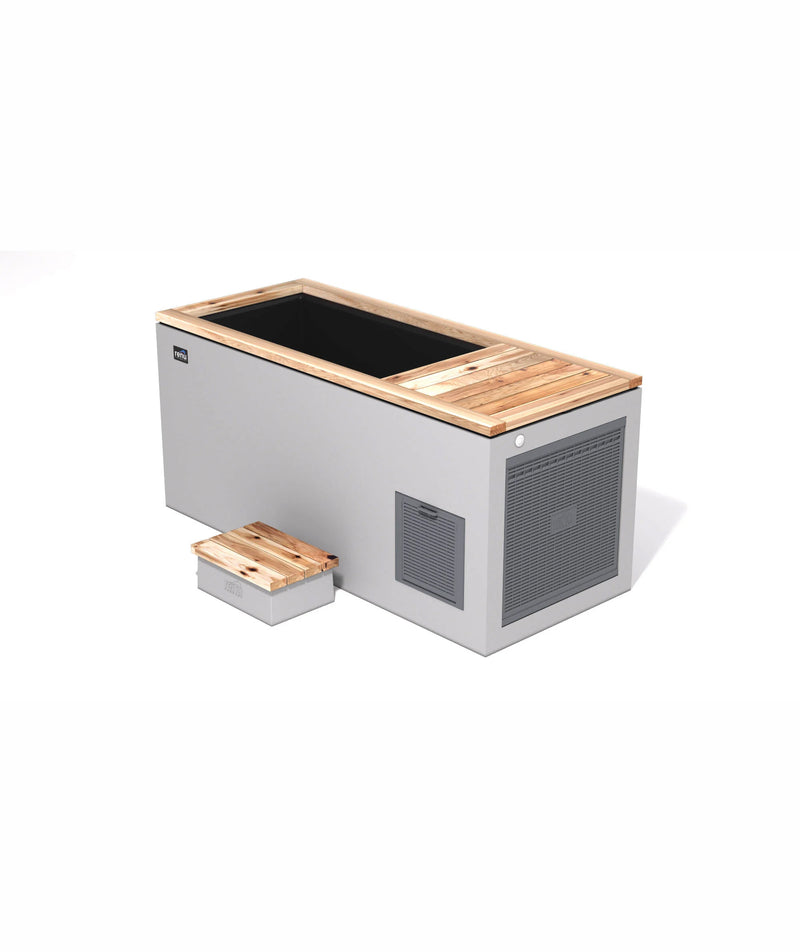
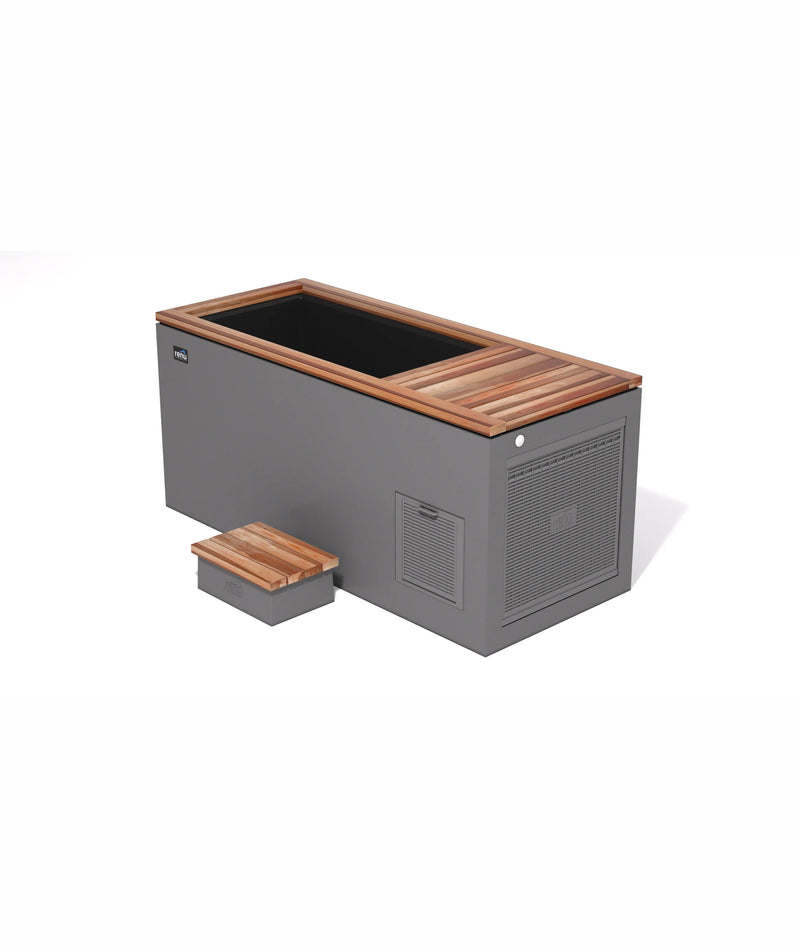
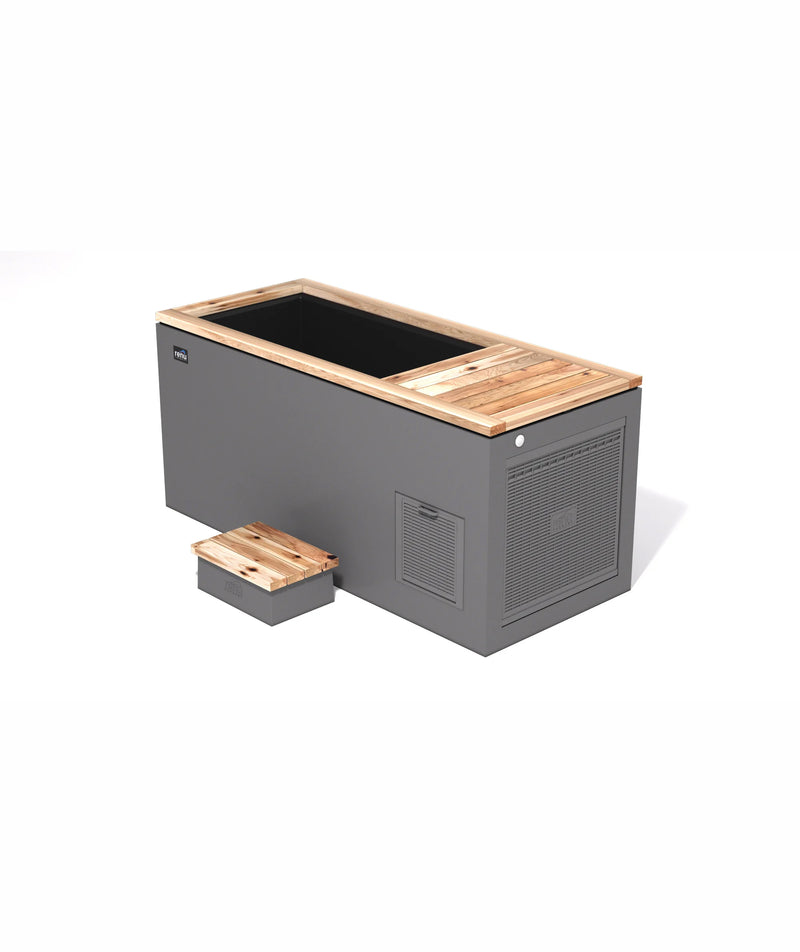
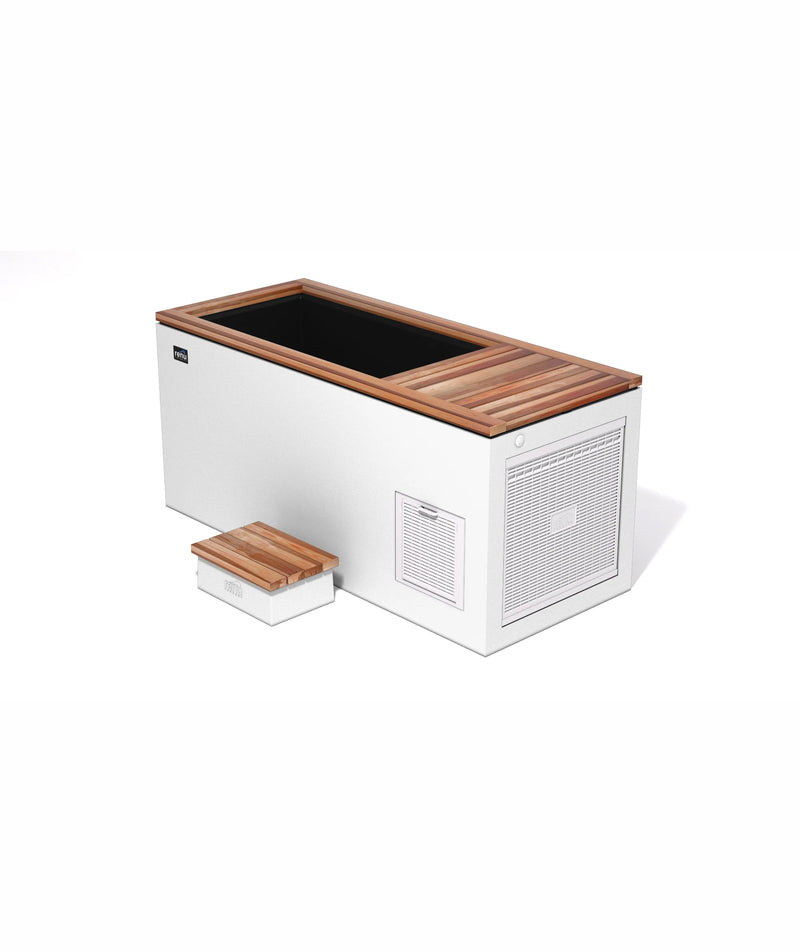
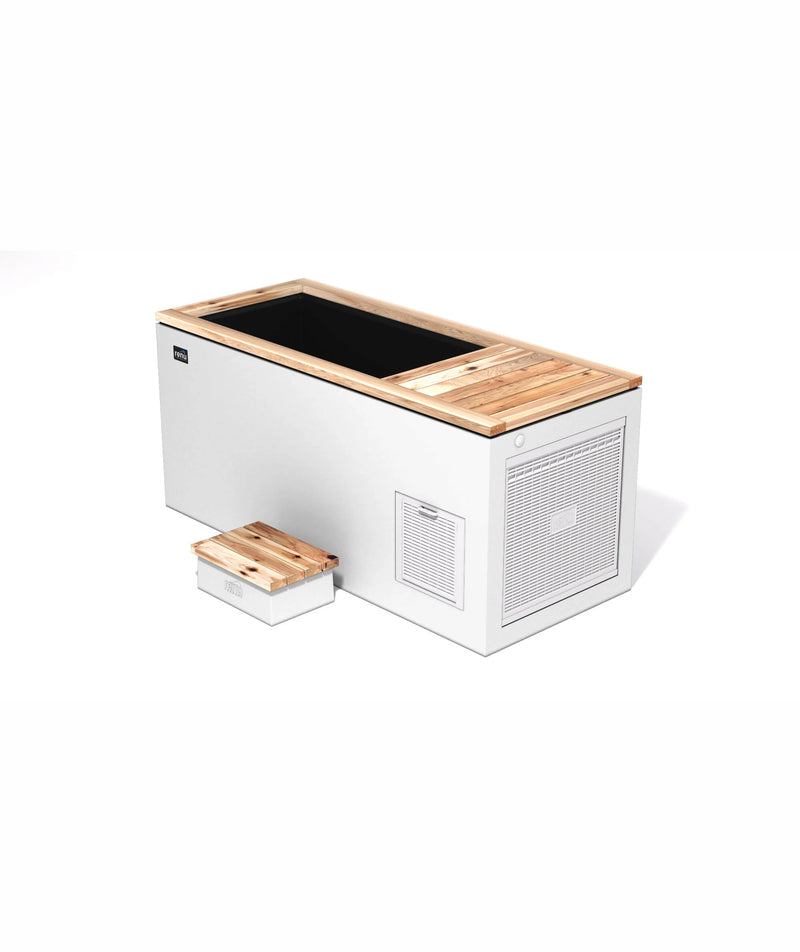
The Cold Stoic 3.0 removes that friction. Dual temperature control holds water precisely, down to 37°F, so the plunge is ready when you are, whether that’s morning, evening, or four hours after you lift. Integrated ozone purification keeps the water clean without a chemical routine to manage.
The timing only matters if you show up, so build your practice around a system that lets you do exactly that.

Frequently Asked Questions
Is it better to take an ice bath in the morning or at night?
Both work; they do different jobs. Morning immersion supports alertness, mood, and adherence. Evening immersion, taken 60 to 90 minutes before bed, may support sleep onset through the post-immersion drop in core temperature. Choose based on what you want from the session, then stay consistent with your practice.
Should I take an ice bath before or after a workout?
After, but not immediately after—and the gap matters more than most people realize. Following strength training, wait at least four hours, since cold immersion in that window can blunt the adaptive signal you just created. After endurance training, cold water is more defensible, particularly with another session inside 24 hours. Before training, it generally reduces power output and is best avoided.
How long before bed should I cold plunge?
Roughly 60 to 90 minutes. Immersion is acutely stimulating, so plunging immediately before bed can work against sleep onset. Leaving an hour or more allows the sympathetic response to settle while still catching the thermal rebound.
How often should you cold plunge?
Around 11 minutes per week in total, spread across three or four sessions rather than accumulated in one. The figure comes from Dr. Susanna Søberg's research on habitual winter swimmers, who paired cold with regular sauna use, so treat 11 minutes as a weekly ceiling worth aiming at, not a precise prescription. More frequent or longer exposure adds stress without adding benefit for most people.
Does the best time change for women?
It can. Core temperature and thermoregulation shift across the menstrual cycle, so the same water can feel different from one week to the next, and tolerance may vary. Research specific to women remains limited, so adjusting duration and temperature to how you feel on a given day is more useful than following a fixed protocol.
MEDICAL DISCLAIMER
Cold water immersion is not suitable for everyone. Consult your physician before beginning a cold plunge practice if you are pregnant, have high blood pressure, heart disease, a history of cardiac arrhythmia, Raynaud's disease, peripheral neuropathy, or any other condition affecting circulation or nerve function. Cold exposure can place stress on the cardiovascular system and should be approached with caution if you have any underlying health conditions. This article is intended for informational purposes only and does not constitute medical advice.