Long-Term Consistency Trumps Short-Term Intensity: What a Human Performance Expert Wants You to Know
Laird Hamilton once told Nolan Kim something that never left him:
"Long term consistency trumps short term intensity."

It's a simple line. But for Nolan Kim, founder of Inner Power Institute and a human performance expert who has spent years studying what actually separates people who sustain results from people who plateau, it became the lens for everything that followed.
We sat down with Nolan to talk about why consistency beats intensity, what actually breaks a recovery habit before it has a chance to compound, and why the small, unglamorous things such as a few minutes of breathwork and a cold plunge you almost talk yourself out of, end up mattering more than the big swings.
The Pattern Nolan Couldn't Unsee
Nolan didn't arrive at this idea in a lab. He arrived at it by watching the same story repeat across psychology, fitness, biohacking, and spiritual work.
"Every space chases the next trend," he told us. "It gets hot, it gets old, it gets replaced. But watch the same people over a decade, and the poor habits are still there underneath. The intense new thing never touched the actual problem."
That observation reframed the question he was asking entirely. It's not does this work today… it's who does this make me a year from now, five years, ten years from now. Intensity only ever answers the first question.
The clinical proof, as Nolan calls it, showed up early. Working with a professional CrossFit athlete, he had her stretch for five minutes every other day. Within 21 days, her breathing had improved, she was running faster, and the work felt easier. No overhaul. No new program. Just a small, repeatable input, applied consistently.
The Penny That Doubles
If you want to understand why high performers dismiss consistency, Nolan points to a simple thought experiment popularized by Darren Hardy: would you rather have $3 million right now, or a penny that doubles every day for 30 days?
Everyone takes the cash. The penny looks like a joke.
"Day 10, you're at $5.12," Nolan said. "Day 20, still only around $5,000. Feels like the wrong bet. Then day 29 hits. Overnight, that penny jumps past $2.7 million. Day 30, it's over $5.3 million. The compounding was happening the whole time. It just stayed invisible until the curve bent."
That's the nervous system, too. The breathwork. The cold plunge you almost skip. The one protected night of rest. None of it looks like output on day five. It looks flat, unimpressive next to a 90-hour week. But the body doesn't reward intensity. It rewards consistency.
"You don't feel it on day 5," he said. "You feel it on day 29, when the pressure that used to wreck you barely moves you anymore."
To be clear, Nolan isn't arguing against hard training. "You still need the reps, the sets, the hard sessions," he said. The compounding gap comes from what you do with the other 23 hours, the habits running on autopilot that a little intention could quietly change.
Why Habits Really Fail — And It Isn't Willpower
Ask most people why a habit doesn't stick, and they'll blame motivation. Nolan disagrees, and his explanation reframes the whole conversation around friction.
"It's simpler and more primitive than that," he said. "It's the nervous system.
Your nervous system runs one question constantly: am I safe?
When it senses stress, it reaches for whatever coping strategy has worked before, even when that strategy is the very habit you're trying to quit."
Old patterns aren't just familiar, they're a twelve-lane highway, paved by years of repetition. A new habit starts as a dirt path next to that highway. Real progress, but fragile, and it needs consistency to wear it into something the brain will default to under pressure. The moment life adds stress, the nervous system takes the fastest road back to safety, almost always the old habit.
"That's not a failure of willpower… That's neurology doing exactly what it evolved to do."

This is where removing friction becomes the actual lever. When a recovery habit is already set up, when it takes 90 seconds and lives right where you already stand each morning, the nervous system doesn't register it as a new demand. It registers it as the path of least resistance, which is the only kind of path it trusts under stress.
"By day 30, you're not relying on discipline to show up," Nolan said. "The habit is starting to show up on its own. That's the exact moment the highway starts to lose its grip."
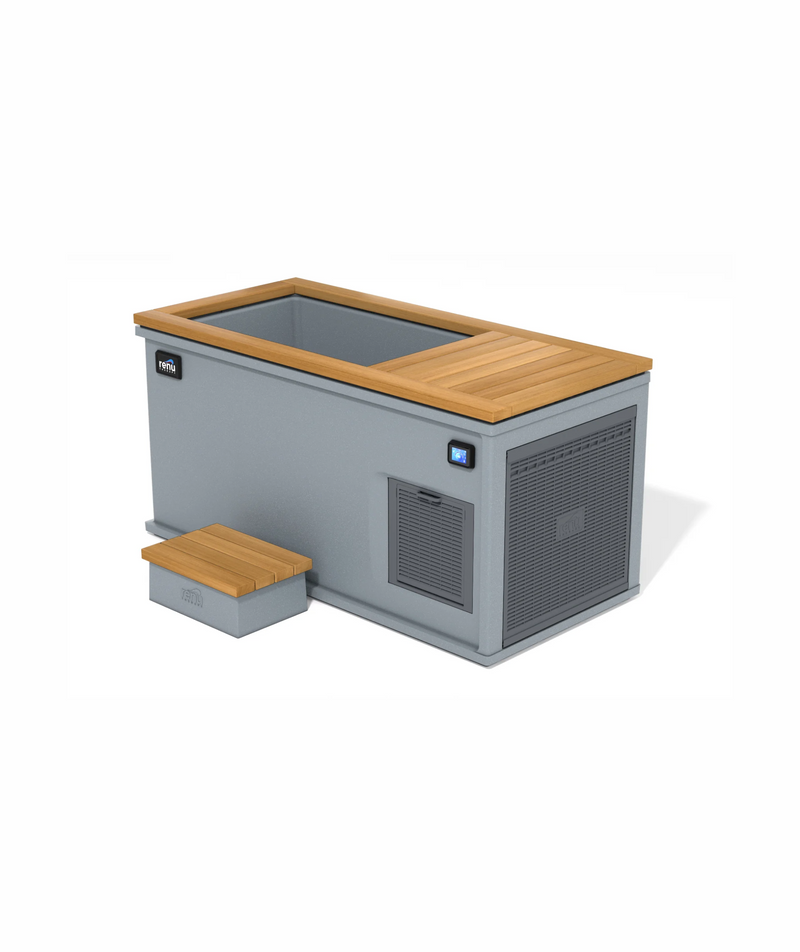
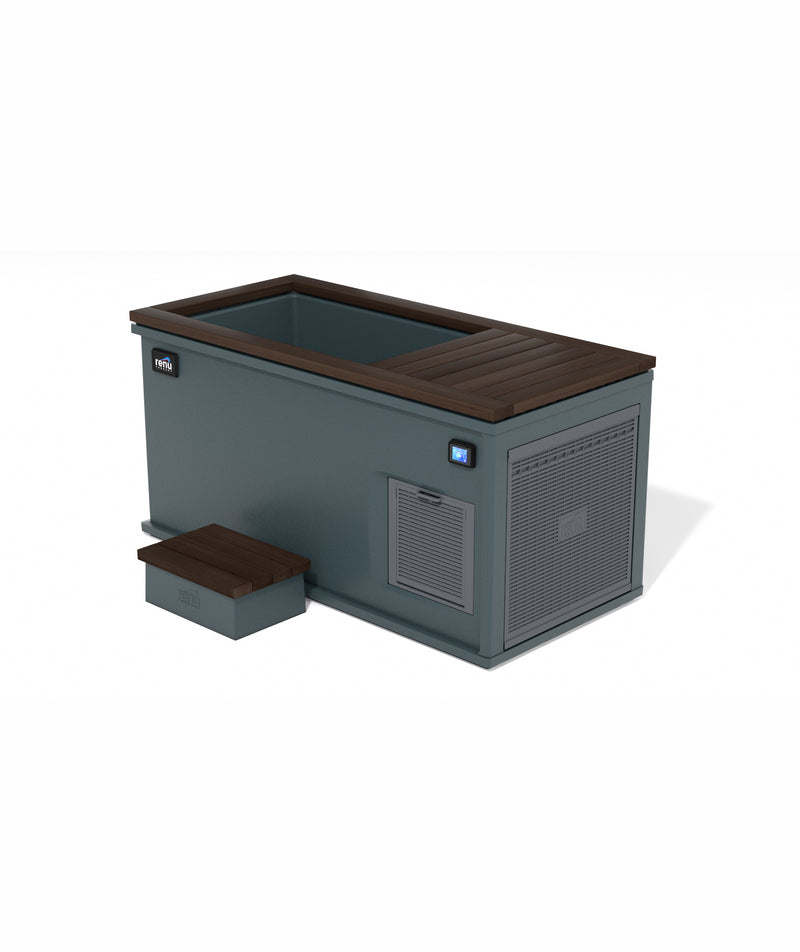
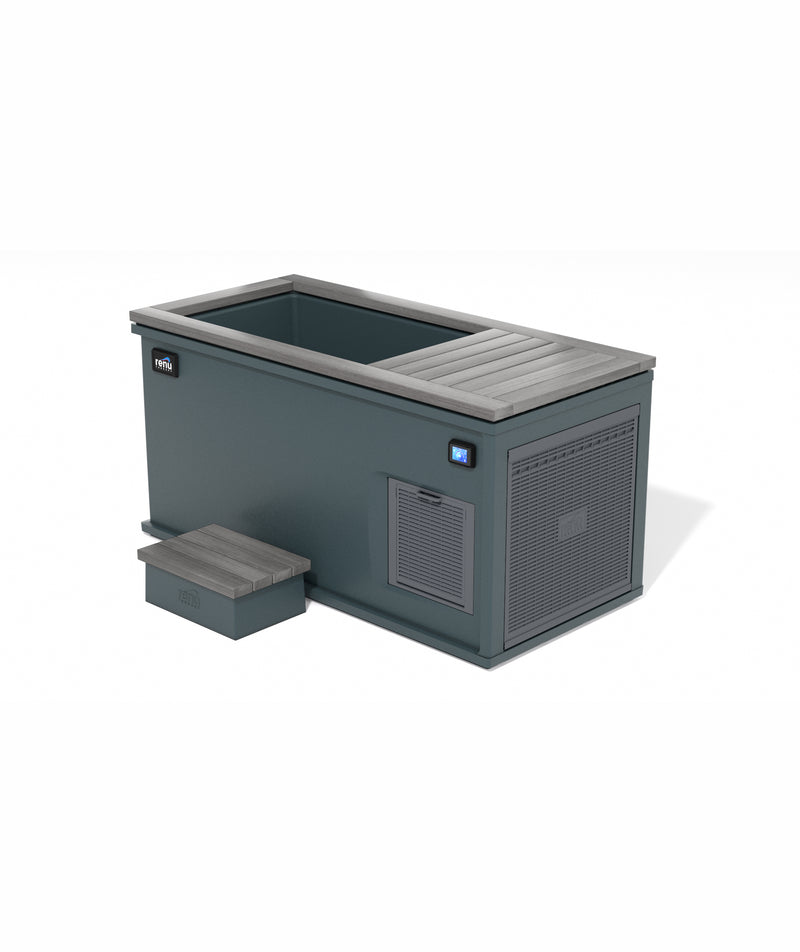
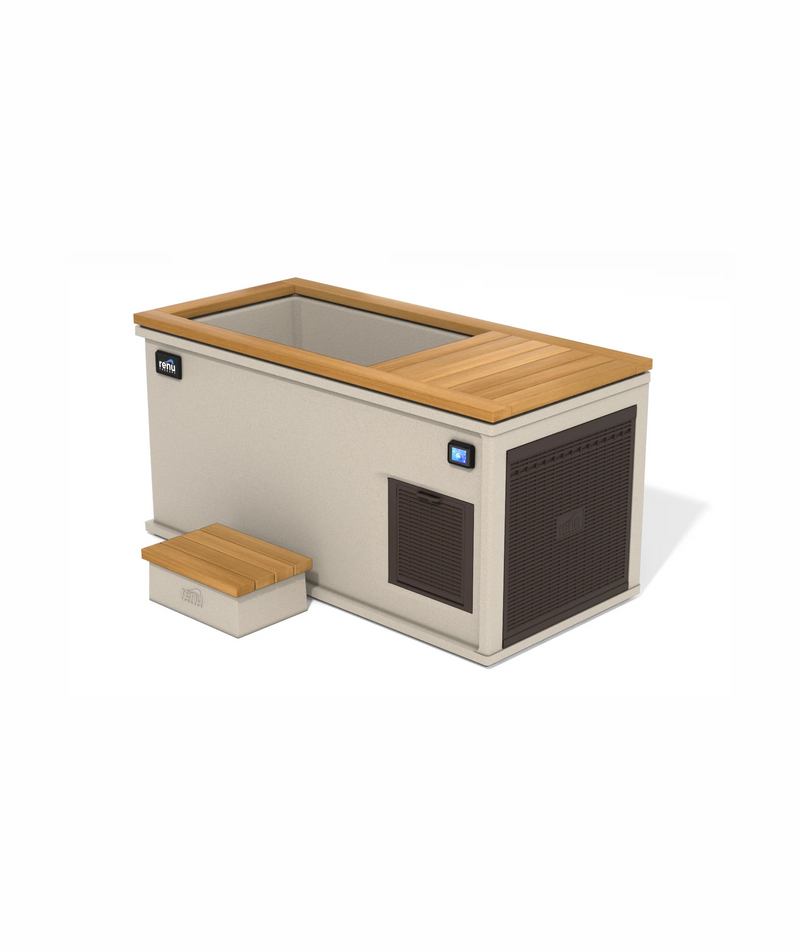
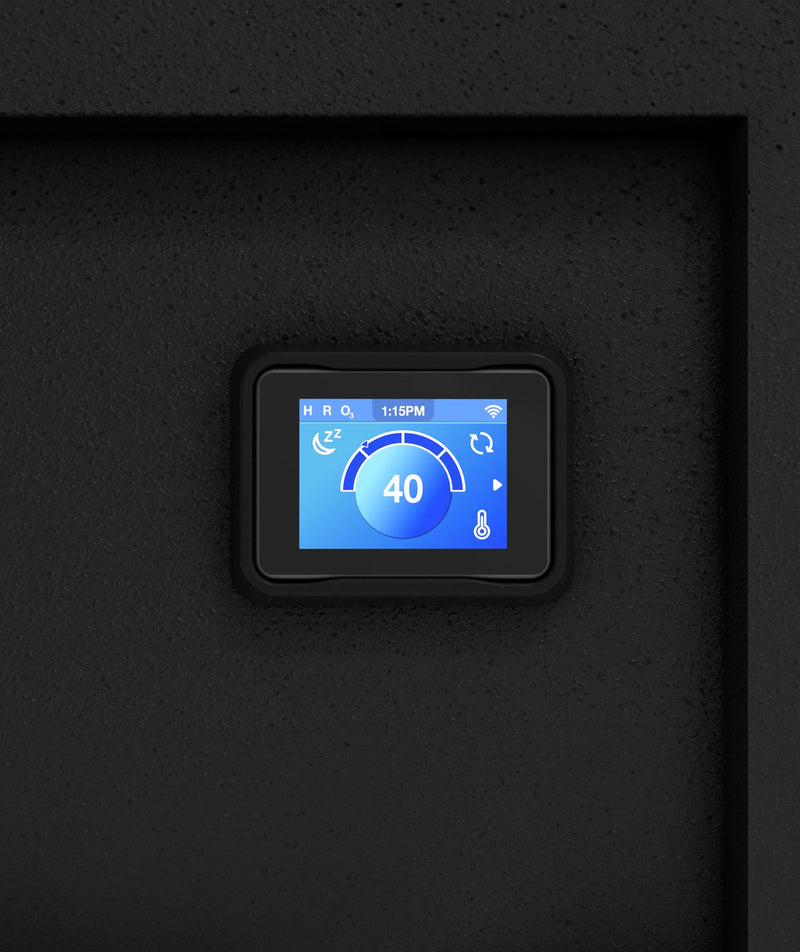
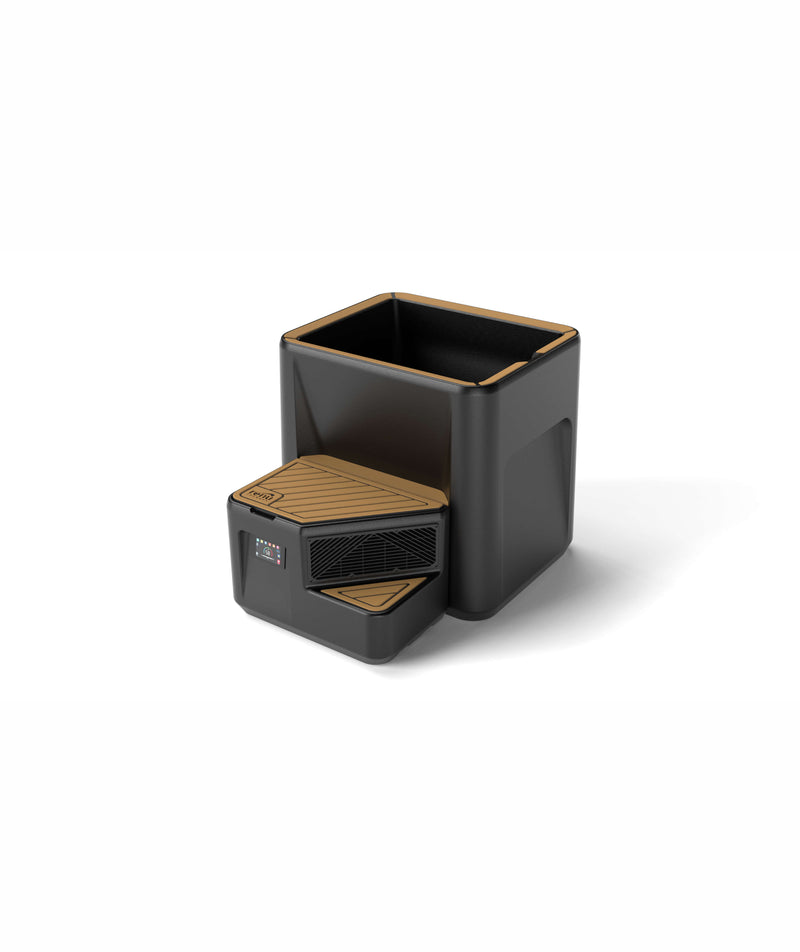
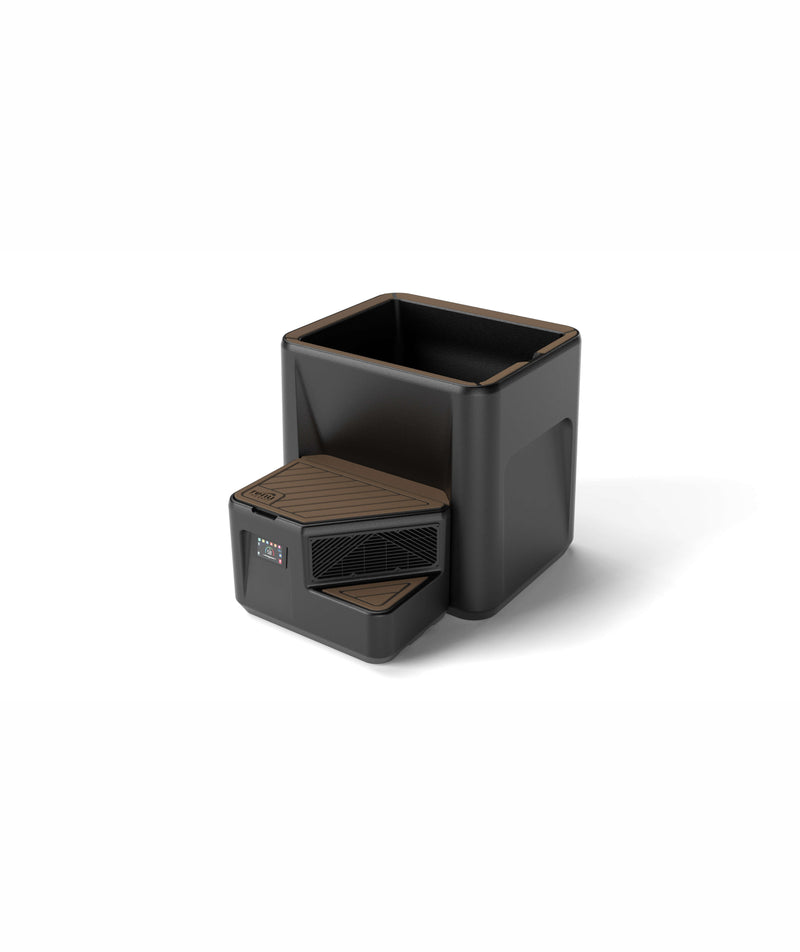
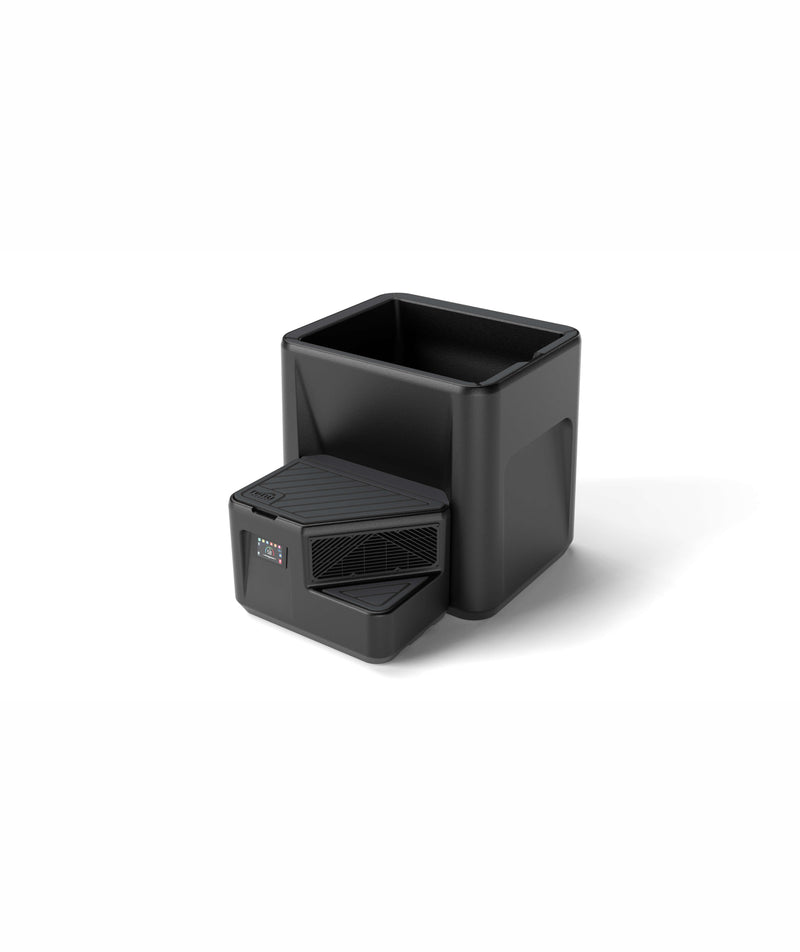
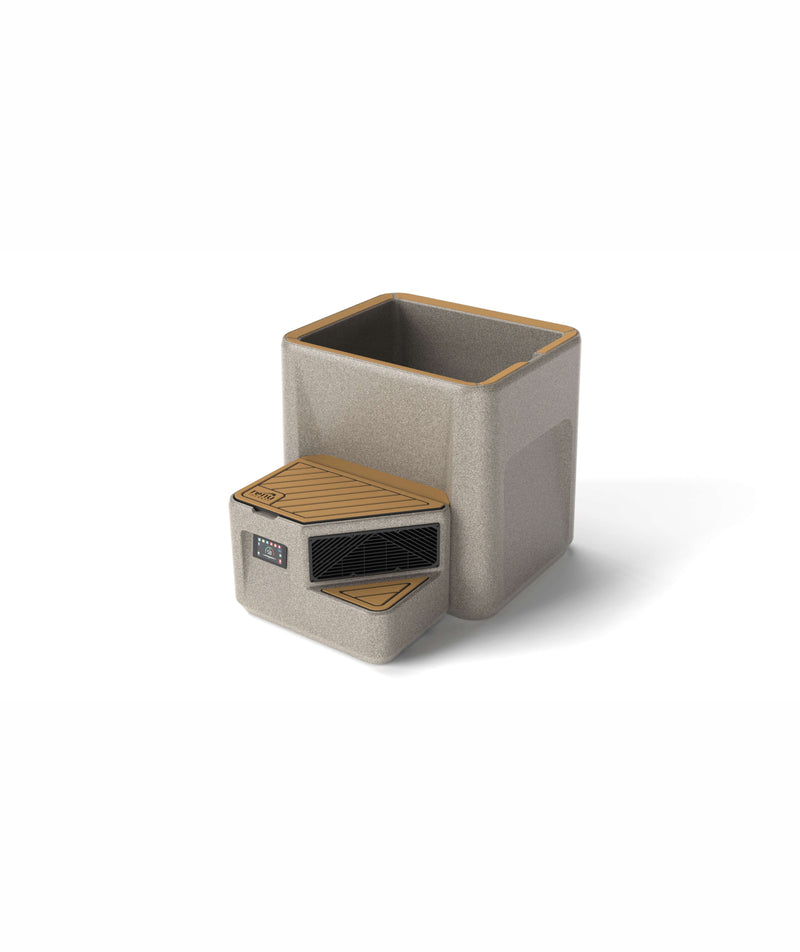
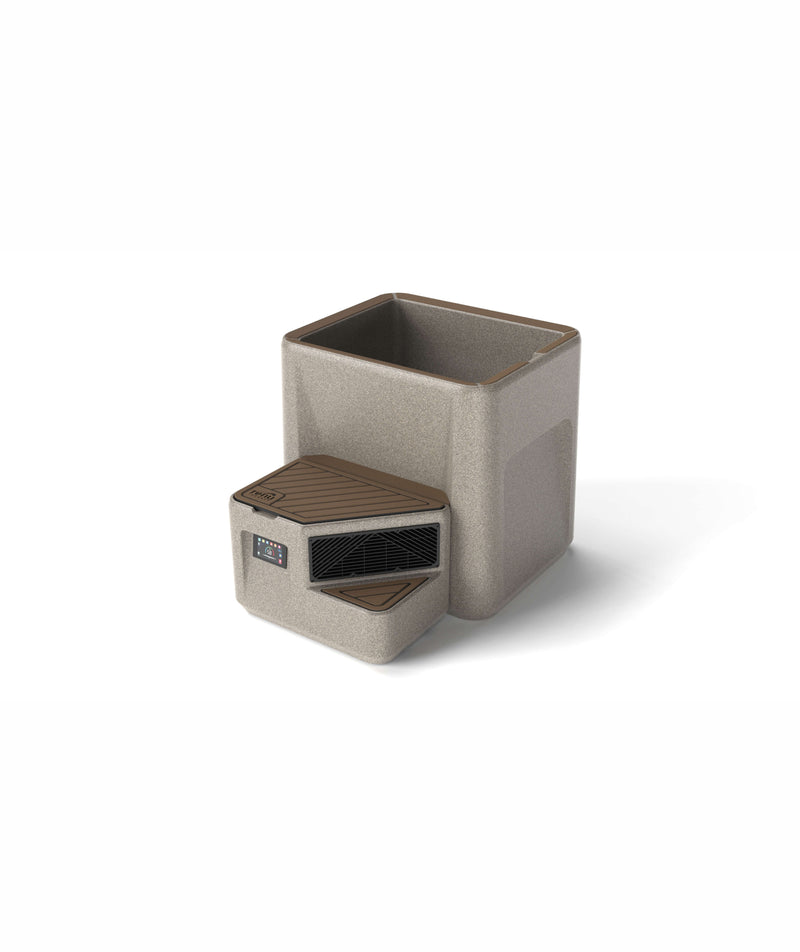
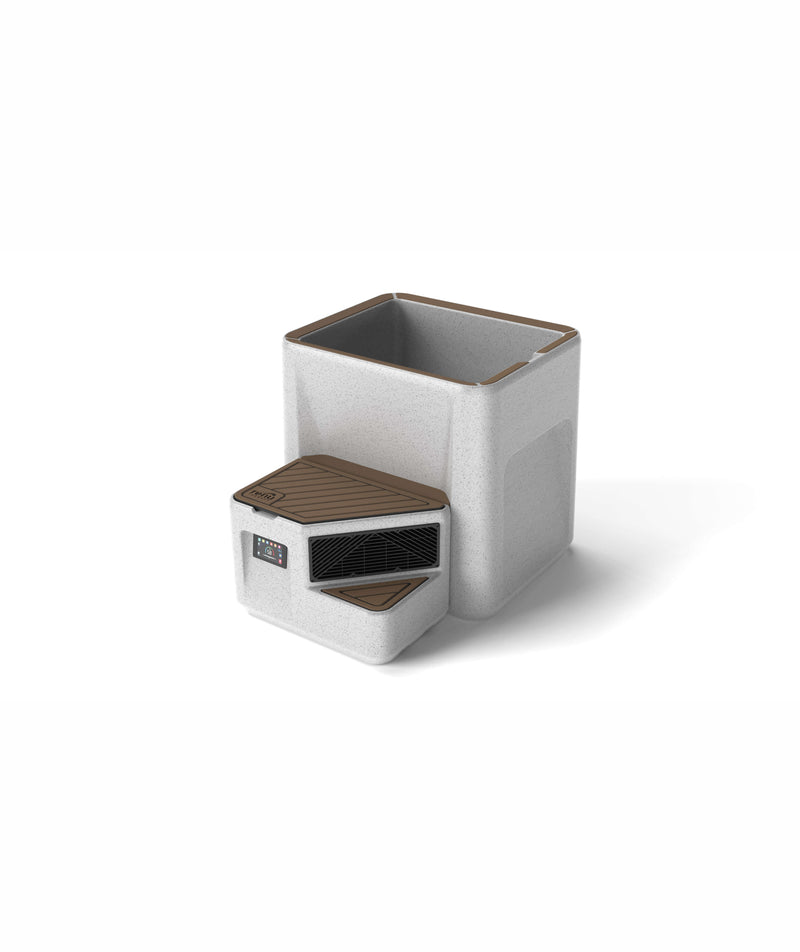
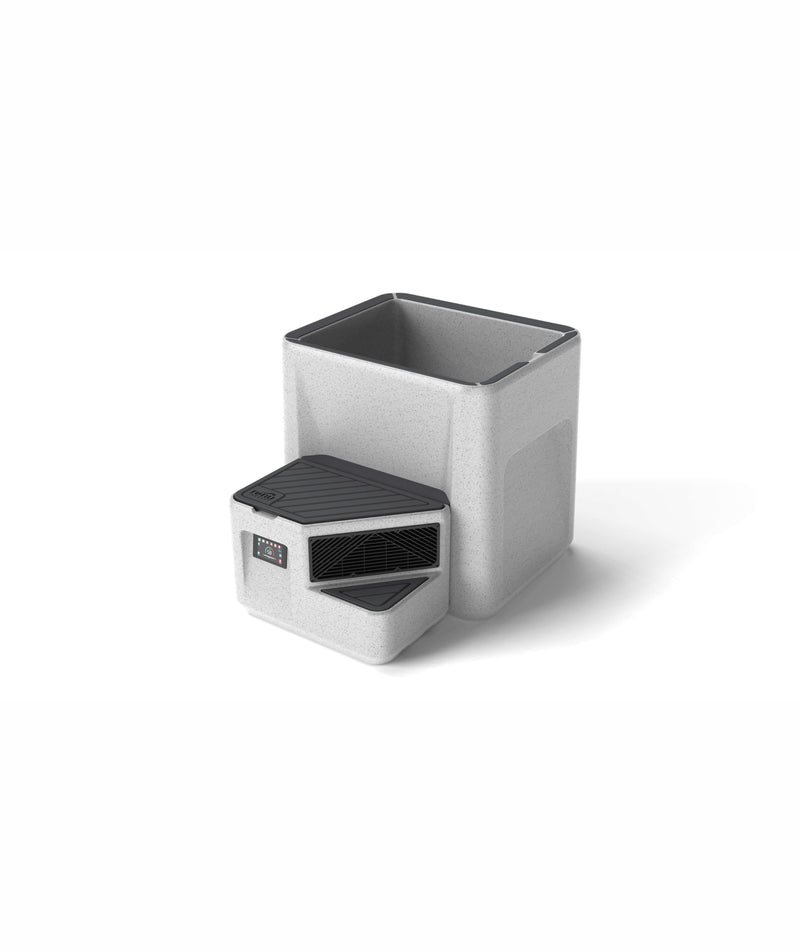
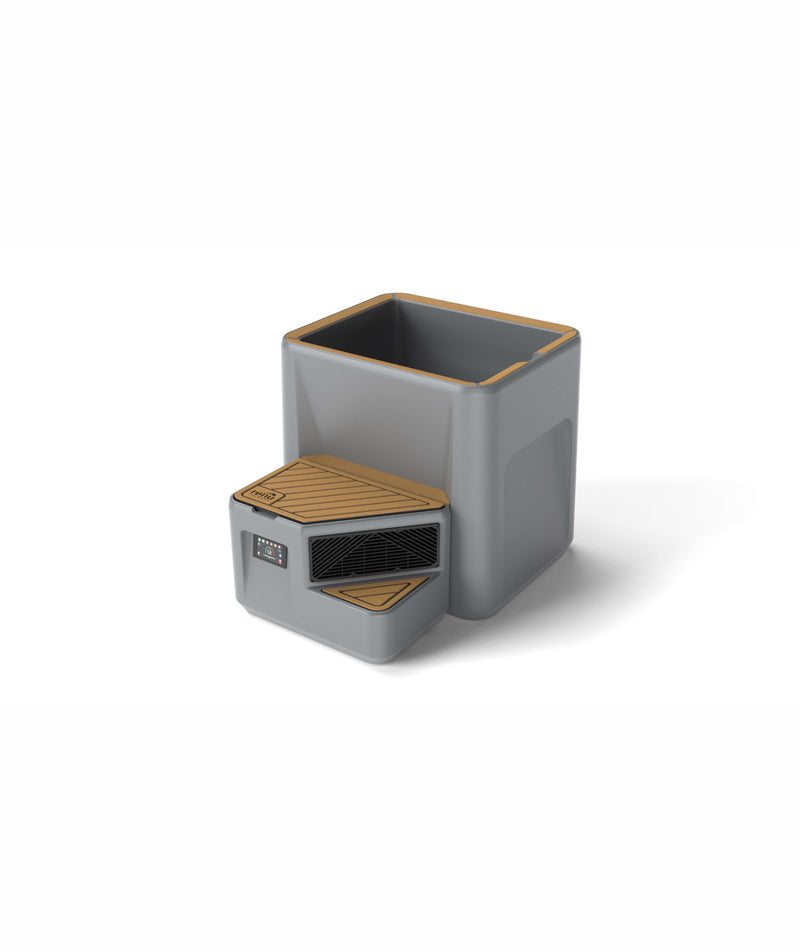
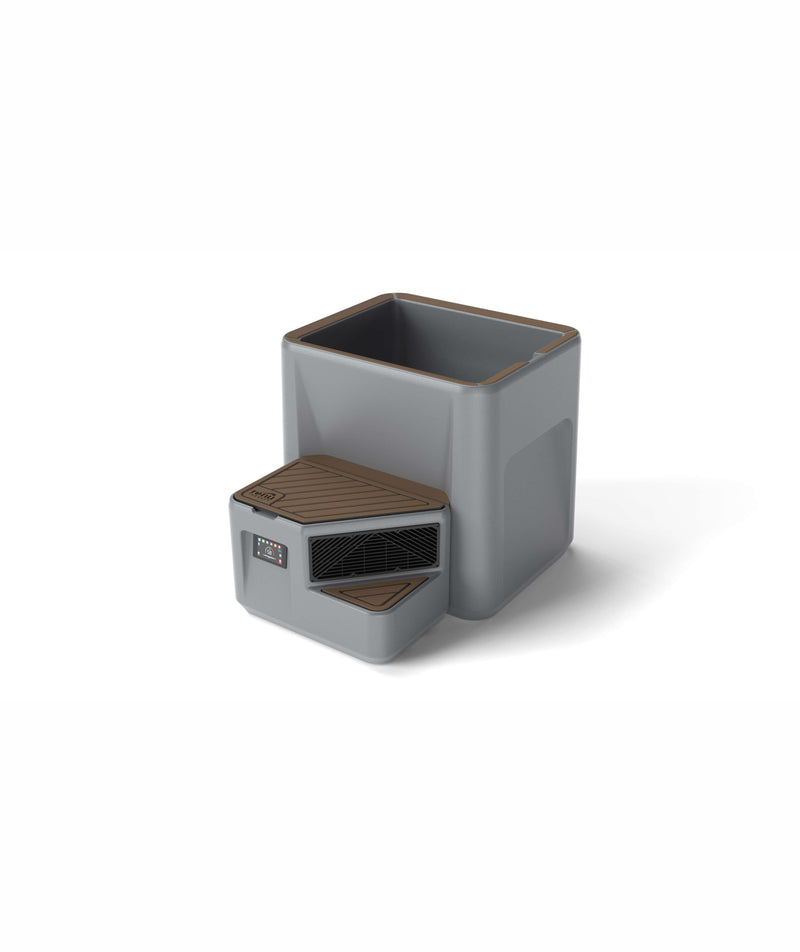
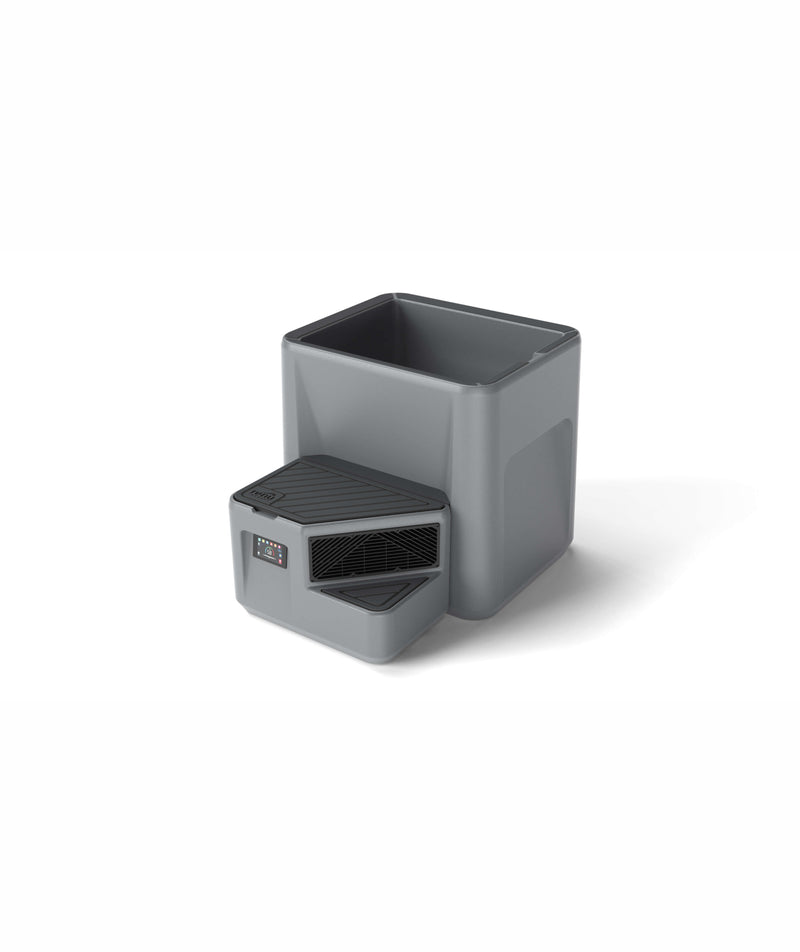
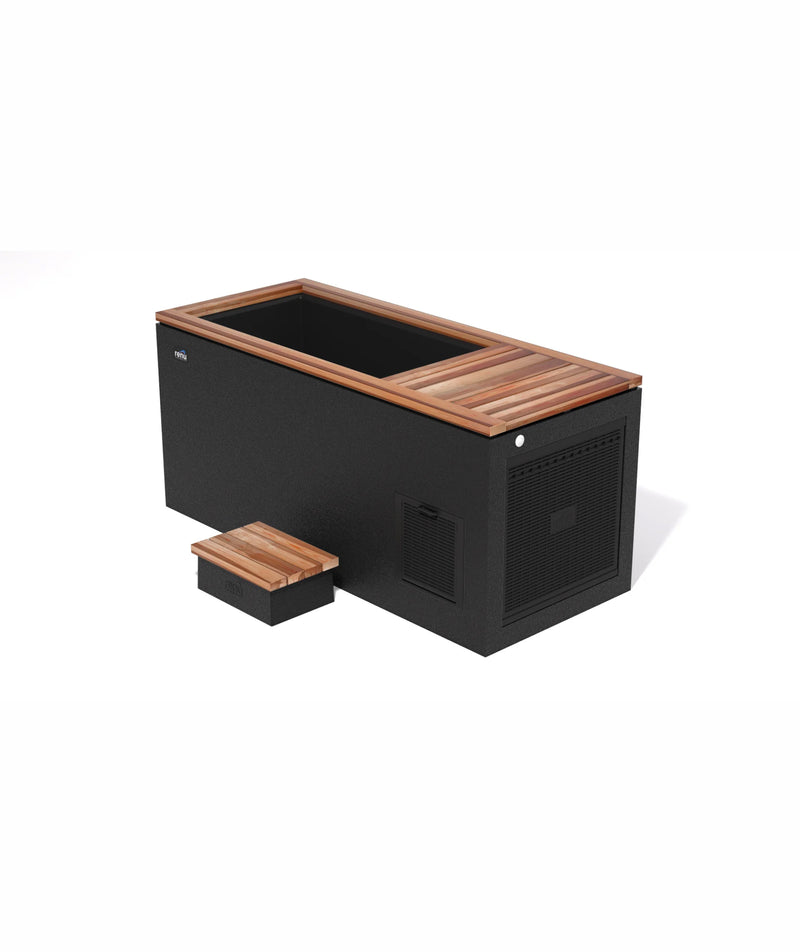
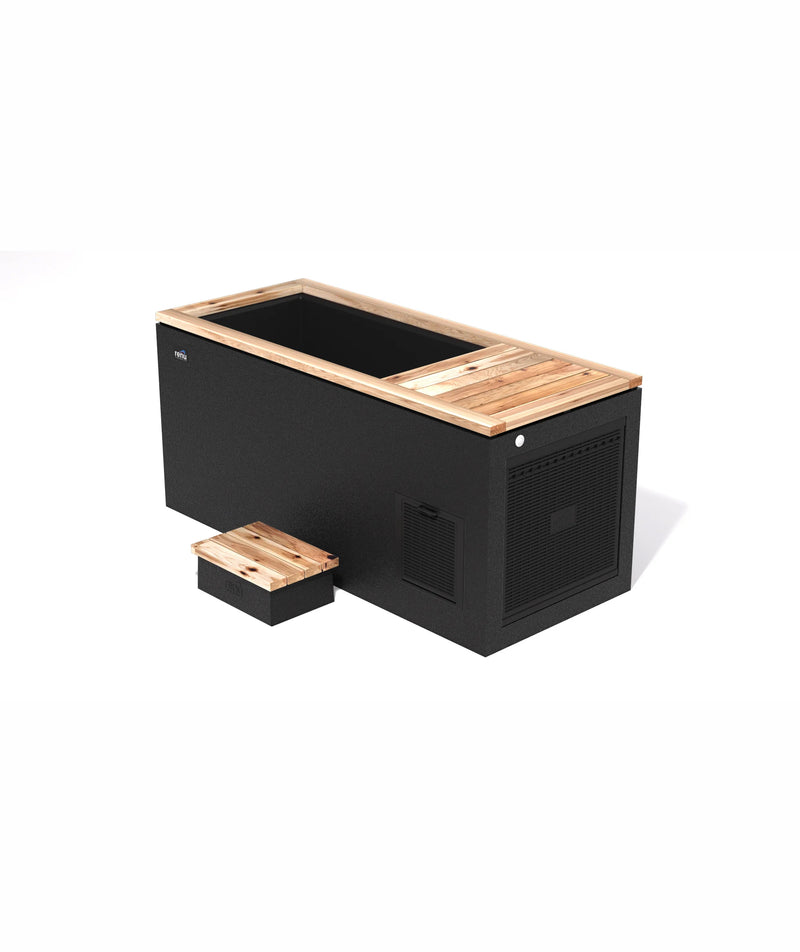
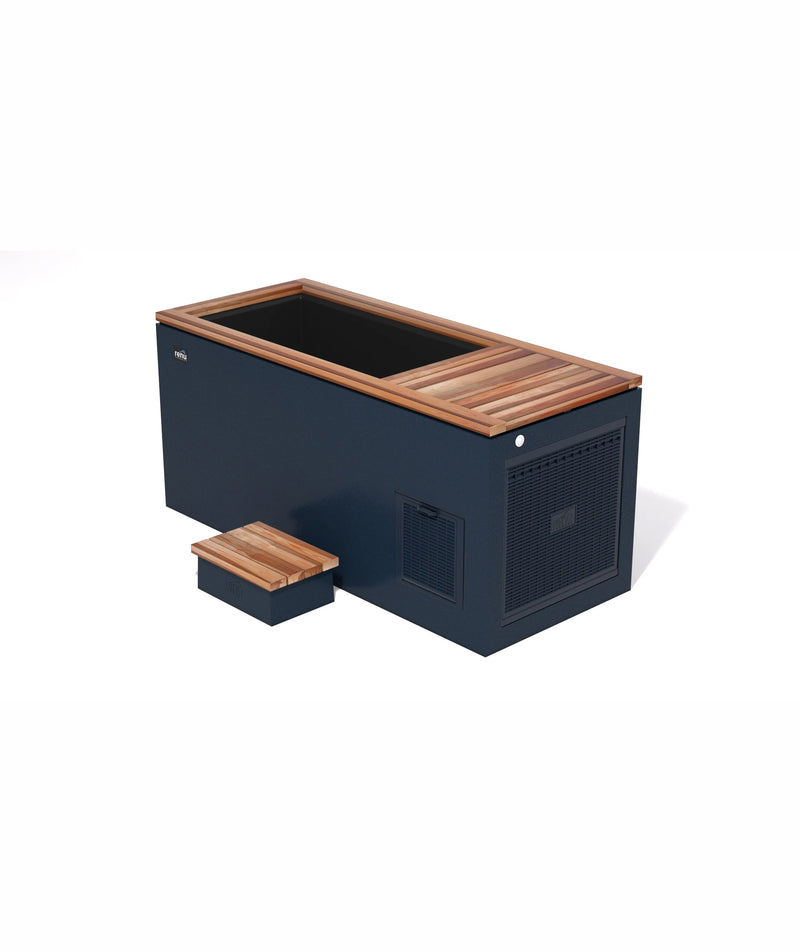
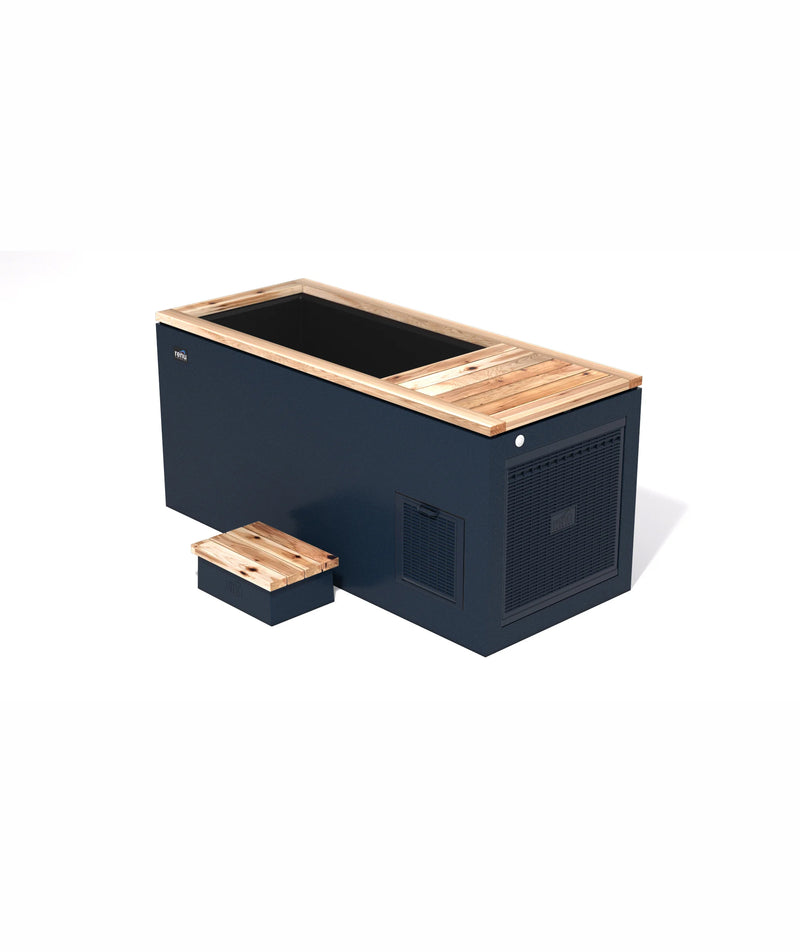
It's a principle we think about constantly at Renu Therapy. An always-ready cold plunge — one that doesn't need to be filled, chilled, or coaxed into working — isn't a convenience feature. It's the difference between a habit that survives a hard week and one that quietly disappears the first time willpower runs low.
Consistency for People With No Spare Time
Nolan's clients tend to be high-achieving and time-scarce, people with plenty of resources but almost nothing left at the end of the day. For them, he says, the answer isn't adding more to an already full plate. It's getting intentional with what's already there.
"You're already breathing, already showering, already sitting in your car before you walk into the next meeting," he said. "Those aren't gaps in the day, they're built-in real estate. Attach the practice there and it stops competing with your calendar."
It doesn't ask for willpower you don't have left, because it's riding on a habit that's already automatic.
"You don't need more hours, you need the five seconds of intention it takes to notice what you're already doing, and do it on purpose."

The Longevity Trade
For anyone optimizing for the long game rather than this quarter's numbers, Nolan says the stakes around consistency only get higher.
"Performance forgives you in the short term. Longevity doesn't," he said. "You can skip recovery for a month and still hit your numbers. You can't skip it for twenty years and expect your body to hand you the same bill."
A single cold plunge, on its own, barely moves the needle. But run the curve out to three, five, ten thousand plunges over a decade and the story changes completely.
"You're not just training your body to handle stress in the moment," Nolan said. "You're teaching your nervous system, over and over, that stress ends. That it can come down. Do that consistently for 20 or 30 years and you've built a nervous system that ages differently than one that's been stuck in fight or flight the whole time."
"Intensity is a bet on this year," he added. "Consistency is a bet on which version of yourself shows up at 60, 70, 80. The plunge isn't the point. What it trains — resilience, recovery, a body that knows how to come back to safety — that's the compounding asset."
Nolan's Advice for Building a Practice That Lasts
We asked Nolan what he'd tell someone who wants a lifelong recovery practice, not a New Year's resolution.

"Start small, and start with what actually works for you, not whatever's trending on the podcast this month," he said. "Remove the friction before you add the intensity. Set it up so the easy choice is the healthy one. And don't do it alone. Find people doing it alongside you, because willpower runs out, but showing up for a group is a different kind of motivation entirely."
He put the distinction plainly: "A resolution is intensity with an expiration date. A practice is friction removed, repeated, with people who'll notice if you disappear. That's the difference between something you try for January and something you still have at 70."
Asked to finish the sentence, "The people who get the best long-term results aren't the ones who ___, they're the ones who ___," Nolan didn't hesitate: "They aren't the ones who white-knuckle their way through, they're the ones who make it safe enough for their body to actually want to keep going."
What You Can Try This Week
Nolan's closing suggestion ties directly back to a practice many of our readers already have in place: the cold plunge.
"Since you're already cold plunging, let's use that," he said. "Think of something else you're trying to be consistent with. Now ask: who do I have to be to actually pull that off?" He points to James Clear's line from Atomic Habits, it's not "I'm trying to run," it's "I am a runner."
Pick your identity statement. Then notice the moment doubt creeps in, that's your cue. Use the same breath you use in the plunge to regulate right there in the moment. Repeat the identity statement, even silently.
"You already know how to come back to calm under pressure, you've been training that in the water," Nolan said. "Now you're just using it somewhere else. Same skill, new application."
Author: Nolan Kim is the founder of Inner Power Institute, where he works with high-performing clients on nervous system regulation, recovery, and sustainable performance habits.
Medical disclaimer: Cold water immersion is not suitable for everyone. Consult your physician before beginning a cold plunge practice if you are pregnant, have high blood pressure, heart disease, a history of cardiac arrhythmia, Raynaud's disease, peripheral neuropathy, or any other condition affecting circulation or nerve function. Cold exposure can place stress on the cardiovascular system and should be approached with caution if you have any underlying health conditions. This article is intended for informational purposes only and does not constitute medical advice.