In Copenhagen there is a quiet ritual that looks like nothing special. Ordinary people, in ordinary shape, walk down to the water in the cold months and get in. Not once, as a dare. Every week, for years. When researchers went looking for what made these winter swimmers different, the surprising answer was that almost nothing did. They were not superhuman. Their bodies had simply adapted, better at holding their temperature, better at producing their own heat, healthier in their metabolic signals, because the cold had become a normal, repeated part of an ordinary week.
That is the part most people miss about cold. We treat it as a test of toughness, a thing to survive and mention later, which is exactly why so many people try it once, hate it, and never go back. The cold was never a toughness test. It is a signal, and the whole benefit lives in what your
The cold was never a toughness test
Scientists have a word for this kind of stress. Hormesis. A small, controlled dose of something difficult triggers a beneficial adaptation, while a large dose of the same thing just does harm. Cold water is a near-perfect example. The goal was never to prove how much you can take. It is to give your body a stimulus it can learn from, at a size it can recover from, again and again. Push the dose too high, and you are not adapting; you are just suffering, and often setting yourself back. This is why the loudest version of cold, the ice-packed, teeth-gritting, how-long-can-you-last version, tends to be the least effective one.

You have felt this already
Here is the strange thing. You have already watched your own body adapt to cold; you just did not call it that. Step into a cold shower and you gasp. Your breath catches, your heart jumps. That is the cold shock response, and it is a reflex, not a failure of will. Nobody grits their way out of it on the first try. But it fades, and it fades fast. In the research, as few as four to eight short cold exposures blunt that gasp dramatically, and the change holds for months. The smaller gasp you feel in week two is not you getting mentally tougher. It is your nervous system quietly rewiring around something you simply kept doing.
If that sounds familiar, it should, because it is how the rest of your body already works. Nobody gets strong from one brutal workout. They get hurt. Strength is what happens when a moderate stress is repeated and recovered from, over and over, until the body rebuilds a little past where it was. One extreme cold session is a withdrawal your body cannot really bank. A short one you repeat is a deposit, and deposits compound.
The calm outlasts the cold
There is a good reason the practice becomes easy to keep once it takes. A cold plunge raises dopamine by around two hundred and fifty percent, but unlike a stimulant or a phone, the rise is slow; it peaks after you are out, and it holds for two to three hours with no crash afterward. It lifts the steady, background kind of dopamine tied to mood and motivation, rather than the sharp spike tied to craving. That is why regular plungers describe the feeling as calm and driven, not wired and then flat. Keep at it, and the effect starts to settle into your baseline. People who plunge consistently tend to report lower everyday anxiety, not just a good hour after the water.
The part worth staying for
This is where cold becomes more than a cold habit. When you meet a stress that is controlled and recoverable, and you meet it on purpose, over and over, your whole stress system recalibrates. And the calm does not stay in the water. Studies of cold-adapted people show a smaller stress response even to challenges that have nothing to do with cold. Sit with what that means. The two minutes you spend staying steady while your body is begging you to get out is not only about the cold. It is rehearsal. You are practicing the exact skill you need in the meeting that goes sideways, in the traffic that will not move, in the conversation you have been dreading. The cold is a training ground for the rest of your life, and the transfer is real. But it belongs only to the people who keep showing up.

Smaller than you think
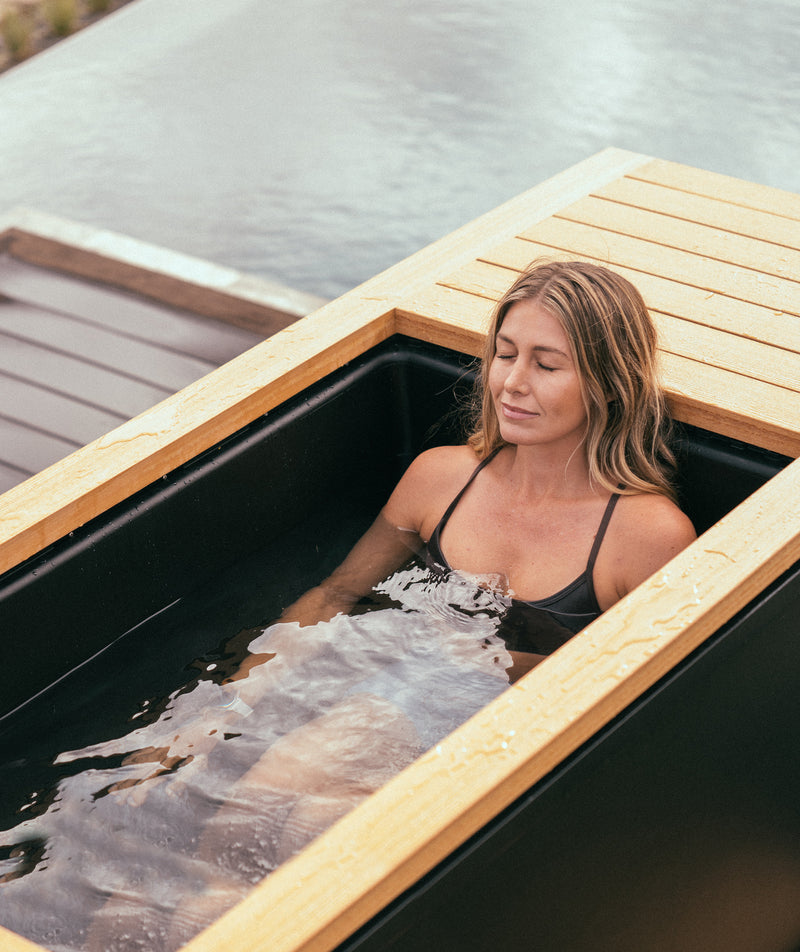
None of which requires heroics. If anything, the honest protocol is almost anticlimactic, and that is the whole point. The research points to roughly eleven minutes of cold across an entire week, not per session, split into a few short plunges of two to three minutes in water cold enough that you want to get out. Then you let your body warm itself back up instead of running for a hot shower, because making your own heat is part of the adaptation. That is it. The goal is not the longest plunge you can endure. It is the most sessions your body can learn from.
Which turns the real question from how much can I take into how do I keep it up. The answer there is kinder than most people expect. Becoming automatic takes closer to two months than the mythical twenty-one days, so patience is part of the practice. But missing a single day does almost nothing. The research on how habits actually form is clear that one slip does not set you back; only quitting does. Aim for the streak, forgive the miss, come back tomorrow. The standard is showing up, not never failing.
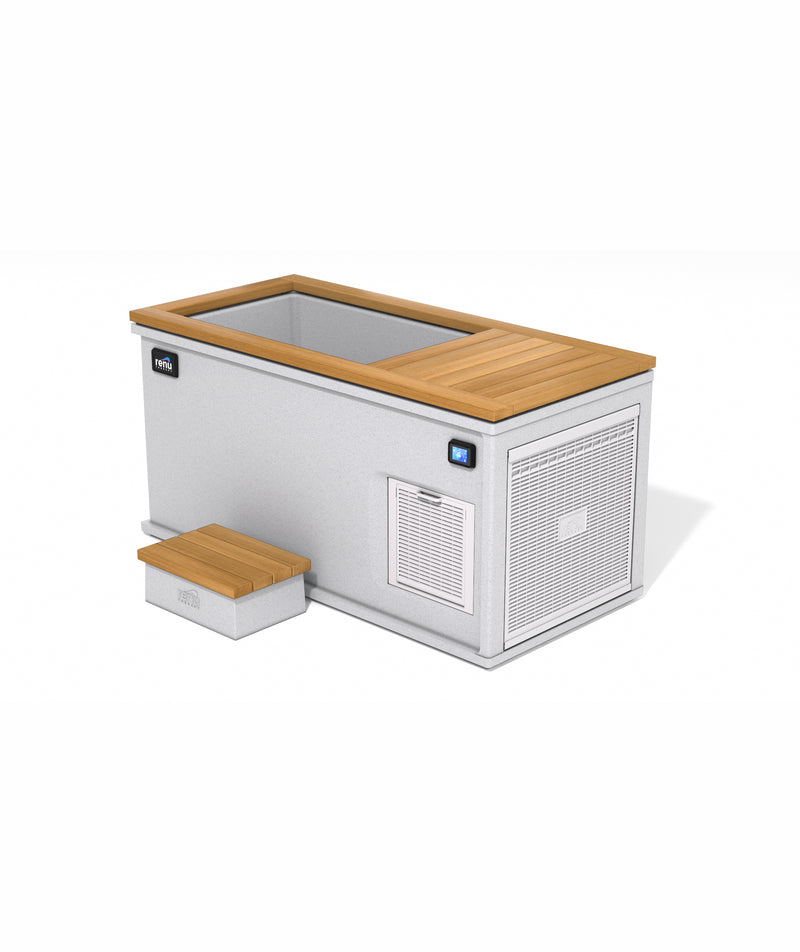
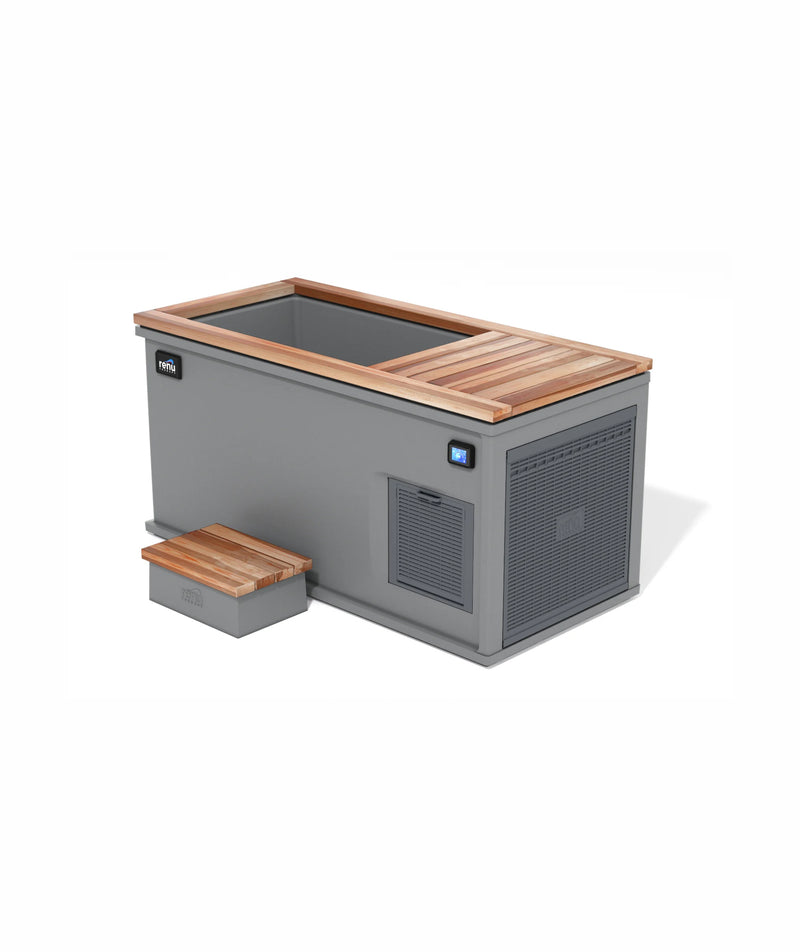
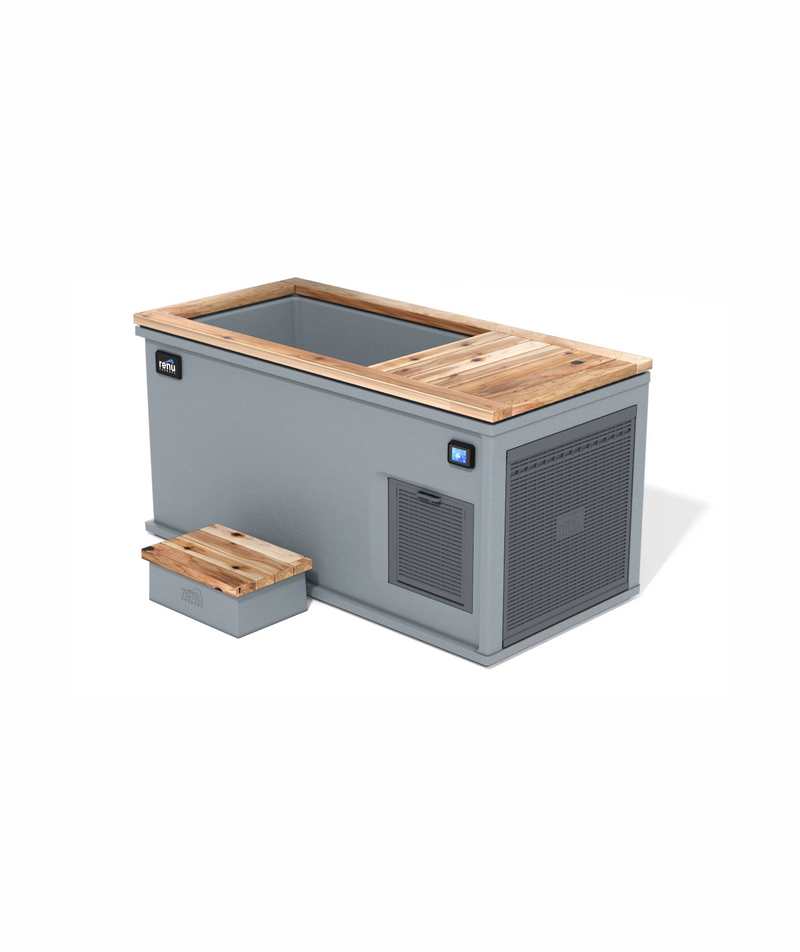
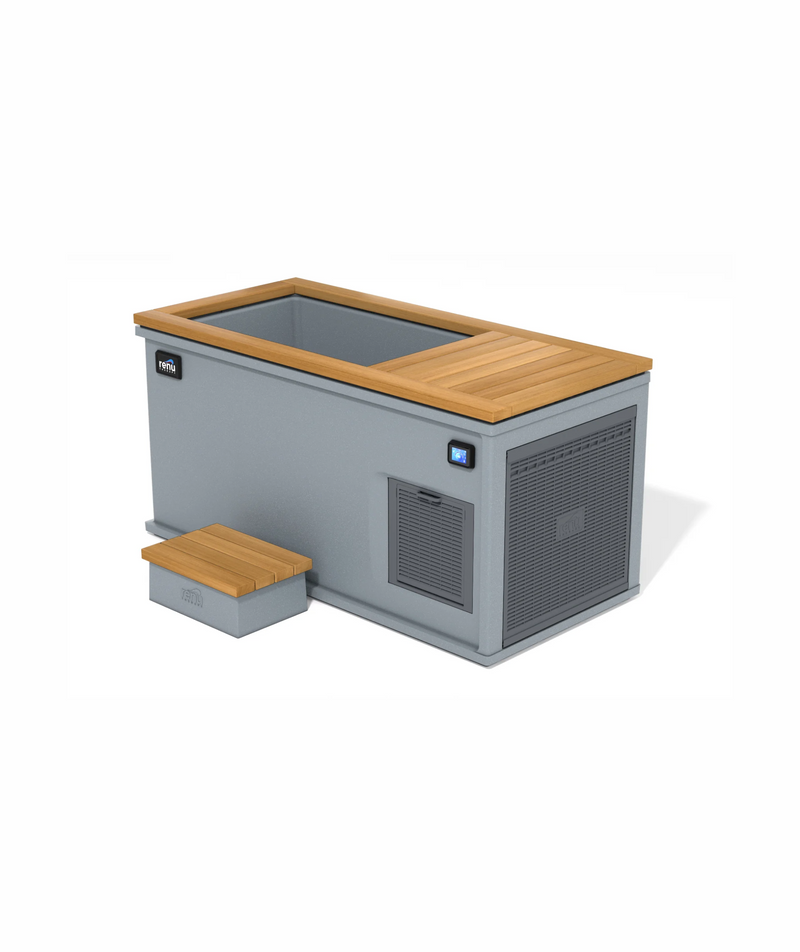
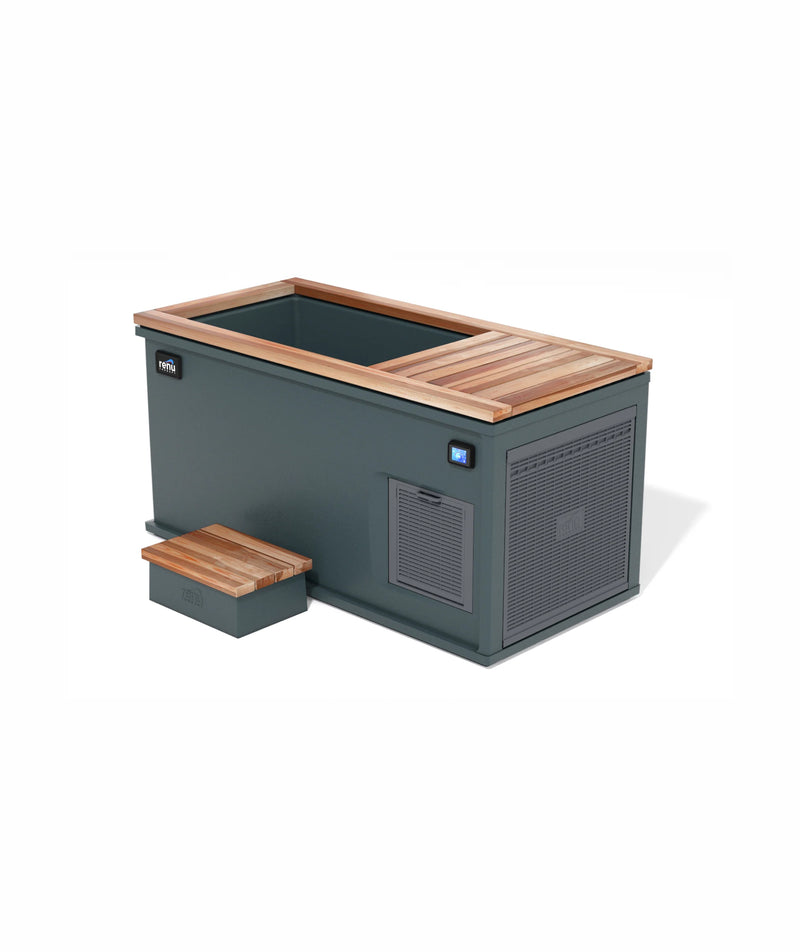
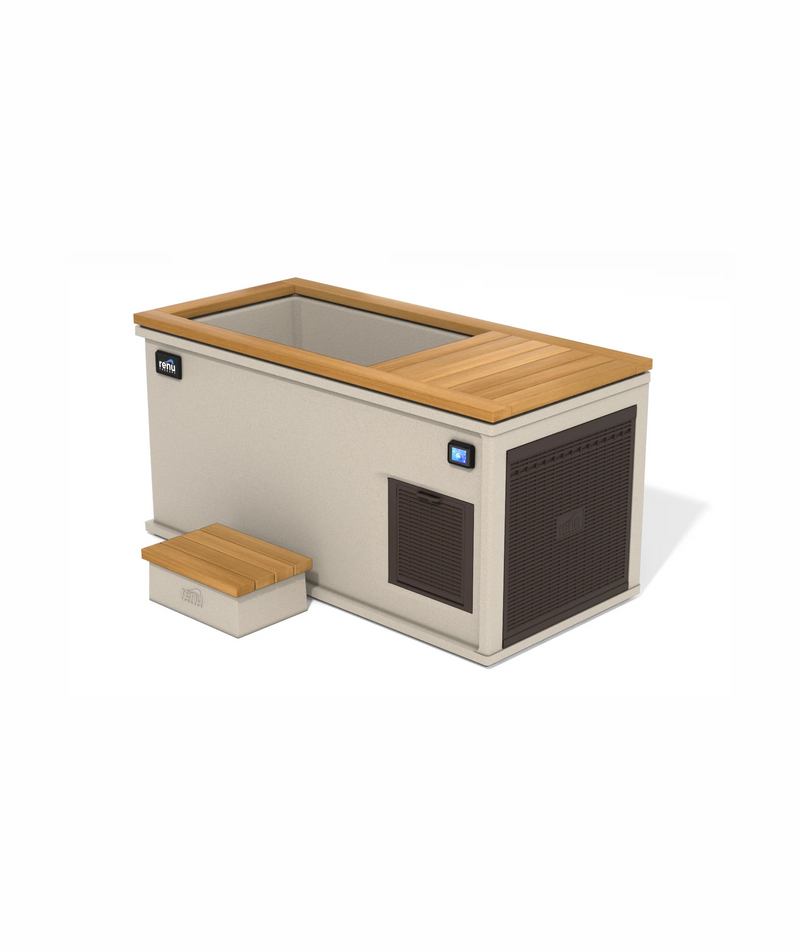
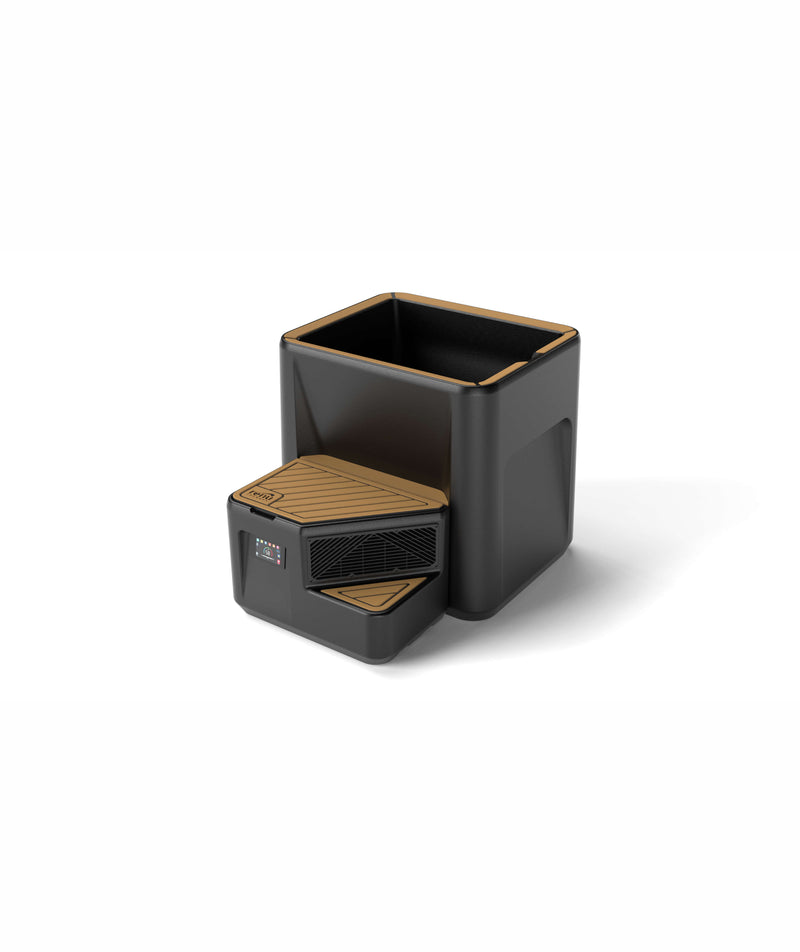
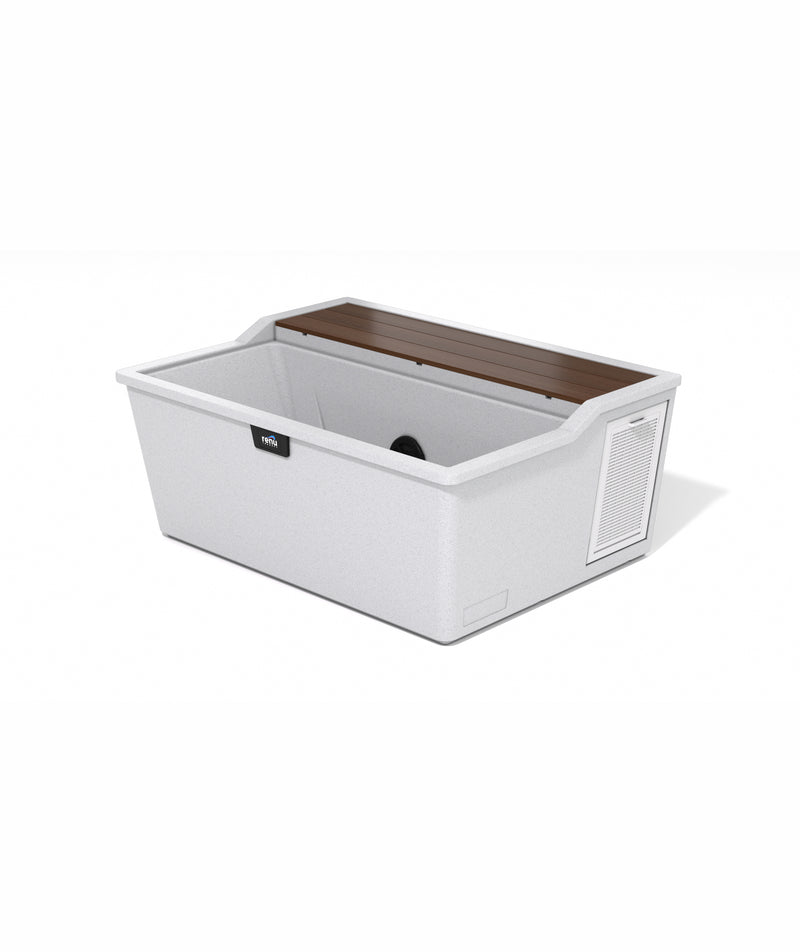
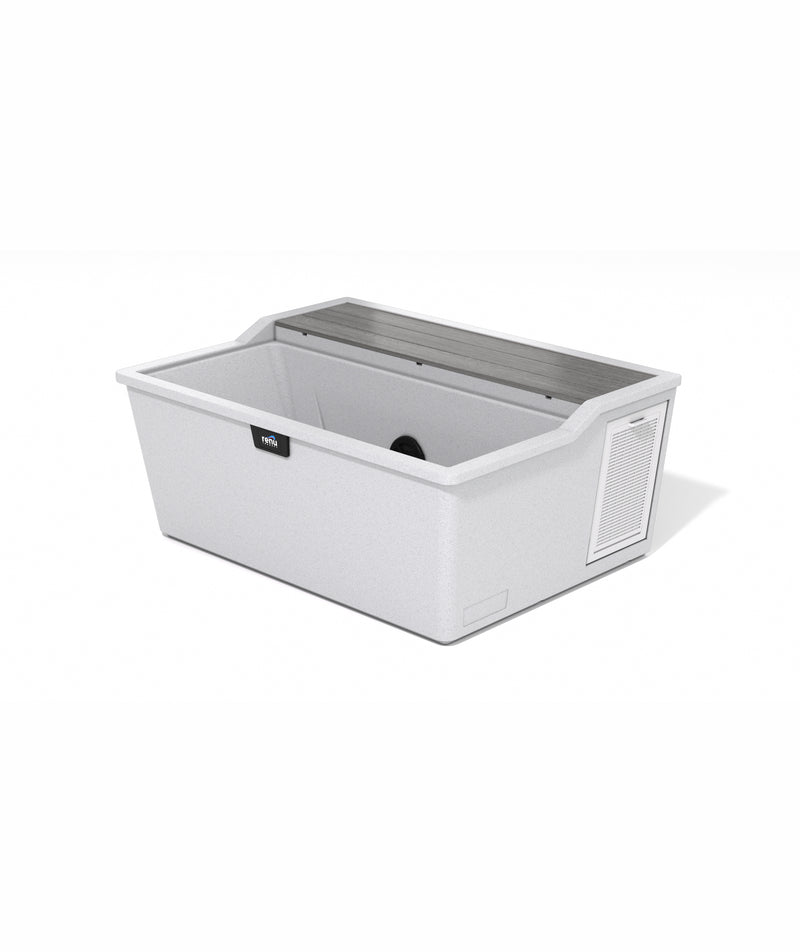
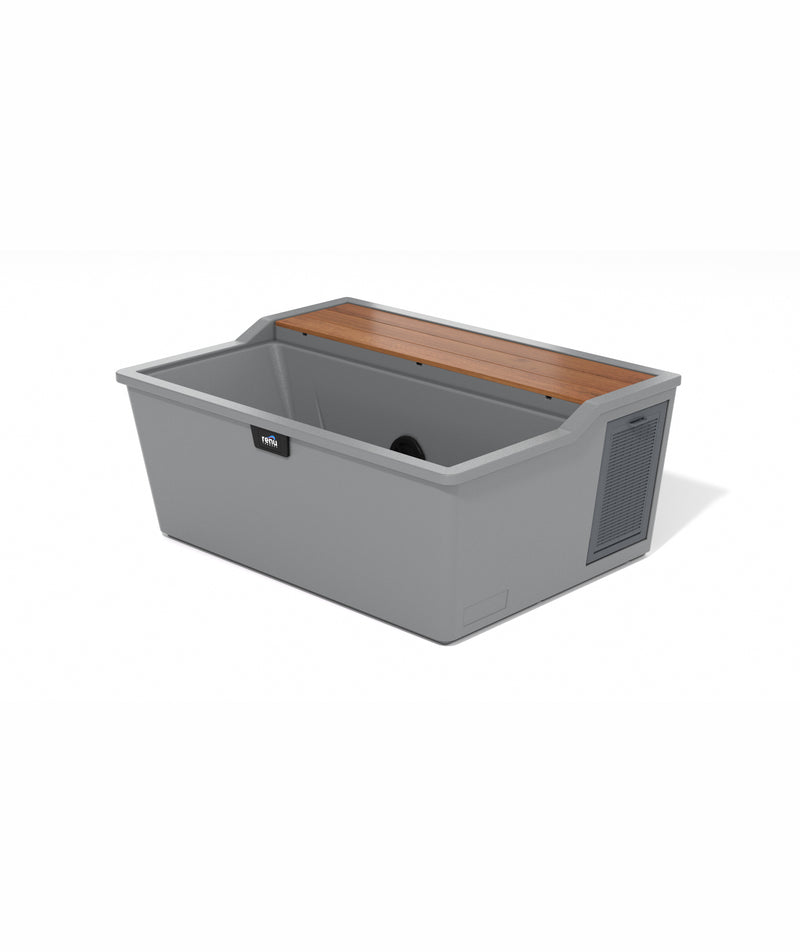
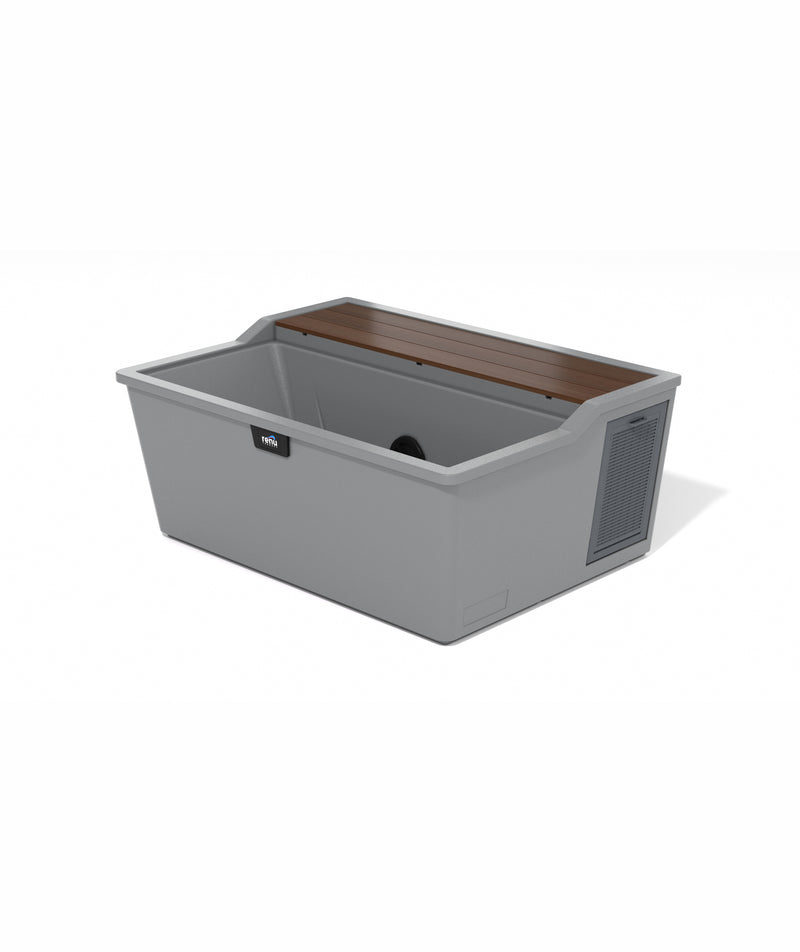
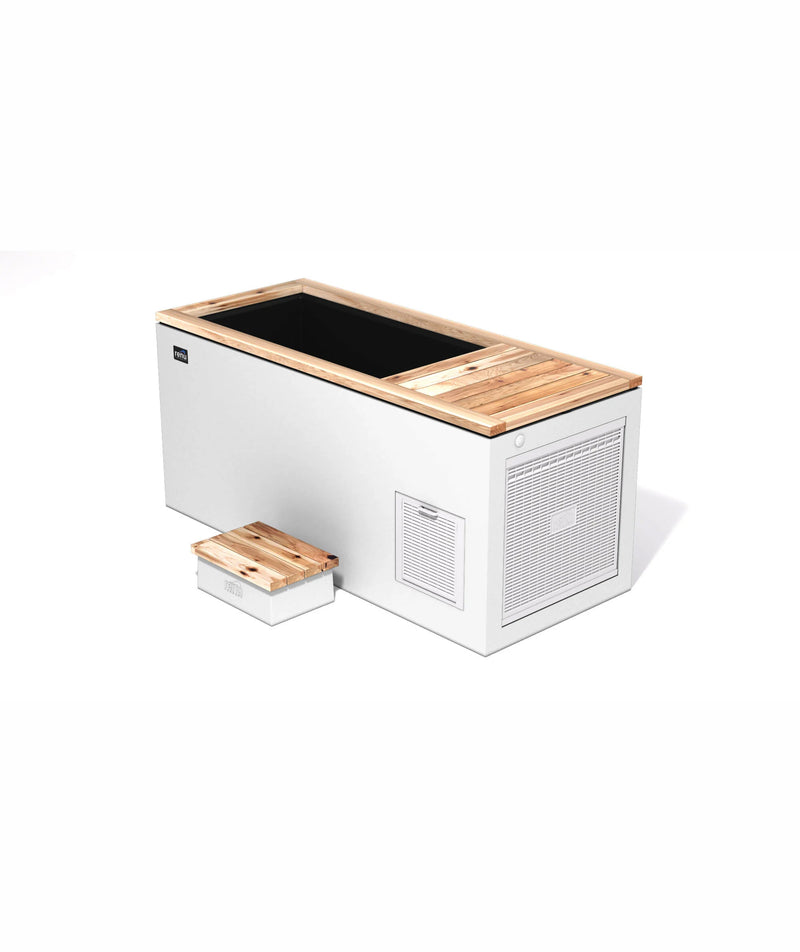
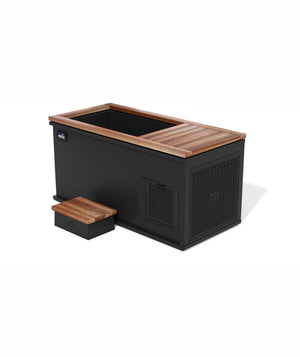
The only thing that reliably breaks a practice is friction. Cold water that is not ready. A setup that fights you. A plunge that has quietly become a chore. If you are building this for real, the advantage of a plunge that is always ready, the same temperature, every morning, no negotiation, is that it removes the one excuse that ends most practices before they start.
What the swimmers knew
Go back to Copenhagen. The swimmers were not gifted with unusual genes or unusual discipline. They had made the cold a normal, repeated part of a normal week, and their bodies met them there. It is worth noting they almost always paired their cold with heat, warming in a sauna between rounds or after, the old contrast that so many cultures arrived at on their own. [Internal link: sauna]
So if you take one idea from all of this, let it be the least dramatic one. Intensity is a story you tell once. Consistency is who you slowly become. Stay with it, and the cold stops being something you brace against and starts being something that steadies you, in the water and well beyond it.
Keep reading → the science of cold and inflammation · what cold does to your dopamine
Article Sources: Cold shock response habituation: Tipton and colleagues; systematic review and meta-analysis, 2024. Catecholamine (dopamine and noradrenaline) response to cold immersion: Šrámek et al., European Journal of Applied Physiology. Winter swimmers, thermoregulation and thermogenesis: Søberg et al., Cell Reports Medicine, 2021 (University of Copenhagen). Cross-adaptation and stress inoculation: cross-adaptation review, Sports Medicine, 2017; stress-inoculation literature, 2016. Habit formation and consistency: Lally et al., European Journal of Social Psychology, 2010. Weekly protocol and ending on cold: the Søberg protocol; Huberman Lab.
Medical disclaimer: Cold water immersion is not suitable for everyone. Consult your physician before beginning a cold plunge practice if you are pregnant, have high blood pressure, heart disease, a history of cardiac arrhythmia, Raynaud's disease, peripheral neuropathy, or any other condition affecting circulation or nerve function. Cold exposure can place stress on the cardiovascular system and should be approached with caution if you have any underlying health conditions. This article is intended for informational purposes only and does not constitute medical advice.