How Long Should You Stay in an Ice Bath—and How to Actually Do One
Cold water immersion is one of the most well-documented recovery tools in sport—but two questions come up constantly, especially for newcomers: how long should you actually stay in an ice bath, and how do you get the most from it? The answers are simpler than most people expect.
How Long Do You Stay in an Ice Bath?
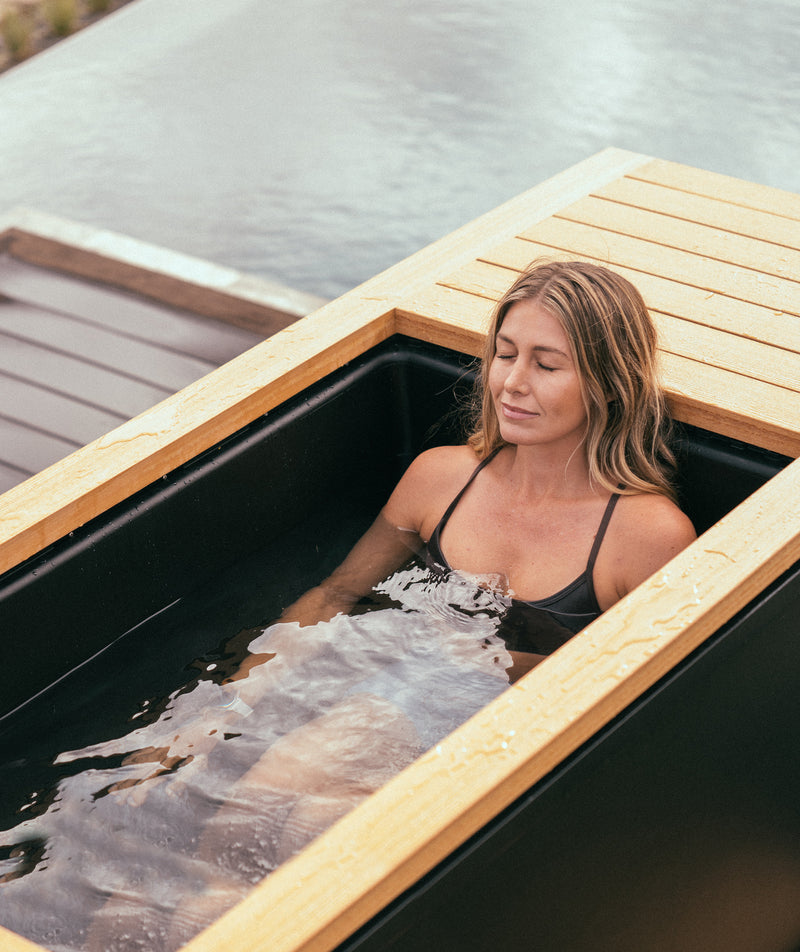
For most people, the ideal time to stay in an ice bath is 2 to 5 minutes. That’s usually long enough for all of the physiological benefits to kick in: vasoconstriction, nervous system activation, the norepinephrine spike that drives mood and focus benefits—all of these things are triggered well within the first few minutes. And staying in longer doesn't multiply the effect. In fact, beyond 10 minutes, you're not accumulating more benefit; you're accumulating more risk.
Start Where You Are
Just starting out? → Start with 1 to 2 minutes. The first few sessions aren't really about recovery; they're about getting your body used to the cold (and teaching your nervous system that it's not in danger).
Building tolerance? → Between 3 to 5 minutes is where most consistent cold plungers find themselves—and where the benefits are most reliably accessed. You've learned to breathe through the initial shock. The cold has become less adversary and more familiar. Now you can use the time intentionally.
Experienced cold plunger? → Some people do stay in for as long as 6 to 8 minutes, but it’s not necessary. In fact, Dr. Susanna Søberg's research points to roughly 11 minutes of total cold immersion per week as a meaningful threshold for metabolic and recovery benefit (e.g., three to four sessions of 3 minutes each). This exposure showed measurable improvements in cold-induced thermogenesis, brown fat activation, and insulin sensitivity compared to the sedentary control group.

Temperature Matters More Than You Think
Duration and temperature don't operate in isolation. The colder the water, the shorter the session can be—and the less benefit you're likely to accumulate if intensity tips into survival mode.
The most effective range for cold water immersion is 50°F to 59°F (10°C to 15°C). It's cold enough to trigger the physiological response yet not so extreme that it forces you into a frantic panic to get out.
Below 45°F, many people find they spend the session fighting the water rather than working with it. And colder is not inherently better—there's a reason cold therapy regulars aren't dunking into near-freezing water daily.
For daily use, most people find 50°F to 55°F to be the range where intensity and consistency can coexist.
How to Ice Bath: Doing It Right
Getting the duration right is one part of it. How you enter, how you breathe, and how you exit are the other parts—and they make a bigger difference than most people expect.
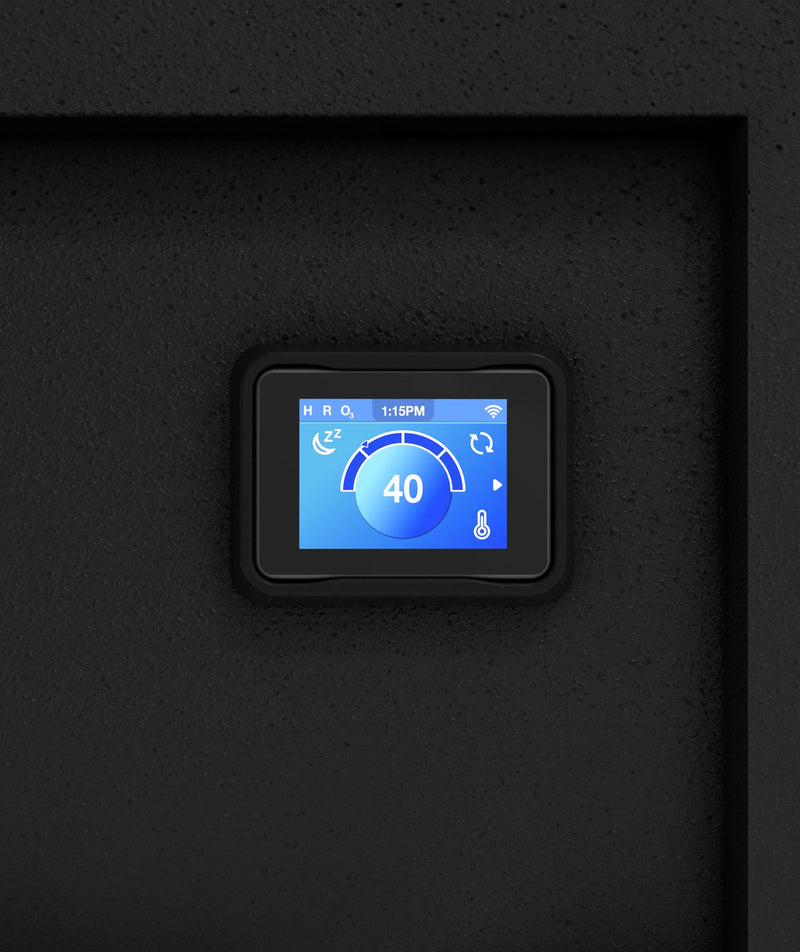
Set your temperature before you get in: Consistency in temperature is what allows you to build tolerance and actually track progress. A system that holds stable temperature removes the variable entirely, meaning you're working with the same stimulus each time.
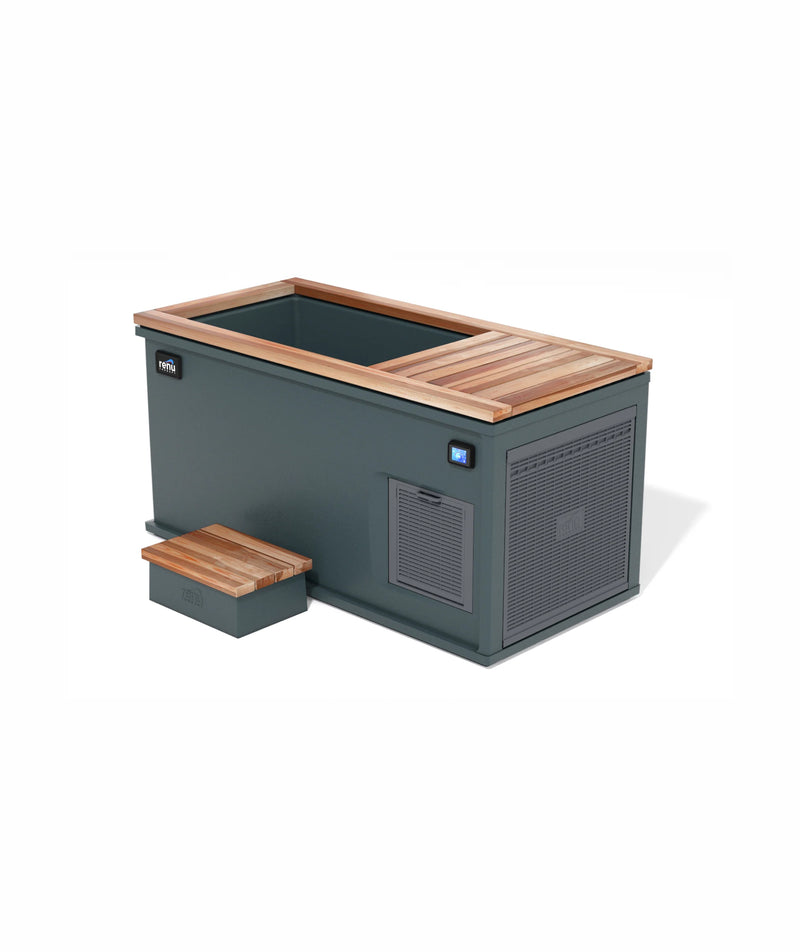
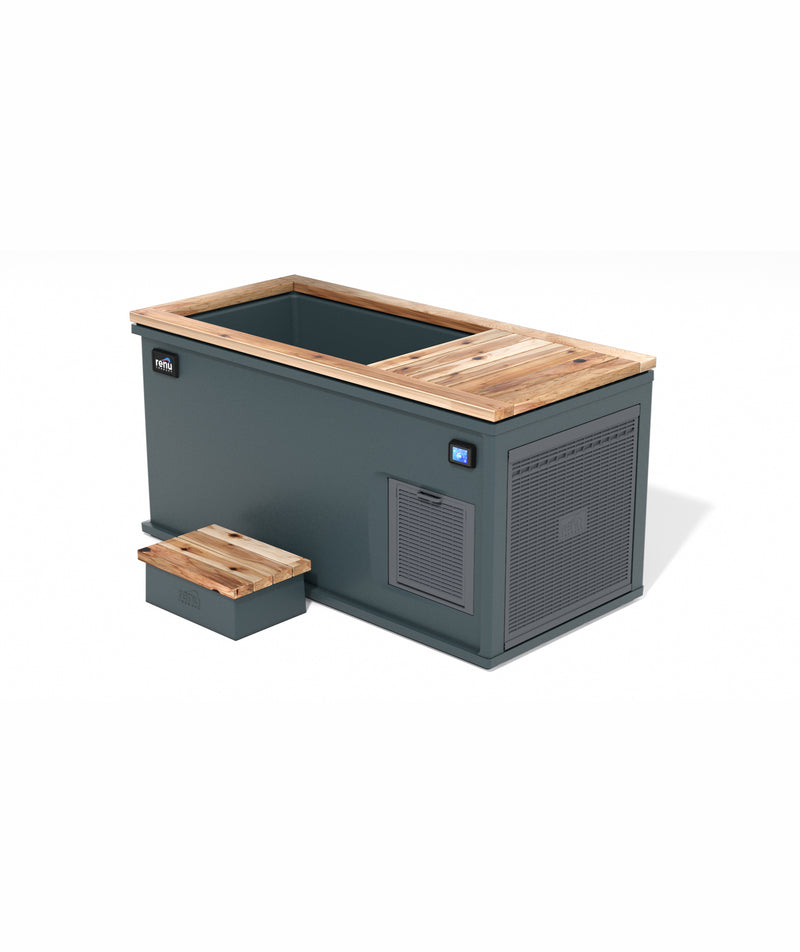
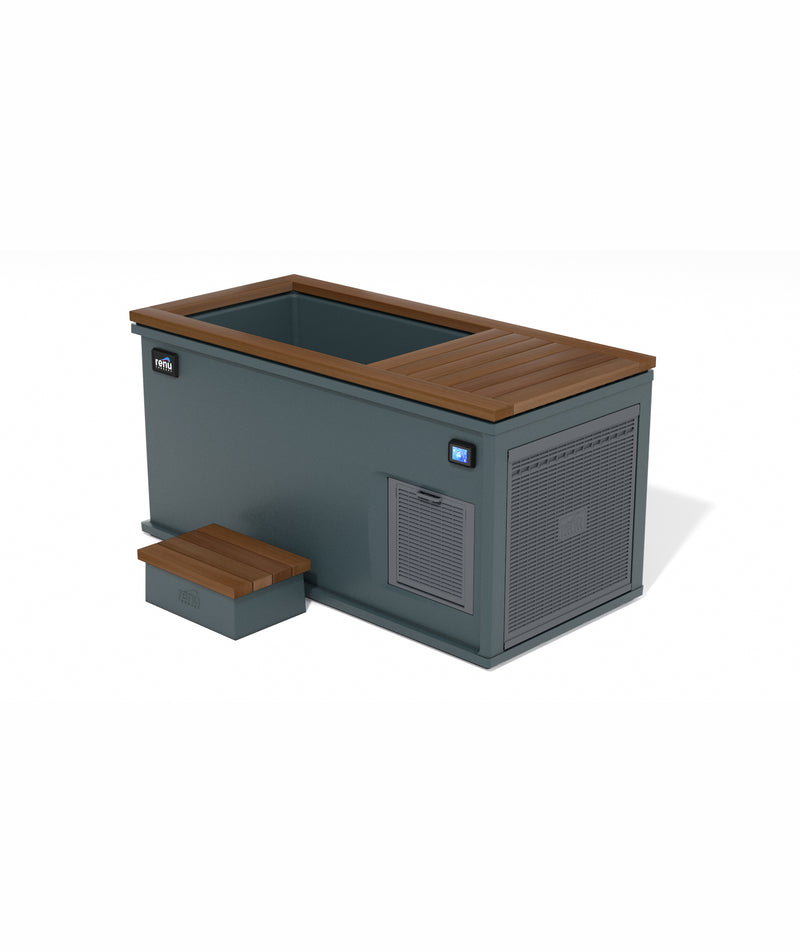
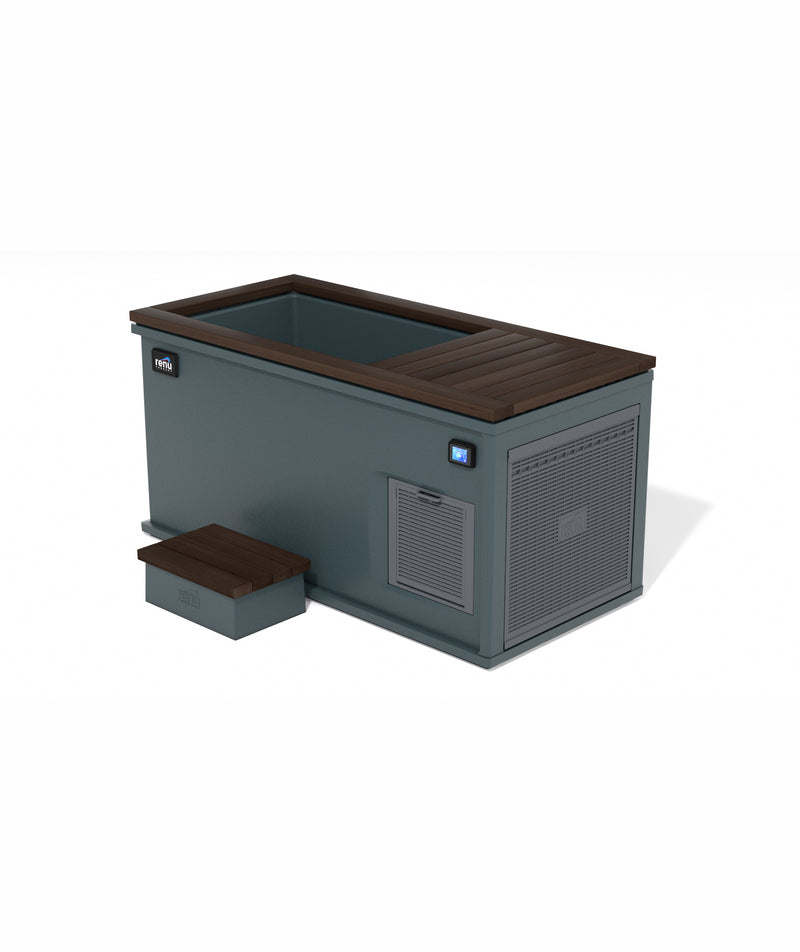
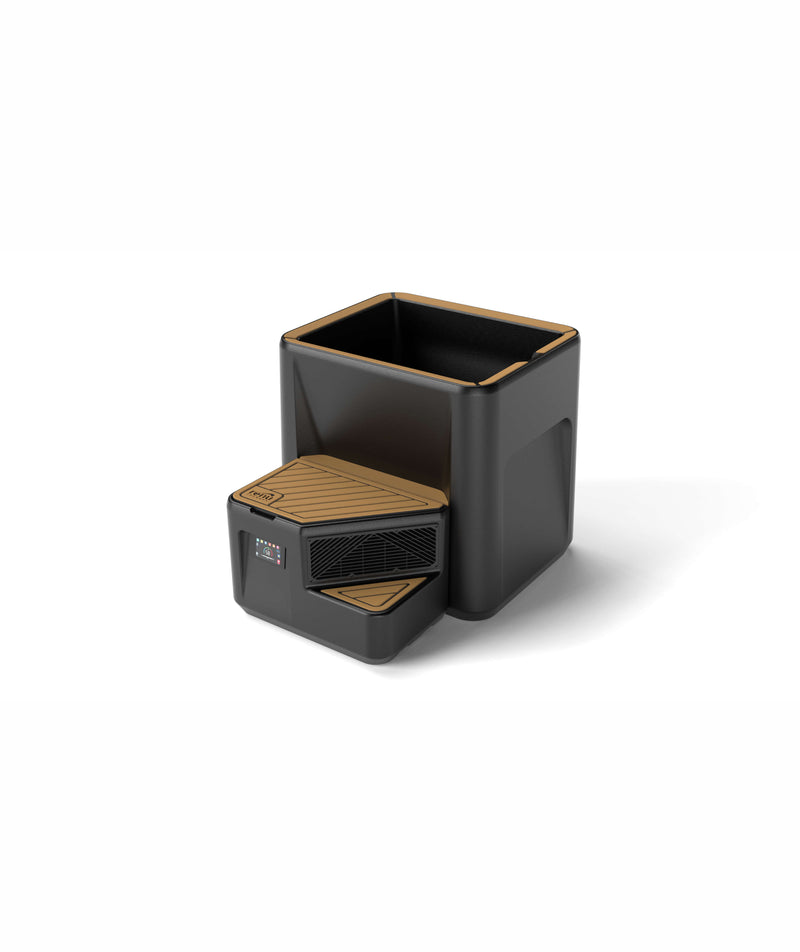
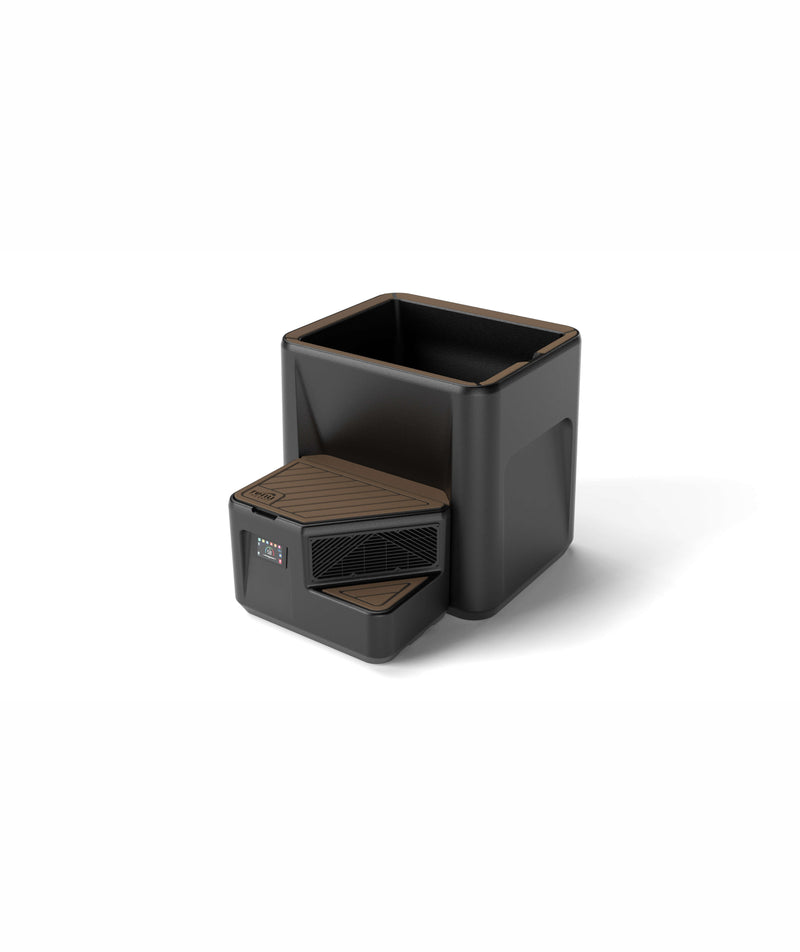
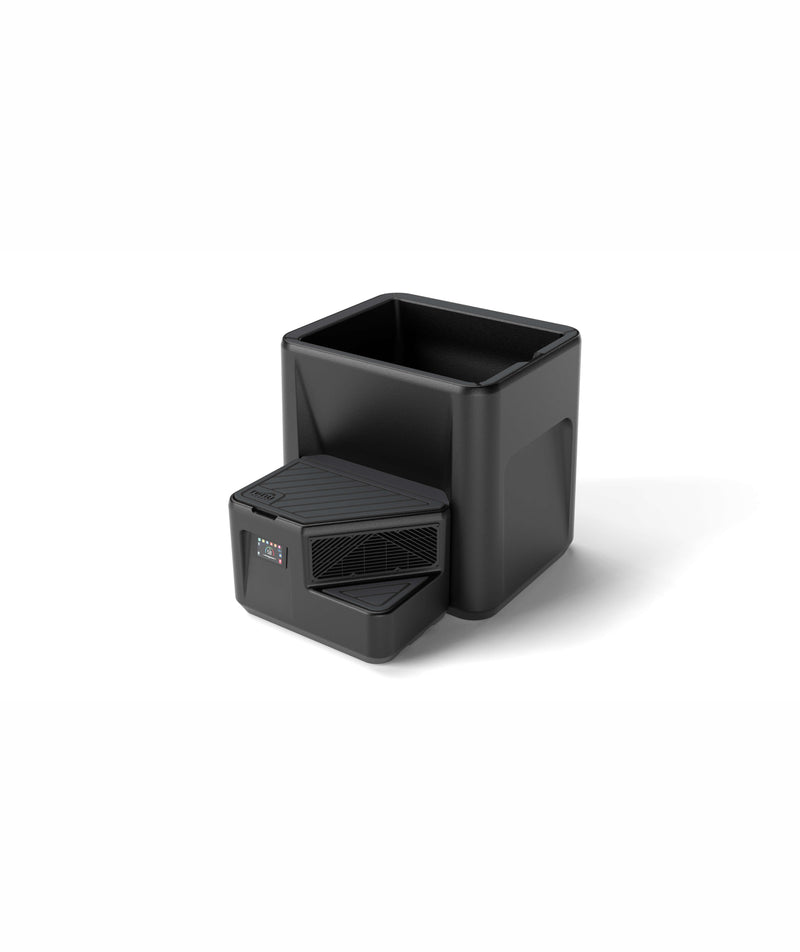
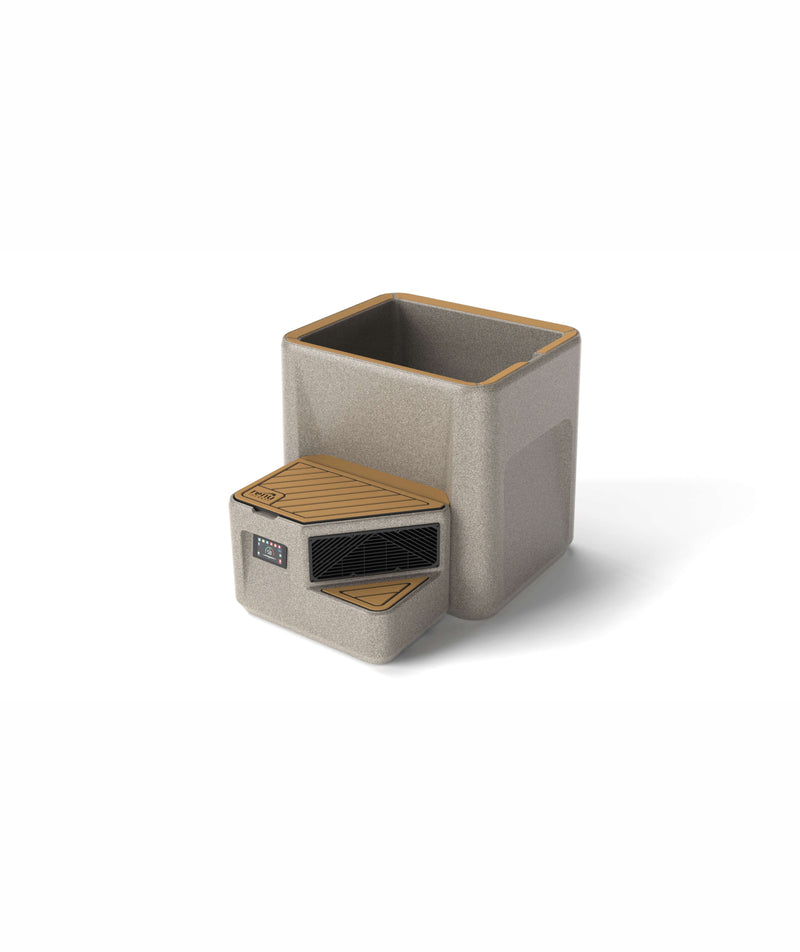
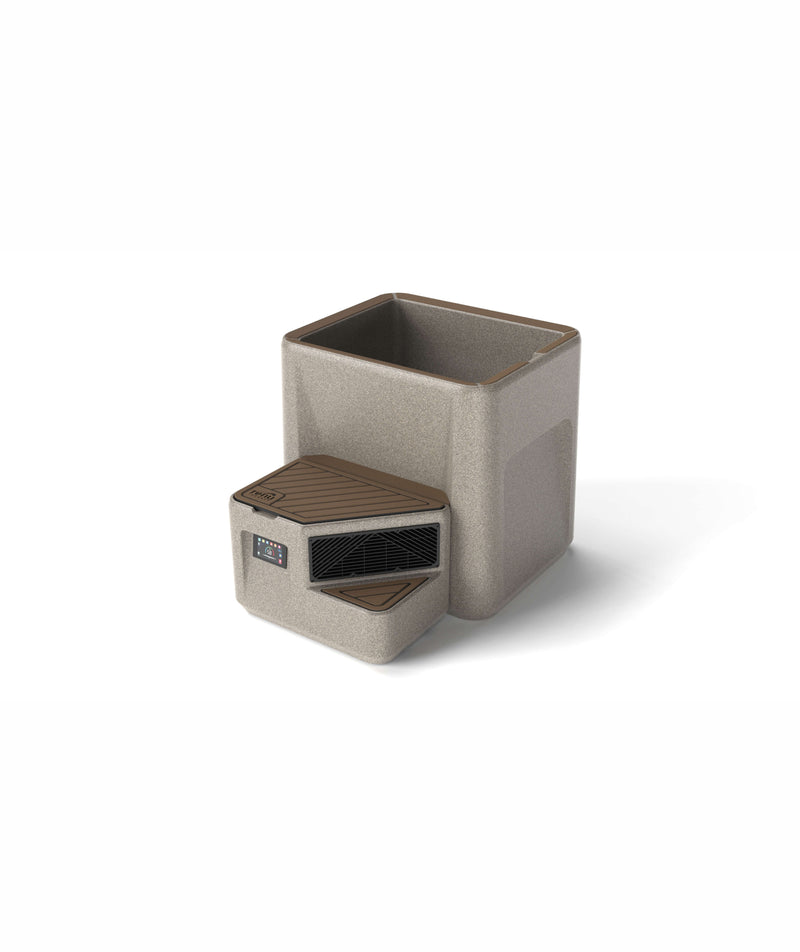
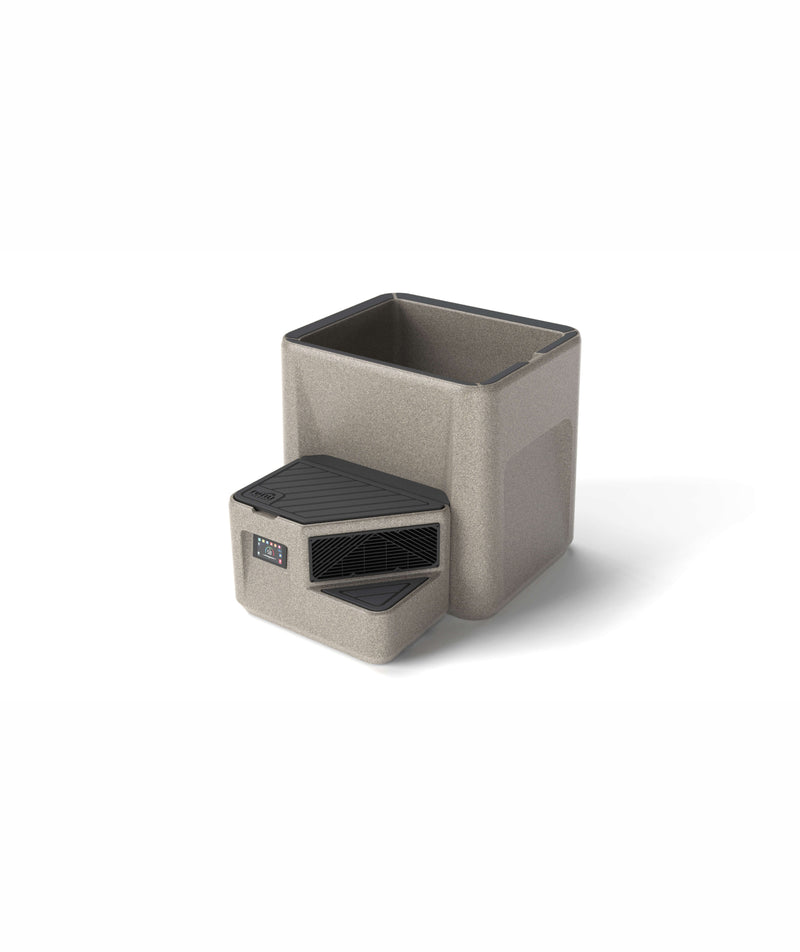
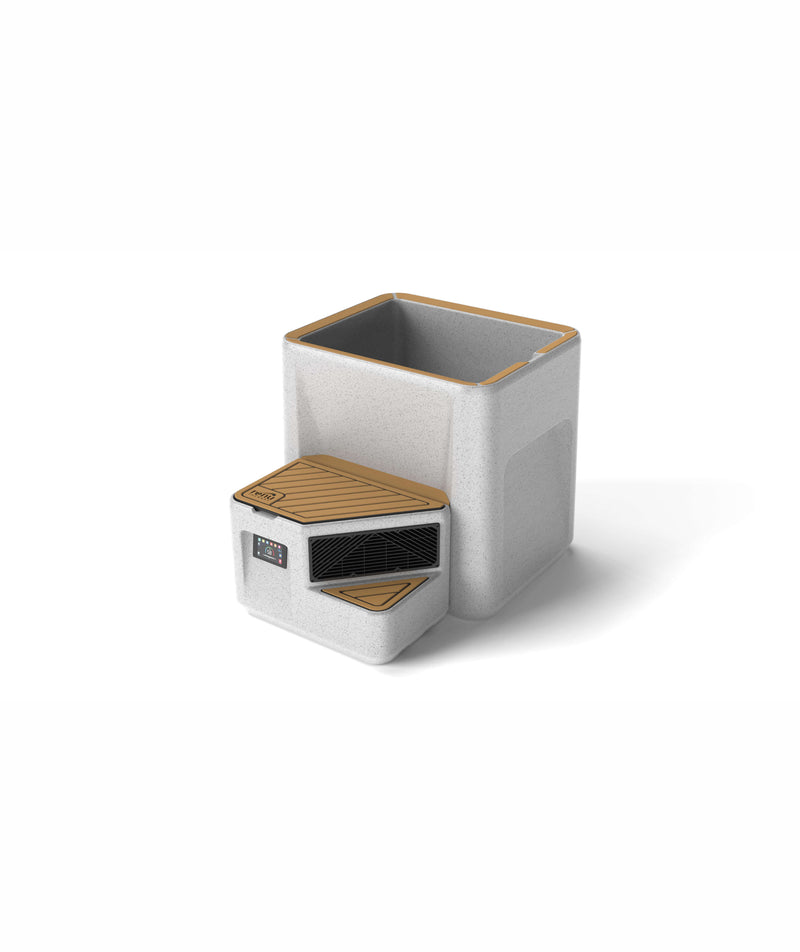
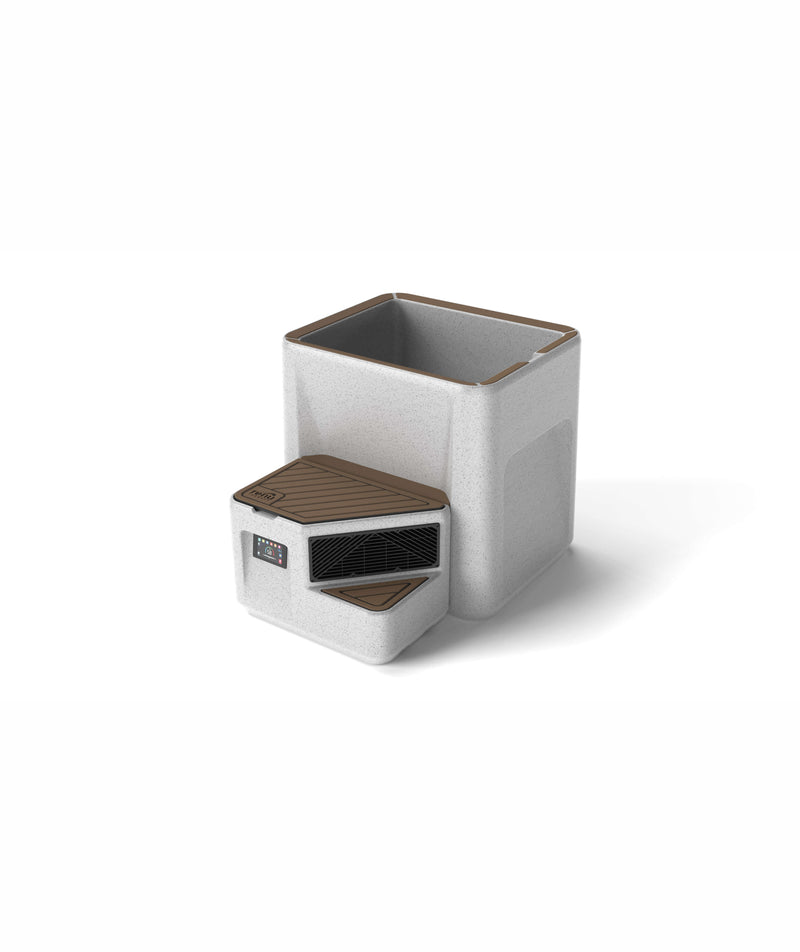
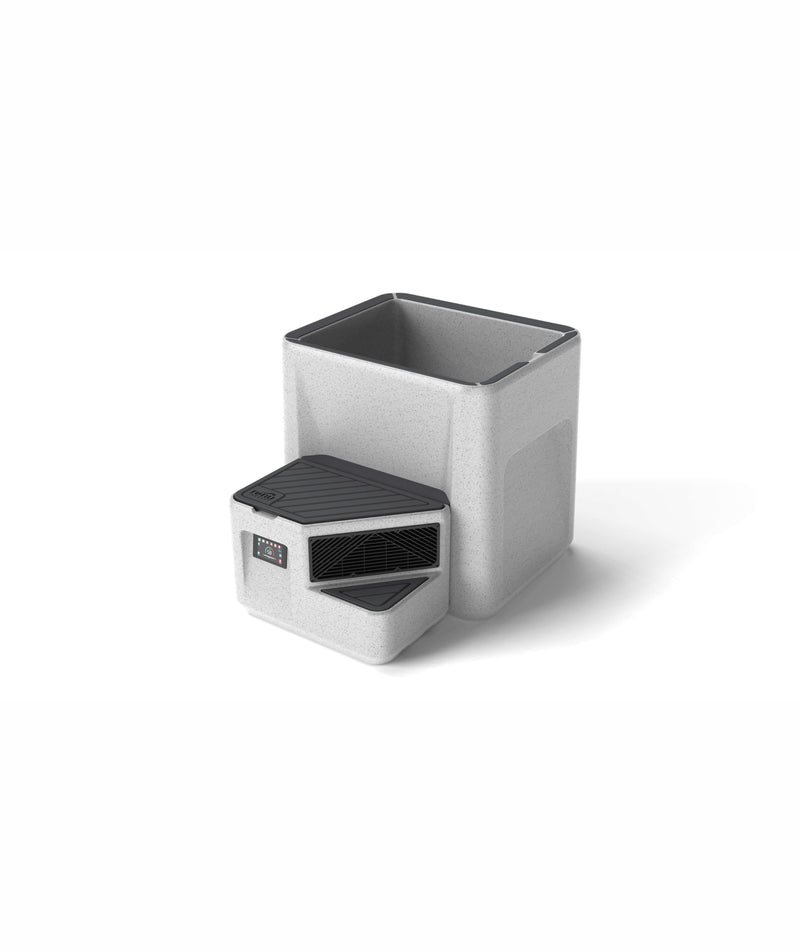
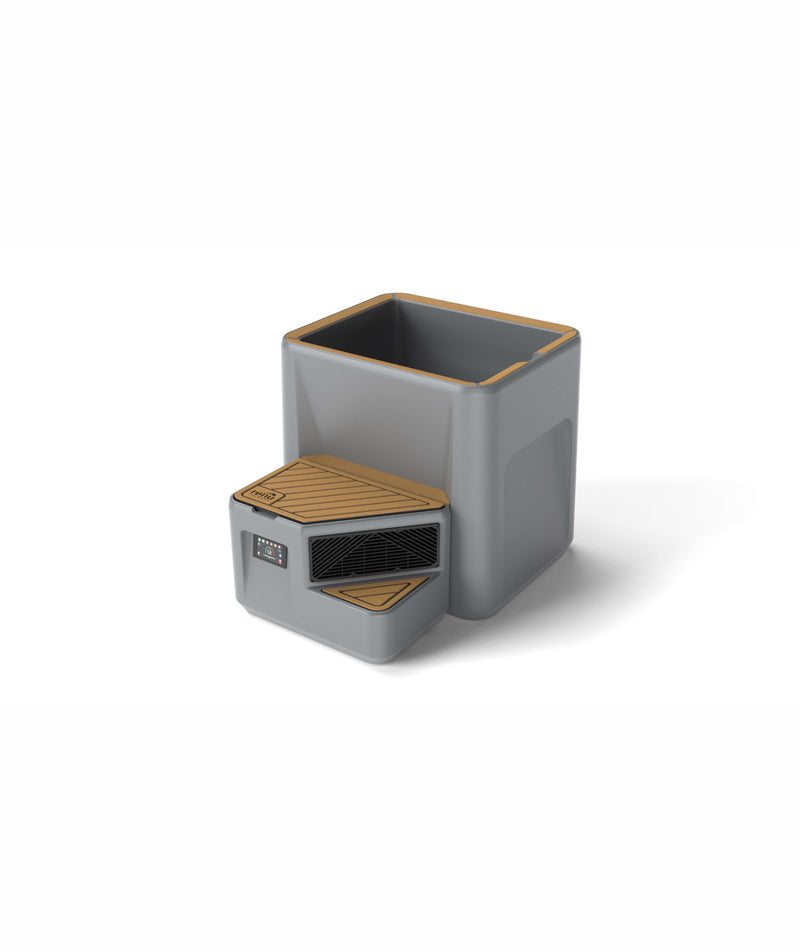
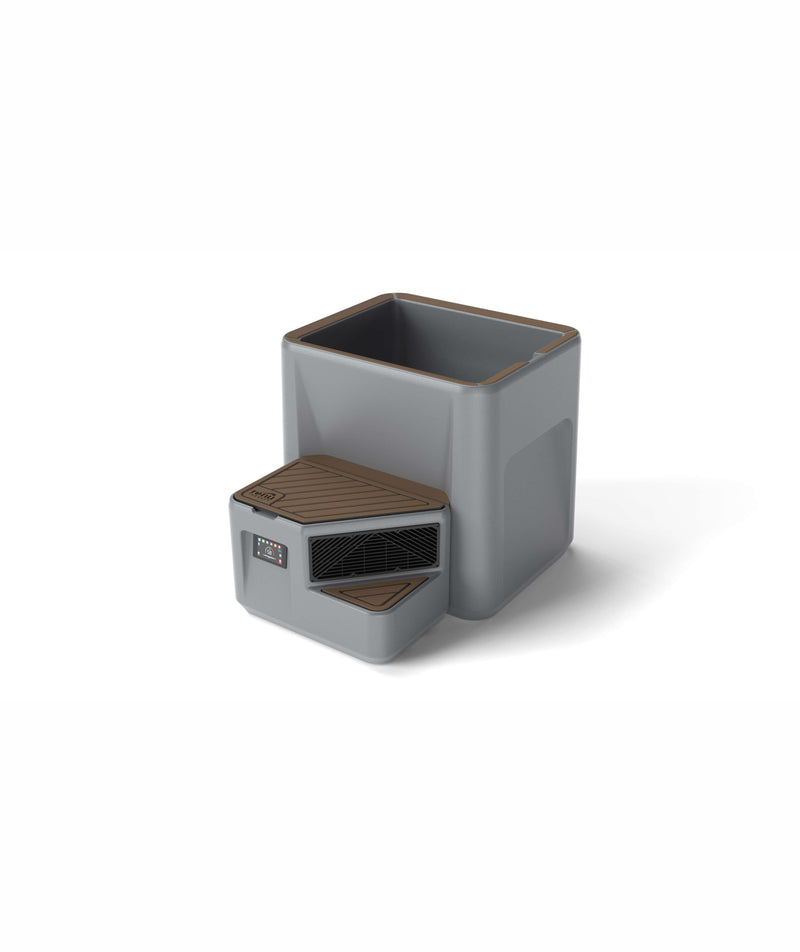
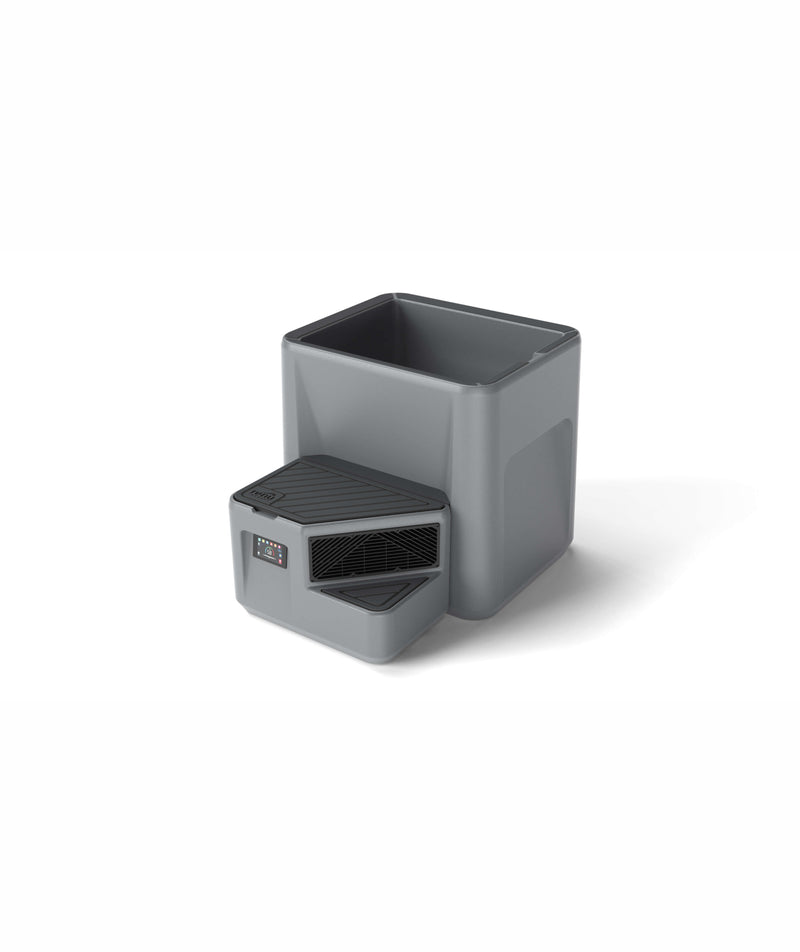
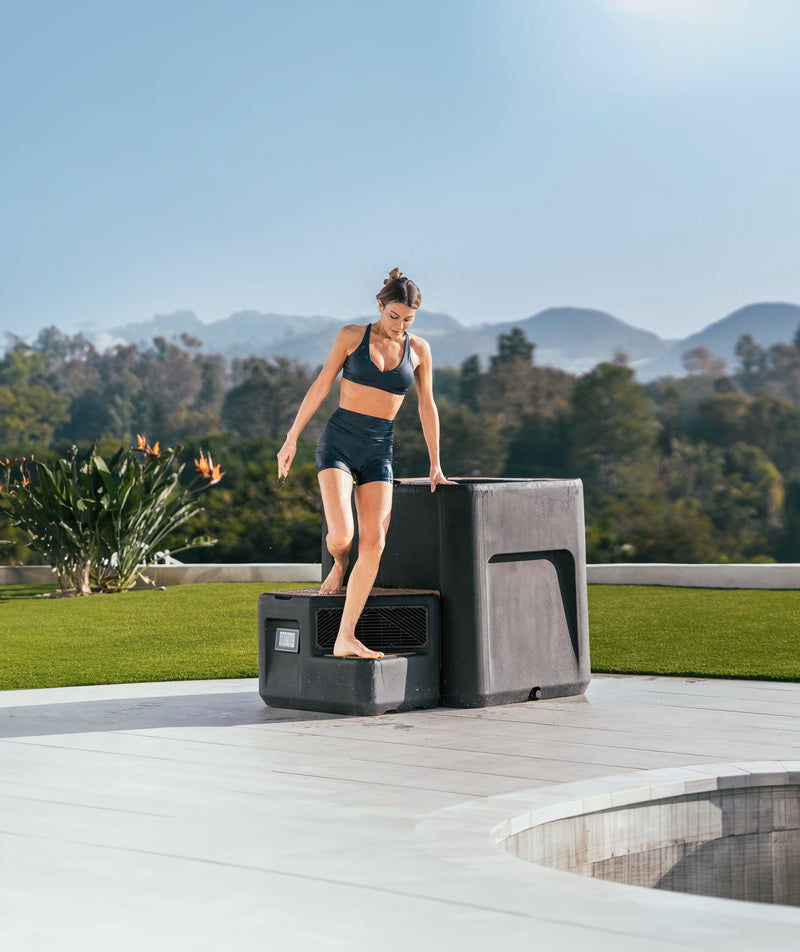
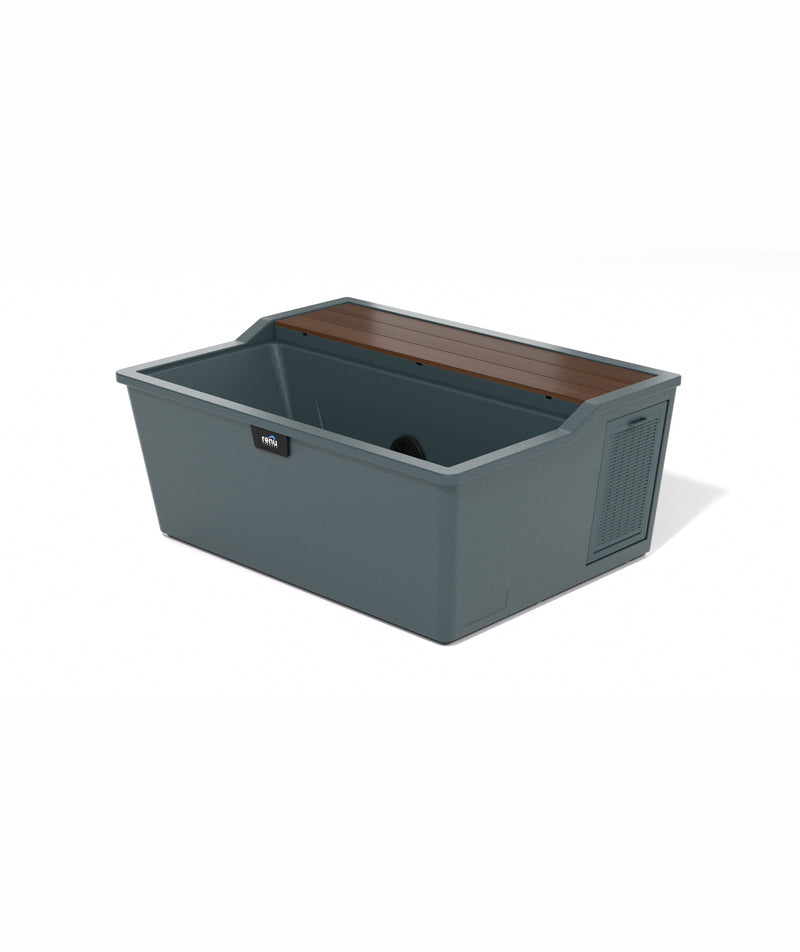
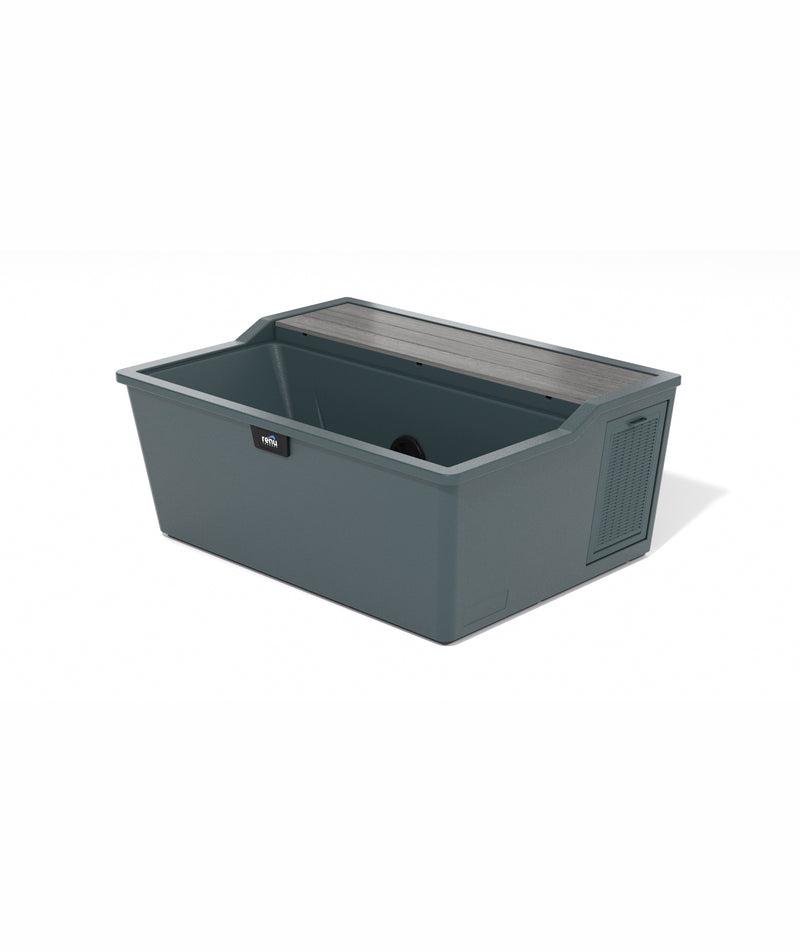
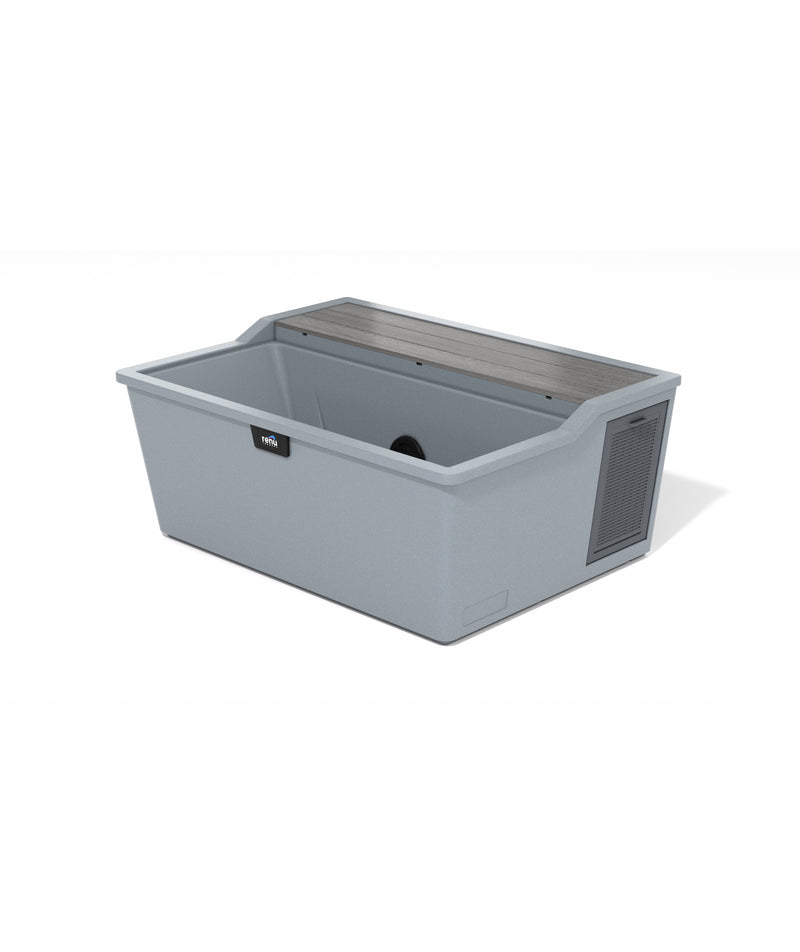
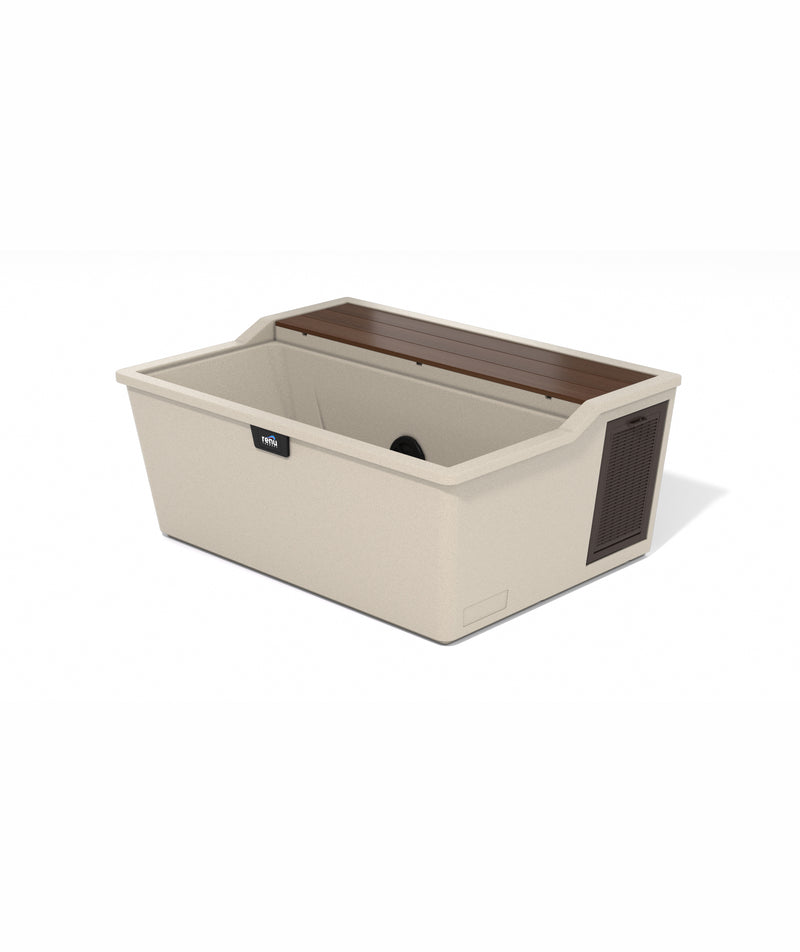
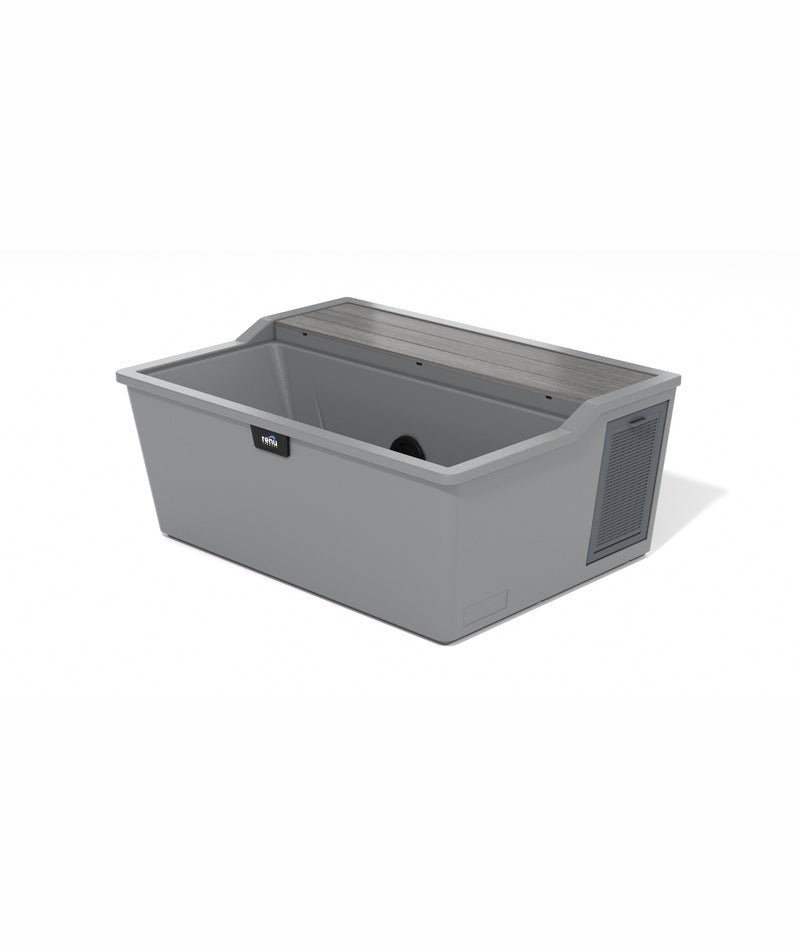
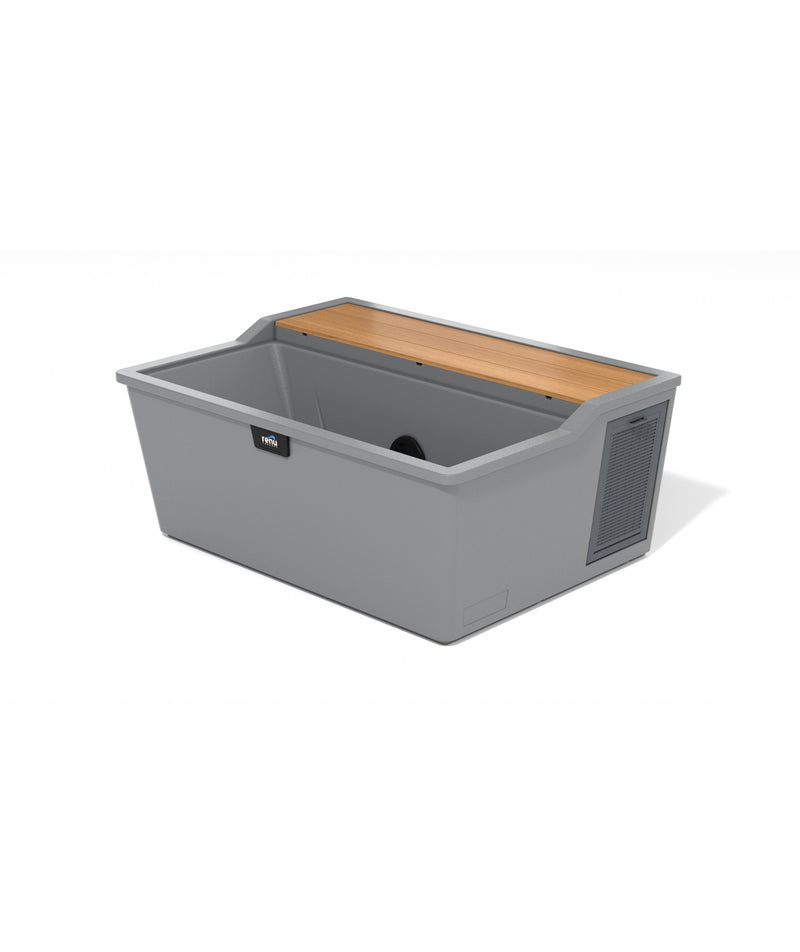
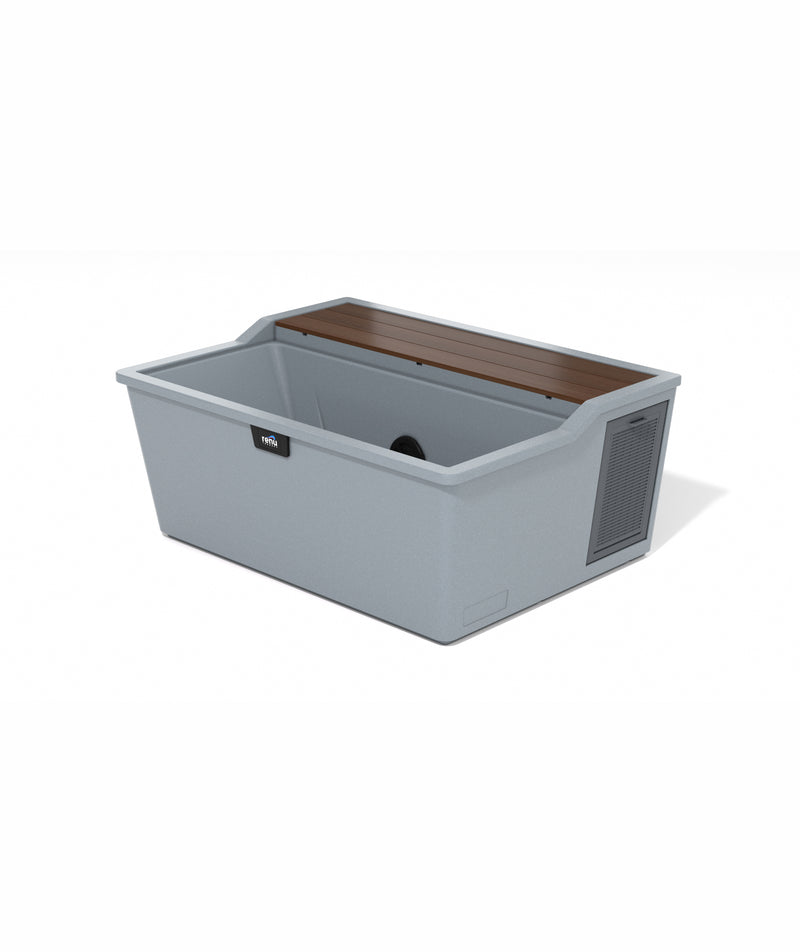
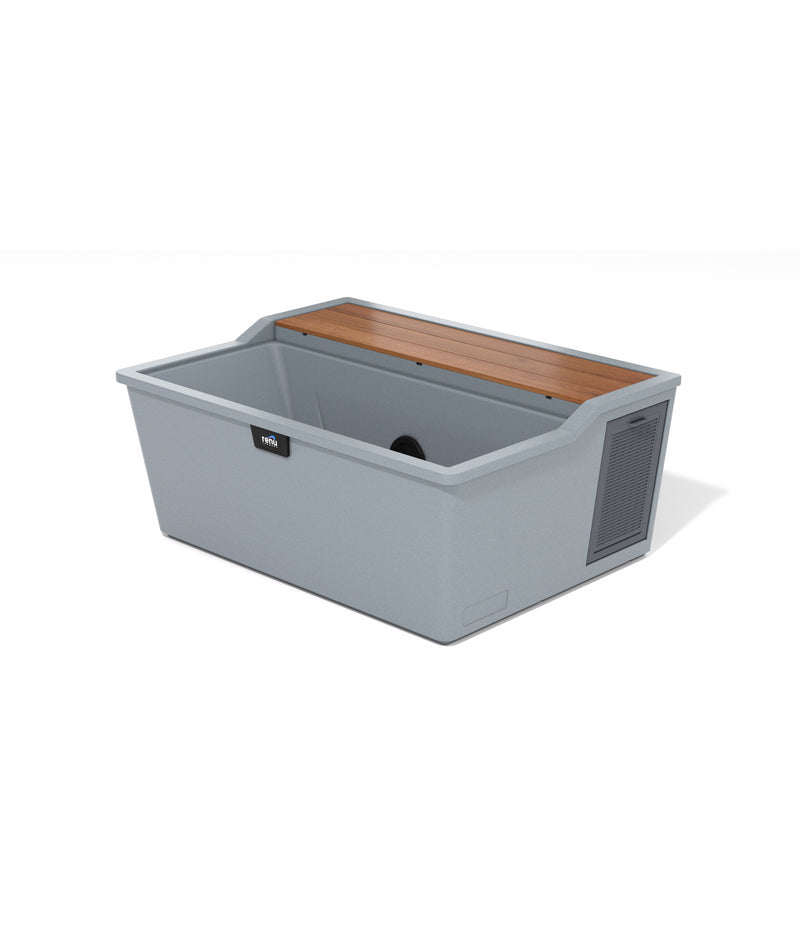
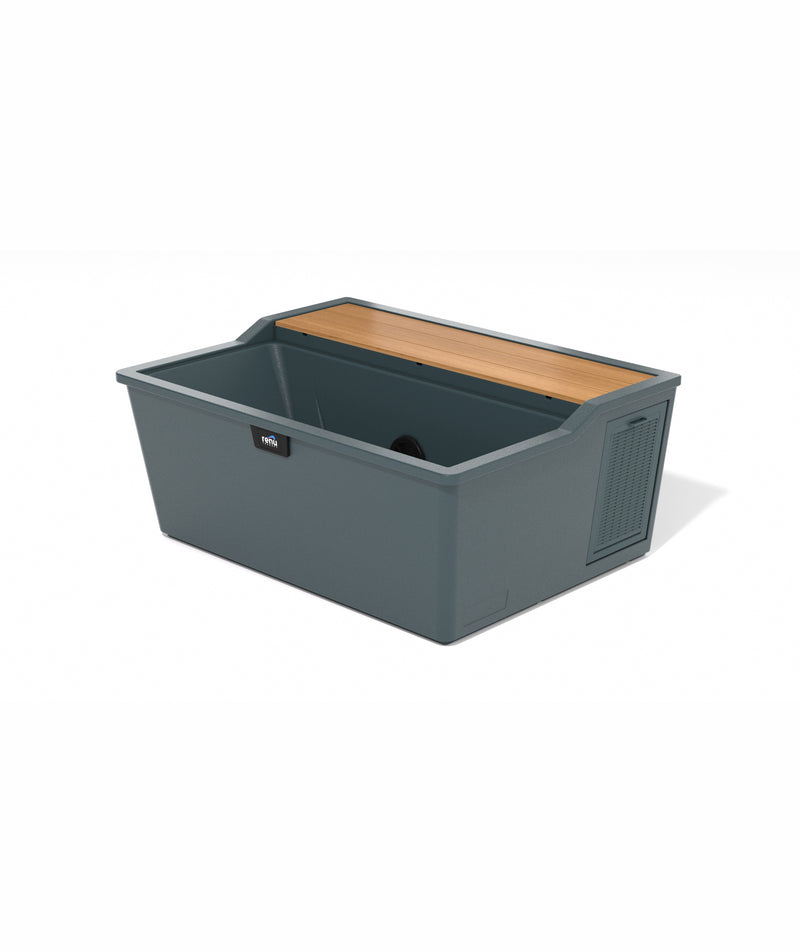
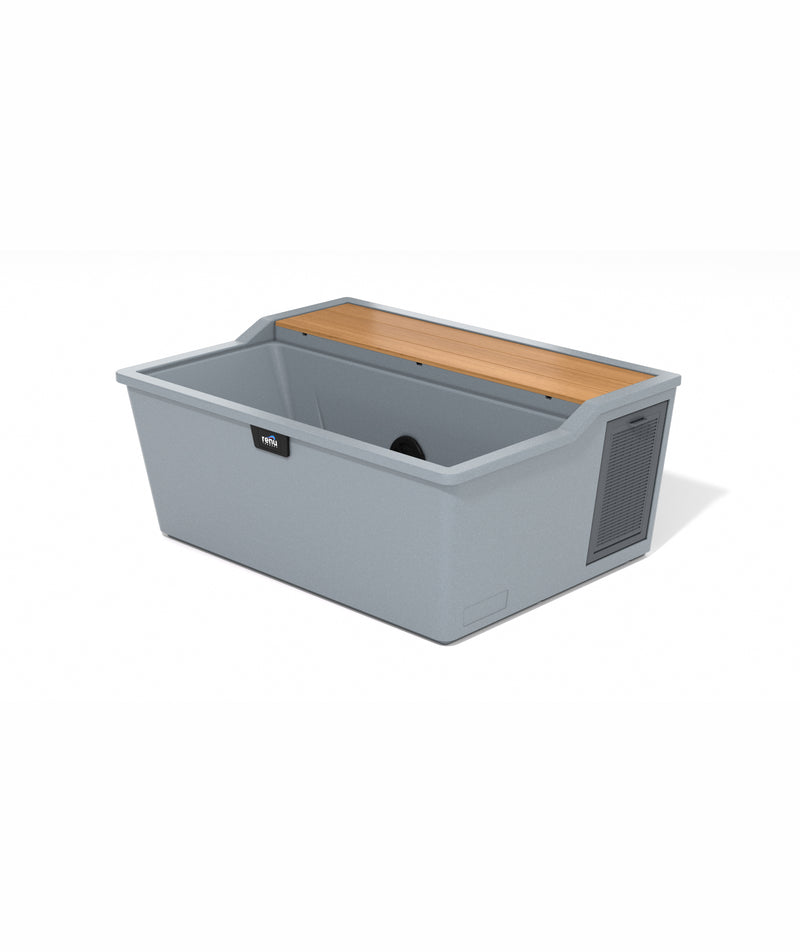
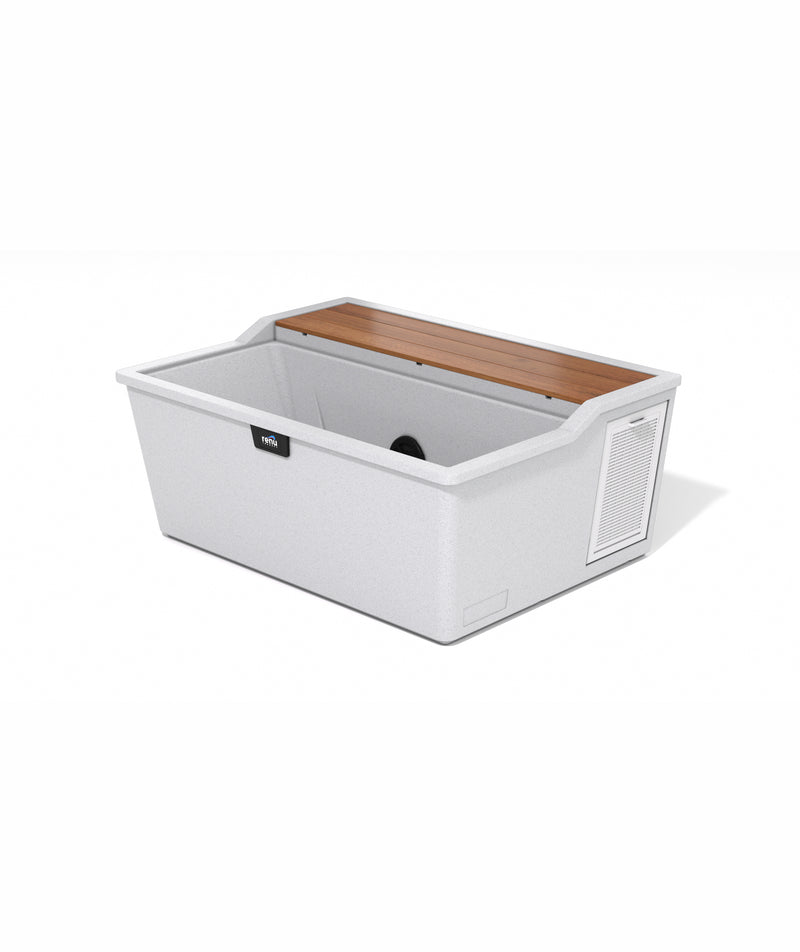
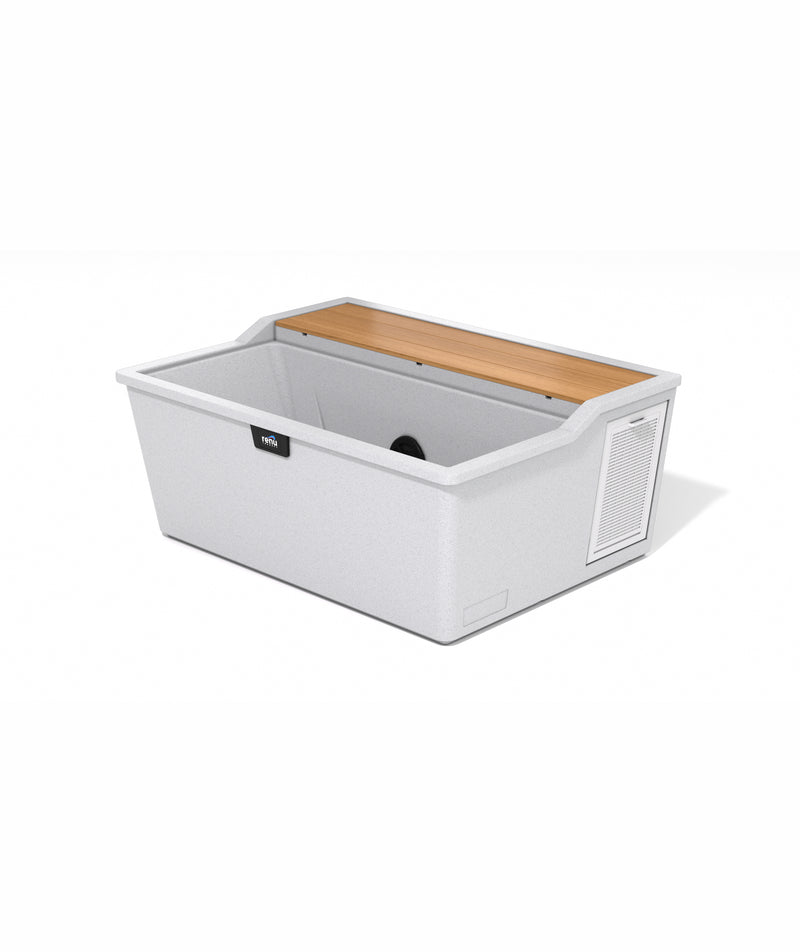
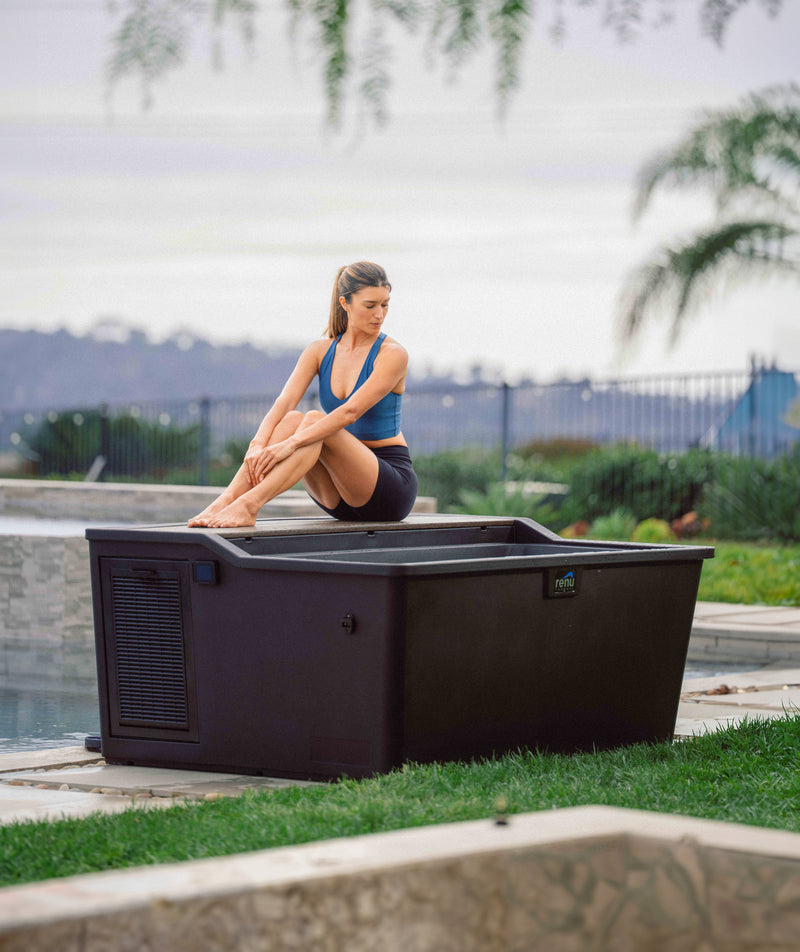
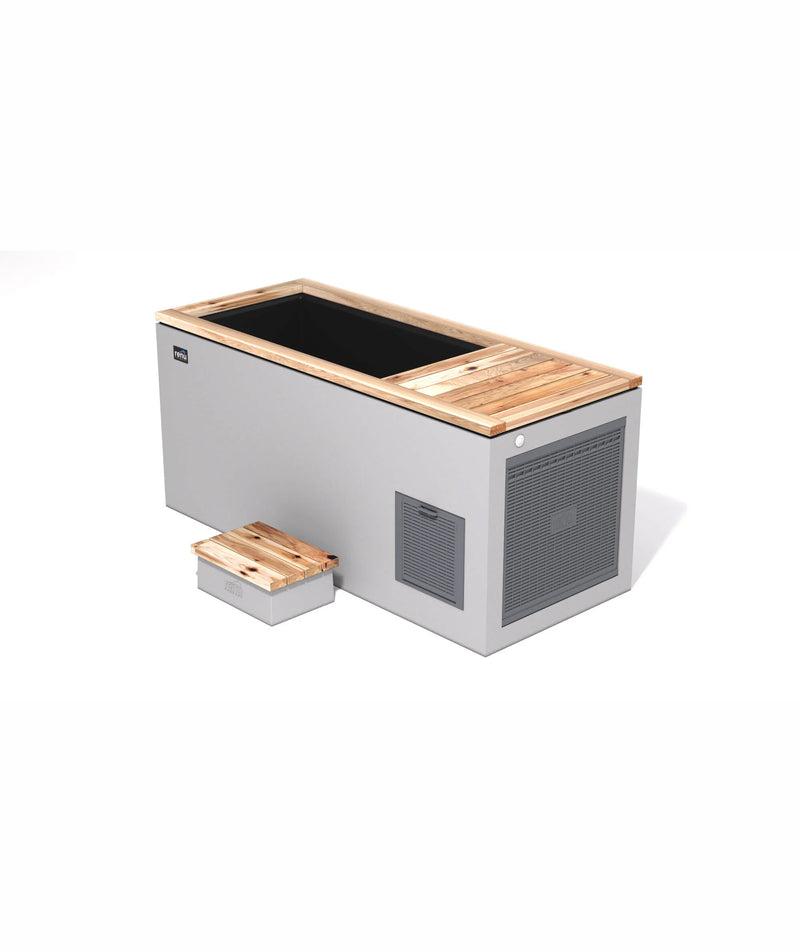
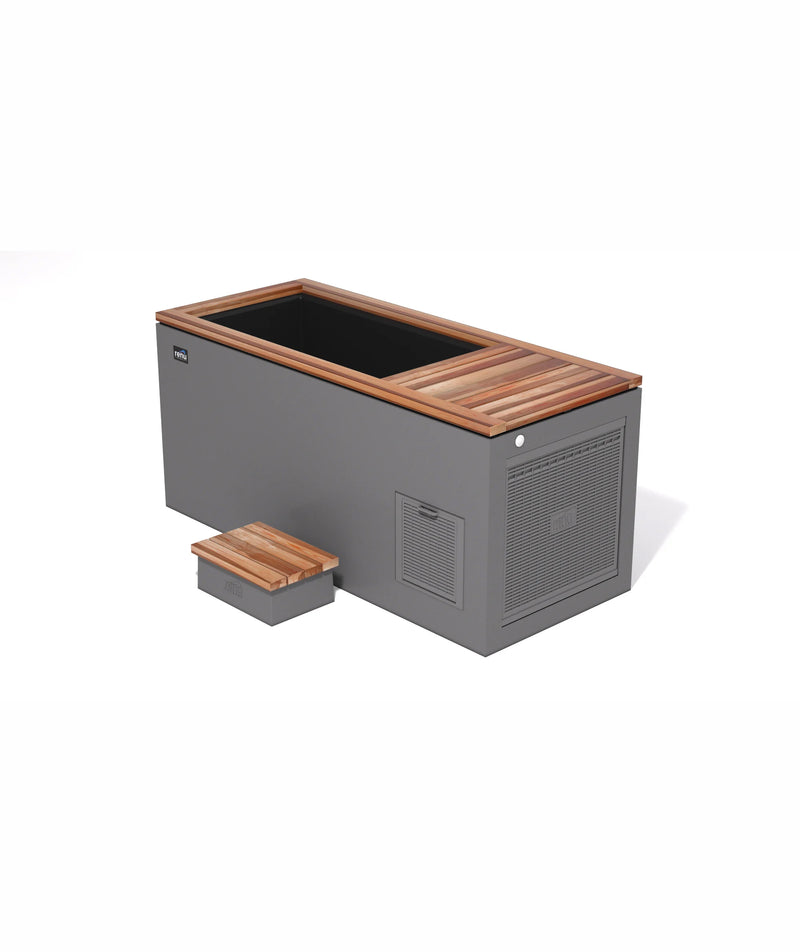
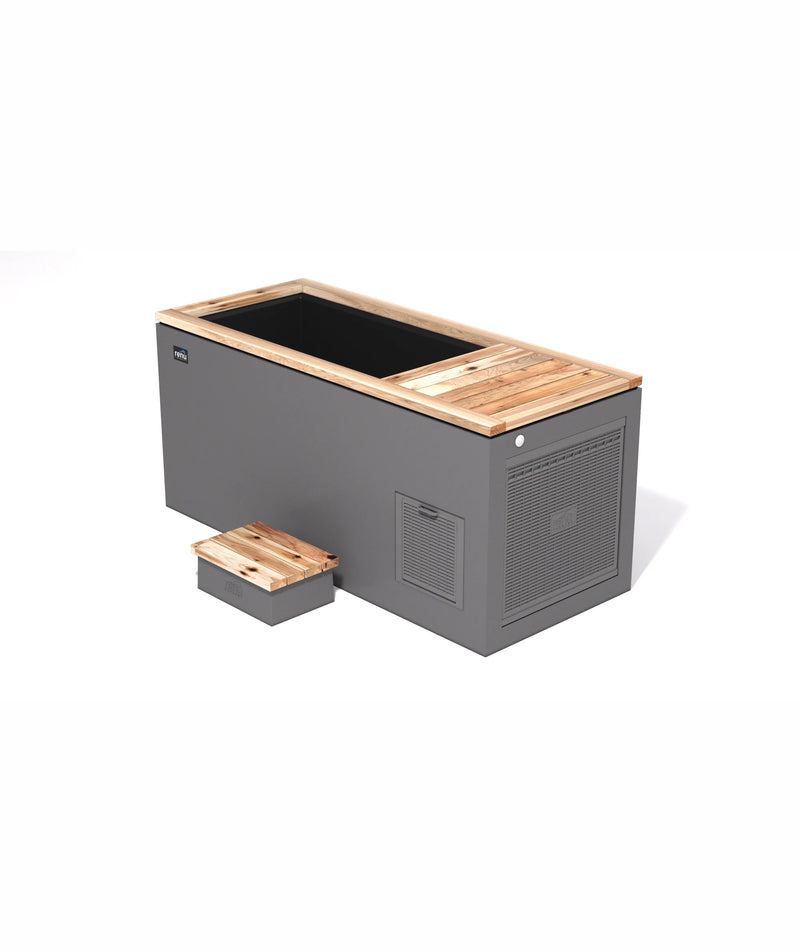
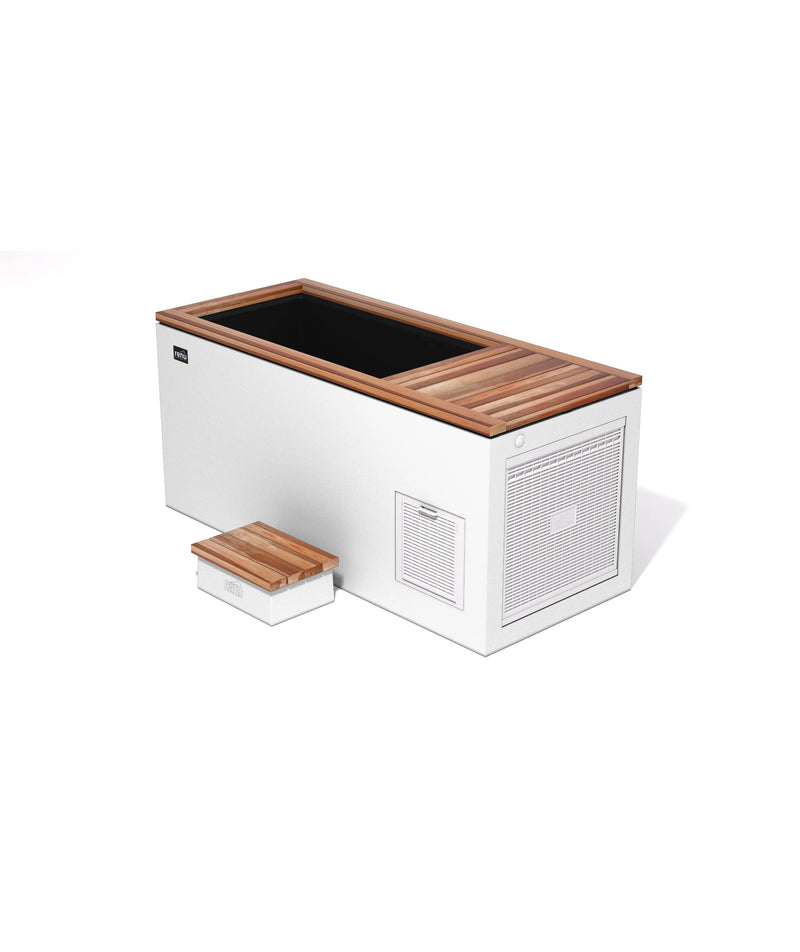
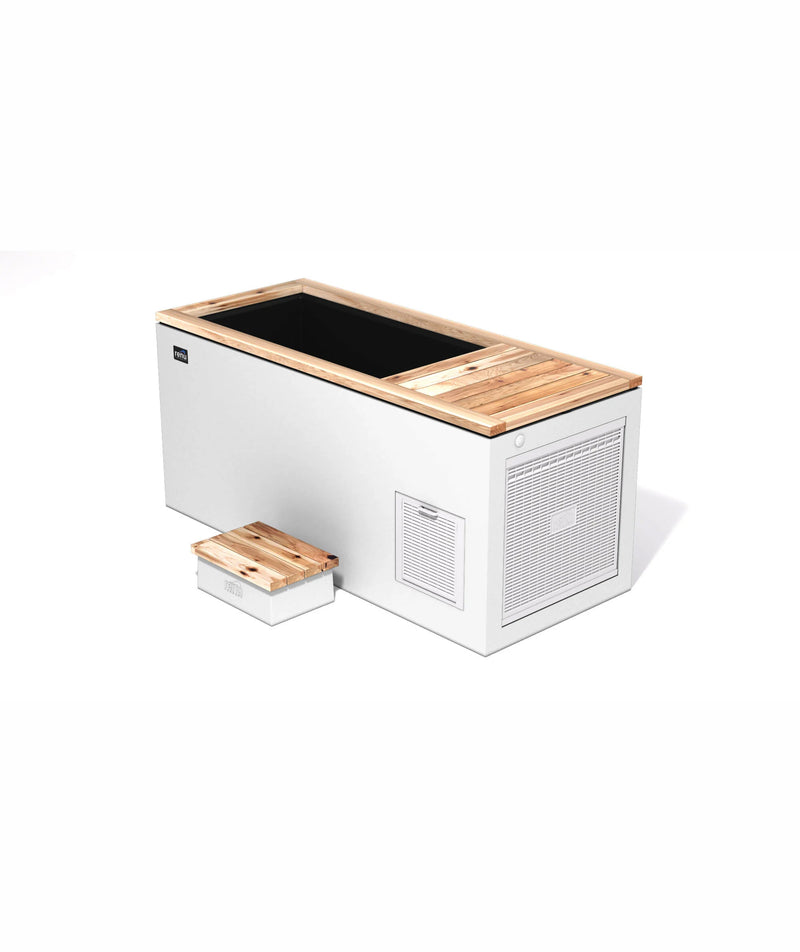
Enter slowly: Jumping straight in might seem like a good idea, but it can spike the panic response and make controlled breathing harder to achieve. Our cold plunges feature a breath deck that is intentionally designed for these moments before you enter the water. From the breath deck, you can lower yourself in deliberately and let the cold register before you fully submerge.
Nail the breathing first: The first 30 to 60 seconds are the hardest. Your body may want to breathe quickly and shallowly. Following a simple breathing exercise can help, e.g., a three-second inhale through the nose followed by a six-second exhale out of the mouth. Do this for four to six rounds. Focusing on a long exhale and a steady rhythm can really help get your breathing under control in those first moments and turn a reactive experience into an intentional one.

Stay still: Movement stirs the water and breaks the thin, slightly warmer layer against your skin, intensifying the cold rapidly. If you want to increase intensity, move. If you're building tolerance and duration, stay still.
Decide before you get in: Set a target duration before you lower yourself into the water—and don't negotiate once you're in. The discipline of finishing what you started is part of the practice.
Keep your hands and/or feet out if you're struggling: If the cold feels overwhelming early on, keeping your hands and/or feet above the waterline can take the edge off while your nervous system adjusts. In fact, some people find it helpful to wear socks or cold water booties to help with this. It can be a useful bridge technique for beginners.
Focus on a fixed point or use a mantra: Cold immersion is as much a mental practice as a physical one. Fixing your gaze on a point or repeating a simple phrase ("I can do this" or "breathe and stay") gives your mind something to focus on rather than fixating on the discomfort.
Warm up actively when you get out: Keep moving once you exit rather than immediately reaching for a towel or hot shower. This active rewarming phase encourages your body to generate its own heat, which can be particularly beneficial for circulation and extends some of the metabolic benefits of the session.
How Often Should You Do This?
Three to four sessions a week is a solid, sustainable frequency for most people. Daily cold plunging is common and generally well-tolerated, but more isn't automatically better, particularly if you’re following a strength training program.
Cold immersion immediately after a heavy lifting session can blunt some of the muscle adaptation response, so timing matters. Some people prefer to cold plunge on rest days, or allow several hours between training and cold plunging. Let the adaptation process run first, then use cold therapy to aid recovery.
The Right Equipment Changes the Practice
How long you stay in—and how much you get out of it—is directly connected to what you're plunging in.
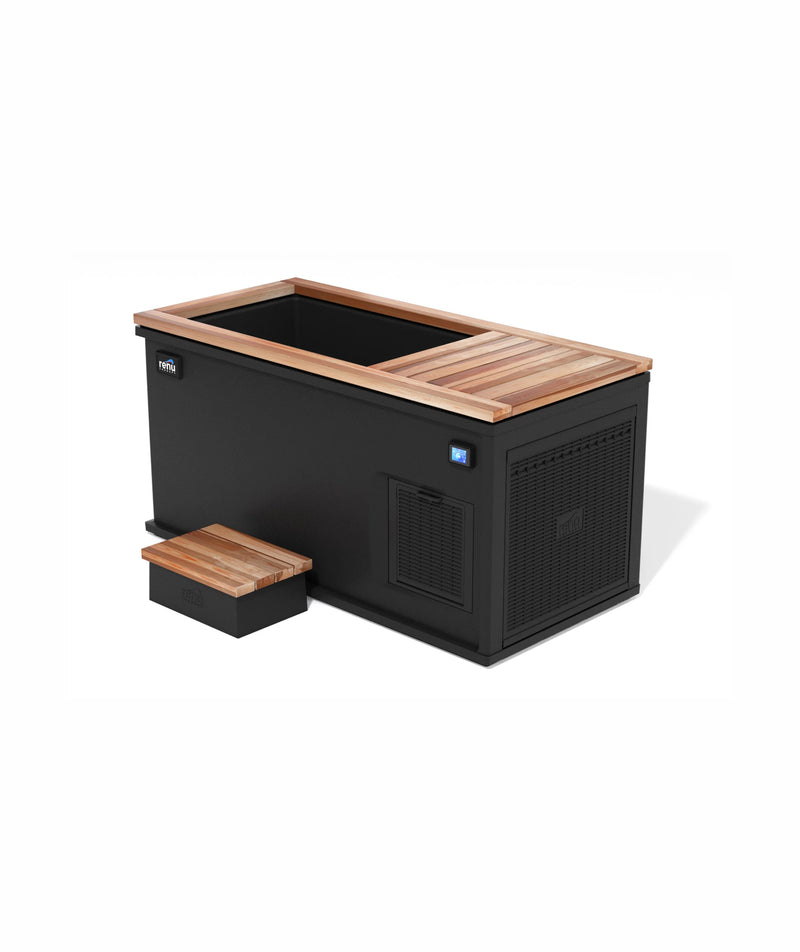
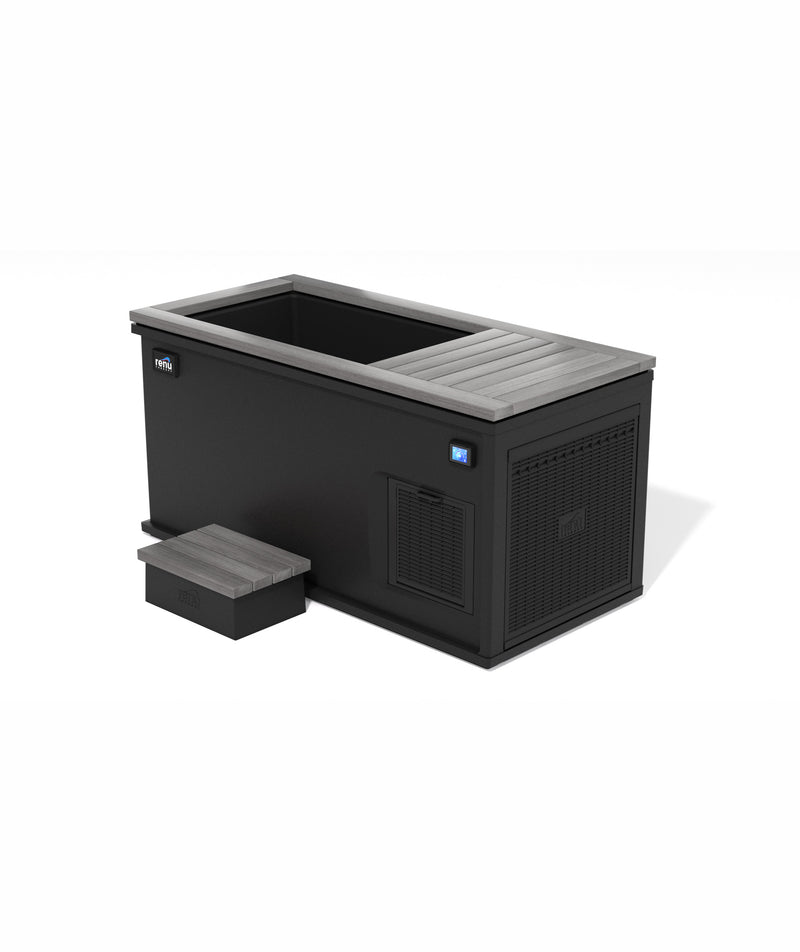
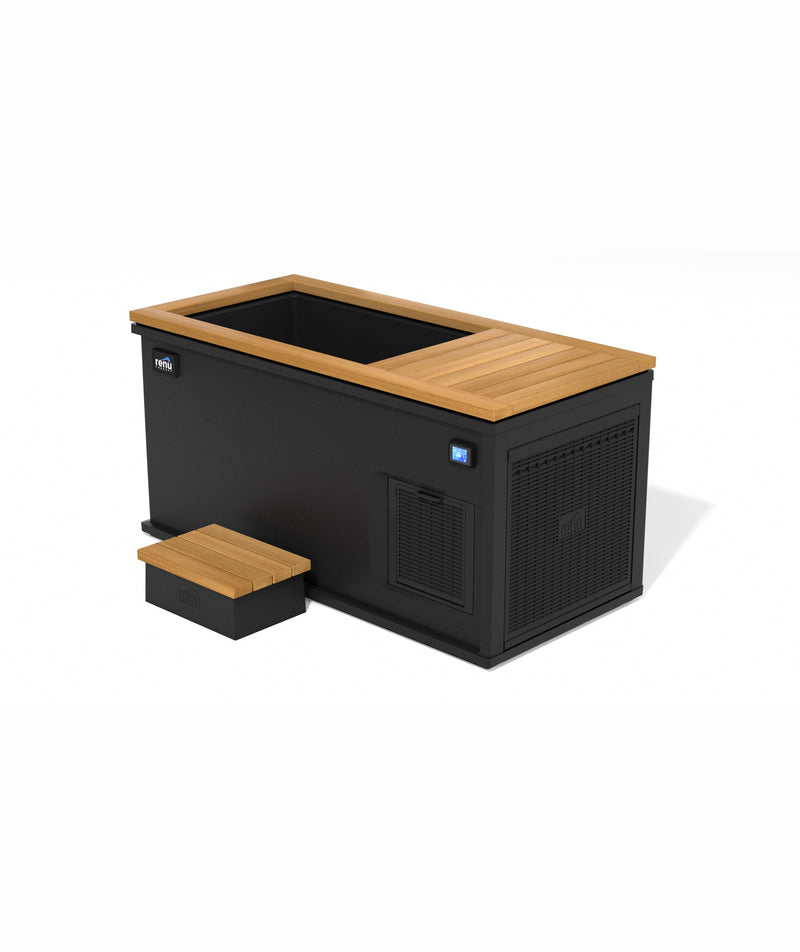
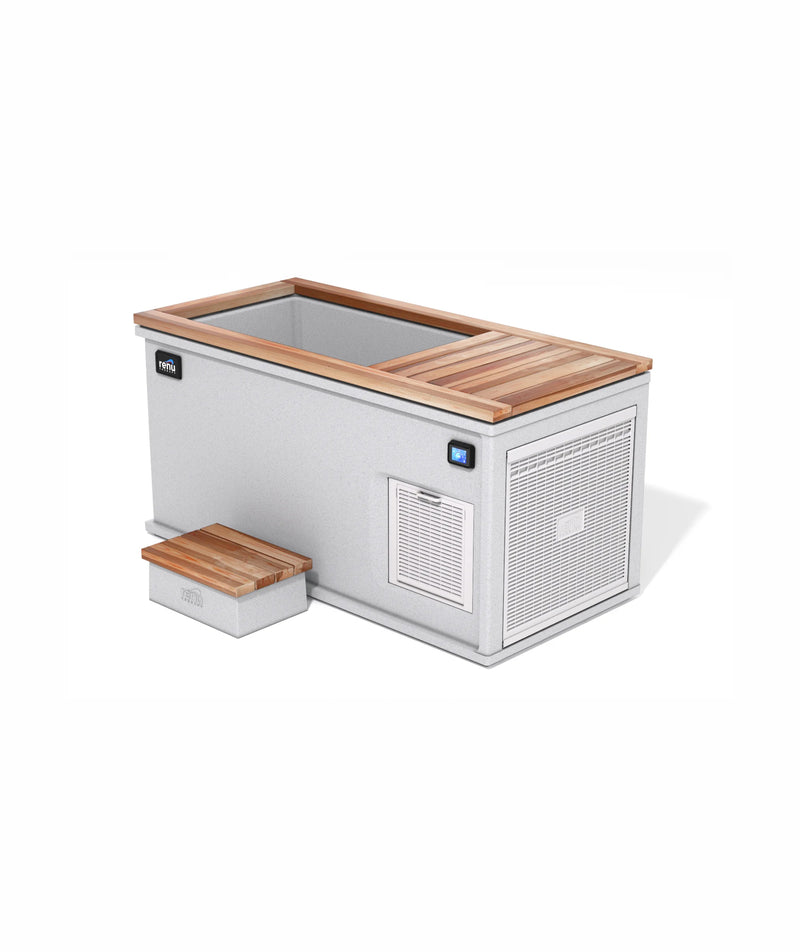
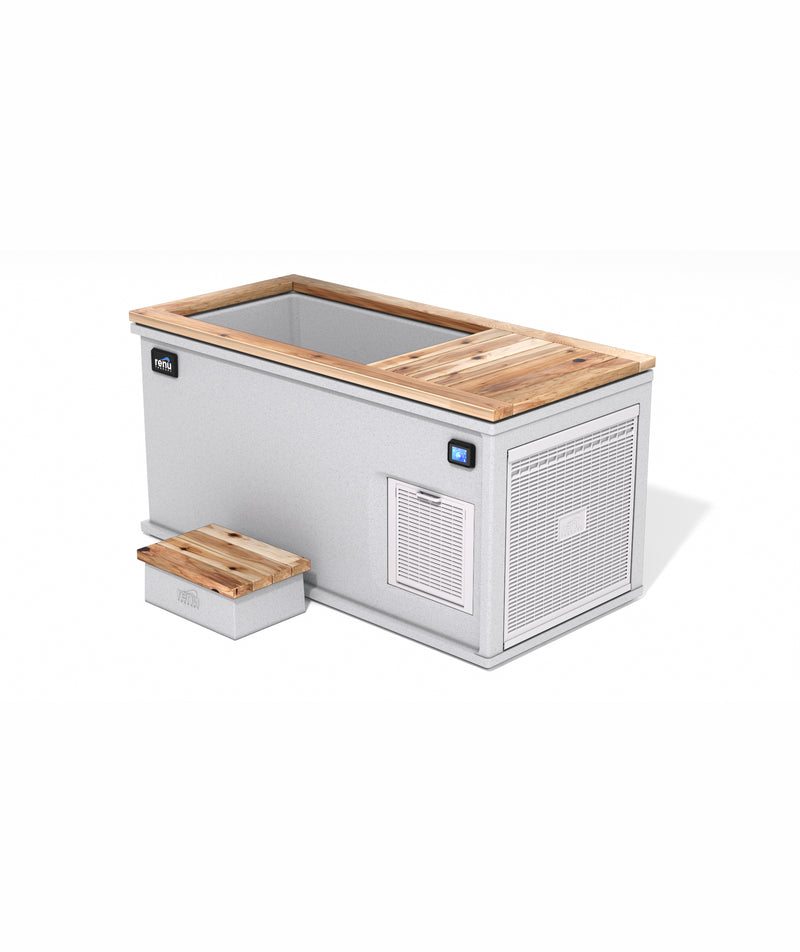
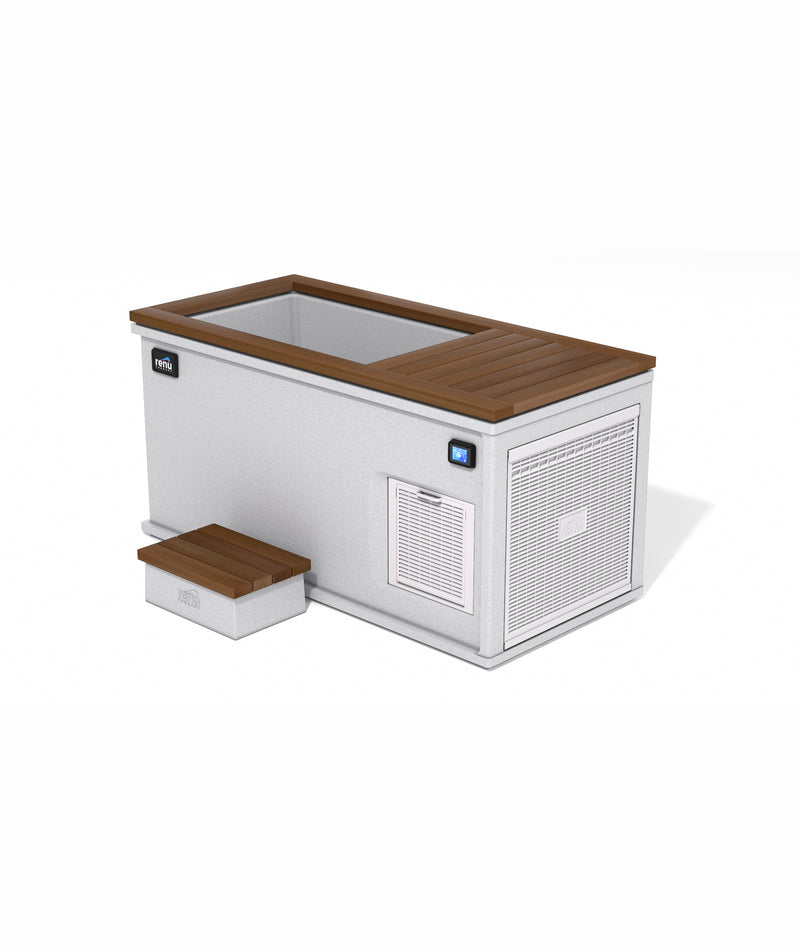
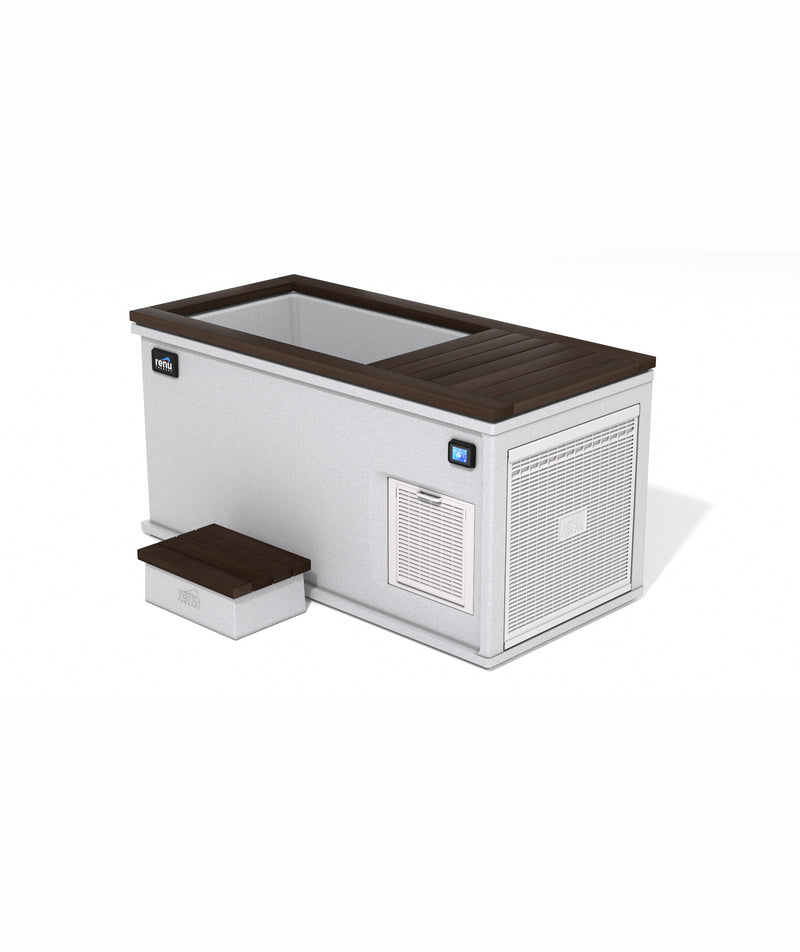
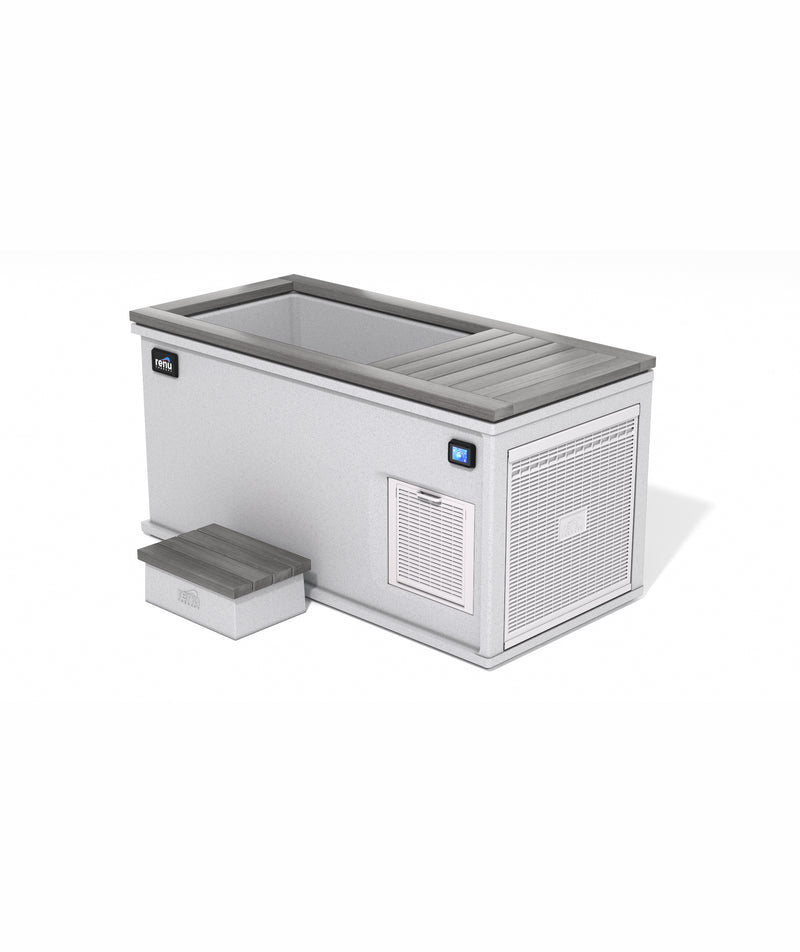
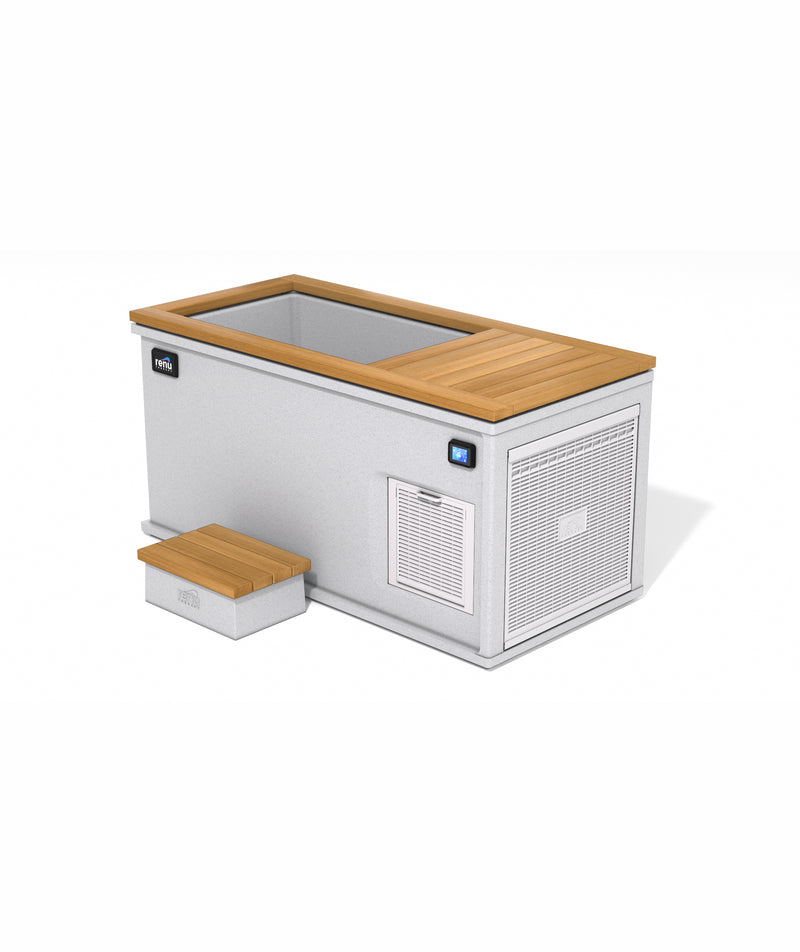
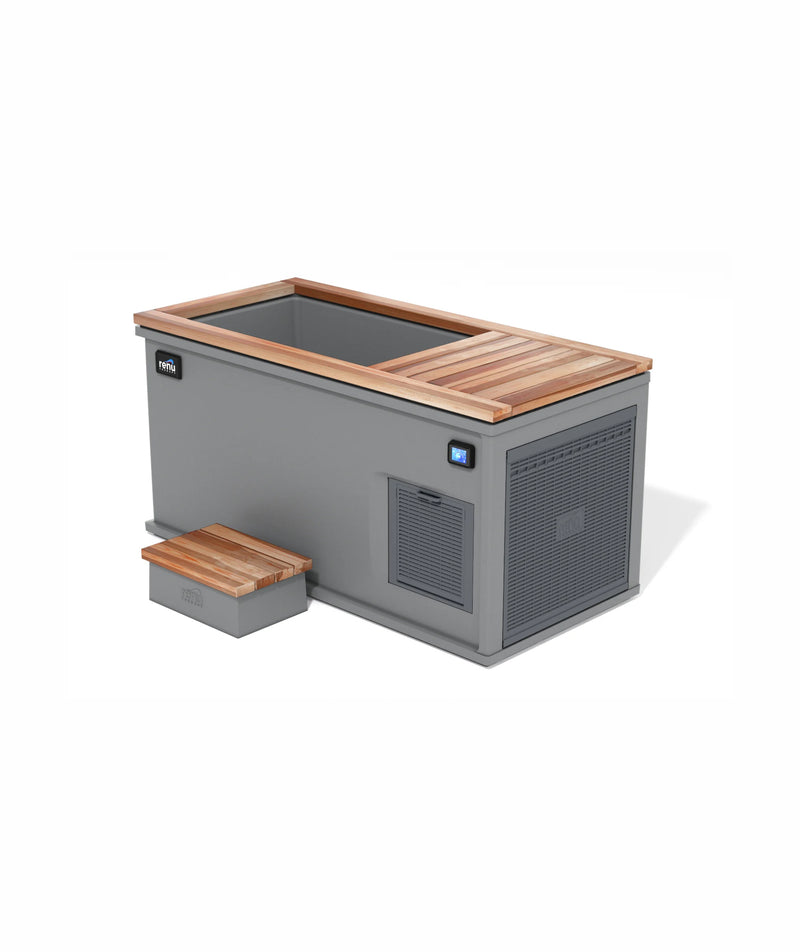
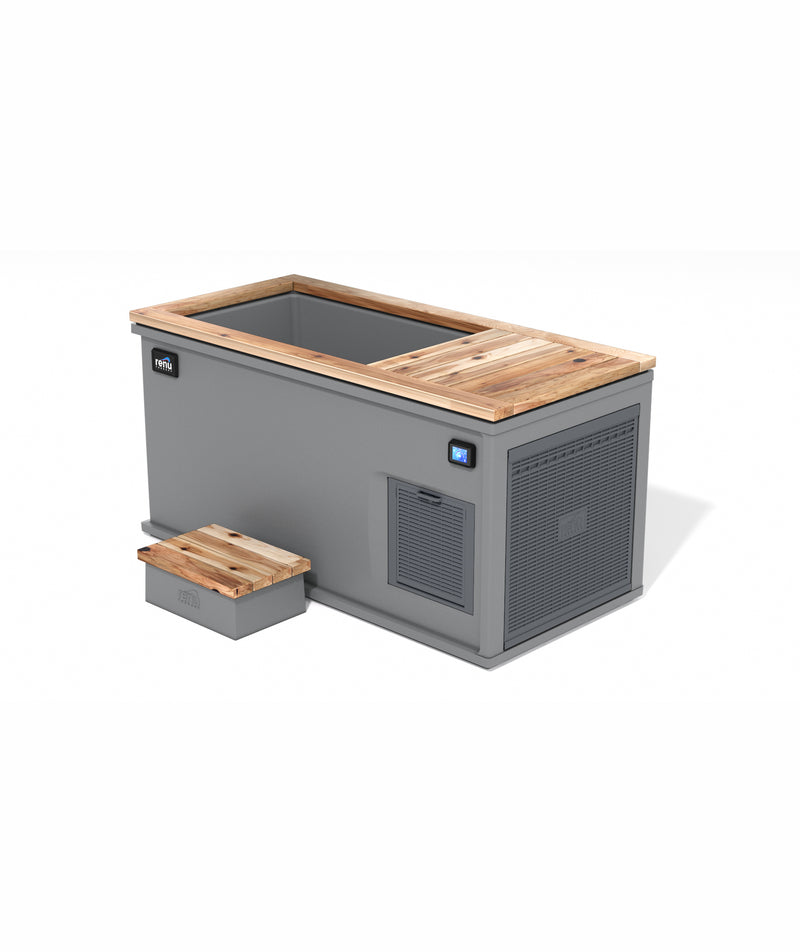
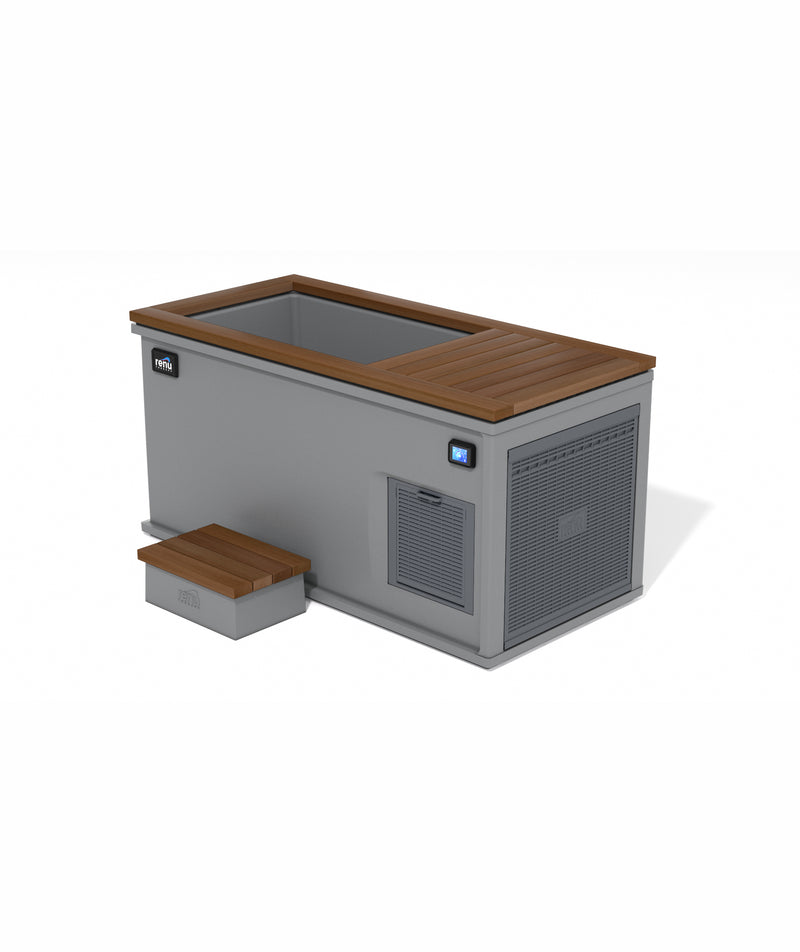
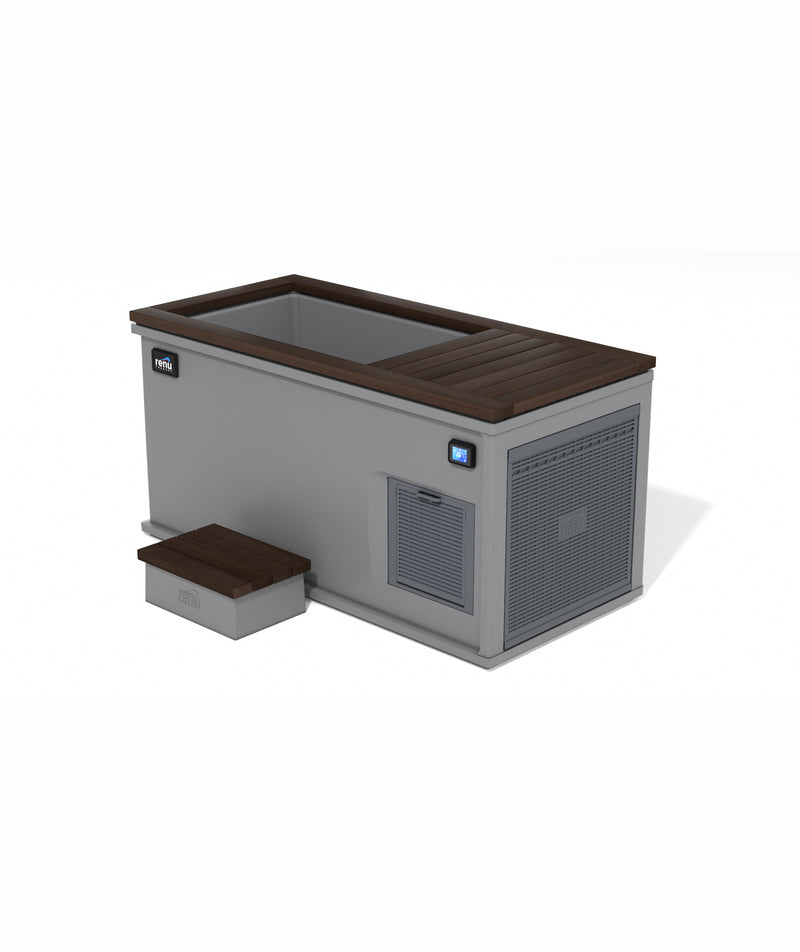
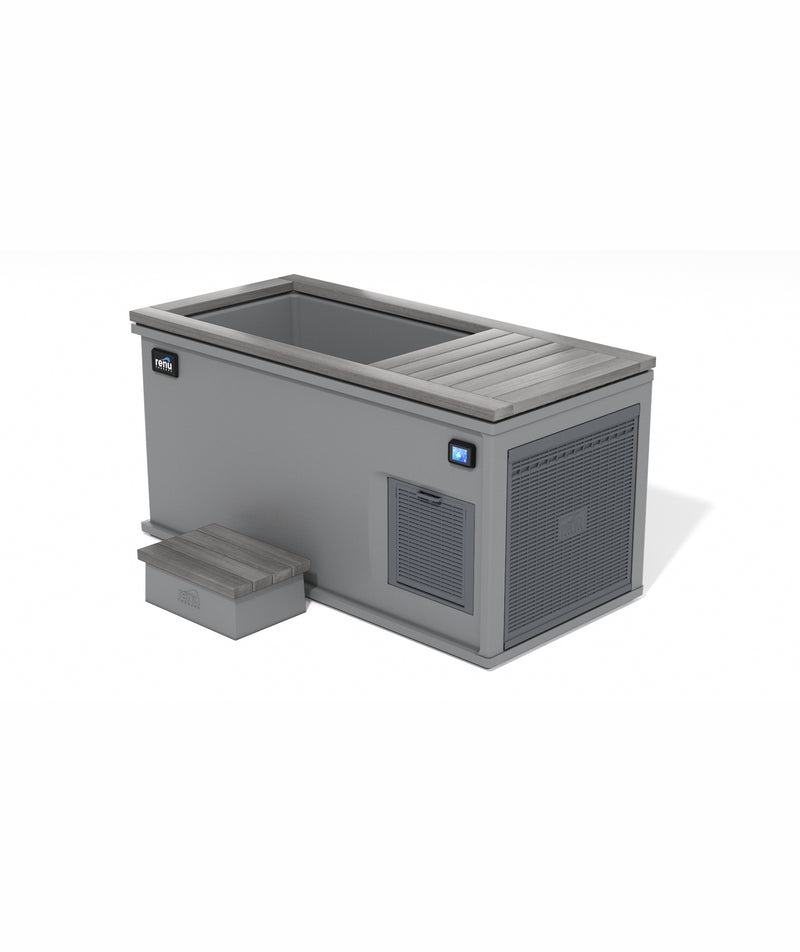
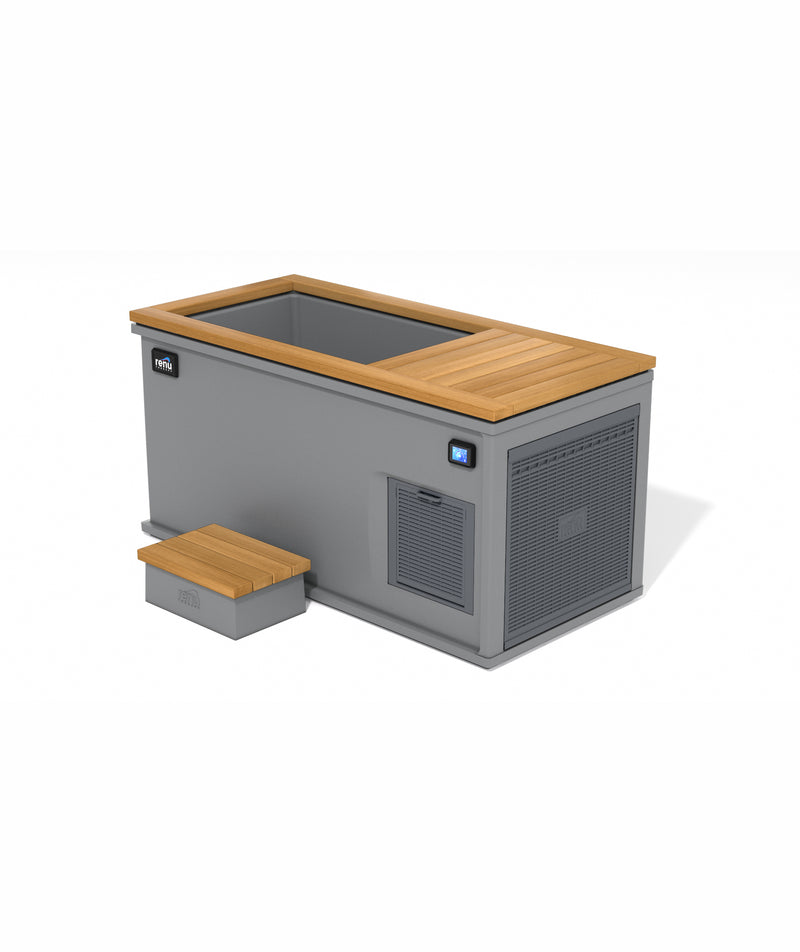
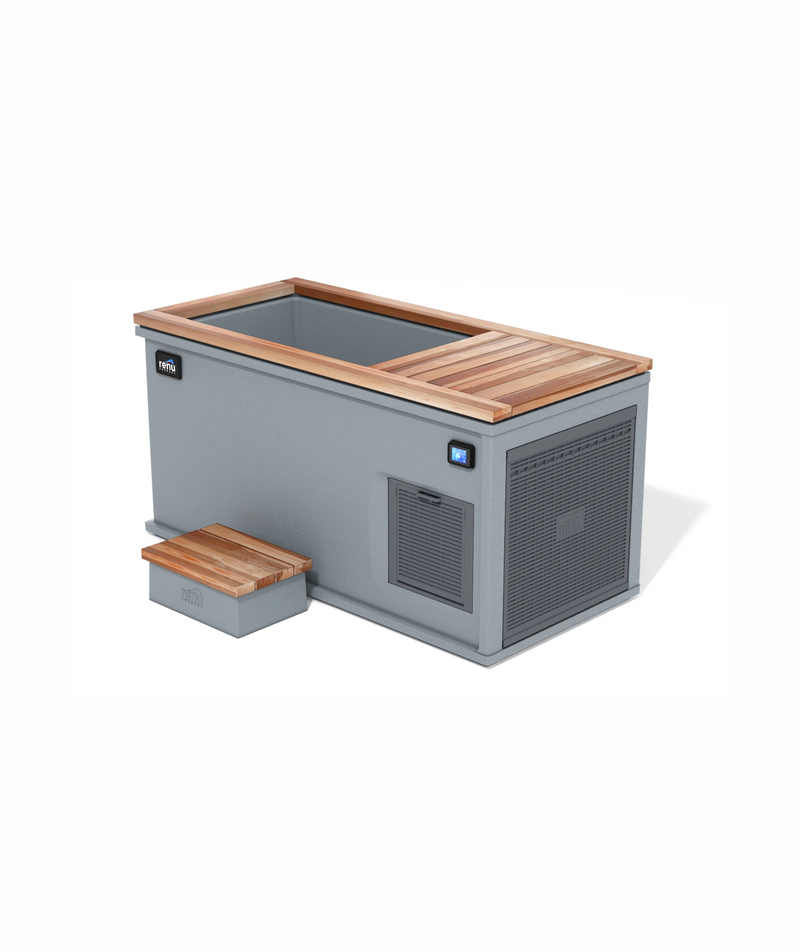
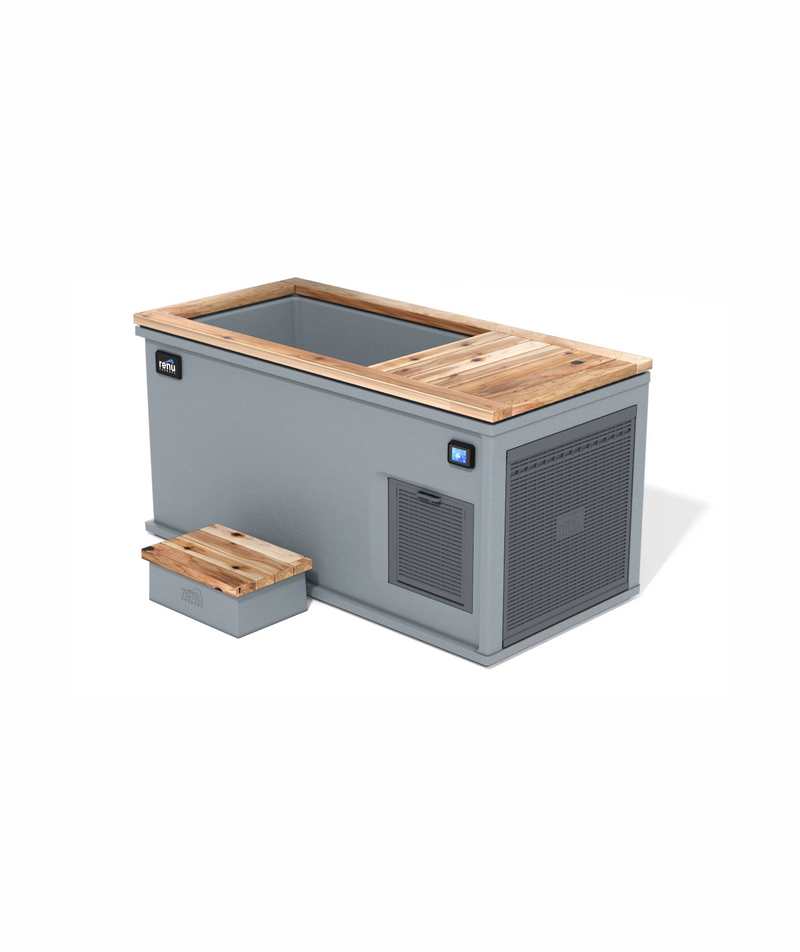
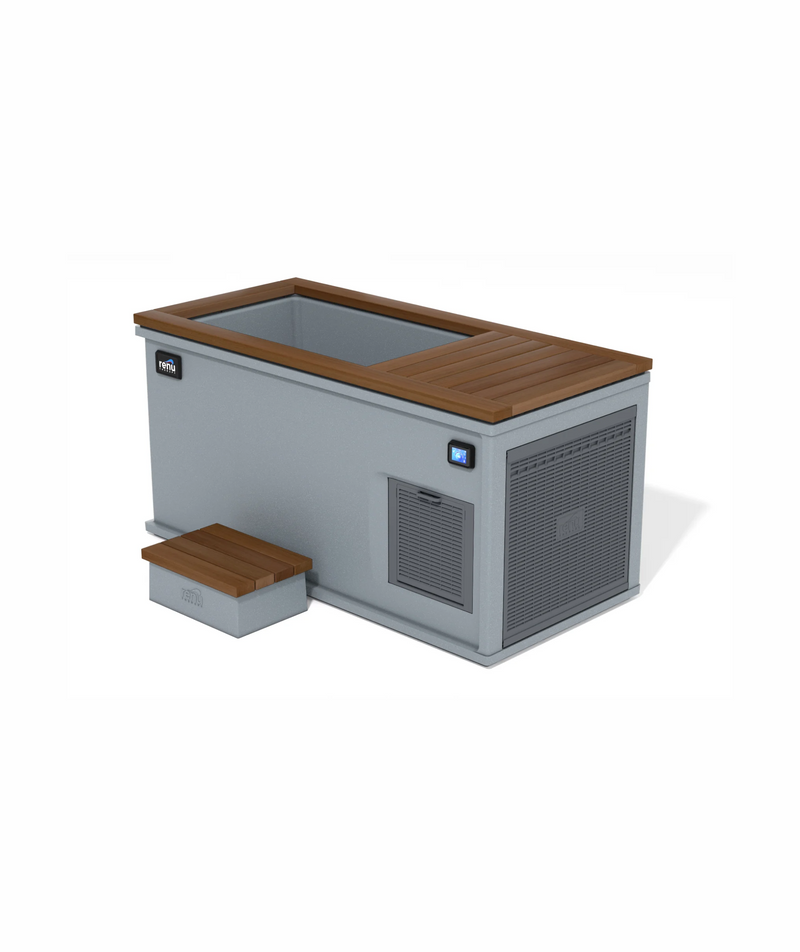
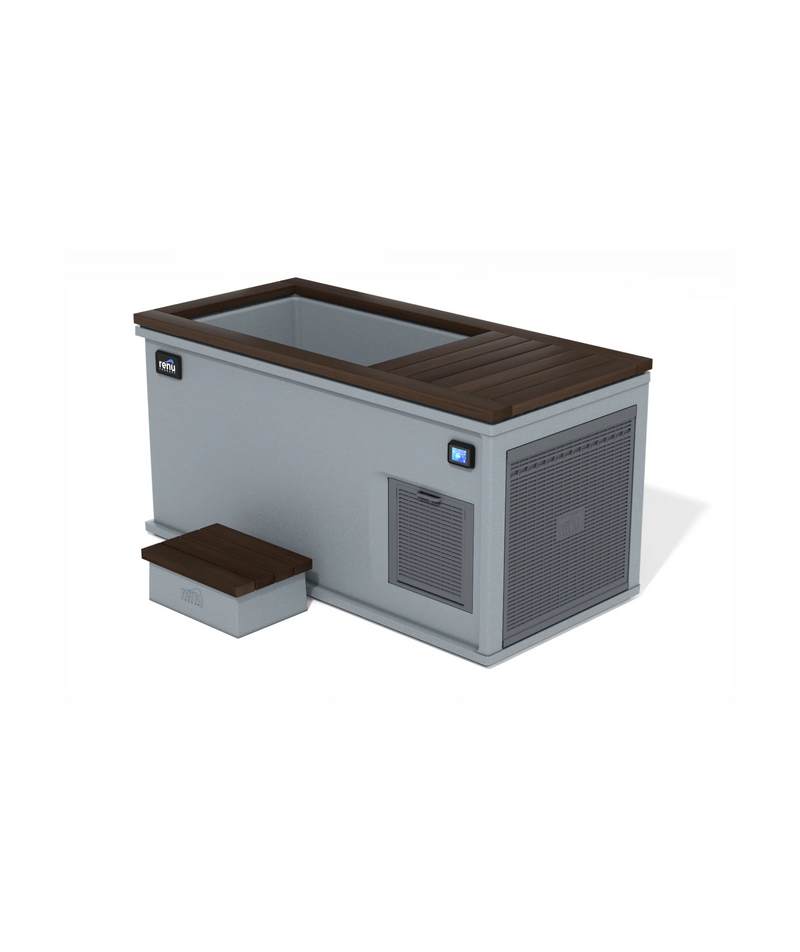
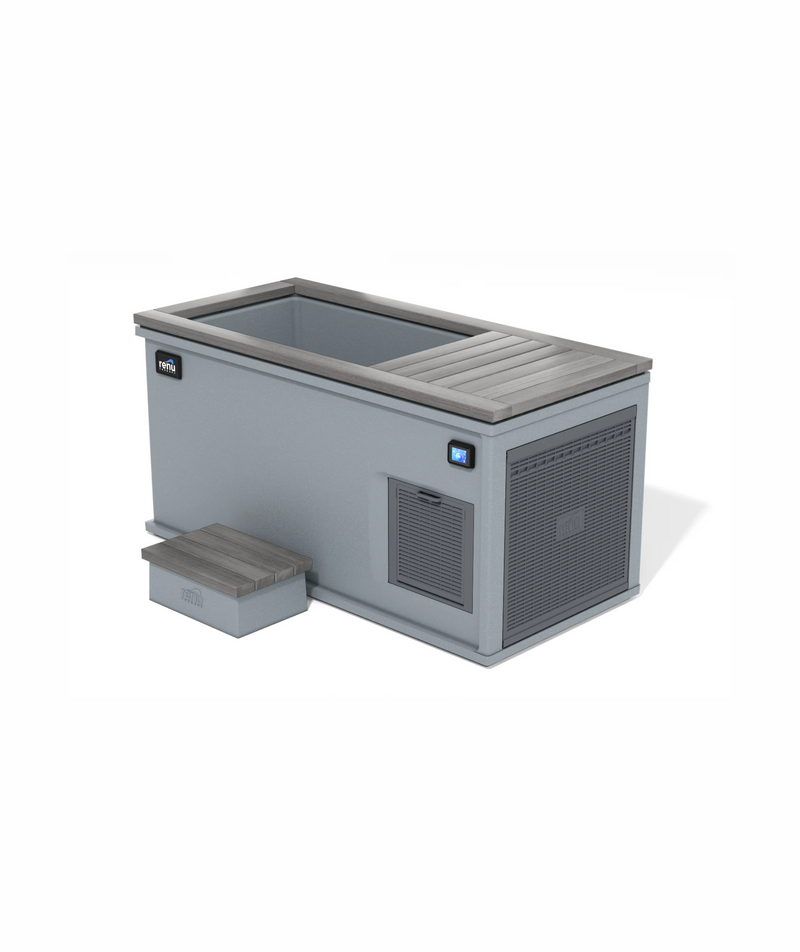
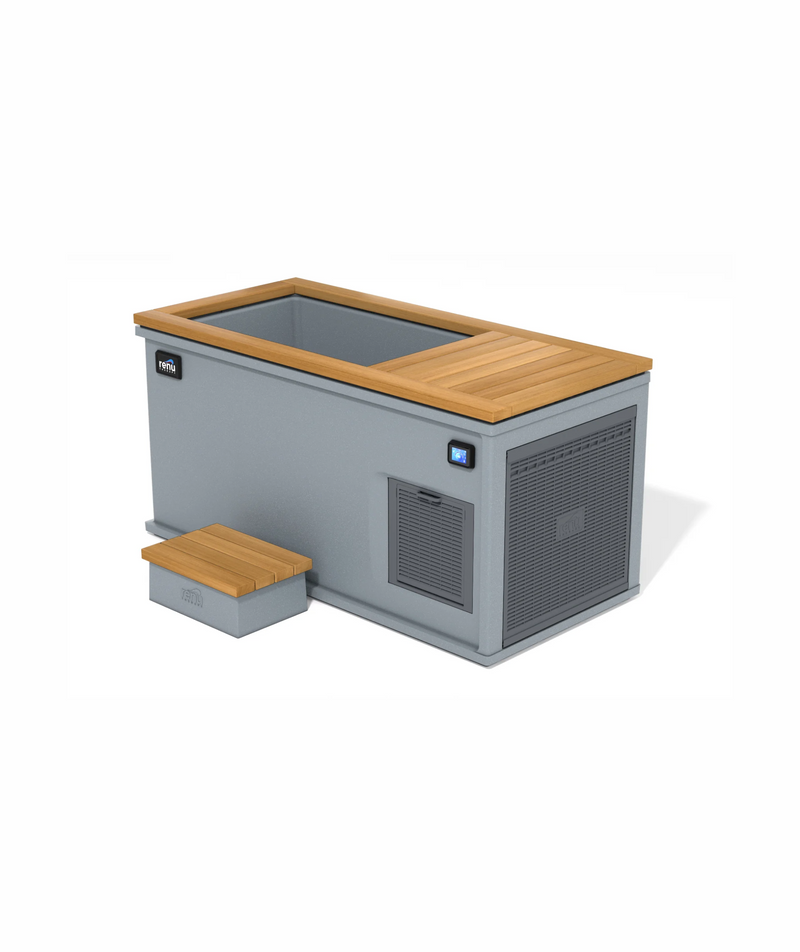
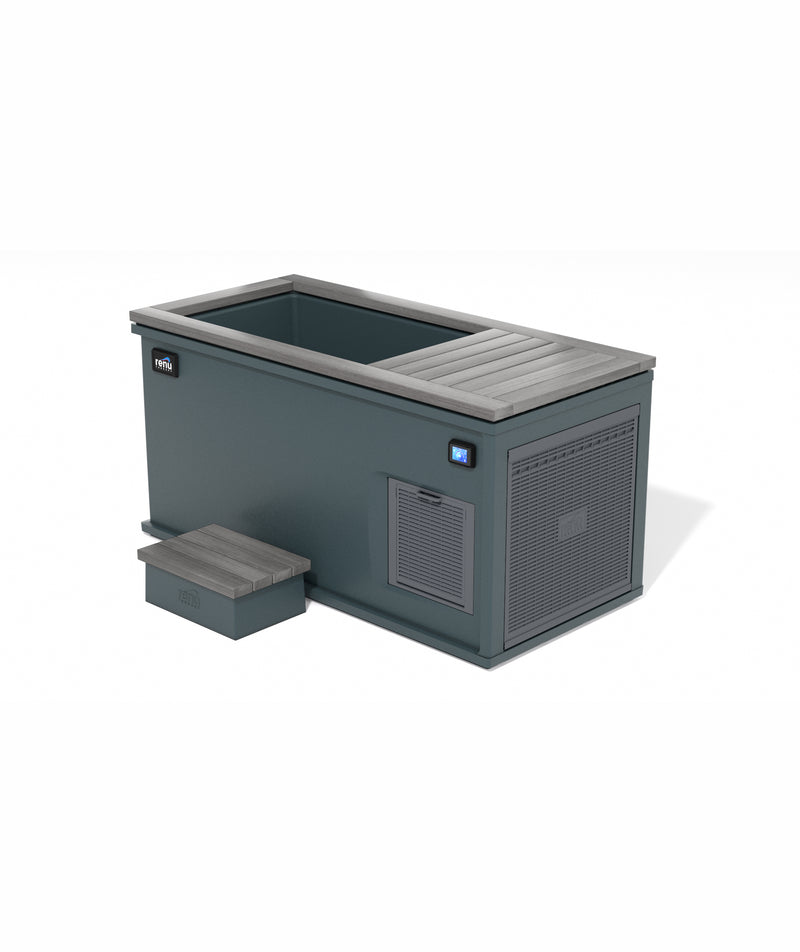
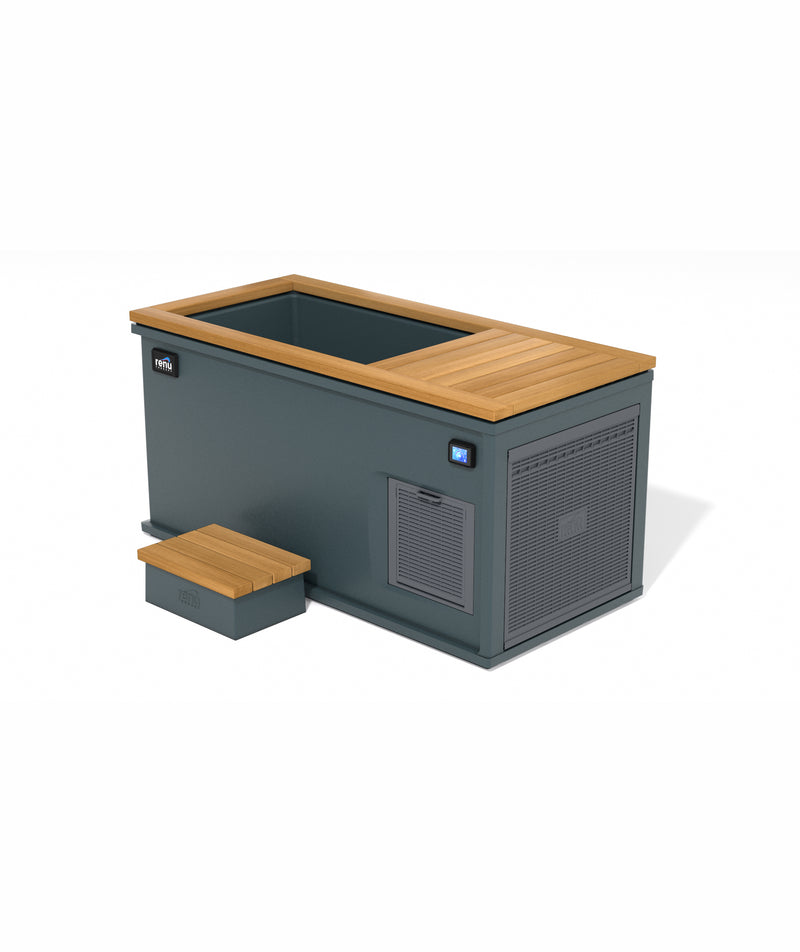
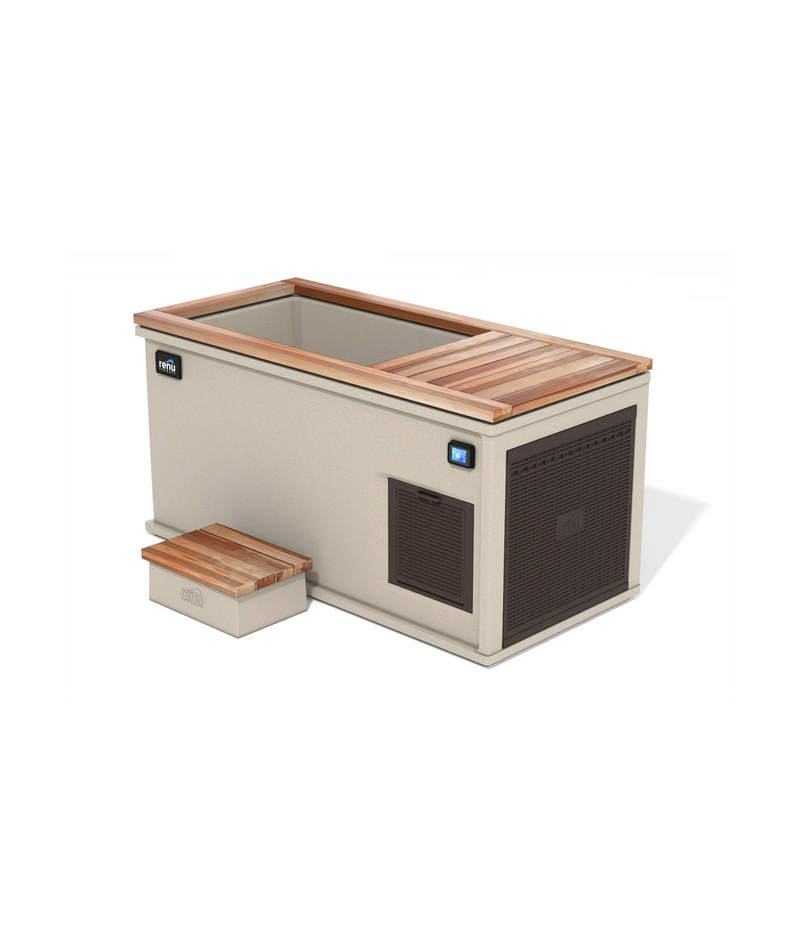
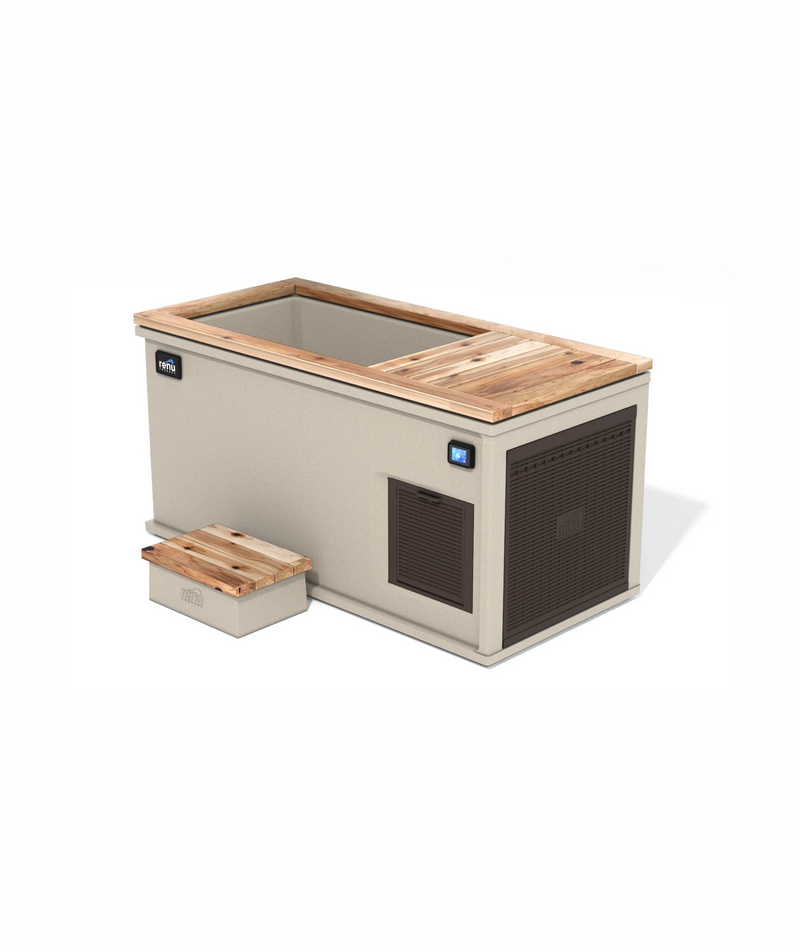
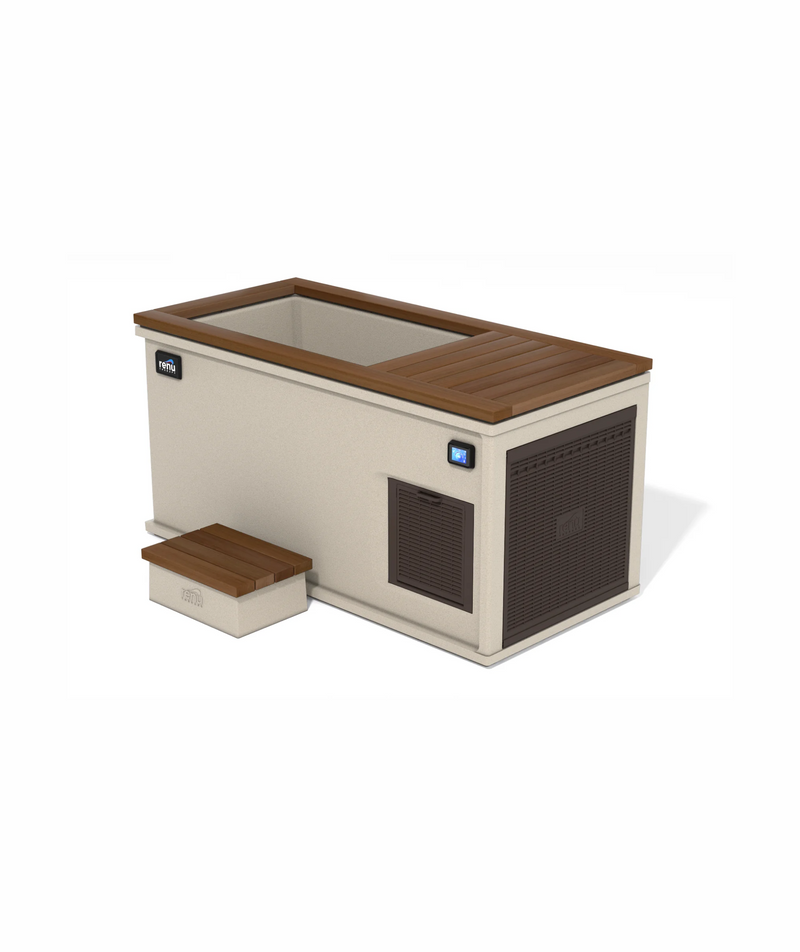
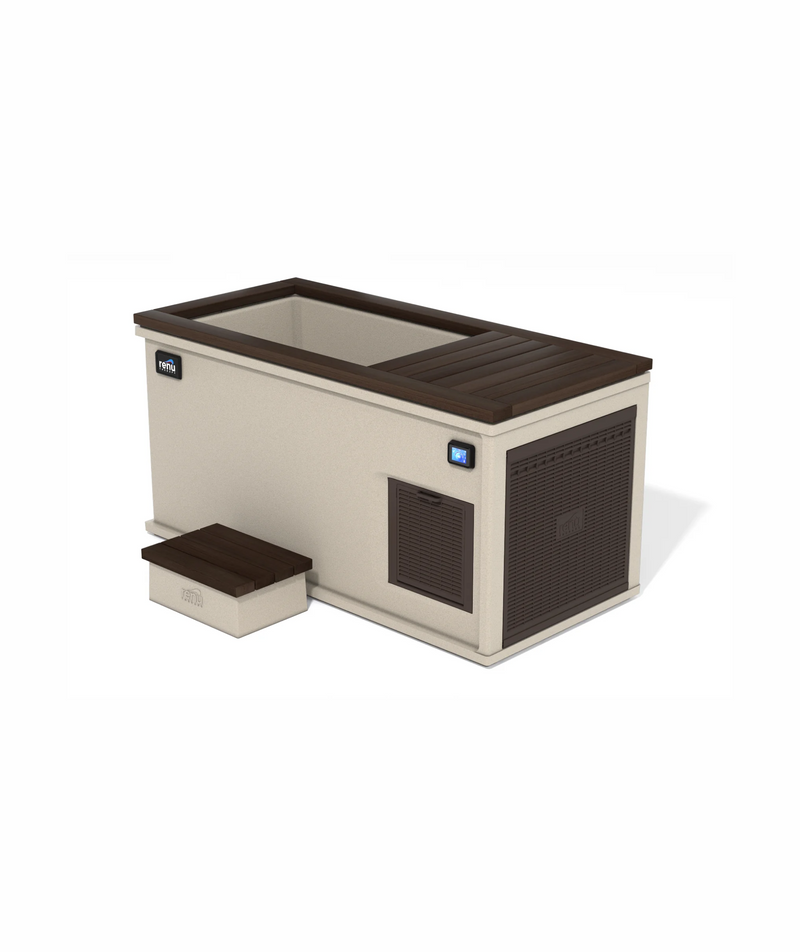
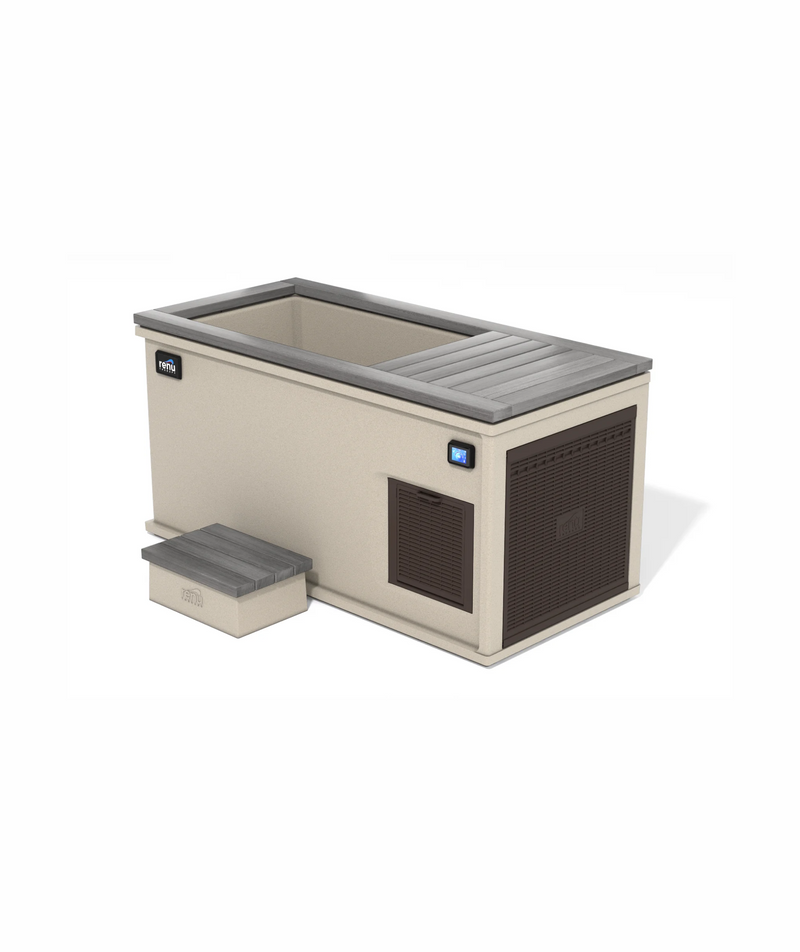
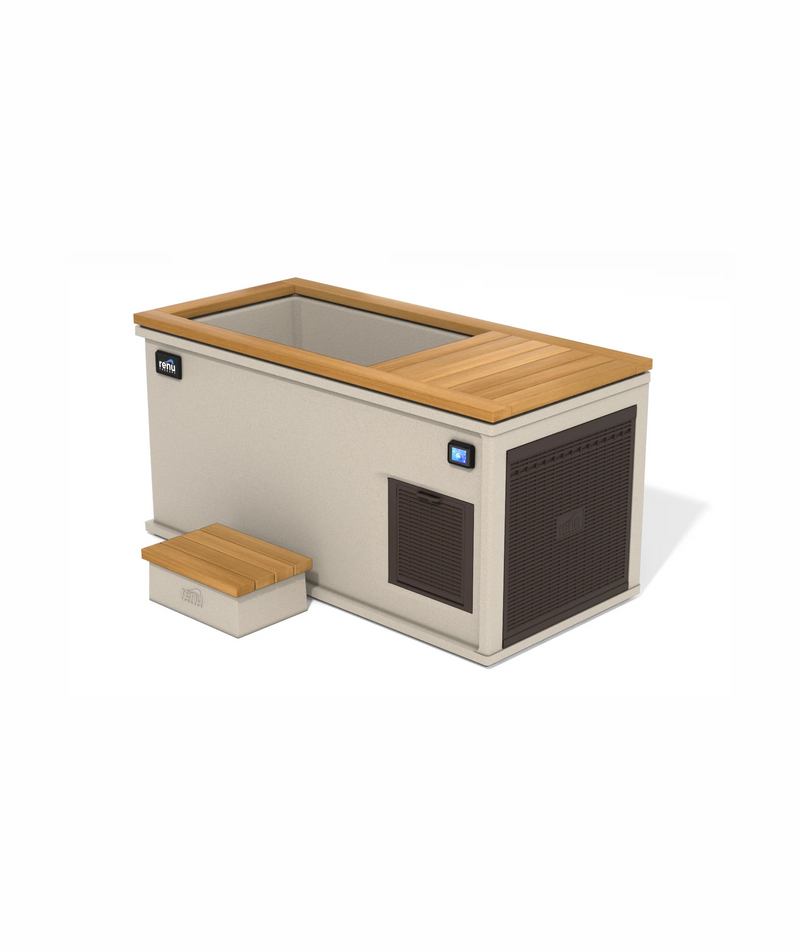
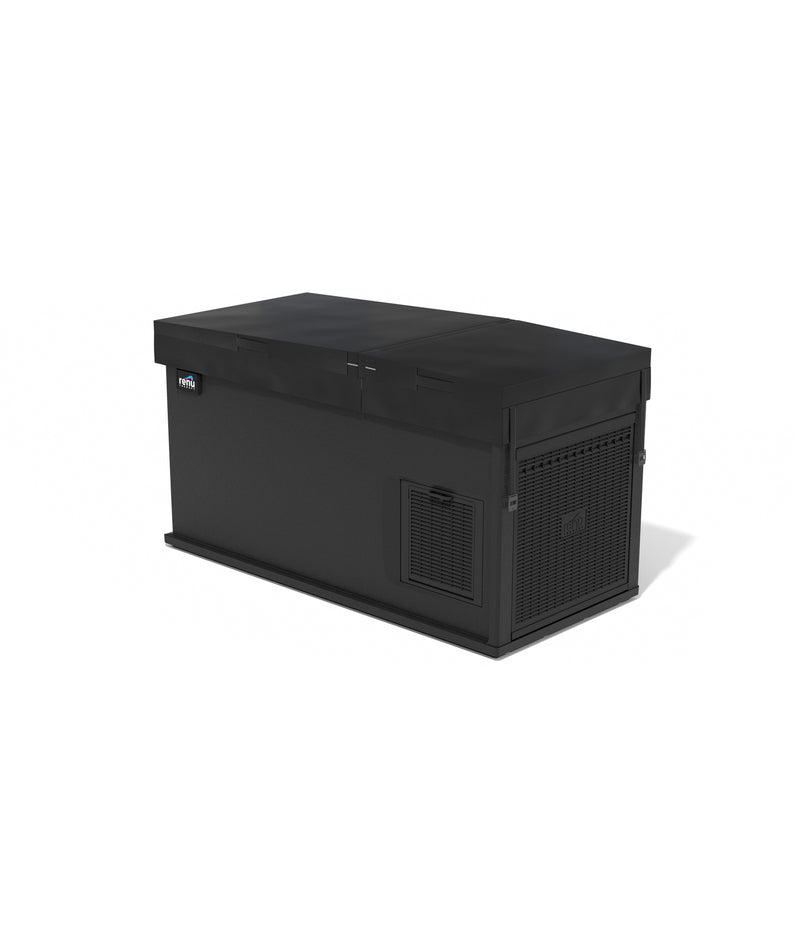
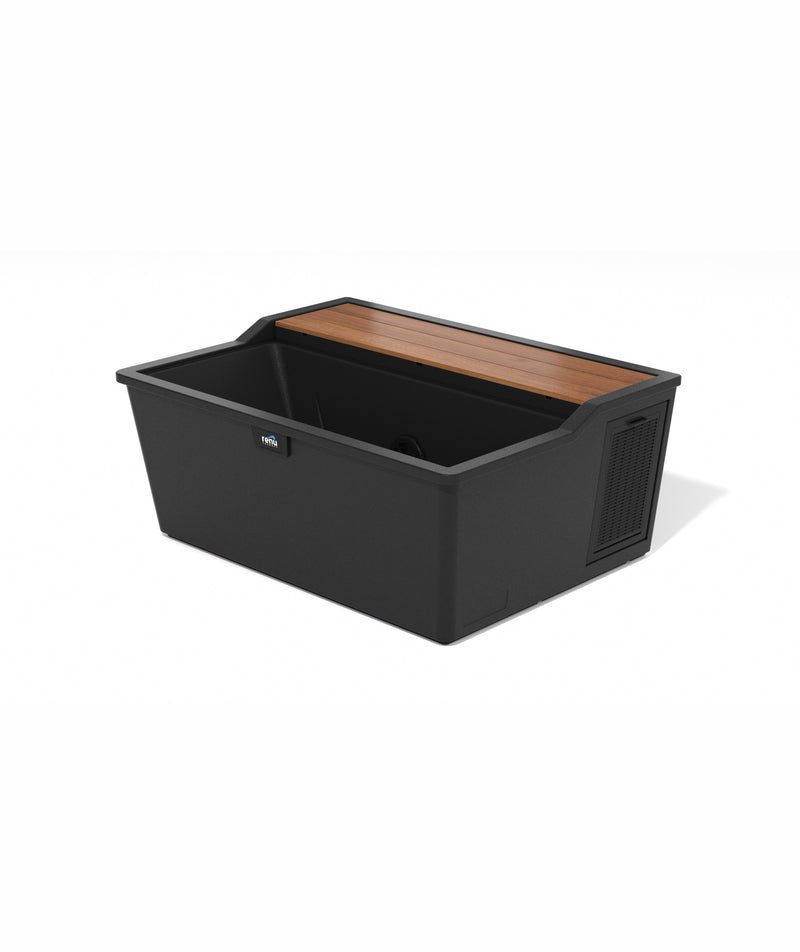
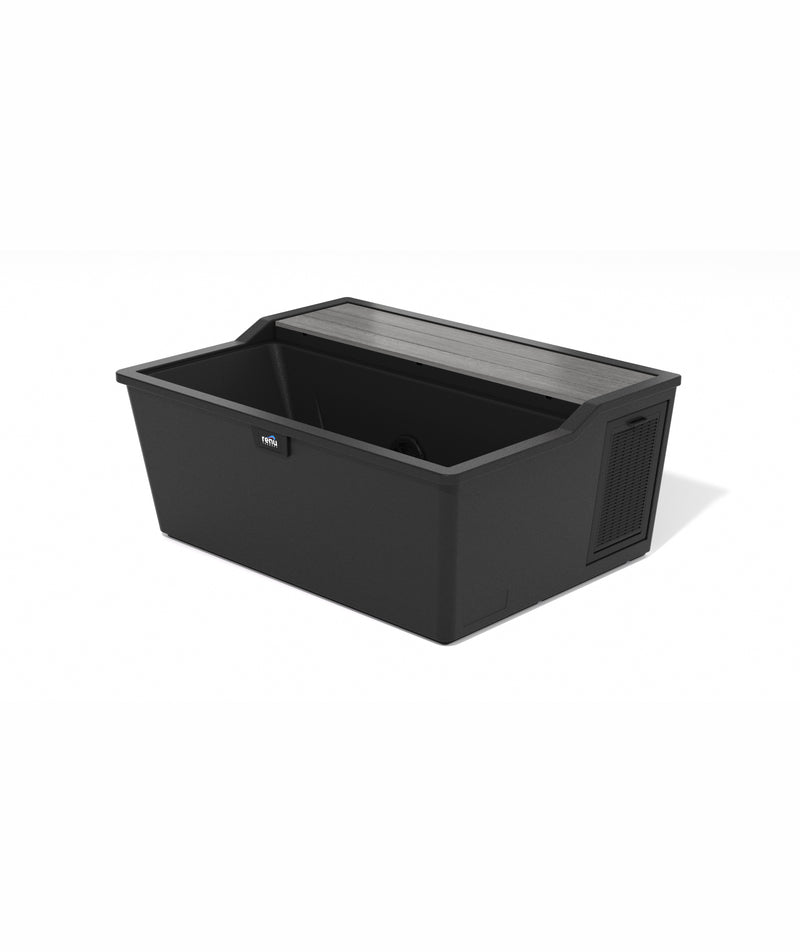
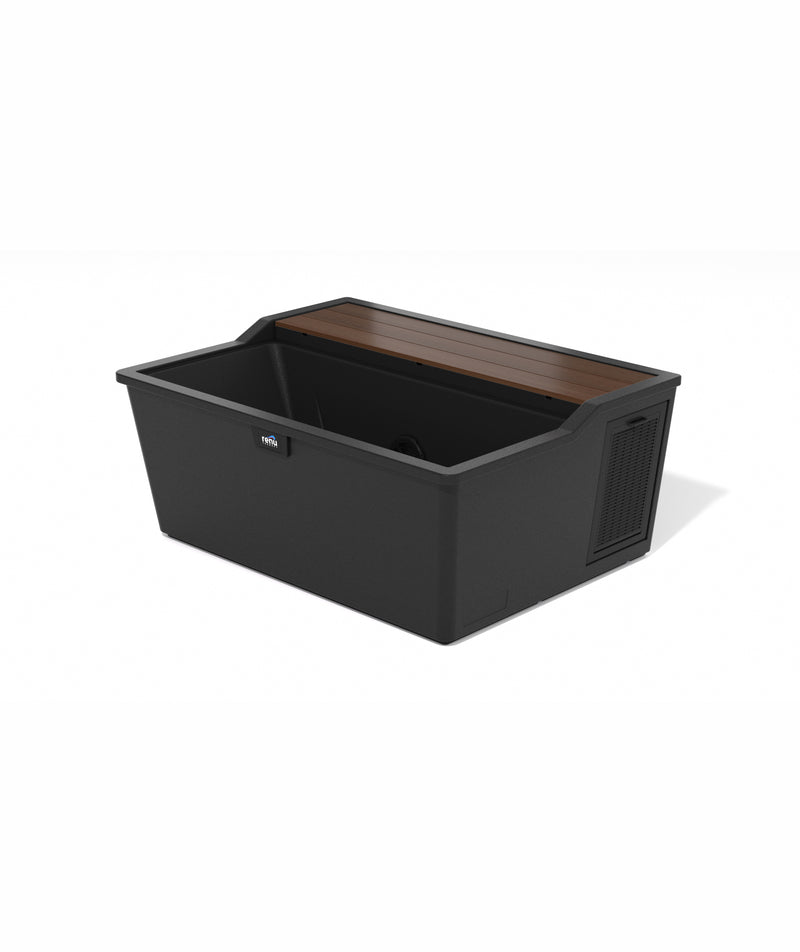
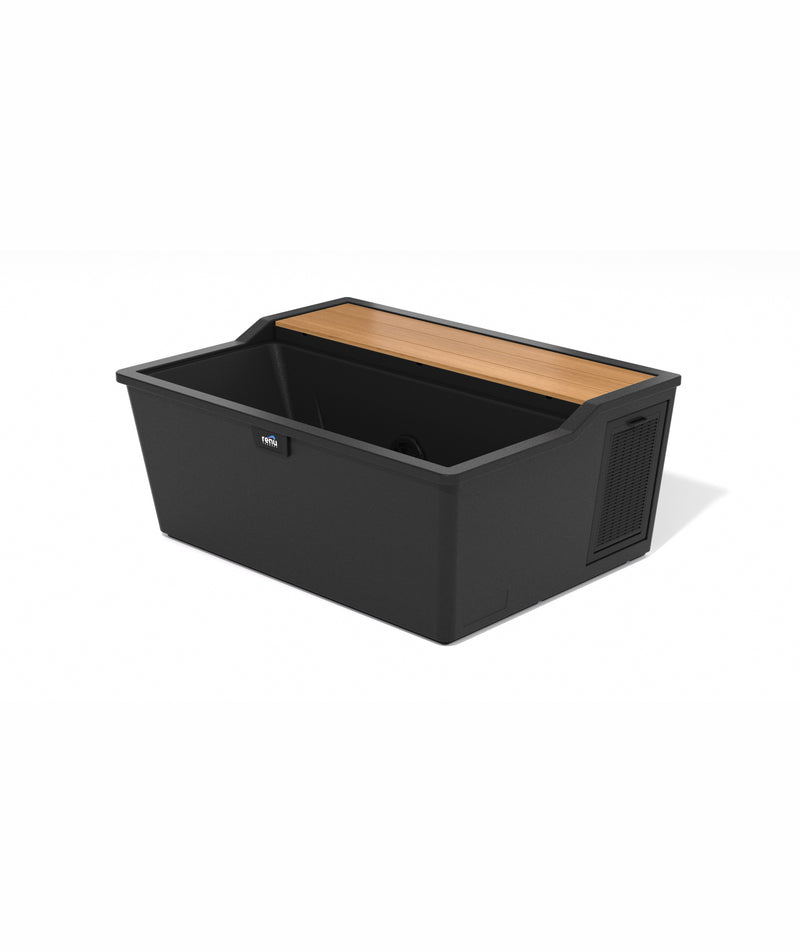
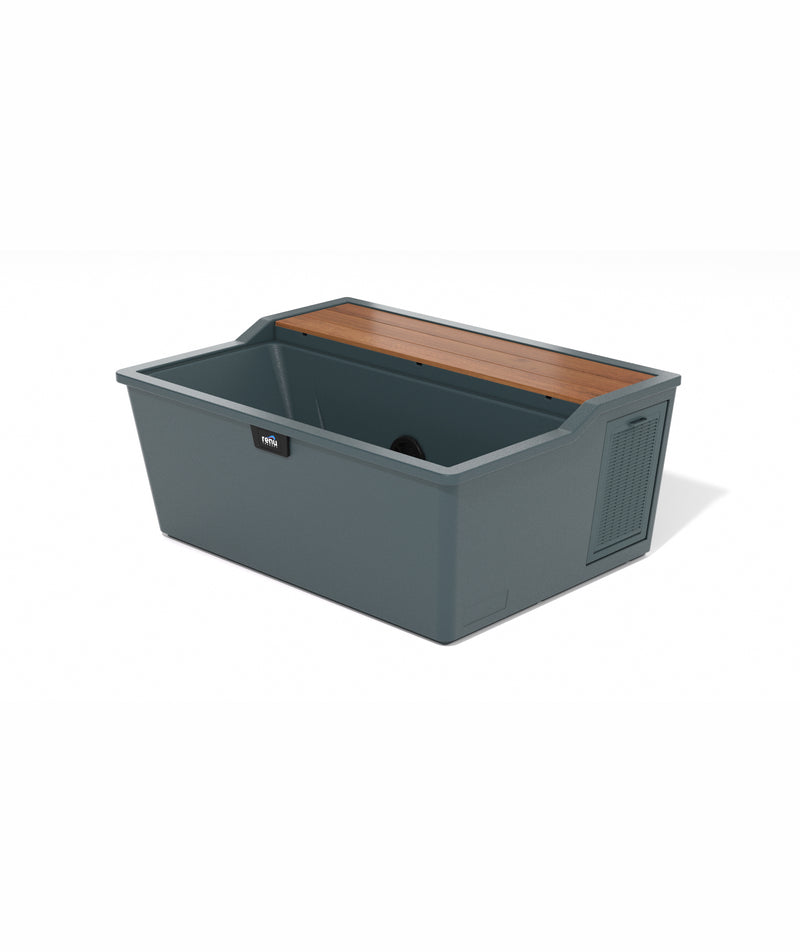
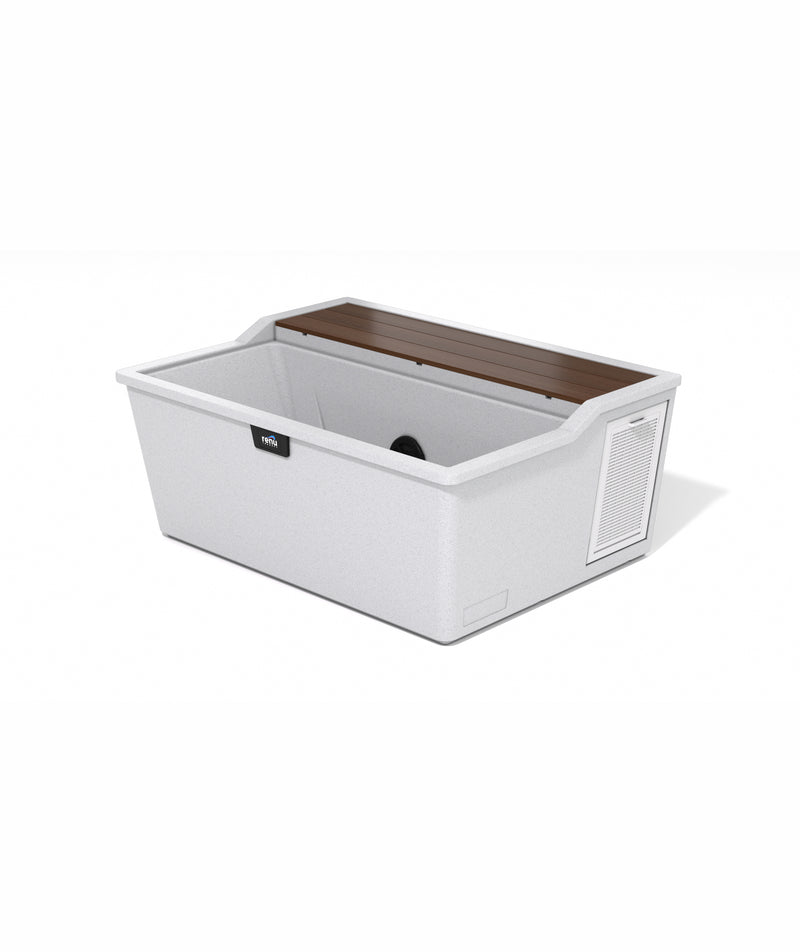
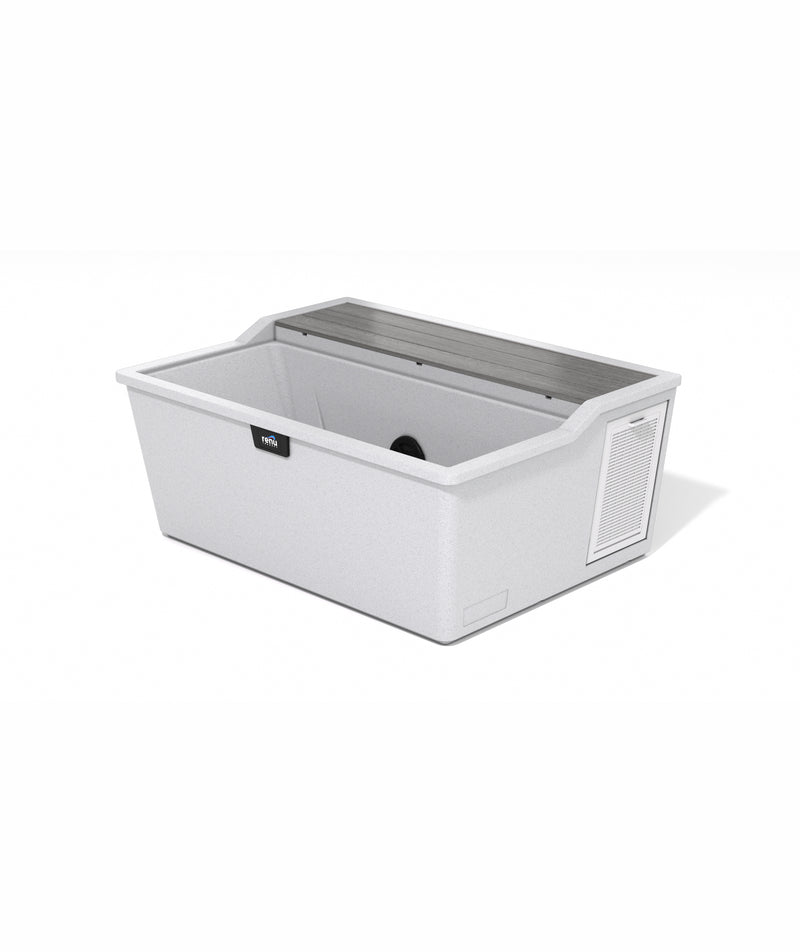
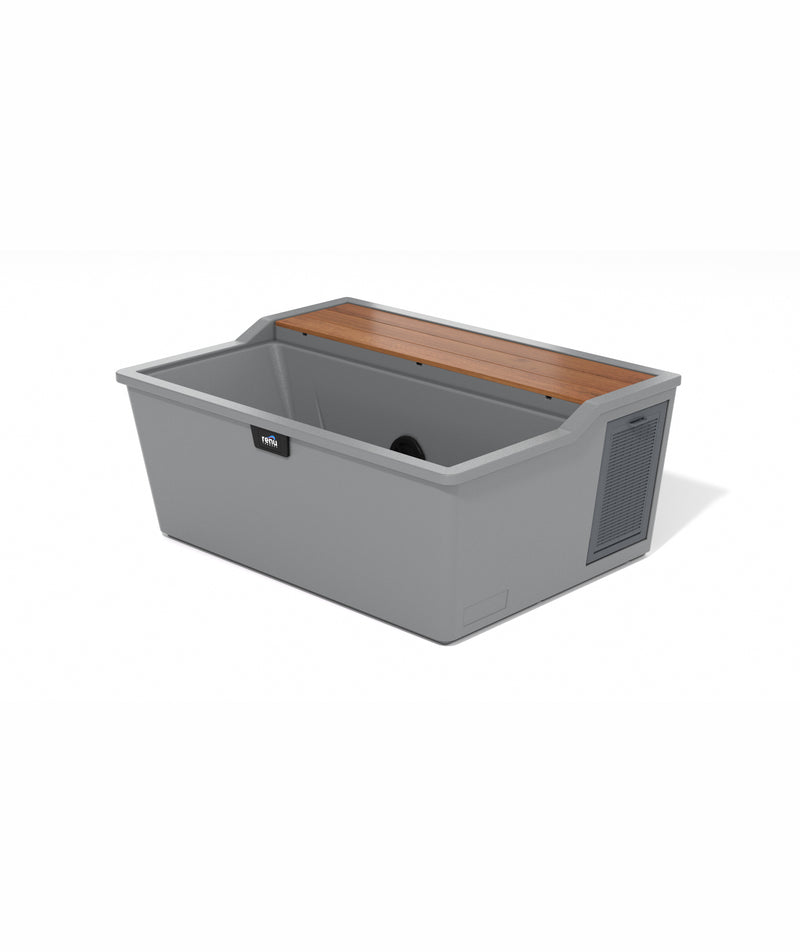
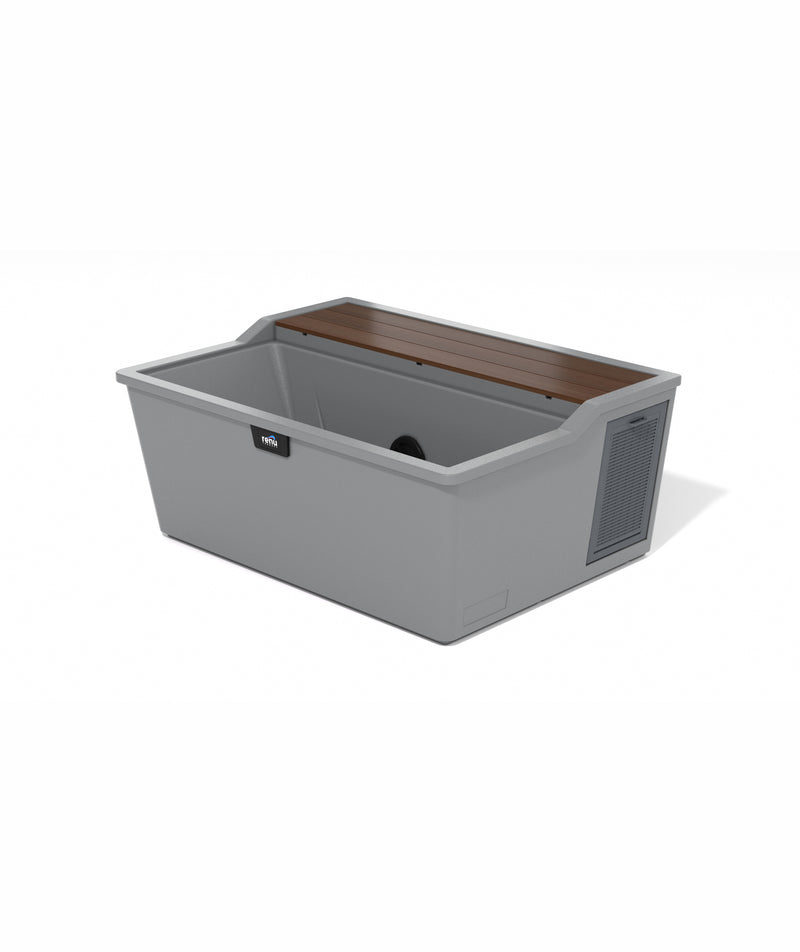
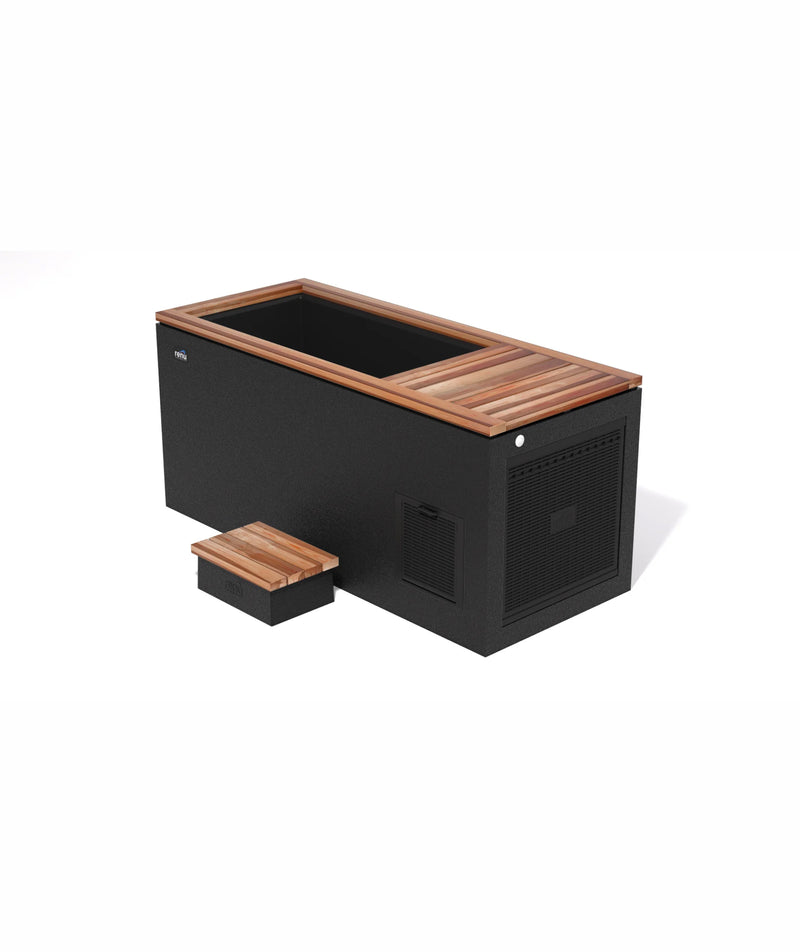
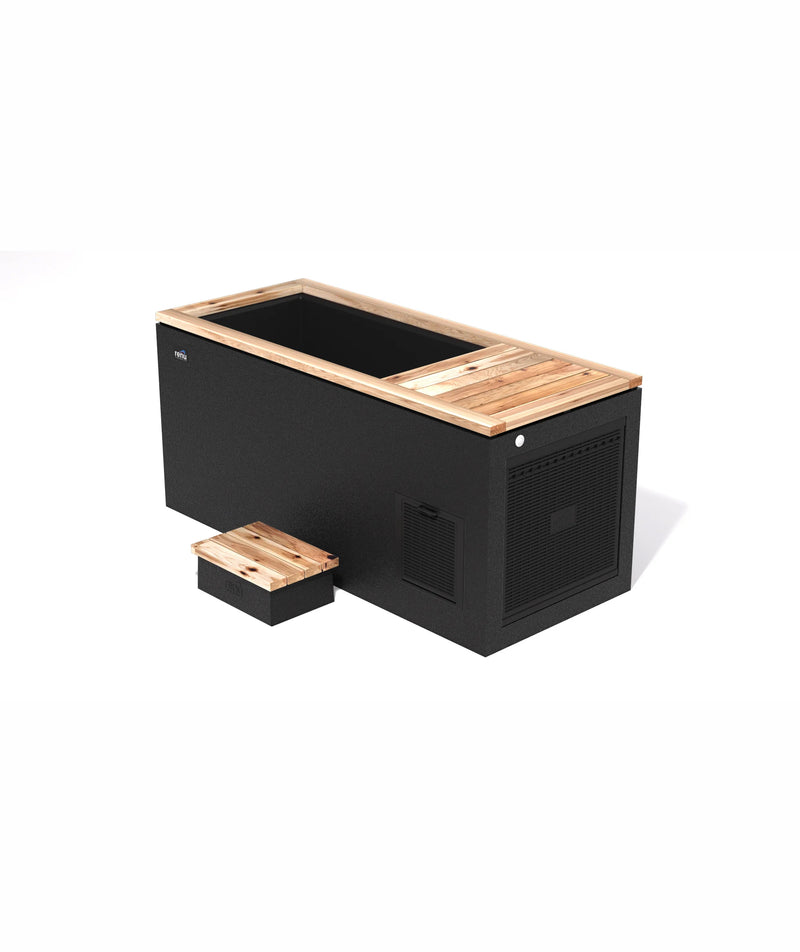
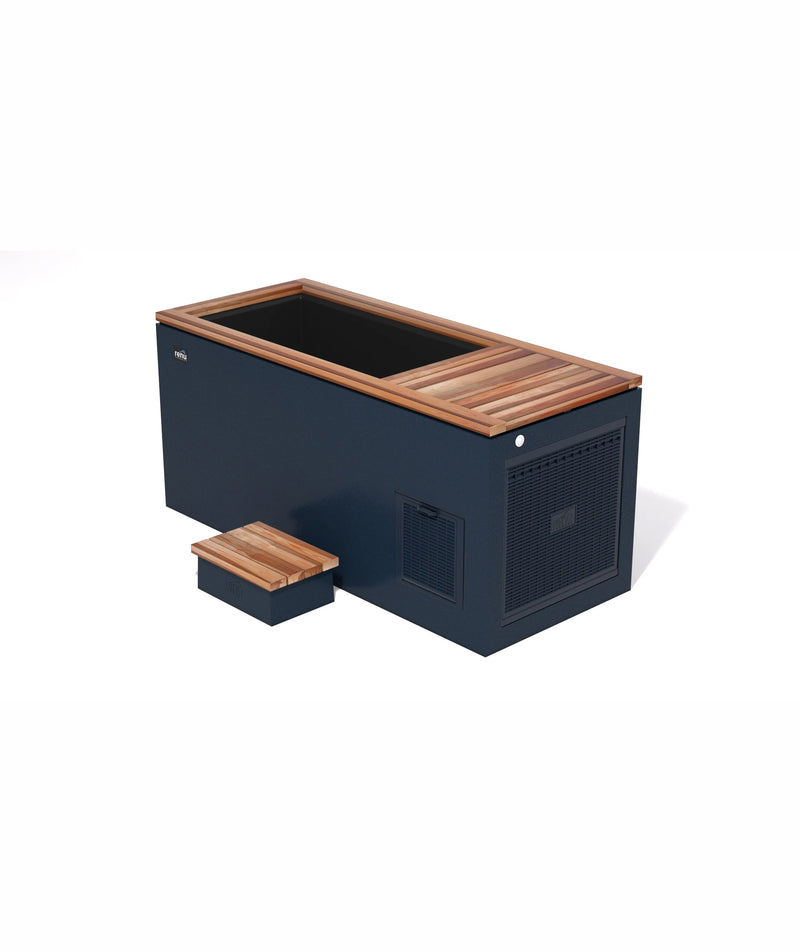
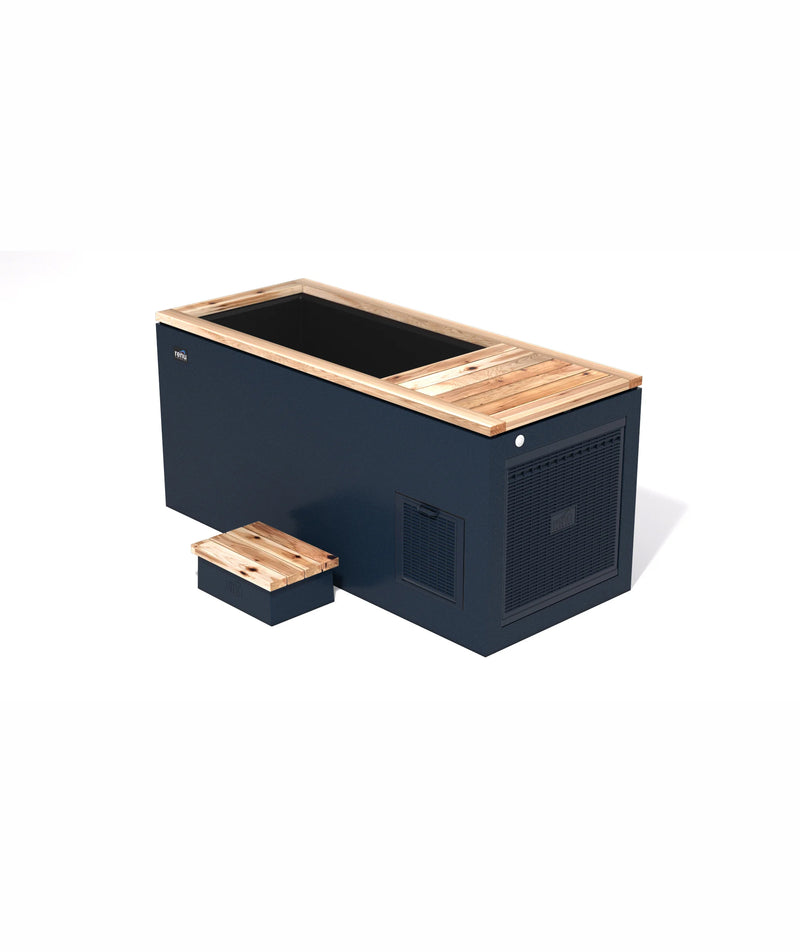
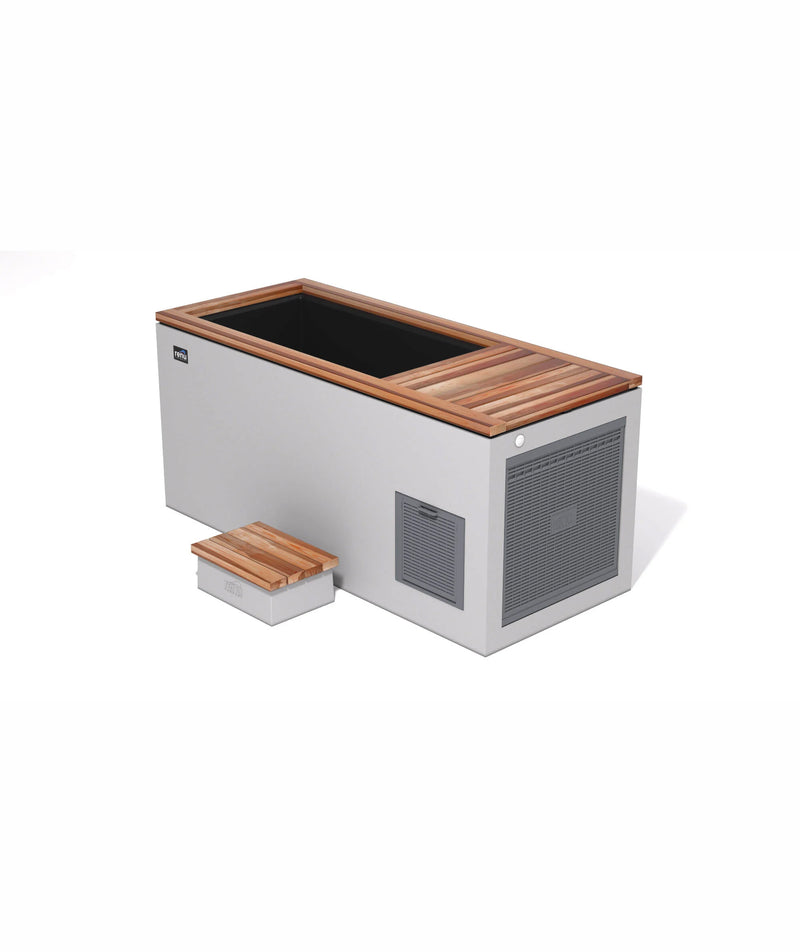
Inconsistent water temperature, poor filtration, and water quality issues are all factors that erode a habit before it's formed. The Cold Stoic 3.0 is built specifically for this: dual temperature control down to 37°F, integrated ozone purification that keeps water clean with minimal upkeep, and a build quality designed for daily use over years, not seasons. Handcrafted in California and engineered to last—because the ritual only works if you keep showing up.
Explore Renu Therapy Cold Plunge Systems

Frequently Asked Questions
How long should a beginner stay in an ice bath?
Beginners should aim for 1 to 2 minutes. The first few sessions are less about recovery and more about teaching your nervous system that the cold isn't a threat. Once you can breathe steadily through the initial shock, gradually work toward 3 to 5 minutes over successive sessions.
Is 10 minutes in an ice bath too long?
For most people, yes. Beyond 10 minutes you're not accumulating more benefit, you're accumulating more risk, including prolonged vasoconstriction and potential cold shock. The sweet spot for most people is 2 to 5 minutes. Remember: more time doesn’t mean more results.
What is the ideal ice bath temperature?
The most effective range is 50°F to 59°F (10°C to 15°C). This is cold enough to trigger the physiological response, e.g., vasoconstriction, norepinephrine release, and nervous system activation, without pushing you into survival mode. For daily use, most people find 50°F to 55°F to be the sweet spot where intensity and consistency can coexist.
How many times a week should you ice bath?
Three to four sessions per week is a solid, sustainable frequency for most people. Dr. Susanna Søberg's research points to roughly 11 minutes of total cold immersion per week as a meaningful threshold for metabolic and recovery benefit, which is achievable with three to four sessions of around 3 minutes each.
Should you ice bath before or after a workout?
After, but with some timing consideration. Cold immersion immediately after a heavy strength session can blunt muscle adaptation, so many people prefer to cold plunge on rest days or leave several hours between training and their cold plunge.
Can you ice bath every day?
Daily cold plunging is common and generally well-tolerated. That said, more isn't automatically better. If you're following a strength training program, be mindful of timing relative to your sessions. For recovery, stress relief, and general wellbeing, daily use is fine for most healthy adults.
Medical disclaimer: Cold water immersion is not suitable for everyone. Consult your physician before beginning a cold plunge practice if you are pregnant, have high blood pressure, heart disease, a history of cardiac arrhythmia, Raynaud's disease, peripheral neuropathy, or any other condition affecting circulation or nerve function. Cold exposure can place stress on the cardiovascular system and should be approached with caution if you have any underlying health conditions. This article is intended for informational purposes only and does not constitute medical advice.