Hot, then cold. Rinse, then repeat. Contrast therapy is simple to describe and harder to pin down scientifically. Here’s what it is, what it does to your body, and how much the research really supports.
What Is Contrast Therapy?
Contrast therapy alternates heat and cold in a single session. The classic version is sauna, cold plunge, rest, and repeat. Finnish (traditional) sauna is the most studied form, typically involving five to 20 minutes of heat broken up by a short spell in a cold plunge (one to three minutes). Nordic winter swimmers have long paired the two, but researchers have only recently started testing the combination thoroughly.
How Does Contrast Therapy Work?
Heat and cold push your cardiovascular system in opposite directions.
In the sauna, heart rate climbs, blood vessels dilate, and blood pressure falls. In cold water, vessels constrict, blood pressure rises, and heart rate spikes before it settles. Switching between the two is a workout for your thermoregulatory system.
One popular theory says the alternating dilation and constriction acts as a “pump” that clears swelling after hard exercise. It’s a theory, not a demonstrated mechanism. What has been measured: repeated contrast exposure produces heat adaptation, meaning heart rate and core temperature rise less in response to the same heat.

Typical Contrast Therapy Protocols
There are no hard and fast rules, but these are three protocols you’ll often see:
-
Sauna-and-plunge: Sessions of 10-15 minutes in the sauna, with 1-2 minutes of cold, repeated for two to three rounds. Most studies used dry (traditional) sauna at roughly 175-195°F. Dr. Susanna Søberg recommends ending on cold, so your body has to rewarm itself. Not sure how cold to go? Read our Ice Bath Temperature guide.
-
Post-workout water contrast: Most studies alternate roughly one minute in hot water (100-104°F) with one minute in cold (57-59°F) for 6-14 minutes total, straight after exercise.
-
A weekly dose: Søberg’s research showed her winter swimmers averaged about 11 minutes of cold immersion per week, split across two to three days. Sauna time averaged around 57 minutes. But treat this as a benchmark, not a prescription; everyone is different.
Who Does Best with Contrast Therapy?
-
Anyone undertaking heavy training: In pooled trial data, contrast water therapy reduced soreness and strength loss better than passive rest, but showed no clear edge over other recovery methods.
-
People who find cold-only sessions hard: Short dips between heat rounds may be an easier on-ramp than a long cold plunge on its own.
-
Regular sauna users: The strongest health data belongs to sauna itself. There are compelling links between frequent sauna bathing and lower risk of cardiovascular disease and all-cause mortality.
If you have a heart or blood pressure condition, are pregnant, or take medication that affects either, talk to your doctor before undertaking any contrast therapy practice.
Is the Science on Contrast Therapy Thin or Robust?
It’s promising, but thin. That said, it’s not uncommon for the practices and protocols of elite athletes and high performers to run ahead of the academic research (i.e., academics often test what elite athletes are doing to understand why it’s working).
A systematic review published in August 2026 in Experimental Physiology pooled 21 contrast studies covering 853 people. Most studies were small and most carried a high risk of bias. The review found little evidence of effects on resting heart rate, blood pressure, vascular health, glucose or lipids. Only heat adaptation showed up consistently.
It’s also important to point out that most trials used hot-cold water baths rather than sauna-plus-cold plunge, so results don’t transfer neatly. And if muscle growth is your goal, cold immersion after resistance training can blunt hypertrophy (Roberts et al., 2015). Keep cold plunging away from your lifting sessions.
Be aware that contrast therapy is a sound recovery and stress-training habit, but it isn’t yet a proven health intervention.
Build Your Own Contrast Therapy Den
The best protocol is the one you’ll repeat, and friction kills consistency. If you can keep the sauna and cold plunge within a few steps of each other, you stand a good chance of building a contrast therapy routine you’ll return to time and again. Use a cold plunge that holds a set temperature and a sauna that reaches temperature easily.
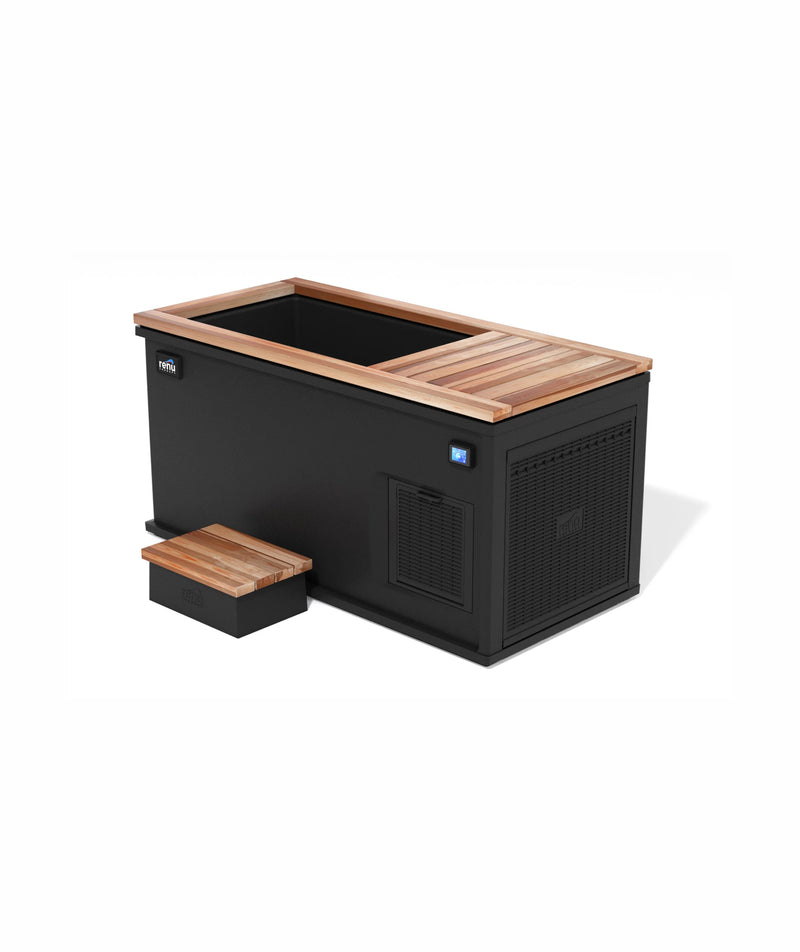
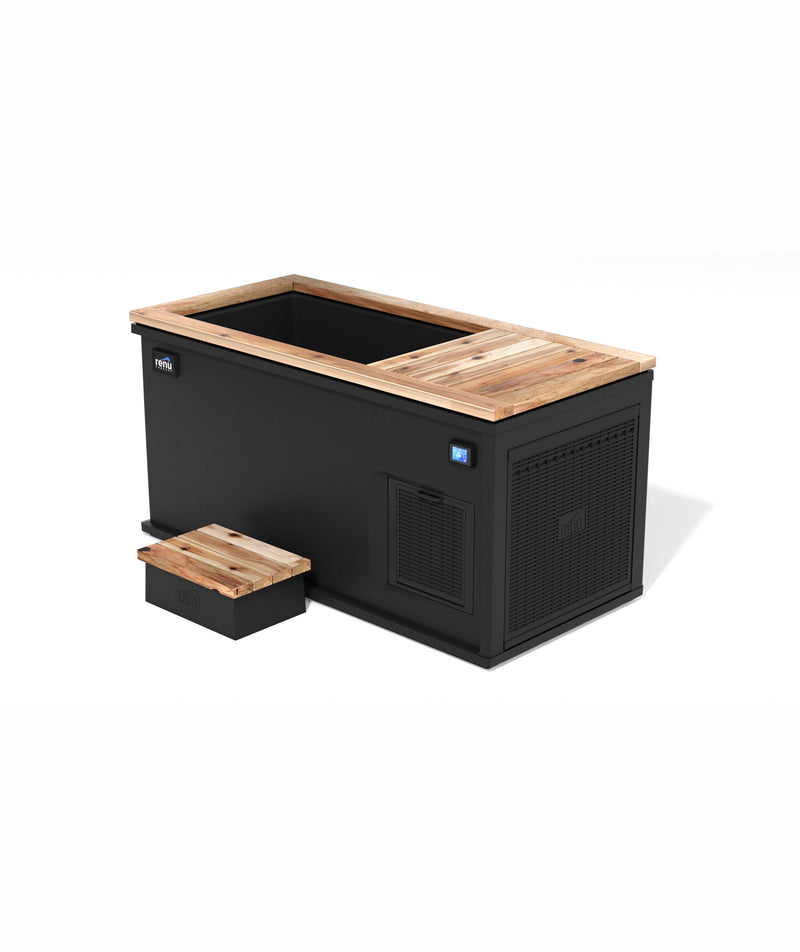
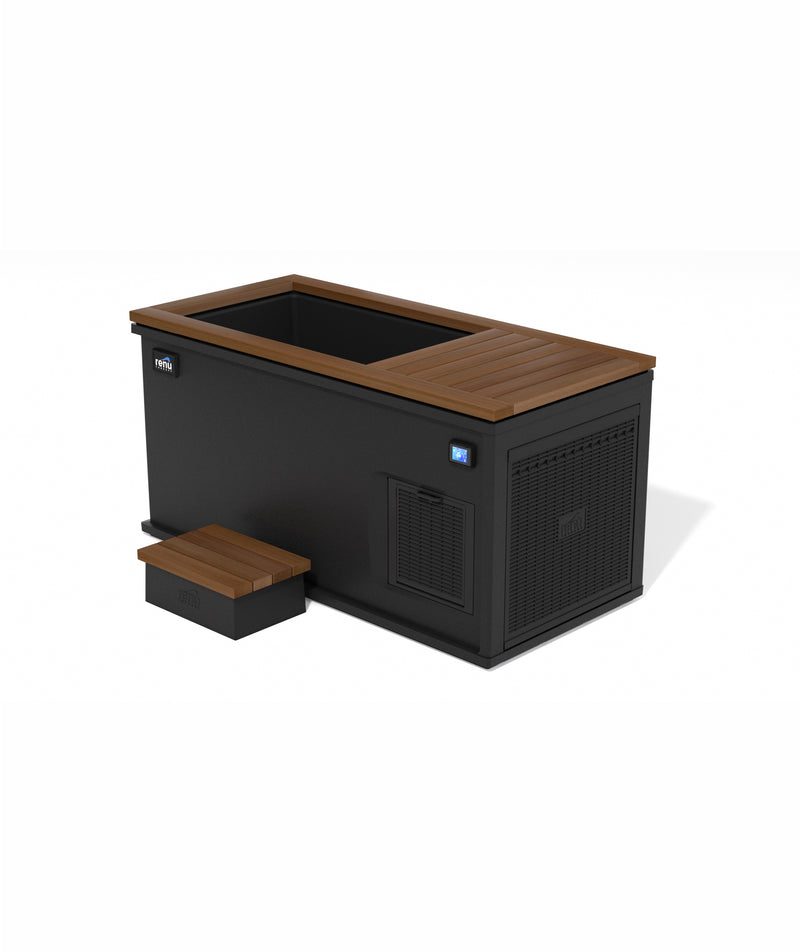
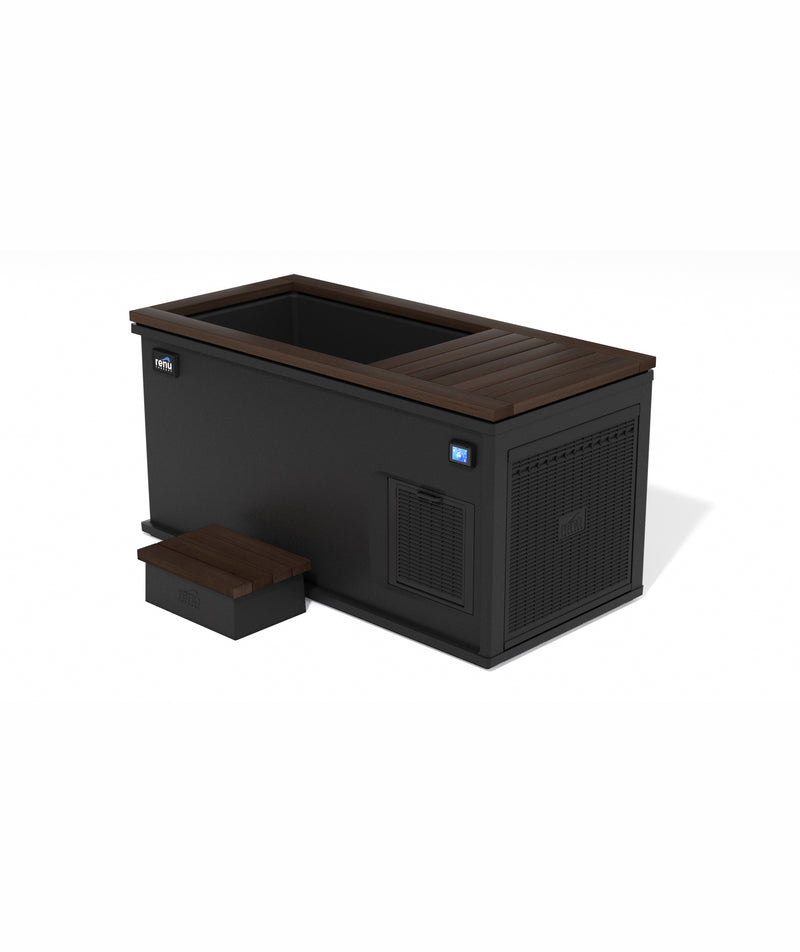
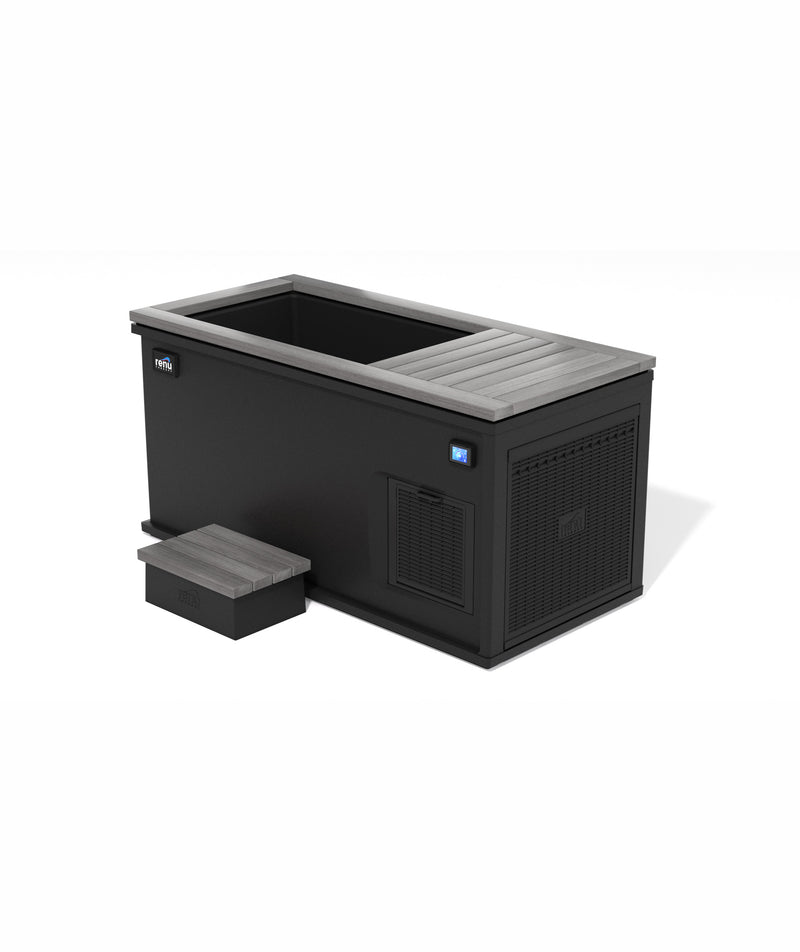
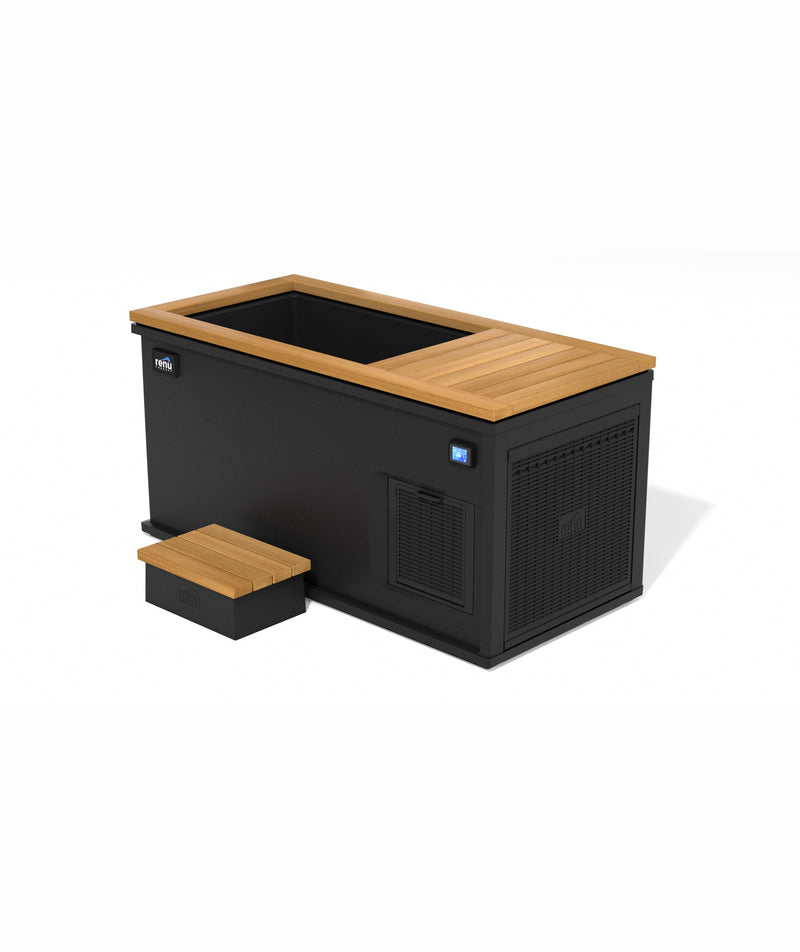
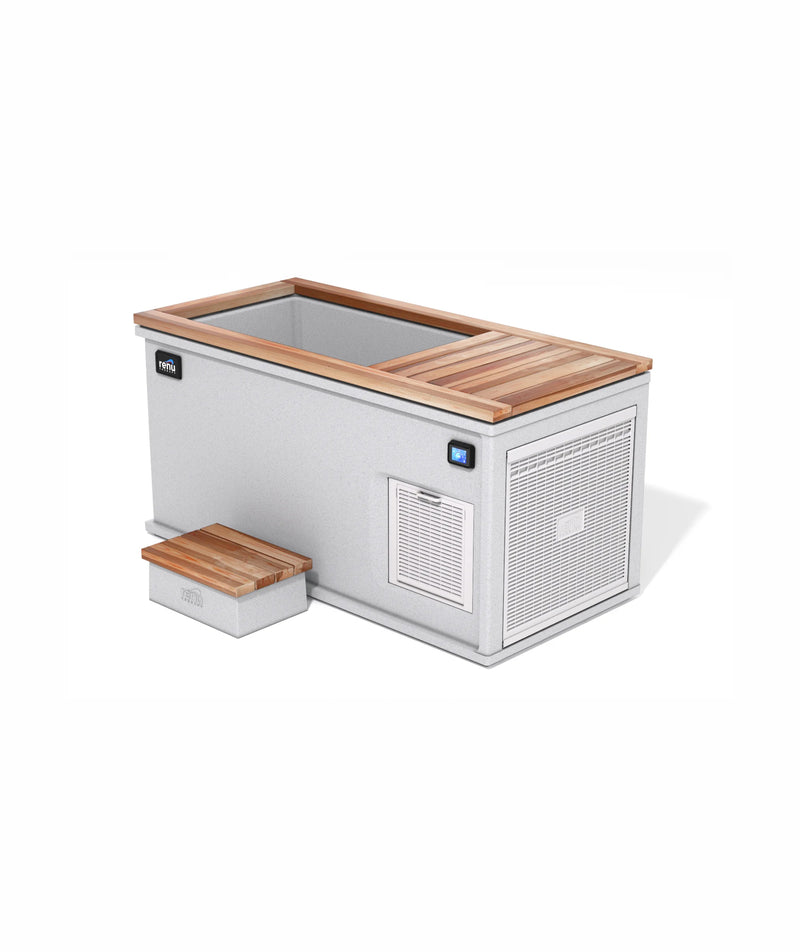
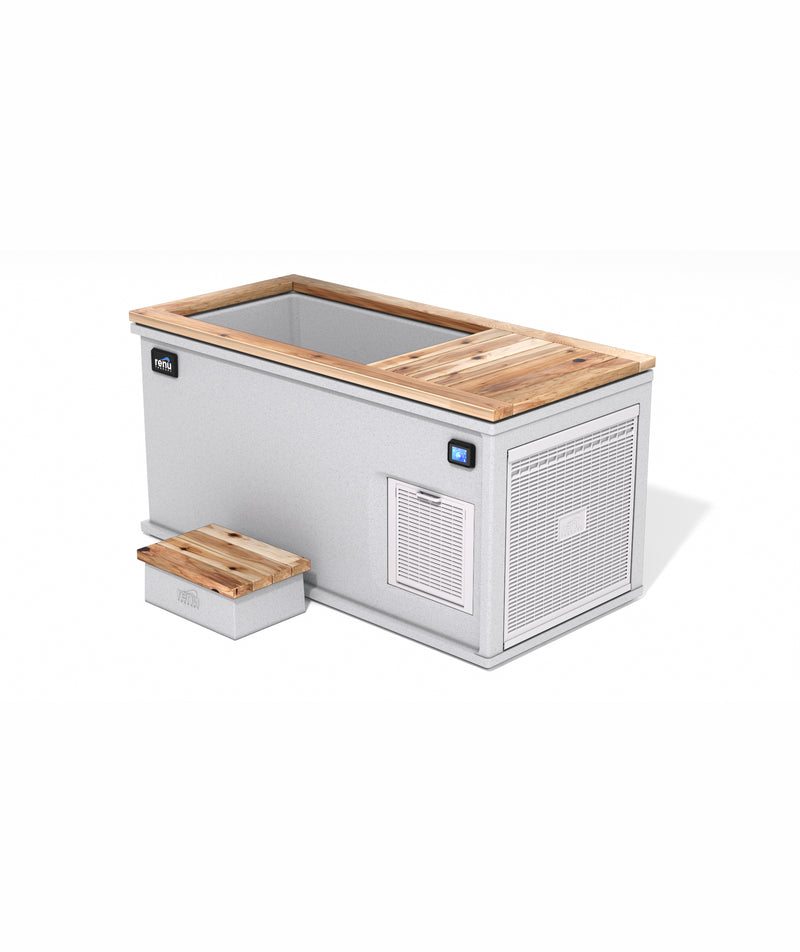
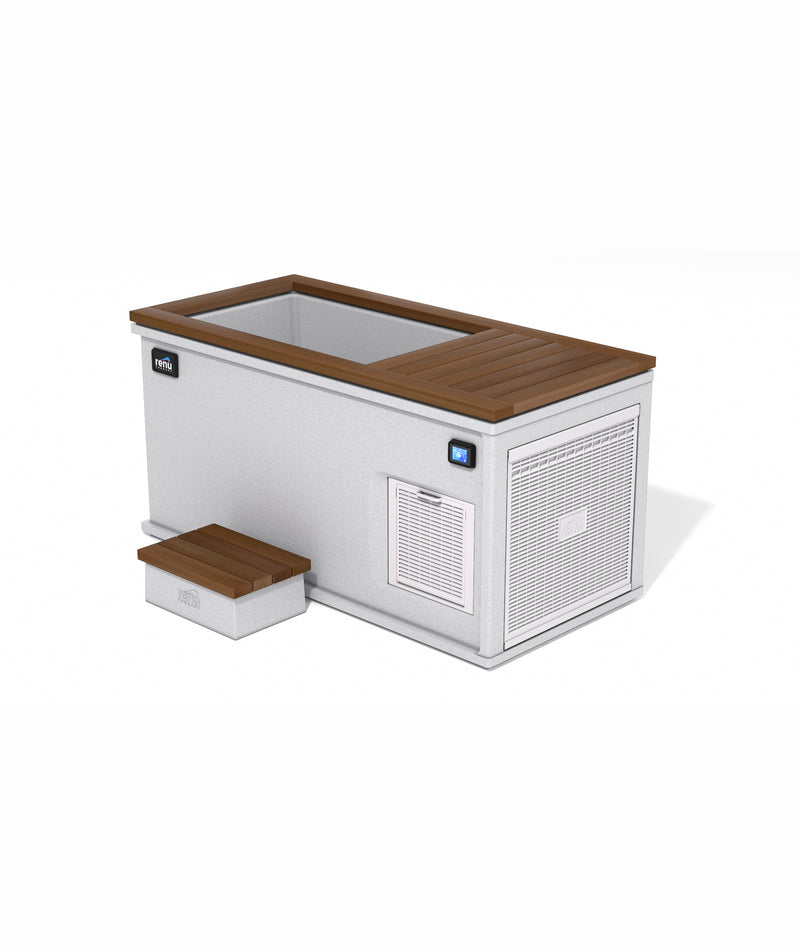
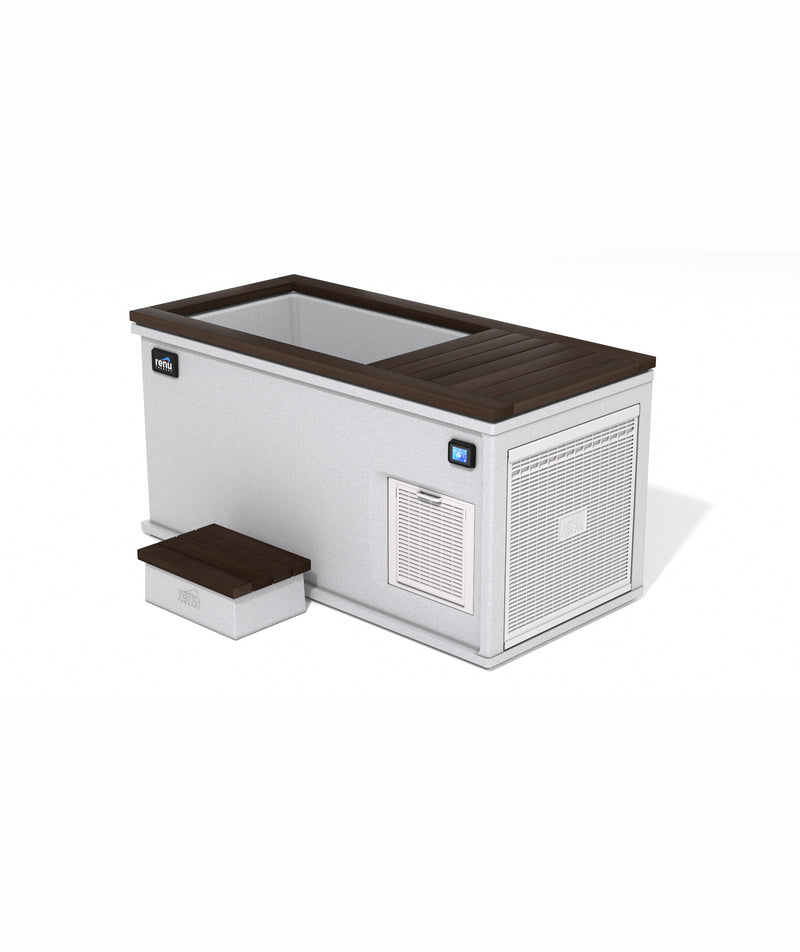
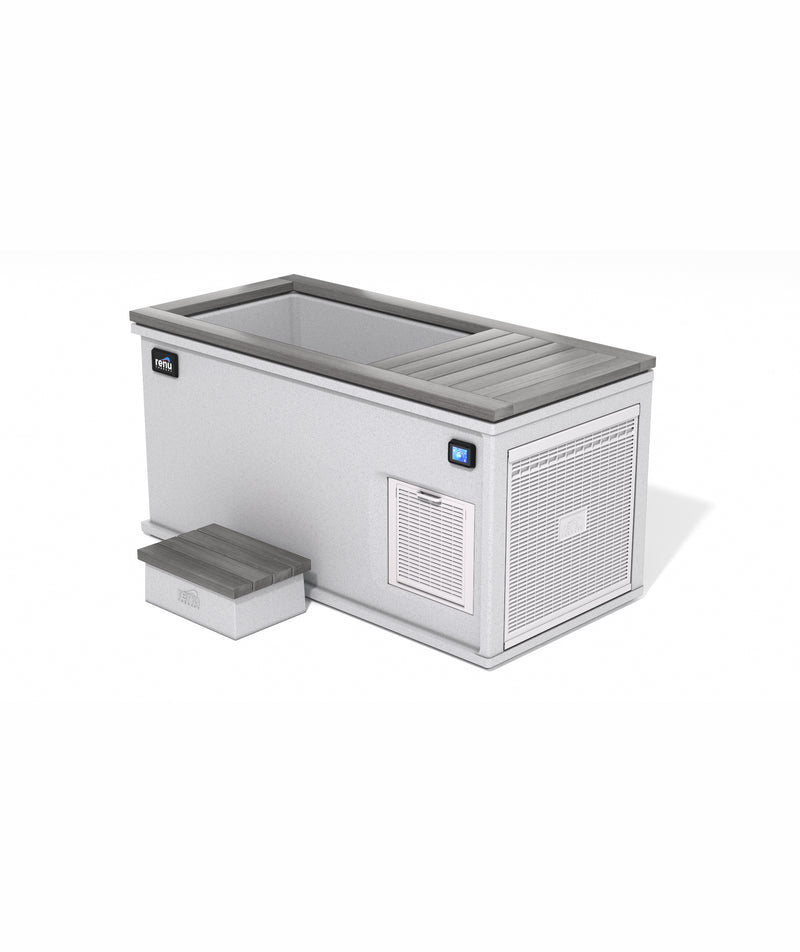
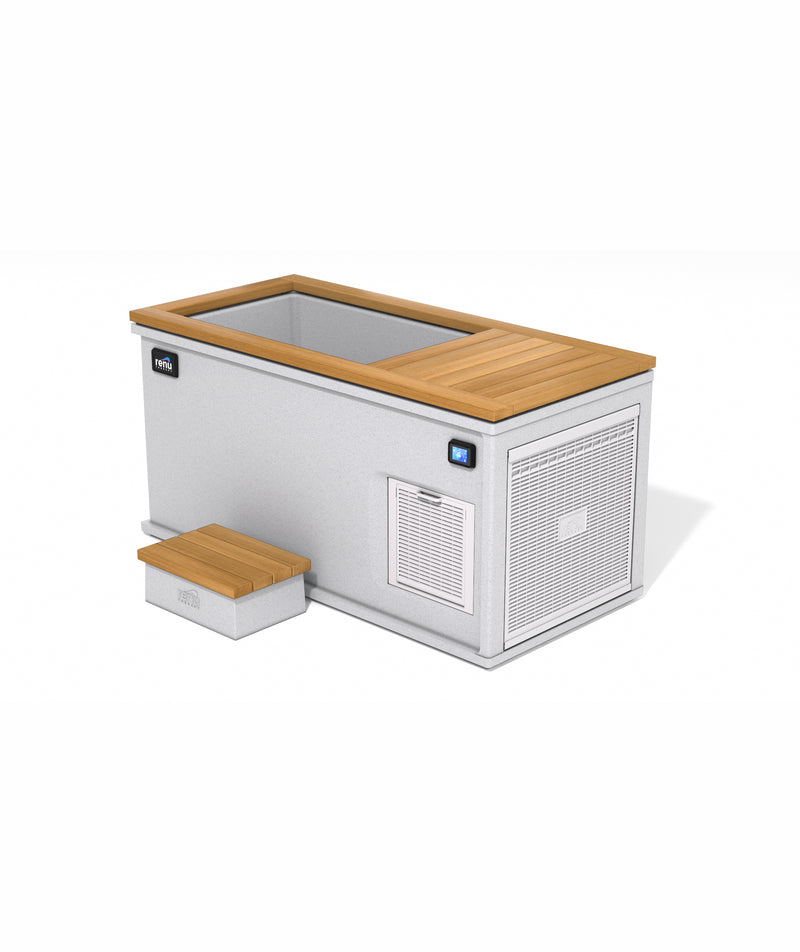
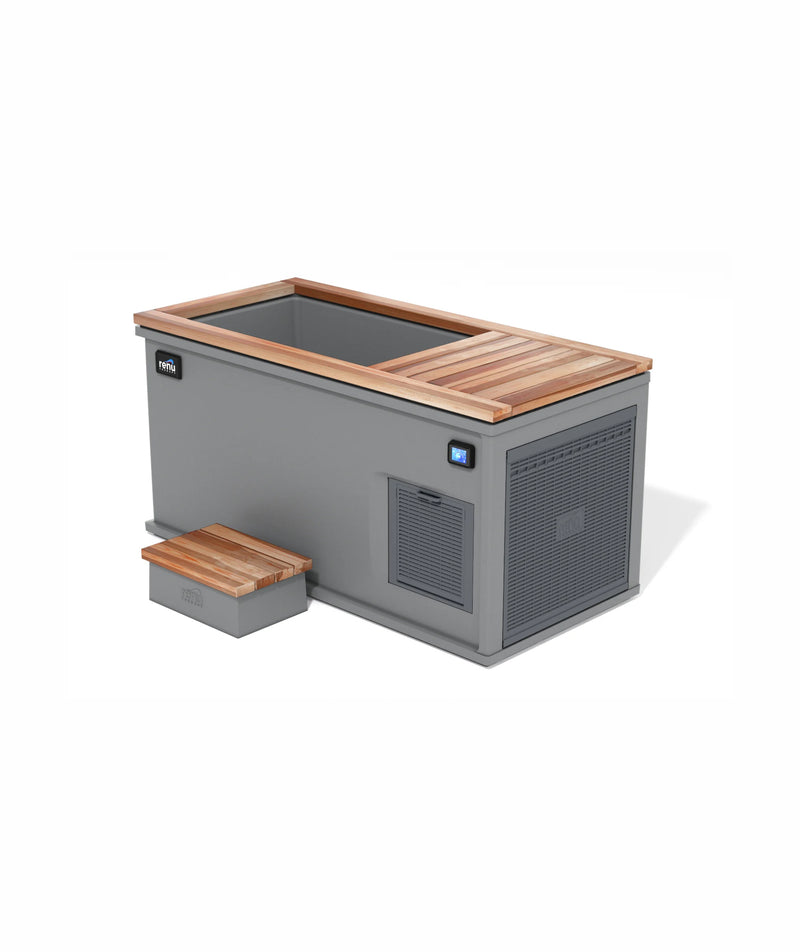
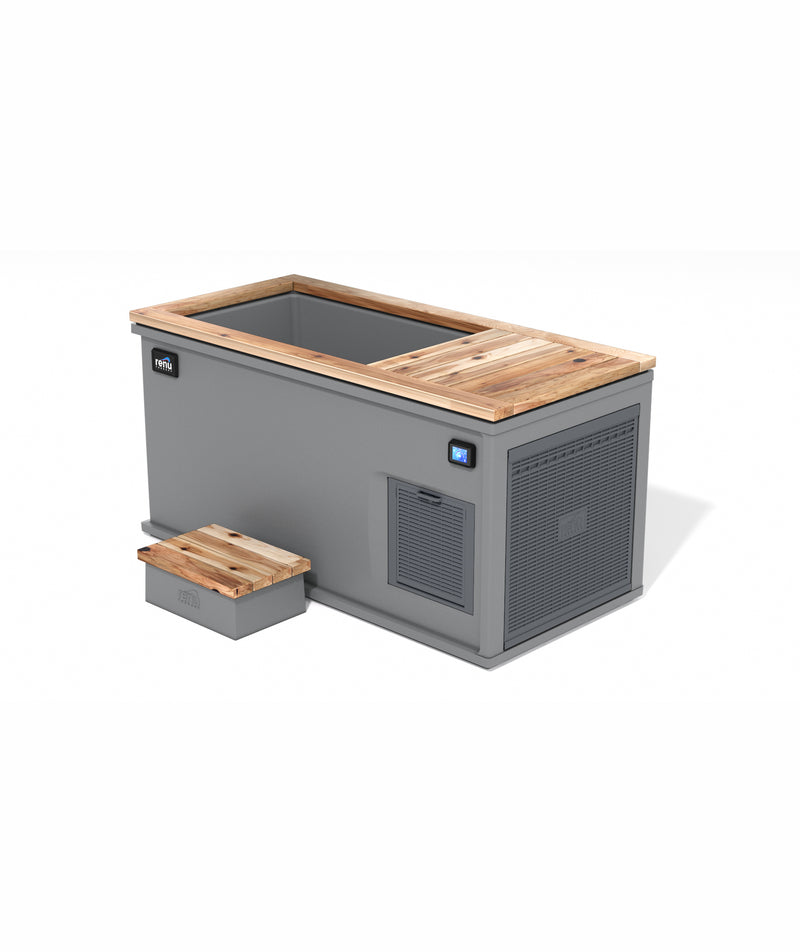
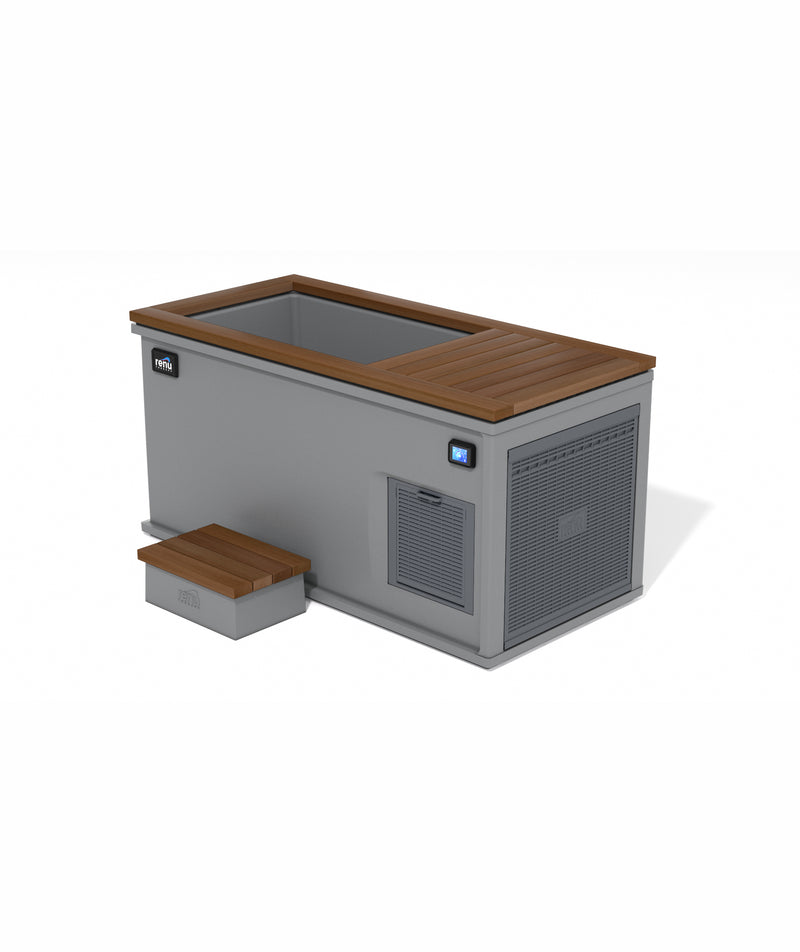
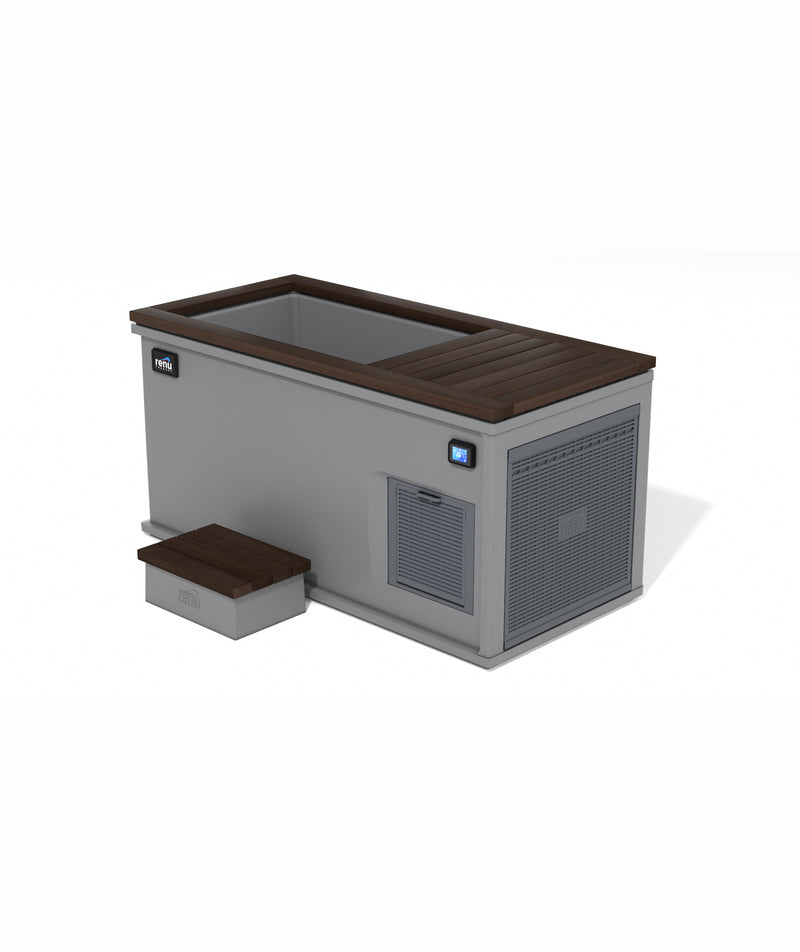
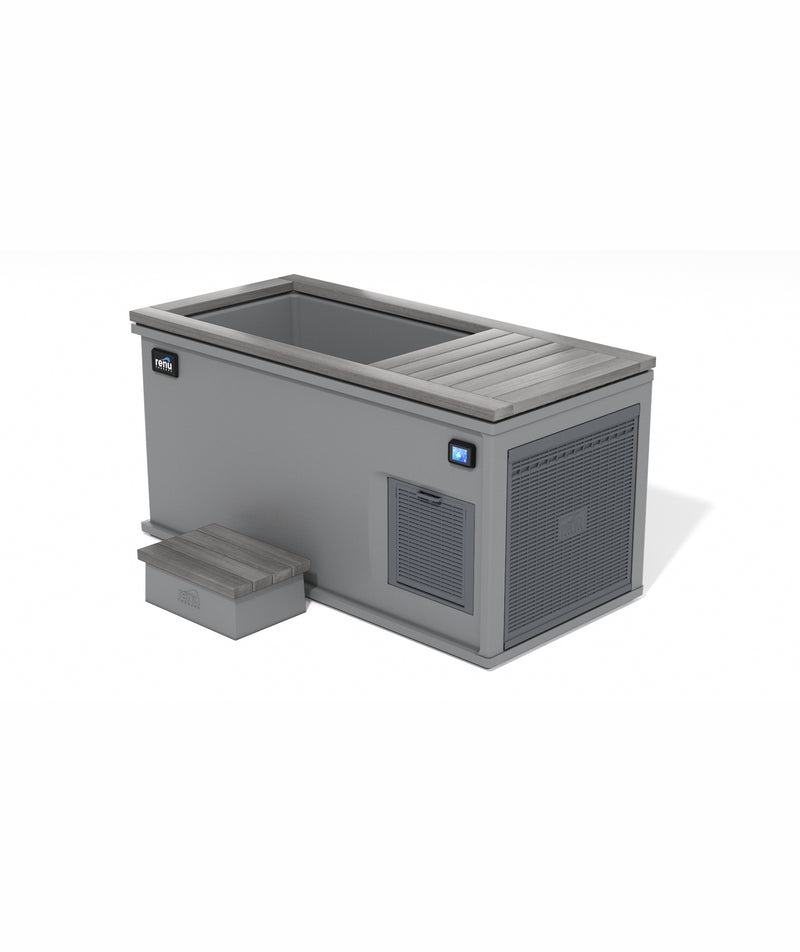
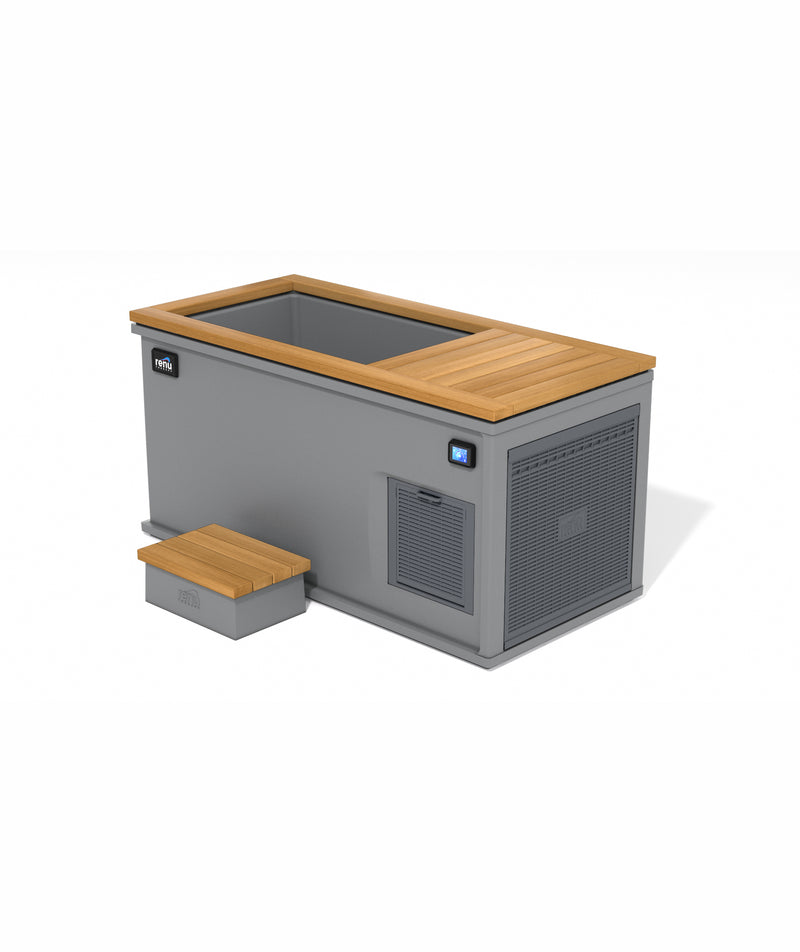
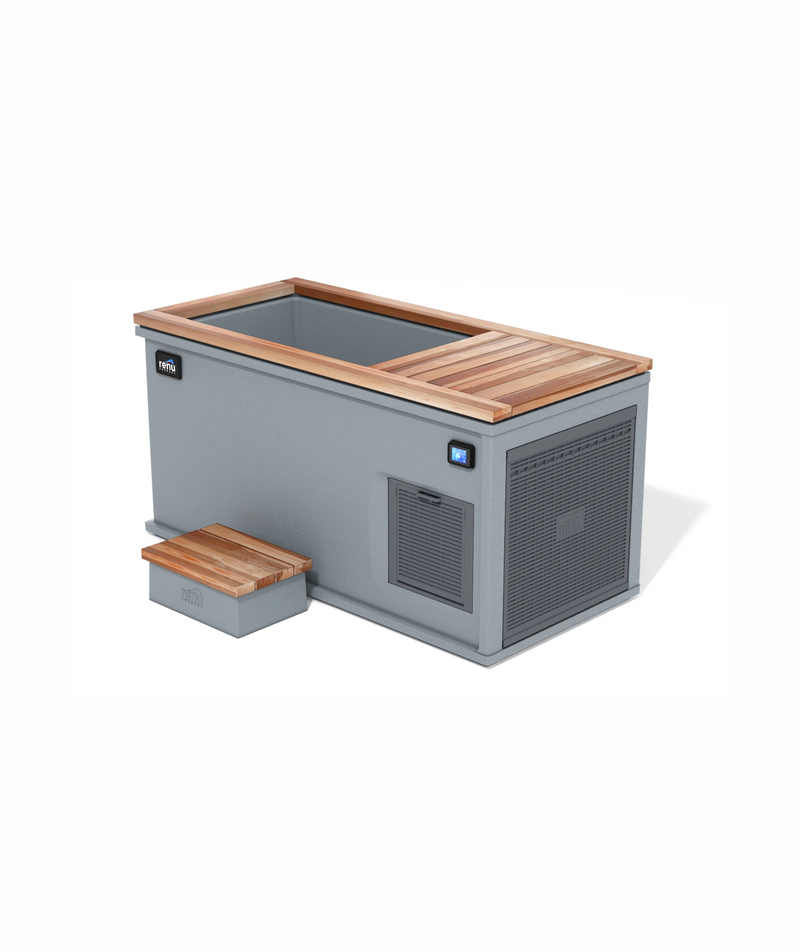
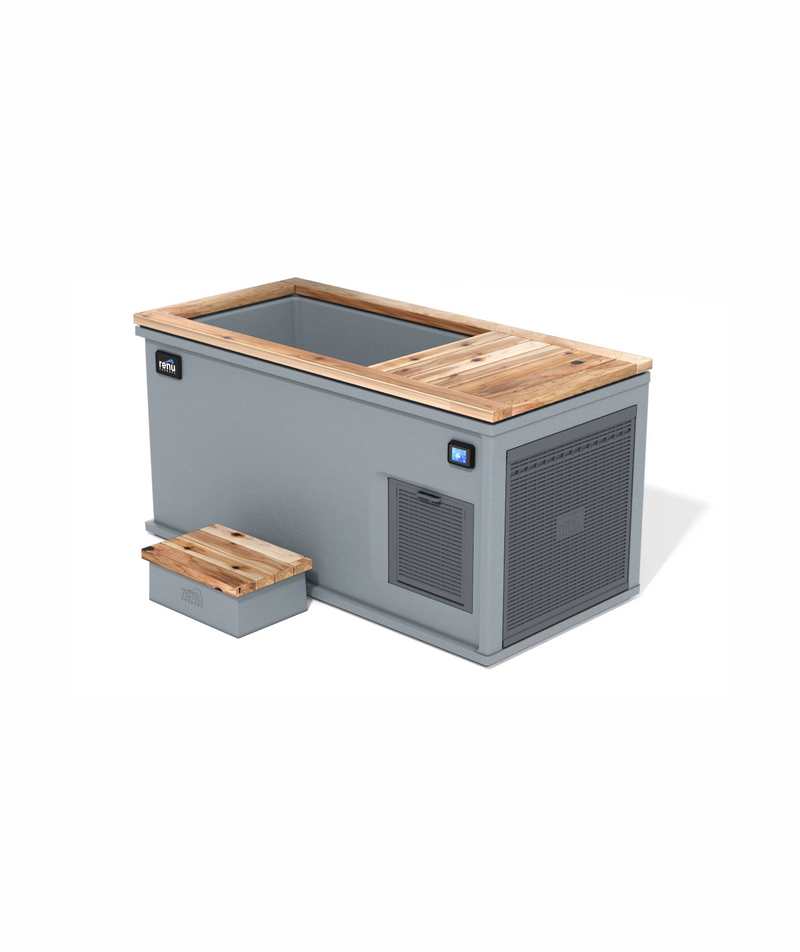
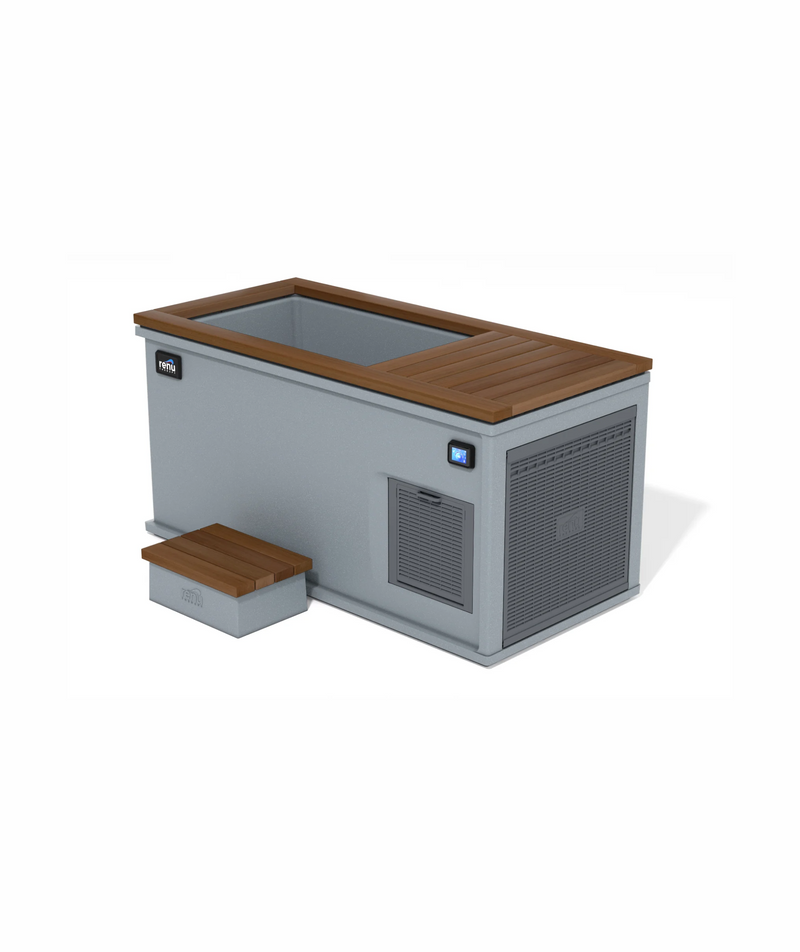
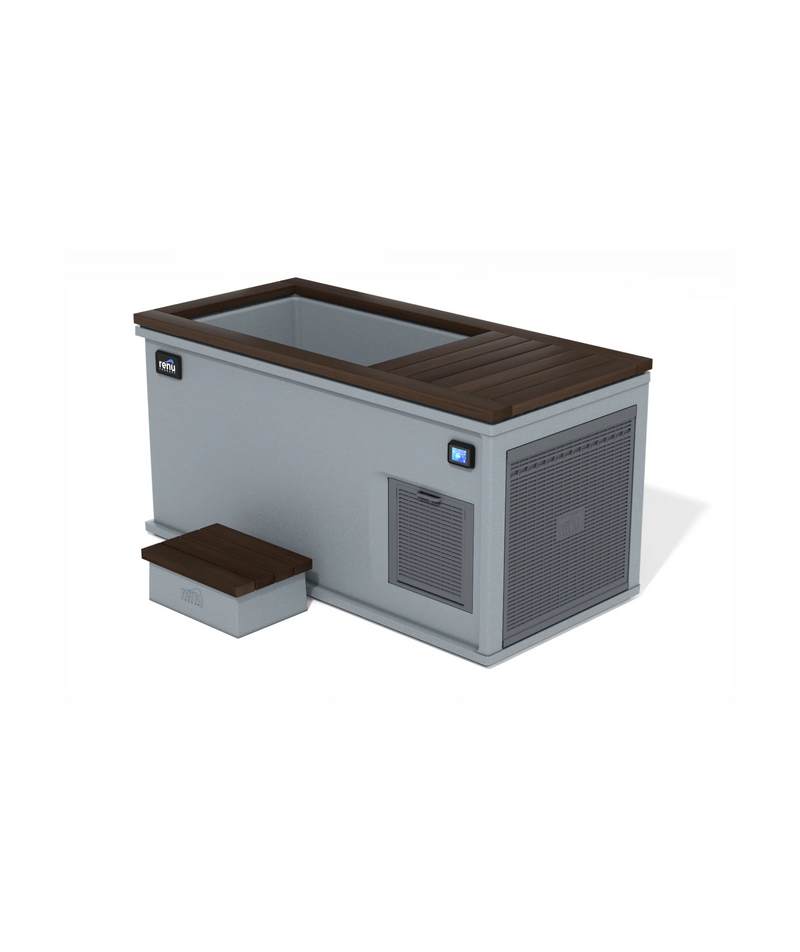
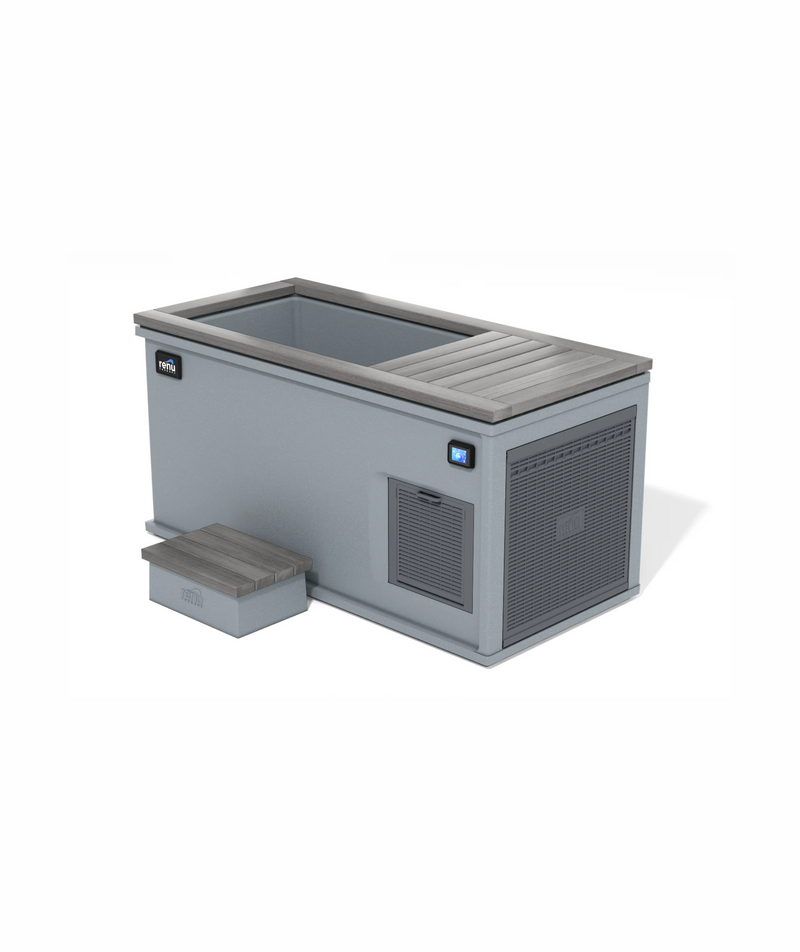
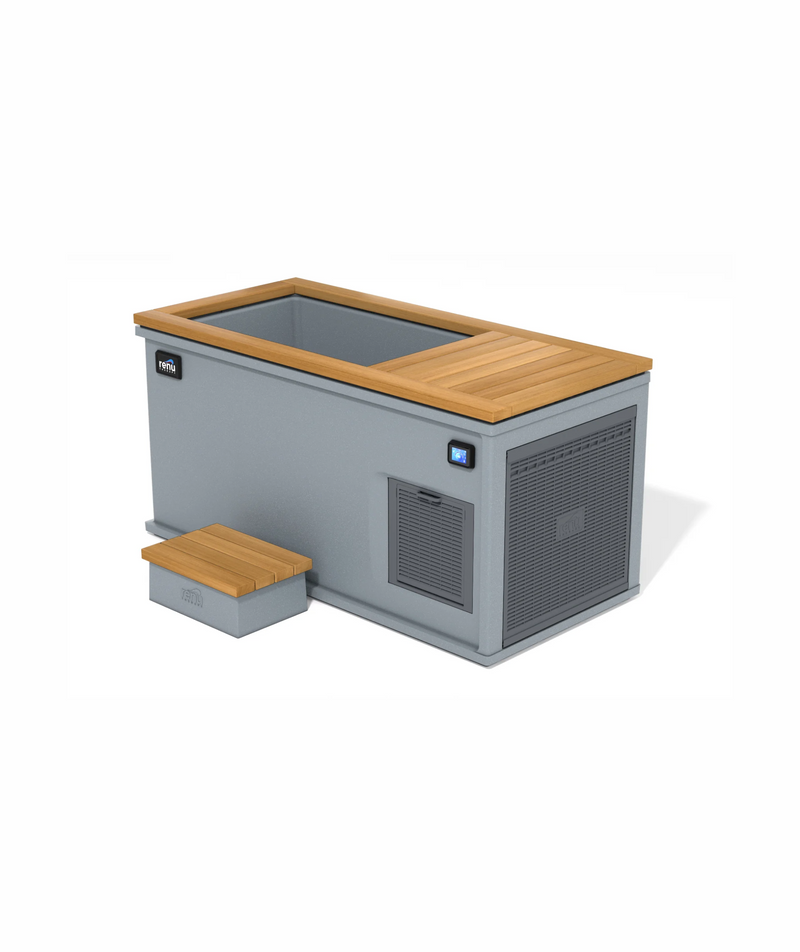
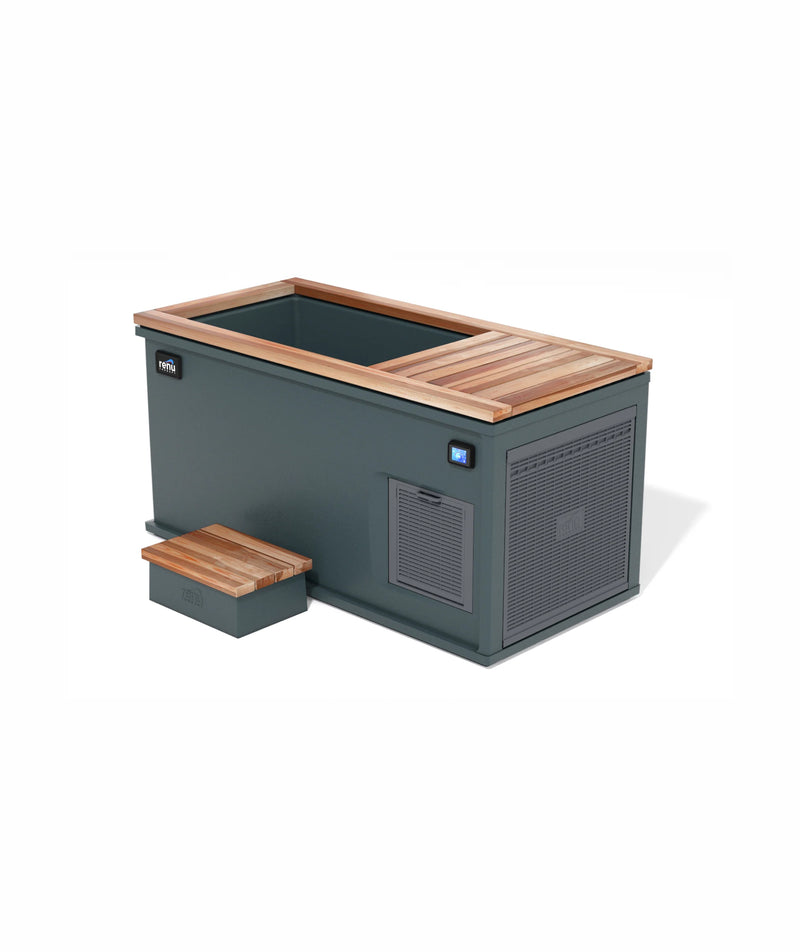
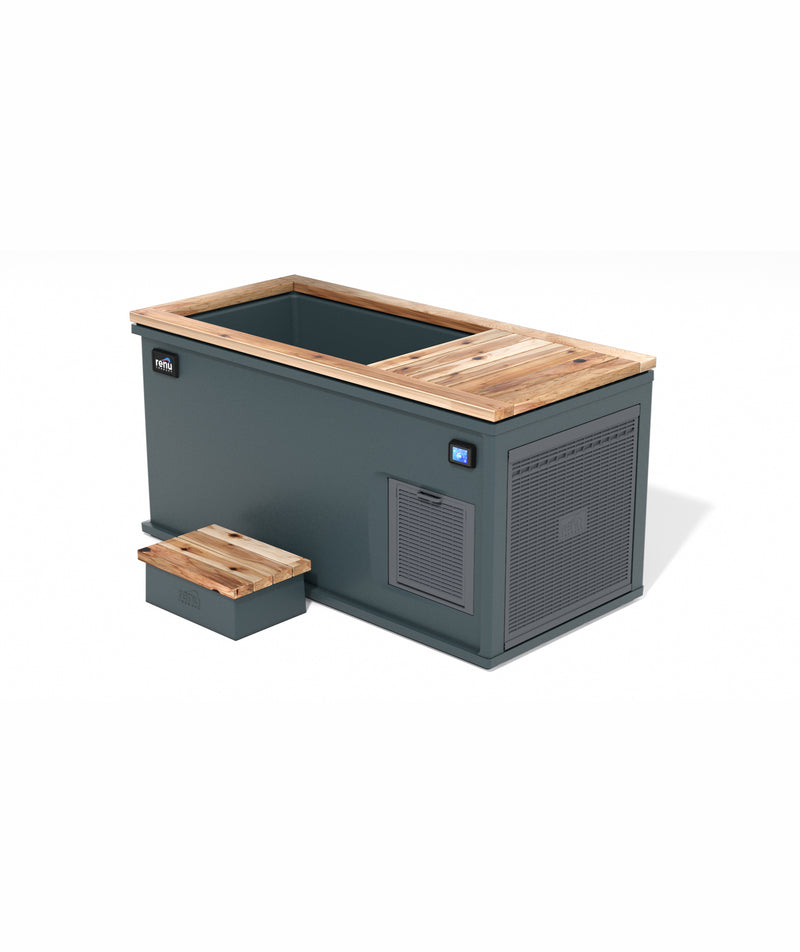
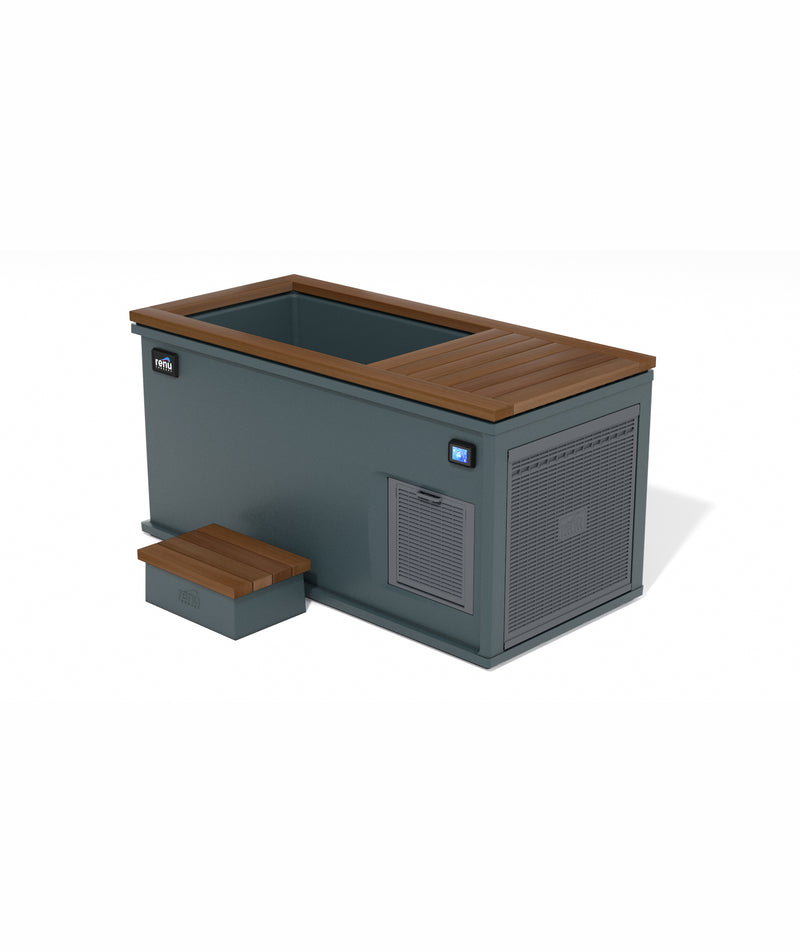
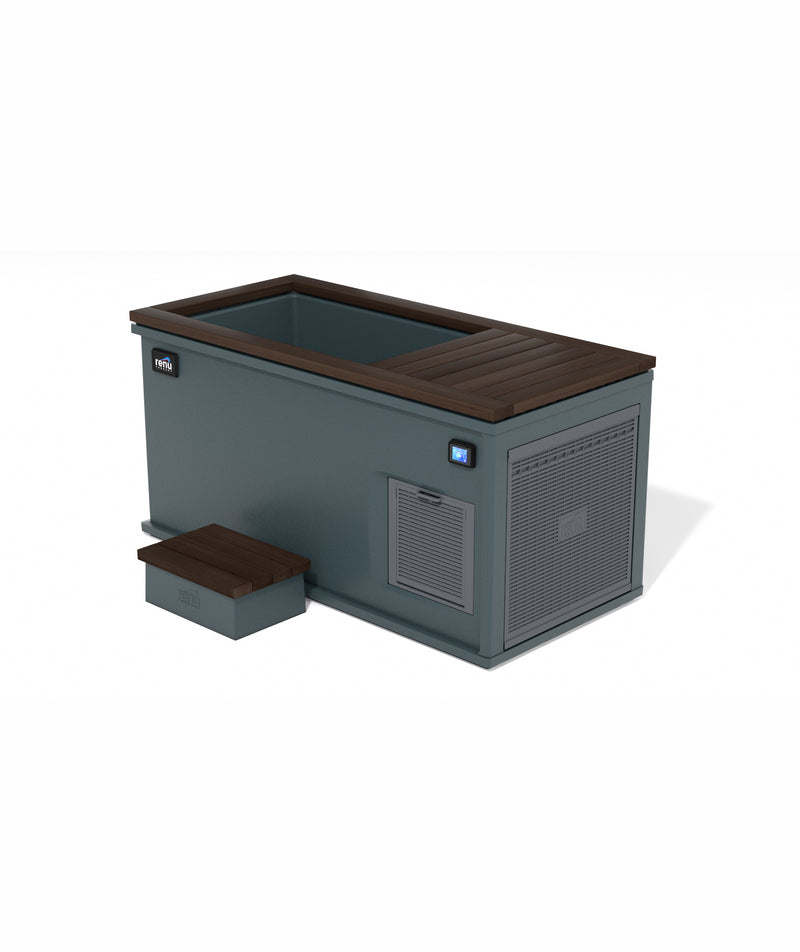
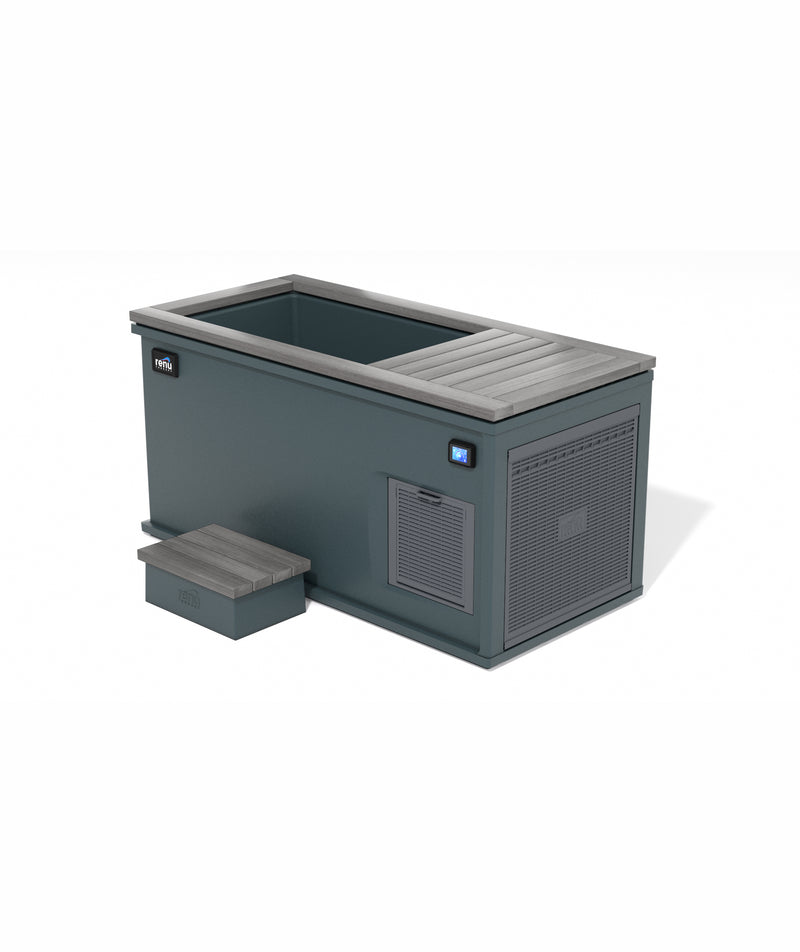
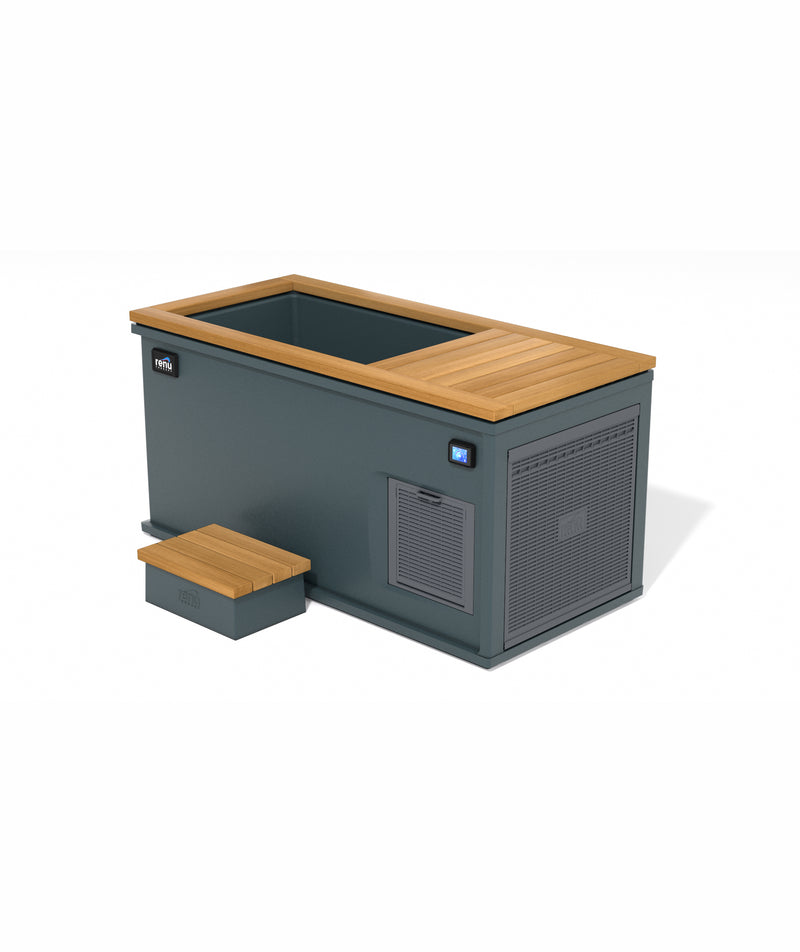
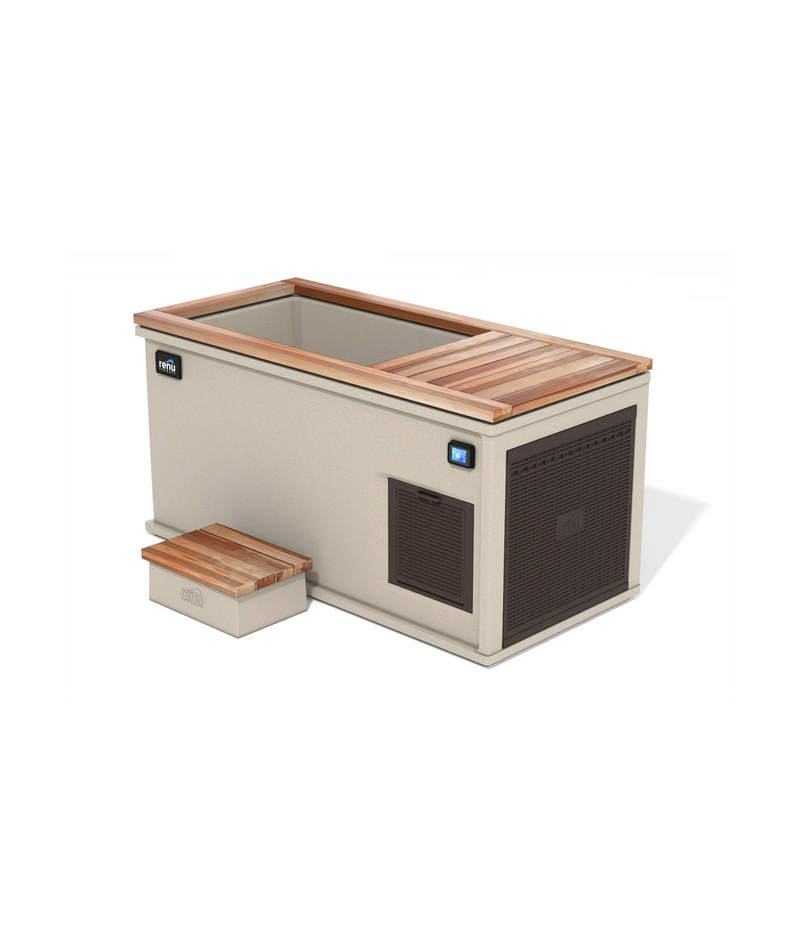
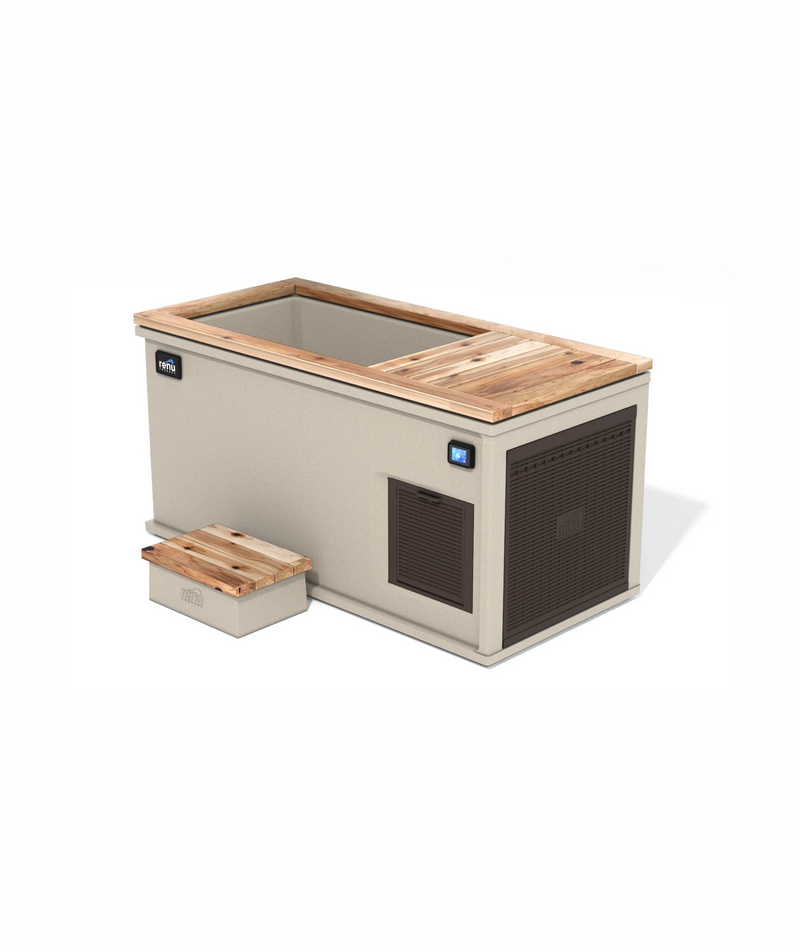
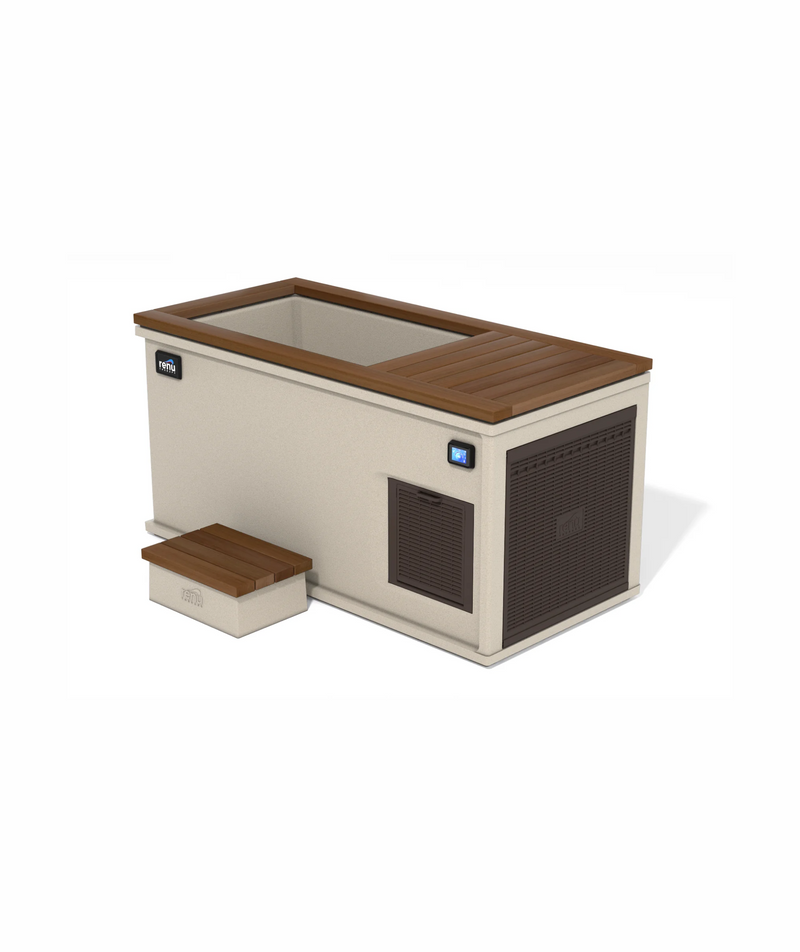
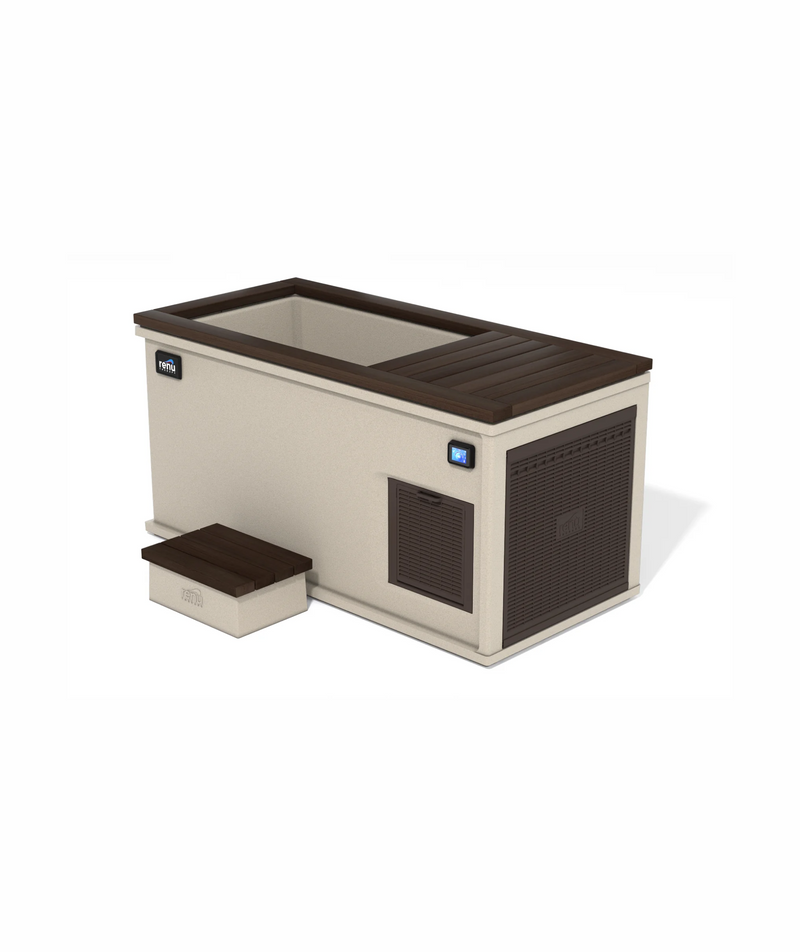
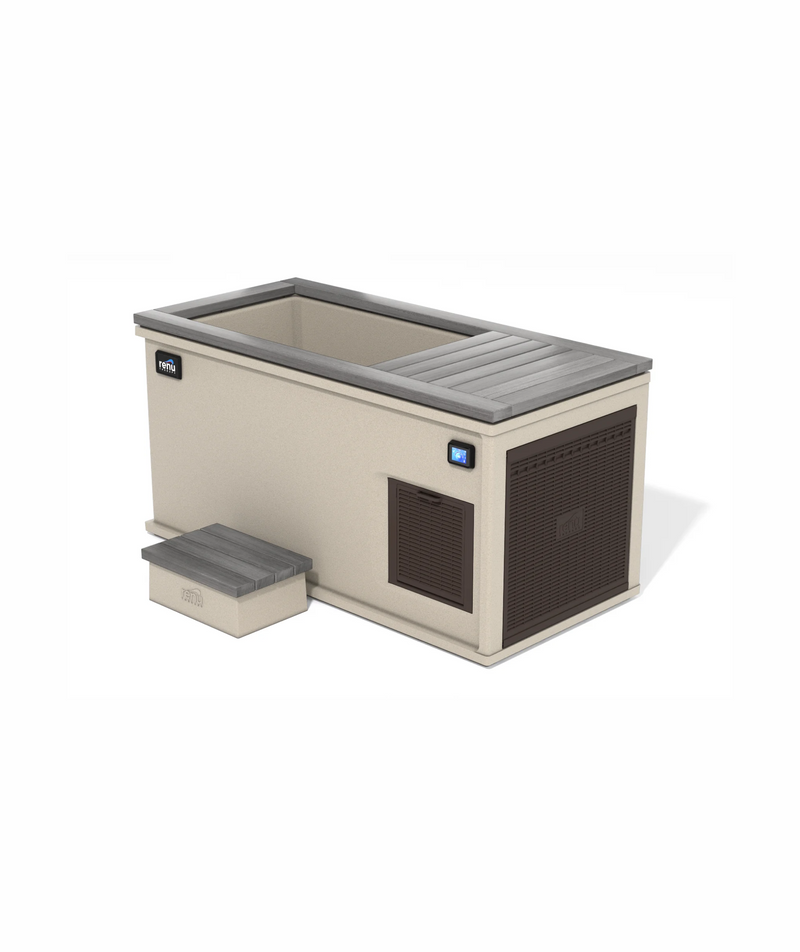
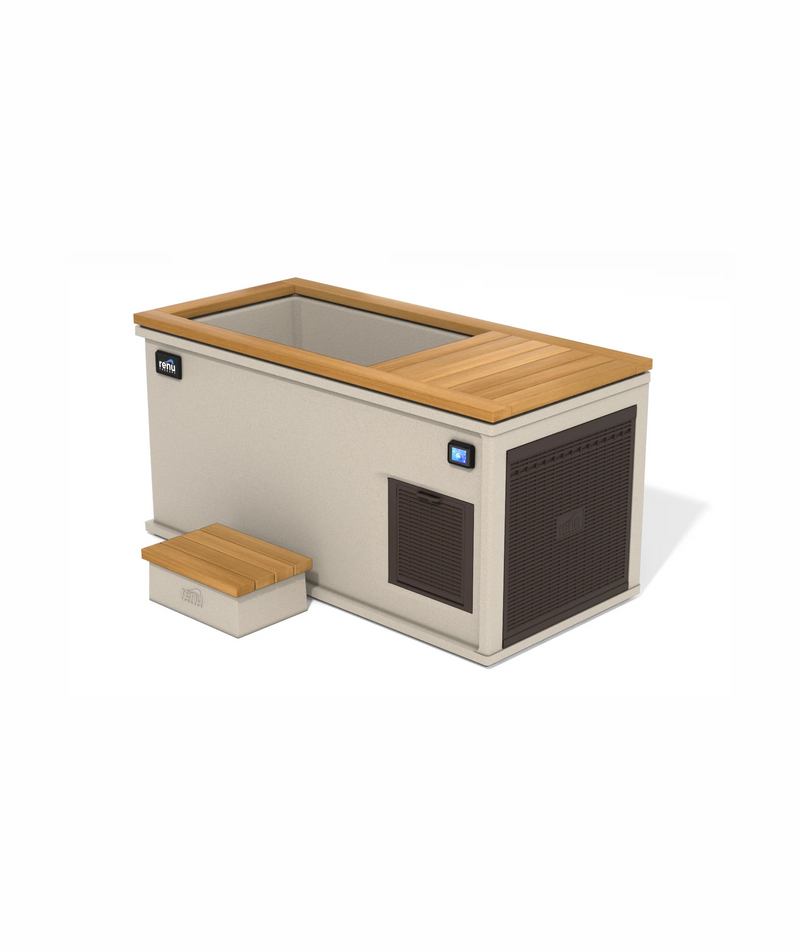
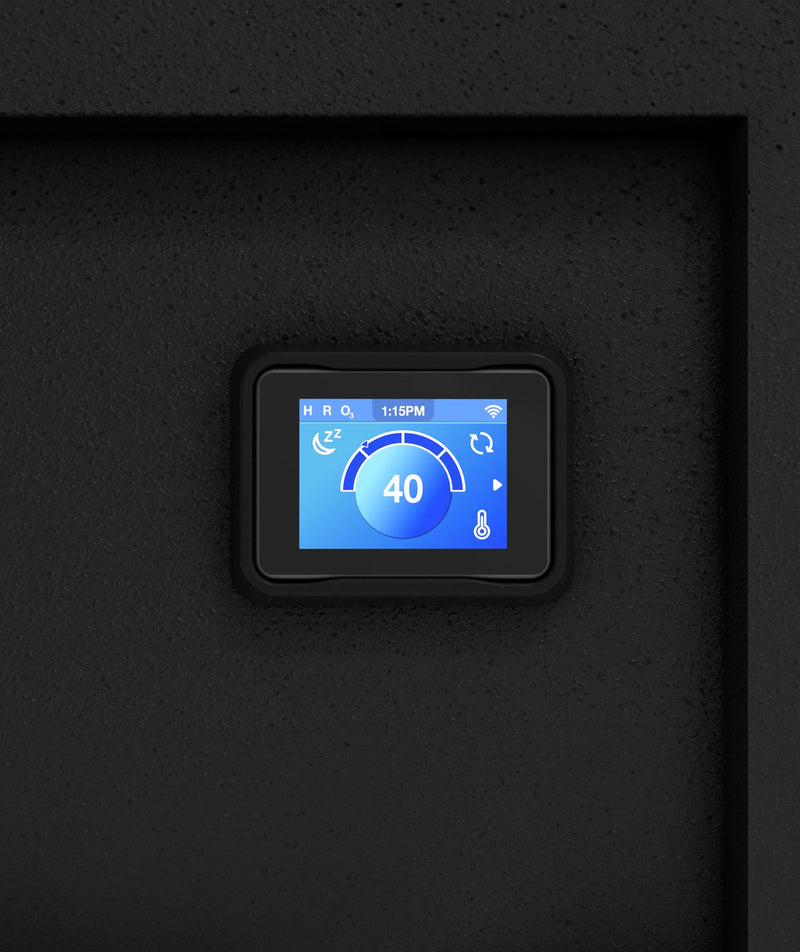
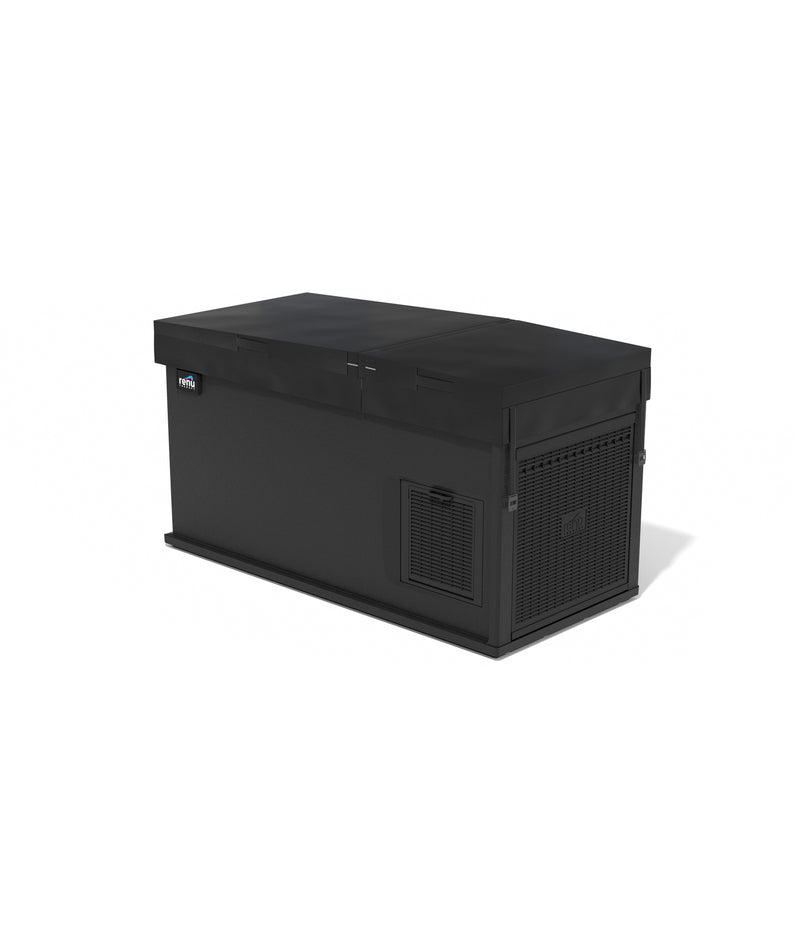
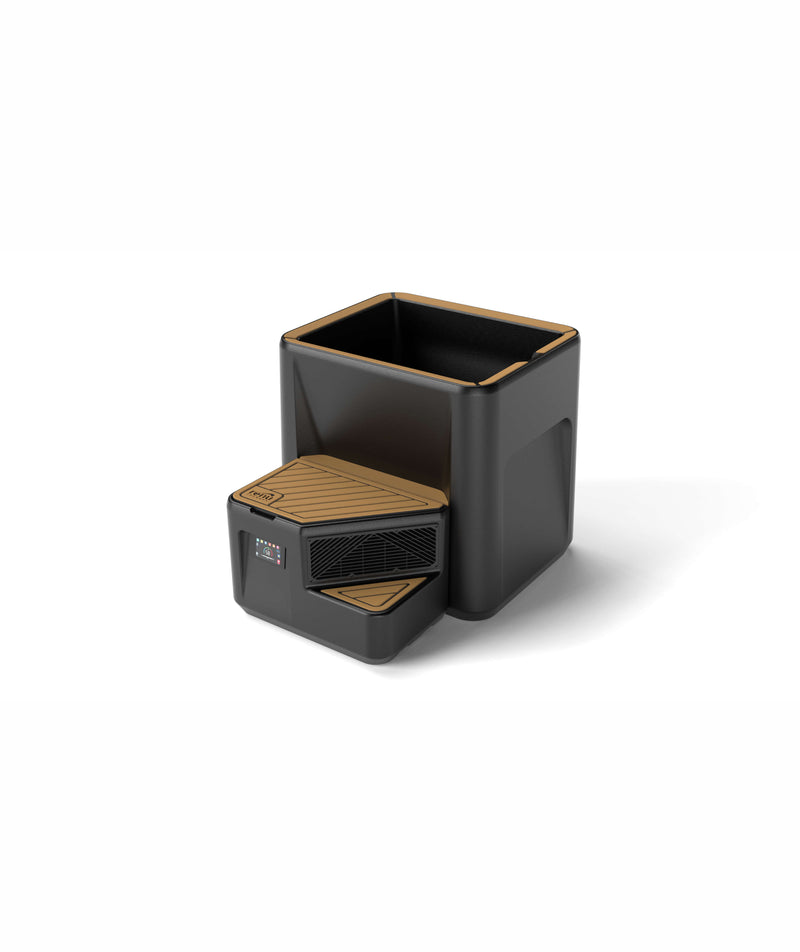
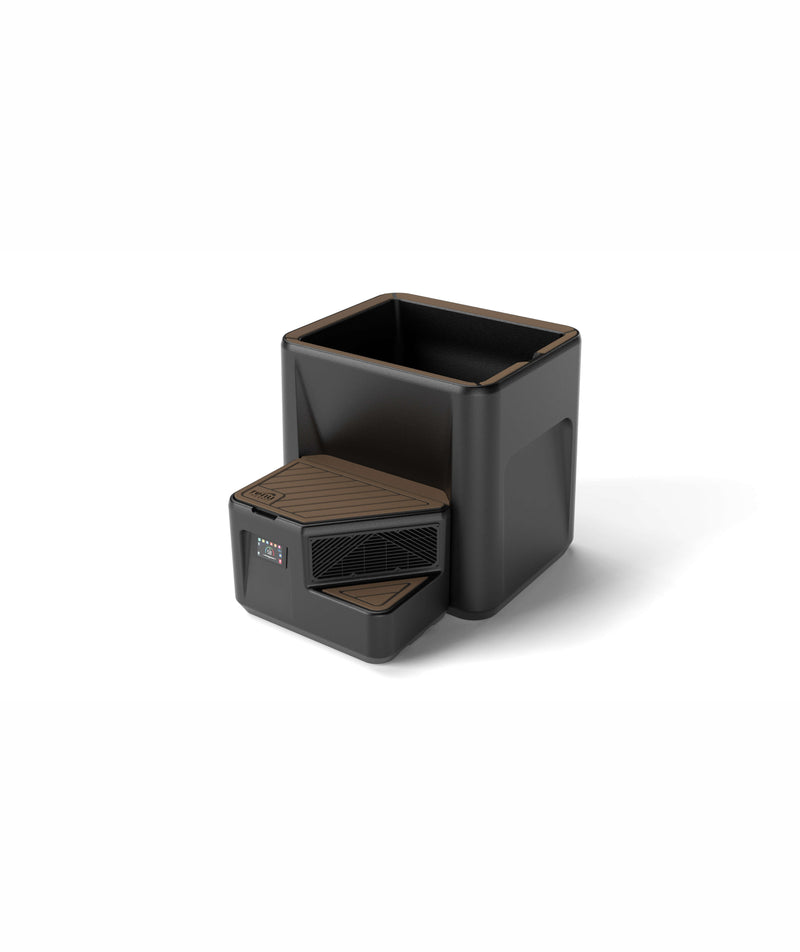
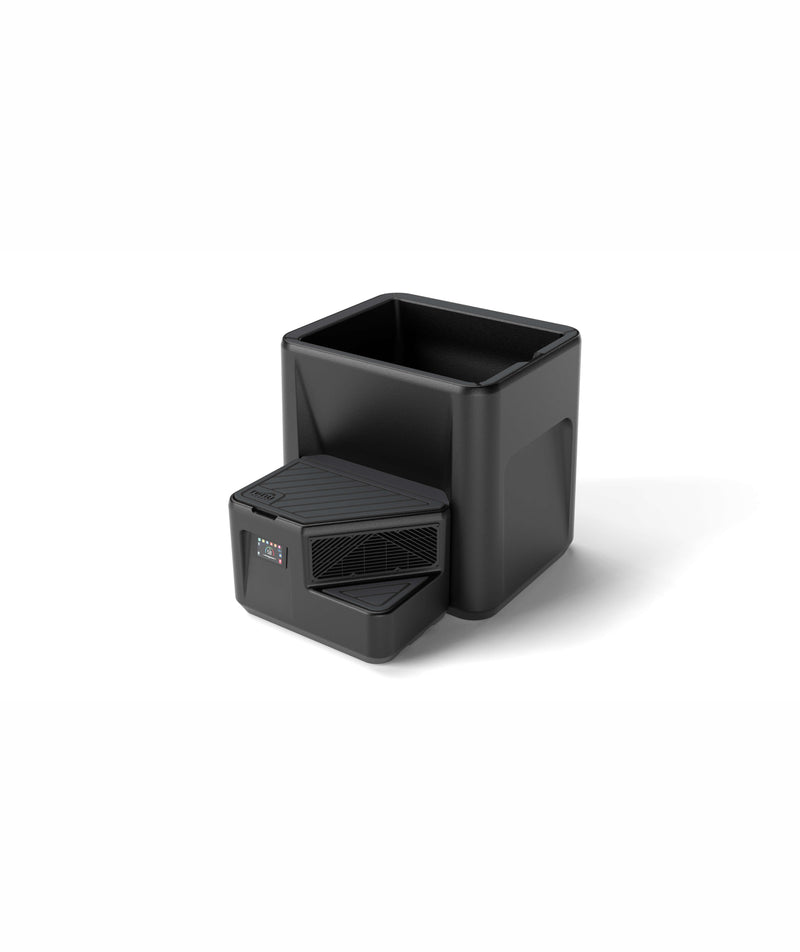
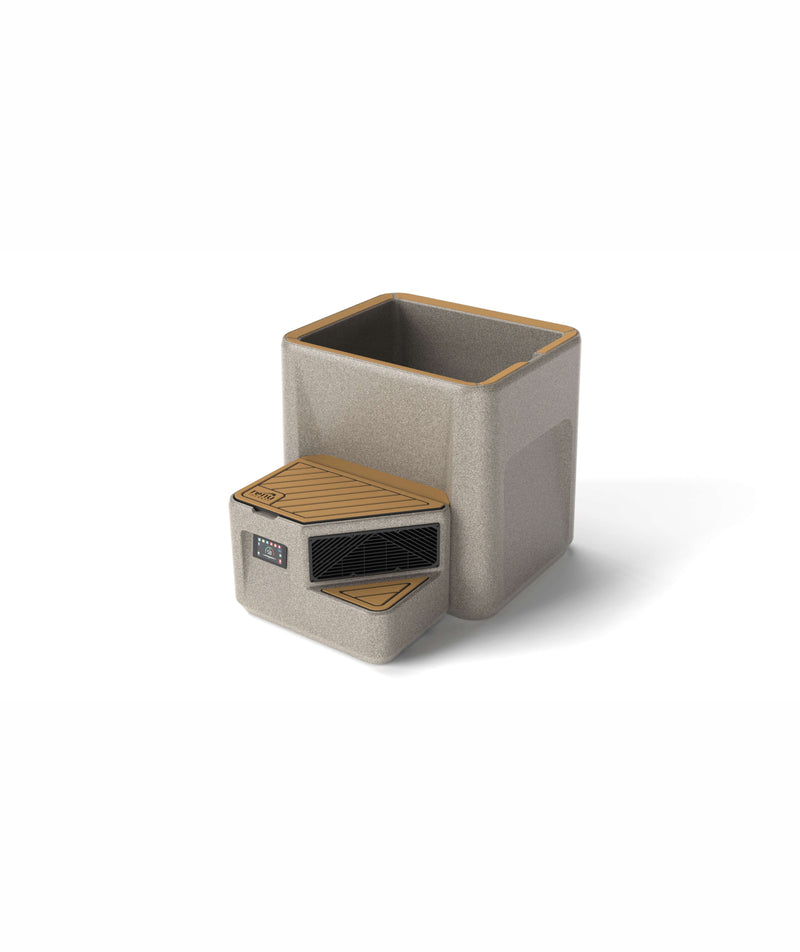
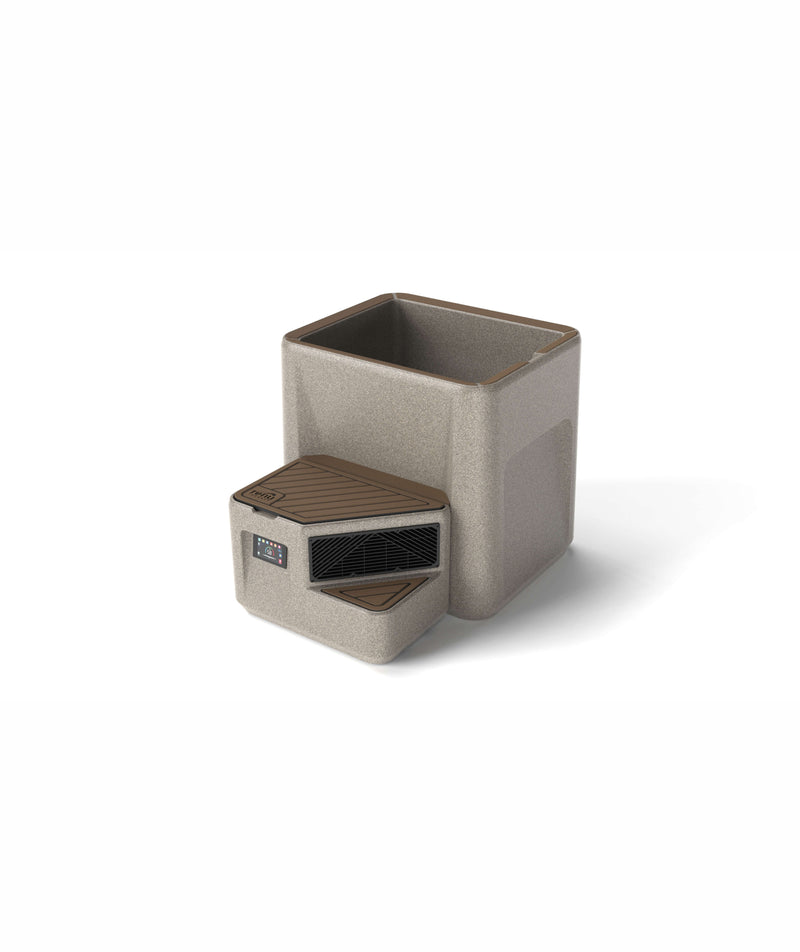
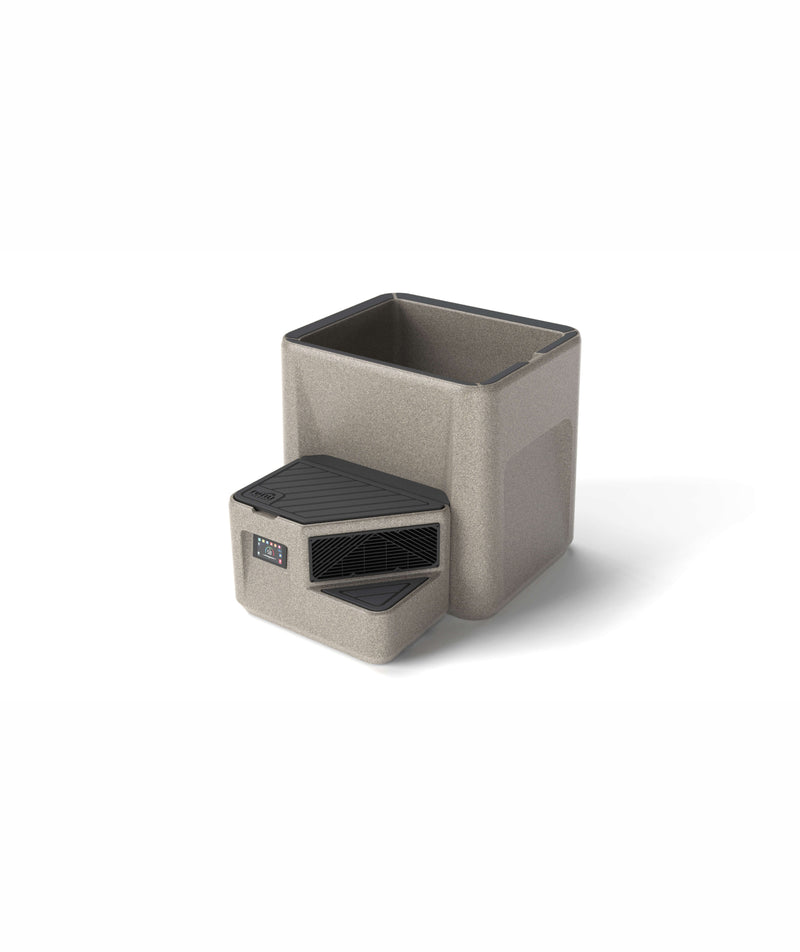
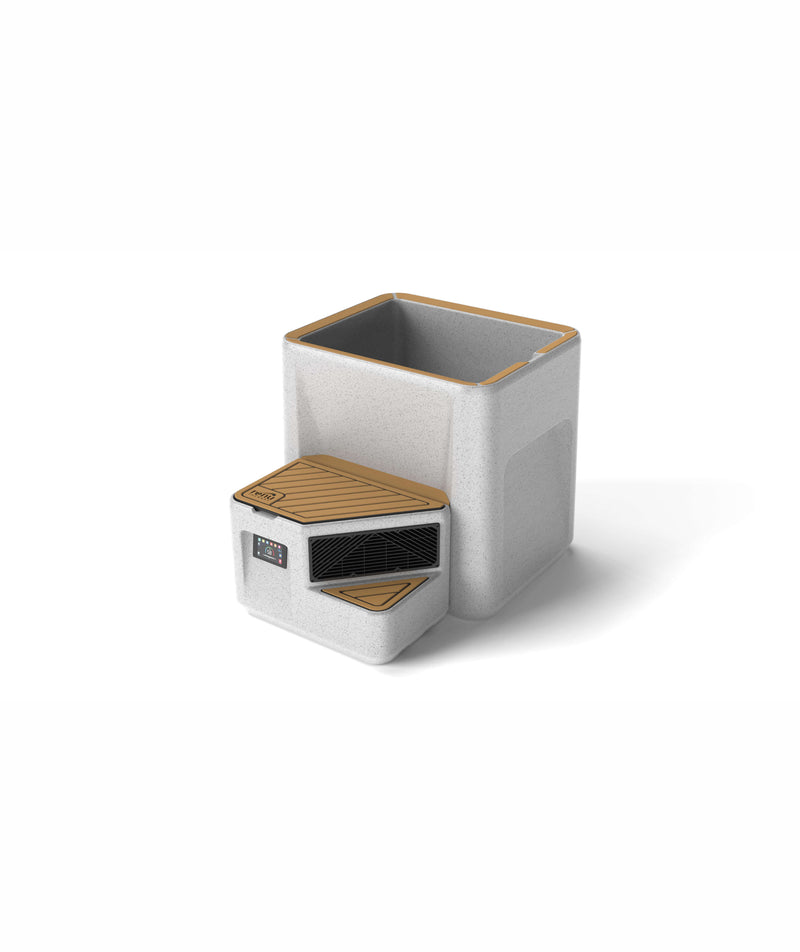
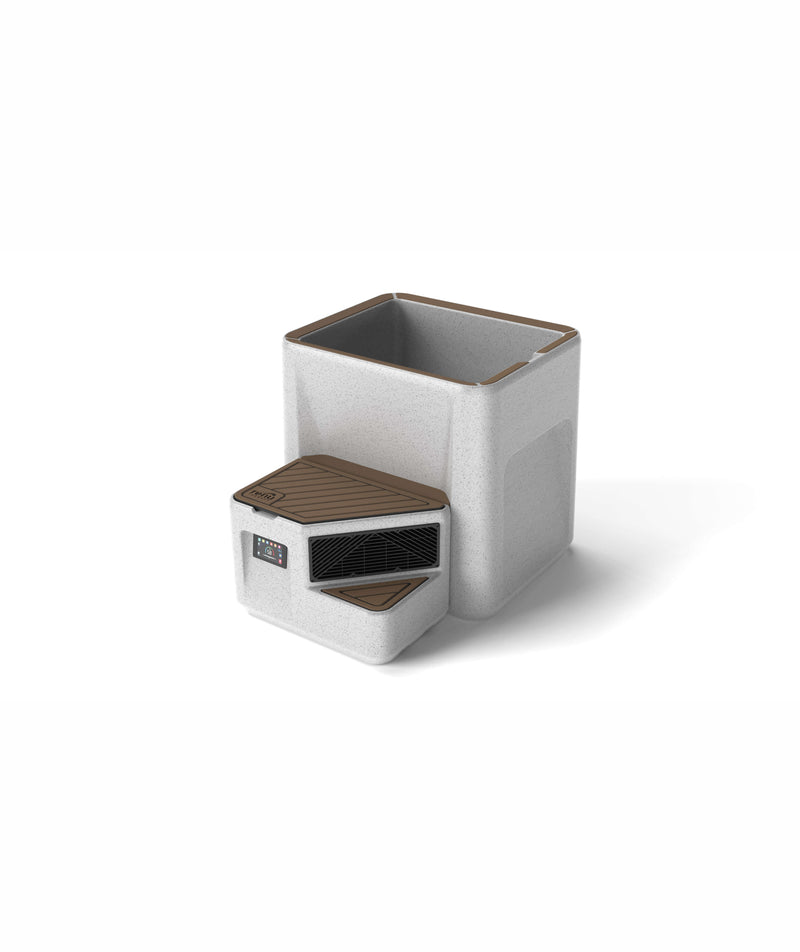
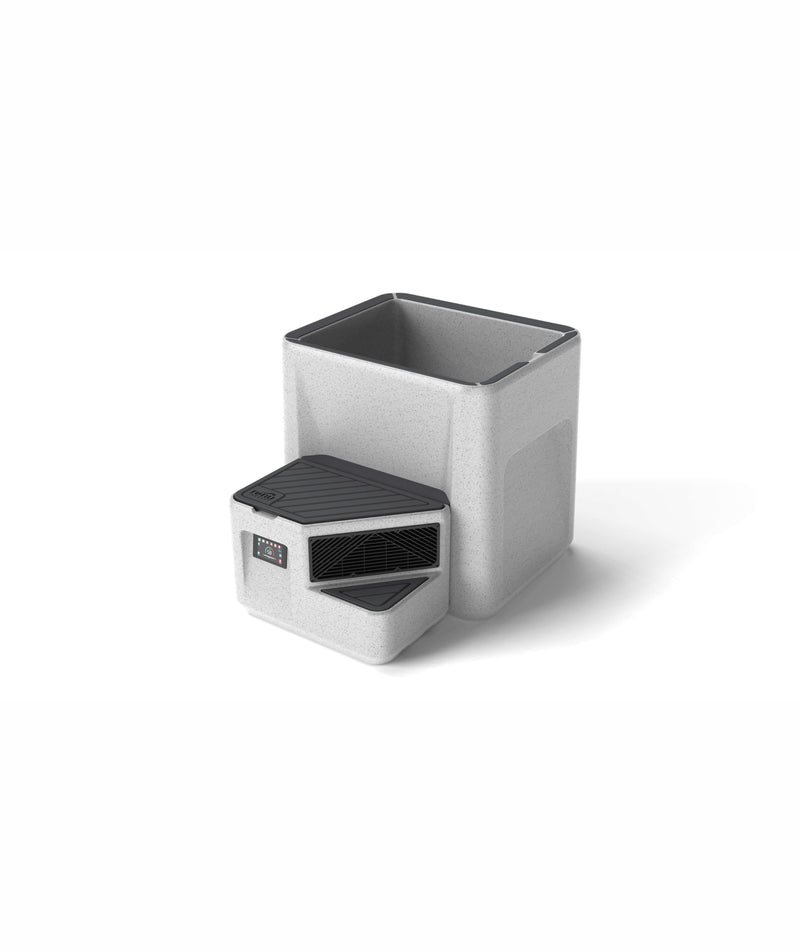
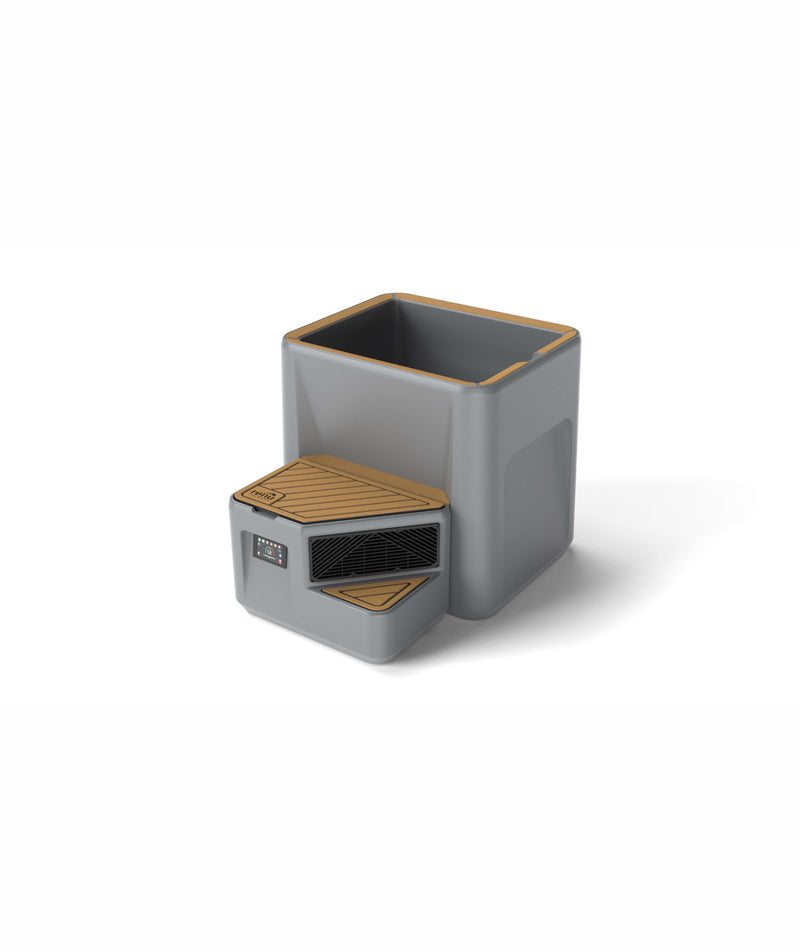
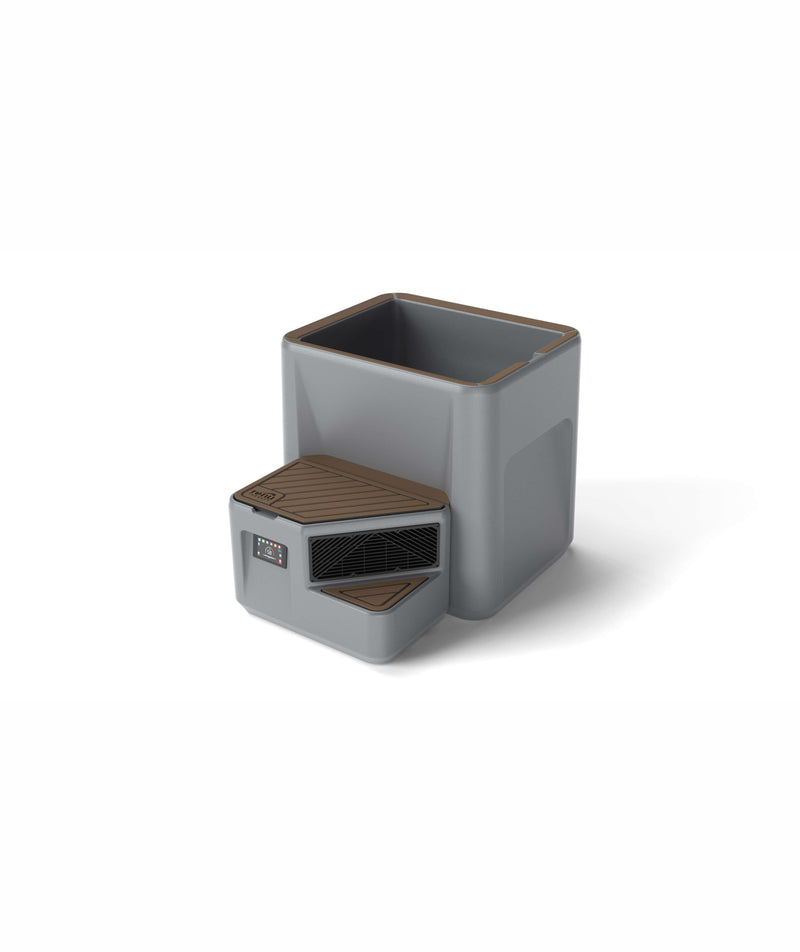
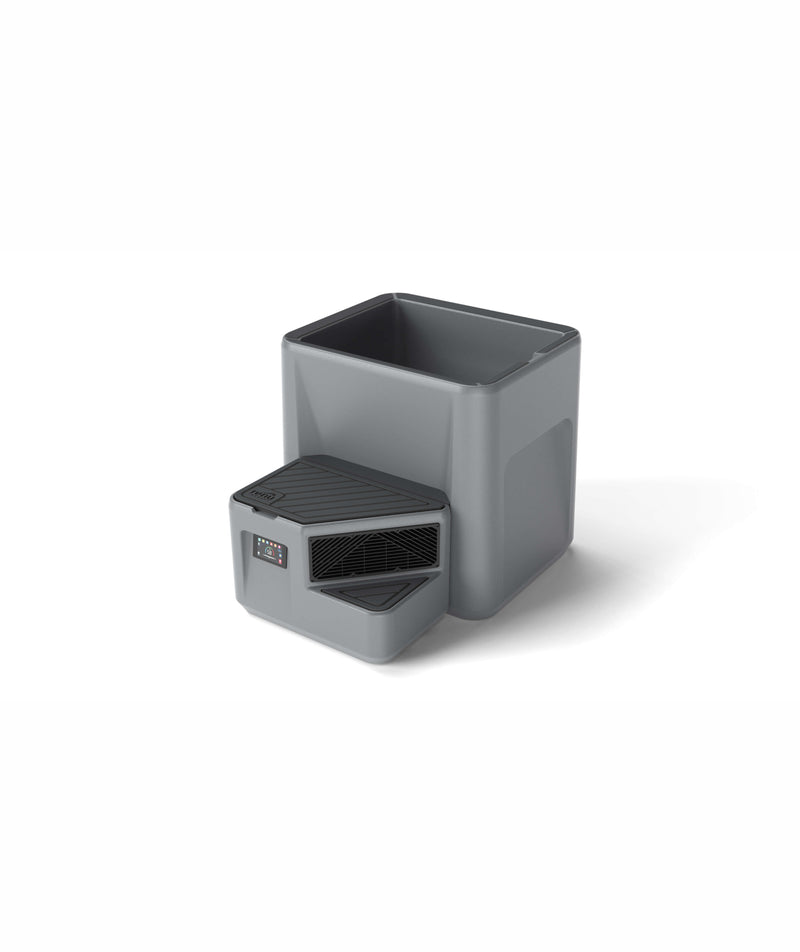
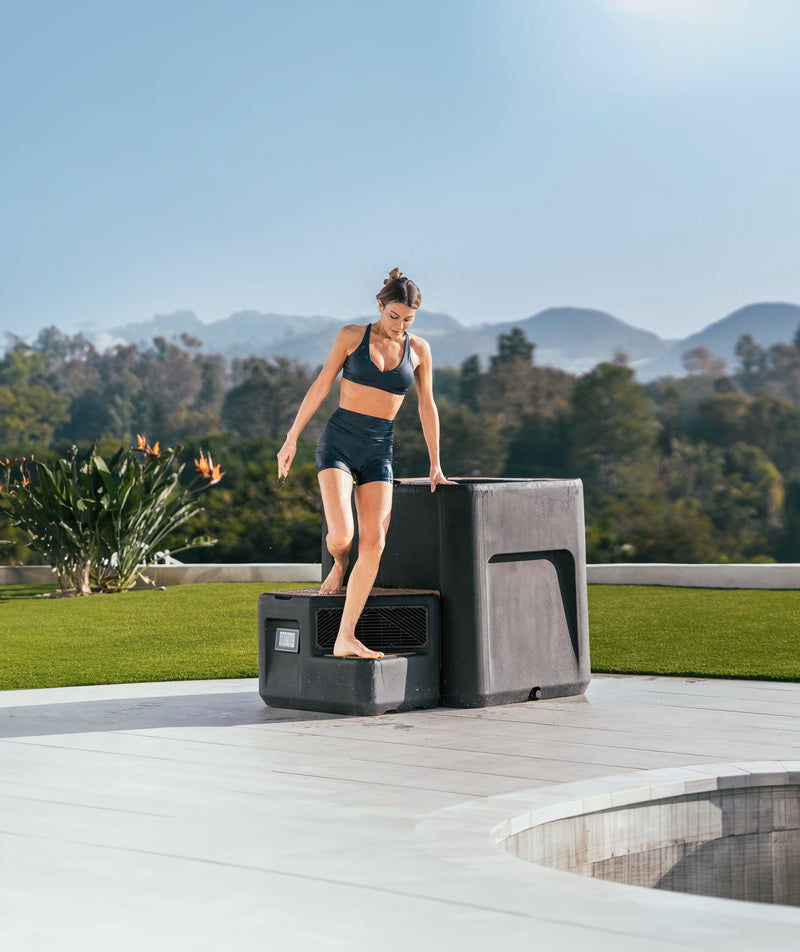
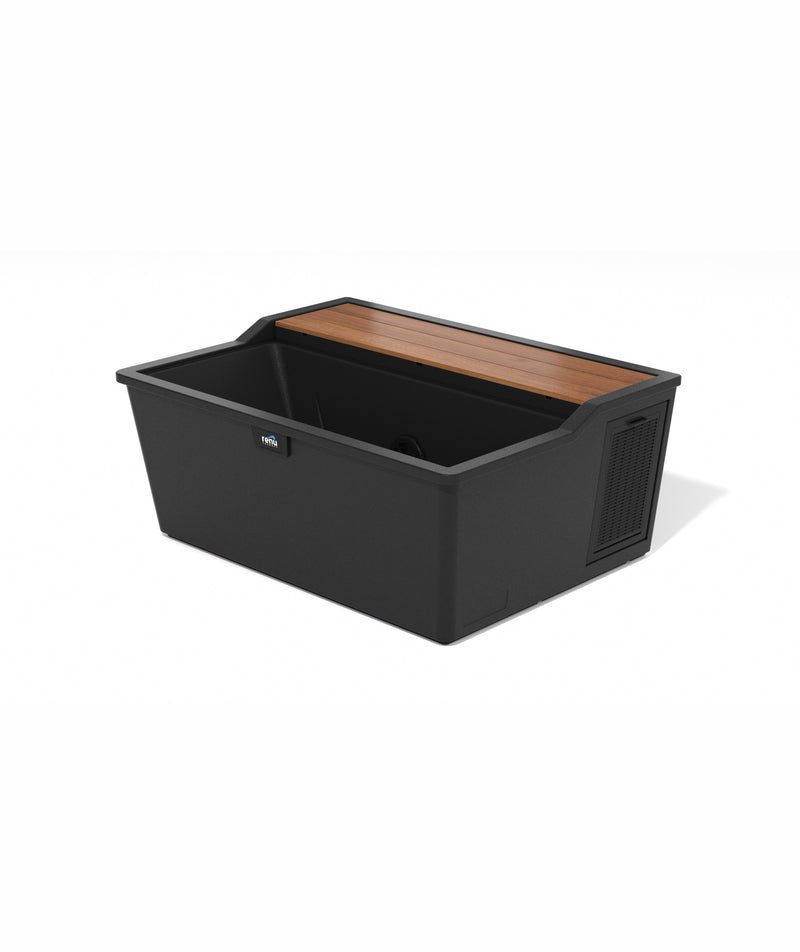
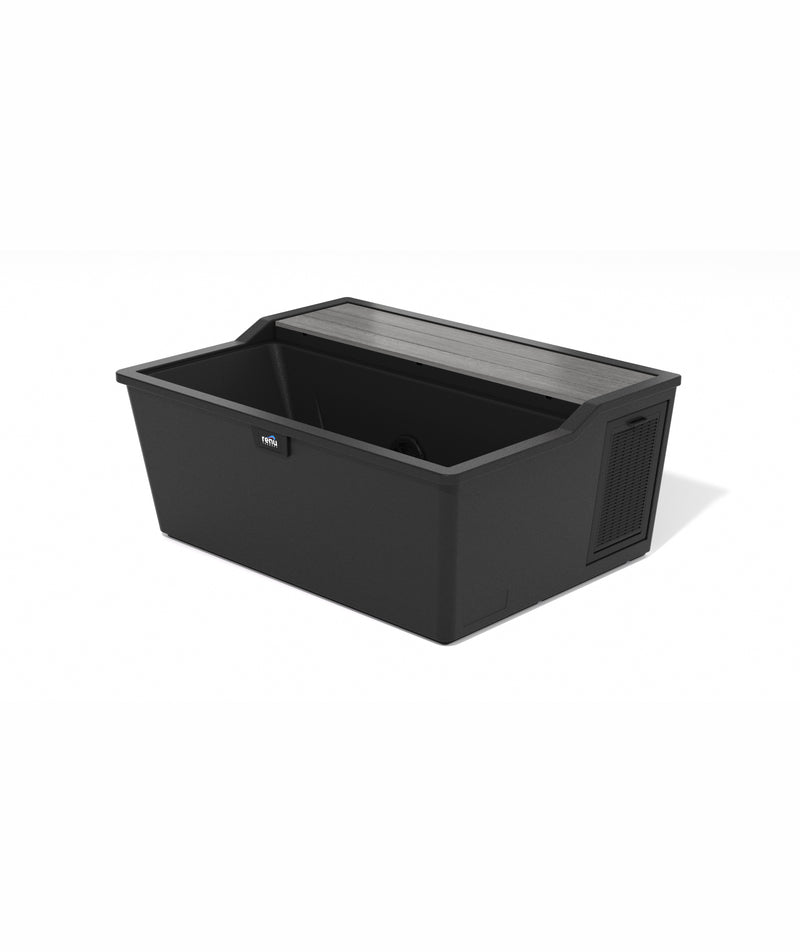
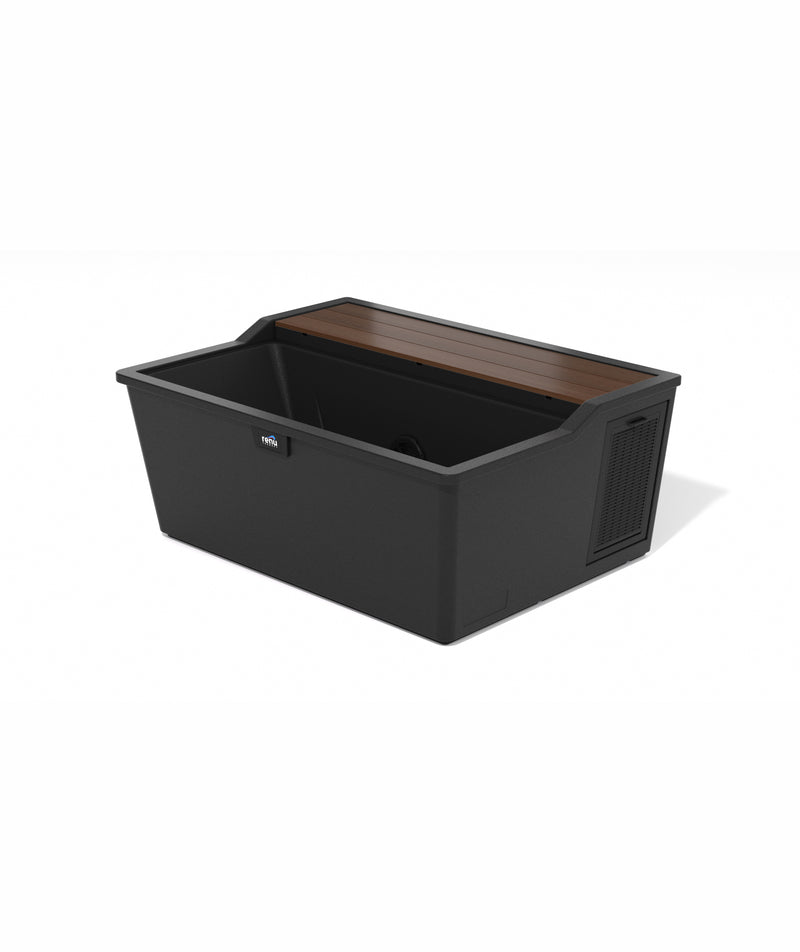
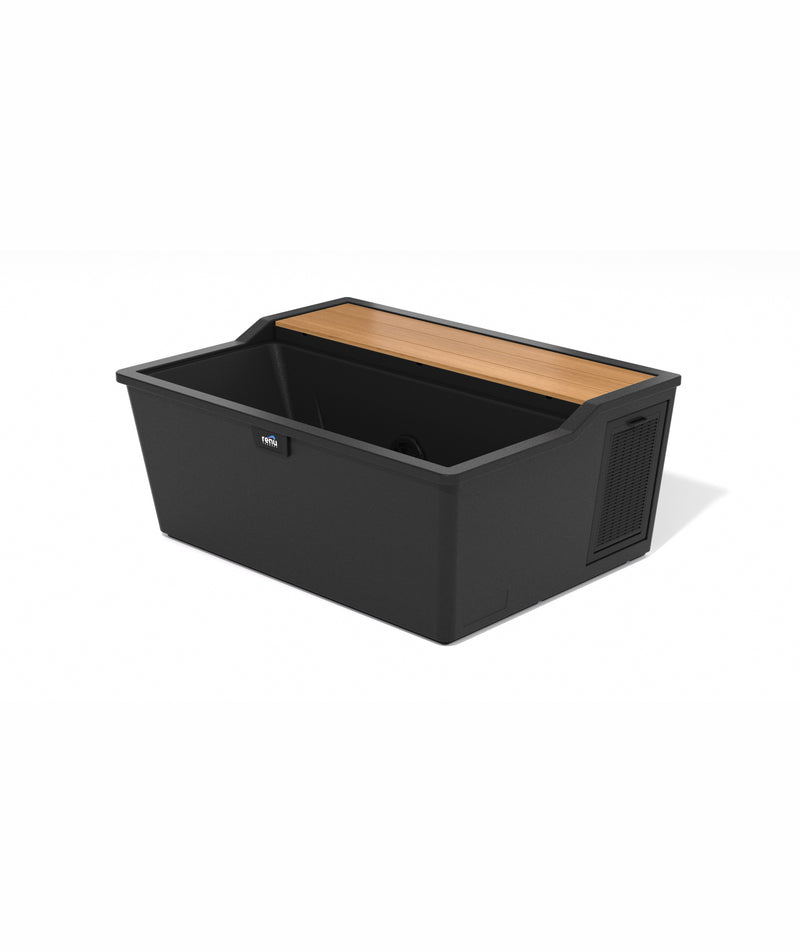
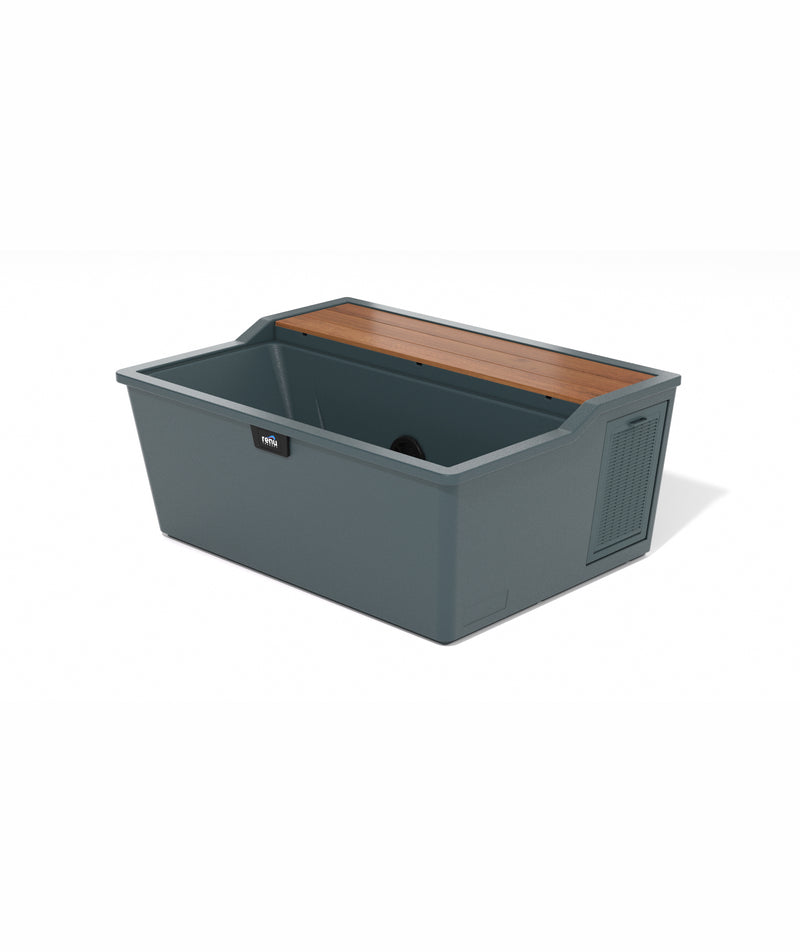
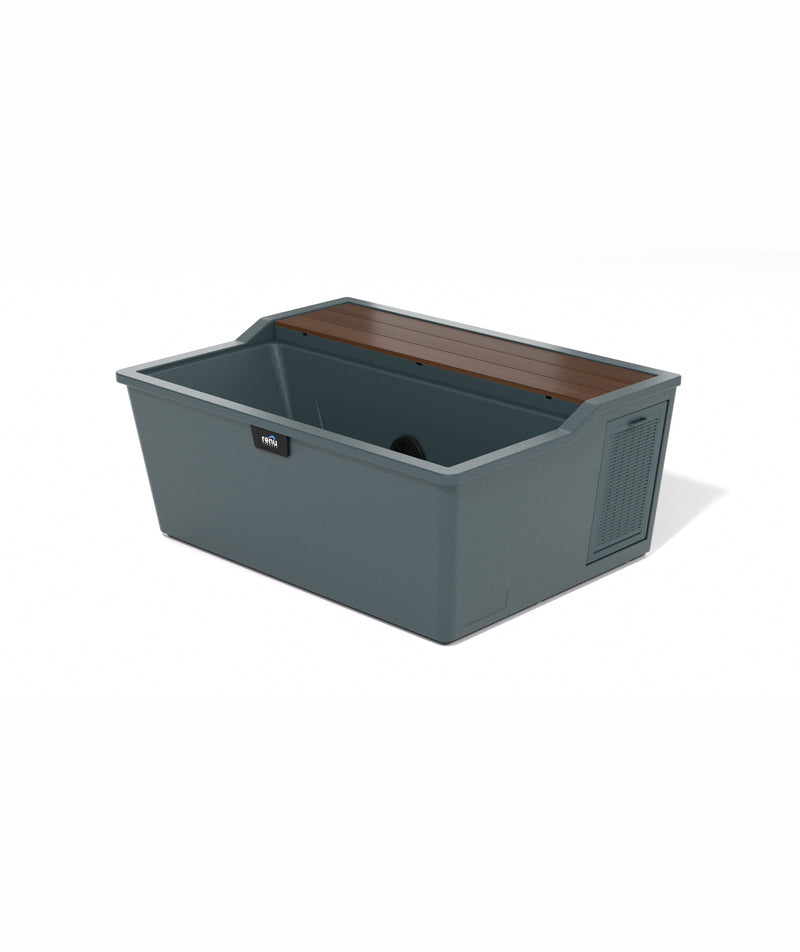
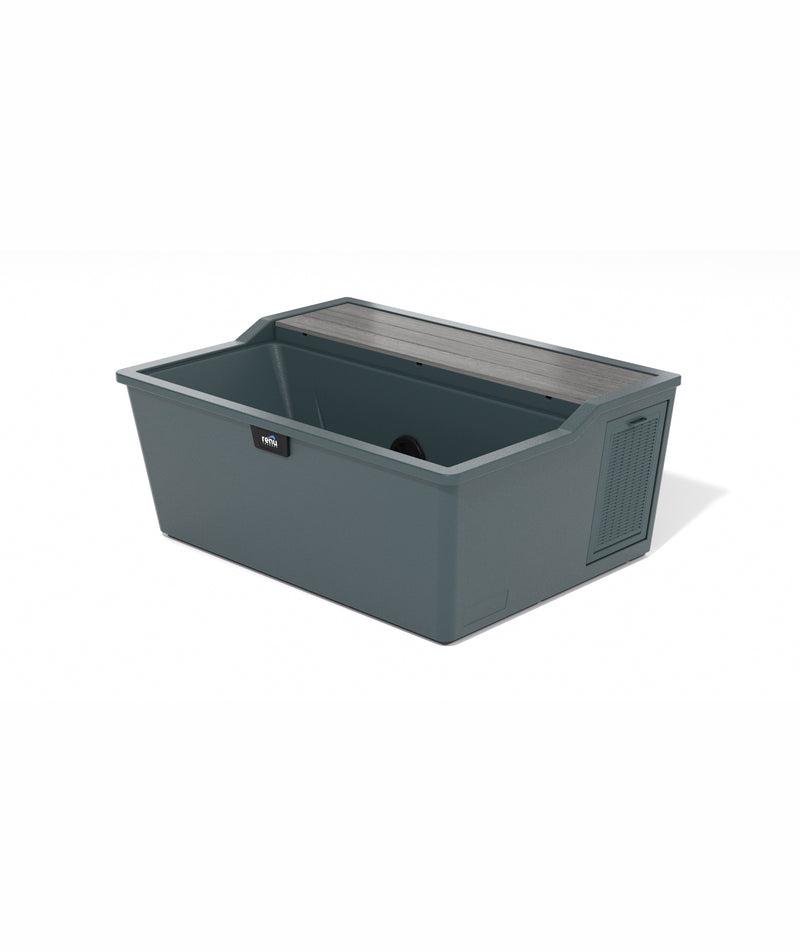
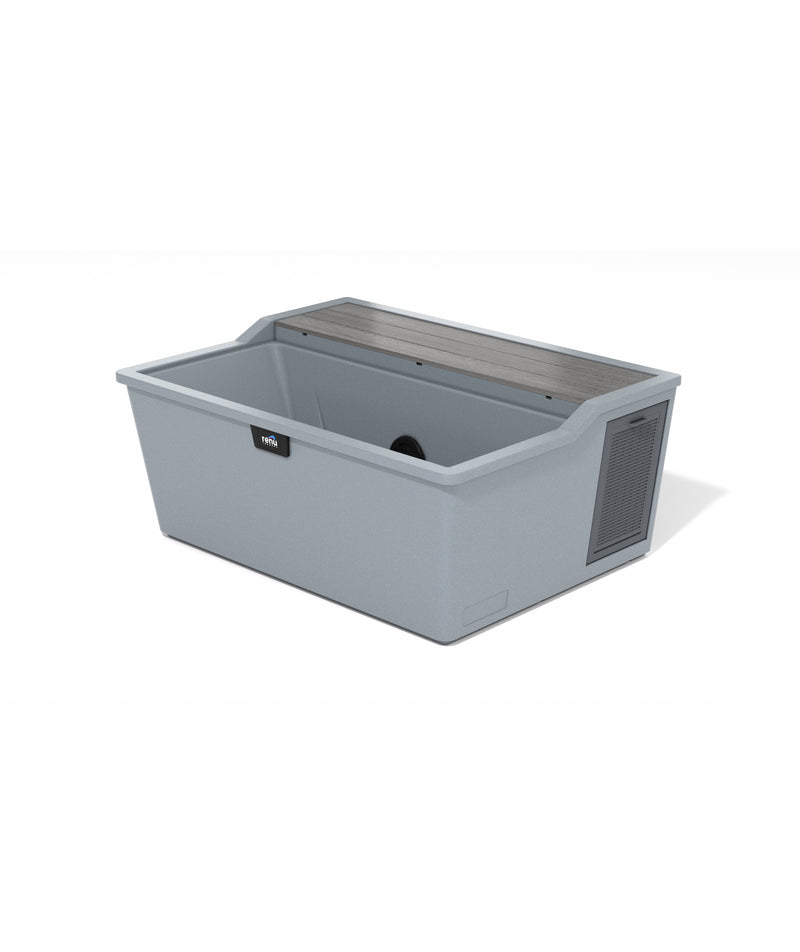
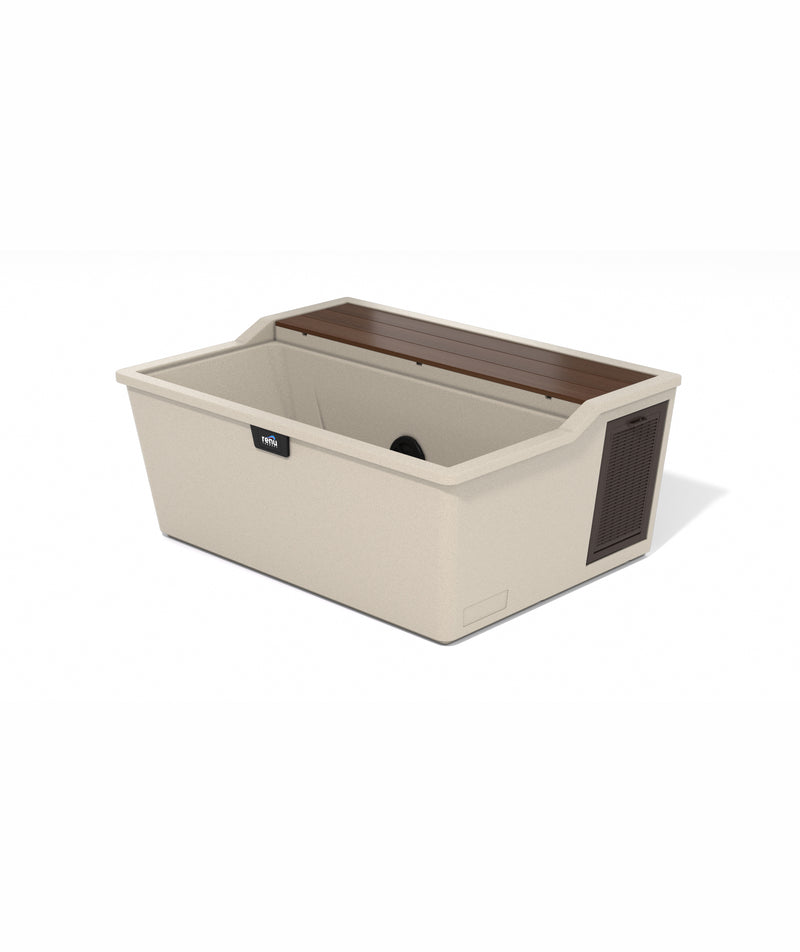
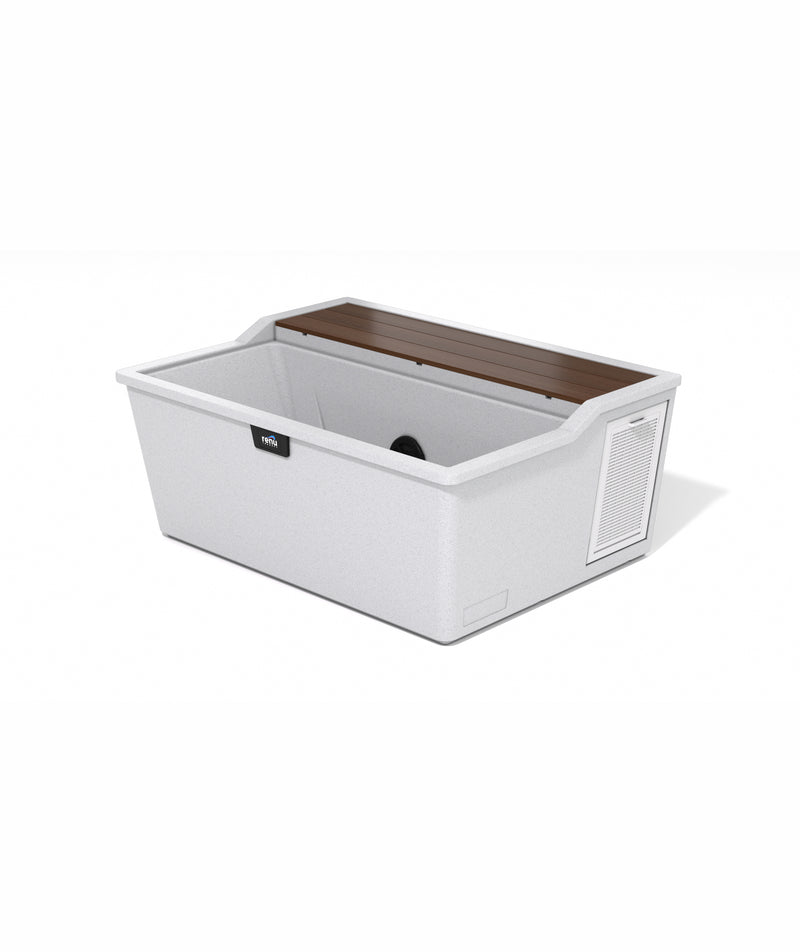
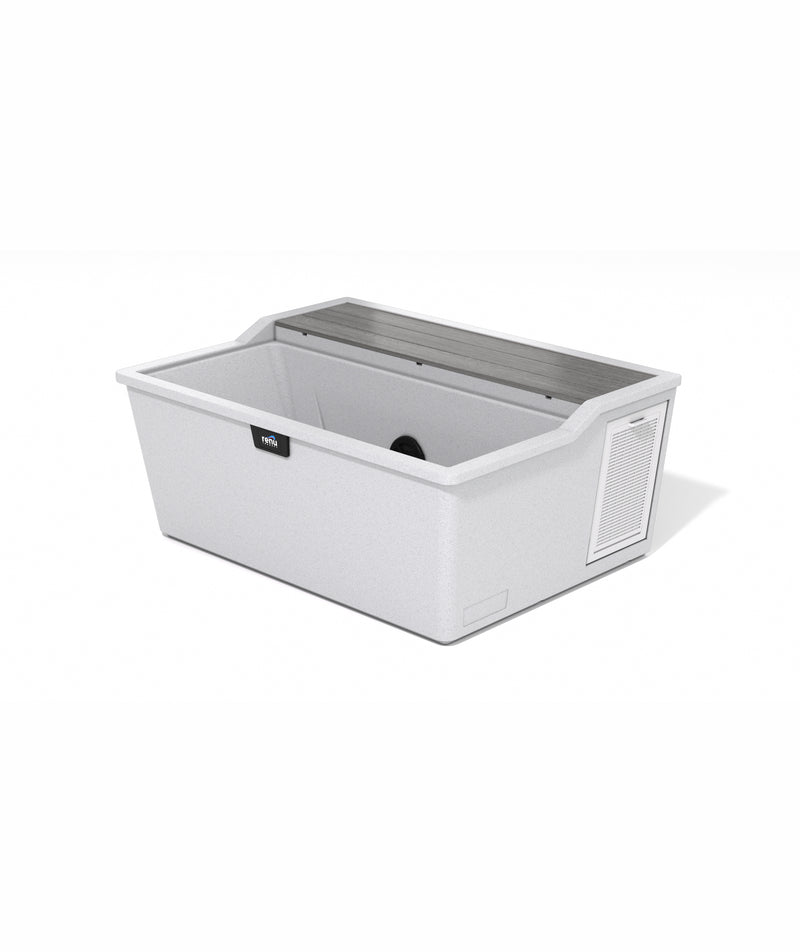
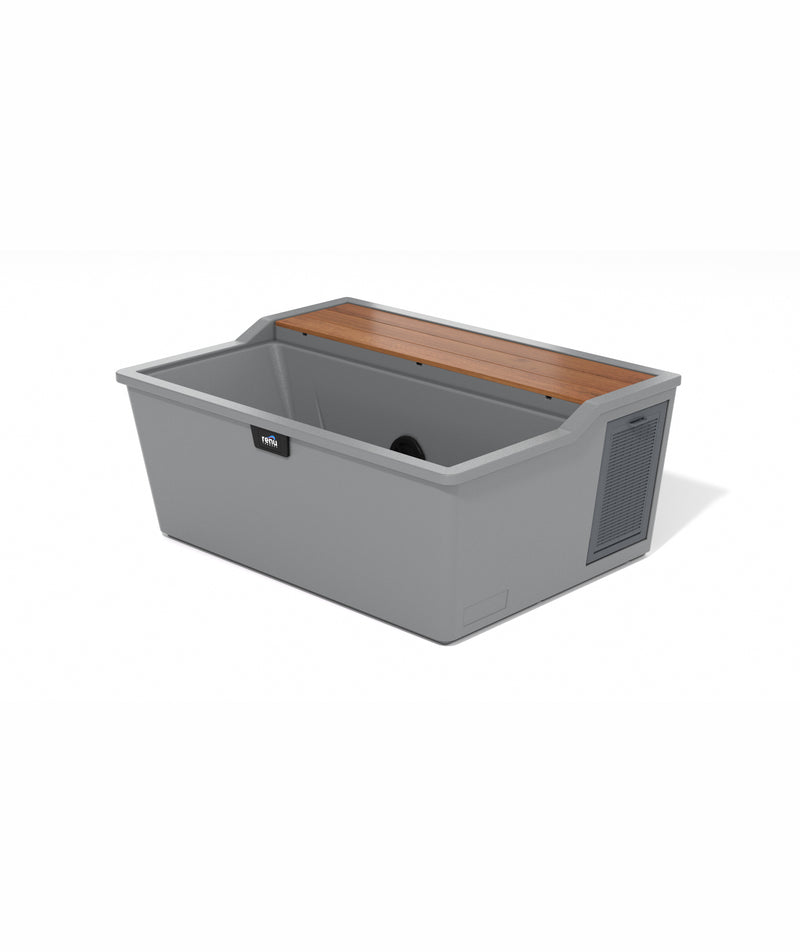
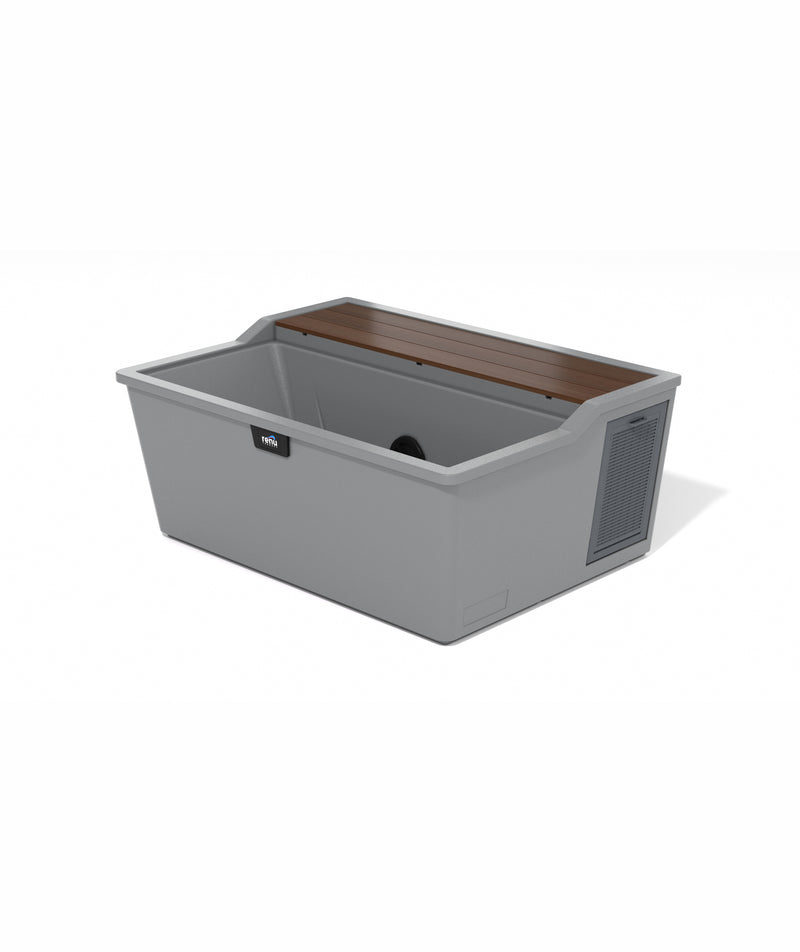
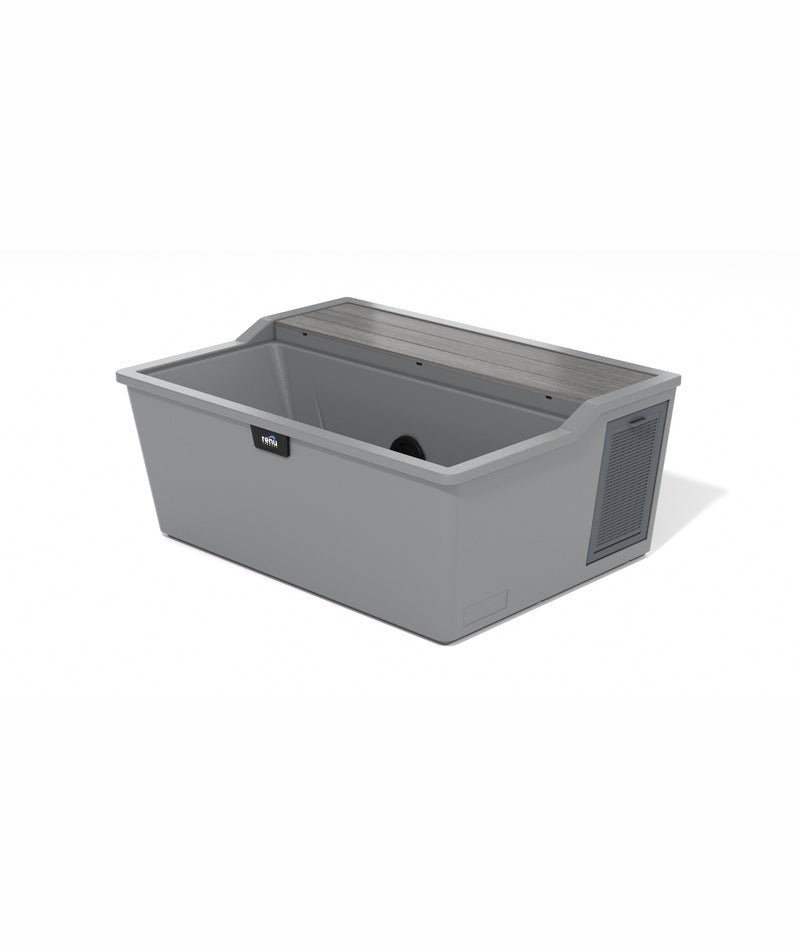
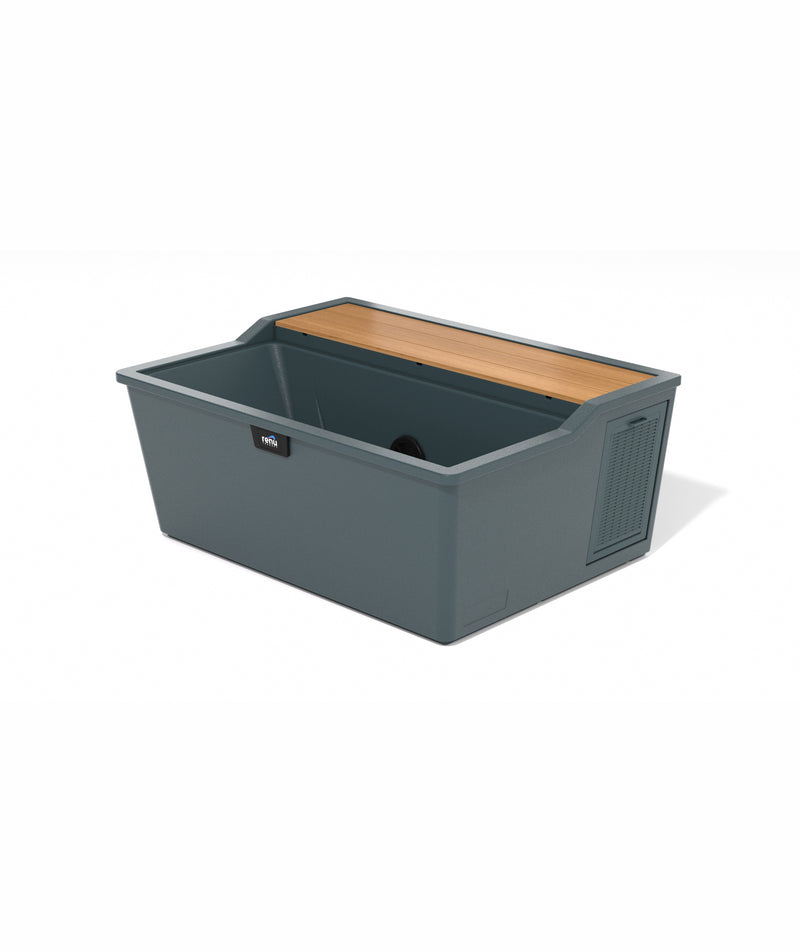
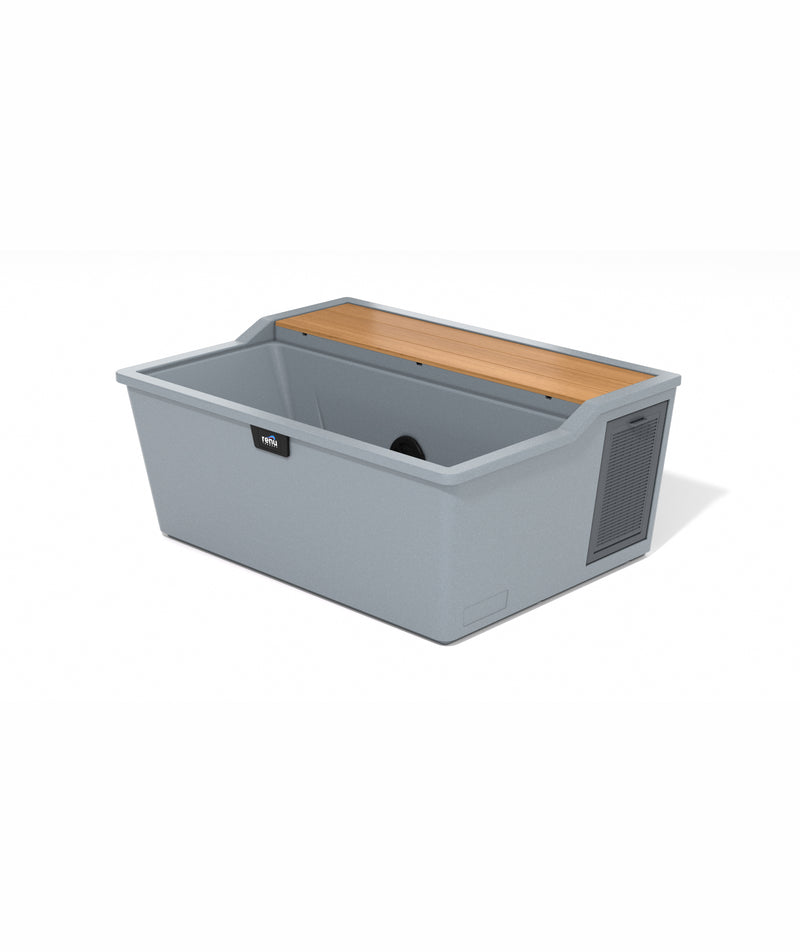
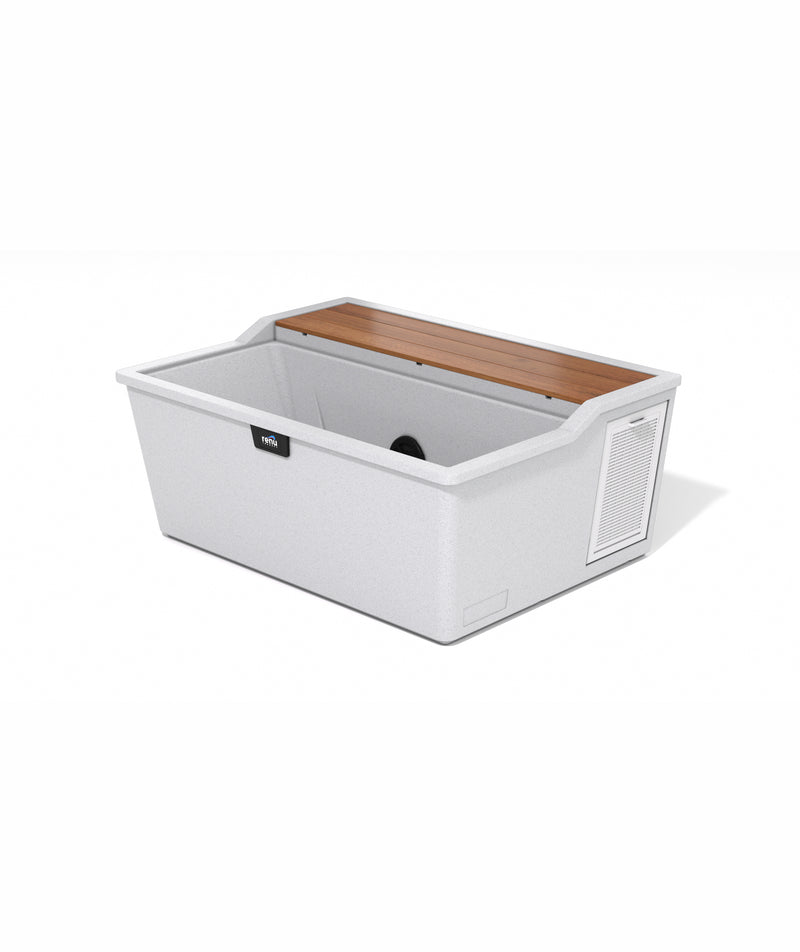
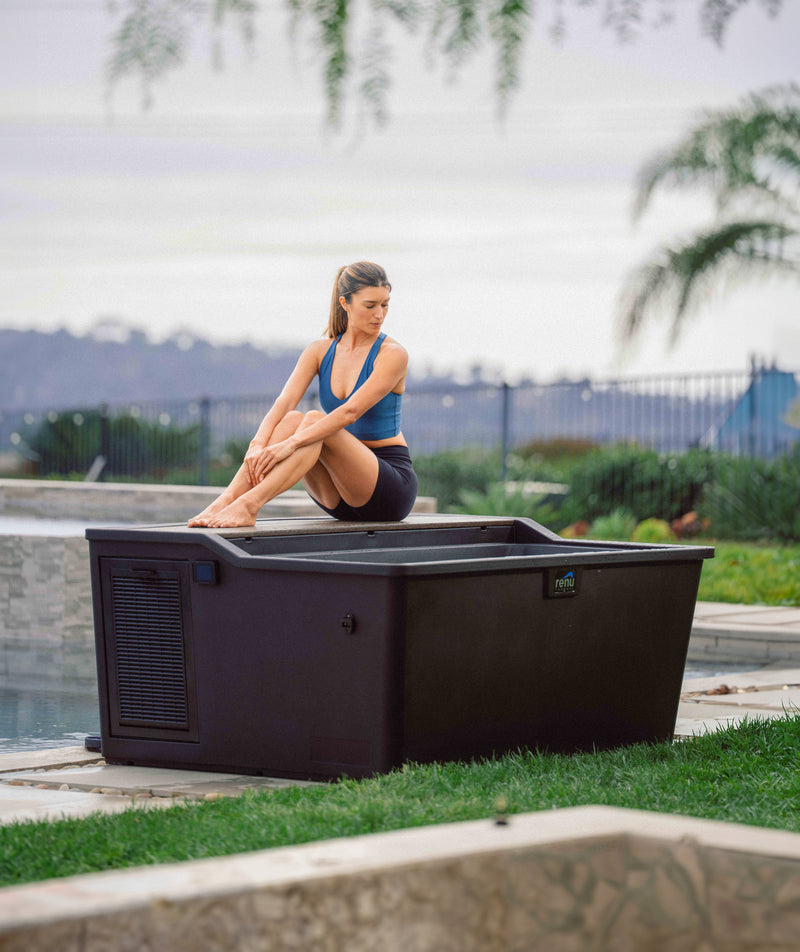
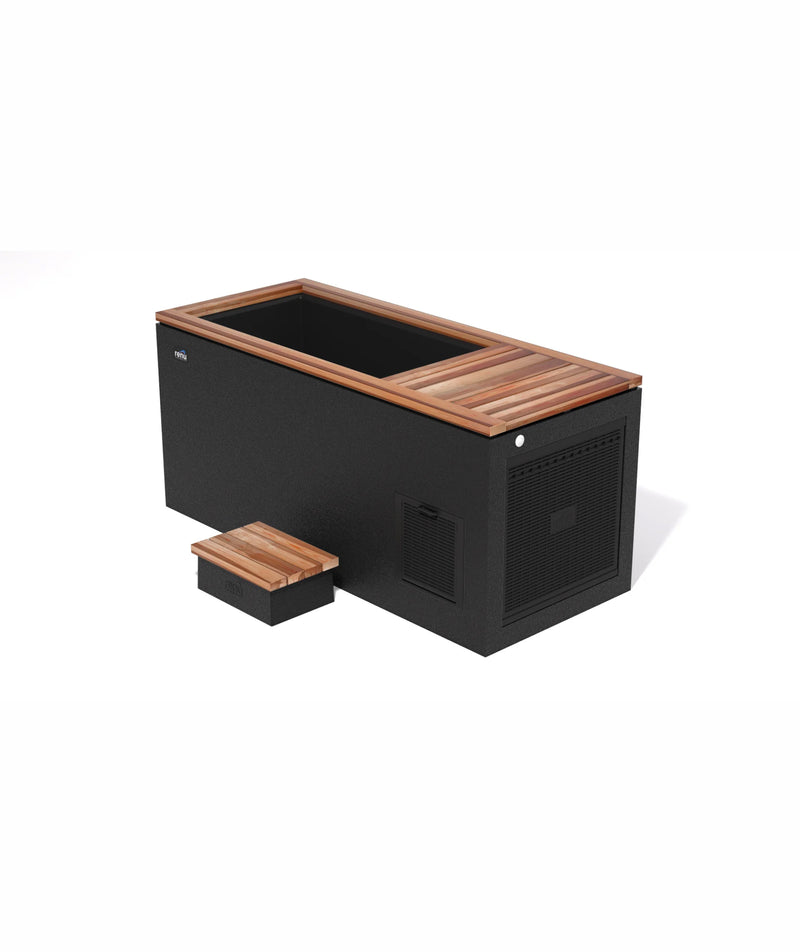
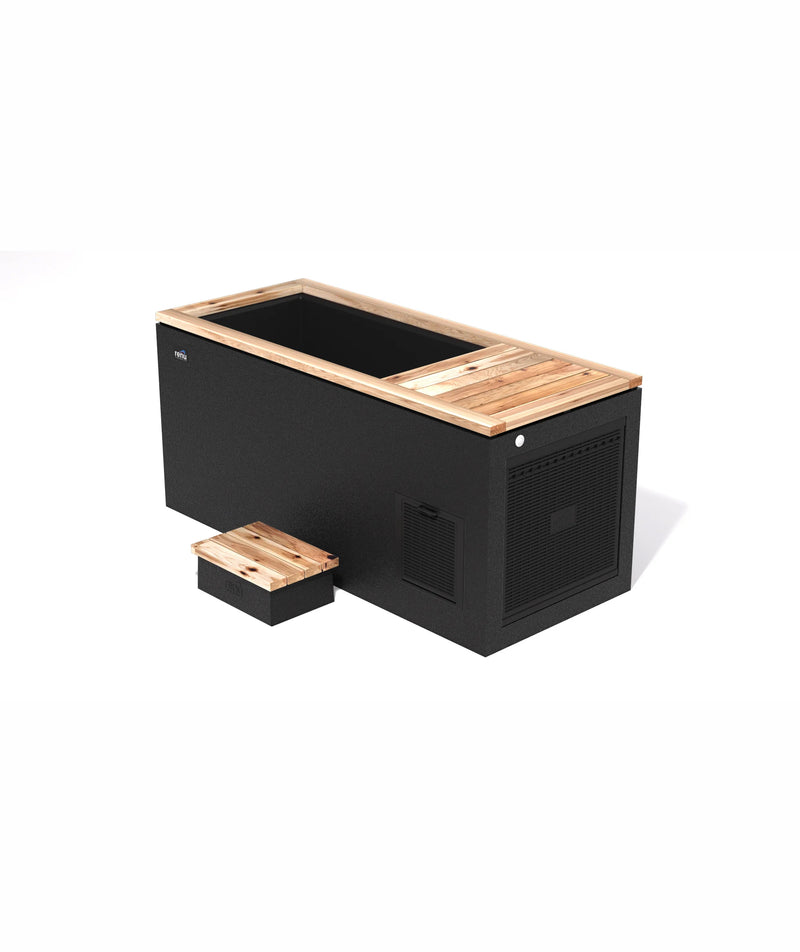
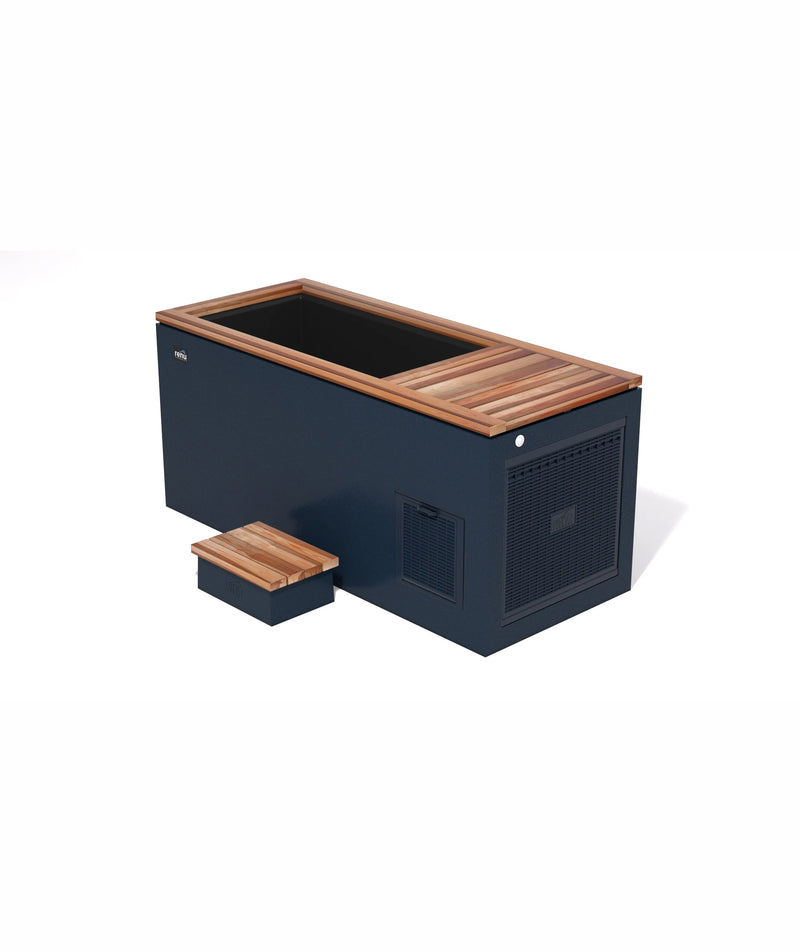
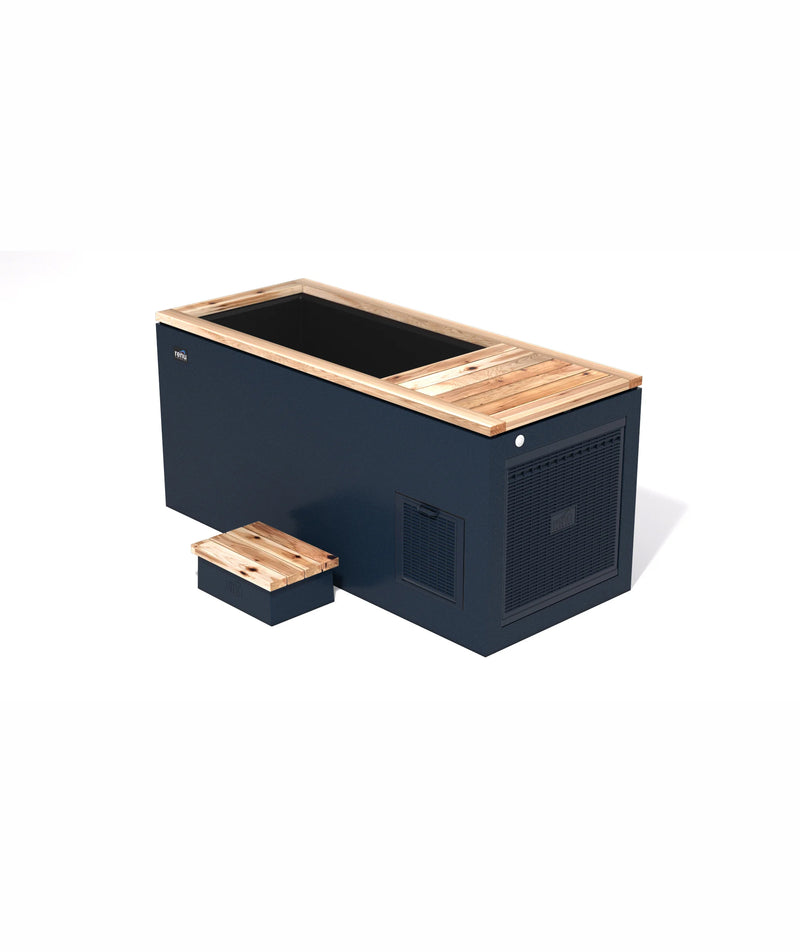
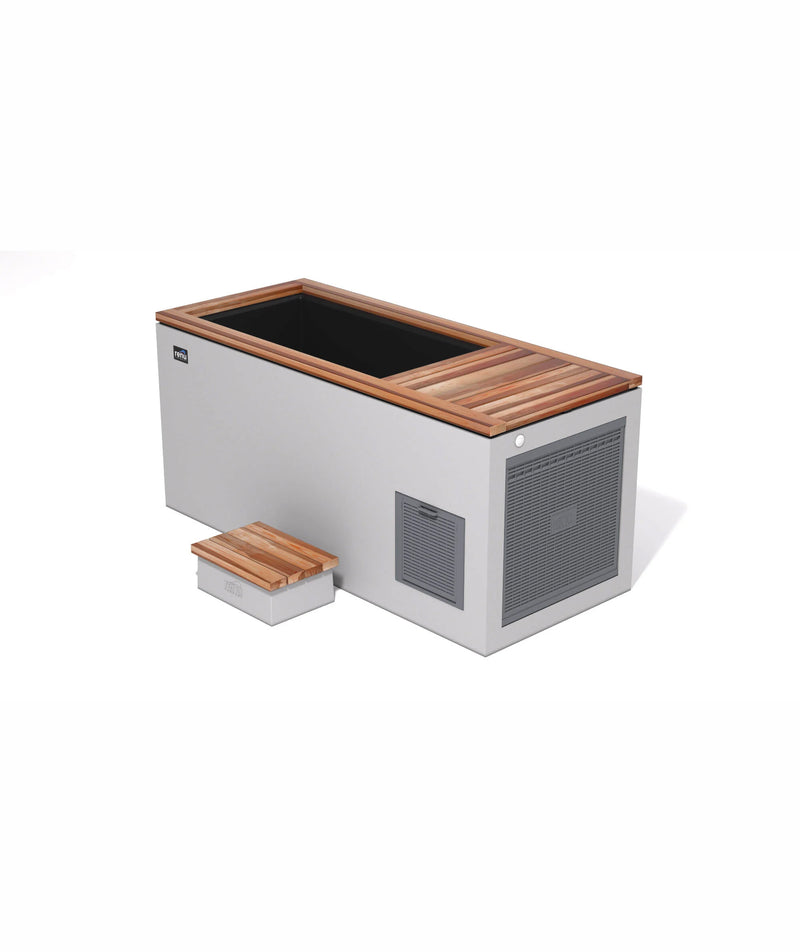
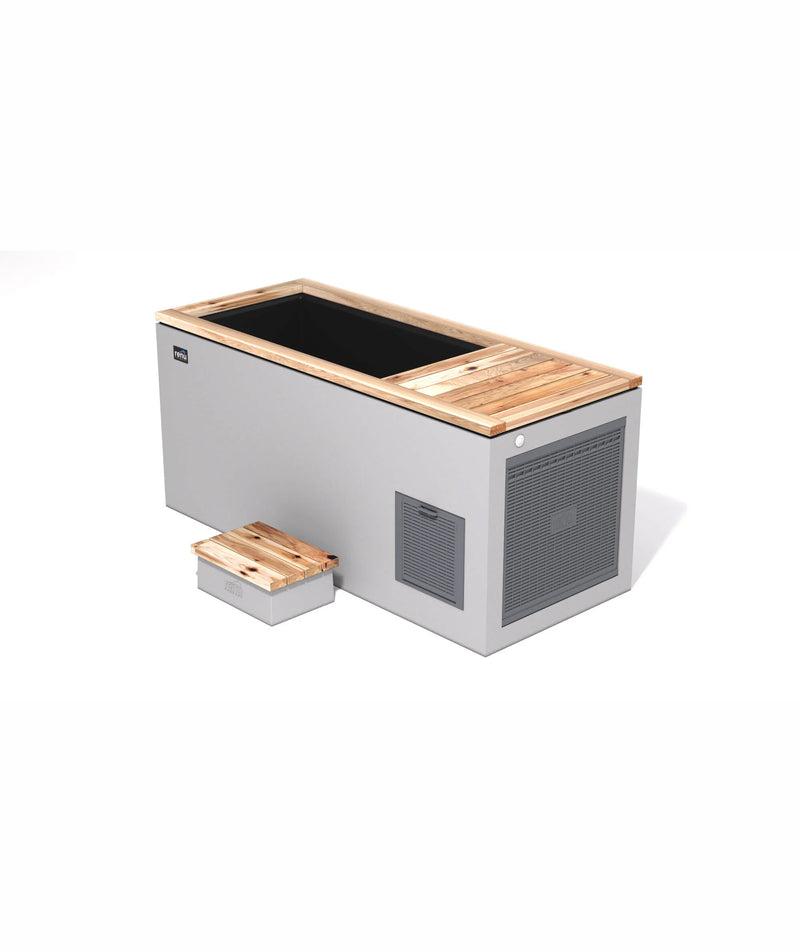
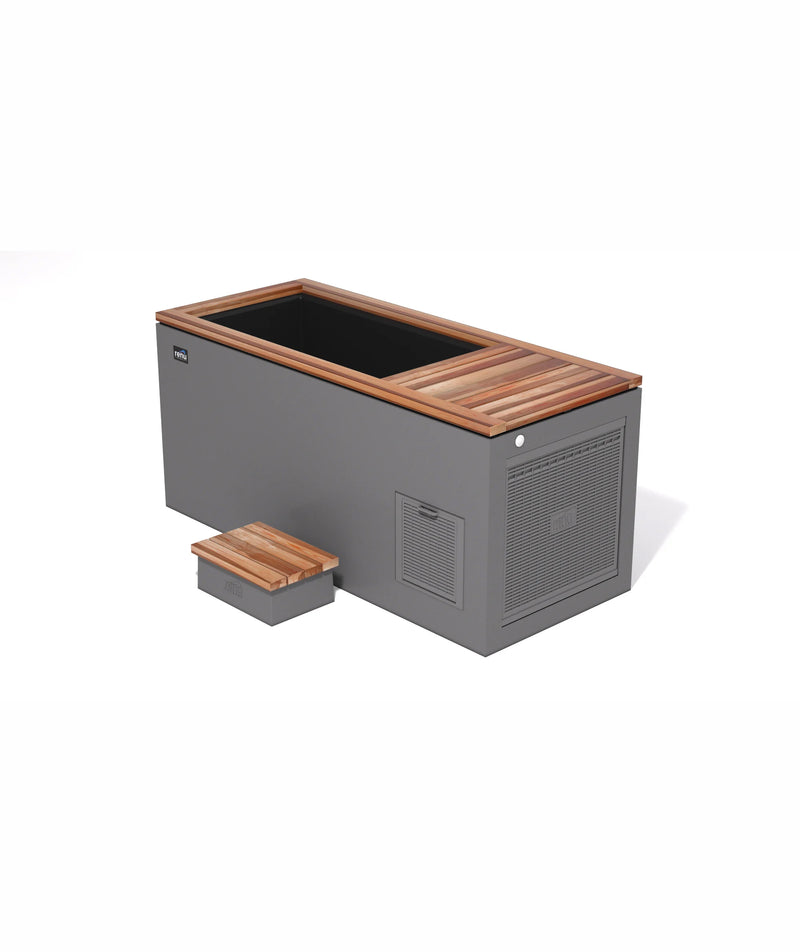
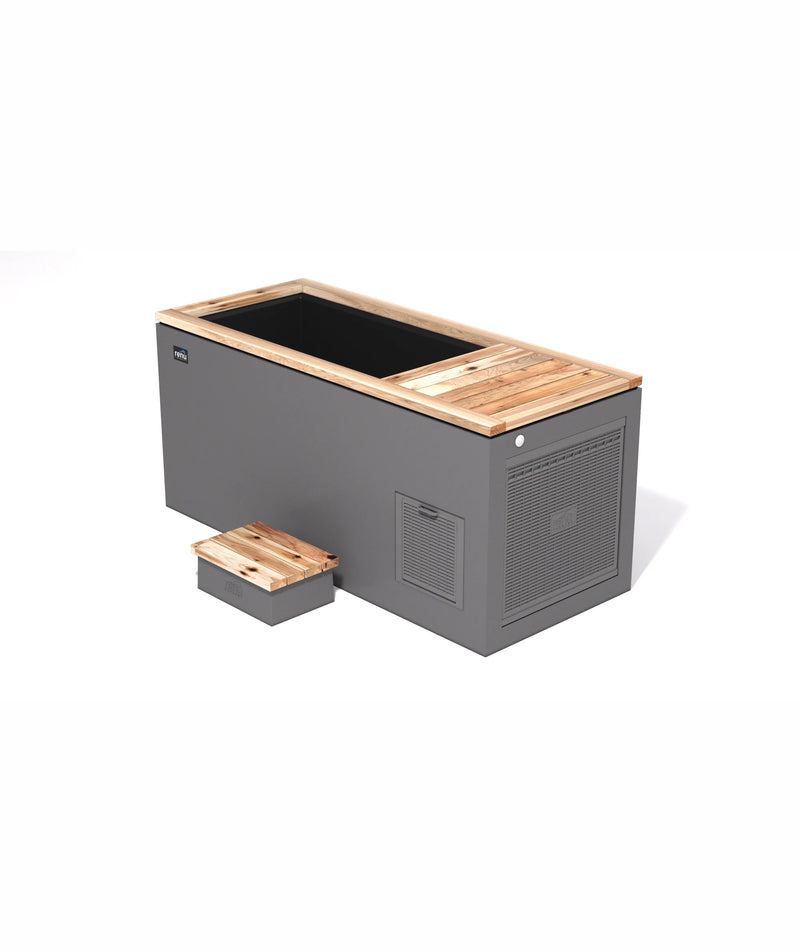
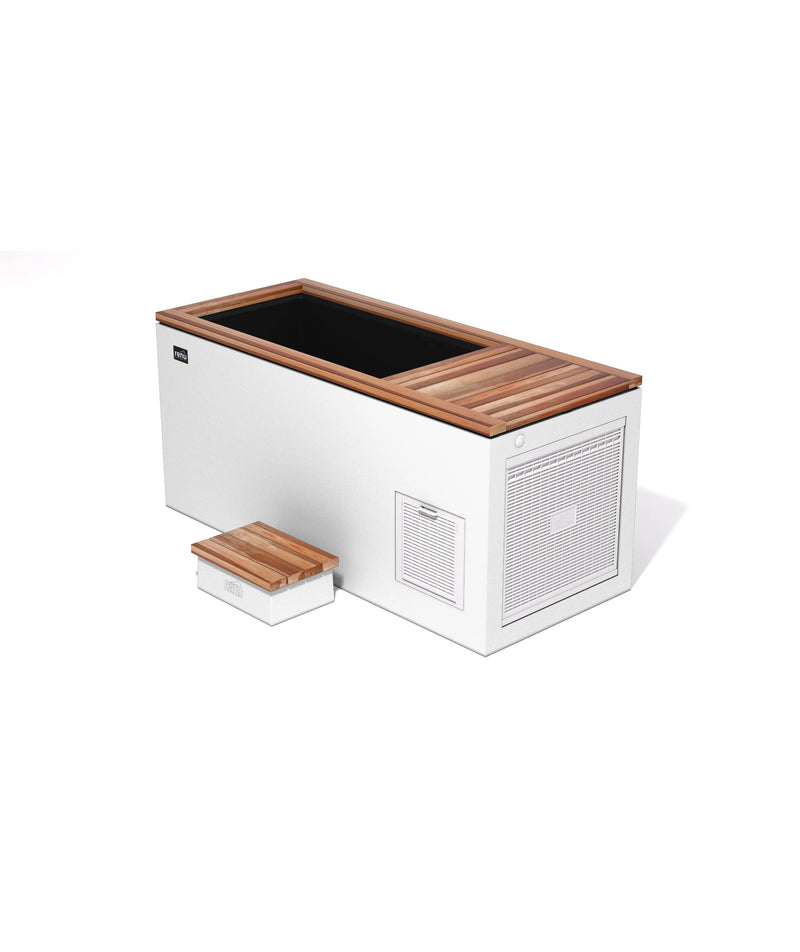
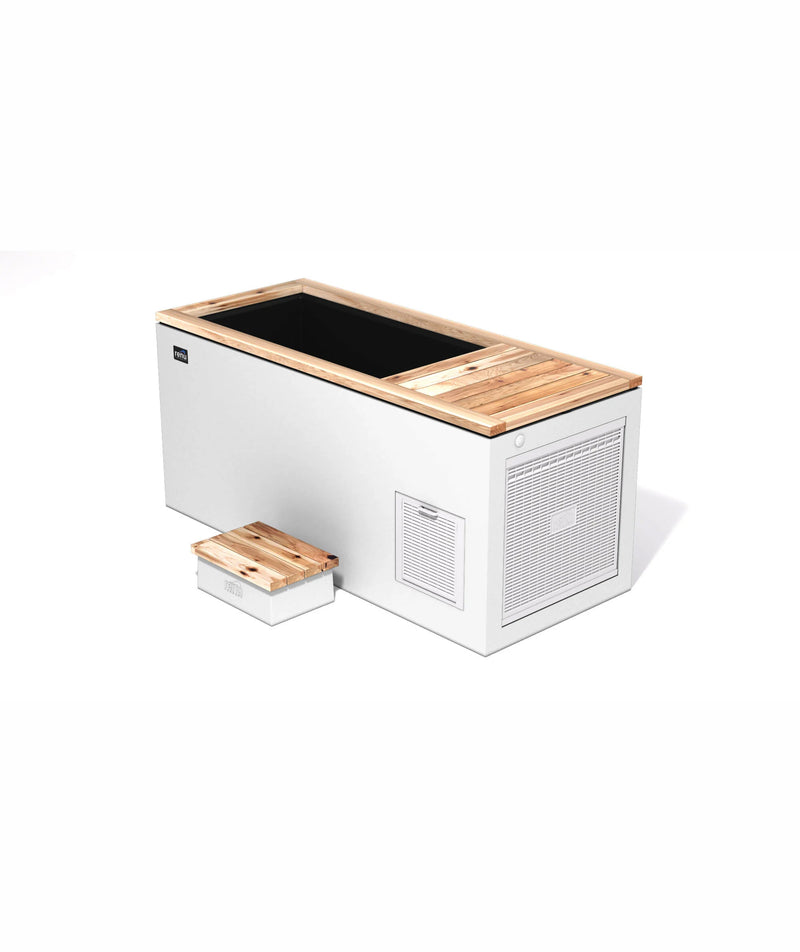
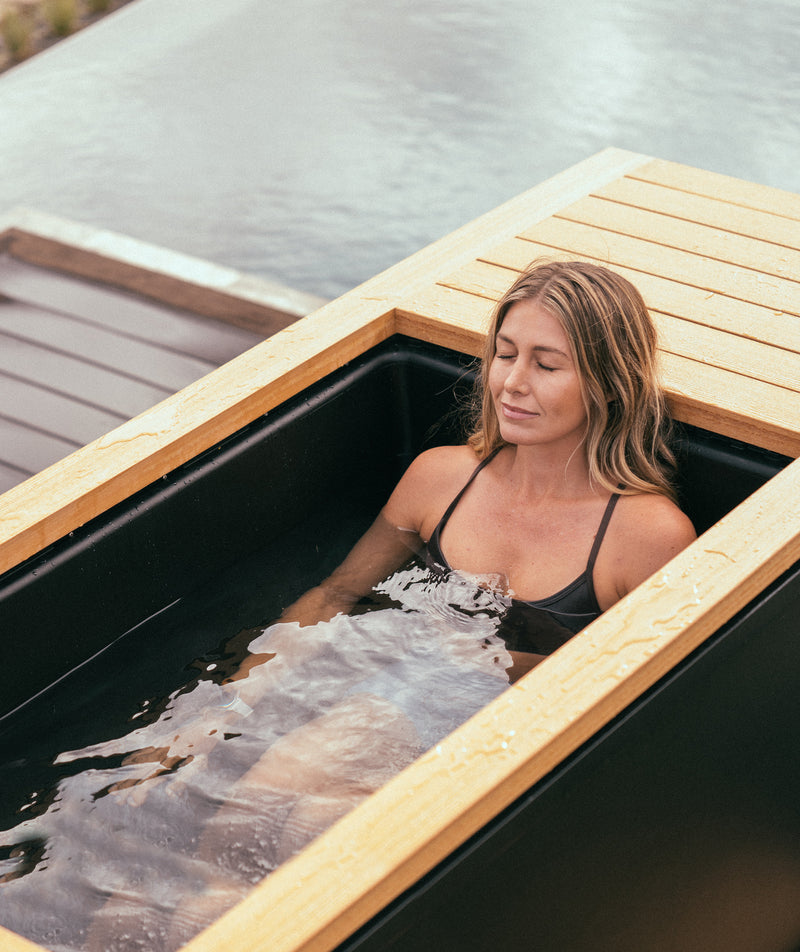
That’s where Renu Therapy’s products can help. The Cold Stoic 3.0 offers dual temperature control down to 37°F and integrated ozone purification. Pair it with a sauna from the Renu sauna collection and you have a complete contrast setup at home.
Read More → Designing a Wellness Backyard in Ten Feet

FAQs
How long should a contrast therapy session last?
Most protocols pair 10-15 minutes of sauna with 1-2 minutes of cold, repeated two to three times.
How often should I do contrast therapy?
Søberg’s winter swimmers averaged two to three sessions per week. Start there and build slowly.
Should I finish on hot or cold?
Søberg’s recommendation is to end on cold, which forces your body to rewarm itself.
Is contrast therapy better than a cold plunge alone?
Not clearly. In recovery trials, contrast water therapy beat passive rest, but it showed little evidence of superiority over other methods, including cold water immersion. Choose the one you’ll actually repeat.
Should I do contrast therapy after a workout?
Water-based contrast protocols in studies are typically applied immediately after exercise. If muscle growth is your goal, keep the cold away from lifting sessions, since post-lifting cold immersion can blunt hypertrophy.
MEDICAL DISCLAIMER
Cold water immersion and sauna use are not suitable for everyone. Consult your physician before beginning a cold plunge or sauna practice if you are pregnant, have high or low blood pressure, heart disease, a history of cardiac arrhythmia or stroke, Raynaud’s disease, peripheral neuropathy, or any other condition affecting circulation, nerve function, or your body’s ability to regulate temperature. Both cold and heat exposure place stress on the cardiovascular system and should be approached with caution if you have any underlying health condition, are taking medication that affects heart rate, blood pressure, or sweating, or have consumed alcohol. This article is intended for informational purposes only and does not constitute medical advice.