Longevity isn't just what you do. It's what you surround yourself with.
Twenty-seven years on tour. Largely injury free. That kind of career doesn't happen by accident, and it doesn't happen on talent alone.
We sat down with Sergio Garcia at his home in Austin, Texas, to talk about the parts of the game people don't see: the environment he built, the routine he keeps, and why recovery has become as important to him as the work itself.
This is what longevity actually looks like up close.

A Home Built Around Staying Active
Q: What did you want this place to do for you and your family?
"We love sports, but also for our kids. To be able to have all of that and stay healthy, stay active. In this day and age, when computers and iPads are so predominant, to be able to enjoy all the different options we have here, it's very important."
The home wasn't designed to be photographed. It was designed to be used.
That distinction runs through everything Sergio talks about. The property supports the life he wants to live, not the other way around.


The Wellness Area: A Late Addition That Became a Favorite
Q: How did the wellness space come together?
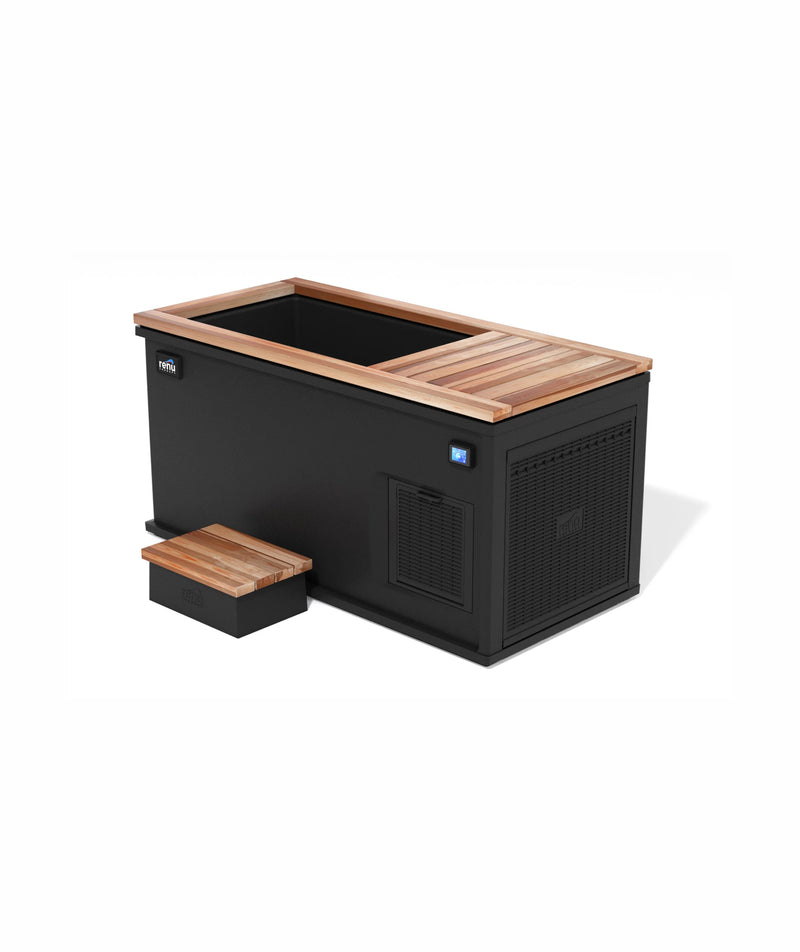
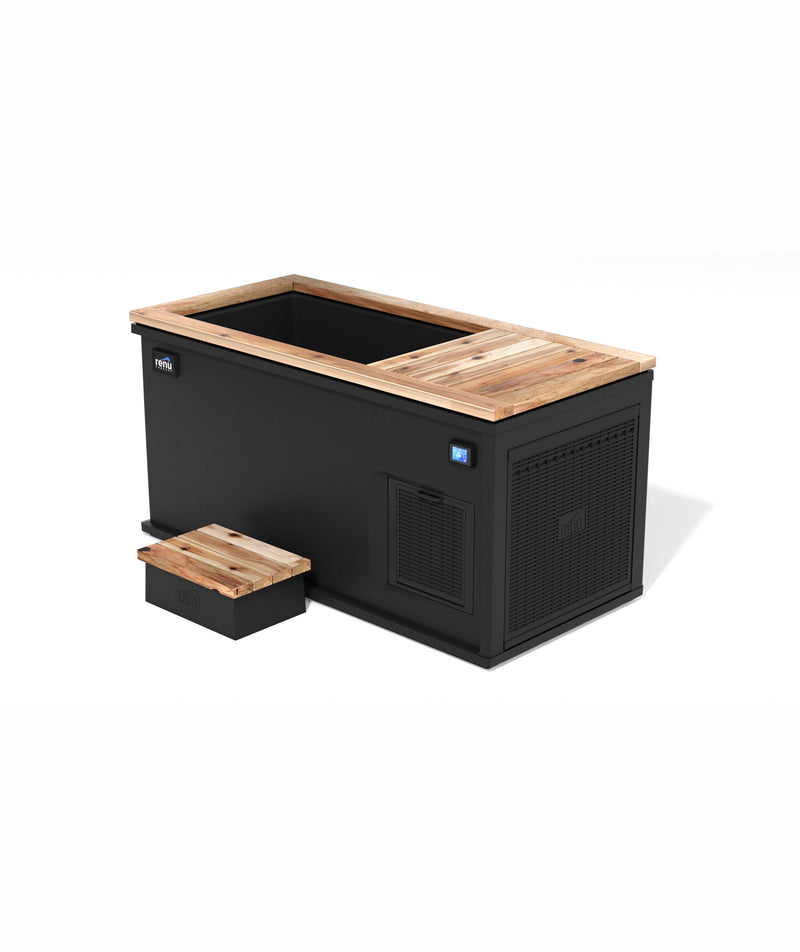
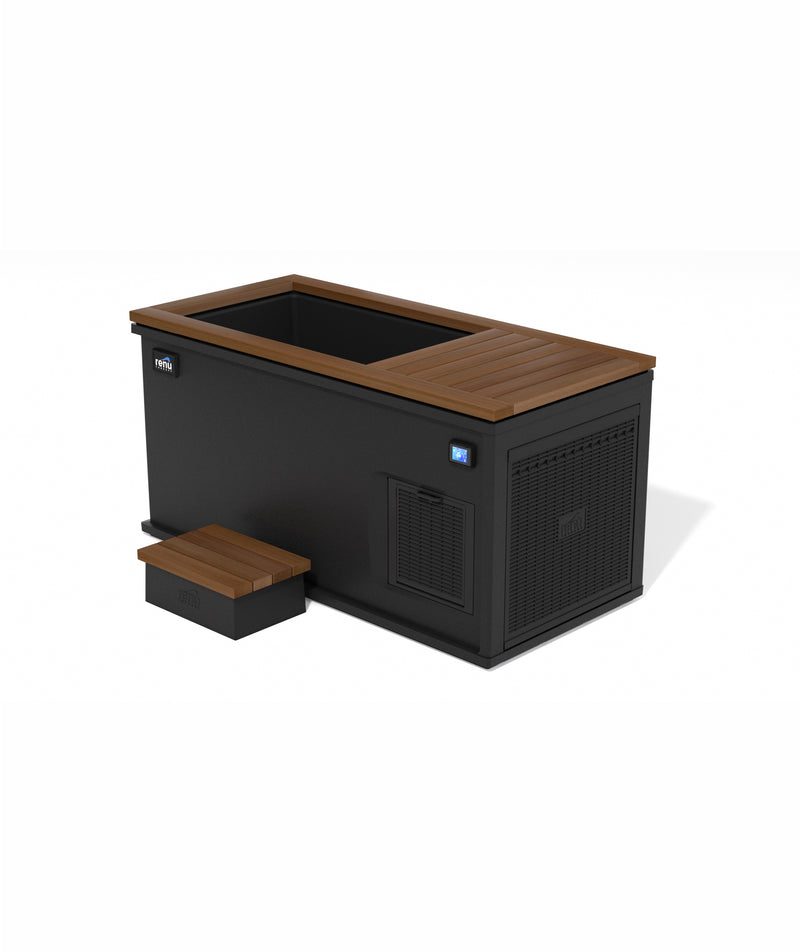
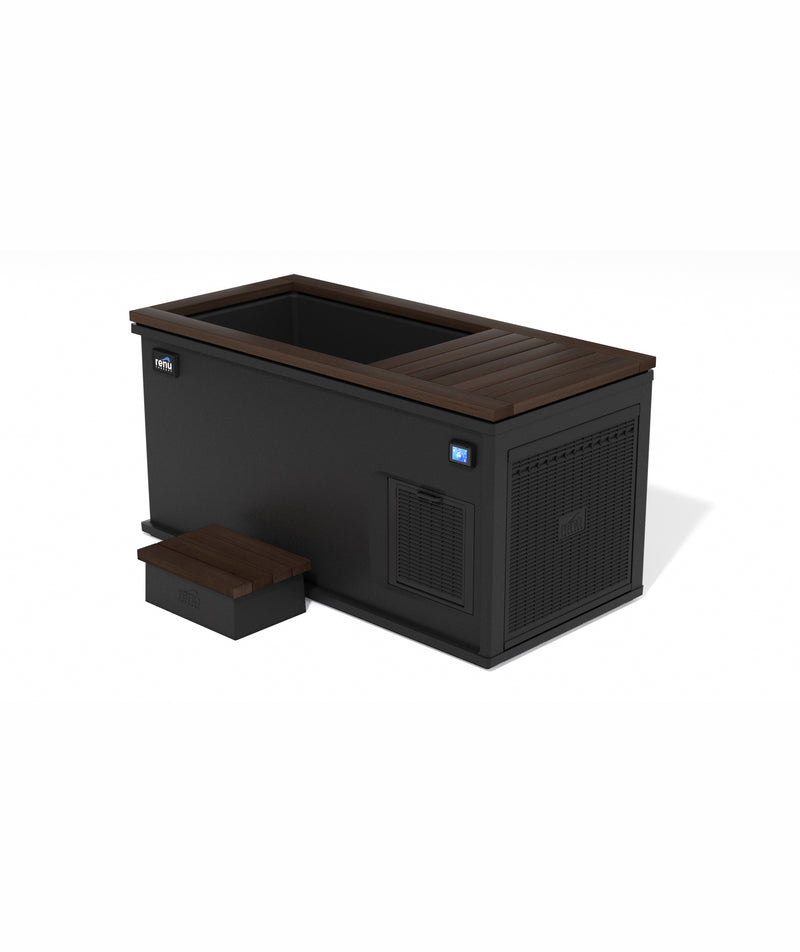
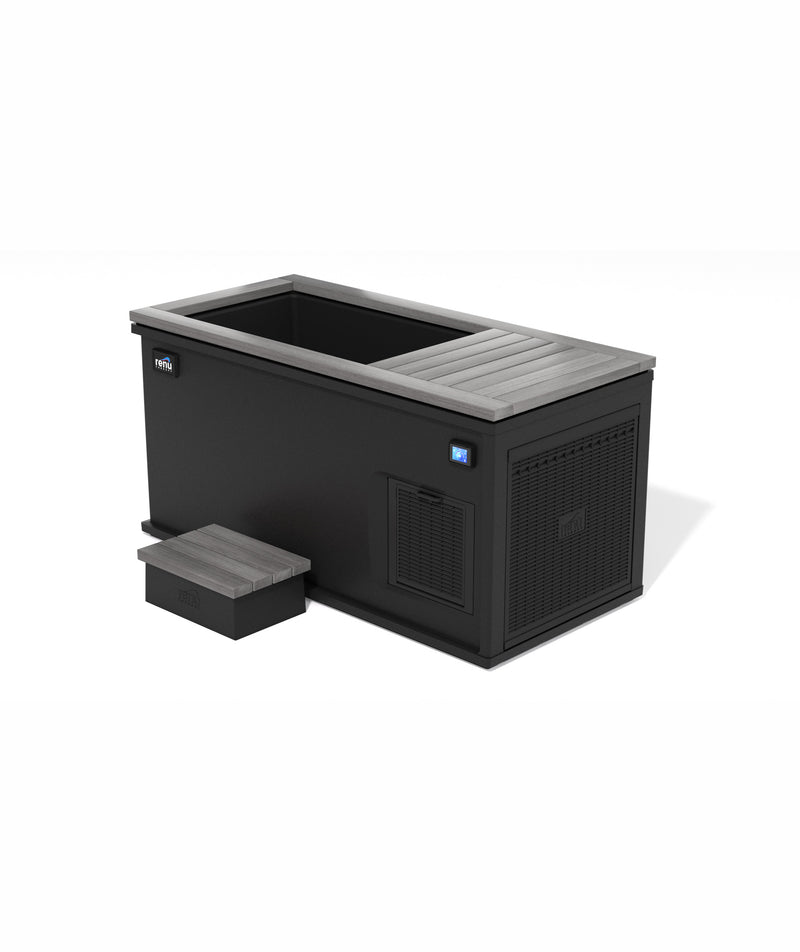
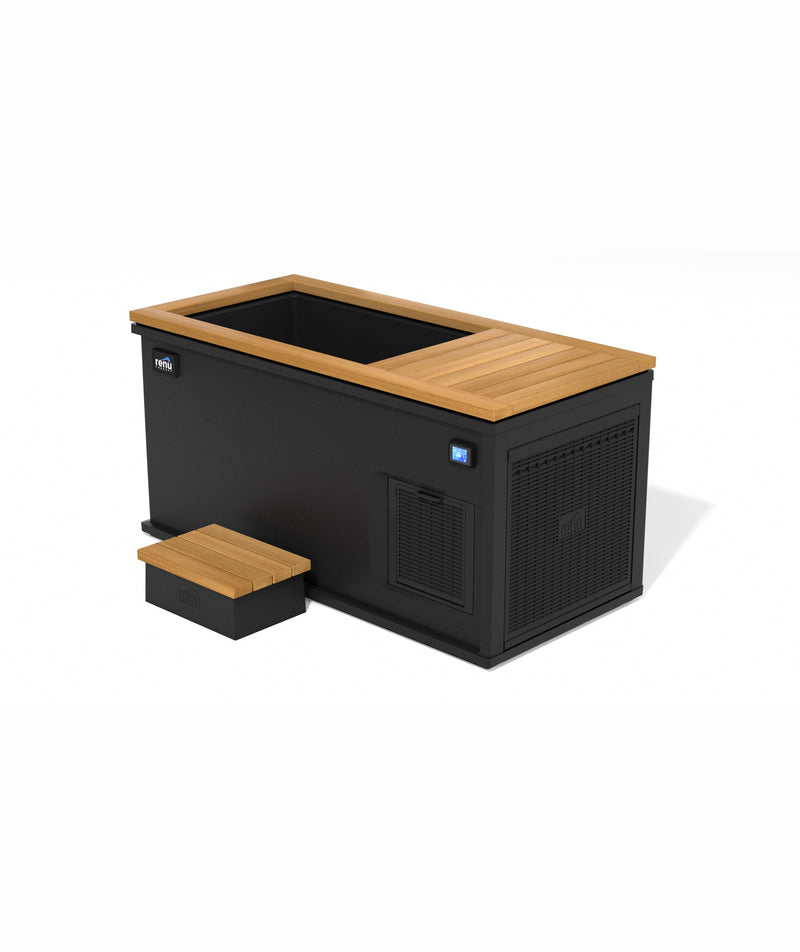
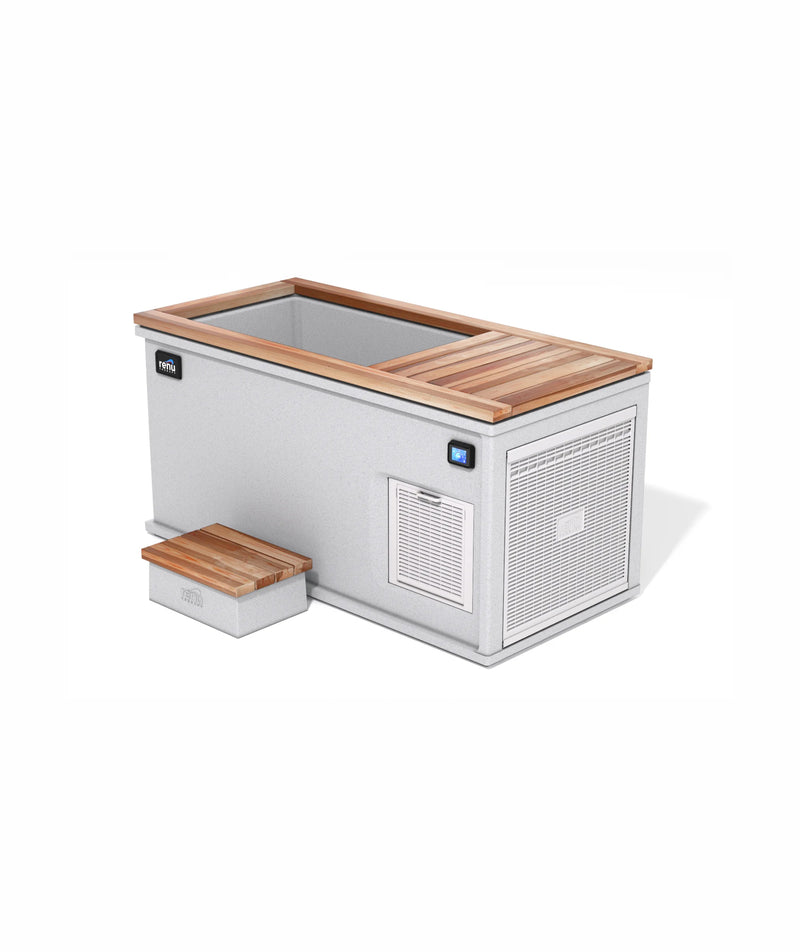
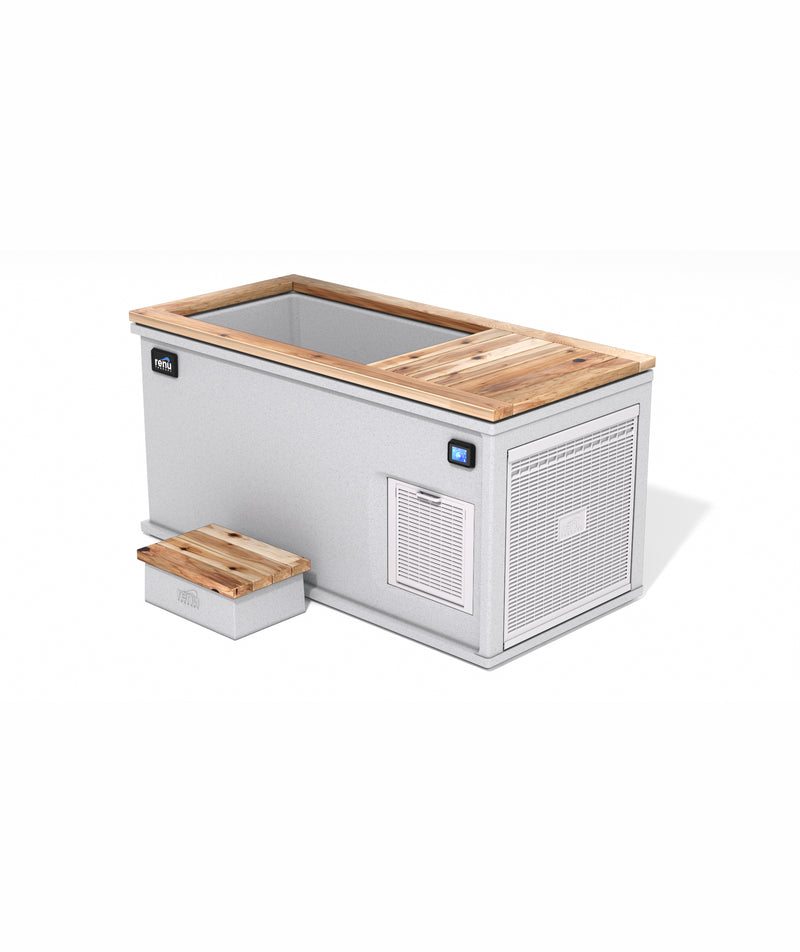
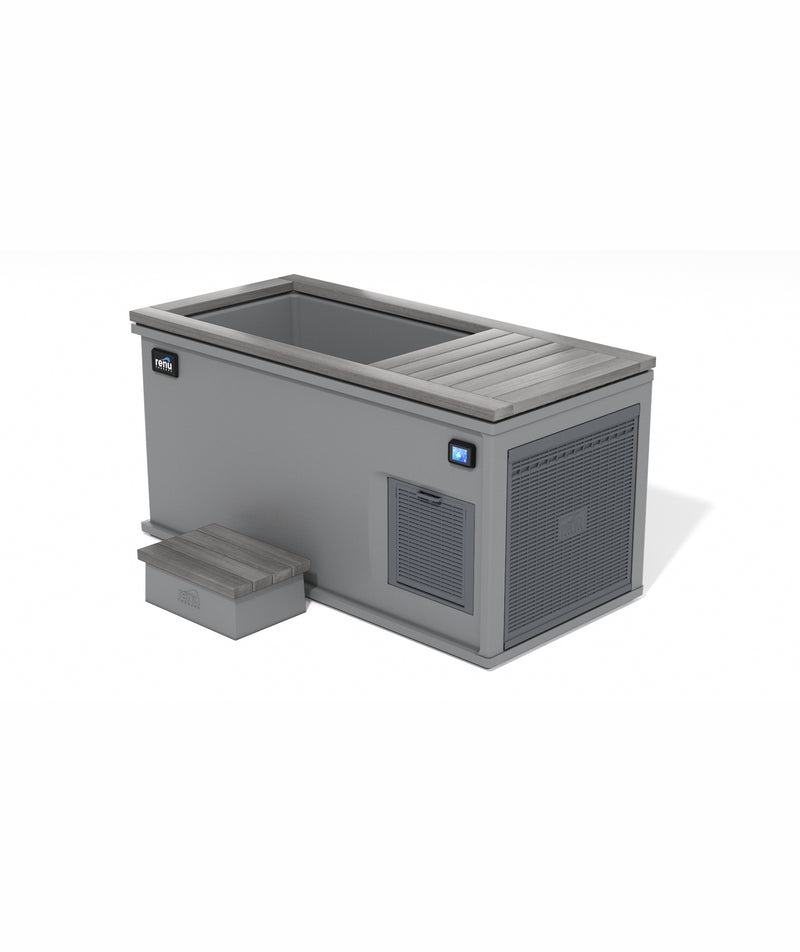
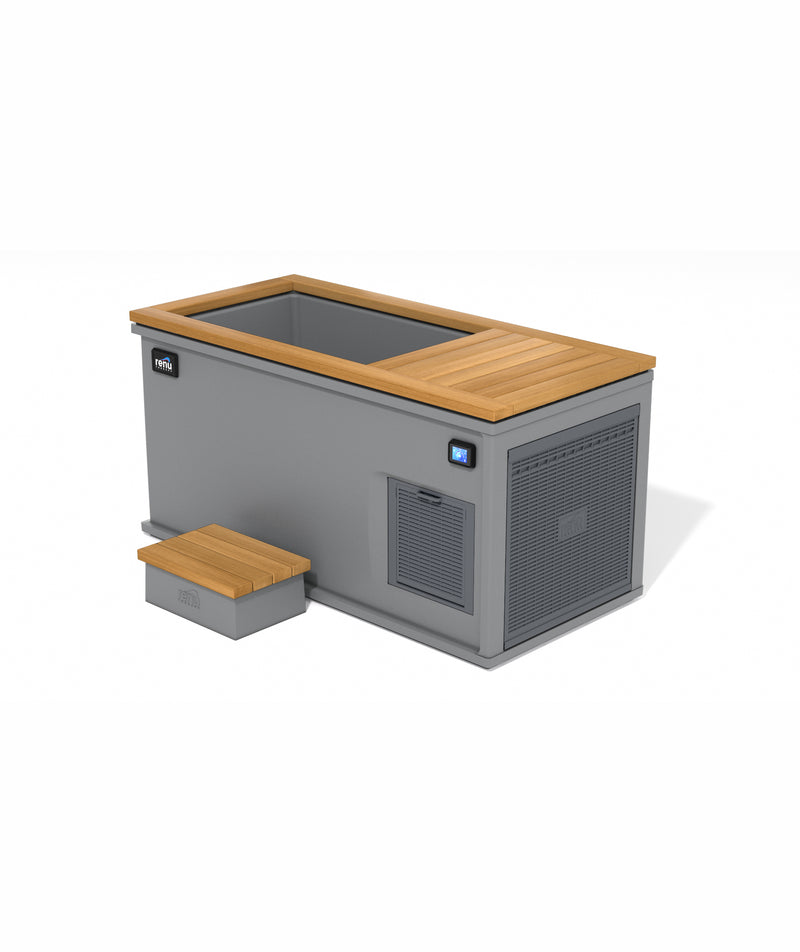
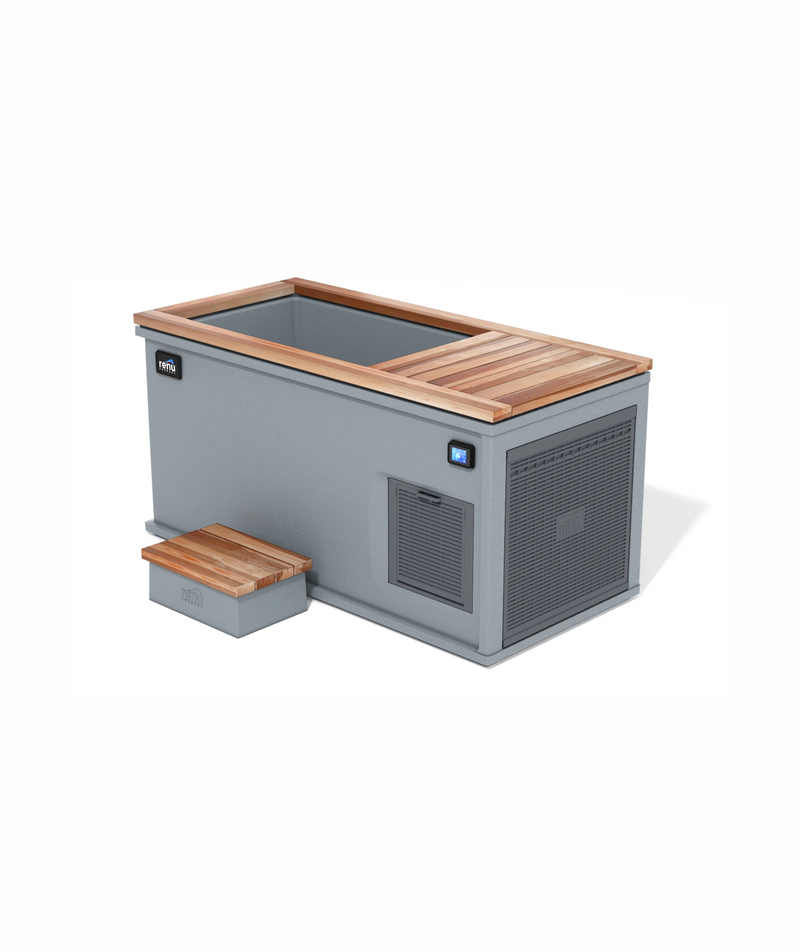
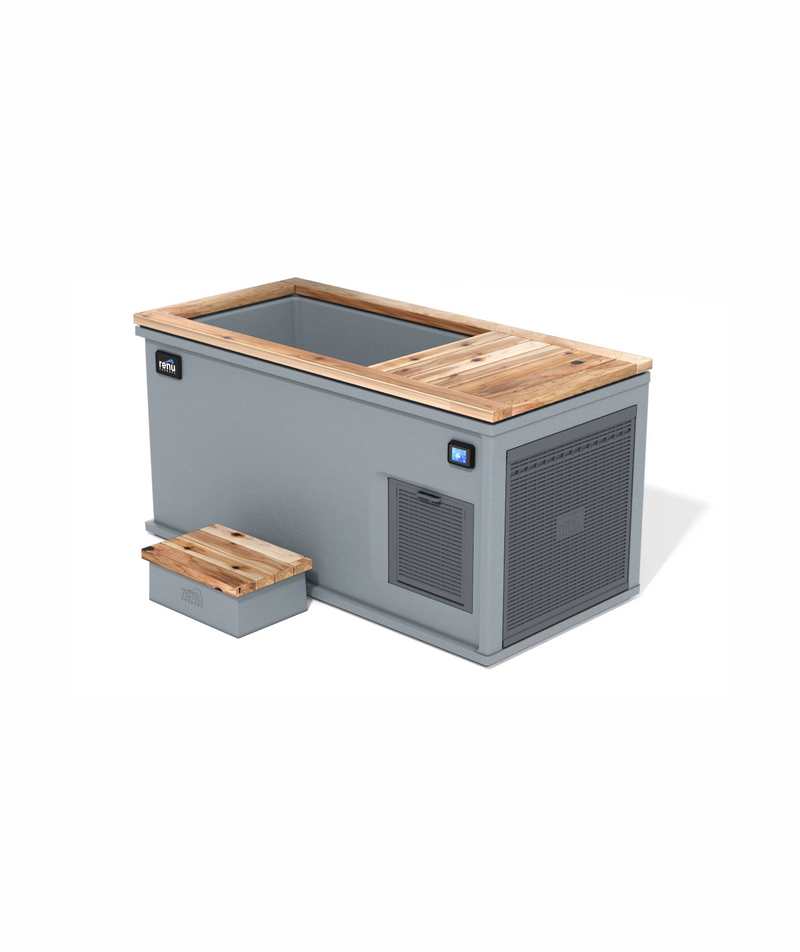
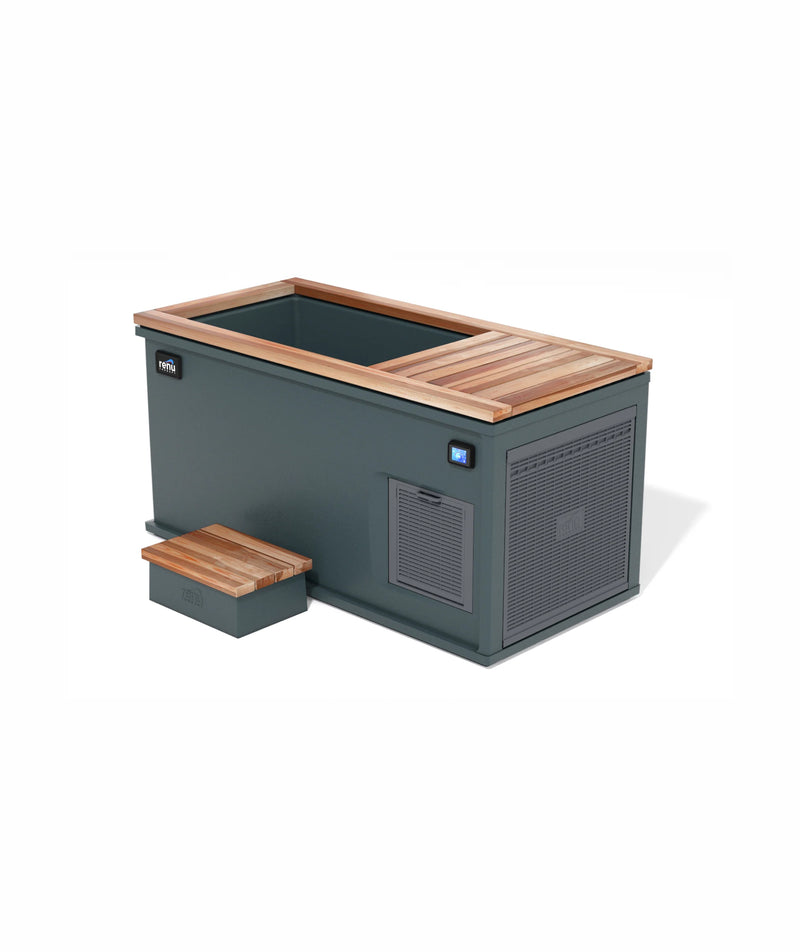
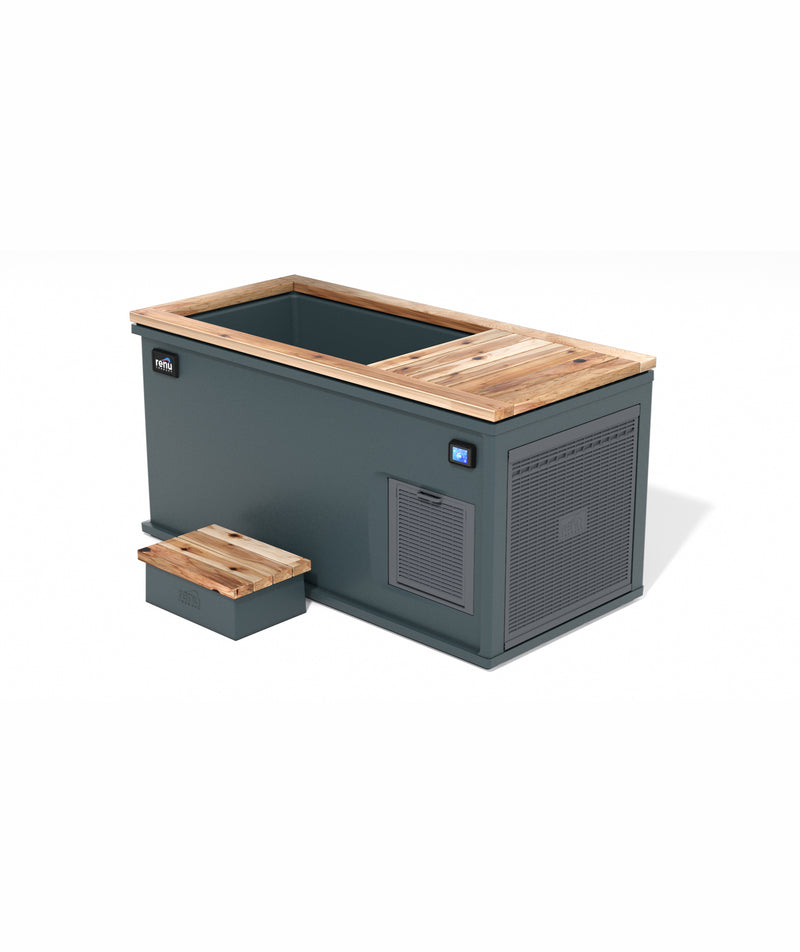
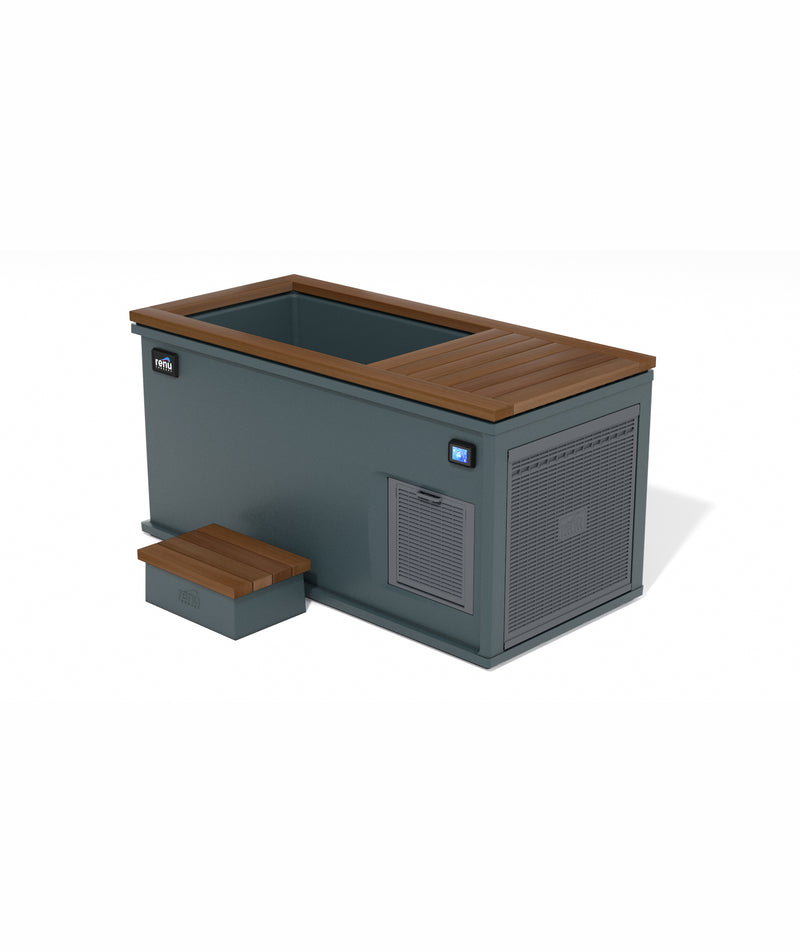
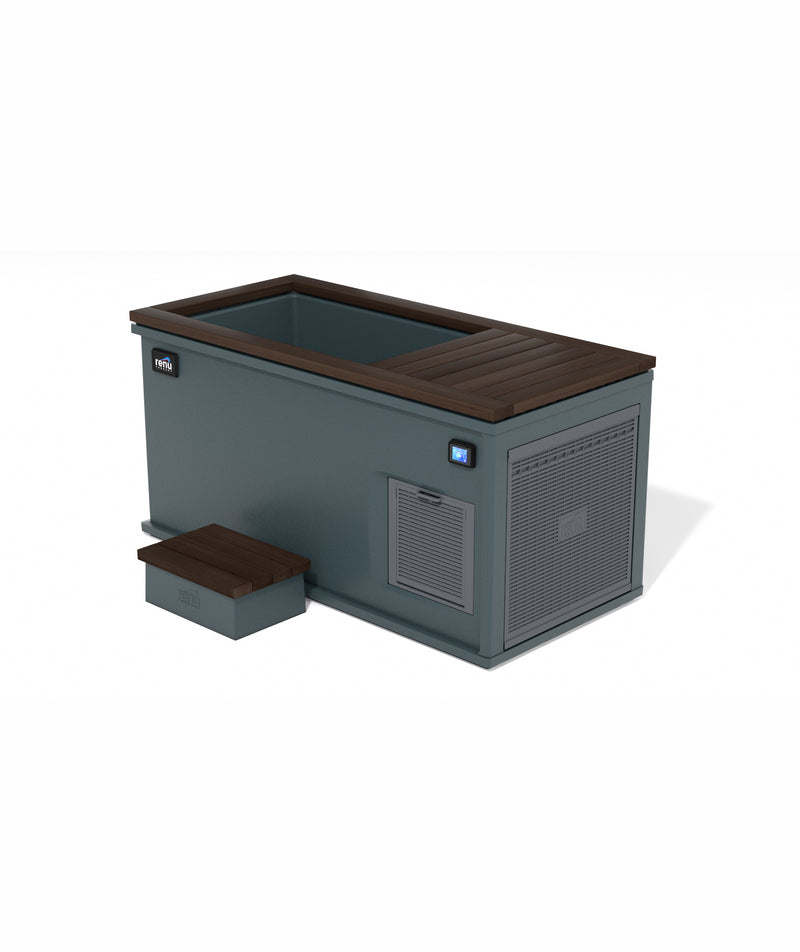
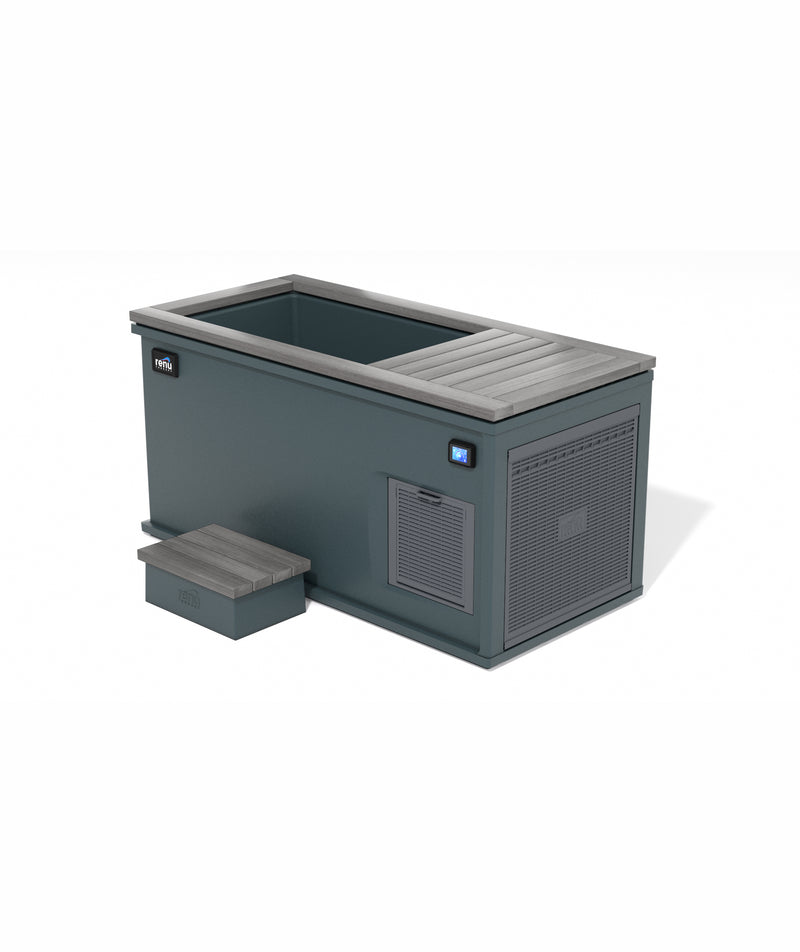
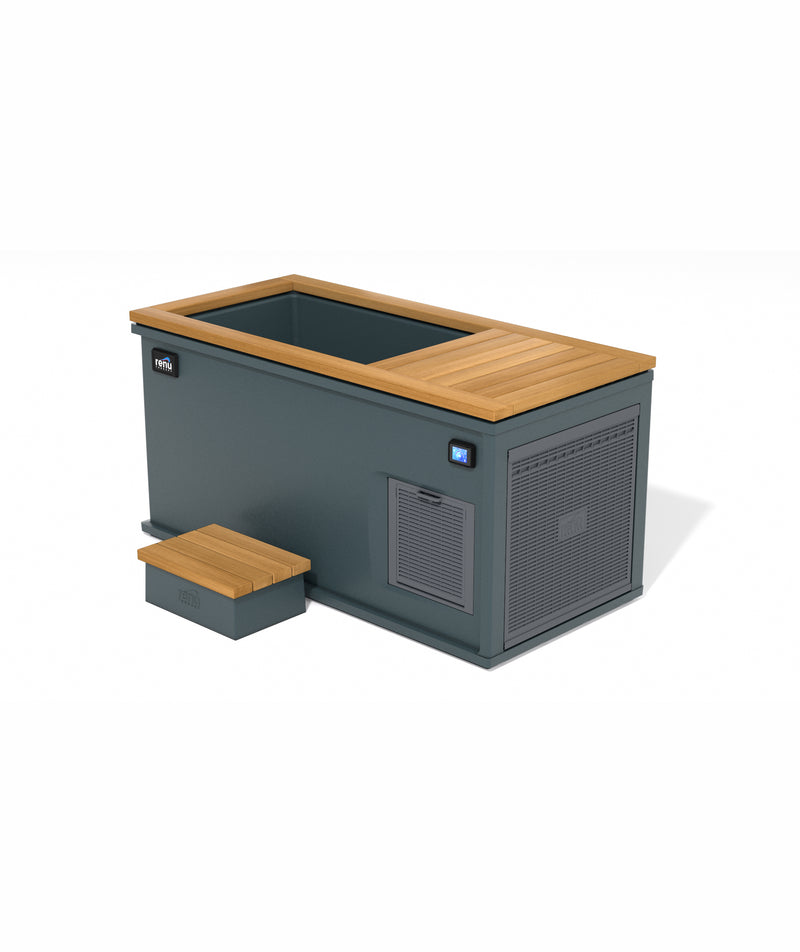
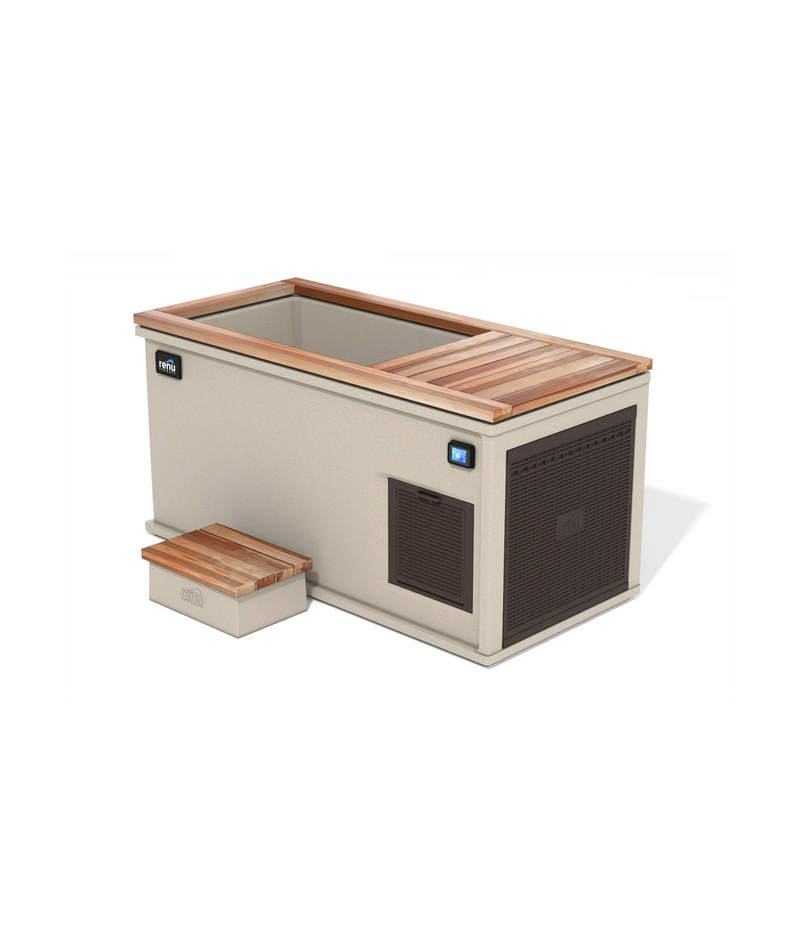
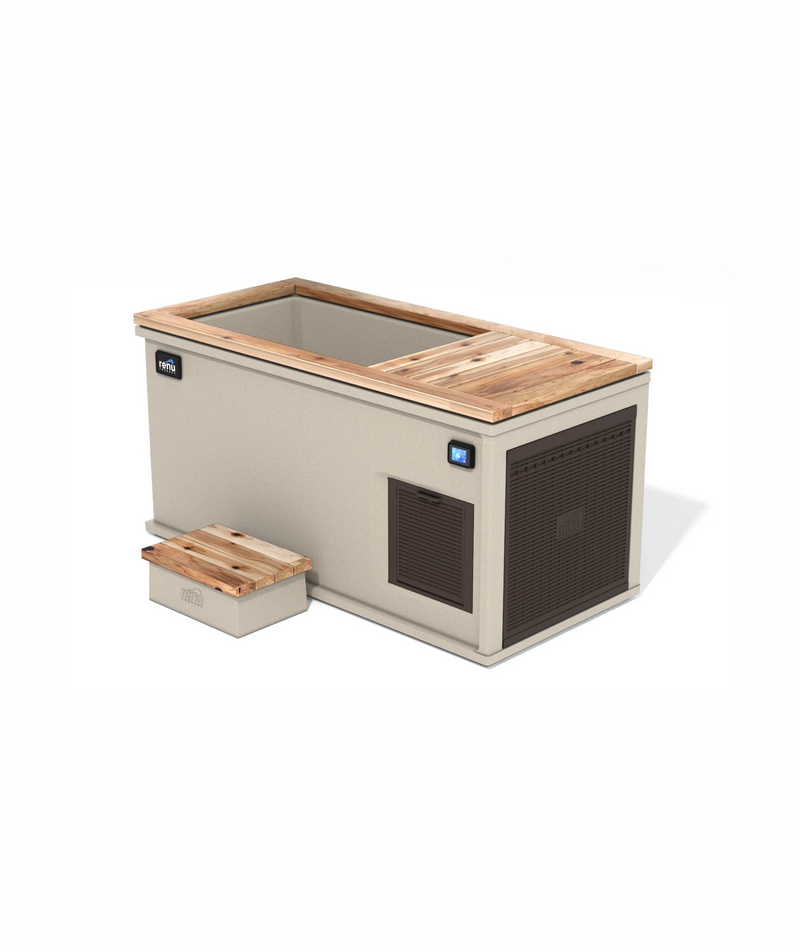
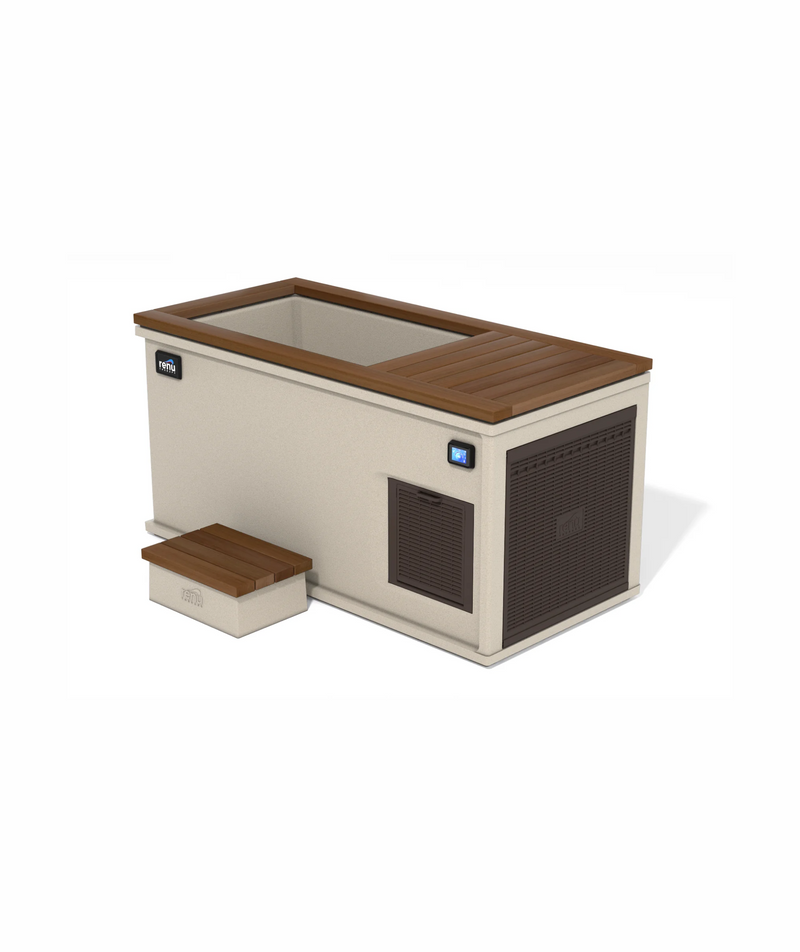
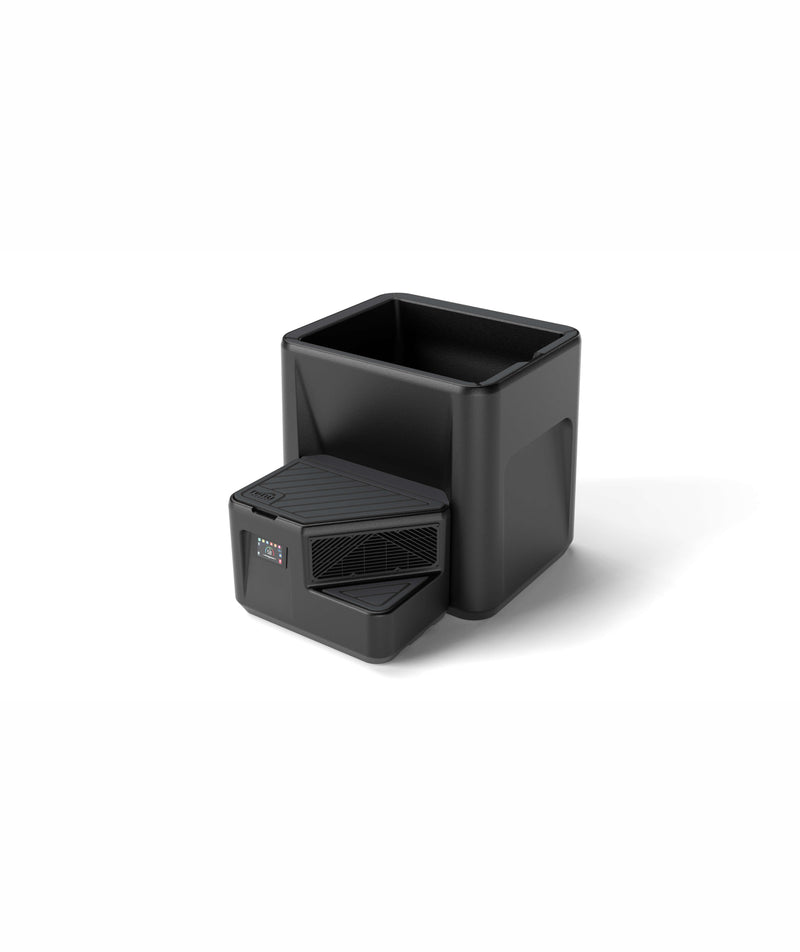
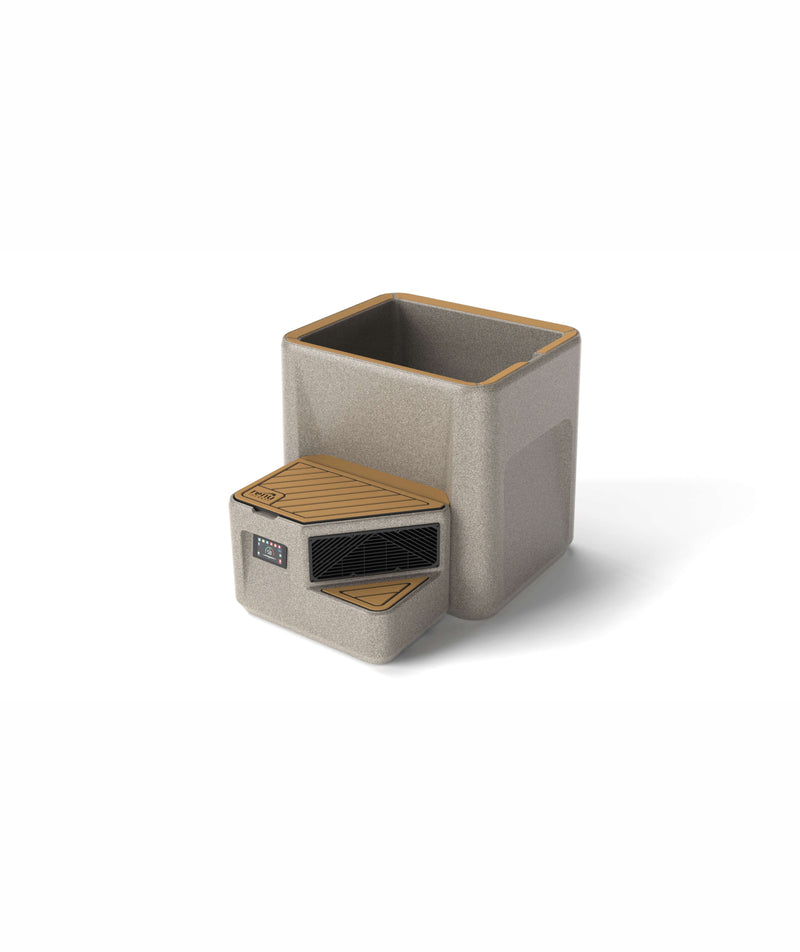
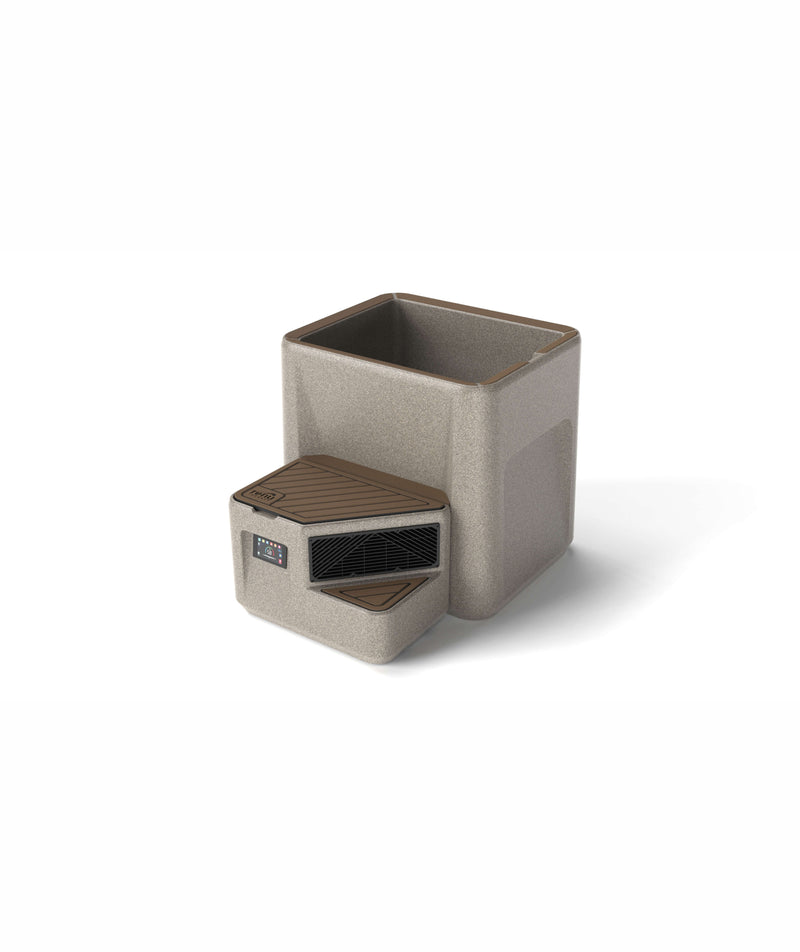
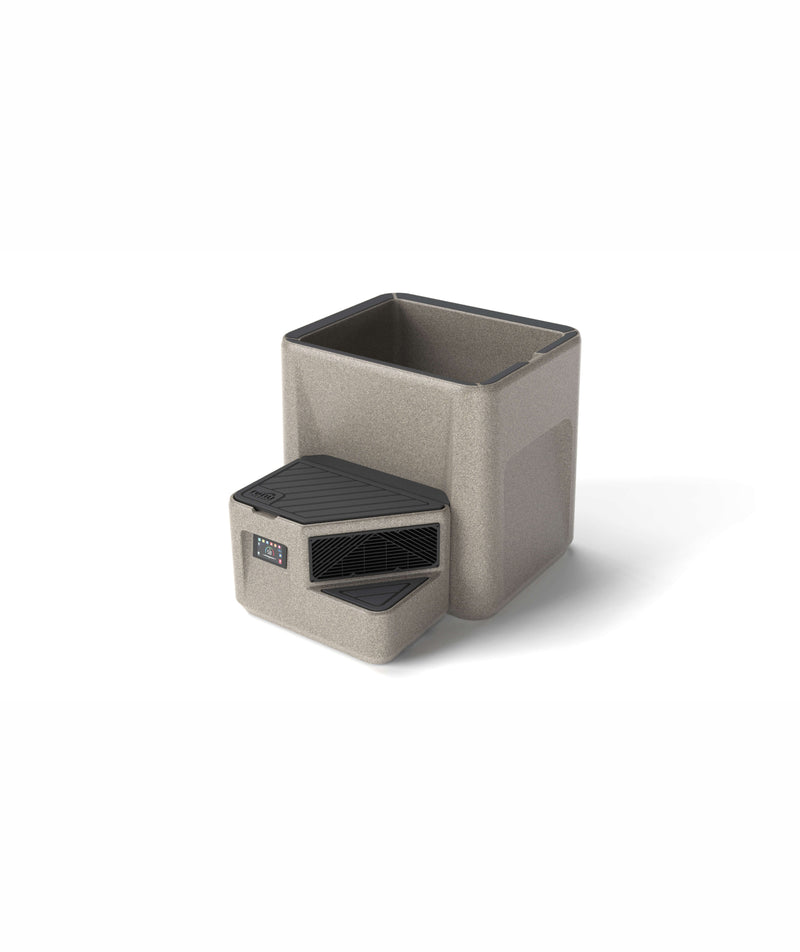
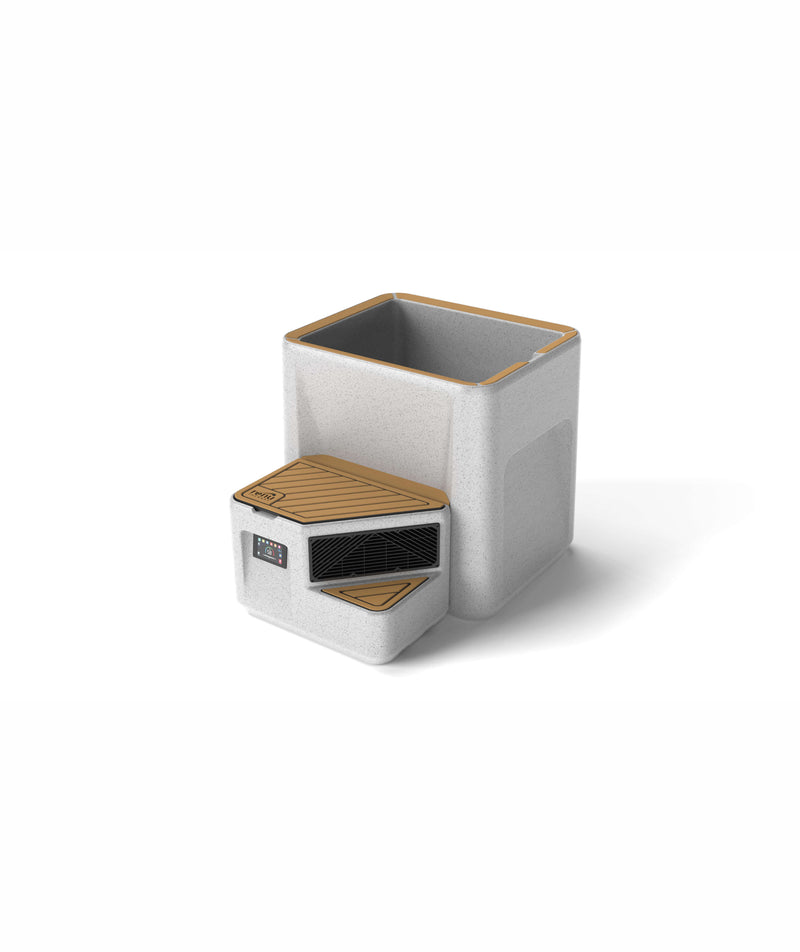
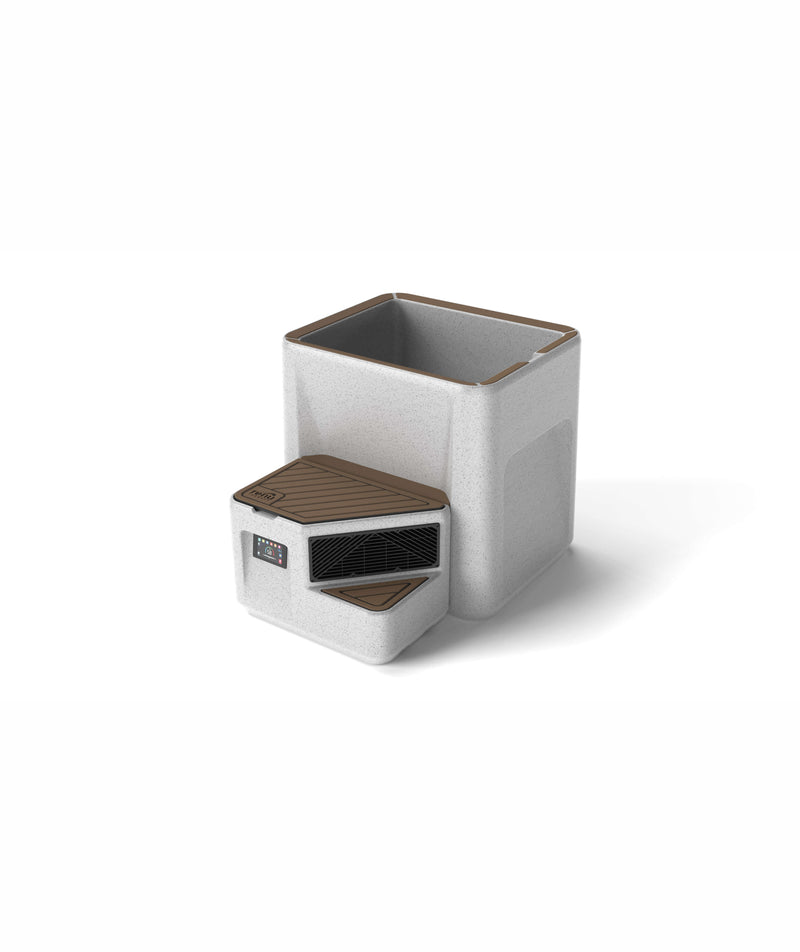
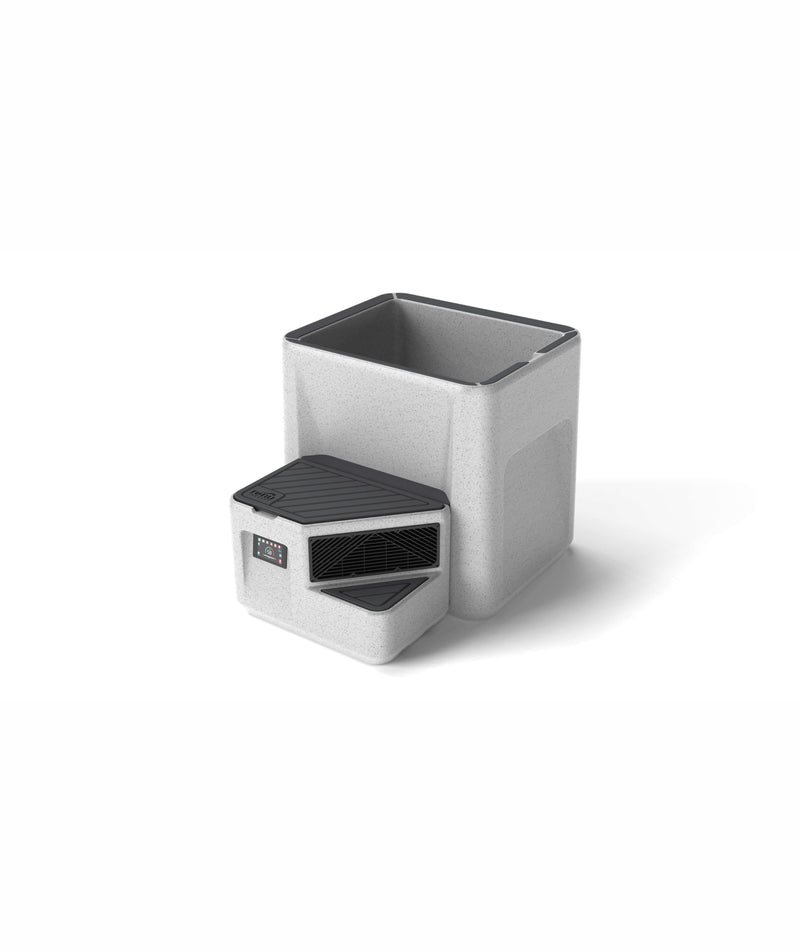
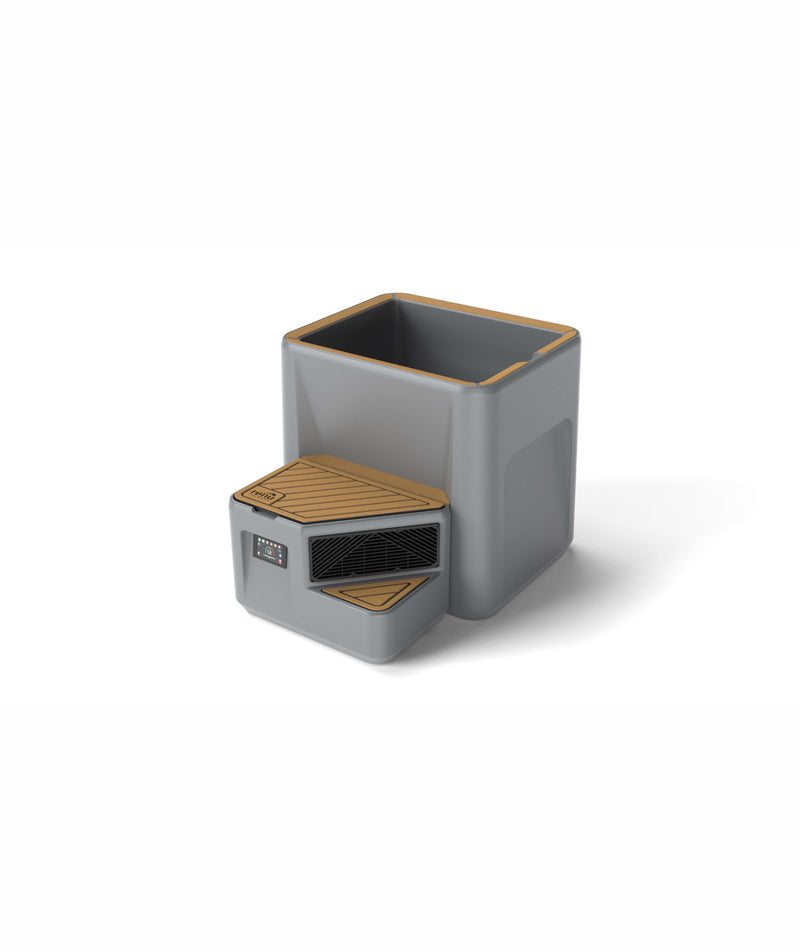
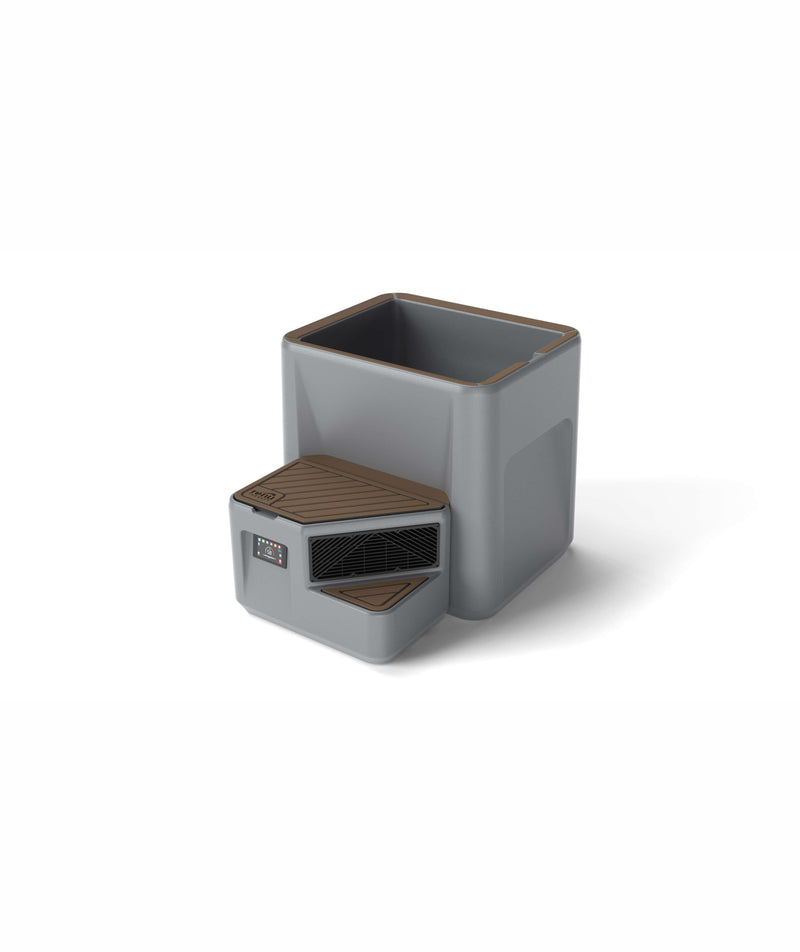
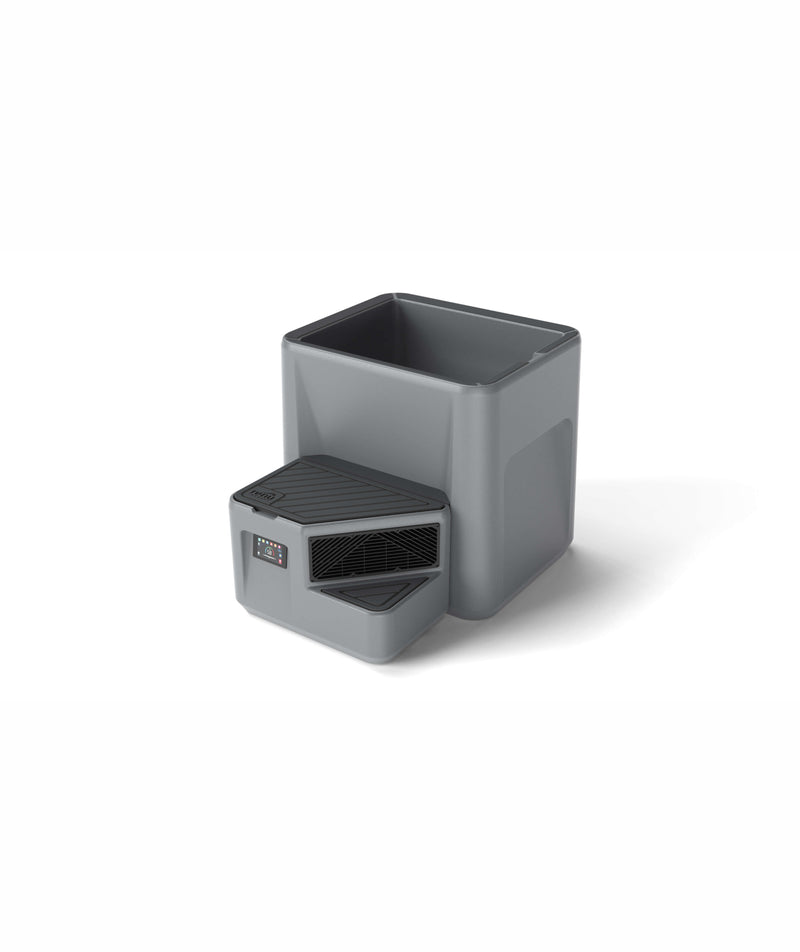
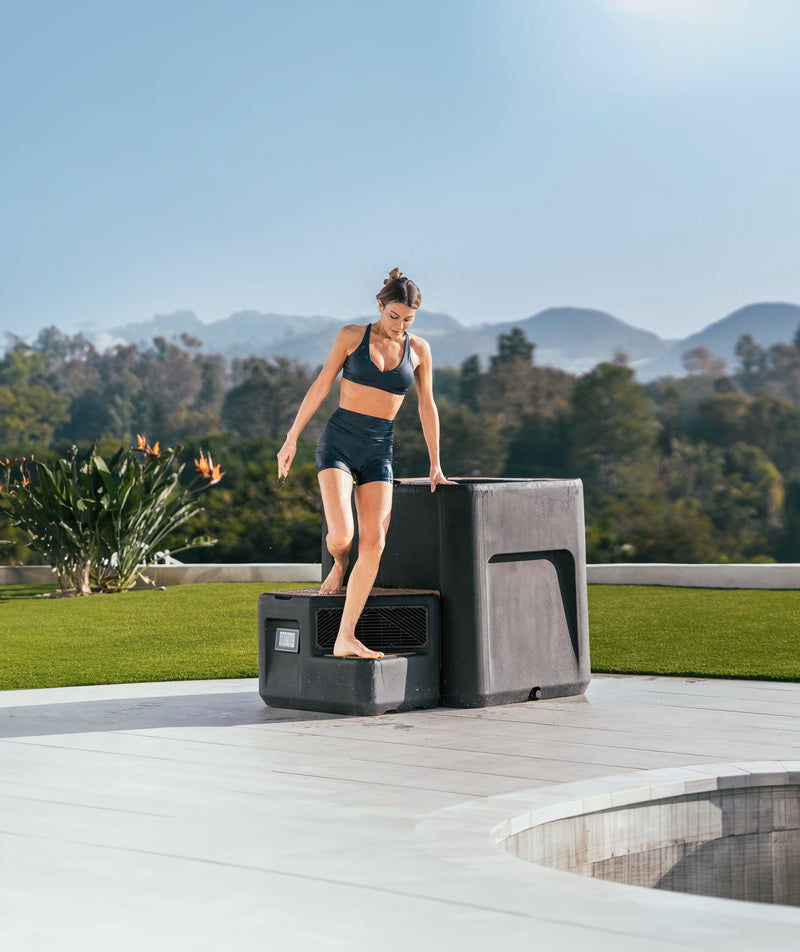
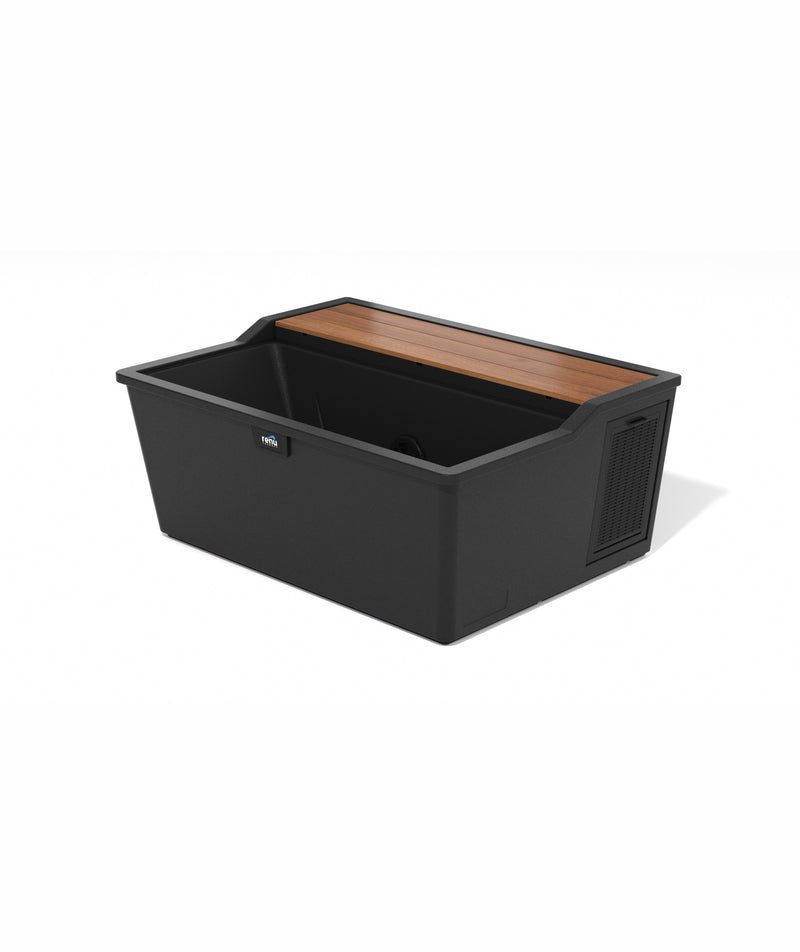
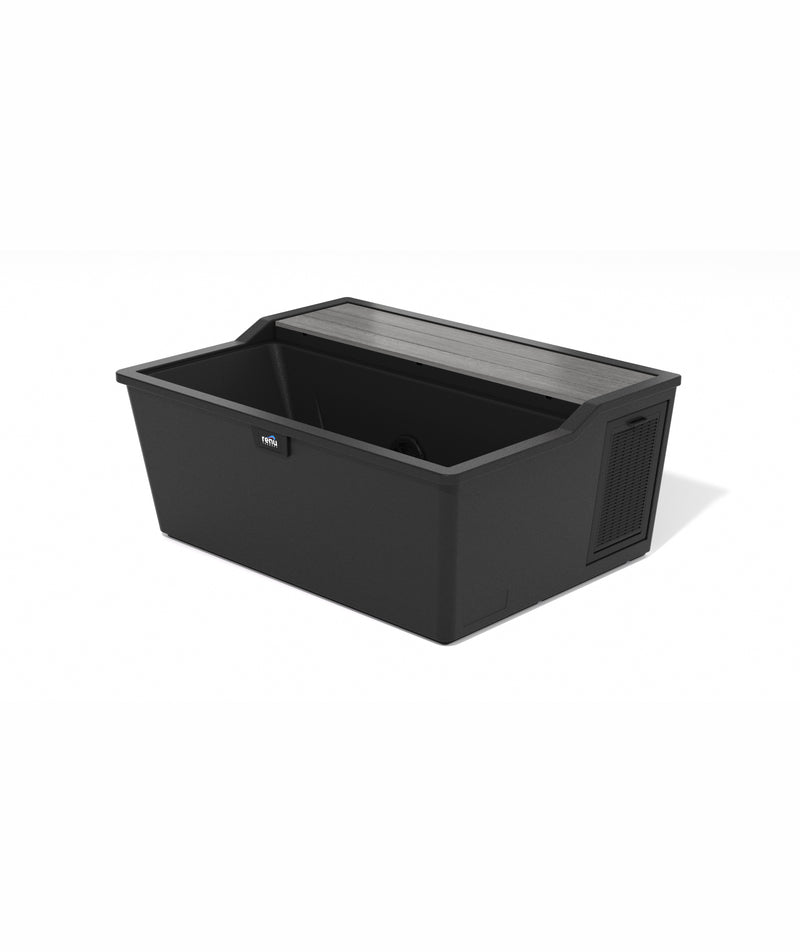
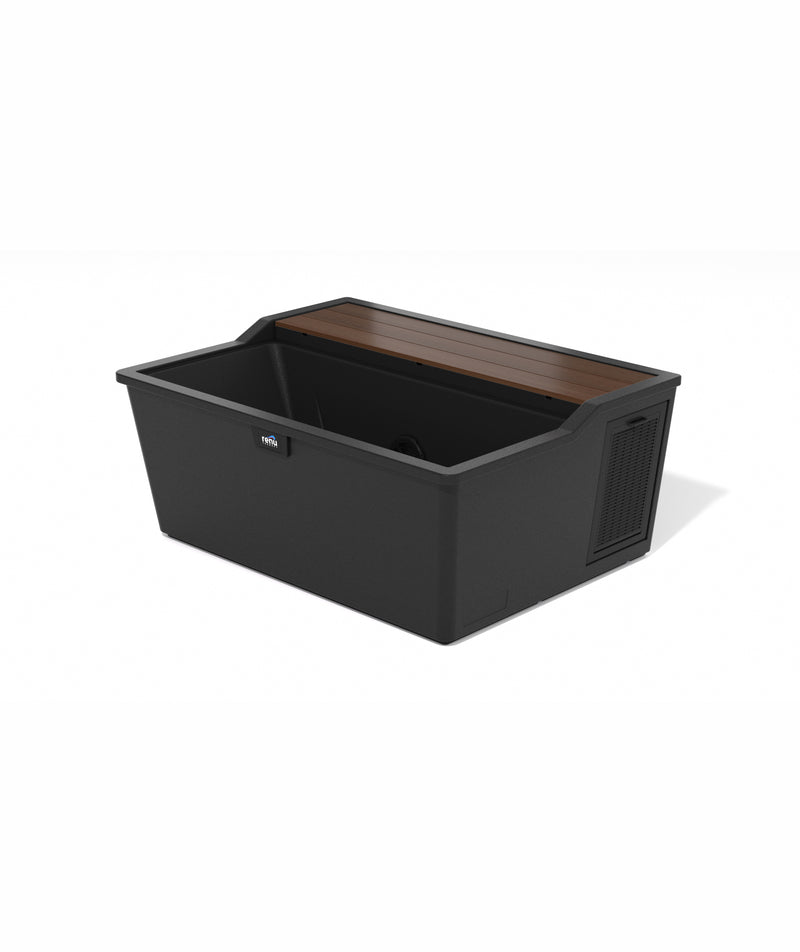
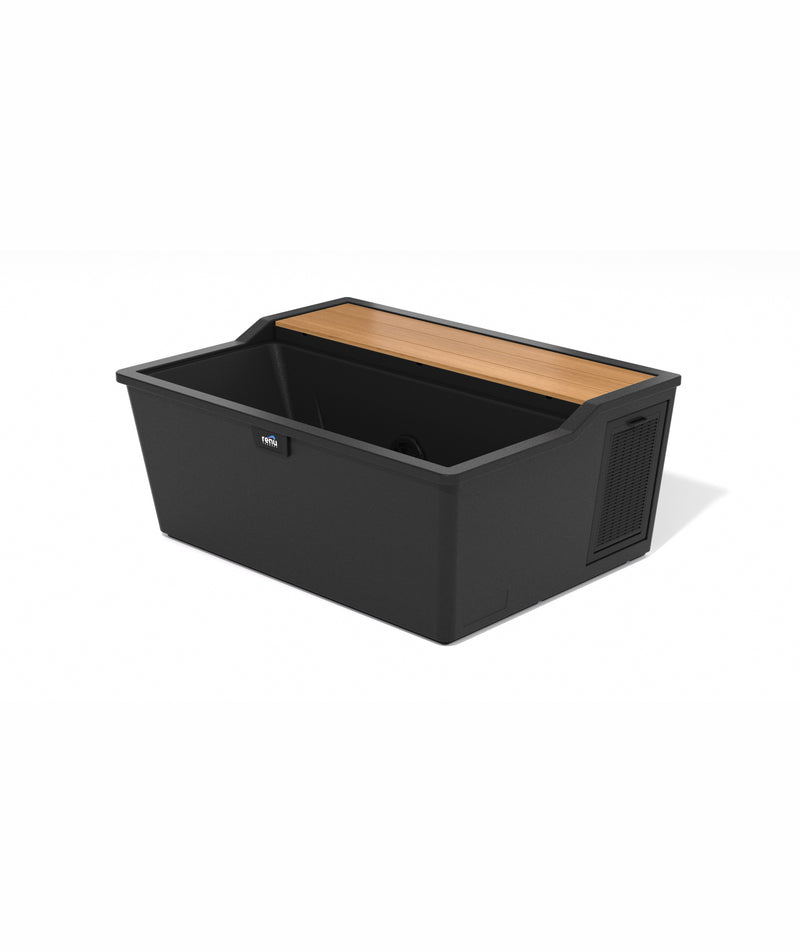
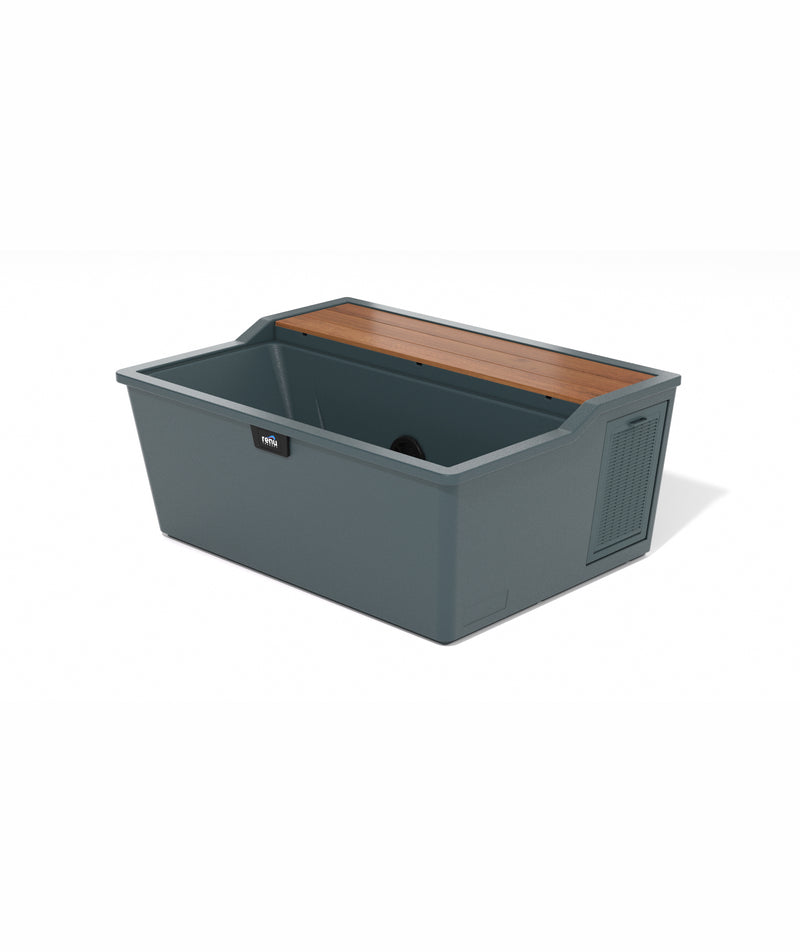
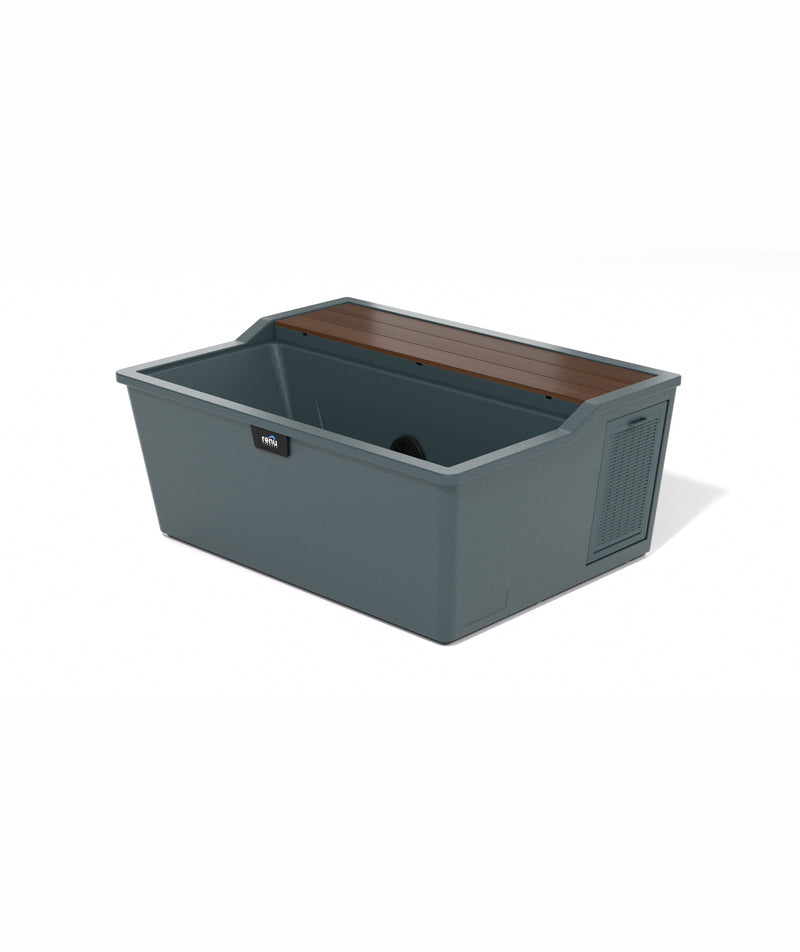
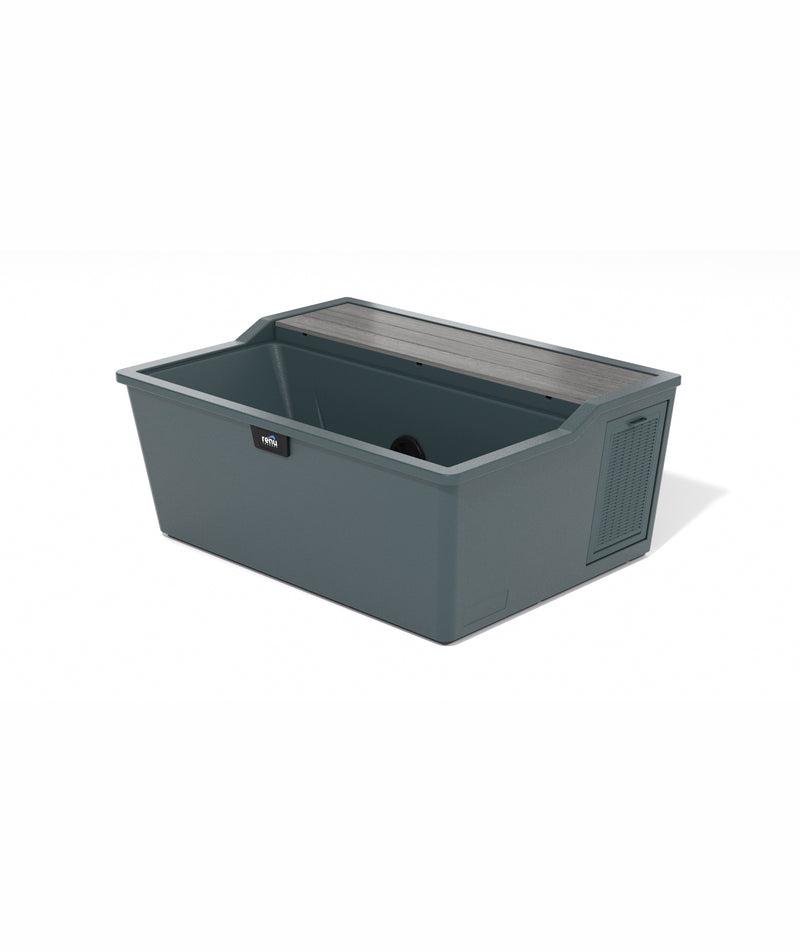
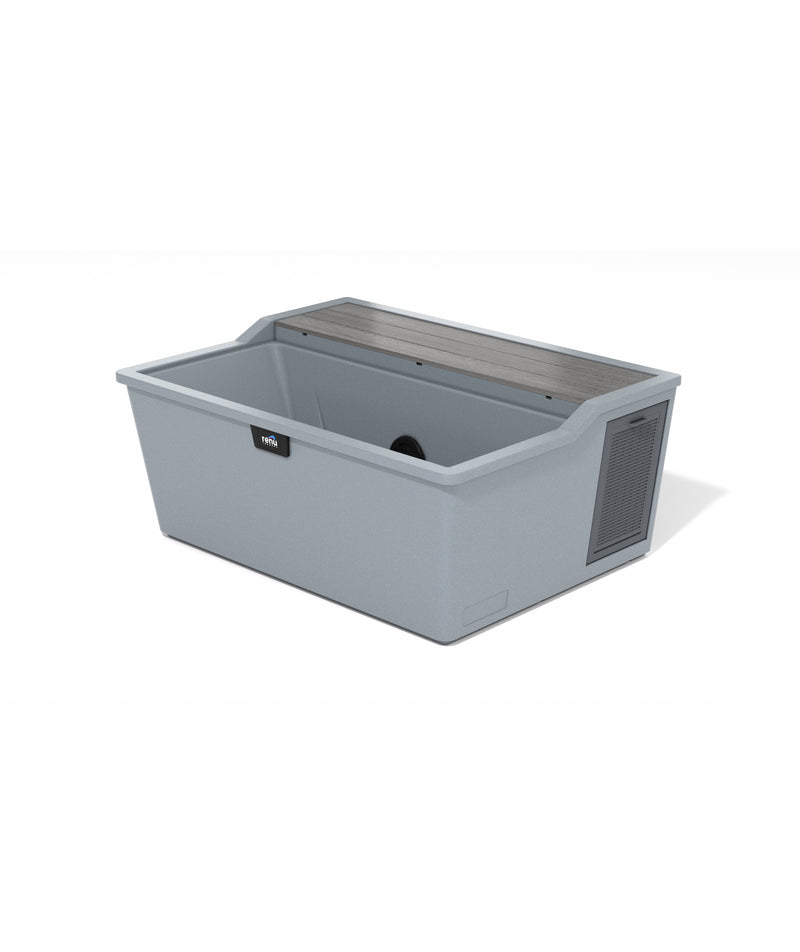
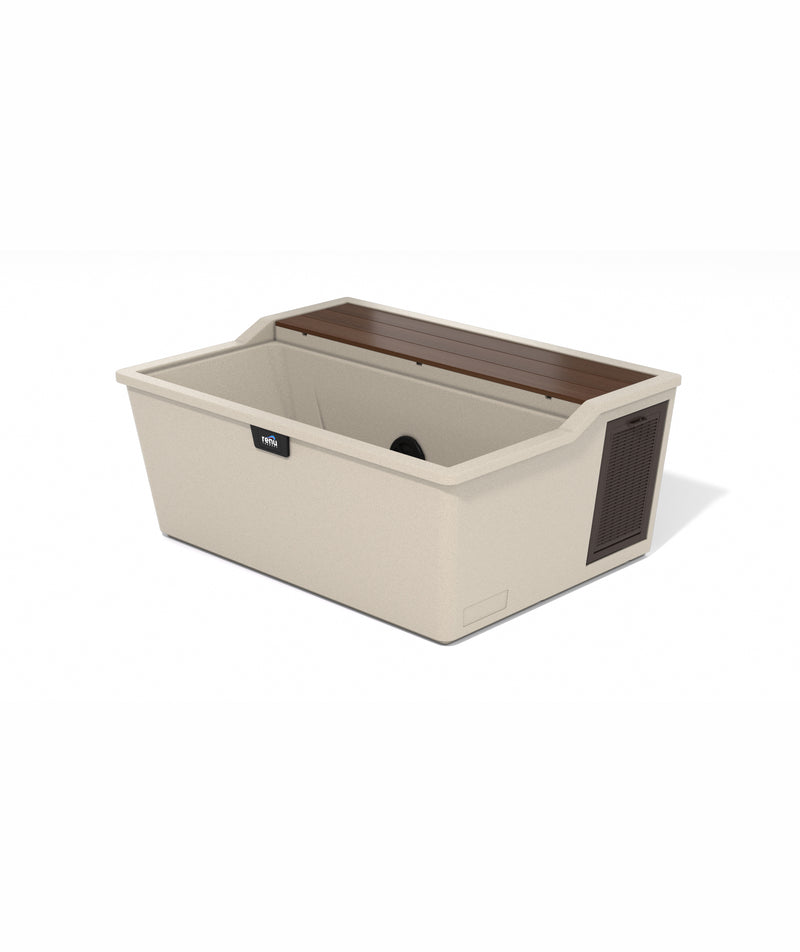
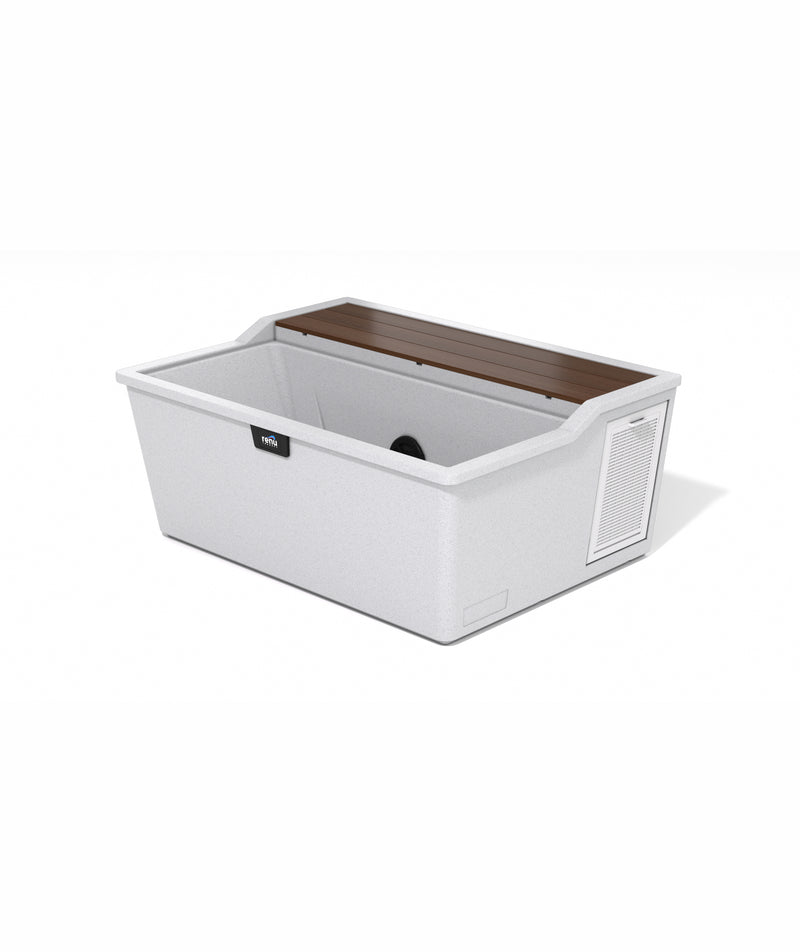
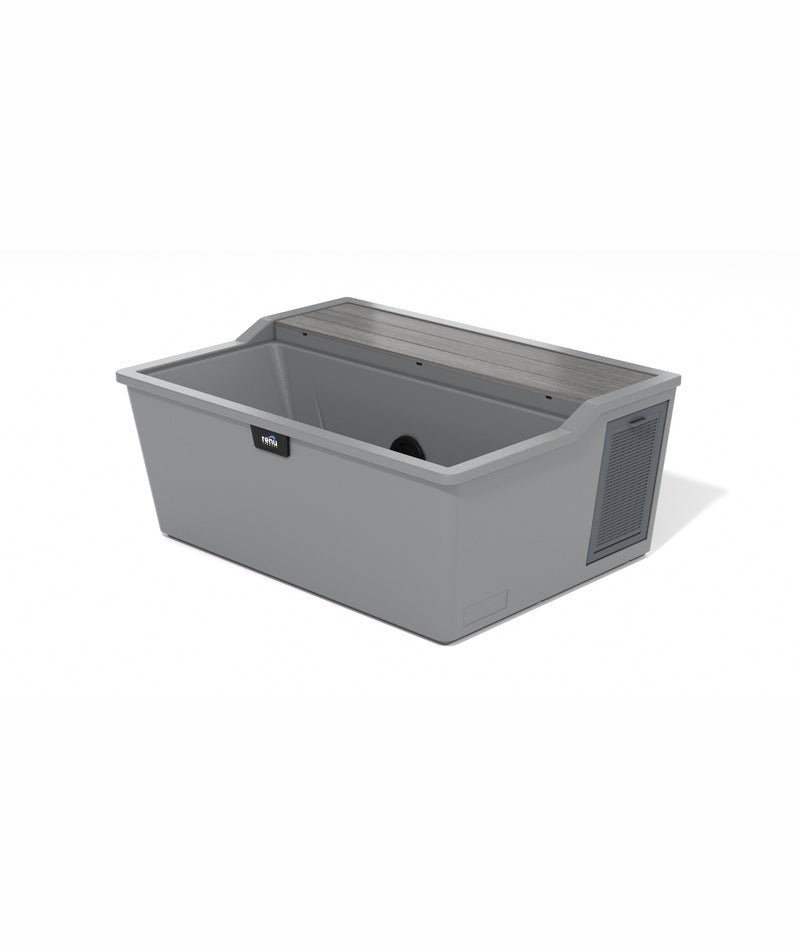
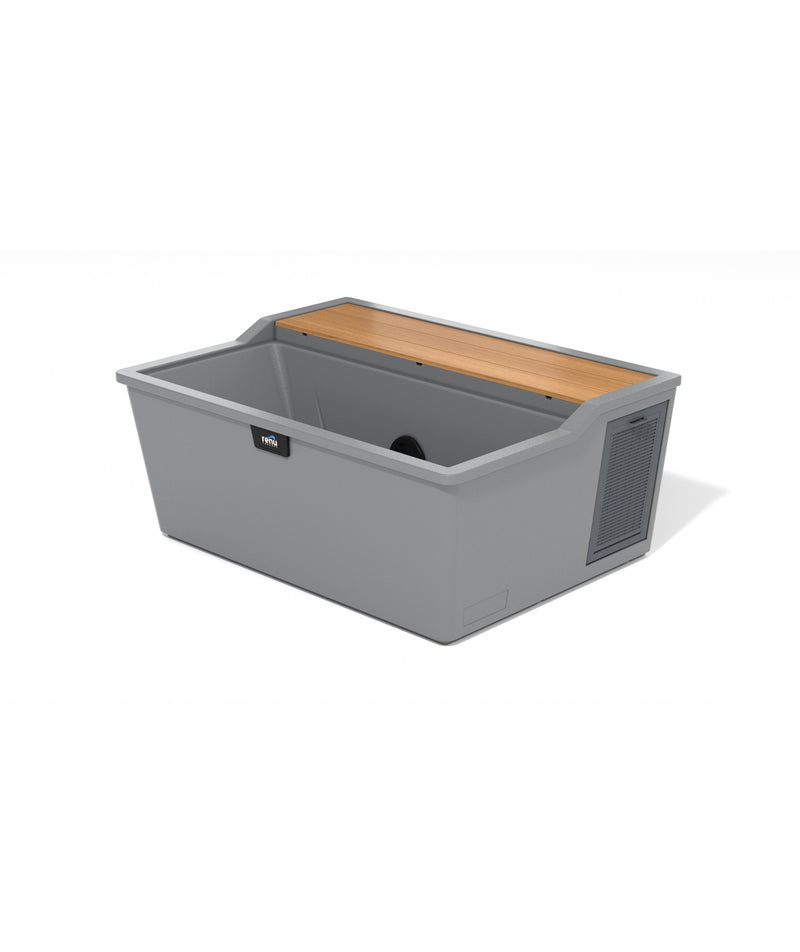
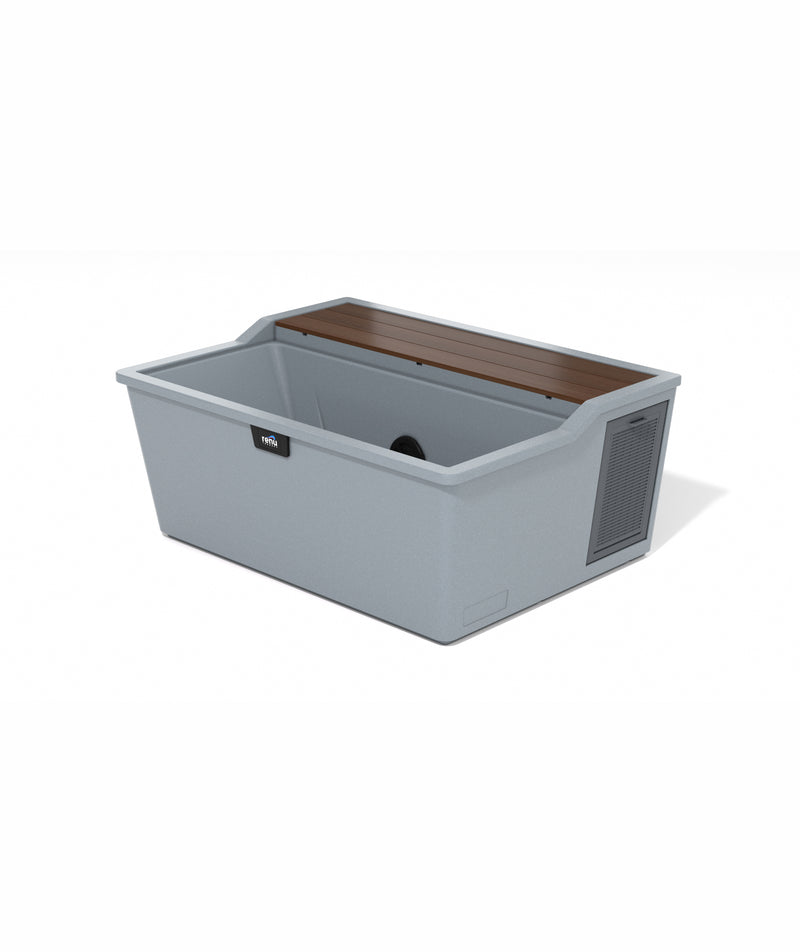
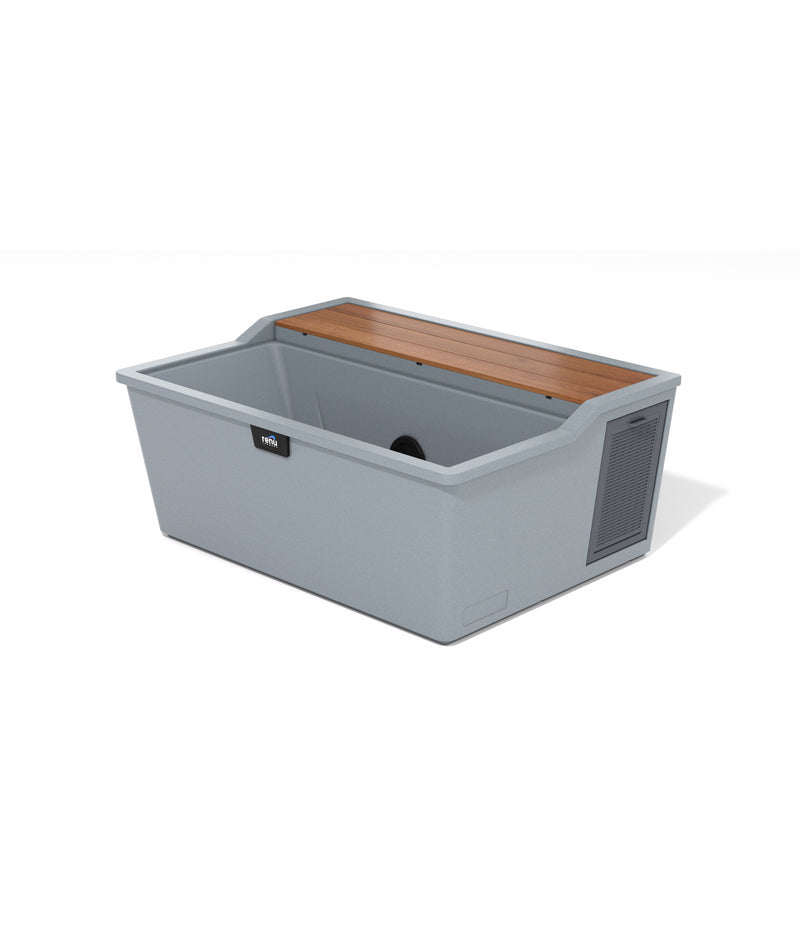
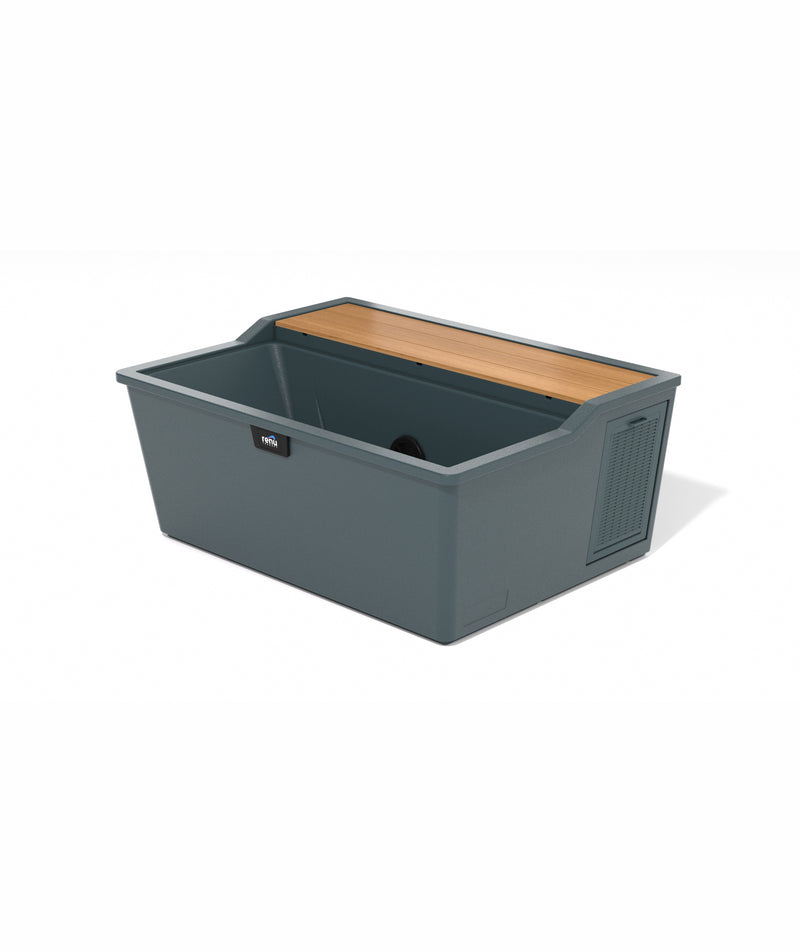
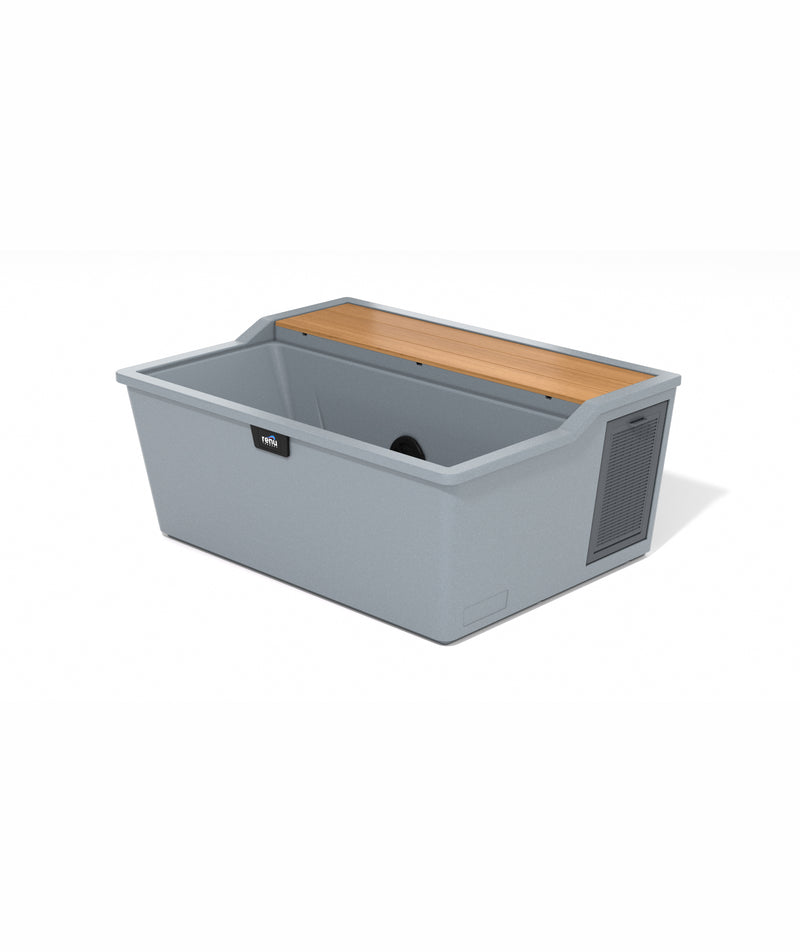
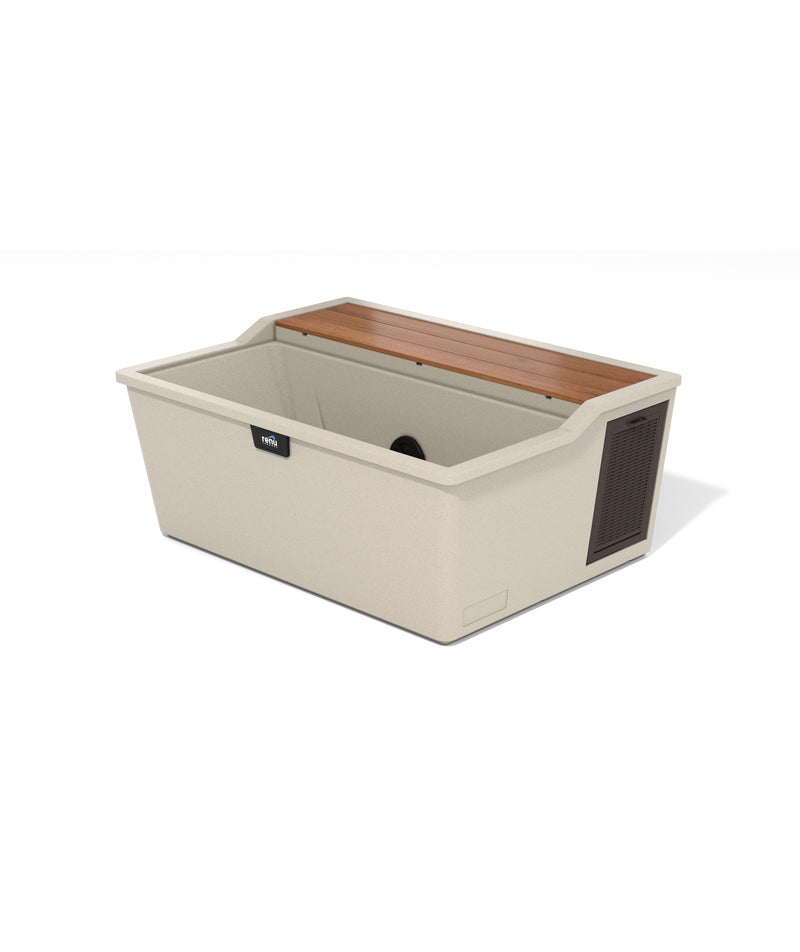
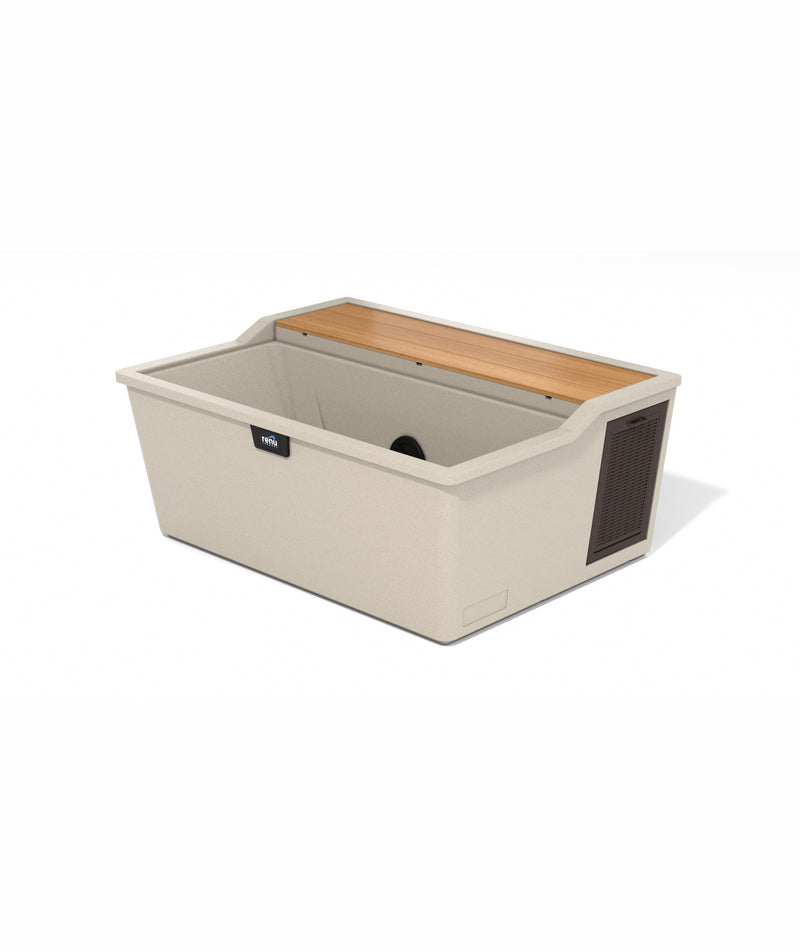
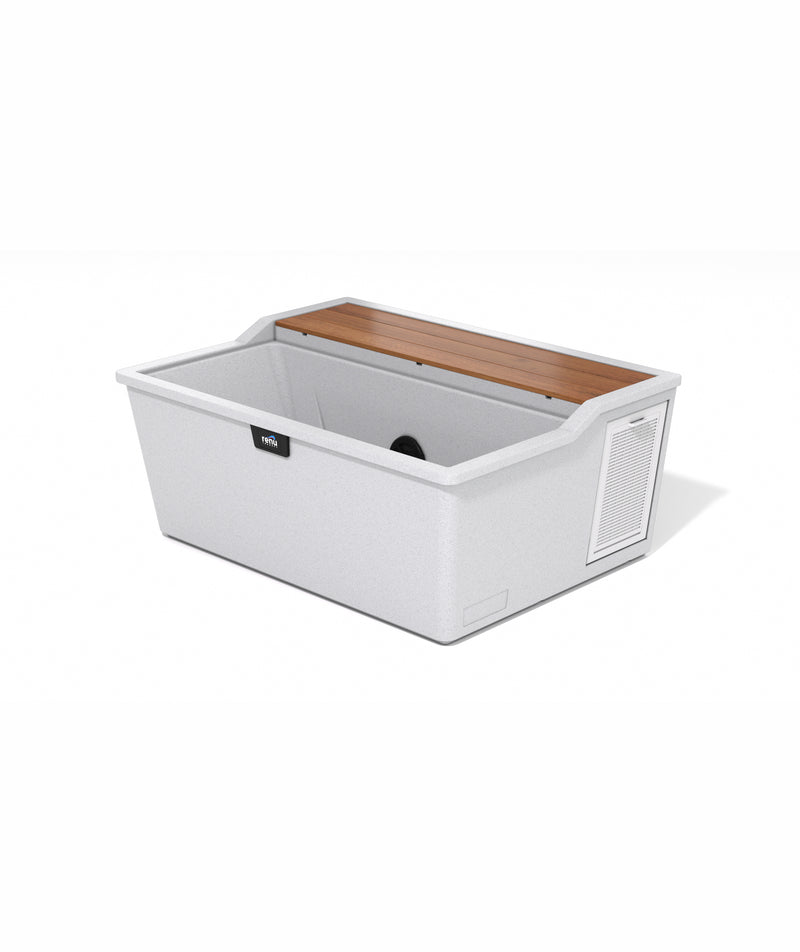
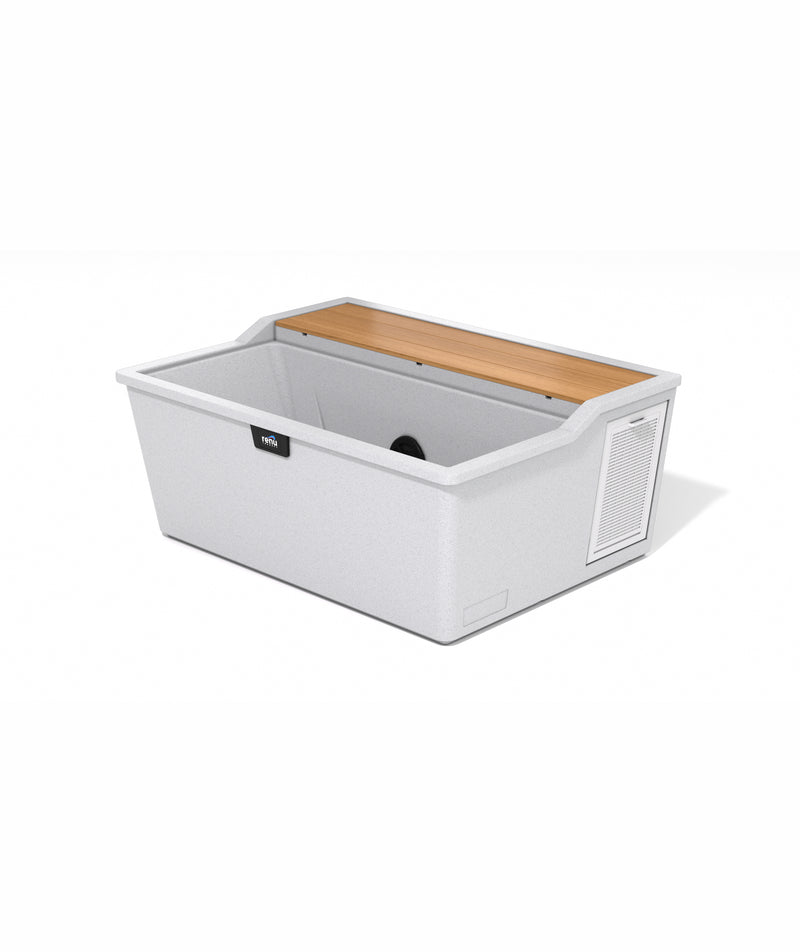
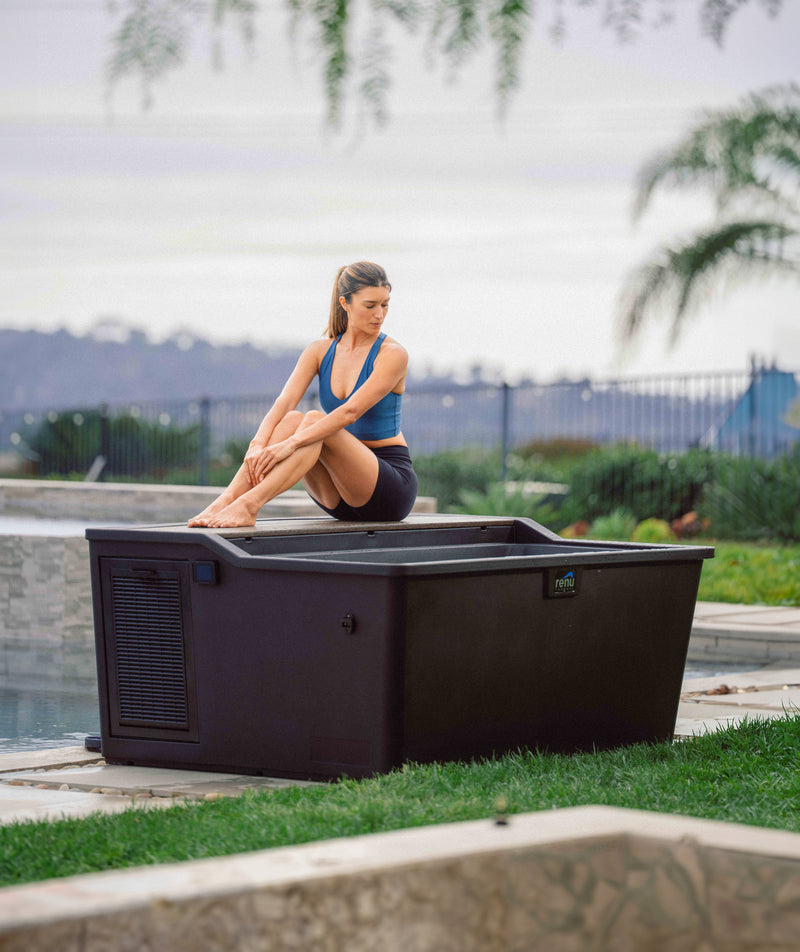
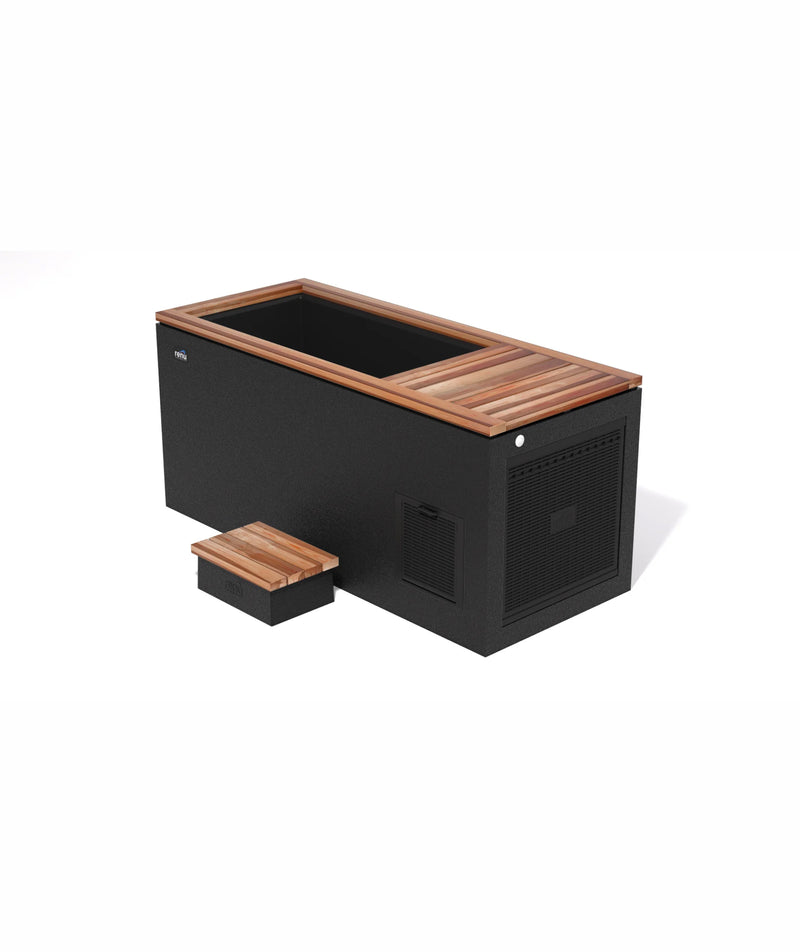
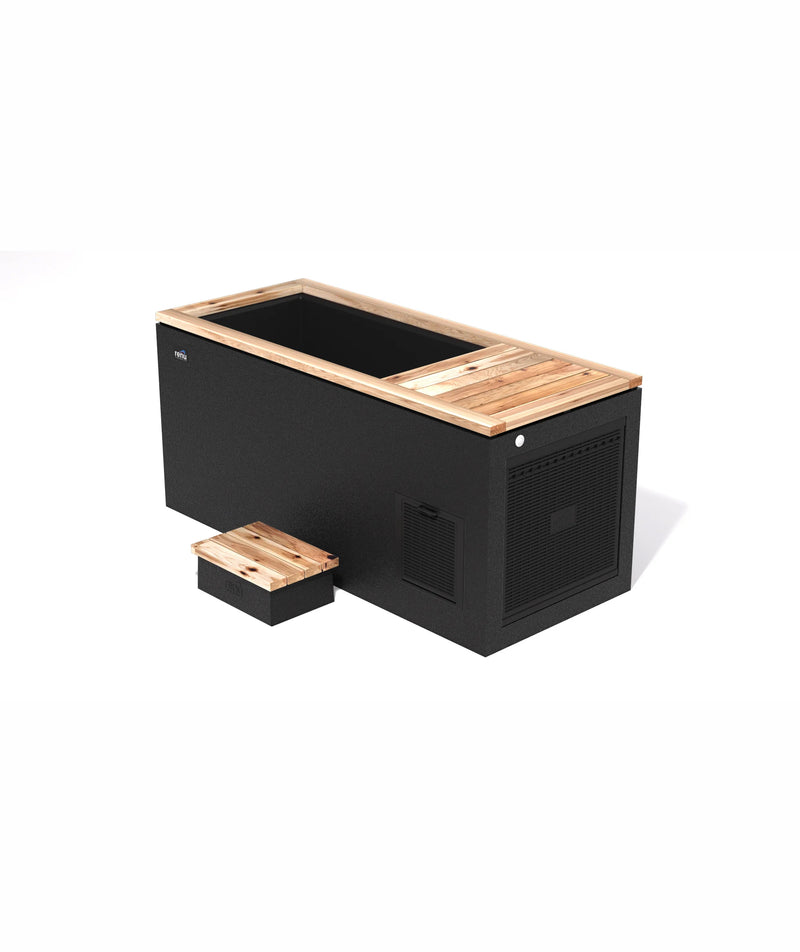
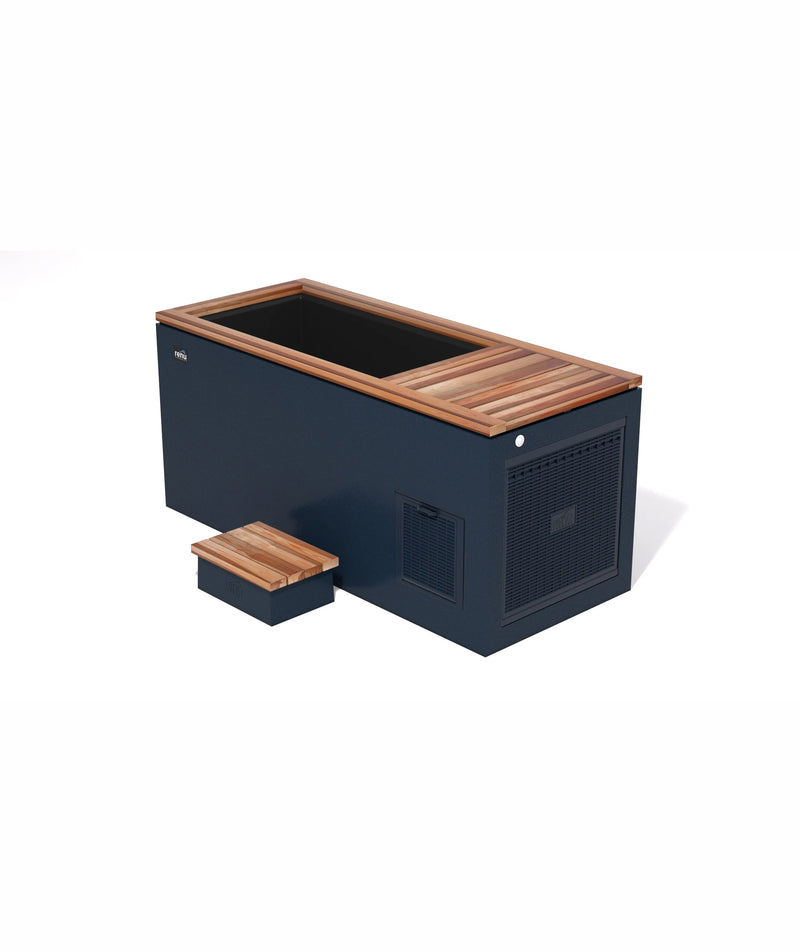
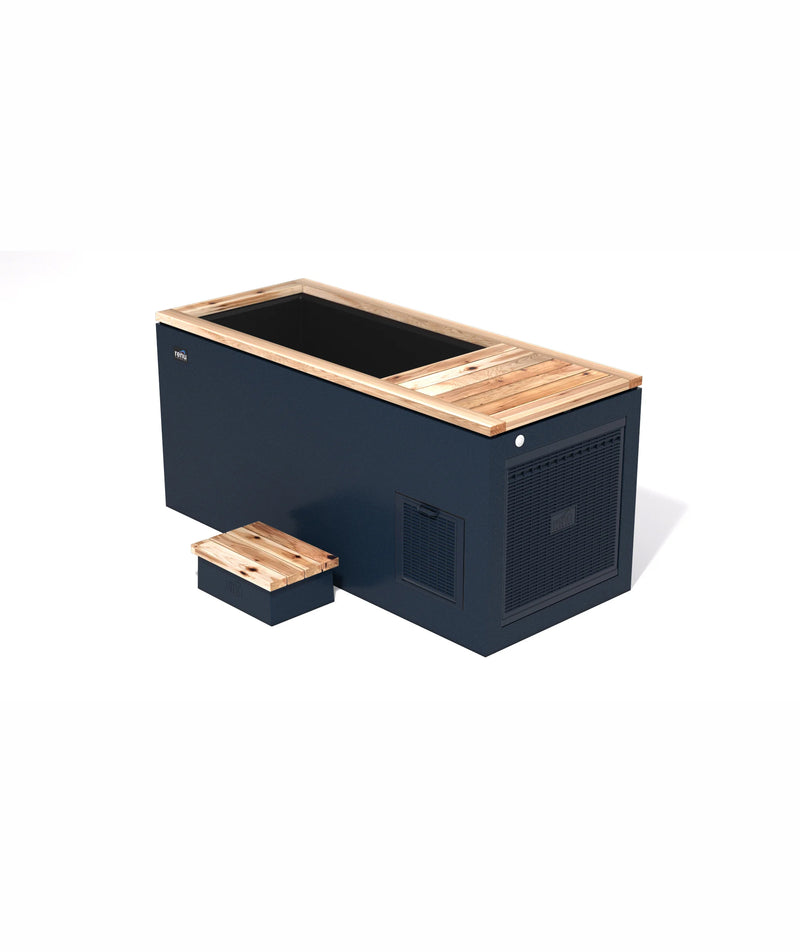
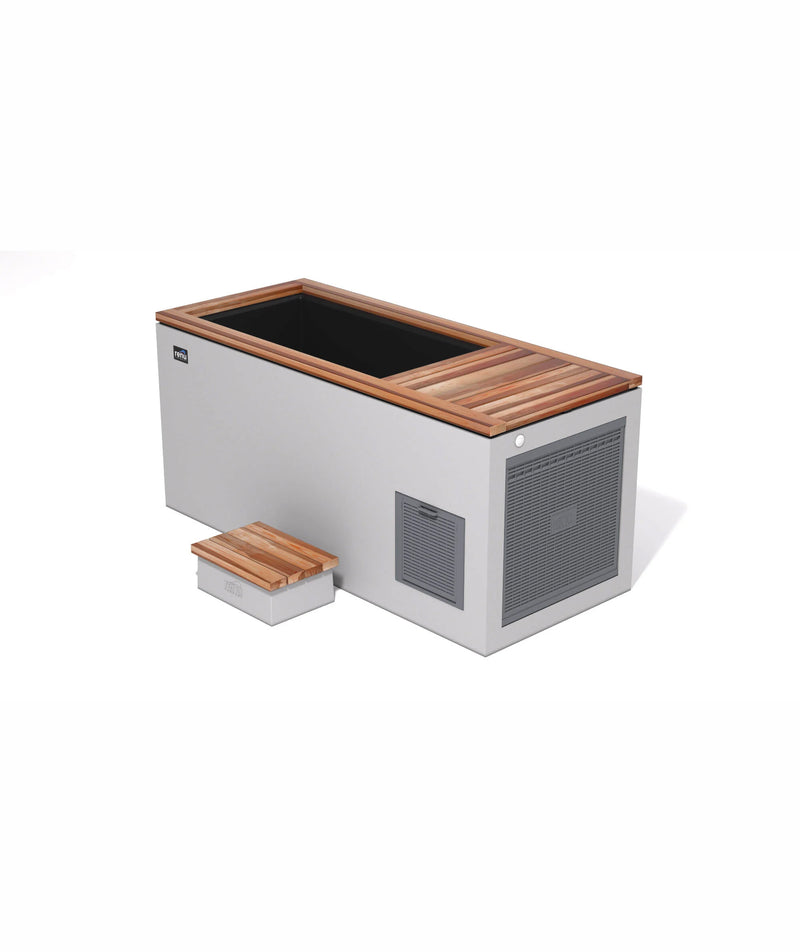
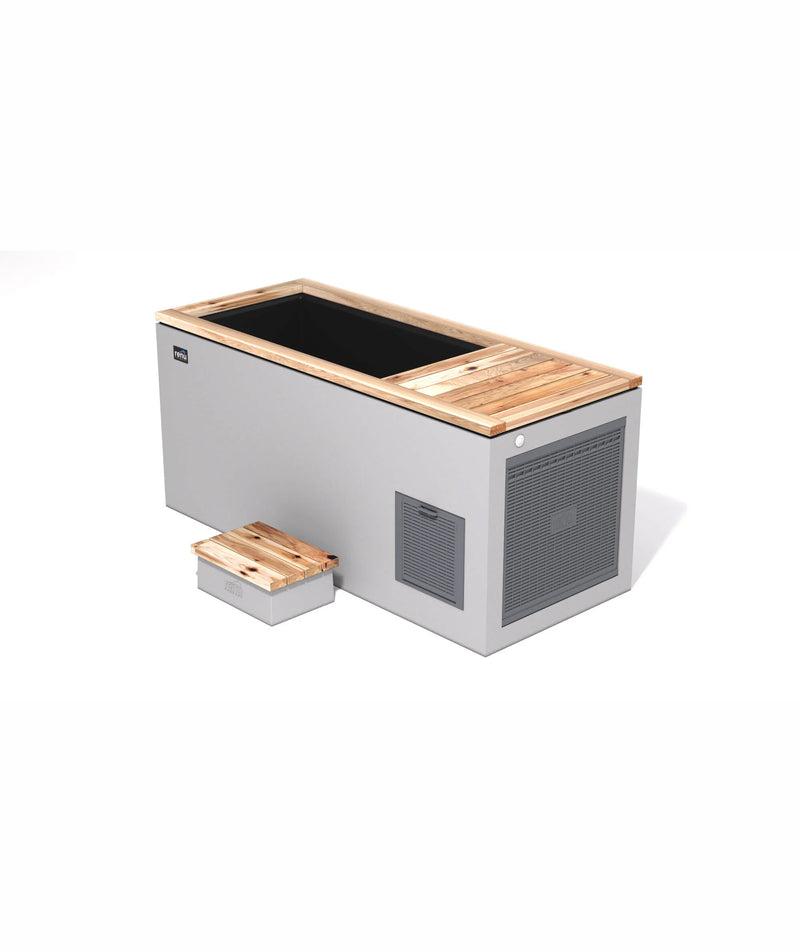
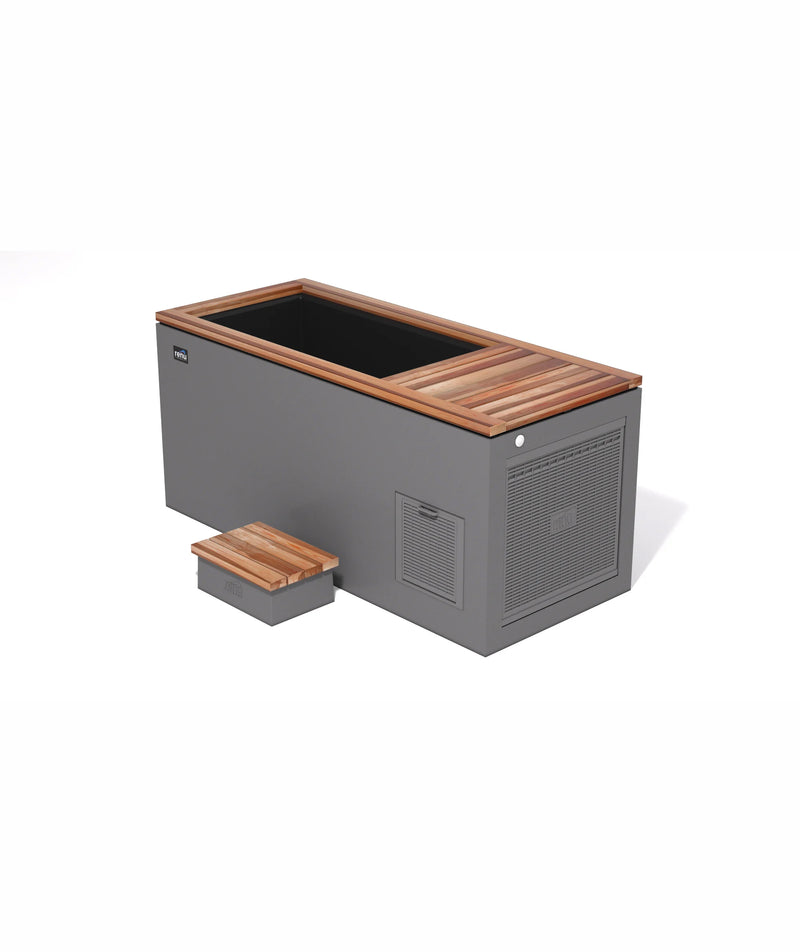
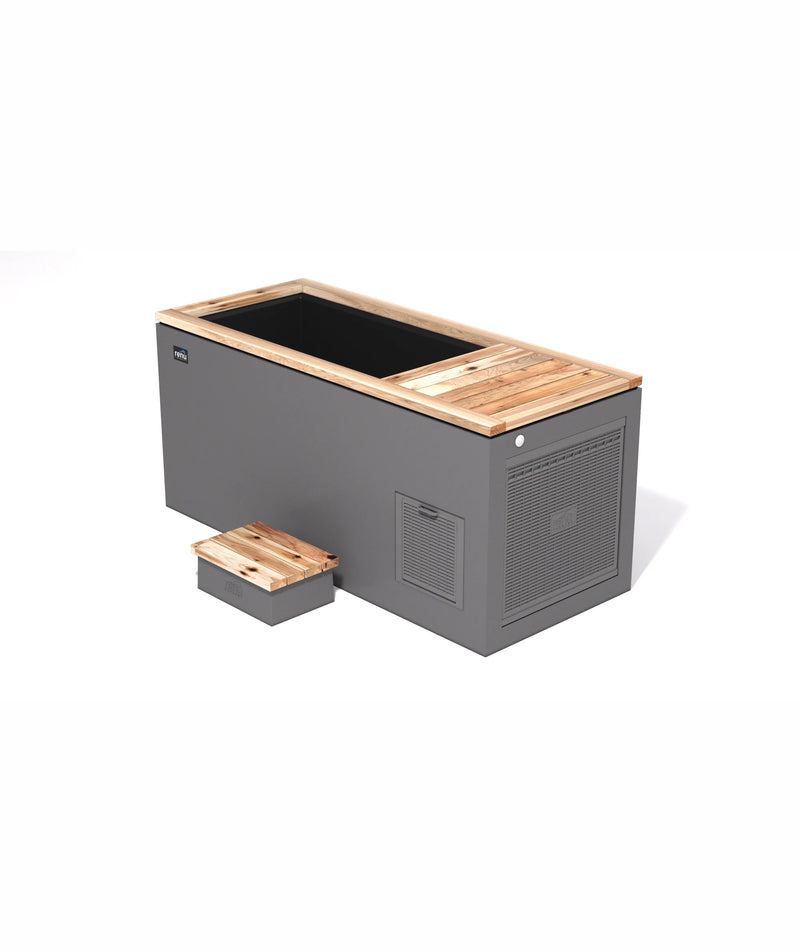
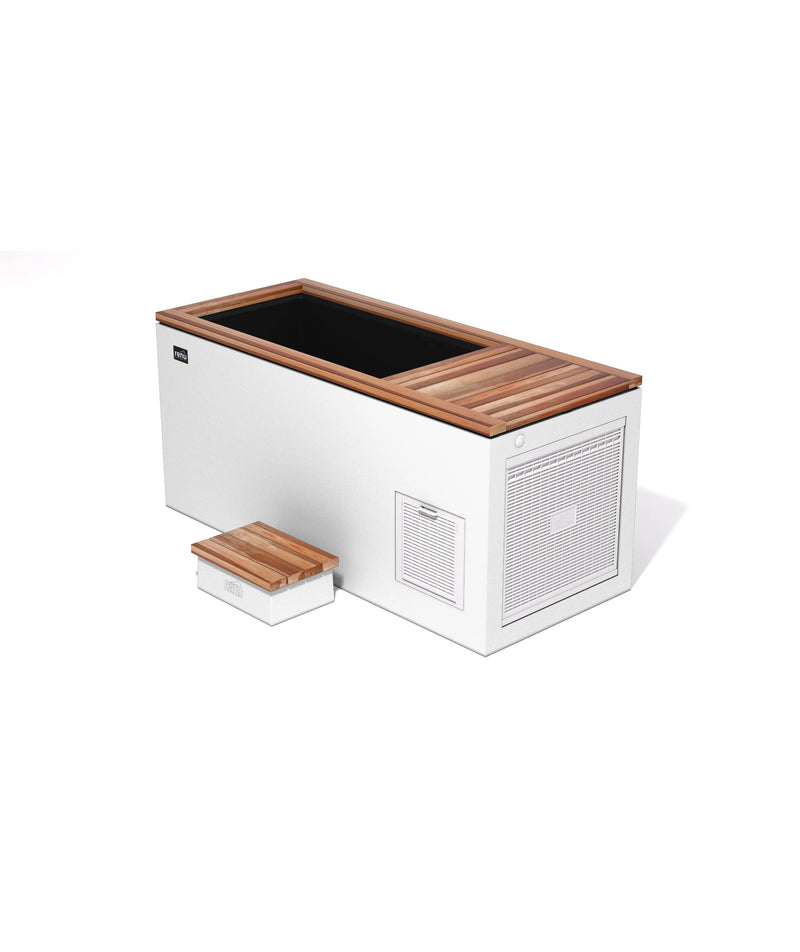
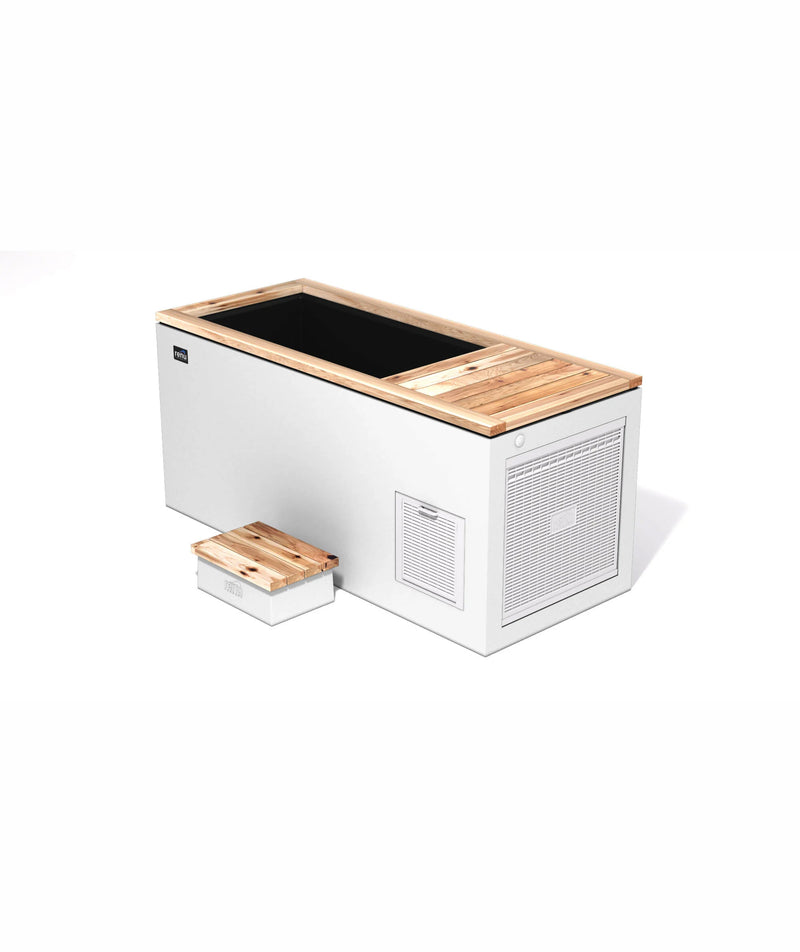
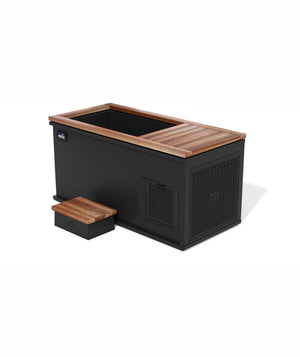
"This was a late addition to the house. We already had a Renu Therapy cold plunge, but it was outside. We thought, why not bring it inside. And we can have a sauna, get everything together. Cold and Hot. It's one of our most favorite parts of the house now."
Some of the best decisions are the ones you almost didn't make. Bringing the plunge indoors turned a feature into a ritual, something woven into the day rather than a trip outside.
"It's one of our most favorite parts of the house now."

Why Renu
Q: How did you land on Renu?
"We looked at a few different brands, and Renu was the one that caught our eye the most. We liked the way the cold plunge works. We heard from a couple of friends who used them, and they were very happy. We're thrilled with the way it's been."
He didn't guess. He looked, he asked people he trusted, and he chose. For someone who has spent a career around equipment that has to perform, the standard was simple: it has to work, and it has to look like it belongs in the space.

The Routine
Q: Walk us through how you actually use it.
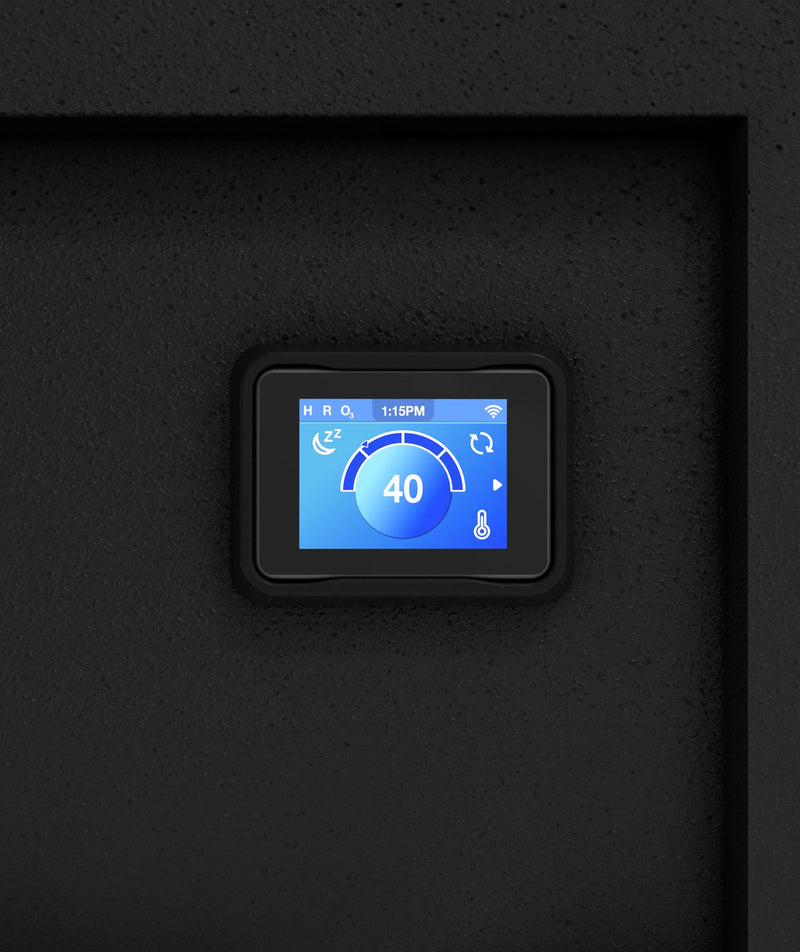
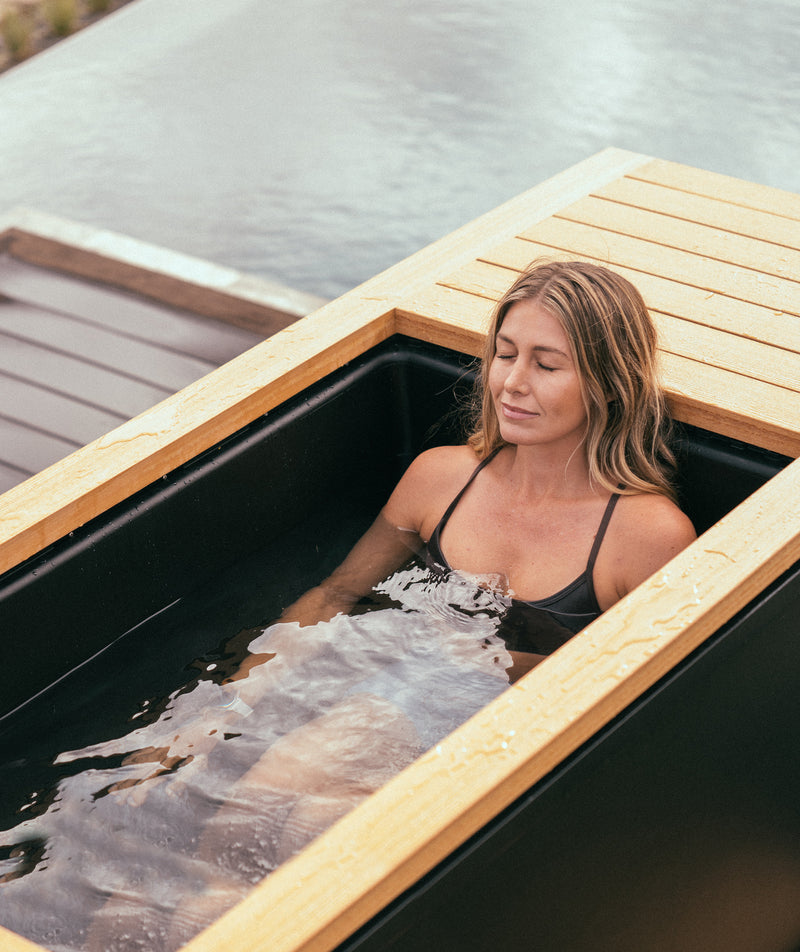
"I like to do it in the afternoons, after golf or tennis or working out. It helps me recover a lot quicker. I usually have it around 48 degrees. I spend between three and four and a half minutes inside, then come out and let my body get back to temperature."
Q: Any tricks for getting through it?
"I play music, a song about four minutes long, so it helps you get through it. More than anything, I try to control my breathing. Stay calm. The more you move in a cold plunge, the colder it feels. The calmer you are, the better it actually feels."
There's no biohacking language here. No optimization charts. Just a repeatable routine he can actually keep: a temperature, a few minutes, one song, and his breath.
"The calmer you are, the better it actually feels."

Building a routine you can actually keep starts with a setup you can count on.
Recovery Is the Career
Q: What do people misunderstand about longevity?
"Taking care of yourself. I've been fortunate to be pretty much injury free throughout my career, and that's why I've been able to play professionally for 27 years. Sometimes people don't realize how important resting and recovering is. Even more than working out and getting stronger."
Q: How big a part has cold therapy played?
"In the last 5 or 10 years, it's been huge. As I get older, my joints feel it more. When I go a week or two without cold therapy, my body feels it. So I try to stay as consistent as possible. When it comes to aches and pains, it's one of the things that's helped me the most."
This is the heart of it. For a professional athlete, recovery isn't the reward at the end of the work. It is the work. Consistency over intensity.
"When I skip a week or two, my body feels it. So I try to stay consistent."
Listen to Your Body
Q: How do you decide when to push and when to rest?
"Our bodies are amazing, but sometimes you have to listen. Some days you think you should work out, and your body is telling you it's not there. If you push through those moments, that's when you can get injured. So I think it's important to listen, a lot of the times."
The wisdom of a long career, in one idea. The goal isn't to do more. It's to do the right things consistently, for a long time.

The Takeaway
Sergio's setup isn't complicated. A home that makes the healthy choice the easy one. A routine simple enough to keep. And equipment reliable enough that it's there every time he reaches for it.
Reliability isn't a feature. It's the point.

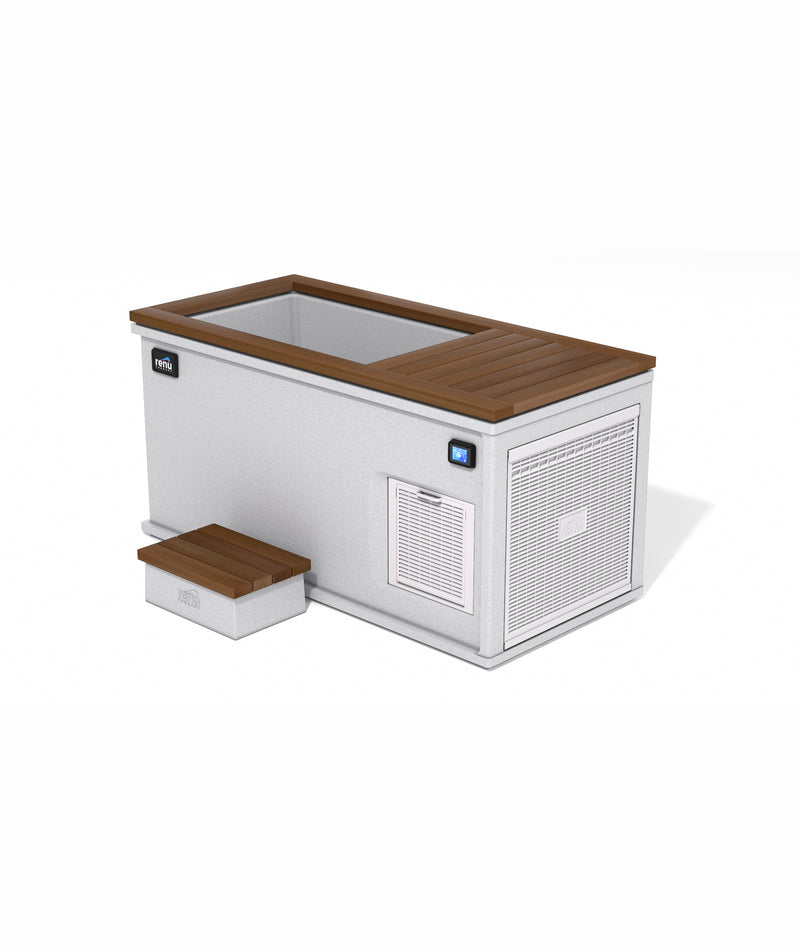
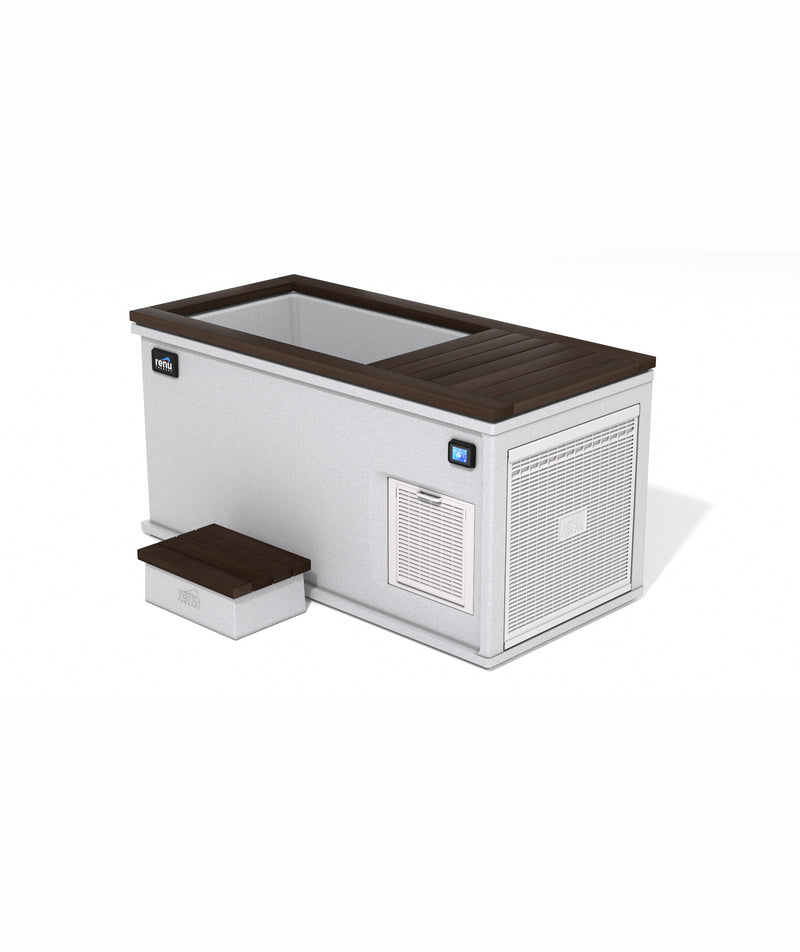
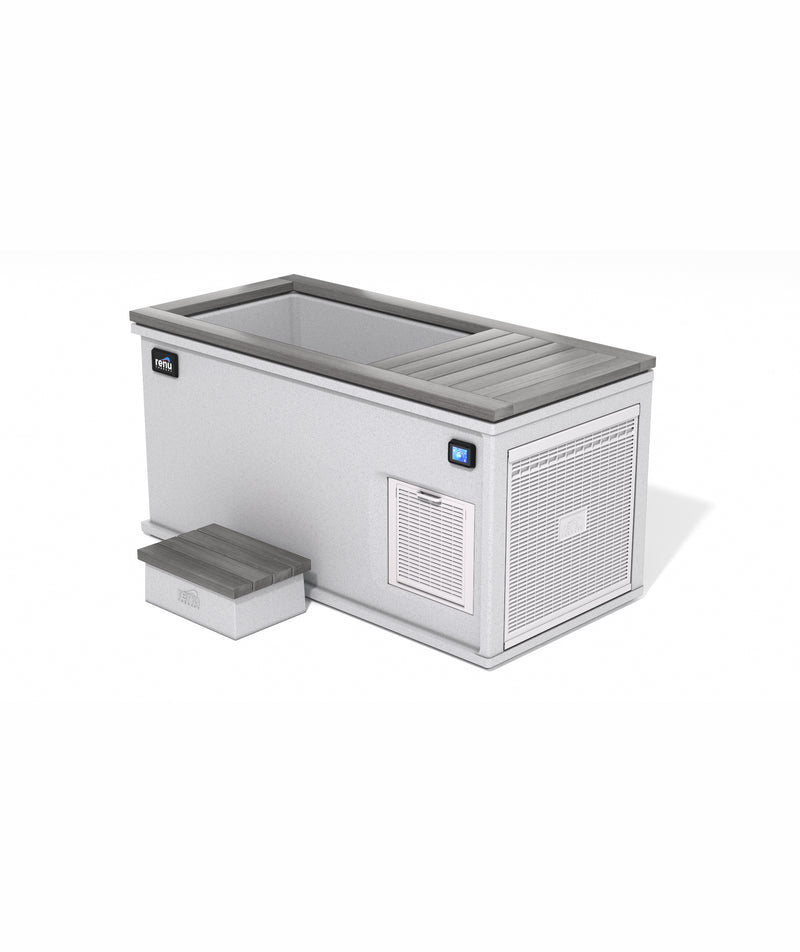
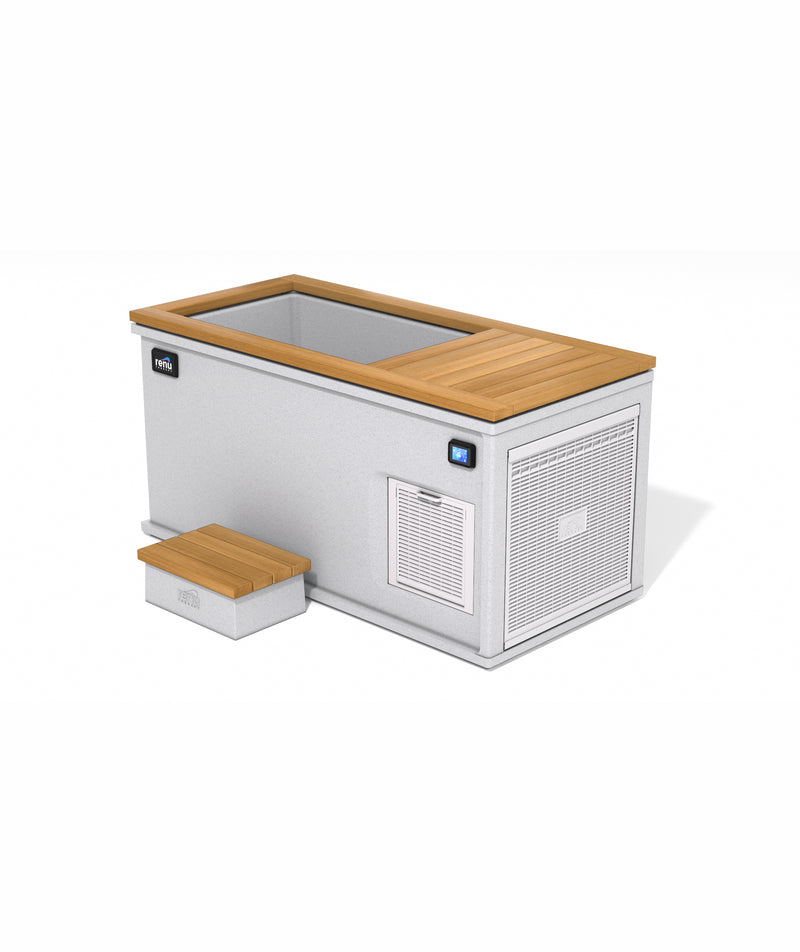
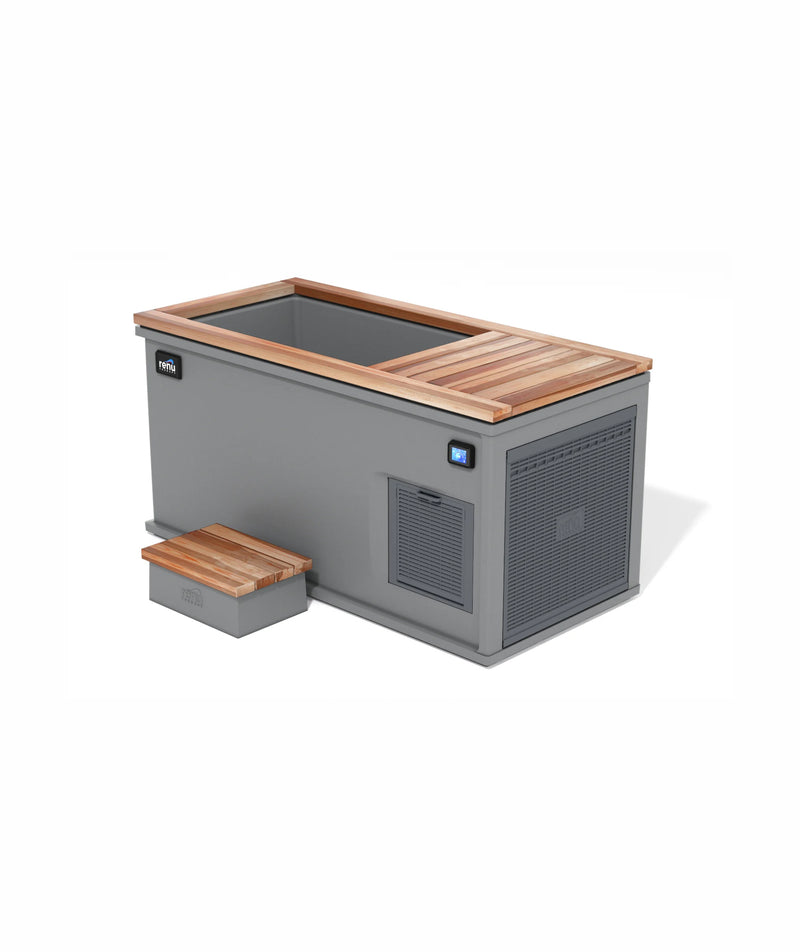
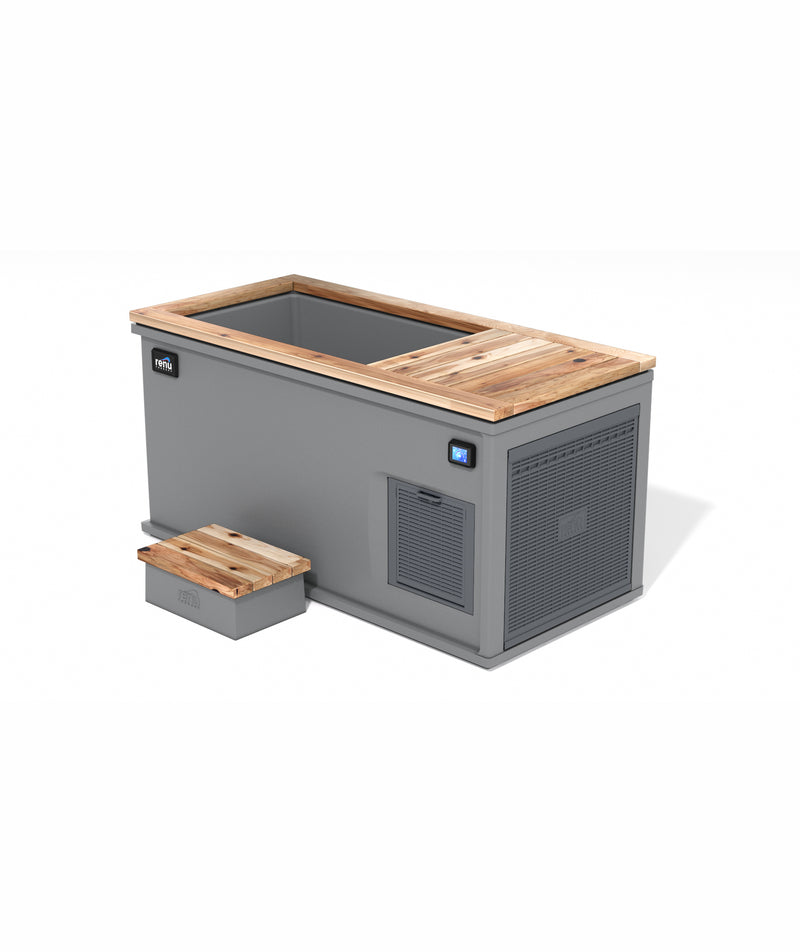
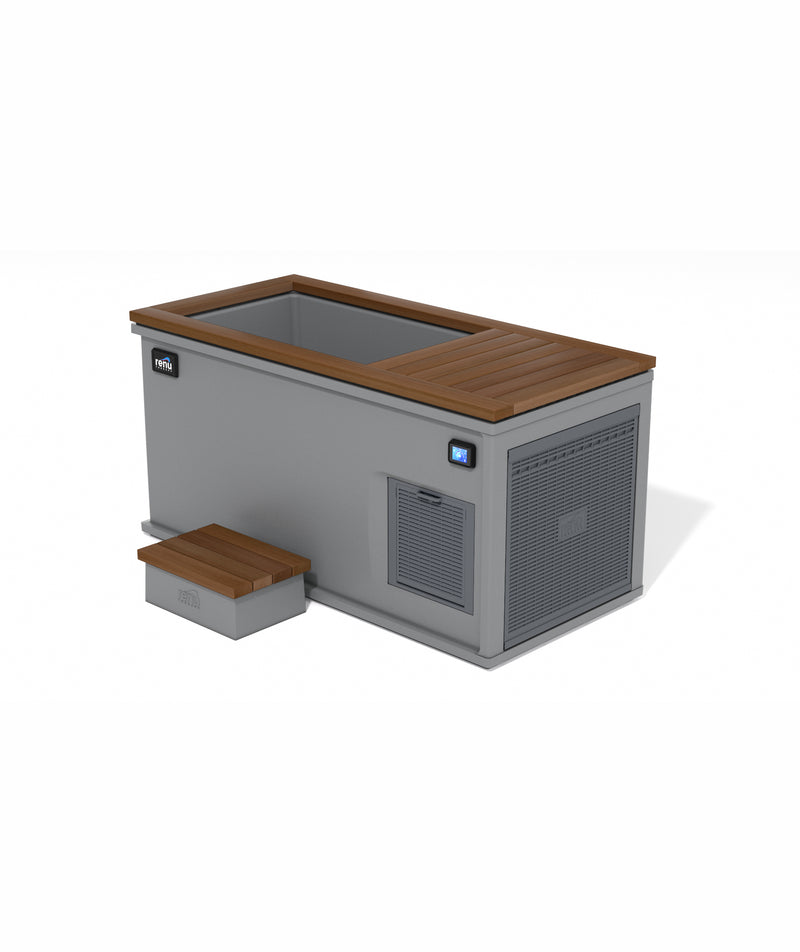
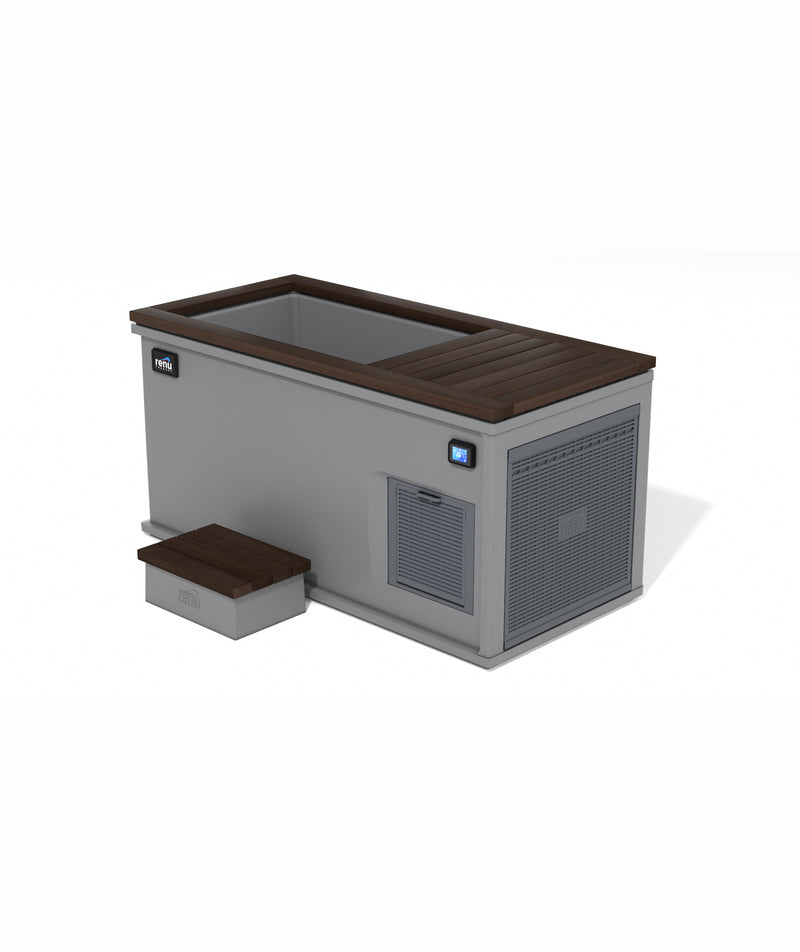
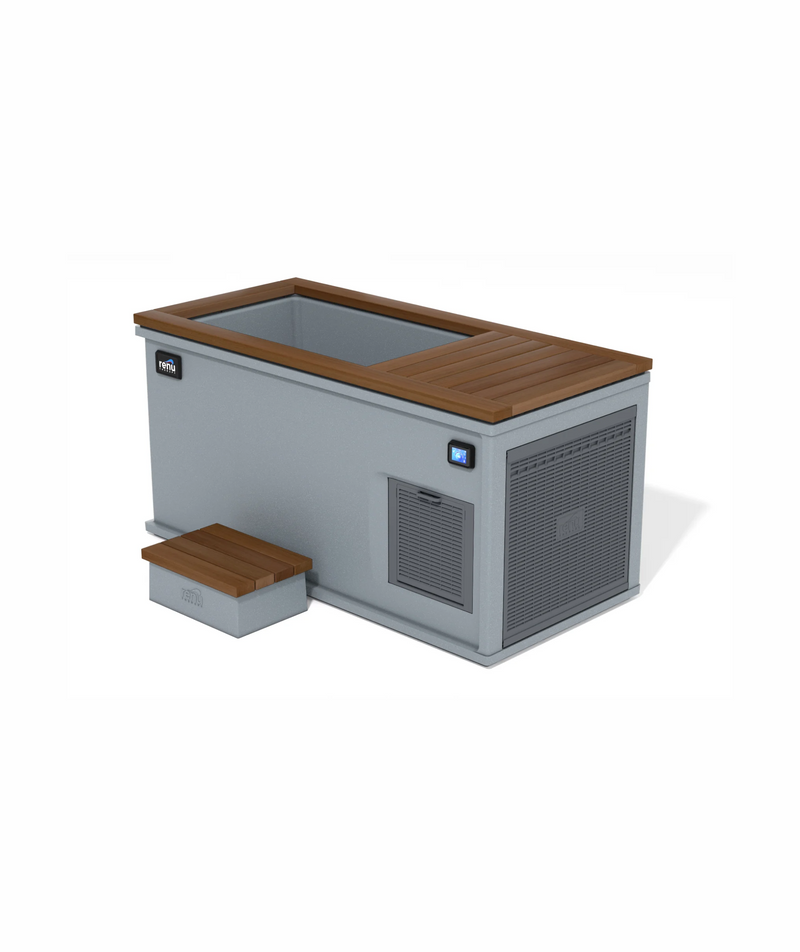
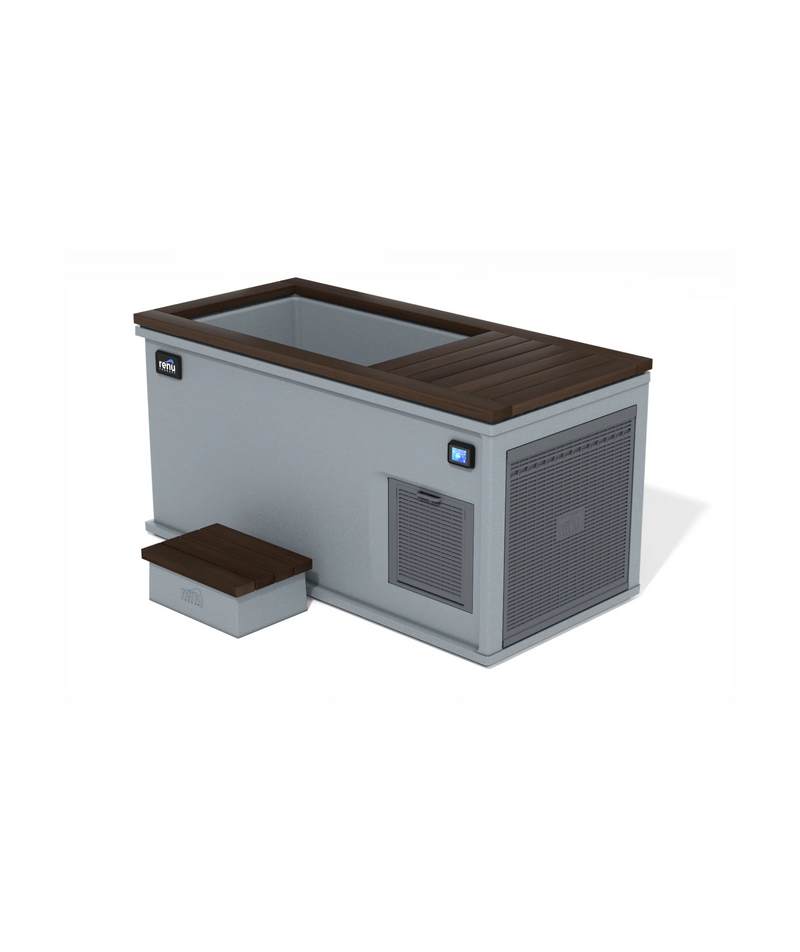
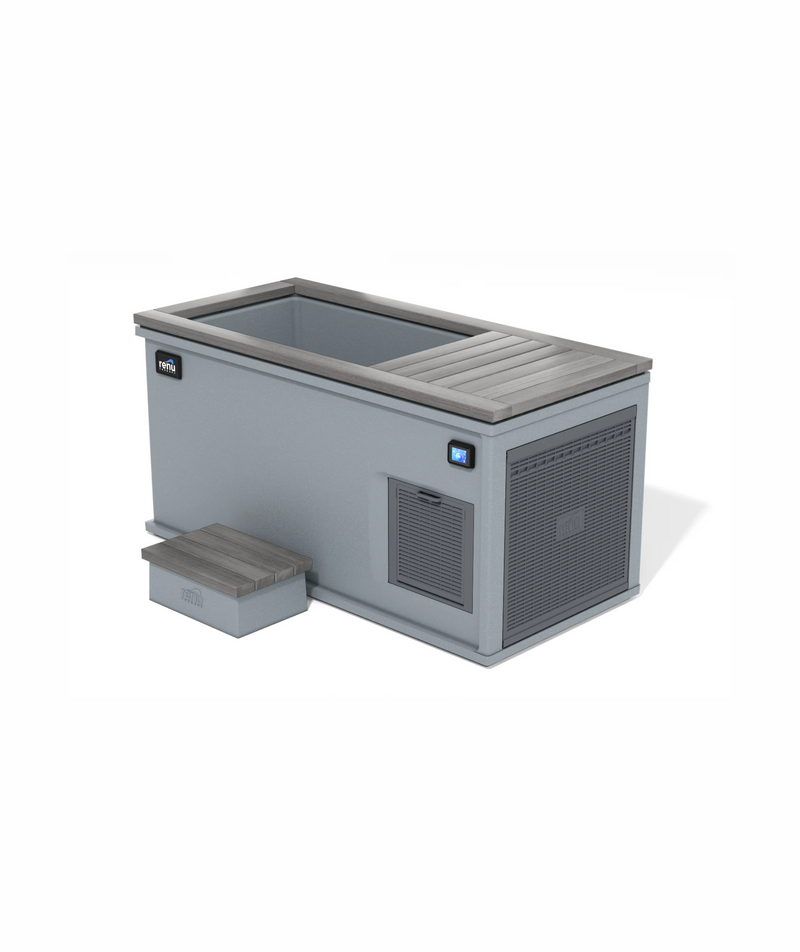
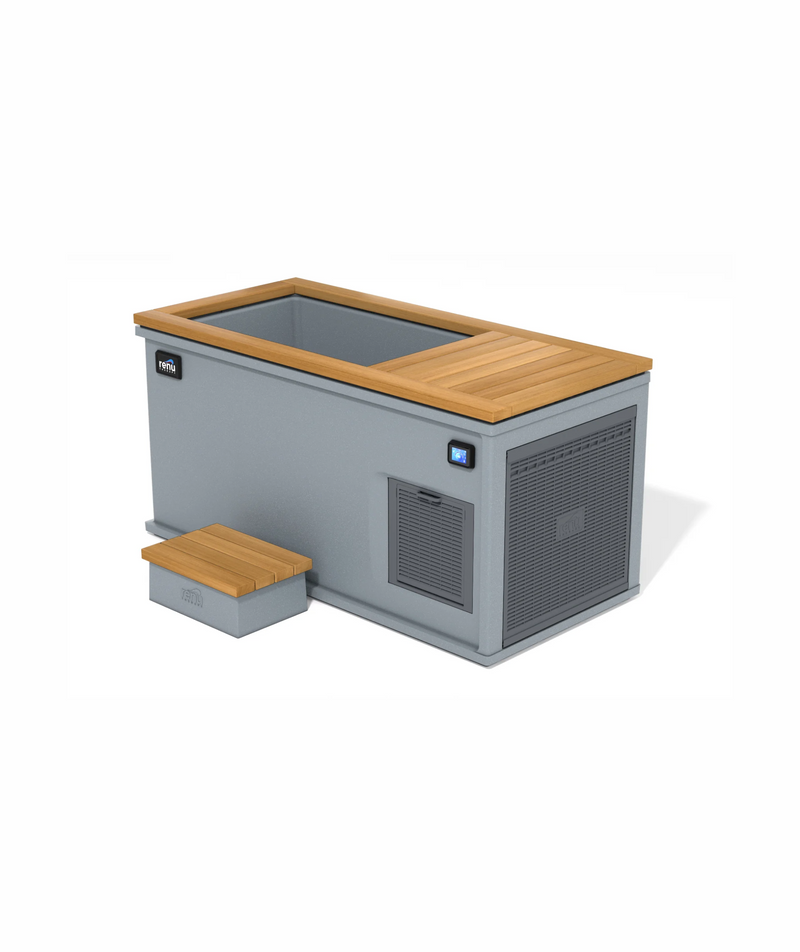
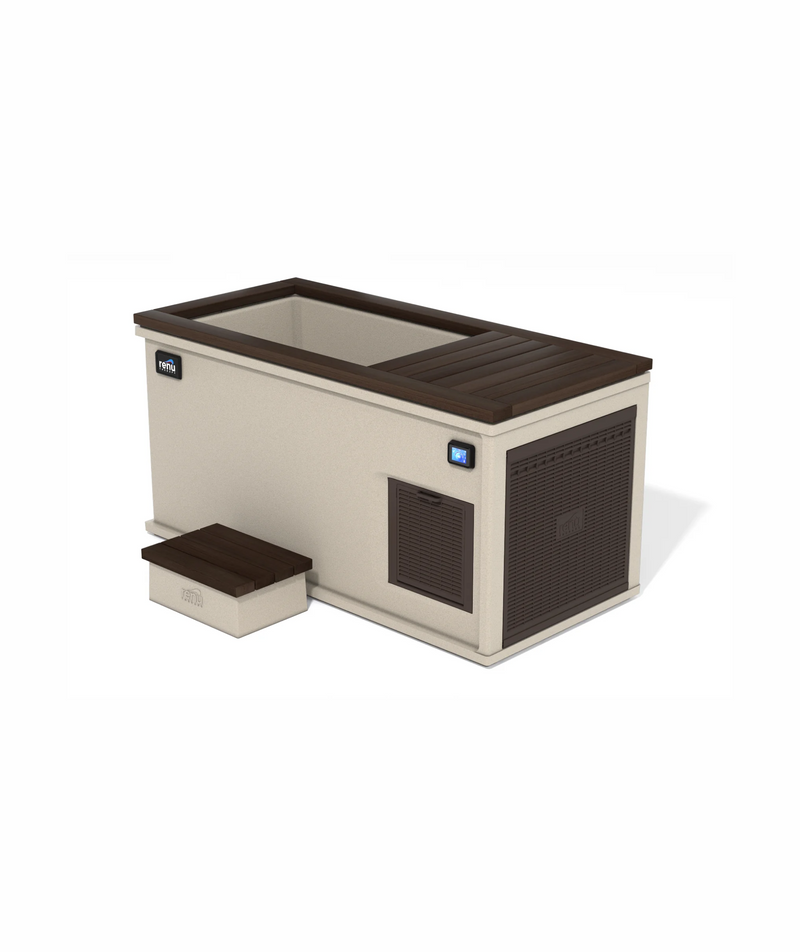
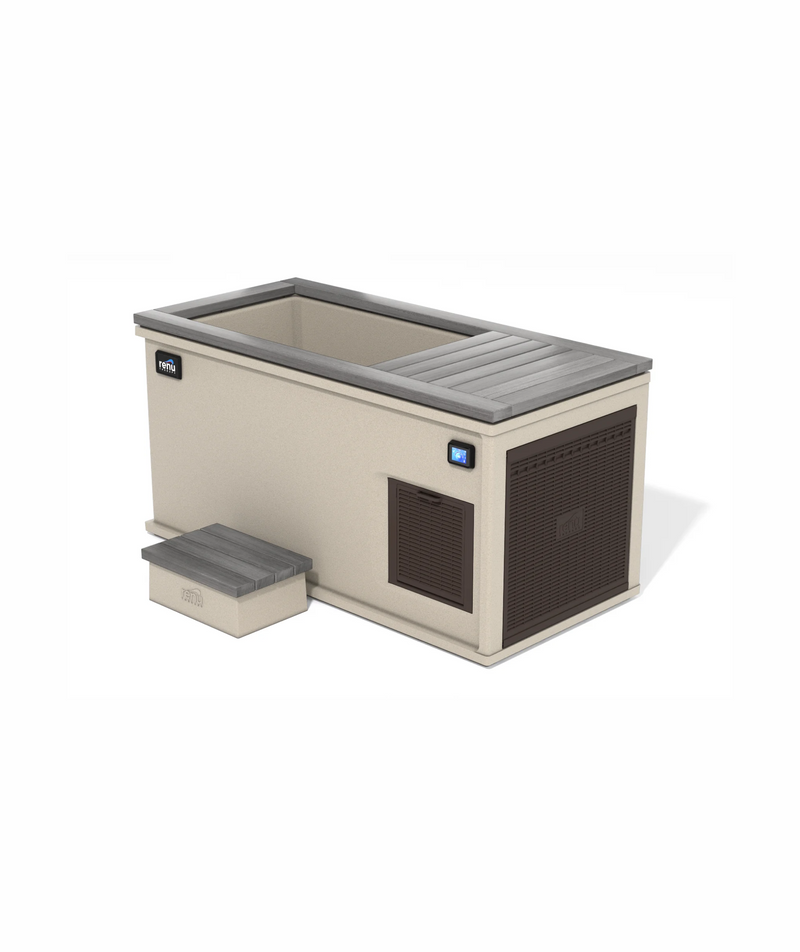
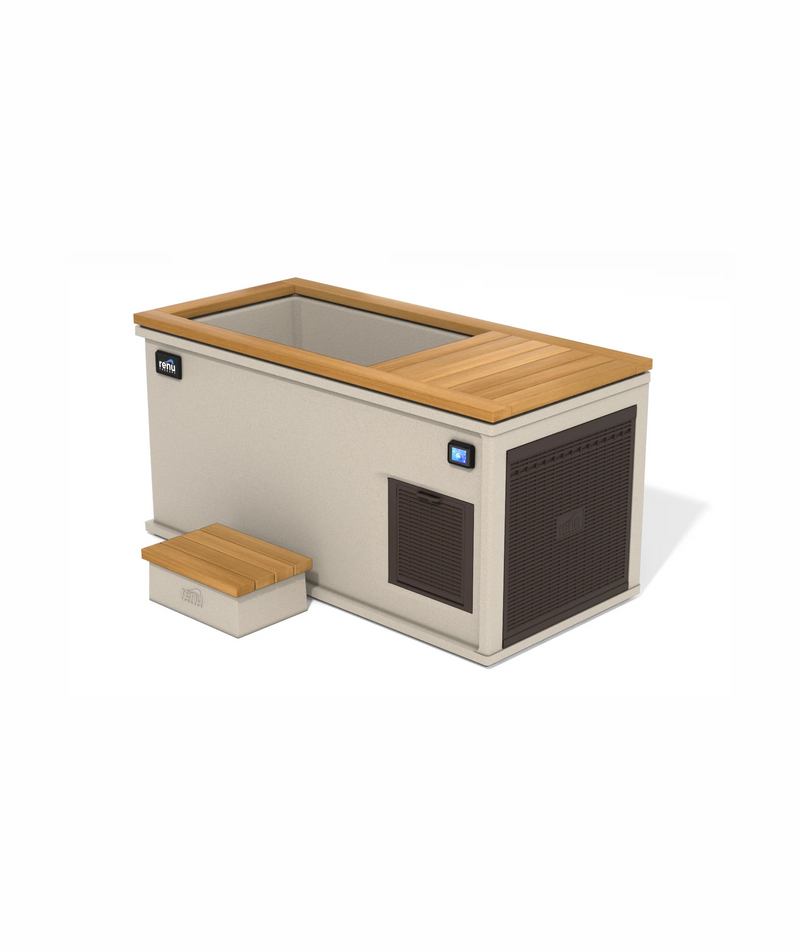
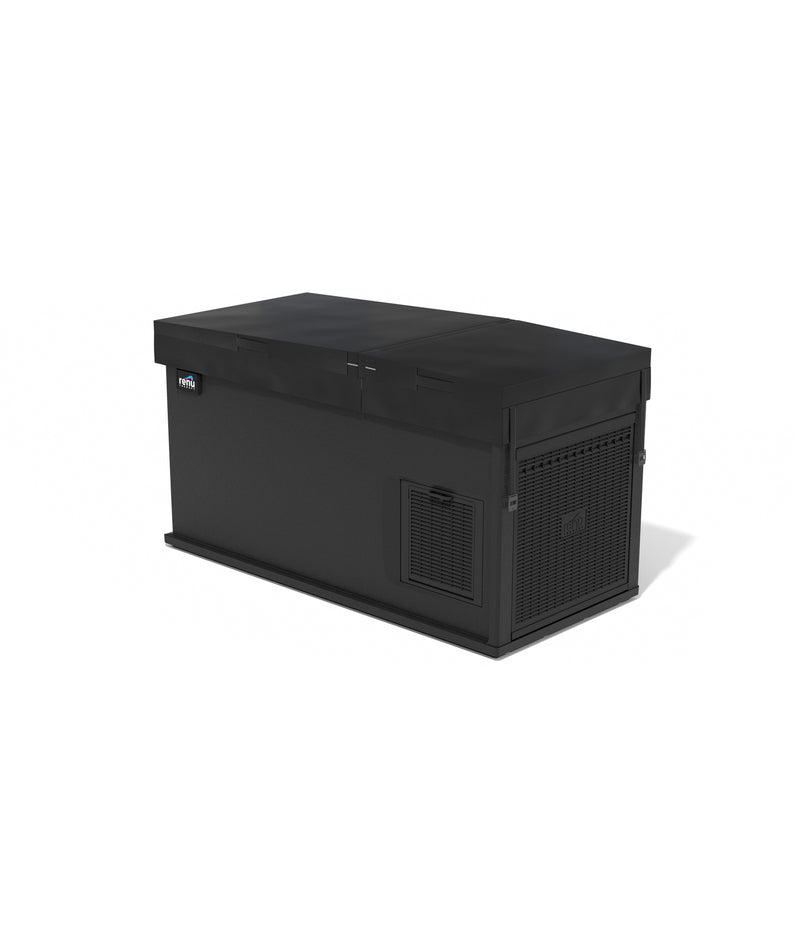
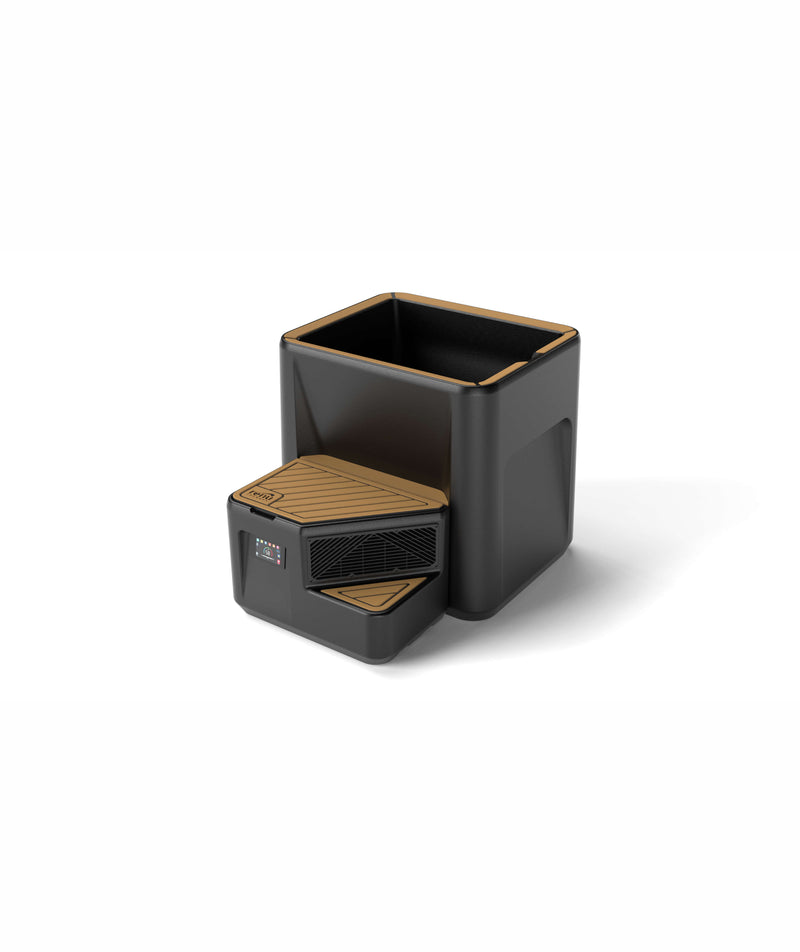
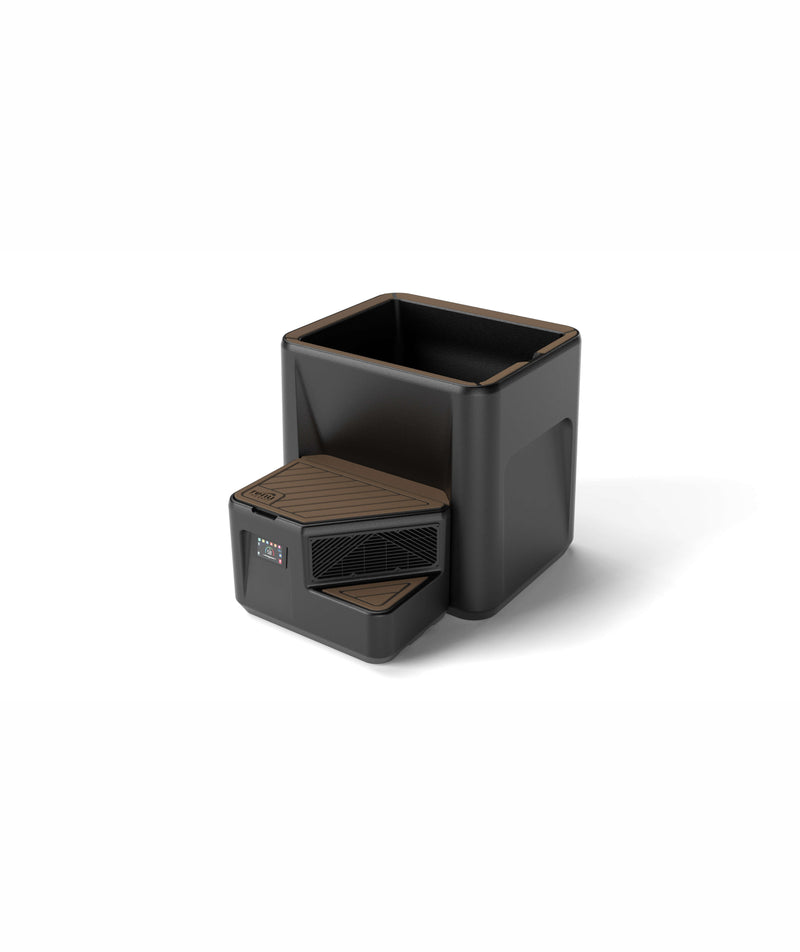
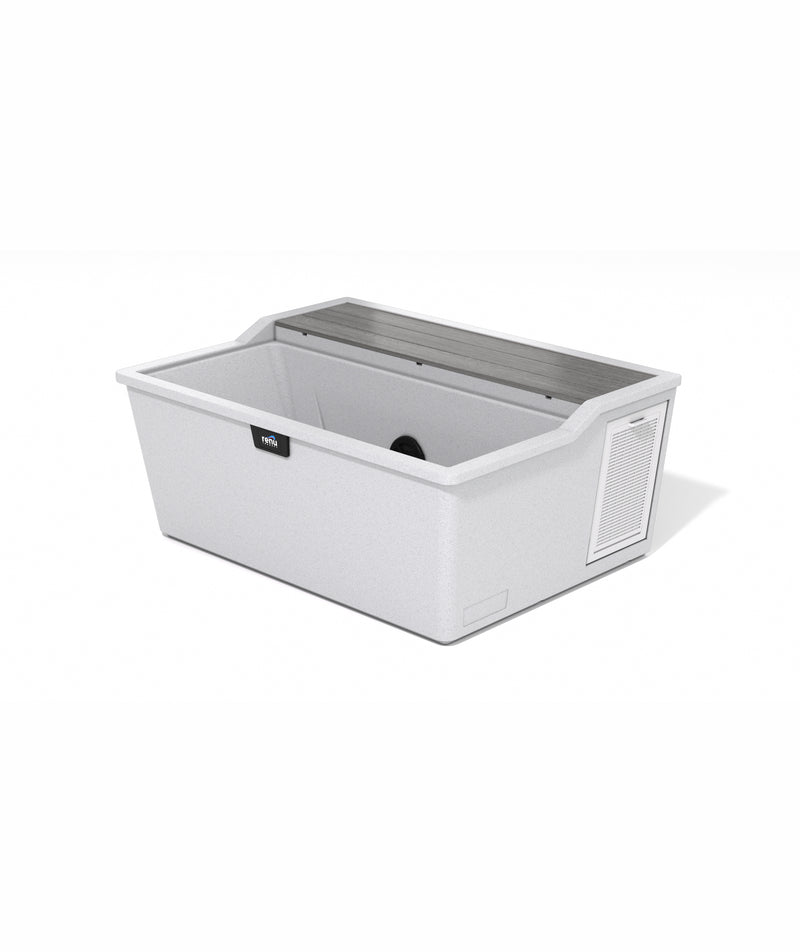
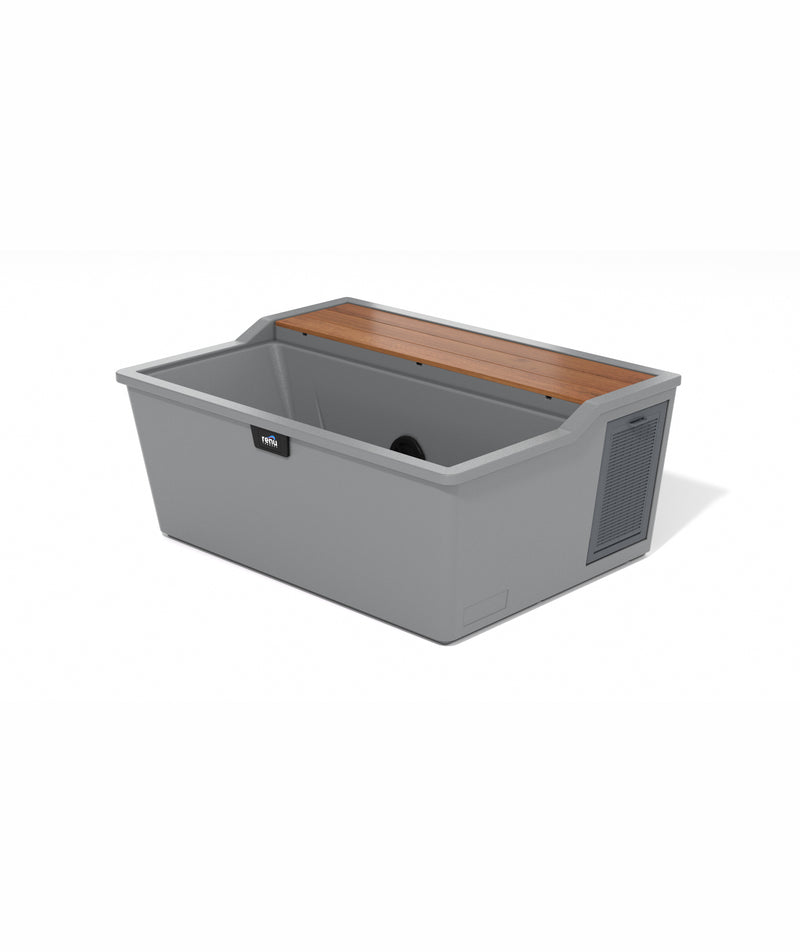
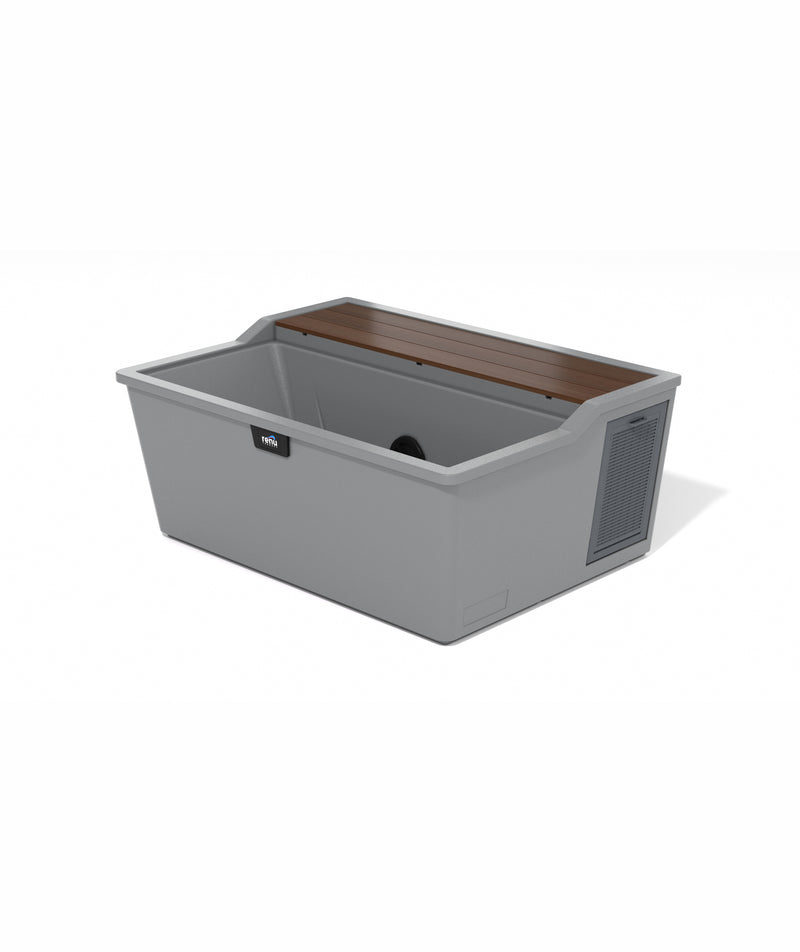
The same cold therapy system Sergio reaches for is designed with intention and handcrafted in California.