Infrared Sauna vs Traditional Sauna: An Honest Comparison
Open the door of a traditional sauna and the wall of heat meets you before you’ve even stepped inside. Ladle water on the stones and you’ll hear that familiar hiss before feeling the steam roll up to the ceiling and hit you hard. Step into an infrared sauna and it’s an altogether different experience—quieter, subtler, and the air is warm, not fierce. Yet 10 minutes later, you’ll be feeling the heat and dripping with sweat.
Infrared saunas and traditional saunas are two very different experiences that deliver the same stimulus: they make your body hot enough that it has to work to cool itself down. And that work is where the benefits live and why so many of us enjoy time spent in the sauna.
So which type of sauna should you buy? The answer depends on what you want from the heat, how you’ll use it, and where it will live. This article is designed to offer you points of comparison to help you arrive at the right answer.
How Each Sauna Works
Traditional sauna: heat the air, heat the body
A traditional sauna uses an electric or wood-fired heater topped with stones. The heater warms the air, typically to 150–195°F, which then warms your skin. As your skin warms your blood, your core temperature climbs.
Pour water on the stones and you get löyly, the Finnish word for that intense burst of steam. The humidity jumps, the heat on your skin intensifies, and the room suddenly feels a lot hotter even though the dial on the thermostat isn’t moving.
Infrared sauna: skip the air, heat the body
An infrared sauna uses panels that emit infrared light, the same invisible radiant energy you feel from the sun on a cool day. Most of that energy passes through the air and is absorbed by your skin and the tissue just beneath it. The air stays cooler, usually 120–150°F, while your body warms directly.
Far, near, or full-spectrum?
Infrared comes in different wavelengths, and saunas are labeled by the ones they use. Far infrared has the longest wavelength. It’s absorbed near the surface of the skin and is very efficient at warming you, which is why it does most of the heating in almost every infrared sauna. Near infrared has a shorter wavelength, closer to visible red light, and reaches slightly deeper into the skin. Mid infrared sits between the two.
Full-spectrum saunas combine all three. The Clearlight Sanctuary, for example, uses far-infrared heaters as its main heat source, with two additional heaters that add near and mid infrared on top.
Most infrared sauna research used far infrared, so a full-spectrum sauna gives you the wavelengths with the strongest evidence plus the extras.
The Science: What the Research Actually Says
Traditional saunas have a deeper evidence base while infrared saunas have a smaller, more focused one. Both present real physiological stress that your body adapts to.
Traditional sauna research
Most of what we know about sauna and long-term health comes from Finland, where the sauna is an integral part of daily life. One large study followed more than 2,000 middle-aged men for about 20 years. Men who used a sauna four to seven times a week had markedly lower rates of fatal cardiovascular events and all-cause death than those who went once a week. Longer sessions tracked with better outcomes too.
That research is observational: it shows a strong association, not proof of cause, and it was done almost entirely in Finnish men using traditional saunas. Still, it’s a good reason why heart health sits at the top of most sauna benefit lists.
Shorter-term studies have helped us understand how sauna practice delivers its benefits. A single traditional session raises heart rate to levels similar to moderate exercise, widens blood vessels, and temporarily lowers blood pressure. Repeated over weeks, heat exposure can expand plasma volume, which is why endurance athletes often use it for heat acclimation.
Infrared sauna research
The most rigorous infrared research comes from Japan, where far infrared saunas are used clinically in a protocol called Waon therapy. Patients with chronic heart failure sat in a far infrared sauna at about 140°F for 15 minutes, then rested under a blanket for 30 minutes. Across several trials, they showed improvements in heart function, exercise capacity, and symptoms. One five-year follow-up found fewer cardiac events in the group that kept up the sessions.
While many people might be quick to tell you it’s traditional saunas that deliver all the health benefits, lower-temperature infrared heat can produce real cardiovascular effects. It also comes with caveats: these were patients under medical supervision, not healthy people chasing longevity.
In athletes, a small Finnish study found far infrared sessions post-workout helped men recover better after strength training. Other small studies point to relief for muscle soreness and some chronic pain conditions.
Do they raise core temperature equally? No, and the difference is bigger than many sauna brands admit. A 2025 University of Oregon study put 20 healthy adults through head-to-head testing and found that three 10-minute rounds in a traditional sauna at 176°F raised core temperature by 0.7°F. By comparison, 45 minutes in a far infrared sauna, with the temperature rising to 149°F, didn’t raise core temperature at all. Infrared still got the heart working: heart rate rose by 26 beats per minute, compared with 34 in the traditional sauna. That fits with the Waon research, which found cardiovascular benefits at temperatures too mild to heat the body deeply.
So the two saunas deliver different kinds of stress: a traditional sauna heats you through to the core—quickly and intensely—whereas an infrared sauna gives your cardiovascular system a gentler workout that you can sit through for half an hour. If a big rise in core temperature is your goal, choose traditional. If you want regular, comfortable sessions that still raise your heart rate, infrared delivers.
Learn more about → How Hot Should a Sauna Be?
Benefits Both Saunas Share
Whichever sauna you opt for, remember that the basic response is the same: Your heart beats faster, your blood vessels dilate, you sweat—and once you leave the sauna, your nervous system shifts as you begin cooling down, which is often why so many people find they sleep better on nights when they’ve used the sauna. Heat also triggers heat shock proteins, which help cells repair and protect other proteins under stress.
Cost: Upfront and Ongoing
Infrared saunas are usually cheaper to buy and cheaper to run. Many home units plug into a standard household outlet and draw a fraction of the power of a traditional sauna heater. Sessions run at lower temperatures, so energy use per session is lower too.
Traditional saunas cost more upfront, particularly larger indoor rooms and outdoor barrel or cabin builds. Most electric heaters need a dedicated 240V circuit, which typically means you’ll need an electrician. The heaters themselves draw more power and take longer to warm up.

Convenience and Space
This is where infrared earns its place in a lot of homes. It can be up to temperature and ready in just 10-20 minutes. That makes a weekday session feel quick and easy. If your sauna needs 40 minutes of lead time, it can make consistency that little bit harder.
Infrared units are also compact. A one- or two-person cabin fits in a spare room, a basement corner, or a garage. Many arrive as panels that assemble in an afternoon.
Traditional saunas reward commitment. They take longer to heat, but they can be built bigger, located outdoors, and shared. For many people, the ritual is the whole point: fire it up, invite friends over, and build a contrast therapy routine.
Upkeep
Both types of saunas are low maintenance compared with most home wellness equipment. Wipe down benches, use a towel, and let the room air out after each session.
That said, traditional saunas ask a little more. Stones break down over time and need replacing every year or two, depending on use. Wood exposed to steam needs occasional cleaning and, if situated outdoors, will also need weather protection. Wood-fired heaters add ash and a chimney to manage.
Infrared saunas have fewer components: panels, wiring, and a control unit. There’s no water, so there’s less moisture stress on the wood. The main long-term question is the life of the heating panels, which is why warranty terms matter.
The Experience
Numbers only tell part of the story. Traditional sauna heat is intense, enveloping, and adjustable with every ladle of water. It’s loud in its own way: the crackle, the hiss, the intensity of the steam. Some people love that while others find it too much.
For many, infrared feels calmer—the air is easier to breathe, you can read in comfort, stretch, or just sit and unwind for half an hour. The sweat comes later and builds slowly. For people who find high heat claustrophobic, infrared is often the version they’ll actually use—and the sauna you use is the one that works.

Which Should You Choose?
Choose a traditional sauna if you want the classic experience, love steam, and want to match the conditions used in the largest long-term studies. Budget for installation and allow time for it to warm up.
Choose an infrared sauna if you want quick, frequent sessions, have limited space or power, prefer gentler heat, or are new to sauna and want an easy on-ramp.
Don’t Forget the Cold
Whichever heat you choose, pairing it with cold exposure is where many people feel the biggest difference. Heat, then cold; rinse, then repeat. Research on people practicing cold water immersion combined with the sauna found improvements in how their bodies handle temperature stress.
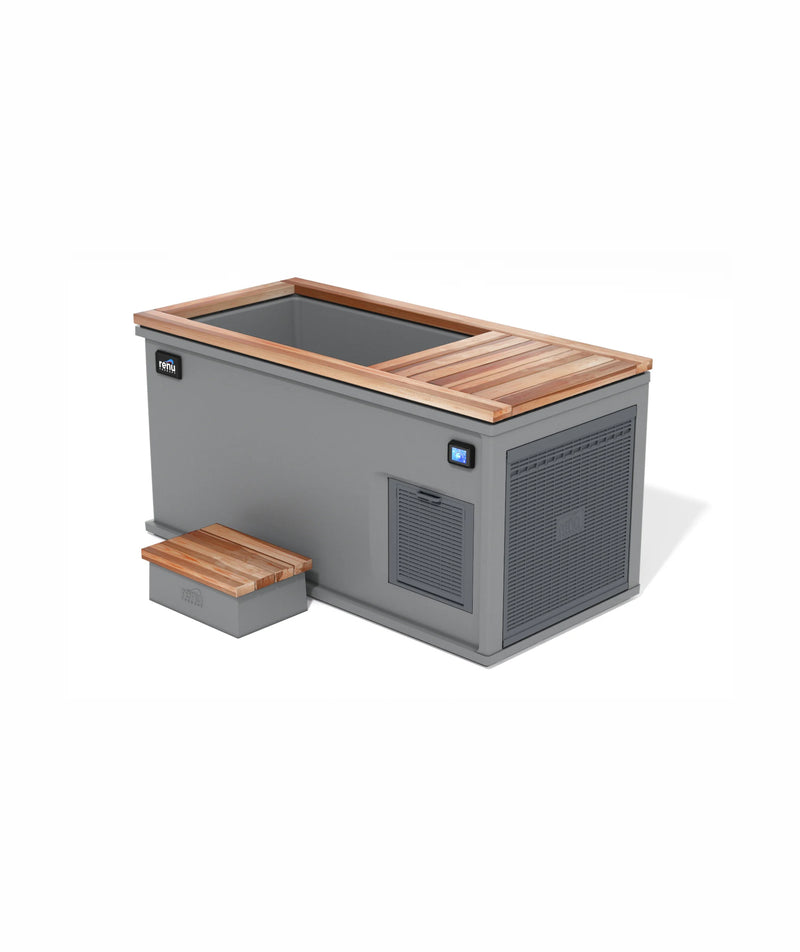
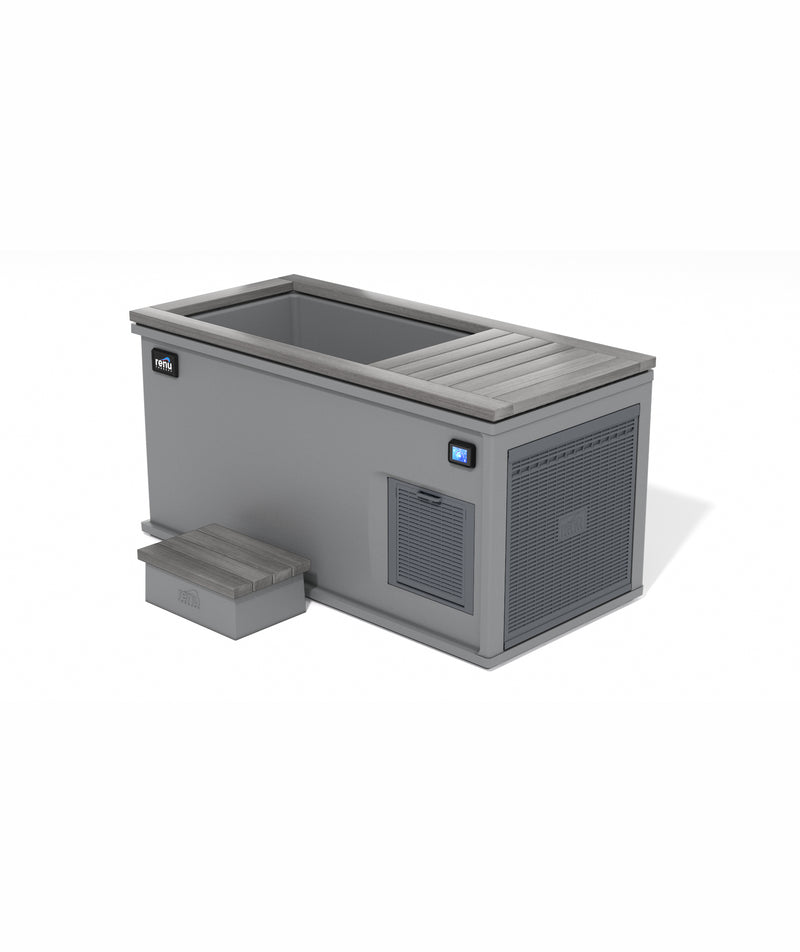
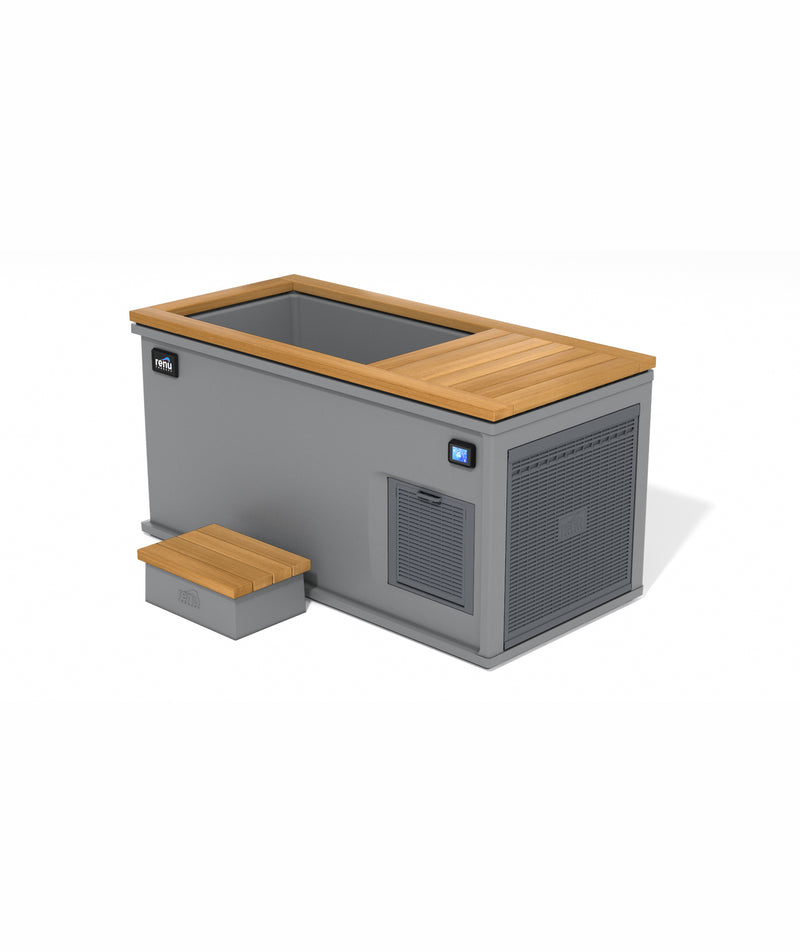
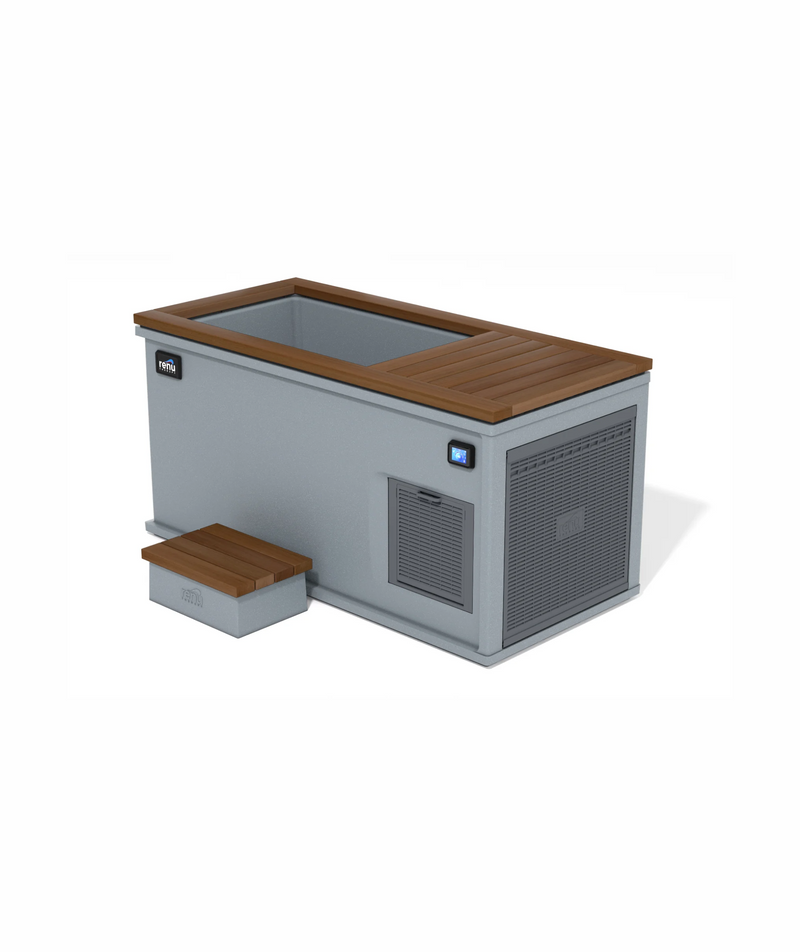
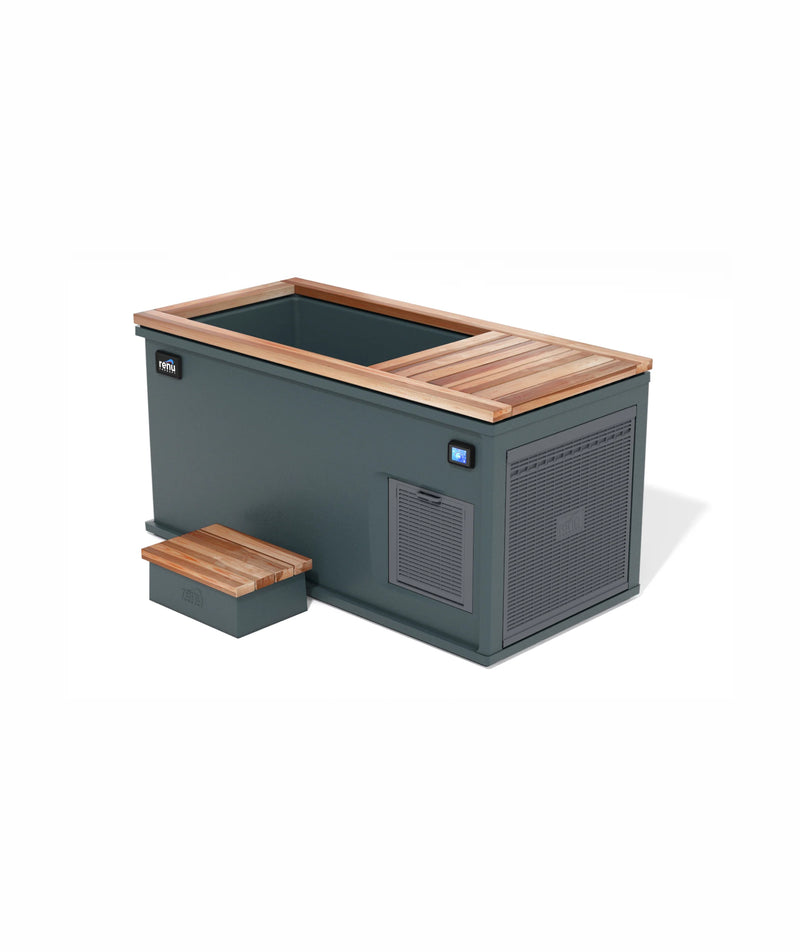
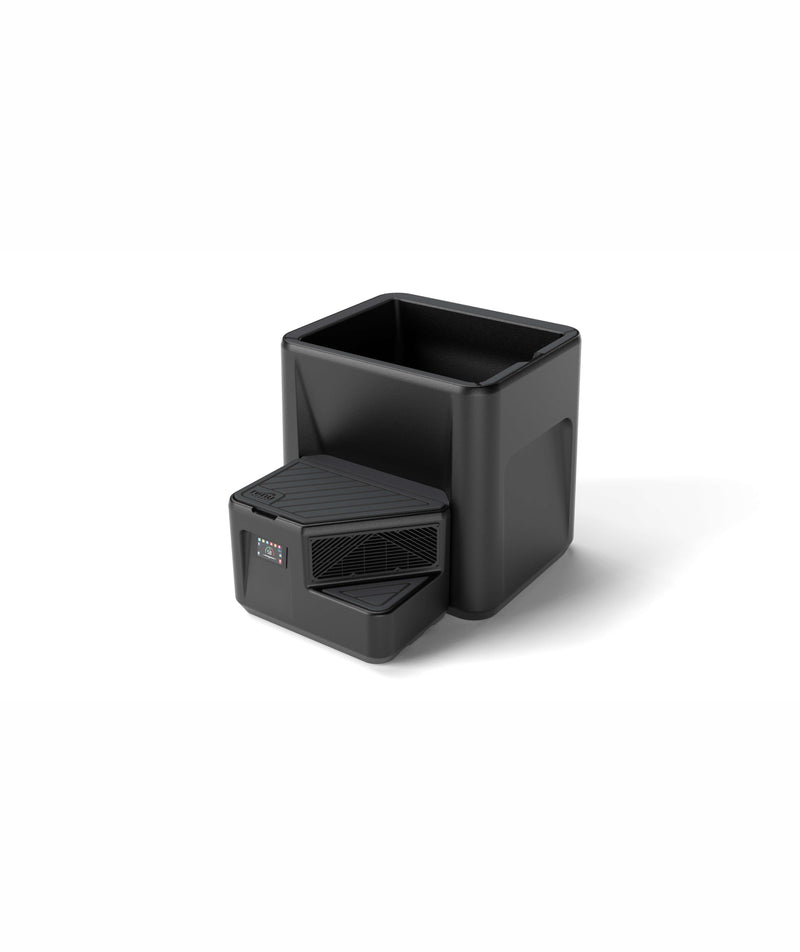
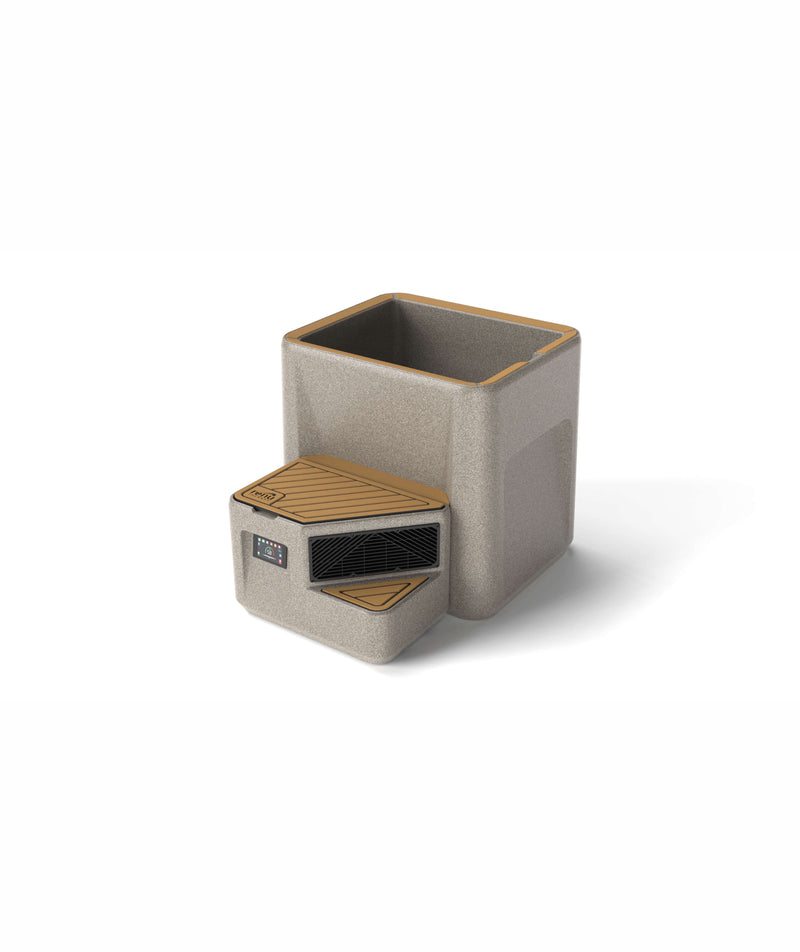
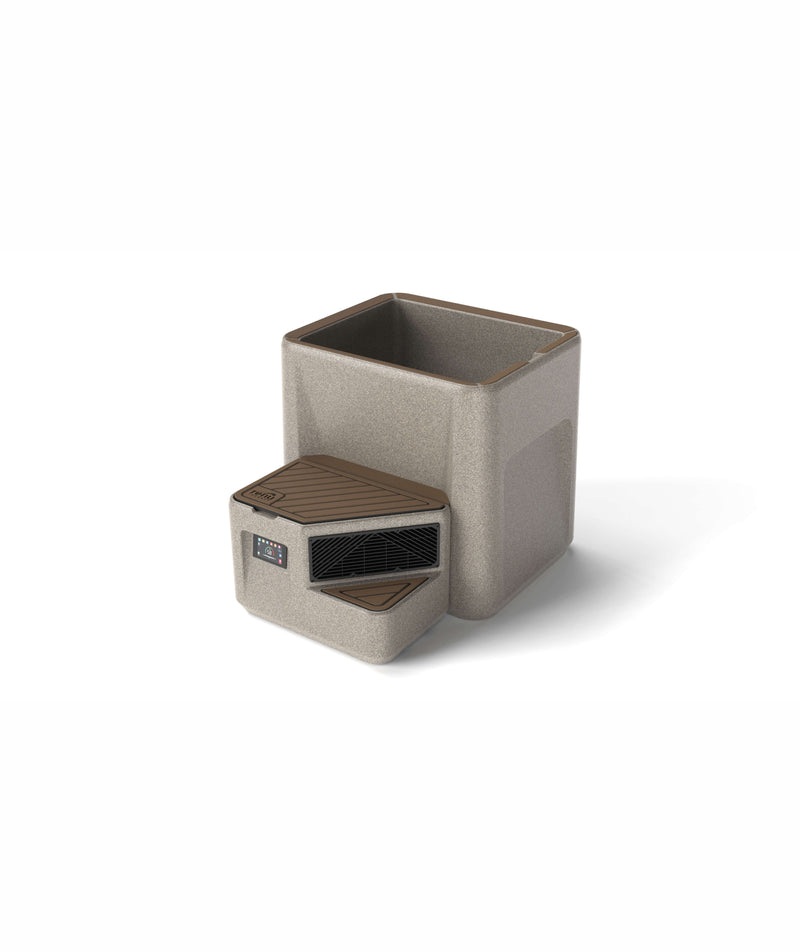
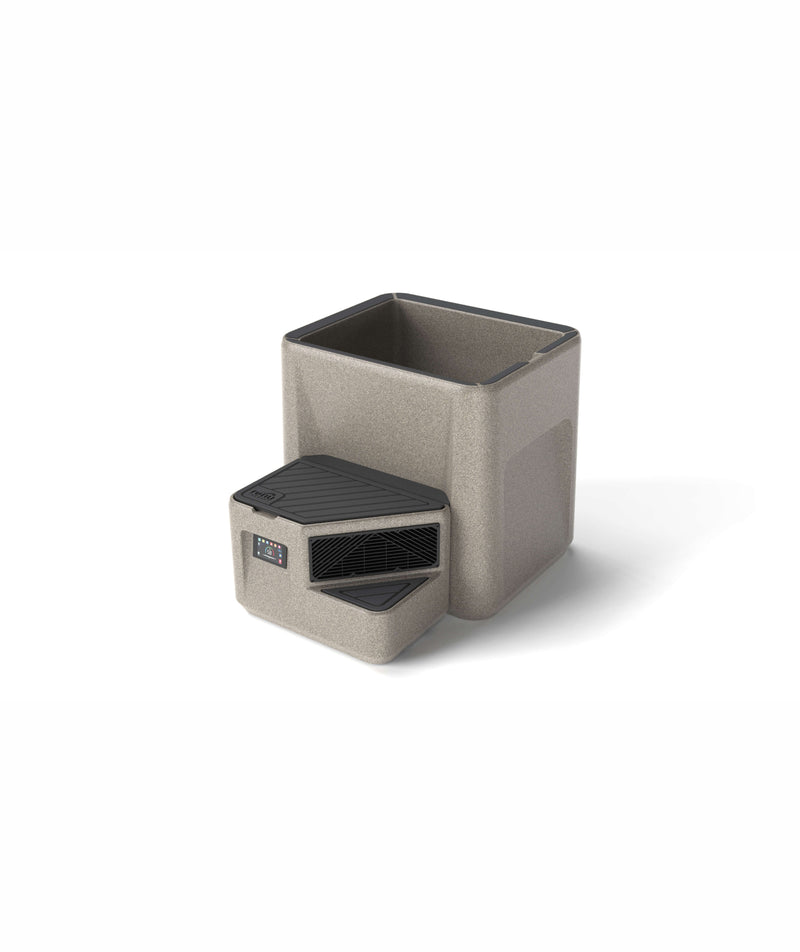
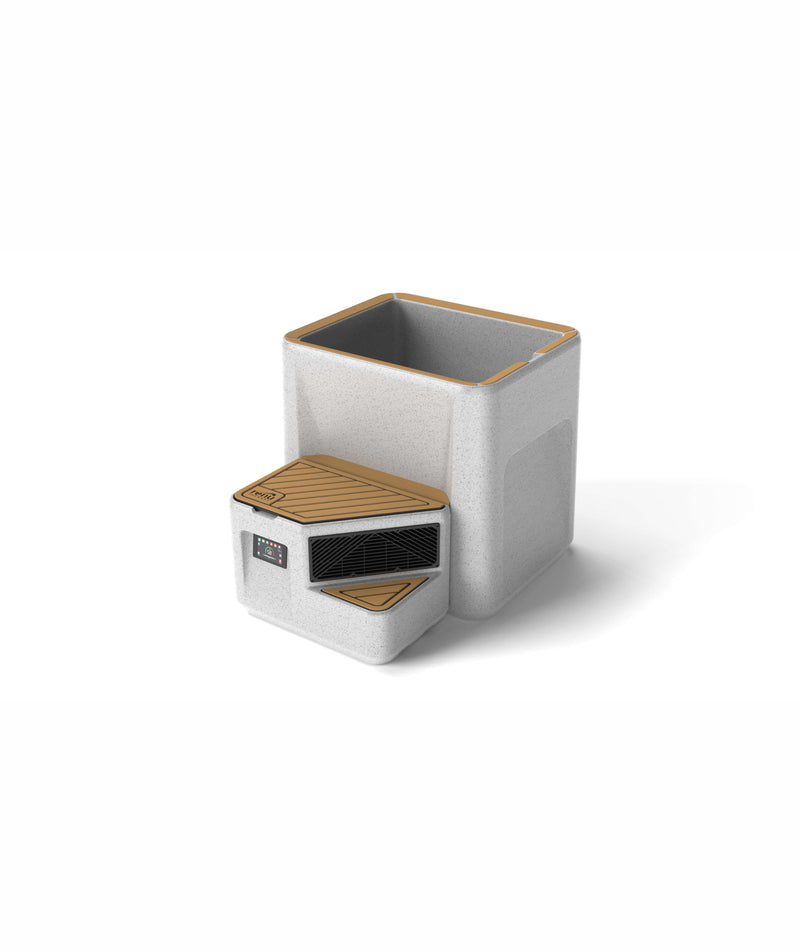
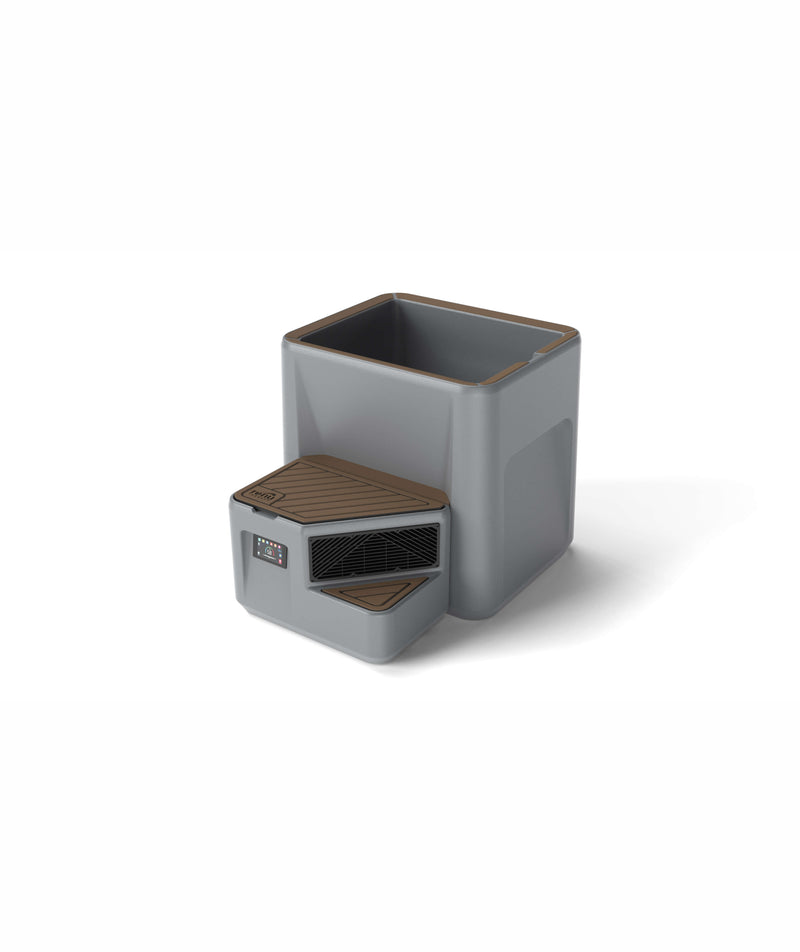
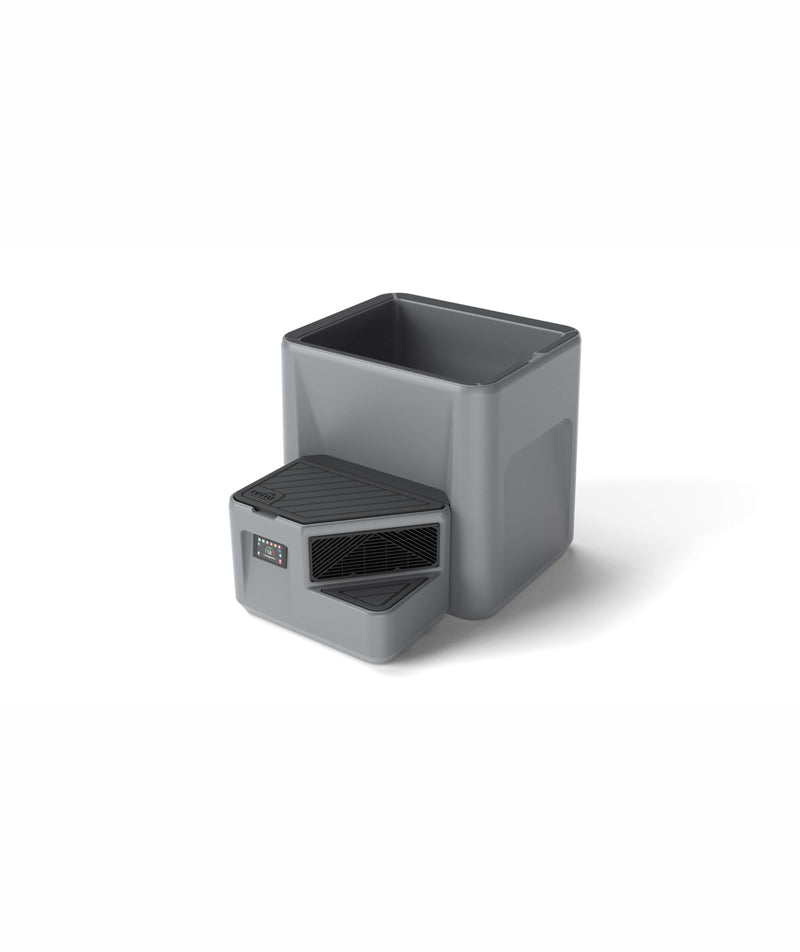
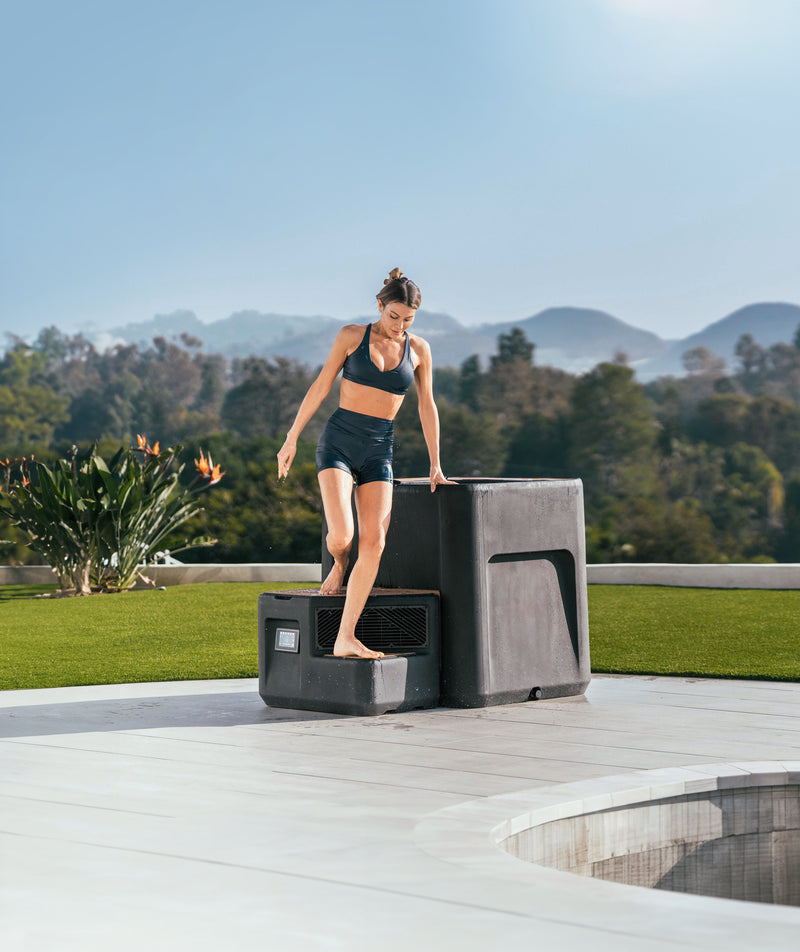
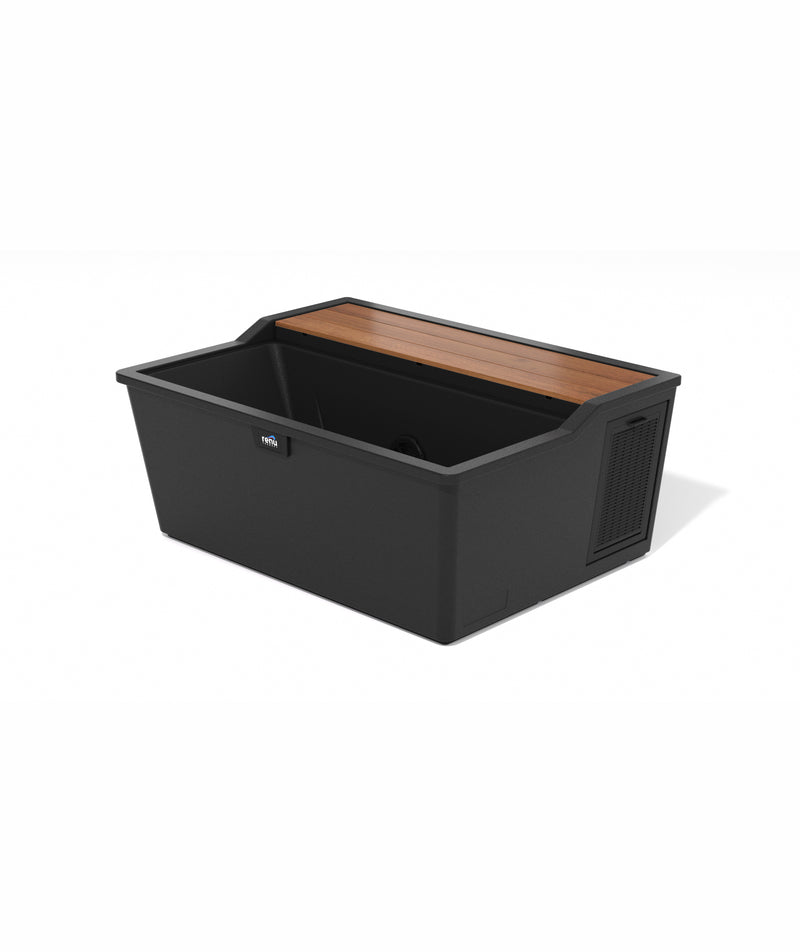
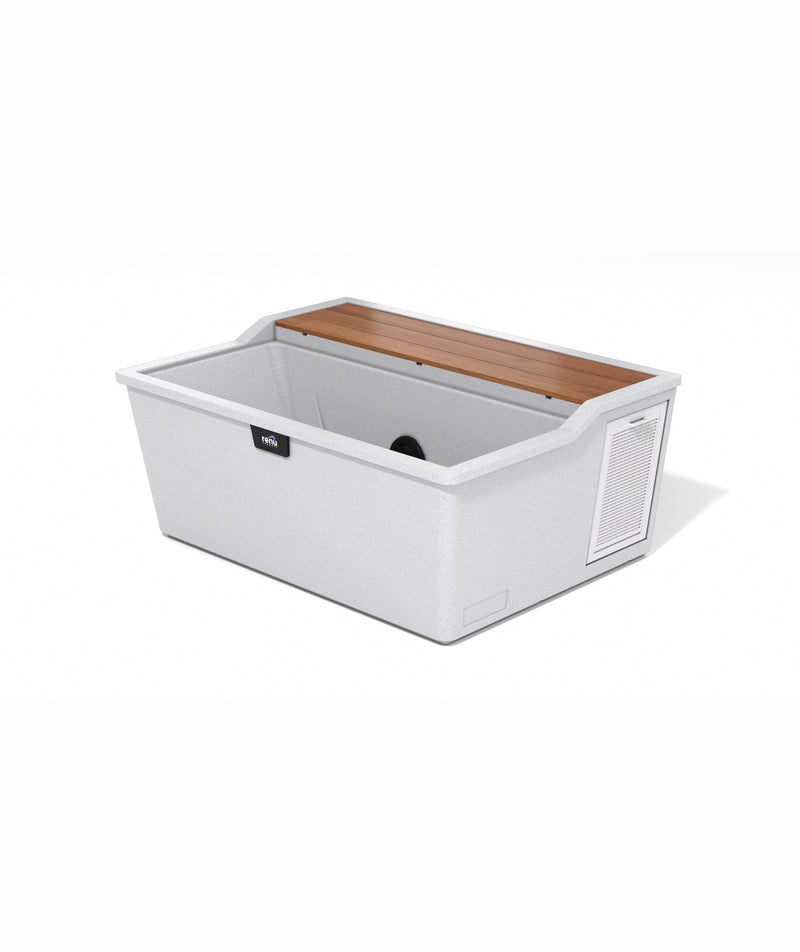
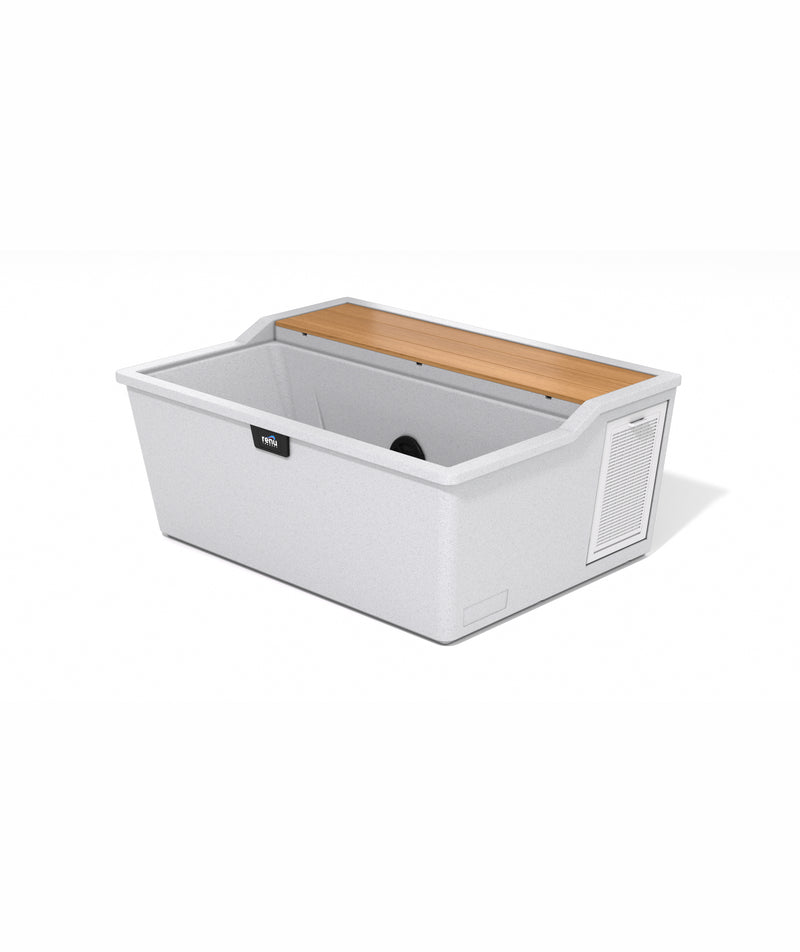
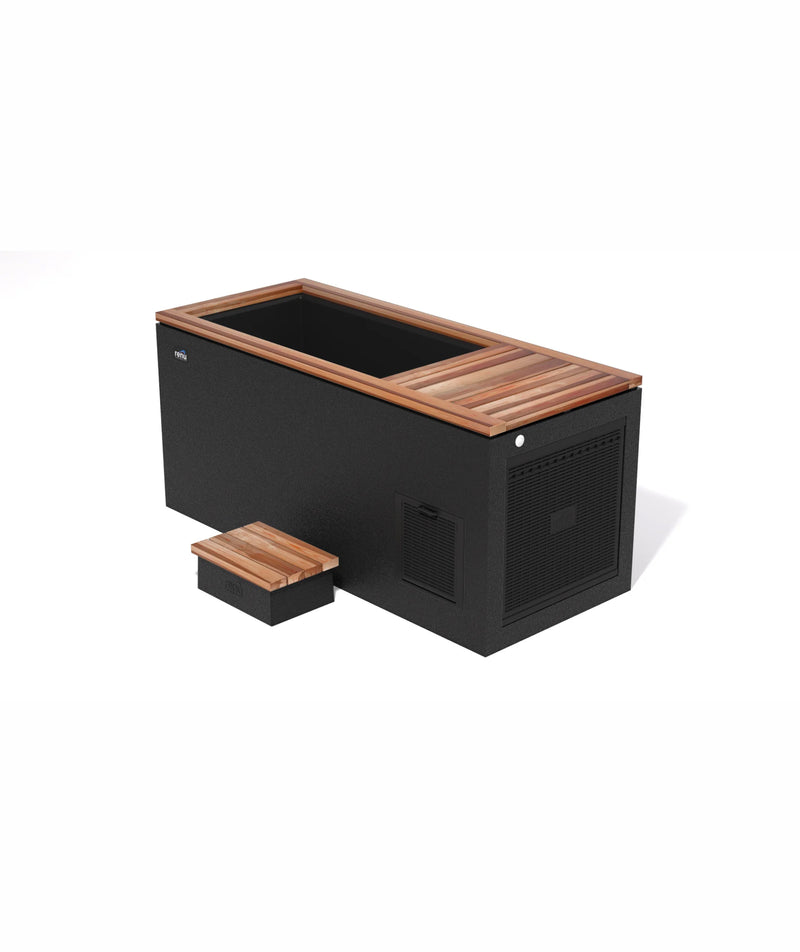
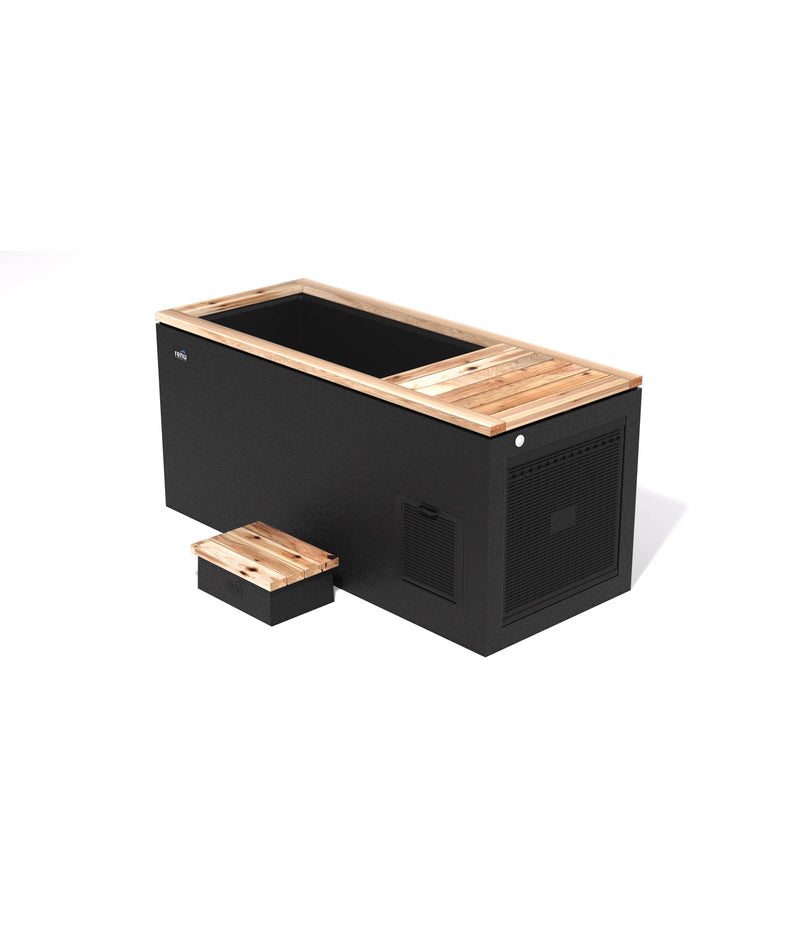
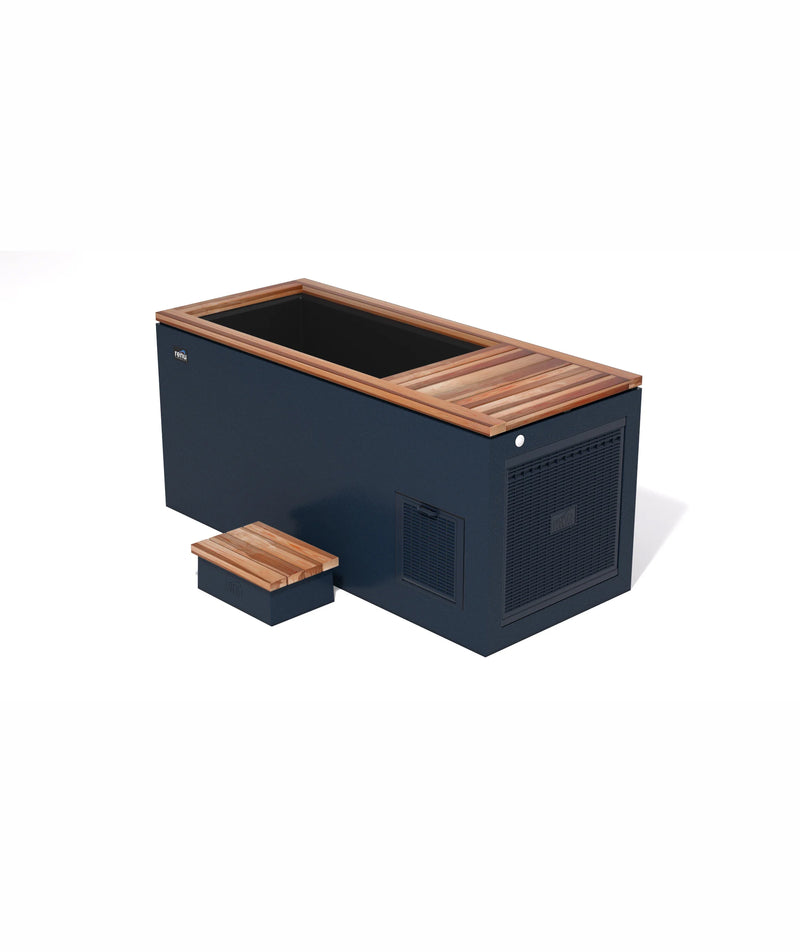
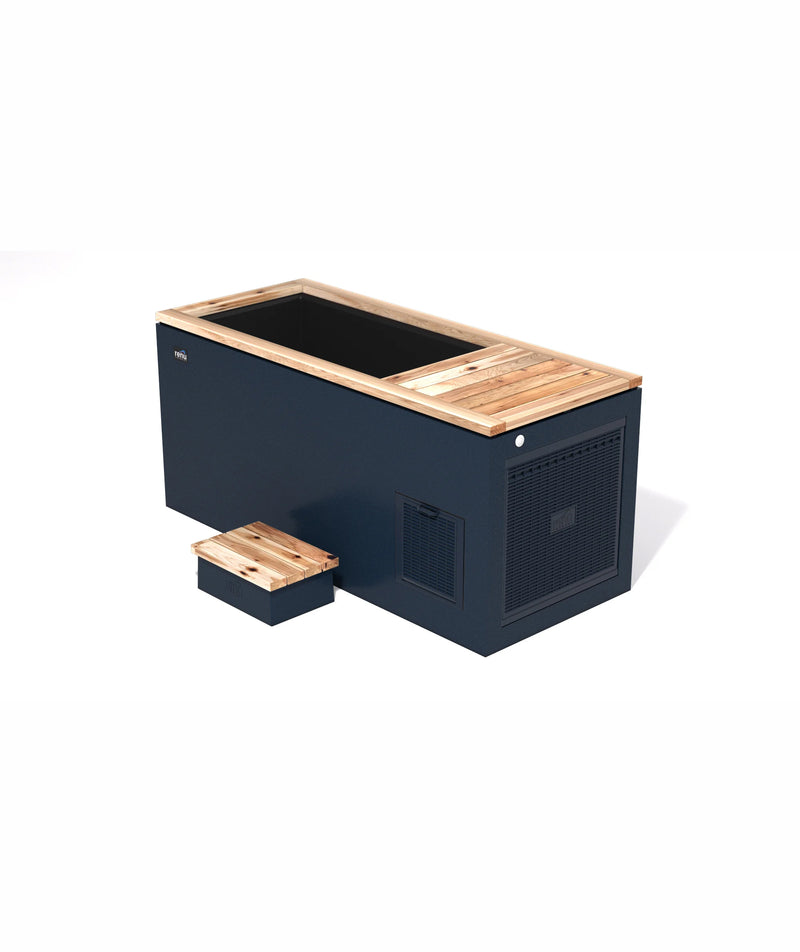
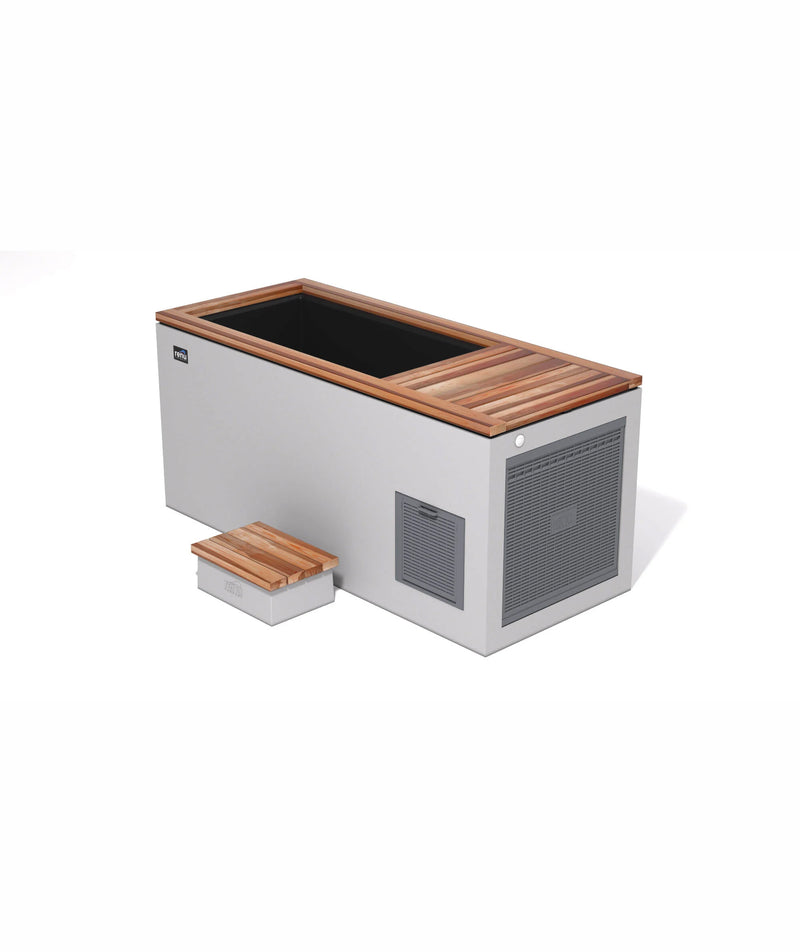
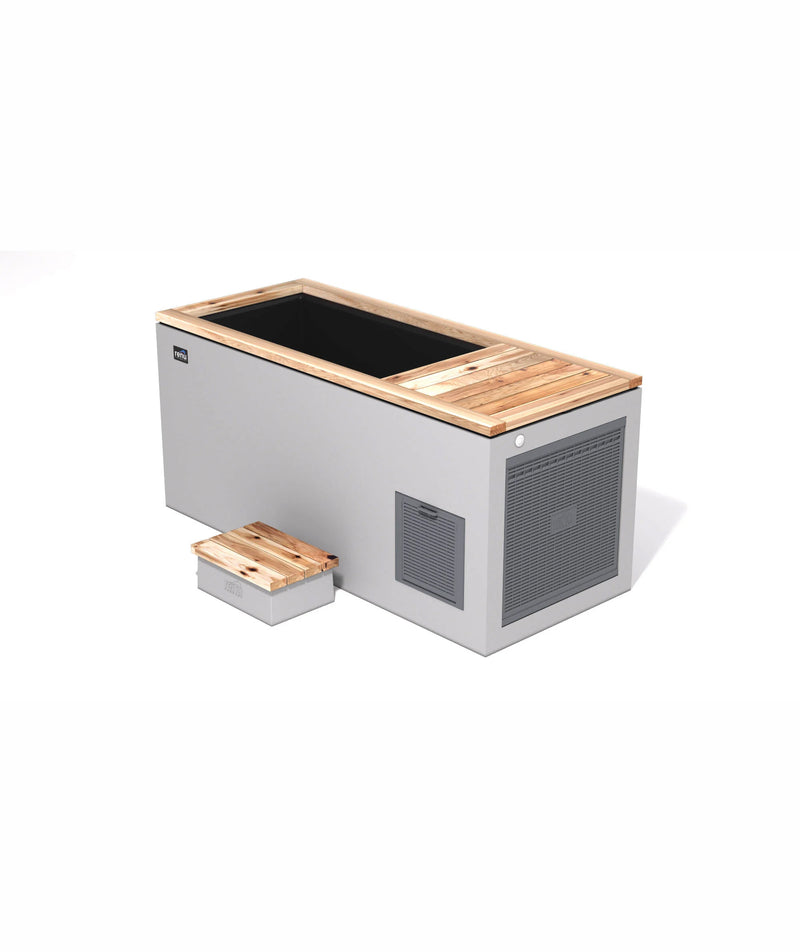
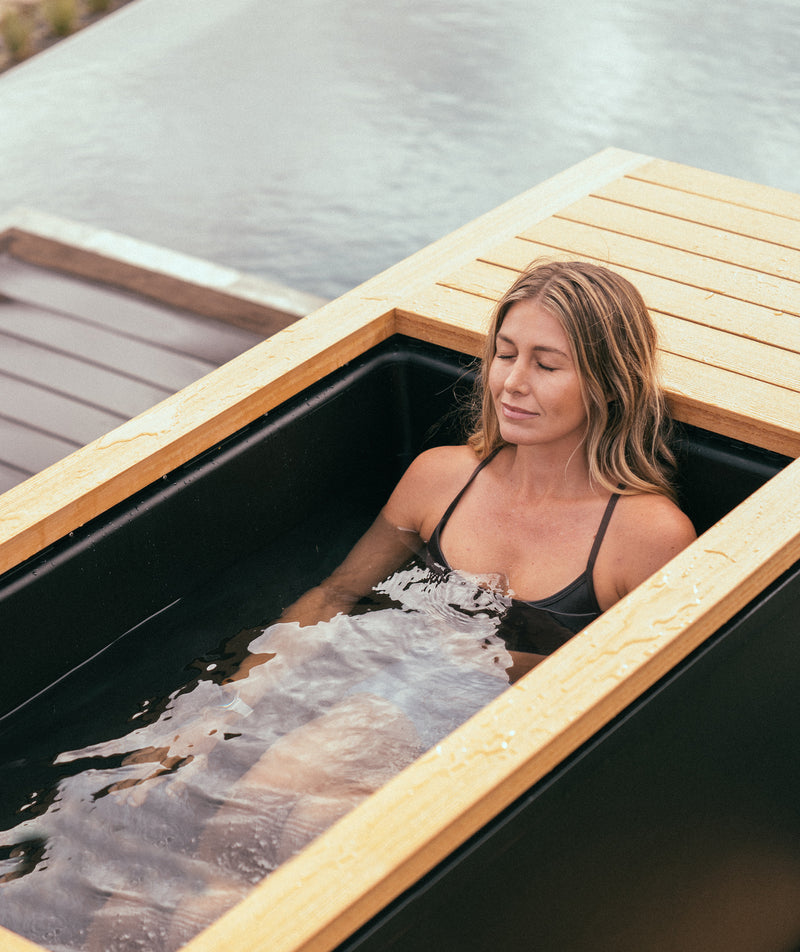
The Cold Stoic 3.0 is built for exactly that routine. Dual temperature control takes water as low as 37°F, and integrated ozone purification keeps it clean between sessions, so the plunge is ready as soon as you step out of the heat.
Find Your Sauna
Renu’s sauna range includes both traditional and infrared models, built for home use and designed to sit alongside your cold plunge.

FAQs
Is an infrared sauna better than a regular sauna?
Neither is better across the board. Traditional saunas have more long-term research and deliver intense heat quickly. Infrared saunas run cooler, heat up faster, and are easier to tolerate for longer sessions. The better sauna is the one that fits your goals, space, and routine.
Do infrared saunas have the same benefits as traditional saunas?
They share the same core responses: higher heart rate, wider blood vessels, sweating, and heat shock proteins. Traditional saunas have the larger body of long-term evidence. Infrared research is smaller but includes clinical trials showing cardiovascular benefits at lower temperatures.
How long should you sit in an infrared sauna vs a traditional sauna?
Most people spend 10–20 minutes in a traditional sauna, often in two or three rounds. Infrared sessions typically run 25–40 minutes because the air is cooler. Start shorter, build gradually, and get out if you feel dizzy or unwell.
Which sauna is cheaper to run?
Infrared saunas usually cost less to run. They use lower-wattage heaters, warm up in 10–20 minutes, and operate at lower temperatures. Traditional heaters draw more power and typically need 30–45 minutes to reach temperature.
Can you put water on the stones in an infrared sauna?
No. Infrared saunas have no stones and no steam. Water near the panels or electronics can damage them. If you want löyly, choose a traditional sauna.
Is infrared radiation from a sauna safe?
Most infrared saunas use far infrared light, which is non-ionizing and is the same radiant heat you feel from a fire. It doesn’t carry the risks associated with UV or X-rays. As with any sauna, limit session length, stay hydrated, and check with your doctor if you have a medical condition.
Do infrared saunas give off EMF?
Yes, like any electrical appliance, infrared saunas produce low-level electromagnetic fields (EMF) from their heaters and wiring. There’s no clear evidence that the levels in a home sauna cause harm, but if you’d rather keep exposure low, check the specs before you buy. The Clearlight Sanctuary’s heaters test under 1 milligauss (mG) at the heater surface and near zero at the seat.
Can I use a cold plunge with an infrared sauna?
Yes. Contrast therapy works with either heat source. Alternate heat and cold, and finish on cold if your goal is an alert, energized feeling afterward.
MEDICAL DISCLAIMER
Cold water immersion and sauna use are not suitable for everyone. Consult your physician before beginning a cold plunge or sauna practice if you are pregnant, have high or low blood pressure, heart disease, a history of cardiac arrhythmia or stroke, Raynaud’s disease, peripheral neuropathy, or any other condition affecting circulation, nerve function, or your body’s ability to regulate temperature.
Both cold and heat exposure place stress on the cardiovascular system and should be approached with caution if you have any underlying health condition, are taking medication that affects heart rate, blood pressure, or sweating, or have consumed alcohol. This article is intended for informational purposes only and does not constitute medical advice