Sauna Before or After Workout: What the Timing Actually Does
You have a sauna and a training plan. The question is where one sits around the other.
The short answer is after. The longer answer depends on what you’re training for, how long you intend to stay in, and how much fluid you’ve already lost. This article works through the mechanism first, then the exceptions.
Why the Order Matters
Heat is a stressor, as is exercise, and the body responds to both in the same way: core temperature rises, heart rate climbs, and blood is redirected toward the skin to shed heat. Put them in the wrong order and they compete for the same resources. Put them in the right order and one can extend the other.
A workout raises core temperature through muscular work while a sauna raises it without any. Sit in the heat first and part of your capacity to manage heat is spent before your workout begins. Sit in it afterwards and you’re prolonging a state the training already built. Keep reading to find out how and why.
Sauna Before a Workout
Pre-workout heat warms tissue, increases blood flow, and loosens connective tissue, which is exactly what a physical warm-up is designed to do. The key difference is that a warm-up prepares the nervous system for the work ahead whereas passive heating doesn’t.
Once core temperature passes a certain point, the body prioritizes cooling over output: heart rate rises for the same workload and effort feels harder than the pace or load would suggest. Start a session already hot and you hit that point sooner. For endurance work, that means a slower pace for the same effort. For strength work, the drop in output is smaller, but the fluid loss is the same. You sweat in the sauna and then sweat again training. And once you lose more than about 2% of body mass in fluid, both aerobic and cognitive performance decline measurably.
There is a nervous system cost too. Heat signals downshift, so parasympathetic tone rises. That’s what you want after training, and precisely what you don’t want walking into a hard workout.
However, there are exceptions. The first is heat acclimation. If you’re preparing to race or train in hot conditions, pre-loading core temperature is a legitimate strategy, but it belongs in a structured block that’s carefully overseen by a coach rather than something you do on a whim. The second exception is mobility work. If the session is low-intensity stretching or rehab, a short sauna beforehand is reasonable. Keep it under 10 minutes and be sure to hydrate well before and after.
Sauna After a Workout
This is where the evidence sits, with the most consistent finding pointing to plasma volume. Regular heat exposure after training expands the fluid portion of the blood, which improves stroke volume, thermoregulation, and endurance capacity. In trained runners, three weeks of 30-minute post-run traditional sauna sessions increased time to exhaustion by roughly a third and predicted a near-2% improvement in 5K time. Although the cohort in this study was small, the direction of the finding has held in later heat-acclimation work.
The second mechanism is cellular. Heat stress triggers production of heat shock proteins, which refold damaged proteins and protect muscle tissue against further stress. The response is well established in the lab. Its translation to faster real-world recovery is likely, though less firmly proven.
The third is subjective but consistent: post-exercise sauna has been shown to improve recovery of neuromuscular performance and reduce perceived soreness after endurance work. Although sample sizes are small, the effect keeps appearing.
And the fourth is the nervous system. Heat after training accelerates the shift from sympathetic to parasympathetic dominance. Heart rate variability recovers faster and sleep tends to improve. The same logic applies to timing cold exposure around sleep, just with a different stimulus.
What post-workout heat does not do is replace hydration, protein, or sleep. It doesn’t work if you’re already dehydrated. And it does not blunt training adaptation the way cold immersion can. That last point matters if you lift. Cold water immersion immediately after resistance training can attenuate hypertrophy whereas heat doesn’t.
How to Time It
Rehydrate first: Drink 16–24 oz of water with electrolytes before you step in. If the session was long and/or hard, wait 15–30 minutes and eat something.
Keep it short: About 15-20 minutes at 170–190°F in a traditional sauna is enough for most people, and less if you’re new to heat. As with cold exposure, there are no prizes for pushing through—leave when you feel done, not when the timer says so.
Cool down deliberately: Step out, sit, drink again. If you’re doing contrast therapy and pairing heat with cold, this is where the plunge goes.
Skip it when depleted: Two-a-days, long runs in heat, illness, a poor night’s sleep—these are days when the sauna adds a stress you don’t need. The practice is only useful if it leaves you feeling better tomorrow.

After Lifting vs. After Cardio
The mechanism shifts slightly with the session type.
After lifting, the main benefit is soreness reduction. Heat supports blood flow to damaged tissue and triggers heat shock proteins without the anti-inflammatory dampening that cold introduces. Wait 20–30 minutes, then take 15 in the heat.
After running or cycling, the main benefit is plasma volume and heat tolerance. This is the endurance athlete’s case for regular post-session saunas, and the one with the strongest human data behind it. Rehydration matters more here because losses are already high.
Traditional vs. Infrared Saunas
The timing rule is the same for both: heat after training, not before. What changes is the dose. Traditional saunas typically heat the air to ~170-190°F. Infrared units run cooler, roughly 110-140°F, and warm the body more directly, so a session can feel milder even as your core temperature climbs. Most of the research on plasma volume and endurance comes from traditional saunas. The infrared evidence is smaller, but it points the same way, especially for soreness and next-day recovery after strength work. Whichever you use, rehydrate first, keep it to about 20 minutes, and leave when you’ve had enough.
Where Cold Fits
Contrast therapy—heat followed by cold—has its own logic. Heat dilates and cold constricts. Alternating the two moves blood through tissue and produces a distinct nervous system response.
After a workout, the sequence is typically sauna then cold. This can vary depending on the goal, though: Finish on cold if the goal is alertness; finish on heat if the goal is sleep. If you lifted that day and hypertrophy is the goal, keep the cold exposure brief or move it to a rest day.
Making It Repeatable
Most people fail at heat for the same reason they fail at cold: logistics. A sauna that takes 40 minutes to reach temperature or a plunge that has drifted to the wrong number makes it hard to keep your routine consistent.
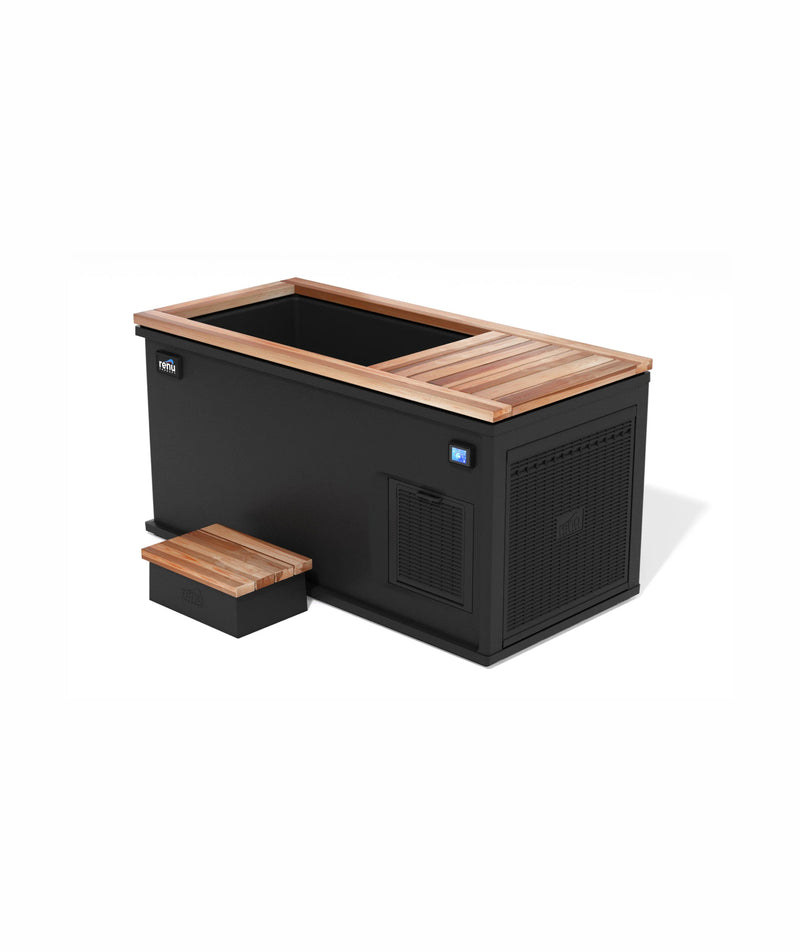
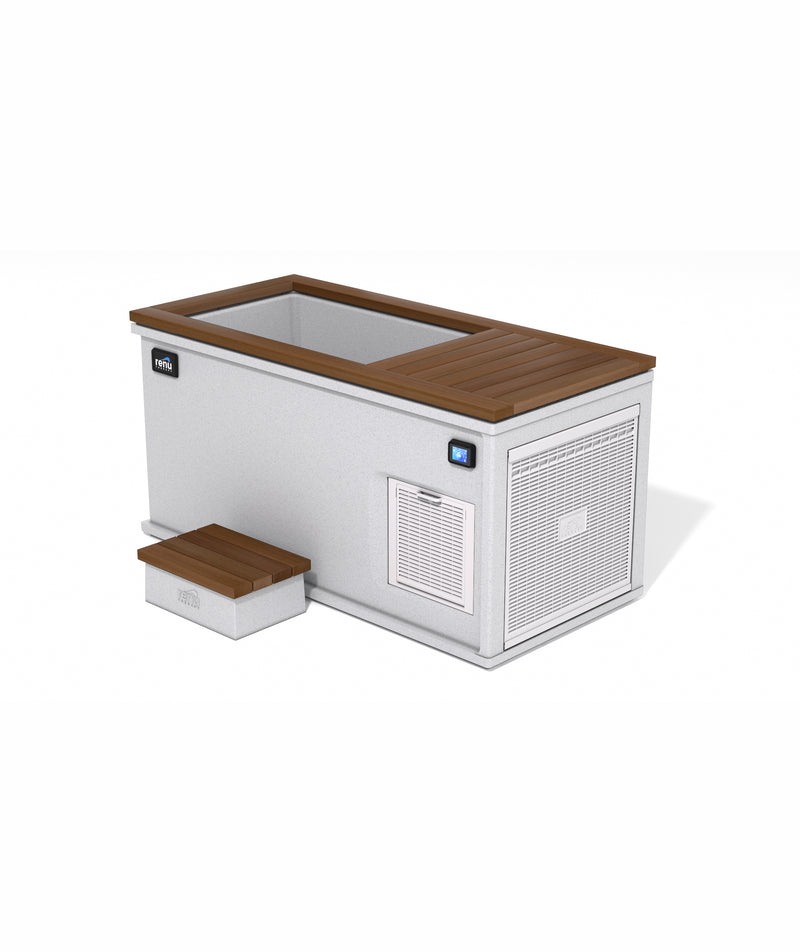
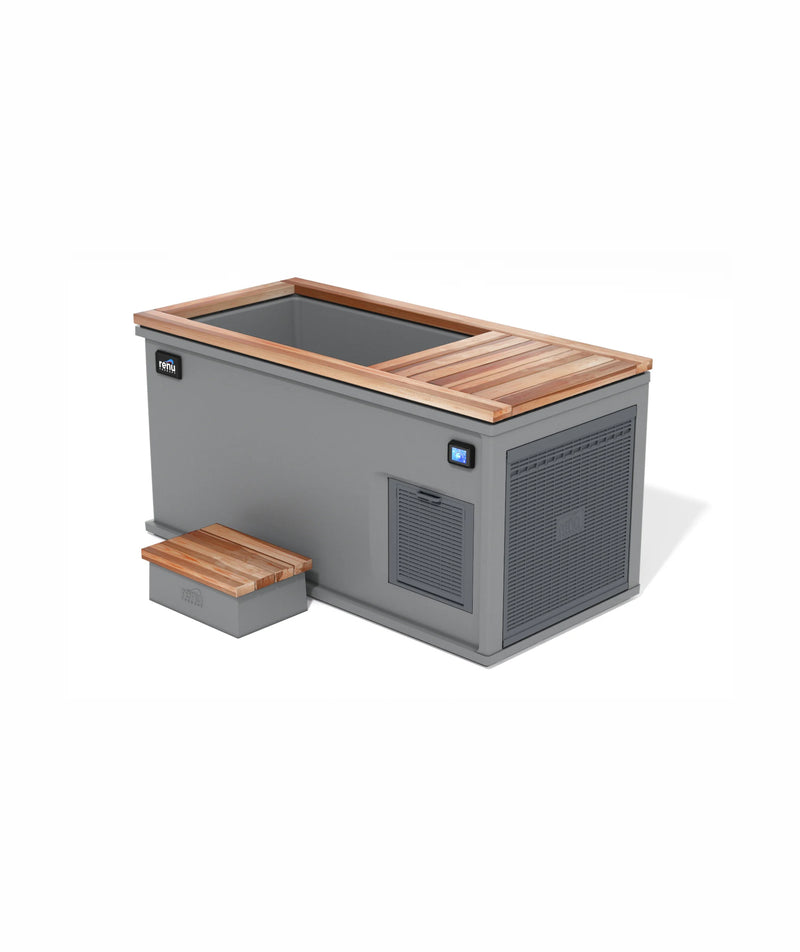
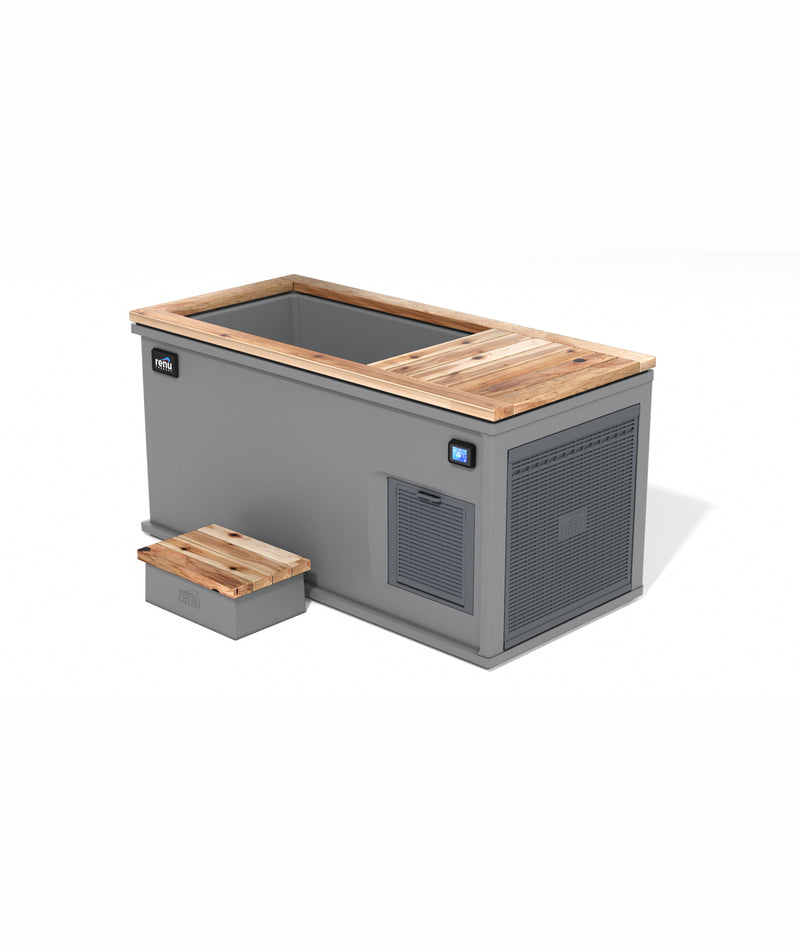
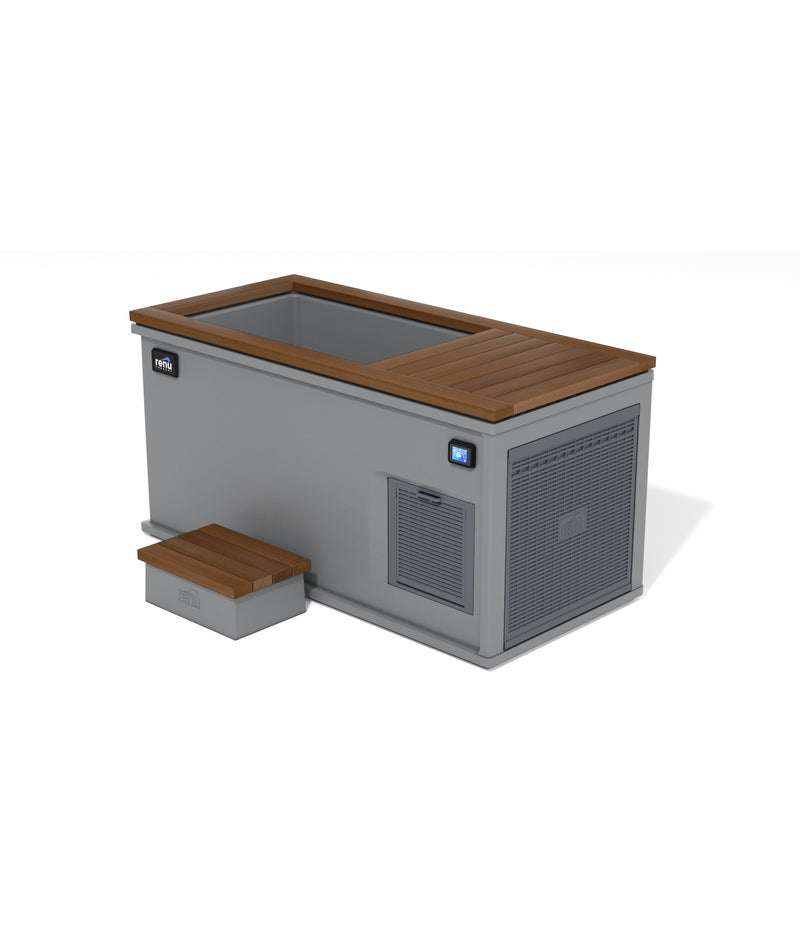
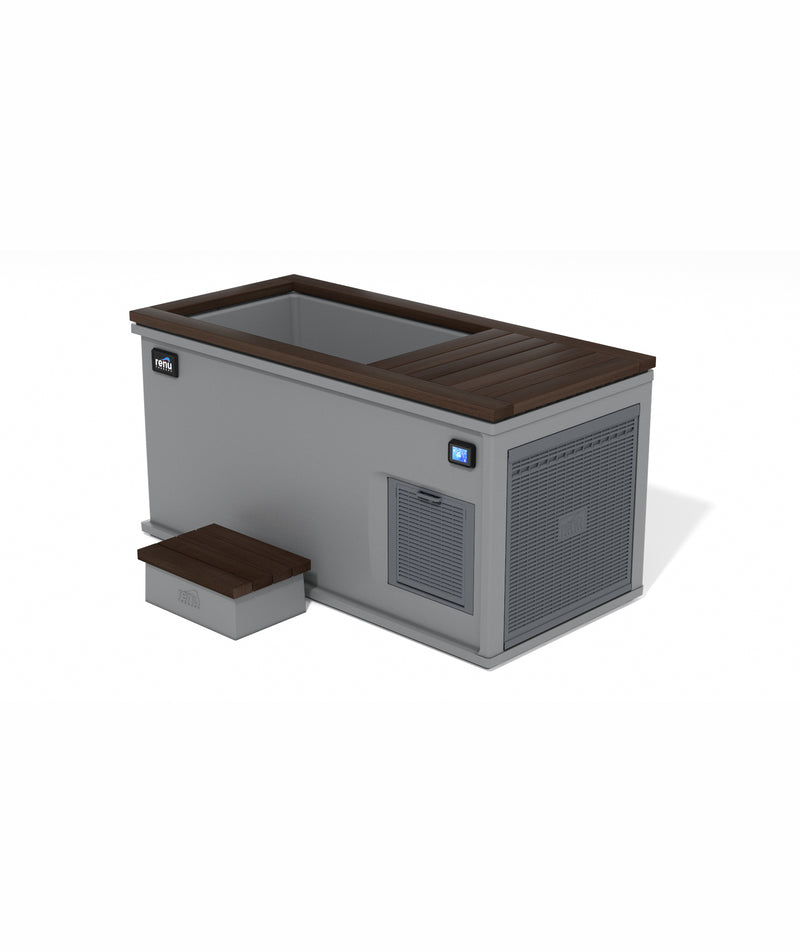
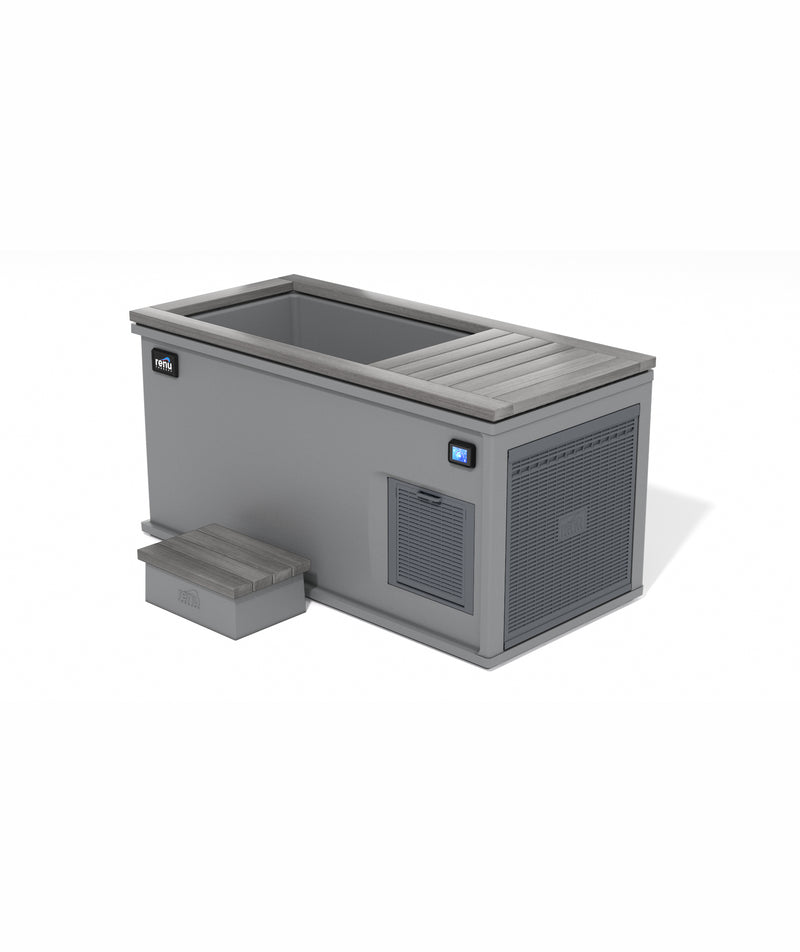
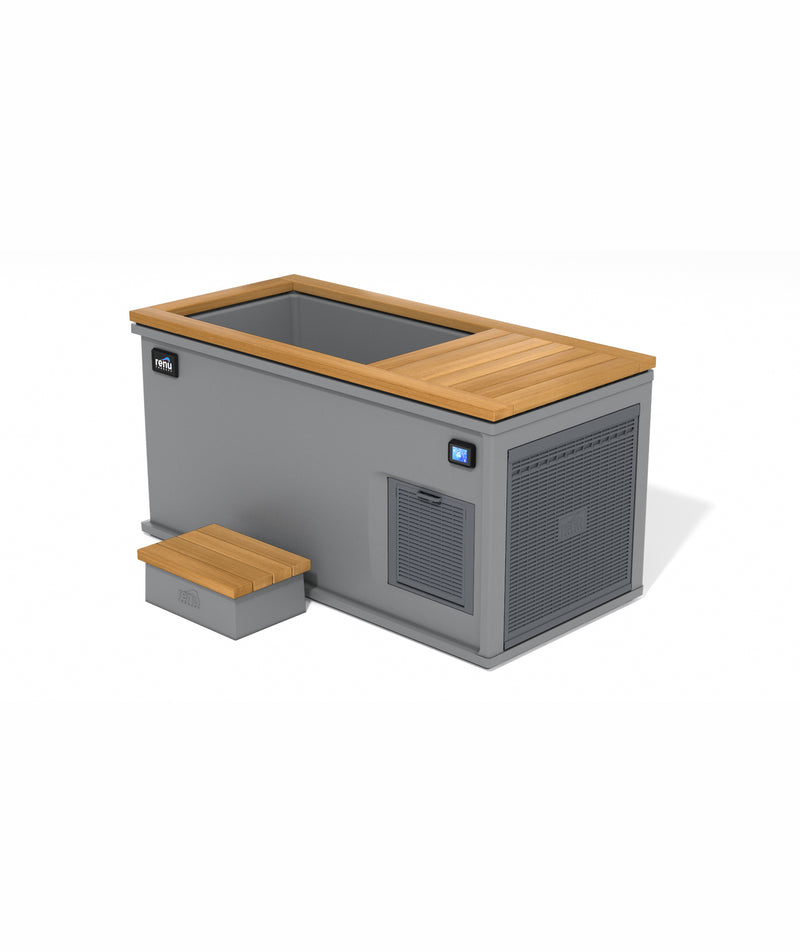
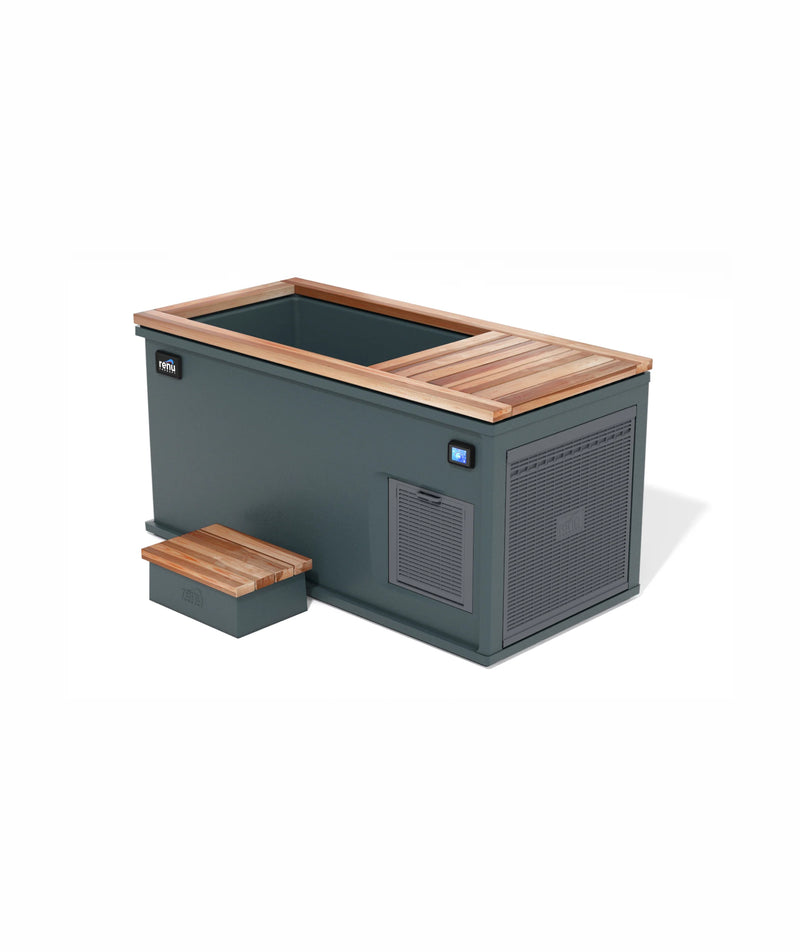
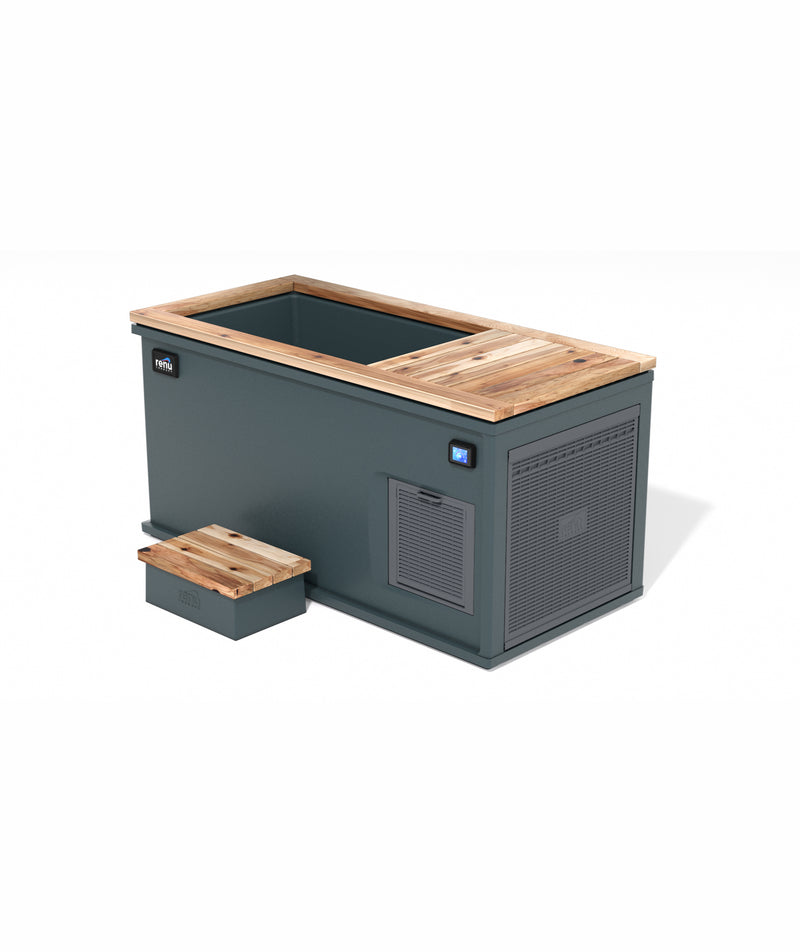
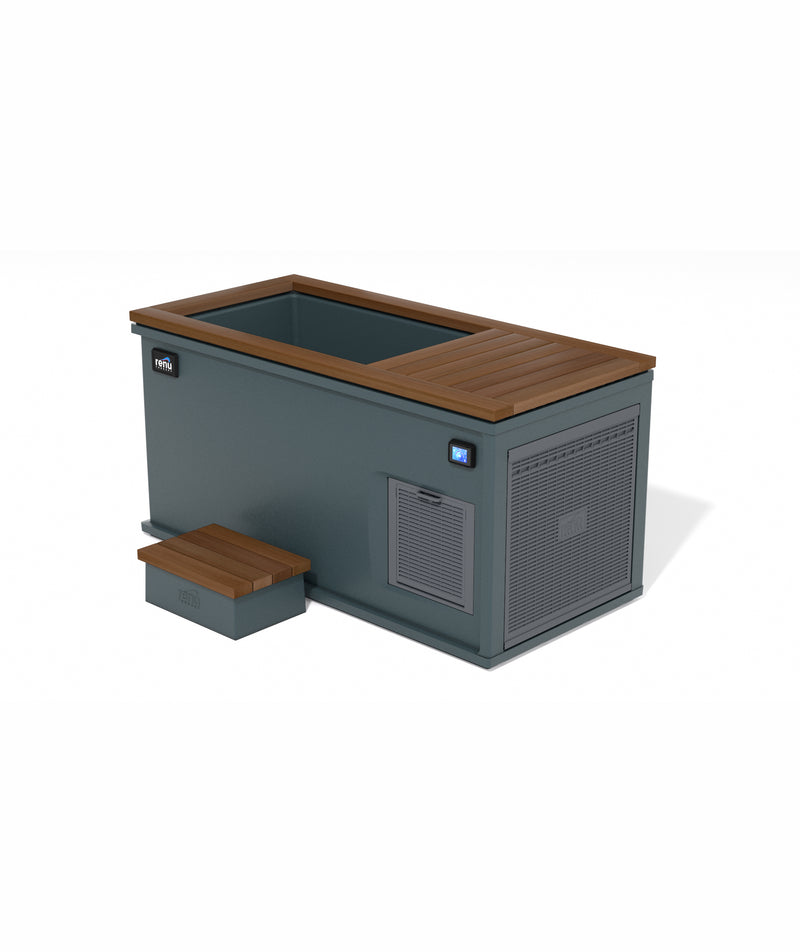
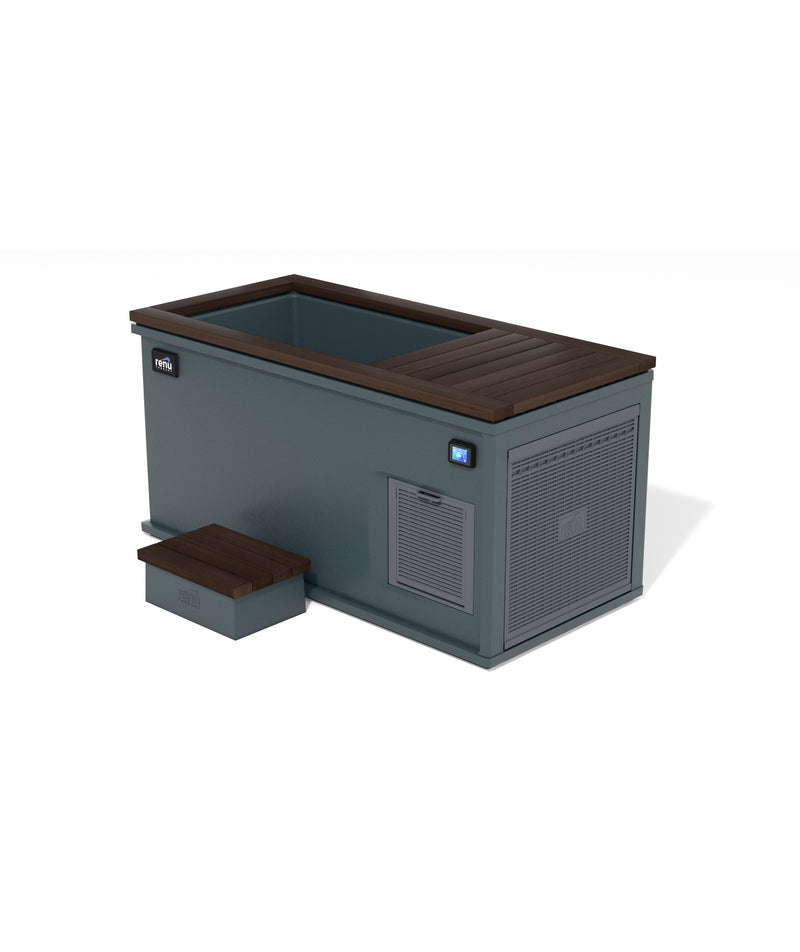
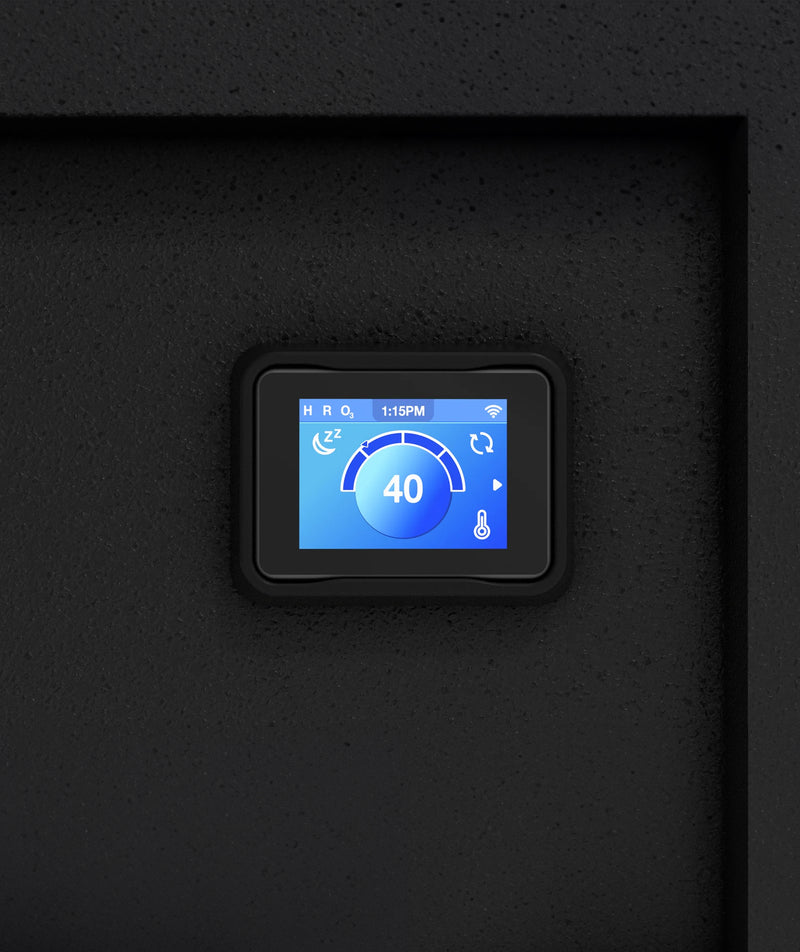
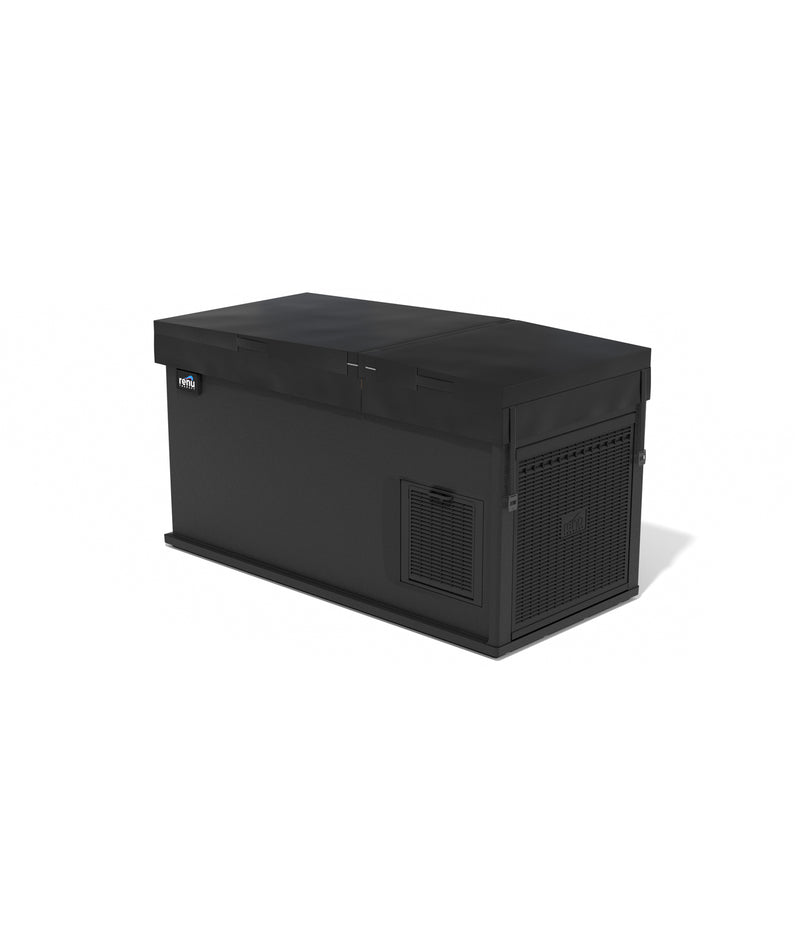
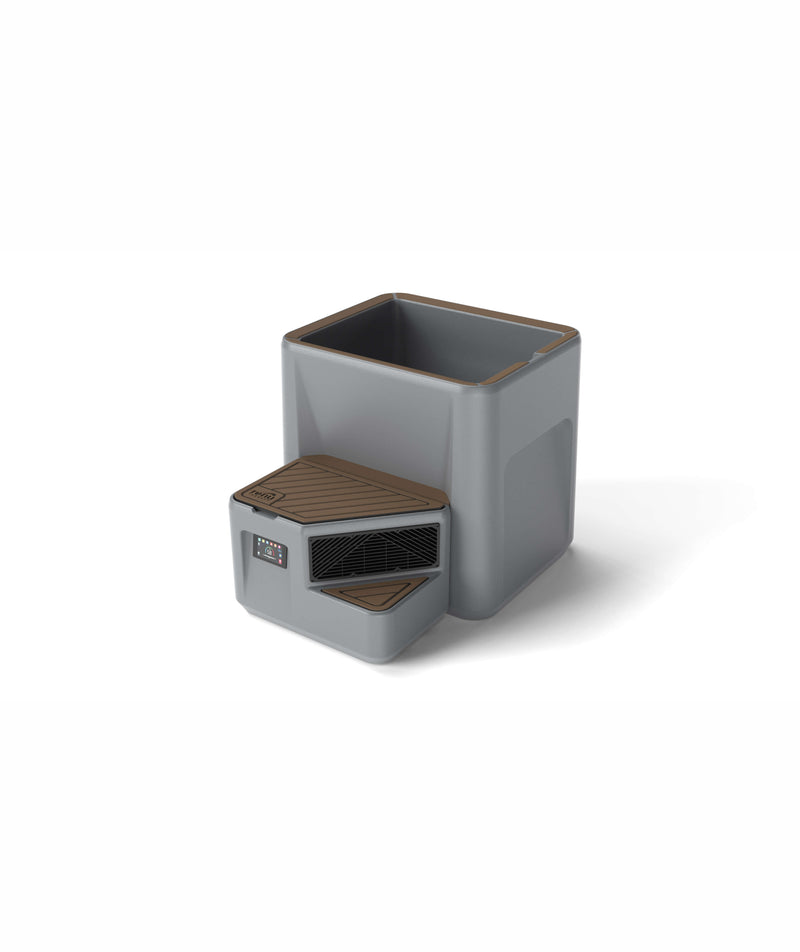
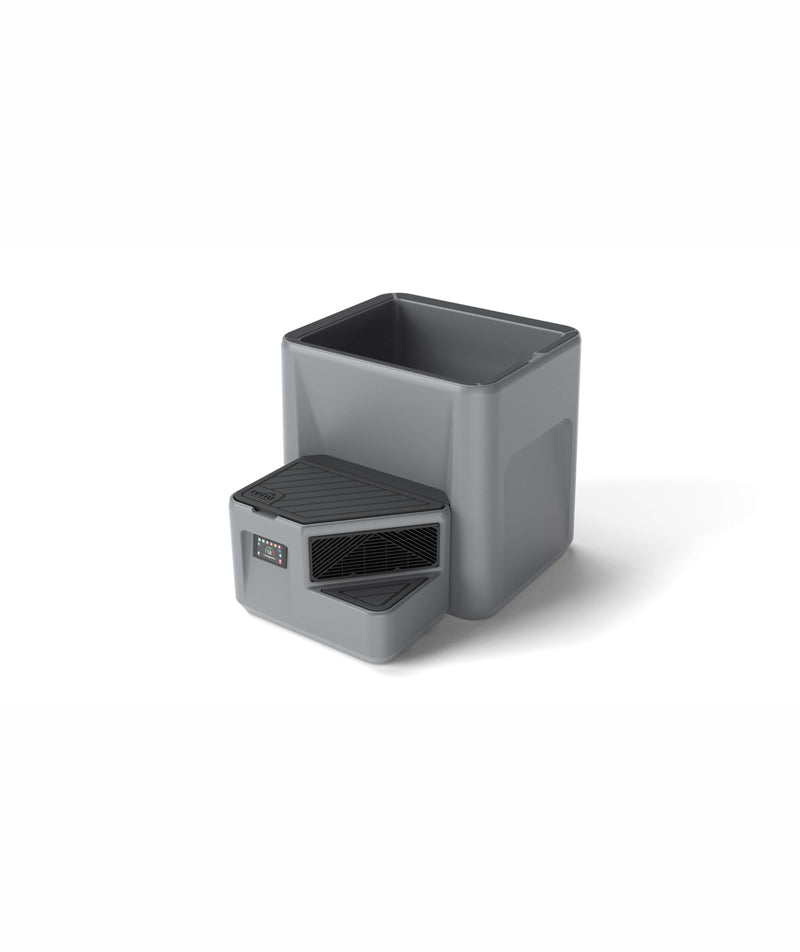
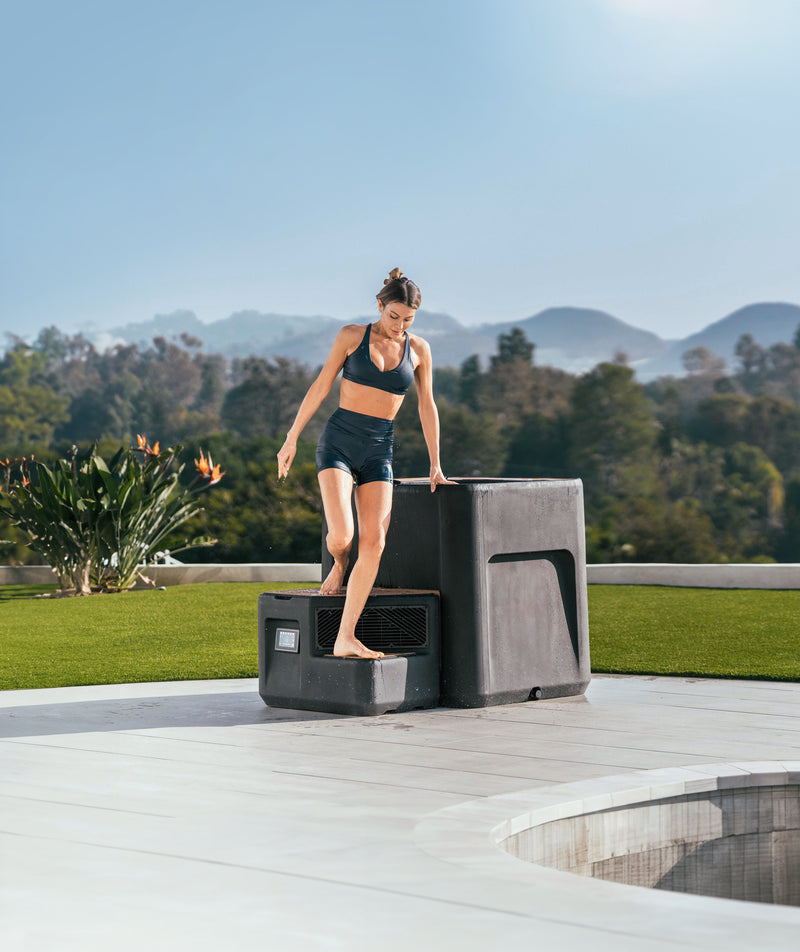
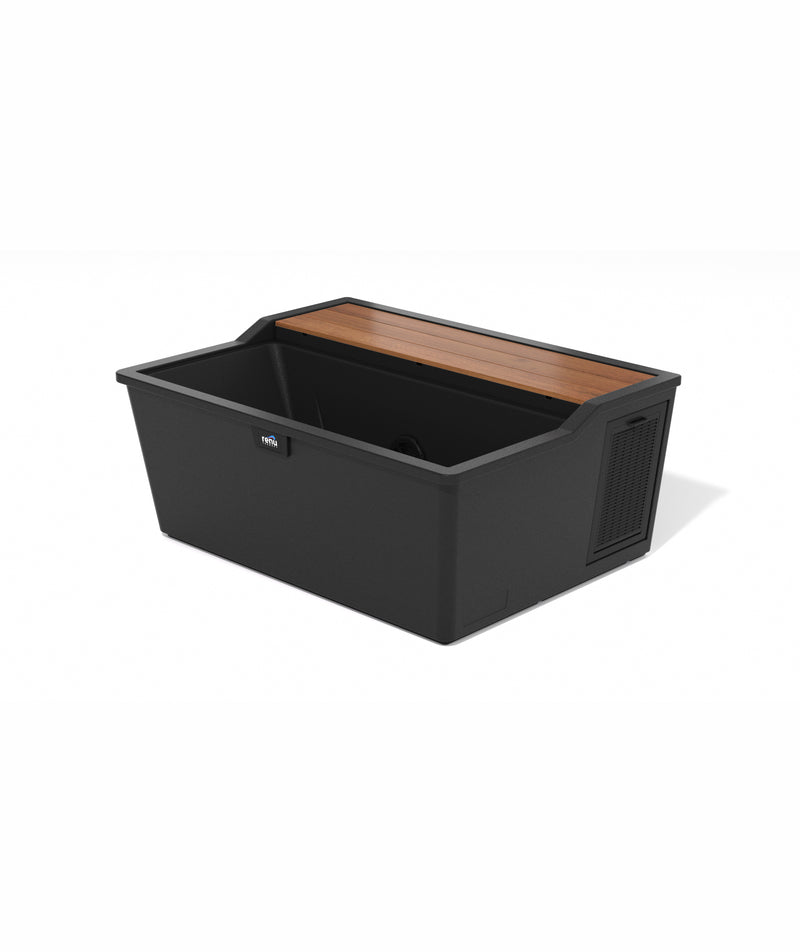
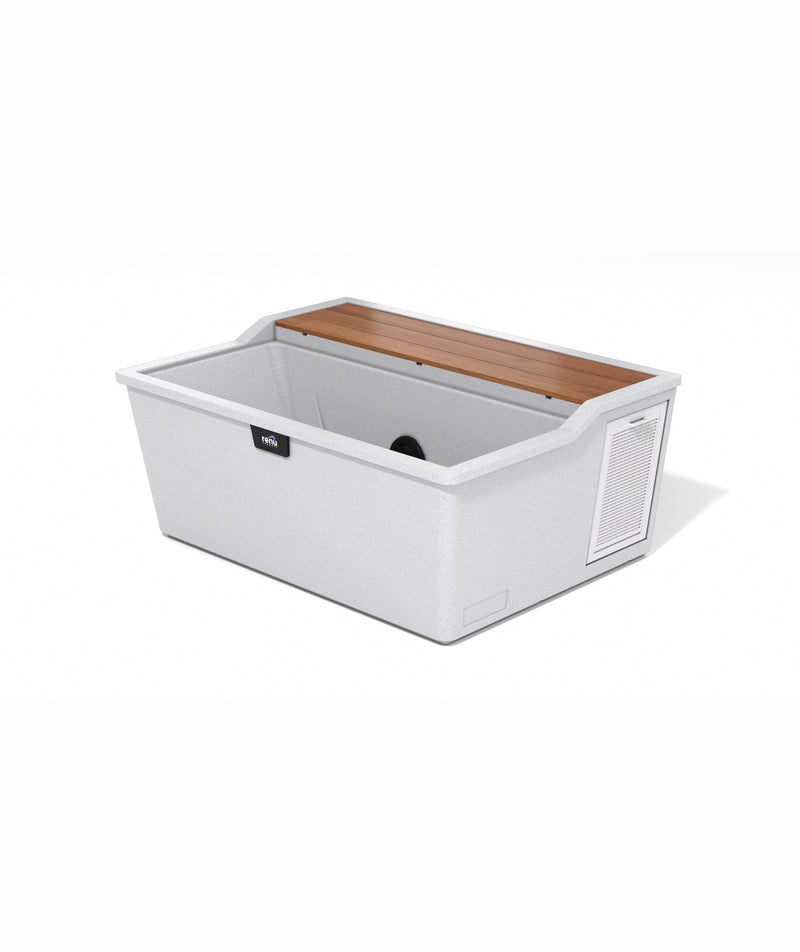
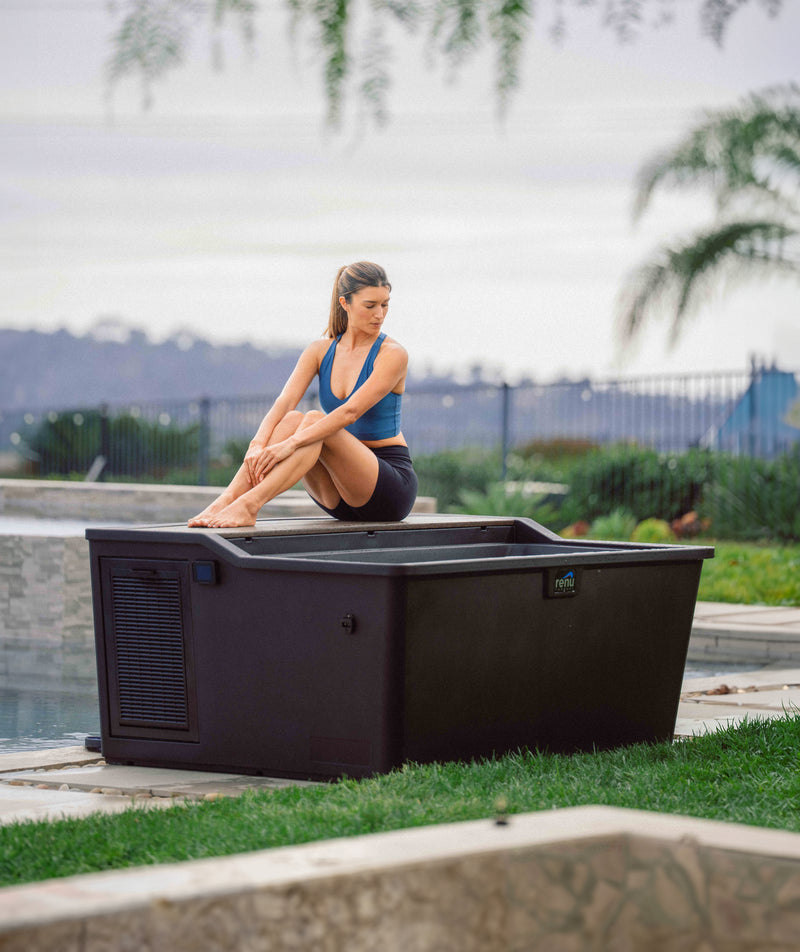
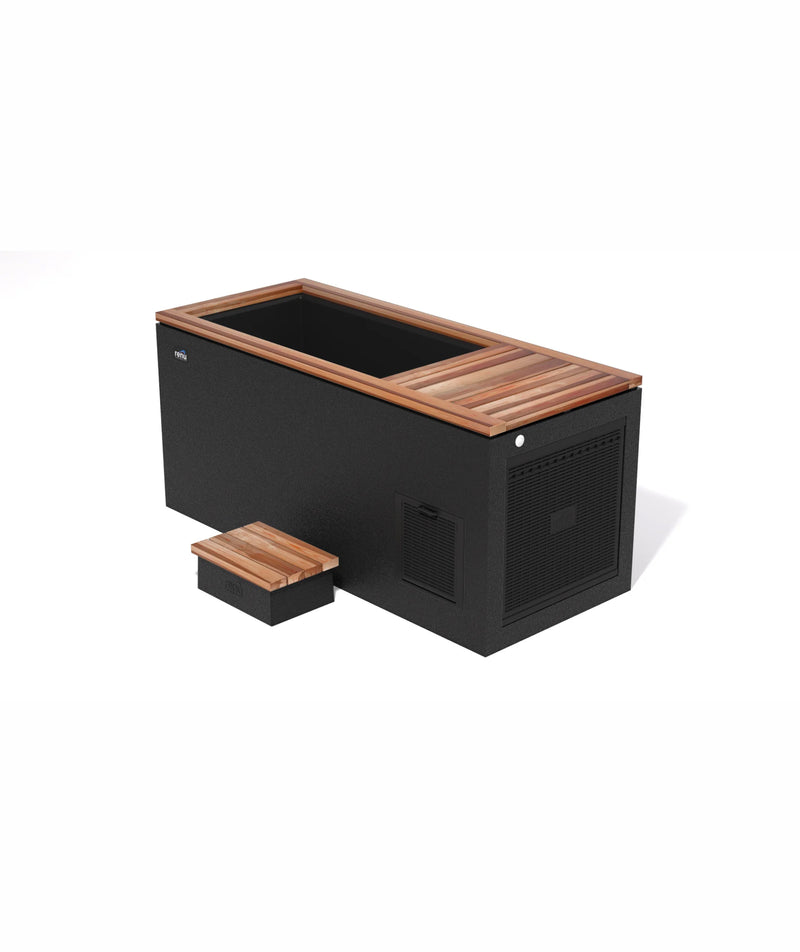
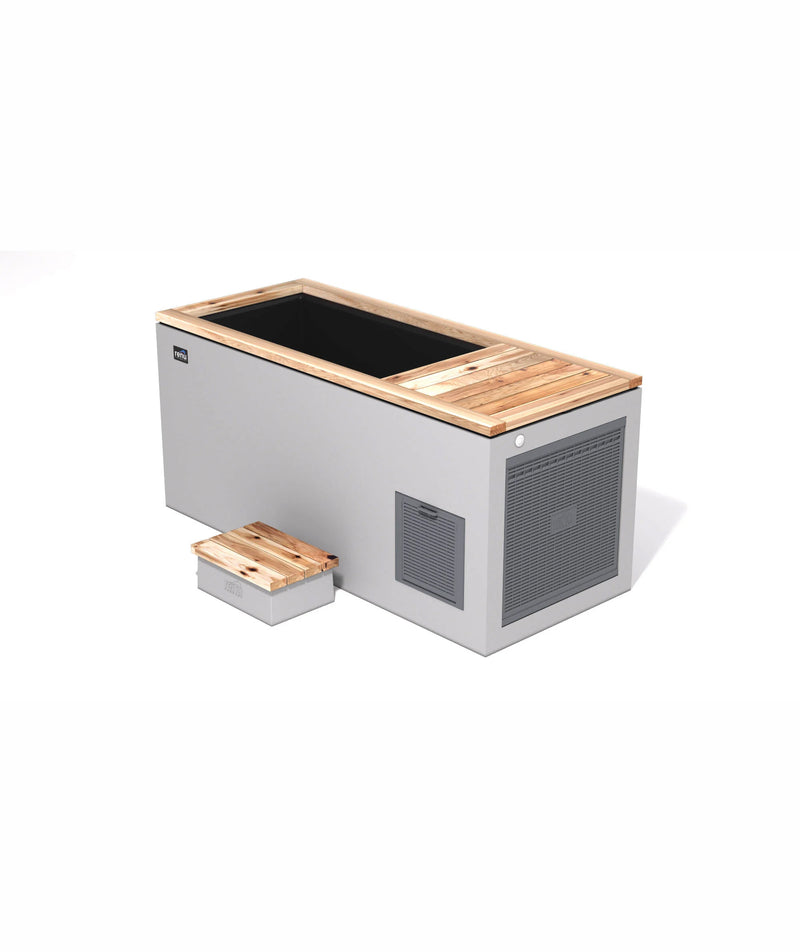
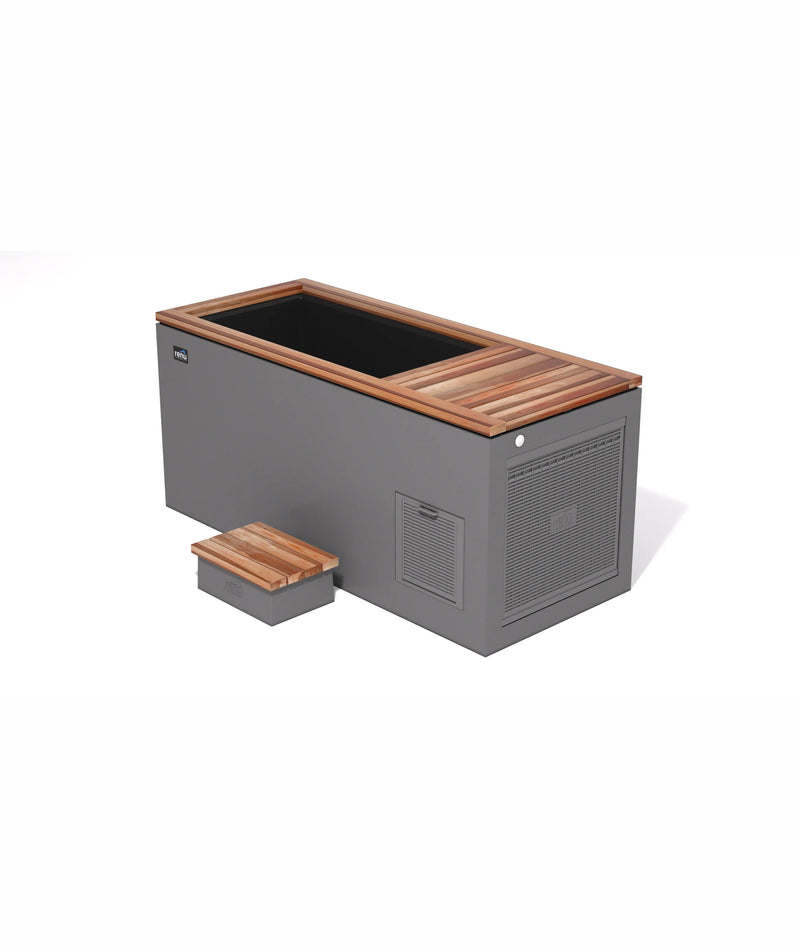
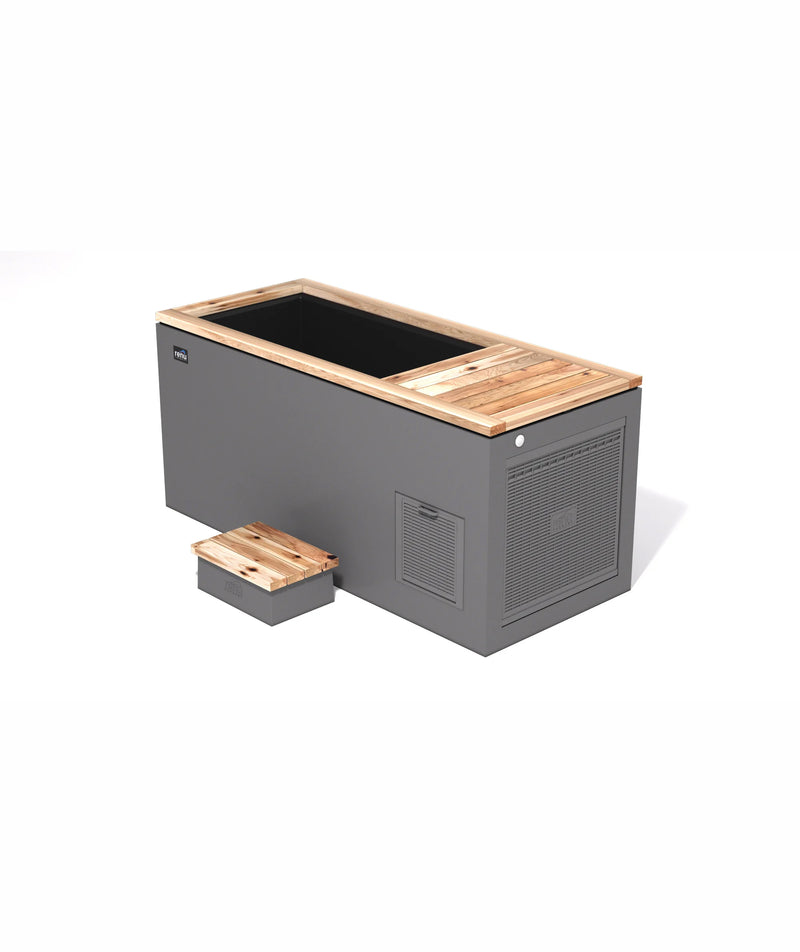
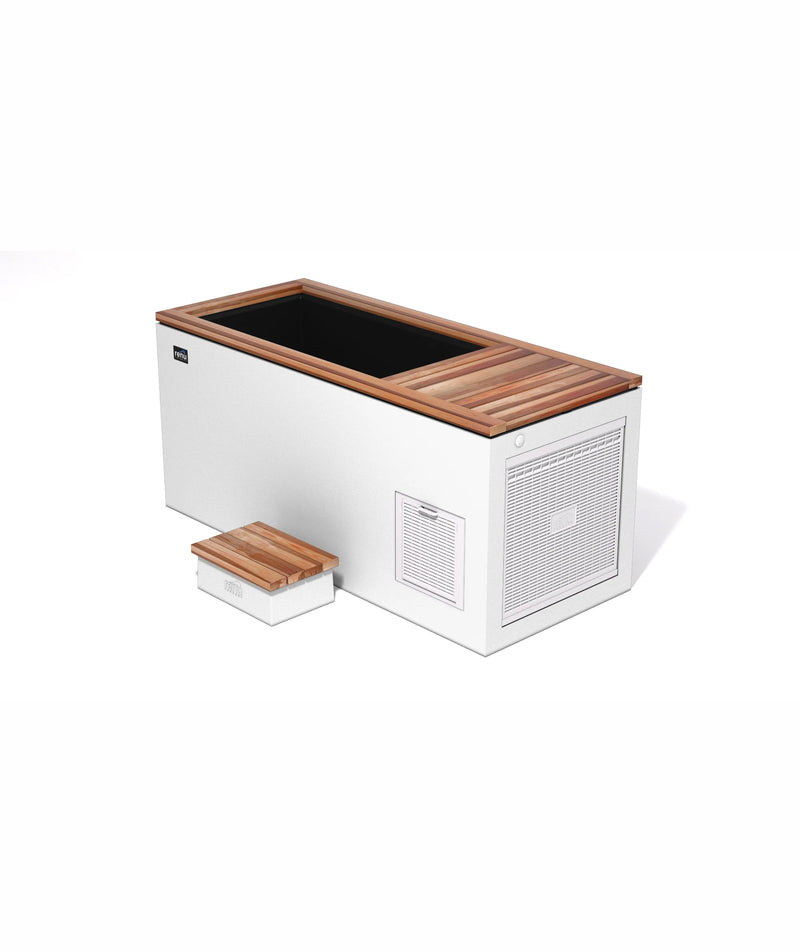
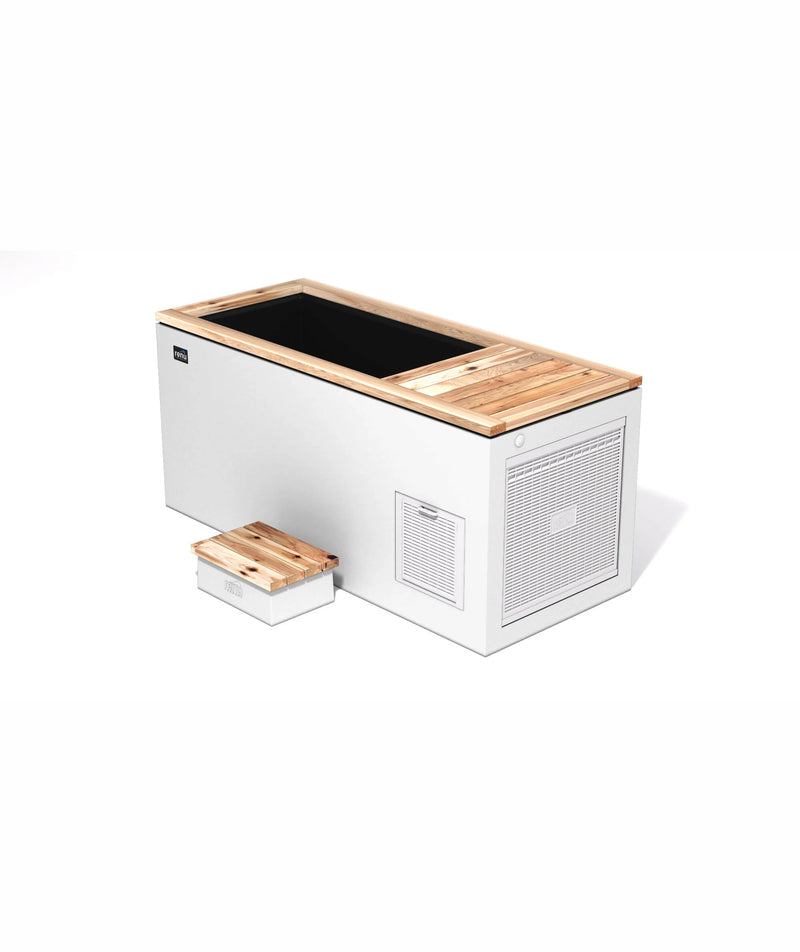
Renu’s saunas are built to be ready when you want them to be. Paired with the Cold Stoic 3.0, which holds water precisely down to 37°F with integrated ozone purification, the full contrast therapy protocol is repeatable and reliable.
Timing only works if you show up. Build the practice around a system that lets you.
Handcrafted in California. Engineered to last.

Read More → Designing a Wellness Backyard in Ten Feet
Frequently Asked Questions
Is it better to sauna before or after a workout?
After, for most people. Post-exercise heat supports plasma volume, cellular repair, and reduced soreness. Pre-workout heat raises core temperature and heart rate before training begins, which typically lowers performance and increases the risk of dehydration.
Does this apply to infrared saunas?
The timing does. Heat after training, not before, whichever type you use. The strongest endurance data comes from traditional saunas, while infrared research is smaller but shows recovery benefits after strength training. Rehydrate first and keep sessions to around 20 minutes.
How long should I stay in the sauna after a workout?
About 15-20 minutes is enough. Start at 10 if you’re new to heat. Rehydrate before you go in and again when you come out, and leave early if you feel lightheaded.
Should I sauna before lifting weights?
Generally, no. Passive heat doesn’t prime the nervous system the way a dynamic warm-up does, and it raises heart rate before the work starts. Warm up with movement. Use the sauna afterwards.
Does sauna after a workout help build muscle?
Indirectly. Heat triggers heat shock proteins and supports blood flow to recovering tissue without blunting adaptation the way cold immersion can. It won’t replace protein and sleep, but it doesn’t interfere with them either.
Can I sauna after running?
Yes, and endurance athletes have the strongest case for it. Regular post-workout sauna sessions have been shown to expand plasma volume and improve time to exhaustion. Rehydrate first, since fluid losses from running and sauna add up quickly.
Should I cold plunge or sauna after a workout?
It depends on the goal. Sauna is best for recovery, sleep, and endurance adaptation. Cold is good for alertness and acute soreness. If you lifted and want to keep the muscle-building signal intact, choose heat.
MEDICAL DISCLAIMER
Cold water immersion and sauna use are not suitable for everyone. Consult your physician before beginning a cold plunge or sauna practice if you are pregnant, have high or low blood pressure, heart disease, a history of cardiac arrhythmia or stroke, Raynaud’s disease, peripheral neuropathy, or any other condition affecting circulation, nerve function, or your body’s ability to regulate temperature. Both cold and heat exposure place stress on the cardiovascular system and should be approached with caution if you have any underlying health condition, are taking medication that affects heart rate, blood pressure, or sweating, or have consumed alcohol. This article is intended for informational purposes only and does not constitute medical advice.