Cold water immersion has been used by athletes for decades. Long before it became a fixture of wellness culture, coaches were sending their athletes to ice baths after hard sessions—not because it was trendy, but because it worked.
The science has caught up considerably since then. What follows is a clear, grounded breakdown of what cold plunging actually does to your body, why it works, and what you can realistically expect from building it into your routine.
Cold water immersion increases norepinephrine—the hormone that drives focus, alertness, and mood—by up to 530%, and dopamine by up to 250%.
 Srámek et al., PubMed, 2000
What Happens the Moment You Enter Cold Water
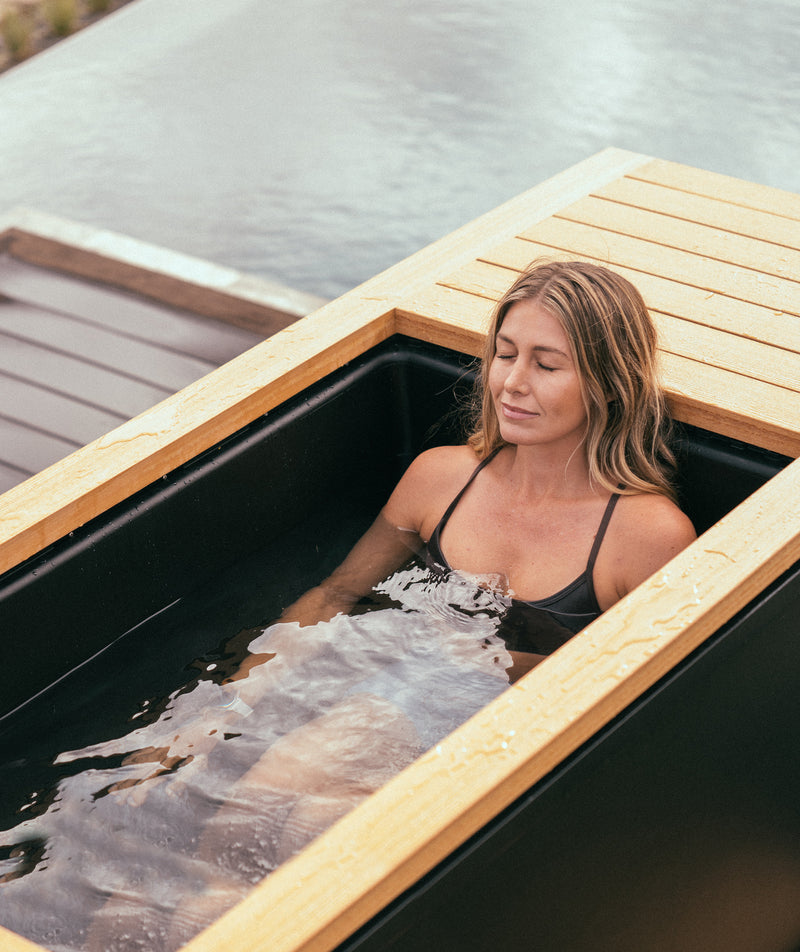
Your body doesn't ease into cold water. The response is immediate: blood vessels constrict, your nervous system is activated, and, perhaps most significantly, norepinephrine, a hormone central to focus, mood, and alertness, surges. Research has shown cold water immersion can drive plasma norepinephrine and dopamine concentration levels up by as much as 530% and 250% respectively.
This initial stress response is, counterintuitively, the point. As with any form of training, apply it consistently, and the body adapts. That adaptation, both physiologically and psychologically, is where the real benefits live.
The Cold Plunge Benefits Worth Knowing About
Faster Muscle Recovery
This is where most athletes start, and for good reason. Cold water immersion constricts blood vessels and slows metabolic activity in stressed tissue, which reduces inflammation and limits delayed-onset of muscle soreness (DOMS). When you get out, circulation rebounds—flushing metabolic waste from the muscles and accelerating the recovery process.
Reduced Inflammation
Not all inflammation is created equal. Some of it is necessary and a natural part of how the body heals and gets stronger after hard effort. But chronic, low-grade inflammation is a different matter, and it's increasingly linked to fatigue, joint pain, and longer-term health decline. Regular cold exposure can help calibrate the inflammatory response.
Improved Mood and Mental Clarity
The norepinephrine spike brought on by cold plunging has downstream effects that extend well beyond the cold plunge itself. Studies have shown consistent cold water therapy is associated with reductions in anxiety and depressive symptoms. Part of the mechanism is neurochemical. Part of it is harder to quantify: the discipline of doing something uncomfortable, deliberately, every day, tends to build a kind of mental clarity that gathers momentum. Athletes who plunge regularly talk about this a lot anecdotally—and the science is starting to back them up.
Better Sleep
Cold plunging activates the parasympathetic nervous system, the system responsible for rest and recovery. The drop in core body temperature post-plunge mirrors the natural cooling the body undergoes as it prepares for sleep. Regular cold plunge practitioners consistently report deeper, more restorative sleep. If you're someone who tracks HRV or sleep quality and architecture, this is one of the more visible effects.
Immune System Support
Repeated cold exposure stimulates white blood cell production and primes the immune response. Think of it as a calibration signal: the body adapts to repeated thermal stress by becoming more efficient at defending itself. It won't replace sleep, nutrition, or sensible training loads, but as part of a consistent practice, it can contribute meaningfully.
Metabolic Activation
Cold exposure activates brown adipose tissue (brown fat), which generates heat by burning stored energy. Consistent cold plunging increases brown fat density over time and improves metabolic efficiency. This is more of a long-term benefit, not something you'll feel after a week, but the physiological mechanism is well-established.
2-Minute Cold Plunge Benefits: Does Duration Actually Matter?
The duration of your cold plunge matters less than most people assume. The research is fairly consistent here: the significant physiological responses, such as norepinephrine release, vasoconstriction, and nervous system activation, begin within the first 2 minutes of cold immersion. You don't need to stay in for 15 minutes to earn these benefits. A deliberate 2-minute plunge at the right temperature, done consistently, will outperform an occasional longer session every time.
The variable that matters most isn't duration, but rather frequency. A 2-minute cold plunge at 50–55°F, practiced regularly, builds the adaptation that makes cold therapy work. That's the goal: not to suffer longer, but to practice deliberately.
For anyone building a cold plunge practice from scratch, 2 minutes is also a sensible starting point. Get in, stay present, get out. Extend (if desired) as your tolerance develops. The cold doesn't need to be a battle, it just needs to be consistent.
Ice Bath vs. Cold Plunge Tub: Does It Make a Difference?
The core physiology is the same either way. The practical difference comes down to consistency.
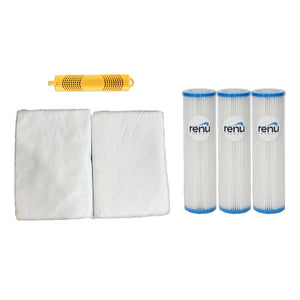
A well-designed cold plunge holds precise temperatures and keeps water clean through integrated filtration. This removes most of the friction that quietly derails a cold practice: the logistics, the unpredictability, the upkeep. When the system is easy to use and the water is reliably clean, you plunge more. And frequency is the variable that determines results.
A poorly maintained setup, such as inconsistent temperatures or an extra 20 minutes of preparation each time, breaks the ritual before it has a chance to form.
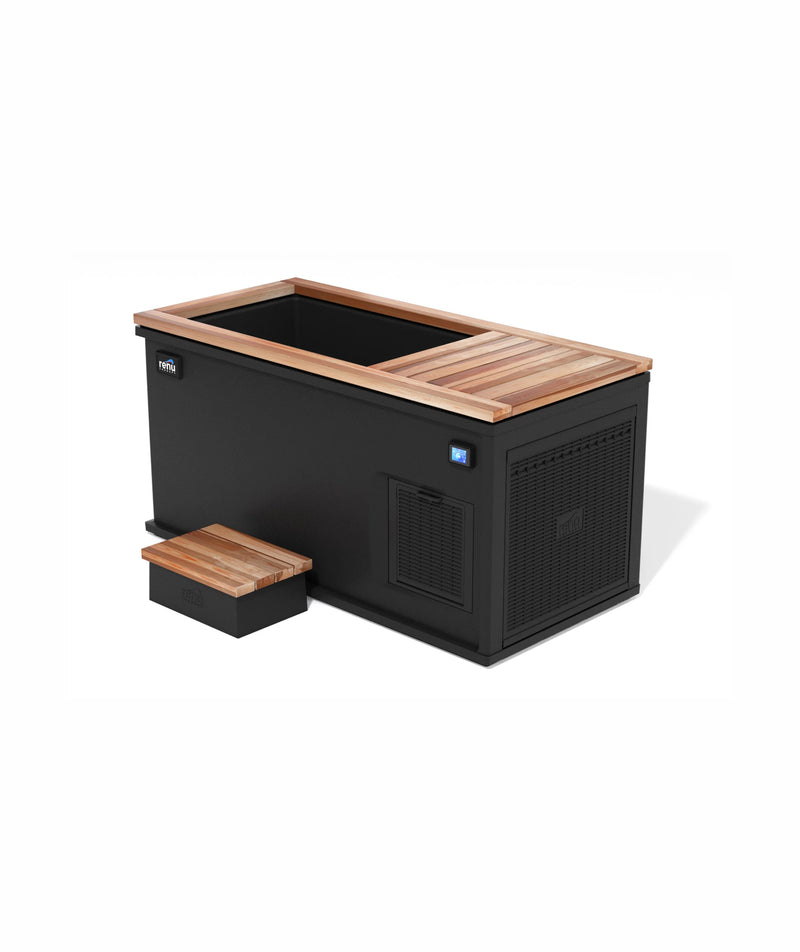
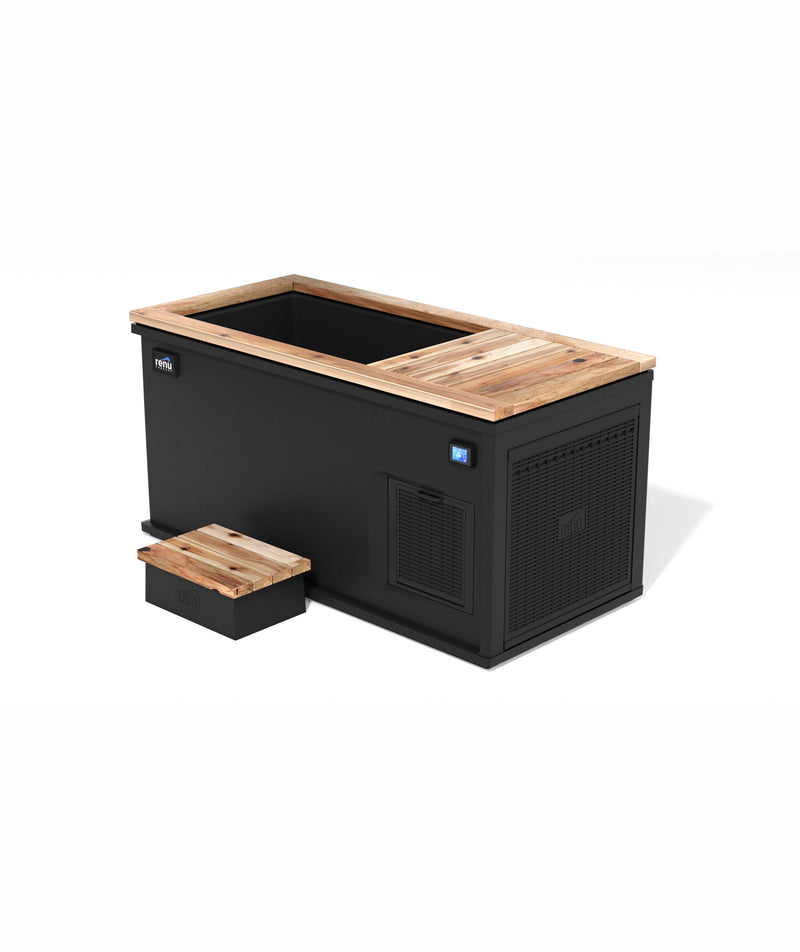
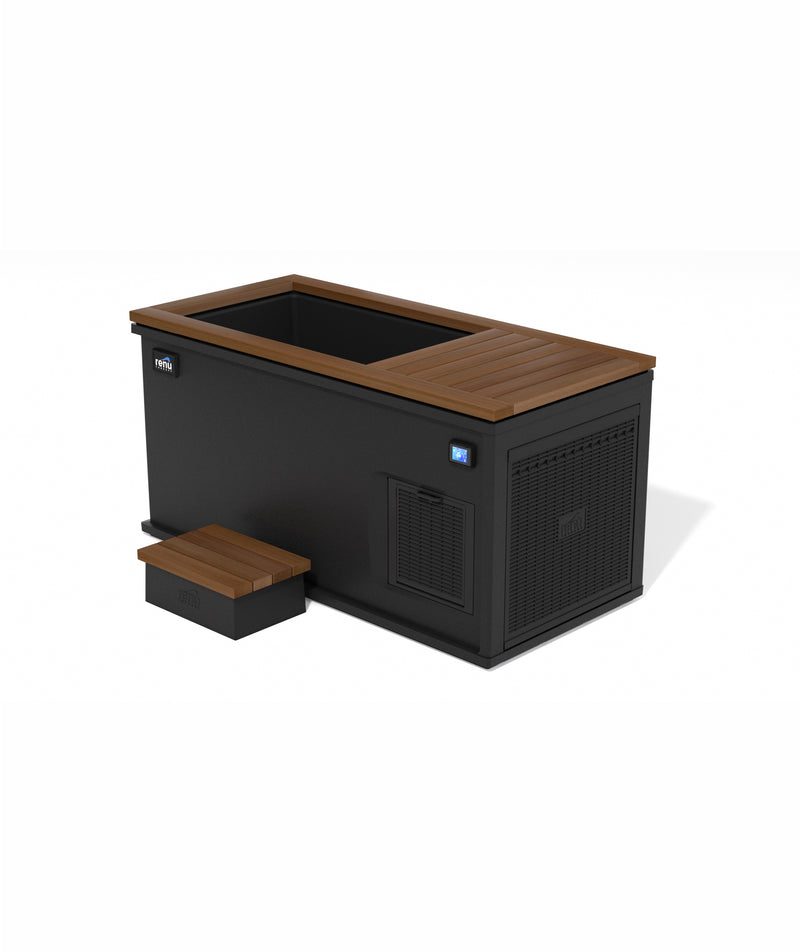
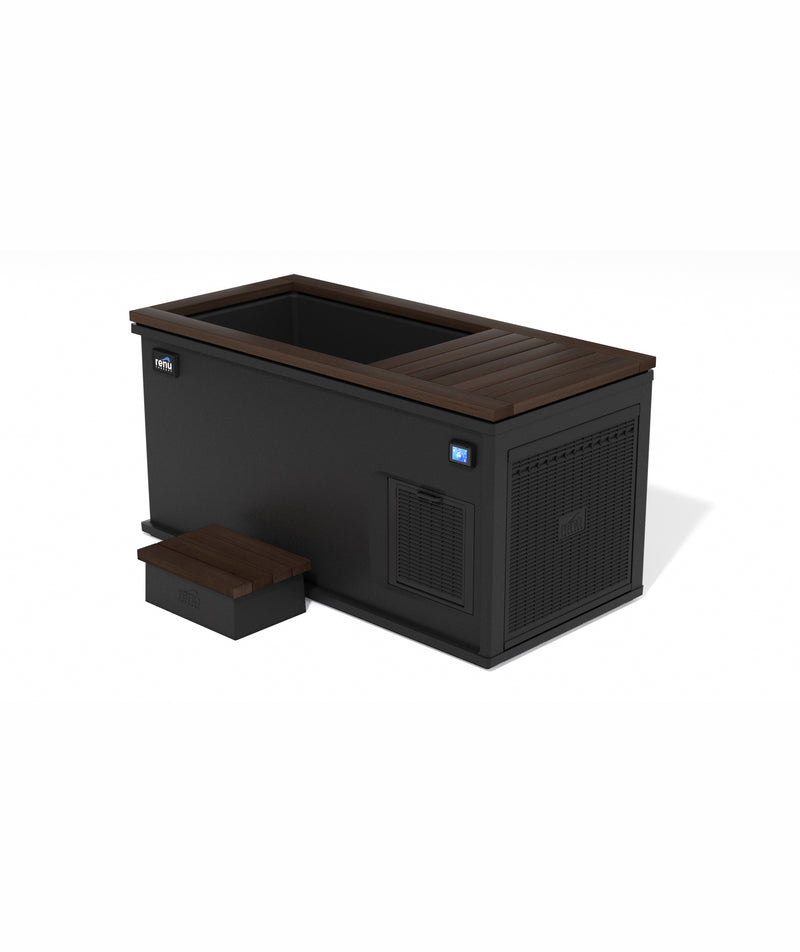
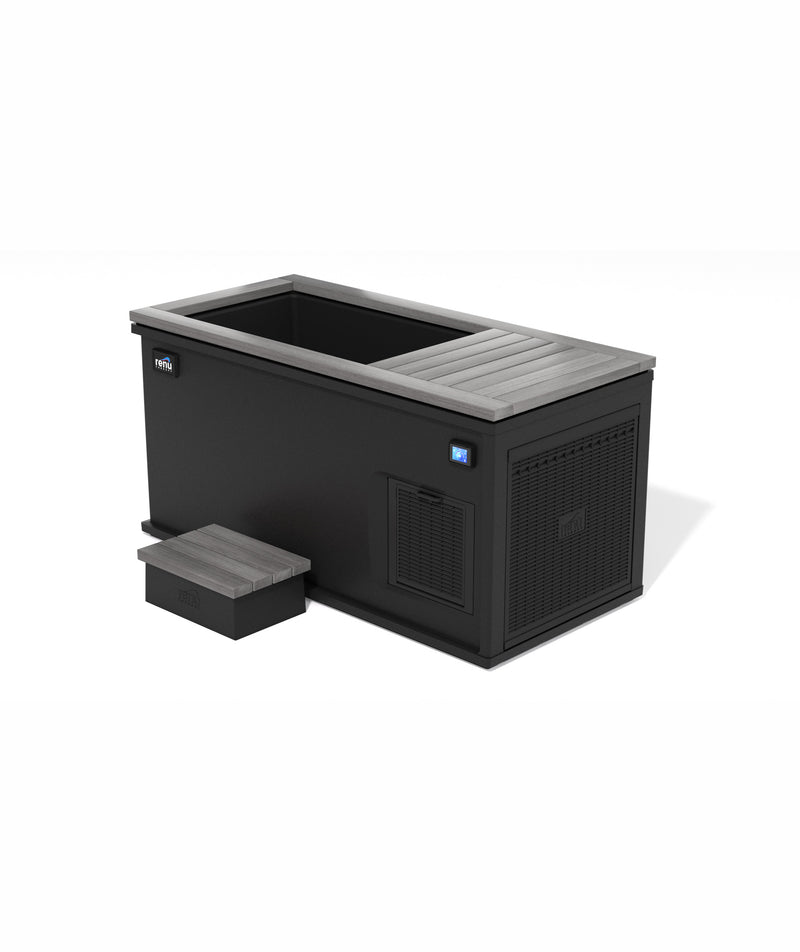
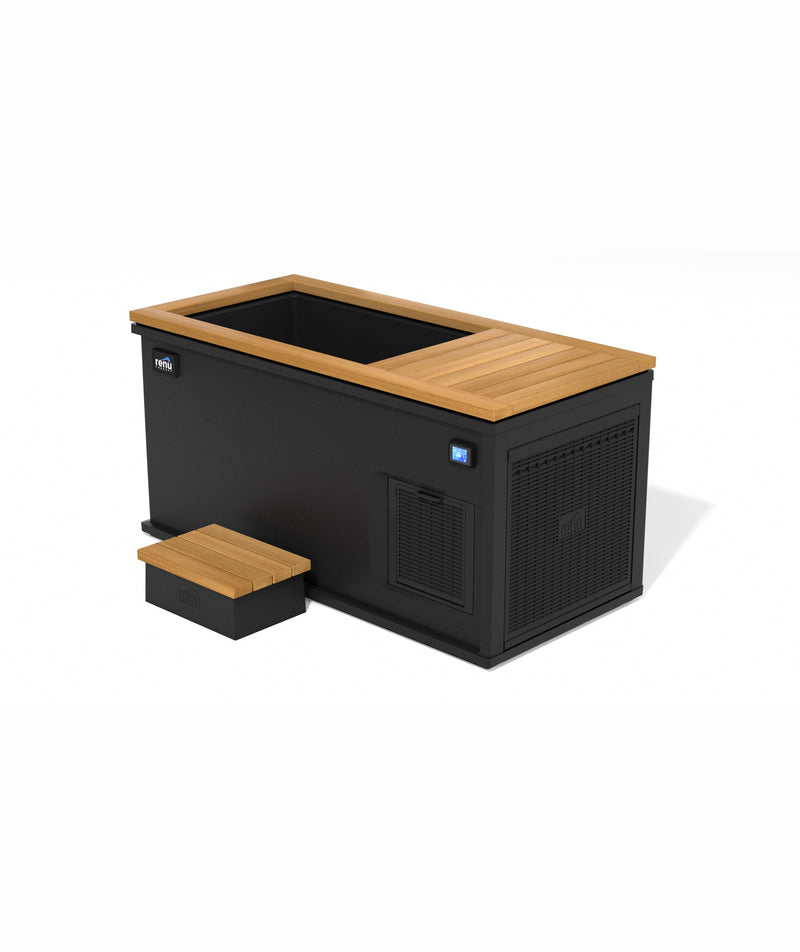
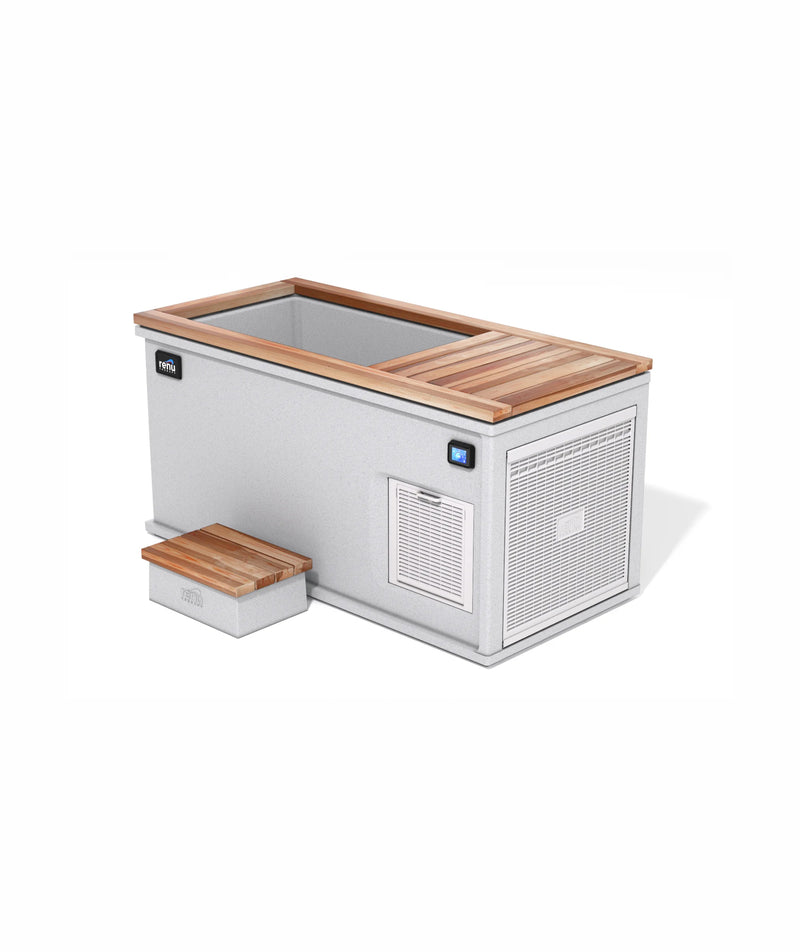
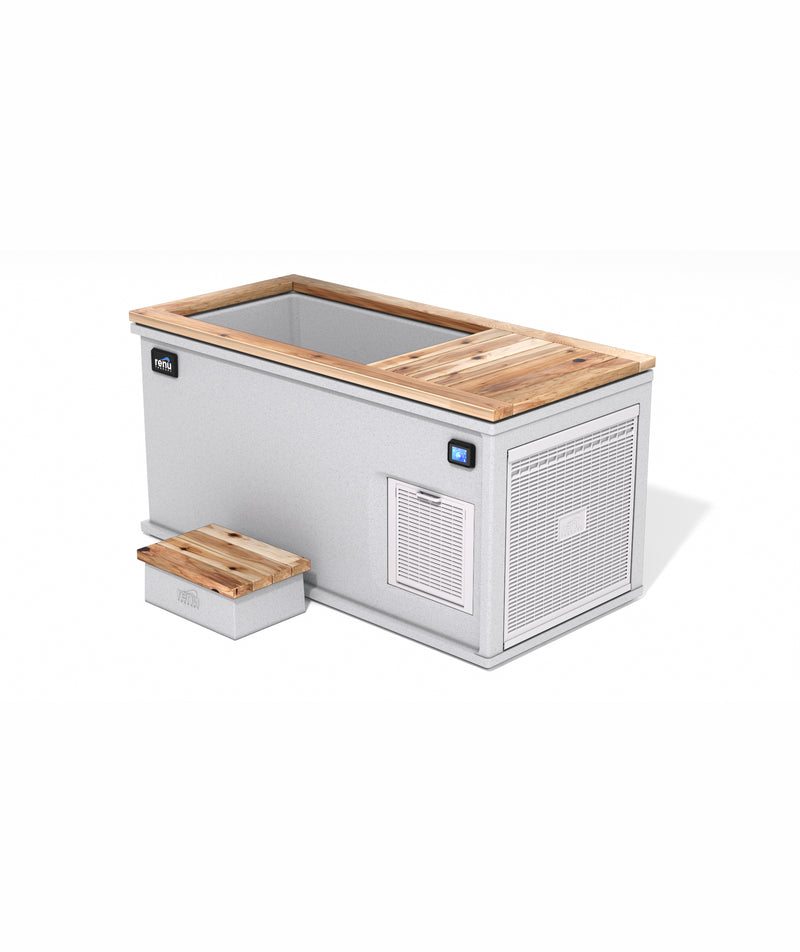
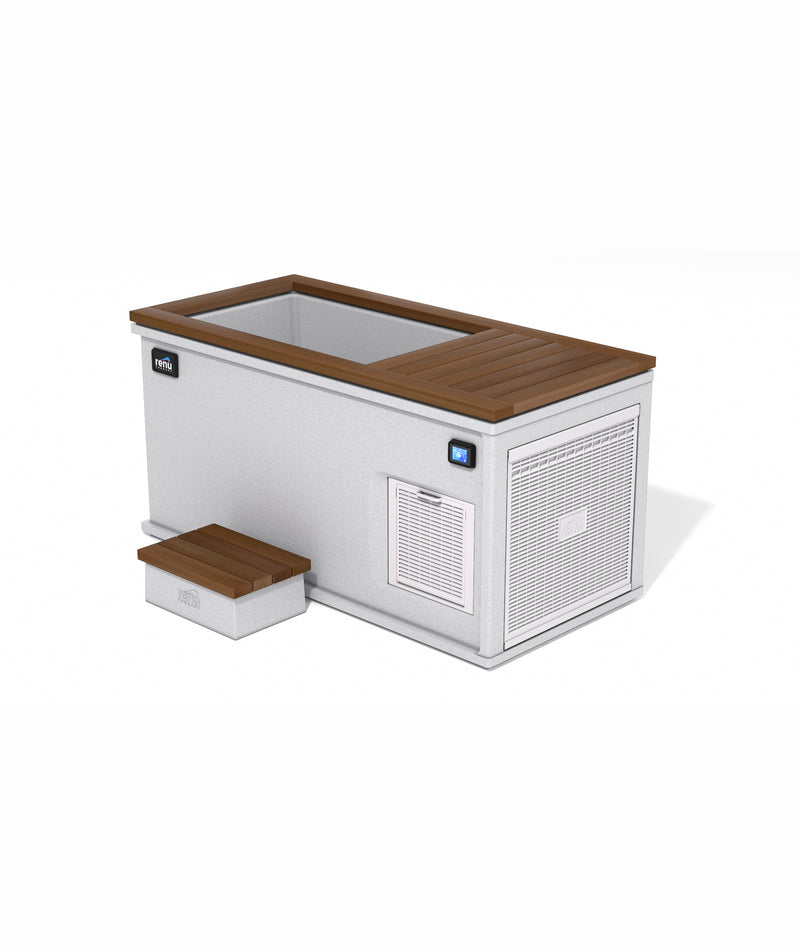
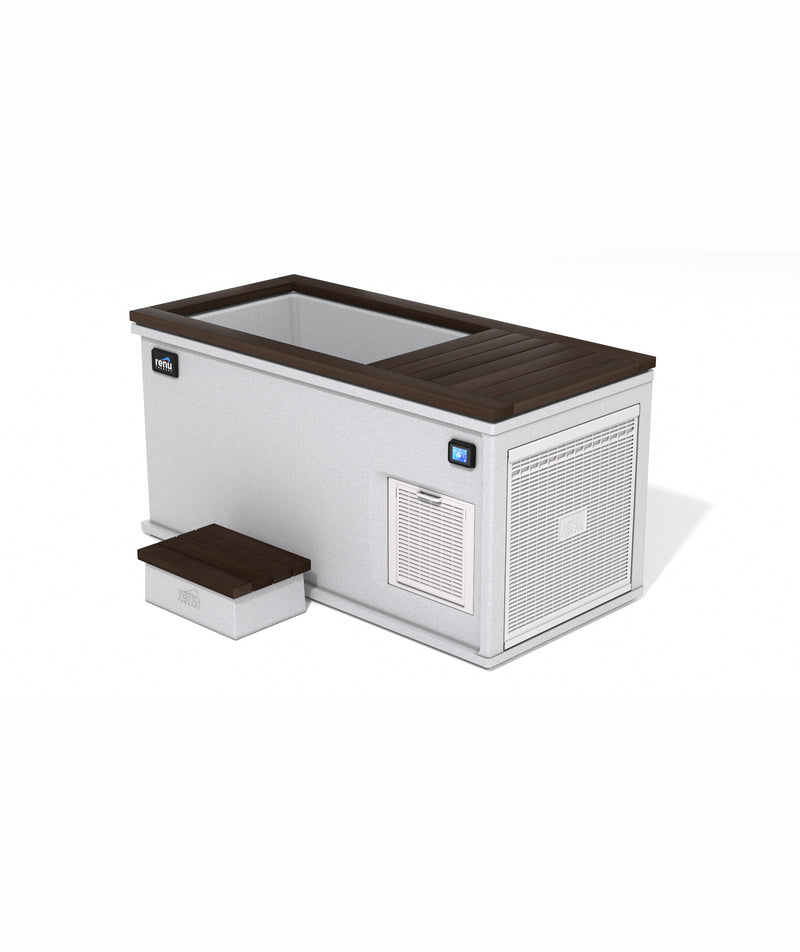
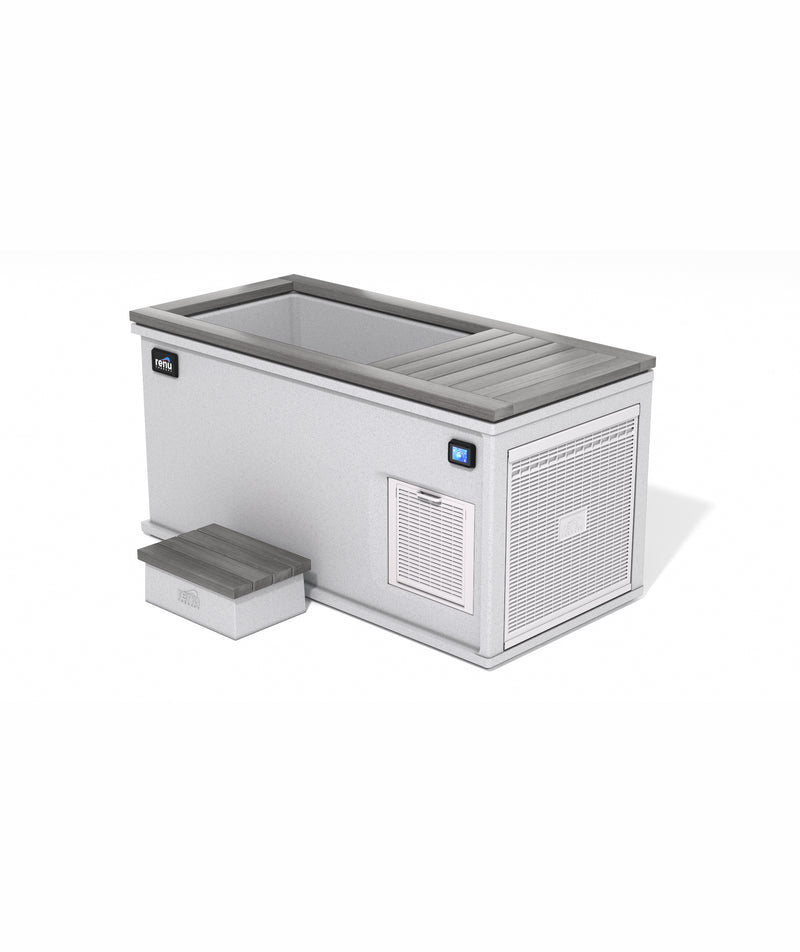
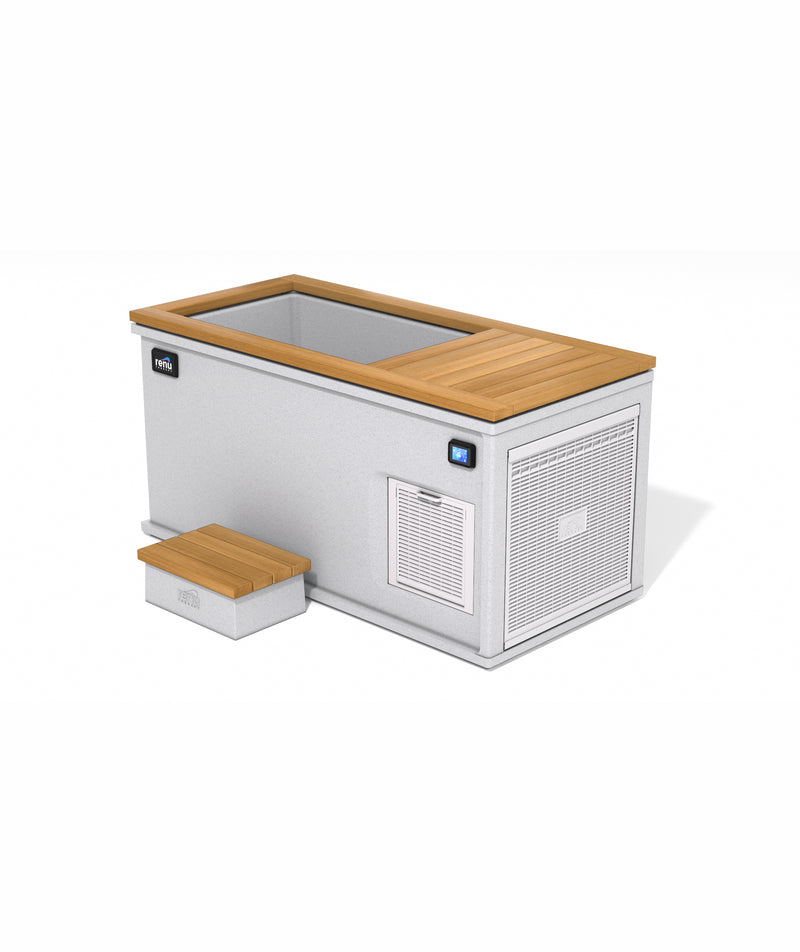
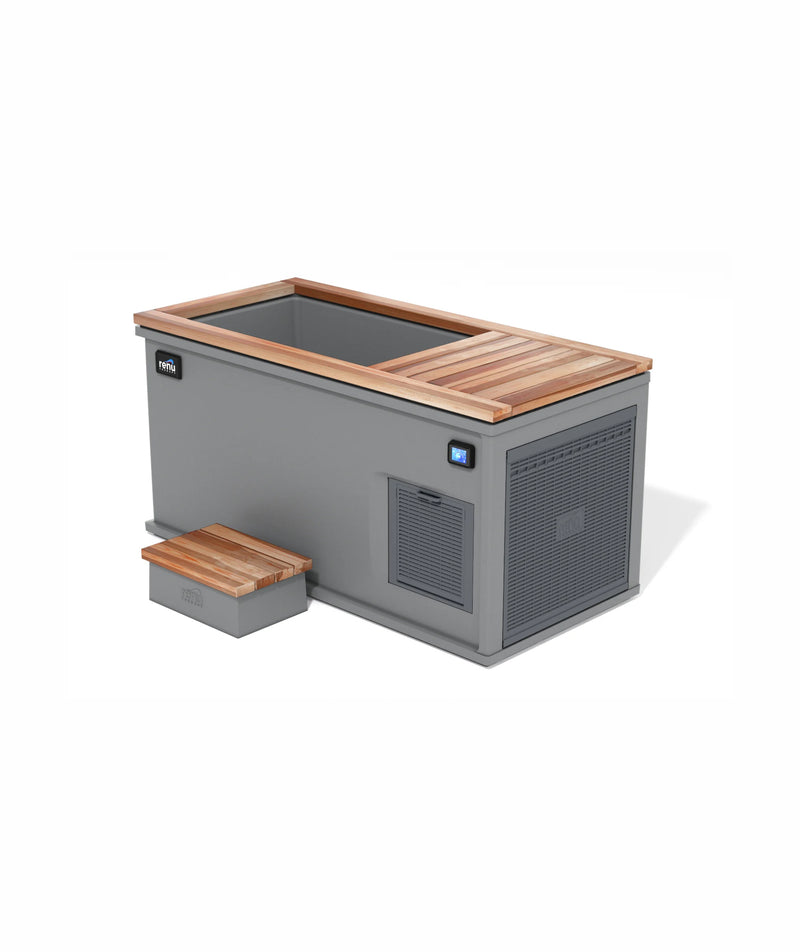
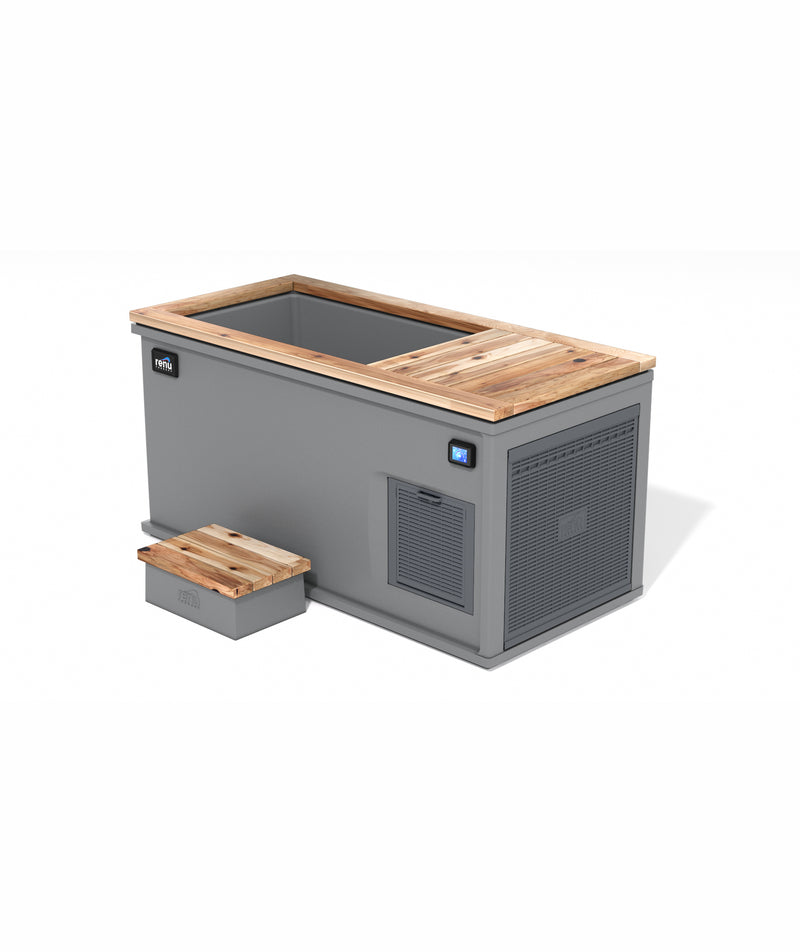
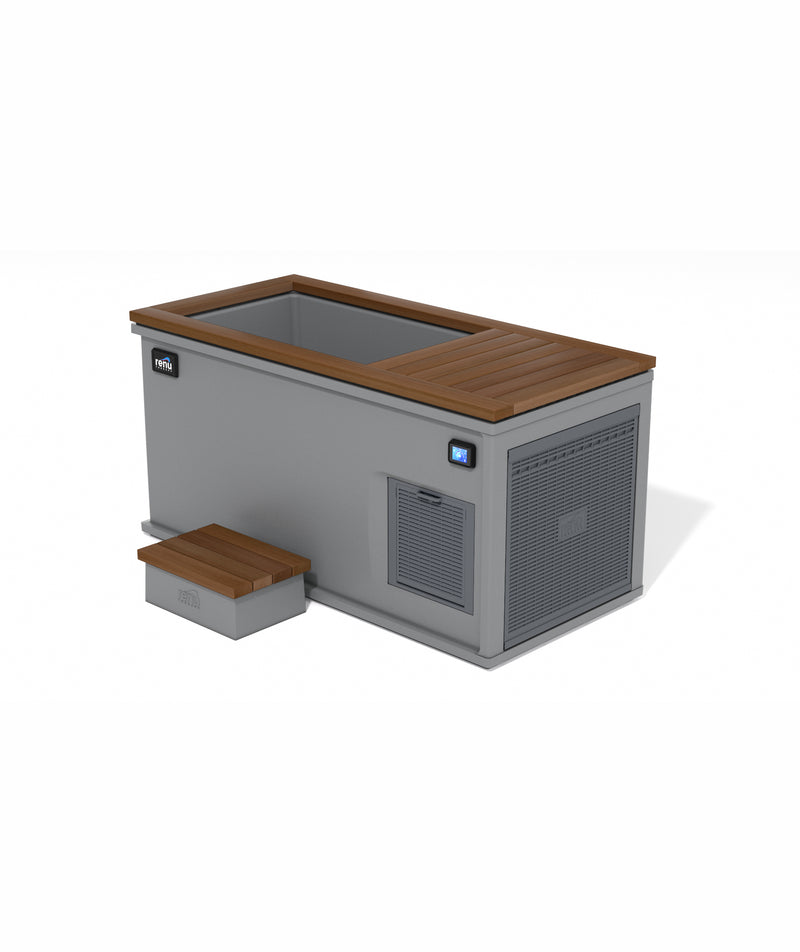
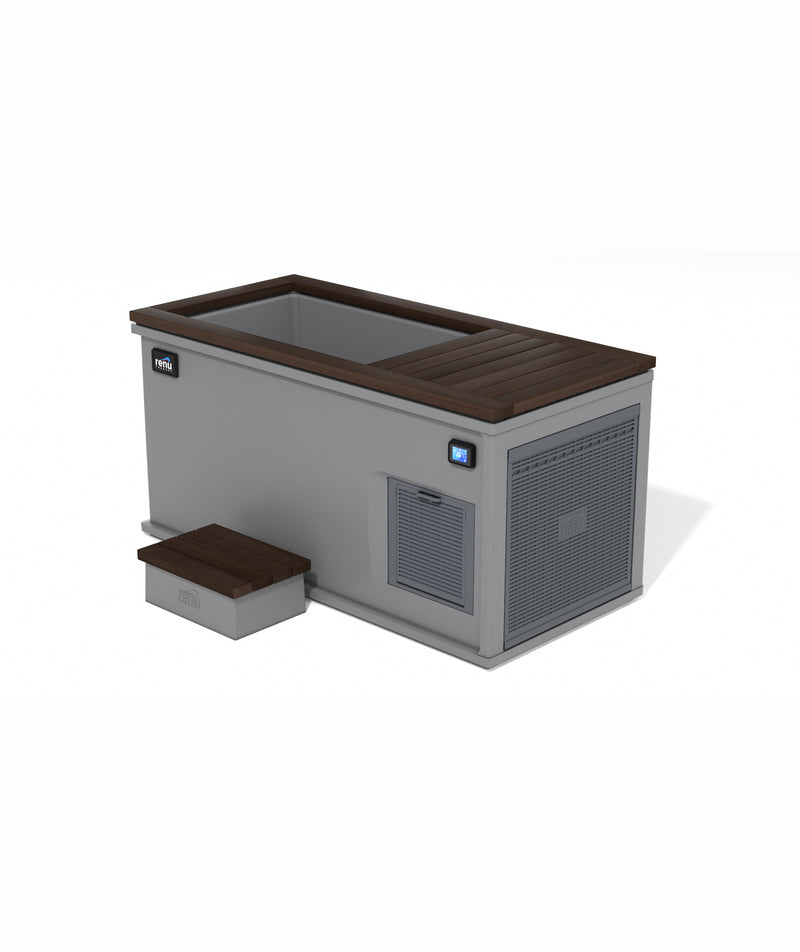
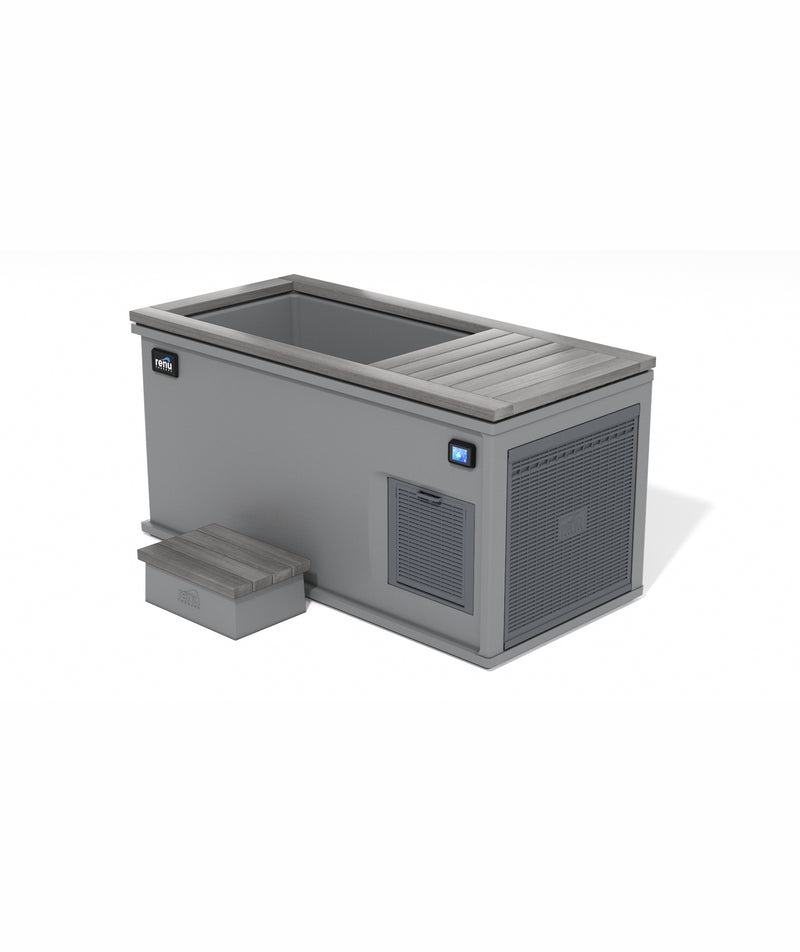
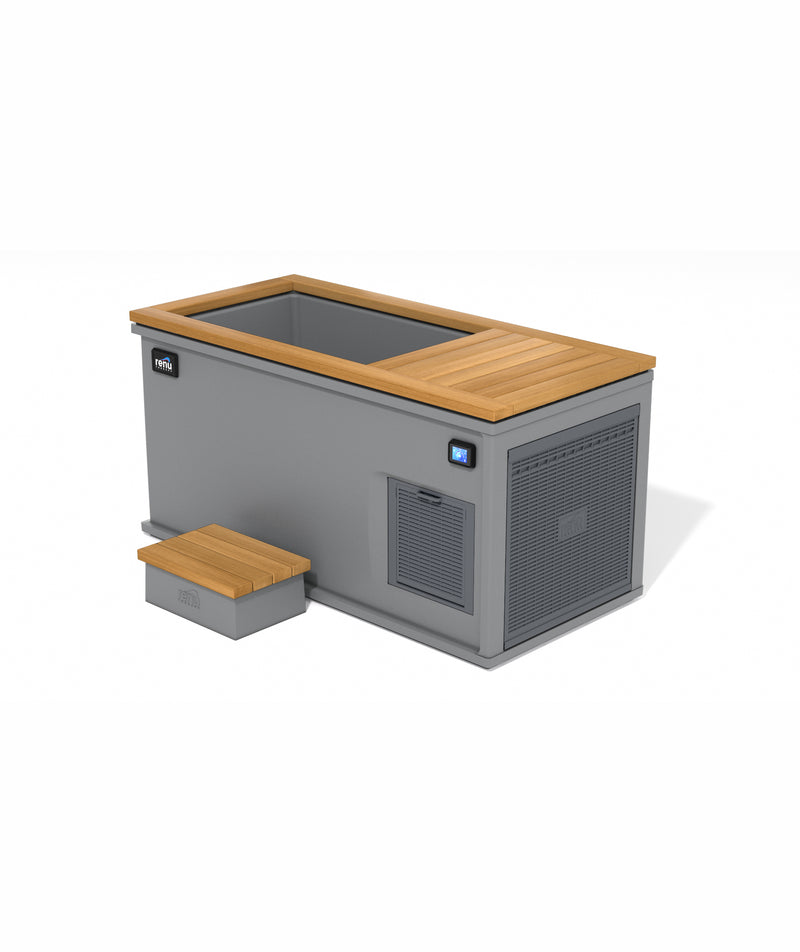
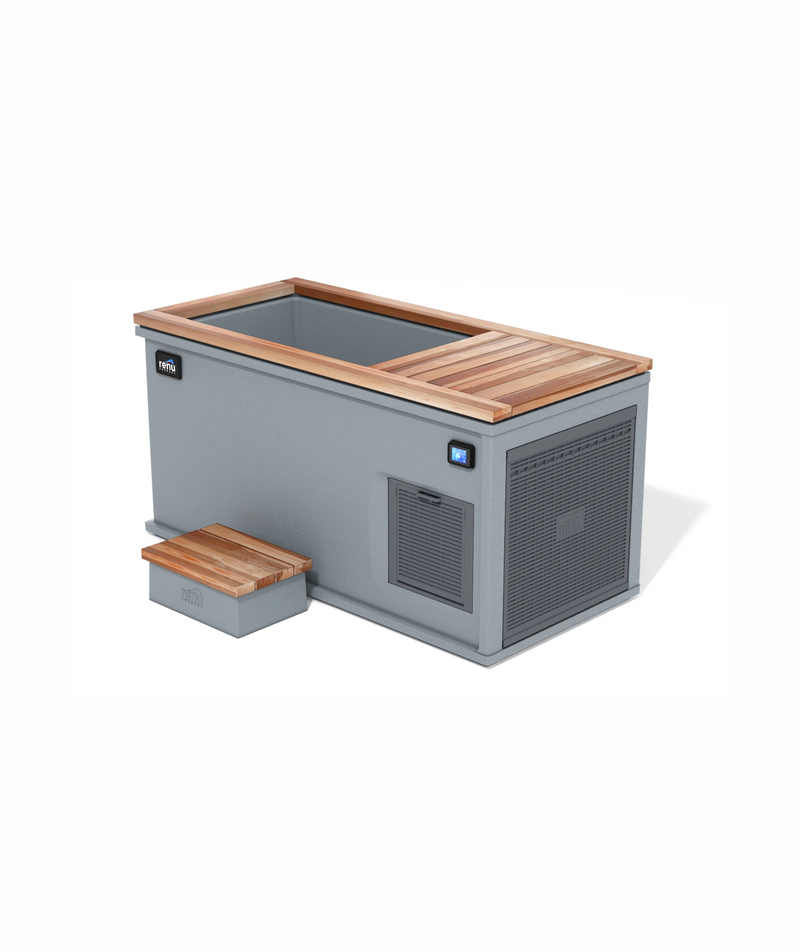
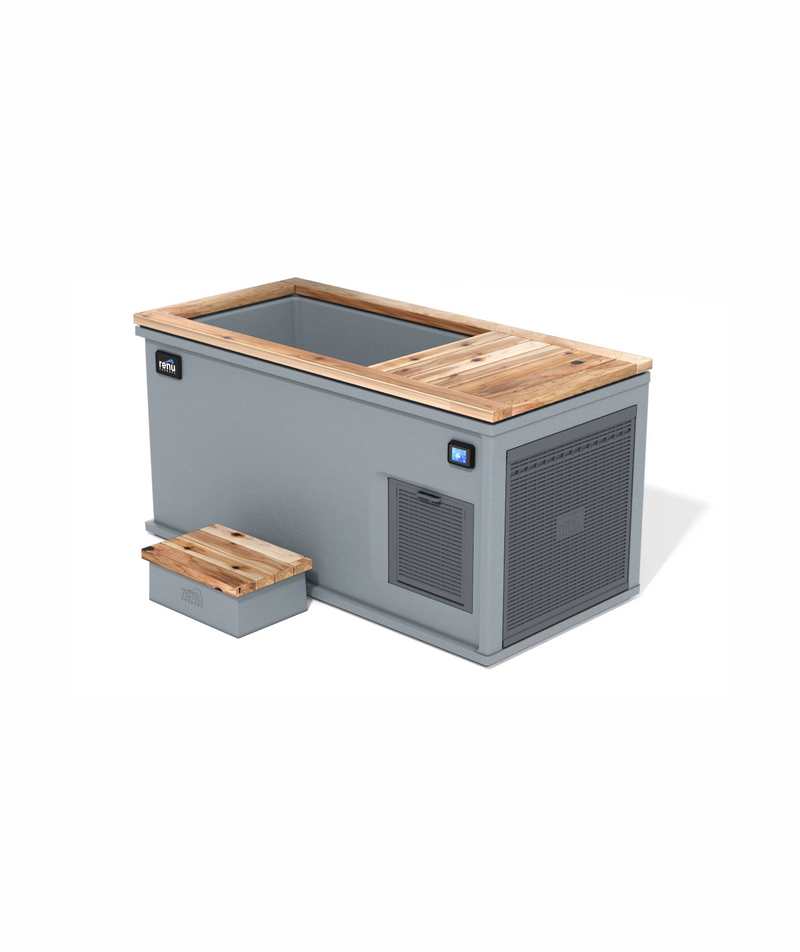
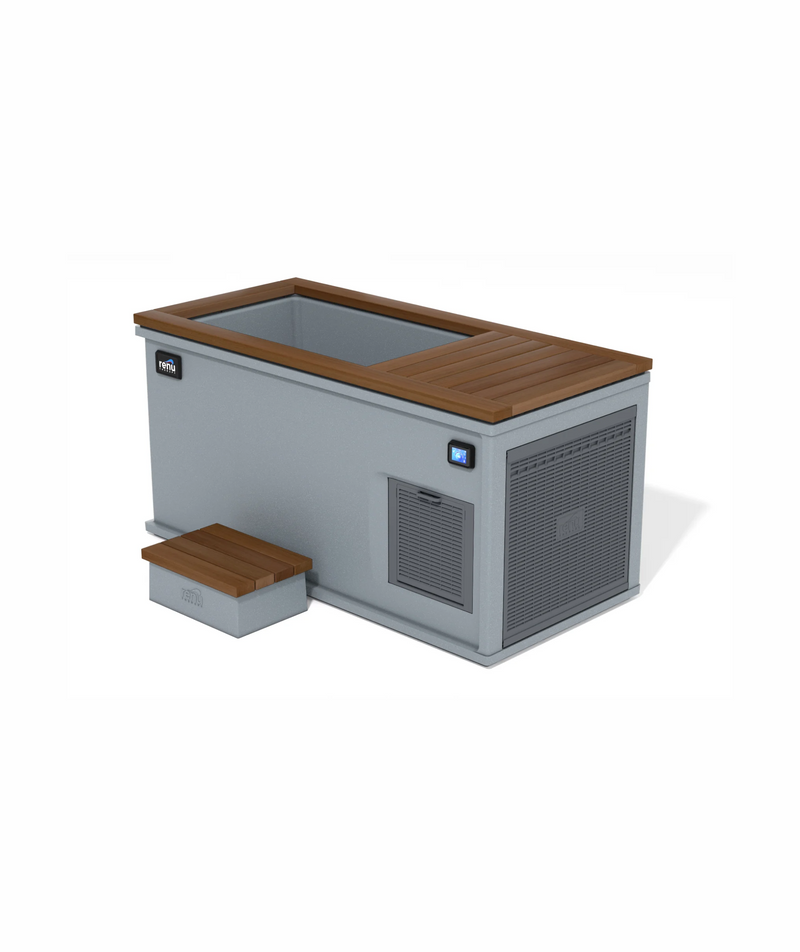
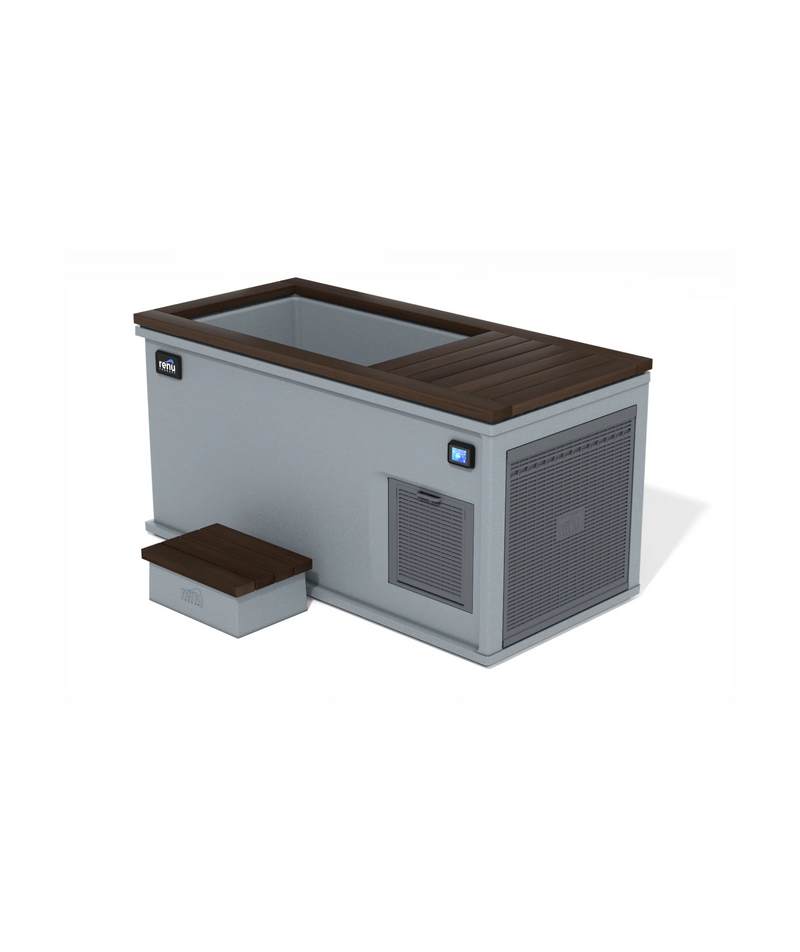
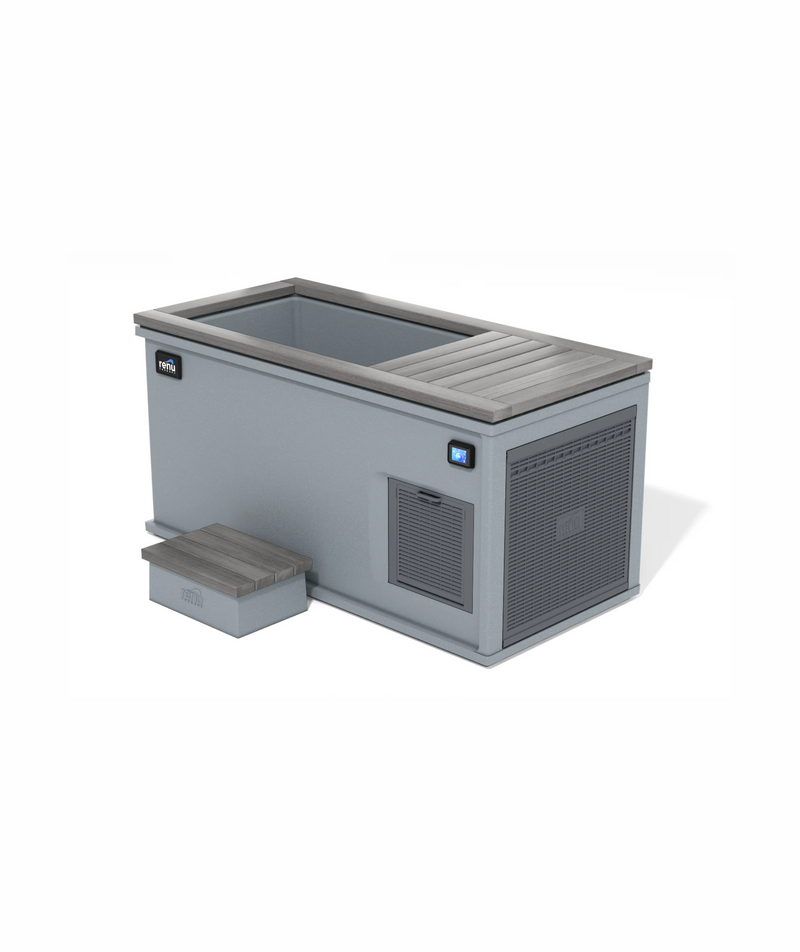
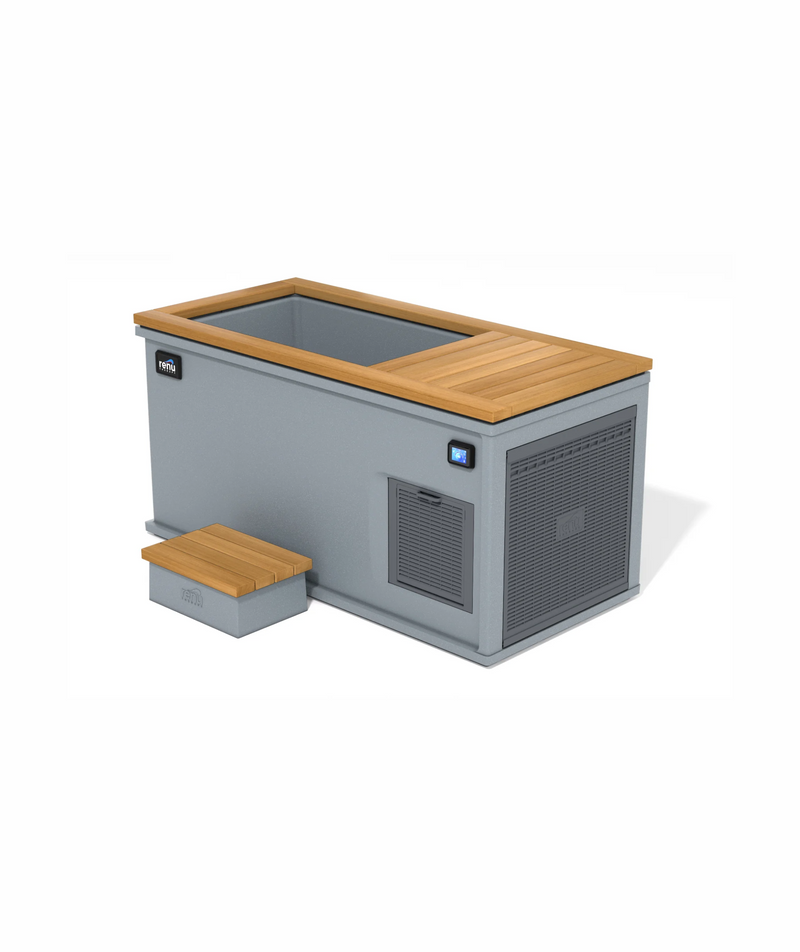
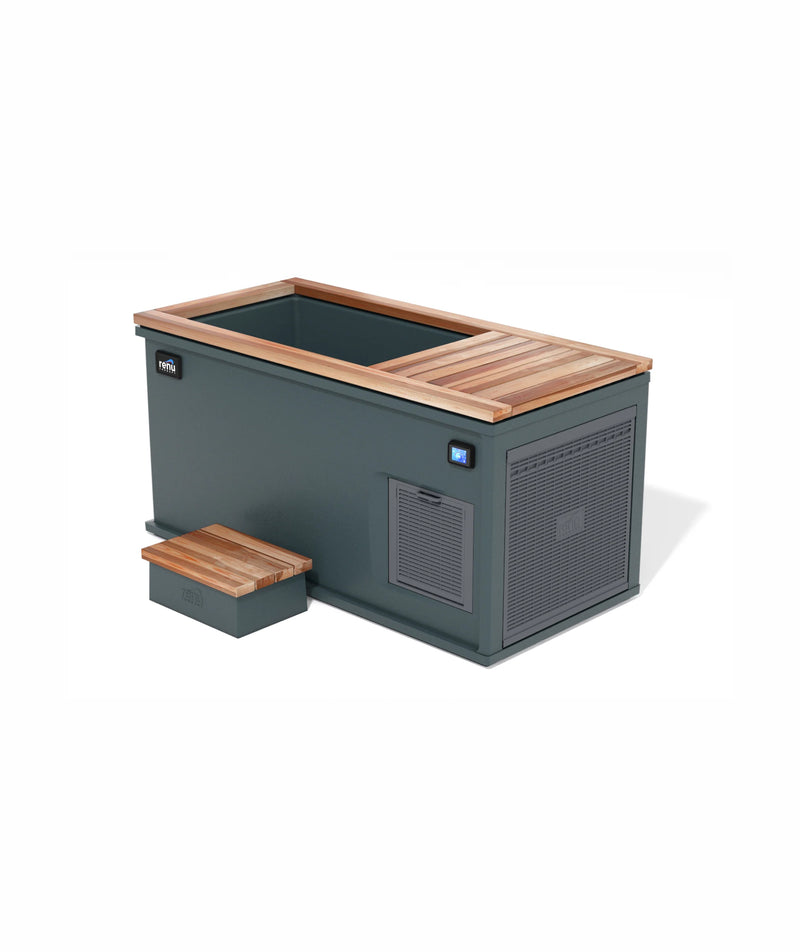
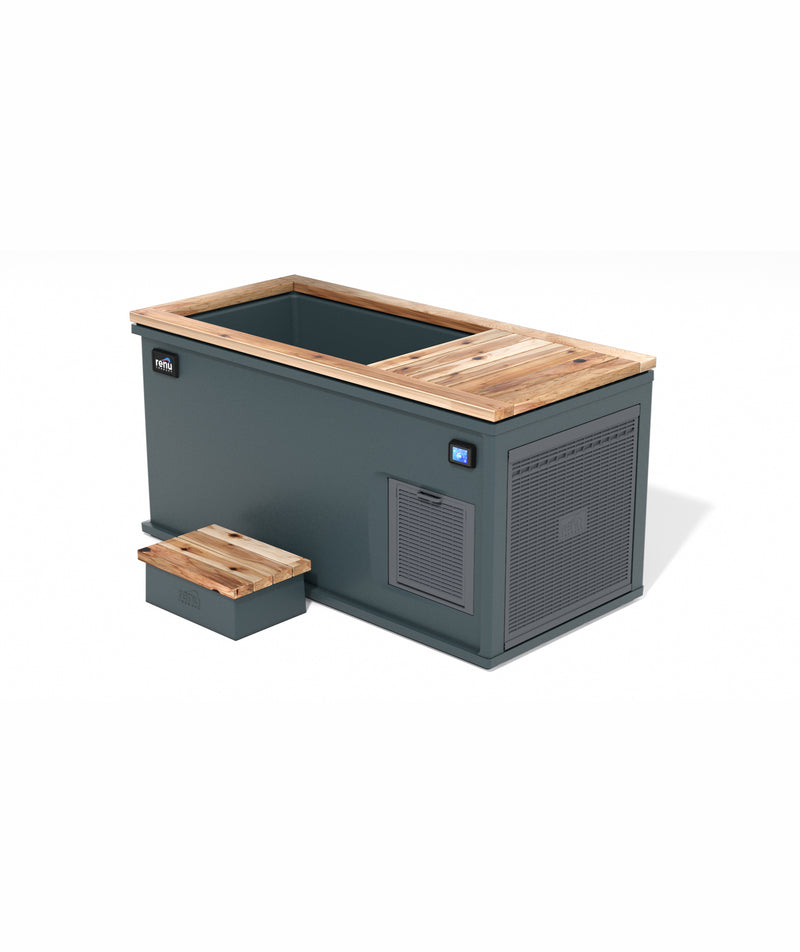
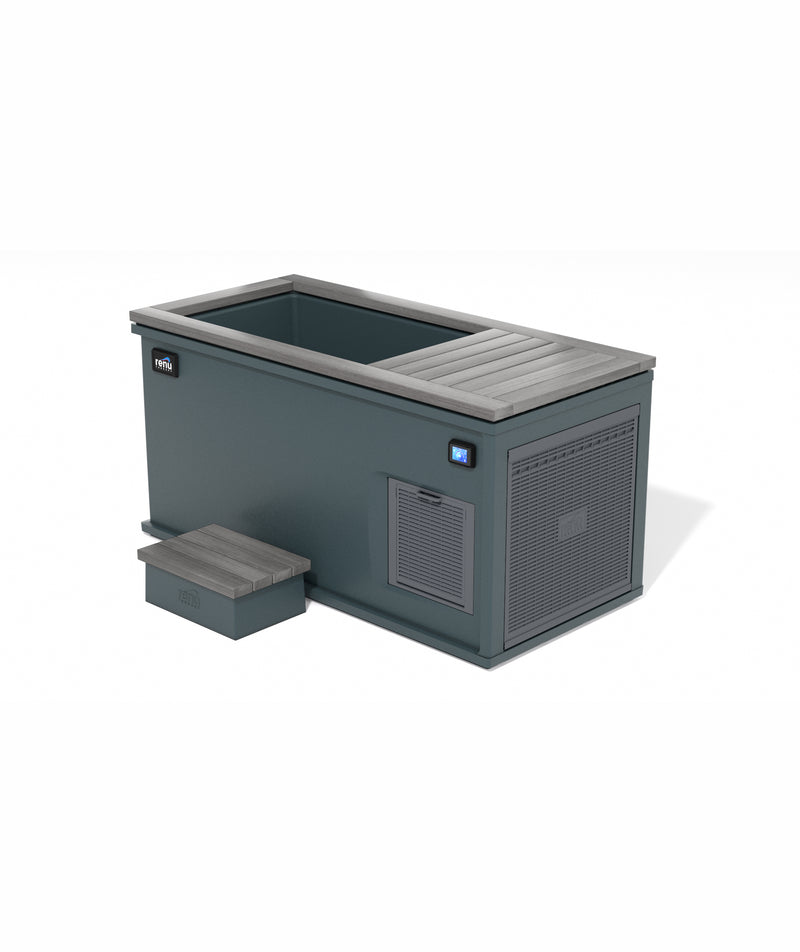
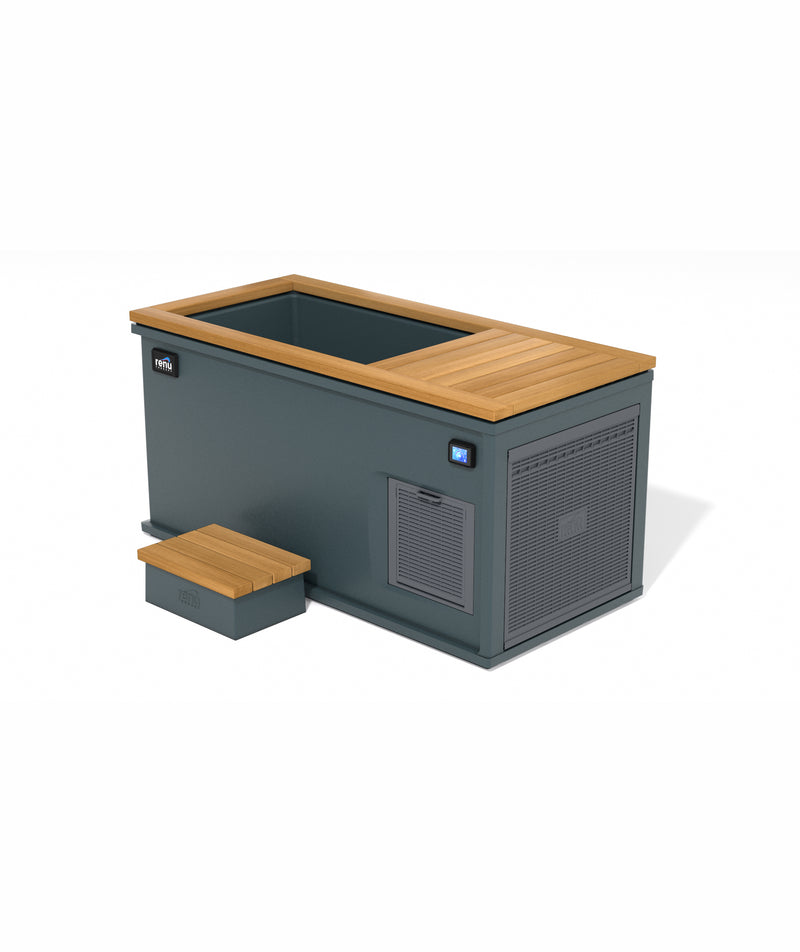
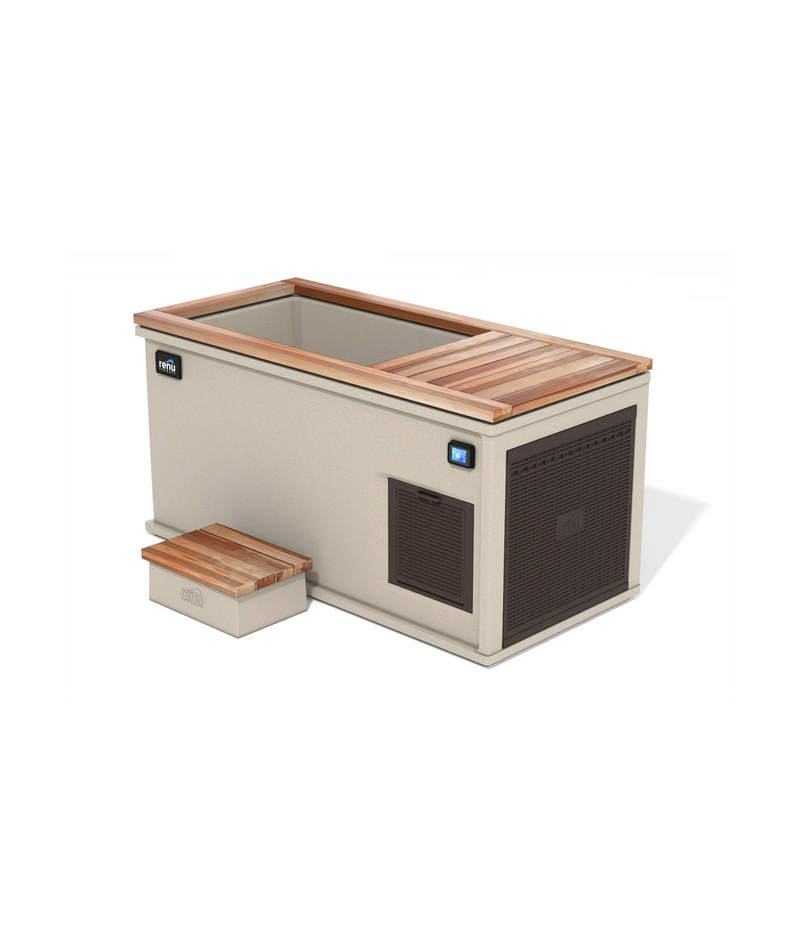
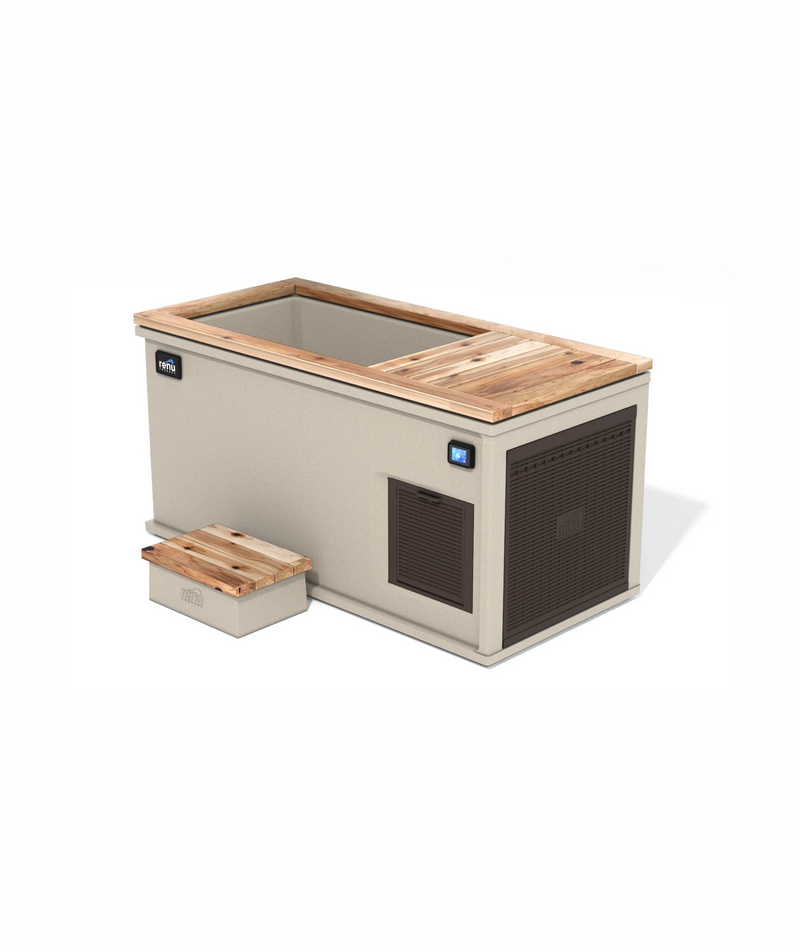
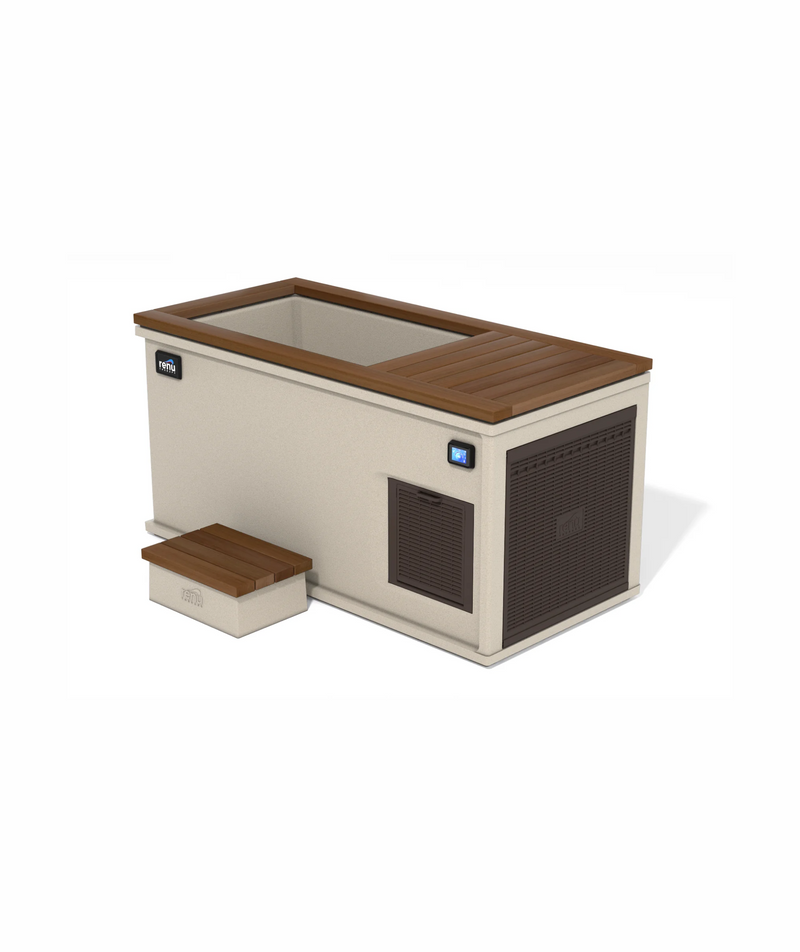
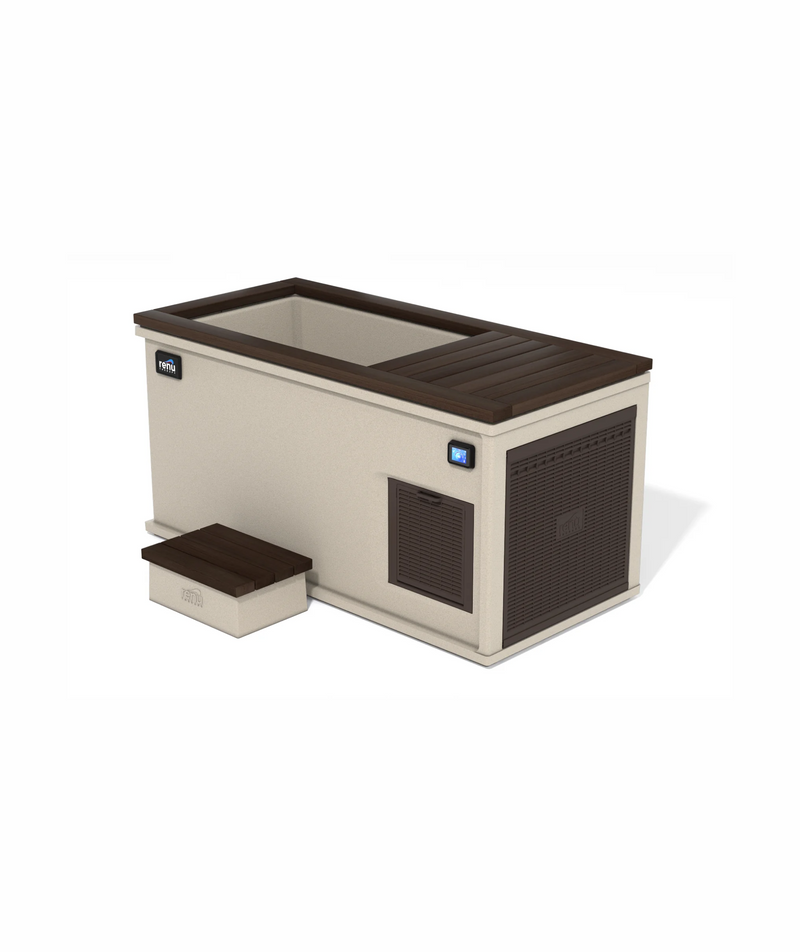
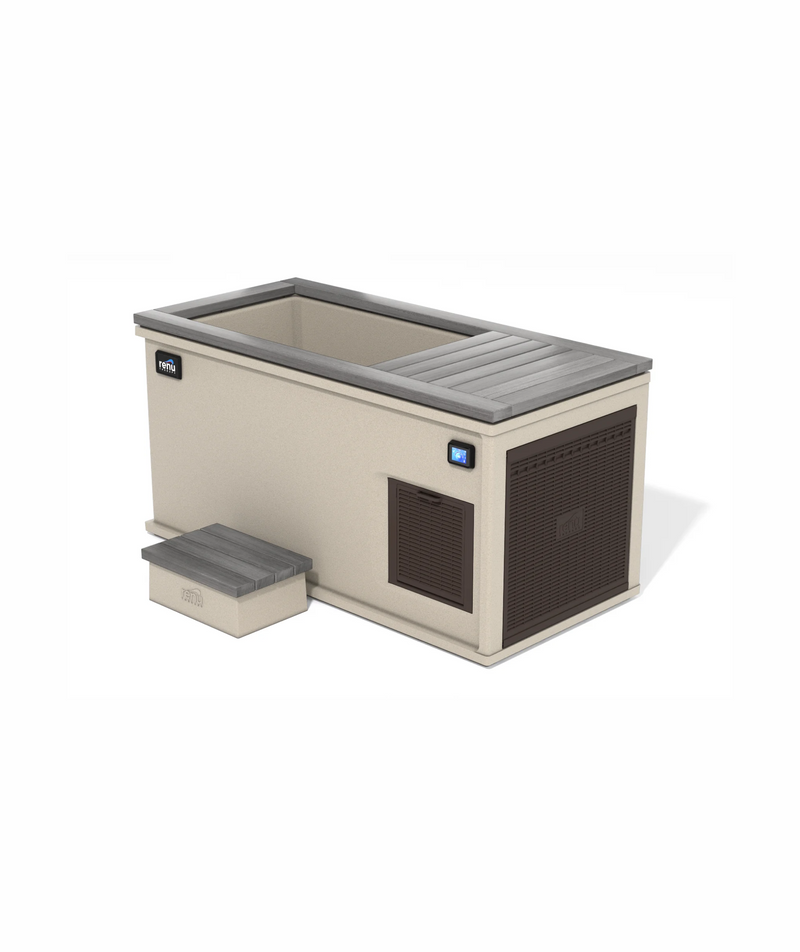
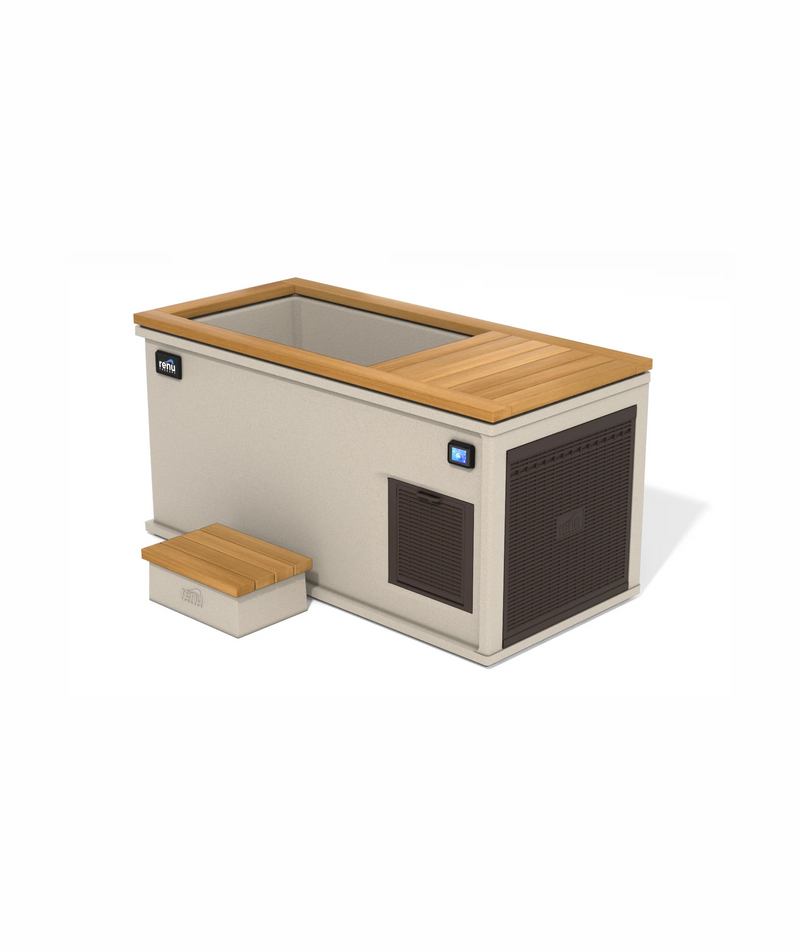
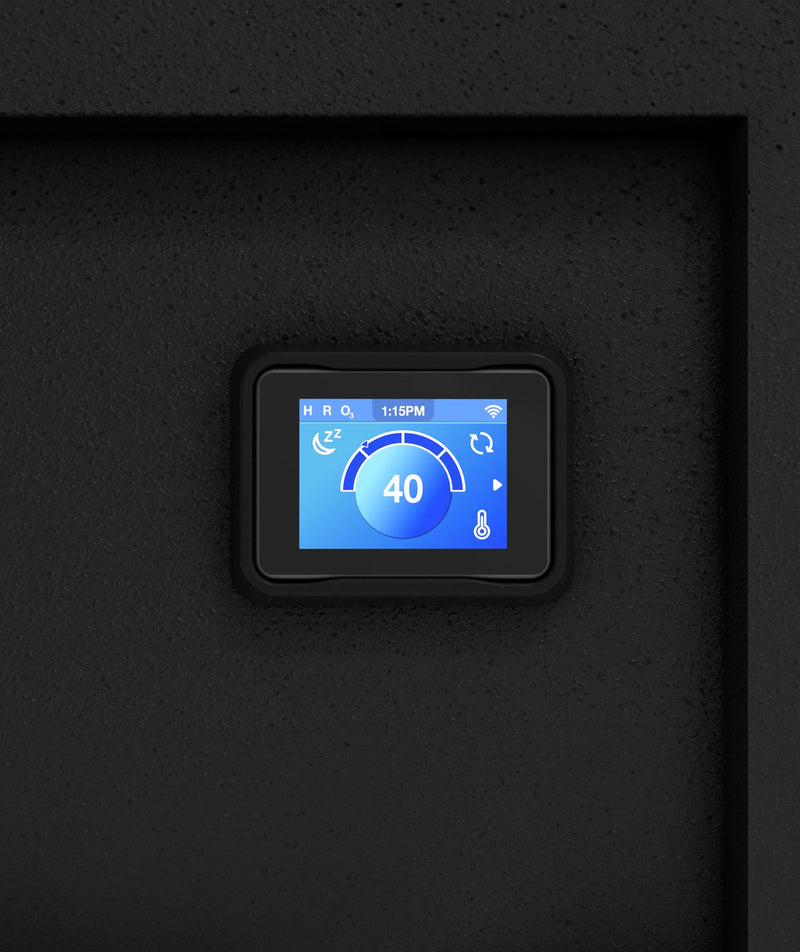
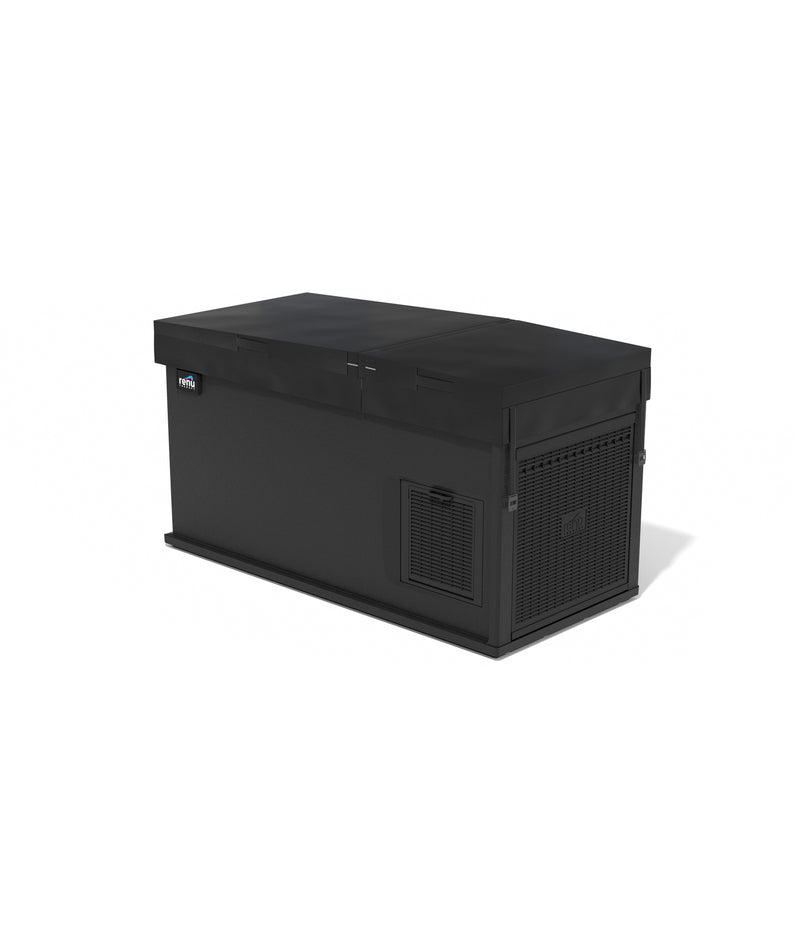
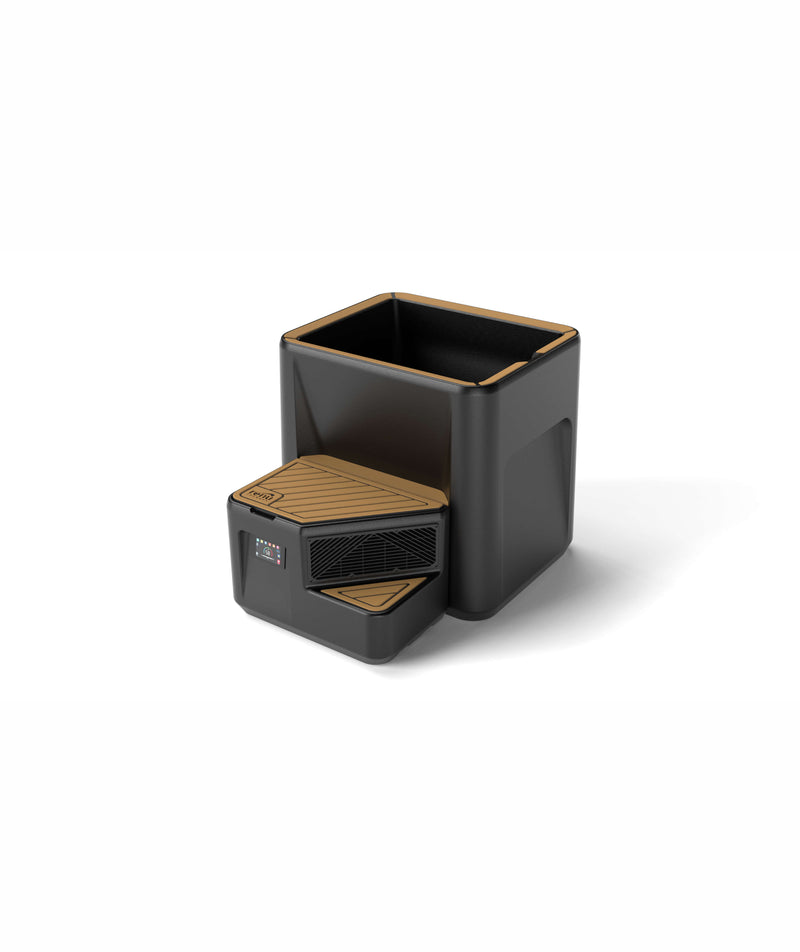
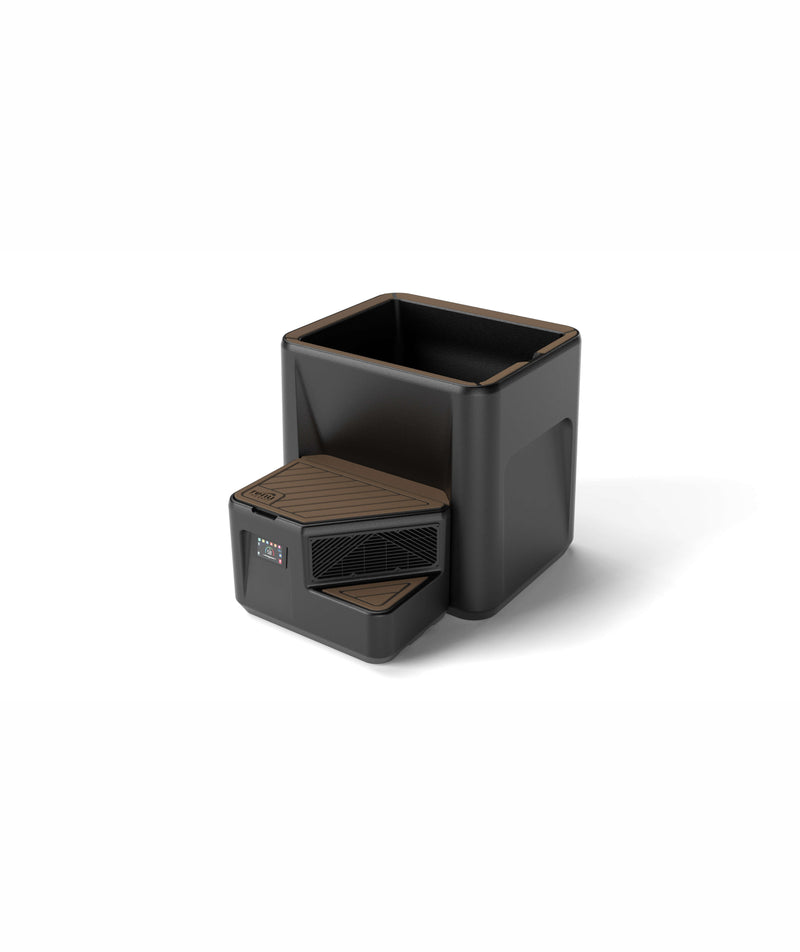
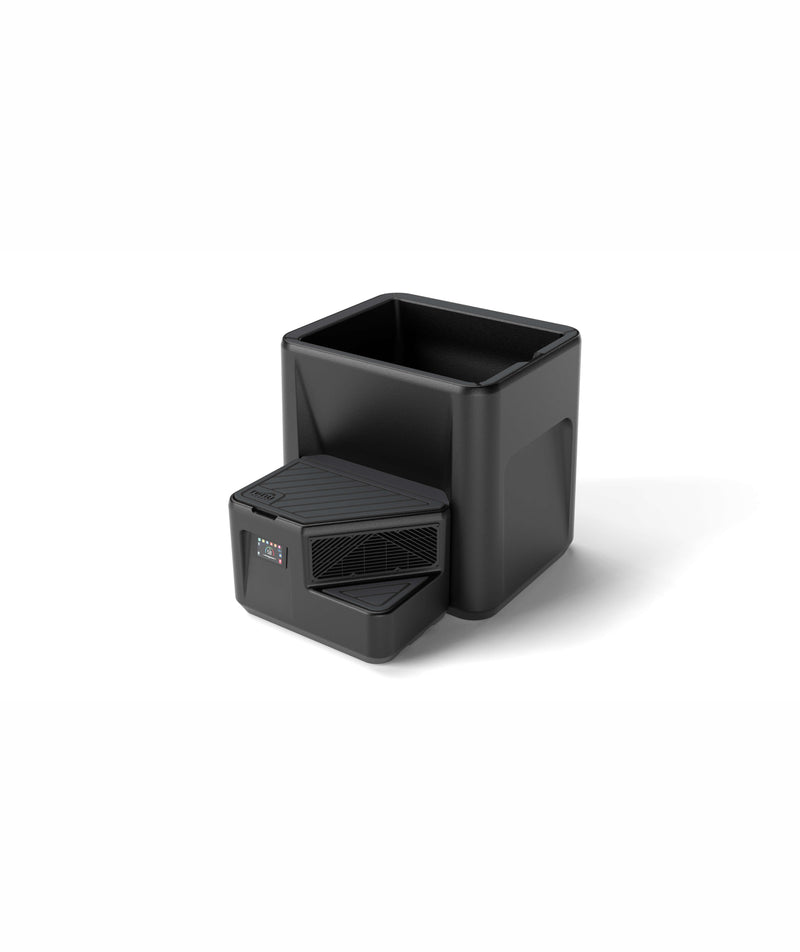
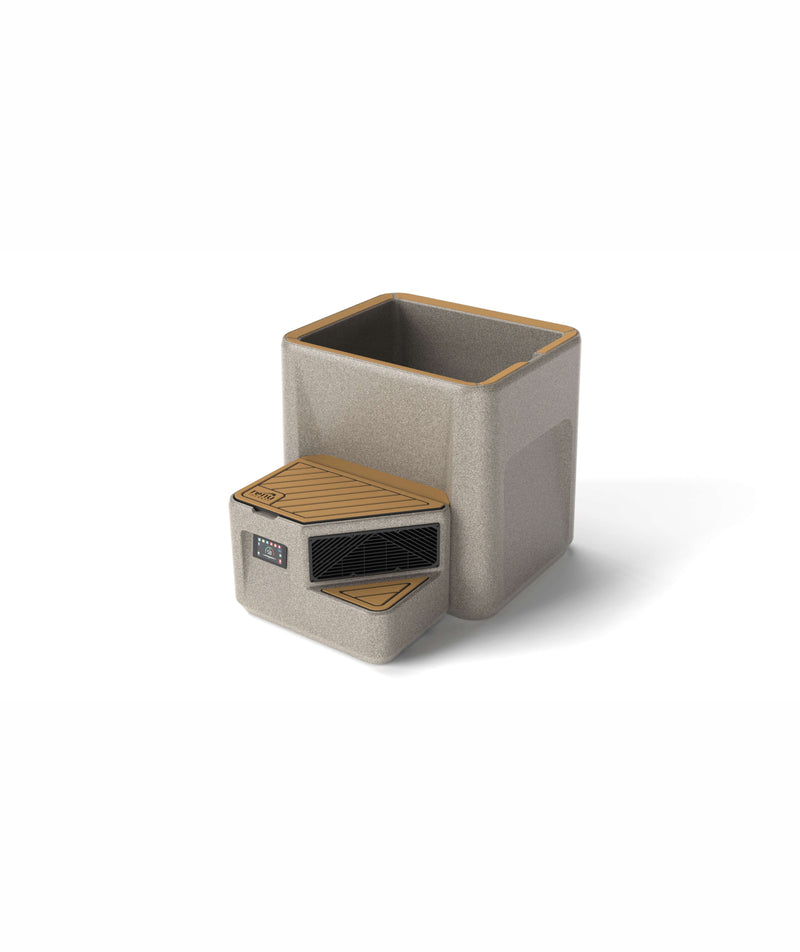
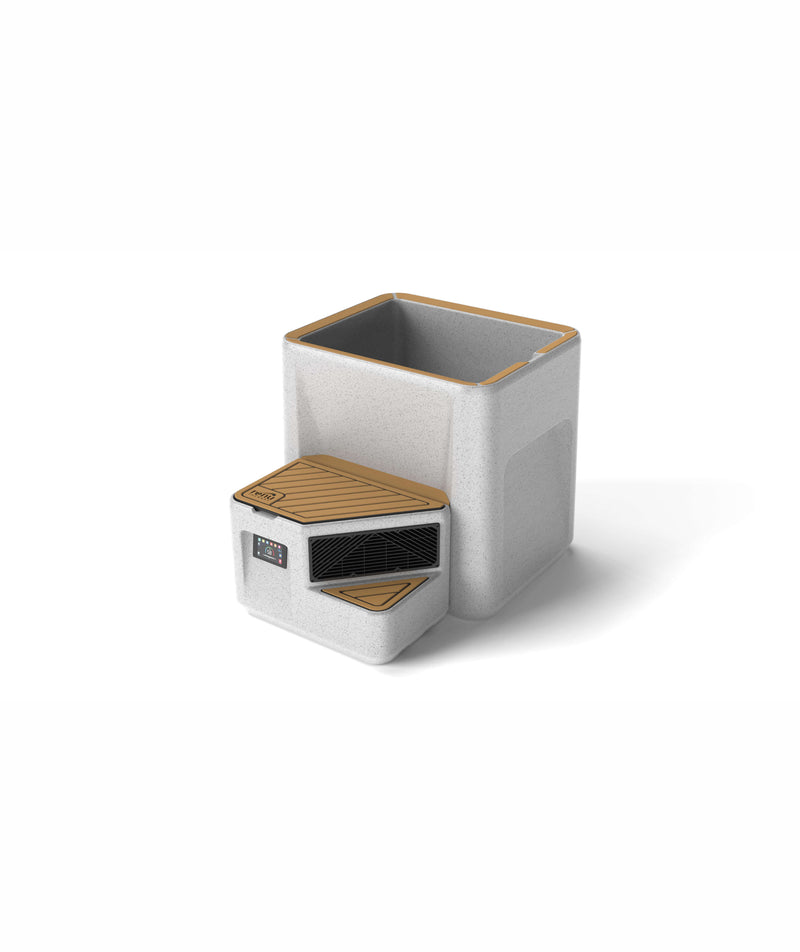
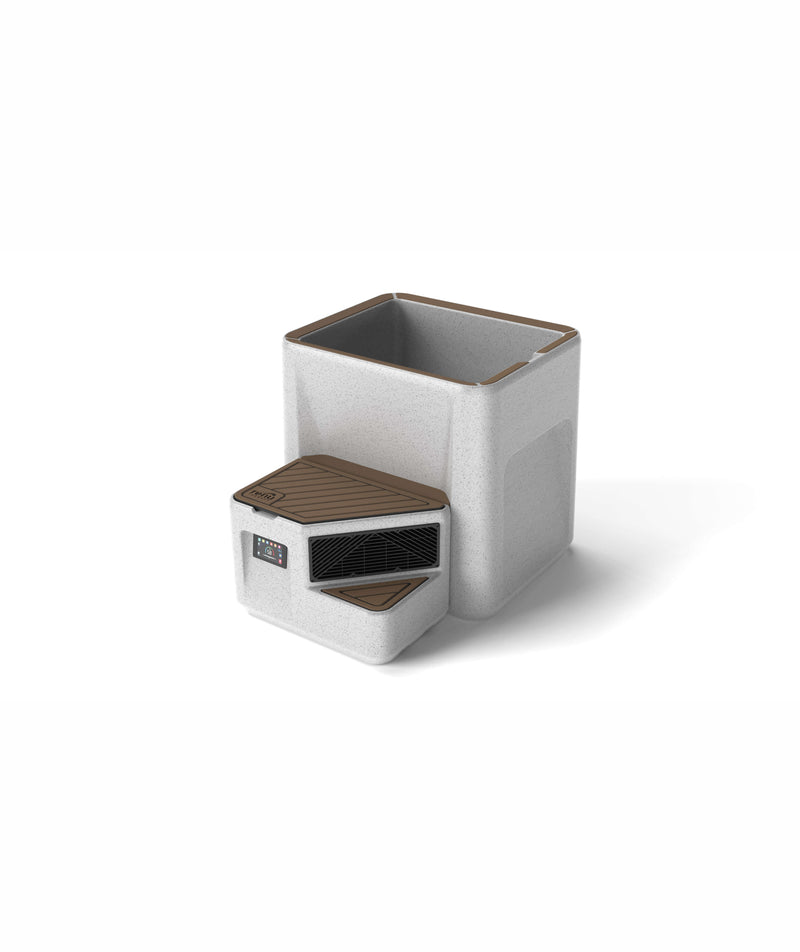
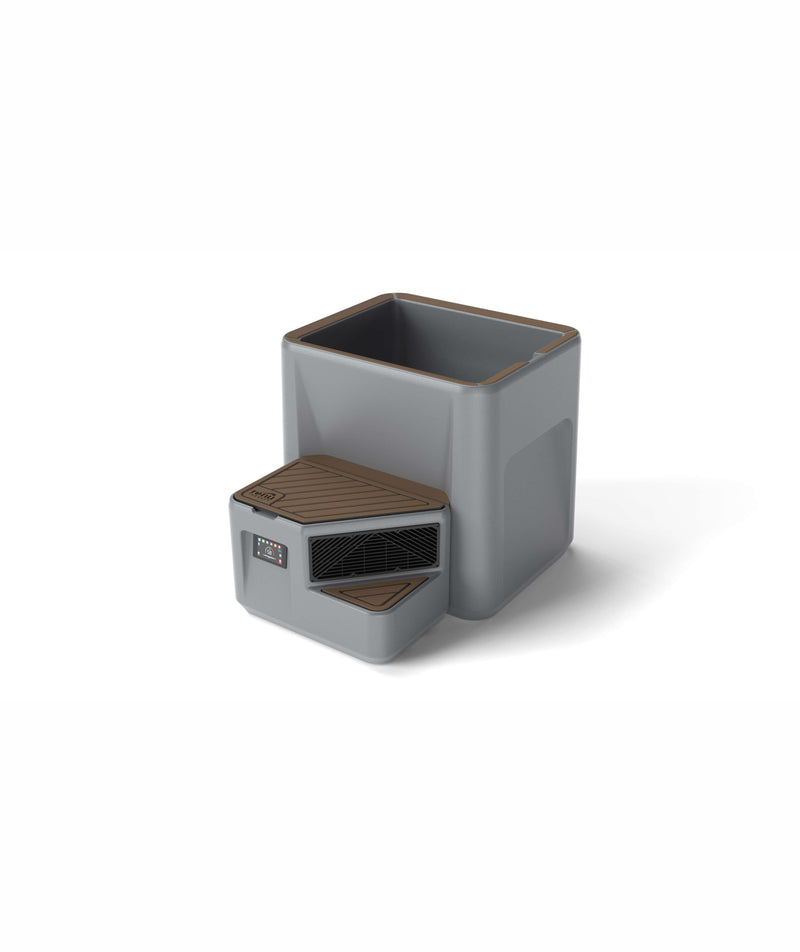
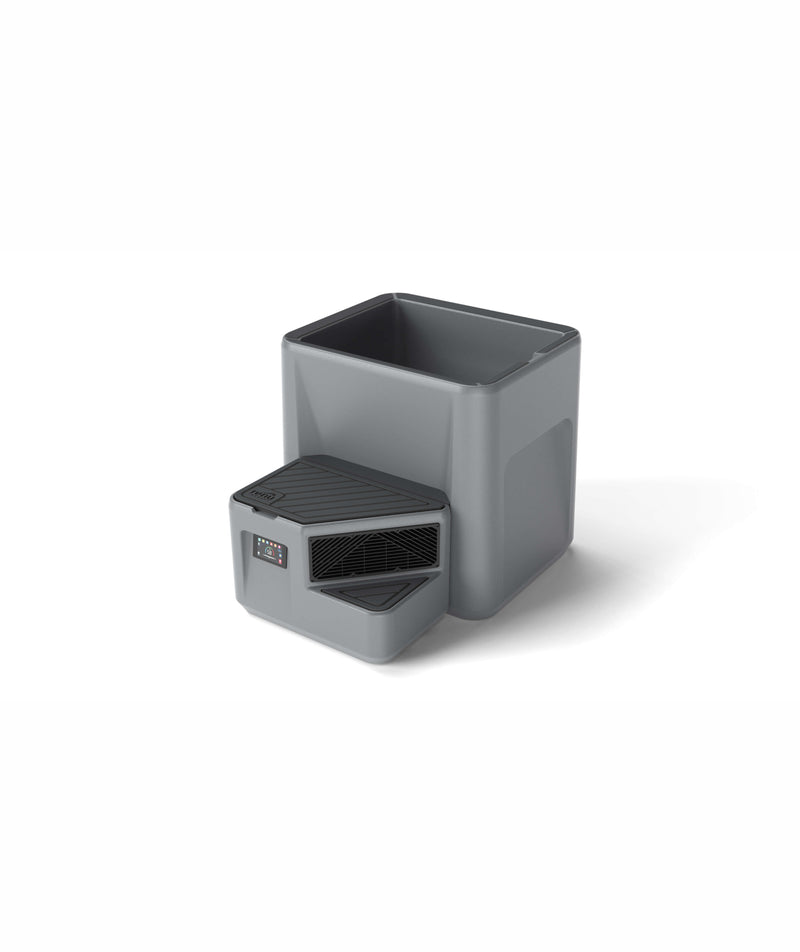
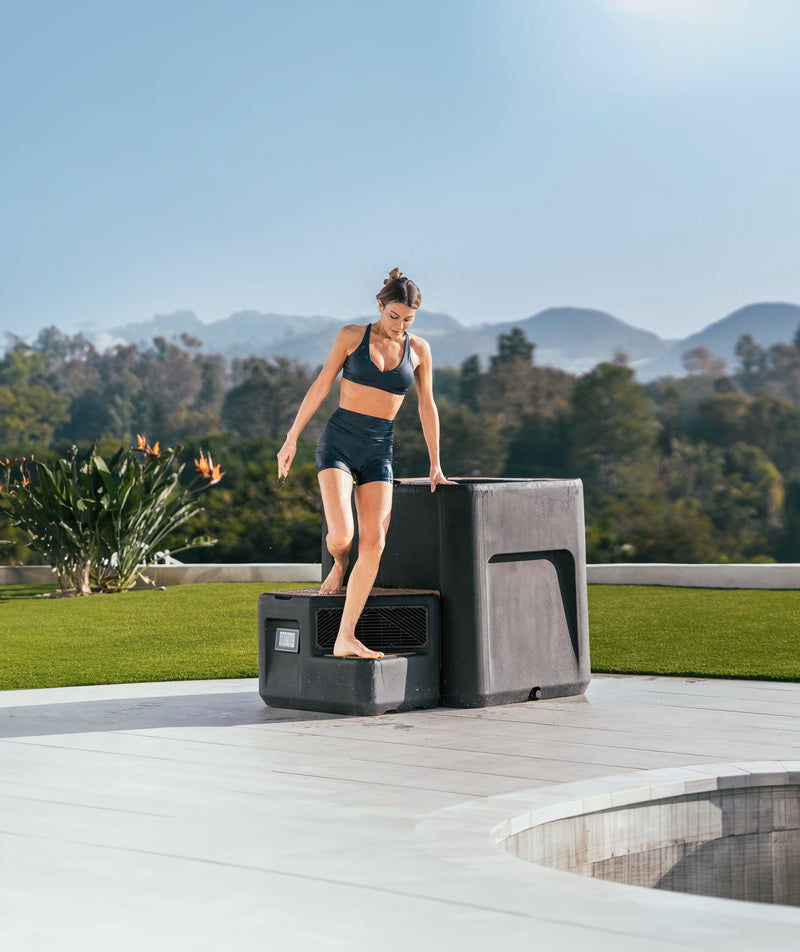
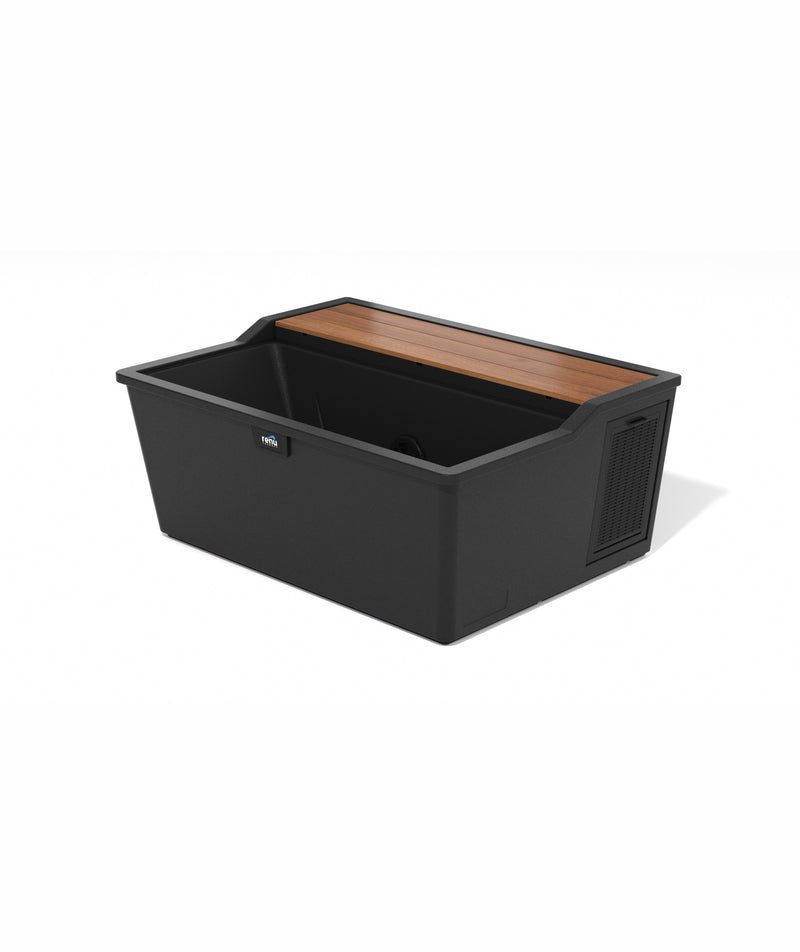
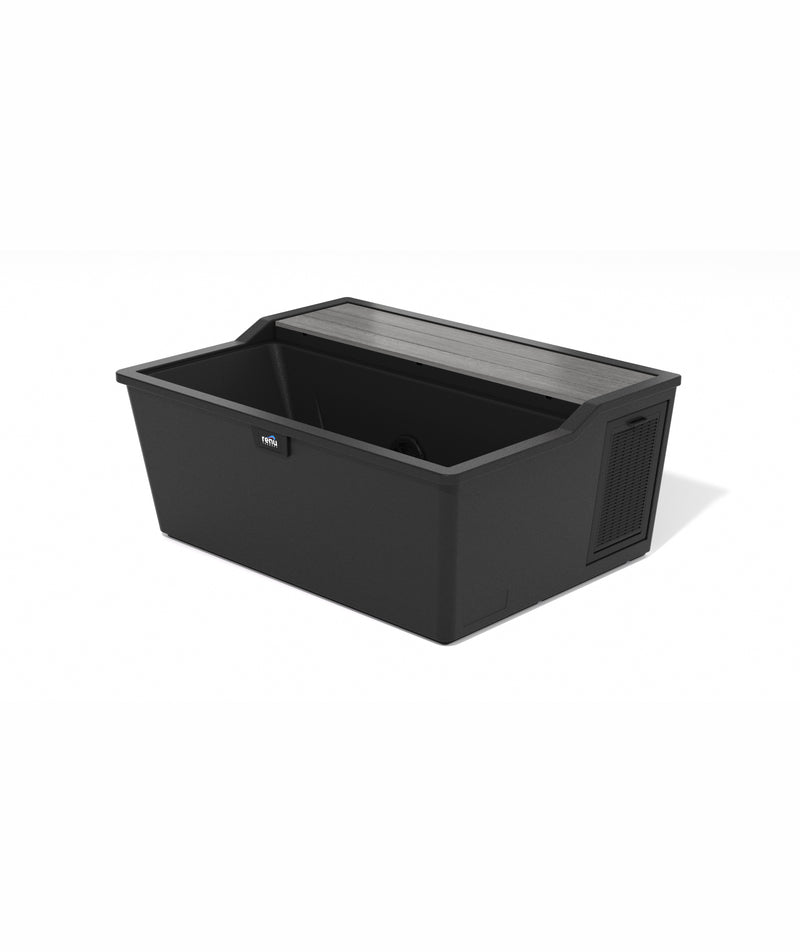
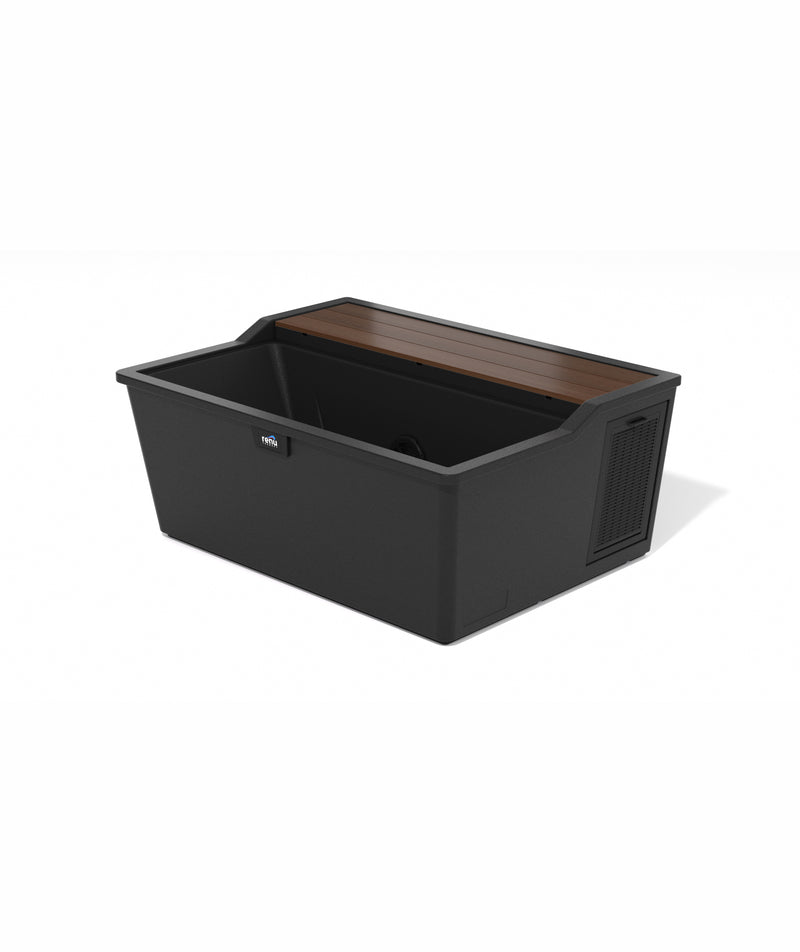
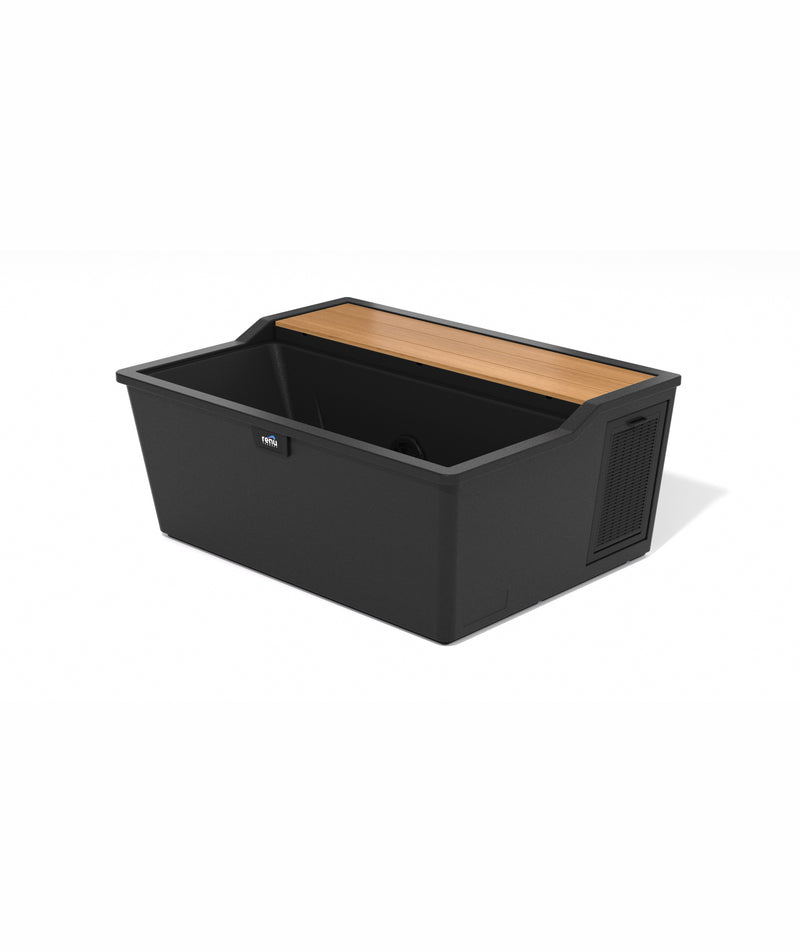
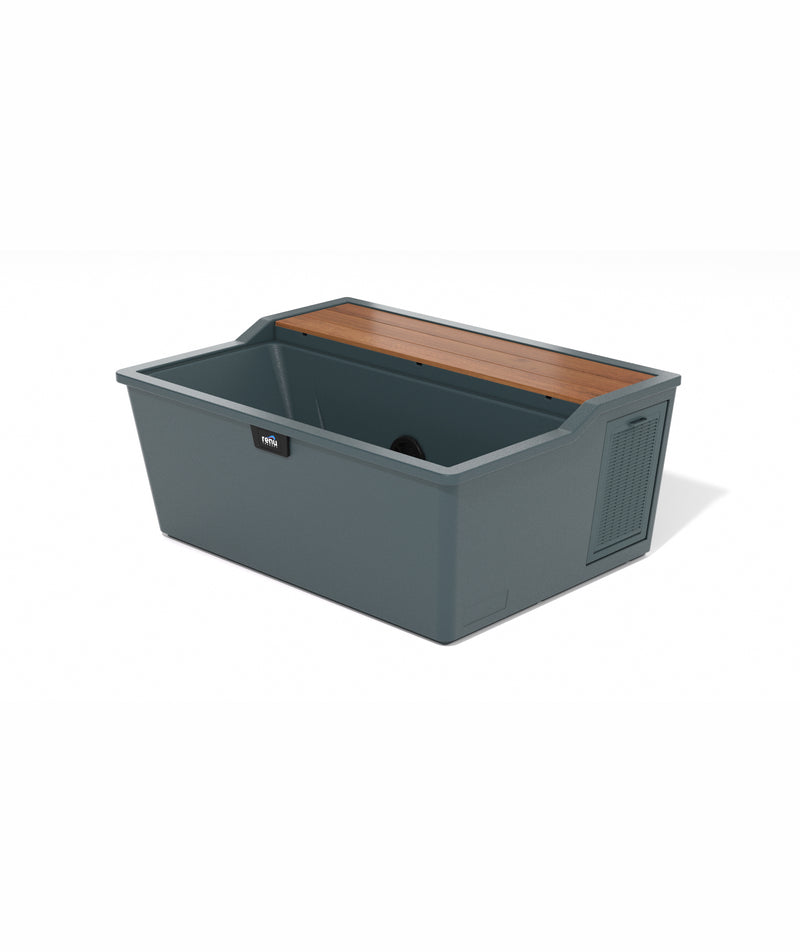
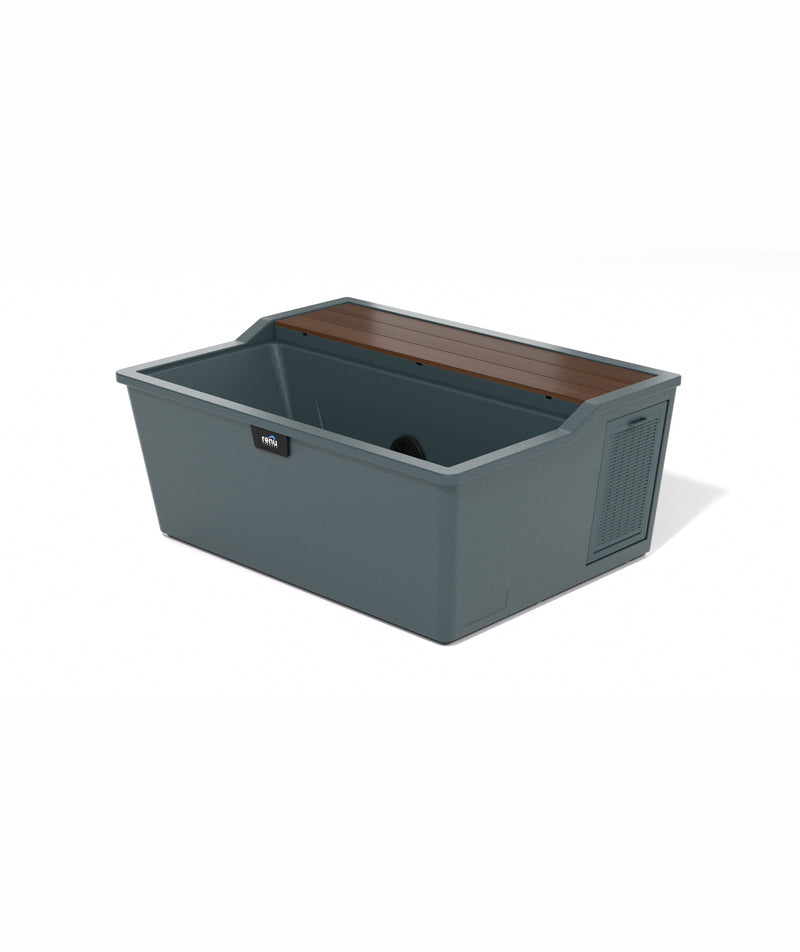
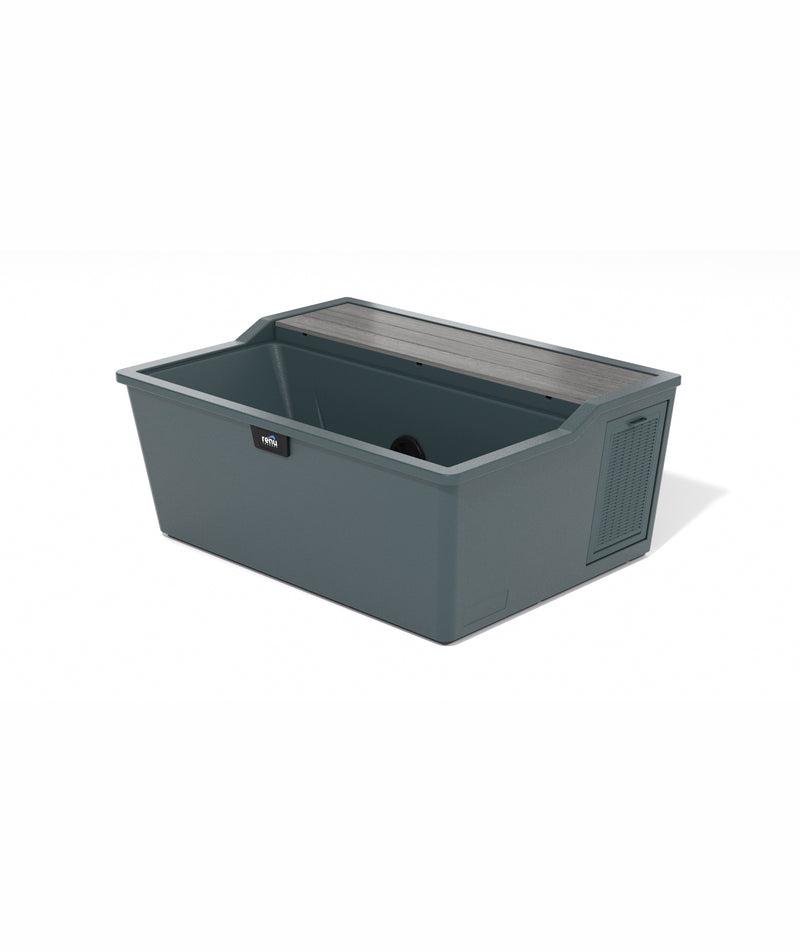
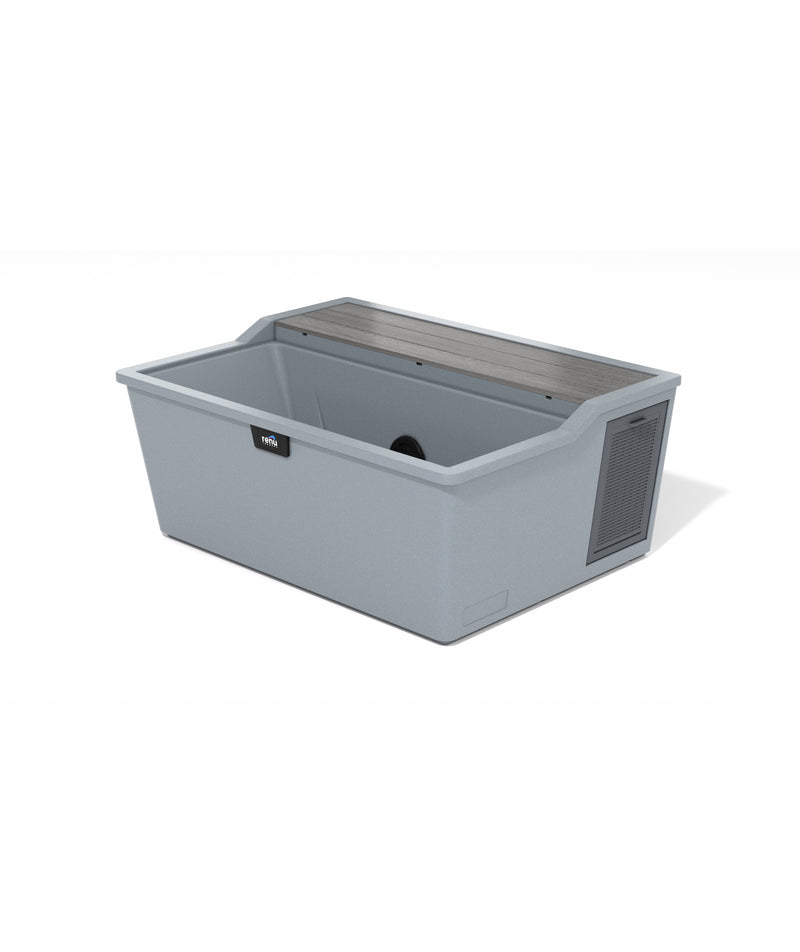
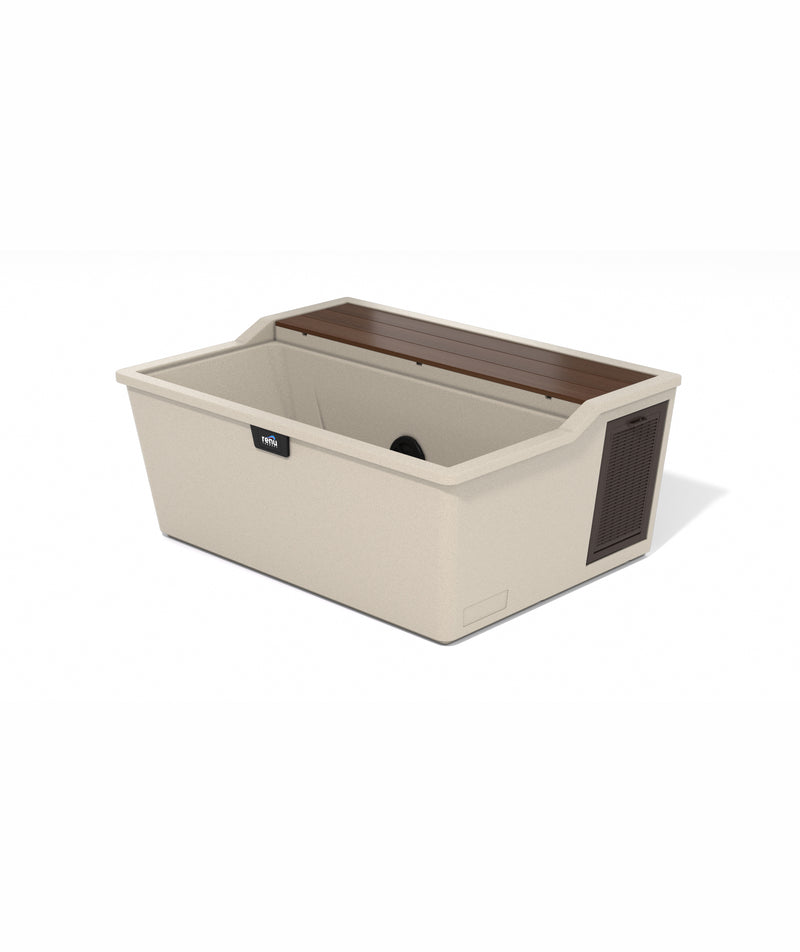
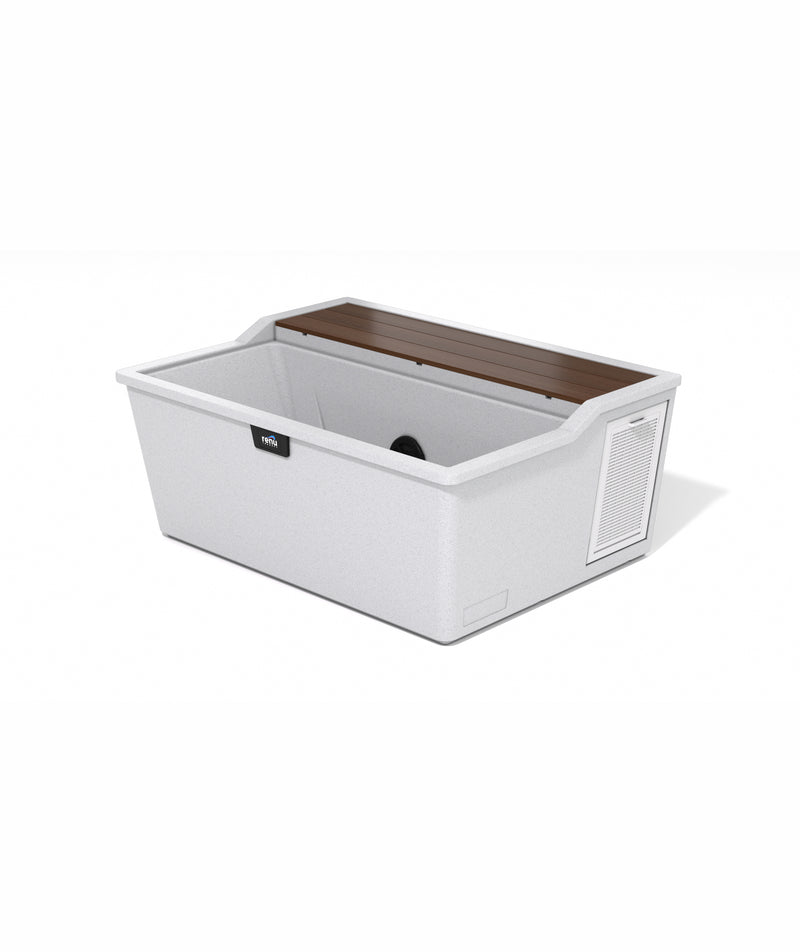
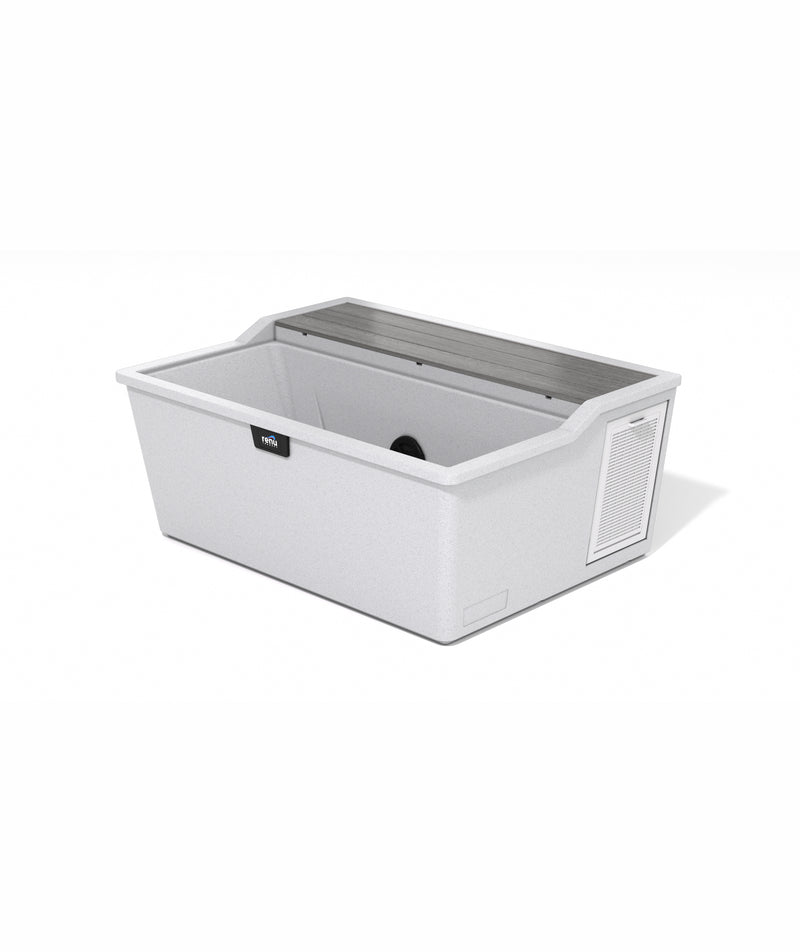
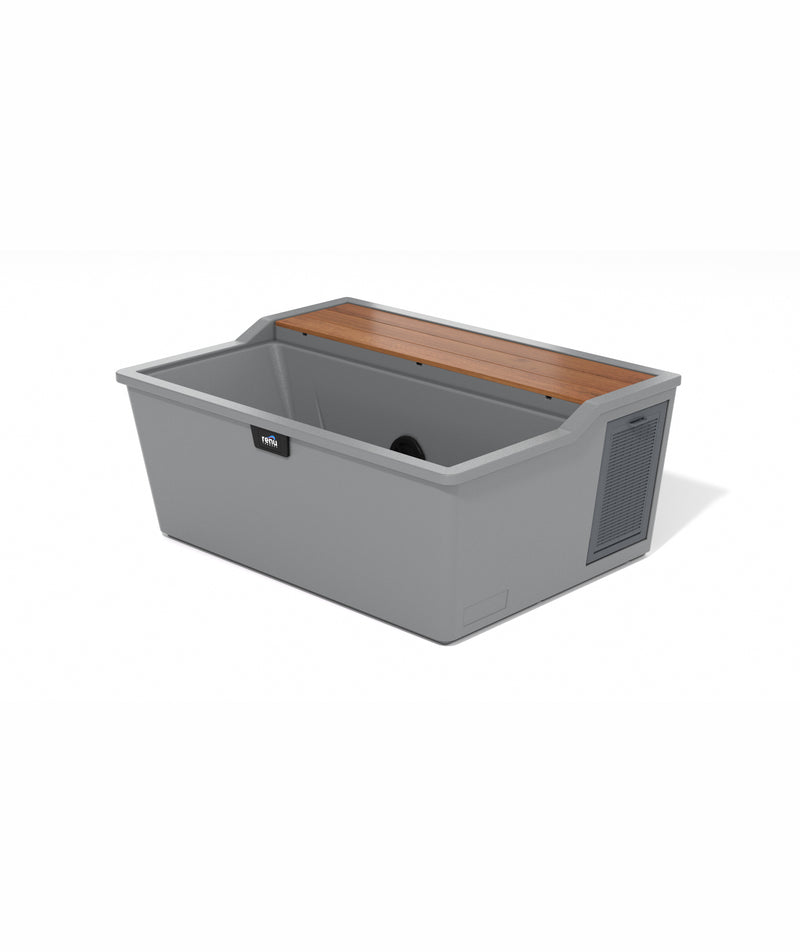
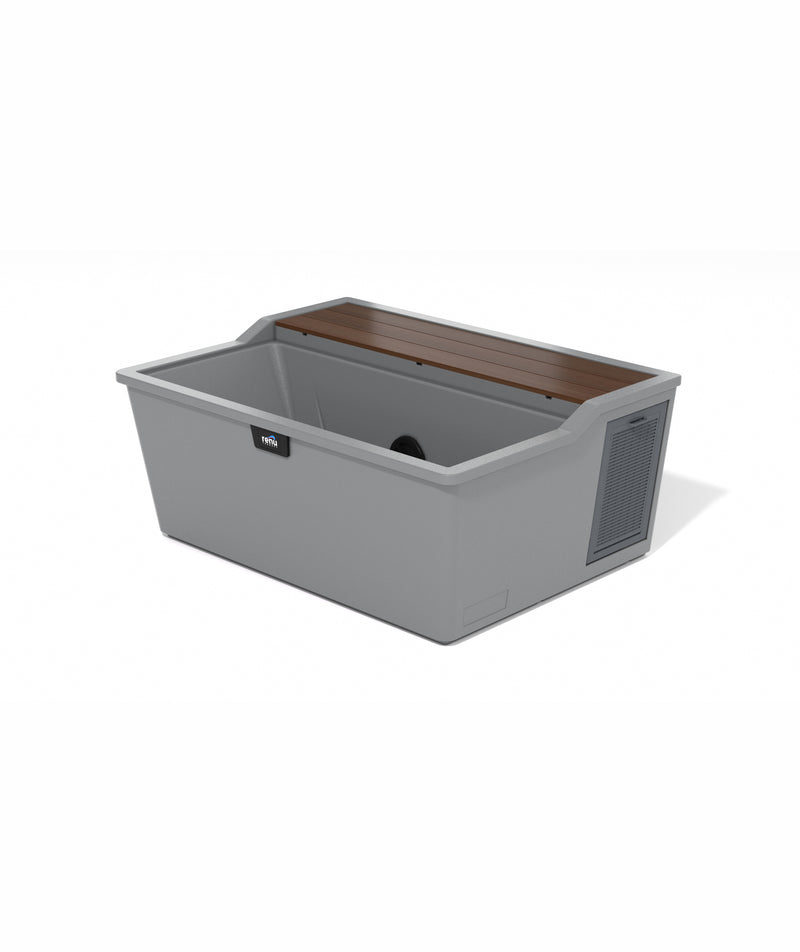
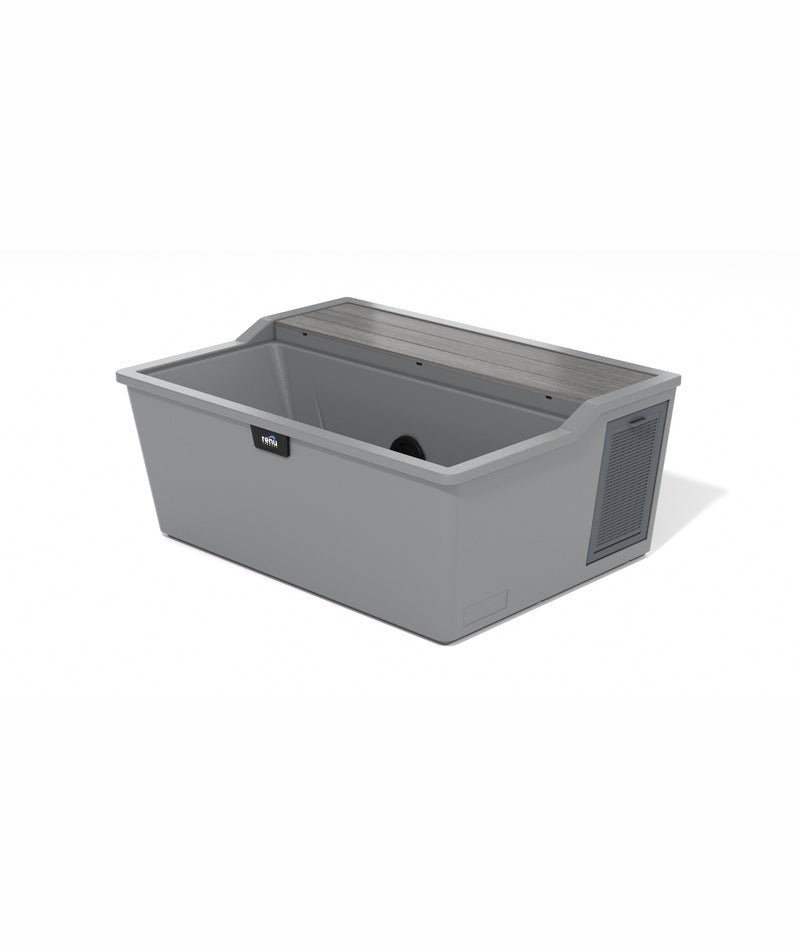
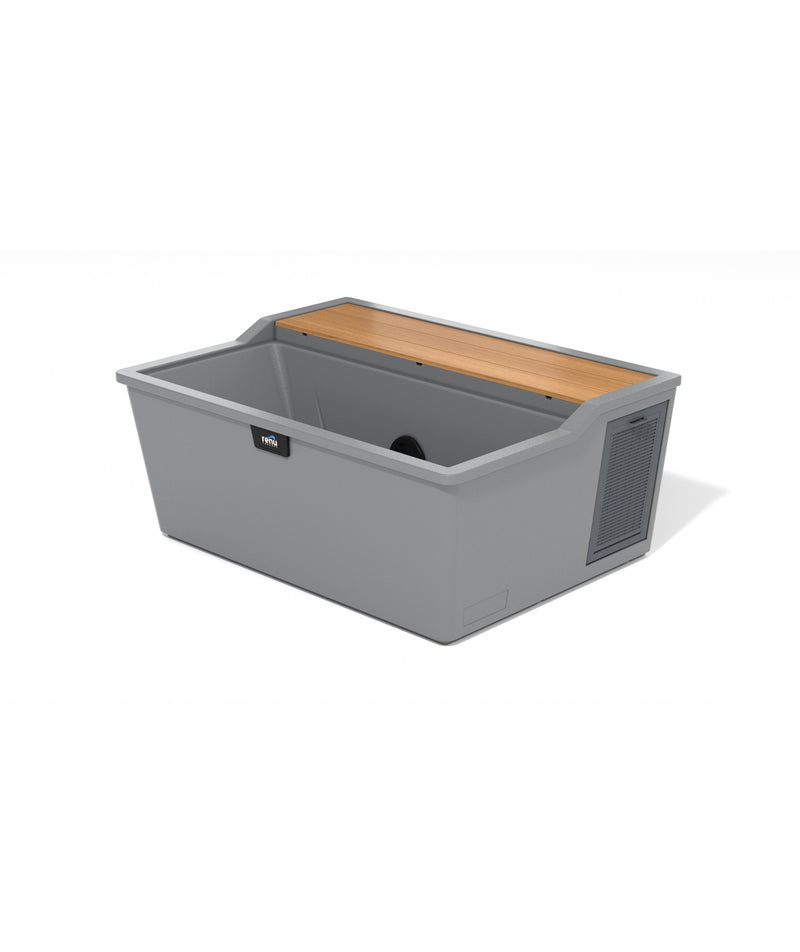
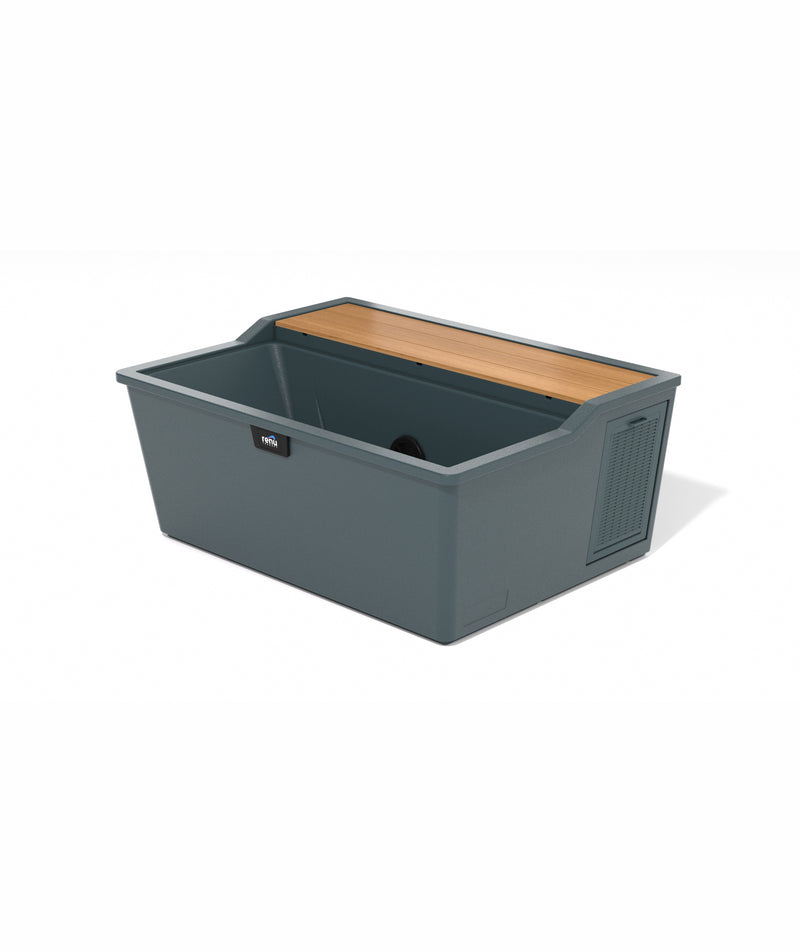
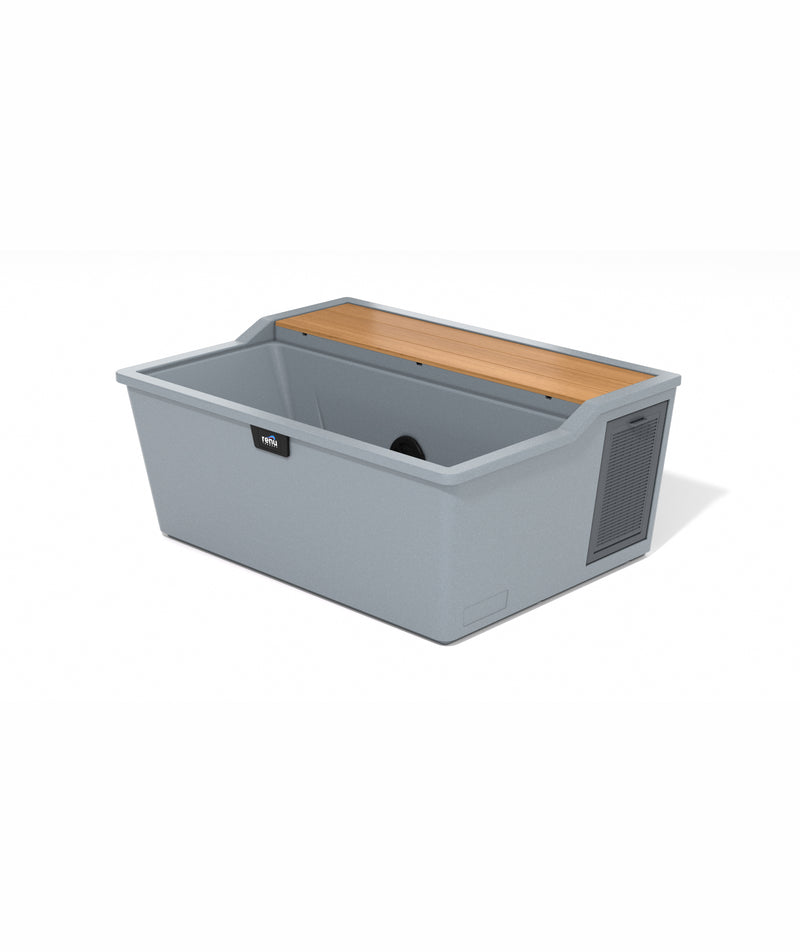
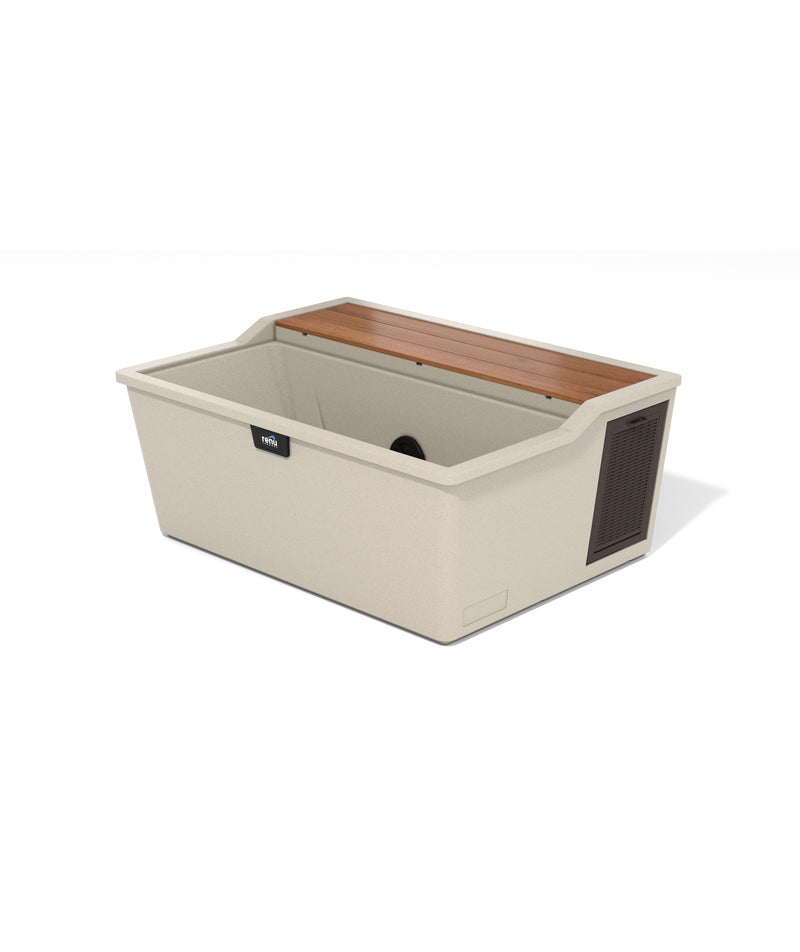
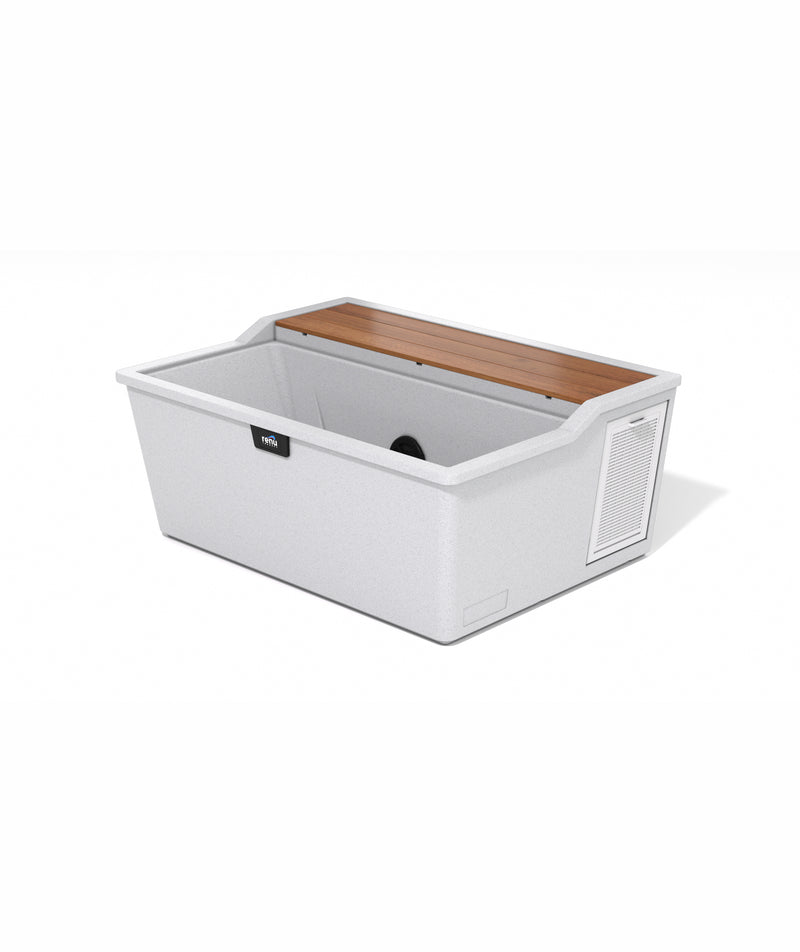
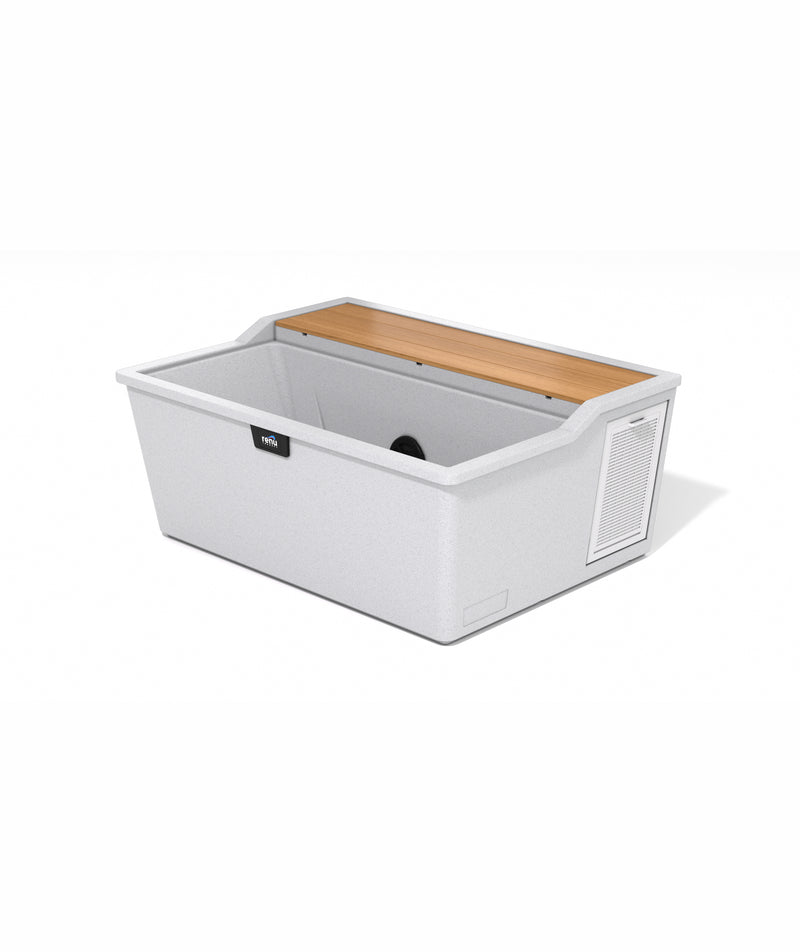
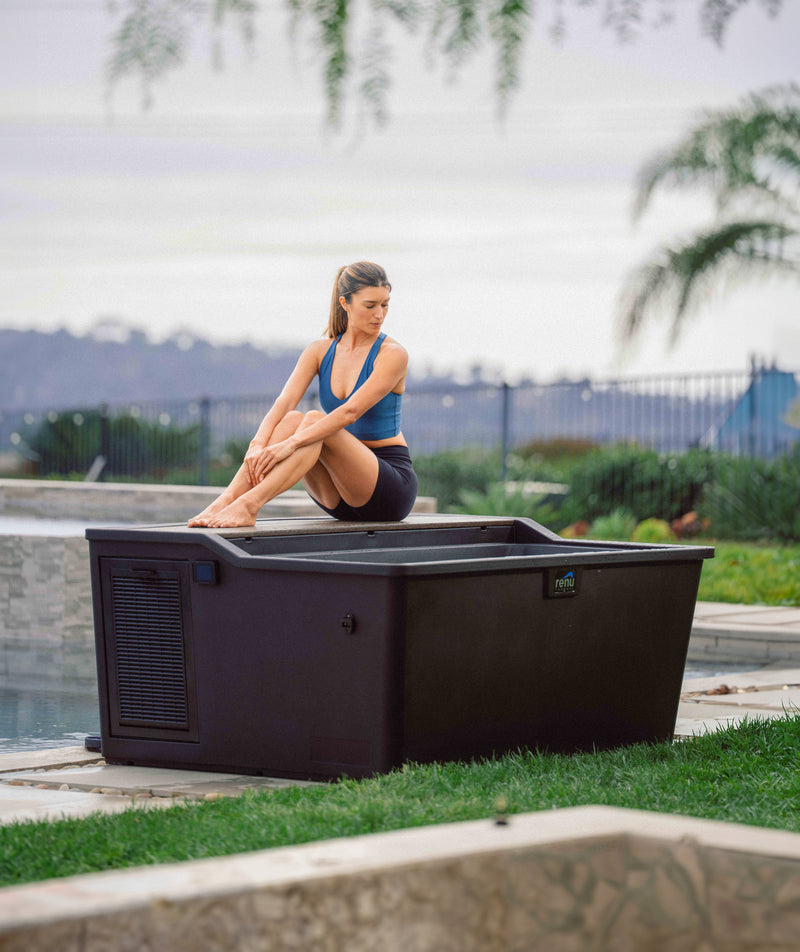
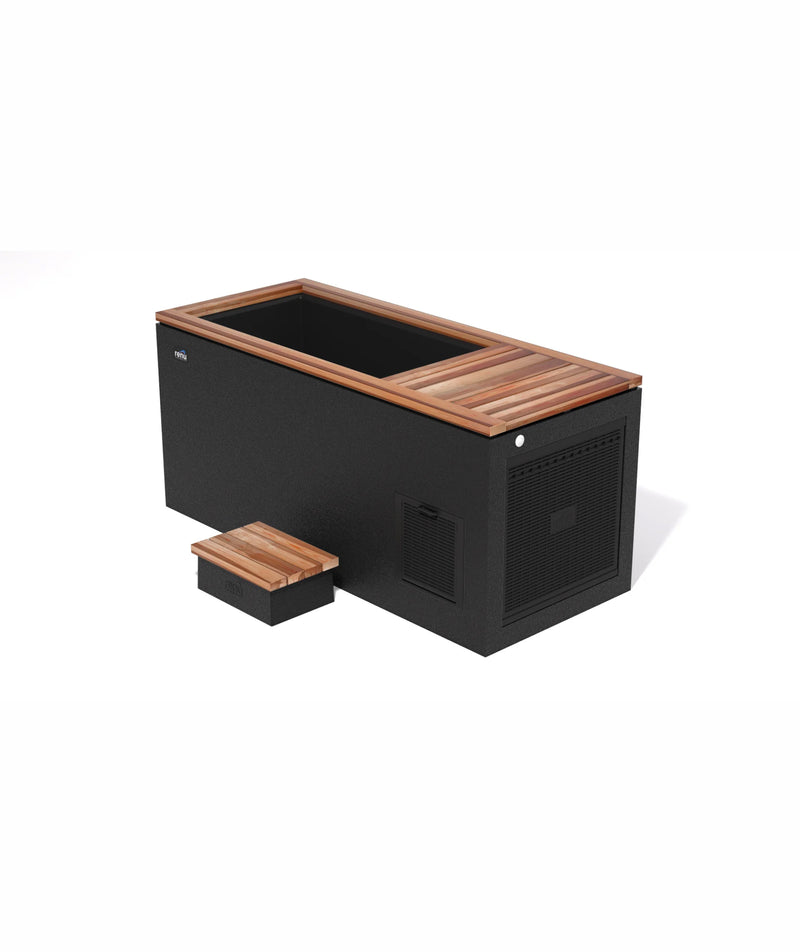
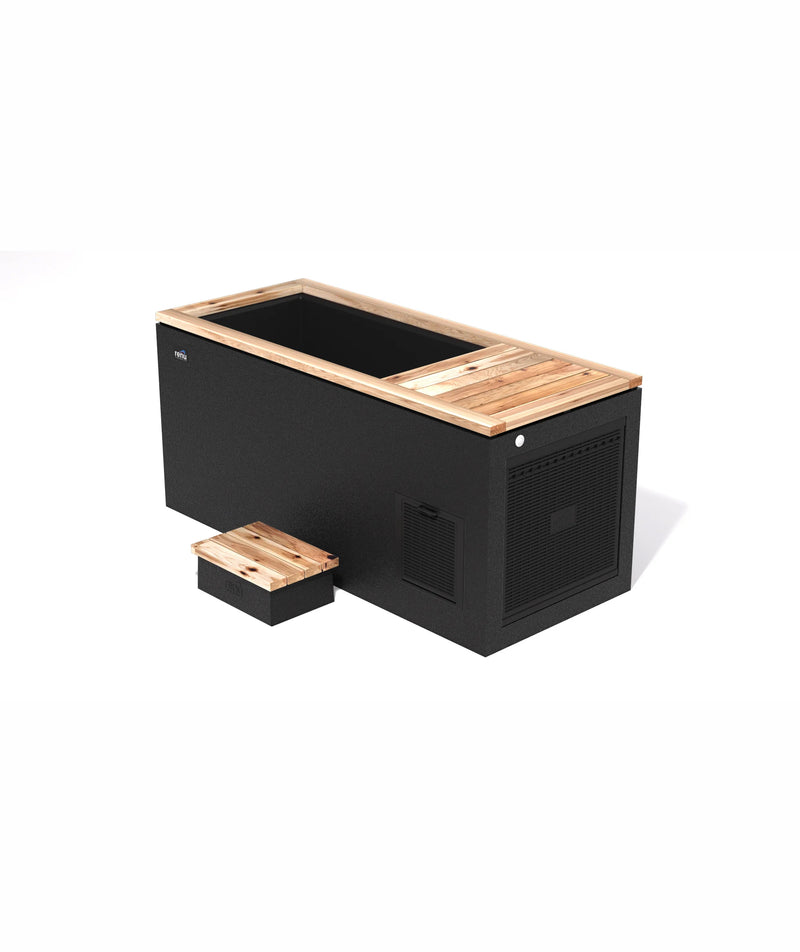
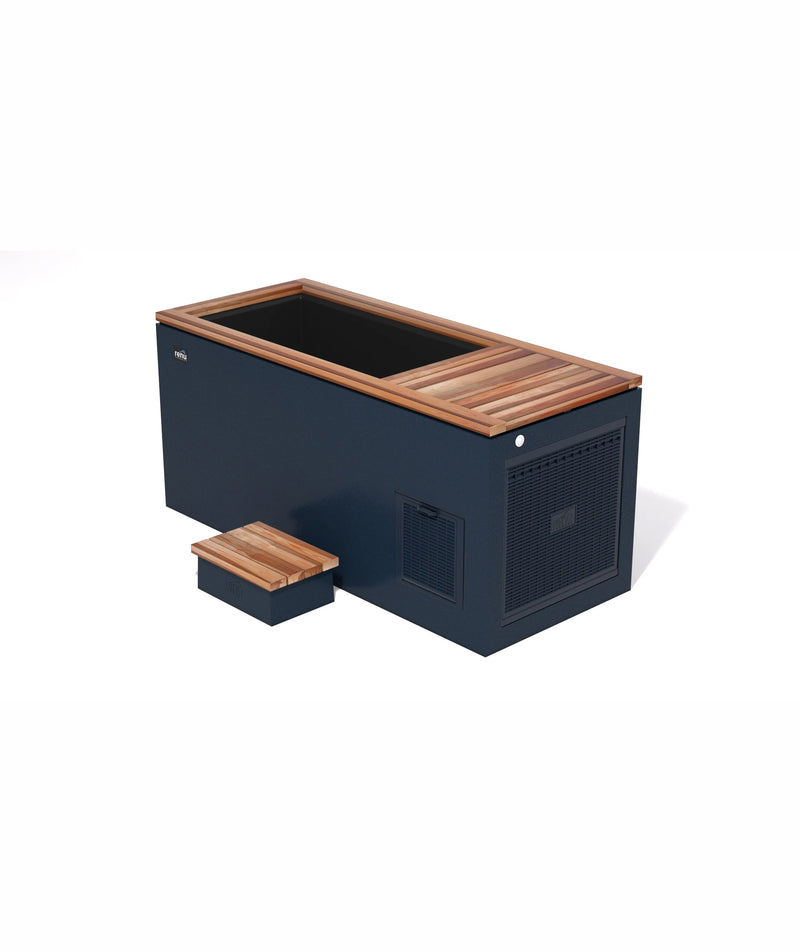
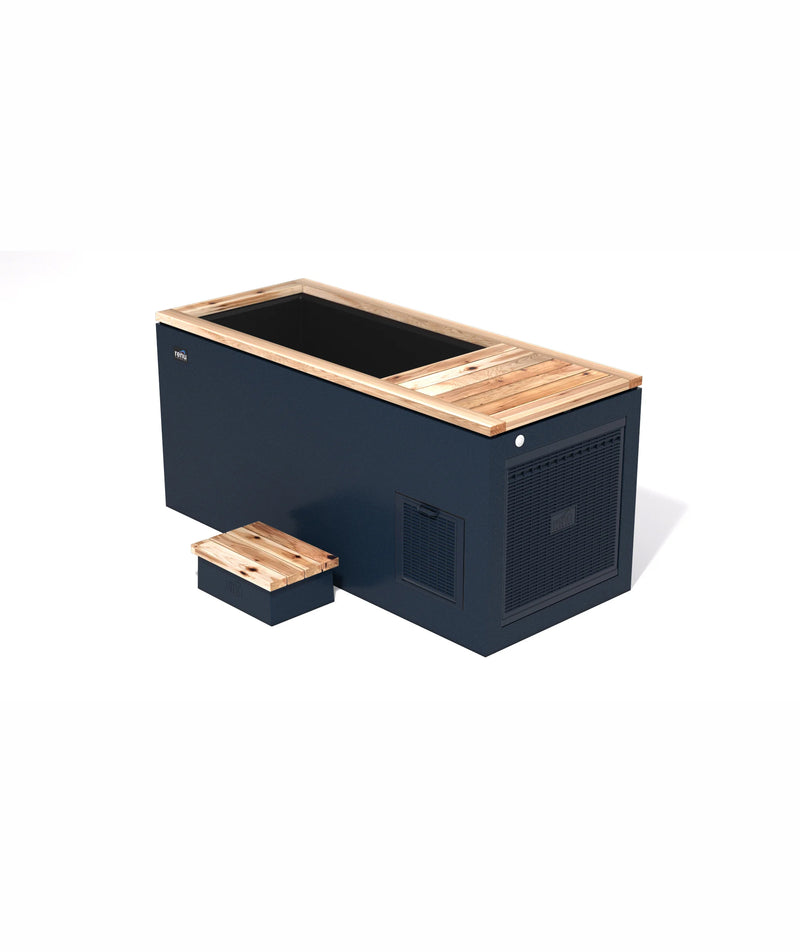
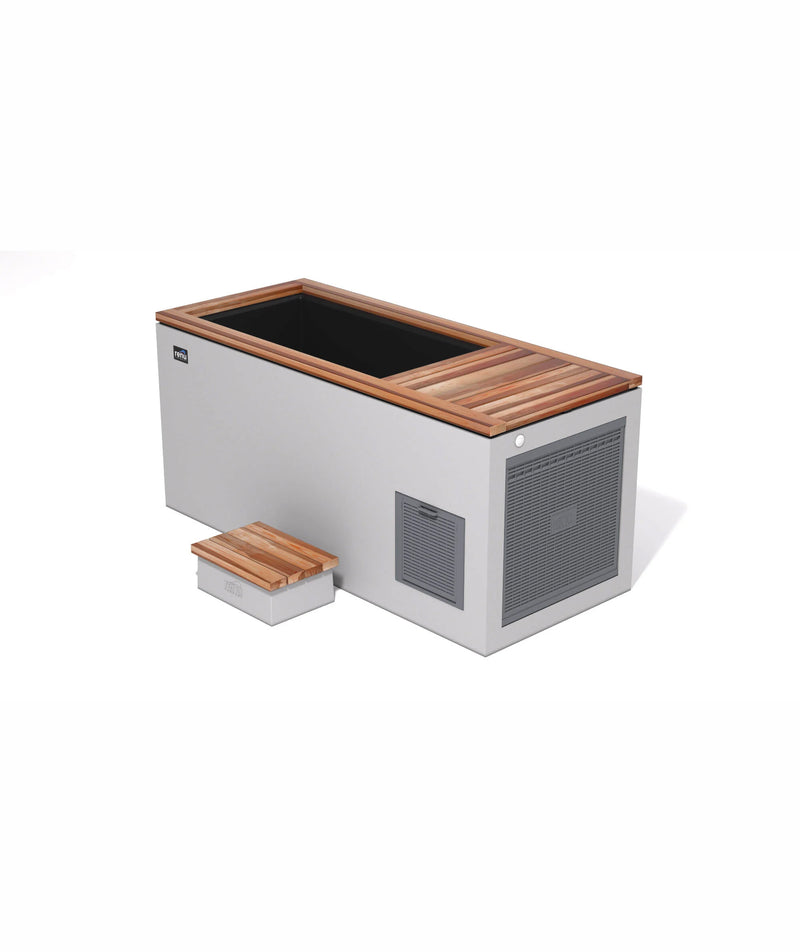
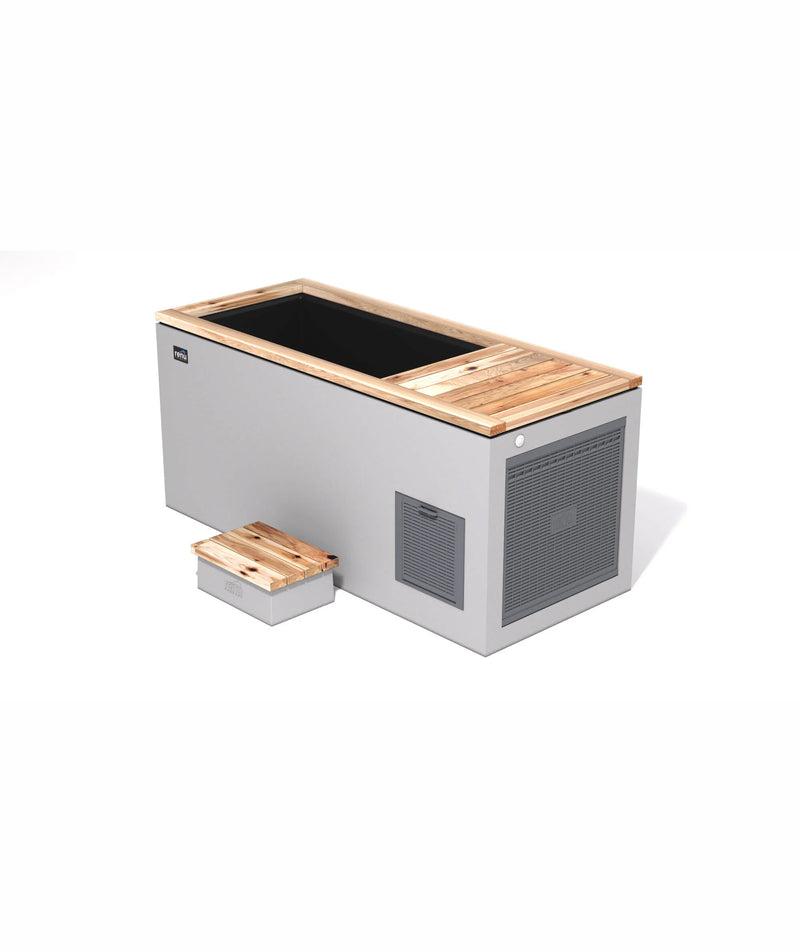
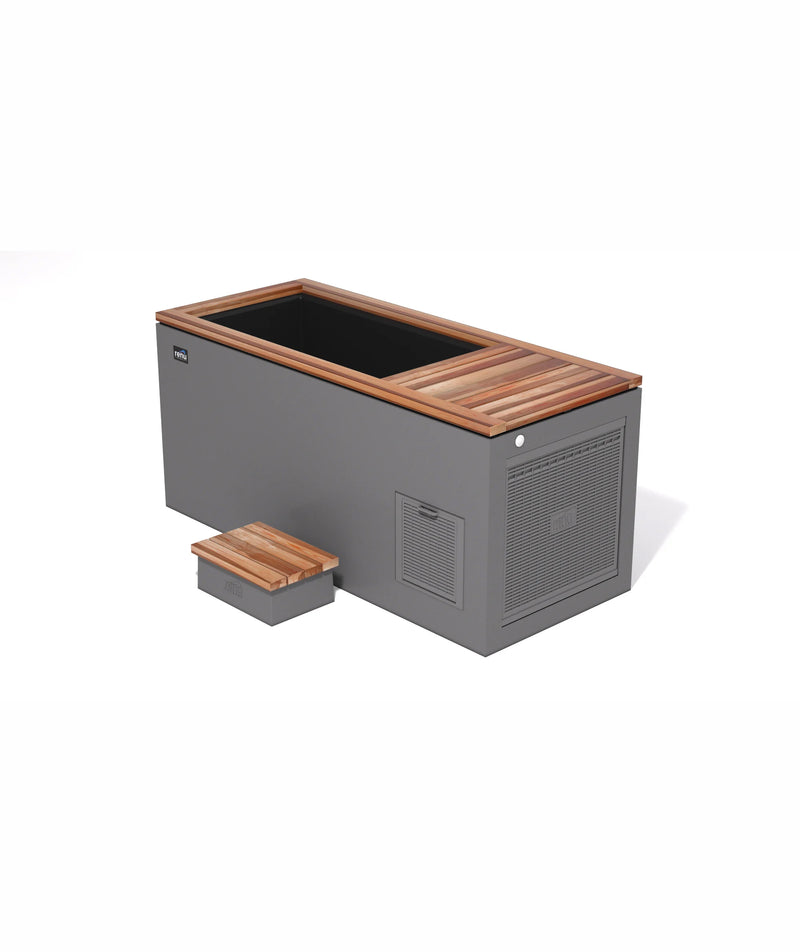
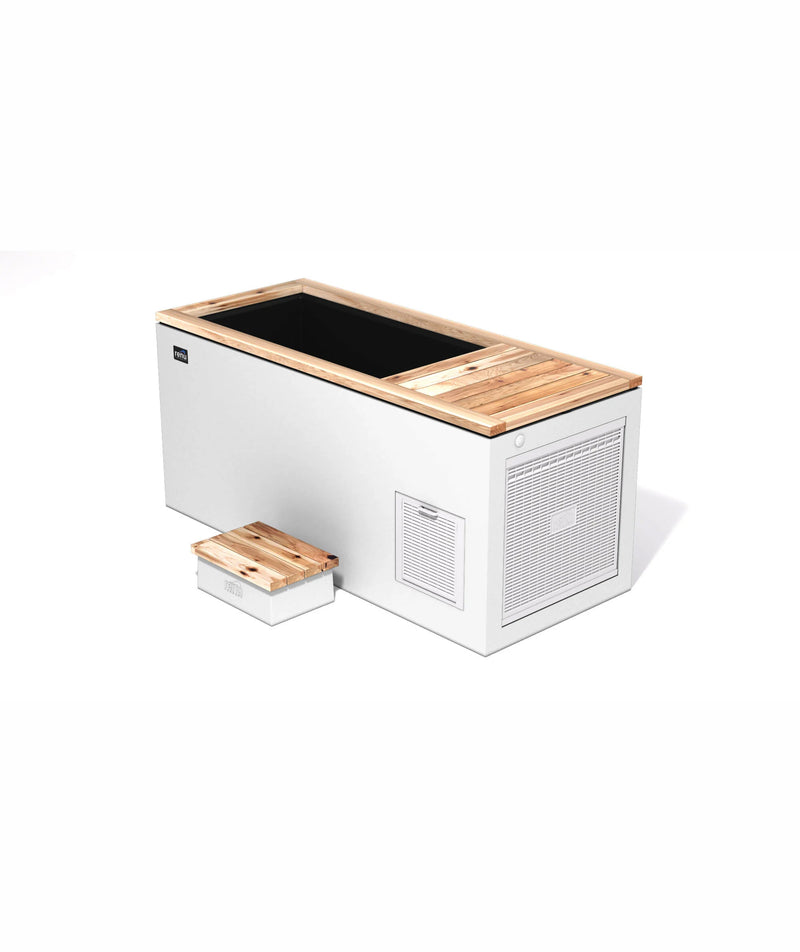
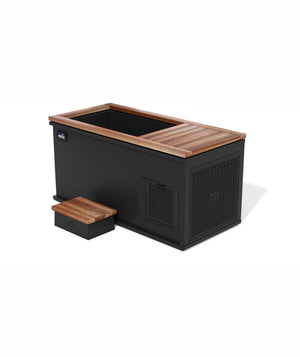
Renu Therapy's Cold Stoic 3.0 is built specifically for this: dual temperature control down to 37°F, integrated ozone purification, and a build quality designed for daily use over years, not seasons. It’s handcrafted in California and engineered to last.

Building a Practice That Delivers
Cold plunge benefits compound over time. A few principles that matter:
Temperature: 50–59°F (10–15°C) is the well-researched range for meaningful physiological response. Start at the higher end and work down as tolerance builds; there's no prize for jumping straight into icy-cold water.
Duration: A 2-minute cold plunge is sufficient for most people, although some enjoy as long as 5 minutes. Beyond that, returns diminish and the risks of overexposure increase.
Frequency: Between 3 to 5 sessions per week hits the sweet spot for most people. Daily practice is achievable, and for those treating cold plunging as a morning ritual, this is often preferred.
Timing: Morning plunges tend to amplify focus and energy throughout the day. Post-workout plunges prioritize muscle recovery. Both work well; the best timing is the one you'll actually stick to.

Real Benefits, Real Results
The benefits of cold plunging are well-documented: faster recovery, better sleep, improved mood and mental clarity, metabolic support, a nervous system better equipped to handle stress. None of this is magic. It's adaptation, which is exactly the same principle that makes any good training practice work.
What separates those who see real results from those who don't isn't the science. It's the practice—and the right system makes that practice easy to maintain.
Set it. Trust it. Step in.
FAQ: Cold Plunge Benefits
How long does a cold plunge need to be to feel the benefits?
Research indicates meaningful physiological responses begin within 2 minutes of full immersion. Consistency matters more than duration; a short, regular practice will outperform occasional longer sessions.
What temperature should a cold plunge be?
Aim for 50–59°F (10–15°C). Most people start at the higher end and reduce temperature gradually as cold tolerance develops.
How often should you cold plunge?
Between 3 to 5 times per week is a practical target. Daily practice is common among those who have built cold plunging into a morning or recovery ritual.
Are 2-minute cold plunges actually effective?
Yes, 2 minutes of full immersion at the right temperature is sufficient to trigger the core physiological responses behind cold plunge benefits. Frequency, not duration, is the strongest predictor of results.
What's the difference between an ice bath and a cold plunge tub?
The physiological effect is the same. The practical difference is in consistency: a well-designed cold plunge tub with integrated filtration and precise temperature control removes the friction that tends to break a cold practice. When it's easy to use, you use it more, and frequency is what drives results.
Medical disclaimer: Cold water immersion is not suitable for everyone. Consult your physician before beginning a cold plunge practice if you are pregnant, have high blood pressure, heart disease, a history of cardiac arrhythmia, Raynaud's disease, peripheral neuropathy, or any other condition affecting circulation or nerve function. Cold exposure can place stress on the cardiovascular system and should be approached with caution if you have any underlying health conditions. This article is intended for informational purposes only and does not constitute medical advice.