Perfecting your pre-bed routine is something many enjoy in the quest for a deeply restful night's sleep. An ice bath might seem like a natural addition, but timing it wrong can undo the very thing you're chasing.
Does an Ice Bath Before Bed Help You Sleep?
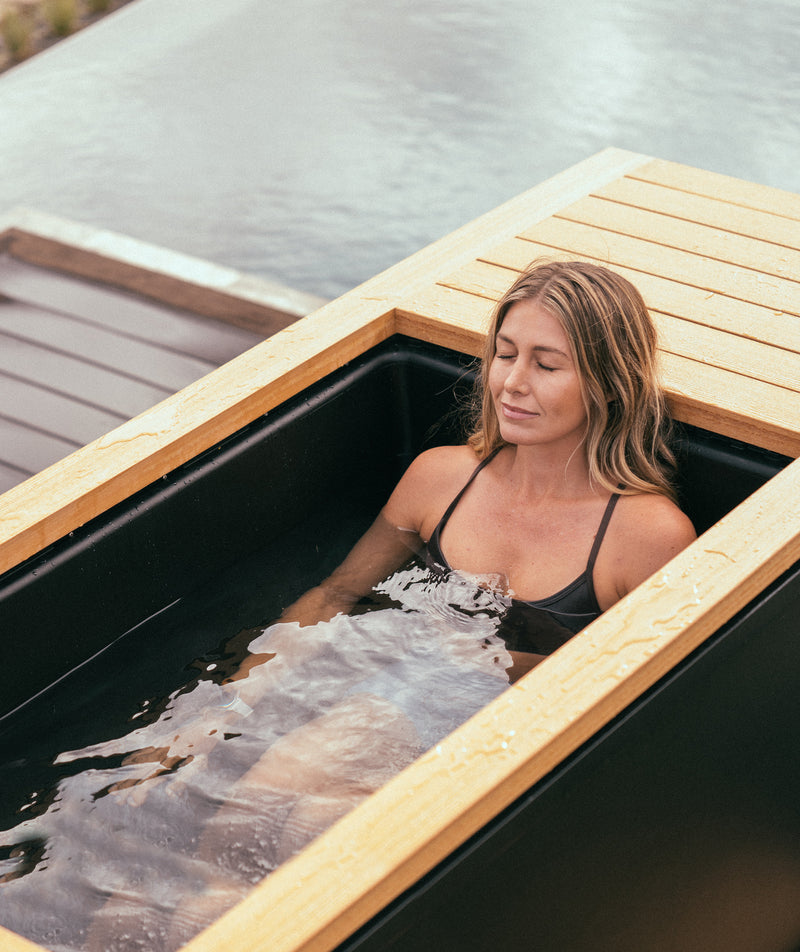
The short answer is no, not if "before bed" means immediately before you want to fall asleep. That's because when you get into cold water, your sympathetic nervous system amps up: norepinephrine floods your system, cortisol ticks up, your heart rate and feelings of alertness typically climb. Of course, all of these things are fantastic at 7 a.m., but it's not what you want at 10 p.m. It's important to remember that the cold plunge doesn't end when you get out. What follows the initial spike is a slower, quieter process, and that's the part where the sleep benefits live.
What's Actually Happening in Your Body
When you get into an ice bath, two systems are at play—and they don't run on the same clock.
The fast one is the stress response: cold water immersion triggers a rapid sympathetic surge, which includes a rise in cortisol and norepinephrine, the hormone that drives that alert, keyed-up feeling, and there's also a jump in heart rate and blood pressure, all within the first few minutes of cold exposure. This is the part you feel: the gasp, the alertness, the "I could run through a wall" energy. It's real, it's measurable, and it can also keep you awake if you're expecting to be in bed soon after.
The slow one is thermoregulation. Core body temperature needs to drop for sleep onset; this is one of the more reliable levers in sleep physiology. Cold exposure sets that drop in motion, but not instantly. Your body pulls blood to the core during cold water immersion, then redistributes it outward once you step out, and core temperature continues falling in the hour or so afterward. That delayed cooling is the part that actually supports falling asleep.
Try to compress both processes into the 20 minutes before lights-out, and you get the stimulation without the payoff.
Related → Understand more about the benefits of cold plunging

The Right Window
So when should you take an ice bath before bed? The simple answer is 60 to 90 minutes before you want to be asleep. This is the time range that shows up consistently across cold-exposure and sleep research, and it's long enough for the norepinephrine spike to clear while still capturing the core-temperature drop as you're winding down.
In practice: plunge, get dressed, enjoy the remainder of your evening—whether that's reading, stretching, breathwork, or something else—and let the second phase happen on its own. The goal isn't to feel sleepy as soon as you step out of the cold plunge; the goal is to set a process in motion that finishes without you and will help deliver you to bed in a rested, relaxed state.
A few things that help that window do its job:
- Limit screens; blue light works against the melatonin release your cooling core is trying to trigger
- Keep your bedroom cool and dark
- Choose low-stimulation activities, e.g., reading, stretching, breathwork
One caveat worth saying plainly: individual response varies. Some people run cooler and clear the stimulating phase faster; others need the full 90 minutes or more before they feel their nervous system fully coming down. If you're tracking sleep, be it with a wearable or just the old-fashioned way, a few weeks of logging plunge time against sleep onset will tell you more than any general guideline, including this one.

Building It Into an Evening Routine
A ritual only holds if it's repeatable, which means the set-up matters as much as the science. Precise, consistent water temperature is what makes a 60–90 minute window a reliable one.
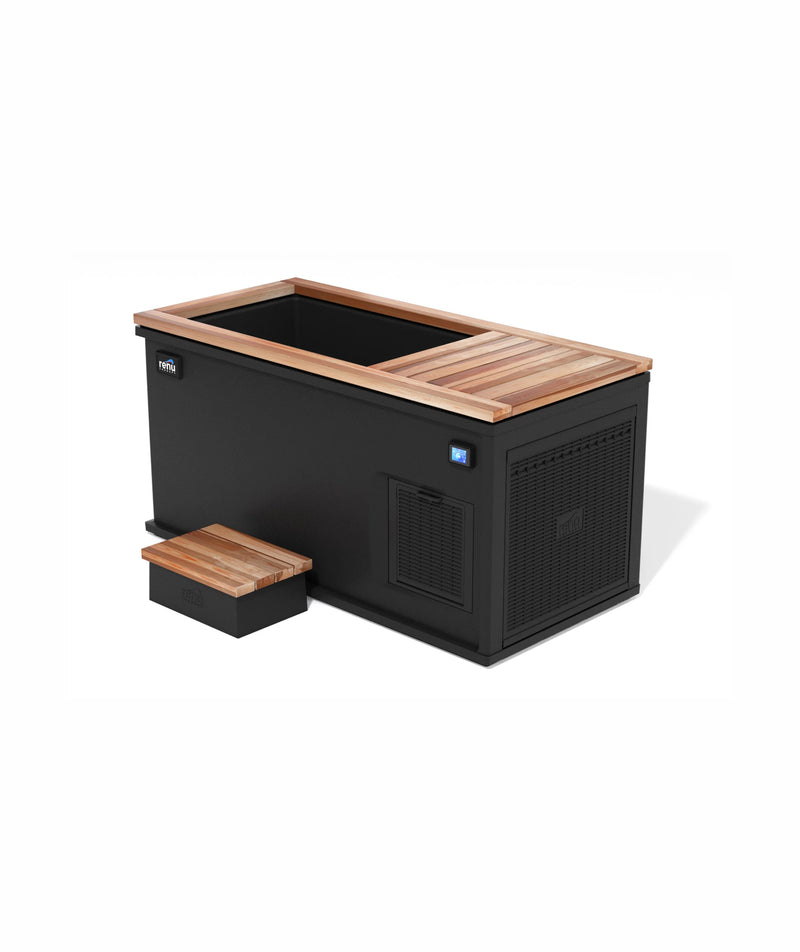
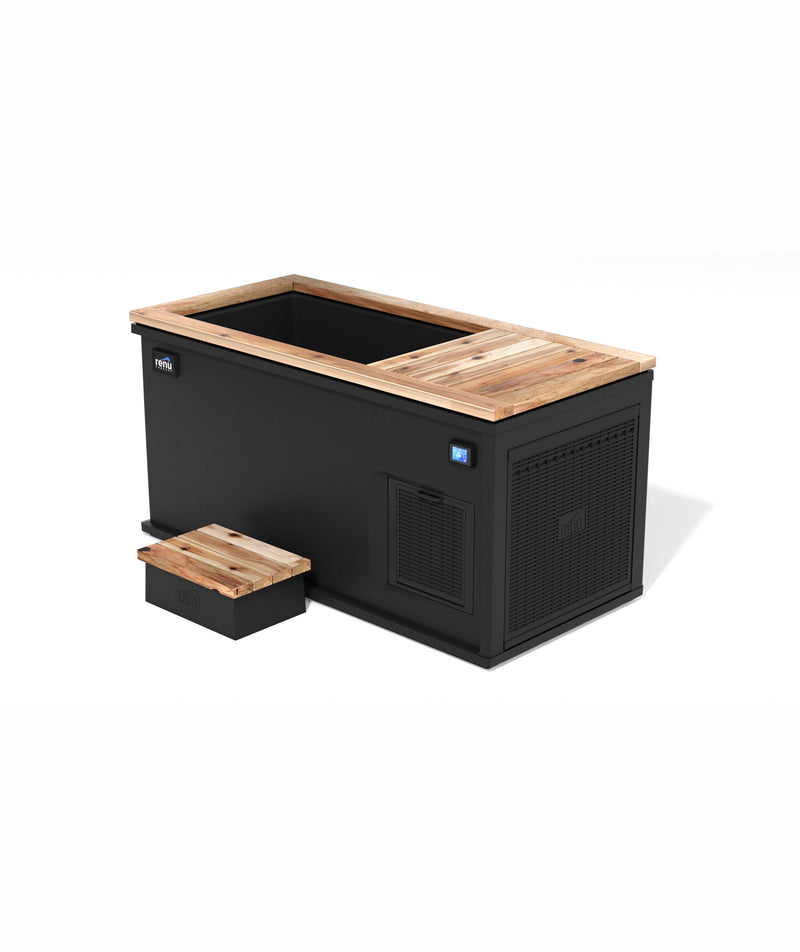
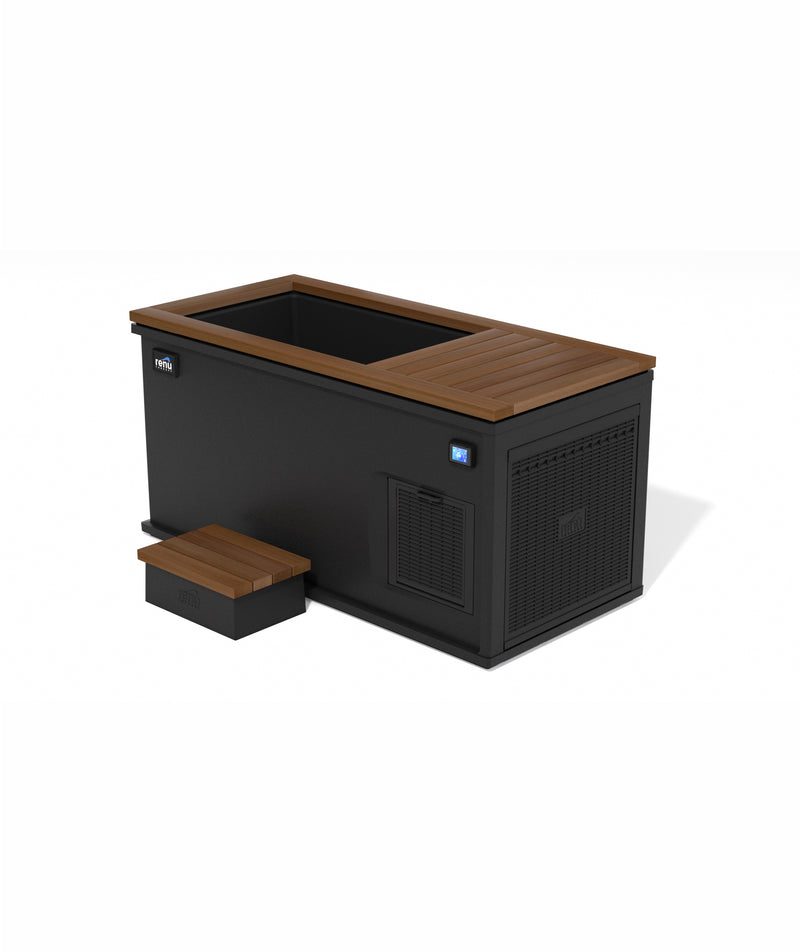
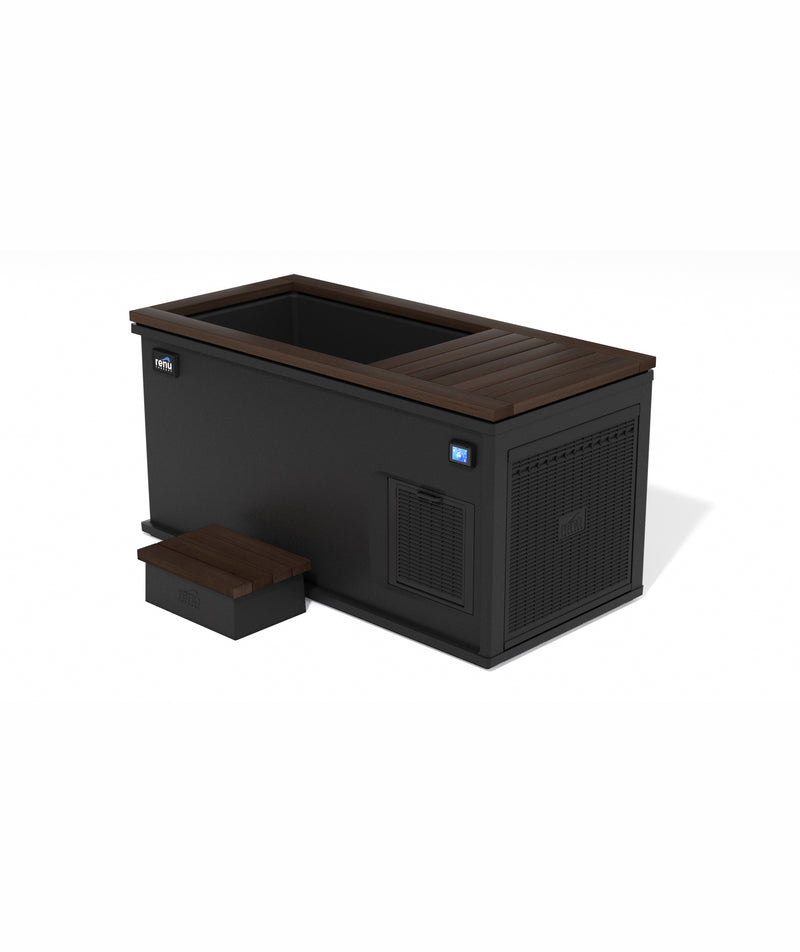
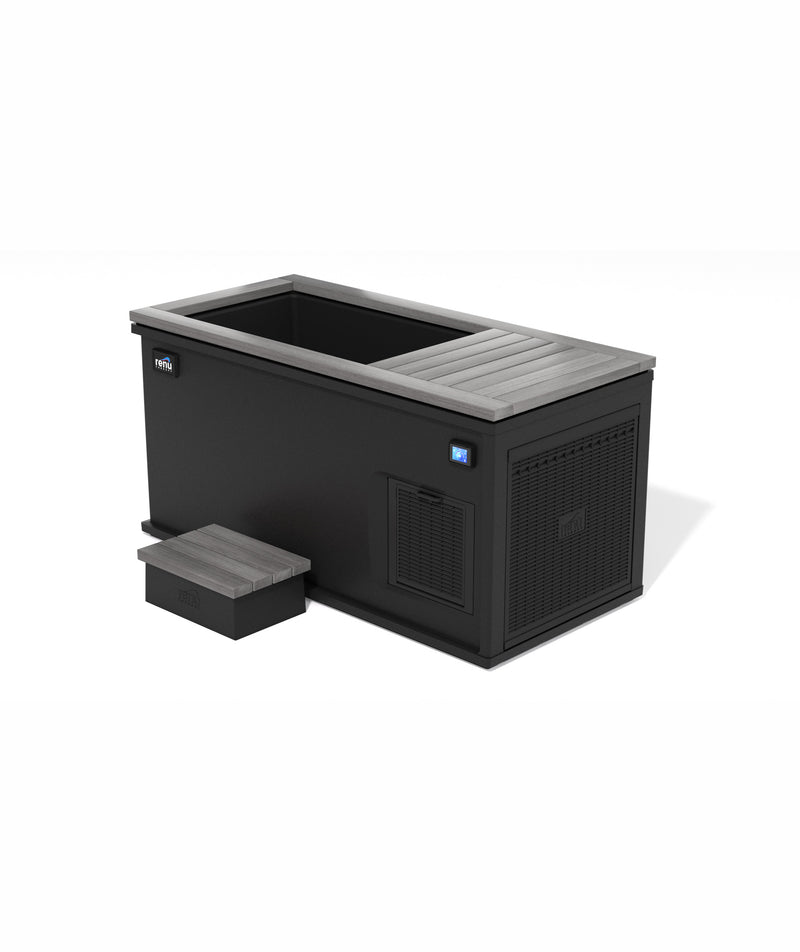
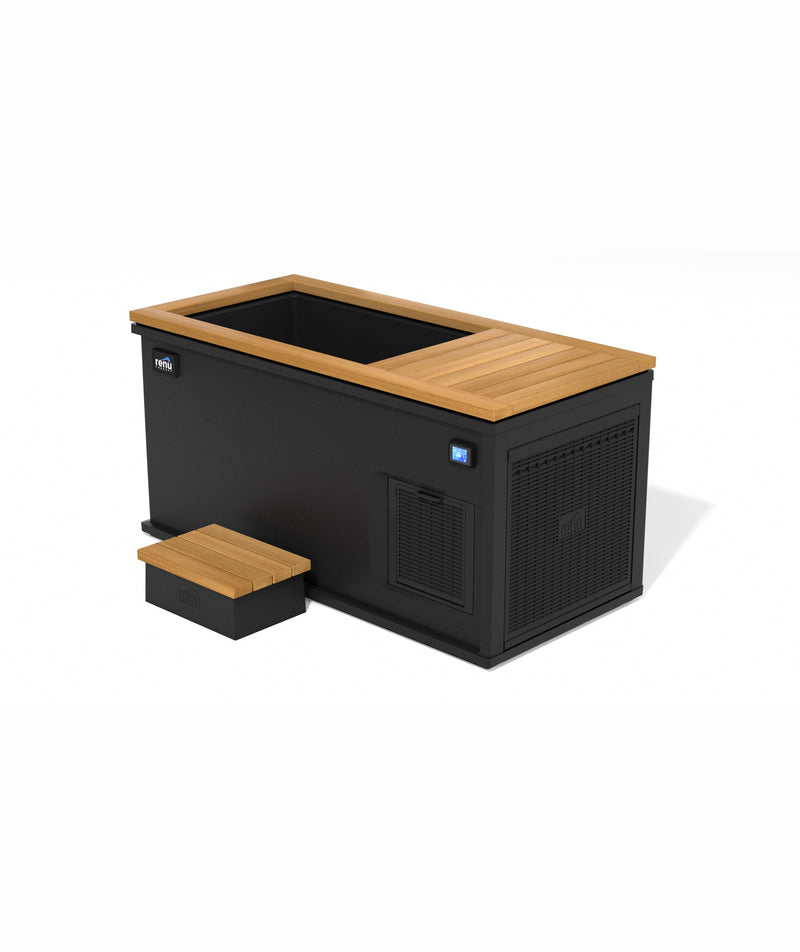
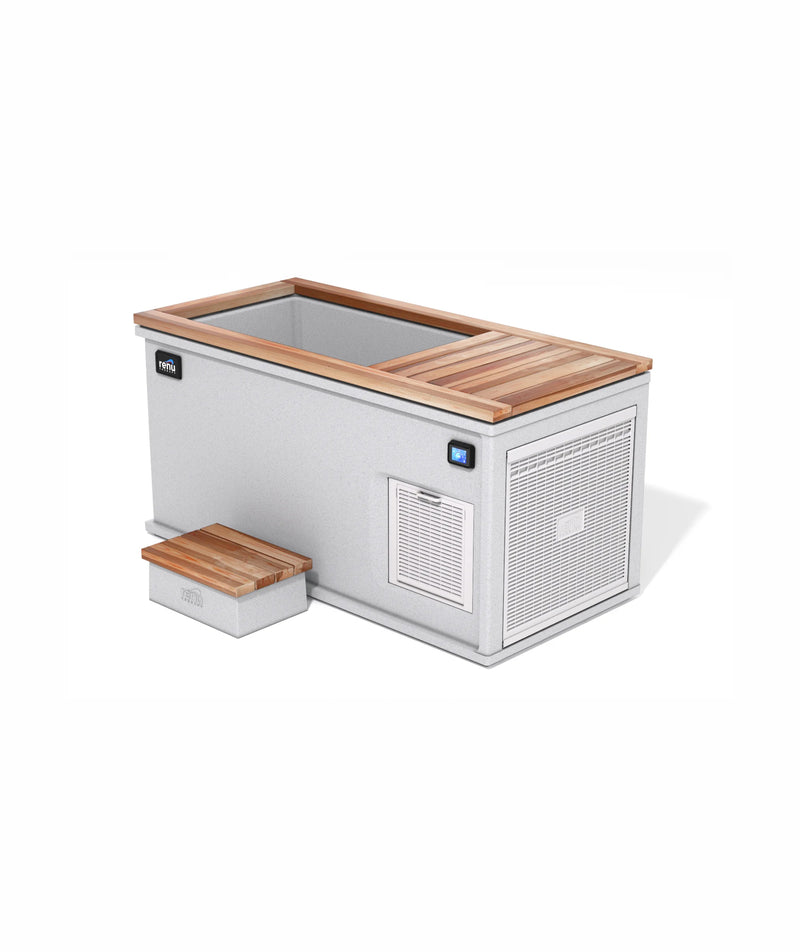
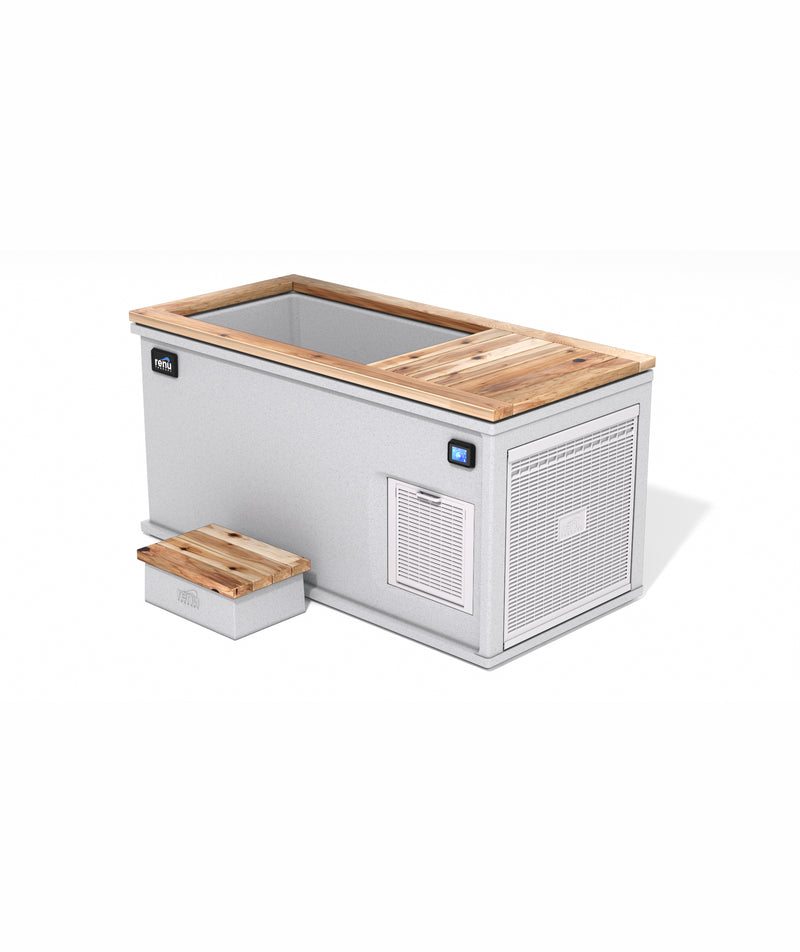
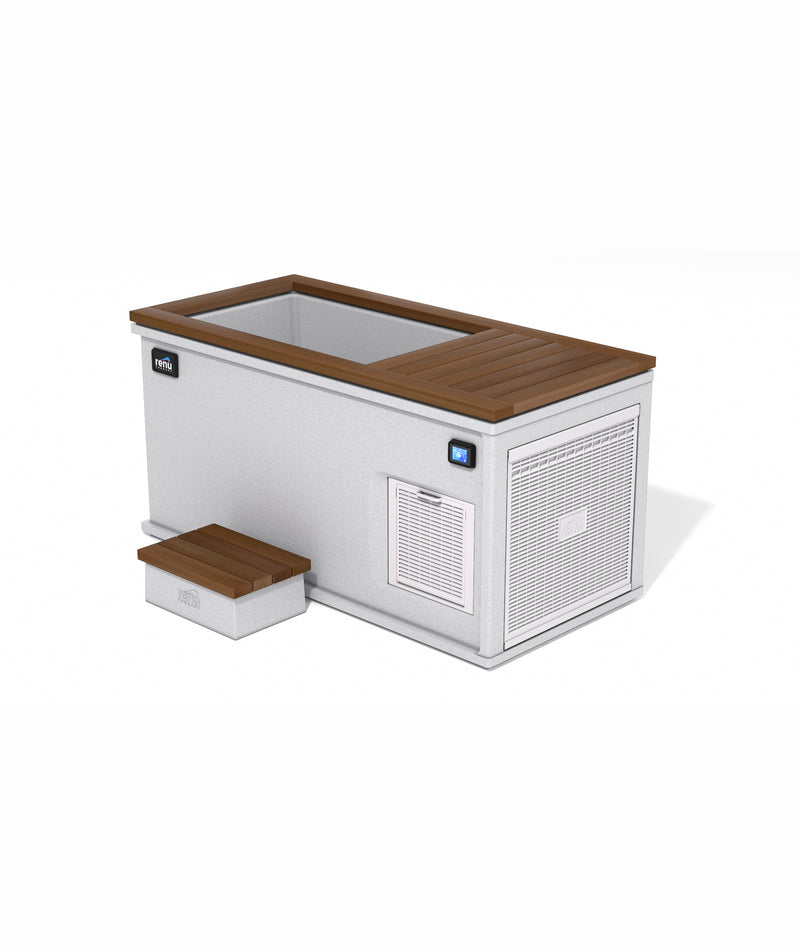
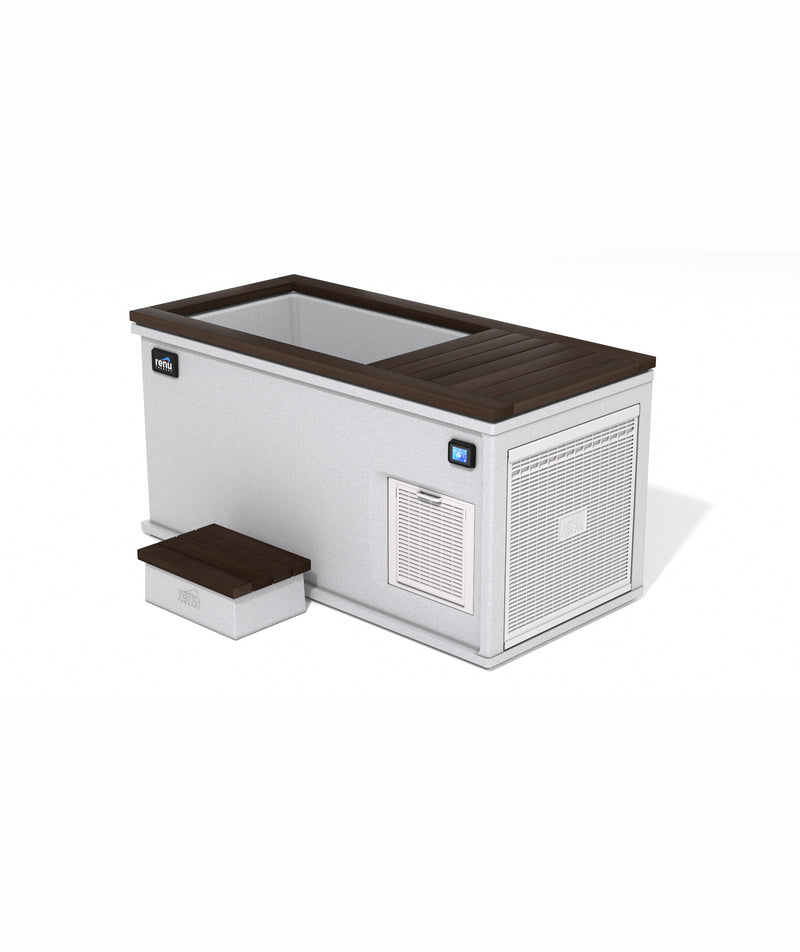
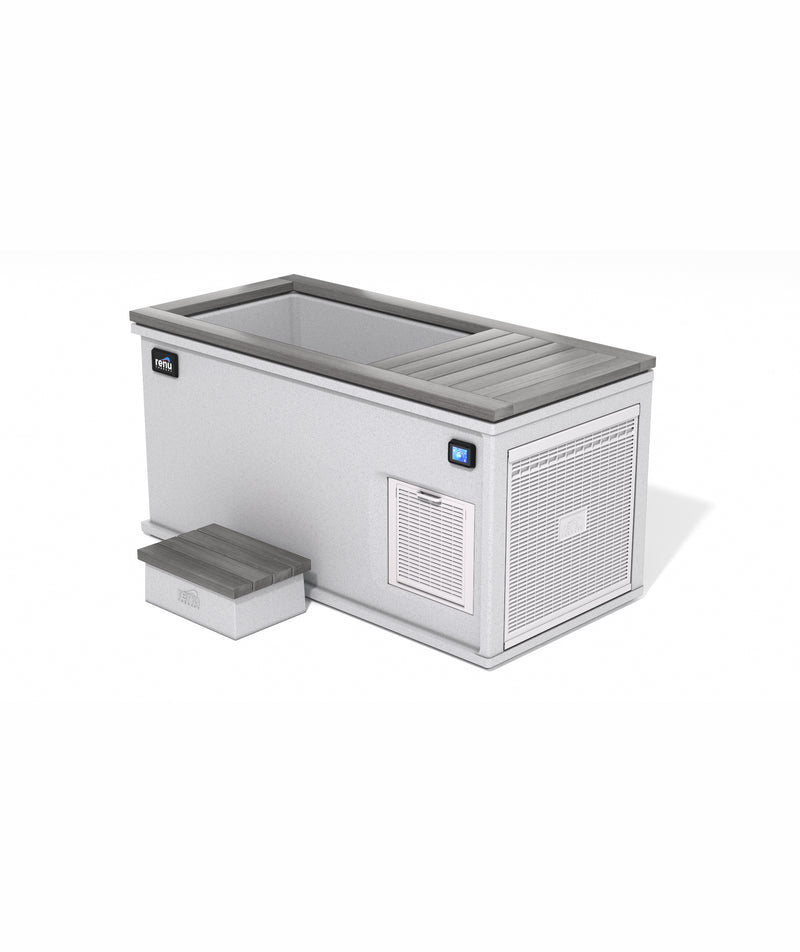
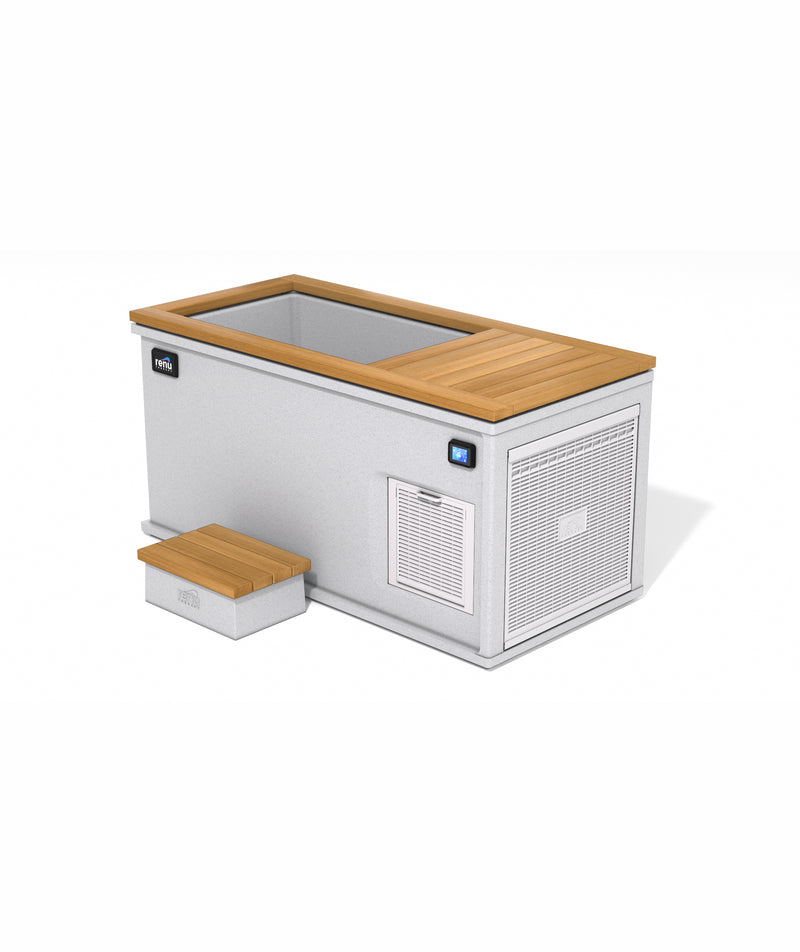
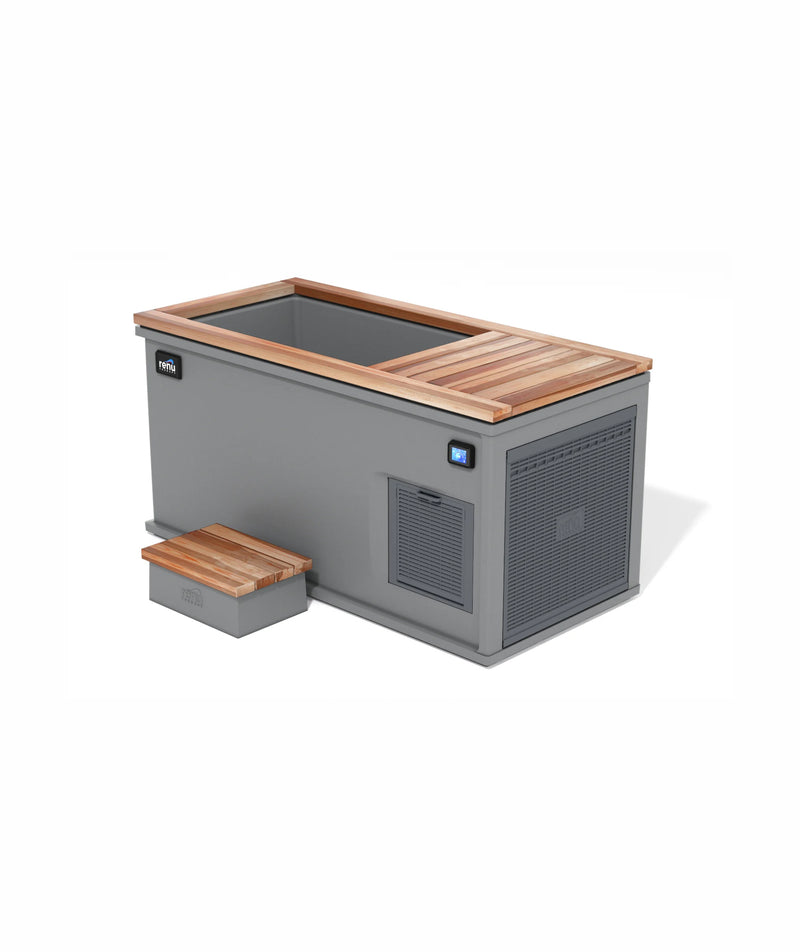
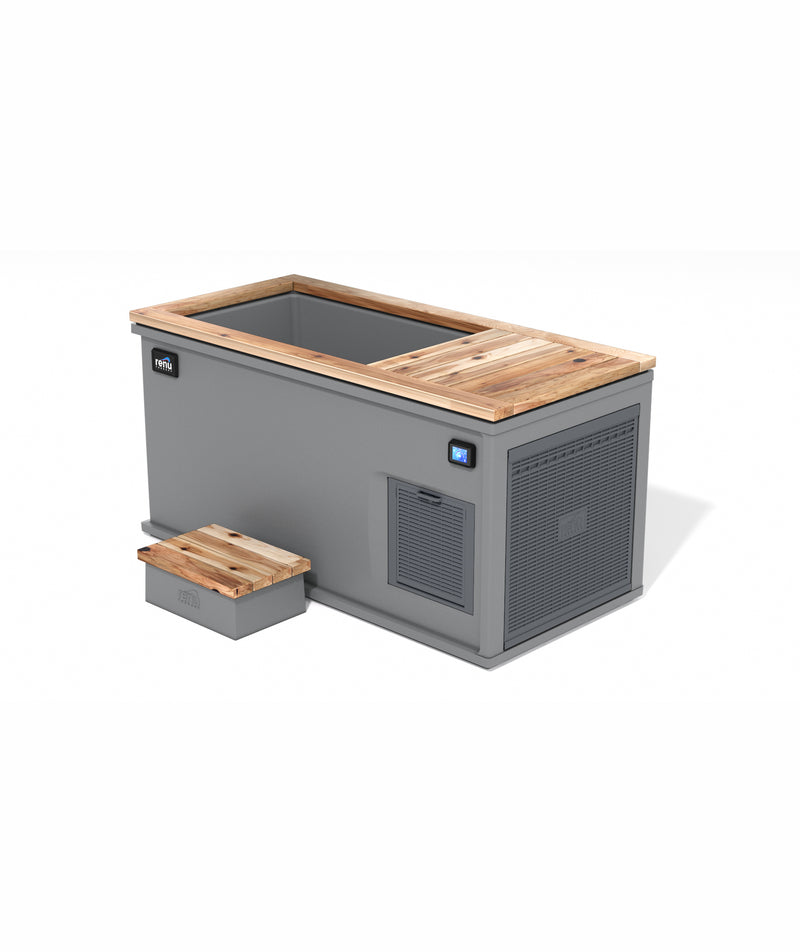
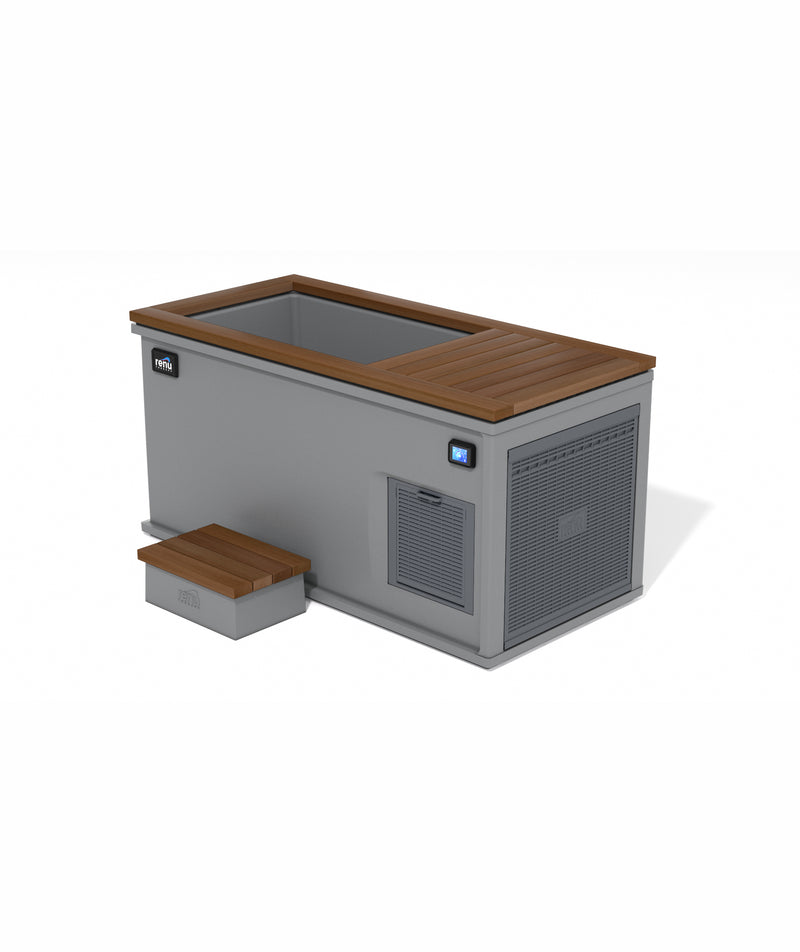
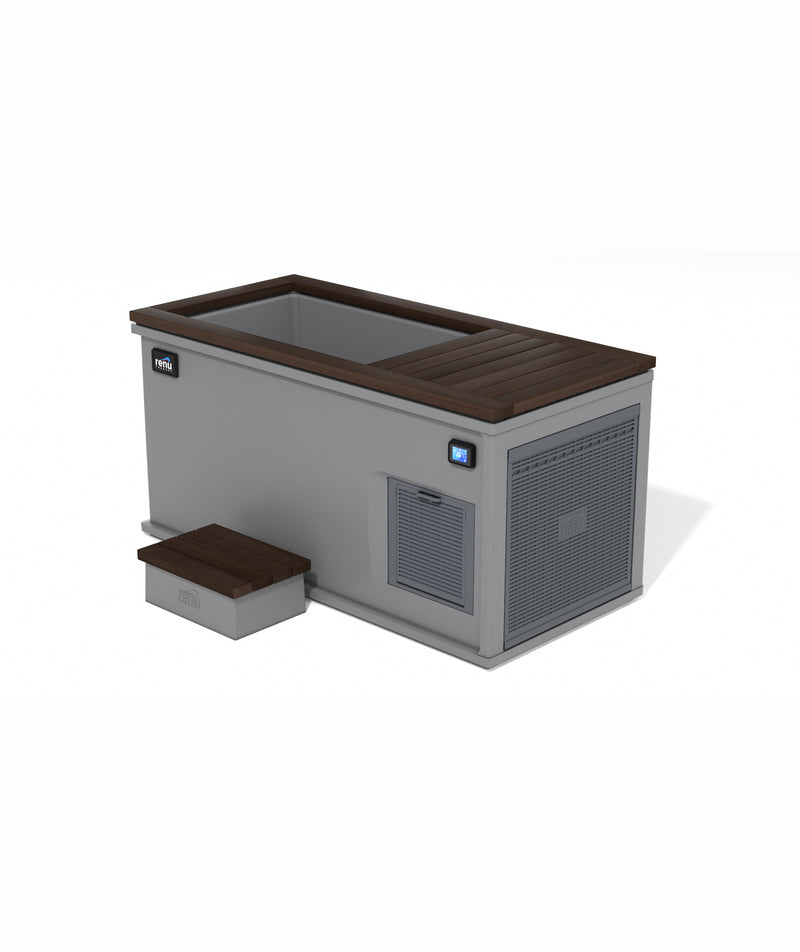
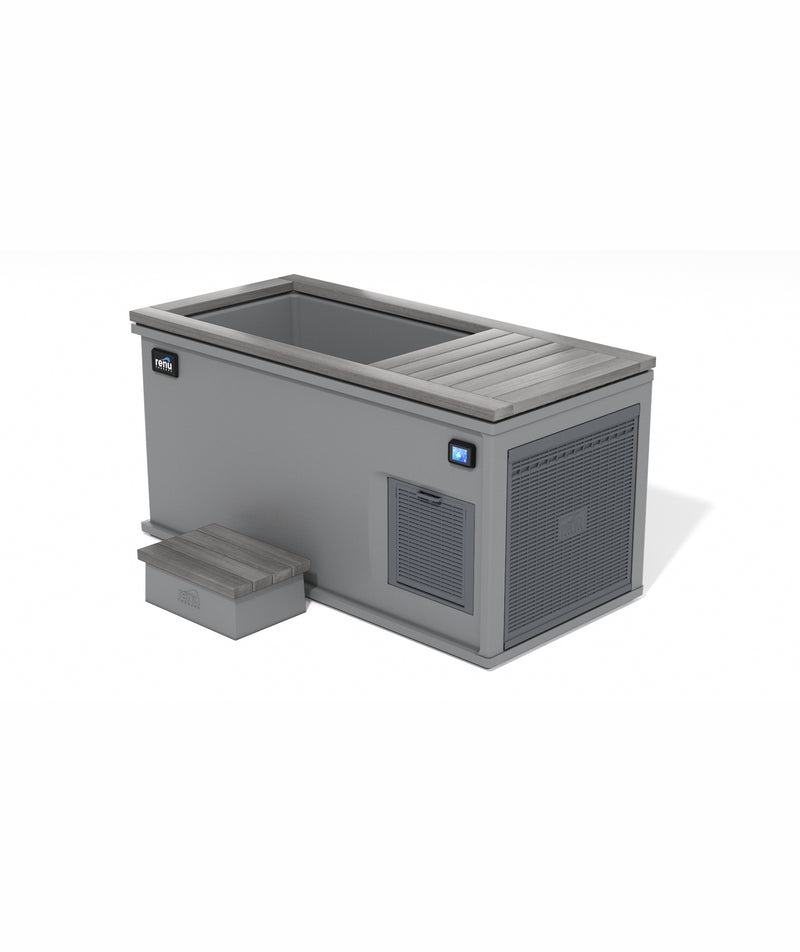
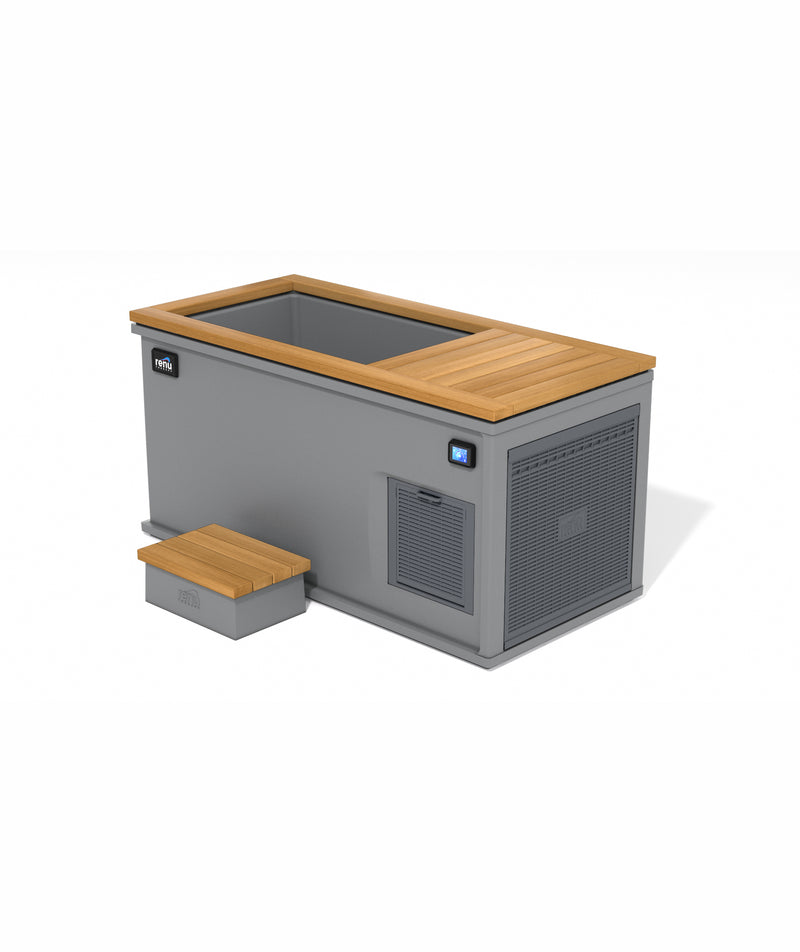
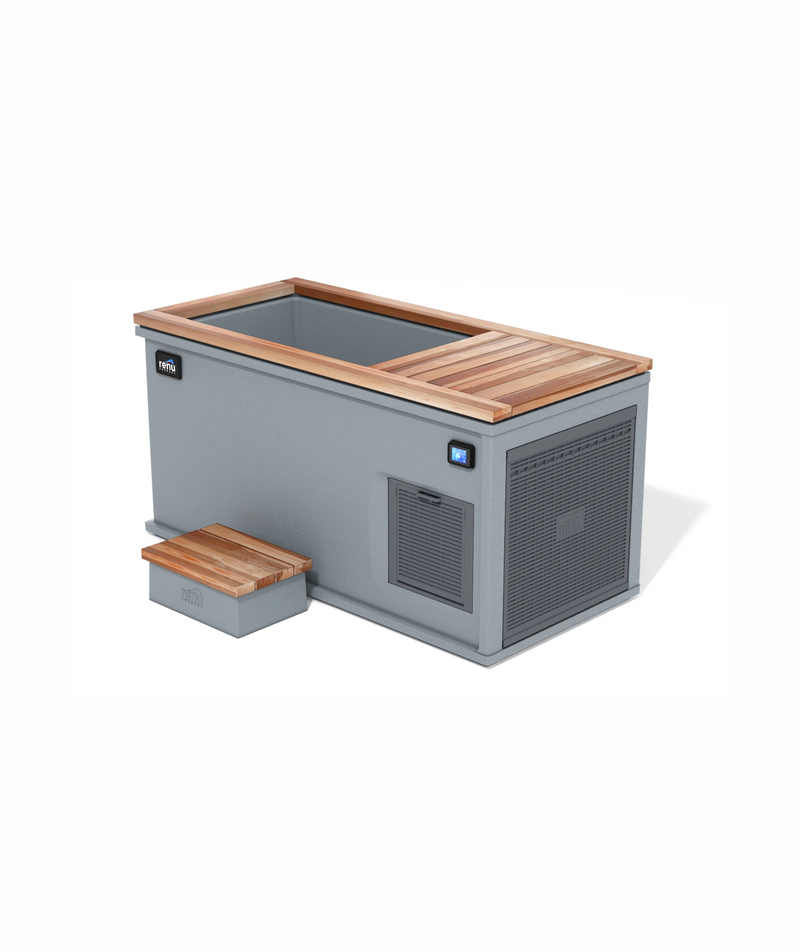
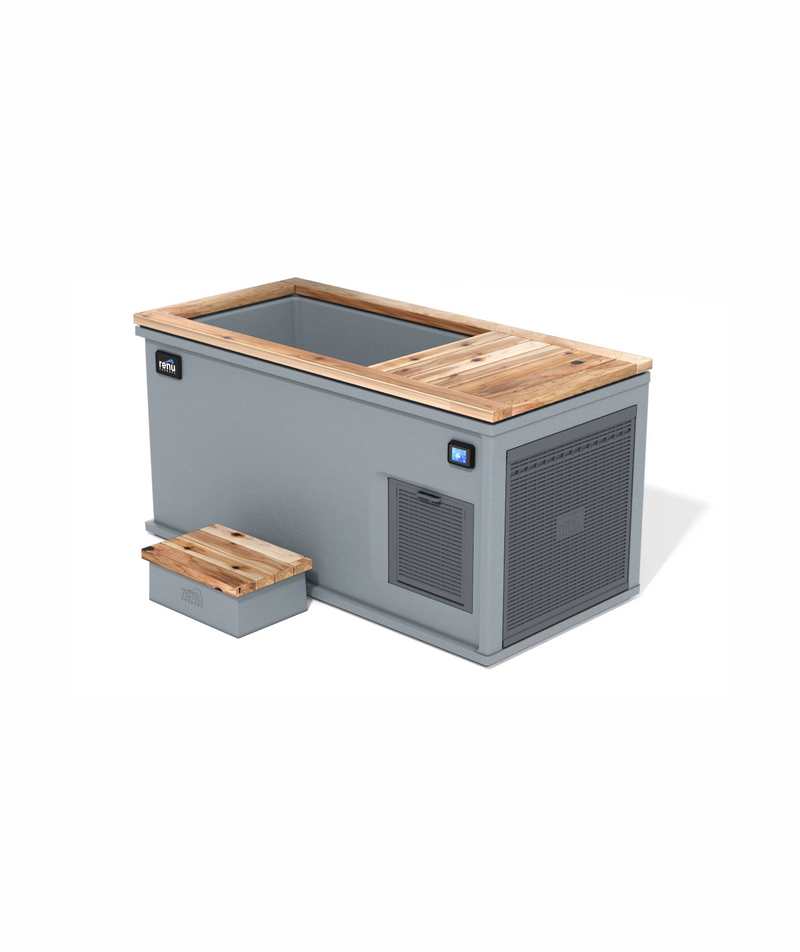
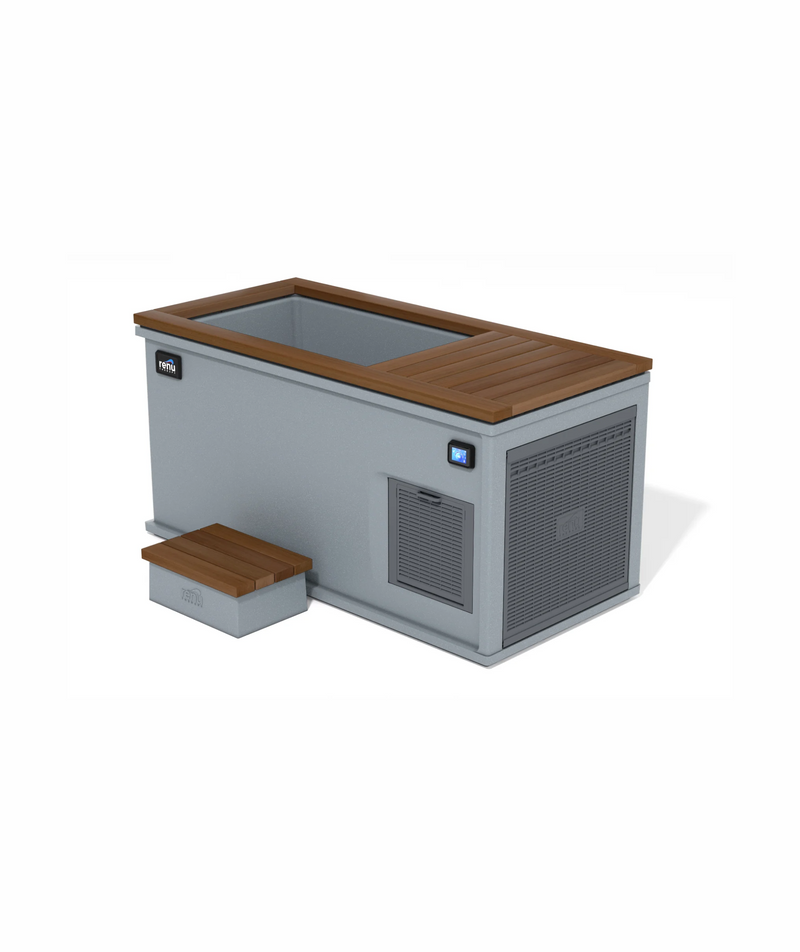
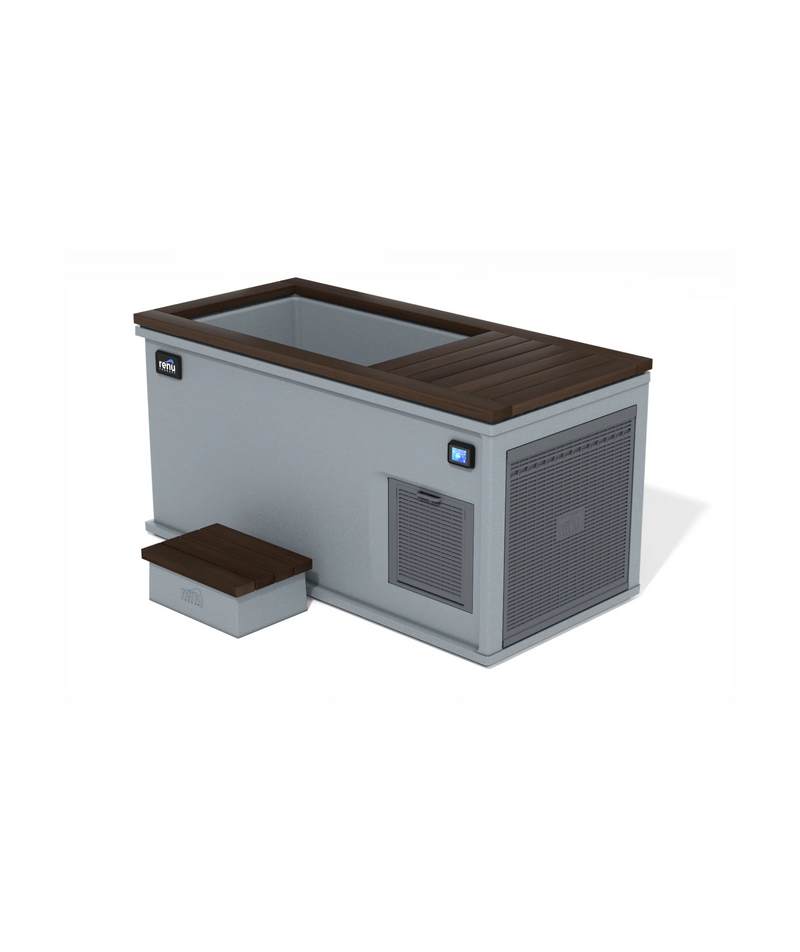
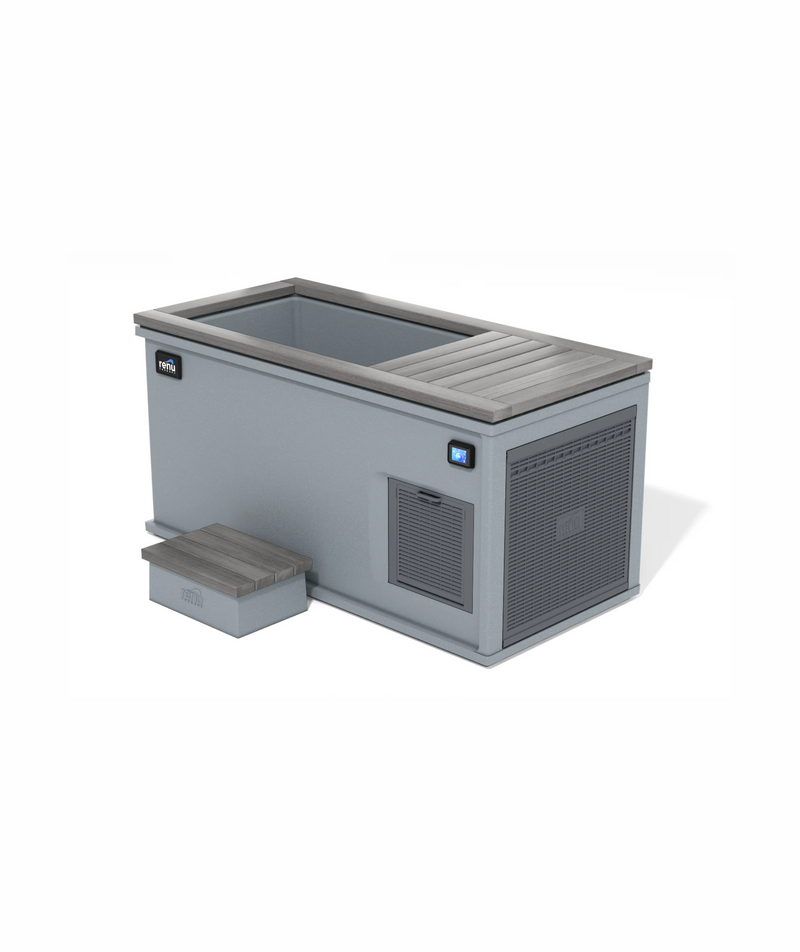
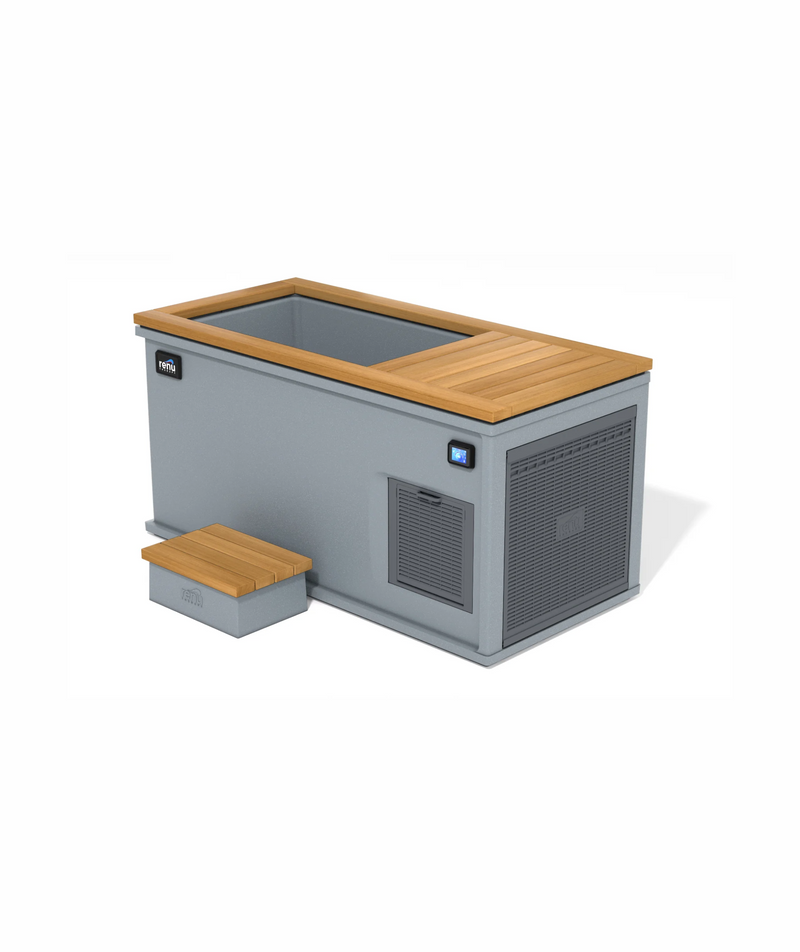
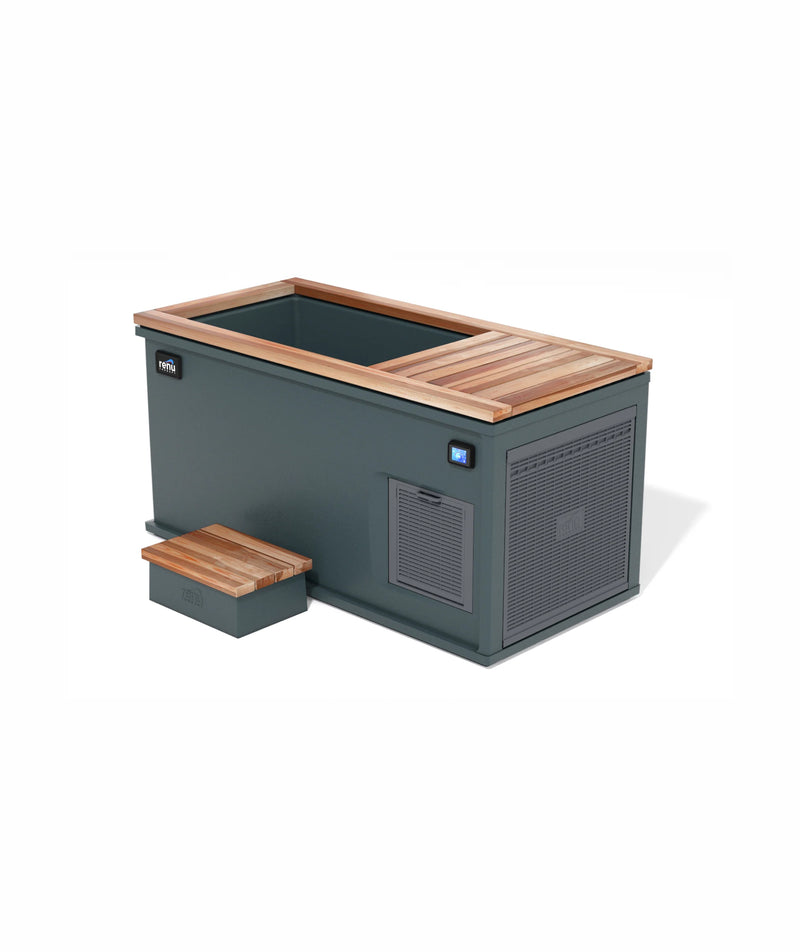
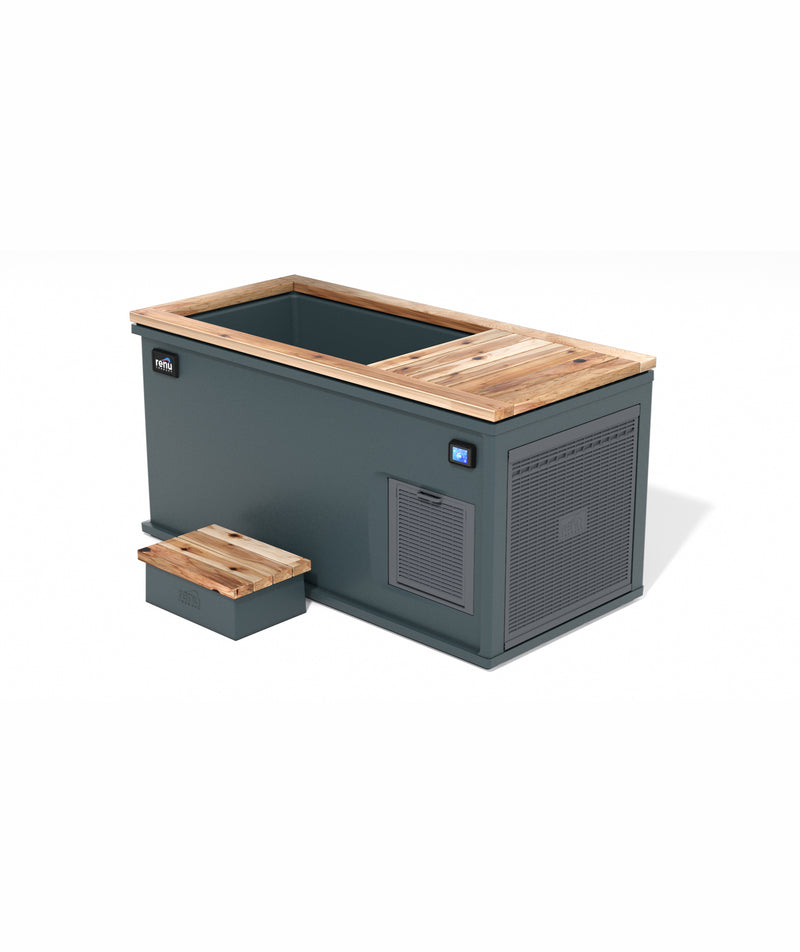
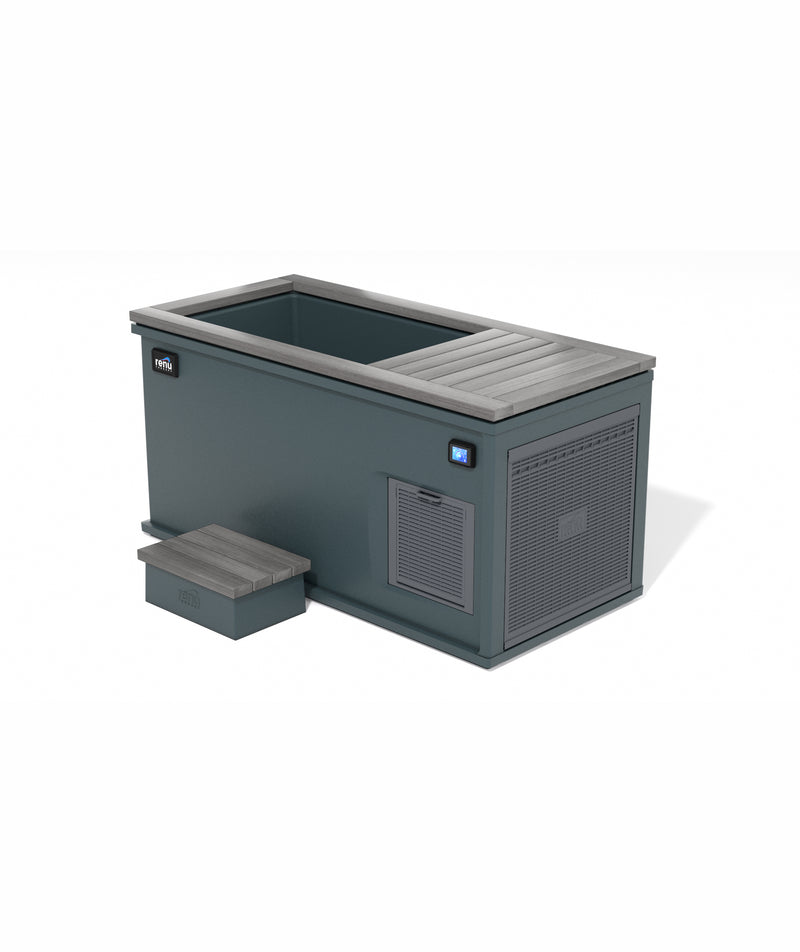
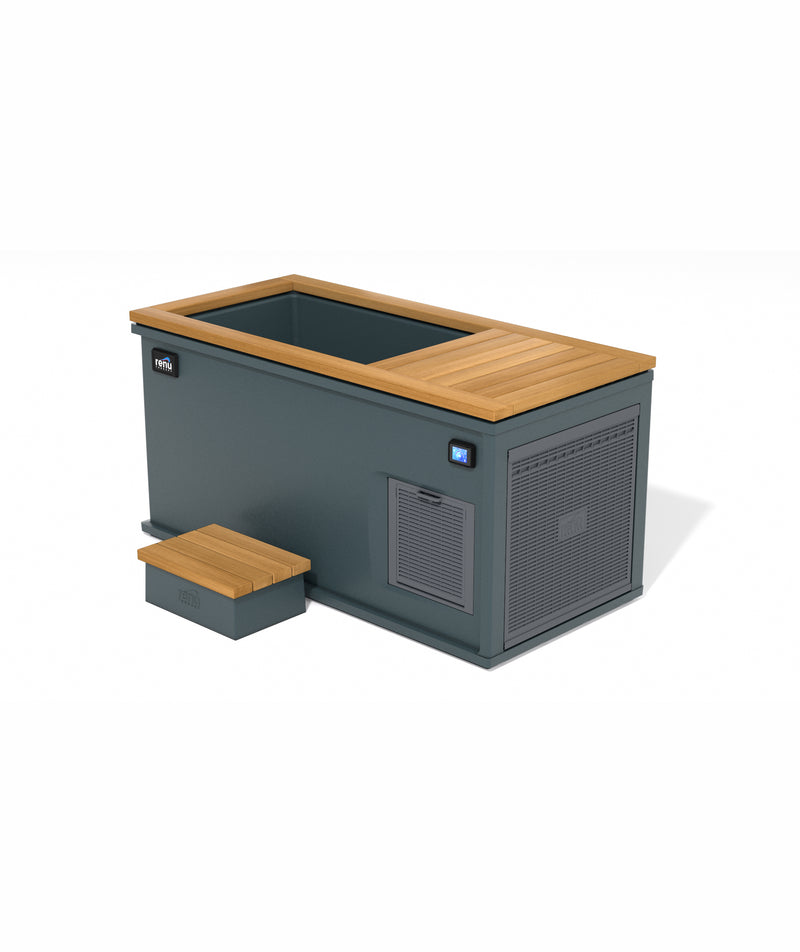
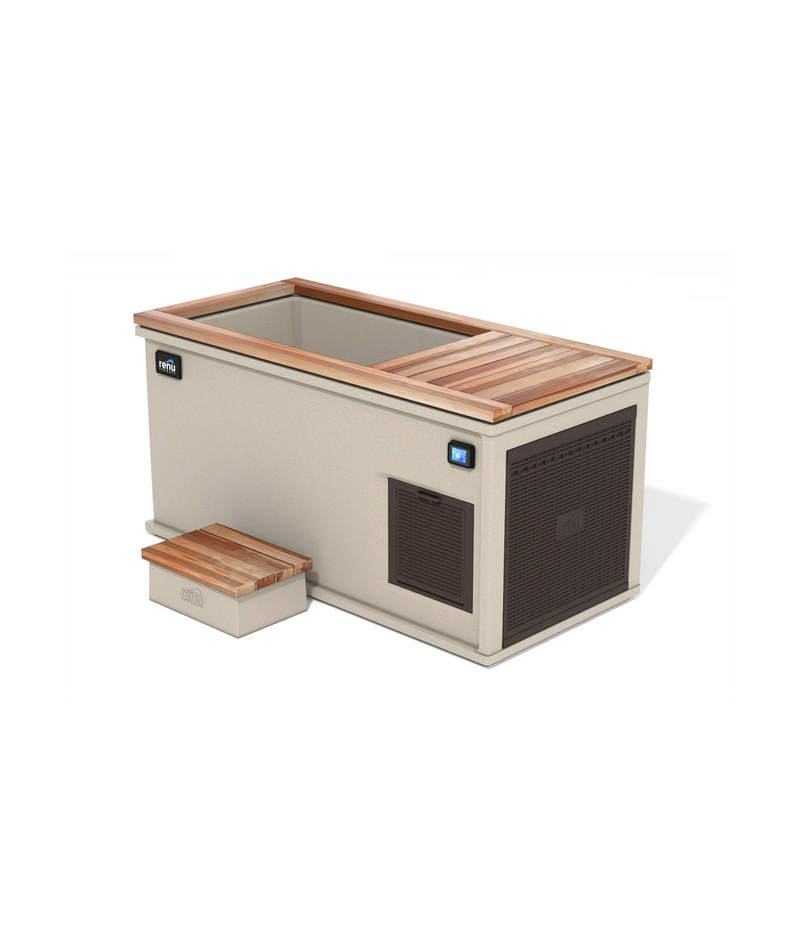
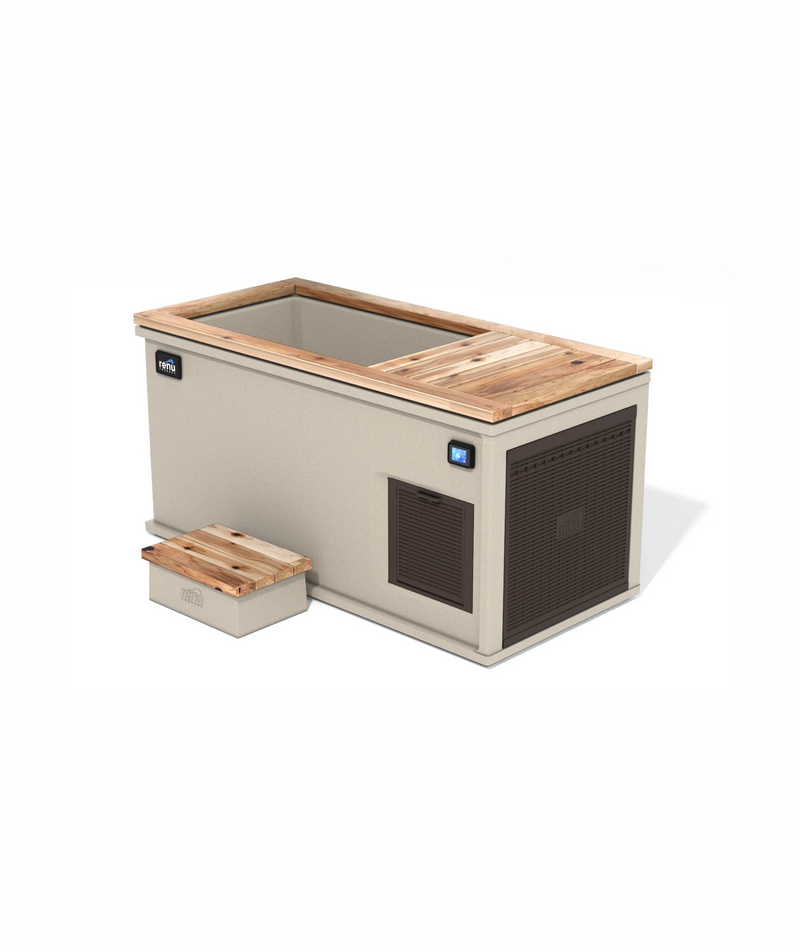
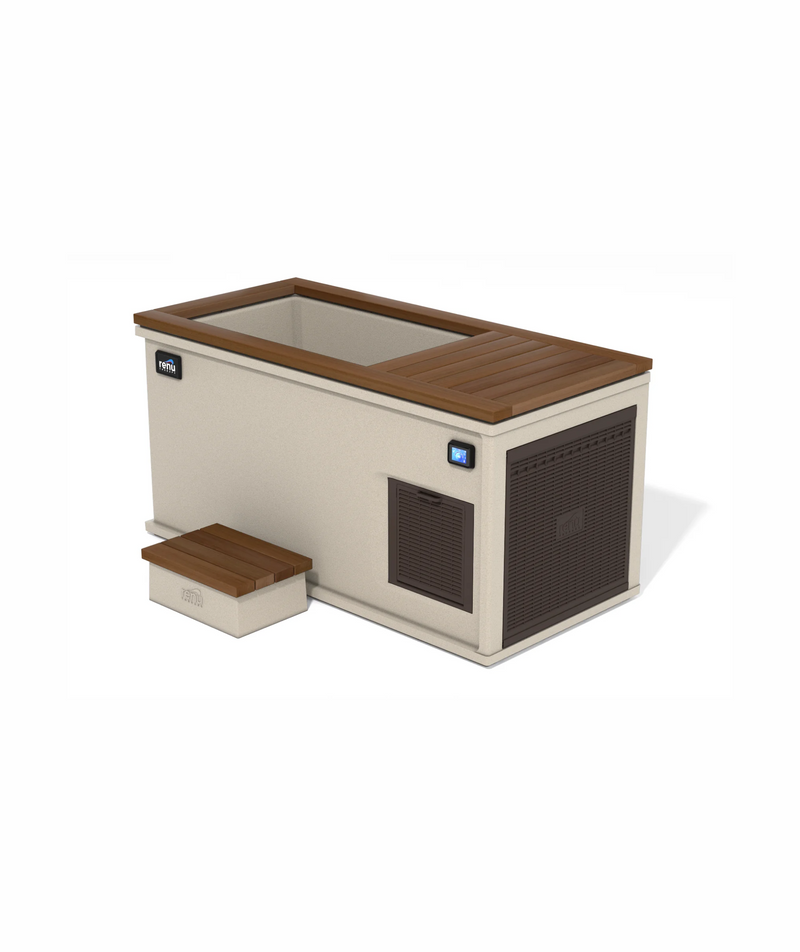
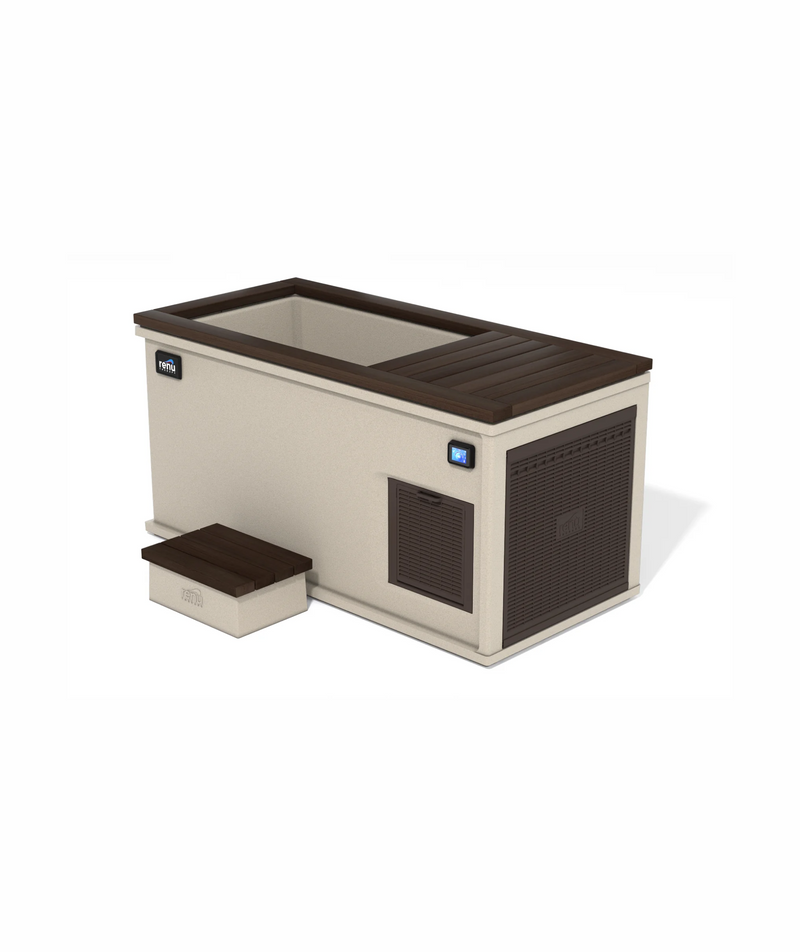
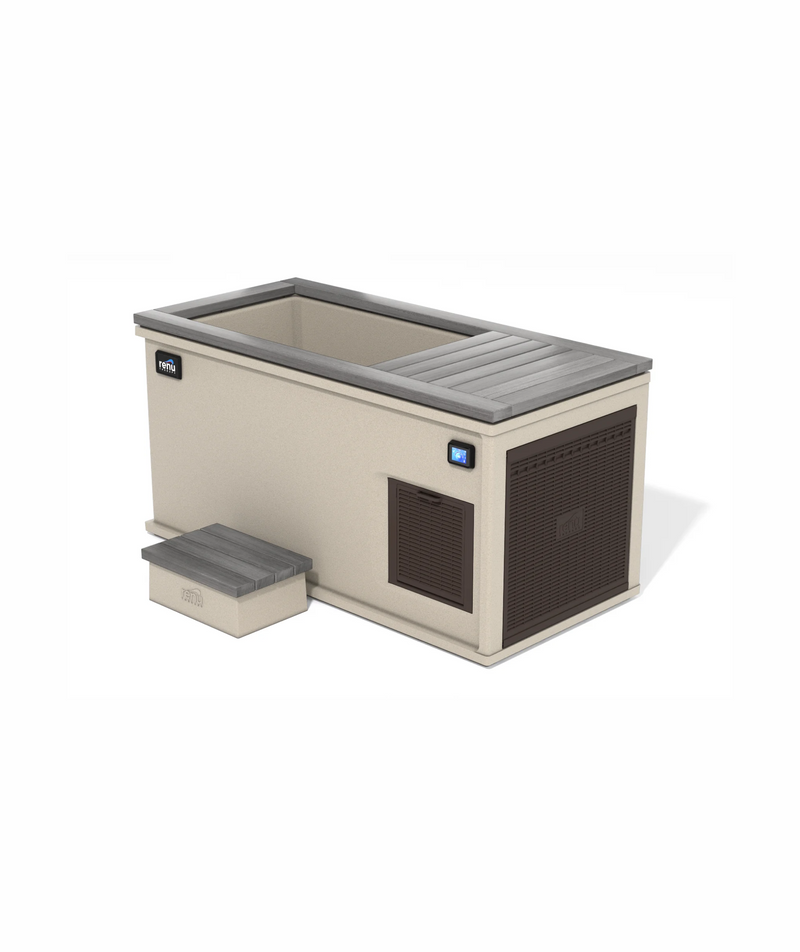
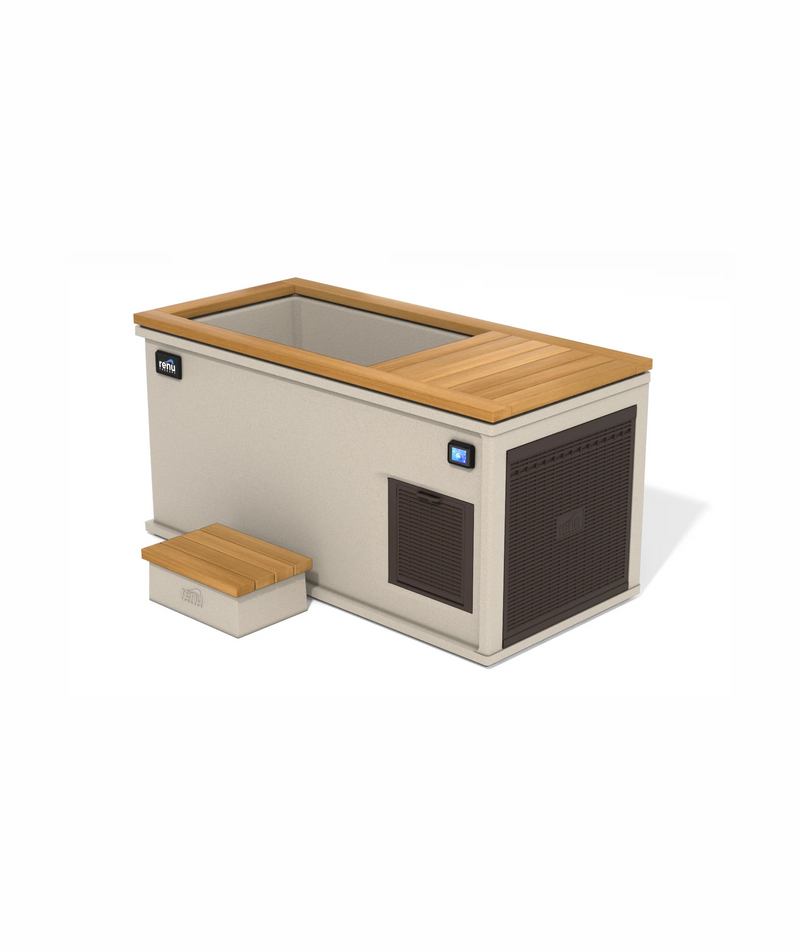
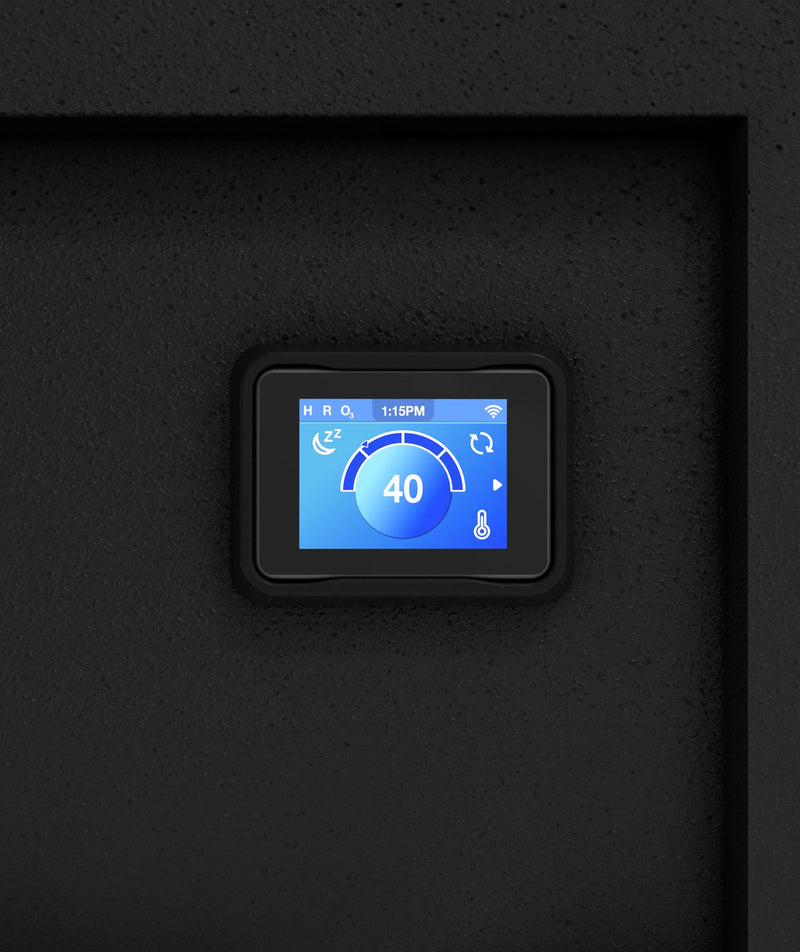
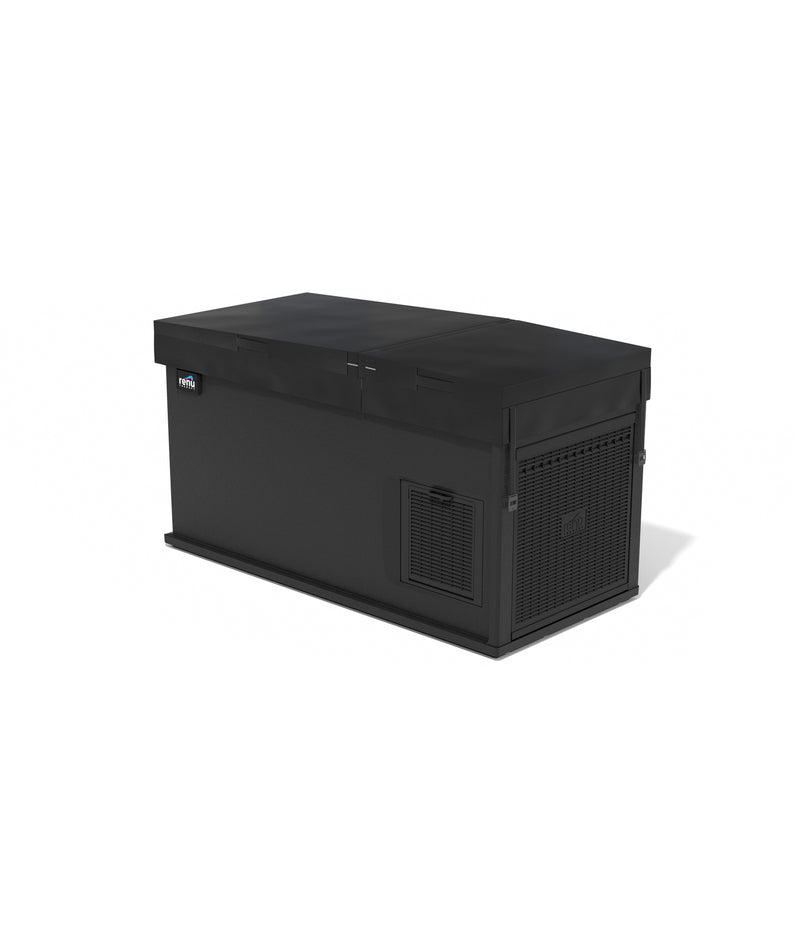
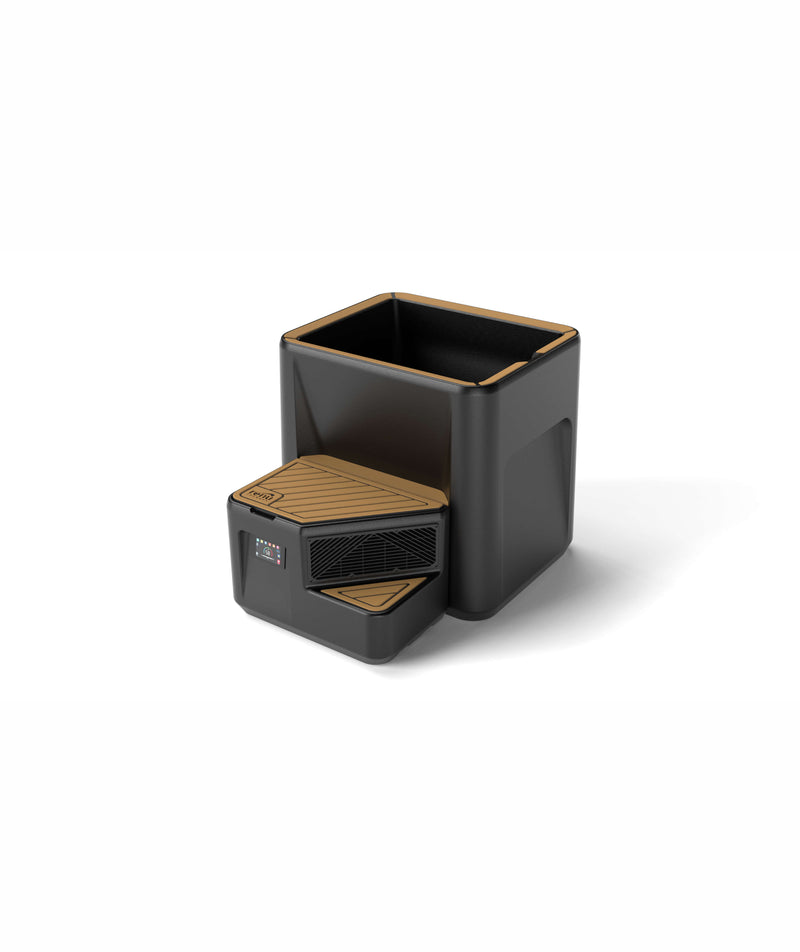
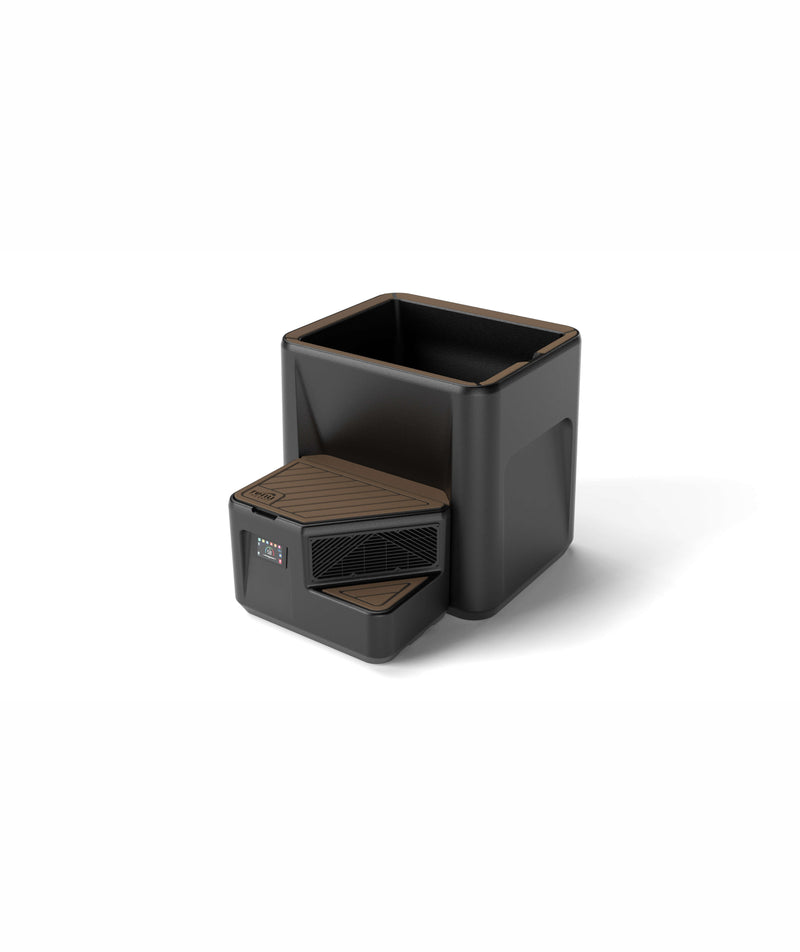
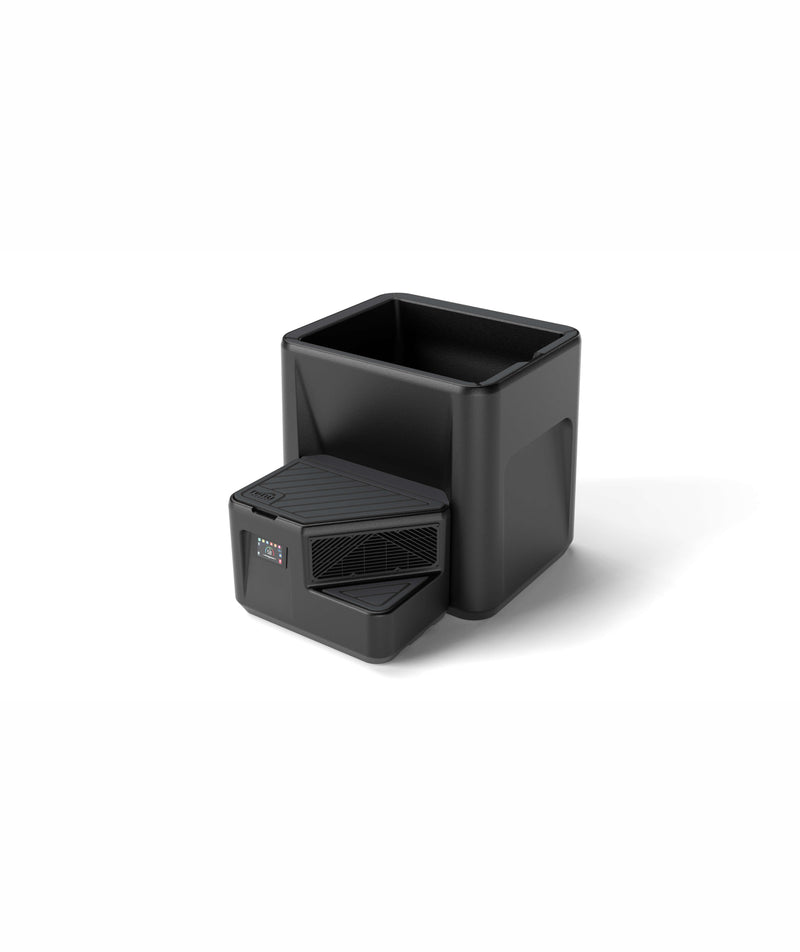
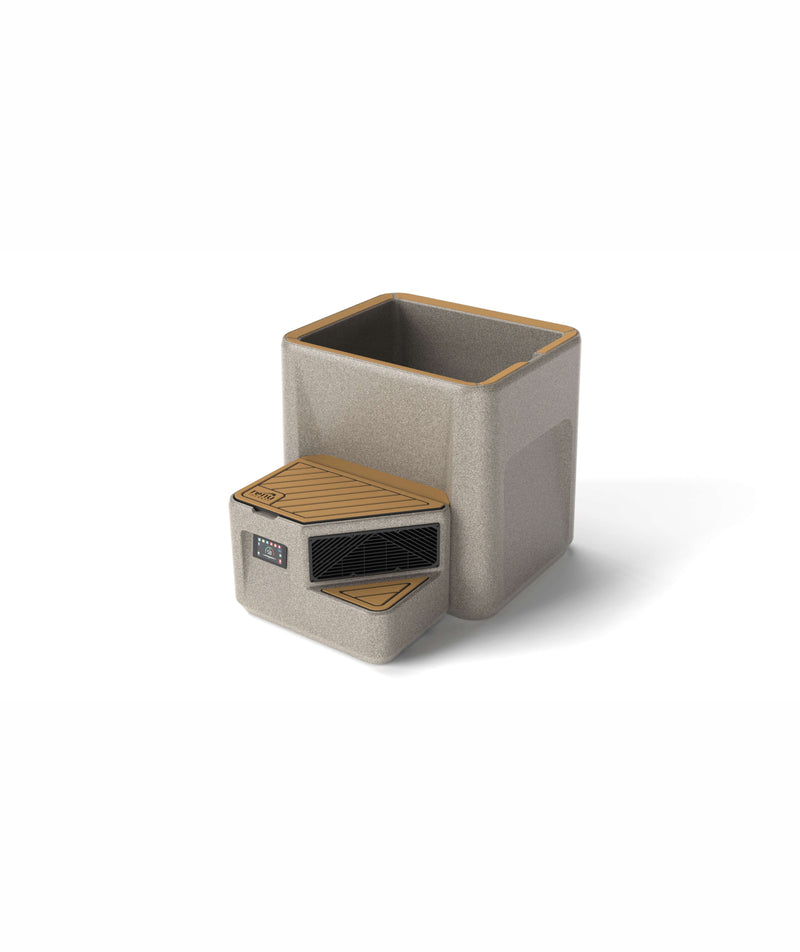
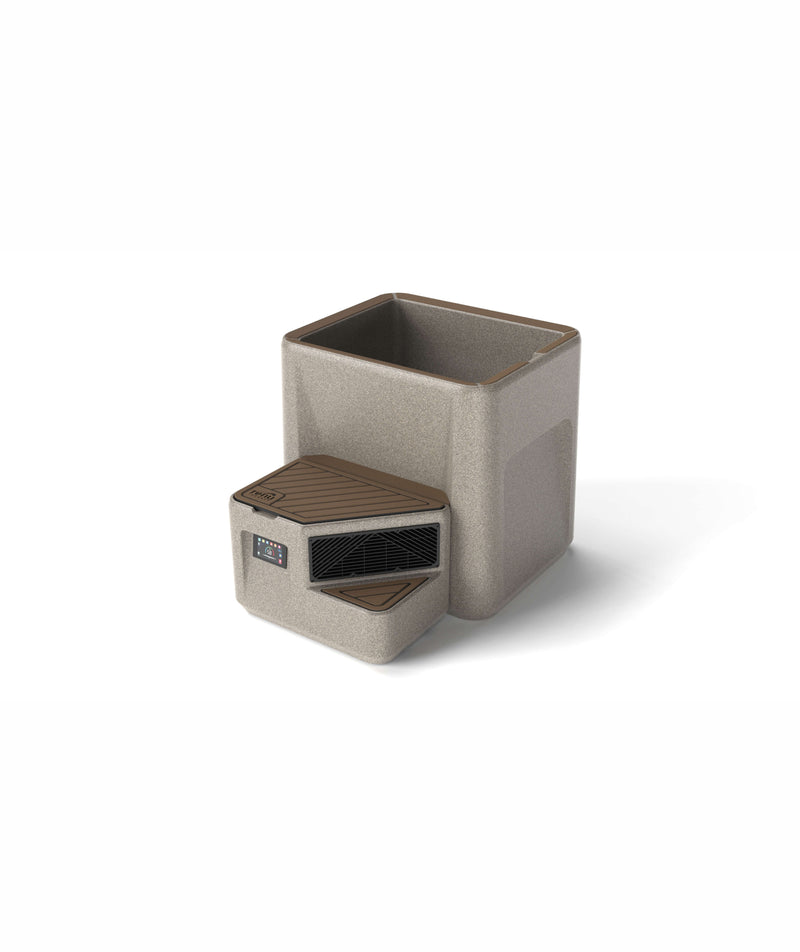
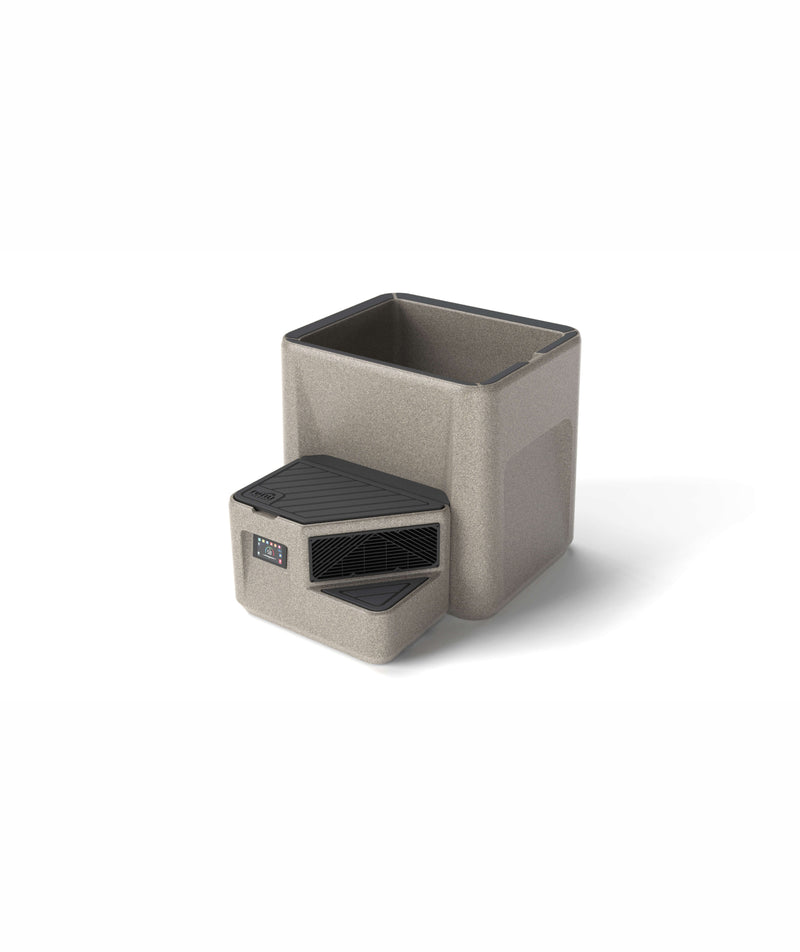
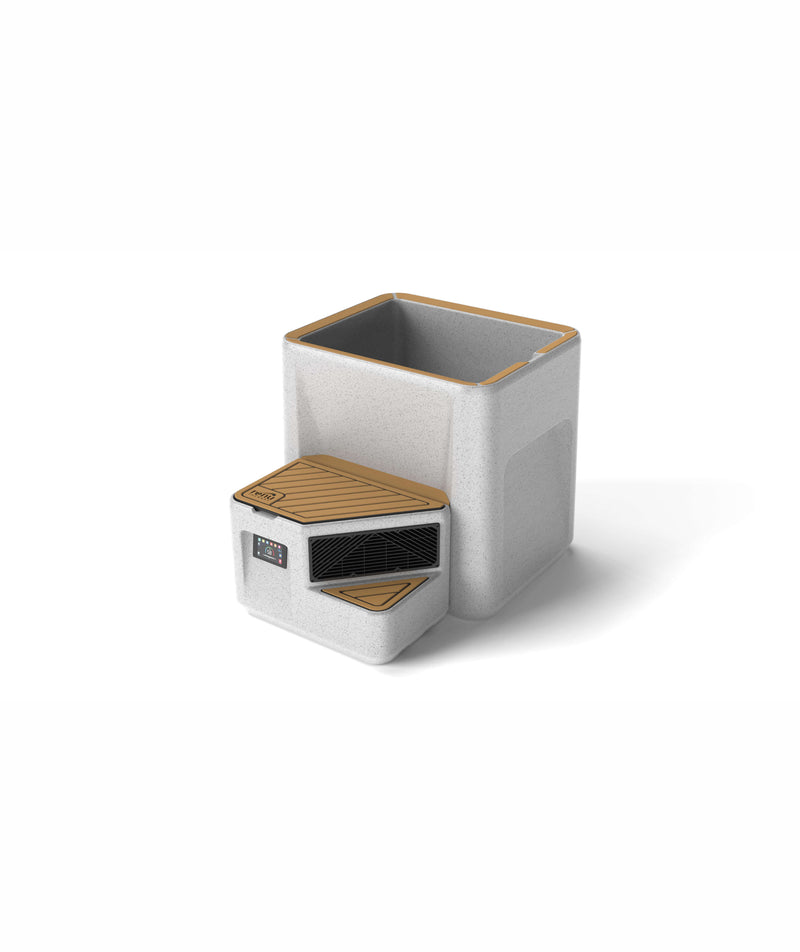
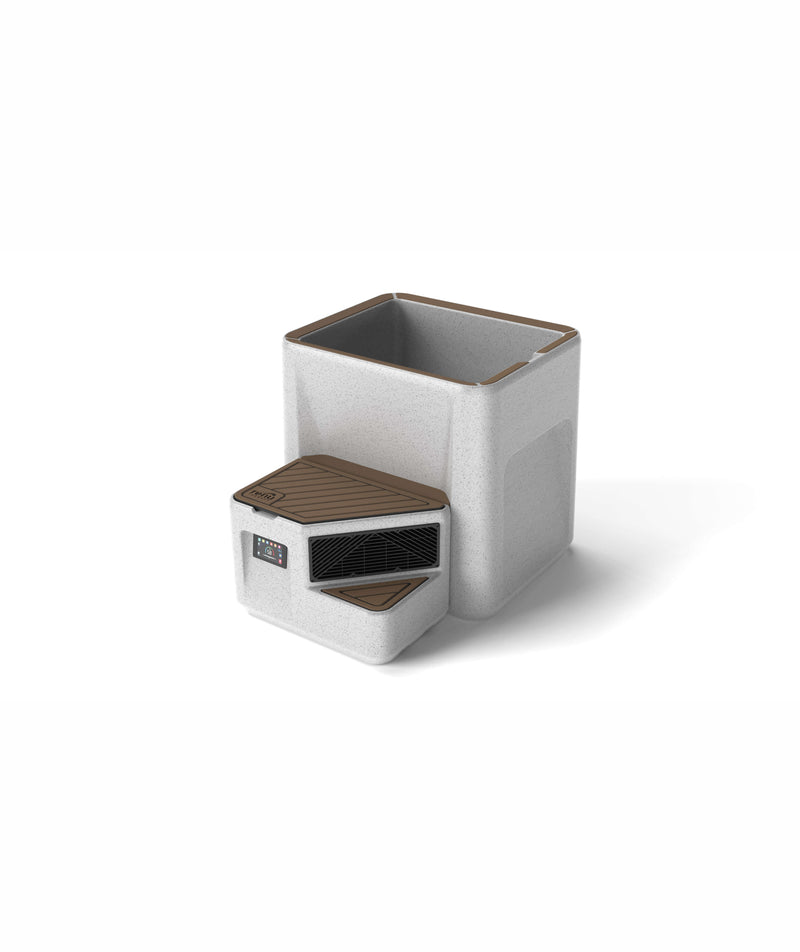
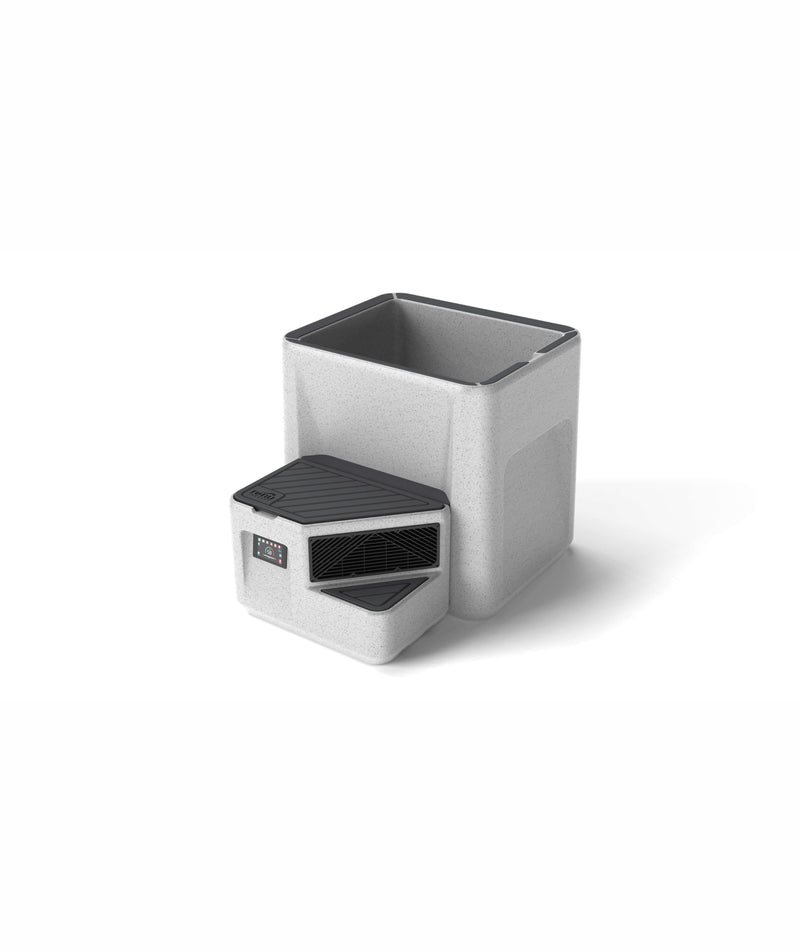
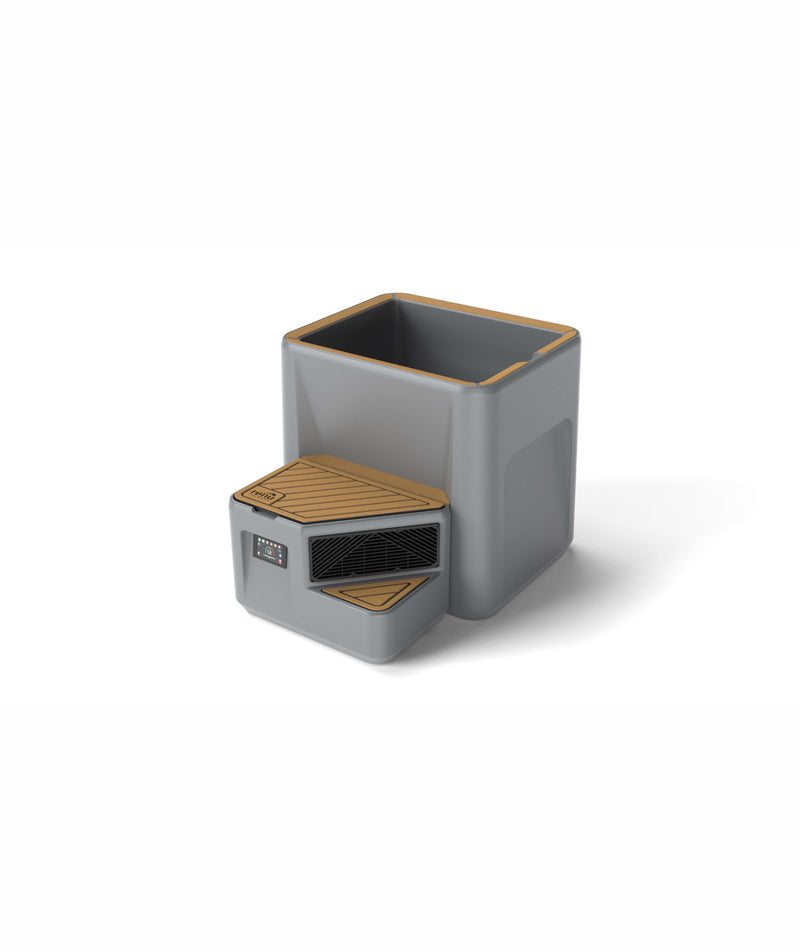
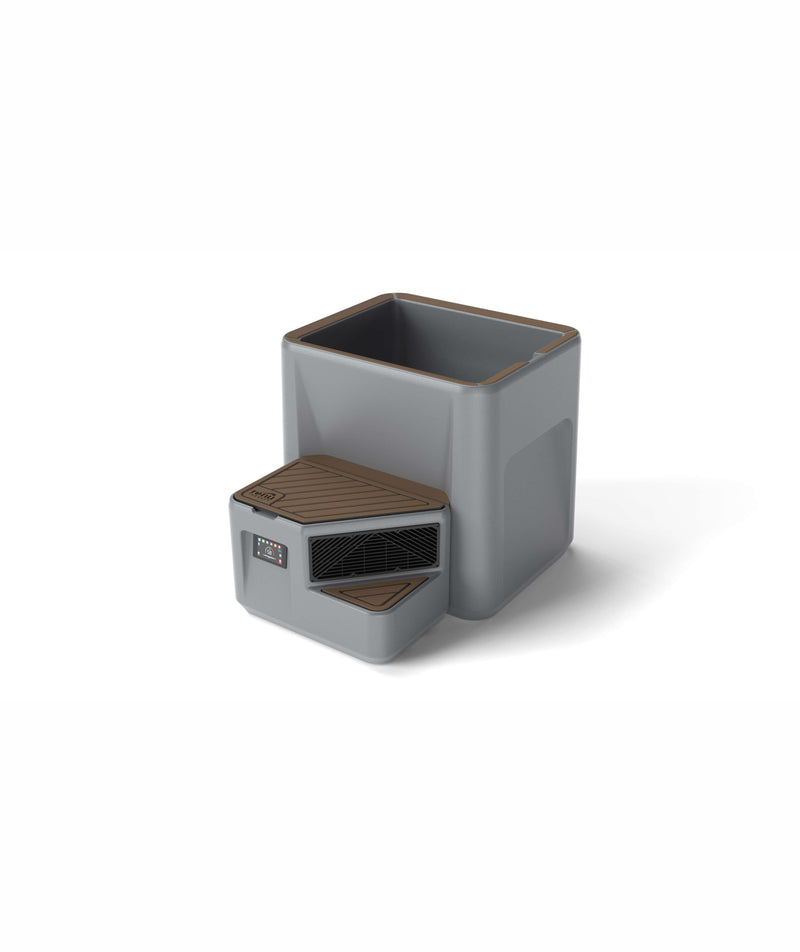
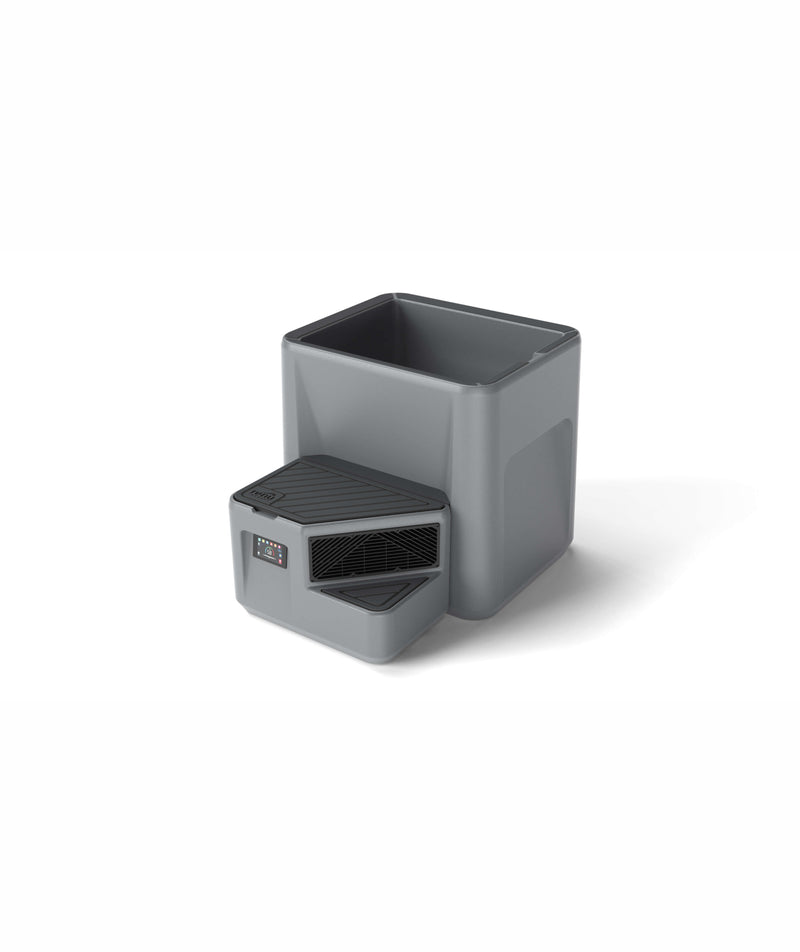
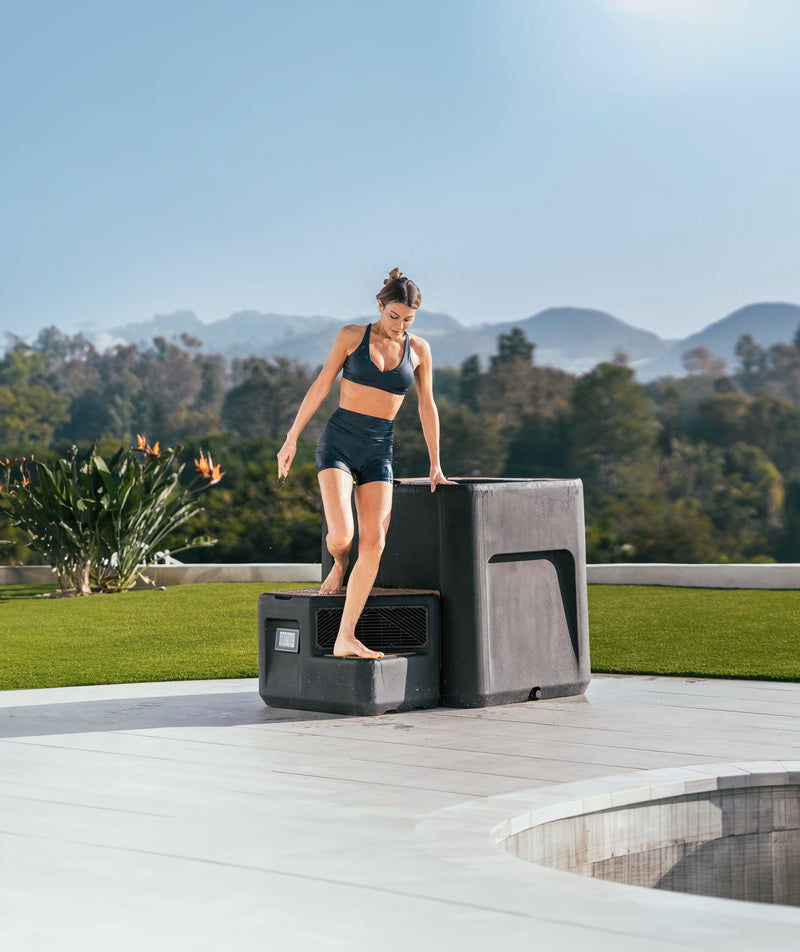
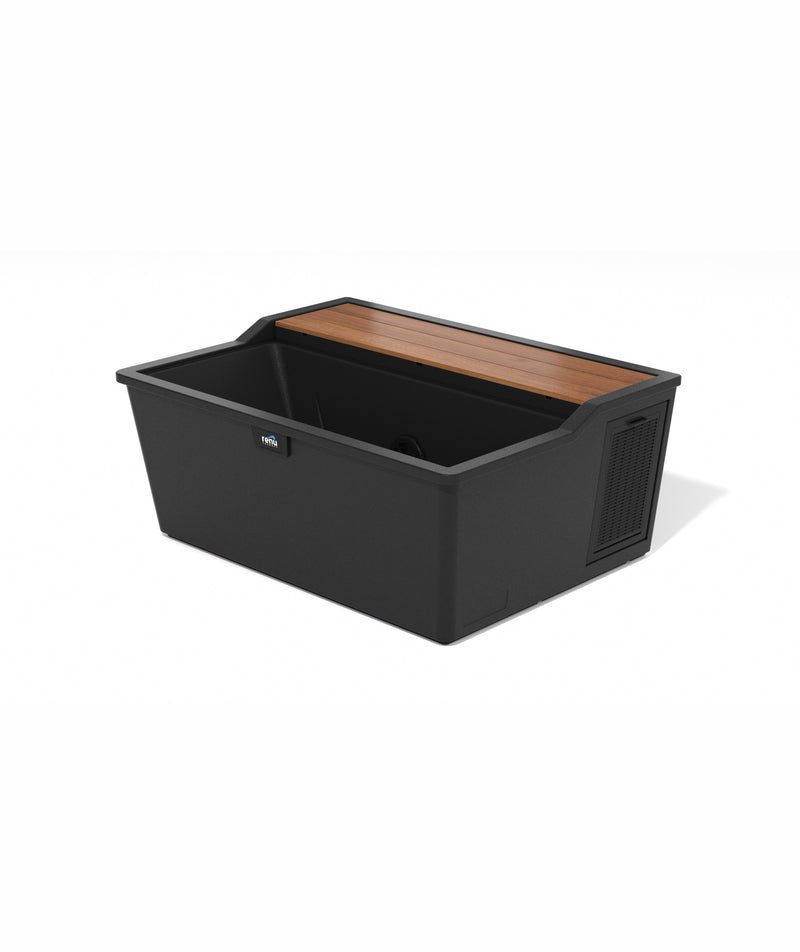
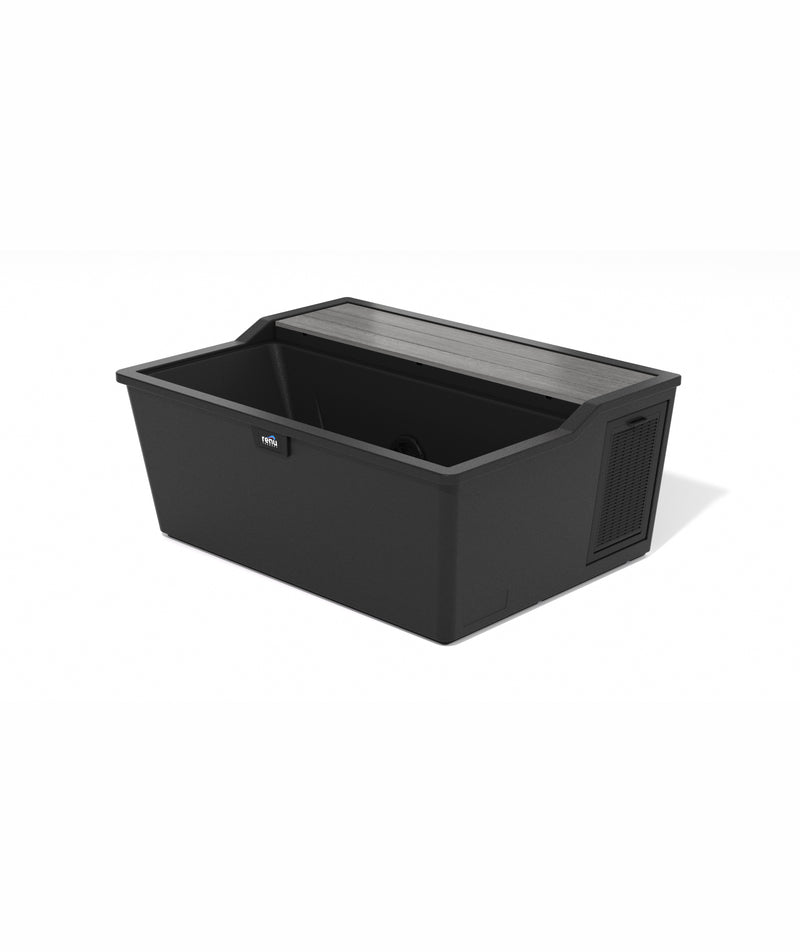
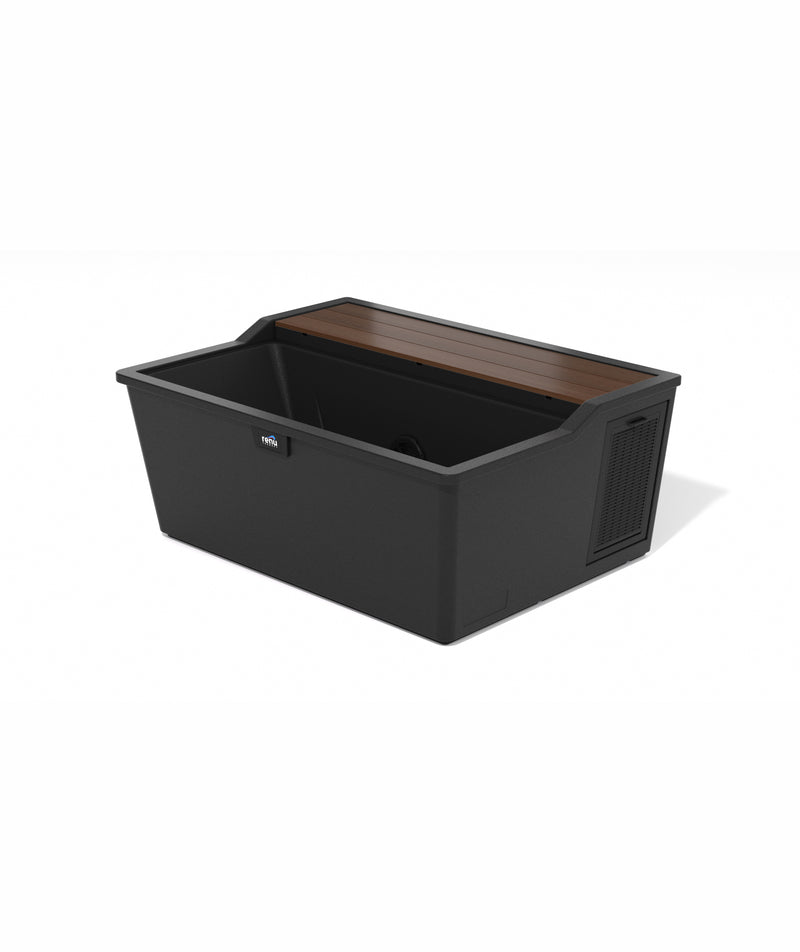
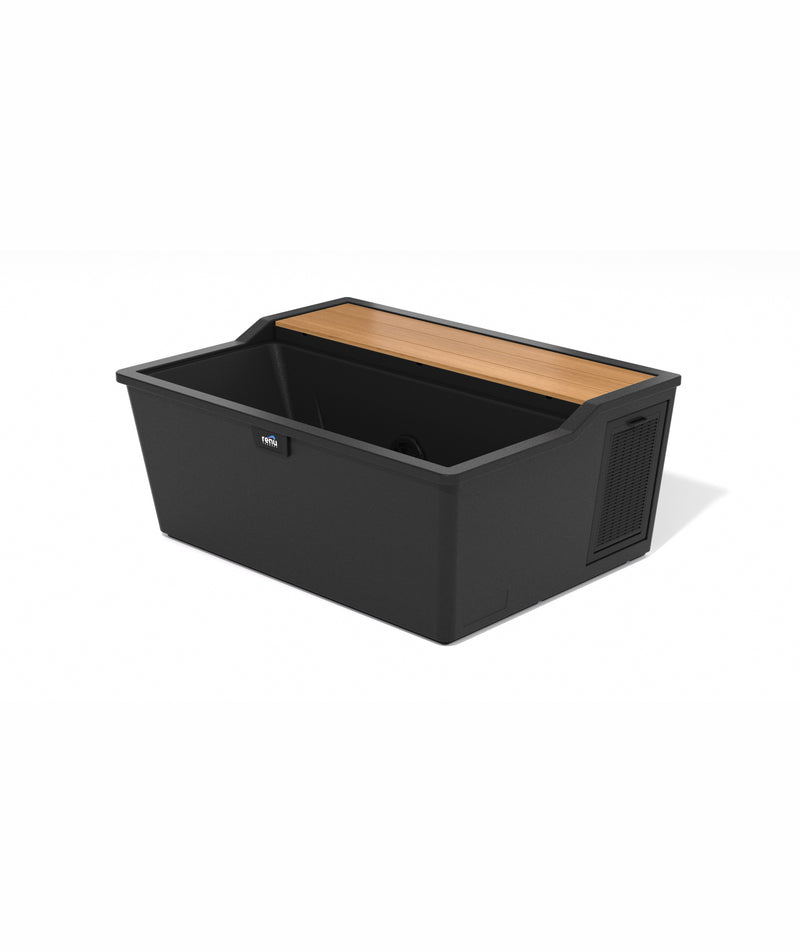
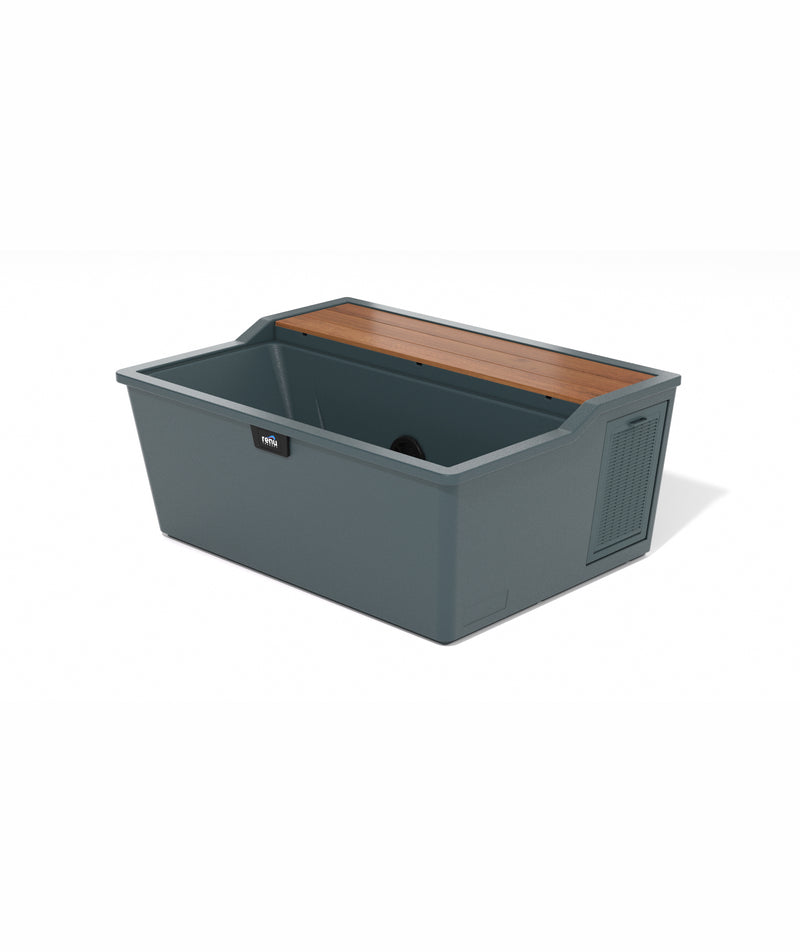
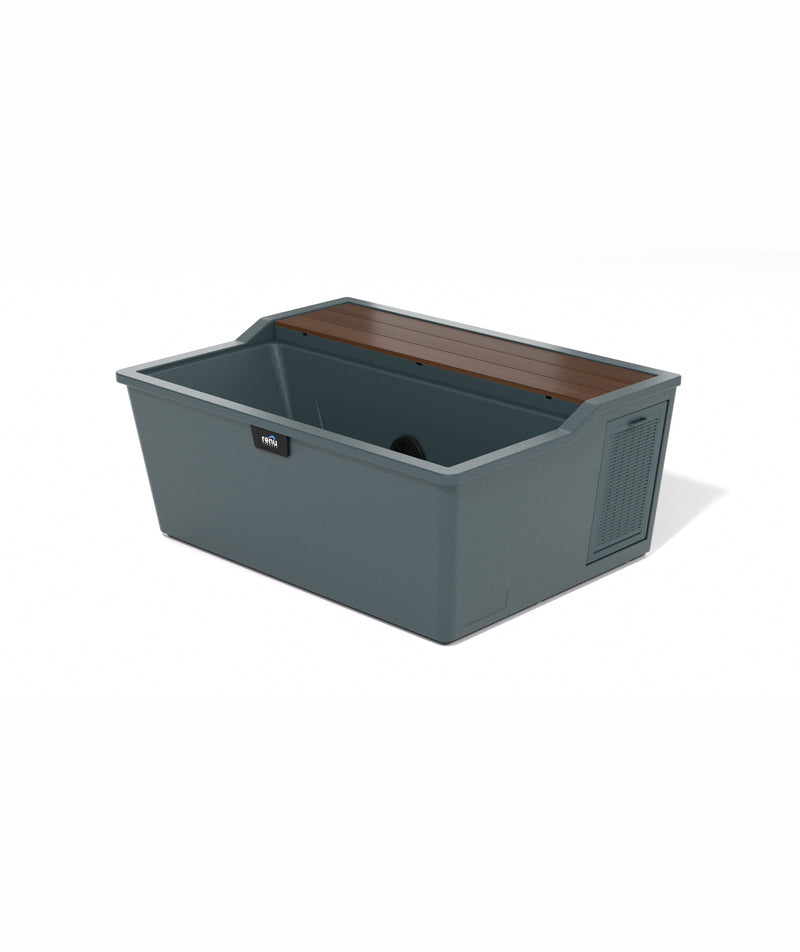
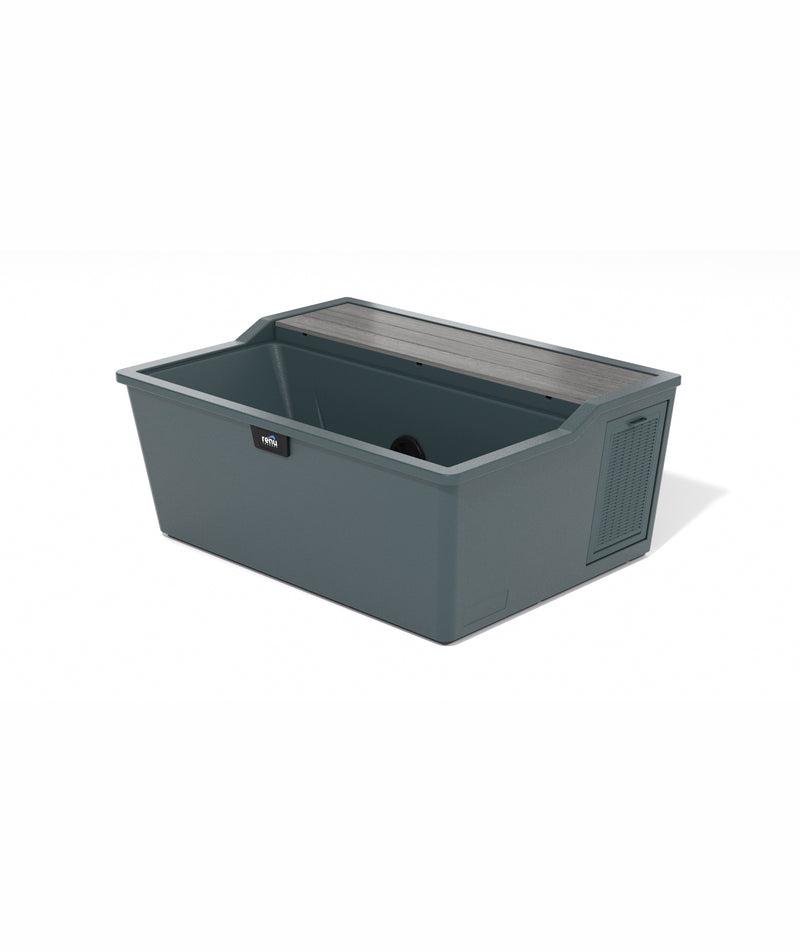
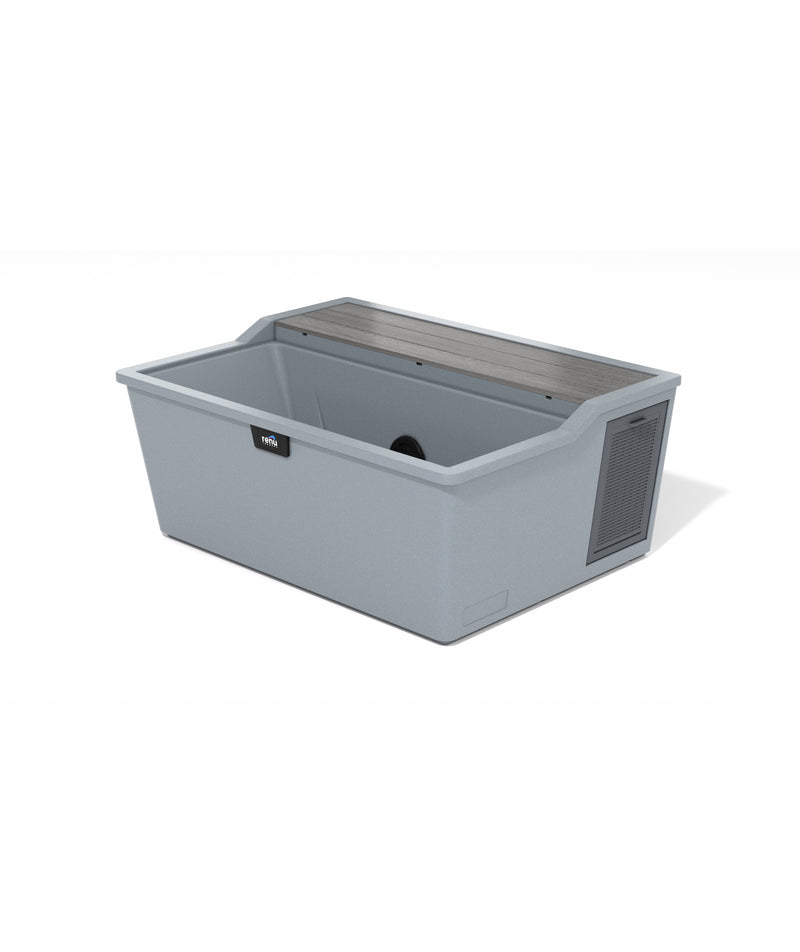
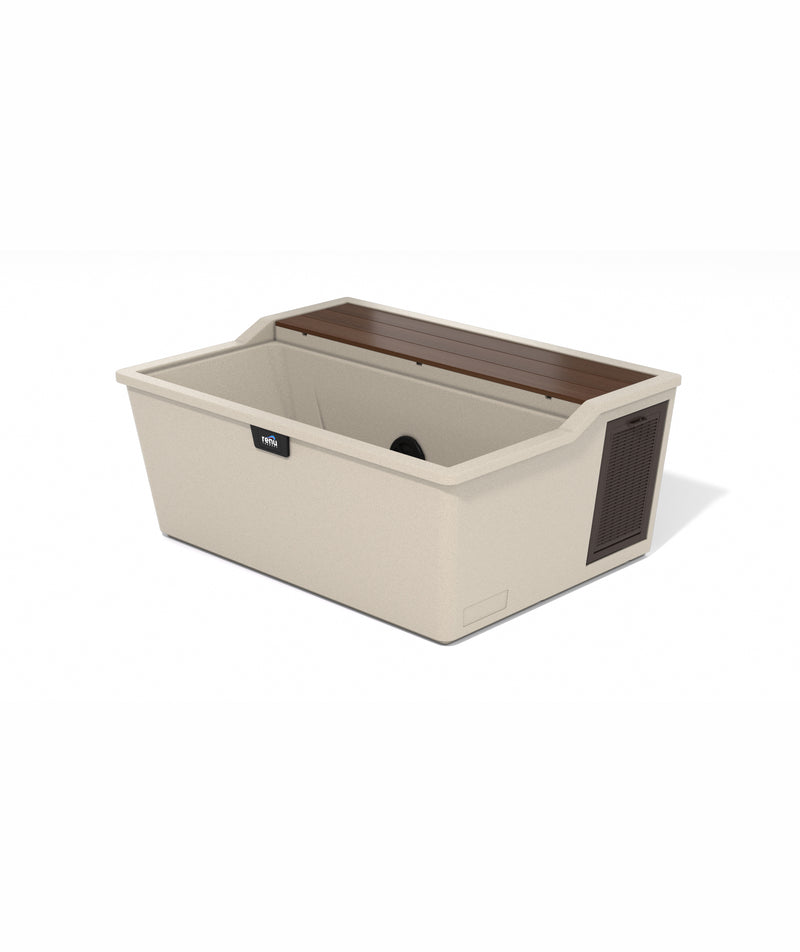
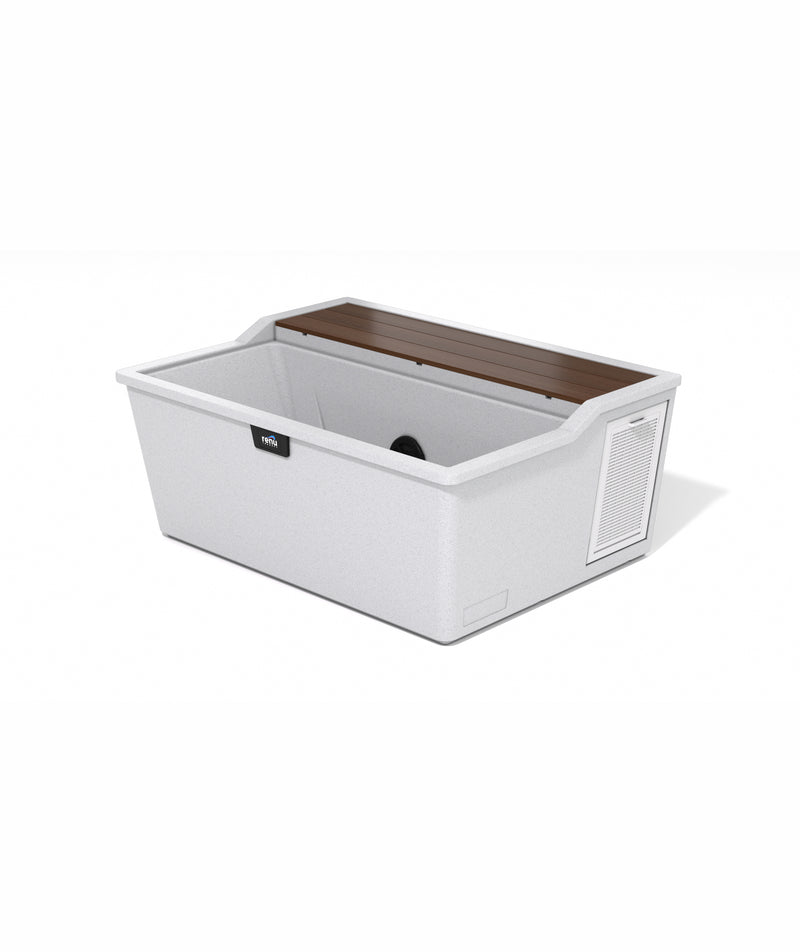
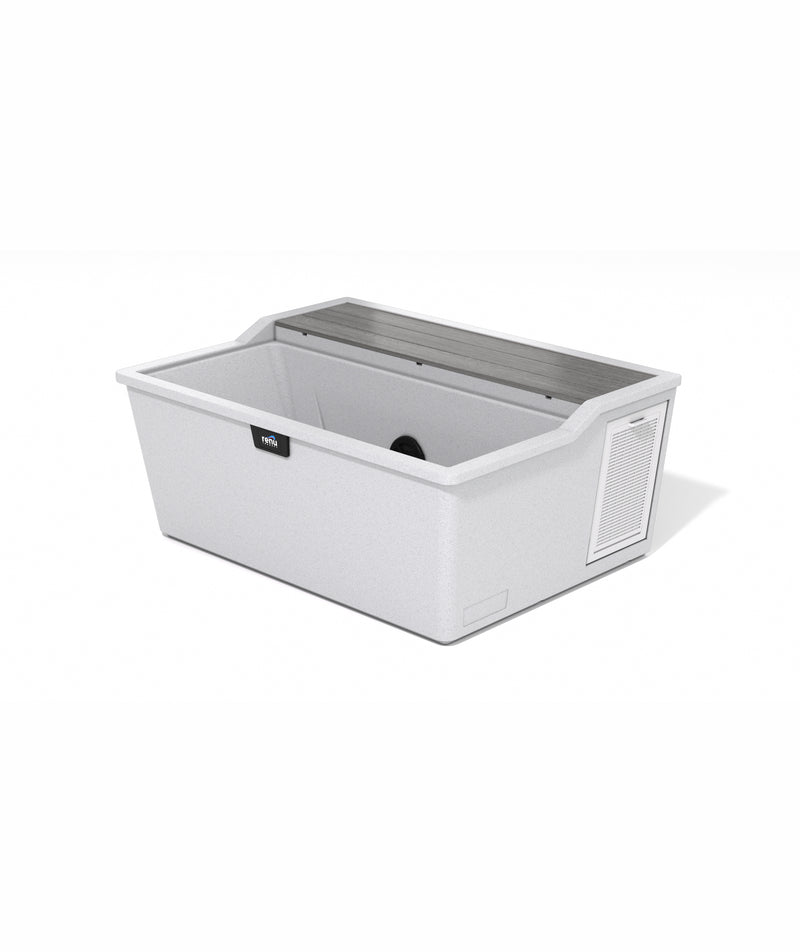
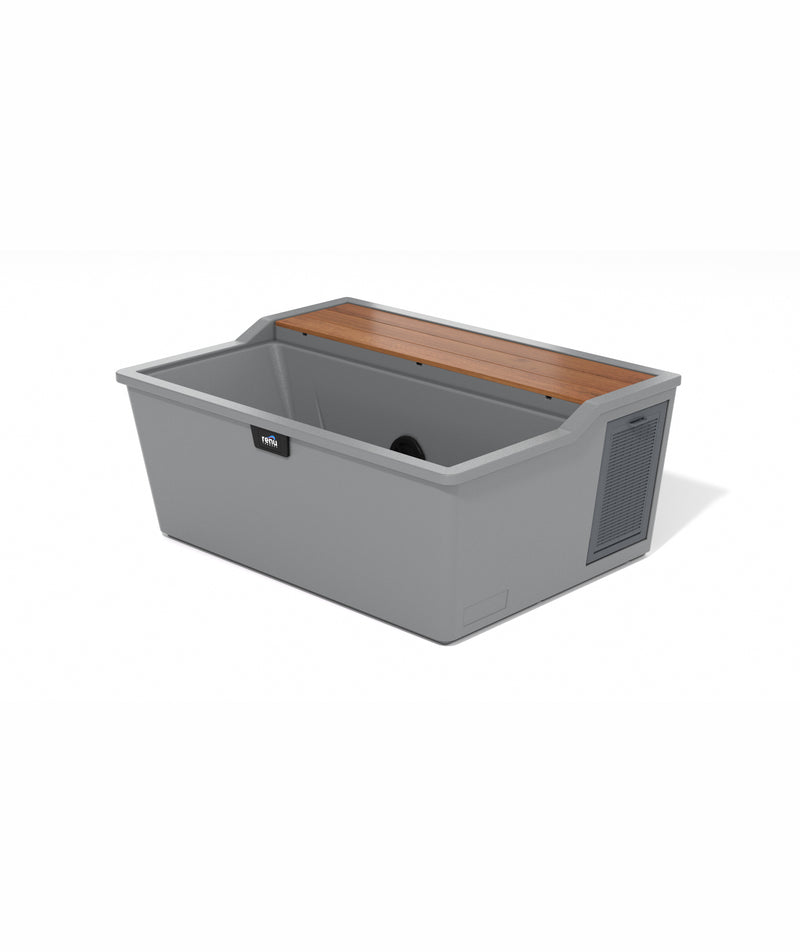
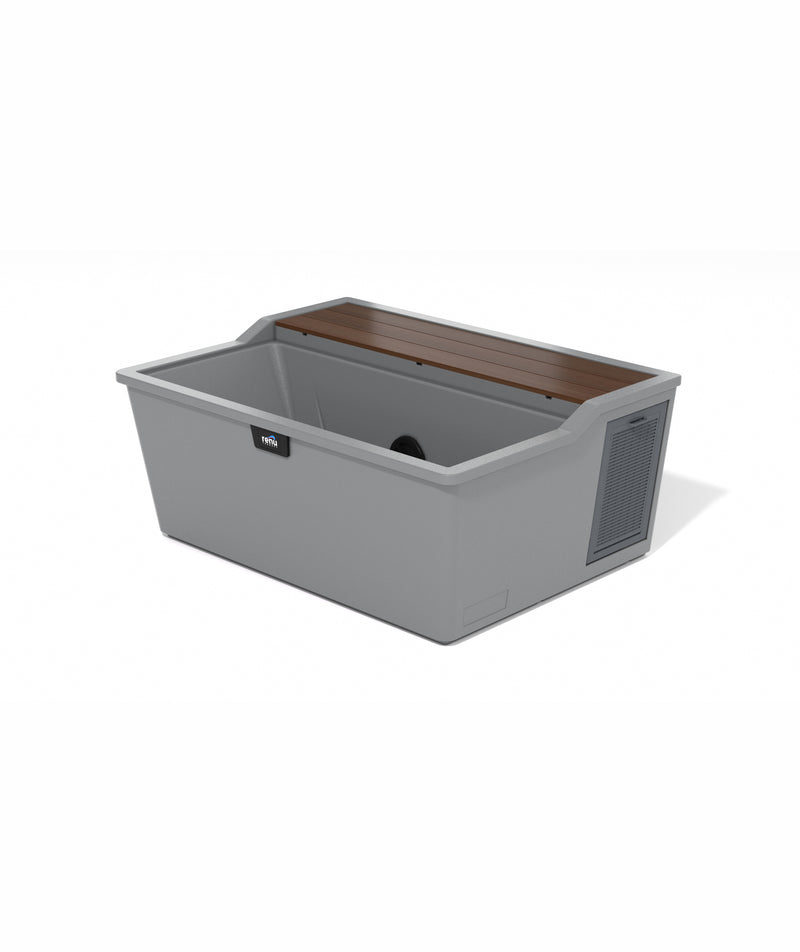
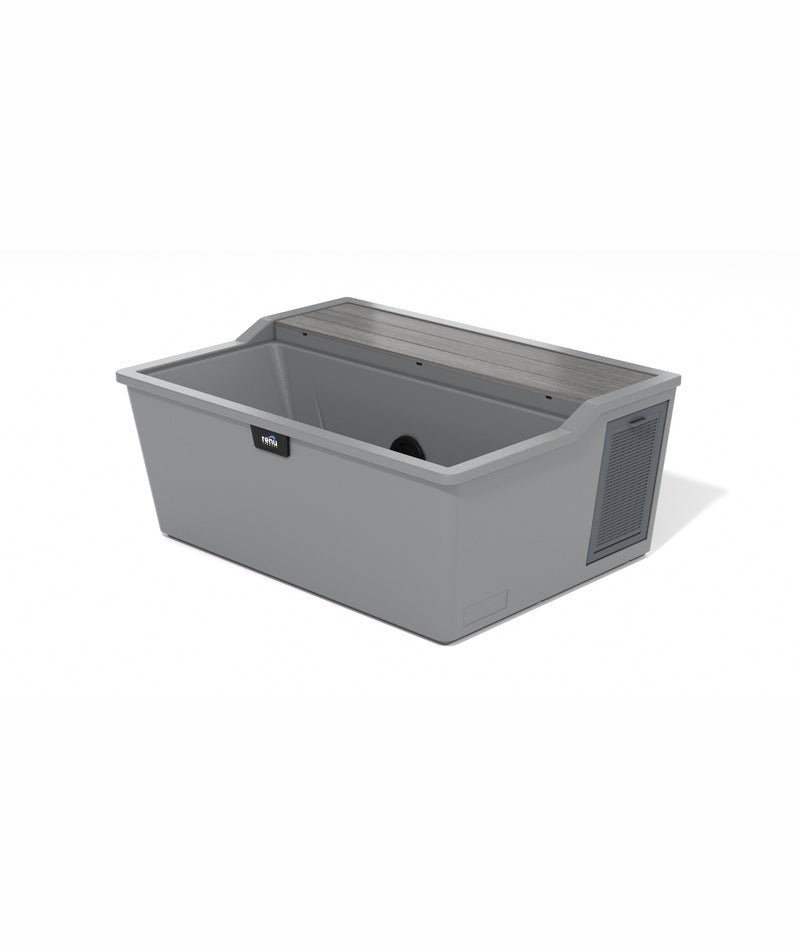
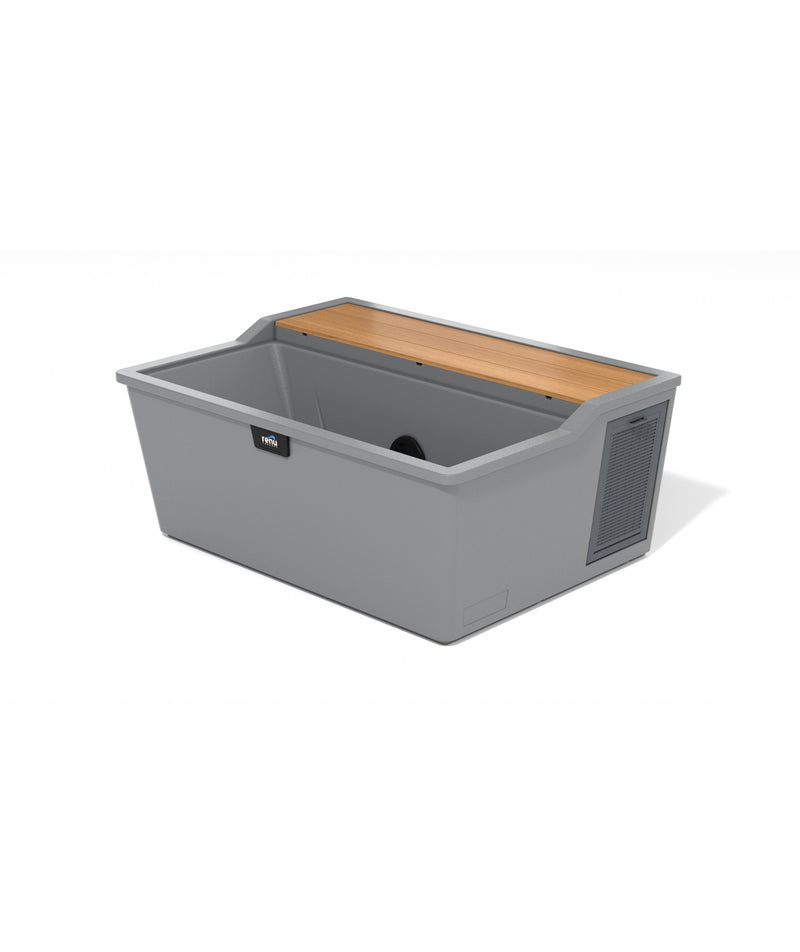
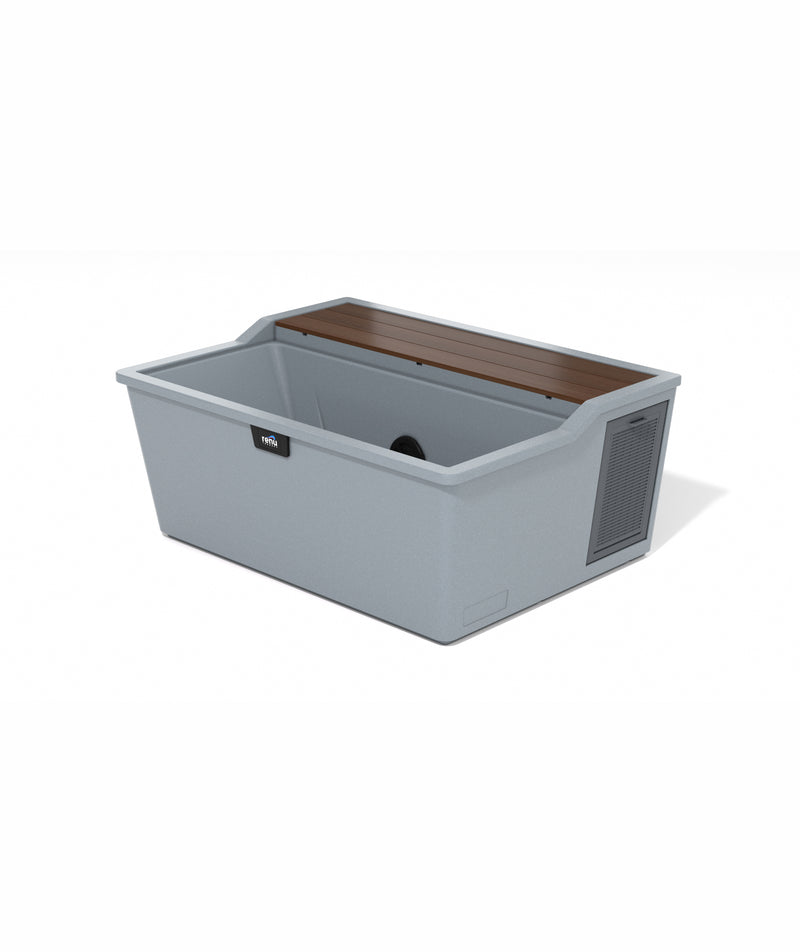
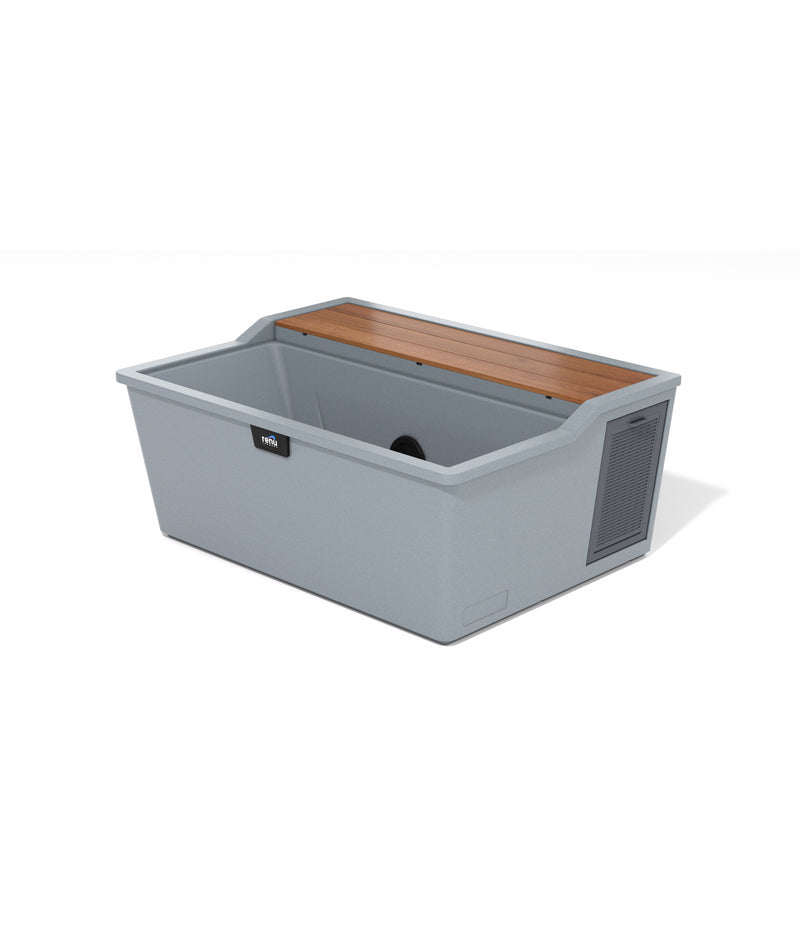
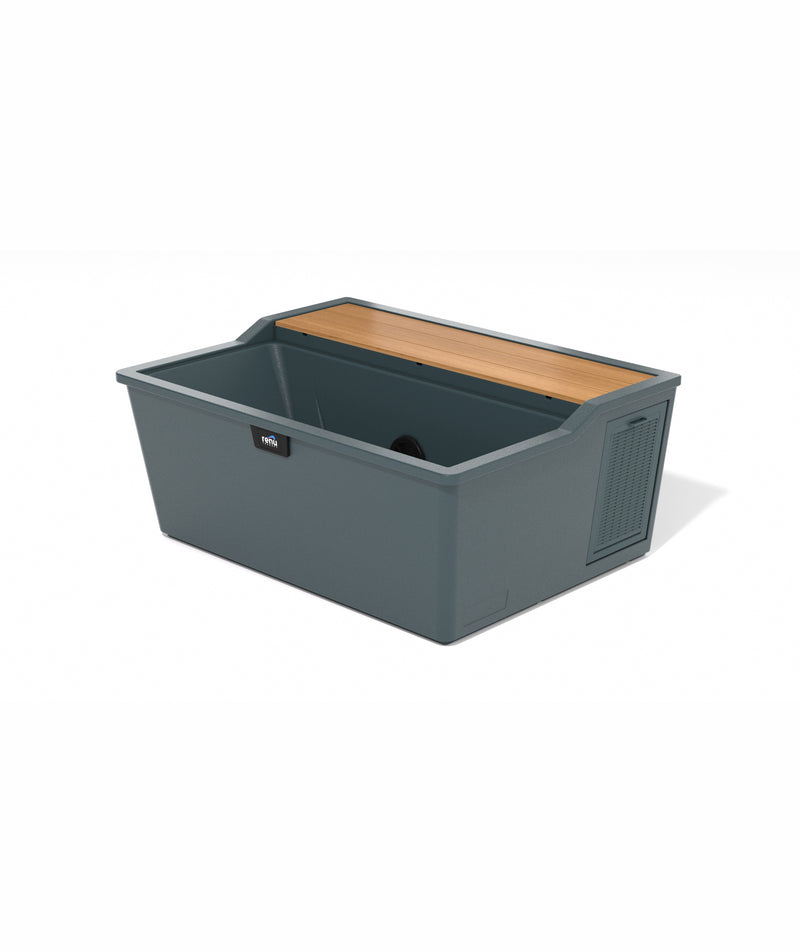
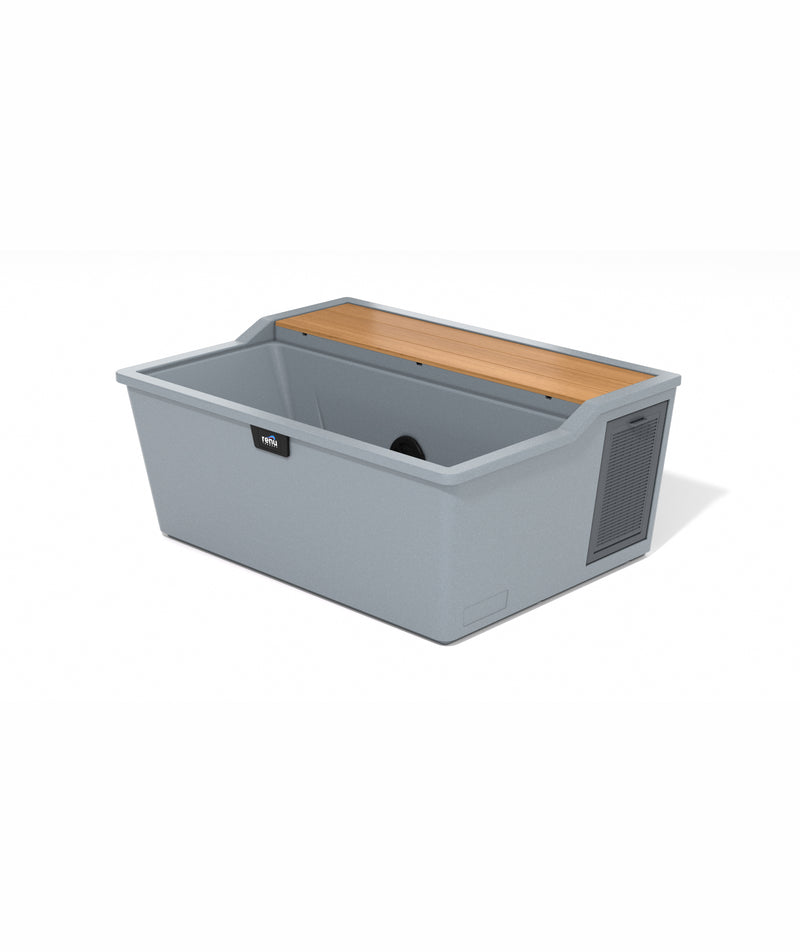
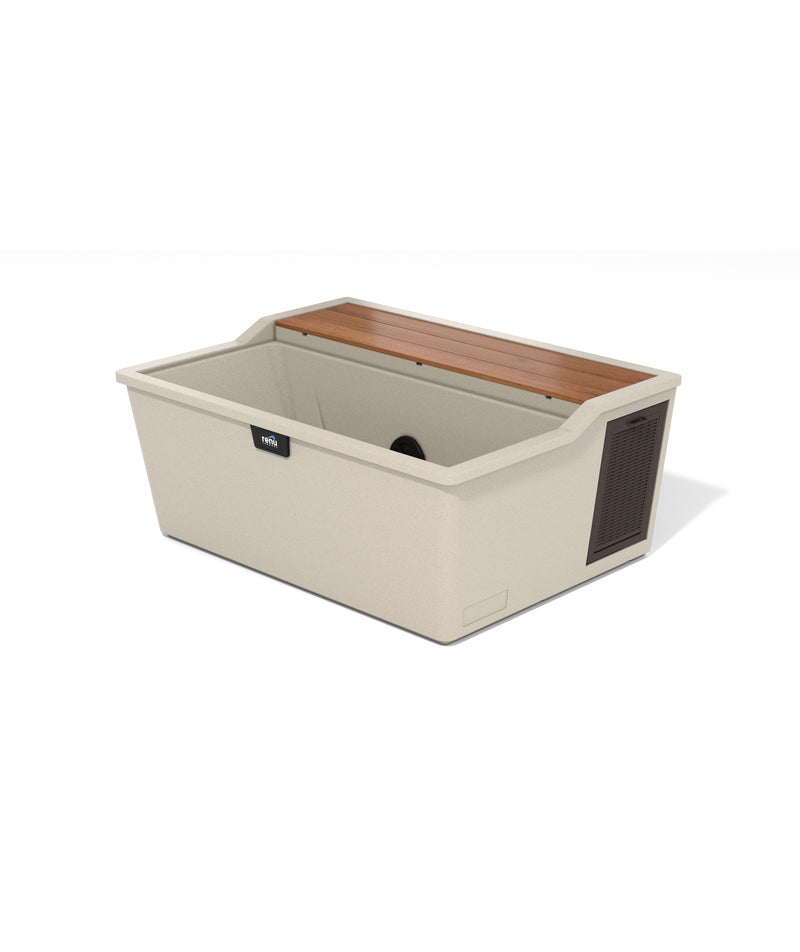
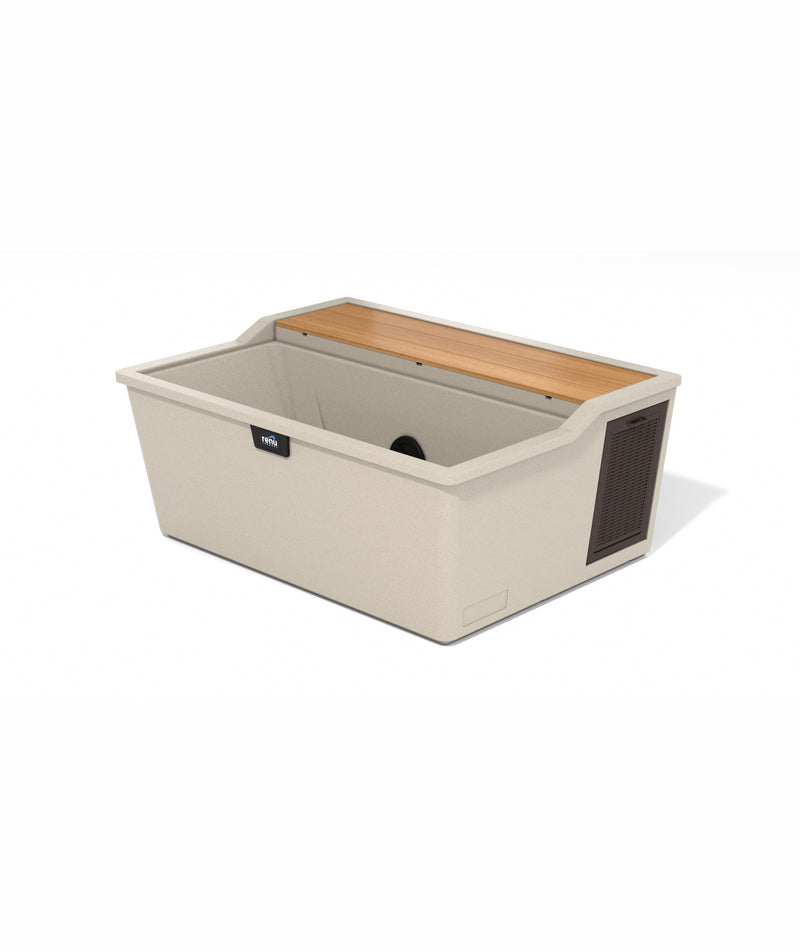
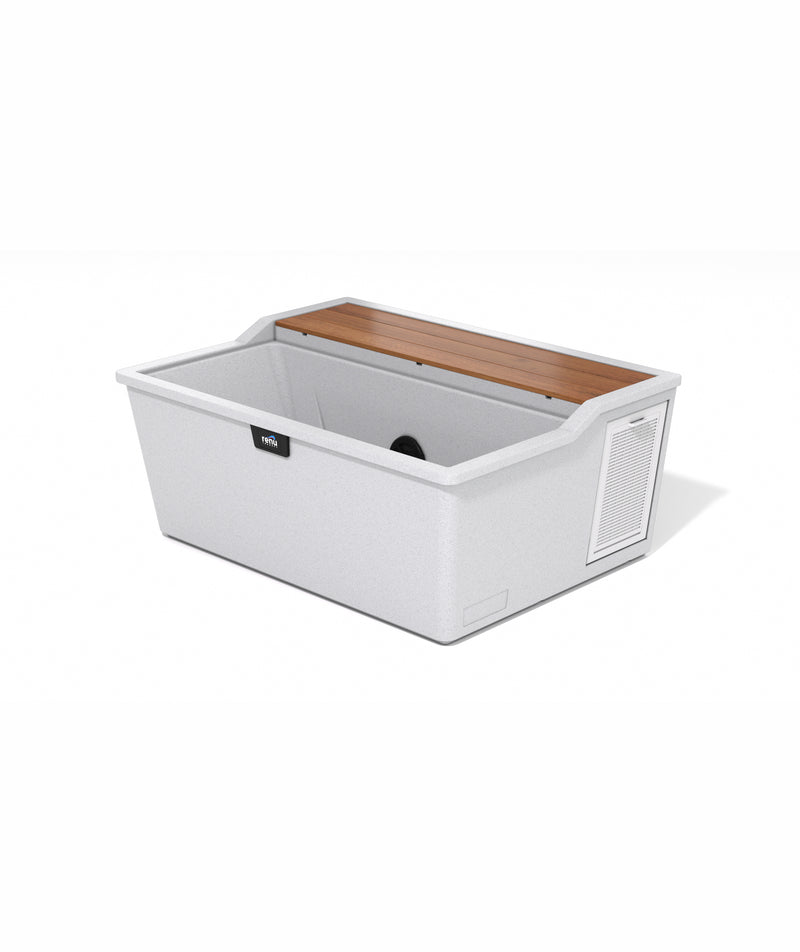
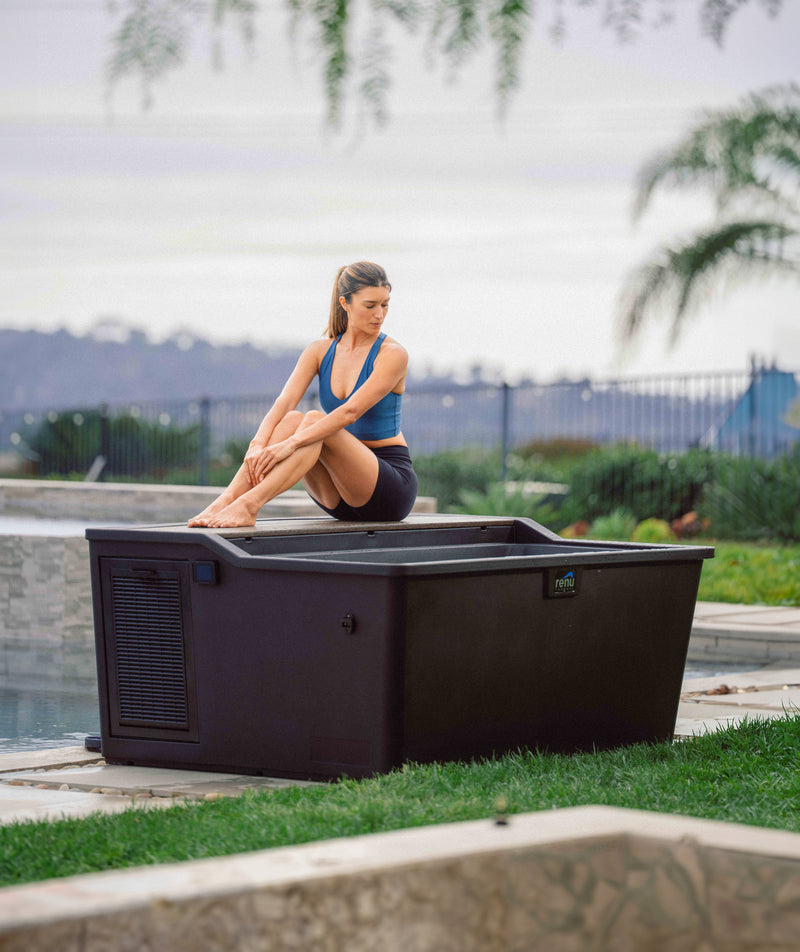
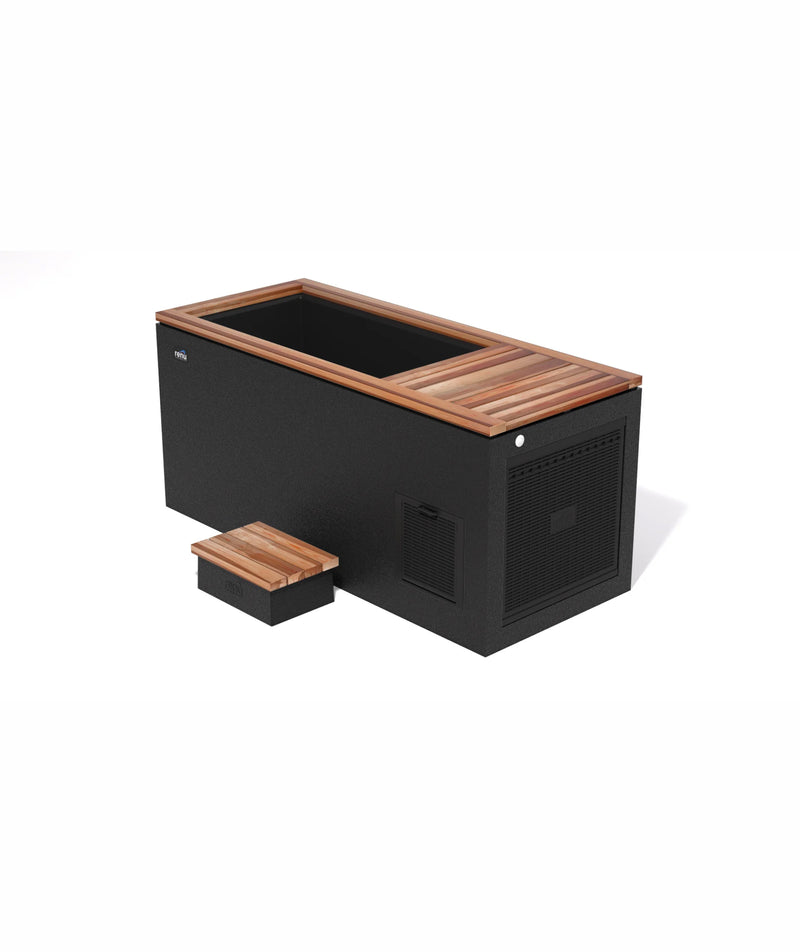
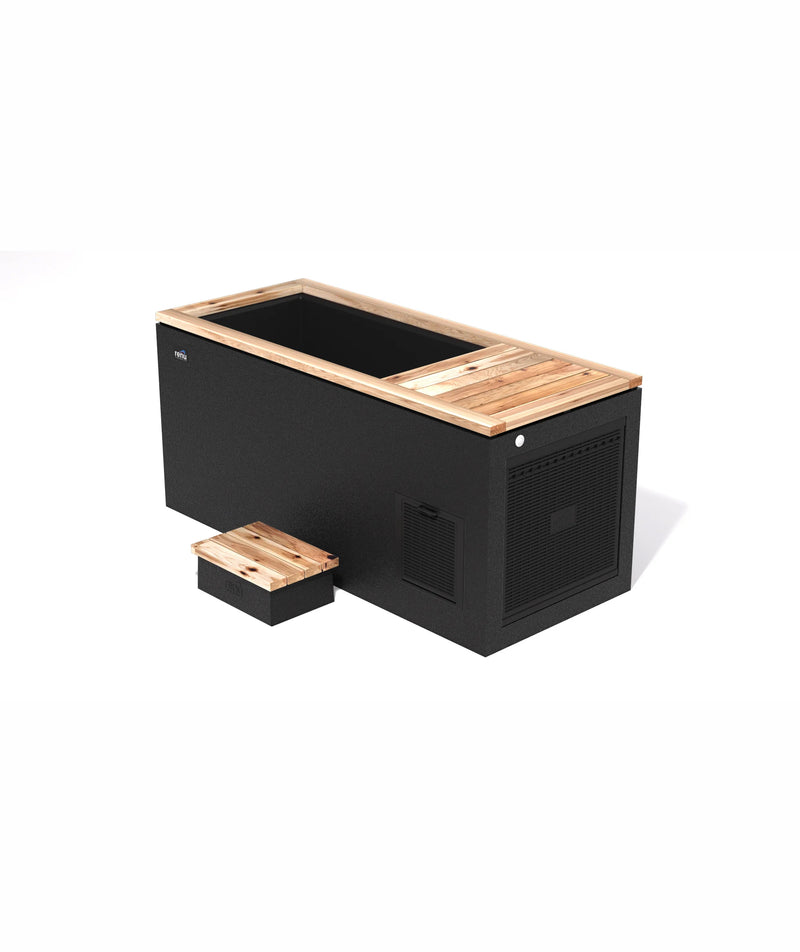
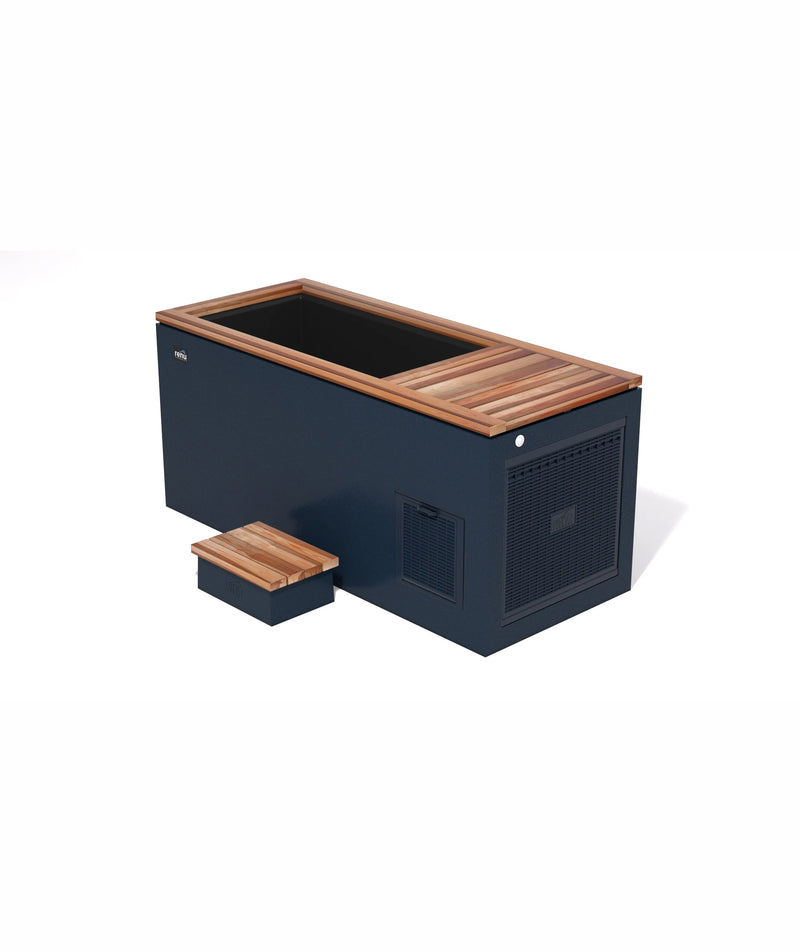
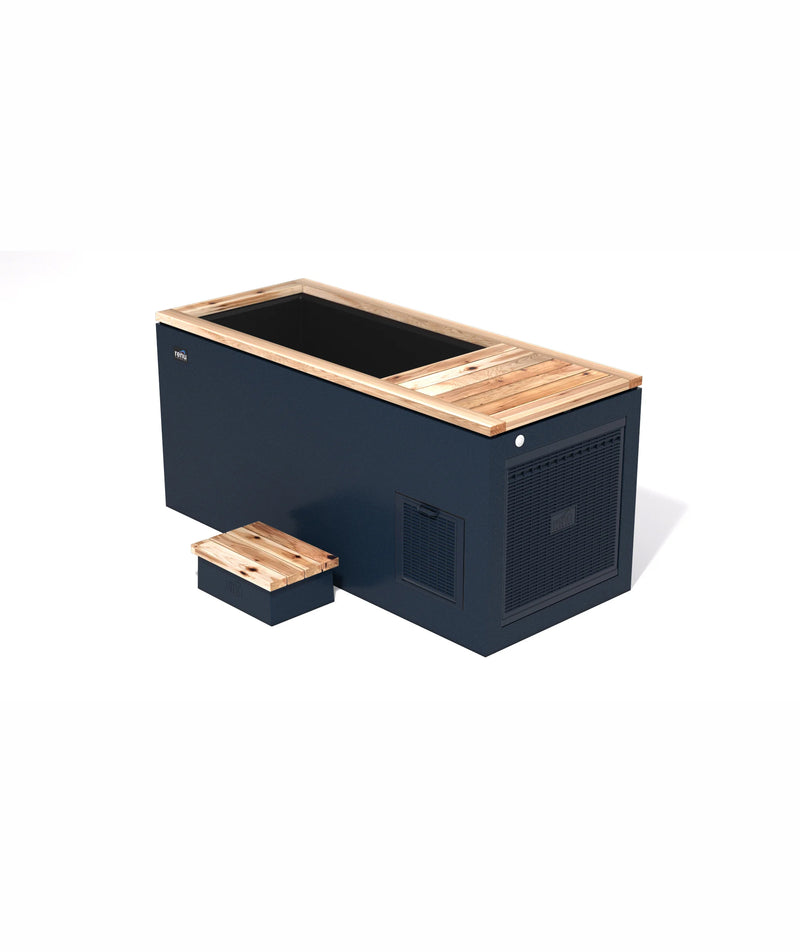
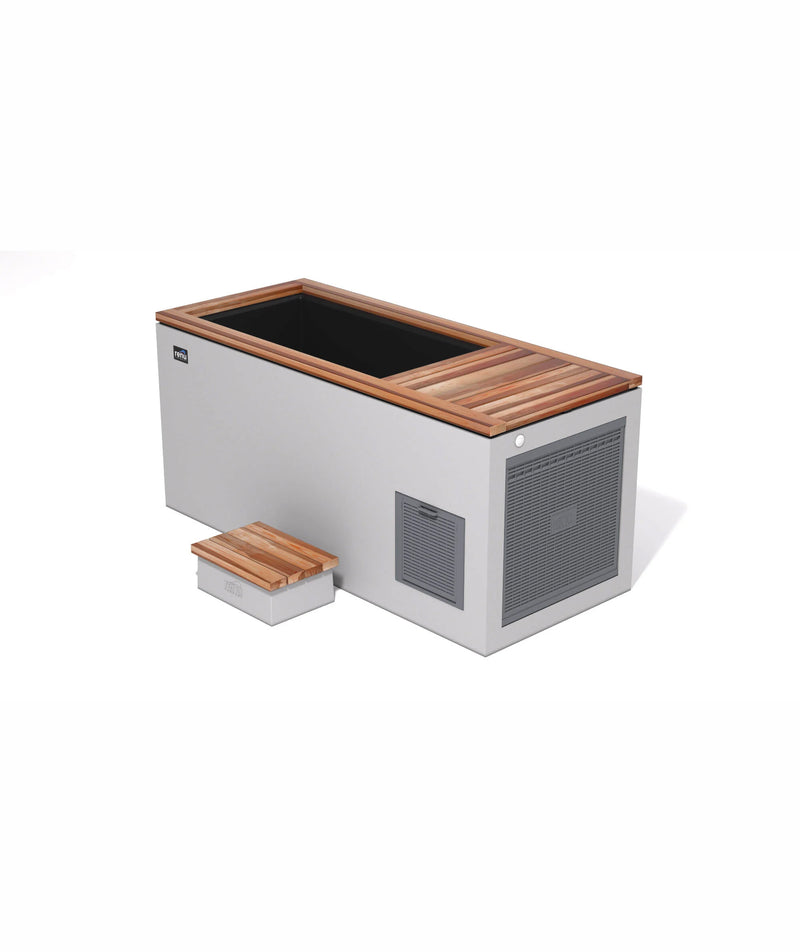
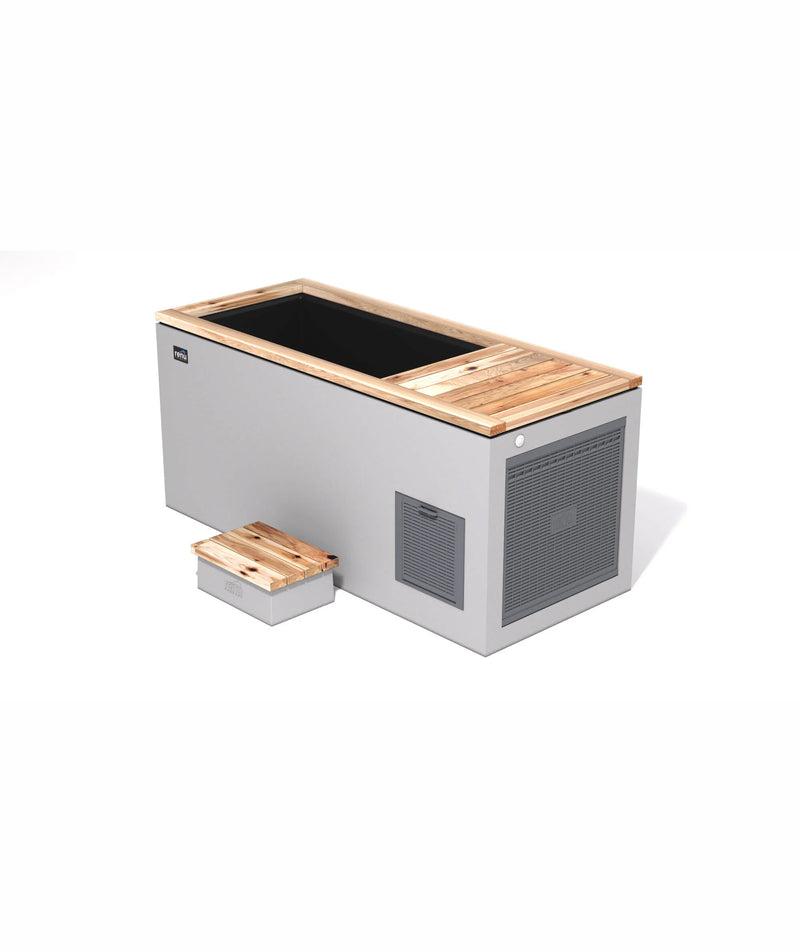
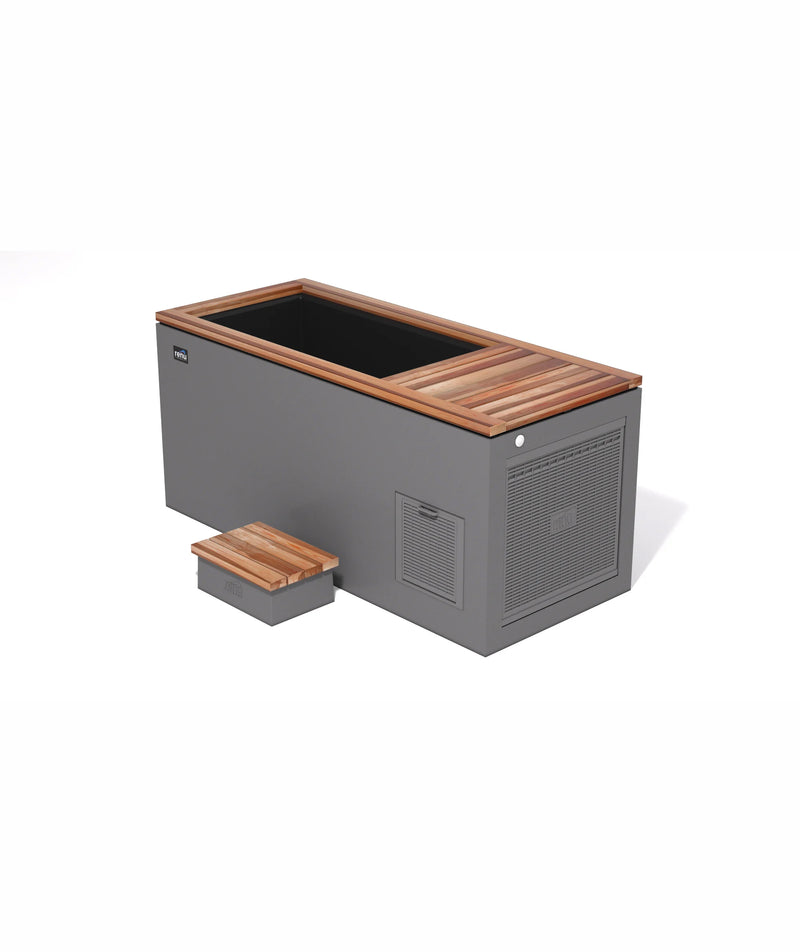
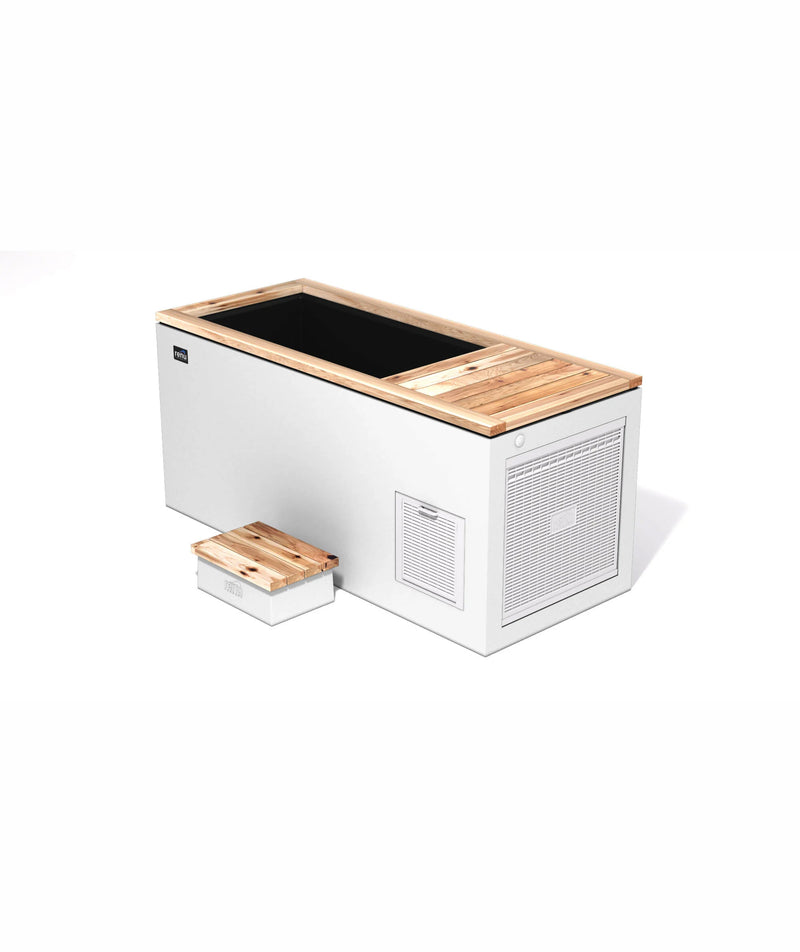
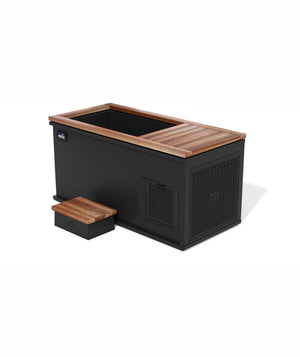
The Renu Cold Stoic 3.0 holds temperature to the degree, so the plunge you take tonight is the same one you took last night. No re-chilling, no drift, no reason to skip it because the water's not where it needs to be.
Handcrafted in California. Engineered to last.
Set it once. Get in. Let the rest happen on schedule.
FAQs
How long before bed should I take an ice bath?
60 to 90 minutes is the target window. That's enough time for the initial norepinephrine and cortisol spike to clear while your core temperature is still on its way down as you settle in for the night.
Is it bad to take an ice bath right before bed?
For most people, yes, right before bed doesn't leave time for the sympathetic surge to pass. You're more likely to end up wired than relaxed. If you're plunging late, expect a longer wind-down before sleep actually comes.
Can an ice bath help me fall asleep faster?
Indirectly, yes, but not from the cold itself. The benefit comes from the core-temperature drop that continues after you get out, not from any sedating effect during the plunge. Timing is what turns that drop into a sleep aid instead of a sleep disruptor.
What temperature should the water be for an evening ice bath?
The same range you'd use any other time of day, which is roughly 50–59°F for most people. Temperature can affect intensity and duration tolerance.
Related → Understand more about ice bath temperature and how cold should it actually be?
Can I take an ice bath before bed every night?
There's no evidence against a nightly practice for most healthy adults, provided timing and temperature stay consistent. What matters more than frequency is protecting that 60–90 minute buffer every time; an inconsistent window is more likely to disrupt sleep than a nightly one done right.
Medical disclaimer: Cold water immersion is not suitable for everyone. Consult your physician before beginning a cold plunge practice if you are pregnant, have high blood pressure, heart disease, a history of cardiac arrhythmia, Raynaud's disease, peripheral neuropathy, or any other condition affecting circulation or nerve function. Cold exposure can place stress on the cardiovascular system and should be approached with caution if you have any underlying health conditions. This article is intended for informational purposes only and does not constitute medical advice.