The ice bath vs cold shower question gets asked constantly, and it usually gets a lazy answer: one is a "budget version" of the other. But that's not quite right. A cold shower and an ice bath both trigger your body's cold response, yet they differ in three ways that matter: temperature, dose, and control. Understanding those differences is the difference between dabbling in cold exposure and actually practicing it.
Let's break down what each one does, where the overlap ends, and why the distinction matters if you're chasing real, repeatable results.
What a Cold Shower Actually Does
Credit where it's due: a cold shower has its benefits and is a great entry point into the world of cold immersion.
Even a few minutes under a cold shower can sharpen alertness and focus—and it triggers the fast, shallow breathing of the cold shock response, which is exactly the thing you want to learn to control. Research on cold showers, including a Dutch study of over 3,000 adults, found that people who ended their showers with cold water reported fewer days of sick leave from work. Cold showers are inexpensive, accessible, and a legitimate way to start training your response to the cold.
But a cold shower has a hard ceiling, and it's typically one that's built into your plumbing:
- Temperature limits: Cold tap water typically runs 50–70°F depending on season and location and you can't make it colder. In summer, in much of the U.S., your "cold" shower may barely qualify.
- Partial exposure: Water hits your head, shoulders, and back, which means most of your body (and your cold receptors) never get fully immersed.
- No consistency: Water temperature usually changes with the seasons. The dose you get in January will likely not be the same dose you'll get in July.
What an Ice Bath Does Differently
An ice bath or cold plunge changes the equation in three ways:
Full-Body Immersion
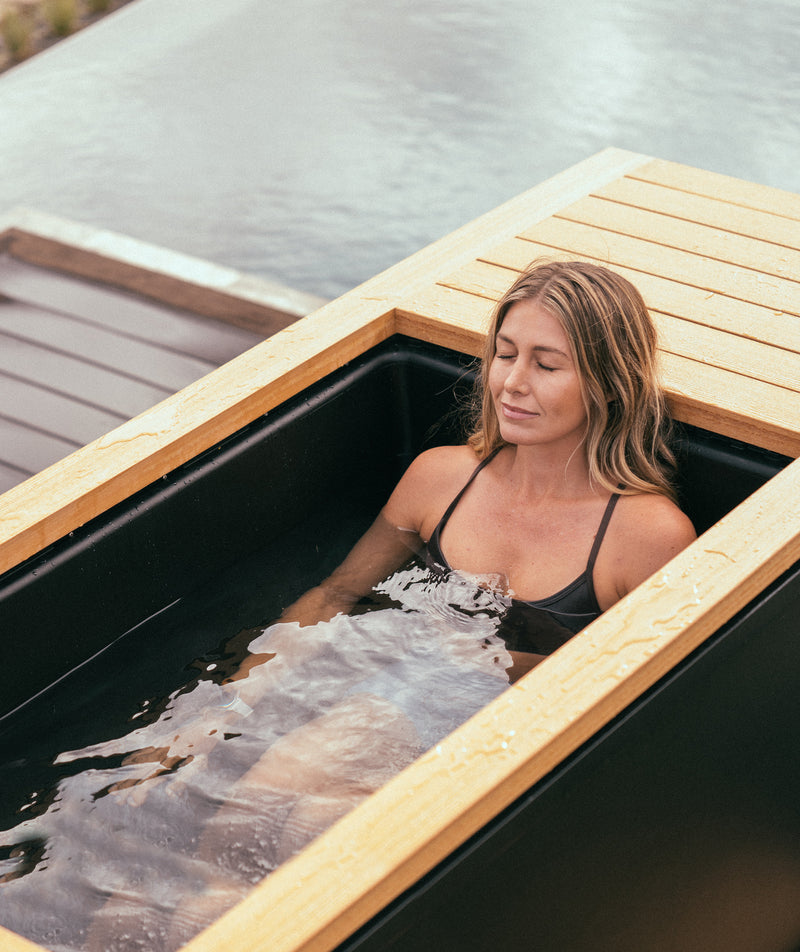
When you submerge to the neck, cold water contacts nearly all of your skin's cold receptors at once. That's a fundamentally larger stimulus than a shower stream. Immersion also adds hydrostatic pressure (the gentle, uniform compression of water on the body), which supports circulation and aids recovery. The studies behind cold water immersion's benefits for post-exercise recovery and reduced muscle soreness were done in cold plunges, not showers, for a reason.
Colder Temperatures, On Purpose
An ice bath operates in a range a shower physically cannot reach, typically 37–59°F, dialed to where you want it. Temperature is the active ingredient in cold exposure. Dr. Susanna Søberg's work on Danish winter swimmers found enhanced cold-induced thermogenesis in men who'd been doing contrast therapy for years. The stimulus has to register as cold. Water that feels pleasant doesn't recruit brown fat.
A Controlled, Repeatable Dose
This is the difference that compounds over time. With a temperature-controlled cold plunge, 45°F today is 45°F next month. You can hold the variable steady and progress the practice deliberately with longer sessions, colder water, and measured adaptation. A practice you can measure is a practice you can build on. A practice at the mercy of your municipal water supply is far more of a coin flip.

Ice Bath vs Cold Shower: Side by Side
Here's the cold plunge vs cold shower comparison at a glance:

Should You Start With Cold Showers?
A cold shower can be the perfect on-ramp for someone looking to find out more about the benefits of cold water immersion. It teaches you the first skill of cold exposure, which has nothing to do with equipment and everything to do with staying calm, controlling your breath, and choosing discomfort on purpose. But if you've been ending your showers cold for months and wondering why the effect has plateaued, there's your ceiling. Your body adapted to the stimulus, and the stimulus can't get any stronger. The next step isn't more time under the shower head. It's colder water, full immersion, and a precise dose you can control.
The Case for Upgrading to a Cold Plunge
The Stoics didn't practice discomfort casually; they practiced it deliberately. The same principle separates a cold habit from a cold practice: intention, precision, and repetition.
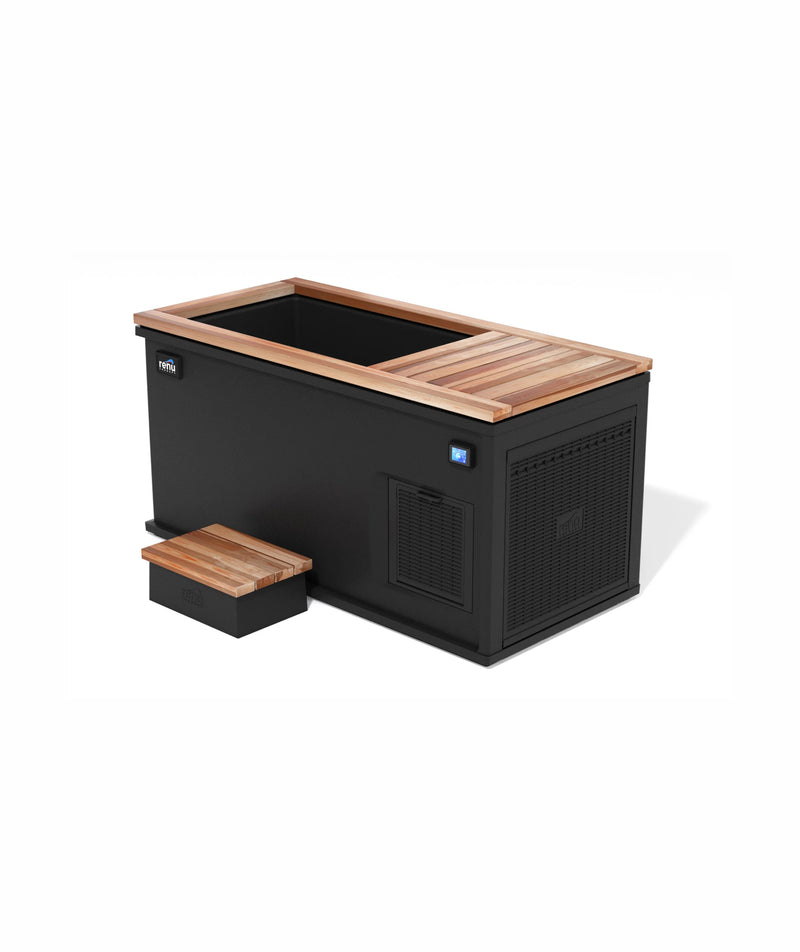
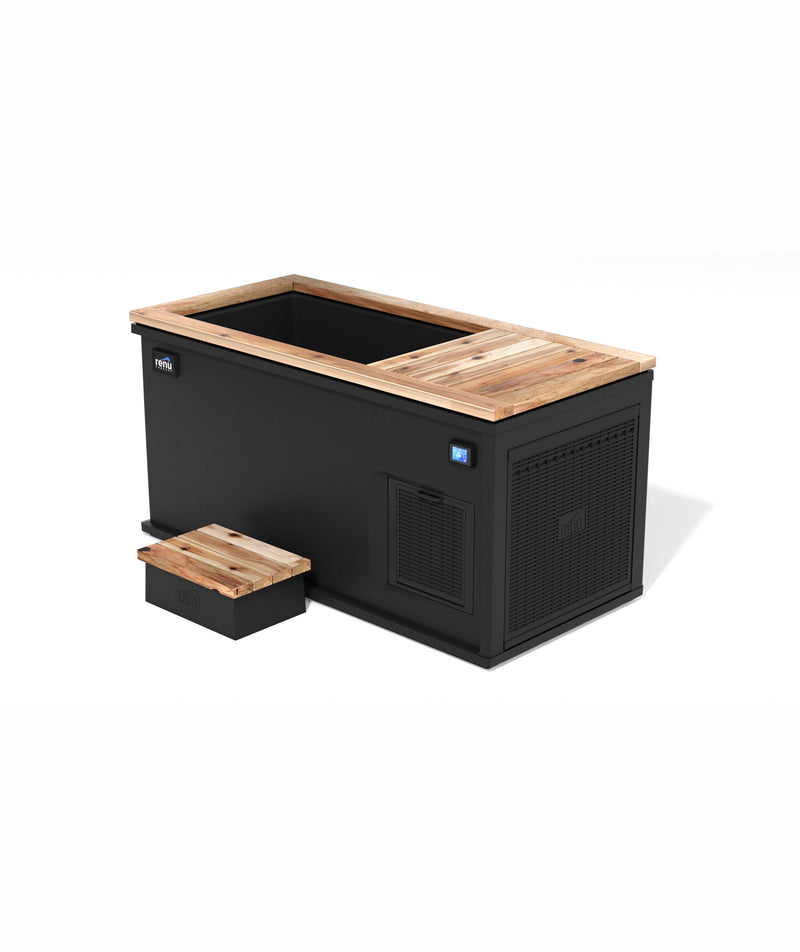
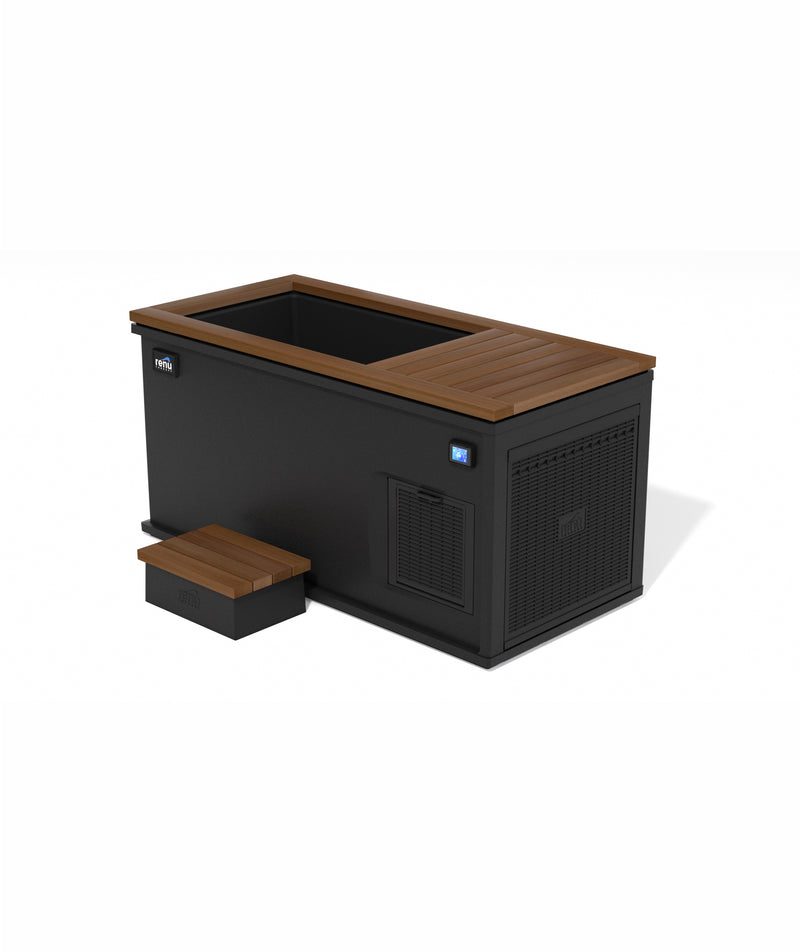
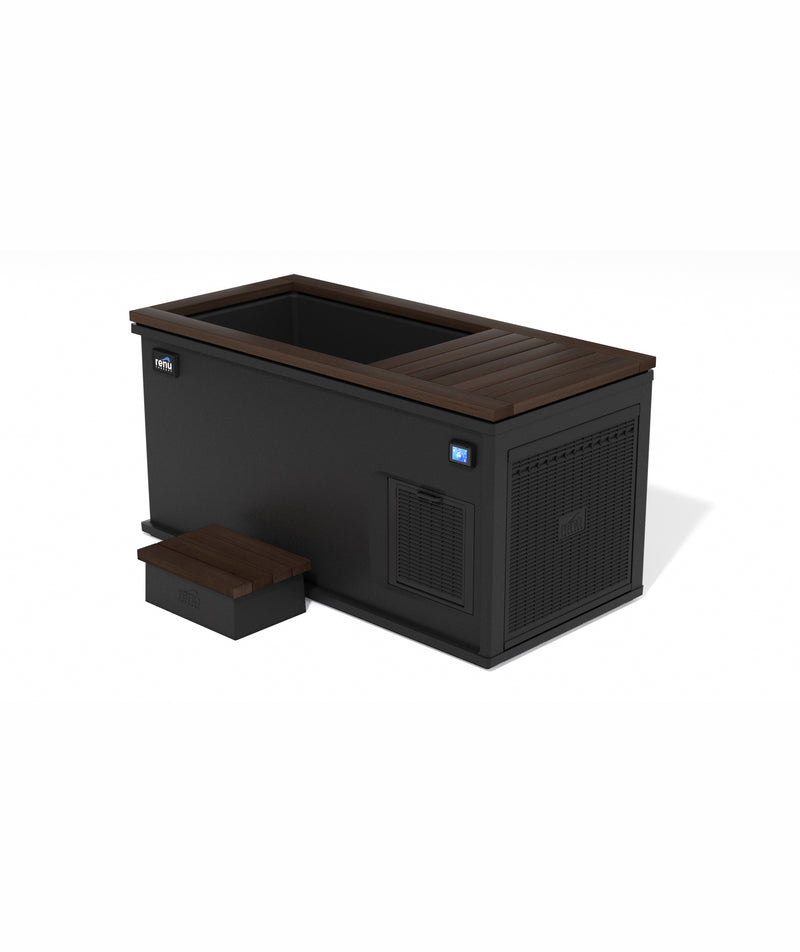
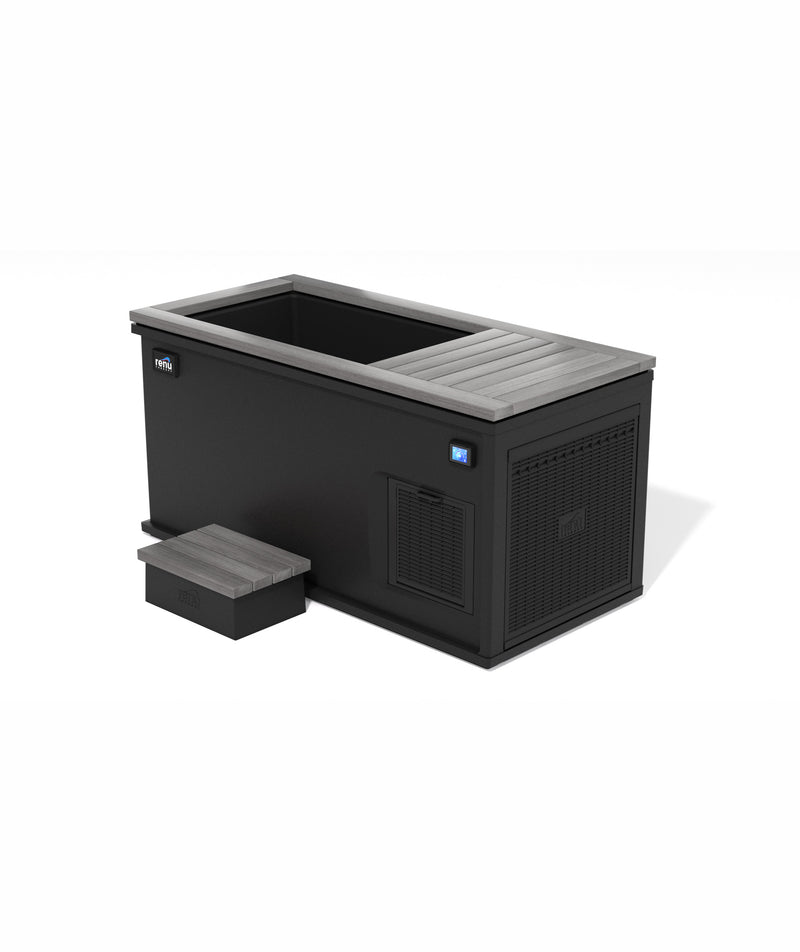
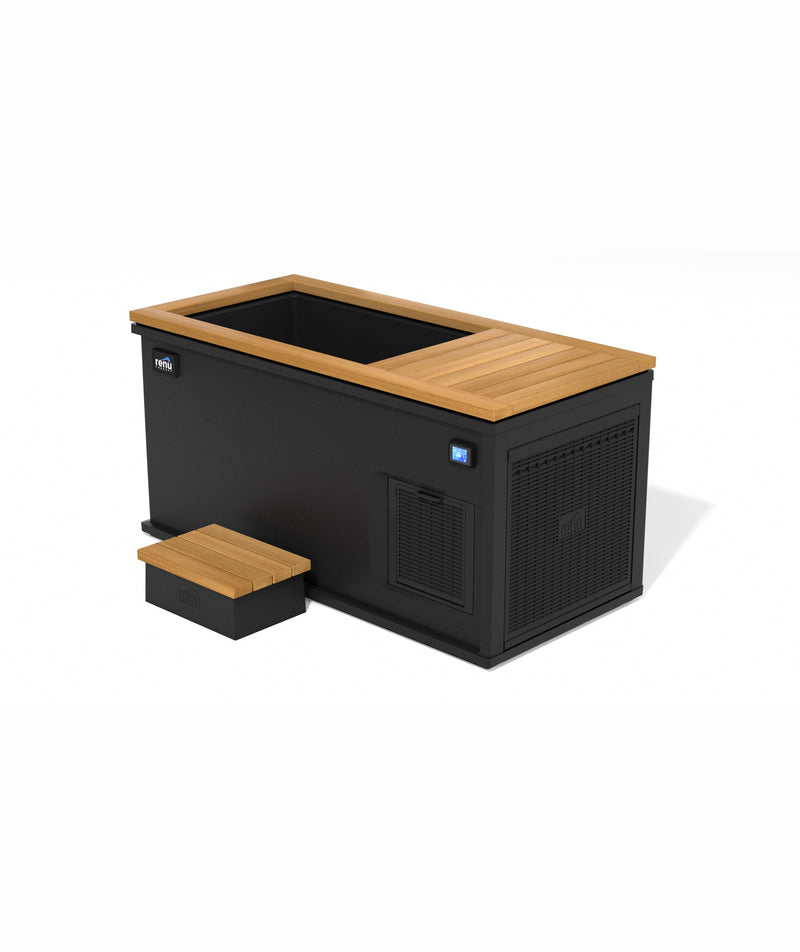
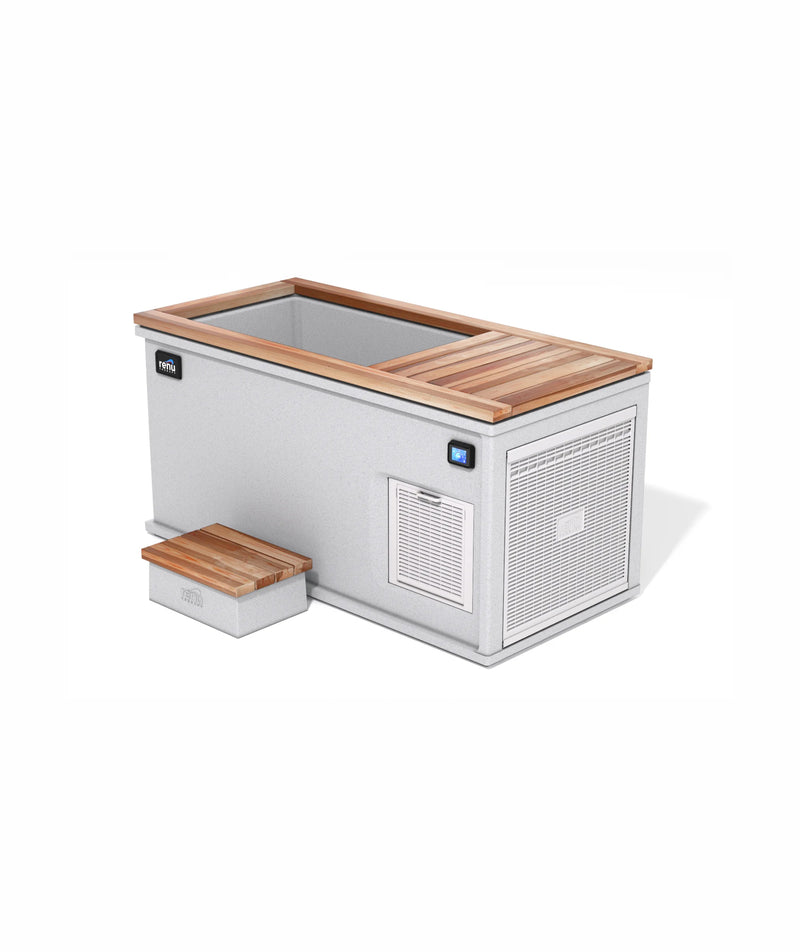
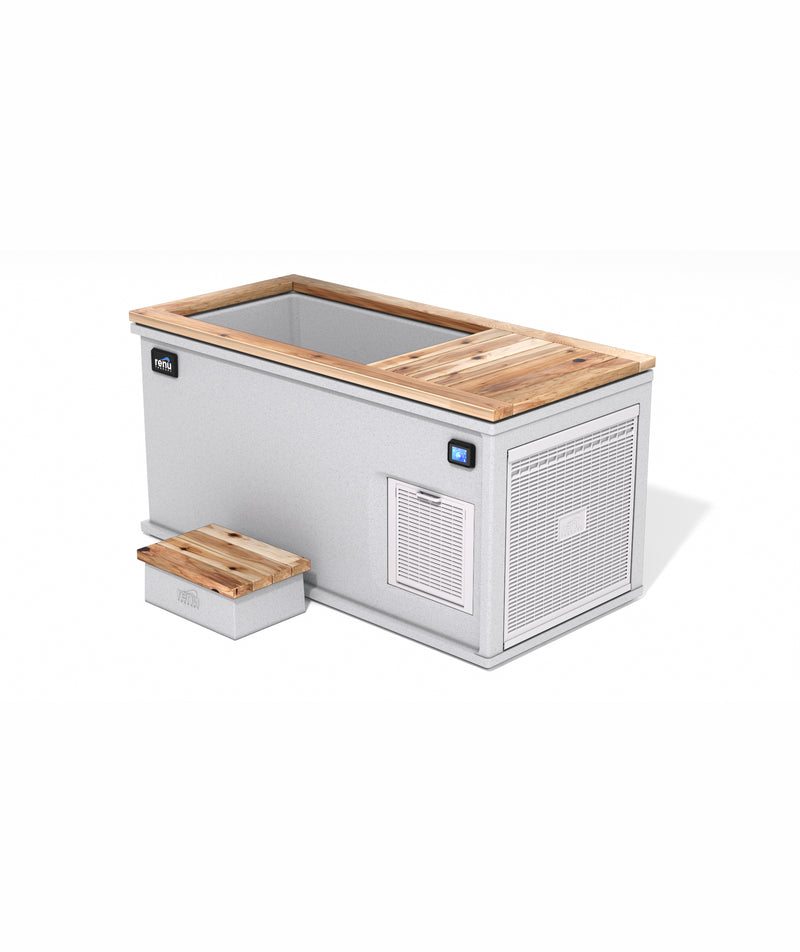
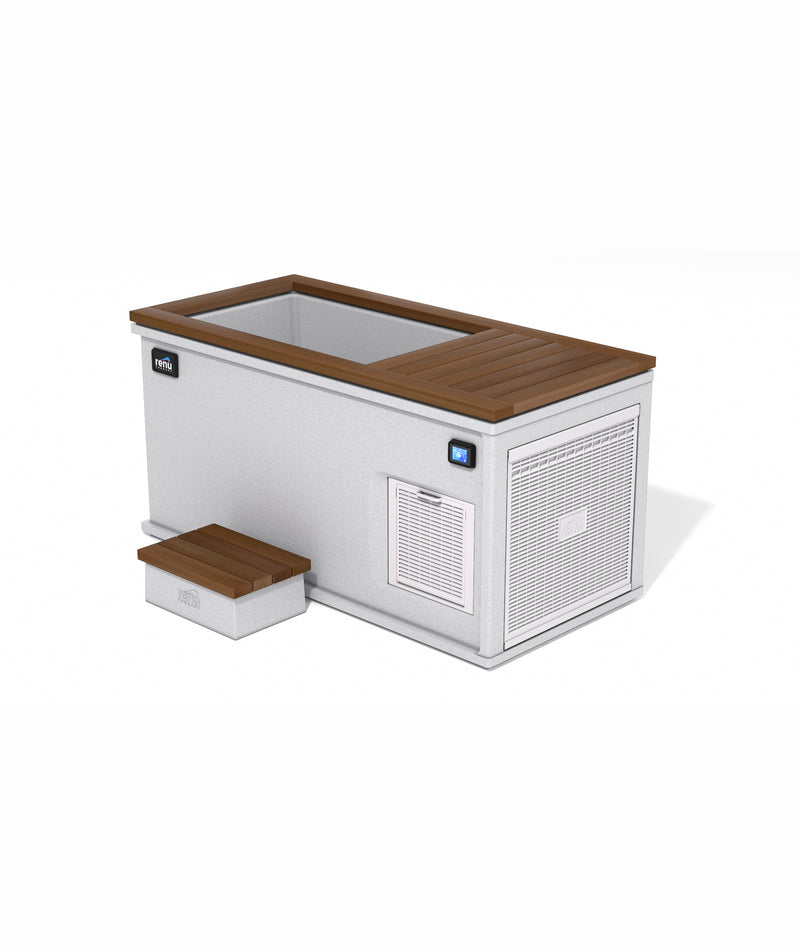
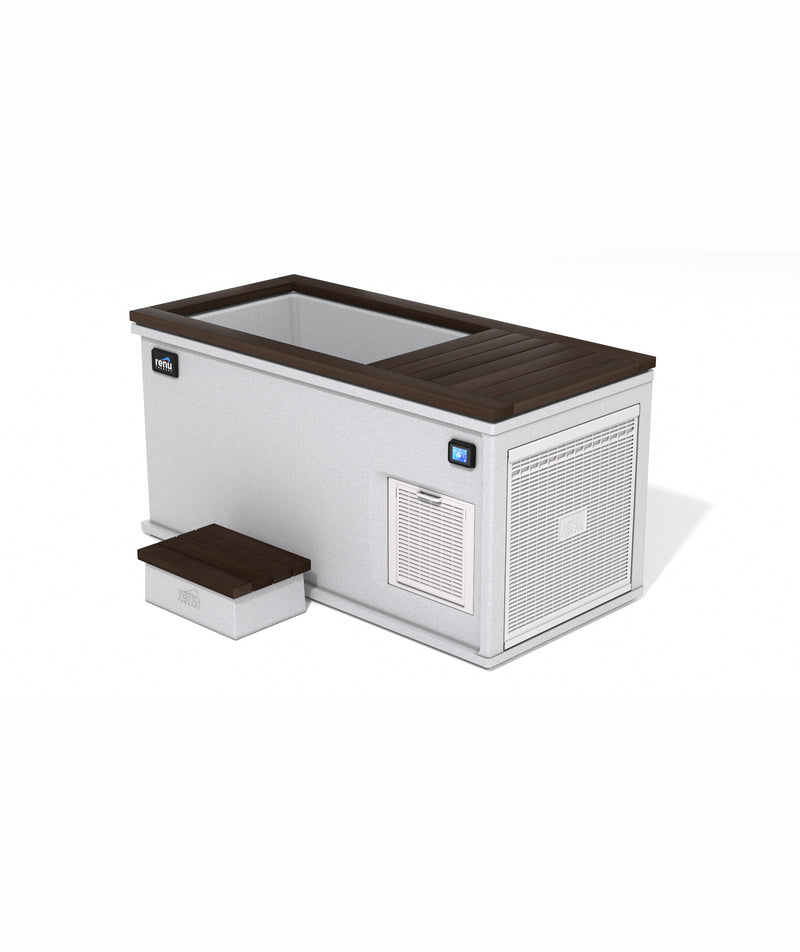
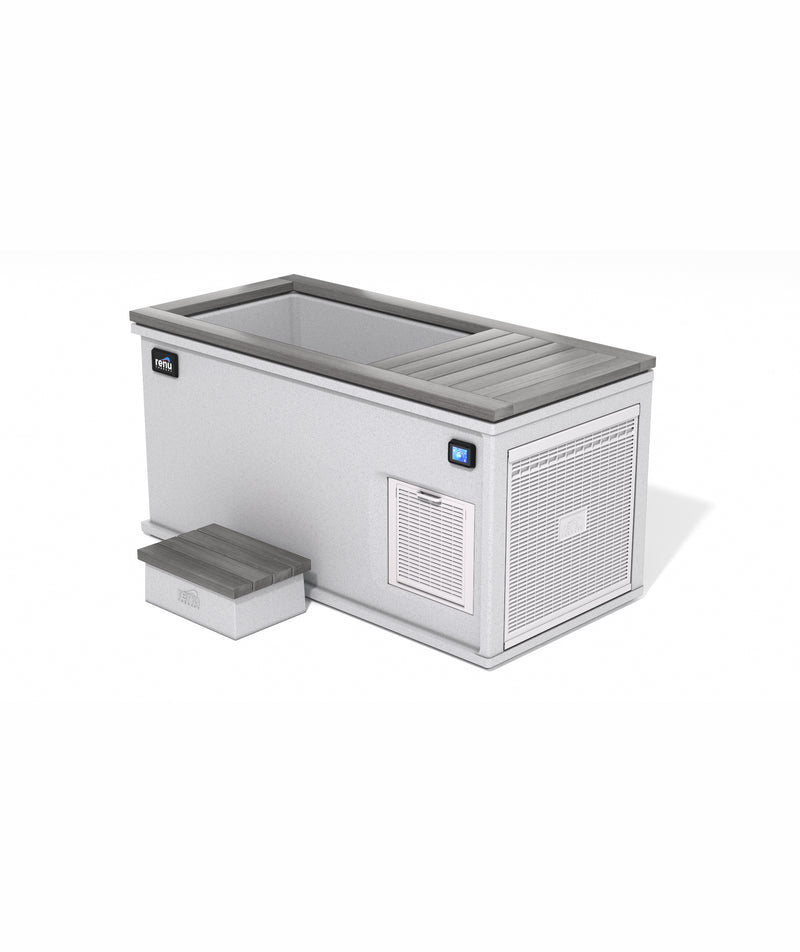
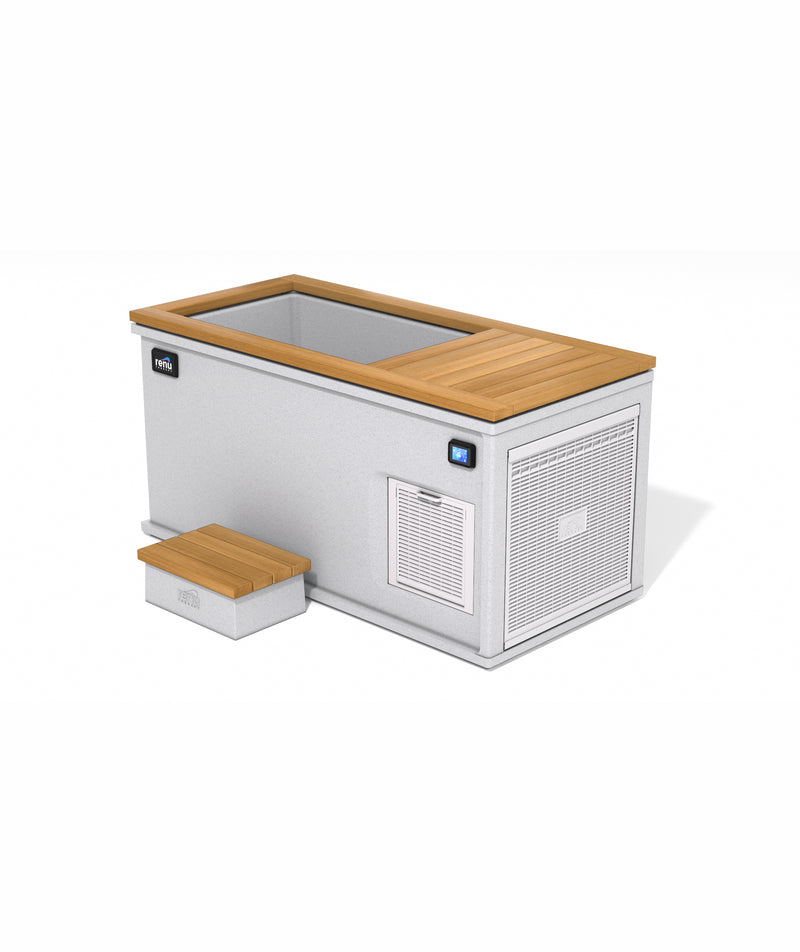
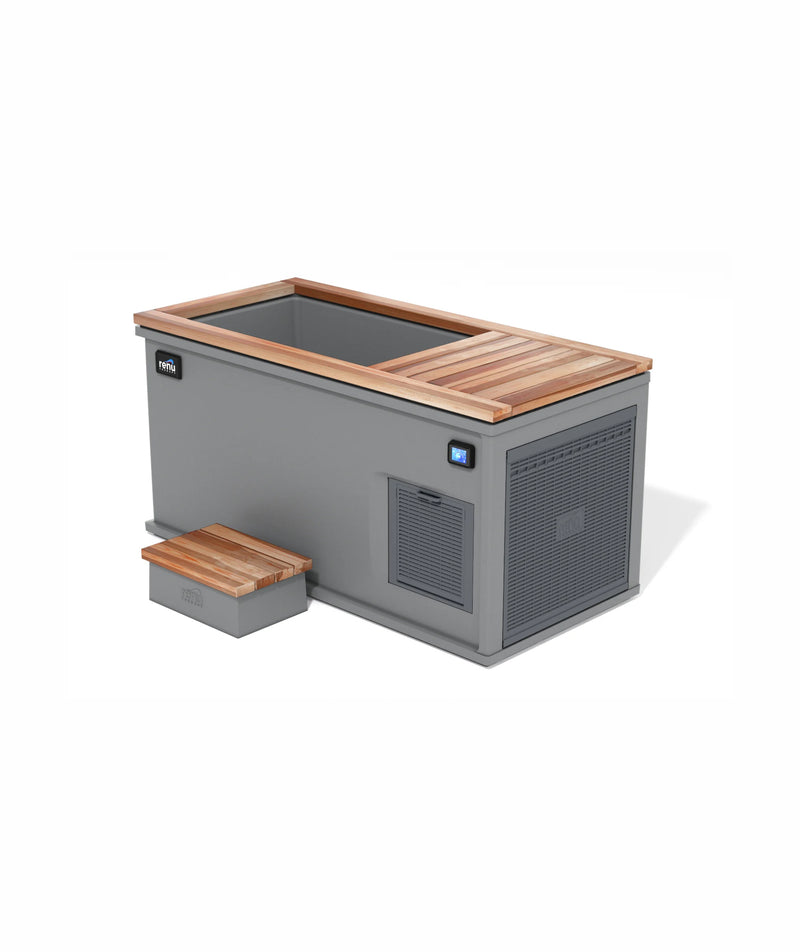
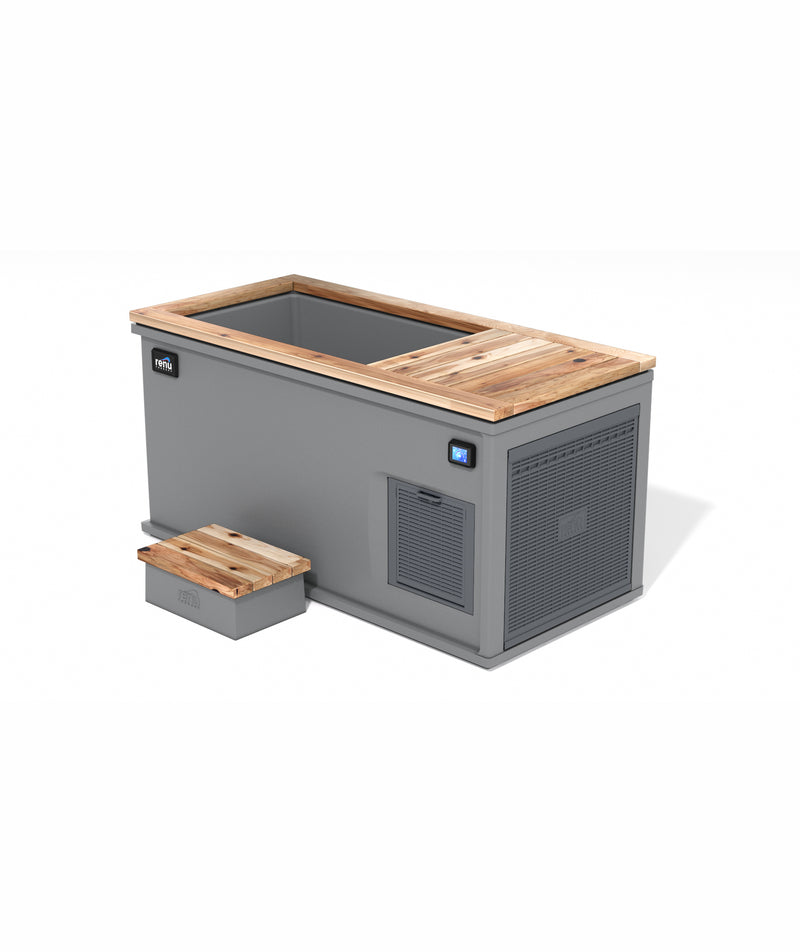
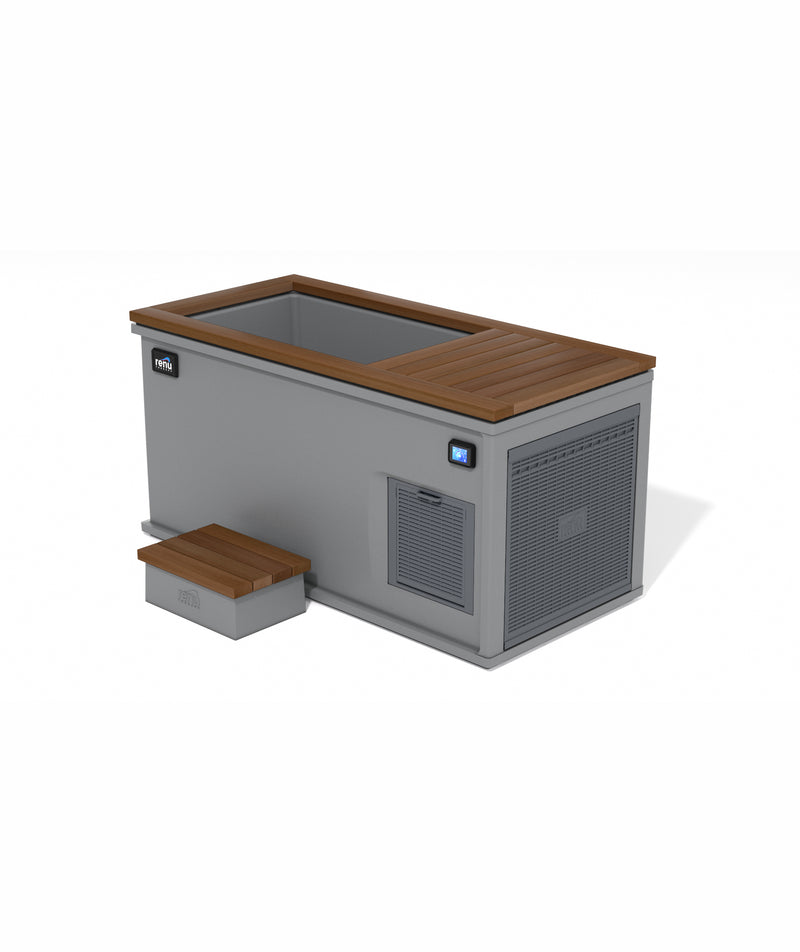
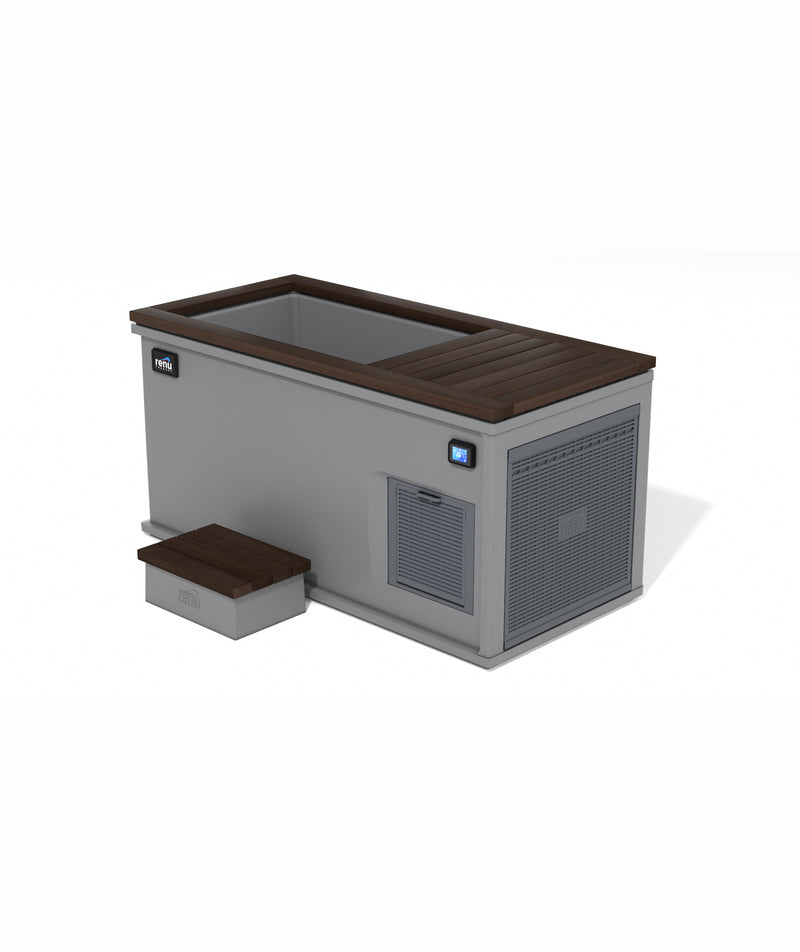
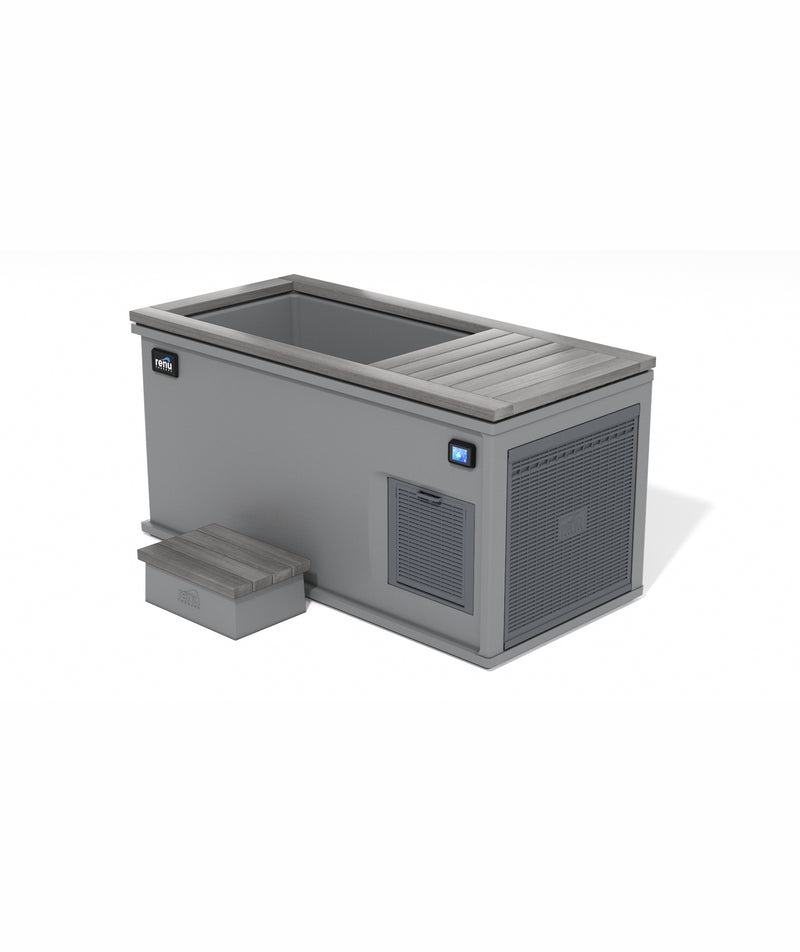
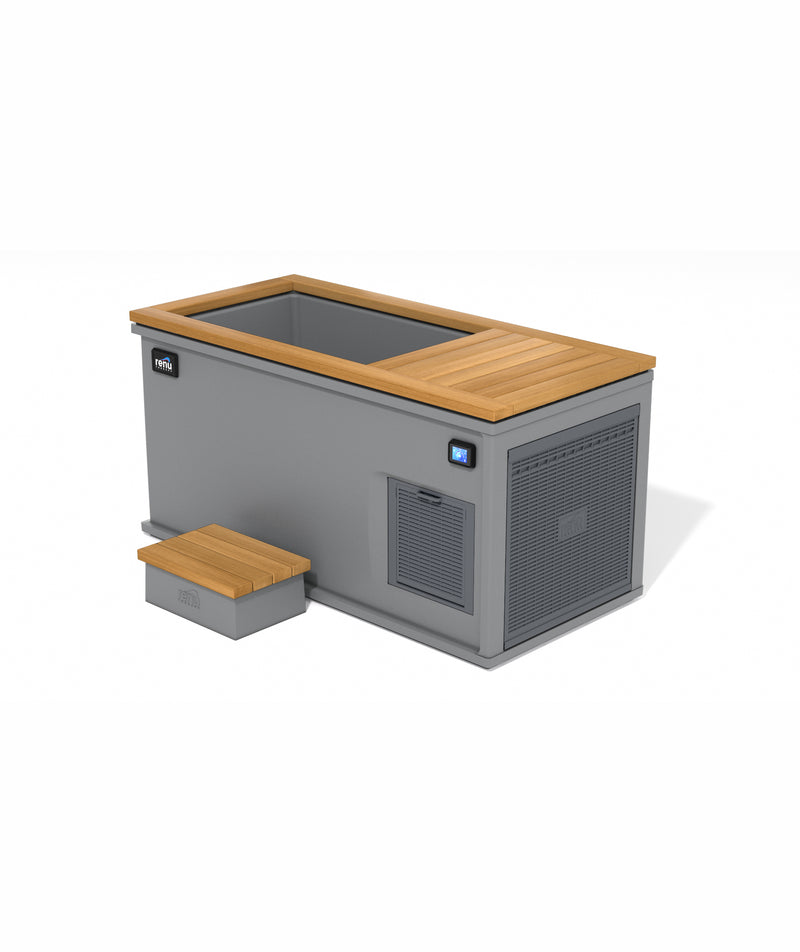
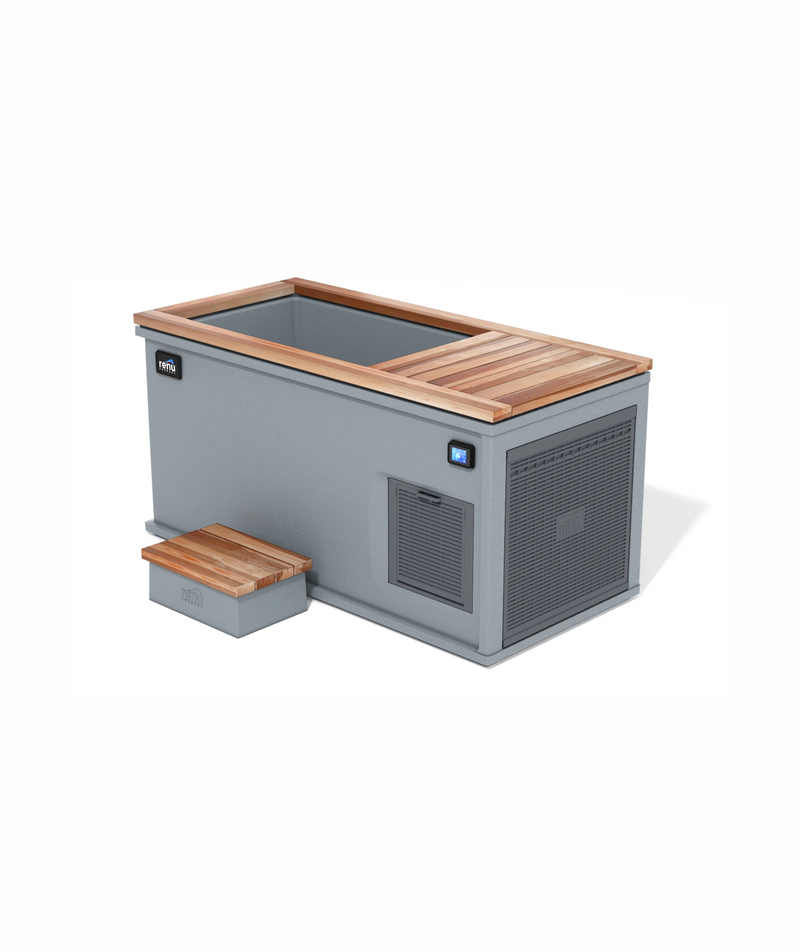
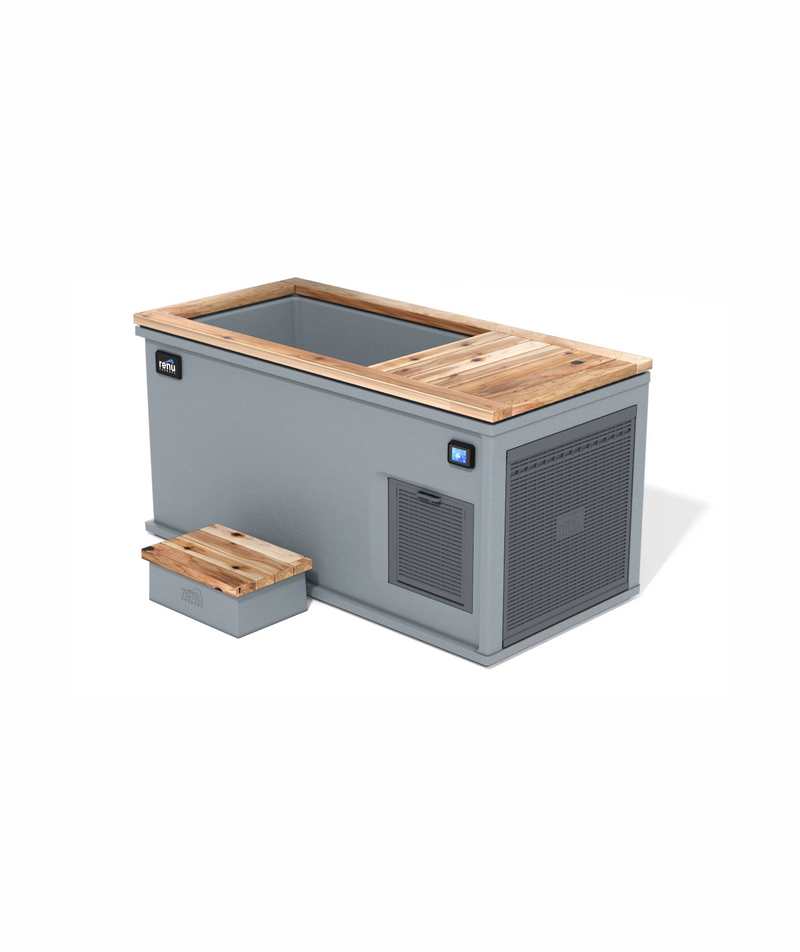
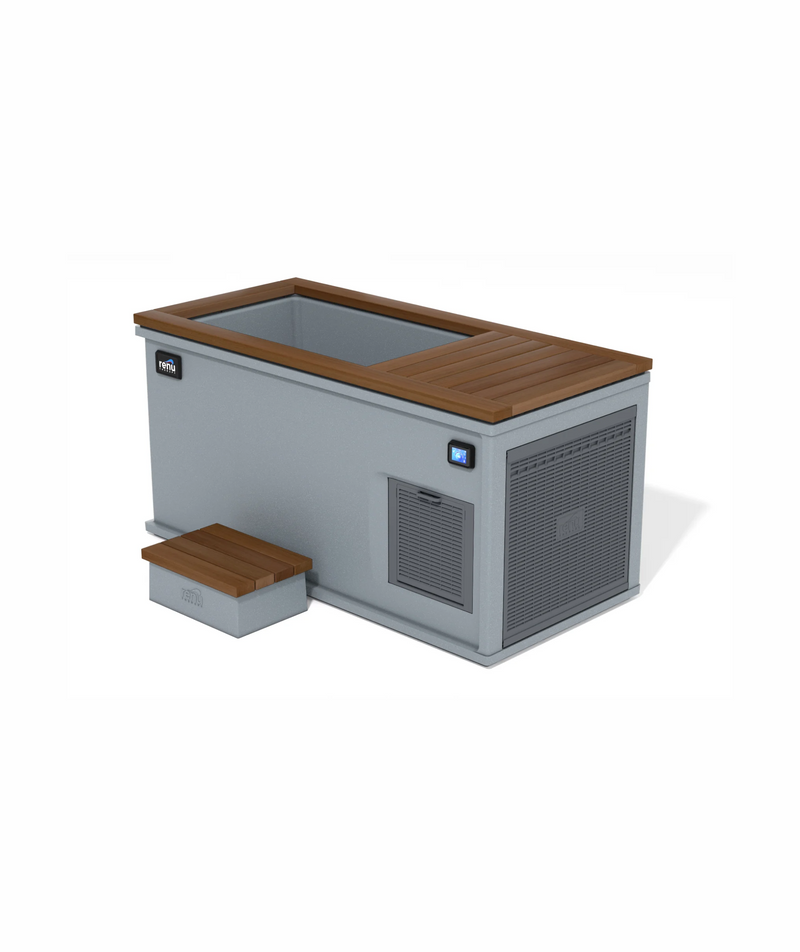
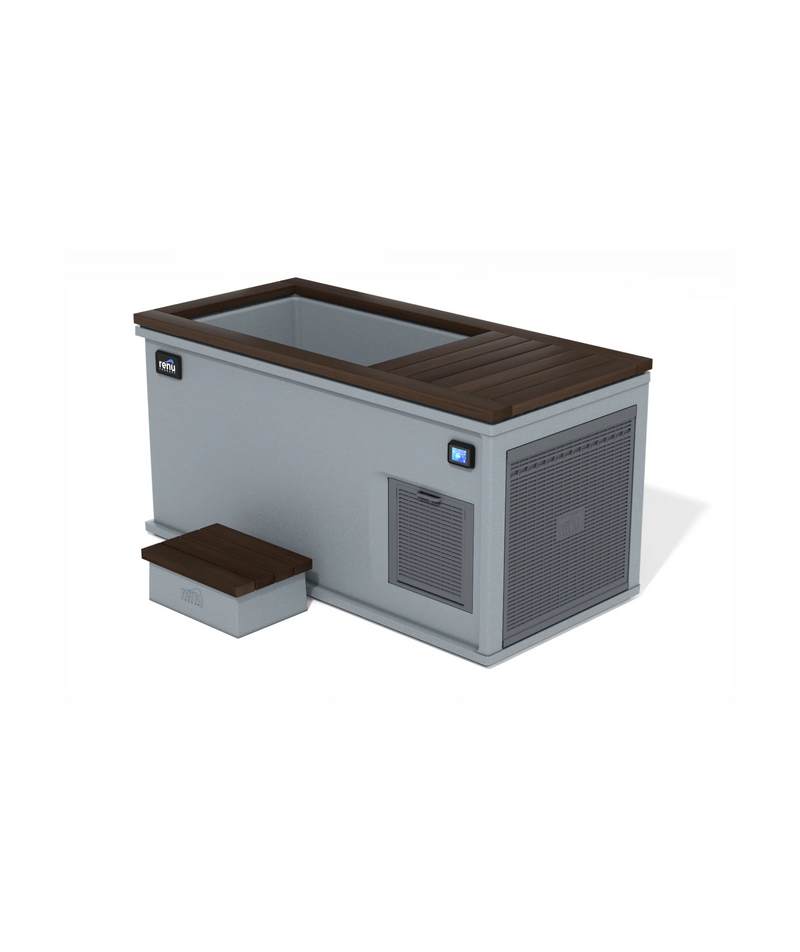
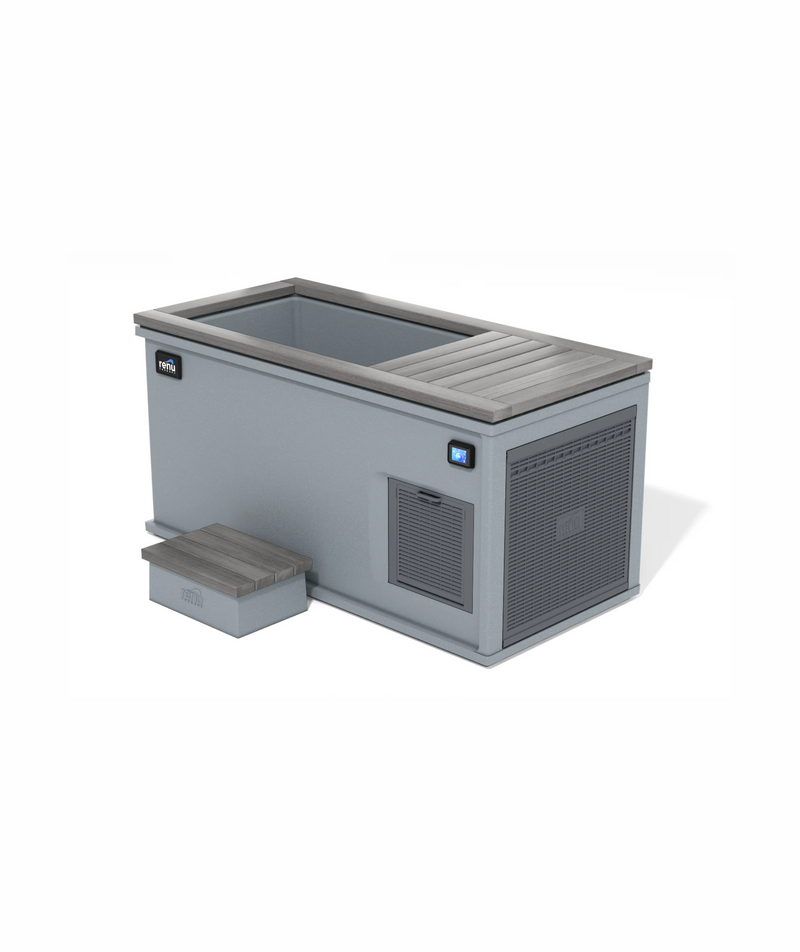
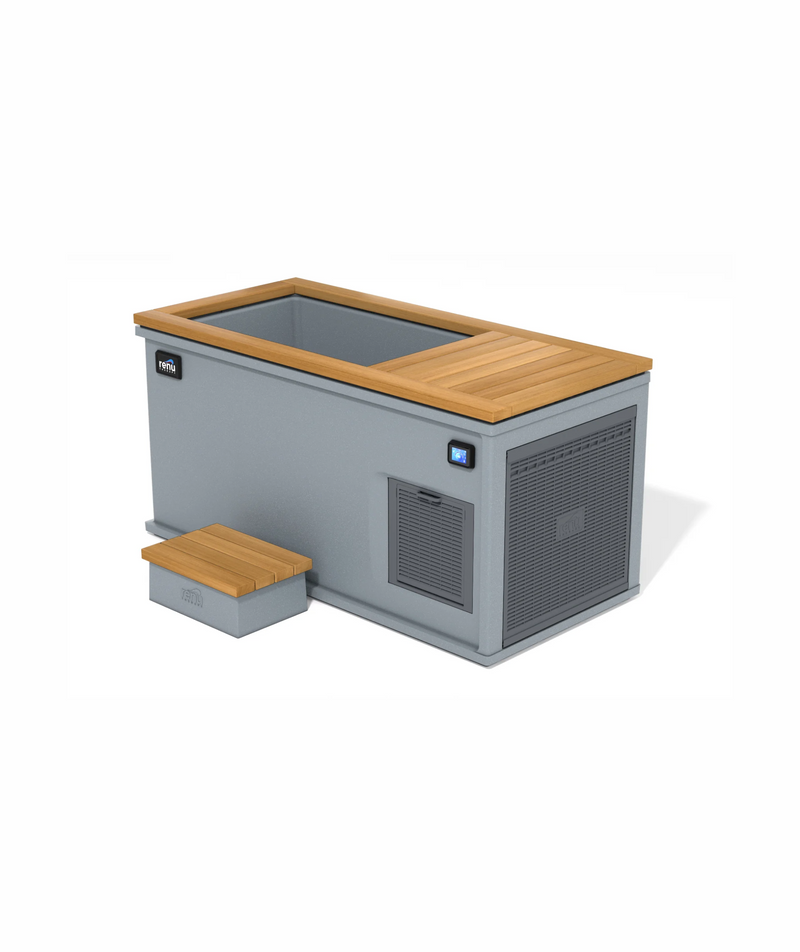
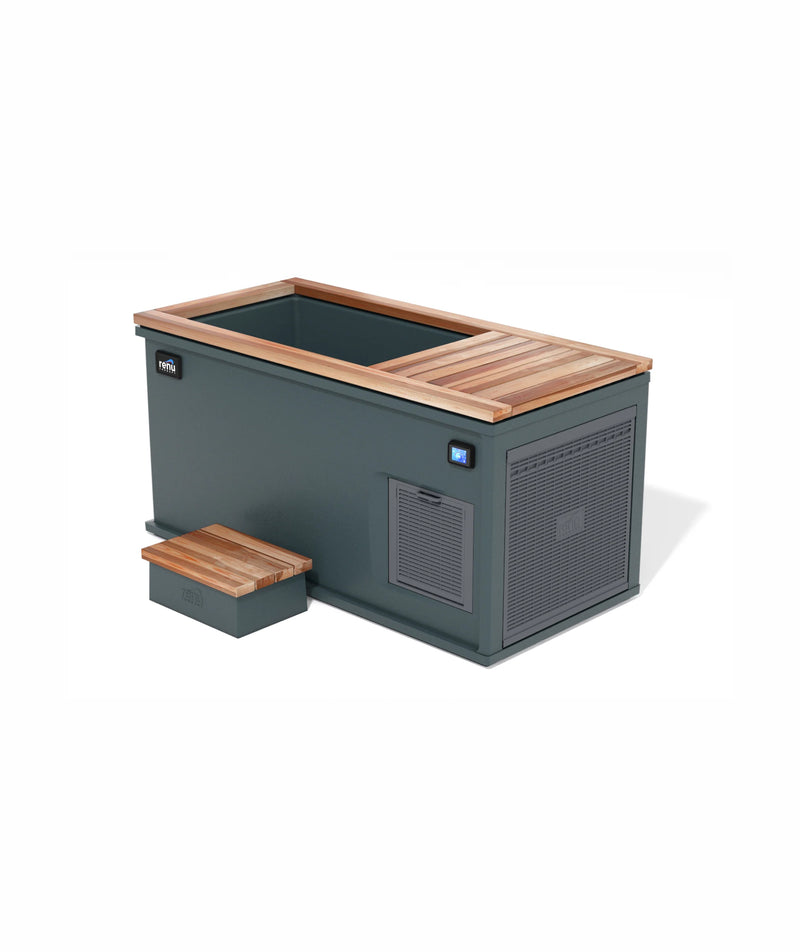
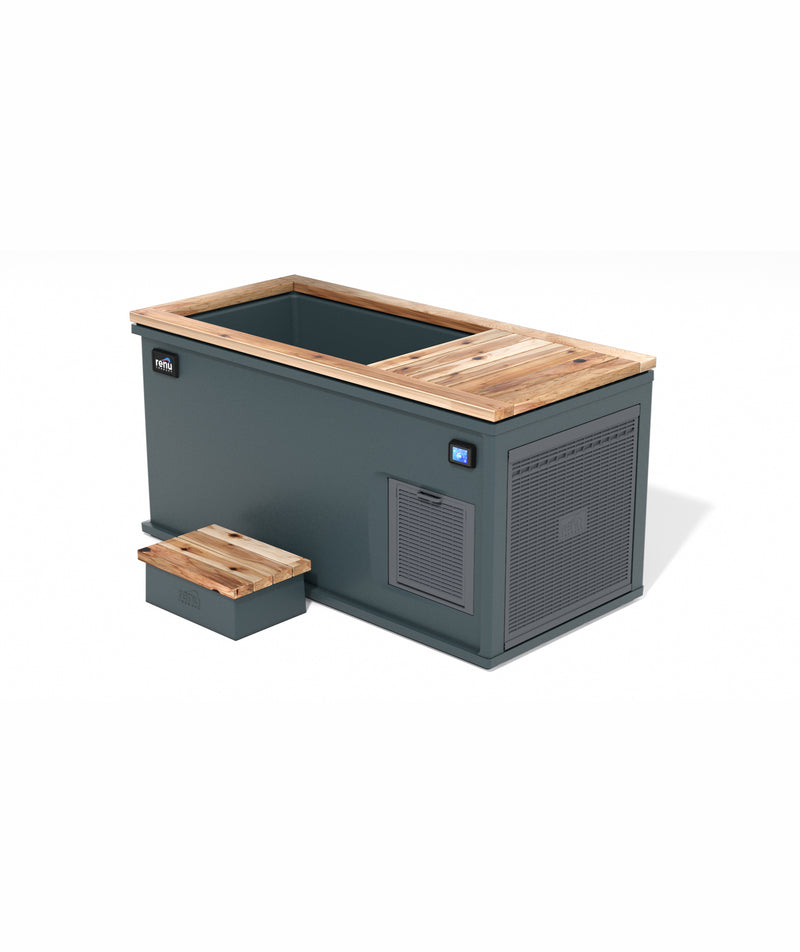
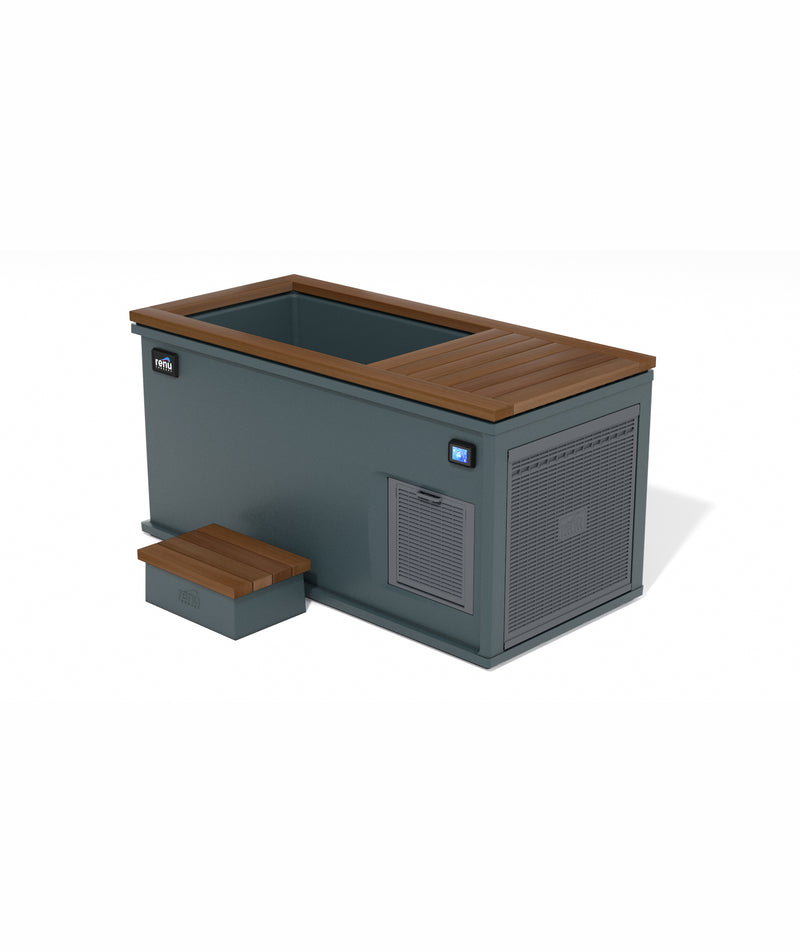
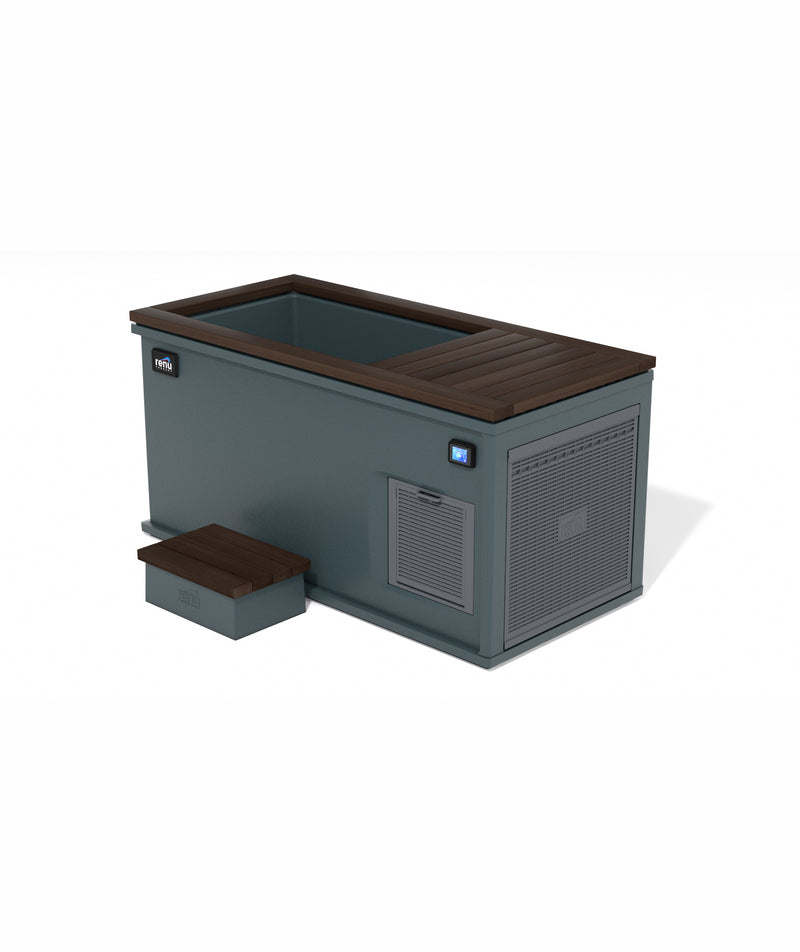
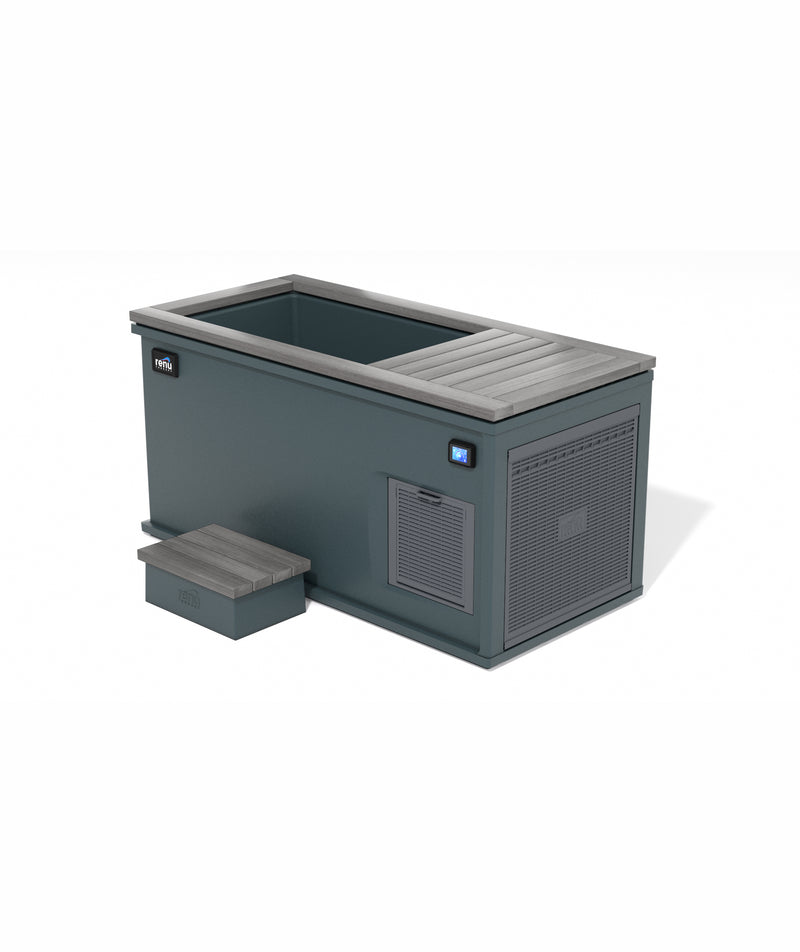
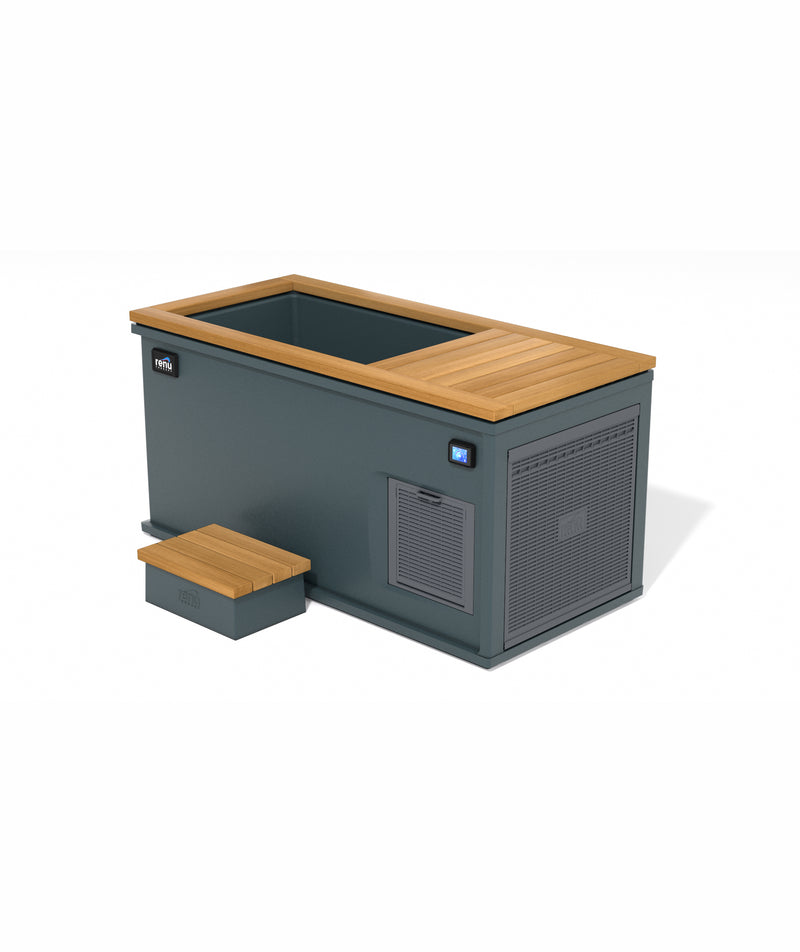
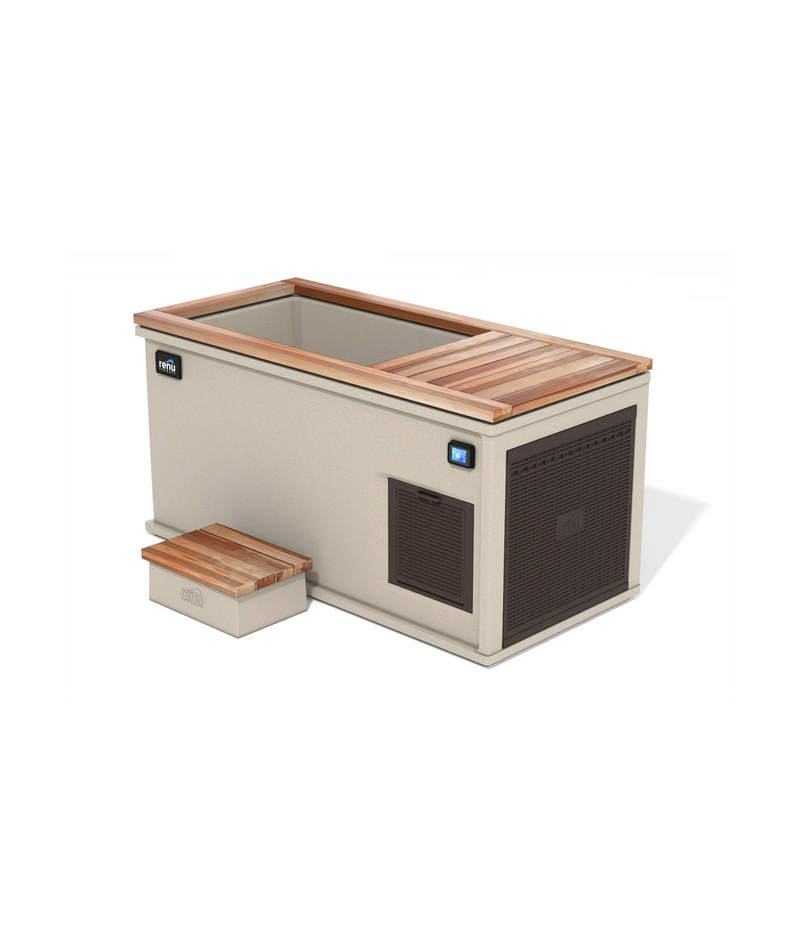
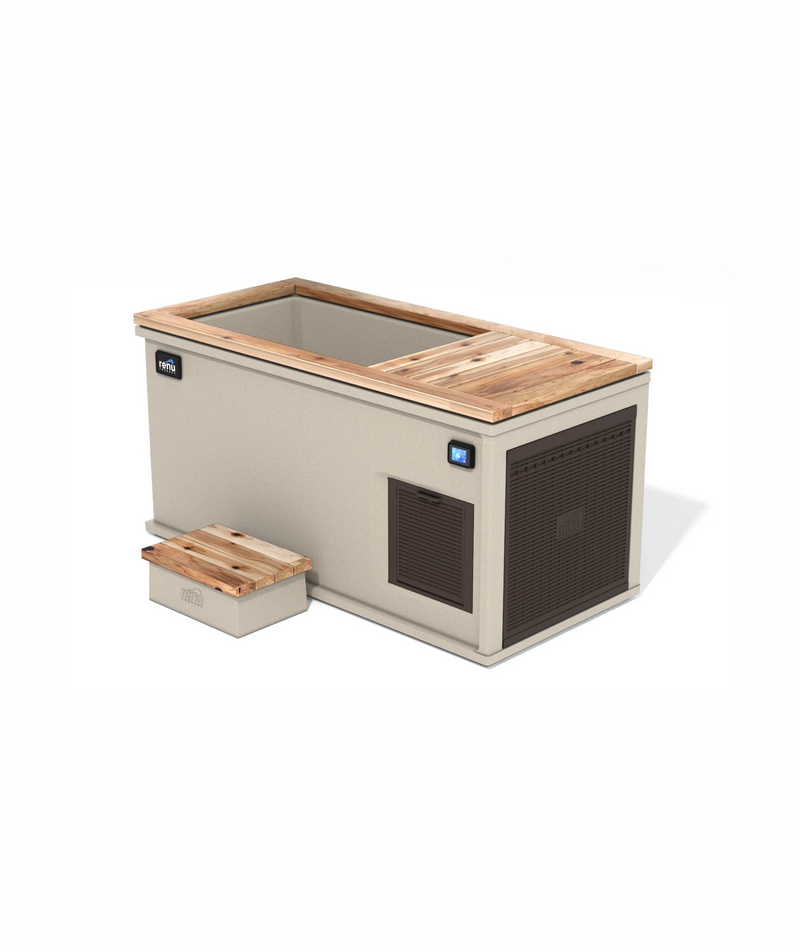
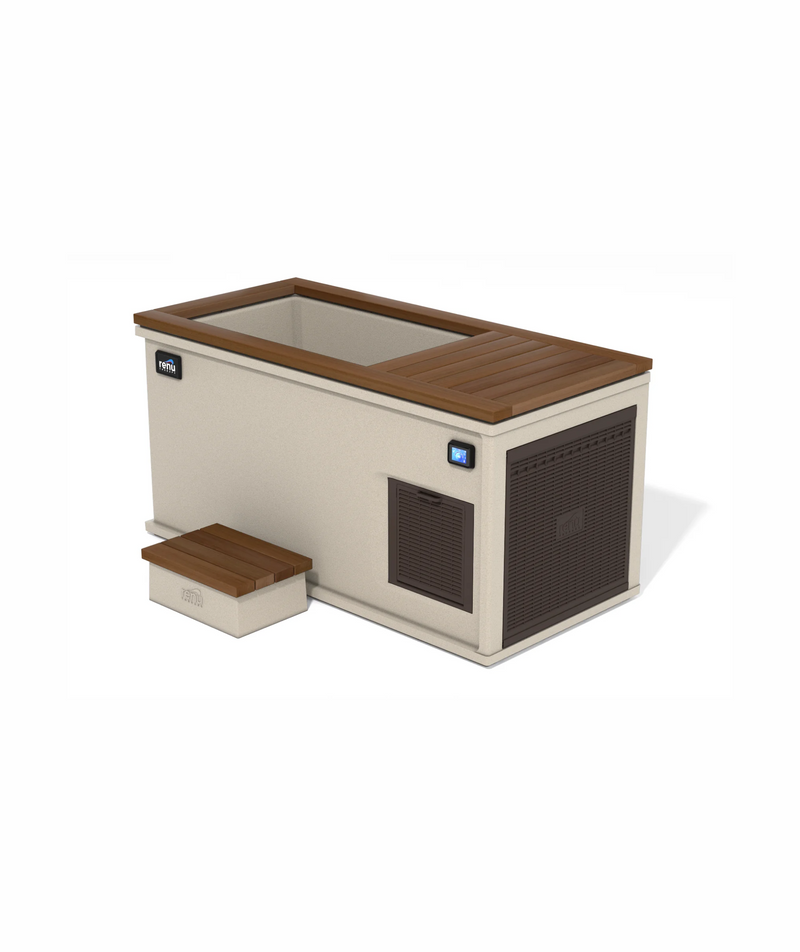
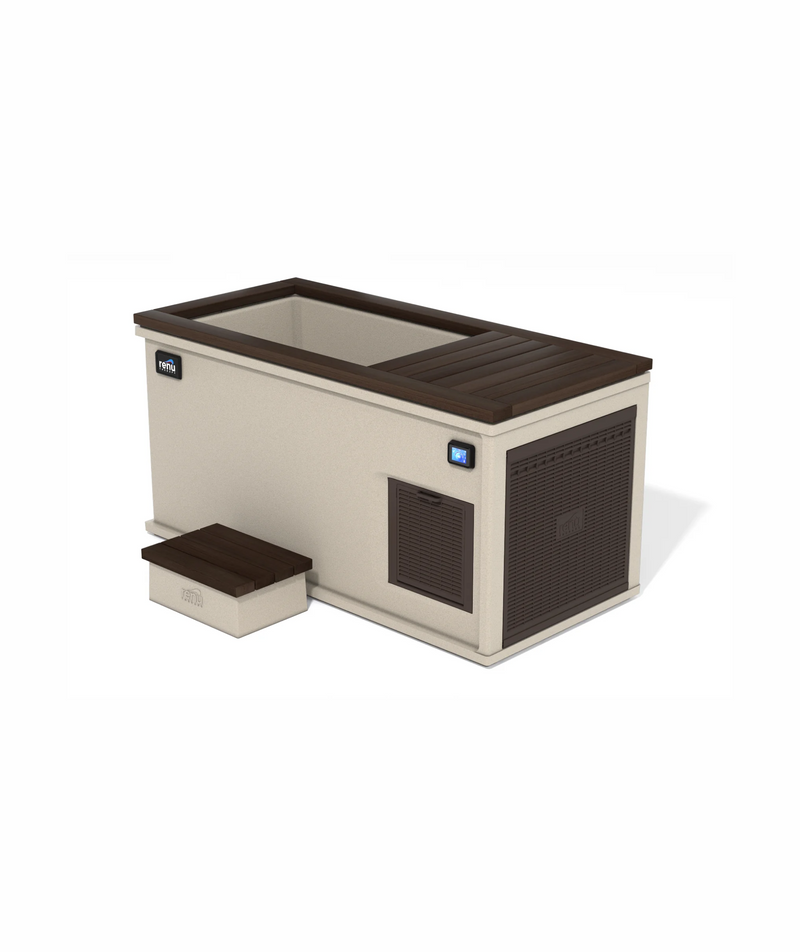
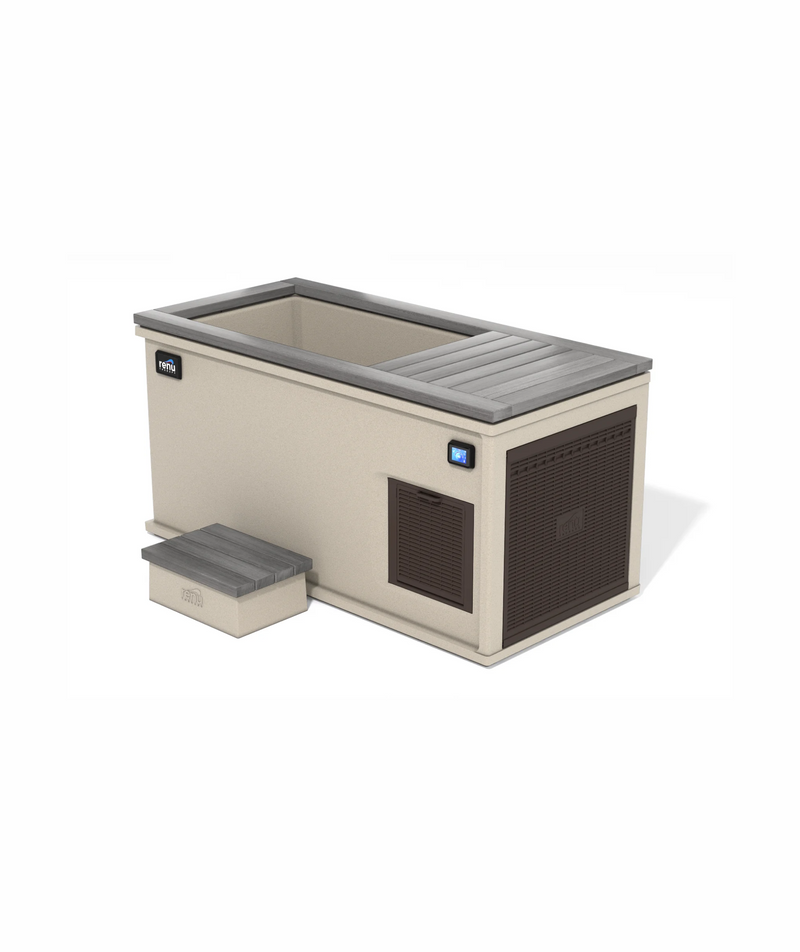
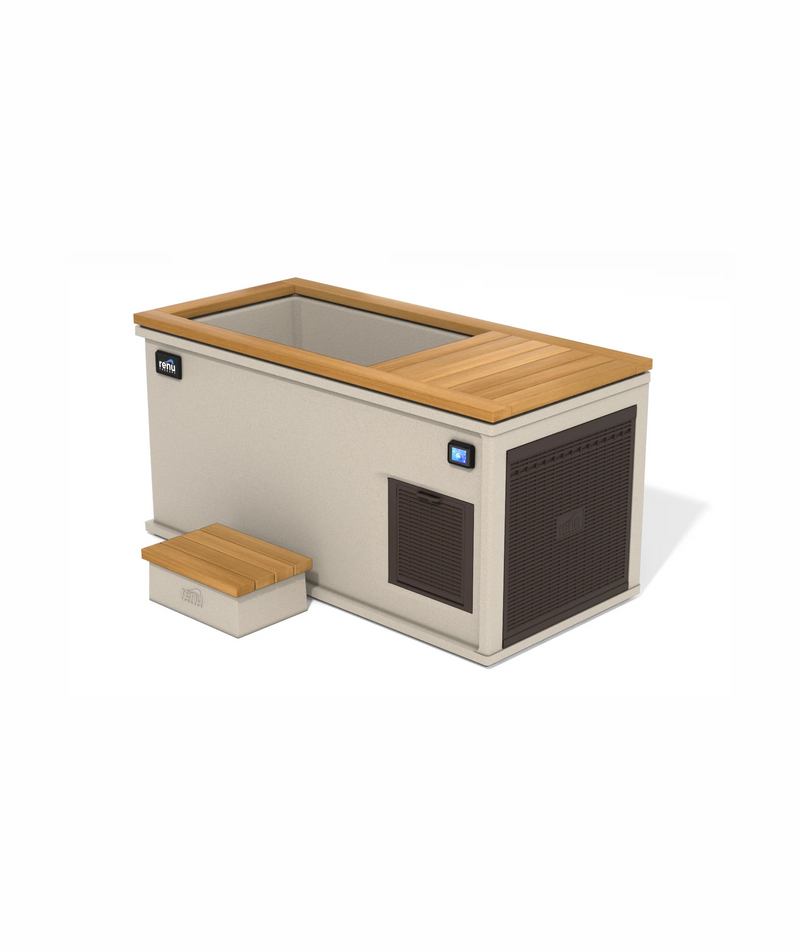
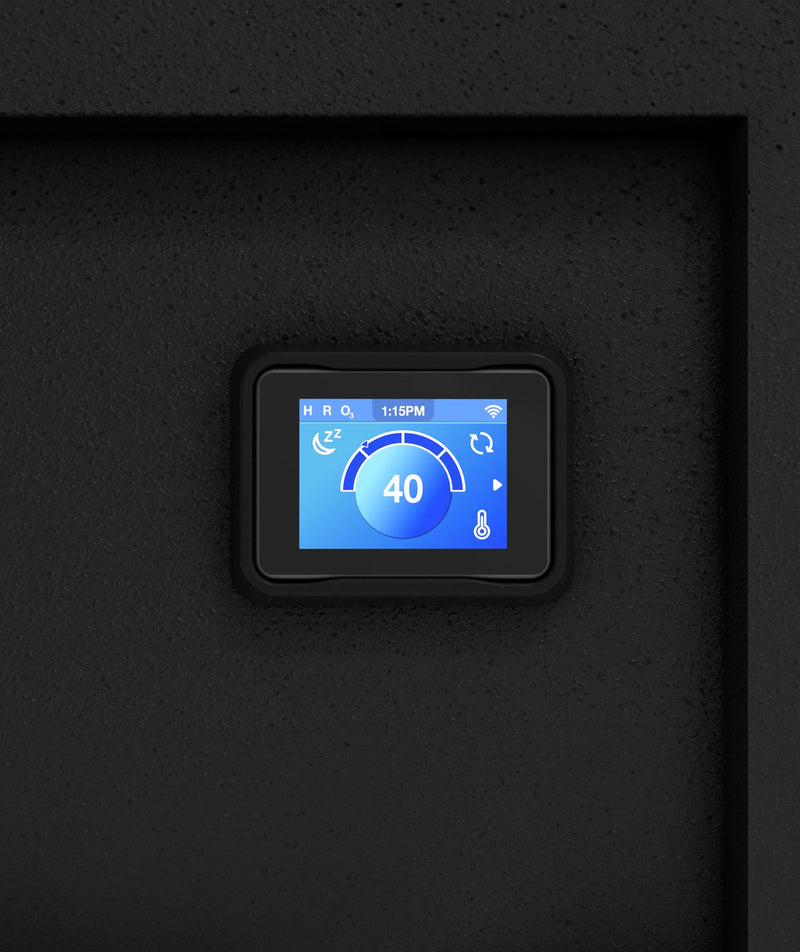
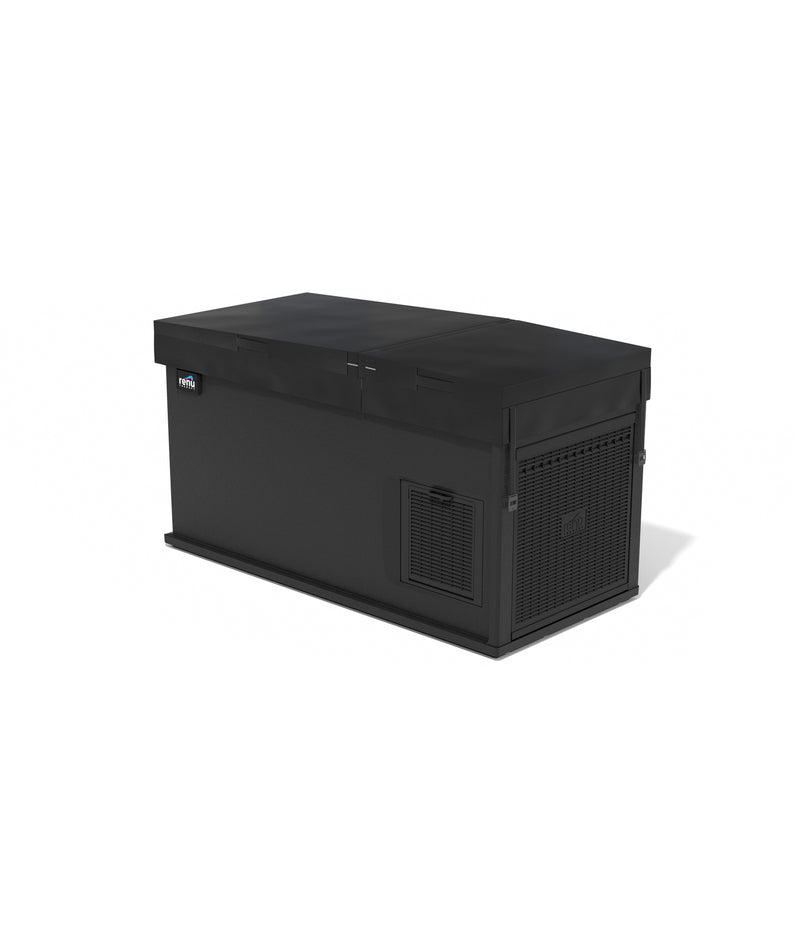
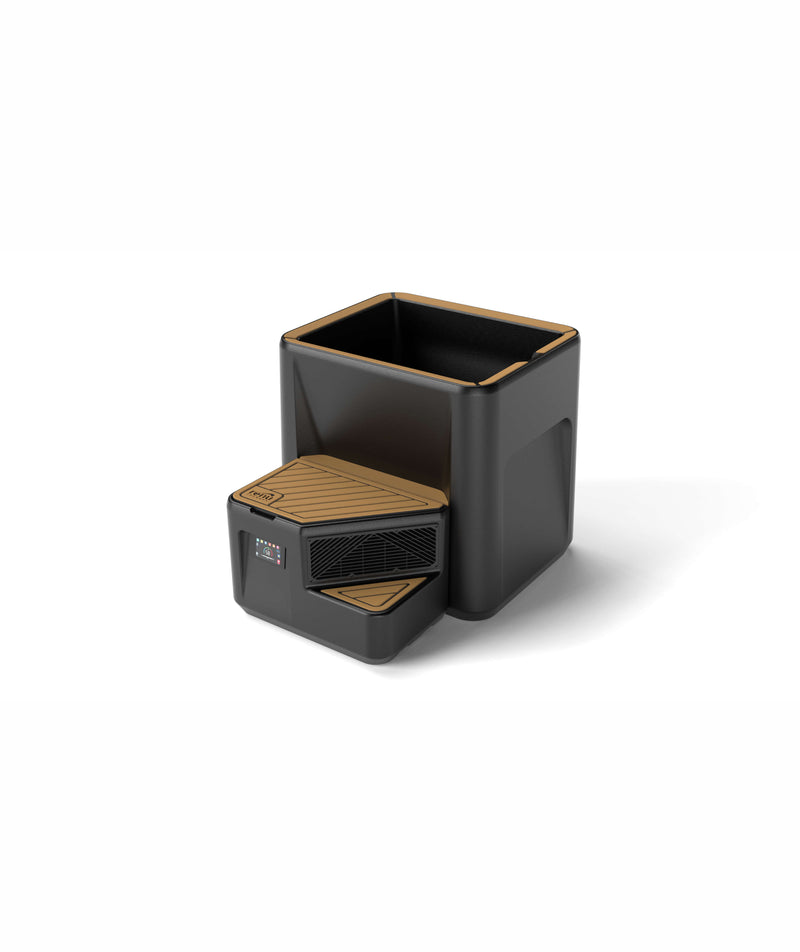
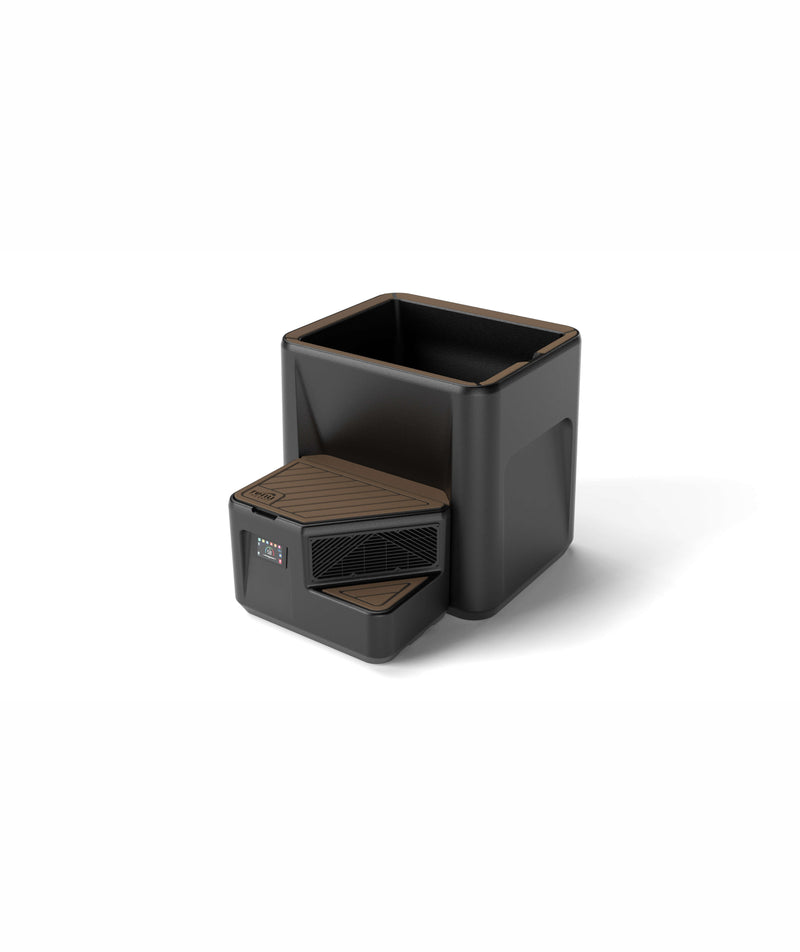
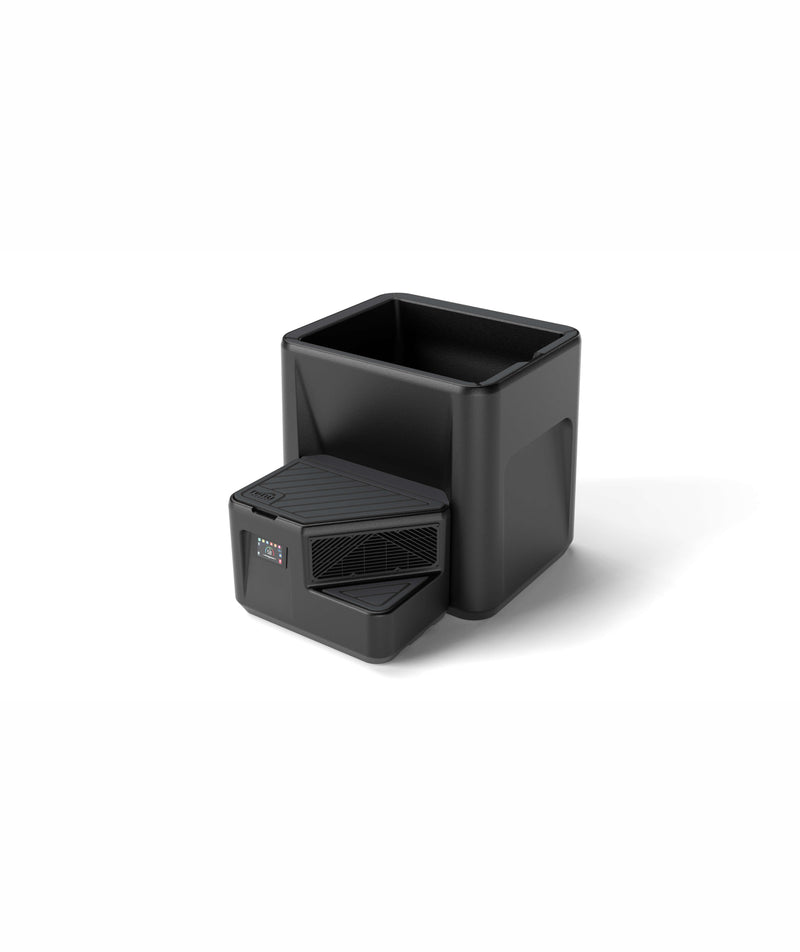
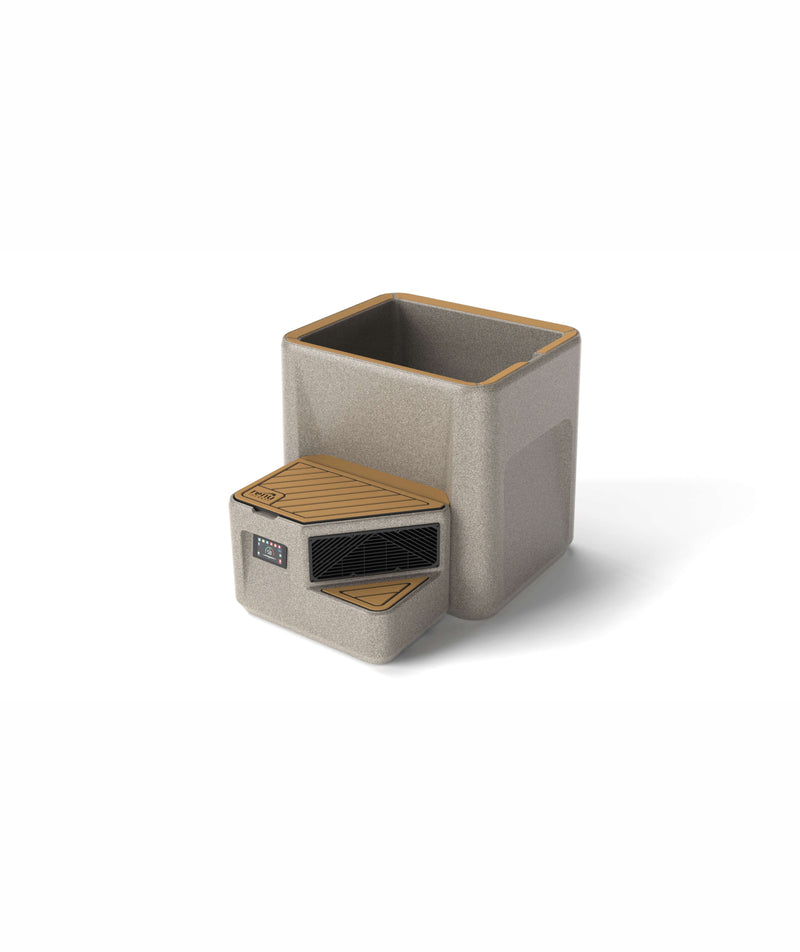
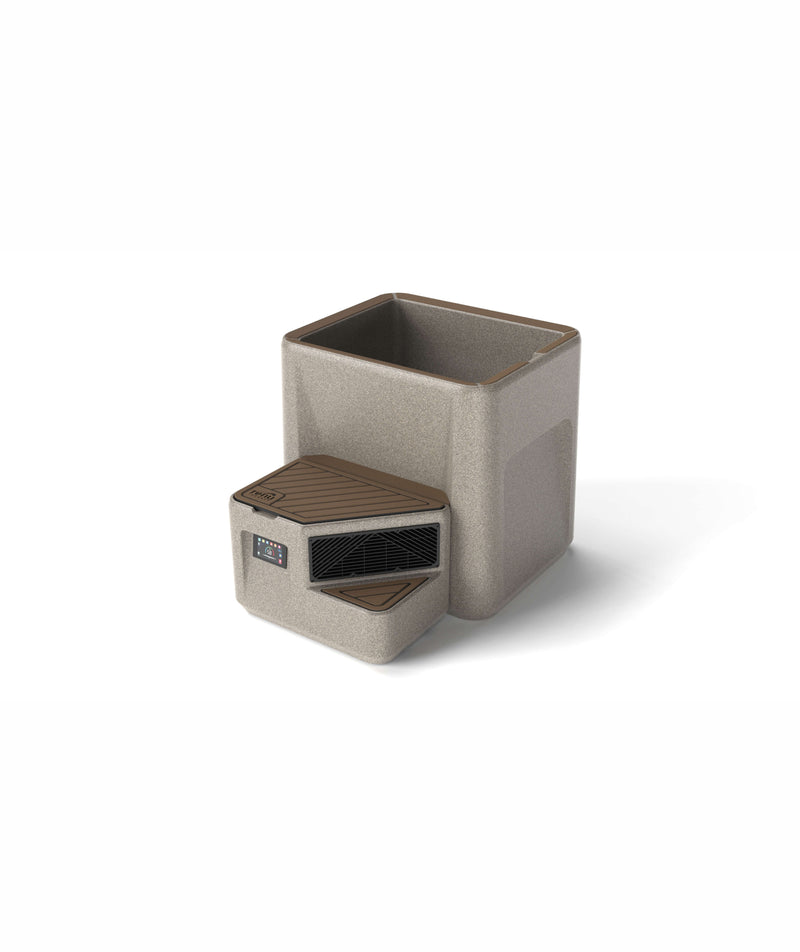
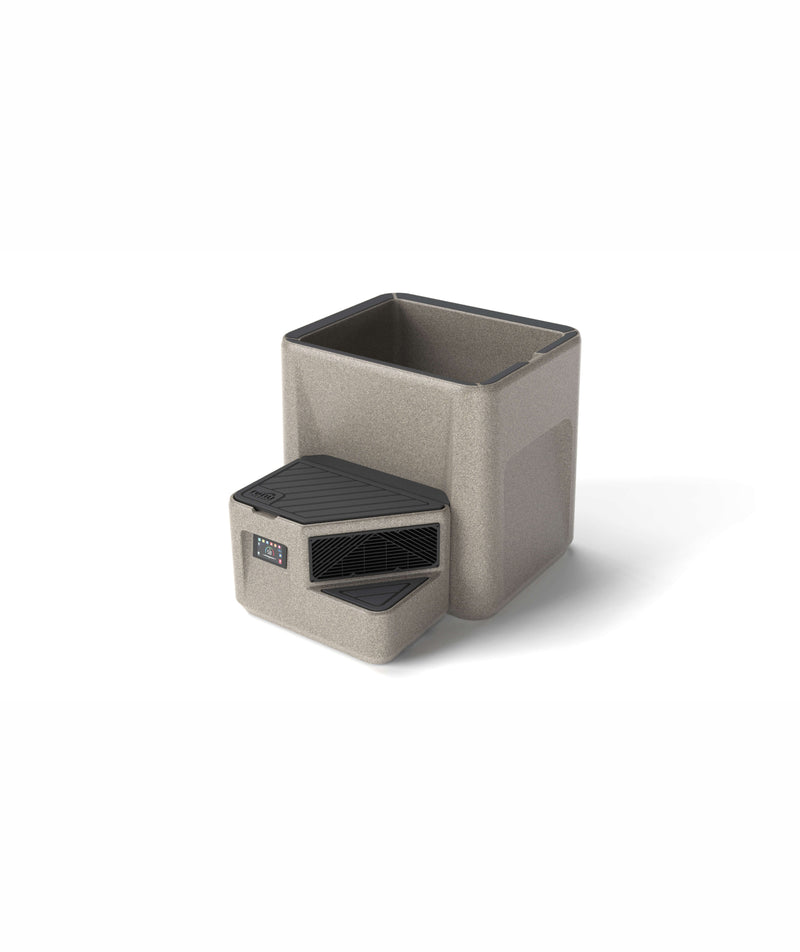
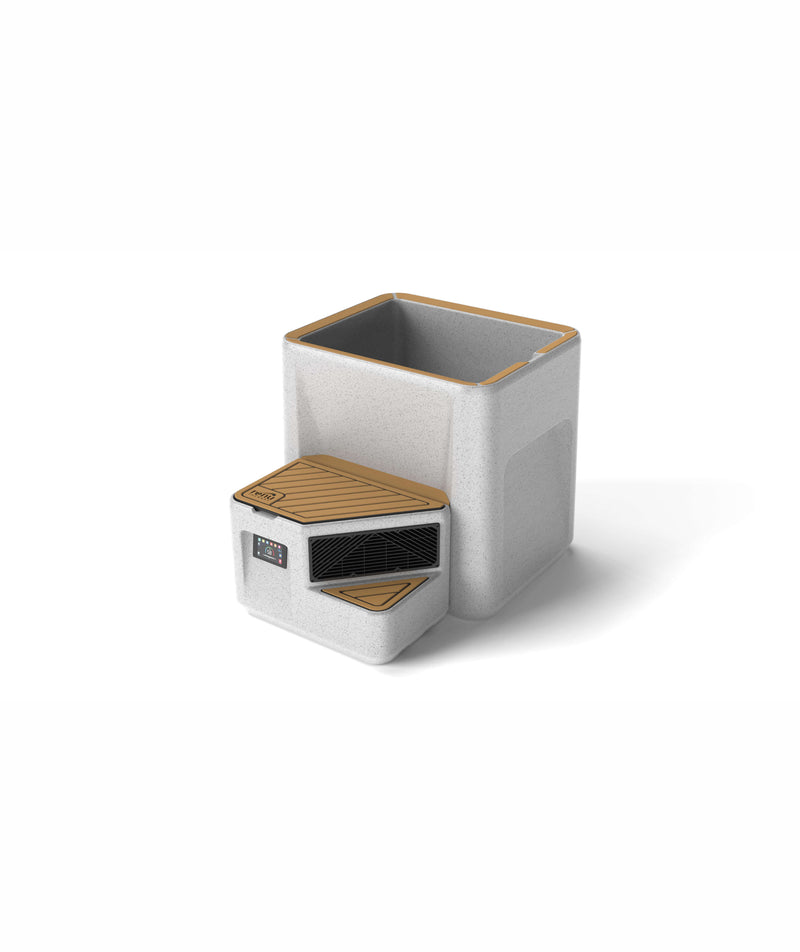
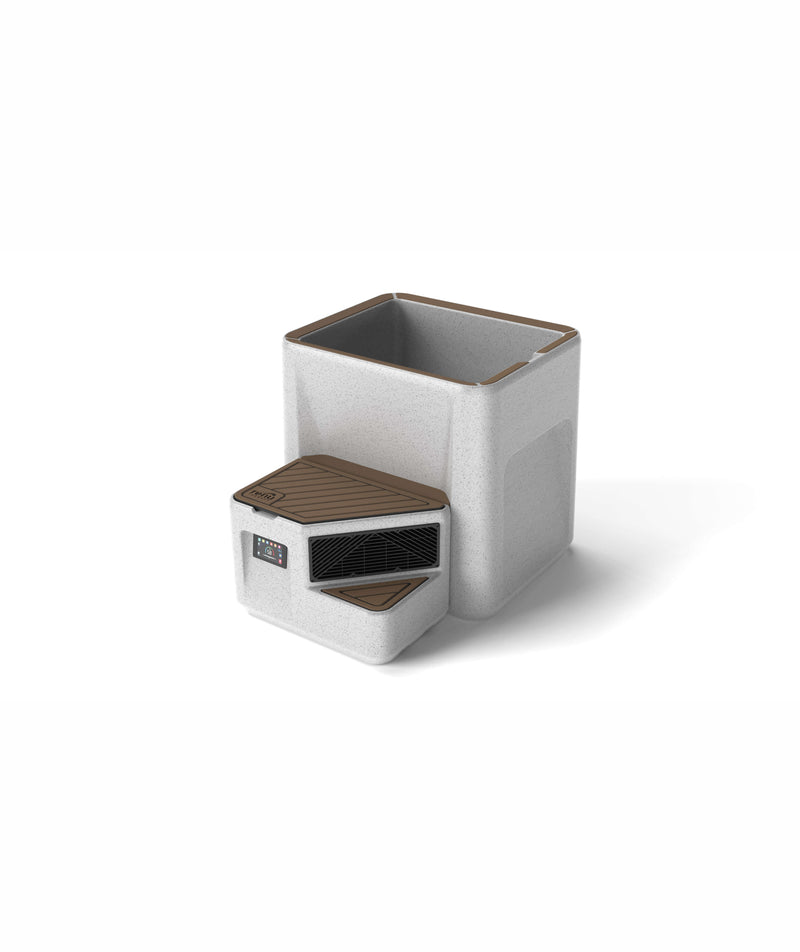
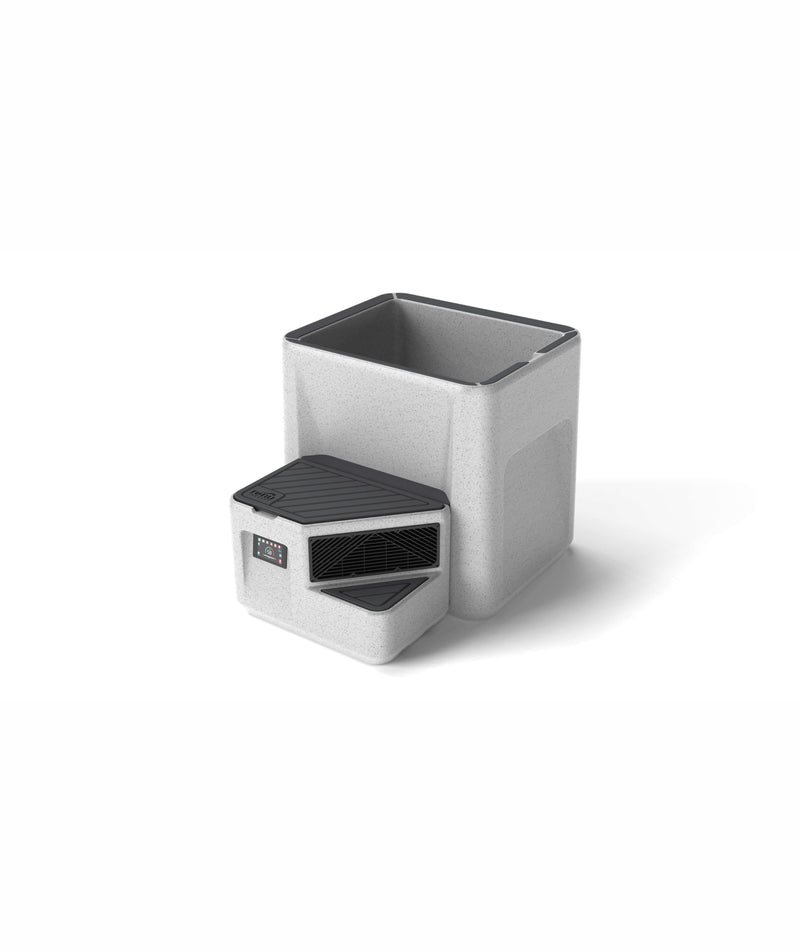
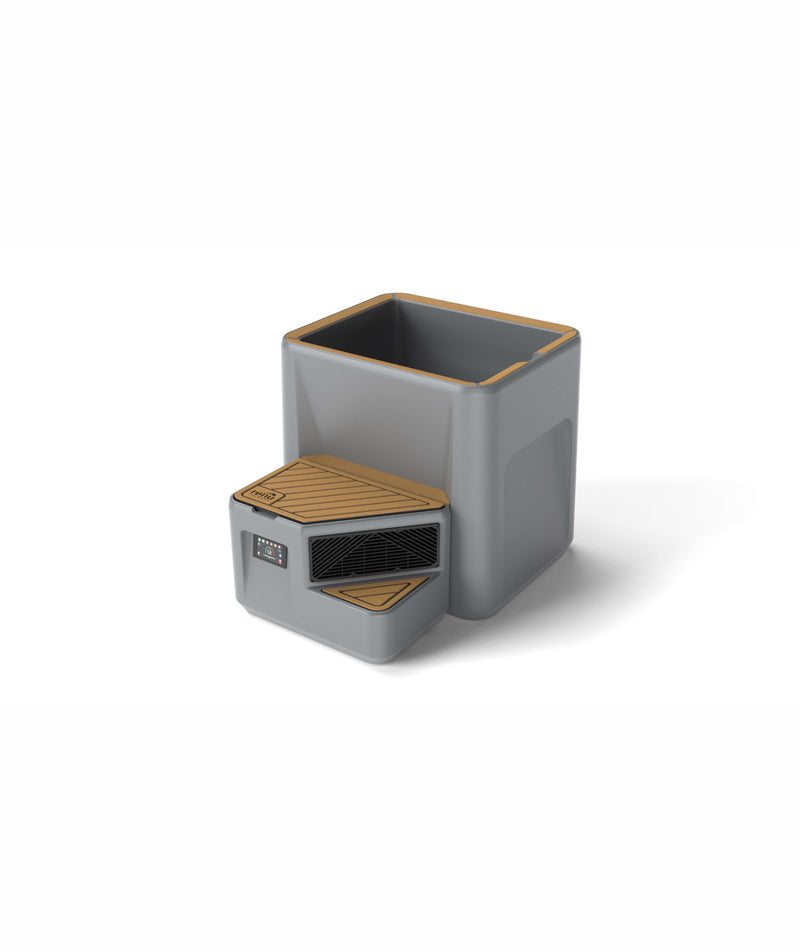
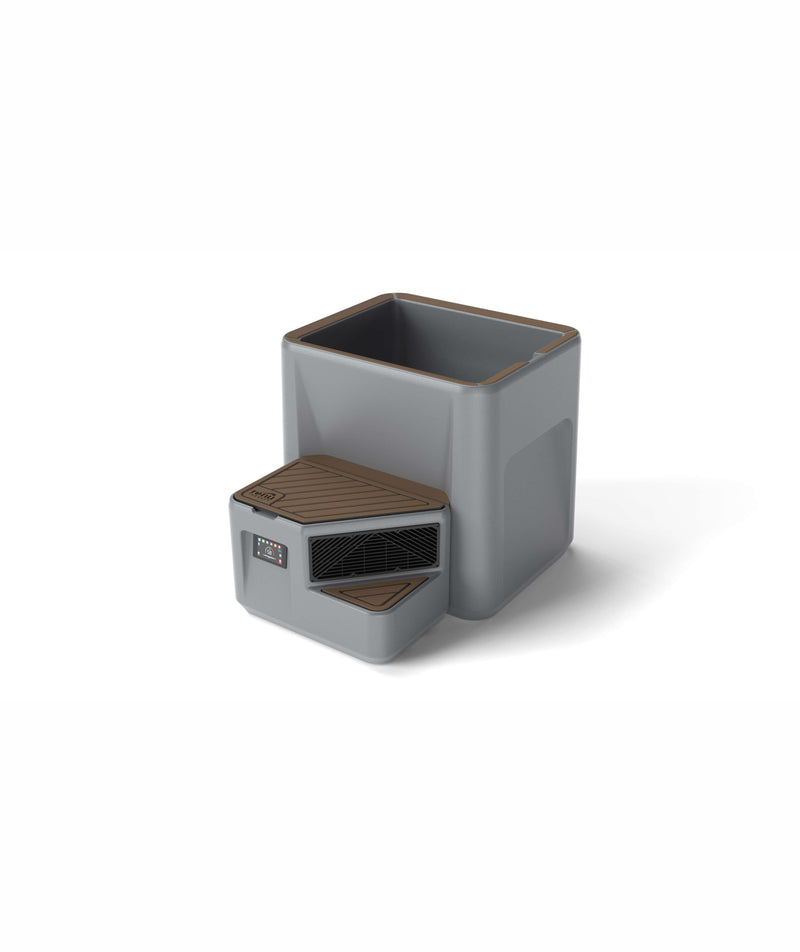
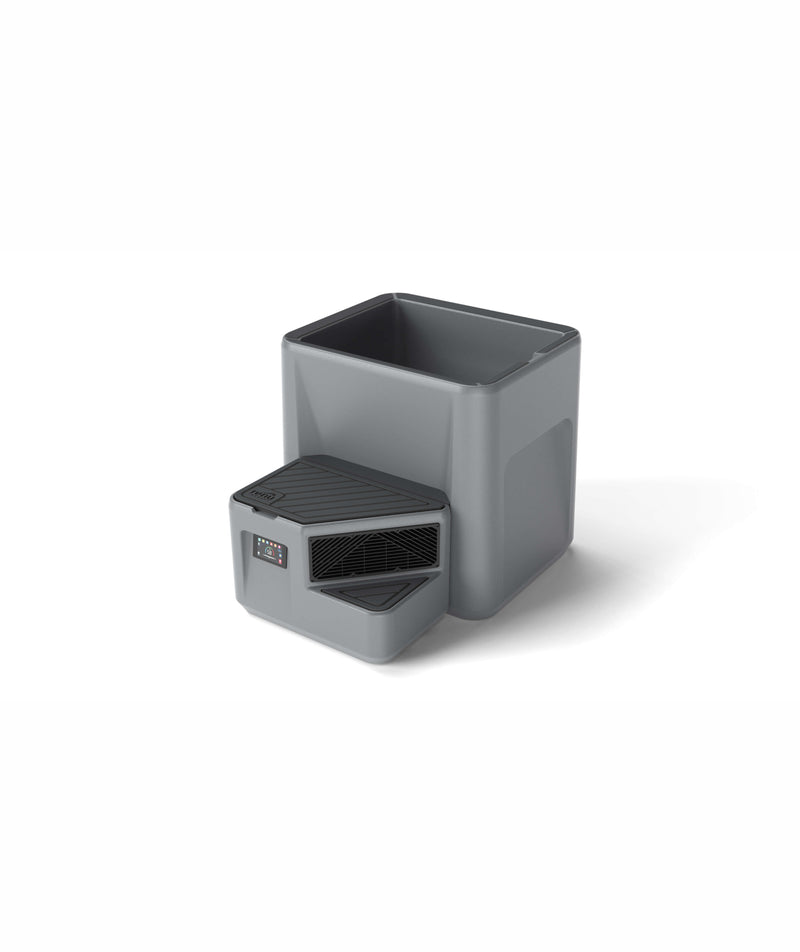
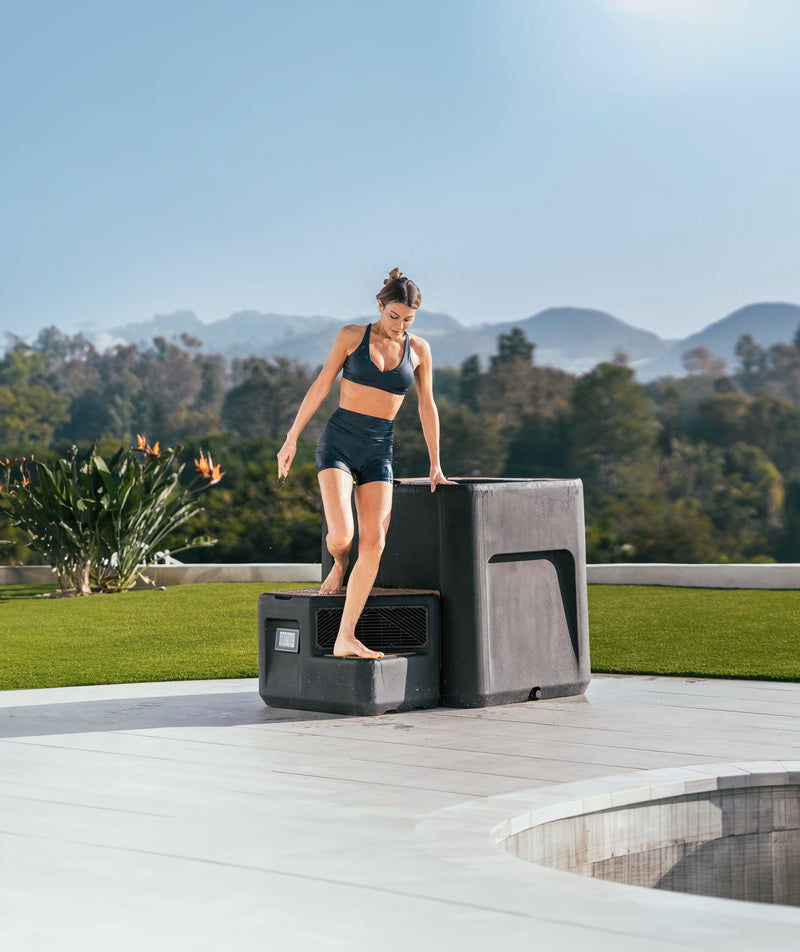
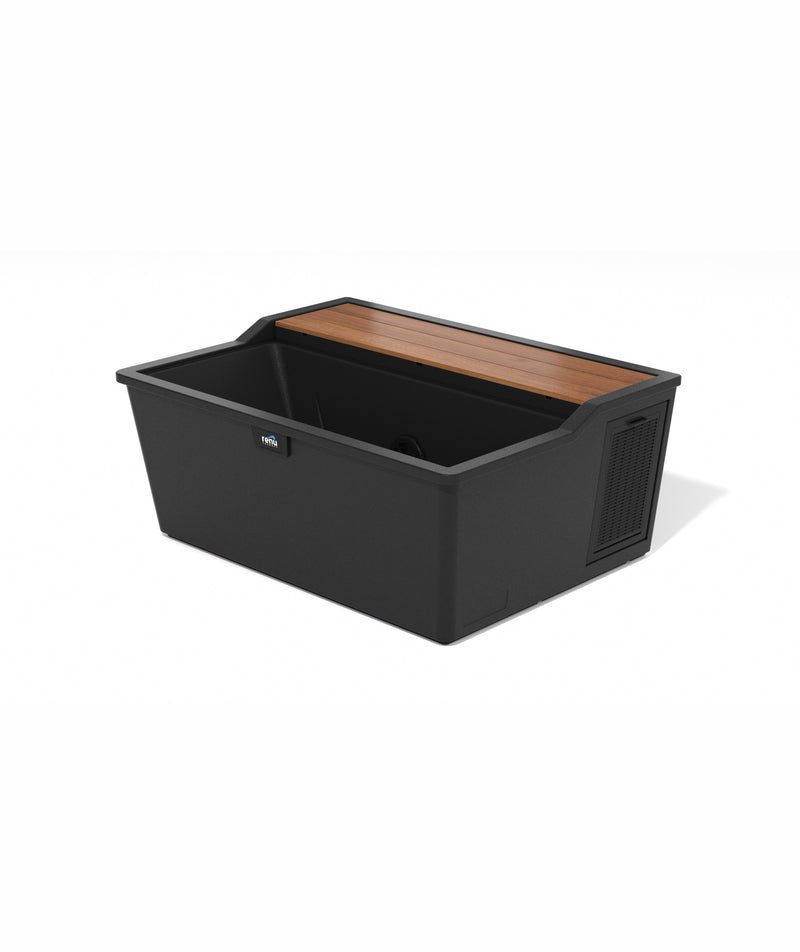
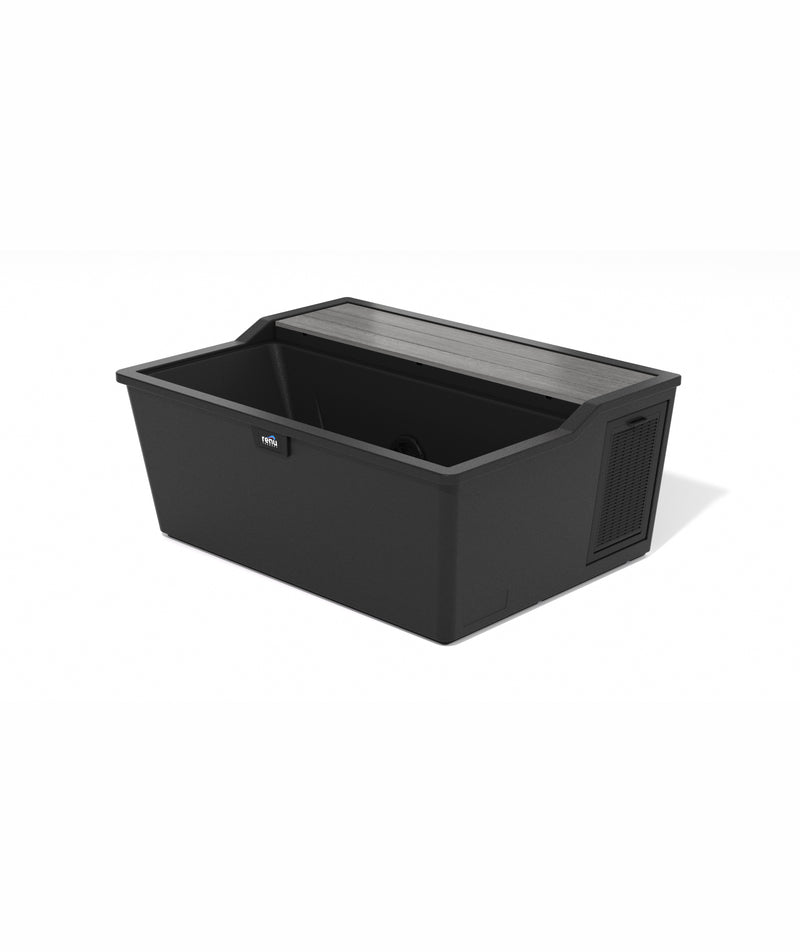
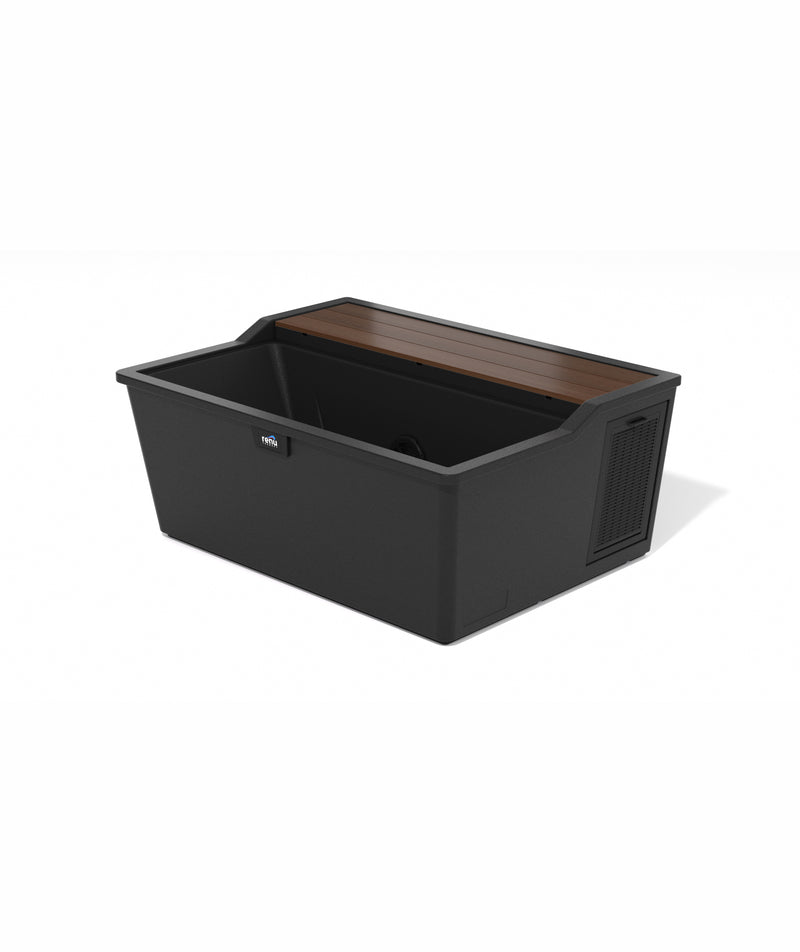
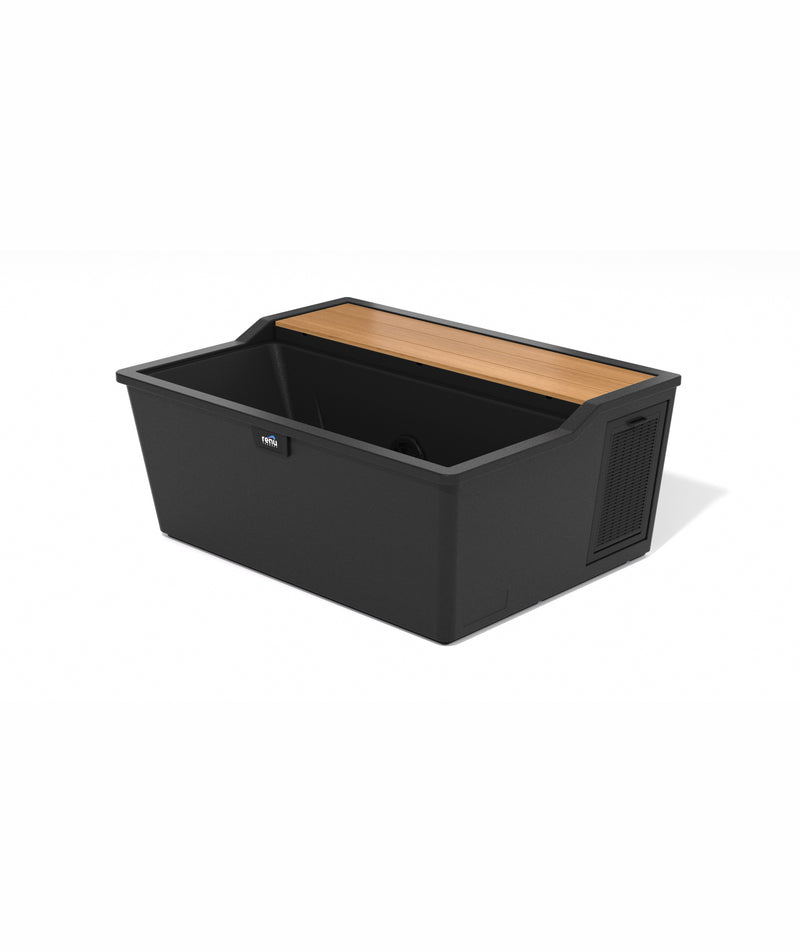
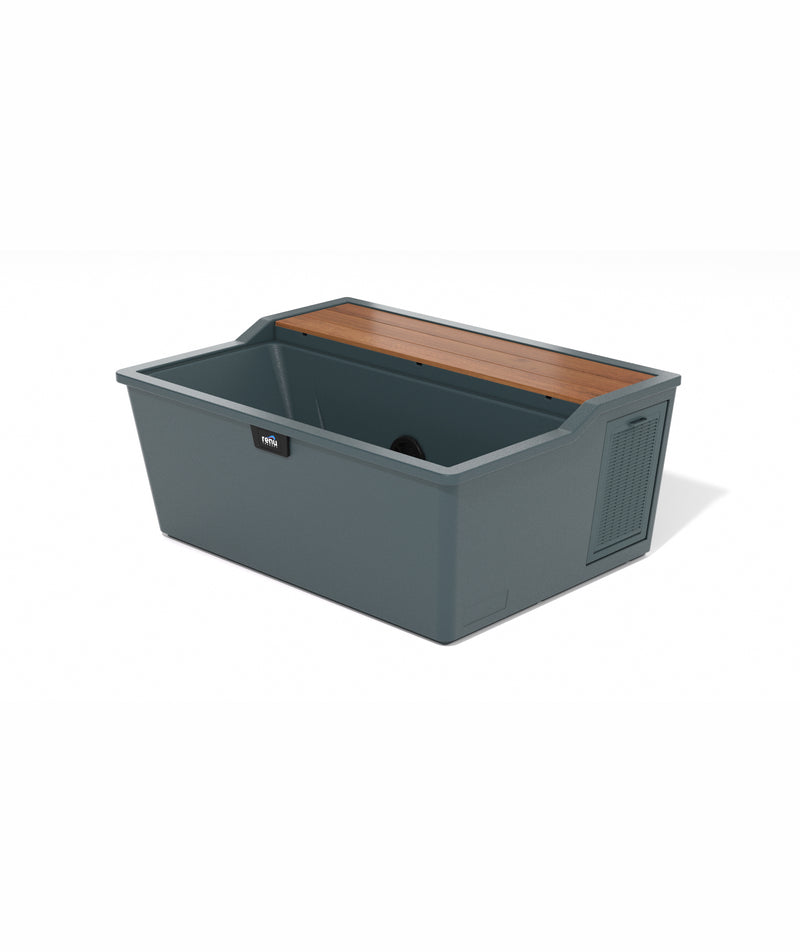
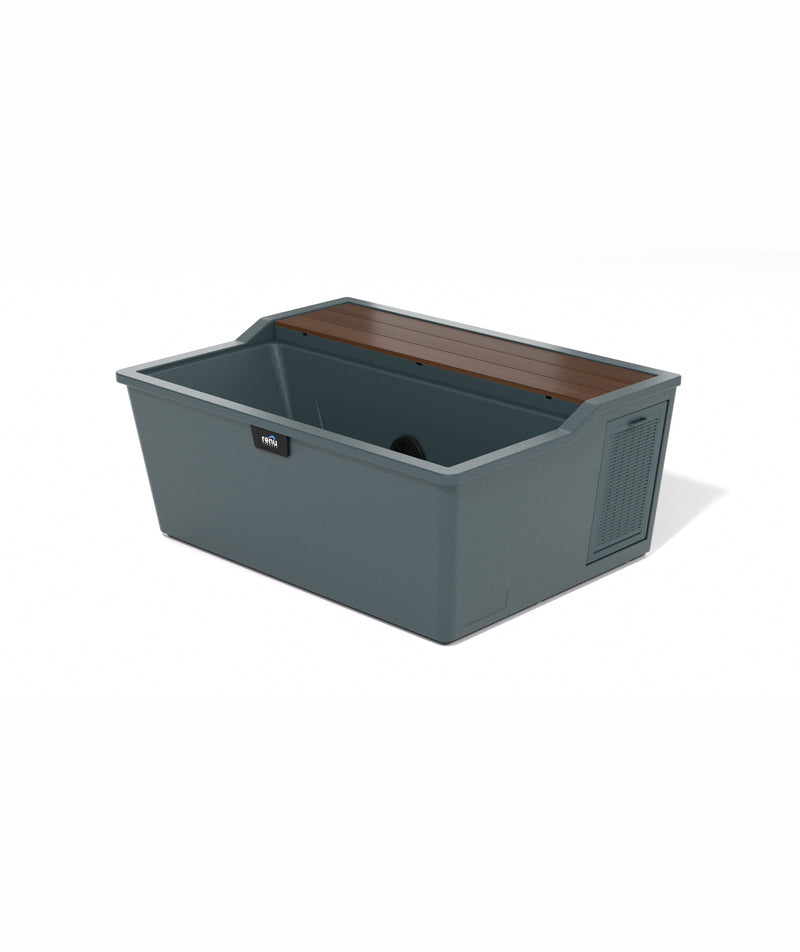
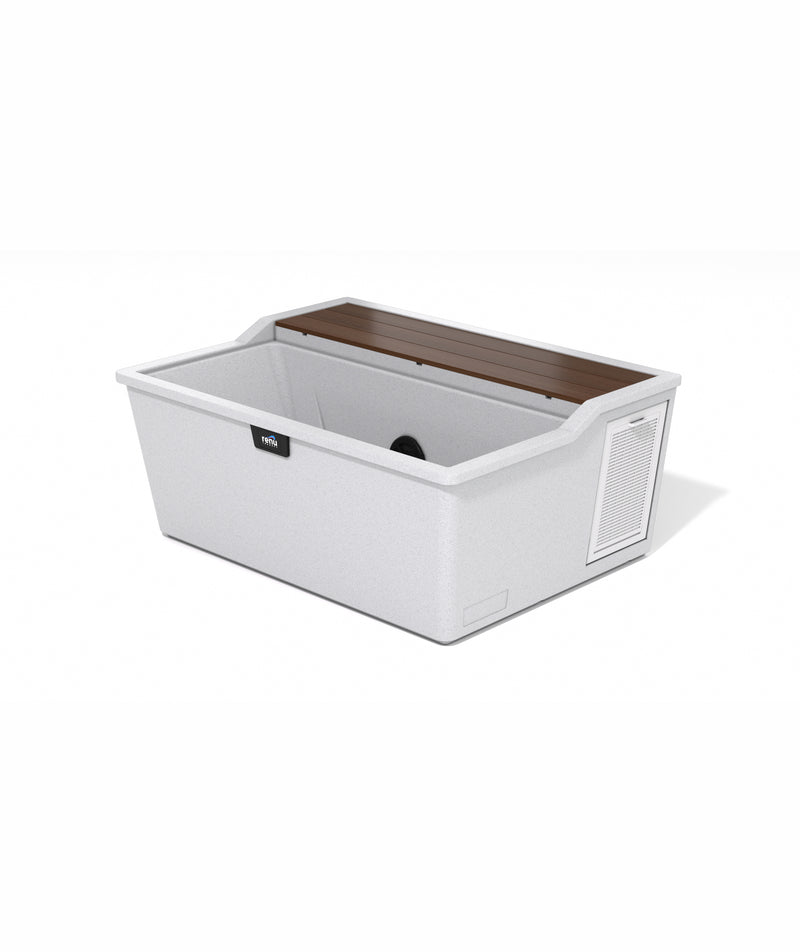
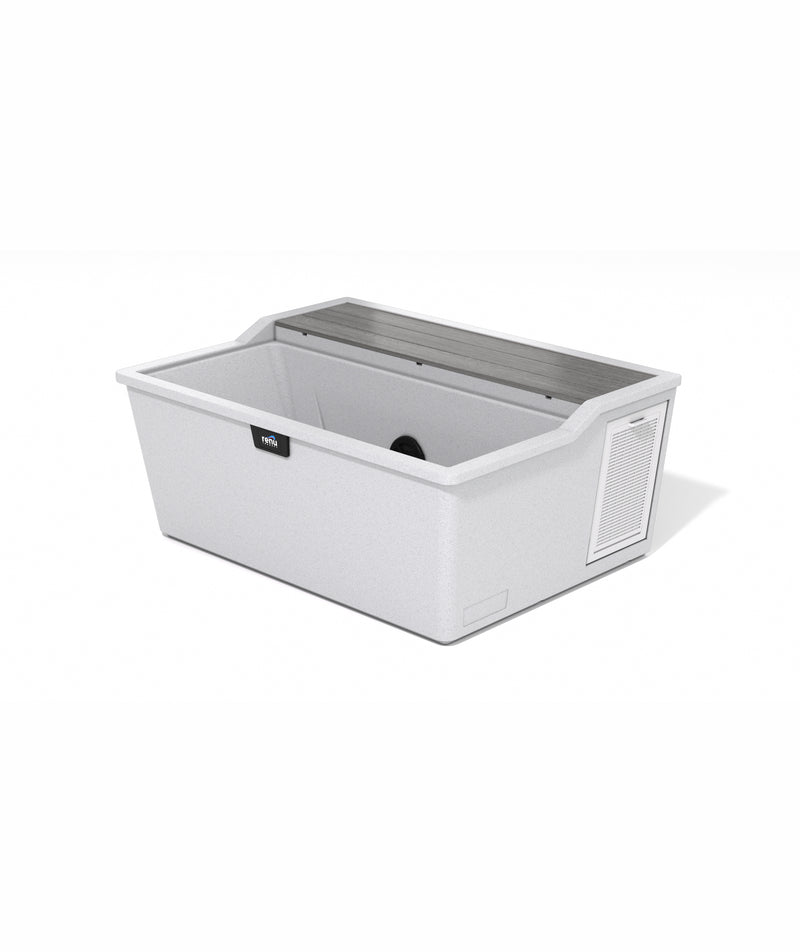
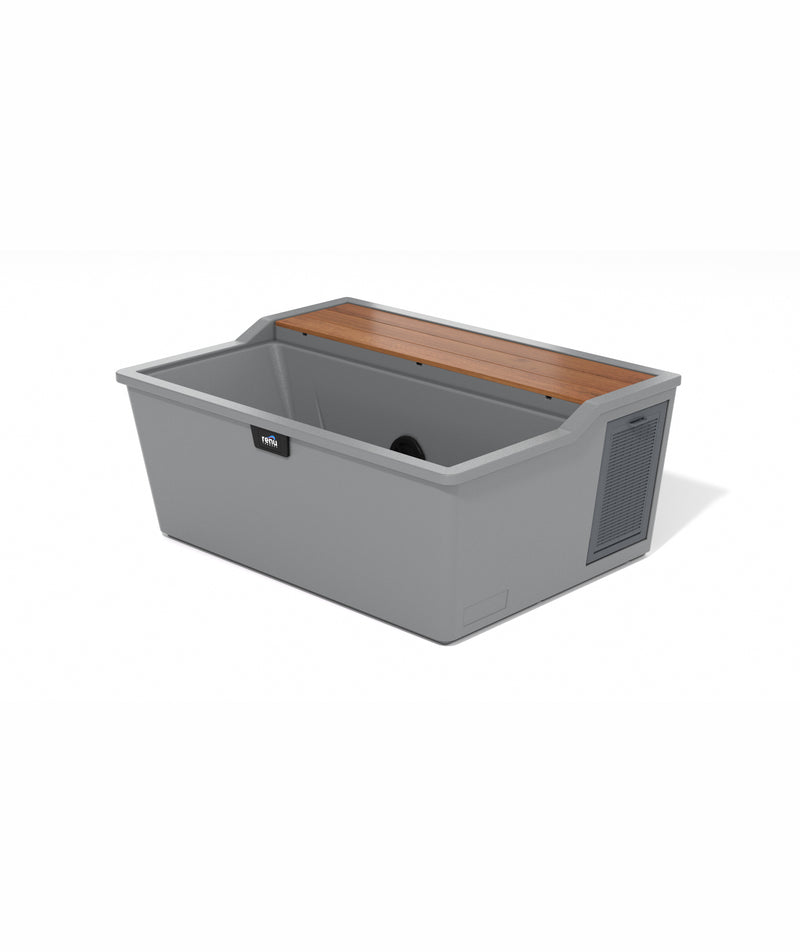
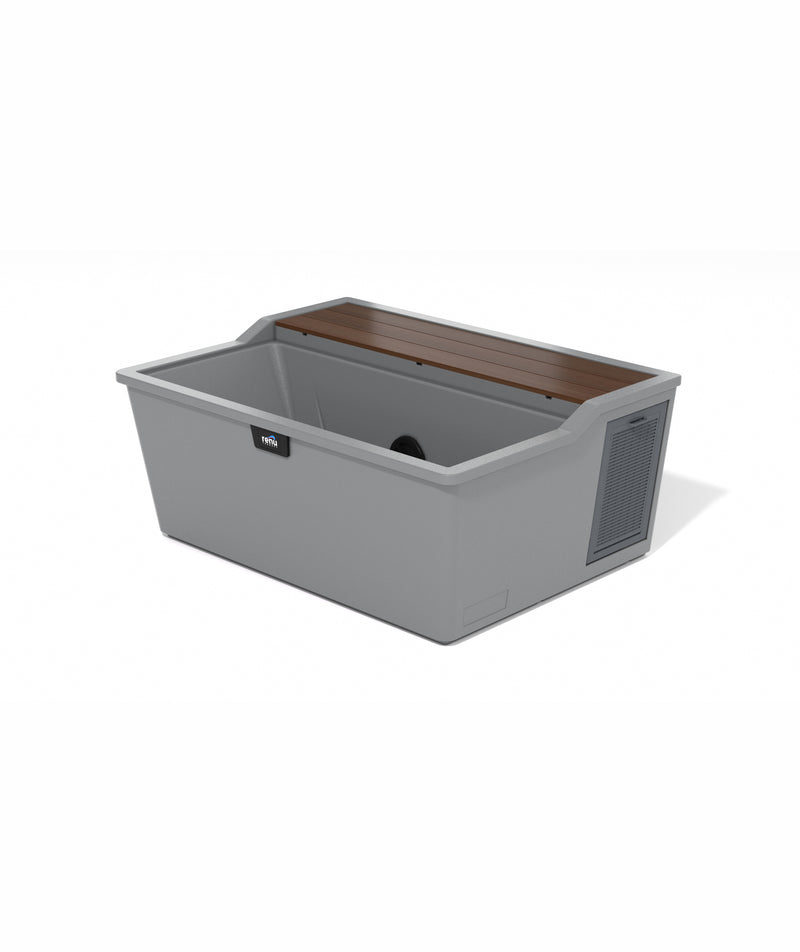
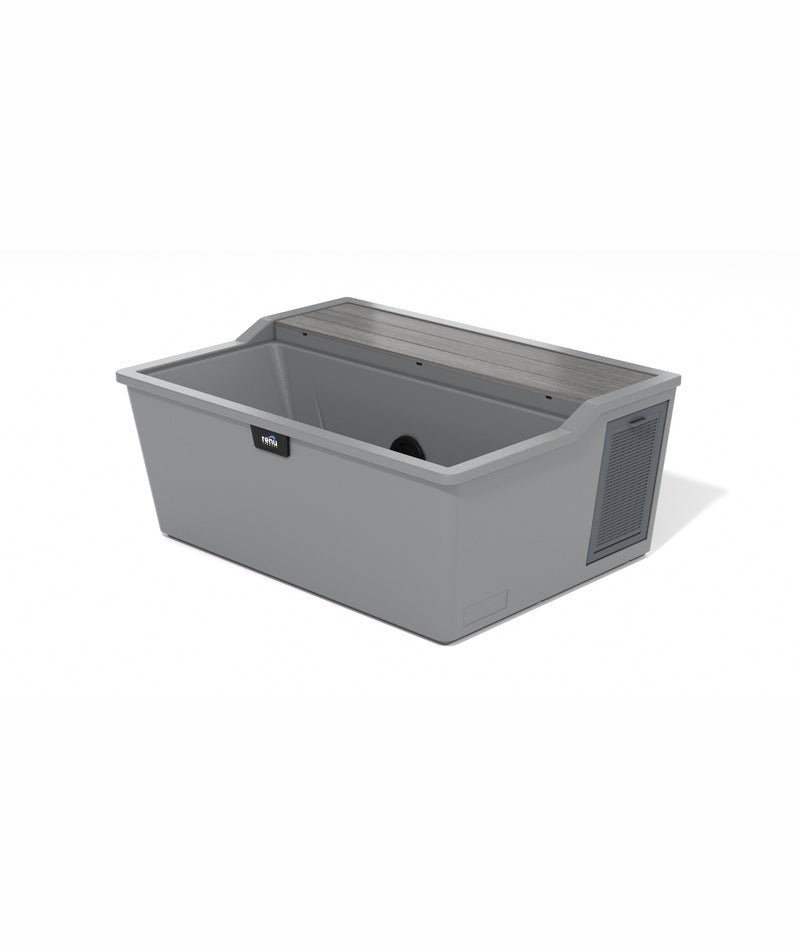
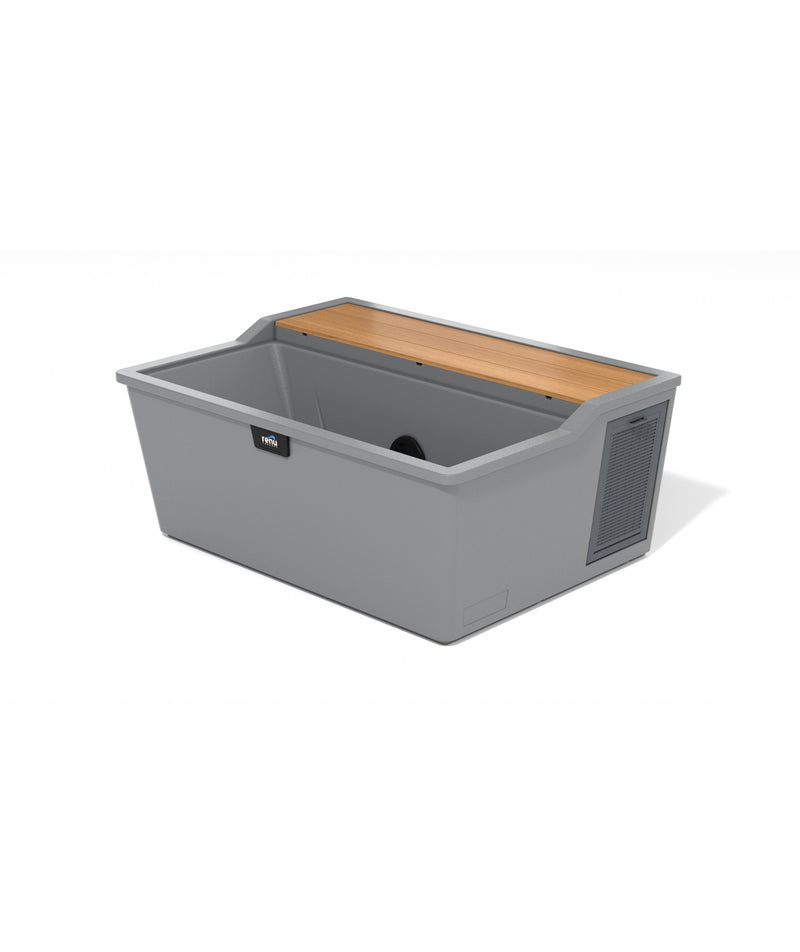
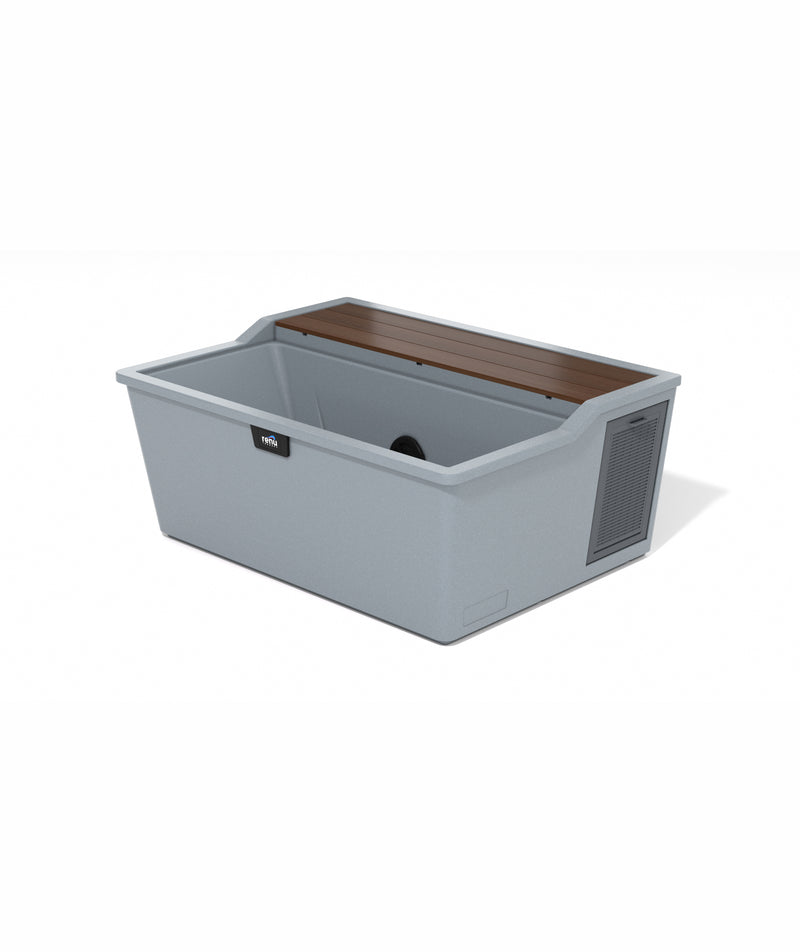
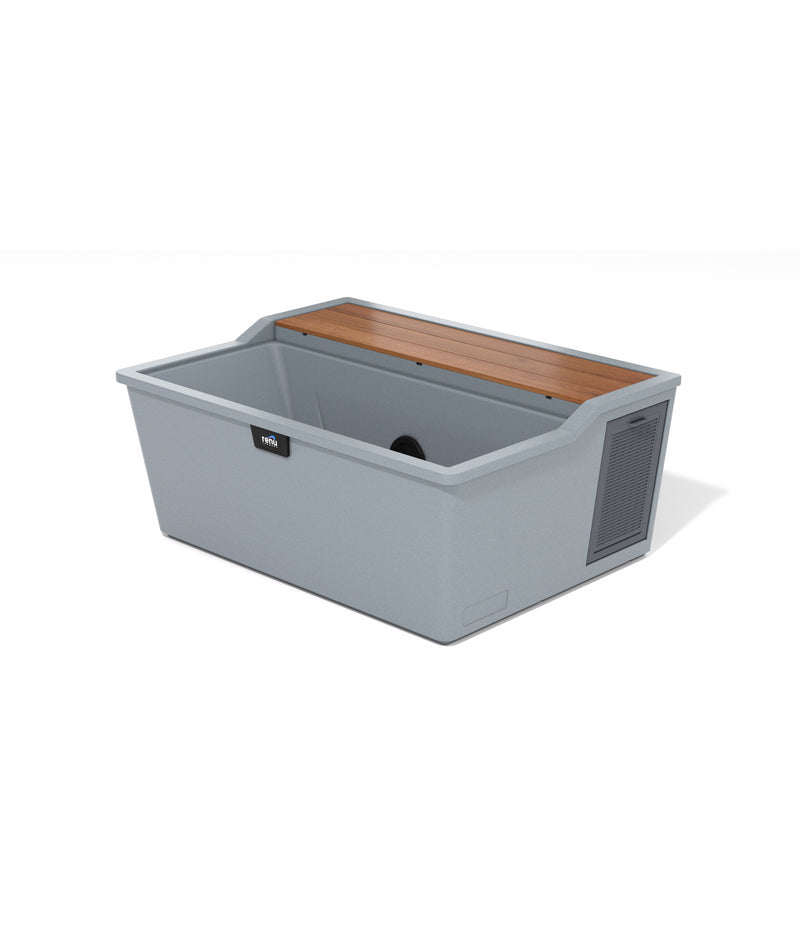
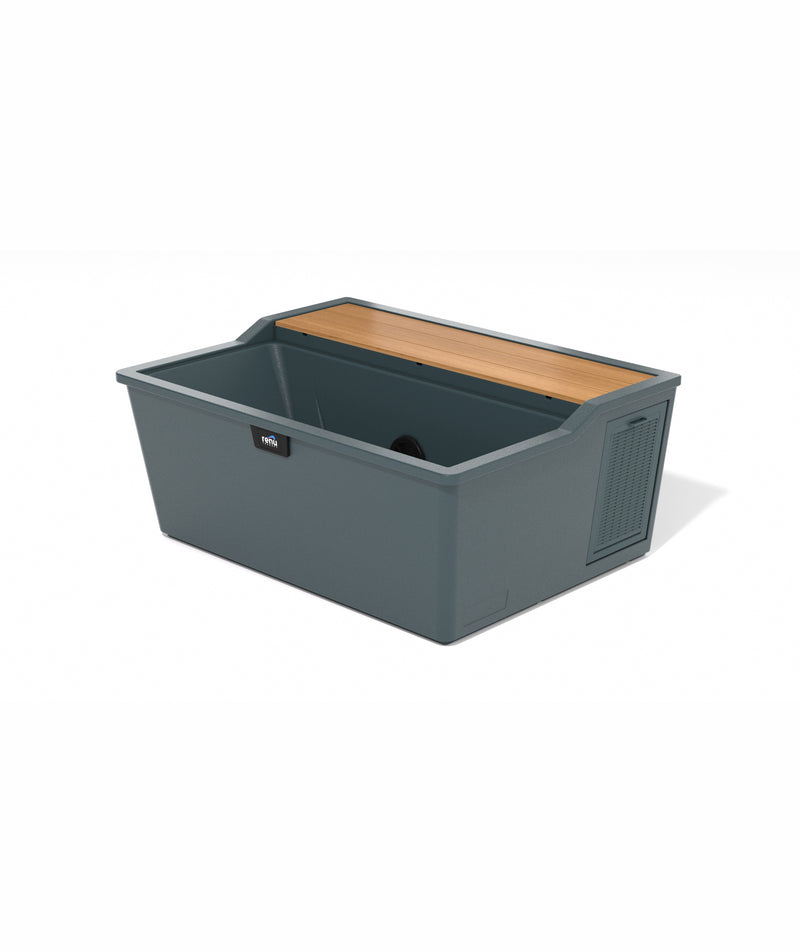
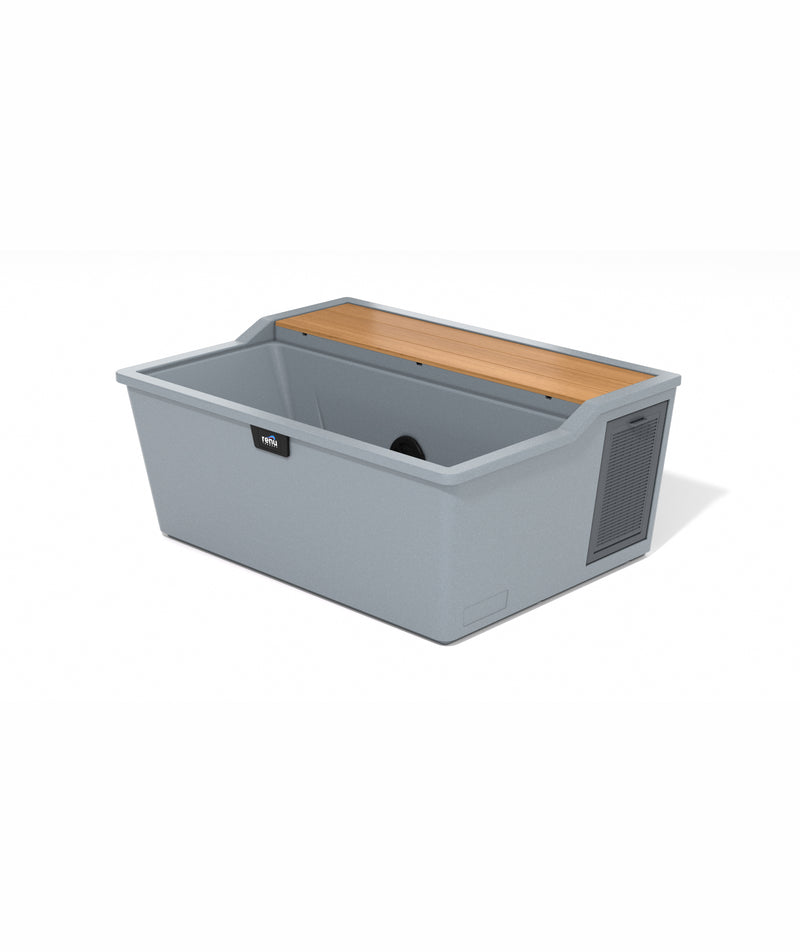
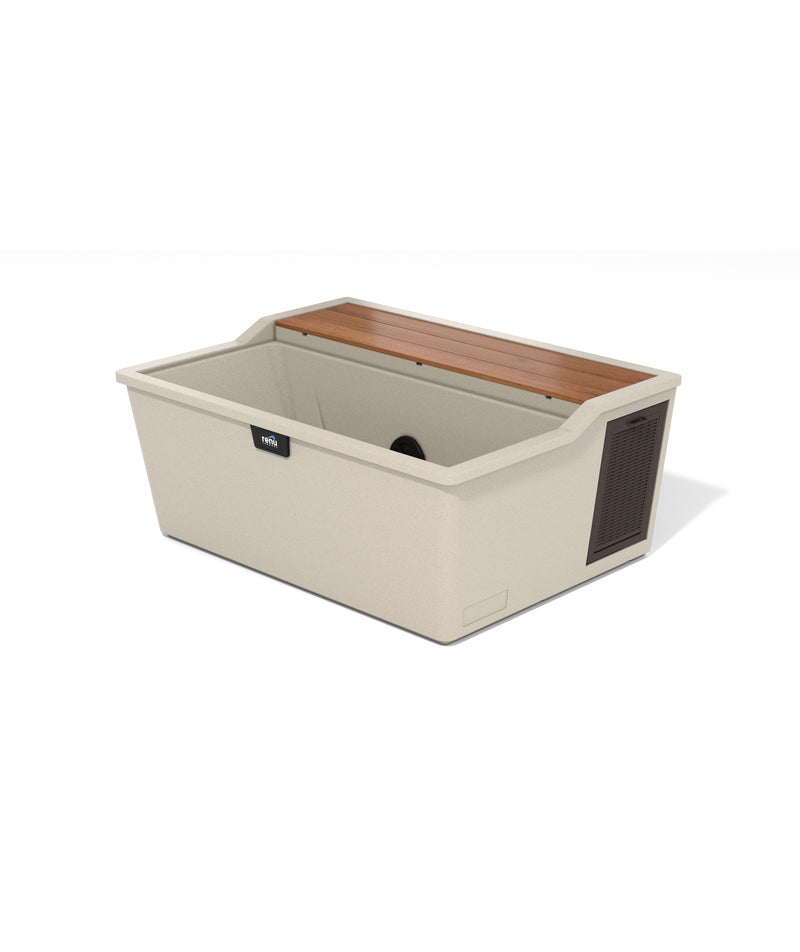
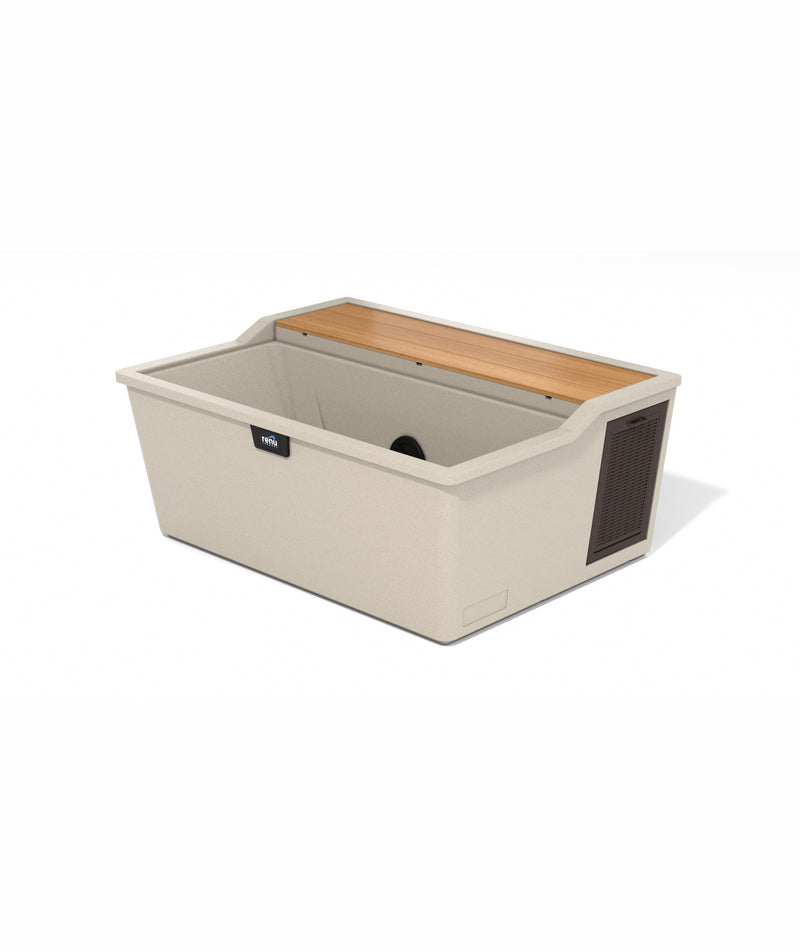
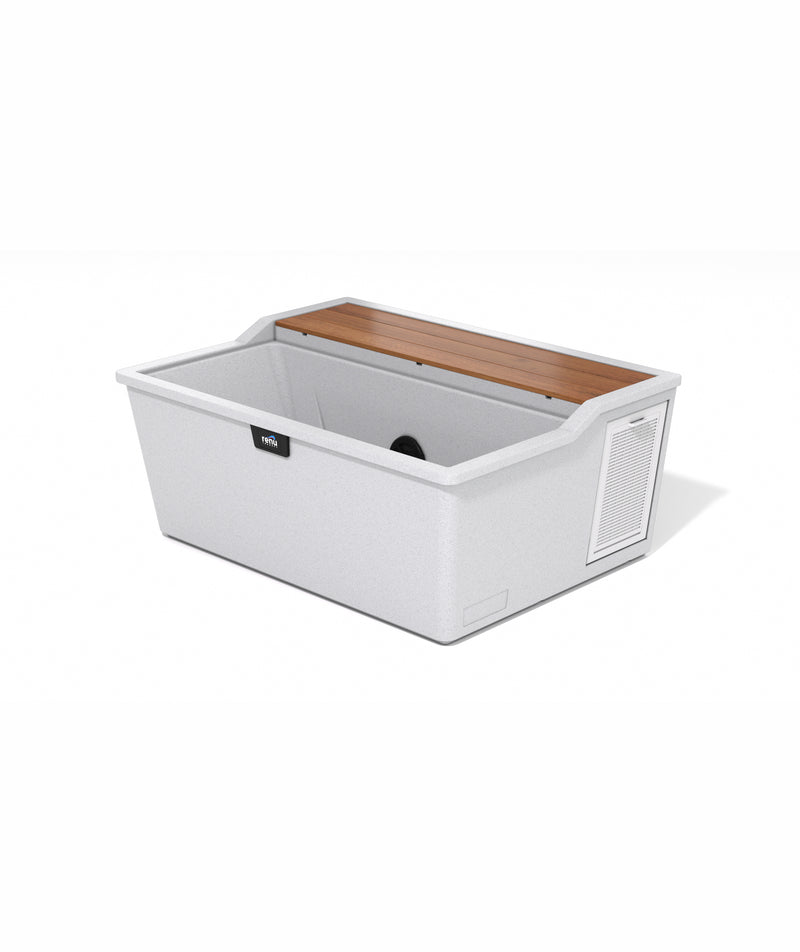
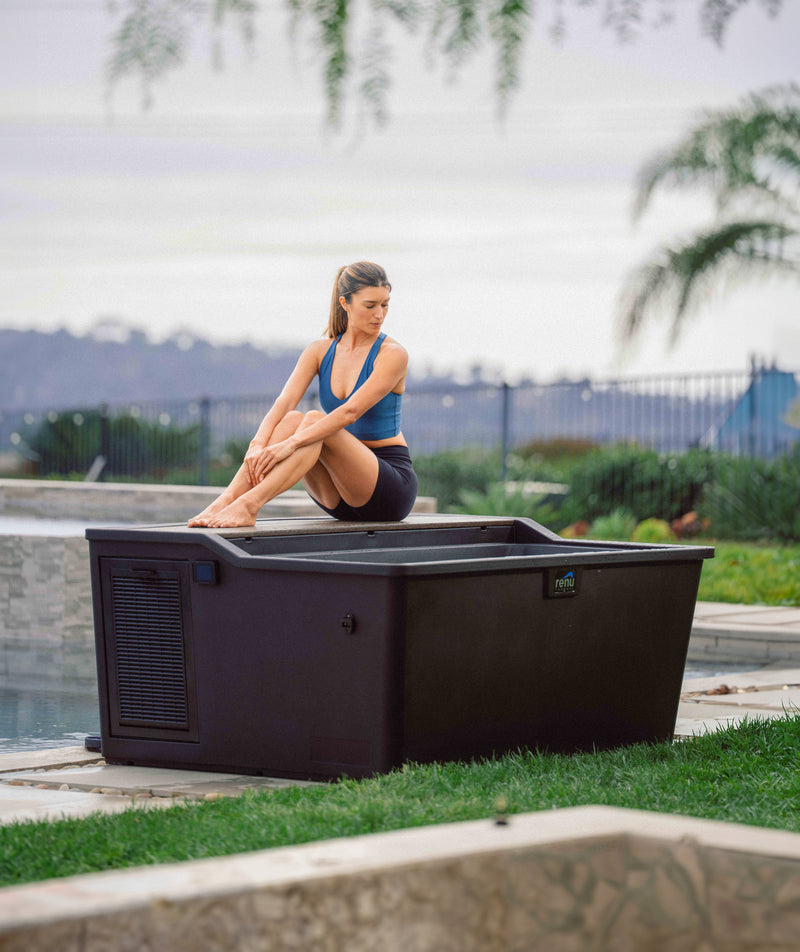
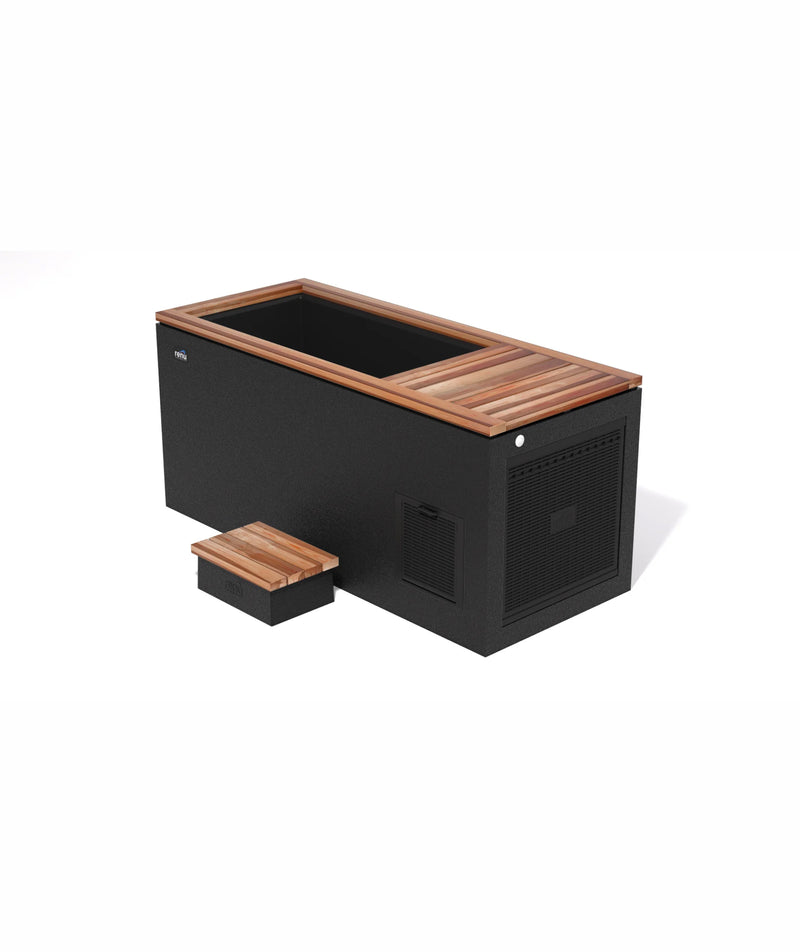
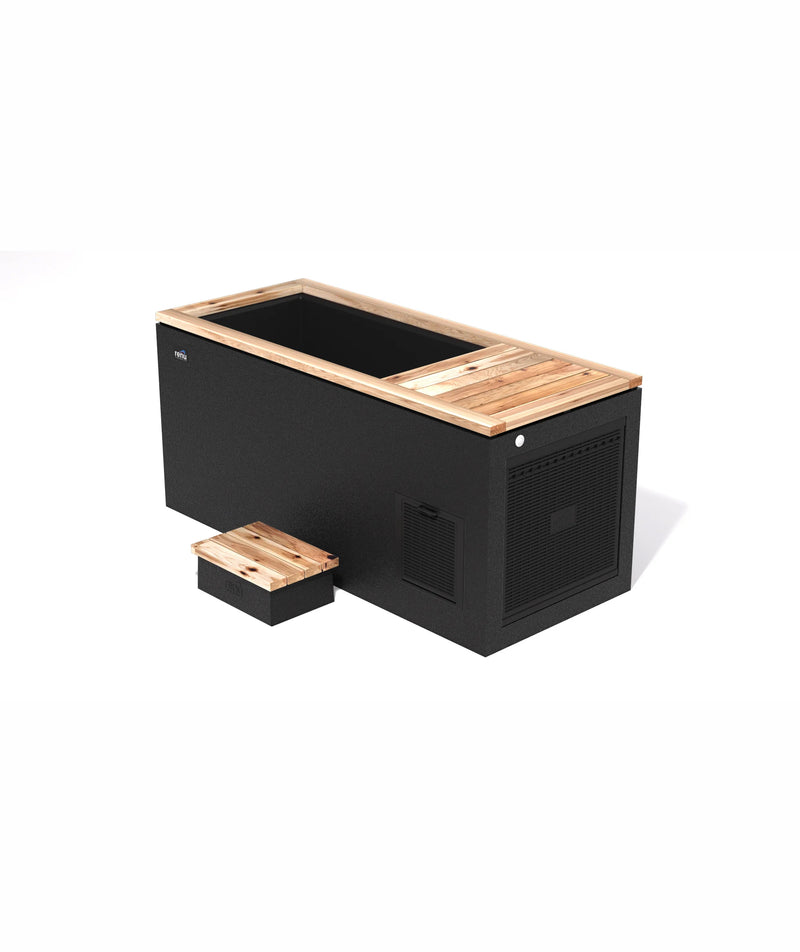
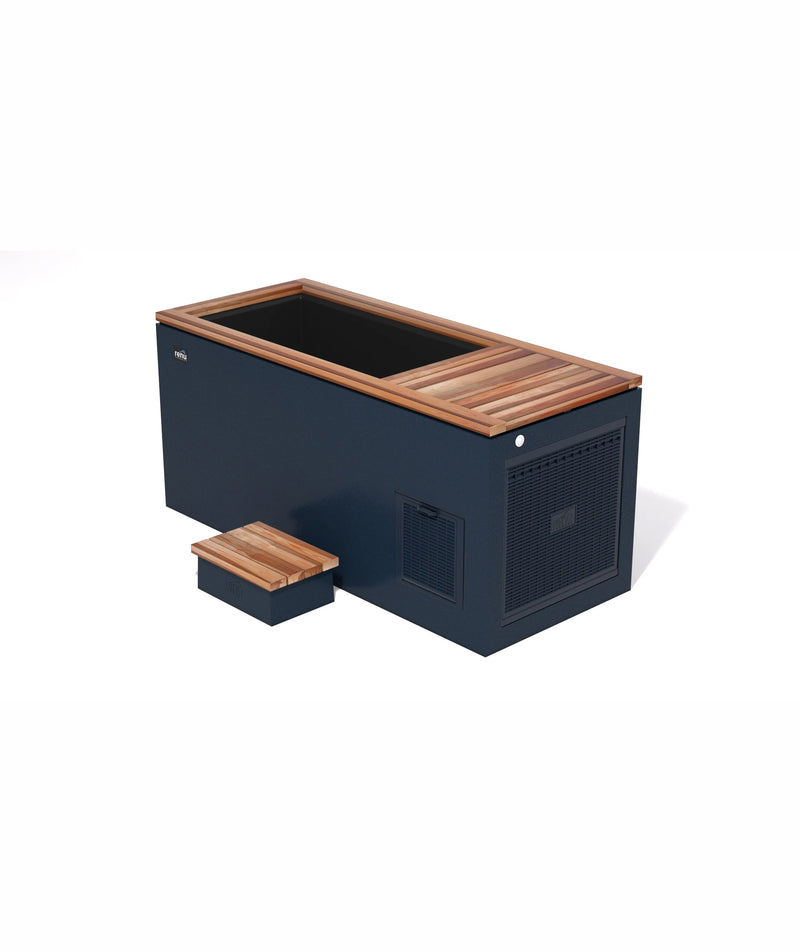
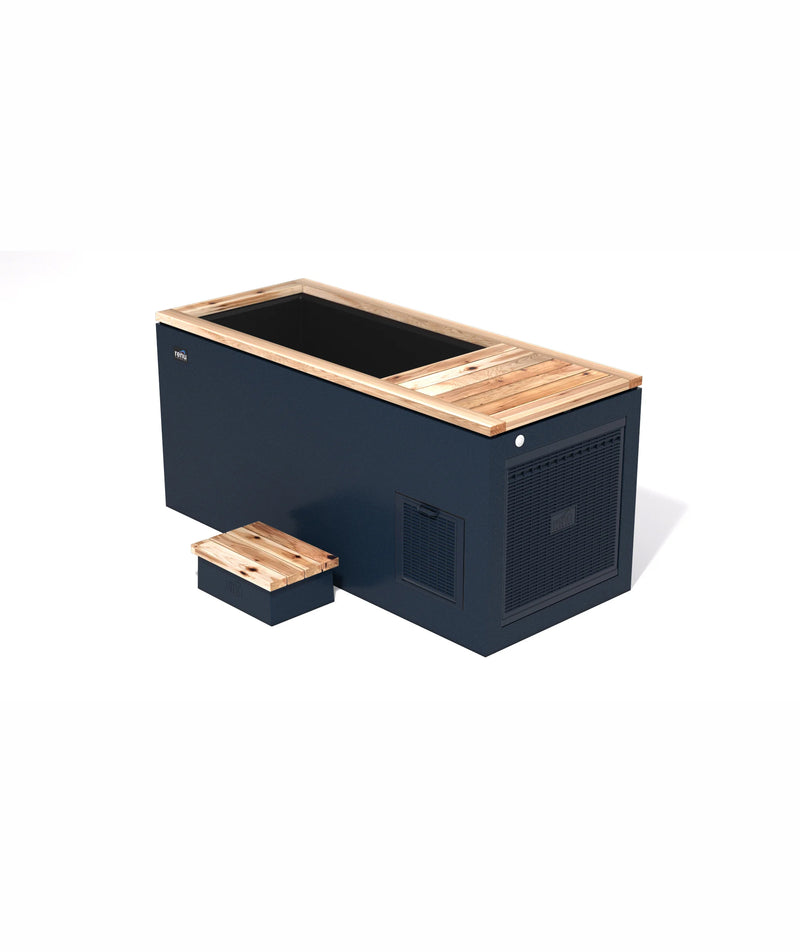
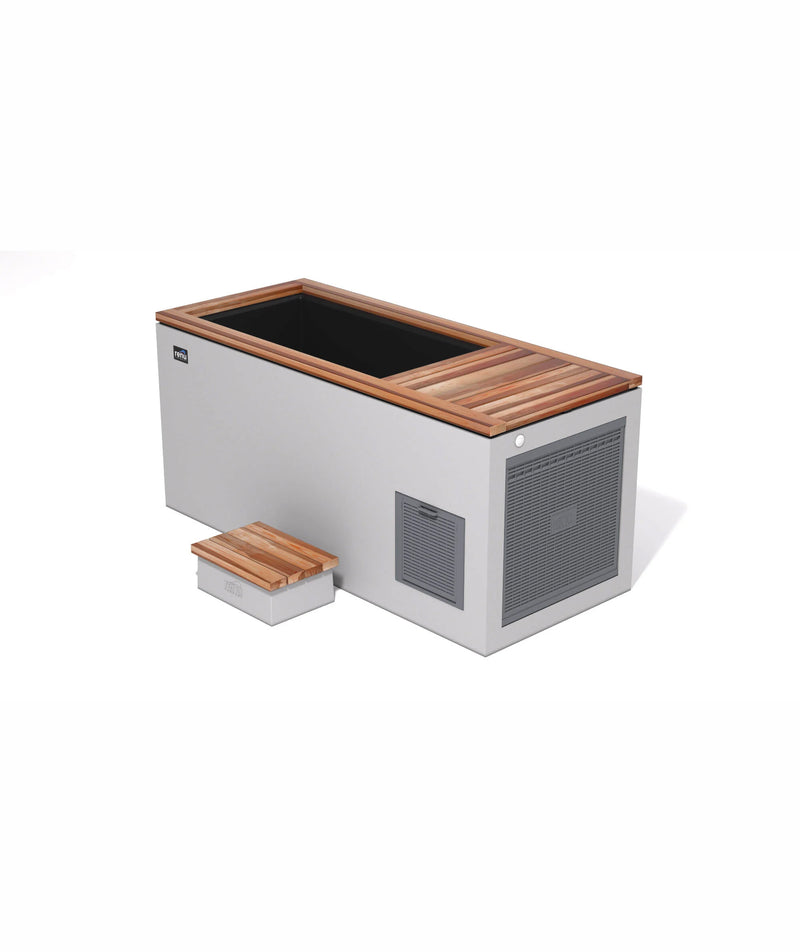
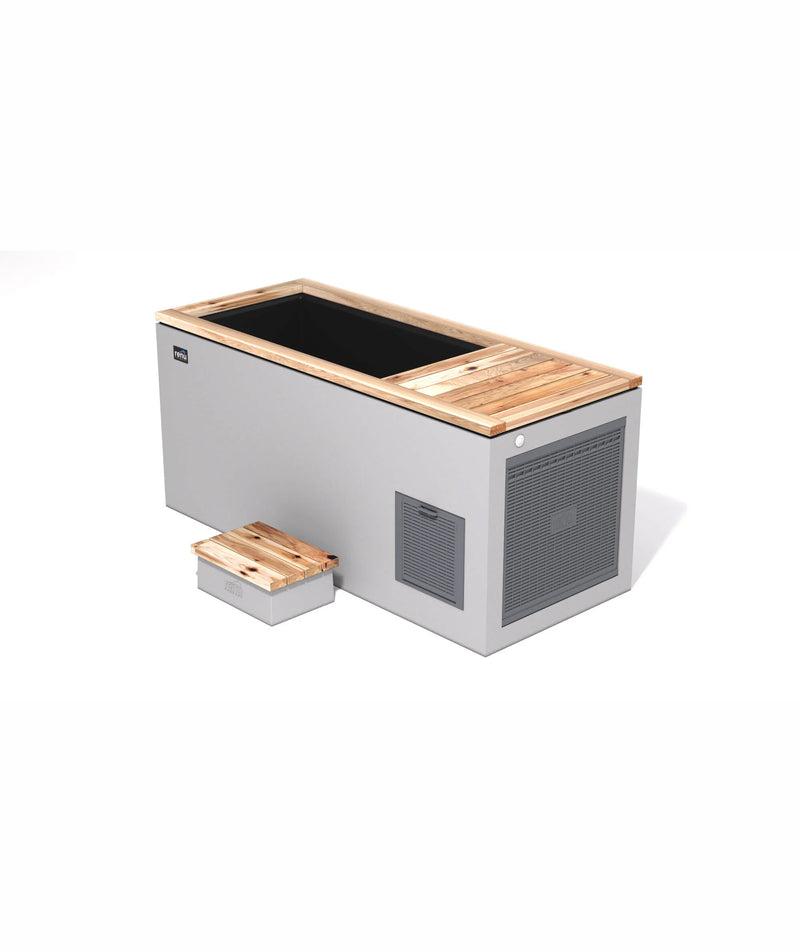
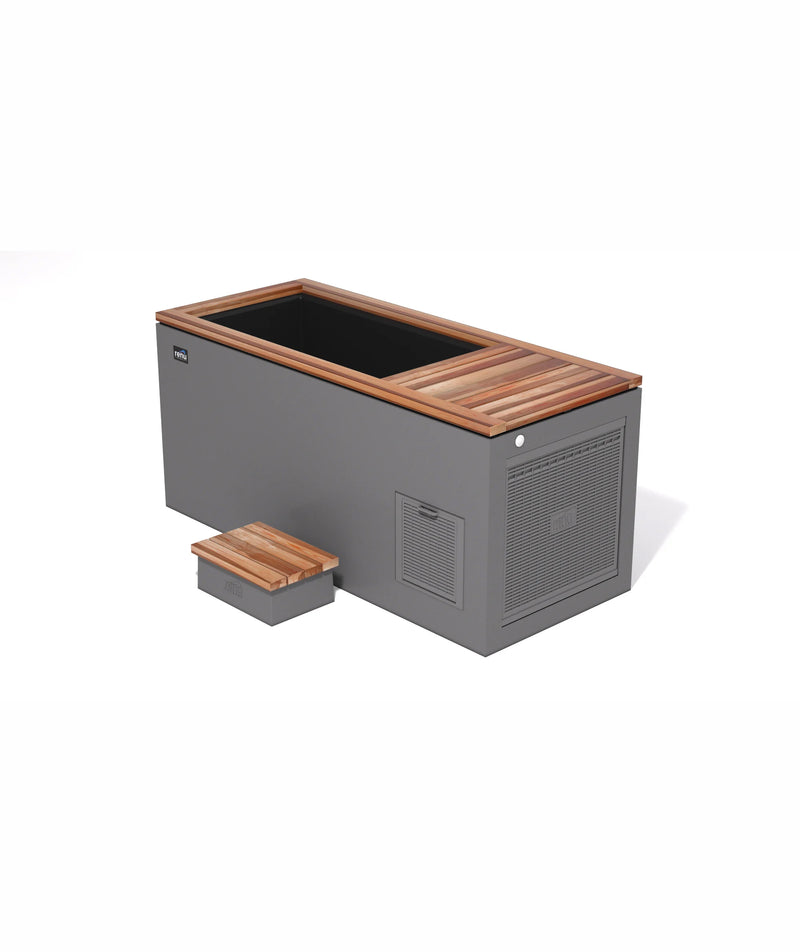
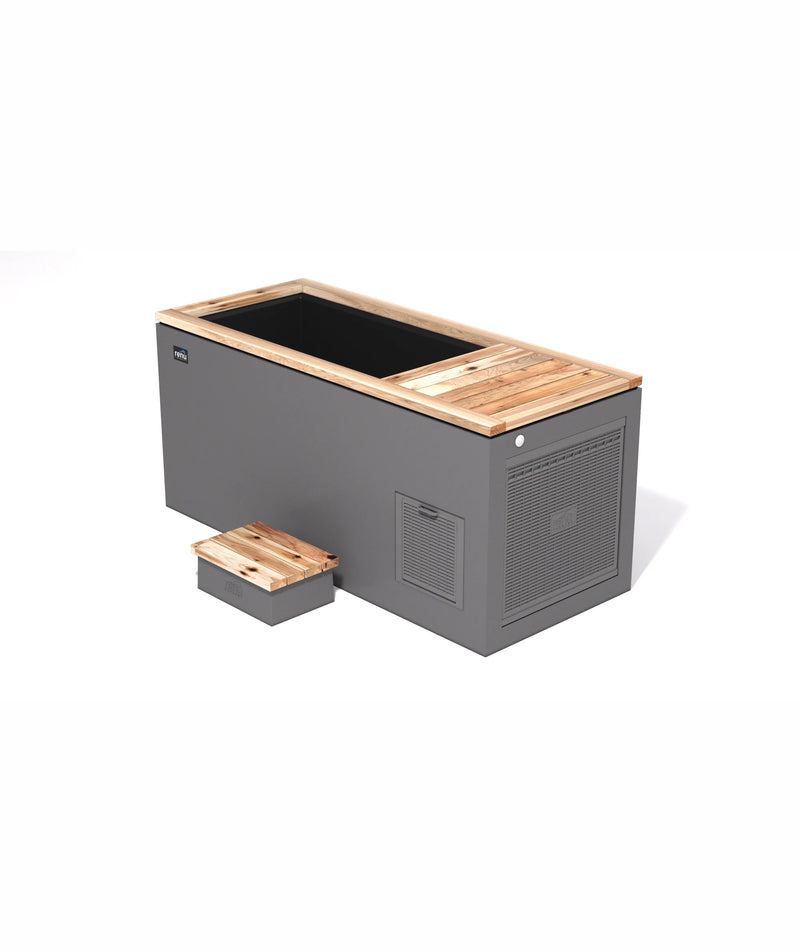
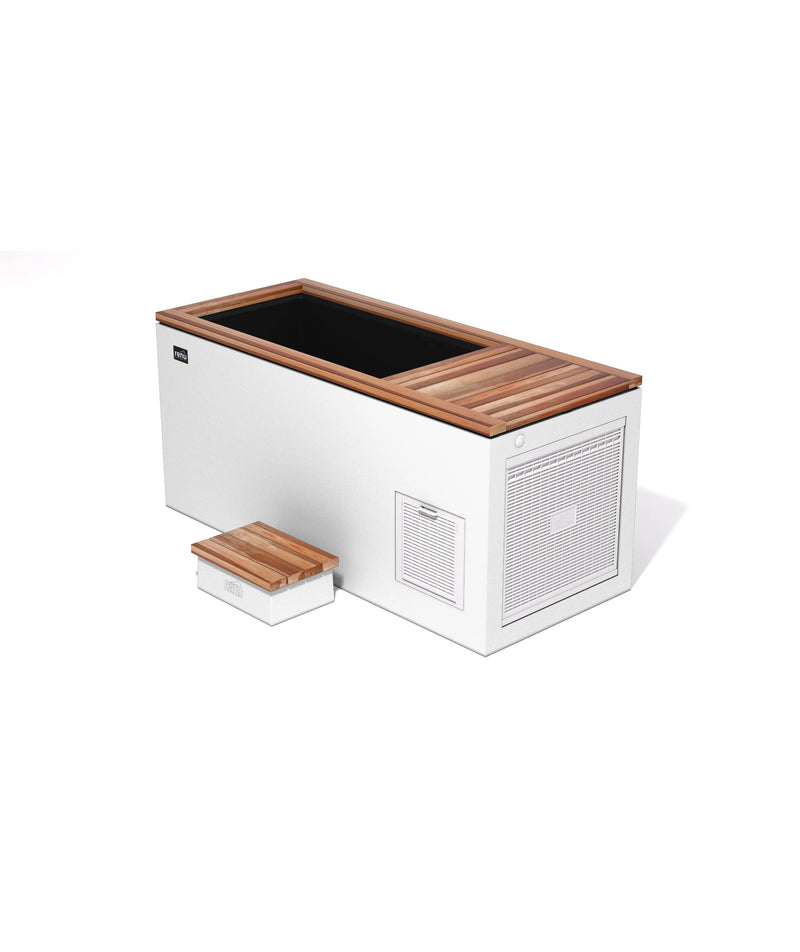
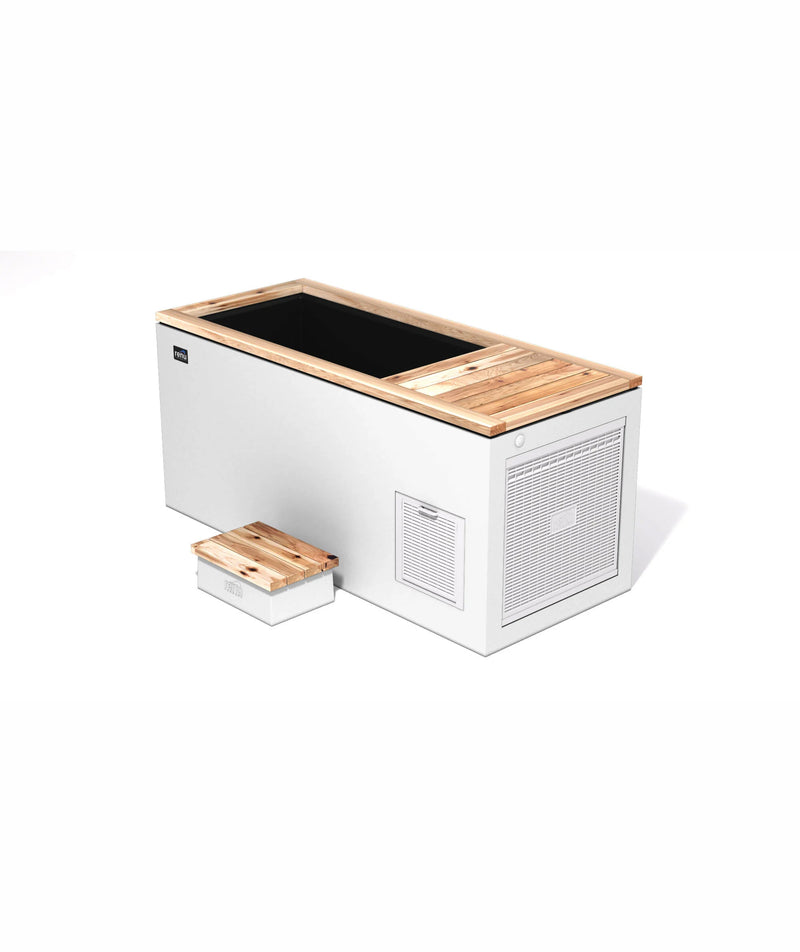
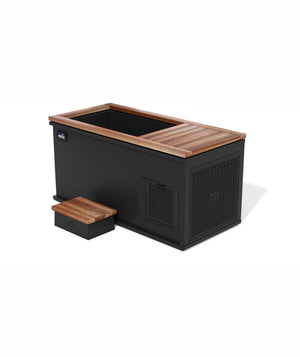
The Cold Stoic 3.0 holds its temperature to the degree, every session, year-round—no ice runs, no drift, no seasonal excuses. Handcrafted in California and engineered to last, it turns cold exposure from something you attempt into something you can train.

FAQs
Are cold showers as good as ice baths?
They share a mechanism but not a magnitude. Cold showers trigger a mild cold response and are a good entry point, but they can't reach the temperatures, full-body coverage, or consistency of an ice bath. For recovery and cold adaptation benefits supported by research, immersion is the studied standard.
How cold is a cold shower vs an ice bath?
Cold tap water generally runs 50–70°F and varies by season; you have no control over it. A cold plunge typically operates between 37–59°F and, with a temperature-controlled plunge, holds precisely where you set it.
Can I get the same benefits from a longer cold shower?
Not really. Duration can't fully substitute for temperature and immersion. Extending a 65°F shower doesn't recreate the receptor activation, hydrostatic pressure, or thermal load of a 45°F plunge; it mostly just extends mild discomfort.
Should beginners start with cold showers or ice baths?
Either works. Cold showers are a low-cost way to practice breath control and build tolerance. But there's no rule requiring you to graduate from one to the other. Beginners can start in a cold plunge at the warmer end of the range (55–59°F) with short sessions and progress from there.
How long should I stay in an ice bath?
For most people, 2–5 minutes at 50–59°F is plenty. Research on cold adaptation points to roughly 11 minutes per week in total, spread across sessions. More is not better.
Medical disclaimer: Cold water immersion is not suitable for everyone. Consult your physician before beginning a cold plunge practice if you are pregnant, have high blood pressure, heart disease, a history of cardiac arrhythmia, Raynaud's disease, peripheral neuropathy, or any other condition affecting circulation or nerve function. Cold exposure can place stress on the cardiovascular system and should be approached with caution if you have any underlying health conditions. This article is intended for informational purposes only and does not constitute medical advice.