The Clarity You’re Looking For Isn’t Mental.
The meeting is already running long. Too many voices. Too many data points. Too many “just one more things.”
The problem itself isn’t unclear. What’s unclear is what to pay attention to.
You can feel it happening in real time. The room gets louder, the options multiply, and every new piece of information makes the decision feel heavier, not sharper.
Eventually, someone does the unexpected.
They stop the discussion. Not to think harder, but to remove things. They narrow the question, cut the inputs, and reduce the decision to what actually matters right now.
Almost immediately, something shifts. Not because the answer magically appears, but because the noise drops.
Clarity doesn’t arrive as an idea.
It arrives as relief.
Later, people will describe this moment as “decisive leadership.” In the moment, it felt more basic than that. It felt like the environment finally stopped asking the mind to do impossible work.
What if clarity isn’t rare at all, just conditional?
Clarity Does Not Come From Thinking Harder
We tend to treat clarity as a cognitive achievement. Something you earn by thinking better, organizing more, or finding the right framework.
So when clarity disappears, we assume we’re failing at something internal. Not focused enough. Not disciplined enough. Not calm enough.
But that assumption misses something obvious.
The Mind Responds to Conditions, Not Intentions
The mind doesn’t operate in isolation. It responds to conditions.
Too many inputs create noise. Too many options create friction. Too many decisions create fatigue. No amount of insight can override an environment that keeps demanding attention.
This is why clarity often shows up in unexpected places. On a long walk with no destination, in a quiet room, or after simplifying a problem instead of analyzing it. It also appears in moments where the environment removes choice altogether.
Why Constraint Feels Like Relief
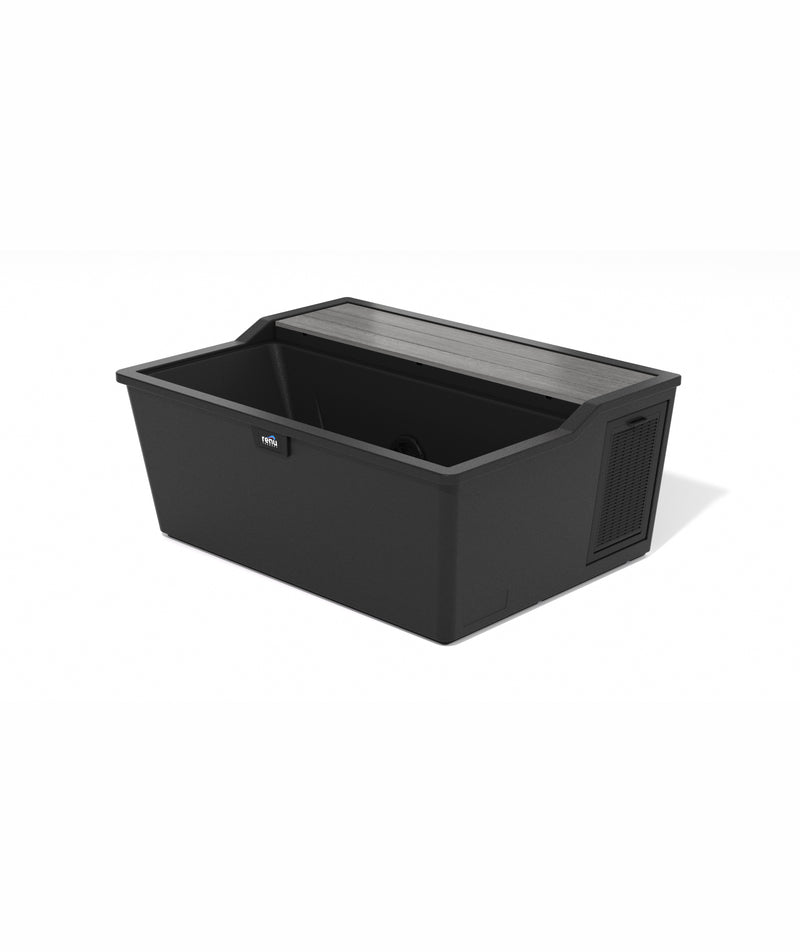
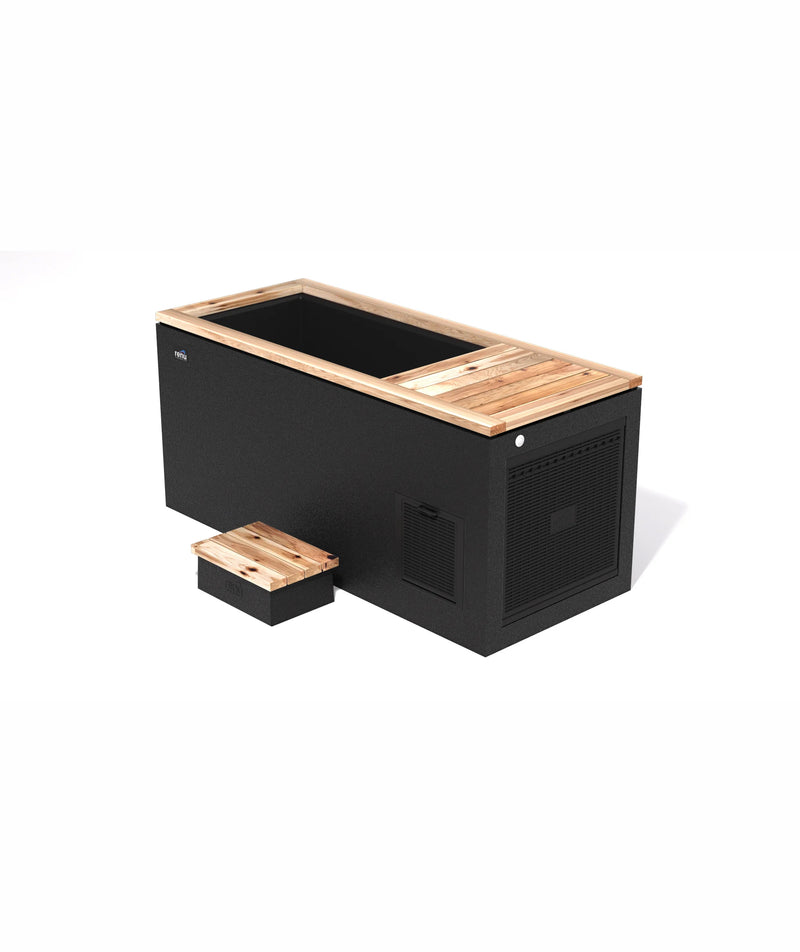
Cold water does this well. Not because it’s extreme, but because it’s singular.
One temperature. One sensation. One moment that doesn’t negotiate. There’s no deciding what to focus on, no optimizing your way through it, no splitting attention.
The mind quiets not because it’s been trained, but because it’s finally been given clear conditions.
This is what most conversations about clarity miss. Clarity isn’t something you summon. It’s something that happens when competing inputs fall away.
That’s why trying to think your way into clarity so often backfires. You’re asking the mind to solve a problem that only subtraction can fix.
How Leaders Create Clarity Without Saying a Word
This is also why certain leaders seem calm in moments that overwhelm others. Not because they have better thoughts, but because they know how to change the room.
They reduce the question, limit the inputs, and decide what will not matter right now. In doing so, they create the same relief you felt in that meeting.
The same shift.
The same clarity.
Not mental. Environmental.
When the Conditions Change, So Does Everything Else
The meeting didn’t improve because someone became smarter. It improved because the conditions changed.
Once you see that, it’s hard to unsee it elsewhere.
Where are you asking your mind to work inside environments that never quiet down? Where could clarity emerge if fewer things were allowed to compete for your attention?
And what might change if you stopped treating clarity as something to achieve, and started treating it as something to enter?