Inside EASTEND: How Amanda & Suman Built One of Chicago’s Most Intentional Wellness Spaces
Watch the full story → [Full Interview on YouTube]

Not all recovery spaces are built the same
Some are built for convenience.
Some are built because it’s trending.
And then there are spaces like EASTEND—
built with intention from the ground up.
This is a look inside what it actually takes to build one.
Not just the idea.
But the decisions, the risks, and the reality behind it.
The Moment It Started
Q: What was happening in life that made you want to build this?
Amanda:
“We were both at a turning point. We wanted to make an impact… and we saw a gap in the Chicago market and just went for it.”
They didn’t ease into it.
They committed.
The Gap They Saw
Q: Why this? What was missing?
Suman:
“Forward-looking longevity spaces… and community.”
Amanda:
“Wellness can feel exclusive. We wanted something approachable. A space where anyone could come in and feel good.”
They weren’t just building a space.
They were building something that could hold both:
-
A personal reset
-
And a shared experience
A place where you can come alone…
but not feel alone.
Their focus wasn’t splitting the difference.
It was creating a space where community becomes the center—and the individual experience fits naturally inside it.

Designing a Space People Come Back To
Walk into EASTEND and one thing is immediately clear:
It doesn’t feel like a typical wellness space.
Q: What were you thinking about when designing it?
Amanda:
“We wanted… Light. Bright. Airy. A space for everyone.”
That decision wasn’t just aesthetic.
People come back to spaces that feel good.
They tell other people about how it felt.
That’s what makes a space grow.
The Hidden Layer: Compliance, Permits, and Reality
There’s the vision.
And then there’s what it takes to actually build it.
Q: What was harder than expected?
Amanda:
“Chicago is so hard to open a business. The permitting process… the red tape… construction. It was a massive wake-up call.”
This is the part most people don’t see:
-
Permits
-
Buildouts
-
Regulations
-
Delays
It’s not just designing a space.
It’s navigating everything required to make it real.
Thinking about building a recovery or wellness space of your own?
Explore Renu commercial solutions →

What Felt Risky
Q: What was the biggest risk?
Suman:
“Educating a new market. Sauna culture isn’t mainstream here yet.”
Amanda:
“We had to teach people what contrast therapy even means.”
They weren’t just building a space.
They were building awareness.
What People Don’t See
This is where most people get it wrong.
Q: What happens behind the scenes?
Suman:
“We’re in here with toothbrushes, cleaning. Every detail is intentional.”
Amanda:
“People think we’re a big brand. It’s just us. We’re doing everything.”
That means:
-
Late nights
-
Constant problem-solving
-
Every small detail handled personally
“Business is just fixing things all day, every day.”
The Decisions That Actually Matter
Q: What are you most glad you did?
Amanda:
“We didn’t optimize every square foot for revenue. We left space for people.”
That decision changes everything.
Because when people feel good in a space, they come back.
And when they come back, they bring others with them.
Design vs. Function (And Why You Need Both)
One of the clearest themes in their story is balance.
-
Taste and design
-
Function and performance
Suman:
“I like things that work.”
That shows up in every decision.

Why They Chose Renu
They didn’t guess. They evaluated everything.
Q: Why Renu?
Suman:
“I looked at every brand… I wanted something that looked beautiful but also functioned at a high level.”
What mattered:
-
Filtration quality
-
Low-maintenance water care
-
Reliability in a commercial setting
-
Design that matched the space
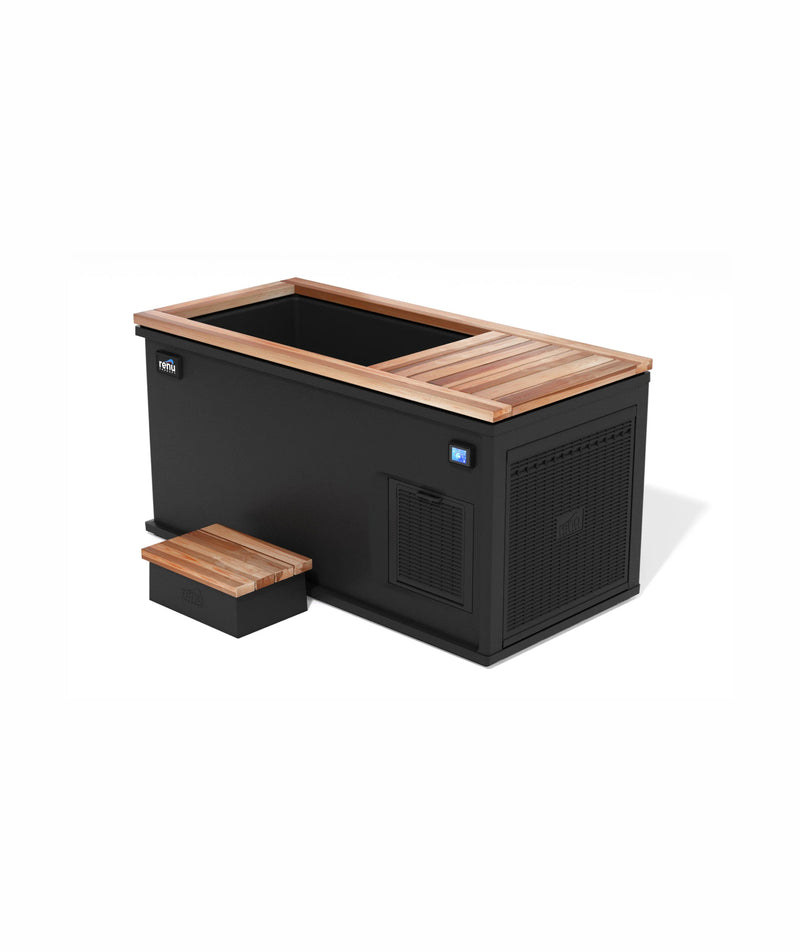
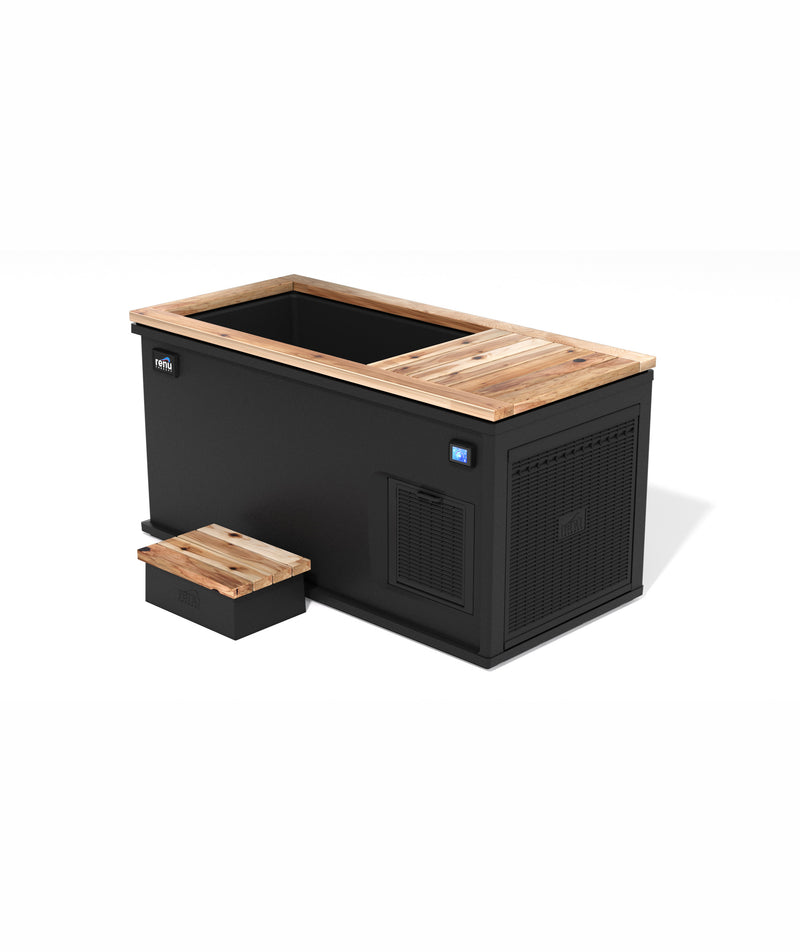
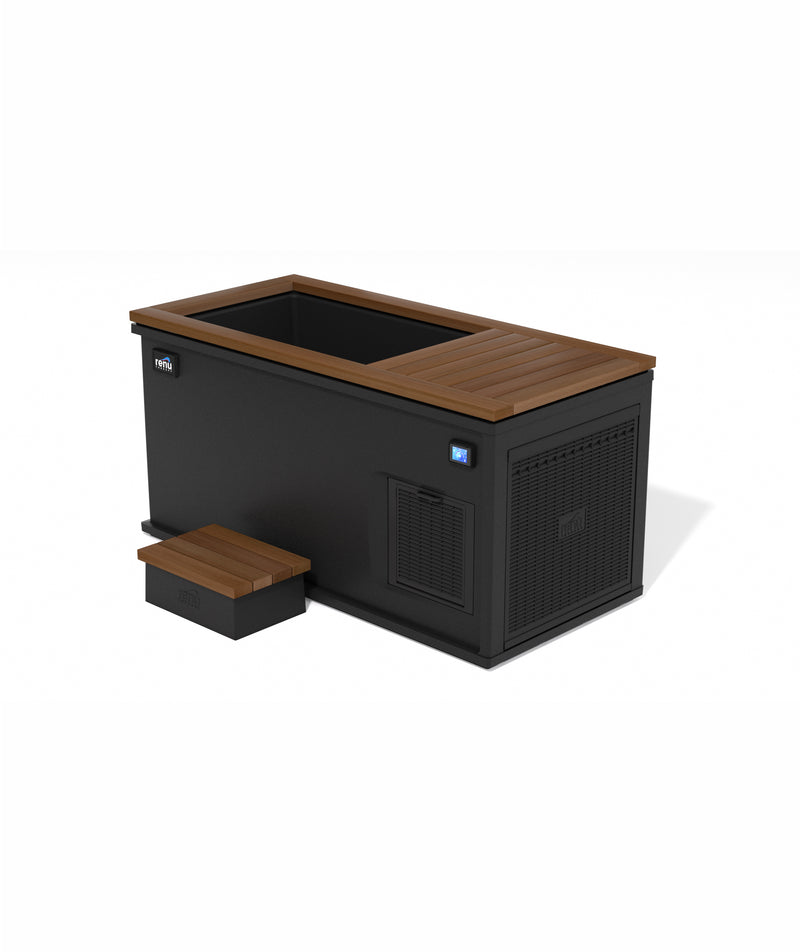
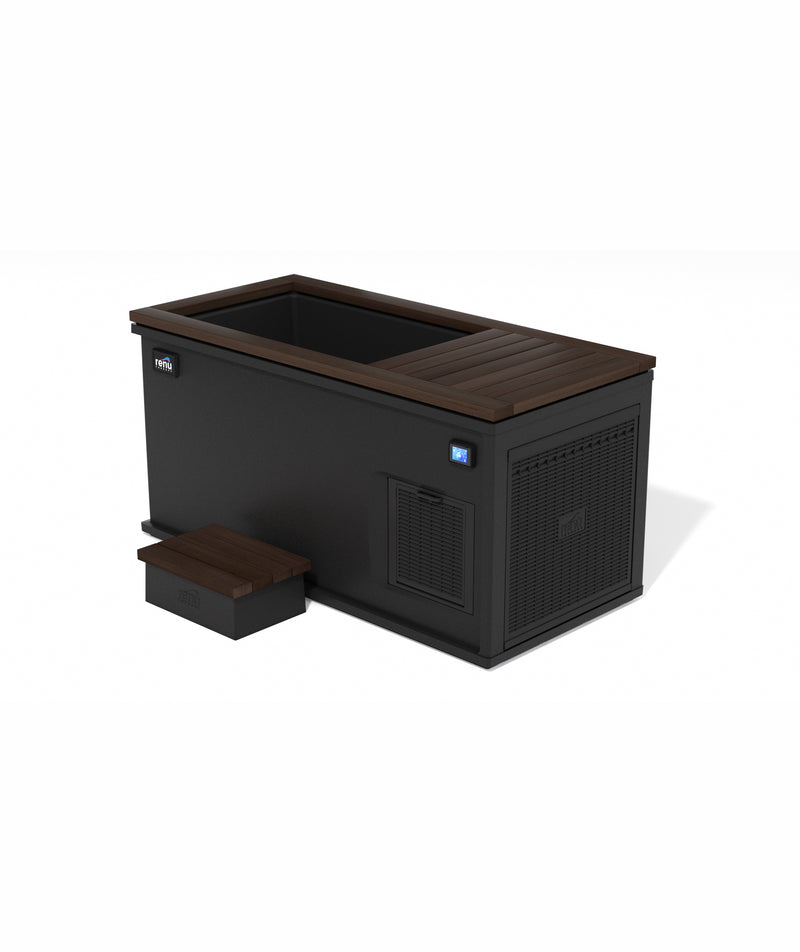
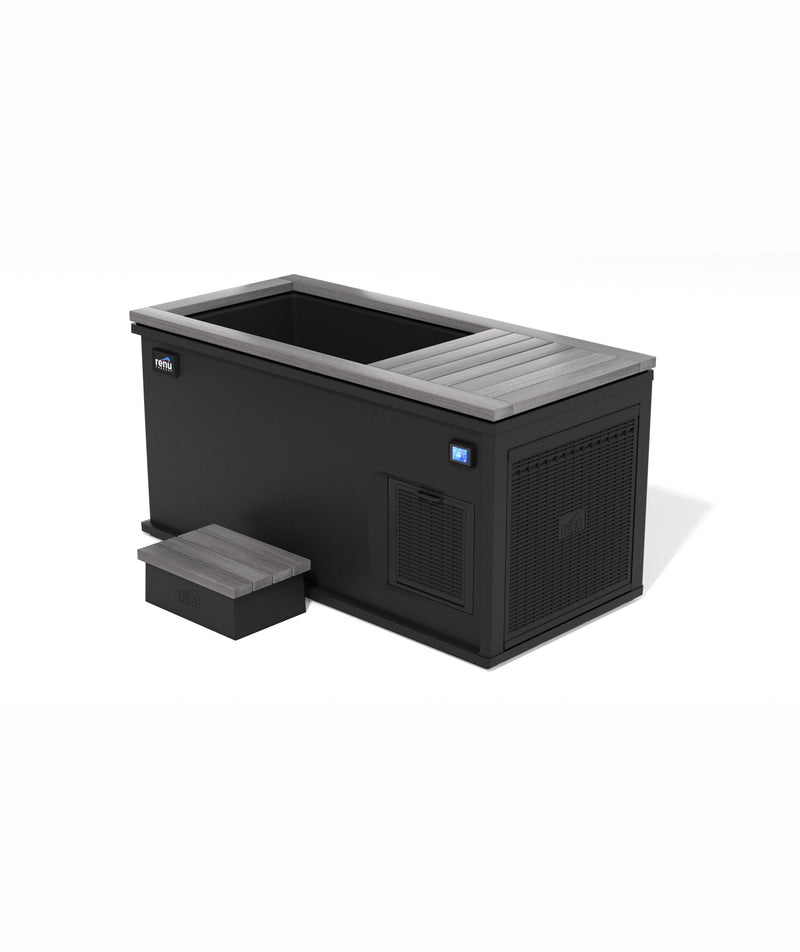
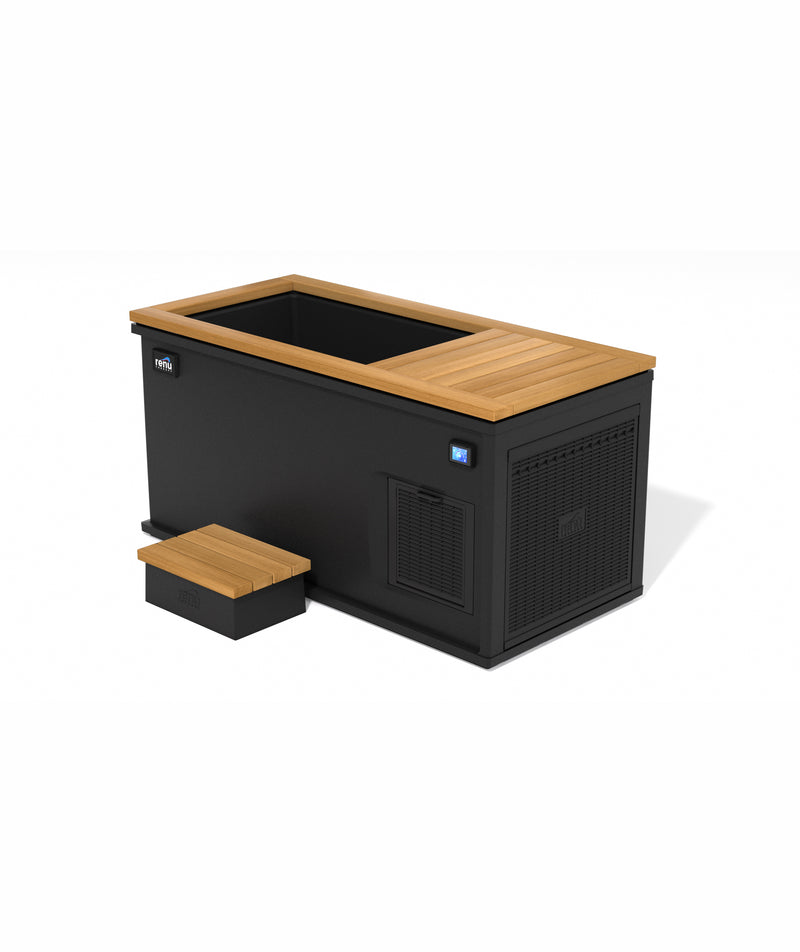
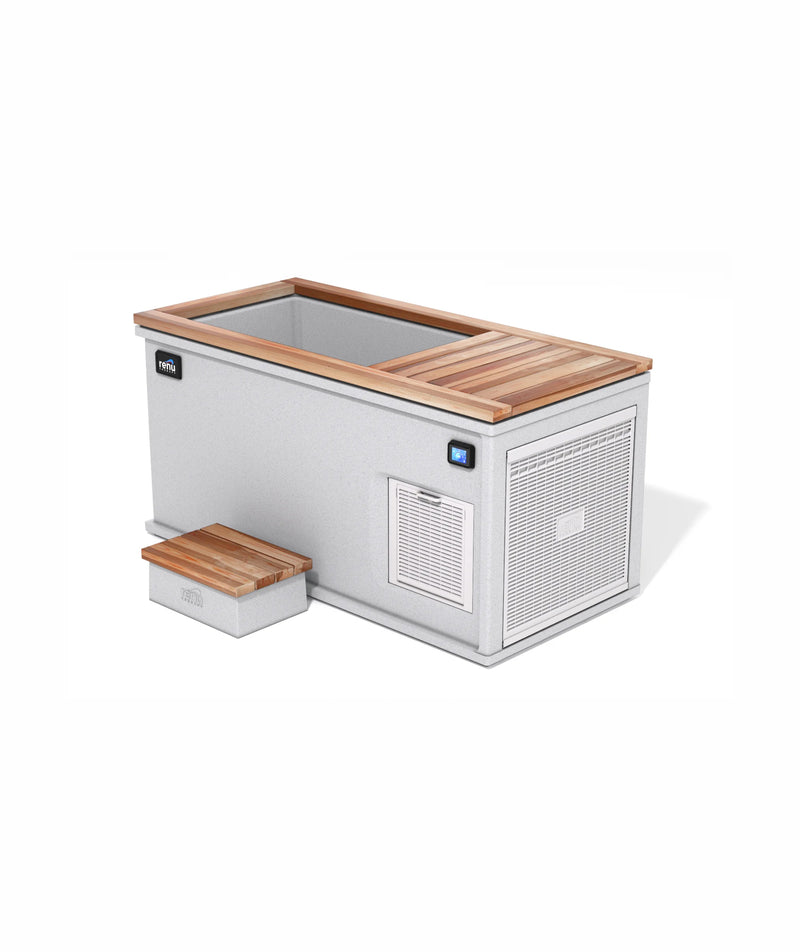
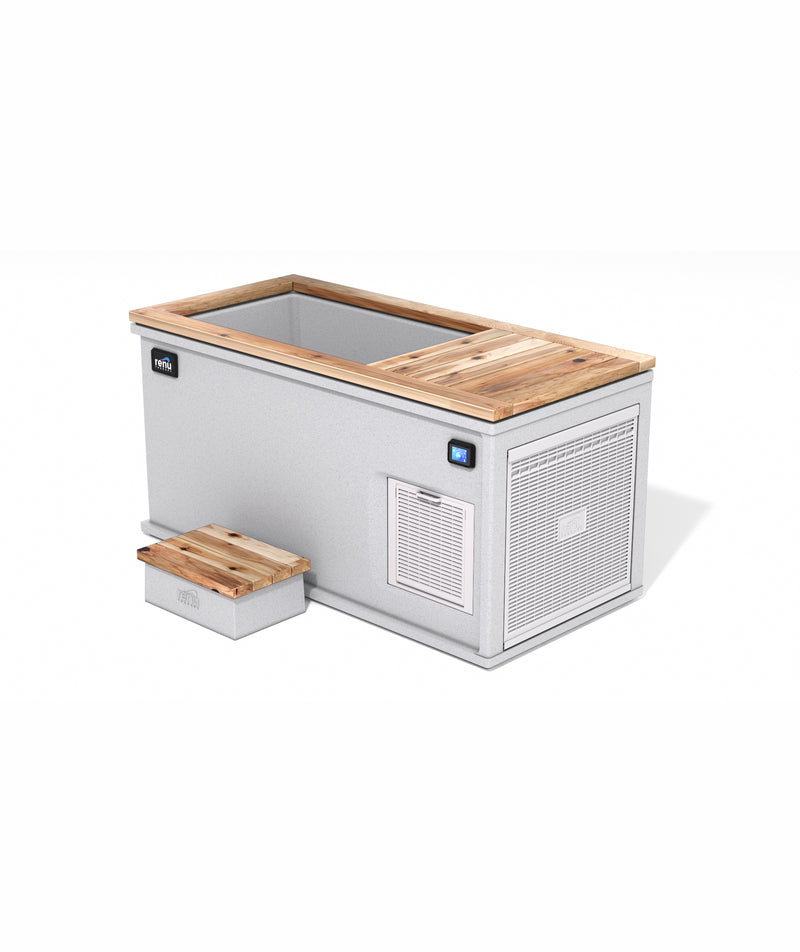
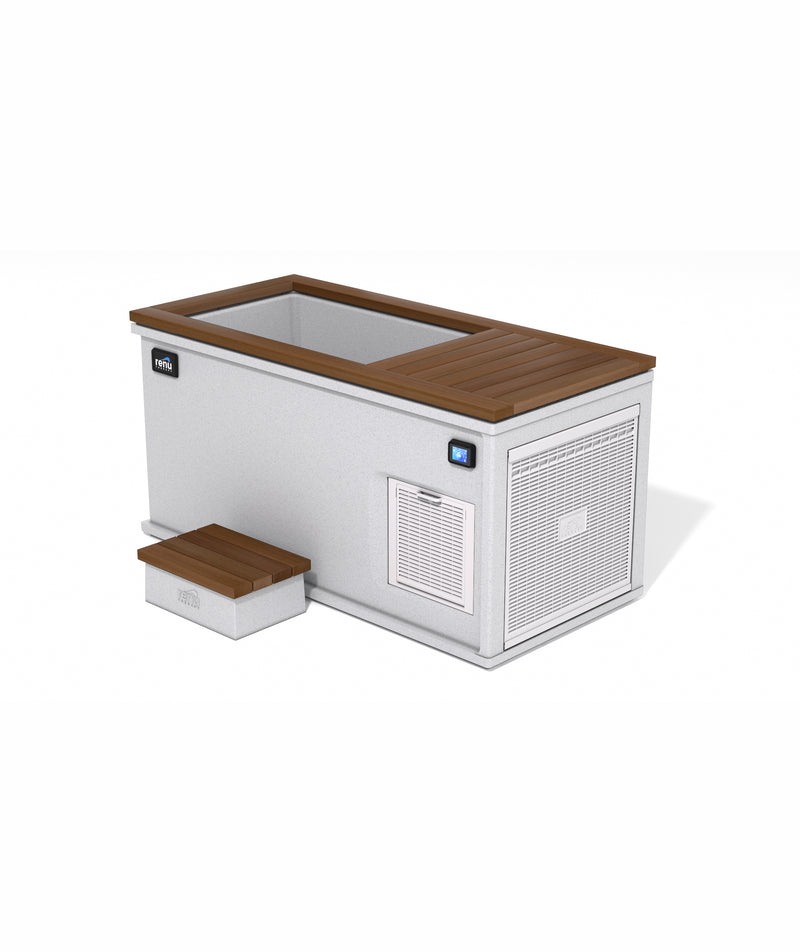
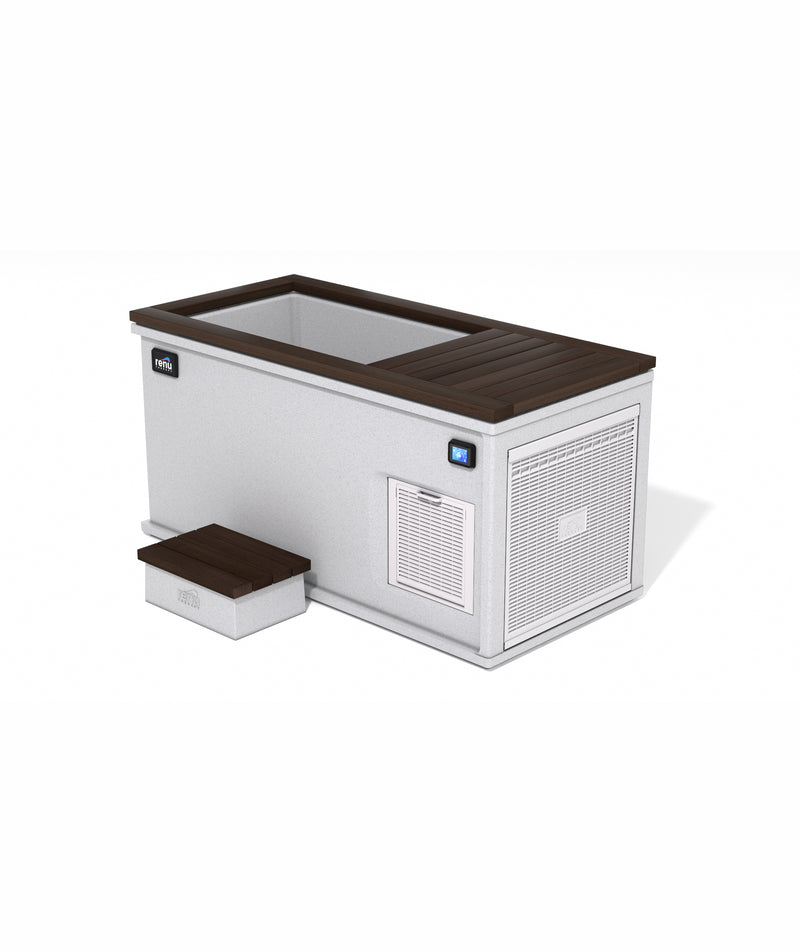
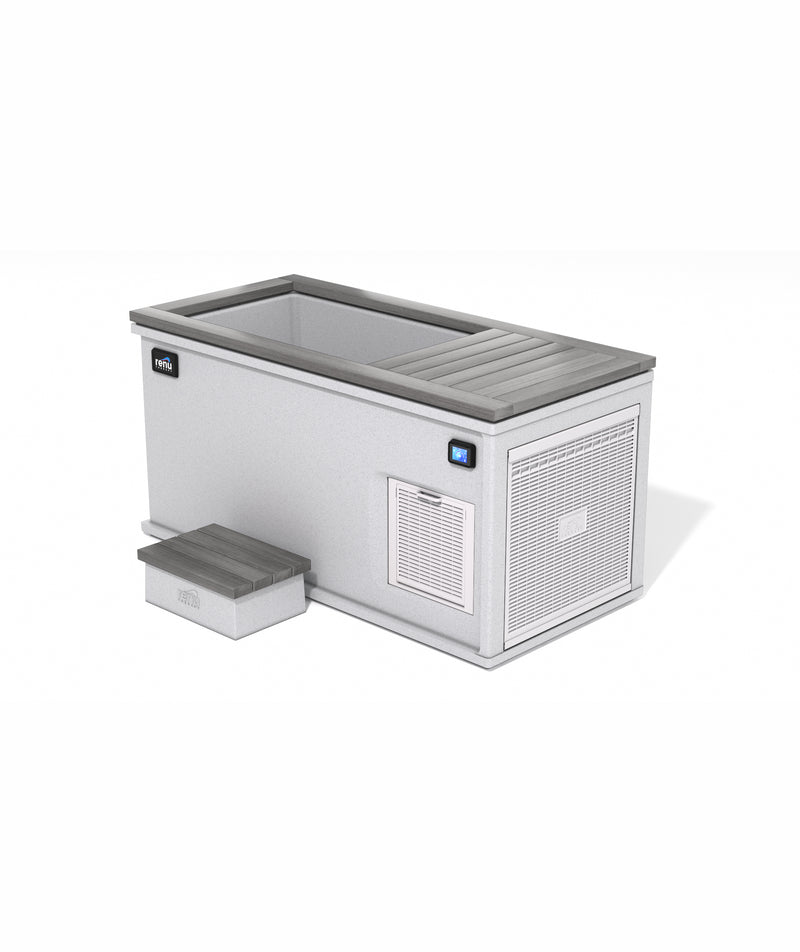
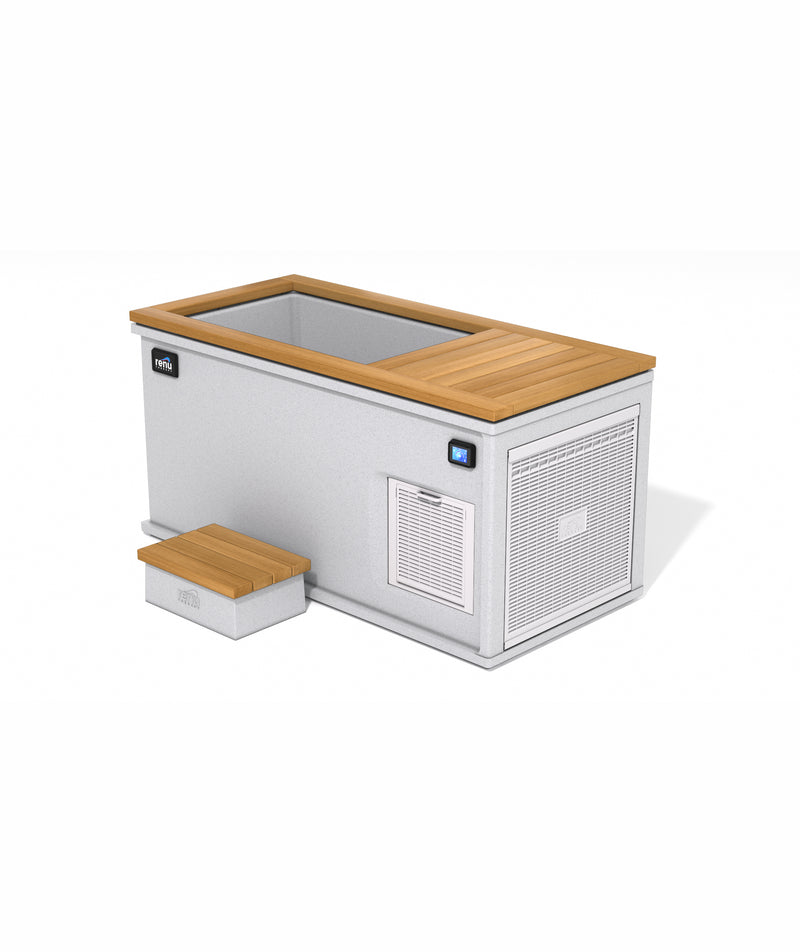
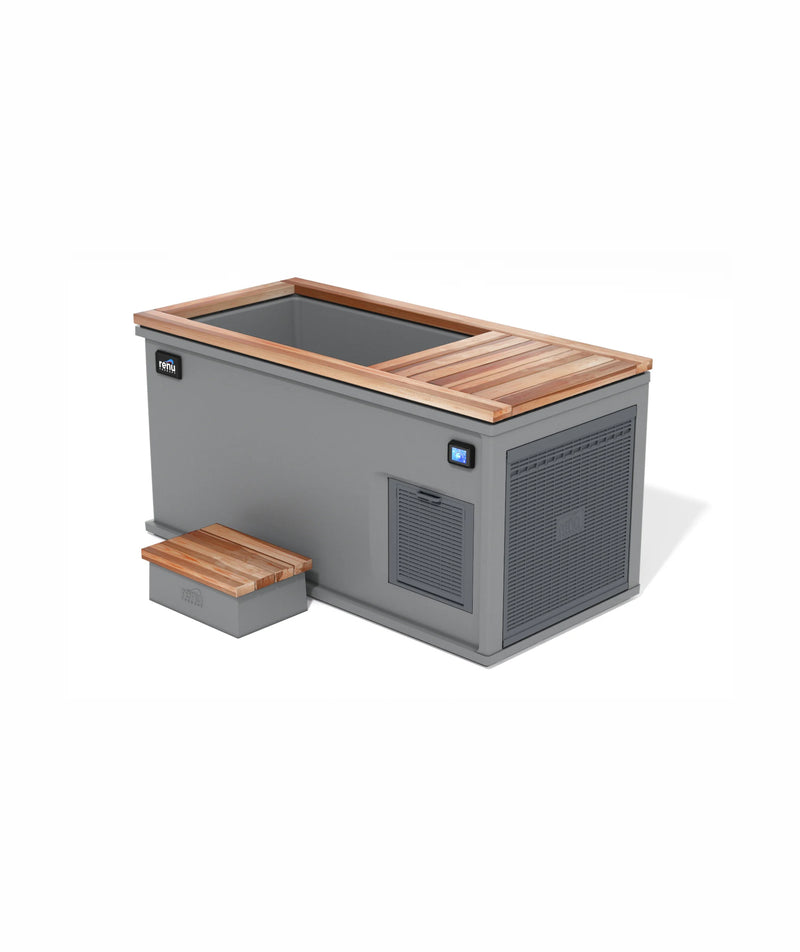
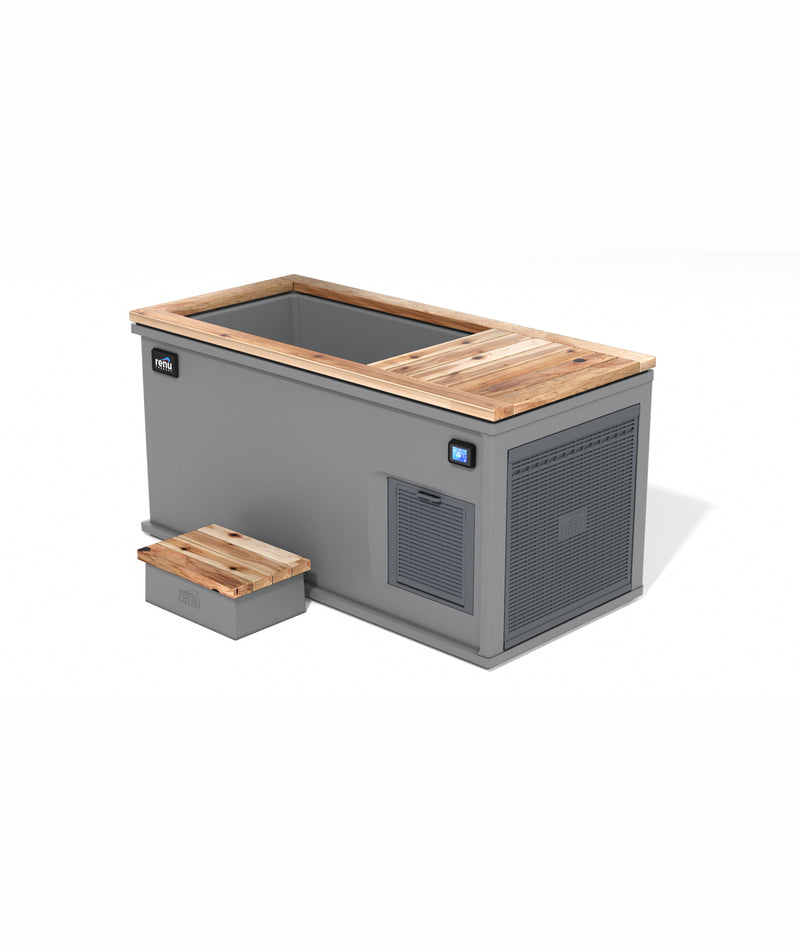
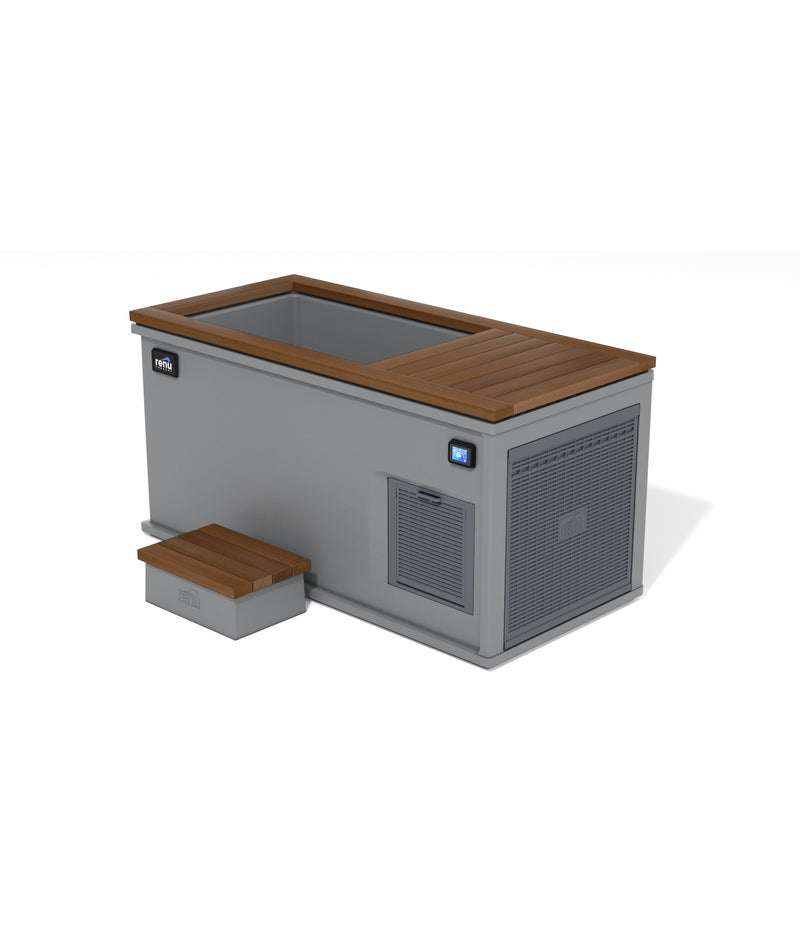
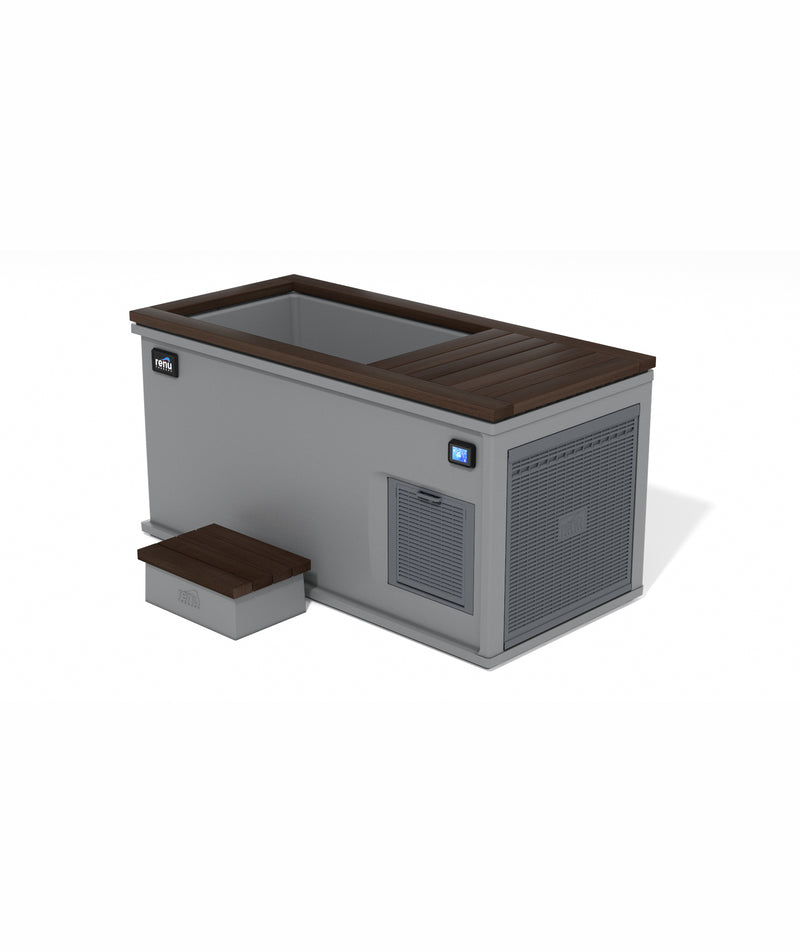
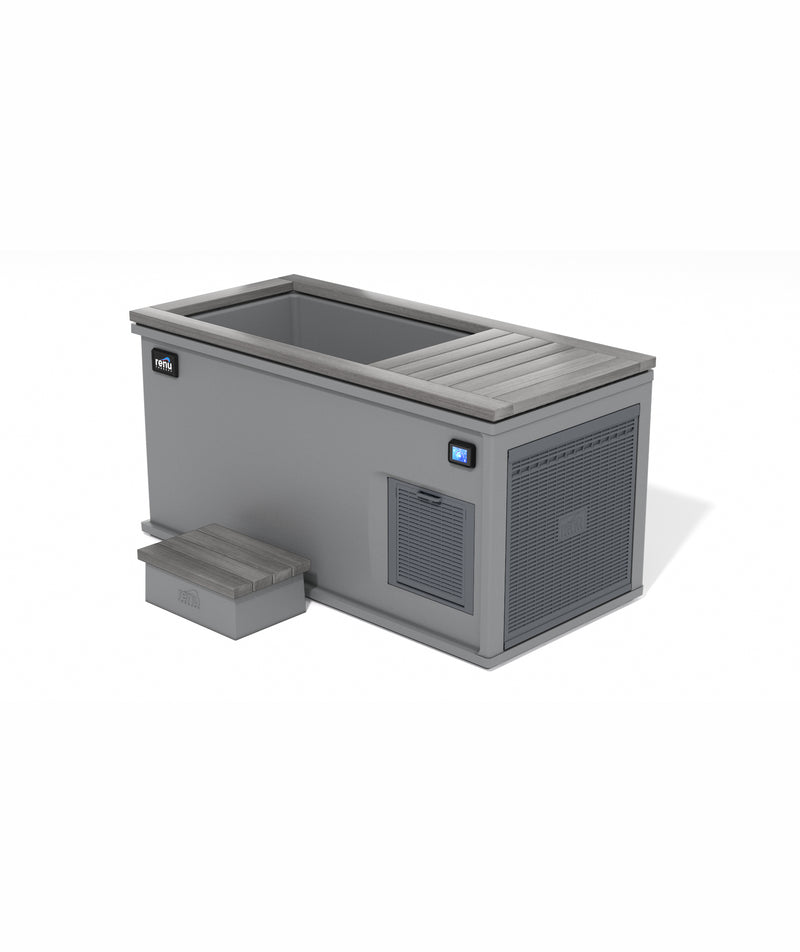
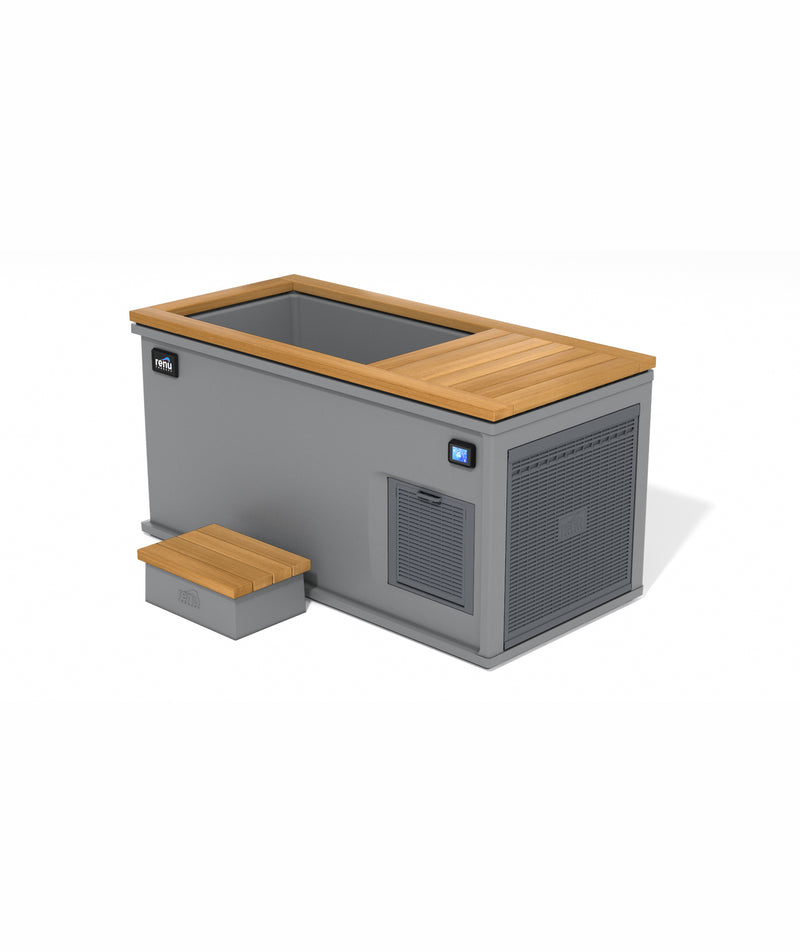
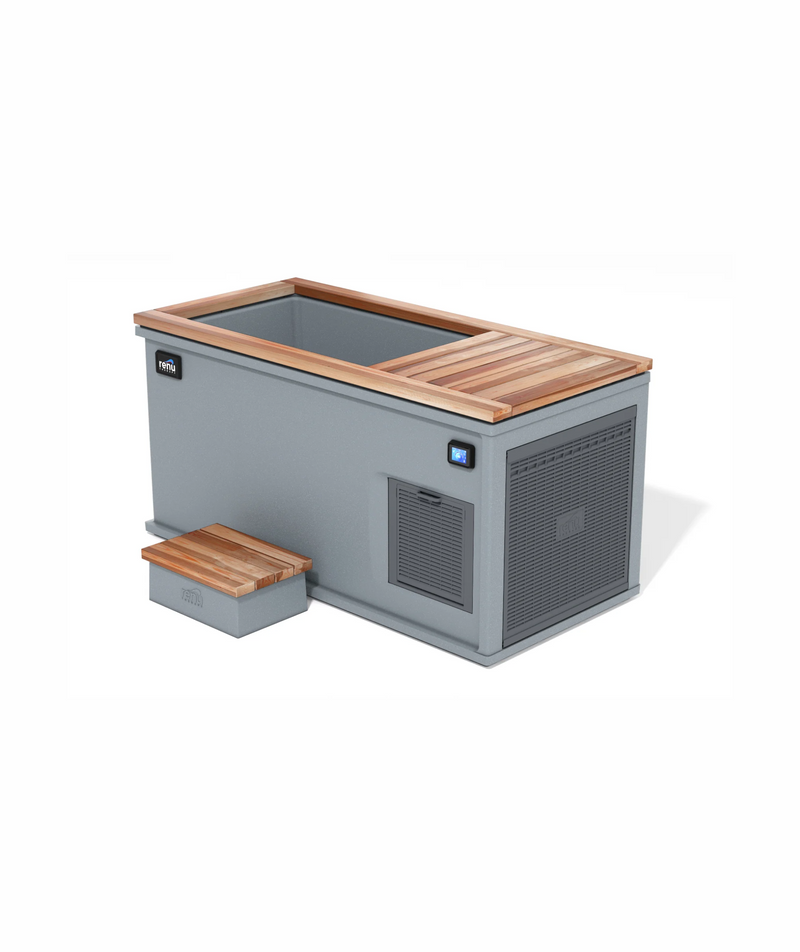
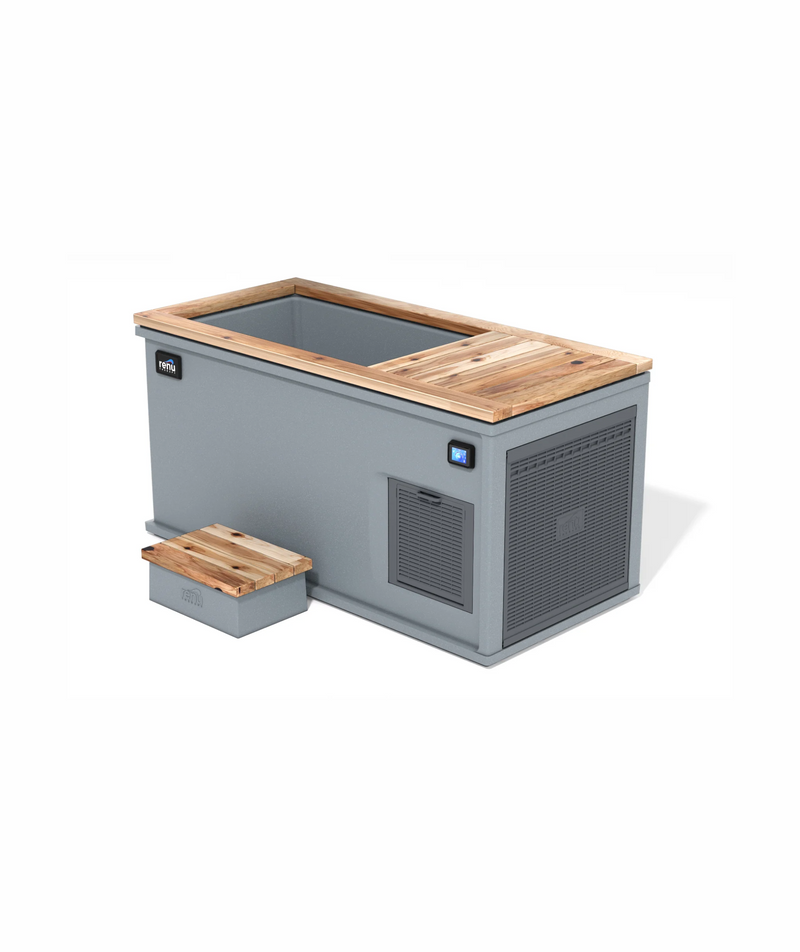
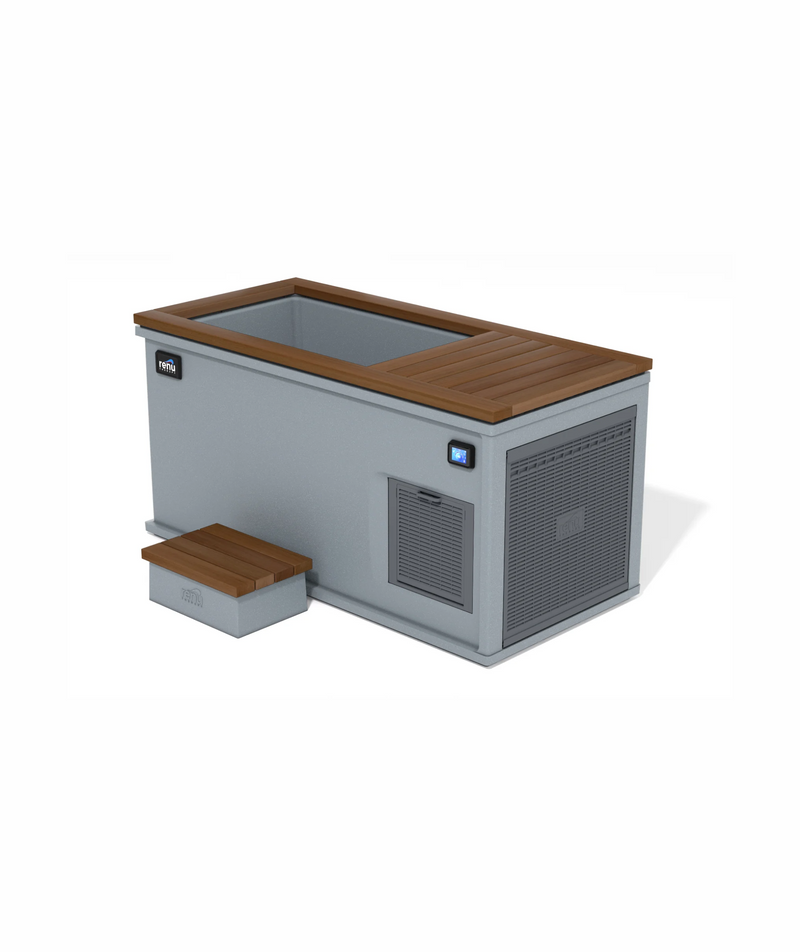
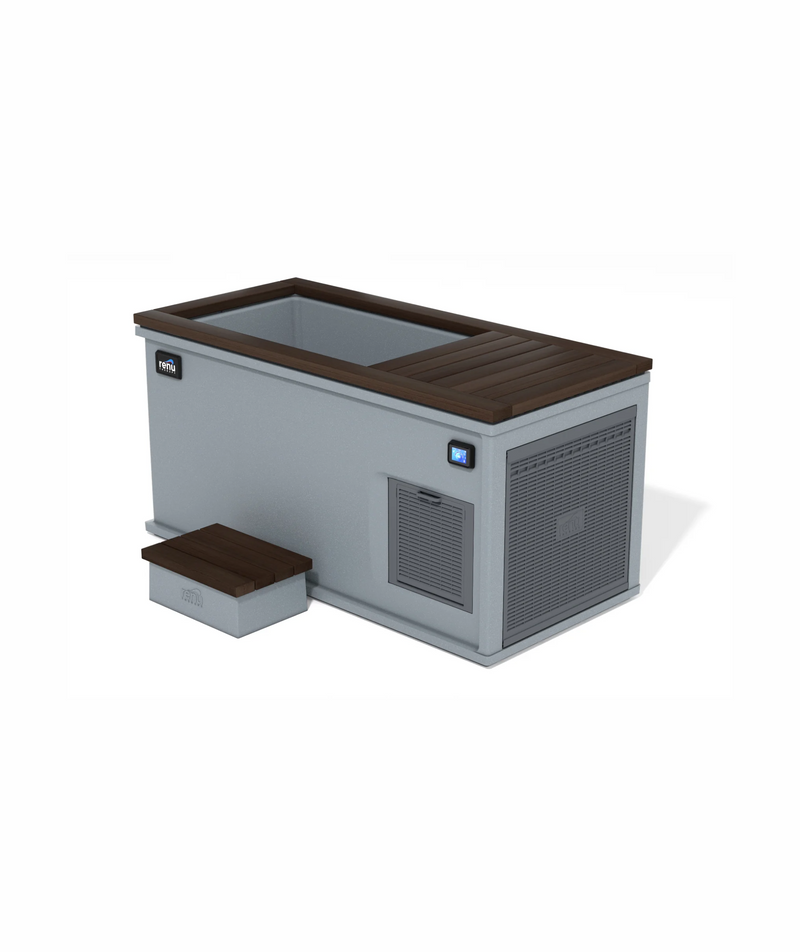
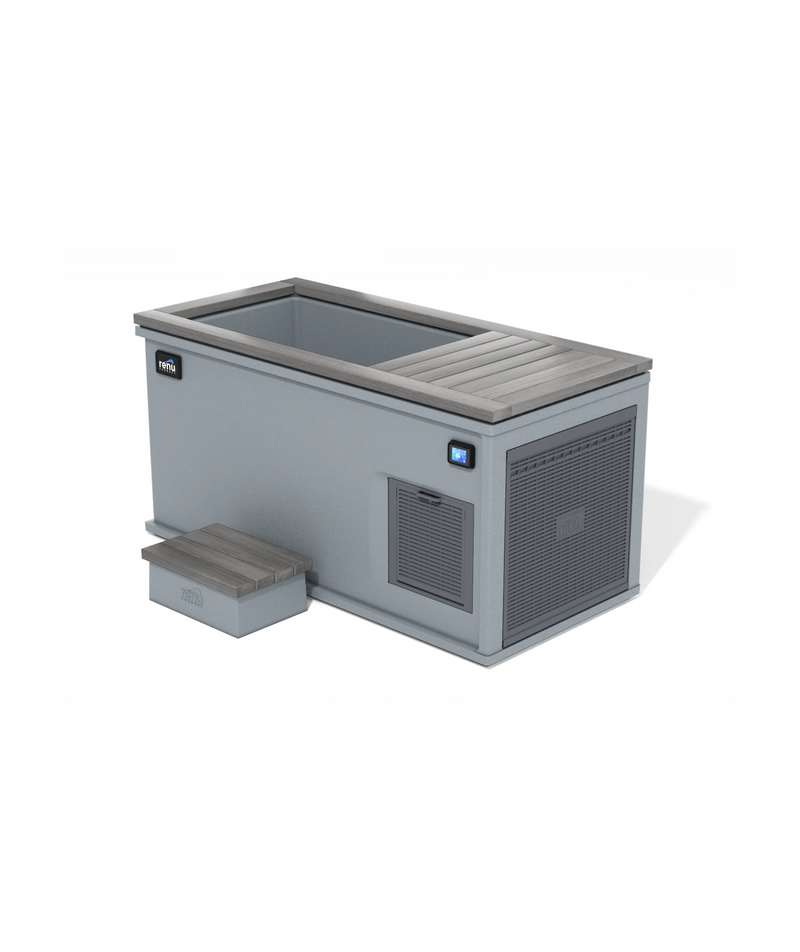
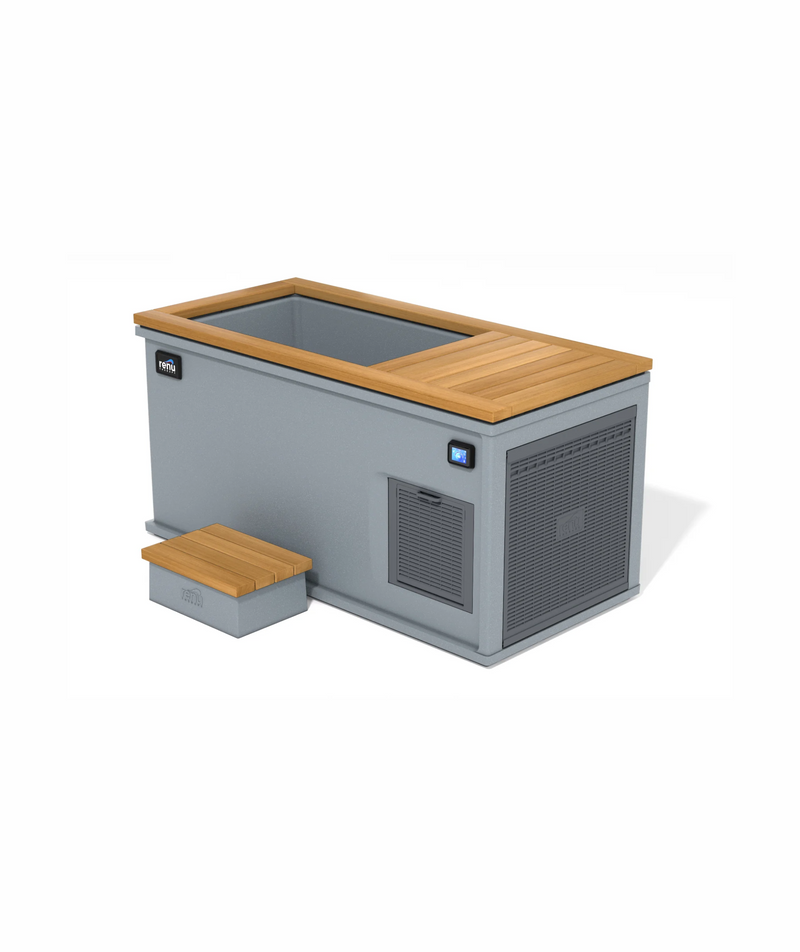
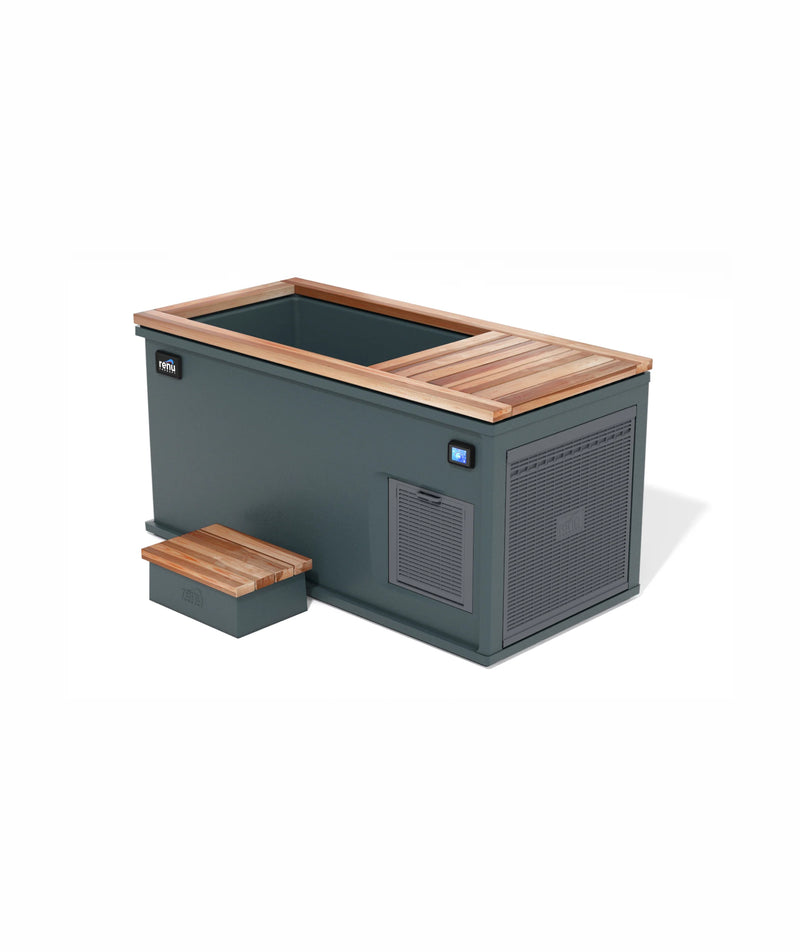
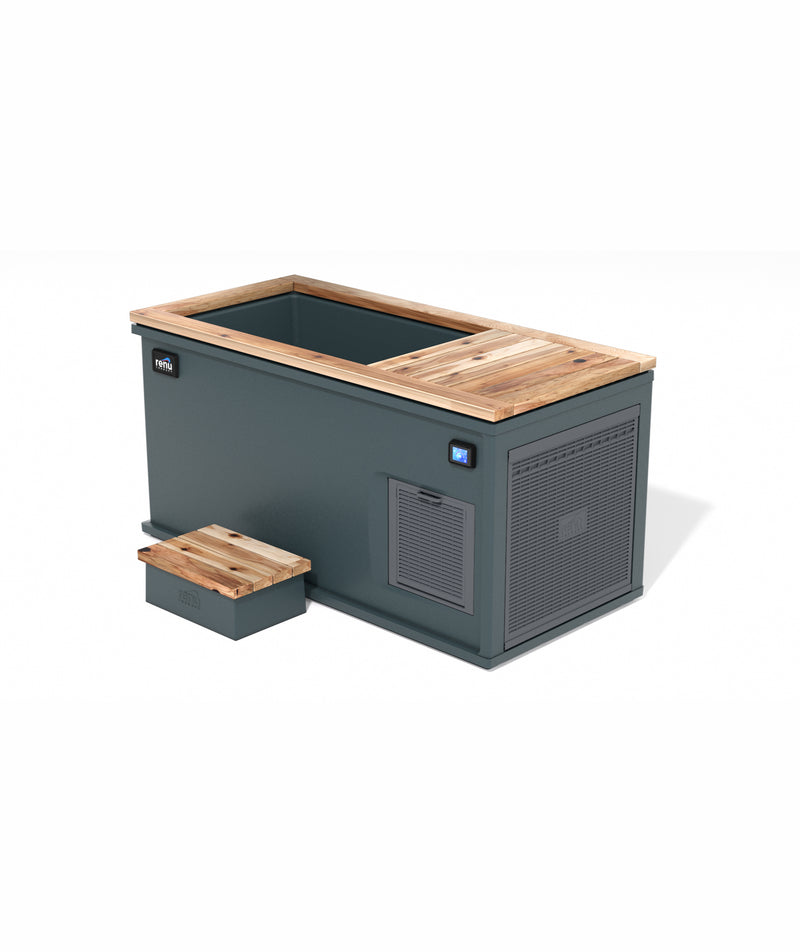
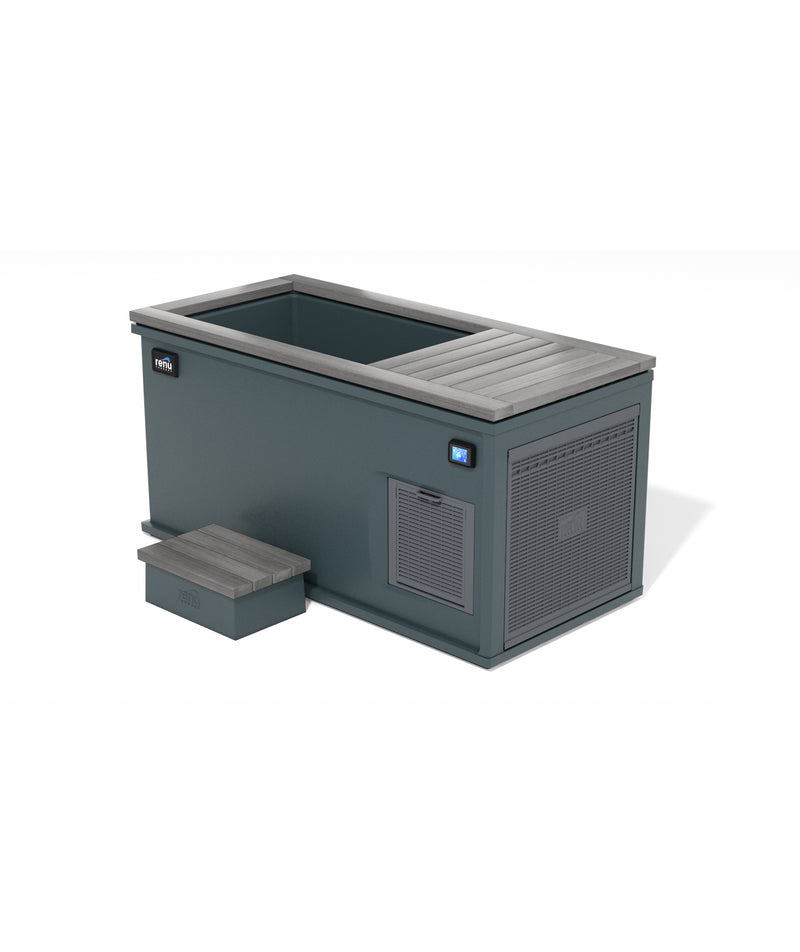
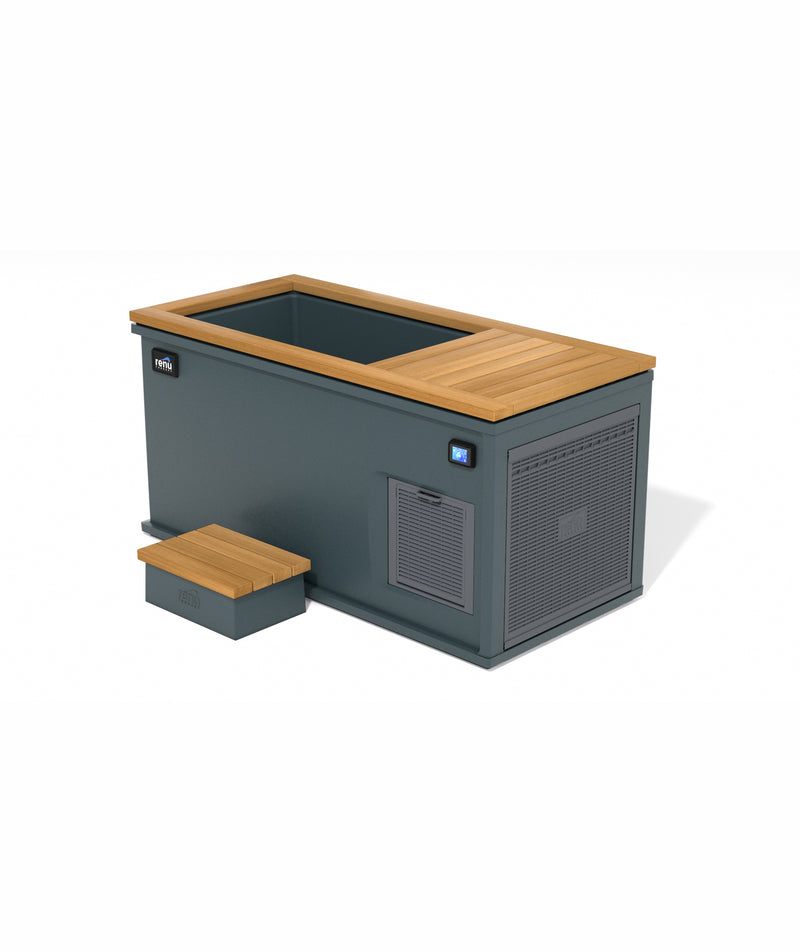
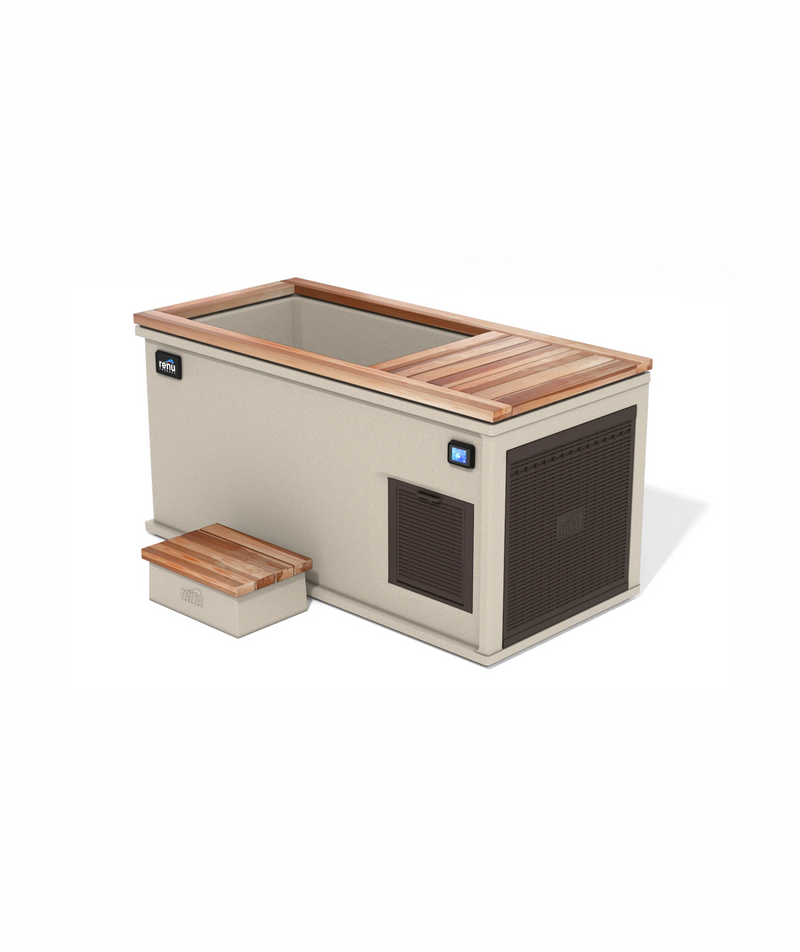
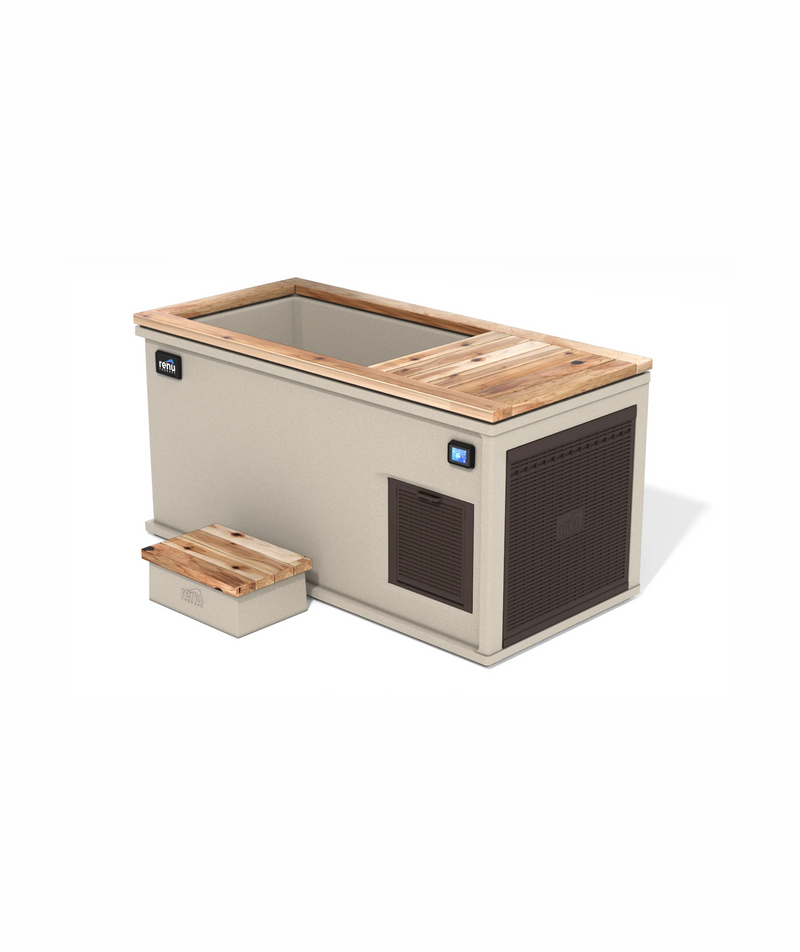
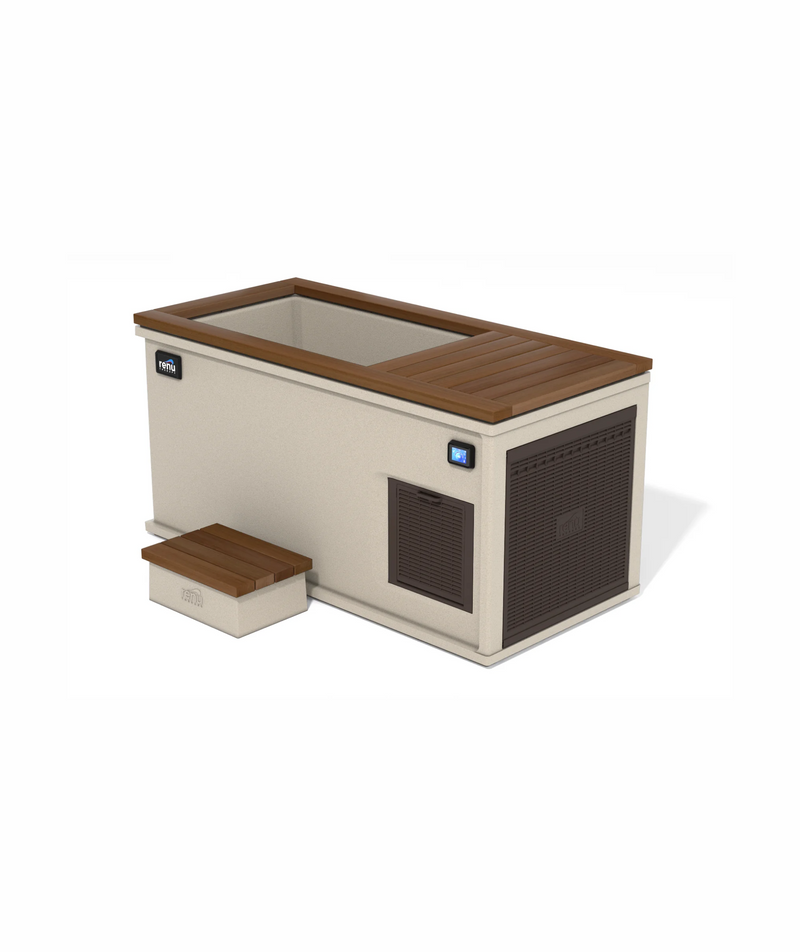
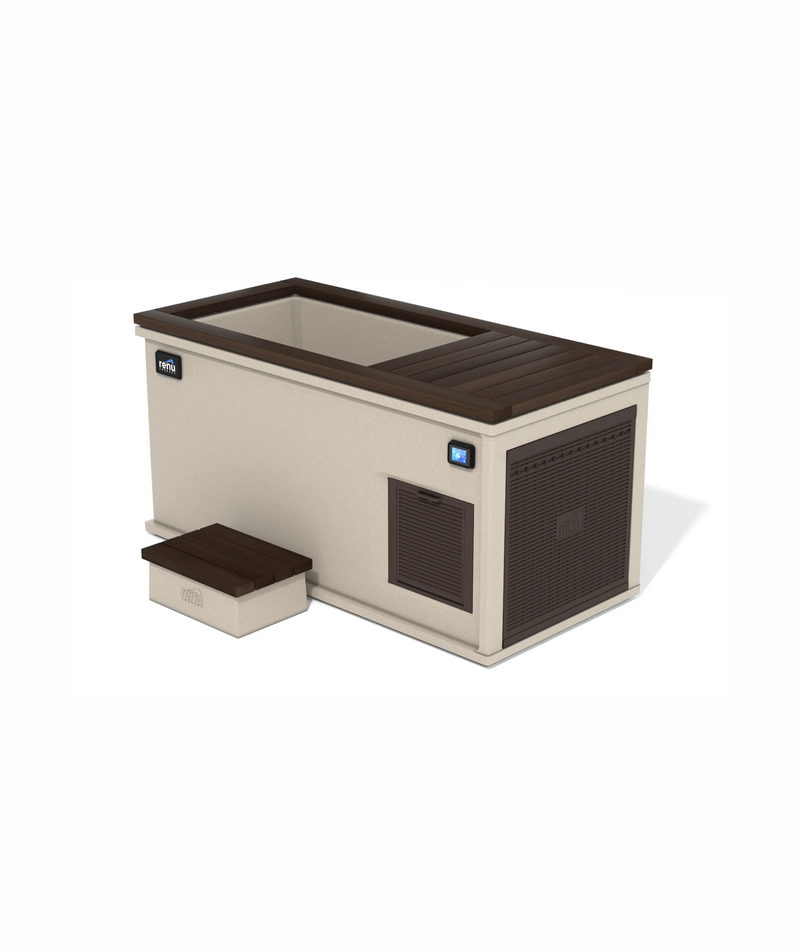
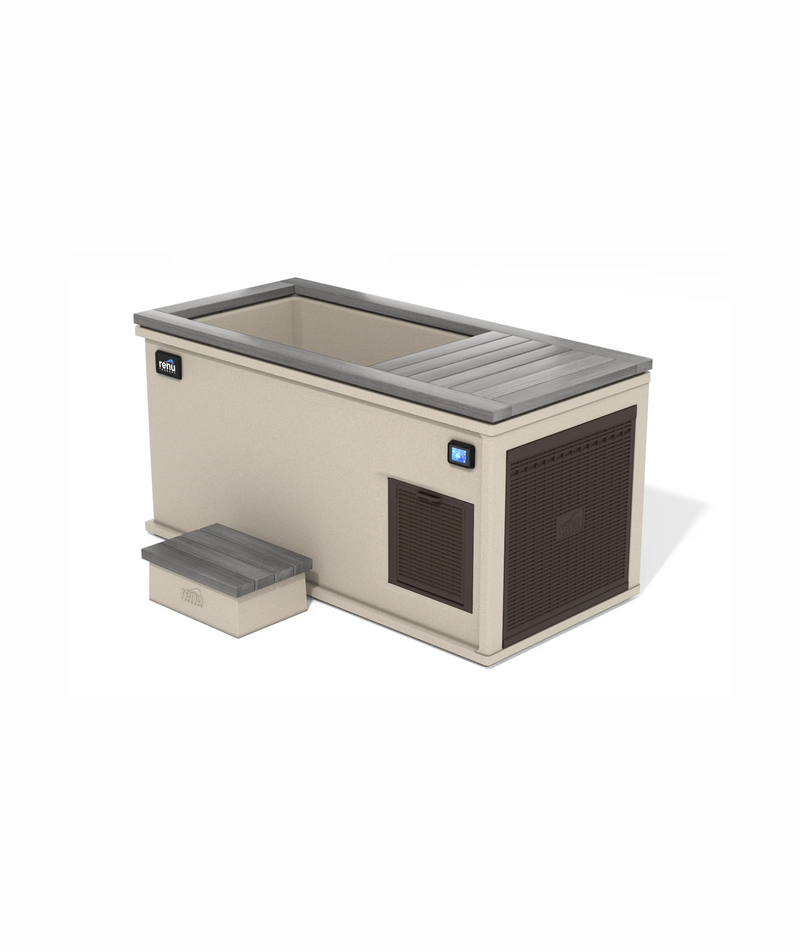
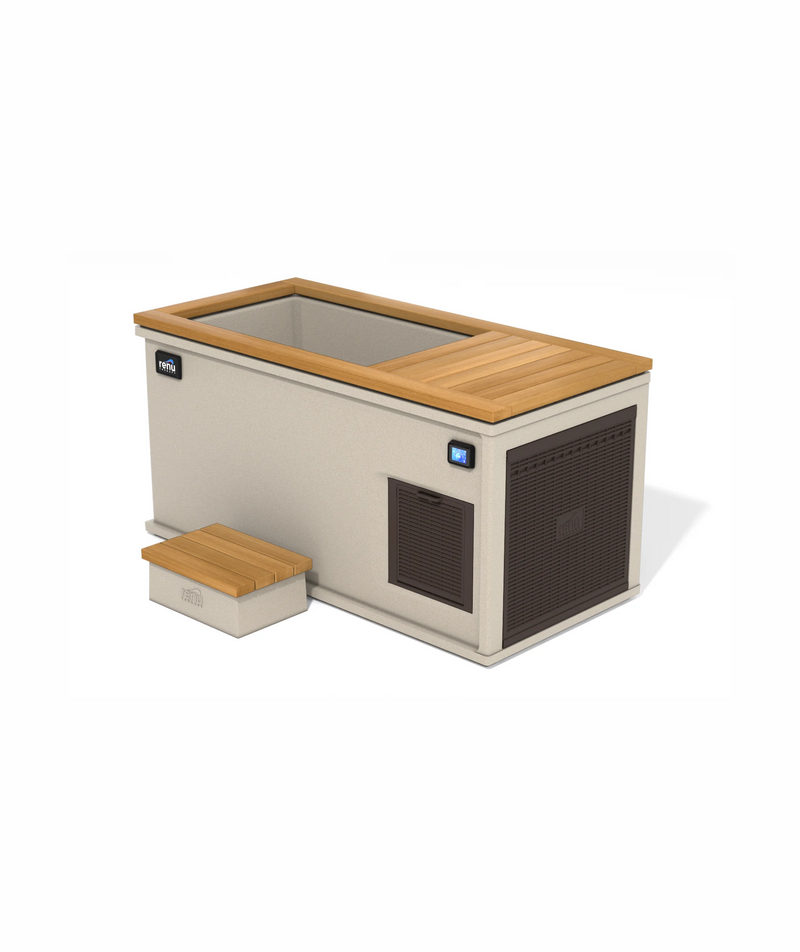
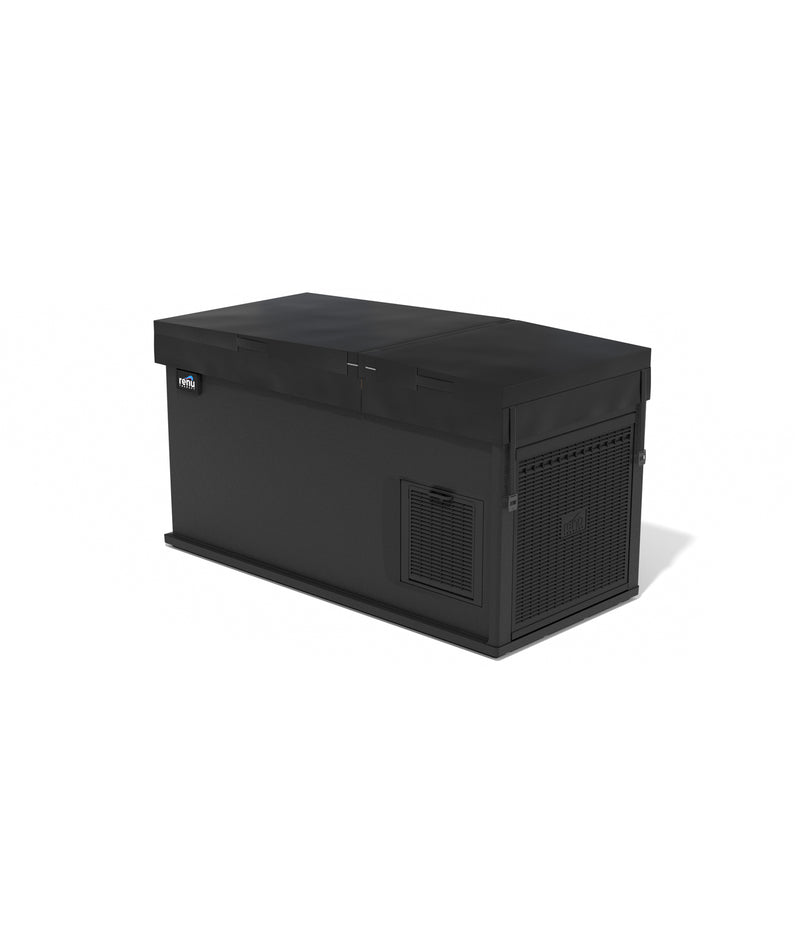
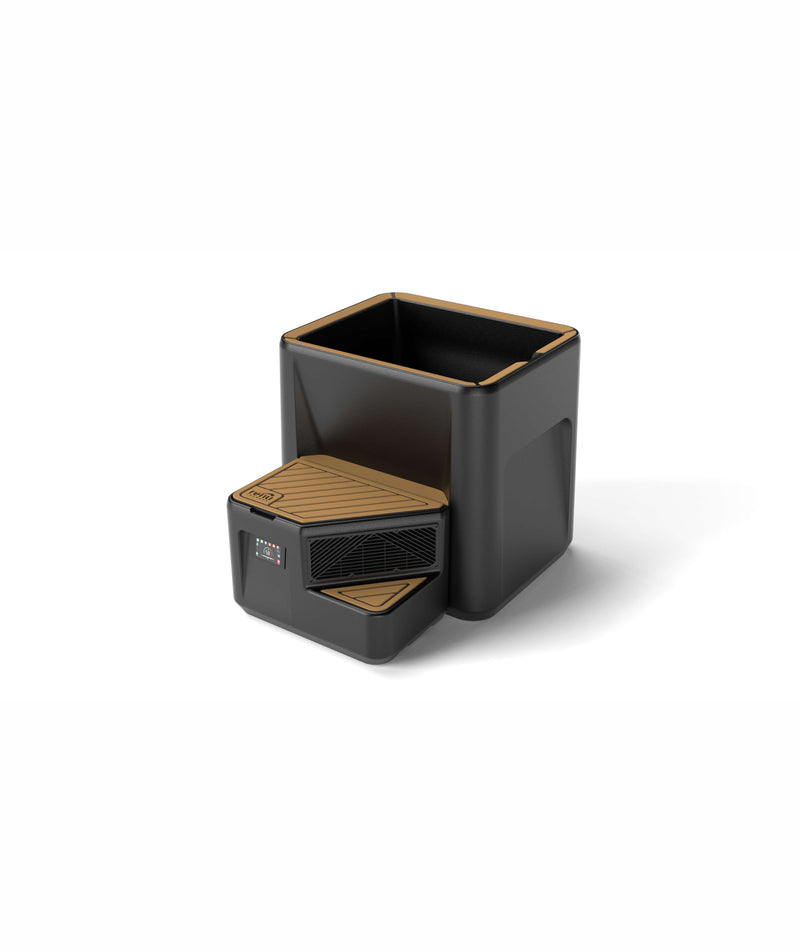
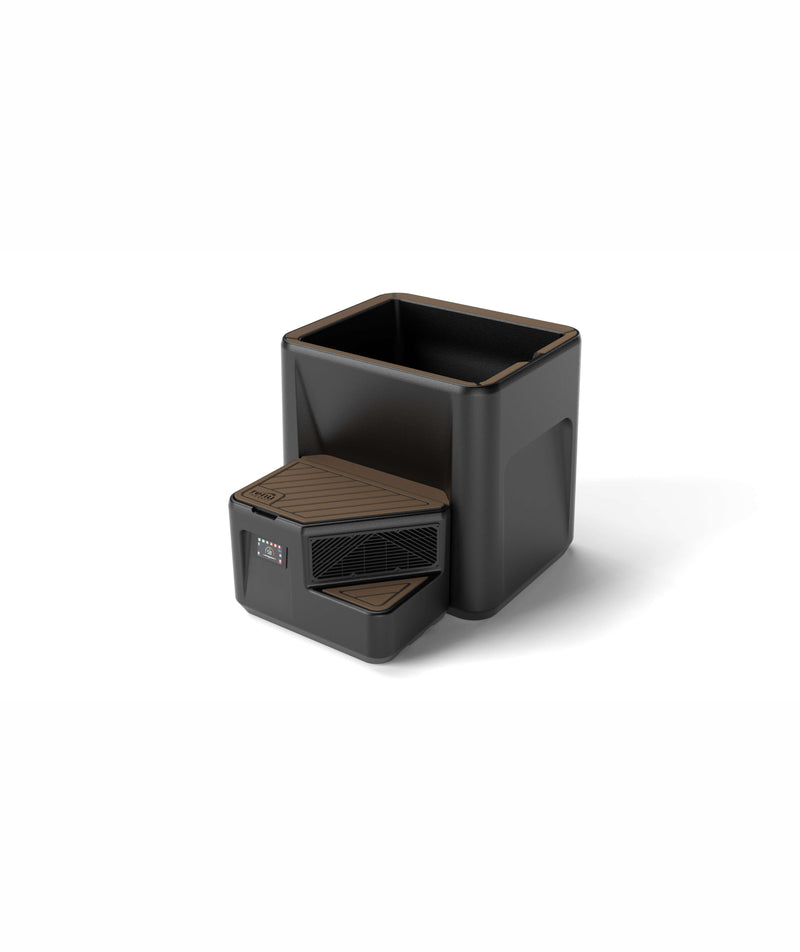
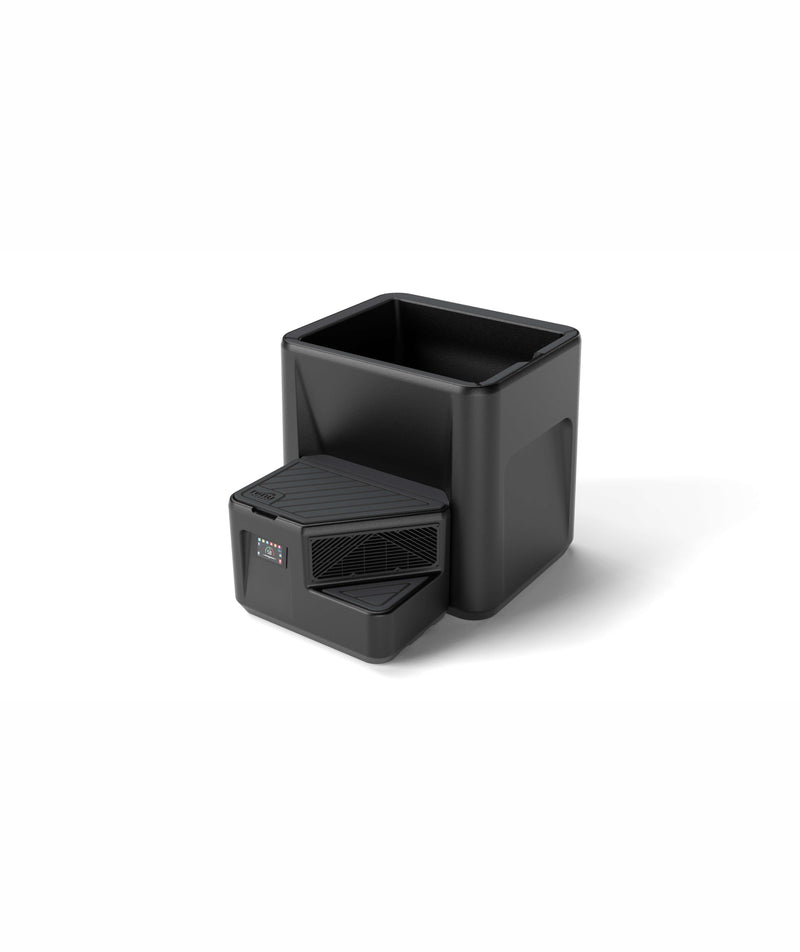
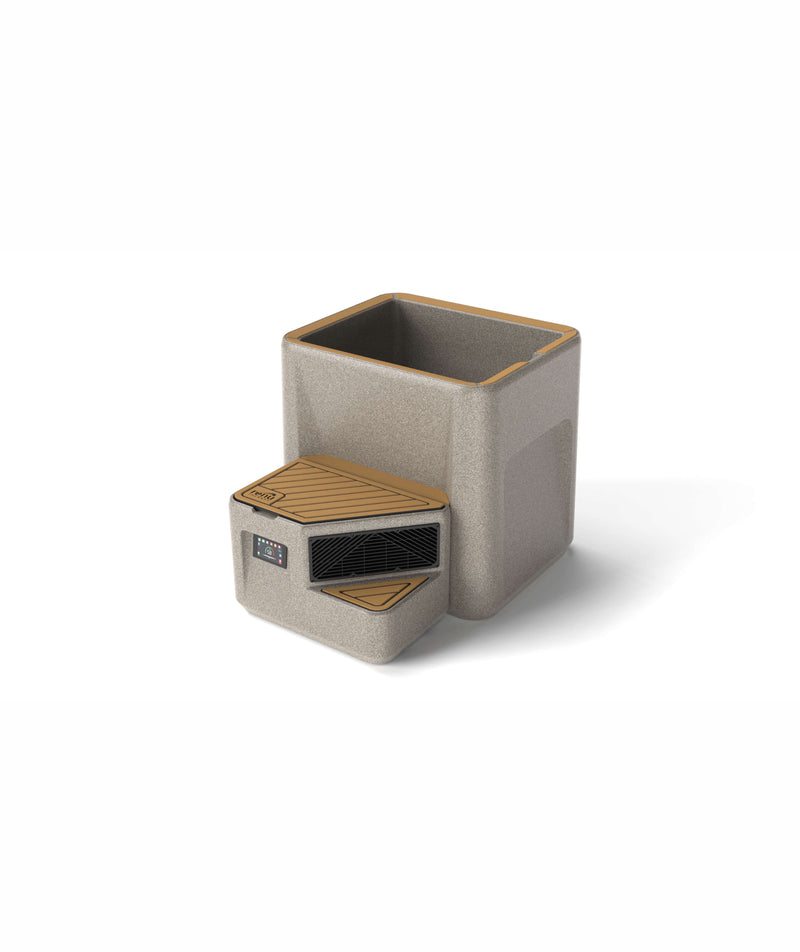
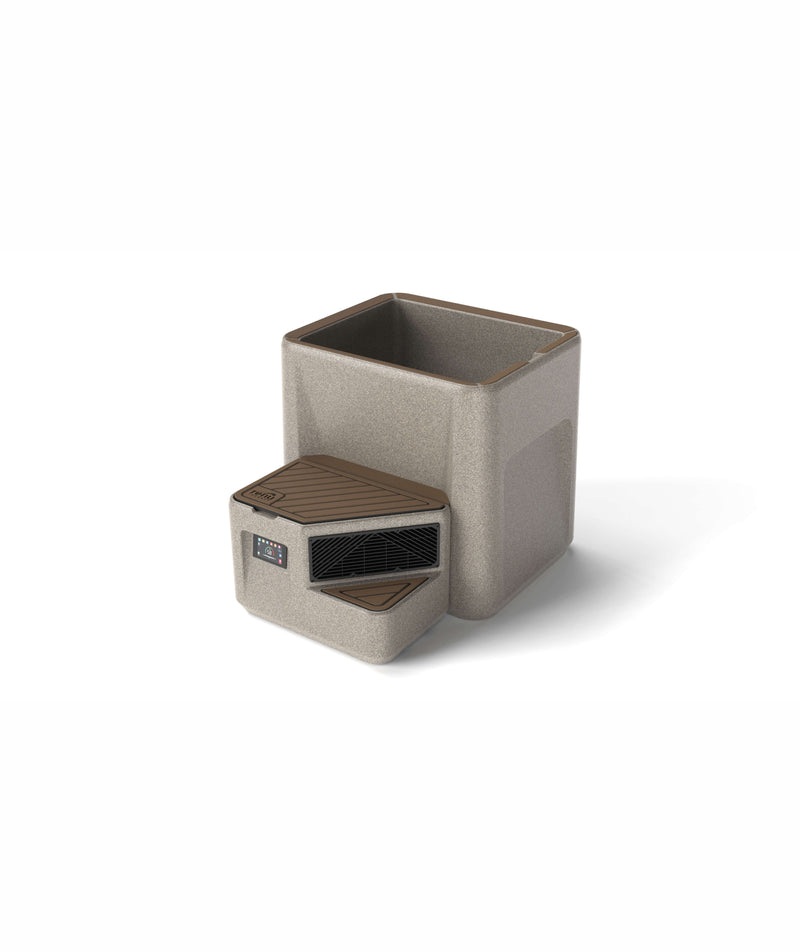
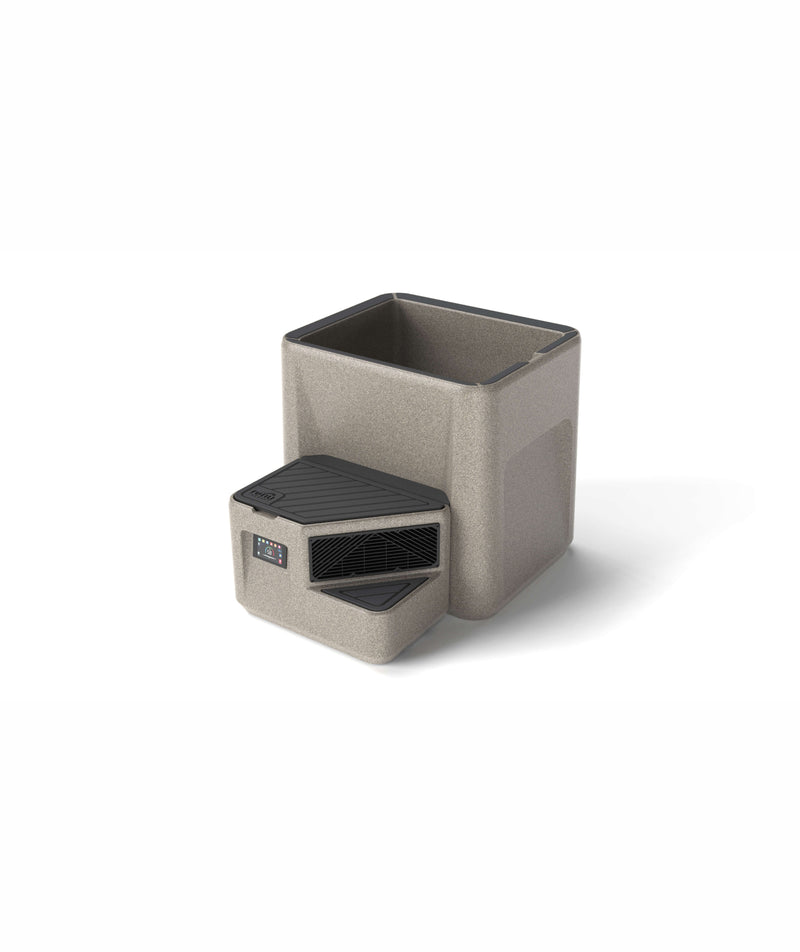
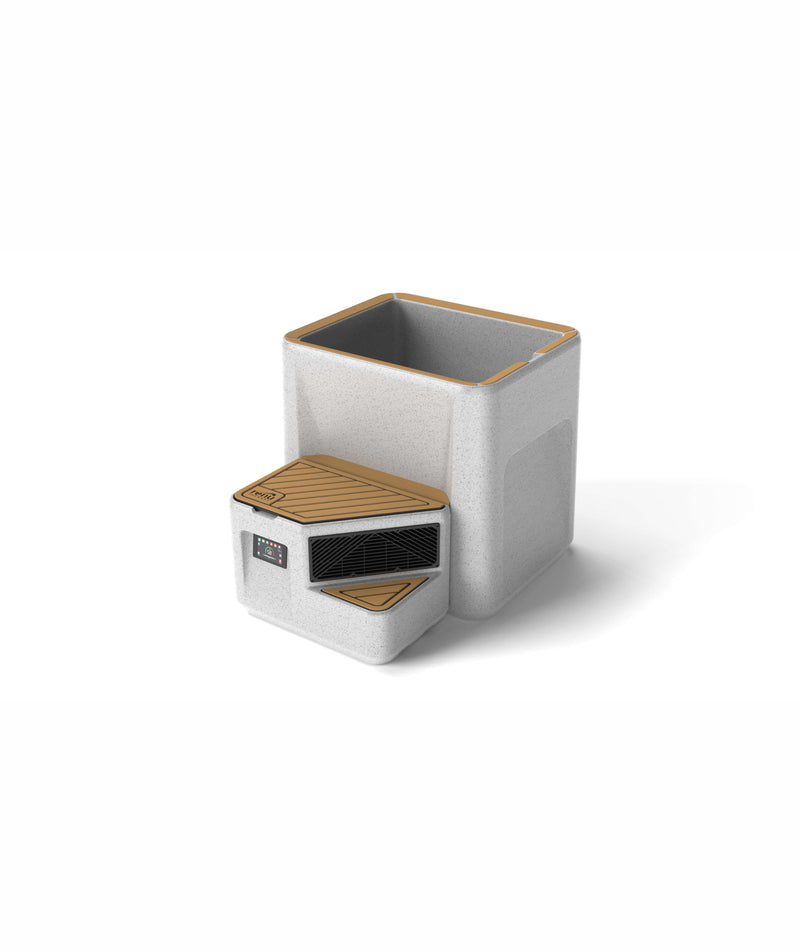
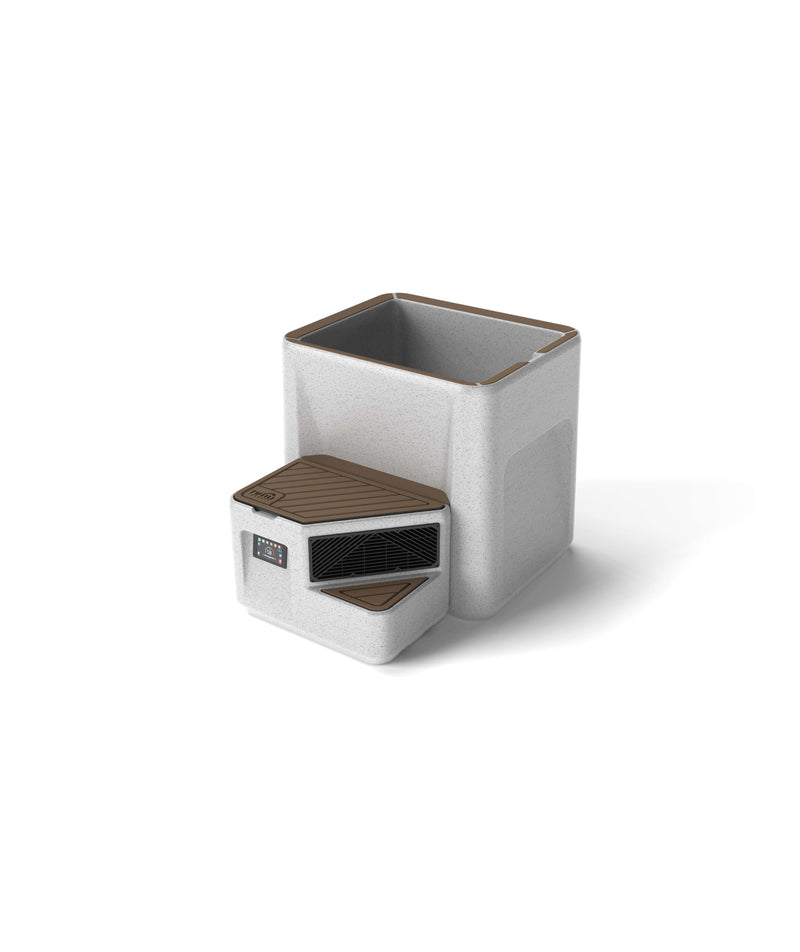
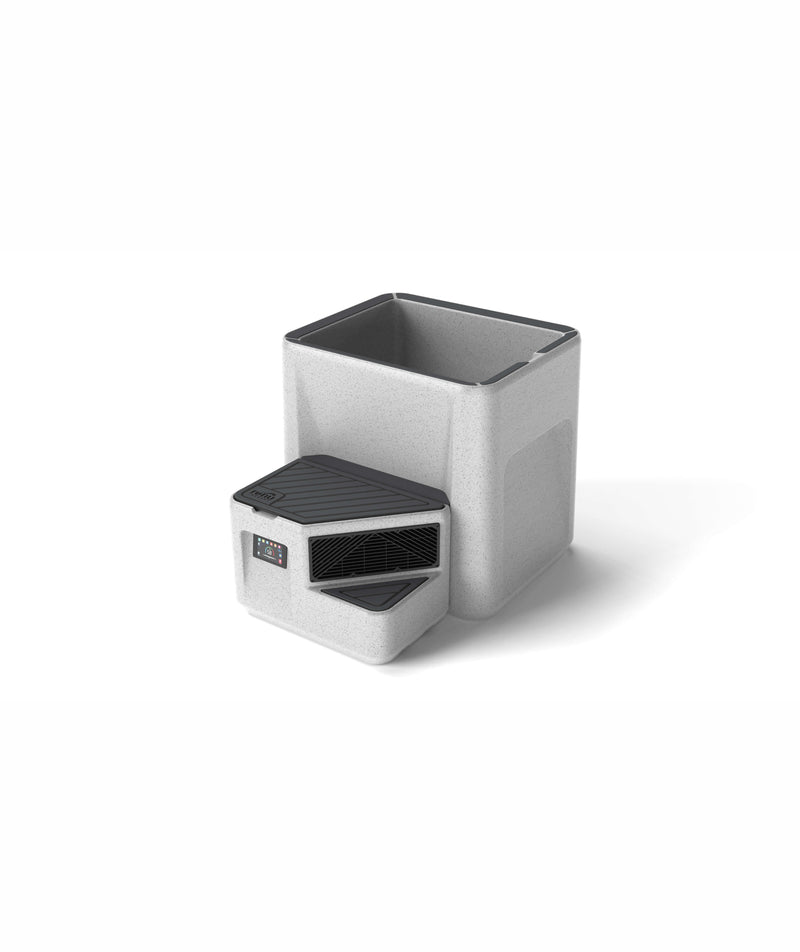
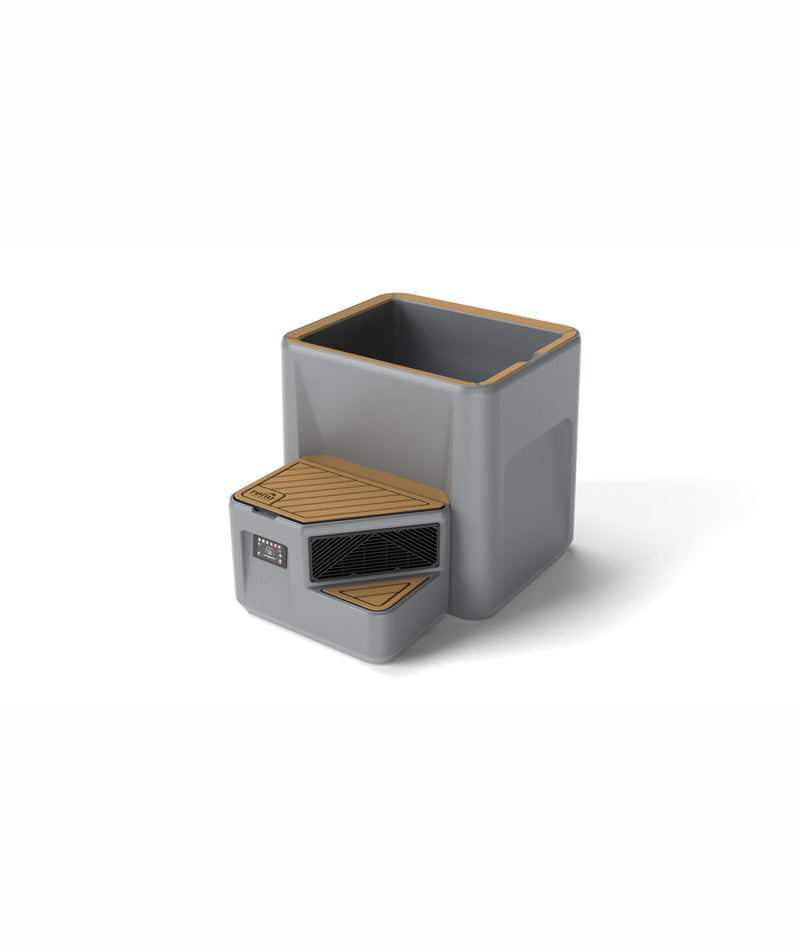
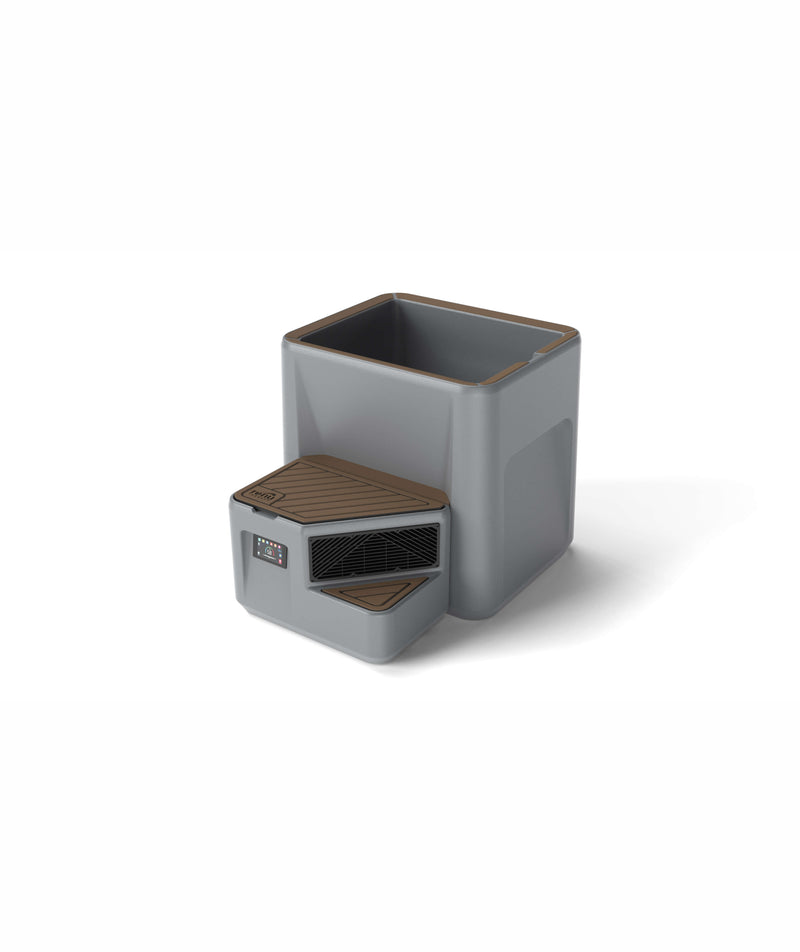
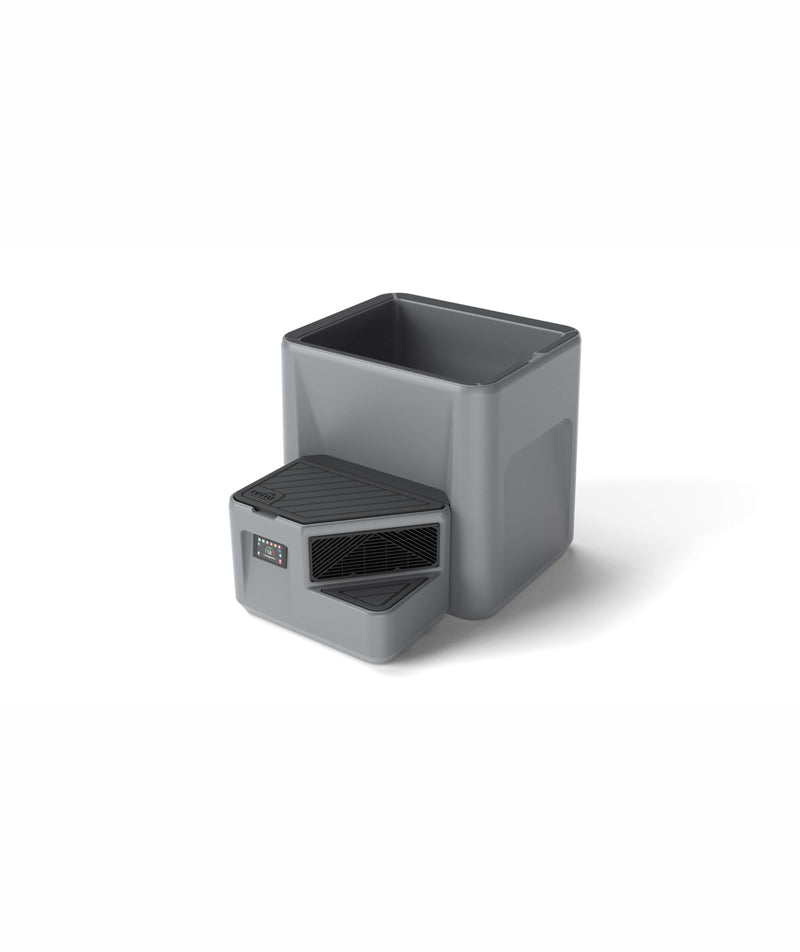
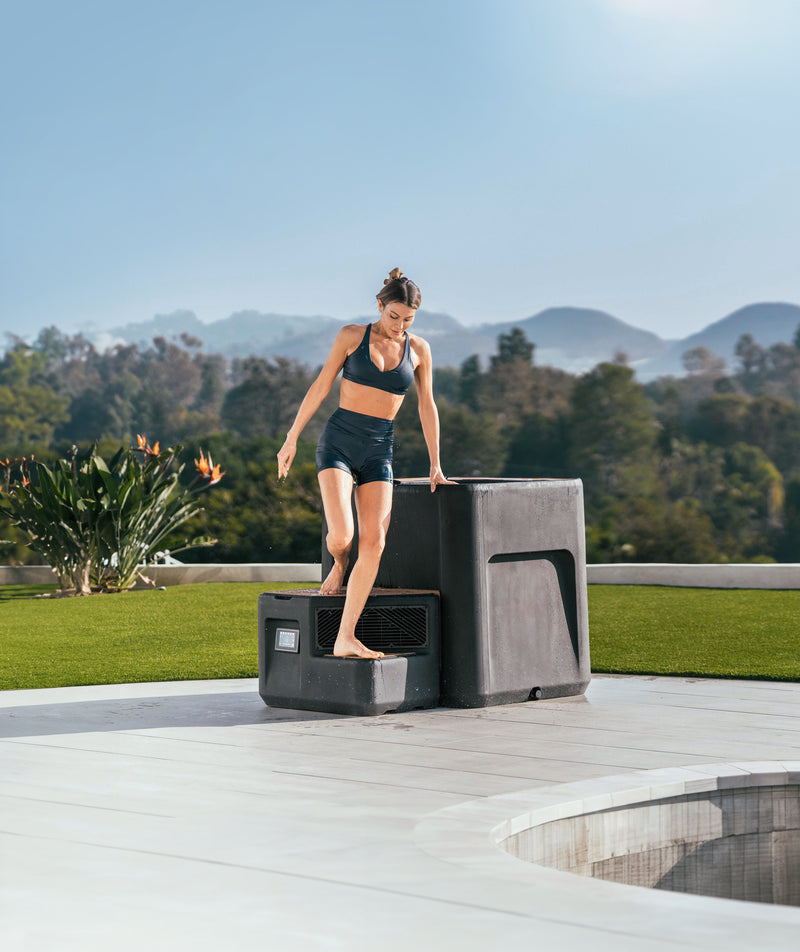
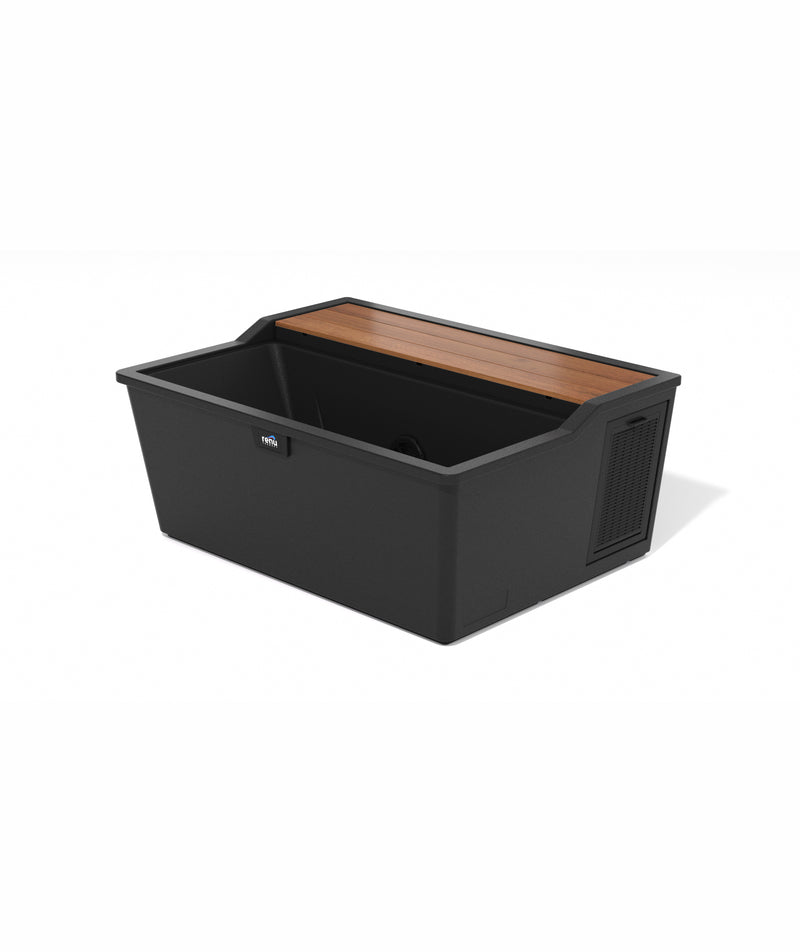
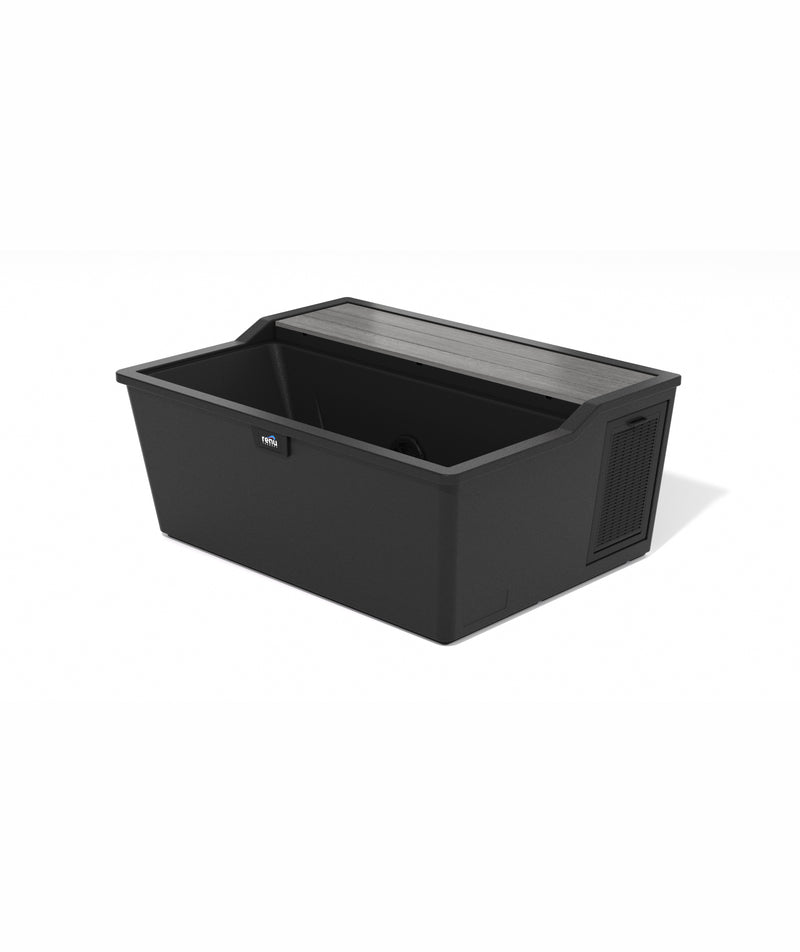
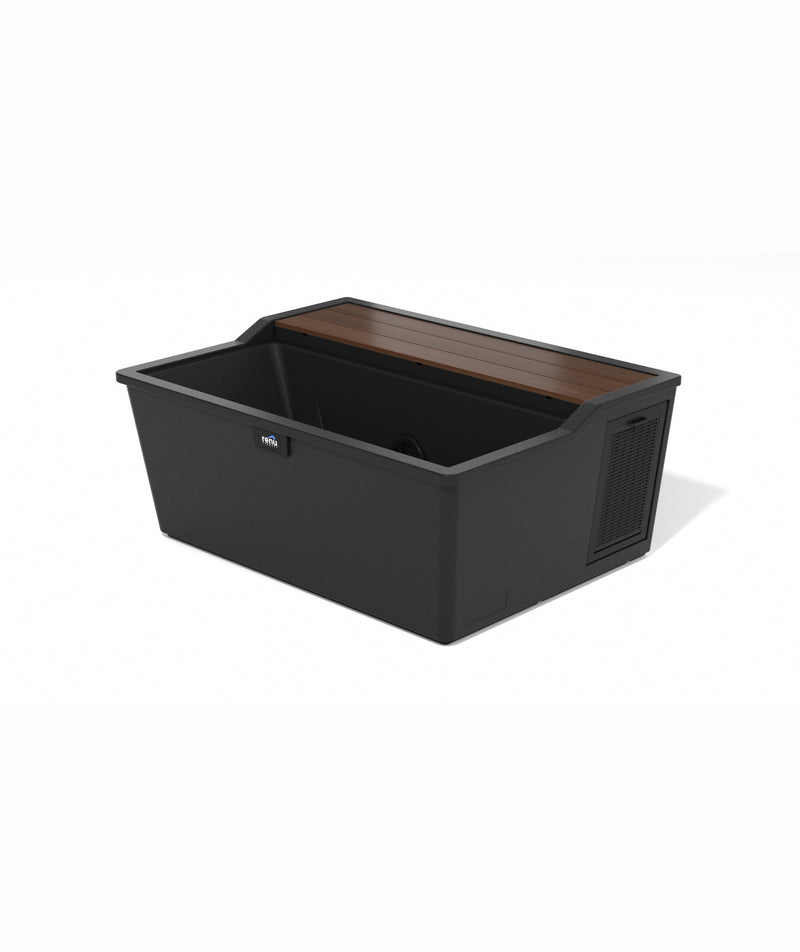
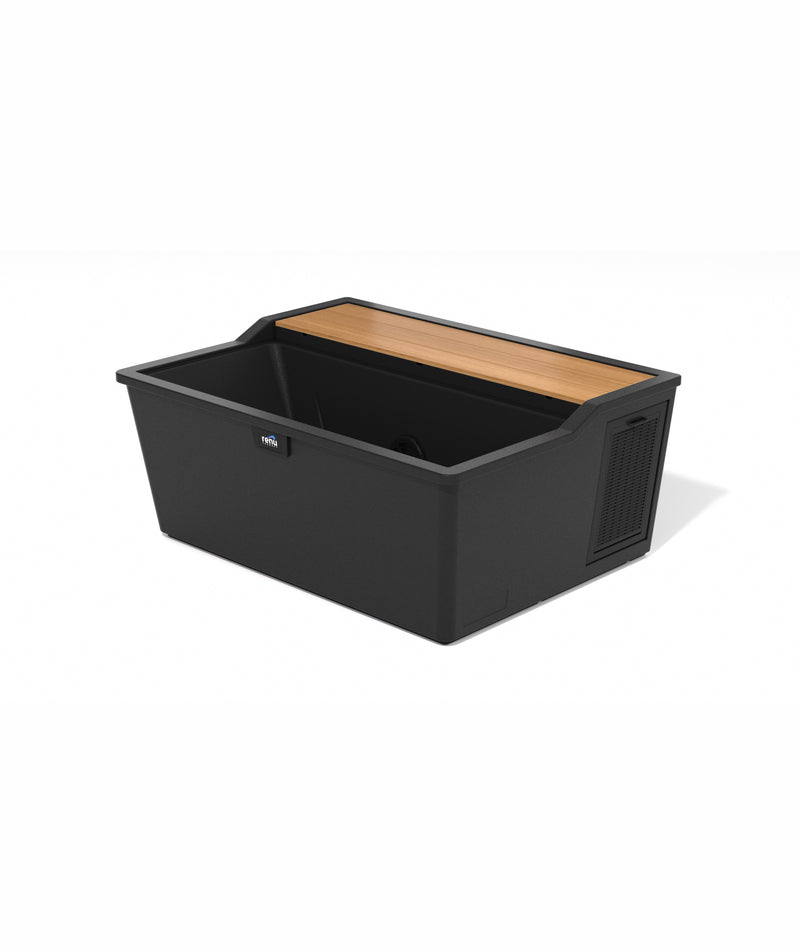
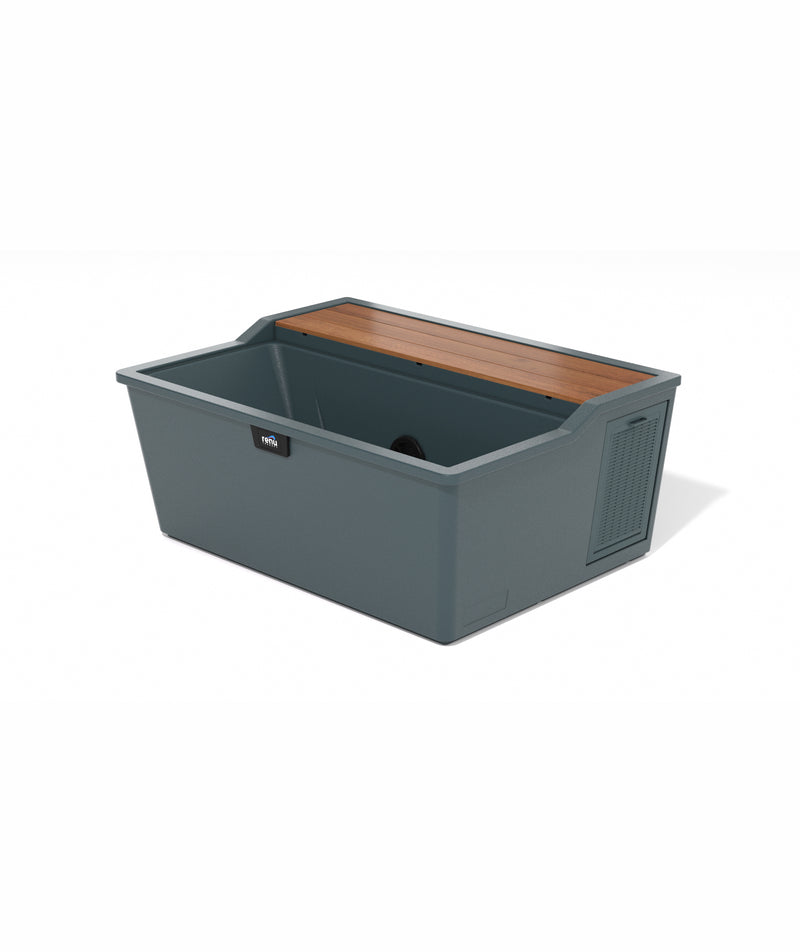
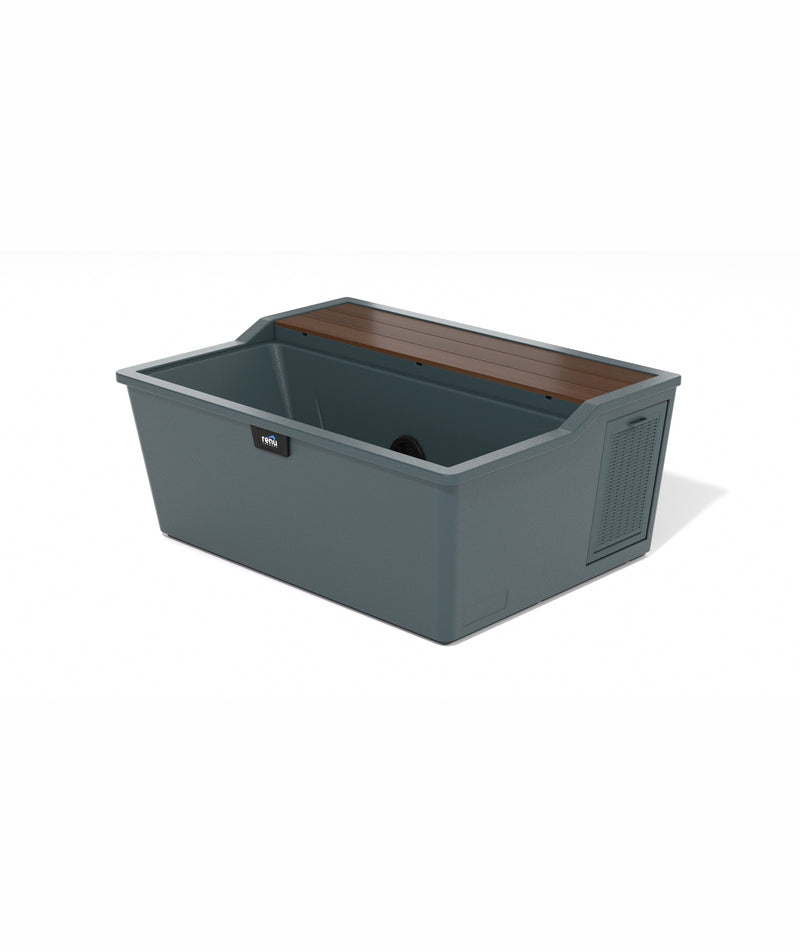
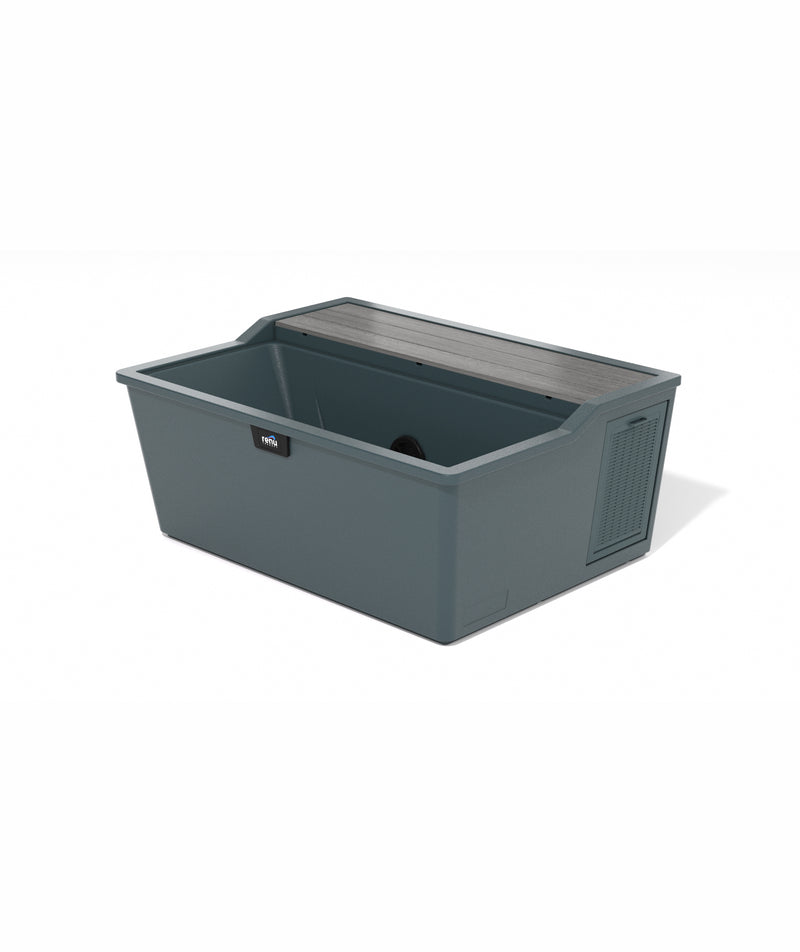
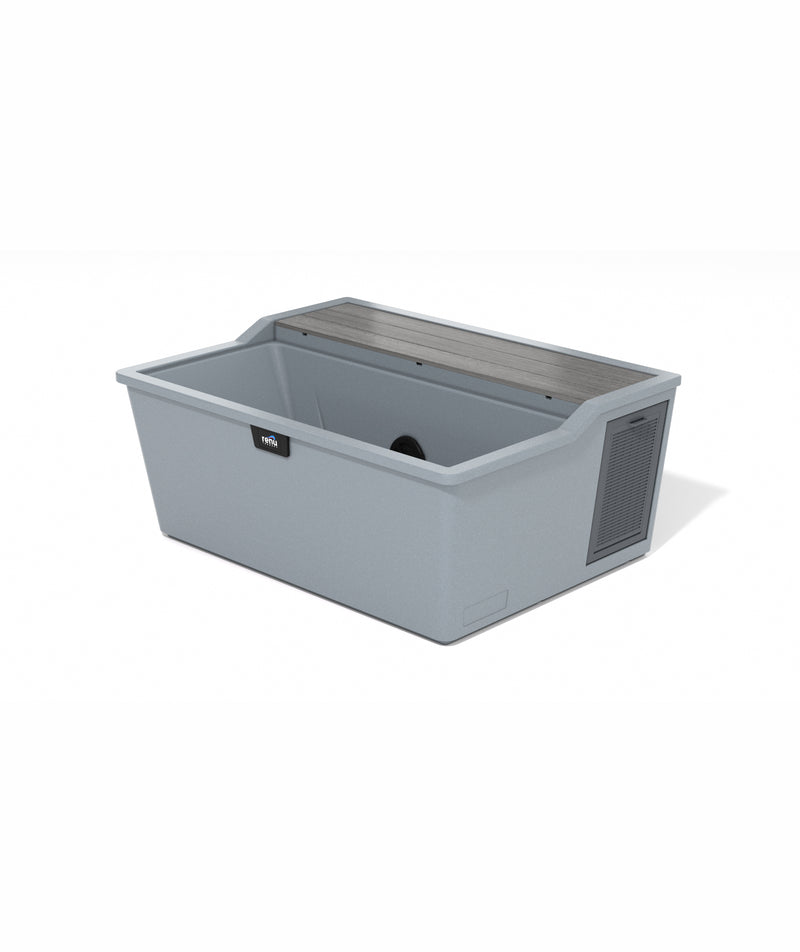
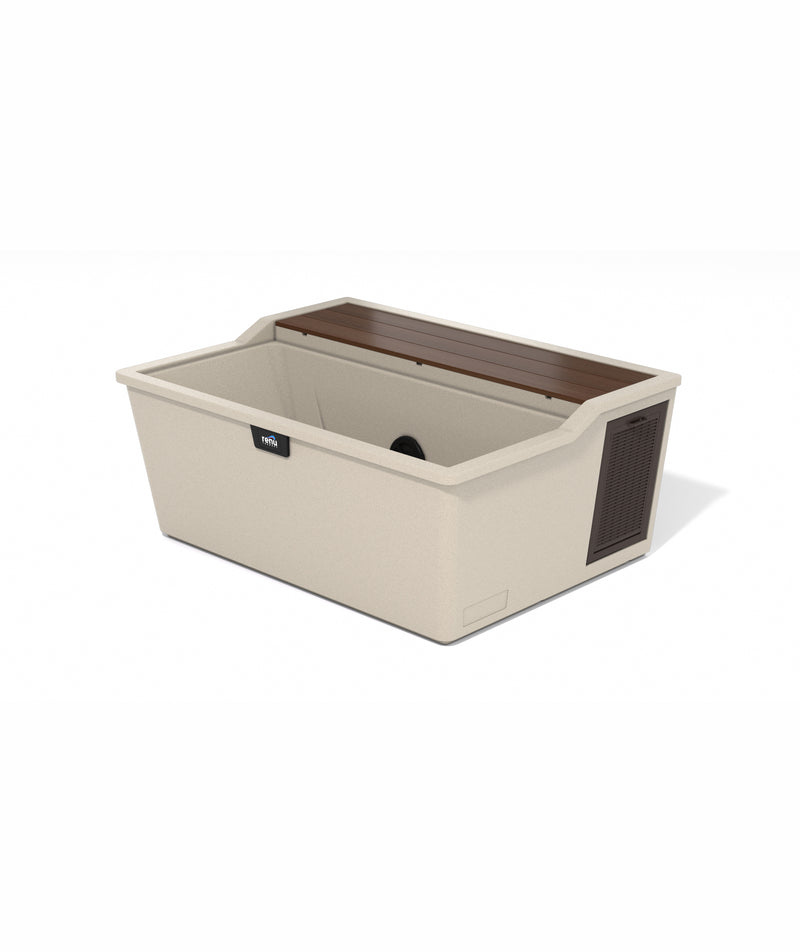
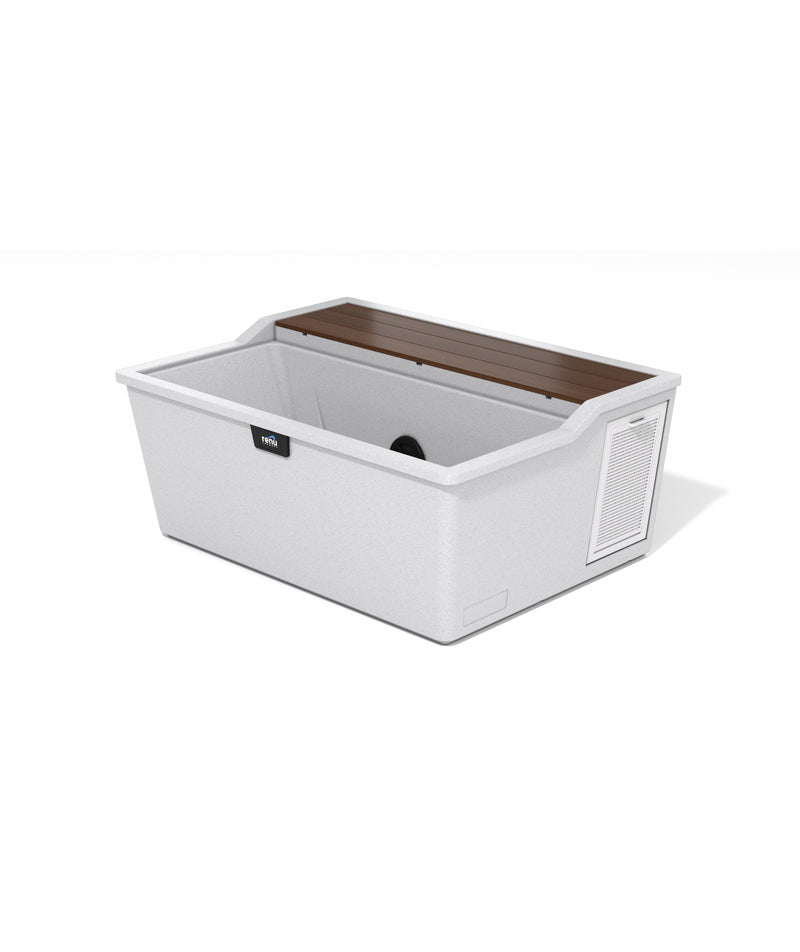
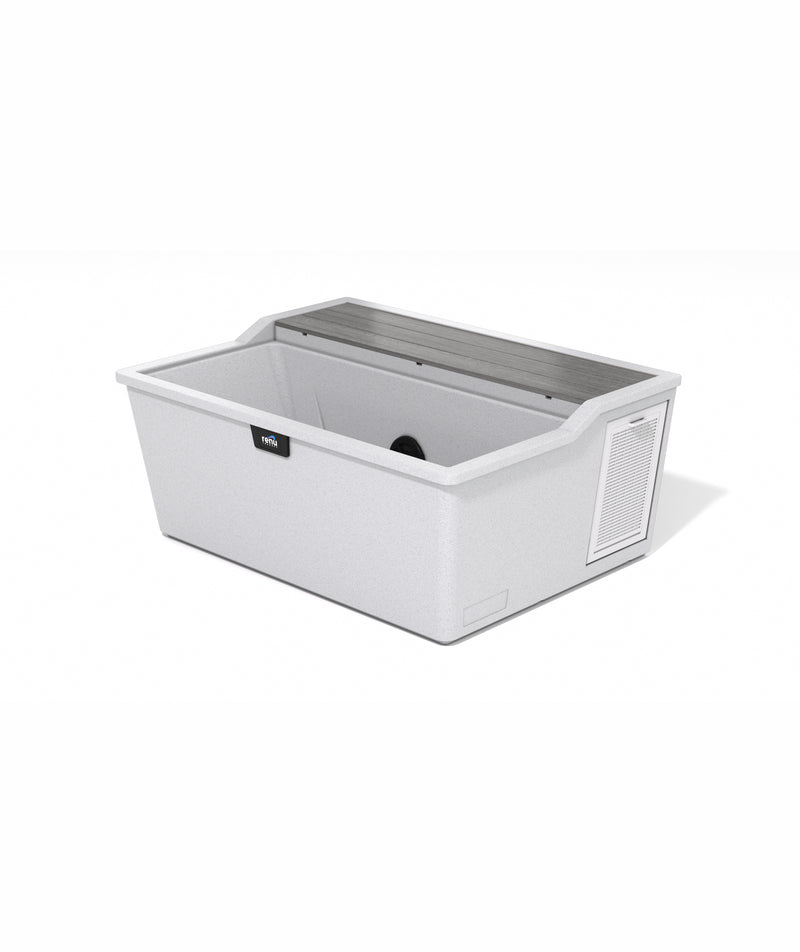
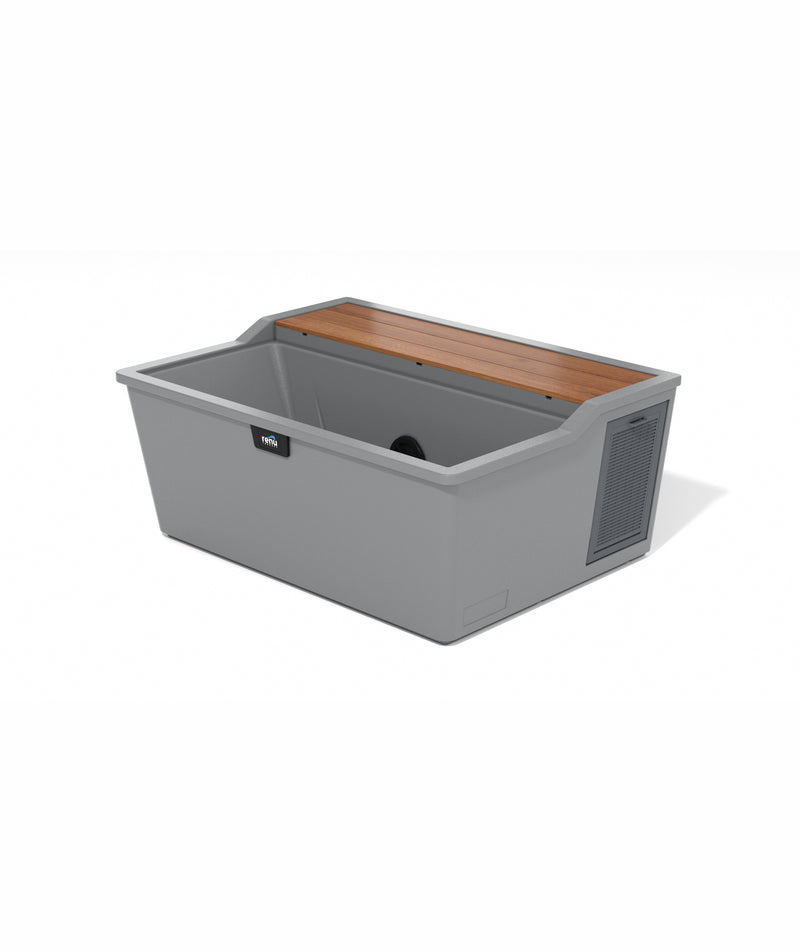
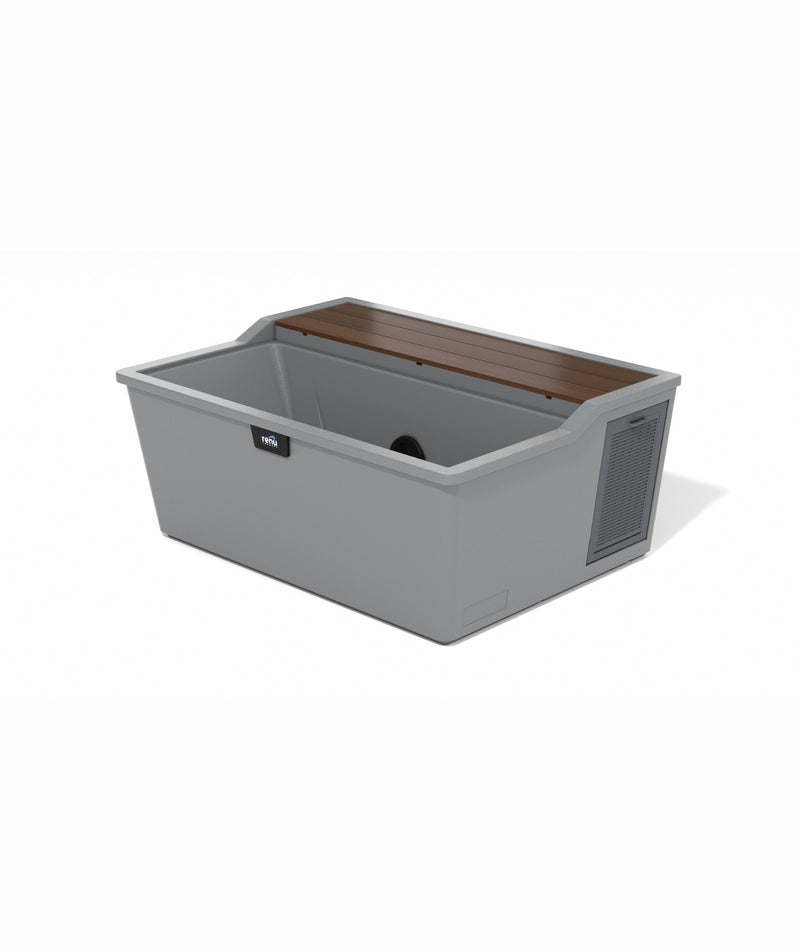
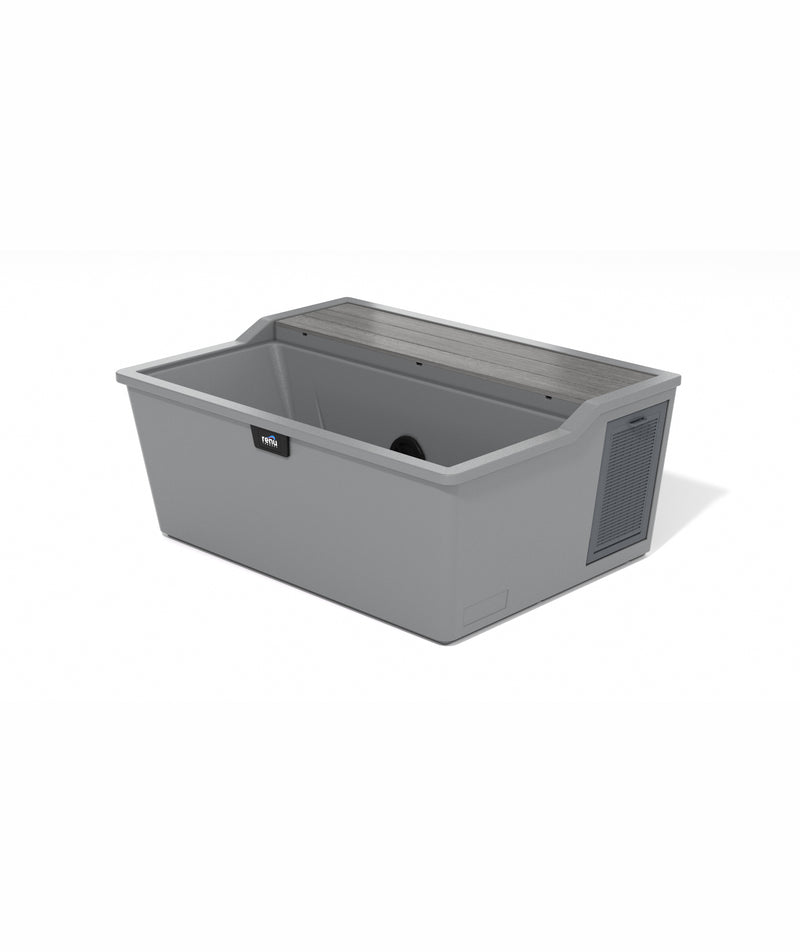
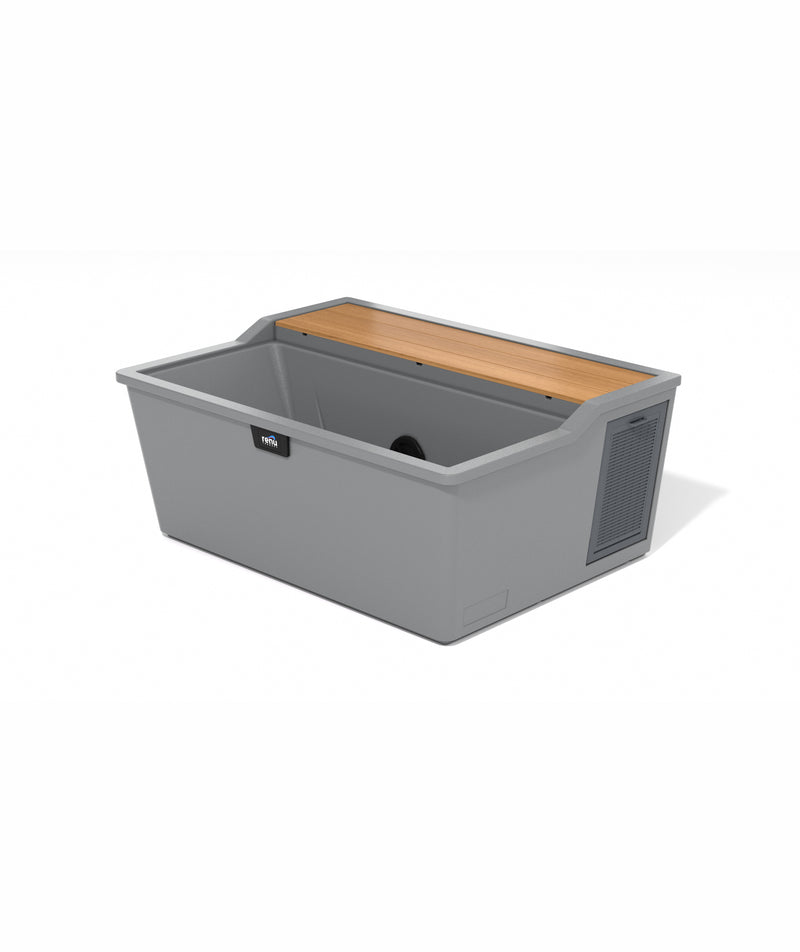
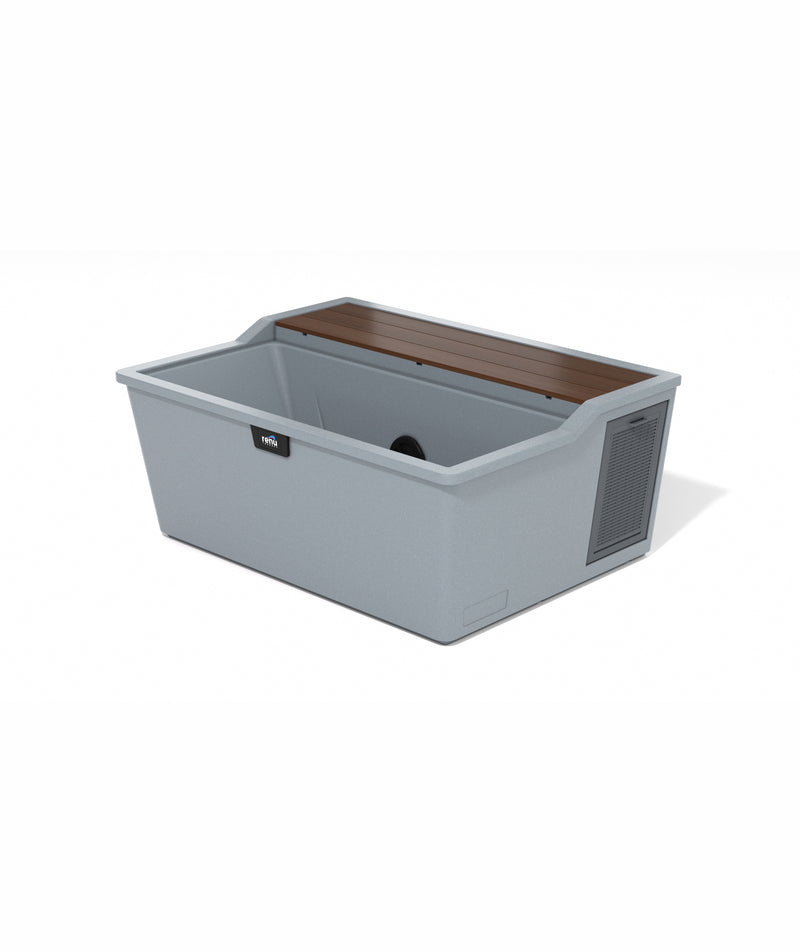
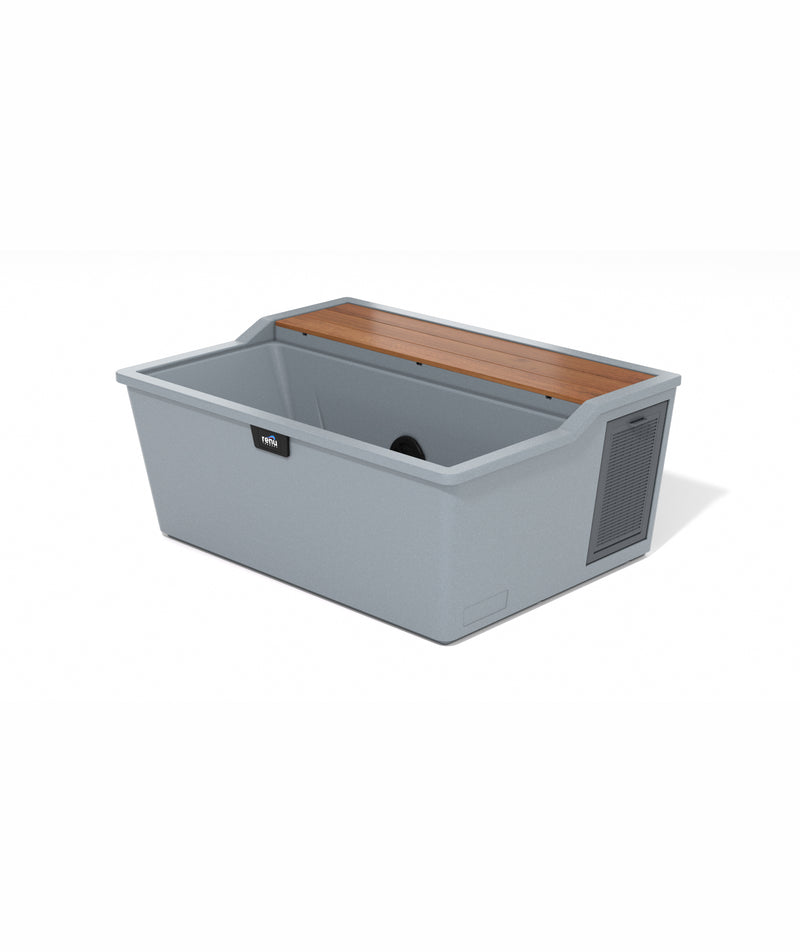
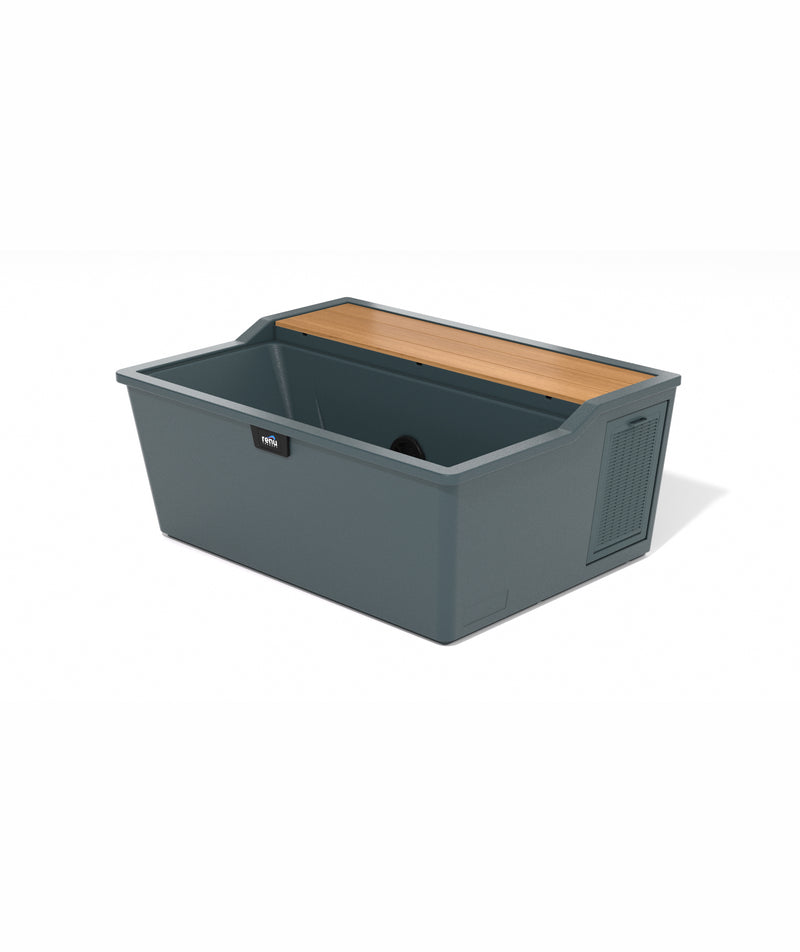
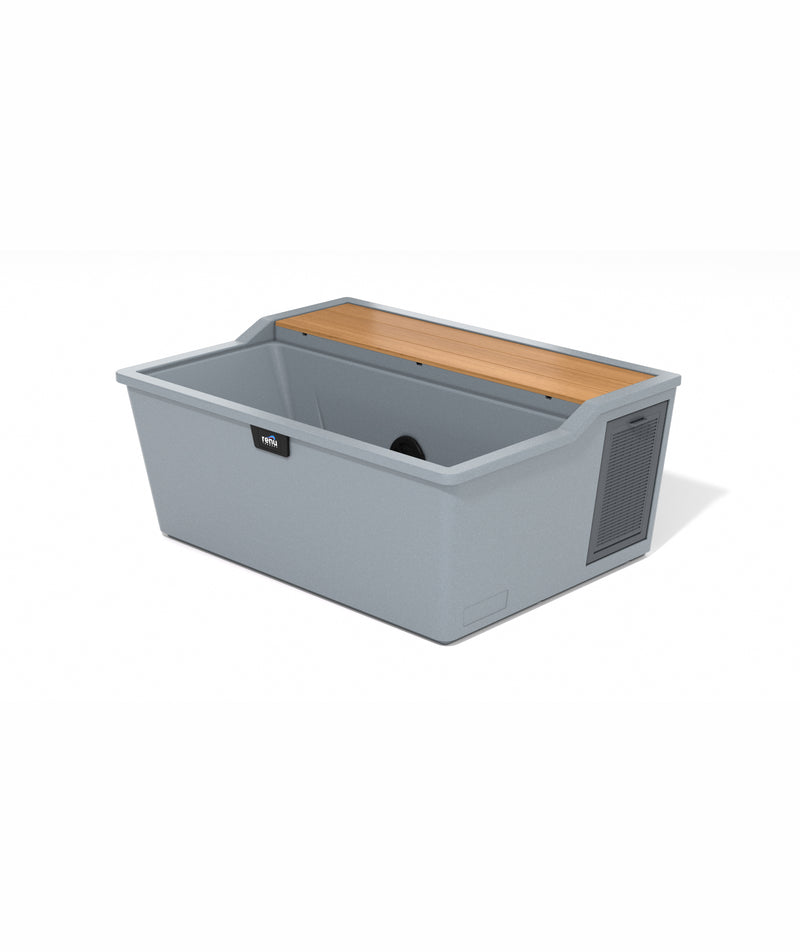
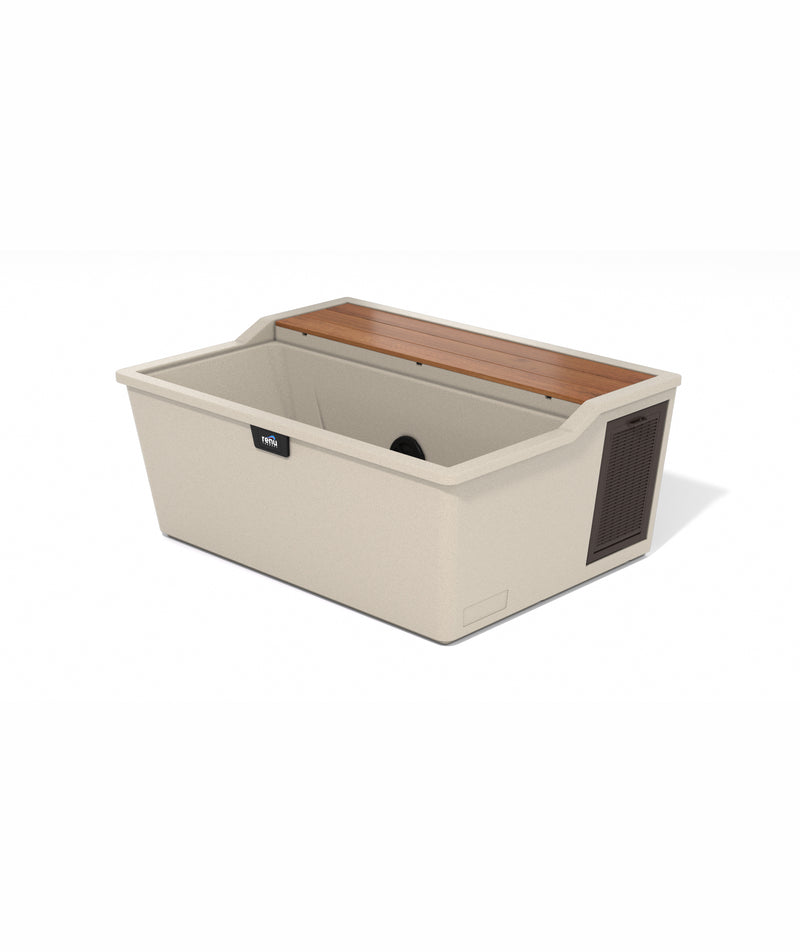
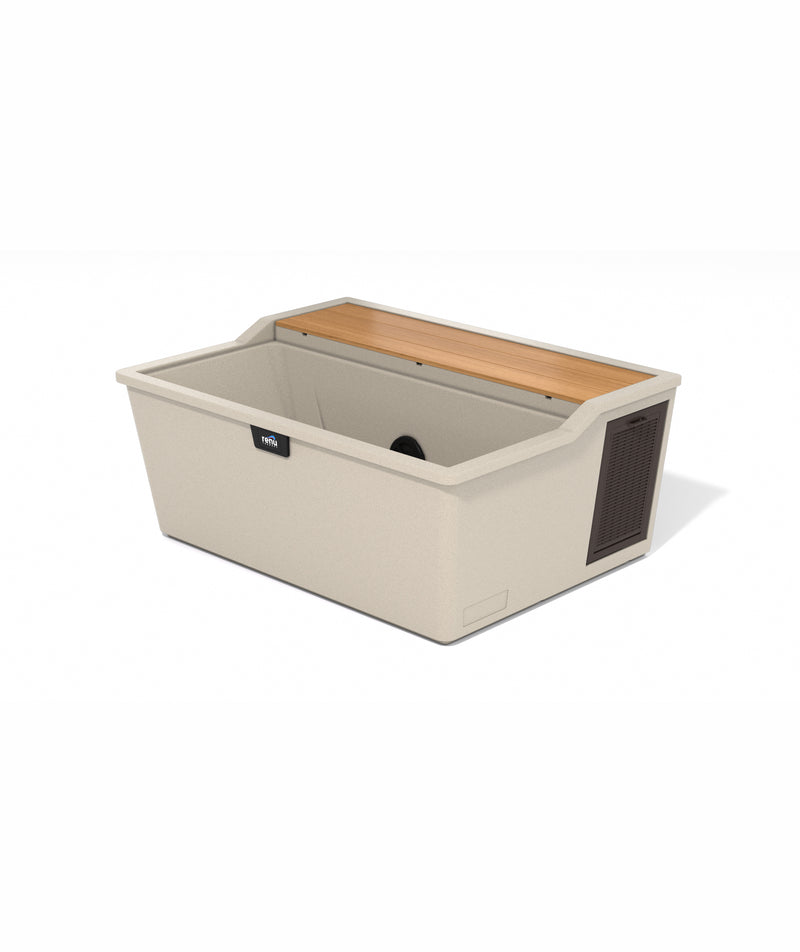
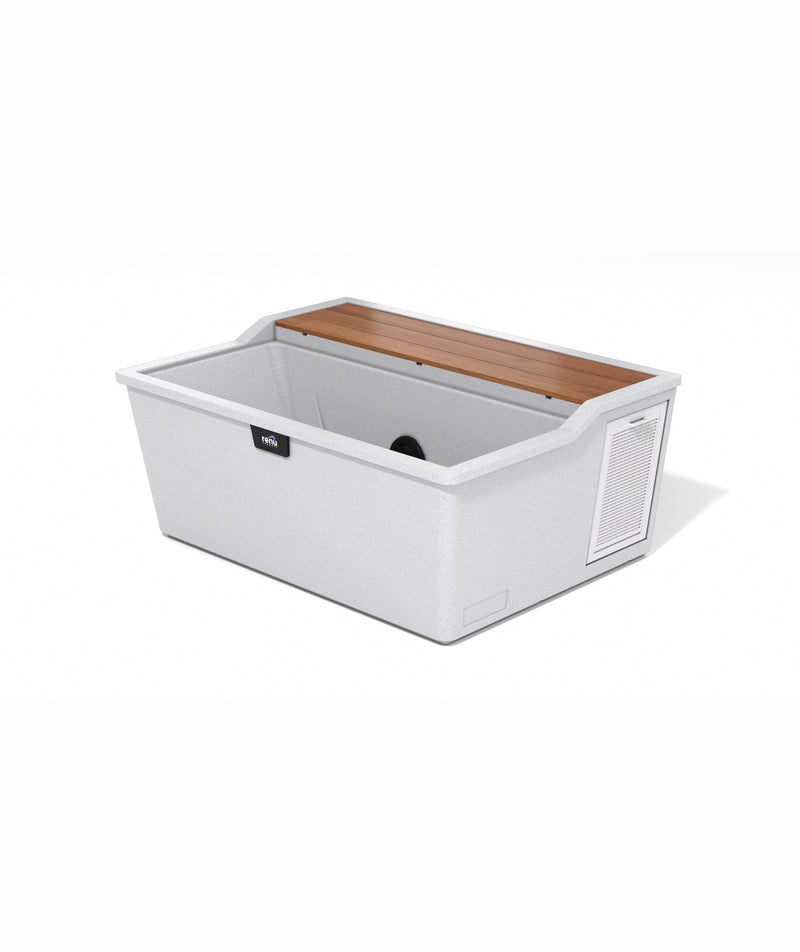
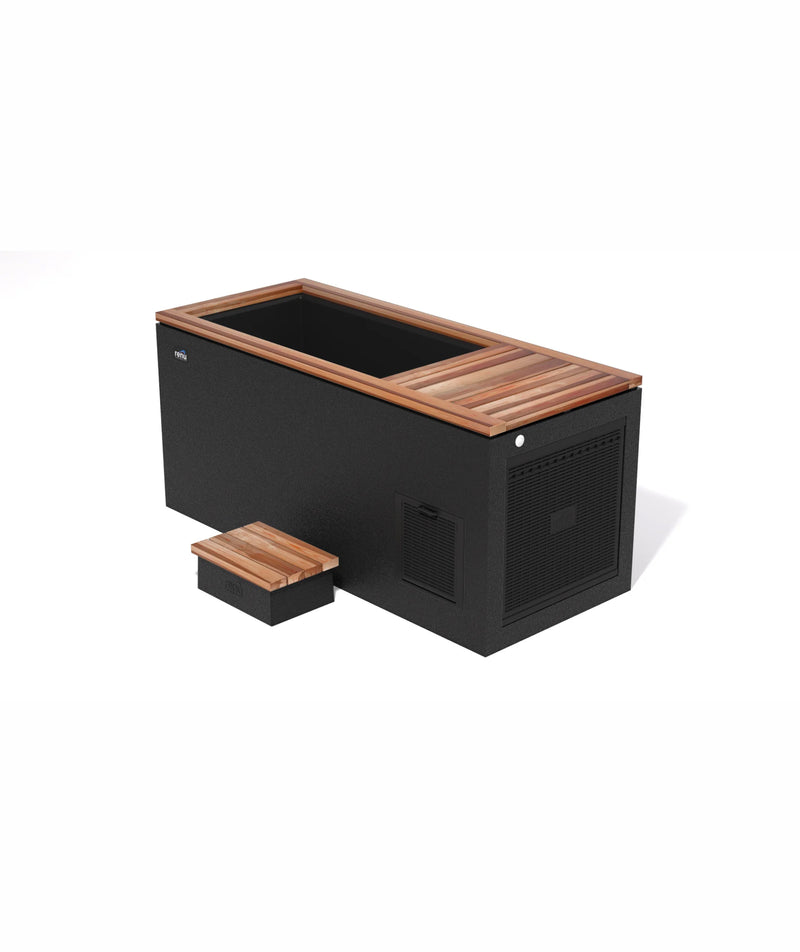
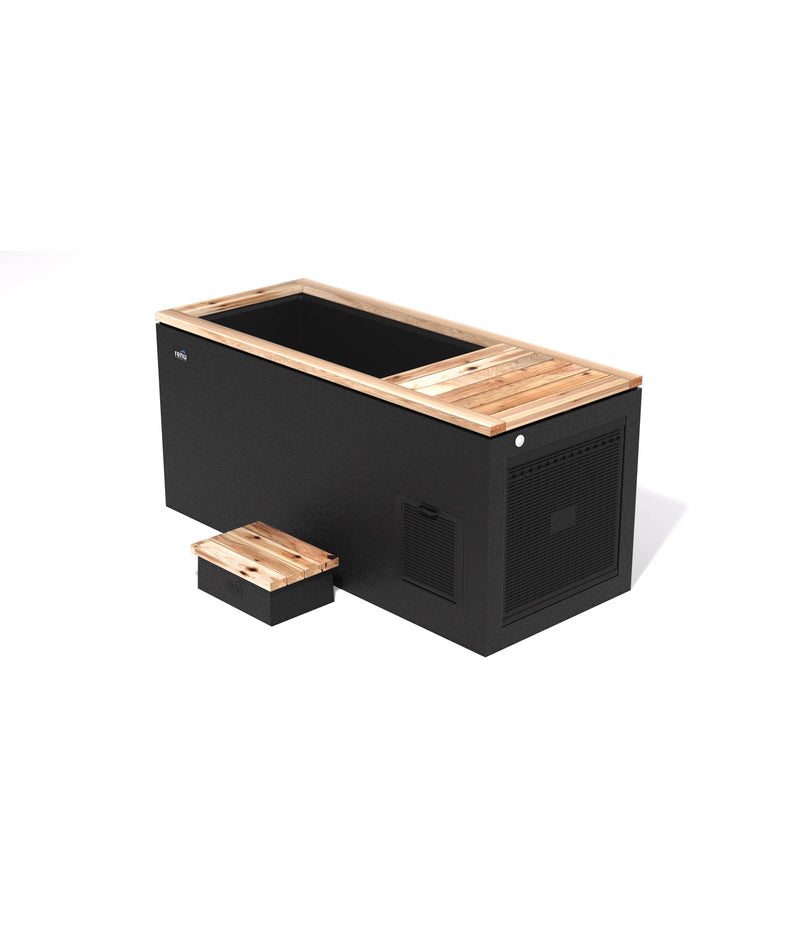
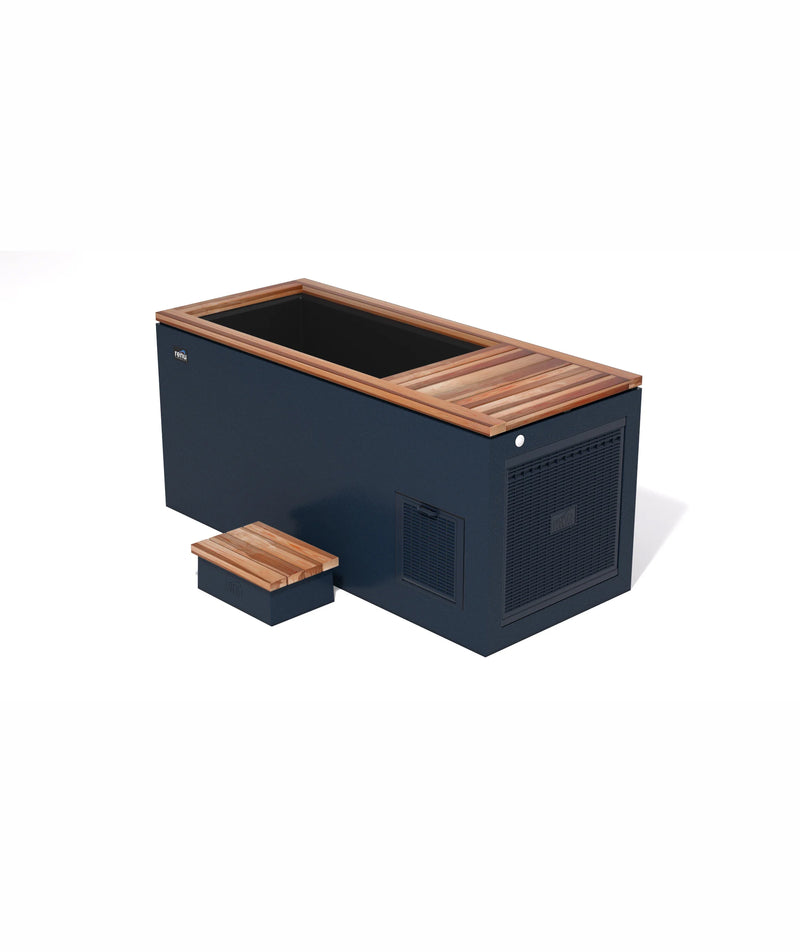
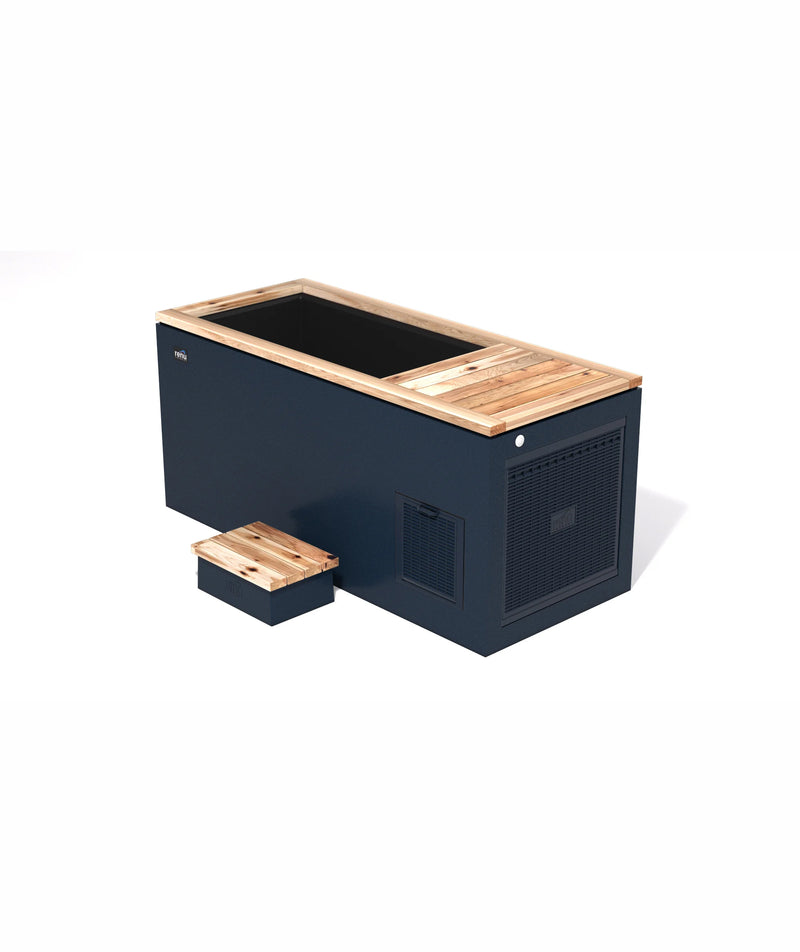
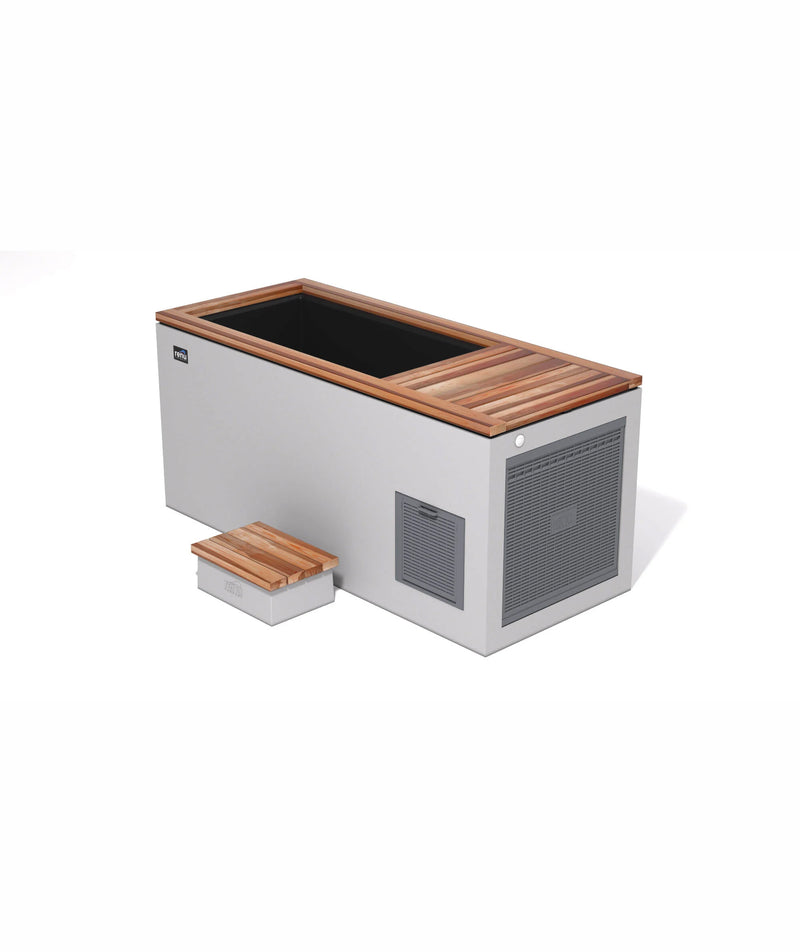
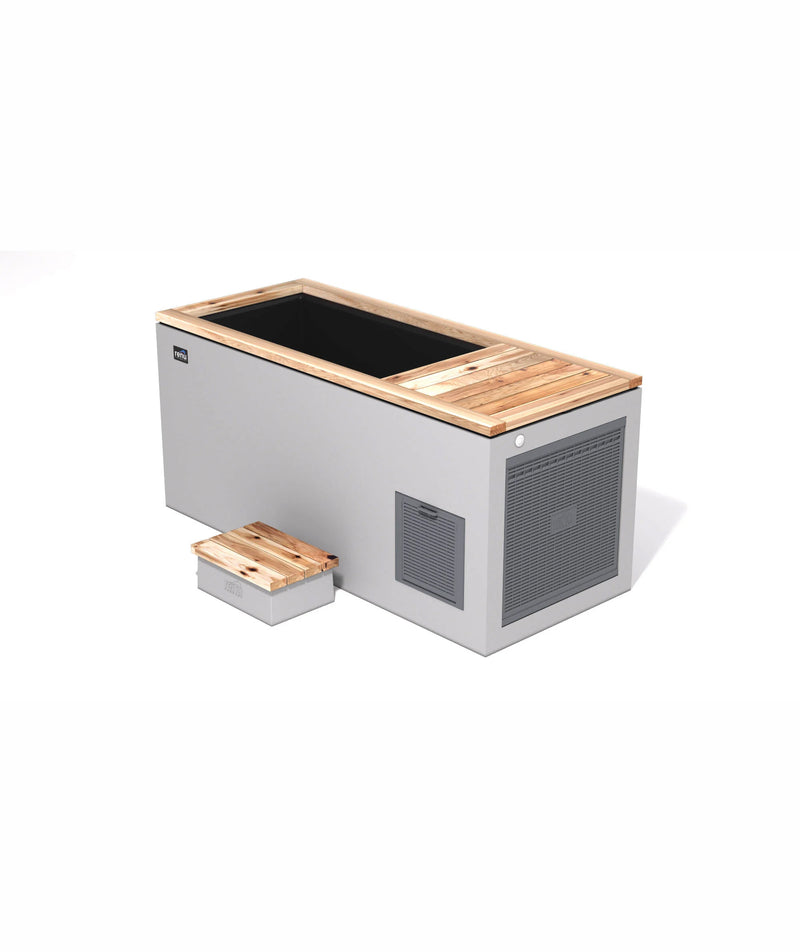
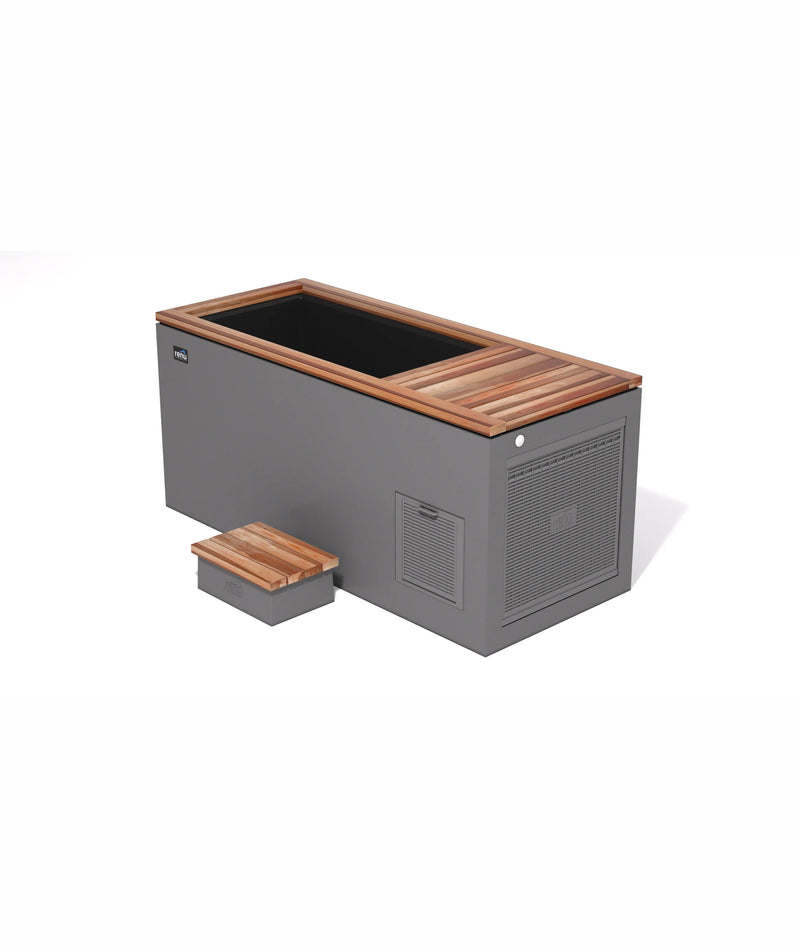
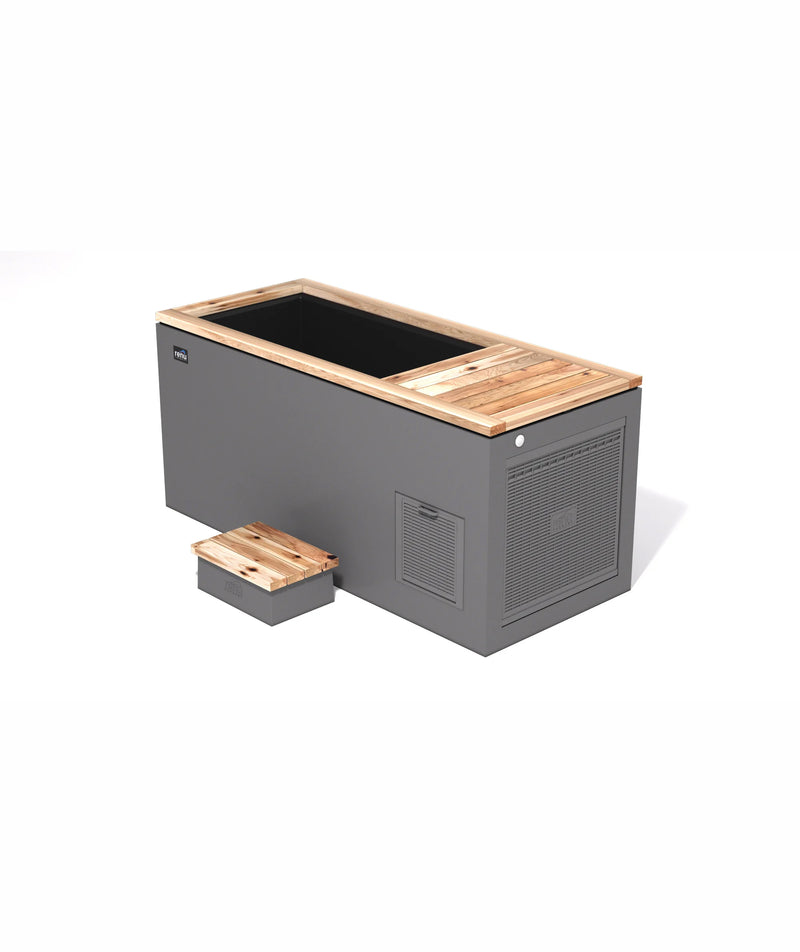
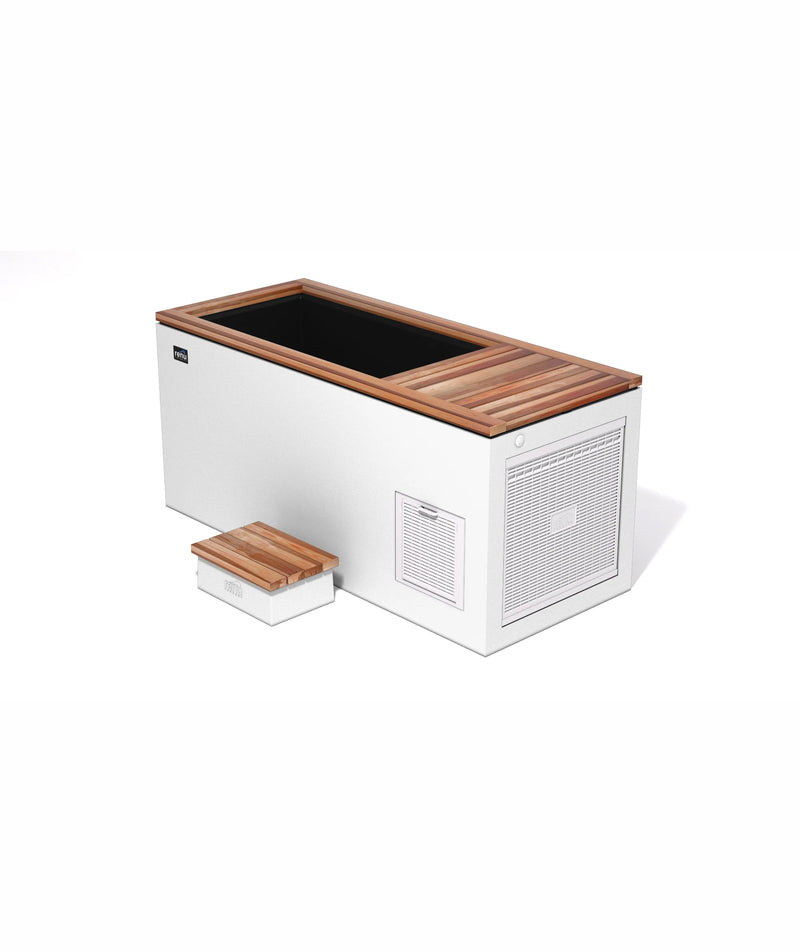
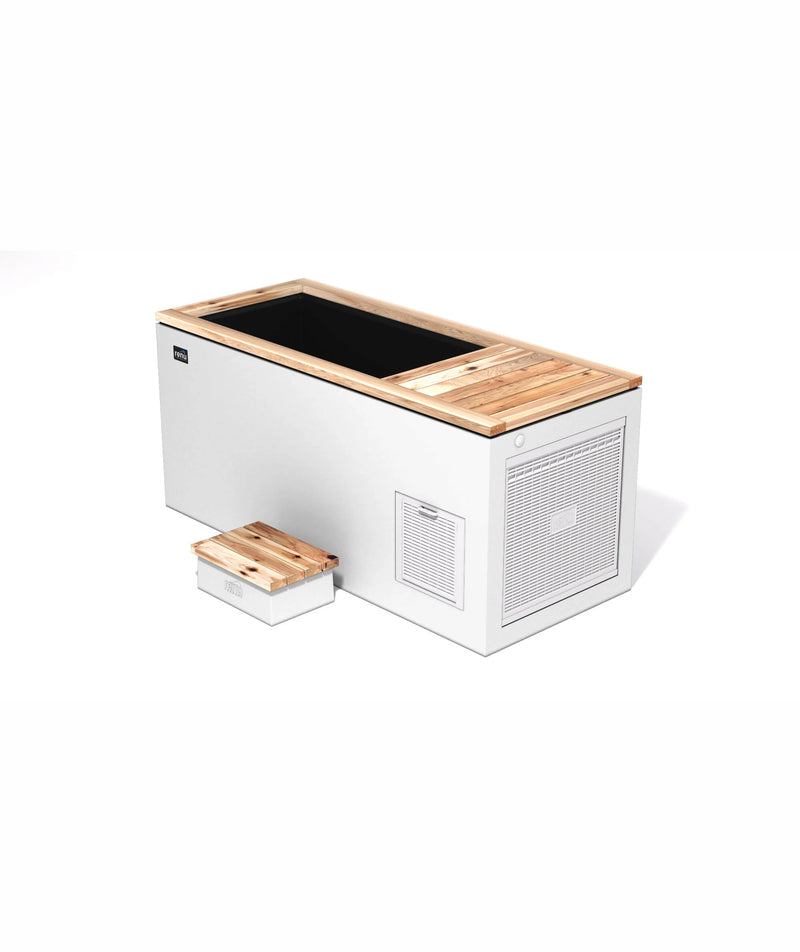
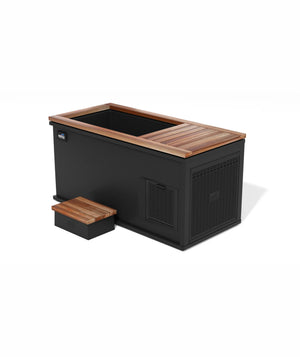
That’s why they chose the Cold Stoic 3.0.
What It’s Actually Like Working With Renu
This is where things get real.
Amanda:
“We had no idea what we were doing… we FaceTimed them and they walked us through everything.”
Suman:
“They’ve been there from day one… not just the product, but operations, setup, everything.”
“It felt like FaceTiming your dad… like, ‘we’ve got you.’”
Because in a commercial setting:
-
Downtime matters
-
Maintenance matters
-
Support matters
If You’re Thinking About Building Something Like This
You don’t need everything figured out.
You do need:
-
A clear point of view
-
The willingness to move
-
The ability to learn quickly
And the right partners.

The Moment It Became Real
This is the payoff.
Q: When did you know it was working?
Suman:
“When we saw all kinds of people in here… enjoying themselves…”
Different ages.
Different backgrounds.
Different reasons for being there.
All sharing the same space.
Amanda:
“I want people to feel like they belong.”
That’s the win.
Not just building a space.
But building a place where people feel like they’re part of something.
Building a space like this takes more than equipment.
It takes the right partners.
Explore Renu commercial cold plunge systems →
Watch the Full Story
If you’re thinking about building something like this—or just want to see what it really takes:
→ Watch the full EASTEND interview on YouTube