You sit down to get something done.
You open your laptop.
Start where you left off.
Then something small pulls you away.
A message.
A tab.
A quick check.
You come back.
Start again.
A few minutes later, it happens again.
At first, it feels harmless.
But after a while, you notice something unsettling:
You are not really focusing.
You are switching.
And if you are like most people, you are doing it all day.
The Problem Isn’t Laziness
Most people think they have a discipline problem.
They assume they:
-
need more motivation
-
need stronger habits
-
need better time management
-
need to try harder
But modern life is constantly training your attention away from stillness.
Notifications.
Feeds.
Tabs.
Streaming.
Infinite novelty.
Your nervous system is adapting to an environment built to interrupt you.
Dr. Anna Lembke explains it clearly:
“Dopamine is not about pleasure. It is about wanting.”
That changes everything.
Because the pull you feel toward your phone, inbox, or next distraction is not random.
It is learned.
Your Brain Is Learning a Pattern
The loop usually looks like this:
Trigger → anticipation → action → repeat
Something pulls at your attention.
You respond.
For a moment, you feel a small shift:
-
relief
-
stimulation
-
movement
-
escape
Then your brain learns:
Do it again.
Not because it helped long-term.
Because it changed how you felt in the moment.
And eventually, something subtle starts to happen.
You stop choosing your attention.
You start reacting with it.

Why the Pull Keeps Getting Stronger
One of the biggest misconceptions about dopamine is that it creates satisfaction.
Often, it creates pursuit.
The reward is not the thing itself.
It is the possibility of what comes next.
Another post.
Another email.
Another refresh.
Another tiny shift in feeling.
Your brain starts living in anticipation instead of attention.
That is why stillness can start to feel uncomfortable.
Silence feels empty.
Focus feels harder.
And the urge to switch arrives faster than your ability to think about it.
Not because you are weak.
Because repetition becomes wiring.
What Most People Get Wrong About Focus
Most people try to solve this by forcing themselves to concentrate harder.
But focus is not just mental.
It is physiological.
Your state shapes your attention.
You can feel this in your body:
-
restless energy
-
low-grade urgency
-
the constant feeling that you should be checking something
When your nervous system stays overstimulated long enough, your attention becomes reactive.
The goal is not endless self-control.
It is creating conditions where your nervous system can settle enough to hold attention again.
Why Cold Changes the Equation
Cold exposure works differently than most modern stimulation.
It does not fragment your attention.
It consolidates it.
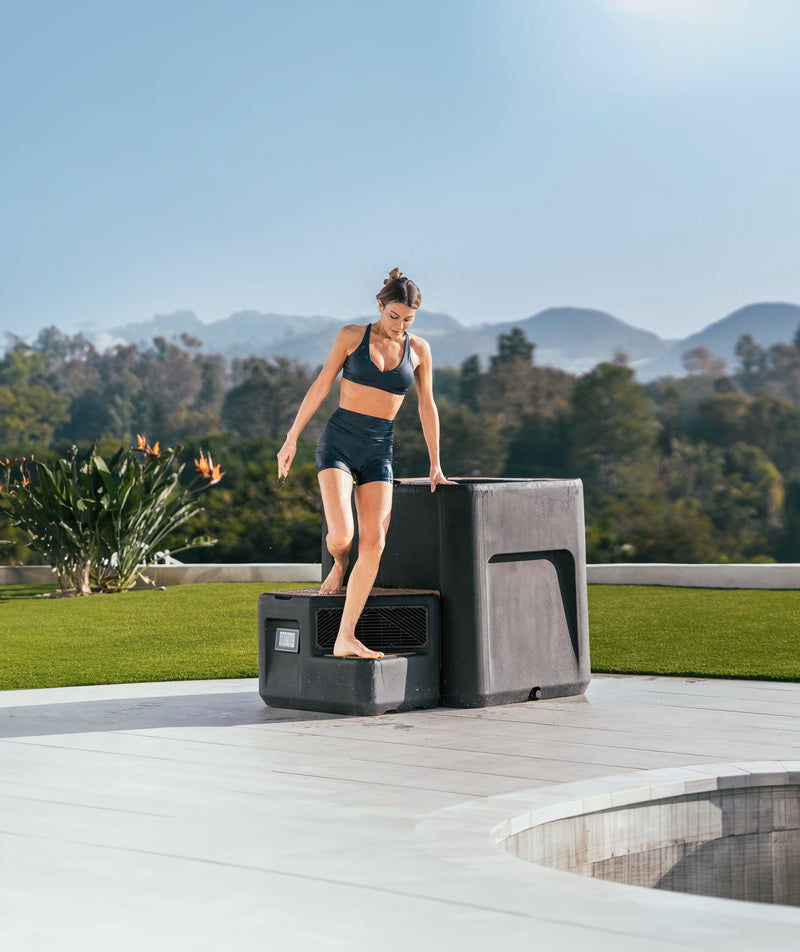
The moment you step into cold water, your body responds immediately.
Your breathing changes.
Your attention sharpens.
Your nervous system becomes fully engaged.
There is no scrolling.
No multitasking.
No drifting.
Just one clear signal.
Cold does not ask for your attention.
It demands it.
And for a few minutes, the loop stops.
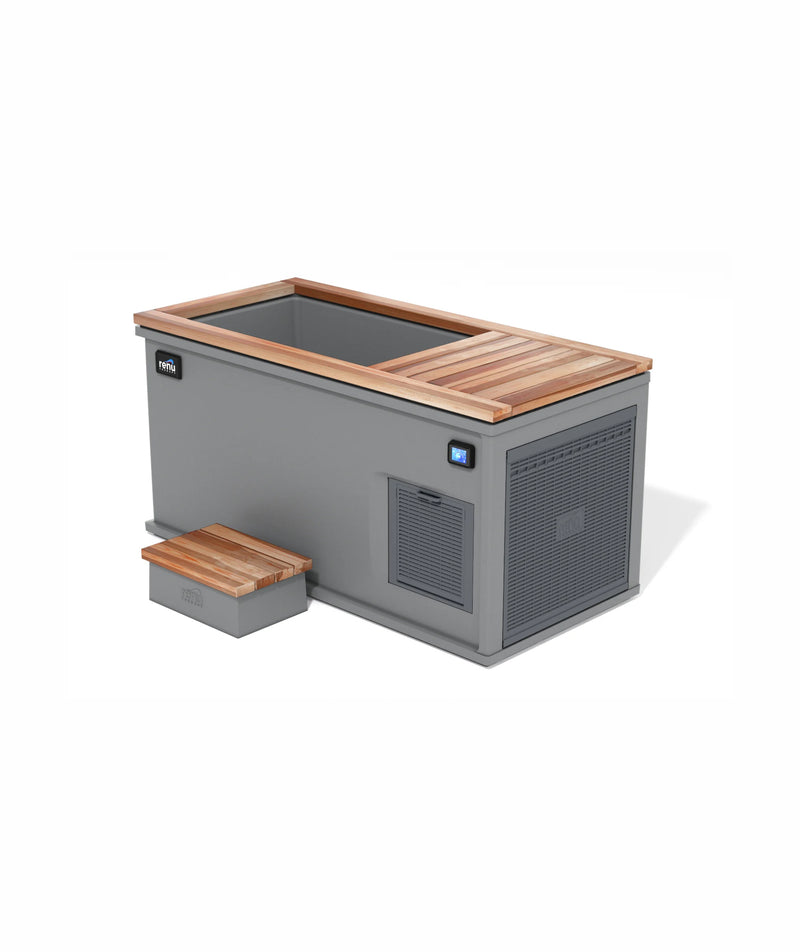
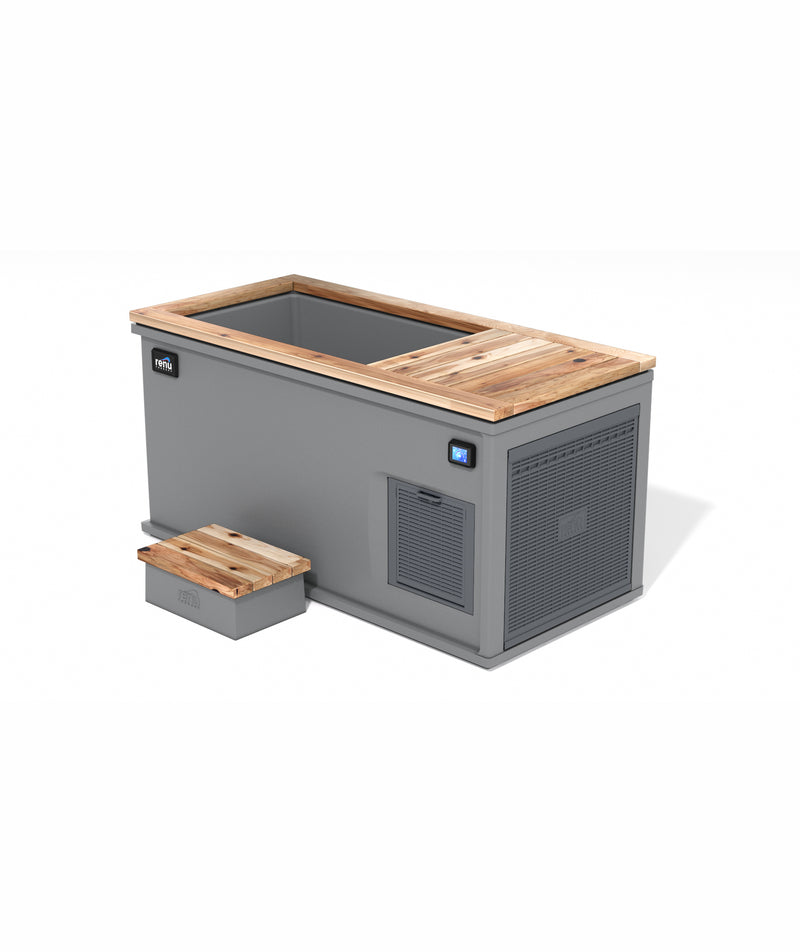
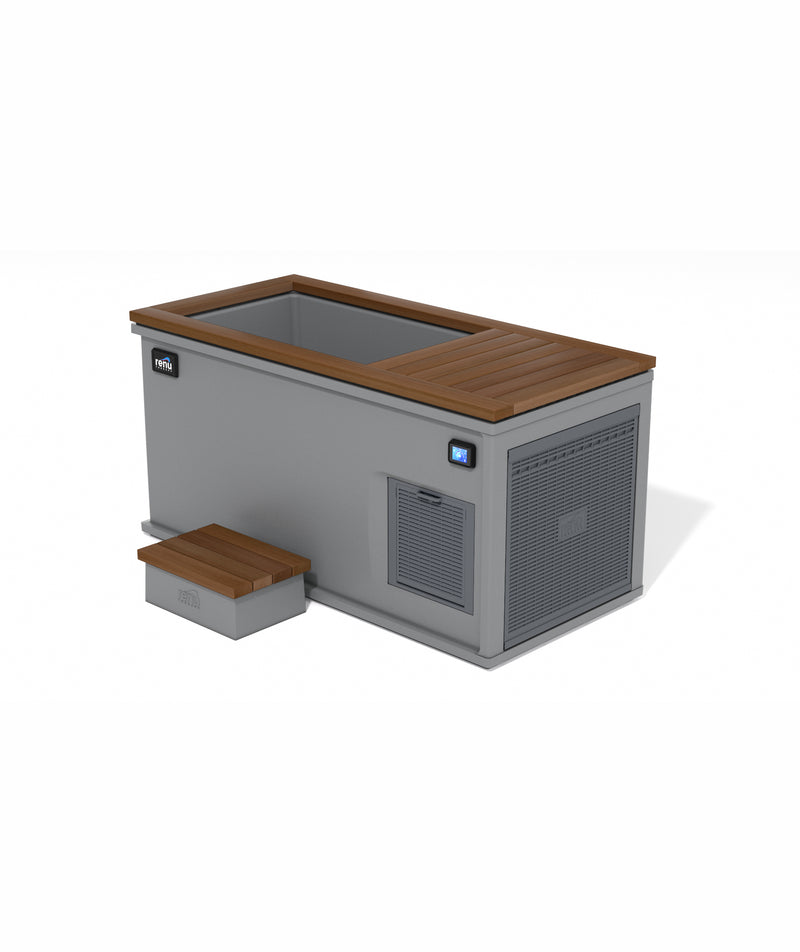
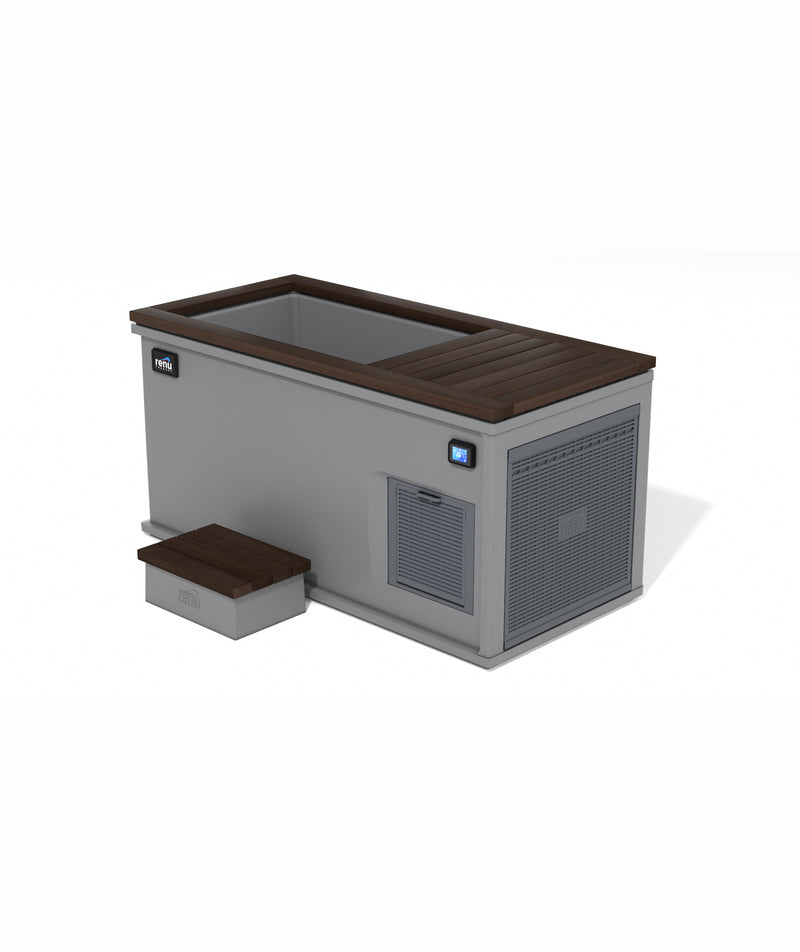
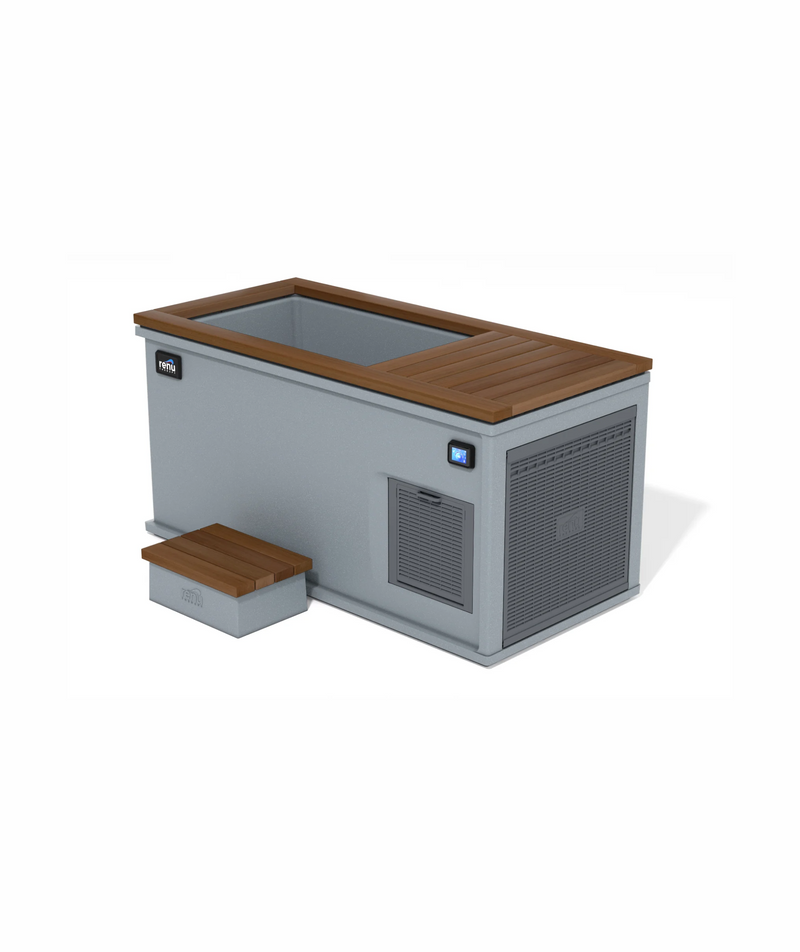
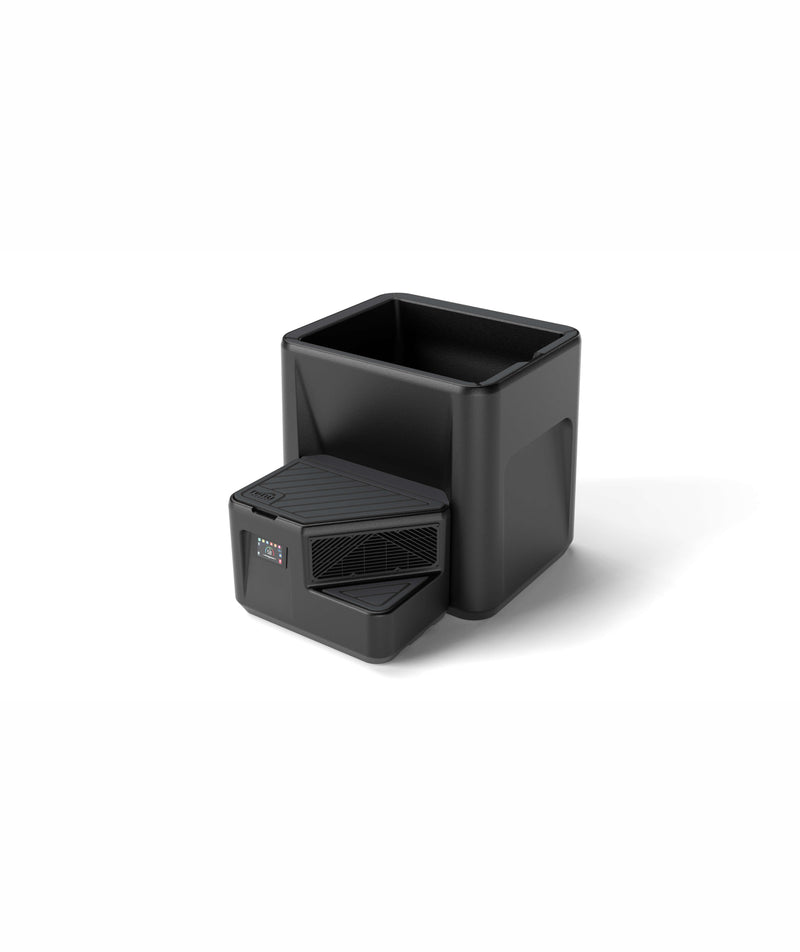
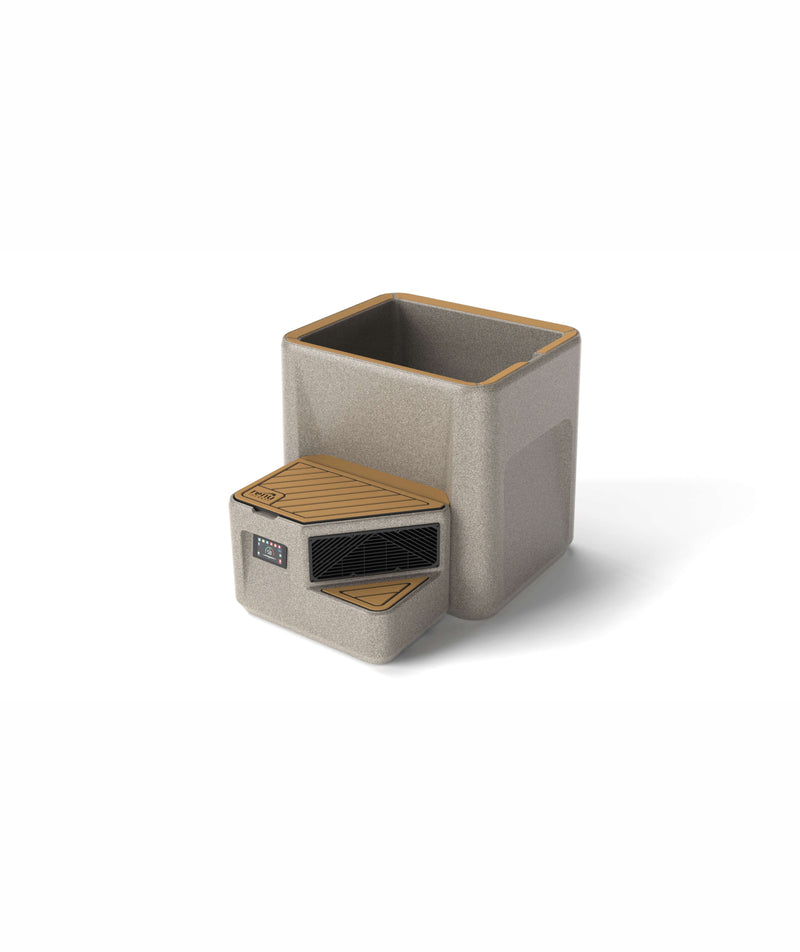
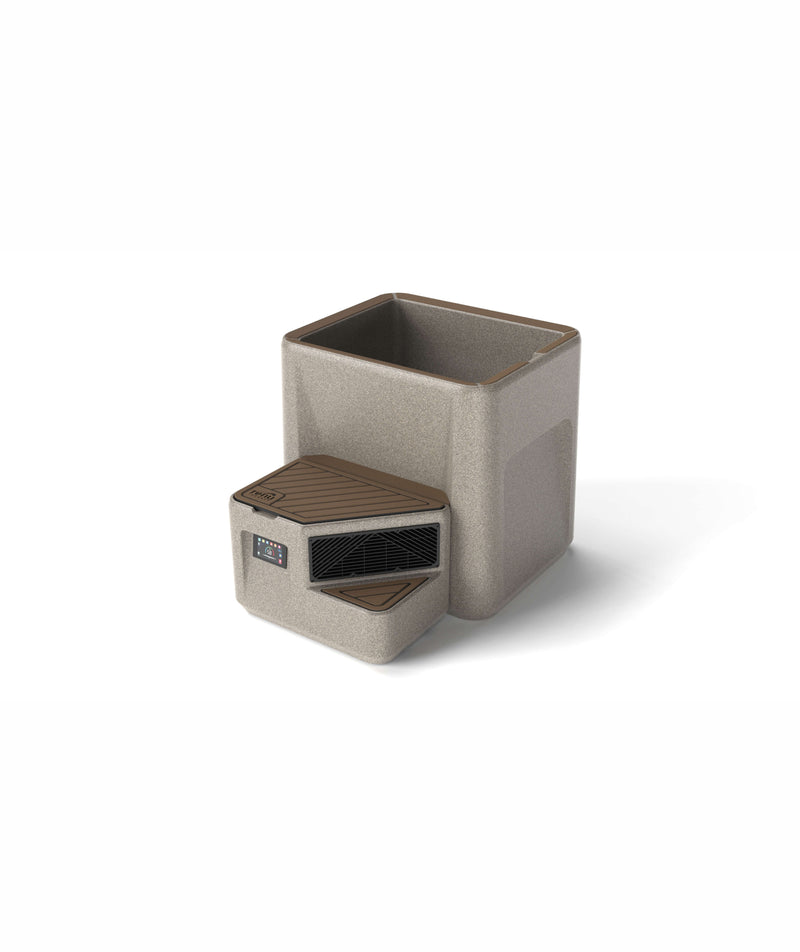
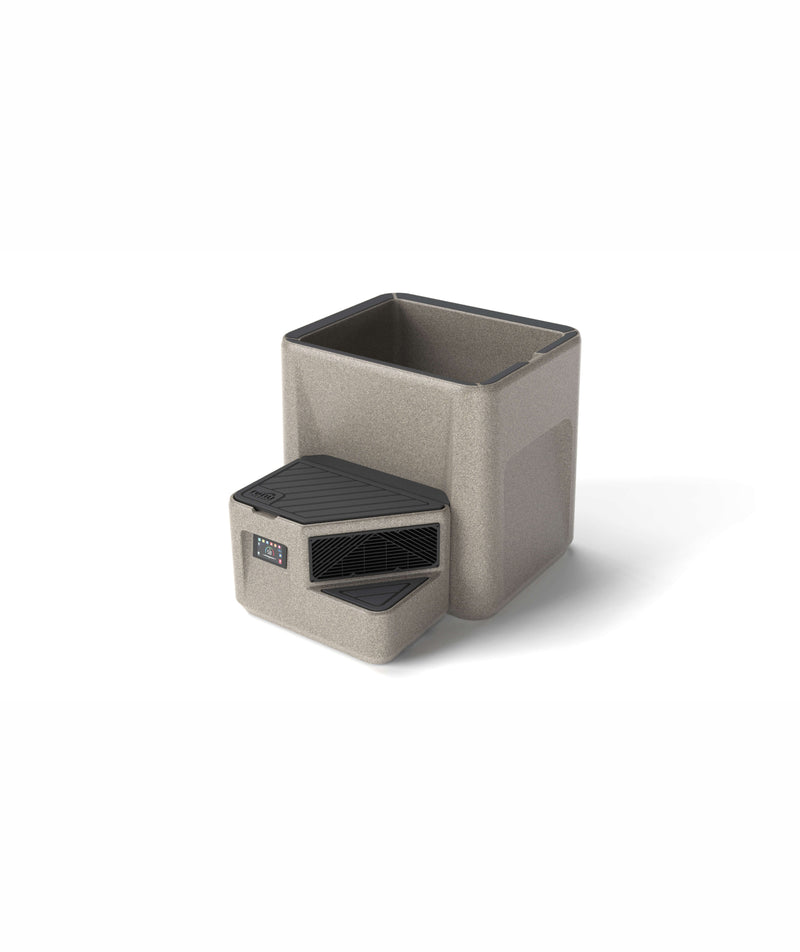
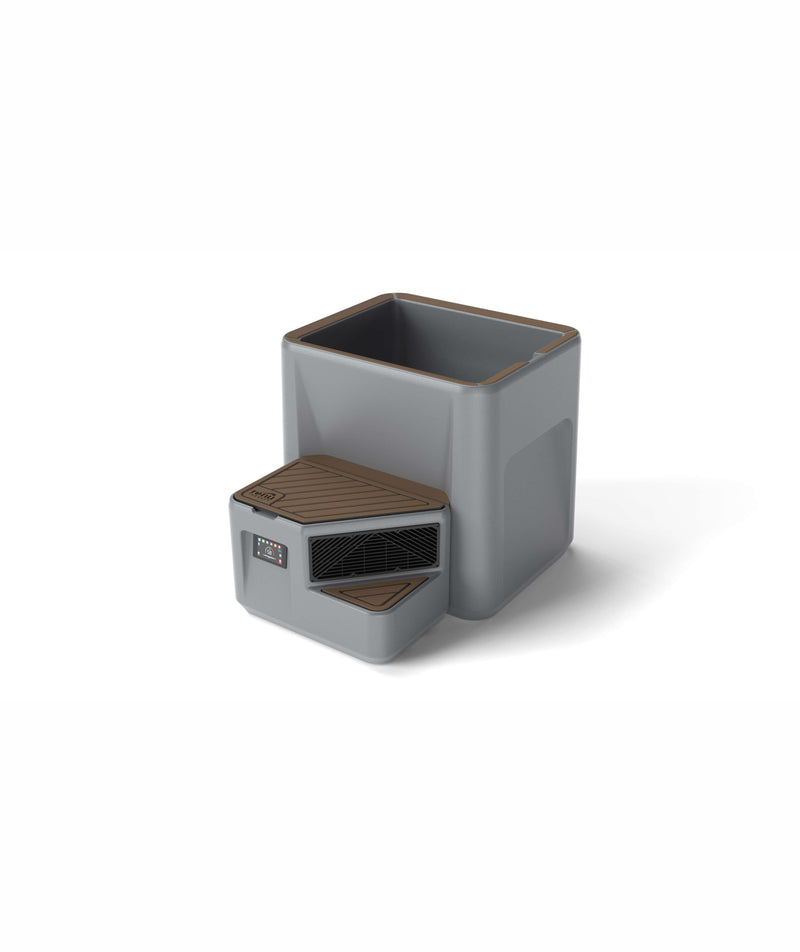
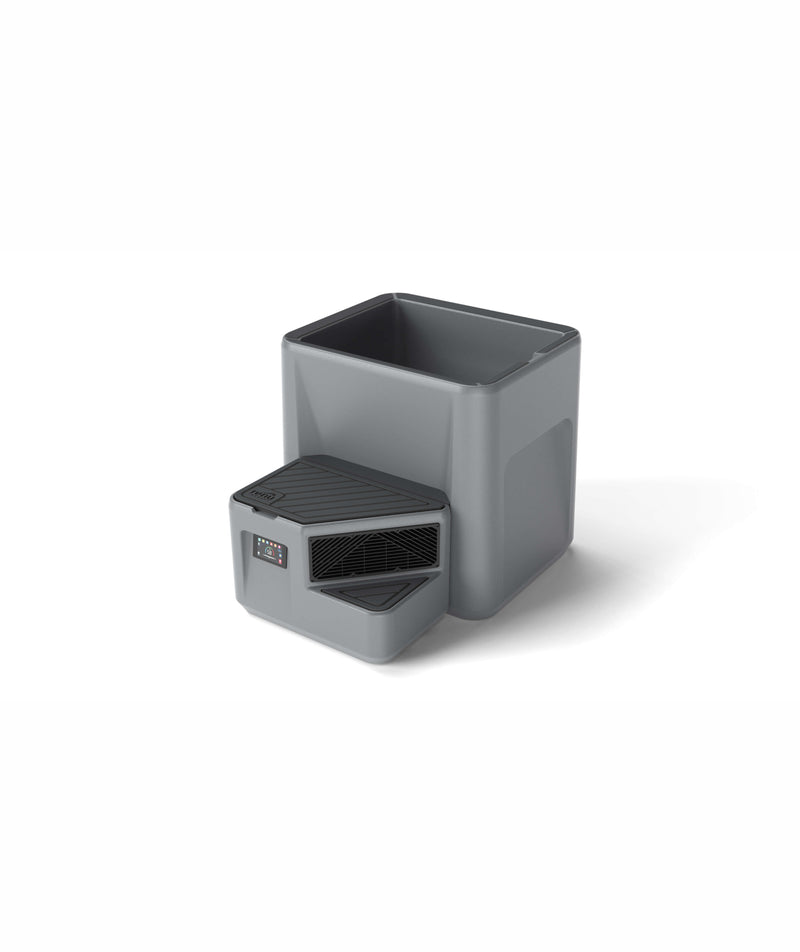
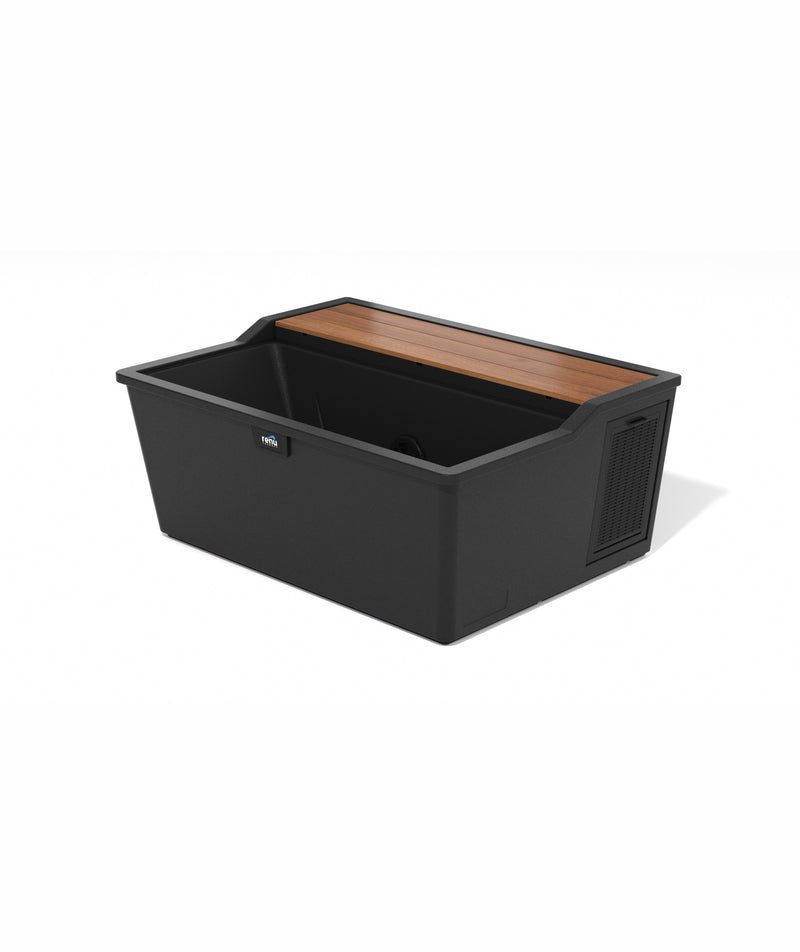
Ready to build a repeatable reset into your routine?
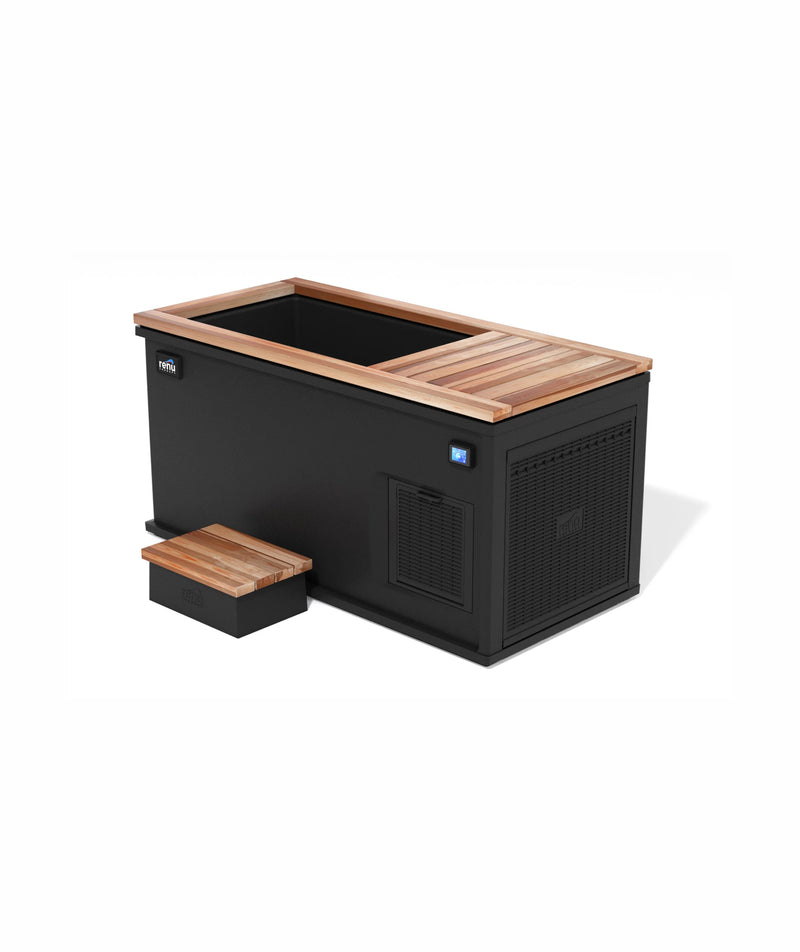
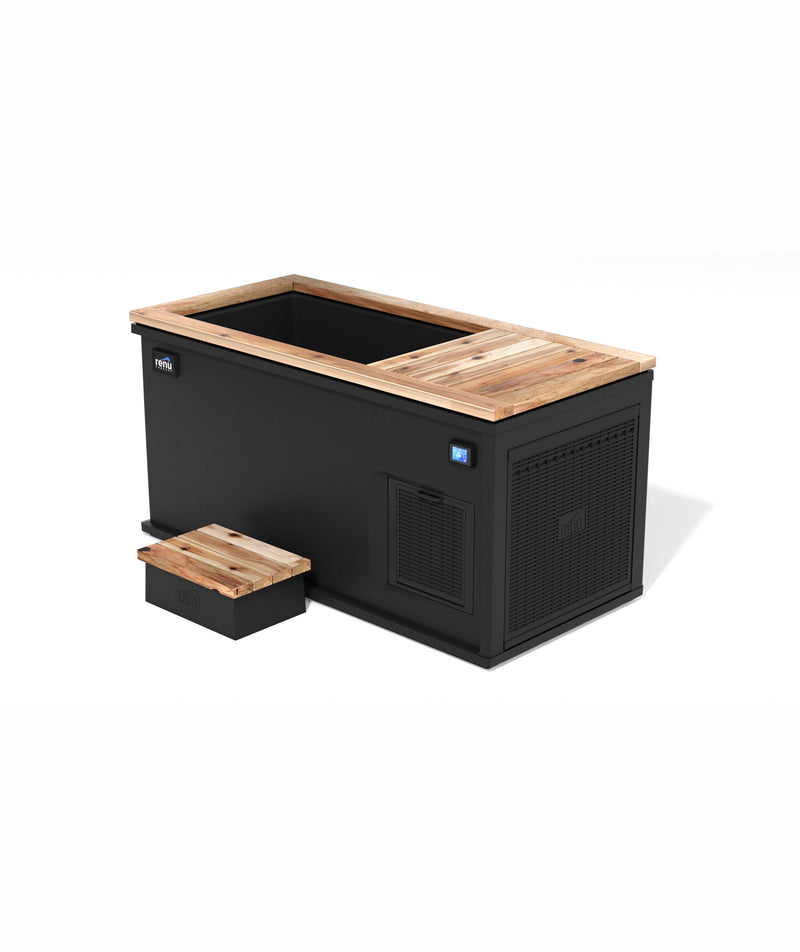
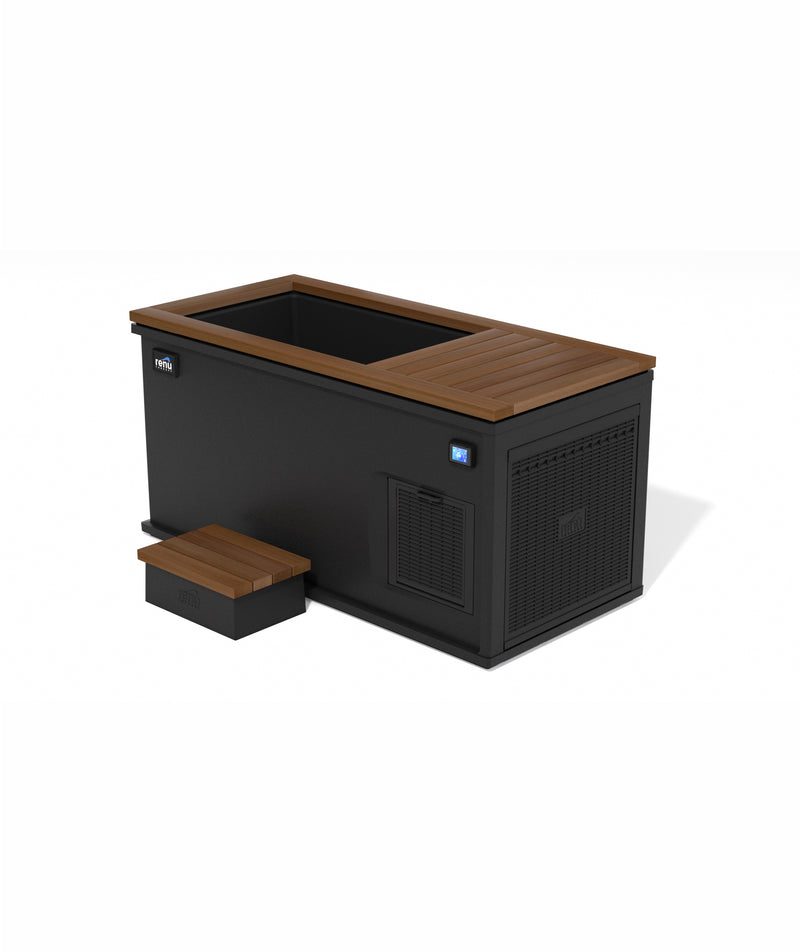
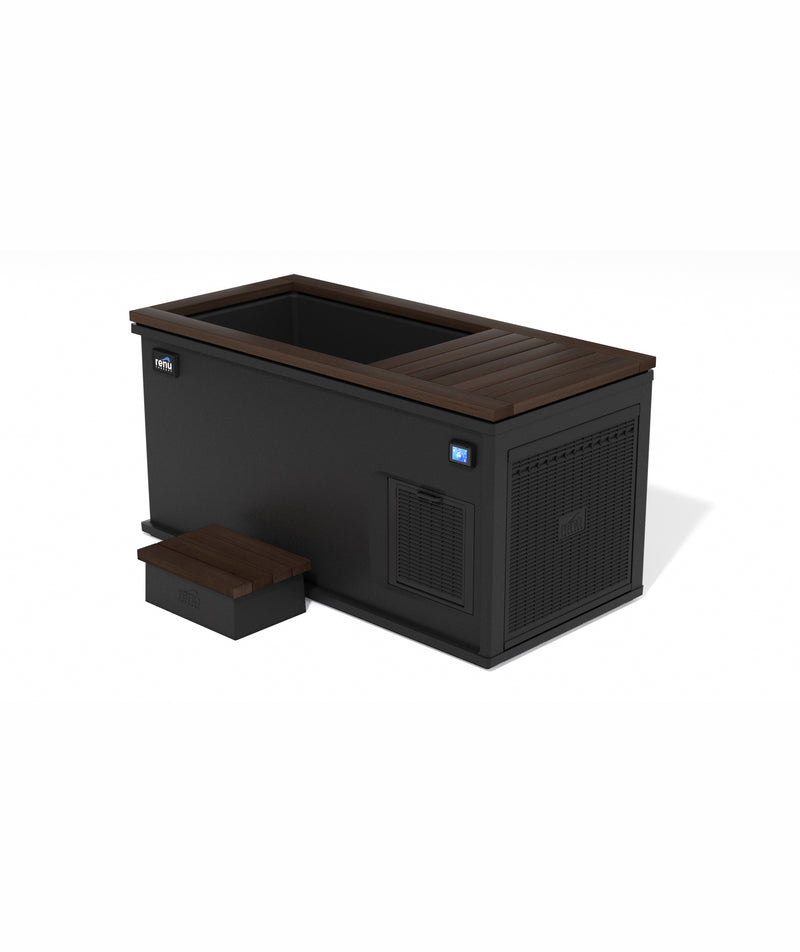
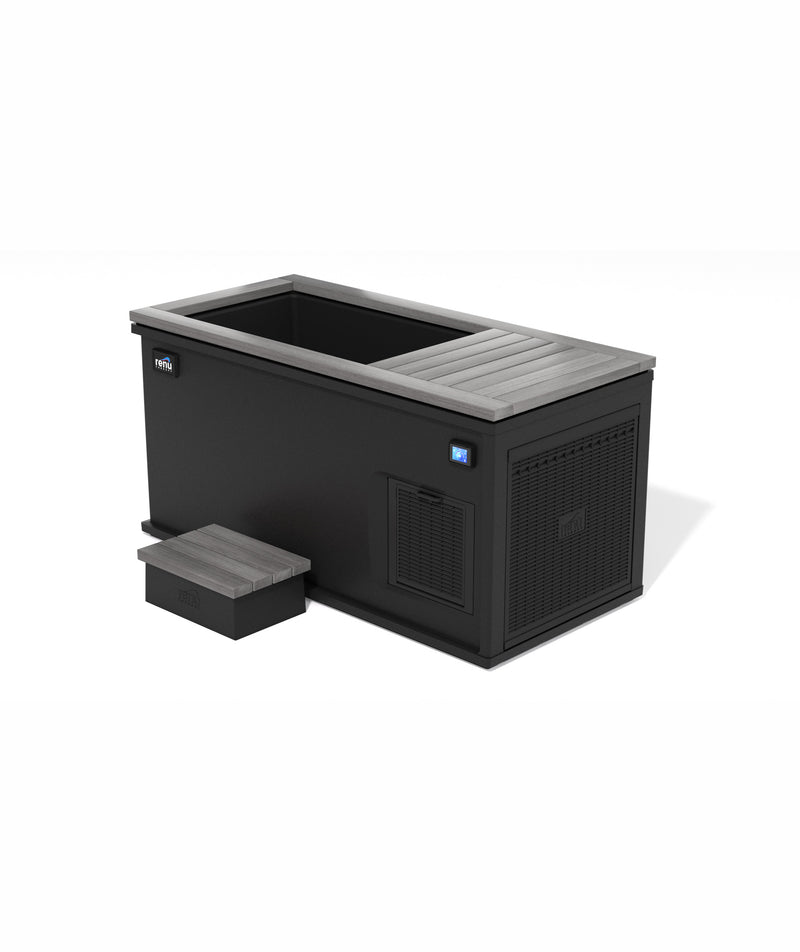
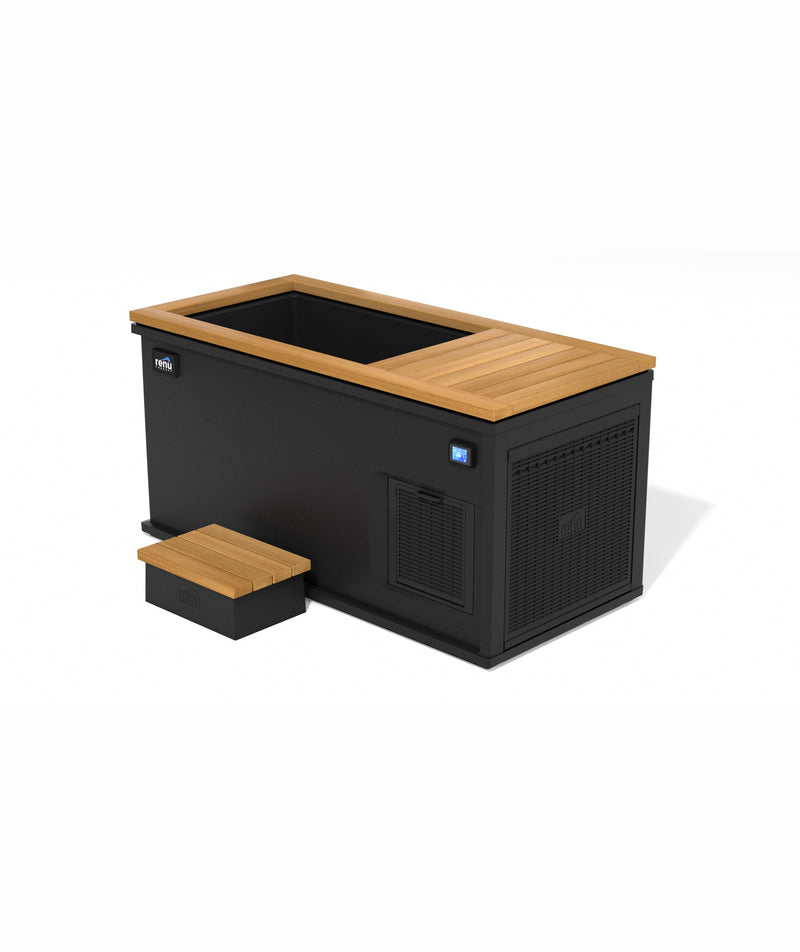
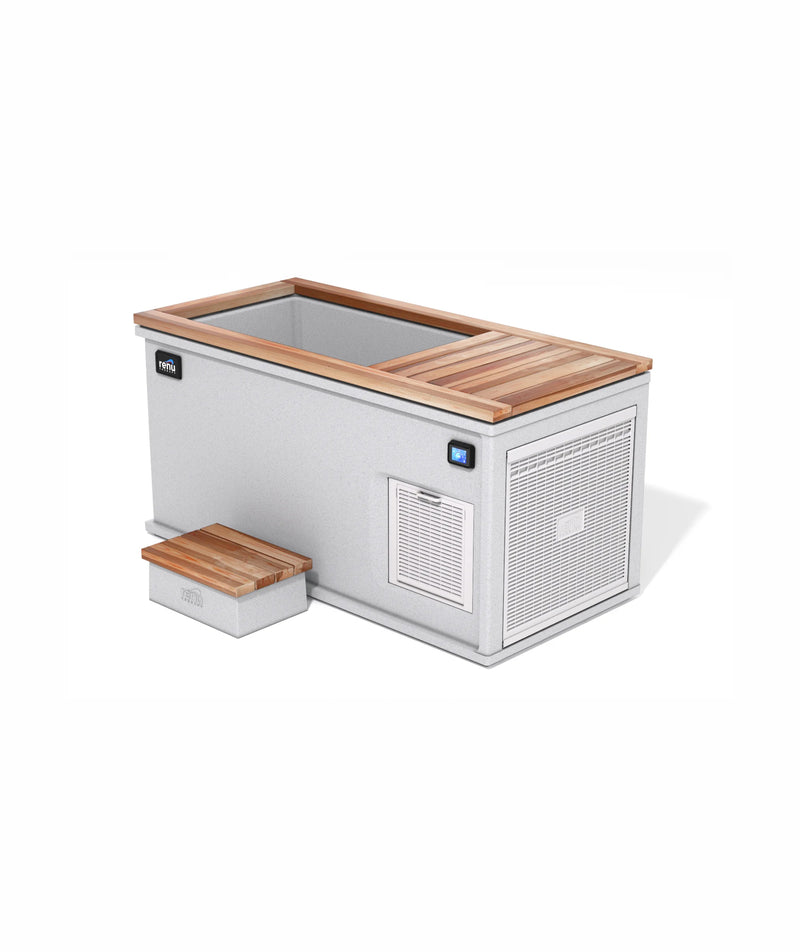
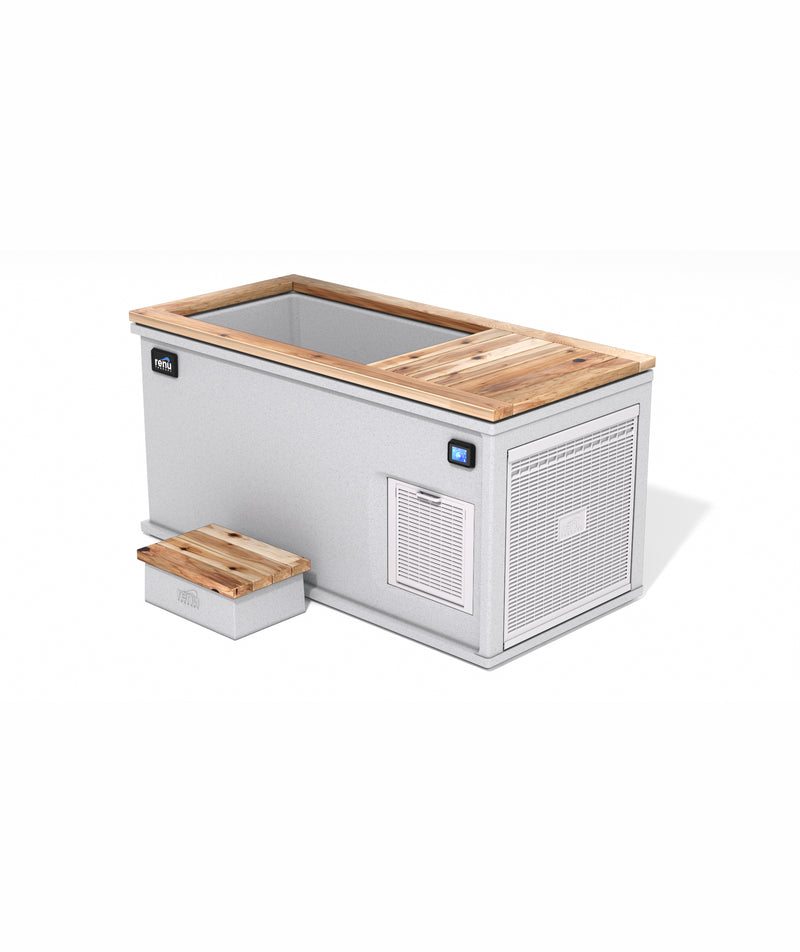
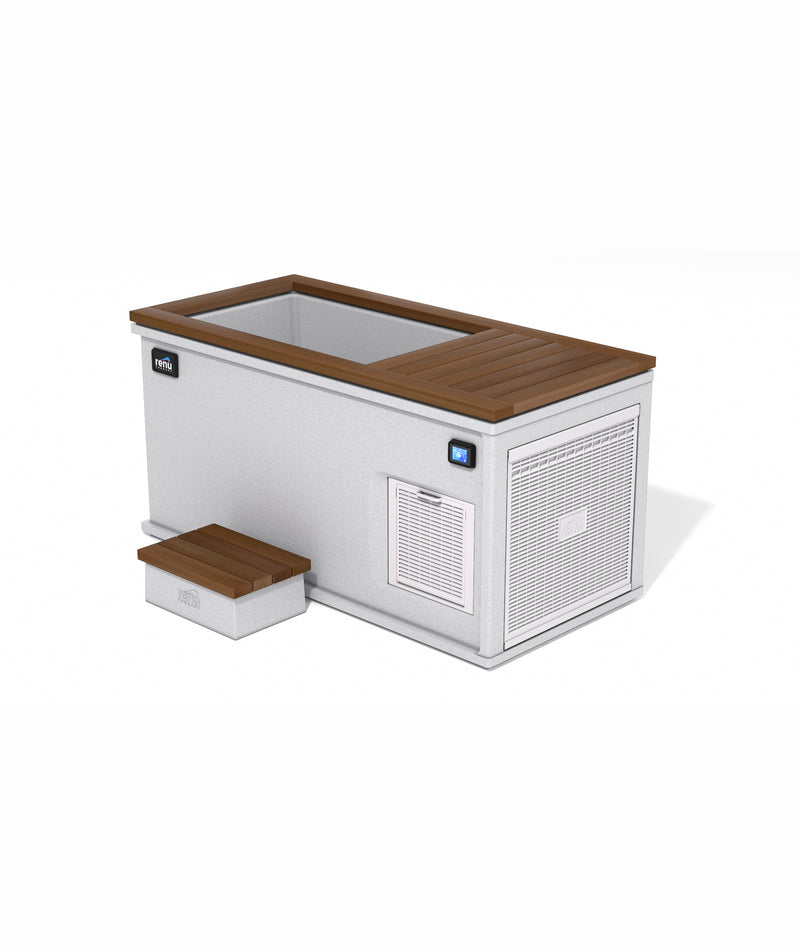
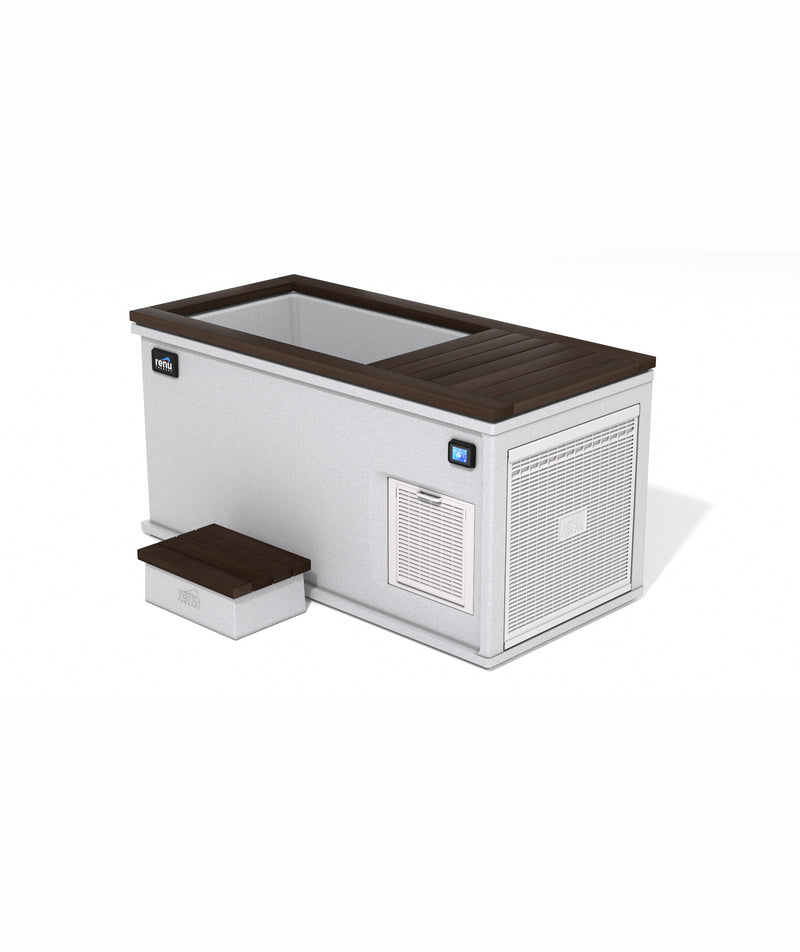
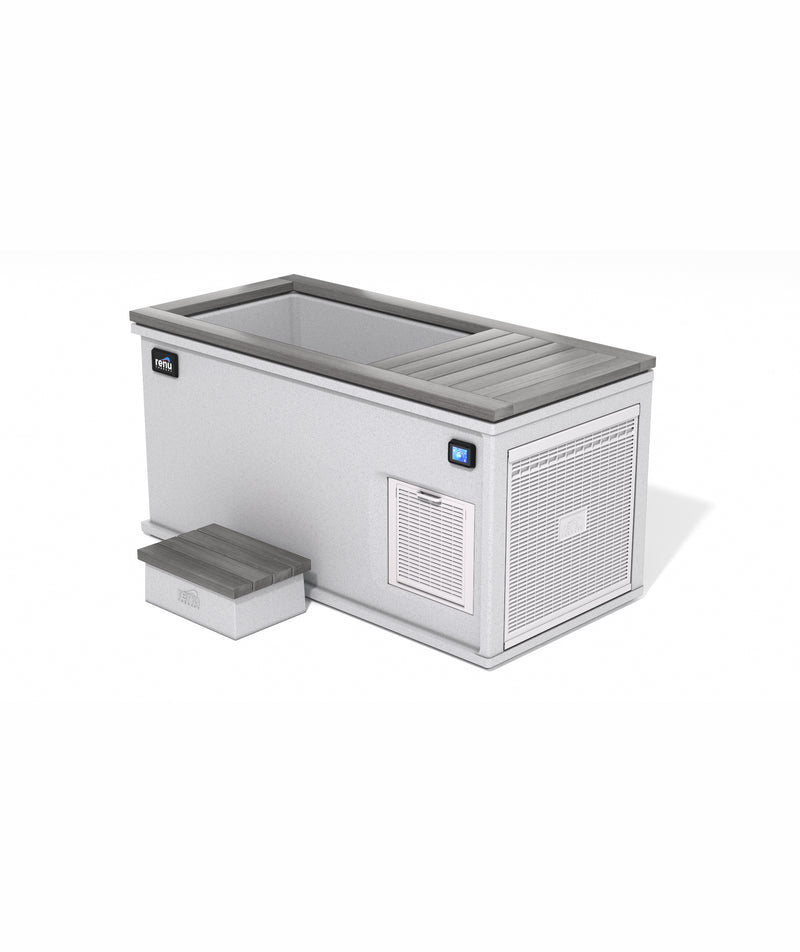
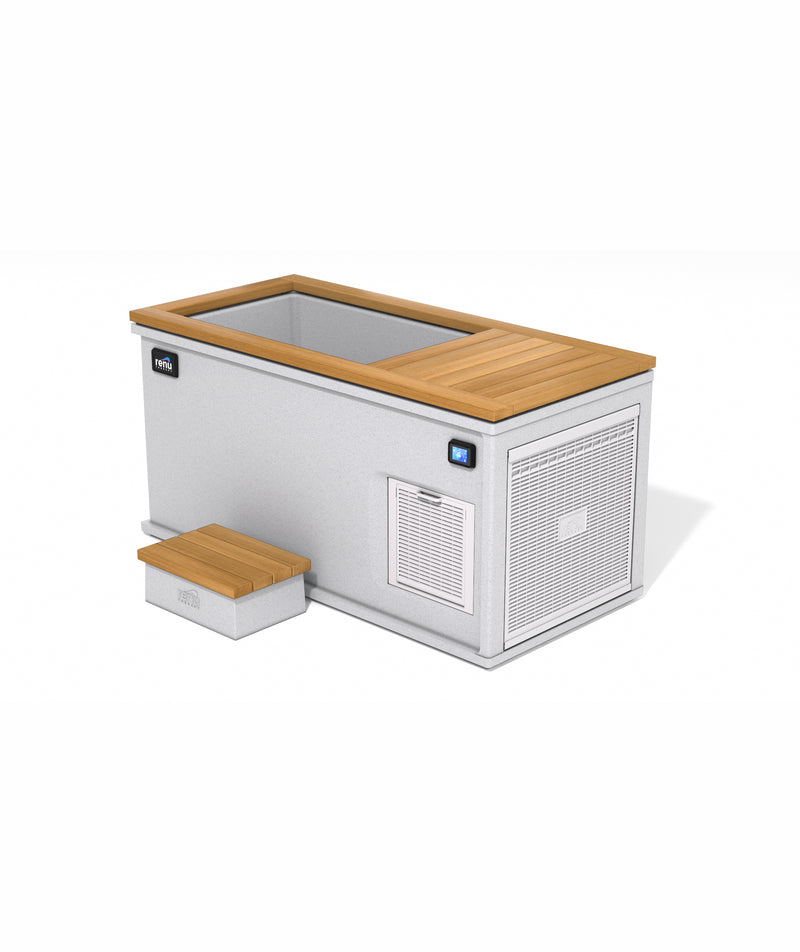
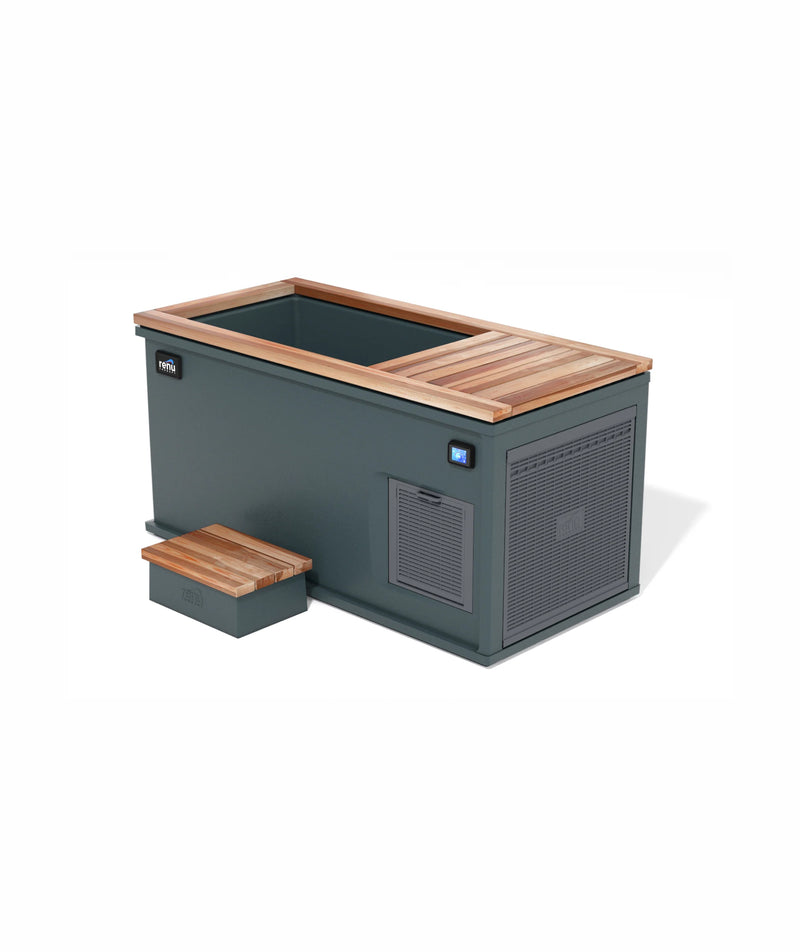
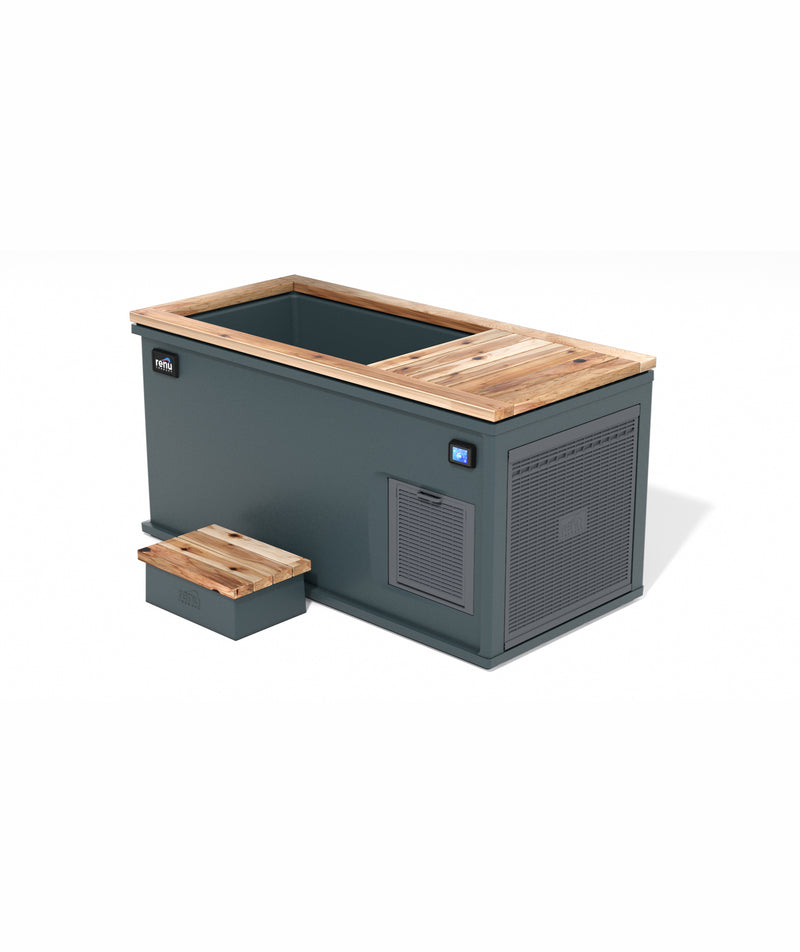
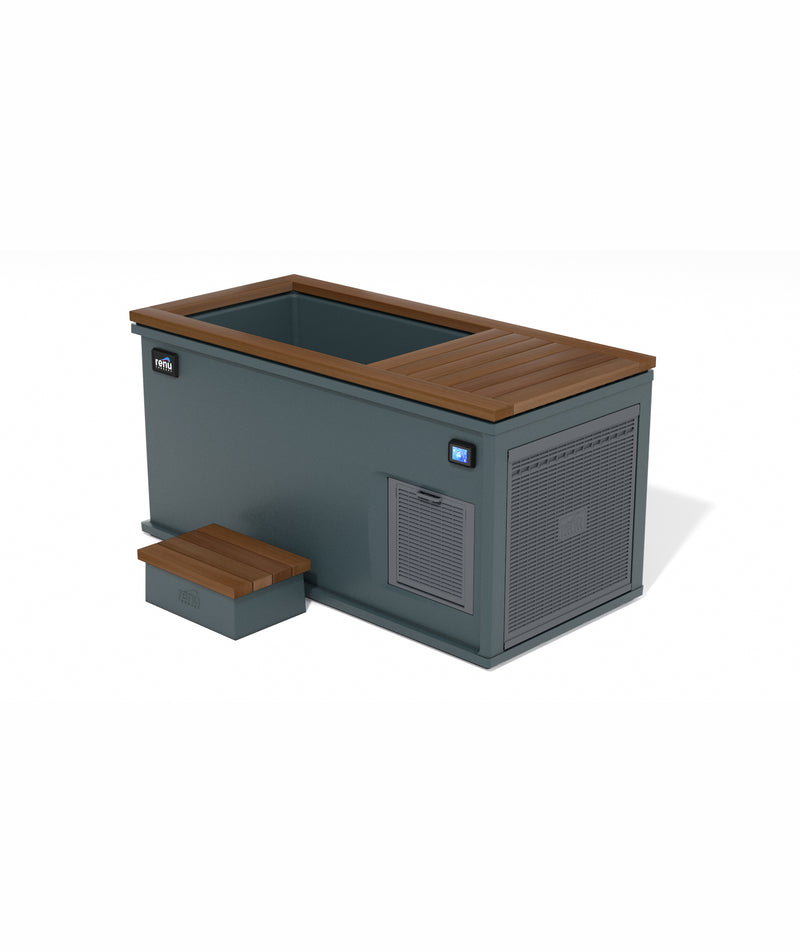
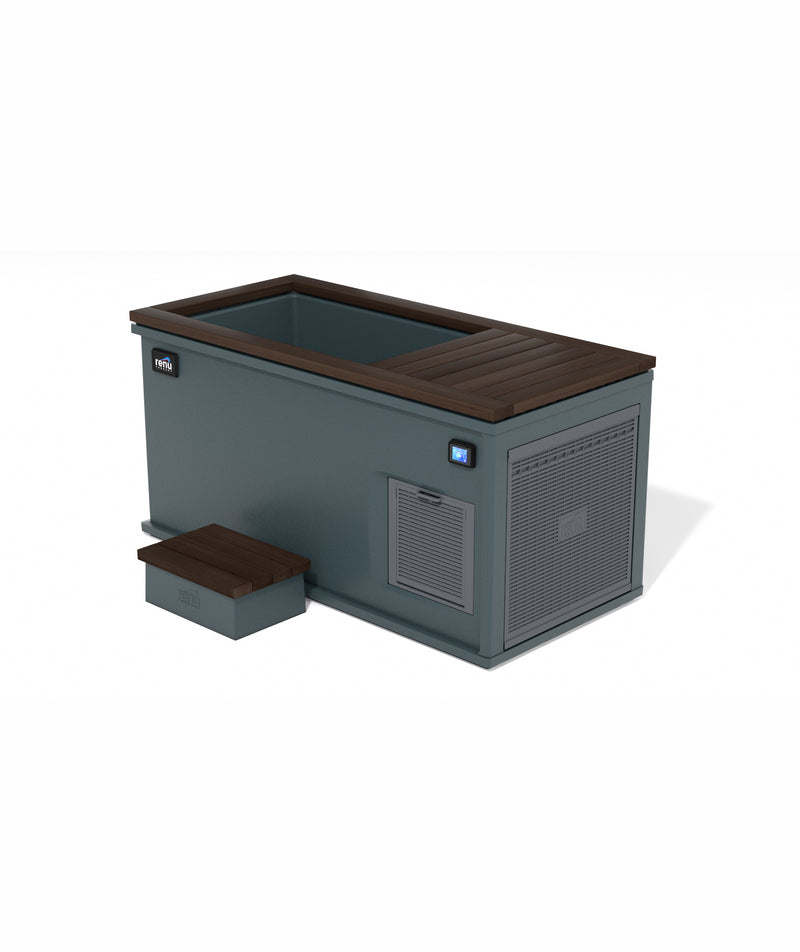
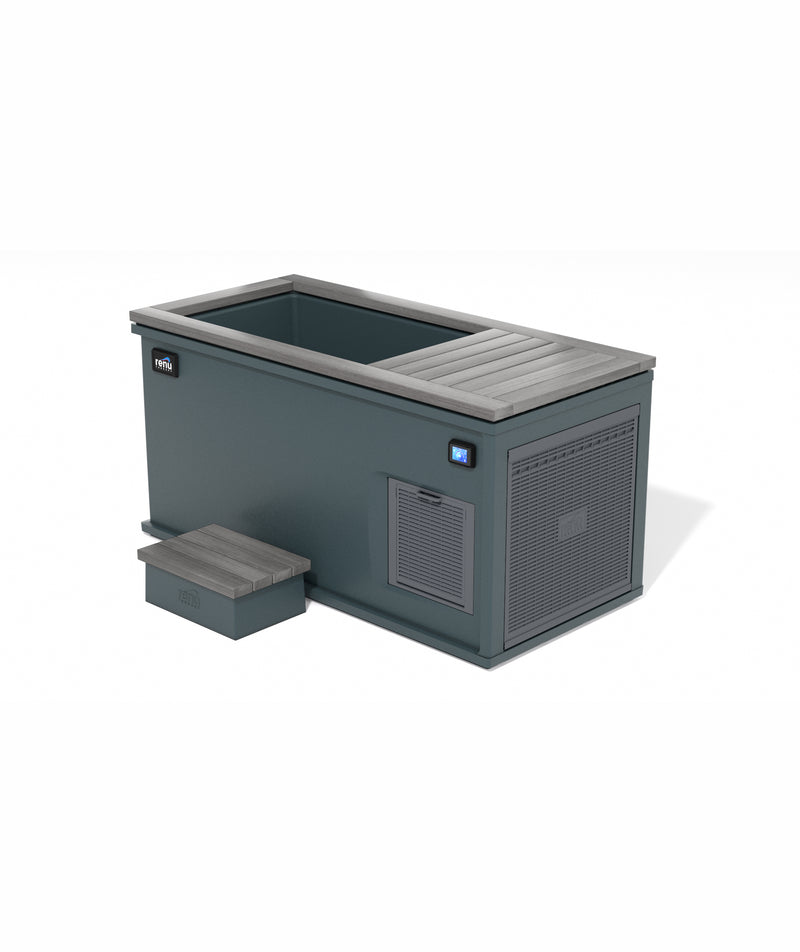
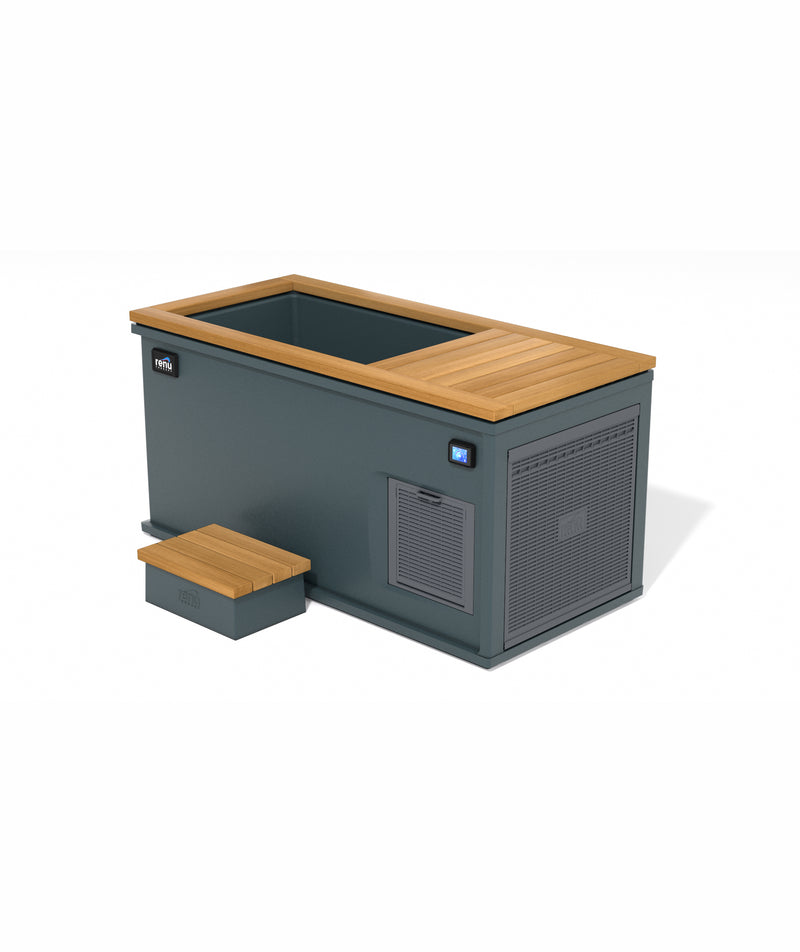
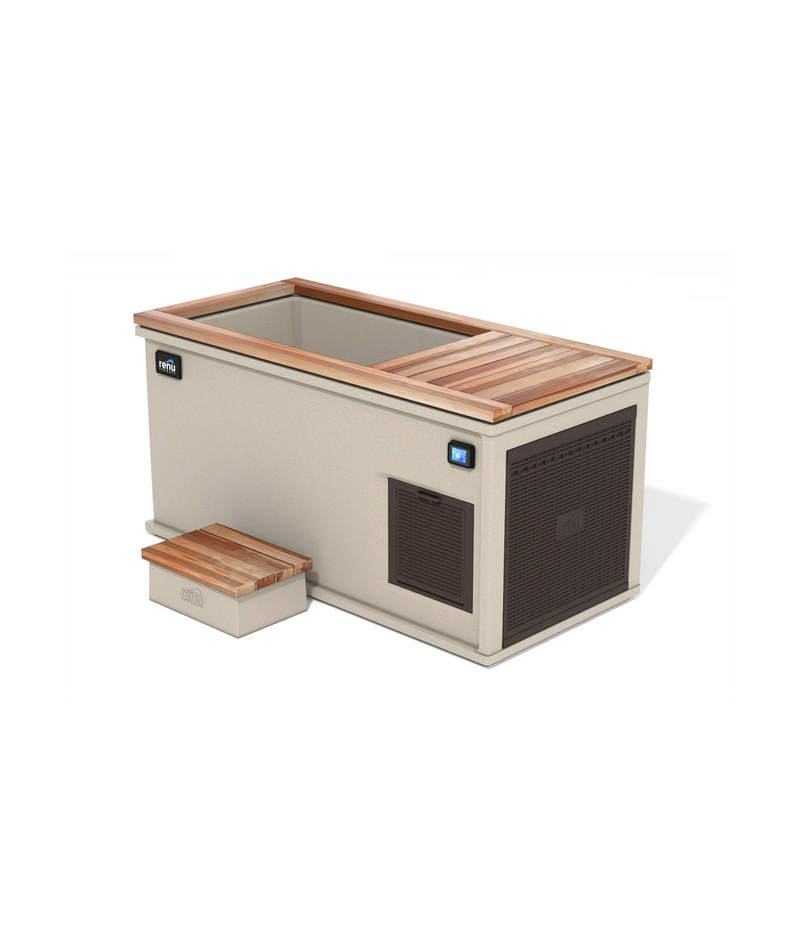
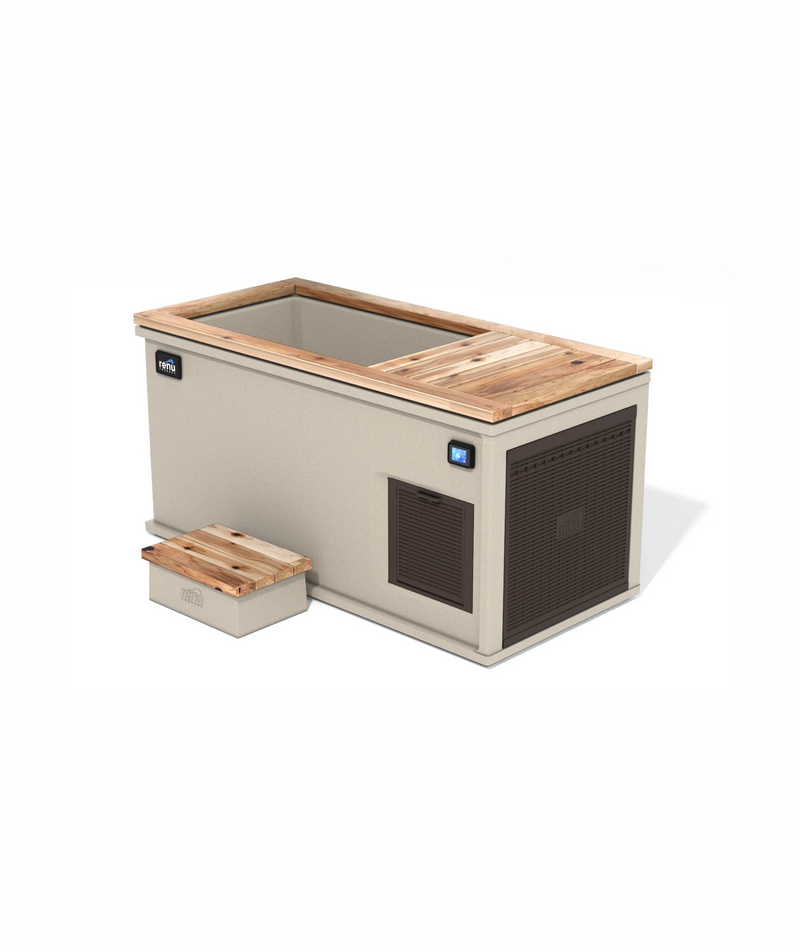
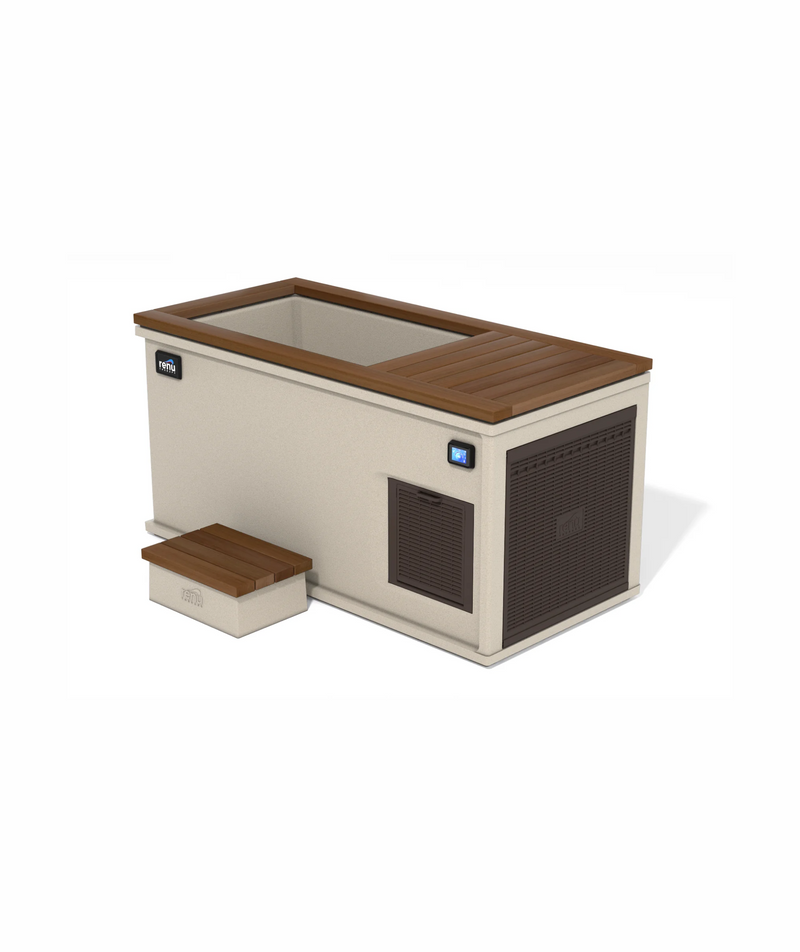
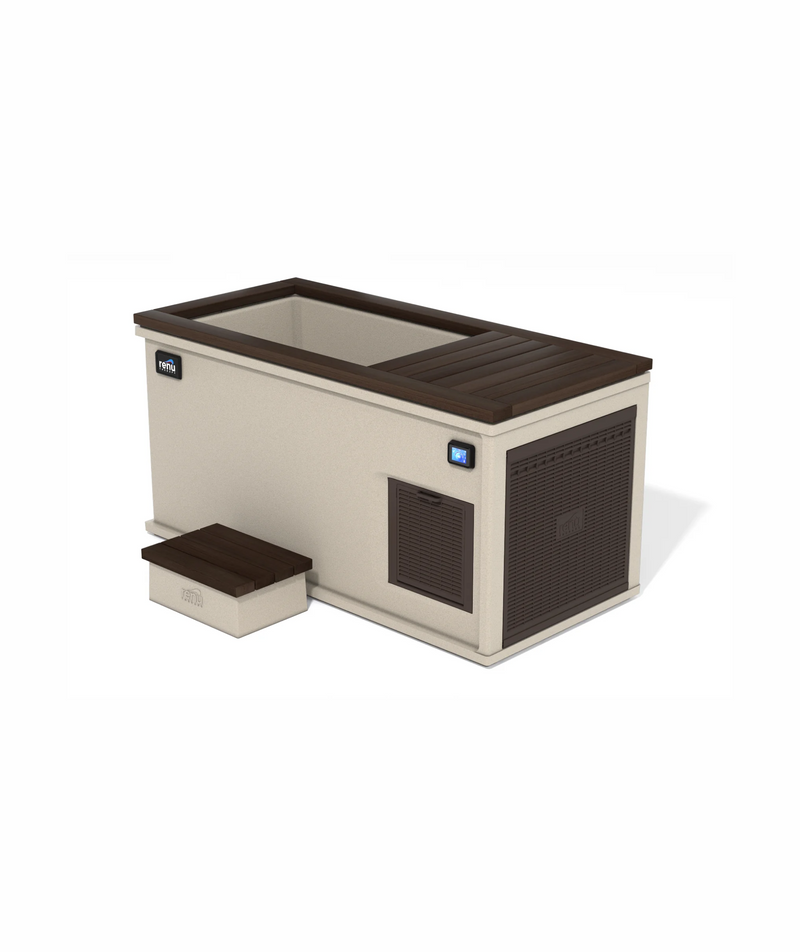
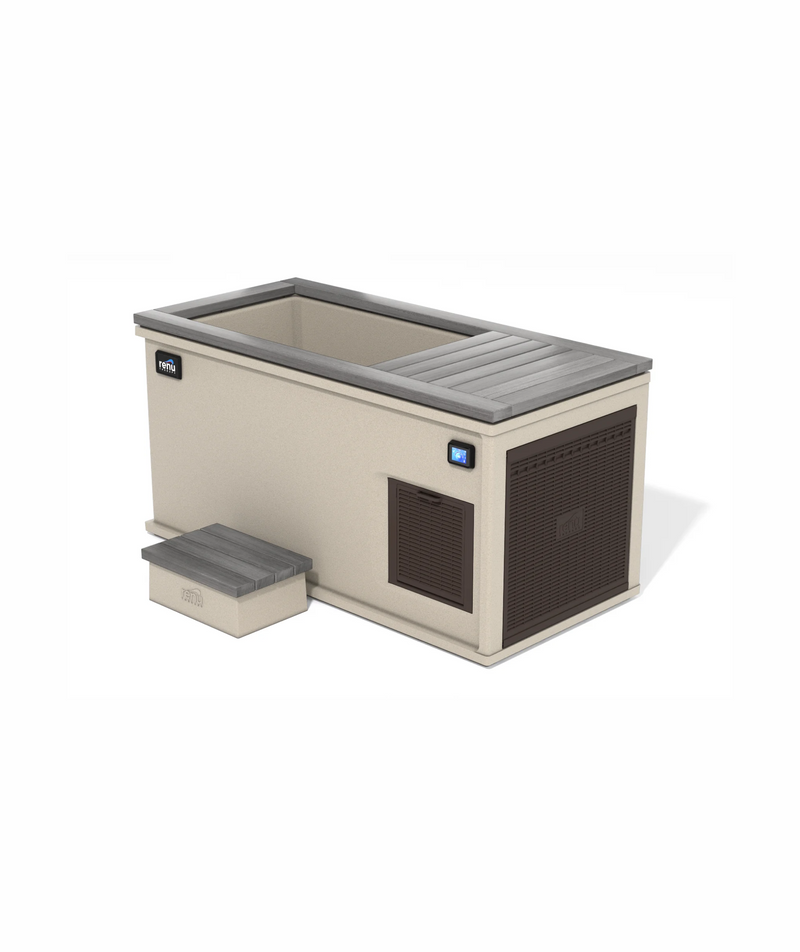
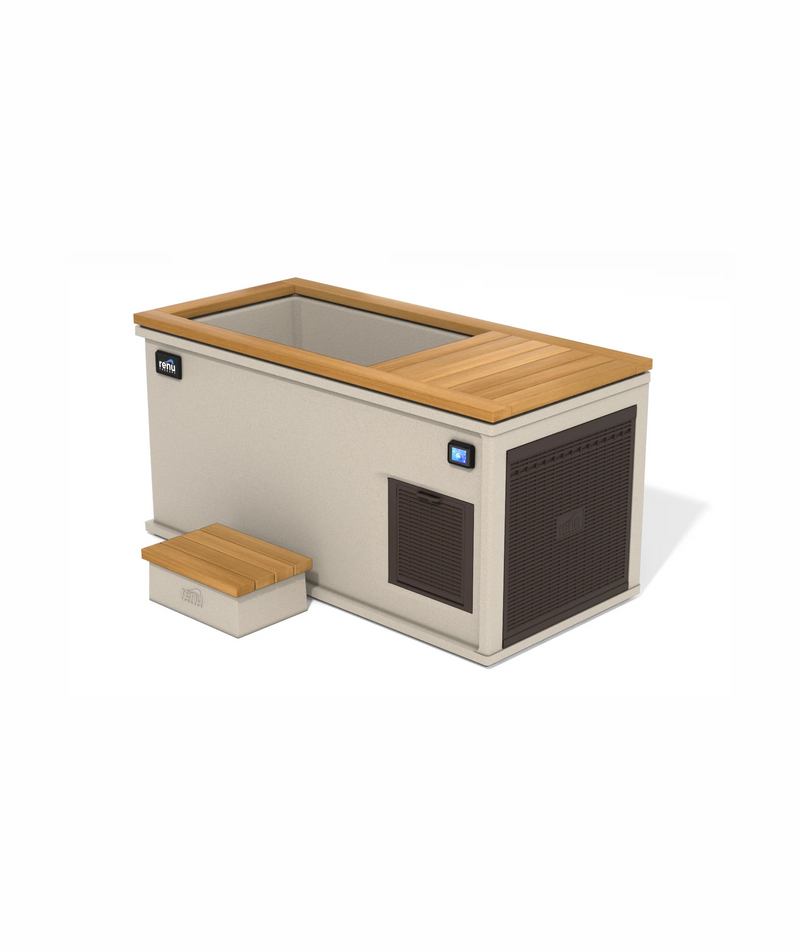
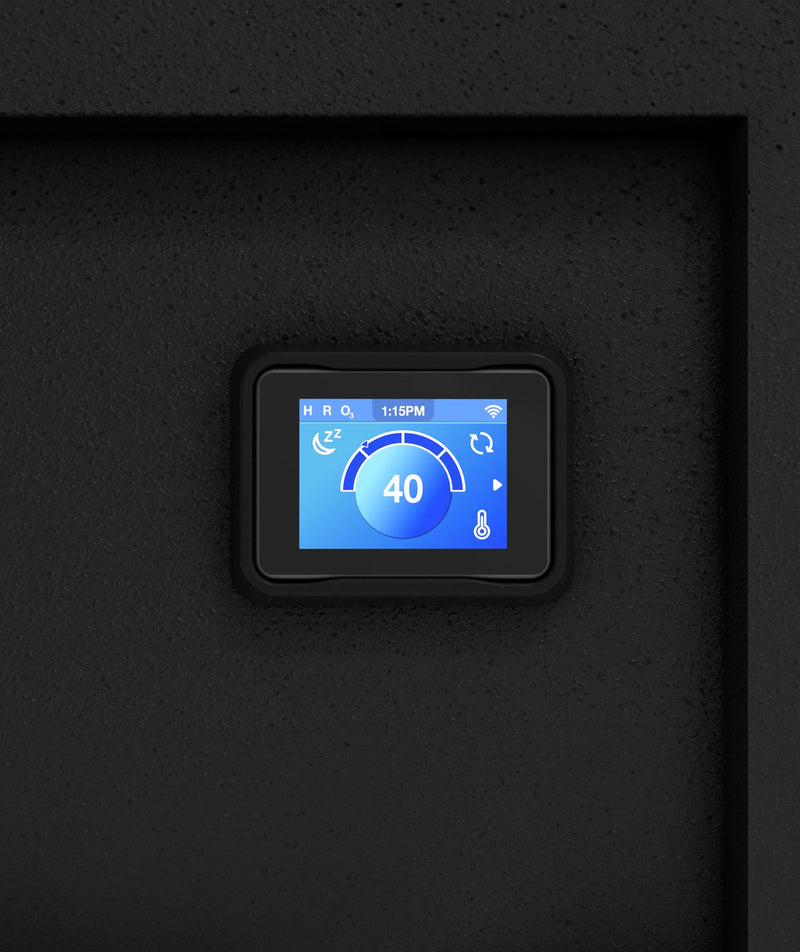
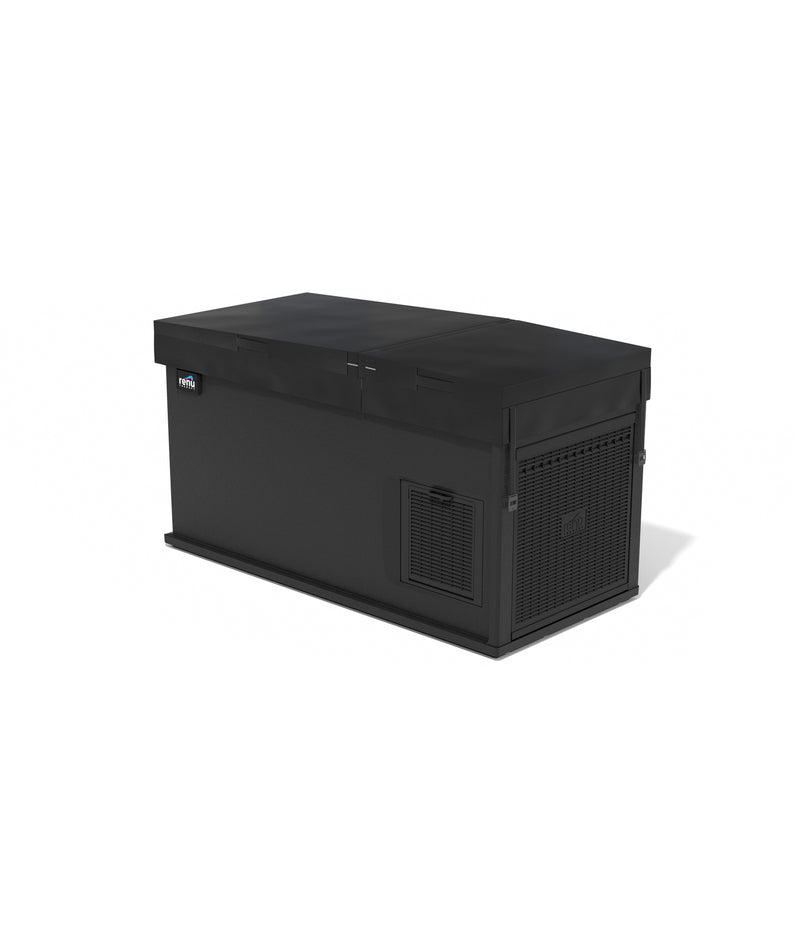
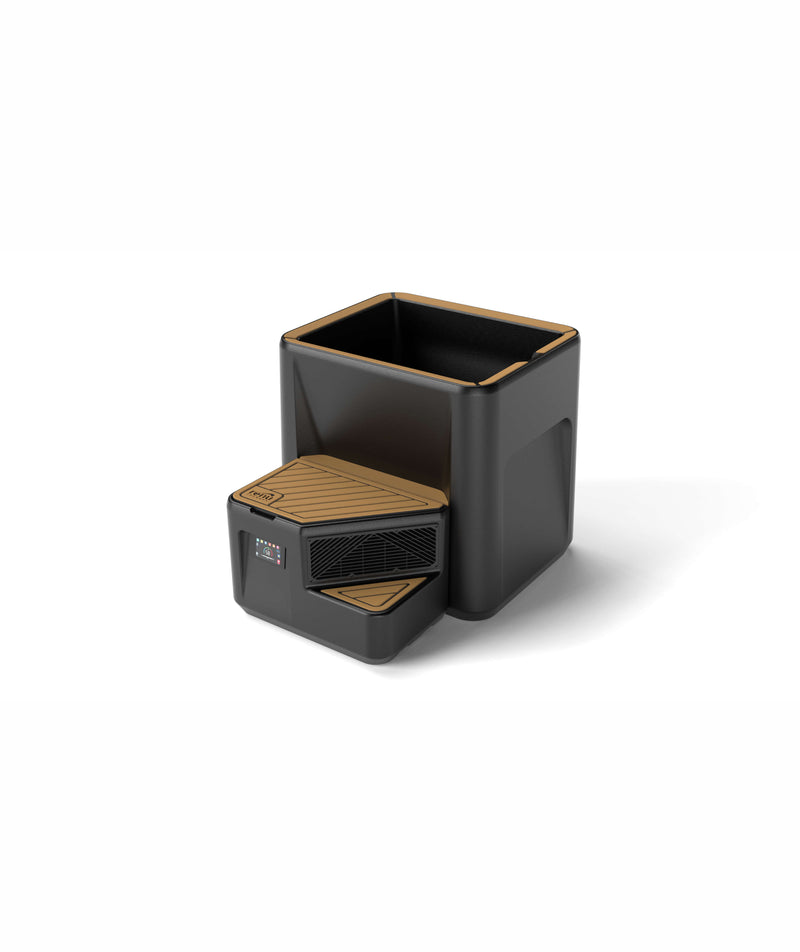
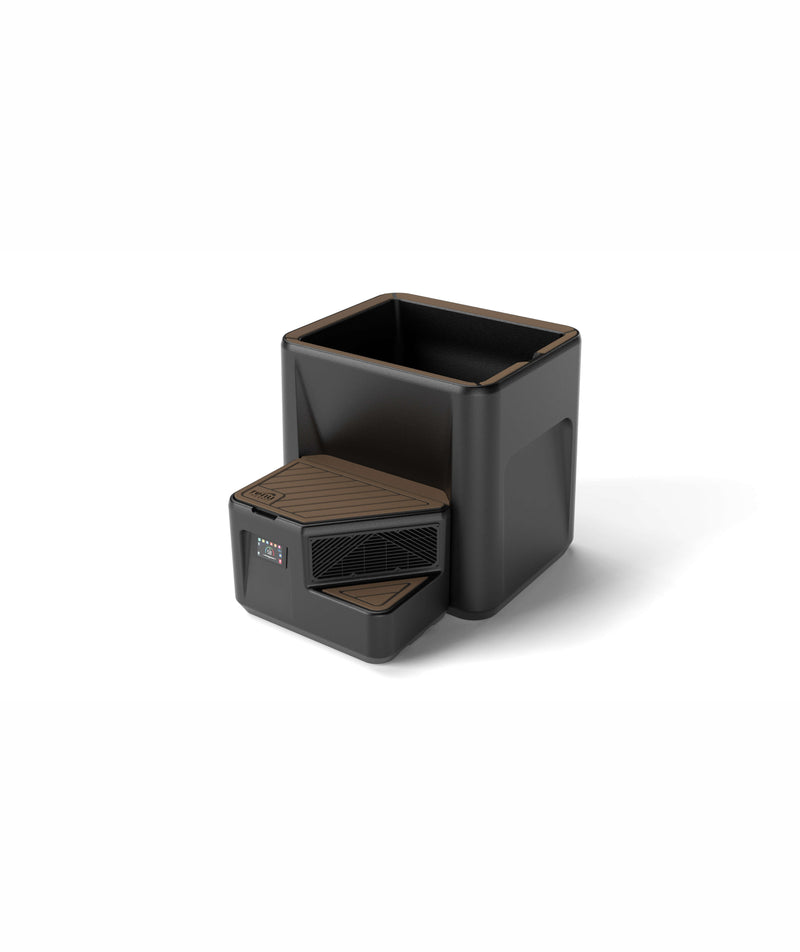
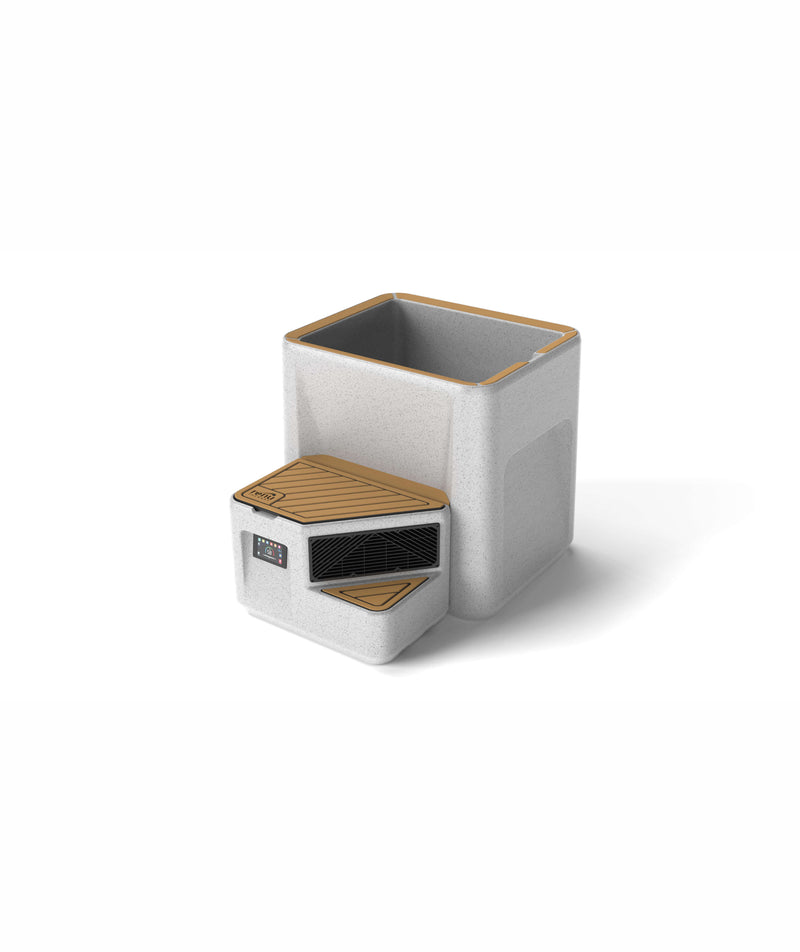
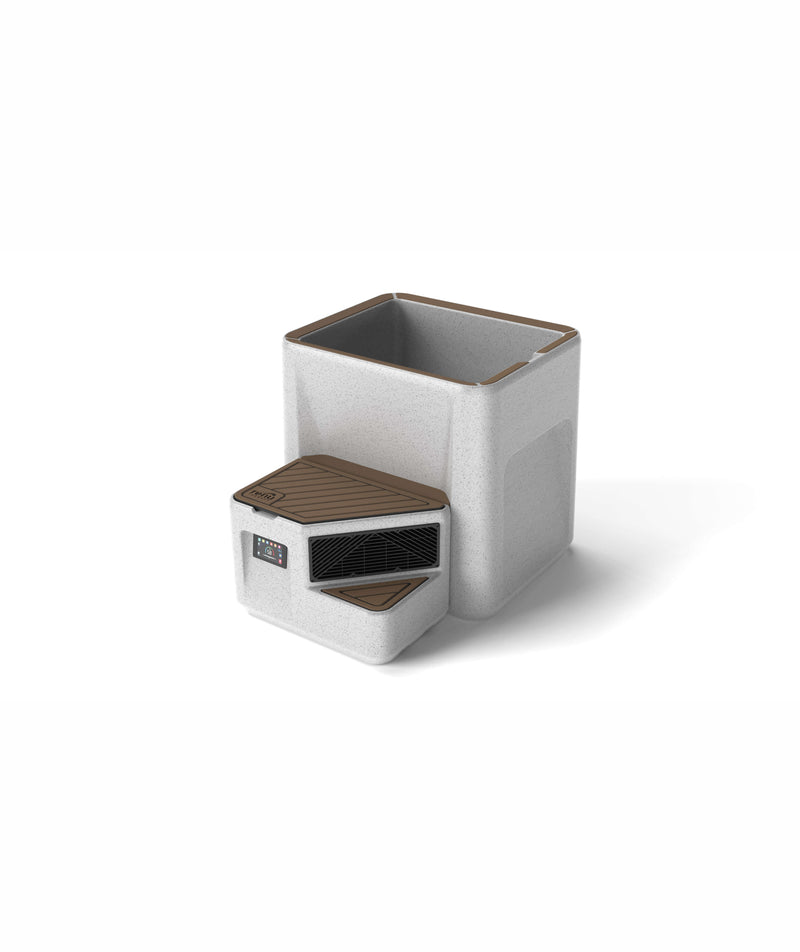
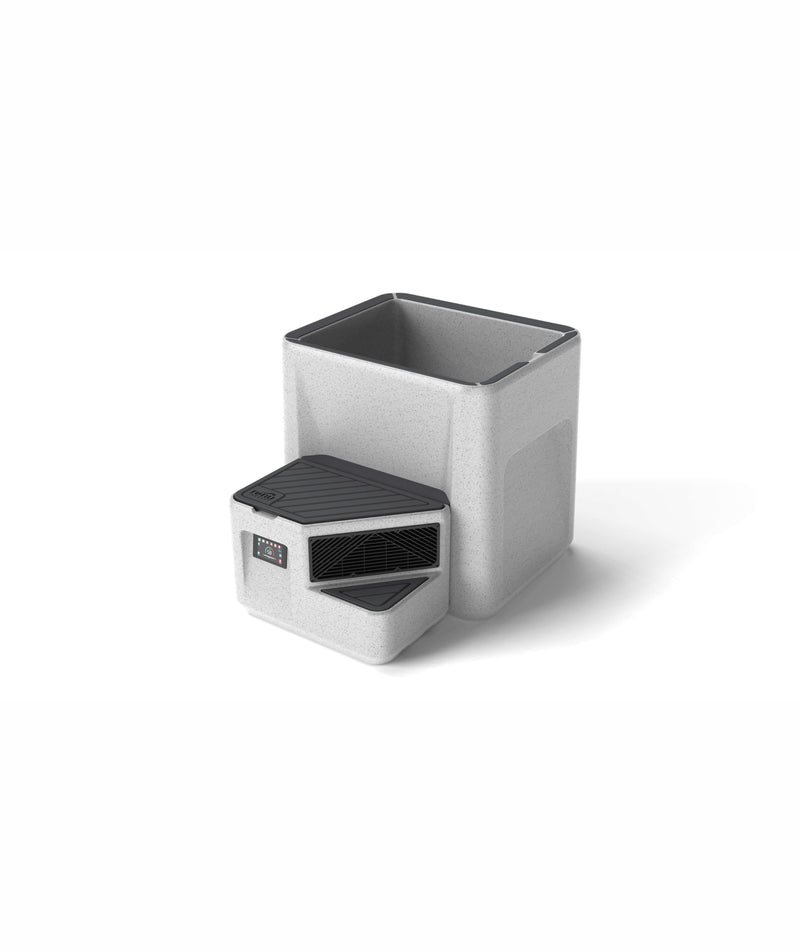
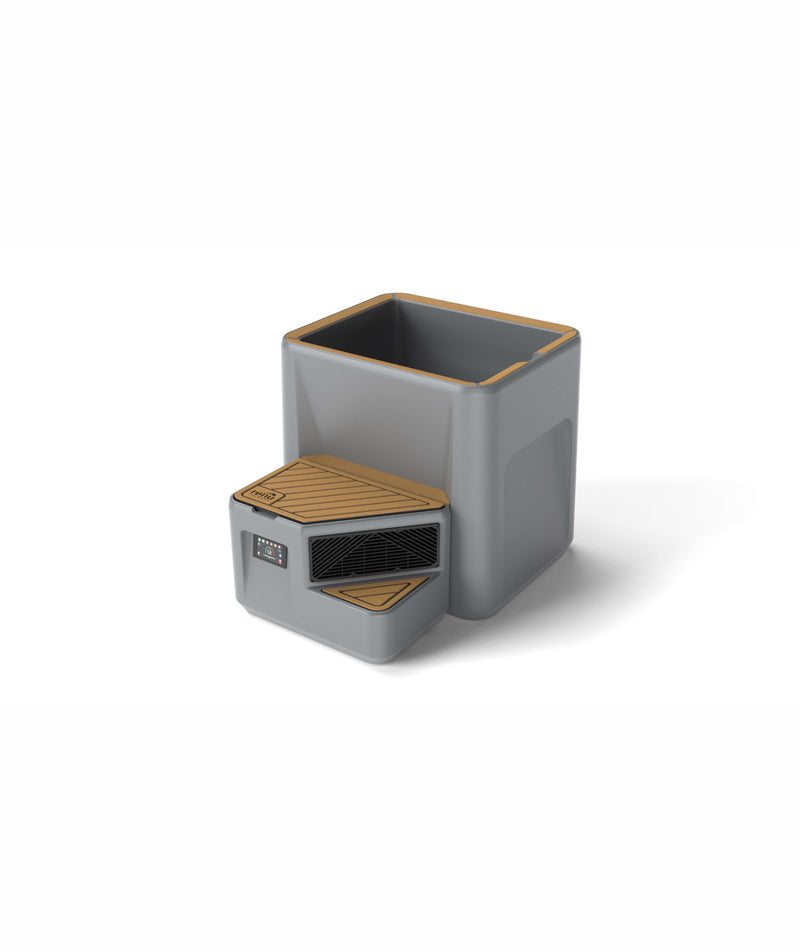
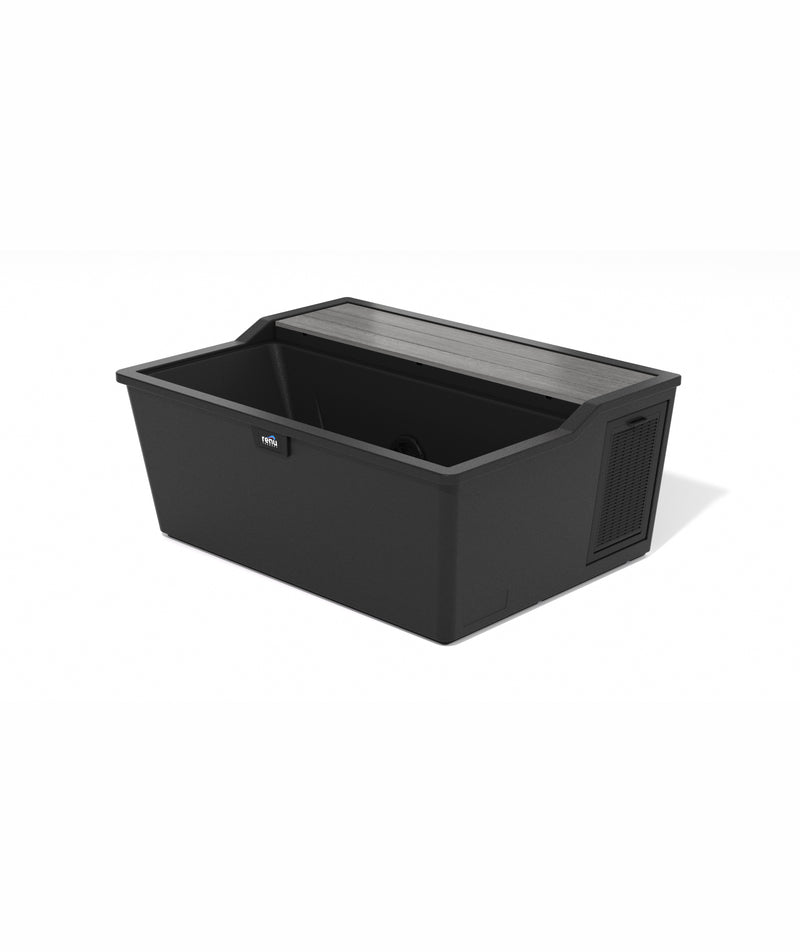
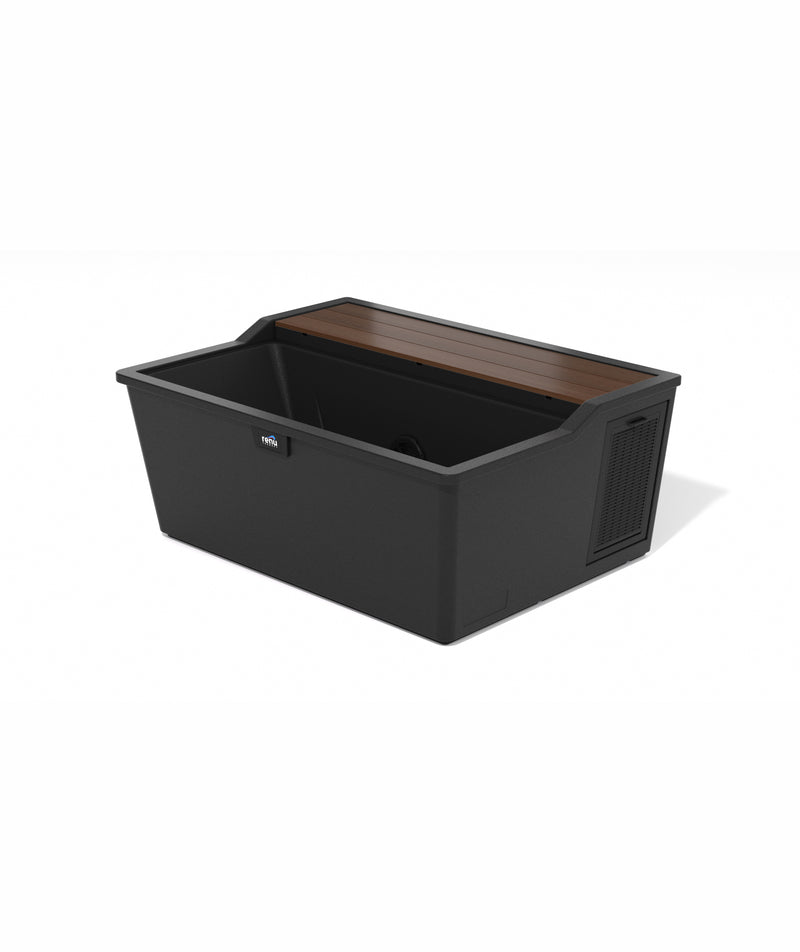
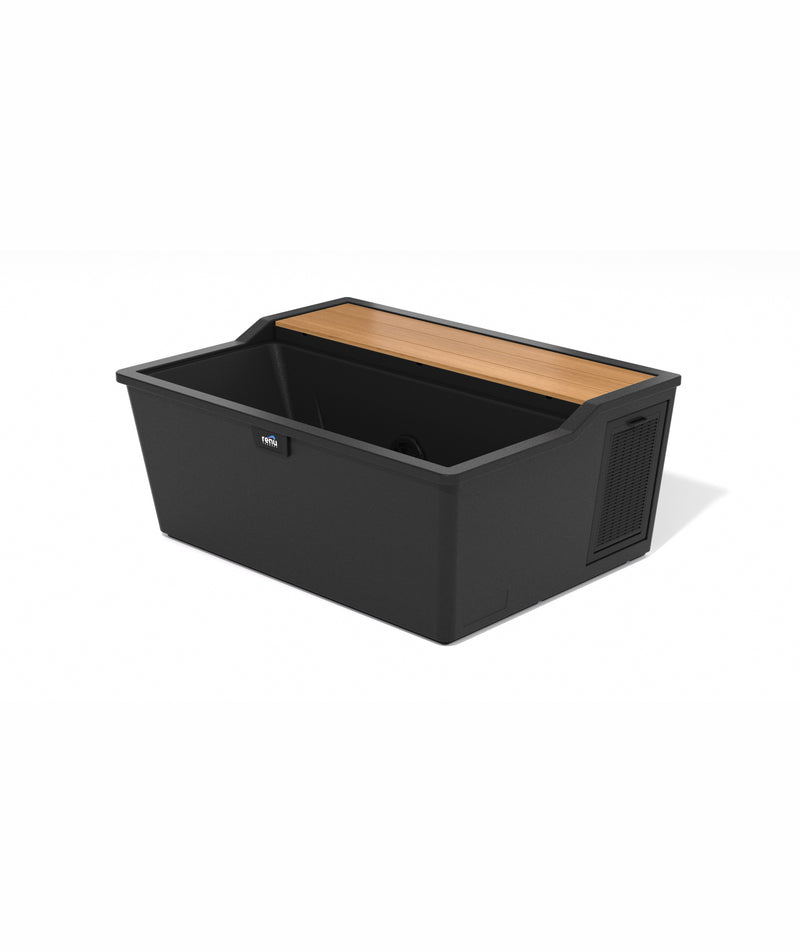
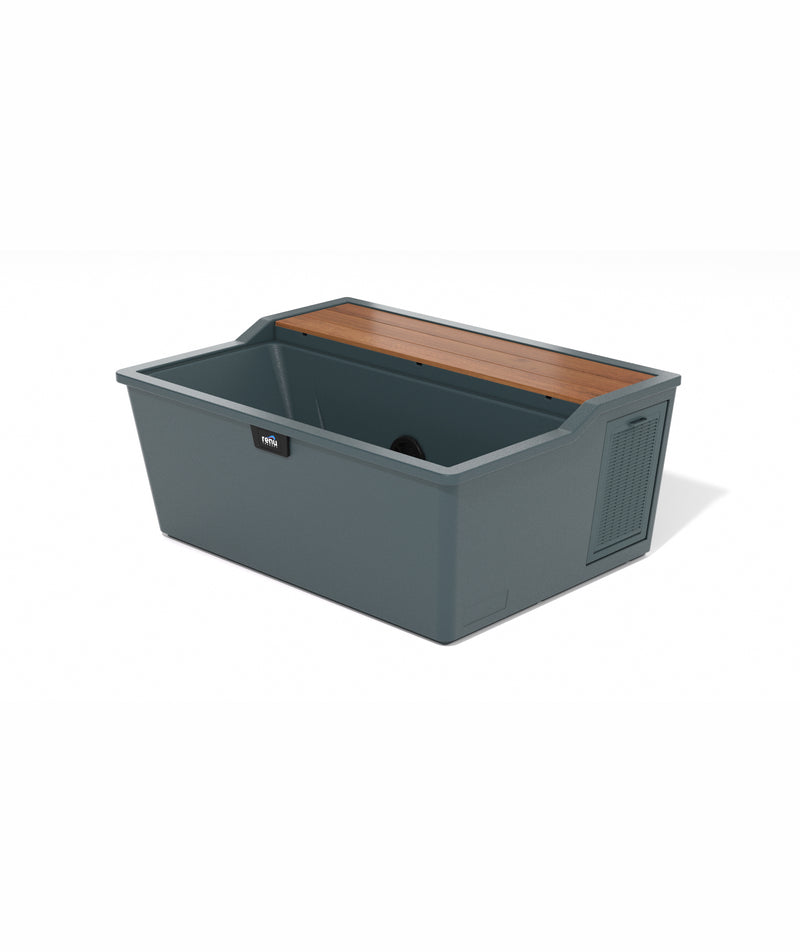
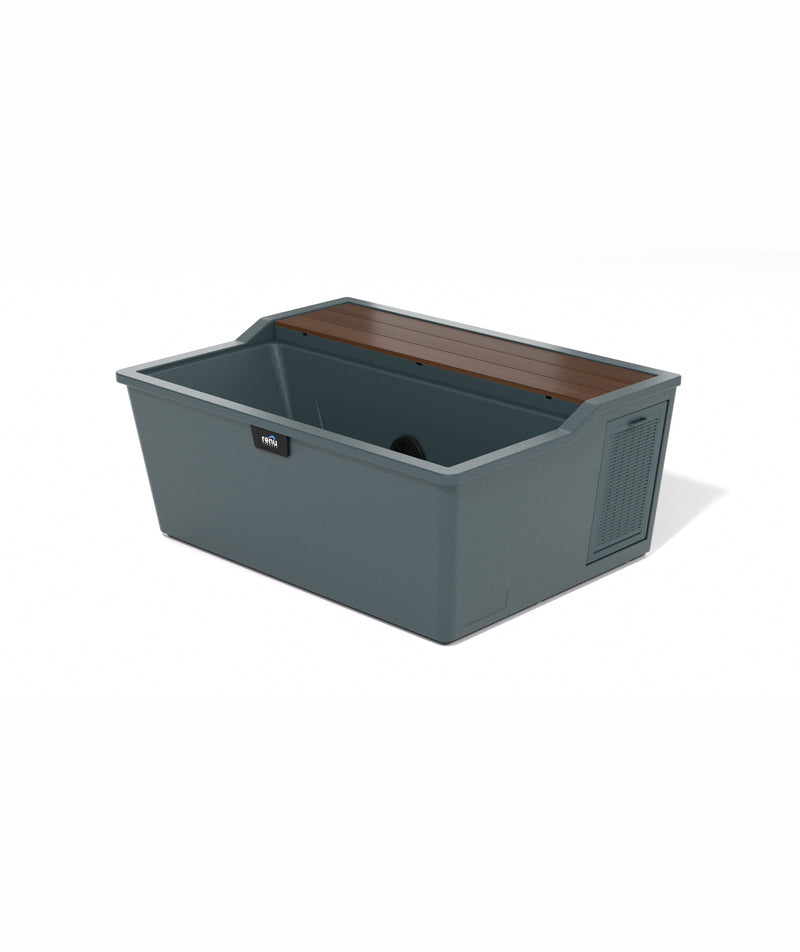
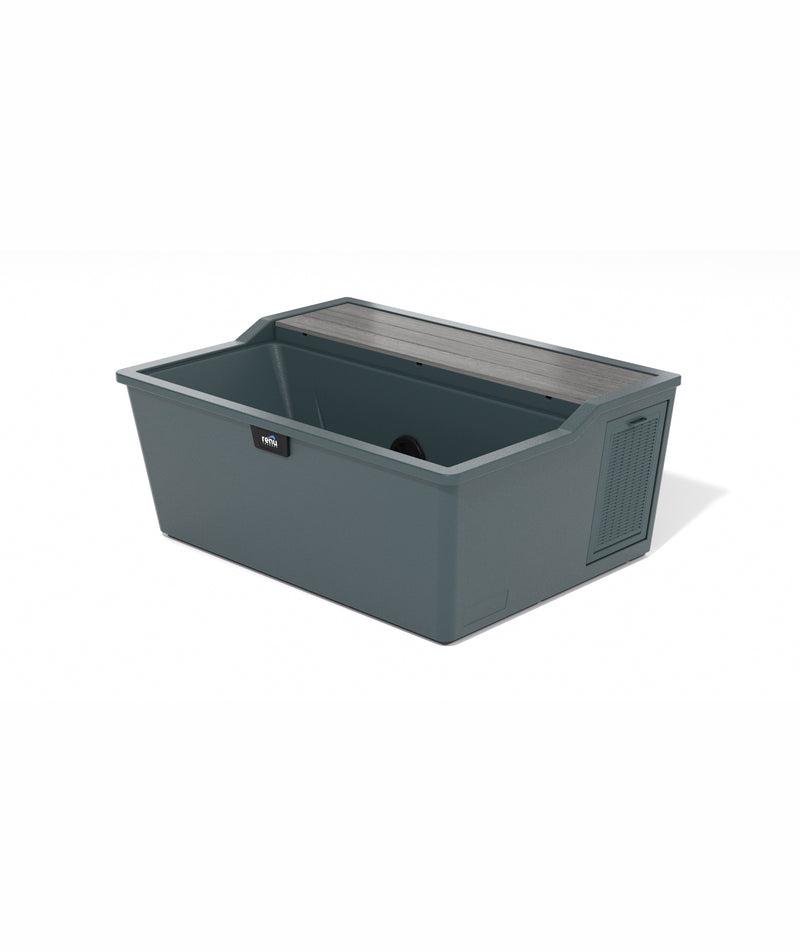
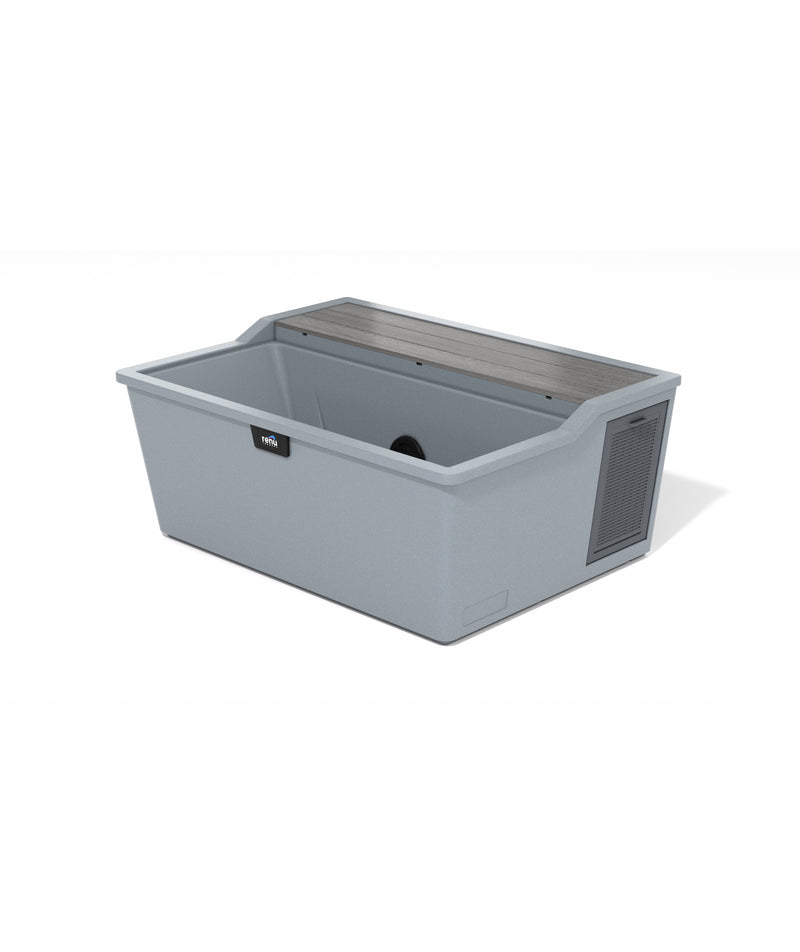
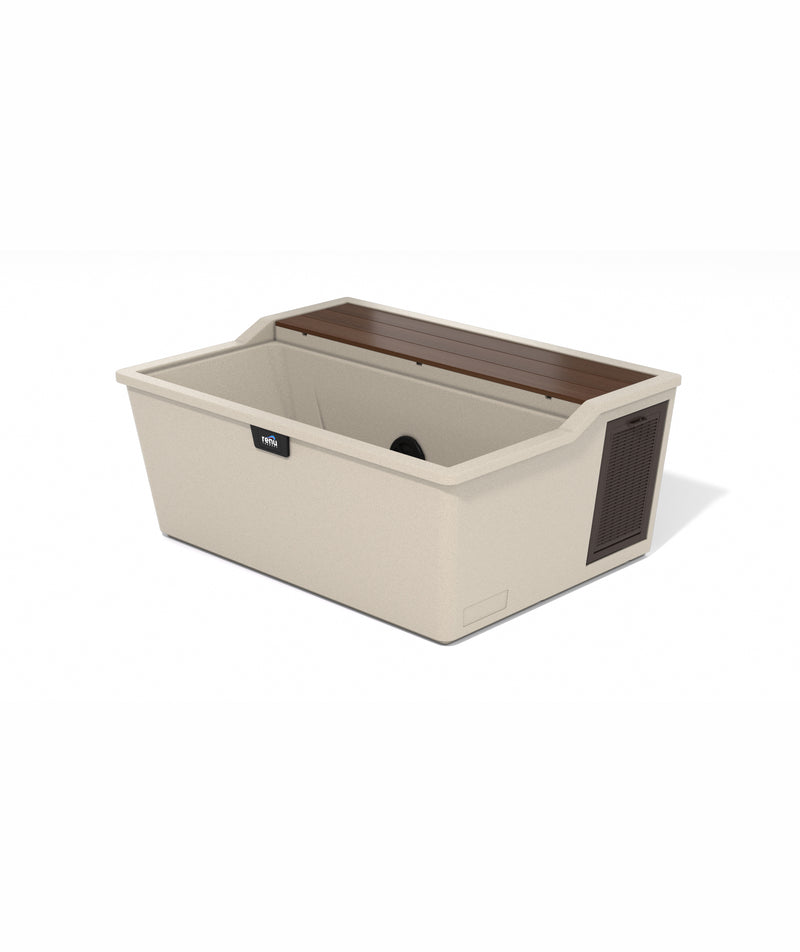
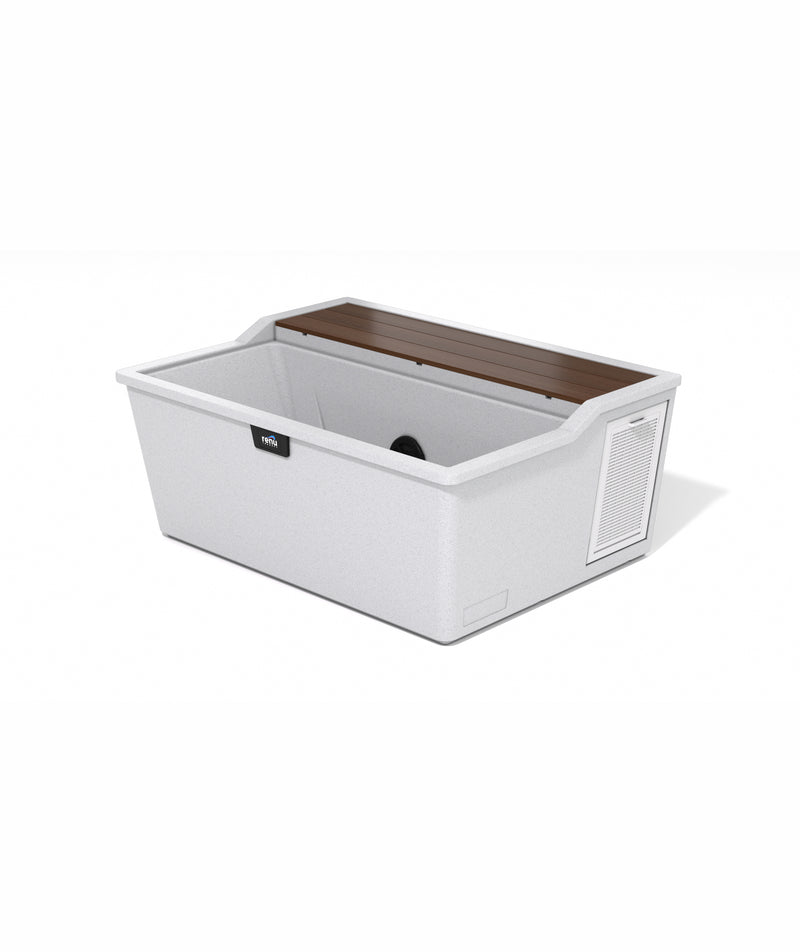
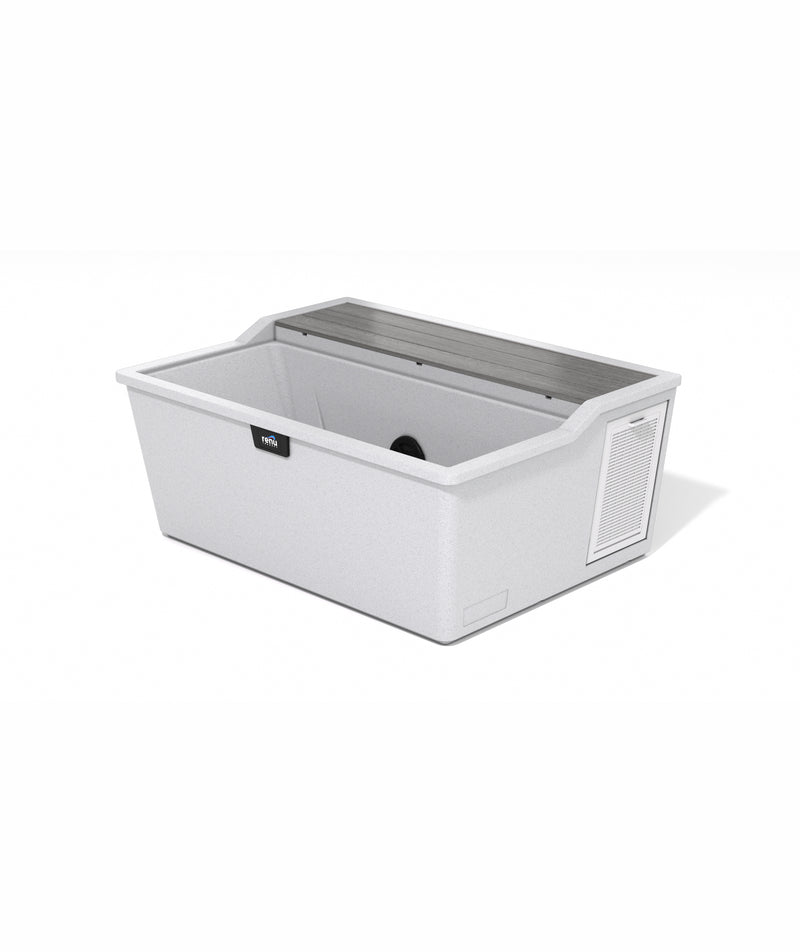
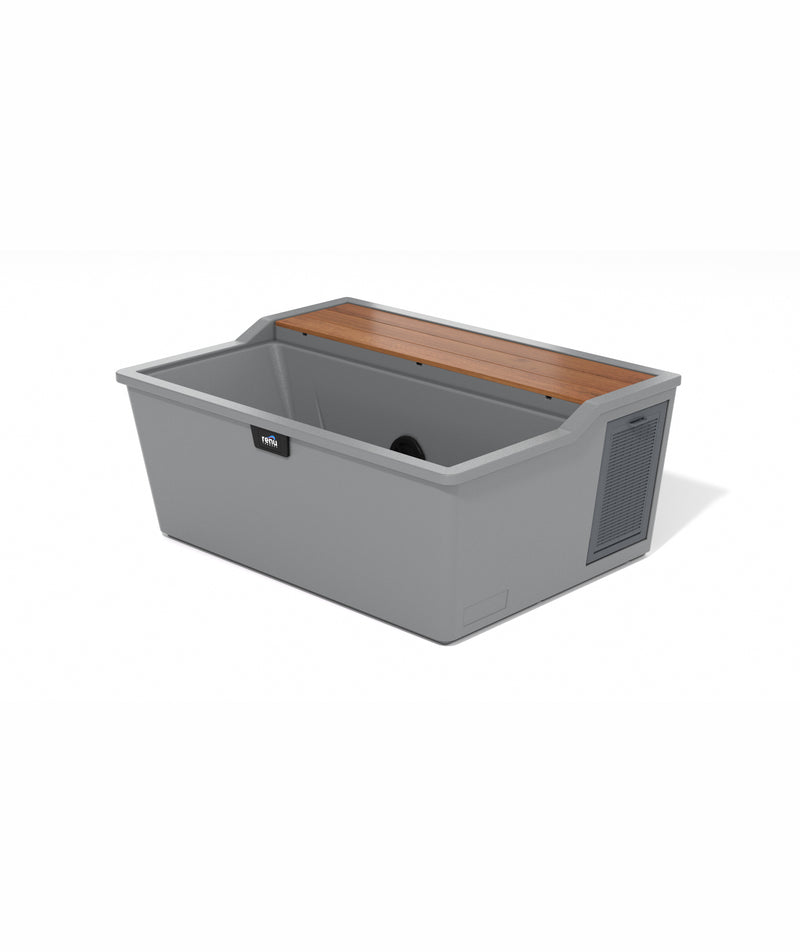
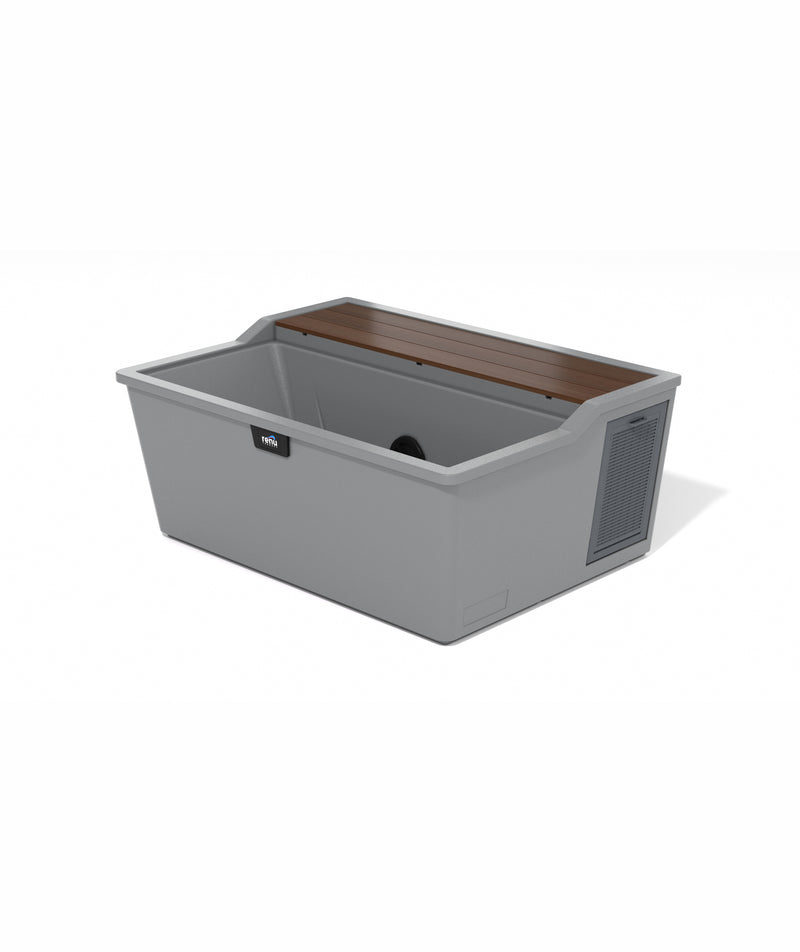
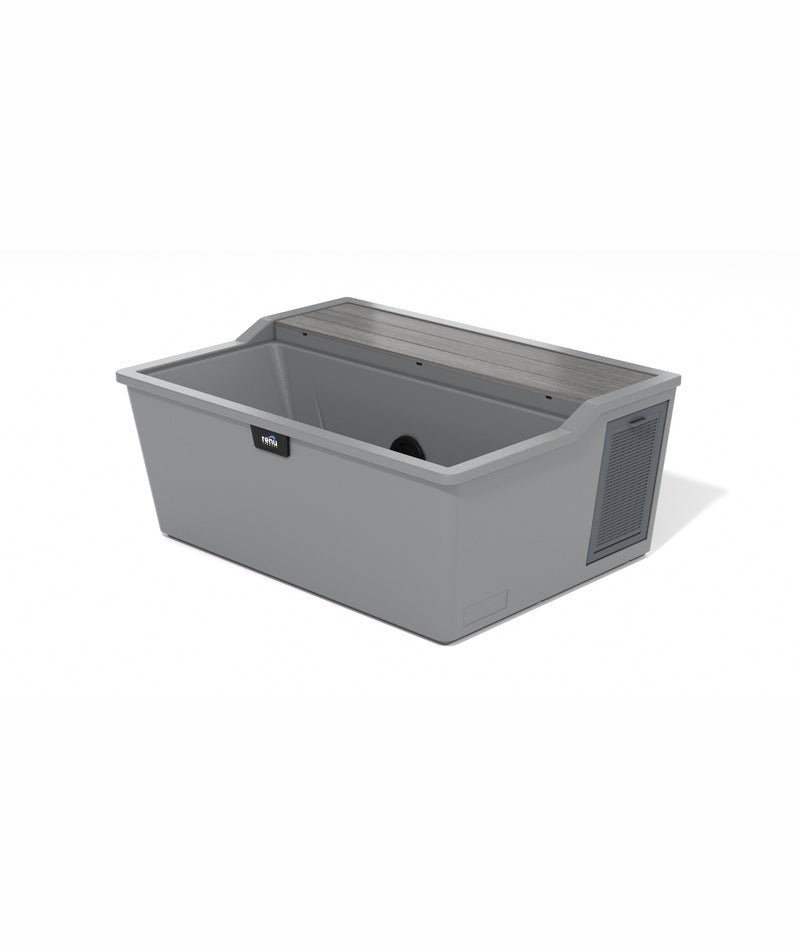
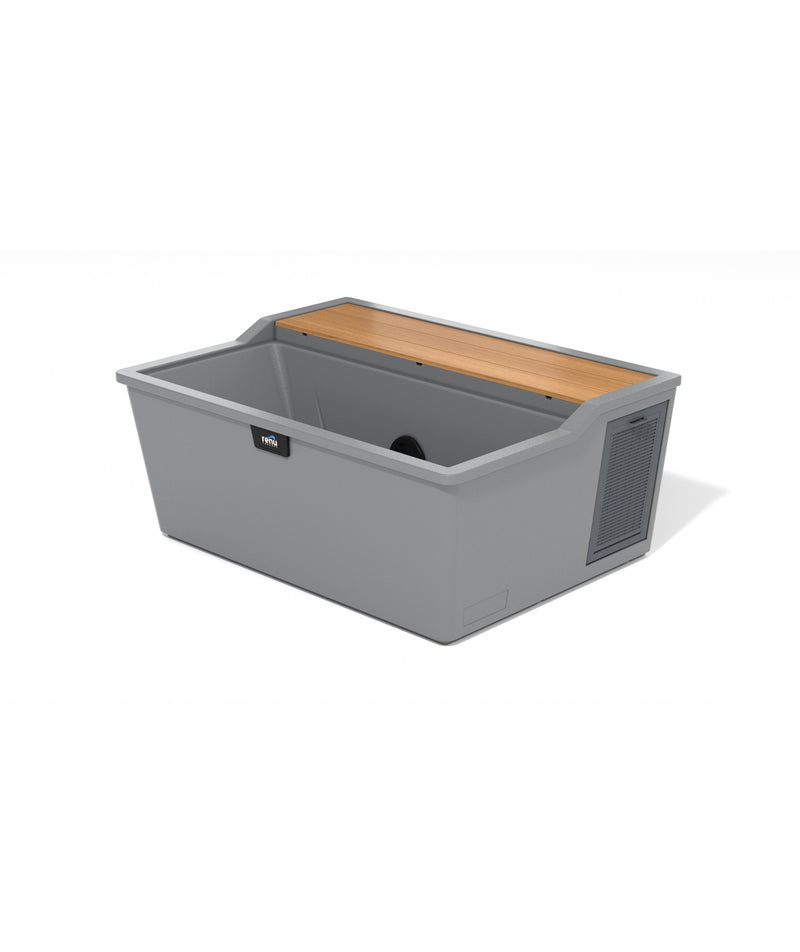
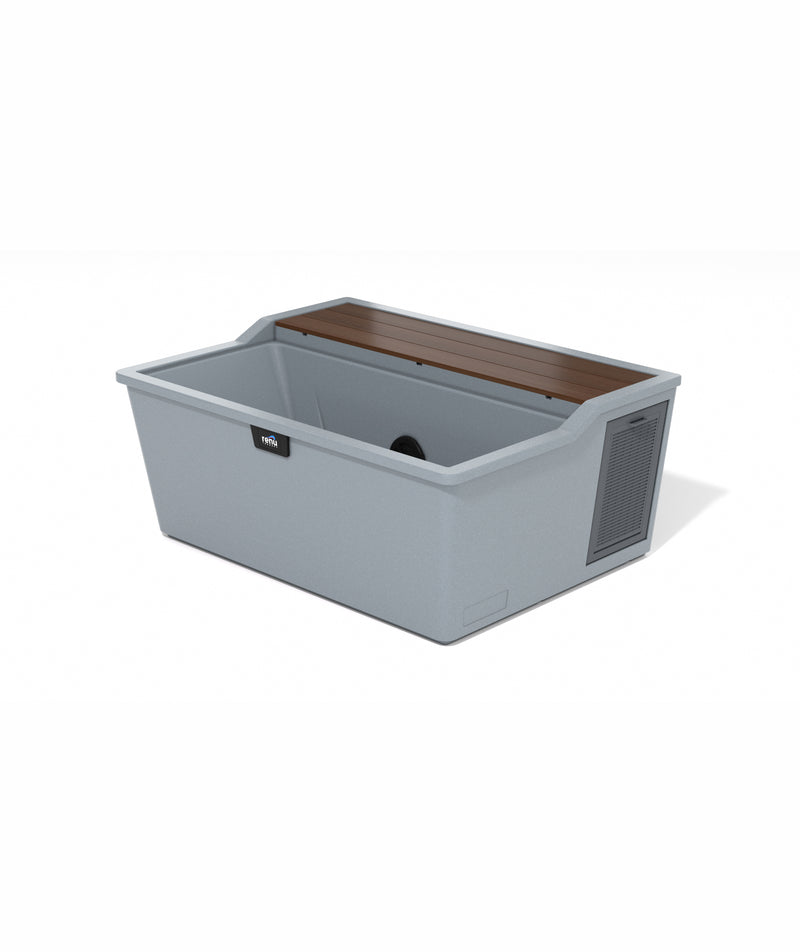
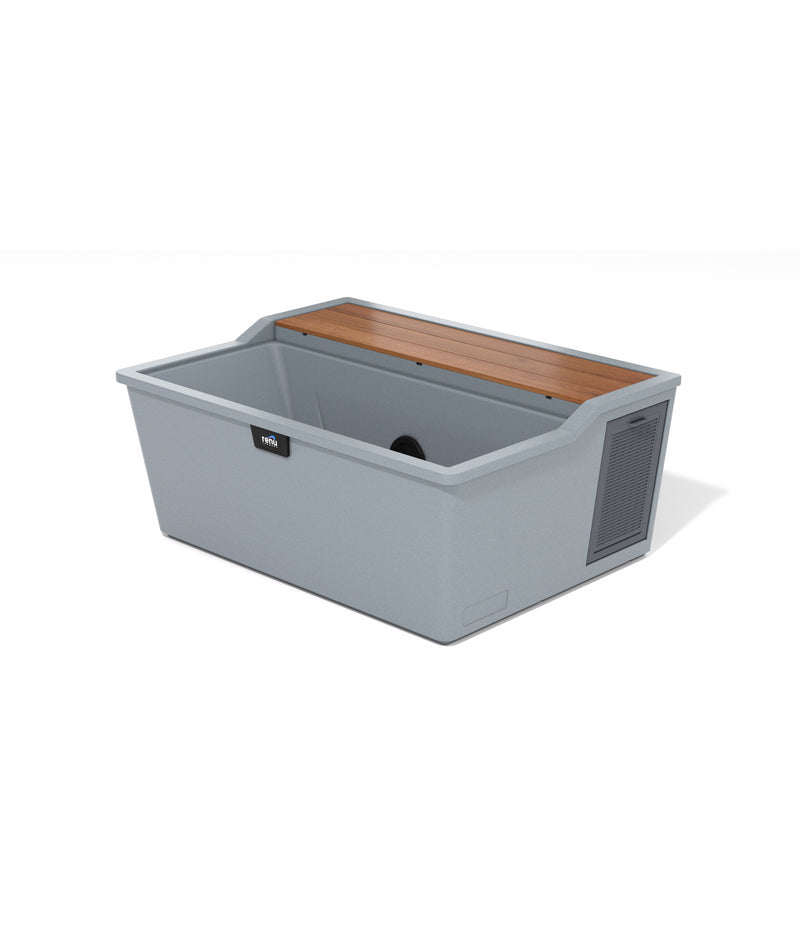
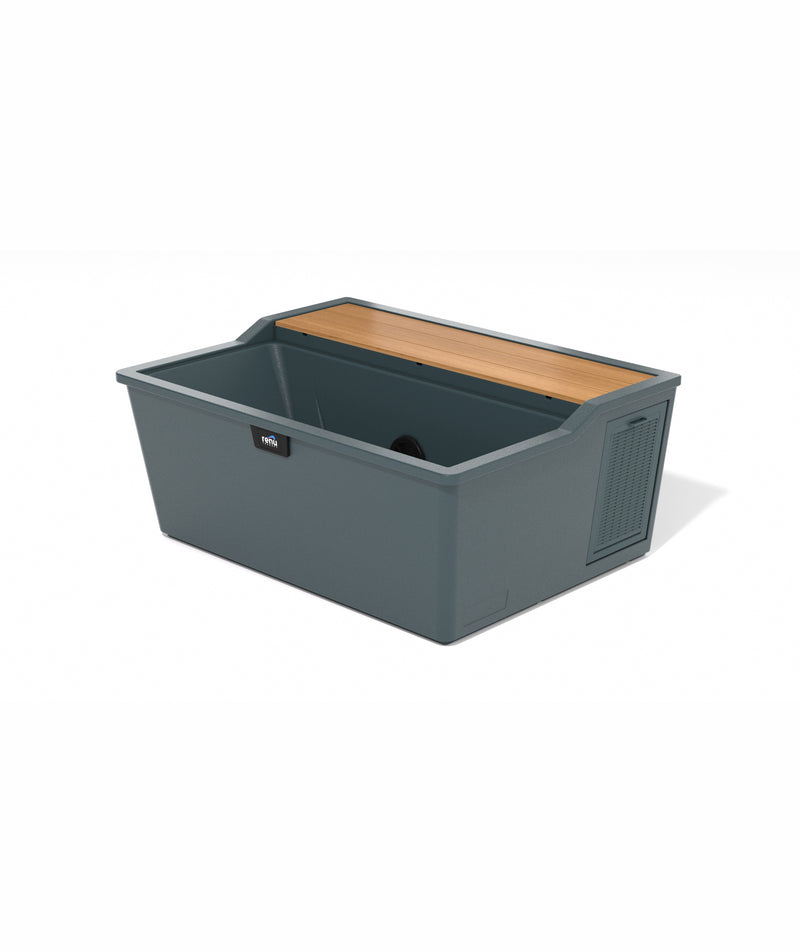
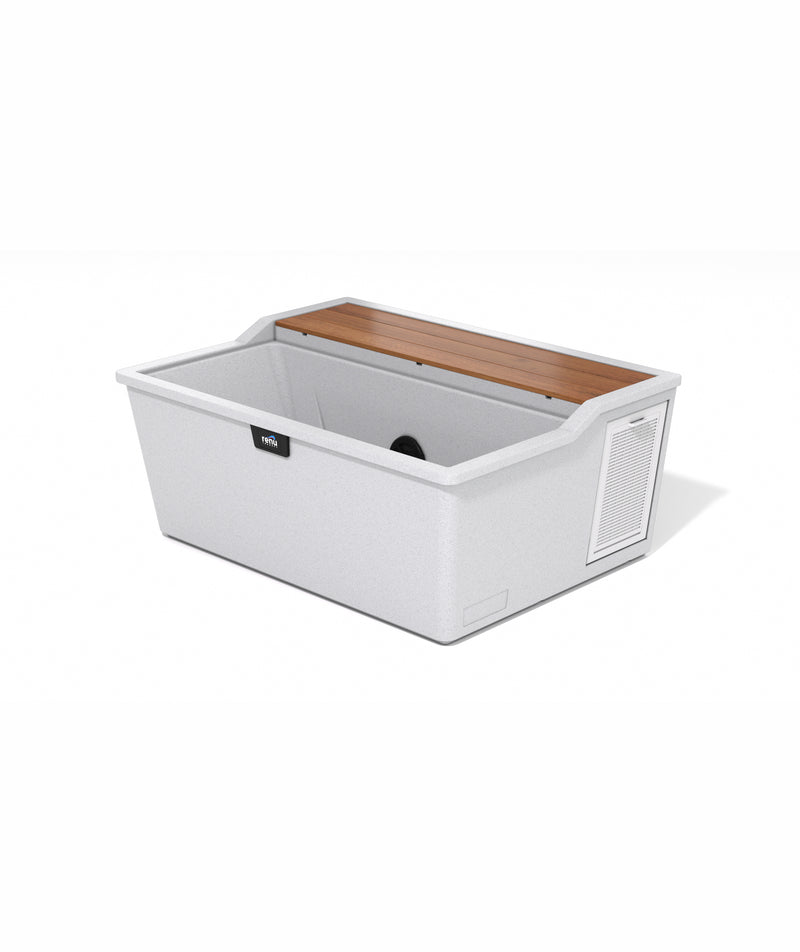
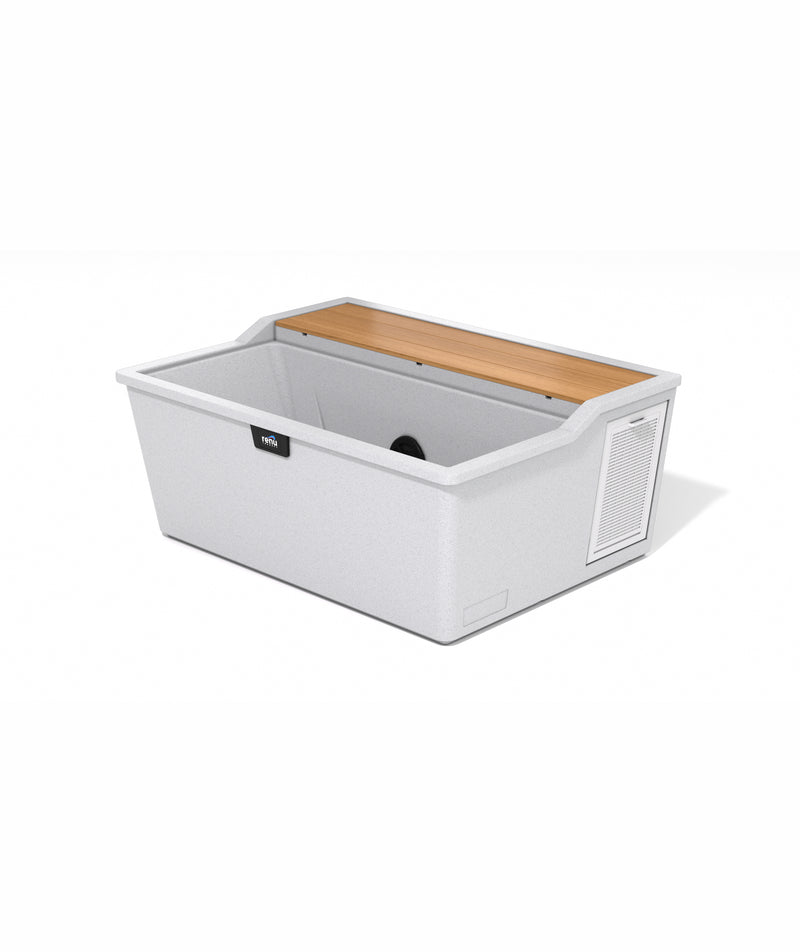
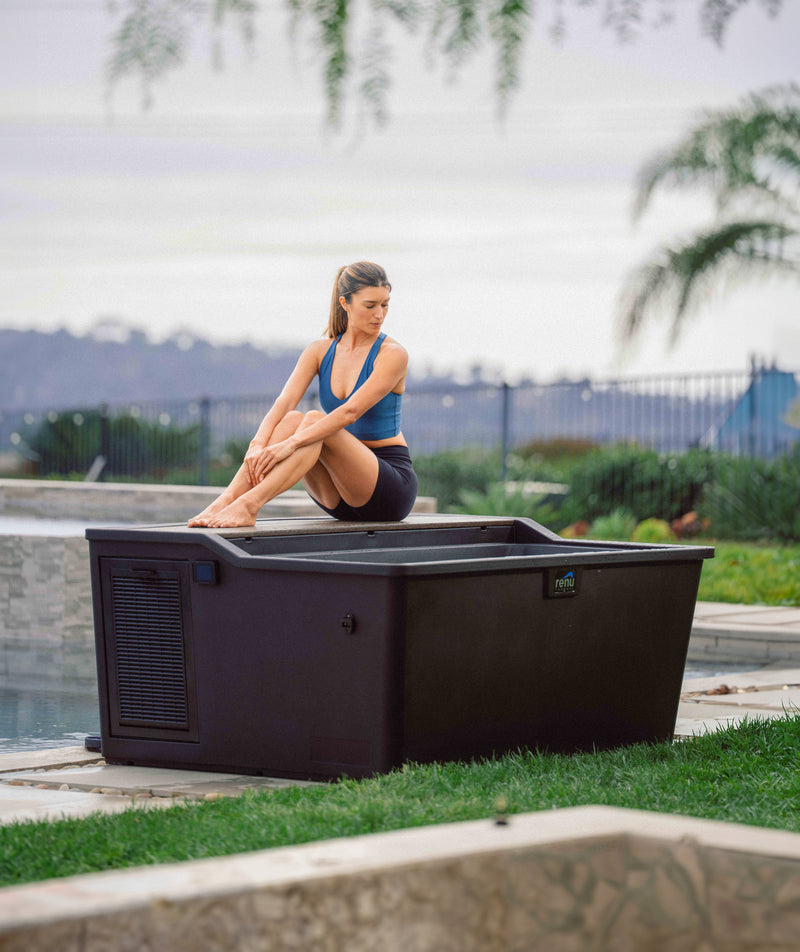
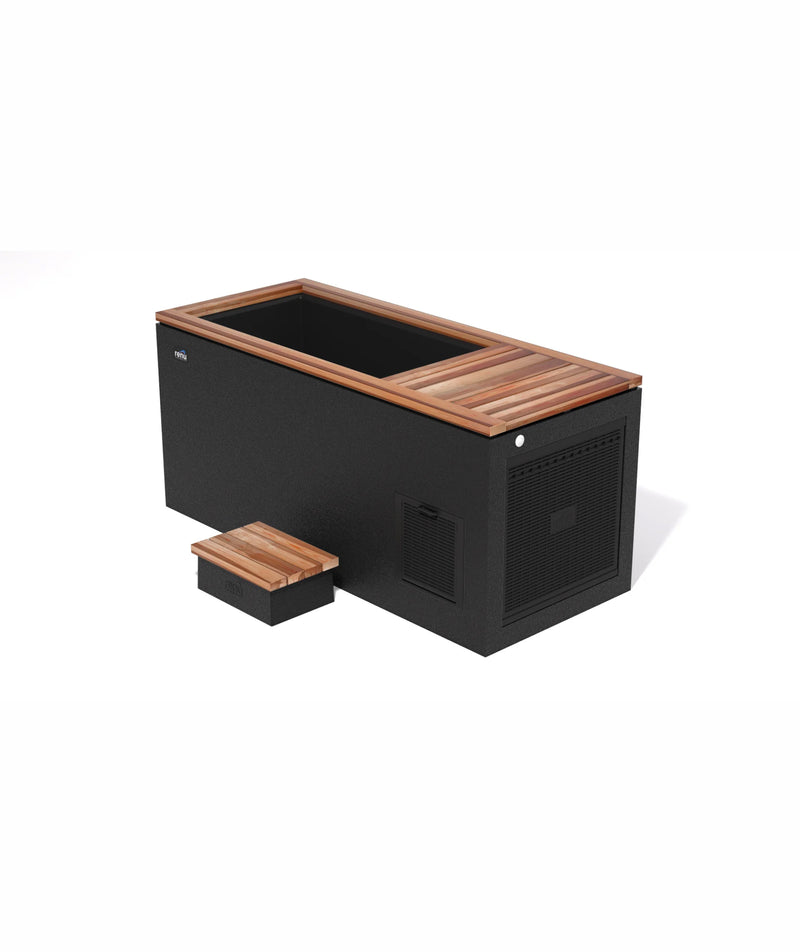
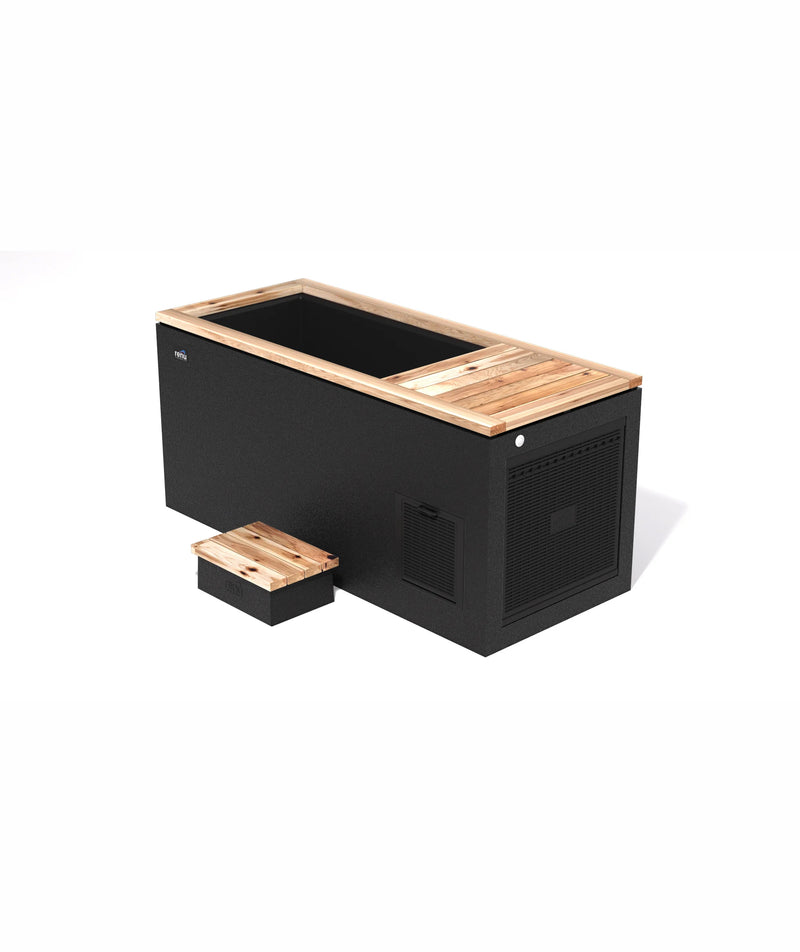
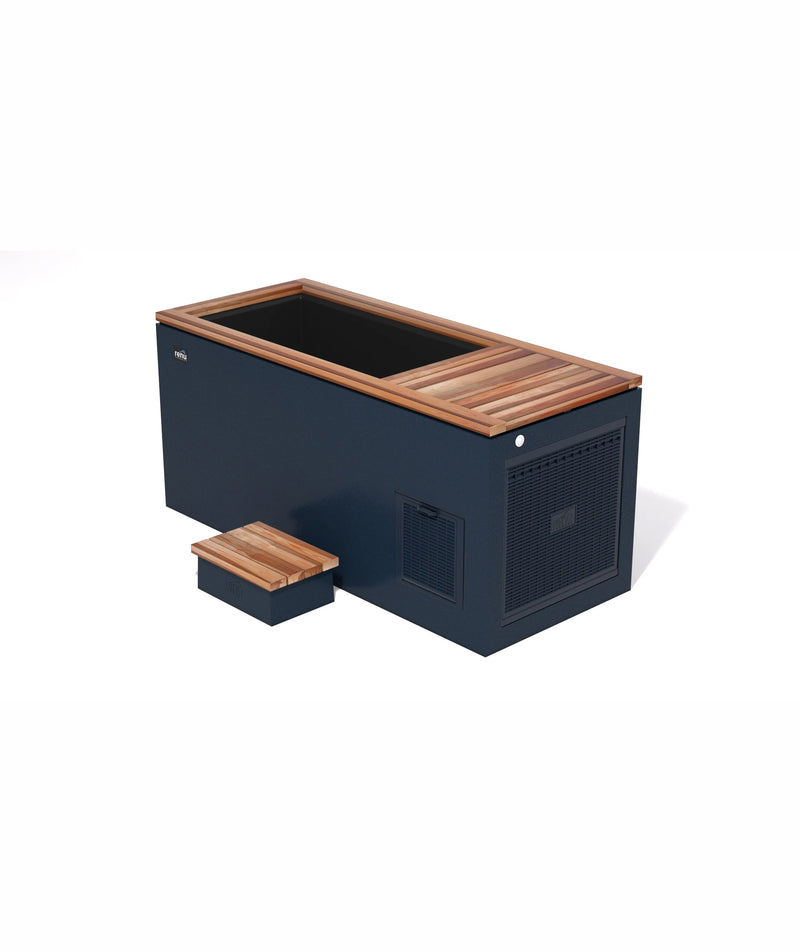
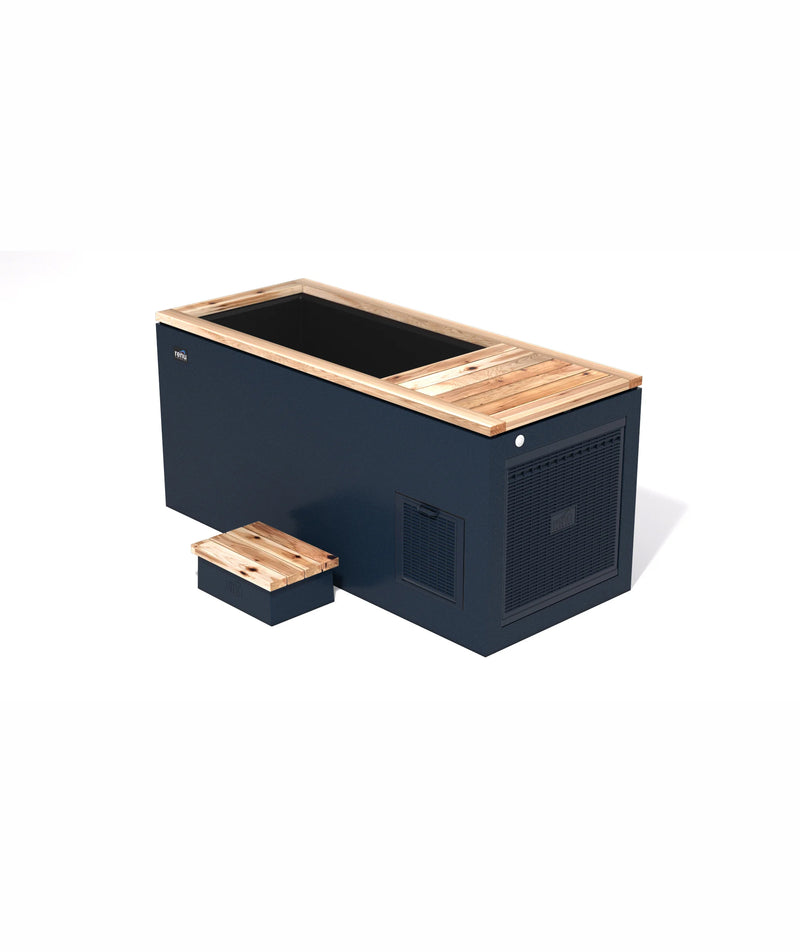
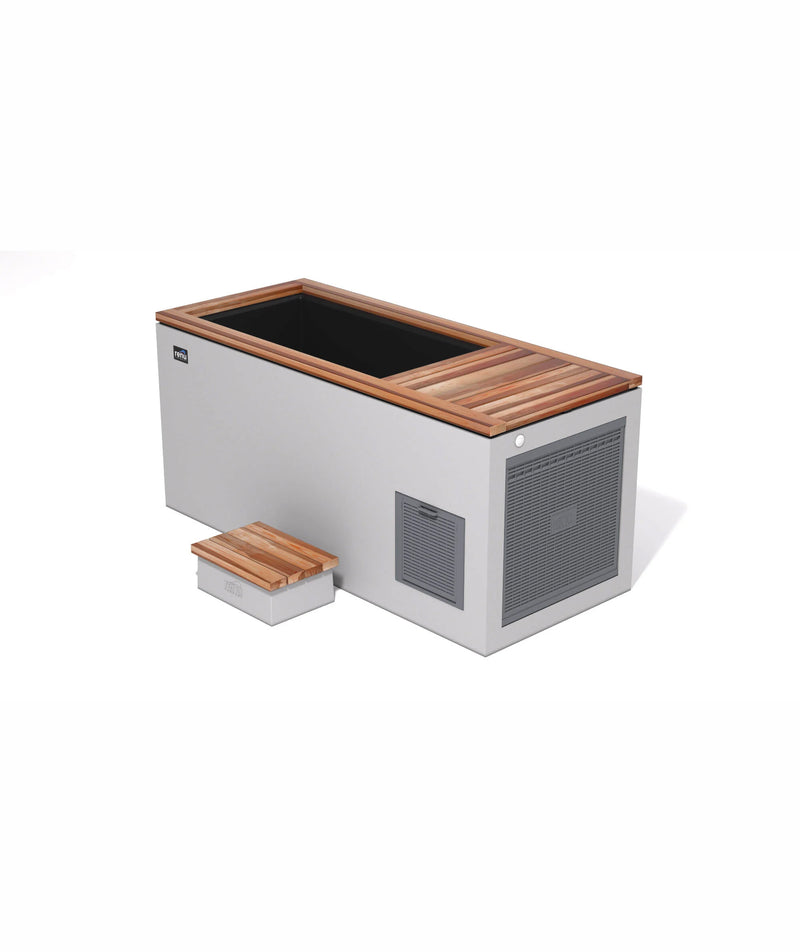
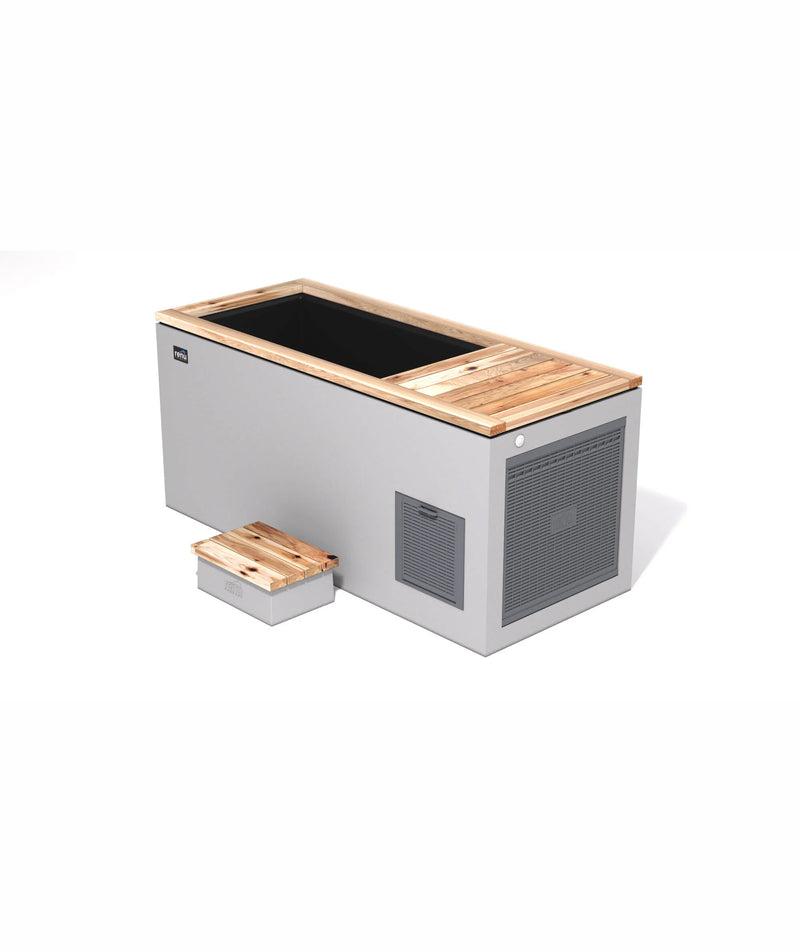
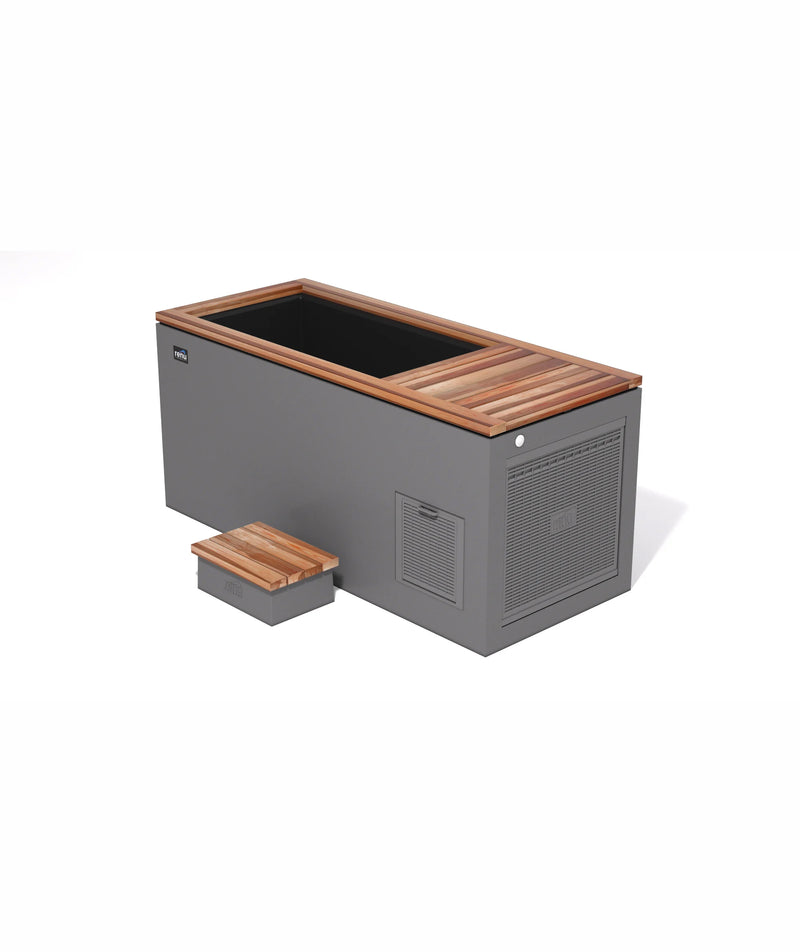
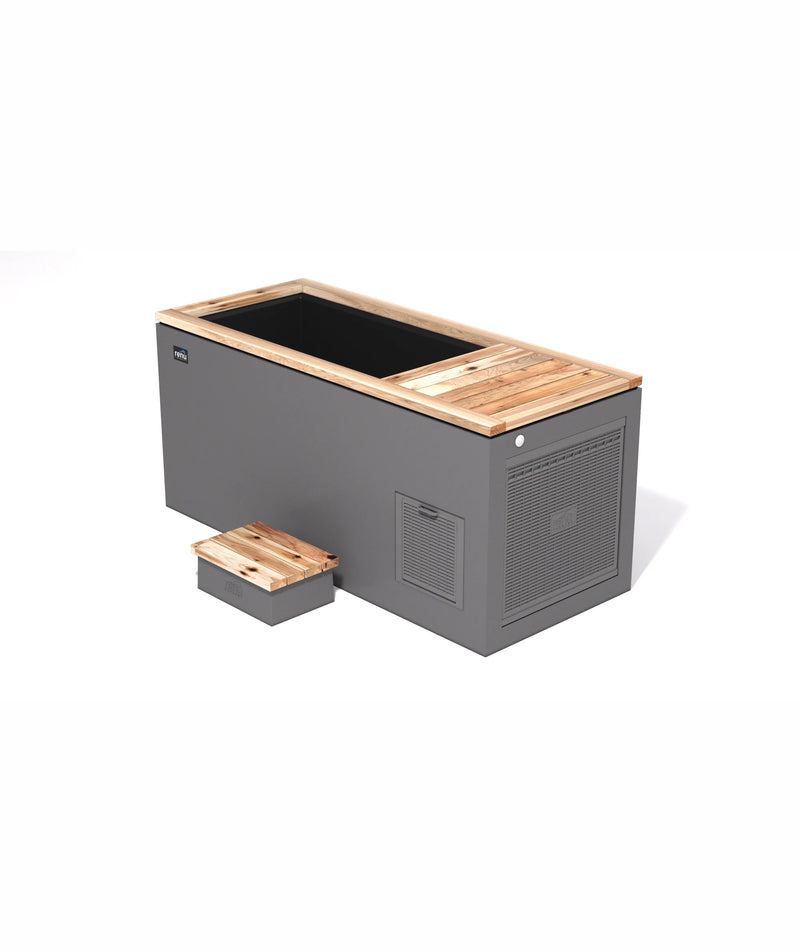
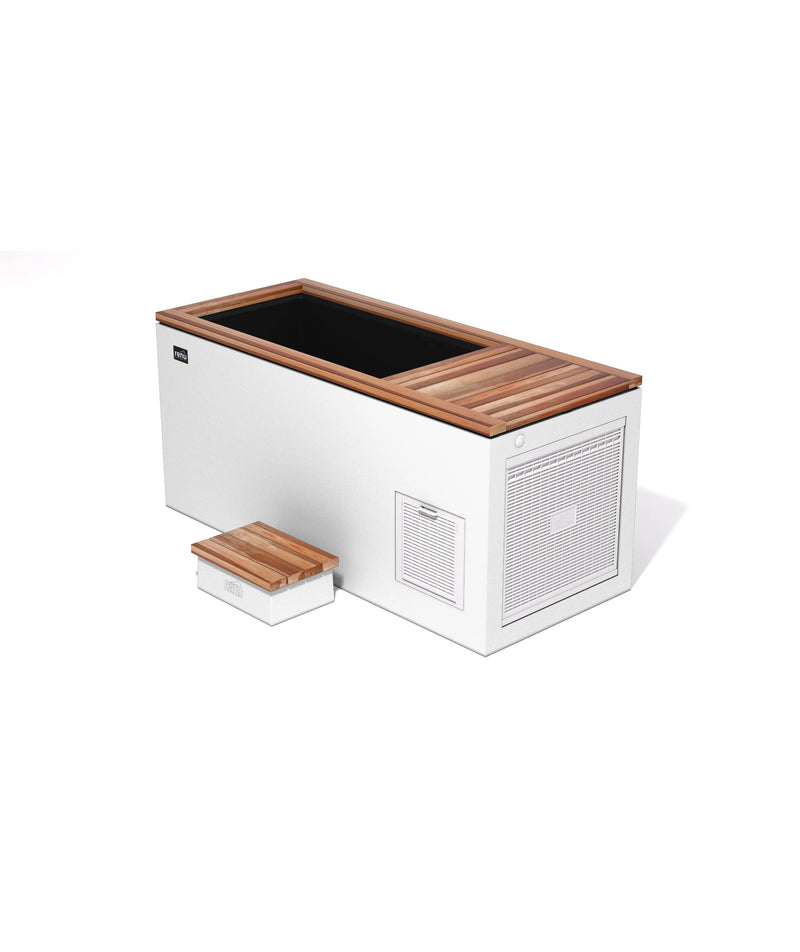
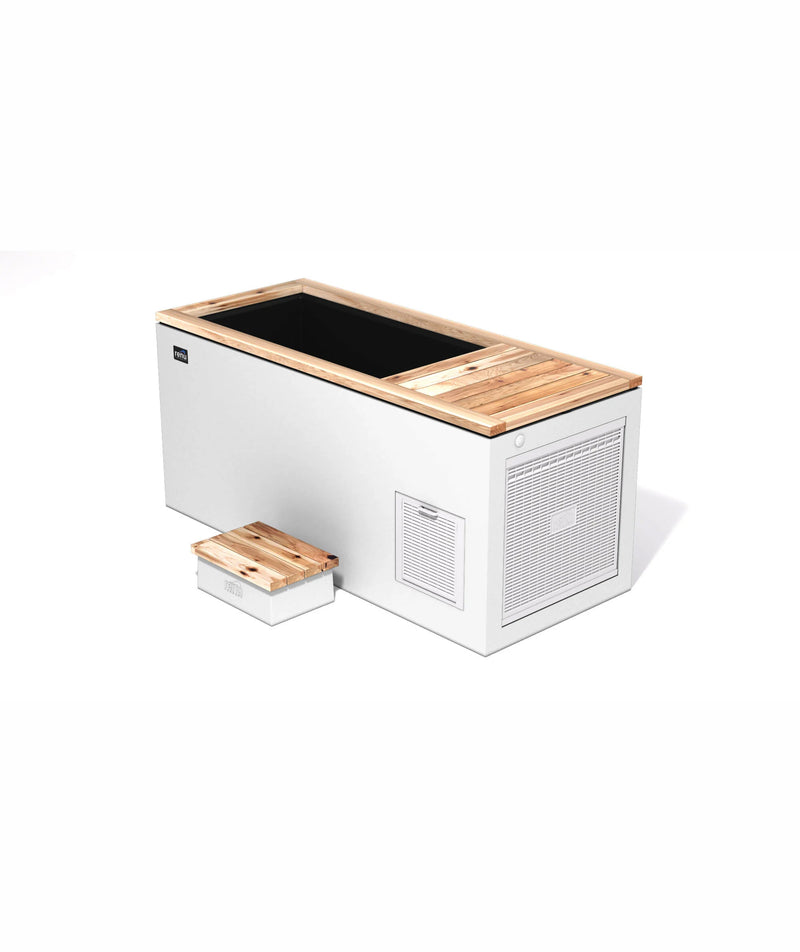
Explore Renu cold plunges →

The Science Behind the Reset
Research has shown cold water immersion can significantly increase dopamine and norepinephrine, two neurochemicals closely tied to attention, alertness, motivation, and energy regulation.
In one widely referenced study, dopamine increased by up to 250% during cold exposure, while norepinephrine increased even more dramatically.
What makes this interesting is not just the increase itself.
It is the shape of the response.
Unlike many modern dopamine triggers that spike quickly and fade quickly, cold exposure appears to create a more sustained increase without the same immediate crash pattern.
Dr. Andrew Huberman has discussed this extensively, noting that deliberate cold exposure can create meaningful shifts in alertness, mood, and focus while also helping train stress resilience.
The important point is not that cold magically fixes your life.
It is that it interrupts the automatic loop long enough for you to regain agency.
That matters.
What It Feels Like When It Starts Working
The changes are subtle at first.
One morning, instead of reaching for your phone, you step into the cold.
Your breath catches.
Your body reacts.
And for a moment, there is nothing else to think about.
When you step out, something feels quieter.
You sit down to work.
And you stay with it longer than usual.
Not perfectly.
But noticeably.
Over time, you begin to notice:
-
less pull toward distraction
-
more ability to stay with difficult work
-
less reactive energy
-
cleaner transitions between tasks
-
calmer mornings
What changes is not just your focus.
It is your relationship to attention itself.
A Simple Reset Protocol
You do not need to overhaul your life overnight.
Start smaller than you think.
Protocol 1: Interrupt the Switch
The next time you feel yourself about to switch tasks:
Pause.
Take one slow inhale through your nose.
Then a longer exhale through your mouth.
Do it again.
That small pause creates awareness between impulse and action.
That is where choice starts to come back.
Protocol 2: The Cold Reset
You do not need a full cold plunge to begin.
Start with:
-
a cold shower
-
a 30-second cold finish
-
or brief cold exposure after movement
Focus on your breath.
Do not fight the discomfort.
Stay with it.
The goal is not punishment.
The goal is presence.
Protocol 3: Protect the First 10 Minutes
Most people begin the day by immediately consuming stimulation.
Try replacing the first 10 minutes of your morning with:
-
breath
-
movement
-
cold exposure
-
stillness
Before your brain gets pulled outward.
Train your attention before the world trains it for you.

You Do Not Need More Discipline
Most people are trying to force focus inside an environment designed to destroy it.
That is exhausting.
The better approach is not endless willpower.
It is creating repeatable resets.
Signals strong enough to interrupt the loop.
Systems strong enough to support attention.
Consistency matters more than intensity.
You do not need more discipline.
You need a reset, you can return to every day
References
-
Anna Lembke, Dopamine Nation: Finding Balance in the Age of Indulgence
-
Andrew Huberman, Huberman Lab Podcast discussions on dopamine, norepinephrine, and cold exposure
-
Šrámek P. et al. “Human physiological responses to immersion into water of different temperatures.” European Journal of Applied Physiology, 2000
-
Huberman, A. “Using Deliberate Cold Exposure for Health and Performance”
-
Sapolsky, Robert. Research and lectures on stress physiology and dopamine systems