As athletes constantly strive to push their limits and excel in their respective sports, the risk of injury looms ever-present. In this relentless pursuit of excellence, injury prevention becomes a paramount concern.
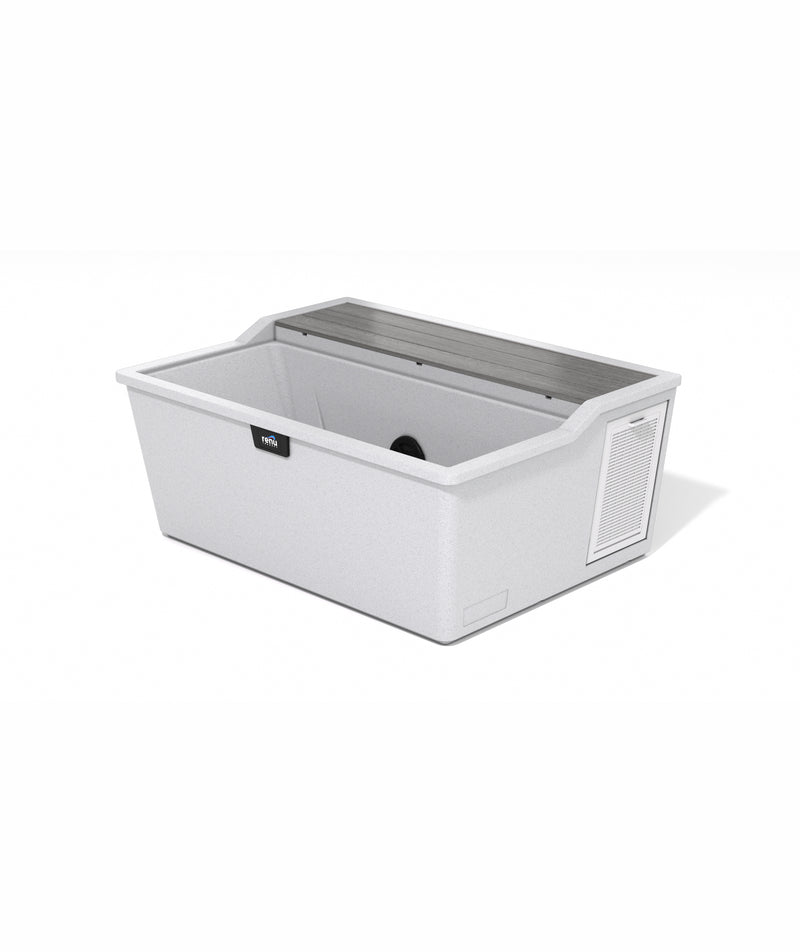
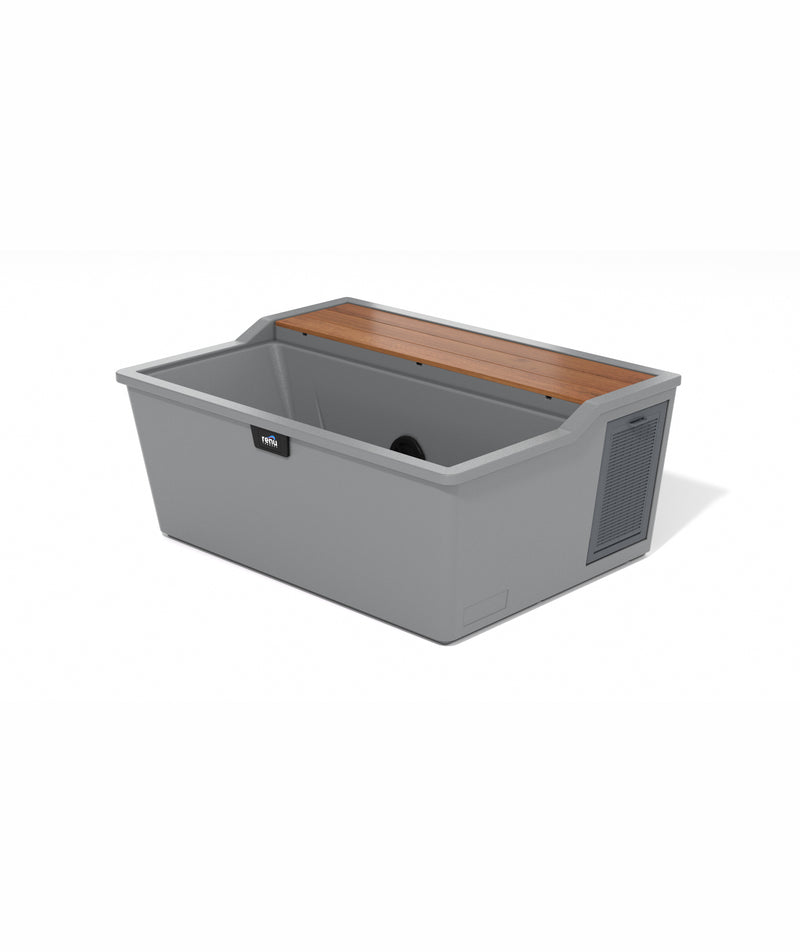
One method that has gained considerable attention in recent years for its potential in injury prevention and overall recovery is cold plunge therapy. Cold plunge therapy can accelerate the recovery process.
What You Need to Know About Cold Plunge Therapy
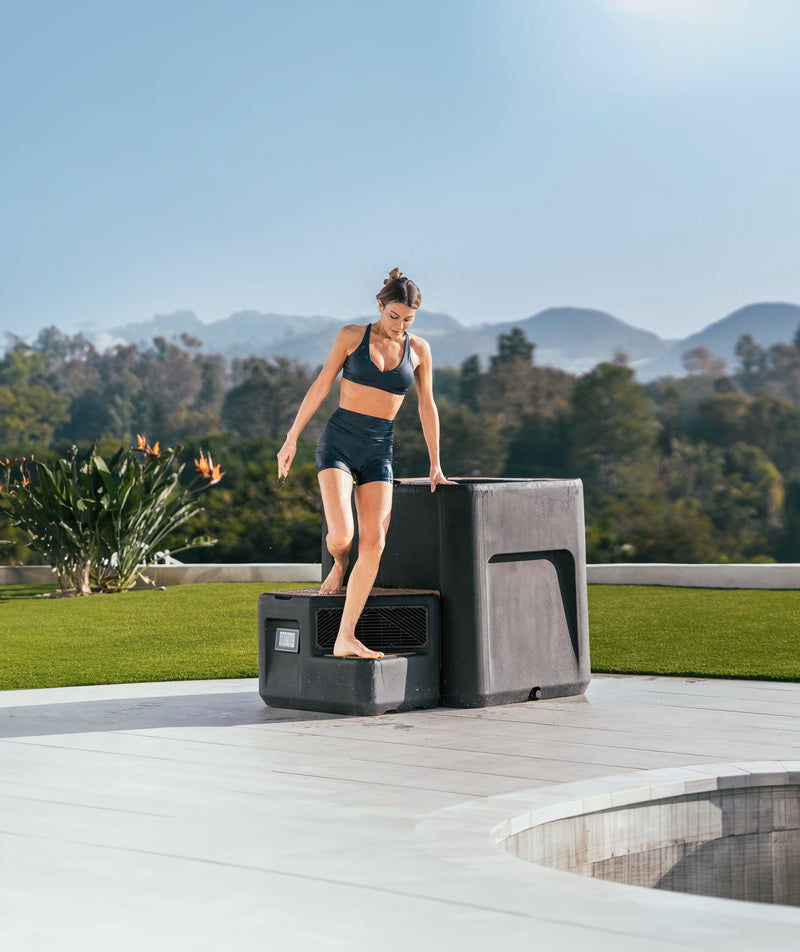
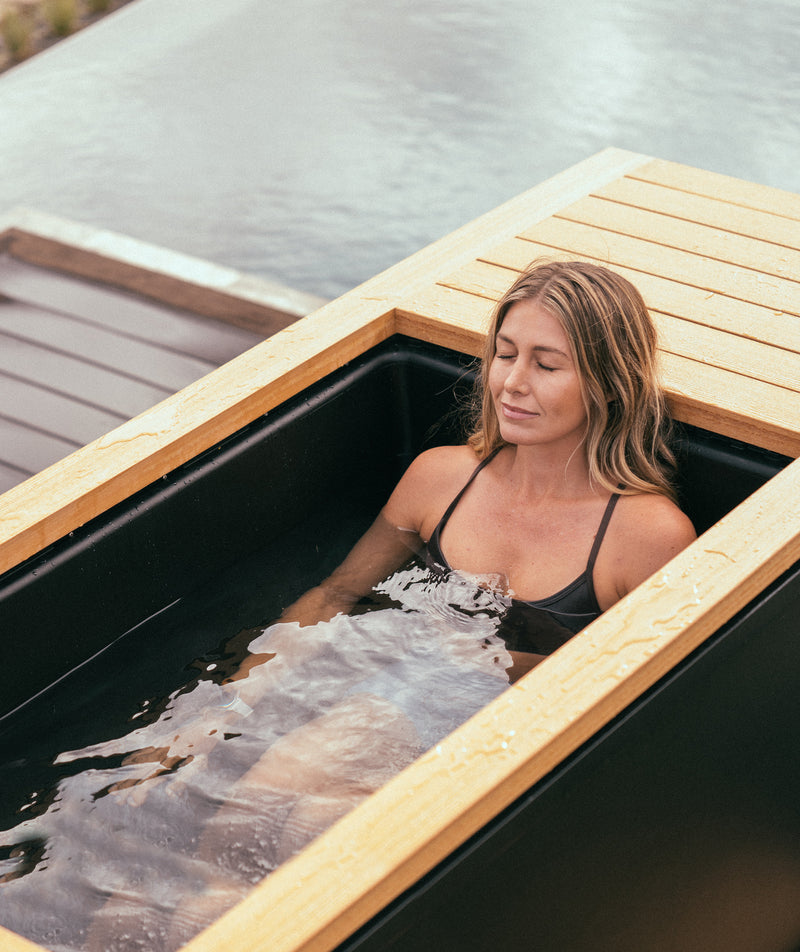
Cold plunge therapy, also known as cold water immersion, involves immersing oneself in icy cold water for a specified period. It may sound daunting, but the science behind it is both fascinating and promising. When an athlete takes the plunge, several physiological responses occur.
- Blood Vessels Constrict - Exposure to cold water causes blood vessels near the skin to constrict, a process known as vasoconstriction. This narrowing of blood vessels helps reduce blood flow to the extremities, effectively rerouting it to the body's core.
- Blood Flow Redirects - With reduced blood flow in the extremities, there's a subsequent redirection of blood flow towards vital organs. This phenomenon, known as blood shunting, ensures that essential organs receive an ample blood supply, maintaining their functionality even in the cold.
- Muscle Recovery Initiates - Cold water immersion plays a pivotal role in muscle recovery. It reduces muscle soreness and inflammation, helping athletes recuperate more effectively after intense workouts or competitions. The therapy helps in repairing microtears in muscle fibers and mitigates the onset of muscle soreness.
- Body Temperature Drops - Exposure to cold water also leads to a drop in body temperature. This can be advantageous in certain situations, such as reducing the risk of heat exhaustion or heat stroke in athletes engaged in strenuous, high-temperature activities.
5 The Benefits of Cold Plunge Therapy for Athletes
Now that we've delved into the physiological responses of cold plunge therapy in sports, let's explore how these responses translate into benefits for athletes.
- Injury Prevention - One of the most significant advantages of cold plunge therapy is its potential to prevent injuries. By constricting blood vessels and reducing blood flow to the extremities, it limits the swelling and inflammation associated with injuries. This can be especially beneficial for contact sports where injuries are common.
- Muscle Recovery - For athletes, post-workout recovery is crucial. Cold plunge therapy helps accelerate this process by reducing muscle soreness and inflammation. This means athletes can return to training sooner, reducing the risk of overuse injuries caused by inadequate recovery.
- Enhanced Athletic Performance - Cold water immersion can also enhance athletic performance. By improving blood circulation and reducing muscle fatigue, athletes may find they have increased stamina and endurance.
- Reduction in Chronic Pain - For athletes dealing with chronic pain conditions, such as arthritis or tendonitis, cold plunge therapy can provide relief. The cold water helps reduce inflammation and alleviate pain, enabling athletes to continue training and competing.
- Improved Mental Health - The shock of cold water immersion triggers a release of endorphins, leading to an improved mood and reduced feelings of stress. Mental health is an integral part of an athlete's overall well-being, and cold plunge therapy can play a role in enhancing it.
Incorporate Cold Plunge Therapy into Training
To incorporate cold plunge therapy into your training routine effectively, consider the following best practices:
- Timing - The optimal timing for cold plunge therapy is within two hours after exercise. This is when the body is most receptive to the benefits of cold water immersion.
- Duration - Start with shorter durations, typically 3-5 minutes, and gradually increase as your body adapts. Avoid prolonged exposure to prevent hypothermia.
- Consistency - To reap the full benefits, aim for regular sessions. Two to three times a week is generally recommended.
- Warm-Up - Perform a light warm-up before your cold plunge to prepare your body for the shock of cold water.
- Listen to Your Body - Always listen to your body. If you experience discomfort, shivering, numbness, or tingling, exit the cold water immediately.
Precautions and Considerations
While cold plunge therapy in sports offers numerous benefits, it's essential to approach it with caution and consideration. Here are some key precautions and considerations for athletes:
- Hypothermia Risk - Prolonged exposure to cold water can lead to hypothermia, a potentially life-threatening condition. Athletes should be aware of the signs of hypothermia, such as uncontrollable shivering, confusion, and numbness, and exit the cold plunge immediately if they experience these symptoms.
- Individual Tolerance - Everyone's tolerance to cold water varies. Some individuals may find cold plunge therapy more comfortable than others. It's essential to respect your own limits and not push yourself too hard, especially when starting.
- Medical Conditions - Athletes with certain medical conditions, such as Raynaud's disease or cardiovascular issues, should consult with a healthcare professional before engaging in cold plunge therapy. These conditions can increase the risk of adverse reactions to cold water immersion.
- Gradual Progression - As mentioned earlier, it's crucial to start slowly and gradually increase the duration of cold plunges. Sudden, prolonged exposure to cold water can be dangerous, so a gradual progression is essential for safety.
- Hydration and Nutrition - Proper hydration and nutrition play a significant role in recovery. After a cold plunge session, athletes should focus on rehydrating and consuming a balanced meal to replenish energy stores and support muscle repair.
- Alternatives - Cold plunge therapy is not the only method for injury prevention and recovery. Athletes should consider incorporating a range of recovery strategies into their routine, such as stretching, foam rolling, and active recovery exercises.
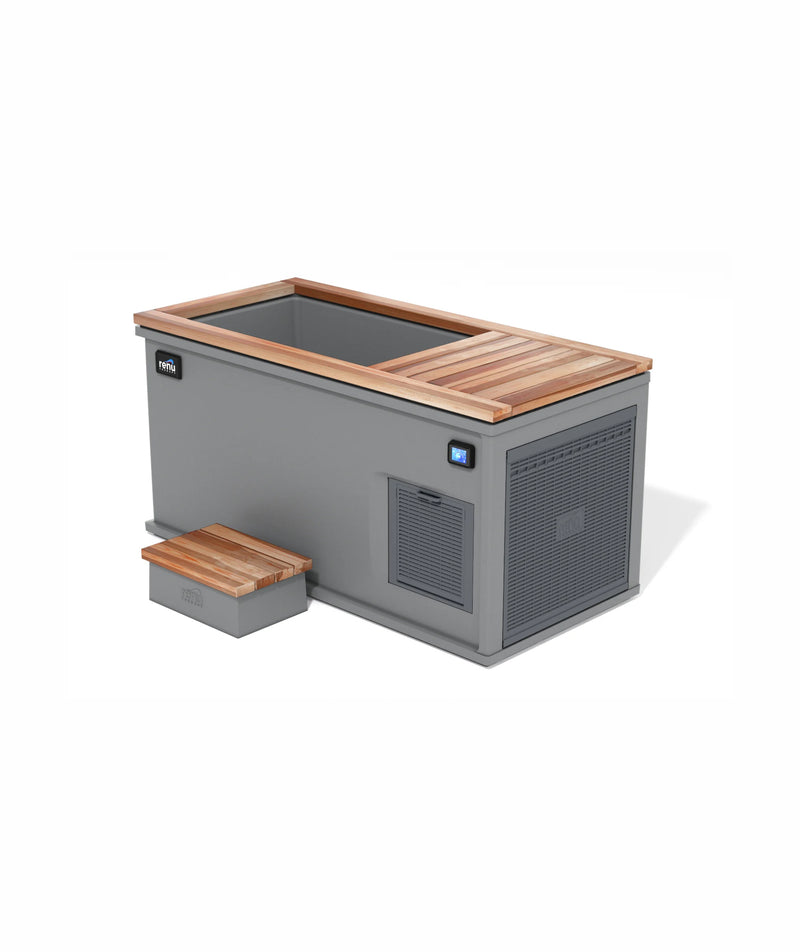
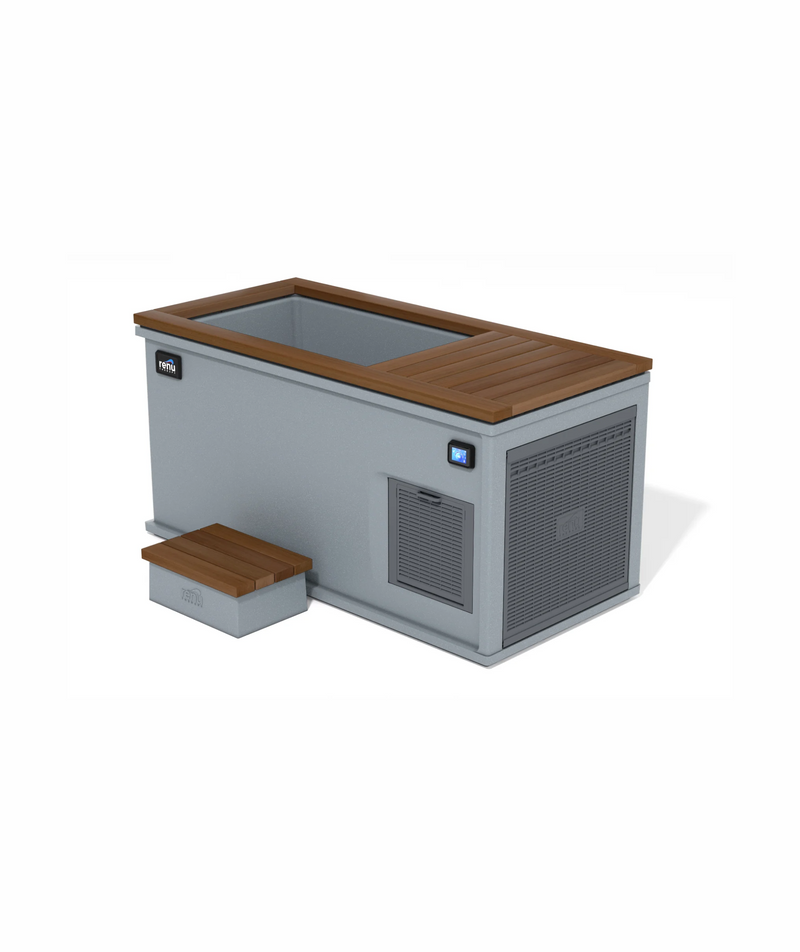
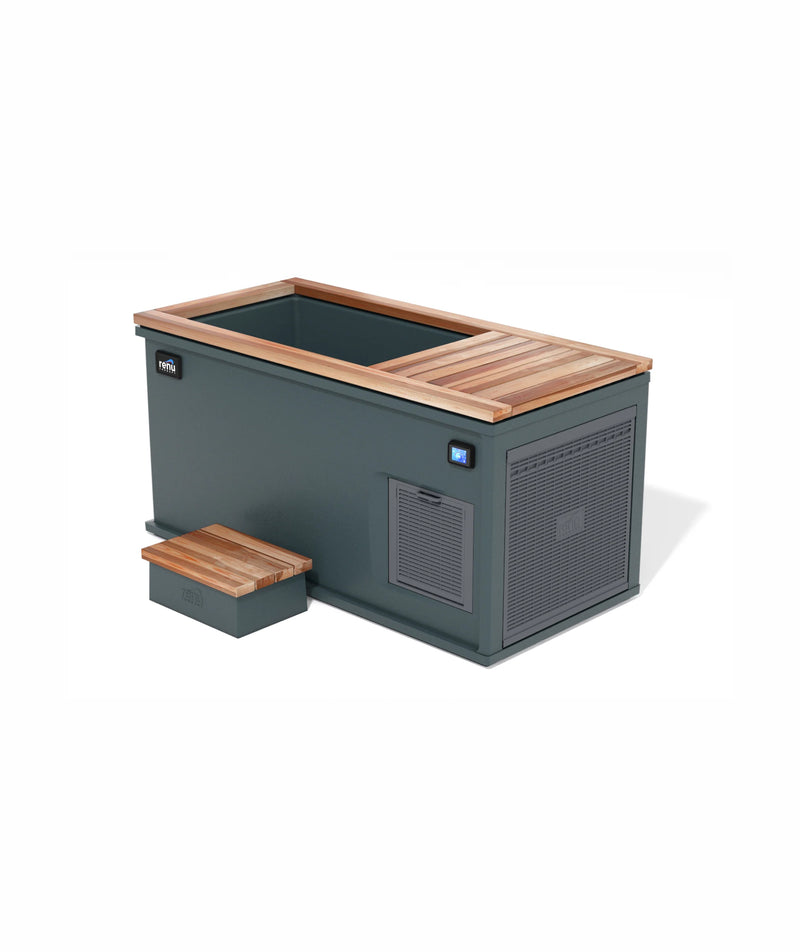
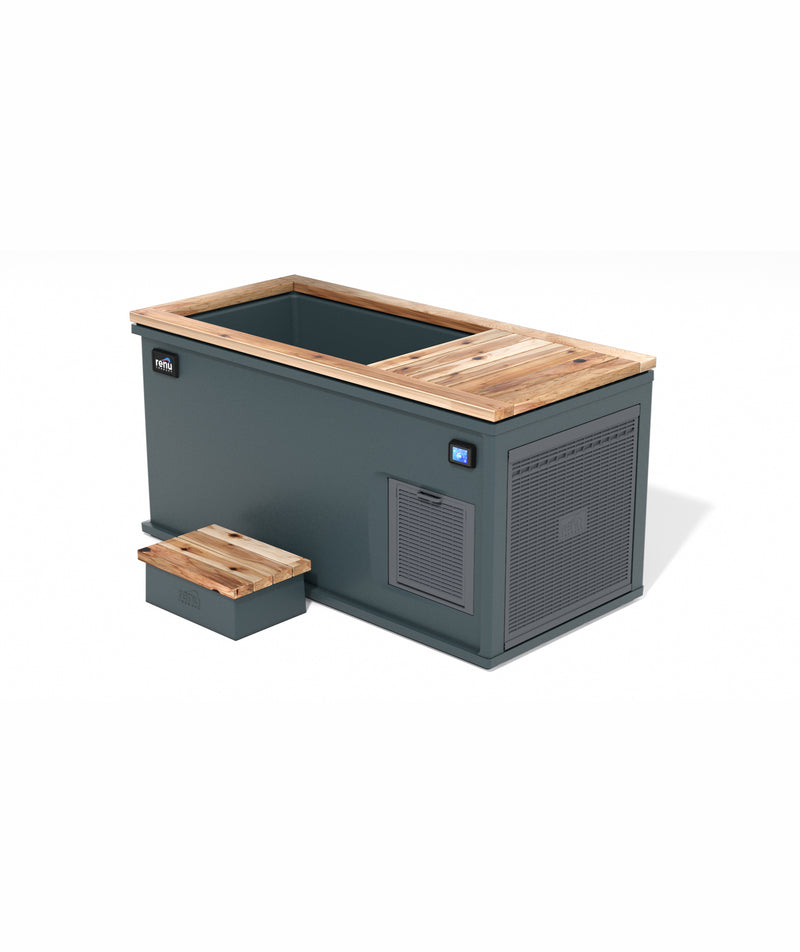
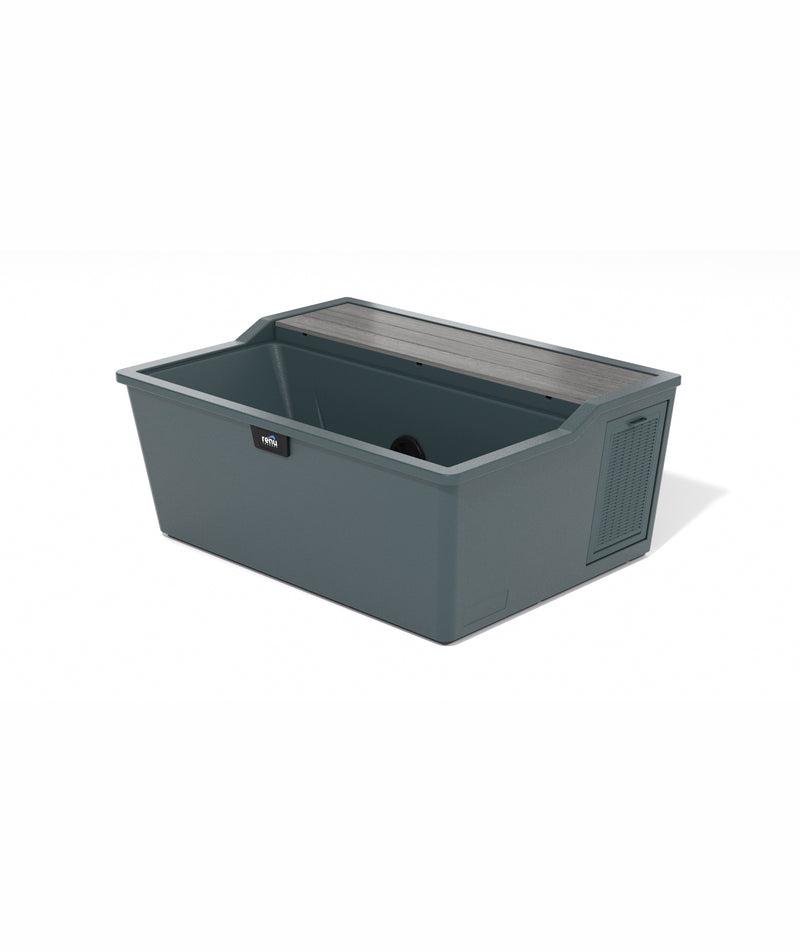
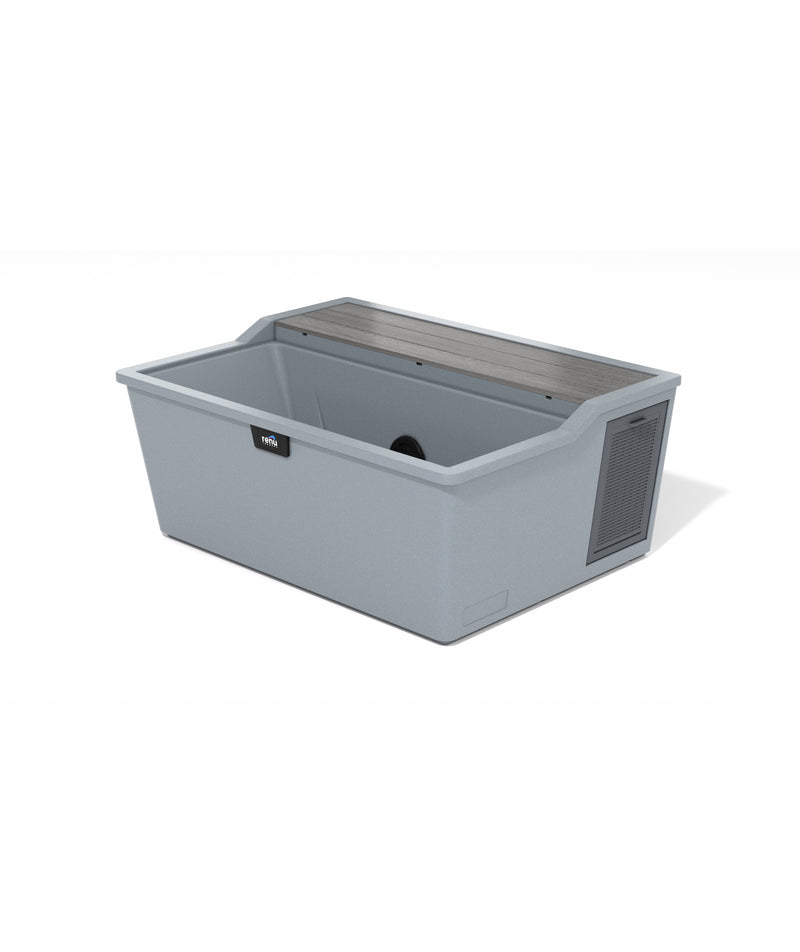
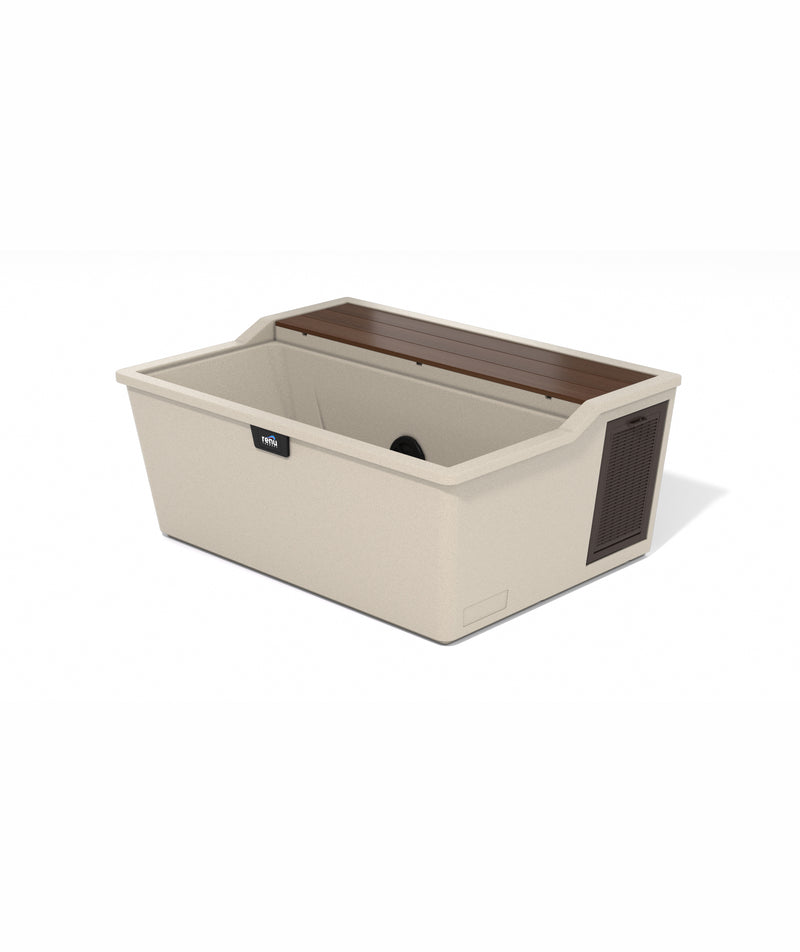
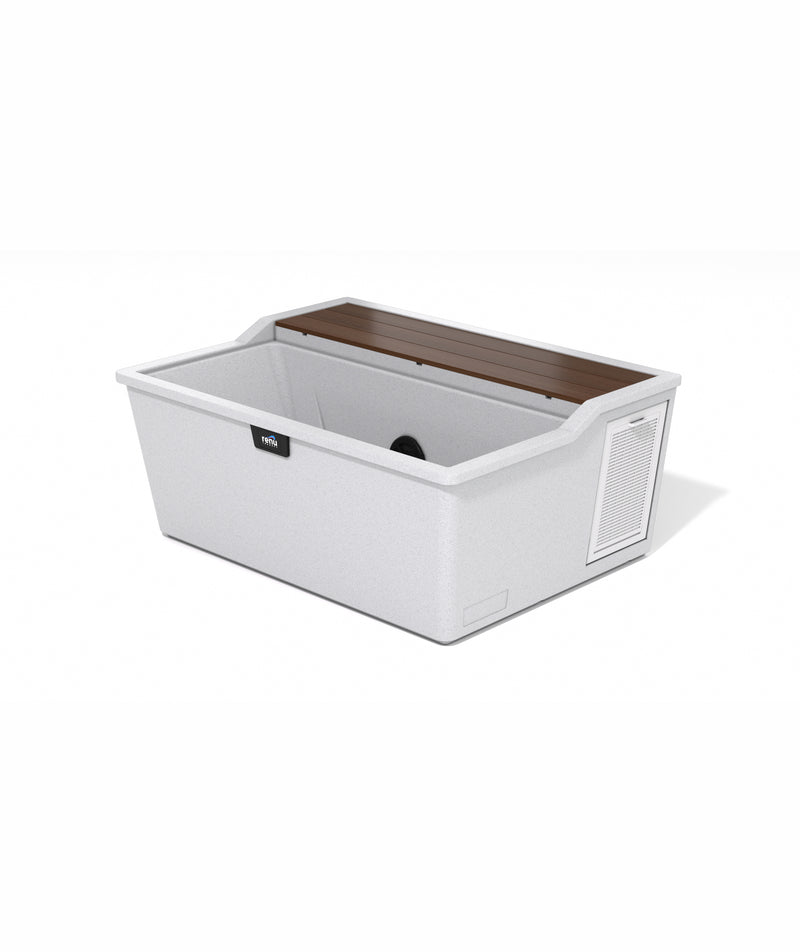
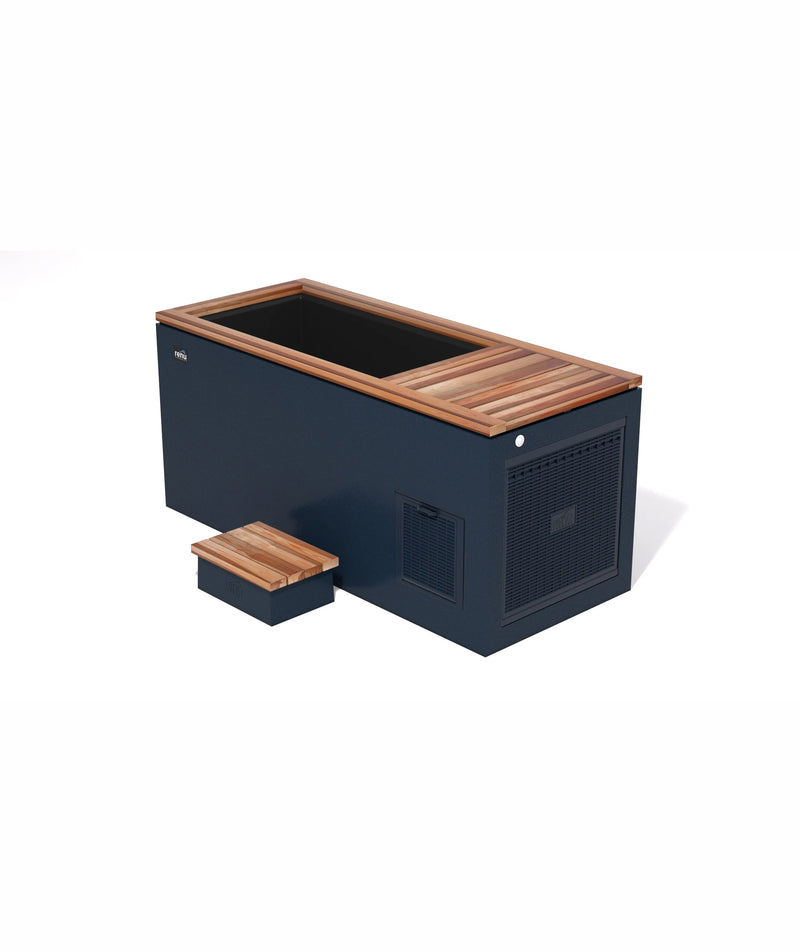
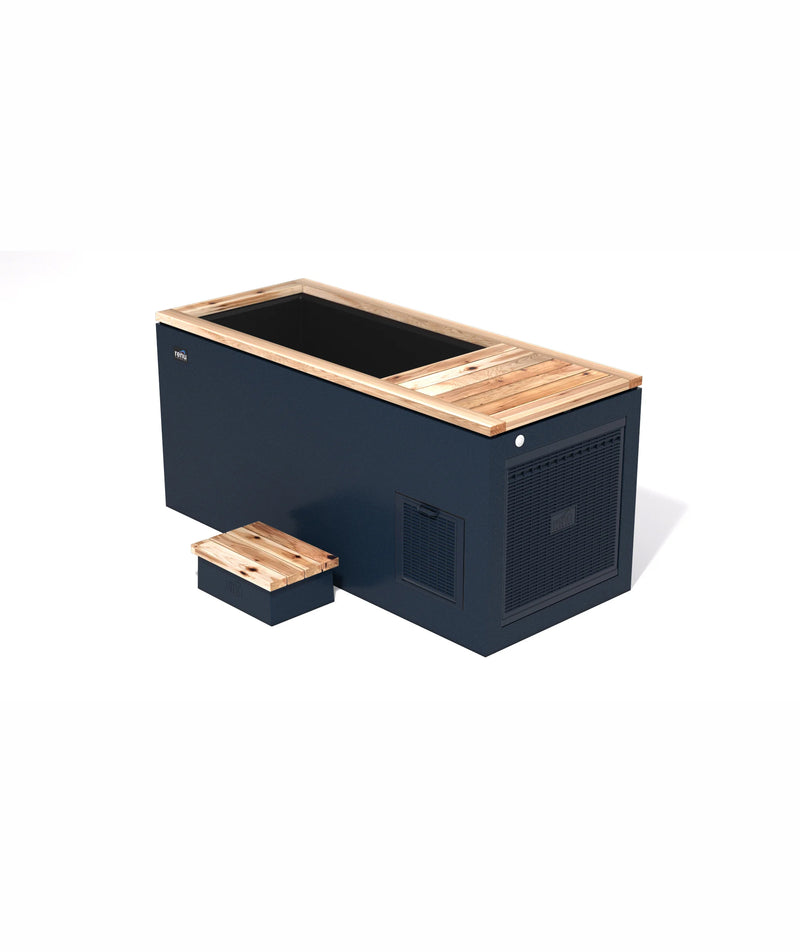
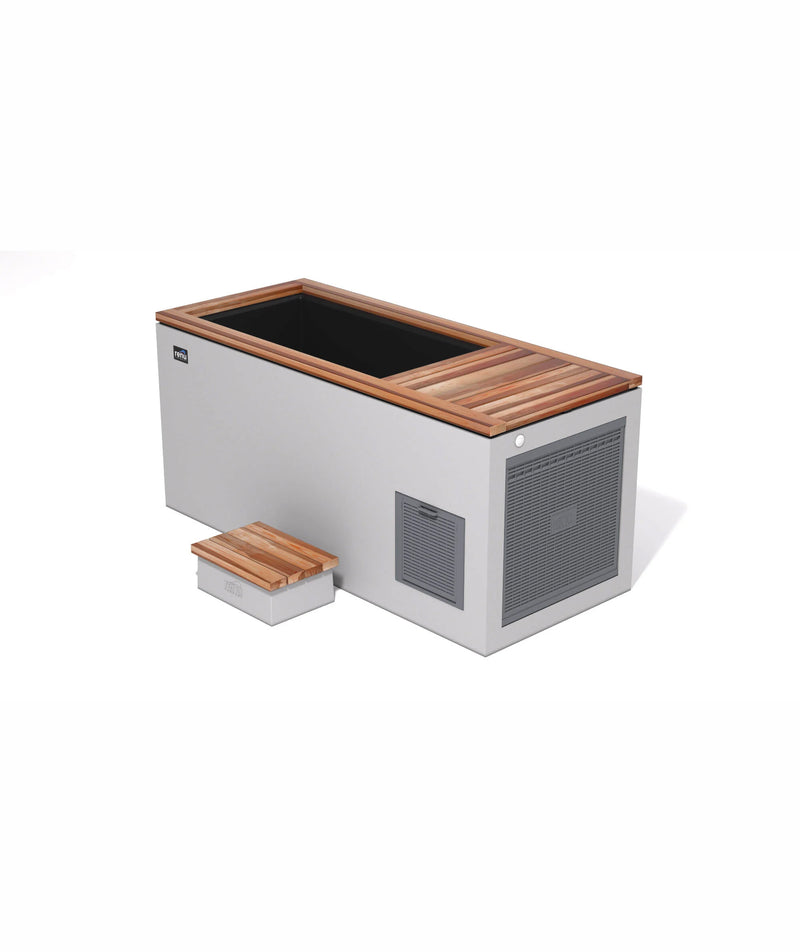
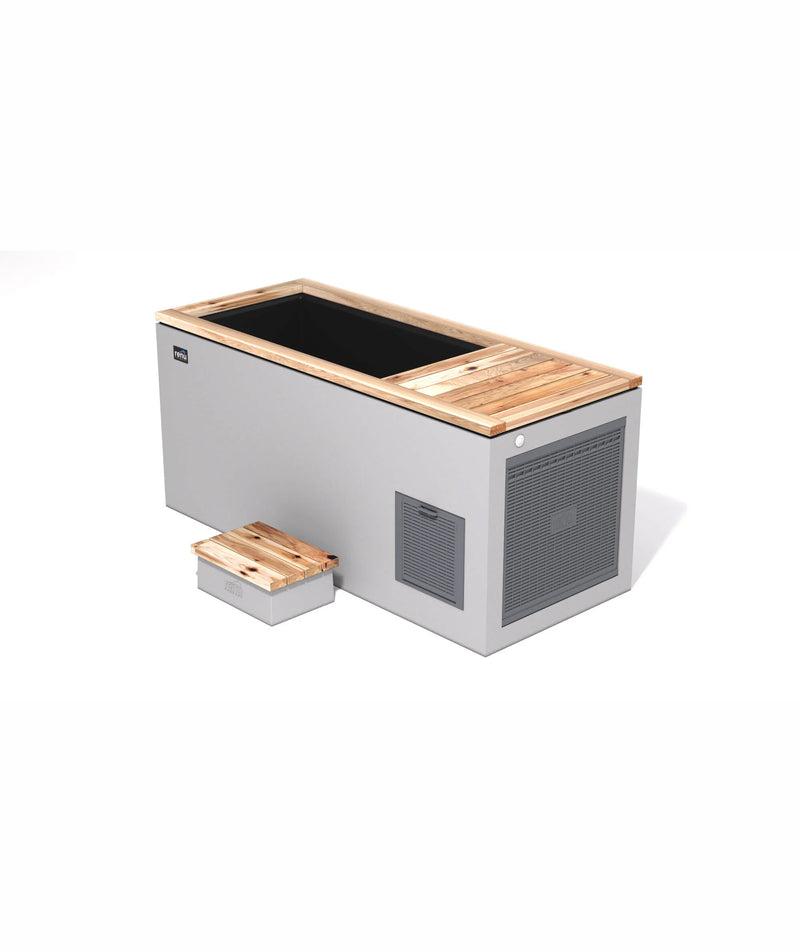
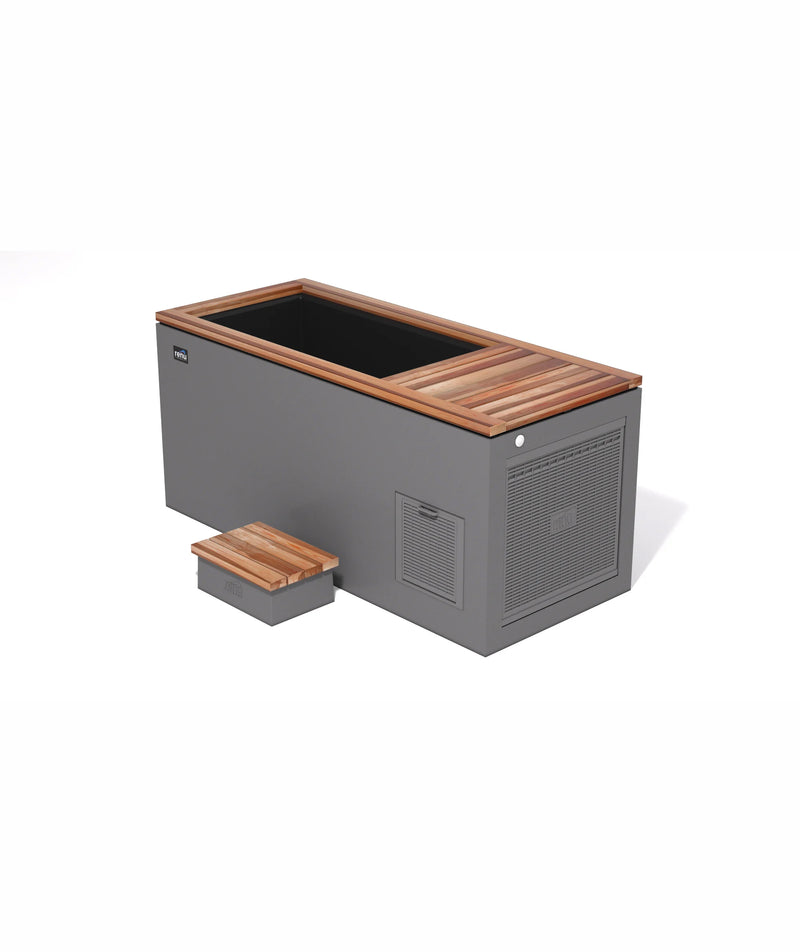
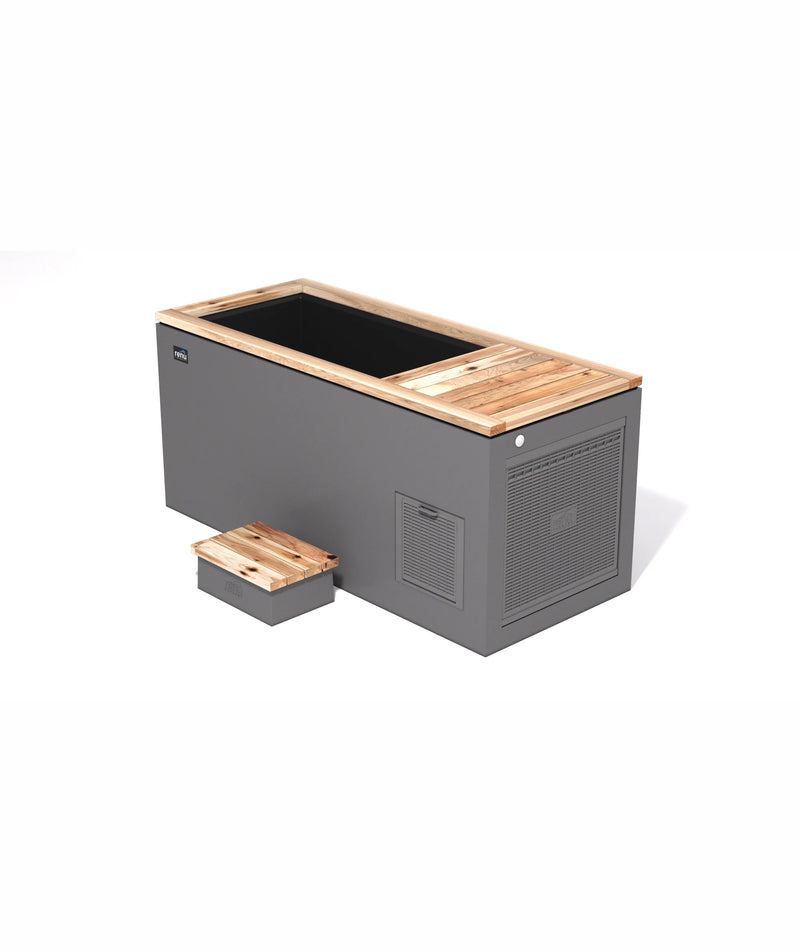
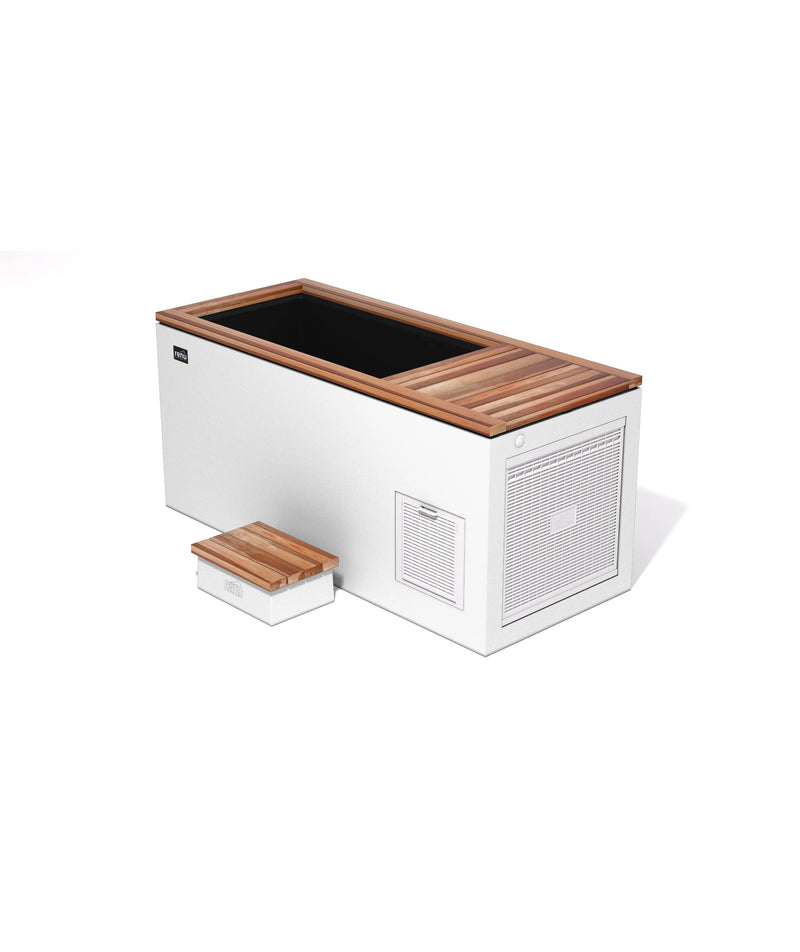
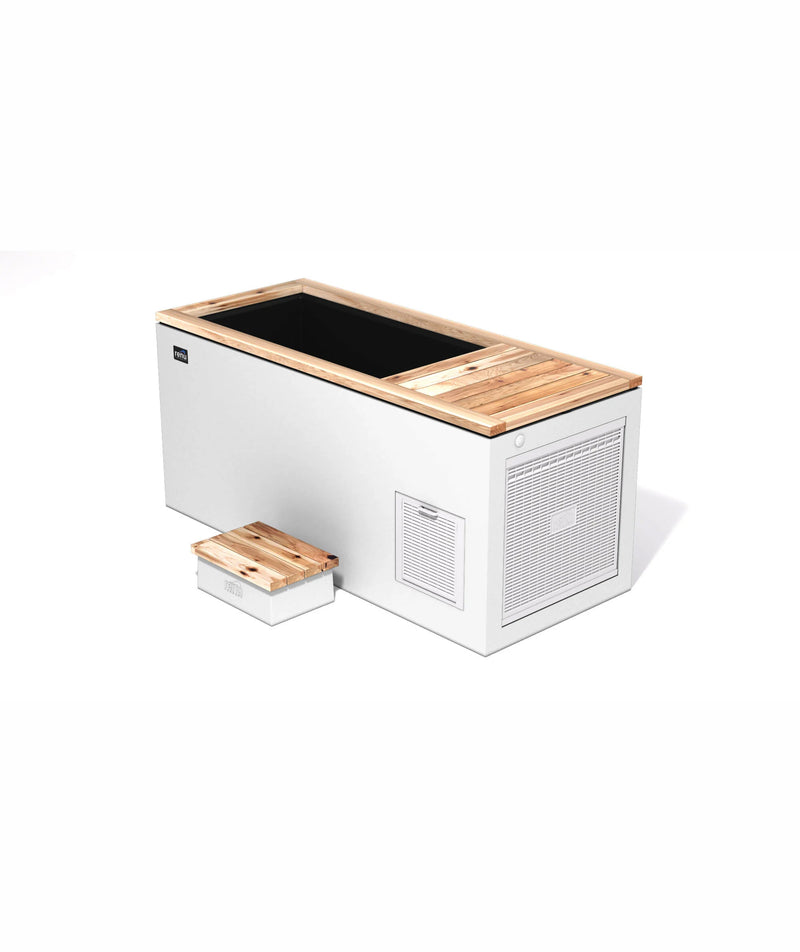
The Future of Cold Plunging Starts with Renu Therapy!
As research on cold plunge therapy continues to expand, we can anticipate further insights into its mechanisms and benefits. This could lead to even more targeted and effective applications of this therapy for athletes.
Additionally, innovations in equipment and techniques may make cold plunge therapy more accessible and convenient for athletes at all levels.
In conclusion, cold plunge therapy holds immense promise in the realm of injury prevention and athletic recovery.
By understanding its physiological effects and adhering to best practices, athletes can harness its potential benefits to optimize their performance, reduce the risk of injuries, and embark on a journey toward peak physical and mental well-being. Join Renu Therapy in embracing the future of athletic recovery!