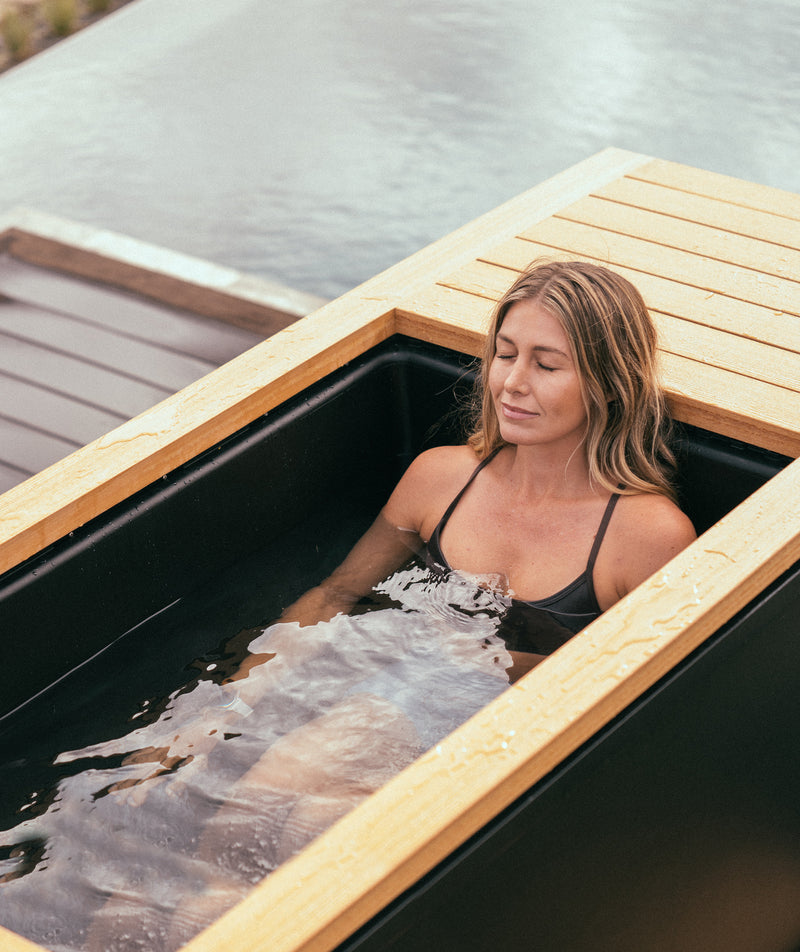
More and more, cold water immersion is being recognized as an effective way to harness the body's natural healing powers. Sports therapists, health clinics, and wellness spas are increasingly offering cold water therapy services. They've found that cold water immersion helps promote healthy blood circulation, reduce high blood pressure, and boost the immune system for their clients.
For athletes, benefits of cold water therapy include improved cardiovascular circulation, shortened recovery times, and the cold water lowers their body temperature after a high-intensity workout in the heat. Ice baths can even help alleviate pain caused by delayed onset muscle soreness (DOMS).
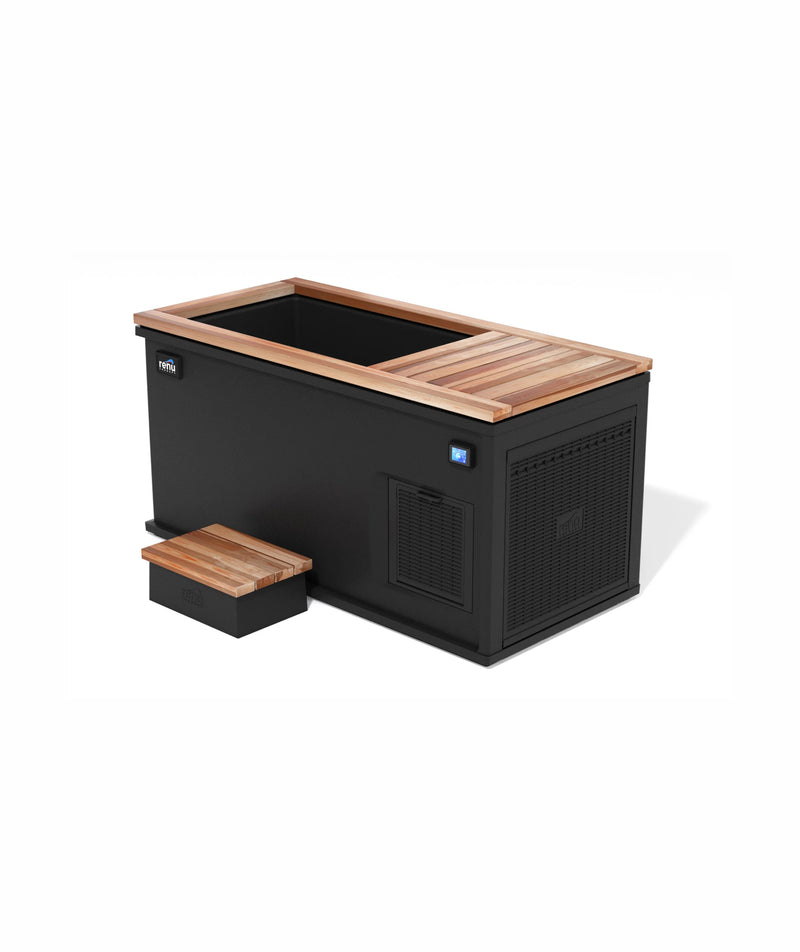
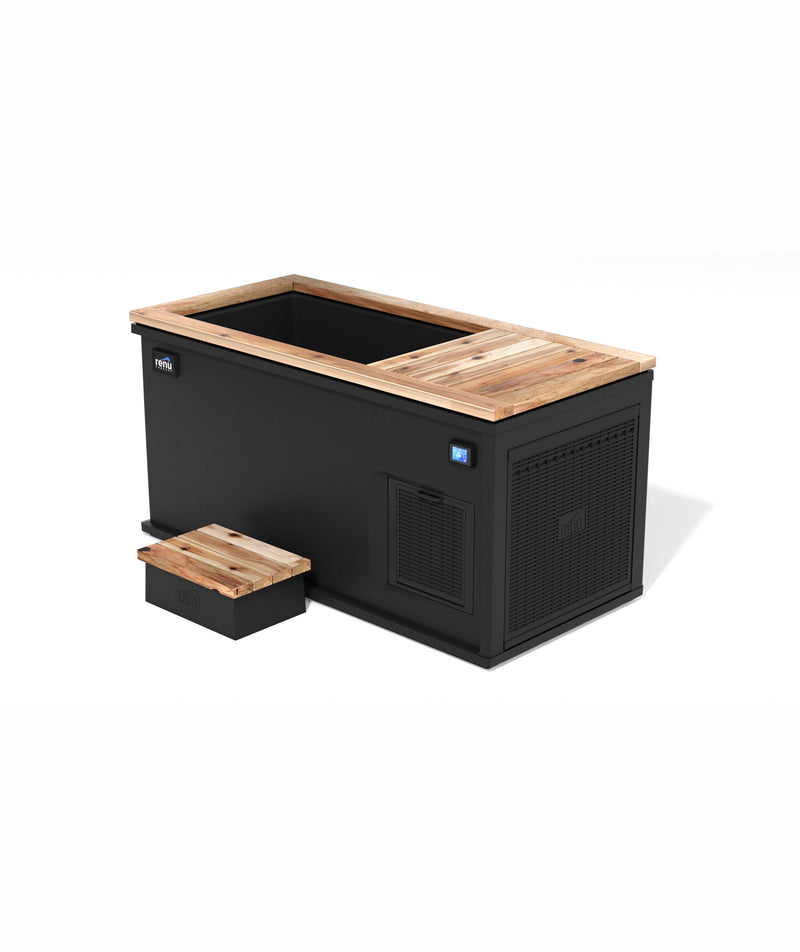
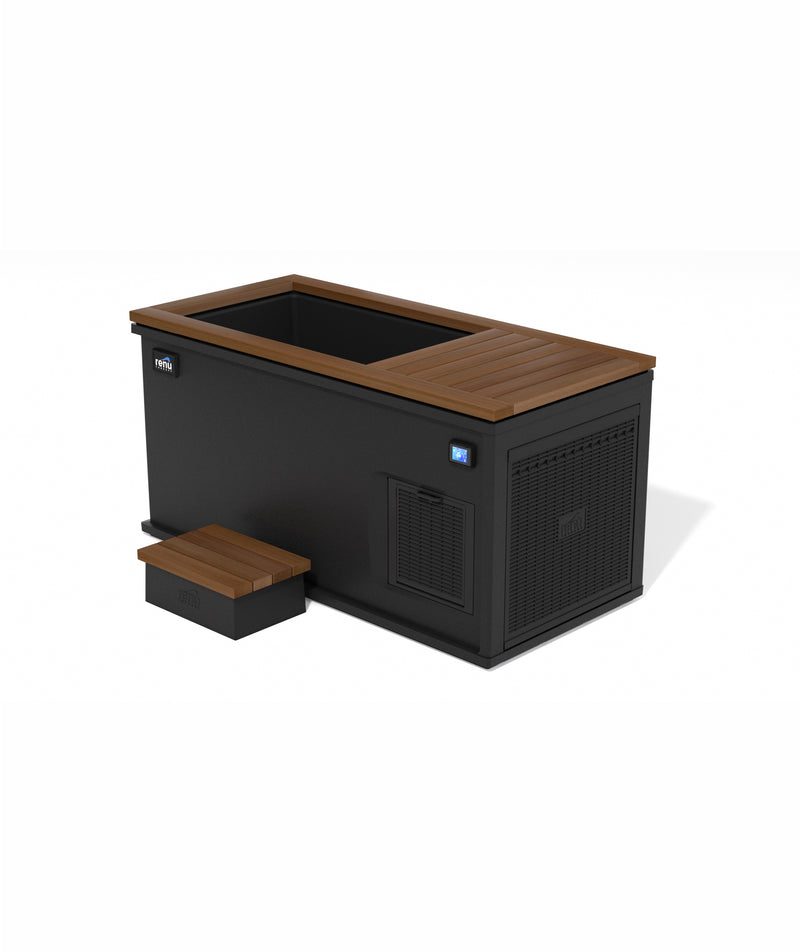
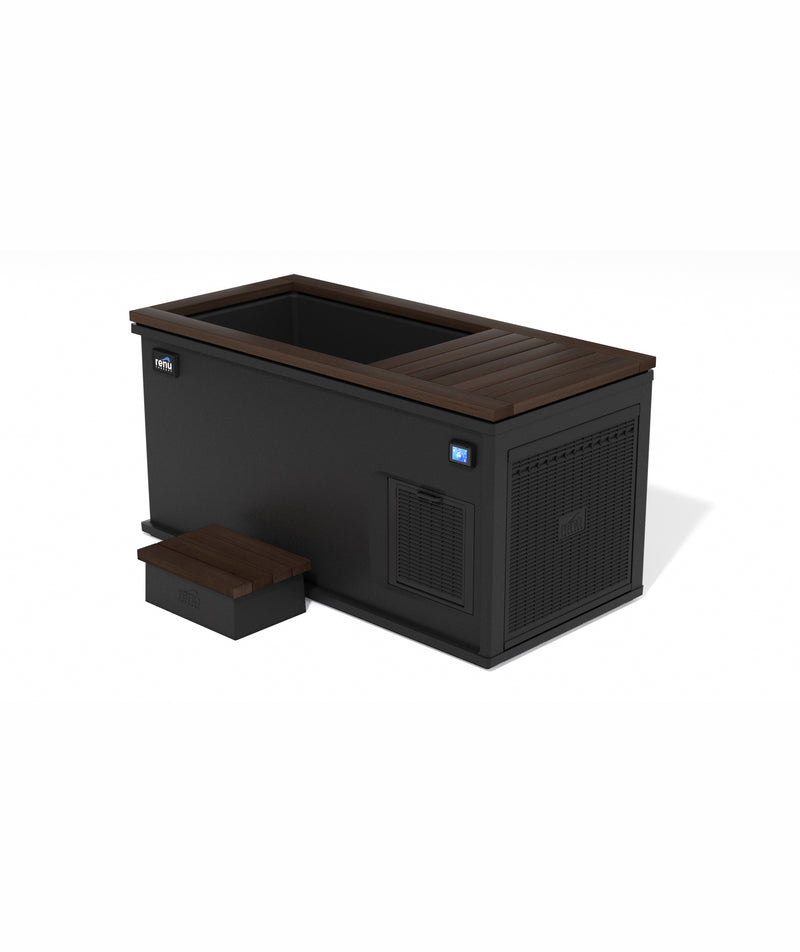
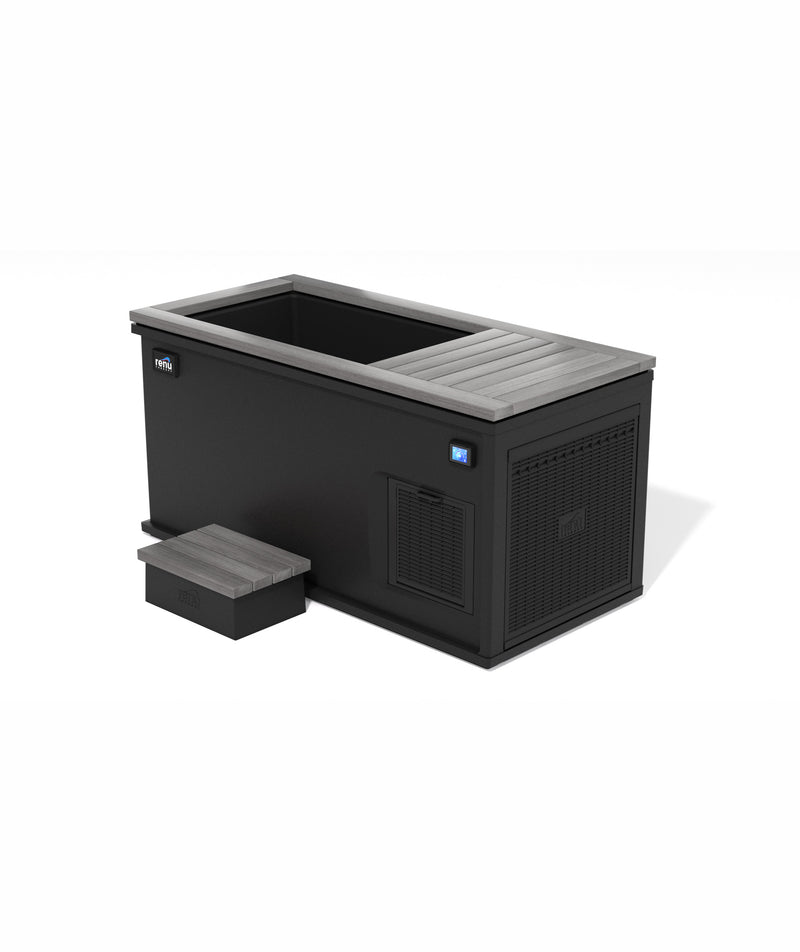
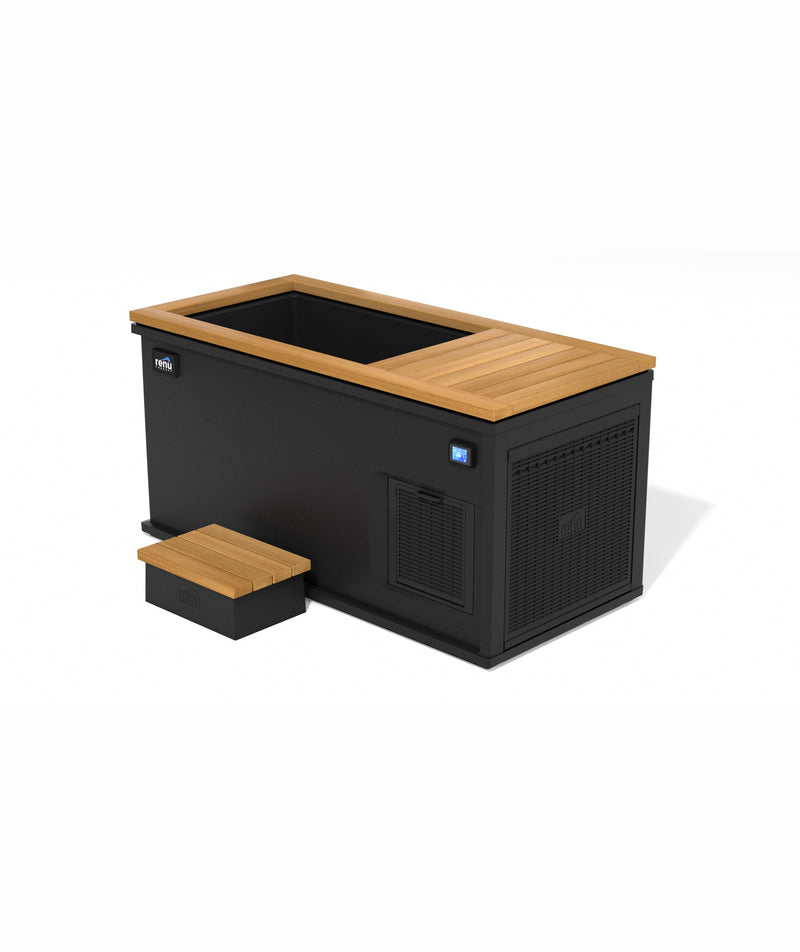
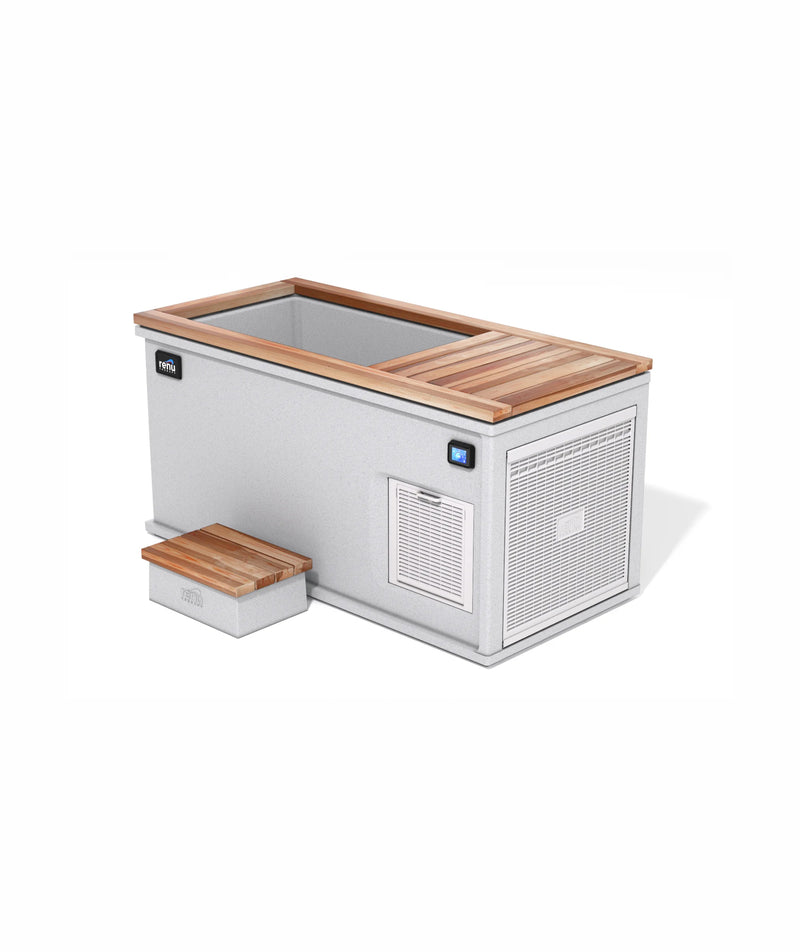
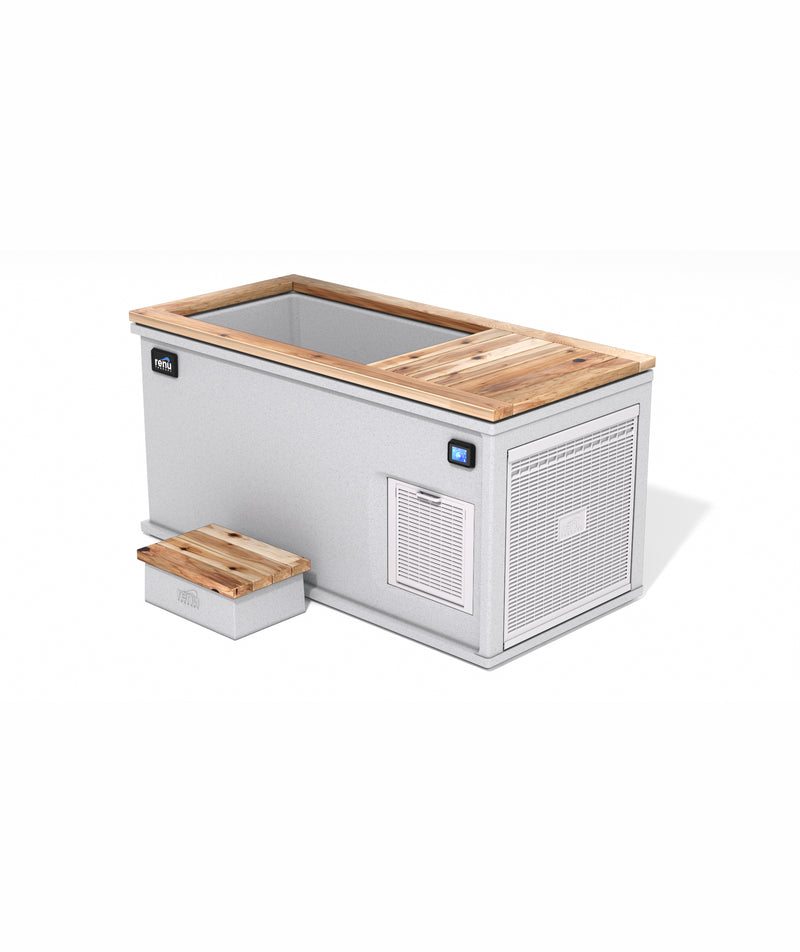
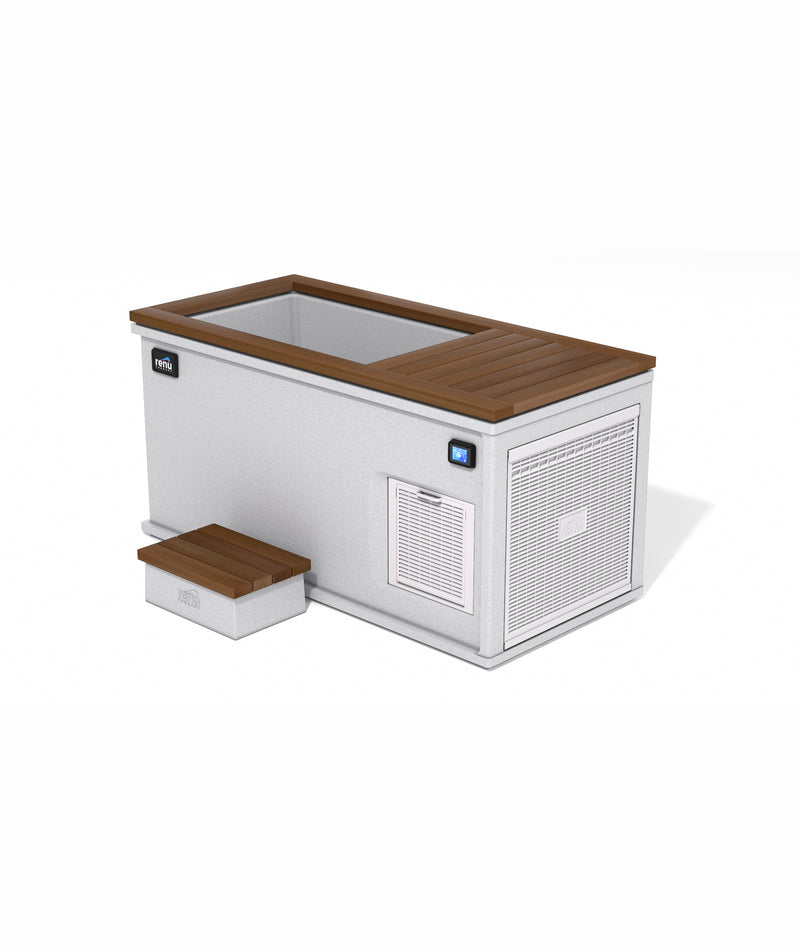
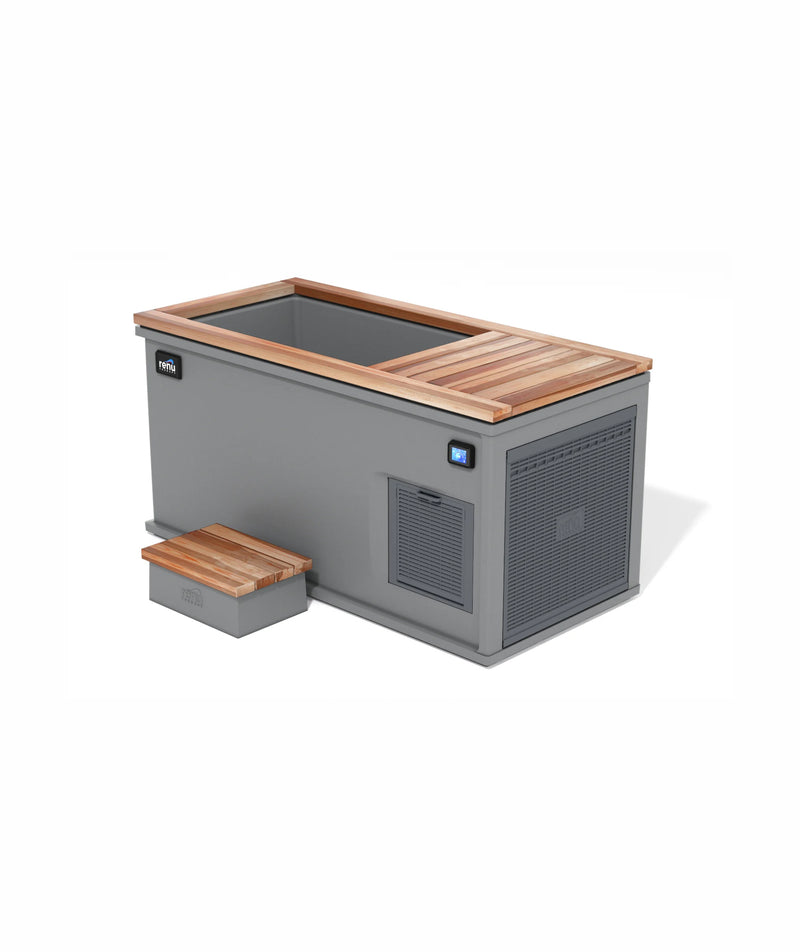
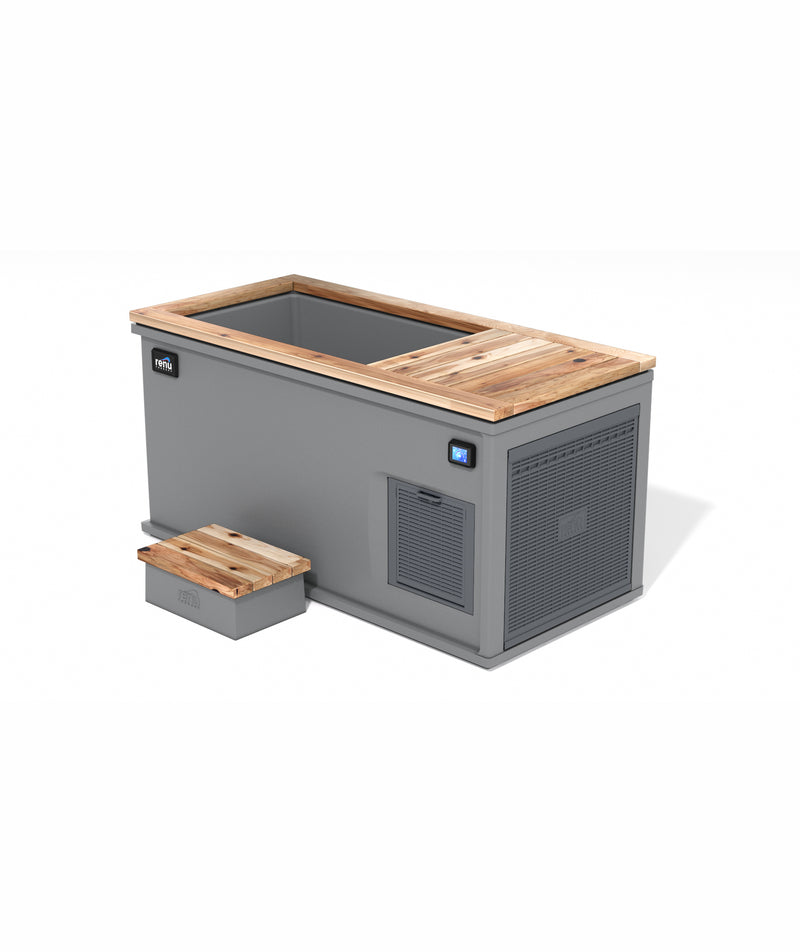
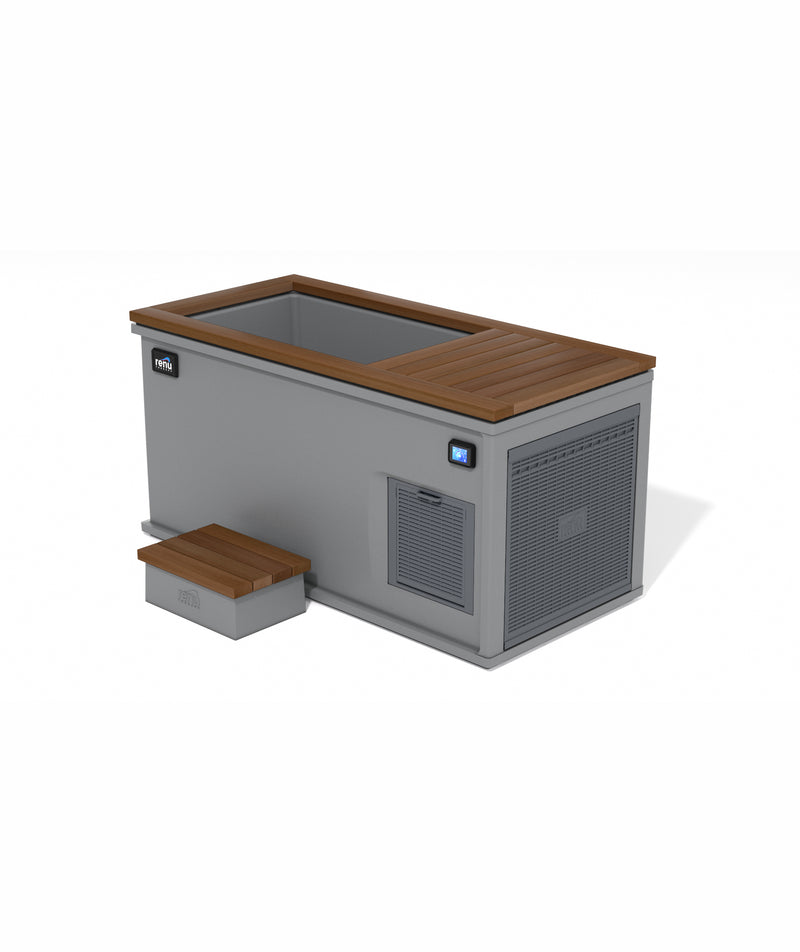
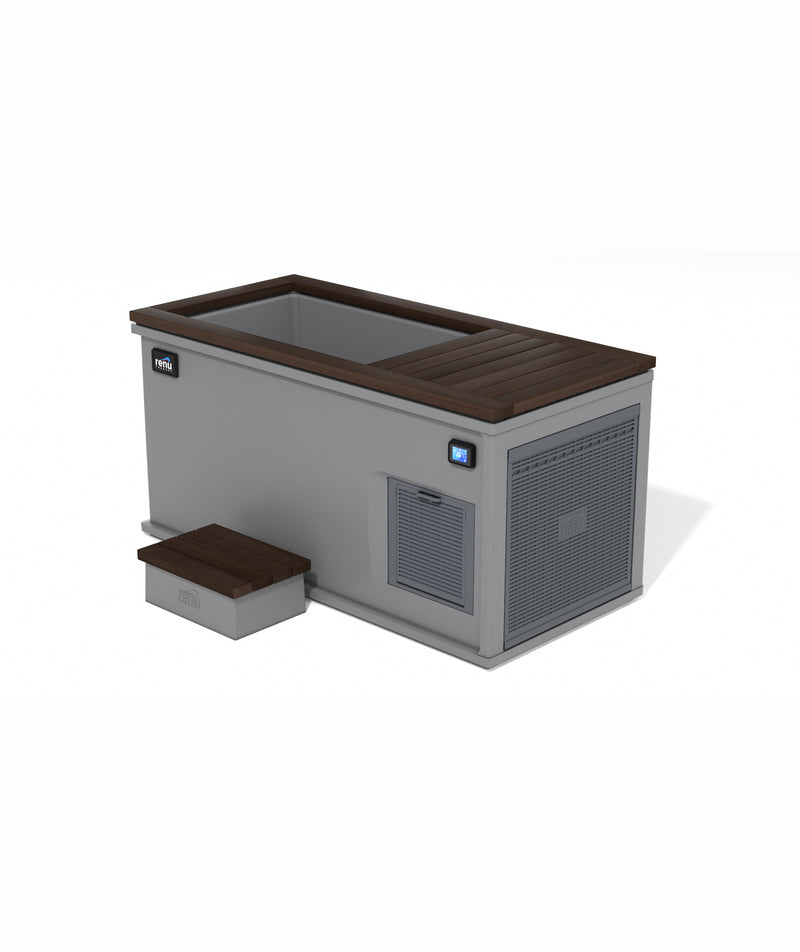
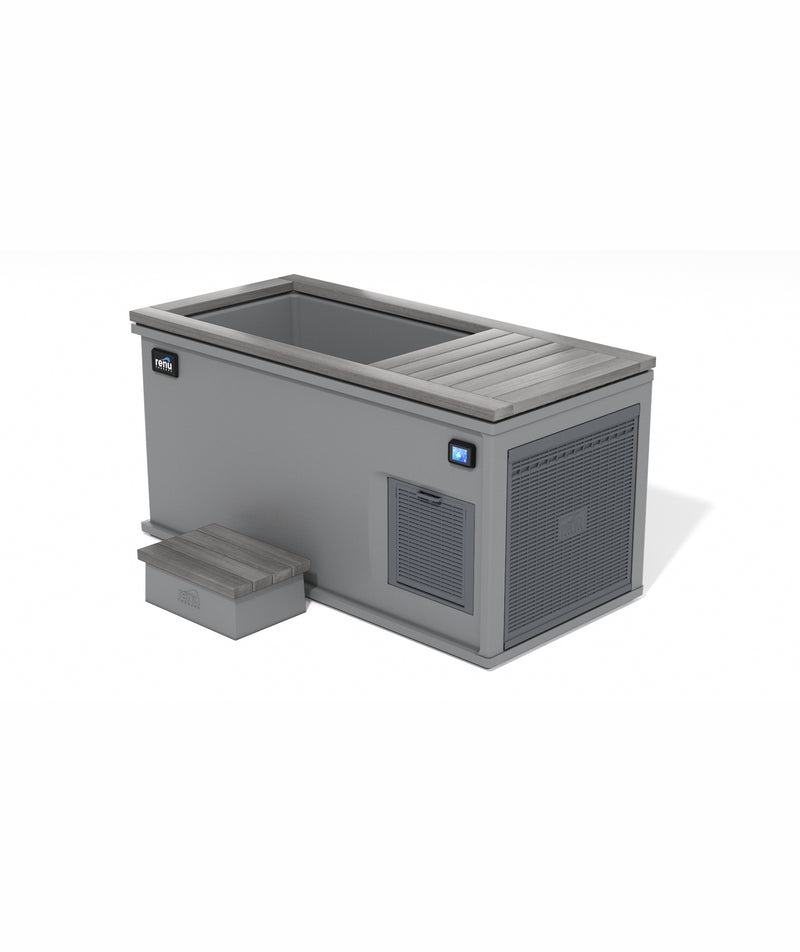
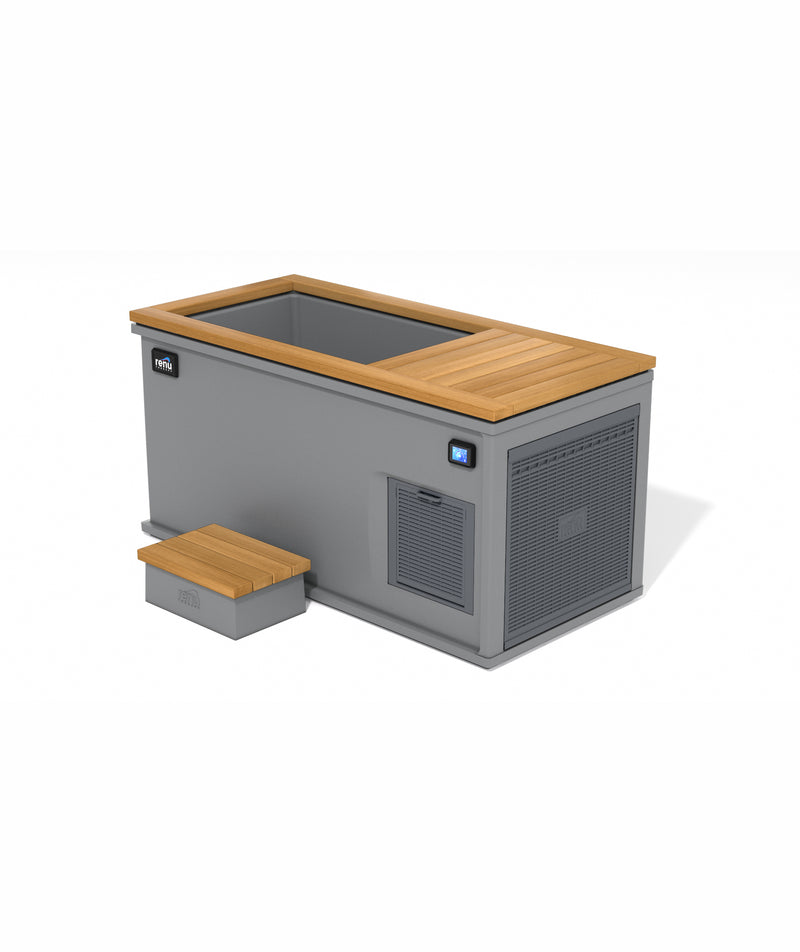
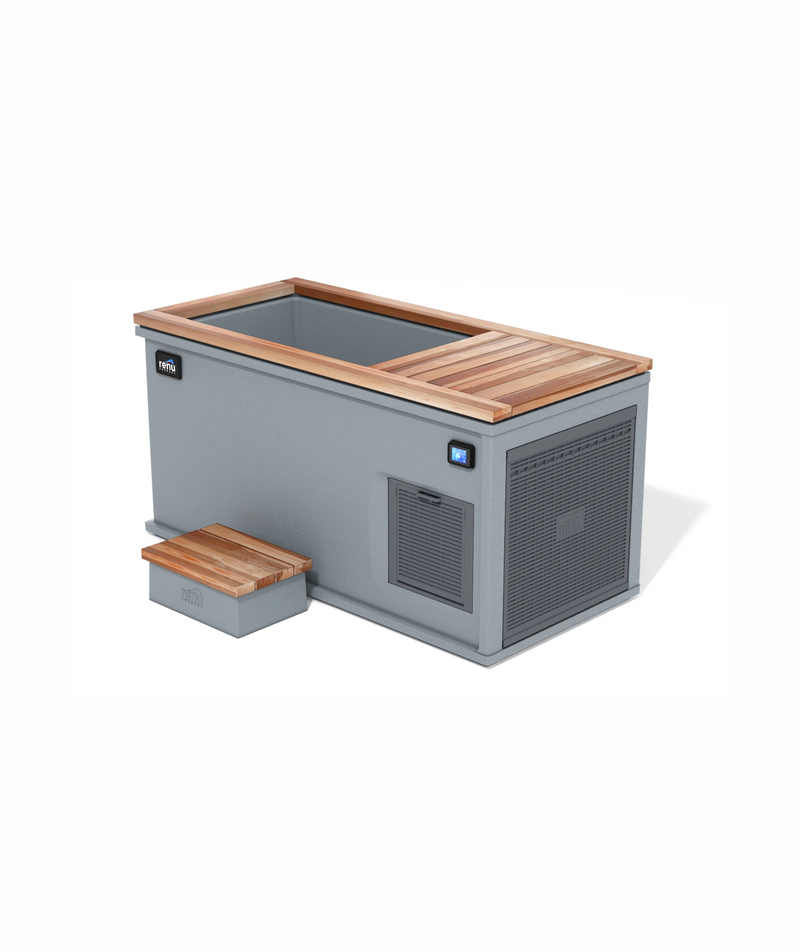
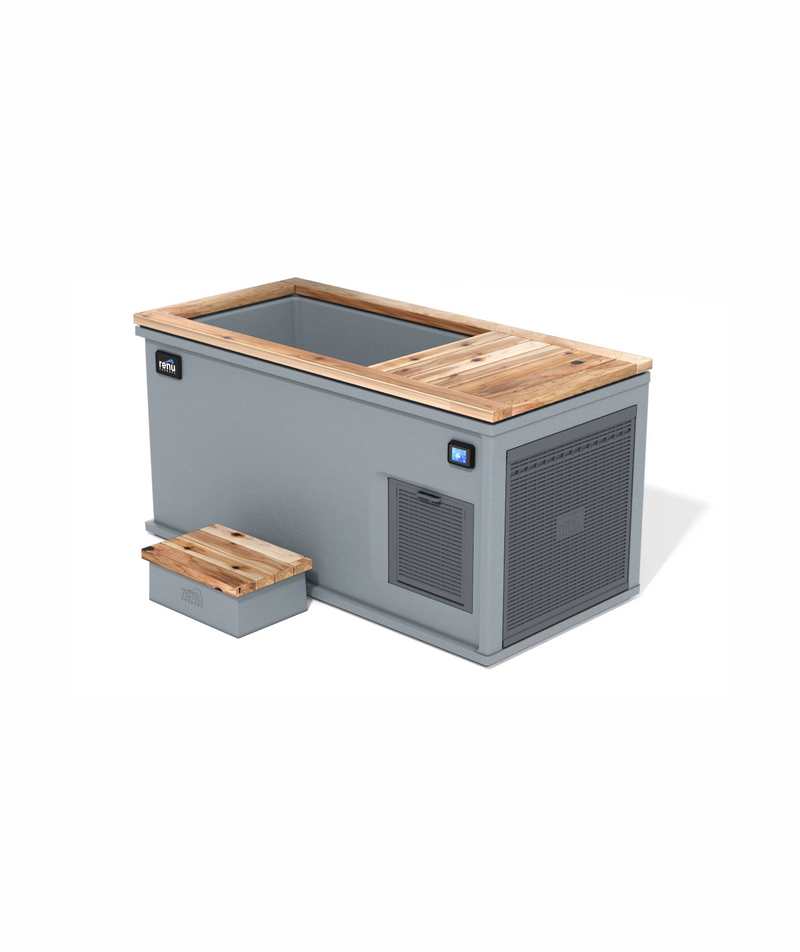
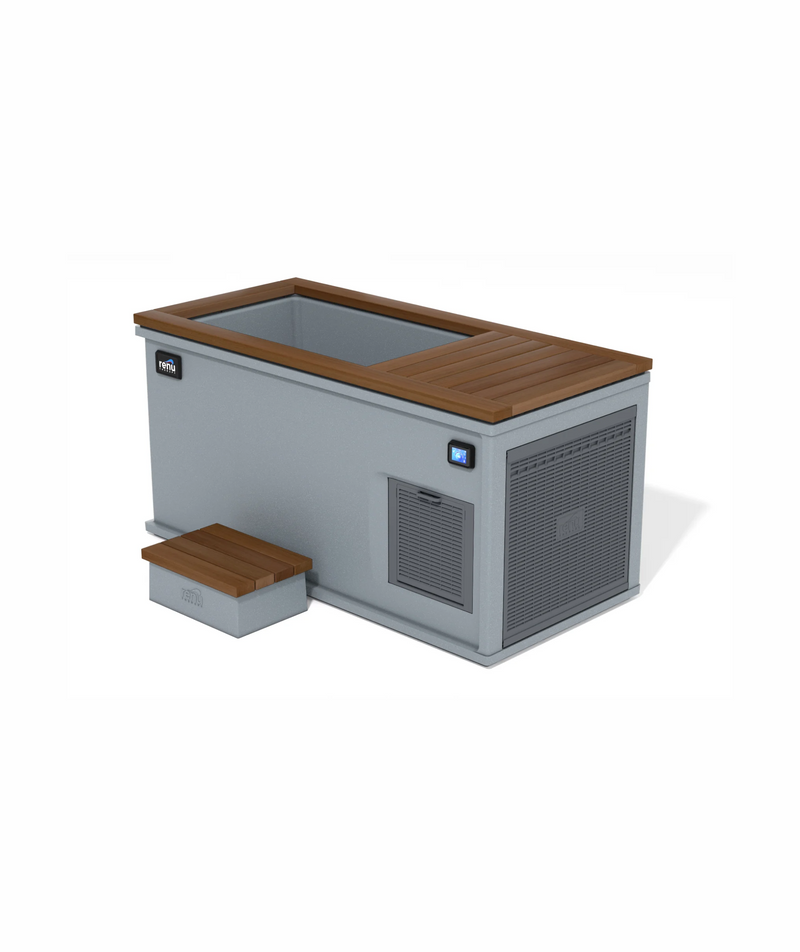
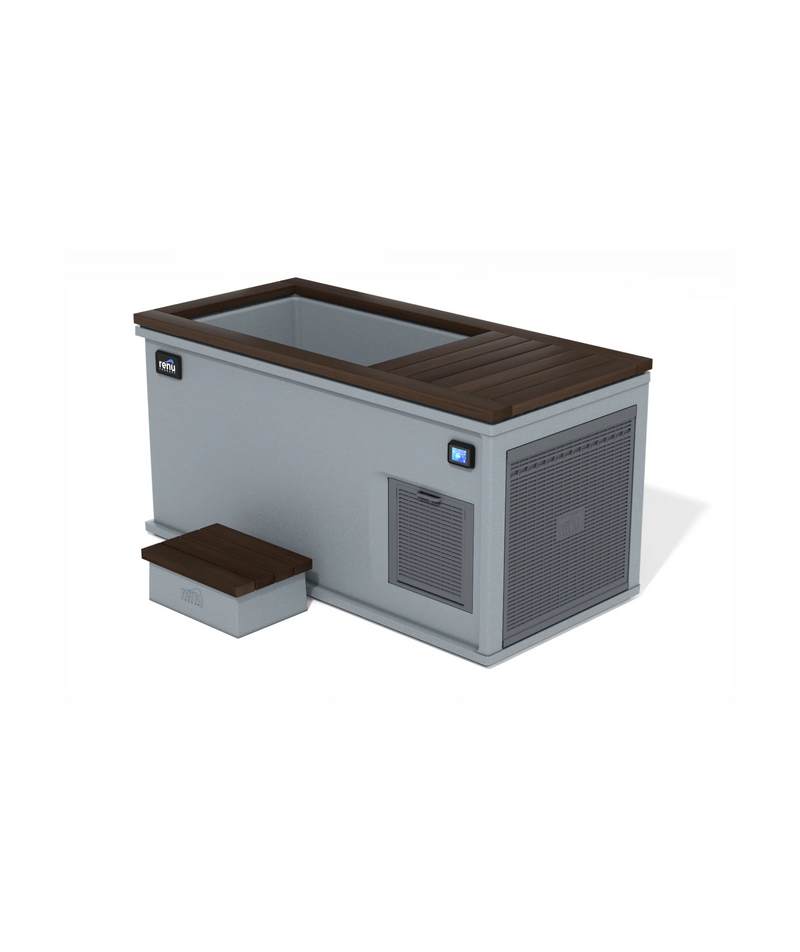
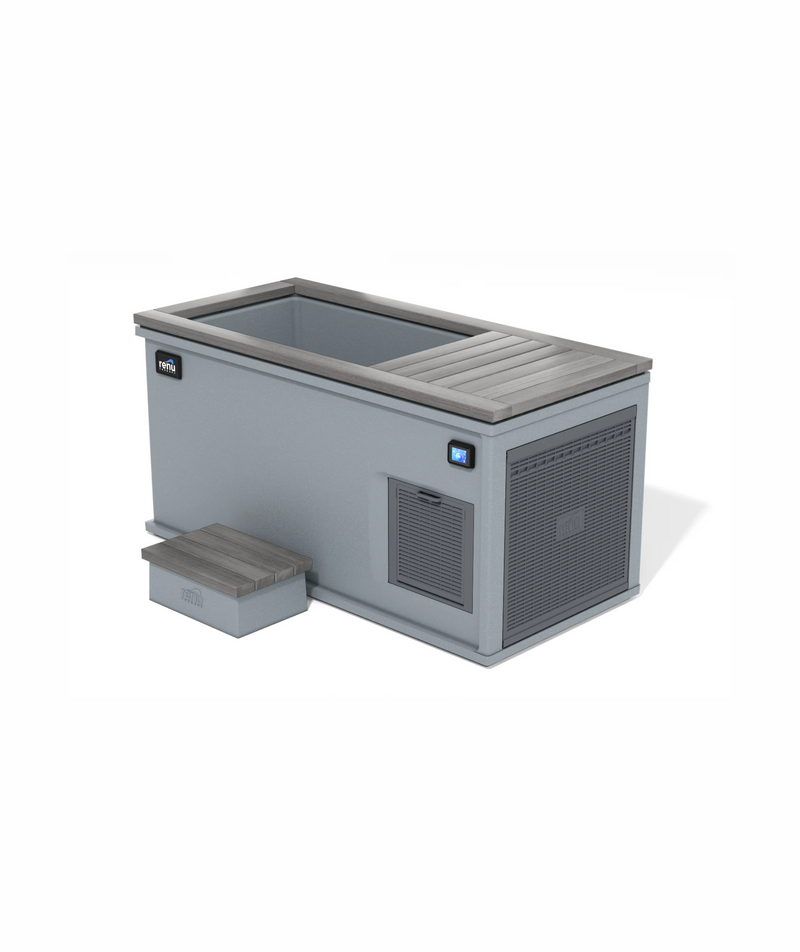
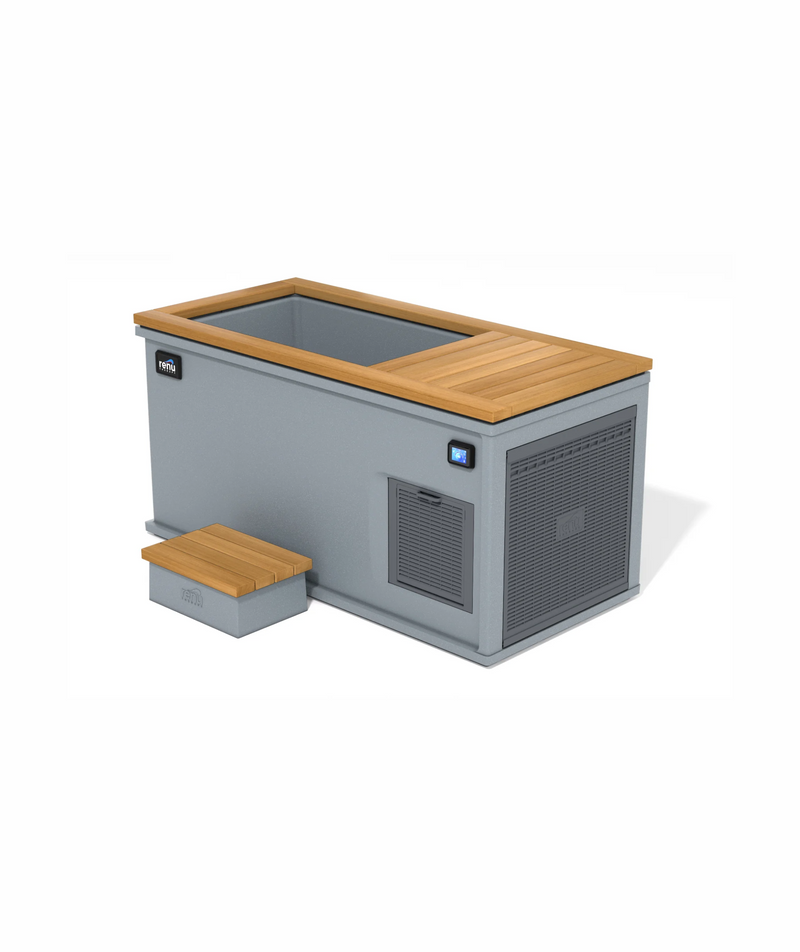
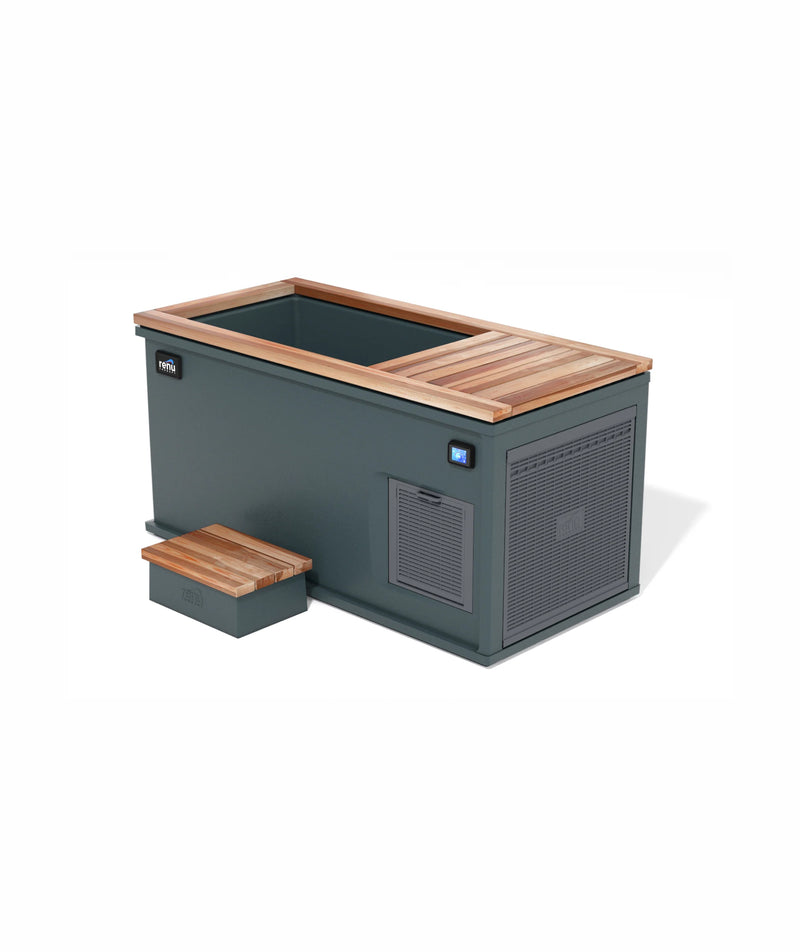
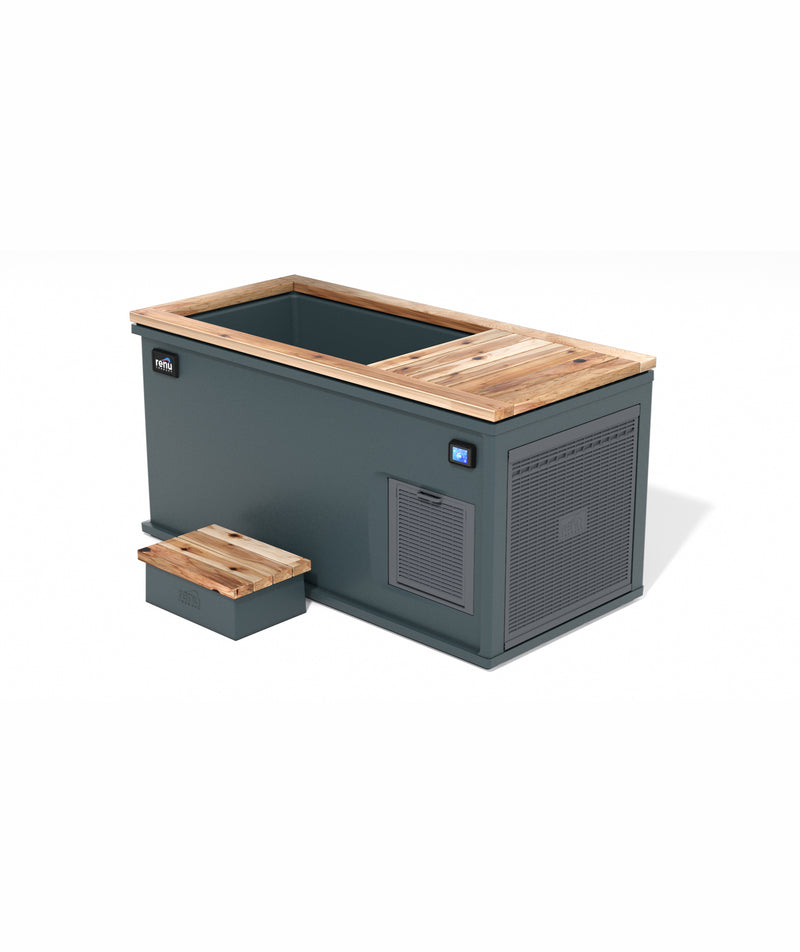
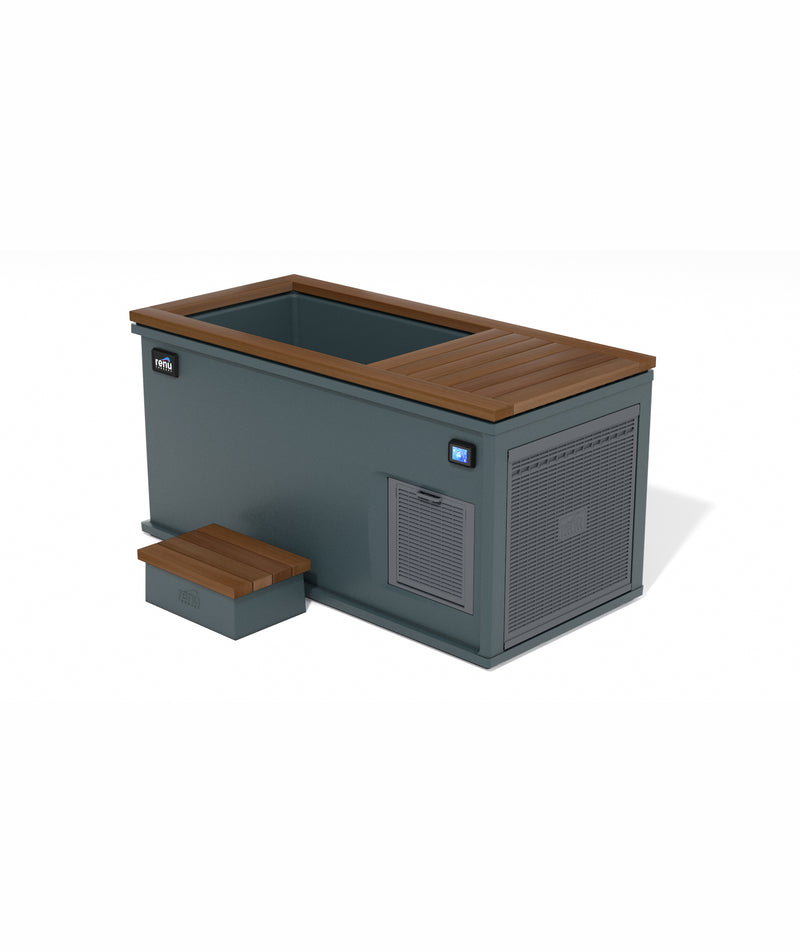
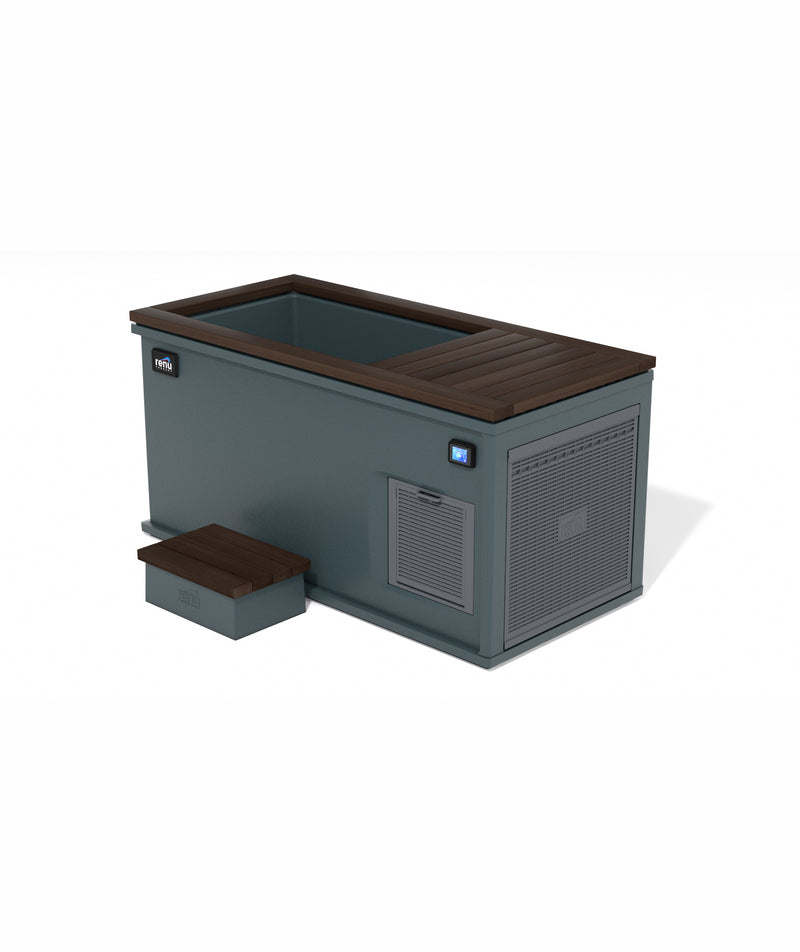
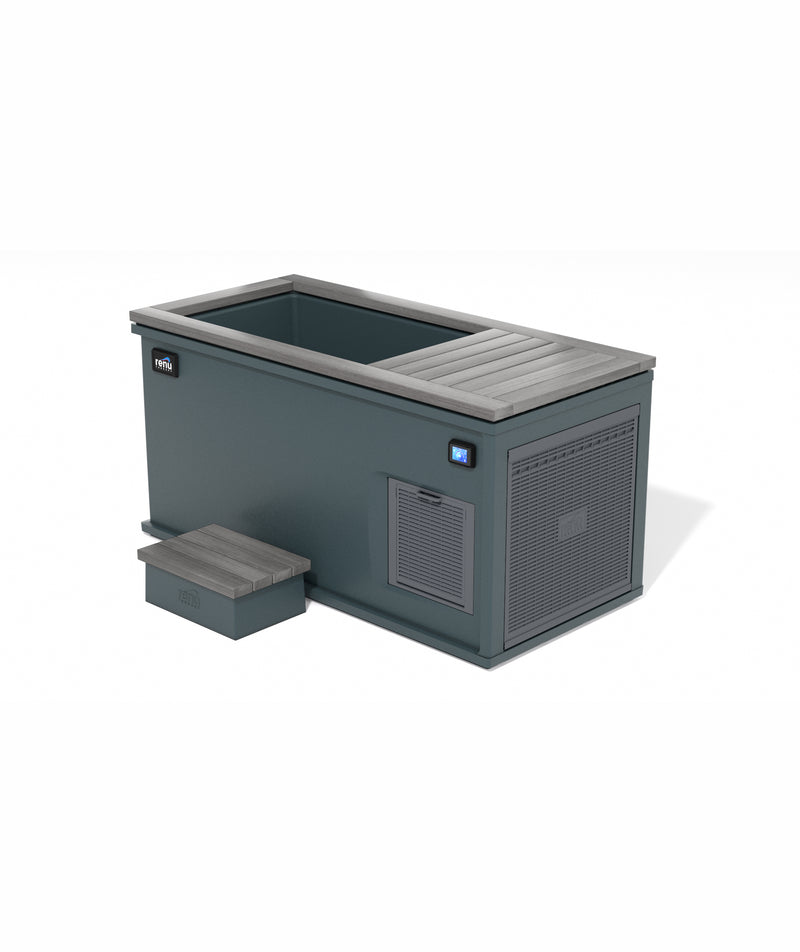
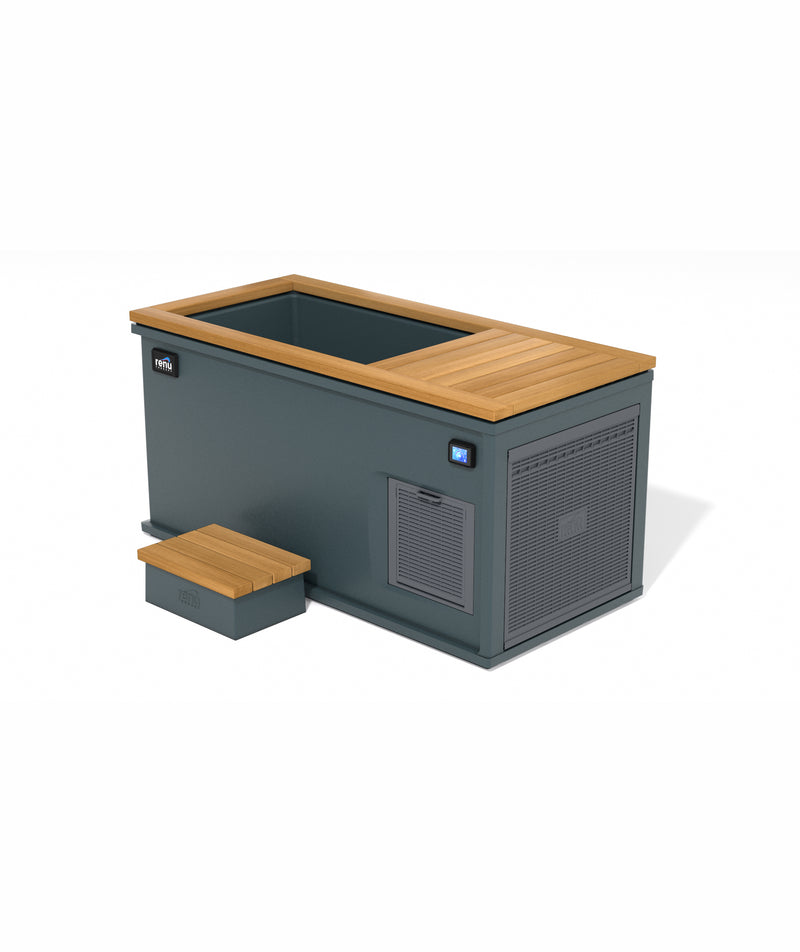
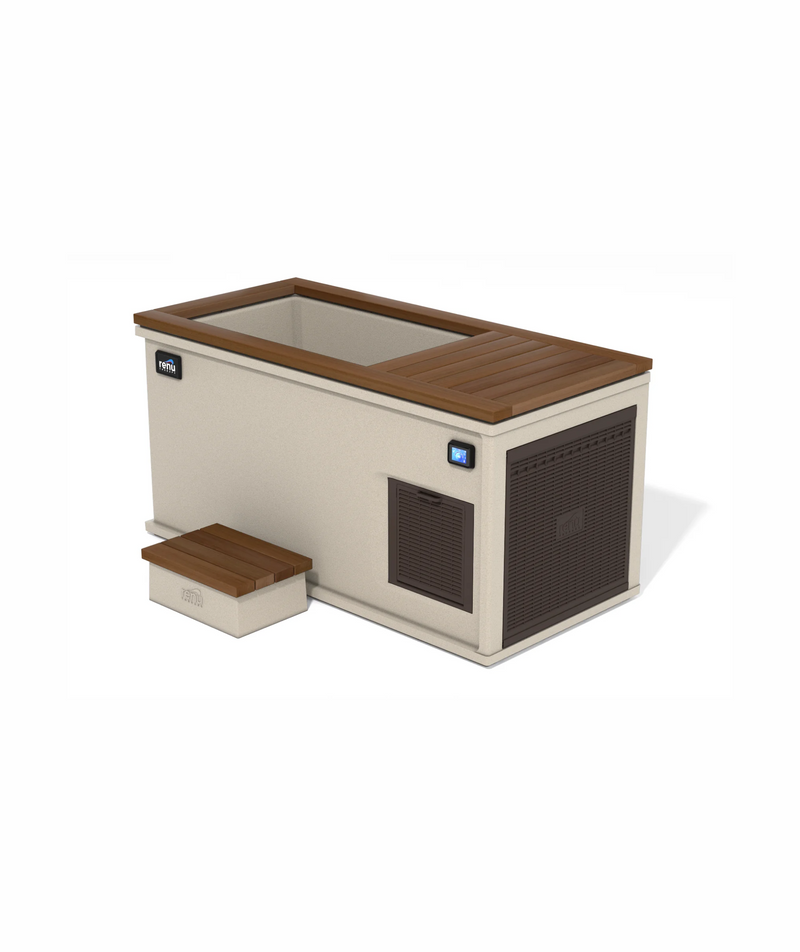
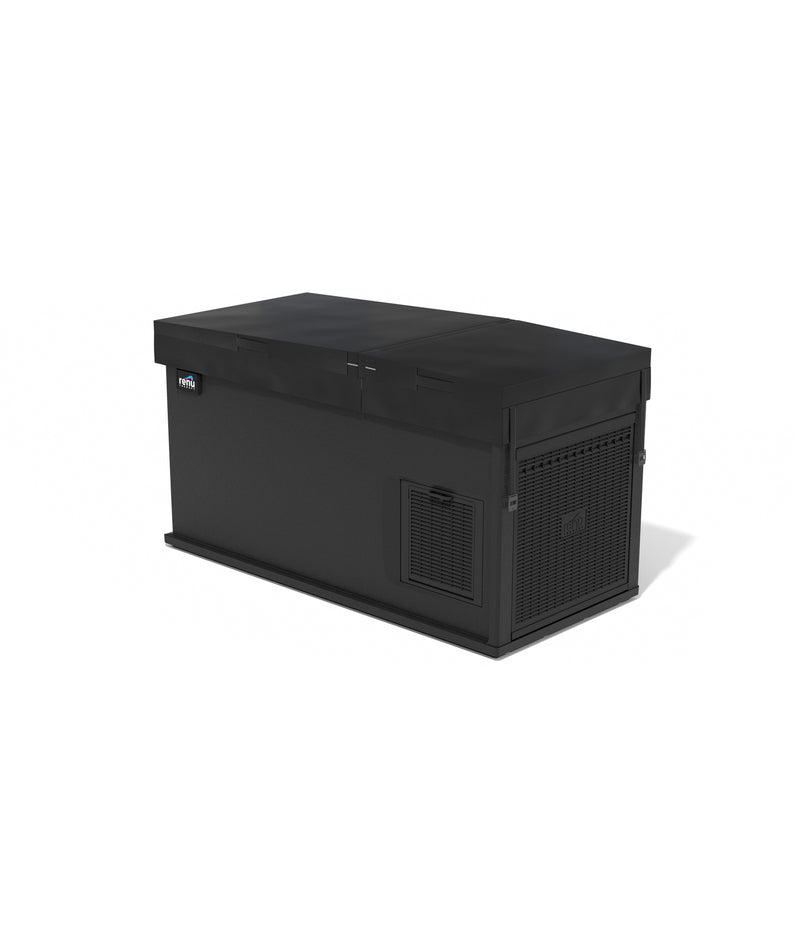
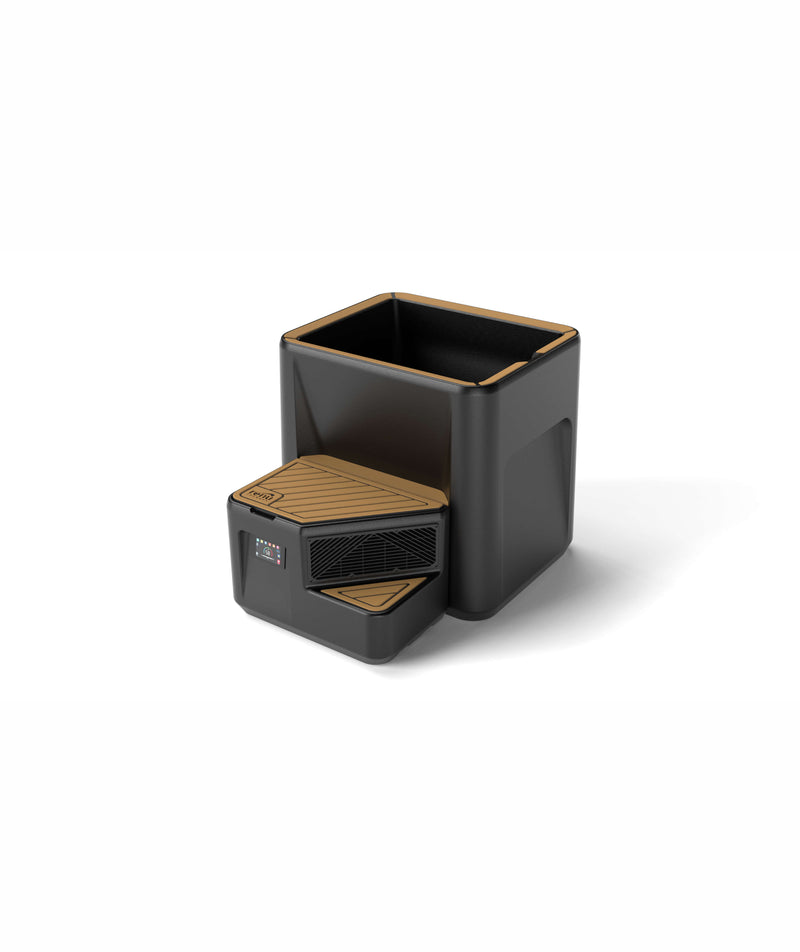
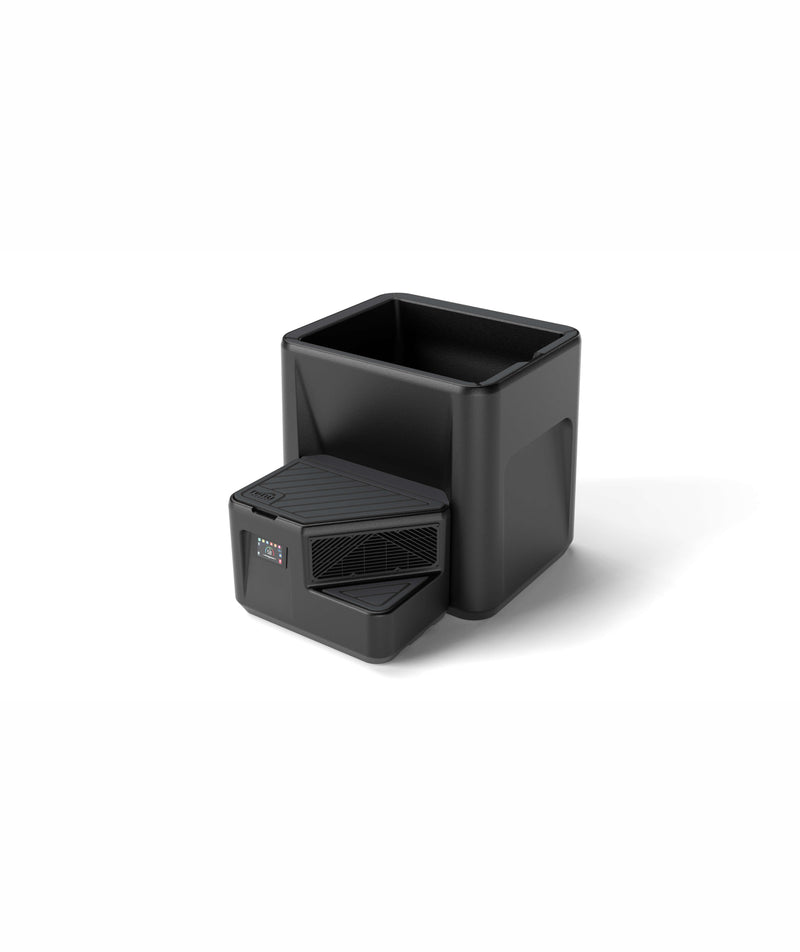
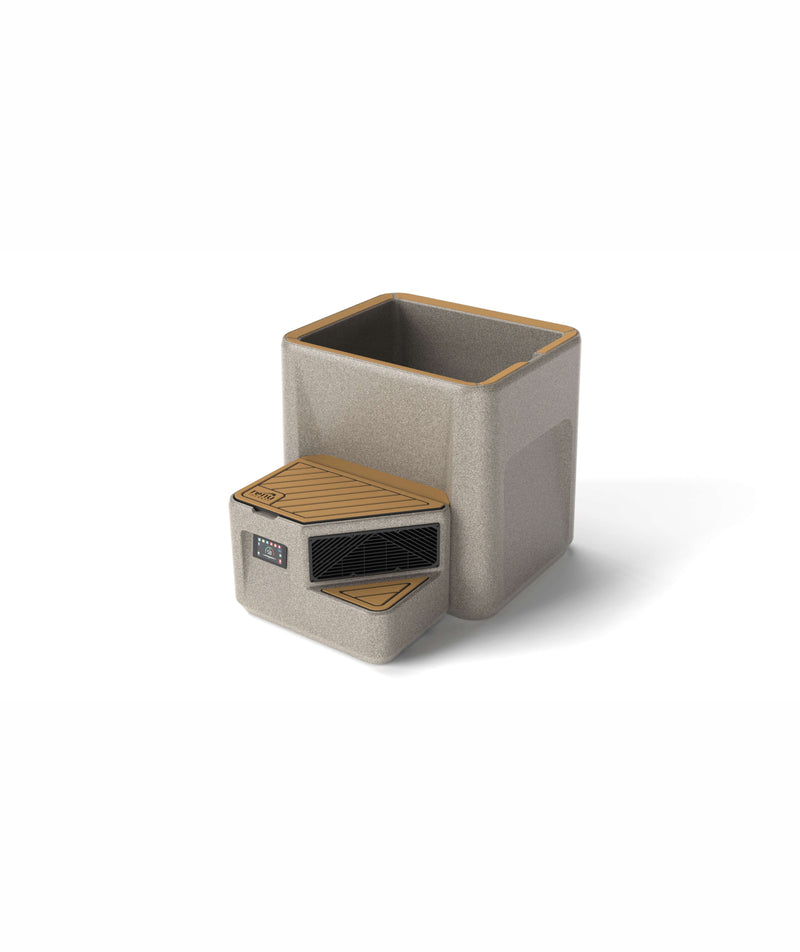
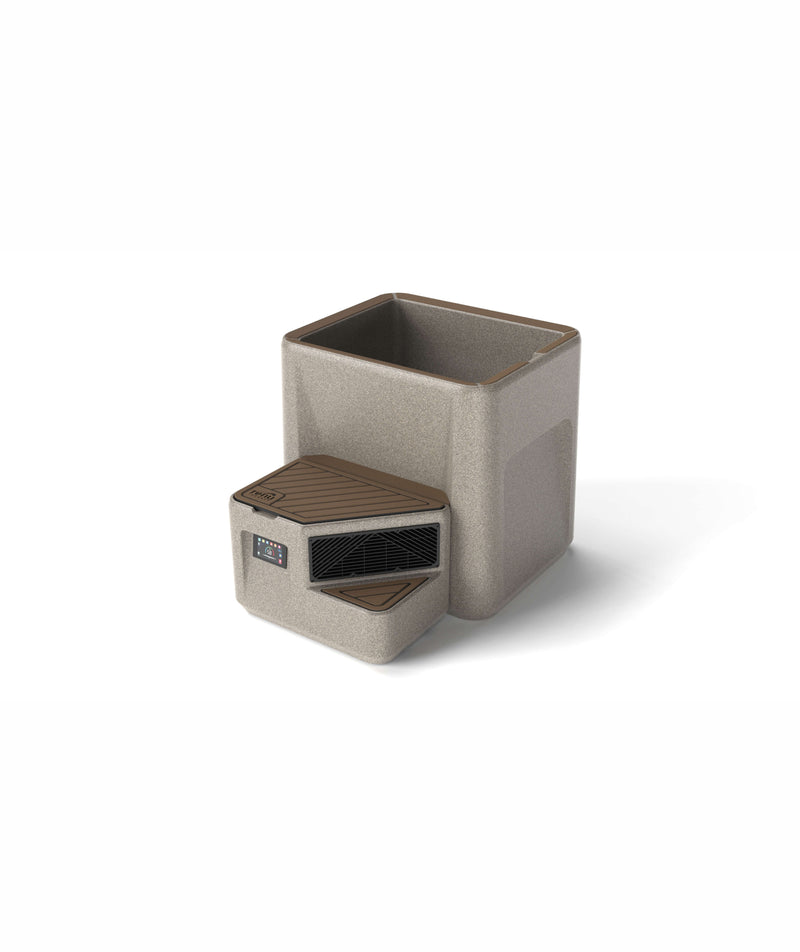
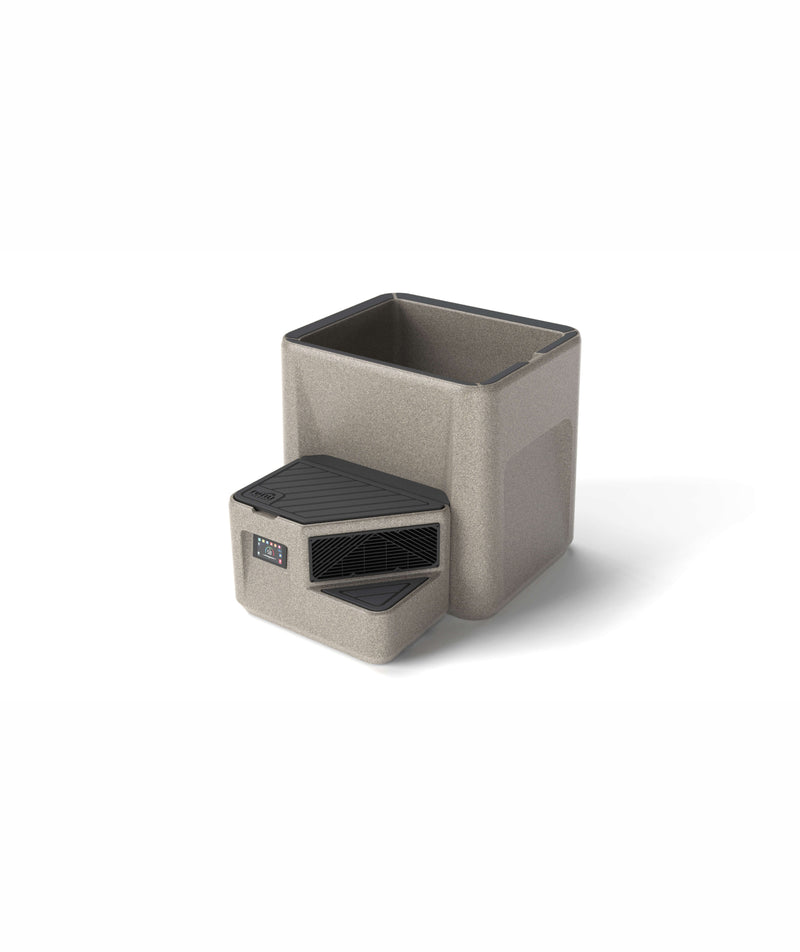
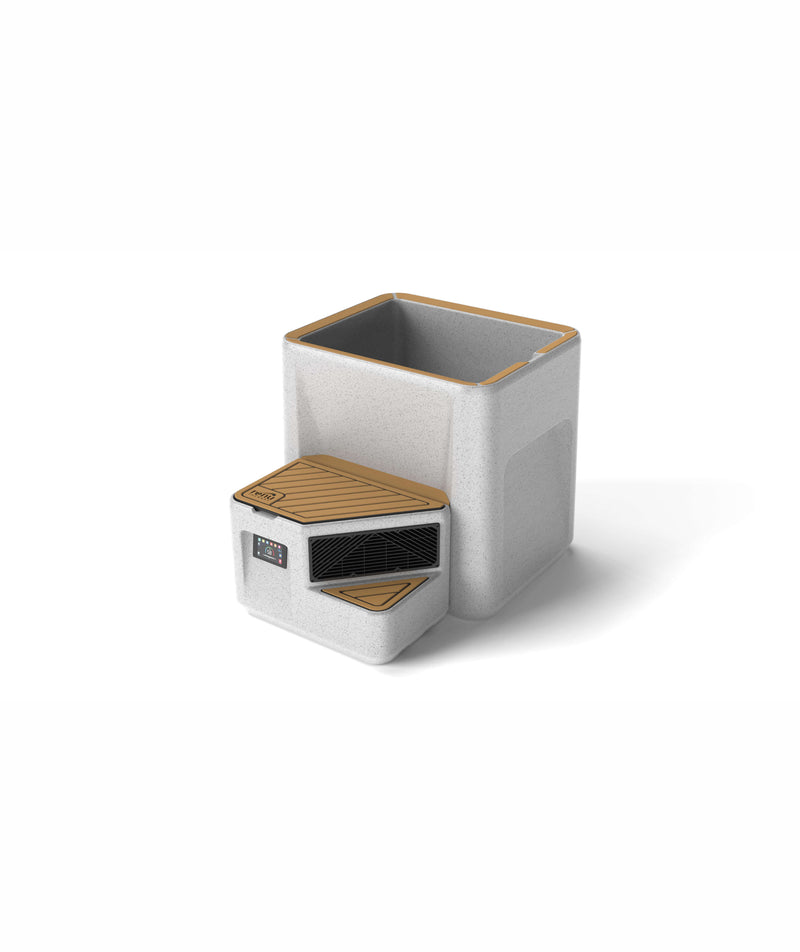
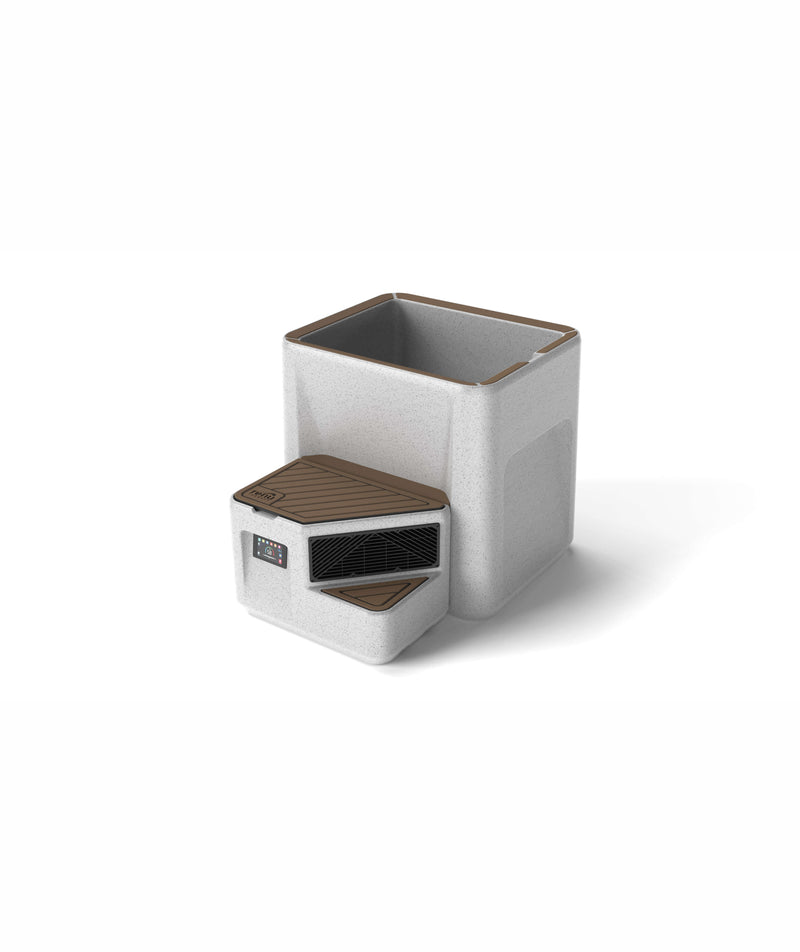
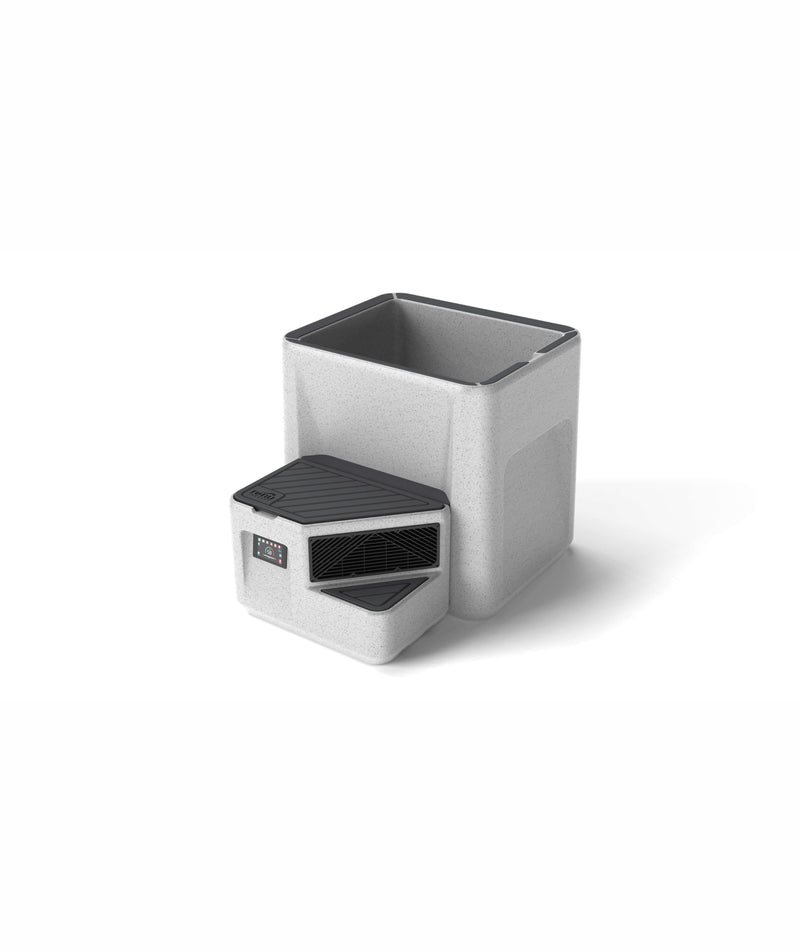
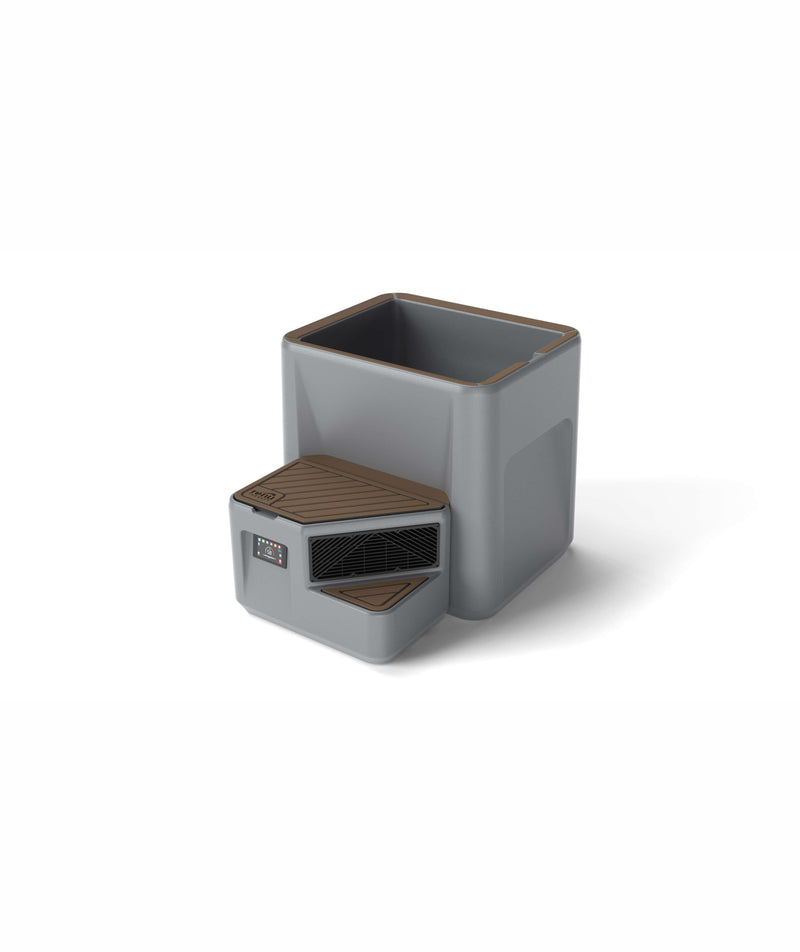
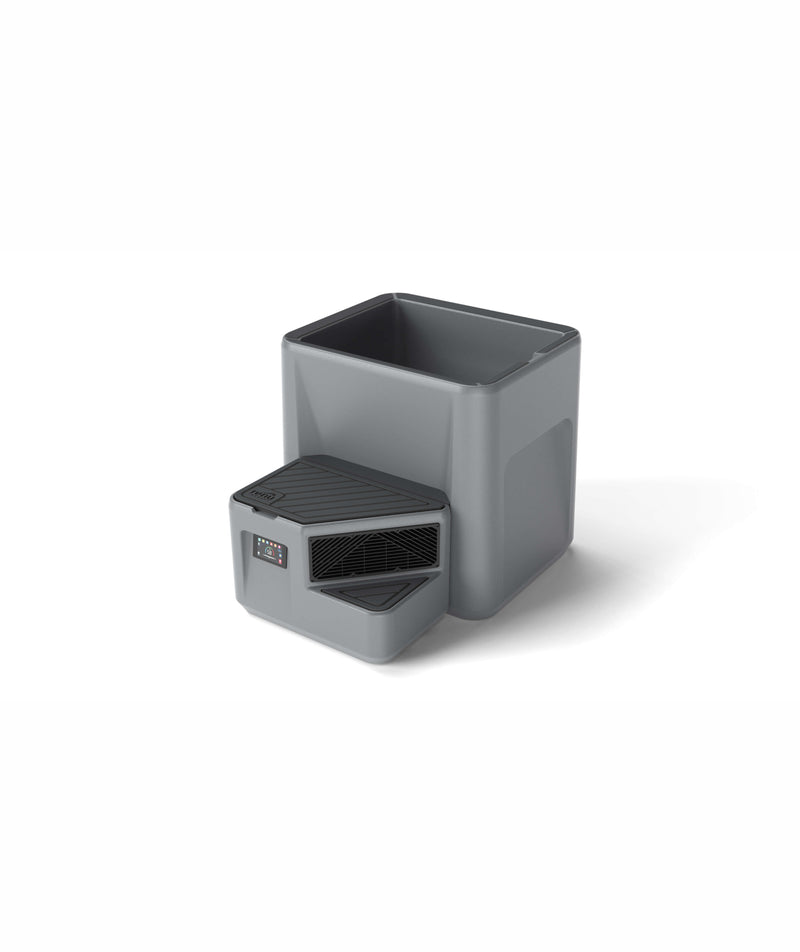
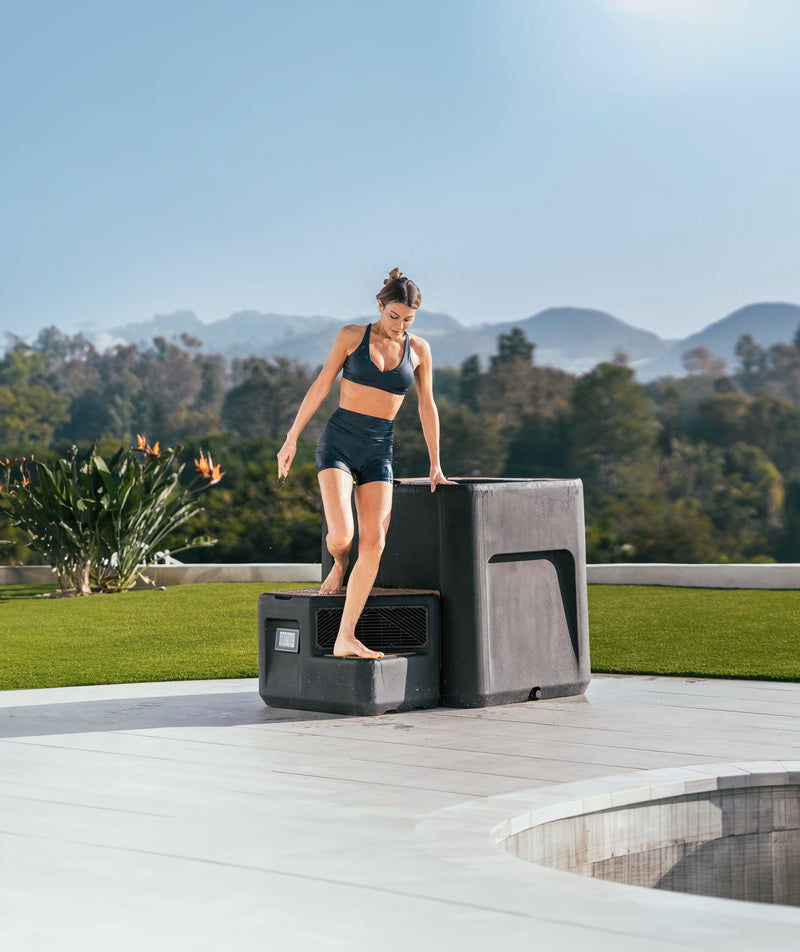
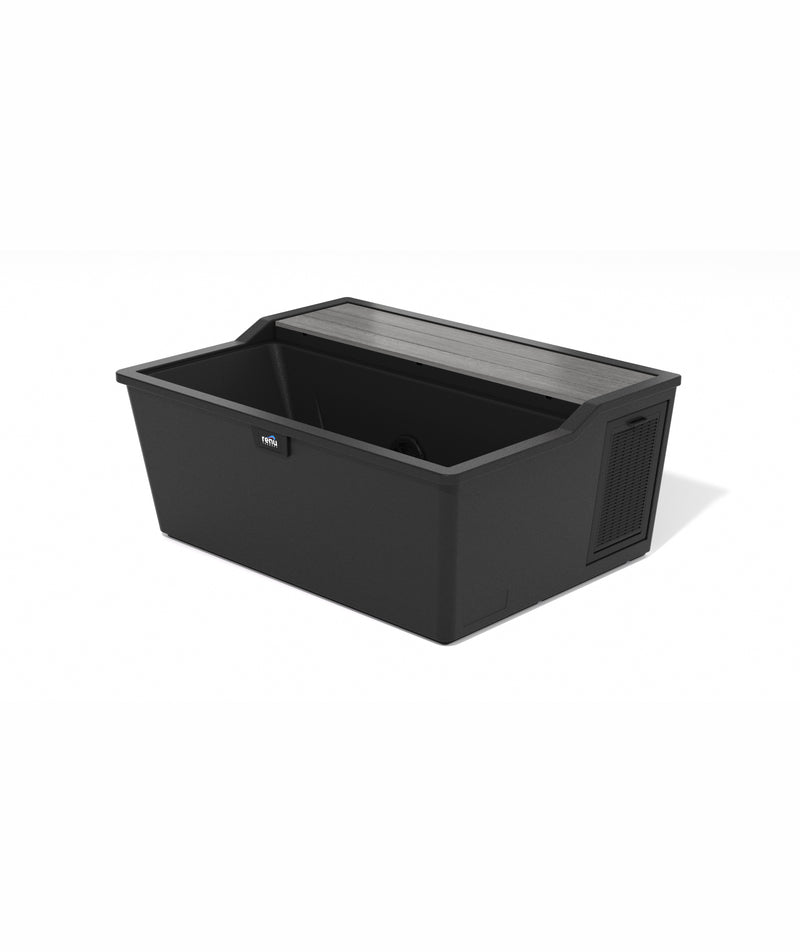
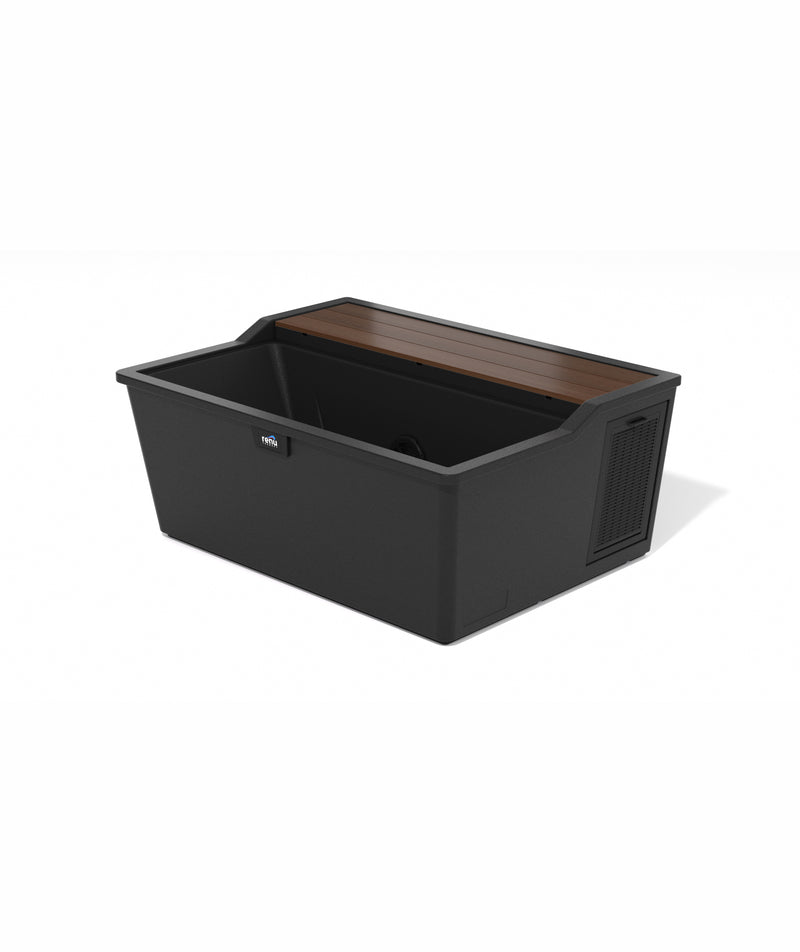
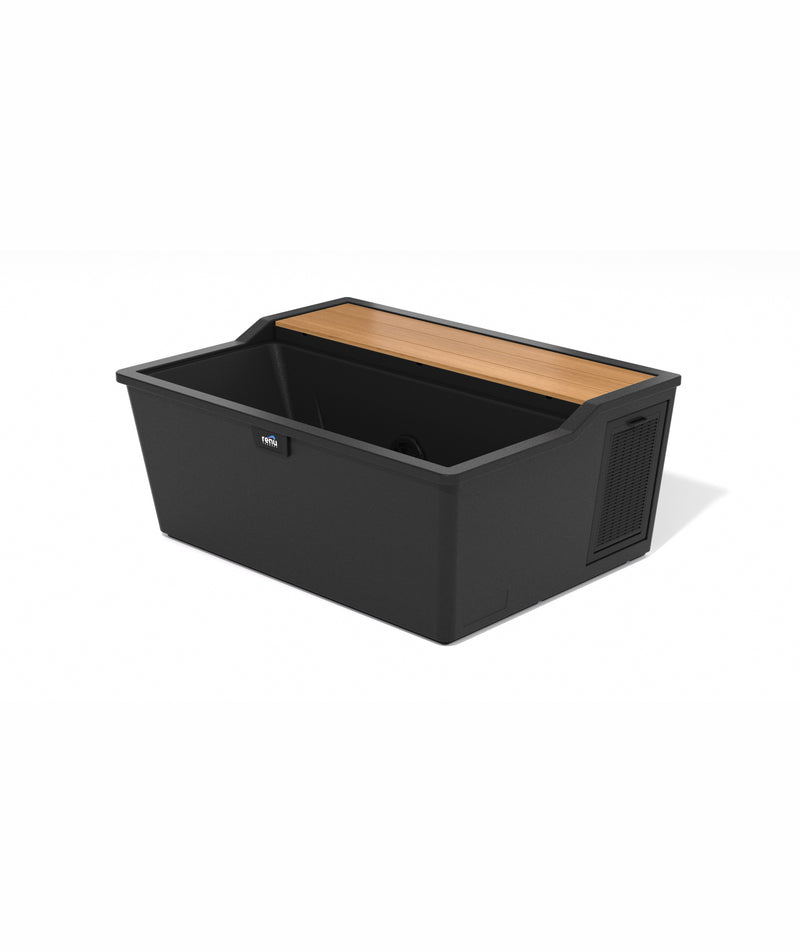
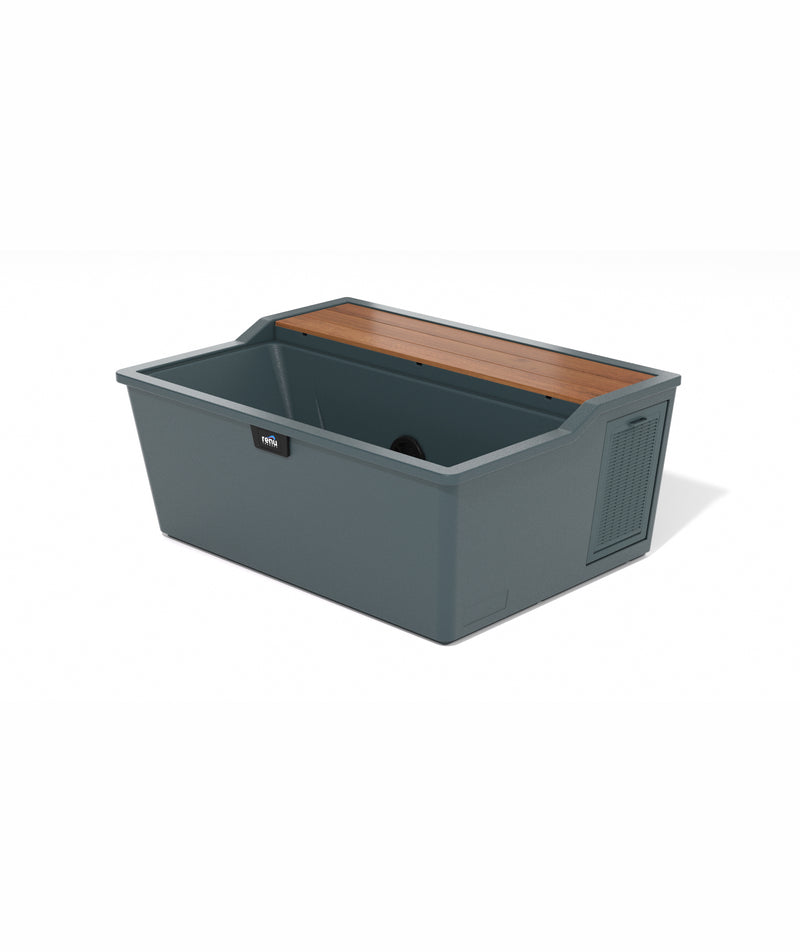
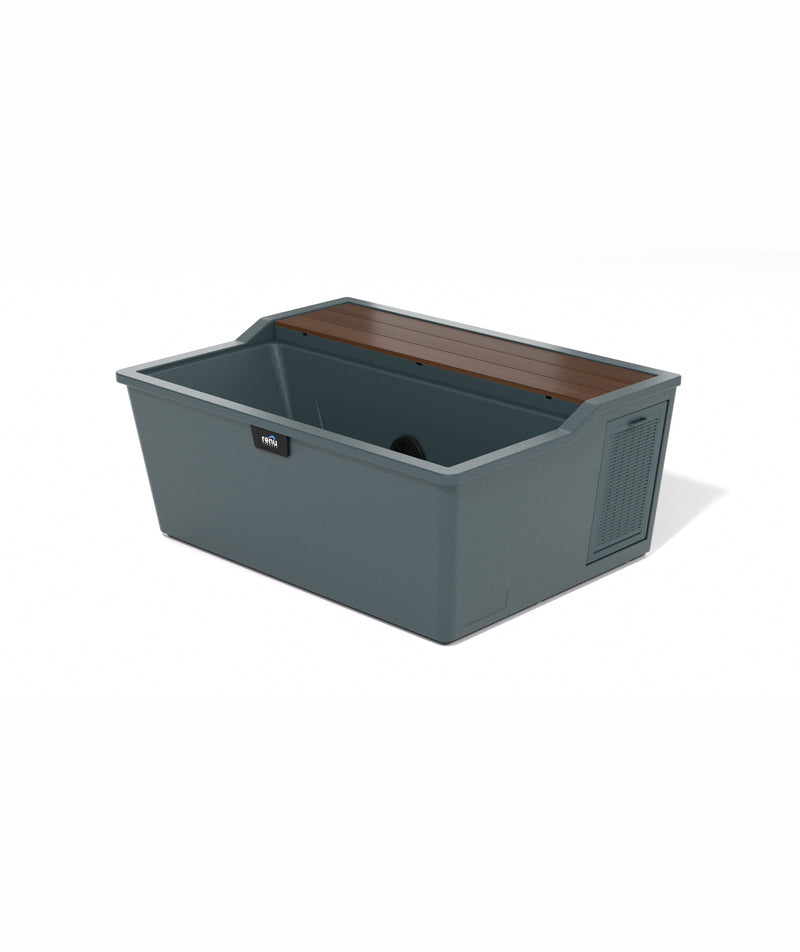
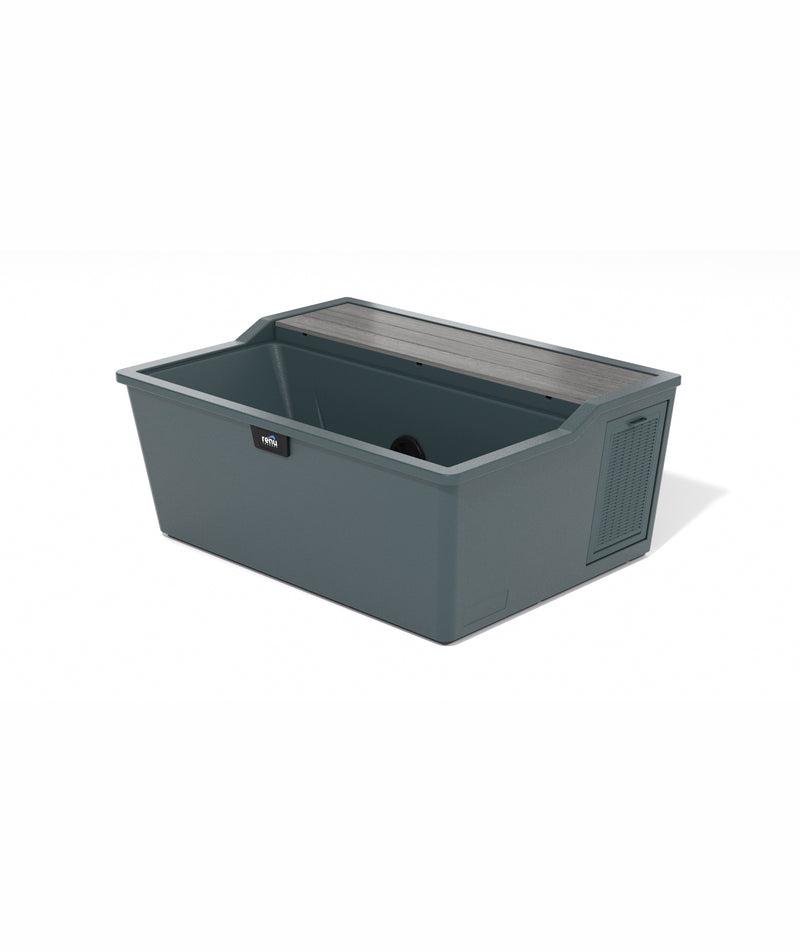
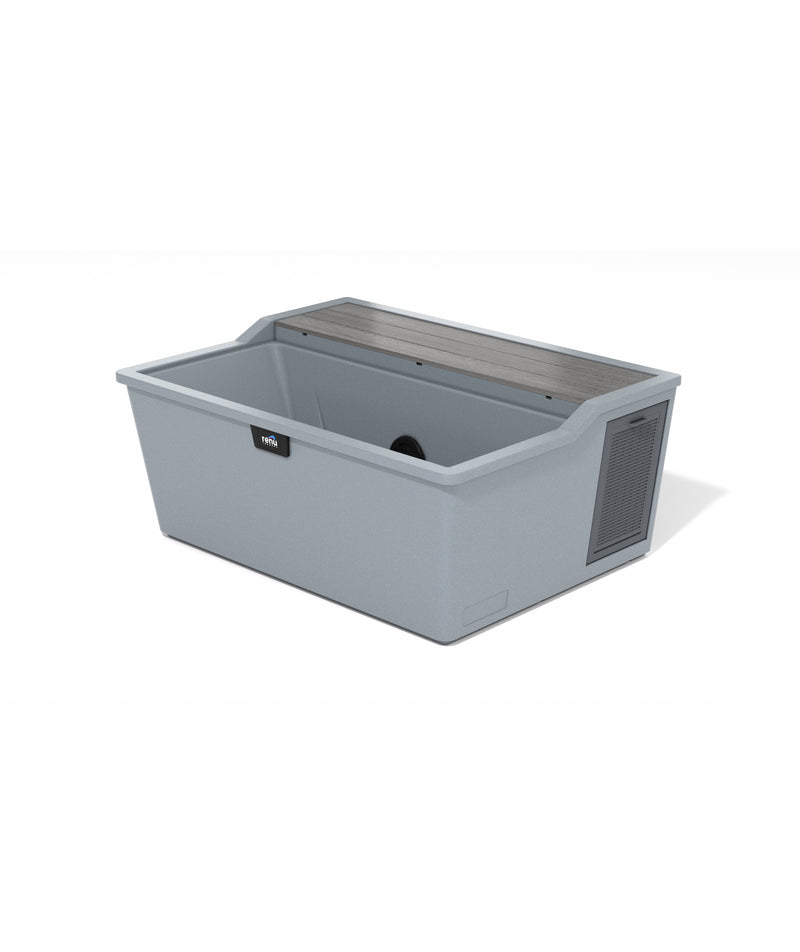
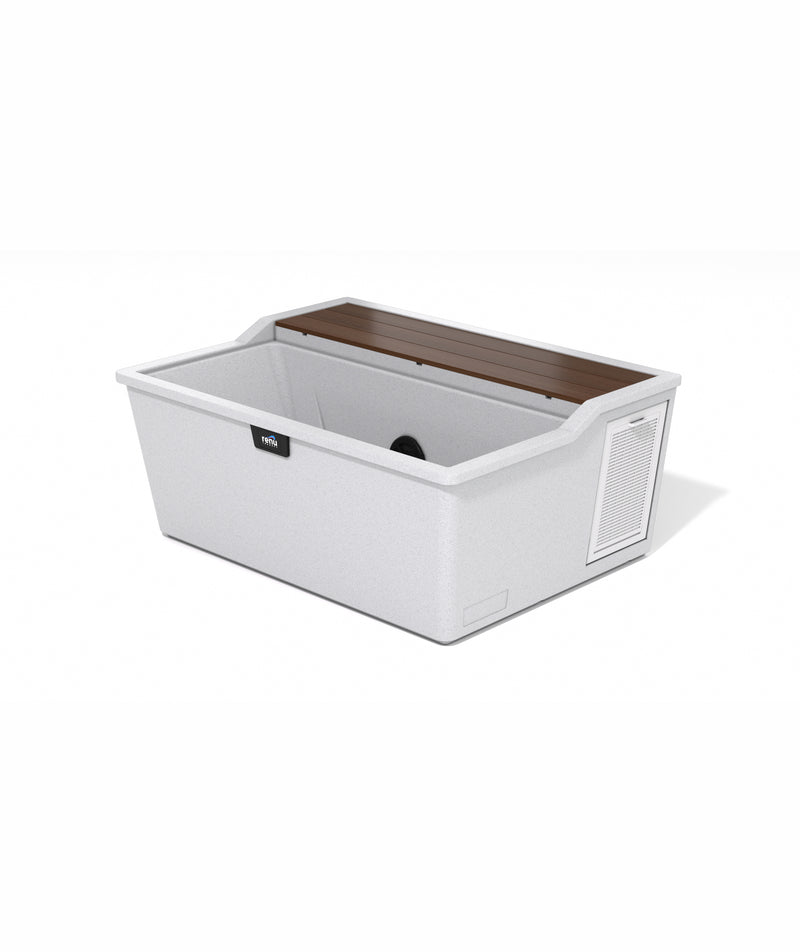
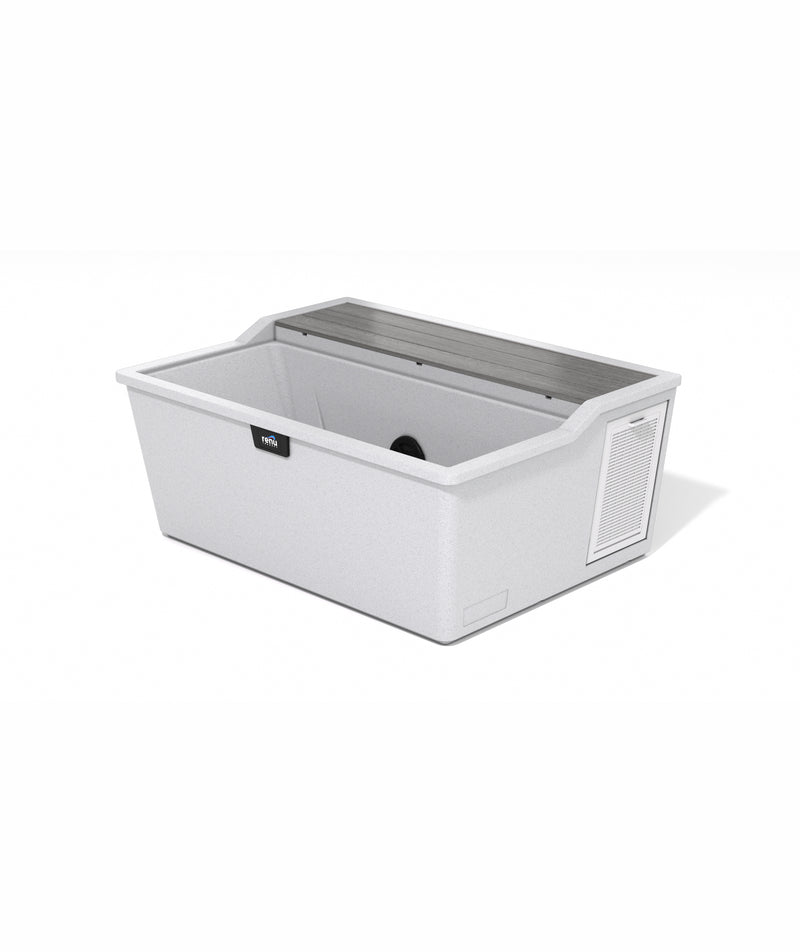
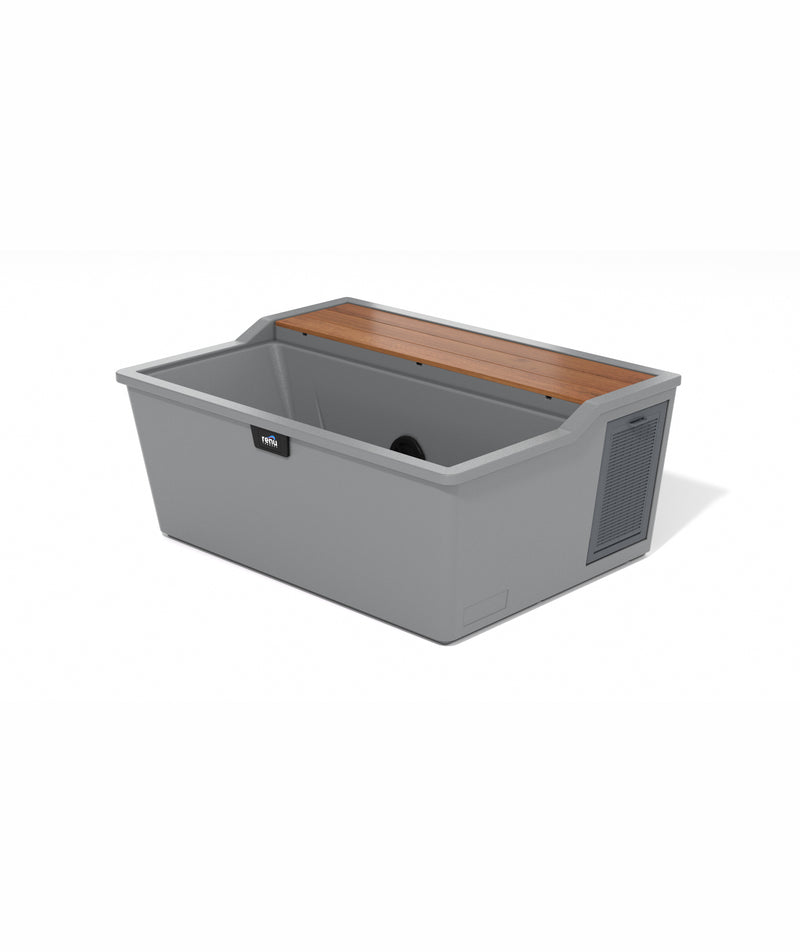
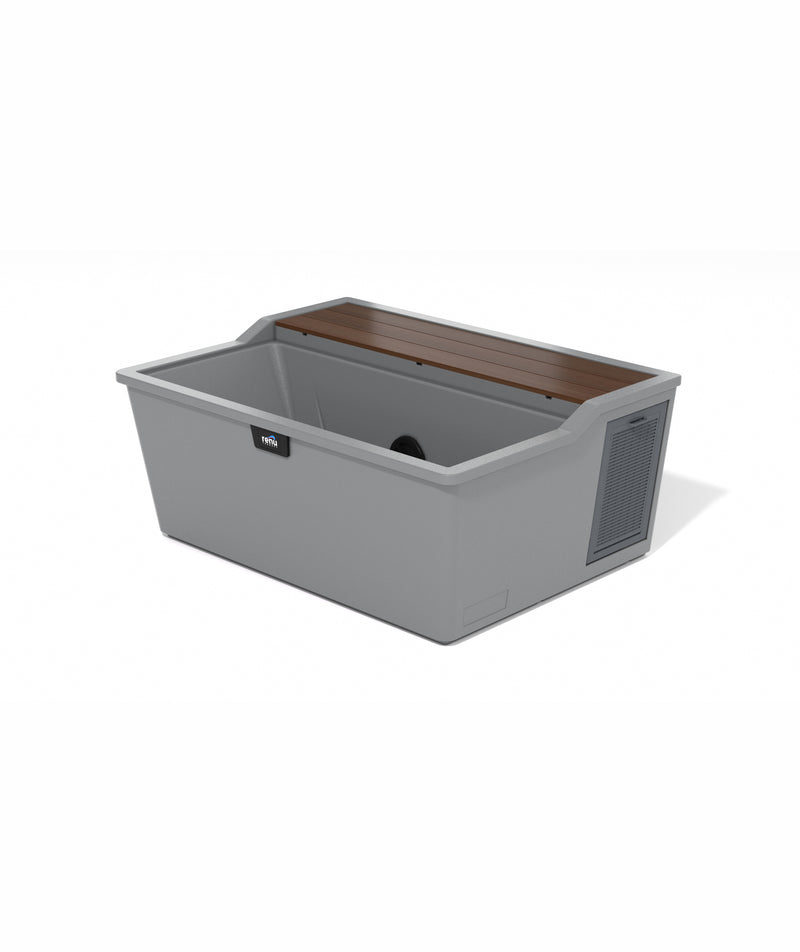
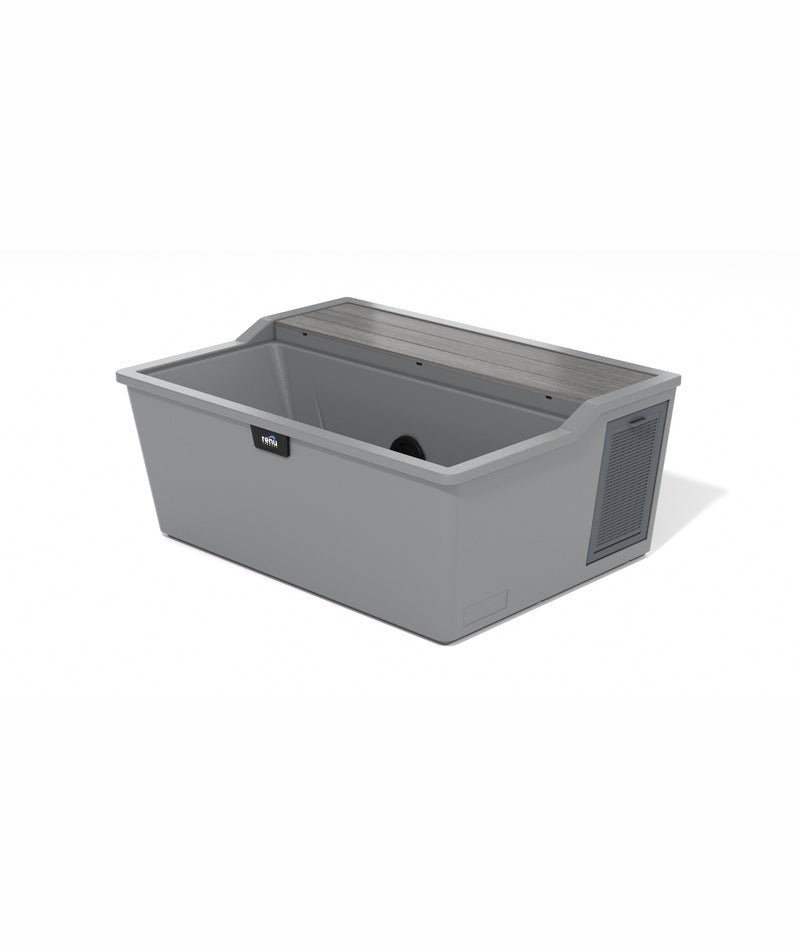
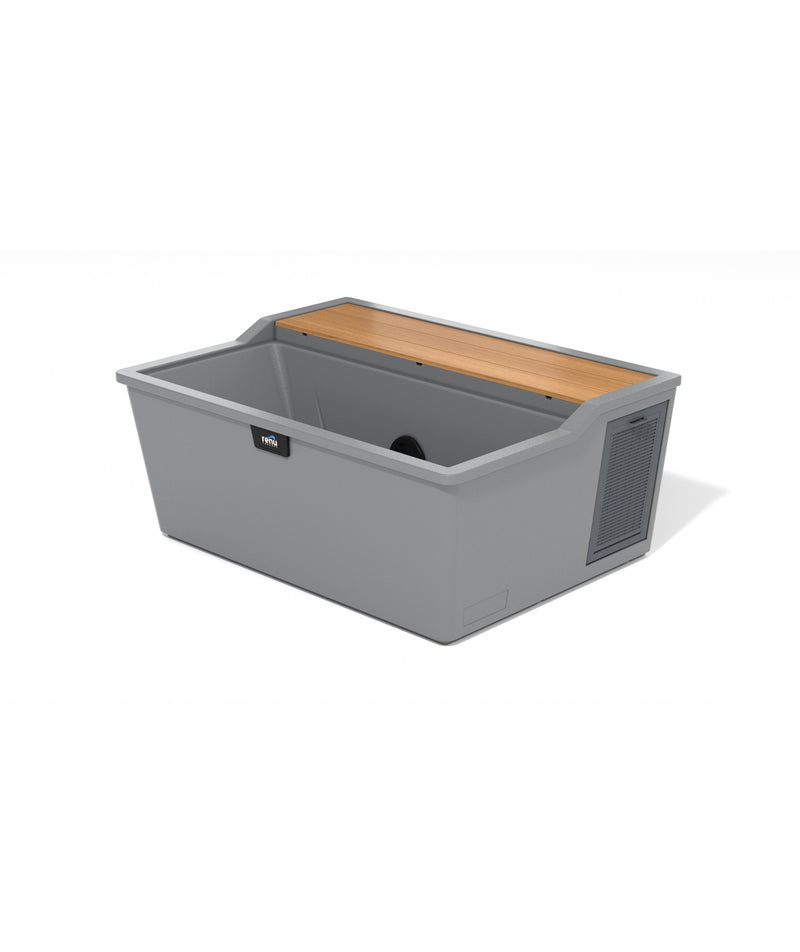
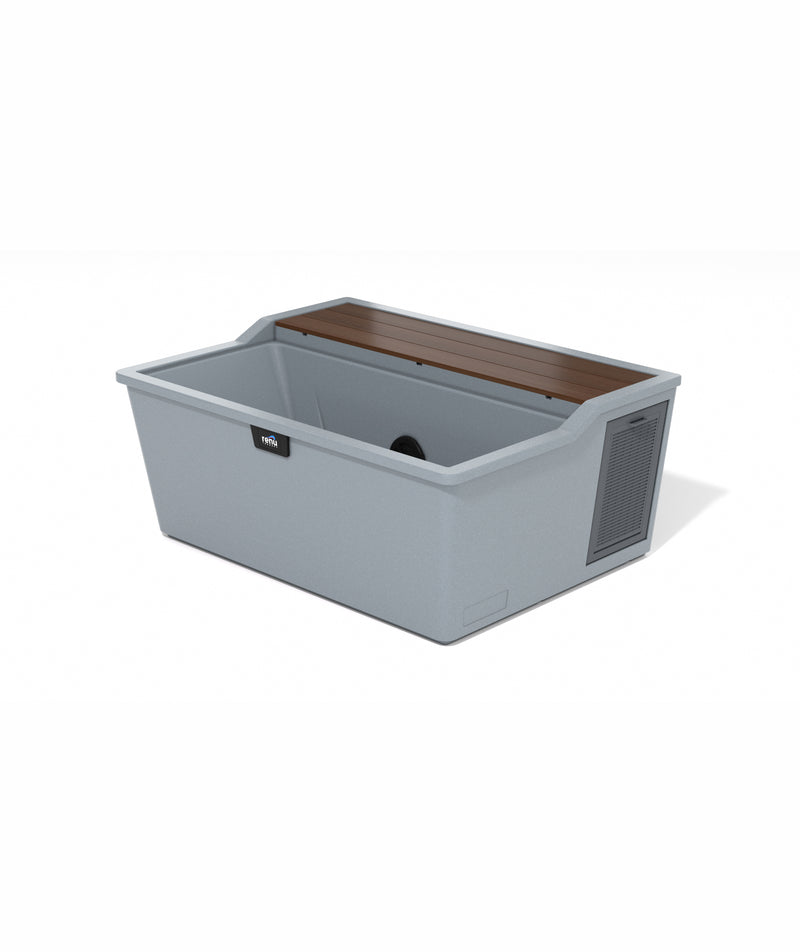
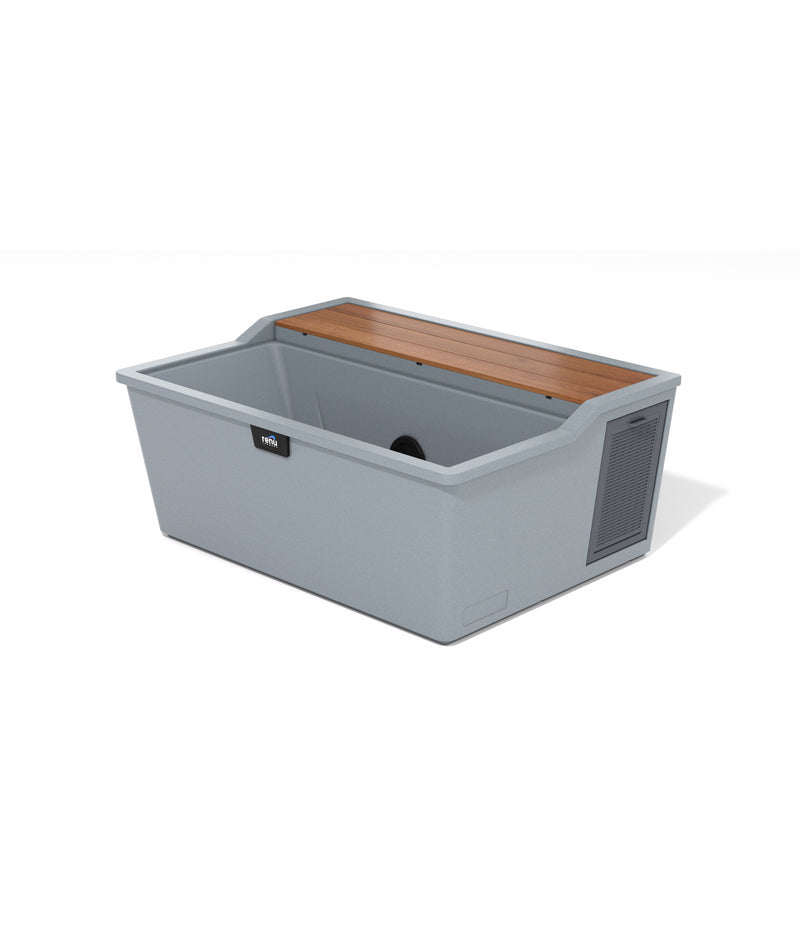
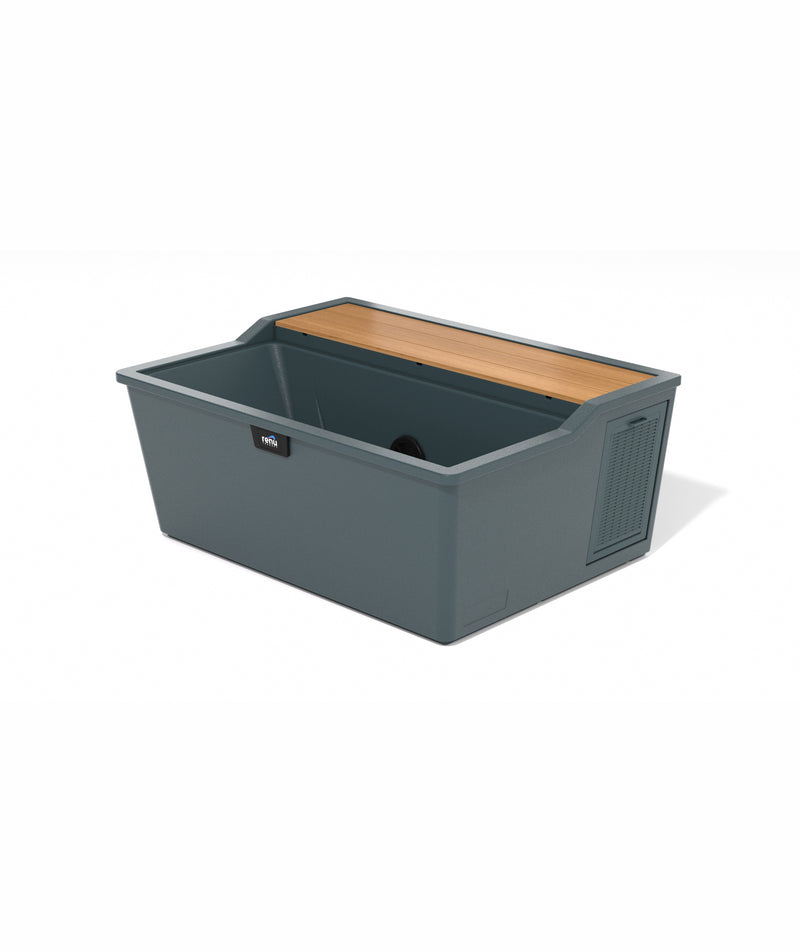
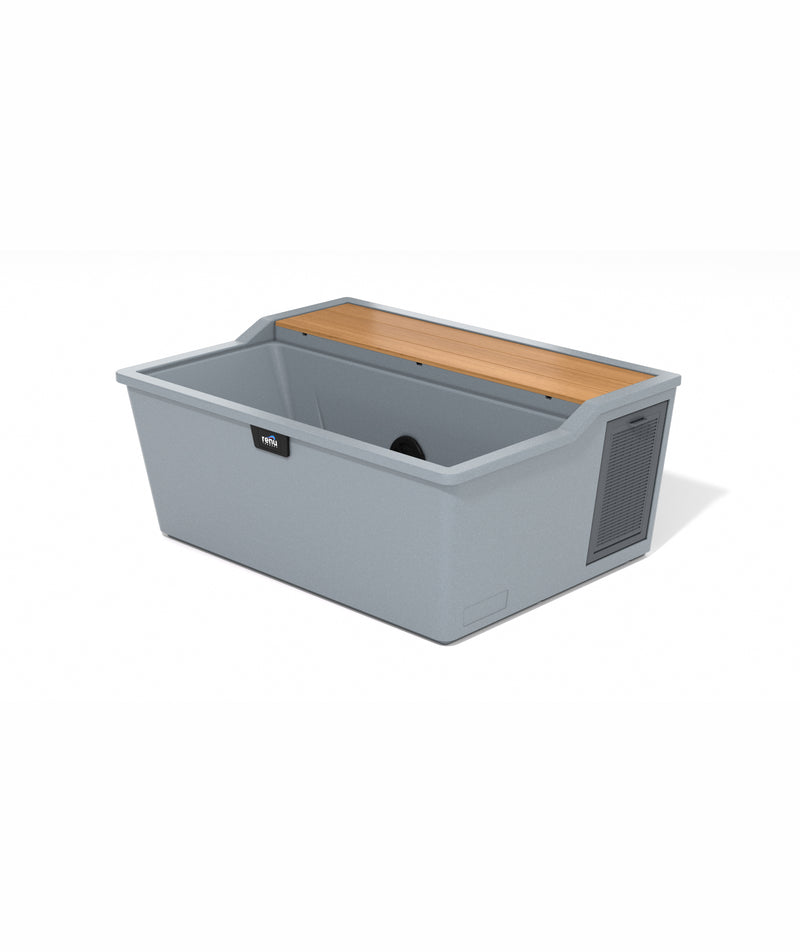
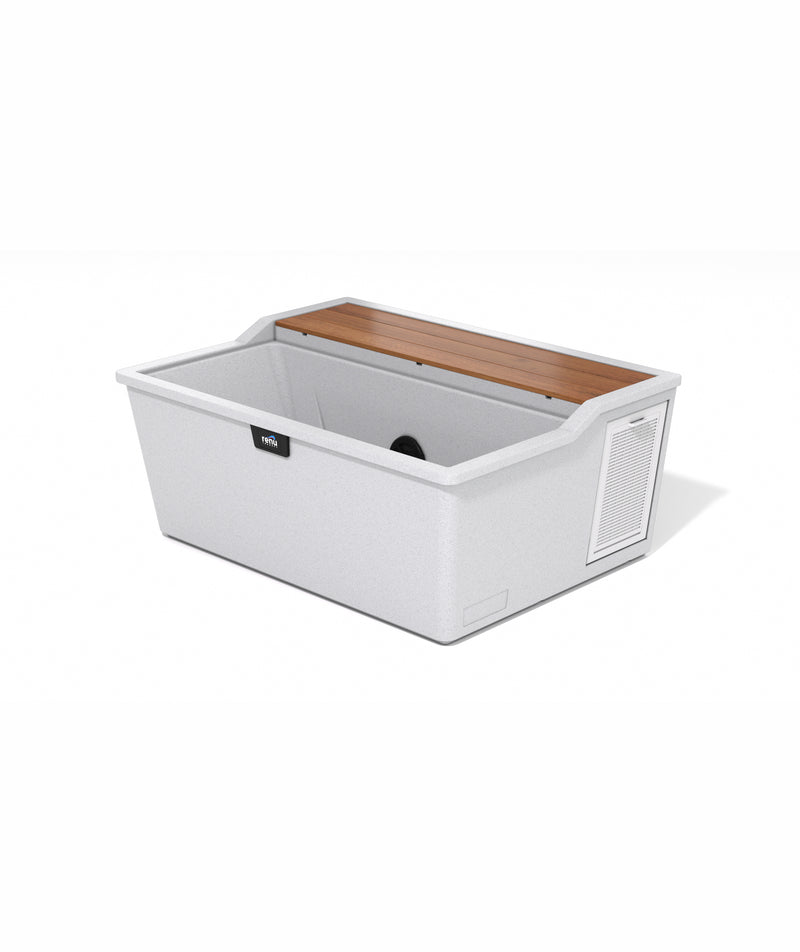
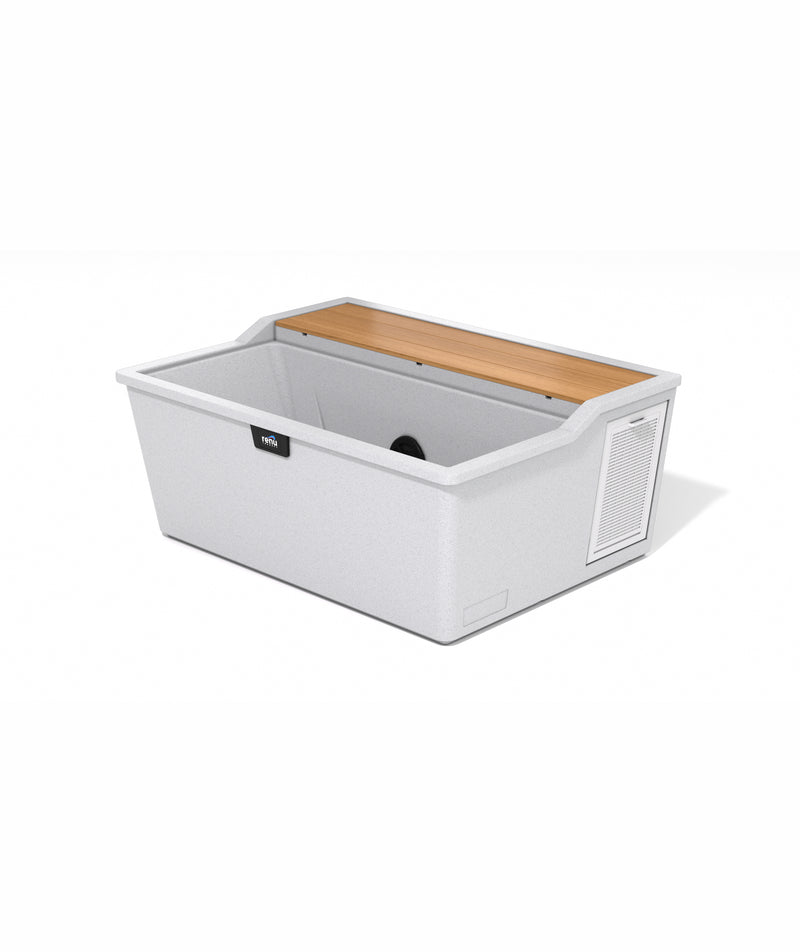
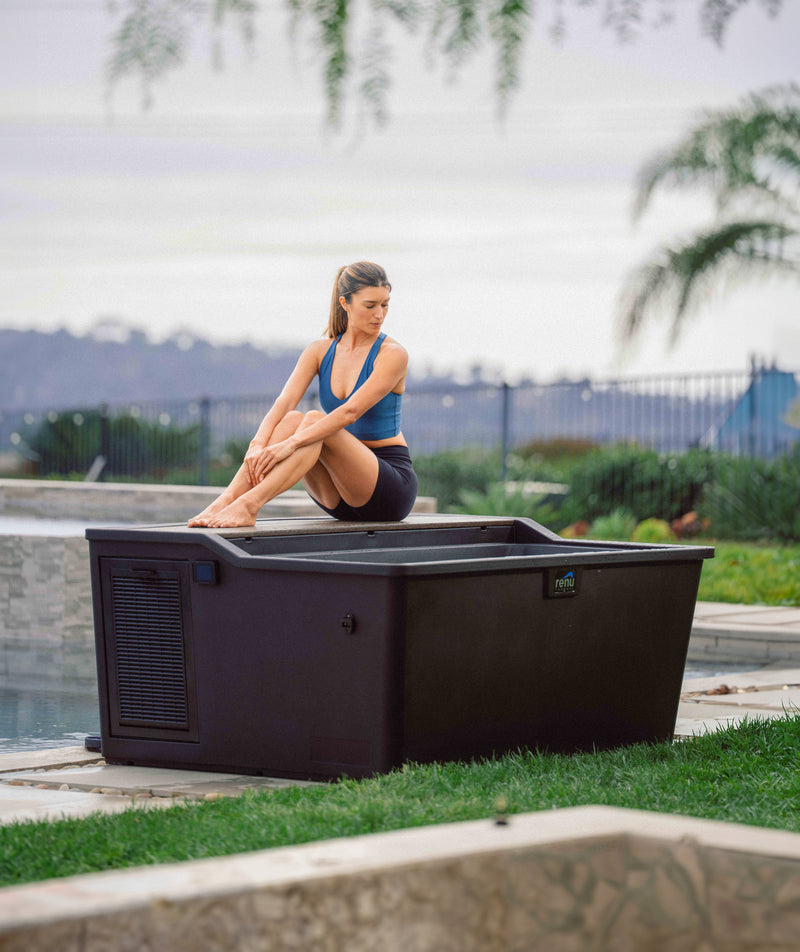
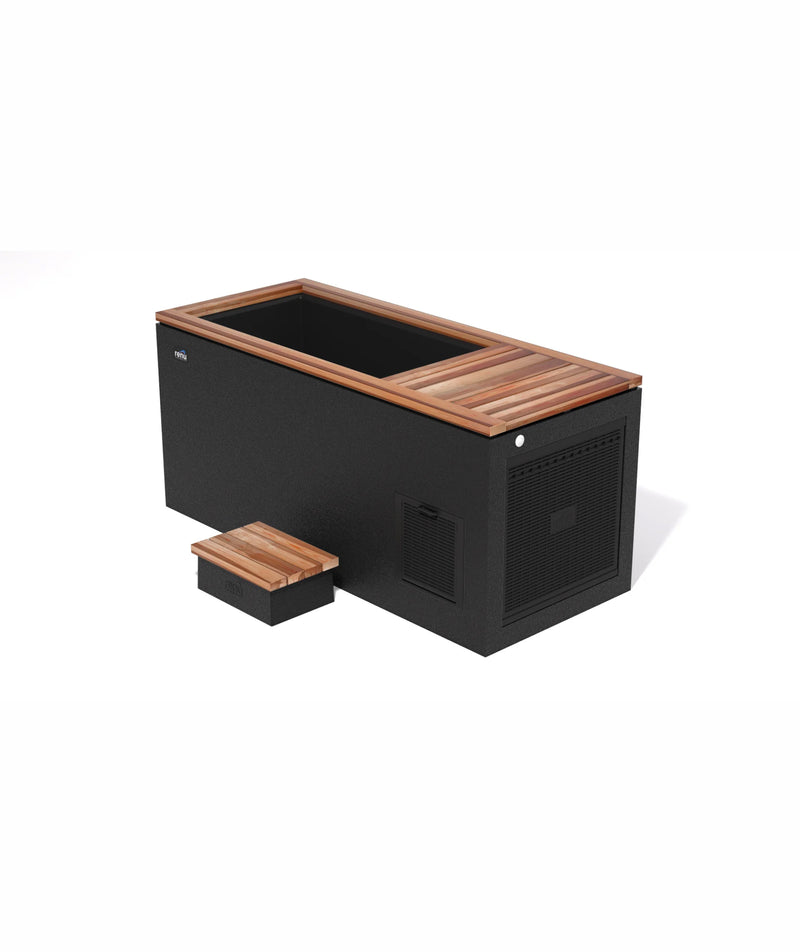
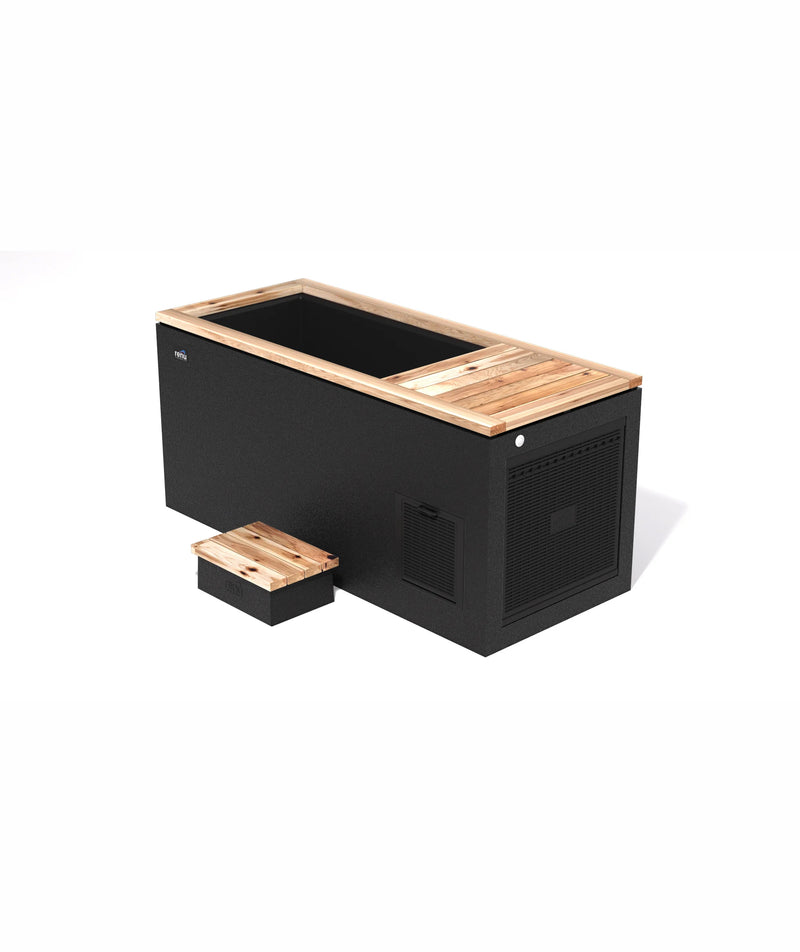
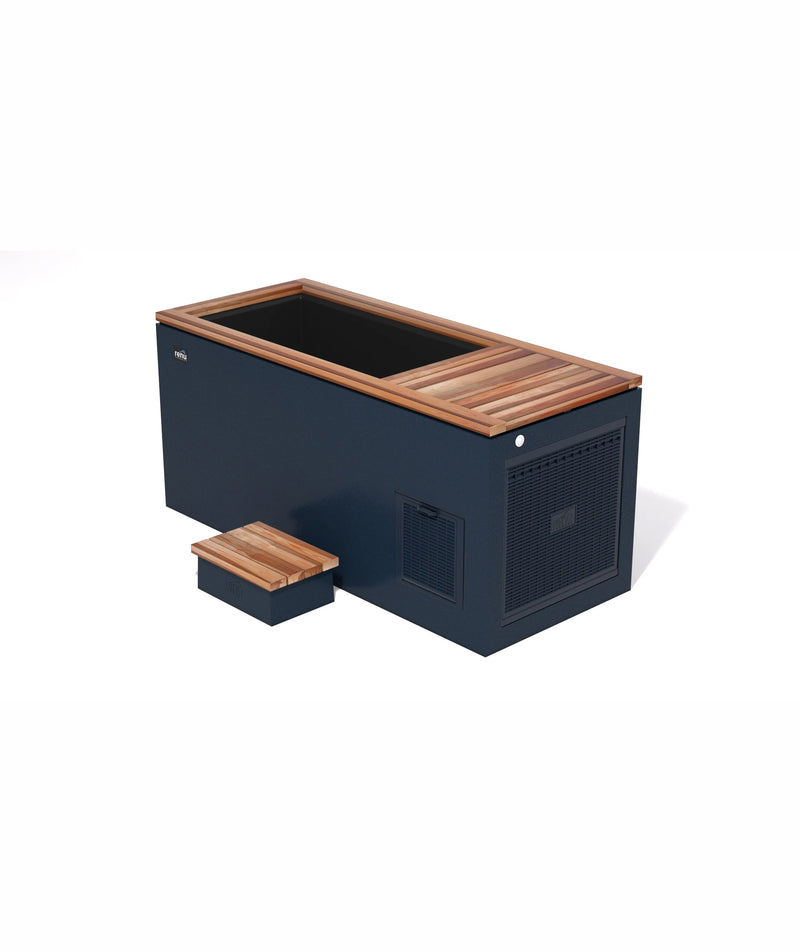
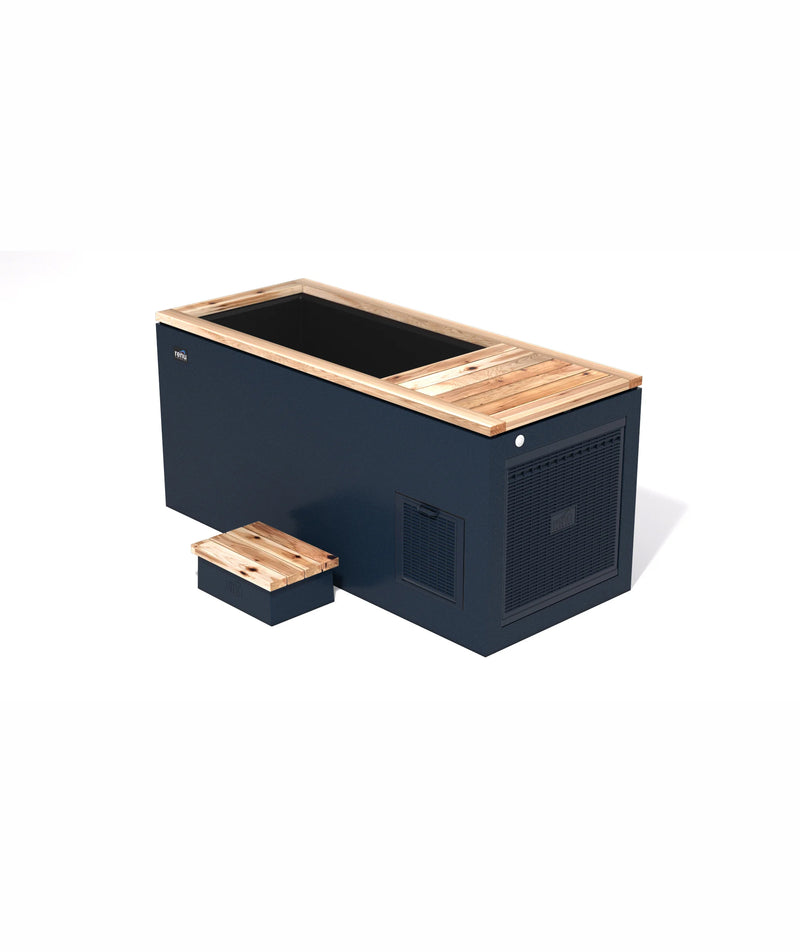
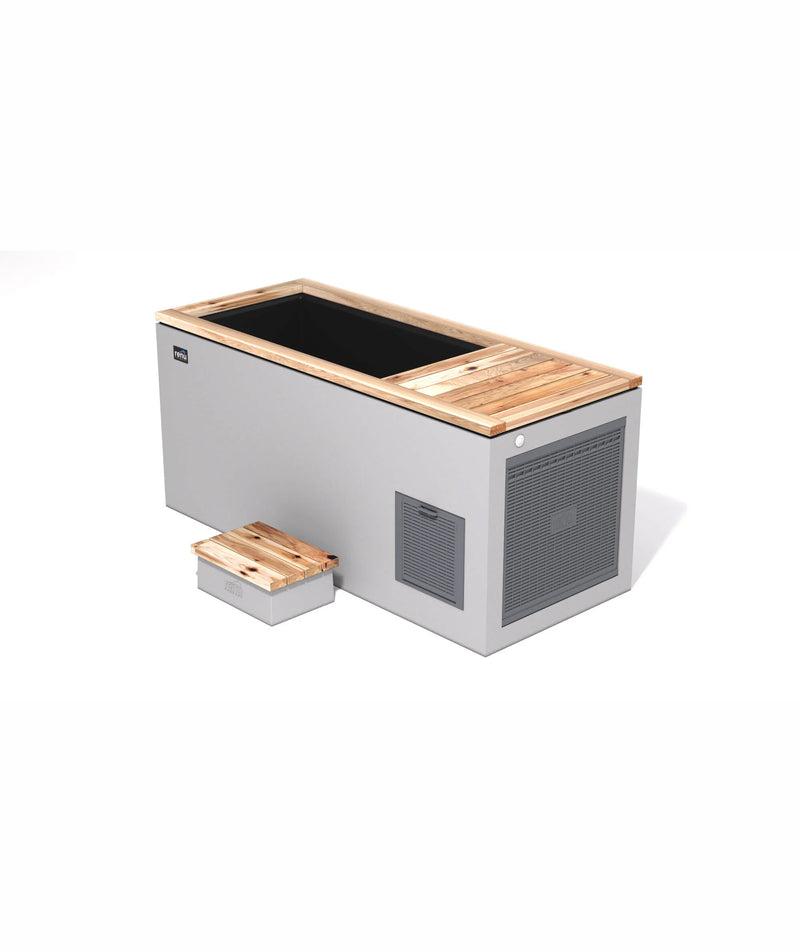
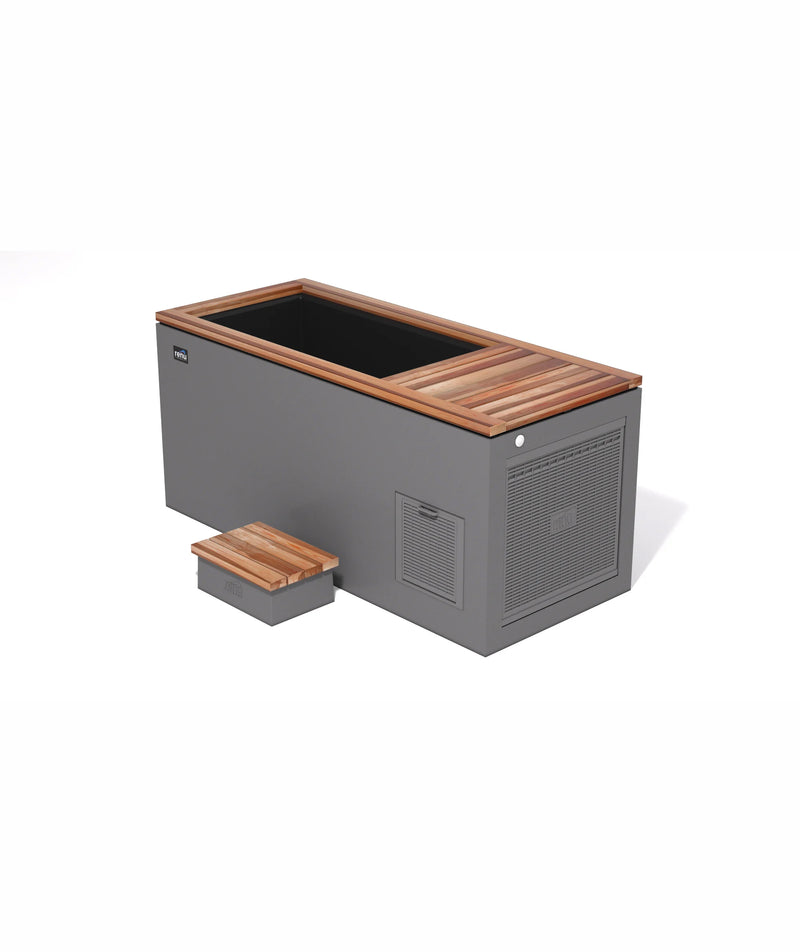
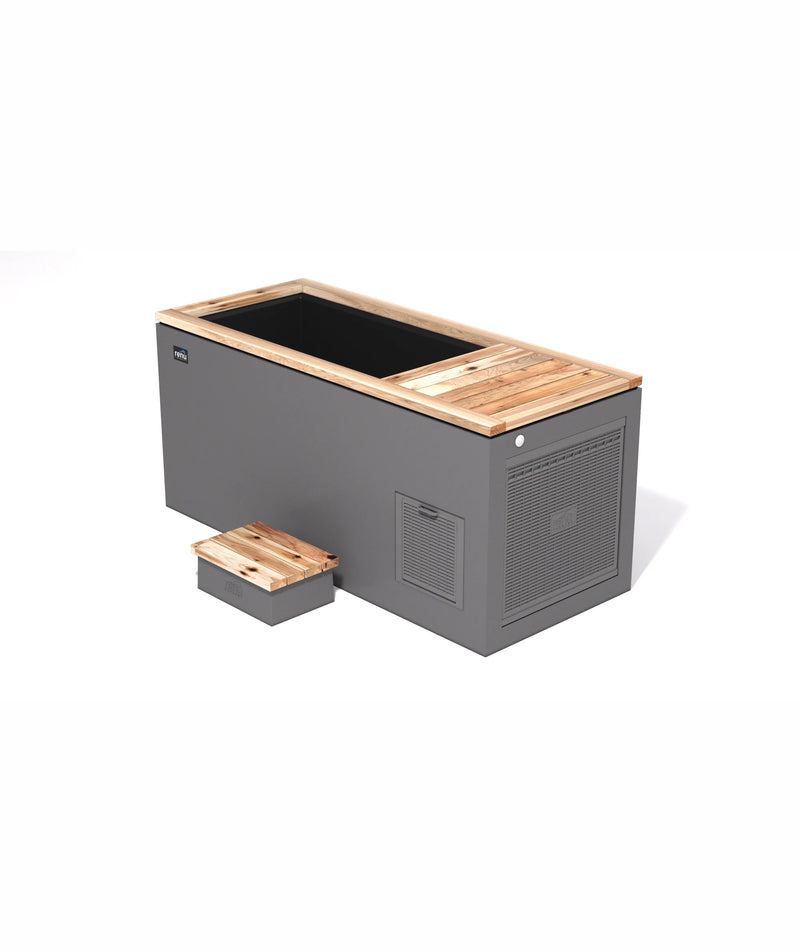
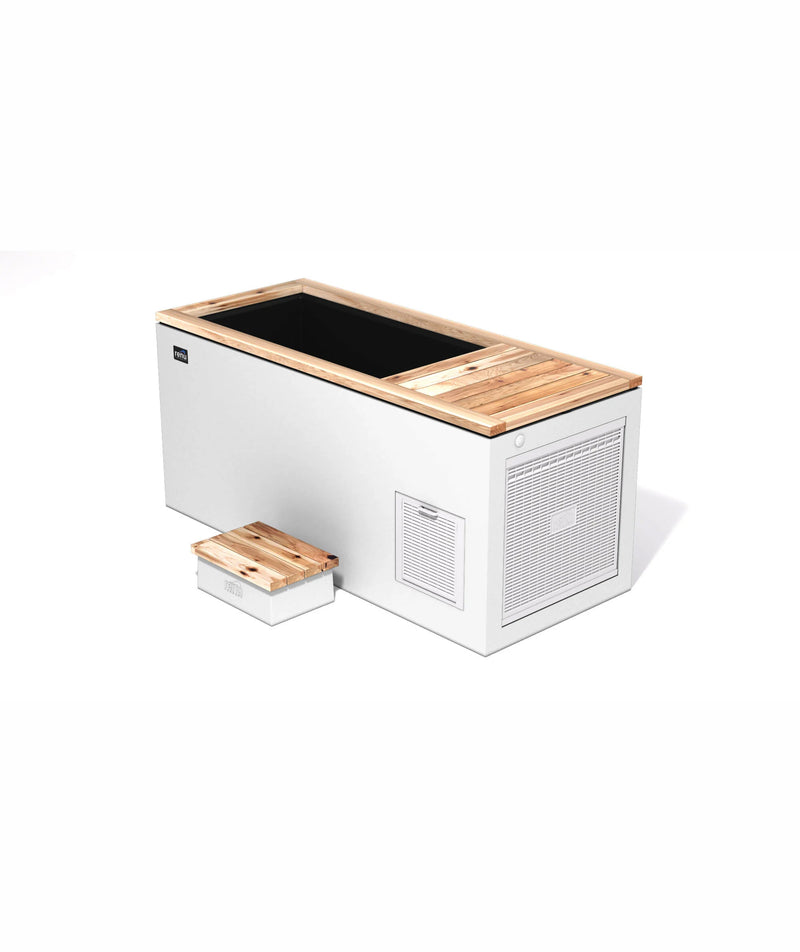
Now, cold therapy is no longer limited to athletes and expensive wellness centers. Cold tubs designed for the home, such as RENU's Siberian Cold Plunge TM Tank, enable treatment of inflammation, muscle soreness, and high blood pressure anytime and elevate mood and bolster mindfulness. Home cold water immersion is hard to beat for people seeking to maximize their body's natural healing powers. So how can you start getting the health benefits of cold water immersion at home?
Preparation Before a Cold Plunge
To gain the positive effects that cold water triggers, it's best to prepare your body before diving right in with regular cold tub sessions. Cold showers or routine cold water swimming are some effective ways to acclimate your body to cold bath therapy. It's important to slowly work up to longer sessions and lower temperatures. Focusing on safe cold water immersion fundamentals will help ensure years of safe ice baths in your cold therapy tub.
Cold Showers to Prepare for Immersion
To prepare your body for cold immersion, taking cold showers for 30 days is highly recommended. Before investing in a cold plunge tub, it's crucial to fully prepare yourself for a long-term cold therapy routine. This preparation process helps you gauge your body's responses to ice baths and your ability to manage it.
Safety tips for Cold Water Immersion
Aside from starting slowly with cold showers or routine cold water swimming, some safety tips will help you get the most from your cold water immersion tub.
- Limit your cold immersion sessions to ten minutes
- Consult your doctor about the maximum safe exposure time for you
- Establish a strong breath control practice, like the one Wim Hof teaches
- Know the four phases of cold water immersion and be mindful of safe limits
How to Set up a Cold Water Plunge
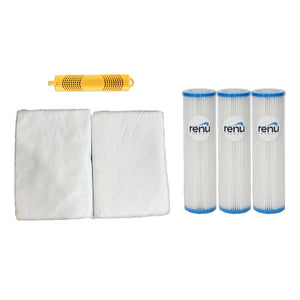
RENU makes owning a cold water plunge tank simple and low-maintenance. Once you fill your RENU cold tank up, turn it on, and set the temperature, it stays clean and will rarely require water changes, conserving water, and time cleaning. Note that other cold tanks require chemicals or continuous water changes, and sometimes both! RENU Therapy Tubs have a four-part purification system that is all-natural with no chemicals needed.
Perfecting the Temperature for CWI
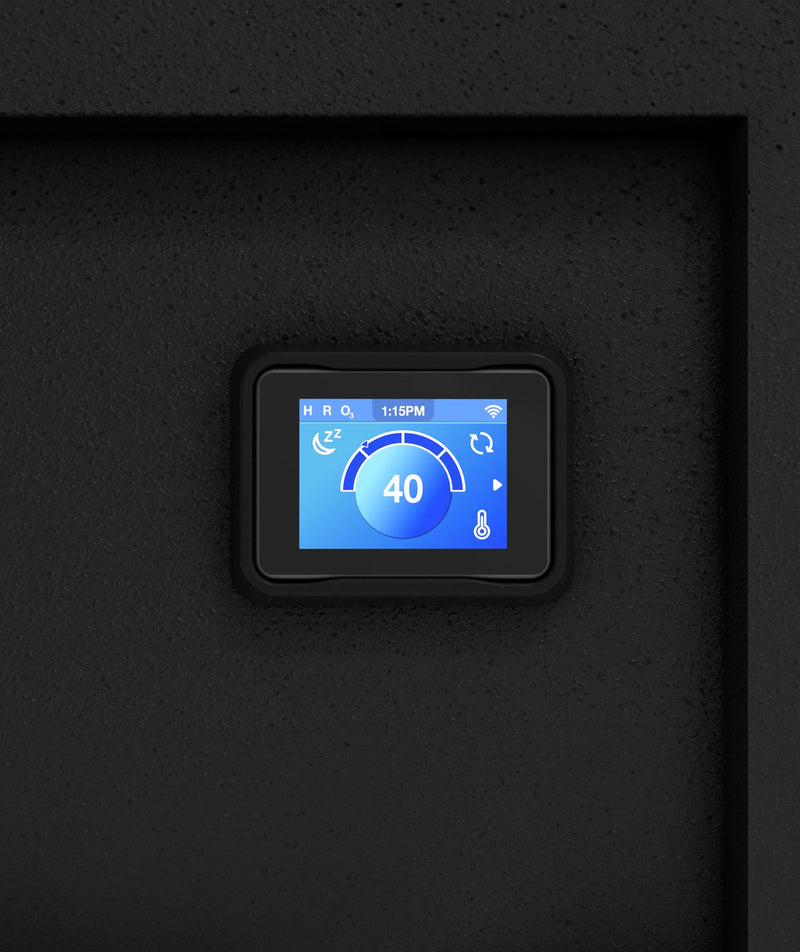
RENU helps you ease into a cold water immersion routine by providing a wide range of operating temperatures. RENU cold plunge tanks can dive to temperatures as low as 39º F. When starting with cold water therapy, RENU allows you to dial the temperature to a more manageable 55º F.
How Long do I Stay in an Ice Bath?
When first starting out using a cold plunge tank, it's important to limit your sessions to ten minutes or less. It's important to also consult your doctor about what level of cold immersion exposure is safe for you personally. In general, with best safety practices, the longer you engage in a cold immersion routine, the more you can increase your cold endurance. That said, there are limits to the human body's ability to withstand cold, even if you're Wim Hof!
Maximize your First Cold Plunge Experience
Taking your first cold plunge can be a positively transforming experience, but it's important to keep a few key success factors in mind. First, calm your nervous system by performing breaking exercises or gently humming. These exercises will help activate your parasympathetic system and trigger nitric oxide production, soothing your nerves and making your cells more receptive to oxygen uptake.
Next, remember to always use best practices for safe cold water immersion. Have someone close by to help you track your blood pressure and body temperature and maintain deep, rhythmic breathing. Keep your session to ten minutes or less.
The right cold plunge tub can make a big difference when regularly used. For personalized recommendations, call the team at RENU Therapy to discuss which tank is best for your needs.
Why Choose a RENU Cold Therapy Tub?
RENU handmakes cold plunge tubs and pools 100% in the USA. We give you the best warranty coverage and strive for 100% customer satisfaction with every cold tub we sell!
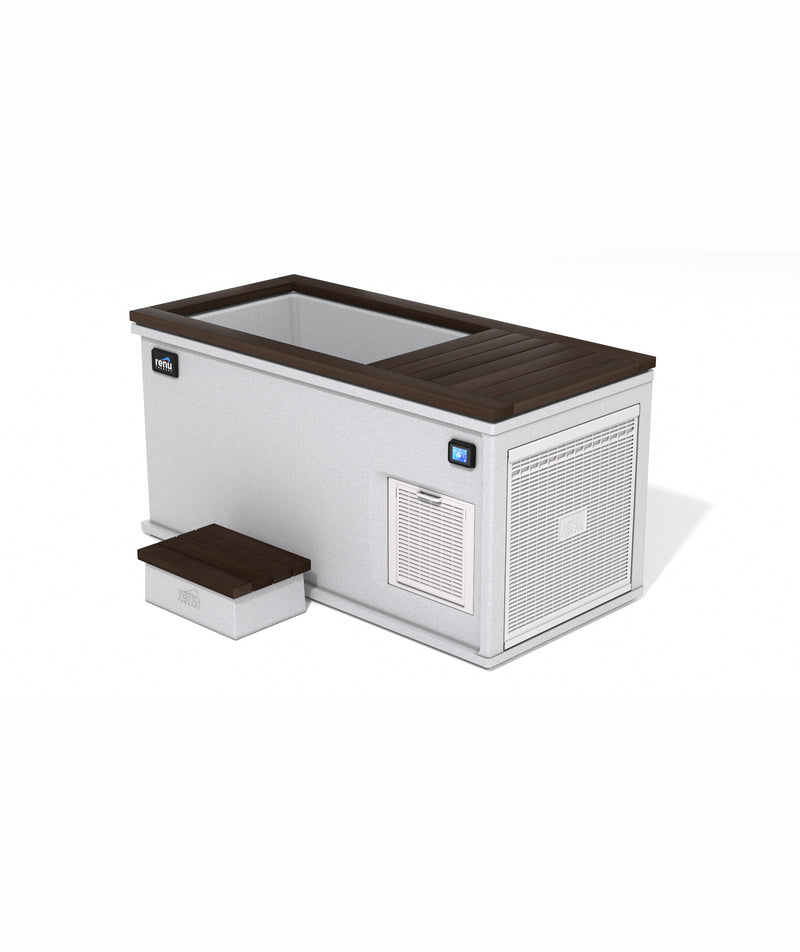
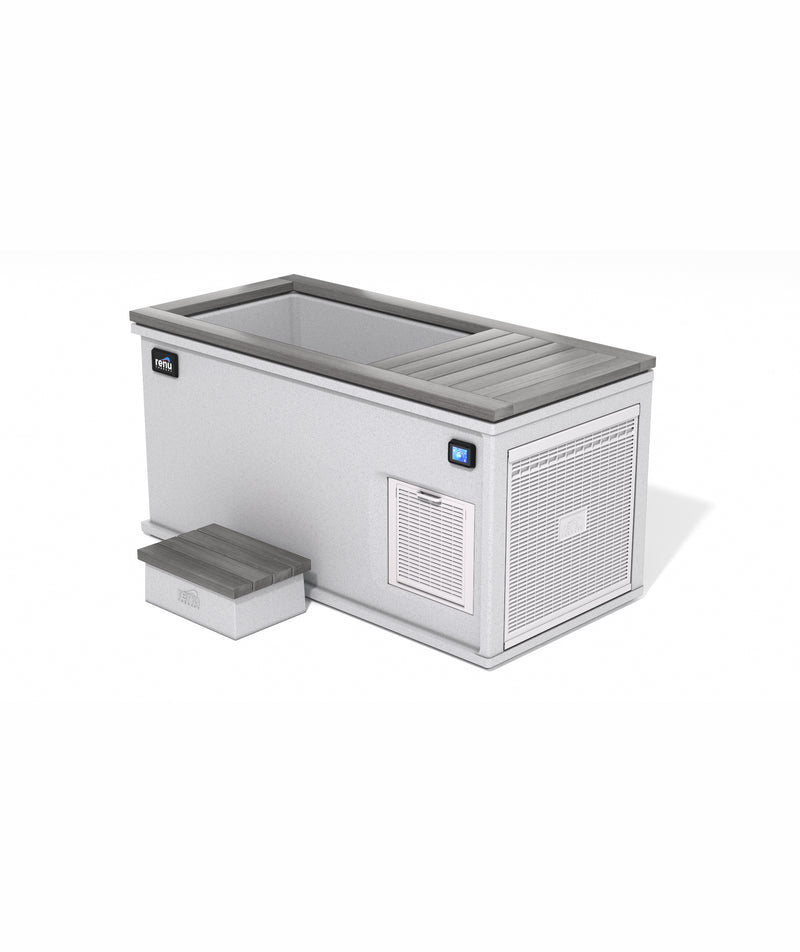
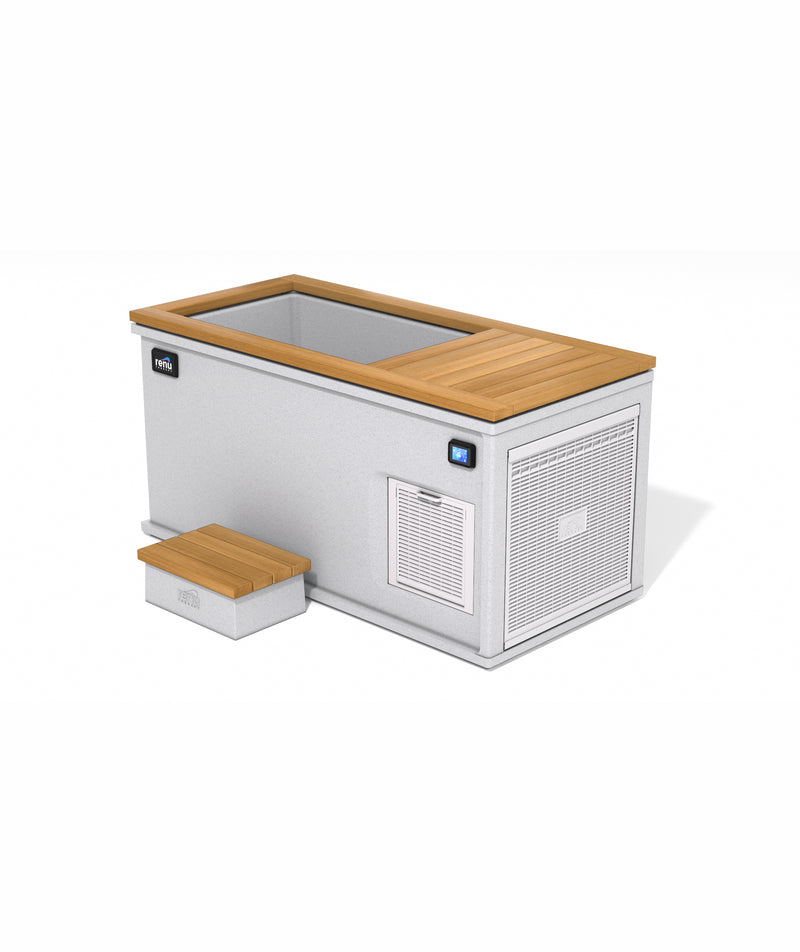
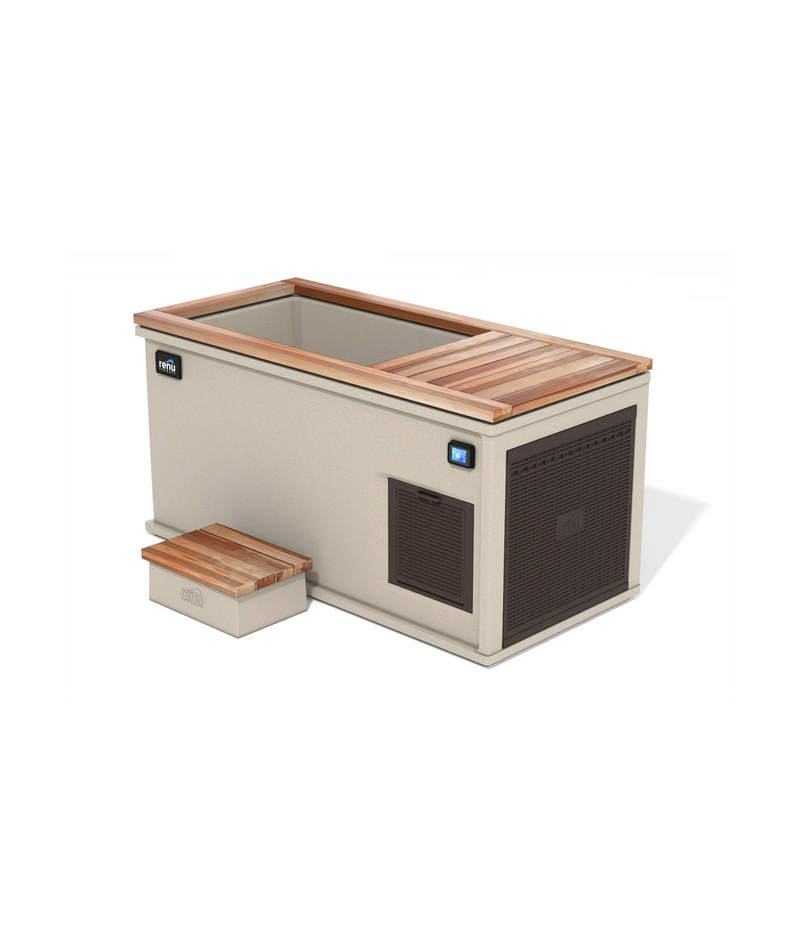
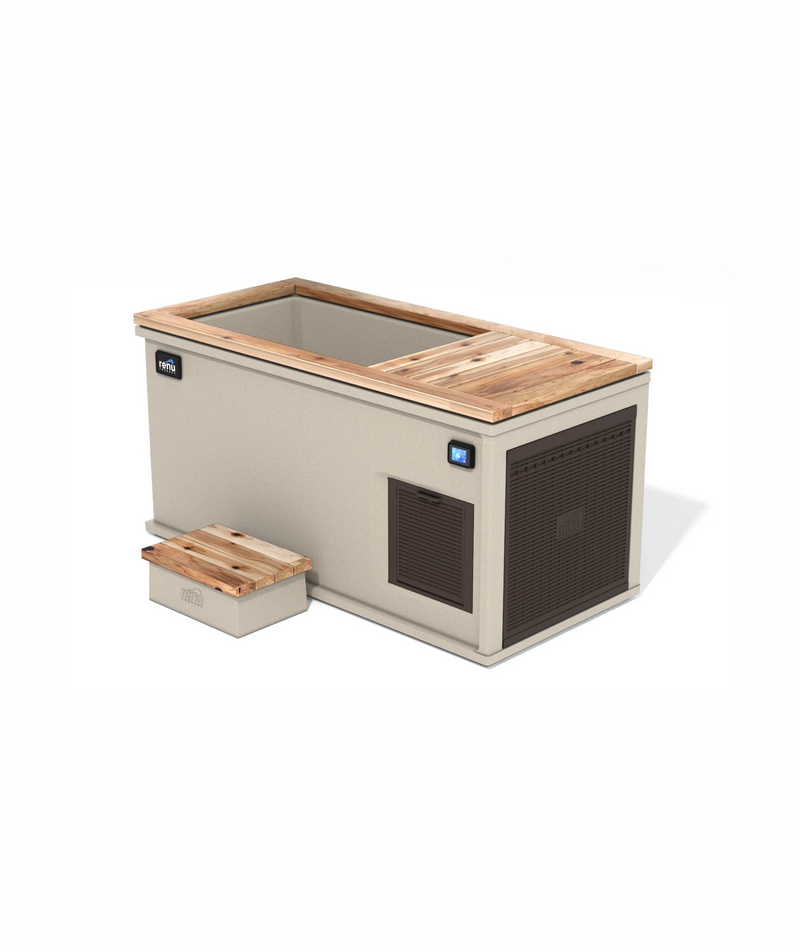
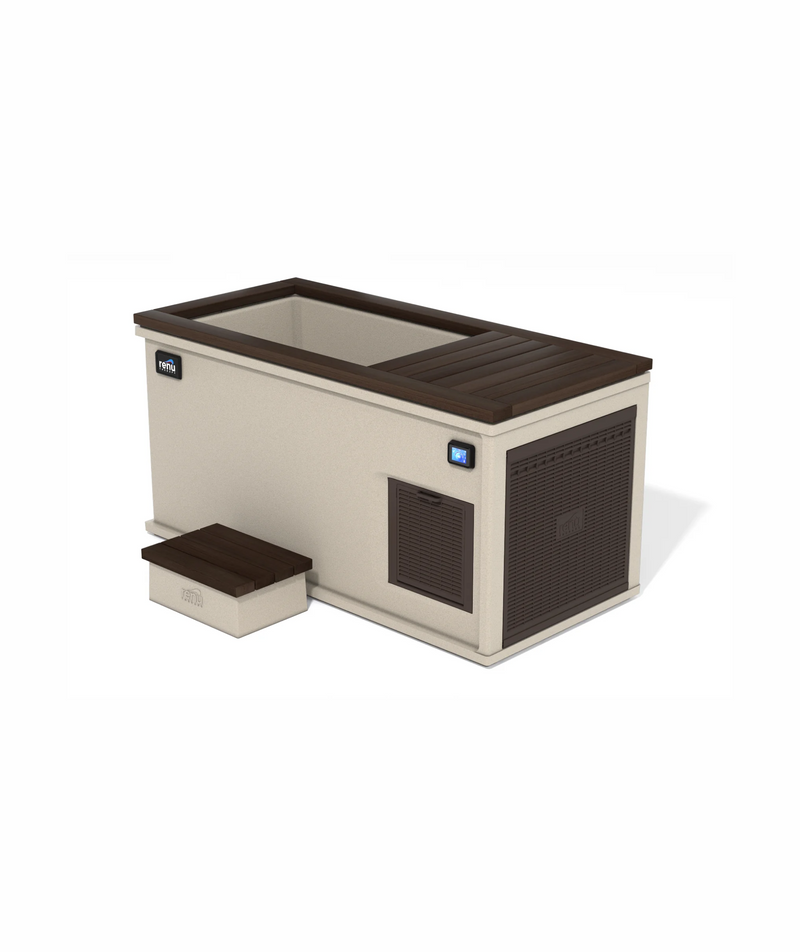
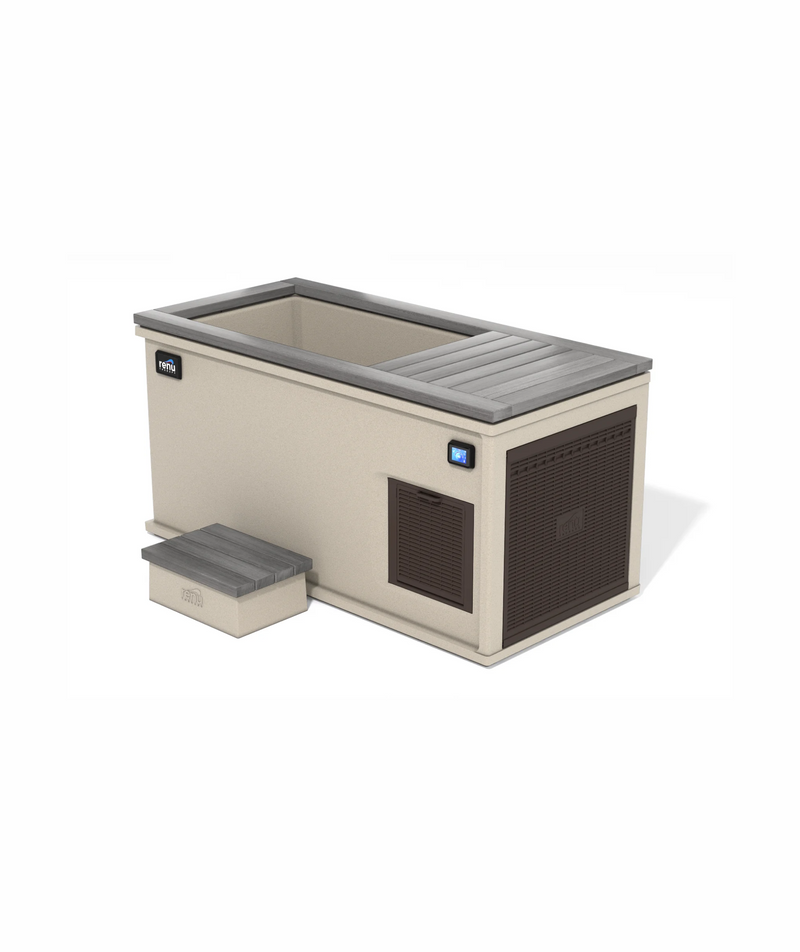
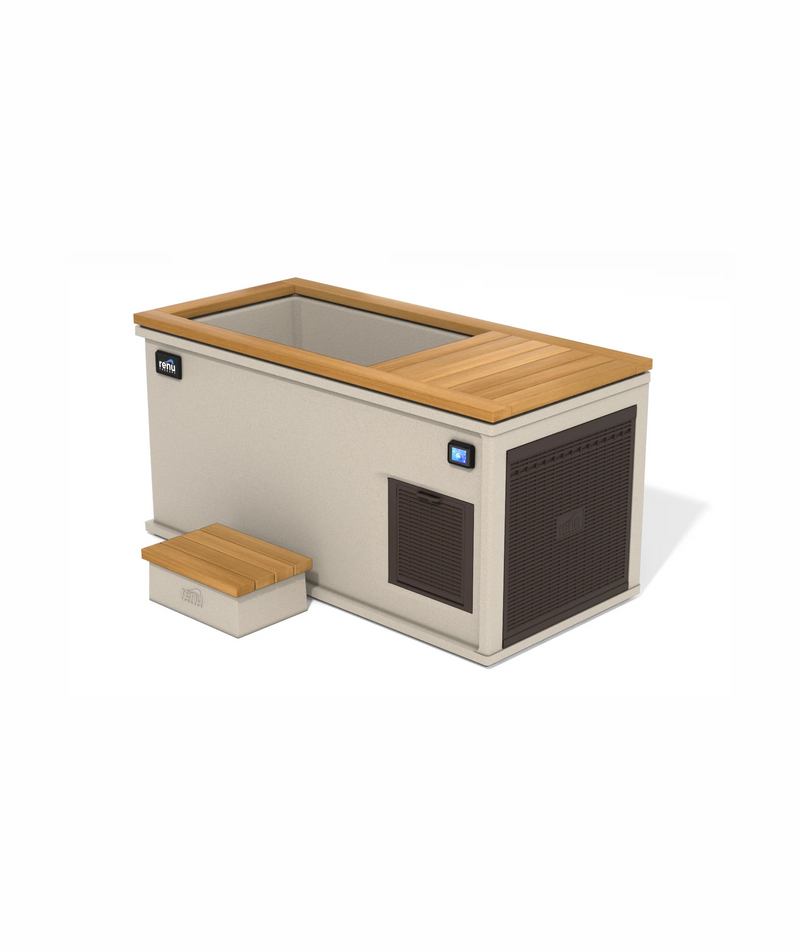
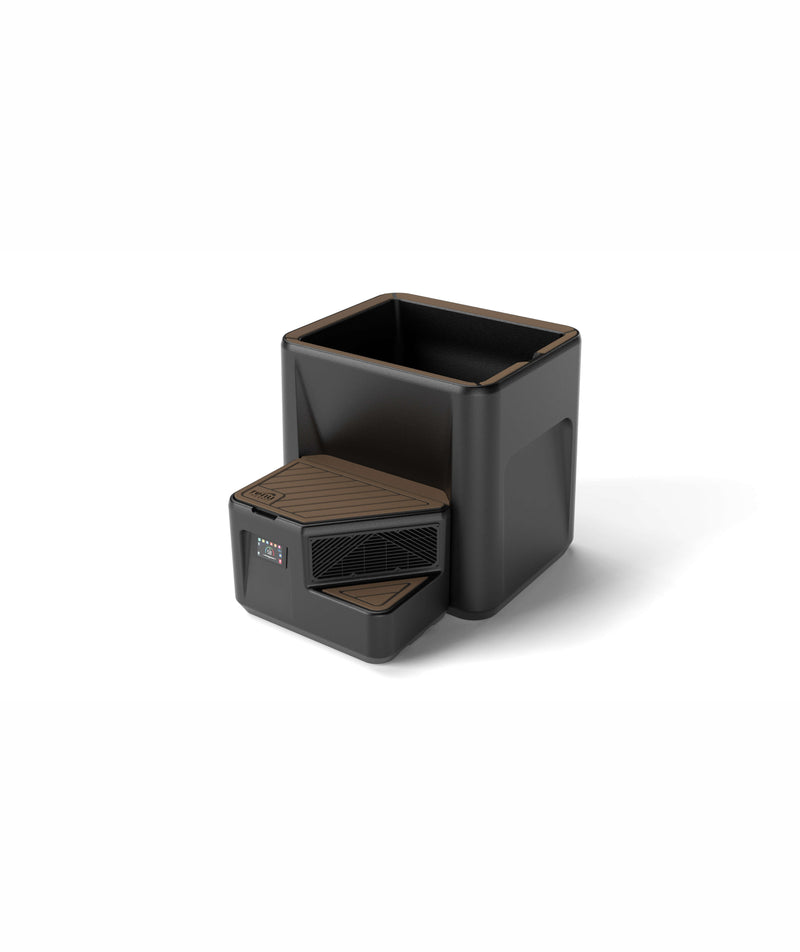
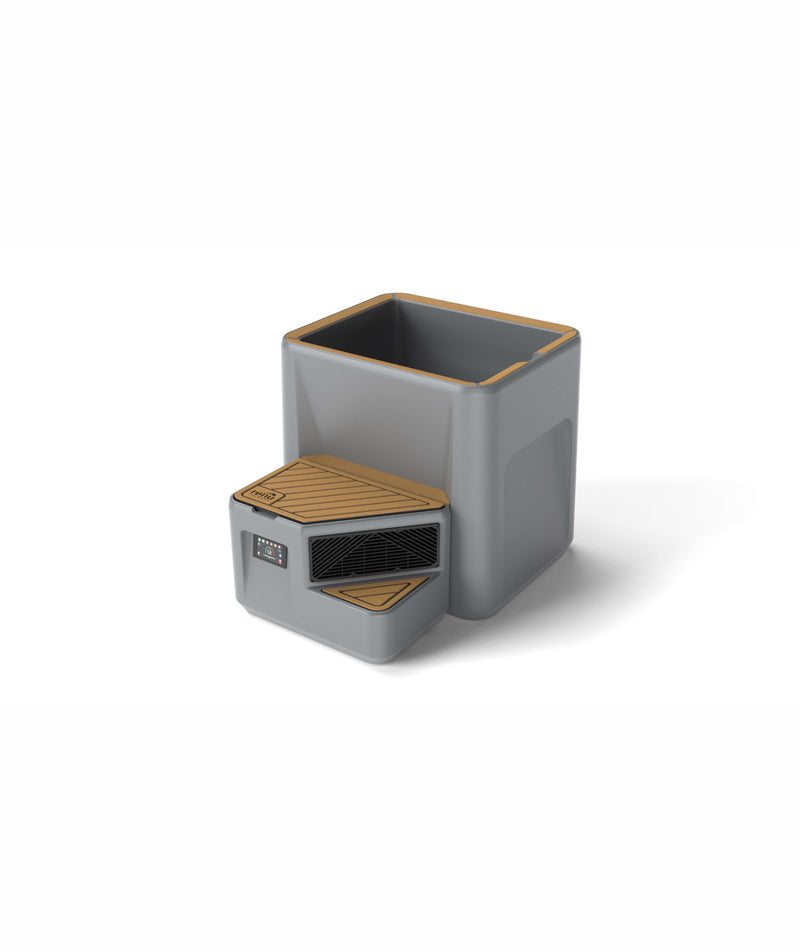
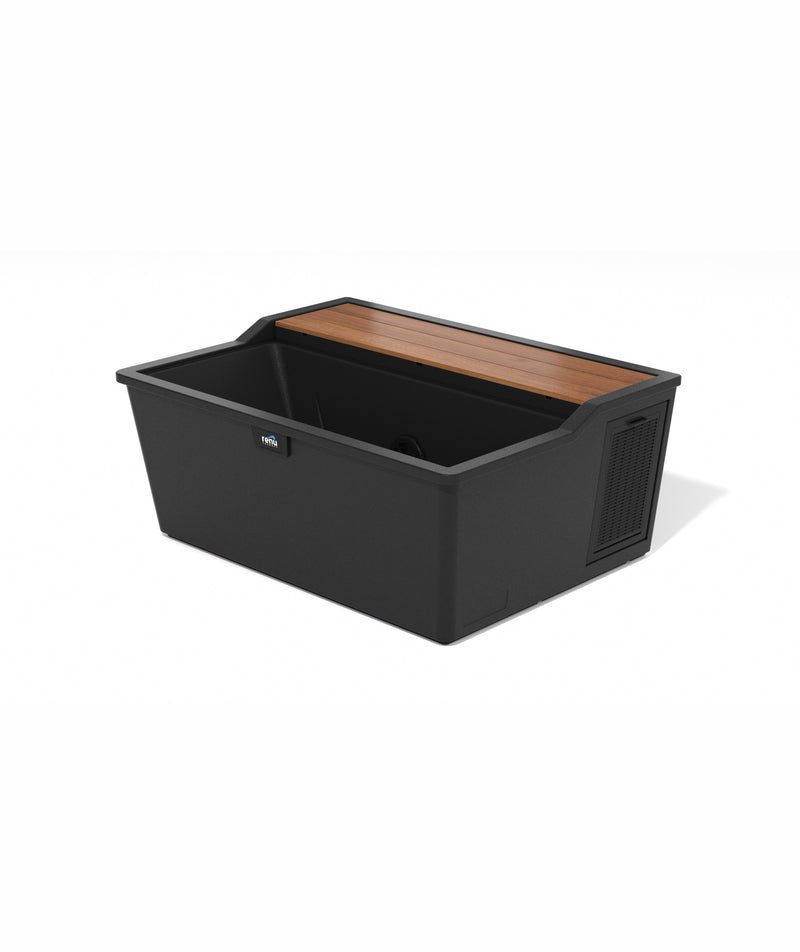
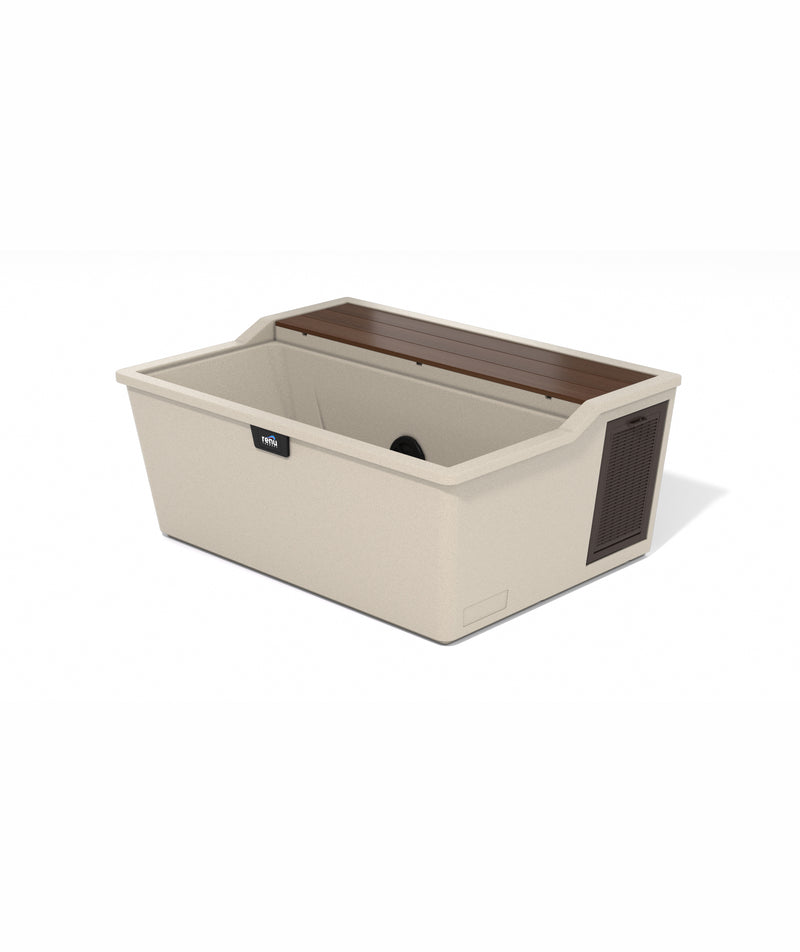
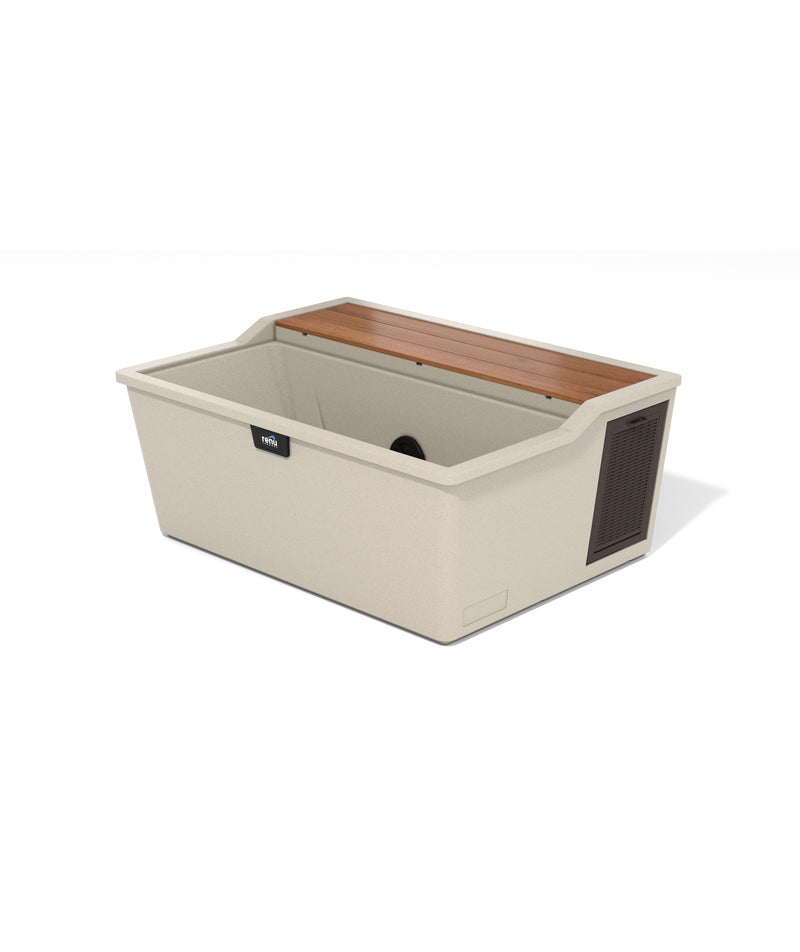
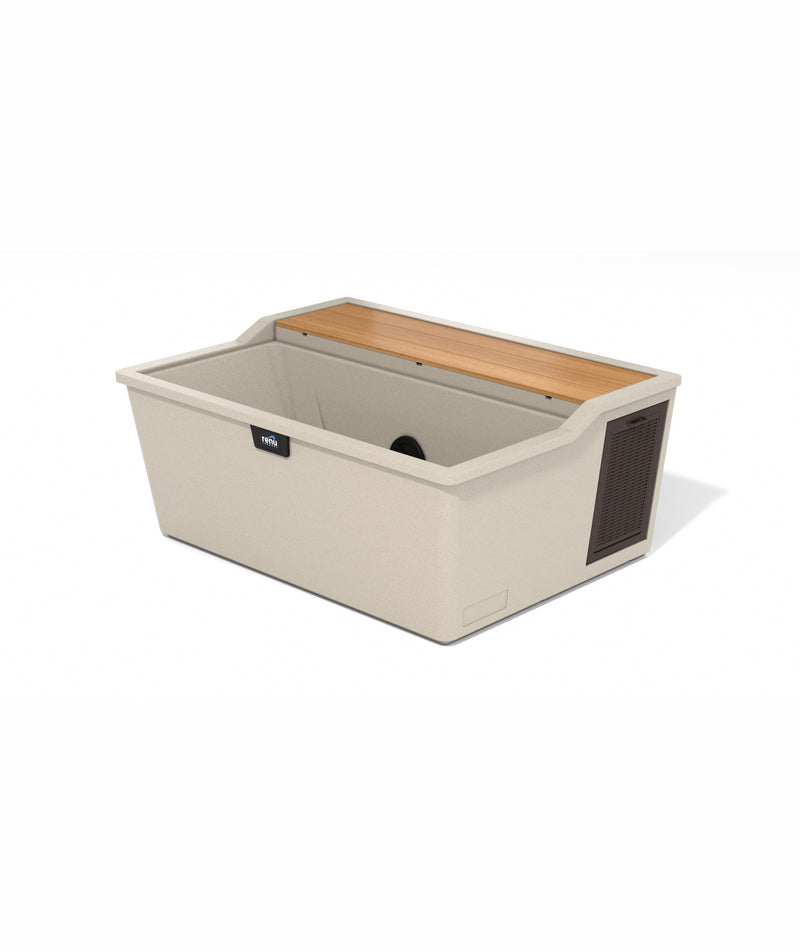
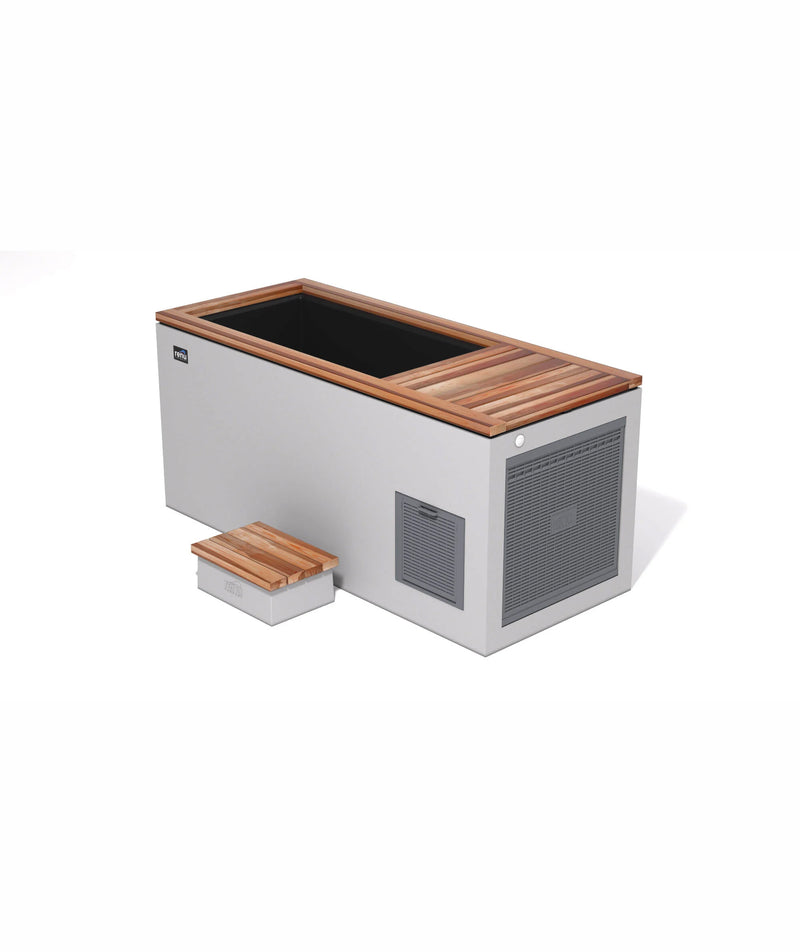
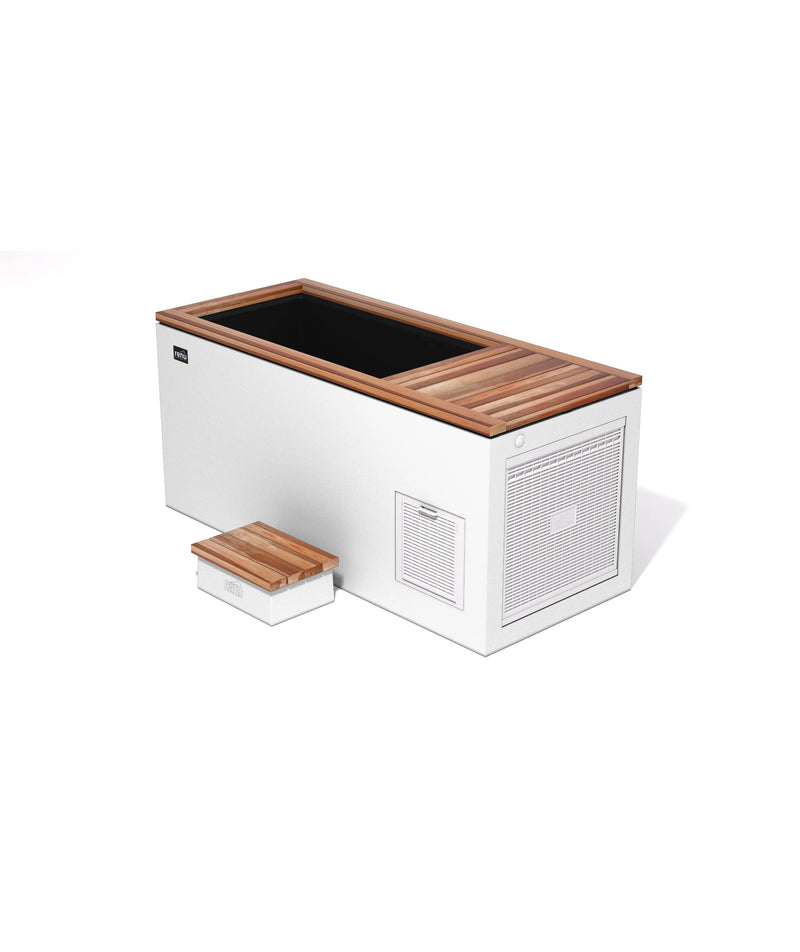
We offer multiple cold plunge tub designs to match your home's aesthetics. Each of our cold immersion therapy tubs boasts world-class designs that add to the beauty of your home.