Wellness isn't a destination; it's a journey, and in this journey, you encounter various practices that promise better health and vitality. One such practice gaining immense popularity in the wellness landscape is cold plunge therapy.
But how can you integrate the icy plunge into your wellness routine? That's what we're here to explore.
Understand the Chilling Basics of Cold Exposure
Before we dive into the "how," let's clarify the "what." Cold plunge therapy, often referred to as "cold plunges" or "ice baths," involves immersing your body in water at temperatures typically around 50 degrees Fahrenheit (10 degrees Celsius) or lower.
It's a practice with roots in ancient traditions, now being embraced in modern wellness routines for its remarkable advantages.
The Evolution of Cold Water Therapy
The concept of immersing oneself in cold water is anything but new. Ancient cultures, from the Greeks and Romans to the indigenous people of Scandinavia and Japan, have long practiced cold water immersion for health and vitality. Today, it continues to evolve and thrive in modern wellness practices.
Incorporate Cold Water Immersion in Your Daily Routine
Integrating cold plunge therapy into your wellness routine begins with setting the stage. The right environment ensures you can safely and comfortably experience the benefits of cold exposure. Here's a step-by-step guide:
Step 1: Safety First
Integrating cold plunge therapy into your wellness routine begins with safety. Prolonged exposure to frigid water can pose risks, including hypothermia. It's vital to approach this practice thoughtfully and responsibly.
- Consult with a Healthcare Professional: Before embarking on your cold plunge journey, it's advisable to consult with a healthcare provider, especially if you have underlying medical conditions or concerns.
- Wellness Centers and Spas: Seek out wellness centers and spas that offer controlled environments for cold temperatures. These settings ensure your safety while you experience the benefits.
- Know Your Limits: Understand your body's limits and listen to what it tells you. If the cold becomes too uncomfortable, it's okay to exit the water.
Step 2: Gradual Exposure
Cold water immersion is a practice that often requires gradual exposure to adapt to the cold shock response. Here's how you can ease into it:
- Start with Cold Showers: Begin your journey with cold showers. Gradually decrease the water temperature until you feel comfortable.
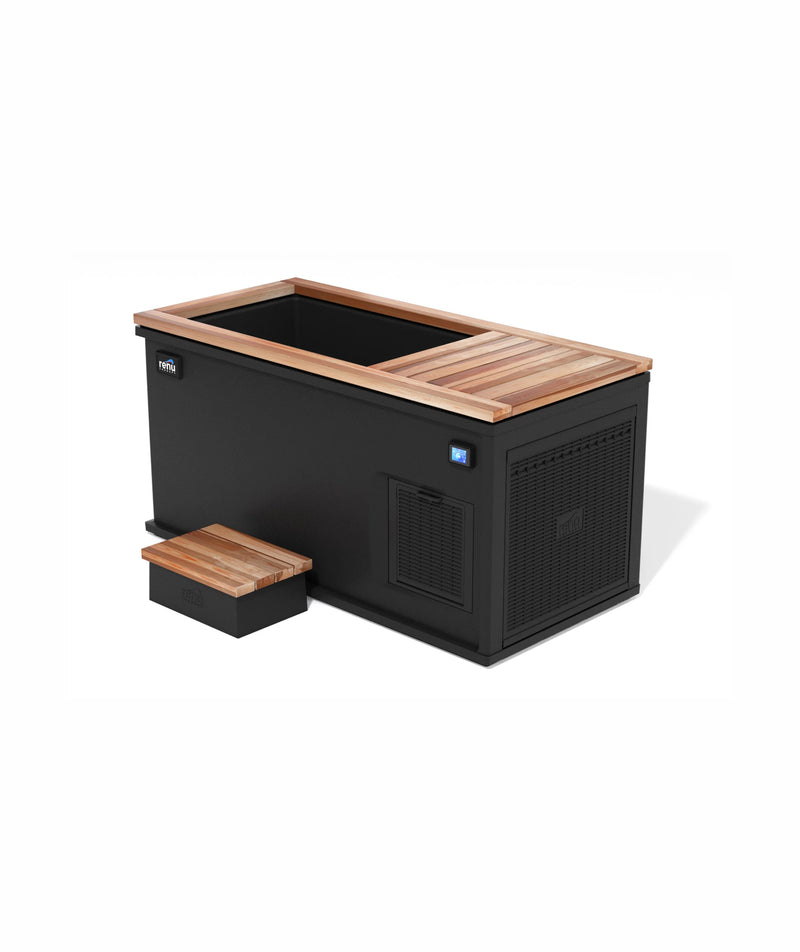
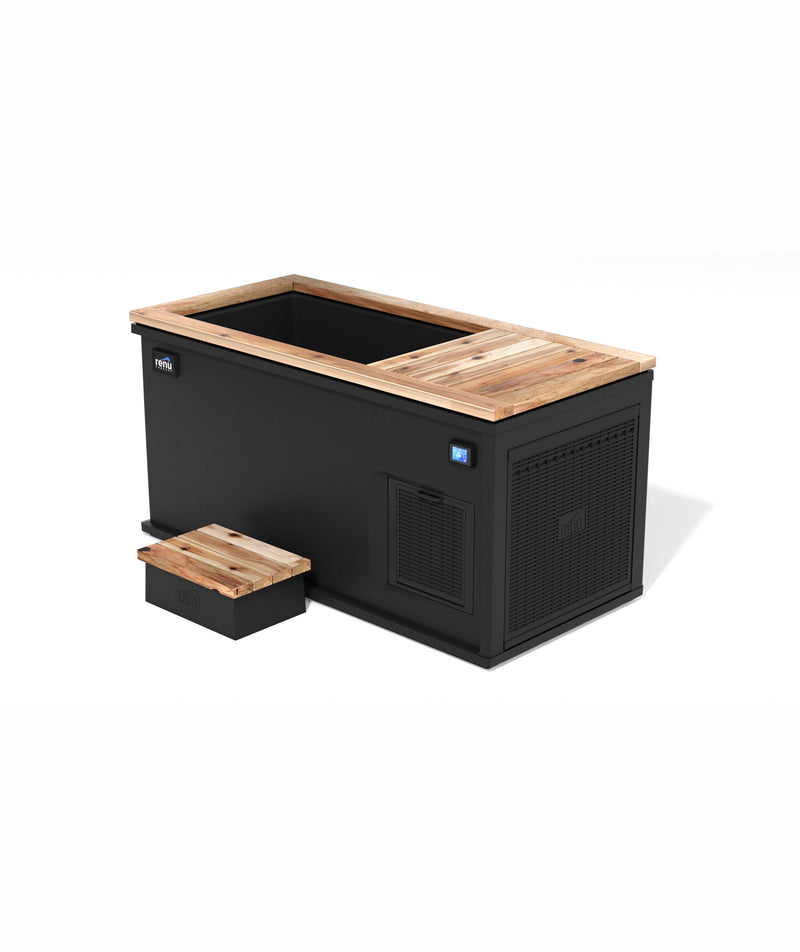
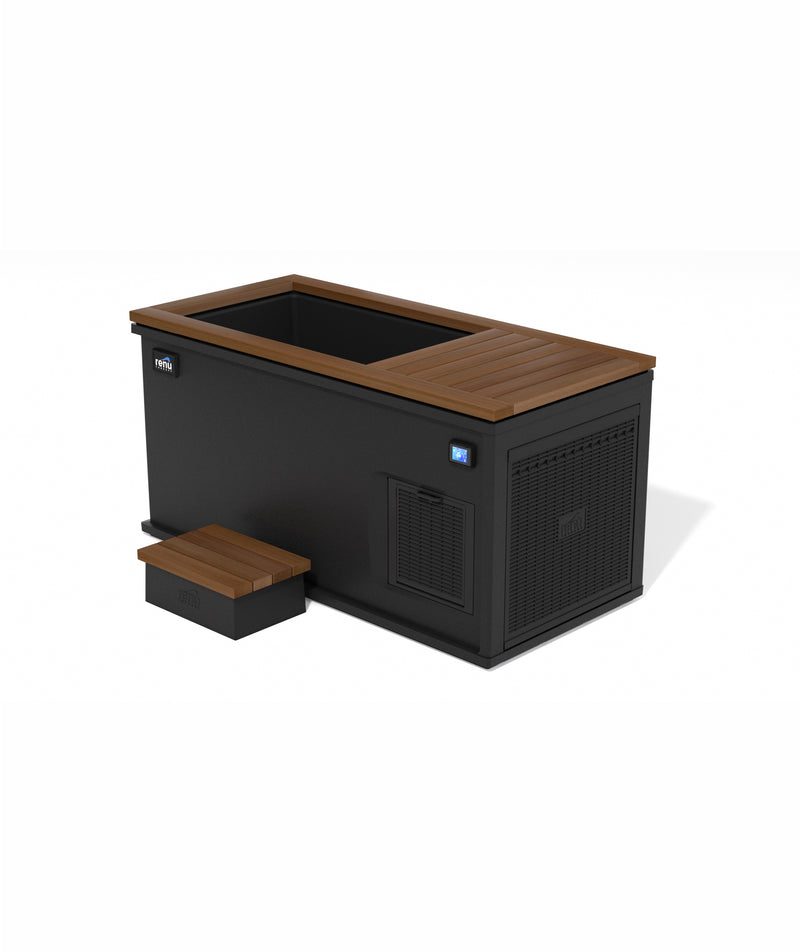
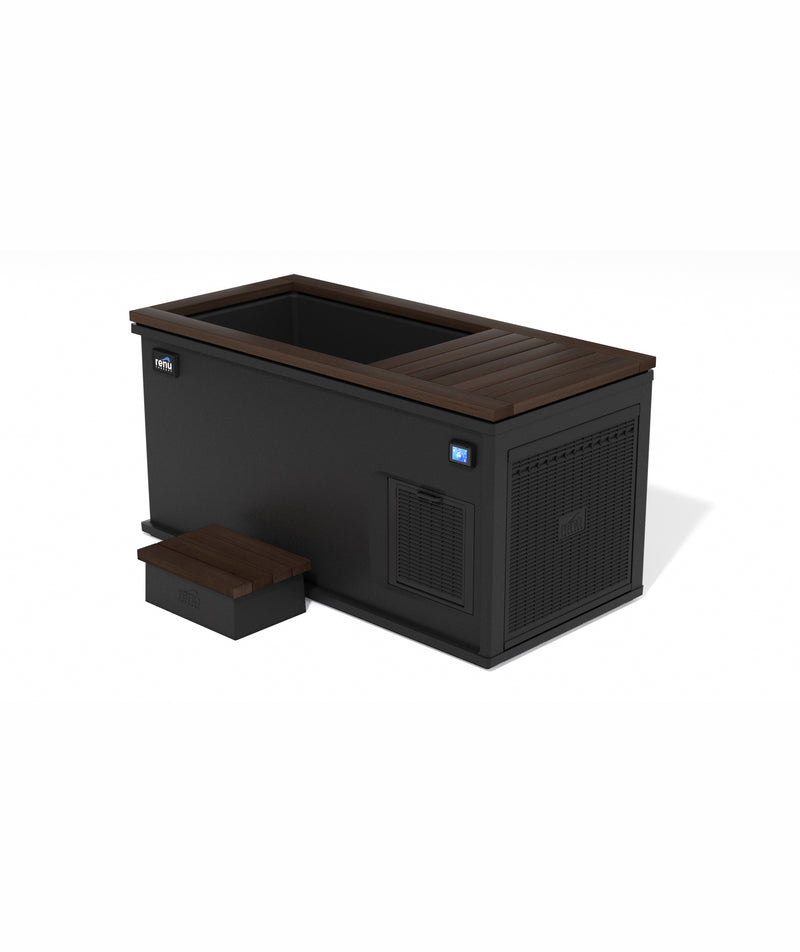
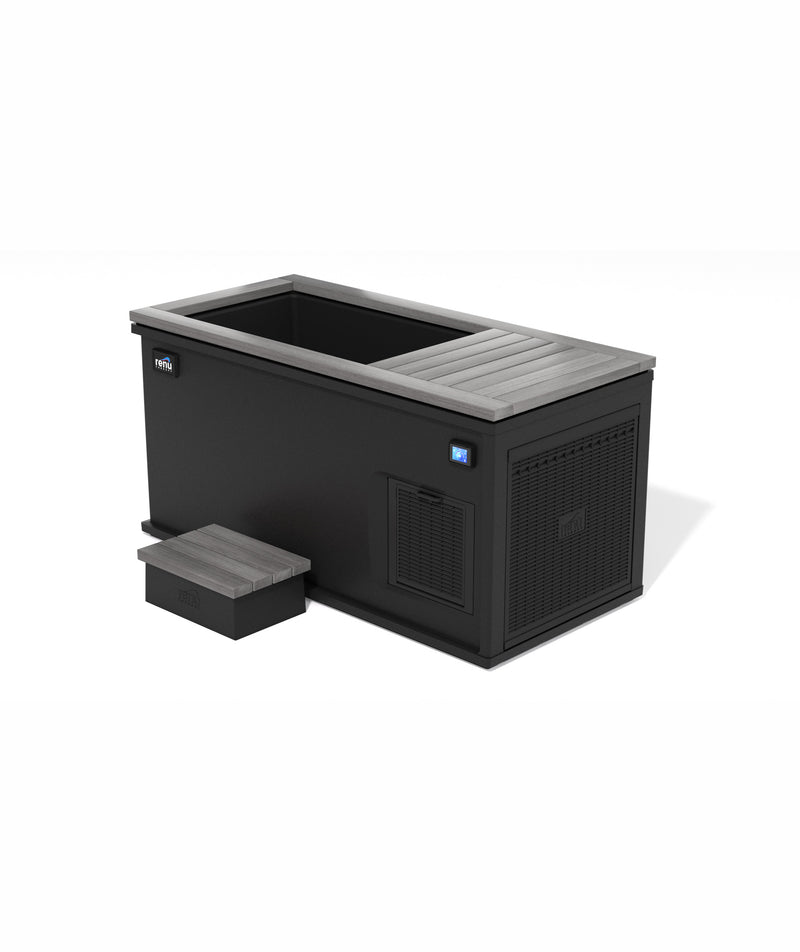
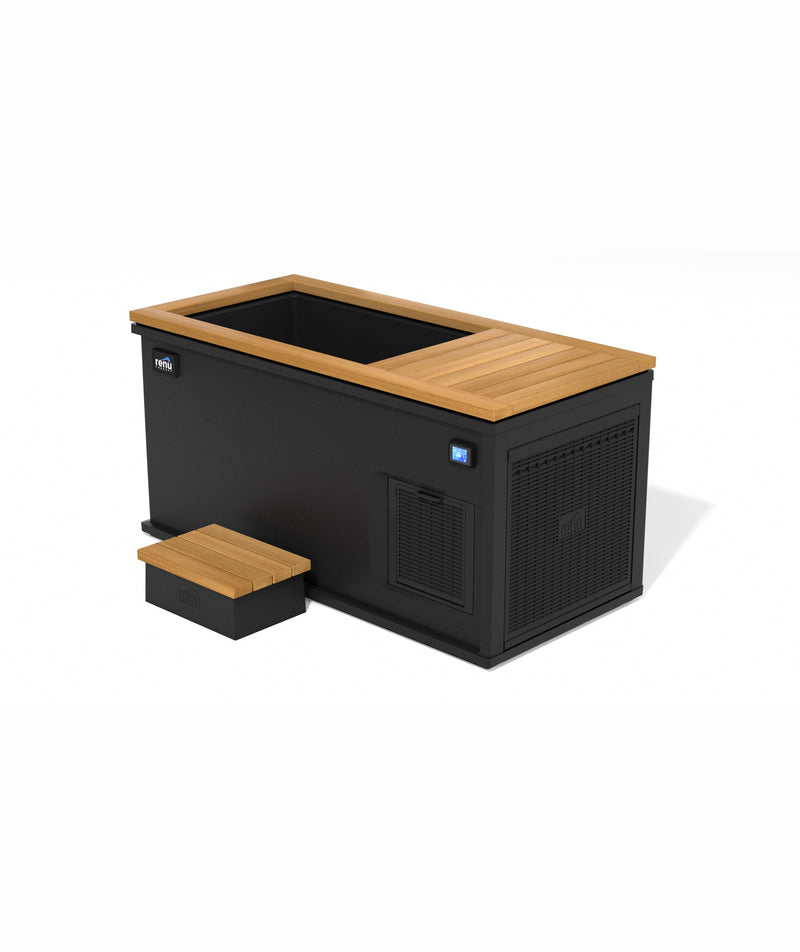
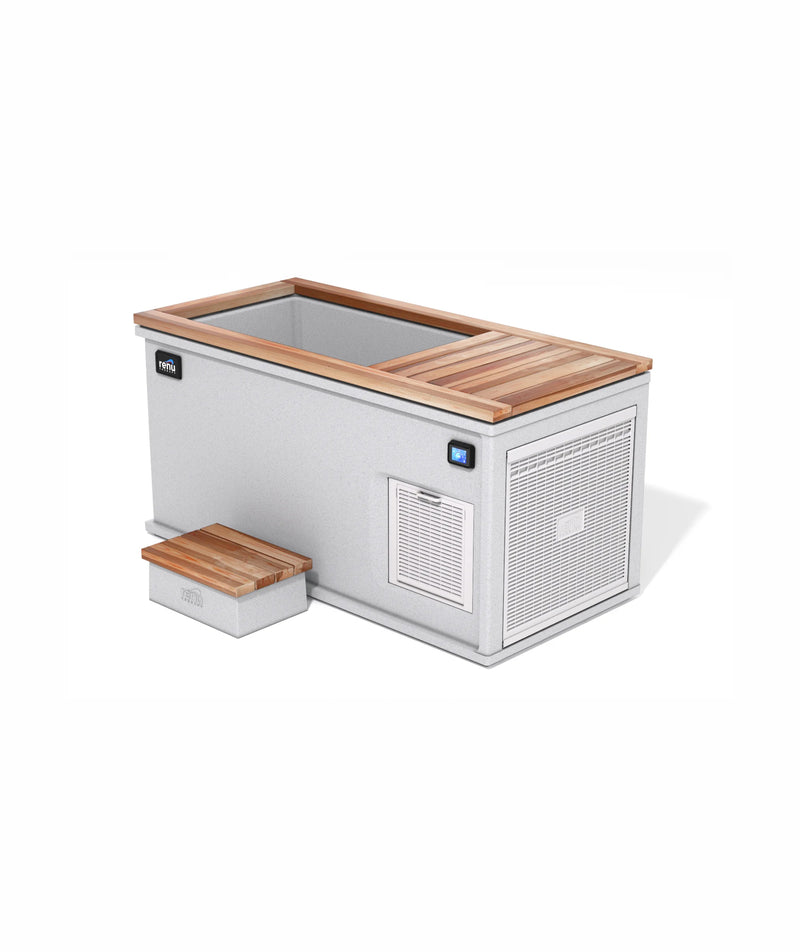
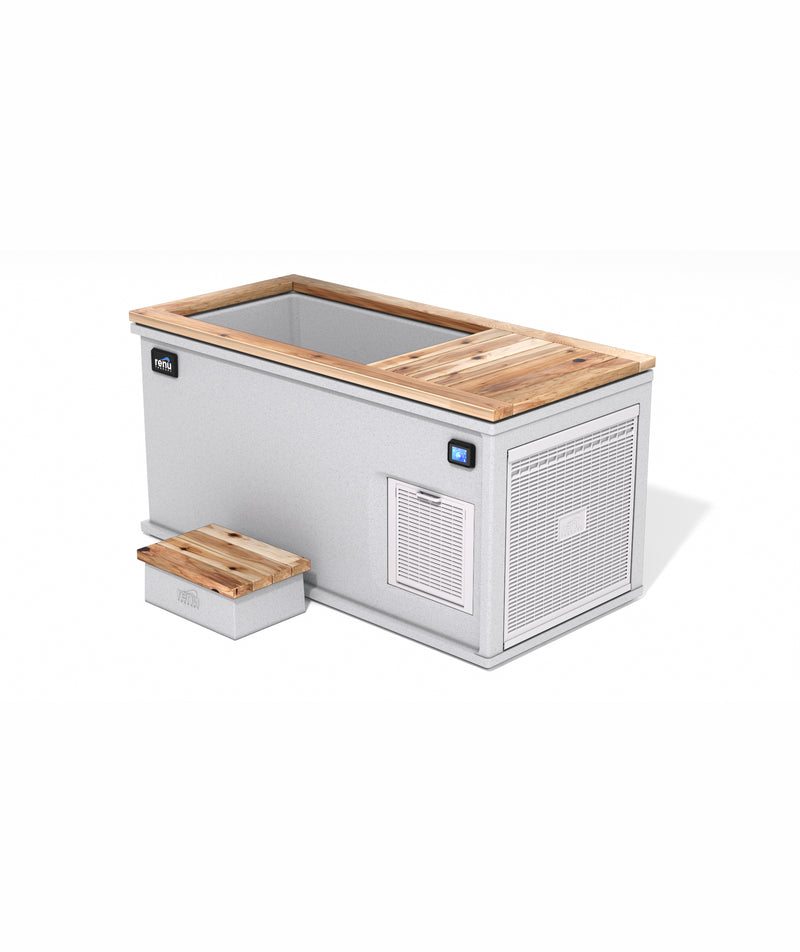
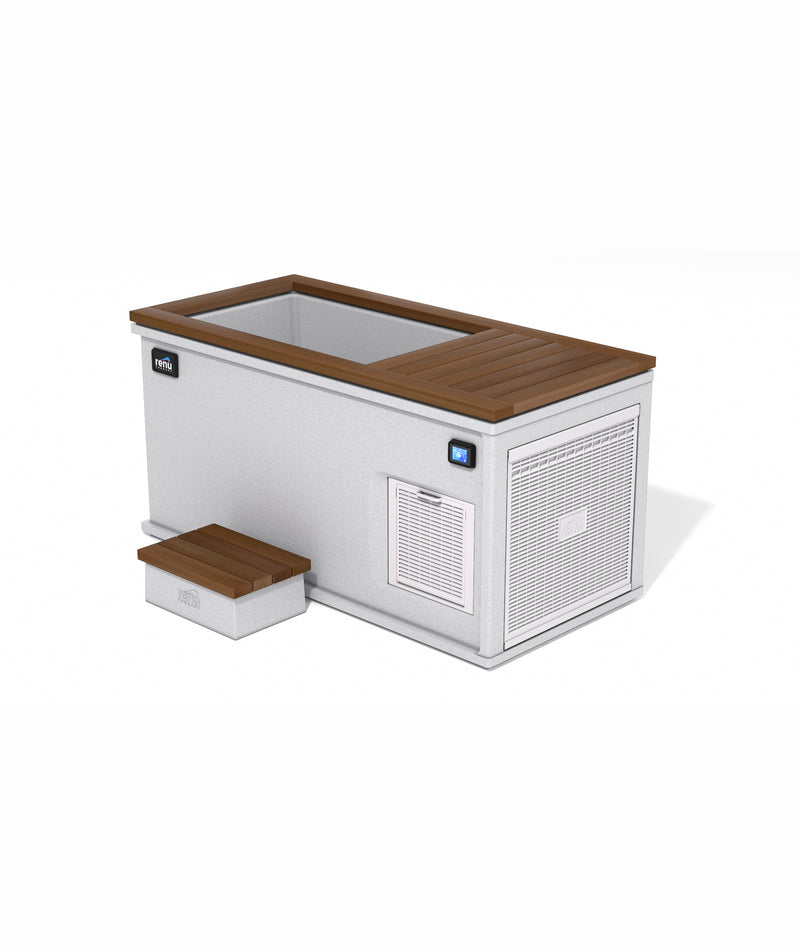
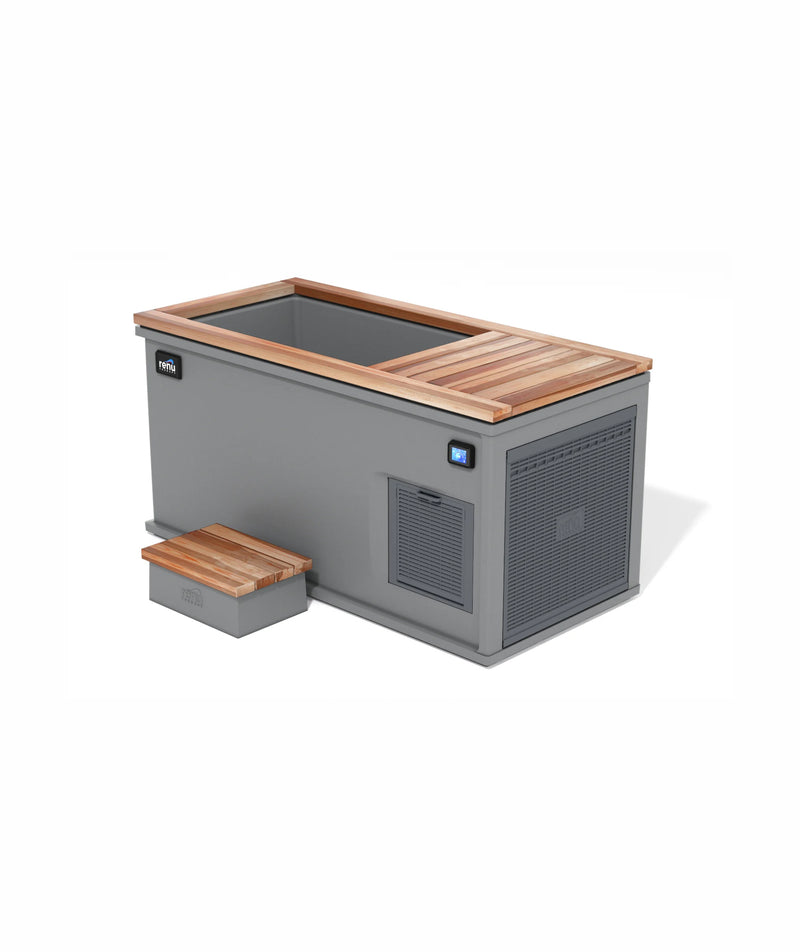
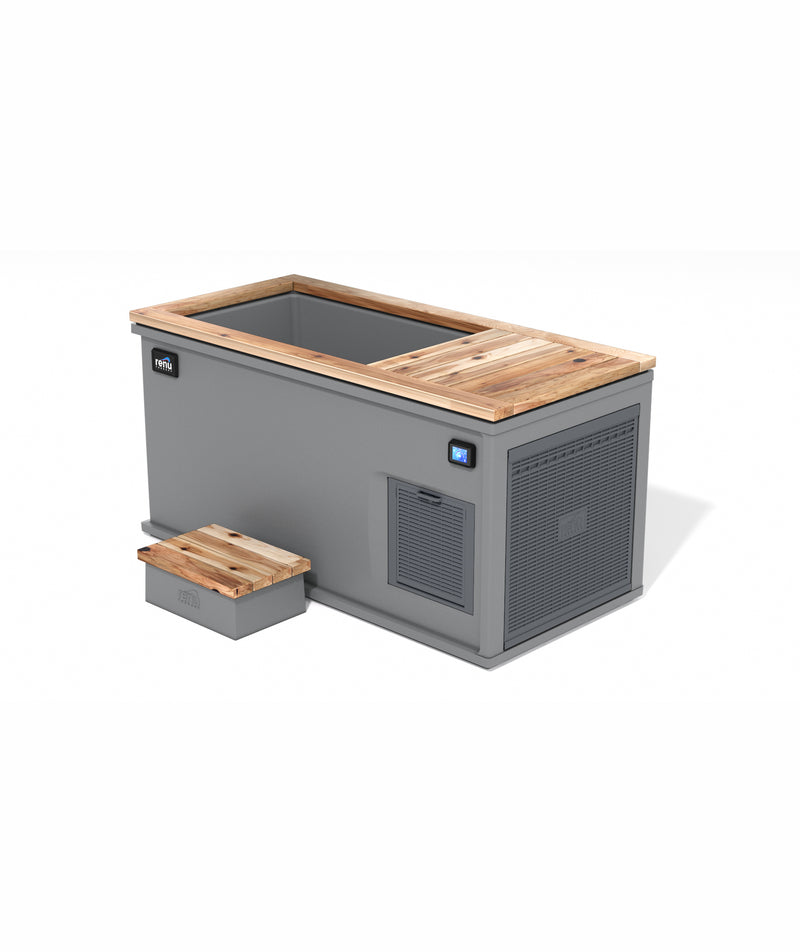
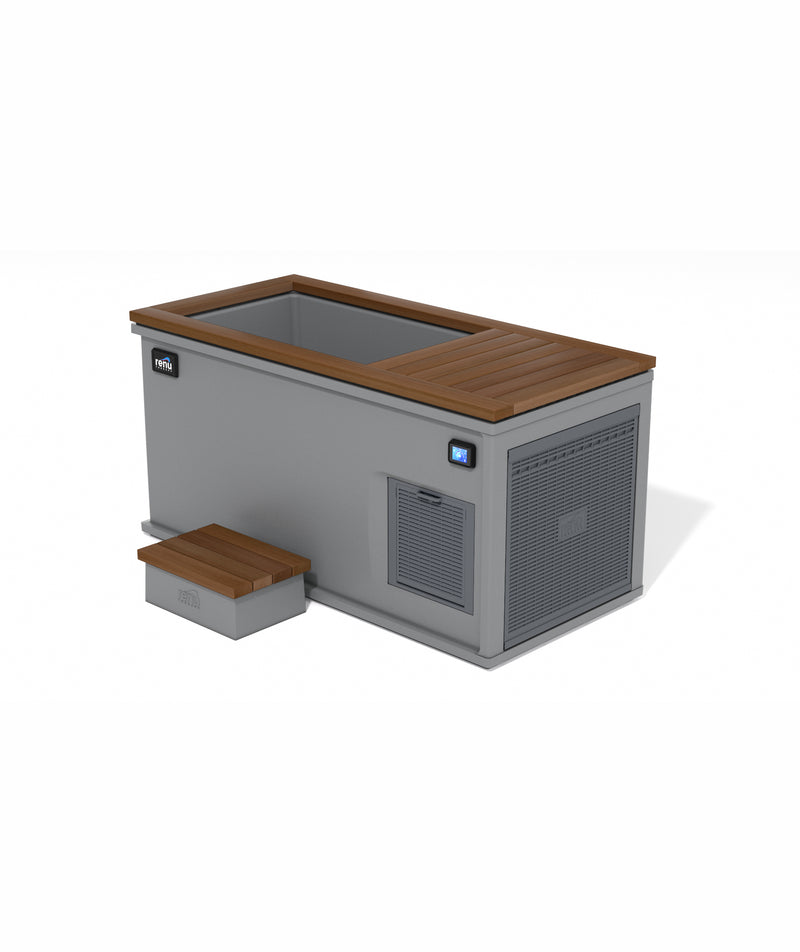
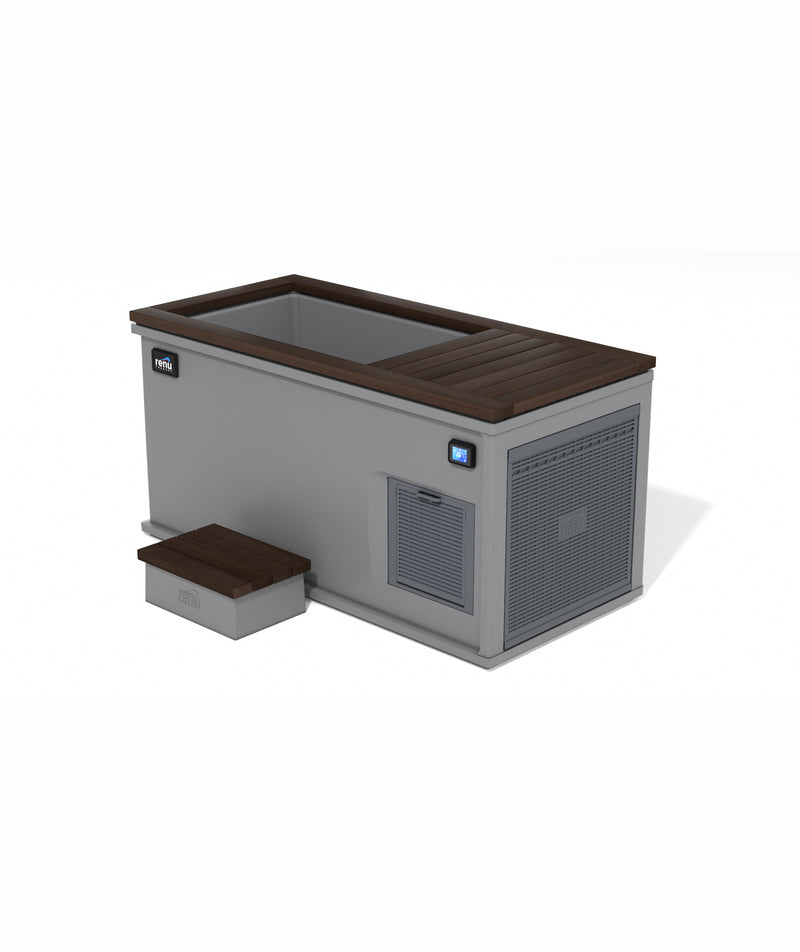
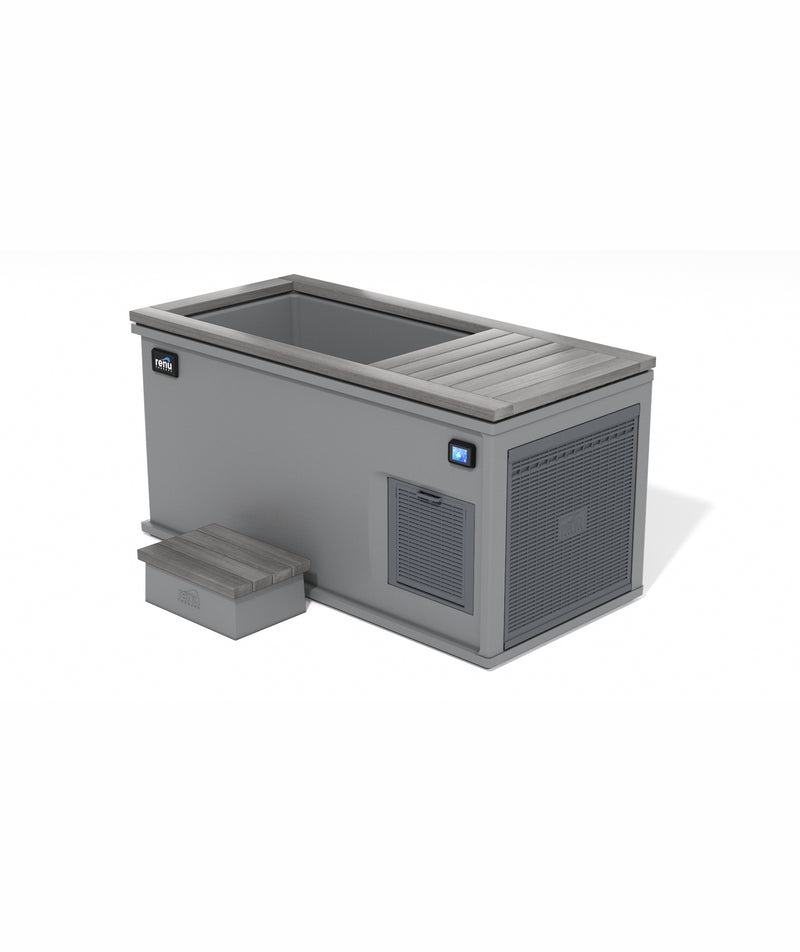
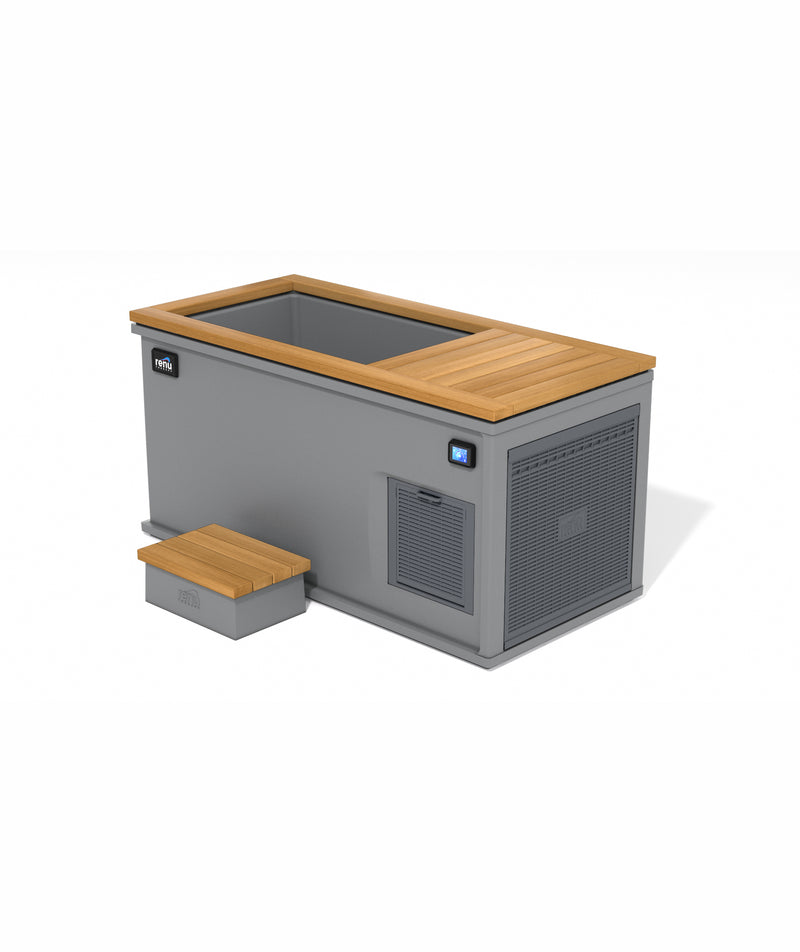
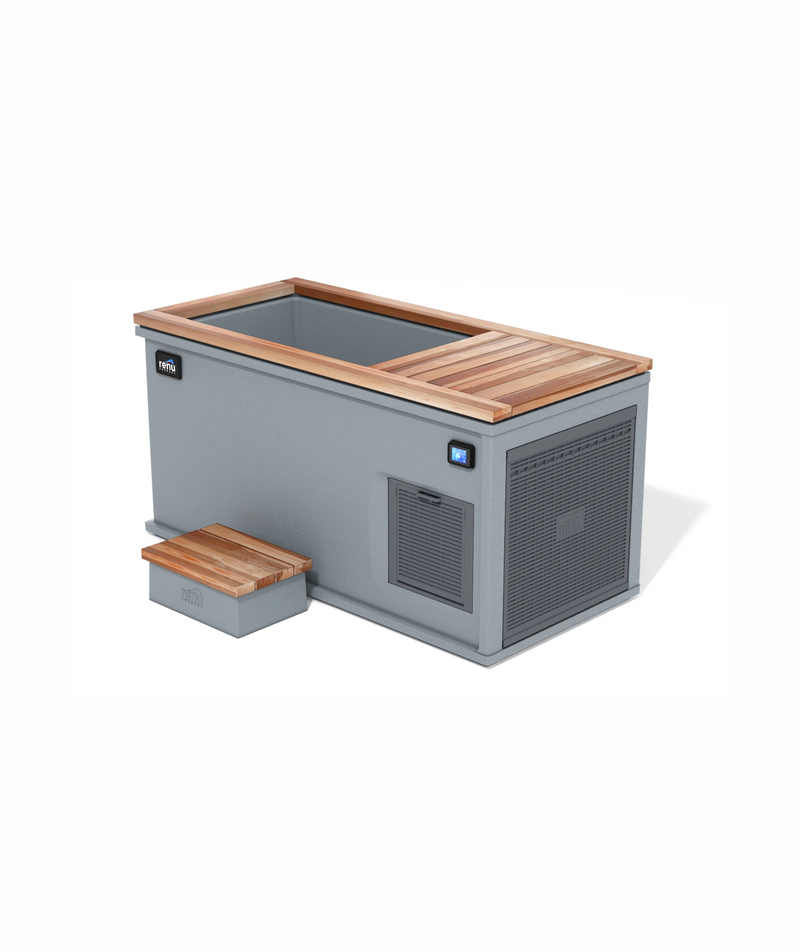
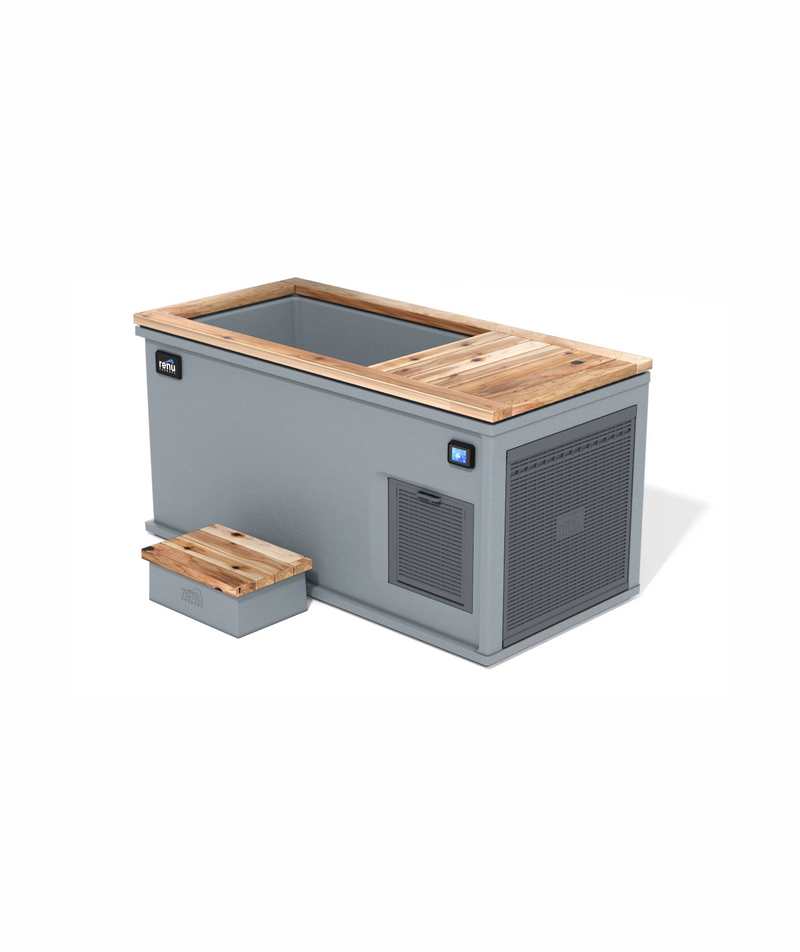
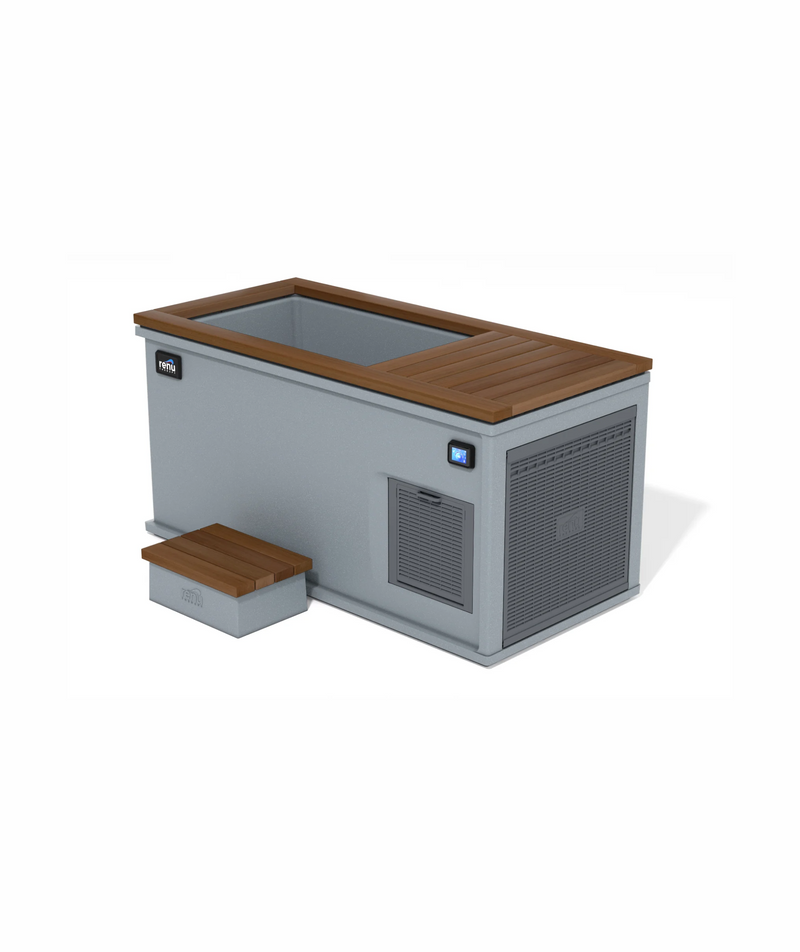
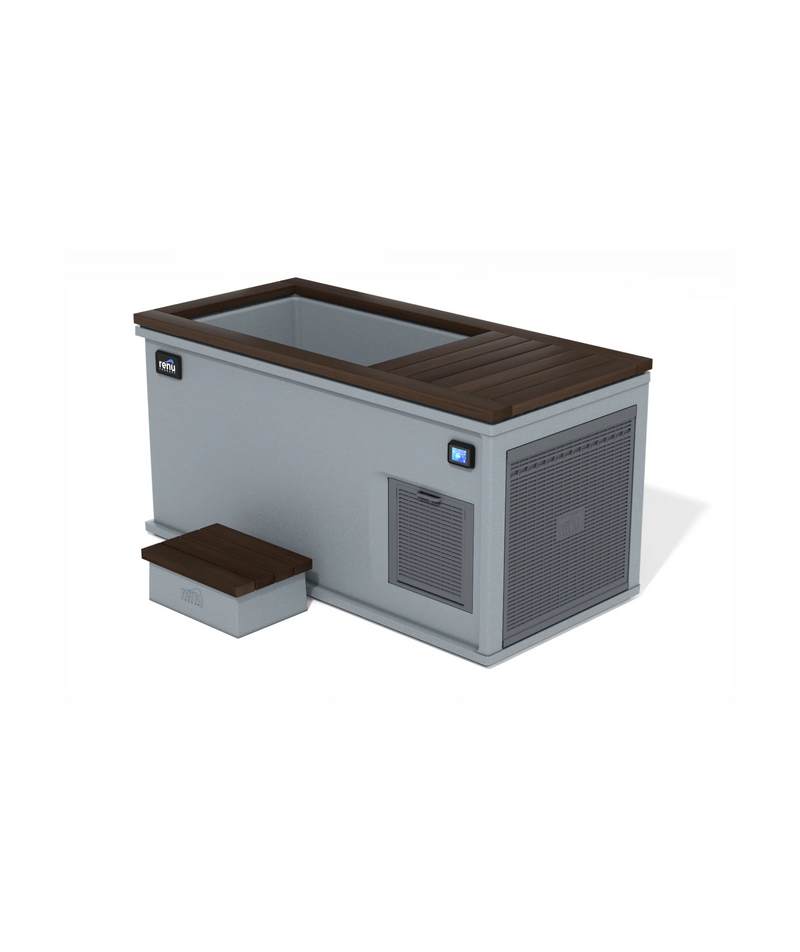
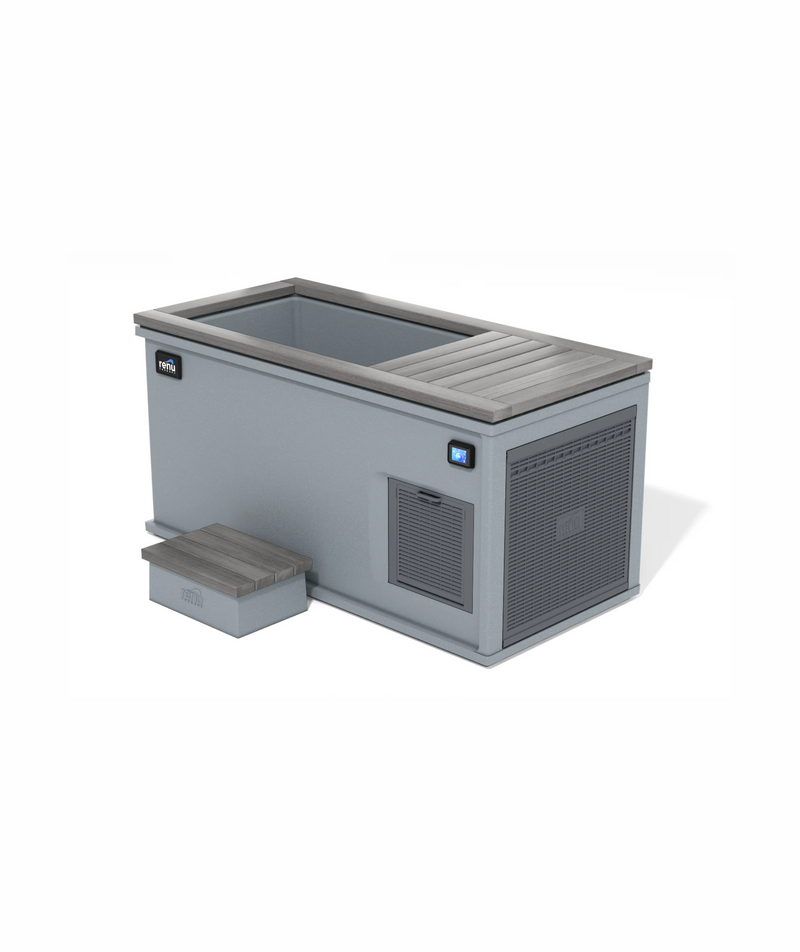
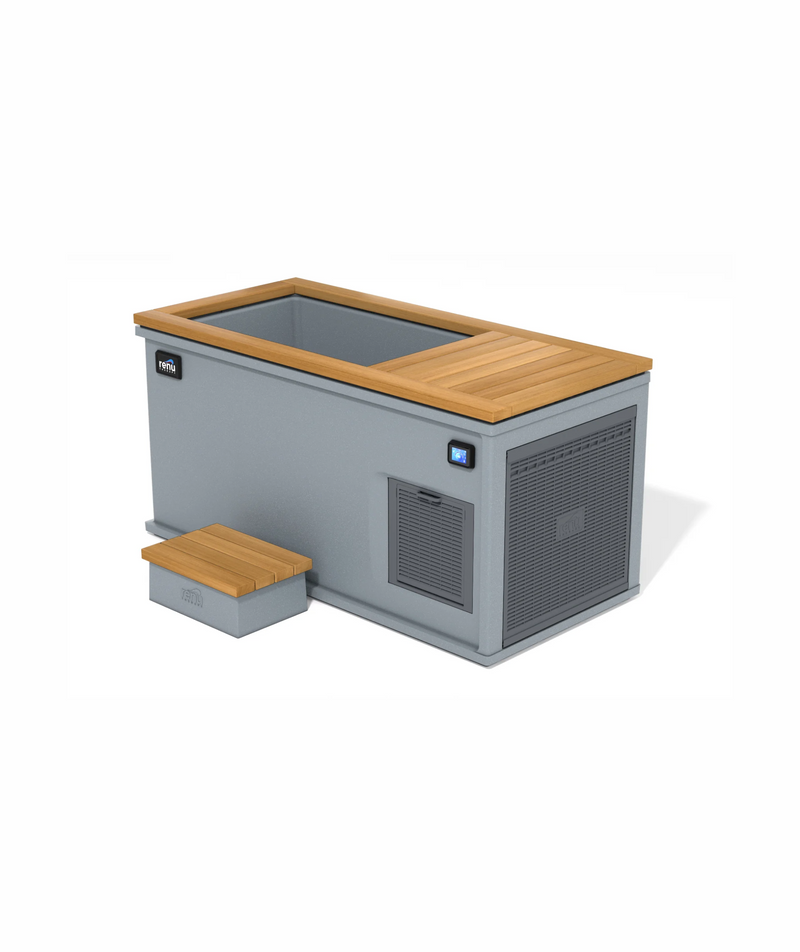
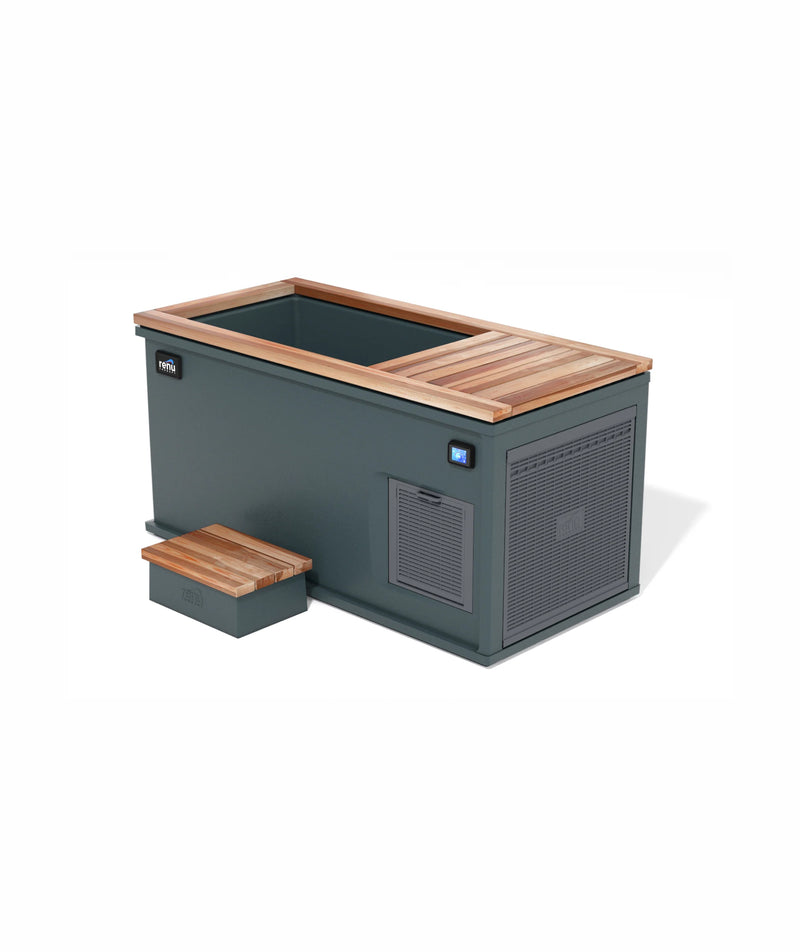
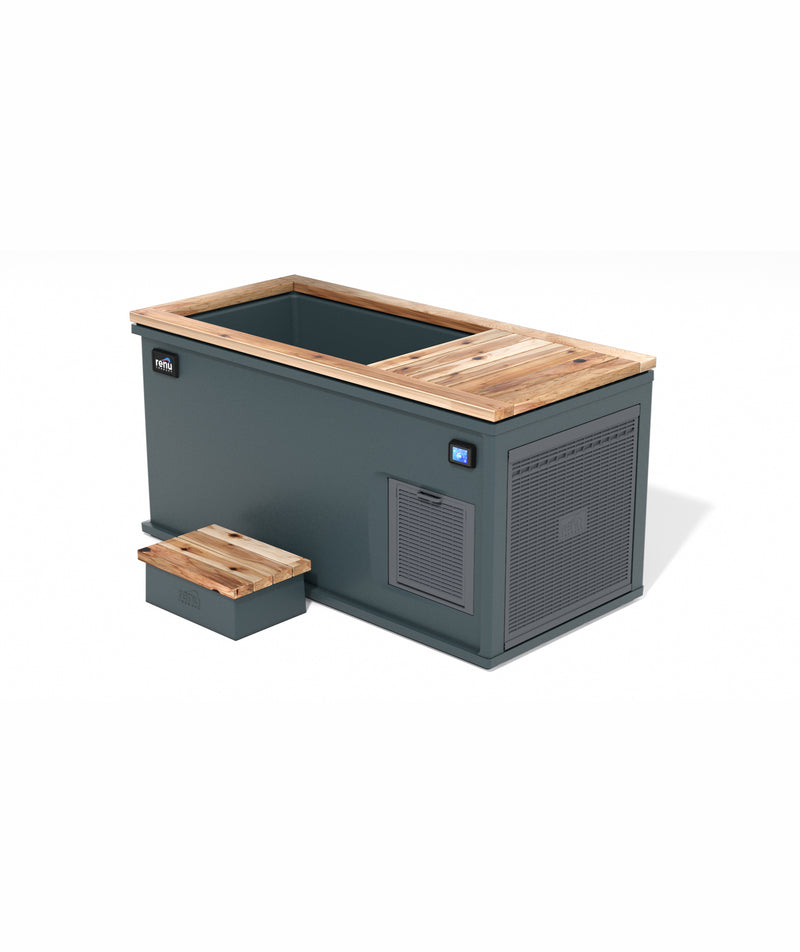
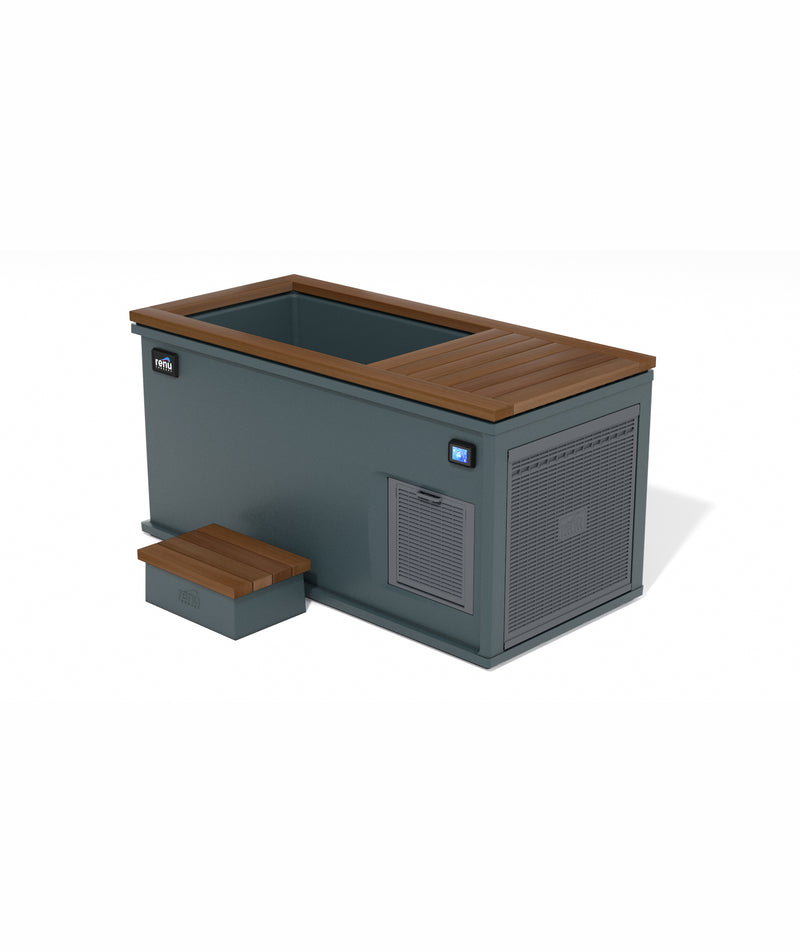
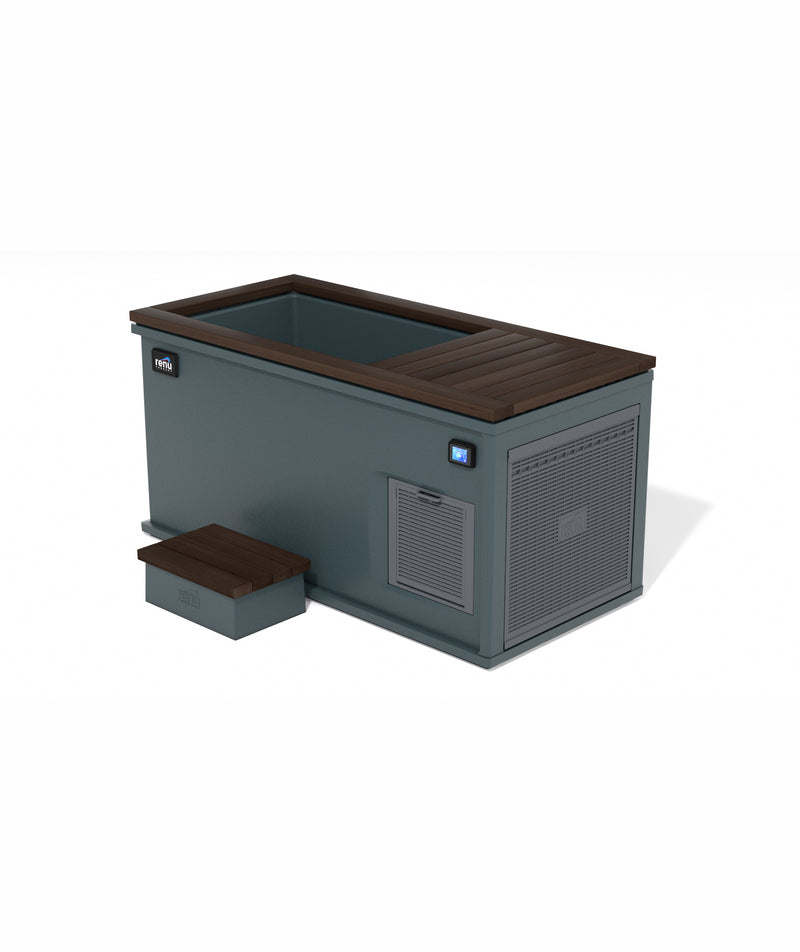
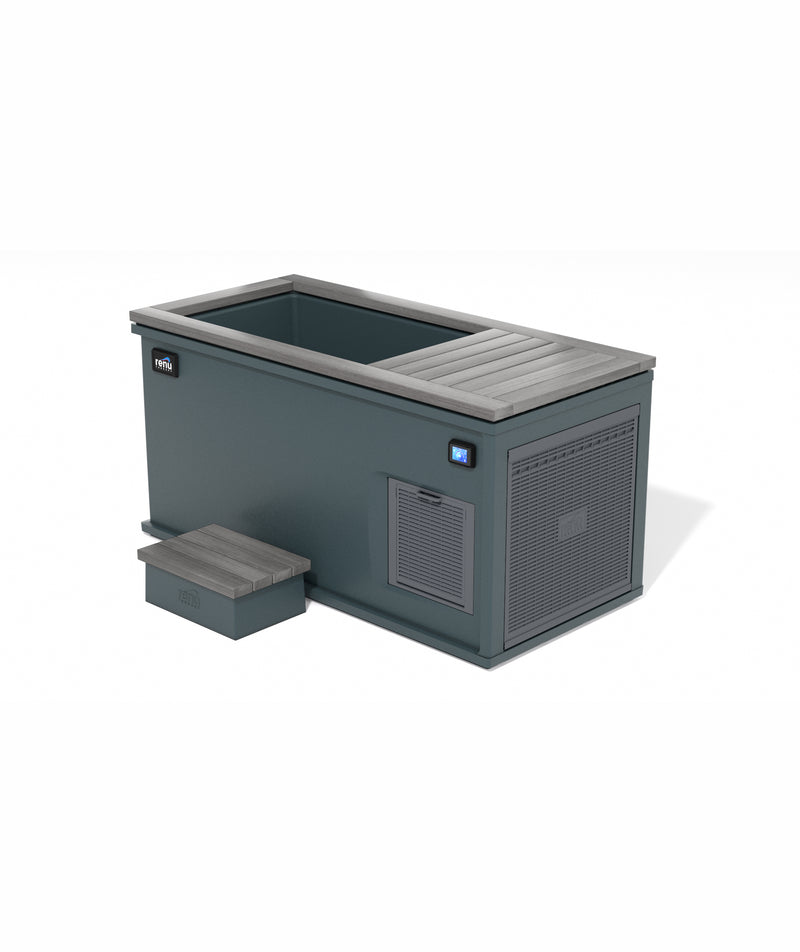
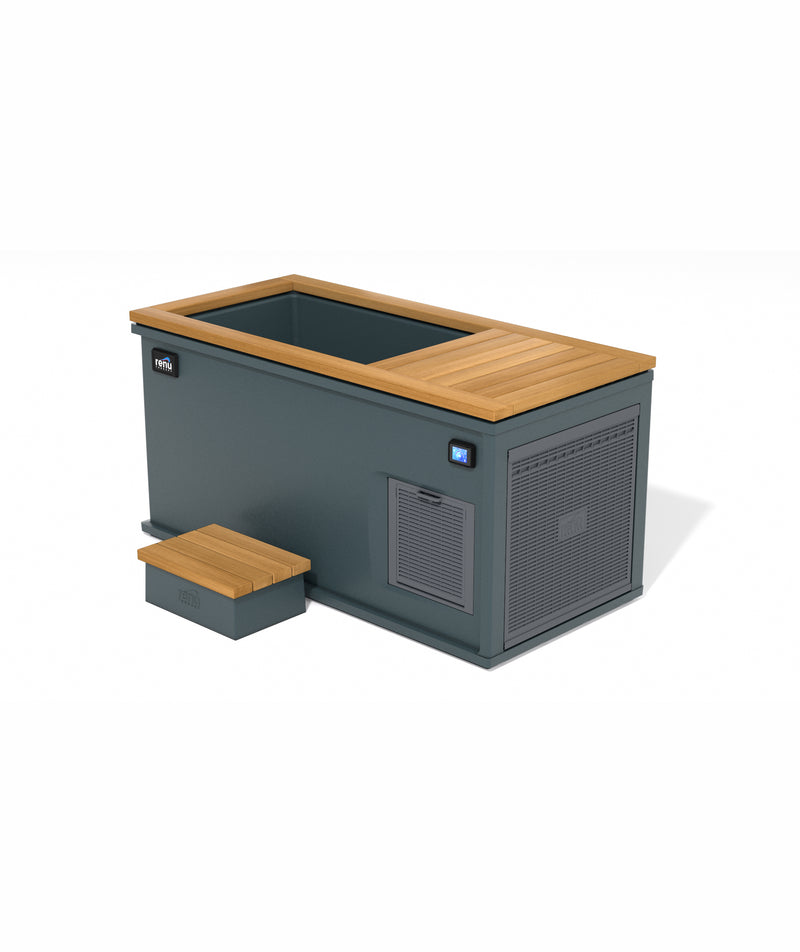
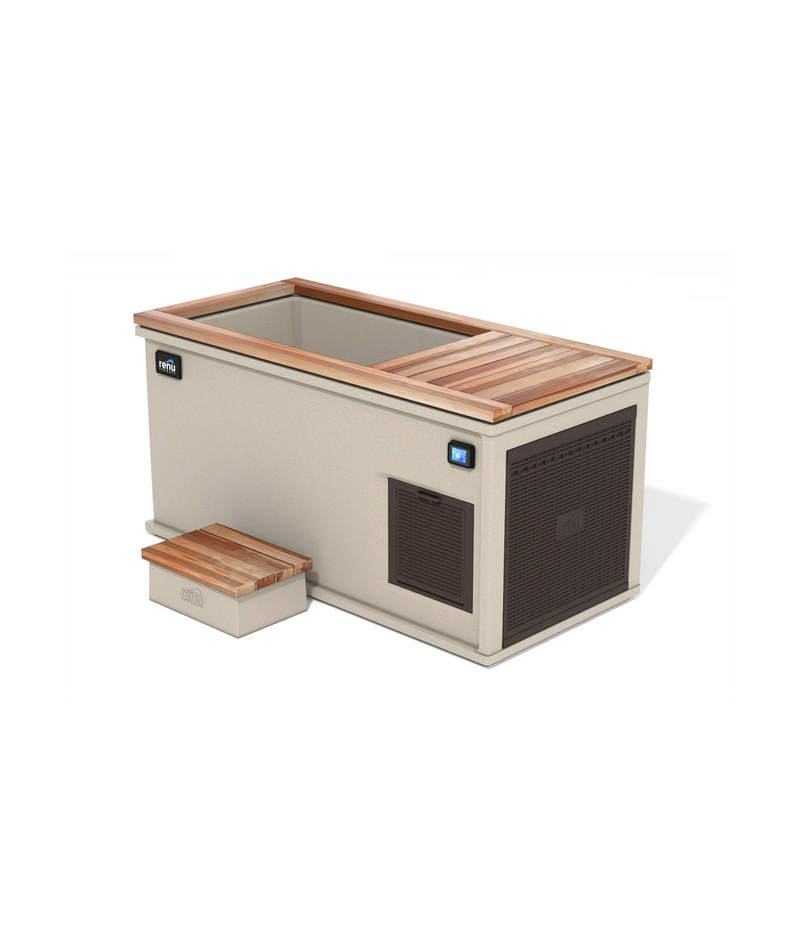
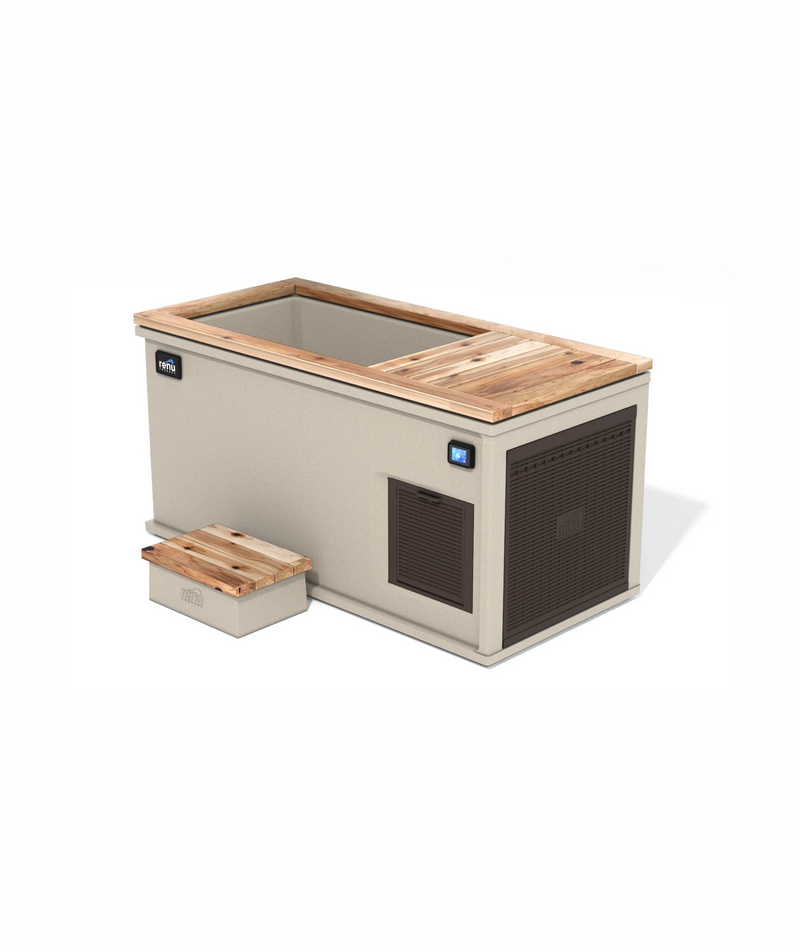
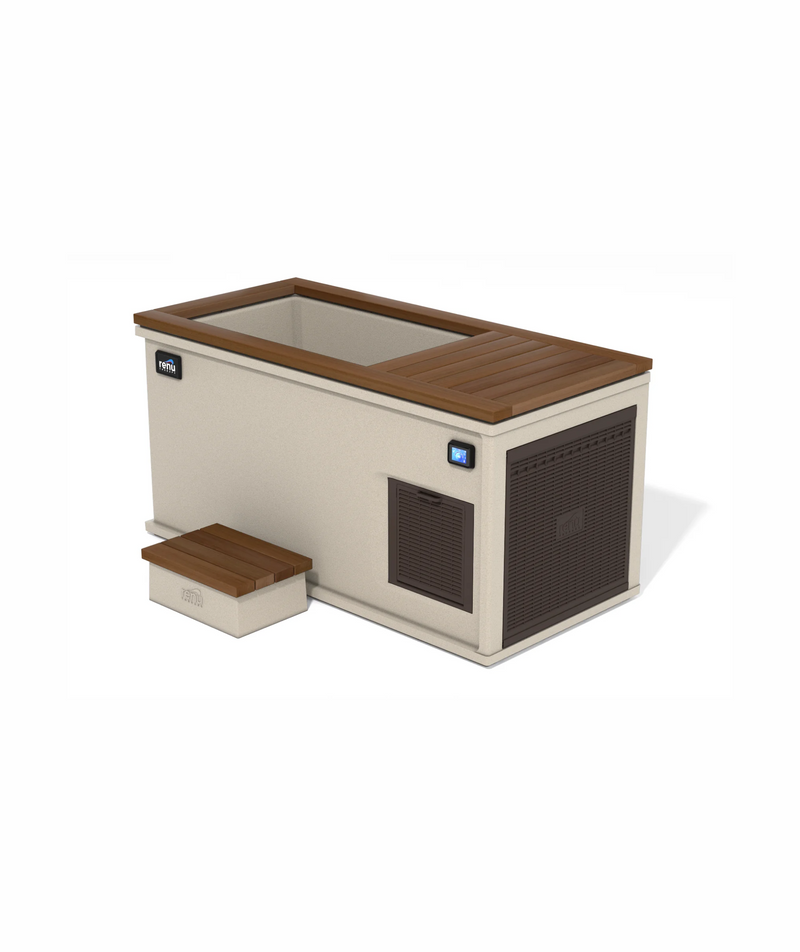
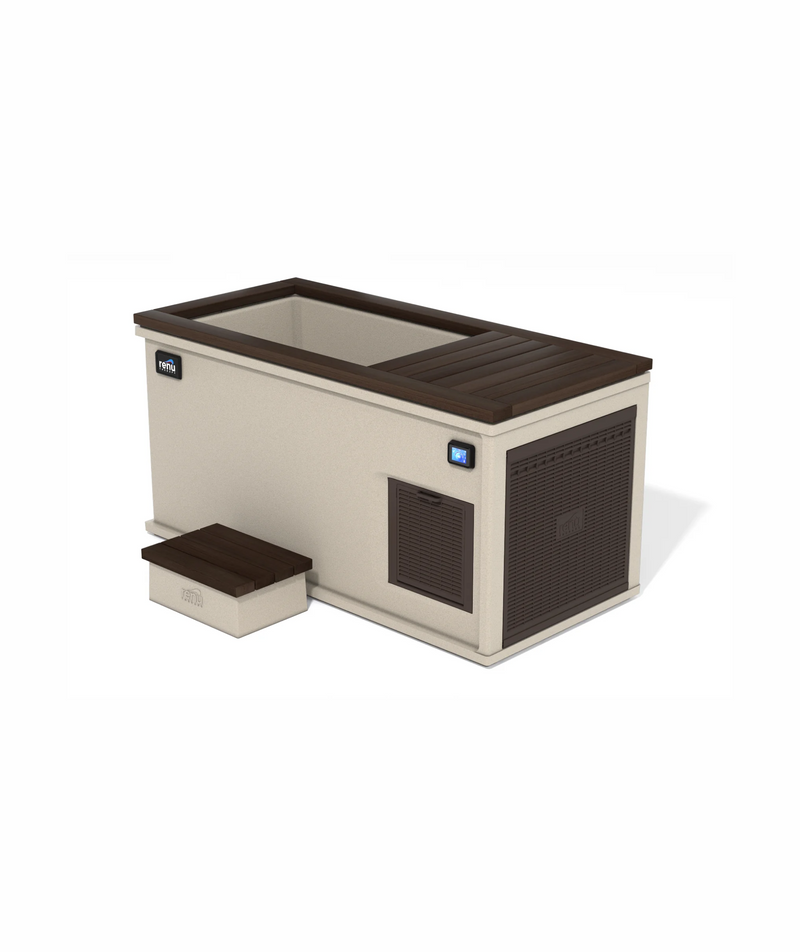
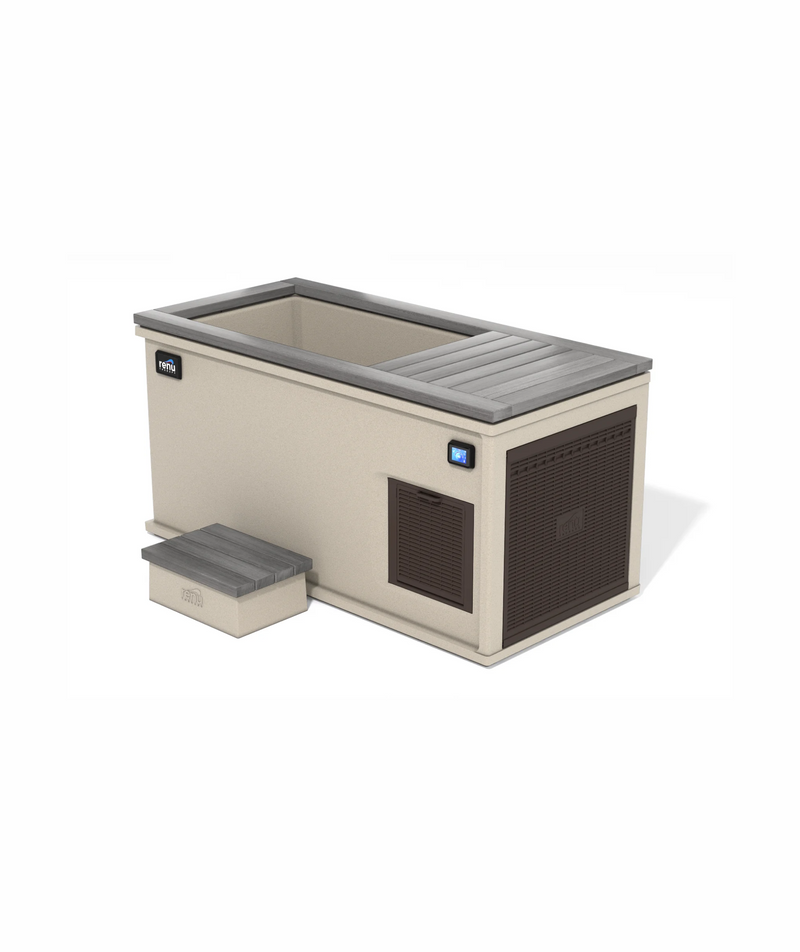
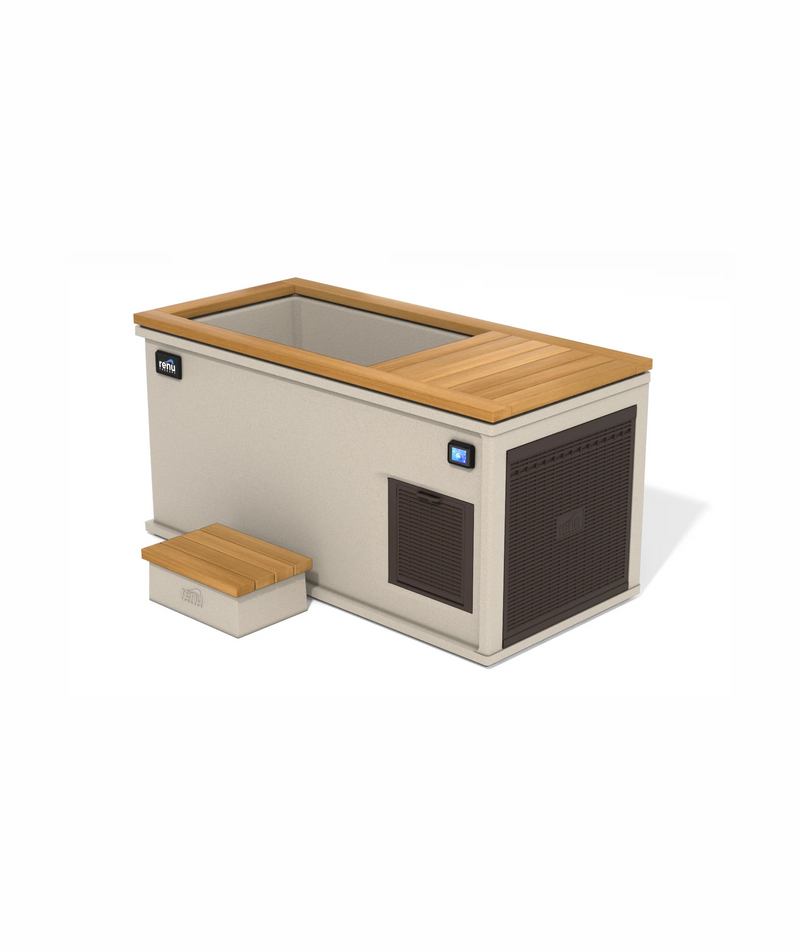
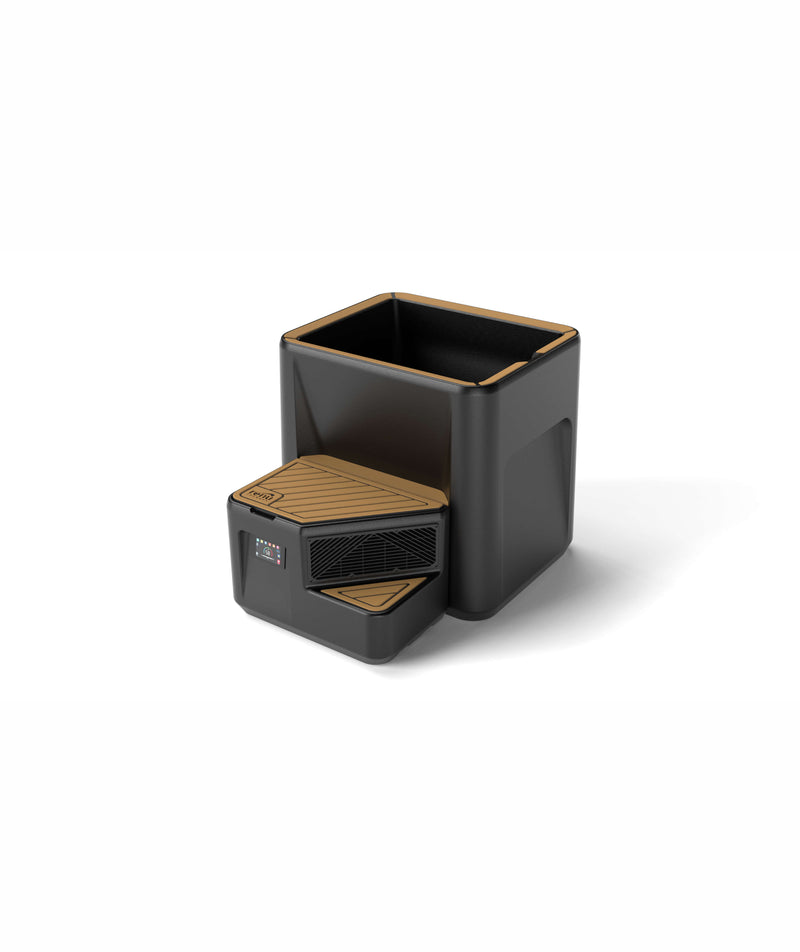
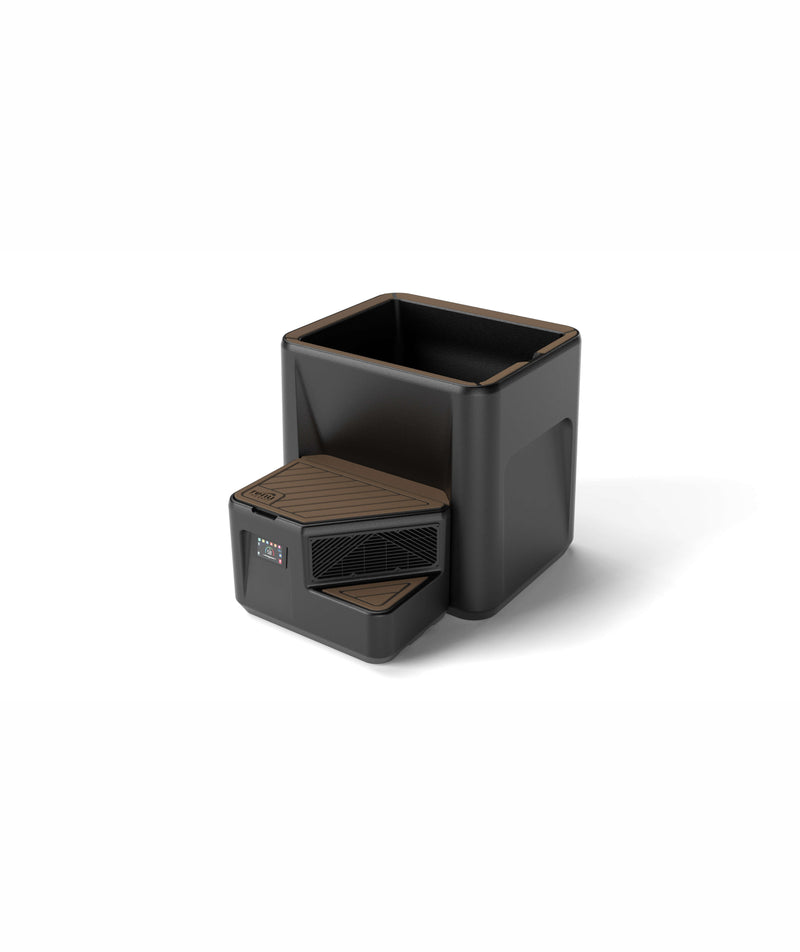
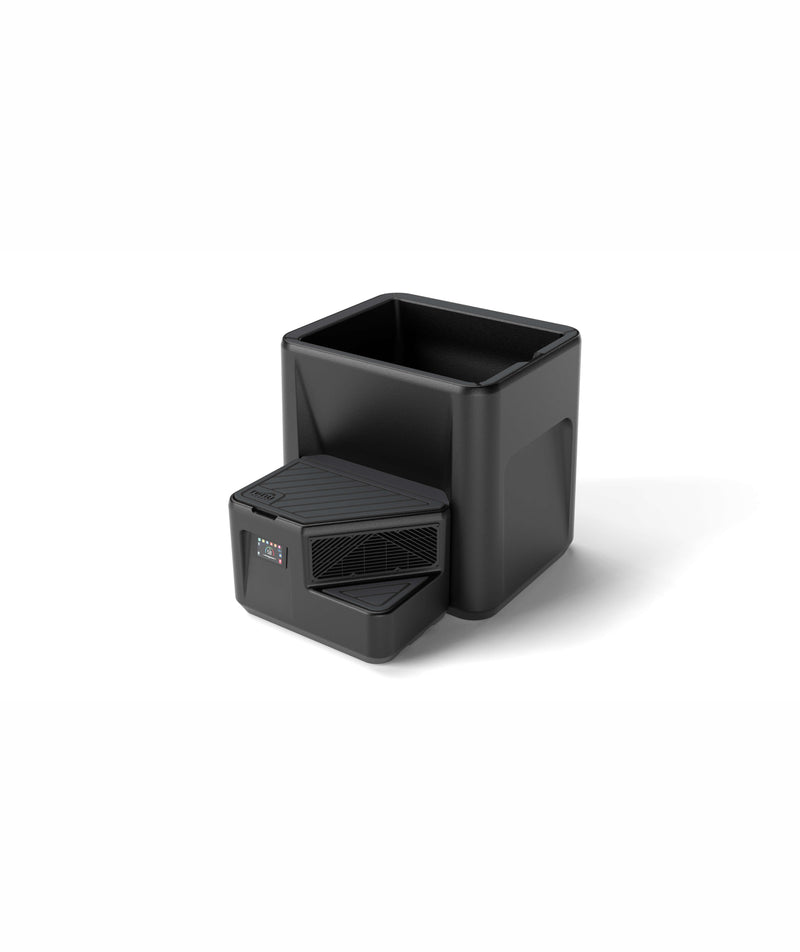
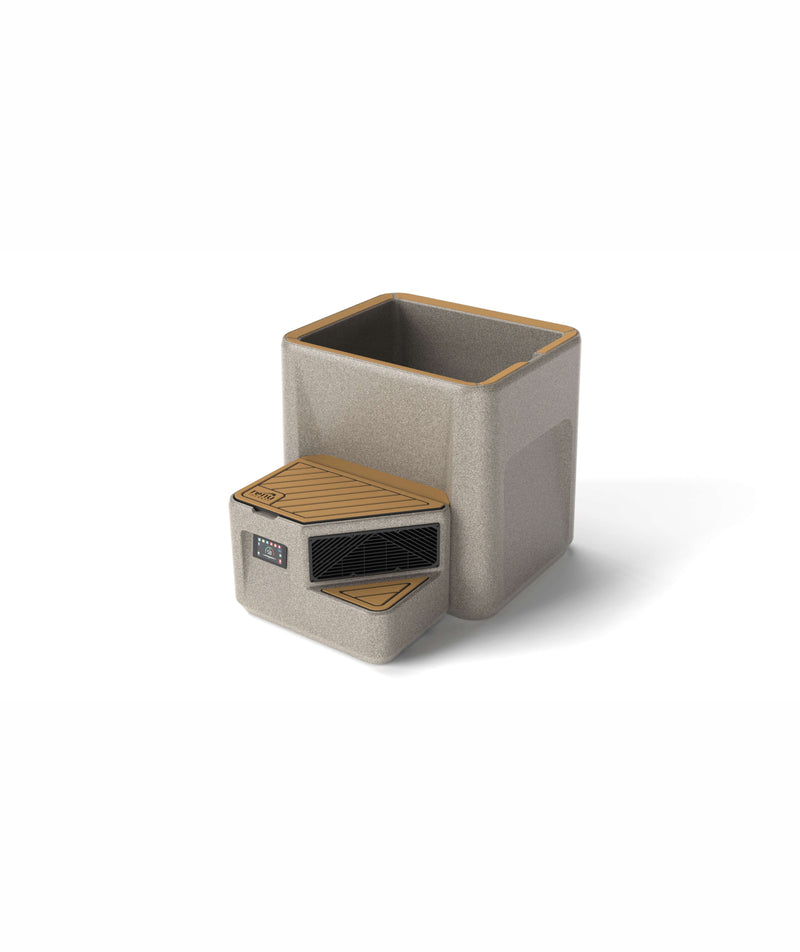
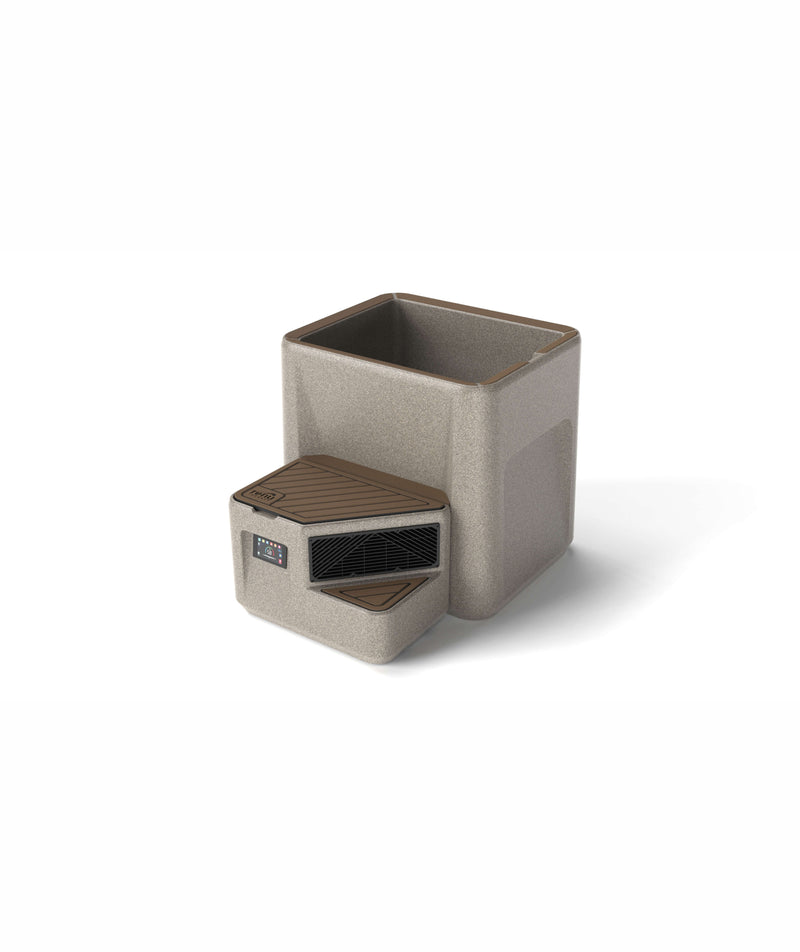
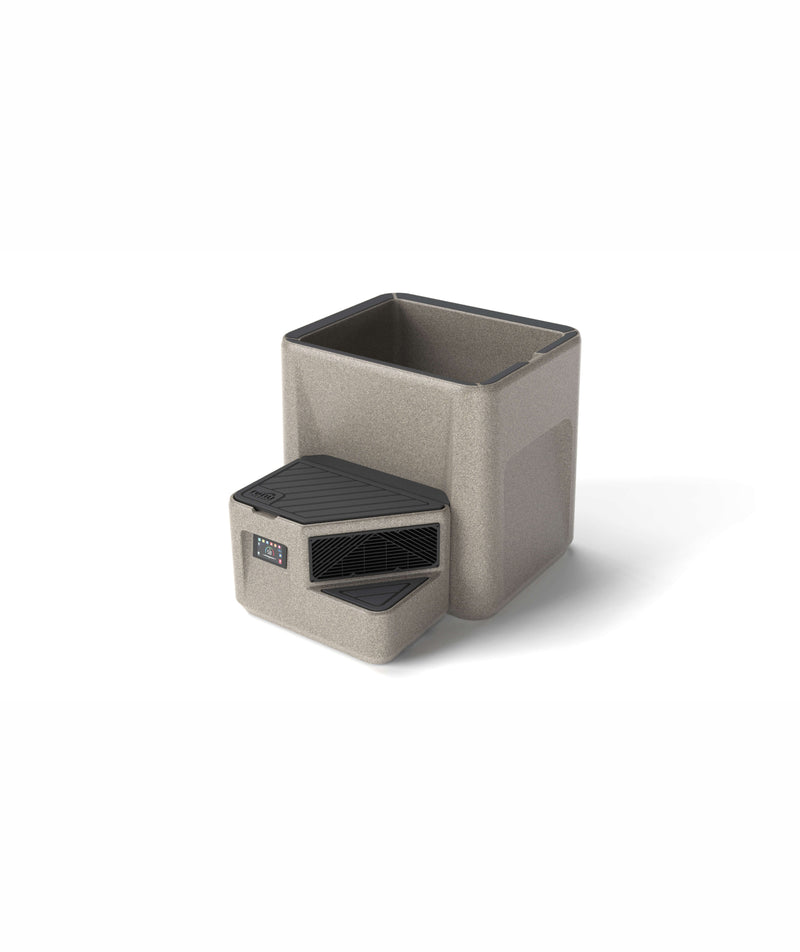
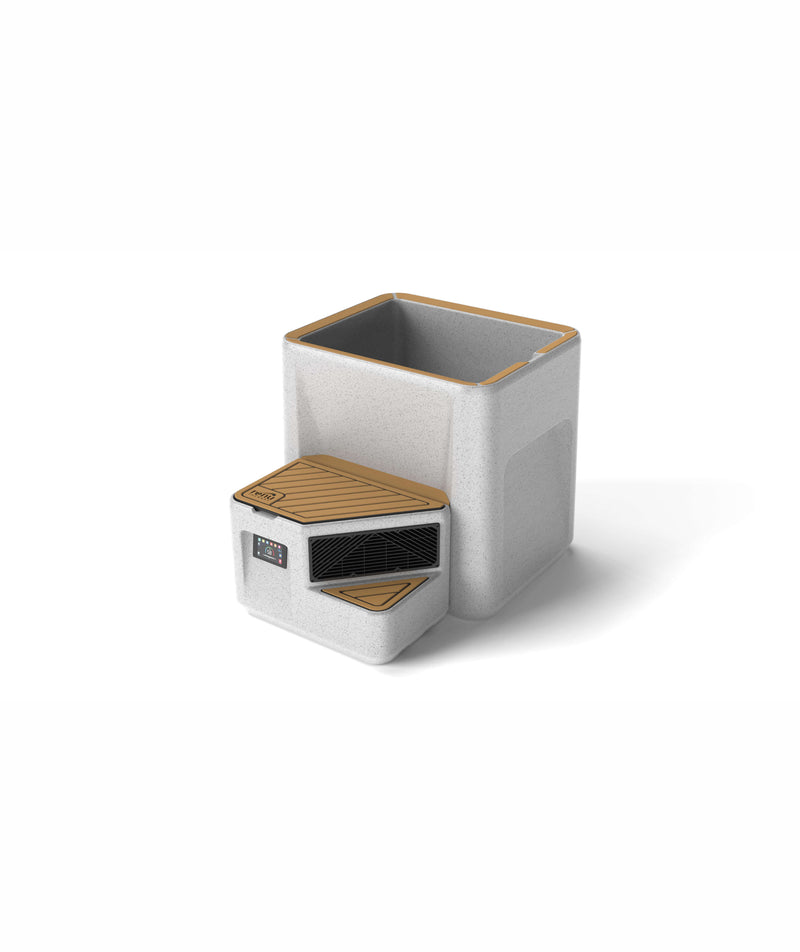
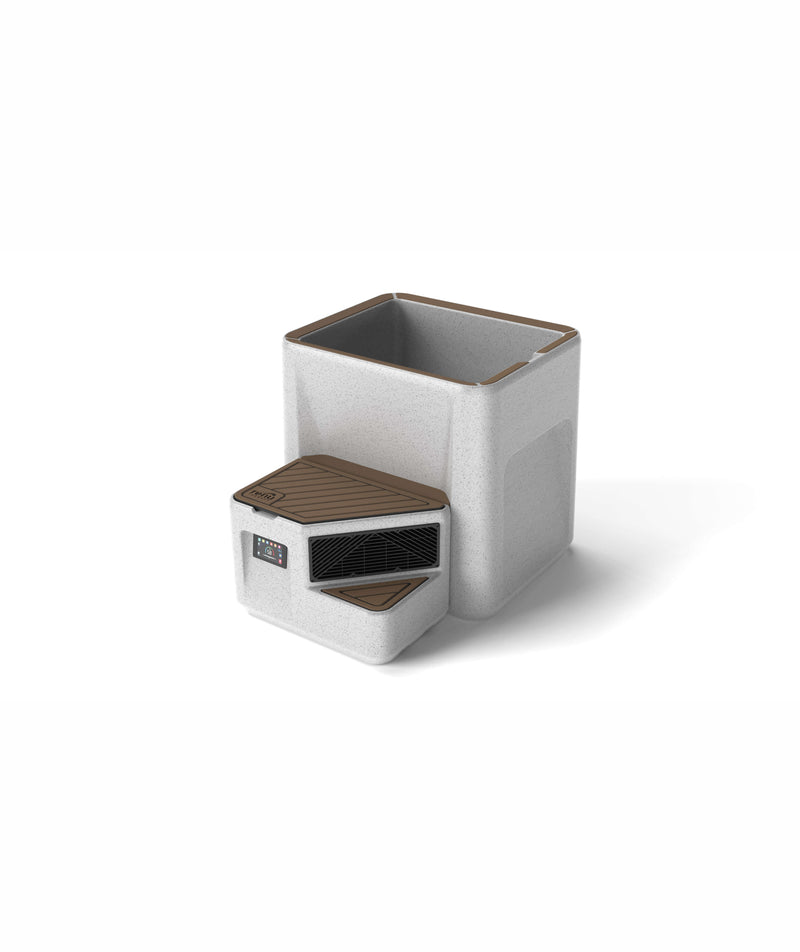
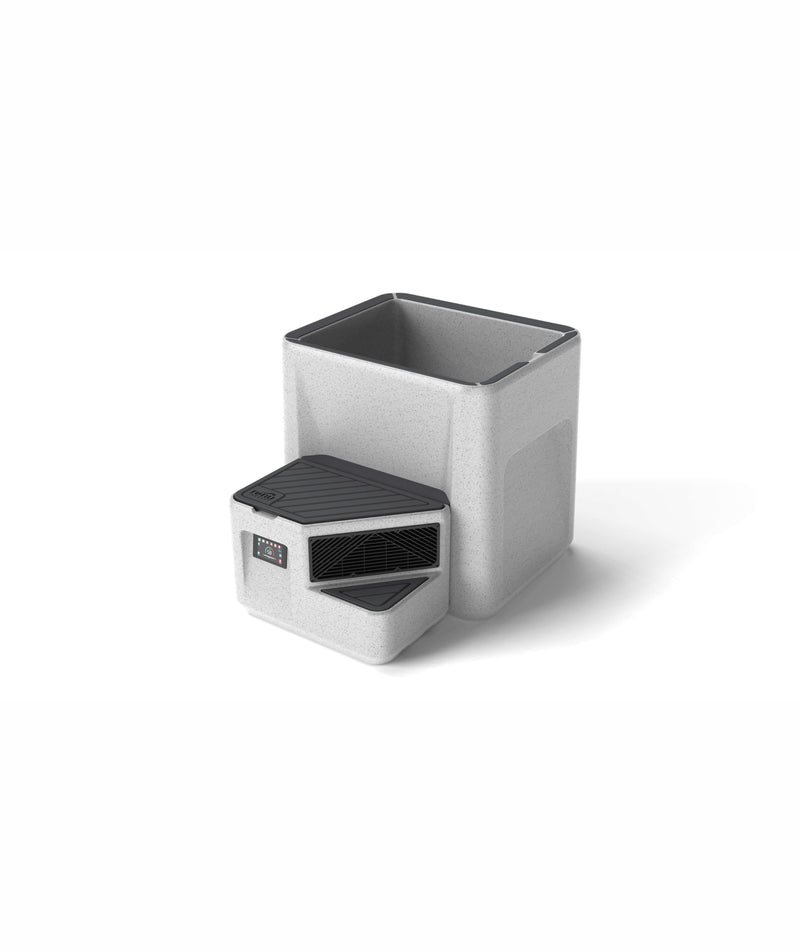
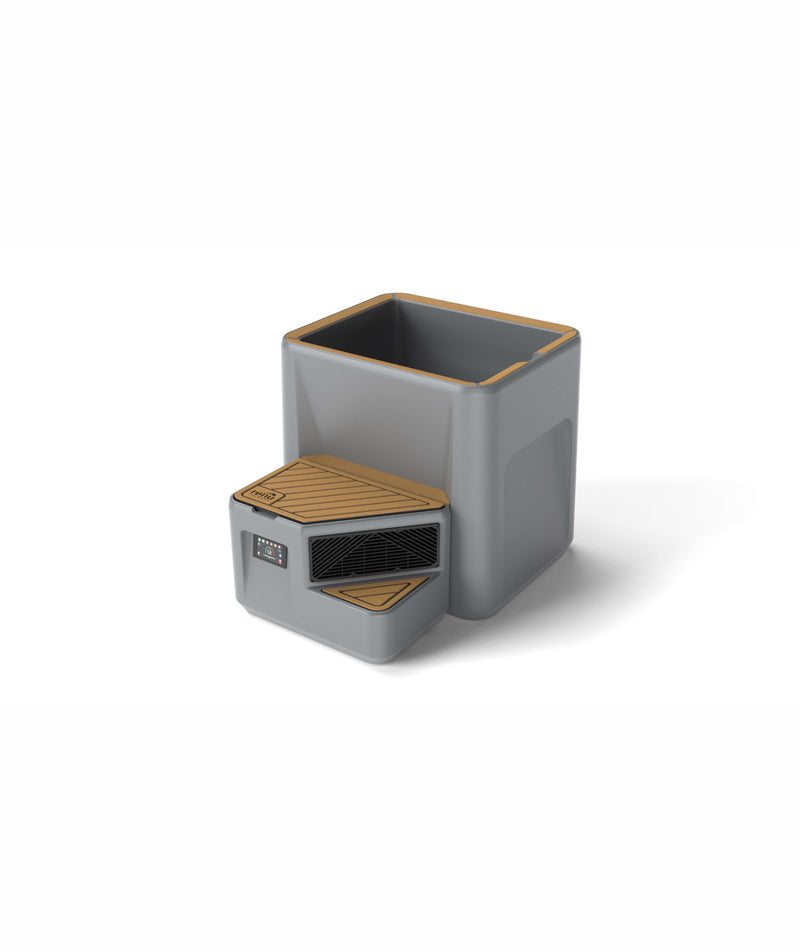
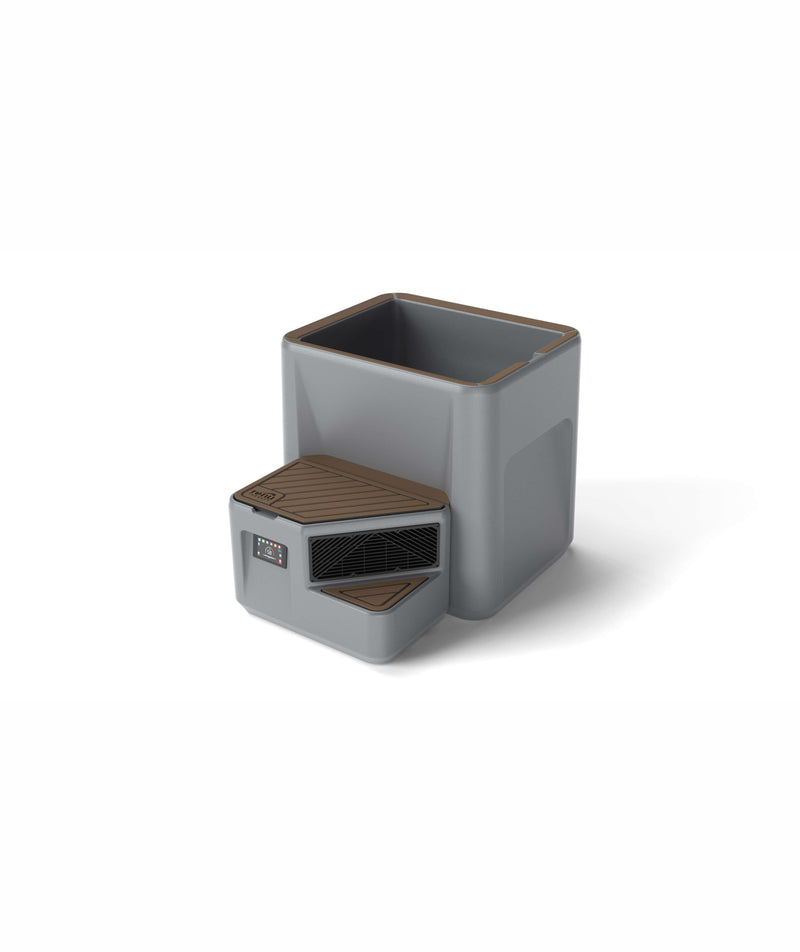
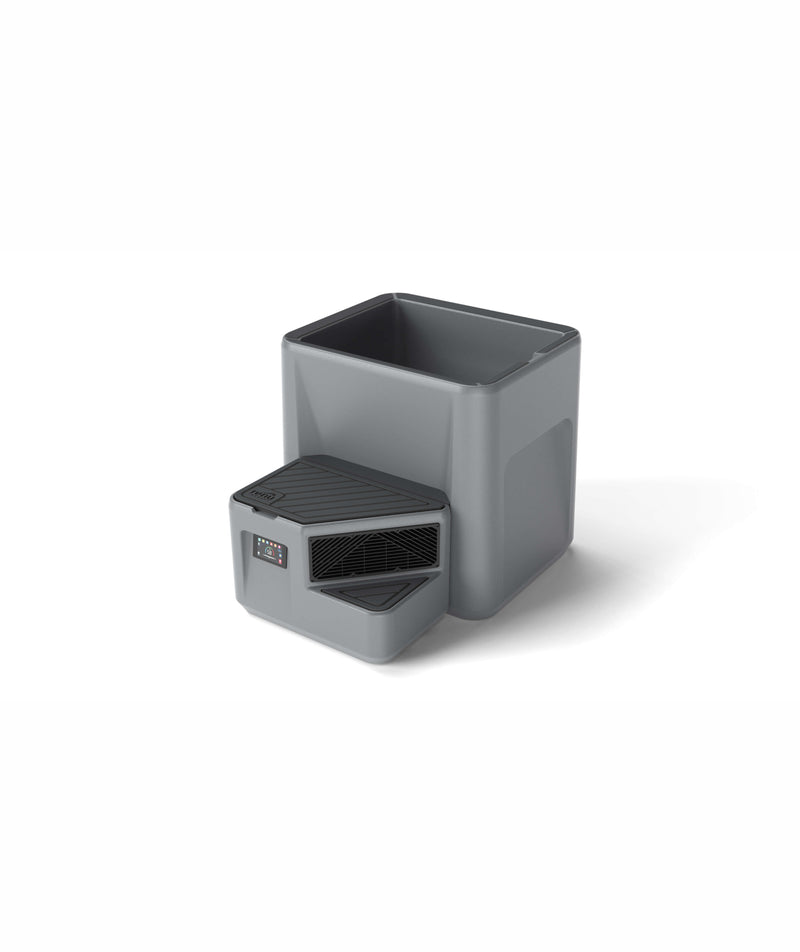
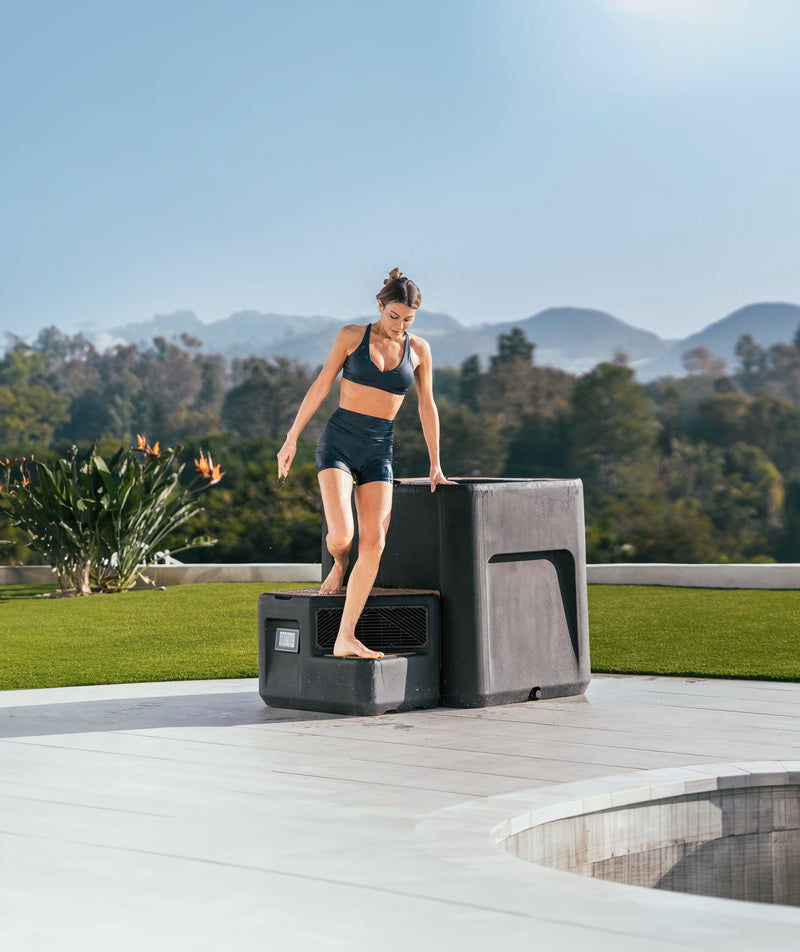
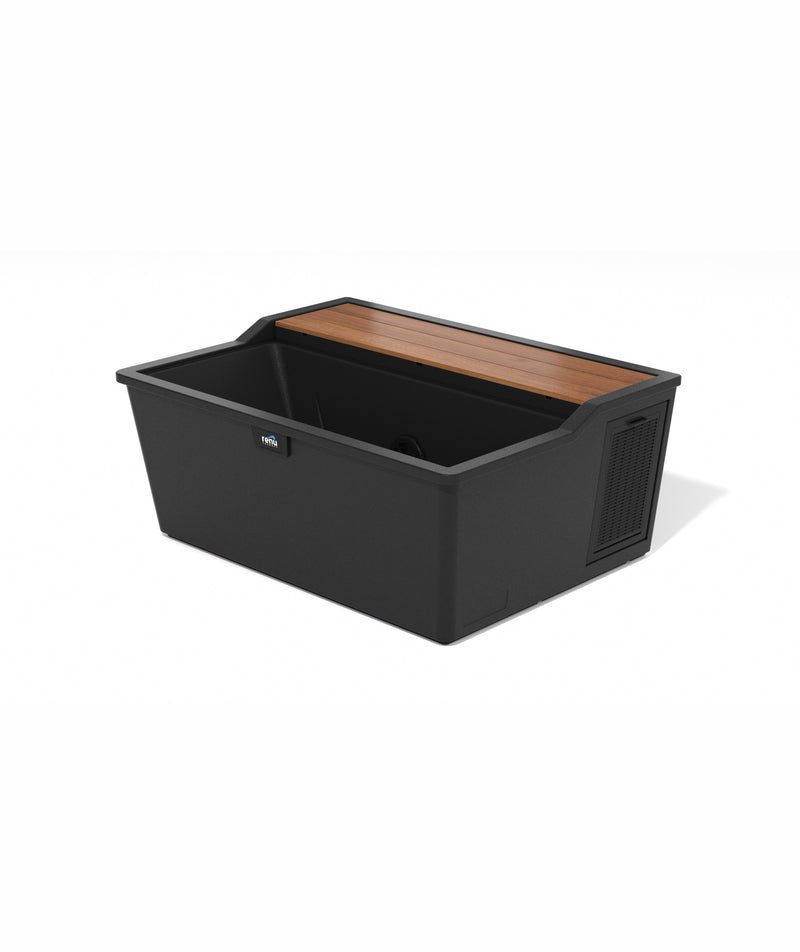
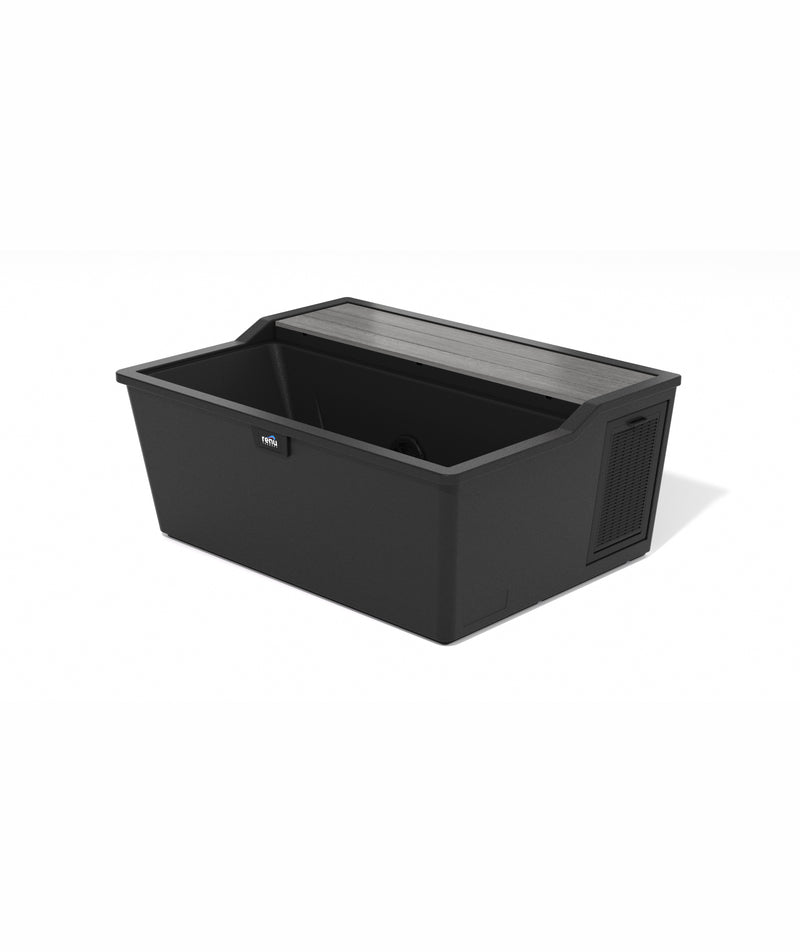
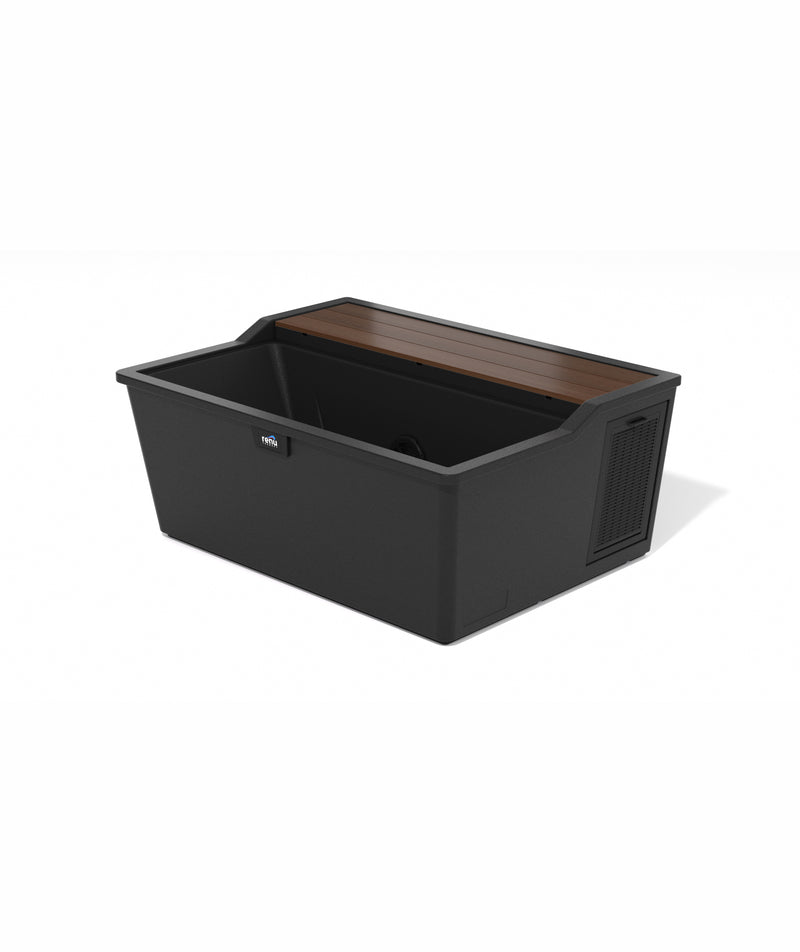
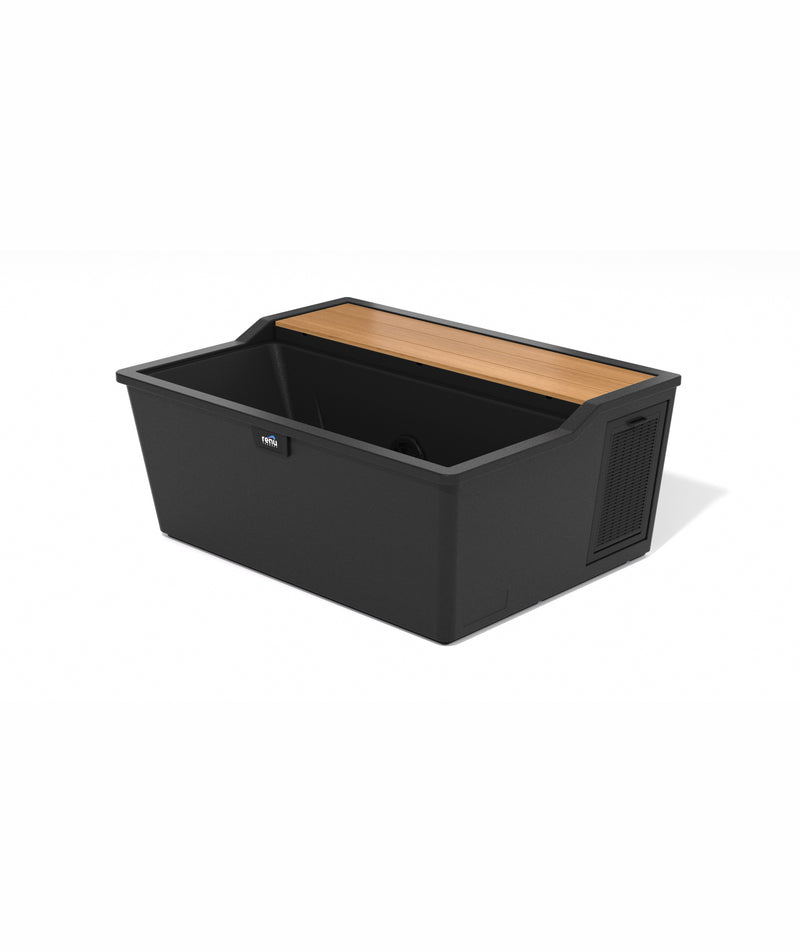
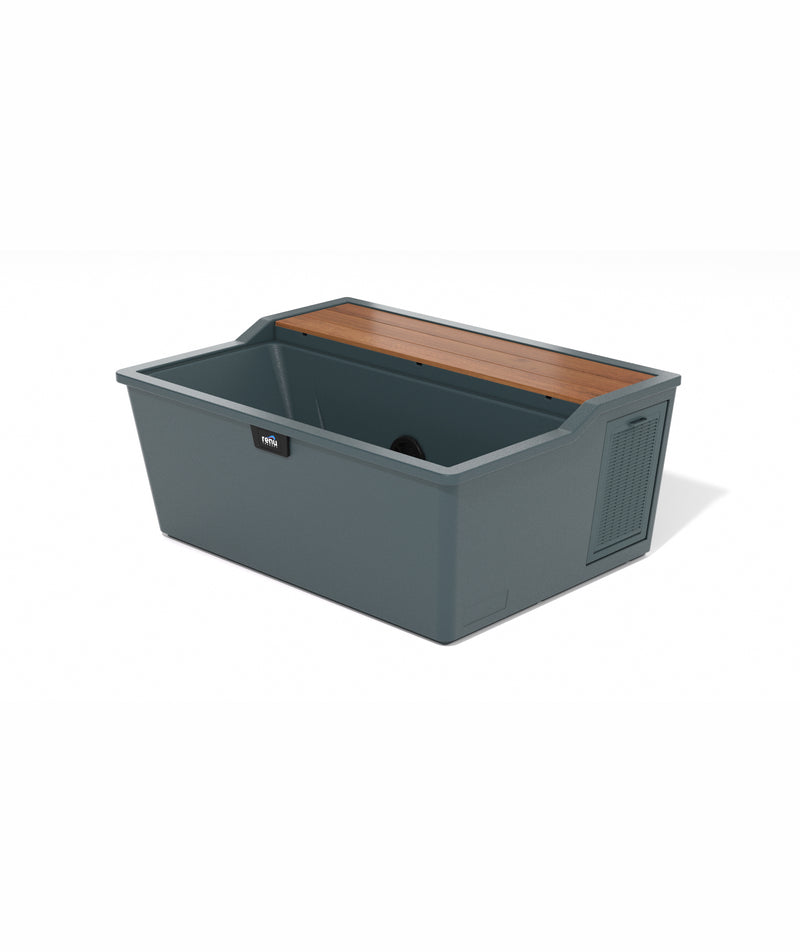
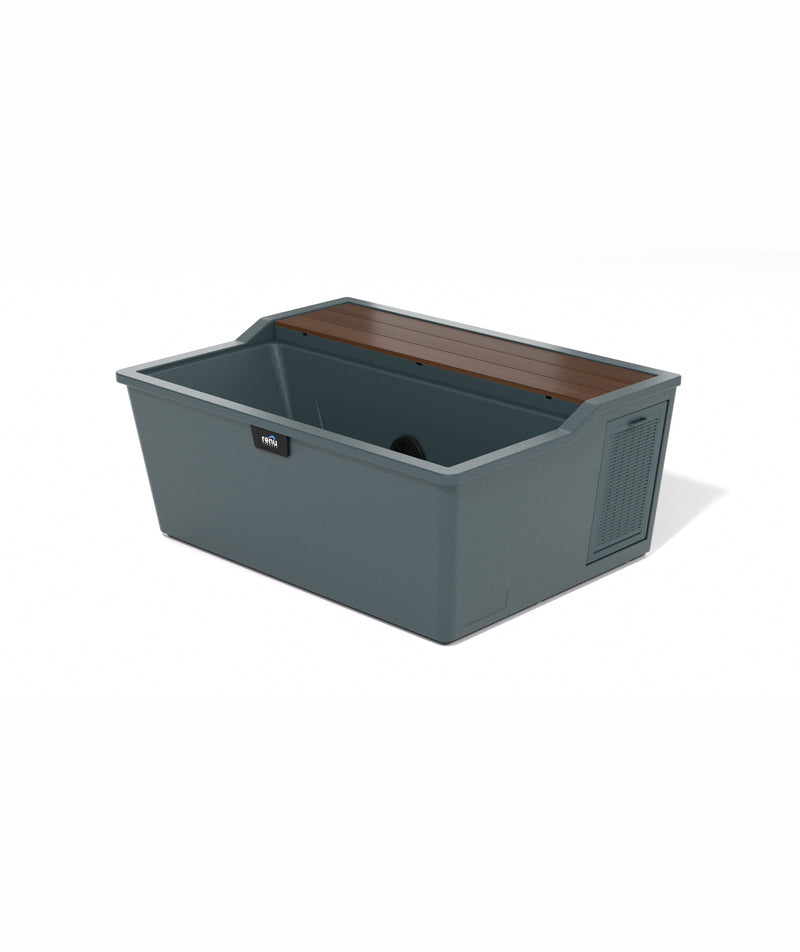
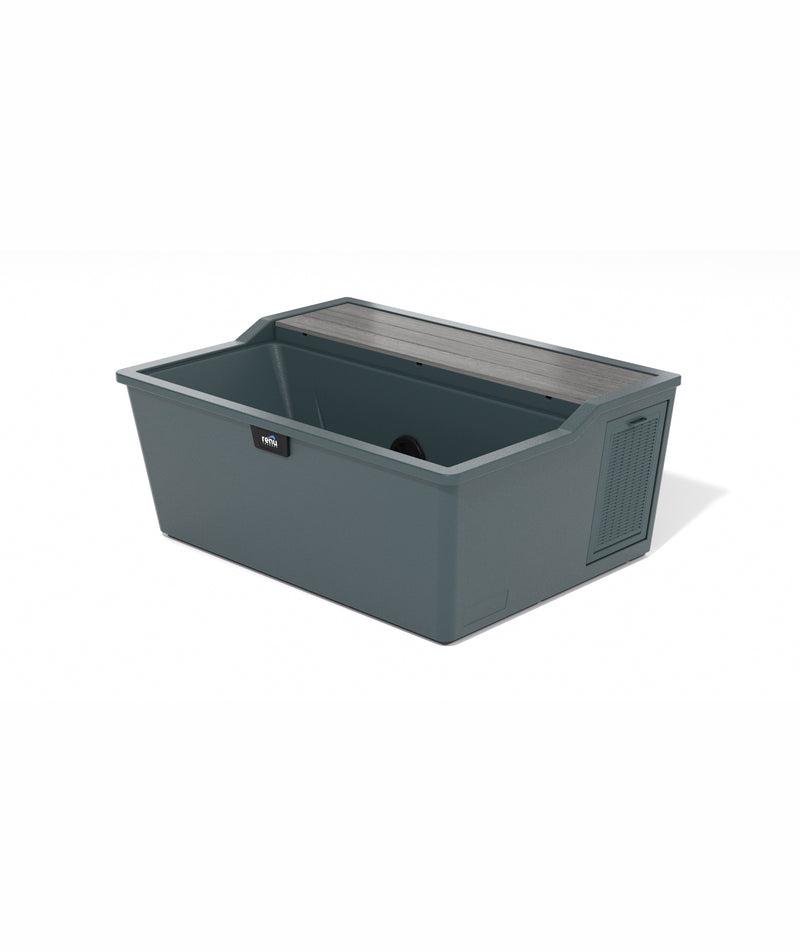
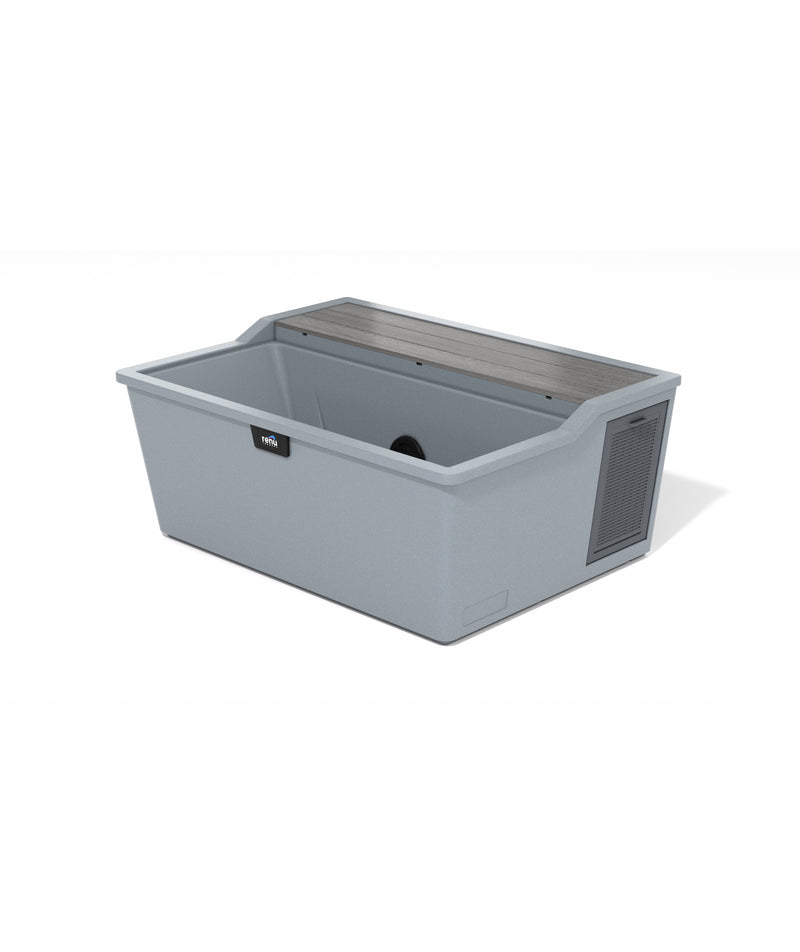
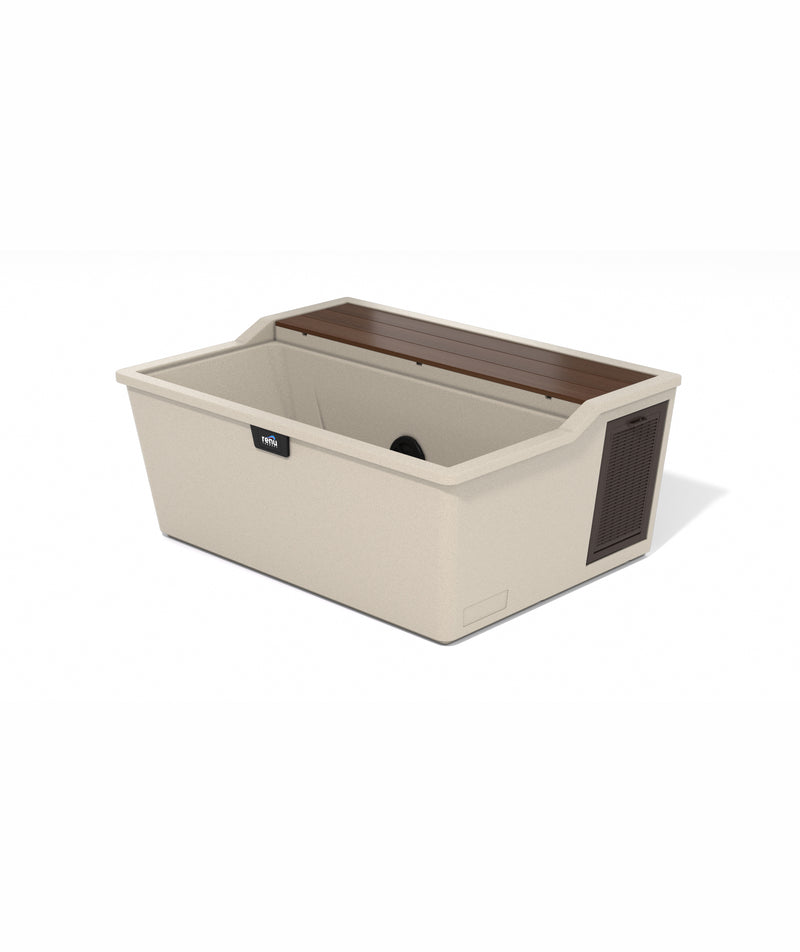
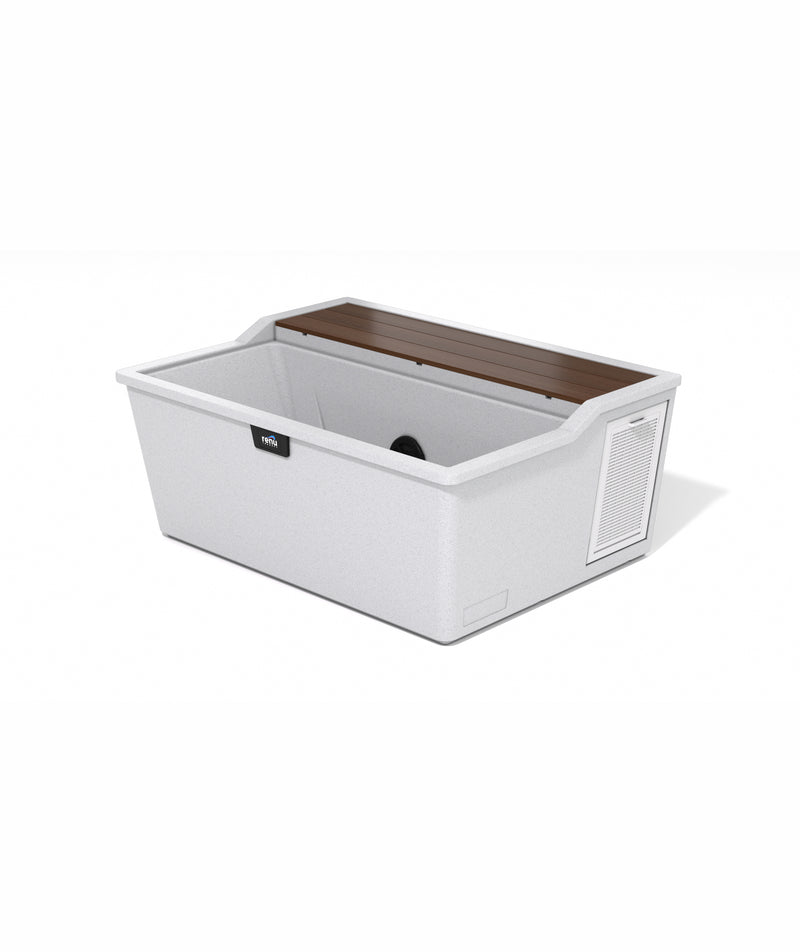
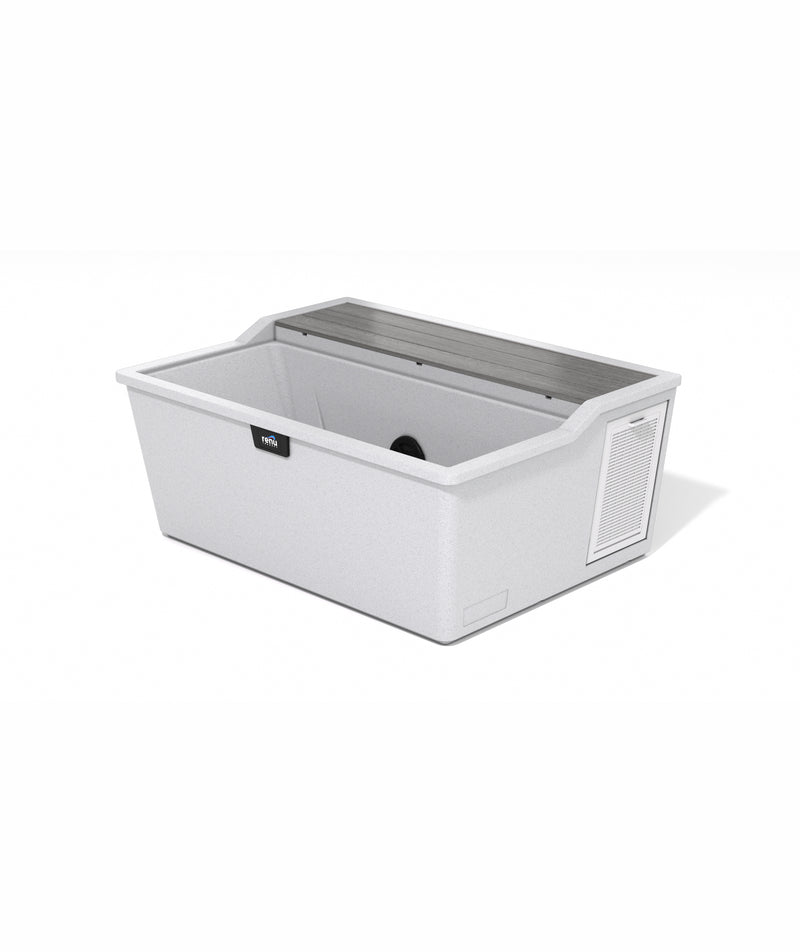
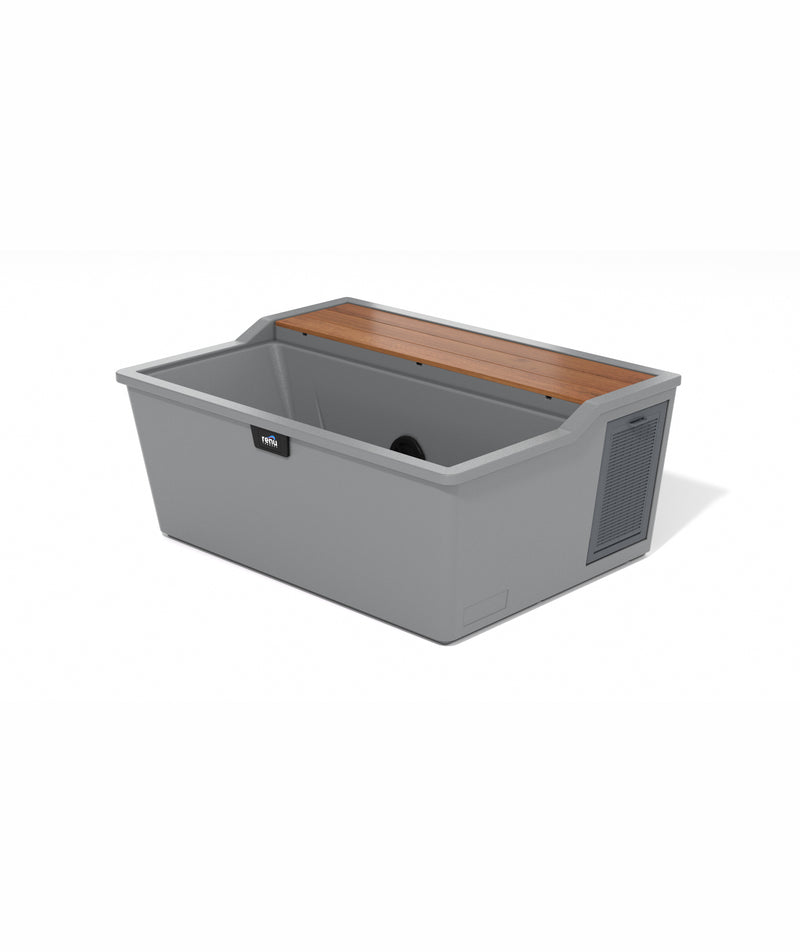
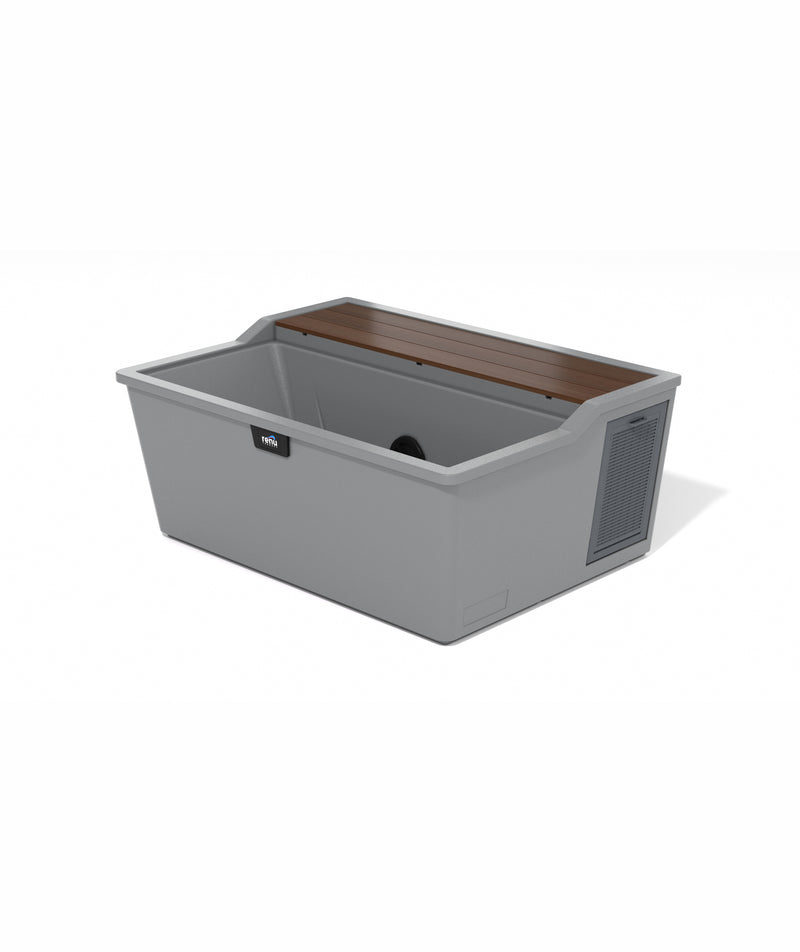
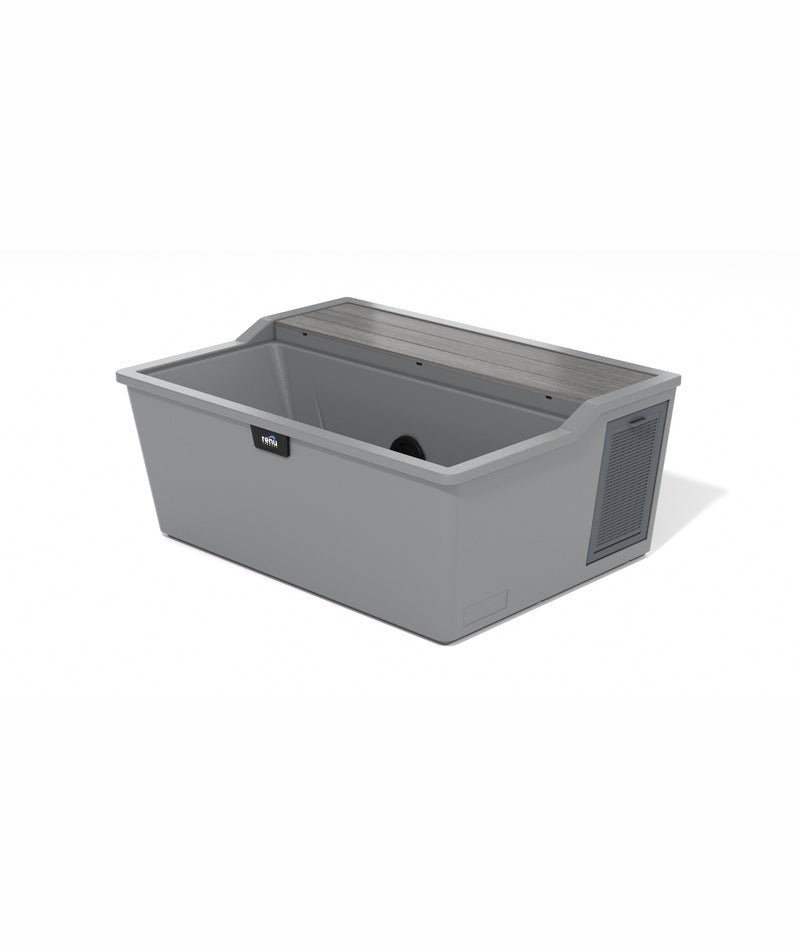
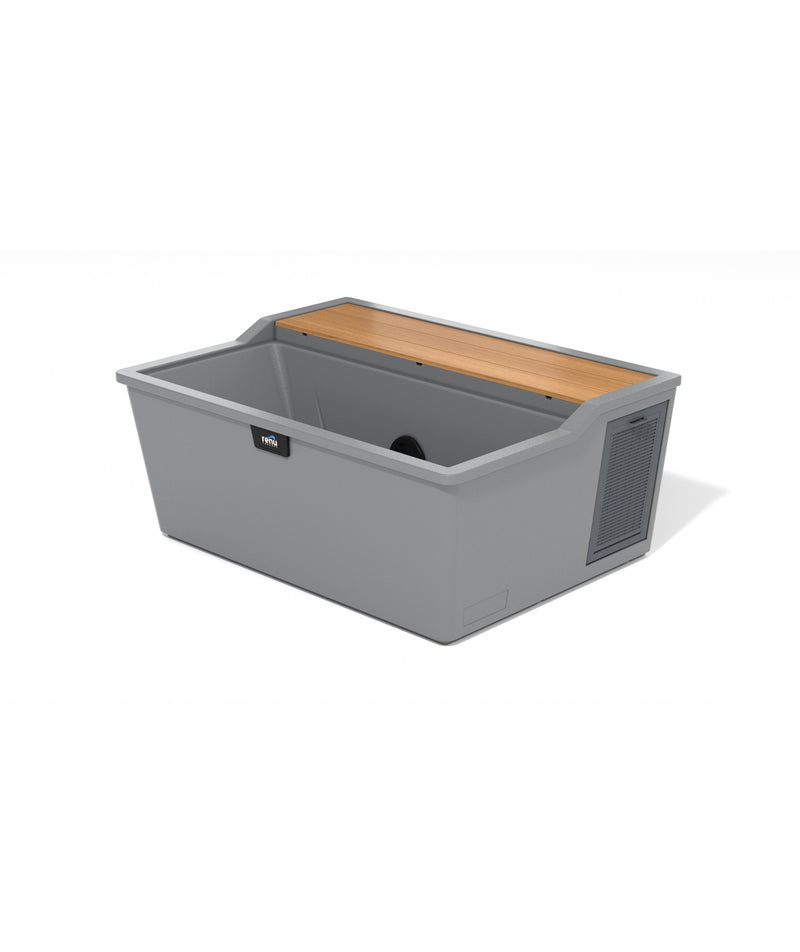
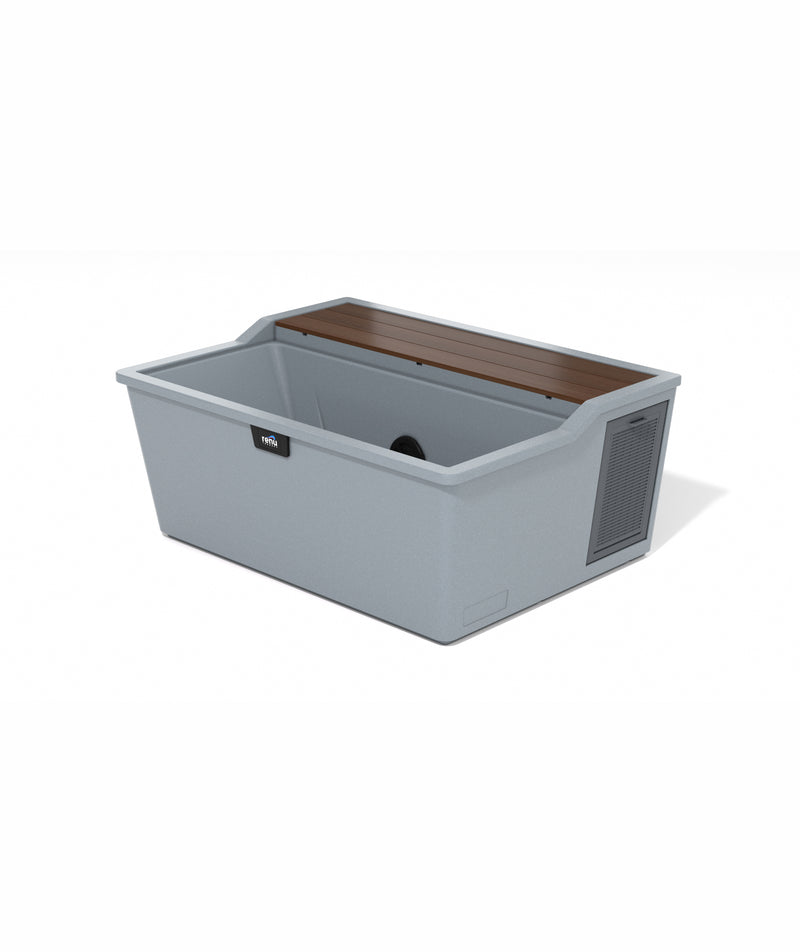
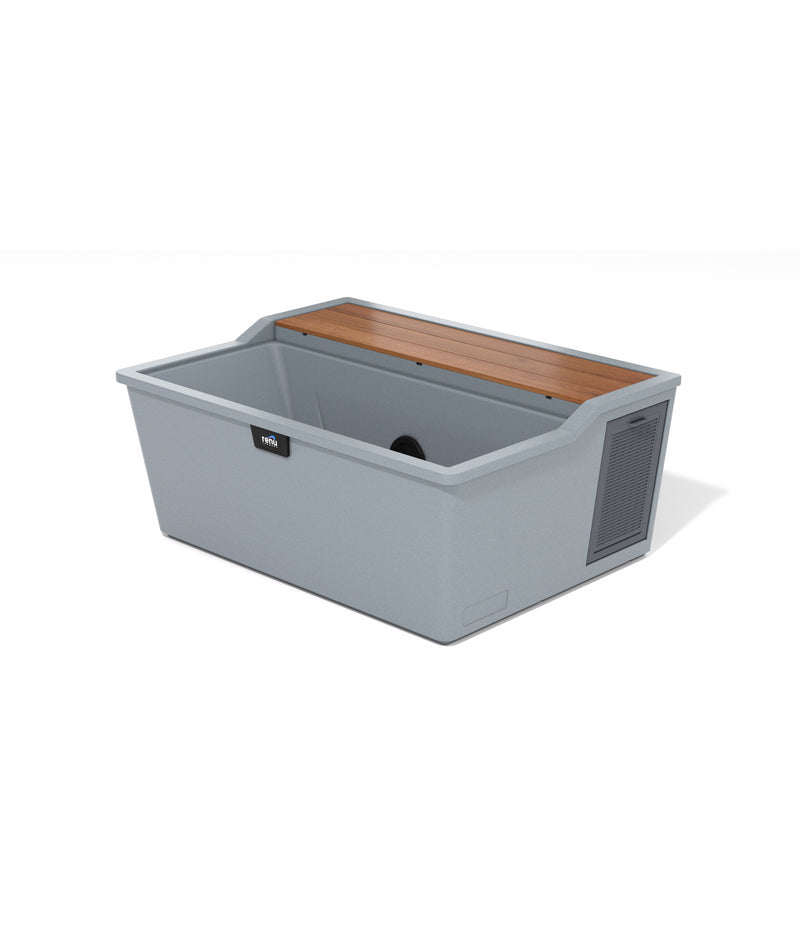
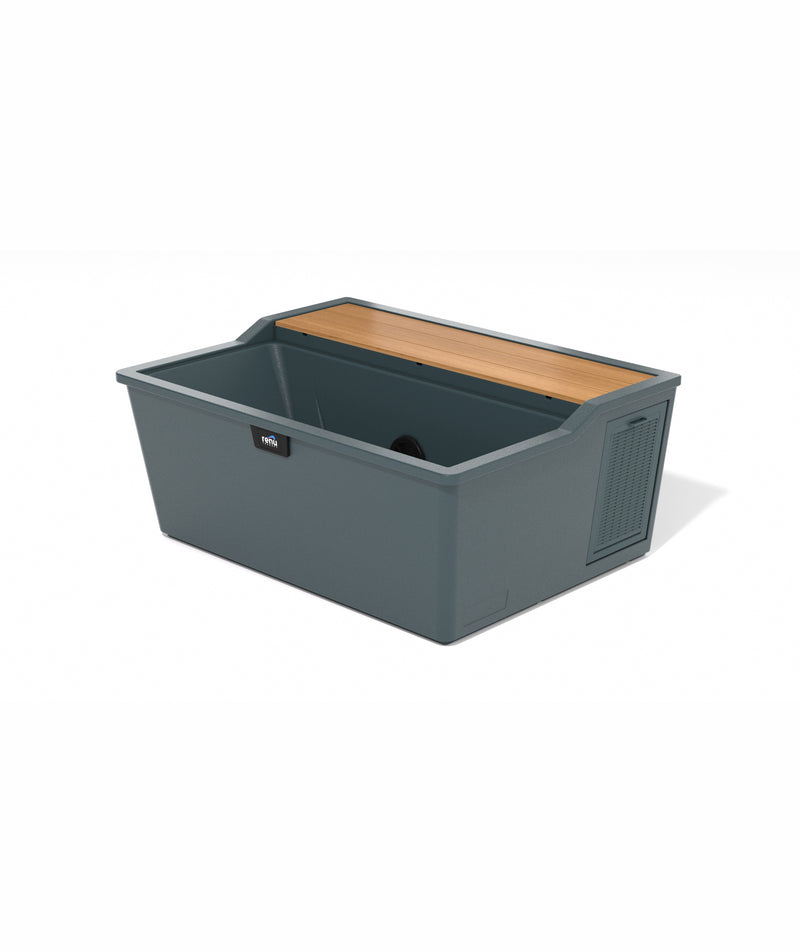
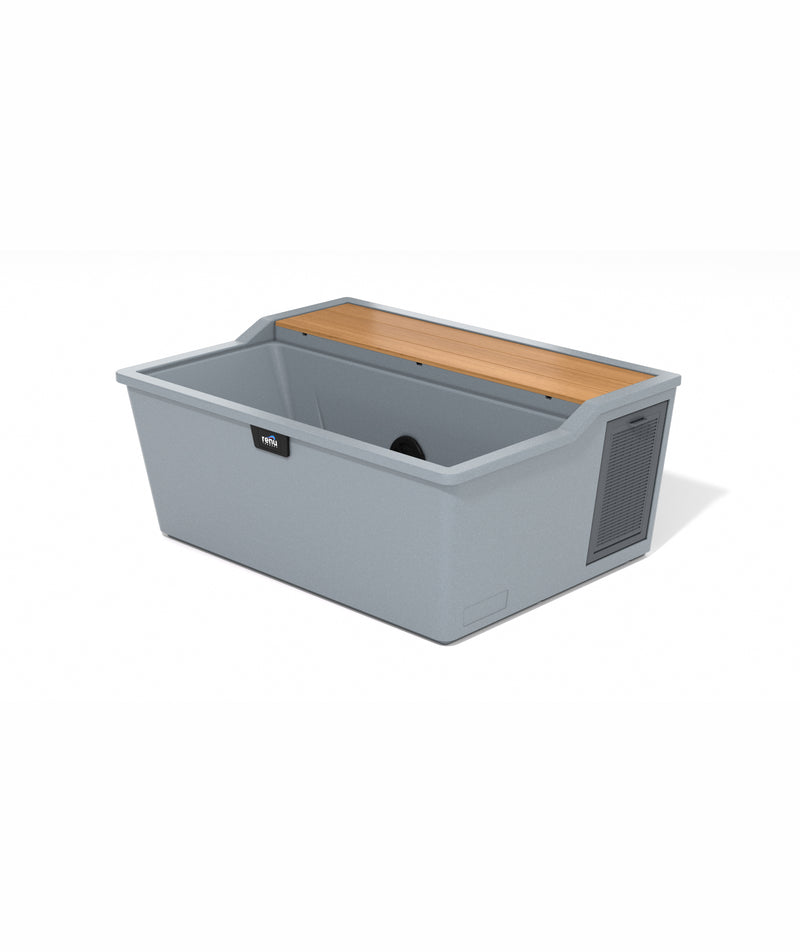
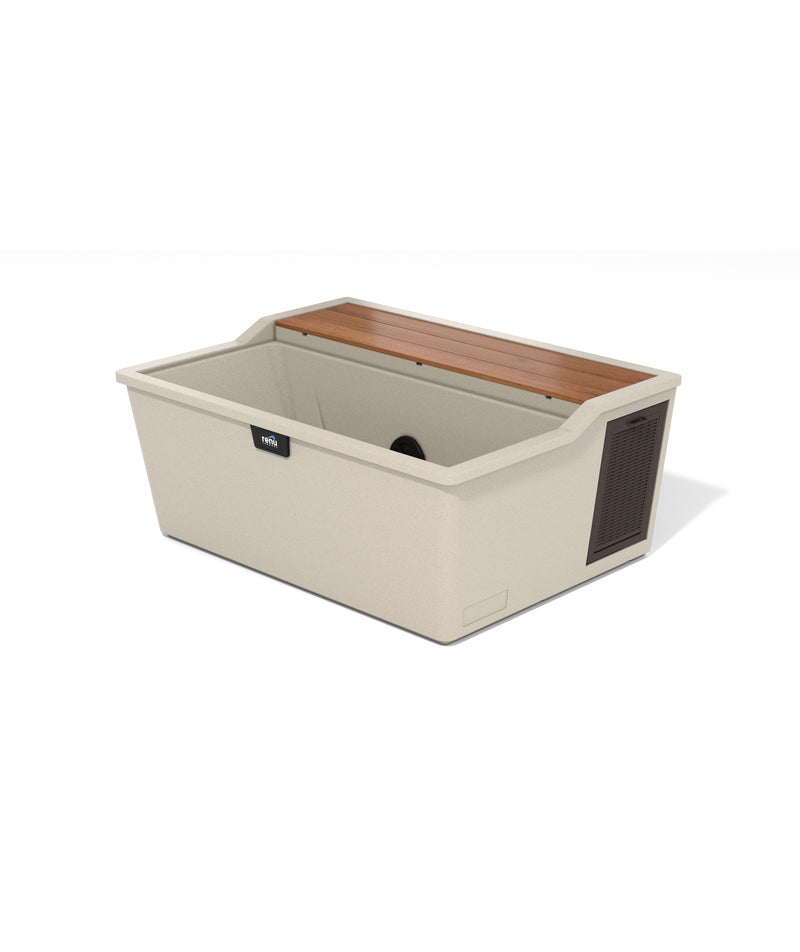
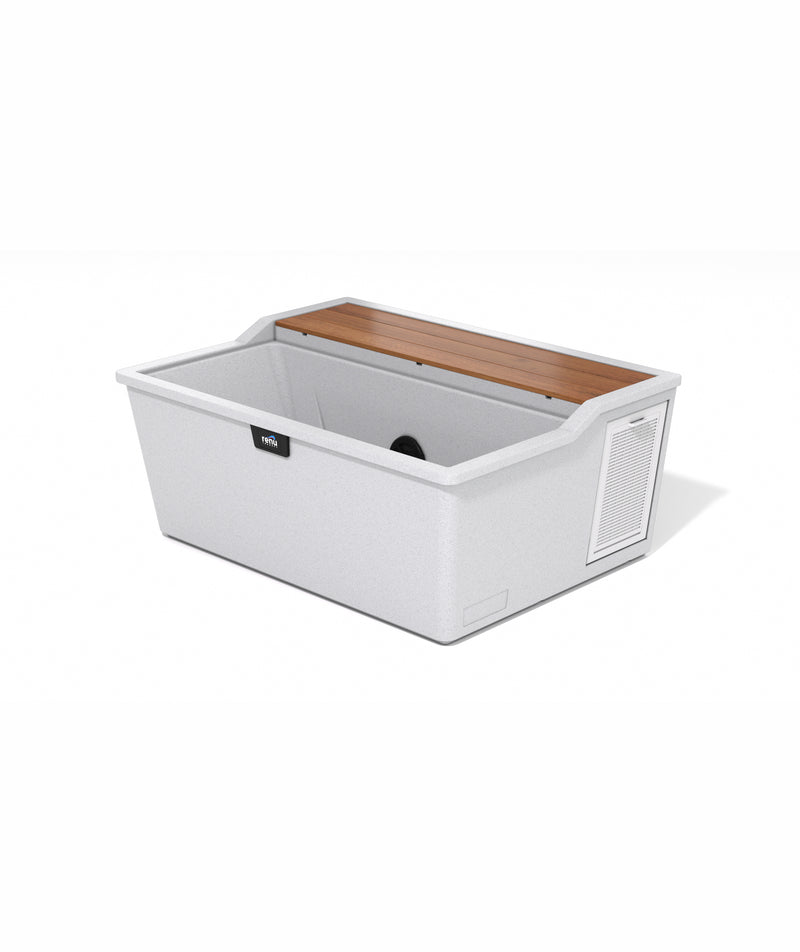
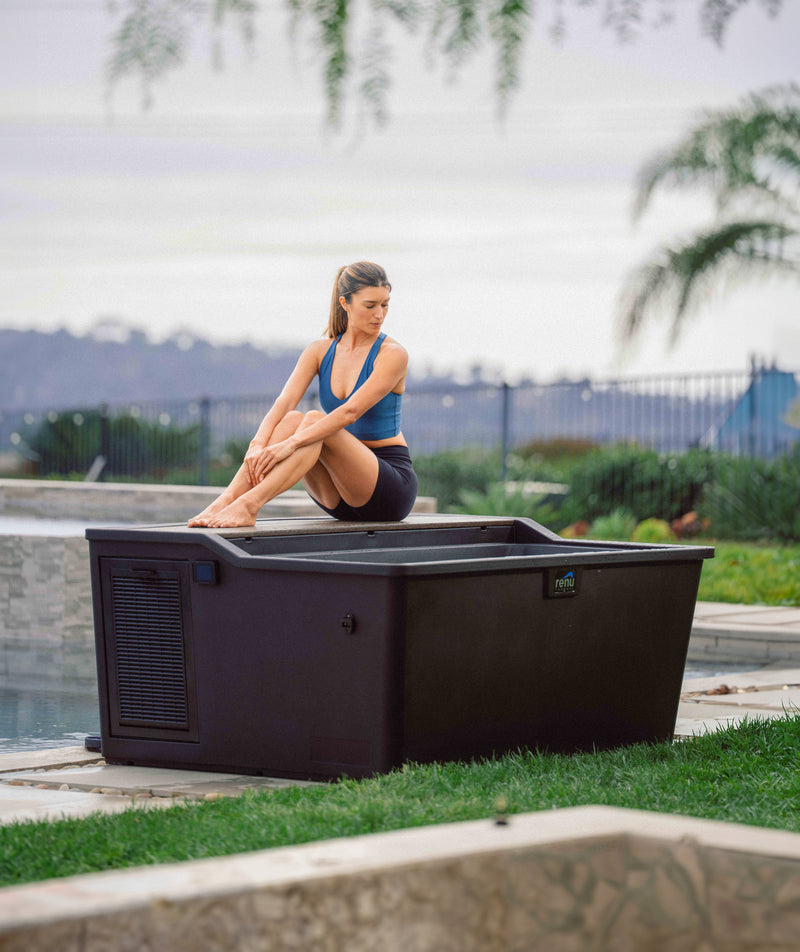
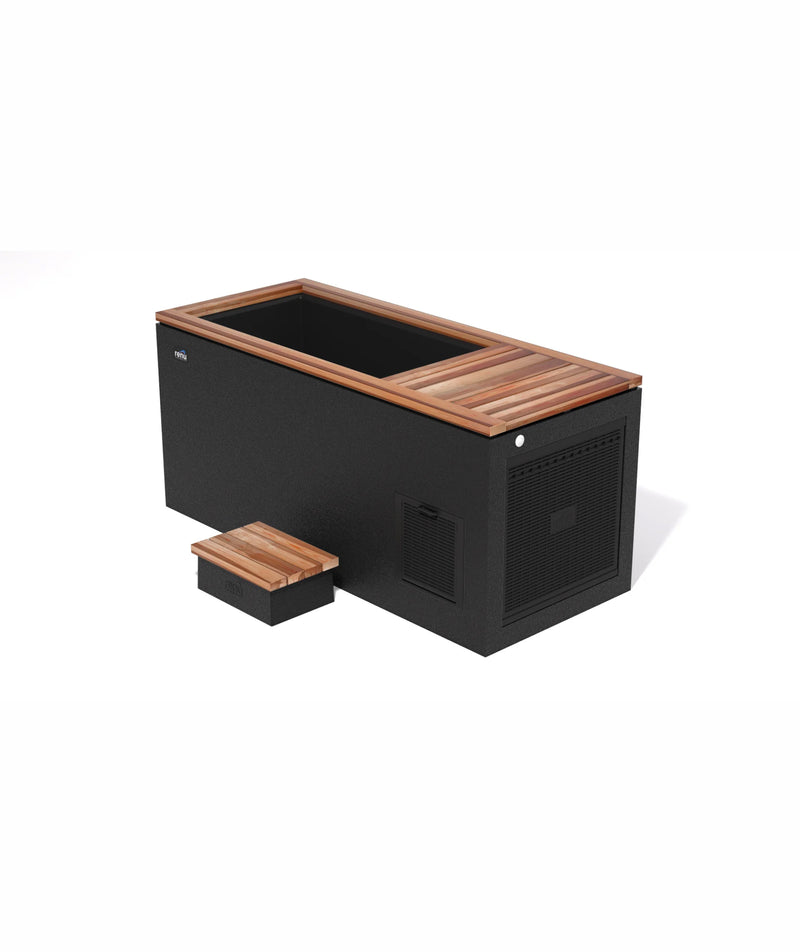
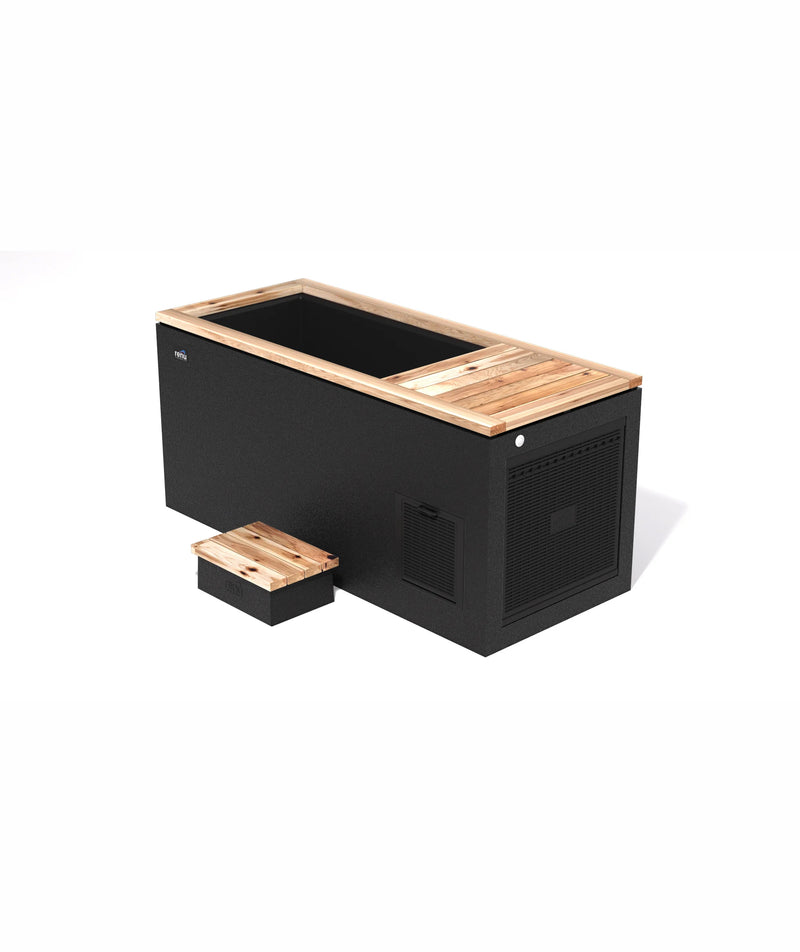
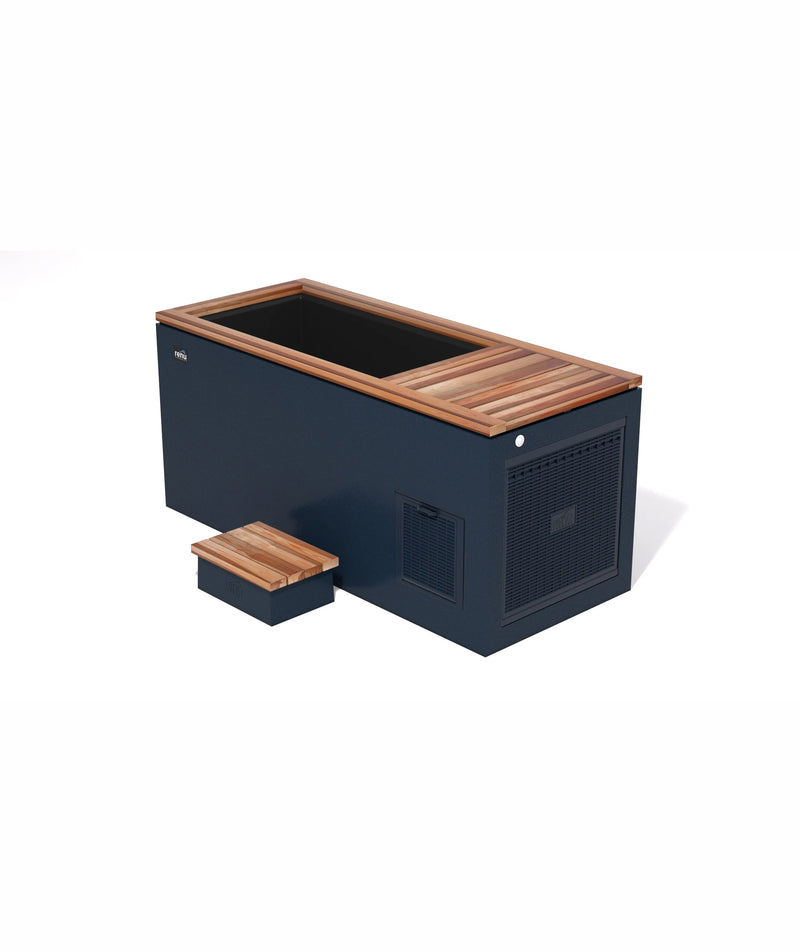
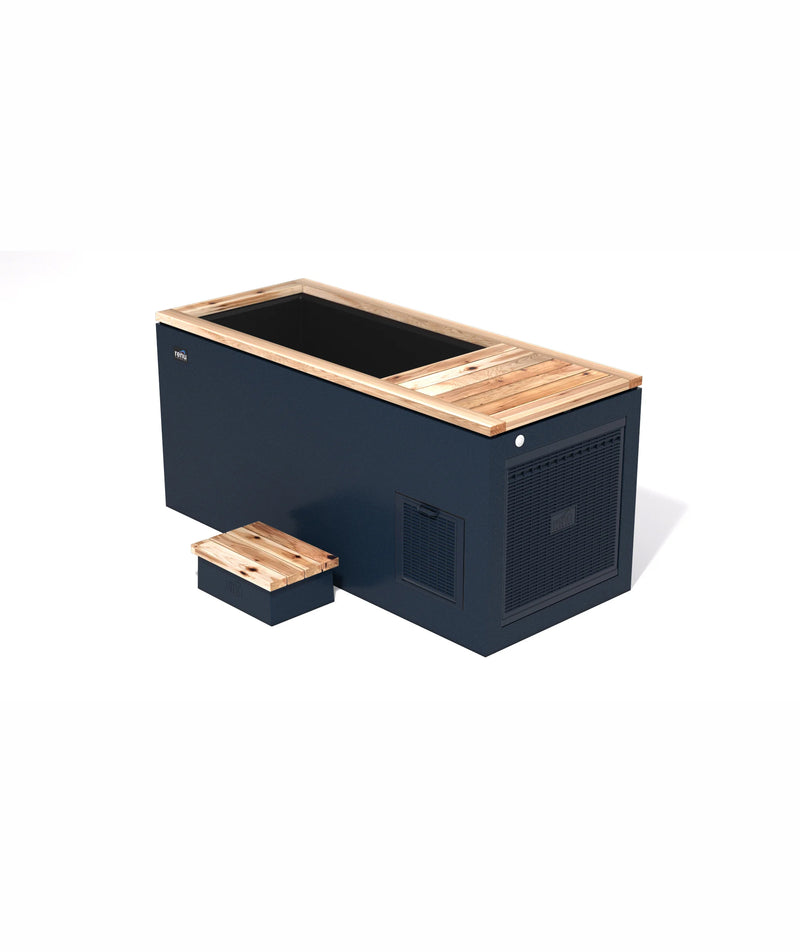
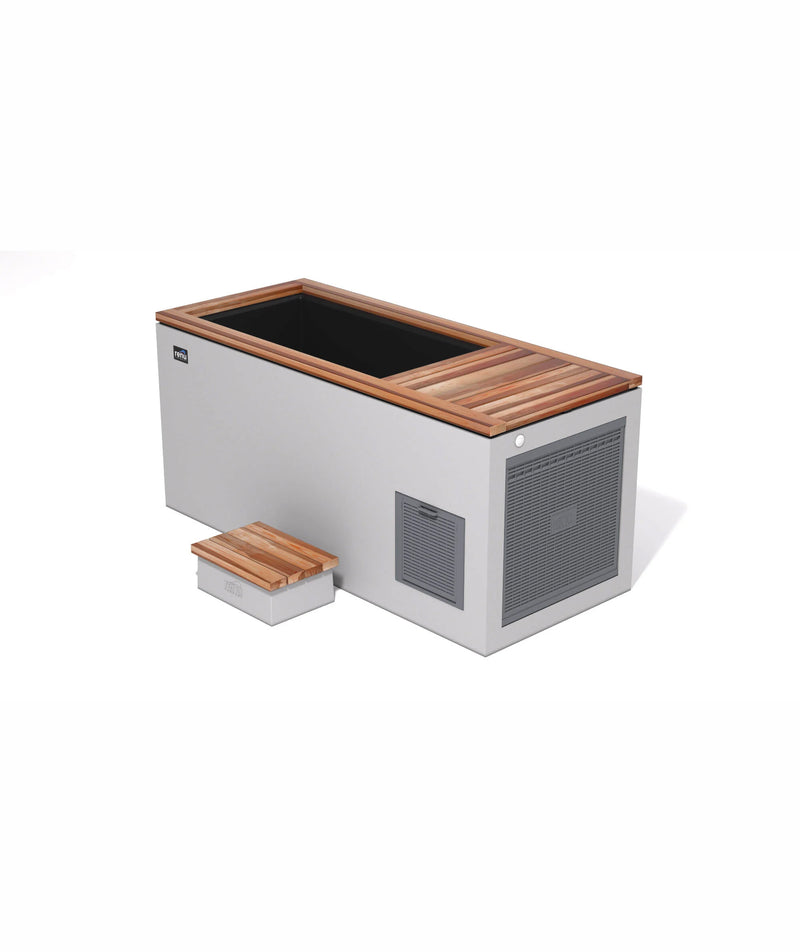
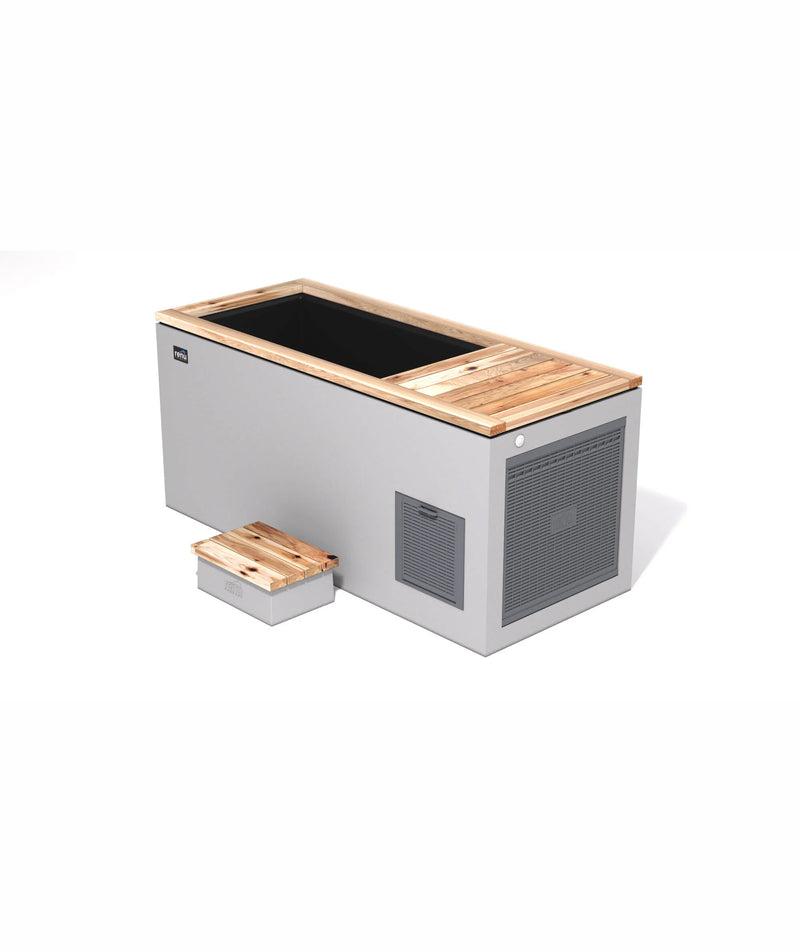
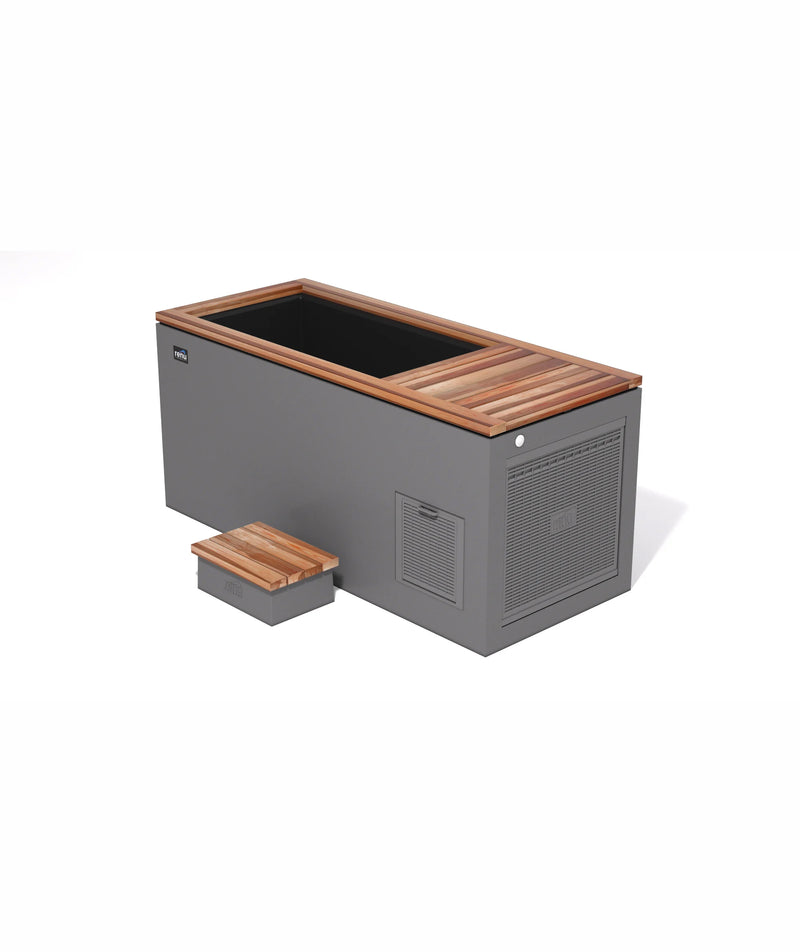
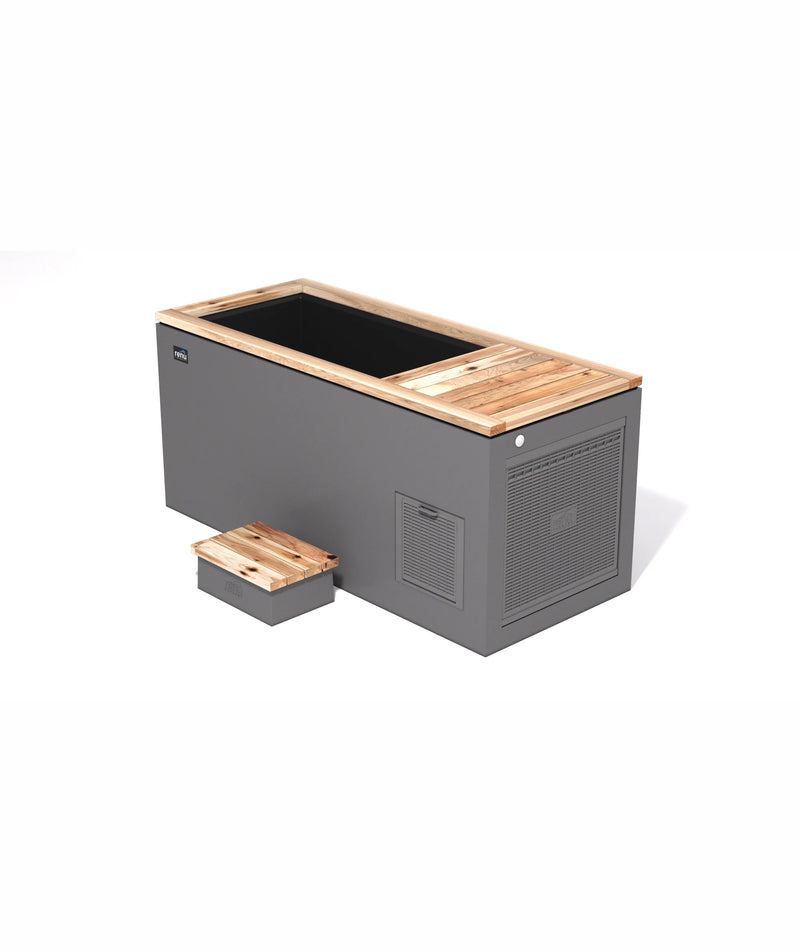
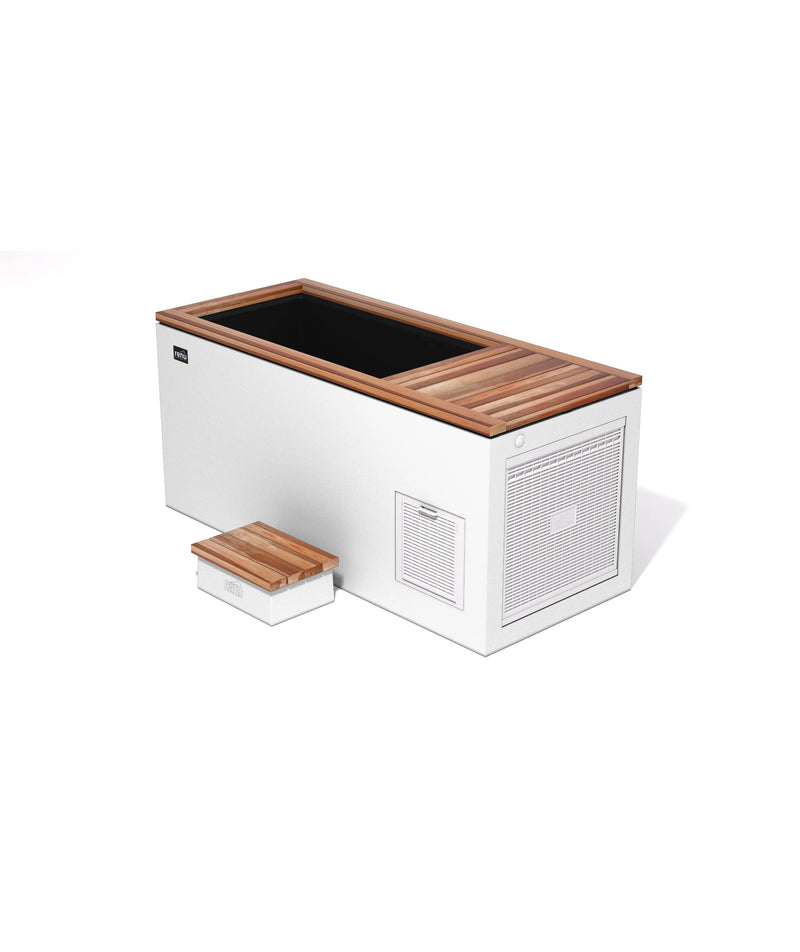
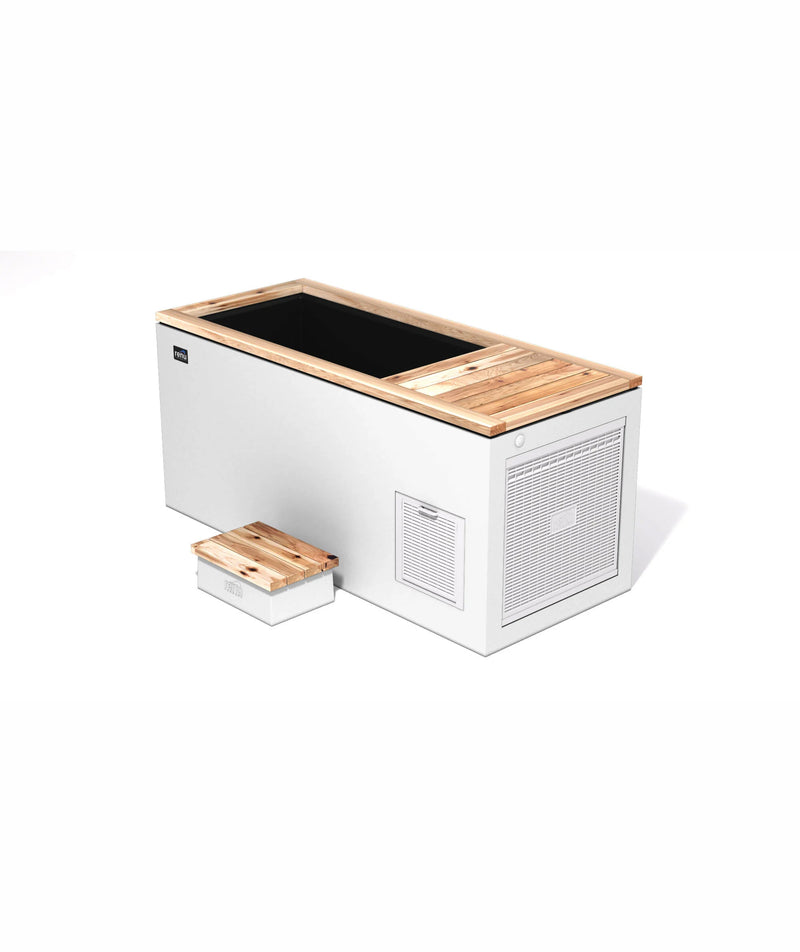
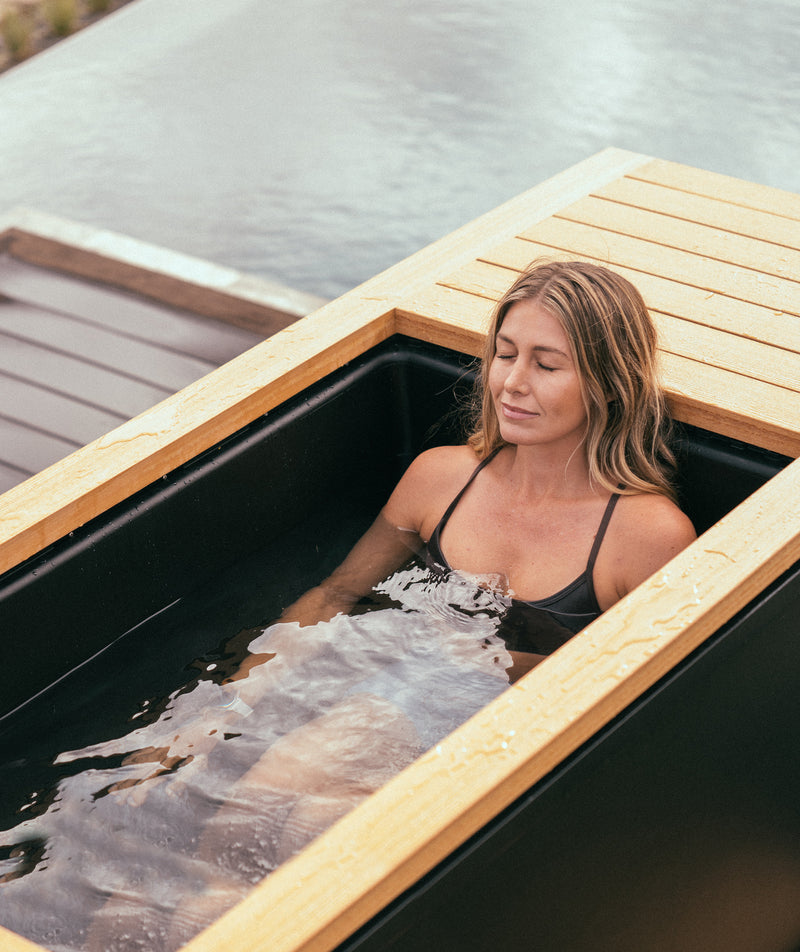
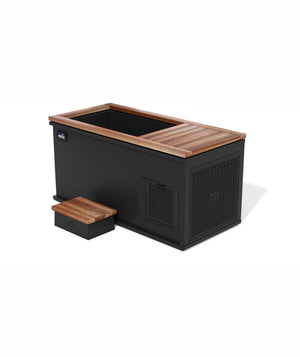
- Cold Plunge Tubs: Consider using cold plunge tubs or small pools designed for this purpose. These are ideal for controlled exposure to cold water.
- Breathing Exercises: Learn deep breathing techniques to help you stay calm and centered during the initial shock of cold water.
Step 3: Integration with Your Wellness Routine
Now that you're acclimating to cold exposures, it's time to integrate it into your wellness routine. Here's how to do it effectively:
- Post-Exercise Recovery: Incorporate cold plunges into your post-exercise recovery routine. After an intense workout, a brief immersion can help reduce muscle soreness and inflammation.
- Wellness Practices: Combine cold plunge therapy with other wellness practices such as yoga, meditation, or massage for a holistic approach to well-being.
- Regular Timing: Establish a regular schedule for cold plunges, ideally two to three times a week. Consistency is key to experiencing the full range of benefits.
- Listen to Your Body: Pay attention to how your body responds to cold plunge therapy. If you feel invigorated and refreshed, you're on the right track.
Step 4: Safety Measures
While you've integrated cold plunge therapy into your wellness routine, it's essential to take safety measures seriously:
- Avoid Overexposure: Do not overexpose yourself to cold water. Extended periods can lead to hypothermia or other risks.
- Stay Hydrated: Hydrate before and after cold plunges to support your body's temperature regulation.
- Warm Up: After a cold plunge, warm up gradually with a hot shower or warm clothing. Avoid sudden temperature changes.
Step 5: Monitor Your Progress
To ensure that cold plunge therapy is enhancing your wellness routine, it's essential to monitor your progress:
- Journaling: Keep a wellness journal to record how you feel before and after cold plunges. Note any changes in muscle soreness, energy levels, or sleep quality.
- Consult Wellness Professionals: Periodically consult with wellness professionals to evaluate the impact of cold plunge therapy on your overall well-being.
- Adapt and Modify: Be open to adapting and modifying your cold plunge routine based on your experiences. What works best for you may vary over time.
Step 6: Maximize the Benefits
As you continue your cold plunge therapy journey, maximize the benefits by exploring these additional strategies:
- Breathing Techniques: Learn advanced breathing techniques to enhance your ability to remain calm and focused during cold immersion.
- Cold Water Swimming: Consider incorporating cold water swimming into your routine, as it offers a dynamic form of cold water exposure.
- Sauna Pairing: Pairing cold plunges with sauna sessions can provide a contrast that maximizes benefits for both body and mind.
- Energy and Sleep: Pay attention to your energy levels and sleep quality. These are key indicators of the impact of cold plunge therapy.
- Muscle Recovery: Assess how cold plunge therapy affects your muscle recovery and whether it helps reduce exercise-induced muscle damage.
The Rewards of a Cold Plunge: Health Benefits
The beauty of integrating cold plunge therapy into your wellness routine is the extensive list of health benefits it can provide. Let's explore some of the rewards:
- Improved Blood Circulation: Cold plunge therapy promotes improved blood circulation, which can benefit your cardiovascular health and overall well-being.
- Pain Relief and Muscle Recovery: For athletes and fitness enthusiasts, cold plunges can aid in reducing muscle soreness and accelerating recovery.
- Mental Resilience: Cold plunges stimulate the release of endorphins, which can alleviate stress, reduce symptoms of depression, and enhance mental health.
- Immune Boost: The practice of cold plunge therapy can strengthen your immune system, helping protect against illnesses.
- Metabolic Boost: Cold plunges can rev up your metabolic rate, which can be a valuable tool for weight management.
- Quality Sleep: Improvements in sleep quality are a known benefit of cold plunge therapy, ensuring you wake up feeling refreshed.
Elevate Your Wellness Routine with Renu Therapy
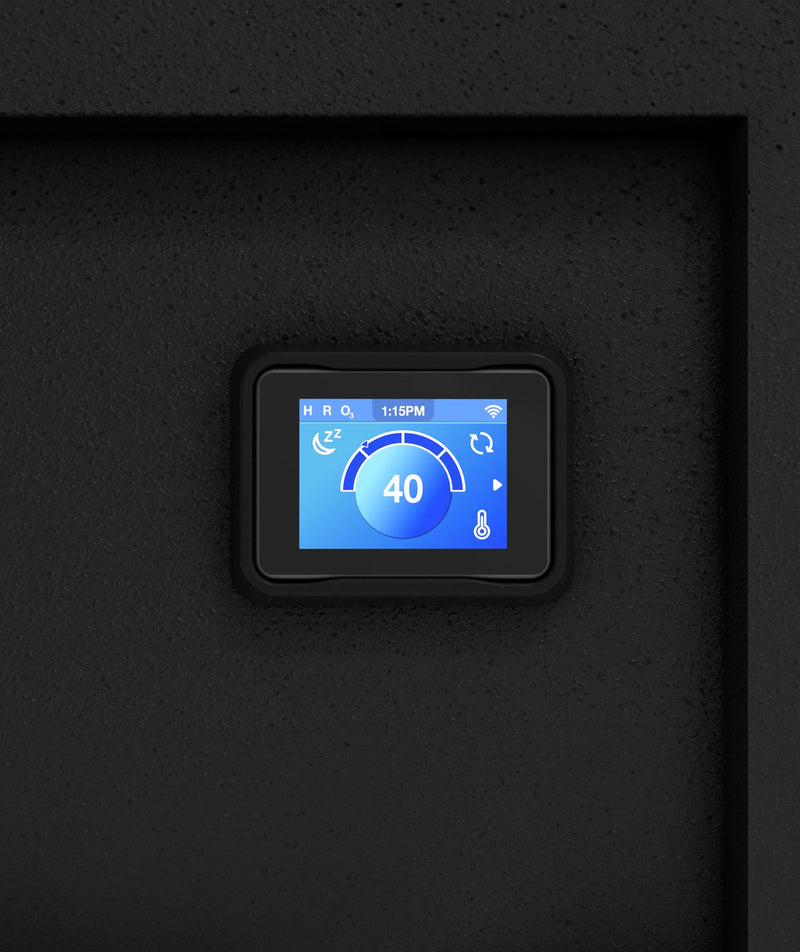
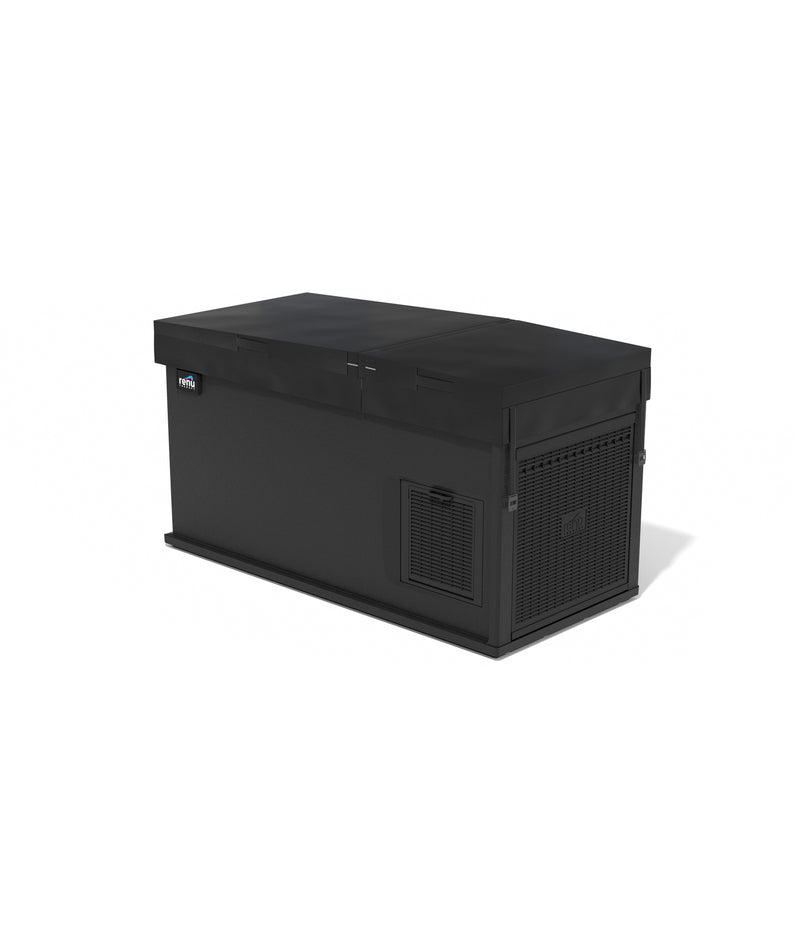
If you're ready to take your wellness journey to the next level, consider Renu Therapy. Our cutting-edge solutions make cold therapy accessible, safe, and effective.
With innovation and science at our core, we empower you to harness the invigorating potential of cold plunge therapy in a controlled environment.
So, don't hesitate. Elevate your wellness routine with Renu Therapy, and experience the transformative benefits of cold immersion. Take the first step toward your wellness journey by getting in touch with us today!