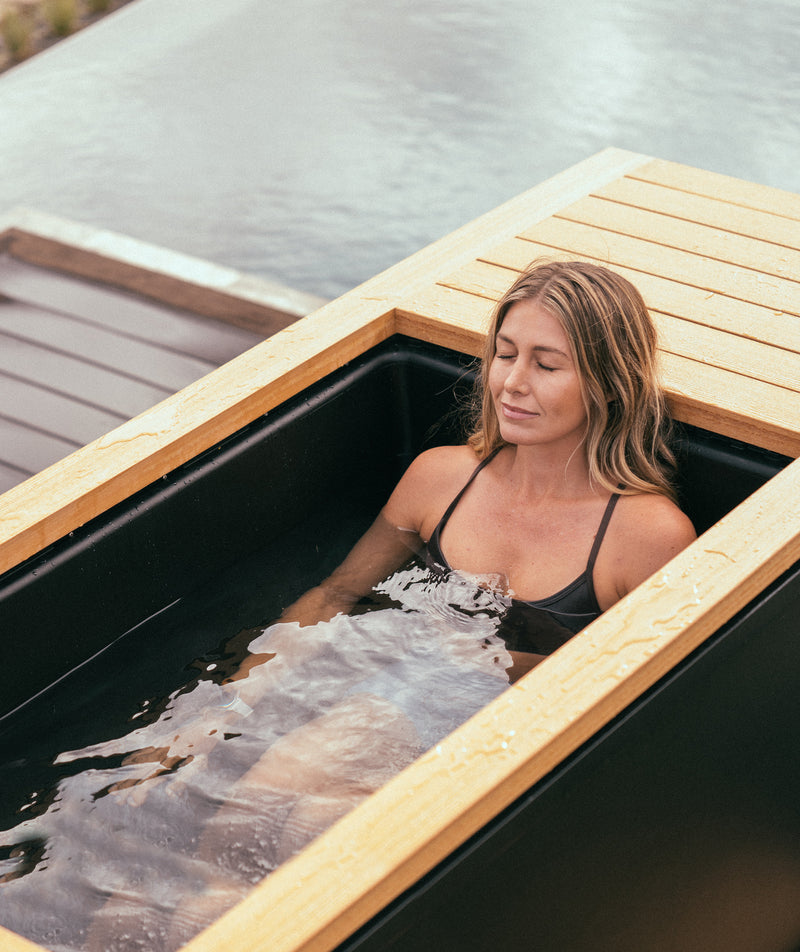
Incorporating cold plunge techniques into your wellness routine, particularly through methods like outdoor cold water immersion and ice bath sessions, can significantly enhance muscle recovery, reduce inflammation, and improve overall health.
Understanding the correct duration for applying cold packs and ice towels is crucial to maximizing these benefits while ensuring safety. This blog explores the recommended application times and techniques to optimize your cold therapy experience.
How Long to Apply Cold Packs
The application of cold packs is a common method used in conjunction with cold plunge therapy to target specific areas of the body, such as sore muscles or an acute injury. Physical therapists generally recommend applying cold packs for periods ranging from 10 to 20 minutes. This timeframe is considered optimal for reducing blood flow sufficiently to alleviate pain and reduce muscle spasms without risking tissue damage or other adverse effects.
For conditions like knee pain or muscle soreness, applying a cold pack immediately after a cold water immersion session can extend the therapeutic benefits, helping to further constrict blood vessels and reduce inflammation. However, it's essential to monitor body responses; if the skin becomes too cold or numb, it's time to remove the cold pack.
Ice Towel Application During Cold Plunge Therapy
Ice towels, wet towels that have been chilled or wrapped around ice cubes, serve as an effective tool for cooling the body during or after cold water immersion. The recommended application time for ice towels is slightly less than for ice packs, typically around 5 to 15 minutes, depending on individual tolerance and the specific area being treated.
Ice towels are particularly useful for wrapping around the neck, shoulders, or over the knees during or after an ice bath, providing a more gradual cooling effect than direct ice contact.
Balancing Cold and Warm Temperatures
After applying cold packs or ice towels, it's beneficial to allow the body to warm back up gradually. Avoid jumping into a hot shower or bath immediately after cold treatment; instead, opt for a warm shower or the use of a heat pack if necessary, particularly if you have conditions like poor circulation or heart disease. This method of contrast therapy can enhance blood circulation and promote more effective recovery.
Benefits of Cold Packs and Ice Towels
Cold packs and ice towels are widely used in the realm of physical therapy, sports medicine, and general wellness for their ability to provide relief and aid recovery. These tools leverage the therapeutic properties of cold therapy or cryotherapy, offering a range of benefits from pain management to inflammation reduction. Here are some key benefits of using cold packs and ice towels:
1. Pain Relief
One of the primary benefits of cold therapy and ice towels is their ability to provide immediate pain relief. The cold temperature helps numb the affected area, reducing the perception of pain. This is particularly beneficial for acute injuries, muscle pain, and joint pain. The numbing effect results from the slowing down of nerve impulses, which decreases the intensity of pain signals sent to the brain.
2. Reduction of Inflammation and Swelling
Applying cold packs or ice towels to an injured or inflamed area constricts blood vessels, a process known as vasoconstriction. This reduces blood flow to the area, which can significantly decrease swelling and inflammation. This is especially important immediately following an injury or after surgery, as reducing inflammation can help speed up the healing process.
3. Muscle Recovery
For athletes and individuals engaging in physical activity, muscle soreness (Delayed Onset Muscle Soreness - DOMS) is a common issue. Cold therapy, facilitated by cold packs or ice towels, can help reduce muscle soreness after intense exercise. The cold helps to reduce metabolic activity, slow the inflammation process, and lessen the effect of muscle tears, leading to faster recovery.
4. Enhanced Blood Circulation
While cold therapy initially causes blood vessels to constrict, the subsequent re-warming process leads to vasodilation, or the widening of blood vessels. This process can help flush away metabolic waste products accumulated during physical activity. Enhanced blood circulation promotes the delivery of oxygen- and nutrient-rich blood to tired and sore muscles, aiding in repair and strengthening.
5. Reduced Muscle Spasms
Cold packs and ice towels can be effective in reducing muscle spasms, which are often associated with acute pain and discomfort. The cooling effect can calm the muscular and nervous systems, decreasing the frequency and intensity of spasms.
Considerations for Specific Conditions
Individuals with medical conditions such as chronic conditions, heart disease, or poor circulation should take extra caution with cold application. Consulting with healthcare professionals to determine appropriate durations and frequencies for cold therapy is crucial to avoid exacerbating any existing issues.
For those using cold therapy for chronic pain or chronic conditions, integrating shorter, more frequent applications might yield better results and reduce the risk of adverse reactions. Conversely, athletes focusing on muscle recovery from intense exercise might benefit from slightly longer cold exposure, following physical activity.
Maintaining hydration is crucial, especially when combining cold therapy with physical exercise. Drinking plenty of water before and after cold plunge techniques and the application of cold packs can help enhance the therapeutic effects and aid in the body’s overall recovery process.
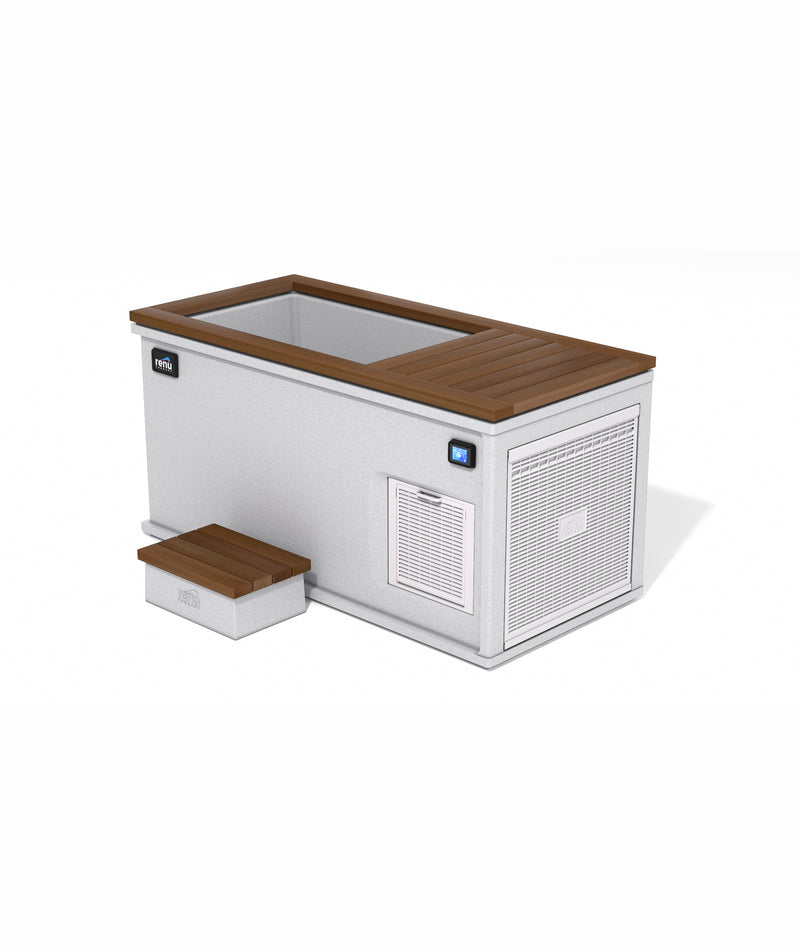
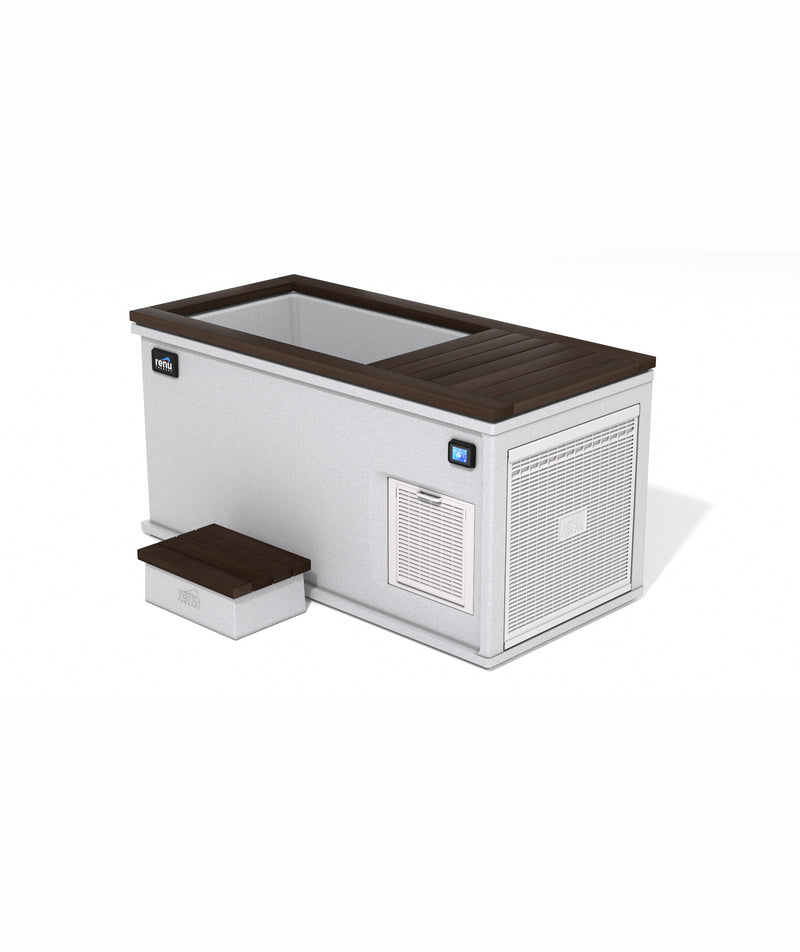
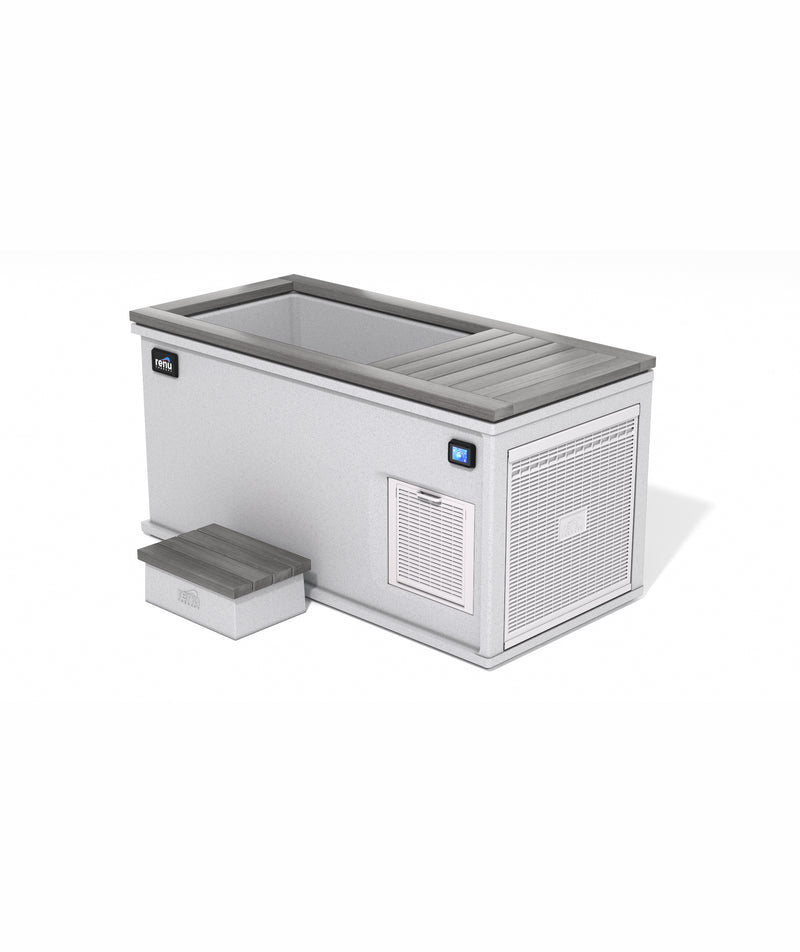
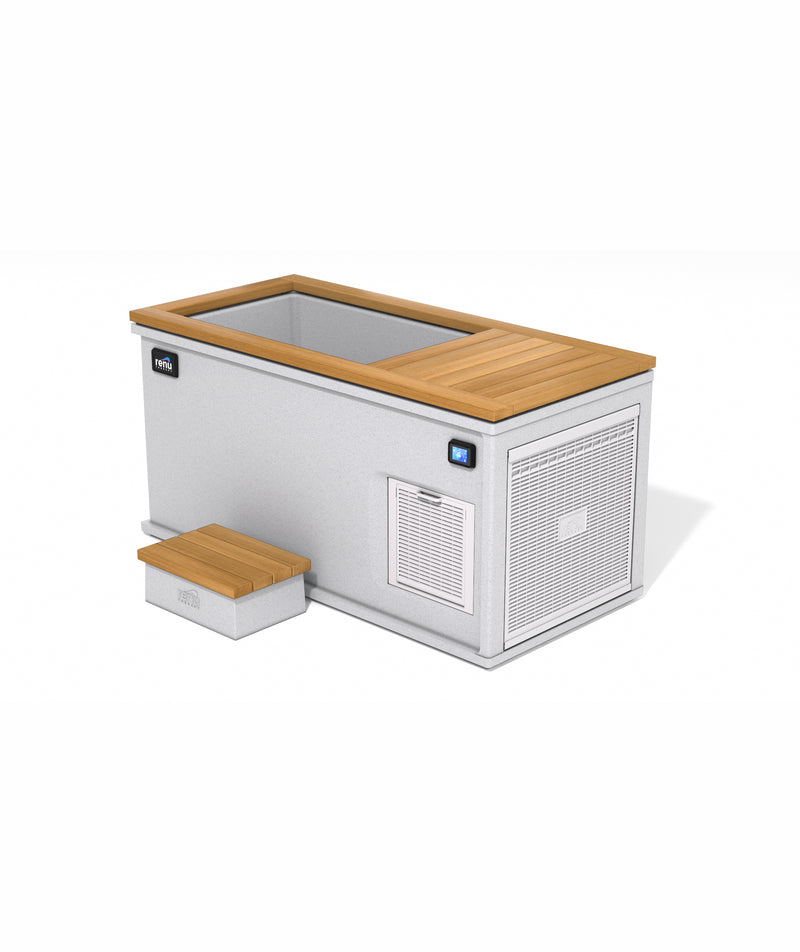
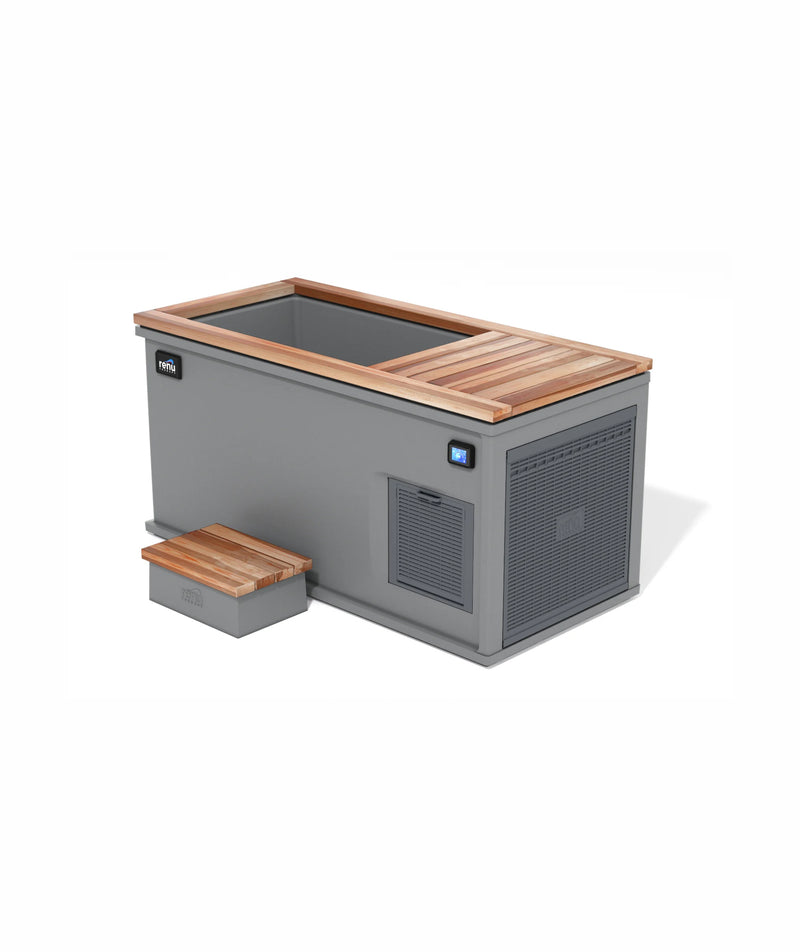
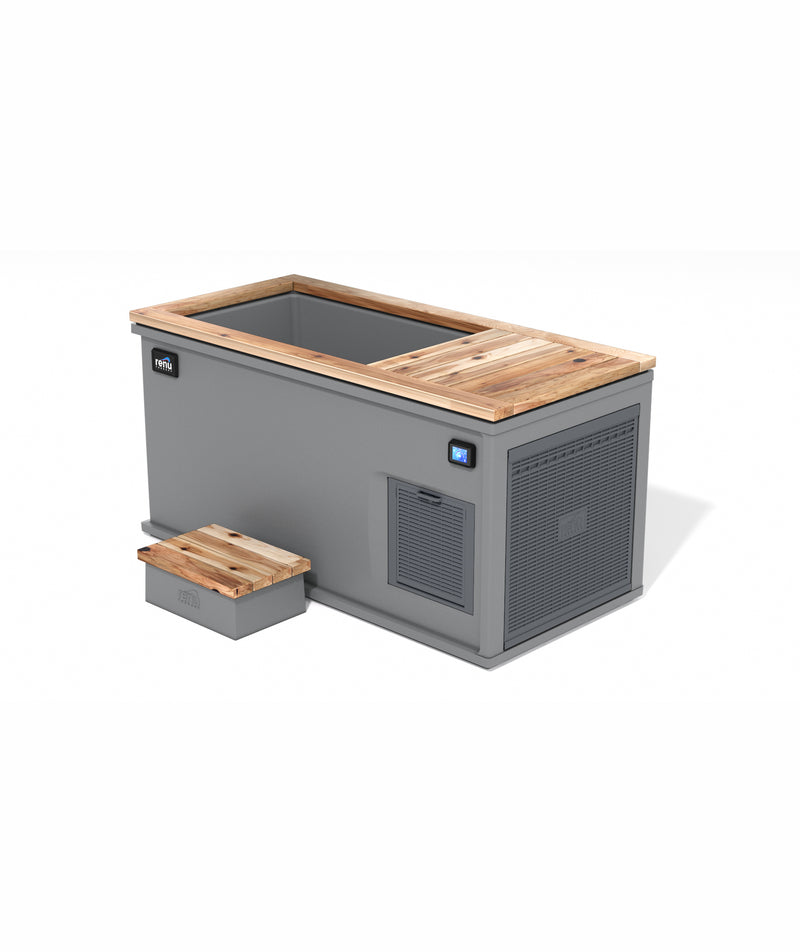
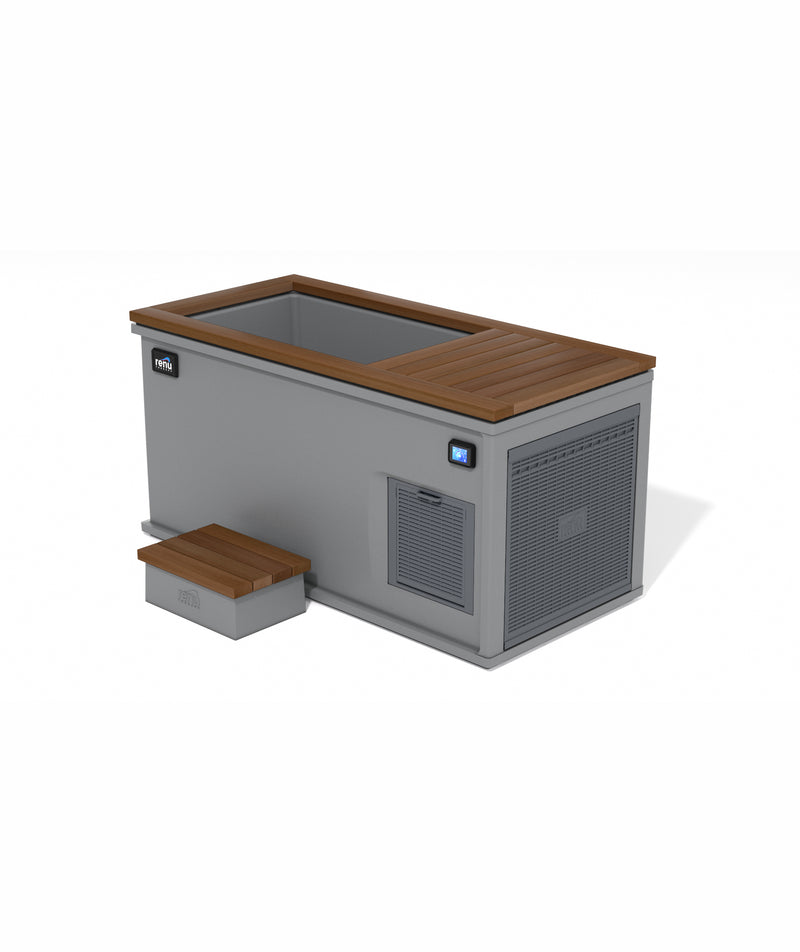
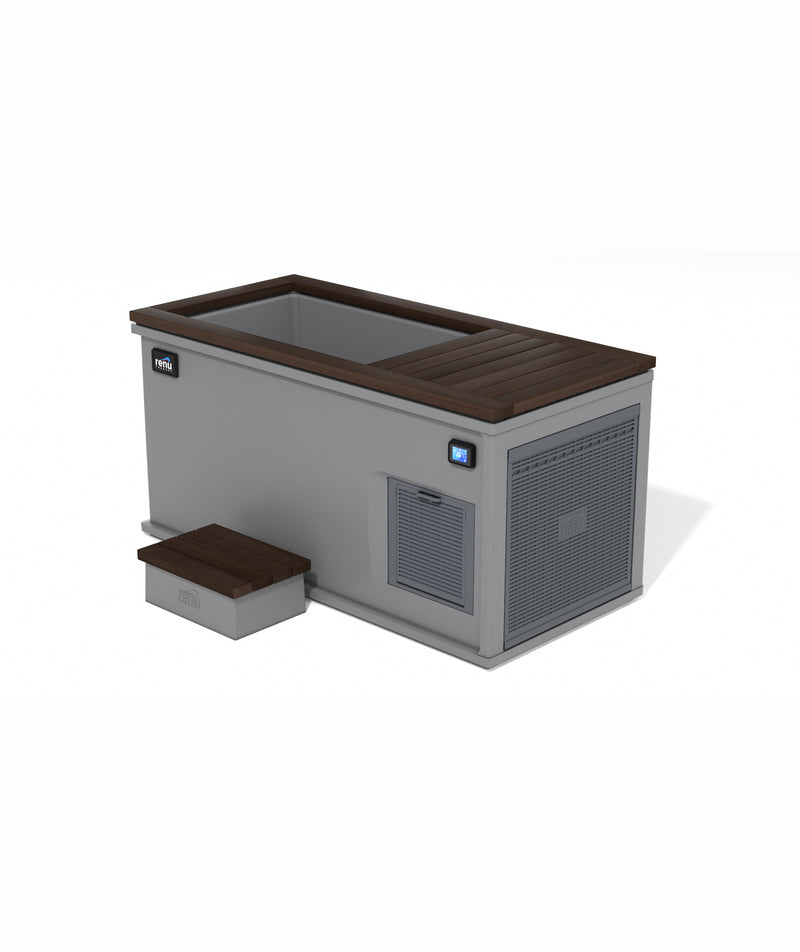
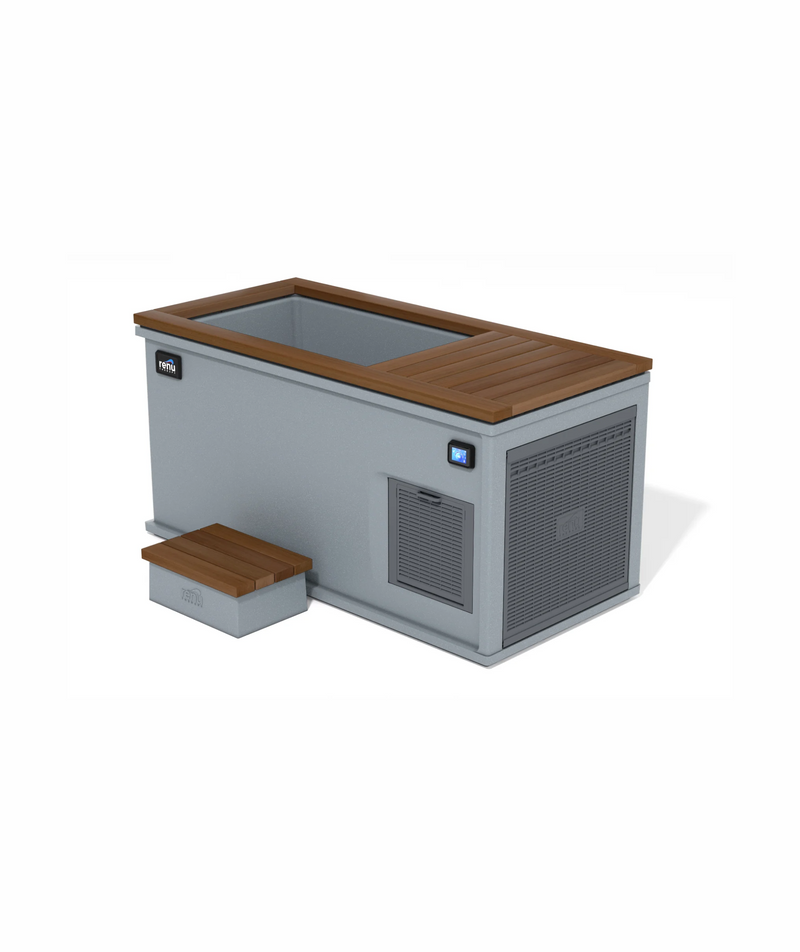
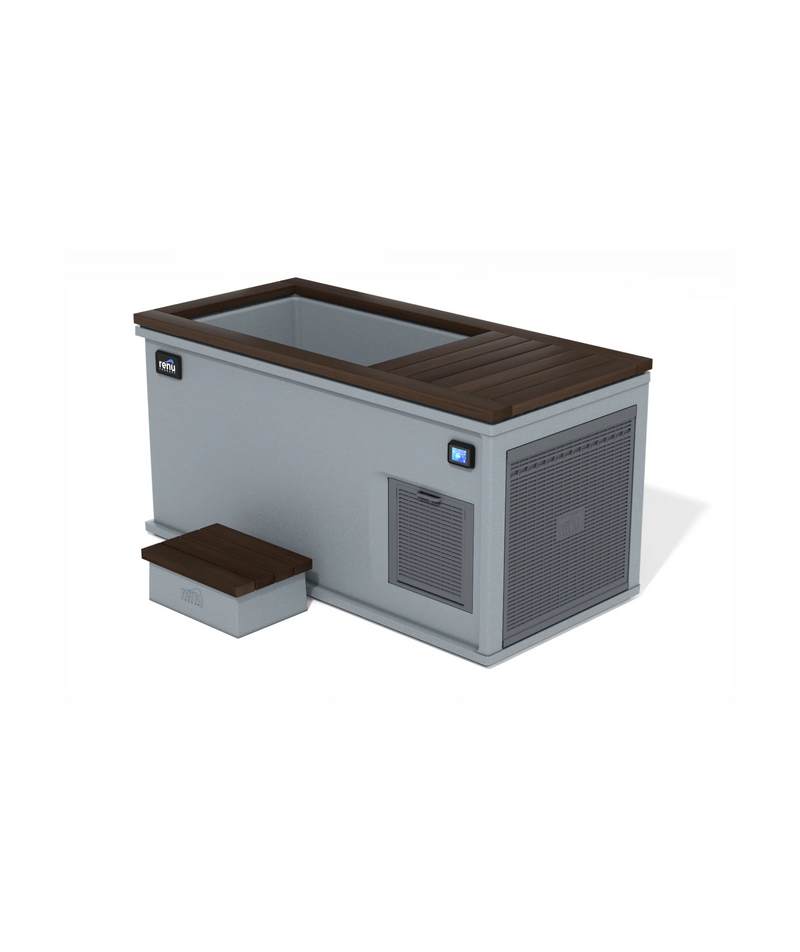
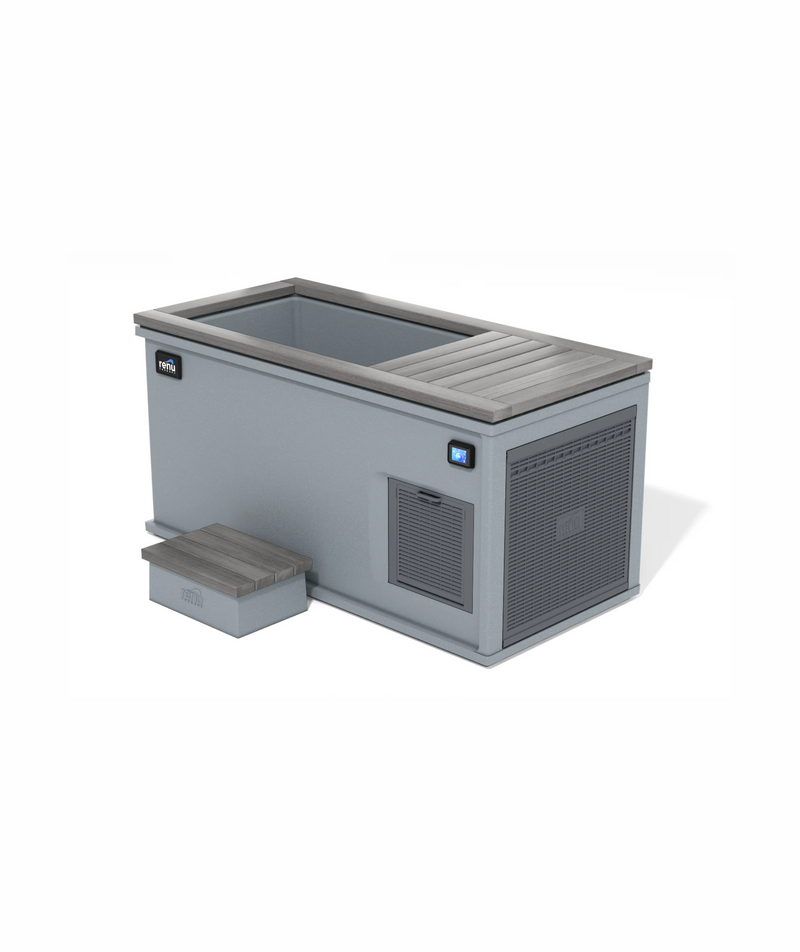
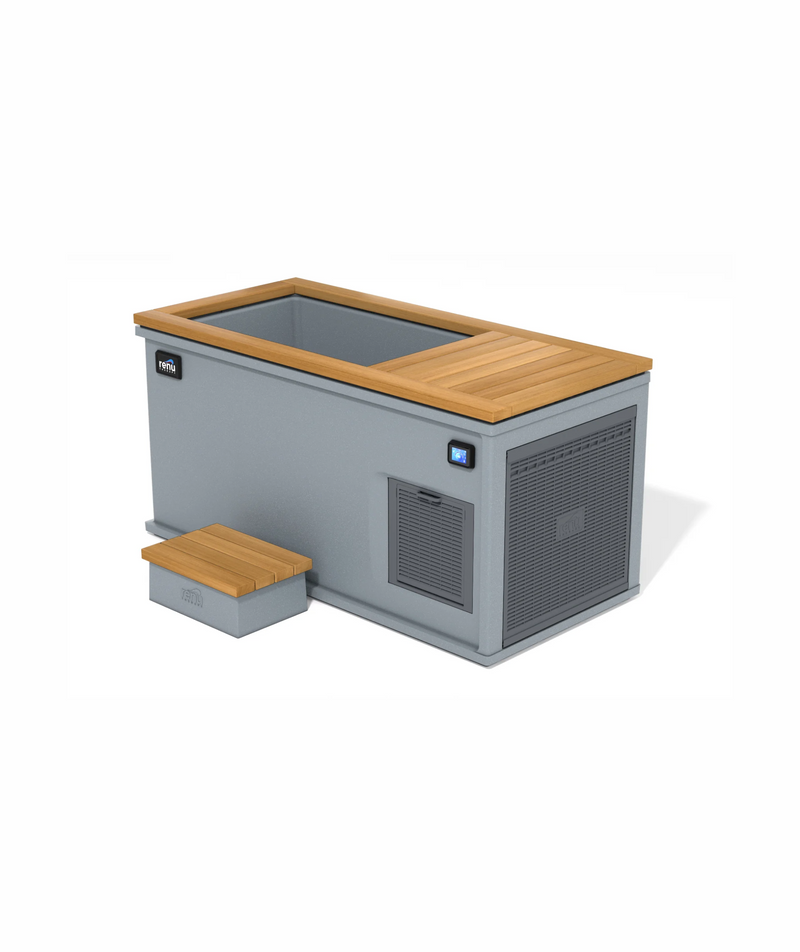
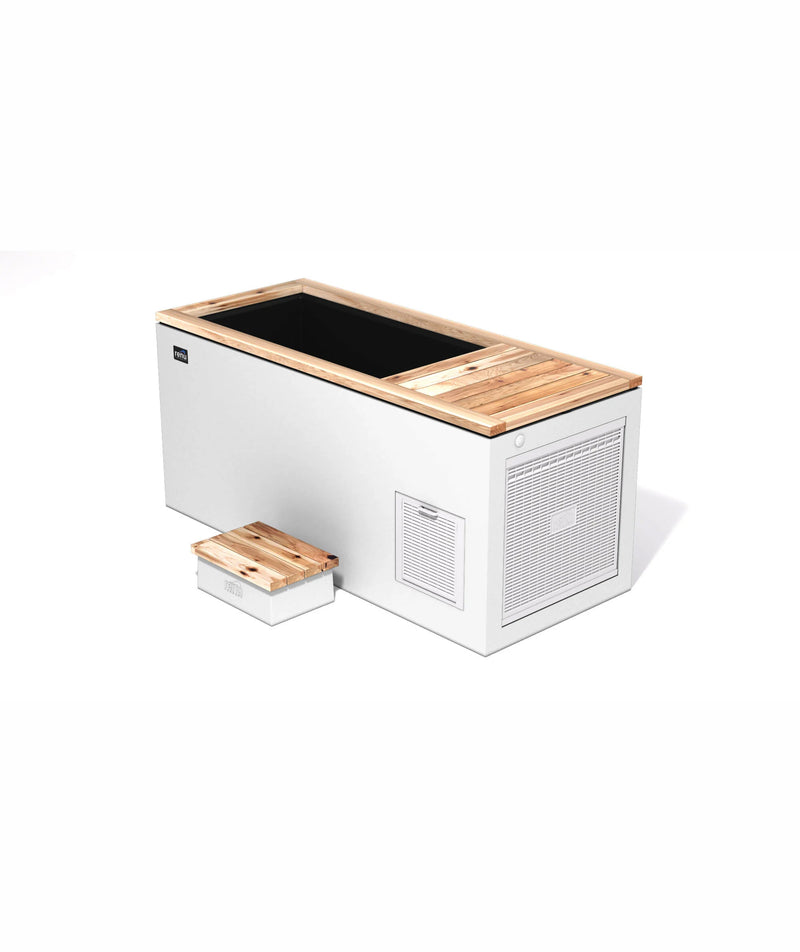
Enhance Your Cold Therapy Experience with Renu Therapy Cold Tanks
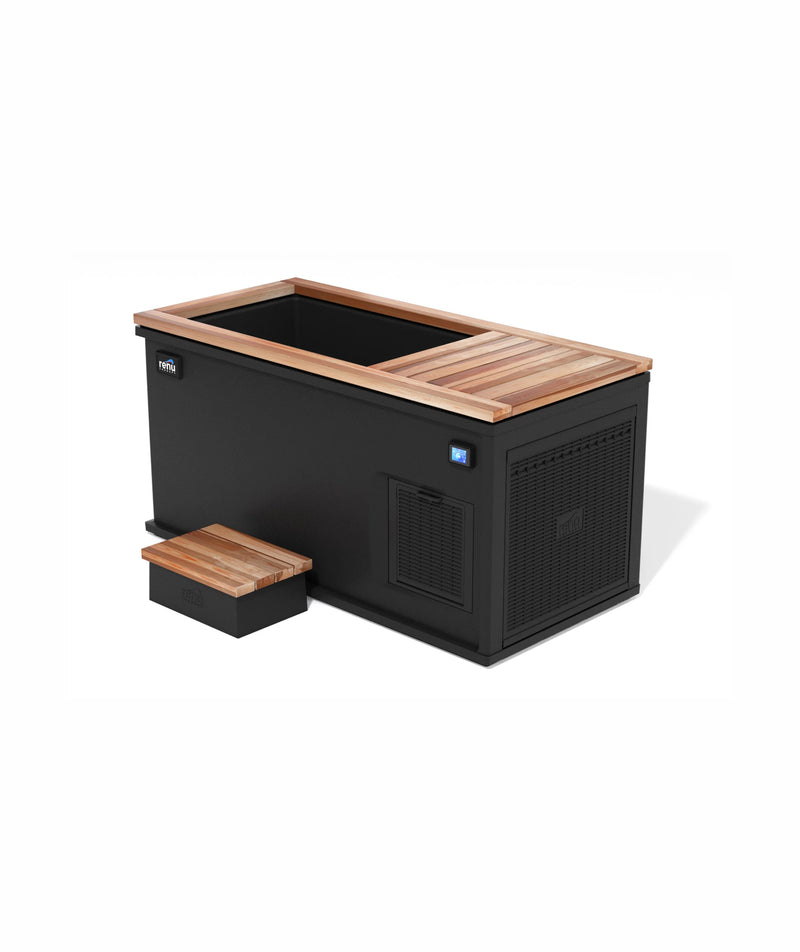
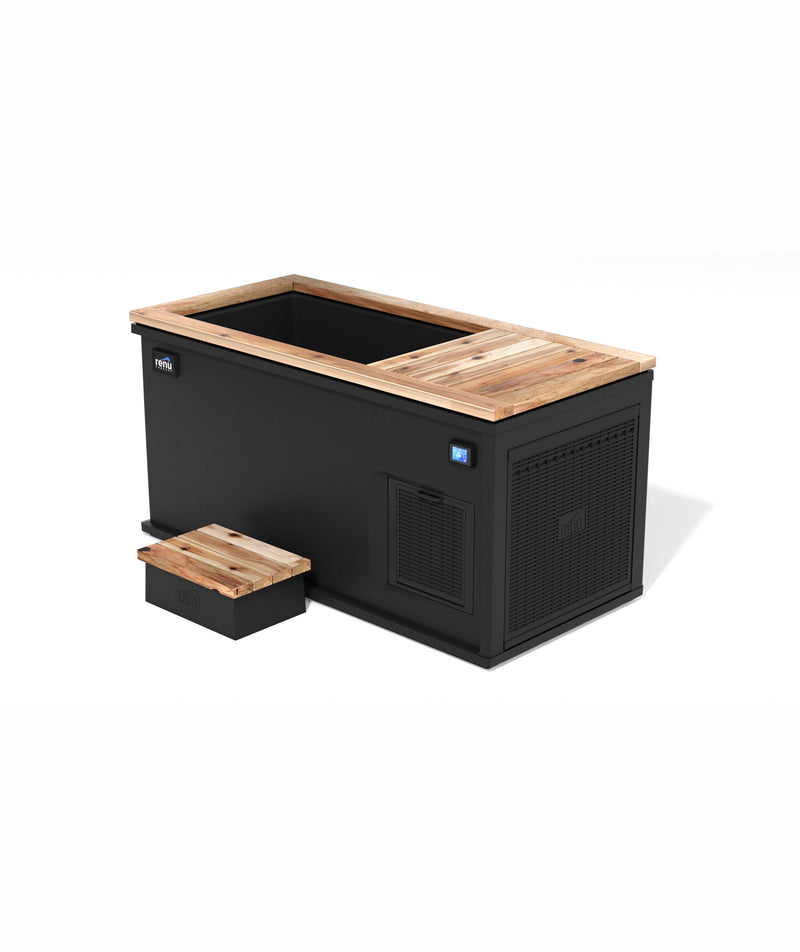
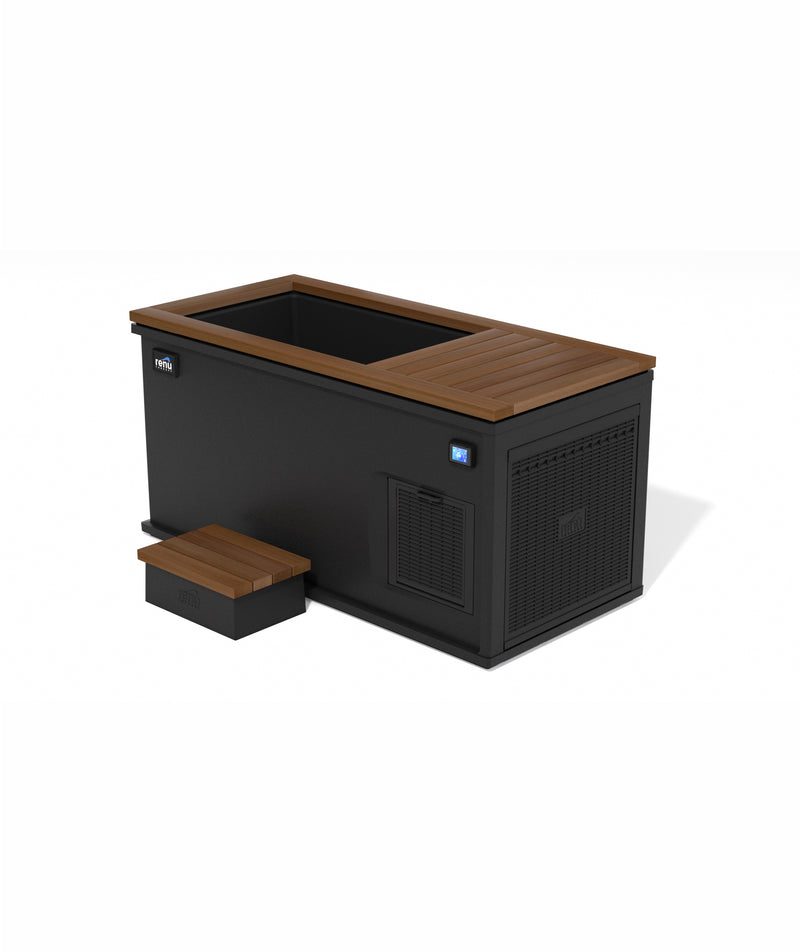
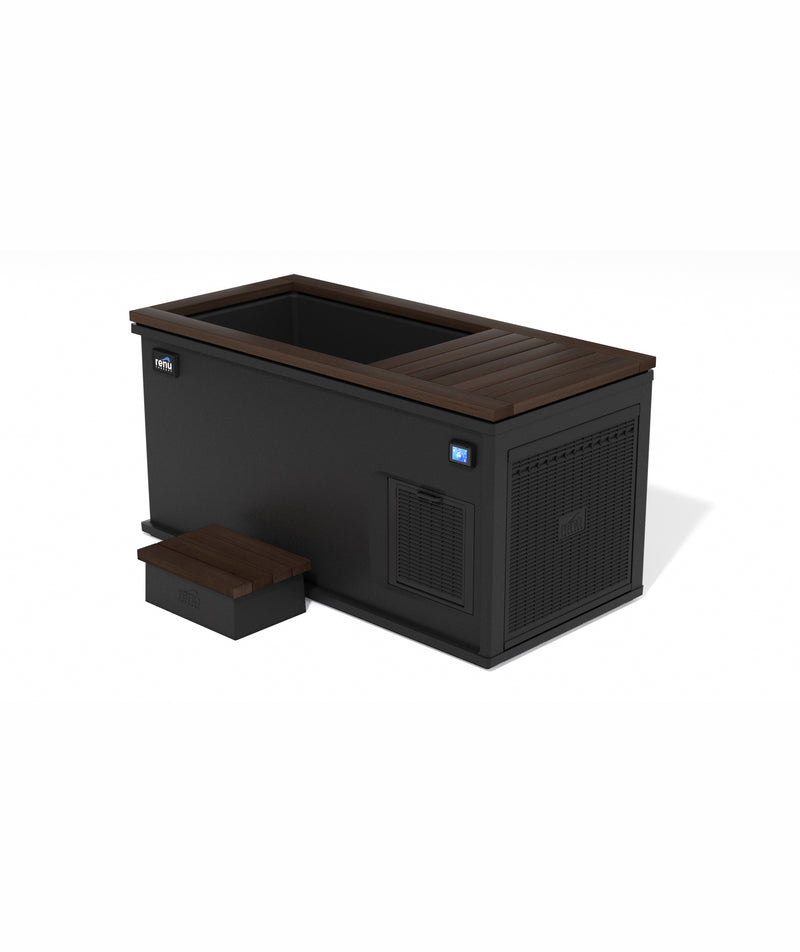
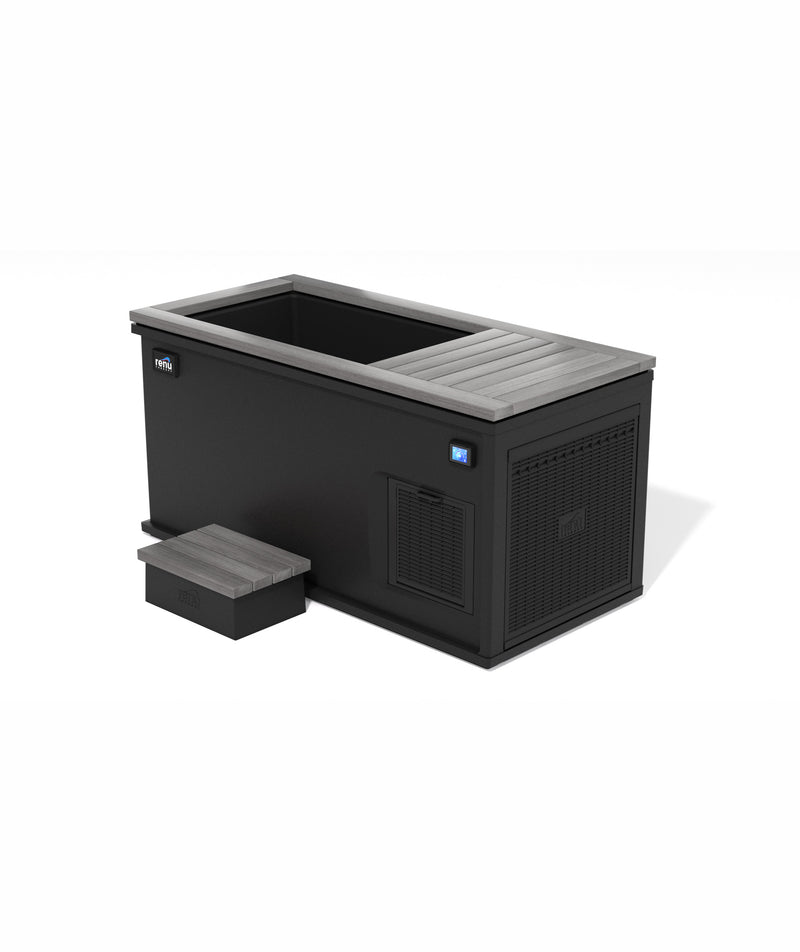
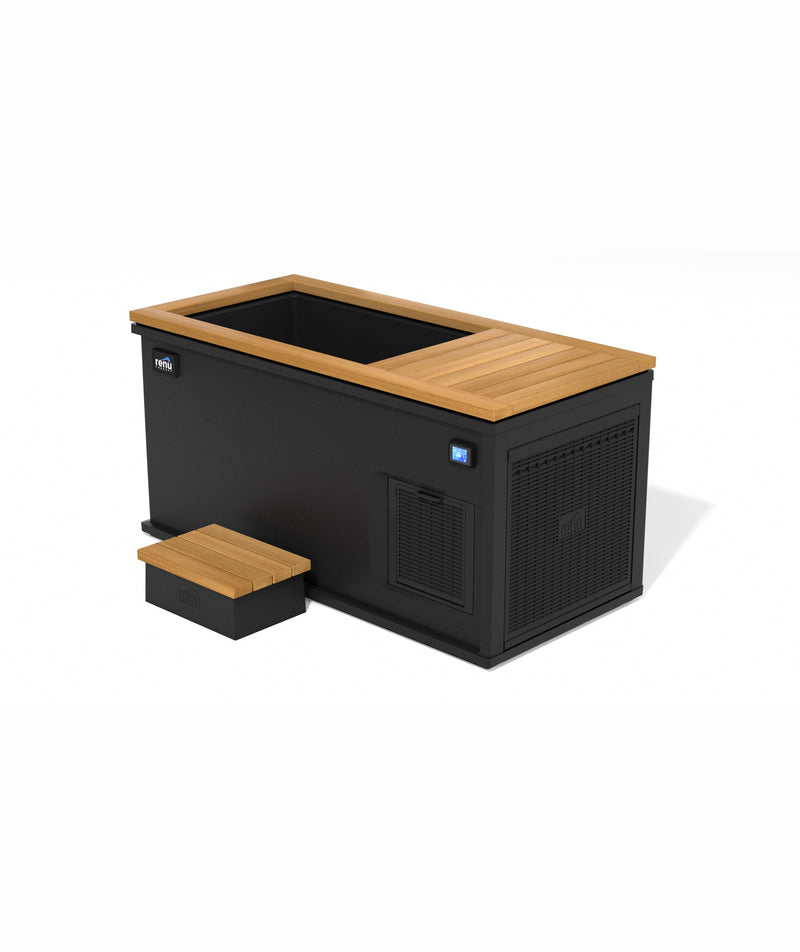
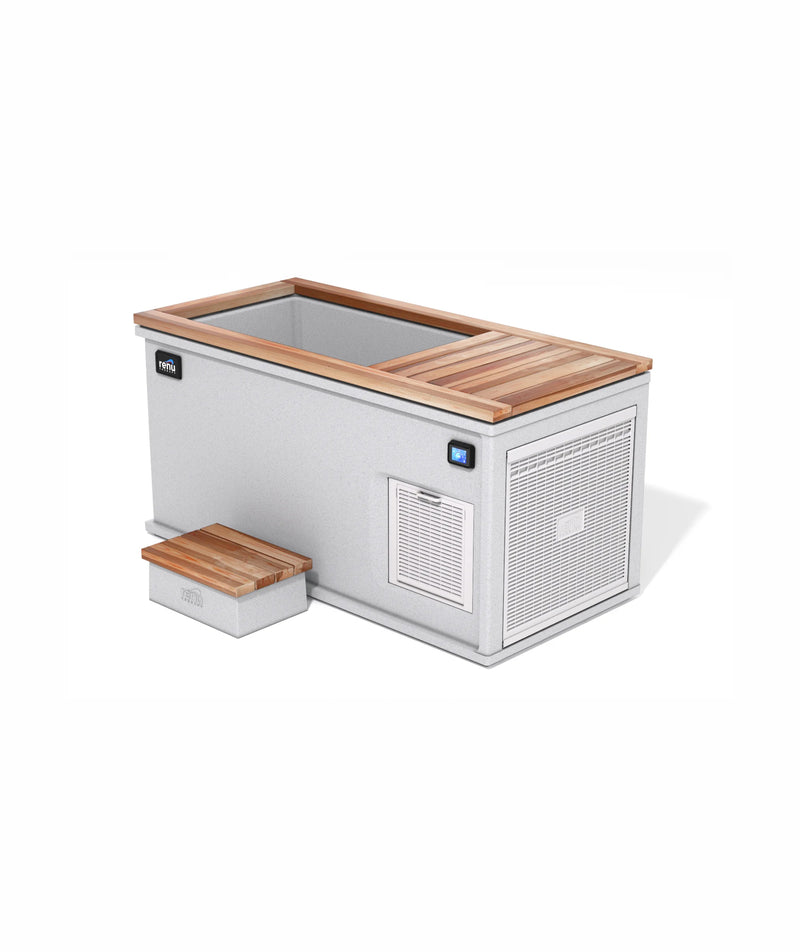
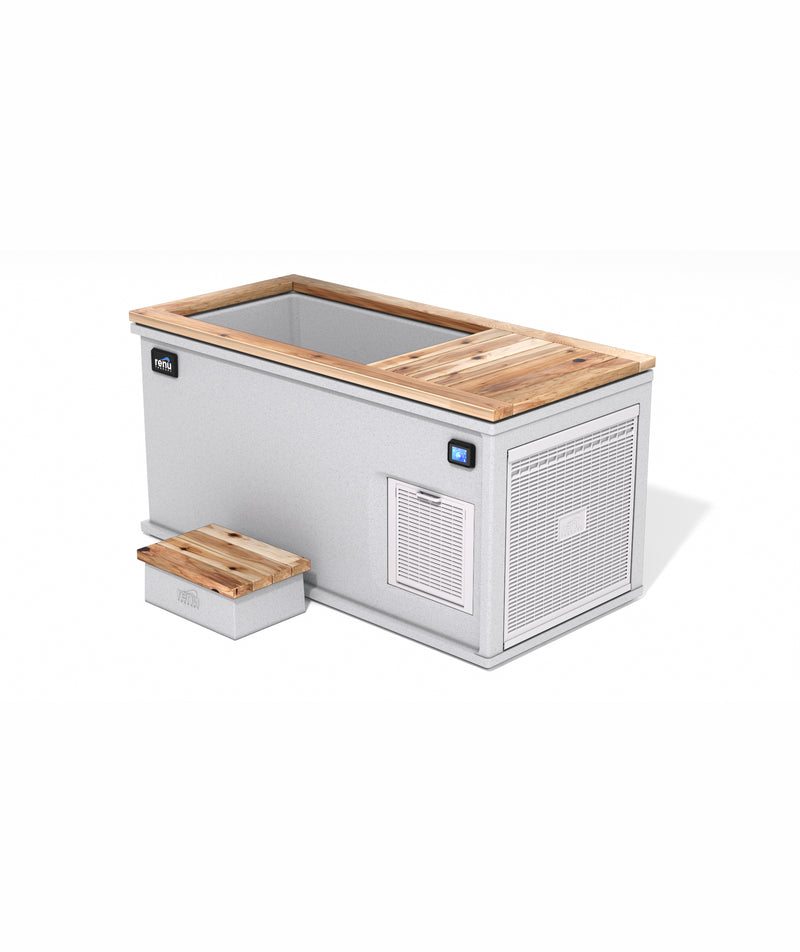
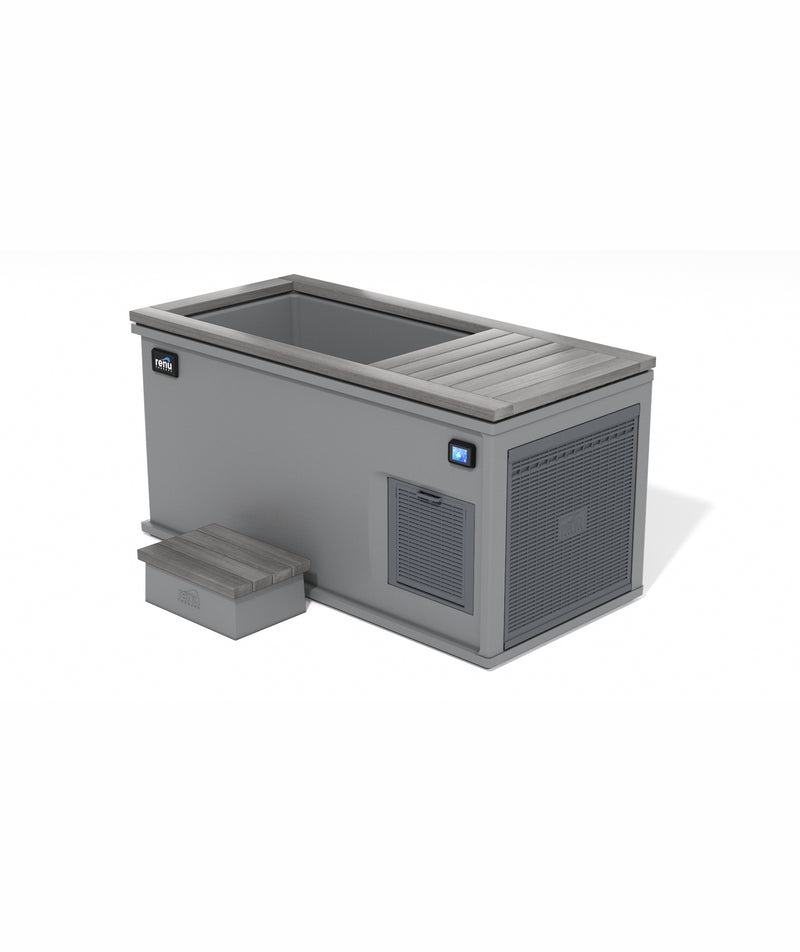
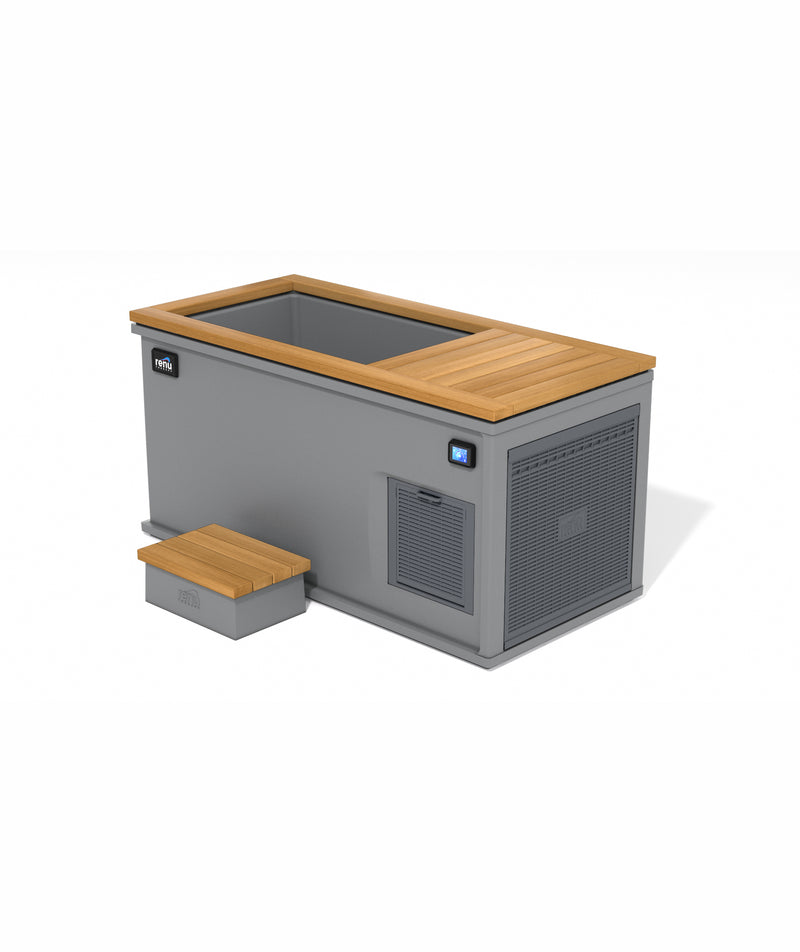
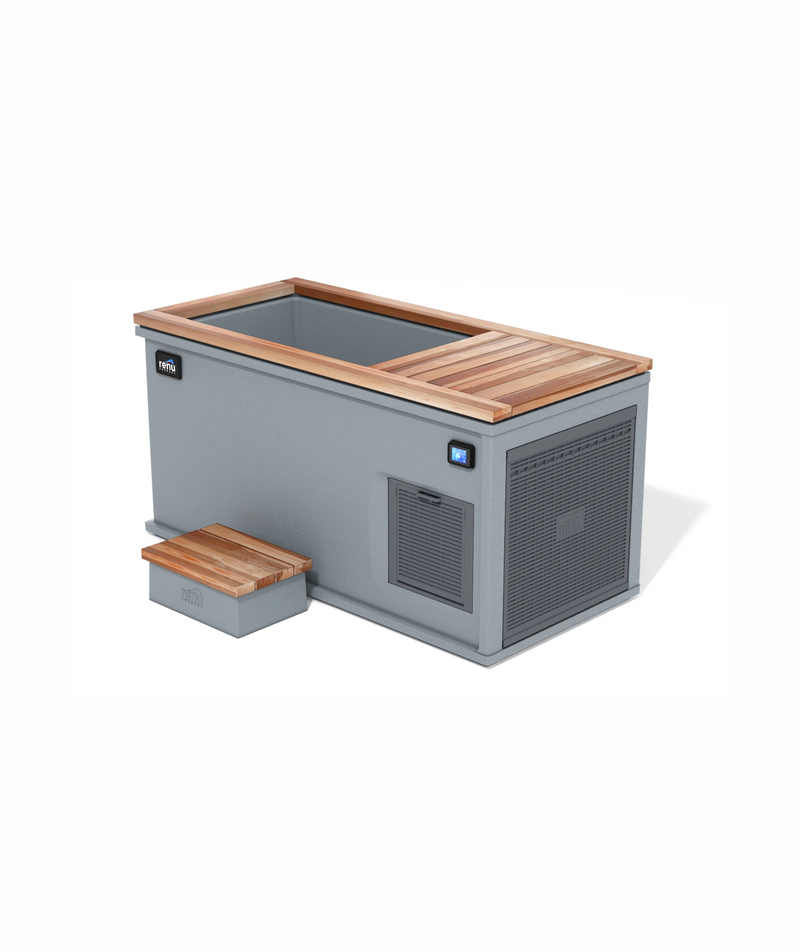
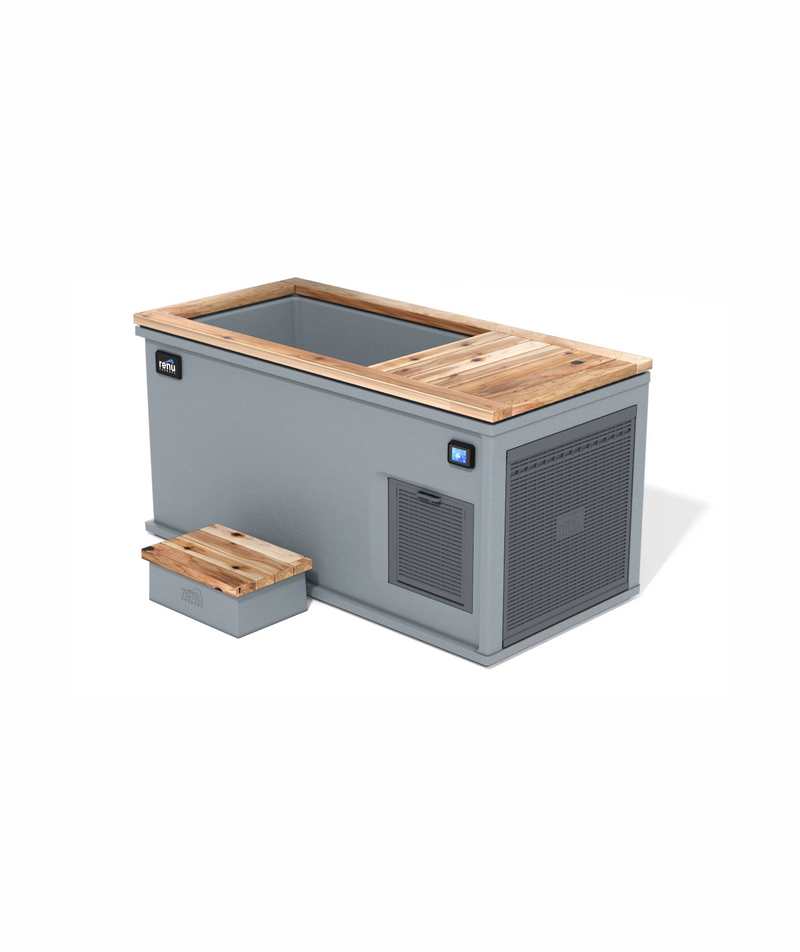
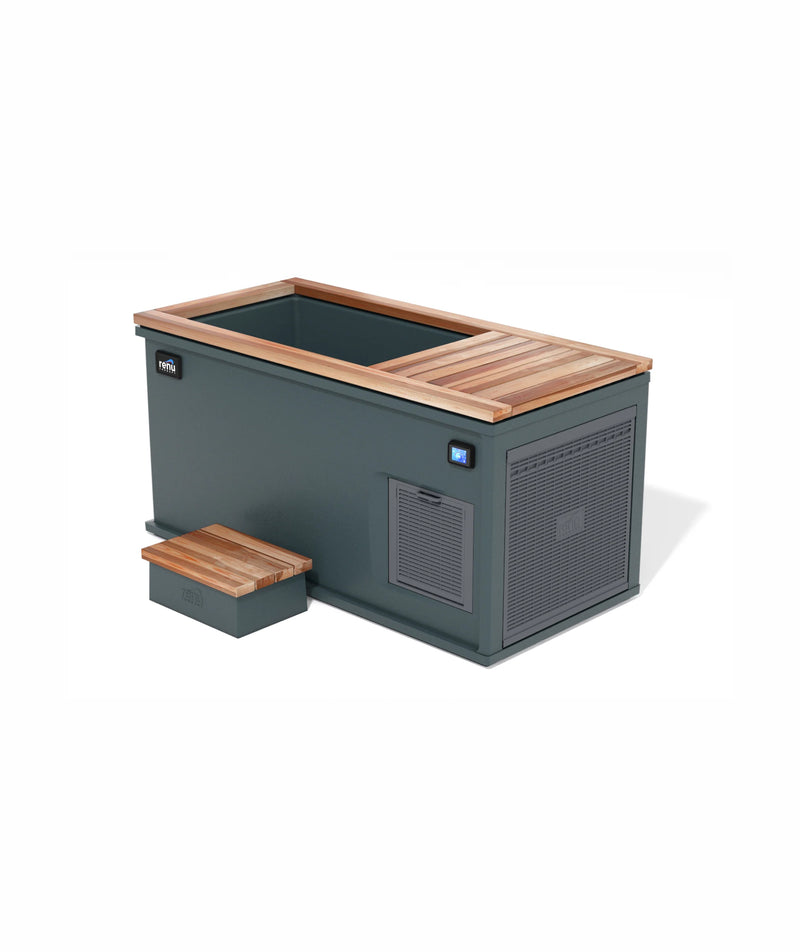
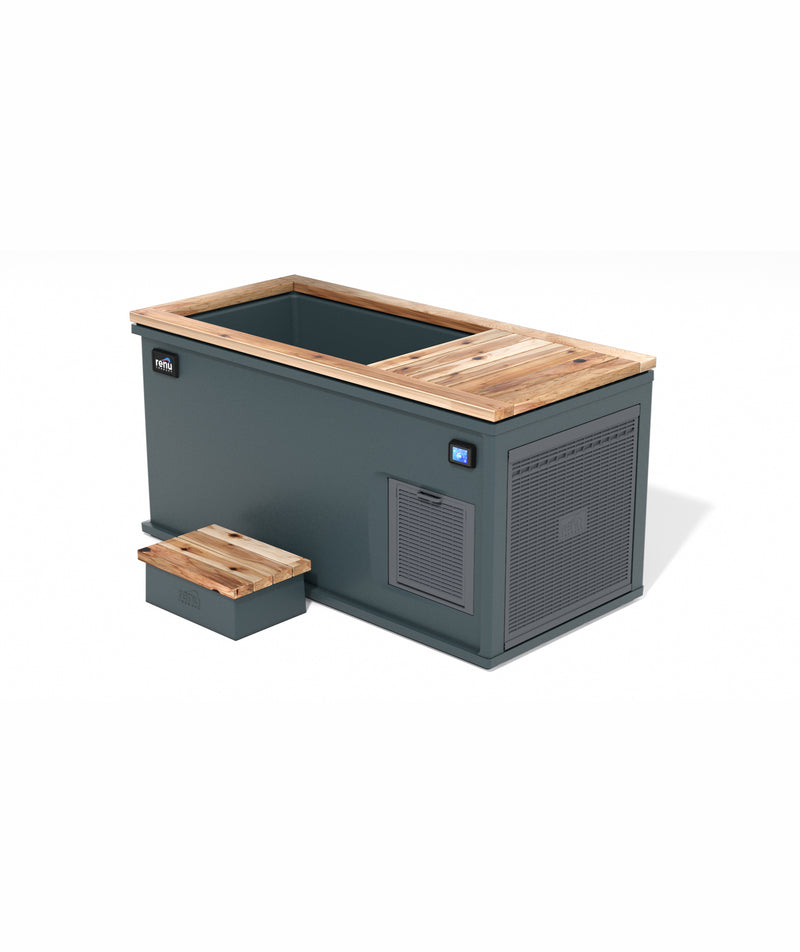
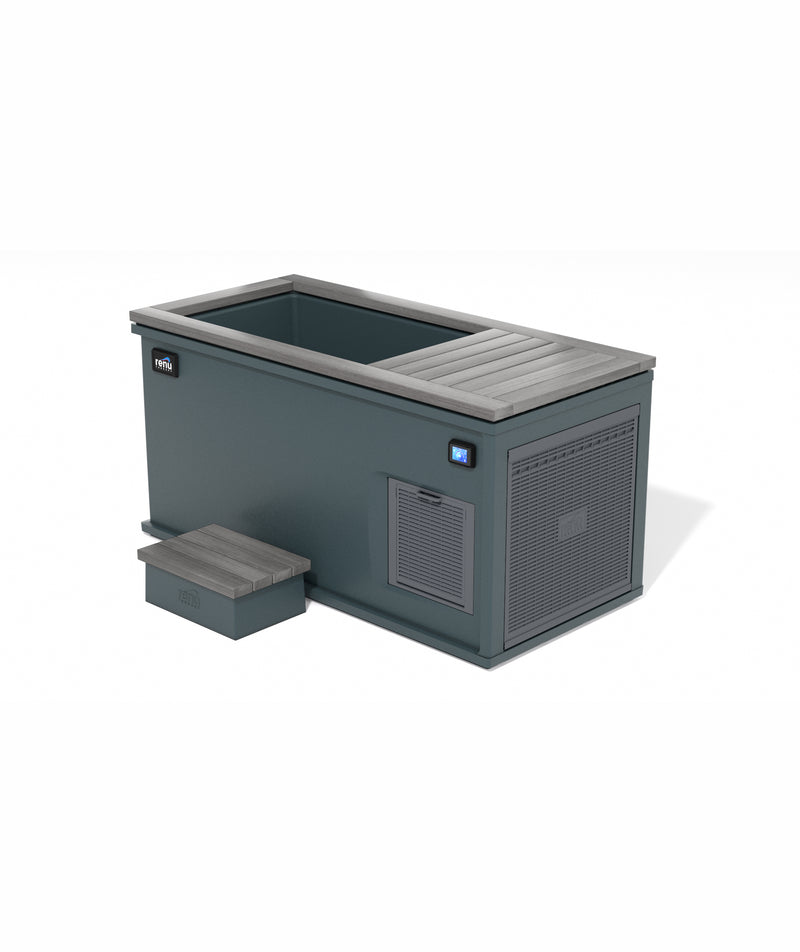
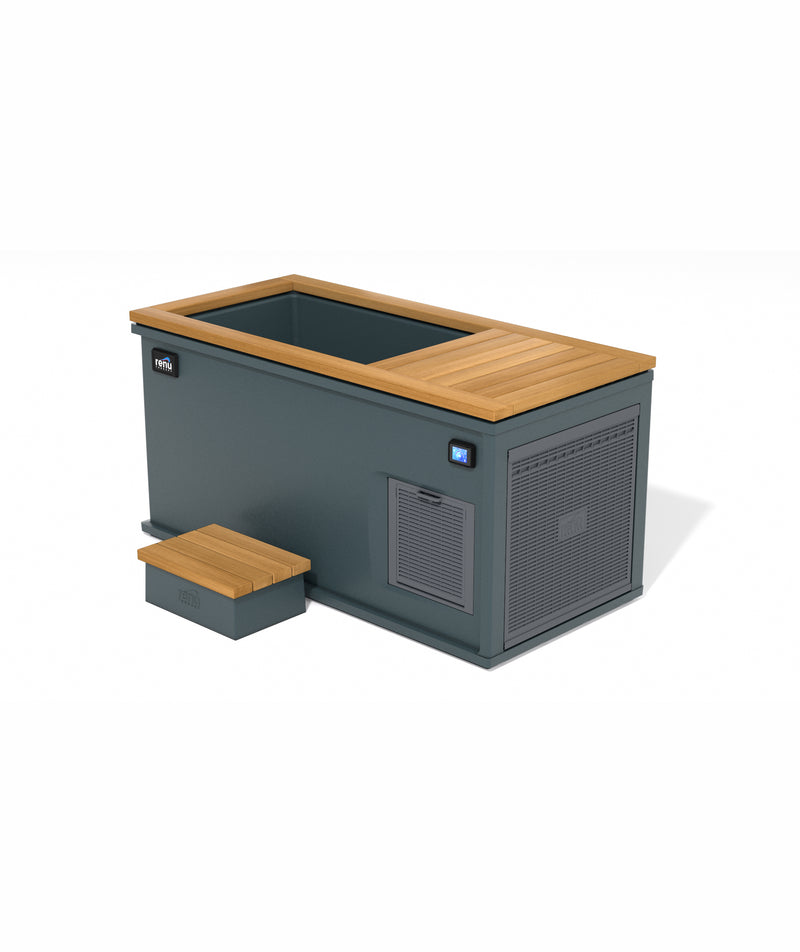
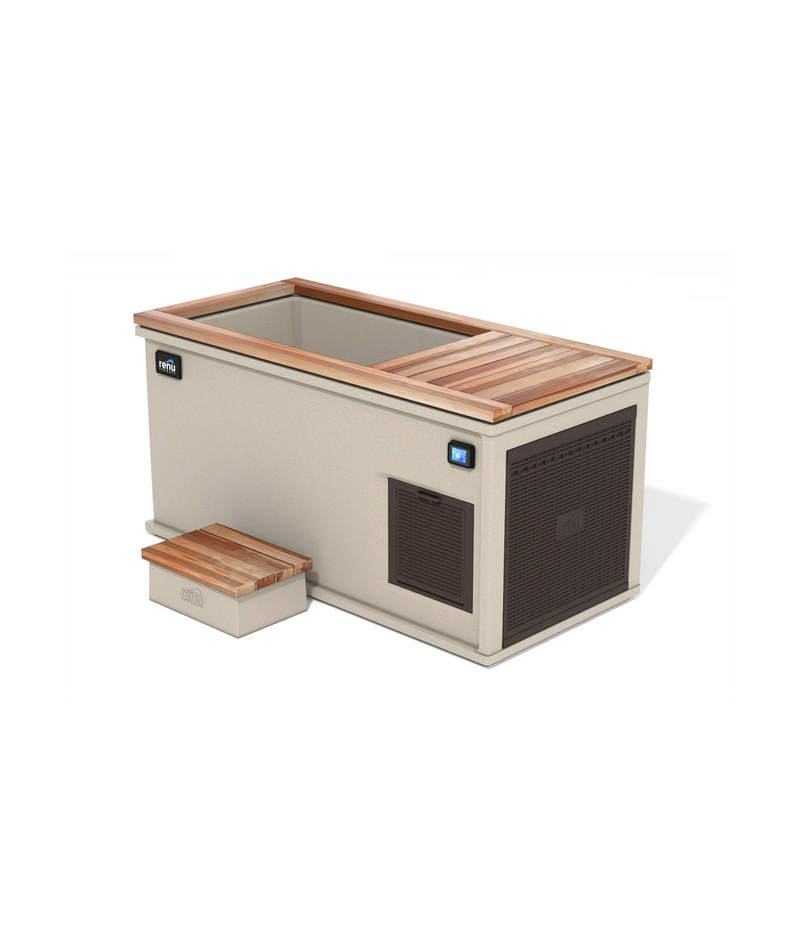
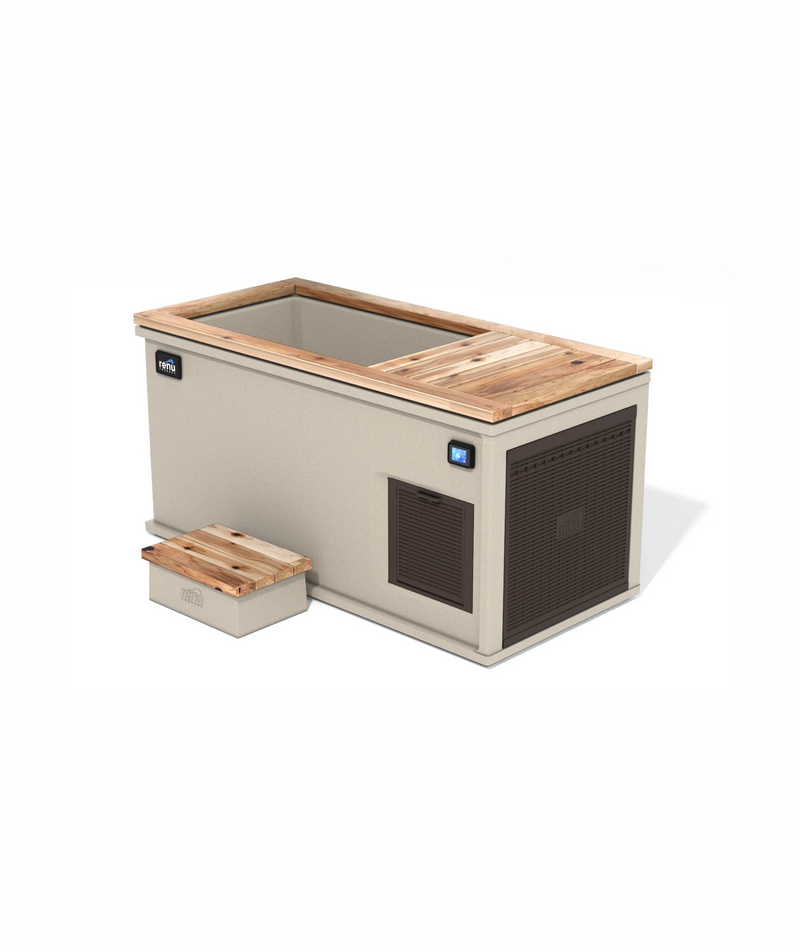
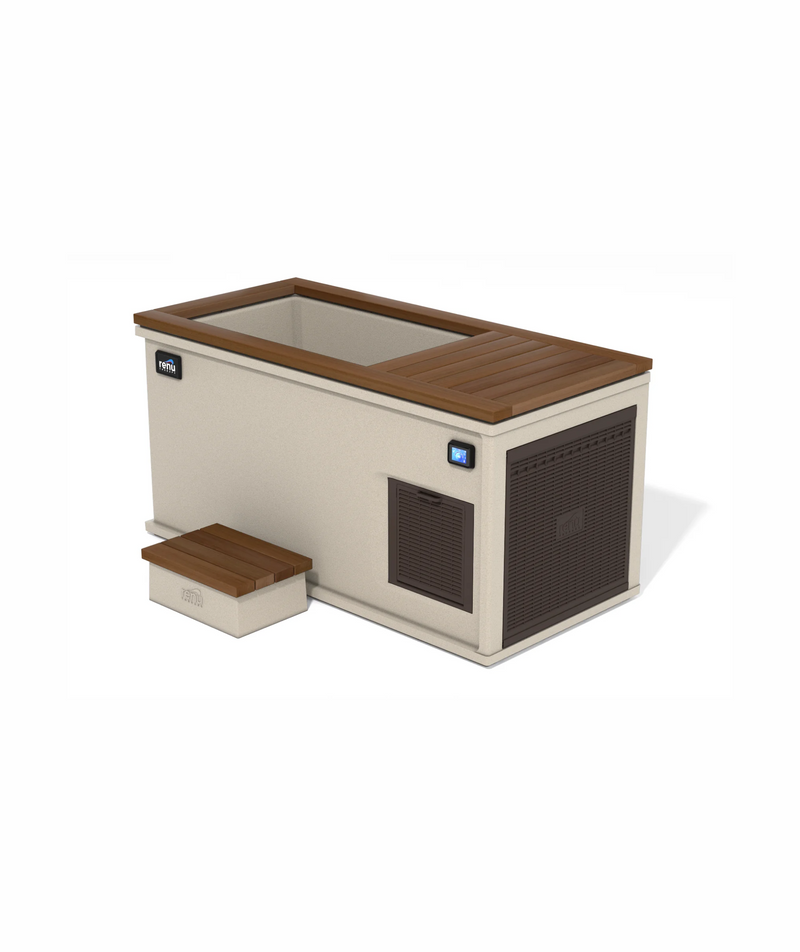
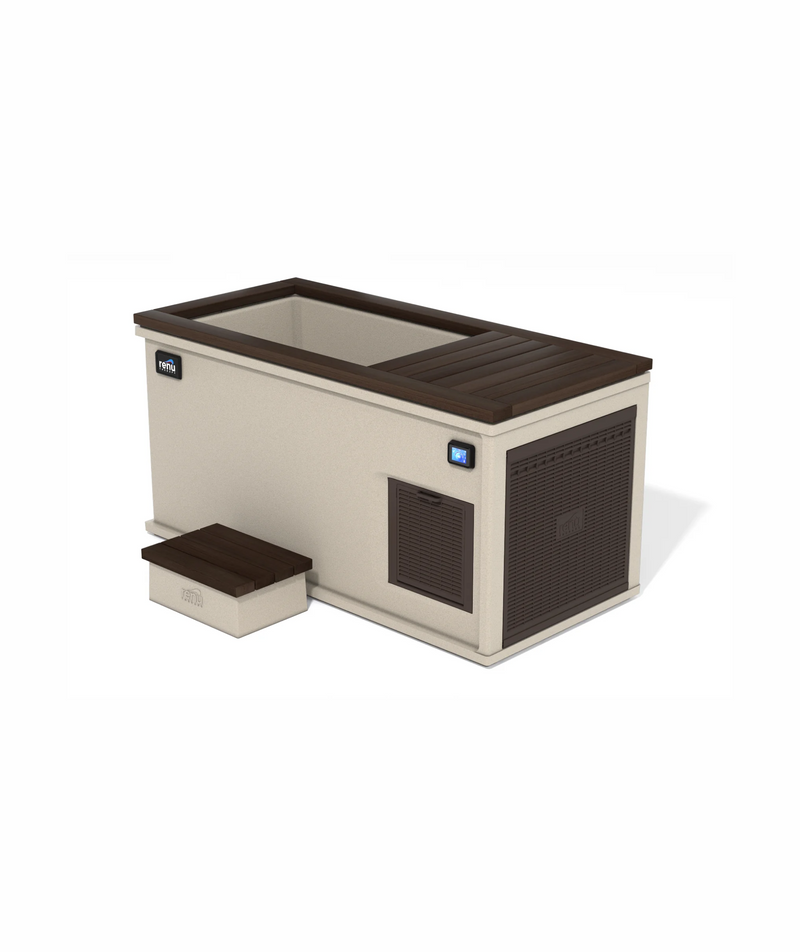
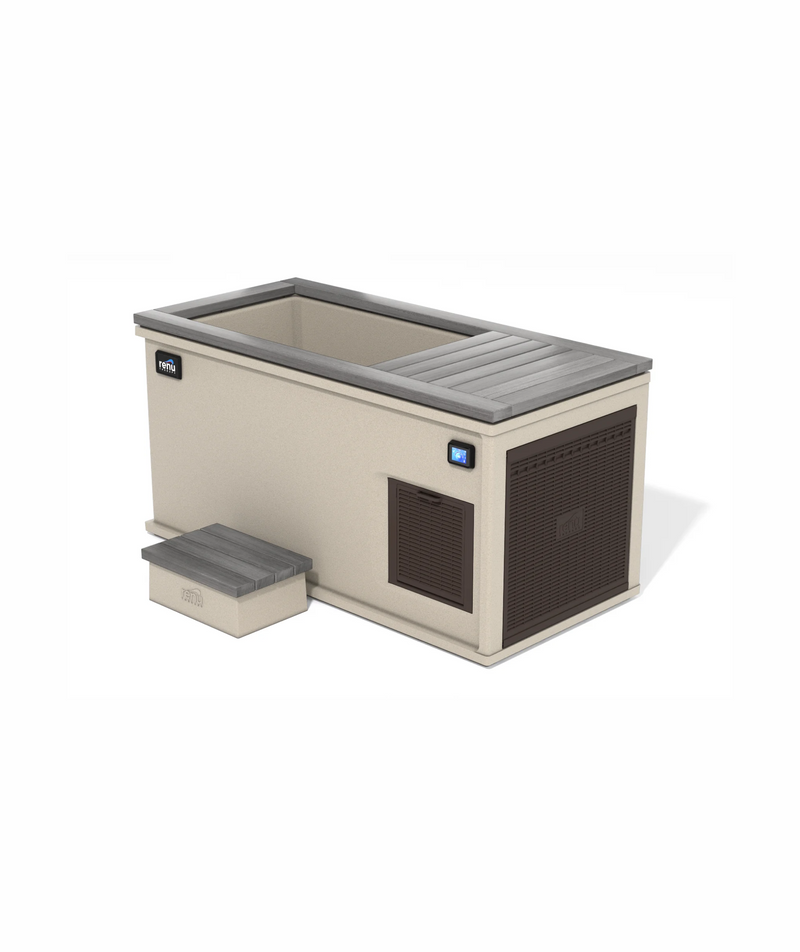
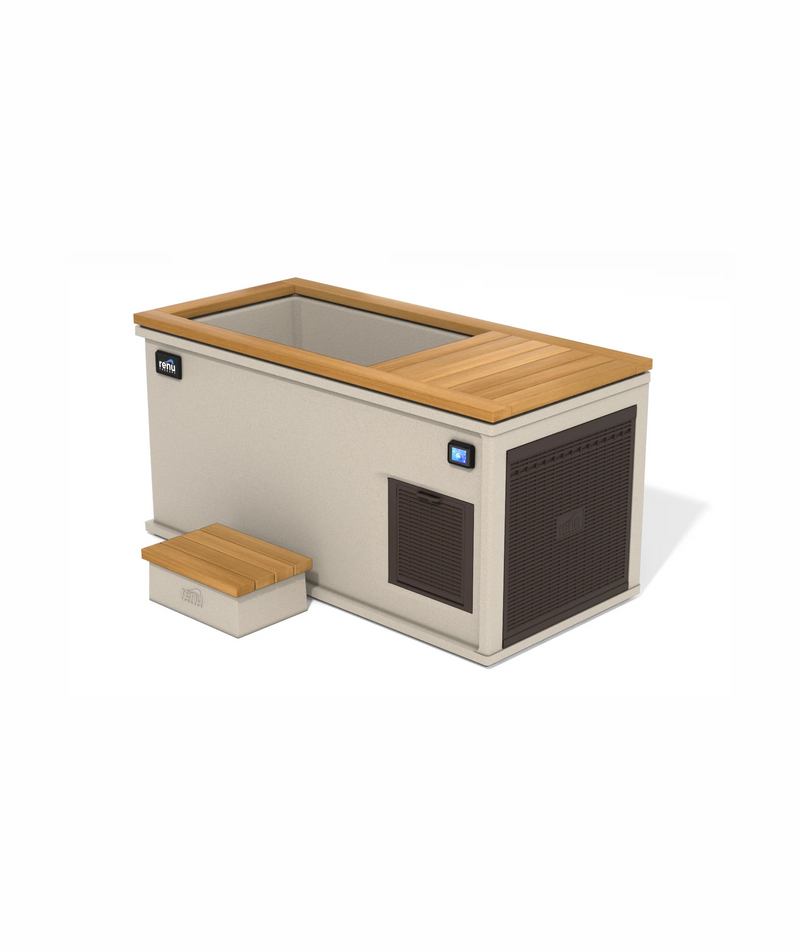
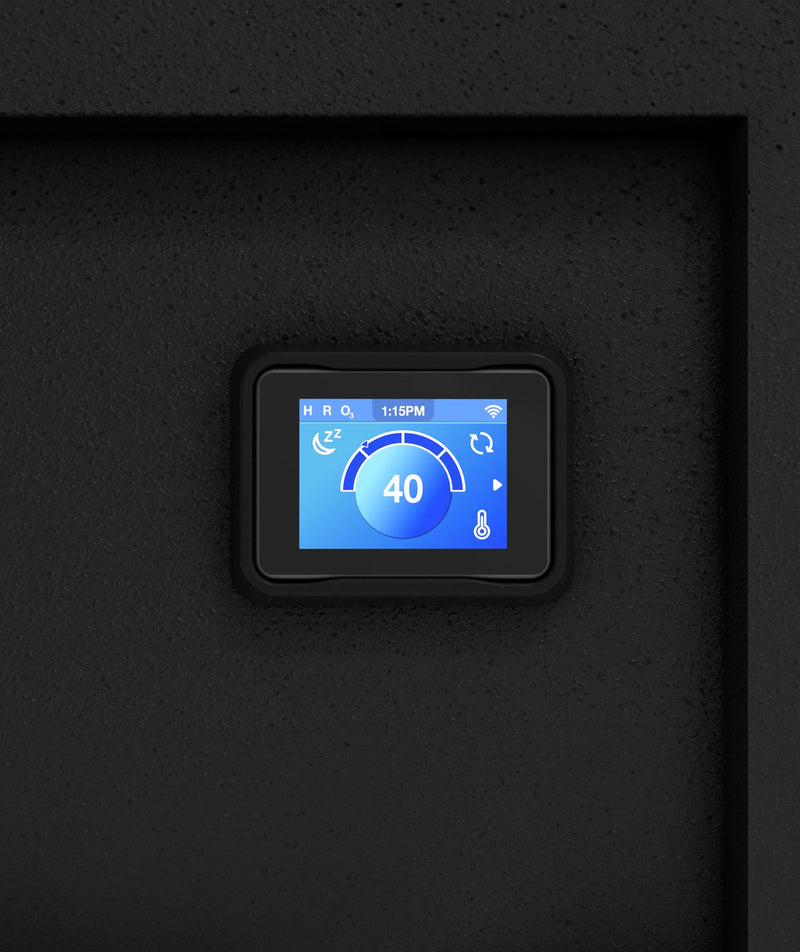
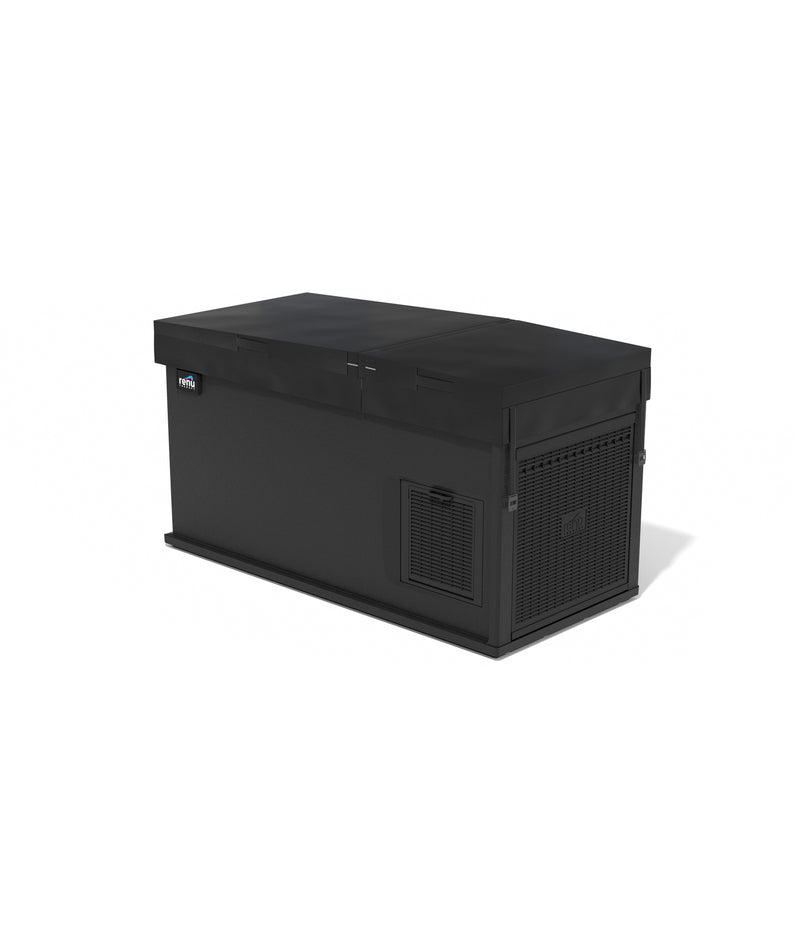
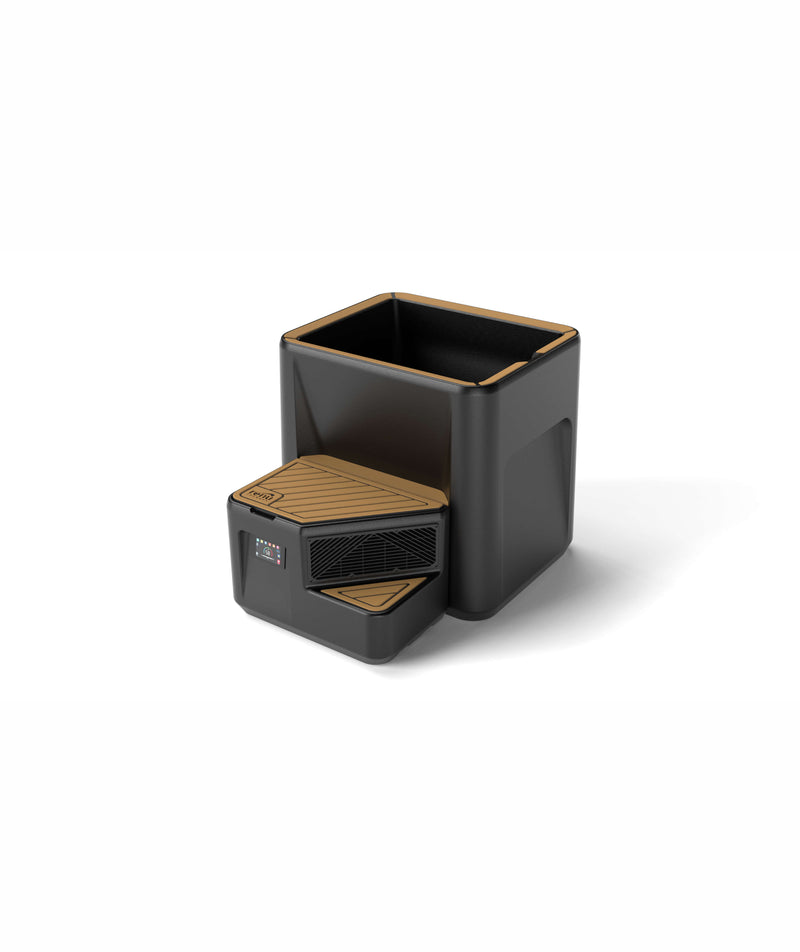
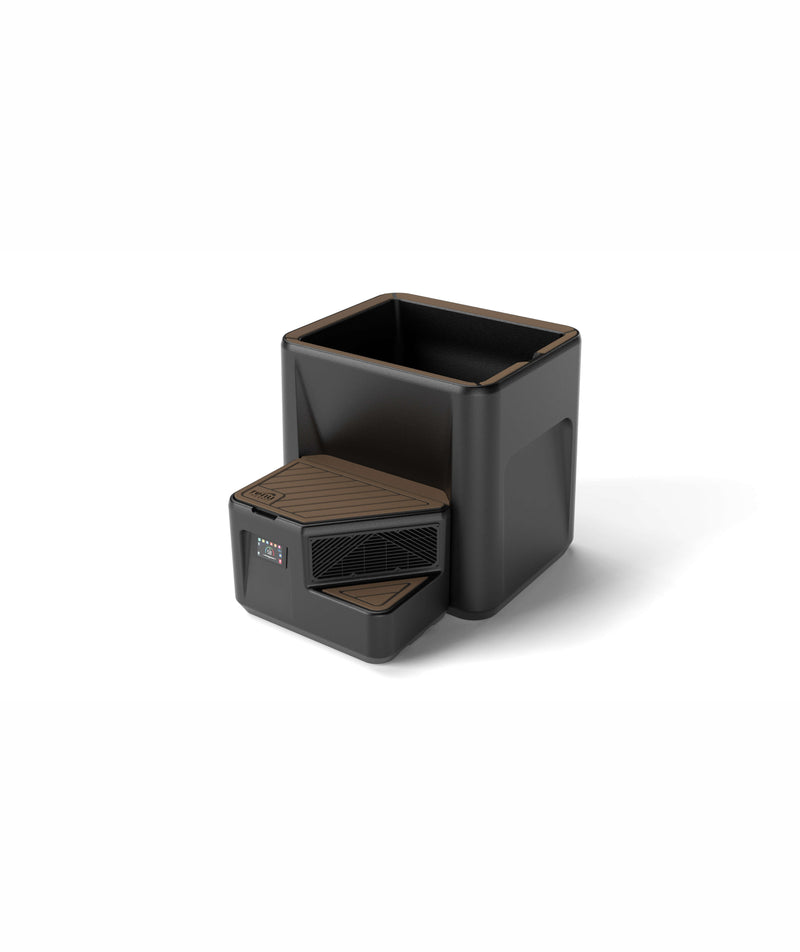
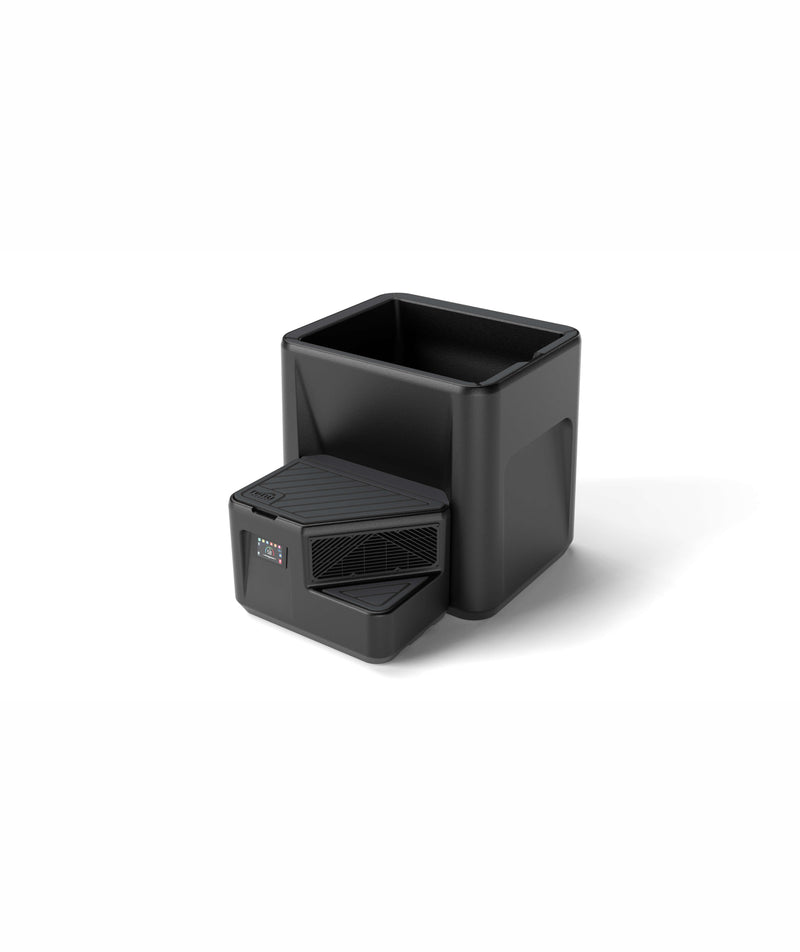
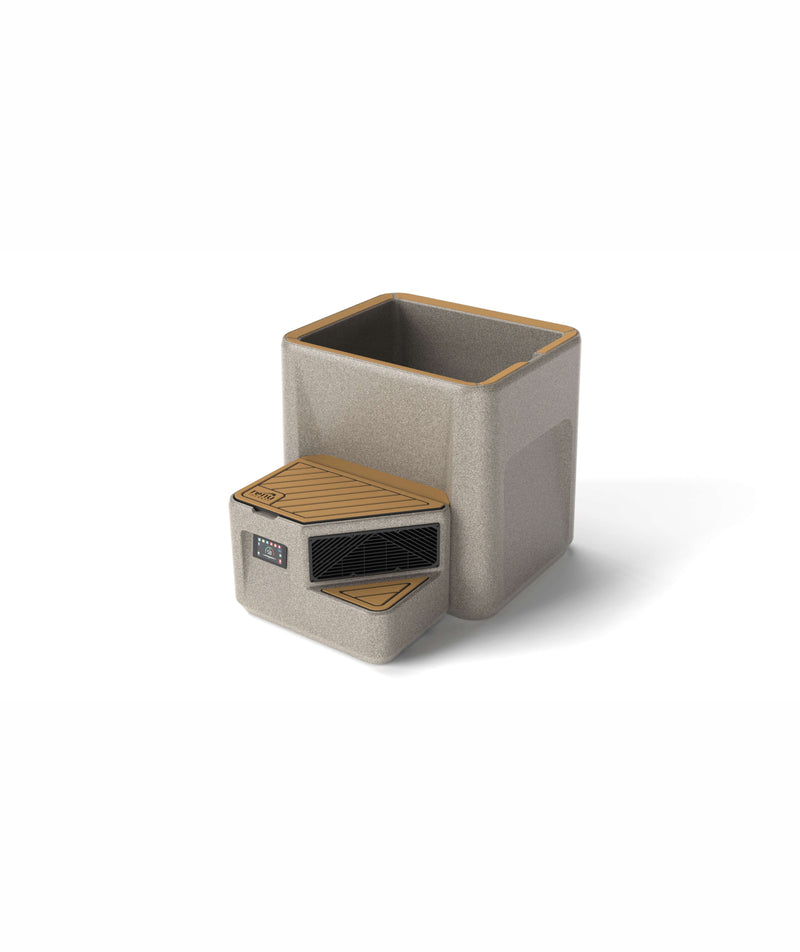
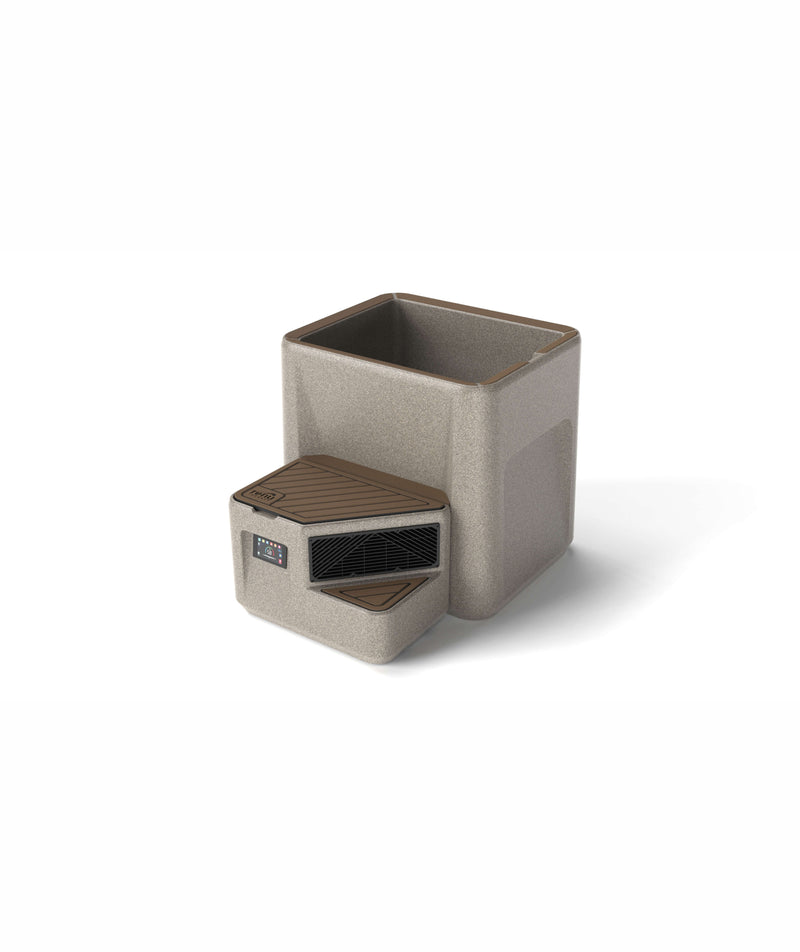
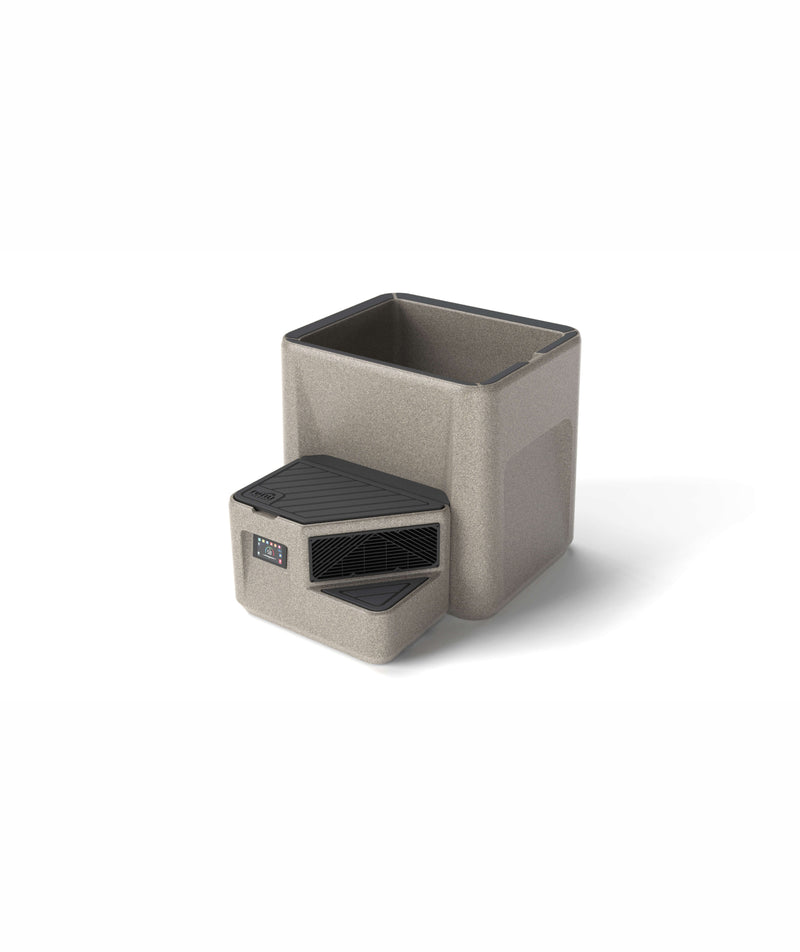
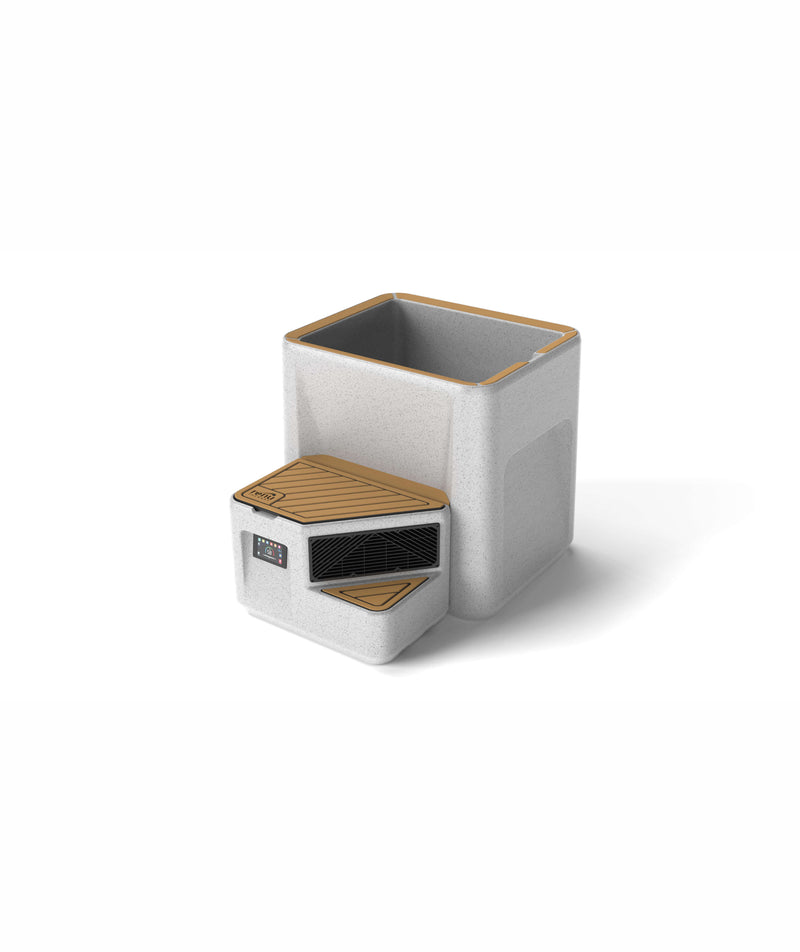
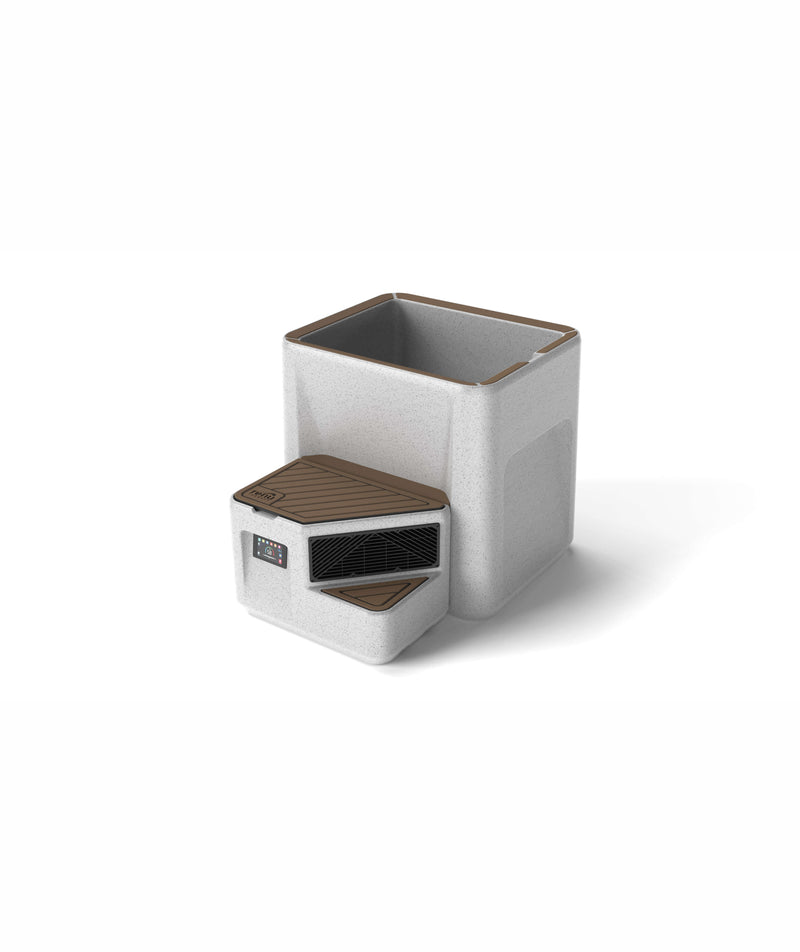
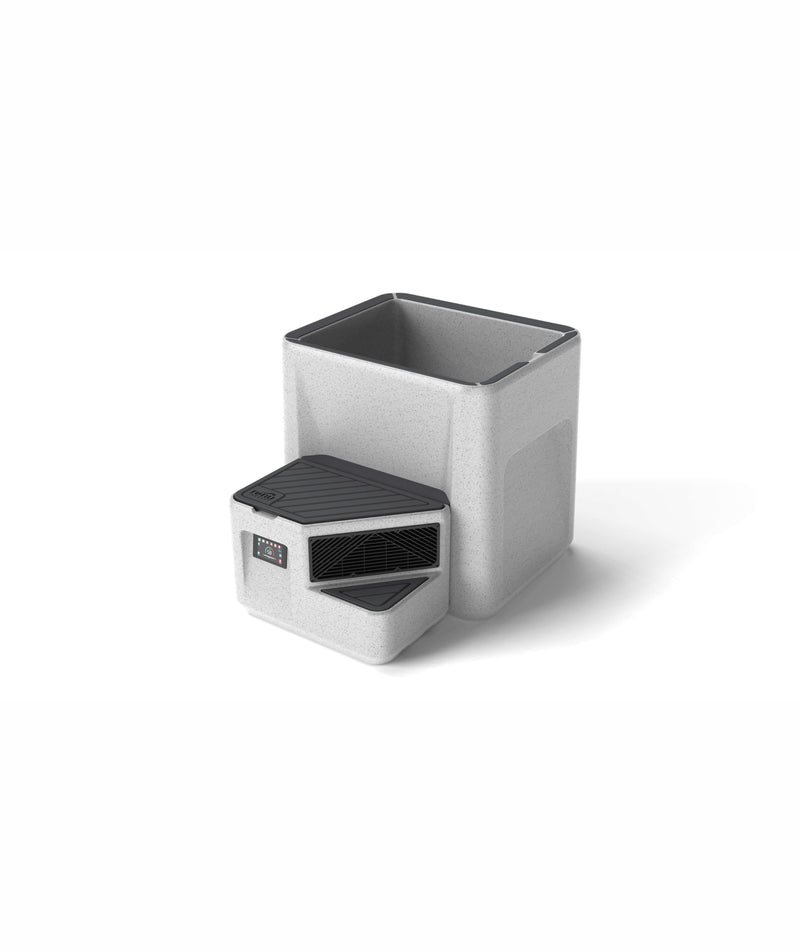
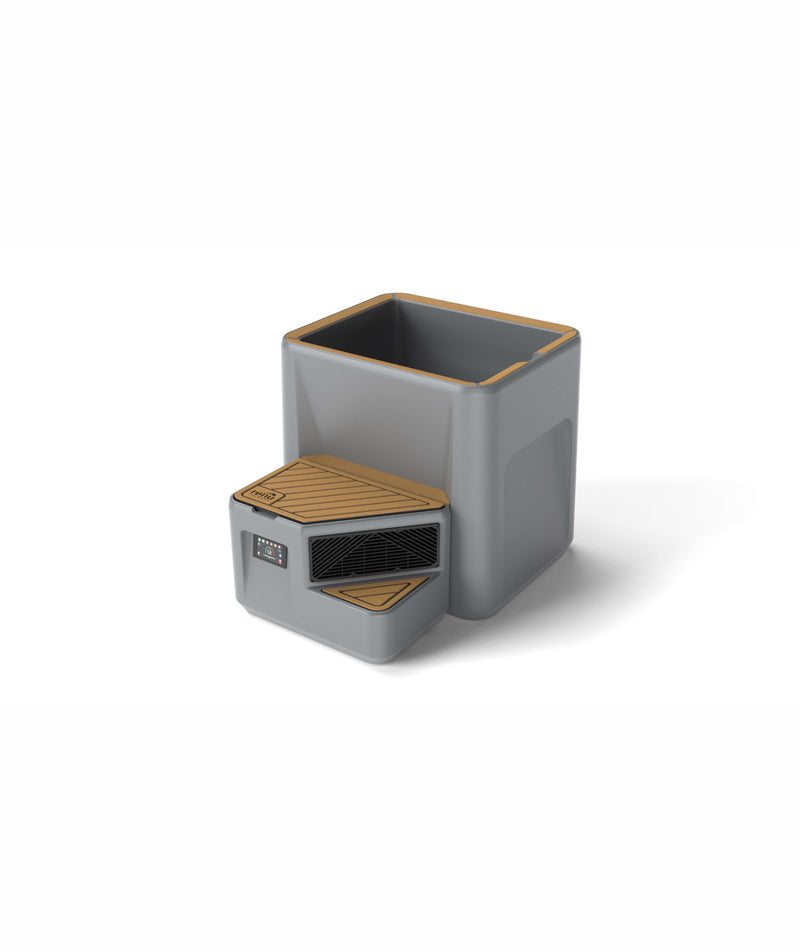
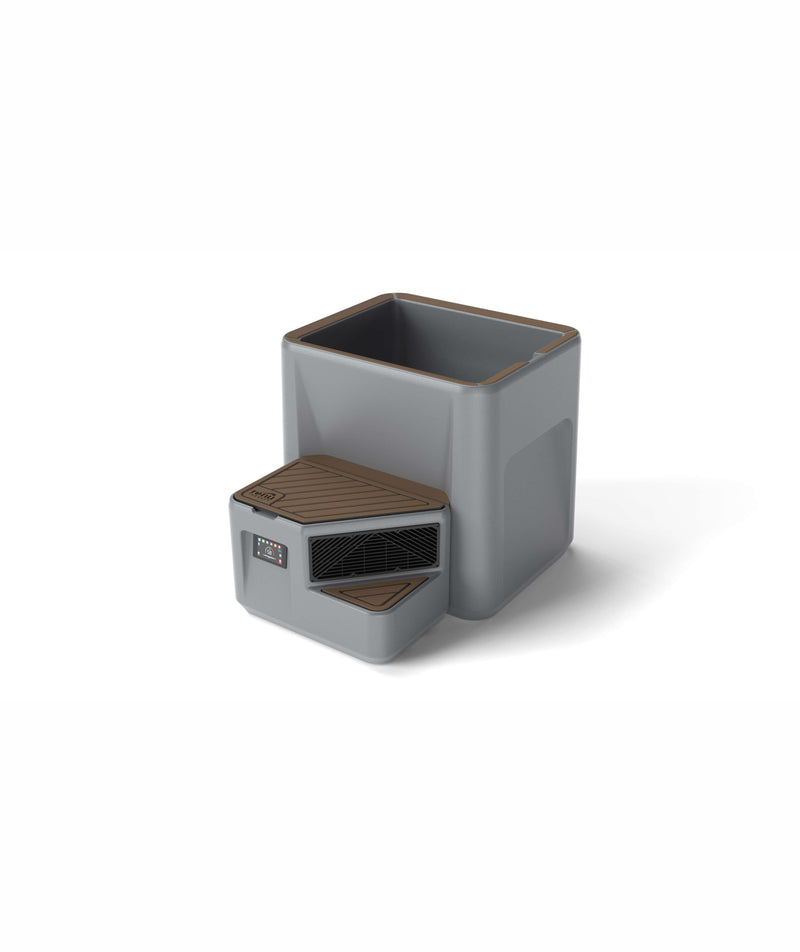
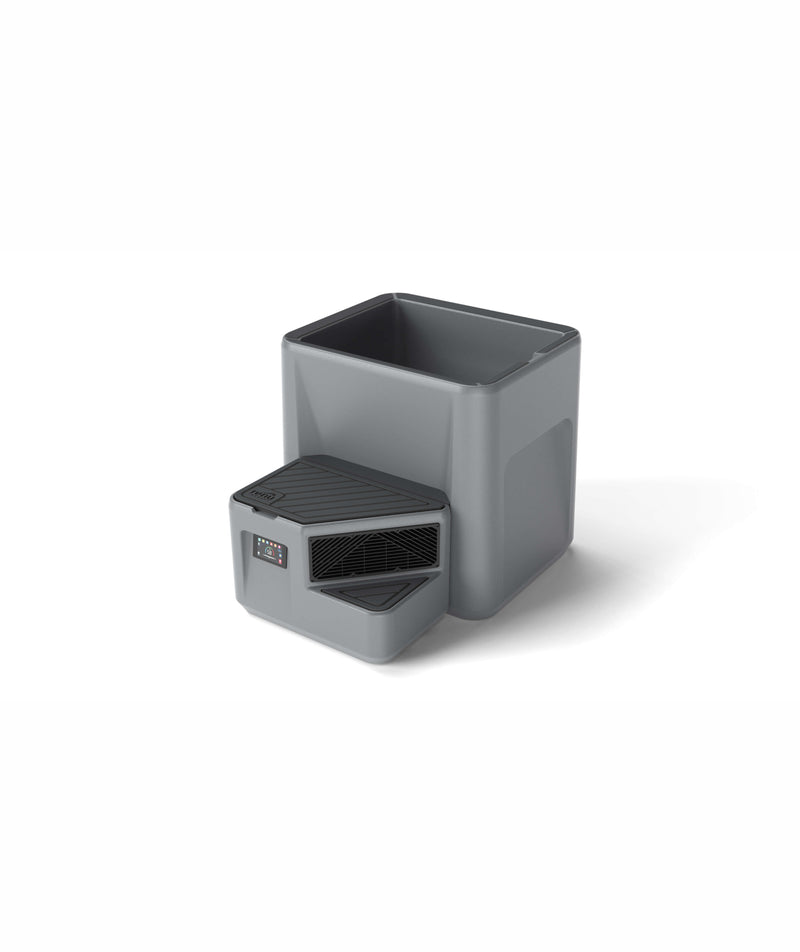
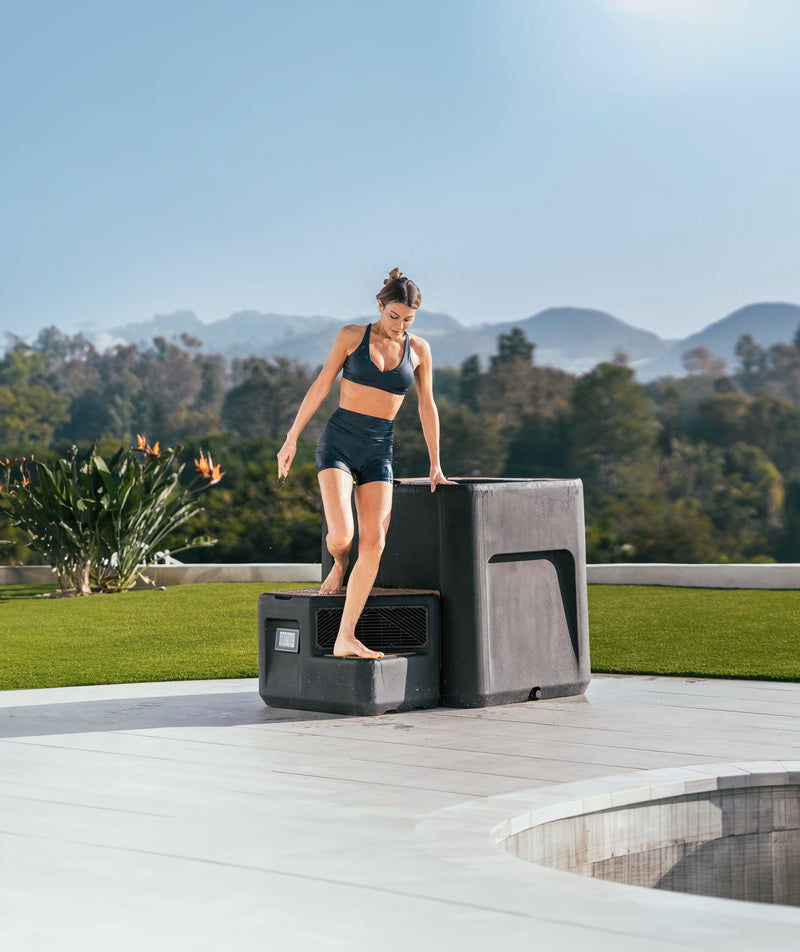
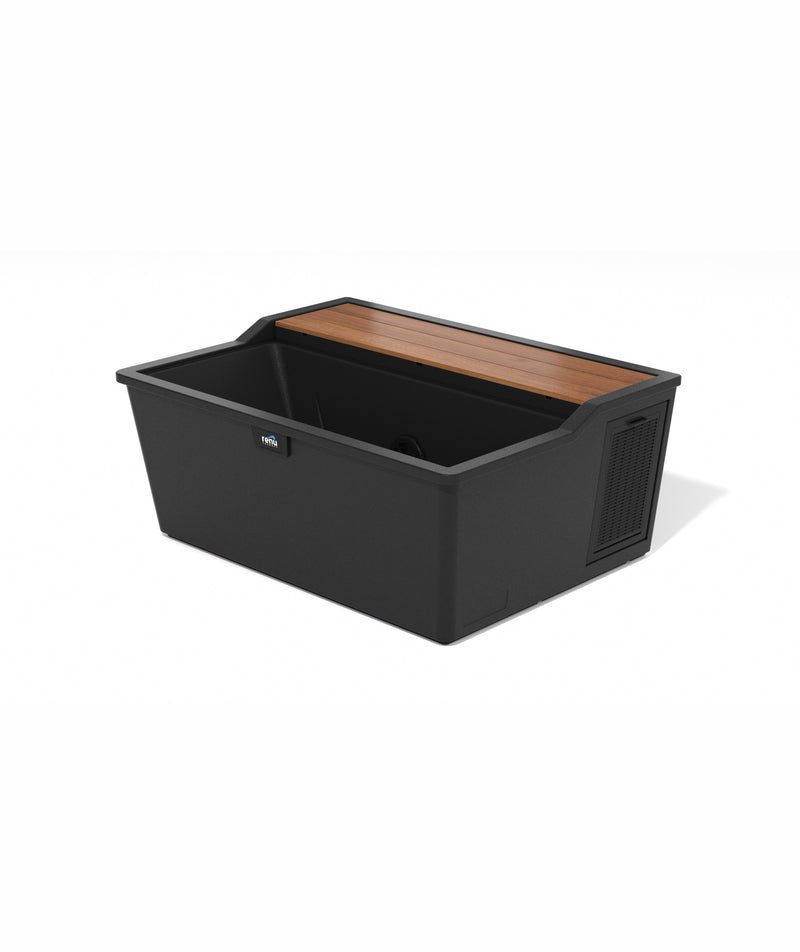
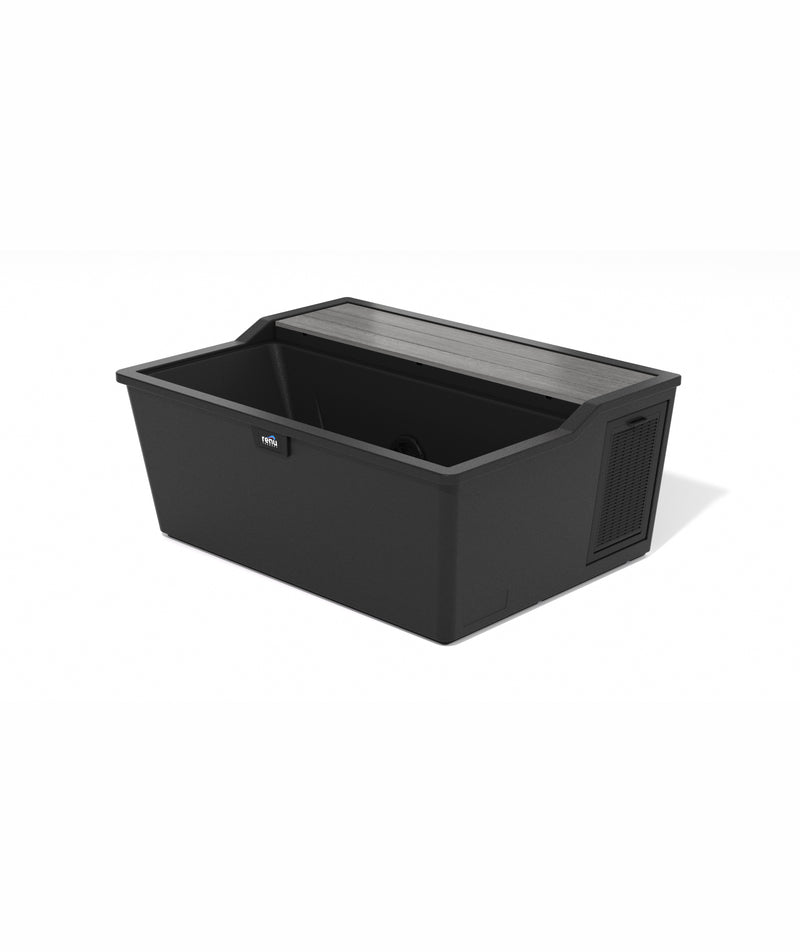
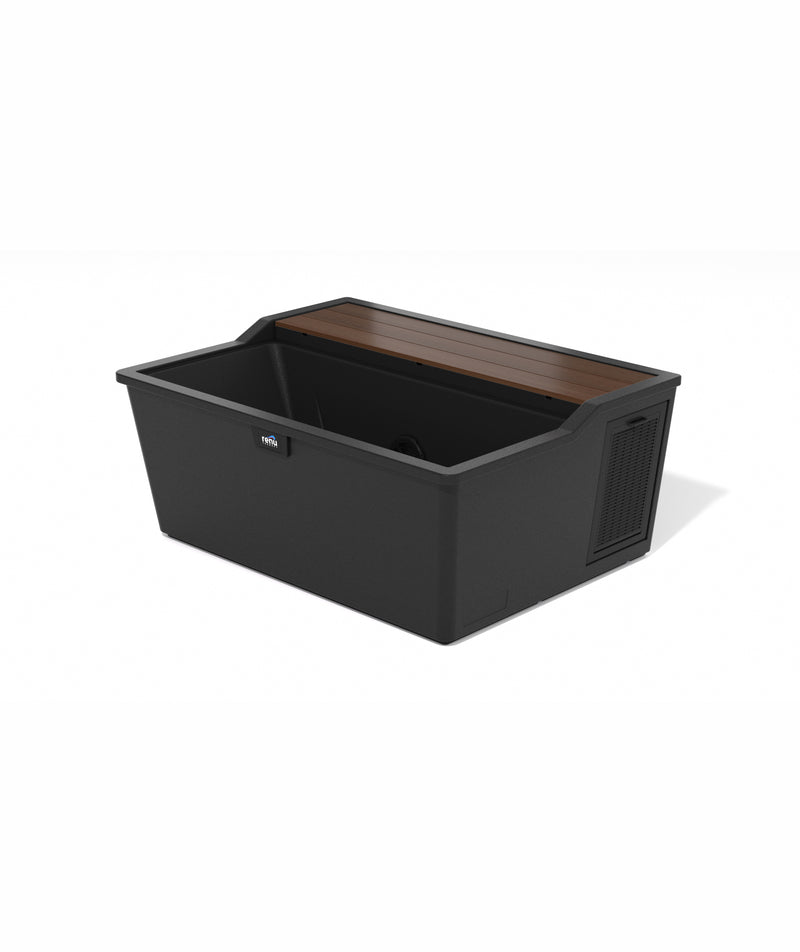
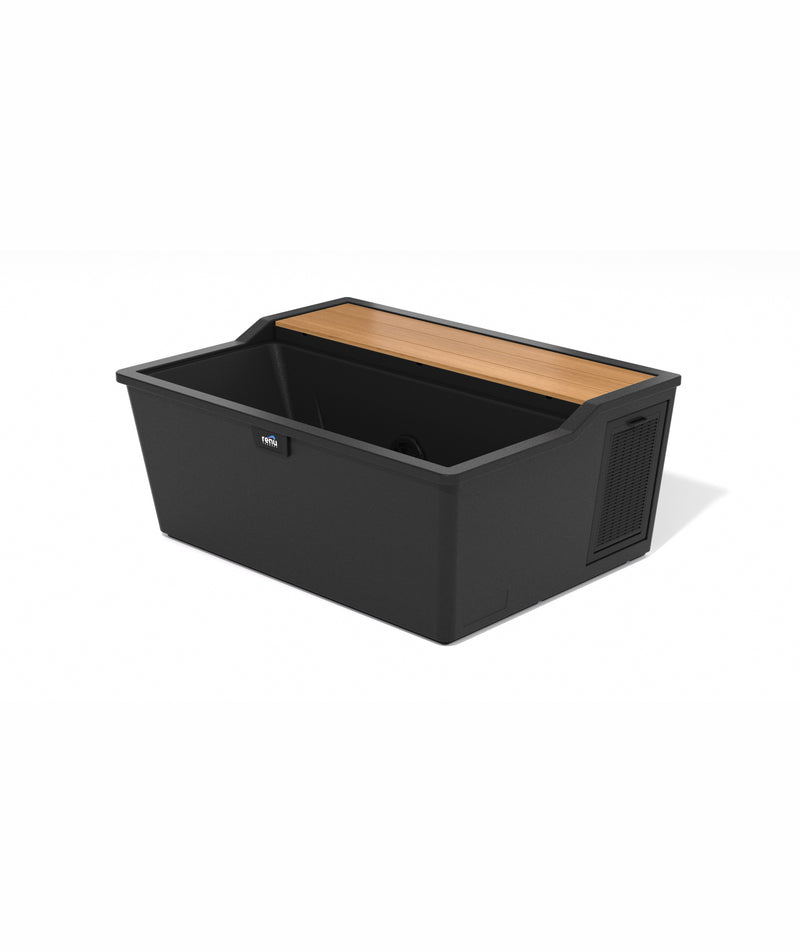
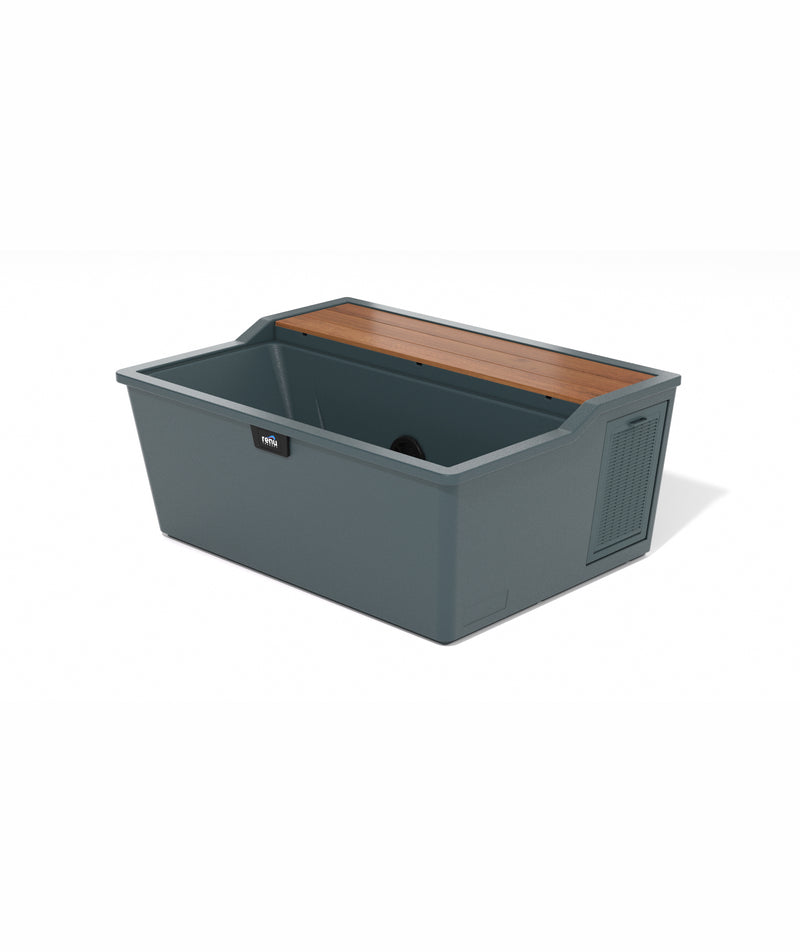
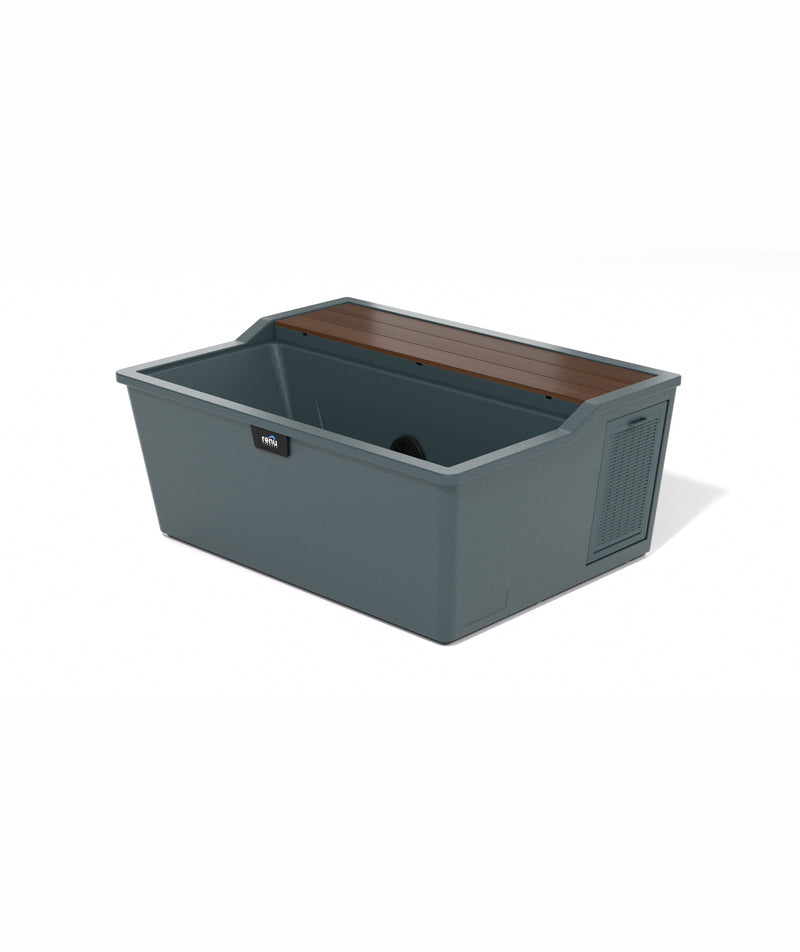
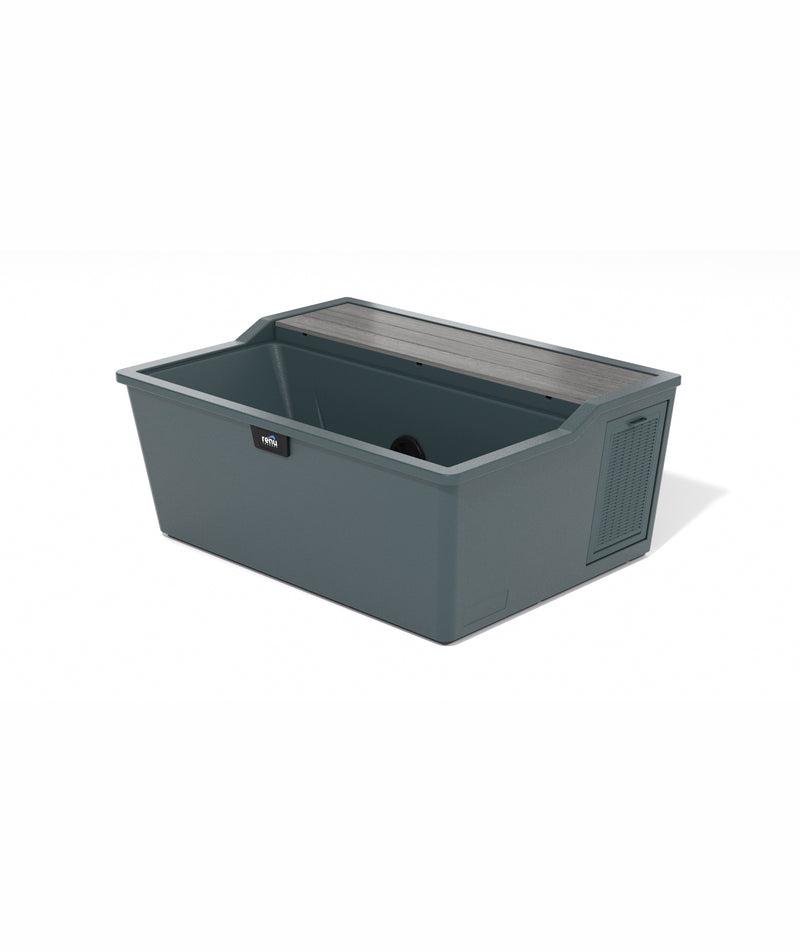
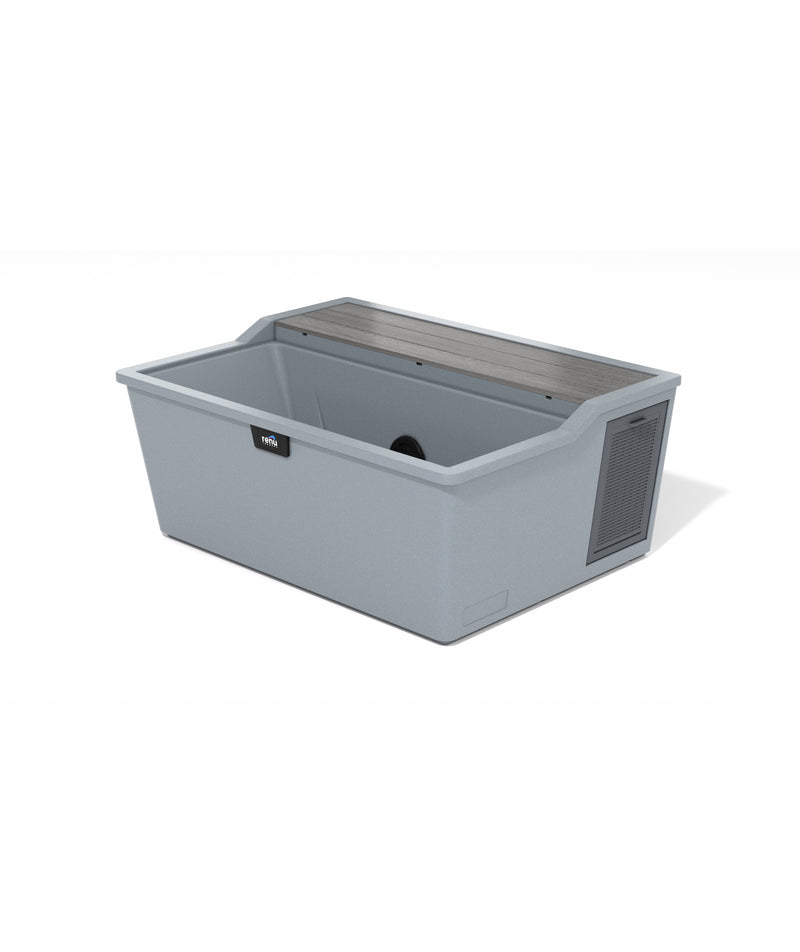
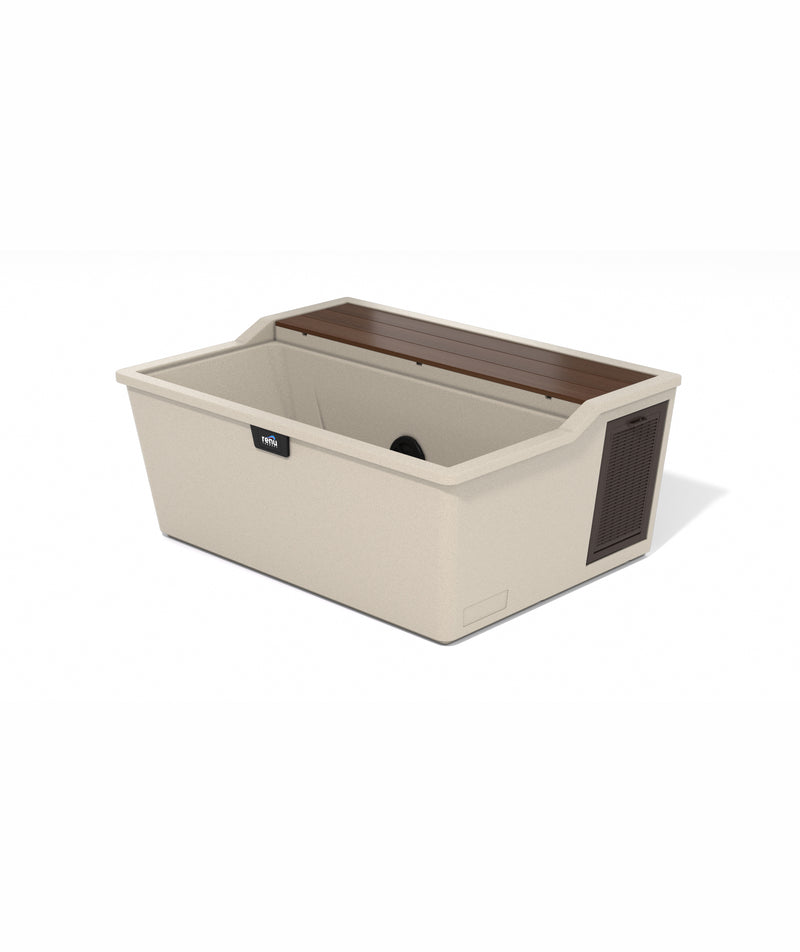
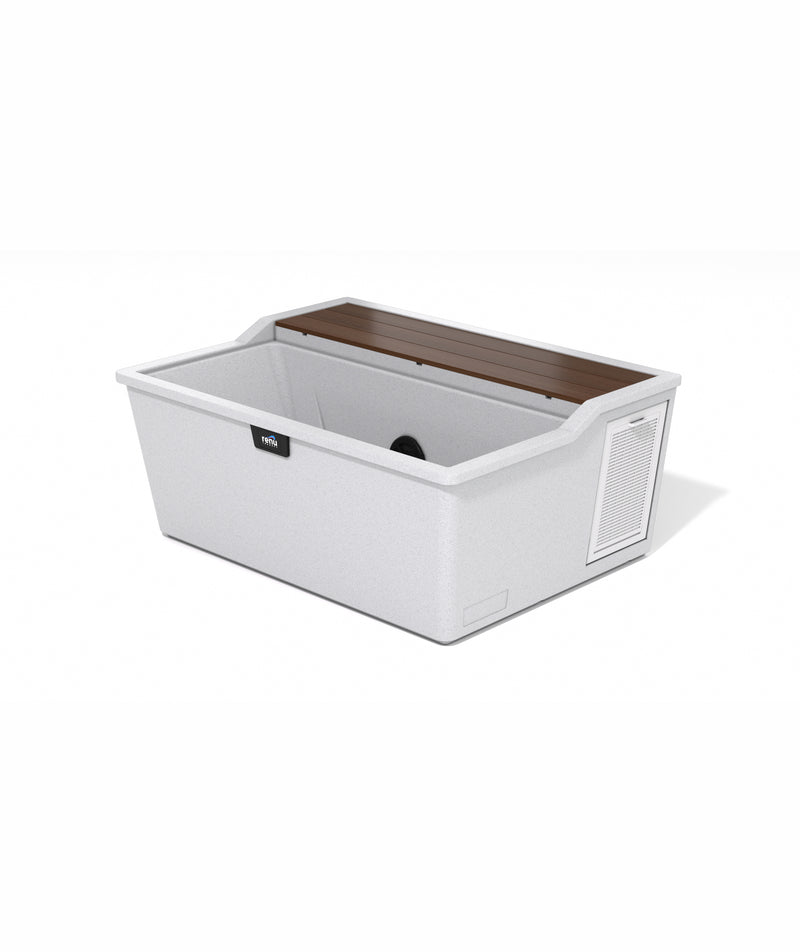
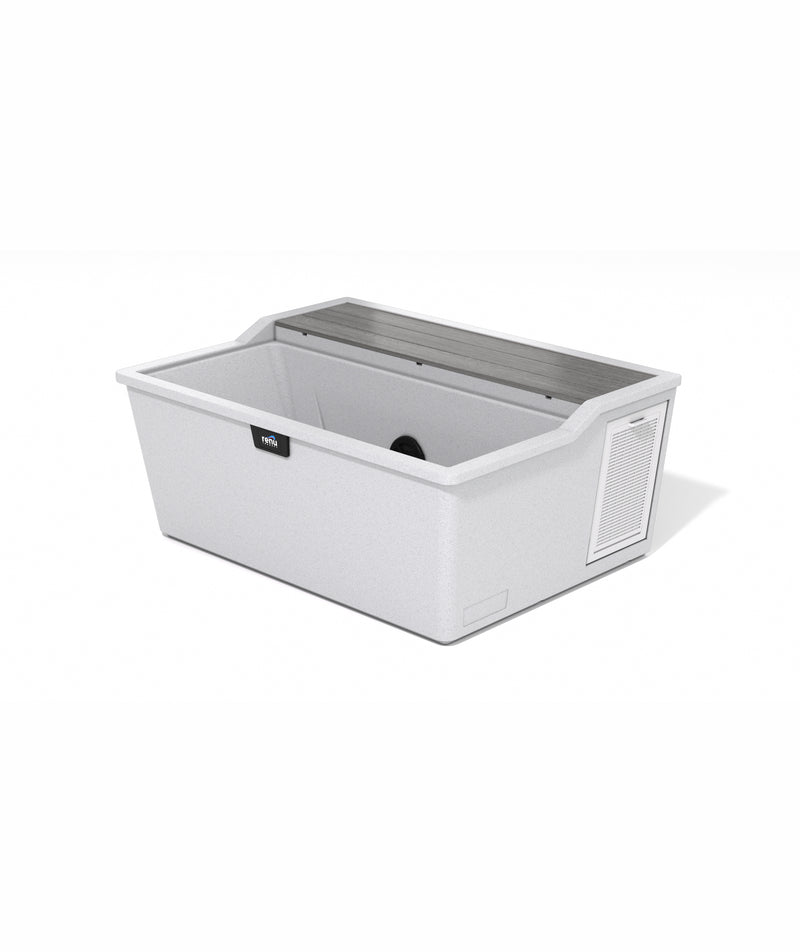
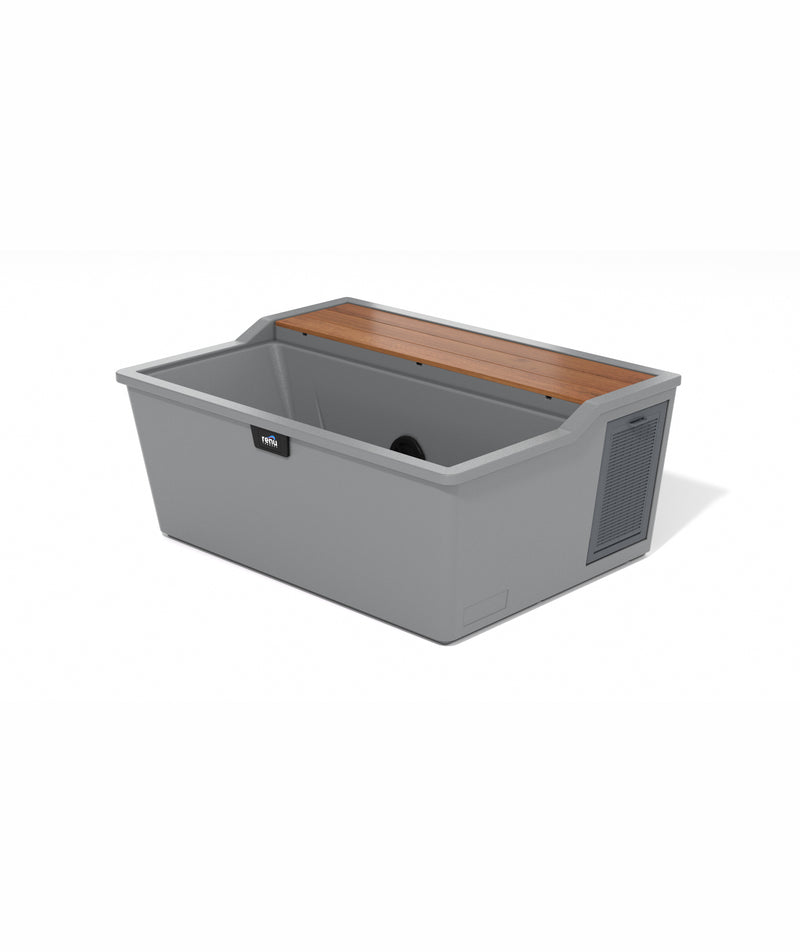
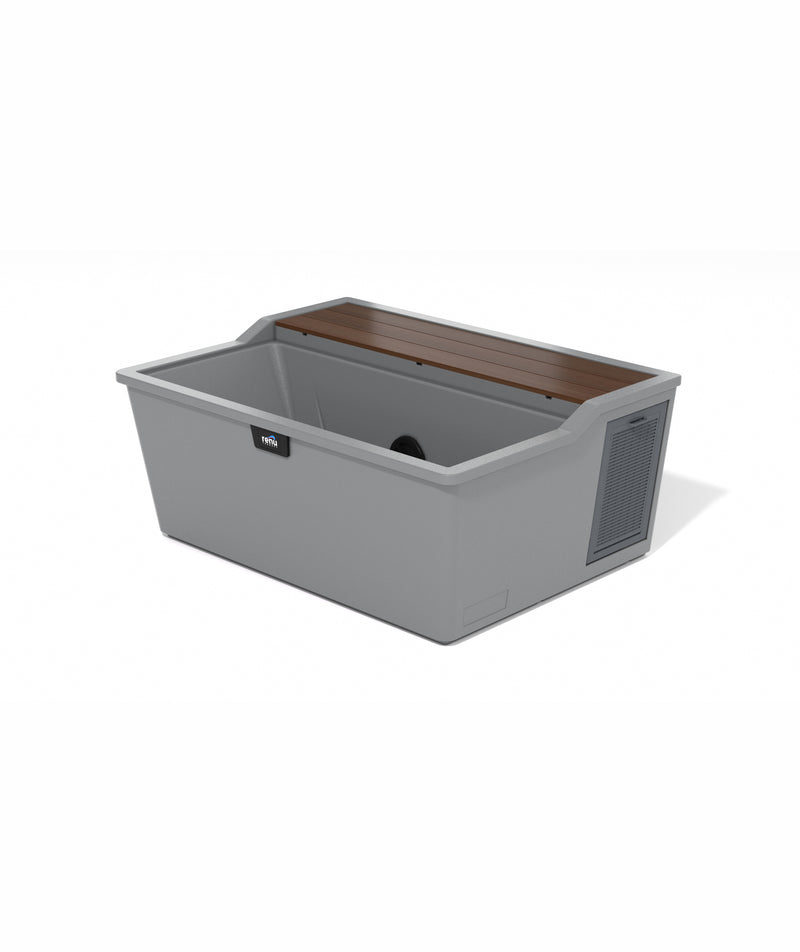
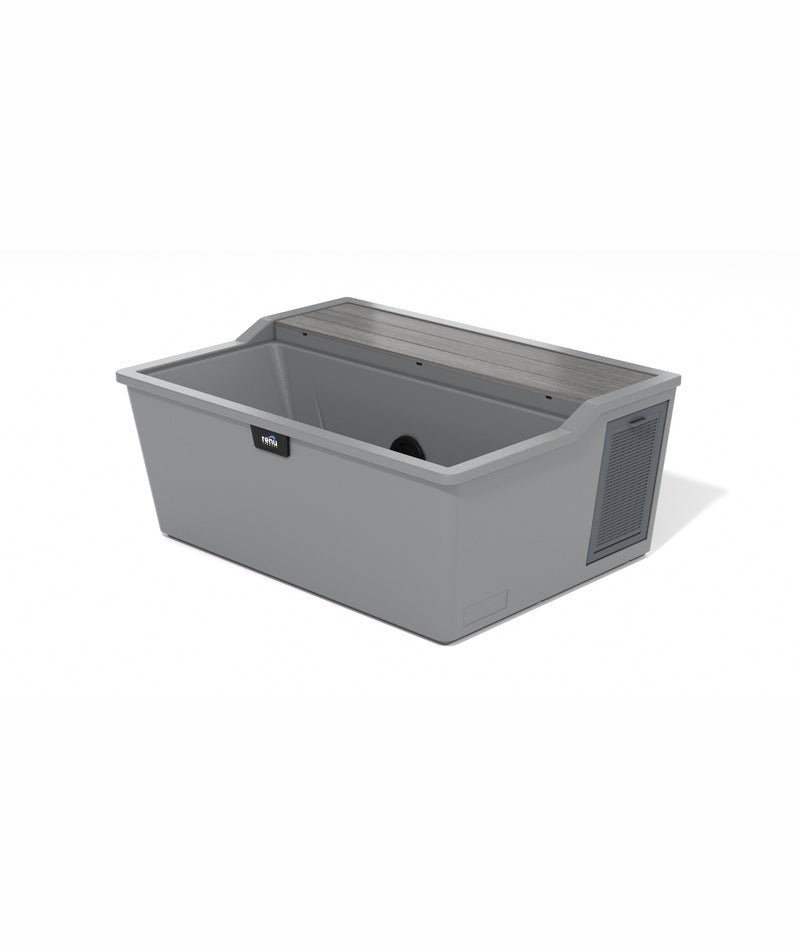
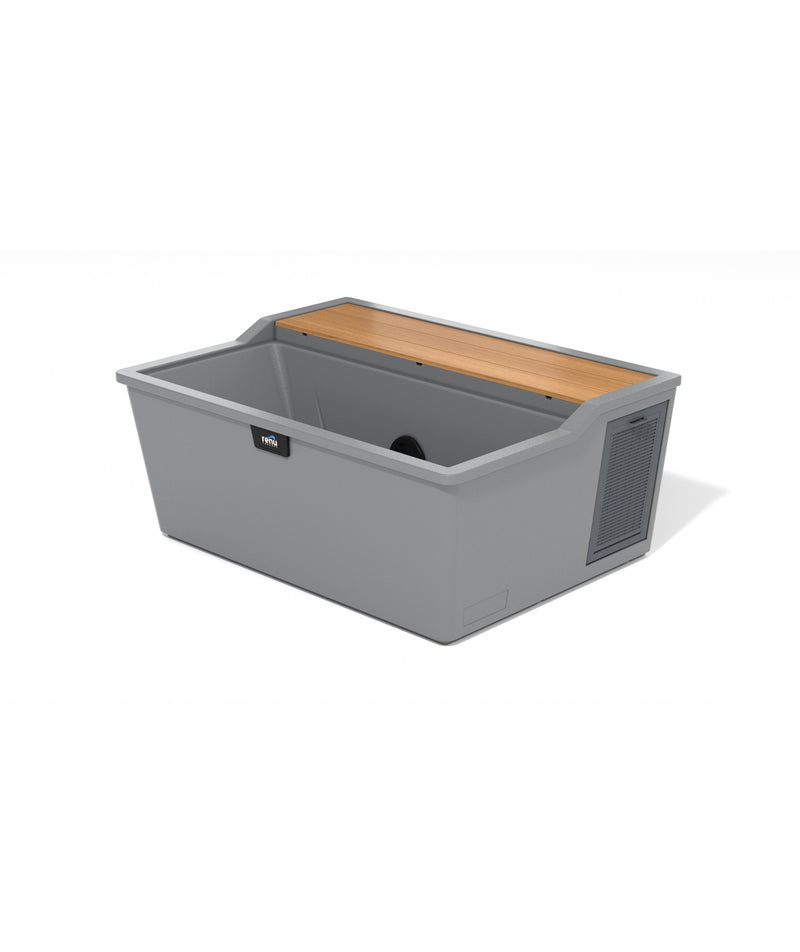
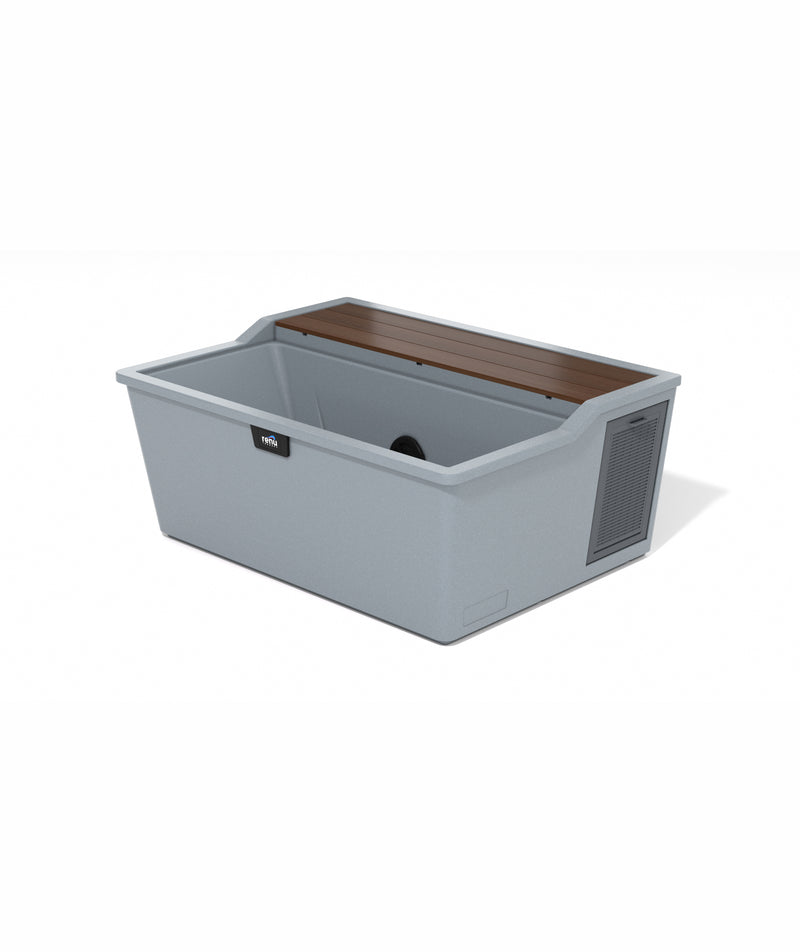
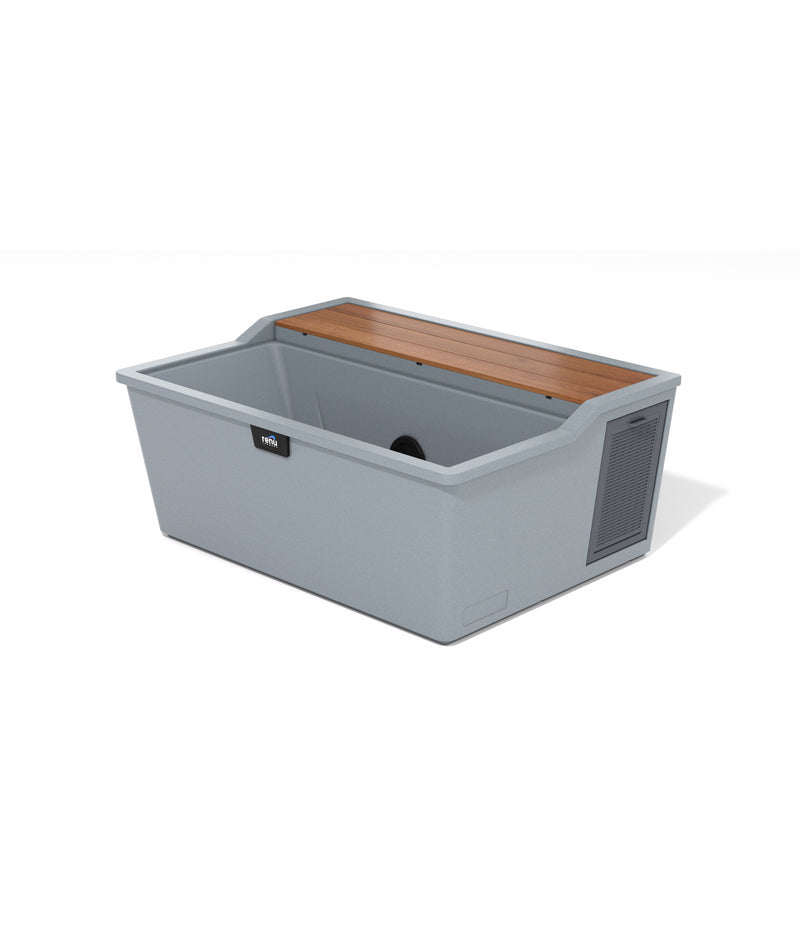
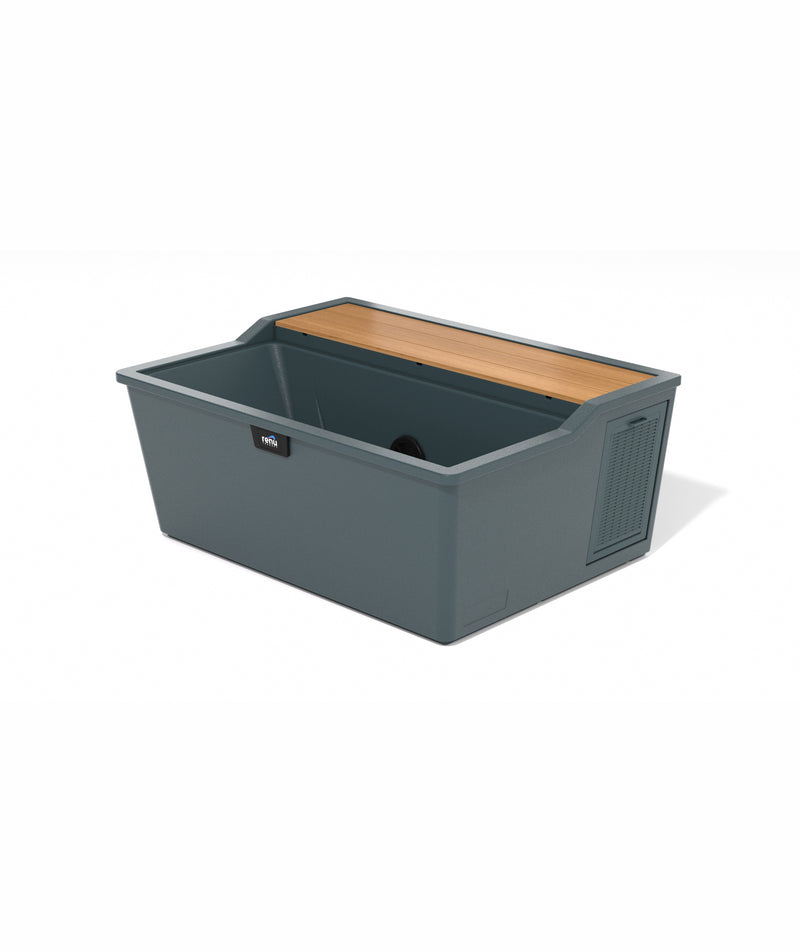
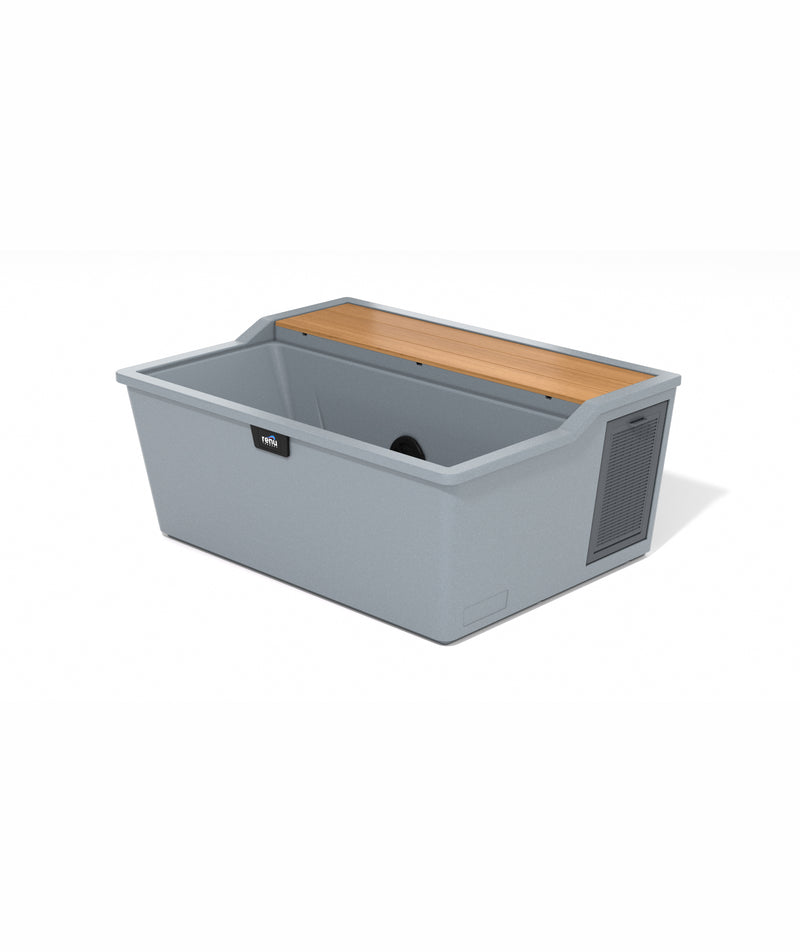
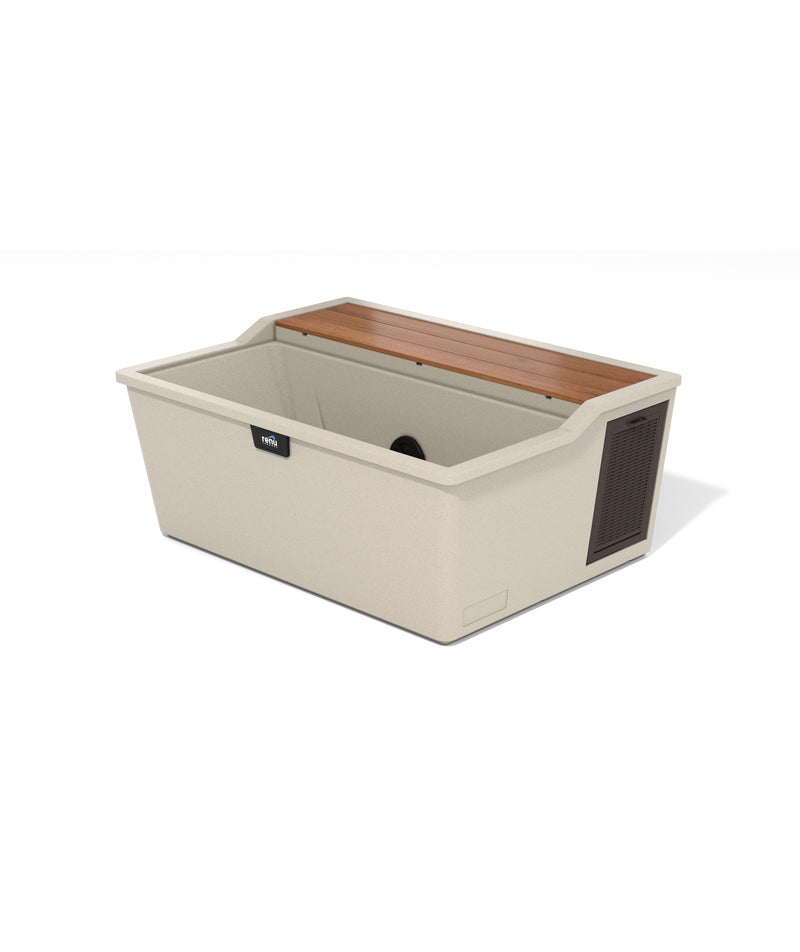
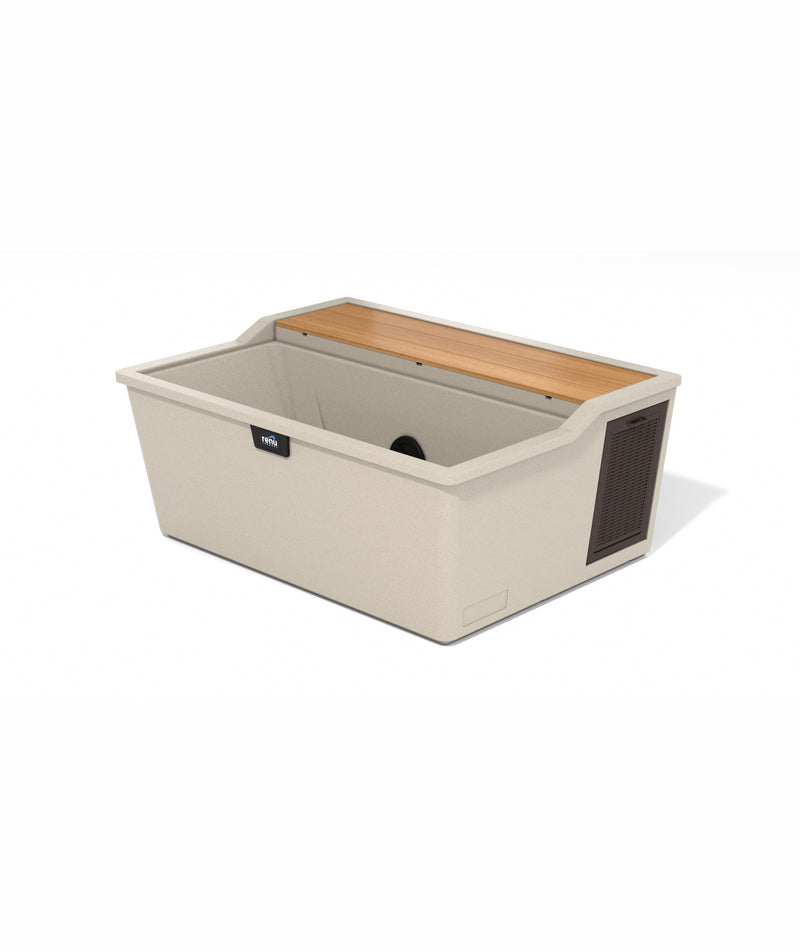
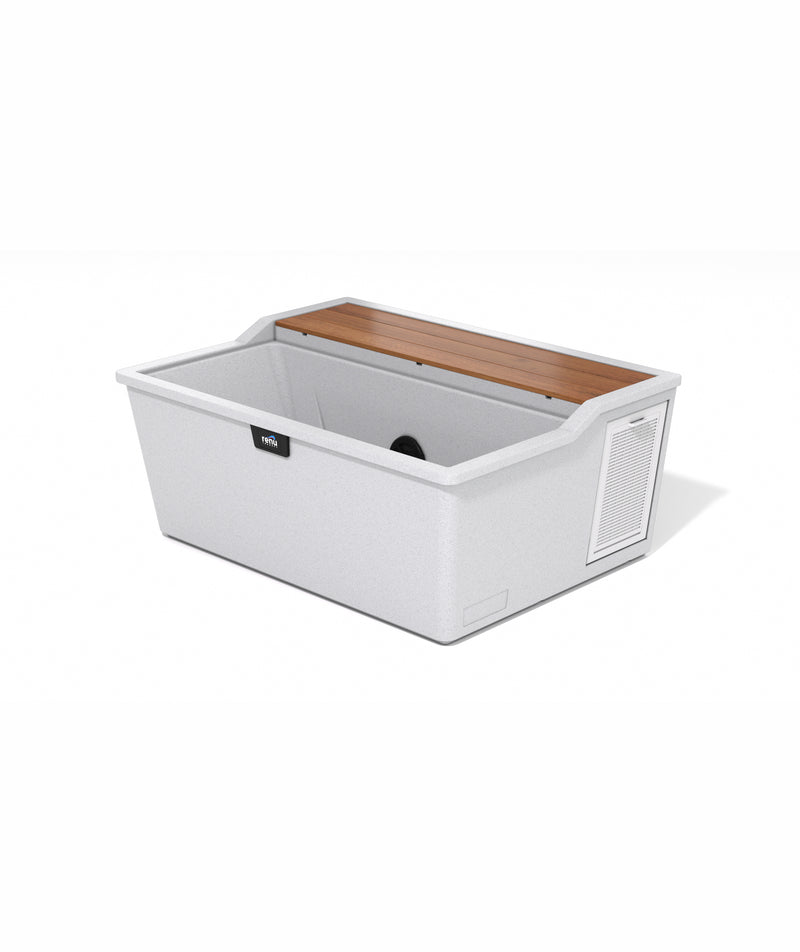
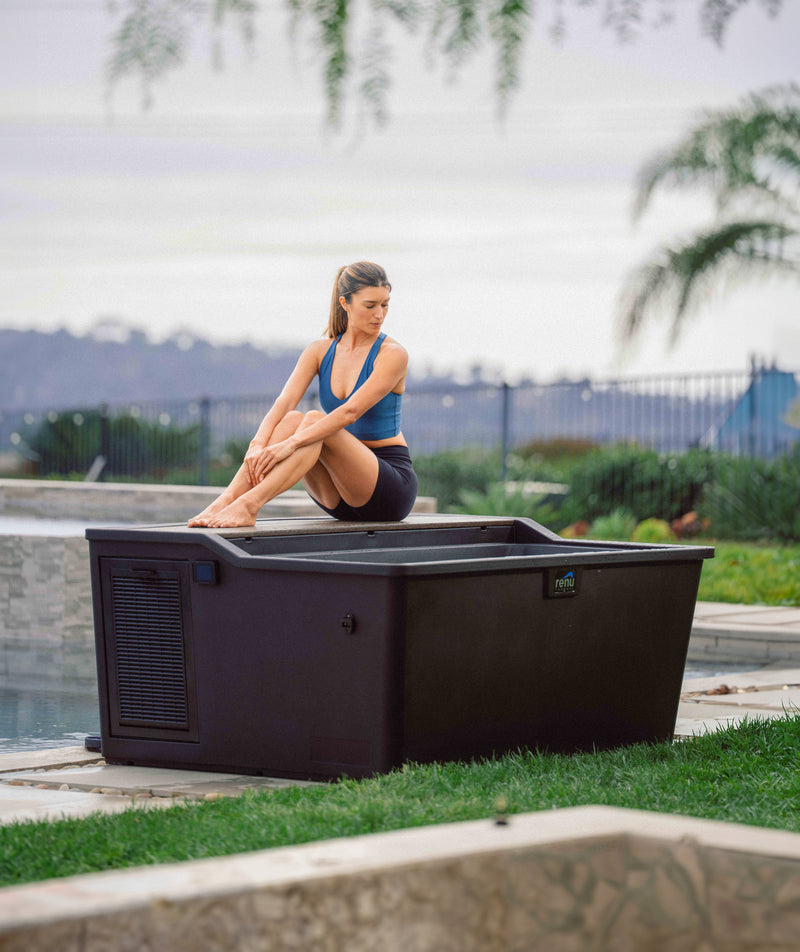
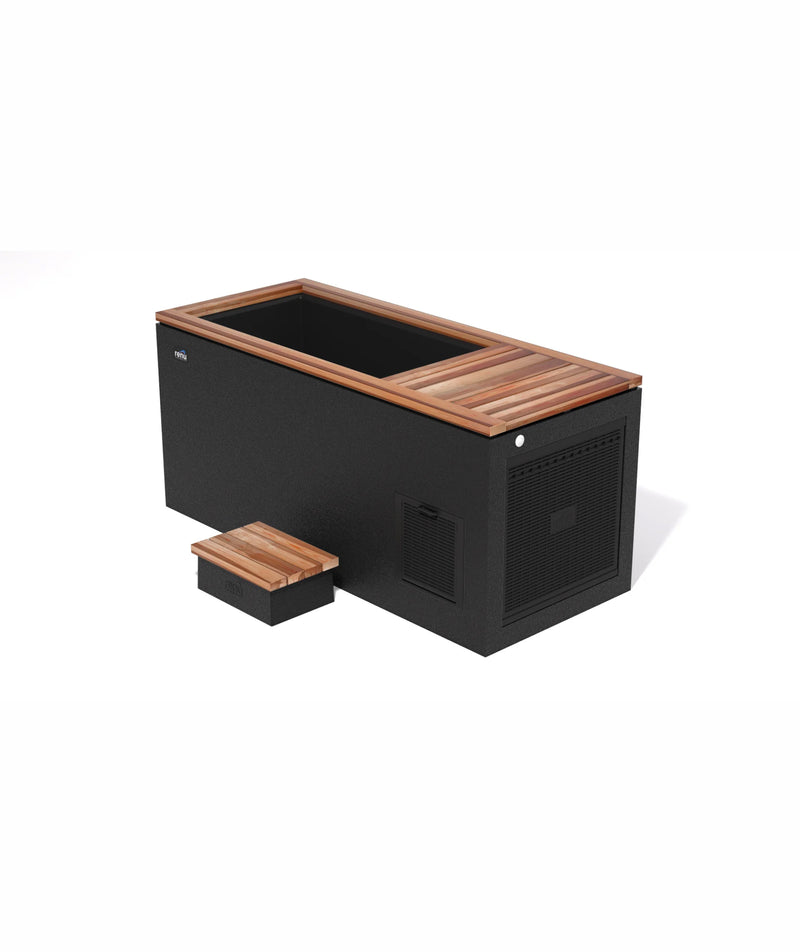
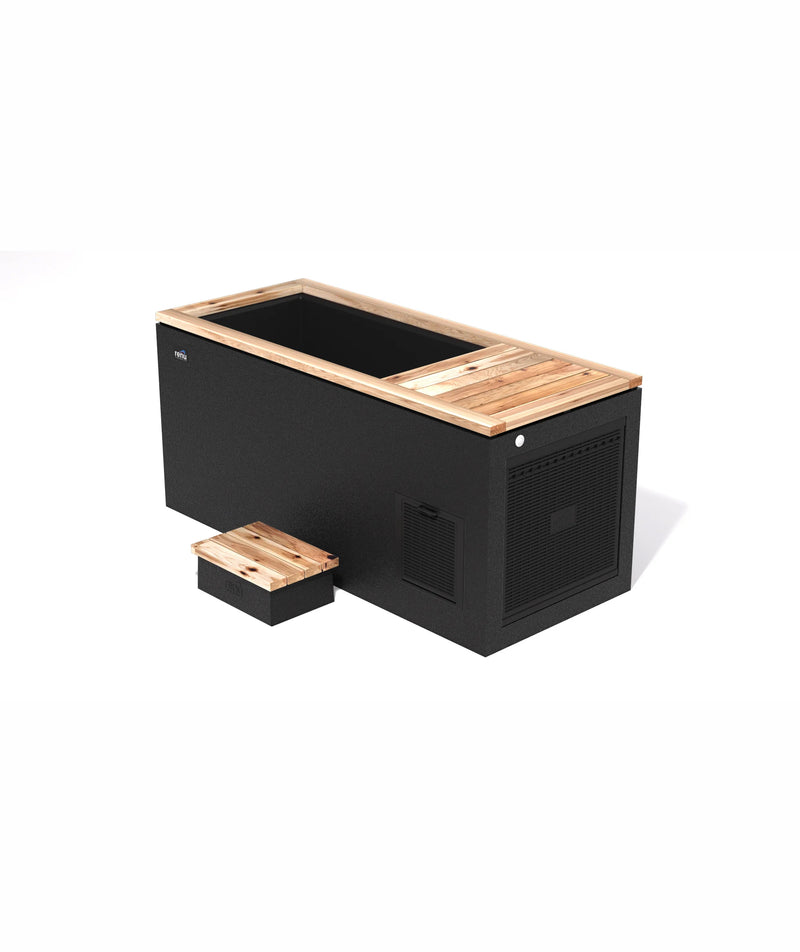
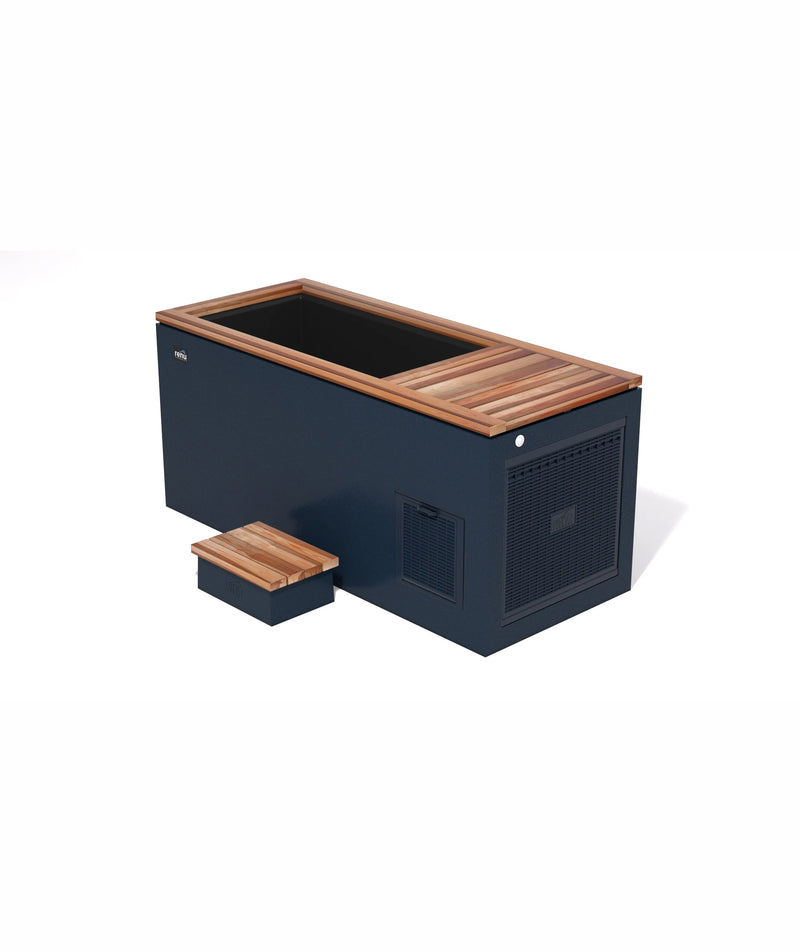
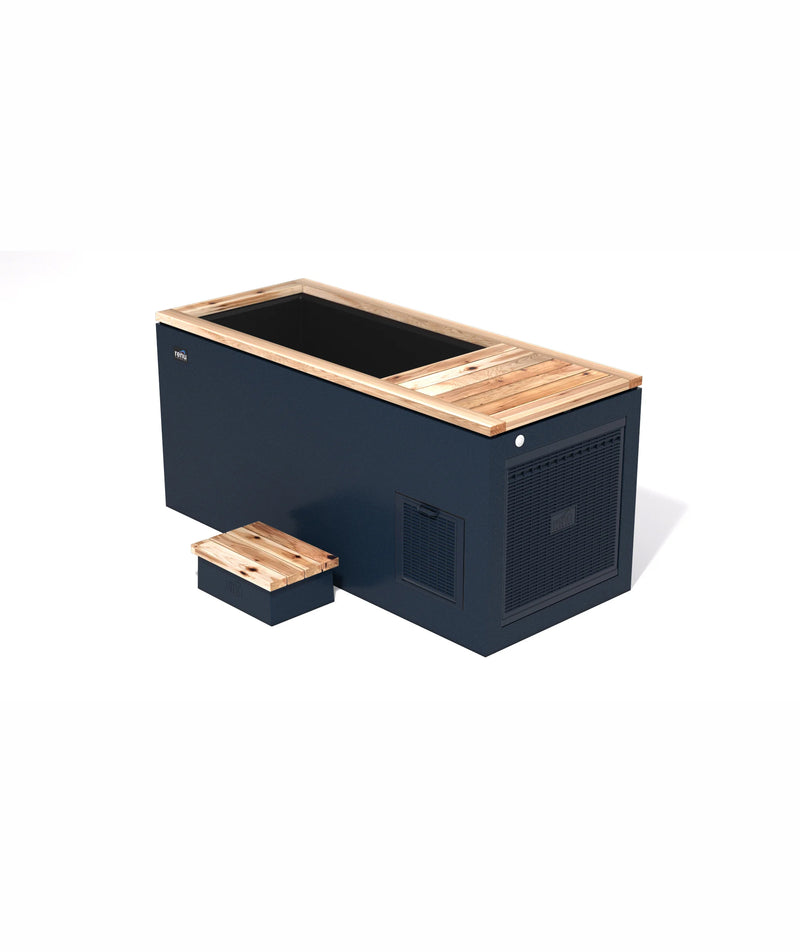
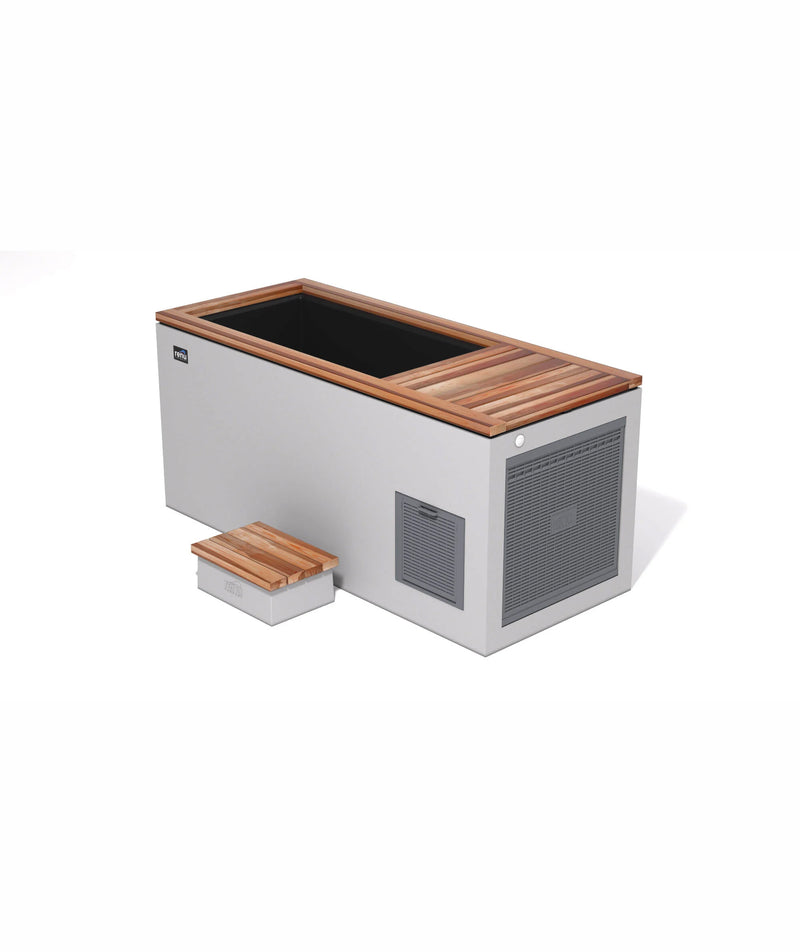
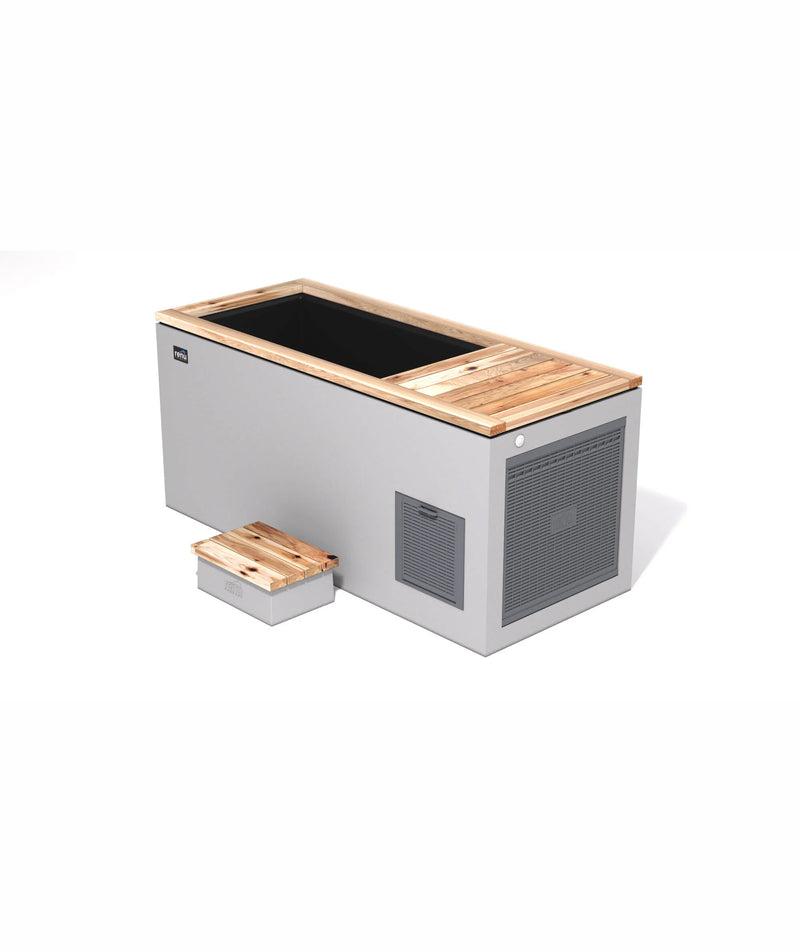
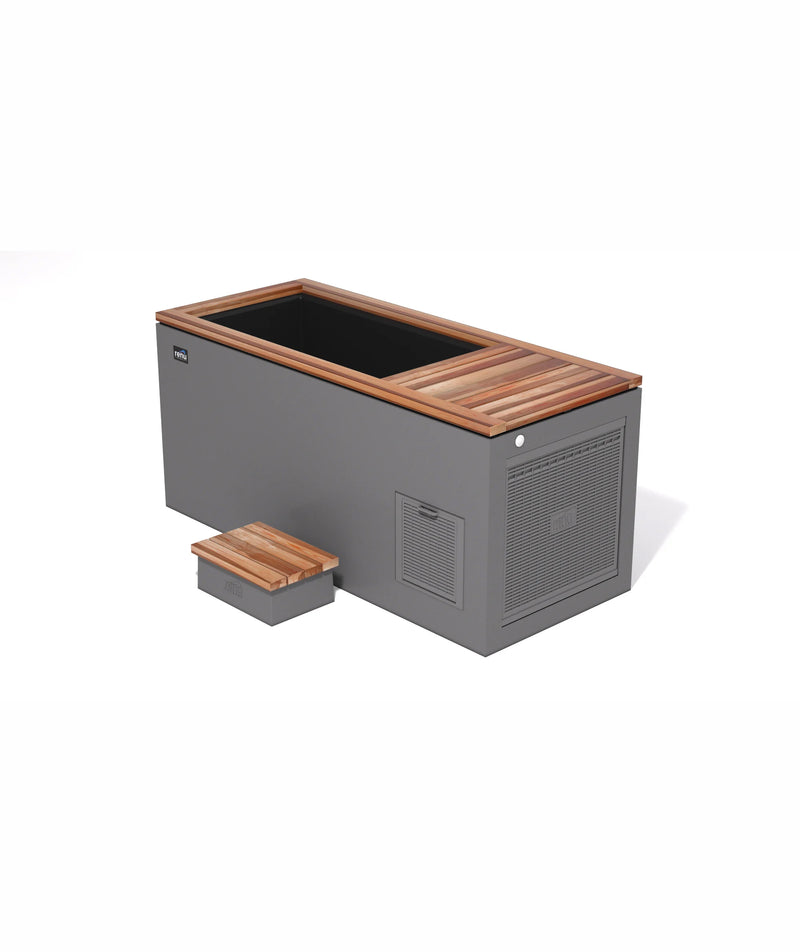
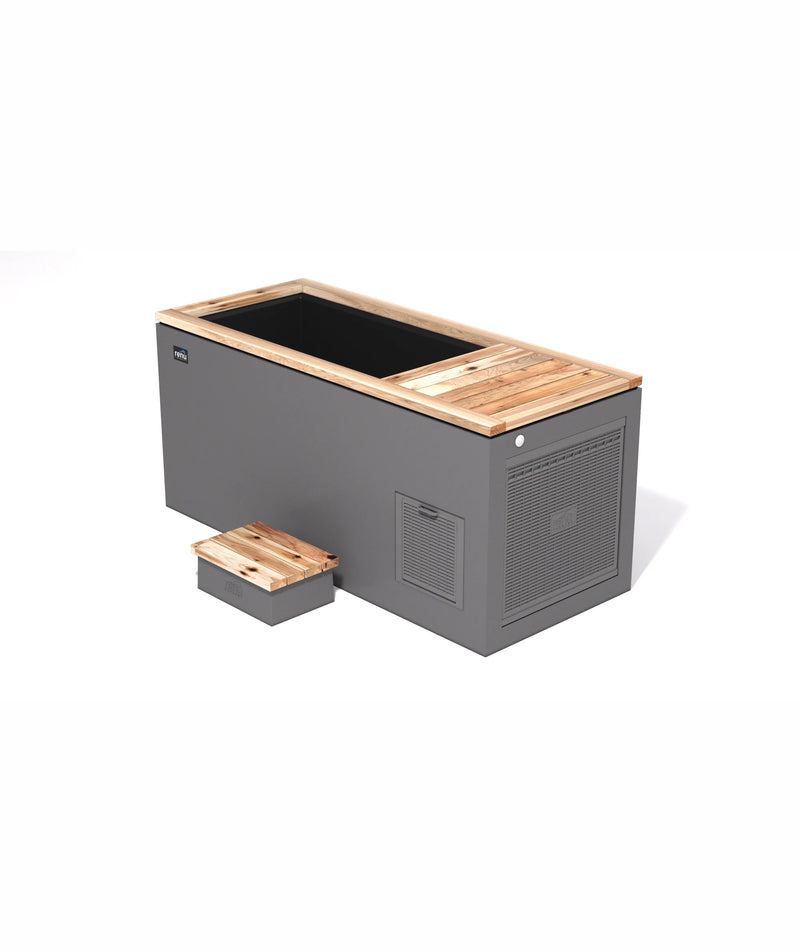
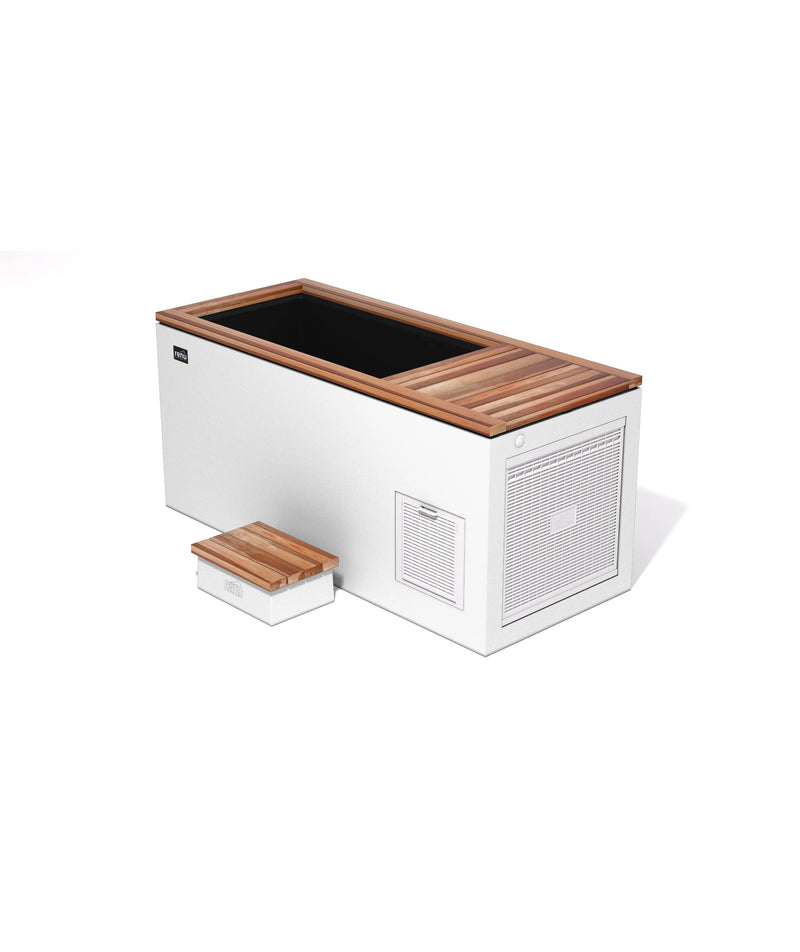
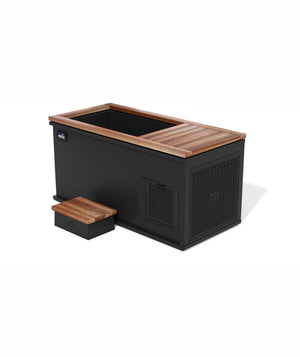
Elevate your cold plunge sessions and cold therapy practice with Renu Therapy cold tanks. Offering a controlled environment for cold water immersion, Renu Therapy tanks allow you to enjoy the benefits of cold therapy in the comfort of your own home.
Discover the rejuvenating power of cold water therapy with Renu Therapy cold tanks. Achieve optimal muscle recovery, pain relief, and enhanced blood circulation while tailoring your cold therapy sessions to your individual needs. Start your journey towards a healthier, more invigorated self with Renu Therapy today.