For centuries, hot and cold tub therapy has been heralded as a way to improve health and wellness by Nordic inhabitants. Now, the practice is becoming more widely used by those seeking the best performance possible, whether mentally or physically. And while contrast therapy can be achieved in a few different ways, the ease of contrast hydrotherapy is quickly becoming the most preferred method.
Contrast therapy works by inducing rapid changes in the body's cardiovascular system by transitioning between hot and cold exposure. This can either be using a sauna or hot tub, along with an ice bath of some sort. The practice makes blood vessels respond by opening up and then tightening, known as vasodilation and vasoconstriction.
So what are the potential health benefits of this bodily response? Let's dive in to find out!
Discover the Benefits of Hot and Cold Tub Therapy
If you've been considering hot and cold tub therapy, you might be wondering what benefits you can achieve. Researchers have been studying this form of contrast therapy for some time now. Here is some of what they've found so far.
Boost Your Natural Energy Levels
Contrast hydrotherapy can help reduce fatigue from intense competitions and training. One example of this is a 2017 meta-analysis of research conducted on contrast therapy practitioners, which found that team sports player who kept a routine of contrast hydrotherapy recovered from fatigue in only 24-48 hours post-exercise. Curiously, taking ice baths alone did not deliver the same level of benefits.
Limit the Effects of DOMS
If you've ever done an intense workout, you're probably well aware of delayed soreness days after. This side effect is commonly known in the sports medicine world as delayed onset muscle soreness (DOMS). Researchers set out to find what contrast therapy can do for this type of pain suffered by athletes, and they discovered surprising results.
Multiple studies have found that contrast bath therapy is effective in reducing delayed onset muscle soreness compared with passive rest. The only thing more effective was getting a massage right after a workout, which can get expensive quickly.
Prevent Excessive Lactic Acid in Muscles
Another result of strenuous workouts that resembles DOMS is the buildup of lactic acid in muscles. This byproduct can be mitigated with rest, hydration, and taking magnesium supplements after working out. But, one of the best therapies for preventing lactic acid buildup is closely following a contrast hydrotherapy routine.
A 2007 research study discovered how contrast bath therapy could decrease lactic acid buildup after working out. This means less soreness and fatigue, empowering athletes at all levels of performance to reach their full potential.
Reduce Pain in Joints
When joints have suffered injuries, the body responds by flooding the injured area with healing fluids and white blood cells. However, these fluids can accumulate, leading to increasing pressure on the injured area, causing painful swelling and stiffness in joints.
Research has found that sticking to a regular contrast hydrotherapy routine can reduce swelling of the joints. A recent study 2021 study showed the effect of cold therapy on patients with soft tissue damages had improved circulation and mobility after just 5 minutes of localized cryotherapy.
Establishing a Contrast Therapy Routine
Although people benefitting from contrast therapy have often been pro athletes, now you can enjoy the same results right at home. As a precaution, it's always recommended to ask your doctor first before starting contrast therapy. It's essential to be mindful of a few key factors when performing contrast hydrotherapy.
It's crucial to use a thermometer to gauge the water temperature if you're establishing a routine at home. Staying safe means avoiding excessively cold or hot water, which can help prevent damage to the skin or cardiac complications.
One of the most important safety steps is to never stay too long in either a tub, hot or cold. Limit sessions to 20 minutes in hot water and only 10 minutes in cold water. For most, only five minutes in the cold water is enough to gain the benefits, so there's no need to test the limits of safety.
Another factor is the order of hot and cold water. Start with hot, then move to cold, not the other way around. To warm up after the cold plunge, it's better to put on warm clothes instead of getting into hot water.
Choose RENU for the Ultimate Contrast Therapy Convenience
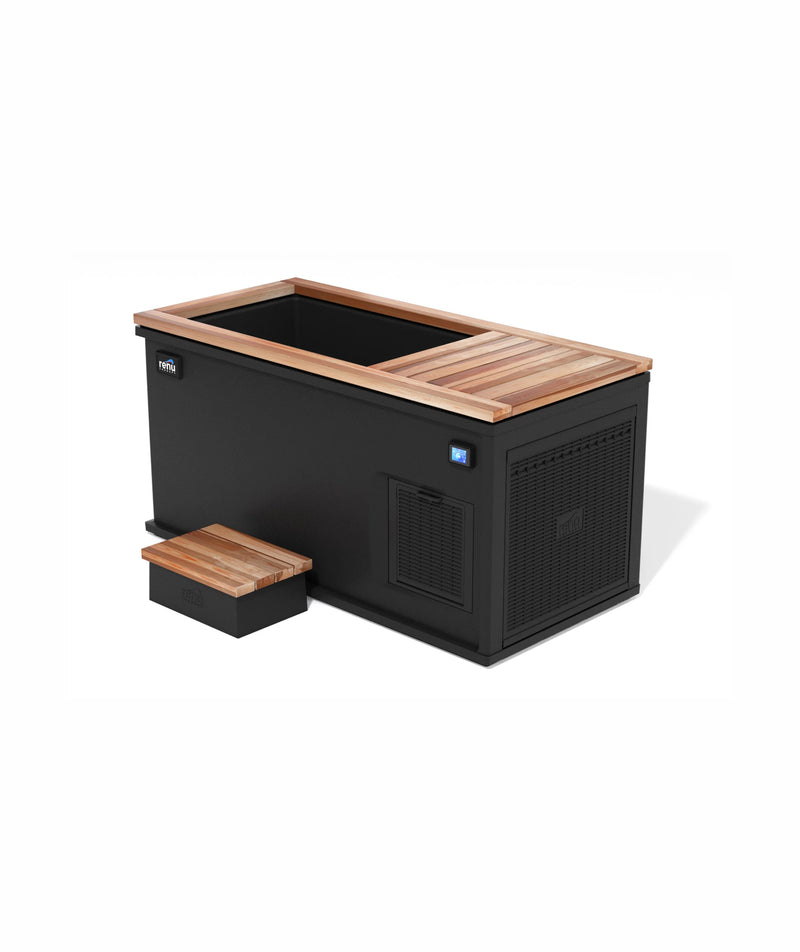
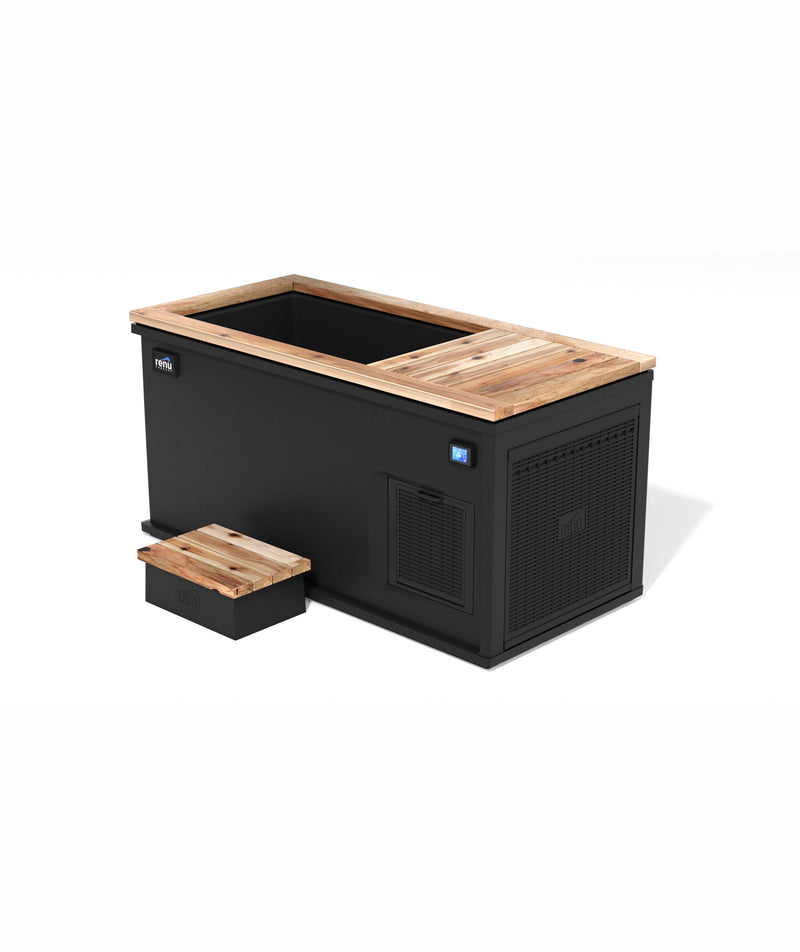
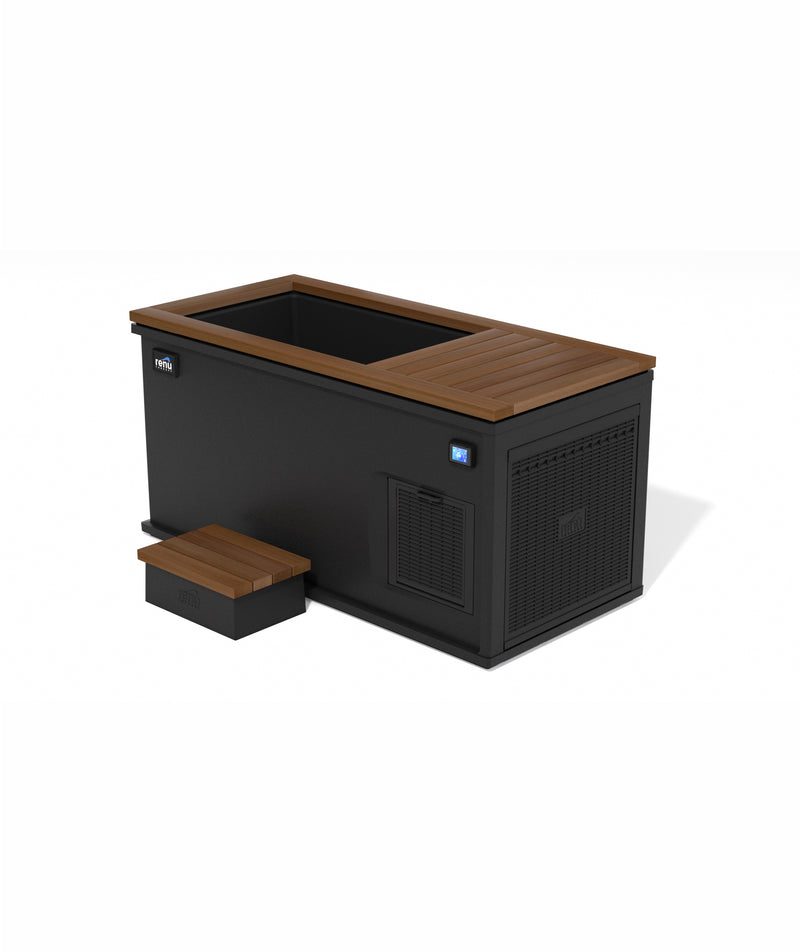
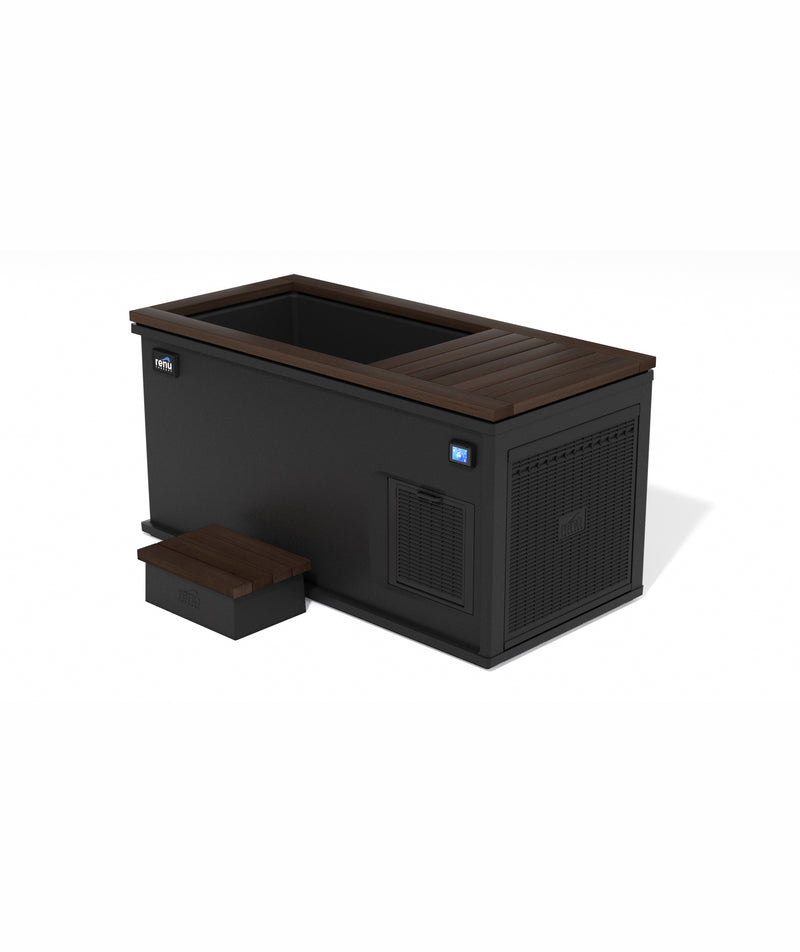
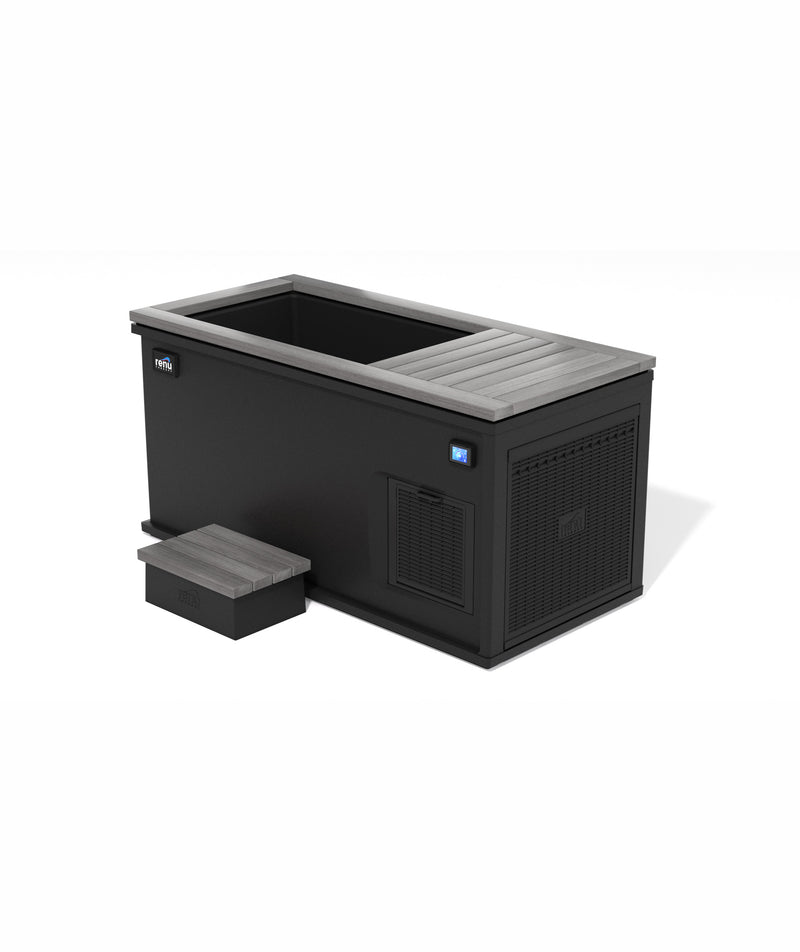
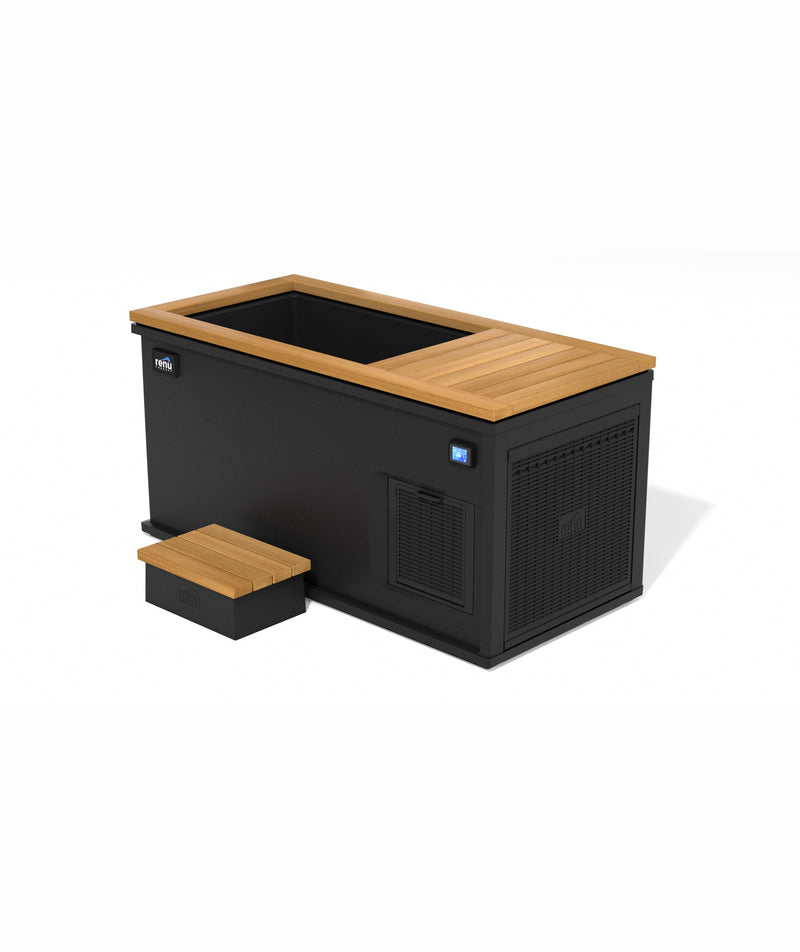
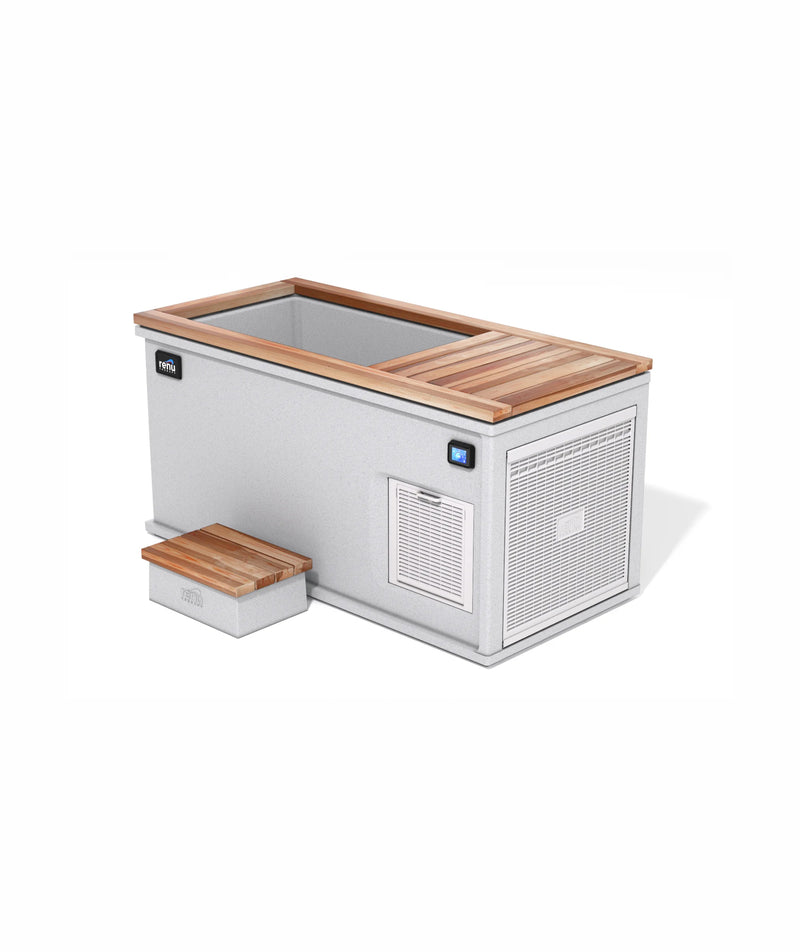
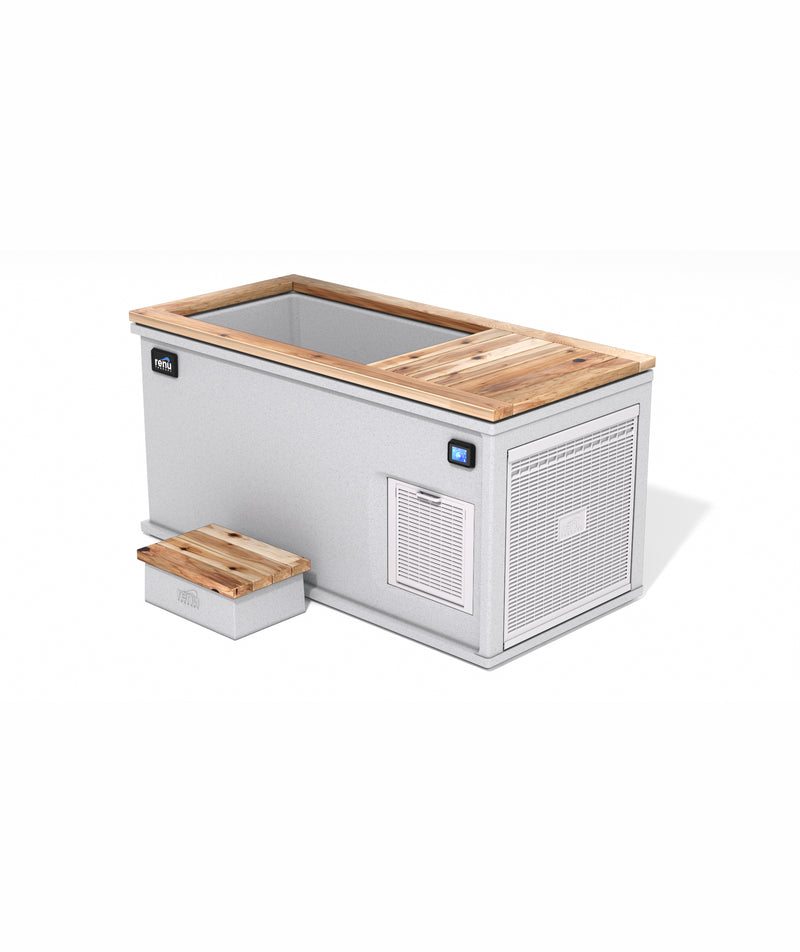
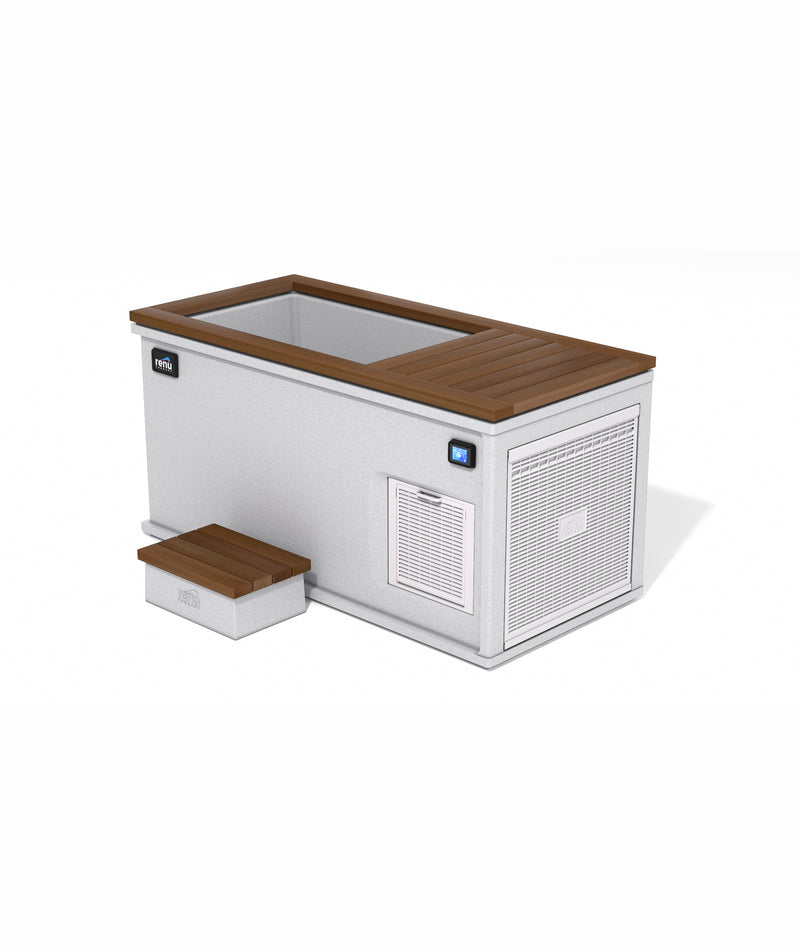
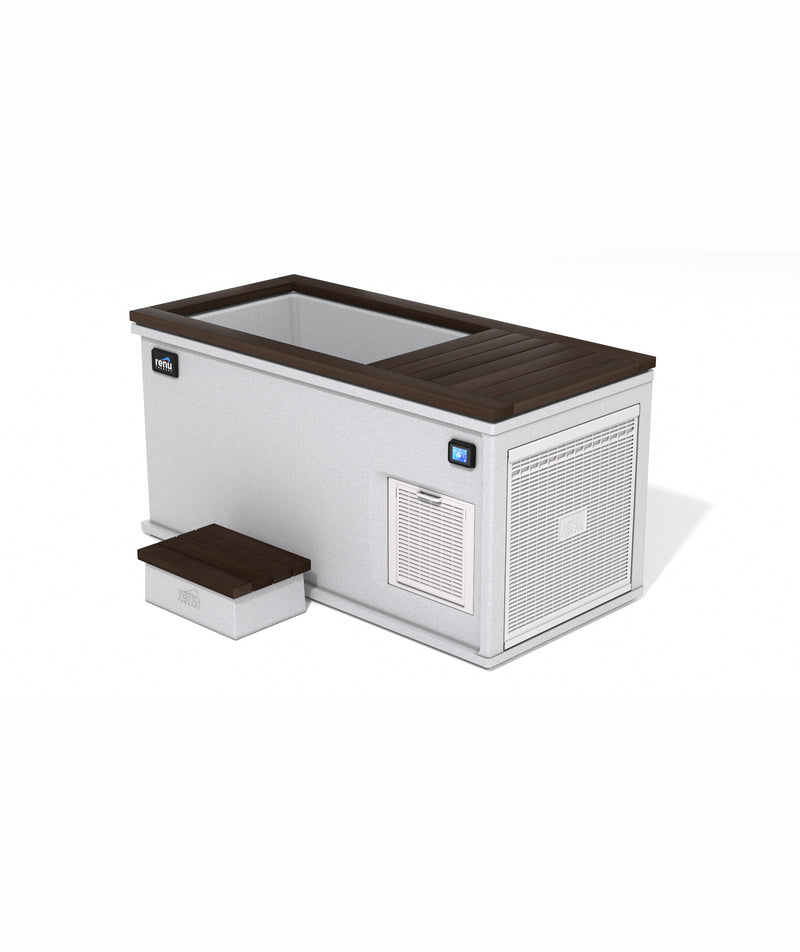
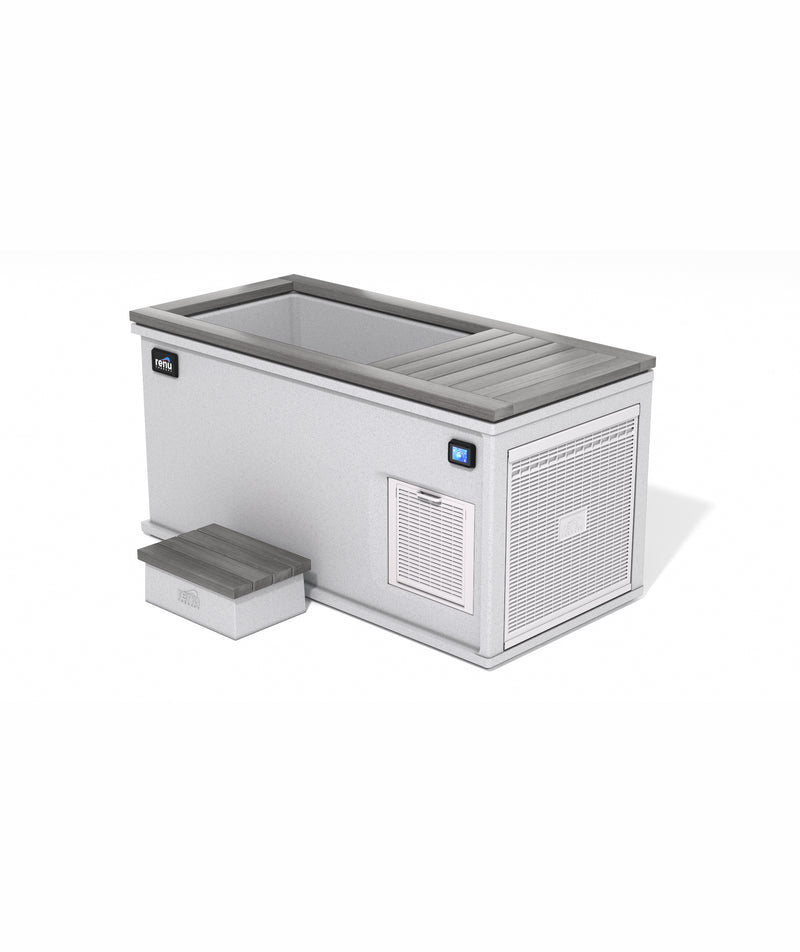
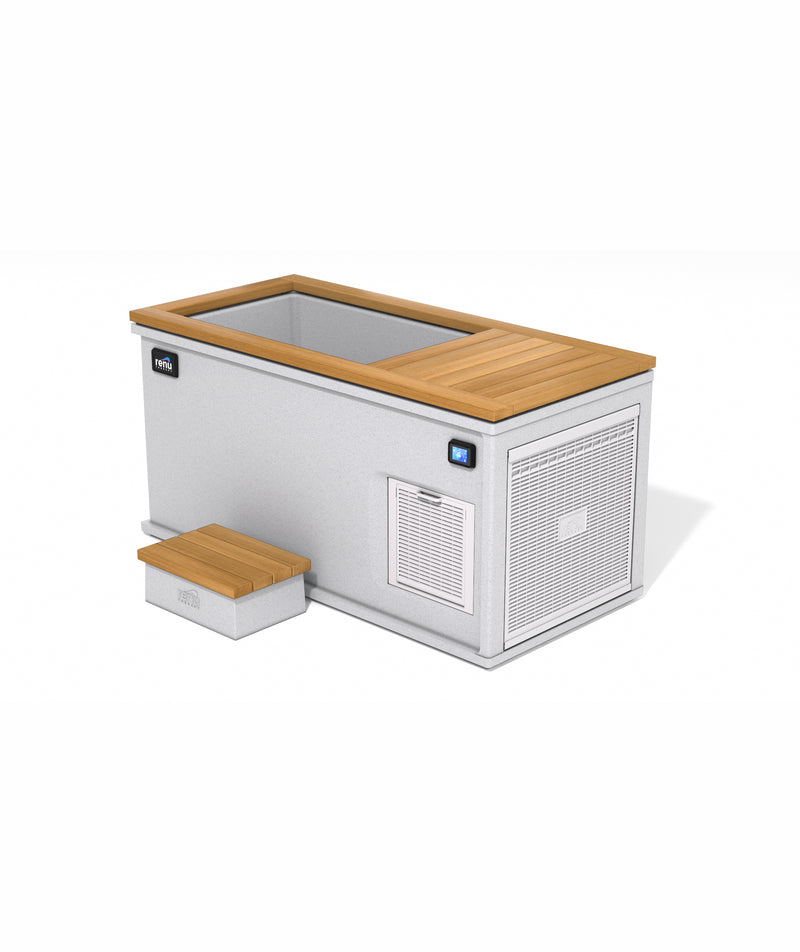
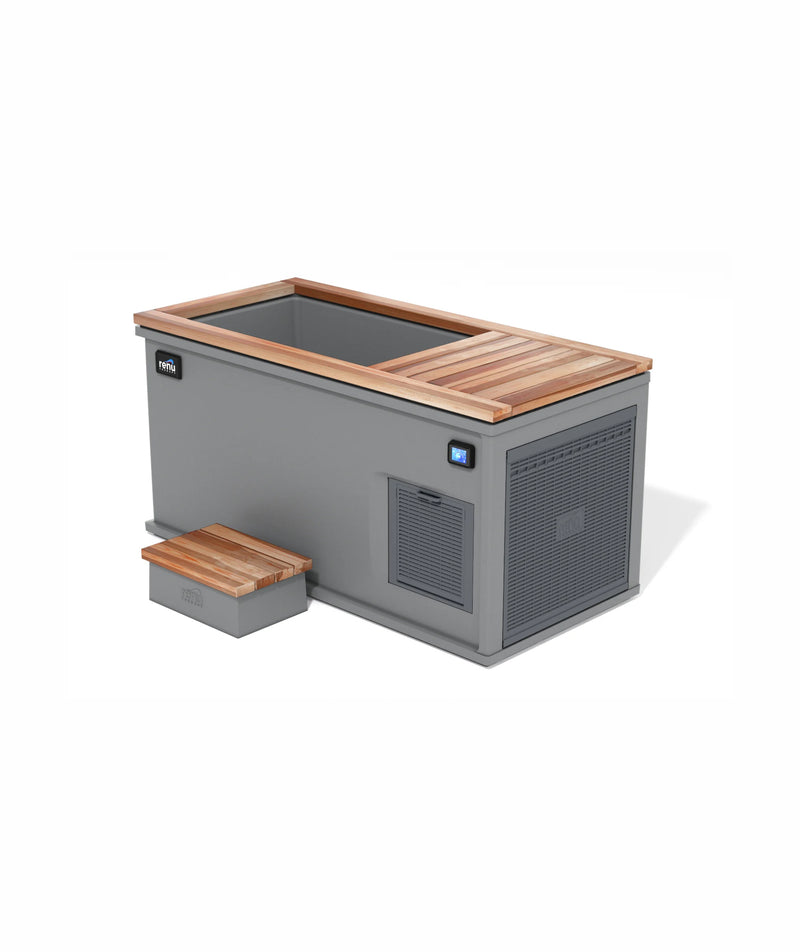
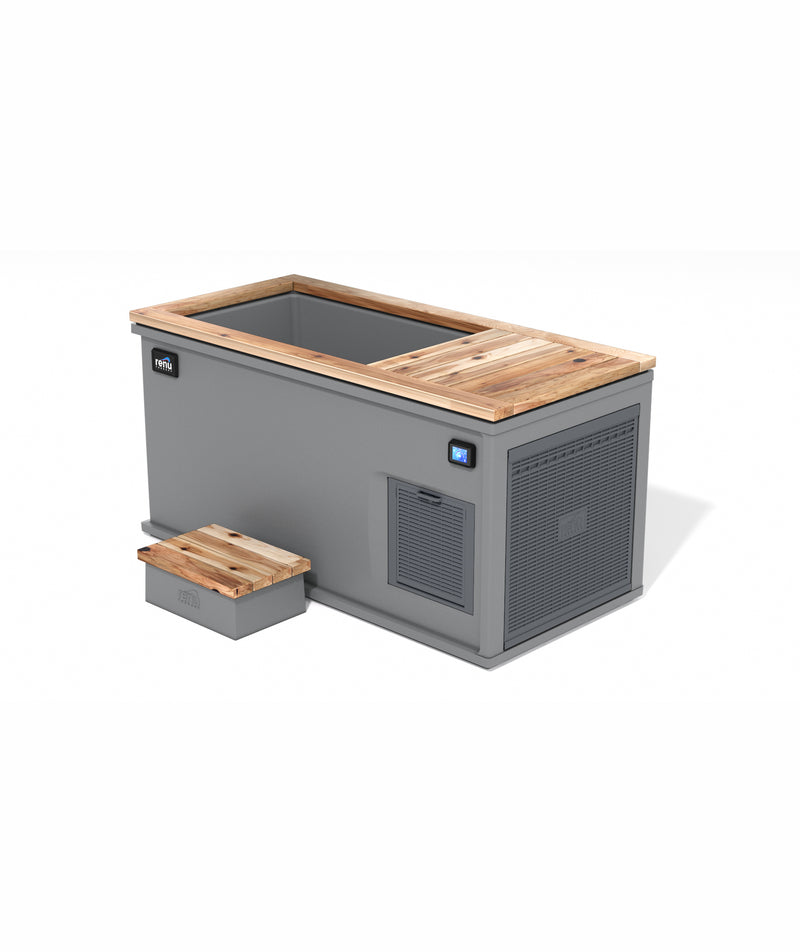
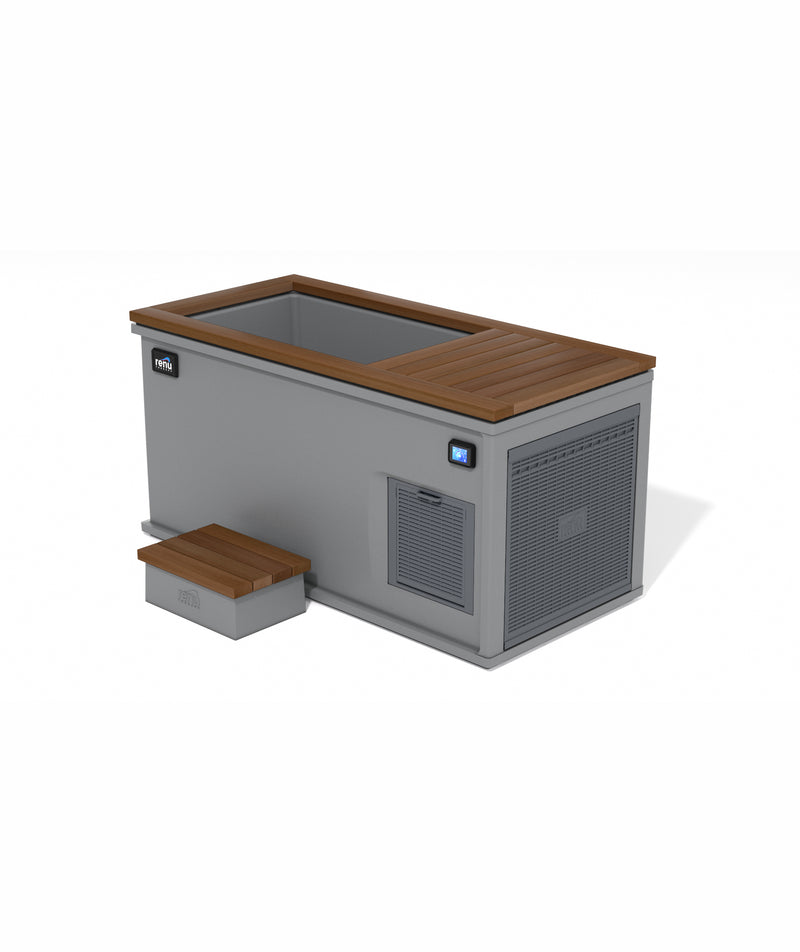
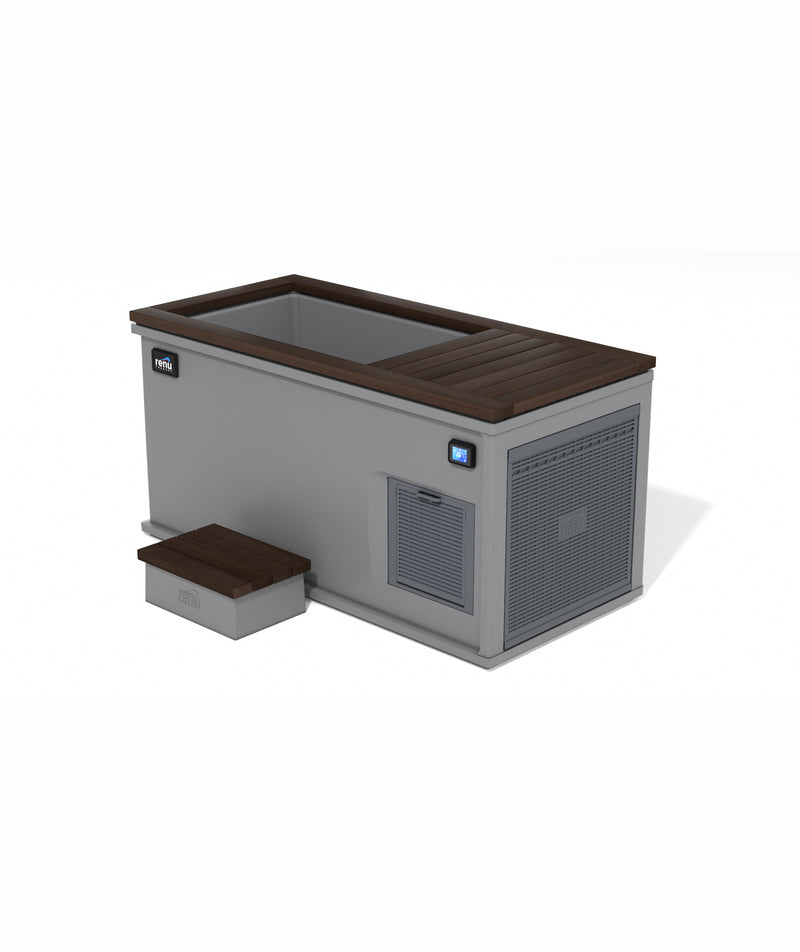
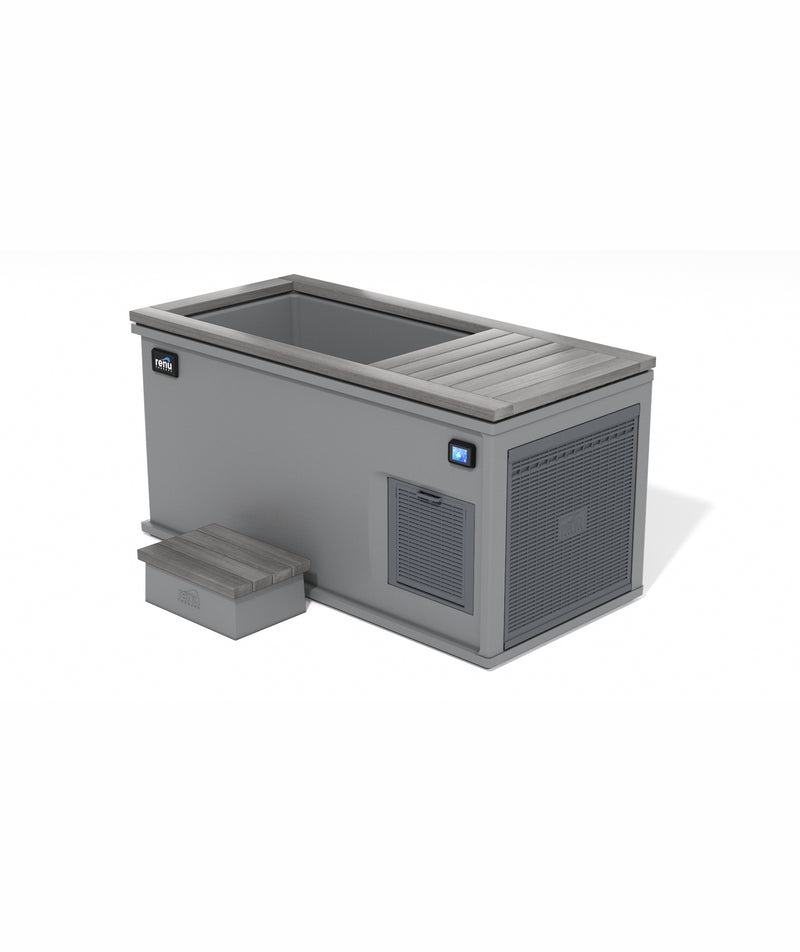
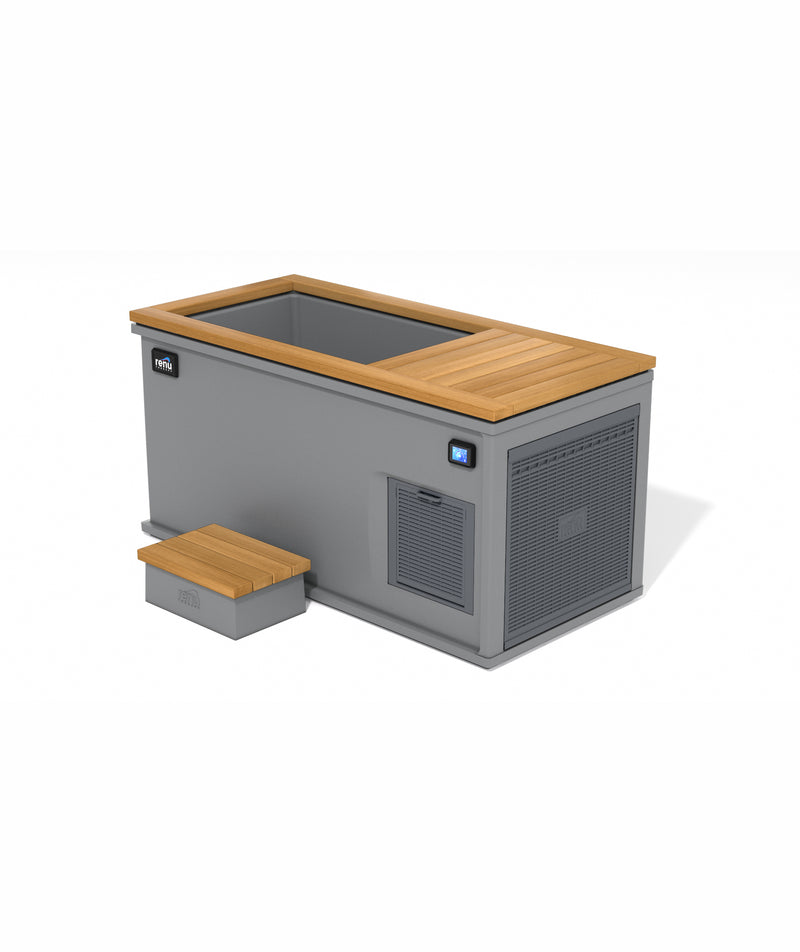
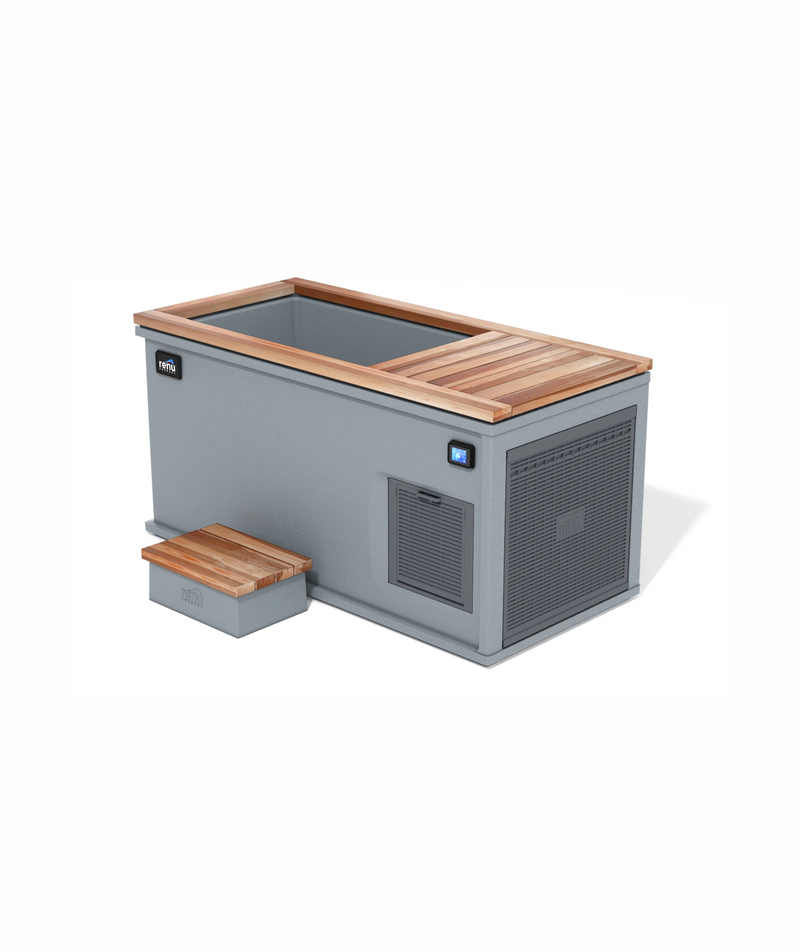
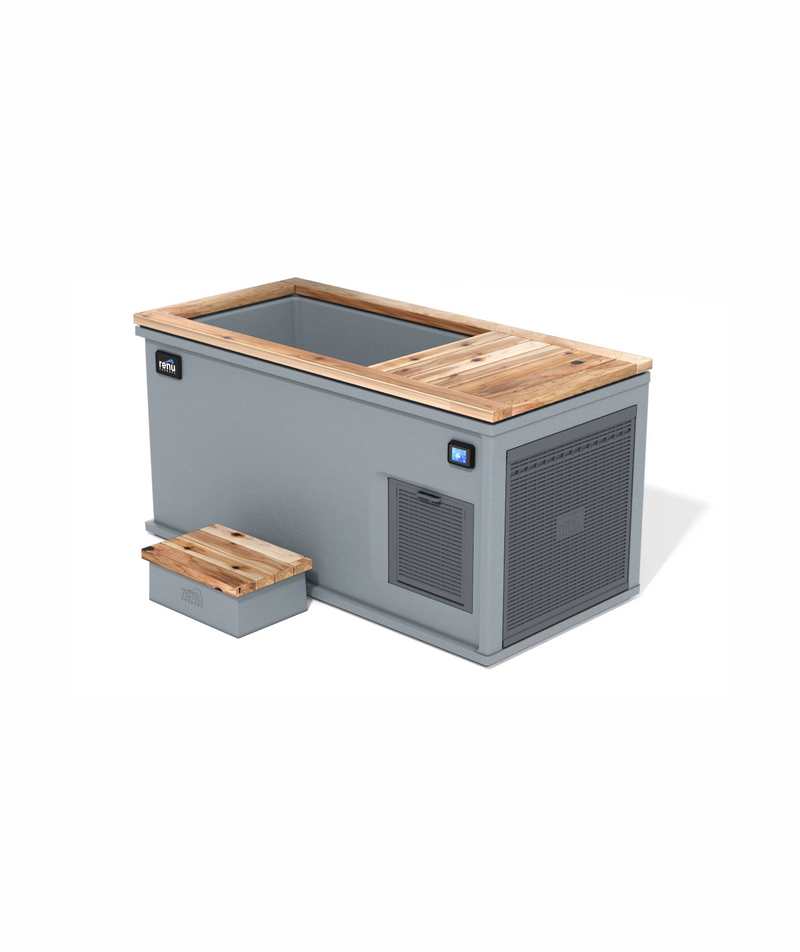
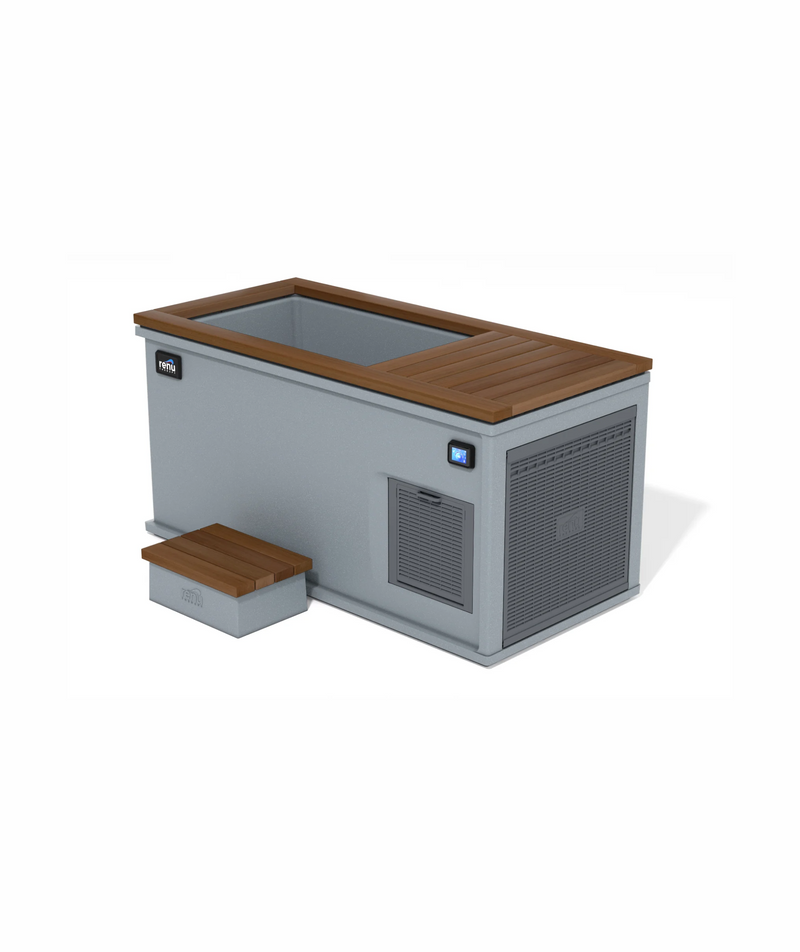
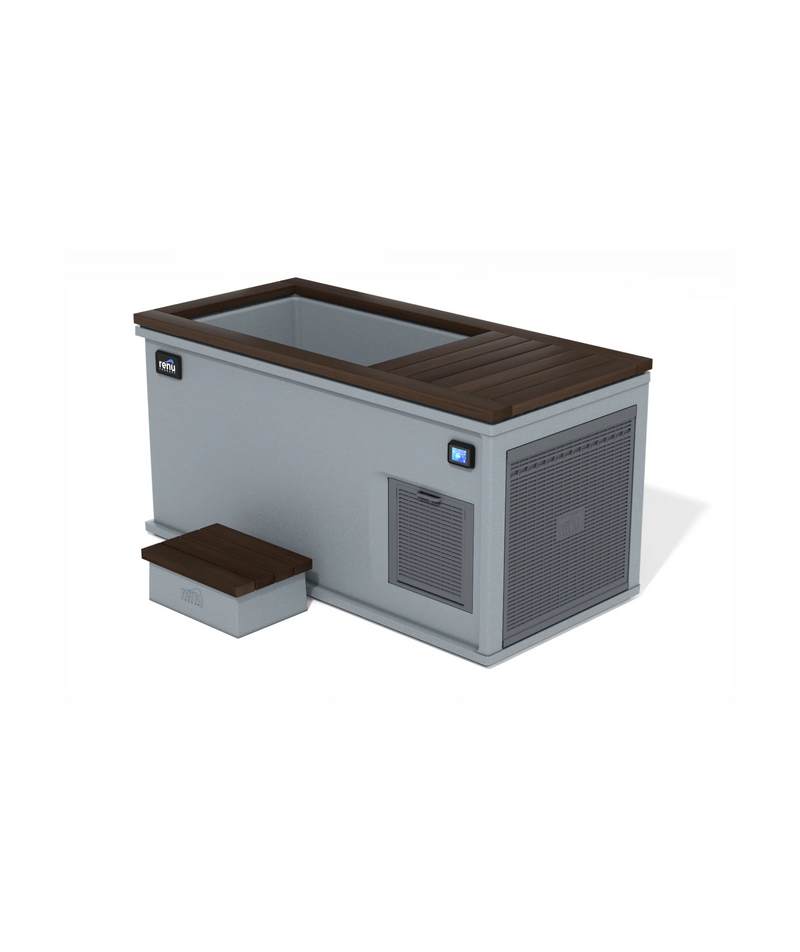
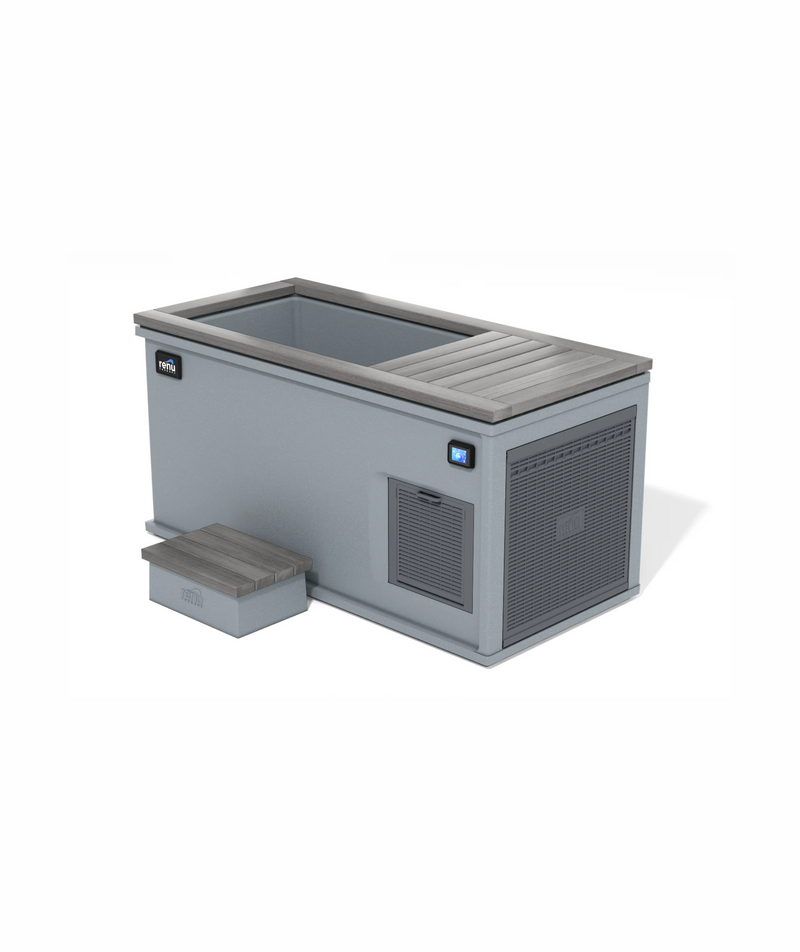
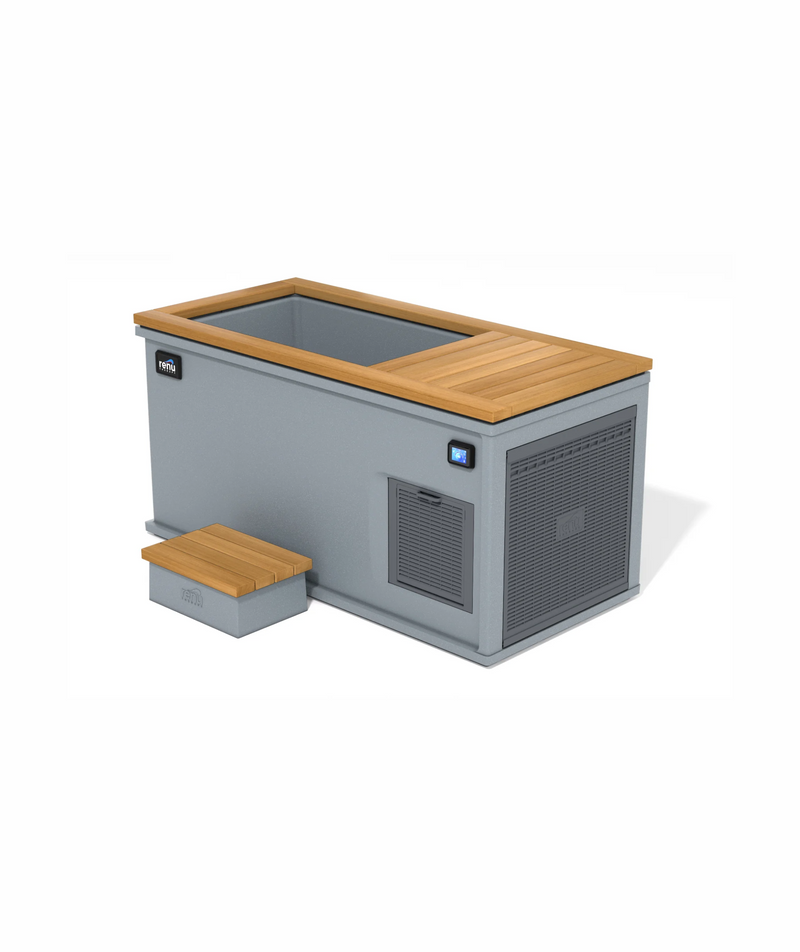
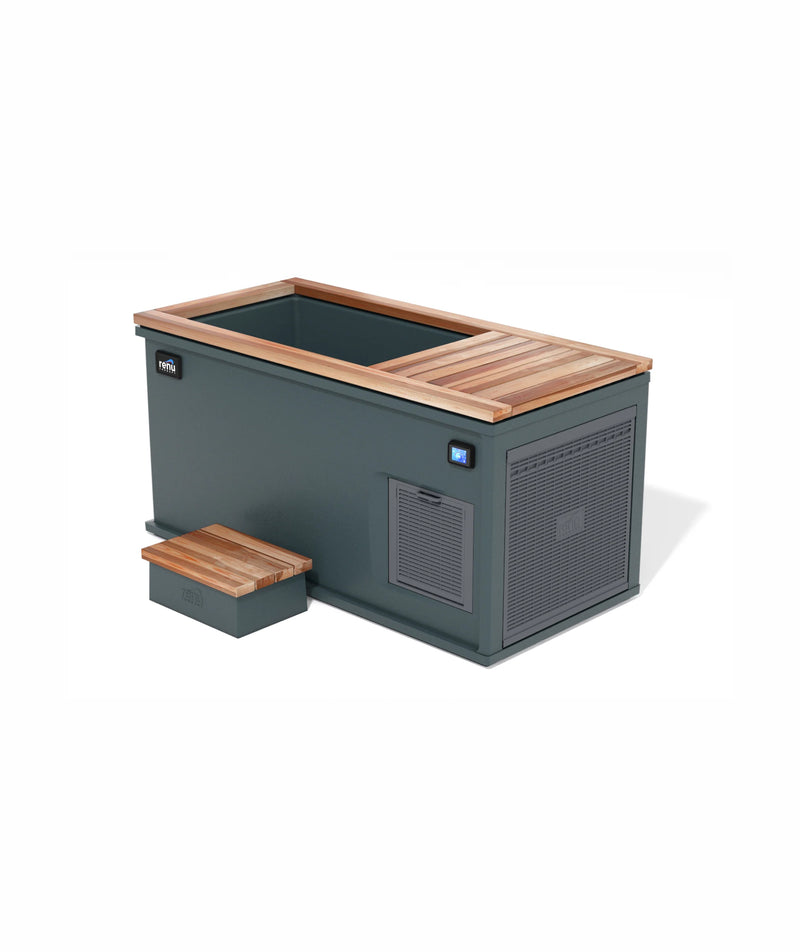
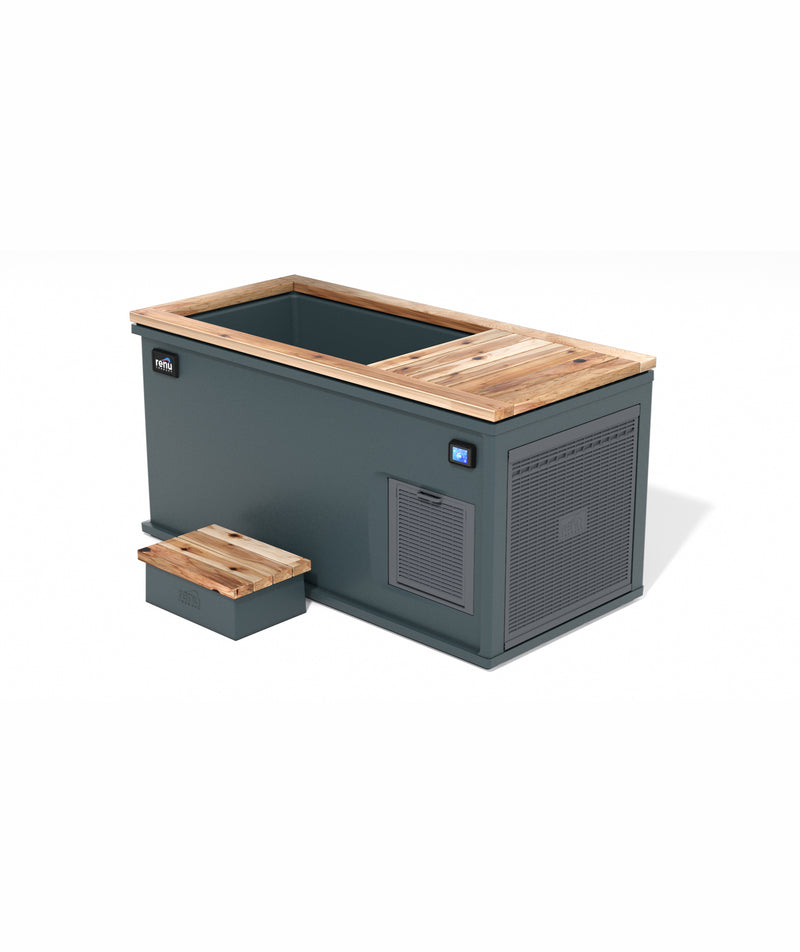
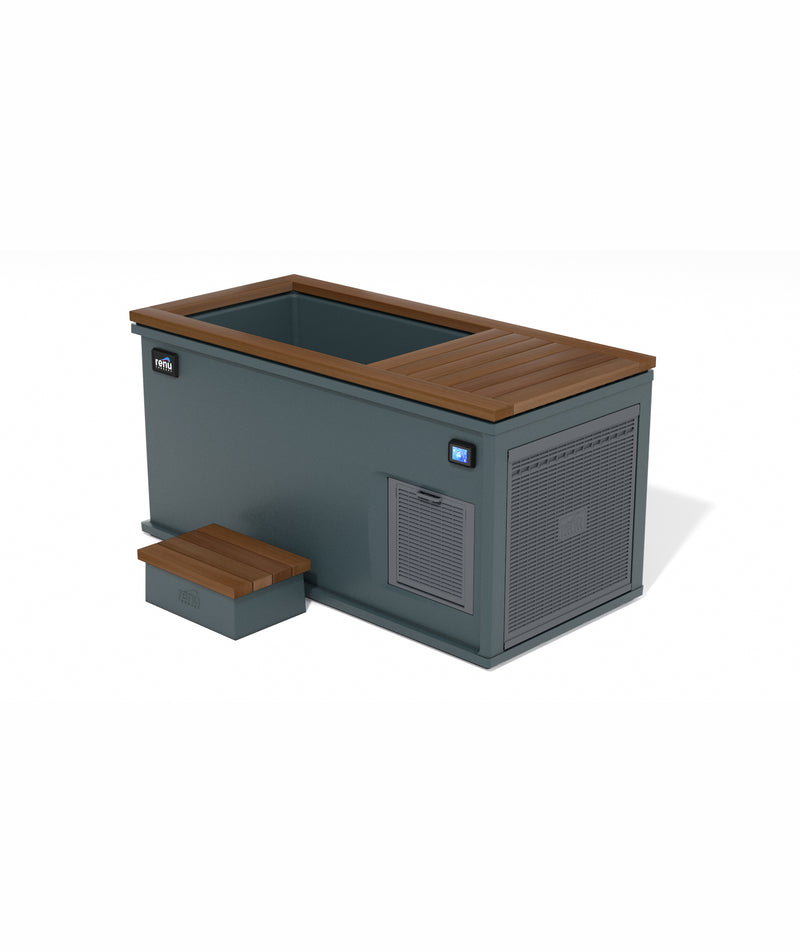
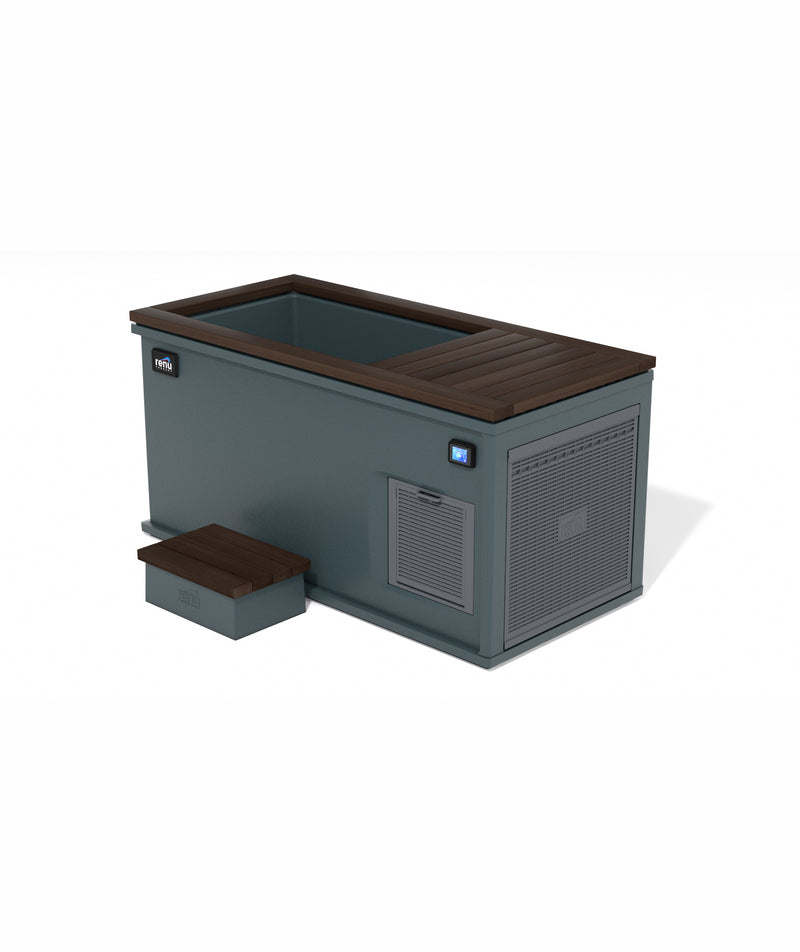
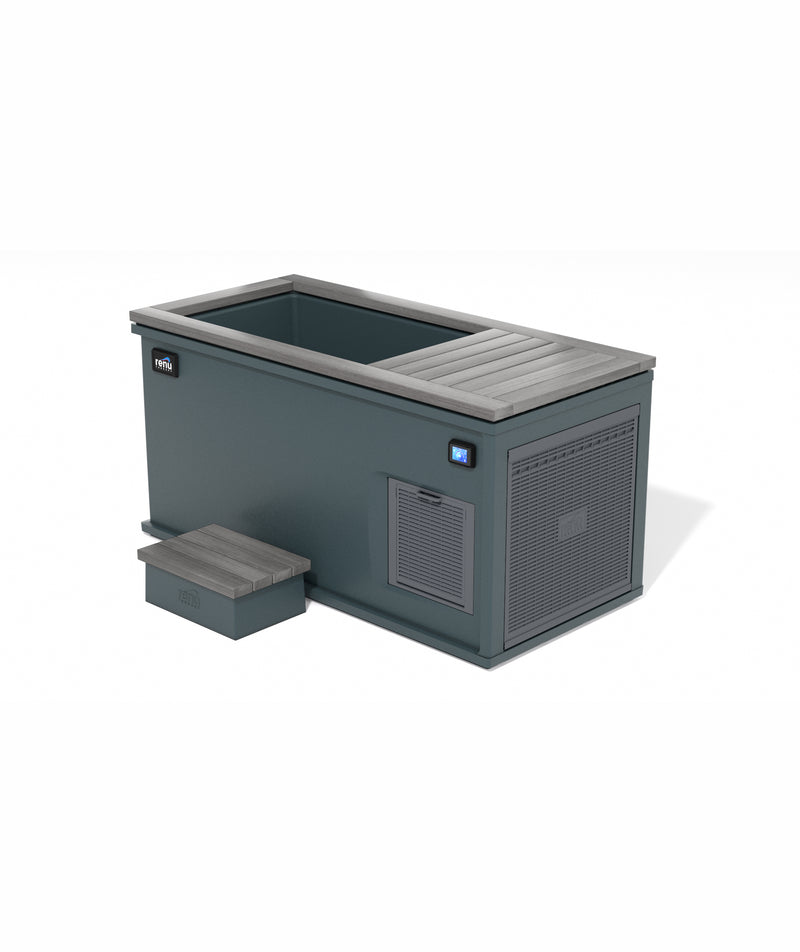
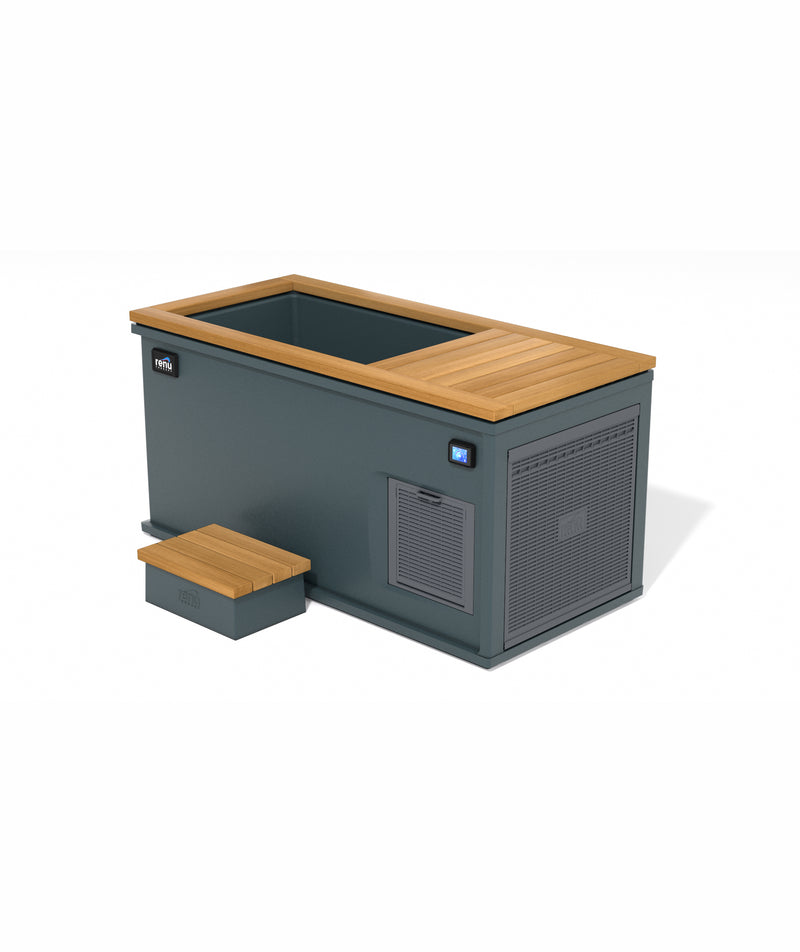
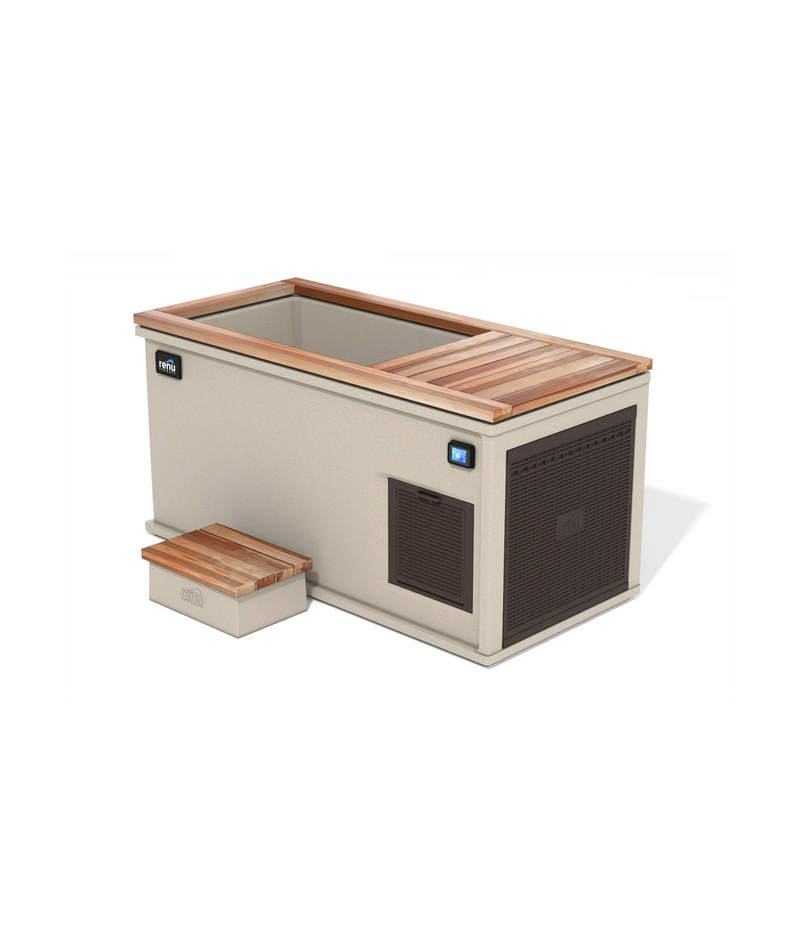
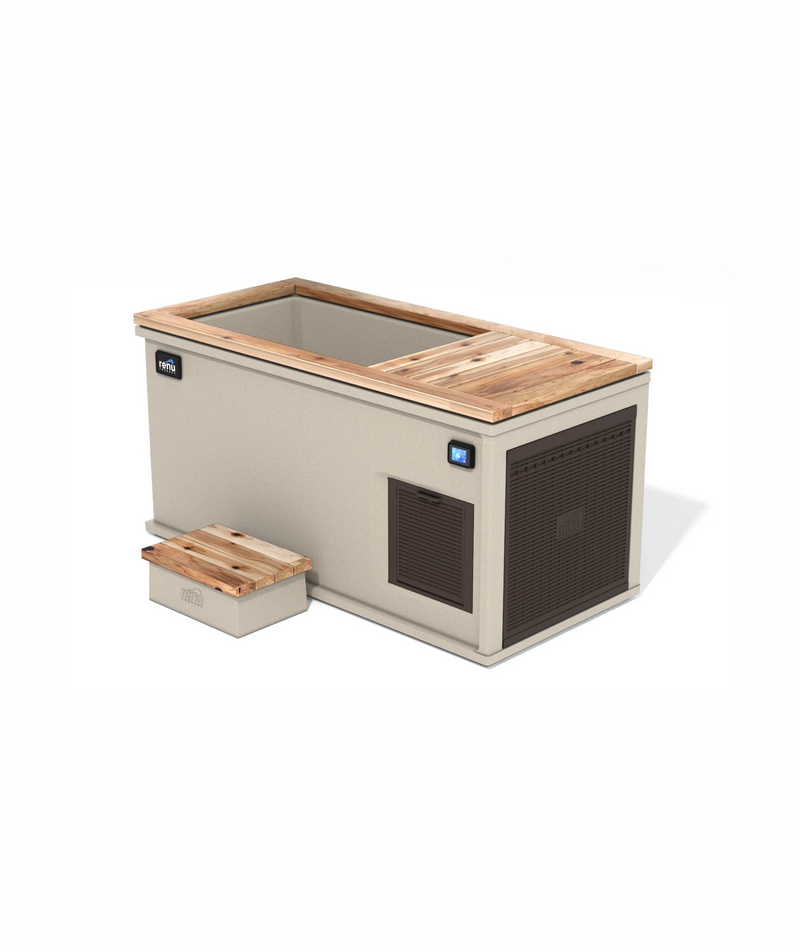
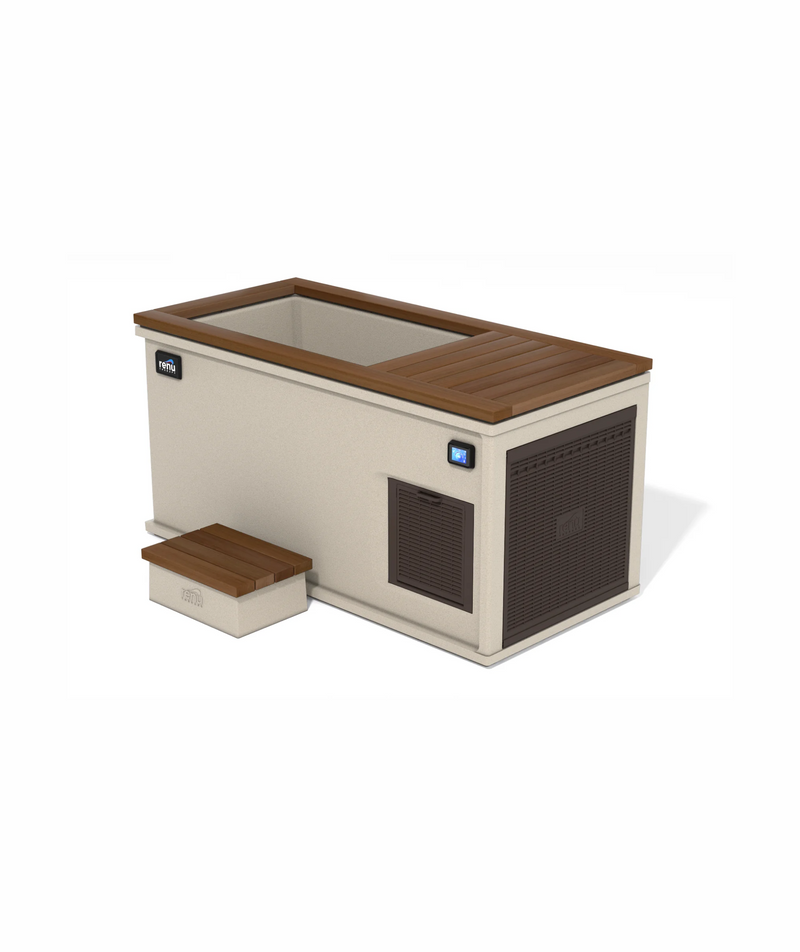
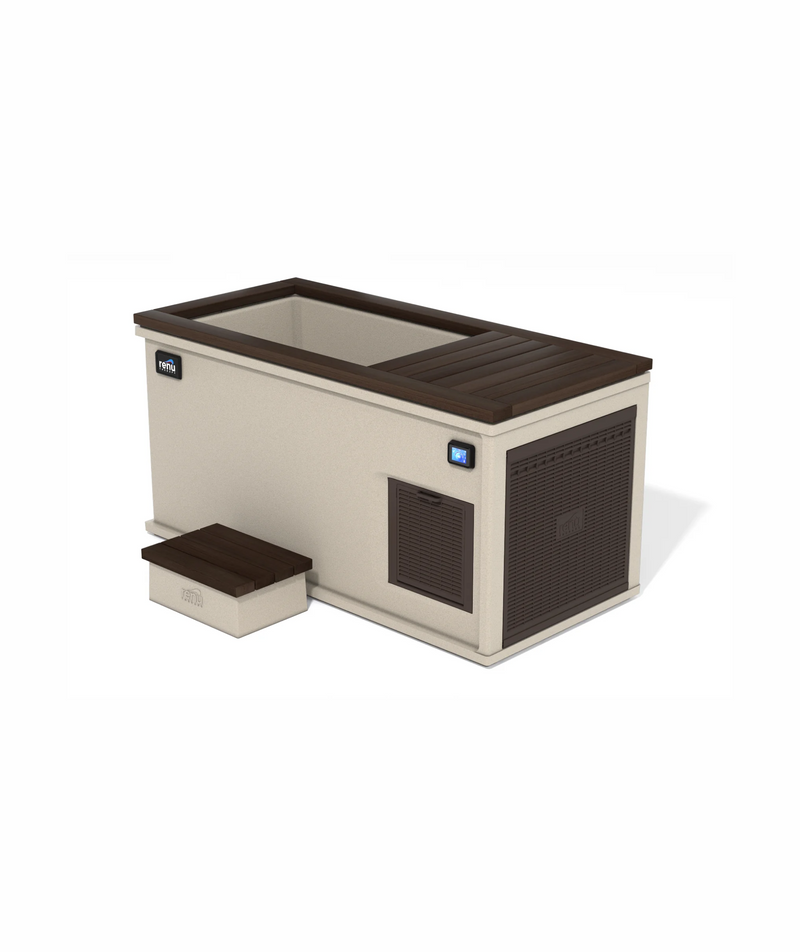
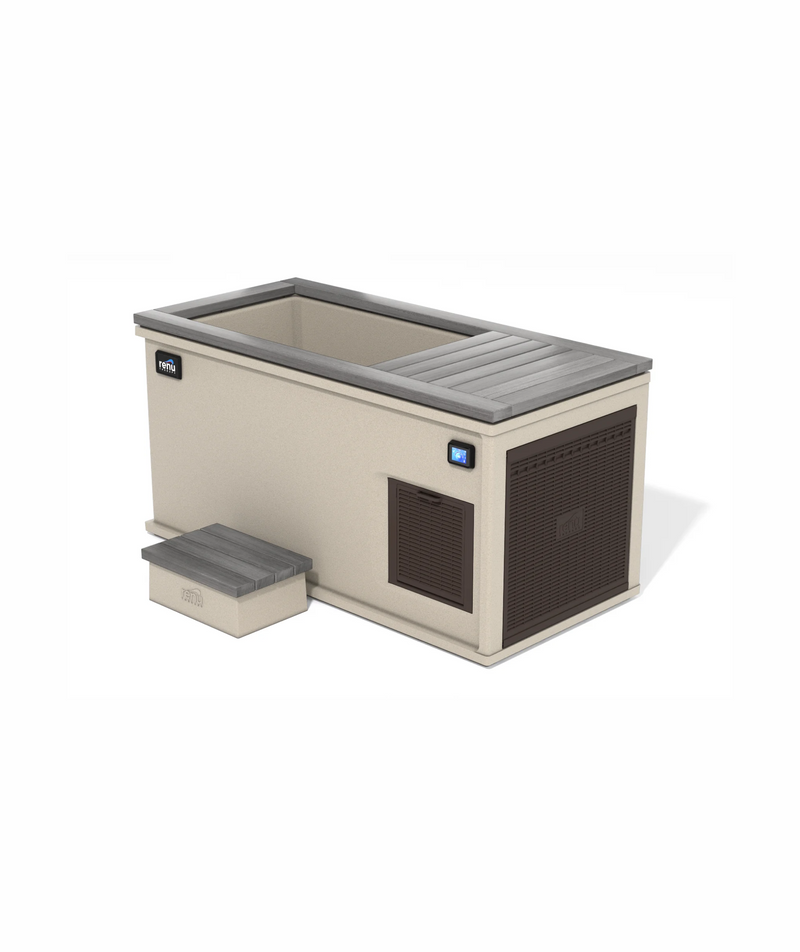
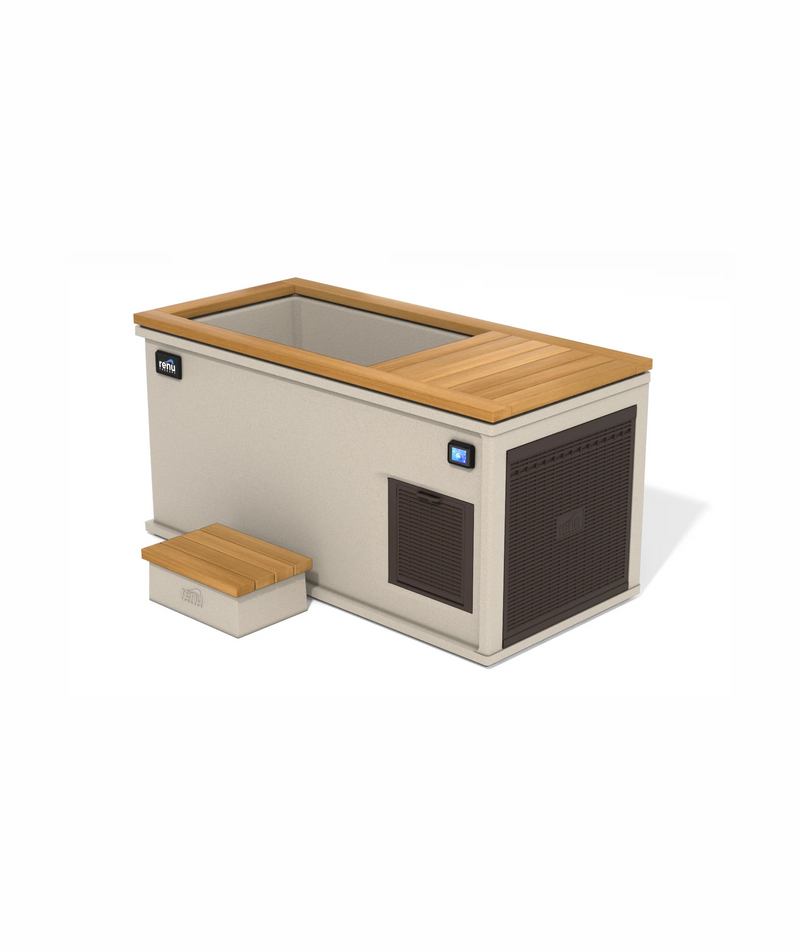
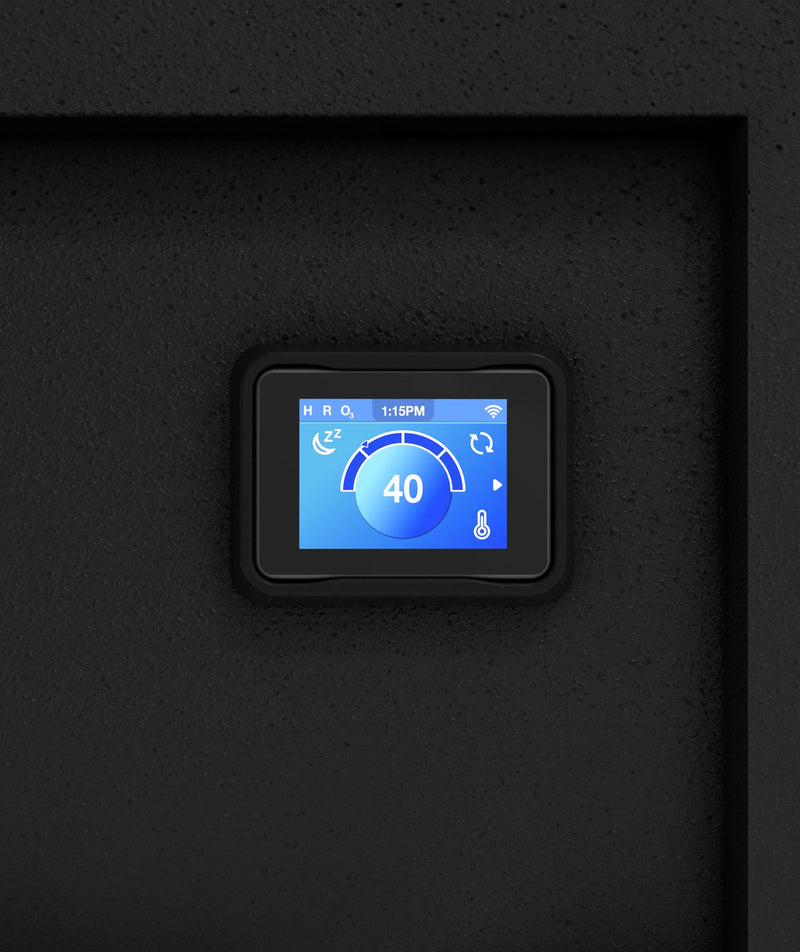
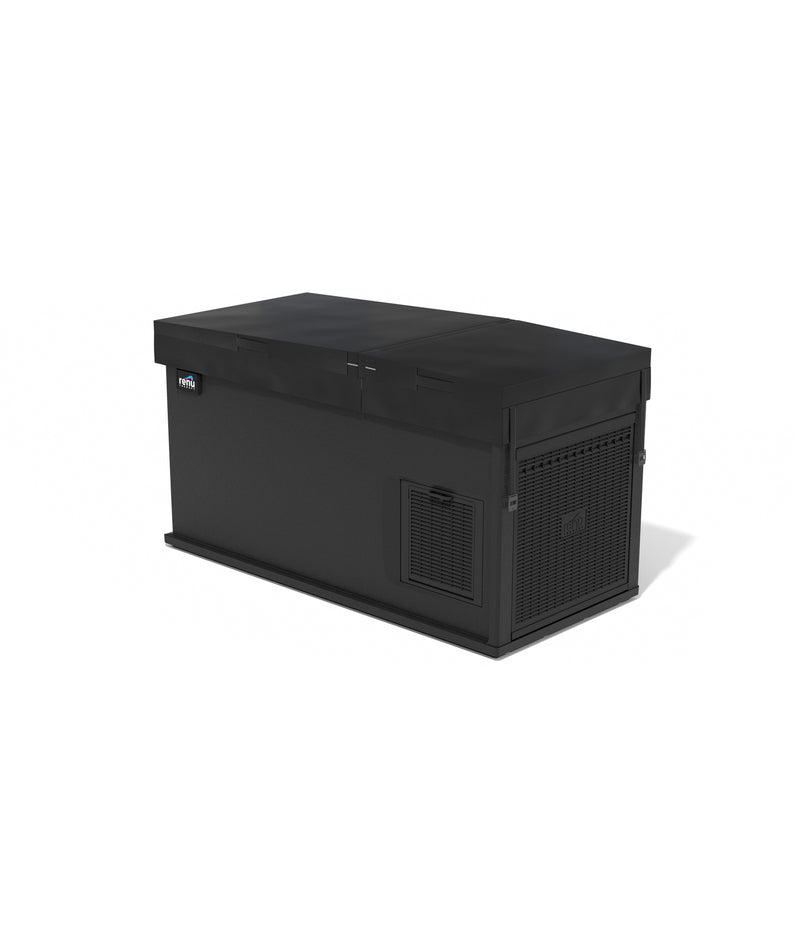
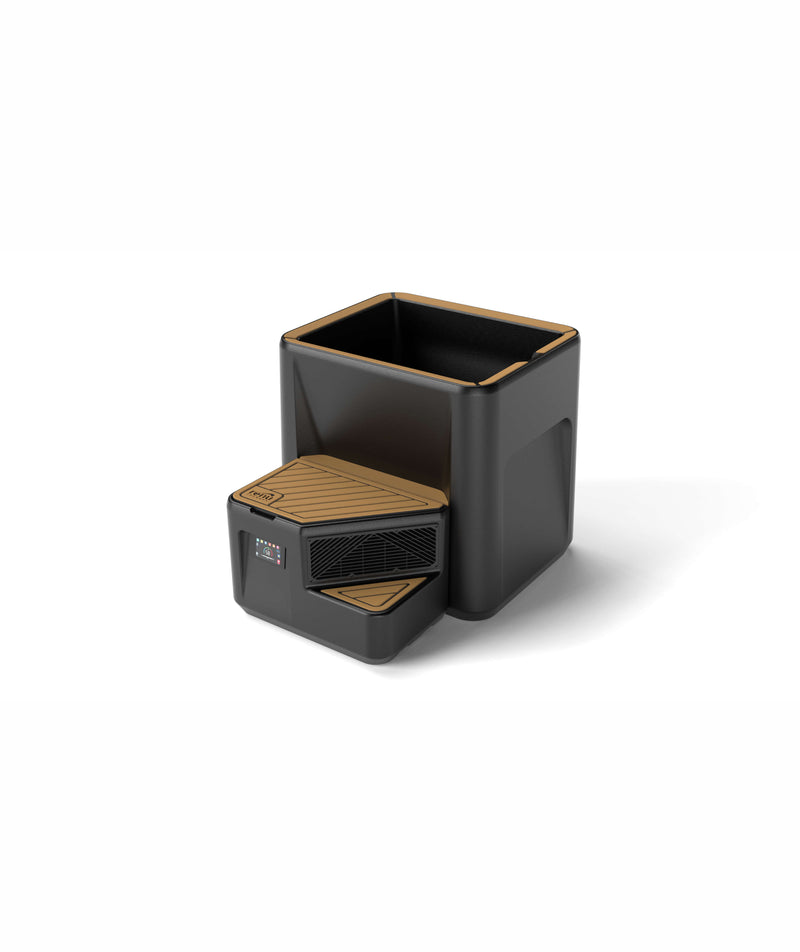
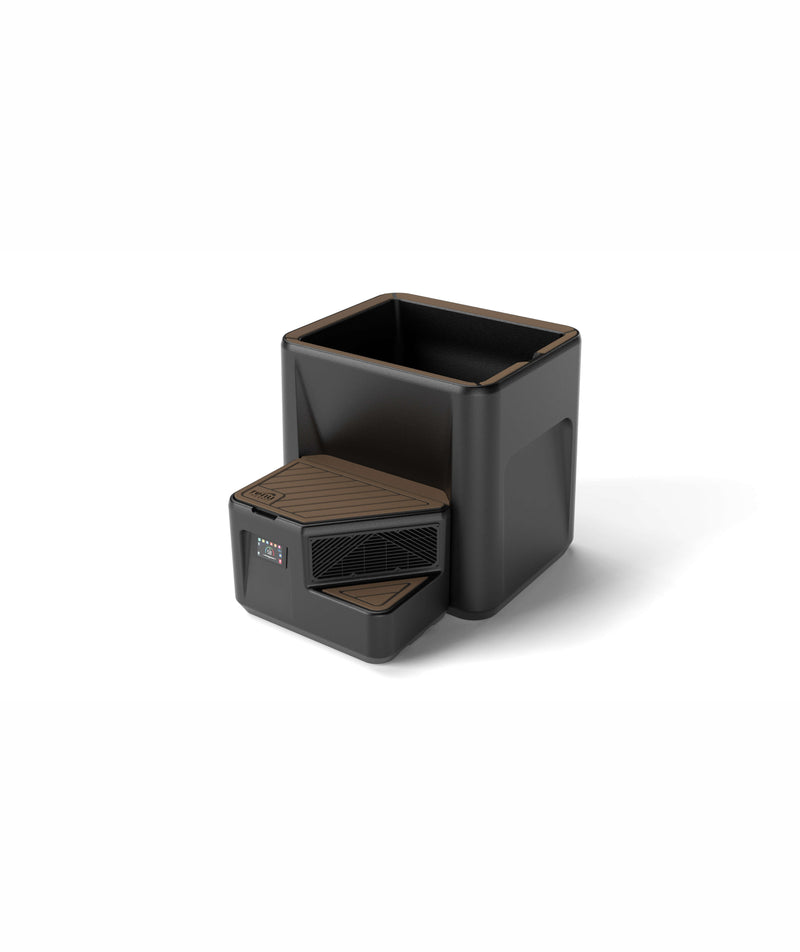
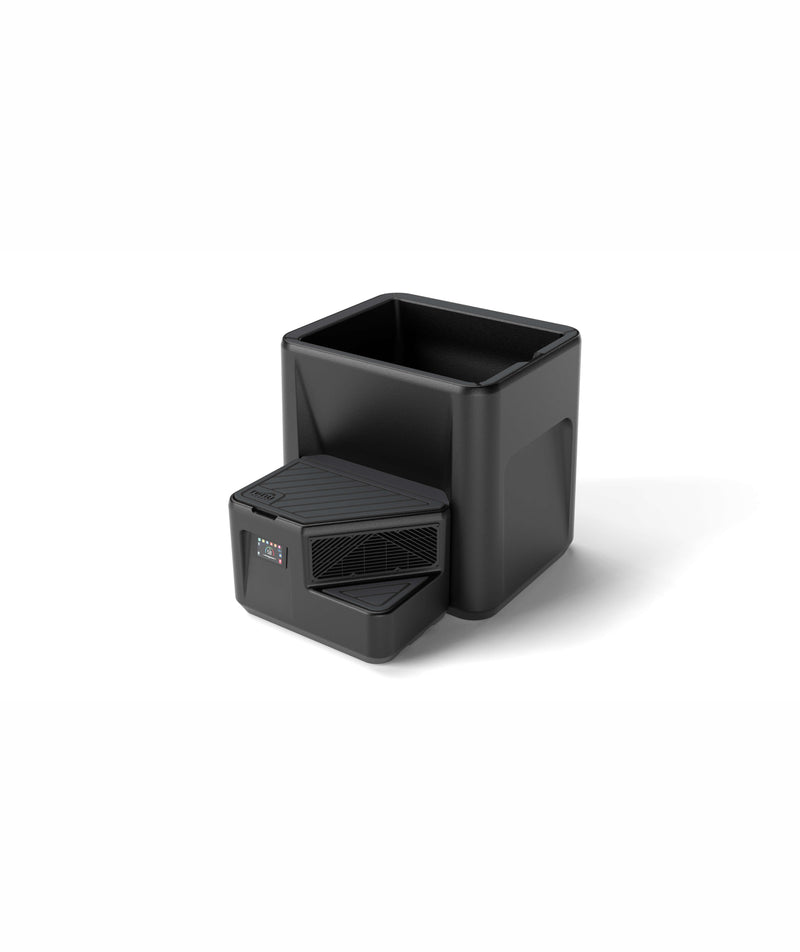
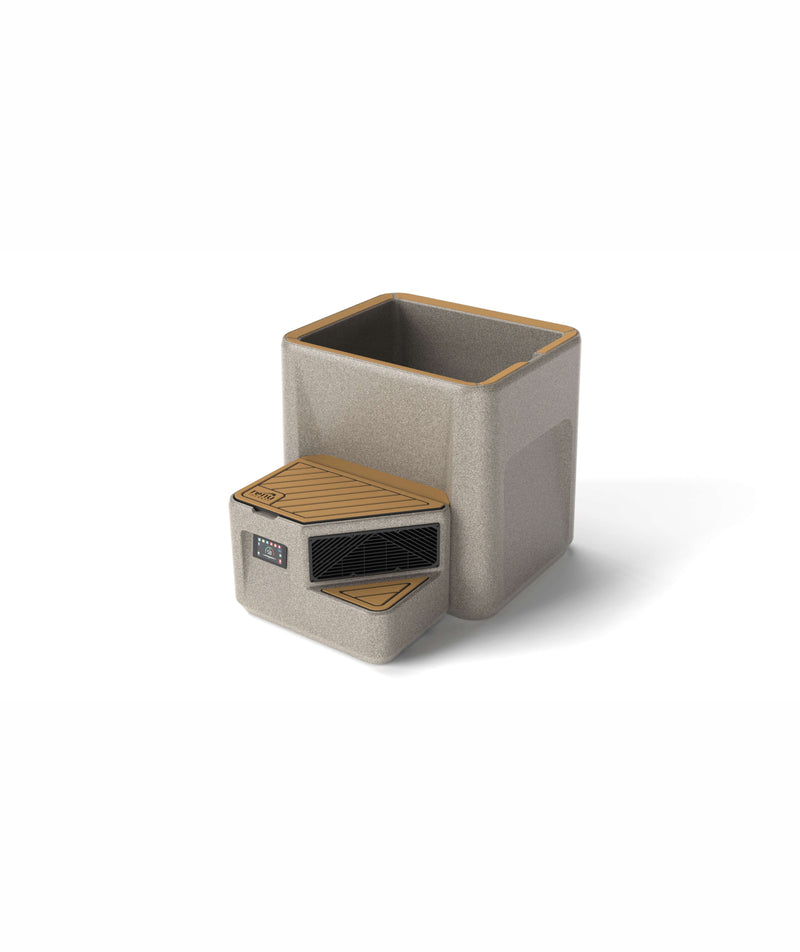
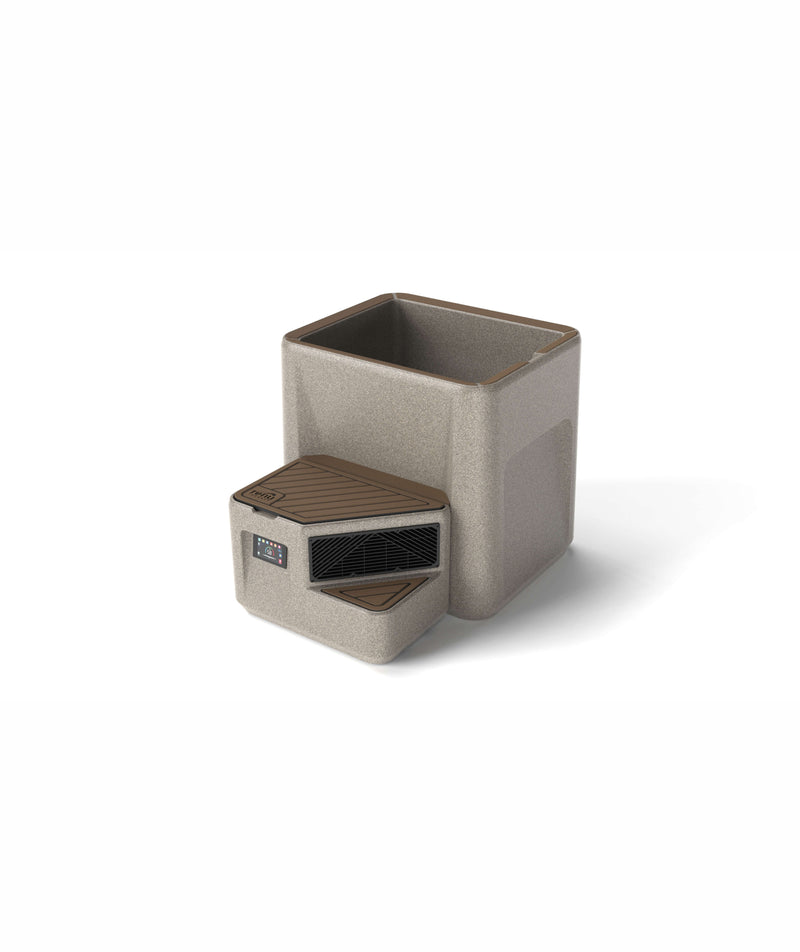
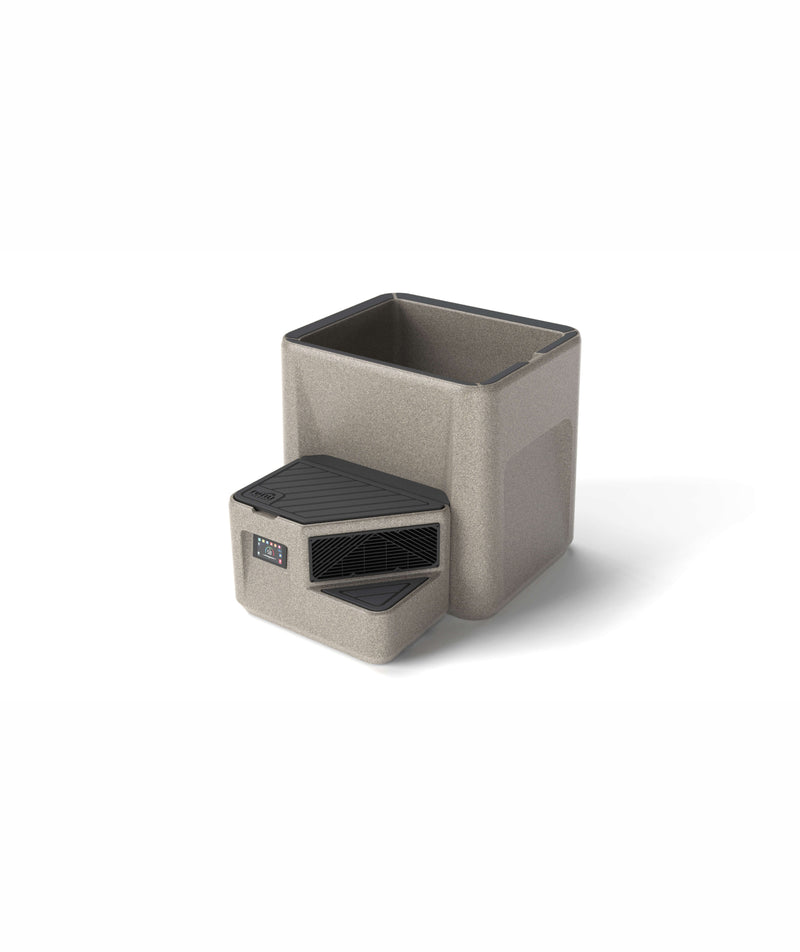
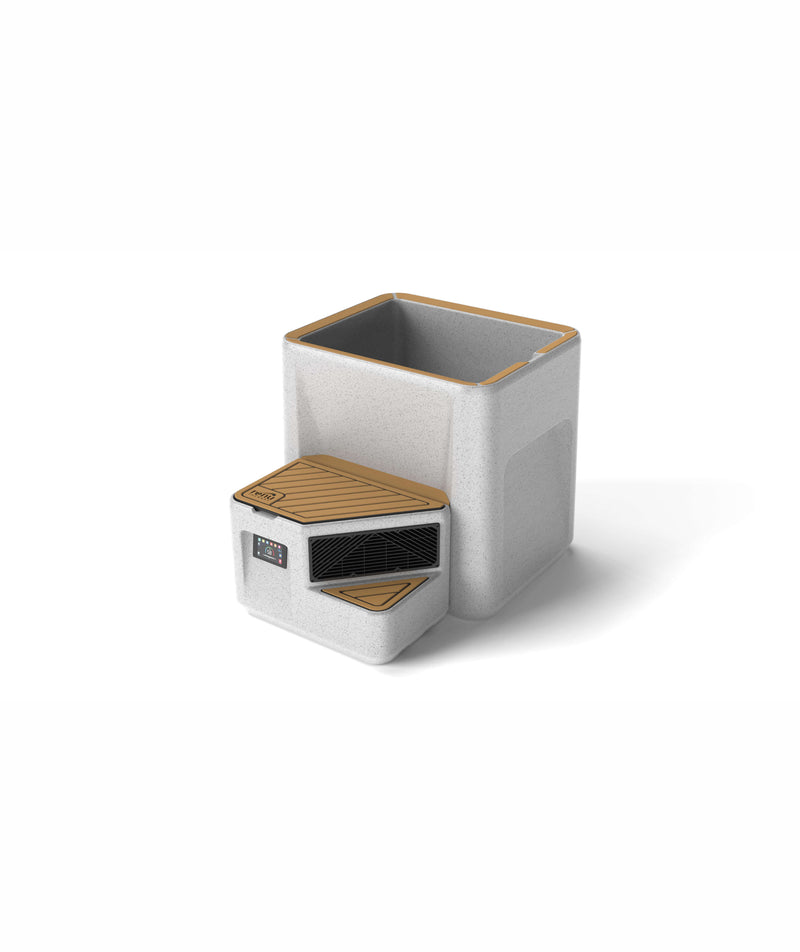
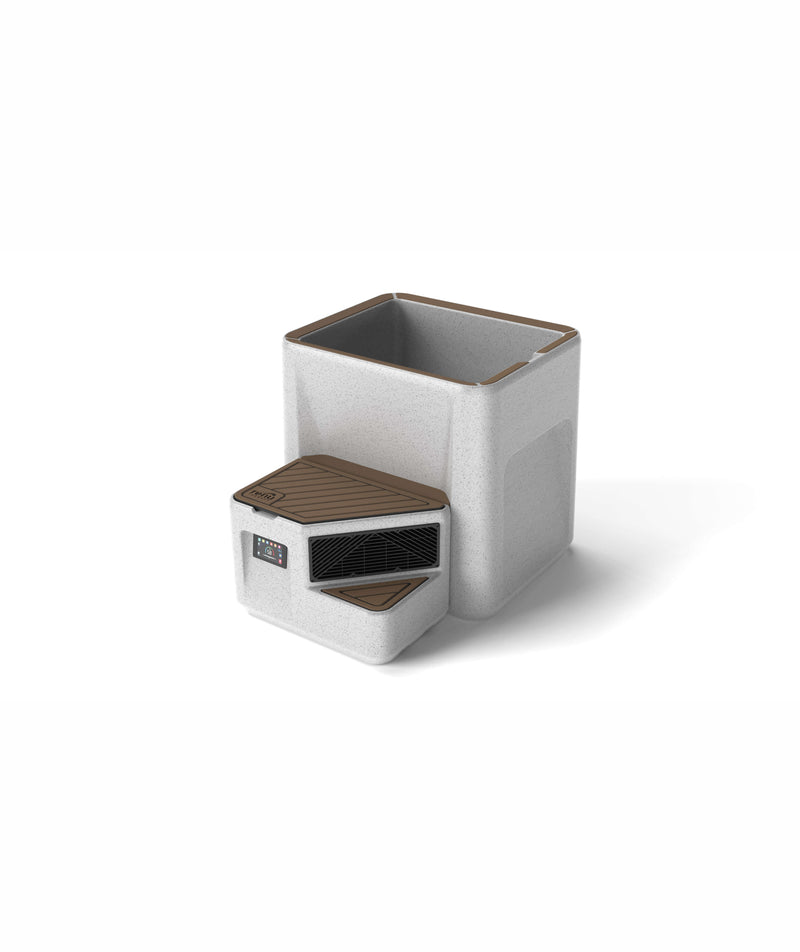
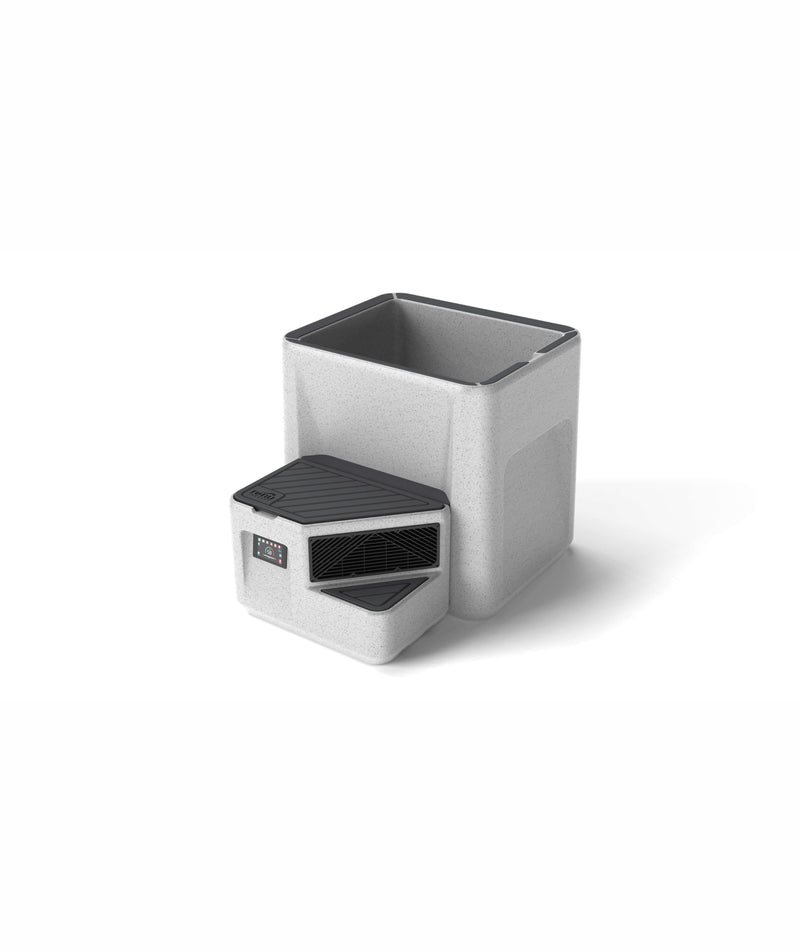
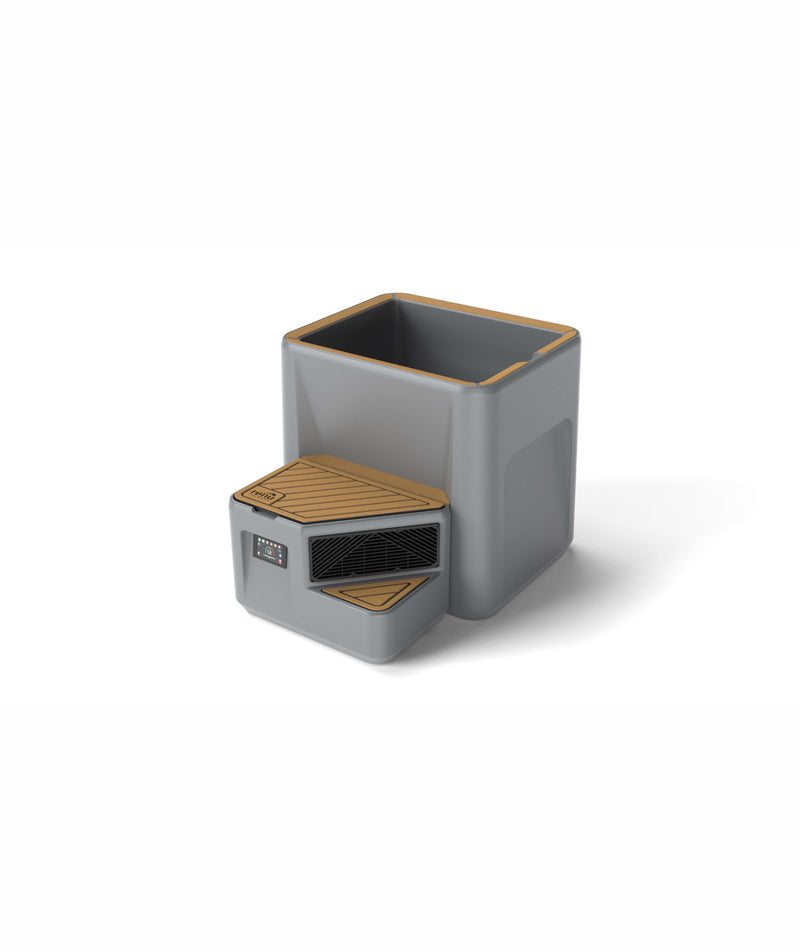
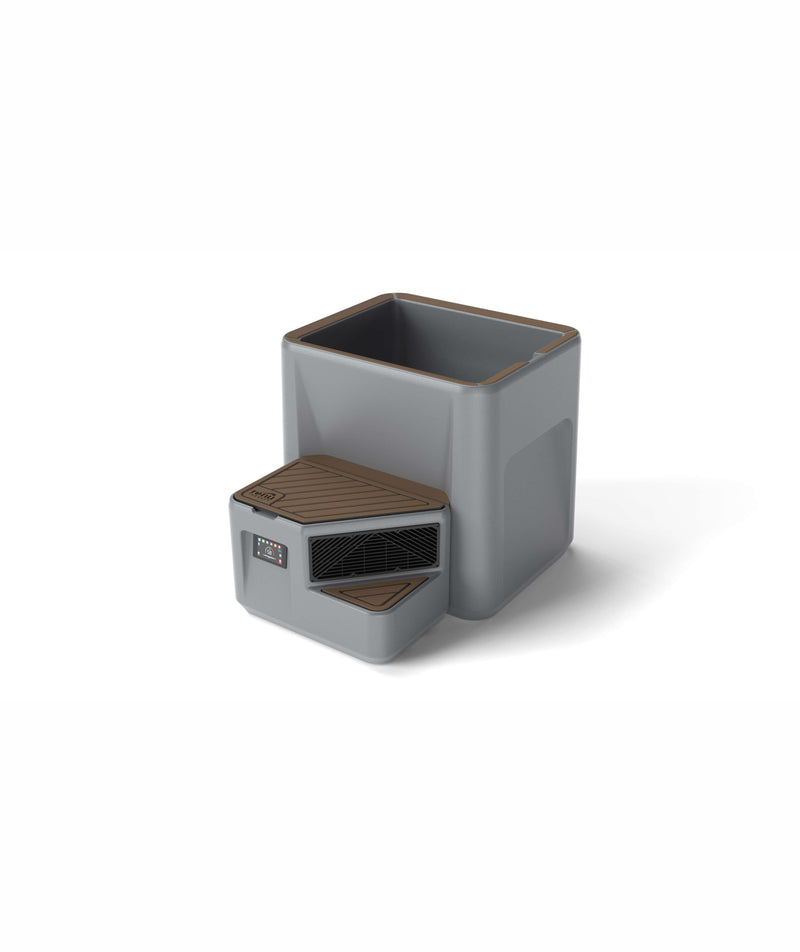
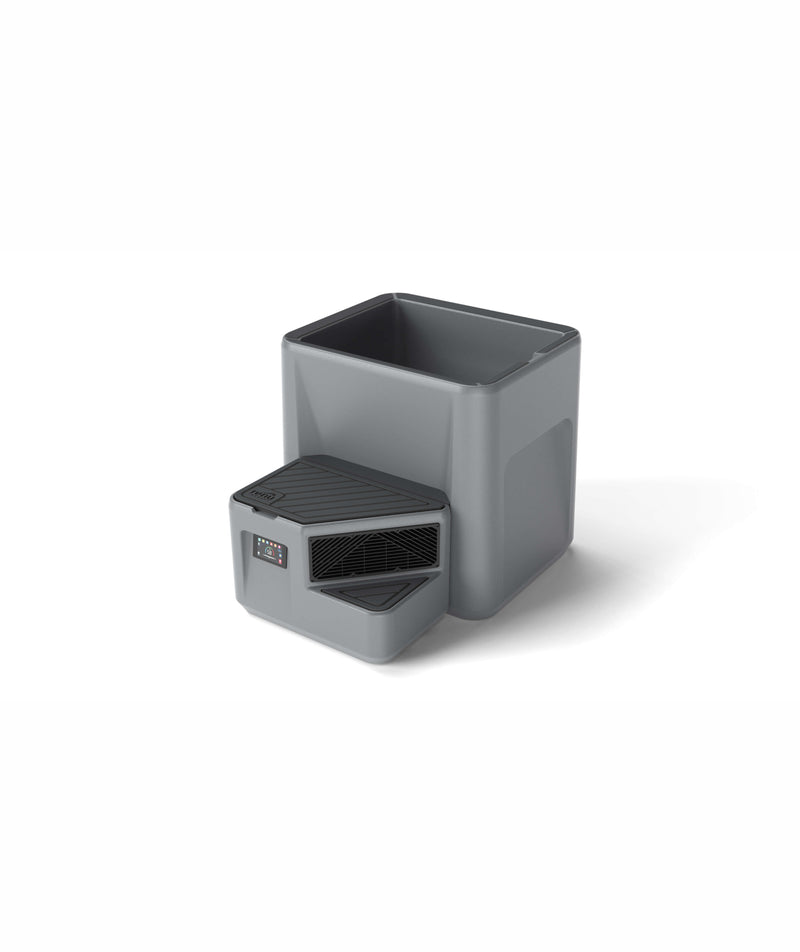
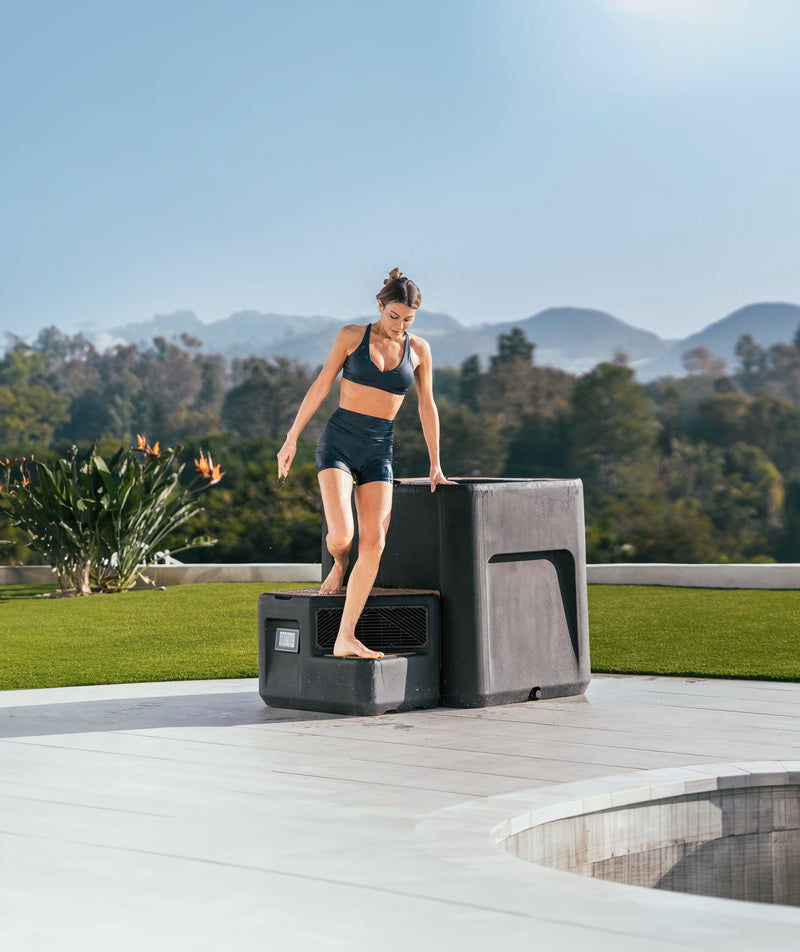
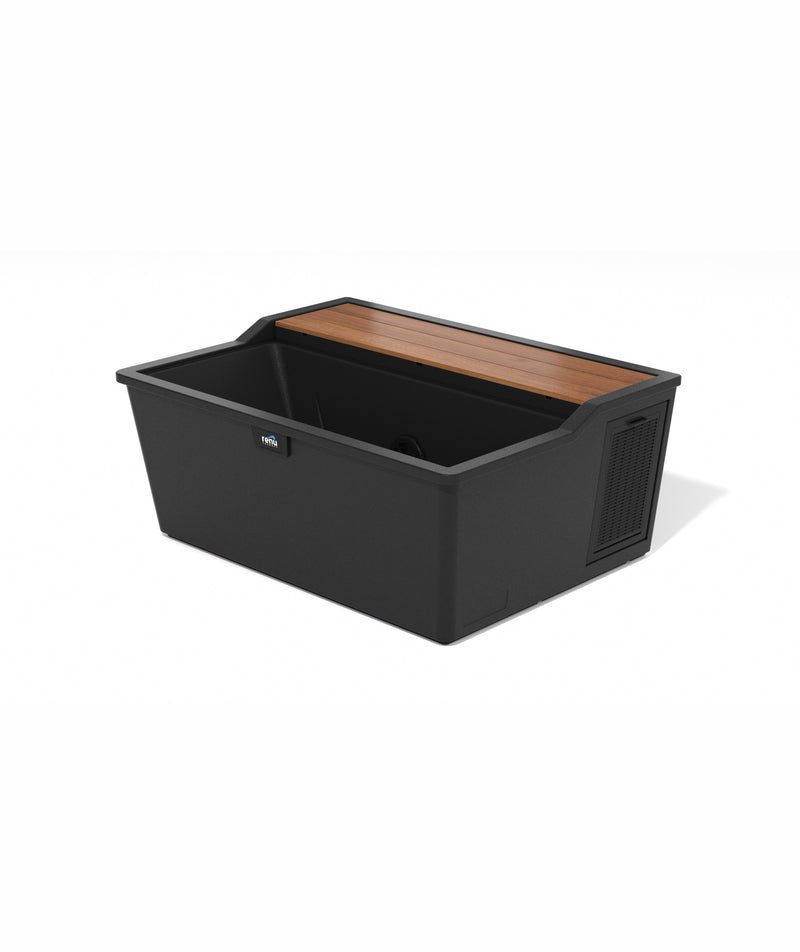
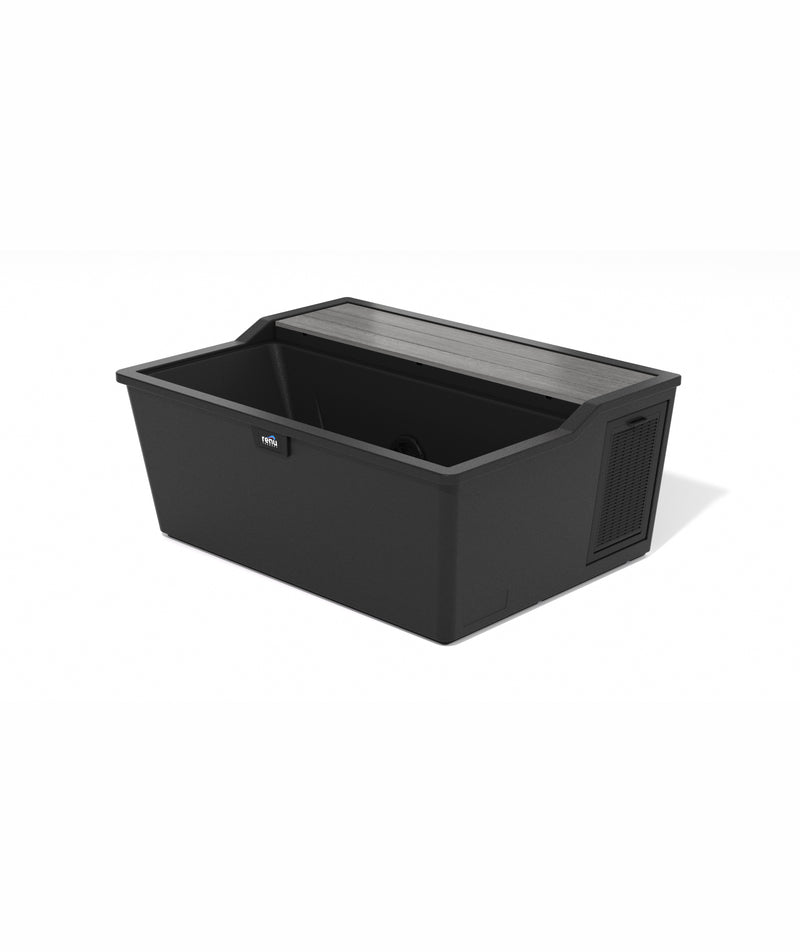
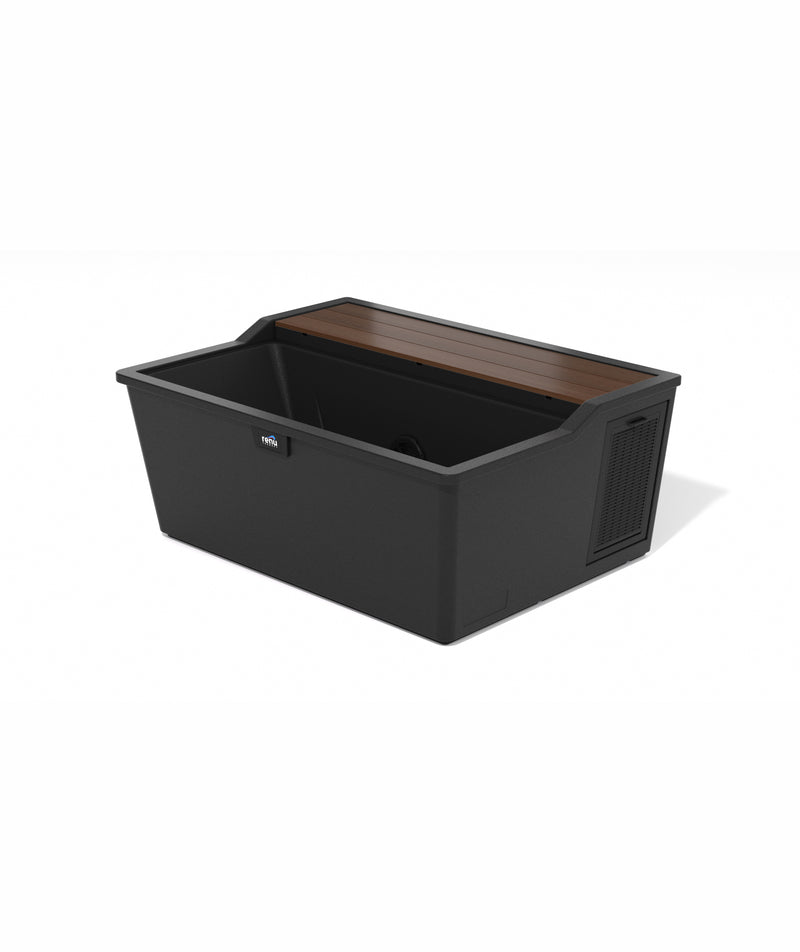
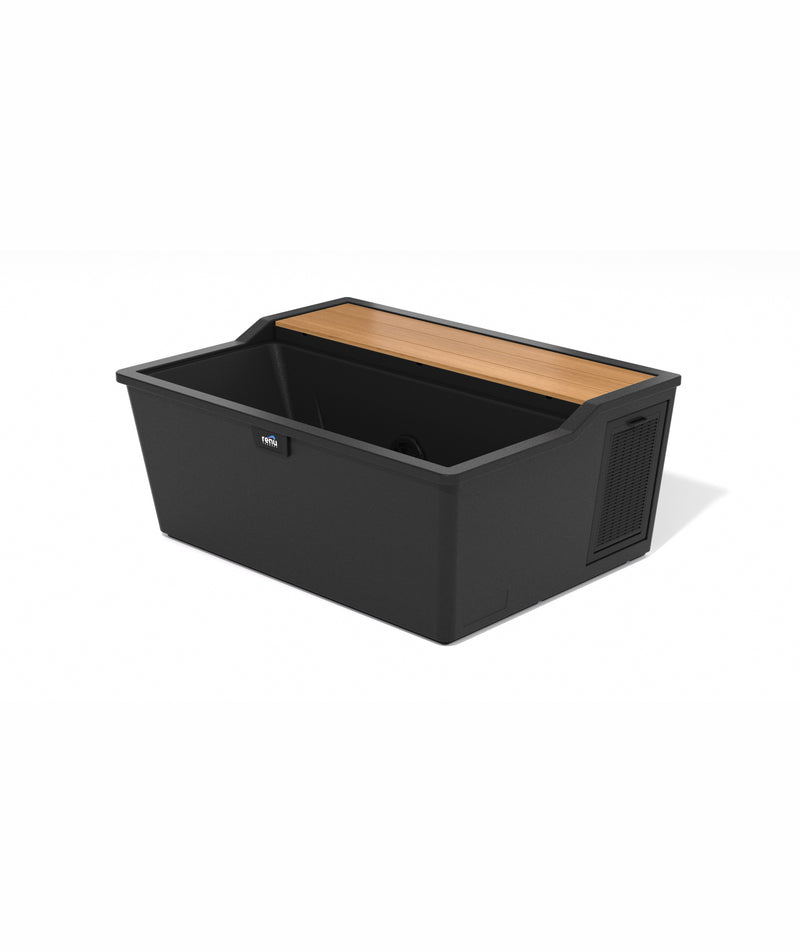
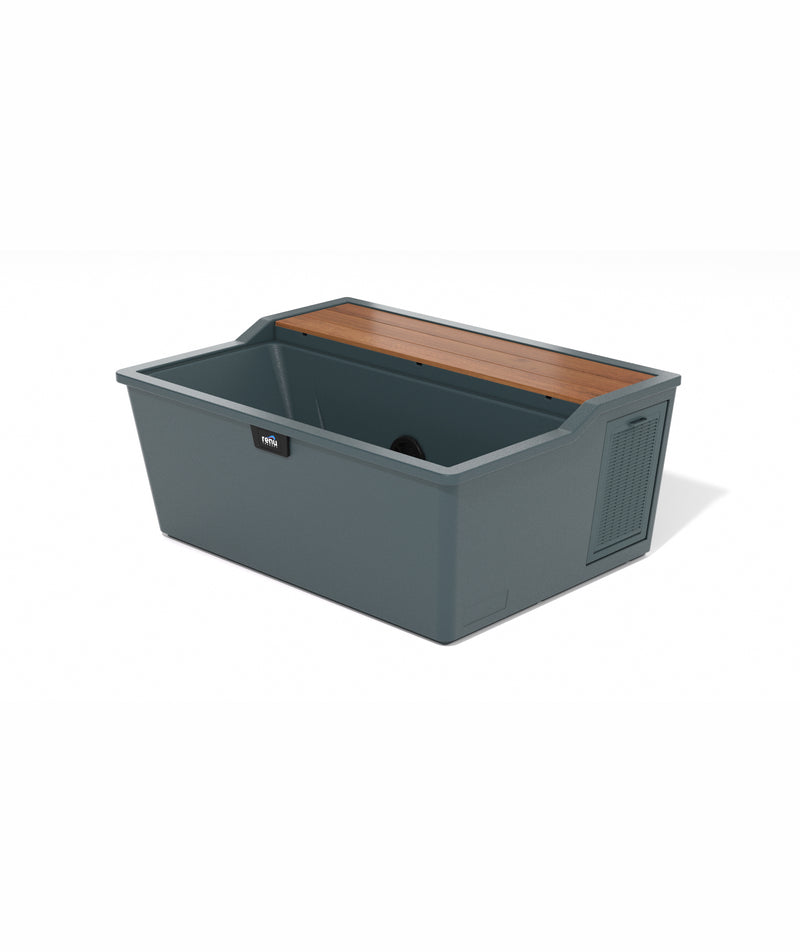
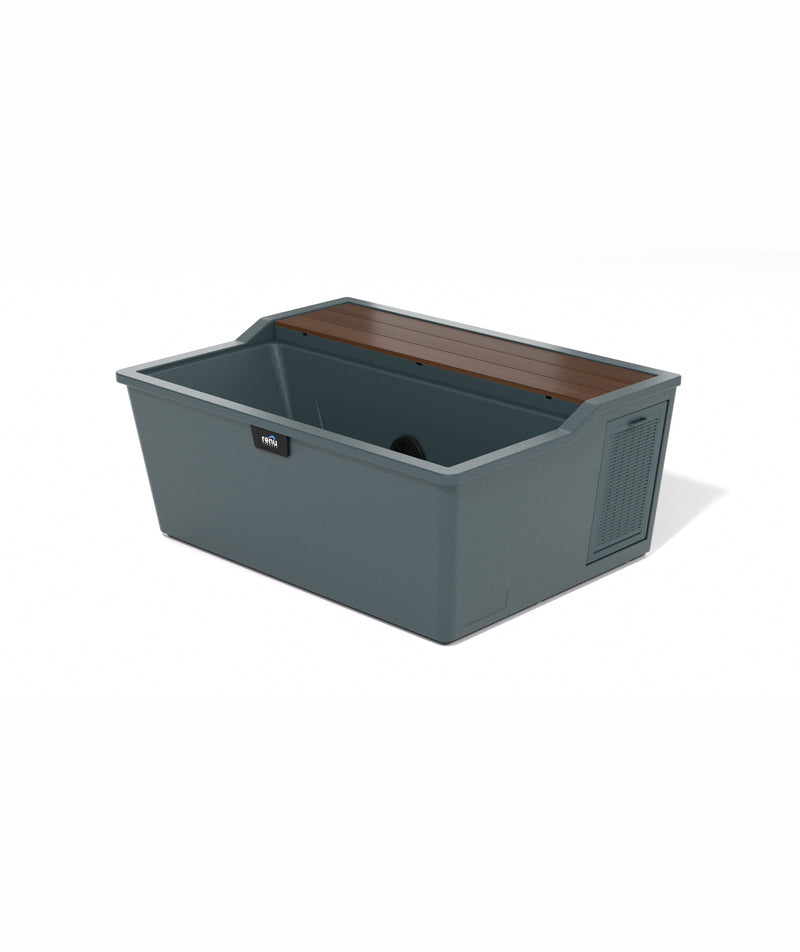
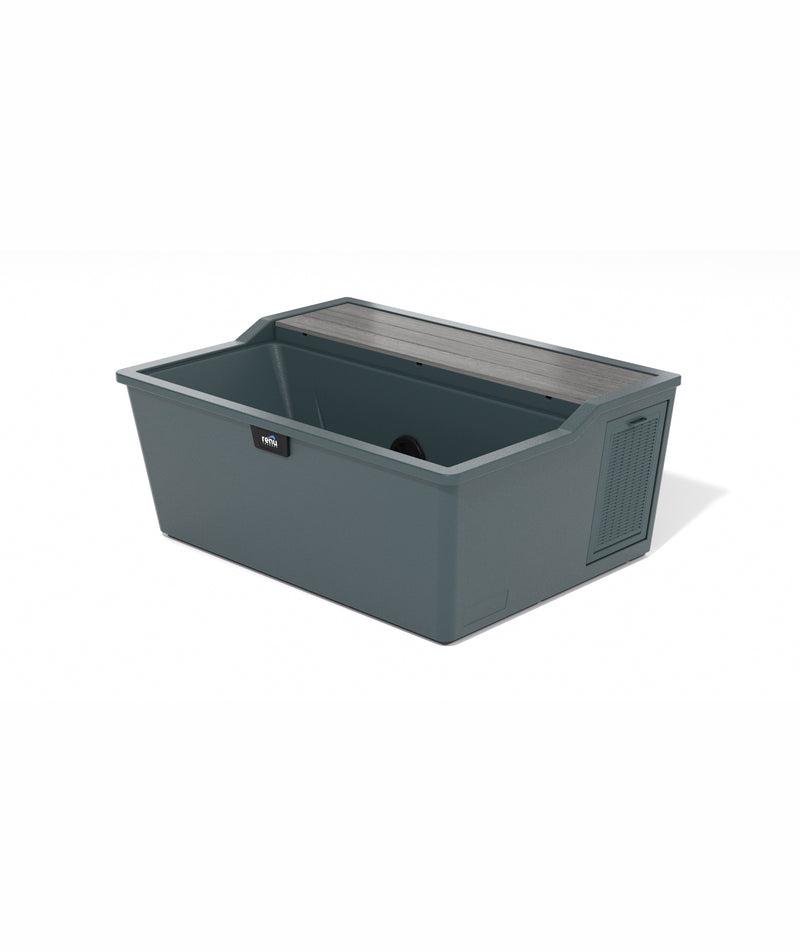
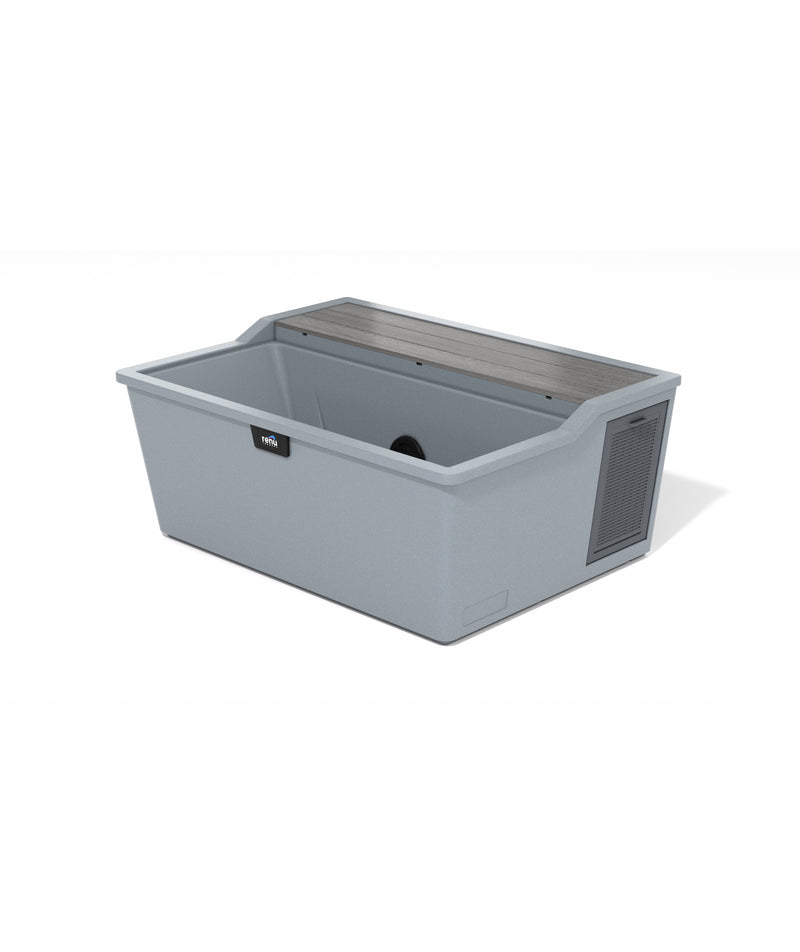
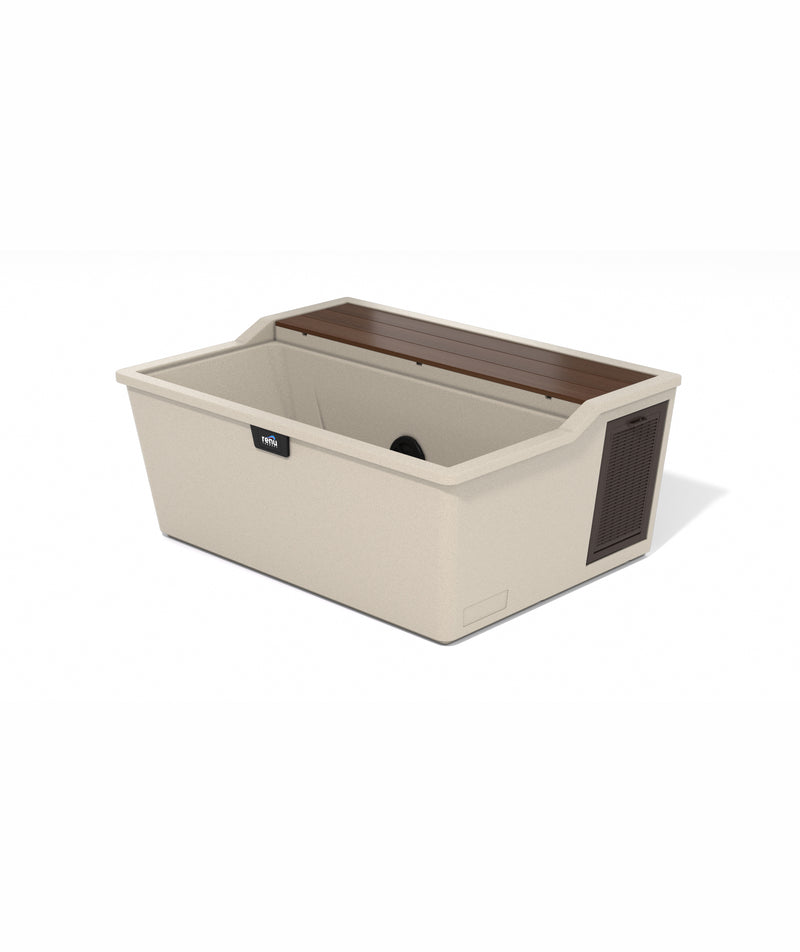
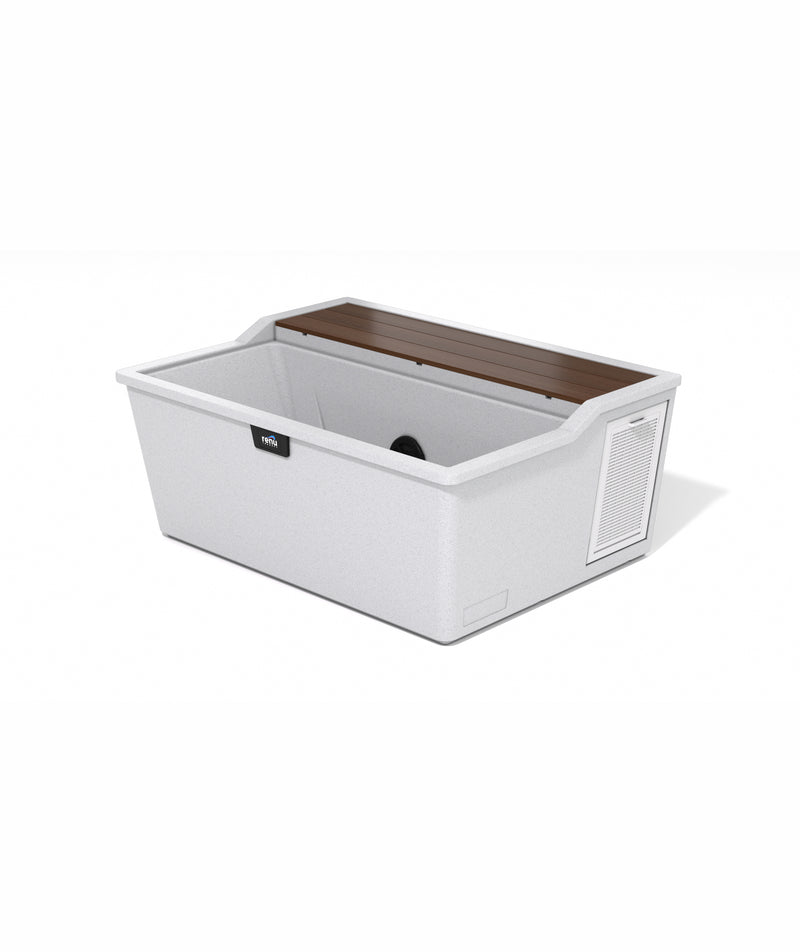
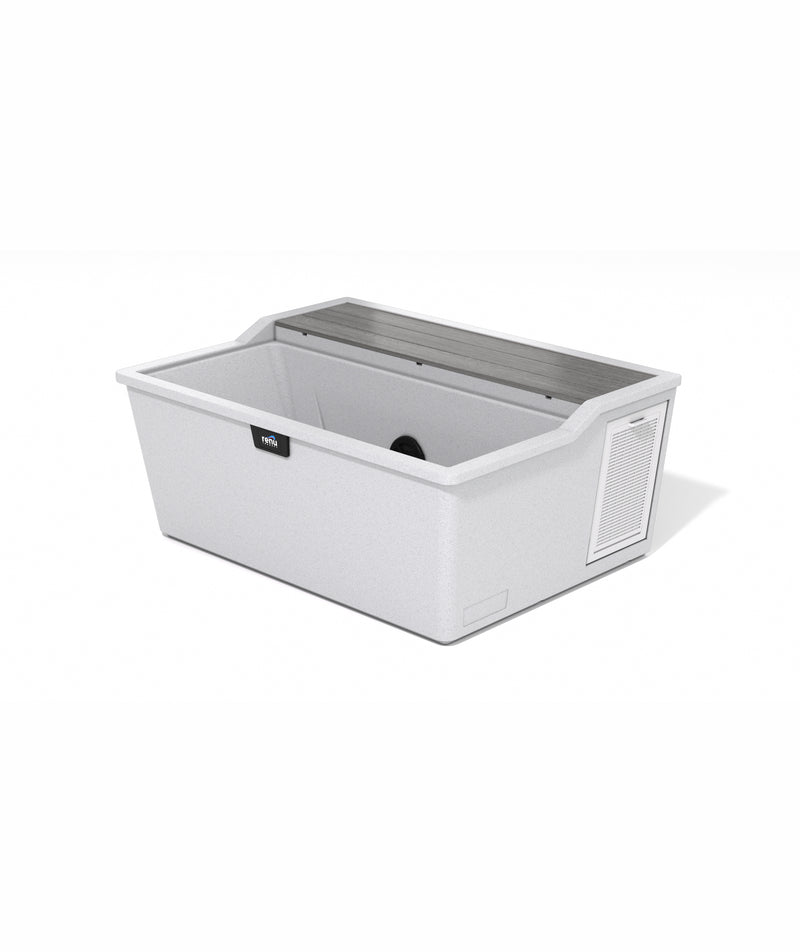
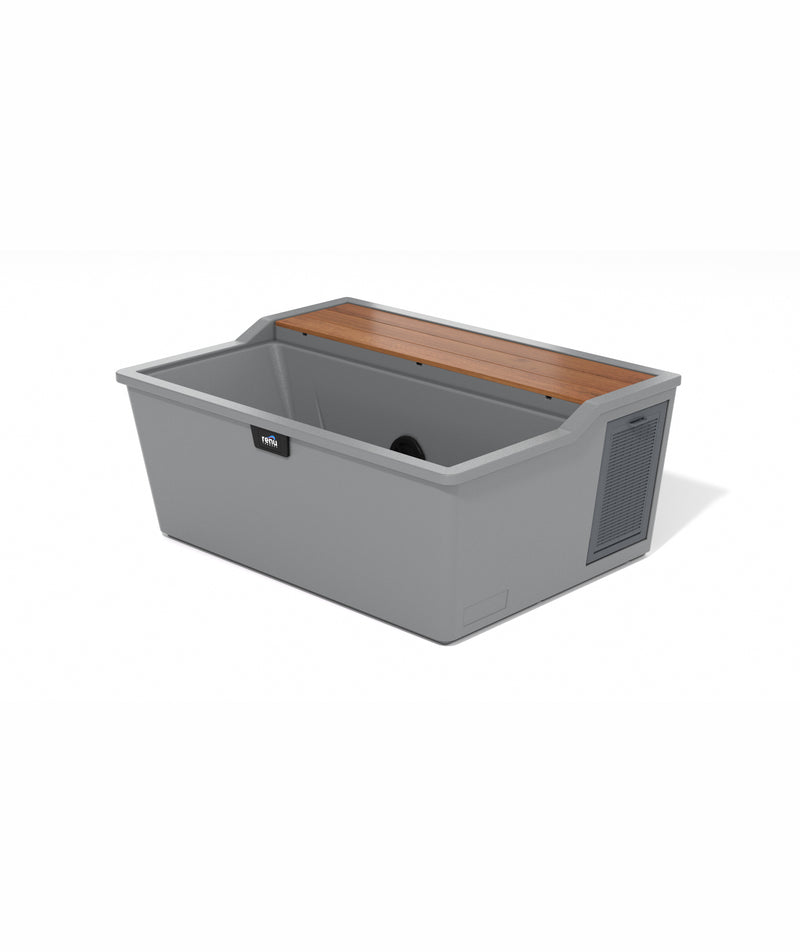
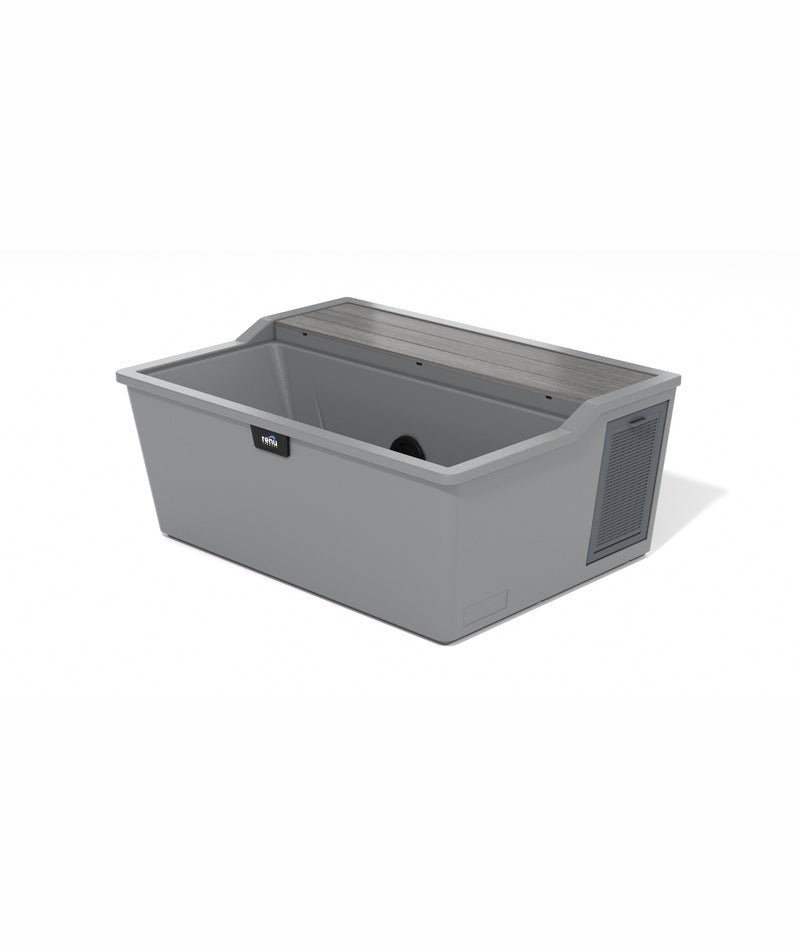
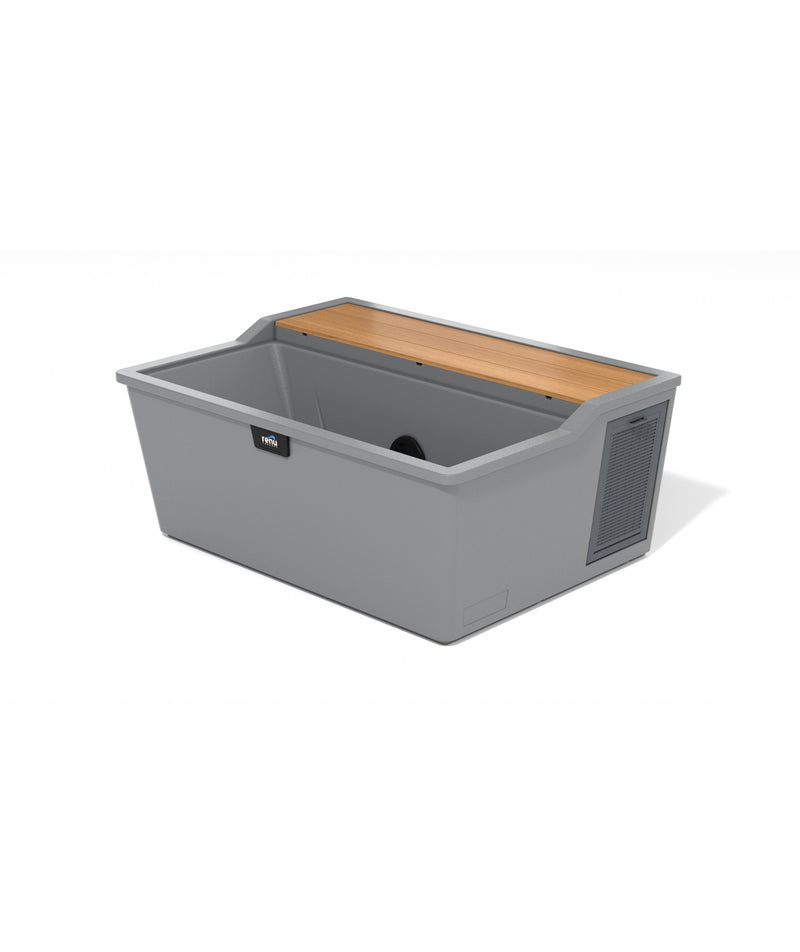
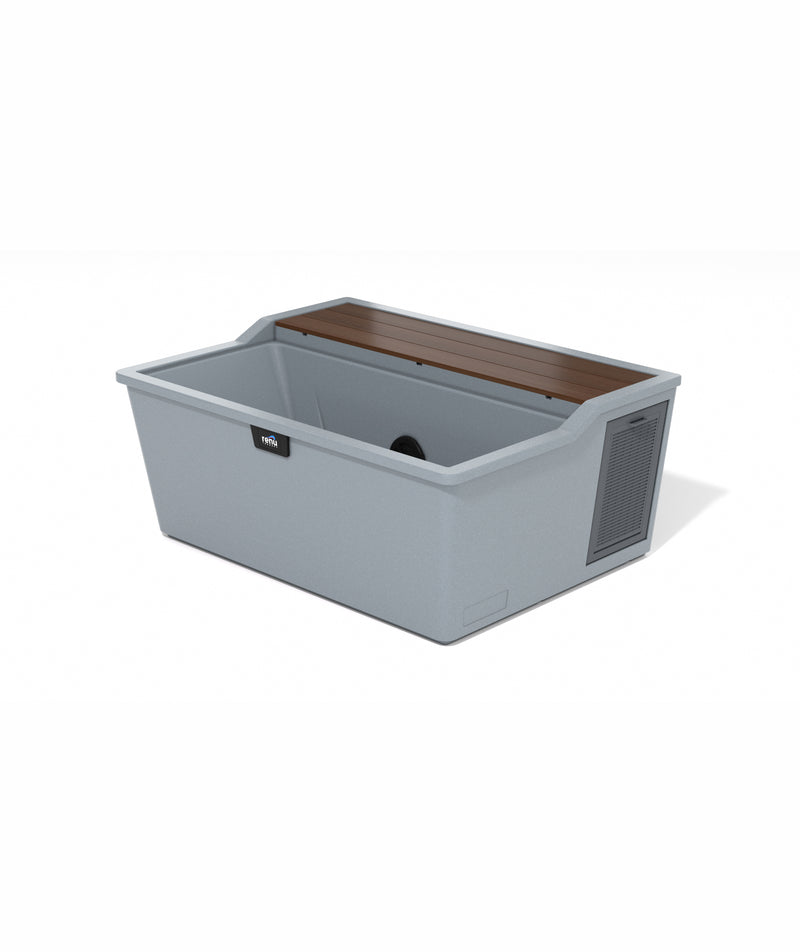
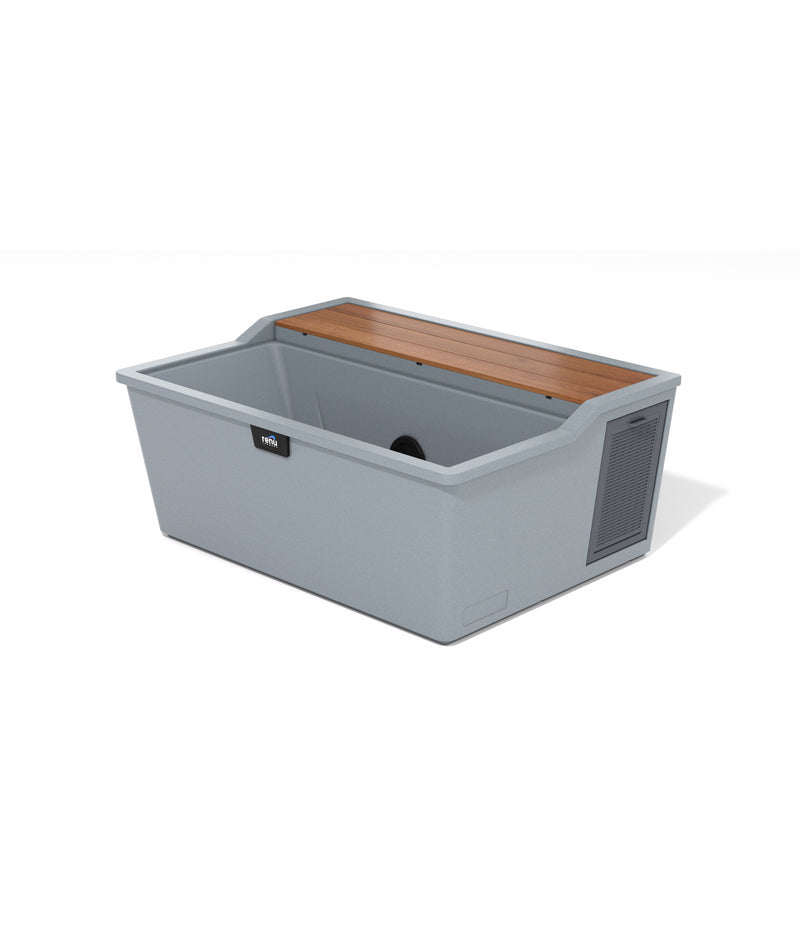
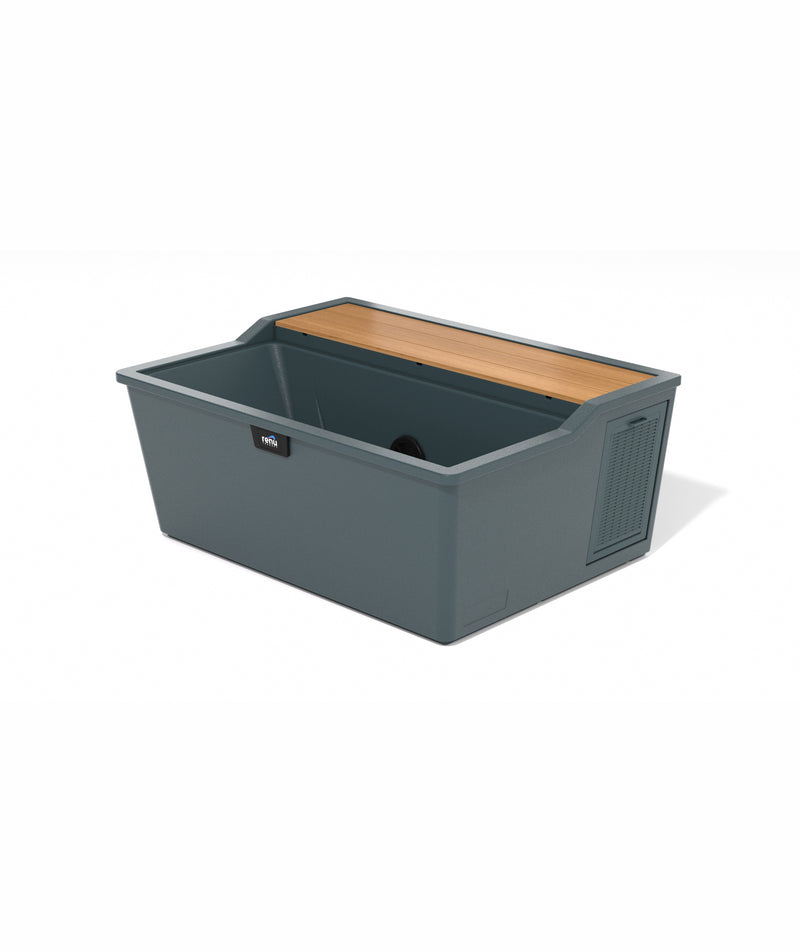
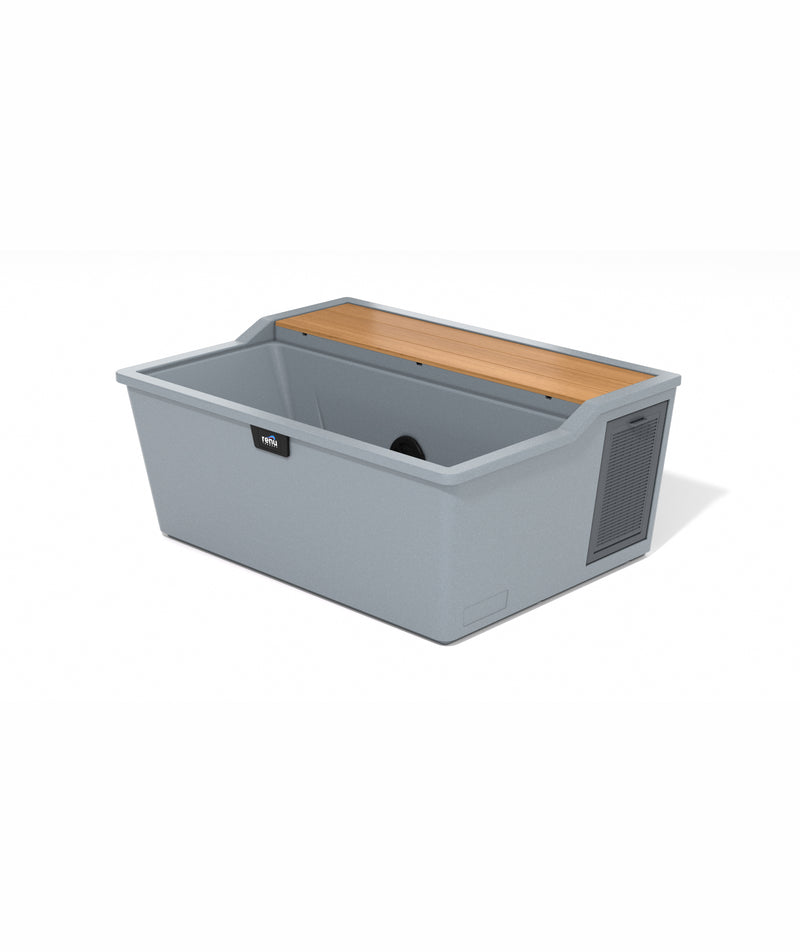
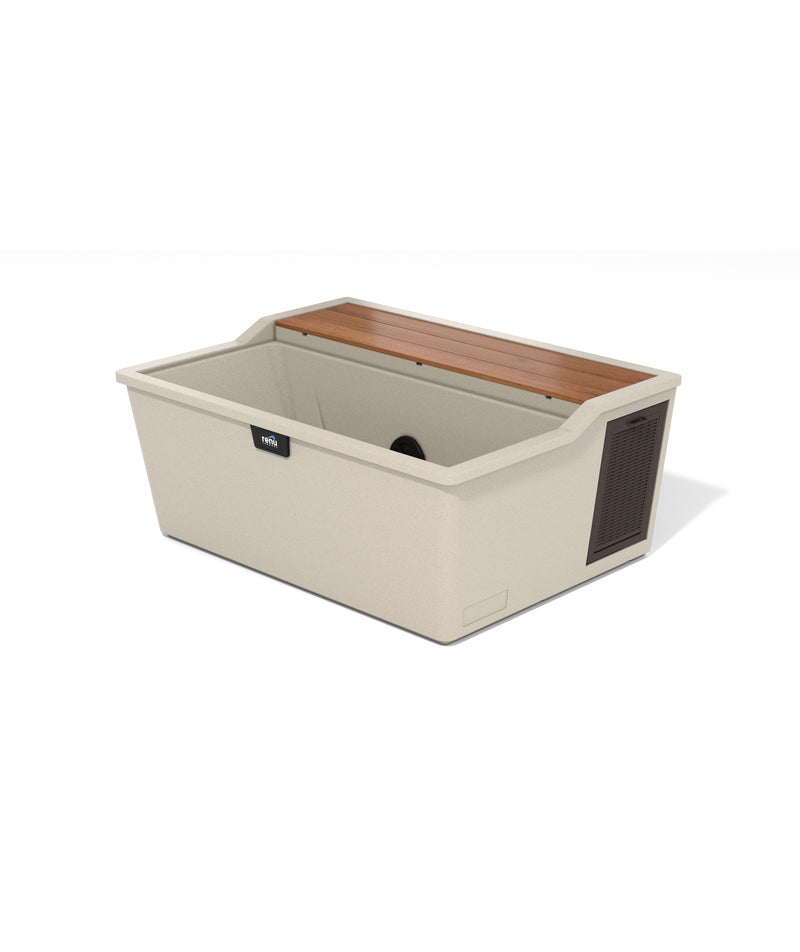
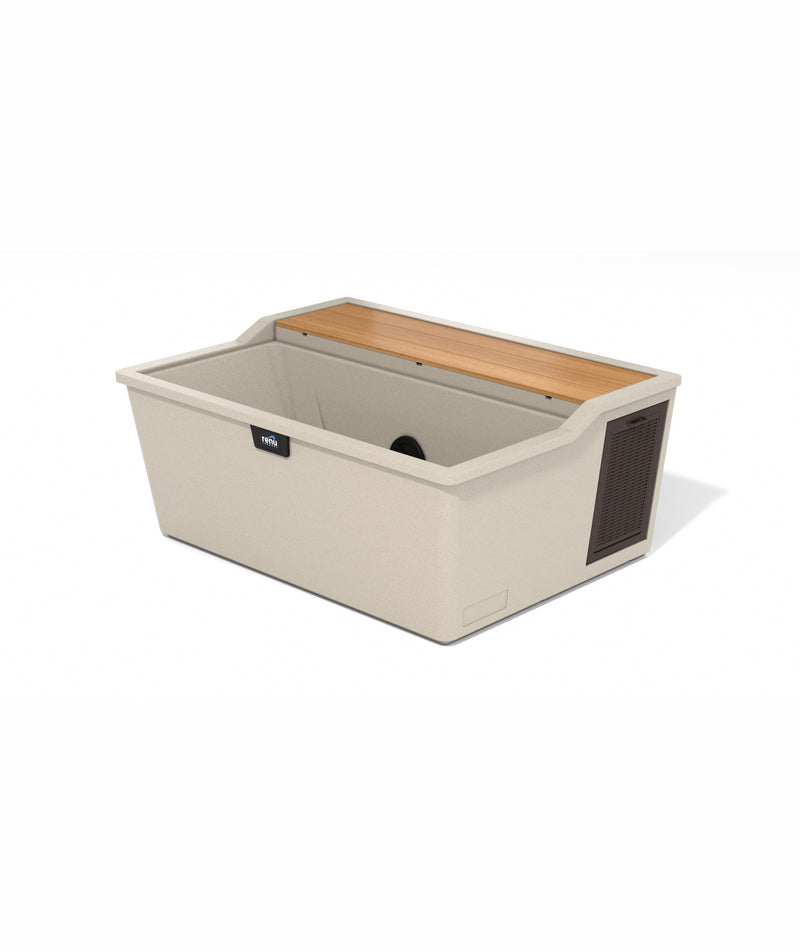
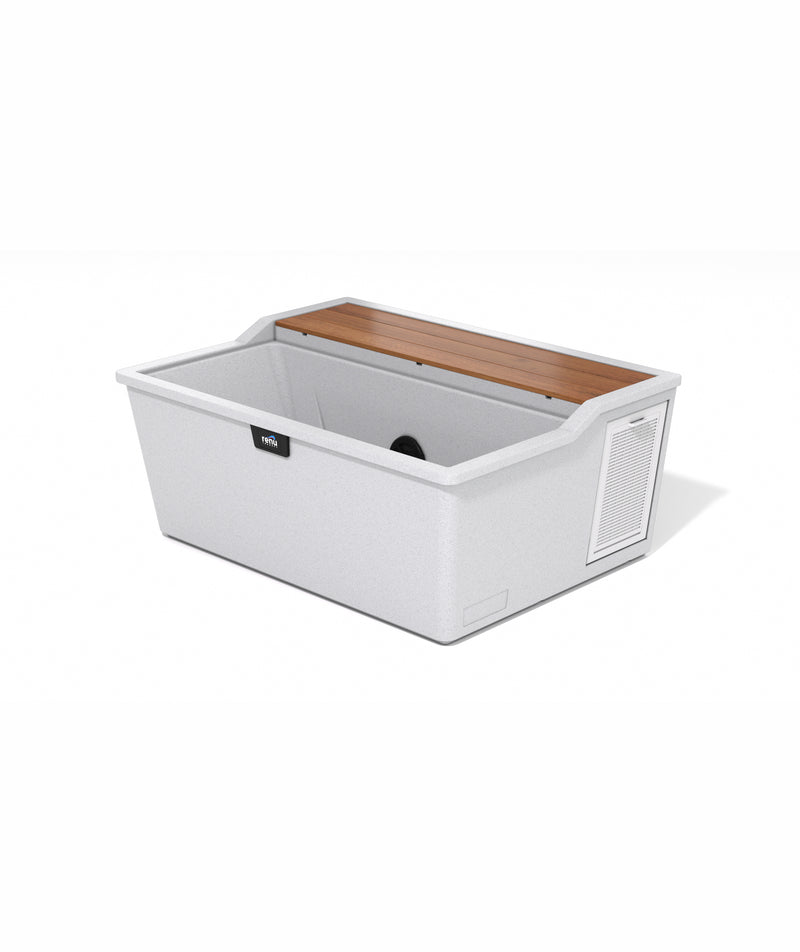
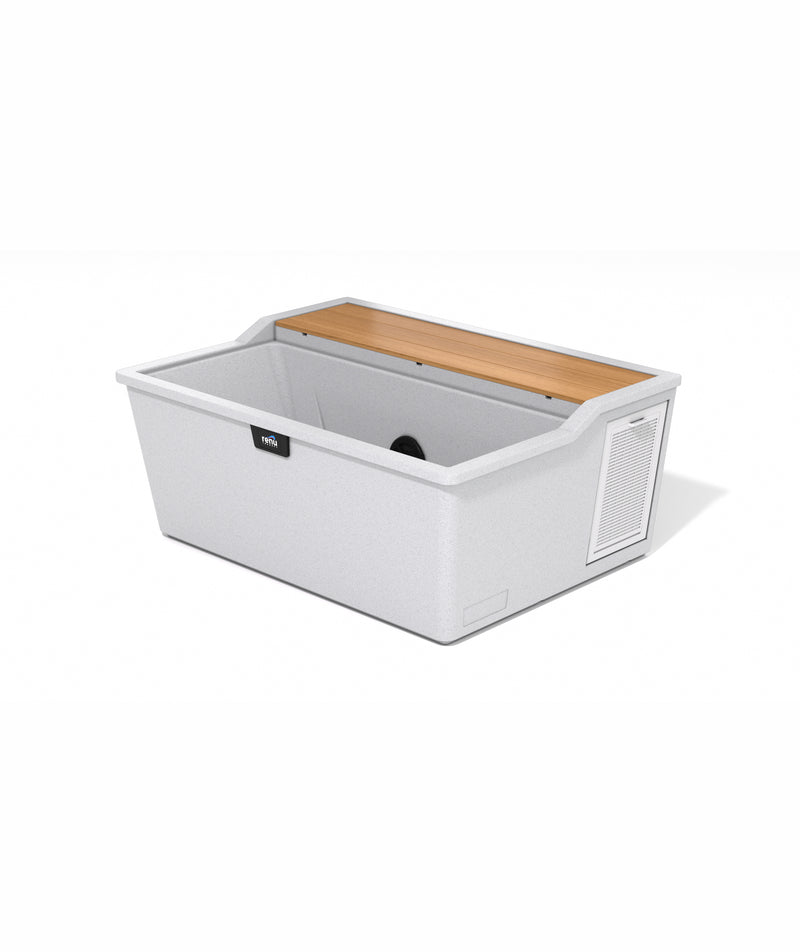
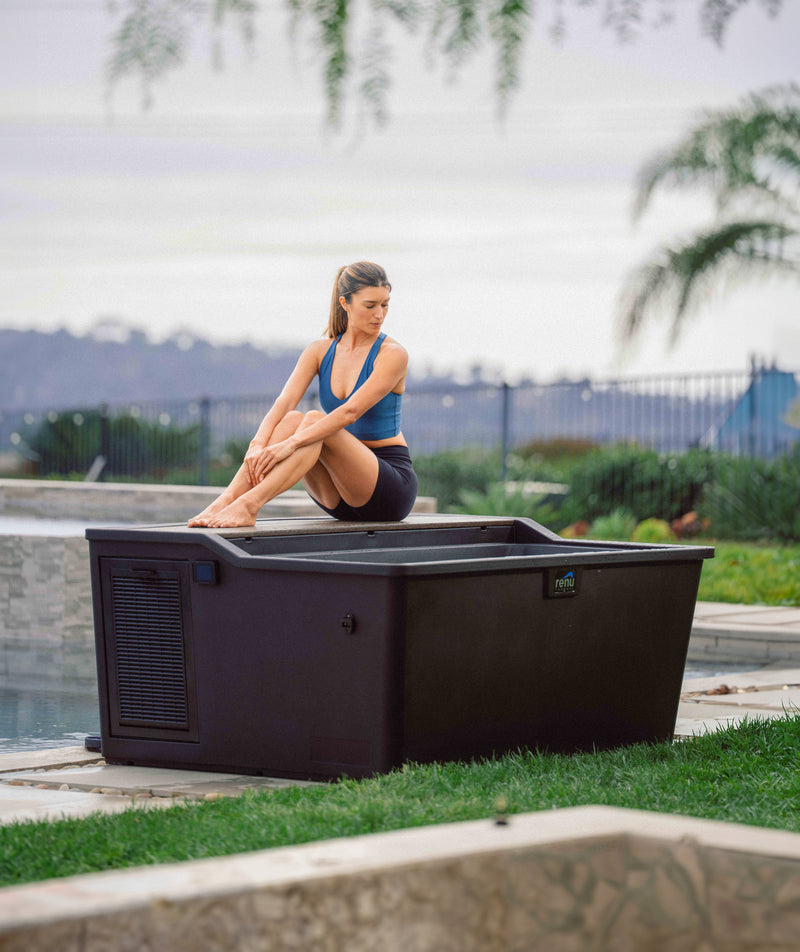
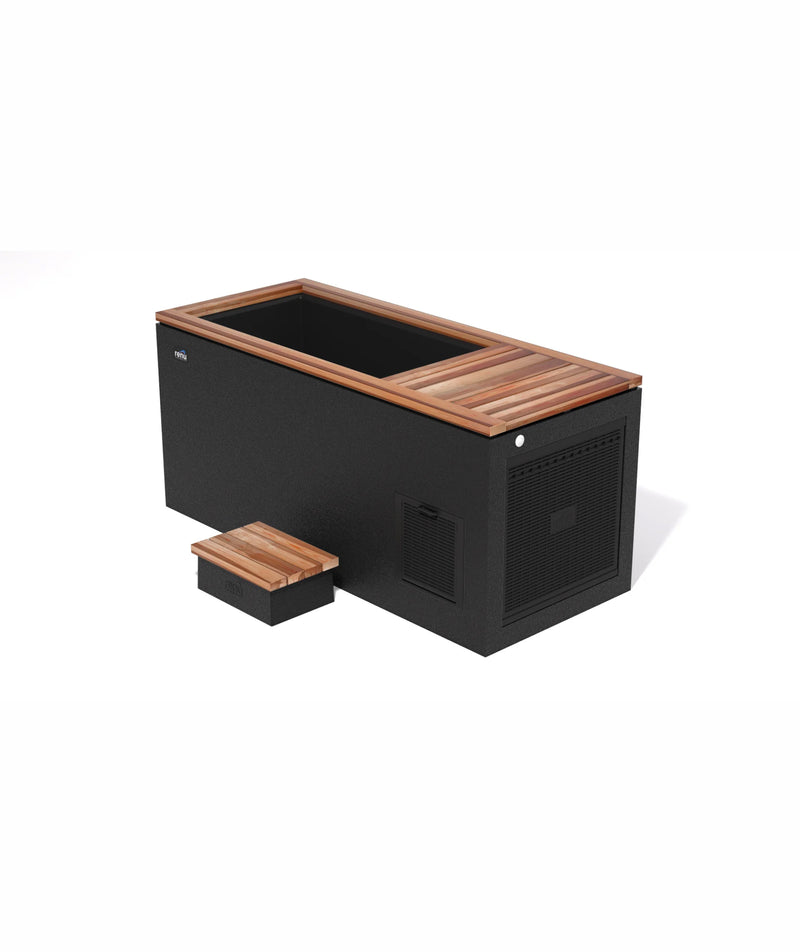
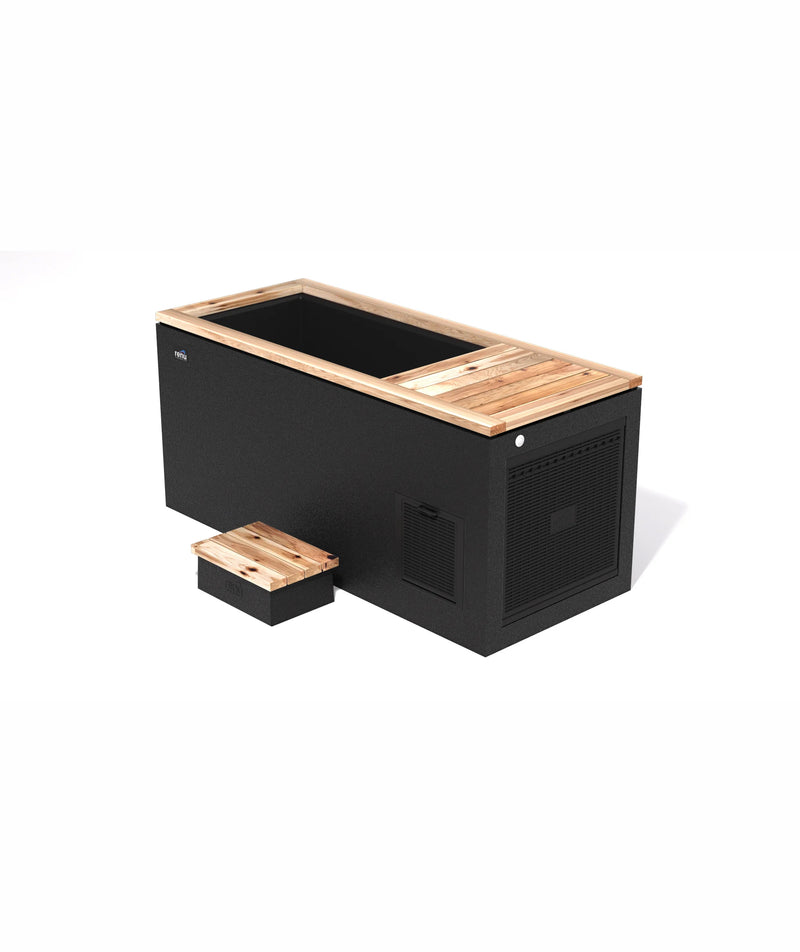
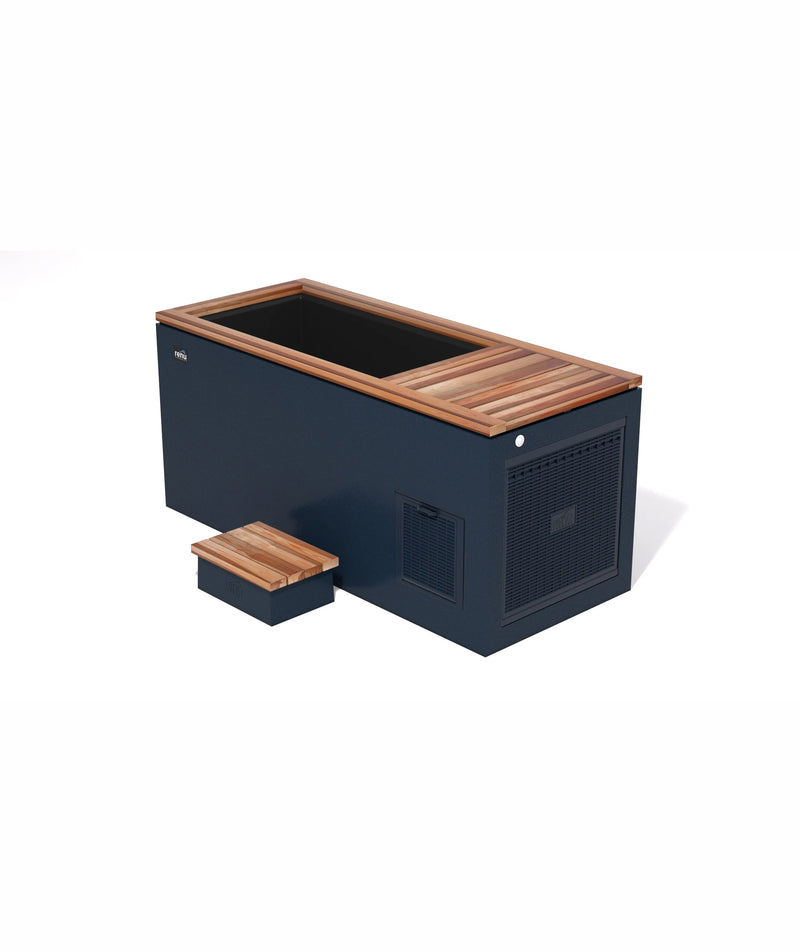
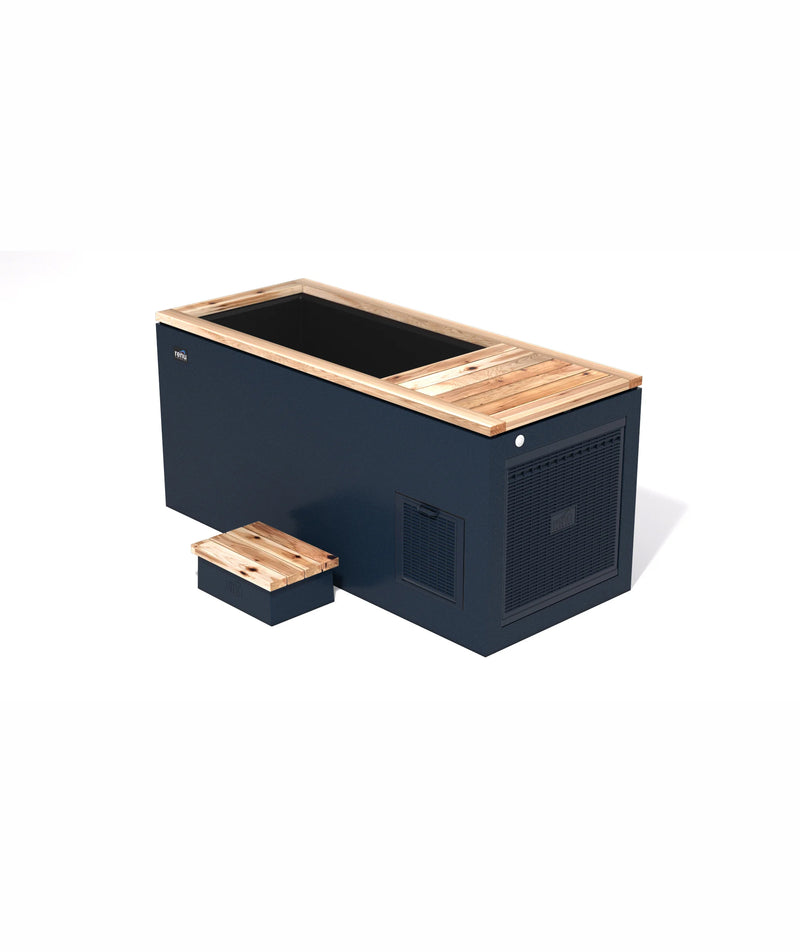
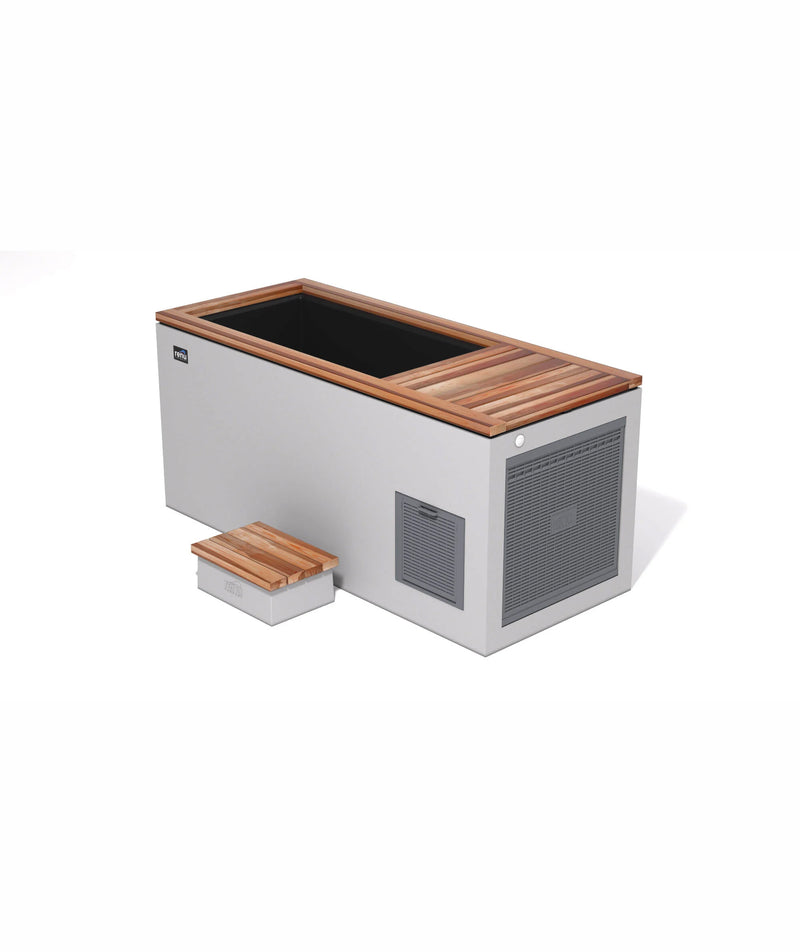
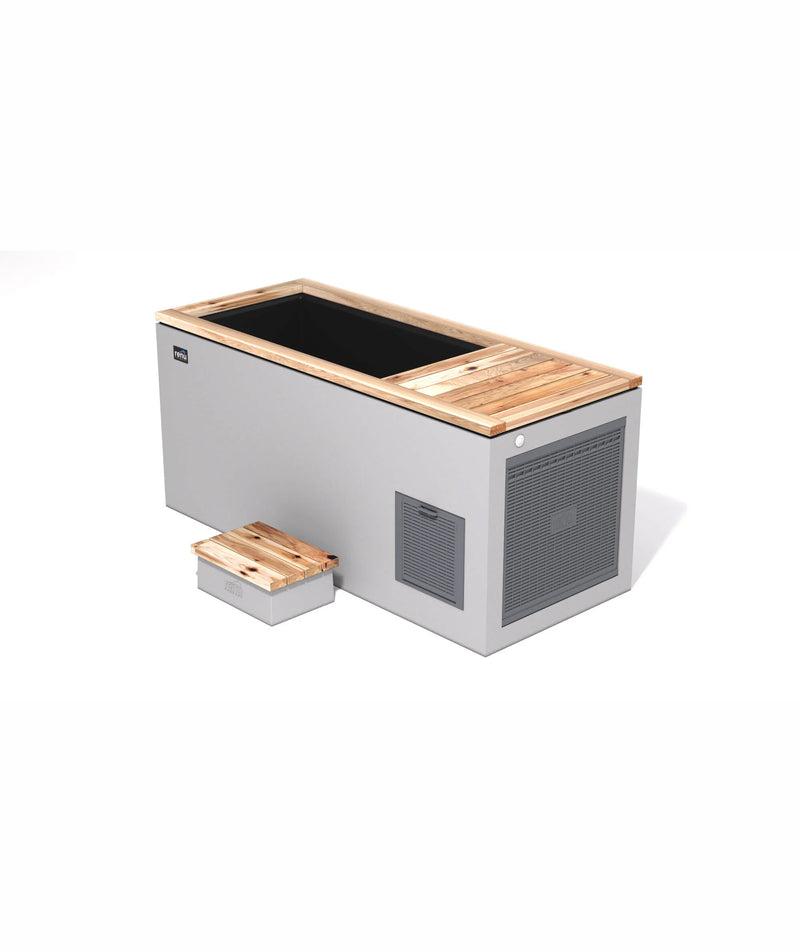
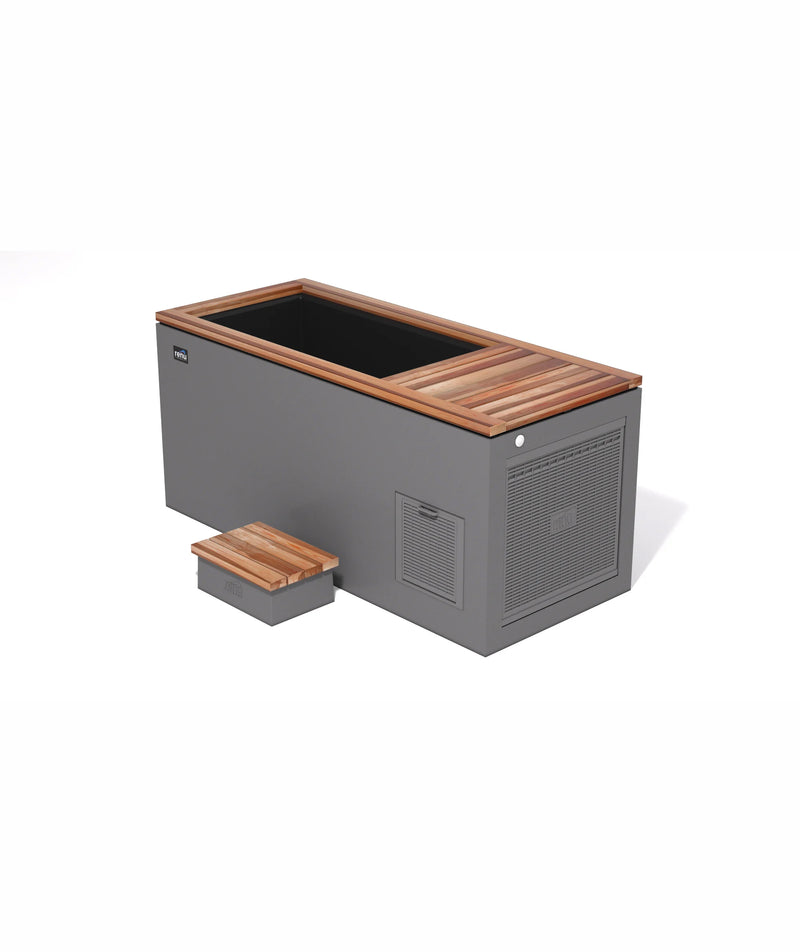
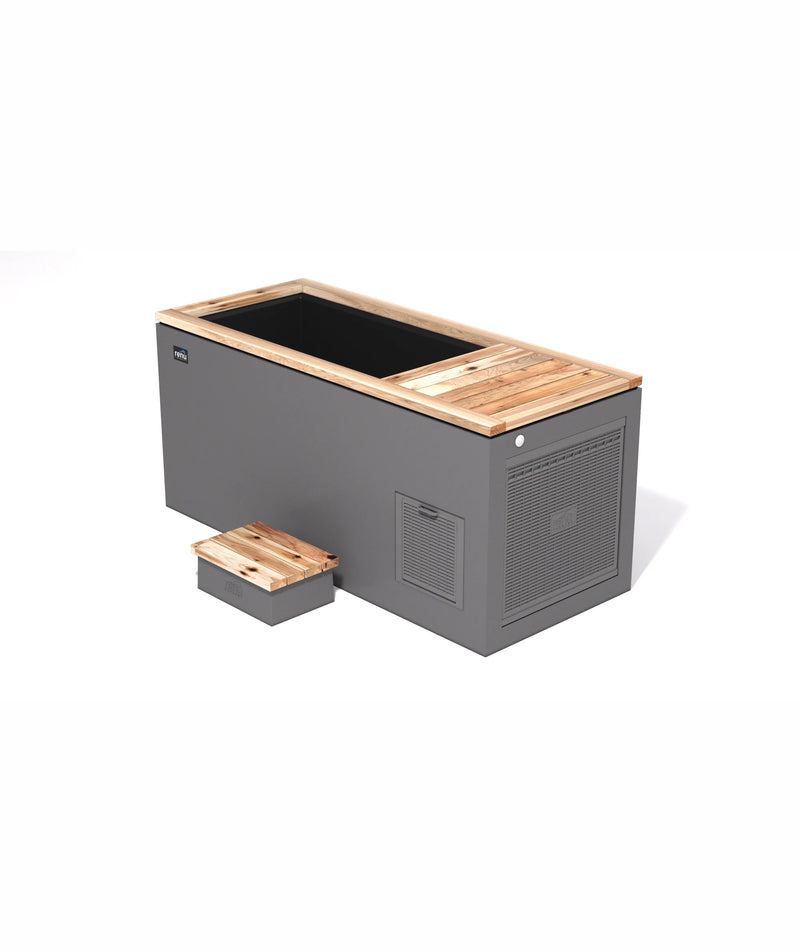
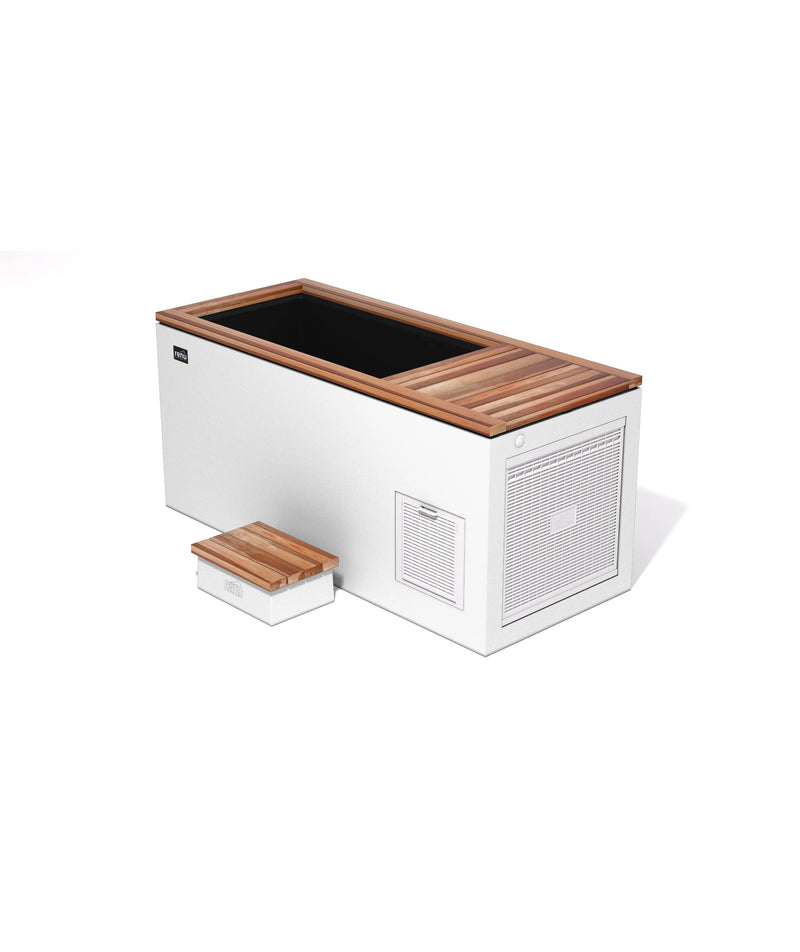
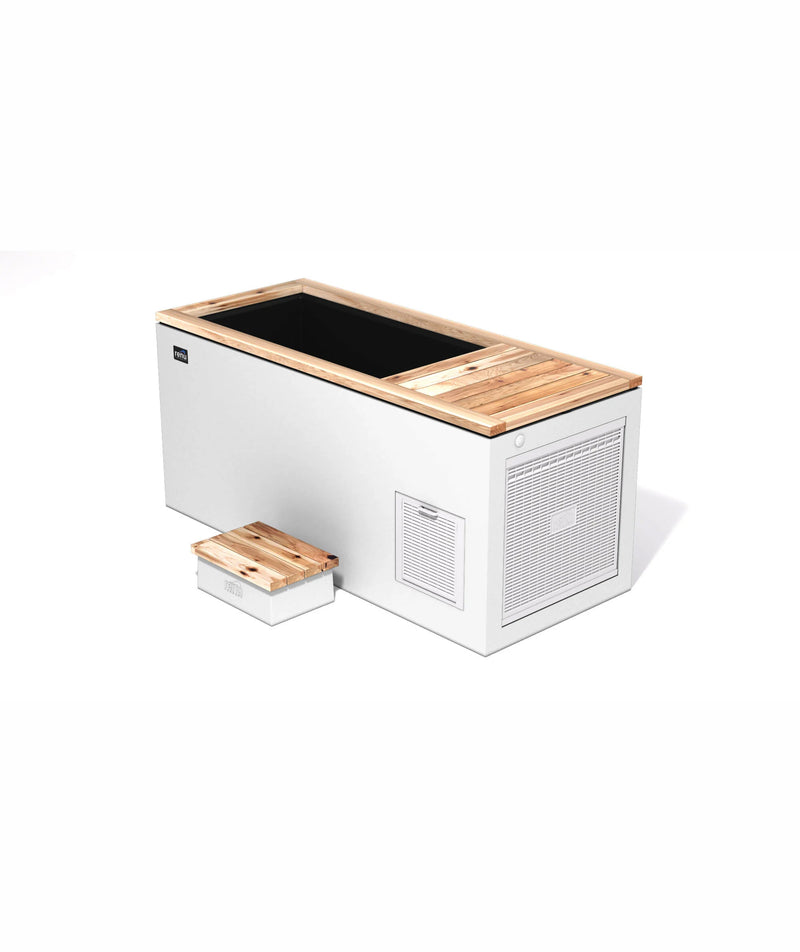
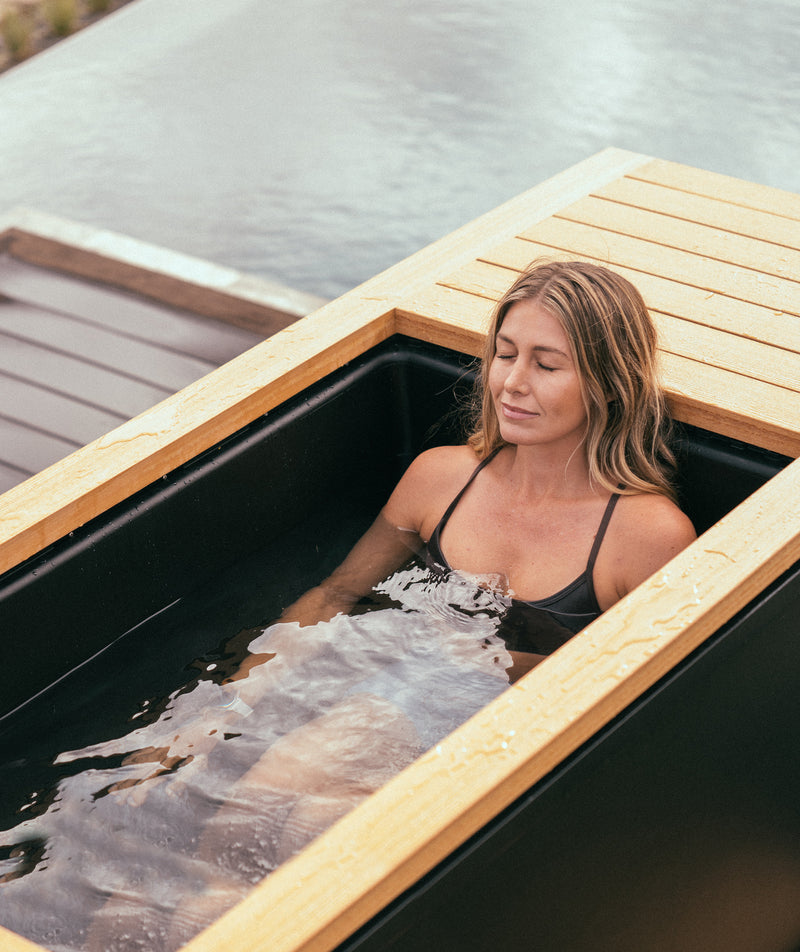
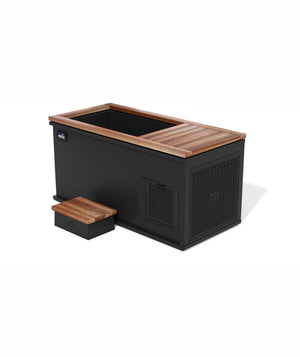
If you want to practice contrast therapy, RENU Therapy makes it simple and enjoyable! Our hot and cold plunge tubs are made 100% in the USA, which is how we can provide the best warranty on the market.
We strive for 100% customer satisfaction with every hydrotherapy tub we sell! What's more, our world-class designs will add beauty to your home or office. Contact RENU today to start your contrast therapy routine at home!