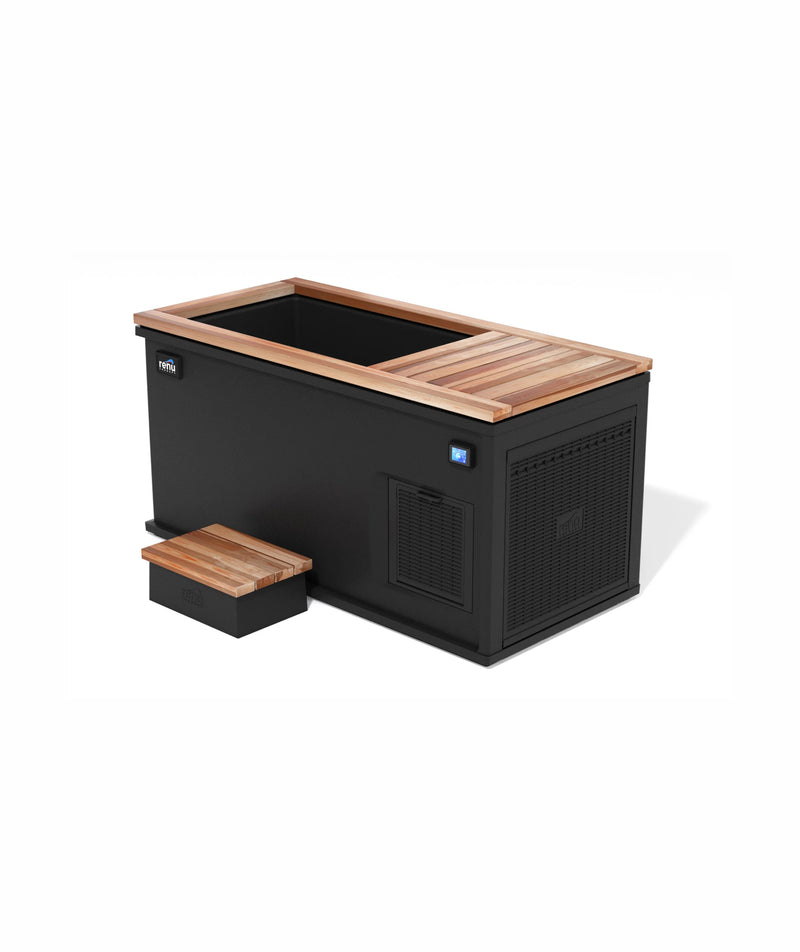
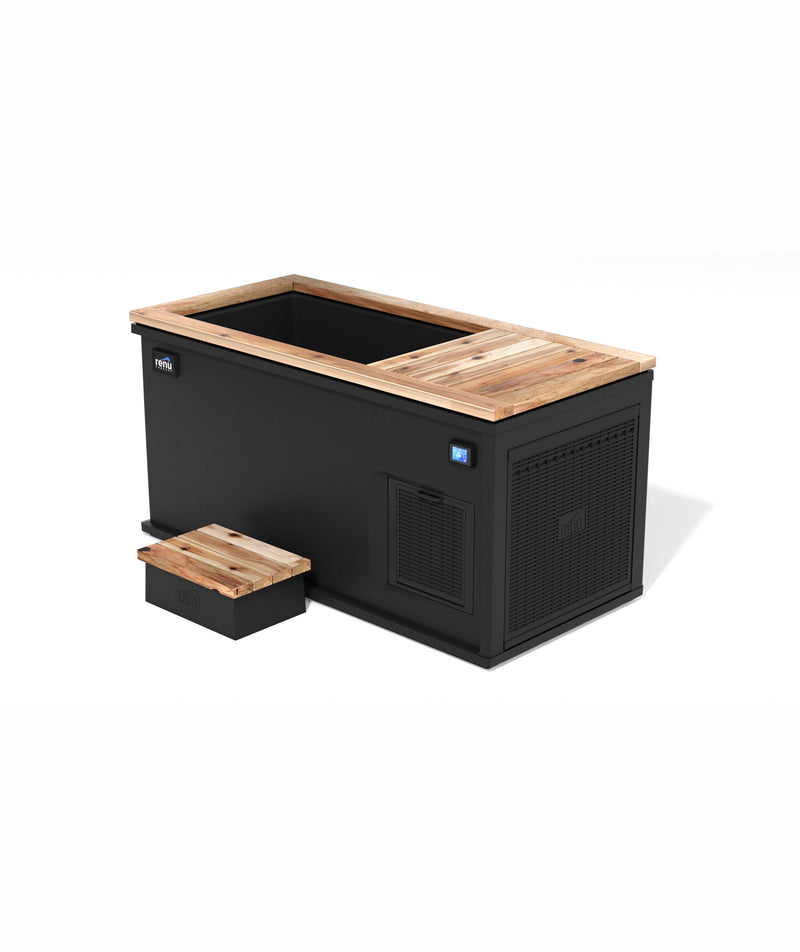
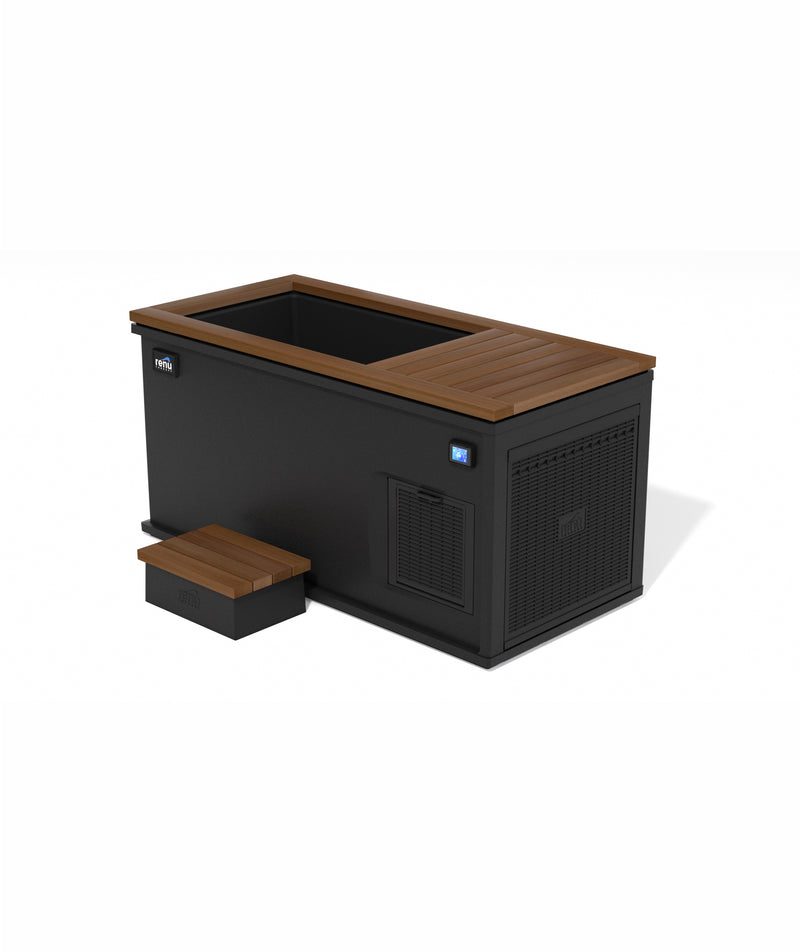
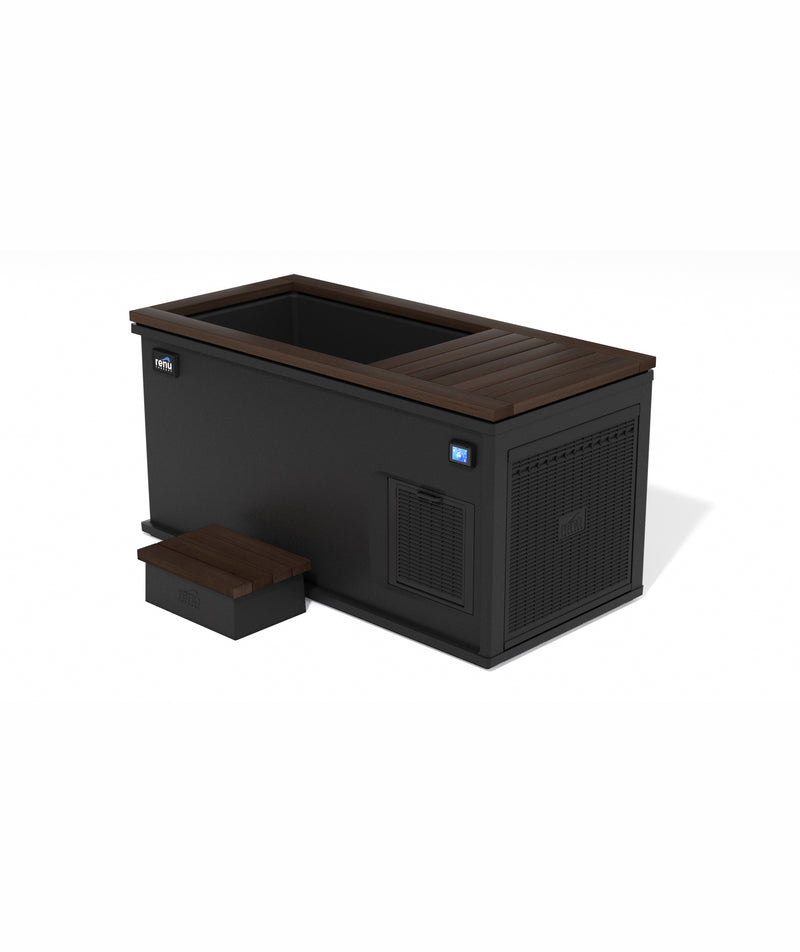
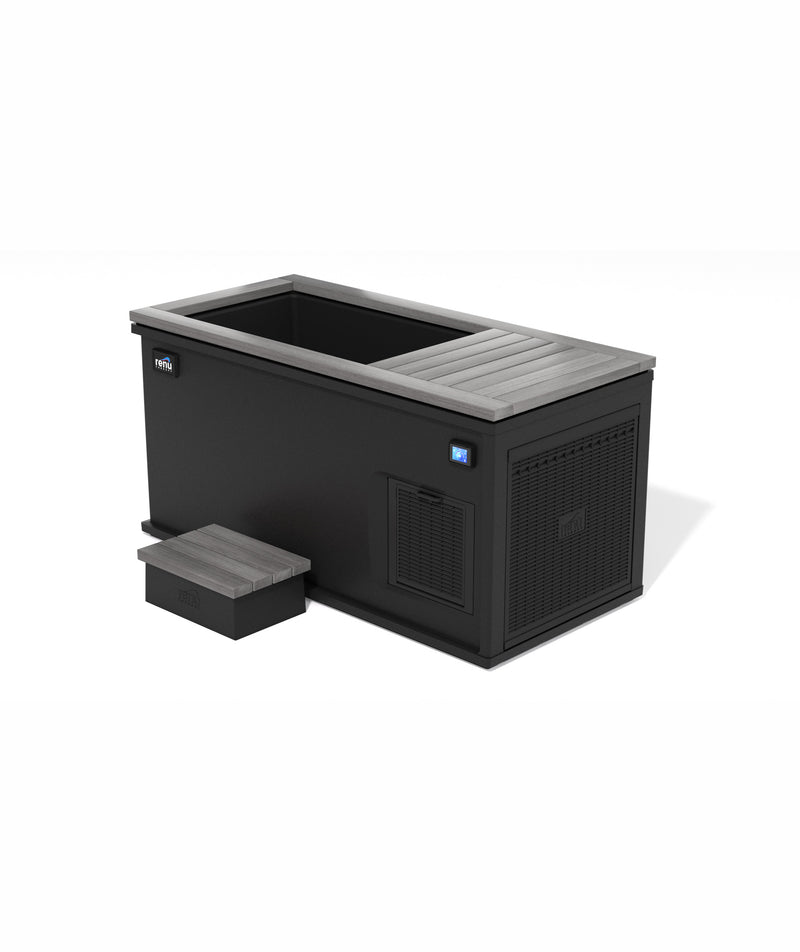
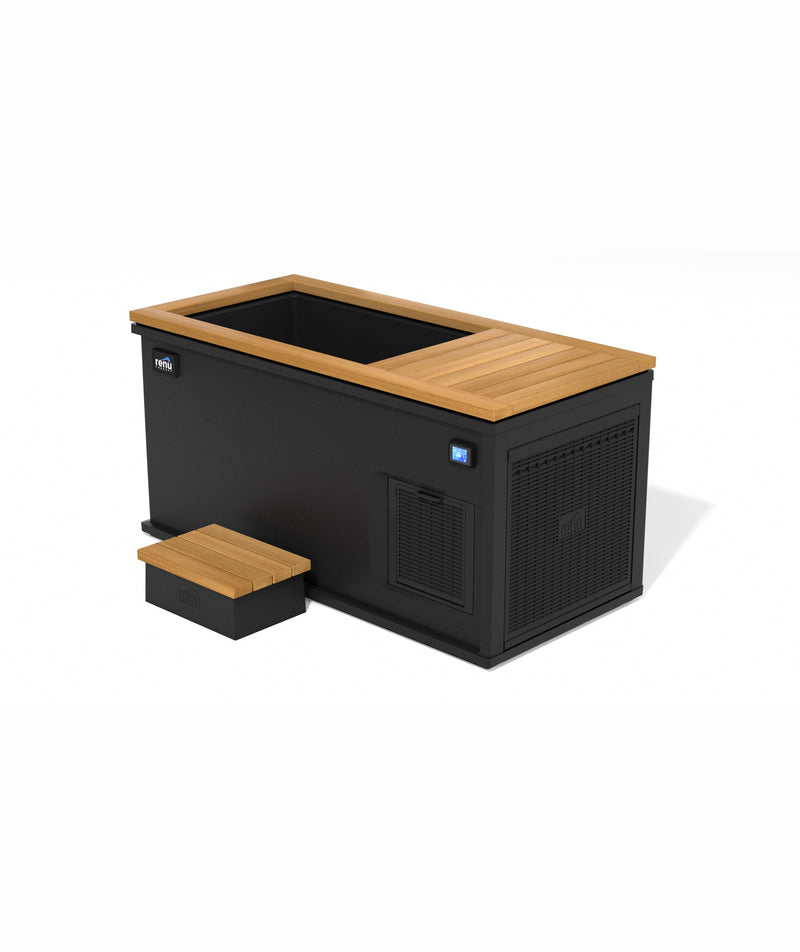
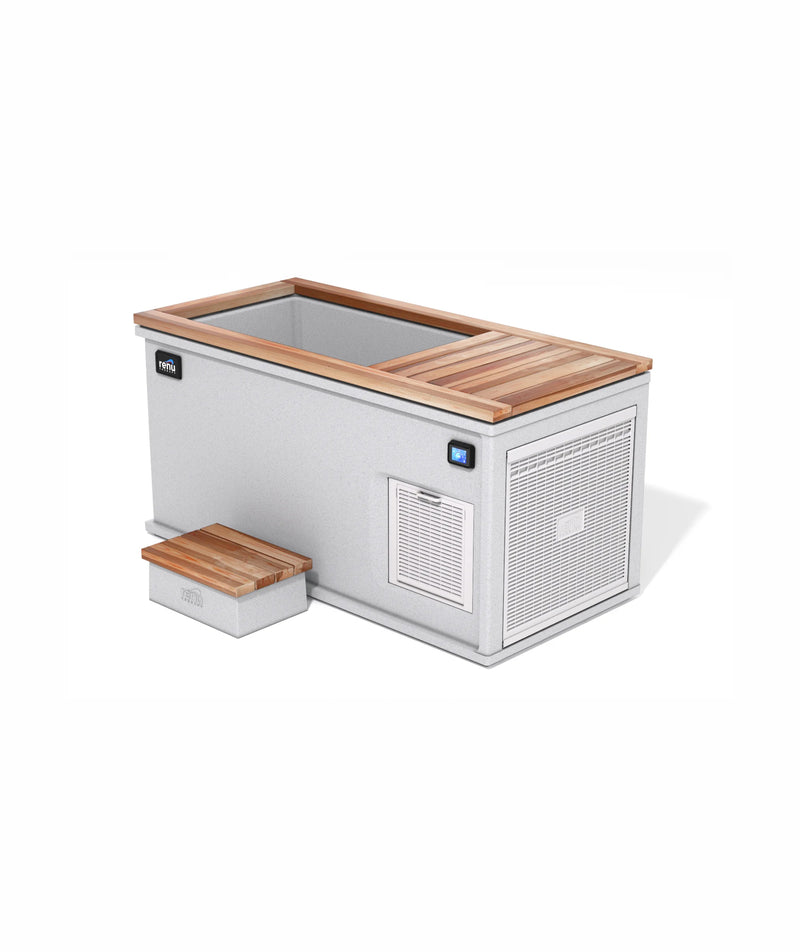
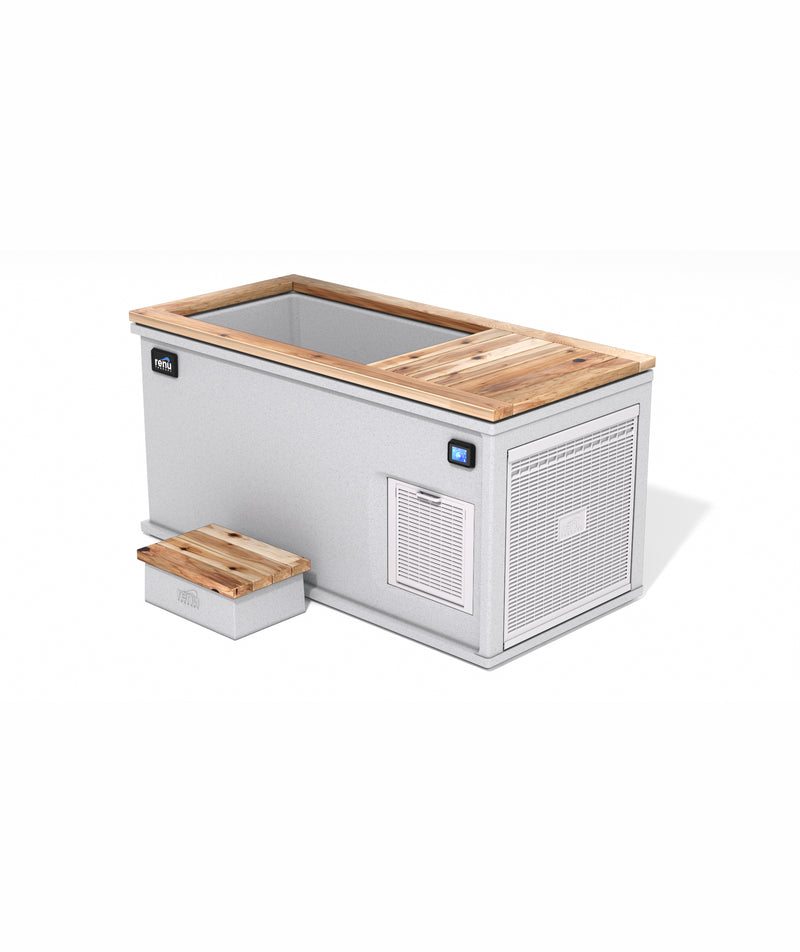
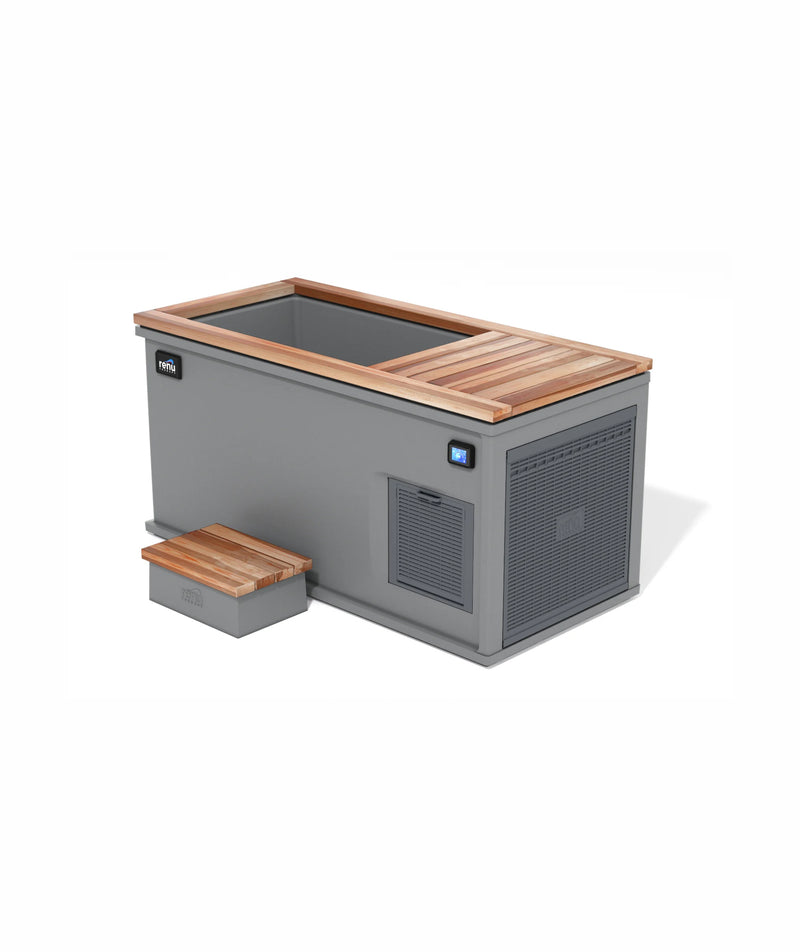
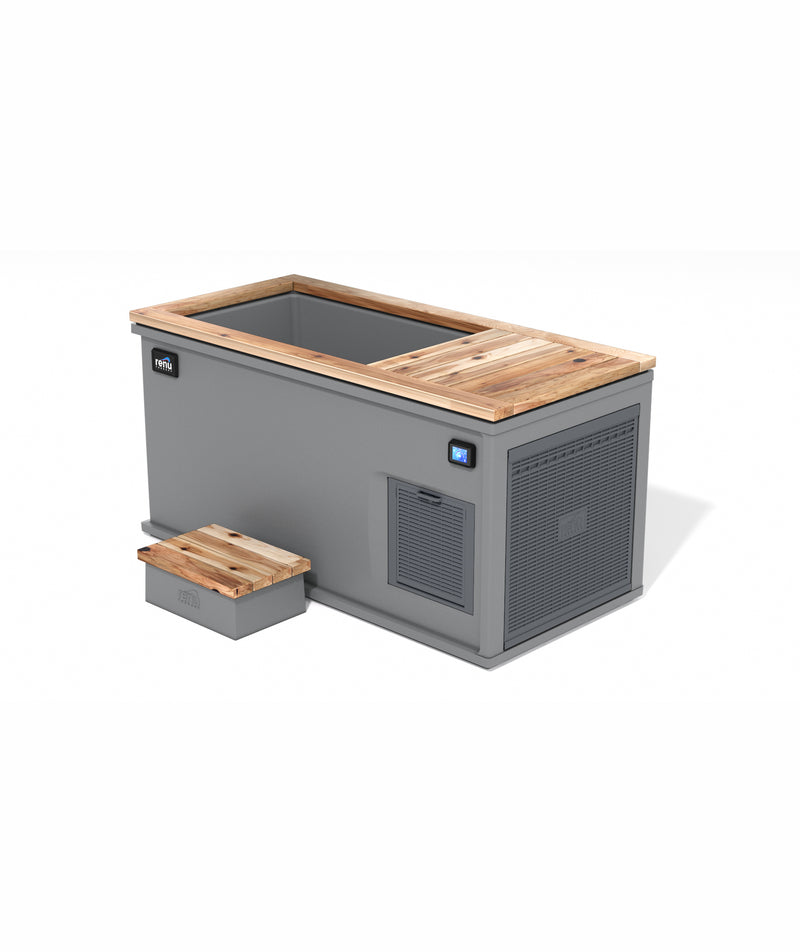
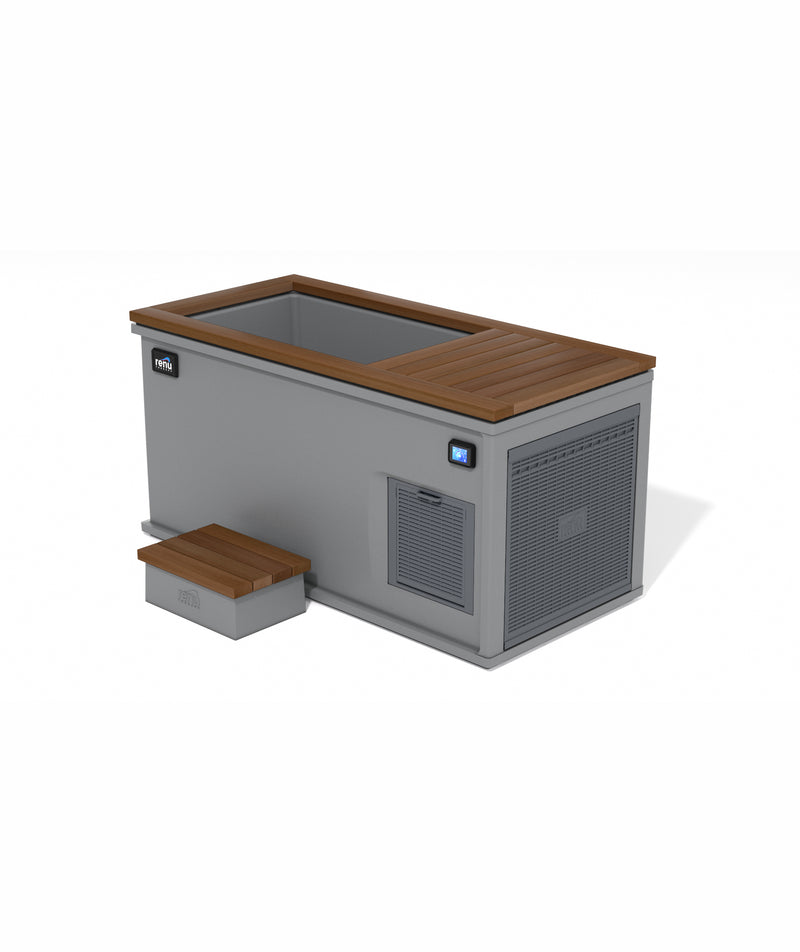
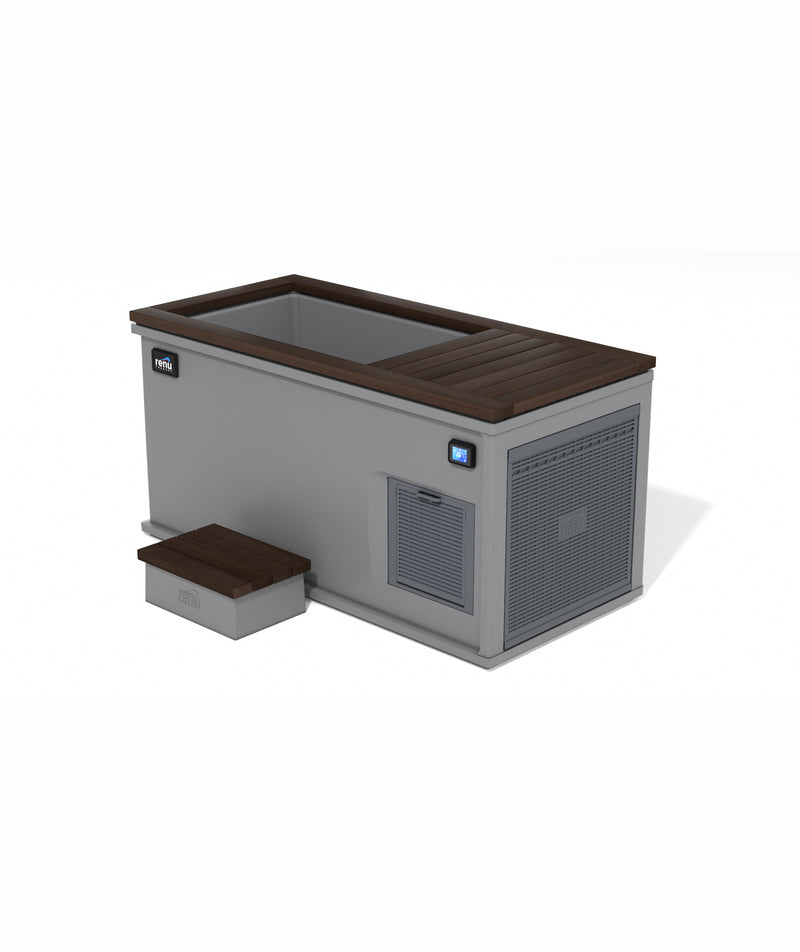
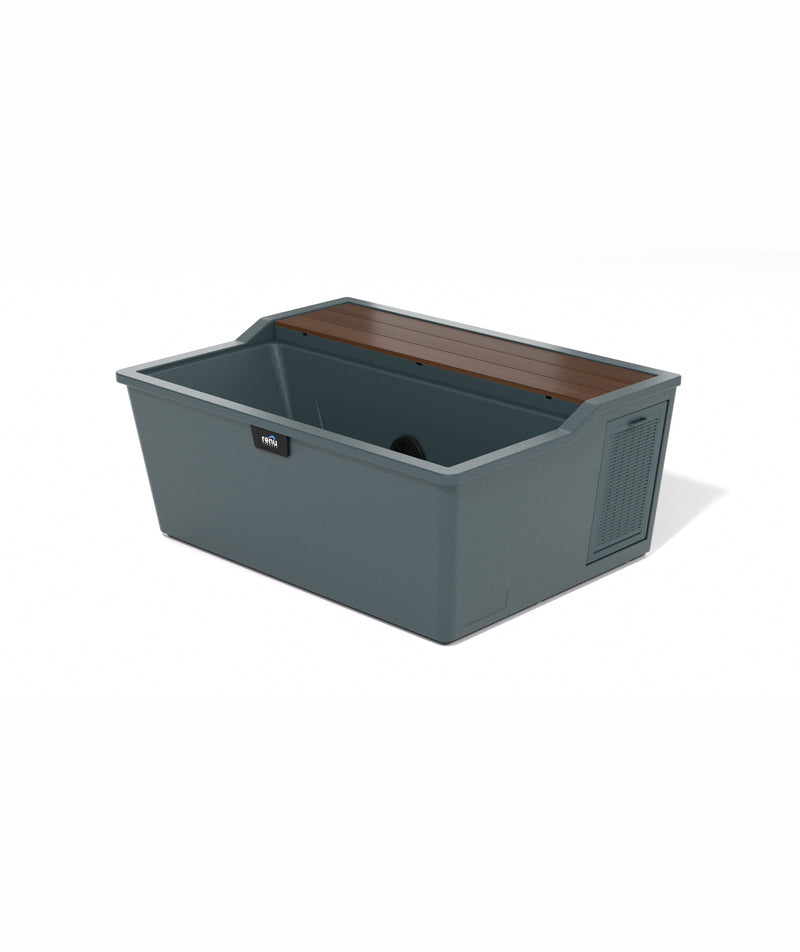
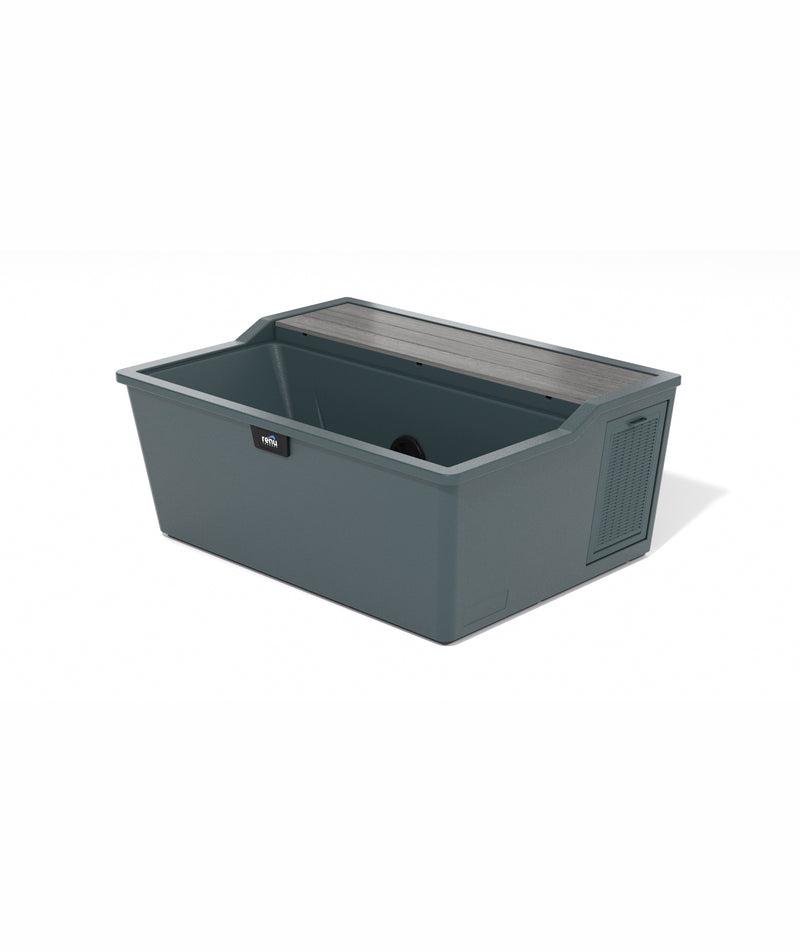
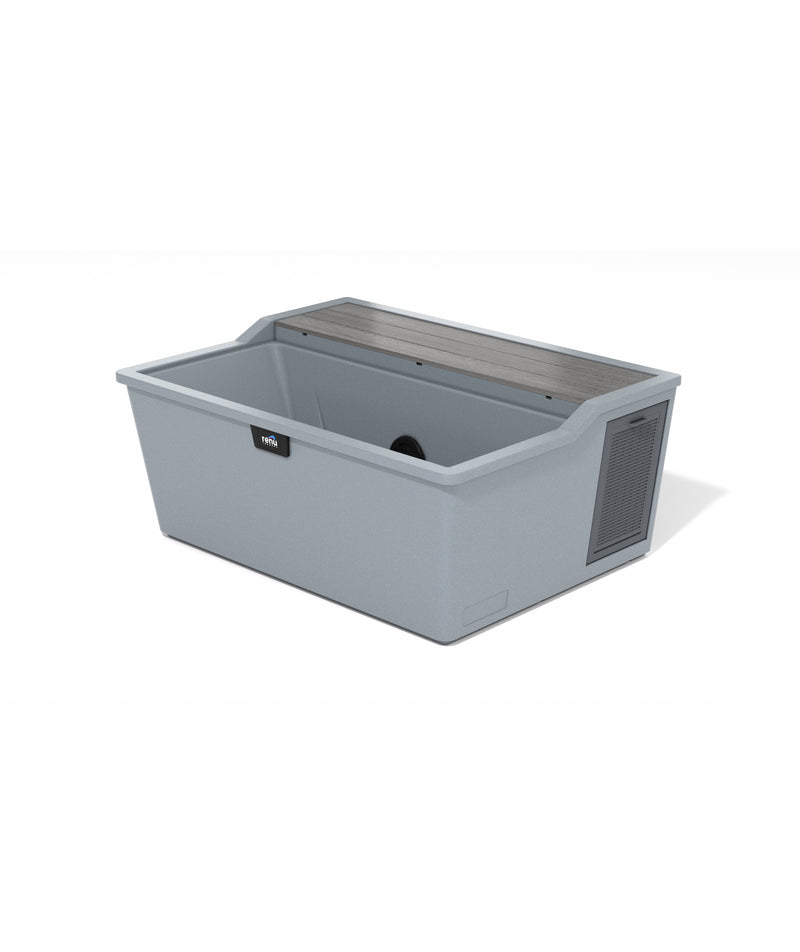
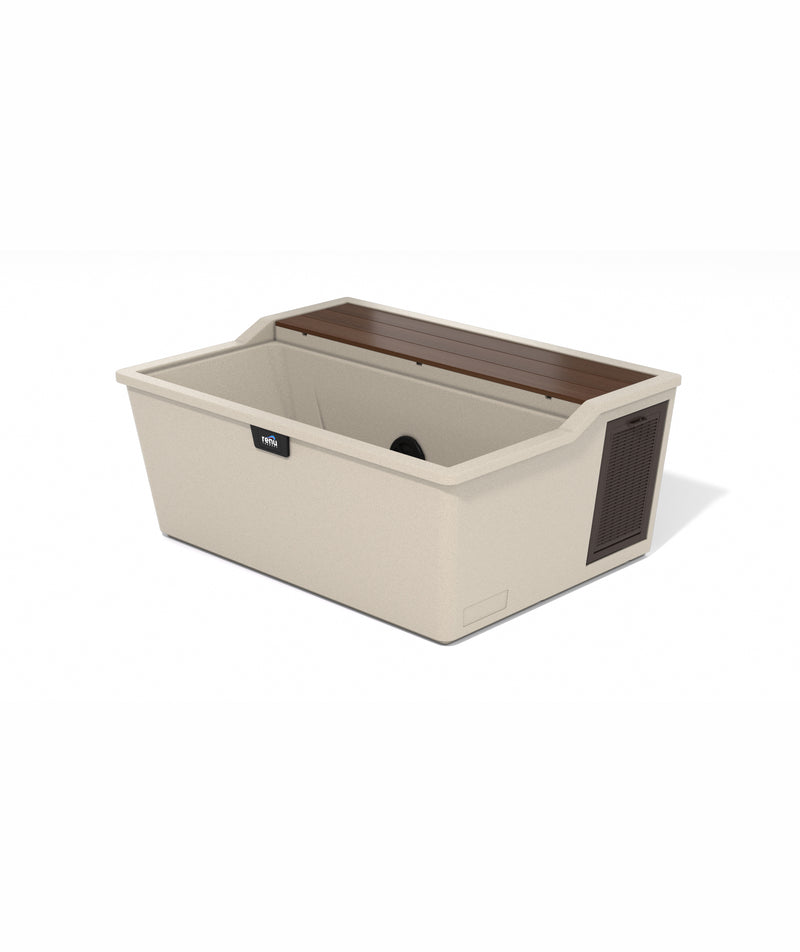
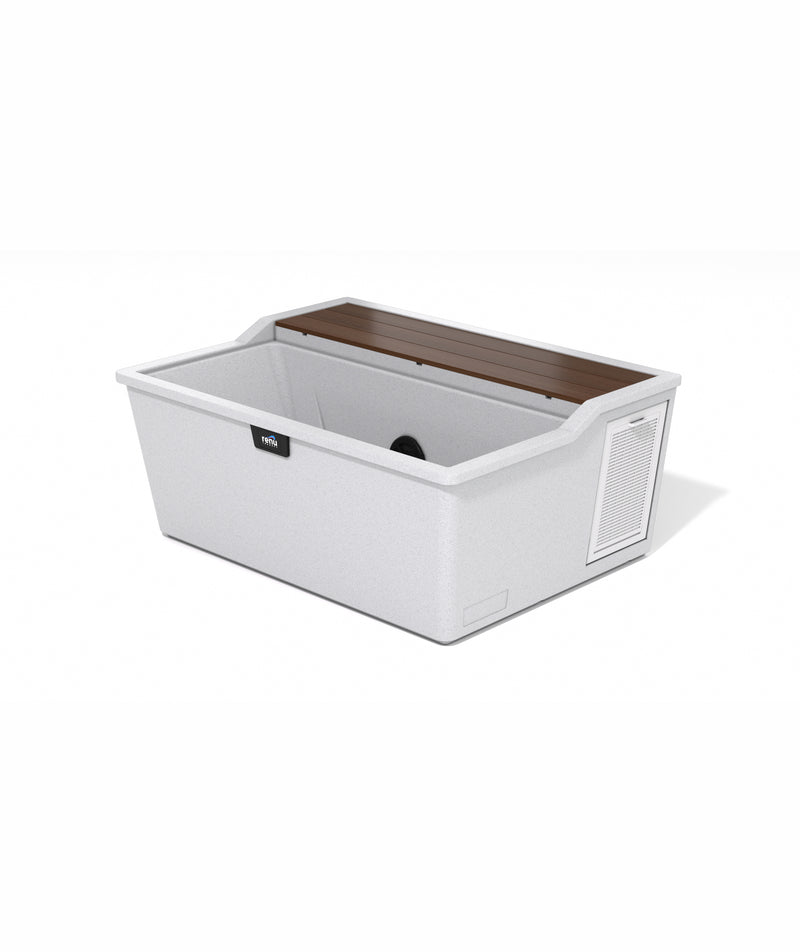
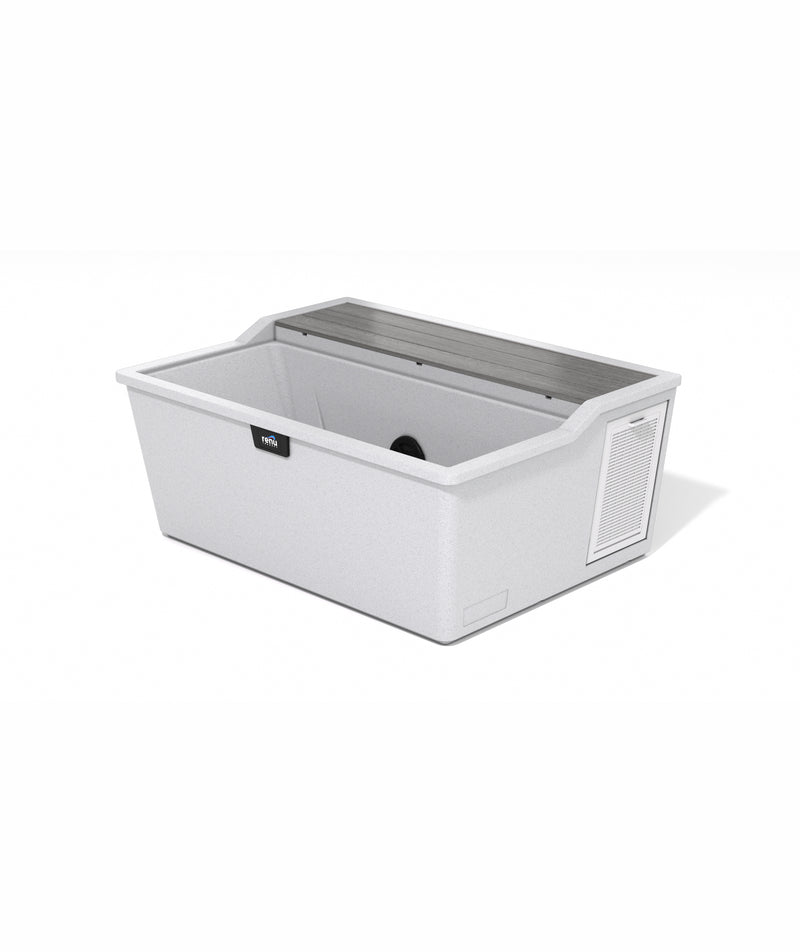
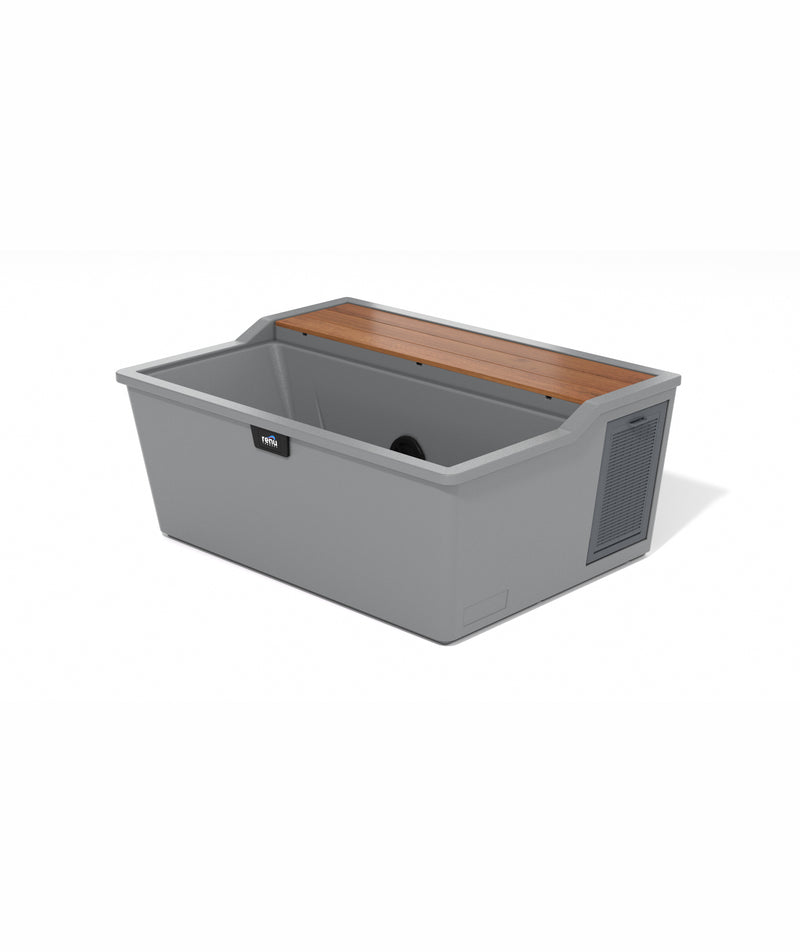
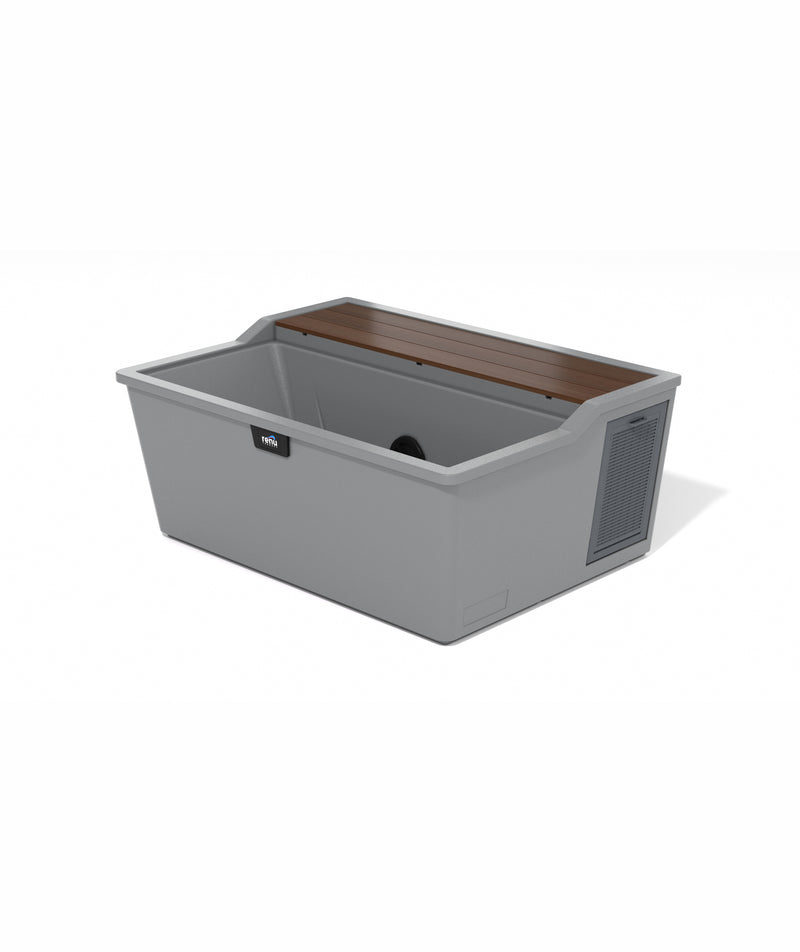
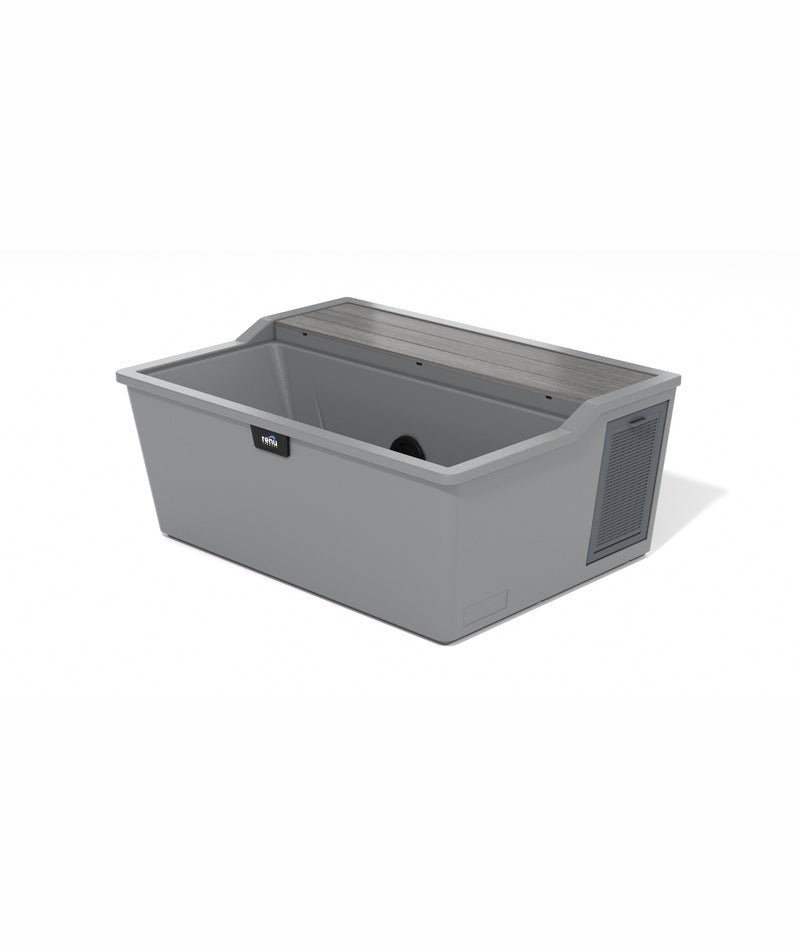
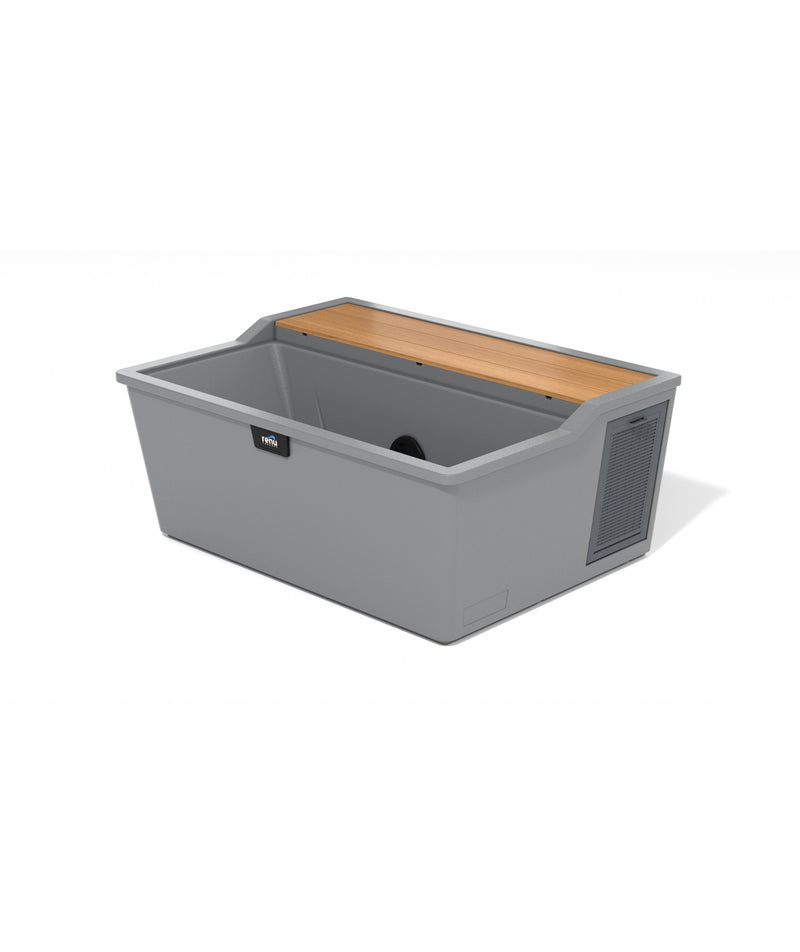
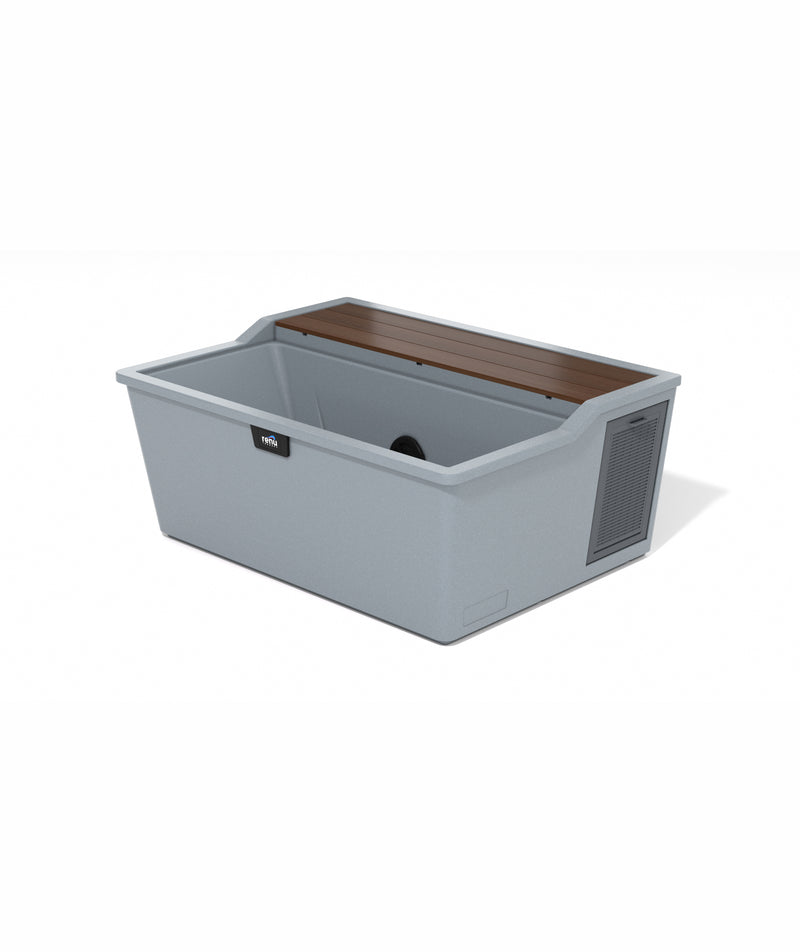
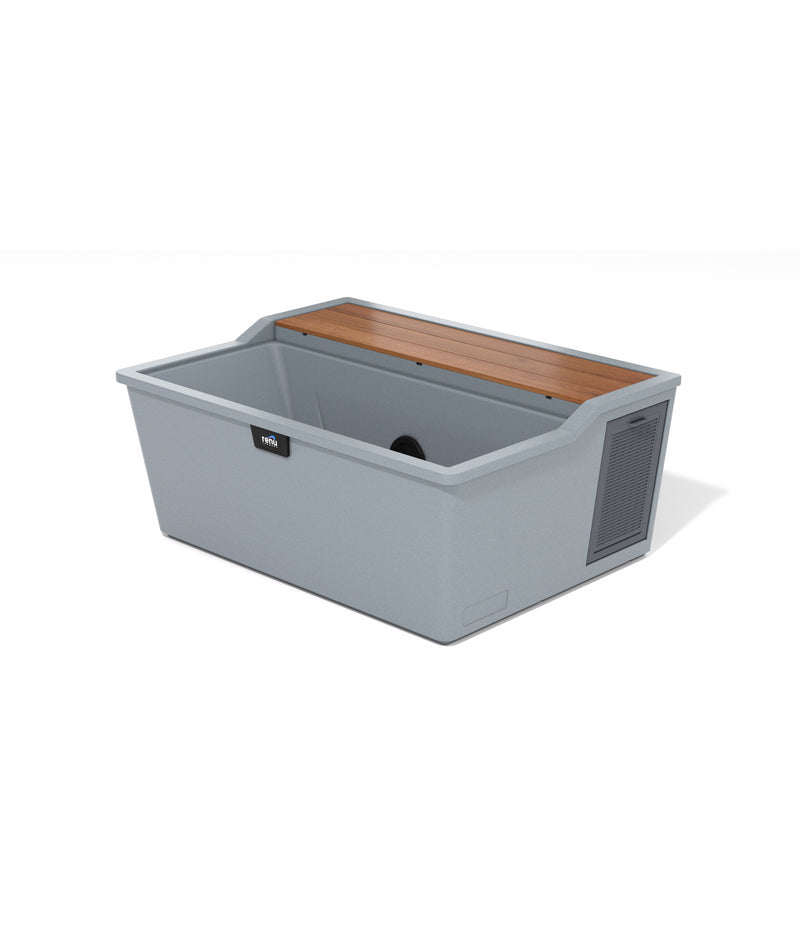
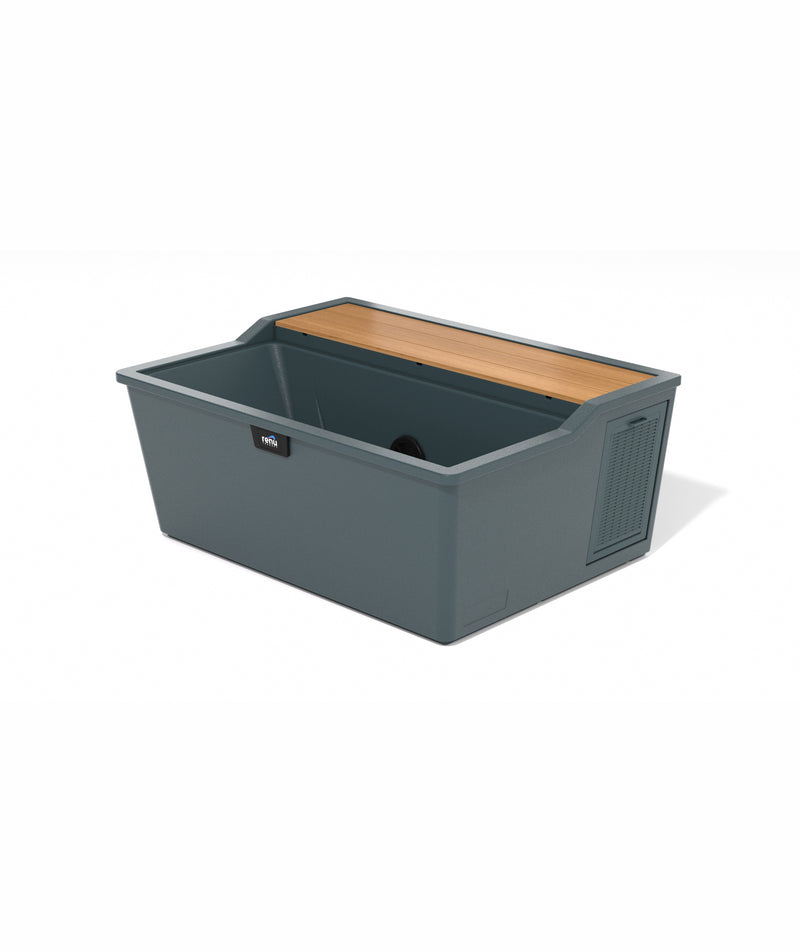
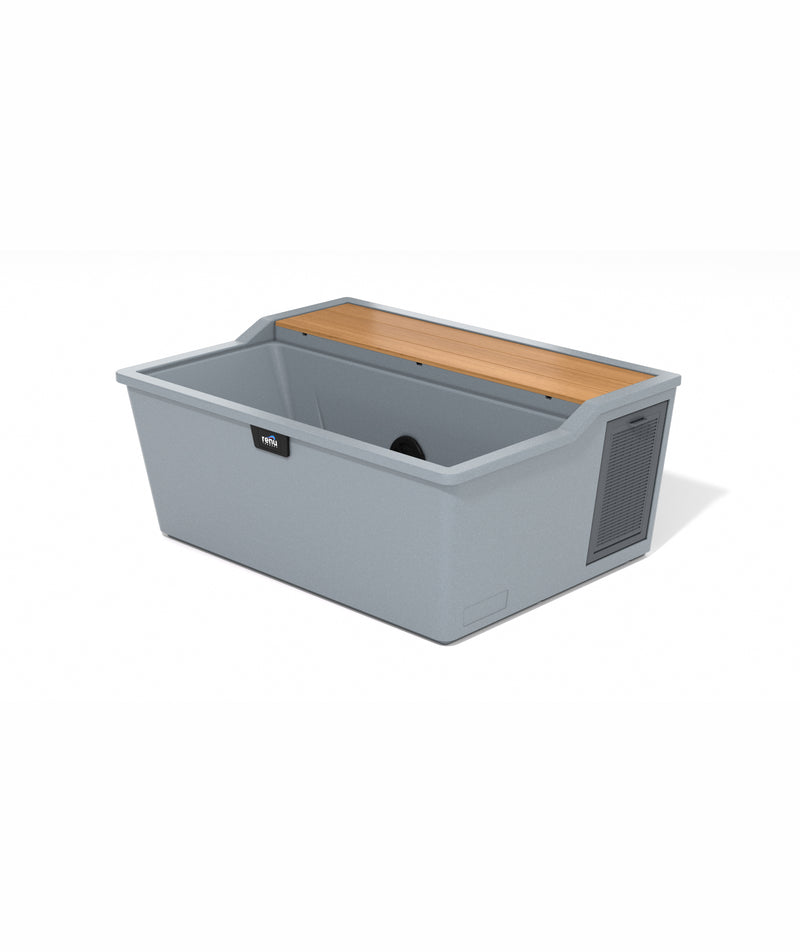
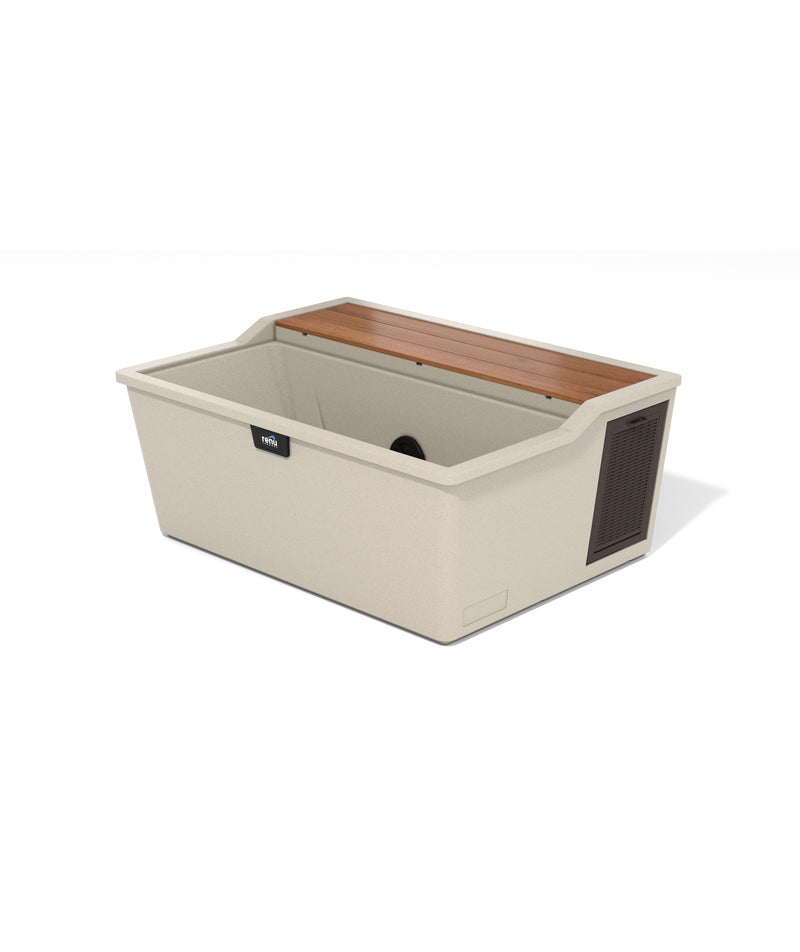
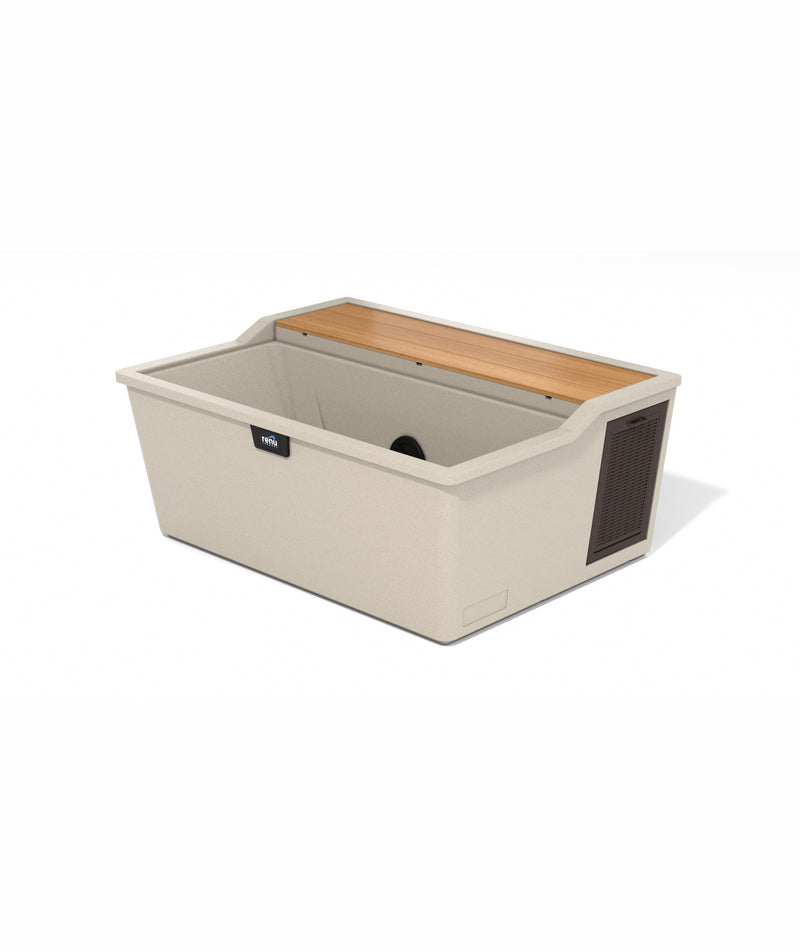
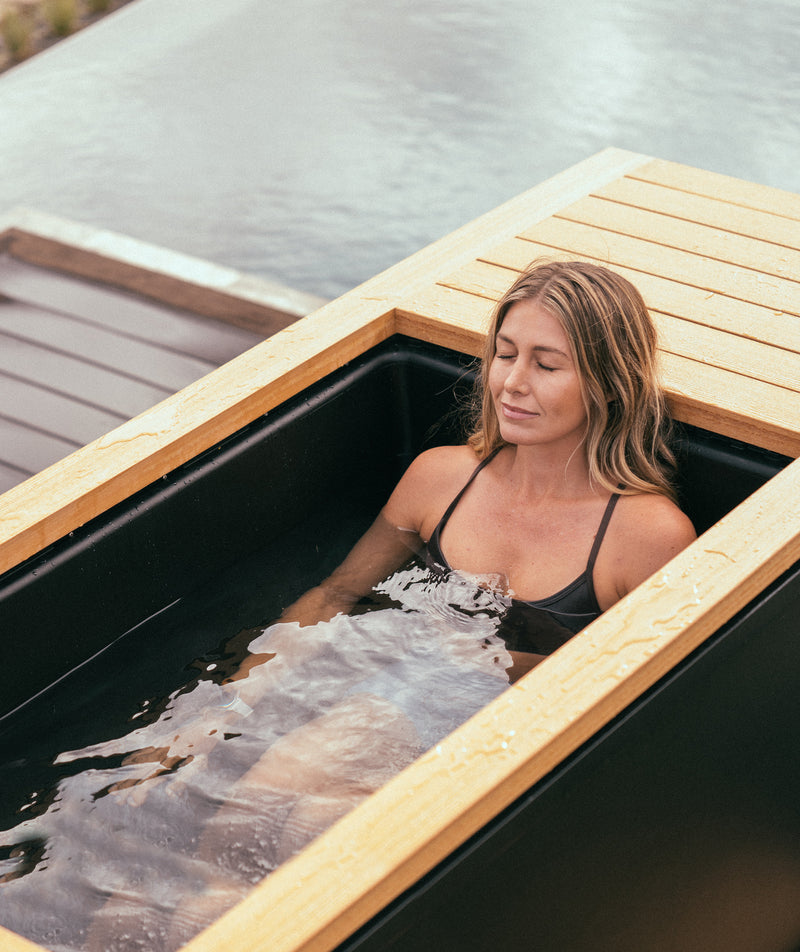
If you're an athlete, you've probably heard of a cold plunge tank. For those who love trying new ways to challenge themselves, taking the polar plunge has a unique allure. Organizations of people around the world take an ice bath on New Year's Day, for example.
Yet, something else that cold plunging is good for beyond testing mental strength is helping athletes recover from injuries. You may know that many pro athletes submerge themselves in a cold plunge tank multiple times each week.
Why do they go to such extremes so often? In this article, we'll answer this question, along with how you can get the same benefits as pro athletes from this treatment.
Benefits of a Cold Plunge Tank After Sports Injuries
Taking the plunge into ice water has been practiced by professionals around the world for decades, if not centuries. Looking back through history, this ancient practice has been heralded by Nordic cultures as a way to enhance health.
Part of this enhancement included recovering from injuries. Today, researchers understand far more about how dunking in a cold plunge tank benefits the human body.
Here are some of the ways ice-cold water immersion helps athletes recover from injuries faster.
Reducing Inflammation Caused by Sports Injuries
For anyone trying to improve their physical performance, inflammation is an all too familiar hurdle to overcome. When you endure hard workouts and maximum effort during competitive events, it can result in massive amounts of inflammation throughout the body.
This can make it a challenge to get complete relief from simple methods like ice packs. However, with a cold plunge tank, it's possible to reduce inflammation throughout your entire body.
Inflammation is one of the main factors regarding how long it takes to recover from an injury. Because of this, any steps that can be taken to minimize inflammation will speed up the time it takes to get back to 100% strength.
This is one reason pro athletes consistently rely on ice baths when they've suffered an injury.
Improved Blood Flow to Injured Areas
A key factor for recovering from an injury is blood flow. Part of the healing process involves carrying away damaged cells and injury byproducts away from the affected area. Because of this, it's essential to do everything possible to boost the blood flow to an injury on a consistent basis.
Professional athletes have been benefiting from this form of cold therapy for a long time in their locker rooms, and now it's available to anyone right in their home.
It's important to note that the blood flow benefits derived from taking a cold bath in ice water come with consistent practice. You can't just hop in one time for a few minutes and be instantly cured. That's because cold therapy enhances blood flow by improving the elasticity and response of blood vessels.
This process, like most physical improvements, takes time. Having a cold plunge tank at home is the easiest way to stick to a routine that works for blood flow enhancement.
Helps Relieve the Pain of an Athletic Injury
Ice baths are a form of physical therapy that can work wonders for pain relief. This especially holds true for athletic injuries, which often involve torn muscle fibers, tendons, or ligaments.
These types of injuries can cause extreme discomfort, along with swelling and inflammation. Cold water exposure is one therapy that research has proven helpful in reducing pain for a large percentage of athletes with injuries.
Beyond blood circulation enhancement and inflammation reduction, spending time in cold plunge tubs has analgesic properties. If you've ever applied ice packs to an area that's received blunt-force trauma, you've probably experienced just how much better cold therapy can make you feel.
Now, imagine being able to apply this same pain relief to your entire body all at once. This is what cold exposure in a plunge tank can provide.
Best Cold Water Immersion Practices for Injury
If you're considering trying cold exposure therapy using ice baths, following some best practices can help you achieve the best results.
Here are a few to keep in mind when starting out:
How Soon After an Injury Should I Take an Ice Bath?
When you've suffered a sports injury, how soon should you start icing the area with cold water exposure? The research suggests that it's best to start right away. One core principle of physical therapy for sports injuries is quickly applying the rest, ice, compression, and elevation (RICE) method.
So the sooner you can get into the ice bath after a sports injury, the better. Not only will you help aid the recovery process, but you'll also get immediate pain relief.
Is it Okay to Take Cold Plunges Every Day?
Research has found that people who take a cold plunge at least four times per week, on average, show the best health outcomes over time. This suggests that greater health benefits come with more regular and frequent ice bath routines.
Of course, before starting with cold exposure therapy, it's important to consult with your physician to ensure there are no underlying conditions that could complicate things. Once you've been cleared by the doctor, you might find that practicing every day eventually becomes easier than taking breaks.
How Long Should I Take a Cold Plunge for an Injury?
In order to remain safe and reduce the risk of hypothermia, it's important to limit cold exposure sessions to ten minutes or less.
Most find that only three minutes can be enough to deliver significant relief and recovery from sports injuries. Try starting out with one-minute sessions every day for a week, then increase the time accordingly.
Enjoy Injury Relief with a Cold Plunge Tank
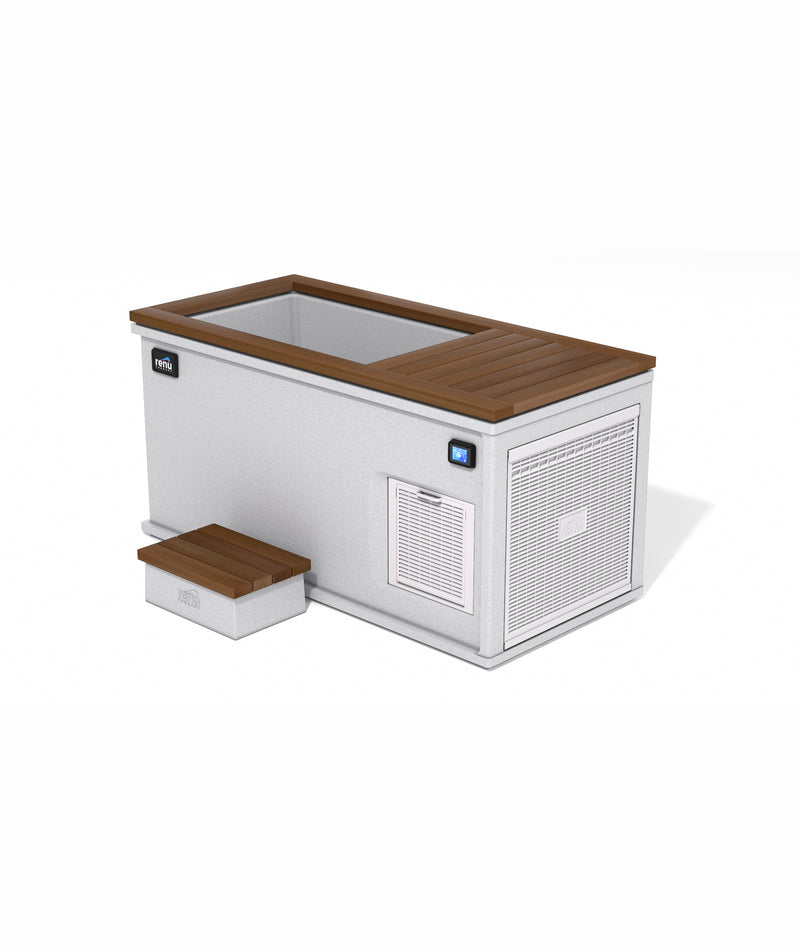
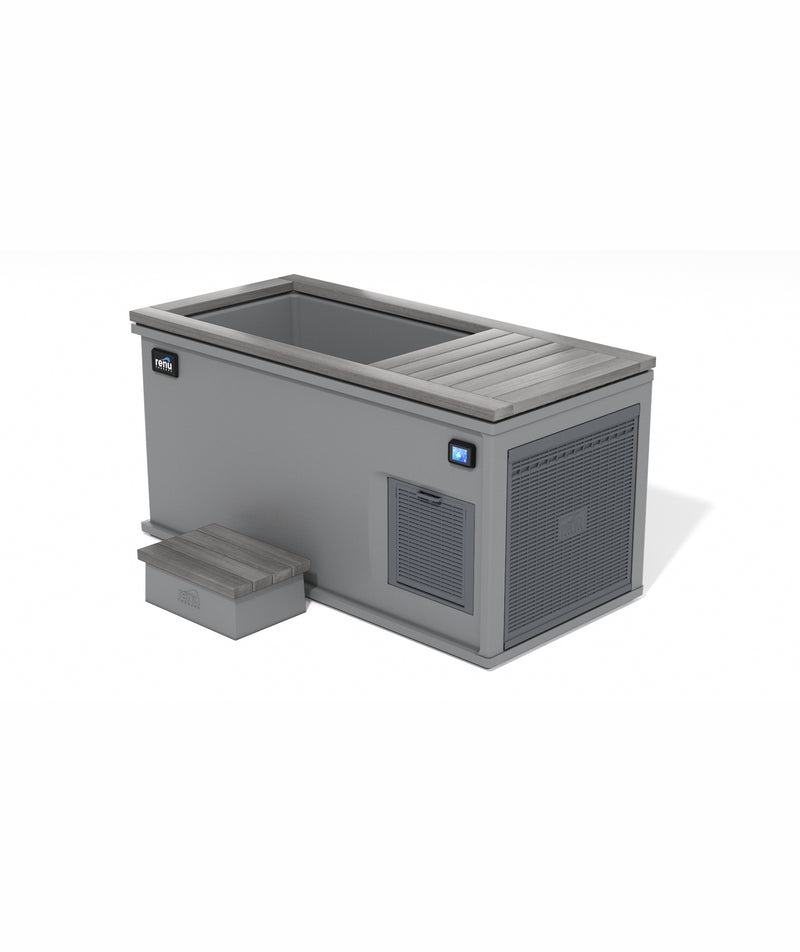
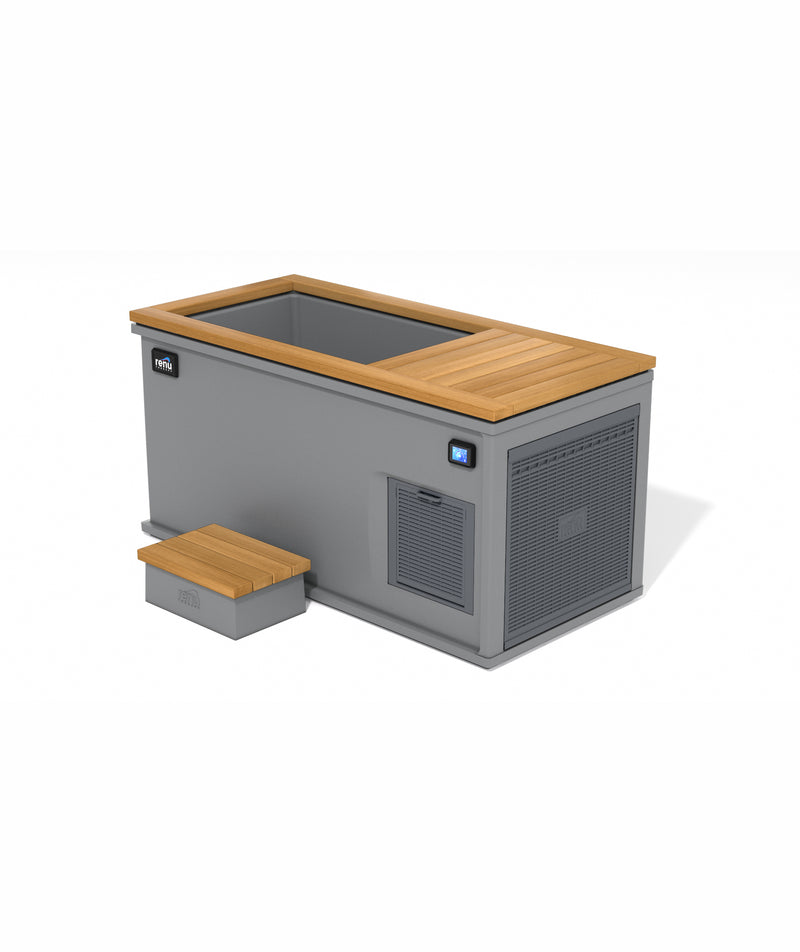
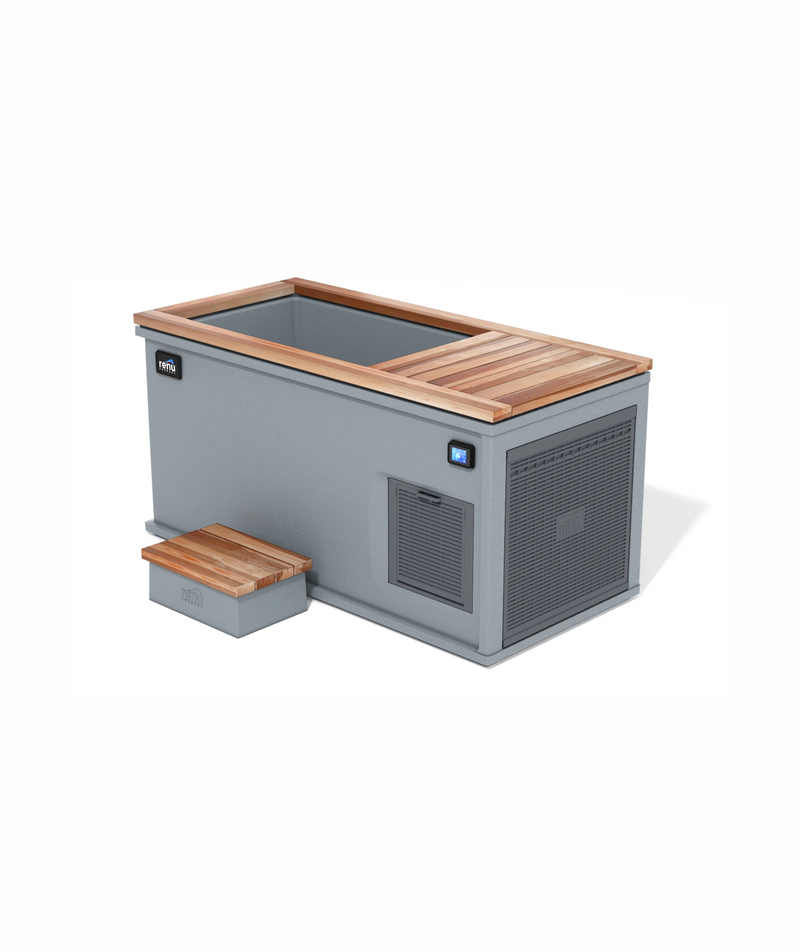
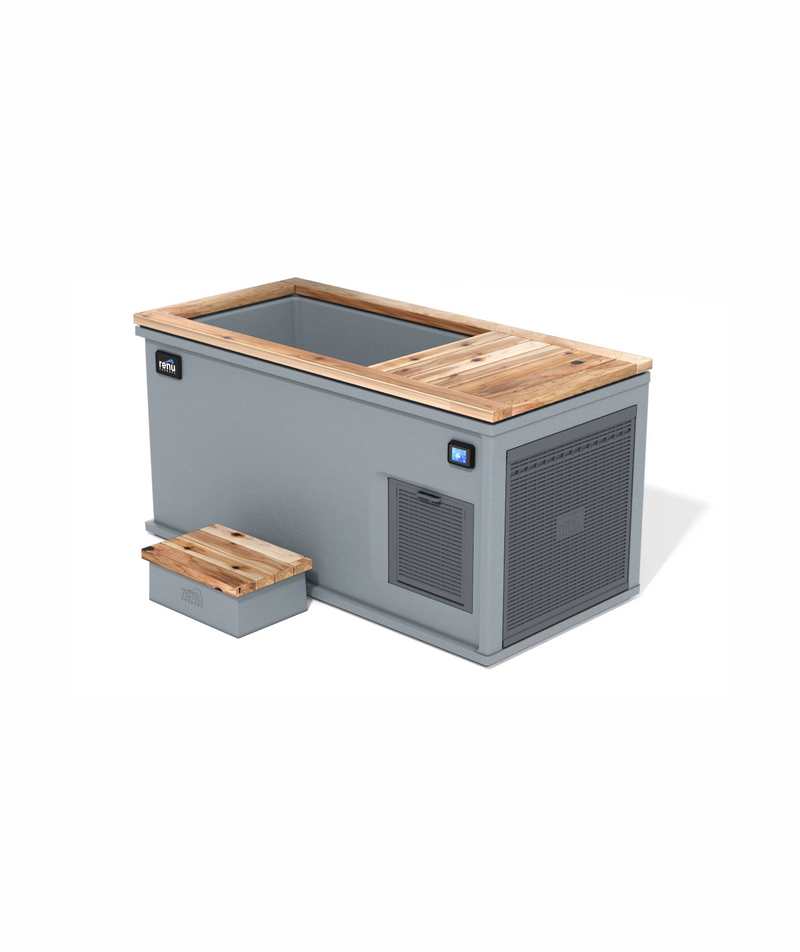
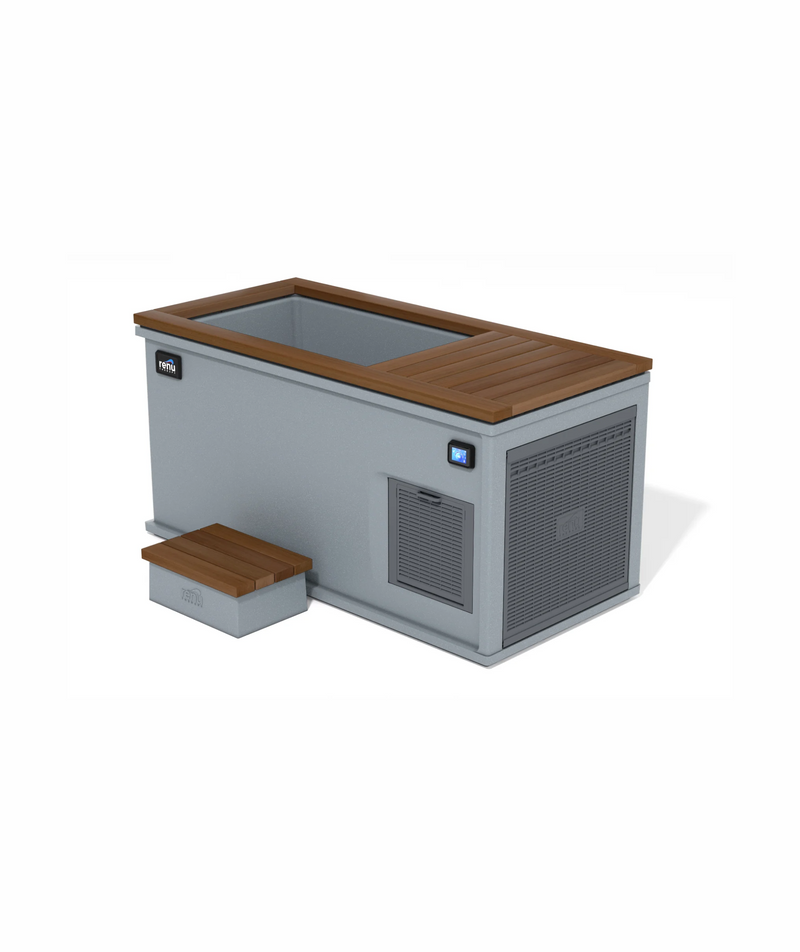
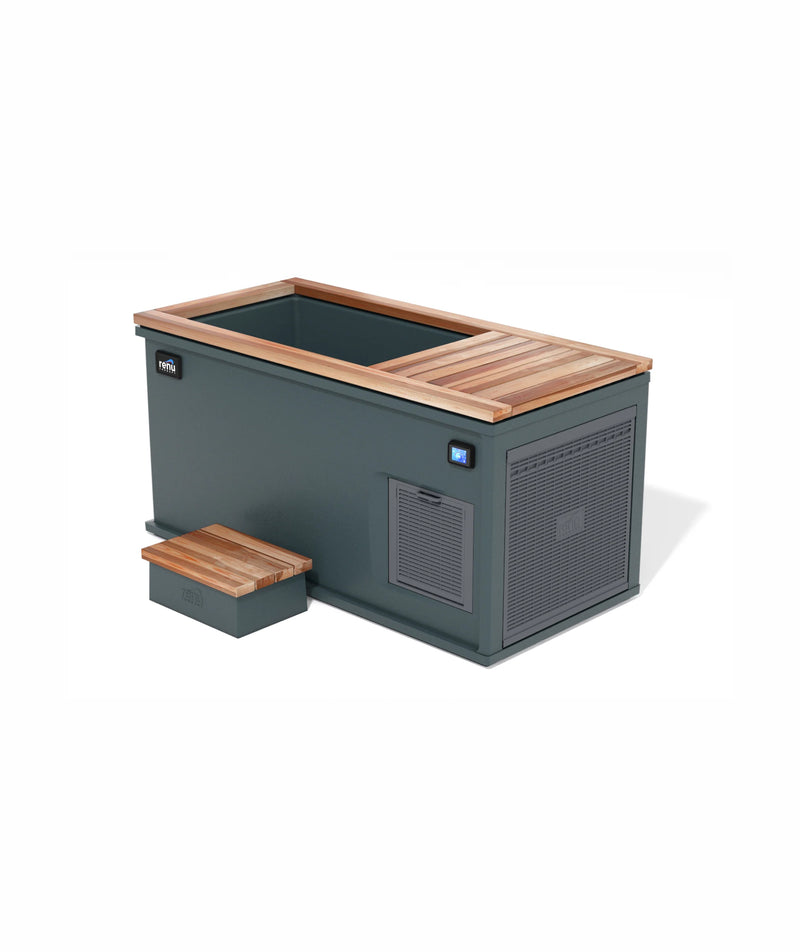
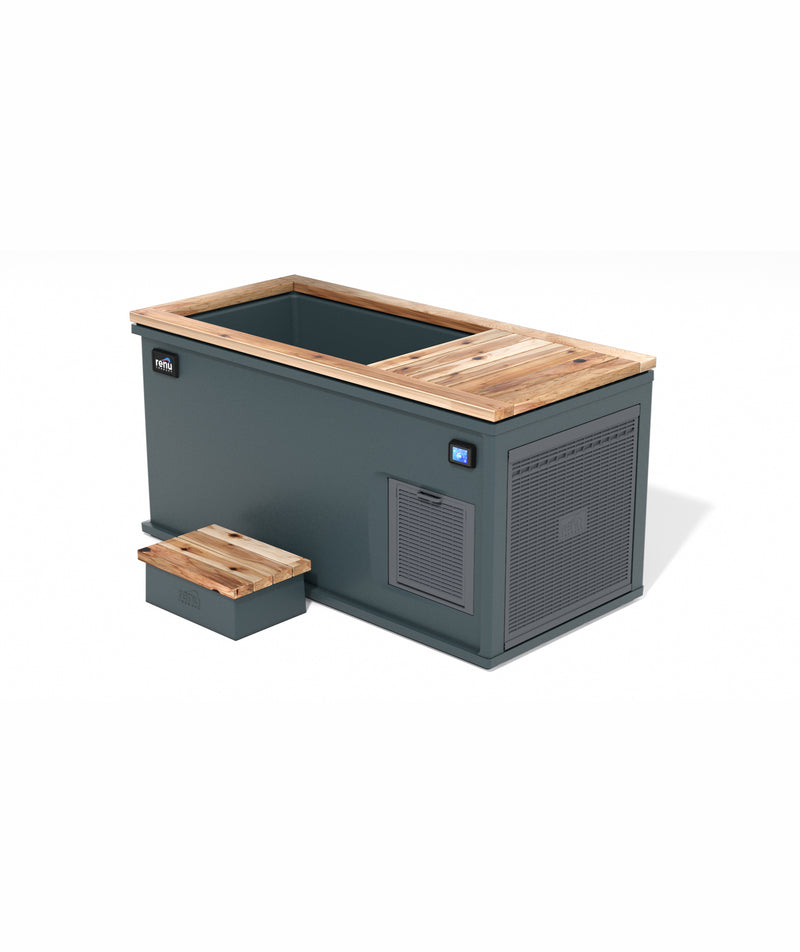
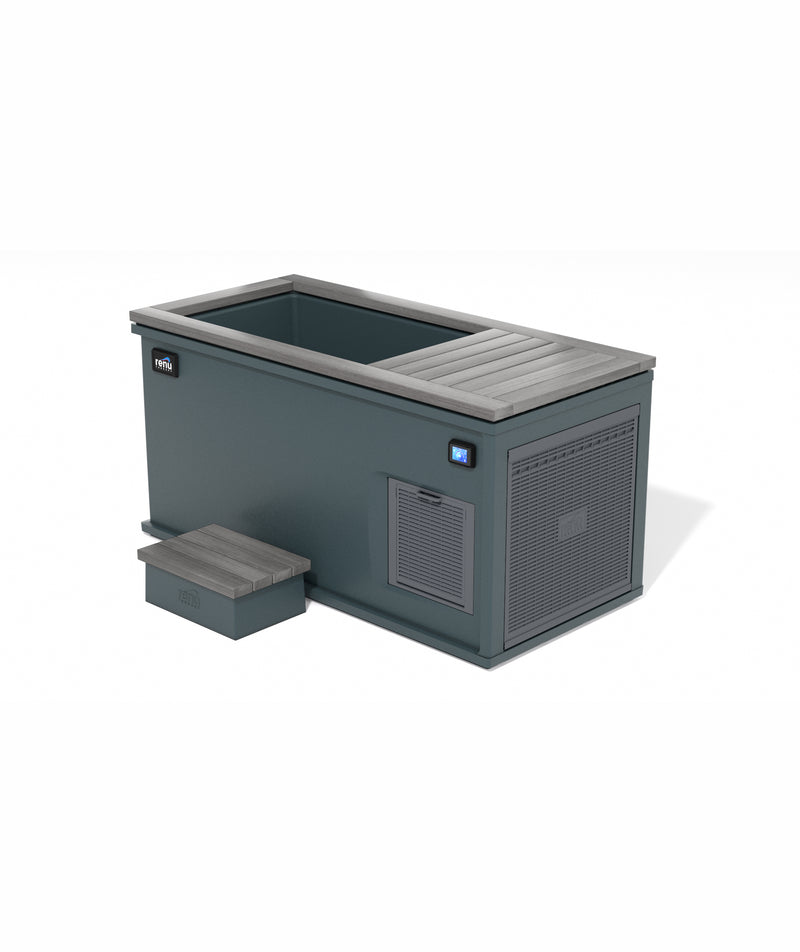
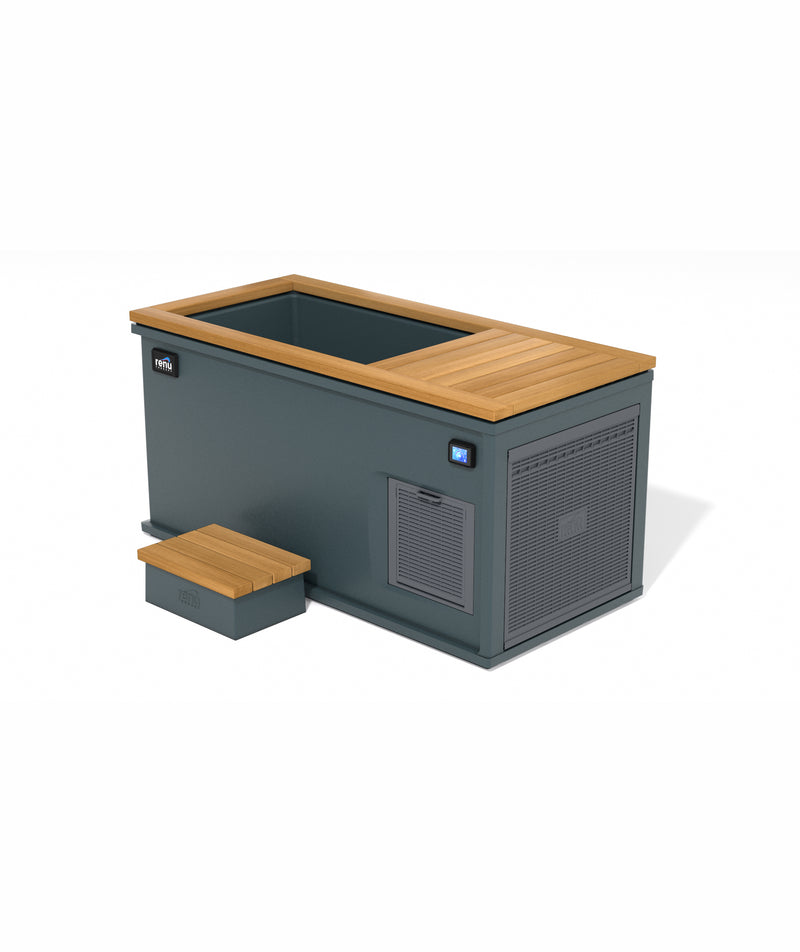
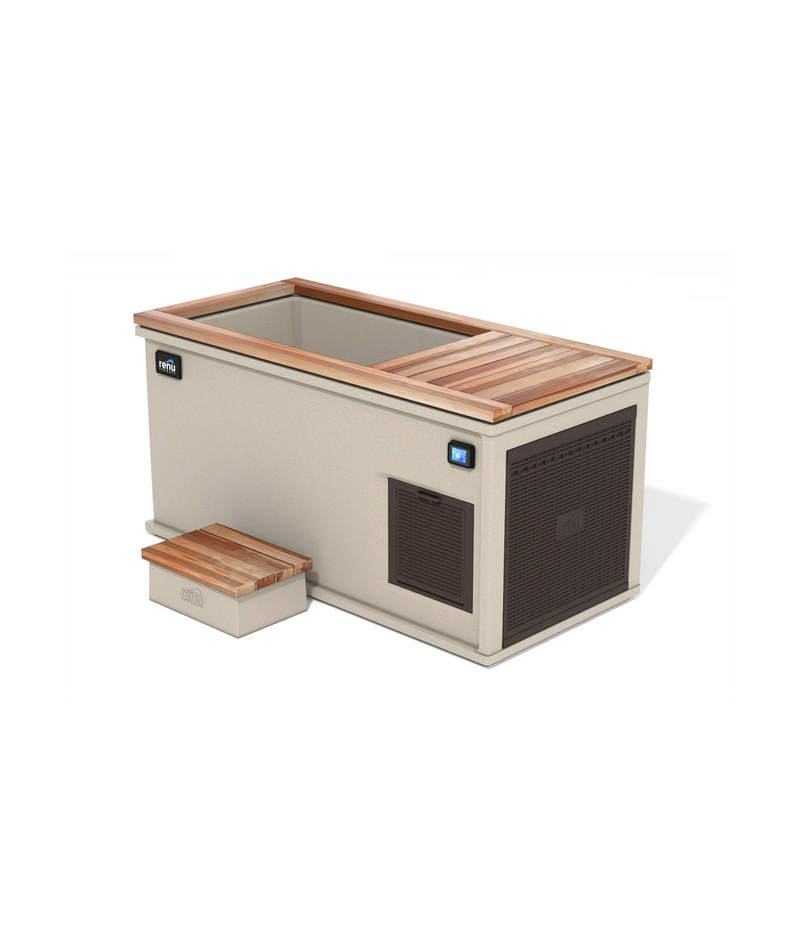
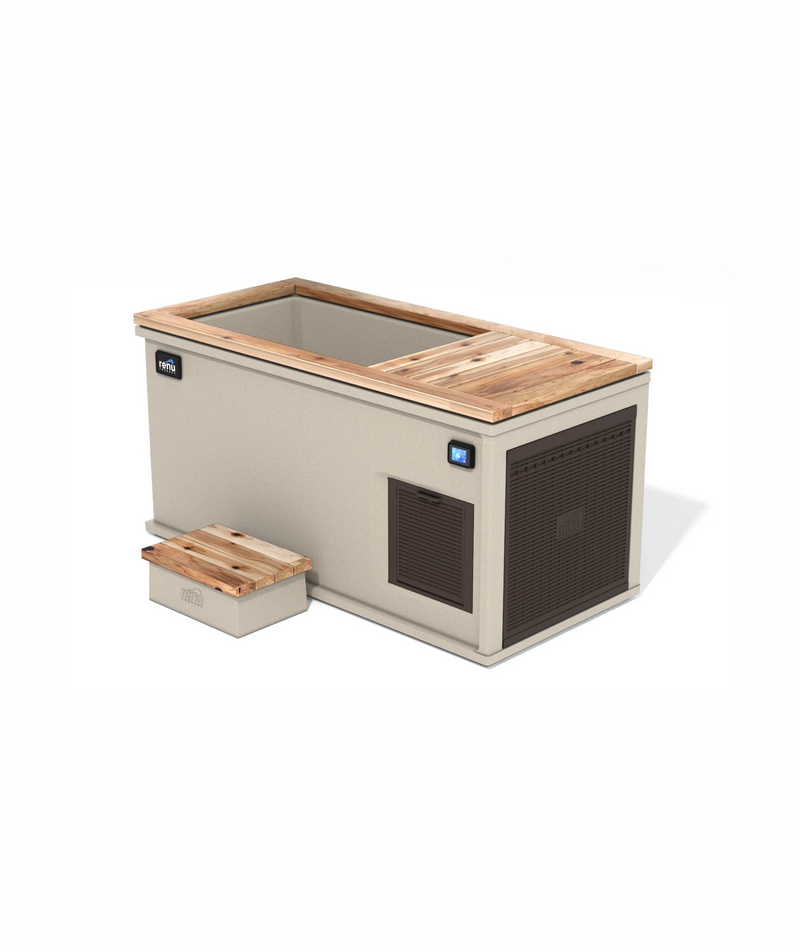
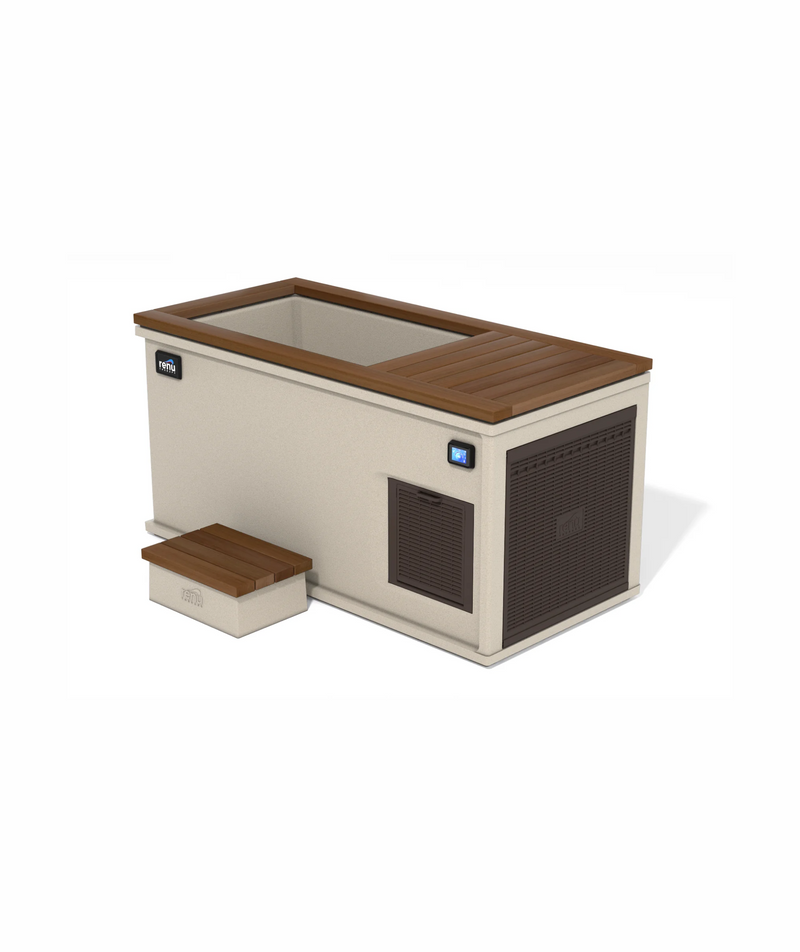
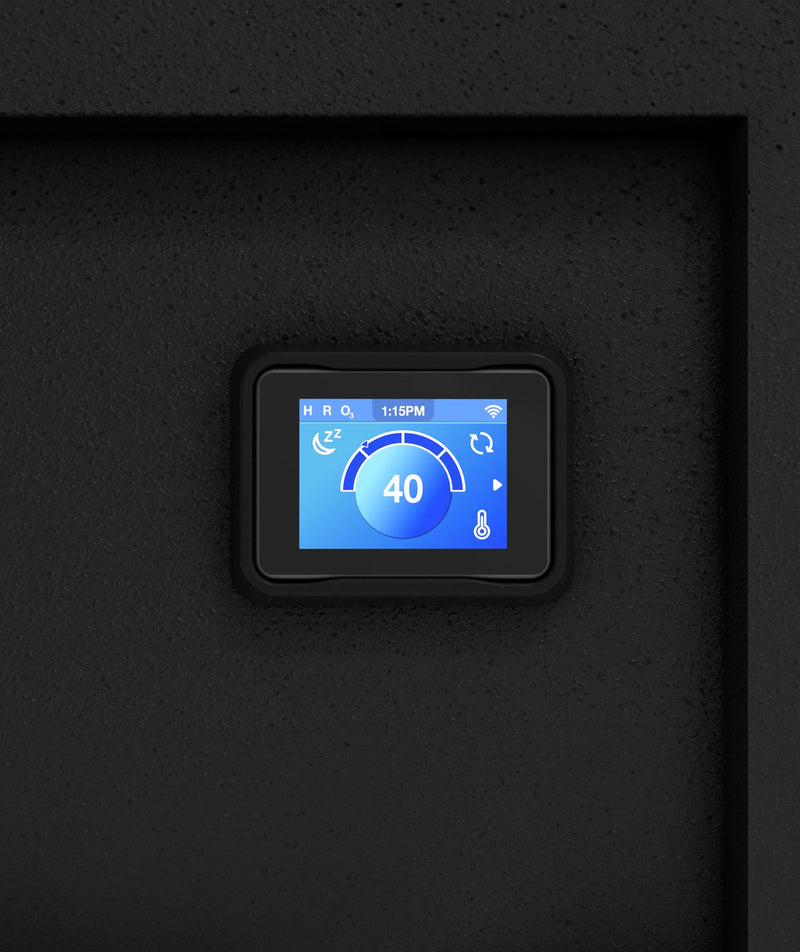
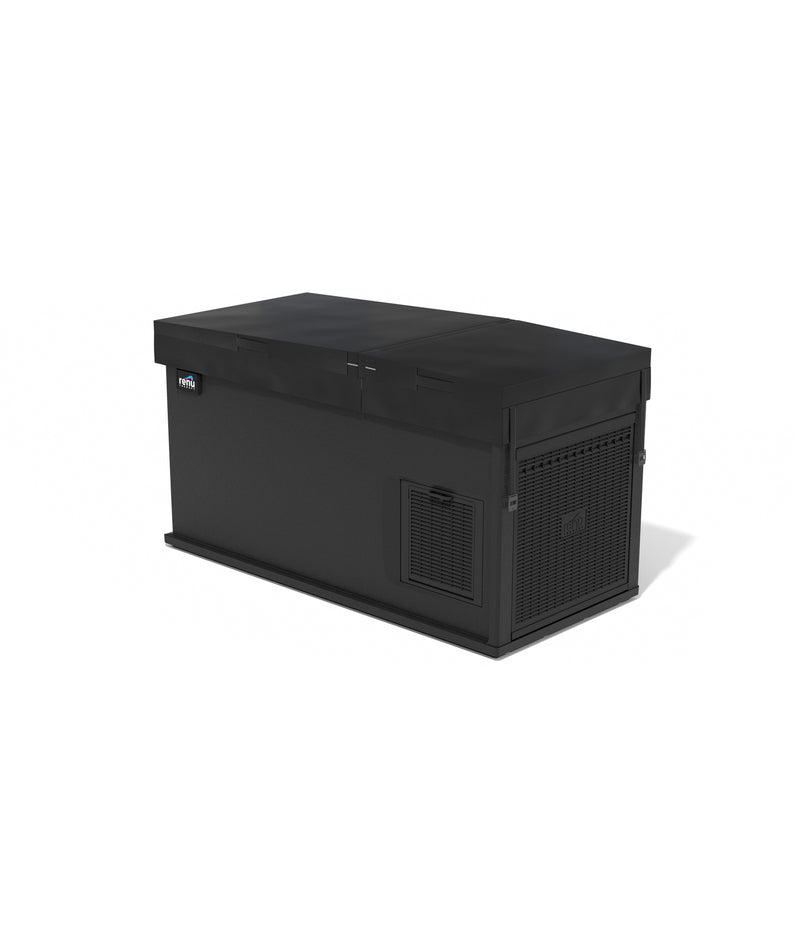
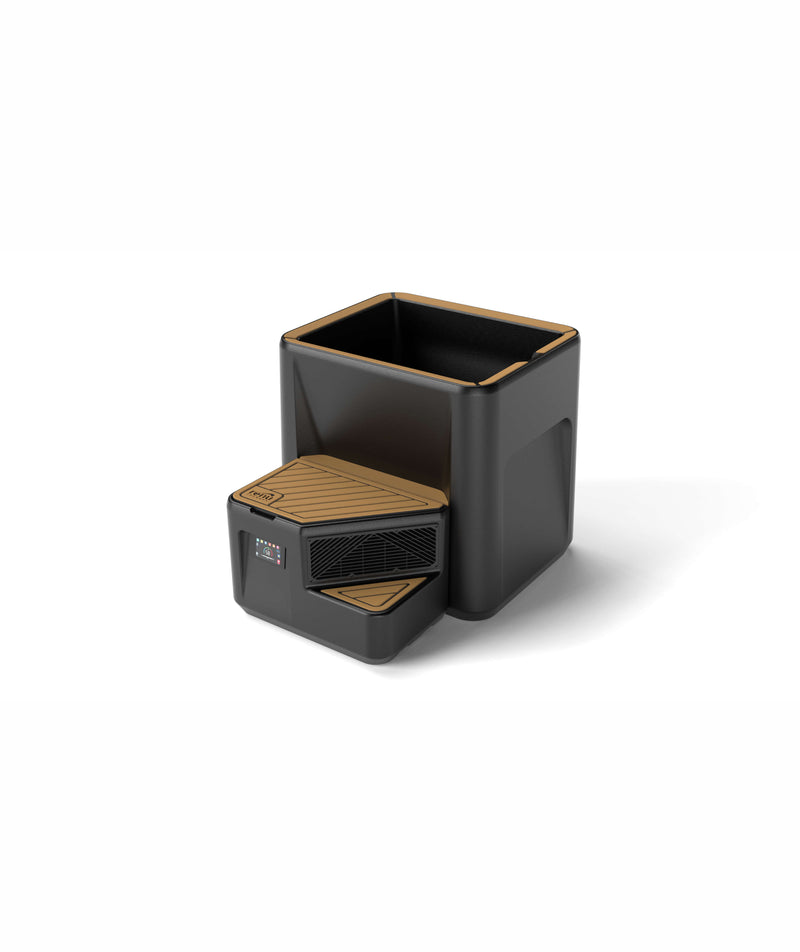
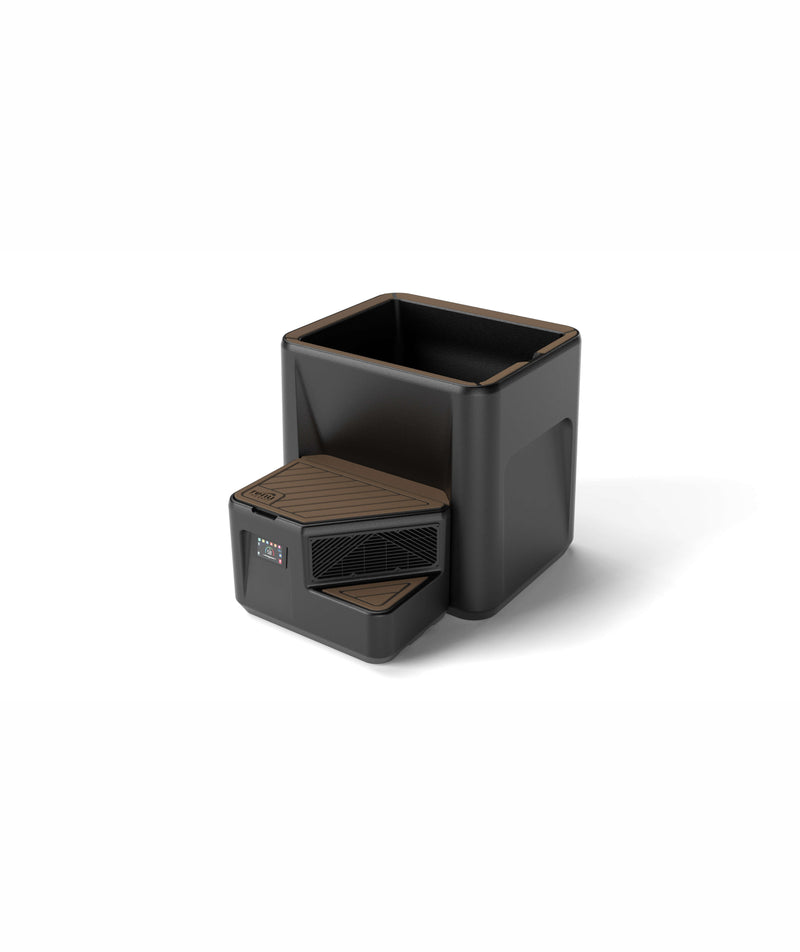
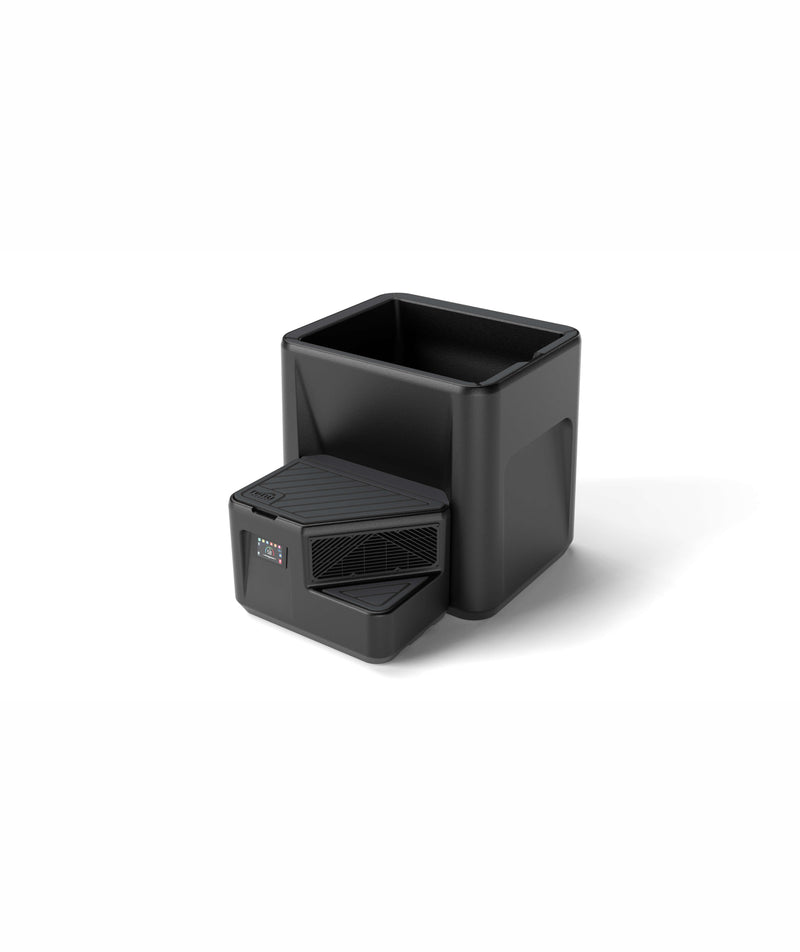
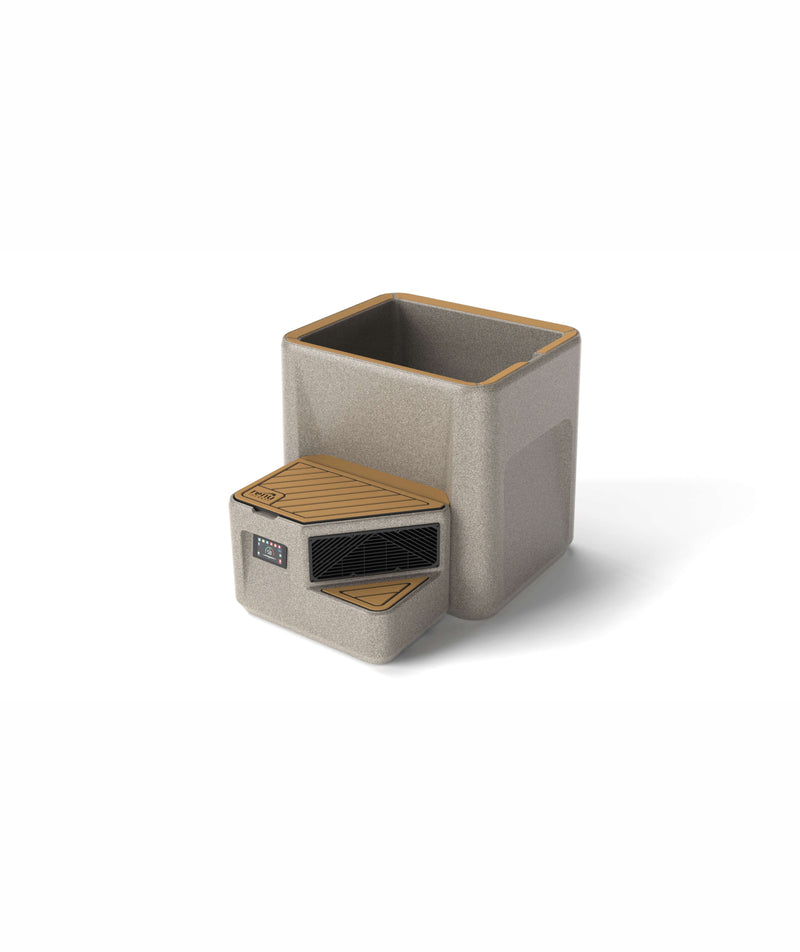
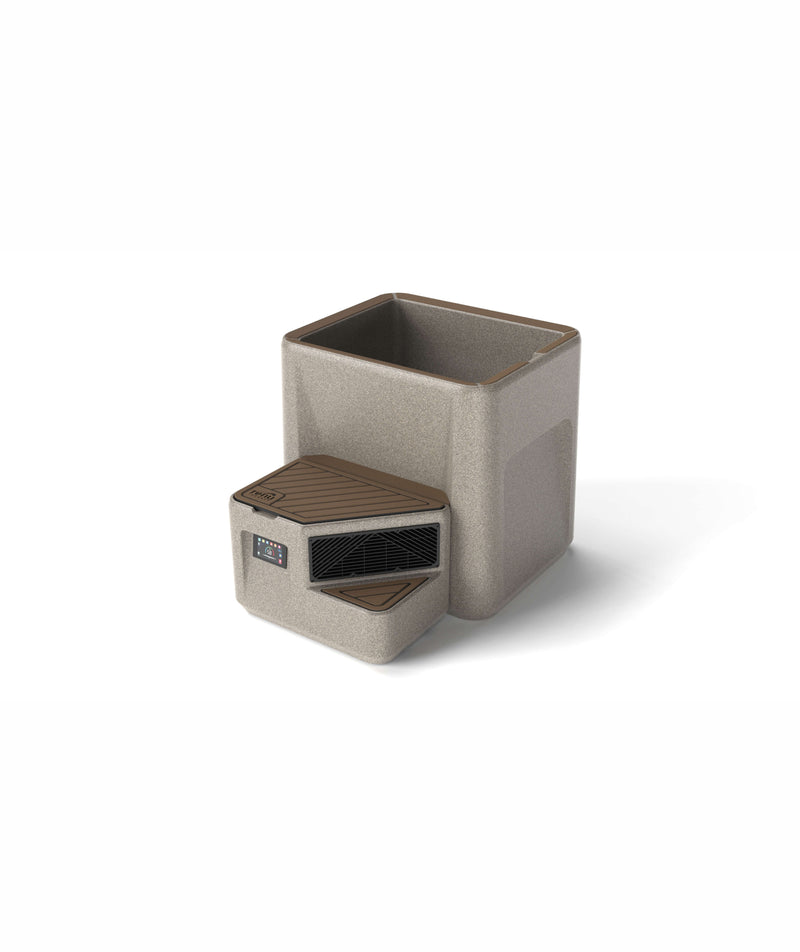
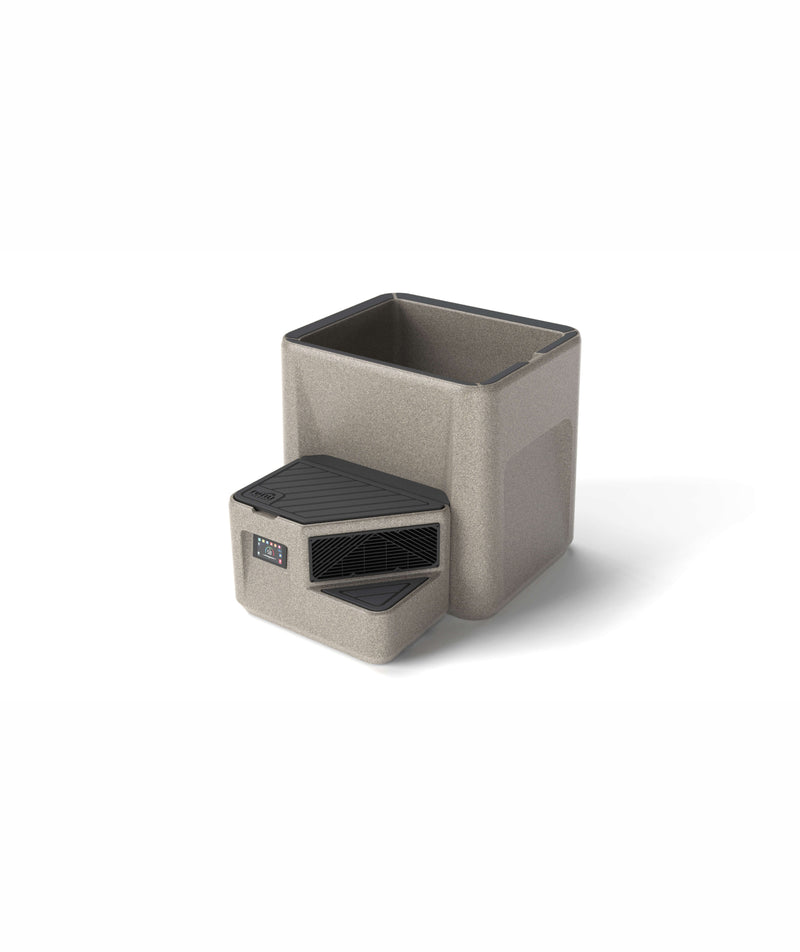
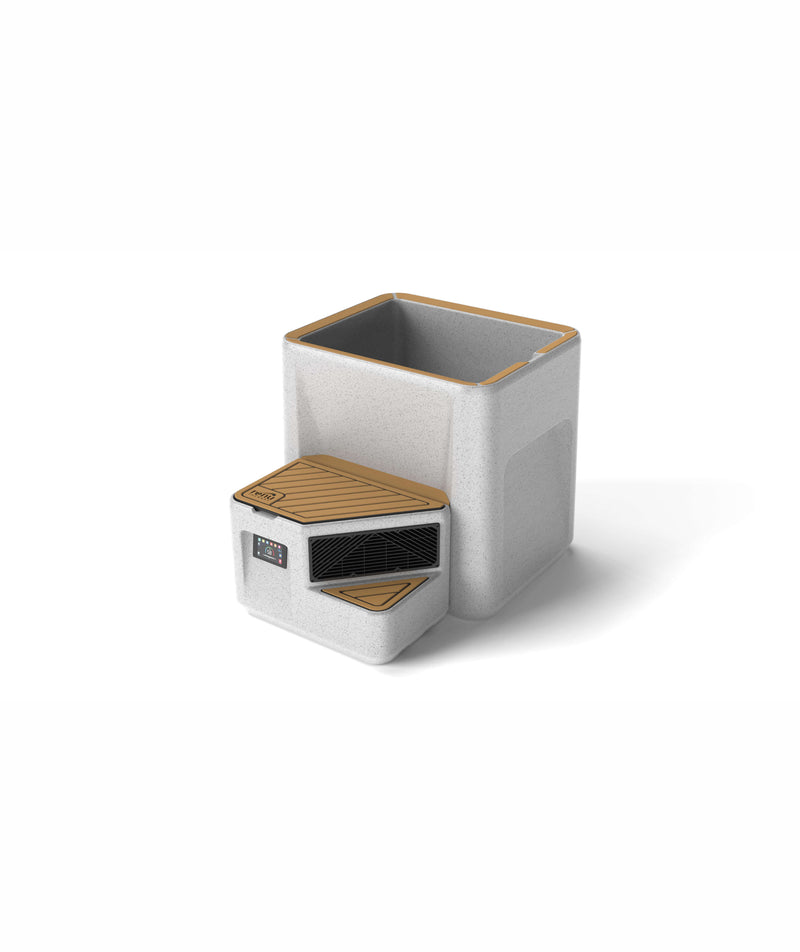
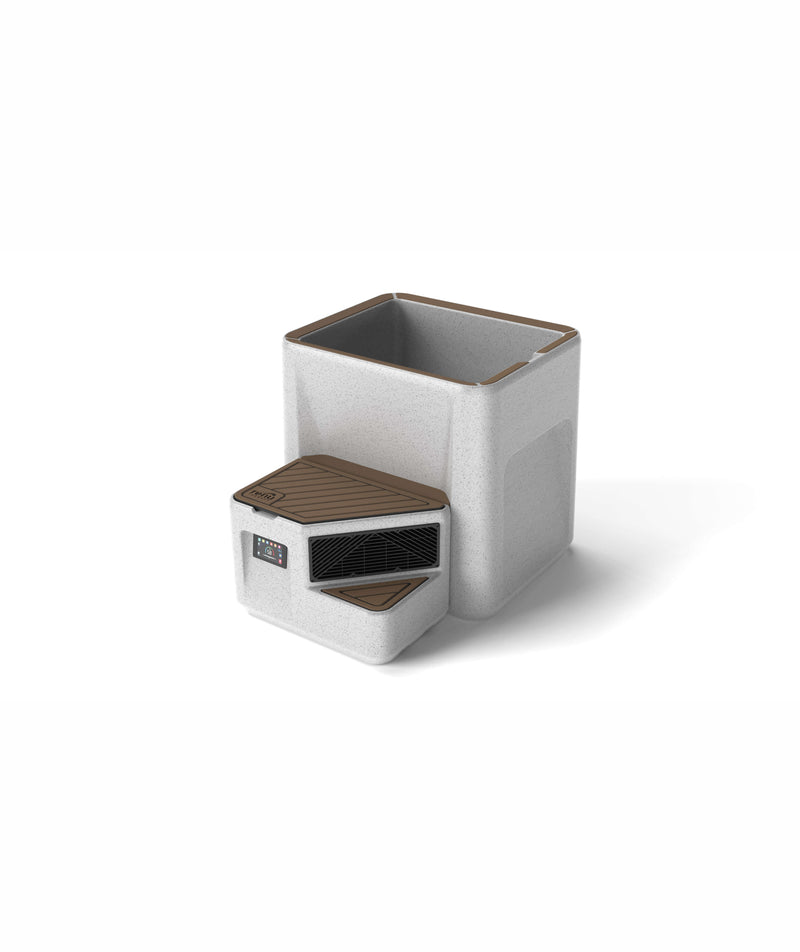
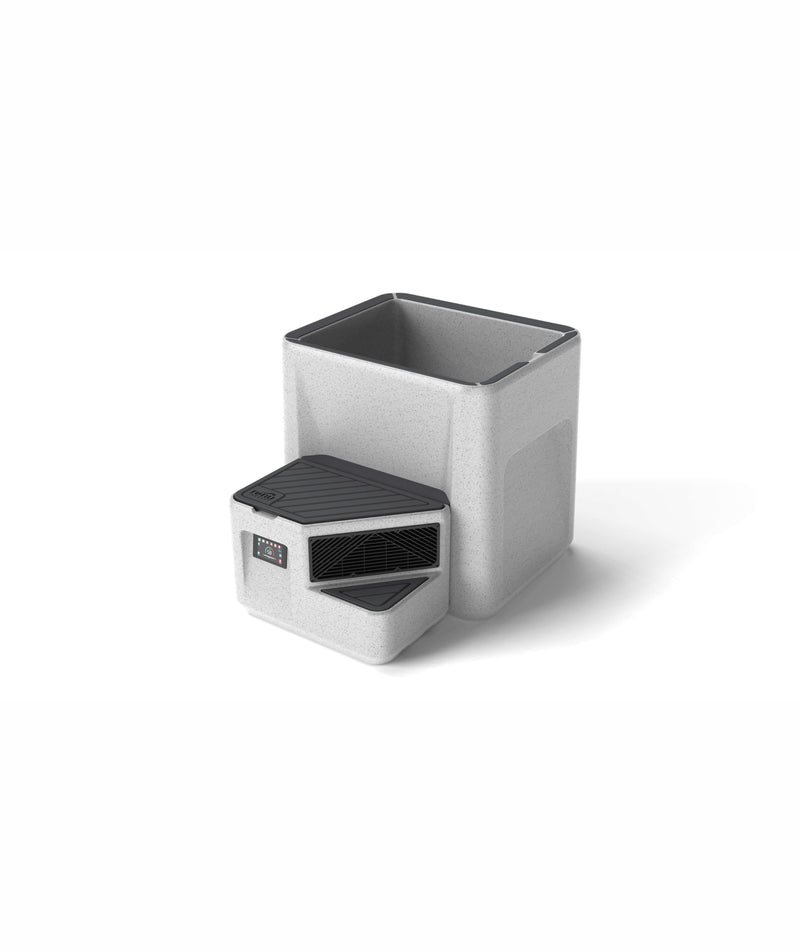
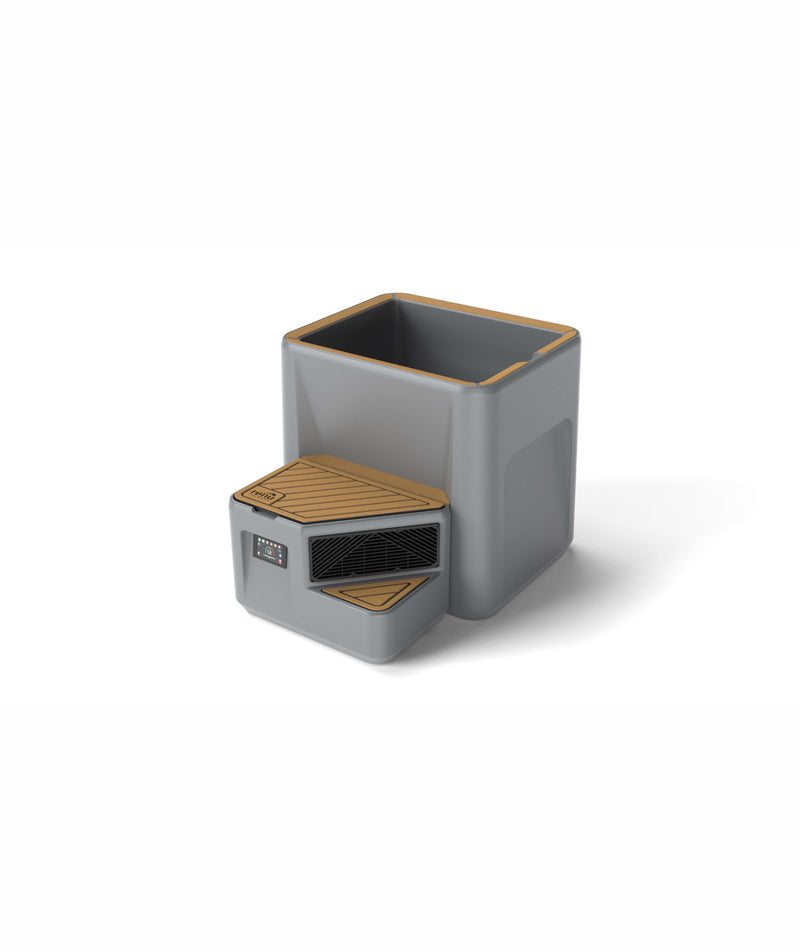
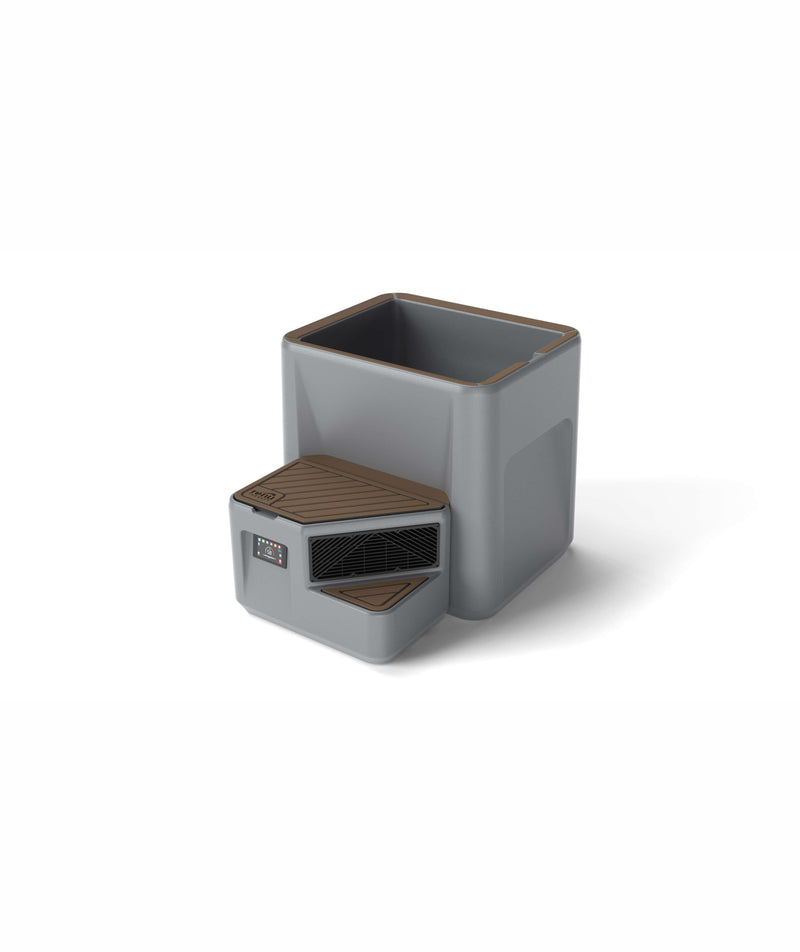
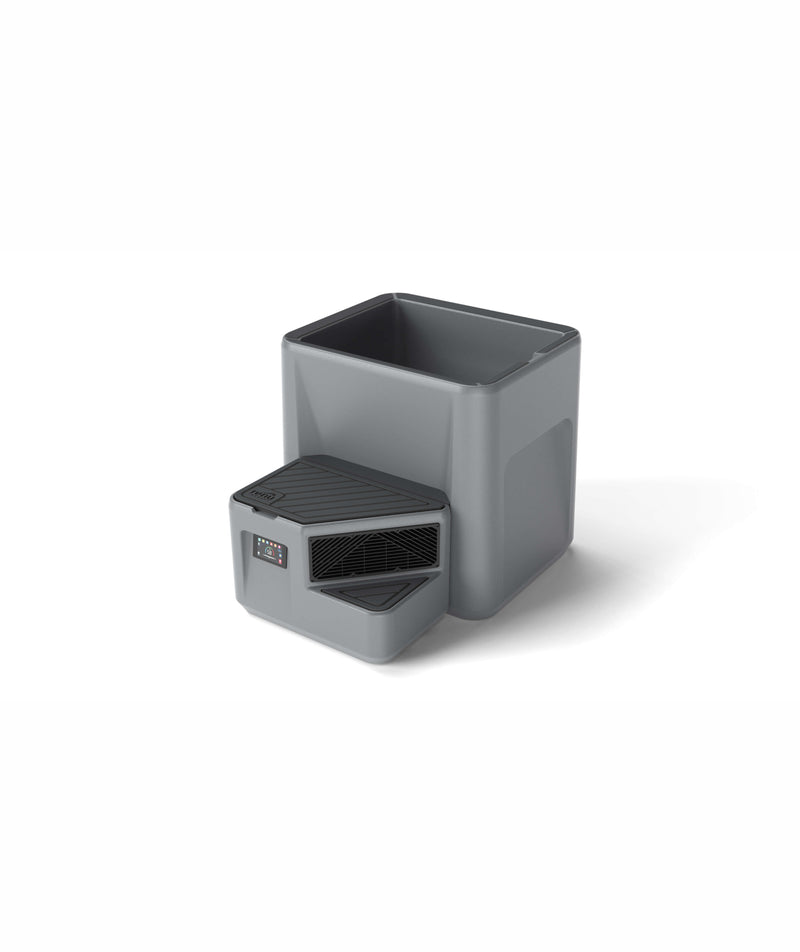
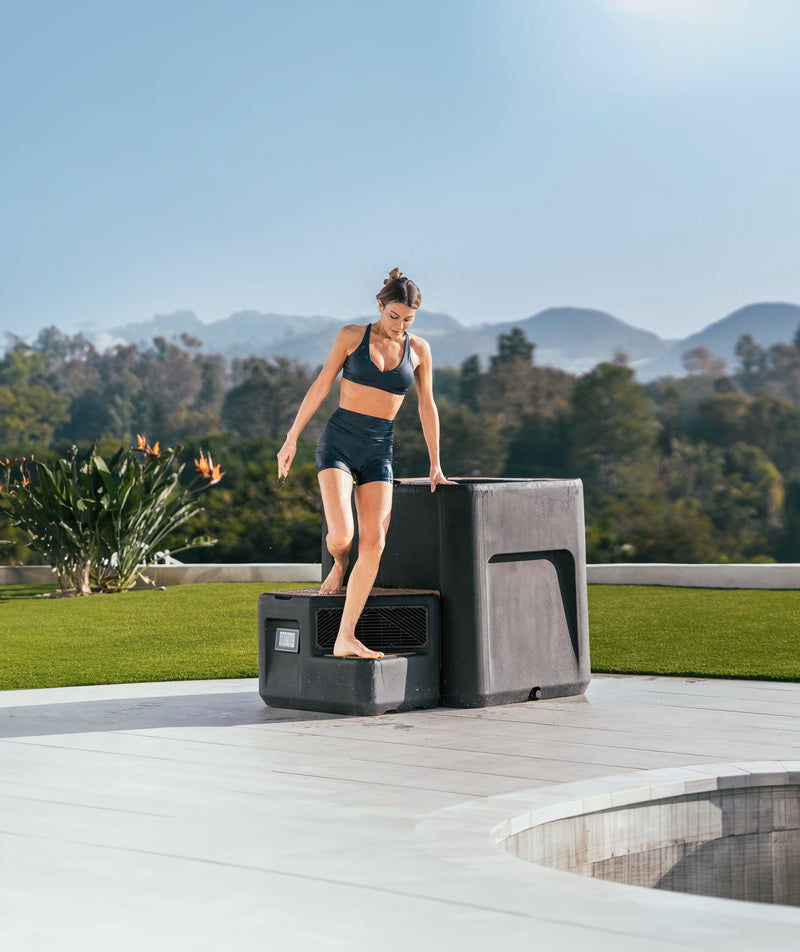
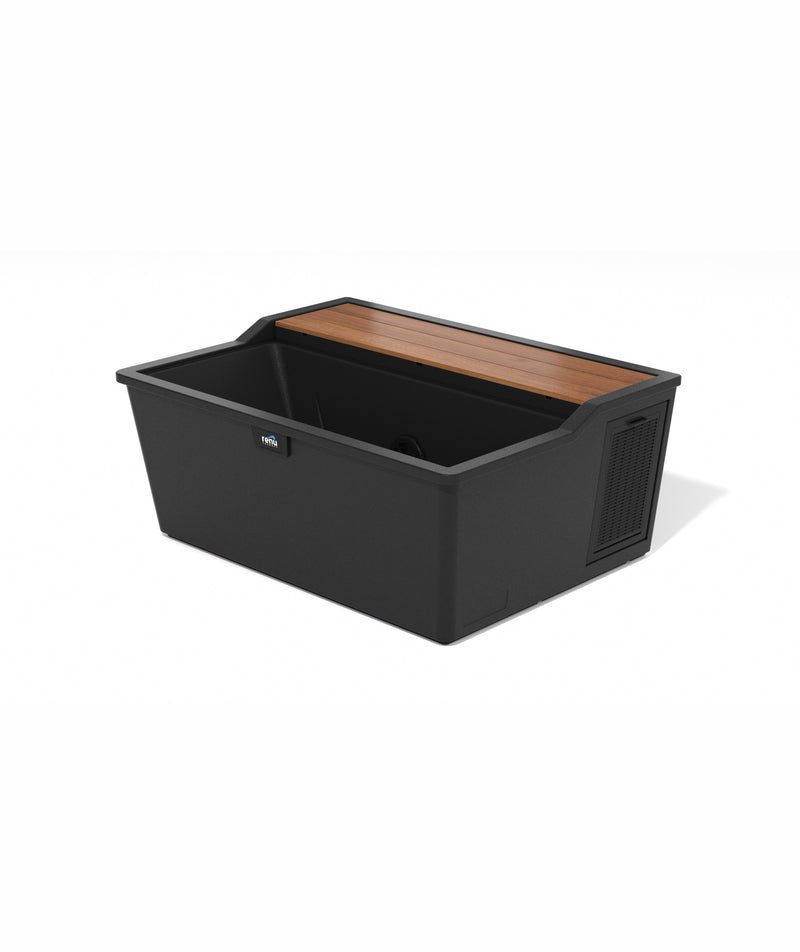
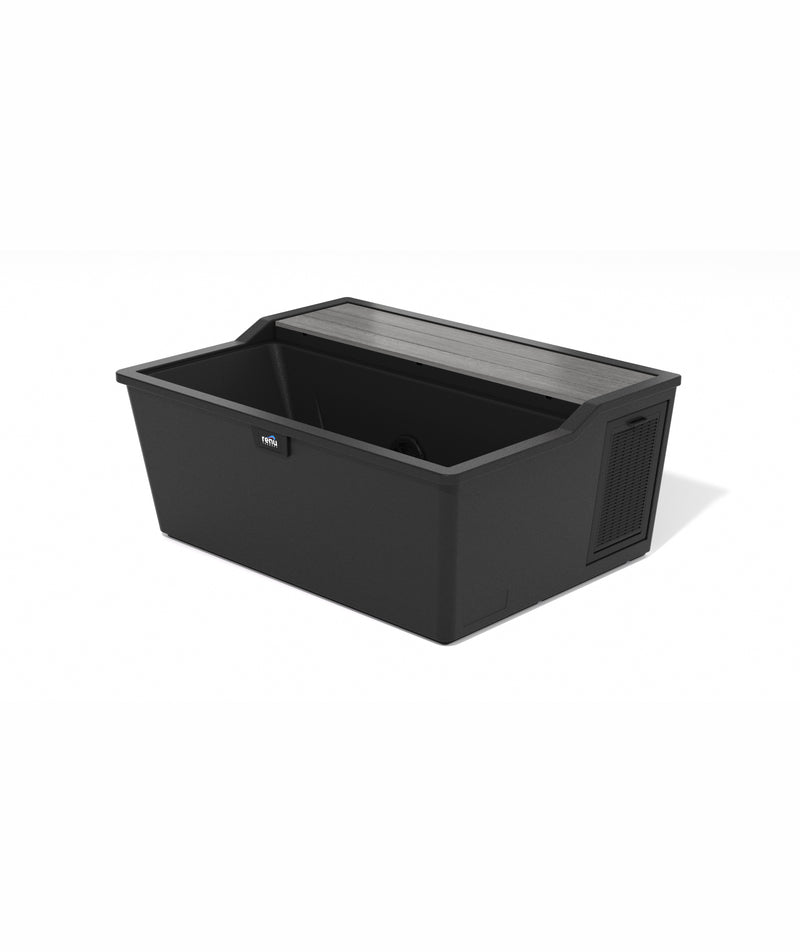
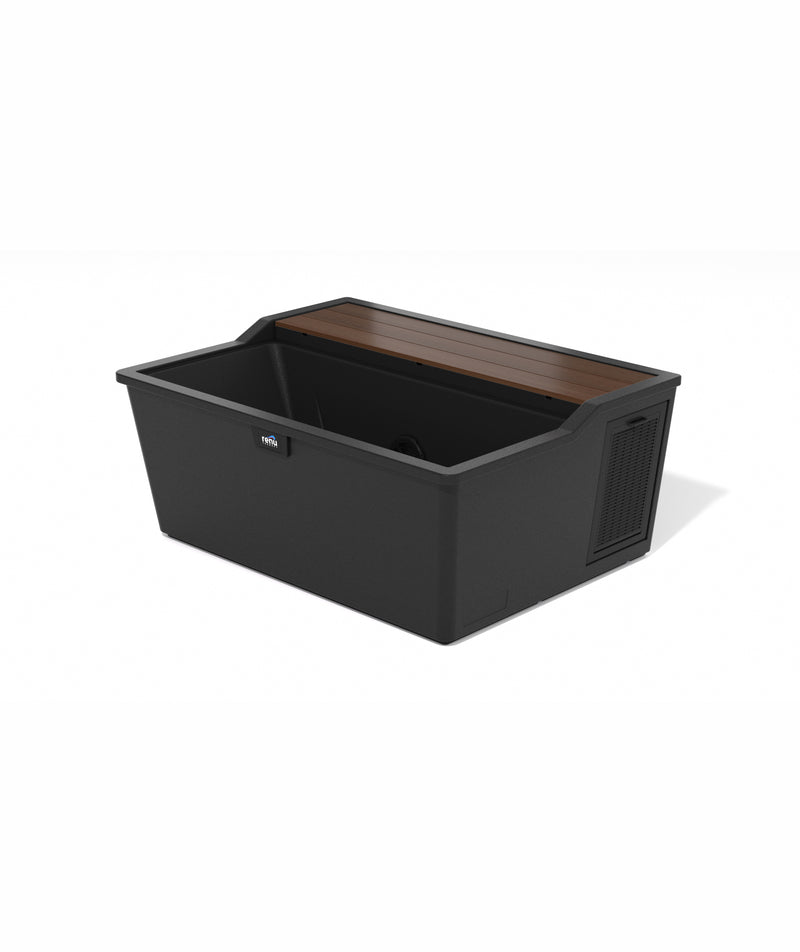
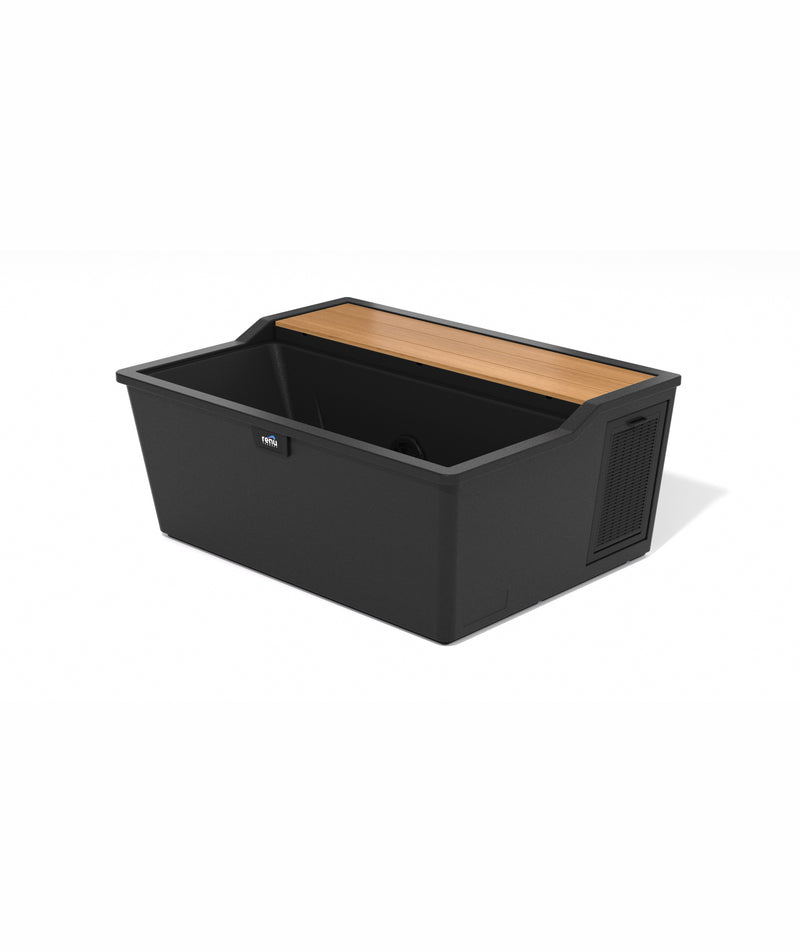
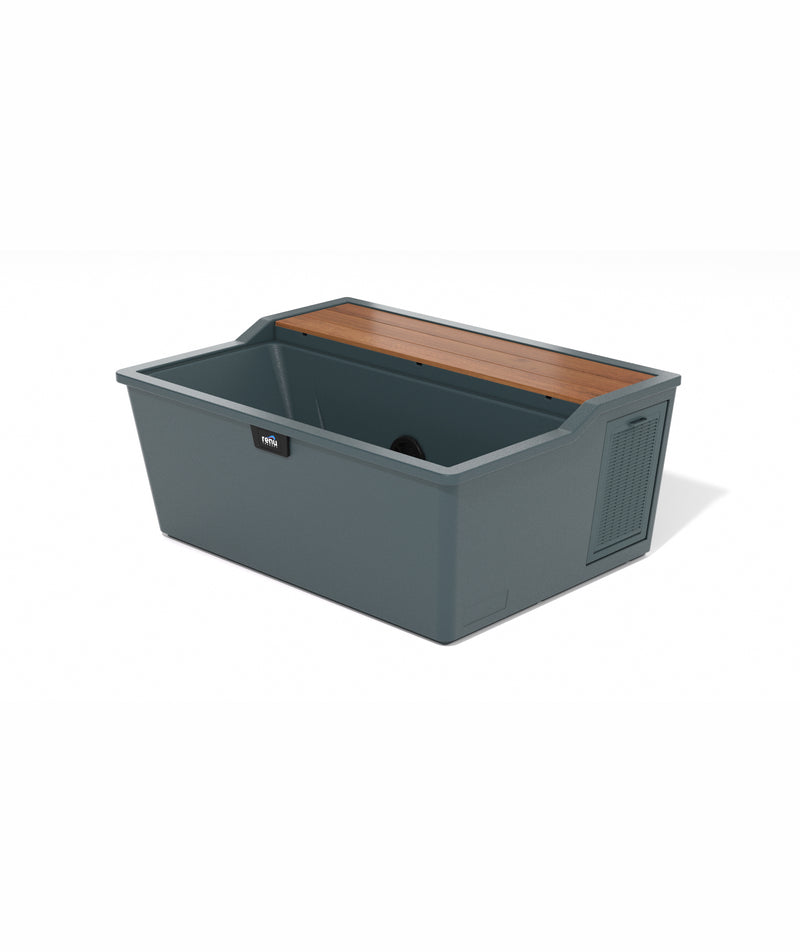
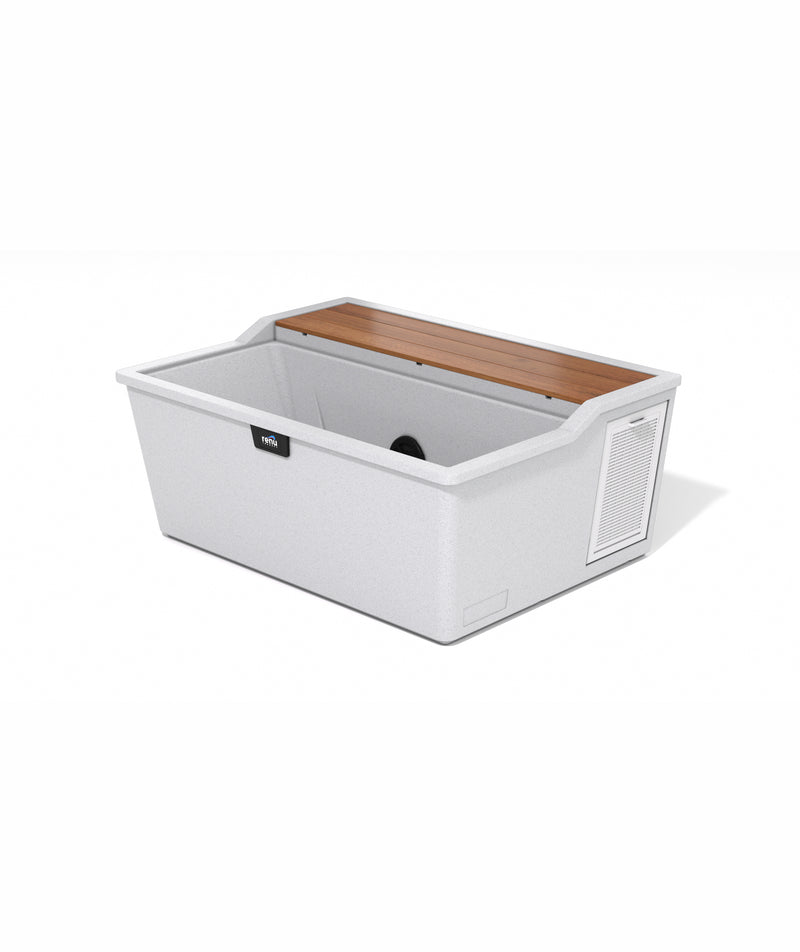
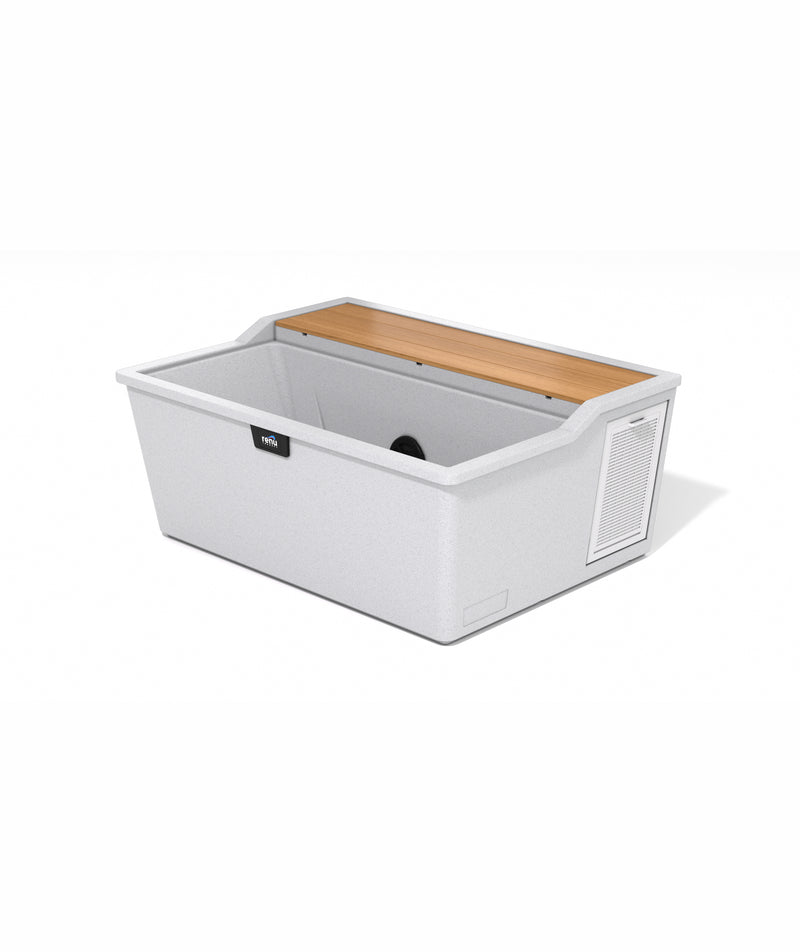
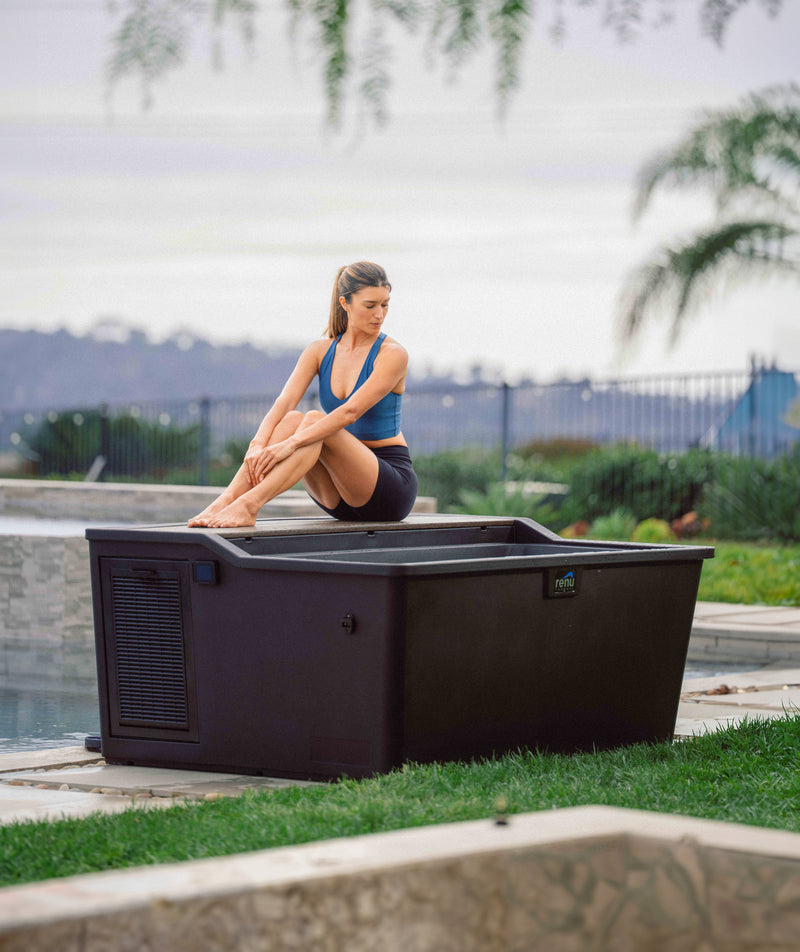
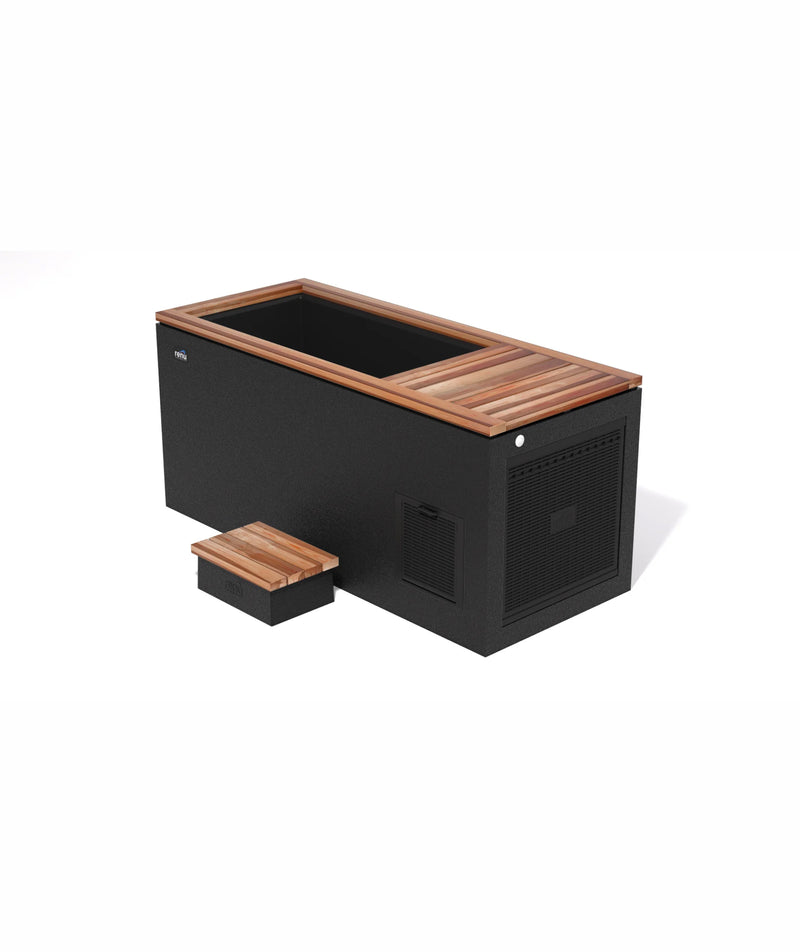
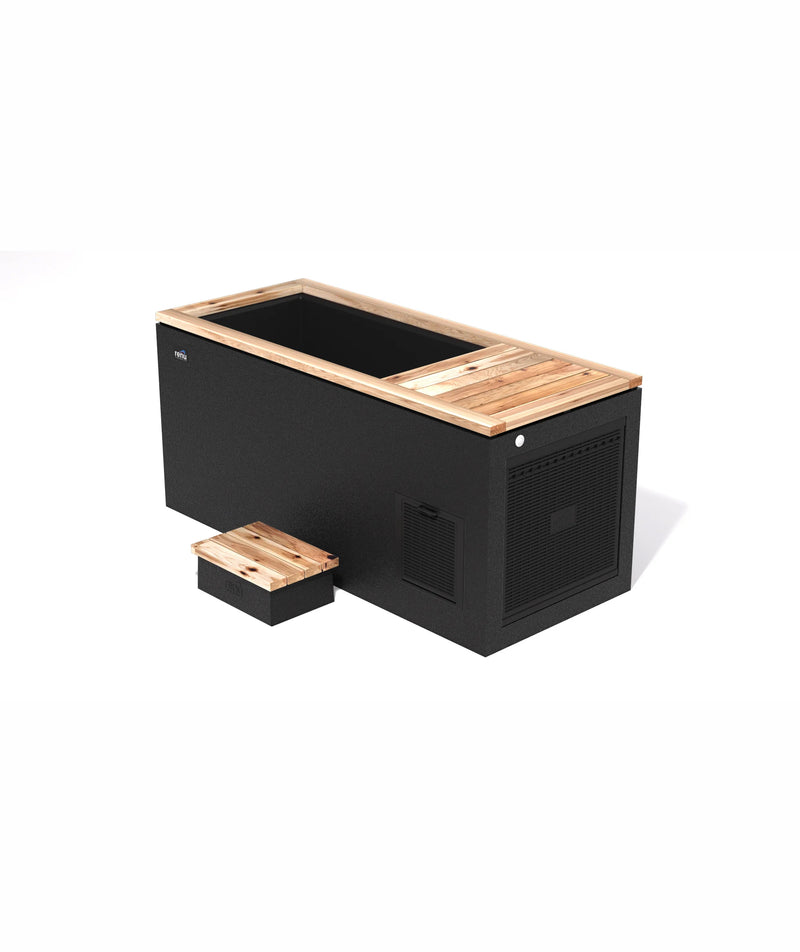
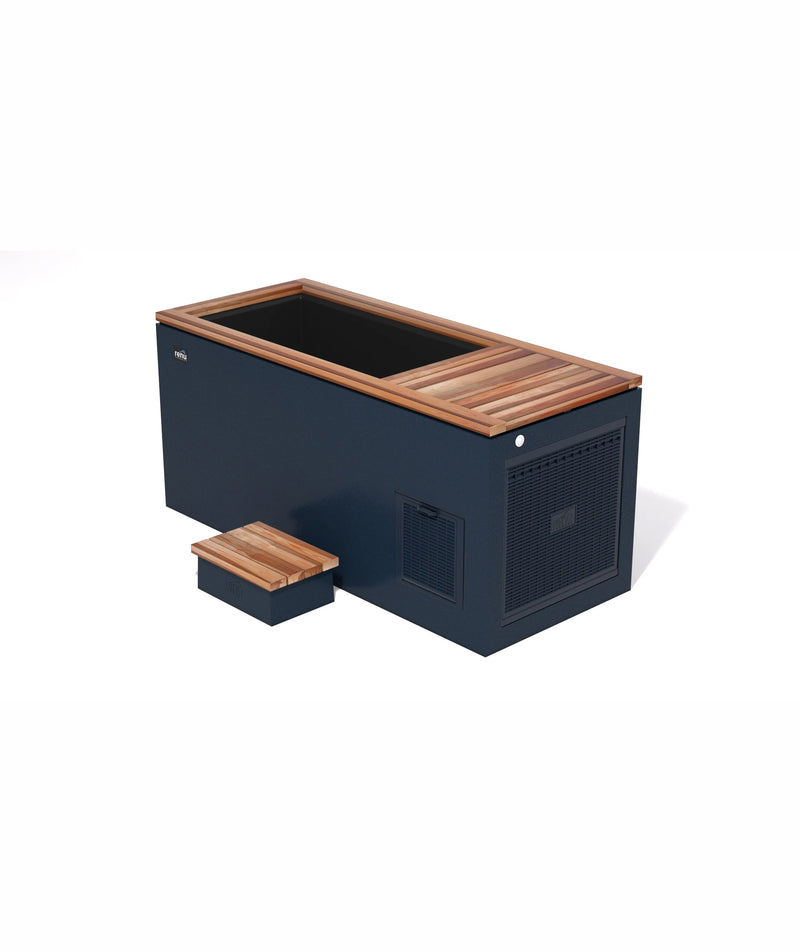
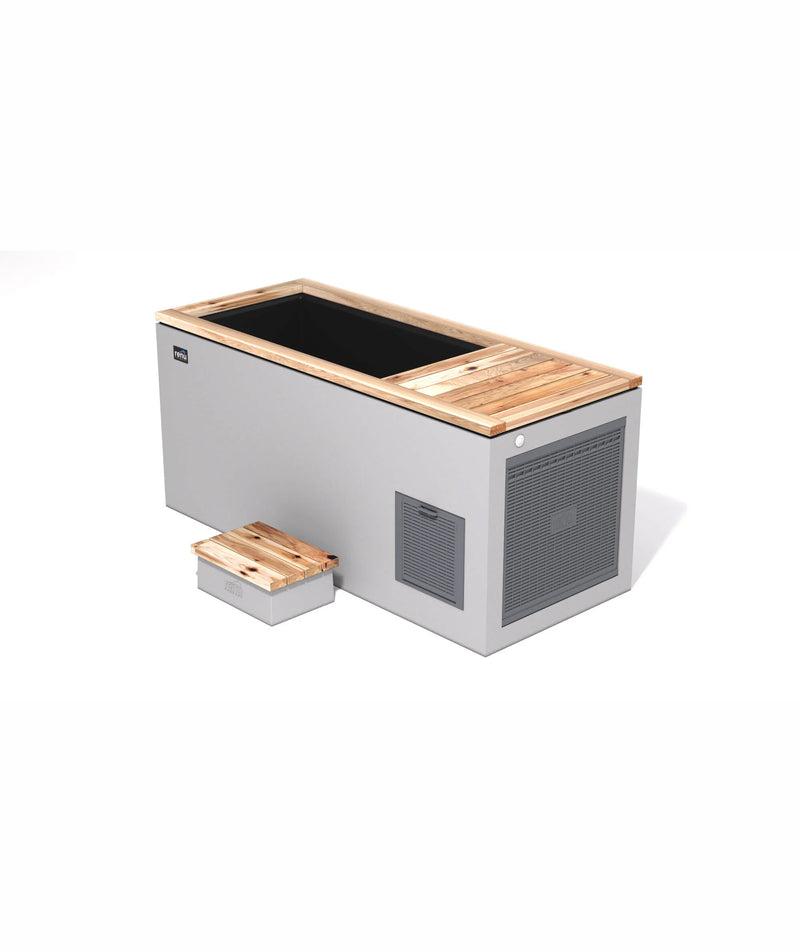
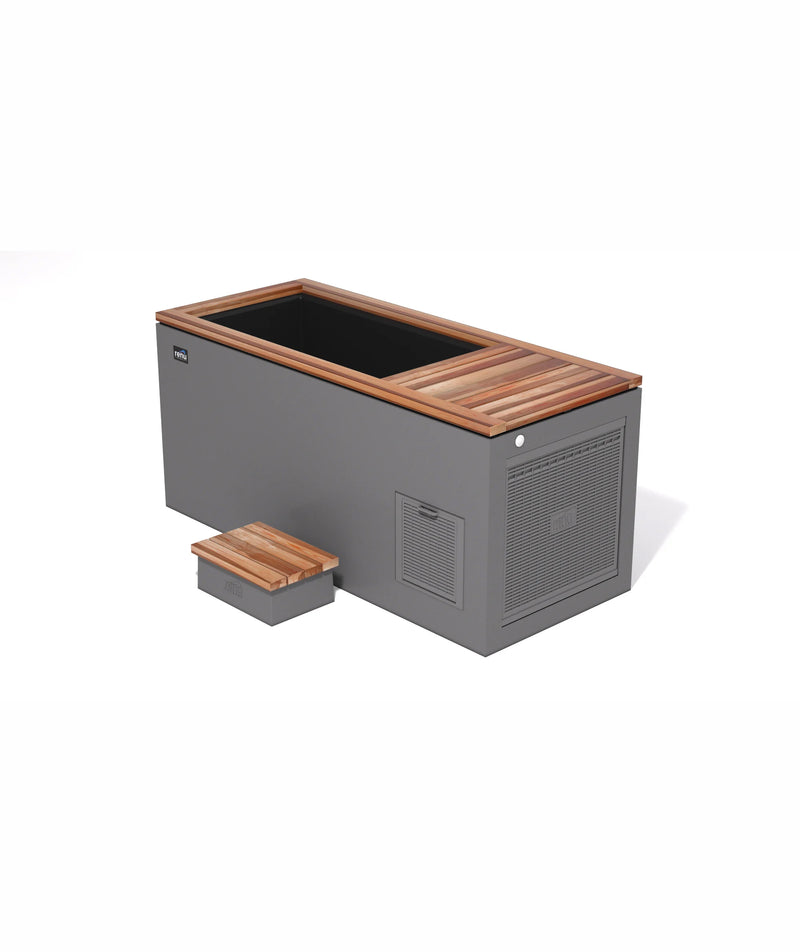
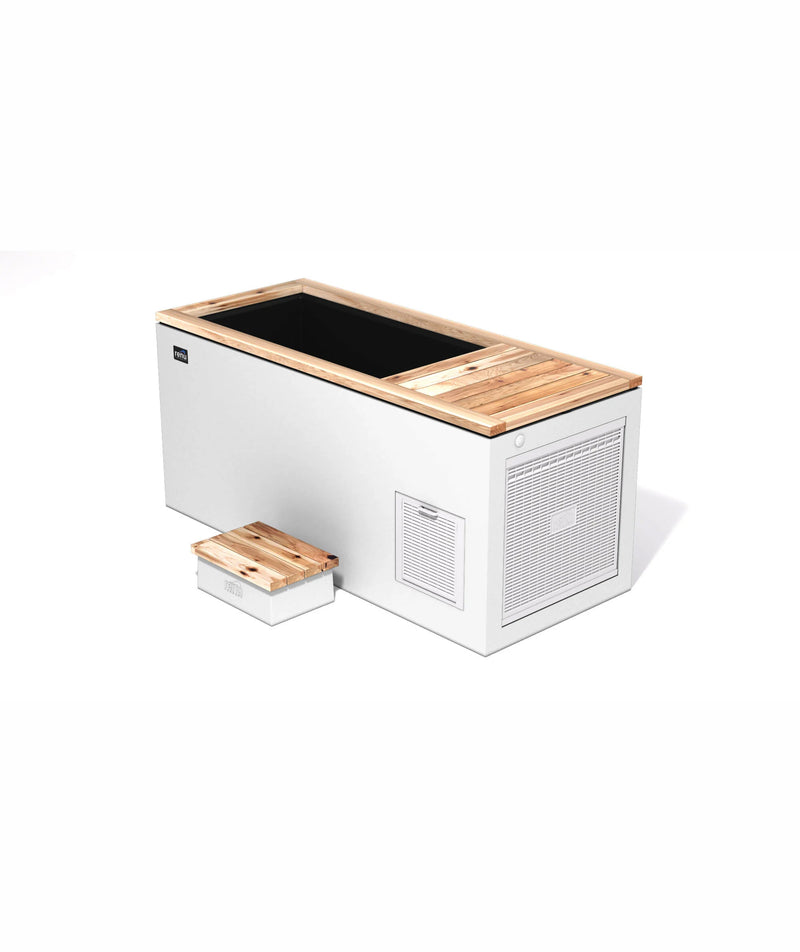
Every RENU Therapy cold plunge tank is designed to help athletes recover from injury faster with less hassle.
The water is always perfectly regulated to the precise temperature you choose. It's also continually sanitized by a superior filtration system. See why so many athletes of all levels choose RENU Therapy for cold exposure at home. Check out our full lineup here.
To learn more about our cold plunge tank and how you can enjoy having one in your home, contact us at 714-617-2007 at RENU Therapy today!