Cold water, be it a bath, shower, or lake, has many positive effects on your body and mind. There is a large body of evidence that suggests cold water immersion therapy is effective as a complementary treatment for mental health conditions, including depression, anxiety, panic attacks, and bipolar disorder.
Cold Water Immersion Therapy & Depression: The Numbers
Depression is a serious condition that affects people globally. According to statistics, 280 million (3.5%) people around the world have experienced depression, 5% of which were adults. Evidence continues to show that women are far more likely to suffer from depression than men. Approximately 5.7% (of 280 million) of people who are over 60 years old are depressed.
In the U.S., 8.4% of adults had experienced at least one major depressive episode. That's 2.1 million people. The age group with the highest rate of depression (17%) is 18-25.
It's clear that any type of therapy, including cold therapy, that alleviates mood disorders and positively impacts mental health is essential.
How Cold Water Therapy Provides Mental Health Benefits
Studies have shown that, due to the resulting long-term hormone regulation, cold water has a positive impact after people stopped their cold exposure.
Which Hormones Are Involved?
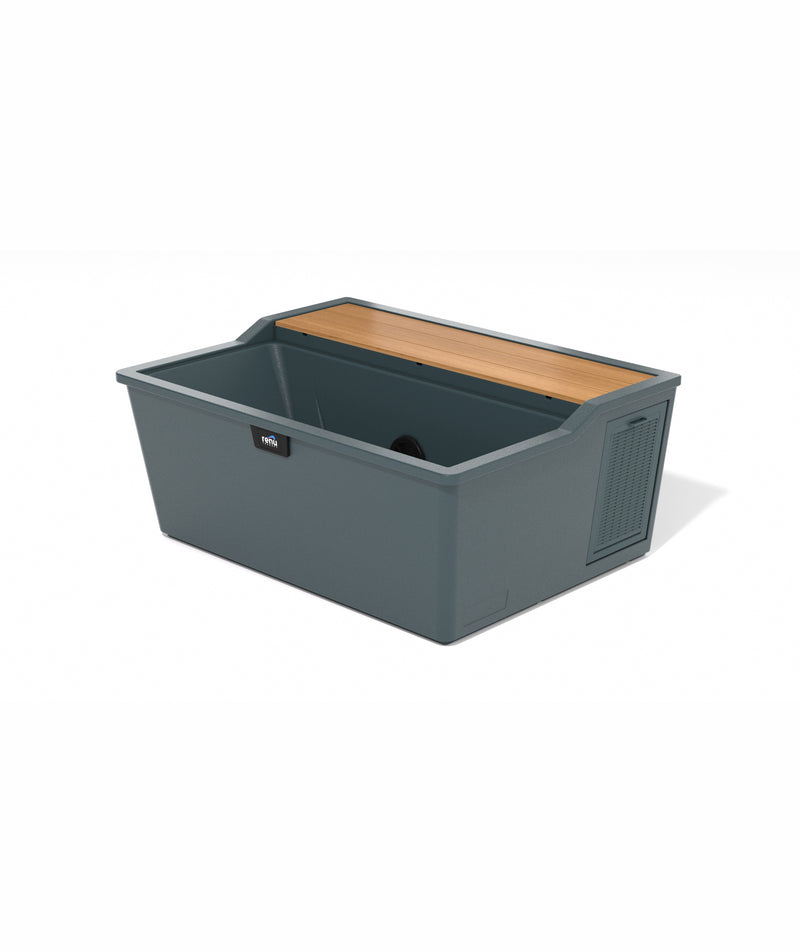
Using a cold plunge tank in immersion therapy affects the following hormones:
Cortisol
Cold water exposure reduces cortisol levels in your body. Cortisol is a stress hormone produced by the adrenal glands that is released during a stress response - the fight or flight response. In this instance, the trigger is the initial shock.
Endorphins
Cold water exposure increases endorphins which are released when you feel pain or stress and during pleasurable activities. They are feel-good hormones that contribute to your overall sense of well-being.
Norepinephrine
Cold immersion increases norepinephrine, which is a neurotransmitter and hormone. It's also a reaction to stress and plays a role in the fight or flight response. In this instance, cold shock triggers a physiological response that boosts energy levels. It also helps regulate emotions over the long term.
Testosterone
Cold exposure increases testosterone levels, which is necessary because low levels of the hormone have been associated with chronic stress, depression, and hypomania (which is also an element of bipolar II disorder). Testosterone has an overall effect on cognition, well-being, and mood stability.
The Vagus Nerve
It's not a hormone but it plays an important role in mood regulation. The nerve starts in your brain and ends in your abdominal region. It's activated by icy water to reduce mental health issues, such as stress and anxiety.
How to Start Cold Immersion Therapy
The very first thing to do is consult your GP. Ice baths aren't safe for people with various physical health conditions, including those taking medication to lower their blood pressure.
Getting started with ice water therapy is easy. All you have to do is stand under a cold shower for up to three minutes. A great way to ease into it is to lower the temperature while you're in the shower until it's cold enough to take your breath away. Stand beneath it for as long as you can stand it, and then crank up the hot water again to warm up before you get out of the shower.
Just a couple of minutes is all it takes to feel the beneficial effects of cold water therapy. So you don't have to work your way up to cold water swimming in temperatures that are just above freezing.
However, you can increase your exposure to cold temperatures and build your tolerance to the frigid water.
Go Deeper With Cold Water Therapy
You can start off with your bath tub as a plunge tank. You are in charge of the therapy, so you progress at your pace. If it takes you two months to sit in an ice bath with your legs covered, then so be it. Don't go too fast, though, it's better to build up your tolerance to cold temperatures in stages than to duck your head in sudden immersion.
If your goal is to submerge your body, a good place to start is by sitting in cold water in your bath. You can pick the temperature, the water level, and the time you want to take. For example, you might draw a cold bath using only cold tap water and sit with the water halfway up your legs.
If you are already cold water tolerant to a degree, you could sit in the bath with cold water and ice up to your waist.
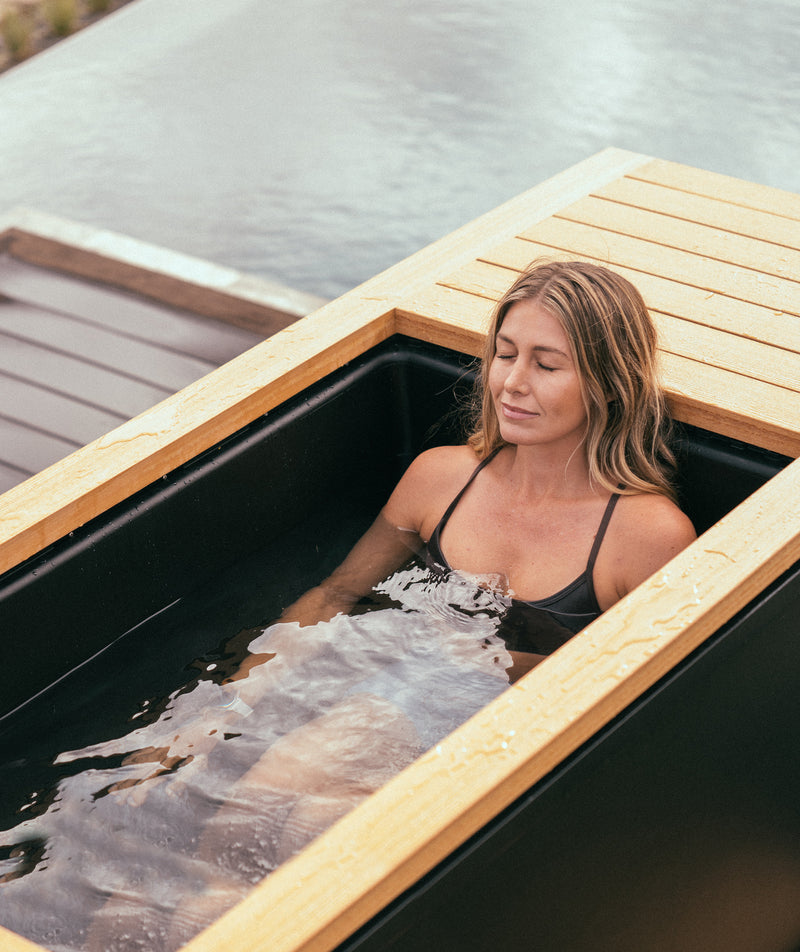
You can wear as much clothing as you like, so long as you're comfortable and not weighed down (not for cold water swimmers). Many people opt to wear their swimsuits. A bath will only take you so far, however. So if you're more serious about your goals, it's a good idea to buy a home cold water plunge tub.
Hot or Cold?
Alternating hot and cold water has beneficial effects, much like you would alternate heat and ice on a physical injury. This method is called contrast therapy and it involves going from warm water to cold water and back to warm water to cold water. The warm water should be 100F - 104F (38C - 40C). The cold water should be 46F - 50F (8C - 10C).
It's a 2000-year-old therapy technique that uses cold water to heighten the benefits of warm water. Warm water releases the feel-good hormones, dopamine, norepinephrine, and serotonin while reducing the stress hormone cortisol.
When you switch from a hot shower to a cold shower, for example, the effects feel extra strong. Then there are the benefits of cold water itself. It's a double-whammy treatment.
Trust RENU Therapy for Cold and Warm Tanks
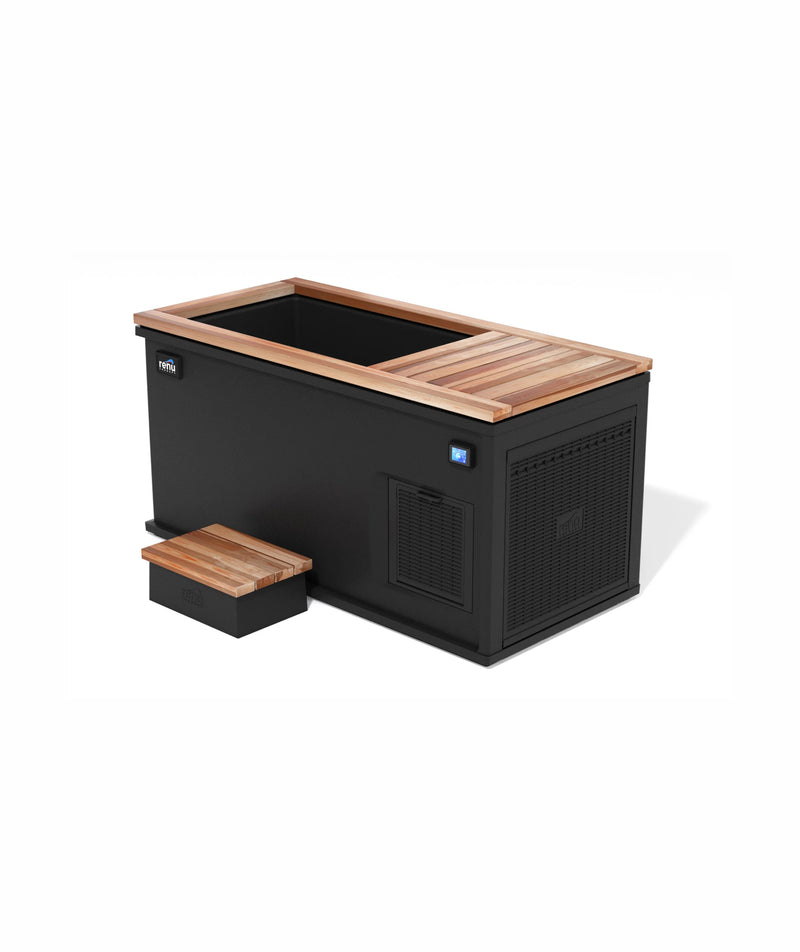
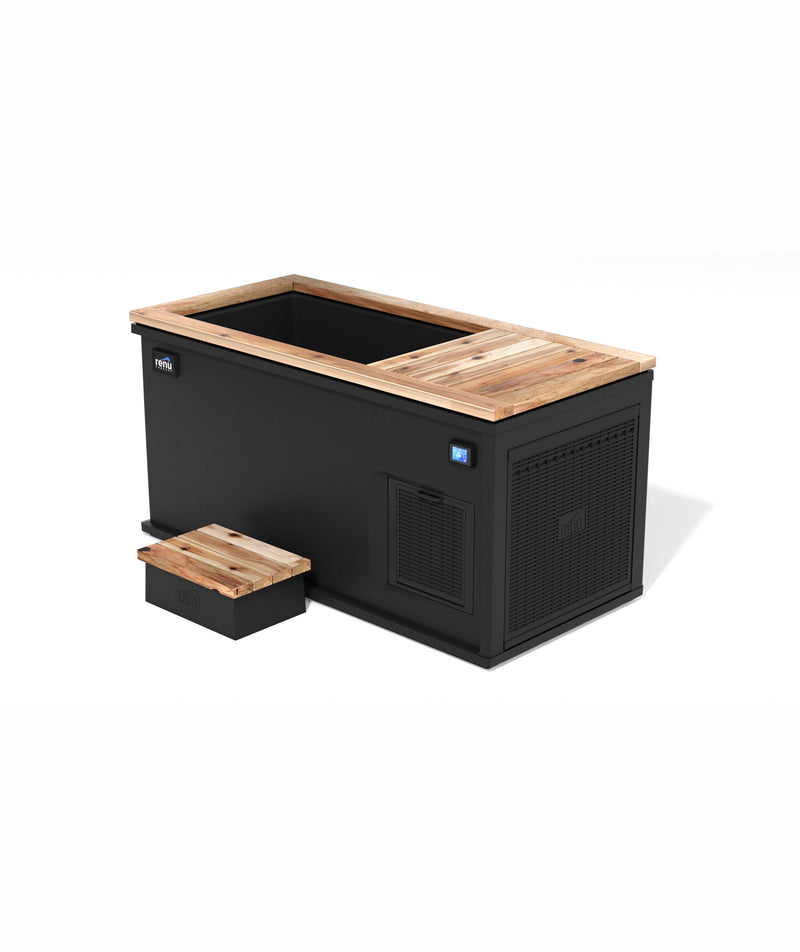
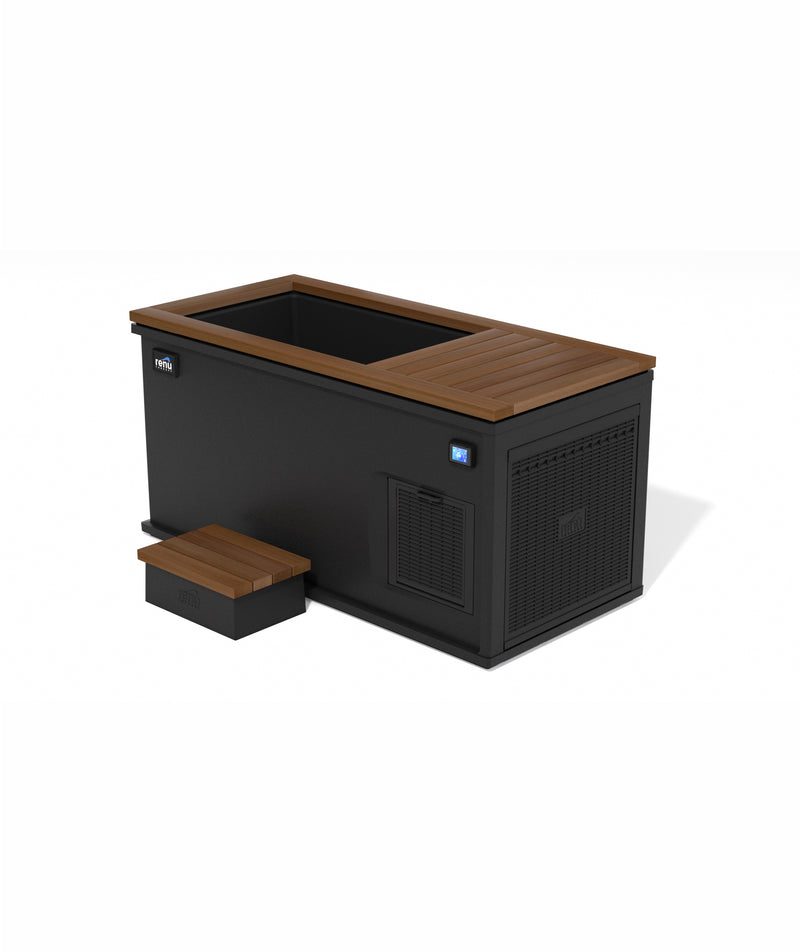
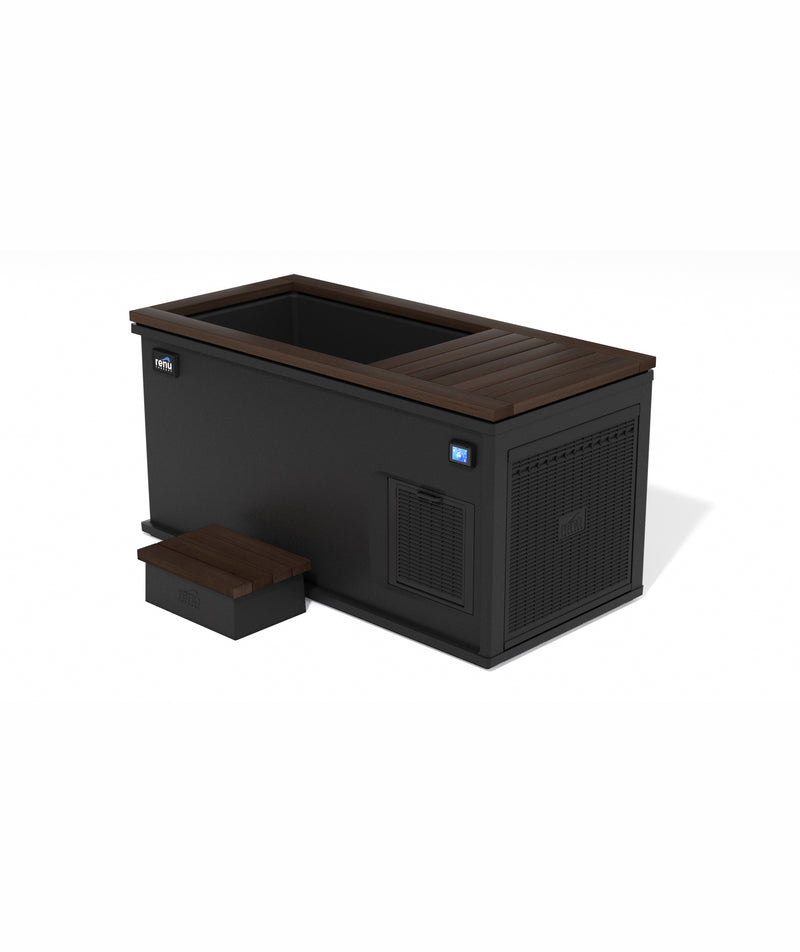
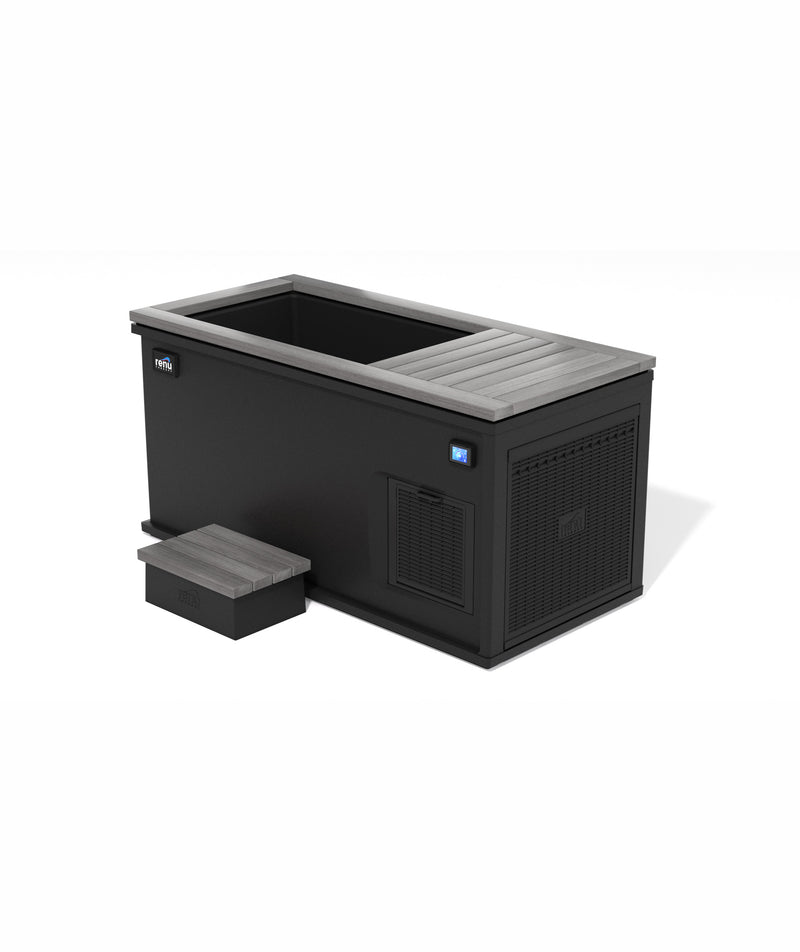
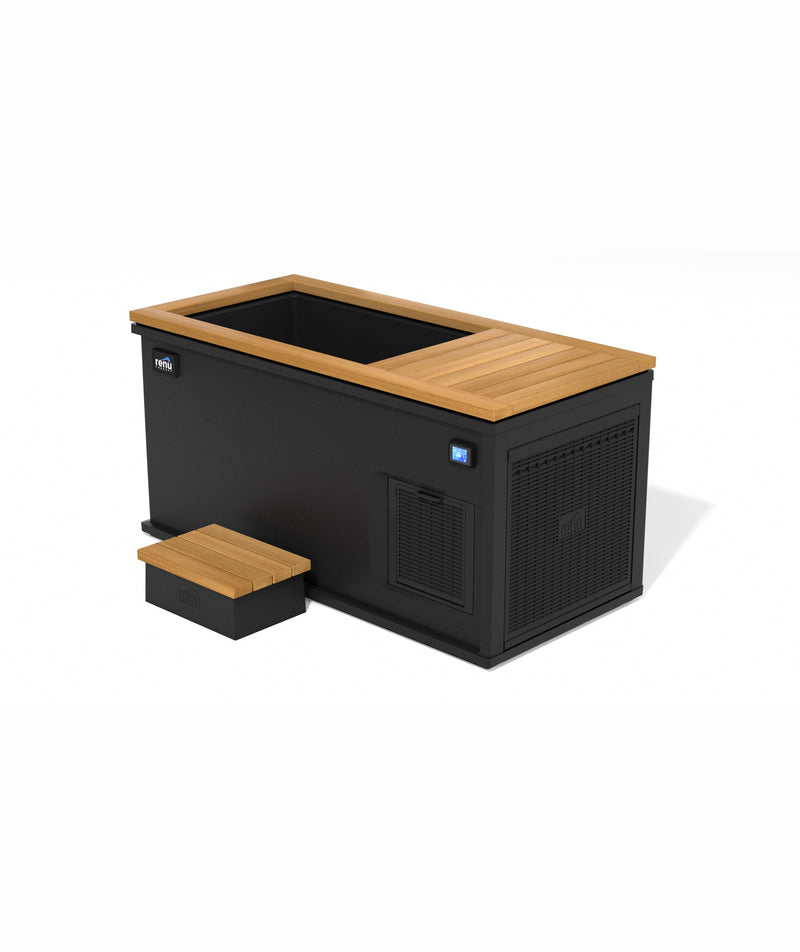
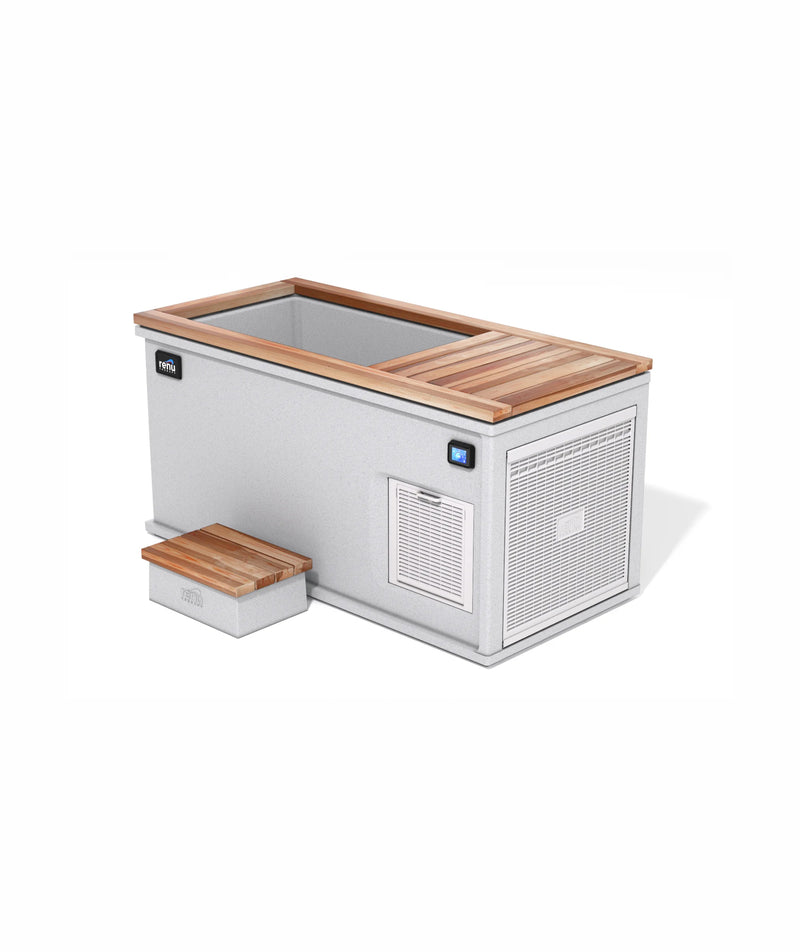
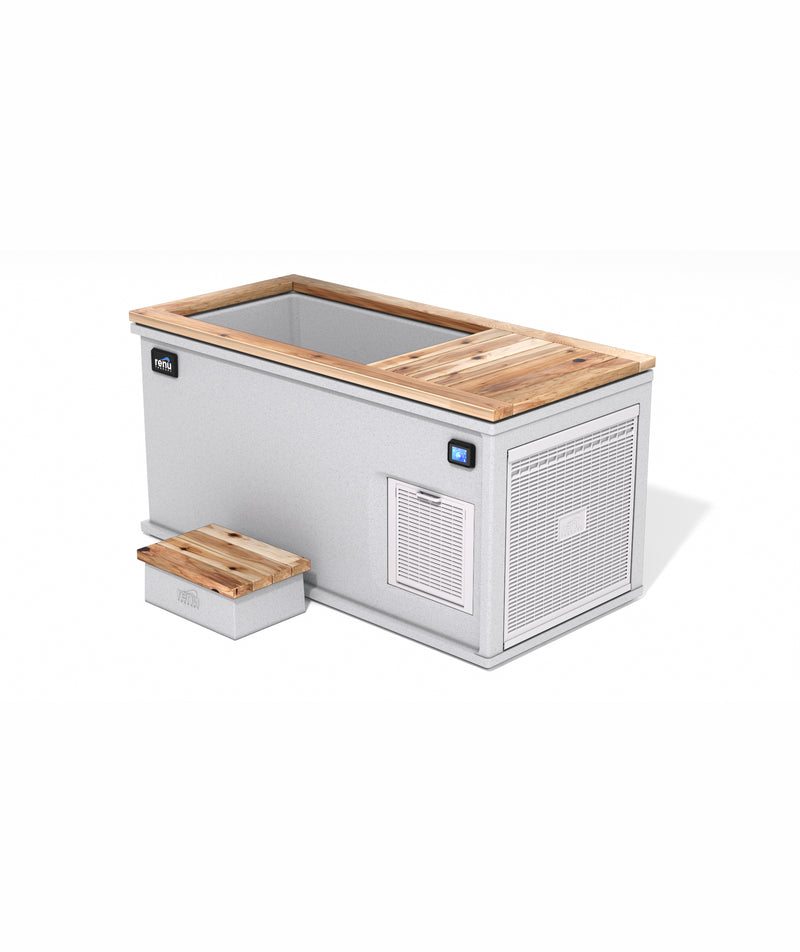
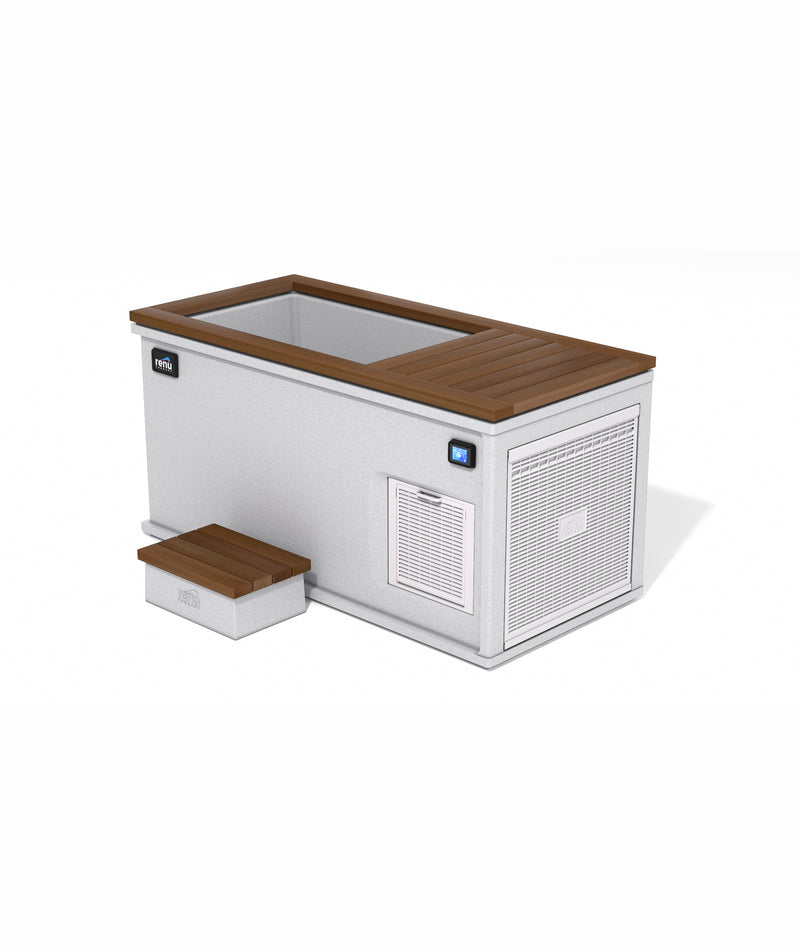
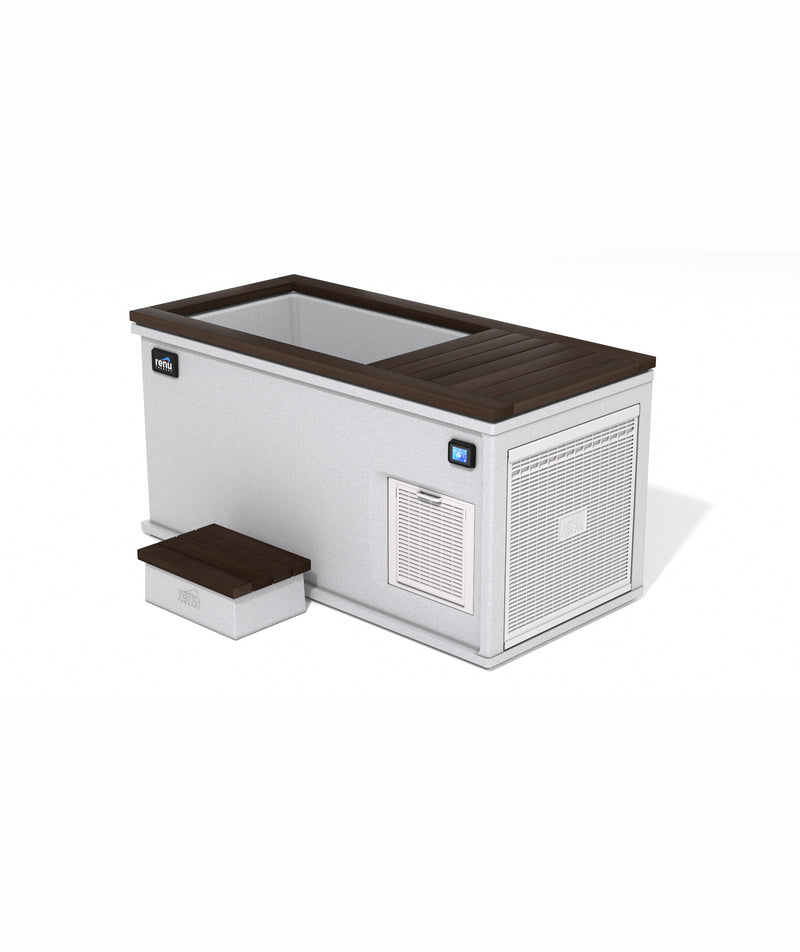
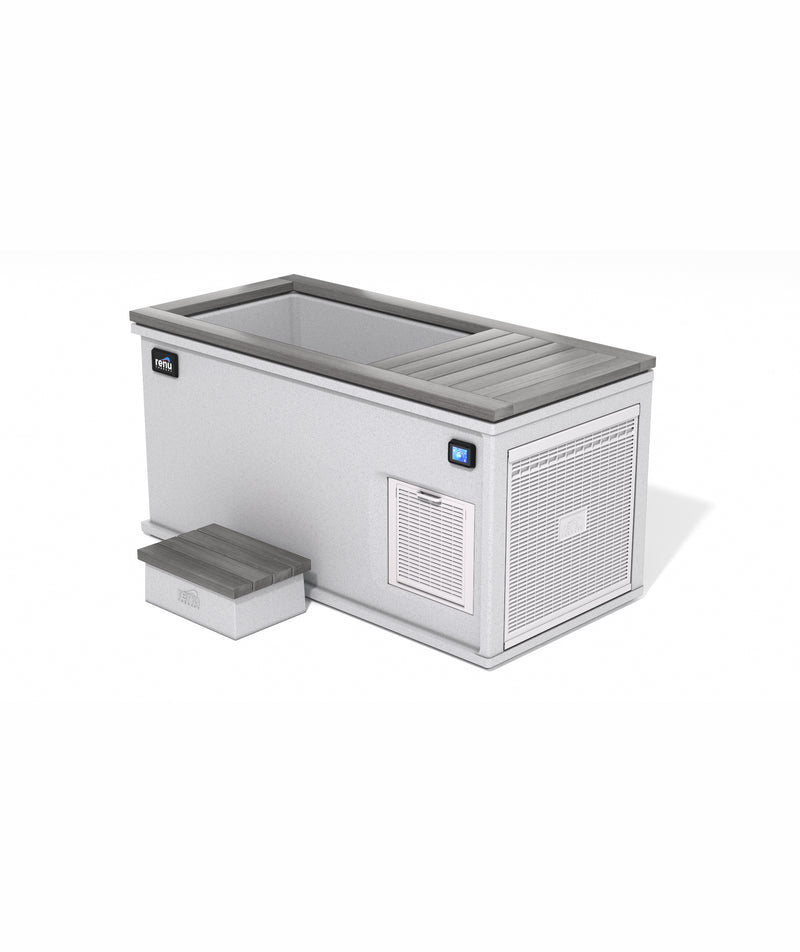
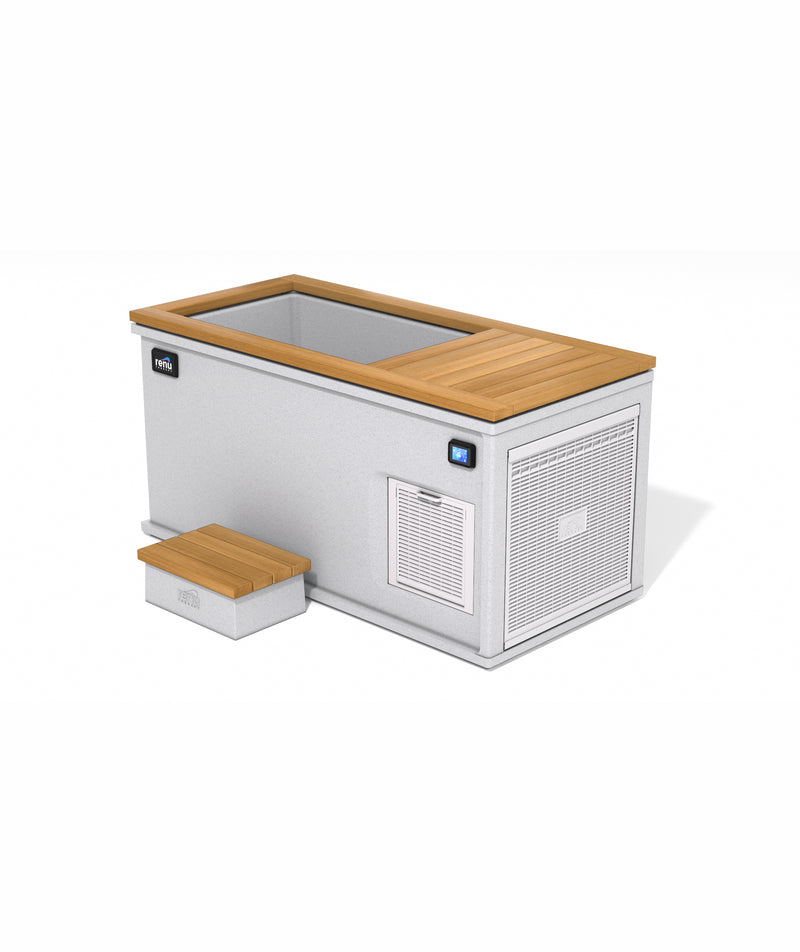
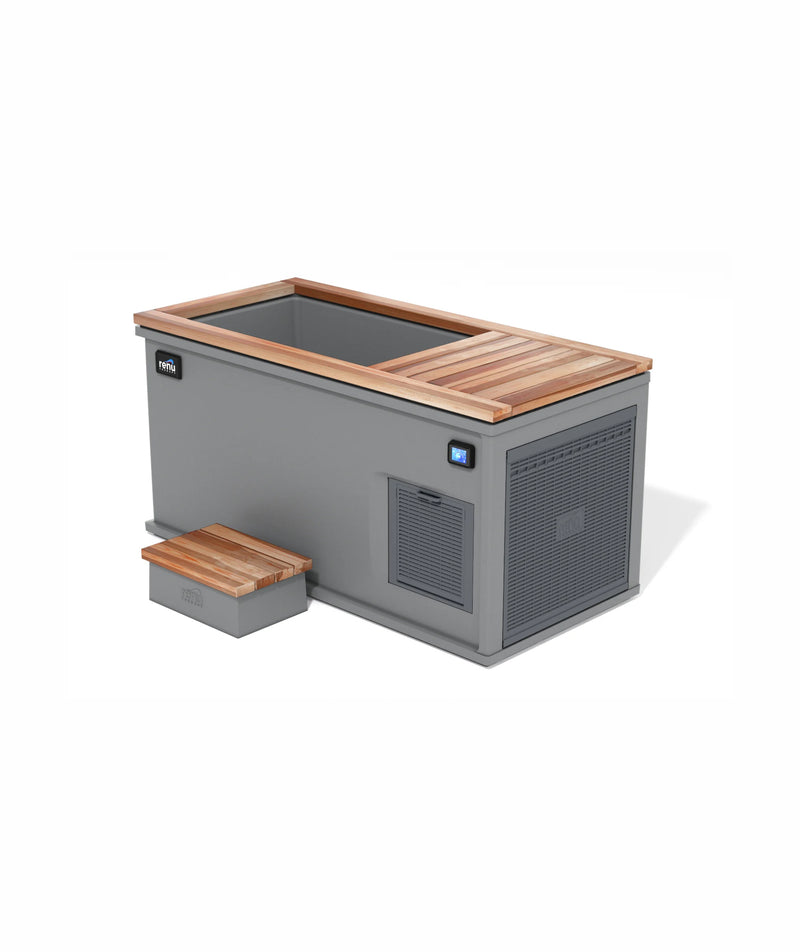
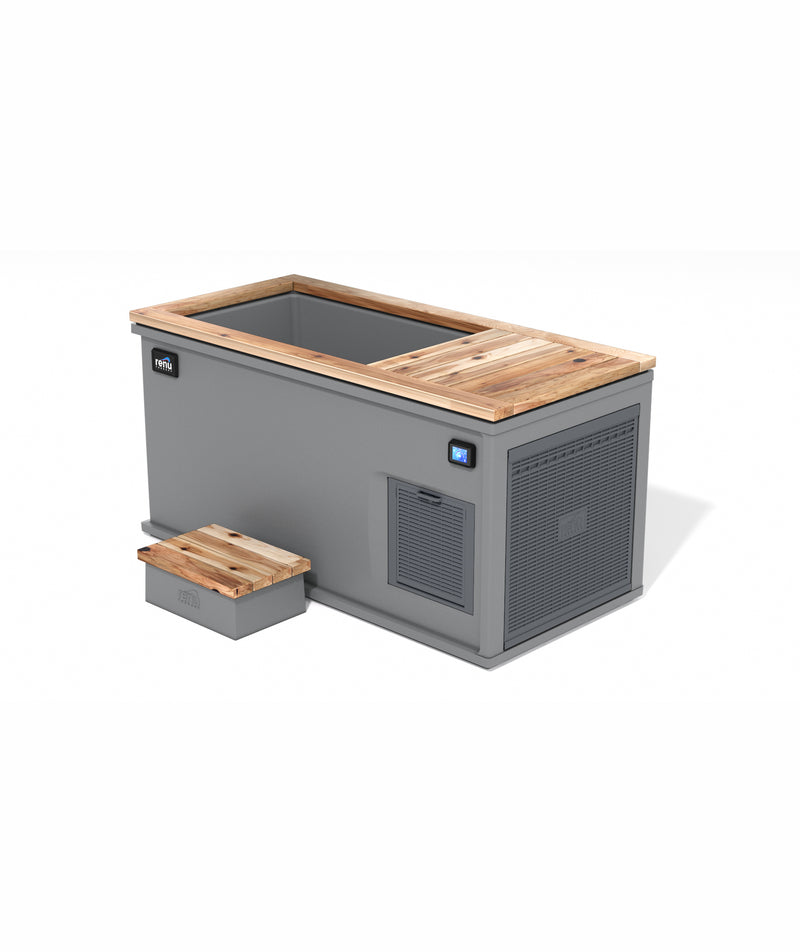
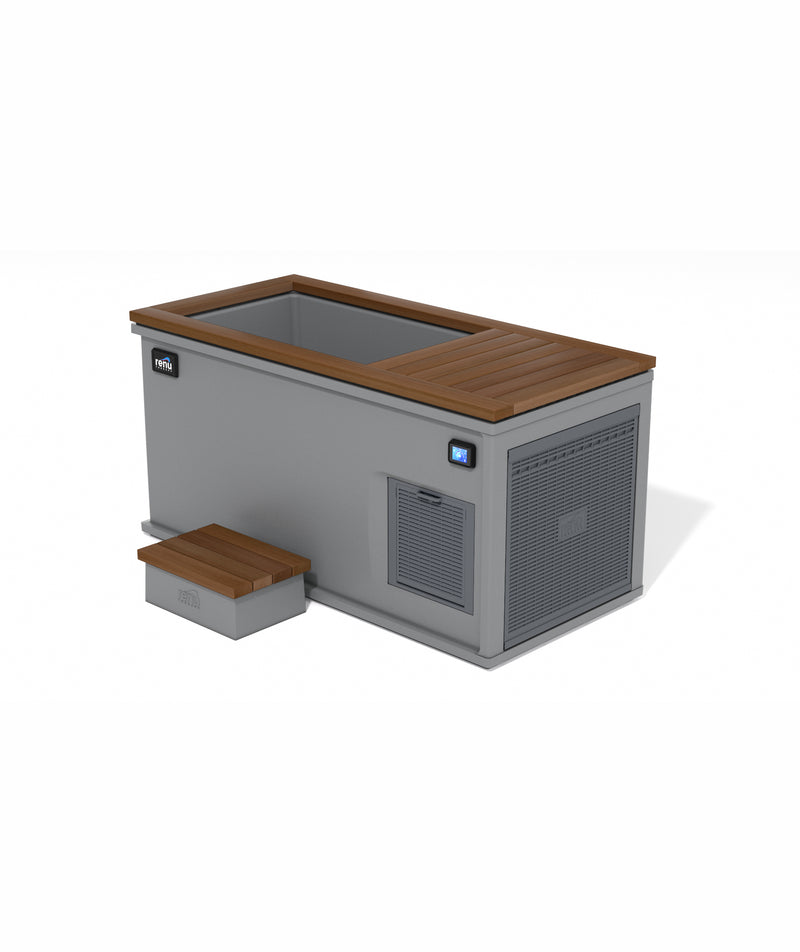
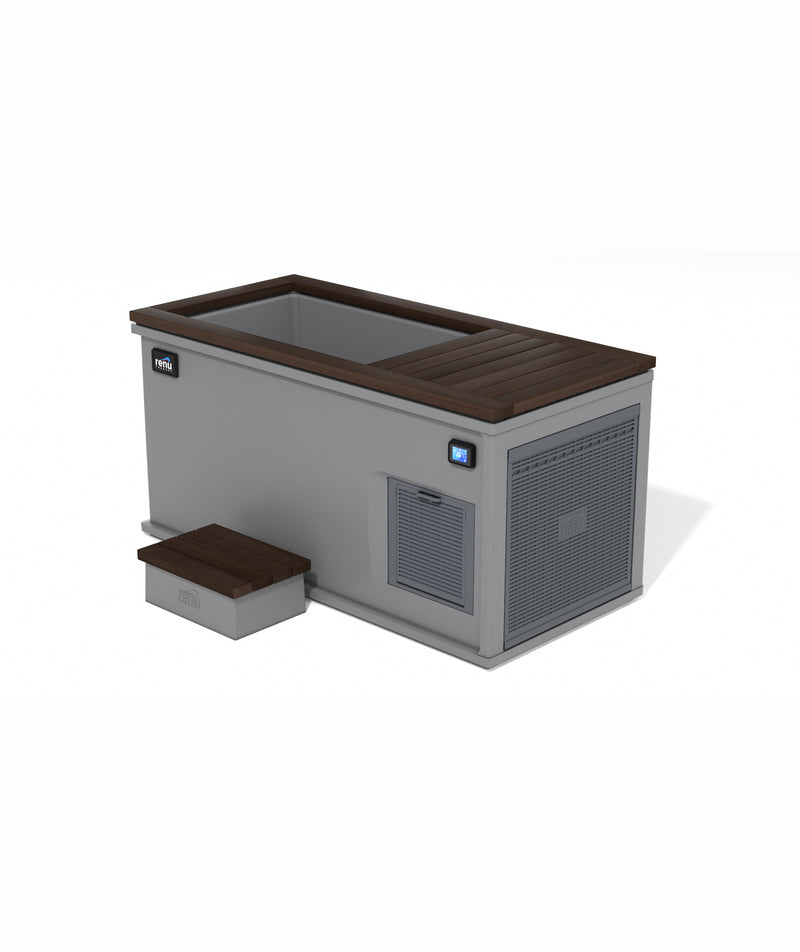
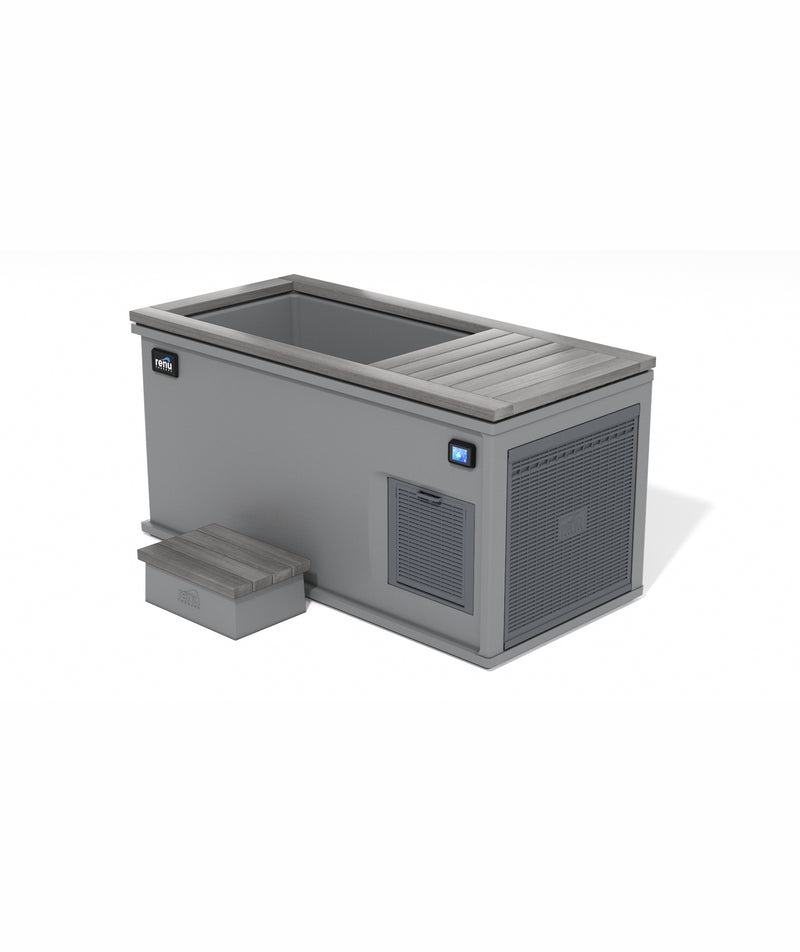
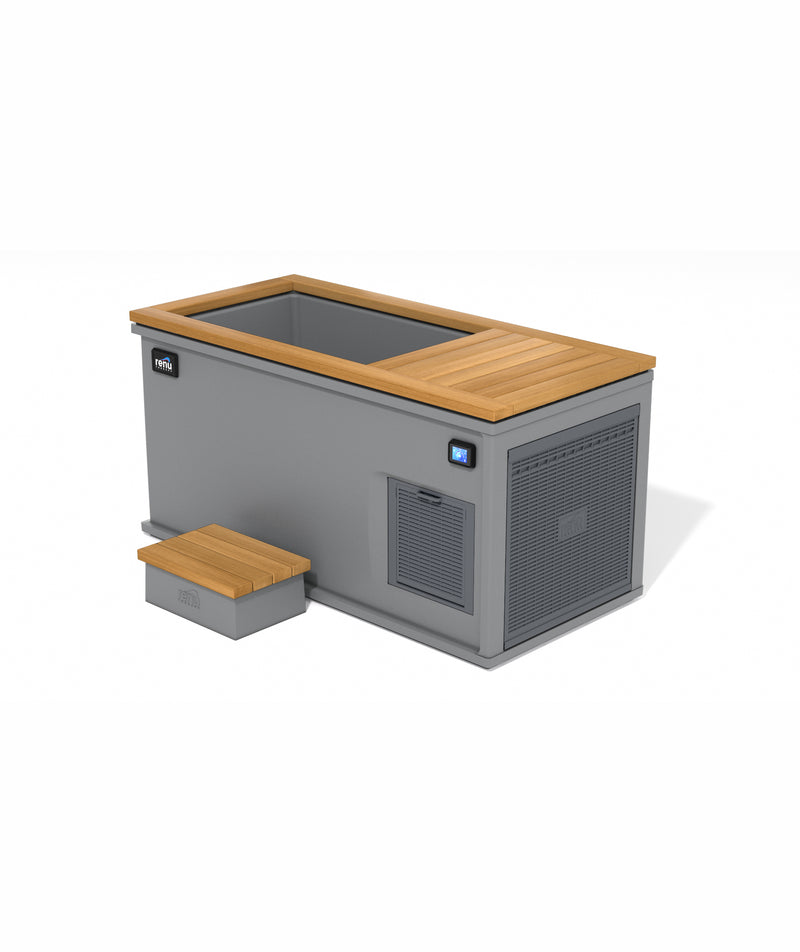
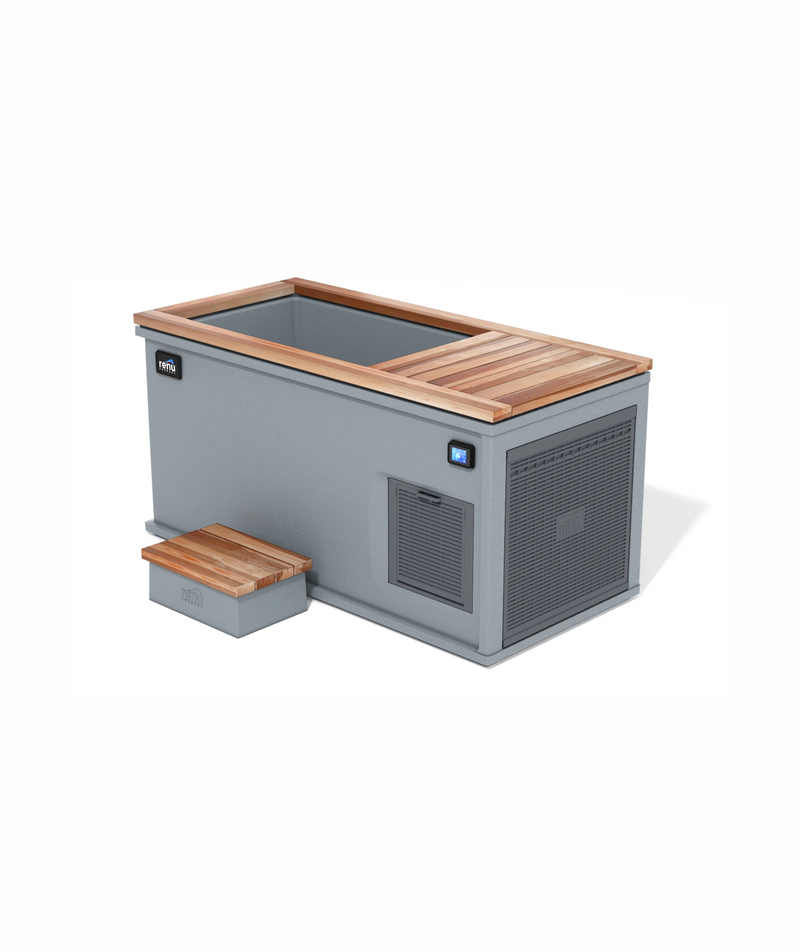
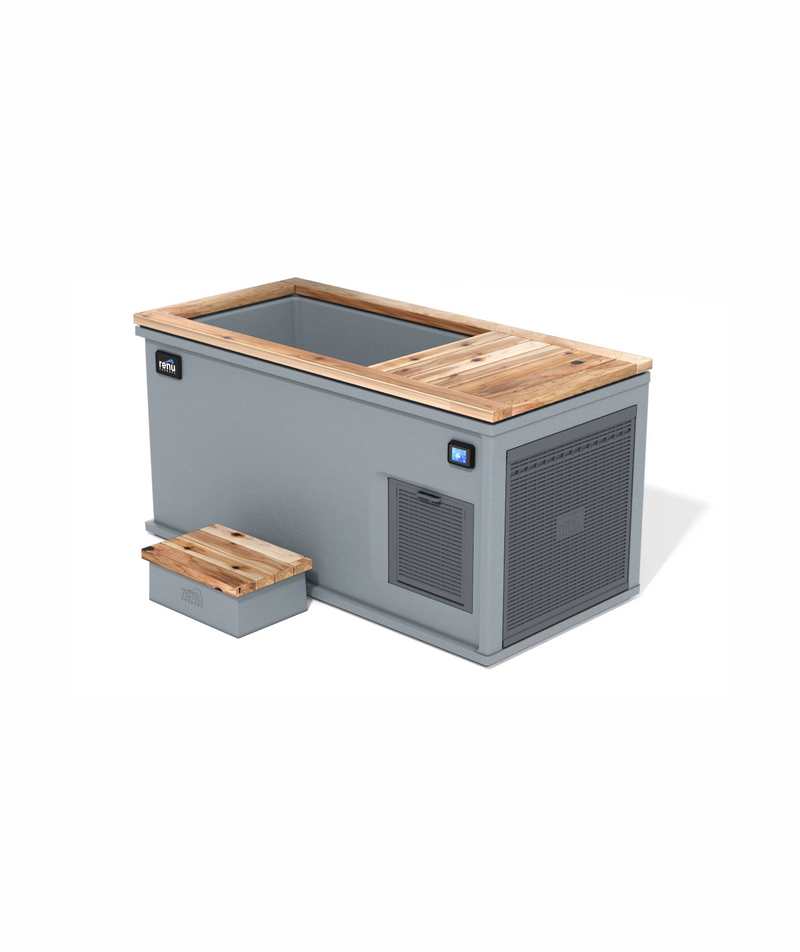
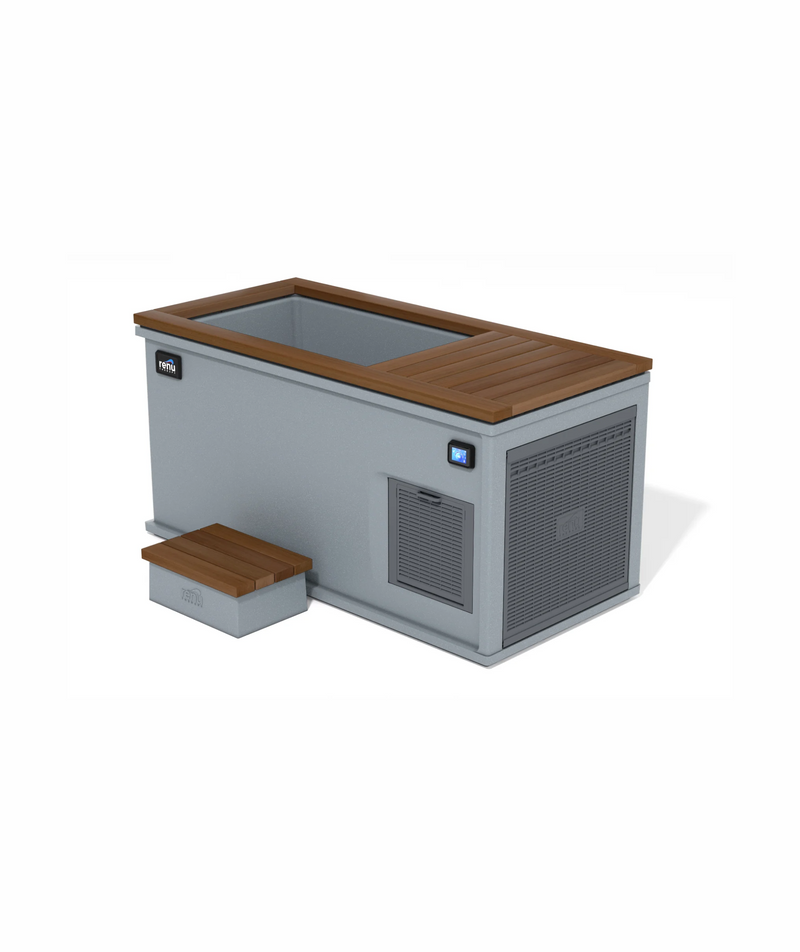
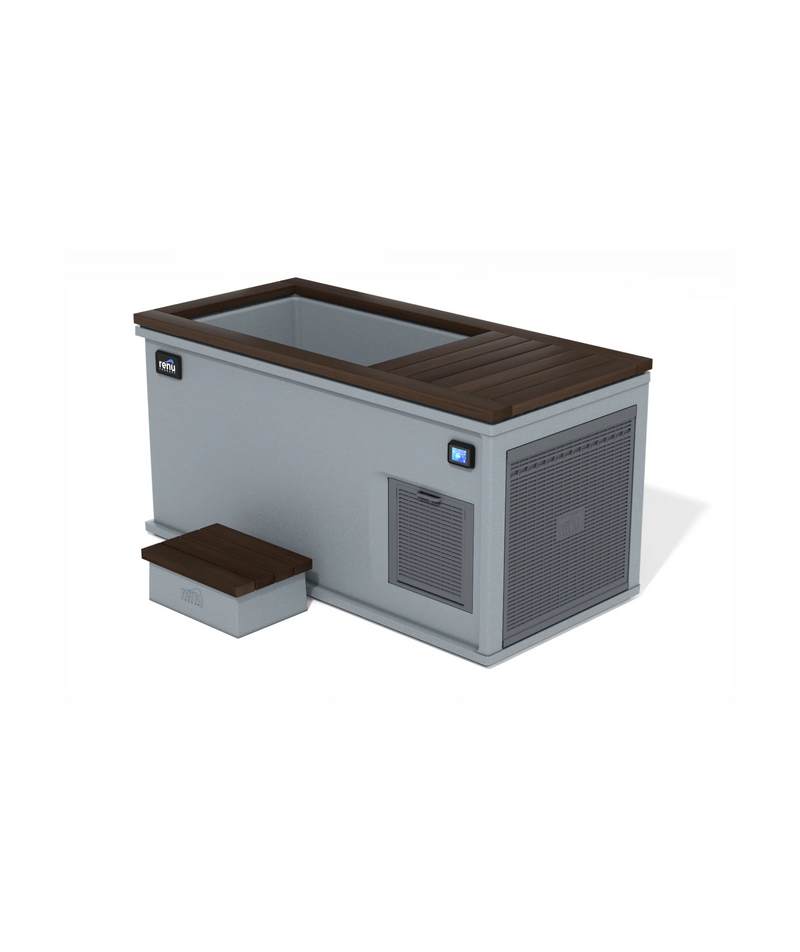
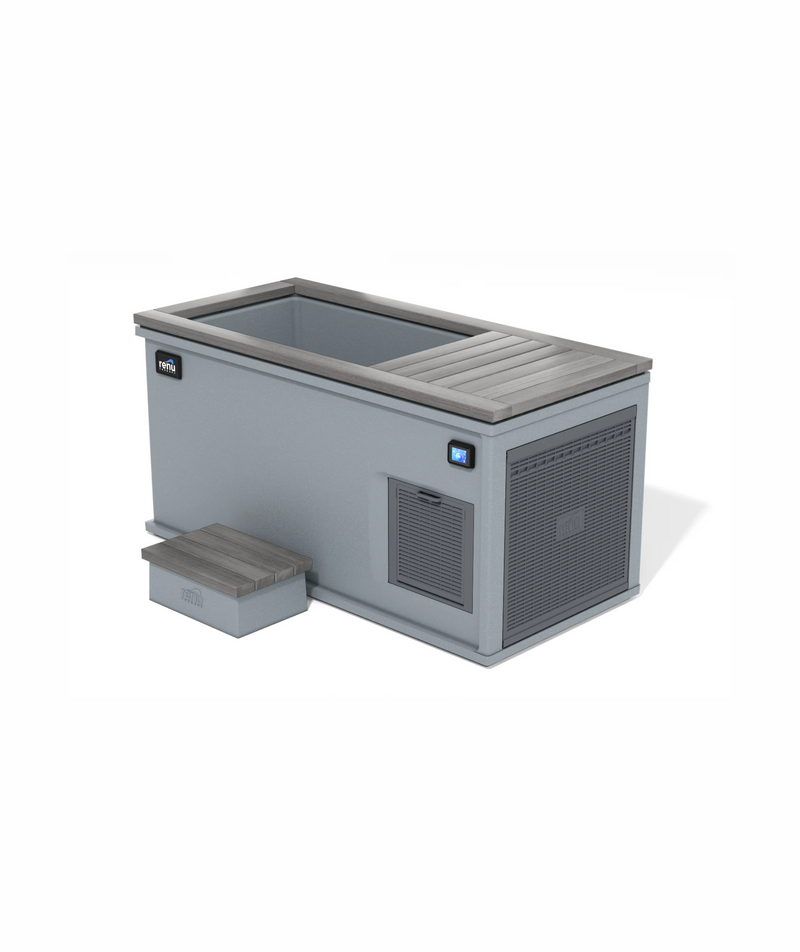
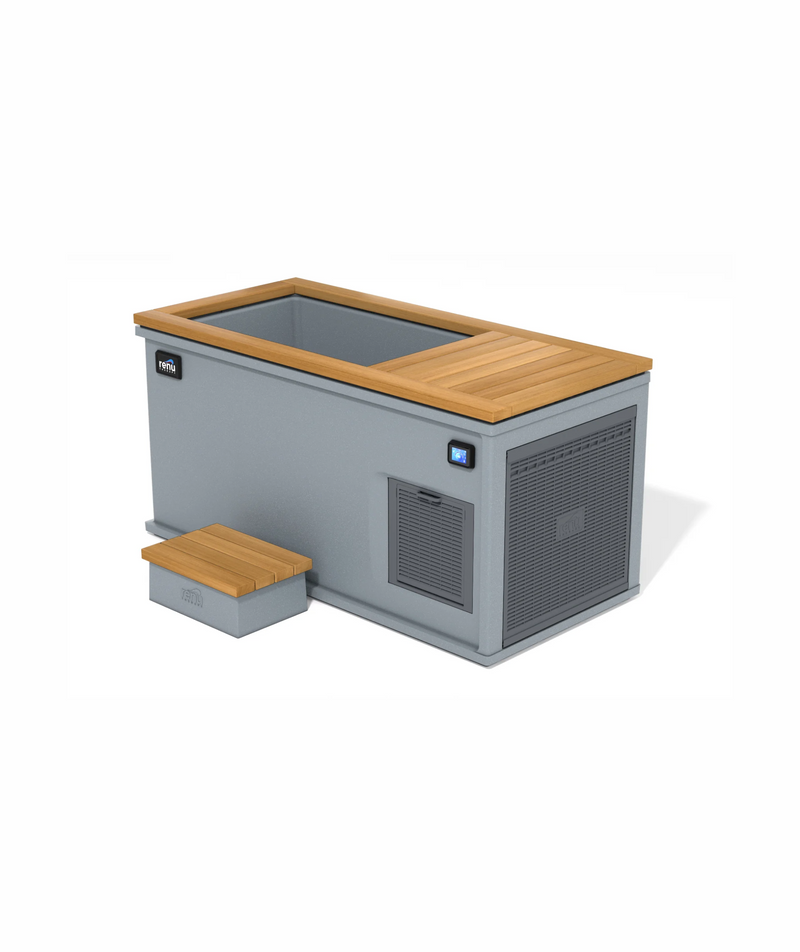
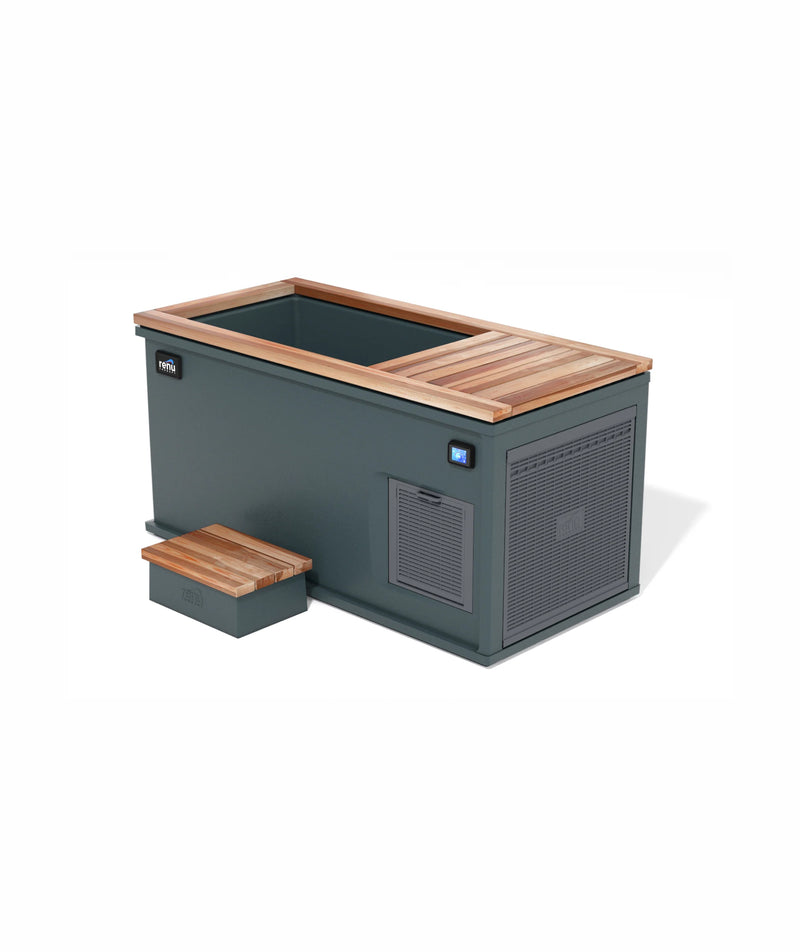
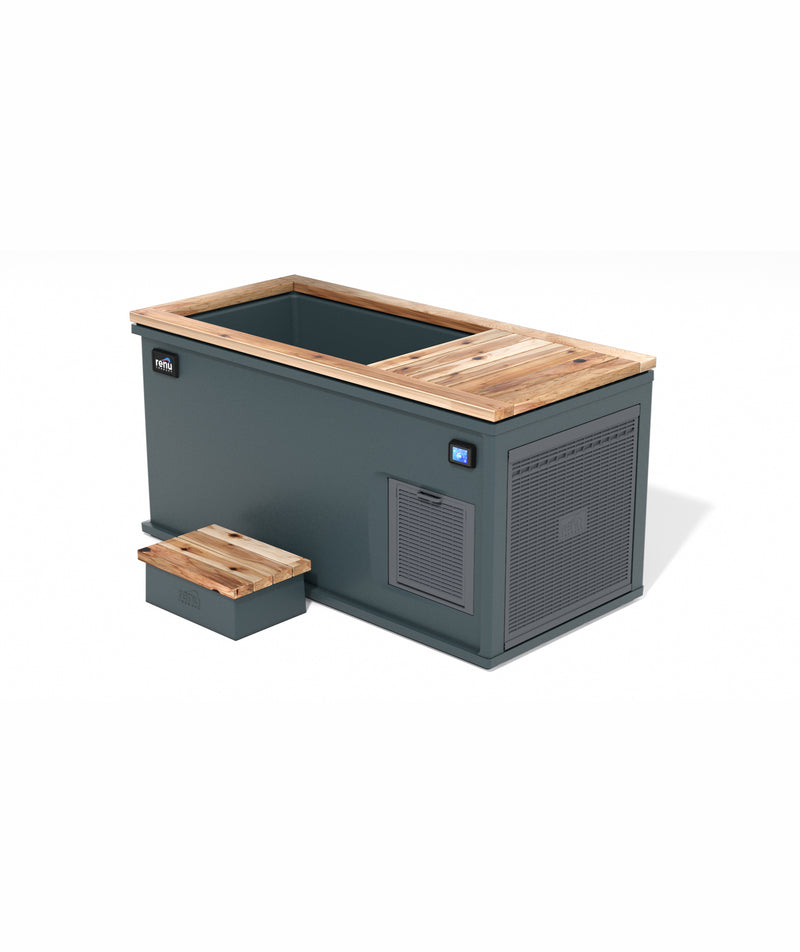
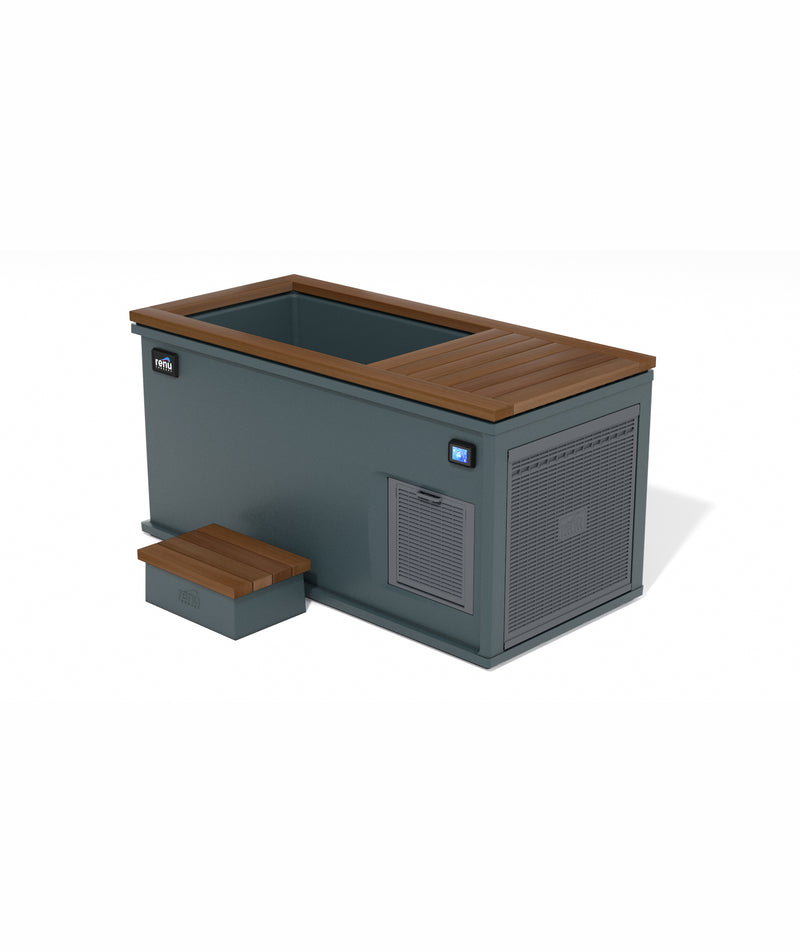
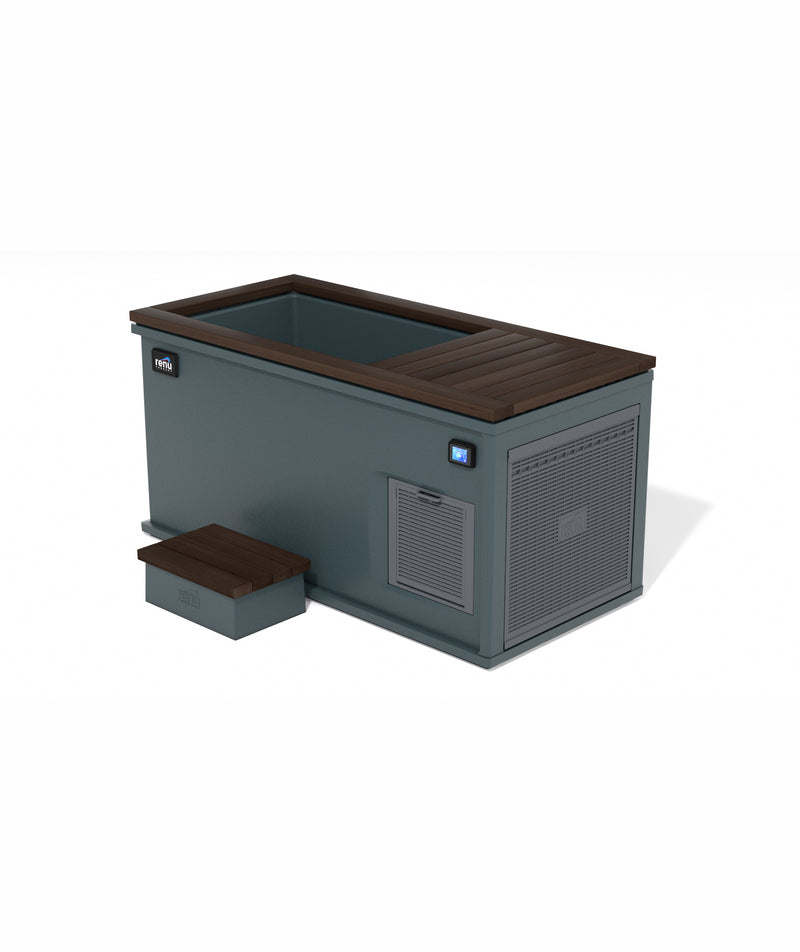
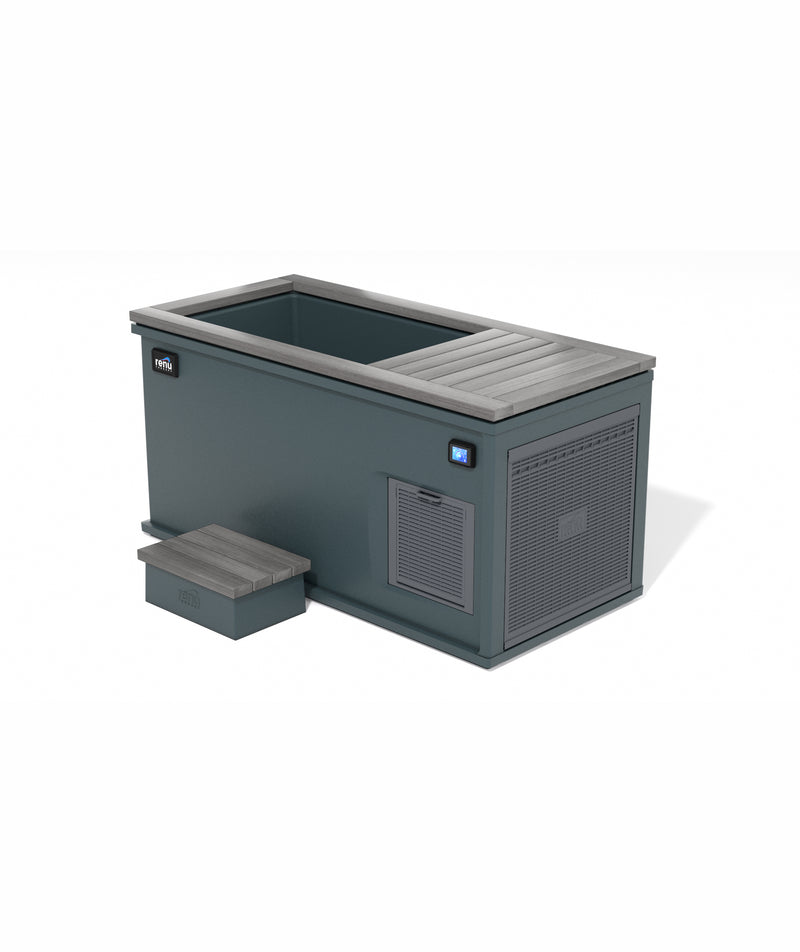
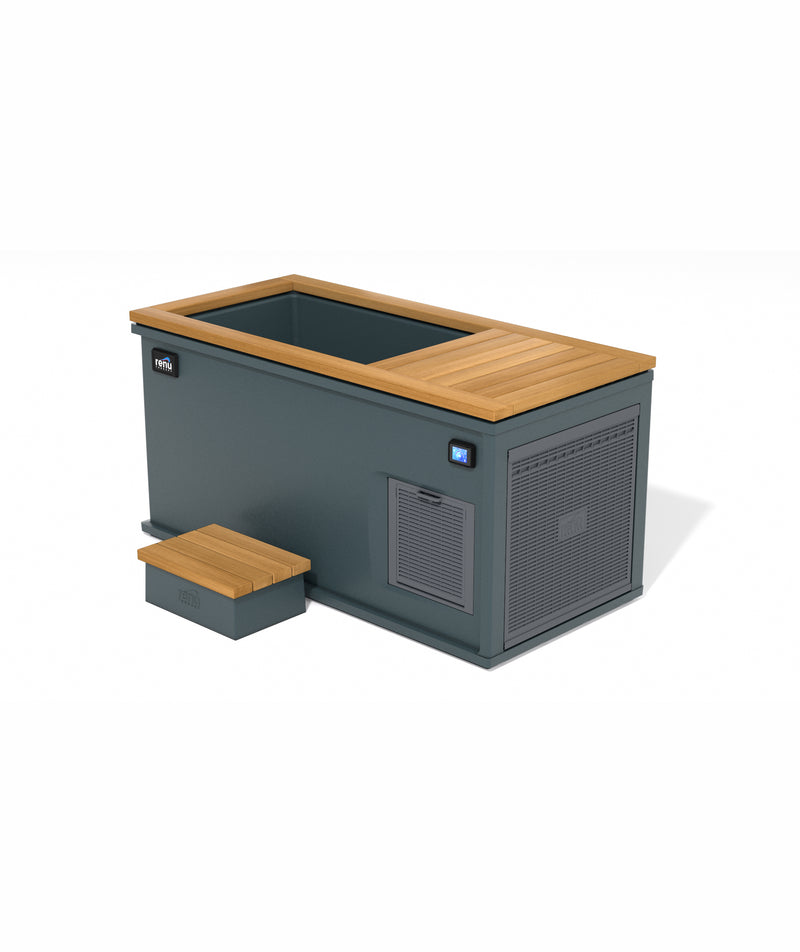
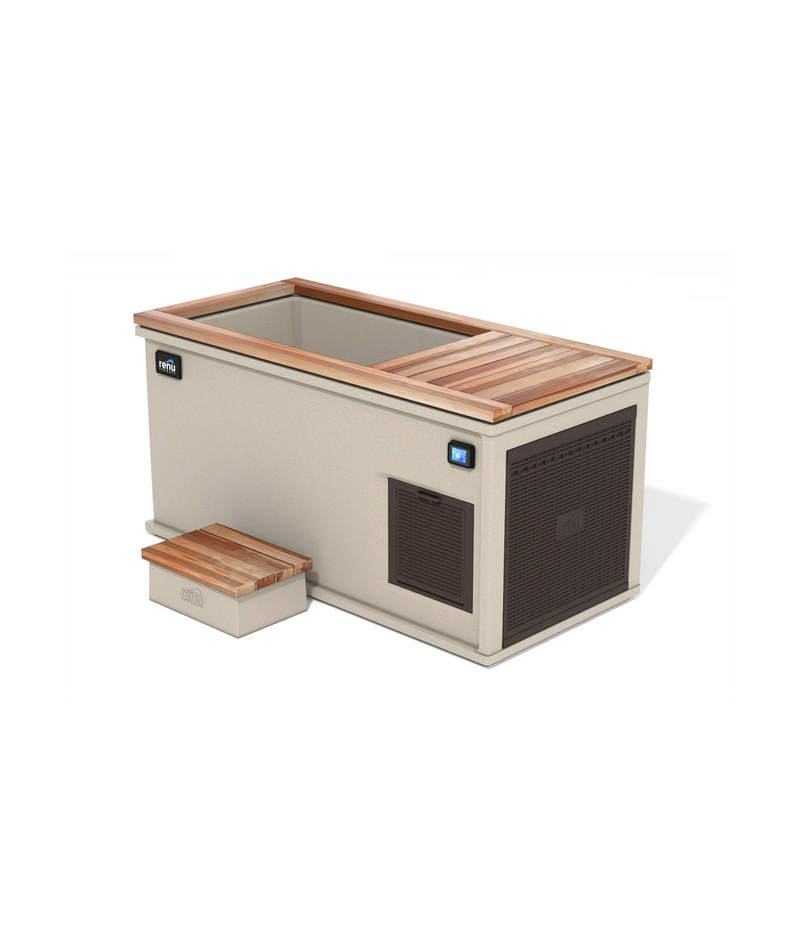
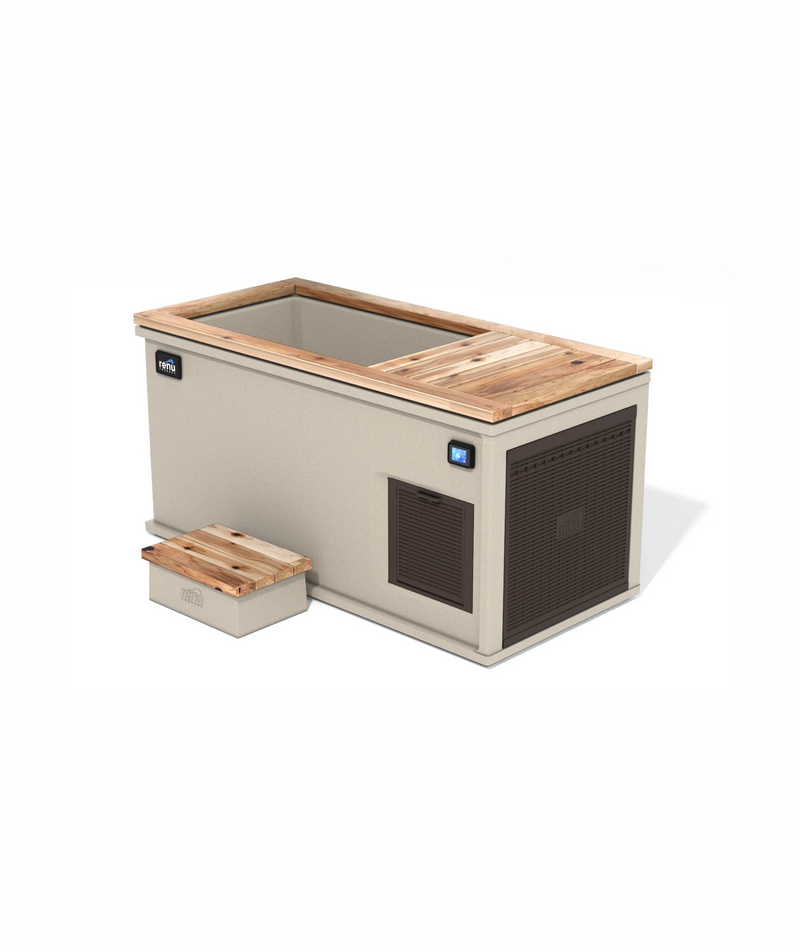
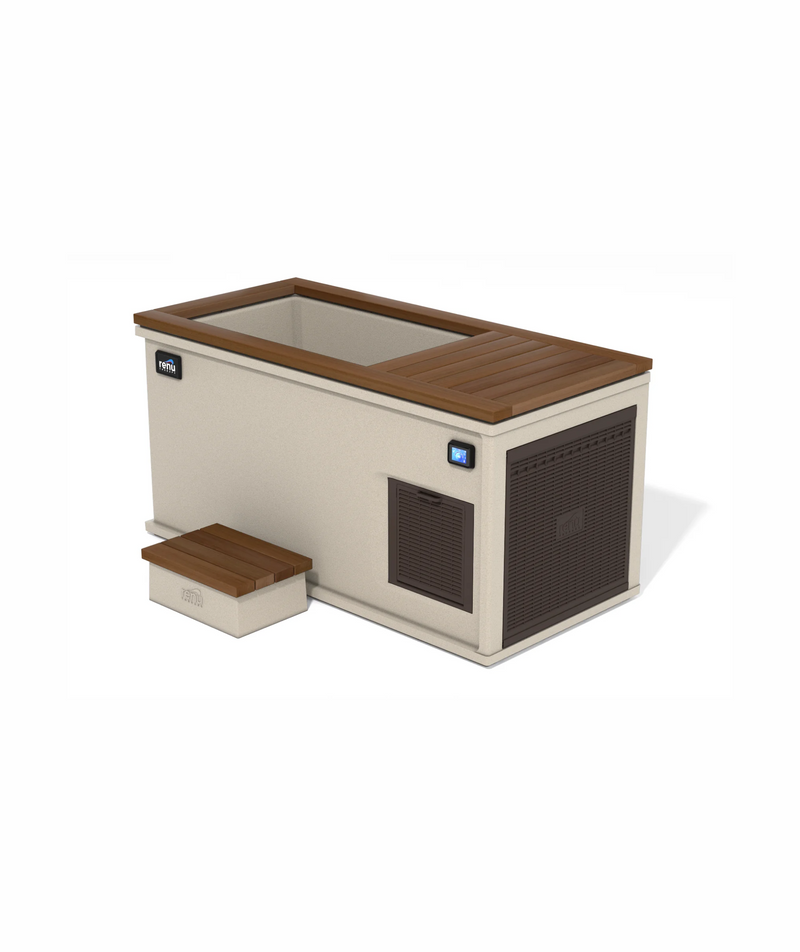
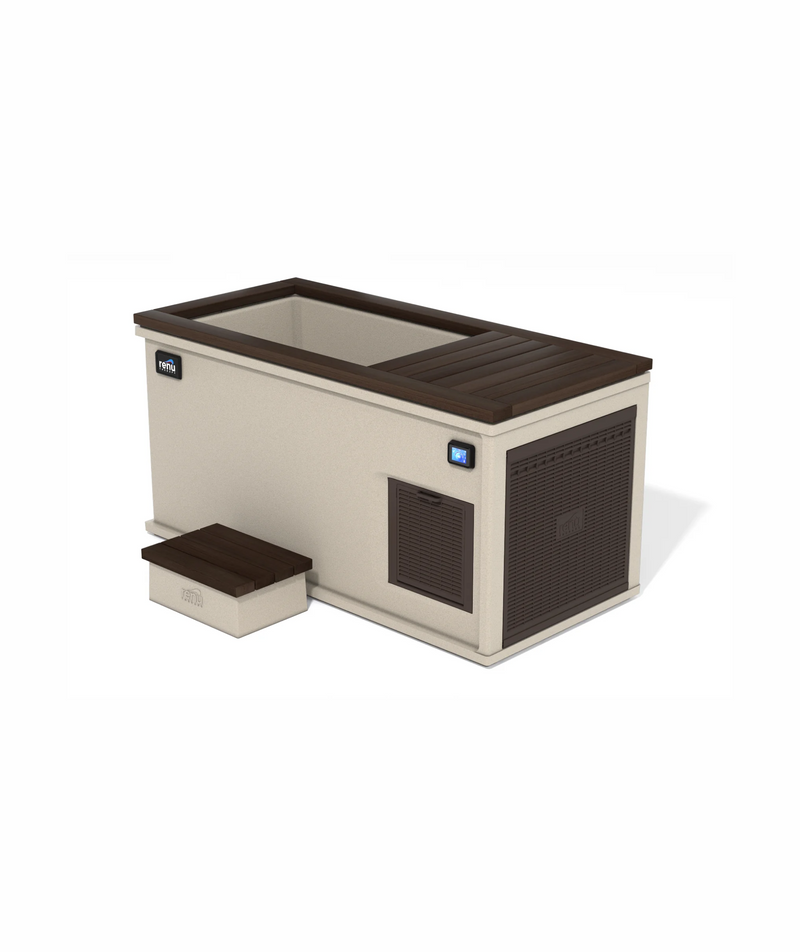
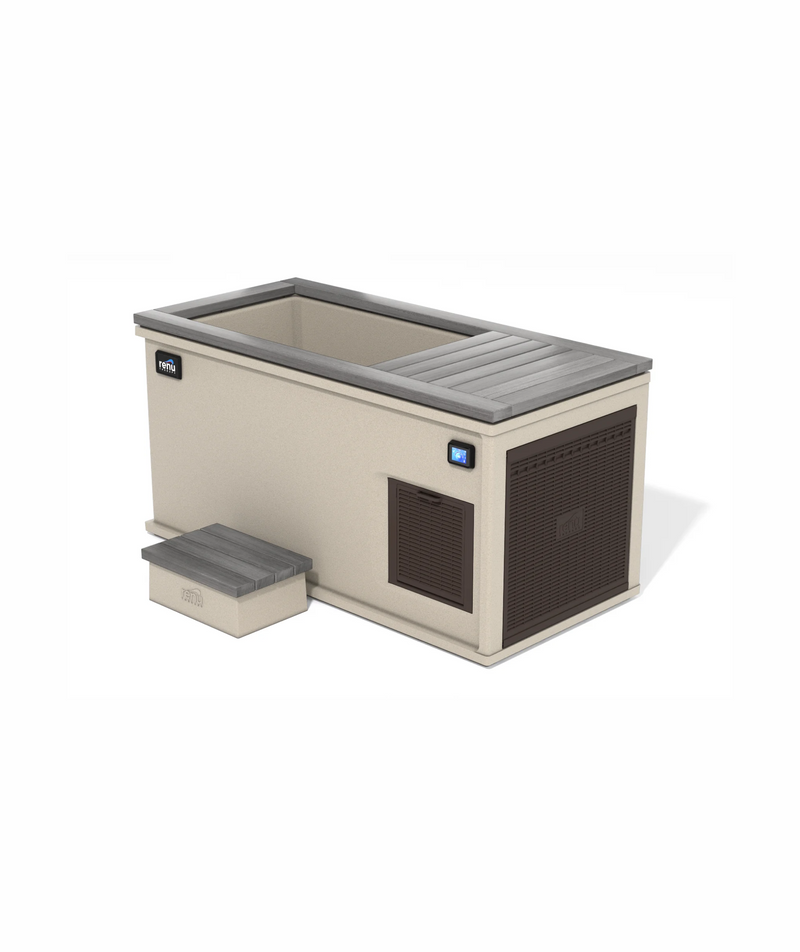
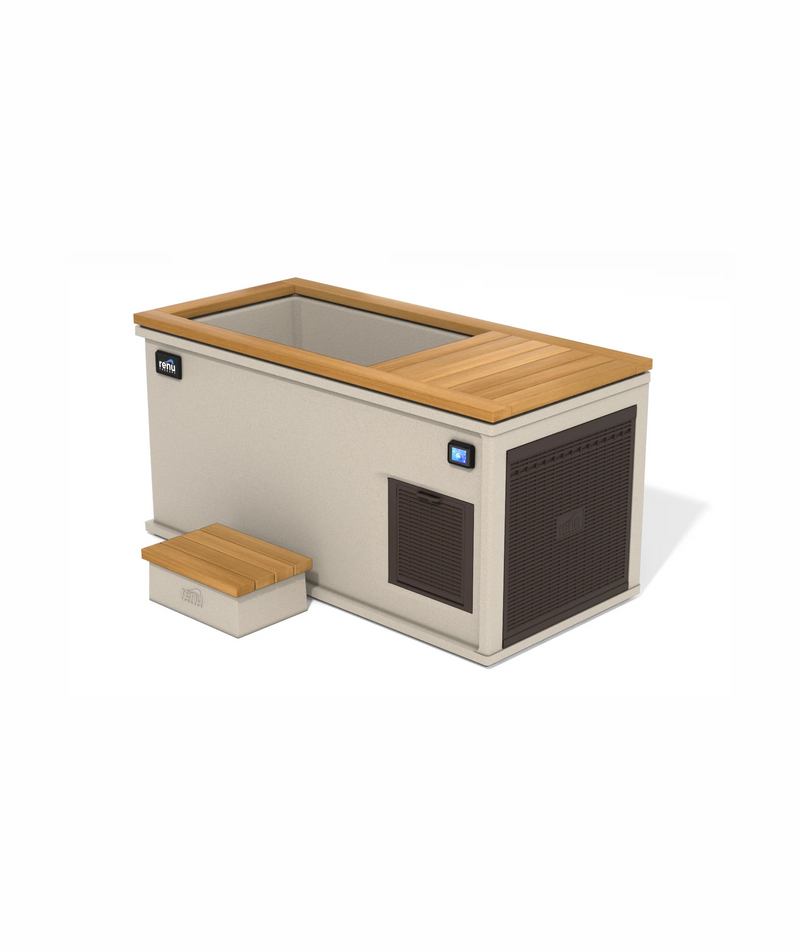
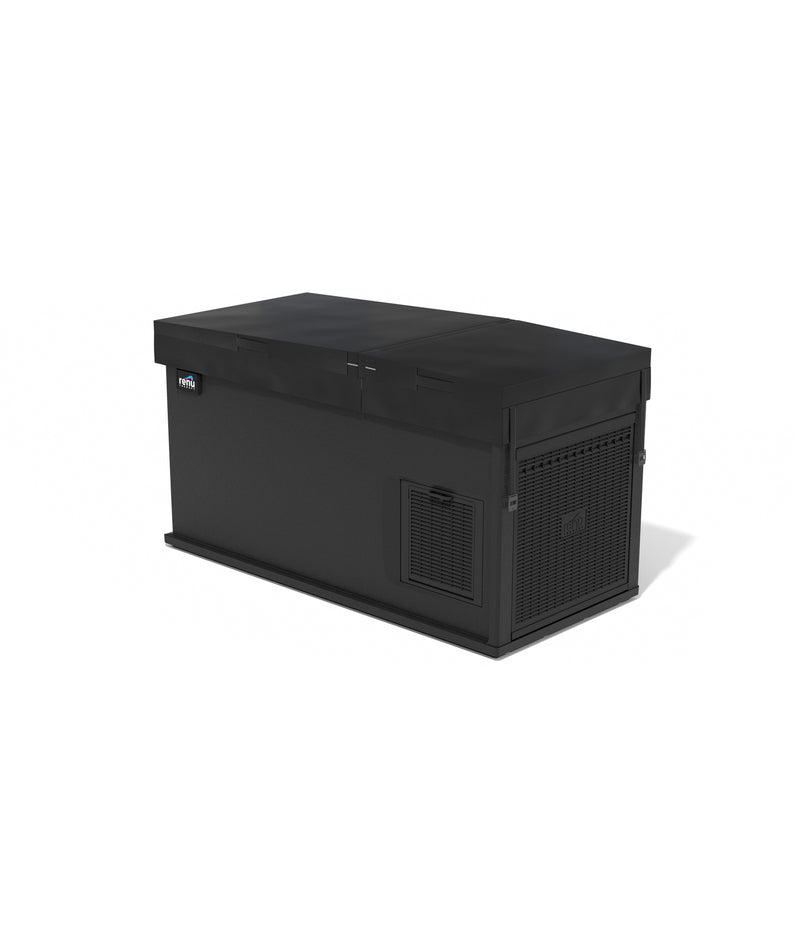
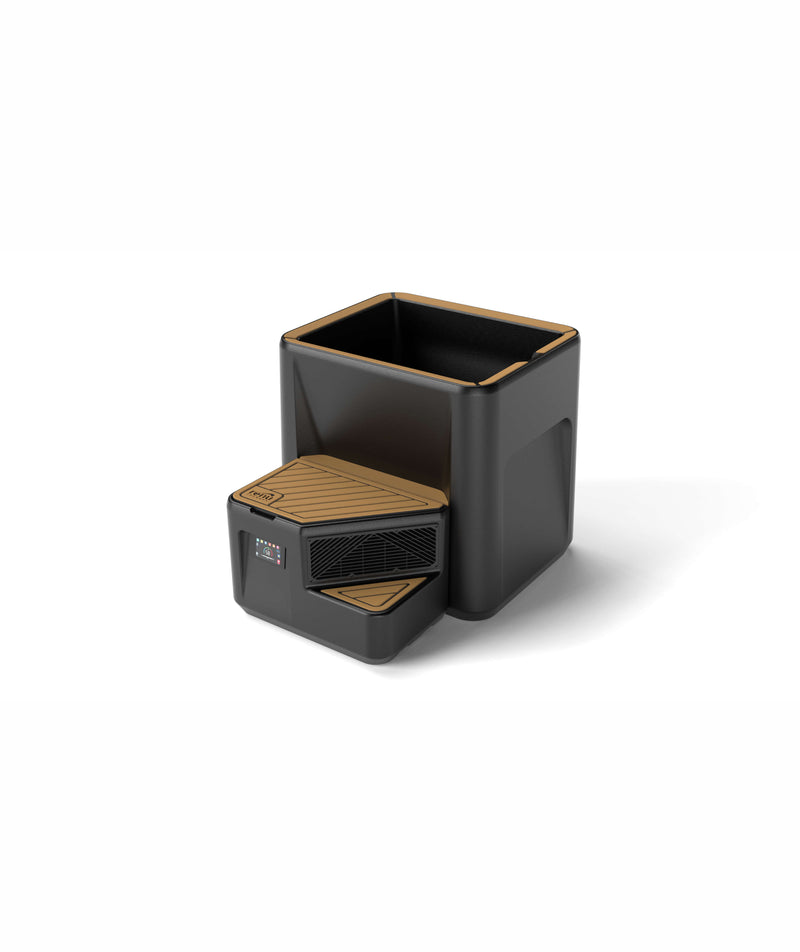
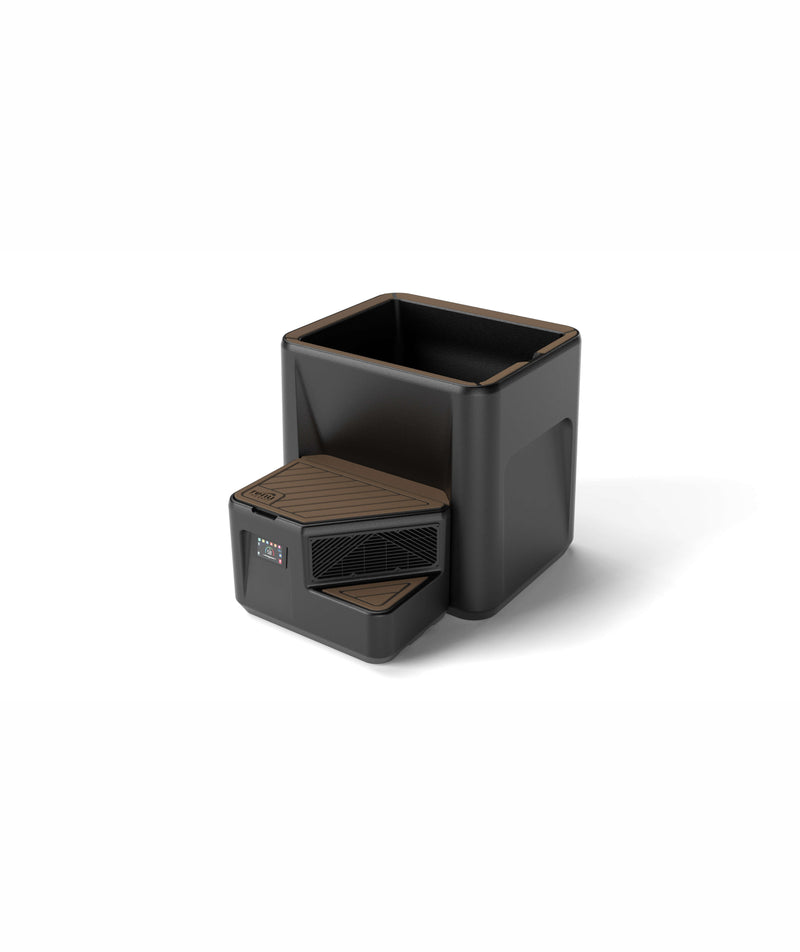
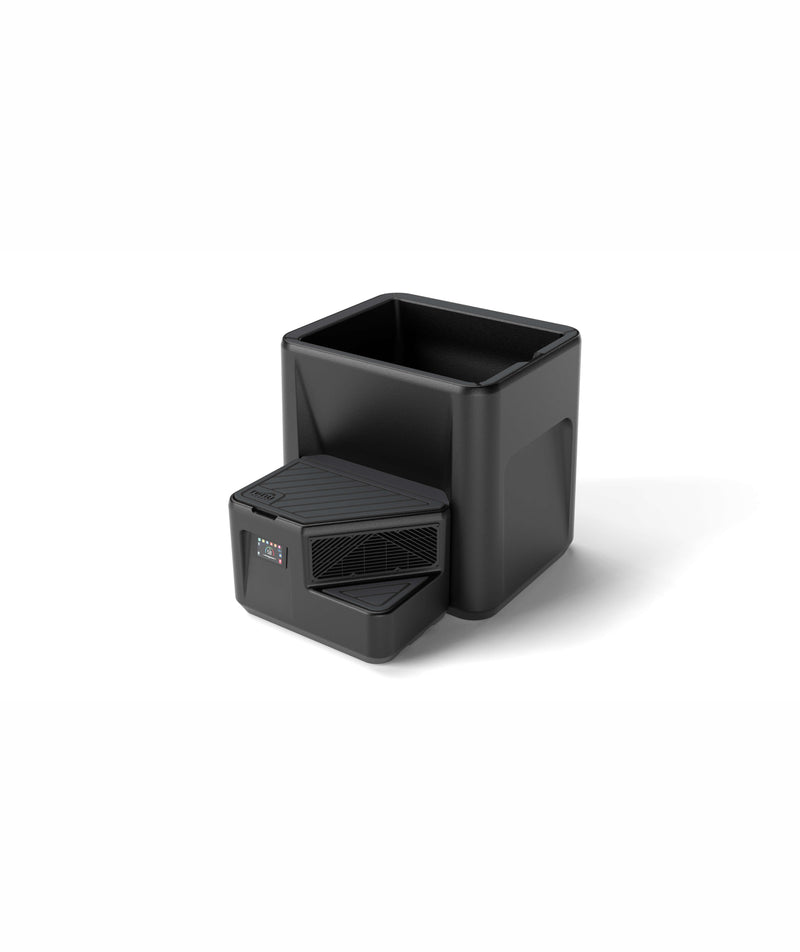
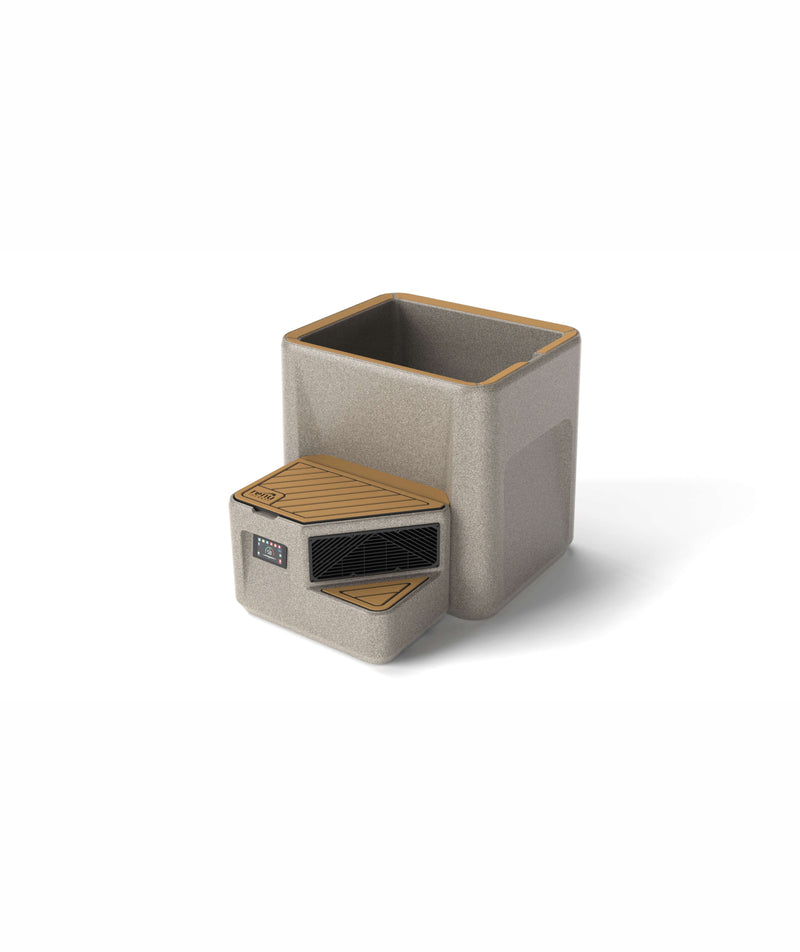
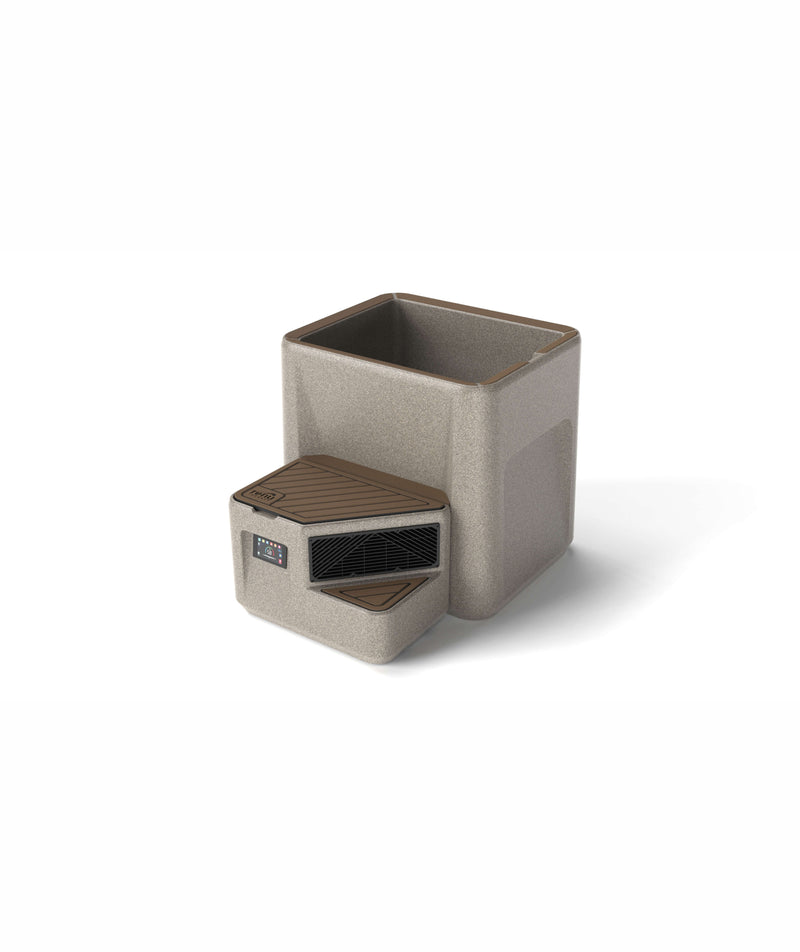
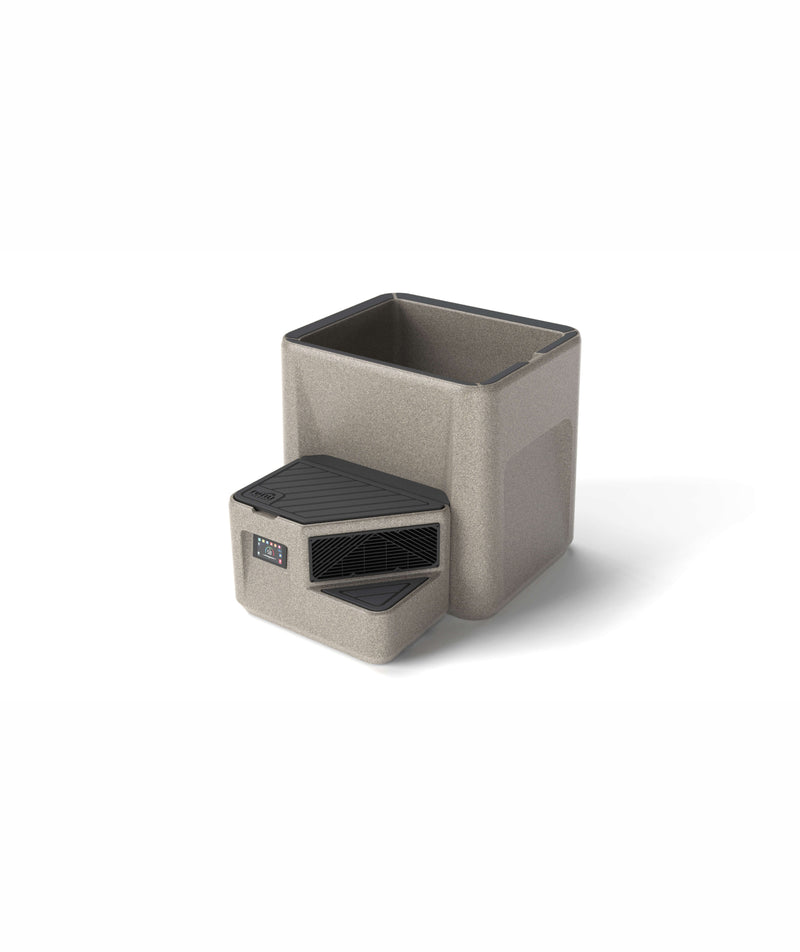
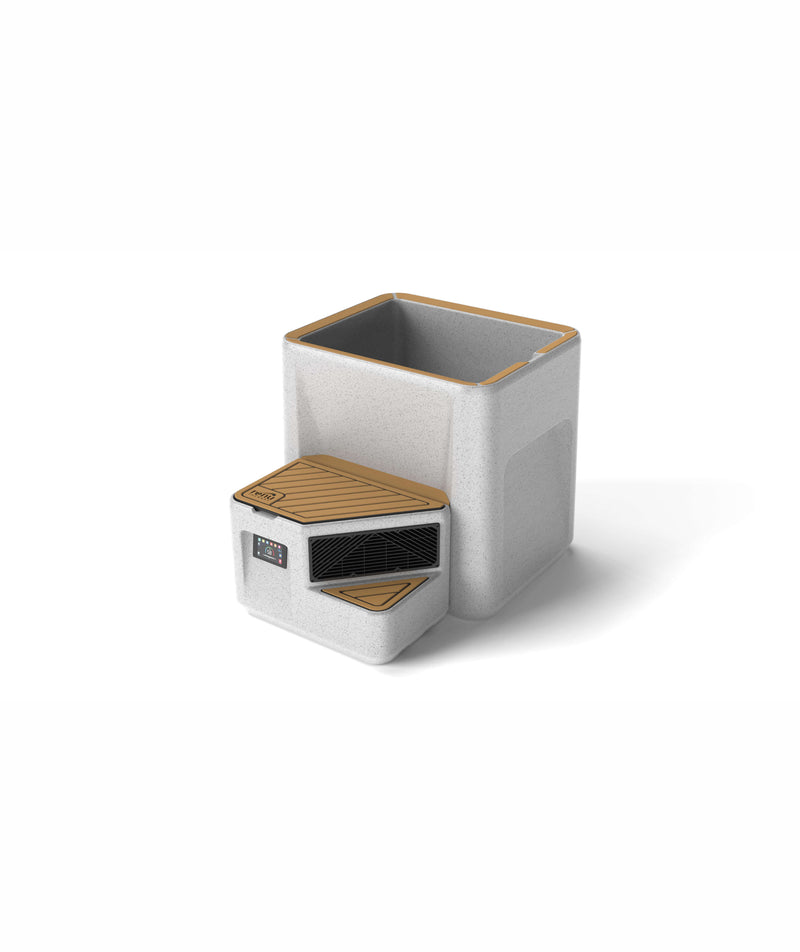
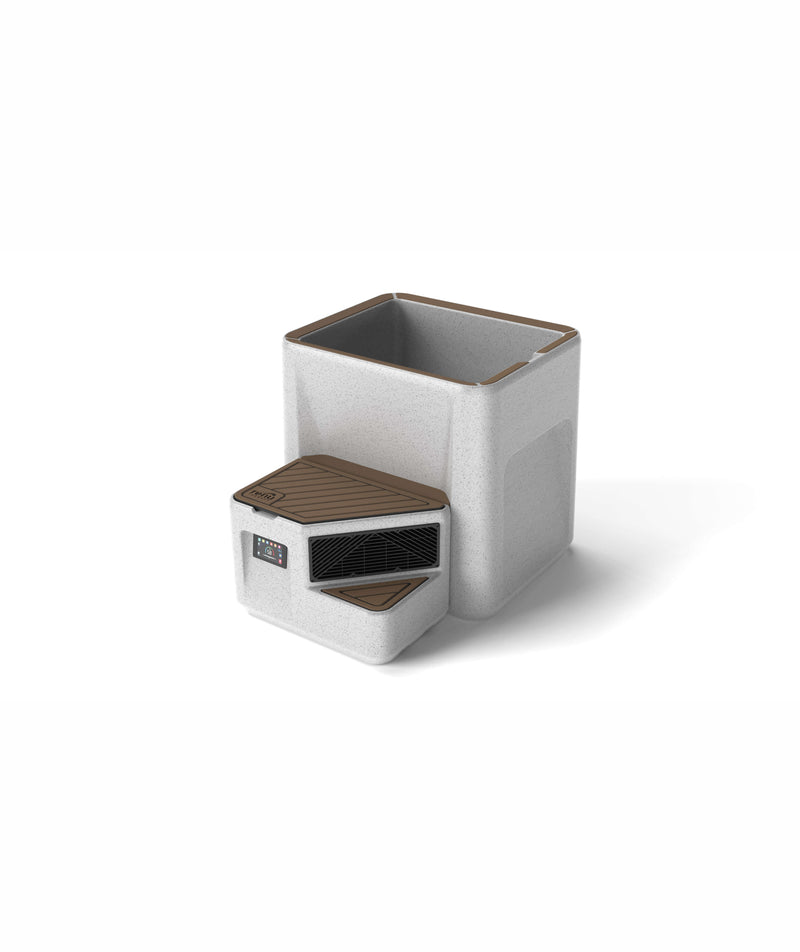
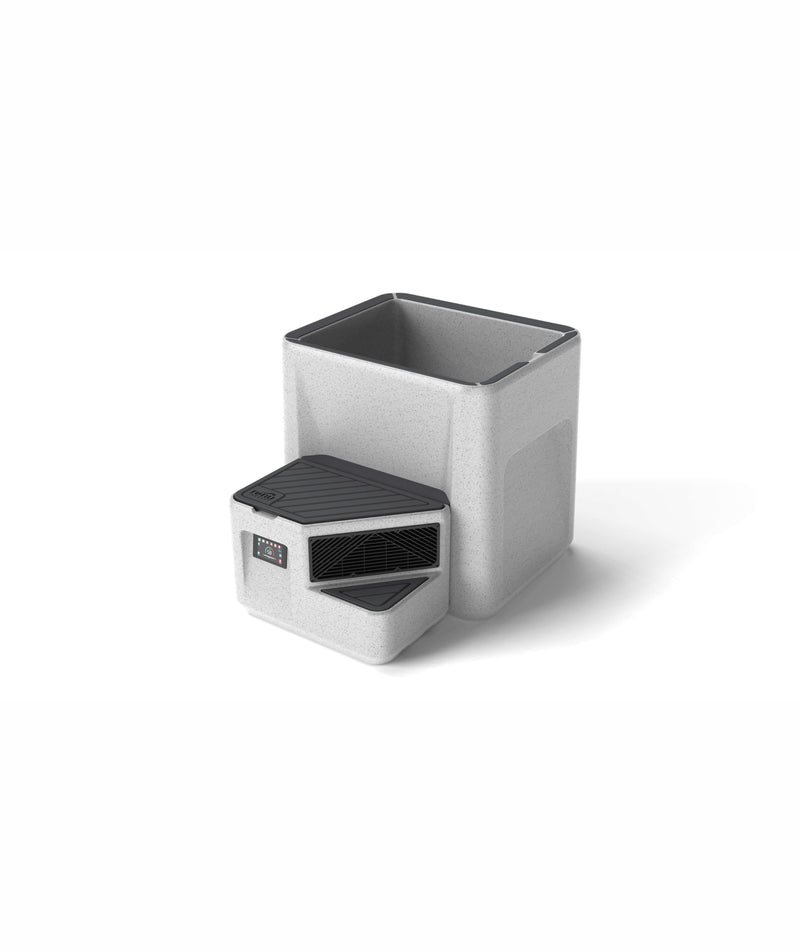
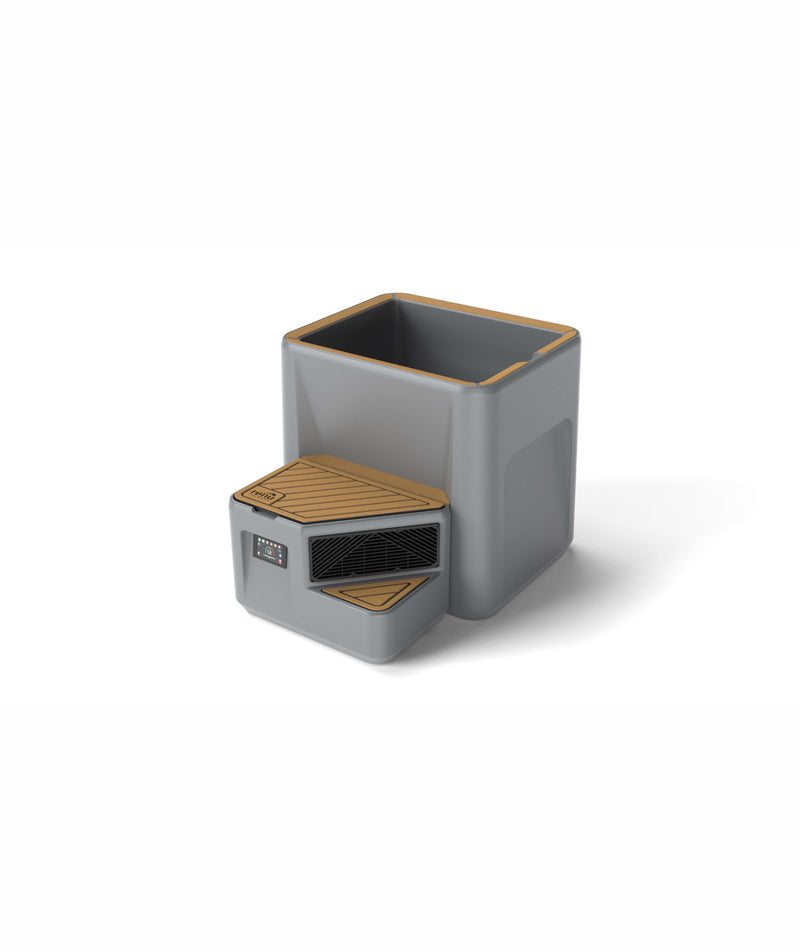
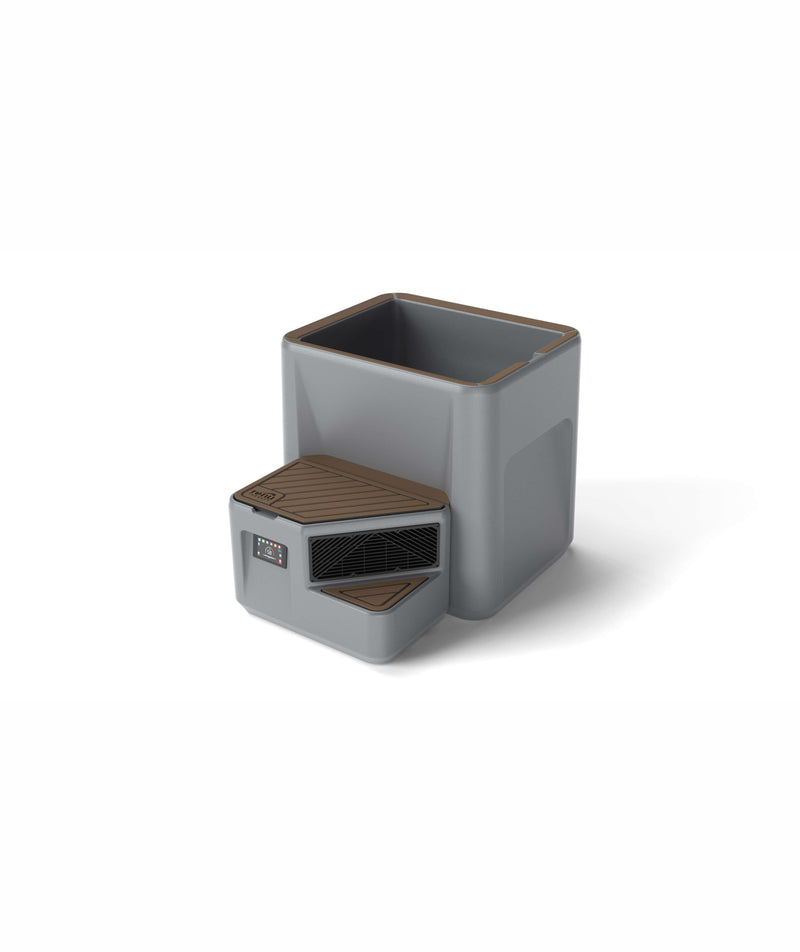
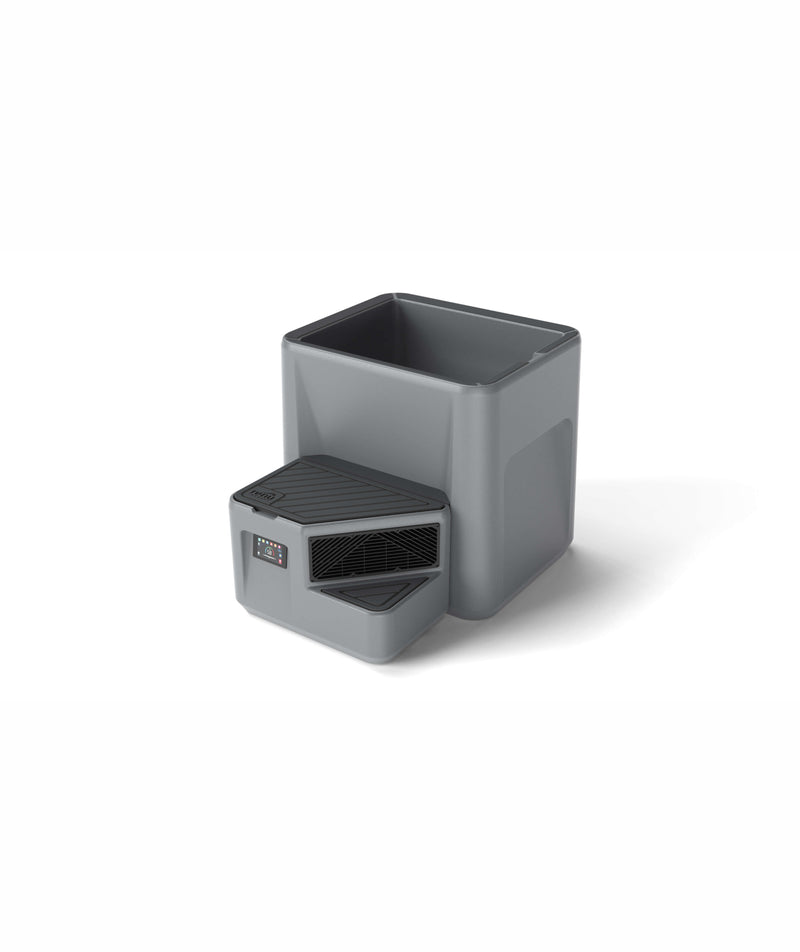
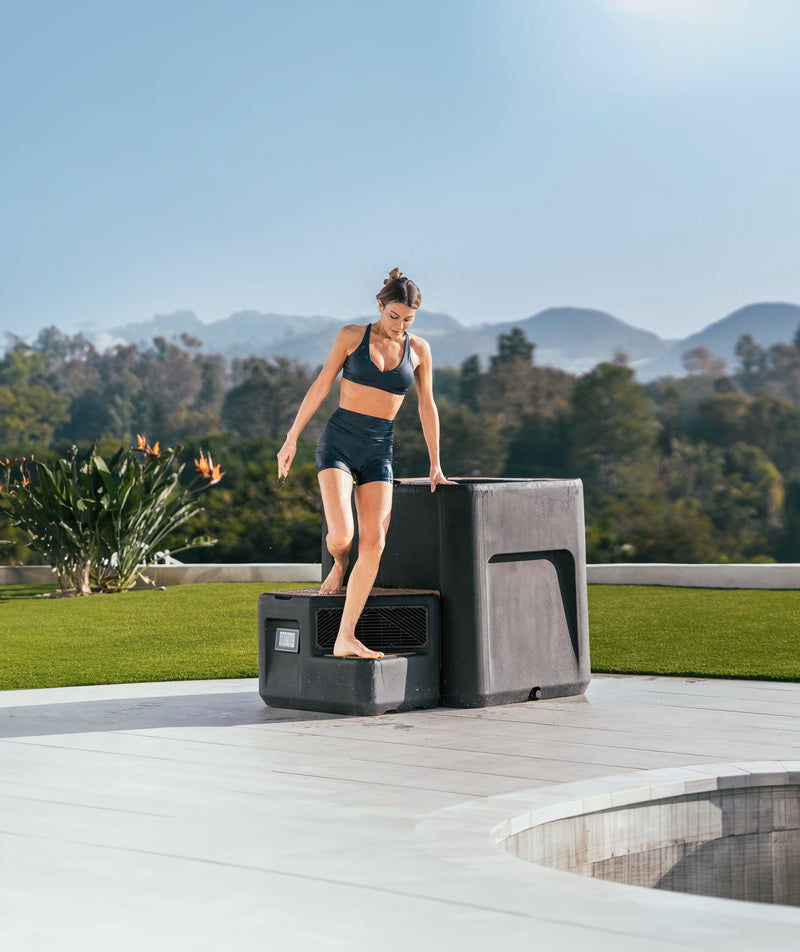
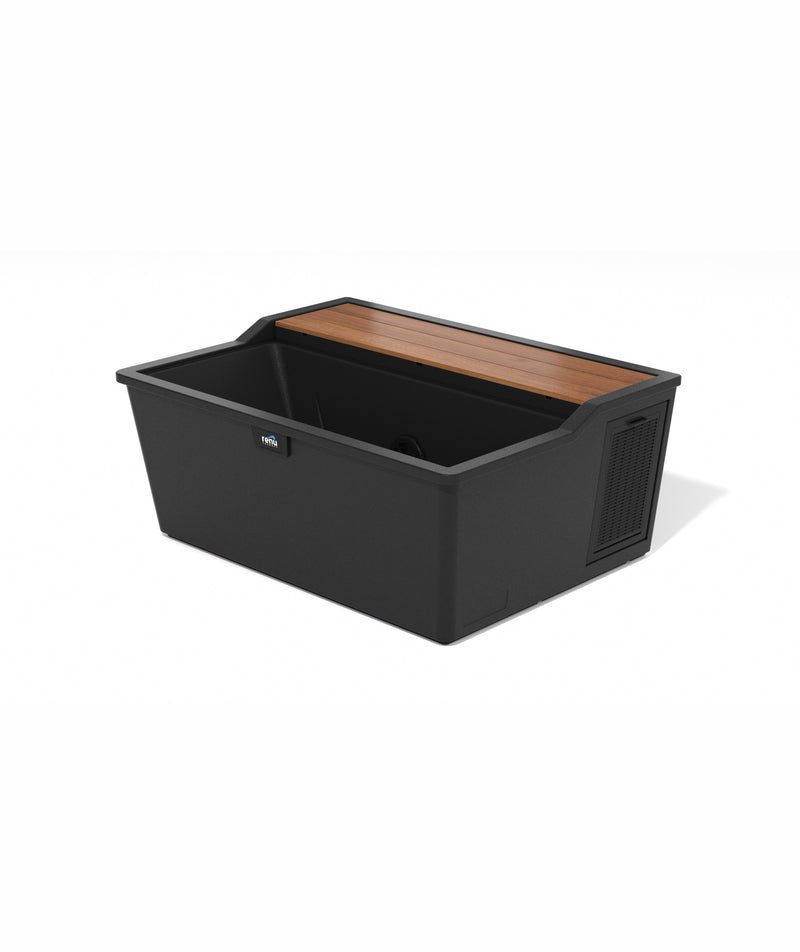
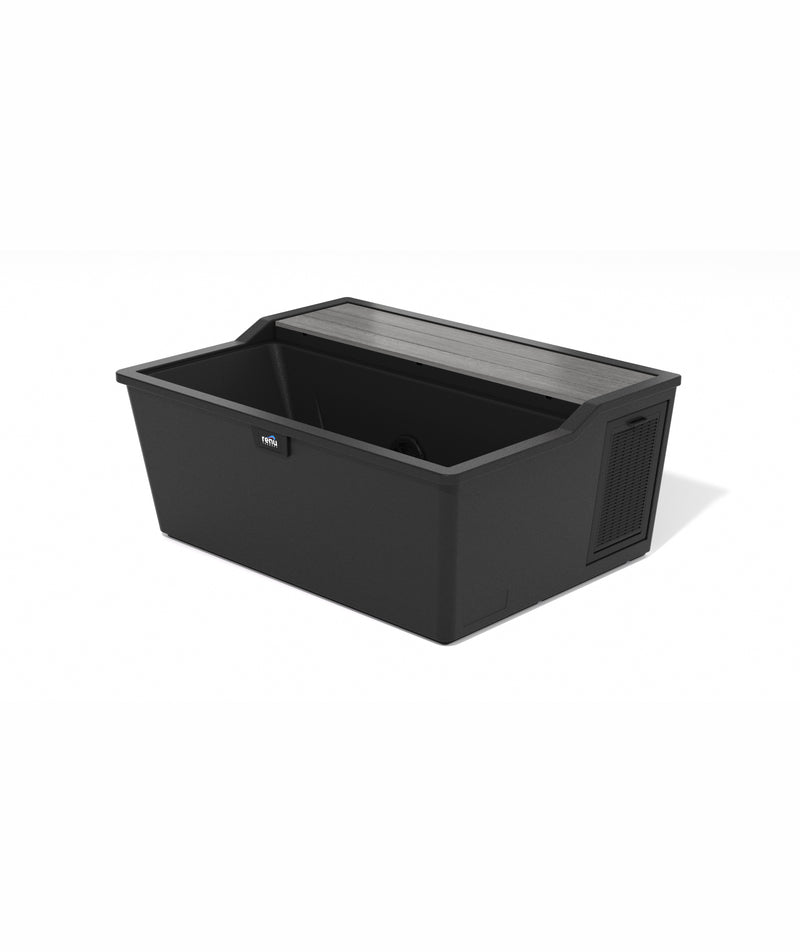
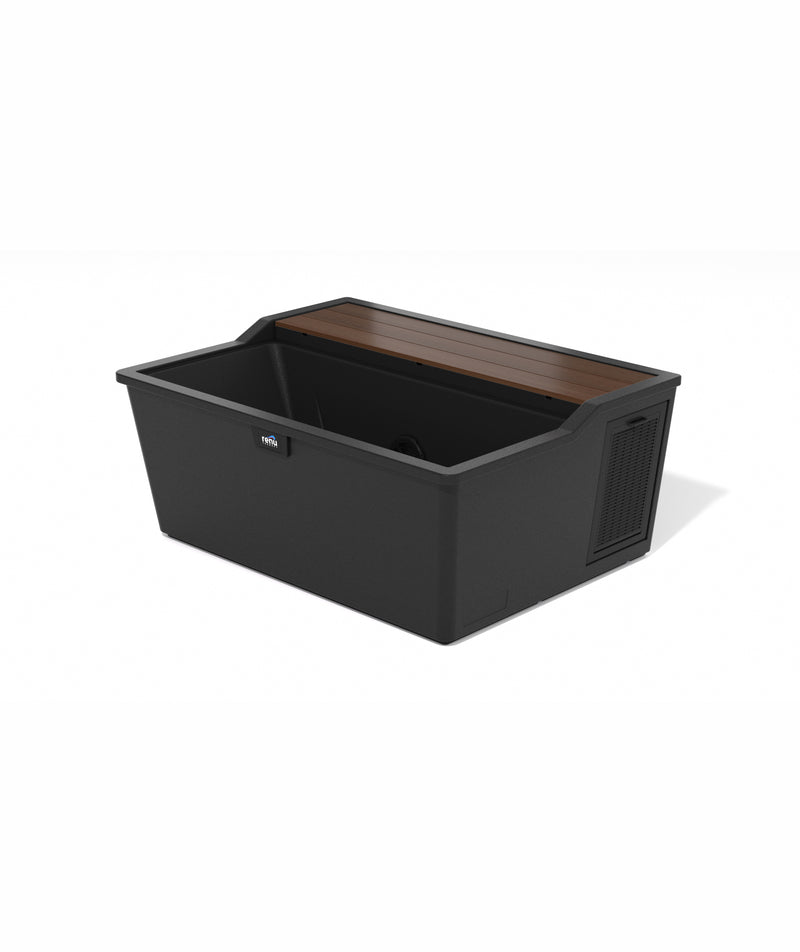
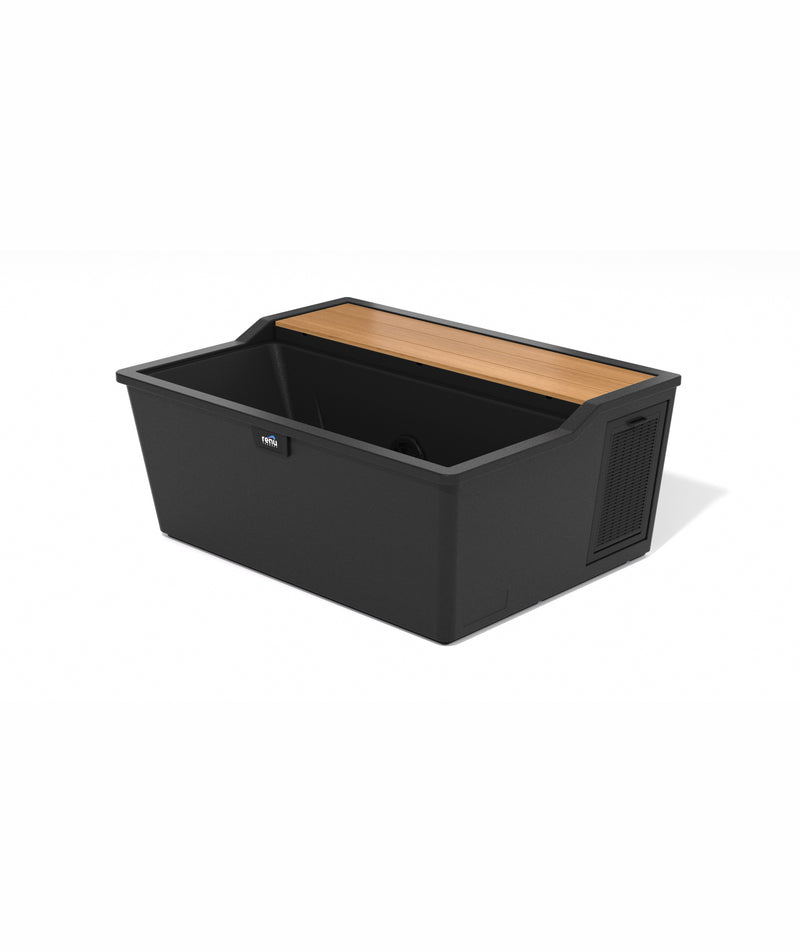
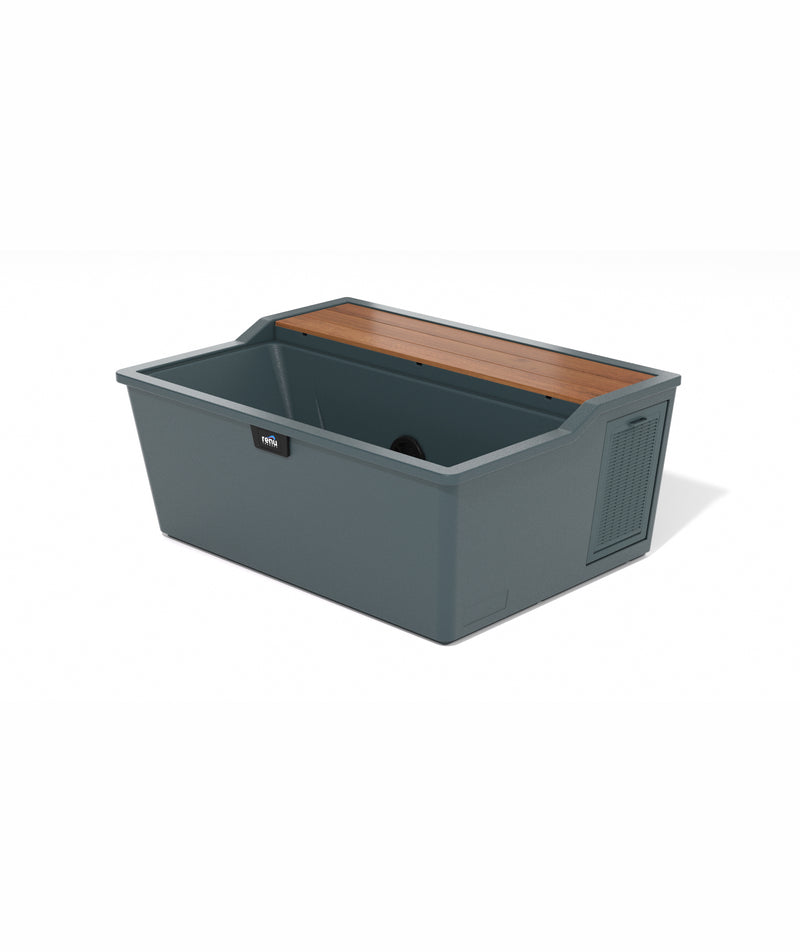
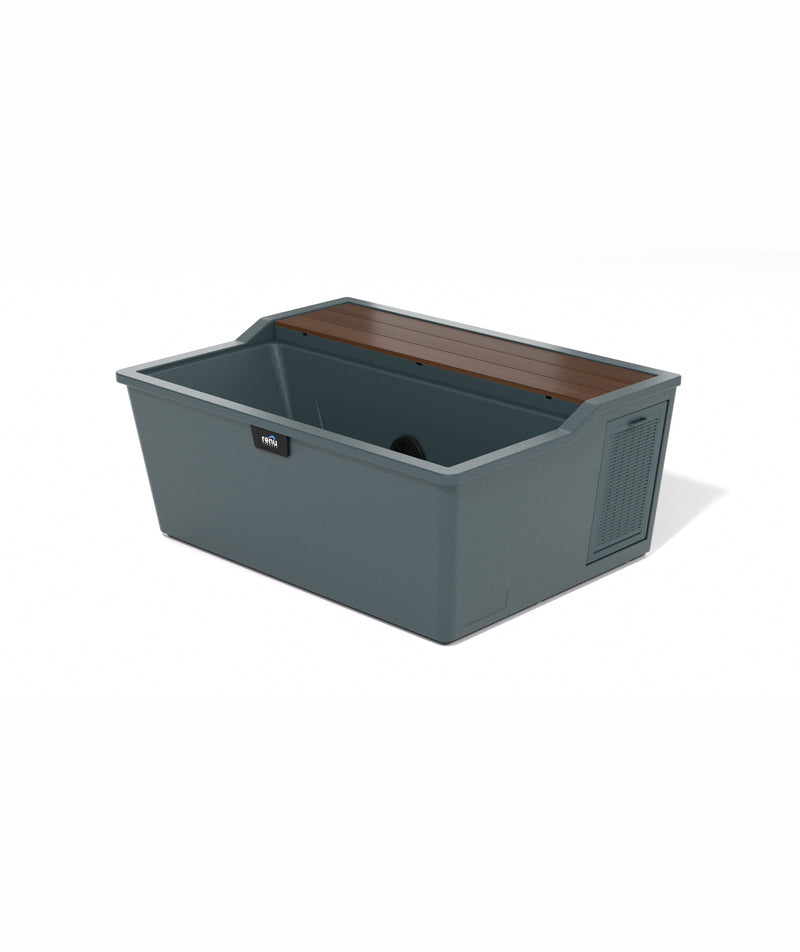
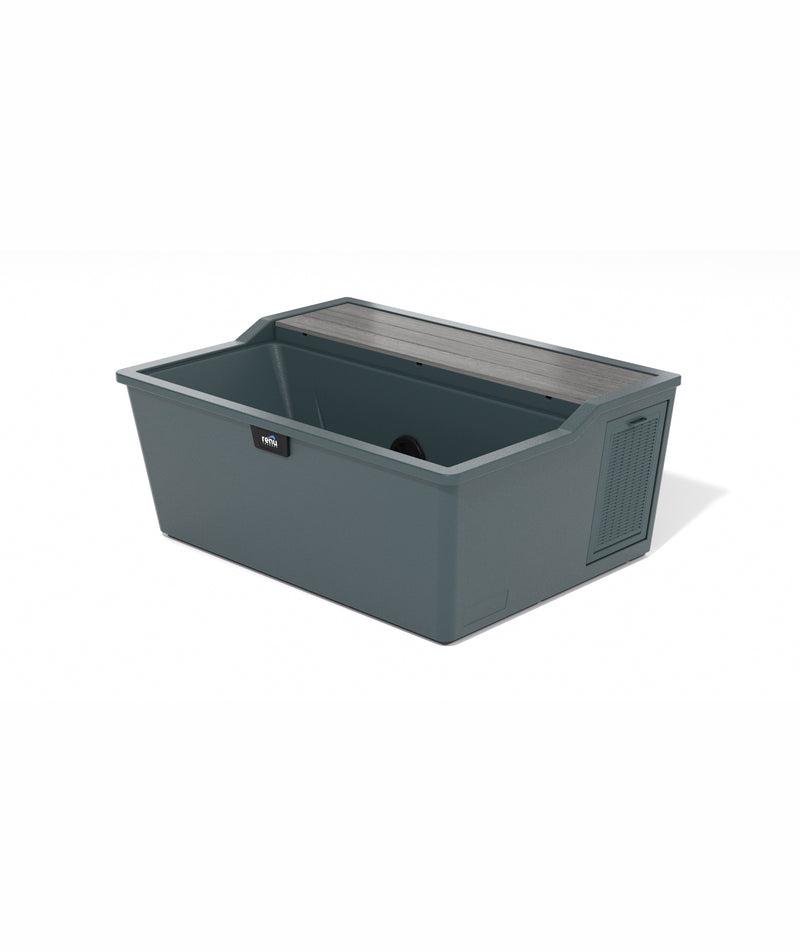
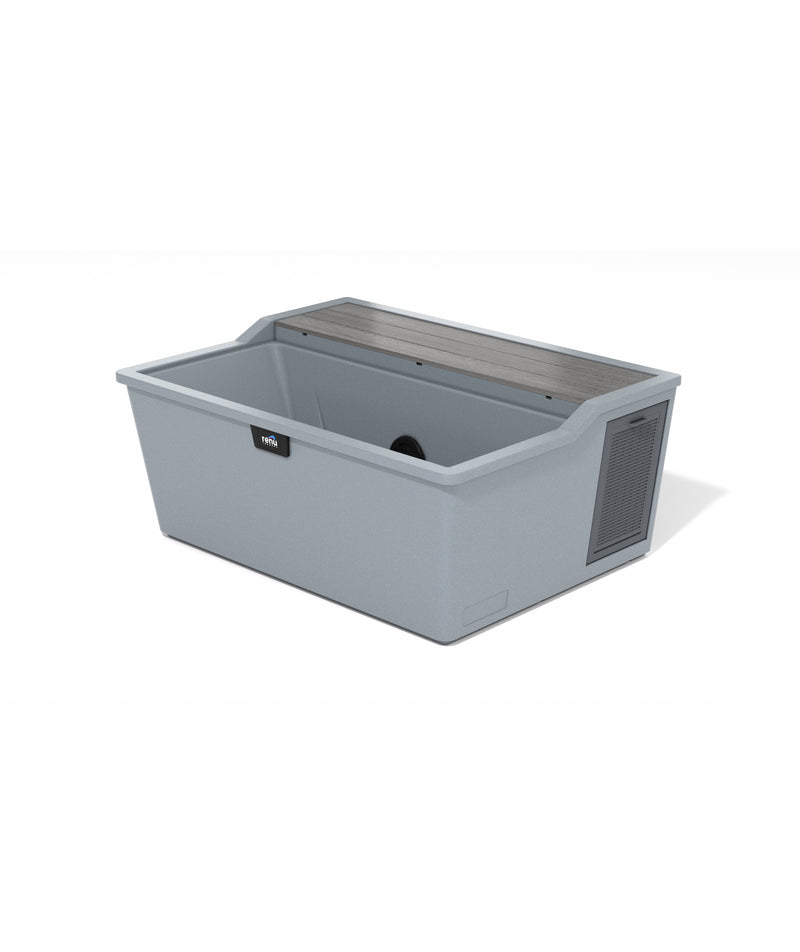
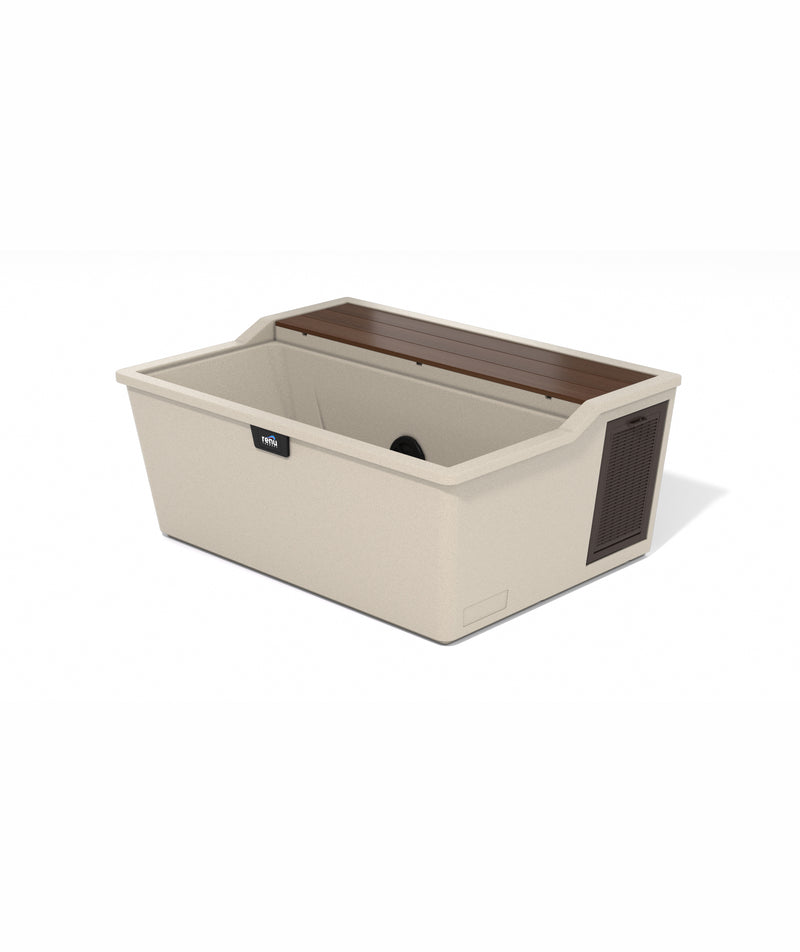
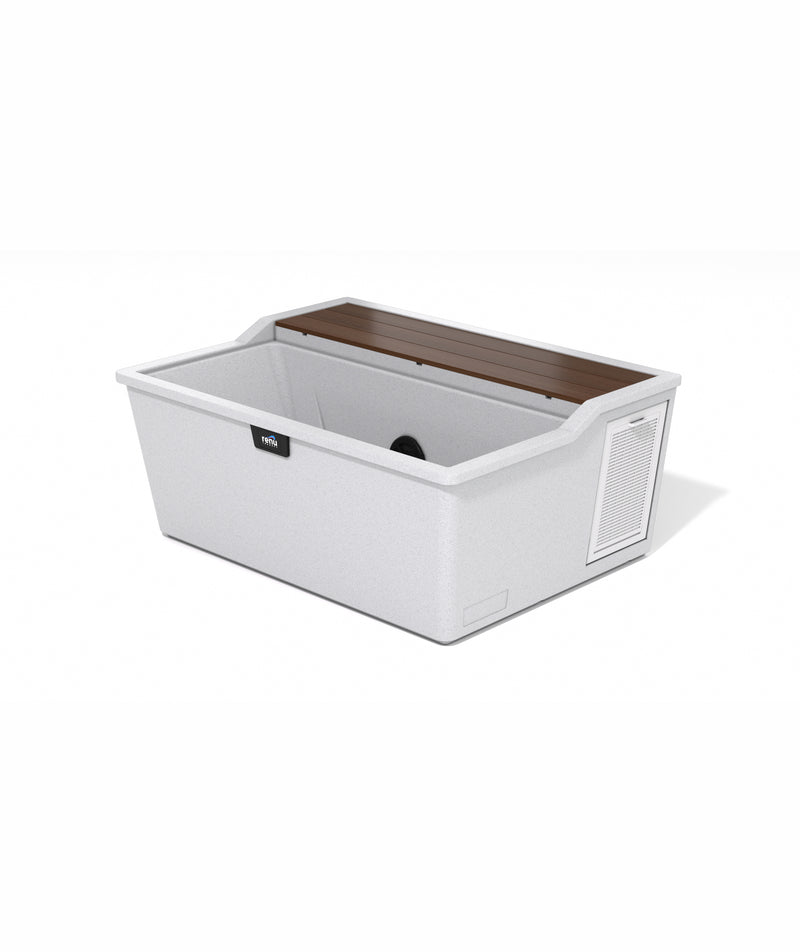
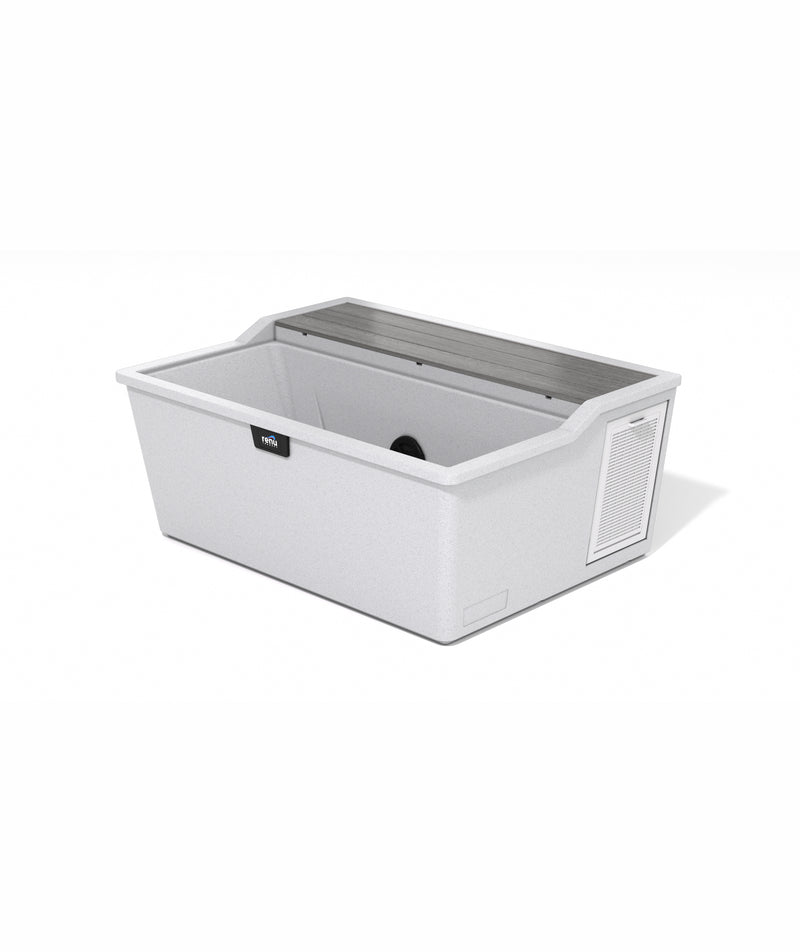
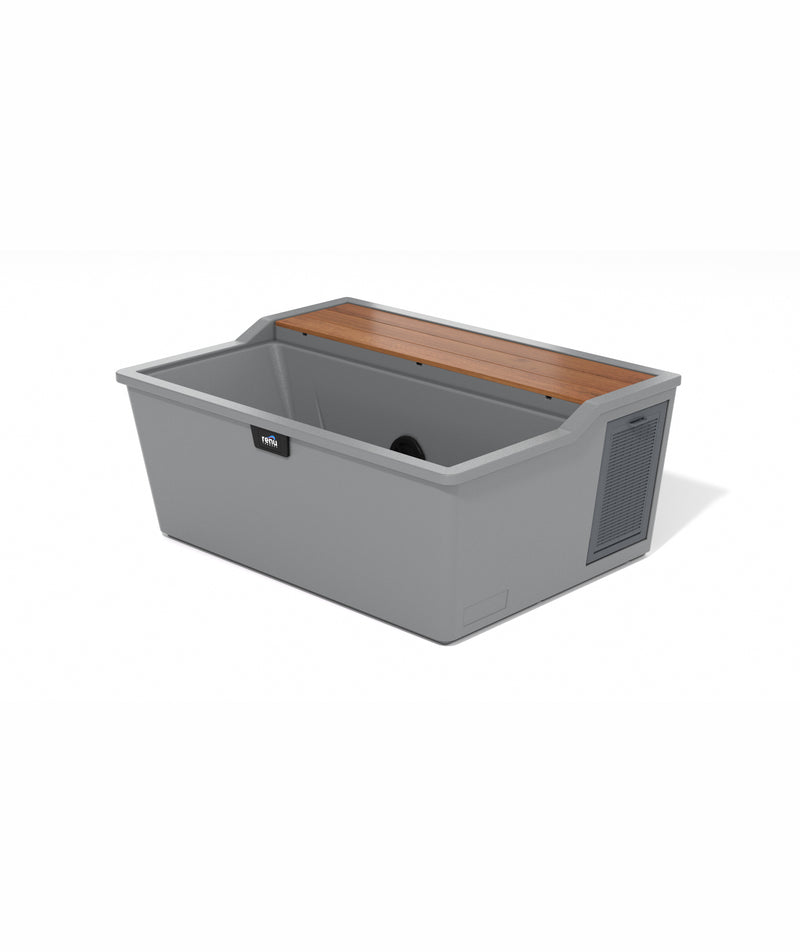
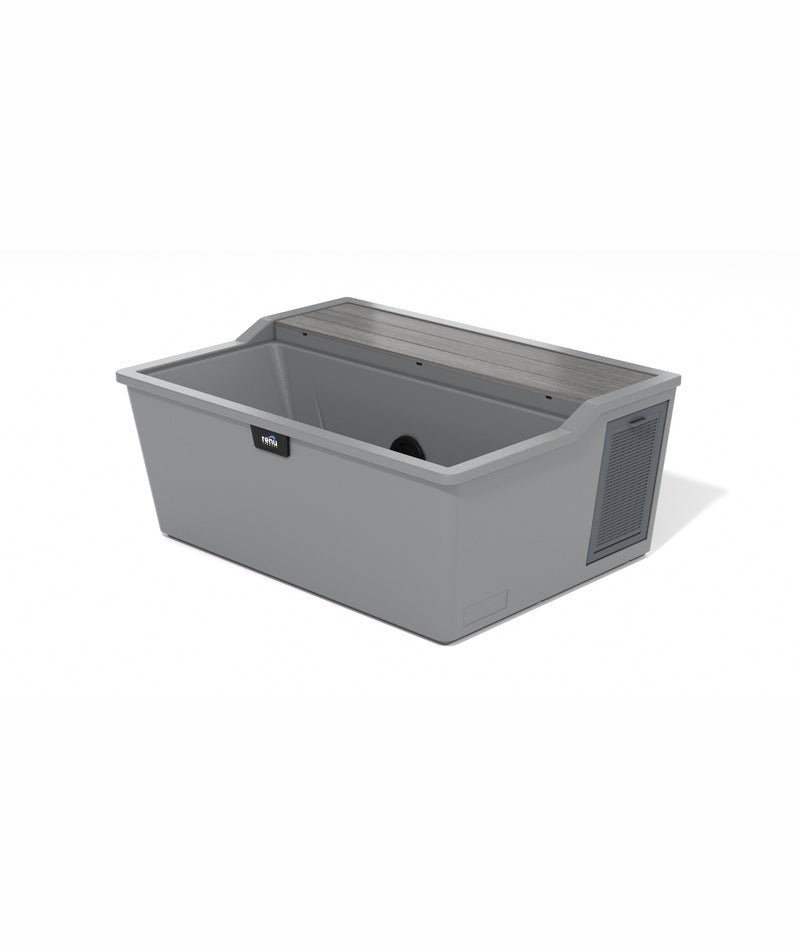
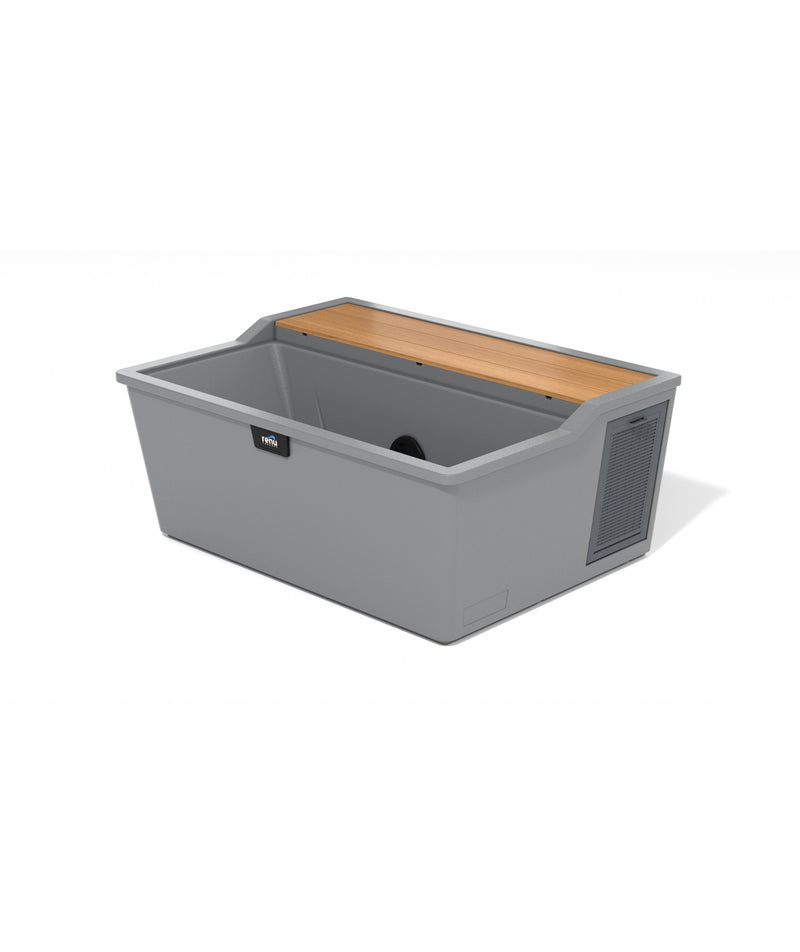
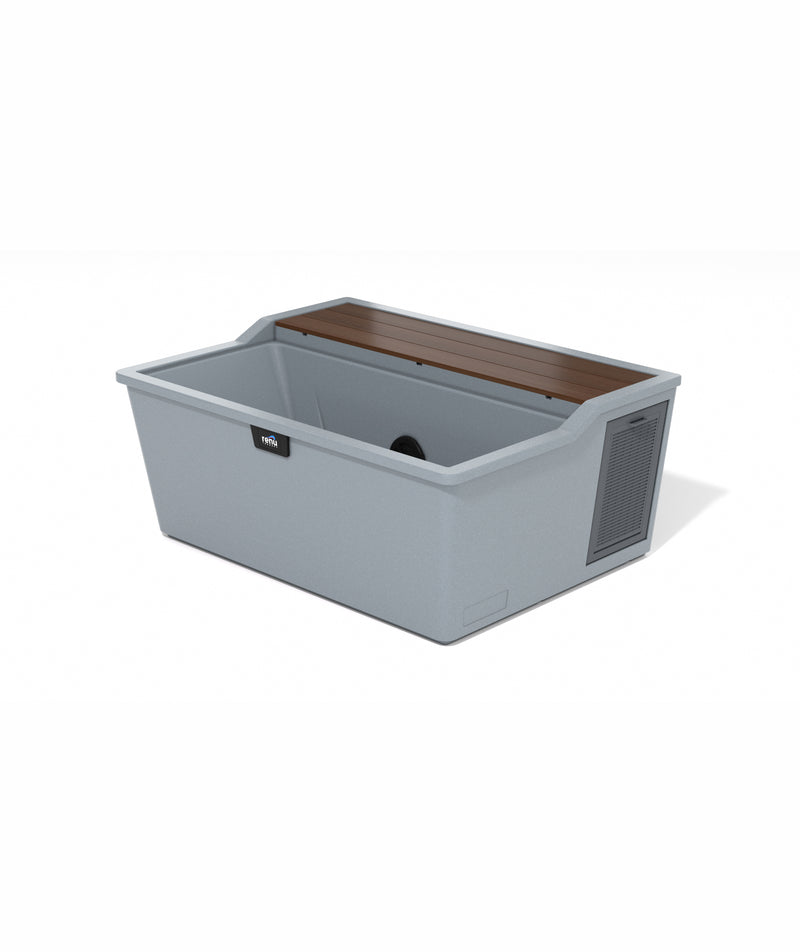
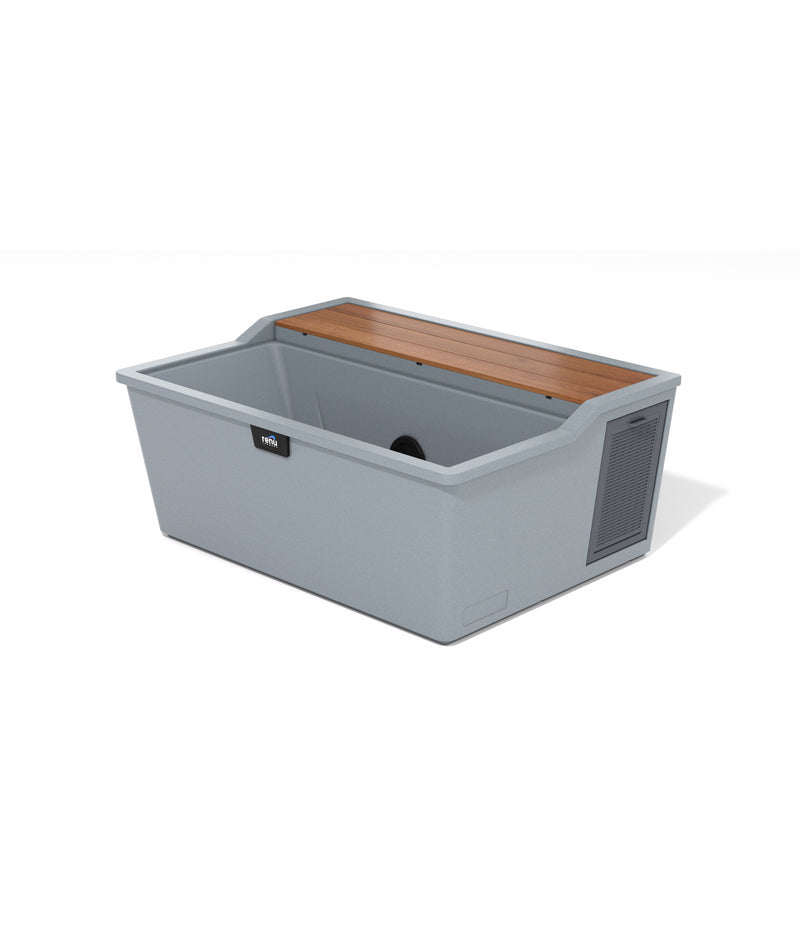
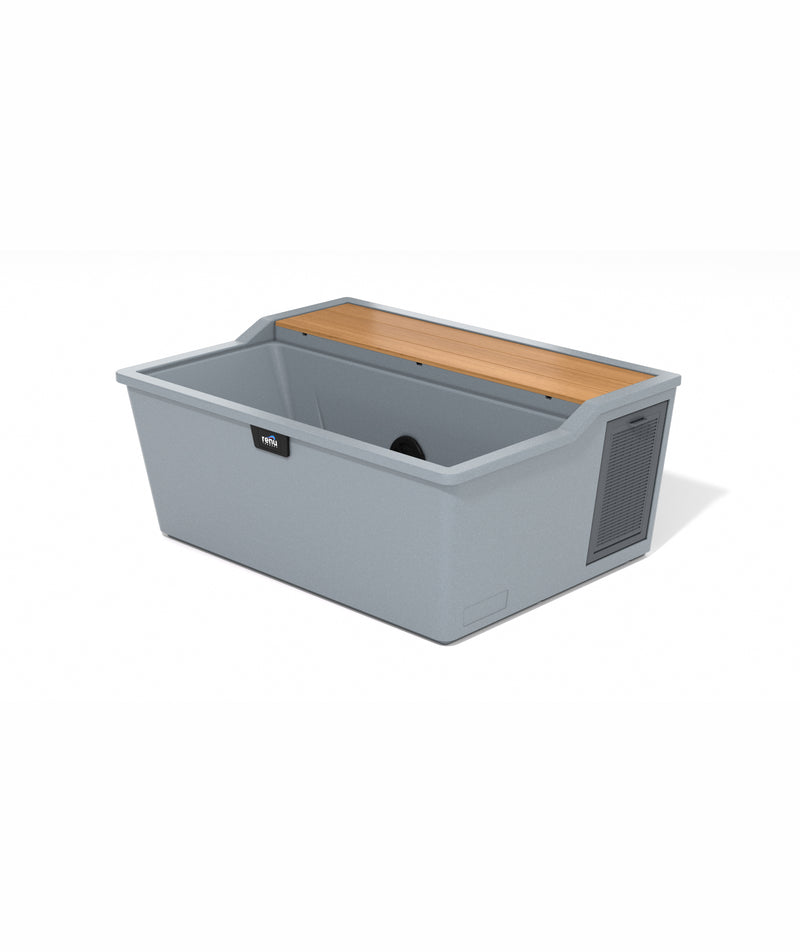
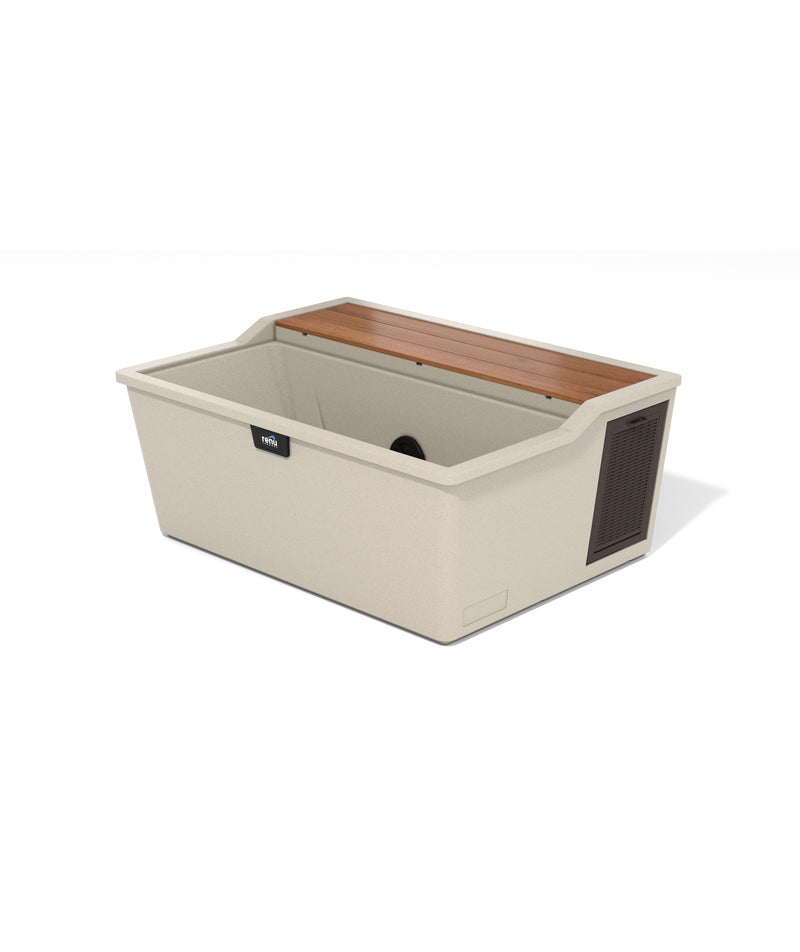
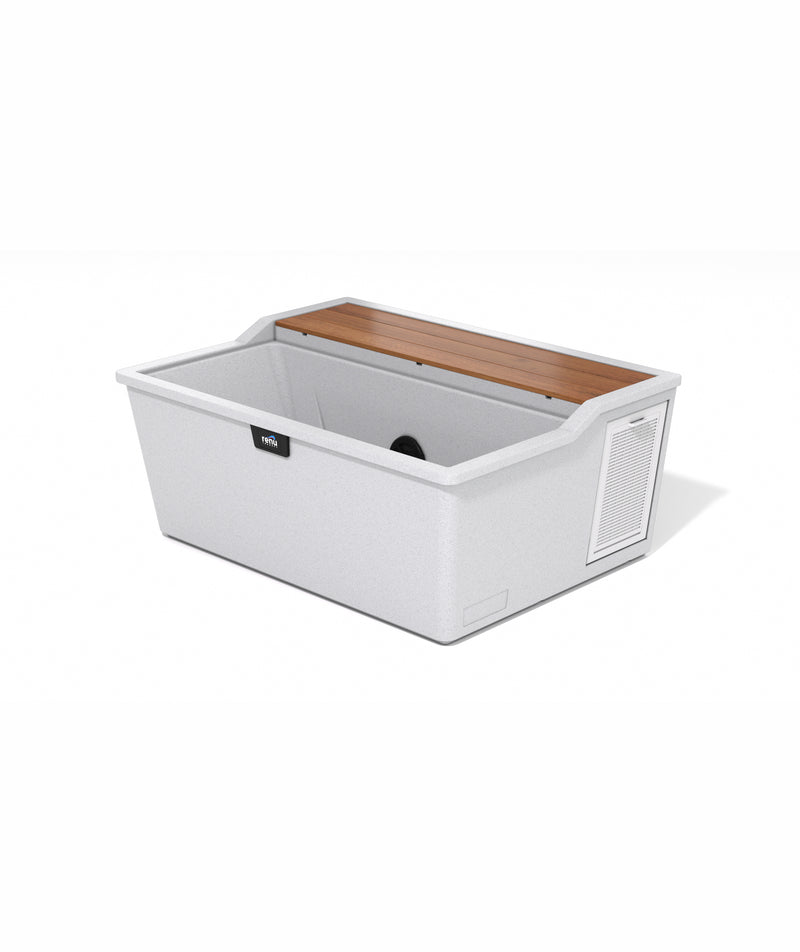
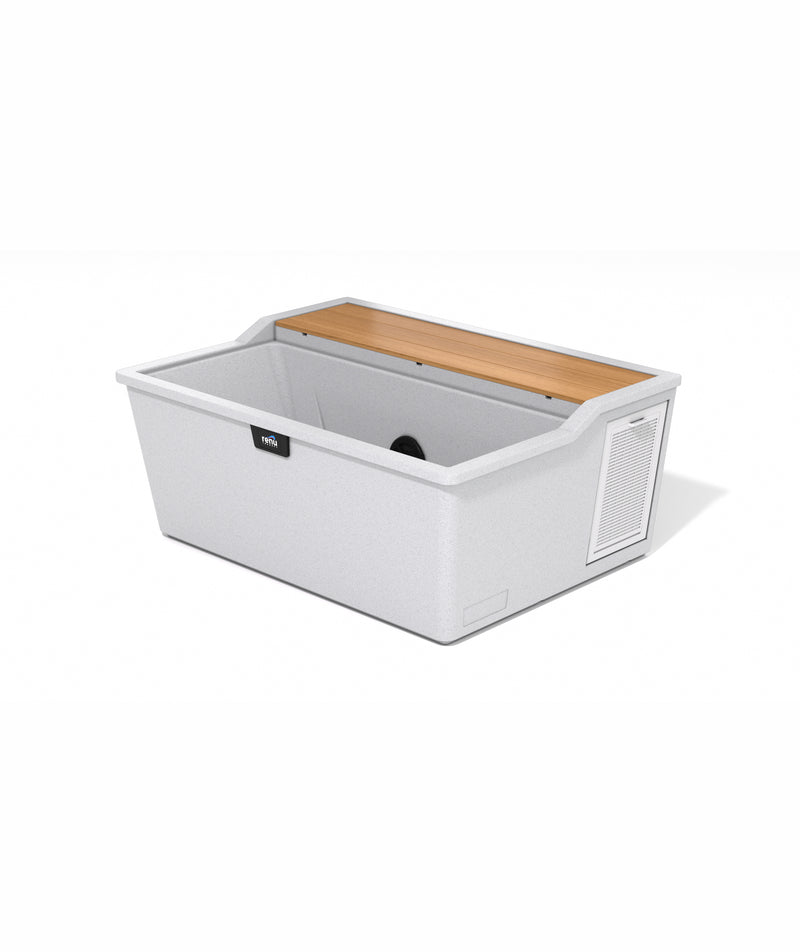
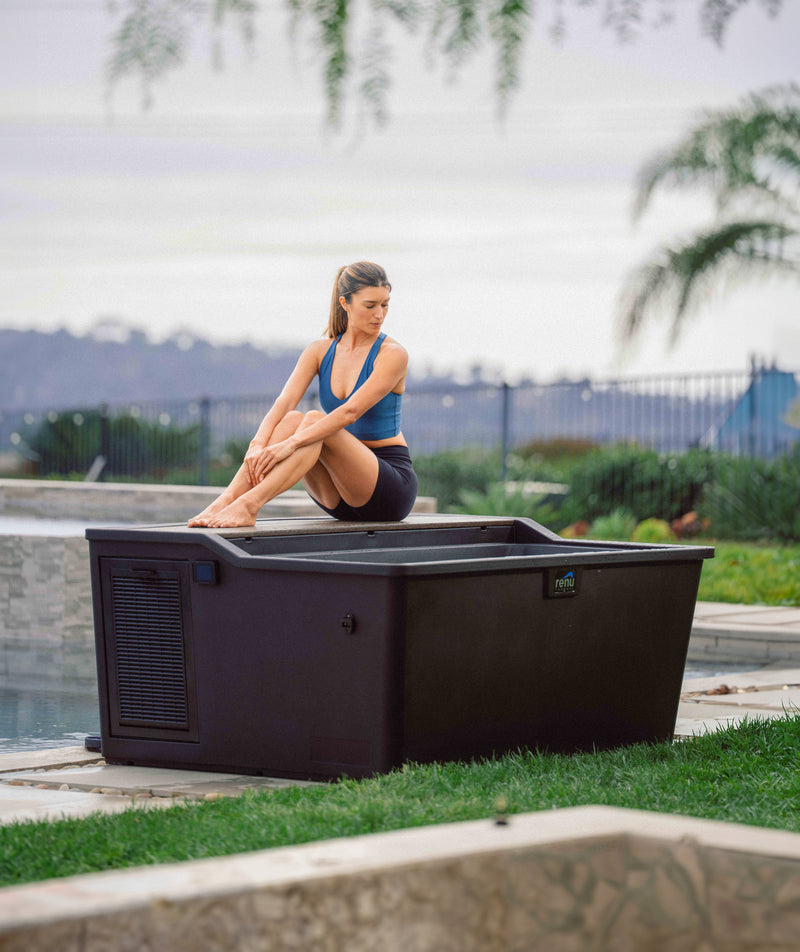
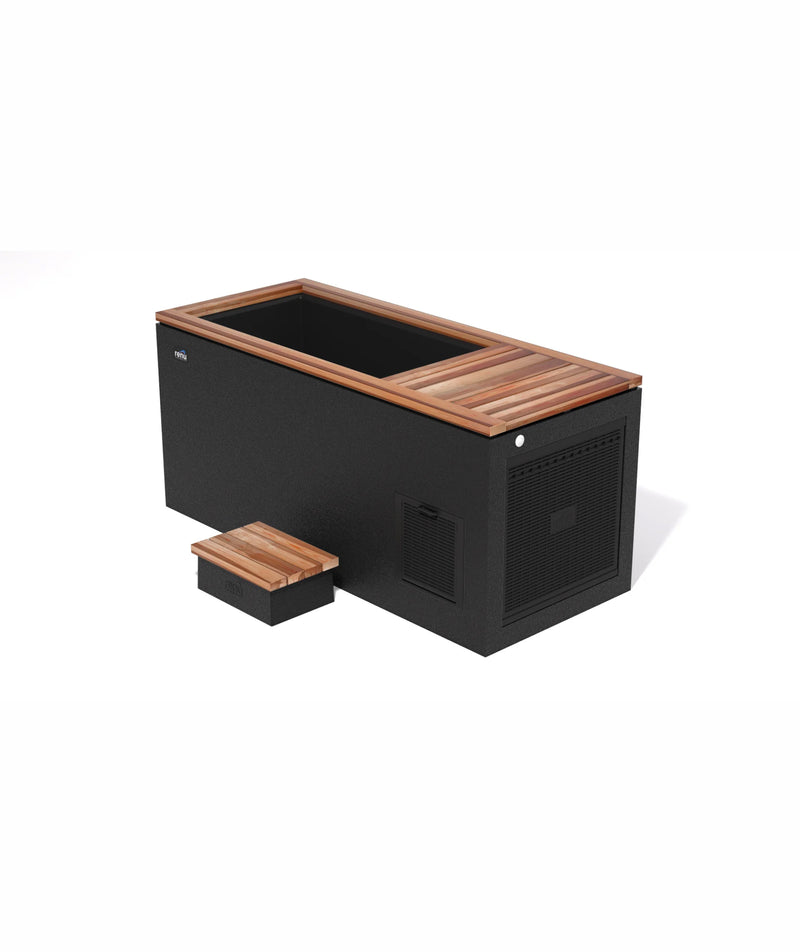
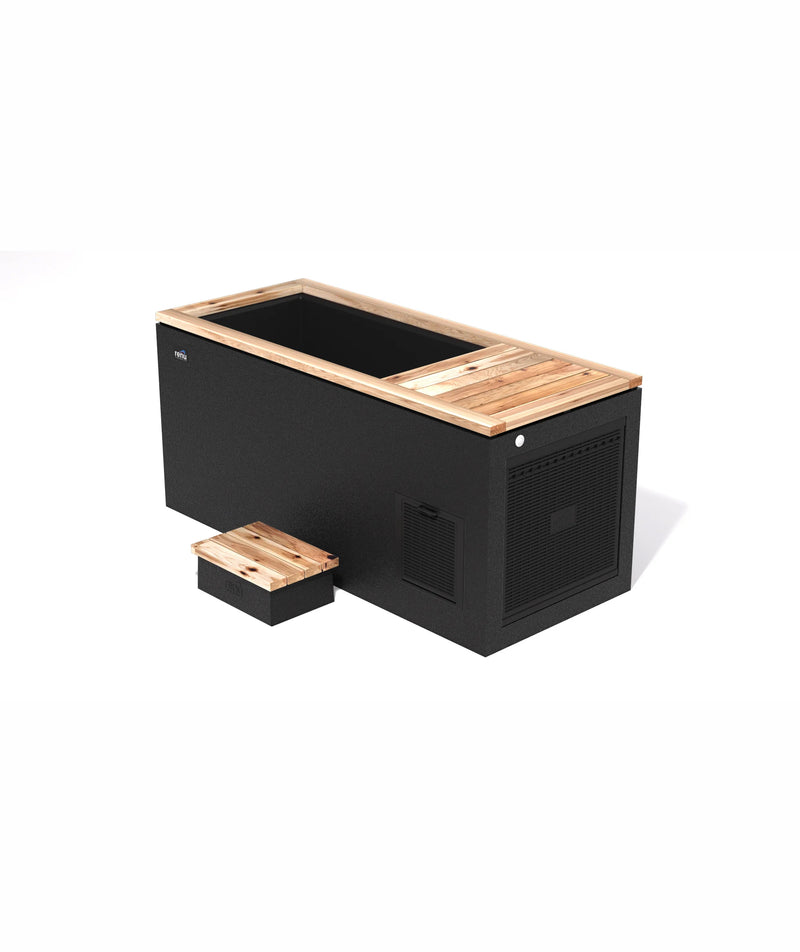
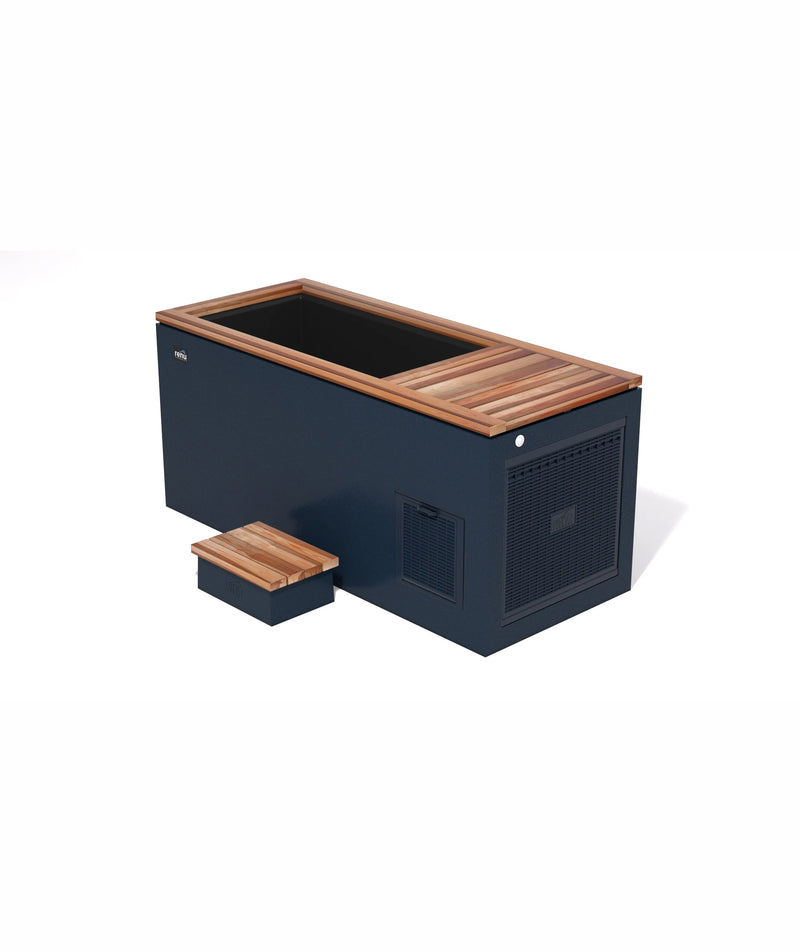
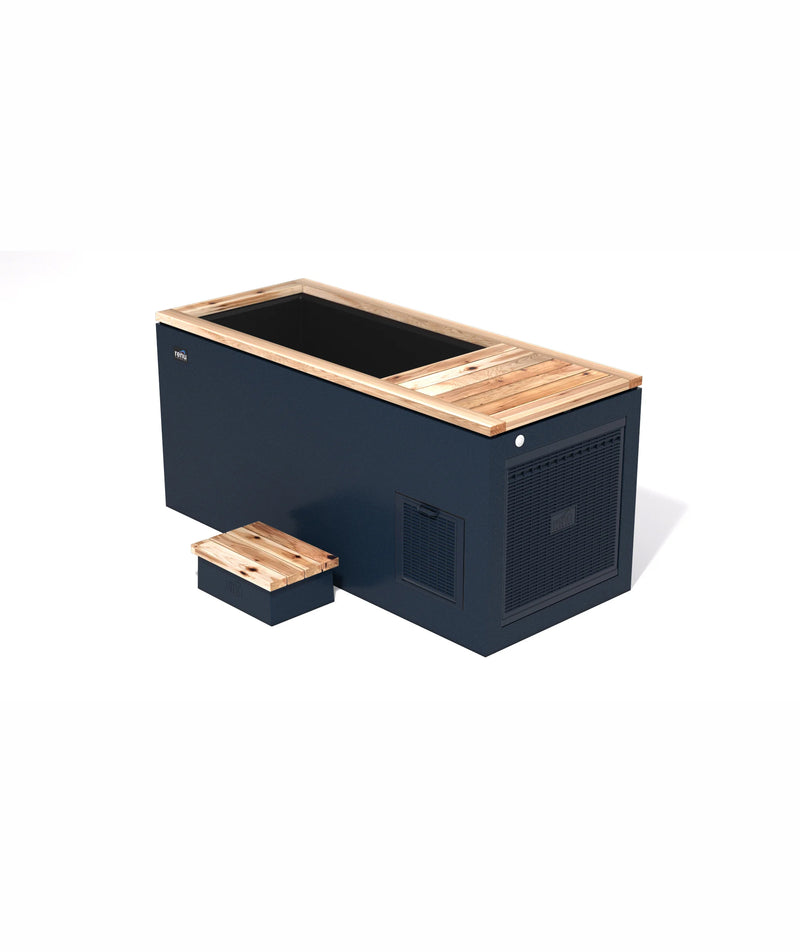
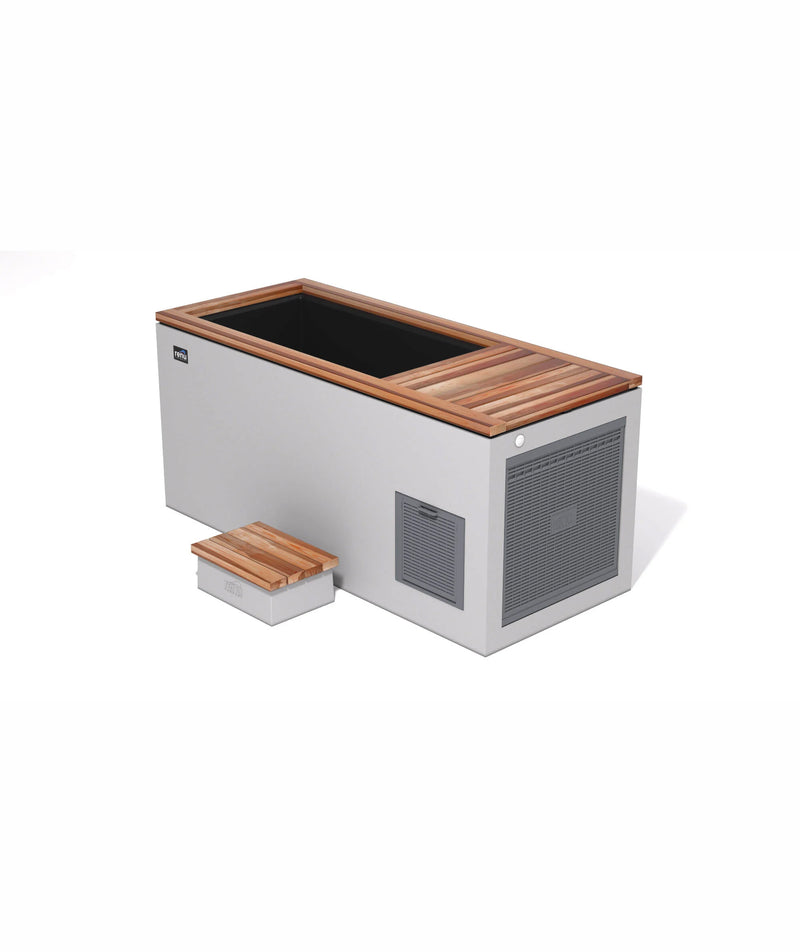
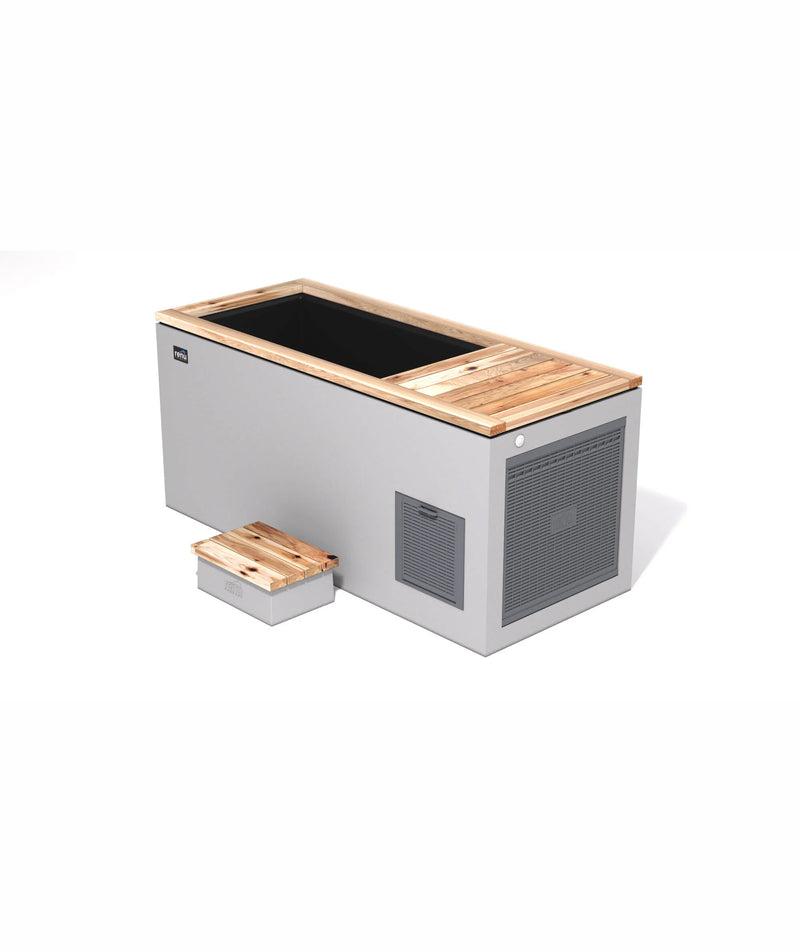
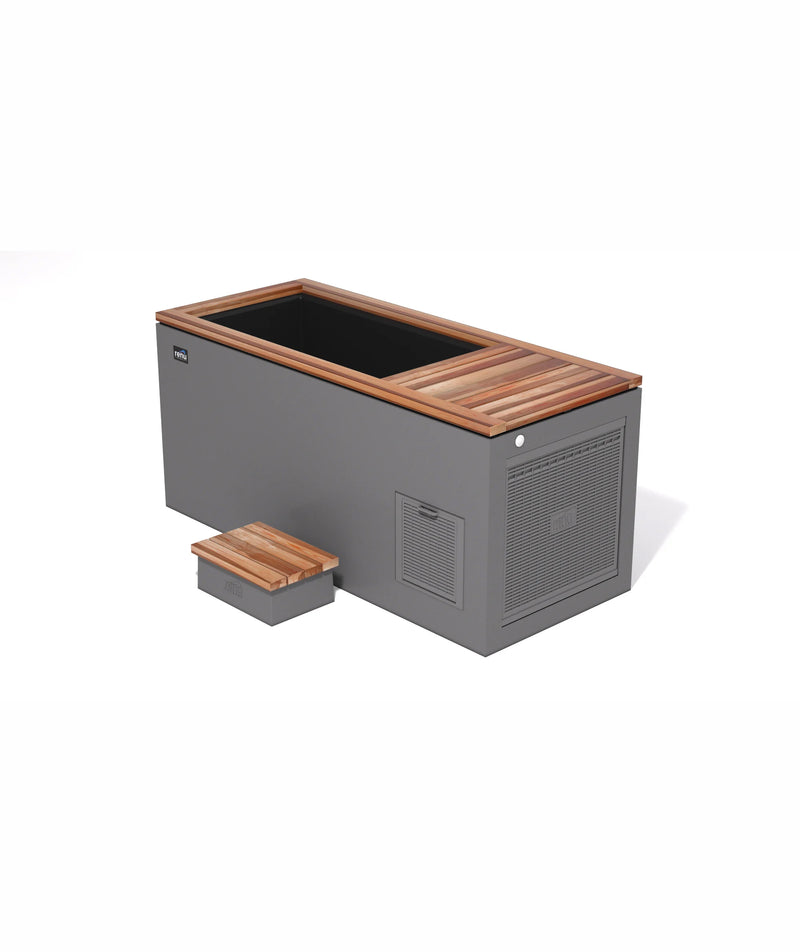
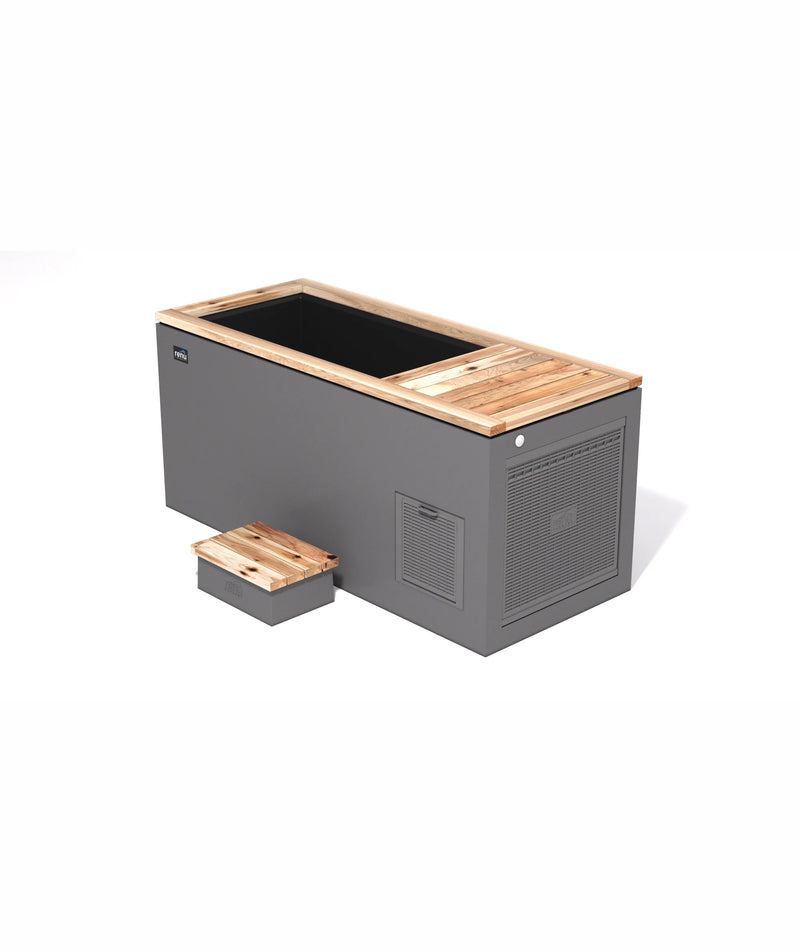
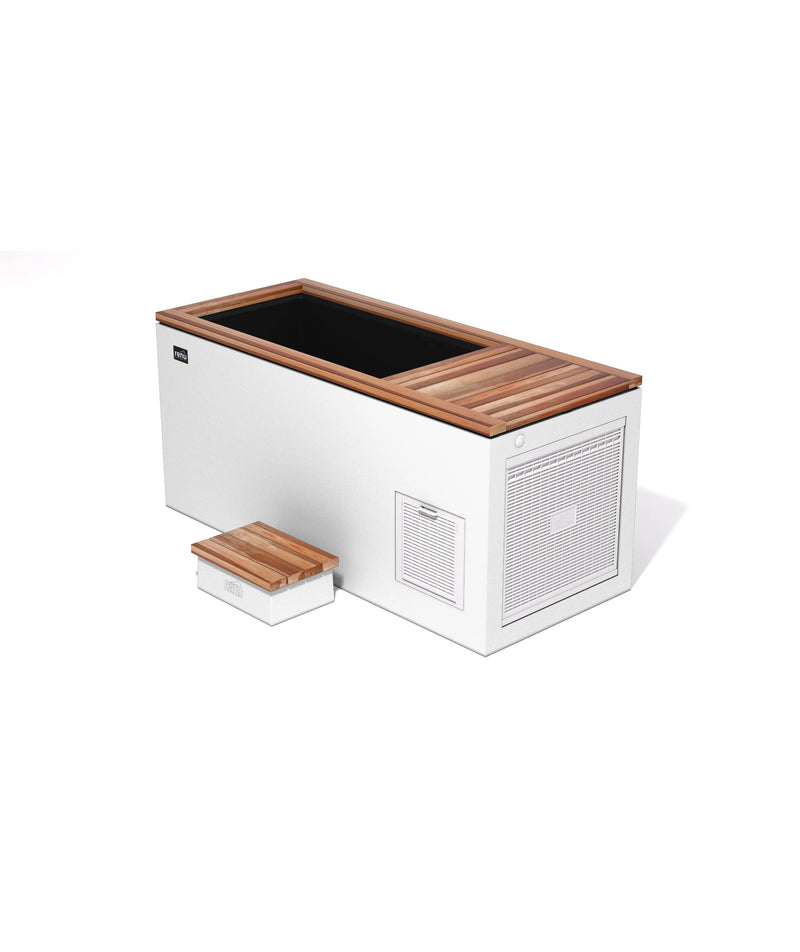
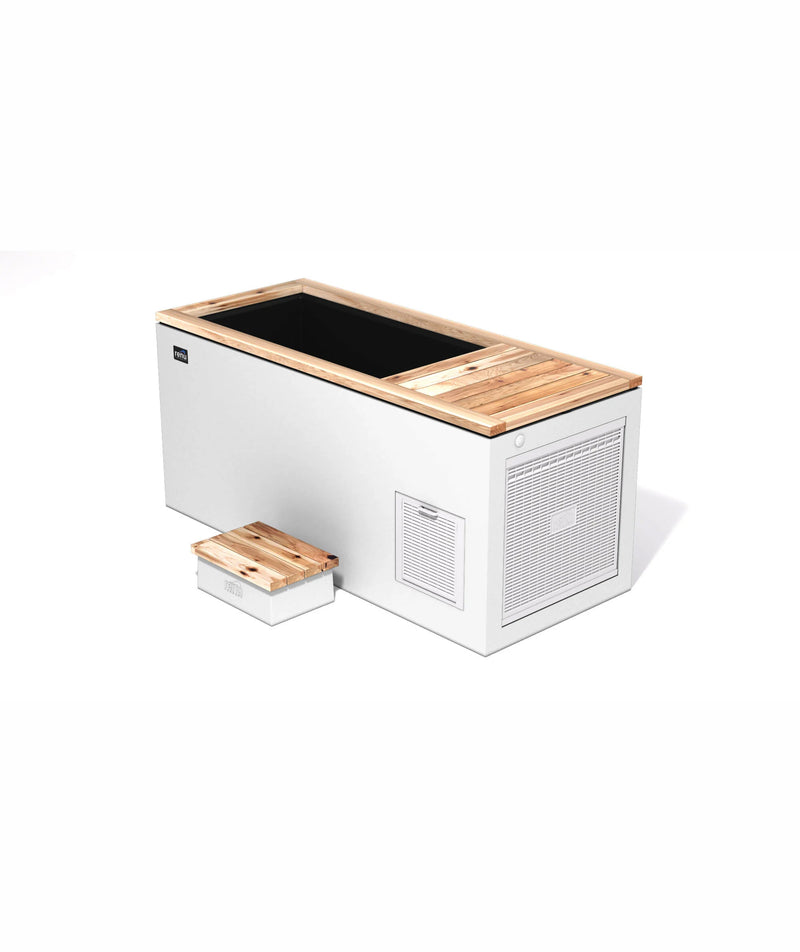
RENU Therapy has a range of cold plunge tanks that are water-efficient, easy to maintain, and easy to clean. We also have hot soak tubs for those who want an all-body contrast therapy experience.
Start your cold water immersion journey and contact RENU Therapy by completing the onsite contact us form or call us at 714-617-2007 at RENU Therapy today!