Traditional Chinese medicine (TCM) has been a cornerstone of healing practices for centuries, offering adverse effects and holistic approaches to health and wellness. Among its vast array of therapeutic modalities, cold plunge therapy stands out as a key component.
There are rich traditions of TCM that incorporate the significance of cold therapy in promoting balance and restoring the body's natural functions. Discover how this ancient practice has endured the test of time and continues to provide valuable insights into our well-being.
The Historical Significance of Cold Therapy in TCM
The historical significance of cold therapy in traditional Chinese medicine reflects its deep roots and integration into the healing practices of ancient China. TCM, with a history spanning thousands of years, has recognized the therapeutic effects of cold therapy and incorporated it as an essential modality.
In ancient China, healers and practitioners observed the impact of excessive heat and stagnation on the body's overall health and well-being. They recognized that imbalances in the body caused by these factors could lead to various ailments and health conditions. To address these imbalances, cold therapy was employed as a means to restore the body's vital balance due to its biological effect.
By applying cold therapies—such as cold water immersion, cold herbal compresses, or other specific cooling adjustments—ancient healers aimed to counteract excessive heat within the body. They believed that the cooling properties of these therapies helped restore equilibrium and bring the body back to a state of balance.
Traditional Functions of Cold Therapy in TCM
In TCM, cold therapy plays a significant role in promoting health and restoring balance within the body. Let's delve deeper into the traditional functions of cold therapy in TCM:
Dispelling Heat
Cold therapy is utilized to disperse excessive heat within the body, restoring a balanced internal temperature. It is commonly employed to alleviate symptoms associated with conditions characterized by heat, such as fever, sore throat, and the common cold.
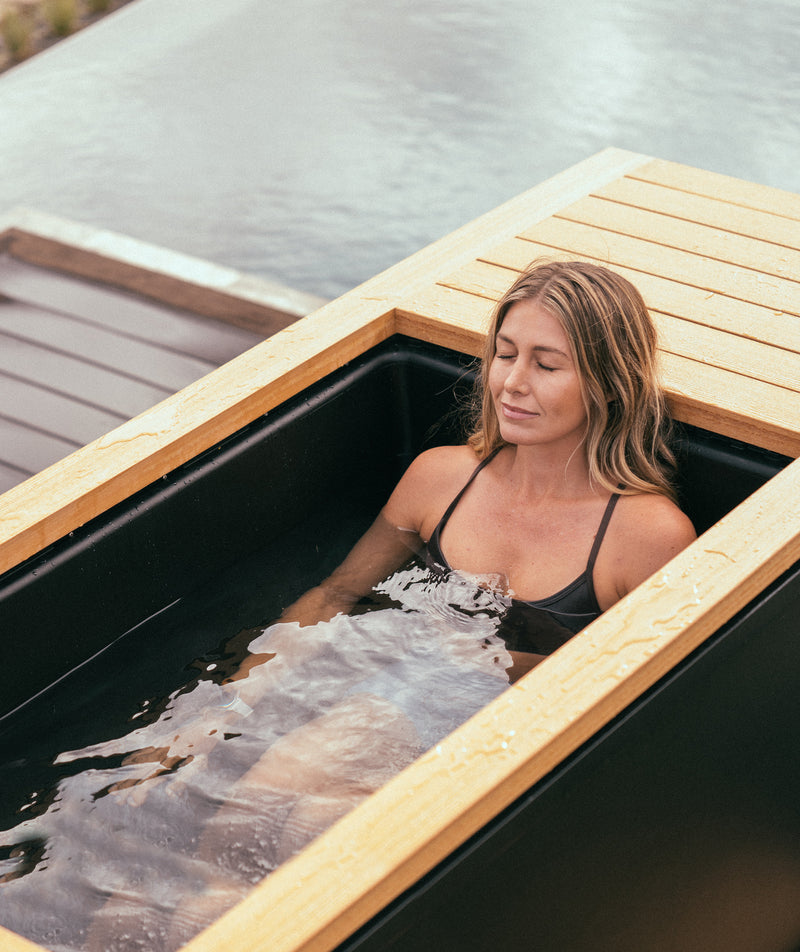
By applying cold therapies, such as home cold plunges or using cool herbal remedies, the body's temperature can be regulated, reducing inflammation and promoting overall well-being.
Promoting Blood Circulation
Cold therapy is known to invigorate blood circulation, preventing blood stasis and promoting its smooth flow throughout the human body. This can help alleviate symptoms related to poor circulation, including cold limbs and muscle tension. By enhancing blood circulation, cold therapy contributes to the maintenance of optimal body function and supports the body's natural healing processes.
Harmonizing Body Constitution
TCM recognizes the importance of understanding an individual's unique body constitution, which refers to their inherent physical and energetic makeup. Cold therapy is employed to address imbalances in body temperature and restore equilibrium within the body. By applying cold therapies, TCM aims to align the body with its natural state, promoting harmony and well-being.
Embracing Tradition for Optimal Health Today
Traditional medicines have stood the test of time, offering holistic approaches to healing and maintaining wellness. Cold therapy, with its ancient roots and proven efficacy, continues to play a significant role in TCM's comprehensive healing practices. By embracing the wisdom of TCM and incorporating cold therapy, we can unlock the human body's inherent ability to heal and thrive.
Incorporating Cold Therapy into Your Wellness Routine
Whether you seek to explore TCM as a complementary medicine or embrace its holistic principles fully, incorporating cold therapy into your wellness routine can offer profound benefits. Cold showers, ice bath tubs, and herbal medicines with cold properties can be incorporated into your daily life to promote balance and enhance your overall well-being.
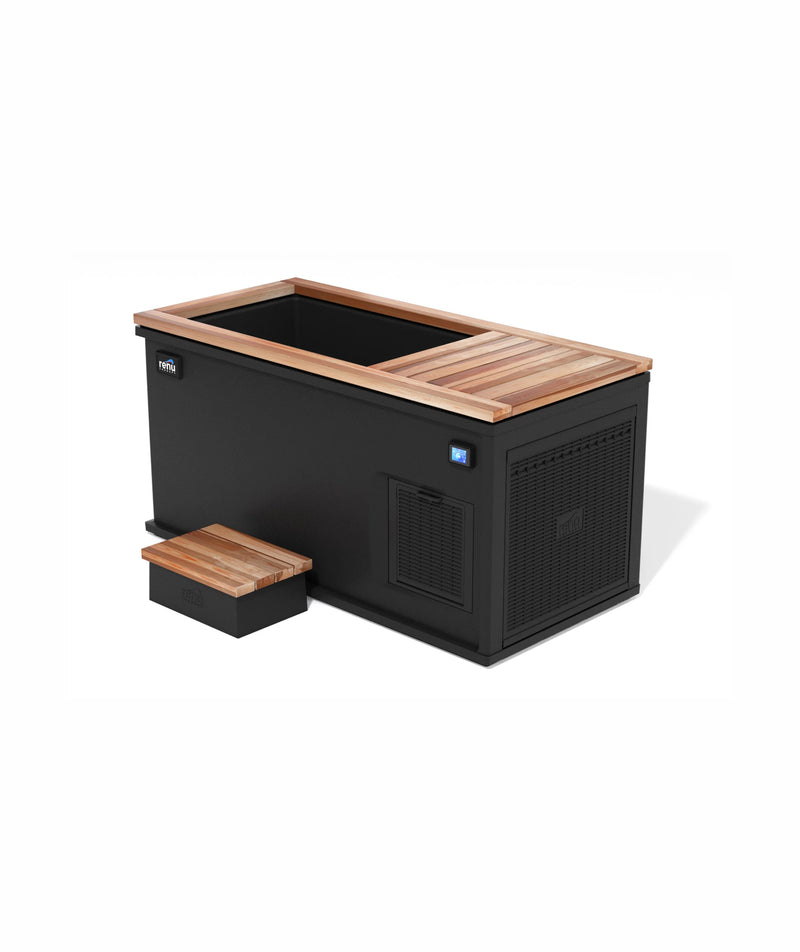
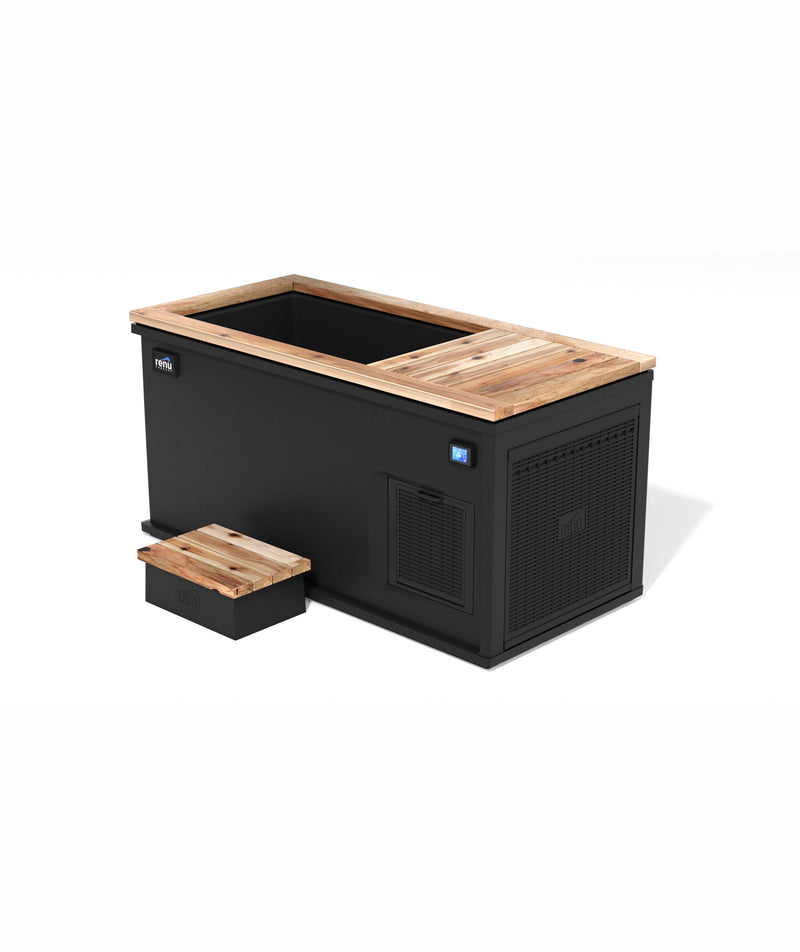
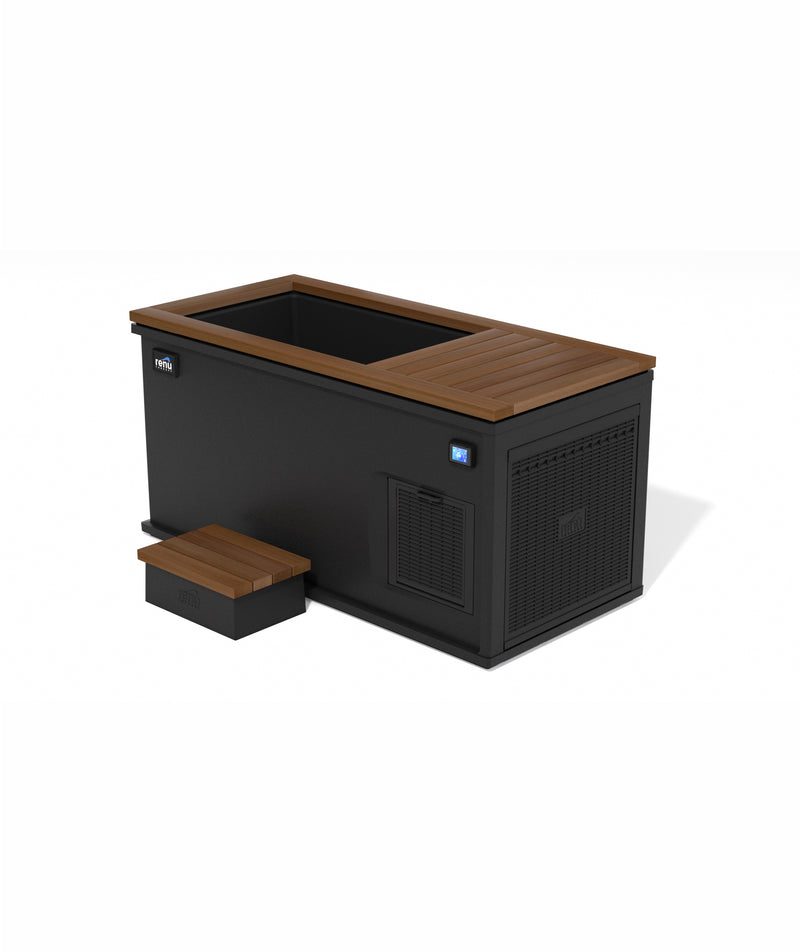
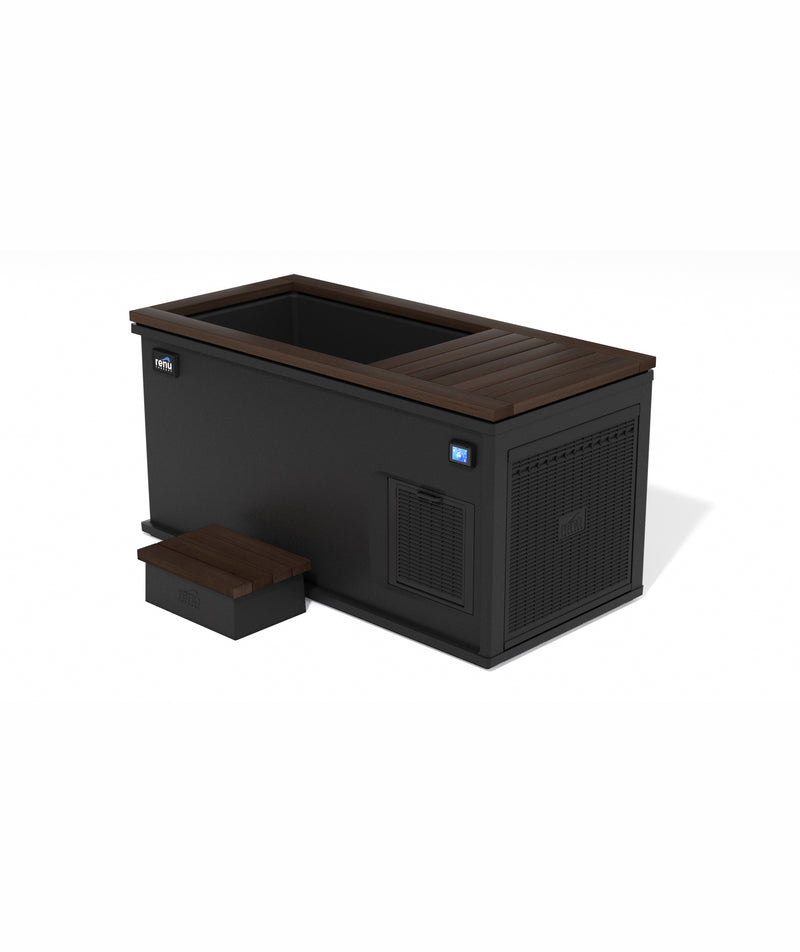
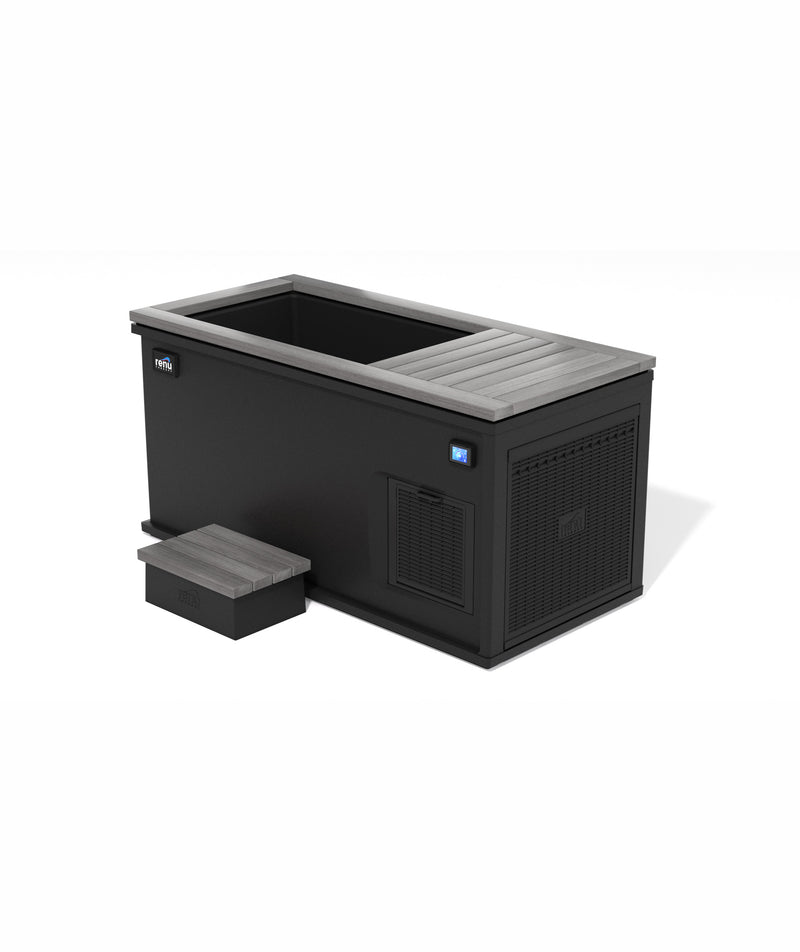
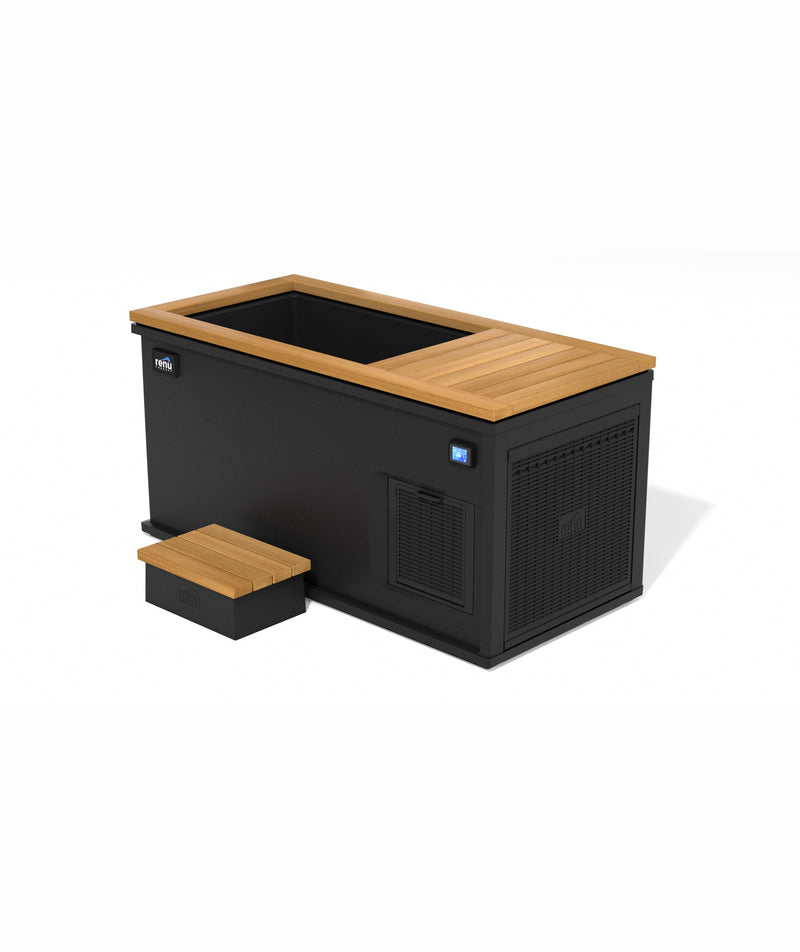
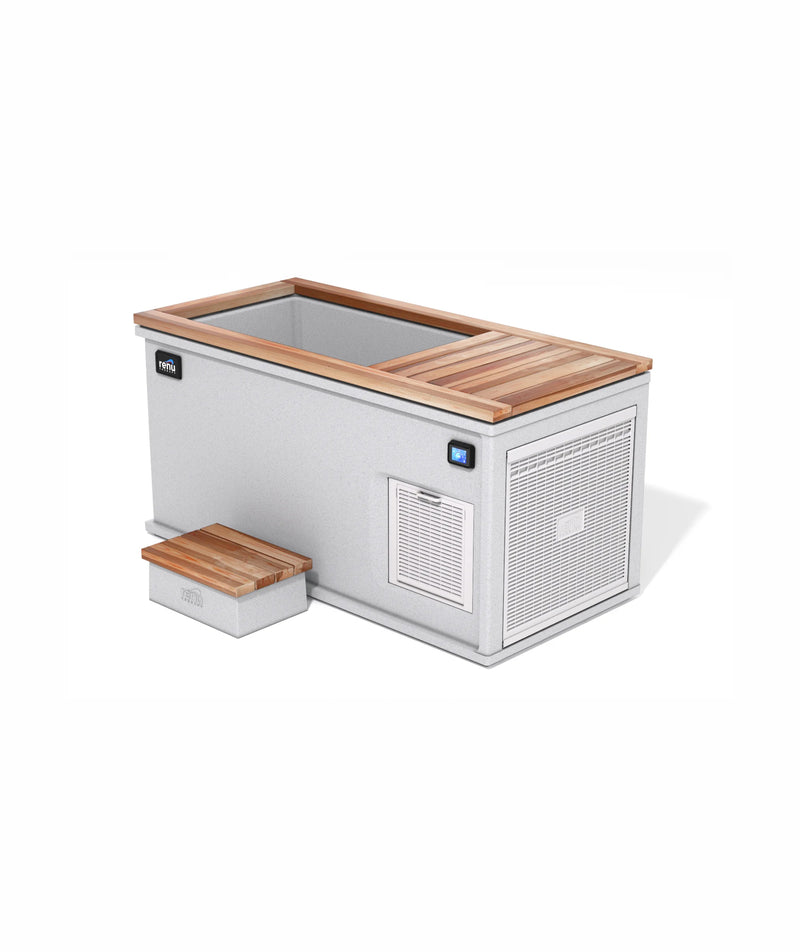
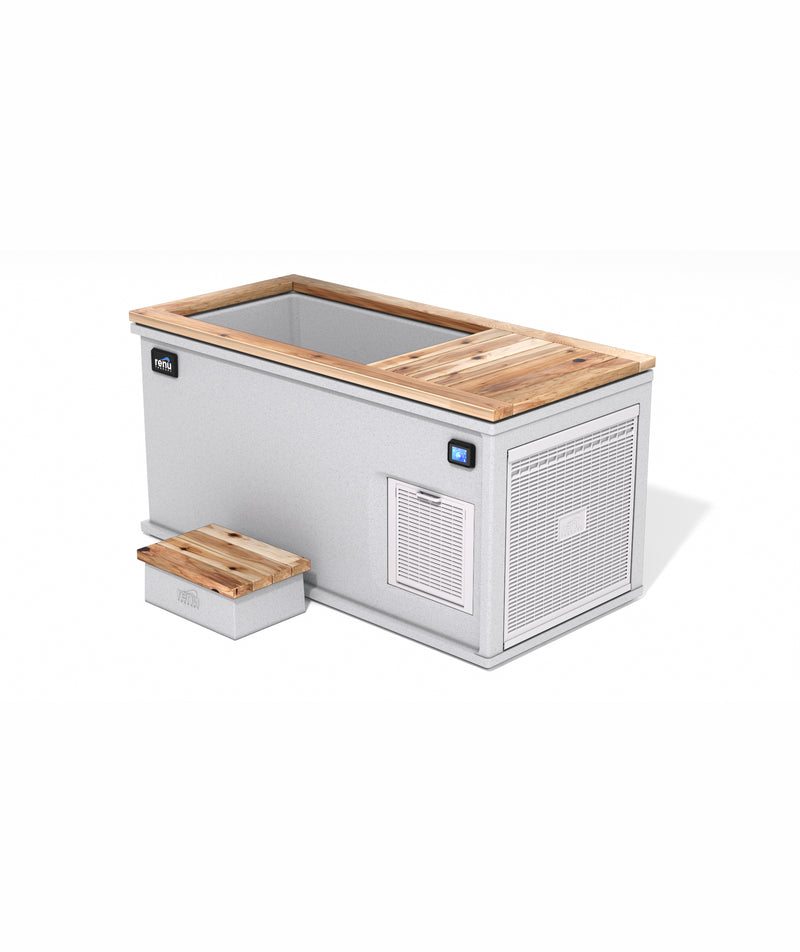
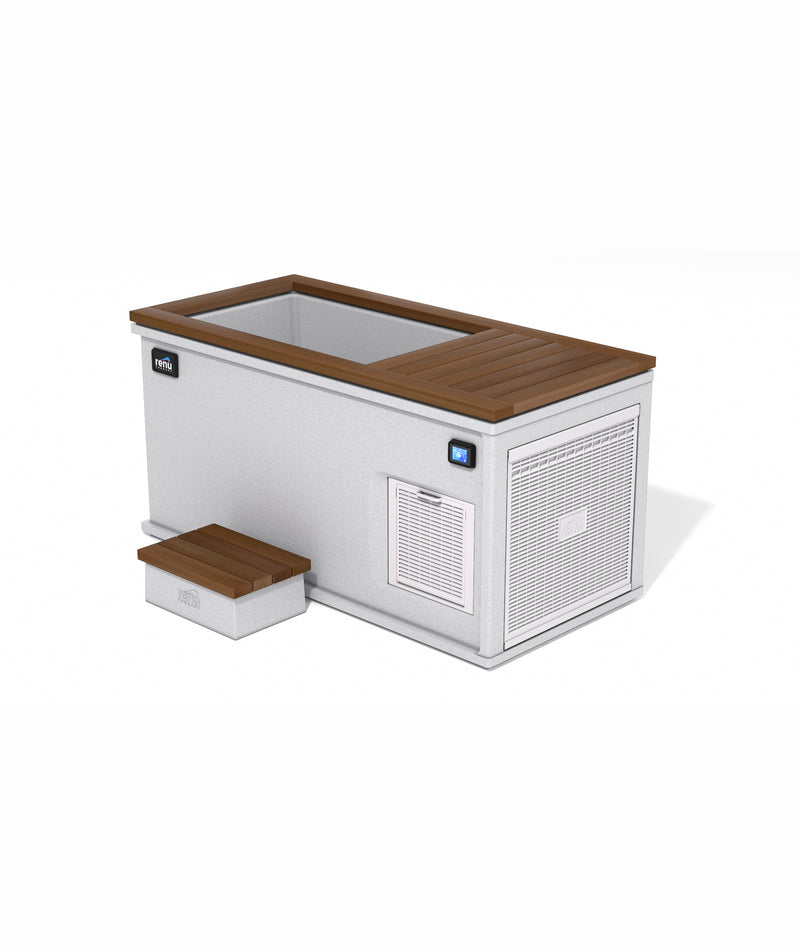
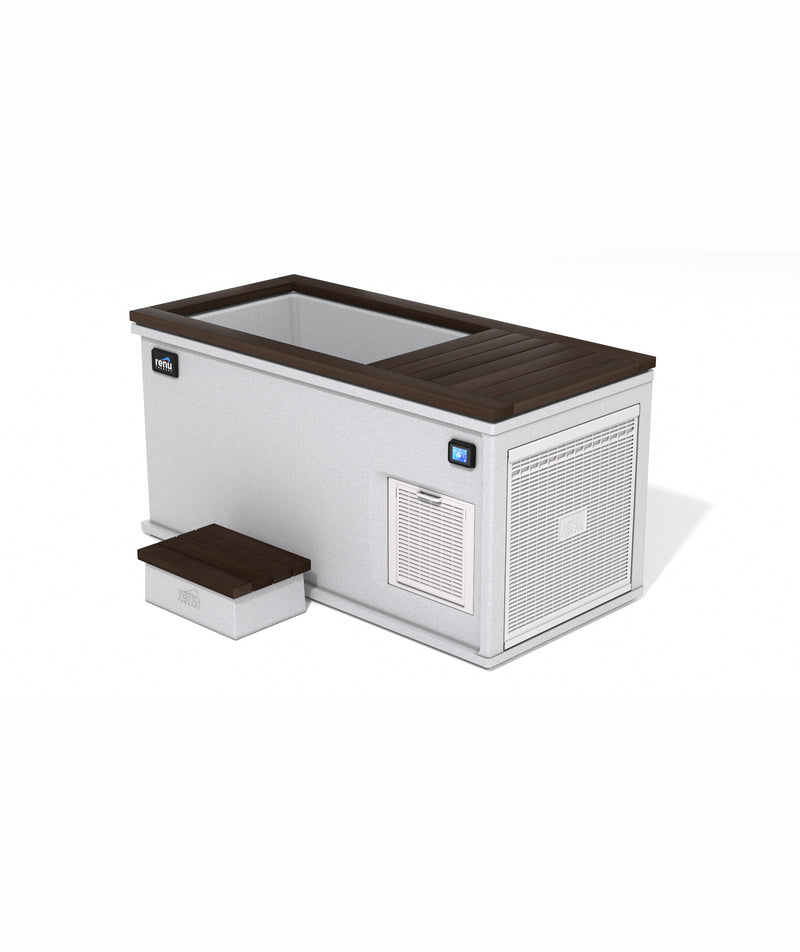
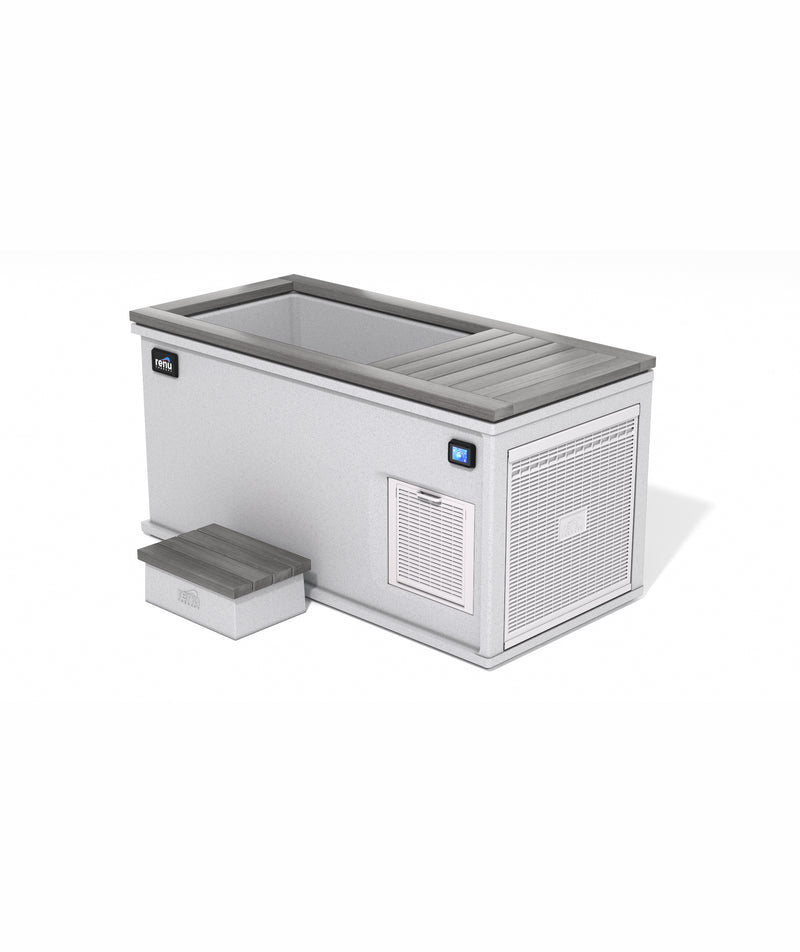
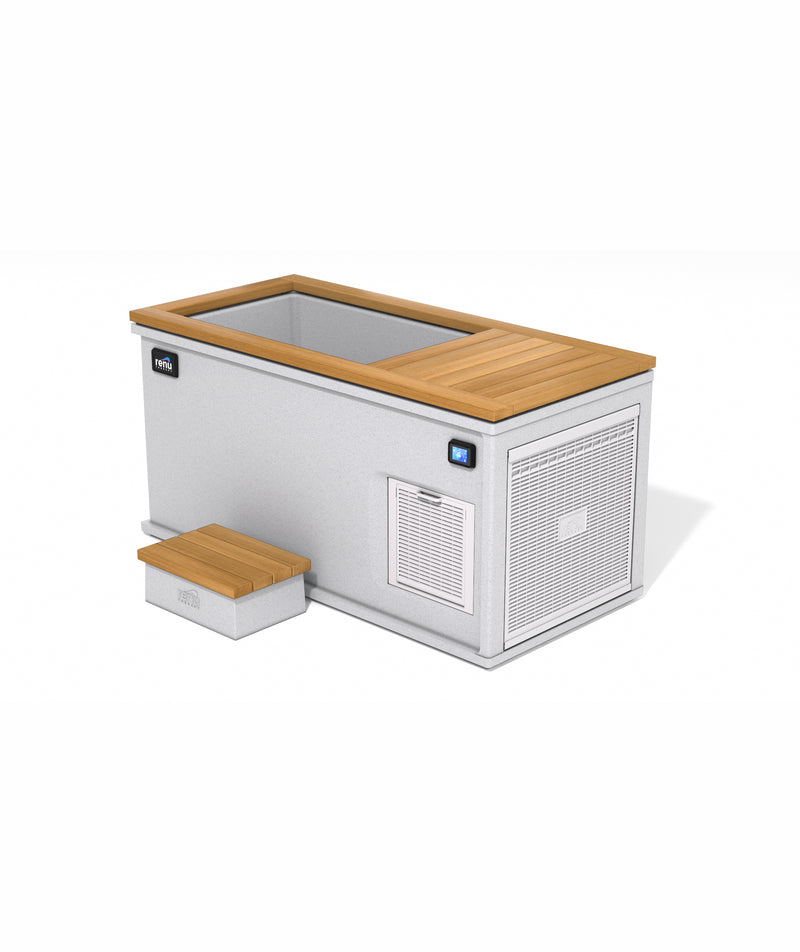
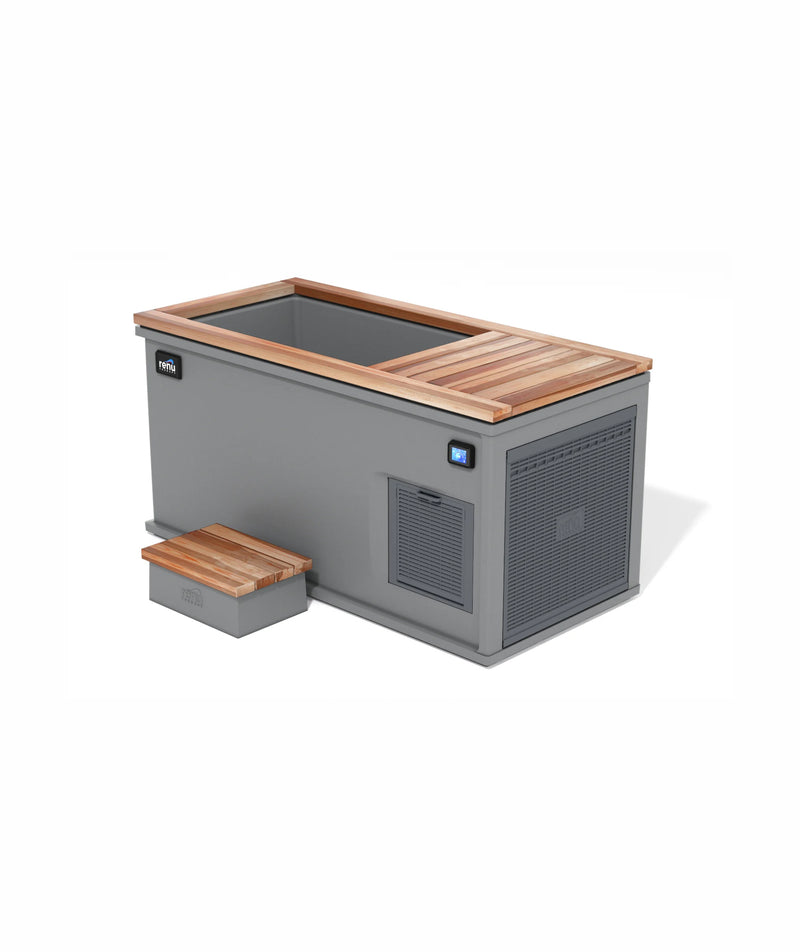
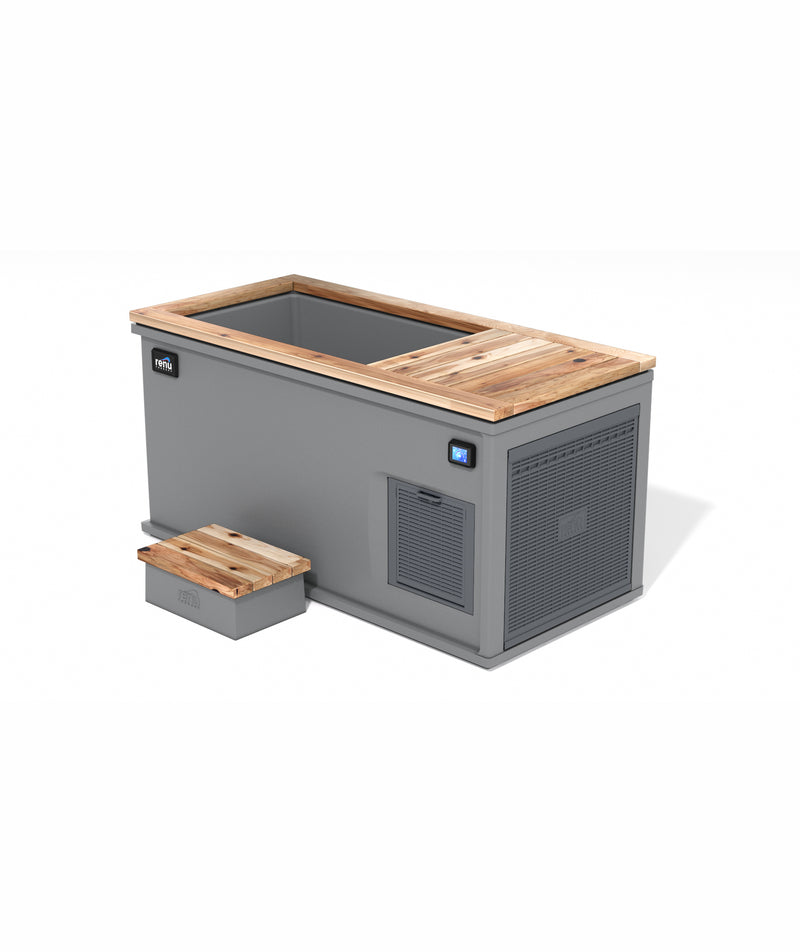
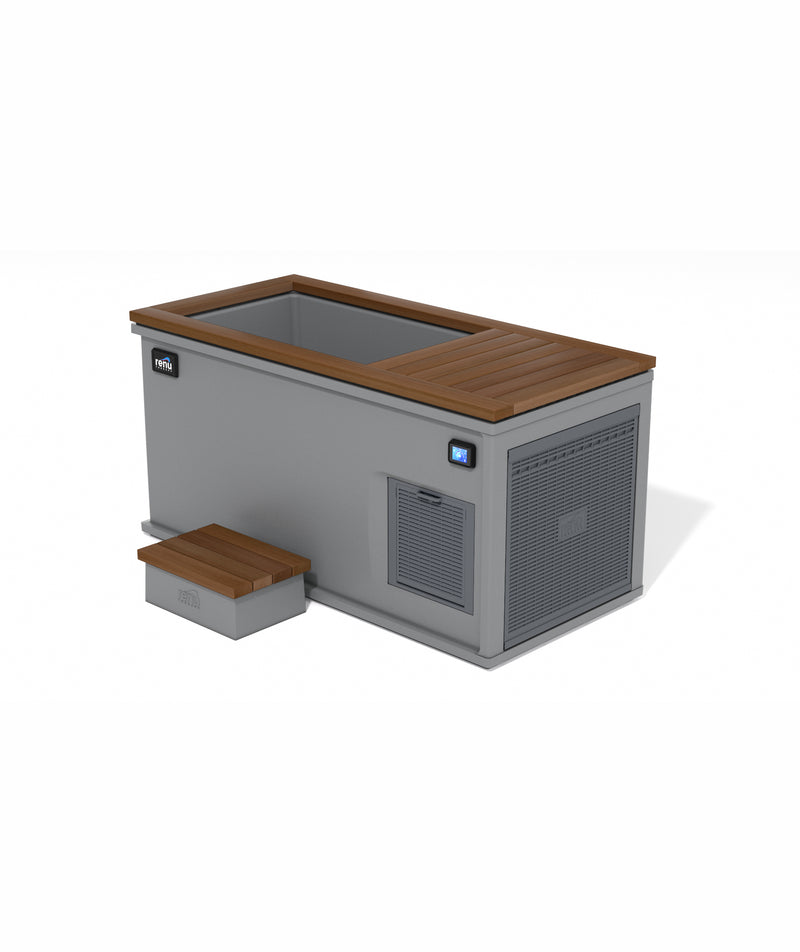
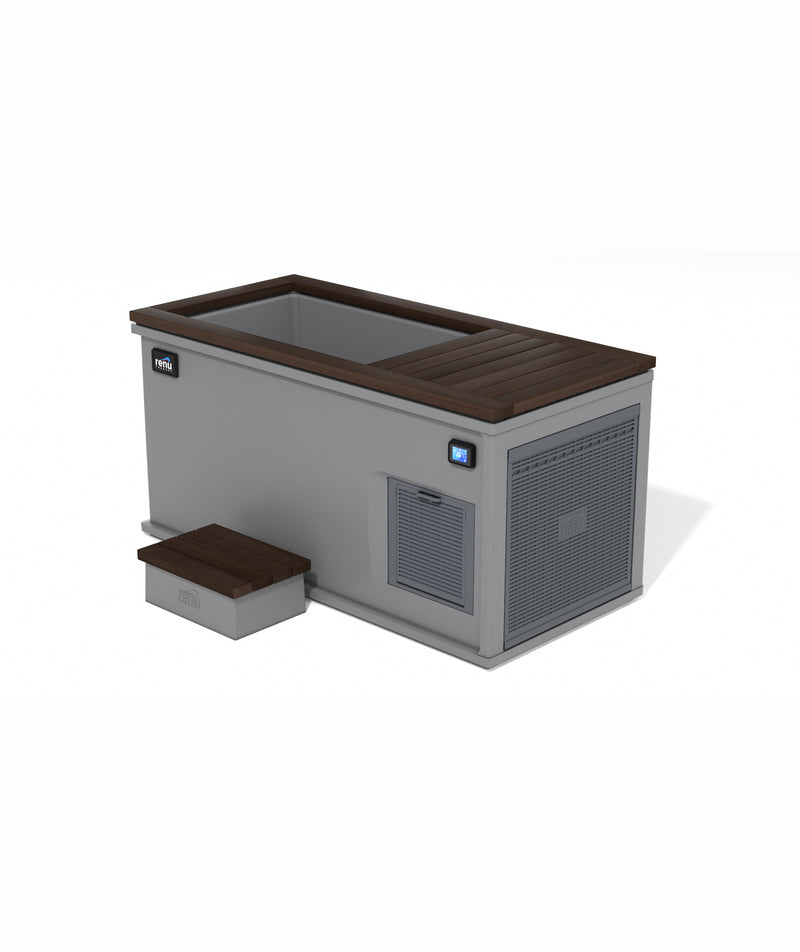
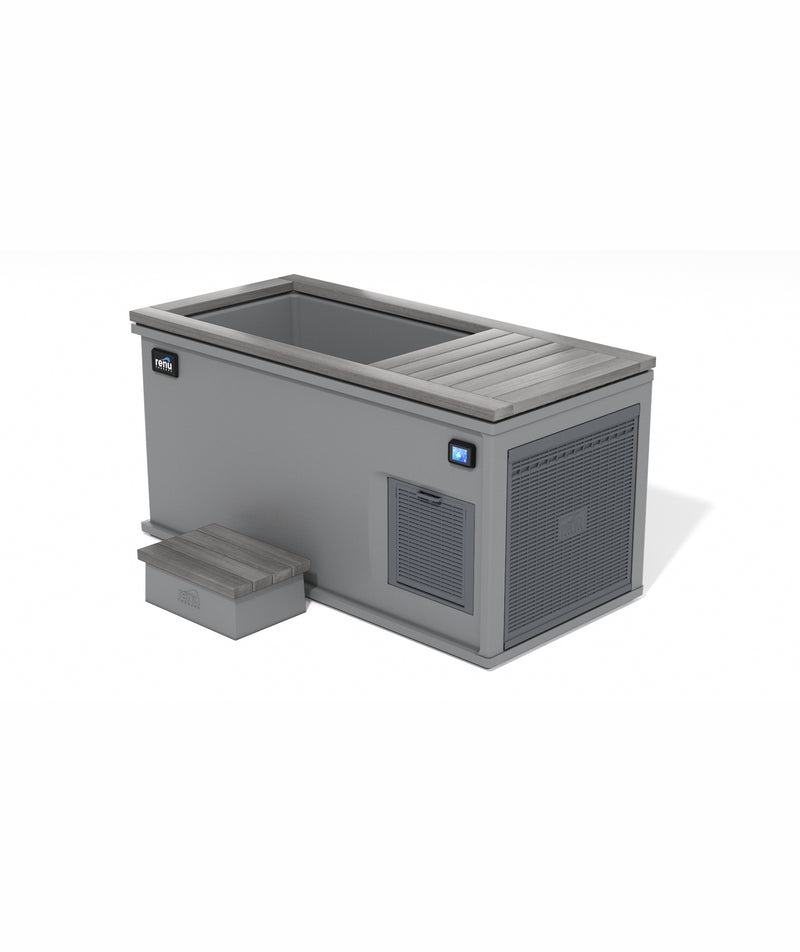
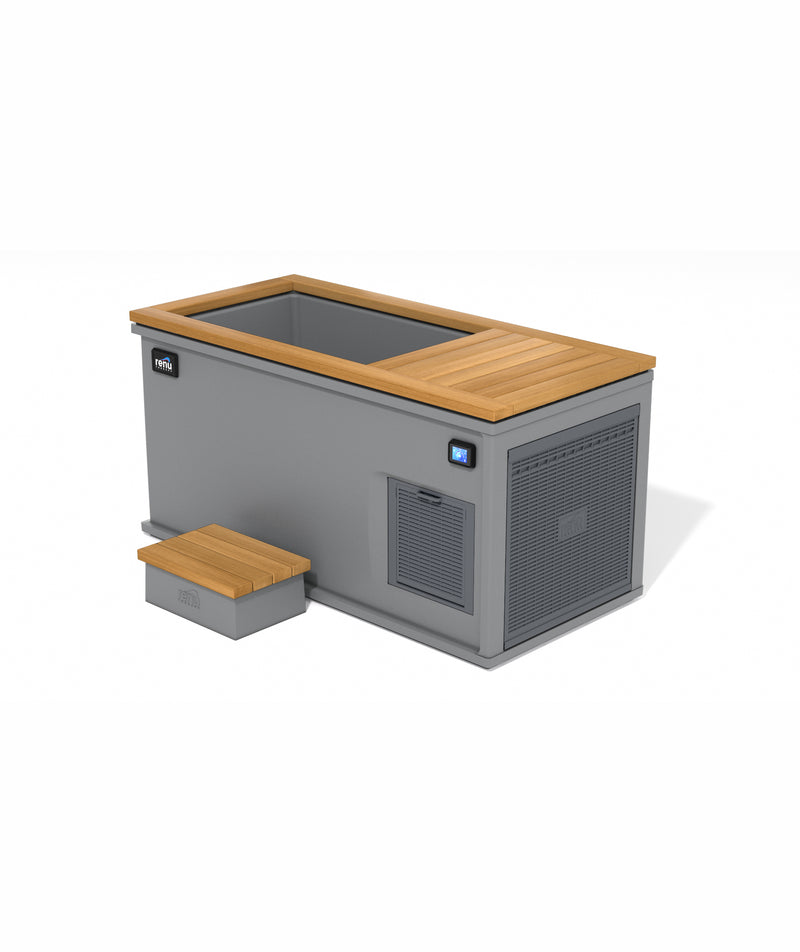
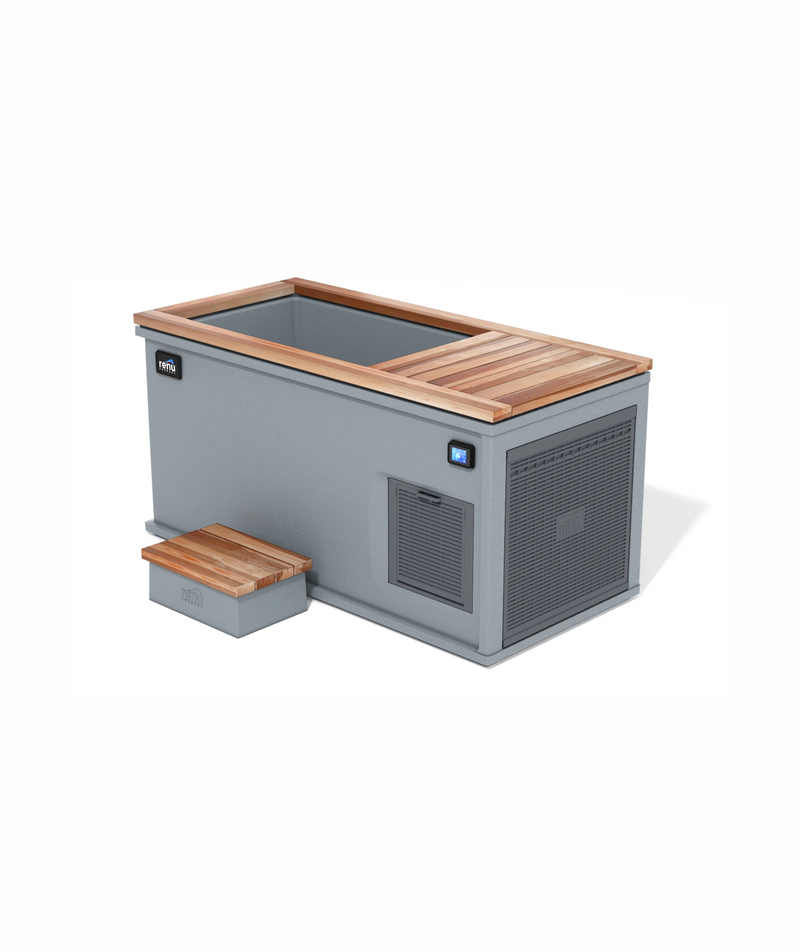
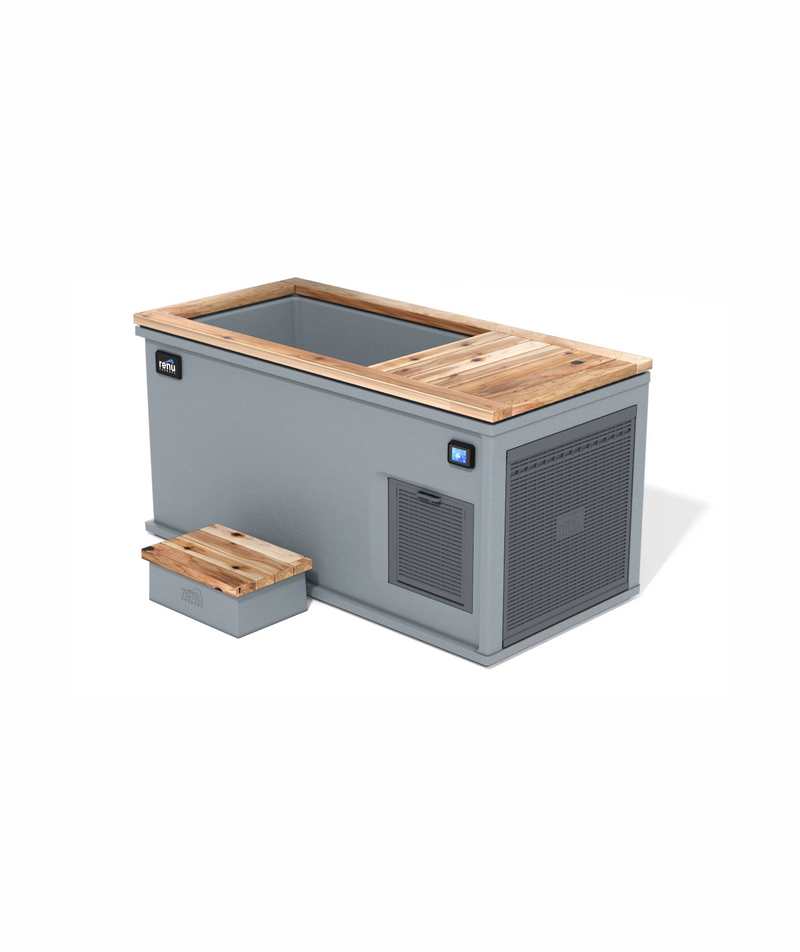
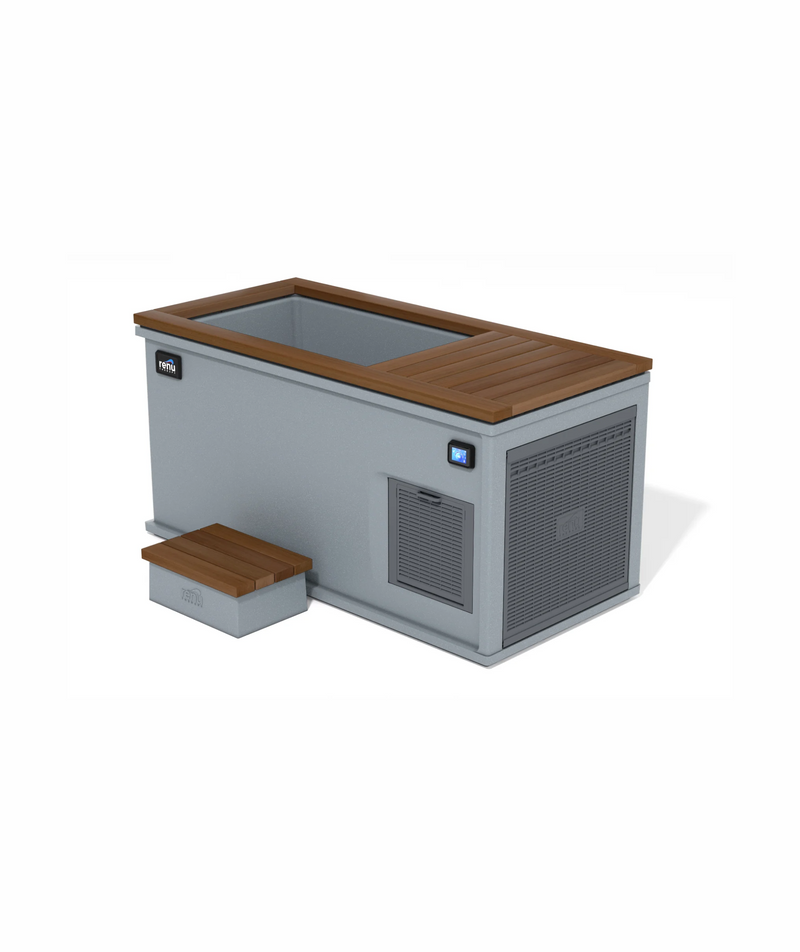
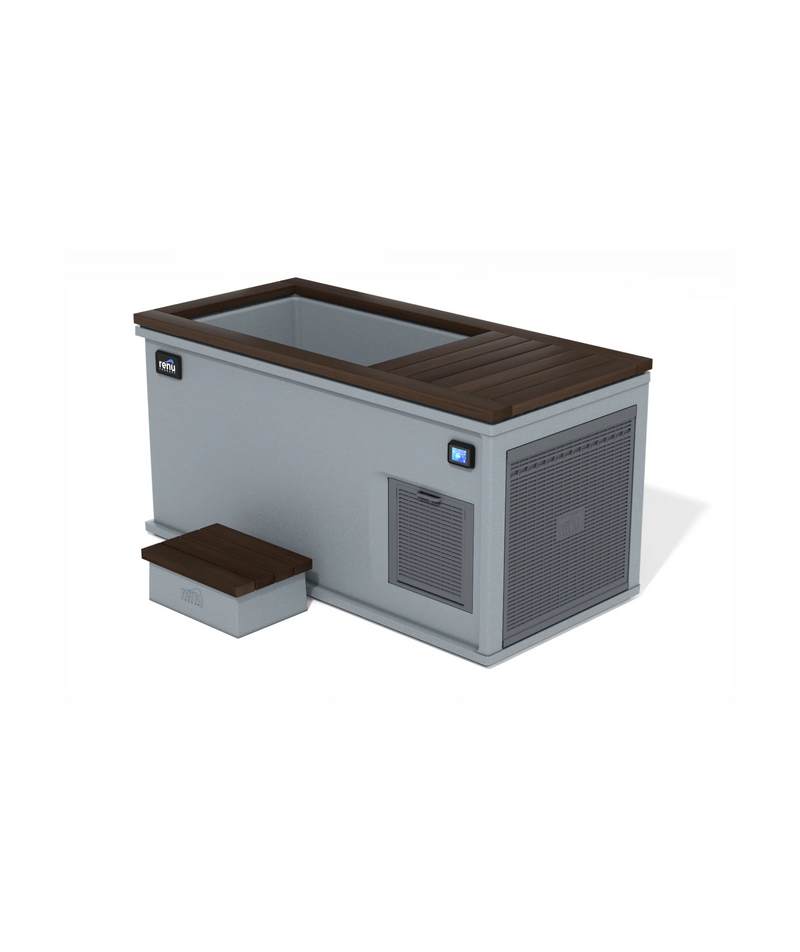
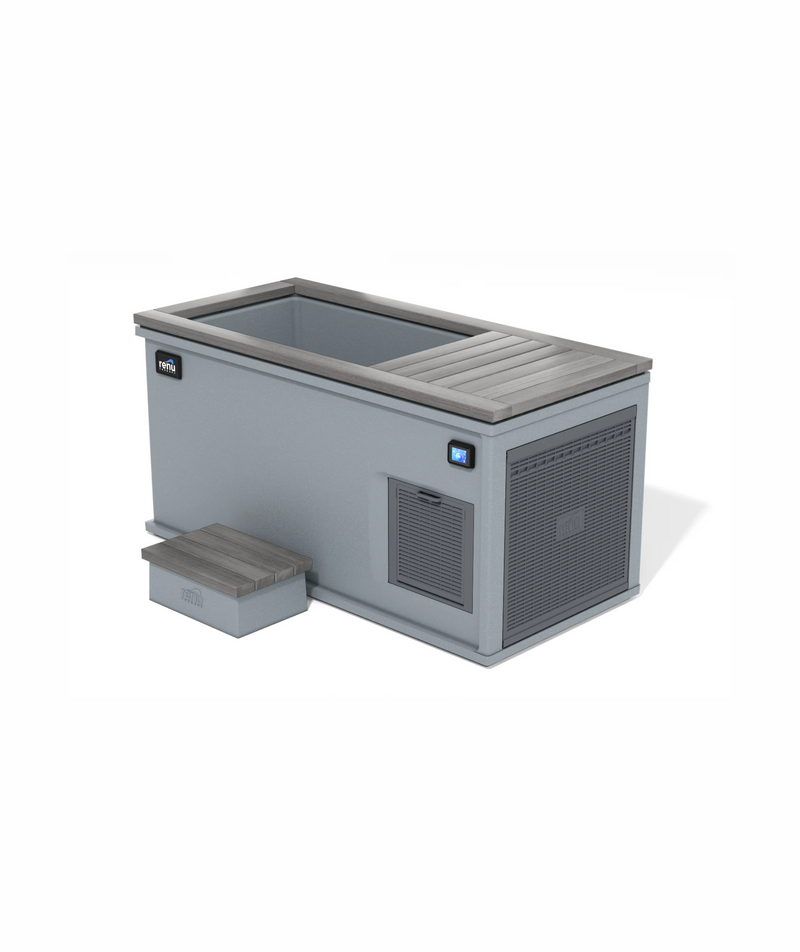
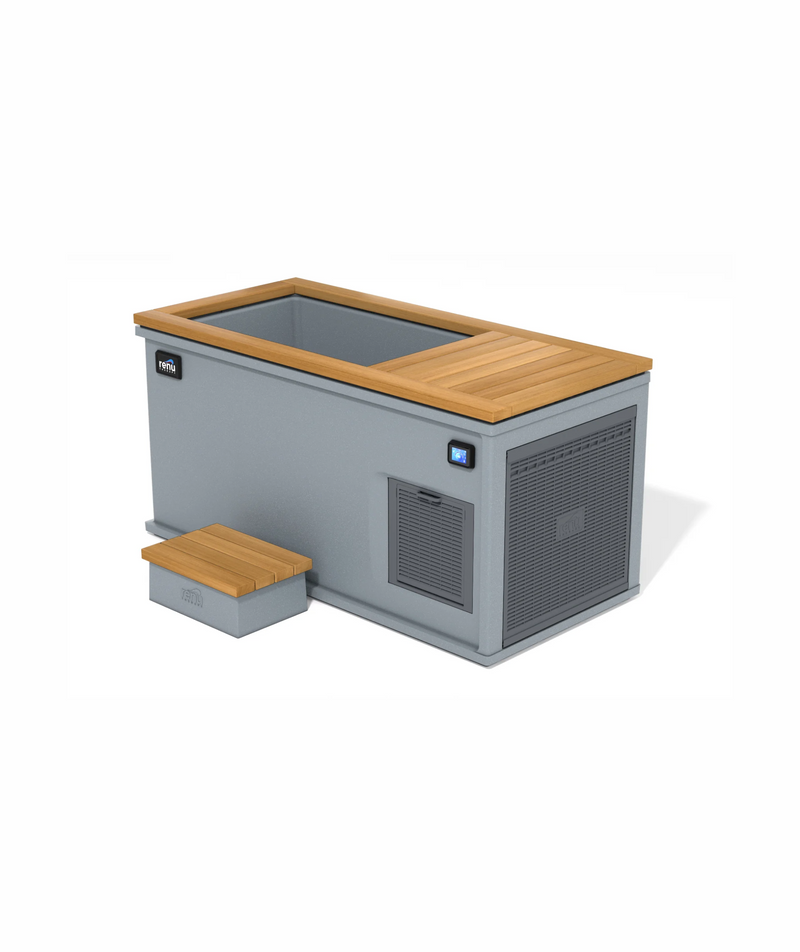
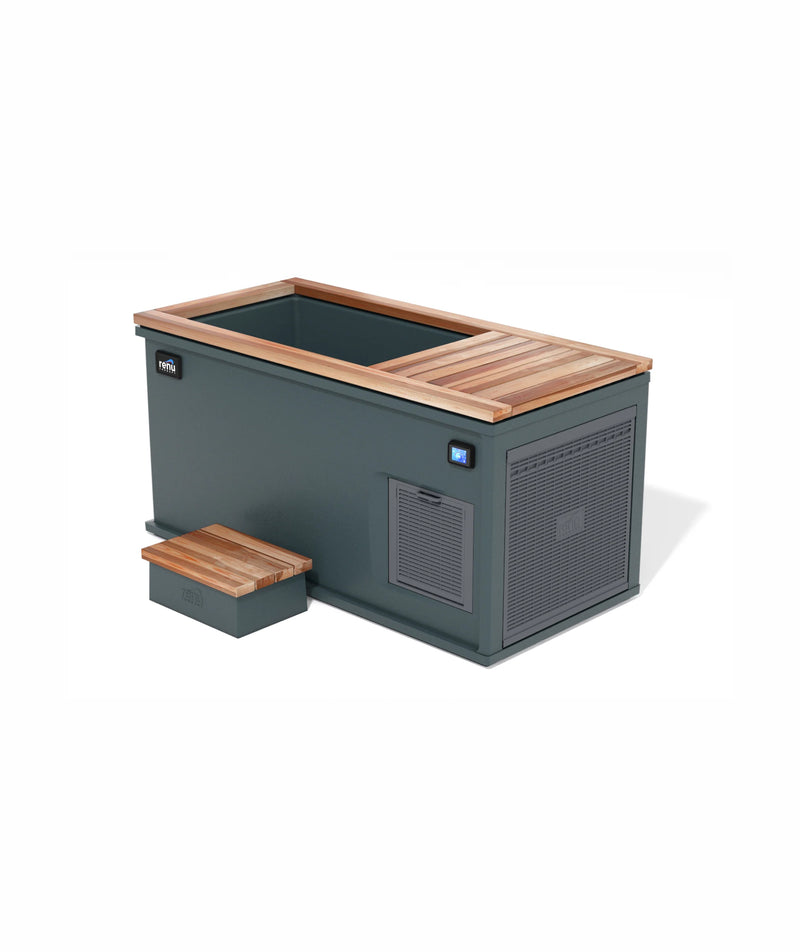
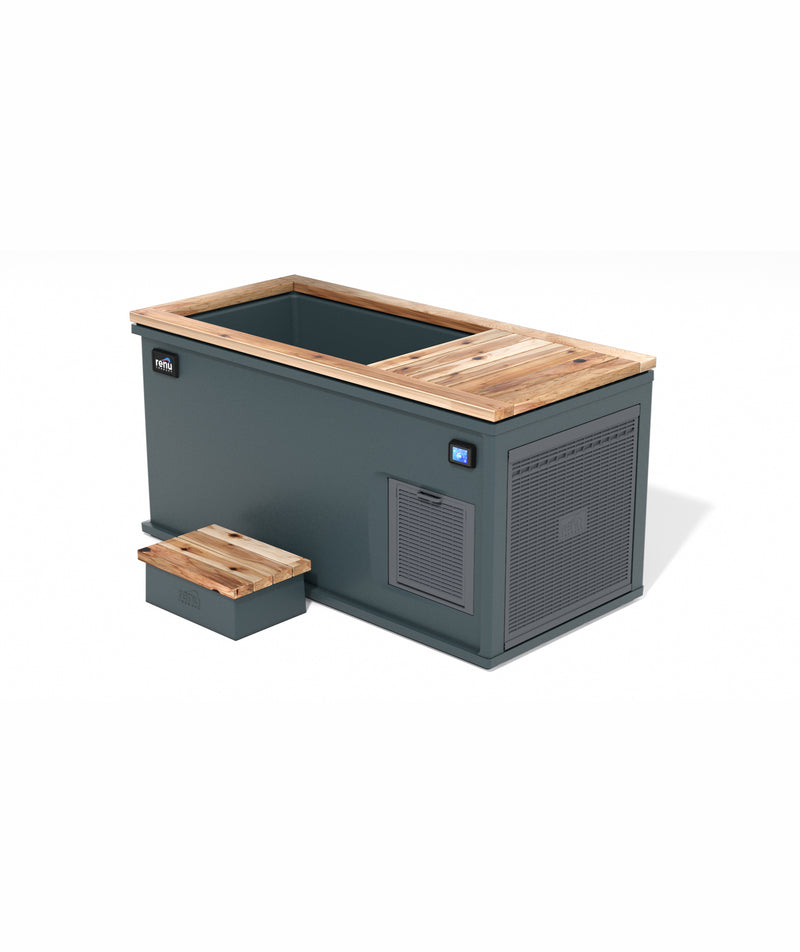
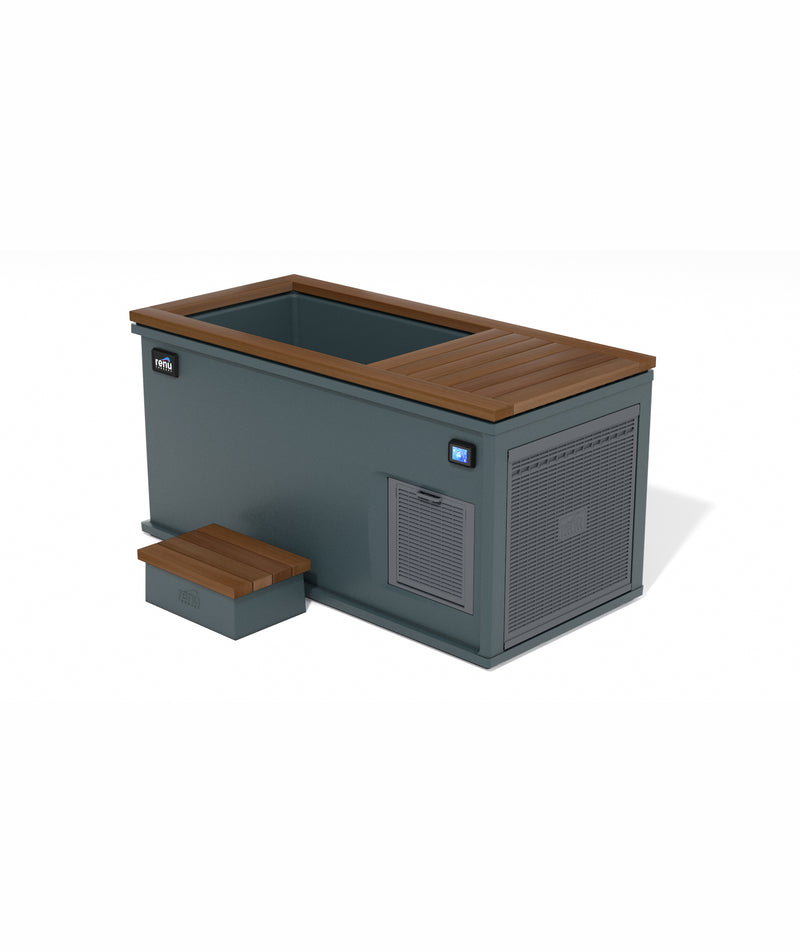
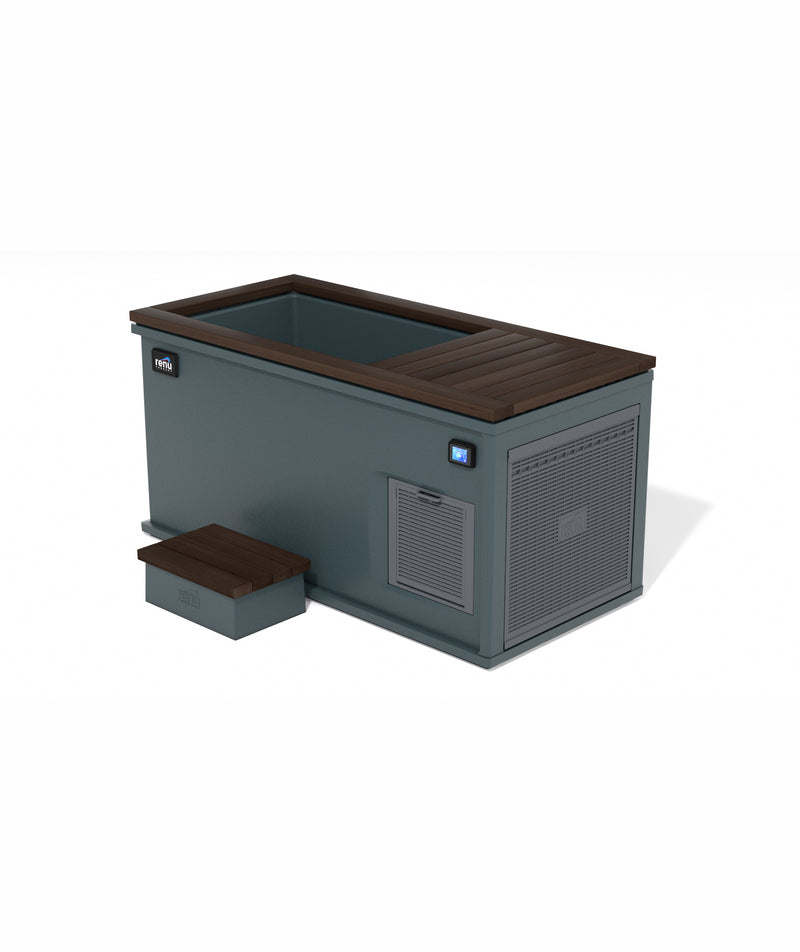
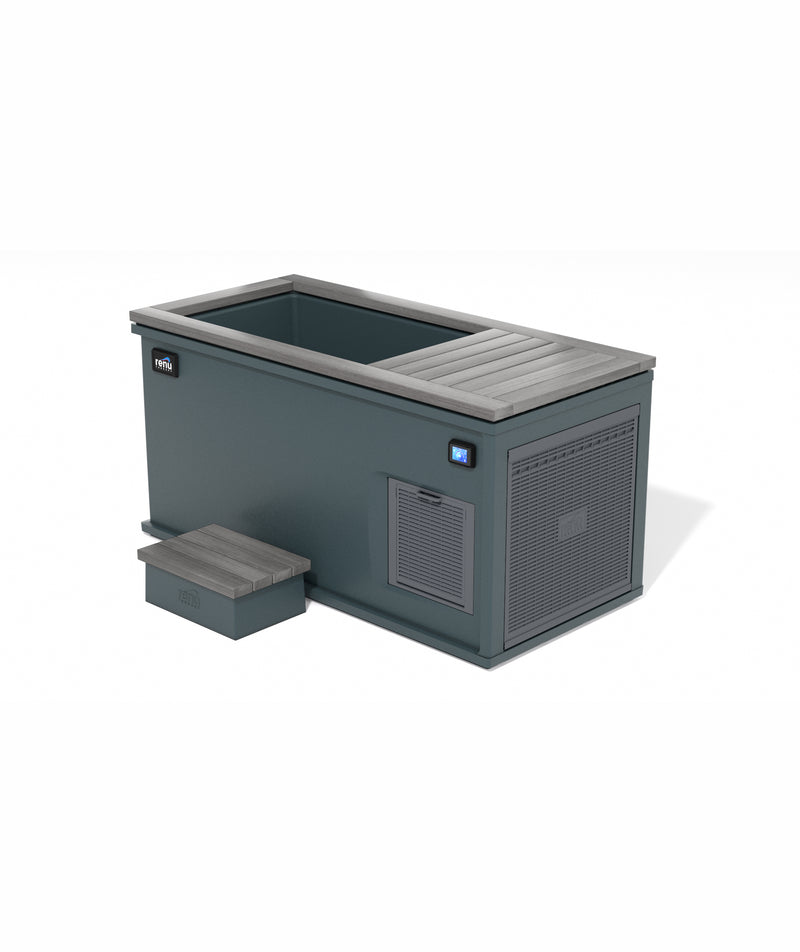
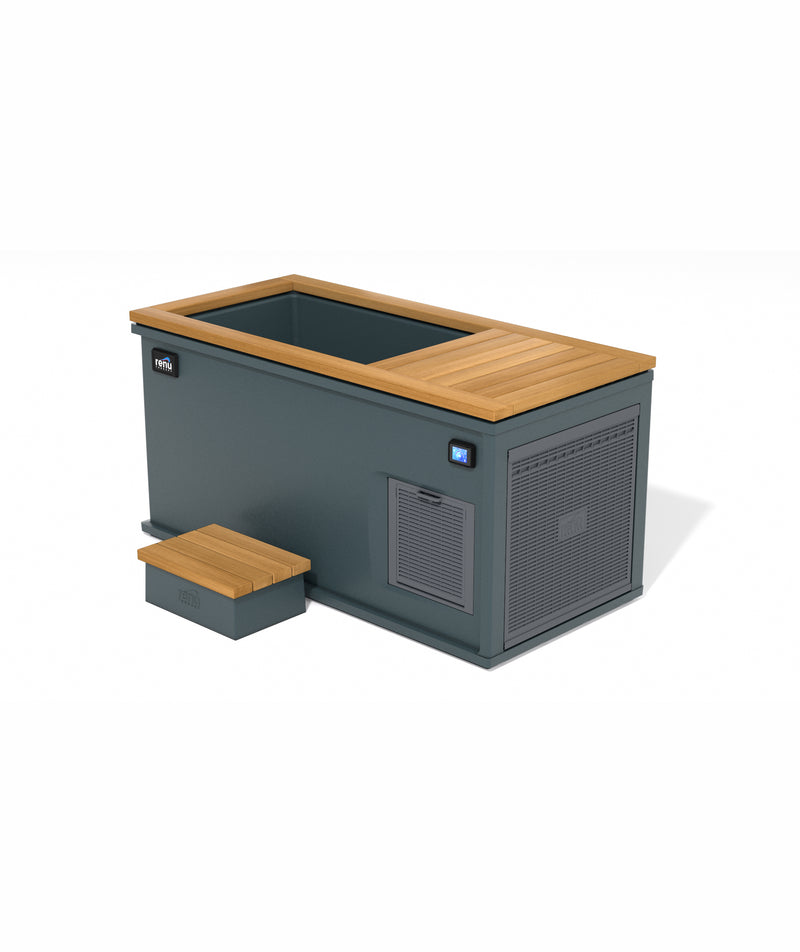
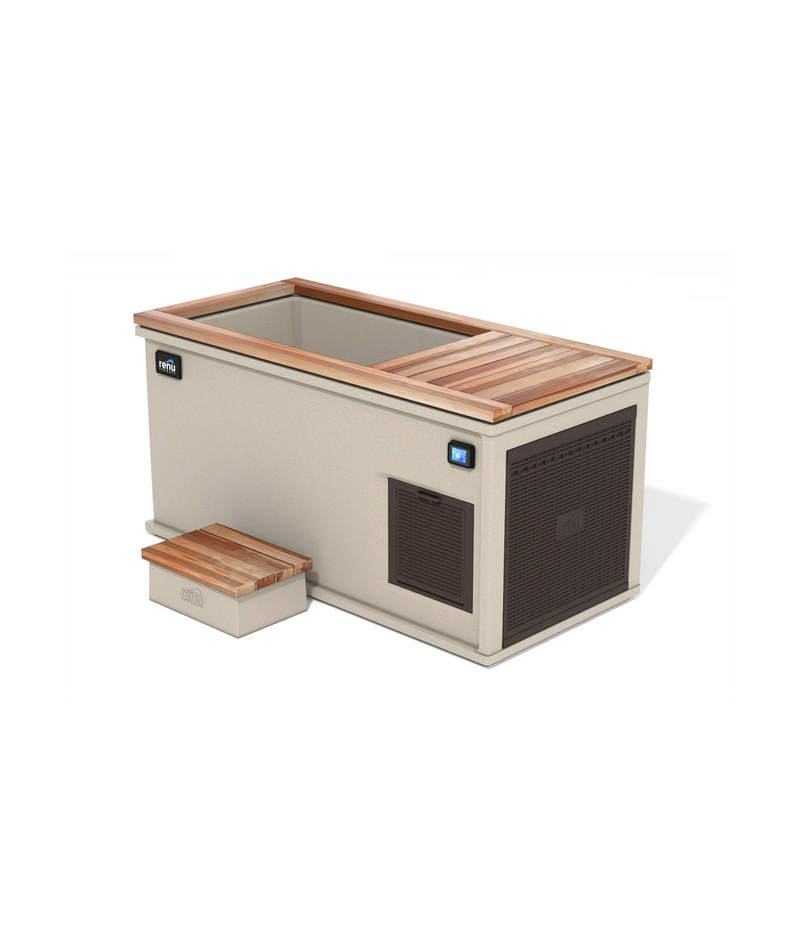
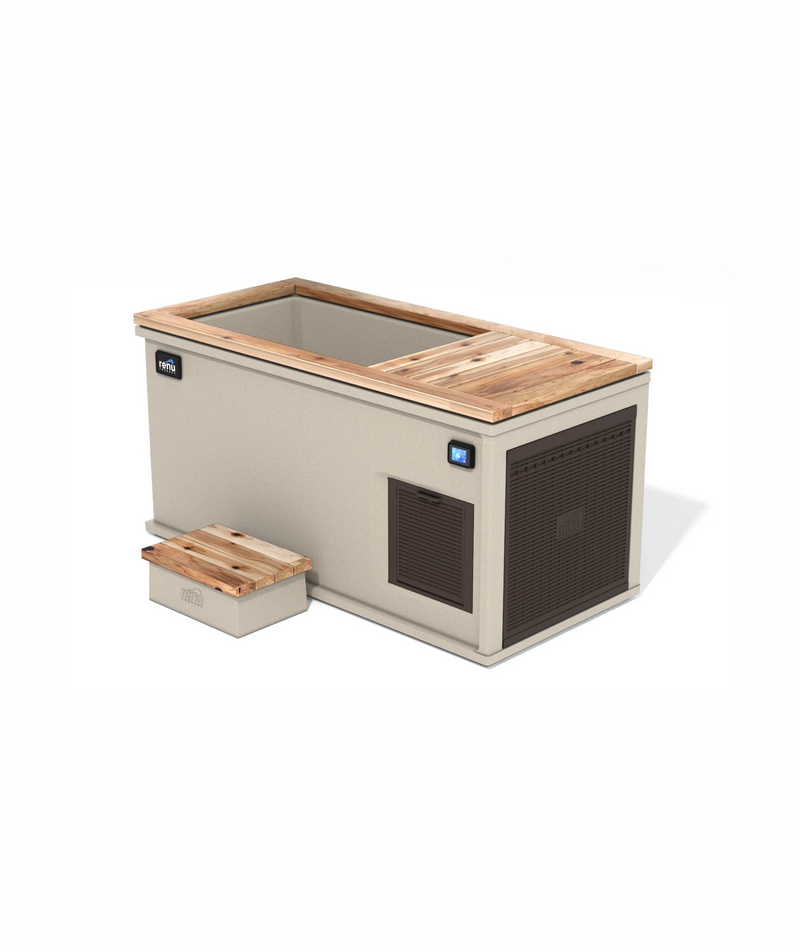
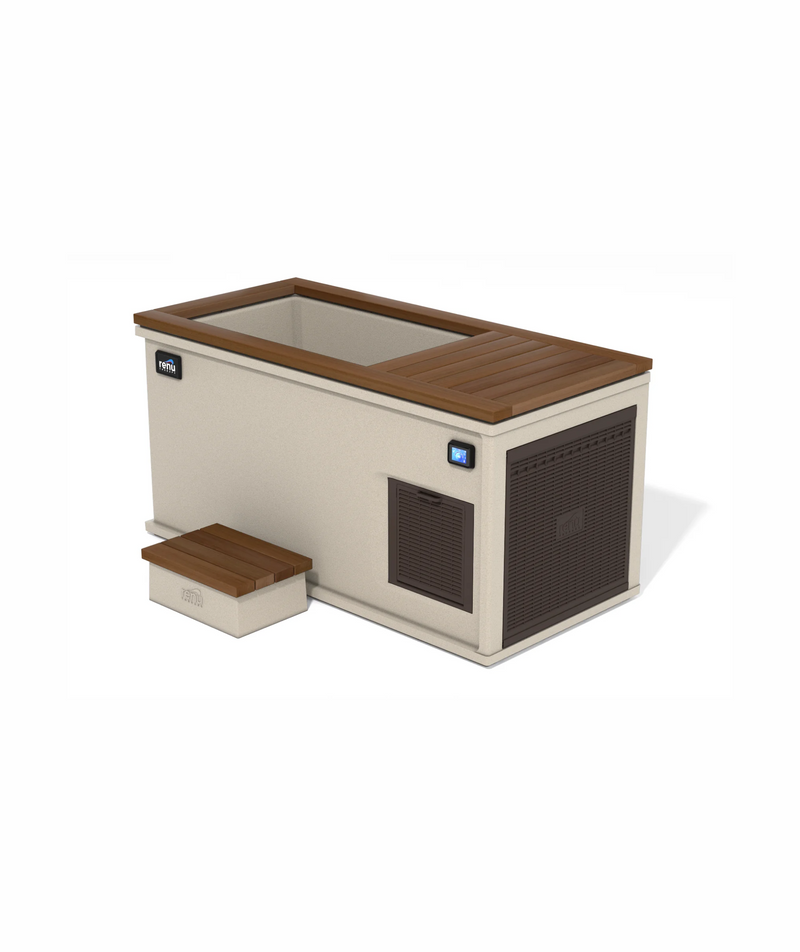
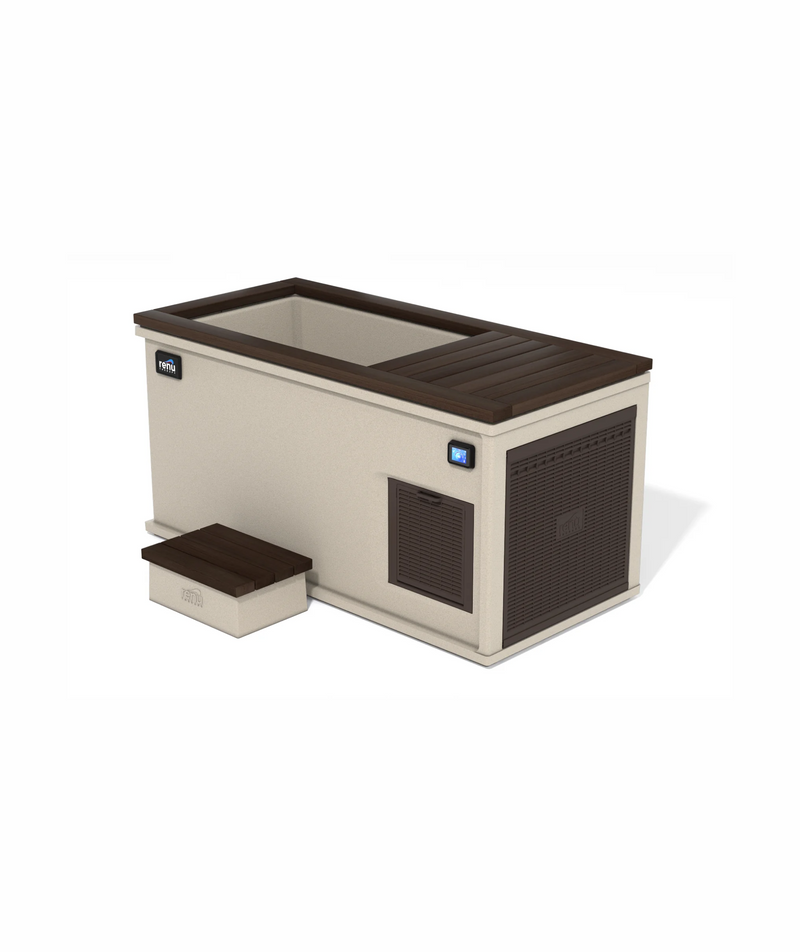
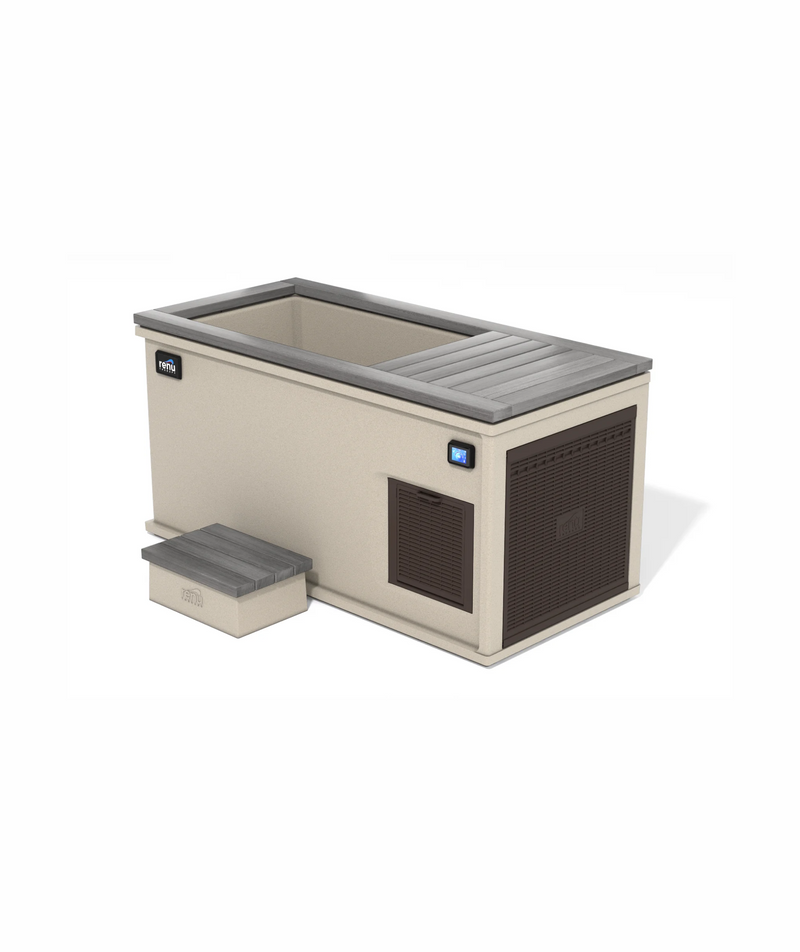
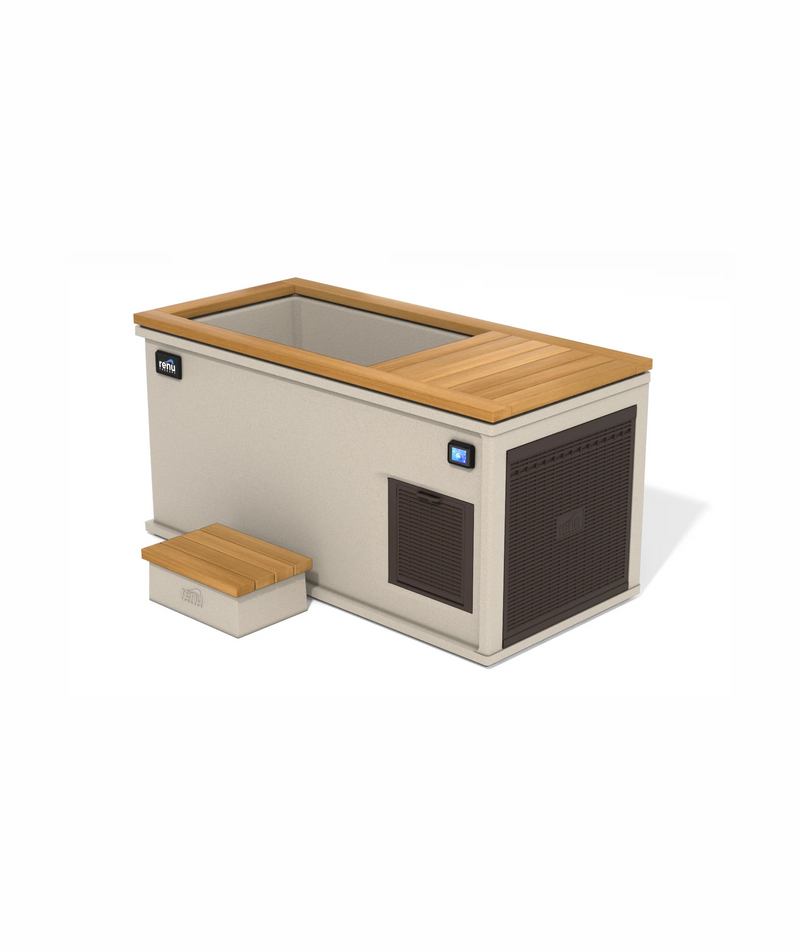
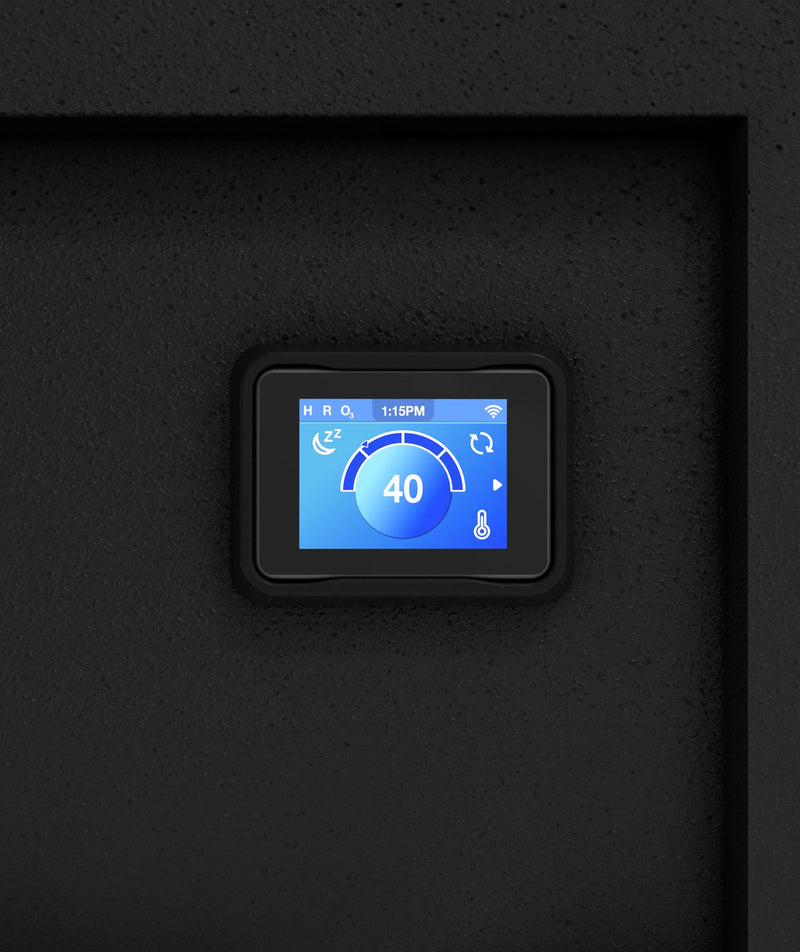
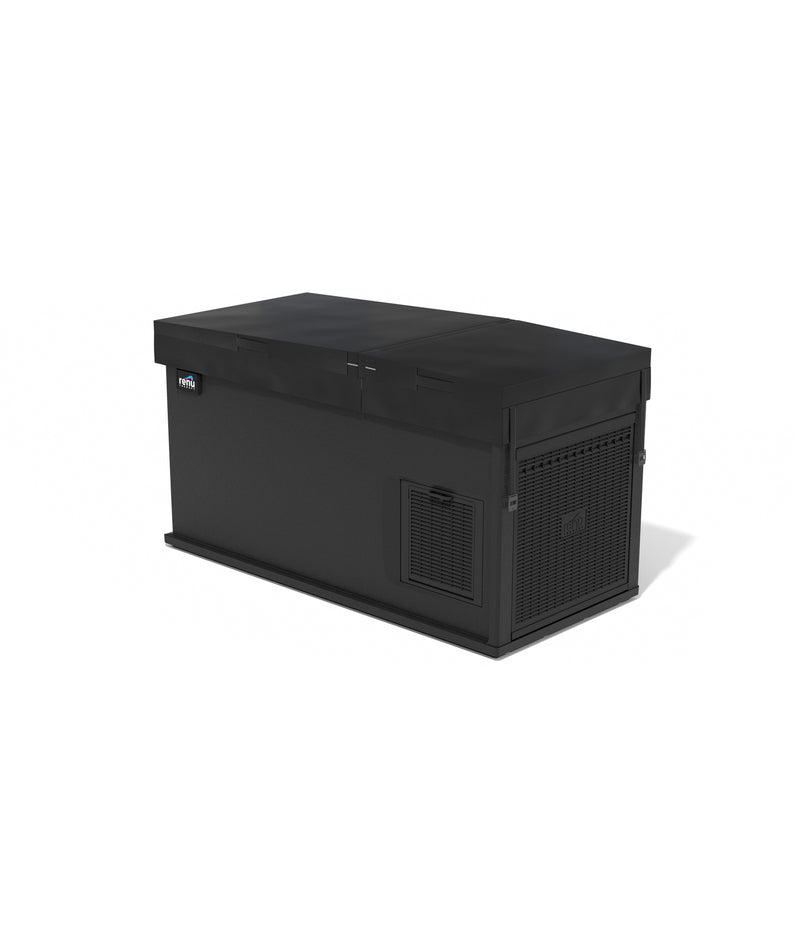
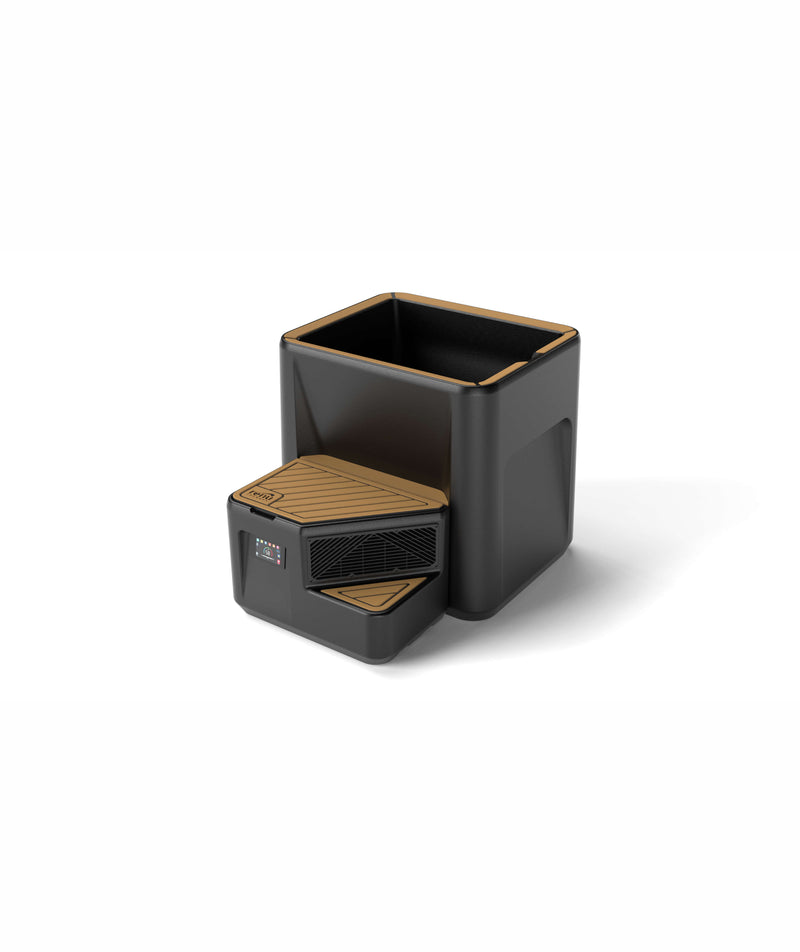
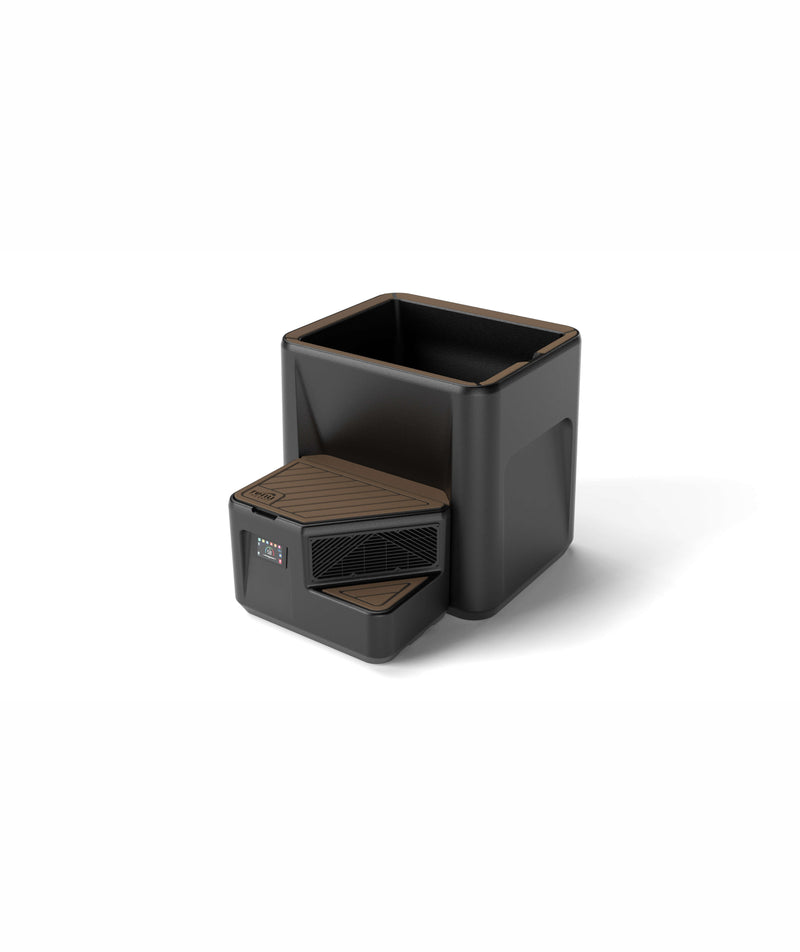
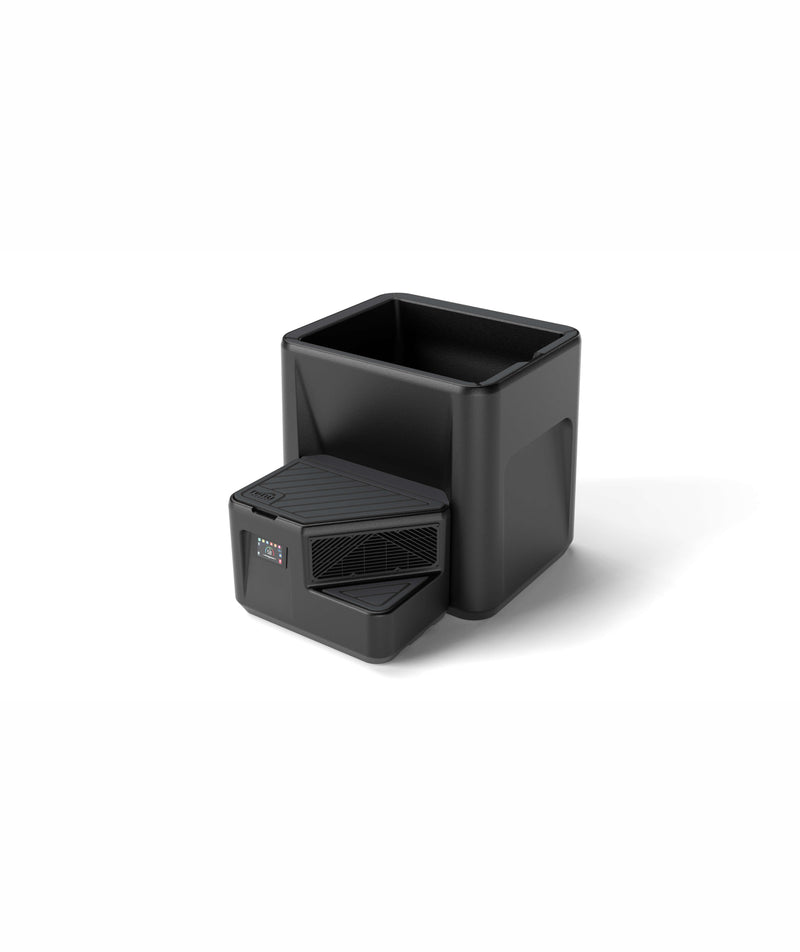
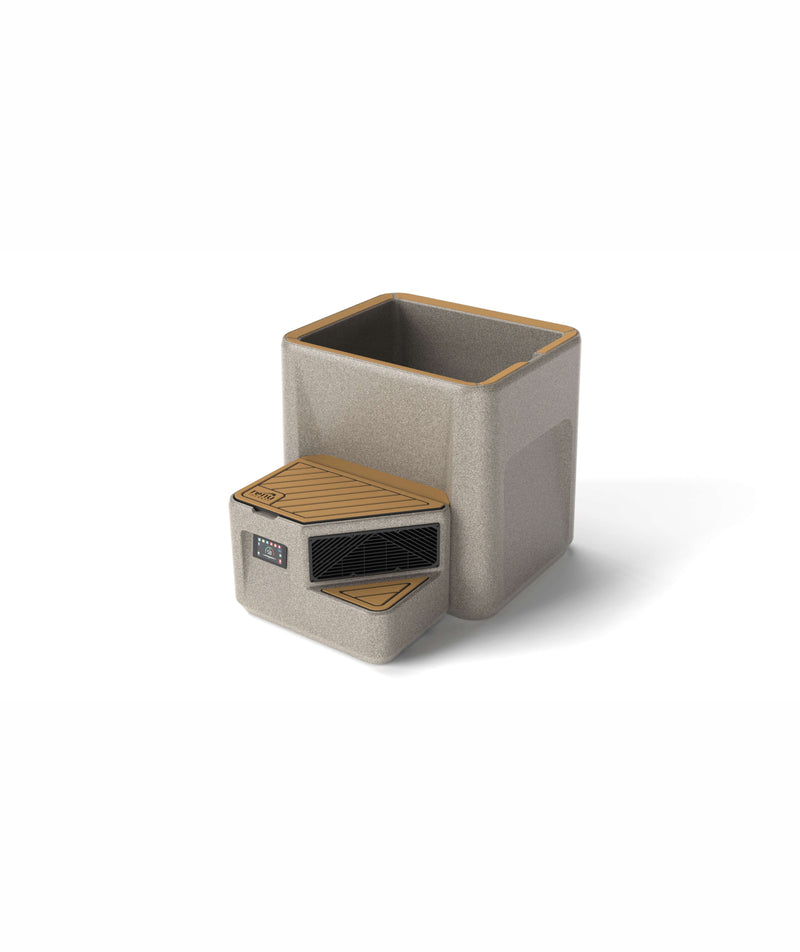
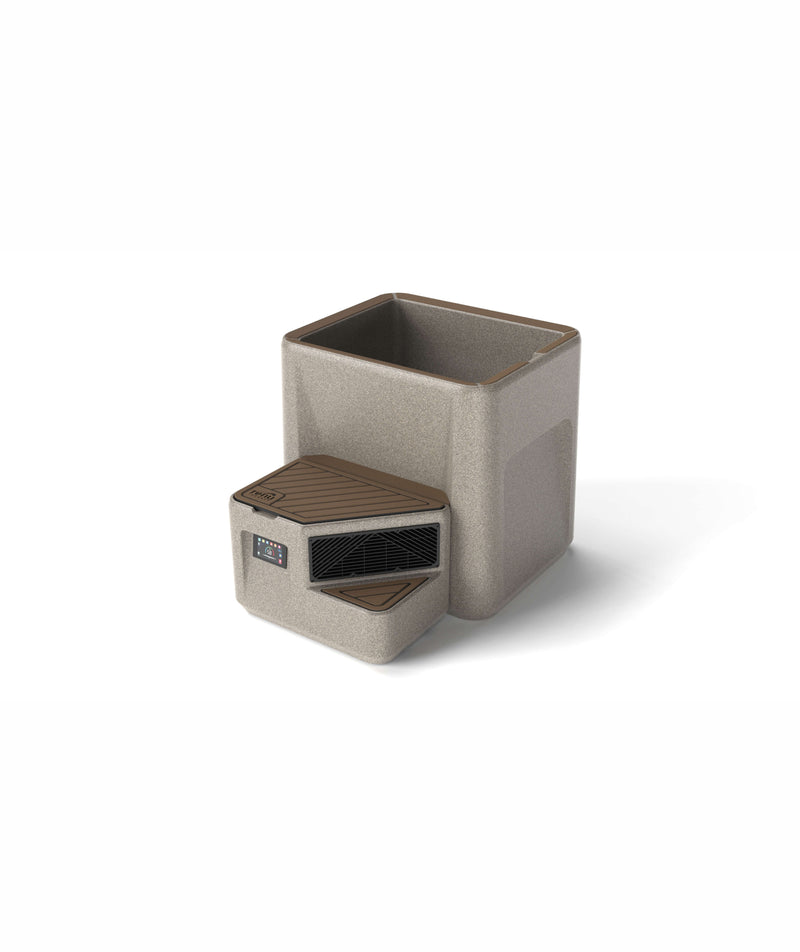
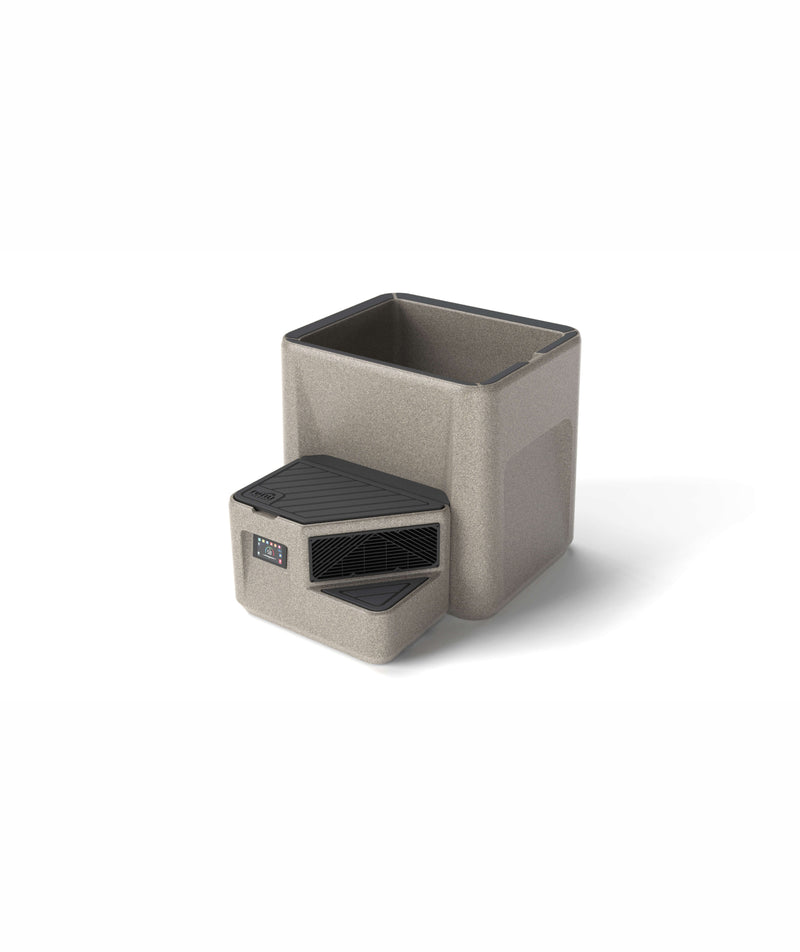
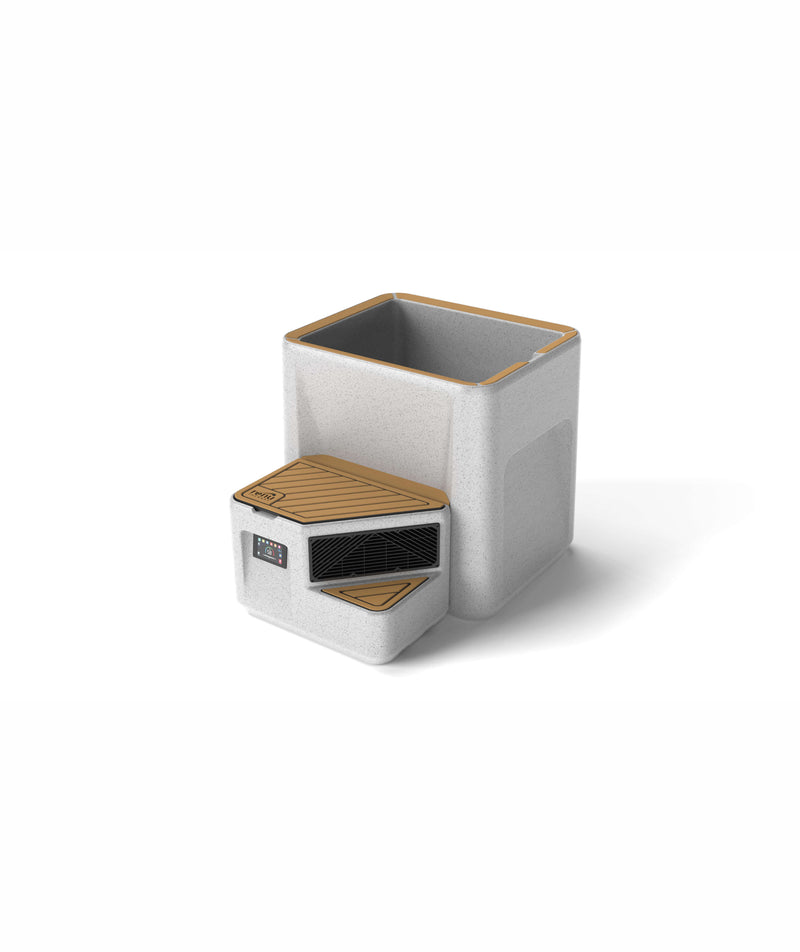
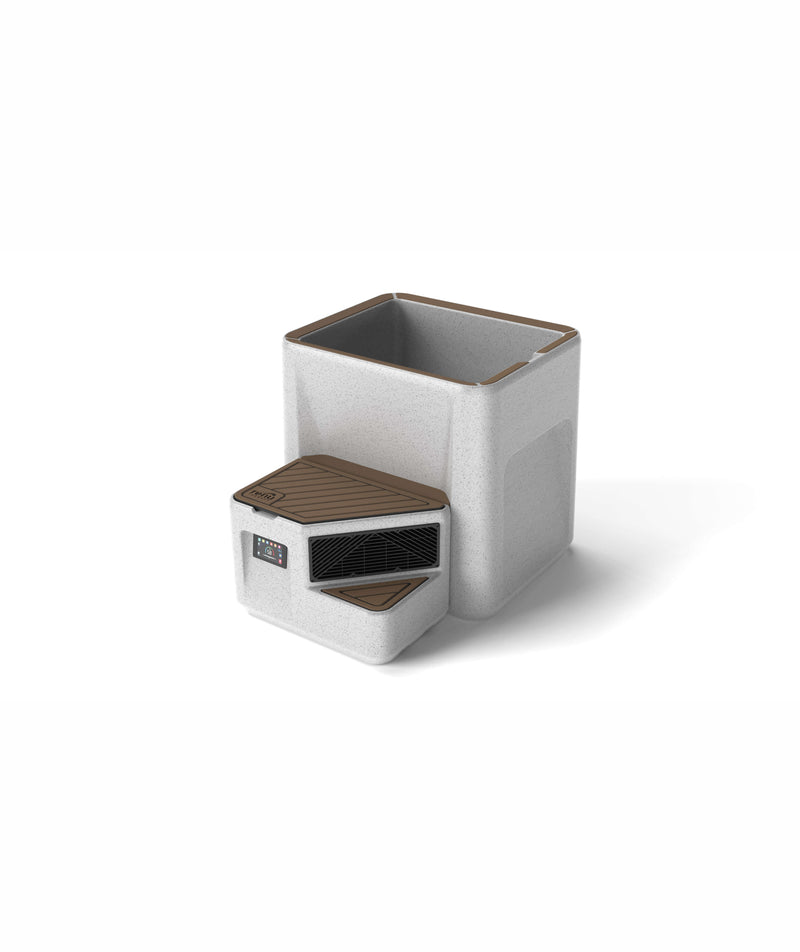
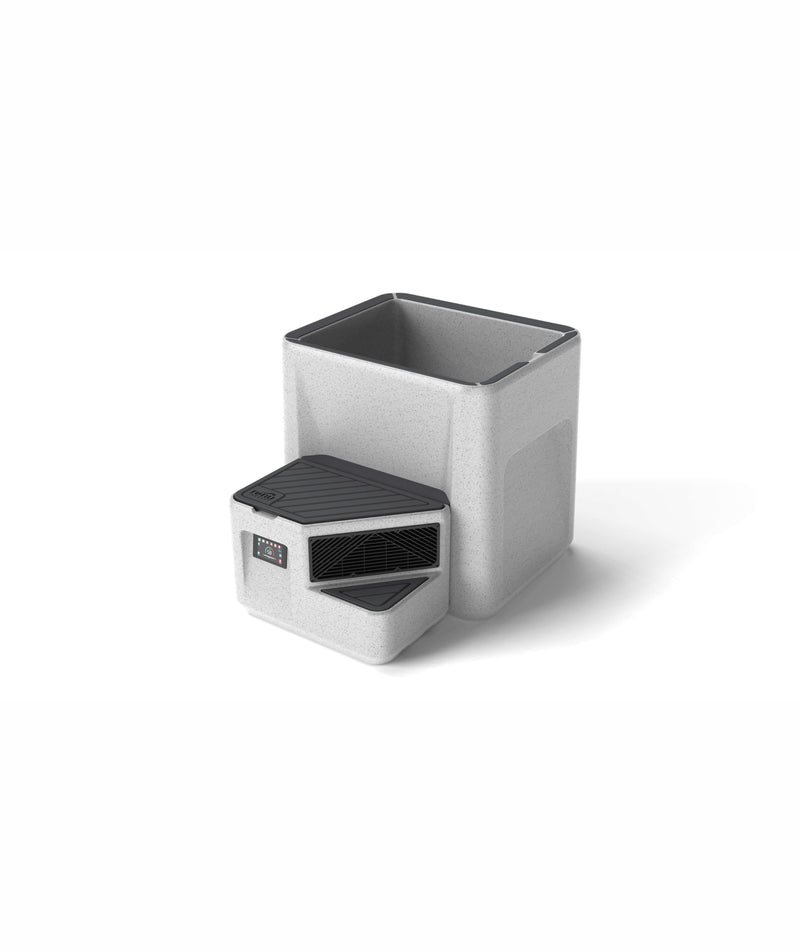
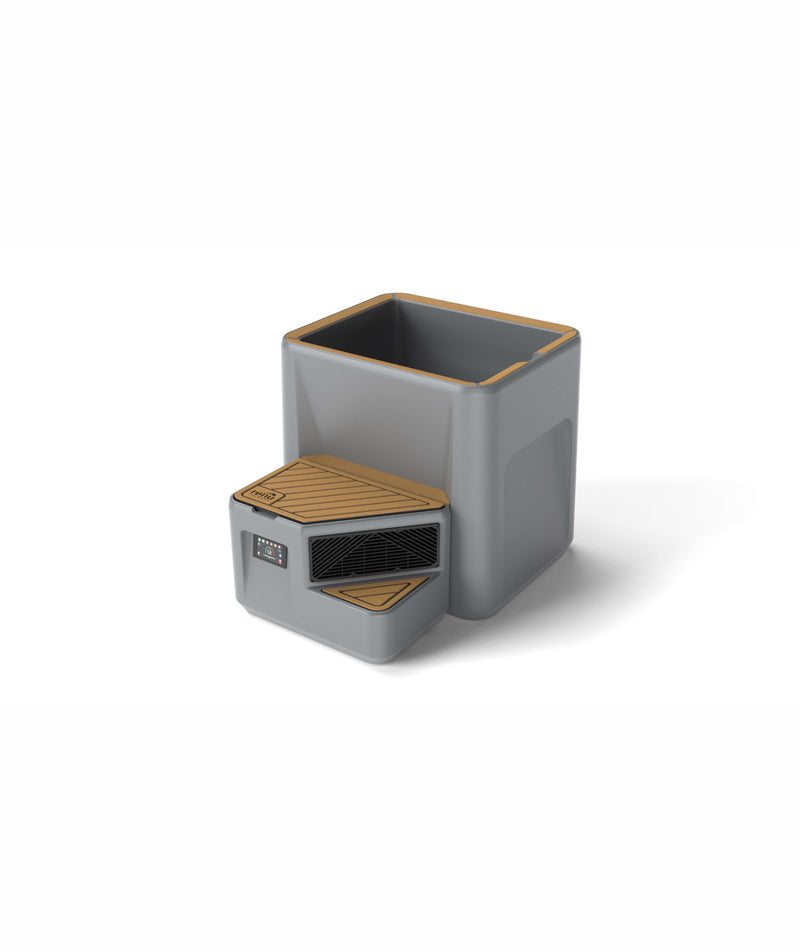
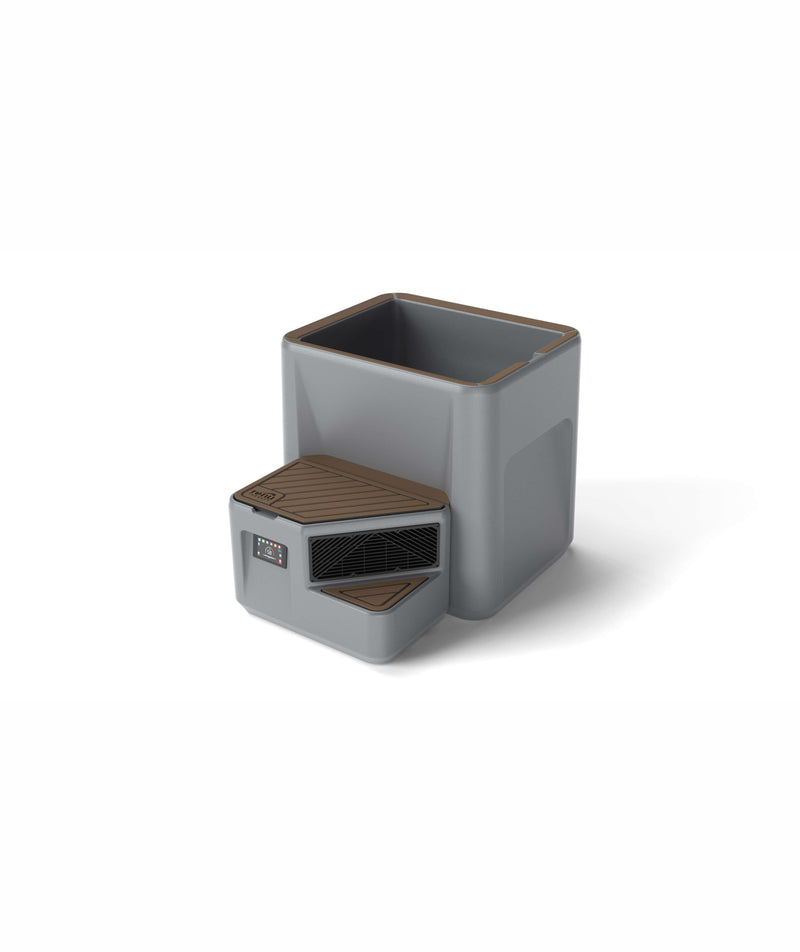
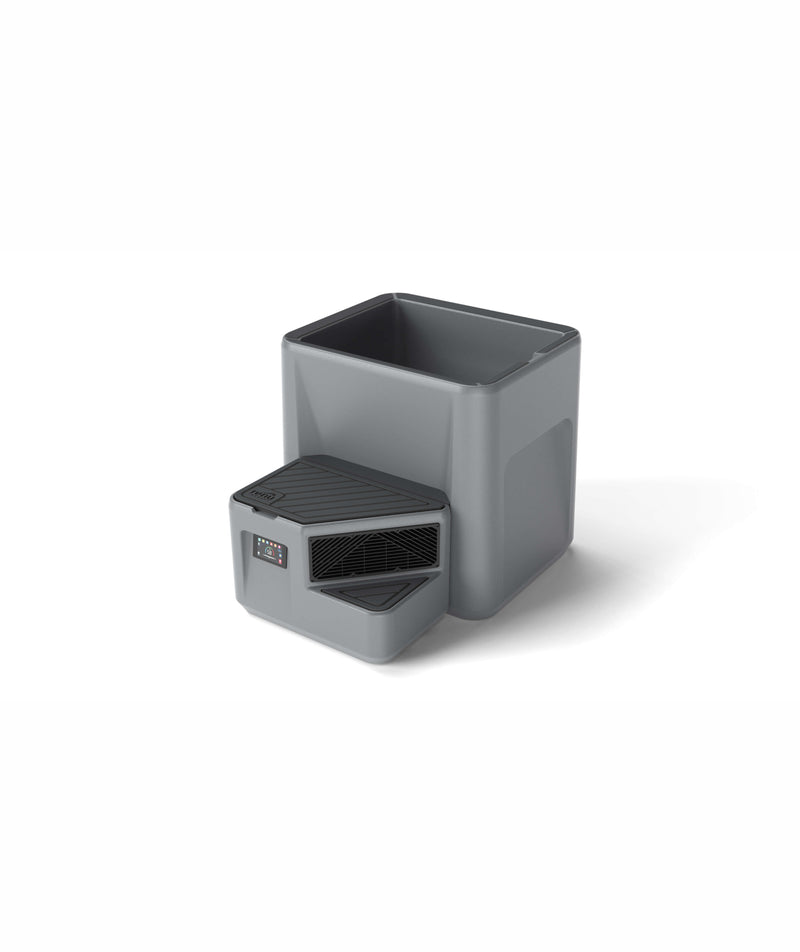
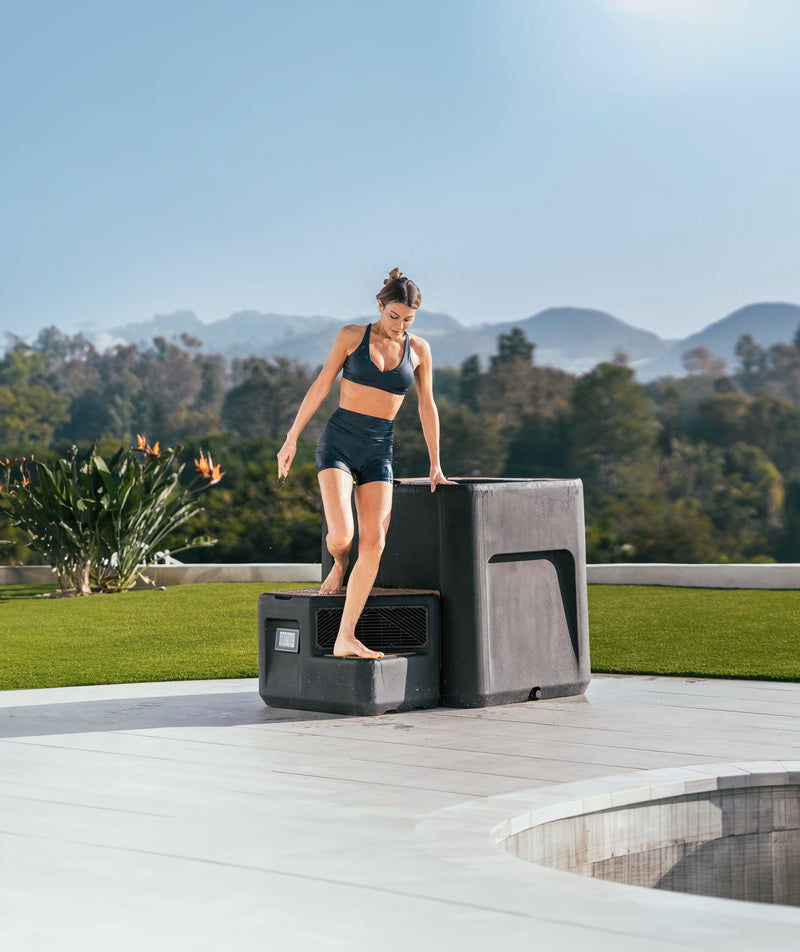
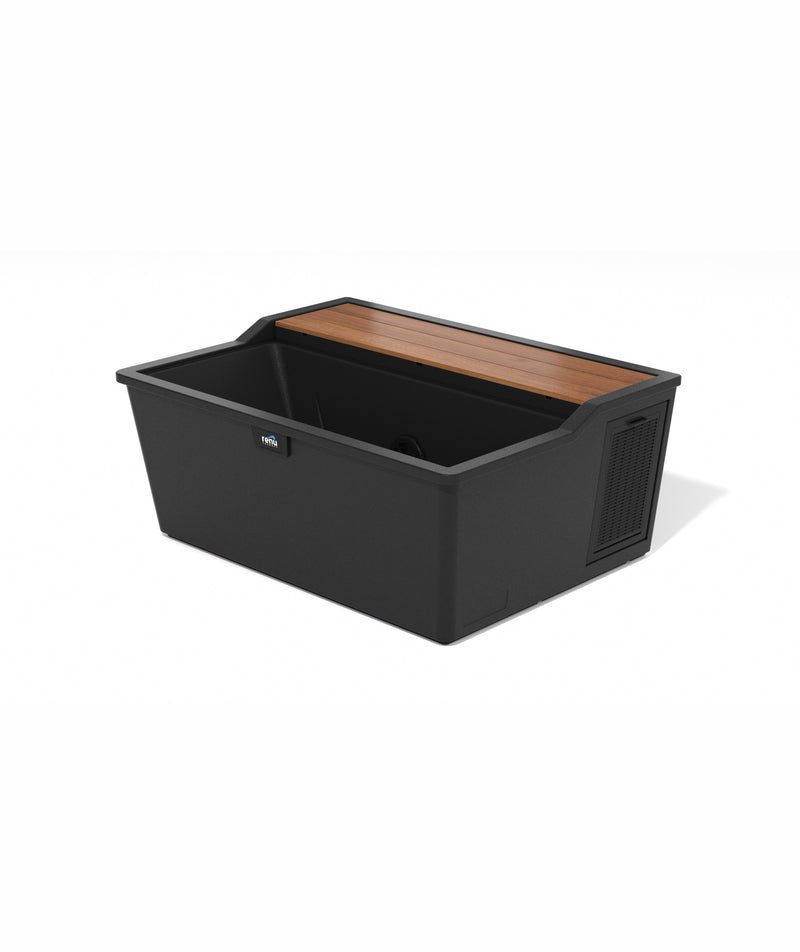
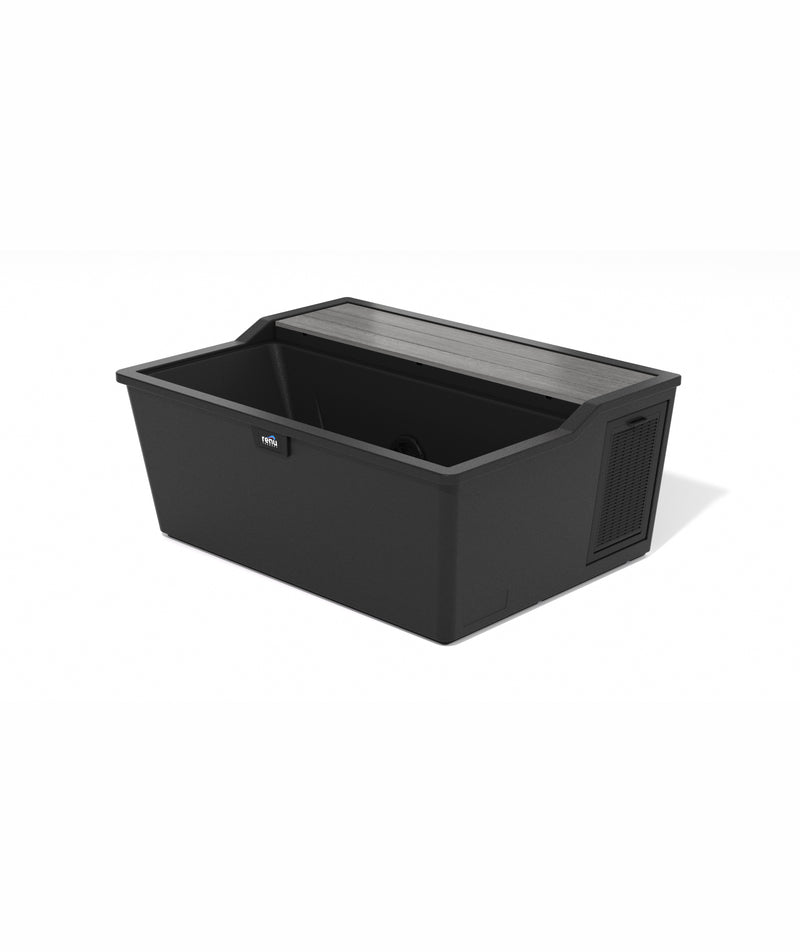
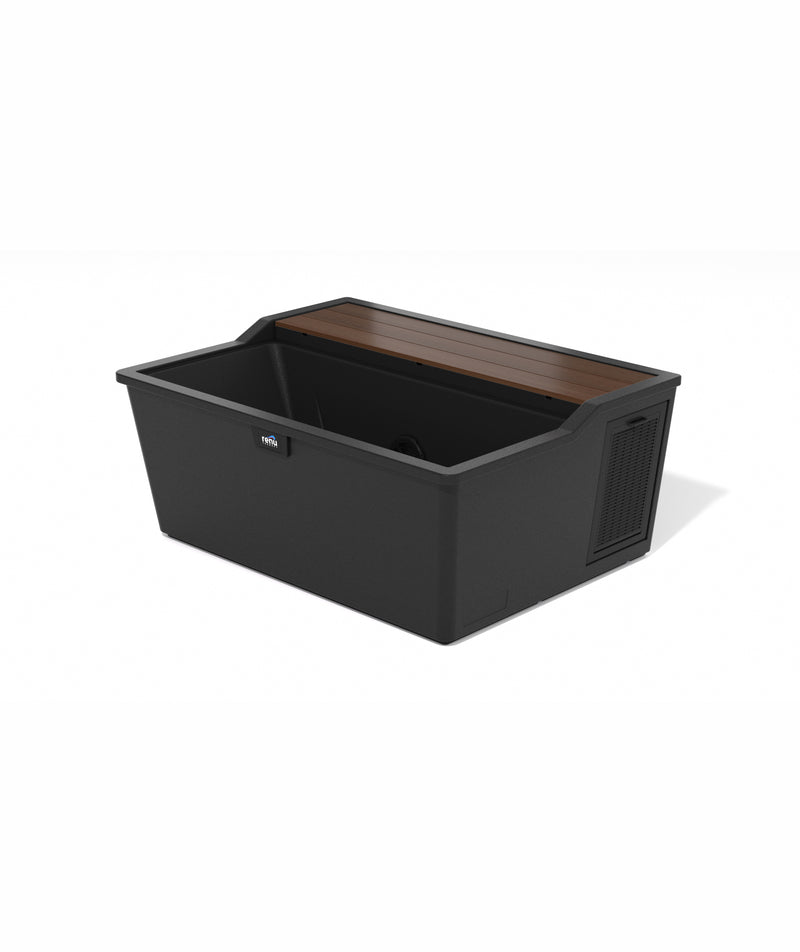
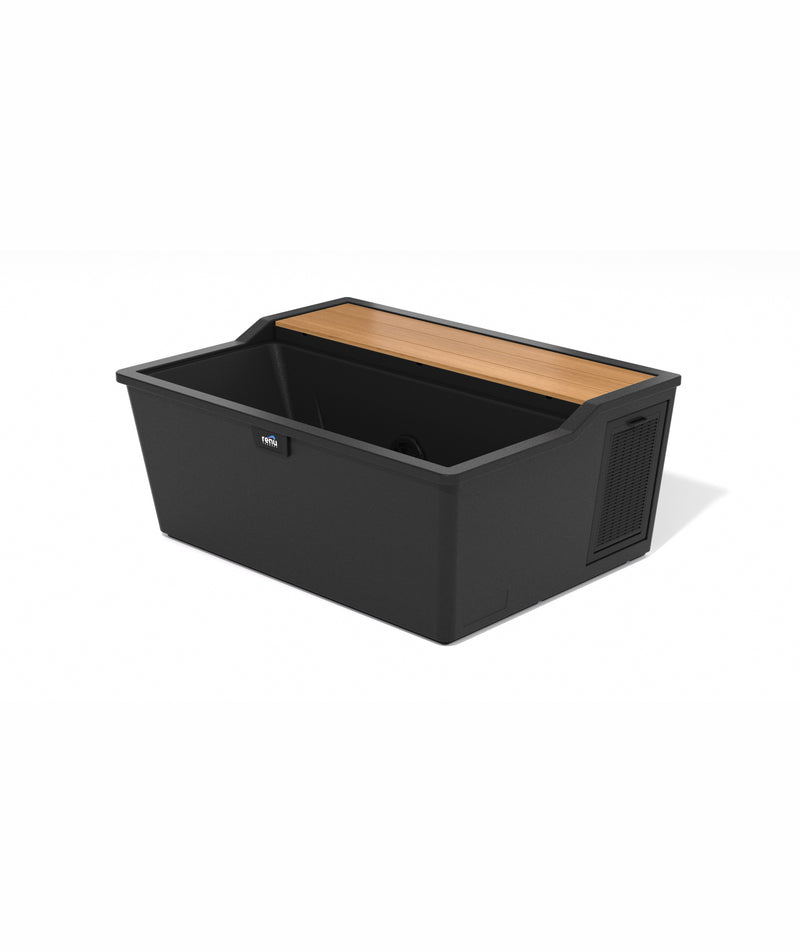
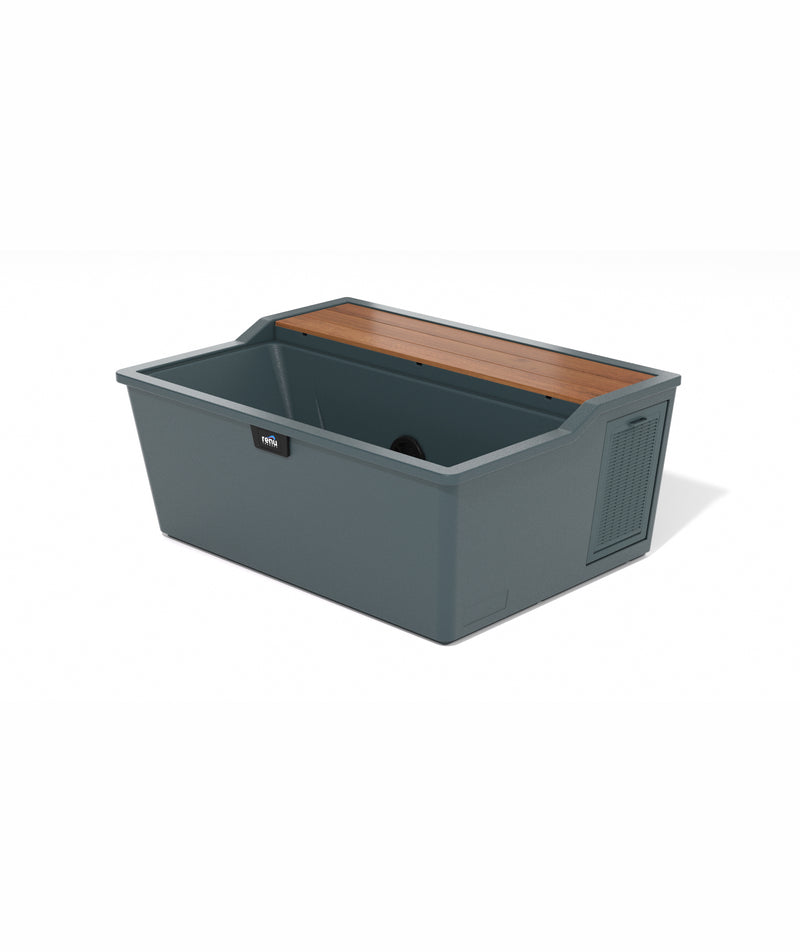
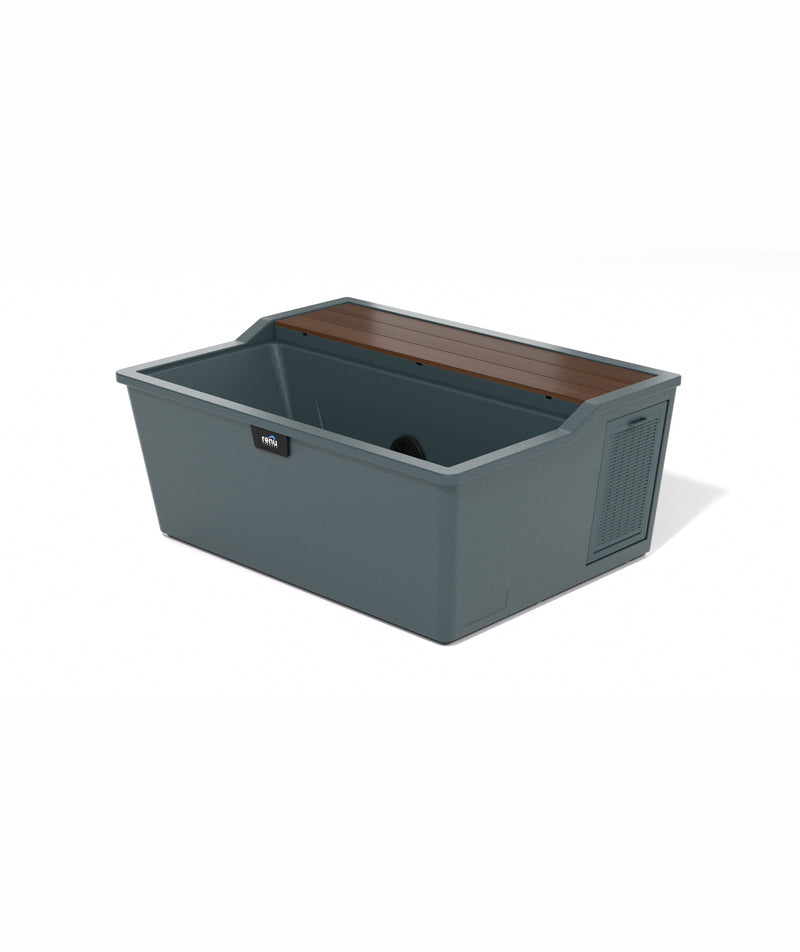
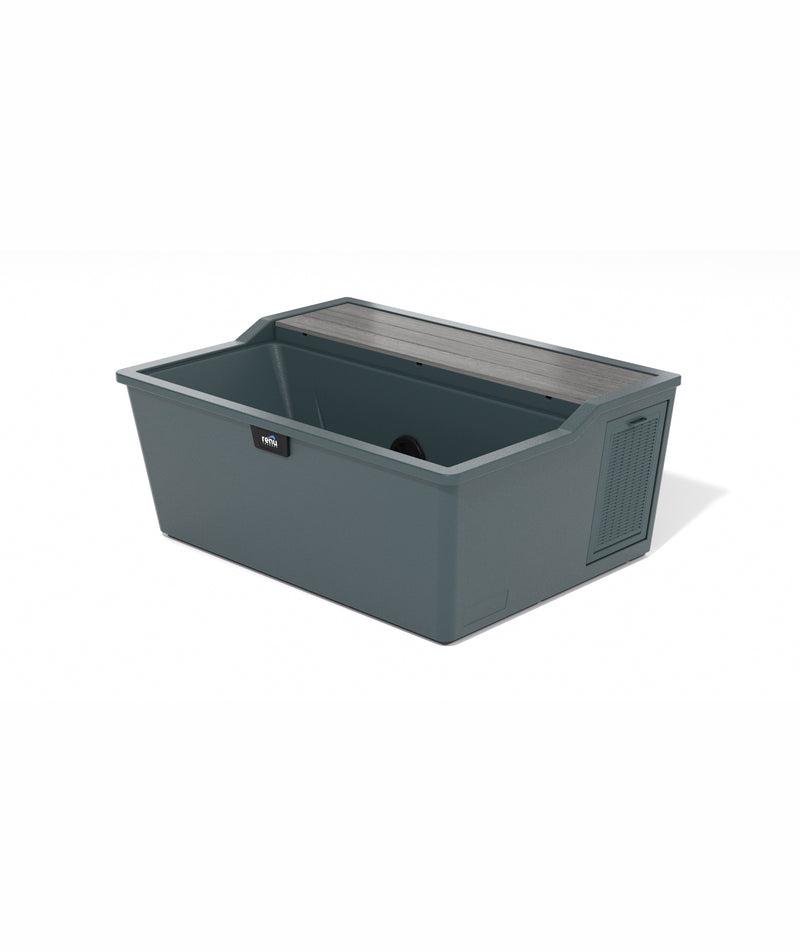
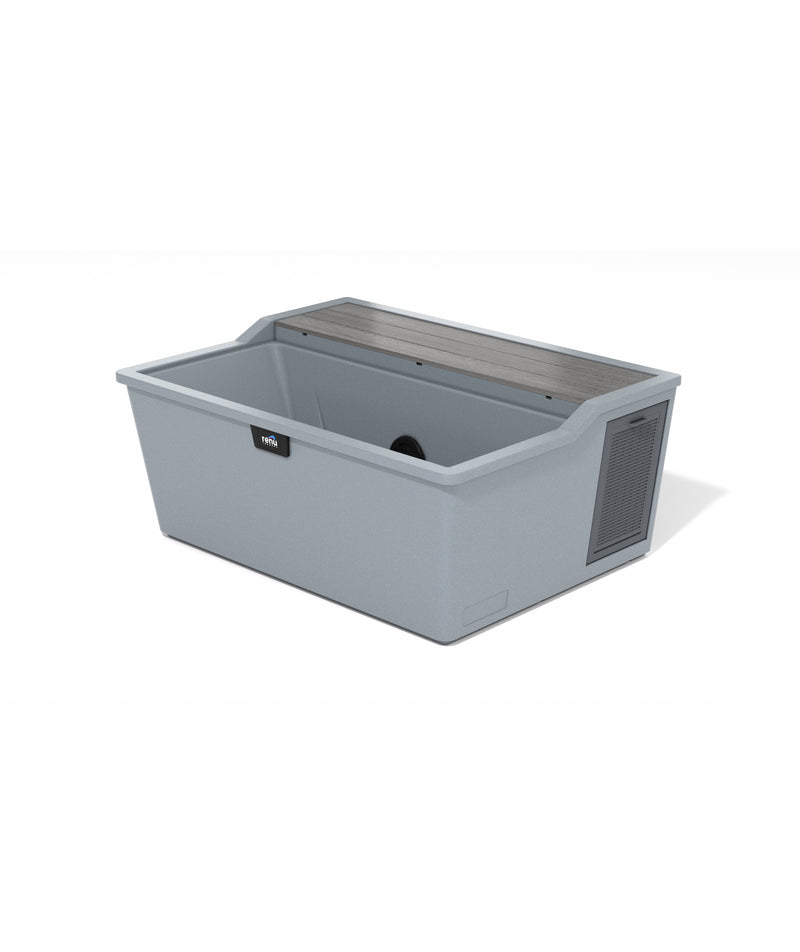
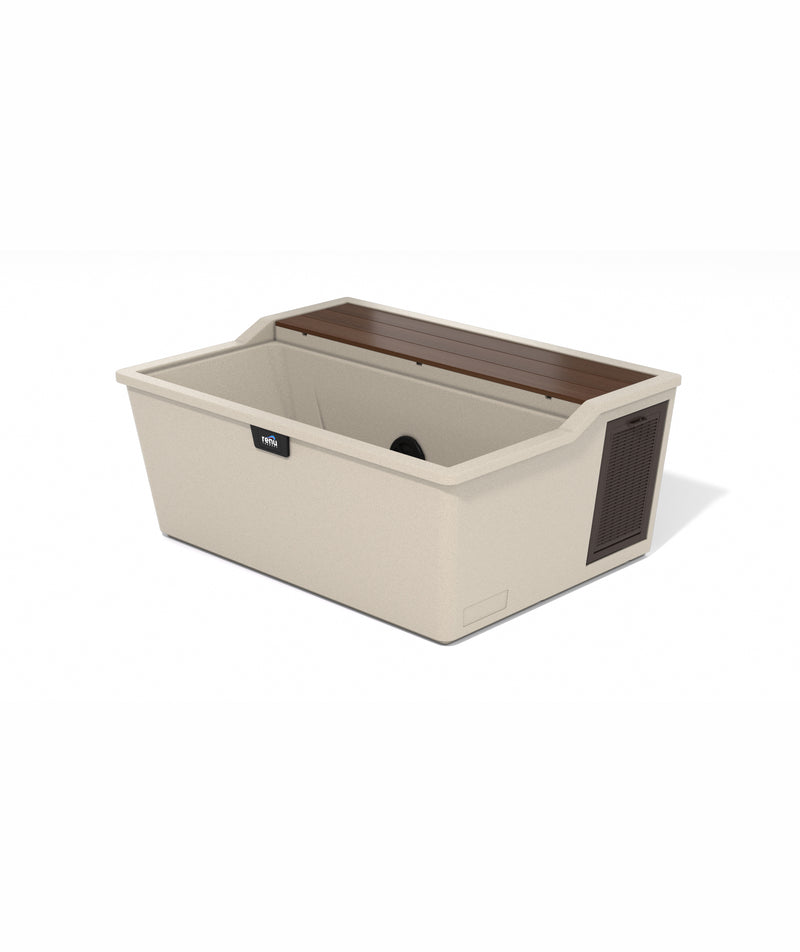
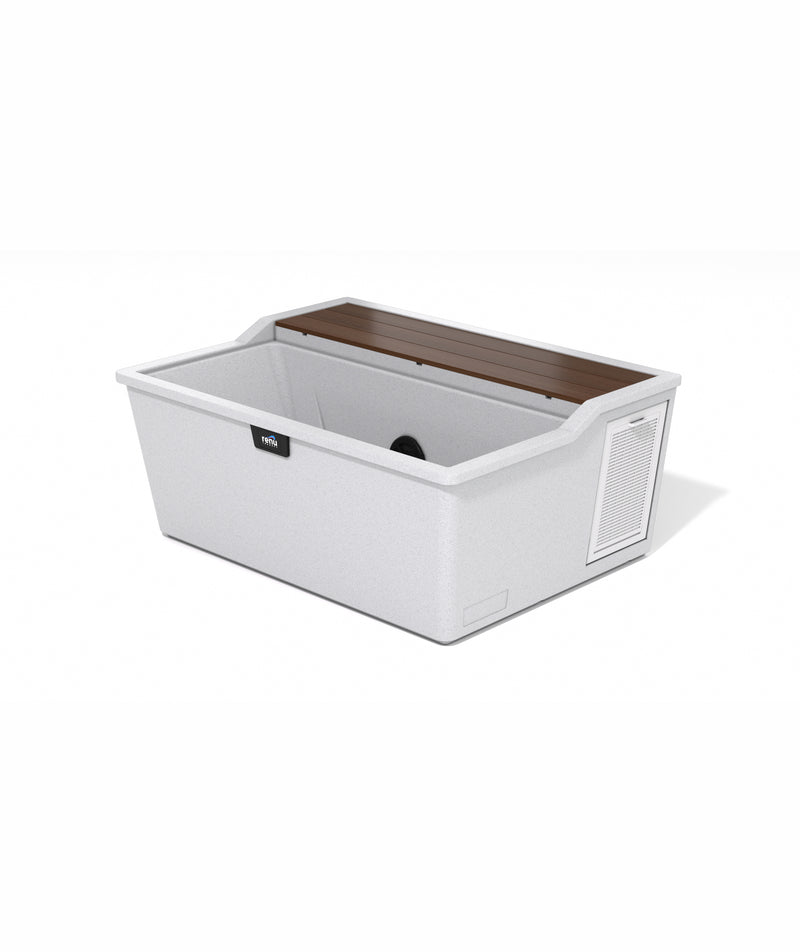
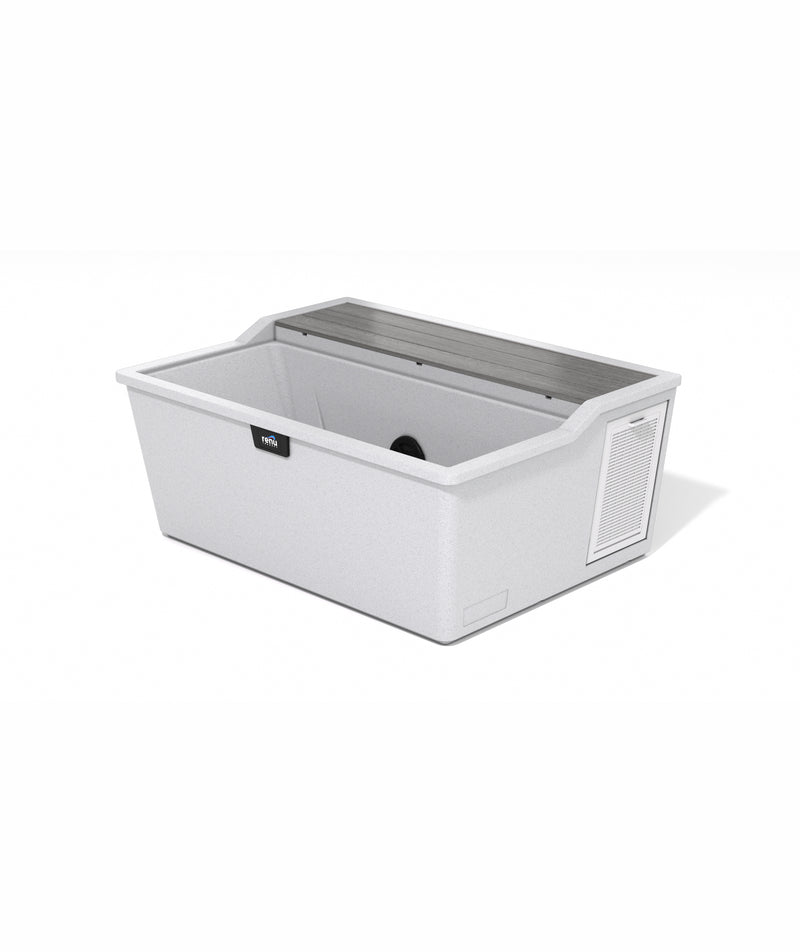
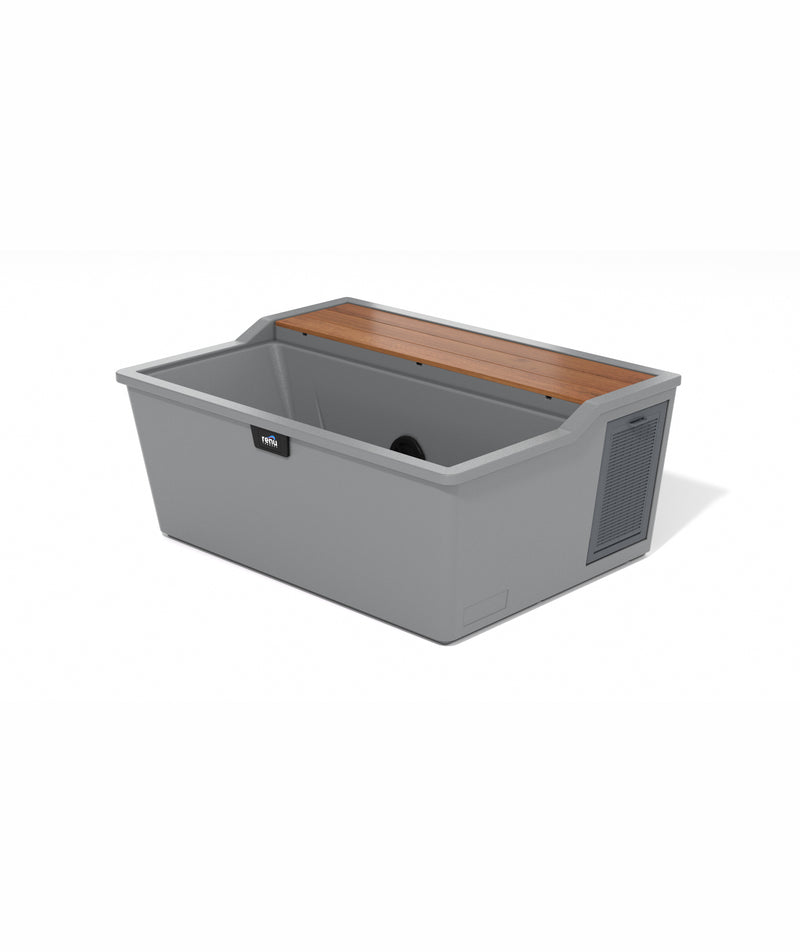
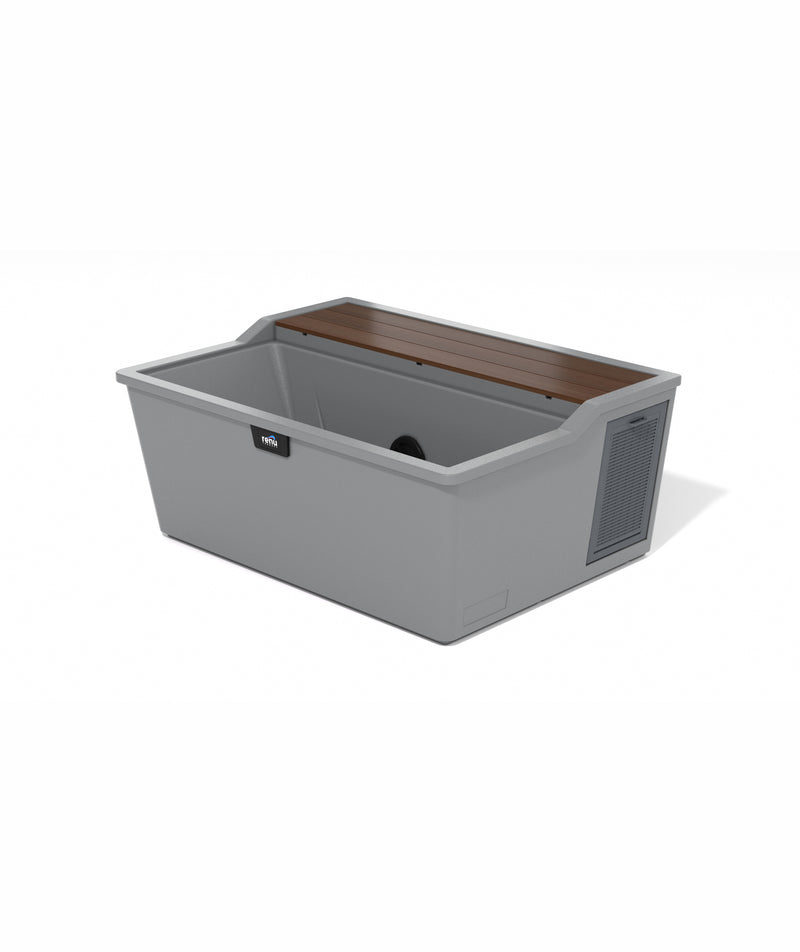
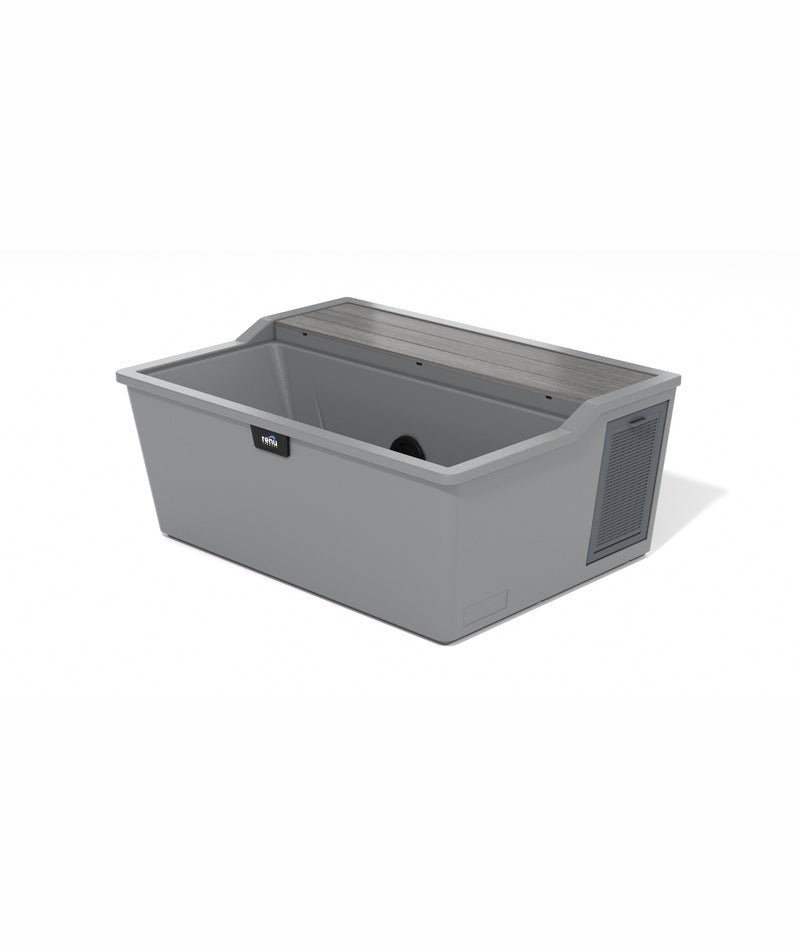
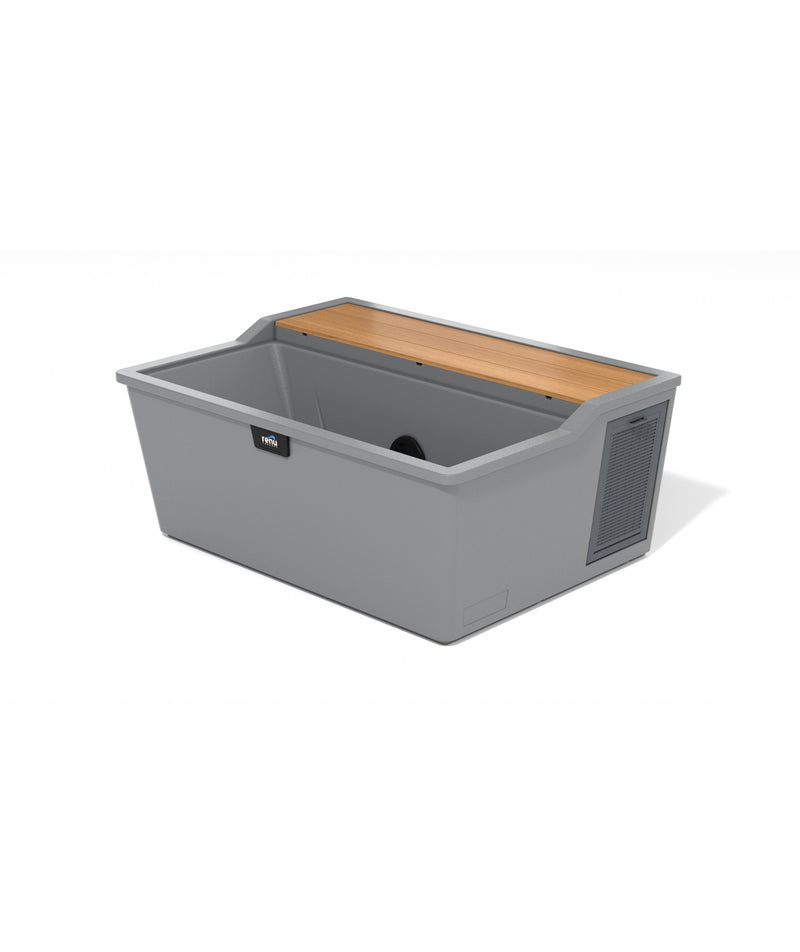
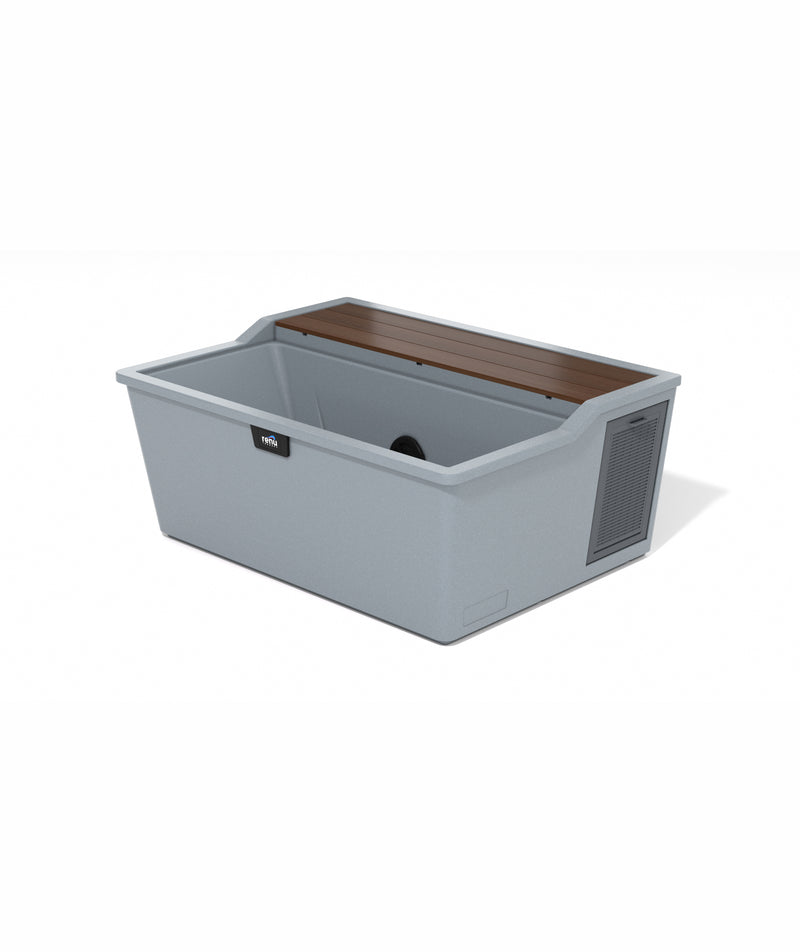
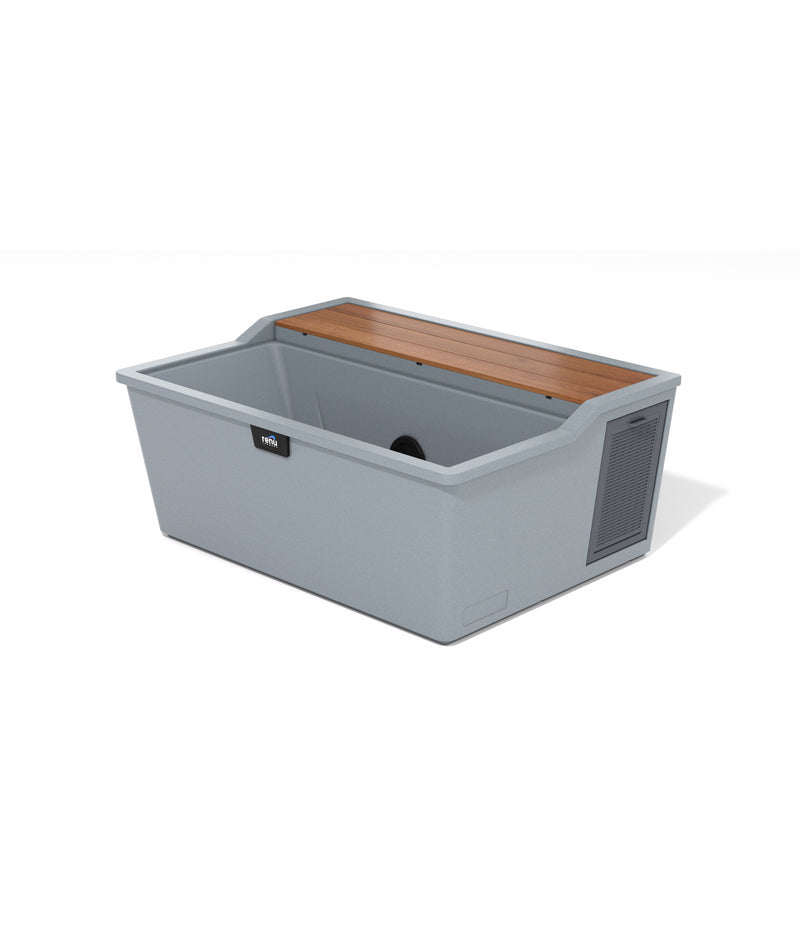
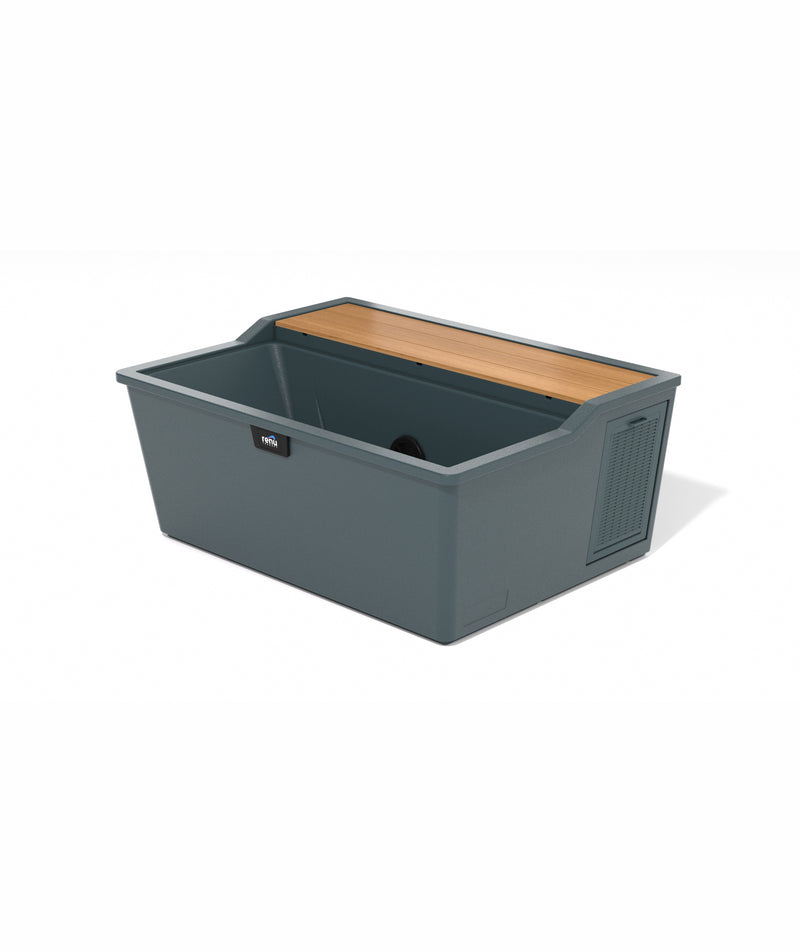
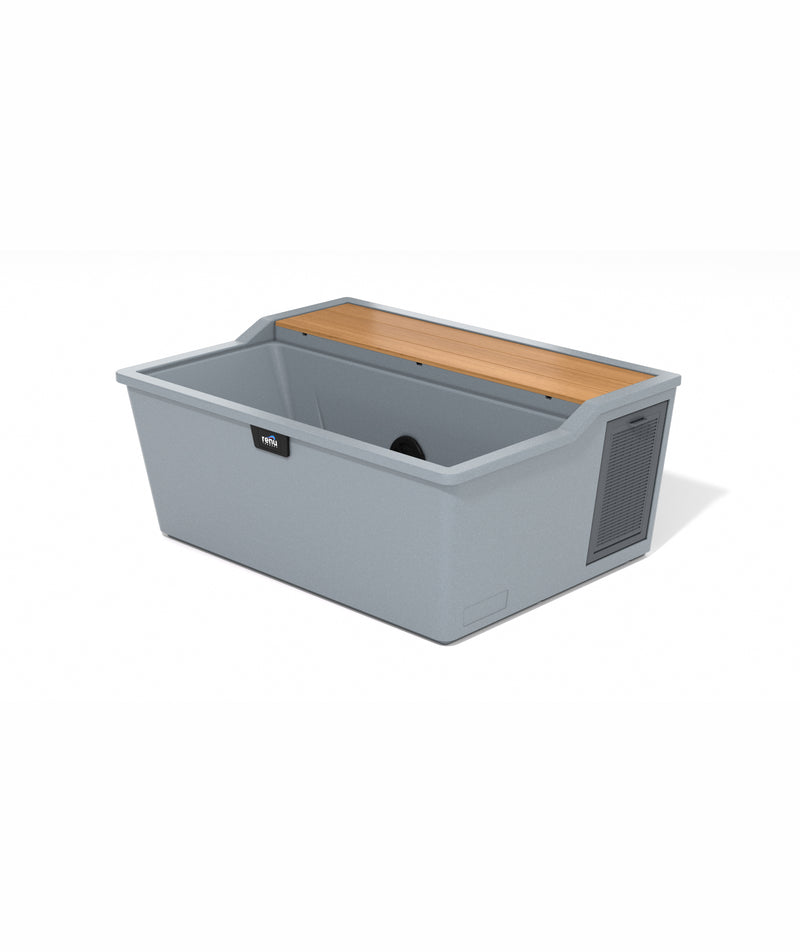
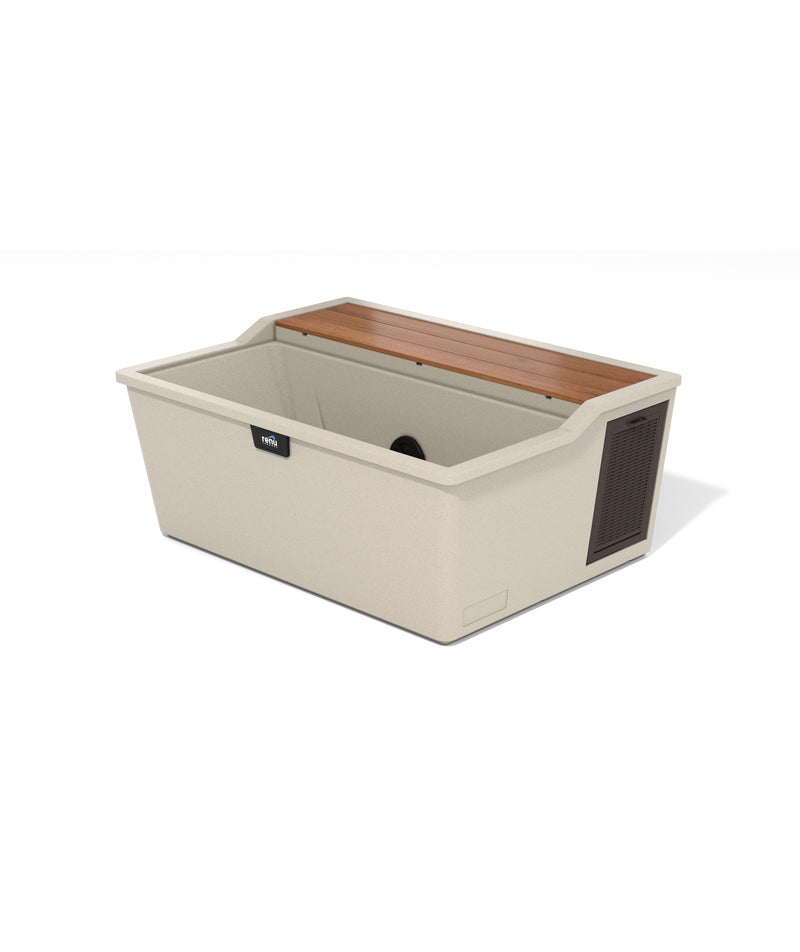
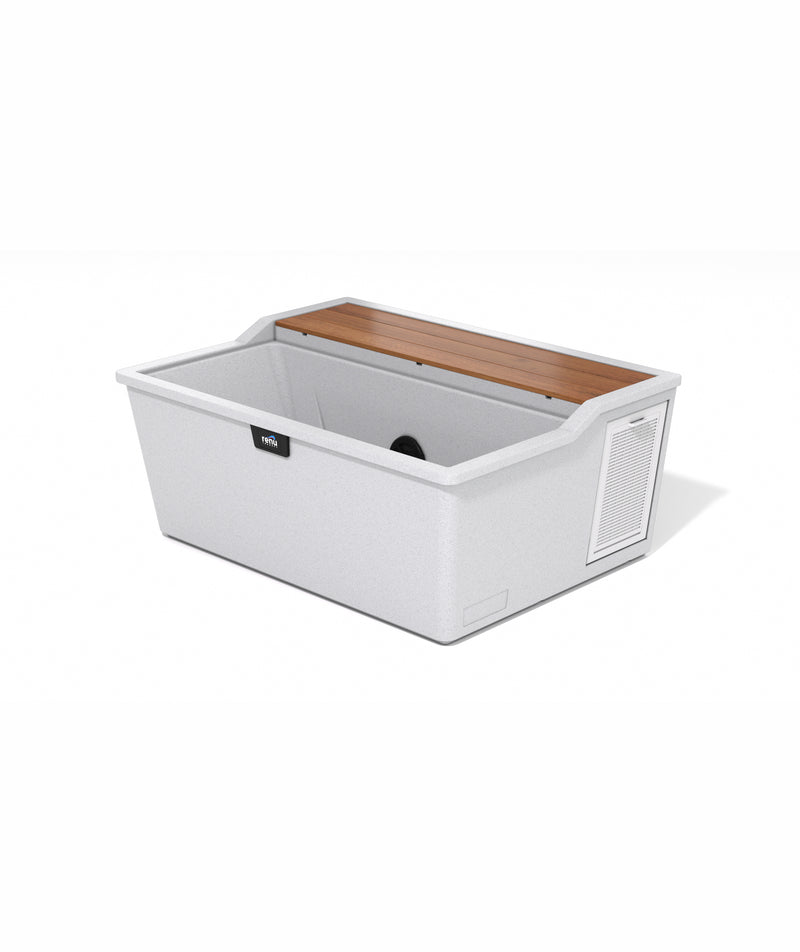
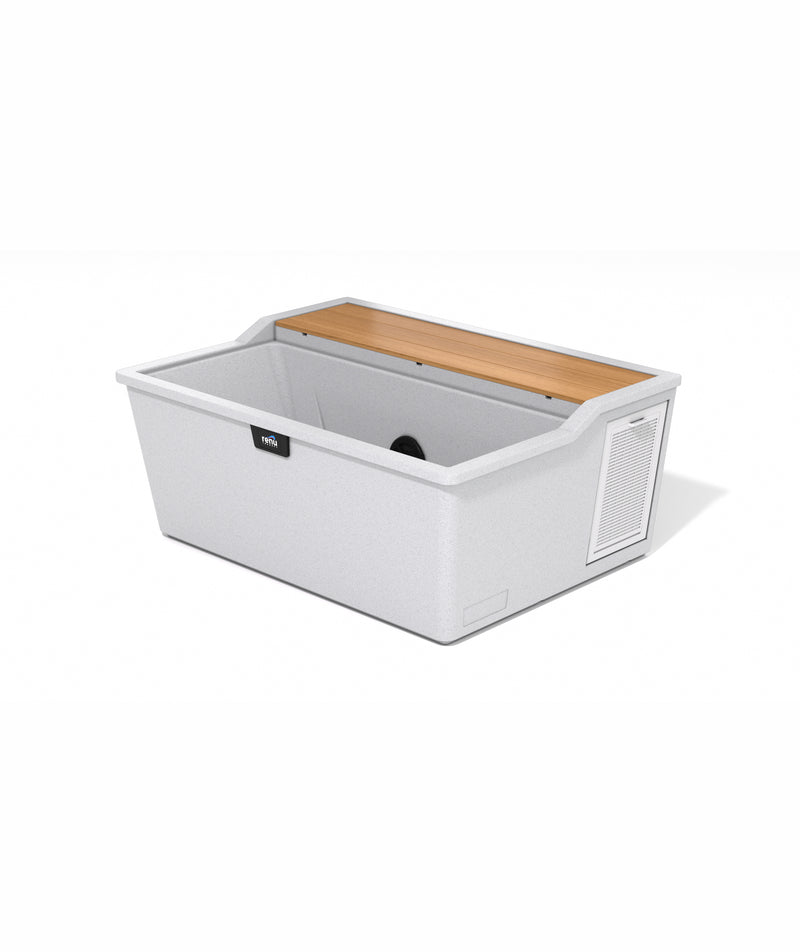
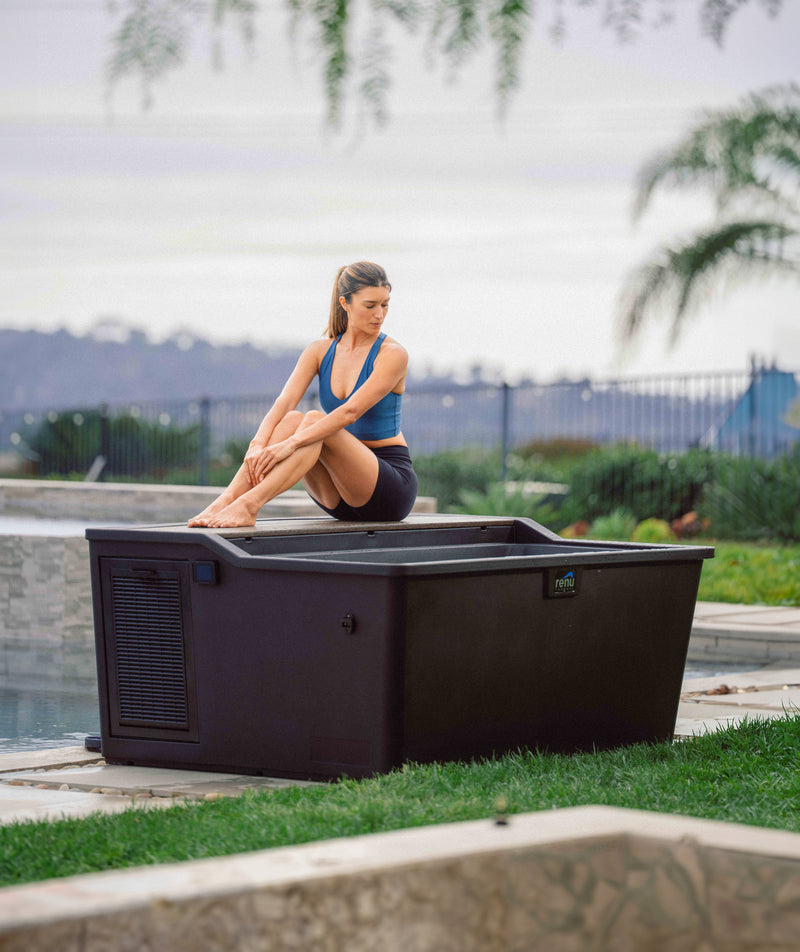
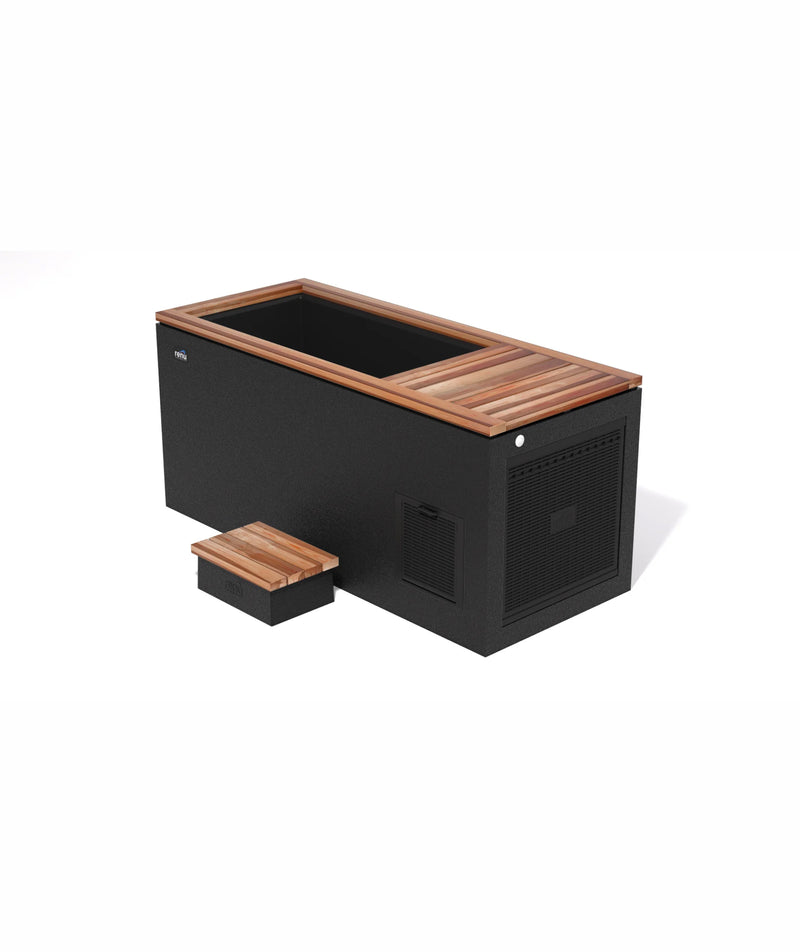
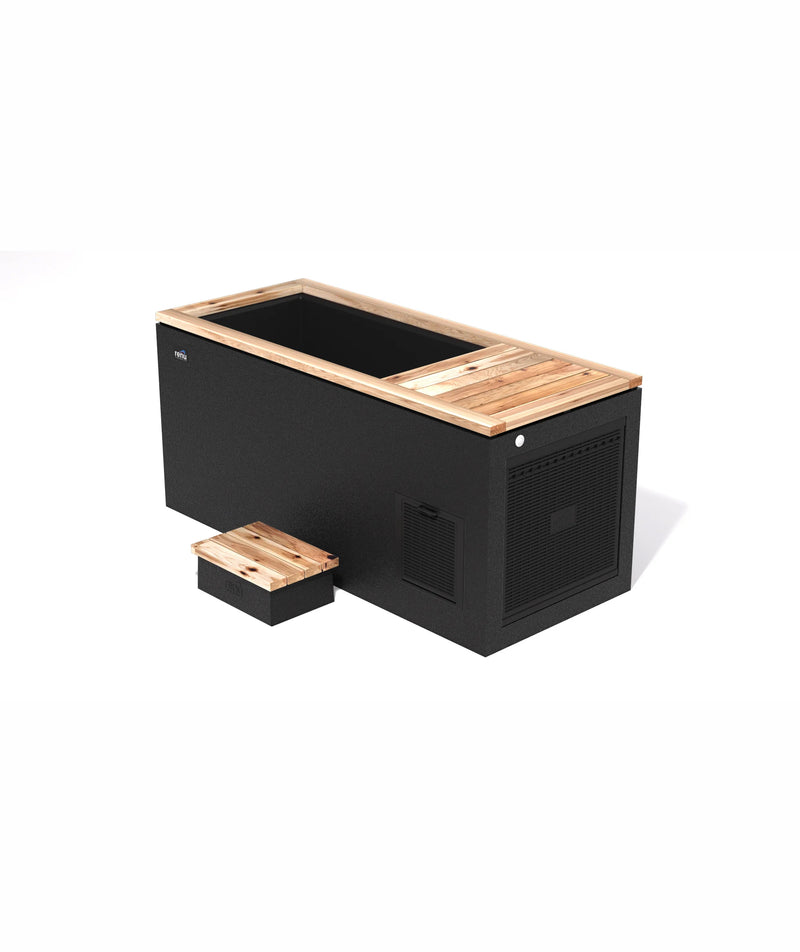
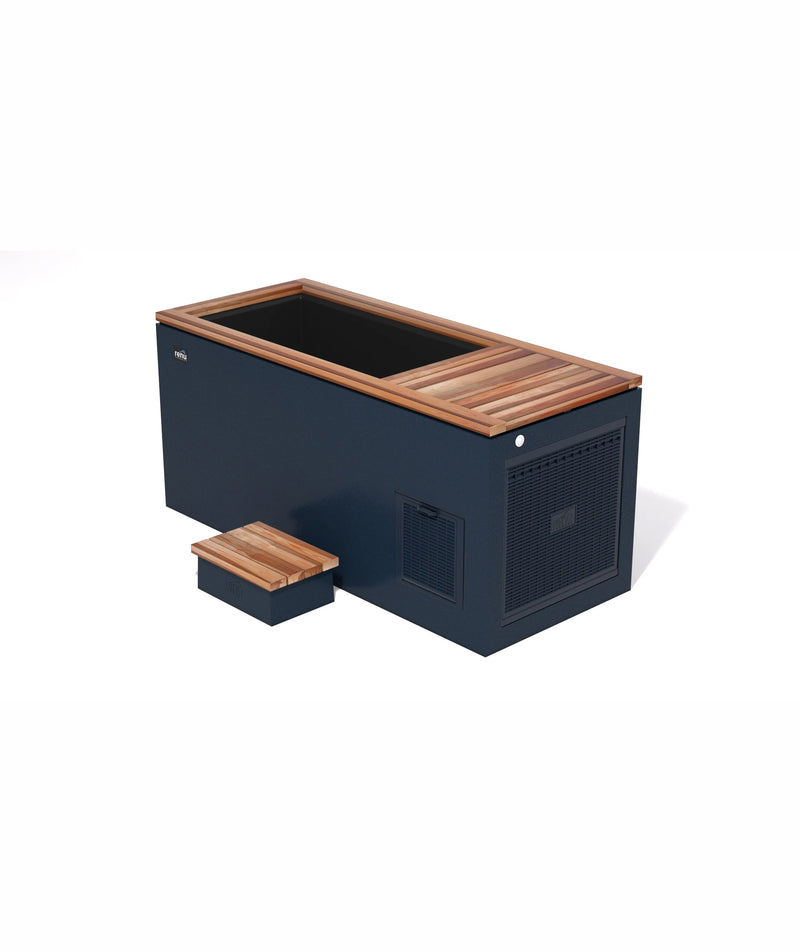
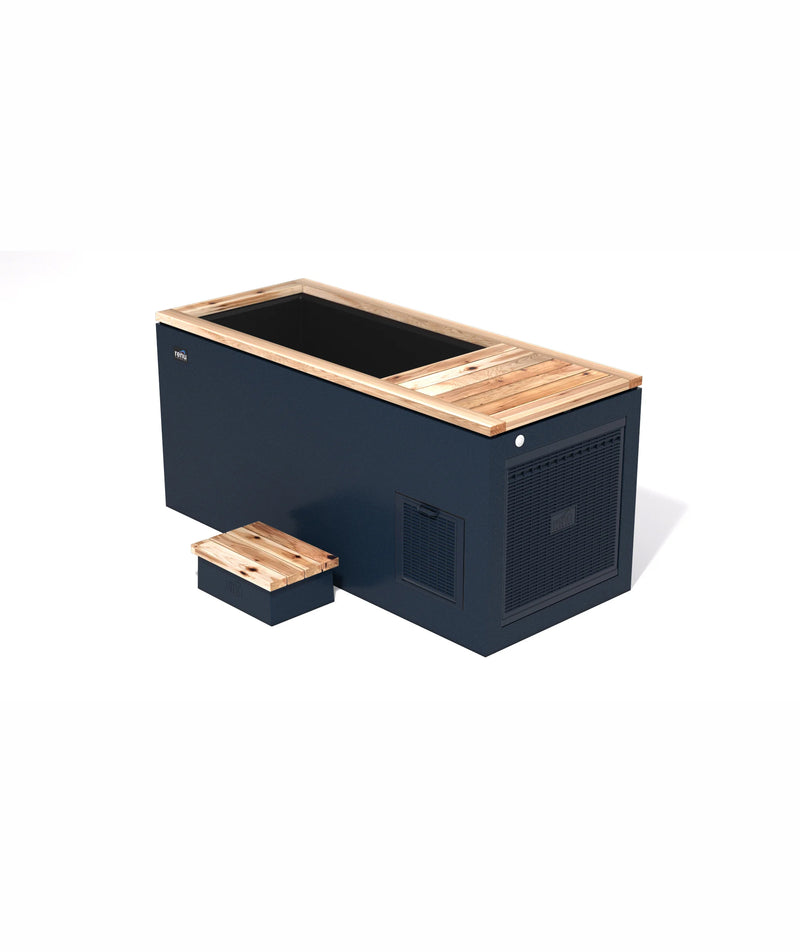
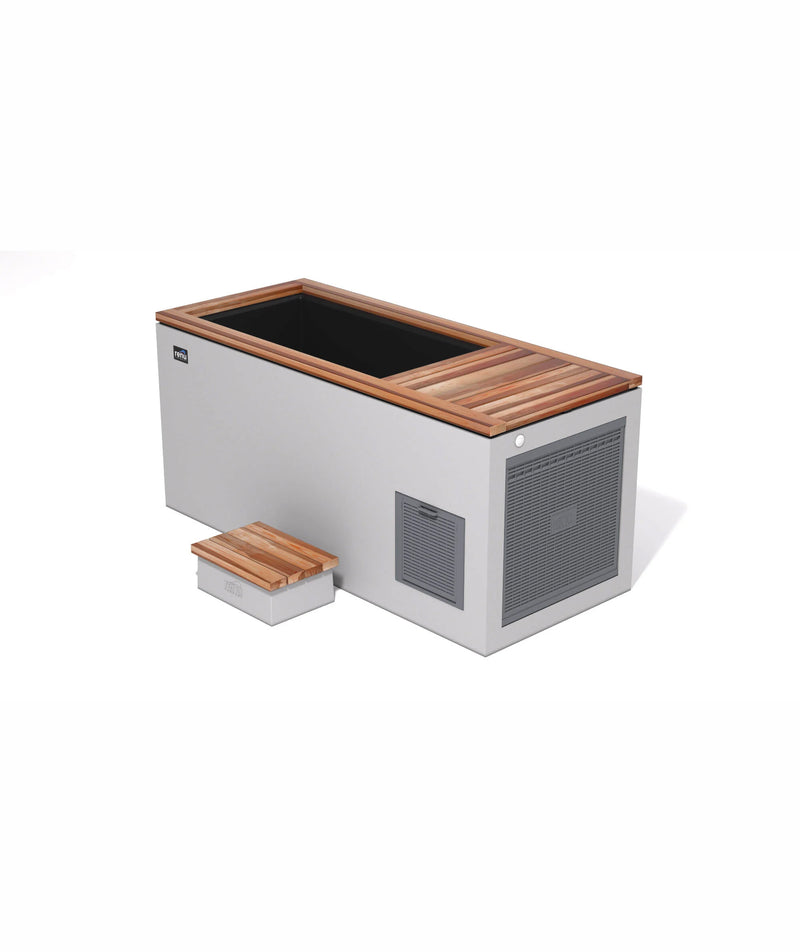
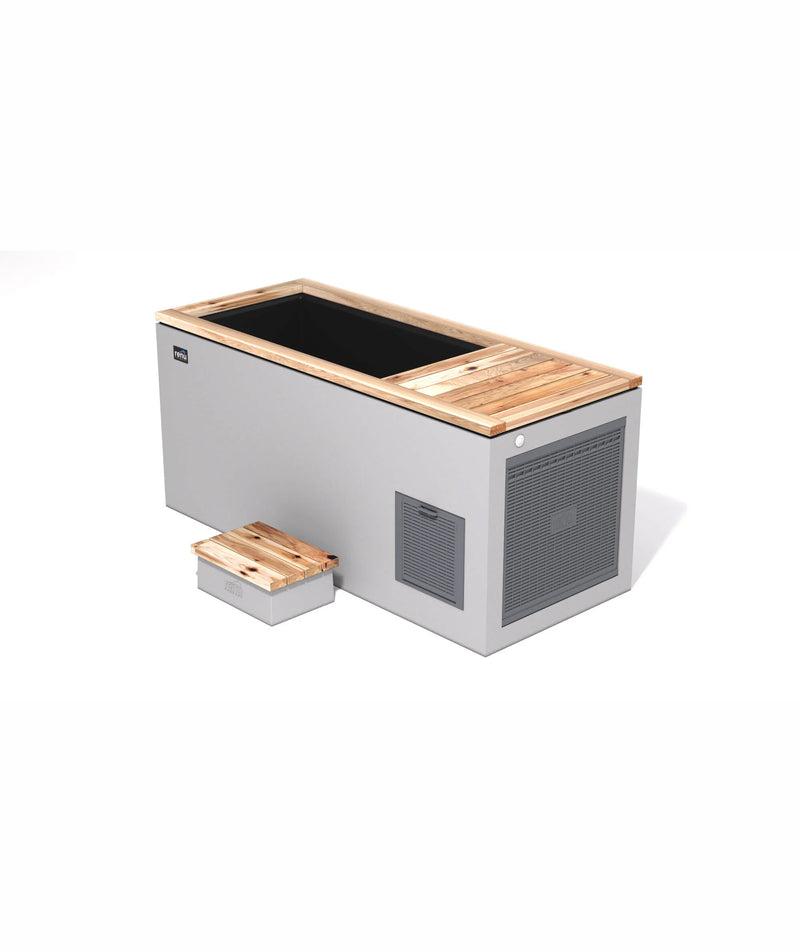
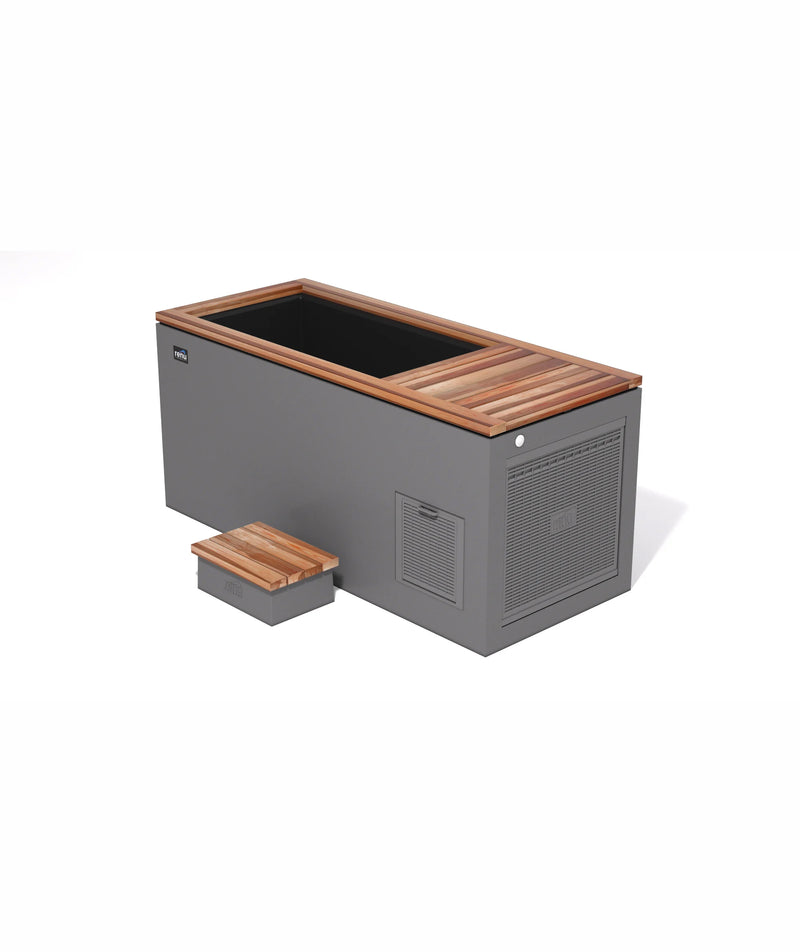
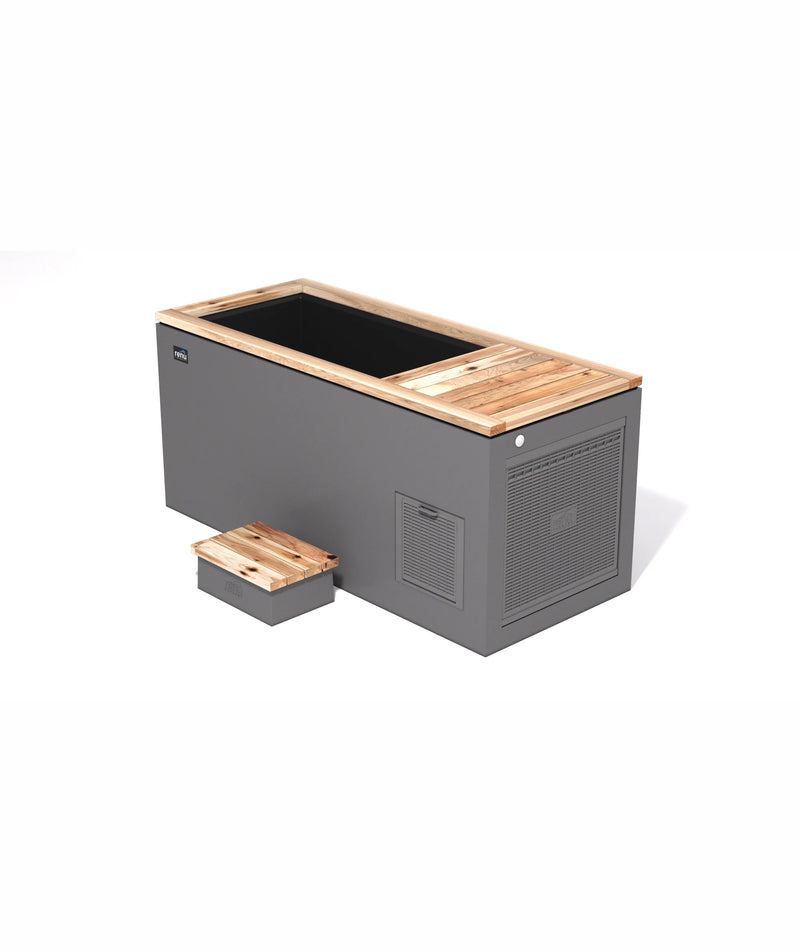
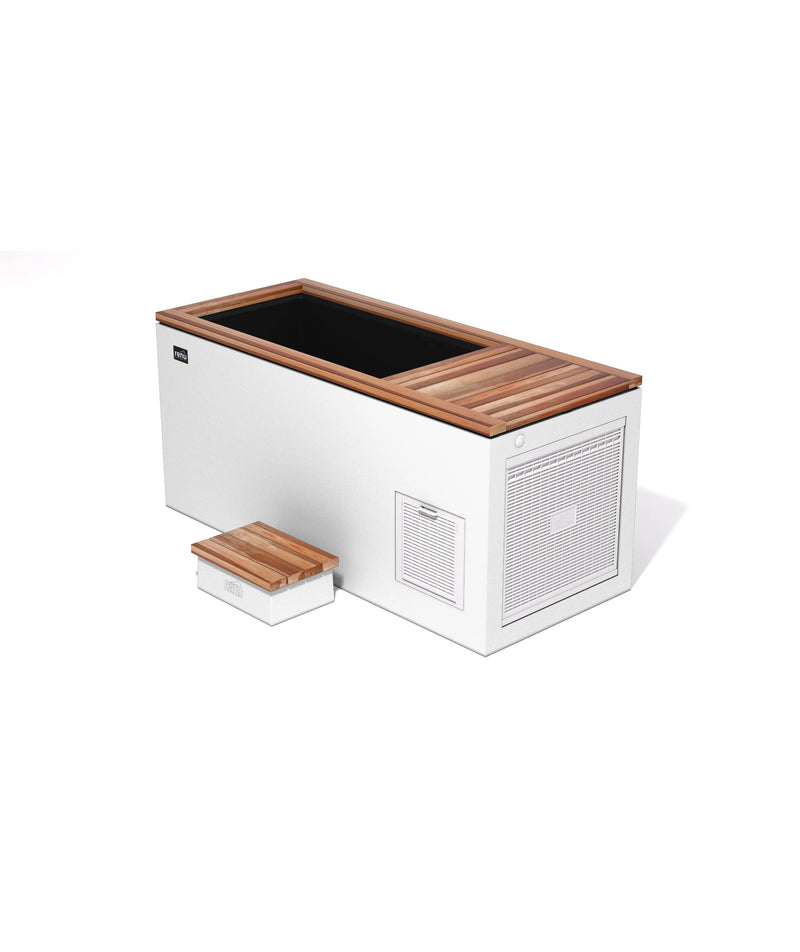
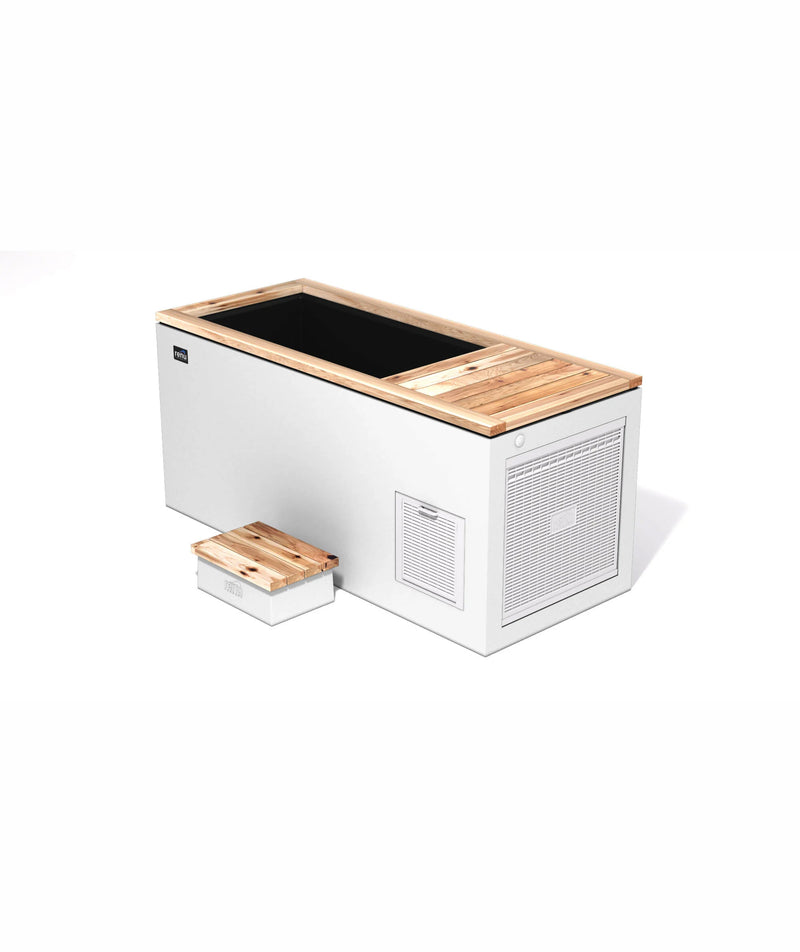
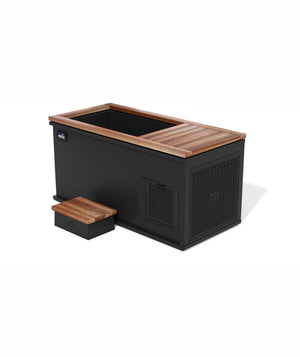
Transform Your Wellness Journey with State-of-the-Art RENU Therapy Cold Tanks
As we delve into the realms of traditional healing practices and modern technology, we uncover the remarkable potential of contrast therapy and cold plunge tubs. These state-of-the-art tools allow us to tap into the ancient wisdom of various cultures and harness the therapeutic effects of cold therapy.
Whether you seek relief from physical discomfort, a boost to your immune system, or a revitalizing experience for your mind and body, contrast therapy and cold plunge tubs offer an exceptional solution. Embrace the opportunity to optimize your well-being, improve blood circulation, and restore balance within.
Don't wait any longer to embark on this exciting wellness adventure. Take the plunge into a world of rejuvenation and balance. Get in touch with us and explore our collection of cold plunge tubs. Your journey to a revitalized mind, body, and soul begins with a RENU Therapy cold tank today!