Winter is the time for all sorts of cold weather traditions. One of the more challenging of these is the polar plunge. But did you know that this is one tradition that, when practiced regularly, can provide numerous health benefits? CWI, or cold water immersion, has been studied more and more by researchers in recent years, and their findings have been revealed.
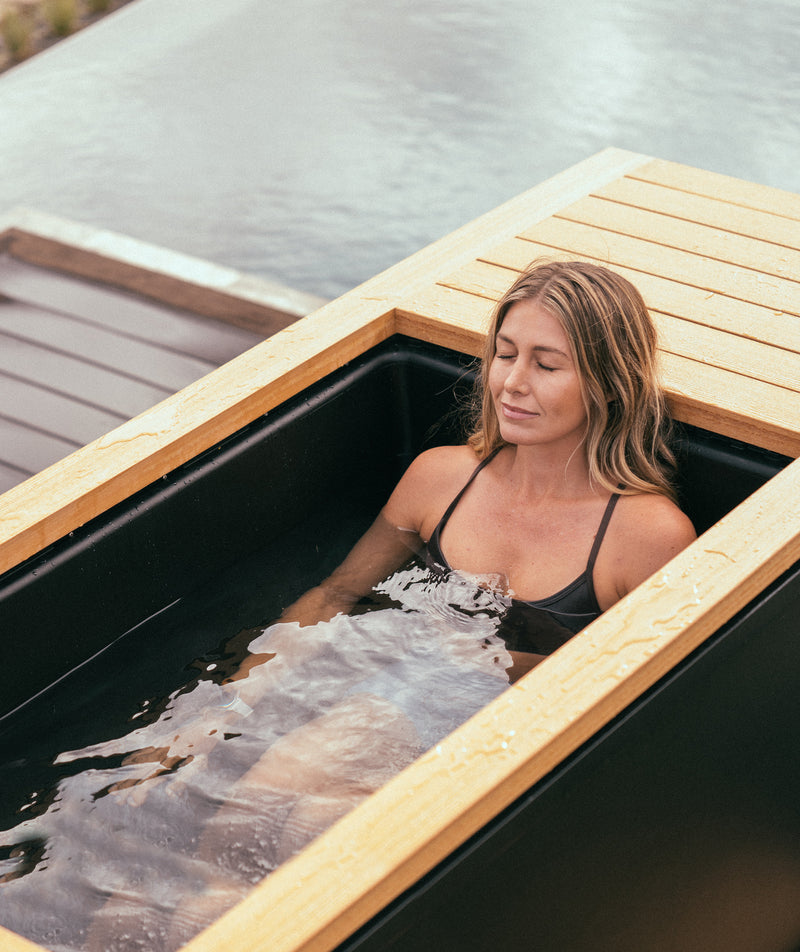
For instance, improved physical performance, as well as enhanced mental health have been linked to taking a cold plunge multiple times each week. If you're longing to gain the same benefits but can't find anywhere near you that makes cold plunging possible, you can do it right at home.
Let's take a look at how many people get started with cold immersion in this quick beginner's guide to doing the cold plunge at home.
Simulate a Cold Plunge in the Shower
The idea of fully submerging oneself in ice-cold water can be intimidating for any beginner. We've all been there, and most have found ways to ease themselves into the practice.
For many beginners, starting with cold showers can prove a helpful way to acclimate the body without too much of a shock. Start with lukewarm showers, slowly taking colder showers each day for a week, with the final day reaching the full cold setting.
How to Cold Plunge in a Bathtub
If you can endure cold showers every day for a month, eventually, you'll find they start to feel pretty normal. The body does an amazing job at tricking the mind, and once you gain mastery over cold exposure responses, it gets far easier to go colder. Once the cold showers begin feeling comfortable and easy to do, it's time to add ice to the equation.
While the water that comes from the tap can be pretty cold, it's rarely cold enough to deliver the full benefits of polar plunging. So, the next step is adding ice to your bathtub. It takes around 80 pounds of ice for a common tub, so keep this in mind if you plan to establish a regular routine of ice plunging.
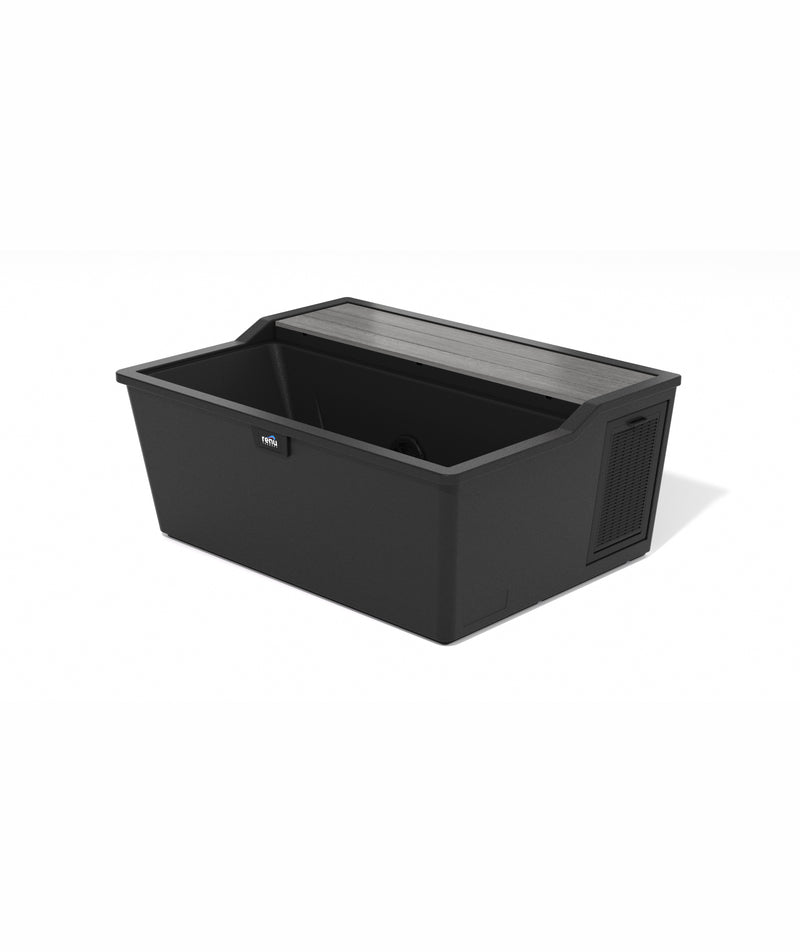
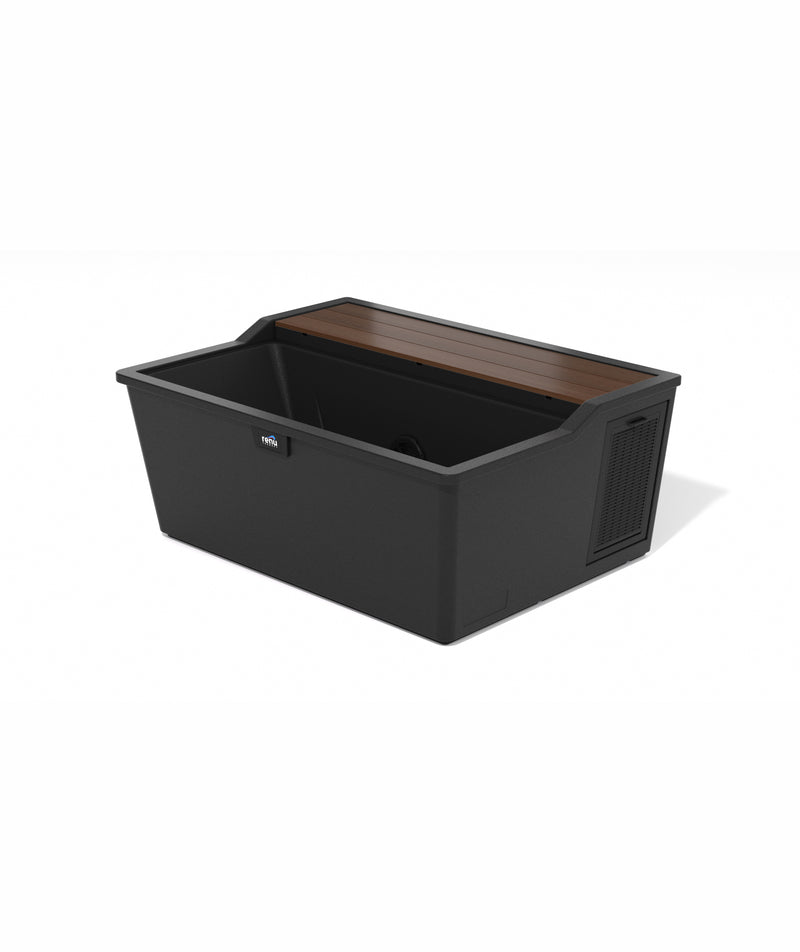
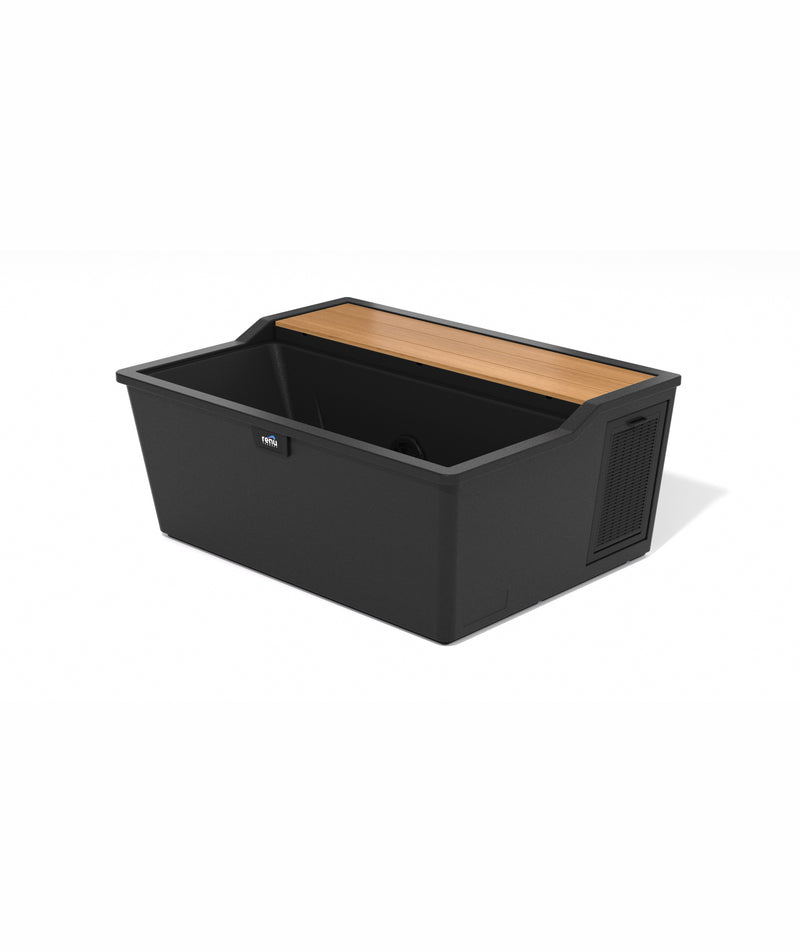
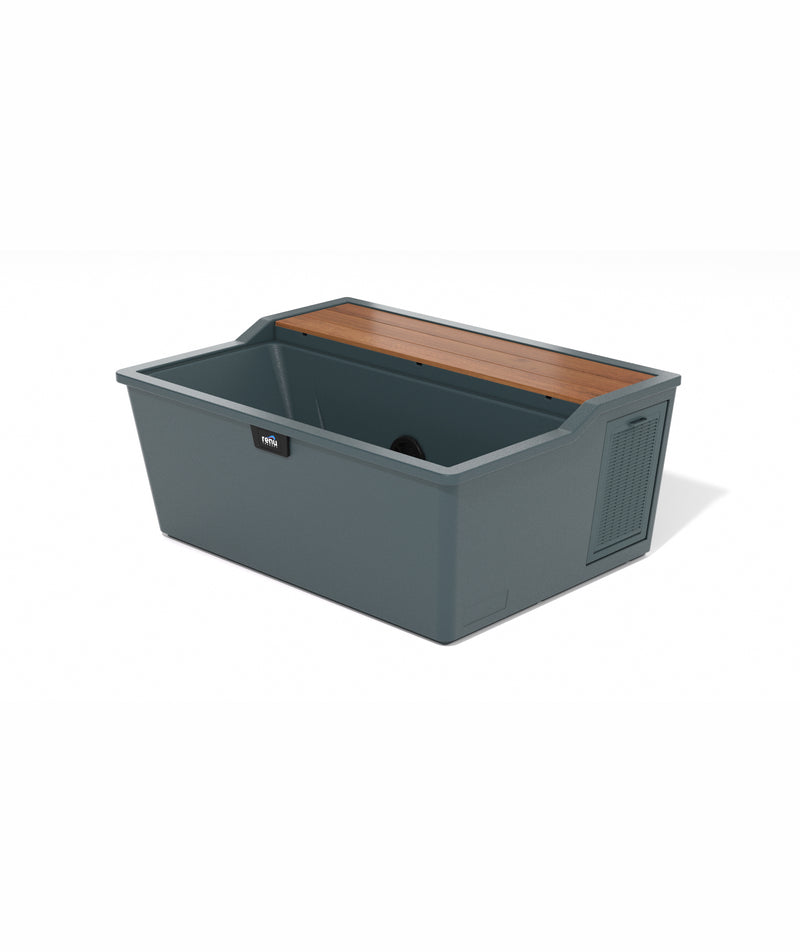
The Easiest Way to Get Cold Exposure? Cold Plunge Tanks
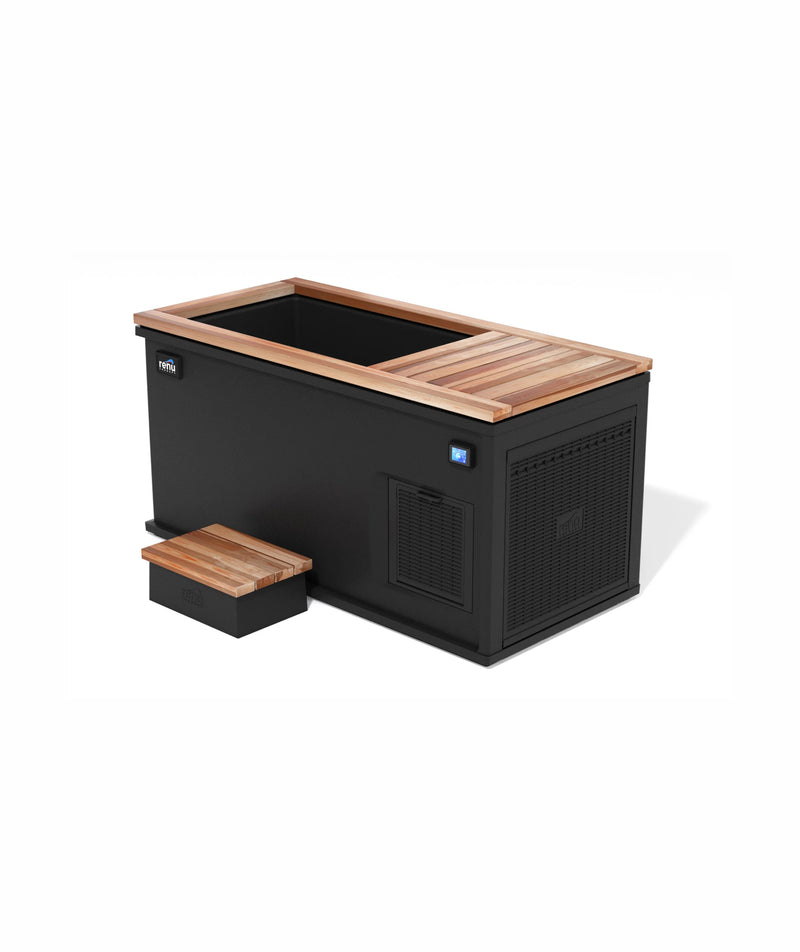
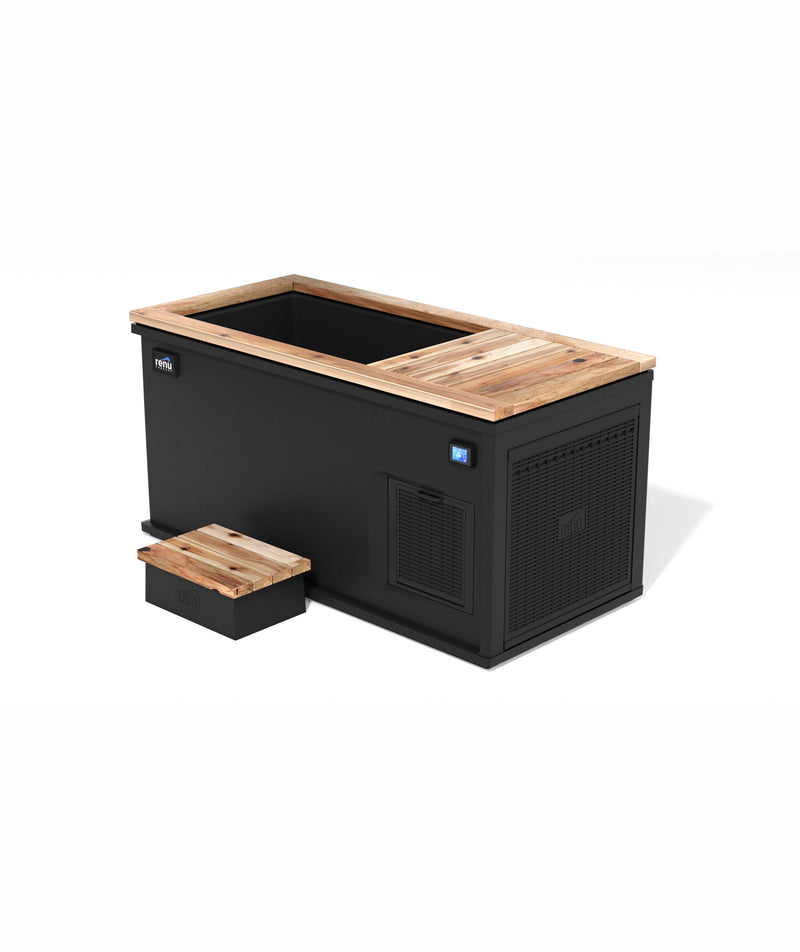
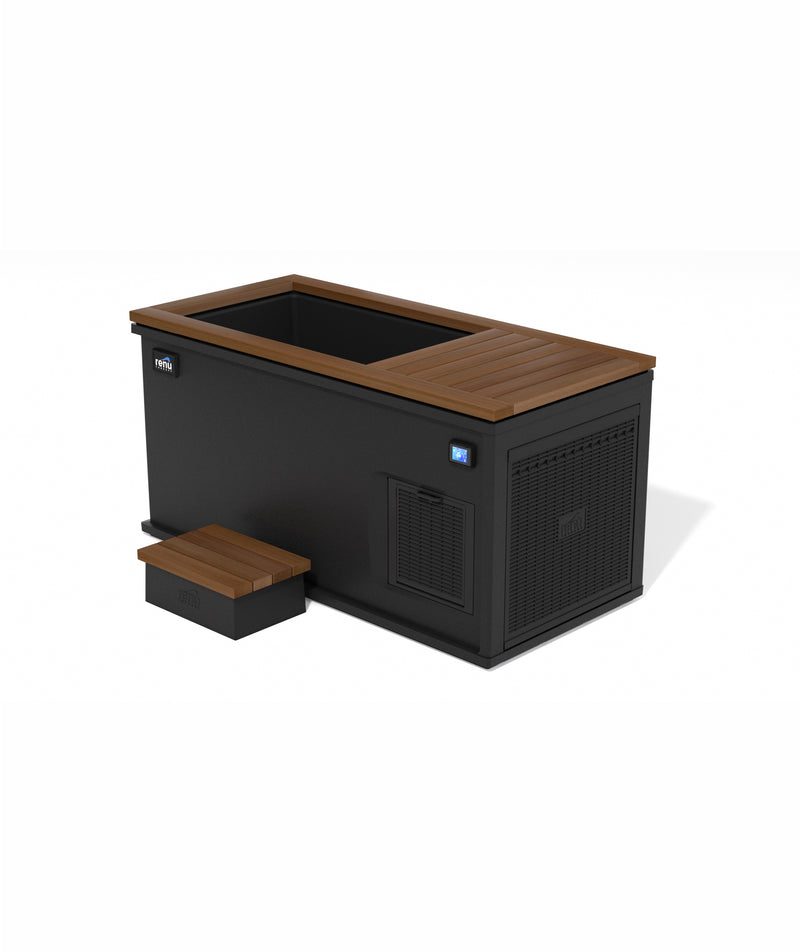
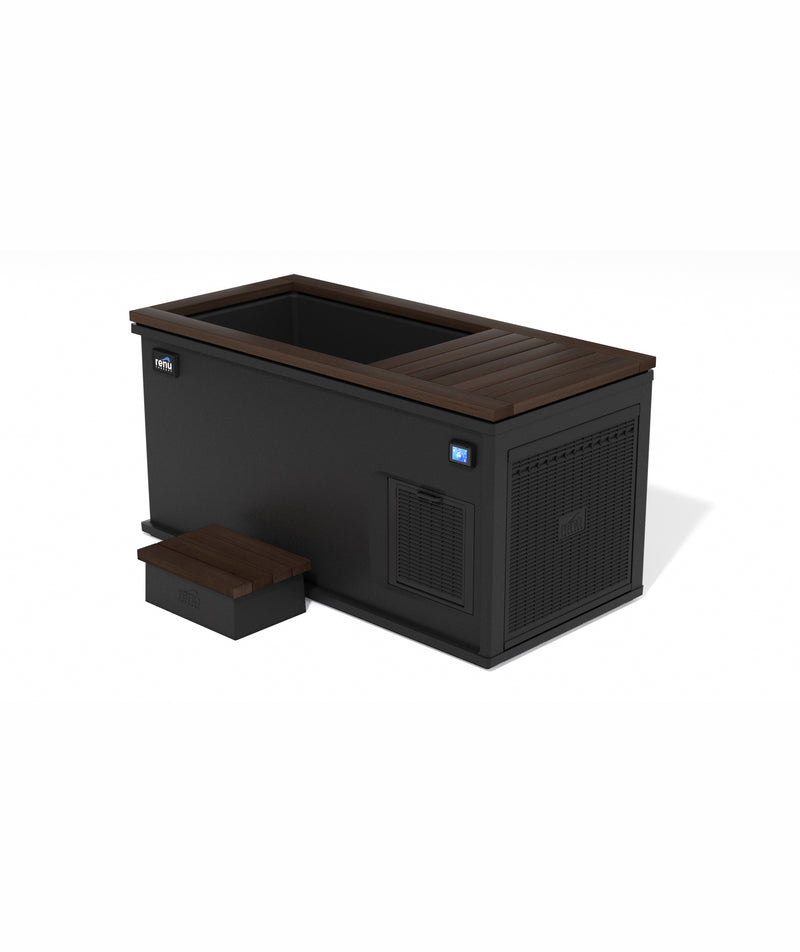
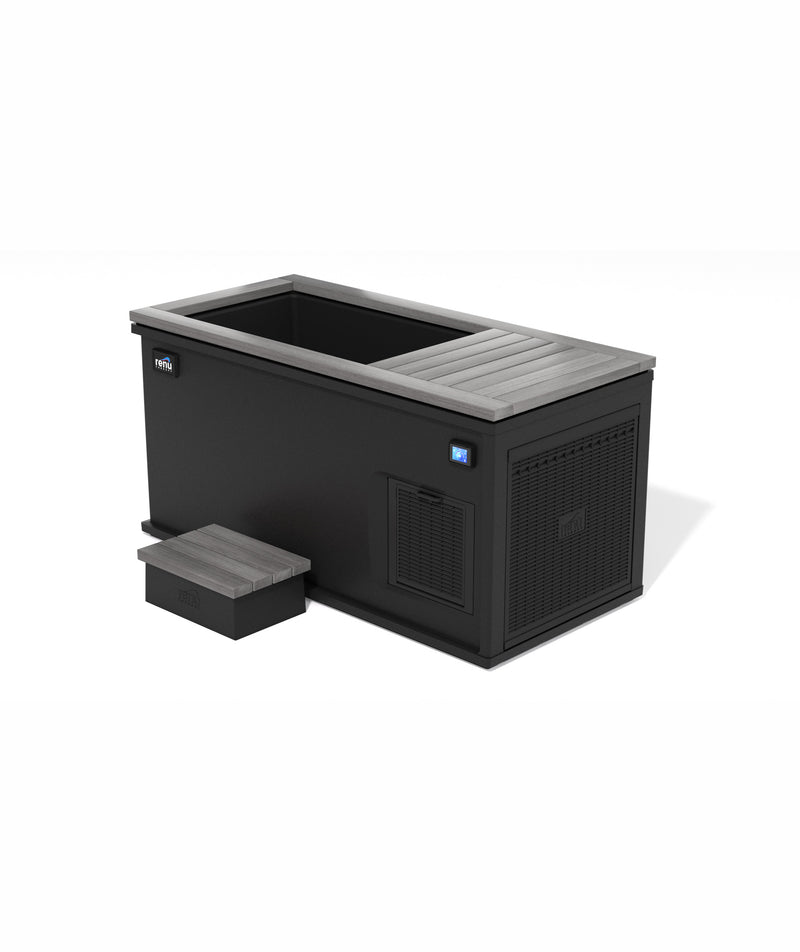
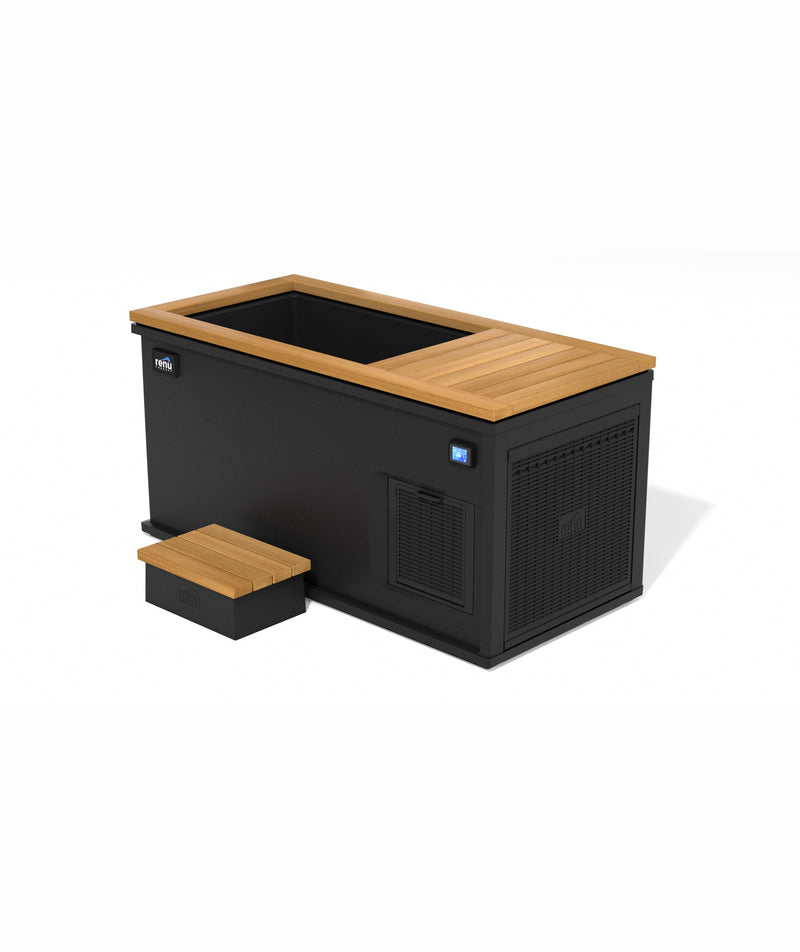
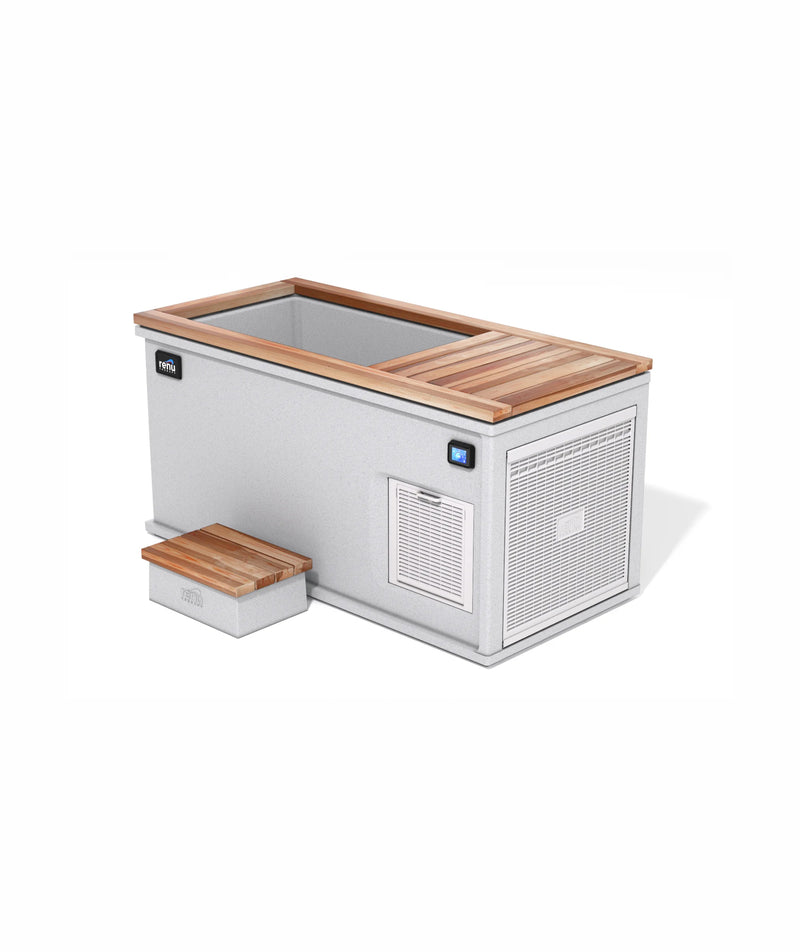
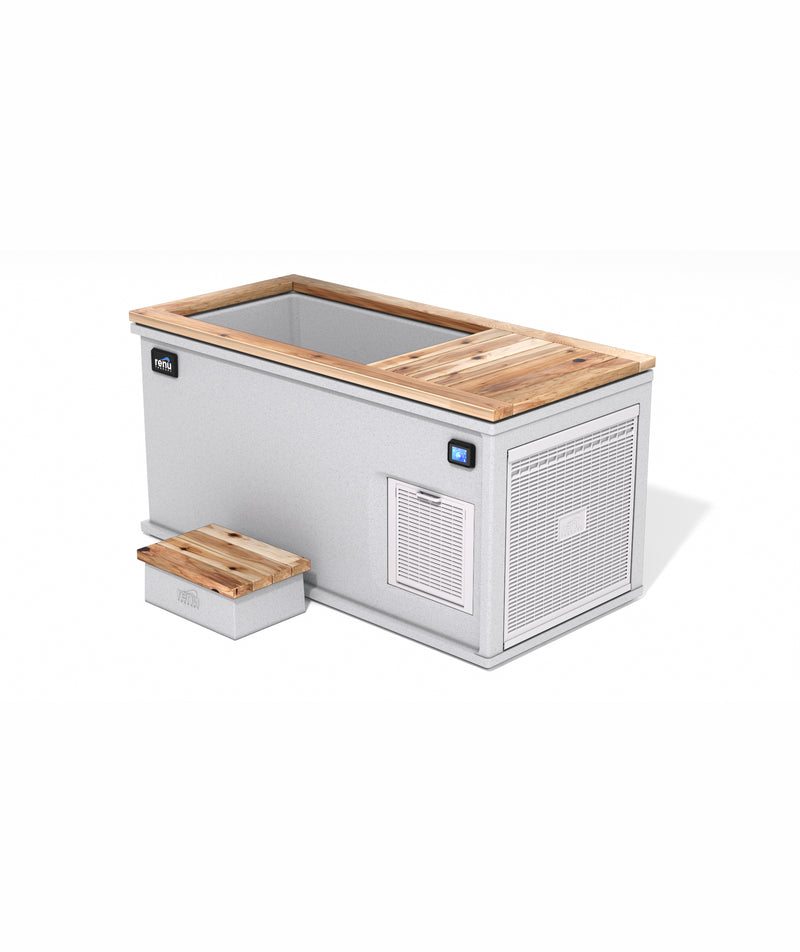
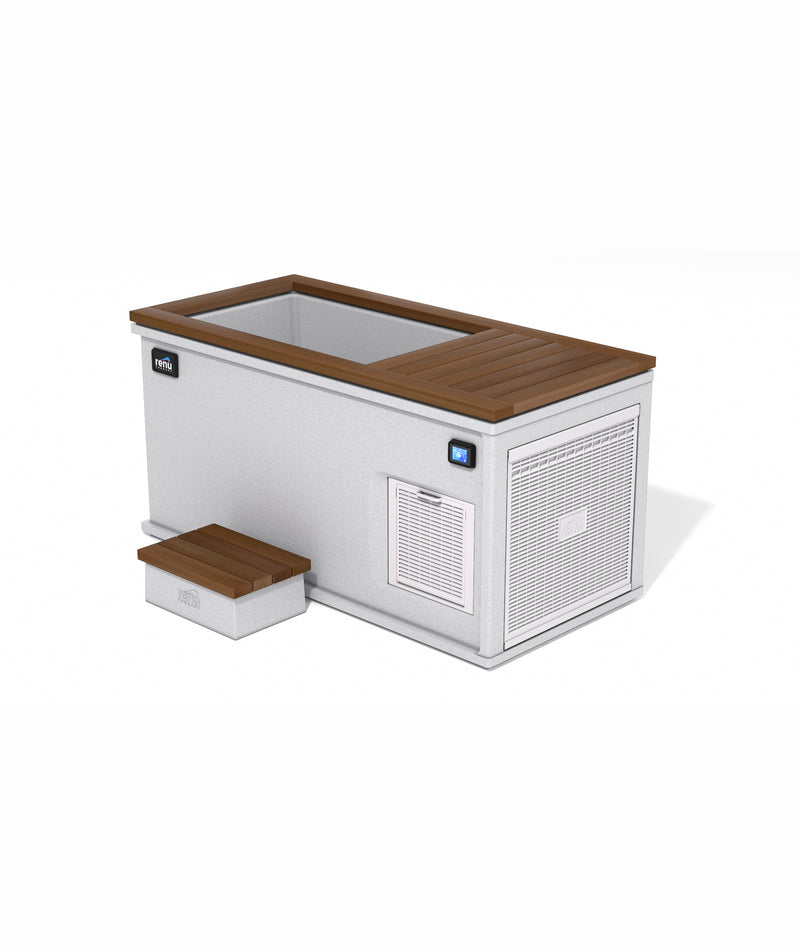
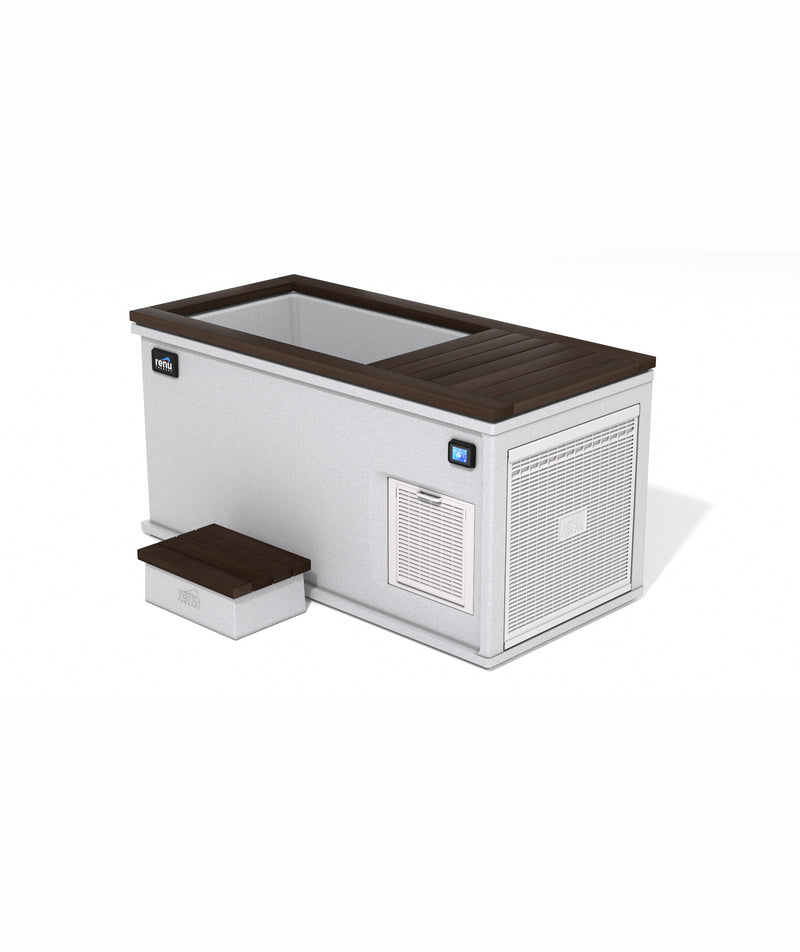
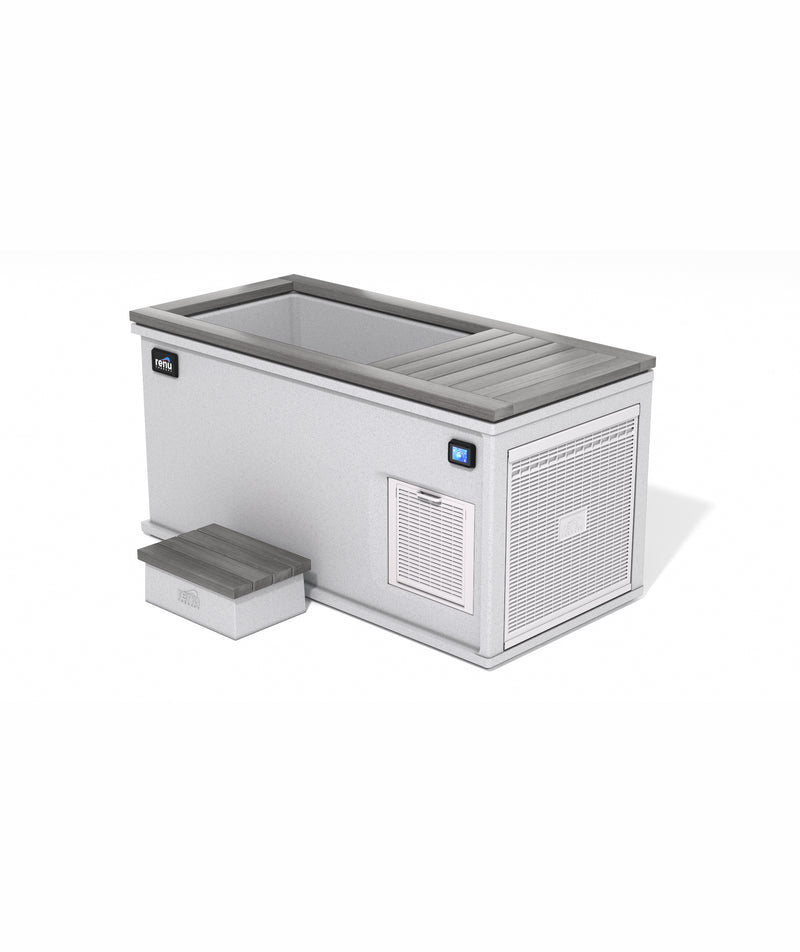
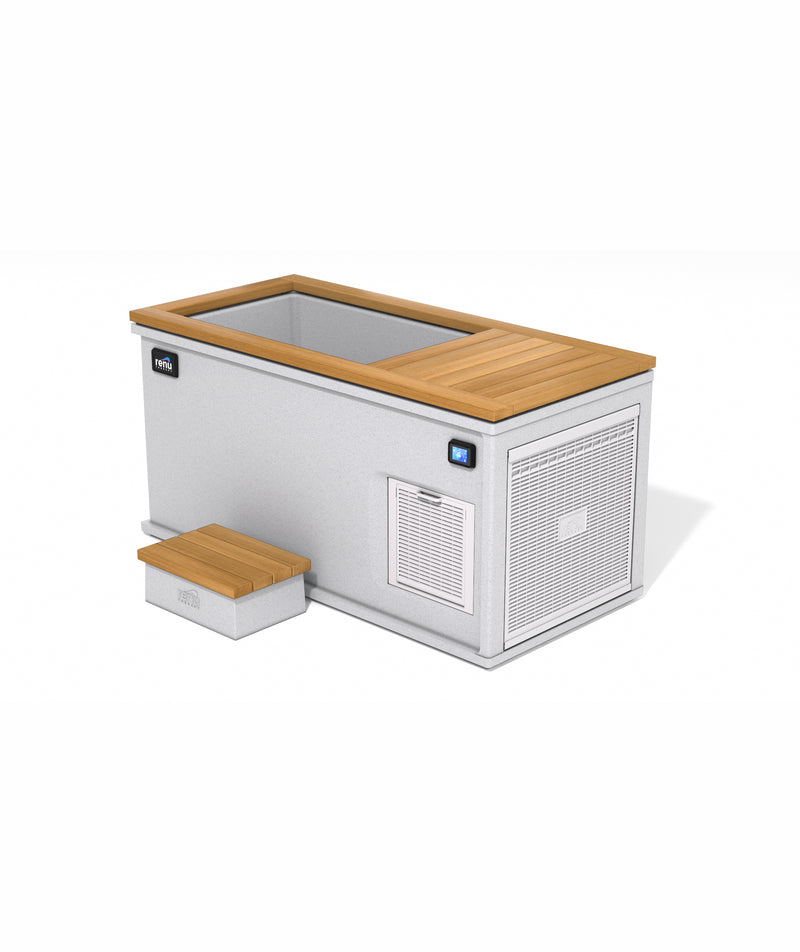
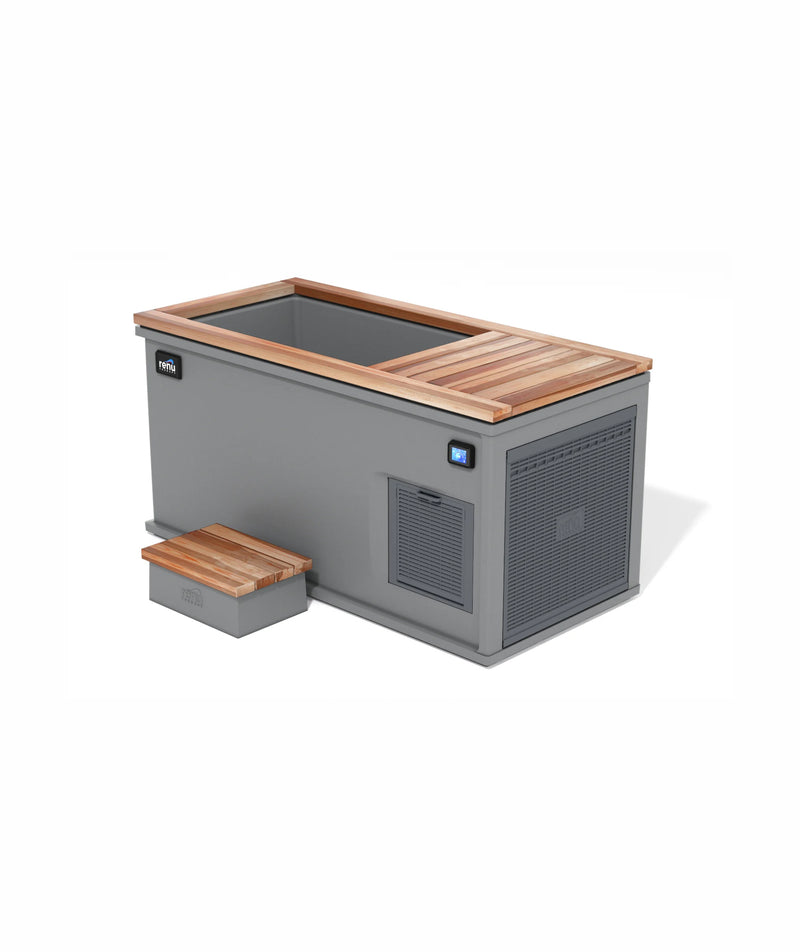
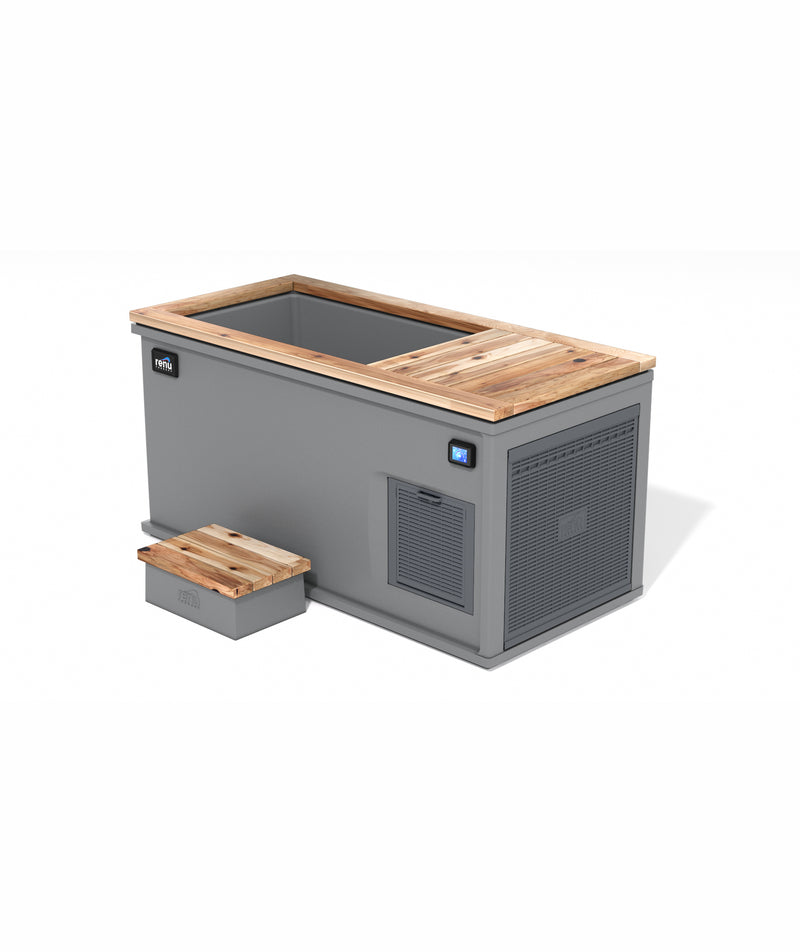
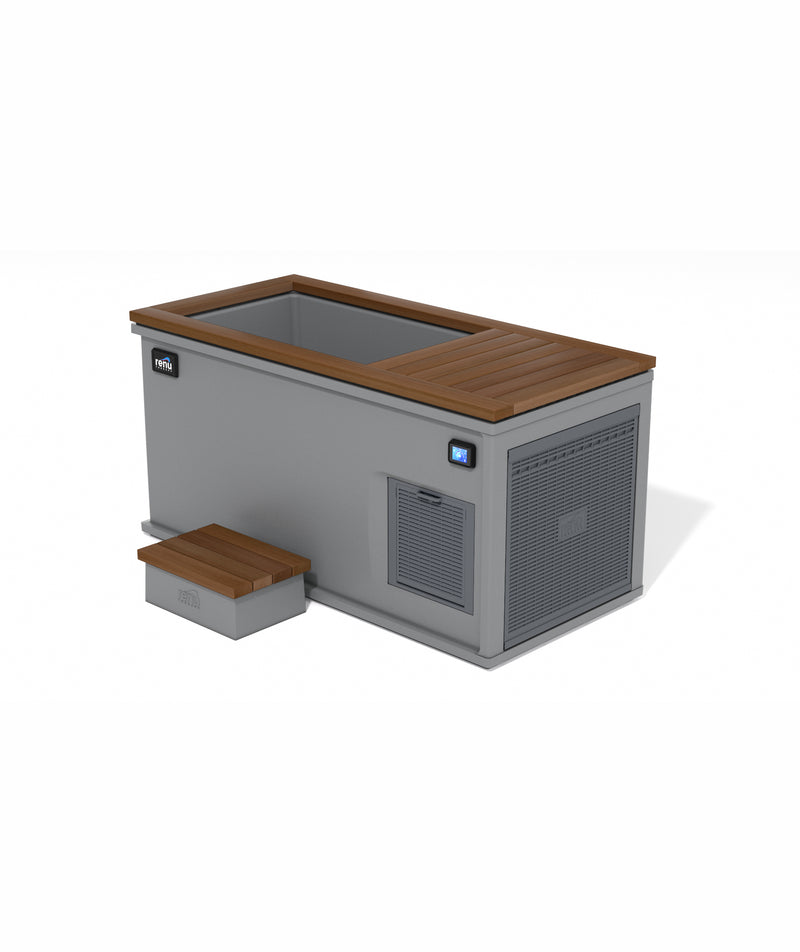
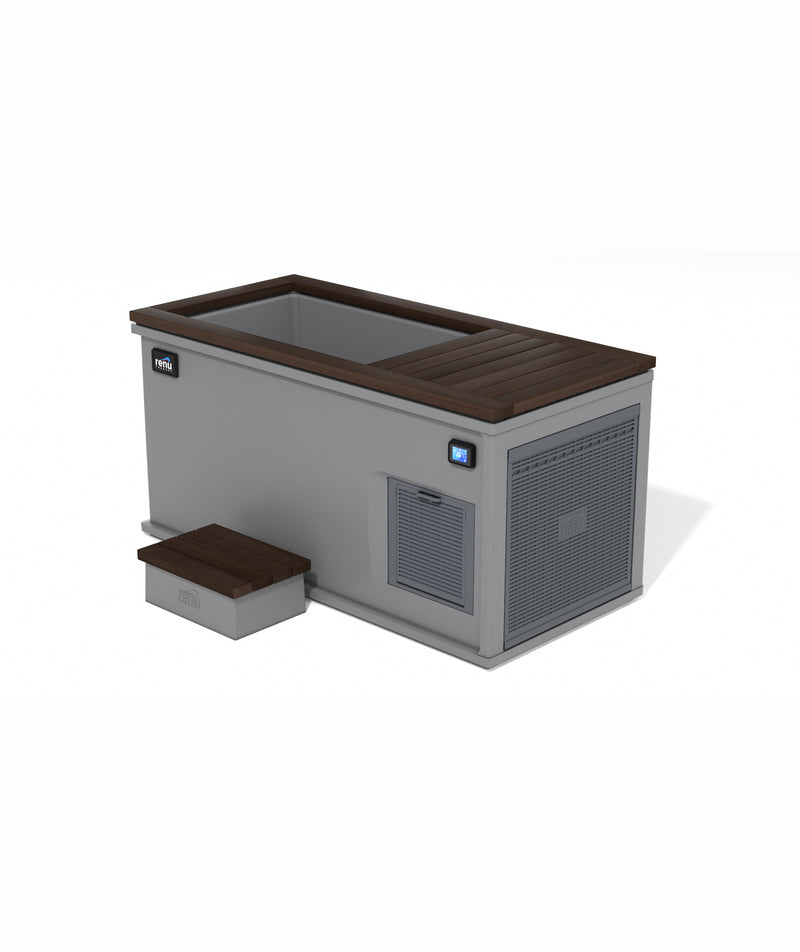
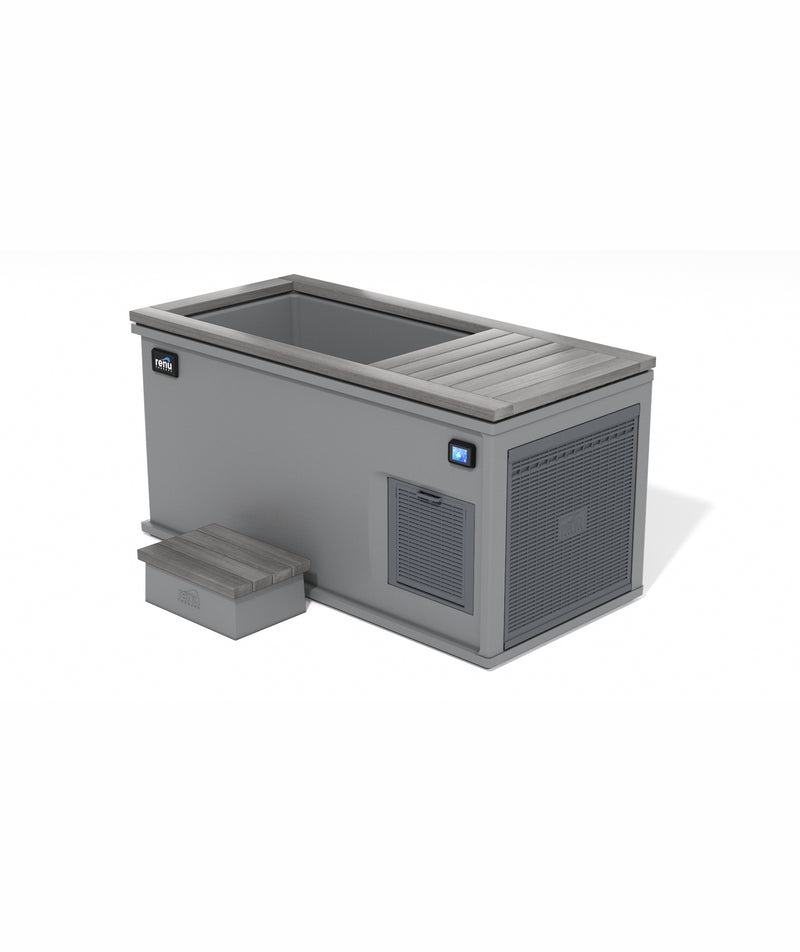
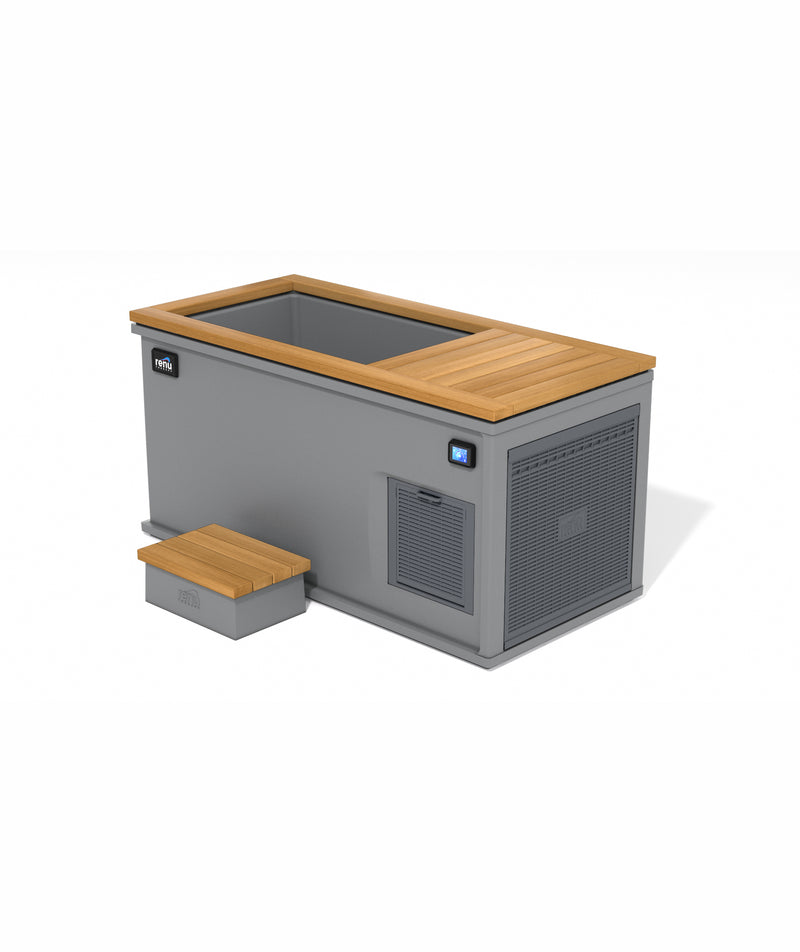
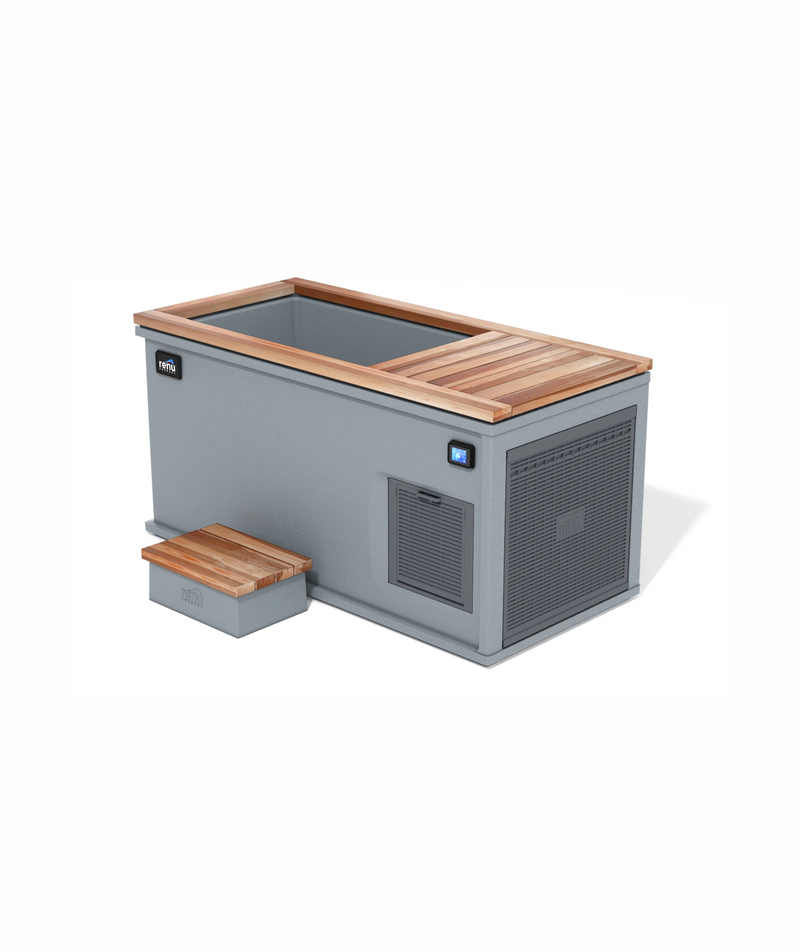
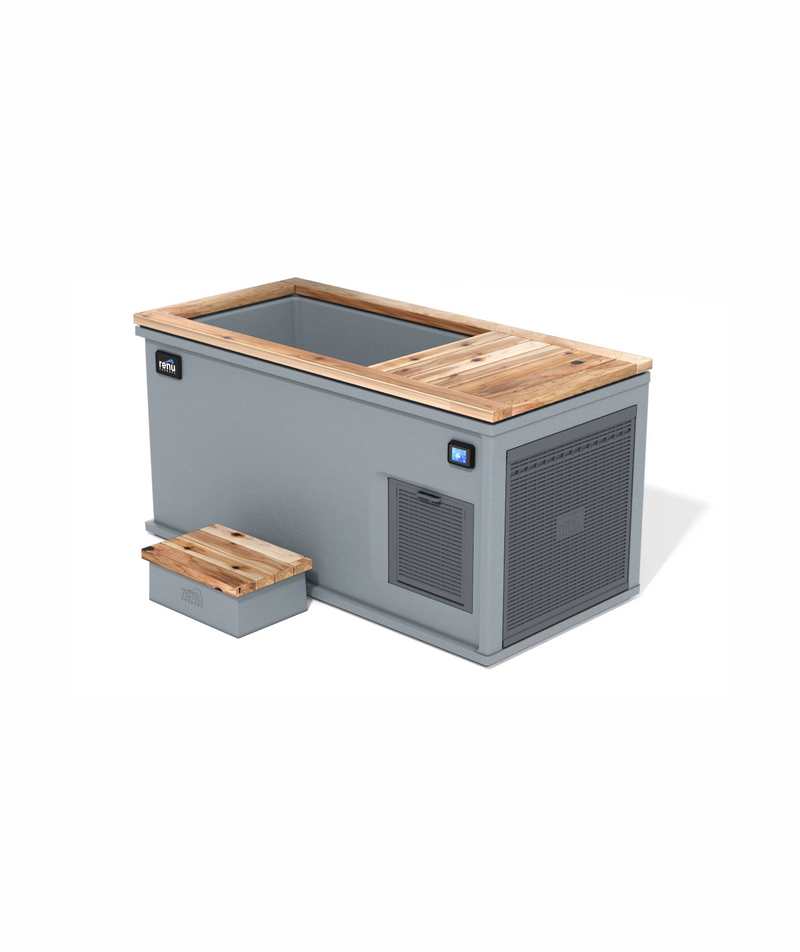
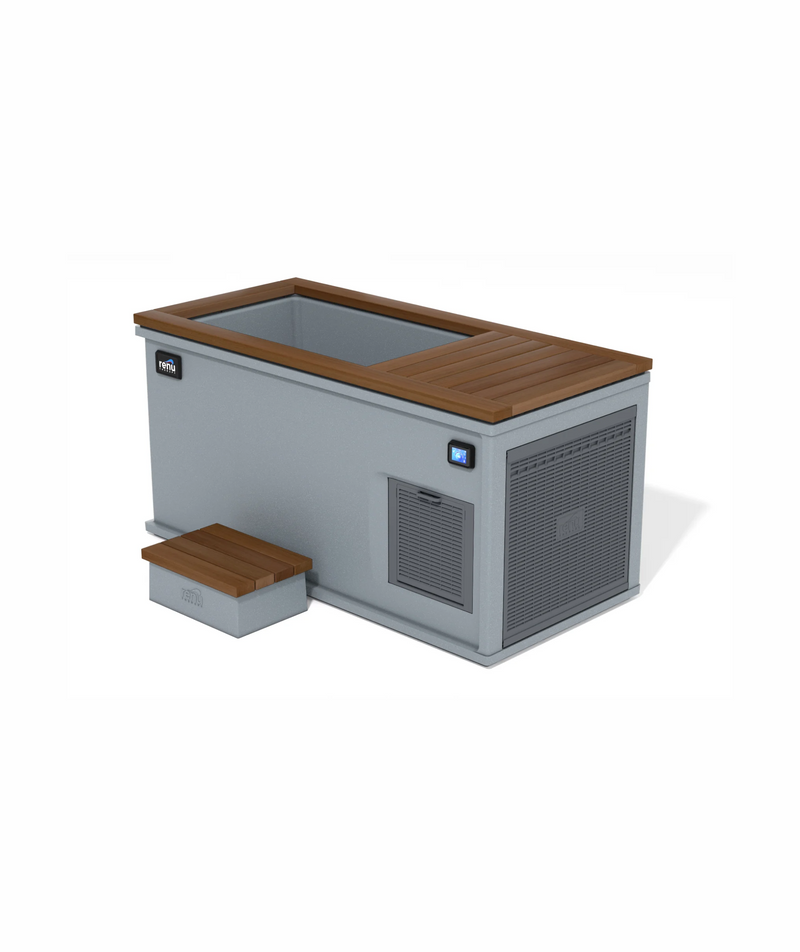
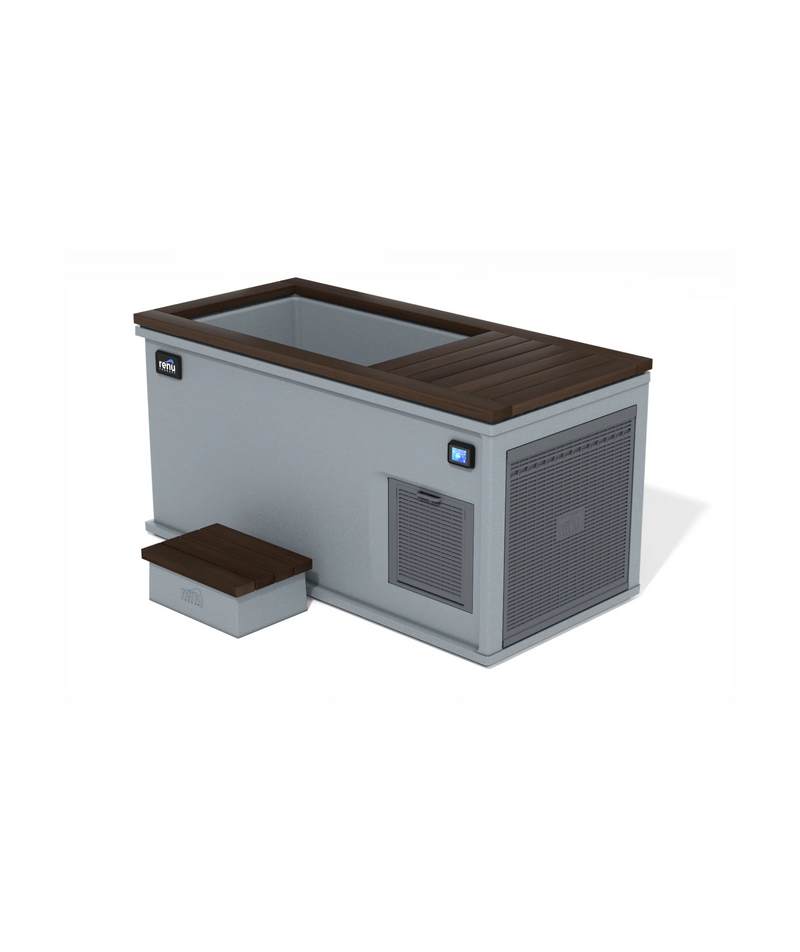
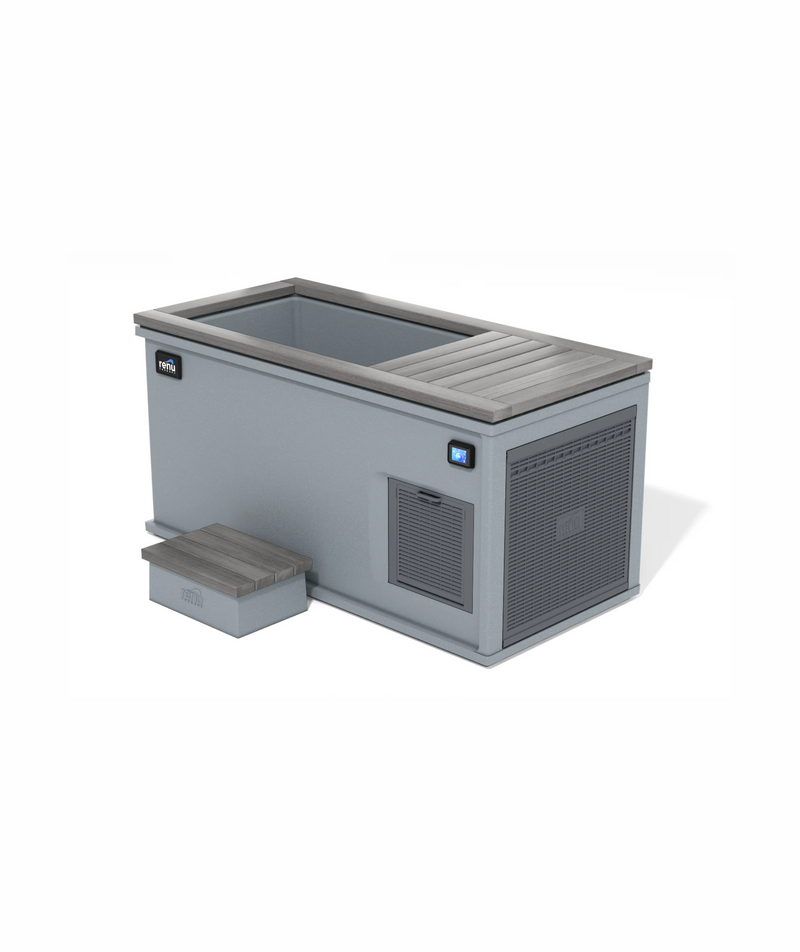
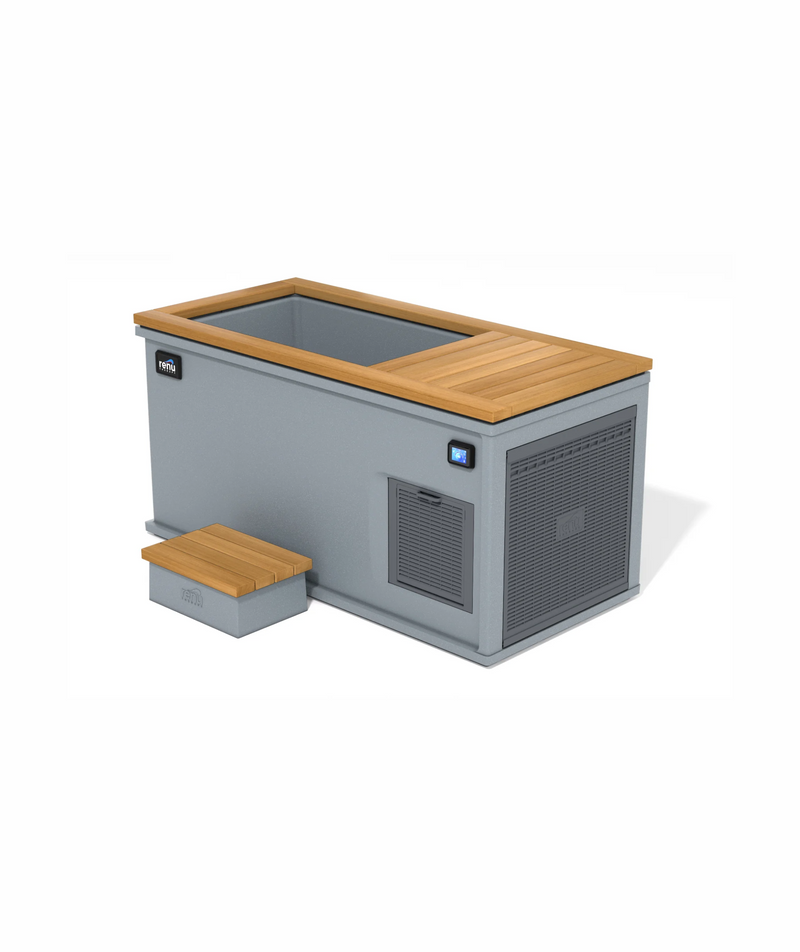
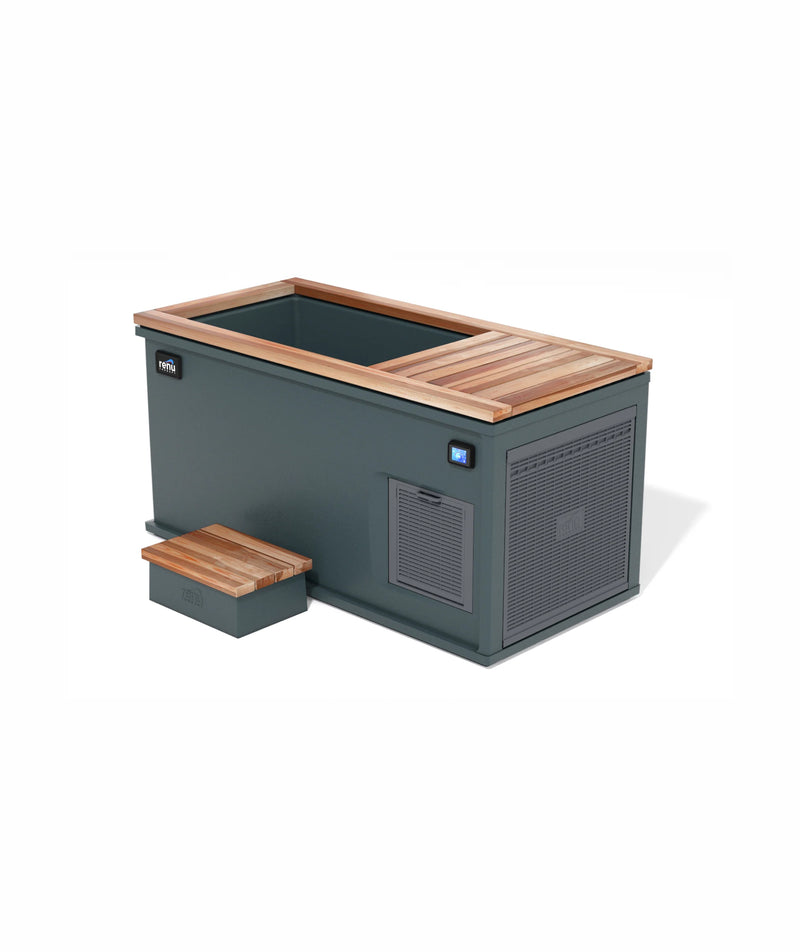
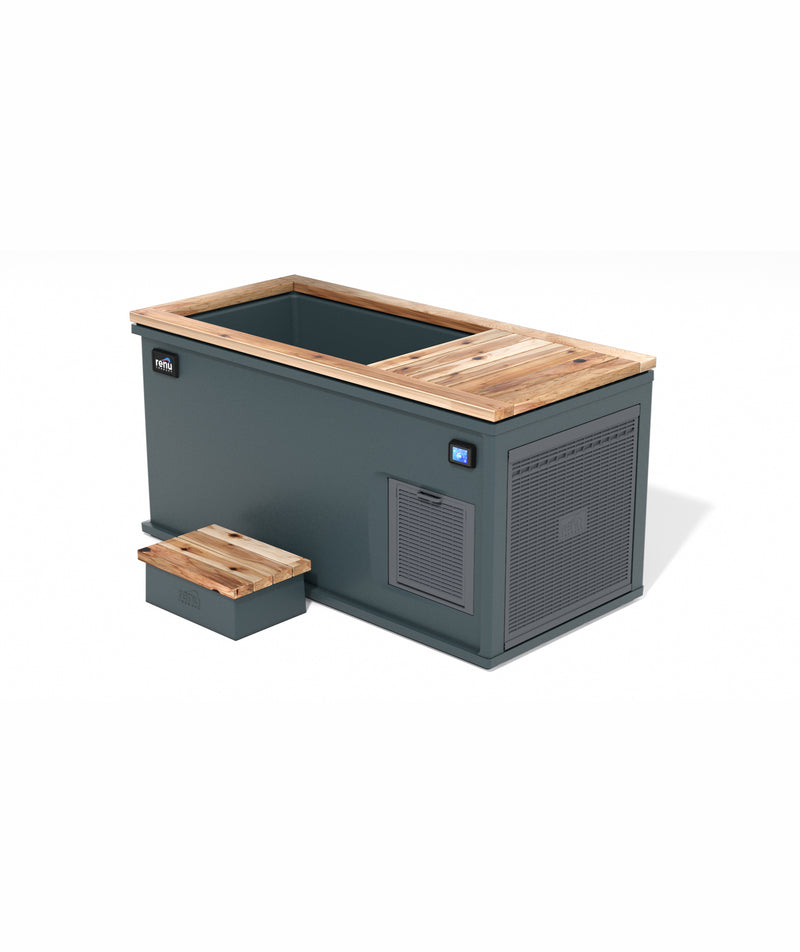
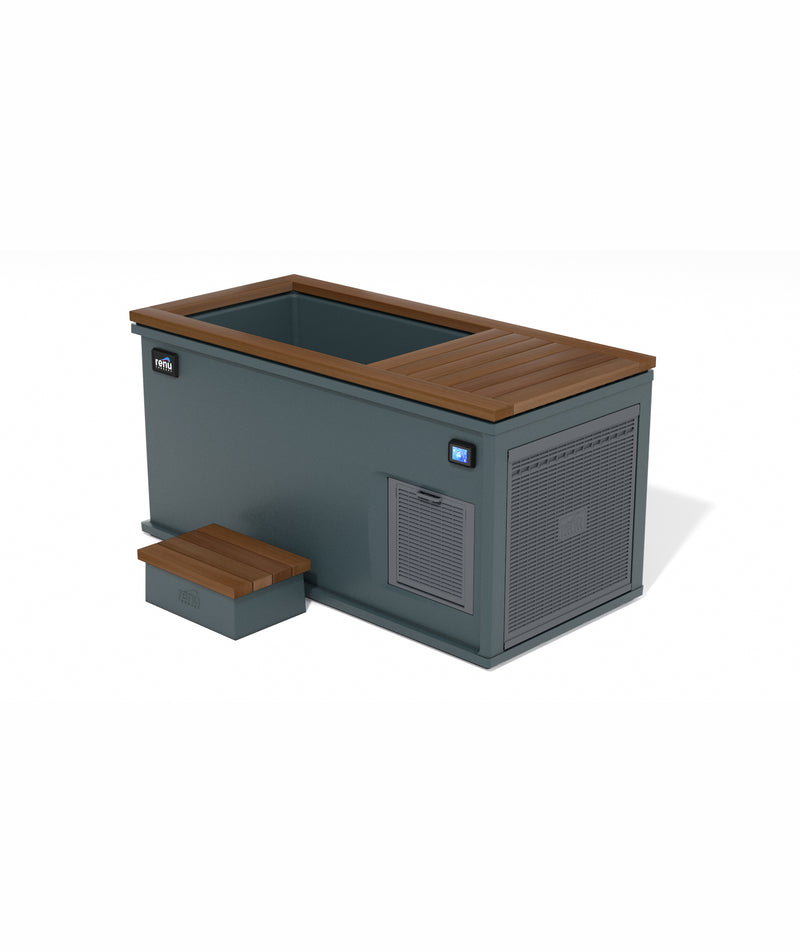
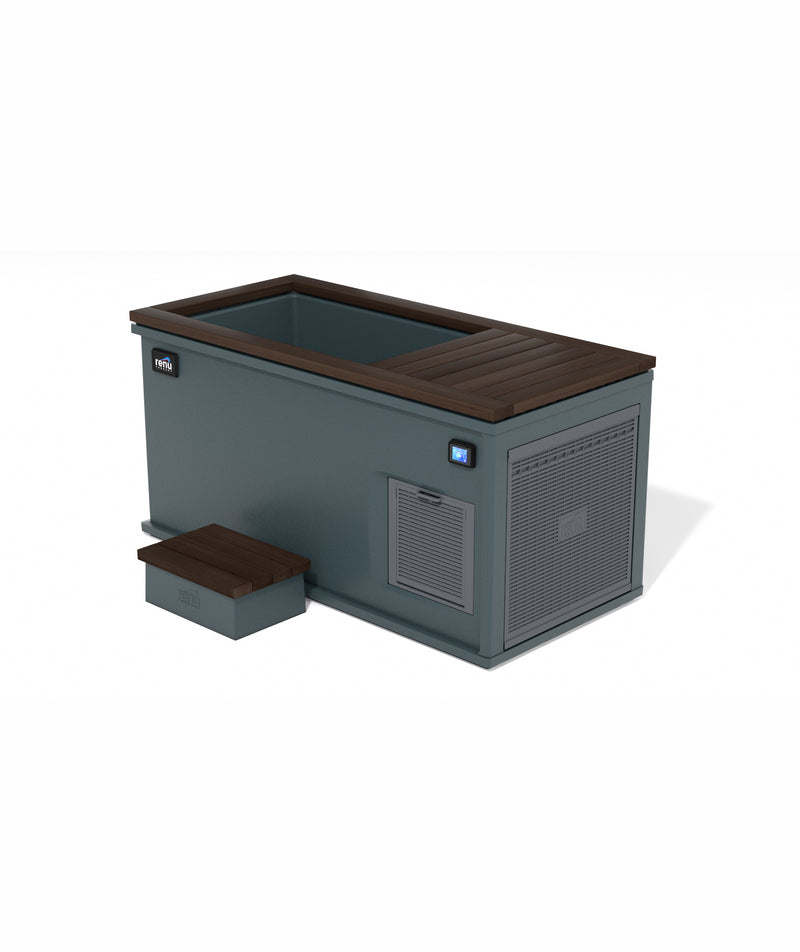
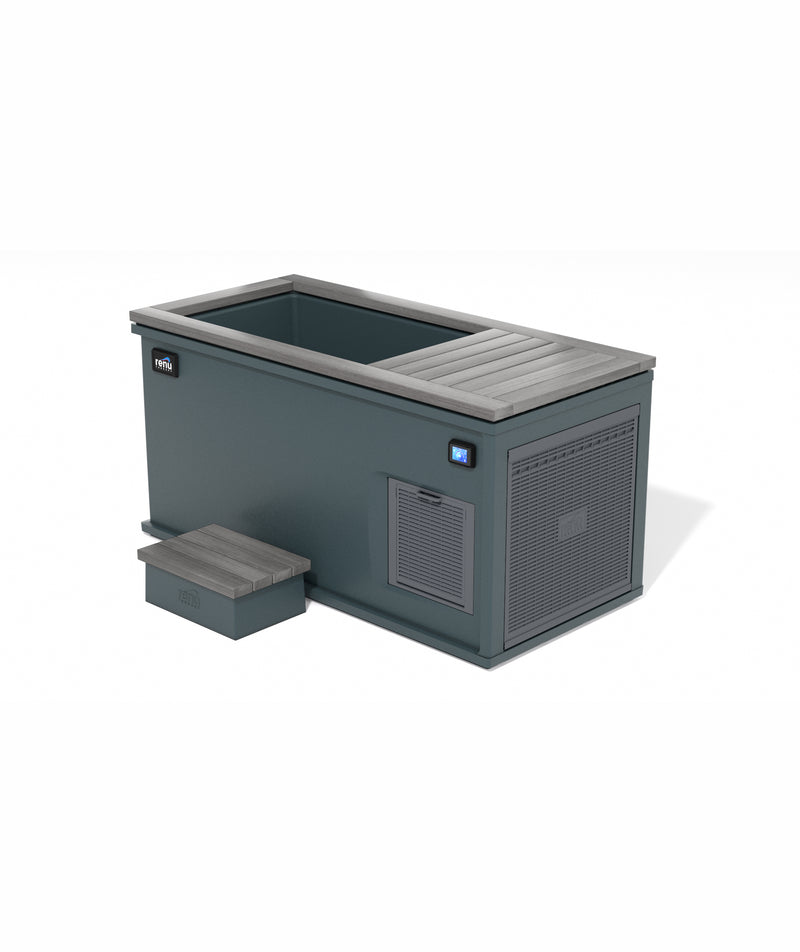
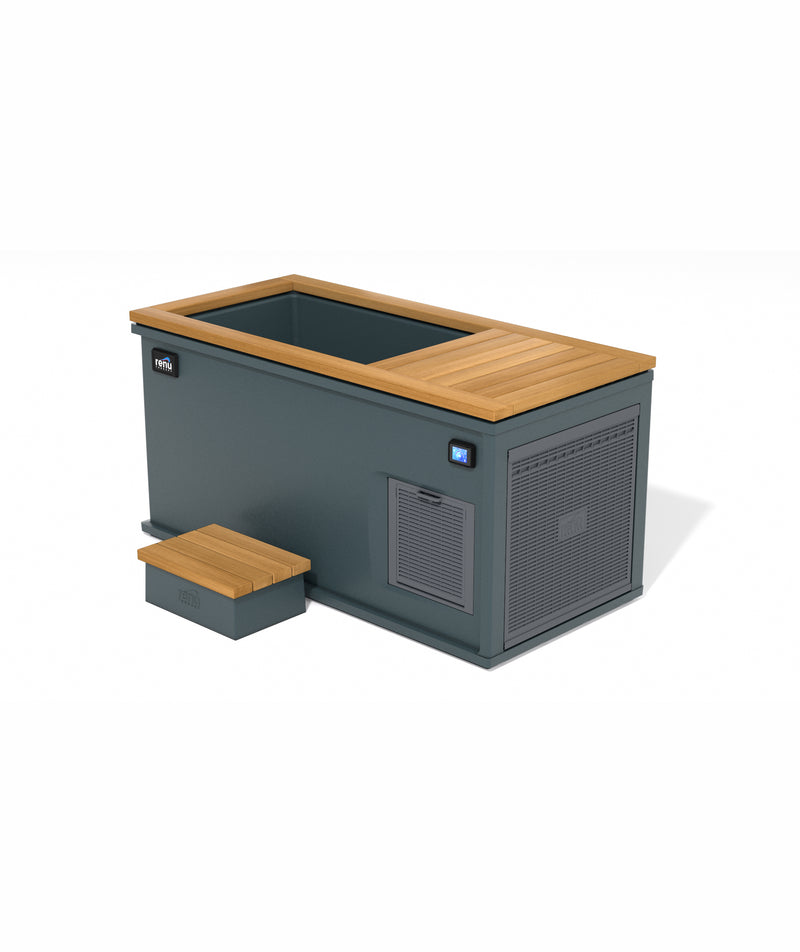
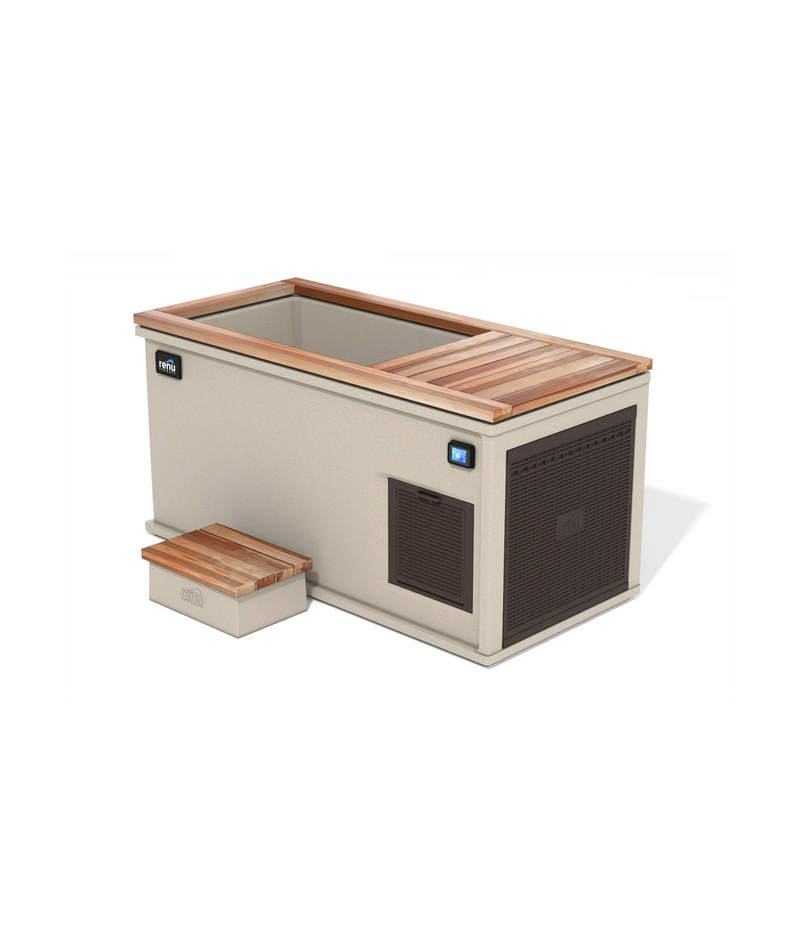
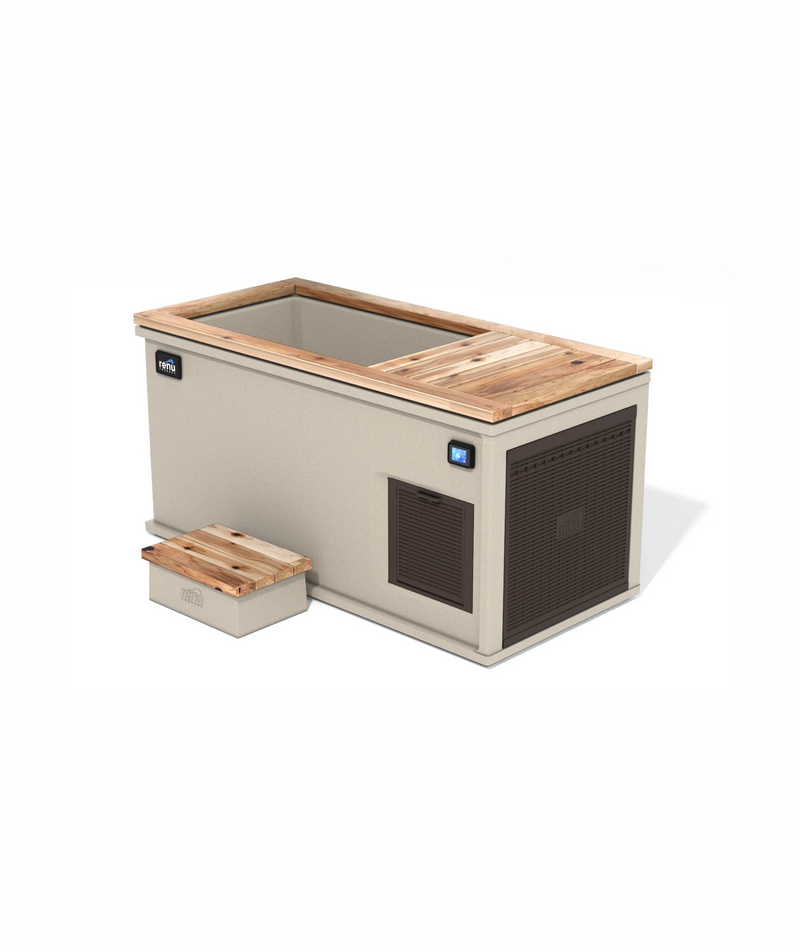
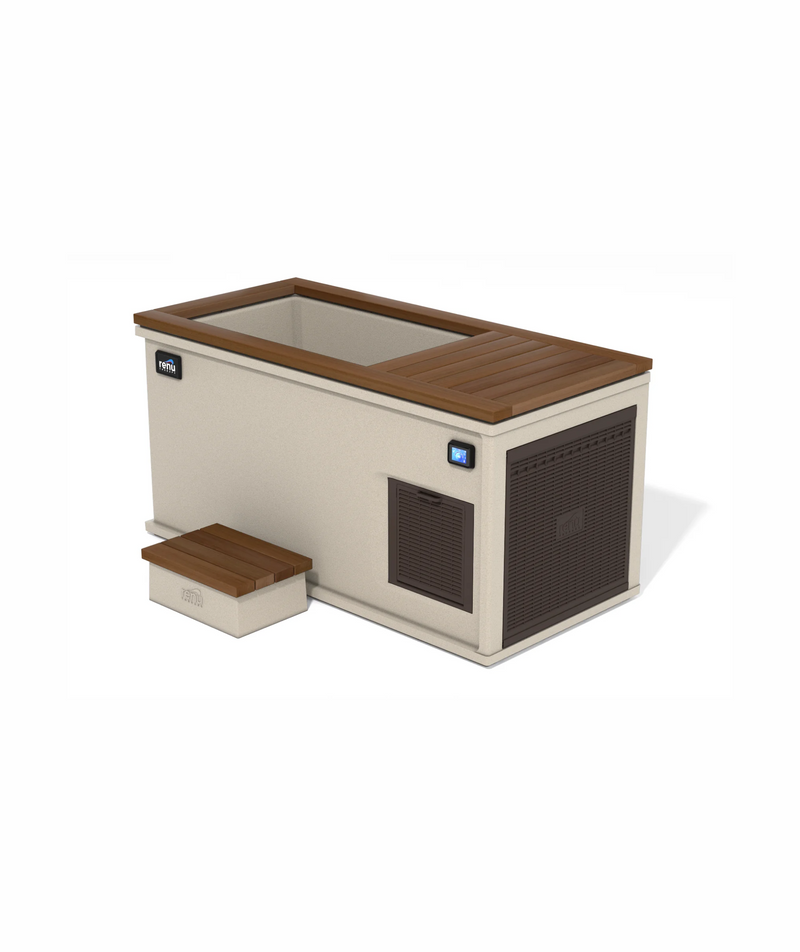
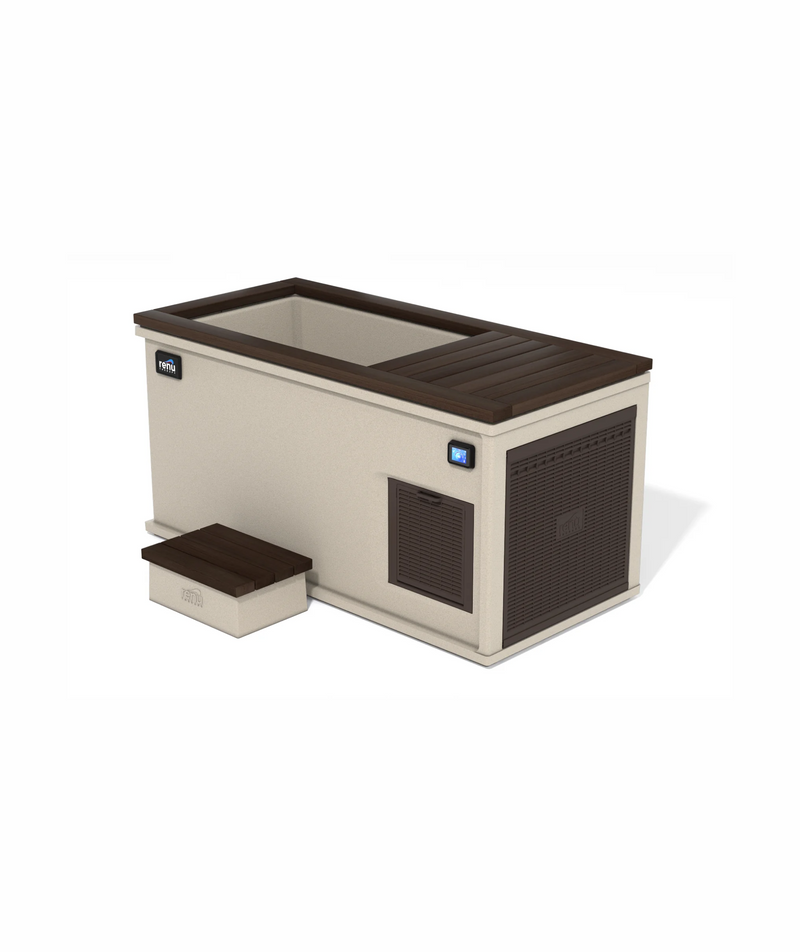
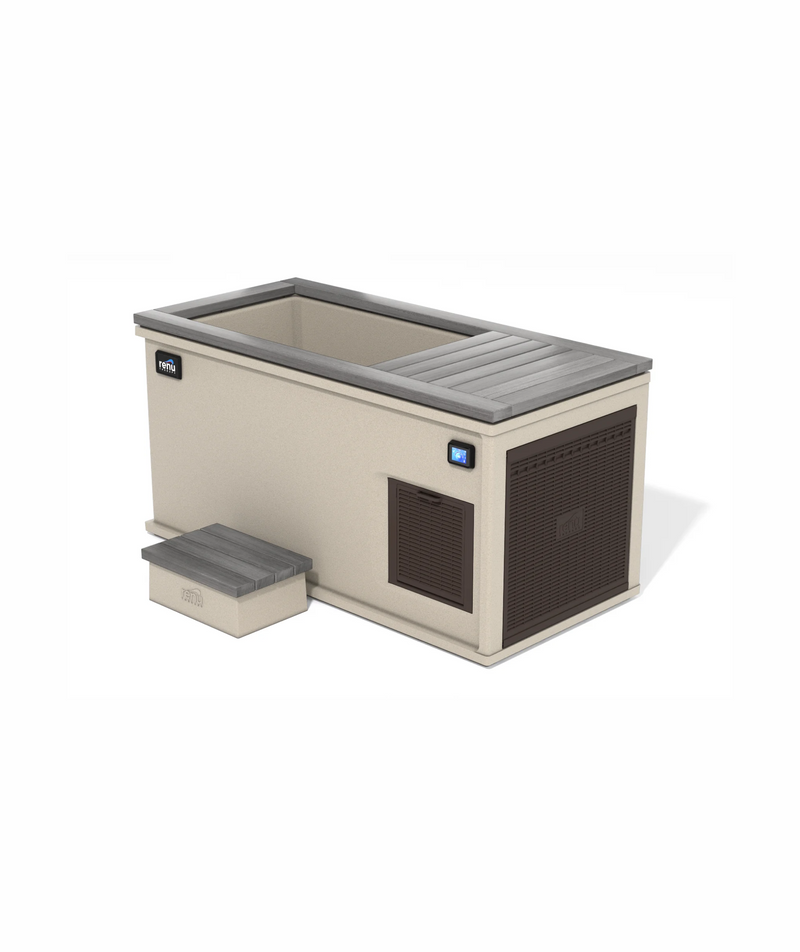
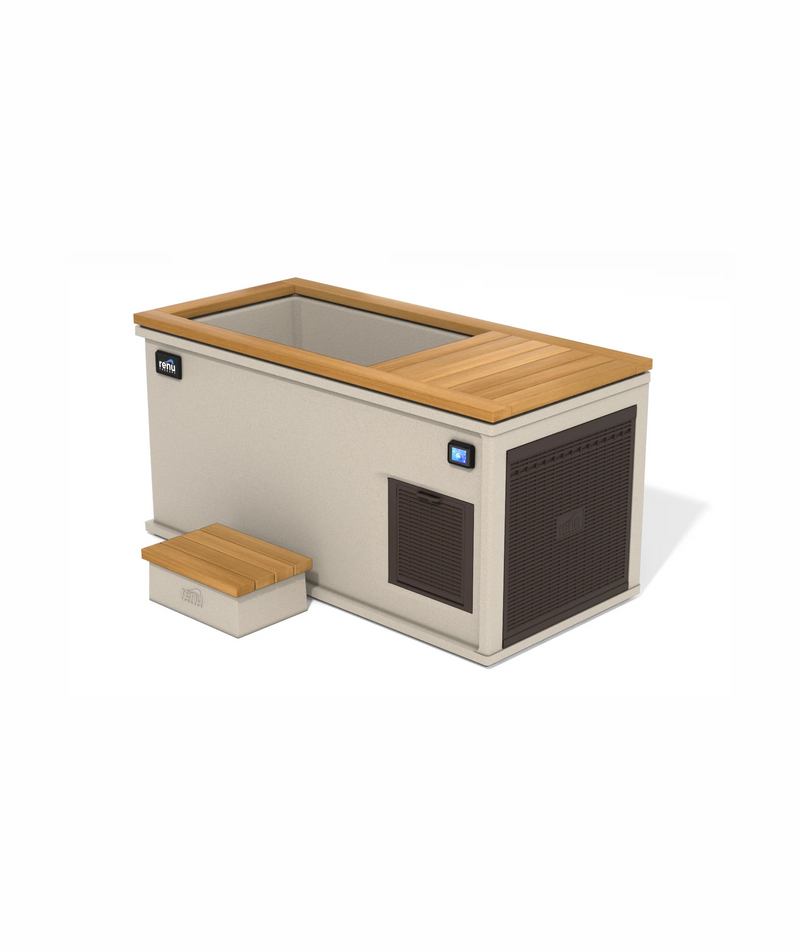
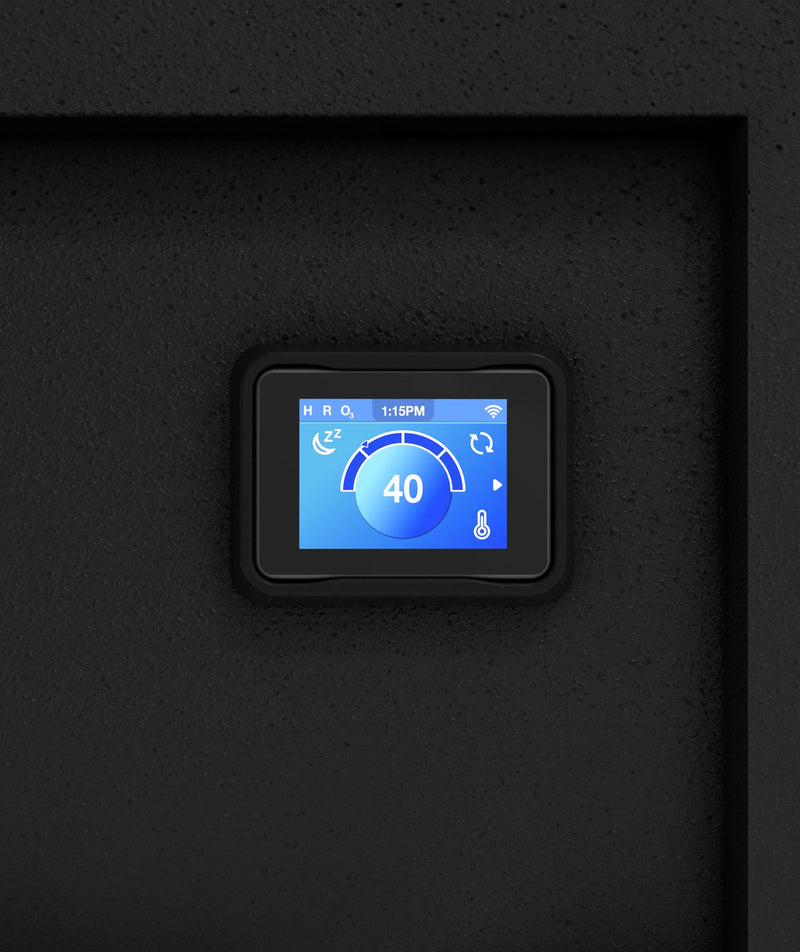
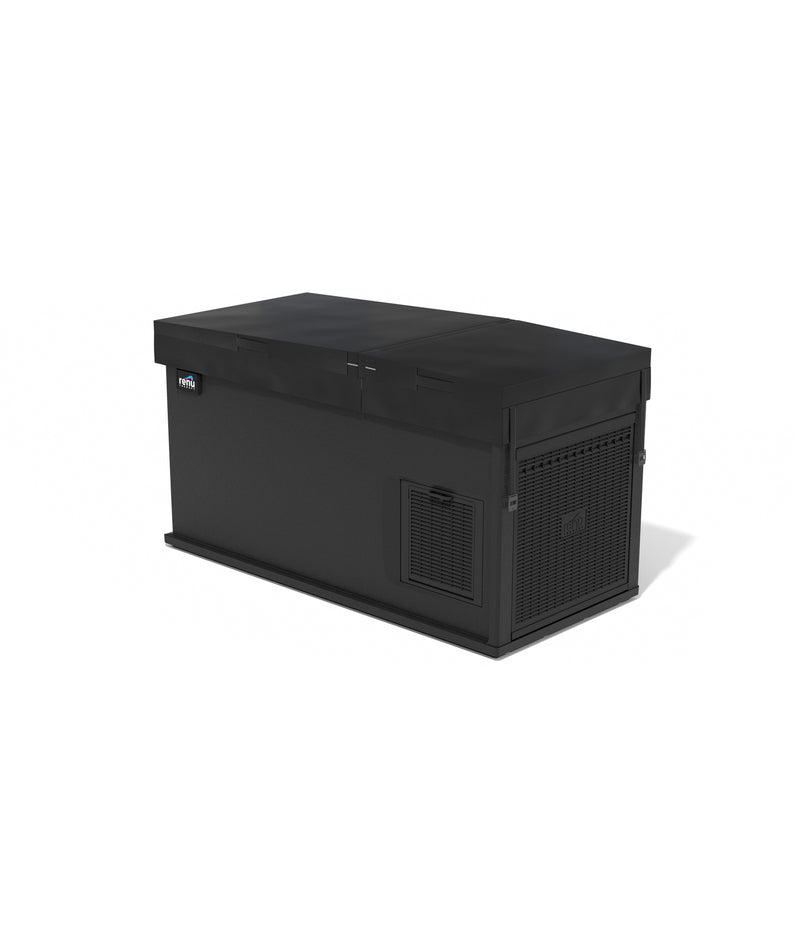
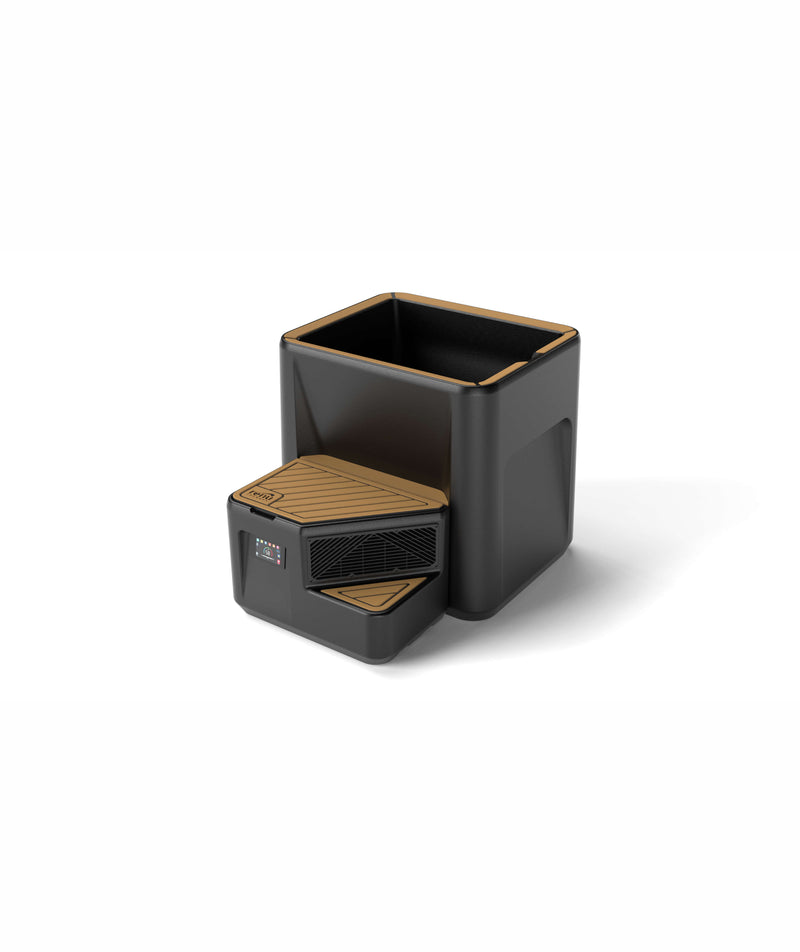
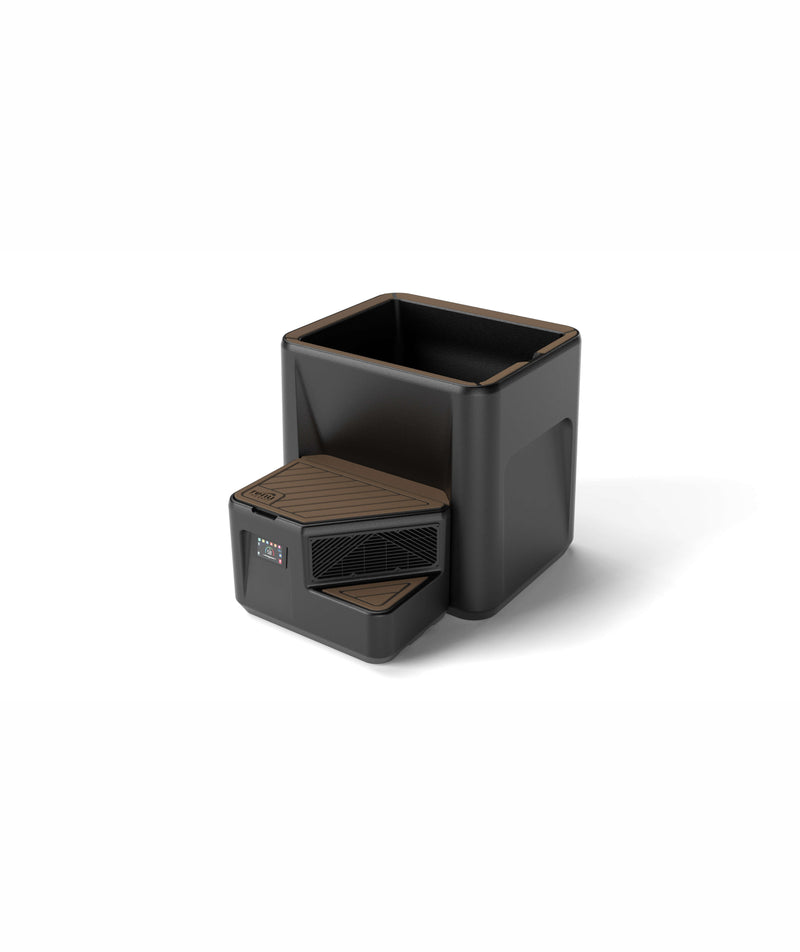
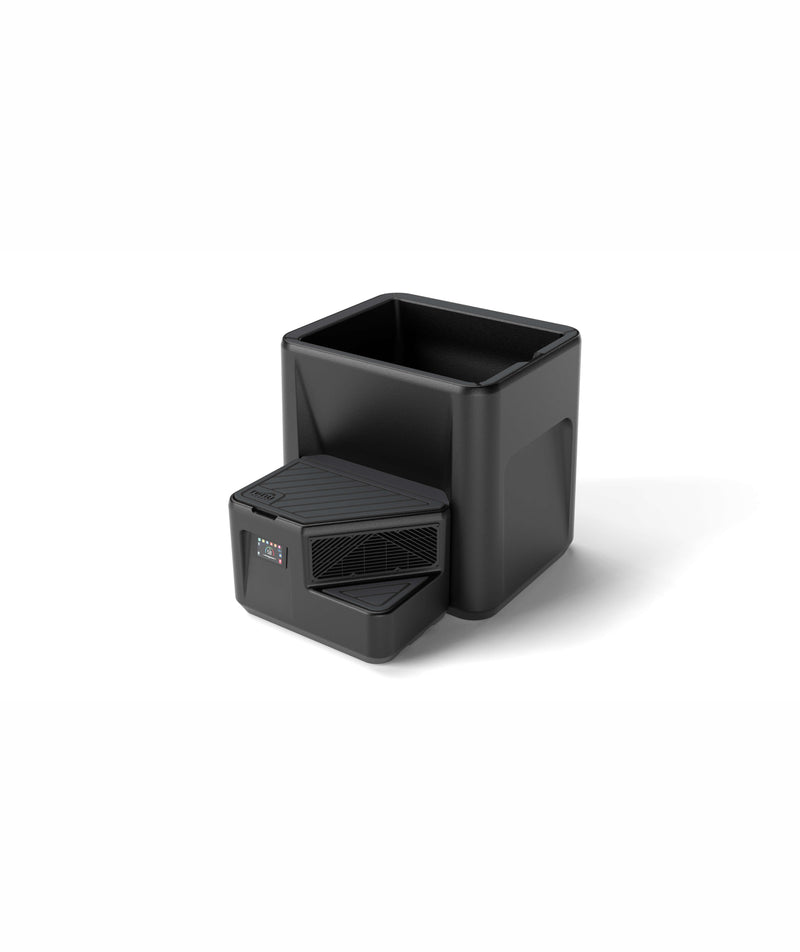
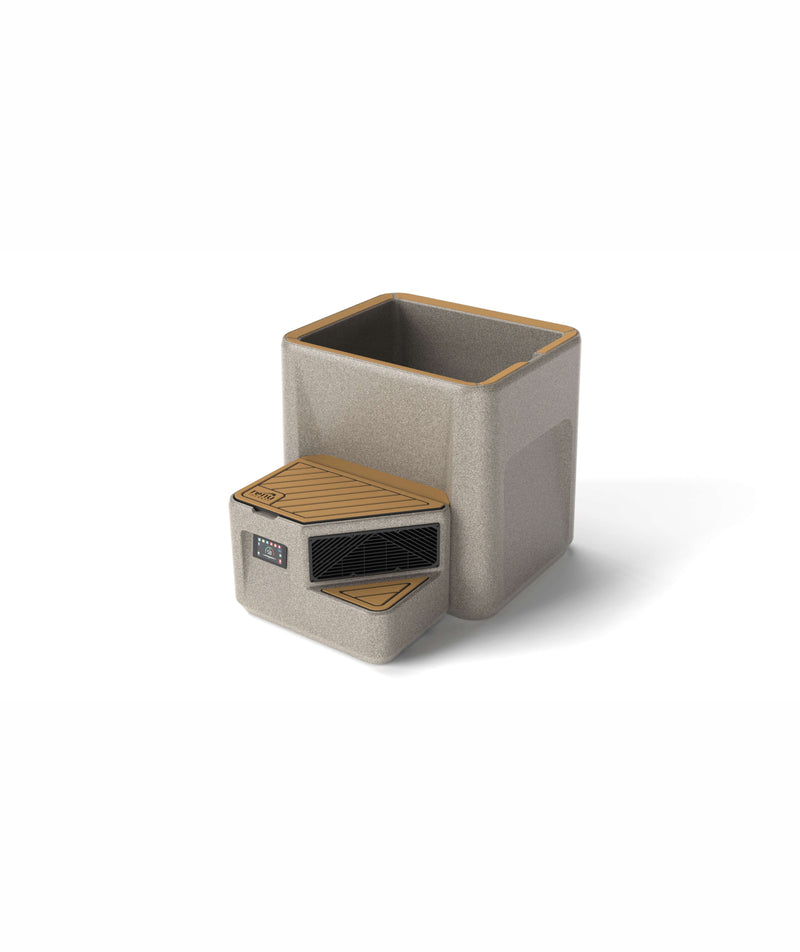
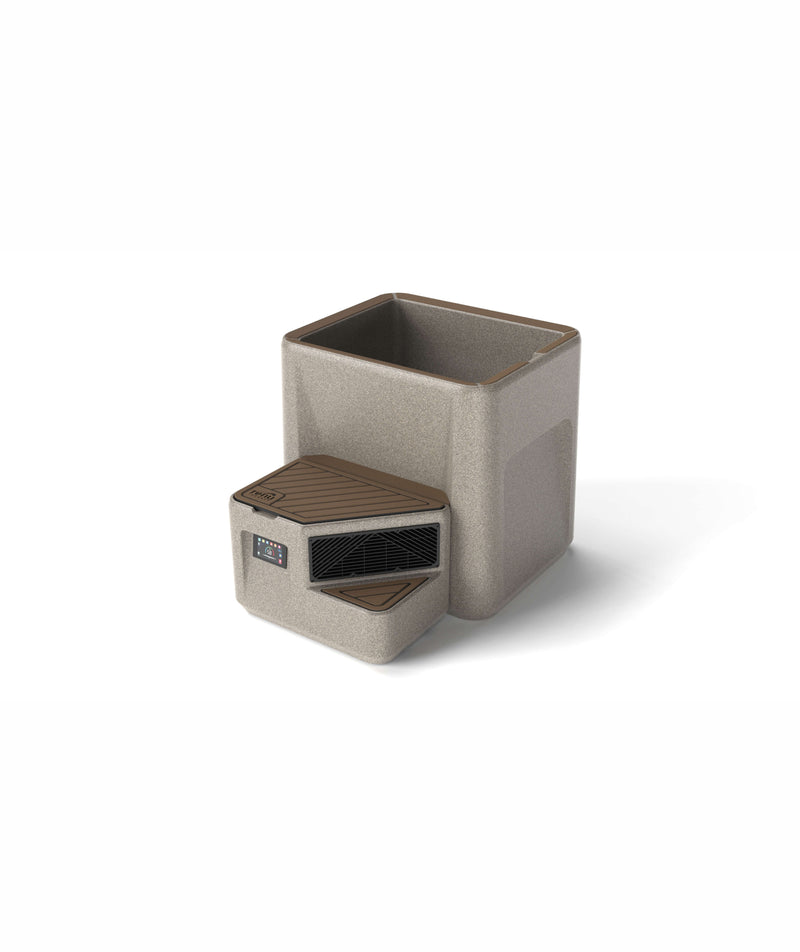
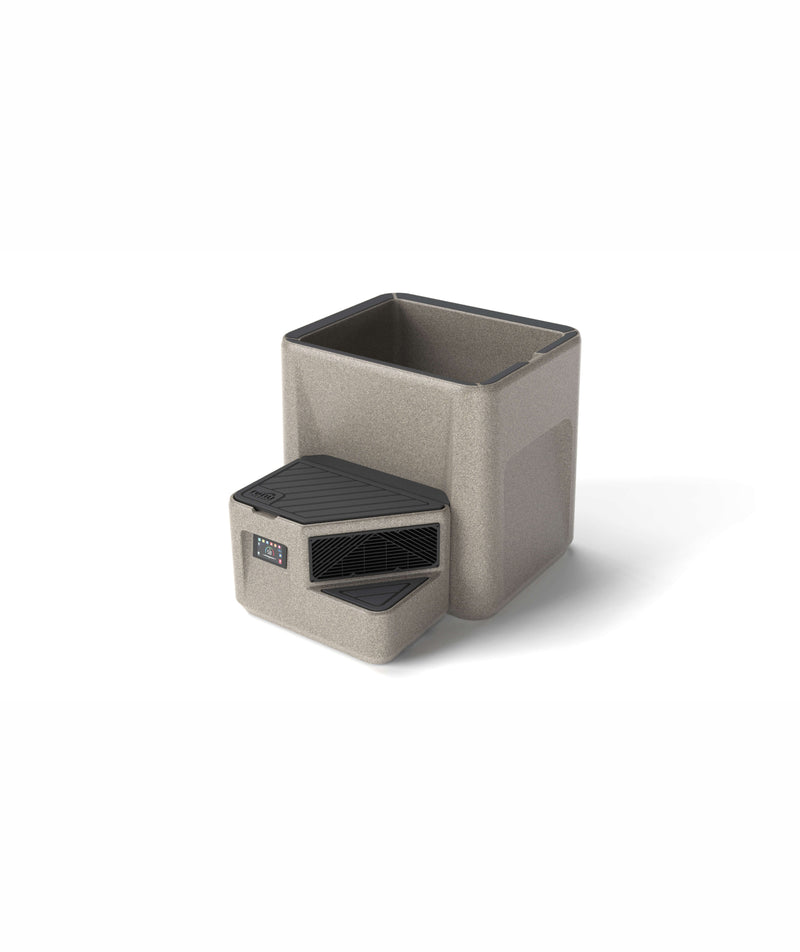
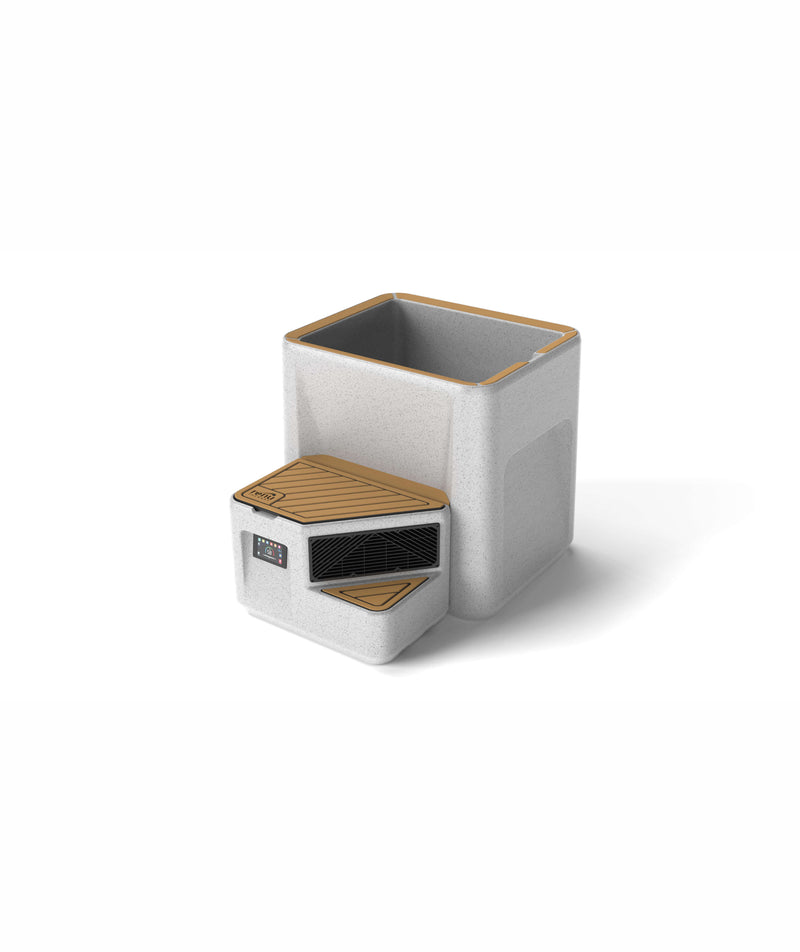
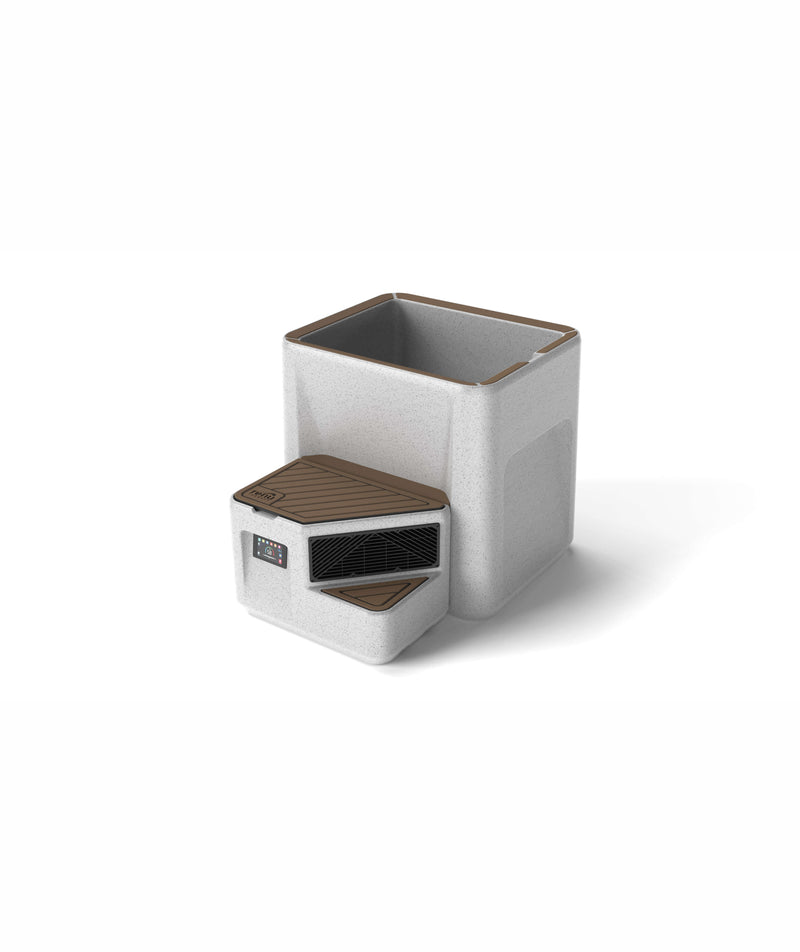
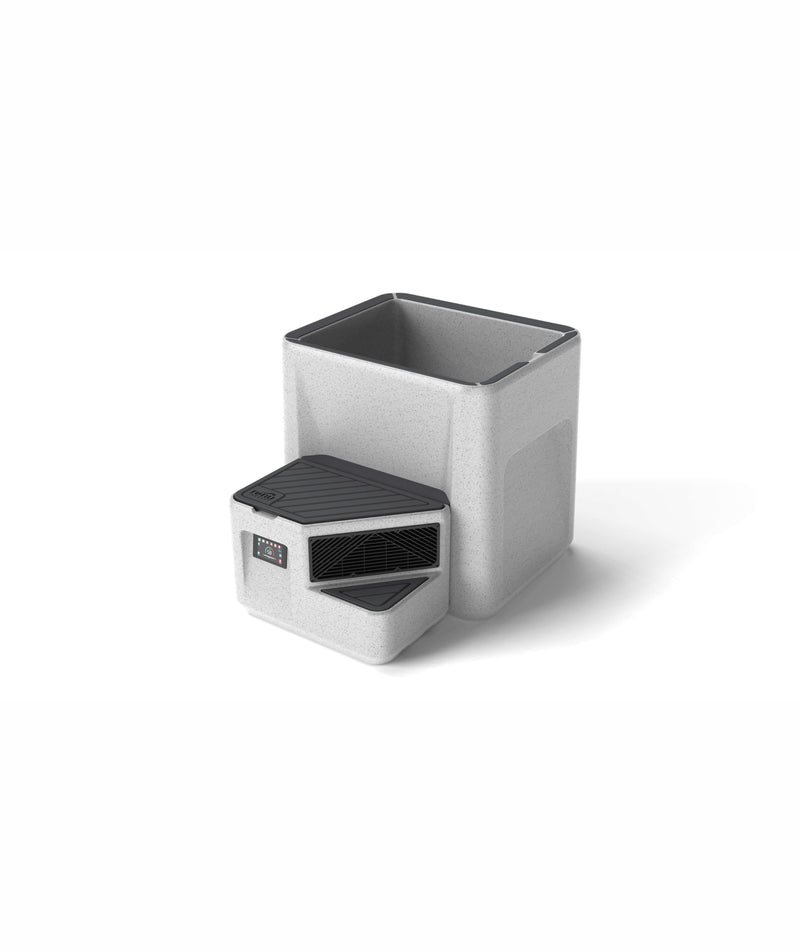
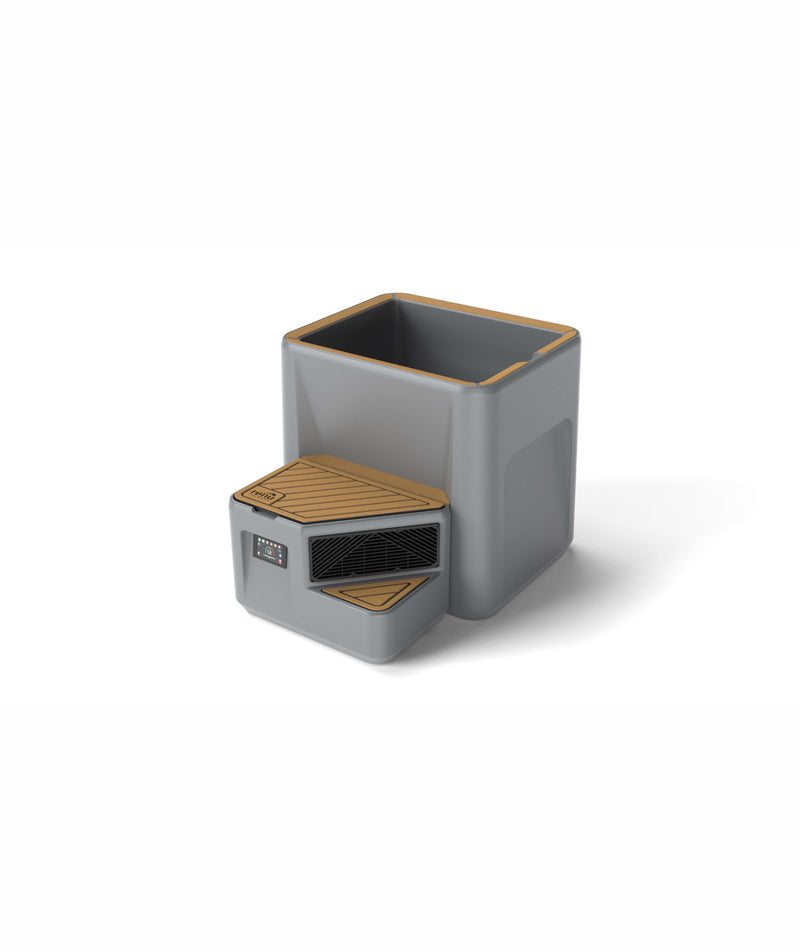
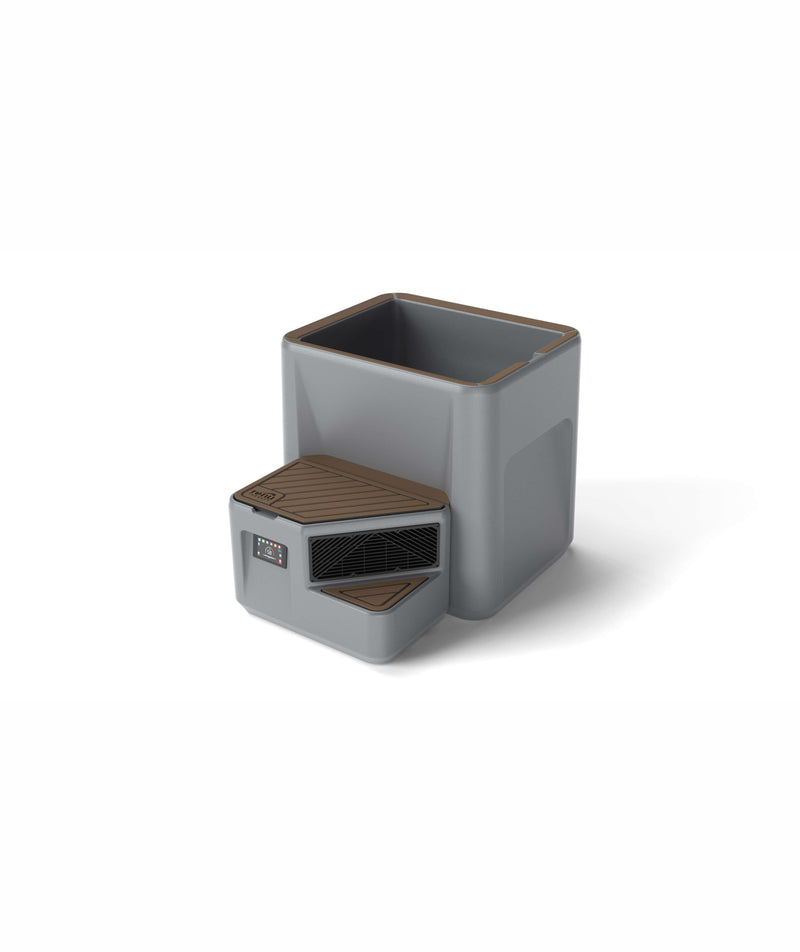
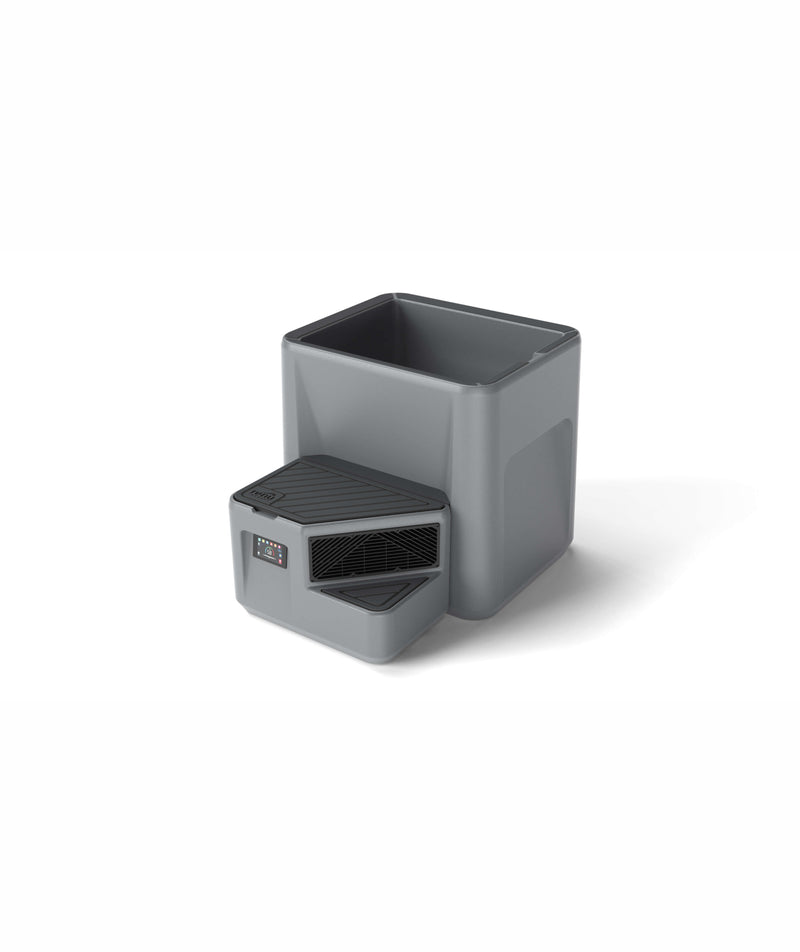
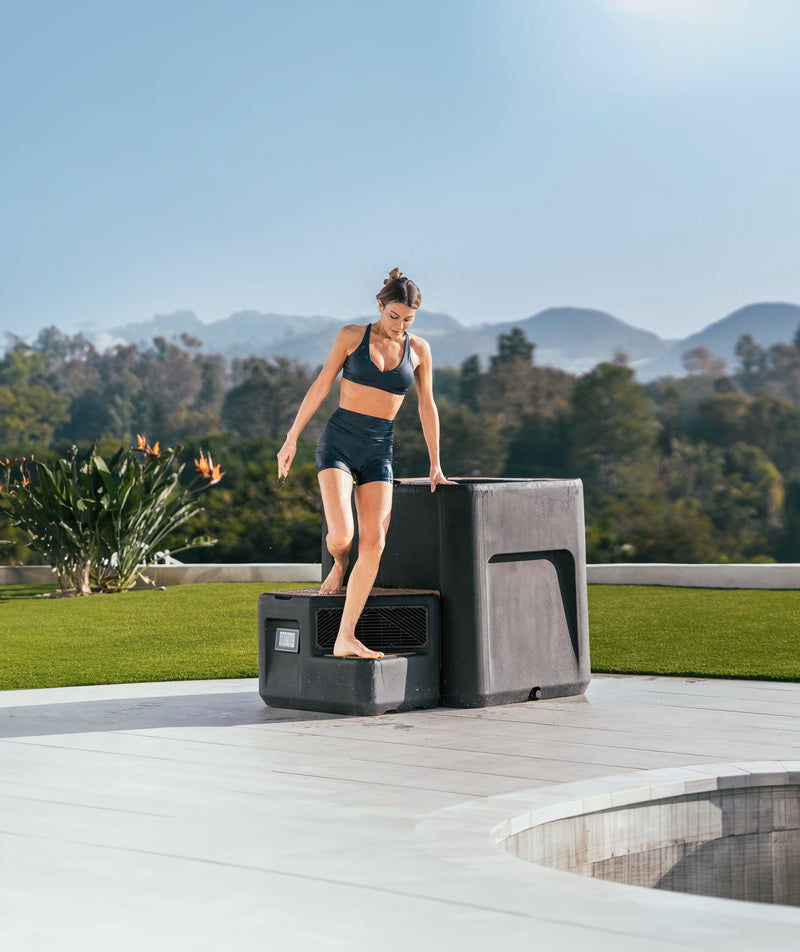
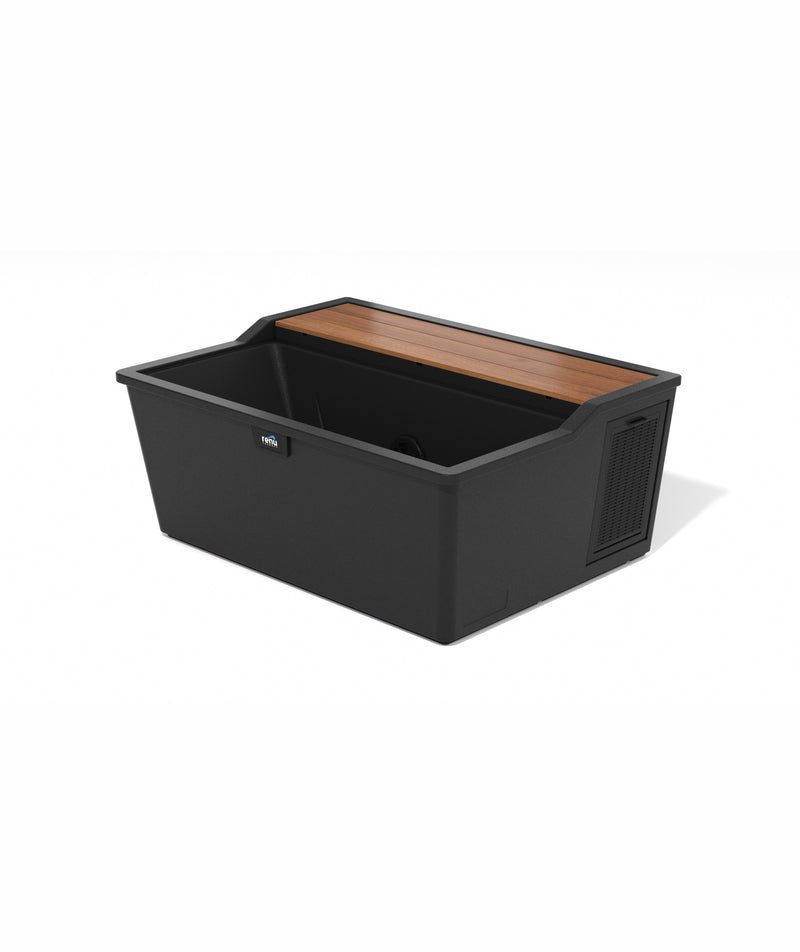
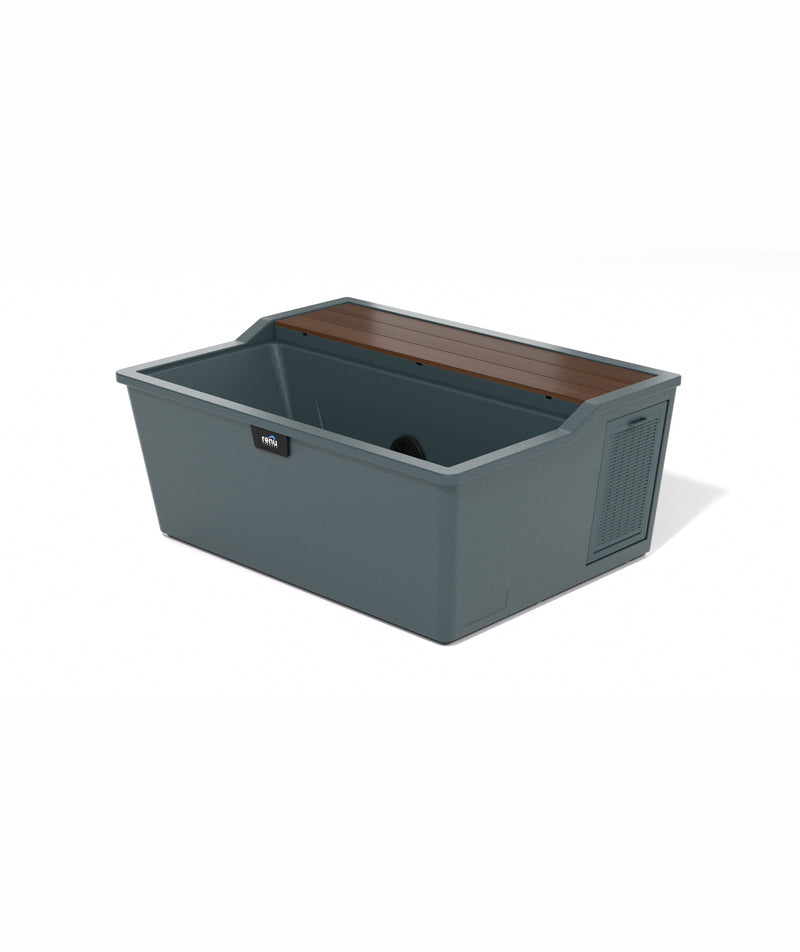
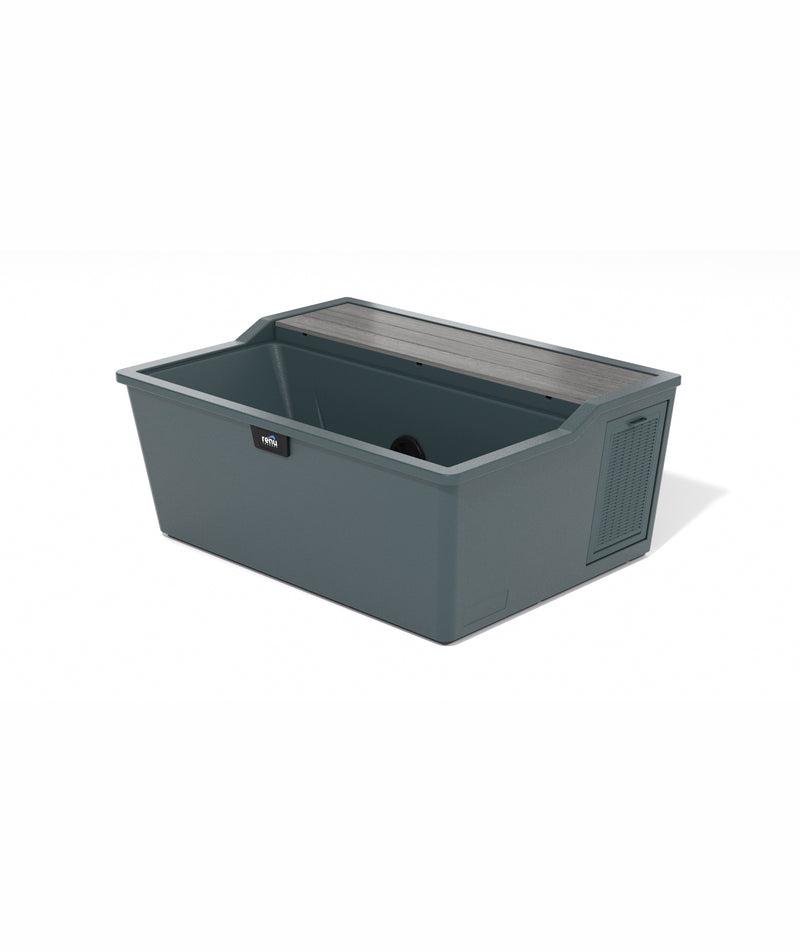
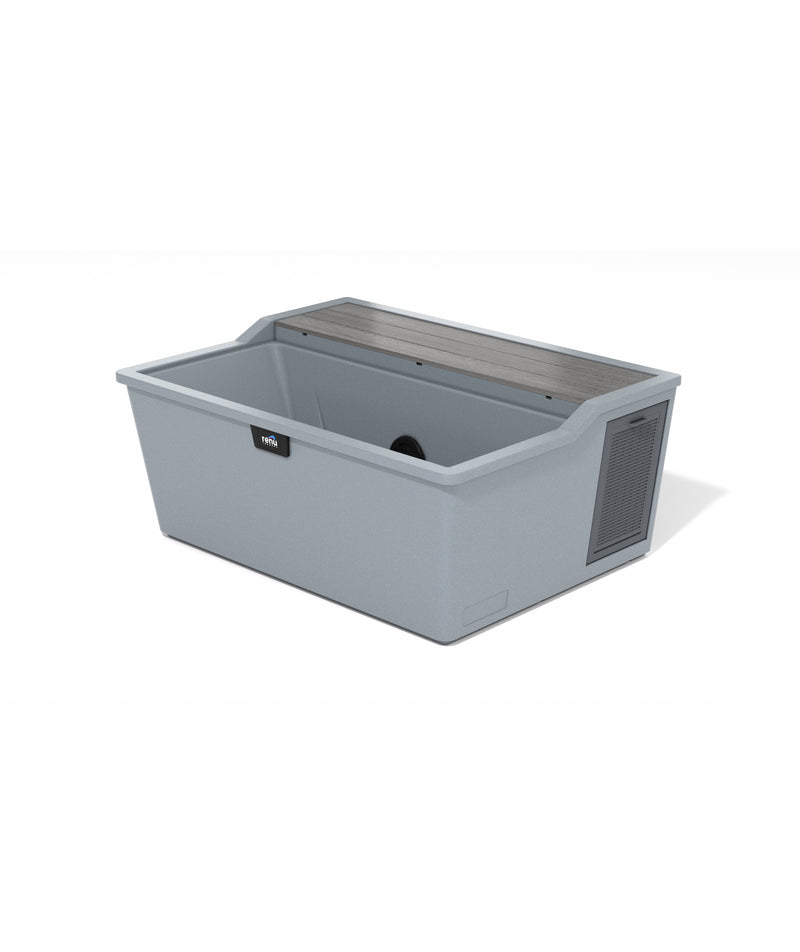
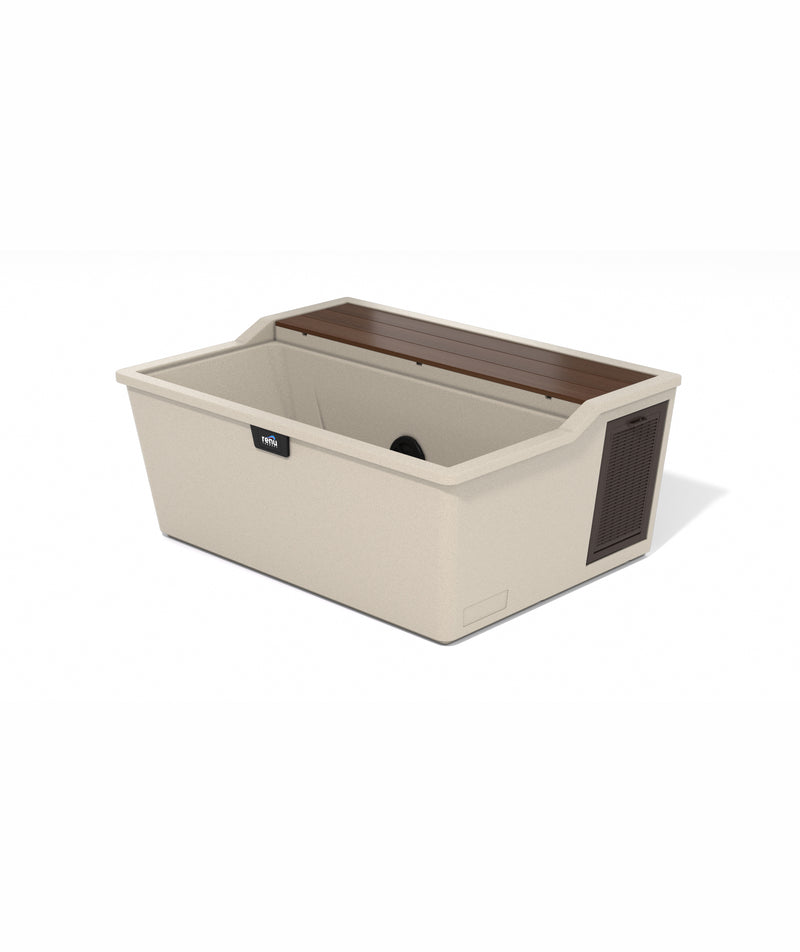
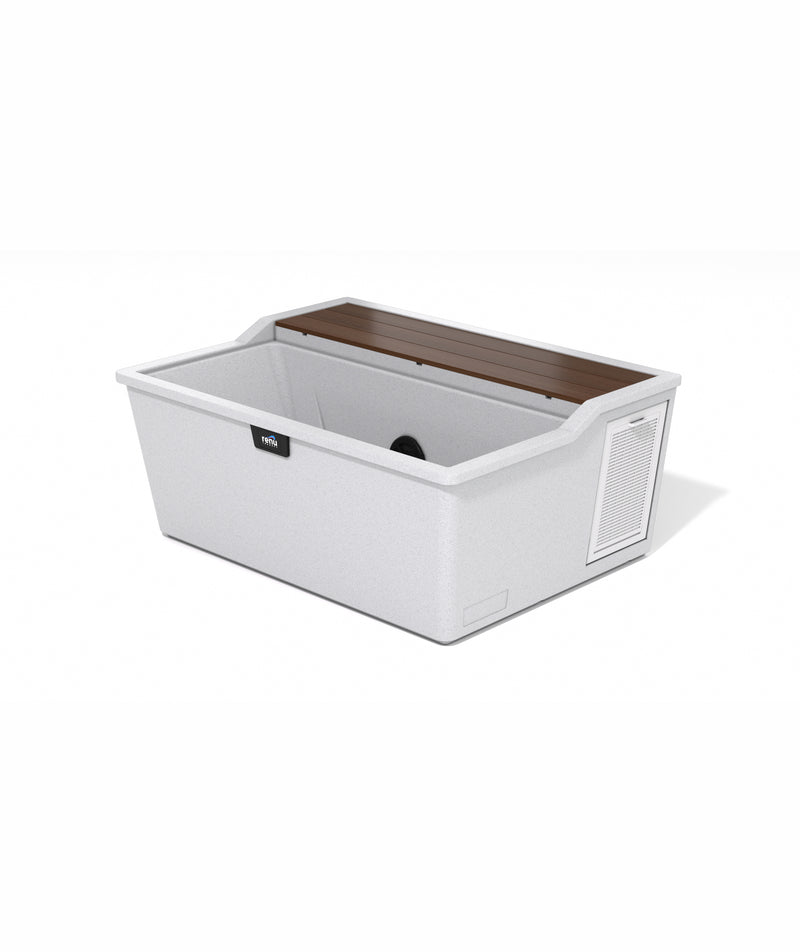
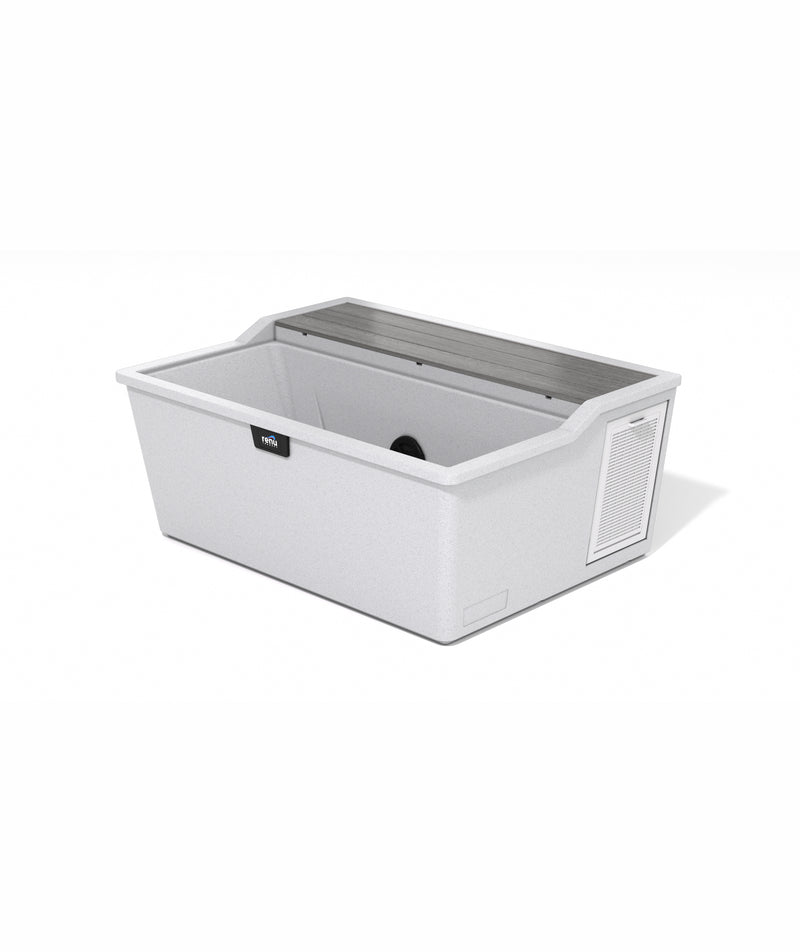
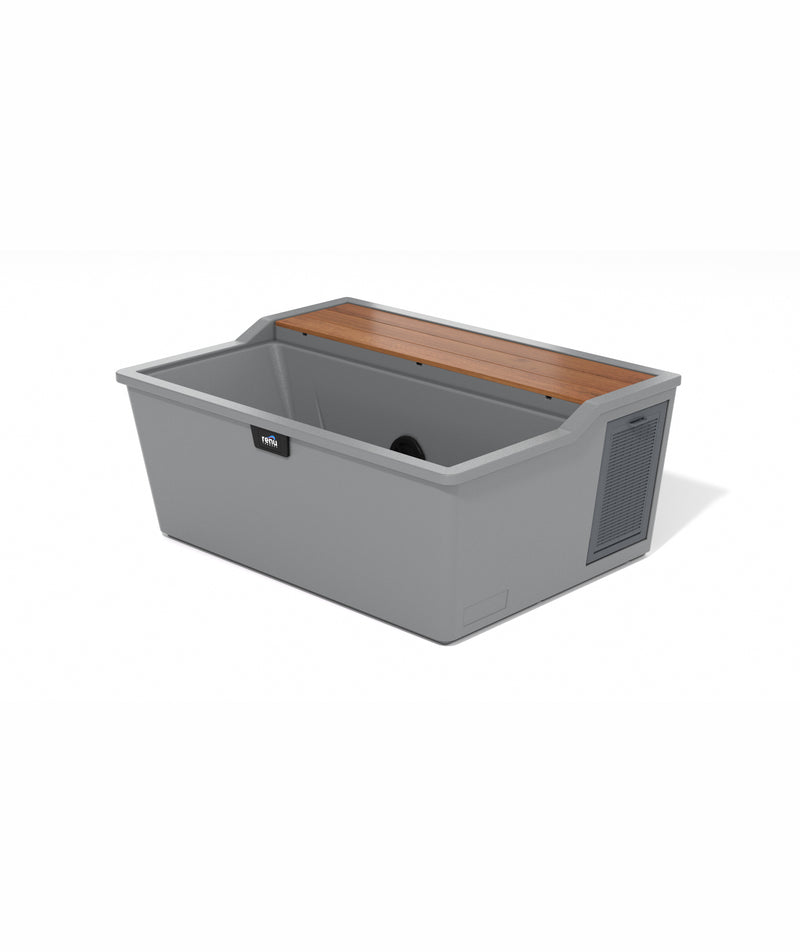
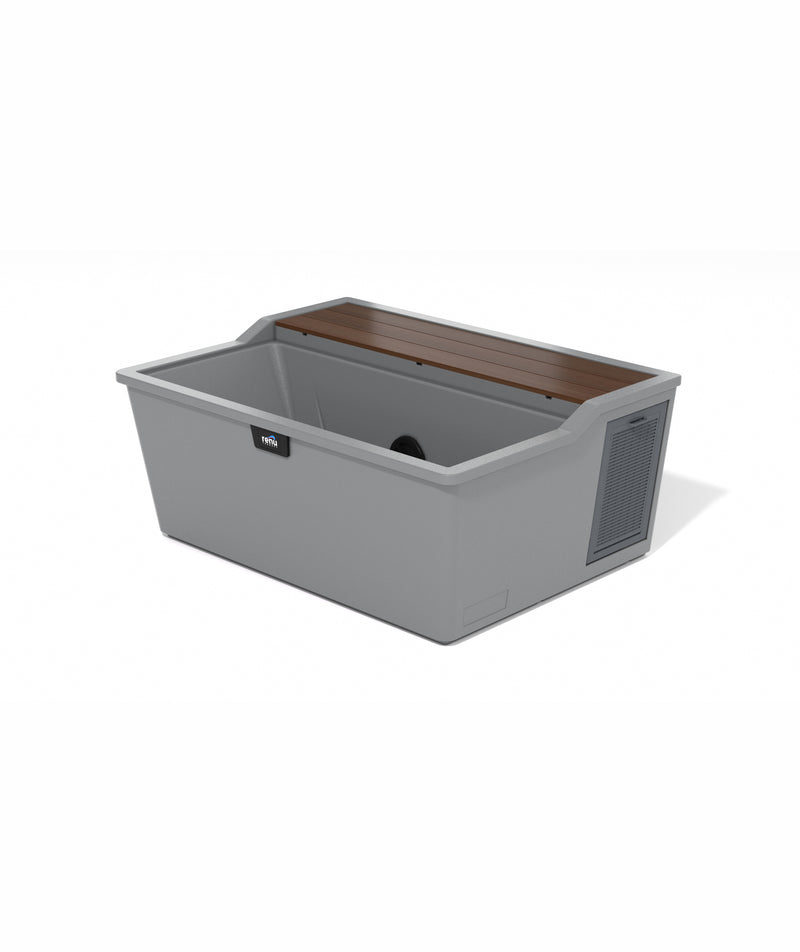
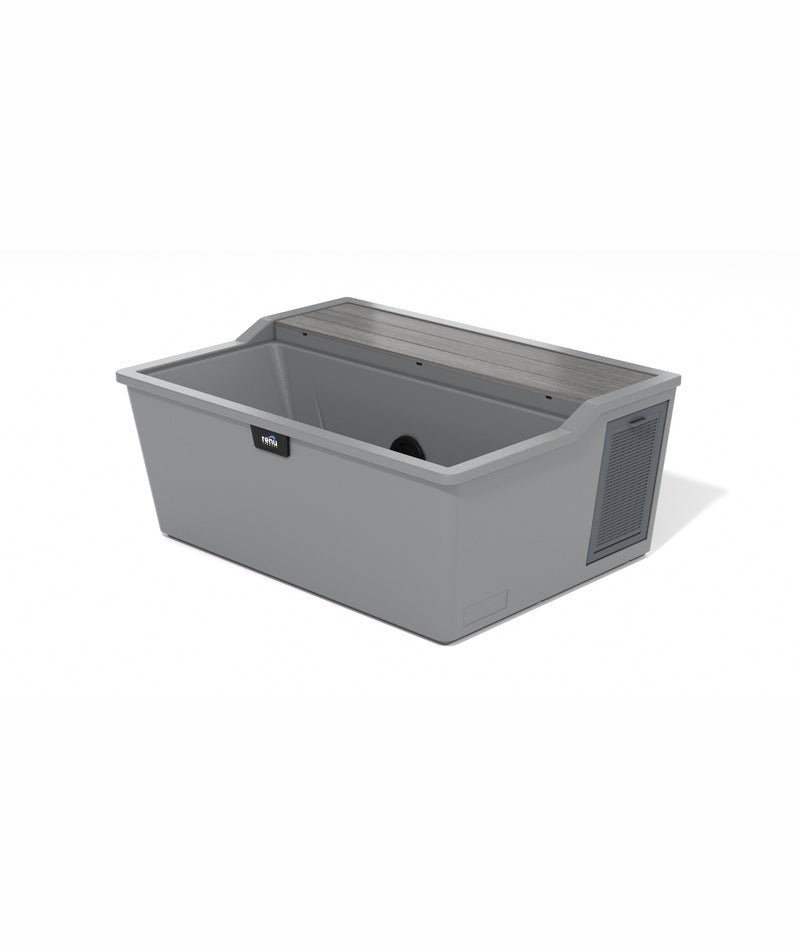
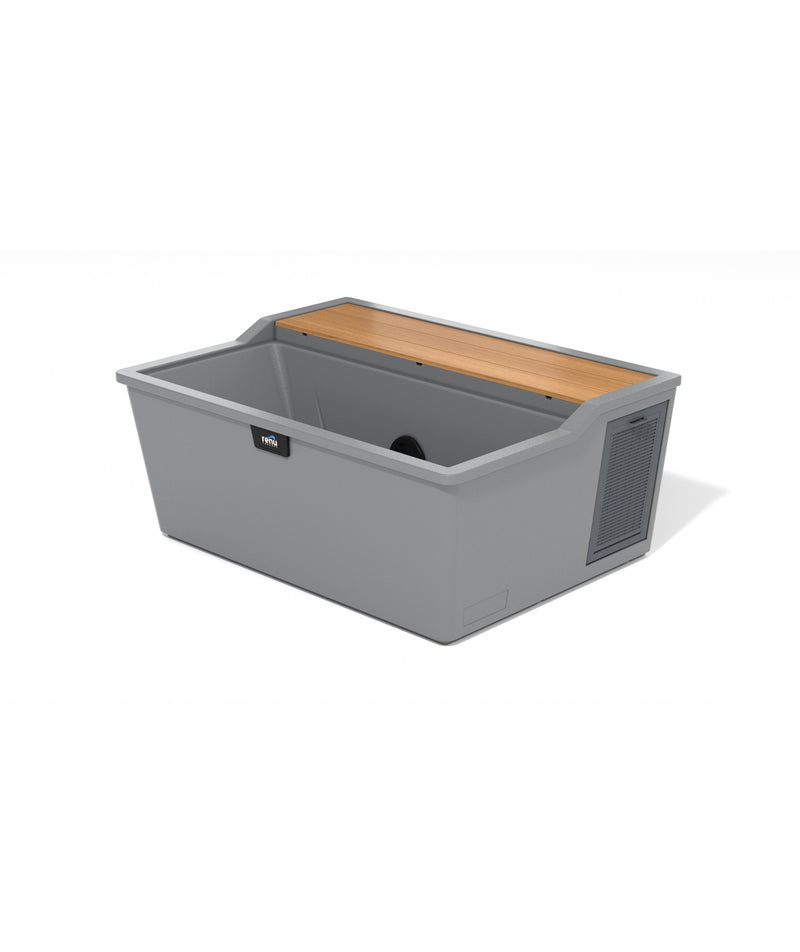
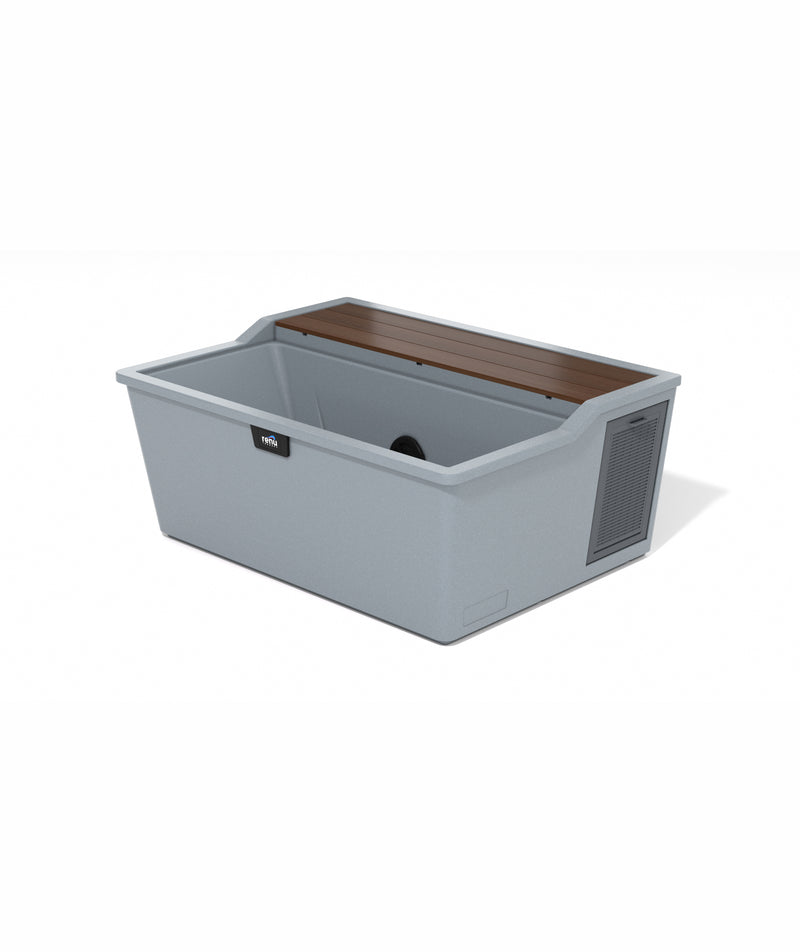
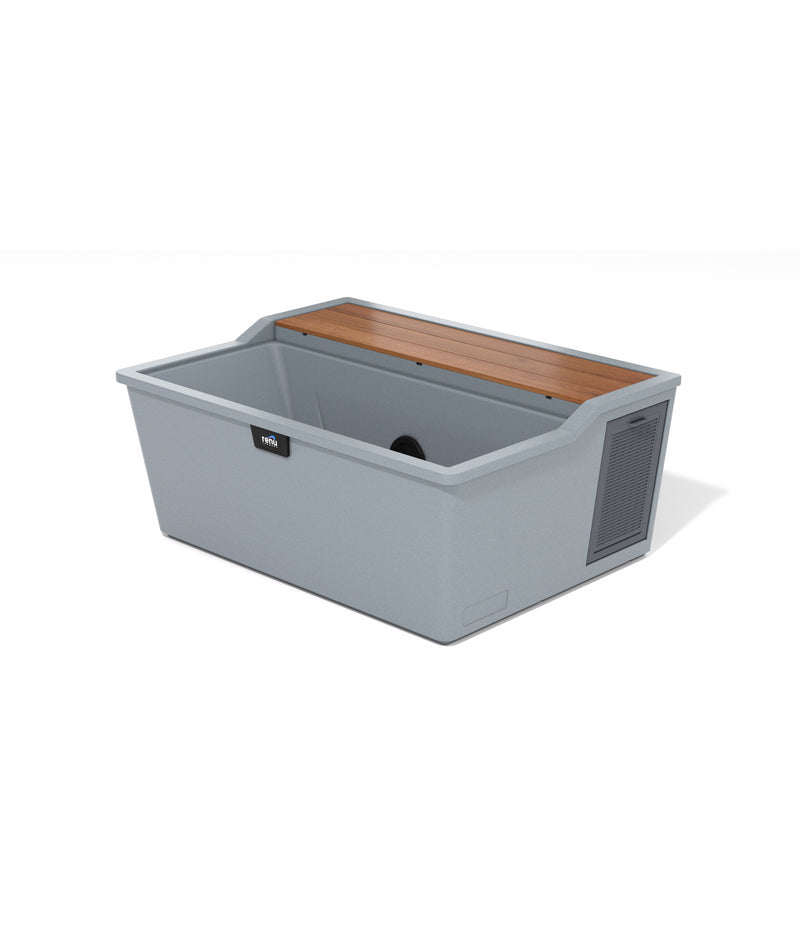
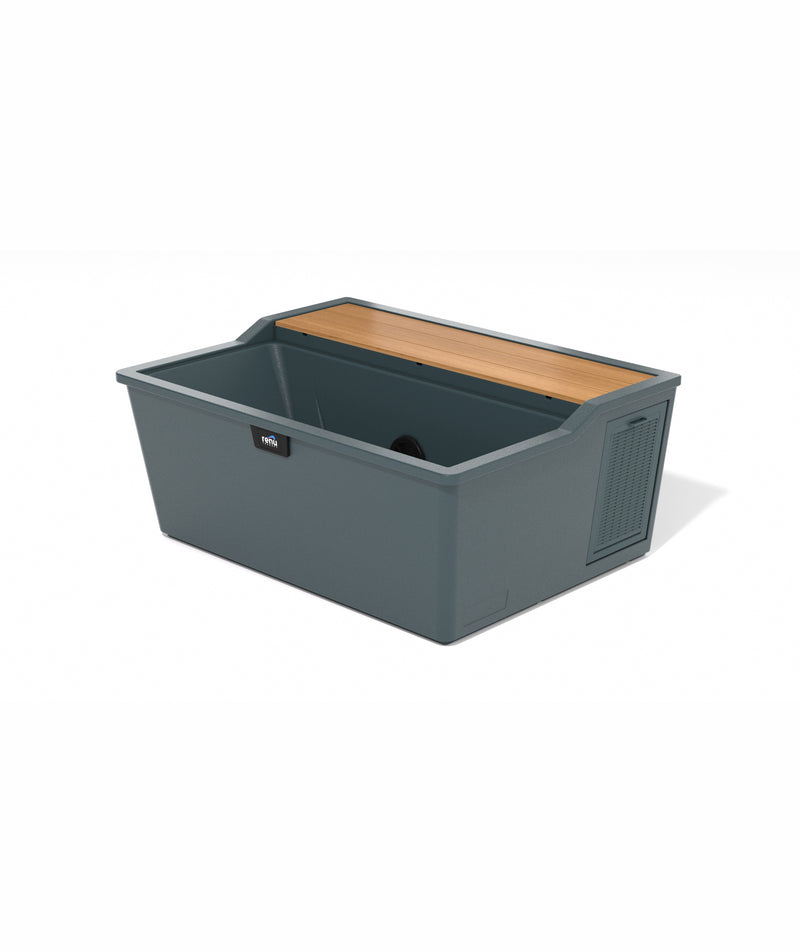
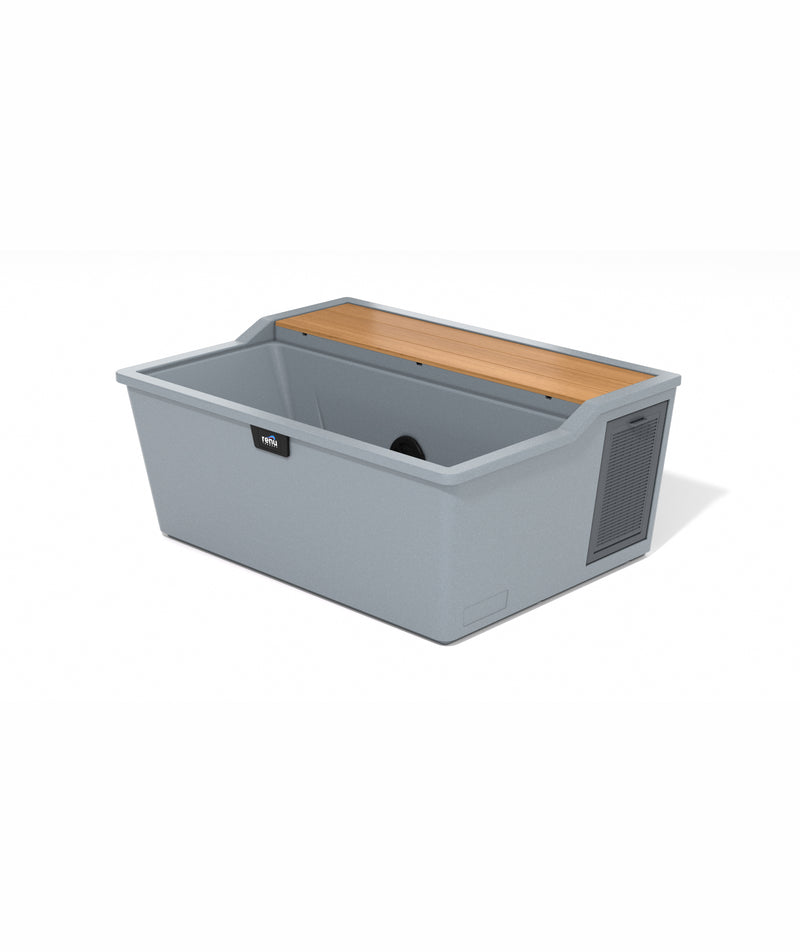
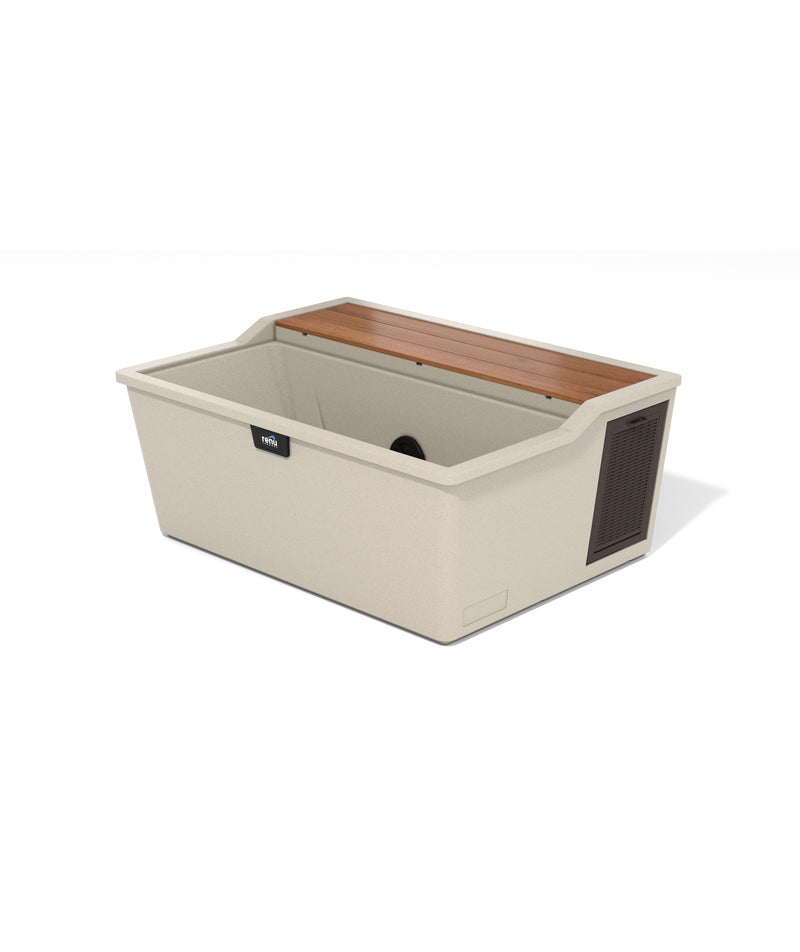
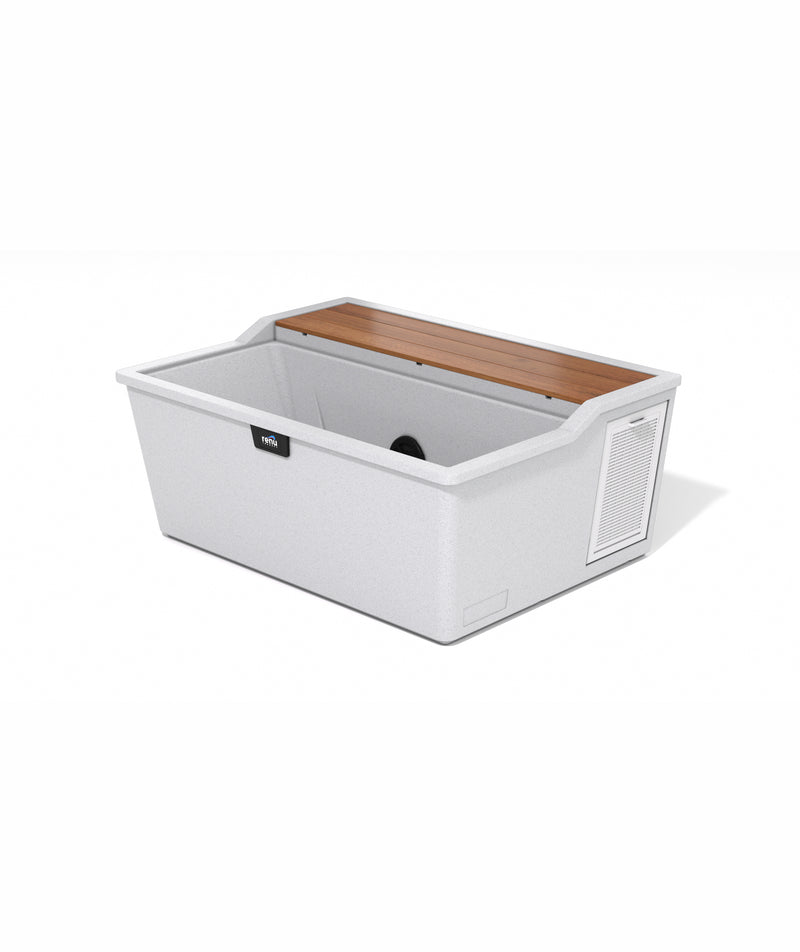
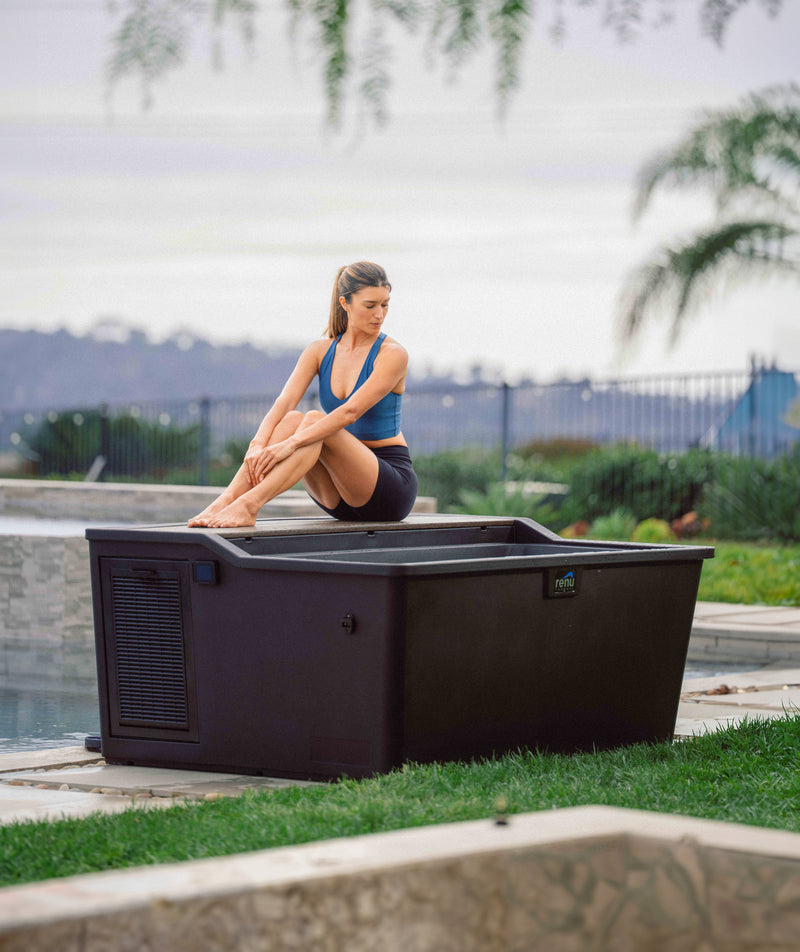
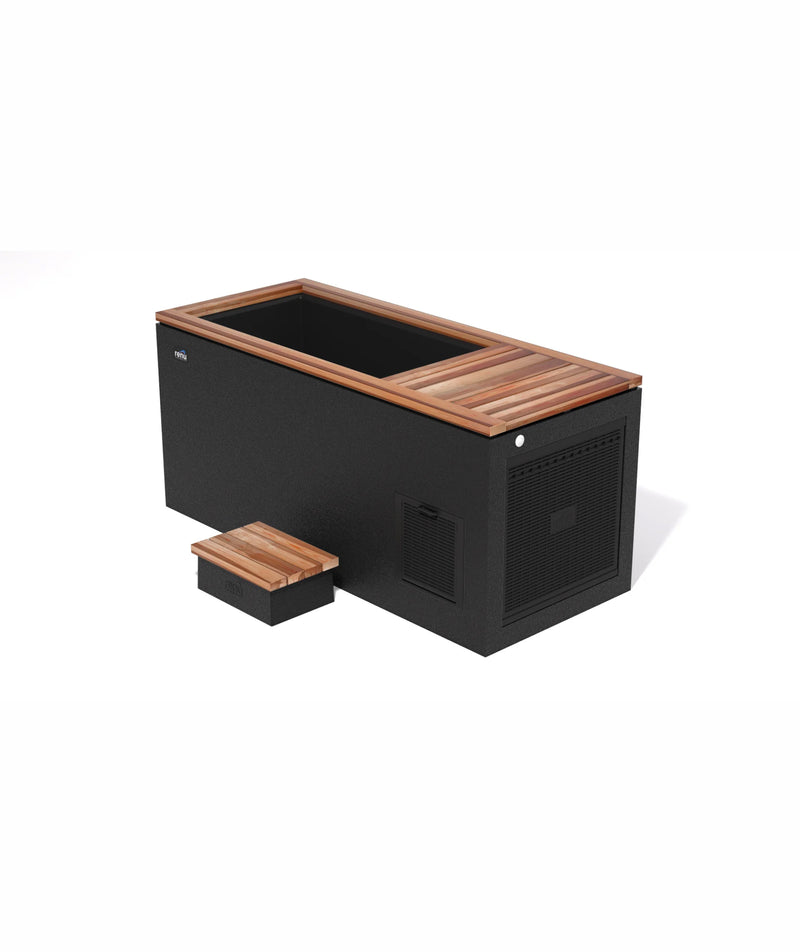
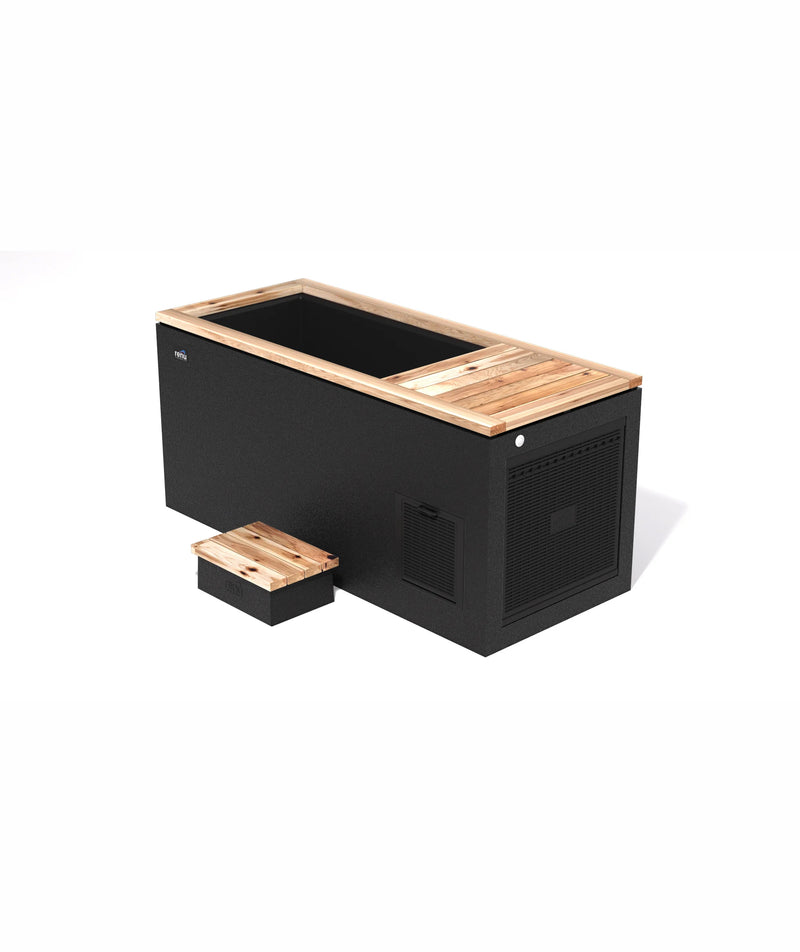
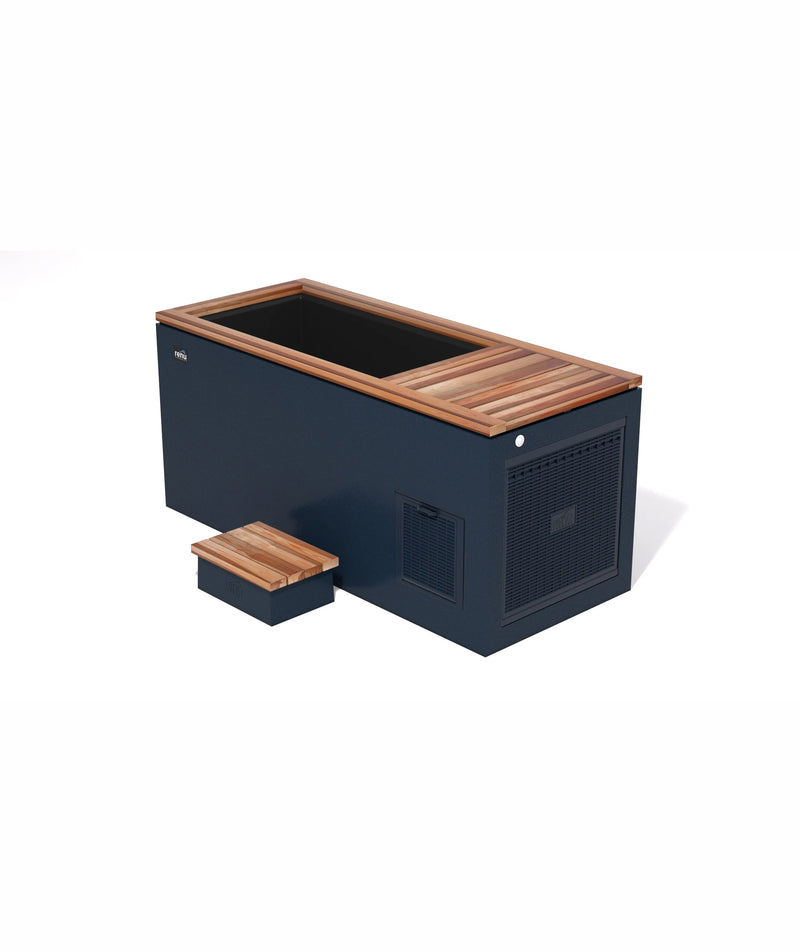
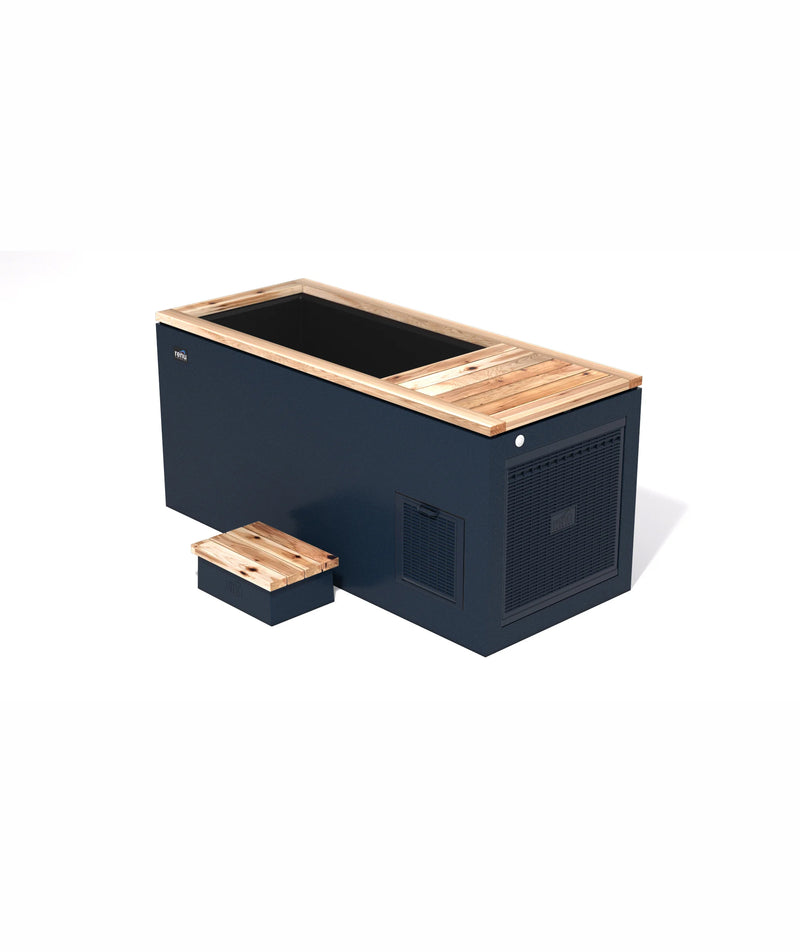
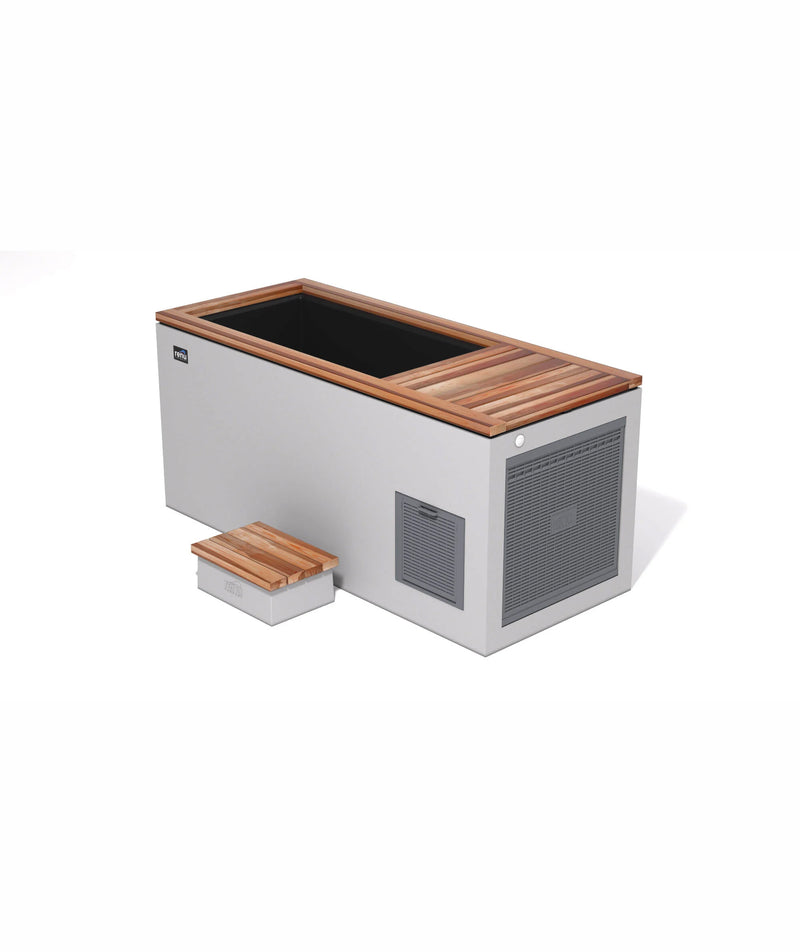
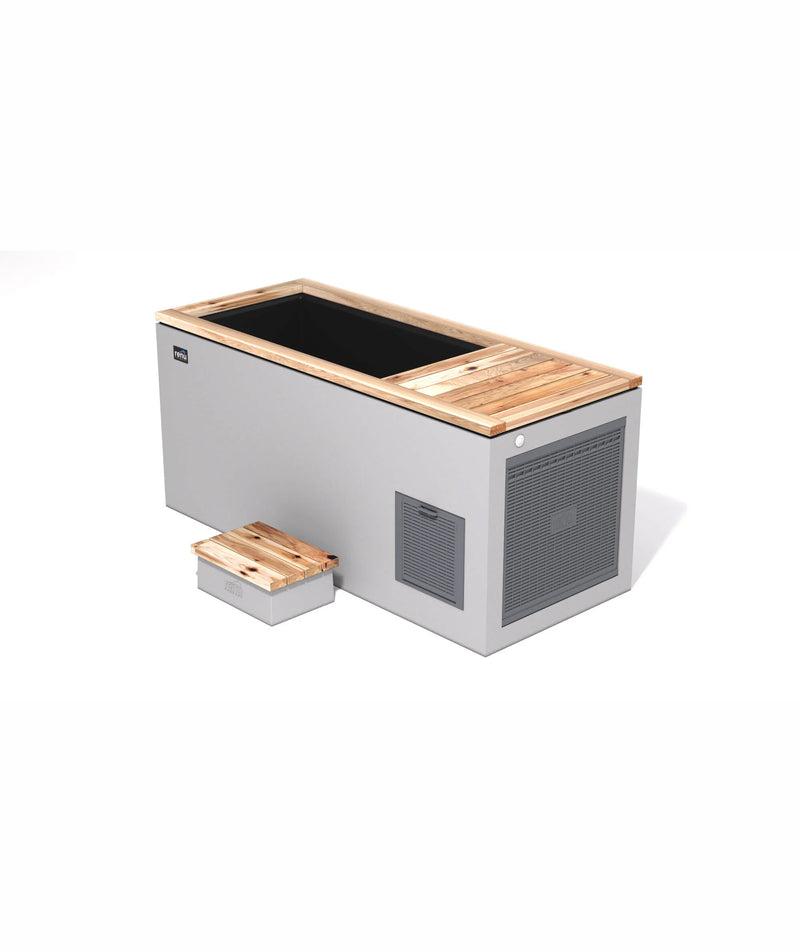
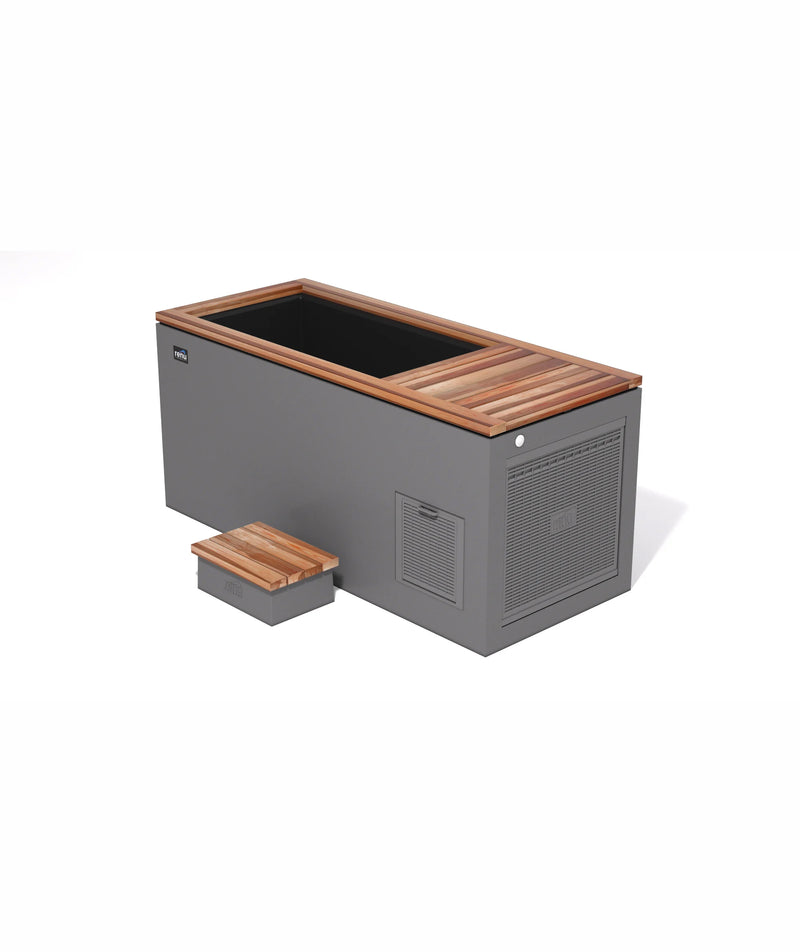
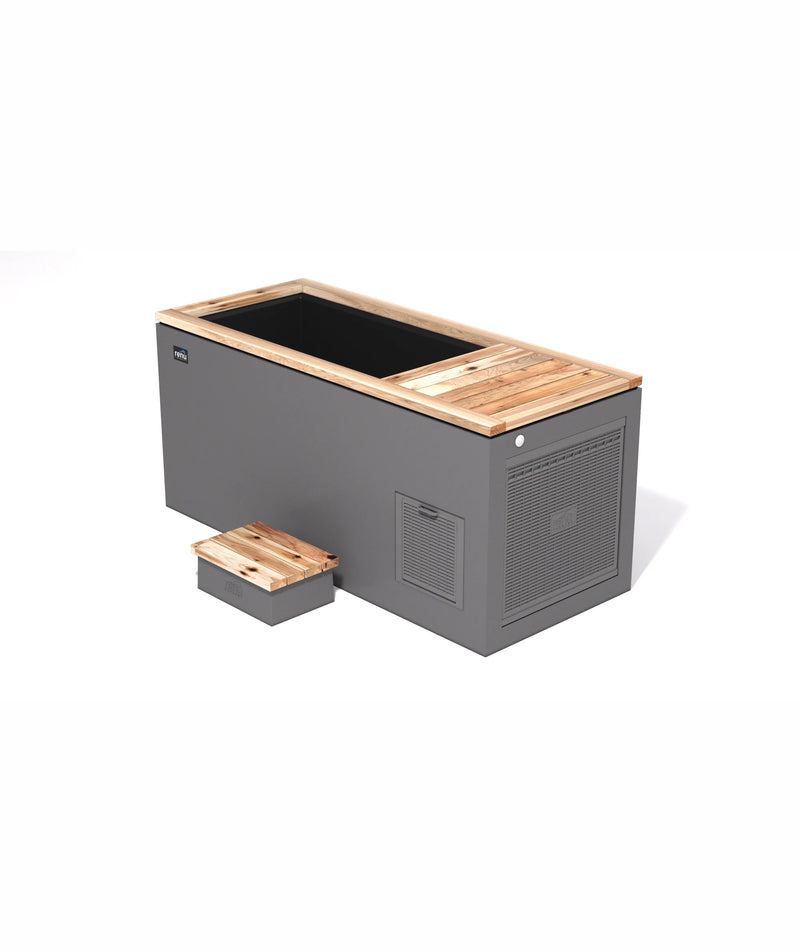
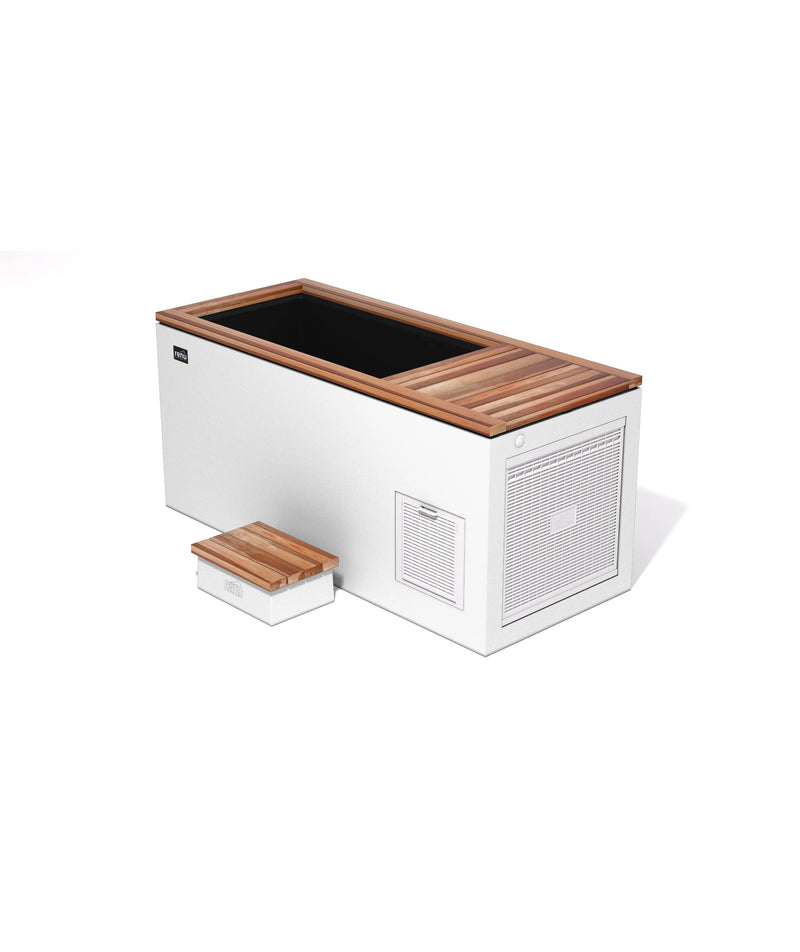
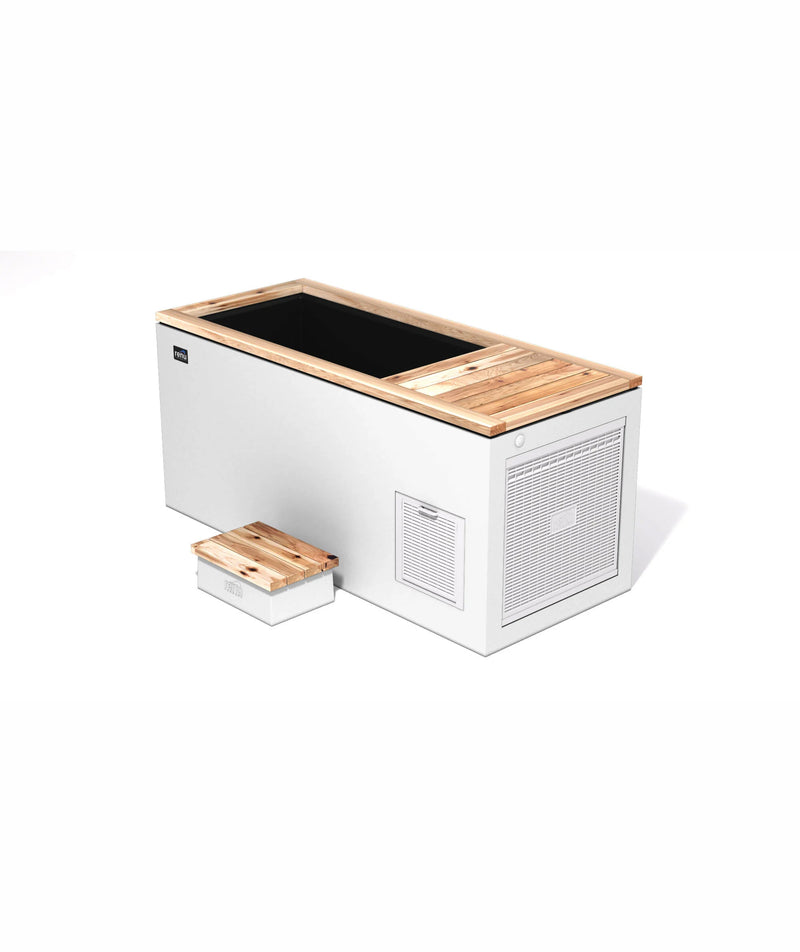
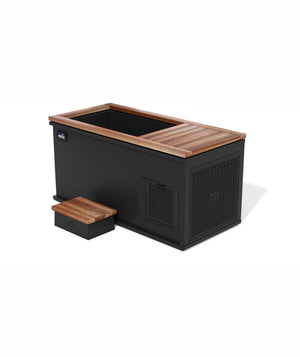
Hauling ice into your bathtub grows tiresome fast. Remember, ice doesn't melt quickly when it's in large quantities, so you'll also have a tub filled with ice for hours after you finish your plunge. Instead of dealing with this constant hassle, a purpose-built cold plunge tank provides the benefits of ice baths or cold exposure at home, any time.
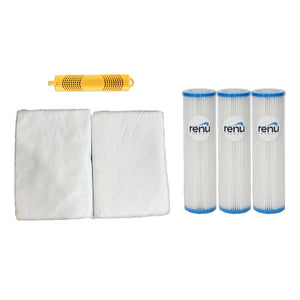
All you have to do is fill the tank once, set the temperature, give it time to reach the precise setting, and it's ready when you are. These tanks have built-in filtration systems that constantly keep the water fresh and clean. Their chiller systems circulate the water non-stop, so it's always cold and ready for you to plunge into.
Nothing could be simpler when you want cold exposure therapy at home!
Cold Plunge Tips and Tricks
After you get a cold plunge tank for home, you'll find that establishing a normal routine helps make the process more enjoyable.
Taking certain steps each time helps you remain calmer in the moments leading up to the cold plunge. This, in turn, helps prevent the nervous reaction of shock, which is a common issue many beginners struggle to overcome at first.
Let's look at some tips and tricks to include in your routine to help you easily dive right in every time.
Focus on Conscious Breathing
One of the core principles of enduring cold water therapy is controlling your physiological responses. For most beginners, this means controlling their breathing. It's common to gasp the moment you get into the icy cold water, with rapid breathing following once you're submerged.
Gaining control over this response requires intense focus on slow, deep breaths in and out. When you're first starting out, this type of conscious breathing should be the most important element of your practice.
Take The Plunge Early Each Day
Another tip that many beginners find helpful is performing the cold water therapy routine first thing in the morning each day. It's much more difficult to gather the willpower it takes to get into cold water after you've already been dressed and going about your day.
By starting your day with cold water exposure, you also start off on the right foot by supporting your physical and mental health. Many people report morning plunges to make them feel more energetic and invigorated, helping them tackle the day ahead.
Warm Back Up Naturally
An important safety tip for beginner cold plunge enthusiasts is to always let your body warm back up slowly and naturally. Though the thought of a steamy hot shower sounds enticing after being immersed in freezing water, it's not safe.
The safest way to warm back up after your cold plunge is to put on warm clothes and gently move about the house, so your muscles fill back up with warm circulated blood.
You Don't Have to Start at the Coldest Setting
It might be tempting to go for the coldest setting when starting out with your cold baths, but this isn't advisable. Remember, if you want the best chance of success when starting a new habit, it's wise to start small.
Stacking up smaller wins on a more consistent basis makes it easier to keep going when your motivation wanes. This especially holds true for establishing a strong habit of cold plunge tub time.
The key to benefitting from this ice bath therapy is consistency, so remember that sticking to it for the long haul is the goal, rather than how cold you can tolerate it.
What's the Easiest Way to Cold Plunge at Home?
When cold water immersion starts to deliver benefits, you can feel you'll want to keep up the routine. That's why choosing a cold plunge tub that stands the test of time is the wisest investment.
RENU Therapy cold plunge tubs boast an industry-leading warranty, along with quality, USA handmade fit and finish that's second to none. Check out our full line of cold immersion tubs and find your perfect match.
If you have questions about the best cold plunge routine, contact us at 714-617-2007 at RENU Therapy today!